ב-1867 יצא סמואל קלמנס הידוע יותר בשמו הספרותי, מארק טוויין, אז עיתונאי צעיר בן 31, למסע תיור ראשון מסוגו. זו הייתה ההפלגה המאורגנת העממית הראשונה בספינת קיטור של תיירים אמריקניים, כאלה שהפרוטה מצוויה בכיסם, אל מעבר לאוקיינוס האטלנטי, והשיט הארוך בים התיכון כלל עצירות בצפון אפריקה, אירופה ומזרח הים התיכון.
מארק טוויין הצטרף להפלגה כעיתונאי של עיתון ידוע מסן פרנסיסקו ובתמורה, היה עליו לשלוח רשמים ממסעו. הטורים, על סגנונם העוקצני וההומוריסטי, הצליחו מאד והפכו לספר שנקרא באנגלית בשם “התמימים בחוץ לארץ״. בעברית נקרא הספר ״מסע תענוגות לארץ הקודש״, למרות שעל פי תיאוריו, רחוק היה המסע מלהיות מסע תענוגות, במיוחד הזמן שבילה בארץ ישראל.
מעניין שמאוחר יותר, שהה מארק טוויין בוינה (1897-1899) ככותב עבור עיתון שערך לא אחר מאשר תיאודור הרצל. טוויין אהד את היהודים וכתב – גם אם בדרכו השנונה והסרקסטית – על חוכמתם, תרבותם, ייחודם, ותרומתם לעולם. עד כדי כך שהיו כאלה שטענו שכינוייו הספרותי, מארק טוויין, נועד להסוות את שמו היהודי לכאורה, סמואל קלמנס.
אך שום דבר מאהדתו ליהודים לא בא לידי ביטוי בתיאוריו לגבי הארץ.
הנה לדוגמא:
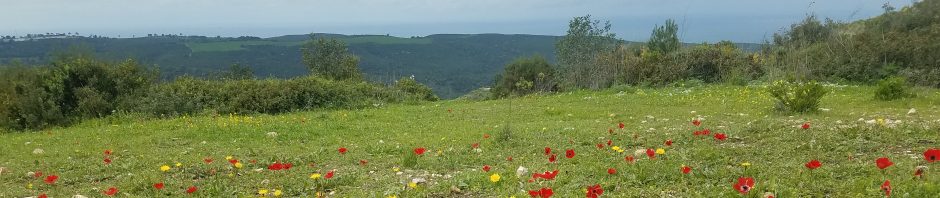
״נדמה לי שמכל הארצות בעלות הנוף המדכדך, ארץ ישראל מחזיקה בכתר. הגבעות קירחות, צבען דהוי, וצורתן רחוקה מלשובב את העין. העמקים הם מדבריות מכוערים המעוטרים בשוליהם בצמחייה דלה שפניה כמו אומרות יגון וייאוש… זוהי ארץ משמימה, חסרת תקווה, שבורת לב…. בכל מרחב השממה סביבנו לא היה אפילו קמצוץ צל, ונצלינו קשות בשמש היוקדת״…
אם זה נשמע עגום, הרי שלתיאור קשה עוד יותר זכתה ירושלים:
…״מצורעים, נכים, סומים ומטורפים מסתערים עליך מכל עבר… ירושלים עיר קודרת, שוממה וחסרת חיים. לא אחפוץ לחיות בה״… ועוד…
חוקרים רבים שאלו, למה תיאר את ארץ הקודש כנוף המכוער ביותר ביחס לכל שאר המקומות שטייל בהם? האם באמת עד כדי כך היה המצב נורא? אולי הושפע מציורים בספרי התנ״כ של ילדותו שהראו – קרוב לודאי – ארץ זבת חלב ודבש אגדית, והניגוד היכה אותו בתדהמה? אולי סתם רצה להשמיץ??
ואולי דווקא הדהדו לנו דבריו משהו שנאמר לנו אלפי שנים עוד קודם?
השבוע לפנינו פרשה כפולה – בהר-בחוקותי – שסוגרת את ספר ויקרא. פרשת ״בהר״ עוסקת בעיקר בנושא שנת השמיטה והיובל, ובפרשת ״בחוקותי״ אנחנו מקבלים את הסט הראשון של ה״ברכות והקללות״ (השני יגיע בספר דברים, פרק כח). הקב״ה מסביר מה יקרה אם נלך בדרכיו (יהיה טוב), ומה יקרה אם לא (…), כשהרע הוא הרבה יותר מורכב והרבה יותר מפורט מהטוב. בין השאר, אנחנו שומעים מה יקרה לארץ אם – או כאשר – עם ישראל יחטא ויצא לגלות:
וַהֲשִׁמֹּתִ֥י אֲנִ֖י אֶת־הָאָ֑רֶץ וְשָֽׁמְמ֤וּ עָלֶ֙יהָ֙ אֹֽיְבֵיכֶ֔ם הַיֹּשְׁבִ֖ים בָּֽהּ (ויקרא כו, לב). בתרגום חופשי – הארץ תהיה שממה כך שגם האויבים שניסו לקחת אותה מאיתנו, לא יוכלו לשבת בה.
רש״י בהתבסס על המדרש אומר על הפסוק הזה: והשימותי אני את הארץ: זוֹ מִדָּה טוֹבָה לְיִשְׂרָאֵל, שֶׁלֹּא יִמְצְאוּ הָאוֹיְבִים נַחַת רוּחַ בְּאַרְצָם, שֶׁתְּהֵא שׁוֹמֵמָה מִיּוֹשְׁבֶיהָ (ספרא), כלומר, גם כשבני ישראל יגלו מהארץ, הארץ לא תשאר בכוחה ובברכתה, וגם ״האומות שיתישבו בה לא ימצאו בה נחת רוח… ואמרו חז”ל שזו טובה לישראל שהארץ לא תוסיף תת כחה לזרים וגם האויבים לא ימצאו בה חפץ״ (מלבי״ם).
גם הרמב״ן מסביר: ״וכן מה שאמר כאן ׳ושממו עליה אויביכם, היא בשורה טובה מבשרת בכל הגלויות – אין ארצנו מקבלת את אויבינו, וגם זו ראיה גדולה והבטחה לנו, כי לא תימצא בכל הישוב ארץ אשר היא טובה ורחובה, ואשר היתה נושבת מעולם והיא חרבה כמוה, כי מאז צאתנו ממנה, לא קיבלה אומה ולשון, וכולם משתדלים להושיבה ואין לאל ידם״…
אם כך, דווקא תיאוריו של מארק טוויין את הארץ השוממה, הם לא עלבון חלילה, אלא הוכחה לברכת הארץ. הנה מישהו שראה את הדברים לפני כ-120 שנה ותיאר אותם במדויק: ארץ שהייתה ״ארץ זבת חלב ודבש״, הפכה בימי אחרים, למרות נסיונות פיתוח, לשממה, ורק כשבני ישראל חזרו אליה, שוב התעוררה הארץ.
ארץ ישראל מתוארת לא פעם כאישה אבלה שלא מתקשטת ומתהדרת כי אהובה עוד לא הגיע. השכנות יכולות לצקצק עליה, להגיד שהיא נראית זוועה עם השמאטעס שהיא לובשת, בלי איפור, נו באמת… אבל זו בהפוך המחמאה הגדולה לנאמנותה ואמונתה, ולקשר המיוחד שלה עם אהוב ליבה, לו היא מחכה. ארץ ישראל אינה ״סתם״ אדמה שכל אחד יכול לעשות בה כרצונו. היא מקום חי, ומתייפה רק כשאהובה שב אליה, ועפ״י חז״ל, זהו אחד מסימני הגאולה. במקום לקרוא את מארק טוויין ולהתעצבן, אפשר לראות שבעצם הוא משקף את מה שנאמר בפרשה לעיני כל: ״וְזָכַרְתִּ֖י אֶת־בְּרִיתִ֣י יַעֲק֑וֹב וְאַף֩ אֶת־בְּרִיתִ֨י יִצְחָ֜ק וְאַ֨ף אֶת־בְּרִיתִ֧י אַבְרָהָ֛ם אֶזְכֹּ֖ר וְהָאָ֥רֶץ אֶזְכֹּֽר…״ (כו: מב).
שבת שלום.
In 1867, Samuel Clemens, better known by his pen name Mark Twain, then a 31-year-old journalist, set out on the first of its kind tour. It was the first organized, popular steamship voyage of wealthy American tourists across the Atlantic Ocean, and the cruise along the Mediterranean, included stops in North Africa, Europe, and the eastern Mediterranean.
Mark Twain joined the voyage as a journalist for a well-known San Francisco newspaper and in return, he was to send back impressions of his journey. The columns, with their biting and humorous style, were very successful and became a book called in English “The Innocents Abroad”. In Hebrew, the book is called “A Pleasure Trip to the Holy Land”, although according to his descriptions, the trip was far from being a pleasure trip, especially the time he spent in the Land of Israel.
Interestingly, later, Mark Twain spent time in Vienna (1897-1899) as a writer for a newspaper whose editor was none other than Theodor Herzl. Twain sympathized with the Jews and wrote – albeit in his own witty and sarcastic style – about their wisdom, culture, uniqueness, and contribution to the world. So much so that some have claimed that his literary pen name, Mark Twain, was intended to disguise his supposedly Jewish name, Samuel Clemens.
But none of his sympathy for the Jews is expressed in his descriptions of the land.
Here is an example:
“It seems to me that of all the countries with the most depressing scenery, The Land of Israel holds the crown. The hills are bald, their color faded, and their shape is far from pleasing to the eye. The valleys are ugly deserts adorned at their edges with sparse vegetation whose faces seem to express grief and despair… It is a desolate, hopeless, heartbroken land…. In all the vast expanse of desolation around us there was not even a speck of shade, and we were badly burned in the scorching sun”…
If this sounds bleak, then Jerusalem has been given an even harsher description:
… “Lepers, cripples, blindmen and madmen are attacking you from all sides… Jerusalem is a gloomy, desolate and lifeless city. I would not want to live in it”…
and more…
Many scholars have asked why he described the Holy Land as the ugliest landscape in comparison to all the other places he traveled to? Was the situation really that terrible? Perhaps he was influenced by illustrations in the Bible books of his childhood that showed – most likely – a legendary land flowing with milk and honey, and the contrast struck him with astonishment? Maybe he just wanted to slander??
Or maybe his words actually resonated something we were told thousands of years earlier?
This week we have a double portion – Behar-Behukoti – that closes the book of Leviticus. “Behar” deals mainly with the Shmita (the Agricultural Sabbatical year) and the jubilee, and in “Behukoti” we receive the first set of “blessings and curses” (the second will come in Deuteronomy, Chapter 28). God explains what will happen if we follow His ways (things will be good), and what will happen if we do not (…), with the evil being much more complex and much more detailed than the good. Among other things, we hear what will happen to the Land if – or when – the people of Israel sin and go into exile:
“I will make the Land desolate, so that your enemies who settle in it shall be appalled by it” (Leviticus 27:33), that is, the land will be so barren, that even our enemies who tried to take it from us, will not be able to dwell in it.
Rashi, based on the Midrash, says about this verse: “I will make the Land desolate’… This is a good thing for Israel, for the enemies will not find rest and peace of mind in their Land; that it will be desolate from its inhabitants” (sifra), that is, even when the Children of Israel are exiled from the Land, the Land will not remain in its strength and blessing, and also “the nations that will settle in it, will not find any peace in it… and the Sages said that this is a good thing for Israel, that the Land will not give its strength to strangers, and the enemies will not find peace in it” (Malbim).
The Ramban also explains: “And what is said here… is good news heralded in all exiles – our Land does not accept our enemies, and this is also great evidence and promise to us, for there has not been found in the entire world, a Land which good and prosperous, and that has always flourished, and is likewise desolate, because since we left it, it has not received another nation or language, and everyone is trying to settle it, but they are unable to do so.”…
If so, Mark Twain’s descriptions of the desolate Land are not an insult, Gd forbid, but rather, a proof of the blessing of the Land. Here is someone who saw things about 120 years ago and described them accurately: a land that was “a land flowing with milk and honey,” turned in the hands of others, despite attempts at its development, to a wasteland, and only when the Children of Israel have returned, did the Land awaken again.
The Land of Israel is often described as a woman in mourning, who does not adorn herself and does not show-off, because her lover has not yet come back. The neighbors can snicker at her, saying that she looks horrible with those rags she’s wearing, and what, with no make-up, seriously…. But this is, on the contrary, the greatest compliment to her loyalty and faith, and to her special connection with her beloved, for whom she is waiting. The Land of Israel is not “just” a piece of dirt that anyone can do with as they please. It is a living place, and becomes beautiful only when her beloved returns to it, and according to our sages, this is one of the signs of redemption. Instead of reading Mark Twain and getting angry, we can see that he is actually reflecting what is said in this Torah portion for all to see: “Then will I remember My covenant with Jacob; I will remember also My covenant with Isaac, and also My covenant with Abraham; and I will remember The Land” (Leviticus 26:42).
Shabbat Shalom.

ולכבוד יום ירושלים


 Torah & more... תורה ועוד