OUR PODCAST (ENGLISH): https://open.spotify.com/episode/6SjjVkHAM7ZLhV2QDcrZ3s
ואלה שמות... הפתיח לספר שמות
ספר שמות, הספר שיתאר את תחילת ההיסטוריה שלנו כעם, את היציאה ממצרים, מתן תורה ובניית המשכן, נפתח במילים: “וְאֵ֗לֶּה שְׁמוֹת֙ בְּנֵ֣י יִשְׂרָאֵ֔ל הַבָּאִ֖ים מִצְרָ֑יְמָה אֵ֣ת יַעֲקֹ֔ב אִ֥ישׁ וּבֵית֖וֹ בָּֽאוּ”… (שמות א,א).
שם מציע ומאפשר זהות. לכולנו יש שמות שונים מתקופות שונות בחיים, וכבר דרך השם, אני יודעת מי הוא שקורא לי ומי אני עבורו. כך, גם אחד הכינויים שלנו לקב”ה זה – ה-שם, ואחד הדברים שמטרידים את משה במפגש בסנה הבוער בפרשה הזו, הוא “הִנֵּ֨ה אָנֹכִ֣י בָא֮ אֶל־בְּנֵ֣י- יִשְׂרָאֵל֒ וְאָמַרְתִּ֣י לָהֶ֔ם אֱלֹהֵ֥י אֲבוֹתֵיכֶ֖ם שְׁלָחַ֣נִי אֲלֵיכֶ֑ם וְאָֽמְרוּ־לִ֣י מַה־שְּׁמ֔וֹ, מָ֥ה אֹמַ֖ר אֲלֵהֶֽם” (שם, ג,יג). לקרוא למישהו בשם, זה סוג של הכרות, סימן חיבה.
מנגד, בתקופת השואה למשל, אחד הצעדים נגדנו היה להחליף את השמות שלנו תחילה ב״כוכבים צהובים״ ואחר-כך במספרים. גם בתחילת ספר שמות, למרות הפתיח המבטיח, די מהר כל השמות נעלמים.
הגלות מערערת את פרטי הזהות ומאיימת על הקיום בכל מובן אפשרי וזה מתבטא מייד באובדן השמות, שמשקף את סכנת השכחה, מאין באת ולאן אתה הולך, בין התבוללות והיעלמות לבין מאבק על הישרדות: פיזית, רגשית, רוחנית. הזיהוי עובר להיות לפי סימן חיצוני – צבע, לאום, דת, מיבטא. מתישהו, אתה נכנס לסטארבקס ומחליט לקרוא לעצמך ג׳אק או מישל רק כדי לקבל את הקפה שלך, אח״כ כבר חושבים שזה השם שלך ומתחילים לקרוא לך כך. קשה להגיד ח׳ וע׳, וזה ״בסדר״.
כשהגלות מתדרדרת לעבדות, השמות אובדים לגמרי, ואנשים מקבלים משמעות רק מתפקידם: המלך. המיילדות. האמא של. האחות של. הילד. הנער.
באופן סמלי, תחילת הגאולה היא היכולת לראות את האחר, וכשמשה נולד, השמות מתחילים לחזור.
המדרש מציין ש”בִּזְכוּת אַרְבָּעָה דְבָרִים נִגְאֲלוּ יִשְׂרָאֵל מִמִּצְרַיִם, והראשון שבהם – שֶׁלֹא שִׁנּוּ אֶת שְׁמָם… (שיר השירים רבה ד,יב).
ספר שמות לא במקרה, כנראה, מתחיל באות וו החיבור כמוסיף על ספר בראשית. אם ספר בראשית היה בריאת העולם וסיפור של יחידים, האבות והאימהות, הרי שספר שמות הוא גם סוג של בראשית, של העם והאומה, והמשך של מה שראינו בתחילת ספר בראשית: “וַיִּקְרָ֨א הָֽאָדָ֜ם שֵׁמ֗וֹת לְכׇל־הַבְּהֵמָה֙ וּלְע֣וֹף הַשָּׁמַ֔יִם וּלְכֹ֖ל חַיַּ֣ת הַשָּׂדֶ֑ה”… (בראשית ב,כ) ולאחר מכן, גם לאשה שלצידו, ולמרות שאולי היה צריך לקרוא לה “אדמה”, ע״פ צורת הנקבה של אדם, ולמרות שכבר קודם נקראה אשה “כִּ֥י מֵאִ֖ישׁ לֻֽקְחָה־זֹּֽאת” (שם,כג). כשהוא הבין שהיא בריאה אחרת לגמרי ממנו, עם זהות אחרת לגמרי – רצונות, שאיפות, יכולות, תפקיד, חלומות – אז “וַיִּקְרָ֧א הָֽאָדָ֛ם שֵׁ֥ם אִשְׁתּ֖וֹ חַוָּ֑ה”… (שם,ג,כ), בדרגה גבוהה של קשר: לראות את האחר כמי שהוא, ולא רק ככלי לצרכים שלי.
אבל מסתבר ש״ואלה שמות״ כבר נאמר, כמעט באותה לשון, קודם לכן, כשבני ישראל ירדו למצרים (בראשית מו,ח). למה לחזור על כך שוב?
אומר לנו רש”י:
ואלה שמות בני ישראל. אַעַ”פִּ שֶׁמְּנָאָן בְּחַיֵּיהֶם בִּשְׁמוֹתָם (כוונתו שכבר הוזכר פסוק כזה קודם לכן בספר בראשית, כשבניו של יעקב ירדו למצרים), חָזַר וּמְנָאָם בְּמִיתָתָם, לְהוֹדִיעַ חִבָּתָם, שֶׁנִּמְשְׁלוּ לְכוֹכָבִים, שֶׁמּוֹצִיאָם וּמַכְנִיסָם בְּמִסְפַּר וּבִשְׁמוֹתָם (שמות רבה), שֶׁנֶּאמר “הַמּוֹצִיא בְמִסְפָּר צְבָאָם לְכֻלָּם בְּשֵׁם יִקְרָא” (ישעיהו מ’).
הכלי יקר מרחיב על רש”י והרעיון של בני ישראל ככוכבים ואומר ש”הכוכב אע”פ שאינו נראה ביום, מכל מקום הוא בנמצא גם ביום …. לפי שכל עיקר שם טוב של אדם אינו ניכר כי אם אחר מותו, כי בחייו אין הדבר ידוע… כי מי יודע אם ישאר בצדקתו”… כלומר, כשהוזכרו בני ישראל בספר בראשית, עוד לא ידענו בדיוק מי הם ומה תהיה המורשת שישאירו אחריהם, אבל כאן, בתחילת ספר שמות, כשבניו של יעקב, בני ישראל המקוריים, כבר הלכו לעולמם, אנחנו רואים שהם אכן, זוהרים כמו כוכבים.
אני נזכרת בשירה של חנה סנש:
יֵשׁ כּוֹכָבִים שֶׁאוֹרָם מַגִיעַ אַרְצָה,
רַק כַּאֲשֶׁר הֶם עַצְמָם אָבְדוּ וְאֵינָם.
יש אֲנָשִׁים שֶׁזִיו זִכְרָם מֵאִיר
כַּאֲשֶׁר הֵם עַצְמָם אֵינָם עוֹד בְּתוֹכֵנוּ.
אוֹרוֹת אֵלֶה הַמַּבְהִיקִים בְּחֶשְׁכַת הַלַיִל –
הֵם הֵם שֶׁמַּרְאִים לָאָדָם אֶת הַדֶּרֶךְ.
לרש”ר הירש יש רעיון ייחודי לפסוק הפותח כשהוא מתמקד דווקא בהמשך, ״אֵ֣ת יַעֲקֹ֔ב אִ֥ישׁ וּבֵית֖וֹ בָּֽאוּ״. לטענתו, המילה ״את״ כאן מספרת לנו שבני ישראל היו אנשים בוגרים ועצמאיים, כל אחד יחיד ומיוחד, ובו-זמנית בניו של אב אחד, חלק ממשפחה קרובה וחזקה.
נראה שזה האתגר שלנו גם היום: לאפשר ולעודד את האינדיבידואליות של כל אחד מאיתנו, כל אחד על פי שמו ויחודו, ובו זמנית, להיות עם אחד ולשמור על אחדותנו, גם אם נדמה שאלו שני אתגרים סותרים. לכך נוסיף את קולו של החיד”א שלימד שהמילה ״מצרימה״ שווה בגימטריה למילה ״שכינה״, כי גם במקום הצר והחשוך ביותר, נוכחות השכינה איתנו, ובעזרתה, נמצא את הדרך ממצרים לארץ המובטחת.
שבת שלום.
“And These Are the Names…”
The Book of Exodus, the book that describes the beginning of our history as a People, the Exodus from Egypt, the Giving of the Torah, and the building of the Tabernacle, opens with the words:
“And these are the names of the Children of Israel who came to Egypt with Jacob; each one came with his household…” (Exodus 1:1).
A name offers and enables identity. All of us have different names from different periods in our lives, and already through a name, I know who it is that is calling me and who I am to them. Thus, one of our appellations for the Holy One, blessed be He, is HaShem“ The Name.” One of the things that troubles Moses in his encounter at the burning bush in this parashah is: “Behold, I will come to the children of Israel and say to them, ‘The Gd of your fathers has sent me to you,’ and they will say to me, ‘What is His name?’ What shall I say to them?” (Exodus 3:13). To call someone by name is a kind of acquaintance, a sign of affection.
Conversely, during the Holocaust, for example, one of the steps taken against us was first to replace our names with “yellow stars,” and later with numbers. So too, at the beginning of the Book of Exodus, despite its promising opening (shmot = names), very quickly all the names disappear.
Exile destabilizes the details of identity and threatens existence in every possible sense, and this is immediately expressed in the loss of names, which reflects the danger of forgetting where you come from and where you are going—between assimilation and disappearance on the one hand, and a struggle for survival on the other: physical, emotional, and spiritual. Identification becomes based on an external marker: color, nationality, religion, accent. At some point, you walk into Starbucks and decide to call yourself Jack or Michelle just to get your coffee; afterward people already think that’s your name and start calling you that. It’s hard to pronounce cḥ’et and ‘ayin, and that’s “okay.”
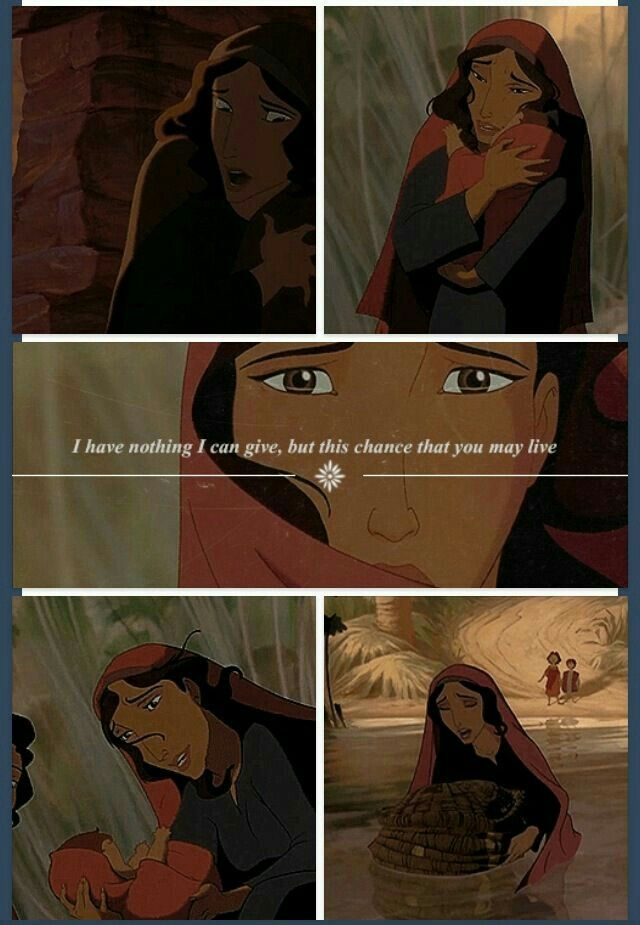
When exile deteriorates into slavery, names are completely lost, and people gain meaning only from their function: the king, the midwives, the mother of, the sister of, the child, the youth.
Symbolically, the beginning of redemption is the ability to see the other, and when Moses is born, names begin to return.
The Midrash notes that “by virtue of four things Israel was redeemed from Egypt, and the first of them was that they did not change their names…” (Shir HaShirim Rabbah 4:12).
The Book of Exodus, not coincidently, begins with the connecting letter vav (“and”), possibly as an addition to the Book of Genesis. If Genesis was the creation of the world and the story of individuals, the patriarchs and matriarchs, then Exodus is also a kind of Genesis: the beginning of the people and the nation, and a continuation of what we saw at the beginning of Genesis: “And the man gave names to all the cattle, to the birds of the sky, and to every beast of the field…” (Genesis 2:20), and afterward, also to the woman beside him. And although perhaps he should have called her “Adamah,” the feminine form of Adam, and although earlier she was already called ishah, woman, “for she was taken from ish, man” (Genesis 2:23), when he understood that she was an entirely different creation from him, with a completely different identity, desires, aspirations, abilities, role, dreams, then “the man called his wife’s name Chavah (Eve)” (Genesis 3:20). This reflects a higher level of relationship: seeing the other as who they truly are, and not merely as a tool for my needs.
But it turns out that “And these are the names” was already said earlier, almost in the same language, when the Children of Israel went down to Egypt (Genesis 46:8). Why repeat it again?
Rashi explains:
“And these are the names of the Children of Israel”—even though He already counted them by name during their lifetimes (referring to the verse in Genesis when Jacob’s sons descended to Egypt), He counted them again after their deaths, to make known His affection for them, for they are compared to stars, which He brings out and brings in by number and by name (Exodus Rabbah), as it is said: “He brings out their host by number; He calls each of them by name” (Isaiah 40).
The Kli Yakar expands on Rashi and the idea of the Children of Israel as stars, saying that “a star, even though it is not seen during the day, nevertheless exists also during the day… for the essence of a person’s good name is recognized only after his death, for during his lifetime the matter is not yet known… for who knows whether he will remain in his righteousness.” That is, when the Children of Israel were mentioned in the Book of Genesis, we did not yet know exactly who they were or what legacy they would leave behind. But here, at the beginning of the Book of Exodus, when the sons of Jacob, the original children of Israel, have already passed away, we see that they indeed shine like stars.
I am reminded of Hannah Senesh’s poem:
There are stars whose light reaches the earth
Only when they themselves are lost and gone.
There are people whose radiance illuminates
When they themselves are no longer among us.
These lights, shining in the darkness of the night—
They are the ones that show a person the way.
Rav Samson Raphael Hirsch offers a unique idea about the opening verse by focusing דווקא on its continuation: “with Jacob; each man came with his household.” In his view, the word et (“with”) here teaches us that the Children of Israel were mature and independent individuals, each one unique, and at the same time the children of one father, part of a close and strong family.
It seems that this is our challenge today as well: to allow and encourage the individuality of each of us, each according to their name and uniqueness, and at the same time to be one people and preserve our unity, even if these appear to be two contradictory challenges. To this we can add the voice of the Chi”da, who taught that the word Mitzraymah (“to Egypt”) has the same numerical value as the word Shechinah, because even in the narrowest and darkest place, the presence of the Shechinah – Gd’s presence – is with us, and with her help, hopefully we’ll find the way from Egypt to the Promised Land.
Shabbat Shalom.


 Torah & more... תורה ועוד