פרשת וישלח: וַיִּפֹּ֥ל עַל־צַוָּארָ֖ו וַׄיִּׄשָּׁׄקֵ֑ׄהׄוּׄ וַיִּבְכּֽוּ…
ספר בראשית הוא הספר עם הכי הרבה נשיקות בתנ”ך, ובו 10 (במקרה?) אירועי נשיקה שונים, שמשקפים קשת רחבה של רגשות ואינטרסים.
לפני שבועיים, ראינו את יעקב בלבוש עשו נושק ליצחק (בראשית כז, כו-כז) בנשיקה הראשונה בתנ״כ. בשבוע שעבר, פגשנו את יעקב נושק לרחל במפגש הראשון ביניהם ליד הבאר בחרן, ופורץ בבכי: “וַיִּשַּׁק יַעֲקֹב לְרָחֵל וַיִּשָּׂא אֶת קֹלוֹ וַיֵּבְךְּ” (בראשית כט, יא). גם לבן, אביה, נשק ליעקב כשהביא אותו לביתו (בראשית כט, יג), ולאחר מכן, בפרידתם המסובכת, תחילה טען לבן שיעקב לא נתן לו להפרד מהבנות שלו כראוי, כלומר, לנשק אותן לשלום (בראשית לא, כח) ולאחר כריתת הברית בהר הגלעד, לבן משכים בבוקר, מנשק לבניו ולבנותיו ומברך אותם לפני שובו למקומו: “וַיְנַשֵּׁק לְבָנָיו וְלִבְנוֹתָיו וַיְבָרֶךְ אֶתְהֶם” (בראשית לב, א). ועוד נראה בעתיד את הנשיקות של יוסף לאחיו, יעקב לבני יוסף ויוסף לאביו, בנשיק. הפרידה והאבל, האחרונה בספר בראשית, כשיוסף נופל על פני אביו המת, בוכה ונושק לו.
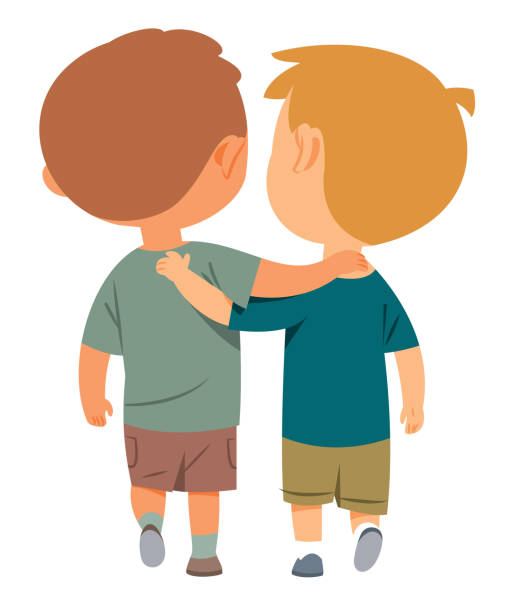
אבל אין ספק שאחת הנשיקות הכי מורכבות ומסתוריות גם בתורה וגם בדברי חז״ל היא זו בפרשת השבוע שלנו, ״וישלח״, במפגש בין עשו ויעקב: וְהוּא (יעקב) עָבַר לִפְנֵיהֶם וַיִּשְׁתַּחוּ אַרְצָה שֶׁבַע פְּעָמִים עַד גִּשְׁתּוֹ עַד אָחִיו: וַיָּרָץ עֵשָׂו לִקְרָאתוֹ וַיְחַבְּקֵהוּ וַיִּפֹּל עַל צַוָּארָו וַׄיִּׄשָּׁׄקֵ֑ׄהׄוּׄ וַיִּבְכּֽוּ׃ וַיִּשָּׂא אֶת עֵינָיו וַיַּרְא אֶת הַנָּשִׁים וְאֶת הַיְלָדִים וַיֹּאמֶר מִי אֵלֶּה לָּךְ וַיֹּאמַר הַיְלָדִים אֲשֶׁר חָנַן אֱלֹהִים אֶת עַבְדֶּךָ (בראשית לג, ג-ה).
אני מקוה שאפשר לראות את 6 הנקודות מעל המילה וַׄיִּׄשָּׁׄקֵ֑ׄהׄוּׄ. אלה הם לא עקבות של זבוב שטייל על המסך (כפי שהיתה אומרת מורתי האגדתית לערבית, שם היו הרבה נקודות על הלוח…), אלא כך הוא הטקסט גם בתורה. הנקודות האלה הדהדו מחלוקת עמוקה אצל חז”ל והפרשנים: האם הנשיקה הייתה אמיתית וכנה, או שמדובר בהעמדת פנים, או אפילו, שנאה ותוקפנות שנבלמו ברגע האחרון?
במדרש מופיעה מחלוקת בין שני תנאים: רבי שמעון בר יוחאי (רשב״י) הולך ע״פ כלל חז״ל שאומר ״הלכה בידוע שעשו שונא ליעקב״. לפי גישה זו, הנקודות מראות שהנשיקה לא הייתה כנה, ובעצם עשו התכוון לנשוך את יעקב ולהרוג אותו, אך בדרך נס צווארו של יעקב נעשה קשה כאבן שיש ושיניו של עשו קהו. הבכי שלהם הוא מפני שיעקב בכה על צווארו, ועשו בכה על שיניו שנשברו, וכמובן שלכל הפרטים האלו יש משמעויות סימליות נרחבות.
רבי ינאי ורבי שמעון בן אלעזר (שהיה תלמידו של רשב״י!) טענו להיפך: דווקא ברגע הזה, הנקודות באות להדגיש שבניגוד לאיבה הרגילה ששררה בין יעקב ועשו, באותה שעה, גברו רחמיו של עשו, והוא נשק ליעקב בכל ליבו (בראשית רבה ע”ח, ט’ ובספרי במדבר ס”ט). רש״י מביא את שתי התשובות ע״פ המדרש, ומשאיר לנו את המתח וההחלטה מה קרה שם ומה עתיד לקרות: פיוס או סכנה תמידית? ואולי שניהם גם יחד, ואיך זה אפשרי?
אבן עזרא ורמ״בן הולכים עם הפירוש השני של חז”ל. הרמב”ן מסביר כי הכניעה המוחלטת של יעקב (שבע ההשתחוויות והמנחה העצומה שתוכננה בדייקנות ע״י מישהו שידע איך להרבות את הצאן כך שהמתנה שלו גם תמשיך לתת) ריככה את ליבו של עשו, והפכה את כעסו לרחמים ואהבת אחים אמיתית באותו רגע. אך זה מעלה את השאלה, האם היחס עם עשו תלוי במתנות?
הנצי״ב מוולוז׳ין (״העמק דבר״) מציע פירוש פסיכולוגי – היסטורי. לדבריו, הנקודות מלמדות שהנשיקה של עשו הייתה שלמה ואמיתית, אך רק כל עוד עשו מרגיש שיעקב מכיר בעליונותו הארצית ומתנהג אליו בכבוד. כשיעקב מתחזק ומקבל מעמד מעל עשו, האיבה עלולה להתעורר מחדש. אפשר להקביל את זה לתחושת העולם כלפי העם היהודי אחרי השואה, לעומת בהמשך, שלא לדבר על ימינו…
וזה גם יכול להסביר לנו גם למה מיד לאחר החיבוק והנשיקה, יעקב בכל זאת מחליט ללכת בדרך אחרת: “יַעֲבָר נָא אֲדֹנִי לִפְנֵי עַבְדּוֹ” (לג, יד) וגם עשו לא ממש מתווכח וממשיך בדרכו: ״וַיָּ֩שׇׁב֩ בַּיּ֨וֹם הַה֥וּא עֵשָׂ֛ו לְדַרְכּ֖וֹ שֵׂעִֽירָה״ (שם, טז). לפי הכלי יקר (רבי שלמה אפרים מלונטשיץ) יש כאן גם סוג של חלוקת תפקידים: עשו נוטל ראשון את הנאות העולם הזה, ויעקב מוותר עליהן כרגע לטובת העולם הנצח.
ואולי, כפי שמציע הרש״ר הירש, המפגש של עשו ויעקב הוא גם מסר לעתיד הרחוק: המפגש הוא כנה, אך טרם קרה. הנשיקה והבכי המשותף מסמל בעיניו את הרגע שבו האנושות (עשו) וישראל (יעקב) מזהים זה בזה אחים בני אב אחד, ומתוך ההבנה שישראל לא מתחרים על כיבוש ושלטון חומרי, אלא פועלים מתוך ייעוד רוחני ומוסרי, יכולים לבנות סופסוף יחסים מתוקנים. הלוואי ונזכה.
שבת שלום.
The Torah portion of Vayishlach: “and he fell upon his neck, kissed him, and they wept”…
The Book of Genesis is the book with the most kisses in the Bible. It contains ten (by coincidence?) different episodes of kissing, reflecting a wide range of emotions and interests.
Two weeks ago, we saw Jacob, dressed in Esau’s clothing, kissing Isaac (Genesis 27:26–27), in the first kiss in the Bible. Last week, we encountered Jacob kissing Rachel at their first meeting by the well in Haran, and bursting into tears: “Then Jacob kissed Rachel, and he lifted up his voice and wept” (Genesis 29:11). Lavan, her father, also kissed Jacob when he brought him into his home (Genesis 29:13). Later, during their complicated parting, Lavan initially complained that Jacob had not allowed him to say a proper goodbye to his daughters — that is, to kiss them farewell (Genesis 31:28). After they made a covenant on Mount Gil’ad, Lavan rose early in the morning, kissed his sons and daughters, and blessed them before returning to his own place: “And he kissed his sons and his daughters, and blessed them” (Genesis 32:1).
We will also encounter, later on, Joseph’s kisses to his brothers, Jacob’s kisses to Joseph’s sons, and Joseph’s kiss to his father in an expression of farewell and mourning. The last of these kisses in the Book of Genesis takes place when Joseph falls upon his deceased father’s face, weeps, and kisses him.
But without a doubt, one of the most complex and mysterious kisses, both in the Torah and in the words of the Sages, is the one in this week’s parashah, Vayishlach, at the meeting between Esau and Jacob:
And he (Jacob) passed before them and bowed down to the ground seven times, until he came near his brother. Esau ran to meet him, embraced him, fell upon his neck, kissed him, and they wept. And he lifted up his eyes and saw the women and the children, and said, “Who are these with you?” And he answered, “The children whom God has graciously given your servant.” (Genesis 33:3–5).
I hope you can see the six dots above the word וַׄיִּׄשָּׁׄקֵ֑ׄהׄוּׄ (and he kissed him). These are not the traces of a fly that wandered across the screen (as my legendary Arabic teacher used to say, when there were so many dots on the blackboard…), but this is how the word actually appears in the Torah itself. These dots echo a profound disagreement among the Sages and biblical commentators: Was the kiss genuine and sincere, or was it an act of pretense, or even an expression of hatred and aggression that was restrained at the last moment?
A disagreement between two Tannaim appears in the Midrash. Rabbi Shimon bar Yochai (Rashbi) follows the well-known rabbinic principle: “It is an established tradition that Esau hates Jacob.” According to this approach, the dots indicate that the kiss was not sincere. In fact, Esau intended to bite Jacob and kill him, but miraculously, Jacob’s neck became as hard as marble, and Esau’s teeth were blunted. Their tears were shed because Jacob wept over his neck, while Esau wept over his broken teeth. Needless to say, all these details carry far-reaching symbolic meanings.
Rabbi Yannai and Rabbi Shimon ben Elazar (who was actually a student of Rashbi!) argued the opposite: The dots are specifically meant to emphasize that, contrary to the usual hostility between Jacob and Esau, at that particular moment Esau’s compassion prevailed, and he kissed Jacob with all his heart (Bereishit Rabbah 78:9 and Sifrei Bamidbar 69).
Rashi brings both interpretations from the Midrash, leaving us with the tension and the decision about what actually happened there, and what might happen in the future: reconciliation or constant danger? Or perhaps both at the same time — and how is that possible?
Ibn Ezra and Ramban follow the second interpretation of the Sages. Ramban explains that Jacob’s complete submission (the seven prostrations and the enormous gift, carefully planned by someone who knew how to increase his flocks so that the gift would continue to reproduce) softened Esau’s heart, transforming his anger into compassion and genuine brotherly love, at least in that moment. But this raises the question: Is the relationship with Esau dependent on gifts?
The Netziv of Volozhin (in his commentary Ha’amek Davar) offers a psychological-historical interpretation. In his view, the dots teach us that Esau’s kiss was complete and genuine, but only as long as Esau felt that Jacob acknowledged his earthly superiority and treated him with respect. Once Jacob grew stronger and attained a status above Esau, the hostility could awaken once again. We might draw a parallel to the world’s attitude toward the Jewish people after the Holocaust, compared with what came later — not to mention our own times…
This may also help explain why, immediately after the embrace and kiss, Jacob nevertheless decides to take a different route: “Let my lord go on ahead of his servant” (33:14). Esau, too, does not really argue and simply continues on his way: “That day Esau returned on his way to Seir” (33:16). According to the Kli Yakar (Rabbi Shlomo Ephraim of Luntschitz), there is also a kind of division of roles here: Esau takes the pleasures of this world first, while Jacob relinquishes them, for the time being, in favor of the eternal world.
And perhaps, as Rabbi Samson Raphael Hirsch suggests, the meeting between Esau and Jacob also carries a message for the distant future. The meeting is sincere, but it has yet to take place. In his view, the kiss and the shared tears symbolize the moment when humanity (Esau) and Israel (Jacob) recognize one another as brothers, children of the same father. When humanity understands that Israel is not competing for material conquest and dominion, but instead acts out of a spiritual and moral mission, they will finally be able to build a relationship of genuine reconciliation. May we merit.
Shabbat Shalom.