Torah & Travel w the Torah portion of Shoftim: “Judges and officers you shall appoint in all your gates”…

תורה וטיולים עם פרשת שופטים: “שֹׁפְטִ֣ים וְשֹֽׁטְרִ֗ים תִּֽתֶּן־לְךָ֙ בְּכׇל־שְׁעָרֶ֔יךָ”…

The Torah portion “Shoftim”, the 5th one in the Book of Deuteronomy in which Moses continues his speech before his death, presents us with countless topics, each pulling us to go deeper and deeper. First, we find here the commandment to appoint judges and officers in every city, the obligation to judge justly (including the call “justice, justice you shall pursue”, as definitely understood the great challenge in this -), and the prohibition of taking bribes. Further in this parsha – the prohibition against idolatry; the commandment to listen to the sages of every generation; the appointment of a king and the details of his duties, the gifts and rights of the priests and levites; the prohibition against various kinds of sorcery and false prophets; the laws of an accidental murderer and cities of refuge; the laws of false witness and scheming witnesses, the laws of war, siege and taking booty (including the famous verse, “for the [hu]man is like a tree in the field”) and the case of egla arufa (“broken-neck-heifer”, a ritual performed when a dead person is found outside the city, and it’s unknown who killed him).גם פרשת שופטים, החמישית בספר דברים בה משה ממשיך בנאום לפני מותו, מציבה בפנינו אינספורי נושאים, שכל אחד מהם מפתה אותנו להכנס לעומק רב. נמצא כאן קודם כל, את הציווי למנות שופטים ושוטרים בכל עיר ועיר, את החיוב לשפוט משפט צדק (כולל הקריאה ל“צֶ֥דֶק צֶ֖דֶק תִּרְדֹּ֑ף”, כשמשה בהחלט הבין את האתגר הגדול שבכך-) והאיסור על לקיחת שוחד. עוד בפרשה  – איסור עבודה זרה, המצווה לשמוע לדברי החכמים שבכל דור ודור, מינוי מלך ופירוט חובותיו, המתנות והזכויות של הכוהנים והלוויים, איסור על קיום מכשפים מסוגים שונים ואיסור על נביאי שקר, דיני רוצח בשגגה וערי מקלט, דיני עד שקר ועדים זוממים, דיני מלחמה, מצור ולקיחת שלל (כולל הפסוק המפורסם, “כי האדם עץ השדה”) ופרשת עגלה ערופה (טקס שנעשה כשנמצא הרוג מחוץ לעיר ולא נודע מי הרג אותו).  
And if that’s not enough, let’s also mention the haftarah, which originally (and still is the case among Italian communities), is the reading from the book of Samuel 1 (8:1-22) which tells about Israelites’ request from Samuel the prophet to appoint them a king, as is written in our Torah portion. But about a thousand years ago, a custom was established to read on the Shabbatot after Tish’a Be’av from the comforting prophecies, and therefore the moving words are read from the book of Isaiah, chapters 51-52 “I, I am the One who comforts you!…. Awake, awake, O Zion! Clothe yourself in splendor;
Put on your robes of majesty, Jerusalem, holy city!… How welcome on the mountain Are the footsteps of the herald, Announcing happiness, Heralding good fortune, Announcing victory, Telling Zion, “Your Gd reigns! Hark! Your lookouts raise their voices, As one they shout for joy; For every eye shall behold GD’s return to Zion…”
ואם זה לא מספיק, נזכיר גם את ההפטרה, שבמקור (ועדיין כך אצל יוצאי איטליה), היא הקריאה מספר שמואל א (ח,א-כב) המספרת על בקשת בני ישראל משמואל הנביא למנות להם מלך, במקביל לכתוב בפרשה שלנו. אך לפני כאלף שנה, התקבע מנהג לקרוא בשבתות אחרי תשעה באב מנבואות הנחמה, ולכן קוראים מספר ישעיהו, פרק נ”א-נ”ב את המילים המרגשות:   “אָנֹכִ֧י אָנֹכִ֛י ה֖וּא מְנַחֶמְכֶ֑ם…. עוּרִ֥י עוּרִ֛י לִבְשִׁ֥י עֻזֵּ֖ךְ צִיּ֑וֹן לִבְשִׁ֣י בִּגְדֵ֣י תִפְאַרְתֵּ֗ךְ יְרֽוּשָׁלַ֙͏ִם֙ עִ֣יר הַקֹּ֔דֶשׁ… מַה־נָּאו֨וּ עַל־הֶהָרִ֜ים רַגְלֵ֣י מְבַשֵּׂ֗ר מַשְׁמִ֧יעַ שָׁל֛וֹם מְבַשֵּׂ֥ר ט֖וֹב מַשְׁמִ֣יעַ יְשׁוּעָ֑ה אֹמֵ֥ר לְצִיּ֖וֹן מָלַ֥ךְ אֱלֹהָֽיִךְ׃ ק֥וֹל צֹפַ֛יִךְ נָ֥שְׂאוּ ק֖וֹל יַחְדָּ֣ו יְרַנֵּ֑נוּ כִּ֣י עַ֤יִן בְּעַ֙יִן֙ יִרְא֔וּ בְּשׁ֥וּב ה’ צִיּֽוֹן….”  
One of the fascinating ideas that emerges from “Shoftim”, Judges, is a very modern idea that we encounter every day, especially at this time, and that’s is the topic of “separation of powers” or – “checks and balances”. Already in the Torah we are told that there are four institutions in society: the king, the judge, the priest and the prophet: The king or in our current sense, the kingdom or the form of government, deals with the affairs at hand. At the time, the king was chosen by the prophet, by war or inheritance, and it’s also possible that s/he is chosen, as nowadays, in elections. The judge is not entrusted with the affairs of the state but with the ruling of Halacha and Torah law. At the time, the Sanhedrin sat in this position, not elected but appointed by itself. When one of its members was absent, the Sanhedrin chose someone new and added him to its ranks. The priest – the priests as a rule headed by the high priest, dealt with the Temple rituals and worship. Whereas the prophet came to complete what cannot always be included in any legislation, when his authority is to offer a voice that undermines the absoluteness of the other institutions.אחד הרעיונות המרתקים שעולים מפרשת “שופטים”, הוא רעיון מאד מודרני שאנחנו פוגשים יום-יום, במיוחד בתקופה זו, וזהו ענין – הפרדת הרשויות. כבר בתורה נאמר לנו שישנם ארבעה מוסדות בחברה: המלך, השופט, הכהן והנביא: המלך או במובנו העכשוי, המלכות או צורת השלטון, עוסק בעניני החול. בזמנו, המלך נבחר ע”י הנביא, או ע”י מלחמה וירושה, ואפשר גם שיבחר, כמו בימינו, בבחירות. השופט איננו מופקד על ענייני המדינה אלא על פסיקת ההלכה וחוק התורה. בזמנו ישבה בתפקיד זה הסנהדרין, שלא נבחרה אלא מונתה ע”י עצמה. כאשר נחסר מישהו מחבריה, בחרה הסנהדרין מישהו חדש וצרפה אותו לשורותיה. הכהן – הכוהנים ככלל בראשם הכהן הגדול, עסקו במקדש ובפולחן. ואילו הנביא, בא להשלים את מה שאי אפשר תמיד לכלול בכל חקיקה, כשסמכותו היא להציע קול שמערער את המוחלטות של המוסדות האחרים.  
Coincidentally (or not), the initials of these four institutions – king – melech, judge – shofet, priest – kohen, prophet – navi — create the word – mishkan, tabernacle. A sort of reminder that the only Source of our government is the Sovereign of the world, and it’s impossible for any institution of human society to concentrate all the powers in its hands, but that each of those mentioned here contributes to a part of the organization, and at the same time also needs and is obligated to the others.במקרה (או שלא), ראשי התיבות של ארבעת המוסדות האלה – מלך, שופט, כהן, נביא – יוצר את המילה – משכן. מעין תזכורת, שהמקור היחיד לשלטון שלנו הוא ריבונו של עולם, ואי אפשר שמוסד כלשהו של החברה האנושית ירכז בידיו את כל הסמכויות, אלא שכל אחד מהמוזכרים כאן, תורם חלק מהארגון, ובו זמנית גם נזקק ומחויב לשאר.  
In honor of the torah portion of Shoftim, we will look for a suitable place for a trip. We could of course meet in front of the courthouse, but, unfortunately, at this time this matter is causing controversy, so we will turn to other sites. In the book “Judges” a number of judges are mentioned and for each, there’s a special place we can visit. For example, Samson, who is said to have grown up “between Zor’ah and Eshta’ol” (Judges 13:24-25), in the lowlands of Judea, in the area of Beit Shemesh. Gideon, who took his men to Ma’ayan Harod, the only fresh water spring at the foot of Mt. Gilboa, where he tested and selected his 300 warriors. And it’s also possible that we can go to Mount Tavor, try to recreate the battle of Barak ben Avino’am who was sent by Deborah the prophetess to draw Sisera, Yavin’s army minister to the Kishon River, which can be seen from various places in the area, winding its way to the Haifa Bay.לכבוד פרשת שופטים נצא לחפש מקום מתאים לטיול. יכולנו כמובן להפגש מול בית המשפט, אך, לצערנו, בתקופה זו ענין זה מעורר מחלוקת, אז נפנה למקומות אחרים. בספר “שופטים” מוזכרים מספר רב של שופטים ולכל אחד מקום מיוחד בו ניתן לבקר. למשל, שמשון שמסופר עליו שגדל “בין צרעה ובין אשתאול” (שופטים יג, כד-כה), בשפלת יהודה, באיזור בית שמש. גדעון, שלקח את אנשיו למעין חרוד, מעיין המים המתוקים היחיד למרגלות הגלבוע, שם בחן ובחר את 300 לוחמיו. ואפשר גם שנוכל לצאת להר תבור, לנסות לשחזר את הקרב של ברק בן אבינועם שנשלח ע”י דבורה הנביאה למשוך את סיסרא, שר צבא יבין אל נחל קישון, אותו נוכל לראות ממקומות שונים באיזור, מתפתל אל מפרץ חיפה.
We can also encounter the kibbutzim Ramat Hashofet and Ein Hashofet in Ramot (the hills of) Menashe, named after Jewish-American judges, Julian Mack who served as president of the Zionists of America (ZOA) after World War I, and Louis Brandeis who was the first Jew to serve as a justice on the US Supreme Court, an ardent Zionist and one of the leaders of the Zionist Organization of America (ZOA), the first of the organizations of the Zionist movement in the USA.נוכל גם להכיר את הקיבוצים רמת השופט ועין השופט ברמות מנשה שנקראו על שם שופטים יהודים-אמריקאים, יוליאן מק שכיהן כנשיא ציוני אמריקה לאחר מלחמת העולם הראשונה, ולואיס ברנדייס שהיה היהודי הראשון שכיהן כשופט בבית המשפט העליון של ארה”ב, ציוני נלהב וגם הוא, ממנהיגי ארגון ציוני אמריקה, ראשון ארגוני התנועה הציונית בארה”ב (ZOA).  
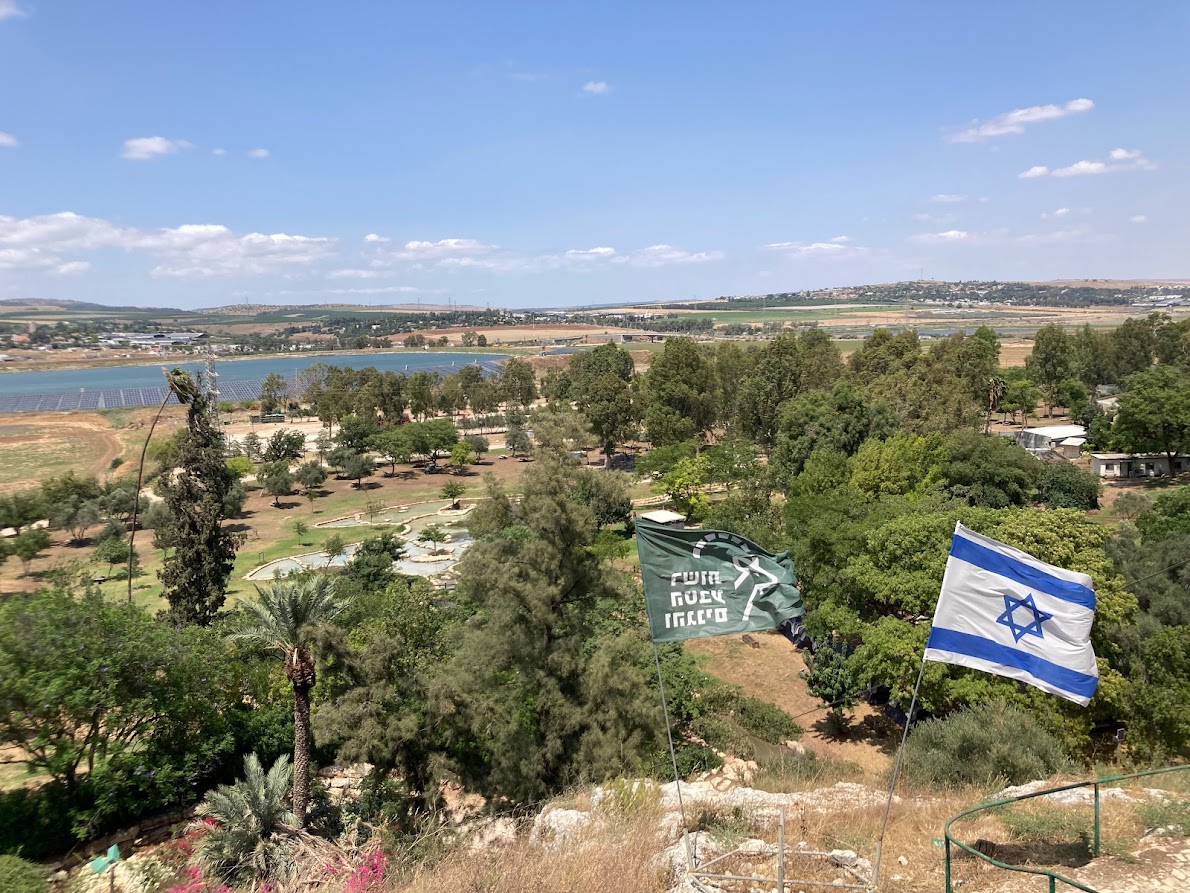
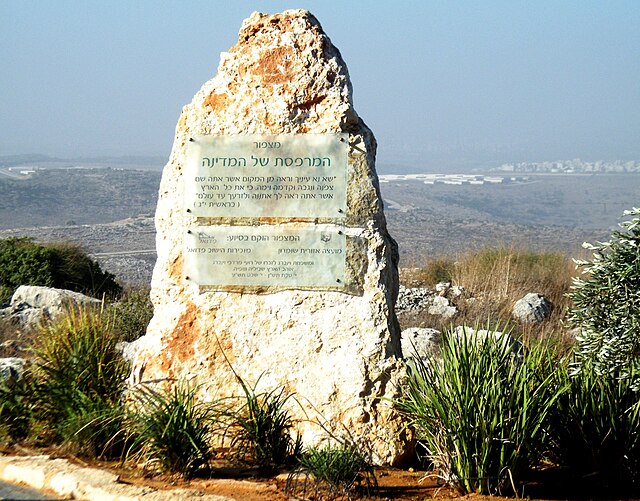
There’s no doubt that the subject of Law is close to our hearts and the large number of Jewish lawyers, advocates, judges and those involved in the subject, as well as the many TV series in the field, to attest to this. But this week I chose to go to the one place in Israel that has actually been called “Judgement” or “Judge” since ancient times, and this is (any guesses?) the Tel Dan Reserve, and in Arabic Tel al-Qadi (which means – The Judge’s Hill).אין ספק שנושא המשפט קרוב לליבנו ויעידו על כך המספר הרב של יהודים עורכי-דין, פרקליטים, שופטים ועוסקים בנושא, כמו גם סדרות הטלויזיה בתחום. אך בחרתי לצאת השבוע למקום אחד בארץ שנקרא בשם “משפט” או “שופט” מימים ימימה, וזוהי (מנחשים?) שמורת תל דן, ובערבית תל אל-קאדי (שפירושו – תל השופט).  
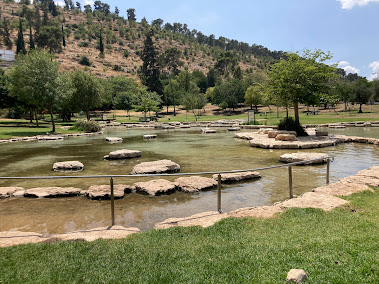
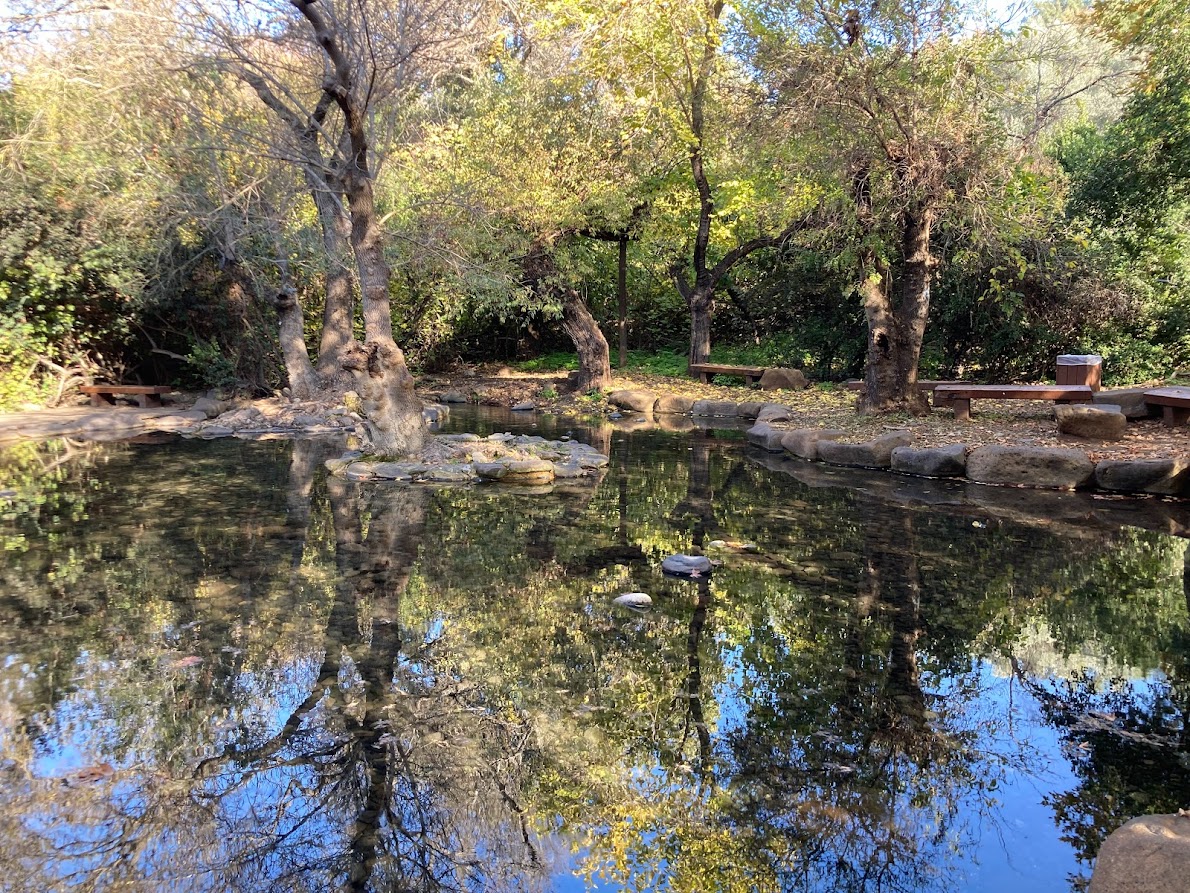
The name ‘Dan’ is mentioned for the first time in the Book of Genesis after Abraham parted ways with Lot, his nephew, who was captured by the four kings and Abraham sets out to bring him back: “And Abram heard that his brother had been taken captive; and he released his apprentices, the natives of his house, eighteen and three hundred, and he pursued, until Dan.” (14:14). After that we hear about Dan, Leshem and Leish which are identified as the same site in other books of the Bible. The Tel Dan Reserve is a nature reserve in the north of the Hula Valley, and contains the sources of the Dan River (one of the main sources of the Jordan, which supplies about half of the Jordan River’s water) and Tel Dan. This is one of the most wonderful places to visit, especially in the hot summer days. The source of all water in the reserve is only from springs that arise at a constant temperature of 14.5C (58F) and have a low amount of chlorine per liter.השם ‘דן’ נזכר לראשונה בספר בראשית לאחר שאברהם נפרד מלוט, אחיינו שנפל בשבי ארבעת המלכים ואברהם יוצא להחזיר אותו: “וַיִּשְׁמַע אַבְרָם, כִּי נִשְׁבָּה אָחִיו; וַיָּרֶק אֶת-חֲנִיכָיו יְלִידֵי בֵיתוֹ, שְׁמֹנָה עָשָׂר וּשְׁלֹשׁ מֵאוֹת, וַיִּרְדֹּף, עַד-דָּן.” (יד, יד). לאחר מכן אנחנו שומעים על דן, לשם וליש המזוהים כאותו אתר בספרים נוספים במקרא. שמורת תל דן היא שמורת טבע בצפון עמק החולה, ובה מקורות נחל הדן (אחד מהמקורות העיקריים של הירדן, המספק כמחצית מי נהר הירדן) ותל דן. זהו אחד המקומות הנפלאים לביקור, במיוחד בימי הקיץ החמים. מקור כל המים בשמורה הוא ממעיינות בלבד הנובעים בטמפרטורה קבועה של 14.5 מעלות צלזיוס ובם כמות כלור נמוכה לליטר.  
In the early years of the State of Israel, the place was closed for security reasons due to its proximity to the border crossing with Syria and Lebanon, but after the Six Day War, a new road was paved and the public was encouraged to come visit. In addition, after a battle against a plan to divert the Dan’s water for agricultural needs, it was agreed that the water would be used for agriculture only after leaving the reserve. In the reserve there are many plants, birds and animals, which you can enjoy on the short walking routes, although entering the water is prohibited in the entire area of the reserve except for a wading pool. Part of the route is handicap accessible, and the longer route combines a visit to the reserve with a visit to the archaeological site.בשנותיה הראשונות של המדינה היה המקום סגור מסיבות בטחוניות בגלל קרבתה למפגש הגבולות עם סוריה ולבנון, אך לאחר מלחמת ששת הימים, נסלל כביש חדש והקהל עודד להגיע למקום. בנוסף, אחרי מאבק נגד תוכנית להטיית מי הדן לצרכים חקלאיים, הוסכם שהמים יתפסו לחקלאות רק לאחר צאתם מהשמורה. בשמורה צמחים, עופות ובעלי חיים רבים, מהם אפשר להנות במסלולי ההליכה הקצרים, למרות שהכניסה למים אסורה בכל שטח השמורה למעט ברכת שכשוך. חלק מהמסלול מונגש לנכים, כשהמסלול הארוך יותר משלב בין הביקור בשמורה לביקור באתר הארכאולוגי.  
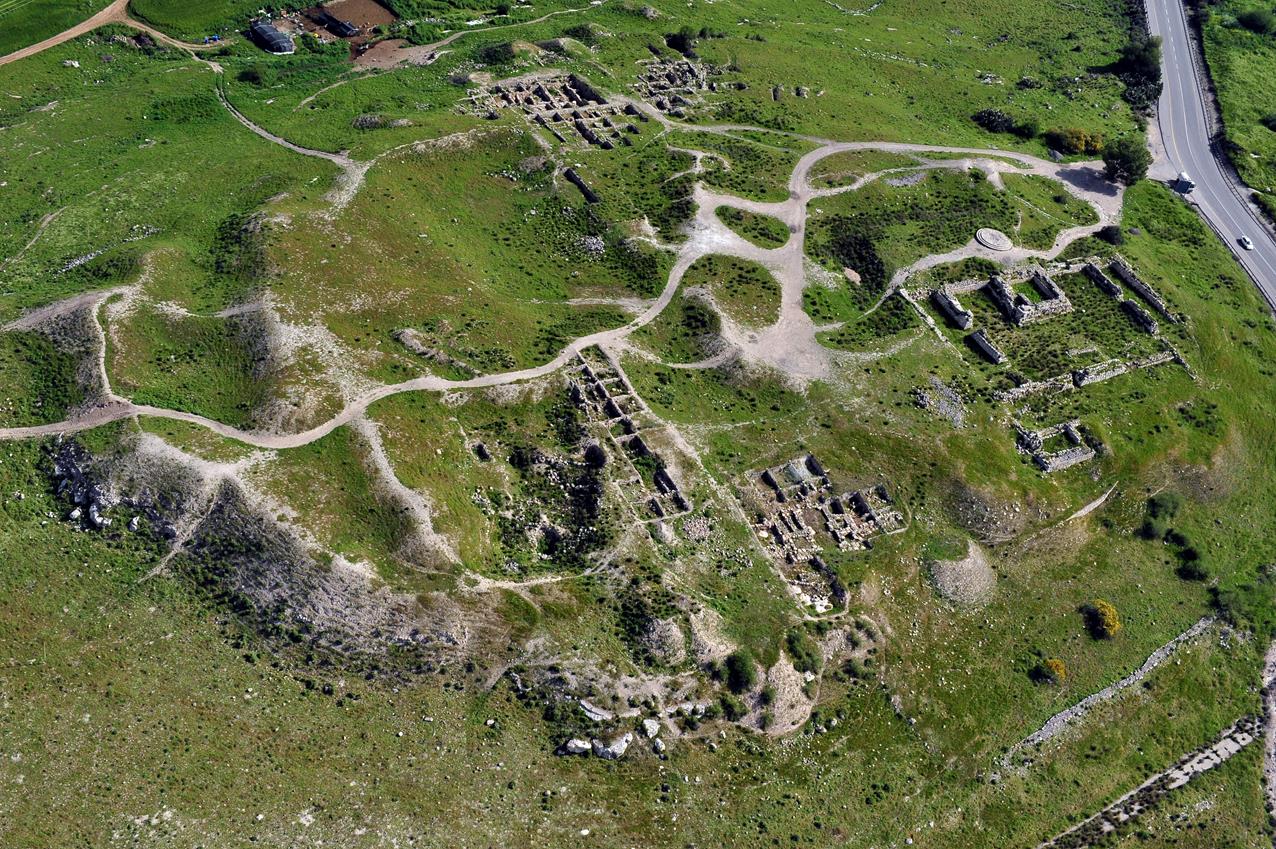
In the archaeological site ancient finds were found from the middle of the 5th millennium BCE (!!), that is, from the New Stone Age, when there was a settlement here for several hundred years. In the middle of the 3rd millennium BCE (Bronze Age), a Canaanite city was built on the mound called Leish, which is also mentioned in the Book of Judges. It seems that the city enjoyed a fruitful trade with the surrounding area, including the area of Mesopotamia and Sidon. At the same time, it is also mentioned in the Execration texts (texts from ancient Egypt, around 1750-2000 BC), and in documents from the city of Mari (an ancient city-state in Syria).באתר הארכאולוגי נמצאו ממצאים קדומים מאמצע האלף ה-5 לפנה”ס (!!), כלומר, מתקופת האבן החדשה, כשהיה כאן ישוב למשך כמה מאות שנים.   באמצע האלף ה-3 לפנה”ס (תקופת הברונזה), קמה על התל עיר כנענעית בשם ליש שנזכרת בשם זה גם בספר שופטים. נראה שהעיר נהנתה מסחר פורה עם הסביבה, כולל איזור מסופוומיה וצידון. במקביל, היא נזכרת גם בכתבי המארות (טקסטים מגיים ממצרים העתיקה, סביבות 1750-2000 לפנה”ס), ובתעודות מהעיר מארי (עיר-מדינה עתיקה בסוריה).  
Items of the Mycenaean culture that originated in Greece were also found on the mound, and in the middle of the 15th century BCE, the city was conquered by Thutmose III (1425-1490 BC), one of Egypt’s prominent ancient kings. The mound was excavated and revealed 16 layers from the Iron Age and earlier, a layer from the Persian-Hellenistic period, a Roman layer and a late Muslim layer. Some of the most important findings here include –עוד נמצאו על התל פריטים של התרבות המיקנית שמוצאה ביוון, ובאמצע המאה ה-15 לפנה”ס, נכבשה העיר בידי תחותמס השלישי (1425-1490 לפנה”ס) אחד ממלכיה הבולטים של מצרים העתיקה. התל נחפר והוגדו בו 16 שכבות מתקופת הברזל וקודם לה, שכבה מהתקופה הפרסית-הלניסטית, שכבה רומית ושכבה מוסלמית מאוחרת. כמה הממצאים החשובים ביותר כאן כוללים את –  
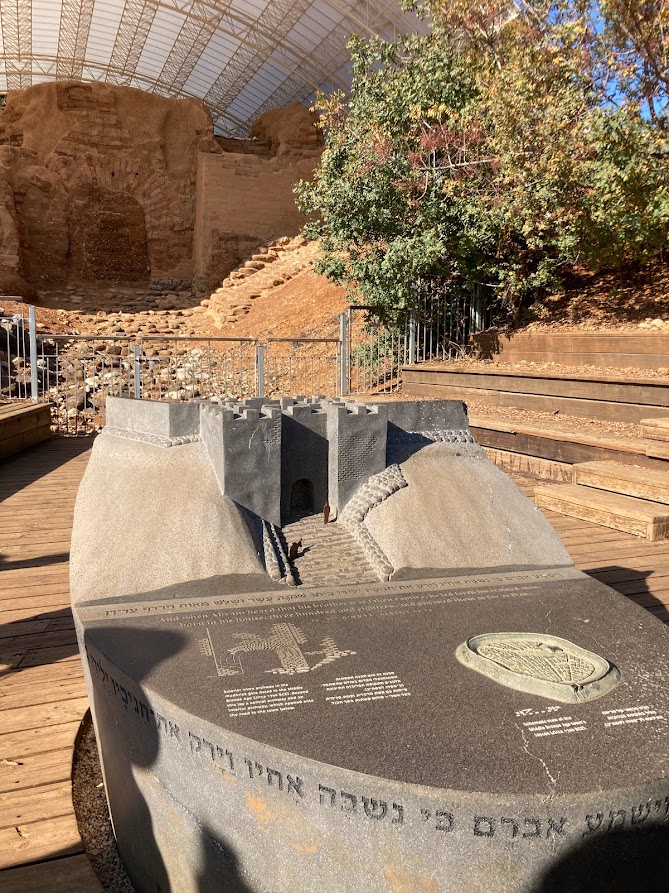
The Canaanite city gate and the rampart around the mound (1550-1750 BCE). The gate includes an opening in the shape of a brick arch that has been preserved in its entirety, two towers on both sides – one facing the city and the other facing the outer side – and two cells on each of its two sides (gate 4 spaces ). The passage through the gate is 10 meters long and consists of stairs that go up to it on both sides and on the inside, it connects to a street from that era. The Dan city gate (known as the “Three Arches Gate”) is the oldest complete city gate discovered in the world, and it seems to have survived because for an unknown reason, it got covered with dirt and actually served as a base for the battery that was built on it. This discovery is of enormous importance, because until the discovery of the gate in 1979, researchers believed that there were still no arches in the Canaanite period.שער העיר הכנעני ואת הסוללה סביב התל (1550-1750 לפנה”ס). השער כולל פתח בצורת קשת לבנים שהשתמרה בשלמותה, שני מגדלים משני צדדיו – האחד פונה אל העיר והאחר פונה אל צידה החיצוני – ושני תאים בכל אחד משני צדדיו (שער 4 מרחבים). המעבר דרך השער הוא באורך של 10 מטרים והוא מורכב ממדרגות העולות אליו משני הצדדים ובצד הפנימי חובר אל רחוב מהתקופה. שער העיר דן (המכונה ” שער שלוש הקשתות”) הוא שער העיר השלם הקדום ביותר שהתגלה בעולם, ונראה ששרד מכיון שמסיבה בלתי ידועה, כוסה בעפר ושימש למעשה גרעין לסוללה שנבנתה עליו. לגילוי זה חשיבות עצומה, עד גילויו של השער בשנת 1979 סברו החוקרים שבתקופה הכנענית עדיין לא היו קשתות.  
On the northern side of the mound, is the sacred complex from the Iron Age, which is the largest ritual center from this period excavated in the Land of Israel. Industries related to worship were discovered here, such as a ”beit-bad” (manufacturing oil for anointment, lighting candles, etc.), and also, a complex of metal recycling facilities with a size of close to a dunam, the largest of its kind in all of Israel. The temple is identified with the temple described in the Bible built by Jeroboam ben Nebat in the 10th century BCE. Its plan is similar to the Temple in Jerusalem and kosher animal bones were found there. The city was used by the Assyrians who exiled the Israelites and rebuilt it “bigger and better”, and the site was a central place of worship throughout the Hellenistic and Roman periods in Israel.בצד הצפוני של התל, נמצא המתחם המקודש מתקופת הברזל, שהוא המרכז הפולחני הגדול ביותר מתקופה זו שנחפר בארץ ישראל. נתגלו כאן תעשיות הקשורות לפולחן כמו בית בד (לצורך משיחת שמן, הדלקת נרות וכו), וכמו כן,מכלול מתקנים למיחזור מתכת בגודל של קרוב לדונם, הגדול מסוגו בכל ארץ ישראל. המקדש מזוהה עם המקדש המתואר במקרא שנבנה על ידי ירבעם בן נבט במאה ה-10 לפנה”ס. תוכניתו דומה למקדש בירושלים ונמצאו במקום עצמות חיות כשרות. העיר שימשה את האשורים שהגלו את בני ישראל ושקמו את העיר, והאתר הווה אתר פולחן מרכזי גם לאורך התקופה ההלניסטית והרומית בארץ.  
One of the most impressive finds found here is the Tel Dan Inscription, which says, among other things (reconstructed according to the excavators’ suggestion): “I killed Ahaziah son of Jehoram, king of the House of David and I killed Jehoram, king of Israel.” The inscription is of great importance because it’s the earliest mention of the House of David in its name. The inscription, found in 1993, is displayed in the Israel Museum (in Jerusalem). It’s exciting and refreshing in all aspects to stand in such a place, enjoy nature, landscape, water, and think about all the history (this and more) experienced in one place!אחד הממצאים המרשימים ביותר שנמצאו כאן היא כתובת תל דן, בה נאמר בין היתר (שחזור ע”פ הצעת החופרים): “אני הרגתי את אחזיהו בן יהורם מלך בית דוד והרגתי את יהורם מלך ישראל”. לכתובת נודעה חשיבות רבה במחקר, מאחר שהיא הממצא הקדום ביותר שמזכיר בשמו את בית דוד. הכתובת, שנמצאה ב-1993, מוצגת במוזיאון ישראל. מרגש ומרענן מכל הבחינות לעמוד במקום כזה, להנות מהטבע, הנוף, המים, ולחשוב על כל ההסטוריה (זאת ועוד) שנחוותה במקום אחד!  

ראש חודש א-ל-ו-ל- טוב ושבת שלום! A GOOD OSH HODESH ELUL & SHABBAT SHALOM!

ואם כבר מדברים על “צדק” קשה שלא להזכיר כאן גם את שירו של יהודה עמיחי

And if we’re already talking about “justice” and being “right” (tzedek), here’s Yehuda Amichai’s poem:

מן הַמָּקוֹם שֶׁבּוֹ אָנוּ צוֹדְקִים – יהודה עמיחי

מִן הַמָּקוֹם שֶׁבּוֹ אָנוּ צוֹדְקִים
לֹא יִצְמְחוּ לְעוֹלָם
פְּרָחִים בָּאָבִיב
הַמָּקוֹם שֶׁבּוֹ אָנוּ צוֹדְקִים
הוּא רָמוּס וְקָשֶׁה
כְּמוֹ חָצֵר
אֲבָל סְפֵקוֹת וְאַהֲבוֹת
עוֹשִׂים אֶת הָעוֹלָם לְתָחוּחַ
כְּמוֹ חֲפַרְפֶּרֶת, כְּמוֹ חָרִישׁ
וּלְחִישָׁה תִּשָּׁמַע בַּמָּקוֹם
שֶׁבּוֹ הָיָה הַבַּיִת
אֲשֶׁר נֶחְרַב  
The Place Where We Are Right
by Yehuda Amichai
From the place where we are right
Flowers will never grow
In the spring.
The place where we are right
Is hard and trampled
Like a yard.
But doubts and loves
Dig up the world
Like a mole, a plow.
And a whisper will be heard in the place
Where the ruined
House once stood.  


Posted in Uncategorized | Leave a comment

Torah & Travel: the portion of Re’e, tithing, richness & overcoming barriers….

תורה וטיולים עם פרשת “ראה”: עַשֵּׂ֣ר תְּעַשֵּׂ֔ר…

In Gay Hendricks’ eye and heart opening book, “The Big Leap” (recommended), he poses a major question we all are likely to face as we meet life’s (what he calls) “barriers”: am I feeling (or operating from) a feeling of “burden” on those around me, or a source of celebration and joy? The first approach will be expressed in times when, of course usually subconsciously, one aims to reduce him/herself, make limiting and minimizing decisions and “help” the environment by stopping him/herself from being “too much”. The second approach, in contrast, is expressed in the person’s ability to celebrate who that s/he is, to grow, blossom and strengthen the light that one brings to the world.בספרו המאיר עיניים ולב של גיי הנדריקס, “הדילוג הגדול” (במקור – The Big Leap – מישהו מכיר בעברית? מומלץ כך או כך), הוא מציג שאלה בסיסית שכולנו כנראה נתמודד איתה כשאנחנו נפגשים באתגרי – או “מחסומי”, כפי שהוא קורא להם – החיים הגדולים: האם אני מרגיש – או מתנהל מתוך תחושה של – “נטל” על אלו שסביבי, או כמקור לחגיגה ושמחה?   הגישה הראשונה תתבטא בכך שהאדם, כמובן בד”כ באופן תת-מודע, מכוון להקטין את עצמו, לקבל החלטות מגבילות וממזערות ו”לעזור” לסביבה בכך שהוא עוצר את עצמו מלהיות “יותר מידי”. הגישה השניה לעומתה, מתבטאת ביכולתו של האדם לחגוג את מי שהוא, לגדול, לפרוח ולחזק את האור שהוא מביא לעולם.    
When I heard him, I couldn’t help thinking about the creation of the human in Genesis: were we created in the image of Gd or from dust? Similarly, also in our Torah portion “Re’e”: “See, I set before you today blessing and curse” 9Deut. 11, 26) this is how the first verse opens, presenting us with two clear and unequivocal choices about which the Sforno (Italy, 1470-1550) tells us: “The blessing and the curse are two extremes, see that the “stuff” you deal with, is not between the two, that you do not act in a way of compromise, because there is only a blessing and a curse, and a middle way – there isn’t.” I imagine that most of us cringe at seeing things in such a “black and white” terms, but for Sforno, any choice that is not for the sake of blessing in our lives, is necessarily, a choice for – curse, negativity, taking things in a light and meaningless way.כששמעתי אותו, לא יכולתי שלא לחשוב על בריאת האדם בספר בראשית: האם נוצרנו בצלם אלוהים או מעפר? ובמקביל, גם על פרשת השבוע שלנו, פרשת “ראה”: רְאֵ֗ה אָנֹכִ֛י נֹתֵ֥ן לִפְנֵיכֶ֖ם הַיּ֑וֹם בְּרָכָ֖ה וּקְלָלָֽה  (דברים יא, כו), כך פותח הפסוק הראשון המציב לנו שתי בחירות ברורת וחד-משמעיות עליהן אומר לנו הספורנו (איטליה, 1470-1550): “הברכה והקללה הן שני קצוות, ראה שלא יהיה עניינך בין שתיהן, שלא תנהג בדרך של פשרה, כי יש רק ברכה וקללה, ודרך אמצעי – אין”. אני מתארת לעצמי שרובנו סולדים מלראות את הדברים באופן כל כך “שחור-לבן”, אבל עבורו, כל בחירה שאינה למען הברכה בחיינו, היא בהכרח, בחירה למען הקללה, השלילה, לקיחת דברים בצורה “קלה”, וחסרת משמעות.  
Vayedaber Moshe (Moshe HaLevi Fallak, New York, 20th century) warns lest we mistakenly equate good and abundance with – blessing, because there is wealth that can back-fire for one’s detriment. That is why the scripture continues, “the blessing, when you listen to the H’ your Gd’s commandments with which I enjoin upon you this day”, that is, if you do good deeds, there will be a blessing in your wealth. But if the wealth brings about greed, envy and competition, hurrying to collect more wealth, then the blessing itself will be counted as a curse. Sadly, this may also be the case with regard to the Land of Israel, which, as we have seen in our history, can be a blessing, but can also become a danger, depending on our attitude towards it.“וידבר משה” (משה הלוי פאללאק, ניו-יורק, המאה ה-20) מזהיר לבל נטעה, כי לא תמיד הטובה והשפע הם הברכה, כי יש עושר שמור לבעליו לרעתו. לכן ממשיך הכתוב, אֶֽת־הַבְּרָכָ֑ה אֲשֶׁ֣ר תִּשְׁמְע֗וּ אֶל־מִצְוֺת֙ ה’ אֱלֹֽהֵיכֶ֔ם אֲשֶׁ֧ר אָנֹכִ֛י מְצַוֶּ֥ה אֶתְכֶ֖ם הַיּֽוֹם, כלומר, אם תעשו מעשים טובים, תהיה בממונכם ברכה. אבל אם העושר יביא לידי גיאות, קנאה ותחרות ותהיו בהולים לכנס לכם עוד ממון, אז הברכה גופא לקללה תחשב. לצערנו, כך עלולים להיות הדברים גם ביחס לארץ ישראל, שכפי שראינו בהסטוריה שלנו, יכולה להיות לברכה, אך עלולה להפוך גם לסכנה, תלוי בגישה שלנו כלפיה.  
The Torah portion of Re’e is loaded, inviting us to delve deeper into various topics. Many mitzvot are detailed in it that will bind the People of Israel after entering the Land, such as the commandment to establish a covenant on Mount Gerizim and Mount Eival, agreeing to fulfill the mitzvot mentioned there as a condition for our remaining in the Land; the destruction of foreign idolatry from the Land of Israel; the concentration of Gd’s worship in one place to be chosen (many commentators have discussed why Jerusalem is not mentioned here by name!?); there are mentions regarding limitations in eating, including the list of permitted and prohibited animals and their markings; warnings against a false prophet, inciter and detractor; the mitzvah of letting go of debts during shmita year, Hebrew slave laws; the three pilgrimage festival, and among all these, also the laws of tithes that are mentioned in this portion more than onceפרשת ראה עמוסה ומזמינה להעמיק בנושאים שונים. מפורטות בה מצוות רבות שיחייבו את עם ישראל אחרי הכניסה לארץ, כמו הציווי לערוך את מעמד הר גריזים והר עיבל, בו יכרתו עם ישראל ברית עם ה’ על קיום המצוות המוזכרות שם כתנאי להשארותנו בארץ; השמדת העבודה הזרה מארץ ישראל; ריכוז עבודת ה’ במקום אחד שייבחר (רבו כאן המפרשים שדנו למה לא מוזכרת כאן ירושלים בשמה!?); איזכורים לגבי מגבלות באכילה, כולל פירוט החיות המותרות והאסורות וסימניהן; אזהרות מפני נביא שקר, מסית ומדיח; מצוות שמיטת כספים; דיני עבד עברי; שלוש רגלים ודיני עליה לרגל, ובין כל אלה, גם דיני מעשרות המוזכרים בפרשה זו יותר מפעם אחת.
The subject of the various tithes is a complex one on which several tractates and essays have been written. The main thing is that this is a group of mitzvot from the Torah that require setting aside parts of the harvest in the Land of Israel for the benefit of the Priests, Levites, poor and even for the purpose of eating oneself in holiness in Jerusalem. Already in the book of Genesis it is mentioned that Abraham gave a tenth of the spoils that fell into his hands in the war of the kings (Genesis 18:18) and Jacob vowed “and all that you give me, I will tithe back to you” (ibid., 28:22).נושא התרומות ומעשרות הוא נושא מורכב עליו נכתבו מספר מסכתות וסוגיות. העיקר הוא שמדובר בקבוצת מצוות מהתורה המחייבות הפרשת חלקים מהיבול בארץ ישראל לטובת הכוהנים, לויים, עניים ואפילו לצורך אכילה עצמית בטהרה בירושלים.   כבר בספר בראשית מוזכר שאברהם נתן מעשר מהשלל שנפל לידיו במלחמת המלכים (בראשית יד, יח) ויעקב נדר “וְכֹל אֲשֶׁר תִּתֶּן לִי עַשֵּׂר אֲעַשְּׂרֶנּוּ לָךְ” (שם, כח, כב).  
In our portion, the topic is mentioned at least twice: You may not partake in your sites of the tithes of your new grain or wine or oil, or of the firstlings of your herds and flocks, or of any of the votive offerings that you vow, or of your freewill offerings, or of your contributions. These you must consume before H’ your Gd in the place that H’ your Gd will choose—you and your sons and your daughters, your male and female slaves, and the [family of the] Levite in your places—and you will be happy before H’ your Gd in all your undertakings. Be sure not to neglect the [family of the] Levite as long as you live in your land… (ibid, 12, 17-21)בפרשה שלנו הנושא מוזכר לפחות פעמיים: לֹא-תוּכַל לֶאֱכֹל בִּשְׁעָרֶיךָ מַעְשַׂר דְּגָנְךָ וְתִירֹשְׁךָ וְיִצְהָרֶךָ וּבְכֹרֹת בְּקָרְךָ וְצֹאנֶךָ וְכָל-נְדָרֶיךָ אֲשֶׁר תִּדֹּר וְנִדְבֹתֶיךָ וּתְרוּמַת יָדֶךָ. כִּי אִם-לִפְנֵי ה’ אֱלֹהֶיךָ תֹּאכְלֶנּוּ בַּמָּקוֹם אֲשֶׁר יִבְחַר ה’ אֱלֹהֶיךָ בּוֹ, אַתָּה וּבִנְךָ וּבִתֶּךָ וְעַבְדְּךָ וַאֲמָתֶךָ וְהַלֵּוִי אֲשֶׁר בִּשְׁעָרֶיךָ, וְשָׂמַחְתָּ לִפְנֵי ה’ אֱלֹהֶיךָ בְּכֹל מִשְׁלַח יָדֶךָ. הִשָּׁמֶר לְךָ פֶּן-תַּעֲזֹב אֶת-הַלֵּוִי כָּל-יָמֶיךָ עַל-אַדְמָתֶךָ…  (דברים יב, יז-כא)….  
The tithe in question here is a “second tithe” (ma’aser sheni): apart from the first tithe given to Levi, there is another tithe, and it is a second tithe, which is treated differently in a cycle of three years in the shemita cycle. In the first two years of each round (first, second, fourth and fifth year), the tithe is “second tithe”, which must be set aside, and eaten in purification in Jerusalem. If it is not possible to bring up the tithes to Jerusalem, it is also possible to exchange the fruits for money, take the money to Jerusalem, and there buy other fruits with it.המעשר המדובר כאן הוא “מעשר שני”: מלבד המעשר הראשון הניתן ללוי, קיים מעשר נוסף, והוא עשירית שנייה, המטופלת באופן שונה בסבב של שלוש שנים במחזור השמיטה. בשתי השנים הראשונות בכל סבב (שנה ראשונה, שנייה, רביעית וחמישית), המעשר הוא “מעשר שני”, אותו יש להפריש, ולאכלו בטהרה בירושלים. אם לא ניתן להעלות את המעשרות לירושלים, ניתן גם להחליף את הפירות תמורת כסף, להעלות את הכסף לירושלים, ושם לקנות פירות אחרים תמורתם.
A few verses later, the text scripture states again: aser te’aser — You shall set aside every year a tenth part of all the yield of your sowing that is brought from the field (ibid, 14, 22). Here we are talking about a “poor tithe” (ma’aser ani) given every third and sixth year, according to its name, to the poor. There is no doubt that this commandment was not always accepted without opposition: what a strange thing it is, to oblige people to give a certain amount of their grain, their fruit, their money – things for which they worked hard, to a stranger, not a family member, just a person from the People? Rabbi Akiva added (Pirkei Avot 3:13) that “tithes, are a boundary to wealth“, that thanks to the giving of the tithe we will not live in unlimited wealth, but we will always remember the other. The Gemara, on the other hand, in tractate Shabbat (119) proposed the opposite: giving a tithe helps a person to become rich, since, as we saw at the beginning, wealth too, can be either a blessing or a curse. Giving tithes “confirms” that the person giving remembers where he got all his gifts from, and thus wealth – enriches and – in a play on the Hebrew spelling (with an alef or an ayin) – makes one happy (enriches spiritually and emotionally).כמה פסוקים לאחר מכן, הכתוב מציין שוב: עַשֵּׂ֣ר תְּעַשֵּׂ֔ר אֵ֖ת כׇּל־תְּבוּאַ֣ת זַרְעֶ֑ךָ הַיֹּצֵ֥א הַשָּׂדֶ֖ה שָׁנָ֥ה שָׁנָֽה (דברים יד,כב). כאן מדובר על “מעשר עני” שניתן בכל שנה שלישית ושישית וניתן, ע”פ שמו, לעני.   אין ספק שהמצוה הזו לא תמיד התקבלה בלי התנגדות: איזה דבר מוזר זה, לחייב אנשים לתת סכום מסוים מתבואתם, פרותיהם, כספם – דברים עבורם עבדו קשה, למישהו זר, לא בן משפחה, סתם, אדם מהעם דוקא? רבי עקיבא הוסיף בפרקי אבות את הרעיון ש”מַעַשְׂרוֹת, סְיָג לָעֹשֶׁר” (ג, יג), שבזכות נתינת המעשר לא נחיה בעושר בלתי מוגבל, אלא תמיד נזכור את האחר. הגמרא לעומת זאת, במסכת שבת (קיט) הציעה את ההיפך: נתינת מעשר עוזרת לאדם להתעשר, מכיון שכמו שראינו בהתחלה, גם עושר יכול להיות ברכה או קללה. נתינת מעשרות “מוודאת” שהאדם הנותן זוכר מאיפה הוא קבל את כל מתנותיו, וכך העושר – מעשיר ומאשיר.  
One of the commentators explains: “aser tit’asher”, tithe so you get rich… The difference between eser, which means tenth, tithe, and between osher, which means wealth, is only in the upper point of the letter Shin, one over the right side and one over the left. Some said: Avraham said to Lot: If you go left, I will go to the right (Genesis 13), that is –  If you set the dot over that Shin on the left side, namely, you will give tithes, then I will put the dot over the right side – I will shower you with wealth and well-being. You will be the master and I, as it were, the priest. But, if you got for the right – so you will only care about wealth, then I will go left, I will burden you with more and more taxes. And this is also the intention – the one who wants to get rich – will “go north”, that is, put the dot over the left side, give tithe and charity, because north is on the left side. How is it possible that the north is on the “left” side? For this we must imagine ourselves standing facing the east. Indeed, the ancient maps were not “encoded” to the north, but oriented to the east (hence the phrase – “orientation”, to the orient). Moreover: in Arabic, north is shamal, like the Hebrew, smol...אחד המפרשים מסביר: עשר תתעשר… עשר בשביל שתתעשר. הבדל בין עשר, שפירושו מעשר, ובין עשר שפירושו עשירות, הוא רק בנקודה העליונה של השין, זה בשין ימנית וזה בשין שמאלית. דורשי רשימות (יש שמביא זה בשם מדרש פליאה) נתנו בזה סימן: אמר אברהם ללוט: אם השמאל, ואימינה (בראשית יג): אם אתה תקבע את הנקודה על עשר בצד שמאל, היינו שתתן מעשרות, אז אני אשים את הנקודה בצד ימין – אשפיע עליך עושר ורווחה. אתה תהיה בעל הבית ואני כביכול הכהן, ואם הימין – שתדאג רק לעושר , ואשמאילה – אעמיס עליך עולד של מיסים וארנונות. וזו גם הכוונה – הרוצה להעשיר – יצפין, ישם את הנקודה בצד שמאל, יתן מעשר וצדקה, כי צפון הוא בצד שמאל. איך יתכן שהצפון הוא בצד “שמאל”? לשם כך עלינו לדמיין את עצמנו עומדים כשפנינו למזרח. ואכן, המפות הקדומות לא היו “מוצפנות” לצפון, אלא מכוונות למזרח (מכאן הביטוי – “אוריינטציה”, לאוריינט). זאת ועוד: בערבית, צפון הוא שאמאל…  
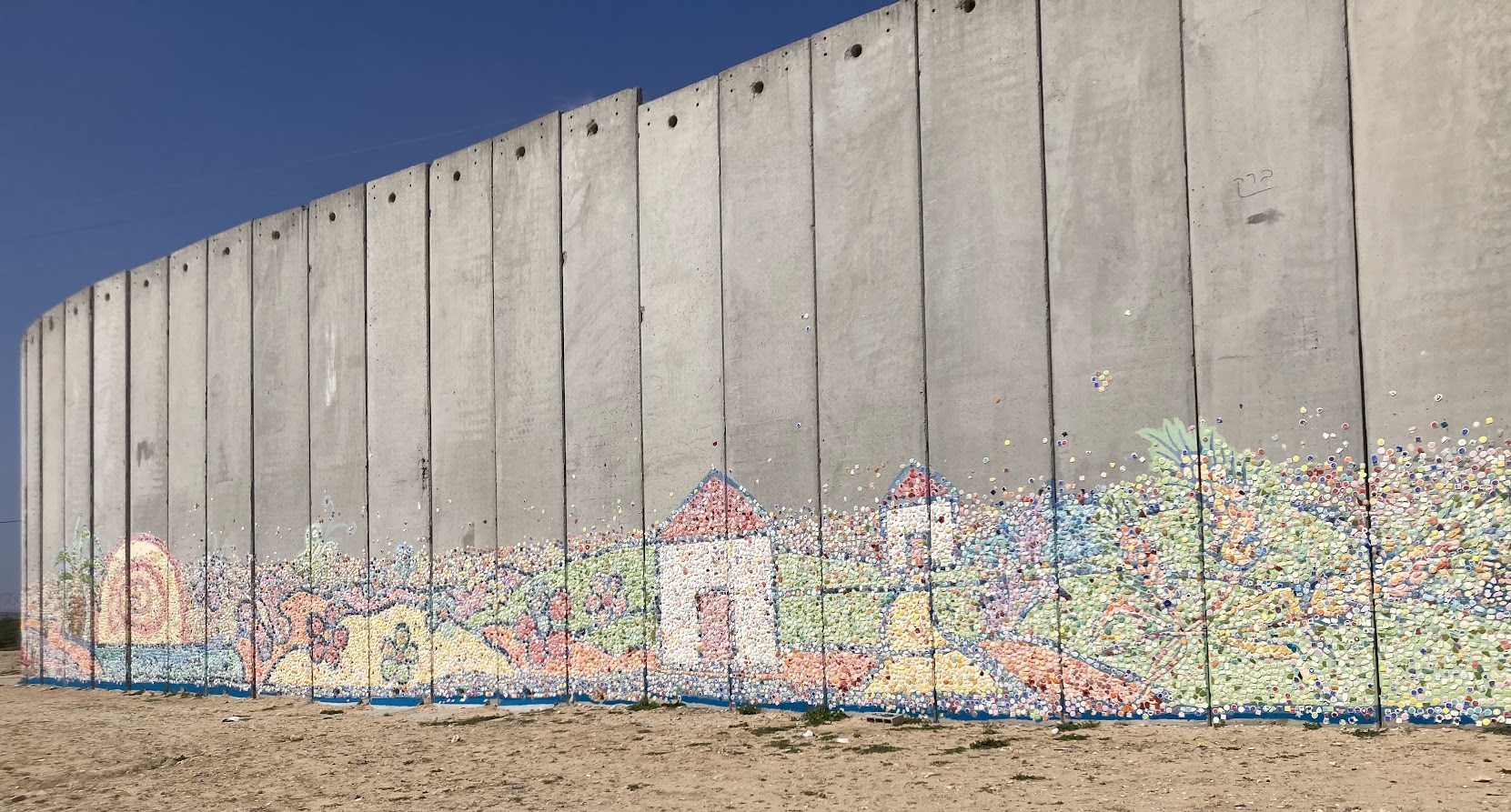
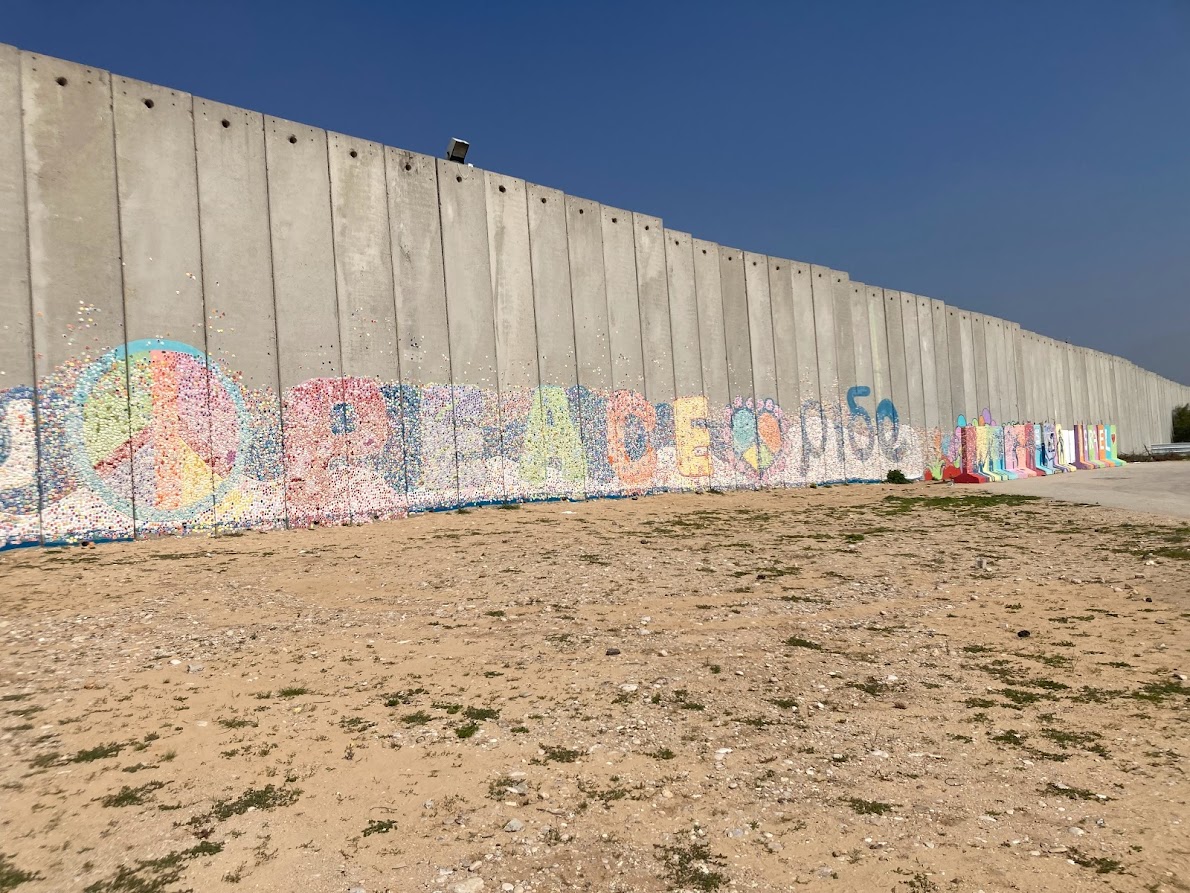
So where will we go this week? We have already mentioned here that in Israel there are several places whose name has a number: Gan HaShlosha (3), Kiryat Shmona (8) and more. One of them is Netiv Ha’asara, a moshav in the northwest Negev, the southernmost of the settlements of the Hoof Ashkelon Regional Council. This place, established in 1982, was named after Netiv Ha’asara that was evacuated from the Yamit region earlier that spring, and that was named after ten soldiers who were killed in a helicopter accident south of Rafah in 1971. The residents of the place (about 1000 in number) are engaged in agriculture (growing flowers, vegetables and spices), tourism (B&Bs, hospitality), independent professions, etc. Since the withdrawal of the IDF from the Gaza Strip in the summer/fall of 2005, Netiv Ha’asara has become the closest settlement to the new border, which is quite a challenge, especially when, at a distance of less than 100 meters, rises The concrete wall (and after it, the Hamas guard posts).אז לאן ניסע השבוע? כבר הזכרנו כאן שבארץ יש כמה ישובים שבשמם מספר: גן השלושה, קרית שמונה ועוד. אחד מהם הוא נתיב העשרה, מושב בצפון-מערב הנגב, הדרומי מבין ישובי המועצה האזורית חוף אשקלון. המושב שהוקם ב-1982 נקרא כך ע”ש נתיב העשרה שפונה מחבל ימית באותו אביב, וזה נקרא על שם עשרה חיילים שנהרגו בתאונת מסוק מדרום לרפיח ב-1971. תושבי המקום (כ-1000 במספר), עוסקים בחקלאות (גידול פרחים, ירקות ותבלינים), תיירות (צימרים, אירוח), מקצועות עצמאיים ועוד. מאז נסיגת צה”ל מרצועת עזה בקיץ / סתו 2005, הפך נתיב העשרה לישוב הקרוב ביותר לגבול החדש, דבר שמהווה אתגר לא קטן, במיוחד כשבמרחק של פחות מ-100מ’, מתנשאת חומת הבטון (ולאחריה, עמדות השמירה של החמאס).  
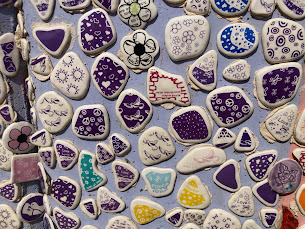
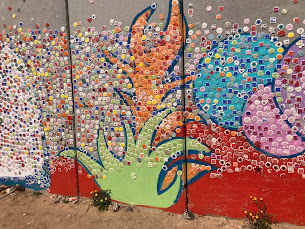
One of the local residents decided to turn the gray and menacing wall into an art project called – Netiv LeShalom, Path to Peace, a mosaic project by thousands of people, created “for the sake of hope, love and joy between human-beings”… The work can be seen on both sides of the wall. Visitors to the place are offered a short movie about life in the Gaza Strip that allows them a glimpse into life near the wall, the historical events here as well as the beautiful life in the moshav with optimism, tolerance and the creation of hope. The project invites “visitors to take an active part in creating a wall for peace. Each guest writes a personal wish on a colorful mosaic tile and sticks it on the security wall. The mosaic pieces are handmade in the Netiv LaShalom workshop. Among the colorful and optimistic pieces, we can find different designs such as flowers and butterflies, mosaic pieces with the word peace in different languages and more.”אחת מתושבות המקום החליטה להפוך את החומה האפורה והמאיימת לפרויקט אומנות שנקרא – נתיב לשלום, יצירת פסיפס של אלפי אנשים, שנוצרה “למען התקווה, האהבה והשמחה בין בני האדם”… את היצירה אפשר לראות משני צידי החומה. למבקרים במקום מוצע סרט על החיים בעוטף עזה שמאפשר להכיר את החיים בצל החומה, האירועים ההסטוריים וגם החיים היפים במושב באופטימיות, סובלנות ויצירת תקווה. הפרויקט מזמין את “המבקרים לקחת חלק פעיל ביצירת קיר לשלום. כל אורח כותב משאלה אישית על גבי אריח פסיפס צבעוני ומדביקו על גבי חומת הבטחון. חלקי הפסיפס מיוצרים בעבודת יד בסדנת נתיב לשלום. בין החלקים הצבעוניים והאופטימים, נוכל למצוא עיצובים שונים כגון פרחים ופרפרים, חלקי פסיפס עם המילה שלום בשפות שונות ועוד”.  
For many of us, “the southernmost settlement in the Hof Ashkelon Regional Council” sounds like past the end of the world, but our country is not that big and you can combine a trip to the area with other attractions such as a visit to Ashkelon (the city, the antiquities, the beach), Yad Mordechai, S’derot, forest Be’eri, the ancient synagogue in Ma’on, and more… and as mentioned the settlement itself (as well as other places in the area) offers B&Bs and hospitality for visitors. The recommended season to travel south is usually during the blooming of the famous anemones of “Dasrom-Adom” (around February), but in the summer too, for example, planning around the sun and heat, in combination with the beautiful beach of Ashkelon, for example, or Zikim) one can definitely enjoy in the area, and be exposed to a completely different chapter in the stories of the Landעבור רובנו “הישוב הדרומי ביותר במועצה האזורית חוף אשקלון”, נשמע בסוף העולם שמאלה והלאה, אך הארץ שלנו לא כל כך גדולה ואפשר לשלב נסיעה לאיזור עם אטרקציות נוספות כמו ביקור באשקלון (העיר, העתיקות, חוף הים), יד מרדכי, שדרות, יער בארי, בית הכנסת העתיק במעון, ועוד… וכאמור הישוב עצמו (כמו גם מקומות אחרים באיזור) מציע צימרים ואירוח למבקרים. העונה המומלצת לנסוע דרומה היא בד”כ בזמן פריחת הכלניות המפורסמת של “דרום-אדום” (פברואר +-), אך גם בקיץ, למשל, בתכנון סביב שעות החום ובשילוב עם חוף הים היפיפה של אשקלון, למשל, או זיקים) אפשר בהחלט להנות באיזור, ולהחשף לפרק שונה לגמרי בסיפור הארץ.  

ובנתיים, שתהיה שבת שלום AND MEANWHILE, SHABBAT SHALOM
Posted in Uncategorized | Leave a comment

Torah & Travel in the Torah portion of Ekev: refreshing with a b’racha (blessing) and a brecha (pool)…

תורה וטיולים בפרשת “עקב” – מברכה לברכה

In the 19th century, with the development of new means of transportation and the complex historical processes in the area, many travelers and visitors came to see the longed-for Holy Land, the Land of milk and honey. How amazed and disappointed they were when they discovered the wonderful biblical land situation. We have quite a number of writings from this period, one of the most famous of which is that of Samuel Langhorne Clemens, better known by his literary nickname, Mark Twain (1835-1910). From his famous journey in 1867, he left us his impressions In the fascinating travel book “The Innocents Abroad or The New Pilgrims’ Progress”, which received both praise and criticism. Here’s but one passage:במאה ה-19, עם התפתחות אמצעי התחבורה ותהליכים הסטוריים מורכבים באיזור, רבו הטיילים והמבקרים שהגיעו לראות את ארץ הקודש הנכספת, ארץ זבת חלב ודבש. מה רבה תדהמתם ואכזבתם כשגילו את מצב הארץ התנ”כית המופלאה. כתבים רבים נותרו לנו מתקופה זו, אחד המפורסמים בהם זה של סמואל לנגהורן קלמנס הידוע יותר בכינויו הסיפרותי, מארק טוויין (1835-1910). ממסעו המפורסם ב-1867 השאיר לנו את רשמיו בספר המרתק “מסע התענוגות בארץ הקודש”, שזכה לשבחים וביקורות כאחד. נזכיר רק קטע אחד:
“We traversed some miles of desolate country whose soil is rich enough but is given wholly to weeds – a silent mournful expanse… even the olive tree and the cactus, those fast friends of a worthless soil, had almost deserted the country… Jerusalem is mournful, dreary and lifeless… (it) is hopeless, heartbroken… desolate and unlovely. And why should it be otherwise?…”  נסענו למשך כמה מיילים בארץ שממון, שאדמתה עשירה דיה אך גדלים בה רק עשבים – שממה רחבה ודוממת… אפילו עצי הזית והקקטוסים, חבריה המהירים של האדמה חסרת הערך הזו, כמעט עזבו את הארץ הזו… ירושלים אבלה, משעממת וחסרת חיים… חסרת תקוה, שבורת לב, עזובה ובלתי אהובה. ולמה שיהיו הדברים אחרת?
Yoel Moshe Salomon, known best from Aric Einstein’s song, who was a ShDaR (“Shali’ach D’rabanan, an emissary sent from to the diaspora to collect funds and support the Yishuv, the Jews in the Land), a journalist, editor and writer, one of the first to leave the Old City of Jerusalem to live in its new neighborhoods outside, and one of the founders of Petah Tikva, he also left us his impressions . In 1878 he wrote:יואל משה סלומון, הידוע משירו של אריק איינשטיין, שהיה שד”ר (“שליח דרבנן, אנשים שנשלחו מהארץ לגולה לאיסוף כספים ותמיכה בישוב), עיתונאי, עורך וכותב, מהראשונים לצאת את חומות ירושלים וממייסדי פתח תקוה, גם הוא, השאיר לנו את רשמיו. ב-1878 כתב:
“… In all the days passed, from the time her sons left her, she had covered herself with sack cloth, shed tears and withdrew her light and hid in haze… she did not give her strength to strangers not her produce to aliens. Like her son’s destiny, who cannot find rest among the nations, so is hers…”בכל הימים שעברו, מהזמן שבניה עזבו אותה, כסתה עצמה בבגדי אבלות, דמעה דמעתה, הסירה את אורה ונחבאה בדמדומים…. לא נתנה את כוחה לזרים, לא את תנובתה לאחרים. כמו גורל ילדיה, שלא מוצאים מנוחה בין העמים, כך גם היא….
The unusual connection between the People of Israel and the Land of Israel appears in all its glory in this week’s Torah portion, Ekev: “And if you do obey these rules and observe them carefully, your Gd H’ will maintain faithfully for you the covenant made on oath with your fathers: and He will love and bless you…. in the land sworn to your fathers to be assigned to you”…הקשר המוזר בין עם ישראל וארץ ישראל מופיע בכל הדרו בפרשת השבוע שלנו, פרשת עקב: וְהָיָ֣ה עֵ֣קֶב תִּשְׁמְע֗וּן אֵ֤ת הַמִּשְׁפָּטִים֙ הָאֵ֔לֶּה וּשְׁמַרְתֶּ֥ם וַעֲשִׂיתֶ֖ם אֹתָ֑ם וְשָׁמַר֩ ה’ אֱלֹהֶ֜יךָ לְךָ֗ אֶֽת־הַבְּרִית֙ וְאֶת־הַחֶ֔סֶד אֲשֶׁ֥ר נִשְׁבַּ֖ע לַאֲבֹתֶֽיךָ׃ וַאֲהֵ֣בְךָ֔ וּבֵרַכְךָ֖…. עַ֚ל הָֽאֲדָמָ֔ה אֲשֶׁר־נִשְׁבַּ֥ע לַאֲבֹתֶ֖יךָ לָ֥תֶת לָֽךְ”…
Description of the blessing – physical. We are not guaranteed divine revelation, angels and lights. On the contrary: the physical blessing is a sign of the inspiration of the Shekinah: For your Gd H’ is bringing you into a good land, a land with streams and springs and fountains issuing from plain and hill; a land of wheat and barley, of vines, figs, and pomegranates, a land of olive trees and honey; a land where you may eat food without stint, where you will lack nothing; a land whose rocks are iron and from whose hills you can mine copper. When you have eaten your fill, and bless your Gd H’ for the good land given to you.תיאור הברכה – גשמי. לא מובטחת לנו התגלות אלוהית, מלאכים ואורות. להיפך: הברכה הגשמית היא סימן להשראת השכינה: כִּ֚י ה’ אֱלֹהֶ֔יךָ מְבִֽיאֲךָ֖ אֶל־אֶ֣רֶץ טוֹבָ֑ה אֶ֚רֶץ נַ֣חֲלֵי מָ֔יִם עֲיָנֹת֙ וּתְהֹמֹ֔ת יֹצְאִ֥ים בַּבִּקְעָ֖ה וּבָהָֽר׃ אֶ֤רֶץ חִטָּה֙ וּשְׂעֹרָ֔ה וְגֶ֥פֶן וּתְאֵנָ֖ה וְרִמּ֑וֹן אֶֽרֶץ־זֵ֥ית שֶׁ֖מֶן וּדְבָֽשׁ׃ אֶ֗רֶץ אֲשֶׁ֨ר לֹ֤א בְמִסְכֵּנֻת֙ תֹּֽאכַל־בָּ֣הּ לֶ֔חֶם לֹֽא־תֶחְסַ֥ר כֹּ֖ל בָּ֑הּ אֶ֚רֶץ אֲשֶׁ֣ר אֲבָנֶ֣יהָ בַרְזֶ֔ל וּמֵהֲרָרֶ֖יהָ תַּחְצֹ֥ב נְחֹֽשֶׁת׃ וְאָכַלְתָּ֖ וְשָׂבָ֑עְתָּ וּבֵֽרַכְתָּ֙ אֶת־ה’ אֱלֹהֶ֔יךָ עַל־הָאָ֥רֶץ הַטֹּבָ֖ה אֲשֶׁ֥ר נָֽתַן־לָֽךְ (דברים ח,7-10).
Moreover: it turns out that abundance and satiety are not a bad thing! The Torah did not command asceticism, but it may command something even more difficult: to enjoy the good and accompany it with blessing and thanksgiving to G-d. Again, not as a condition before eating, but as a conscious and joyful recognition not only of the gifts we have received but of their Source. Scripture continues:זאת ועוד: מסתבר שהשפע והשובע אינם דבר רע! לא צוותה התורה סגפנות, אלא יתכן שצוותה דבר אפילו קשה יותר: להנות מהטוב וללוות אותו בברכה ובתודה לקב”ה. ושוב, לא כתנאי לפני האכילה, אלא כהכרה מודעת ושמחה לא רק במתנות שקבלנו אלא במקורן. ממשיך הכתוב:  
“Take care lest you forget your Gd H’ and fail to keep the divine commandments, rules, and laws which I enjoin upon you today…. and you say to yourselves in your hearts, “My own power and the might of my own hand have won this wealth for me. Remember that it is your Gd H’ who gives you the power to do well, in order to fulfill the covenant made on oath with your fathers, as is still the case” (ibid, ibid, 11-17).“הִשָּׁ֣מֶר לְךָ֔ פֶּן־תִּשְׁכַּ֖ח אֶת־יְהֹוָ֣ה אֱלֹהֶ֑יךָ לְבִלְתִּ֨י שְׁמֹ֤ר מִצְוֺתָיו֙ וּמִשְׁפָּטָ֣יו וְחֻקֹּתָ֔יו אֲשֶׁ֛ר אָנֹכִ֥י מְצַוְּךָ֖ הַיּֽוֹם…. וְאָמַרְתָּ֖ בִּלְבָבֶ֑ךָ כֹּחִי֙ וְעֹ֣צֶם יָדִ֔י עָ֥שָׂה לִ֖י אֶת־הַחַ֥יִל הַזֶּֽה׃ וְזָֽכַרְתָּ֙ אֶת־ה’ אֱלֹהֶ֔יךָ כִּ֣י ה֗וּא הַנֹּתֵ֥ן לְךָ֛ כֹּ֖חַ לַעֲשׂ֣וֹת חָ֑יִל לְמַ֨עַן הָקִ֧ים אֶת־בְּרִית֛וֹ אֲשֶׁר־נִשְׁבַּ֥ע לַאֲבֹתֶ֖יךָ כַּיּ֥וֹם הַזֶּֽה”… (שם, שם, יא-יח).  
Usually, this phrase “My own power and the might of my own hand have won this wealth for me” is considered an ugly and unnecessary arrogance, but some interpreters saw it as a positive commandment! Here the Torah commands us to say that our strength and might have done us all this good, but this is precisely the challenge. The mitzvah does not end with the proud statement, but with what precedes it and follows, that we guard ourselves lest we forget, and if that is not enough, that we also remember. We did not achieve all the blessing on our own, but we received it, and for a purpose: “in order to fulfill the covenant made on oath with your fathers, as is still the case”בדרך כלל האמירה הזו “כֹּחִי֙ וְעֹ֣צֶם יָדִ֔י עָ֥שָׂה לִ֖י אֶת־הַחַ֥יִל הַזֶּֽה׃ “, נחשבת לשחצנות מכוערת ומיותרת, אך יש מפרשים שראו בכך מצוות עשה! הנה צוותה התורה שנגיד, שכוחנו ועוצם ידנו עשו לנו את כל הטוב הזה, אך זה בדיוק האתגר. המצווה לא מסתיימת באמירה הגאה, אלא במה שלפניה ובהמשכה, שנשמר פן נשכח, ואם זה לא מספיק, שגם נזכור. לא לבד עשינו את כל הברכה, אלא קבלנו, ולשם מטרה: “לְמַ֨עַן הָקִ֧ים אֶת־בְּרִית֛וֹ”…      
In order to help us not to forget and encourage us to also remember (it’s interesting to think about the difference between not forgetting and remembering?), Judaism created a system of blessings, a whole system that encourages us to pause several times during the day and say, voila, thank you. Thanks for the apple. And thanks for the fact that the apple is different from the spaghetti. And thank you for the fresh bread and everyone who worked hard to bring it to my table. And thank you for the tomato, cheese, wine, honey and olive oil. Thank you for this wonderful beauty in nature, for the great sea and the rainbow. Thank you for someone wise who chanced into my life, whether Jewish or not, and thank you for allowing me to see my best friend after a long while I didn’t. There is a great miracle here, every day, hour by hour. Thank you also for inviting us to participate in Your act of creation, through the system of the mitzvot, and thank you for the double reminder: of our own strength, and of Your presence in our lives.כדי לעזור לנו ב”פן נשכח” ולעודד אותנו שגם נזכור (מעניין לחשוב מה ההבדל בין לא לשכוח ובין לזכור?), יצרה היהדות מערכת של ברכות, מערכת שלמה שמעודדת אותנו לעצור כמה וכמה פעמים ביום ולהגיד, וואלה, תודה. תודה על התפוח. ותודה על זה שהתפוח שונה מהספגטי. ותודה על הלחם הטרי ועל כל מי שעסק במלאכה כדי להביא אותו לשולחן שלי. ותודה על עגבניה, הגבינה, היין, הדבש ושמן הזית. תודה על היופי הנאדר הזה שיש בטבע, על הים הגדול ועל הקשת בענן. תודה על מישהו חכם שנקרה בחיי, יהודי או לא יהודי, ותודה על שזכיתי לראות את ידידי הטוב אחרי תקופה שלא. נס גדול יש פה, כל יום שעה, שעה. תודה גם שהזמנת אותנו להשתתף במעשה הבריאה שלך, דרך מערכת המצוות, ותודה על התזכורת הכפולה: על כוחנו שלנו, ועל הנוכחות שלך בחיינו.  
As the verse we started with describes, one of the wonderful blessings in Israel, especially in the summer, are the “streams and springs and fountains issuing from plain and hill”. Indeed, it’s certainly possible to connect the word bracha – meaning “blessing” with the word brecha, meaning pool, as both allow for “refreshment” from the heat of the day. In Israel, we are blessed with many bathing and wading sites where you can refresh yourself on hot days.כפי שמתאר הפסוק שהתחלנו בו, אחת הברכות הנפלאות בארץ ובמיוחד בקיץ, אלו הם “נַ֣חֲלֵי מָ֔יִם עֲיָנֹת֙ וּתְהֹמֹ֔ת יֹצְאִ֥ים בַּבִּקְעָ֖ה וּבָהָֽר”. אכן, בהחלט אפשר לקשור את המילה ברכה במובן blessing עם המילה ברכה במובן pool, כששניהם מאפשרים “התרעננות” מחום היום. בארץ, התברכנו במקומות טבילה ושכשוך רבים בהם ניתן להתרענן בימי החום.  
For Passover 2023, “Eretz Ha’ma’ayanot”, literally ‘the Land of the Springs’, a new park of springs in the northern Jordan Valley region, near the settlement of Shadmot Mahola, about 15 min drive (south) from Beit She’an has been opened. The park which is a natural park, stretches for 10 kilometers and has about 30 springs. Through the volunteer work of youths and the organization “Artzenu”, much has been done, including cleaning and pruning work was carried out in the park, fixing up the springs so they’d be suitable for use including wading pools, installation of shading devices, and the placement of picnic tables and wooden swings. In the park, hiking trails and a bike trail (in addition to a parking area) and 5 new springs have been prepared. As in the neighboring Gan Hashlosha, here too, the water is pleasant and lukewarm’ish for bathing. Entrance is free of charge, or you can order a tour for a nominal fee by calling 0546491262 at the Jordan Valley Tour and Learning Center. If you make it there, please post a picture and / or story here.בפסח 2023 נפתח “ארץ המעיינות”, פארק מעיינות חדש בצפון בקעת הירדן סמוך ליישוב שדמות מחולה, וכרבע שעה נסיעה (דרומה) מבית שאן. הפארק הוא פארק טבעי המשתרע על 10 קילומטרים ונובעים בו כ- 30 מעיינות. בעבודת התנדבות של בני נוער וארגון “ארצנו”, בוצעו בפארק עבודות ניקיון וגיזום, הסדרת המעיינות שיהיו ראויים לשימוש כלל ברכות שכשוך, התקנת אמצעי הצללה, והצבת שולחנות פיקניק ונדנדות עץ. בפארק הוכשרו מסלולי הליכה רגליים ומסלול אופניים (בנוסף לאיזור חניה) ו-5 מעיינות חדשים. כמו בגן השלושה (סח’נה) השכן, גם כאן, המים נעימים וחמימים לרחצה. הכניסה ללא תשלום. אפשר גם להזמין סיור בעלות סמלית טלפון 0546491262 במרכז סיור ולימוד בקעת הירדן. אם תגיעו לשם, אשמח לתמונה ו/או סיפור כאן.  

בברכת קיץ נעים ושבת שלוםwishing you a pleasant summer & SHABBAT SHALOM
pictures from ארץ המעיינות – פארק המעיינות של בקעת הירדן | בא לי לטייל (baliletayel.co.il)

Posted in Uncategorized | Leave a comment

Torah & Travel with Va’etchanan… with the sun and the moon…

תורה וטיולים עם פרשת “ואתחנן” – שבת נחמו – אֶת־הַשֶּׁ֨מֶשׁ וְאֶת־הַיָּרֵ֜חַ

The Torah portion of “Va’etchanan” (and I pleaded…) is always read on the Sabbath after Tisha B’Av, a Sabbath that has been named “Shabbat Nachamu”, the Shabbat of comfort after the Haftara (Isaiah 40:1) which begins with “comfort, comfort my people”… and indeed, we do need comfort… It’s a busy portion, when we hear, among other things, the Ten Commandments again – with minor changes; the Sh’ma, “Hear, oh Israel, and immediately after it, “And you shall love H’, your Gd with all your heart(s), with all your soul, with all your might”… (Deuteronomy 6:5). The midrash asks, why does Scripture use this word, levavcha – heart(s)? Why not the usual word, lib’cha, with just one letter b’? And answers: “With all your heart(s): with your good and bad inclinations” (Midrash Agada, Deuteronomy 6:5:2), that is, with all the forces within you, both the positive and the negative.פרשת “ואתחנן” תמיד נקראת בשבת שאחרי תשעה באב, שבת שזכתה לשם “שבת נחמו” על שם ההפטרה (מספר ישעיהו מ:א) שמתחילה ב”נחמו, נחמו עמי”… ואכן, כמה אנחנו זקוקים לנחמה…   זו פרשה עמוסה בה אנחנו שומעים בין השאר שוב – ובשינויים קלים – את עשרת הדברות, לראשונה, את פרשת “שמע ישראל”, ומיד לאחריה, “וְאָ֣הַבְתָּ֔ אֵ֖ת ה’ אֱלֹהֶ֑יךָ בְּכׇל־לְבָבְךָ֥ וּבְכׇל־נַפְשְׁךָ֖ וּבְכׇל־מְאֹדֶֽךָ”... (דברים ו,ה). שואל המדרש, למה משתמש הכתוב במילה “לבבך”? למה לא ליבך, עם ב’ אחת? ועונה: “בכל לבבך: בשני יצריך ביצר טוב וביצר רע” (מדרש אגדה, דברים ו׳:ה׳:ב׳), כלומר, בכל הכוחות שיש בך, גם החיובי וגם השלילי.  
The Sifri (Deuteronomy 32:a) suggests that if Scripture emphasizes that one should act out of love, it means that more often than not, relationship can be based on fear, discomfort, should’s, whereas the Torah commands, requests, suggests that we do out of love, and further, our interpretation adds that it’s impossible to have love along with fear / awe / should in the same place, but rather, that this is something only the Holy One is capable of.הספרי (דברים לב,א) מציע שאם מדגיש הכתוב שצריך לעשות מאהבה, זה אומר שבד”כ, “יש לך אדם, כשהוא מתיירא מחברו – כשהוא מטריחו, מניחו והולך לו”, כלומר, אדם יותר עושה כי “לא נעים לו”, כי הוא “מתירא” ואילו התורה צוותה, בקשה, הציעה שנעשה מאהבה, ועוד מוסיף הפירוש, שלנו אי אפשר שתהיה אהבה ויראה במקום אחד, “שאין לך אהבה במקום יראה ויראה במקום אהבה”, אלא לכך יכול רק הקב”ה.  
Coincidentally – or not, This Torah portion of Va’etchanan and Shabbat Nachamu always also apply before Tu Be’Av, the 15th of the month of Av, our kind of “Love Holiday”. Tu Be’Av is considered a good day for Israel, and we should wonder regarding the close proximity of these two dates – the 9th of the Av, with its grave, heavy sadness, and the 15th. With its joy, dancing (and forgiveness?), Coincidence or…??במקרה – או שלא, פרשת ואתחנן ושבת נחמו תמיד חלות גם לקראת ט”ו באב, מעין “חג האהבה” שלנו. ט”ו באב נחשב יום טוב לישראל, ונכון לנו לתהות לגבי קרבת – אפילו צמידות – שני הימים האלה – ט’ באב על אבלו הכבד והנורא, וט”ו באב על שמחתו, ריקודיו ומחולו (ומחילתו?). מקריות או שמא…??  
And in general, what is so special about Tu Be’Av? The sages offered several answers. Rabbi Eliezer the Great said: “From the 15th of Av, the sun’s strength begins to fade”… In other words, it’s true that there will still be hot days, even very hot, but overall the days are starting to slowly get shorter, and we are turning towards the approaching fall.ובכלל, מה כל כך מיוחד בט”ו באב? חז”ל הציעו מספר תשובות. רבי אליעזר הגדול אמר: “מֵחֲמִשָּׁה עָשָׂר בְּאָב וְאֵילָךְ תָּשַׁשׁ כּוֹחָהּ שֶׁל חַמָּה”… כלומר, נכון שעוד יהיו ימים חמים, ואפילו חמים מאד, אבל בסה”כ מורגש שהימים בכל זאת מתחילים להתקצר, ופנינו כבר אל הסתו המתקרב.  
It’s interesting to read “the sun’s strength begins to fade” in the context of our Torah portion, in which Moses accepts, despite the great pain, the need to give up his place for Joshua: “for he shall go across at the head of this people, and he shall allot to them the land that you may only see.” (Deut. 3:28). According to what is said in the Talmud: “…Moses’ face was like the sun, Joshua’s face was like moon”, and here, right at this time of the year when “sun’s strength begins to fade”, Moses’ leadership also reaches the beginning of its end.מעניין לקרוא את “תשש כוחה של חמה” בהקשר לפרשה שלנו, בה משה מקבל על עצמו, למרות הכאב הרב, את הצורך לפנות את המקום ליהושע “כִּי־ה֣וּא יַעֲבֹ֗ר לִפְנֵי֙ הָעָ֣ם הַזֶּ֔ה וְהוּא֙ יַנְחִ֣יל אוֹתָ֔ם אֶת־הָאָ֖רֶץ אֲשֶׁ֥ר תִּרְאֶֽה” (דברים ג,כח). ע”פ המסופר בתלמוד: “…פְּנֵי מֹשֶׁה כִּפְנֵי חַמָּה, פְּנֵי יְהוֹשֻׁעַ כִּפְנֵי לְבָנָה”, והנה, ממש בתקופה זו בשנה בה “תשש כוחה של חמה”, גם מנהיגותו של משה מגיעה לתחילת סוף דרכה.  
This statement – “…Moses’ face was like the sun, Joshua’s face was like the moon”, there are quite a few interpretations: some say that it means that Moses is like the sun in the story of Creation, as he saw no problem in having two leaders at the same time, which may explain the harmony in his relationship with Aaron. Another explanation is that near Moses, “the sun”, it was impossible to see not a single other star, and the moon barely had a place, while the leadership that the people needed when entering the Land was one that allows room for more people. Another interpretation of the Kedushat Levi, sees the sun and the moon in an even more symbolic way and compares them to the Written Torah (sun) and the Oral Torah (moon). In his opinion, just as Joshua receives from Moses, so also the “Oral Torah receives from the written Torah, as the moon receives from the sun”.לאמירה זו – “…פְּנֵי מֹשֶׁה כִּפְנֵי חַמָּה, פְּנֵי יְהוֹשֻׁעַ כִּפְנֵי לְבָנָה”, פירושים לא מעטים: יש שאומרים שמשמעות הדבר שמשה הוא כמו החמה בספור מעשה הבריאה, והוא לא ראה שום בעיה שיהיו שני מנהיגים בו זמנית, דבר שאולי מסביר את ההרמוניה שהוא ואהרון נעו בה. הסבר אחר הוא שליד משה, “החמה”, אי אפשר היה לראות אף לא כוכב אחר, ובקושי לירח היה מקום, ואילו המנהיגות לה נזקק העם בכניסה לארץ, היתה מנהיגות שמאפשרת מקום לאנשים נוספים. פירוש נוסף של הקדושת לוי, רואה את השמש והירח באופן עוד יותר סמלי ומשווה אותם לתורה שבכתב (שמש) והתורה שבע”פ (ירח). לדעתו, כמו שיהושע מקבל ממשה כך גם “תורה שבעל פה מקבלת מהתורה שבכתב, כמו שהלבנה מקבלת מהחמה”.  
Joshua has a different leadership style. He does not stand out. He executes. He is a “Talmid Chacham”, w wise scholar in the sense of being a scholar of a scholar, and so the tradition remains. It’s true that it’s impressive when a person has thousands of followers, but the Jewish tradition will ask at the same time, who did s/he learn from?… Joshua’s role, as a “moon”, on the one hand, is to receive Moses’ light and continue shining it on the people; and on the other hand, as we know from nights with a full moon, also to give light according to his own ability: to be less of a religious-spiritual leader, and at this critical time, to be more of a military-political leader.ליהושע סגנון מנהיגות שונה. הוא אינו מבליט את עצמו. הוא מוציא לפועל. הוא “תלמיד חכם” במובן היותו – תלמיד של חכם, וכך נשארה המסורת. נכון שזה מרשים כשיש לאדם אלפי עוקבים, אבל המסורת היהודית תשאל במקביל, אצל מי הוא למד?… תפקידו של יהושע, כ”ירח”, מצד אחד, לקבל את האור של משה ולהמשיך להקרין אותו על העם, ומצד שני, כמו שאנחנו יודעים מלילות עם ירח מלא, גם לתת אור לפי דרכו: להיות פחות מנהיג דתי-רוחני, ובשעה זו, להיות יותר מנהיג צבאי – פוליטי.  
Moreover: Moshe and Aaron – are from the tribe of Levi. Joshua – from the tribe of Ephraim, son of Joseph. Caleb, who was Joshua’s partner when facing the spies and his right hand at the entry into the Land – from the tribe of Judah, as well as the judges yet to come, who will be from different tribes, each in his time. Why don’t we have one tribe, strong and heroic, in whose hands all leadership is entrusted? Perhaps because at different times, different leadership is needed, and this complexity in our identity brings us both complicated challenges and – diverse abilities and a great blessing.זאת ועוד: משה ואהרון– משבט לוי. יהושע – משבט אפריים, בנו של יוסף. כלב, שהיה יחד עם יהושע בסיפור המרגלים ויד ימינו בכניסה לארץ – משבט יהודה, וגם השופטים העתידים לבוא, יגיעו משבטים שונים, כל אחד בתקופתו. למה אין לנו שבט אחד, חזק וגיבור, שבידו מסורה כלל המנהיגות? אולי מפני שבזמנים שונים, דרושה מנהיגות שונה, והמורכבות הזו בזהות שלנו מביאה לנו גם אתגרים לא פשוטים וגם – יכולות מגוונות וברכה רבה.  
We hear about the sun and the moon in this portion in another context, when Moses warns the people (chapter 4): “And now, O Israel, give heed to the laws and rules that I am instructing you to observe, so that you may live to enter and occupy the Land… What must we do to keep Gd’s commandments? To not add or subtract. to keep and do “for that will be proof of your wisdom and discernment to other peoples…. But take utmost care and watch yourselves scrupulously, so that you do not forget the things that you saw with your own eyes and so that they do not fade from your mind (heart)…. Moses continues and warns us to remember that we did not see any statue or image that day in Sinai and that we were very careful… “lest you look up to the sky and behold the sun and the moon and the stars, the whole heavenly host, you must not be lured into bowing down to them or serving them. These your Gd H’ allotted to other peoples everywhere under heaven”….על השמש והירח אנחנו שומעים בפרשה זו גם בעוד הקשר, כשמשה מזהיר את העם (פרק ד): “וְעַתָּ֣ה יִשְׂרָאֵ֗ל שְׁמַ֤ע אֶל־הַֽחֻקִּים֙ וְאֶל־הַמִּשְׁפָּטִ֔ים אֲשֶׁ֧ר אָֽנֹכִ֛י מְלַמֵּ֥ד אֶתְכֶ֖ם לַעֲשׂ֑וֹת לְמַ֣עַן תִּֽחְי֗וּ וּבָאתֶם֙ וִֽירִשְׁתֶּ֣ם אֶת־הָאָ֔רֶץ”…. מה עלינו לעשות כדי לשמור את מצוות ה’? לא להוסיף ולא לגרוע. לשמור ולעשות “כִּ֣י הִ֤וא חׇכְמַתְכֶם֙ וּבִ֣ינַתְכֶ֔ם לְעֵינֵ֖י הָעַמִּ֑ים…  רַ֡ק הִשָּׁ֣מֶר לְךָ֩ וּשְׁמֹ֨ר נַפְשְׁךָ֜ מְאֹ֗ד פֶּן־תִּשְׁכַּ֨ח אֶת־הַדְּבָרִ֜ים אֲשֶׁר־רָא֣וּ עֵינֶ֗יךָ וּפֶן־יָס֙וּרוּ֙ מִלְּבָ֣בְךָ֔”…. משה ממשיך ומזהיר שנזכור שלא ראינו שום פסל ושום תמונה באותו יום בסיני ושנשמר מאד “… פֶן־תִּשָּׂ֨א עֵינֶ֜יךָ הַשָּׁמַ֗יְמָה וְֽ֠רָאִ֠יתָ אֶת־הַשֶּׁ֨מֶשׁ וְאֶת־הַיָּרֵ֜חַ וְאֶת־הַכּֽוֹכָבִ֗ים כֹּ֚ל צְבָ֣א הַשָּׁמַ֔יִם וְנִדַּחְתָּ֛ וְהִשְׁתַּחֲוִ֥יתָ לָהֶ֖ם וַעֲבַדְתָּ֑ם אֲשֶׁ֨ר חָלַ֜ק ה’ אֱלֹהֶ֙יךָ֙ אֹתָ֔ם לְכֹל֙ הָֽעַמִּ֔ים תַּ֖חַת כׇּל־הַשָּׁמָֽיִם”…  
Just a moment! This means that the sun, the moon and all the other stars were given to all the other nations, that is, it’s not that there is no truth in them! They are just not intended for the People of Israel for their spiritual work. “but you, H’ took and brought out of Egypt, that iron blast furnace, to be Gd’s very own people, as is now the case”… (Deuteronomy 4:1-24). The worship of the sun and the moon that Moshe warns about was indeed common in our region, and we will go out today to see it in several places in the country.רגע! זאת אומרת שהשמש, הירח וכל שאר הכוכבים ניתנו לכל שאר העמים, כלומר, זה לא שאין בהם אמת! הם רק לא מיועדים לעם ישראל לעבודתו הרוחנית. “וְאֶתְכֶם֙ לָקַ֣ח ה’ וַיּוֹצִ֥א אֶתְכֶ֛ם מִכּ֥וּר הַבַּרְזֶ֖ל מִמִּצְרָ֑יִם לִהְי֥וֹת ל֛וֹ לְעַ֥ם נַחֲלָ֖ה כַּיּ֥וֹם הַזֶּֽה”… (דברים ד, א-כד).   פולחן השמש והירח ממנו מזהיר משה, אכן היה נפוץ באזורנו, ונצא היום לראות אותו בכמה מקומות בארץ.  
We have already mentioned Jericho, whose name, according to one opinion, comes from the word yare’ach, moon” in connection with another portion. The other end of the Jordan River, which flows into the Dead Sea not far from Jericho, exits the Sea of Galilee near a place called Beit Yerach (near today’s Ohalo Seminary). In the excavations at the site many findings were found in 16 different layers! The place is also mentioned in the writings of Yosef ben Matityahu (Josephus Flavius) and in the writings of Sages: “Which is the Jordan? from the Beit Yerach and downwards” (i.e. to the south, in Tosefta Bechorot 87).את יריחו ששמה, לפי אחת הדעות, מגיע מהמלה “ירח” כבר הזכרנו כאן בהקשר לפרשה אחרת. קצהו השני של נהר הירדן שנשפך לים המלח לא רחוק מיריחו, יוצא מהכנרת ליד מקום בשם – בית ירח (ליד סמינר אוהלו של ימינו). בחפירות במקום נמצאו ממצאים רבים ב-16 שכבות שונות! המקום גם נזכר בכתבי יוסף בן מתיתיהו (יוסיפוס פלביוס) וגם בכתבי חז”ל: “איזהו ירדן? מבית ירח ולמטה” (כלומר, דרומה, בתוספתא בכורות פ”ז, ה”ד).  
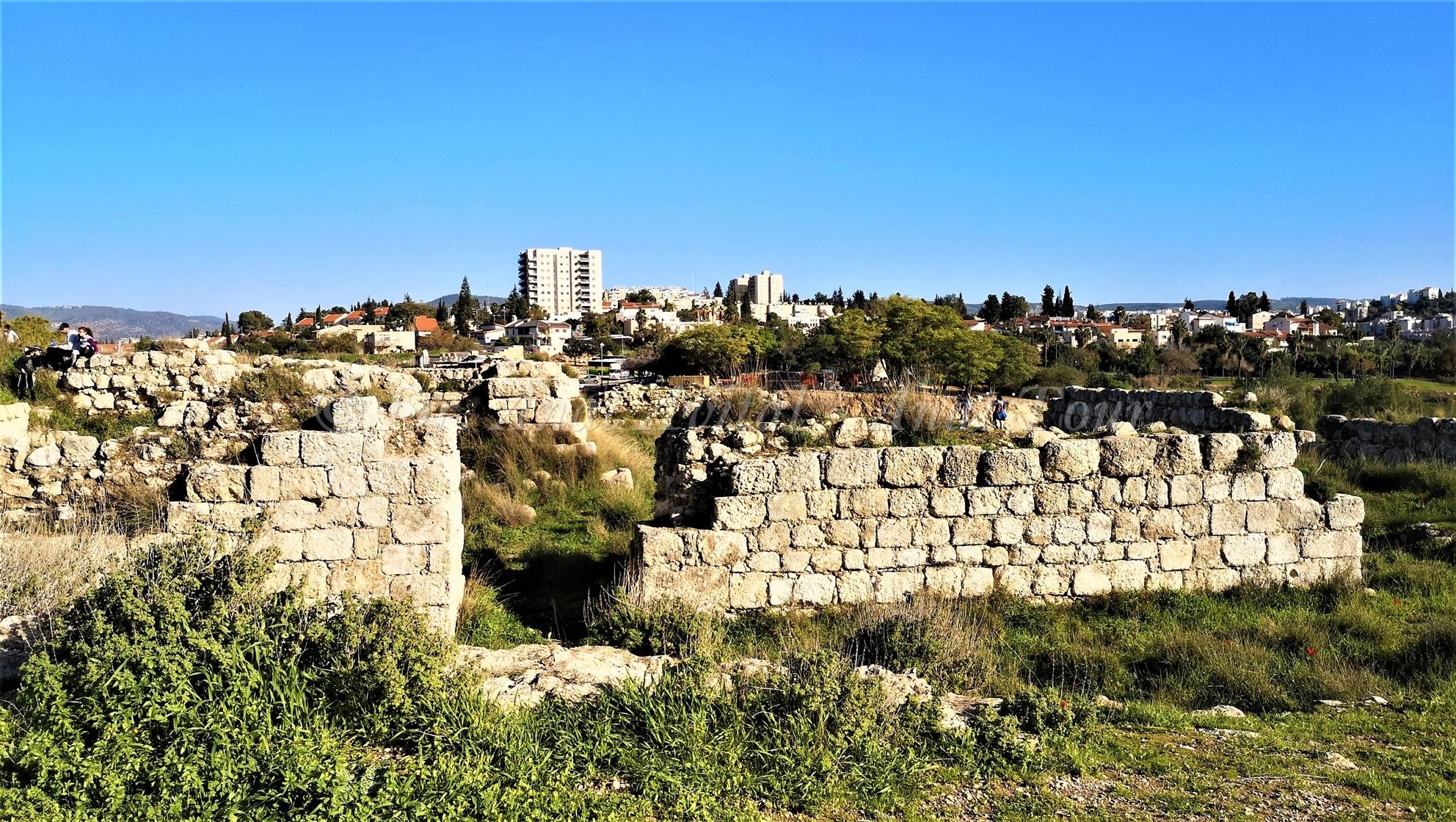
If we have a moon, we should also have a sun… Indeed, a little south from about 2/3 of the way between Tel Aviv and Jerusalem, adjacent to the beautiful highway 38, we will find Tel Beit Shemesh, identified with the biblical settlement of Beit Shemesh. Befitting a place between Tel Aviv and Jerusalem, Ir Shemesh is mentioned in the book of Joshua in the estate of the Bnei Dan, and Beit Shemesh – in the estate of the tribe of Yehuda, while some believe that this is the same place, and the reason for the change is changes in the borderline between the two tribes. Tel Beit Shemesh is mentioned as a central city in one of King Solomon’s provinces as well as during the Kingdom of Judah, and as a city where the Tablets of the Covenant passed through. Beit Shemesh reached its height of importance during the 1st Temple Era but later settlements were on site as well.אם יש לנו ירח, צריכה להיות לנו גם שמש… ואכן, קצת דרומה מבערך 2/3 הדרך בין תל אביב לירושלים, צמוד לכביש 38 היפיפה, נמצא את תל בית שמש המזוהה עם הישוב המקראי בית שמש. כיאה למקום בין תל אביב וירושלים, מוזכרת עיר שמש בספר יהושע בנחלת בני דן, ובית שמש בנחלת שבט יהודה, כאשר יש הסוברים שזהו אותו מקום, והסיבה לשינוי, היא שינויים בקו הגבול בין שני השבטים. תל בית שמש מוזכרת כעיר מרכזית באחת ממחוזותיו של שלמה המלך וכן בתקופת ממלכת יהודה, וכן כעיר שבה עברו לוחות הברית. בית שמש הגיעה לשיא חשיבותה בתקופת בית ראשון אך גם לאחר מכן, היובמקום התישבויות שונות.
Over the years, archeological excavations were conducted at the site and a water plant, established in the city, was uncovered. Another important finding is a game board with the name “Hanan” engraved on it that was found during the excavations. There you can see the remains of ancient buildings and caves, rock-cut burial caves and remains of small quarries.
In Tel Beit Shemesh, the earliest ironsmith factory in the eastern basin of the Mediterranean Sea was discovered. Here, furnaces and tools designed for the extraction of the metal were found. Objects produced in the local iron factory were also discovered at the site, for example, arrowheads.
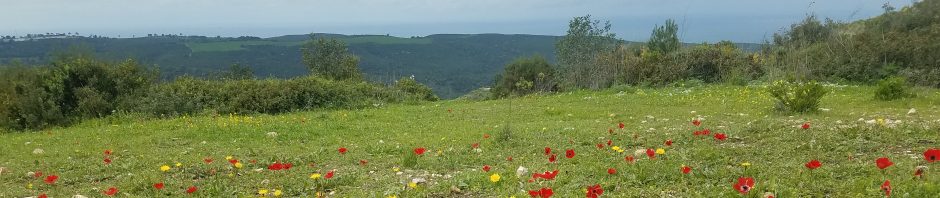
At the foot of the mound runs Nachal Sorek, a lovely stream that forms a natural border between the estates of the tribes that lived around the mound: Yehuda (Judah), Benjamin and Dan. The place is beautiful all year round, but is highly recommended during the blooming season in spring. Not far from there, is the city of Beit Shemesh, founded in the 1950s, which over the years has become a developing and diverse city with residents from all over the world, restaurants, shopping areas, etc. for travelers in and through it. Other attractions recommended for a day trip in the area are the beautiful stalactite caves in the area.
לאורך השנים במקום נערכו חפירות ארכיאולוגיות ונחשף מפעל מים שהוקם בעיר. ממצא חשוב נוסף הוא לוח משחק ועליו חרוט השם “חנן” שנמצא בעת החפירות. במקום ניתן לראות שאריות מבנים עתיקים ומערות, מערות קבורה חצובות בסלע ושרידי מחצבות קטנות.
בתל בית שמש התגלה מפעל נפחות ברזל הקדום ביותר באגן המזרחי של הים התיכון. נמצאו כאן כבשנים וכלי עבודה שנועדו להפקת המתכת. באתר נתגלו גם חפצים שיוצרו במפעל הברזל המקומי, למשל, ראשי חיצים.

למרגלות התל עובר נחל שורק שמהווה גבול טבעי בין נחלות השבטים שישבו סביב התל: יהודה, בנימין ודן. המקום יפה כל השנה, אבל מומלץ ביותר בעונת הפריחה באביב. לא רחוק משם נוסדה בשנות ה-50 העיר בית שמש שהפכה עם השנים לעיר מתפתחת ומגוונת ובה תושבים מכל העולם, מסעדות, קניות וכו למטייל בה ודרכה. אטרקציות נוספות מומלצות ליום טיול בסביבה הן מערות הנטיפים היפיפיות באיזור.  
But this Beit Shemesh is not the only one. The tribe of Naphtali in the far north also had a Beit Shemesh (Joshua 19,38-39) and also in the estate of the tribe of Issachar there is a Beit Shemesh that is identified near present-day Yavne’al with a place called Khirbat Shamsin, and perhaps it was near the crossings of the Jordan. Here too, some believe that this is the same city, on the border between the two tribes, and some say that these are different cities that reflect the presence of sun worship in the area. We’ll mention that Jeremiah also had his own Beit Shemesh, but it was in Egypt (Jeremiah 43:13), probably in the place that is now east of Cairo, which the Greeks called Heliopolis, the city of the sun.אך בית שמש זו אינה היחידה. גם לשבט נפתלי בצפון הרחוק היתה בית שמש (יהושע יט, לח-לט) וגם בנחלת שבט יששכר יש בית שמש שיש המזהים אותה ליד יבנאל של ימינו עם מקום שנקרא חרבת שמסין, ואולי היתה ליד מעברות הירדן. גם כאן, יש הסוברים שזו אותה עיר, בגבול ביניהם, ויש – שאלו ערים שונות המשקפות את נוכחות פולחן השמש באיזור. נזכיר עוד שגם לירמיהו היתה בית שמש משלו, אך זו היתה במצרים (ירמיהו מג,יג), כנראה במקום הנמצא כיום במזרח קהיר שהיוונים כינו הליופוליס, עיר השמש.  
And for us what’s left is to enjoy this beautiful Land, to which Moses our Teacher, to his great sorrow, did not get to enter, to hear his words, to guard our souls, and to continue to work, to hope, to seek – and find – comfort, and to dream of the day when we will know the correct and exact balance between love and awe, the sun and the moon and the other various forces within our lives.ולנו נותר להנות בארץ היפה הזו, שמשה רבנו, לצערו הגדול, לא זכה להכנס אליה, לשמוע את דבריו, להשמר על נפשותינו, ולהמשיך לעבוד, לקוות, לחפש – ולמצוא – נחמה, ולחלום על היום בו נדע את האיזון הנכון והמדויק בין האהבה והיראה, השמש והירח ושאר הכוחות השונים בחיינו.  

לצמים עדיין, צום תשעה באב משמעותי, מועיל ואחרון… ולכולנו, שבת נחמו שלום
To those of us fasting, wishing a meaningful, helpful and last 9th of Av fast… and the all of us, SHABBAT NACHAMU SHALOM

Pictures from Wikipedia and the site of Dr. Anat Avital

Posted in Uncategorized | Leave a comment

Torah & Travel with the Torah portion of D’varim: “Eleven days from Horev”…

תורה וטיולים עם פרשת דברים: “אחד עשר יום מחורב”…

Once again Moshe is about to say his farewell words, and again he reminds me of the opening scene in the movie “Hair” when Claude Hopper-Bukowski and his father are walking – more  shuffling – towards the bus stop. It’s Vietnam War days, and Claude, is called to the recruiting office in New York City, which is almost farther from his home in Oklahoma than Vietnam itself. And so the father and the son, walk along.שוב עומד לו משה להגיד את דברי הפרידה שלו ושוב הוא מזכיר לי את הסצנה הפותחת בסרט “שיער” כשקלוד הופר-בוקובסקי ואביו פוסעים – מדשדשים משהו – לעבר תחנת האוטובוס. הימים ימי למלחמת ויטנאם וקלוד, נקרא ללשכת הגיוס שבניו-יורק, רחוקה מביתו באוקלהומה כמעט יותר מויטנאם עצמה. וכך האב והבן, בדרכם.  
– “You got all your stuff”? so the father
– “Oh yeh”.
– “When you get there, be sure to give us a call so we know where you are”, asks the father, knowing he’ll never be able to really know.
– “Fine”, echoes the sons, their footsteps on the gravel, the rustic scenery around, the son flags the approaching bus.
– “Let me give you some money”, the father searches through his pocket, pulling up his wallet.
– “Oh, I’m ok”
– “Just take it, the father counts a few bills, almost begging for his offering, perhaps the last one, to be accepted, hoping something tangible and physical will keep them connected, the residue of the fingers linger after they’re gone, “in case you run into any amount of trouble, you never know what can happen”, the father tries to insert some logic, in spite of the paradox in his words.
– “Thank you”, the son, his gaze in the distance.
– “Well boy”, a slap on shoulder, clearing his throat, chuckling, trying to comfort and barely can himself “It’s just the smart people who got to worry; the Lord will take care of them idiots”. He hugs his son awkwardly, disclosing the rarity of the gesture, “well, see you”.
“יש לך הכל”? שואל האב את בנו
“כן, כן”.
“כשתגיע, תרים לנו טלפון כדי שנדע איפה אתה”, מבקש האב, יודע שכבר לא יוכל אף פעם בדיוק לדעת.
“בסדר”, מהדהד הבן, קול צעדיהם על החצץ, הנוף הכפרי ברקע, הבן מסמן לאוטובוס המתקרב.
“בוא, אתן לך קצת כסף” מחטט האב בכיסו, מוציא ארנק.
“לא צריך, אני בסדר”.
“פשוט קח את זה”, האב מונה כמה שטרות, כמעט מתחנן שמנחתו, אולי האחרונה, תתקבל. שמשהו פיזי וממשי ימשיך ויחבר ביניהם, טביעות האצבעות ישארו אחרי לכתם, “למקרה שתתקל בכל מיני צרות, אף פעם אי אפשר לדעת”, מבקש האב להכניס הגיון בשיחה, למרות הפרדוקס בדבריו.
“טוב, תודה”, הבן, מבטו רחוק.
“טוב, ילד, אז”… האב טופח על שכמו, מכעכע, מגחך משהו, מנסה לנחם ובקושי מצליח את עצמו, “זה רק הפיקחים שצריכים לדאוג. אלוהים כבר יטפל בטמבלים”. הוא מחבק את בנו בגמלוניות, מסגיר את חוסר שגרת המחווה הזו. “טוב, אז… להתראות”.
According to tradition, the book we are starting this week is different from the four books beforehand, because what we have in our hands is actually Moses’ parting speech to the Children of Israel. But unlike Claude’s father, Moshe has a lot to say, so much that the book is called “D’varim”, things, or words, speeches, and also “Mishne Torah“, a secondary Torah.לפי המסורת, הספר שאנחנו מתחילים השבוע שונה מארבעת הספרים שלפניו, כי מה שיש בידינו אלו ממש מילות נאום הפרדה של משה לבני-ישראל. אלא שבניגוד לאביו של קלוד, למשה יש הרבה מה לומר, כל כך הרבה שהספר נקרא “דברים“, וגם -“משנה תורה“.  
But Moshe isn’t a movie star, and even in his 120th year, “his eyes were undimmed and his vigor unabated” (Deut 34,7), and he’s the only one about whom it says, “Never again did there arise in Israel a prophet like Moses—whom Hashem singled out, face to face” (34:10). Moses uses all his abilities to convey to the people what is important for them to know before entering the Land and living in it, an act that is, then as it’s today, full of challenges in all aspects. Because who, like Moses, knows that while we can have a good time and be successful and enjoy ourselves in many places in the world, only in the Land  of Israel can we be, and live who we are to the fullest.אבל משה הוא לא כוכב קולנוע, וגם בשנתו ה-120, “לֹא־כָהֲתָ֥ה עֵינ֖וֹ וְלֹא־נָ֥ס לֵחֹֽה” (דברים לד,ז) והוא היחיד ש”לֹא־קָ֨ם נָבִ֥יא ע֛וֹד בְּיִשְׂרָאֵ֖ל כְּמֹשֶׁ֑ה אֲשֶׁר֙ יְדָע֣וֹ יְהֹוָ֔ה פָּנִ֖ים אֶל־פָּנִֽים” (לד,10).   הוא משתמש בכל יכולתיו, להעביר לעם את מה שחשוב שידעו לפני הכניסה לארץ והחיים בה, מעשה שכאז כן היום, הוא מלא אתגרים מכל הבחינות. כי מי כמשה יודע, שבשעה שיכול להיות לנו טוב ואנחנו מצליחים ונהנים במקומות רבים בעולם, רק בארץ נוכל להיות ולחיות את מי שאנחנו בצורה הכי שלמה.  
The Torah portion of Dvarim = Deuteronomy is usually read around the month of Av. According to our tradition, the Israelites left Egypt in the middle of the month of Nisan, and about seven weeks later, they stood before the giving of the Torah, on the 6th of Sivan. After the grandiose ceremony, Moses stayed on Mount Sinai for 40 days and 40 night, and returned with the tablets on the 17th day of Tammuz. As is known, on this day, when Moses came down from the mountain and saw the Golden Calf, the first tablets were broken, but let’s assume for a moment that there was no calf and the tablets were not broken. Moses would come down from the mountain happy and kind-hearted, and on the 18th of Tammuz, the Children of Israel would continue towards the Land of Israel, without any delays, “eleven days from Horev” as described in the opening verses of our portion (Deuteronomy 1:2). Since they left on the 18th of Tammuz and walked 11 days, they’d arrive on the 29th of Tammuz at the point of entry into the Land, exactly where they are now standing and listening to Moses speak. The next day, on Rosh Hodesh Av, the Israelites were to enter the Land and conquer it. The month of Av would have become our month of greatest joy, due us realizing who we are as a People and a nation in the Land Israel. No wonder, then, that in the middle of this strong month, whose sign is Leo, the king of the animals, we have Tu Be’av, the holiday of Love.פרשת דברים נקראת בד”כ סביב חודש אב. לפי המסורת שלנו, בני ישראל יצאו ממצרים באמצע חודש ניסן, וכשבעה שבועות אחר כך, עמדו לפני מתן תורה, ביום ו’ בסיון. אחרי המעמד הגרנדיוזי, משה נשאר בהר סיני במשך 40 יום ו-40 לילה, וחזר עם הלוחות ביום י”ז בתמוז. כידוע, ביום זה, כשירד משה מן ההר וראה את עגל הזהב, נשתברו הלוחות הראשונים, אבל נניח לרגע, שלא היה עגל ולא נשתברו הלוחות. משה היה יורד מן ההר שמח וטוב לב וביום י”ח בתמוז, היו ממשיכים בני ישראל אל עבר ארץ ישראל, ללא שום עיכובים, מהלך “אַחַ֨ד עָשָׂ֥ר יוֹם֙ מֵֽחֹרֵ֔ב” כפי שמתואר בפסוקים הפותחים את הפרשה שלנו (דברים א:ב). מכיון שיצאו בי”ח בתמוז והלכו 11 יום, הרי שהגיעו ביום כ”ט בתמוז לנקודת הכניסה לארץ, במקום בו הם עומדים עכשיו ומקשיבים למשה נואם. למחרת, בראש חודש אב, היו צריכים להכנס בני ישראל לארץ וכובשים אותה. חודש אב היה נהפך לחודש השמחה הגדול ביותר שלנו, בשל התממשות הווייתנו בעם וכלאום בארץ ישראל. לא פלא אם כך, שבאמצע החודש החזק הזה, שמזלו מזל אריה, מלך החיות, נמצא ט”ו באב, חג האהבה.
Unfortunately, for the time being, things did not work out that way. Instead of a month of joy, we are entering a period of mourning and remembrance for the destruction: the Israelites asked to send the spies who returned with a bad advise, and delayed entering the Land. The Temple – the first and the second – were destroyed, and other terrible tragedies happened to us, but, we know that our history is different and surprising more than any story that has ever been invented and is beyond all imagination, so that despite everything, “our hope is not lost”.לצערנו, בנתיים לא כך הסתדרו הדברים. במקום חודש שמחה, אנחנו נכנסים לתקופת בכיה וזכרון לחורבן: בני ישראל בקשו לשלוח את המרגלים שחזרו עם עיצה מסכסכת, והתעכבו בכניסה לארץ. בית המקדש – הראשון והשני – חרבו, וטרגדיות נוראות אחרות קרו אותנו, אבל, אנחנו יודעים שההסטוריה שלנו שונה ומפתיעה מכל סיפור שאי פעם הומצא ומעבר לכל דמיון, כך שלמרות הכל, “לא אבדה תקוותנו”.
So – “eleven days from Horev”… where is Horev? The place is mentioned in several places in the Torah and this is how we get more details about it. For example, in the story of the burning bush, it is said, “And he came to Horev, the mountain of Gd” (Exodus 3:1). The Contras Chiba Yetera says that Moses came there to find pasture for the flock, meaning that there was pasture there and “a stream of water that came down from the mountain even in the summer, since the sin of the Golden Calf was in the month of Tammuz, and there (chapter 32) it’s written, “and he scattered it on the face of the waters” and so it is said (Deuteronomy 9:21) “to the stream coming down from the mountain.” But it was called Horev (dryness) because of the dry, parched region it was in, while the mountain itself was green, and since the blessing of Gd is visible on it, it’s called the mountain of Gd. Ibn Ezra thinks that “it’s called Horev because of the heat and that there was no rain there because it’s too far from Egypt (“three days journey”) and far from the Nile”, whereas Rebenu Bachye explained, “And why is its name Horev (also from the root – destroy)? From there distraction came to idolaters”, that is, the Giving of the Torah changed the way the entire world had been conducted until then. The Toldot Yitzchak on the Torah says that Moses deliberately sought “a holy place to bring Gd’s abundance to him… a dry, desolate place where there’s no one can disturb him”… Indeed, it is difficult for Mount Sinai, the place of receiving the Torah, has also a name like Horev, from root ch.r.b, from which we make – dryness, ruin, destruction (sword and carob tree too, whose fruit is shaped like a sword). In addition to the previous explanations, it’s possible that the name also indicates the need for a clean beginning – an empty place, without past, without “sediments” – before receiving the Torah.אז – “אַחַ֨ד עָשָׂ֥ר יוֹם֙ מֵֽחֹרֵ֔ב”… איפה זה חורב? המקום מוזכר בכמה מקומות בתורה וכך מתחברים לנו פרטים נוספים עליו. למשל, בסיפור הסנה הבוער נאמר, “ויבוא אל הר האלוקים חורבה” (שמות ג,א). אומר הקונטרס חיבה יתרה שמשה בא לשם למצוא מרעה לצאן, כלומר שהיה שם מרעה ואפילו “נחל מים שירד מההר גם בימות הקיץ, שהרי חטא העגל היה בחודש תמוז ושם (פרק לב) כתוב “ויזר על פני המים” וכן נאמר (דברים ט,כא) “אל הנחל הירד מן ההר”. אבל נקרא חרב על שם האזור החרב והיבש שהוא נמצא בו, ואילו ההר עצמו היה ירוק, וכיון שניכרת עליו ברכת האלקים נקרא הר האלקים. אבן עזרא חושב ש”טעם חרבה מרוב החום שלא ירד שם גשם כי הוא קרוב ממצרים דרך שלשת ימים כאשר דבר משה. ובעבור שהיאור רחוק על כן אין שם ליחה ותגבר בו היבשות”, ואילו רבנו בחיי, הסביר “ולמה נקרא שמו חורב? שמשם יצאה חורבה לעכו”ם”, כלומר, מתן תורה שינה את איך שהעולם כולו התנהל עד אז. התולדות יצחק על התורה, אומר שמשה בכוונה חיפש “מקום קדוש לשיבוא לו שפע אלהי… מקום חרב שאין שם בני אדם שיטרידו עיונו”… אכן, קשה שלהר סיני, מקום קבלת התורה, יש שם כזה – חורב, משורש ח.ר.ב, חורבה, חורבן (חרב ועץ החרוב שפריו בצורת חרב!). בנוסף להסברים הקודמים, יתכן שהשם מצביע גם על הצורך בהתחלה נקיה – מקום ריק, בלי עבר, בלי משקעים – לפני קבלת התורה.
According to tradition then, Horev is Sinai. The Bible isn’t clear about its location and so over the generations, several possibilities have been raised to identify it throughout the Sinai Peninsula, the Negev-Sinai border, Arabia and Transjordan. Although there were those who criticized the desire to know and locate the mountain, and even explained that Gd deliberately didn’t leave us precise instructions lest we turn the mountain into a sacred place, we have sources from various historians as early as the 13th century (which sound like the beginning of a joke: a Persian geographer, an Arab historian, a Christian traveler and Jewish rabbis) pointing towards “Mount Sinai”.לפי המסורת, חורב הוא סיני. המקרא לא ברור לגבי מיקומו וכך במשך הדורות הועלו כמה אפשרויות לזיהויו ברחבי חצי האי סיני, גבול נגב-סיני, ערביה ועבר הירדן. הגם שהיו כאלה שביקרו את הרצון לדעת ולאתר את ההר, ואף הסבירו שהקב”ה במכוון לא השאיר לנו הוראות מדויק שמא נהפוך את ההר למקום מקודש, יש בידינו מקורות מהסטוריונים שונים כבר מהמאה ה-13 (שנשמעים כמו התחלה של בדיחה: גאוגרף פרסי, הסטוריון ערבי, נוסע נוצרי ורבנים יהודיים) המצביעים לעבר “הר סיני”.
In Christian tradition, the mountain commonly known as “Mount Sinai” is Jabel Musa (Mount Moses), in the south of the Sinai Peninsula, and it says that Queen Helena, the mother of Emperor Constantine, recognized the place there, in 527 CE. Emperor Justinianus I built a Christian church called ‘Santa Katrina’. In 1978, the then president of Egypt, Anwar Sadat, said that he wanted to build houses of worship for the three religions on the mountain – a synagogue, a mosque and a church. As far as I know, this has not (yet) come to fruition.במסורת הנוצרית, ההר המכונה על פי רוב “הר סיני” הוא ג’בל מוסא (הר משה), בדרום חצי האי סיני, והיא מספרת שהמלכה הלנה, אמו של הקיסר קונסטנטינוס, זיהתה את המקום שם, בשנת 527 לספירה והקיסר יוסטיניאנוס הראשון בנה במקום כנסייה נוצרית בשם ‘סנטה קתרינה’. ב-1978 אמר נשיא מצרים דאז, אנוואר סאדאת, שברצונו להקים בהר בתי תפילה לשלוש הדתות – בית כנסת, מסגד וכנסיה. למיטב ידיעתי, הדבר (עוד) לא יצא לפועל.  
Perhaps because of the great sanctity of Mount Sinai – Mount Horev, I don’t know of places in Israel named after it, except for one square / roundabout in the districts of my childhood, Horev Square in the center of Ahuza neighborhood in Haifa. The square, in the area where I took my first steps and where many of my memories are bound, was once the “Last Stop”, and its hallmark – a red kiosk that stood in the center of it. Not far from there, in the place where the Horev Center was built in 1987, the first mall in Haifa and one of the first in Israel, there was a bus lot suitable for a final stop in the city of workers, which woke the neighborhood with the rattle of its engines early in the morning. Next to it, was a fragrant bakery. In the winter days, the greatest fun was to come back from a meeting, an event, a movie that ran late, and go in there, warm up a bit and choose bread straight from the oven that was both delicious and served as a glove for the frozen hands.אולי בגלל קדושתו הרבה של הר סיני – הר חורב, לא ידוע לי על מקומות בארץ על שמו, מלבד כיכר אחת במחוזות ילדותי, כיכר חורב שבמרכז שכונת אחוזה שבחיפה. הכיכר, באיזורה עשיתי את צעדי הראשונים ובה קשורים רבים מזכרונותי, היתה פעם “התחנה הסופית”, וסימן ההיכר שלה – קיוסק אדום שעמד במרכזה. לא רחוק משם, במקום בו נבנה ב-1987 “מרכז חורב”, הקניון הראשון בחיפה ואחד מהראשונים בארץ, היה מגרש אוטובוסים כיאה לתחנה סופית בעיר פועלים, שהעיר את השכונה עם טרטור מנועיו מוקדם בבקר. לידו היתה מאפיה ריחנית. בימי החורף, הכף הגדול היה לחזור ממפגש, אירוע, סרט כלשהו מאוחר ולהכנס לשם, להתחמם קצת ולבחור לחם הישר מהתנור שהיה גם טעים וגם שימש ככפפה לידיים הקפואות.
The neighborhood began as an agricultural settlement outside the city, which soon became a suburb named in honor of the first High Commissioner, Sir Herbert Samuel. The master plan for the neighborhood was prepared in the 1920s by the well-known architect, Richard Kaufman. The purchase of the land – more than 3000 dunams – was made in 1922, in 1924 its main streets, Moriah, Sinai and Horev streets, were paved, and the school I attended until 3rd grade , “Ahuza Zikhron Yosef”, was the first on the ridge (1926). The main development of the neighborhood was in the 1930s with the German immigrants of the 5th aliyah, and then my family members arrived as well. One of the first buildings in the neighborhood built at that time was the “Mish’an Carmel” nursing home on Ider Street , which was also designed by Richard Kaufman, and built by Dr. Wilhelm Yehuda Bodenheimer (1890-1955 – my aunt’s uncle) and was initially used as the “Carmel Sanatorium” and a boarding house. As mentioned here elsewhere, during World War II, the British thought of turning the Carmel, including this area, into a sort of “Masada”, and remnants of this are scattered in the area. In addition, at the same era, in 1948, the “Haganah” forces took over what was until then the “Legion camp”, a place that was later converted into the “military school for commanders next to the Hebrew Re’ali school in Haifa” (Beit Biram branch).תחילתה של השכונה כמושבה חקלאית מחוץ לעיר, שעד מהרה הפכה לפרוור שנקרא לכבודו של הנציב העליון הראשון, סר הרברט סמואל. תוכנית האב לשכונה הוכנה בשנות ה-1920 ע”י האדריכל הידוע, ריכדר קאופמן. רכישת הקרקעות – יותר מ-3000 דונם נעשתה בשנת 1922, ב-1924 נסללו רחובותיה הראשיים, הרחובות מוריה, סיני וחורב, ובית הספר בו למדתי עד כיתה ג’, “אחוזה זכרון יוסף”, היה הראשון על הרכס (1926). עיקר התפתחות השכונה היה בשנות ה-1930 עם עולי גרמניה של העליה החמישית ואז גם הגיעו בני משפחתי. אחד המבנים הראשונים בשכונה שנבנה אז היה בית האבות “משען כרמל” ברחוב אידר, שגם הוא תוכנן על ידי ריכרד קאופמן, נבנה על ידי ד”ר וילהלם יהודה בודנהיימר (1890–1955 – דוד של דודתי) ובראשיתו שימש כ”סנטוריום כרמל” וכפנסיון. כפי שכבר הזכרתי כאן, בתקופת מלחמת העולם השניה חשבו הבריטים להסב את הכרמל כולל איזור זה ל”מצדה על הכרמל”, ושרידים לכך מפוזרים באיזור. עוד באותה תקופה, ב- 1948 השתלטו כוחות “ההגנה” על מה שהיה עד אז “מחנה הלגיון”, מקום שהוסב מאוחר יותר ל”פנימיה הצבאית לפיקוד שליד בית הספר הראלי העברי בחיפה” (סניף בית בירם).  
If and when you come to the neighborhood, I will be happy to show you other places, such as my grandparents’ house (at Disraeli 4), the Copper House (Tel Mana 20), Gan Yedidia, the first Conservative synagogue in Israel and its Reform cousin, the Orthodox synagogues in their forms, the house of who was the chief rabbi in Haifa, Rabbi She’ar-Yishuv and Rabbanit Dr. Naomi Cohen, shops and cafes as well as wonderful wadis to walk in, especially in the spring when the Carmel is at its best bloom, in a city where nature and people live together on the ever-green mountain, while traveling on roads named after other mountains.אם וכאשר תגיעו לשכונה, אשמח להראות לכם מקומות נוספים, כמו בית סבי וסבתי (דיזראלי 4), בית הנחושת (תל מאנה 20), גן ידידיה, בית הכנסת הקונסרבטיבי הראשון בארץ ובן דודו הרפורמי, בתי הכנסת האורתודוקסים על תת-זרמיהם, ביתו של מי שהיה הרב הראשי בחיפה, הרב שאר-ישוב והרבנית ד”ר נעמי כהן, חנויות ובתי קפה כמו גם ואדיות נפלאים לטייל בהם, במיוחד באביב כשהכרמל בשיא פריחתו, בעיר שבה הטבע והאדם חיים ביחד על ההר הירוק תמיד, תוך שהם נוסעים בכבישים ששמותם – הרים אחרים.

שבת שלום וחודש מנחם-אב טוב

SHABBAT SHALOM & CHODESH MENACHEM-AV TOV 
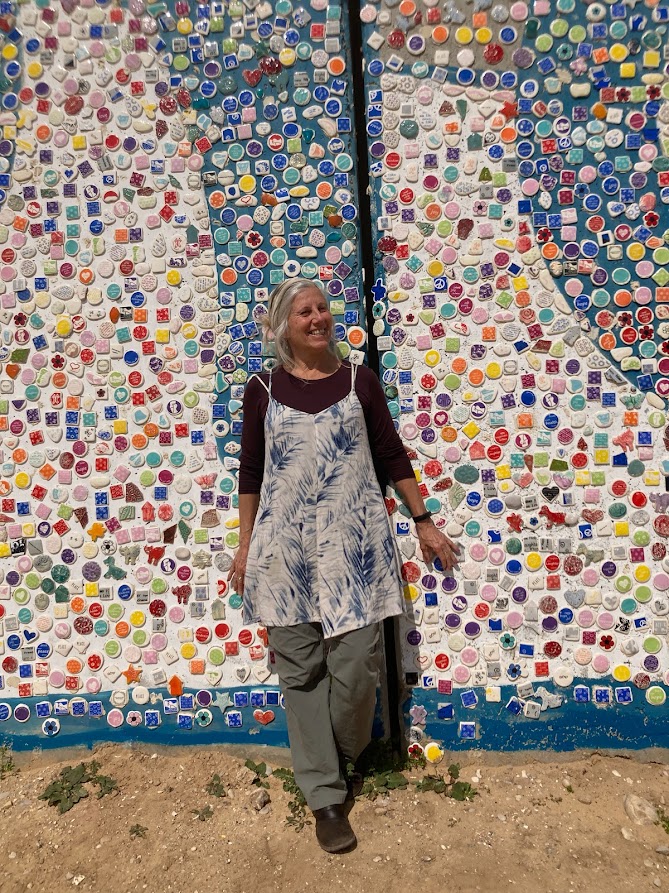
Jabel Musa / Mt. Sinai, Santa Katarina area (wikipedia) ג’בל מוסא – הר סיני, איזור סנטה קתרינה
מרכז חורב – אחוזה בחיפה 1946 צריך לדמיין איך הכל ירוק מסביב. המבנה הגדול הוא גראז’ האוטובוסים במקום .בו היום עומד מרכז חורב (מתוך מאמר של אמירה קהתי)
Horev Center – Ahuza, Haifa 1946 – just imagine how it’s the houses are surrounded by greenery
Posted in Uncategorized | 1 Comment

Torah & Travel with Matot-Mas’ei: From Jericho to Petach-Tikva…

תורה וטיולים עם מטות-מסעי – מיריחו לפתח תקוה…

We have arrived at the end of the Book of Numbers, which usually falls within the – sad and often terribly hot – “Three Weeks”, between the 17th of Tamuz and the 9th of Av; this year it ends with two Torah portions. Parashat Matot begins with the laws of vows, to which, along with the laws of oaths, two entire tractates in the Talmud are devoted. The vow teaches us about the sanctity of speech and its power, when a person has the ability, within the laws and mitzvot, to create his own framework through speech, to add prohibitions and mitzvot that the Torah did not enumerate. The matter is complex: on the one hand, it is a fact that it is allowed and there are instructions how. On the other hand, talking has limits. It is not possible to lie against the Torah and against previous agreements (for example, between a man and his wife). The Talmud asks, “You don’t know what the Torah forbids, but you forbid other things?” (Yerushalmi Nadar 55:5), that is, we have been given 613 commandments and it is already difficult enough to fulfill even a small part of them, so it is better not to take on any more. Orderly of the release of vows.הגענו לסוף ספר במדבר, שבד”כ נופל בתום שלושת השבועות – העצובים משהו וחמים מאד – בין י”ז בתמוז ותשעה באב, והוא מסתיים השנה, עם שתי פרשות: מטות-מסעי. פרשת מטות מתחילה בדיני נדרים, שלהם, יחד עם דיני שבועה, מוקדשים שתי מסכתות שלמות בתלמוד. הנדר מלמד אותנו על קדושת הדיבור וכוחו, כשלאדם יש יכולת, בתוך החוקים והמצוות, ליצור לעצמו דרך הדיבור מסגרת משלו, להוסיף איסורים ומצוות שהתורה לא מנתה. הענין מורכב: מצד אחד, עובדה שמותר ויש הוראות איך. מצד שני, לדבר יש גבולות. אי אפשר לידור נגד התורה ונגד הסכמים קודמים (למשל, בין איש לאשתו). התלמוד שואל, “לא דיך מה שאסרה תורה, אלא שאתה אוסר עליך דברים אחרים?” (ירושלמי נדרים פ”ט,ה), כלומר, ניתנו לנו 613 מצוות וכבר מספיק קשה לקיים אפילו חלק קטן מהן, כך שעדיף לא לקחת על עצמנו עוד. במקביל, מתוך הבנה עמוקה גם למצב בו אדם נודר פעמים מצרה ופעמים בטעות, נוצרה מערכת מסודרת של התרת נדרים.   
Then we hear about the war in Midian, and through that, we learn how to kasher the tools that were taken: tools that were used directly with fire, must be put in fire. Utensils that have been used with boiling liquids must be immersed in boiling liquids, and all utensils must be immersed to purify them from previous use. The division of the loot is also discussed here, and specific instructions are given: to divide it into two equal parts: One – to the soldiers, and the other – to the People remaining in the rear. From these parts, the recipients will have to give a certain amount to the priests and Levites. It is fascinating to see how an act that can be wild and domineering like looting during a battle, is also anchored in the laws of the Torah, when part of the loot is  brought as a thankfulness sacrifice, so that even in this situation, the One who is really responsible for the victory, will not be forgotten.  לאחר מכן אנחנו שומעים על המלחמה במדין, ומתוך כך, לומדים איך להכשיר את הכלים שנלקחו: כלים בהם נעשה שימוש ישיר באש, צריך להעביר באש. כלים בהם השתמשו בנוזלים רותחים יש להטביל ברותחים, ואת כל הכלים יש להטביל כדי לטהר אותם משימוש קודם. גם על חלוקת השלל מדובר כאן, והיא נעשית תוך הוראות ספציפיות: לחלק לשני חלקים שווים. חלק אחד יינתן לחיילים, והחלק השני לשאר העם שנותר בעורף. מחלקים אלו יהיה על המקבלים לתת סכום מסויים לכוהנים וללויים. מרתק לראות איך מעשה שיכול להיות פראי ושתלטני כמו ביזה בזמן קרב, גם הוא נעגן בחוקי התורה, כשחלק מהשלל גם מובא כקורבן לאות תודה, כדי שגם במצב זה, מי שבאמת אחראי לנצחון, לא ישכח.   
At the end of this Torah portion, Matot, we hear about the members of the tribe of Gad and Reuven who ask for, and finally receive, land in the eastern side of the Jordan. This is a complex request and Moshe is worried: “Will your brethren go to war while you dwell here”? He reminds them of the sin of spies, and the dire consequences of division in the nation, death and staying in exile. But in this case, the answer is different (Numbers 32:16-18):  בסוף פרשת מטות, אנחנו שומעים על בני שבט גד וראובן שמבקשים, ולבסוף מקבלים, נחלה בעבר הירדן המזרחי. זו בקשה מורכבת ומשה מודאג: “הַאַֽחֵיכֶ֗ם יָבֹ֙אוּ֙ לַמִּלְחָמָ֔ה וְאַתֶּ֖ם תֵּ֥שְׁבוּ פֹֽה”? הוא מזכיר להם את חטא המרגלים, ואת התוצאות הקשות של פיצול בעם, מוות והשארות בגלות. אך במקרה זה, התשובה שונה (במדבר לב:טז-יח): וַיִּגְּשׁ֤וּ אֵלָיו֙ וַיֹּ֣אמְר֔וּ גִּדְרֹ֥ת צֹ֛אן נִבְנֶ֥ה לְמִקְנֵ֖נוּ פֹּ֑ה וְעָרִ֖ים לְטַפֵּֽנוּ׃ וַאֲנַ֜חְנוּ נֵחָלֵ֣ץ חֻשִׁ֗ים לִפְנֵי֙ בְּנֵ֣י יִשְׂרָאֵ֔ל עַ֛ד אֲשֶׁ֥ר אִם־הֲבִֽיאֹנֻ֖ם אֶל־מְקוֹמָ֑ם וְיָשַׁ֤ב טַפֵּ֙נוּ֙ בְּעָרֵ֣י הַמִּבְצָ֔ר מִפְּנֵ֖י יֹשְׁבֵ֥י הָאָֽרֶץ׃ לֹ֥א נָשׁ֖וּב אֶל־בָּתֵּ֑ינוּ עַ֗ד הִתְנַחֵל֙ בְּנֵ֣י יִשְׂרָאֵ֔ל אִ֖ישׁ נַחֲלָתֽוֹ׃   
And to this, Moshe agrees, with a “small” correction in the order of things: “Build for yourselves cities for your children and fences for your flock, and that which you spoke, you shall do (32:24), that is, organize your priorities, first children, home and family, and then employment and livelihood and not the other way around, and if you do that, and if you do come to the aid of your brothers, you can stay here. Often, this is a story that is used in meetings between different groups, especially in Israel and abroad: even today, we too, ask, what and how do we see the relations with our family members who are across the river, across the sea, physically and/or politically? Will we be able to keep the mutual concern expressed by the Children of Gad and Reuven?ולכך, משה מסכים, עם תיקון קטן (בעצם, די גדול) בסדר הדברים: “בְּנֽוּ־לָכֶ֤ם עָרִים֙ לְטַפְּכֶ֔ם וּגְדֵרֹ֖ת לְצֹנַאֲכֶ֑ם וְהַיֹּצֵ֥א מִפִּיכֶ֖ם תַּעֲשֽׂוּ” (לב:כד), כלומר, תארגנו את סדרי העדיפויות שלכם, קודם ילדים, בית ומשפחה, ואחכ תעסוקה ופרנסה ולא הפוך, ואם כך, ואם אכן תבואו לעזרת אחיכם, תוכלו להשאר כאן.   לעיתים קרובות, זהו סיפור שחוזרים אליו במפגשים בין קבוצות שונות, במיוחד בארץ ובחו”ל: גם היום, גם אנחנו, שואלים, מה ואיך אנו רואים את היחסים עם בני משפחתנו הנמצאים מעבר לנהר , מעבר לים, הפיזי ו/או הפוליטי? האם נשמור את הדאגה ההדדית, שבטאו בני גד וראובן?   
The Torah portion of Mas’ei, “journeys” begins by mentioning forty-two journeys and stations that the Israelites went through since they left Egypt until the last station before entering the land, on the border of Jordan. It’s interesting that everywhere it is said – “and they traveled and they camped”, so it’s not just a laundry list of places, but at each point there was a stop, acceptance, processing of what has passed thus far, and only then – moving on. The portion continues detailing the borders of the Promised Land, with Elazar the priest and Joshua bin Nun presiding over the division of the land among the tribes, and the presidents of the various tribes handling the internal tribal division. All the tribes will receive land except the tribe of Levi who deals with spiritual matters, and will not receive grazing plots. For them, each tribe will allocate lots, and in addition to that, they will receive 48 cities – of which 6 are cities of refuge. The cities of refuge were meant to be a place of refuge for a person who killed another by mistake.פרשת “מסעי” מתחילה בציון ארבעים ושתיים מסעות ותחנות שבני ישראל עברו מאז שיצאו ממצרים ועד לתחנה האחרונה לפני הכניסה לארץ, על גבול ירדן. מעניין שבכל מקום נאמר – “ויסעו ויחנו”, כשאין זו רק רשימת מקומות, אלא בכל נקודה היתה עצירה, קבלה, עיבוד של מה שעבר עד כה, ורק אז – המשך הלאה. הפרשה ממשיכה בפירוט הגבולות של הארץ המובטחת, כשאלעזר הכהן ויהושע בן נון יעמדו בראש חלוקת הארץ, ונשיאי השבטים השונים יטפלו בחלוקה השבטית. כל השבטים יקבלו אדמות מלבד שבט לוי שעוסק בענינים רוחניים, ולא יקבל שטח למרעה. עבורו, כל שבט יקצה מגרשים, כשבנוסף לכך הם יקבלו 48 ערים – מתוכם 6 ערי מקלט. ערי המקלט נועדו להיות מקום מפלט לאדם שהרג אחר בשגגה.  
And since we are dealing with the distribution of estates, we return at the end of the Book of Numbers to the daughters of Zlof’chad and their demand to receive an estate in the Land. Here, a condition is added to the answer they received: they will indeed receive an estate, but so that estates do not pass from tribe to tribe, they must marry only members of their tribe. They fulfilled the requirement and married their cousins. The Book of Numbers ends “on the steppes of Moab, at the Jordan near Jericho” (36,13).ומכיון שאנחנו עוסקים בחלוקת נחלות, אנחנו חוזרים בסוף ספר במדבר אל בנות צלופחד ואל דרישתן לקבל נחלה בארץ. כאן מצטרף תנאי לתשובה שקבלו: הן אכן תקבלנה נחלה אך כדי שנחלות לא יעברו משבט לשבט, עליהן להינשא לבני שבטן בלבד. בנות צלפחד קיימו את הציווי ונישאו לבני דודיהן. ספר במדבר מסתיים “בְּעַֽרְבֹ֣ת מוֹאָ֔ב עַ֖ל יַרְדֵּ֥ן יְרֵחֽוֹ” (לו,יג).   
And therefore, we will go to Jericho this week. Well, for most of us, this is only a theoretical “go”. Since the Oslo Accords (1993), Jericho is in the territory of the Palestinian Authority, Area A to which Israelis (Jews) are prohibited from entering, although, experts say that it’s not impossible, and not necessarily unsafe. Tempting indeed! Jericho is a developing and growing tourist city and we’re about to get to know some of its attractions. Jericho (Aricha in Arabic) is located about 10 km north of the Dead Sea, an oasis sitting on two springs, in an area where almost no rain falls. Its height is about 250 m below sea level, making it the lowest inhabited city in the world. It is also considered one of the oldest settled in the world, when as early as 9500 BC, i.e. 11,500 years ago, hunter-gatherers lived there, establishing a walled settlement. Its name, Jericho, is probably named after the worship of the moon (Yare’ach) god that was practiced there. Rashi writes that its name is from the root of the word “smell” (rei’ach) because of the perfume trees that were planted in its area.  ולכן, נצא השבוע ליריחו. עבור רובנו, זו יציאה תאורטית בלבד. מאז הסכמי אוסלו (1993), נמצאת יריחו בשטח הרשות הפלשתינאית, שטח A אליו הכניסה לישראלים (יהודים) אסורה, אם כי, יודעי דבר אומרים שלא בלתי אפשרית, ולא בהכרח בלתי בטוחה. אכן מפתה! יריחו עיר תיירות מתפתחת וגדלה ותיכף נכיר כמה מהאטרקציות בה. יריחו (אריחא בערבית) נמצאת כ-10ק”מ מצפון לים המלח, נווה מדבר היושבת על שני מעיינות, באיזור שכמעט לא יורדים בו גשמים. גובהה כ-250מ מתחת לגובה פני הים, מה שהופך אותה לעיר המיושבת הנמוכה ביותר בעולם. היא גם נחשבת ממקומות הישוב העתיקים בעולם, כשכבר בשנת 9500 לפנה”ס, כלומר לפני 11,500 שנה, חיו בה ציידים-לקטים והקימו בה ישוב מוקף חומה. שמה, יריחו, כנראה על שם פולחן אל הירח שהיה נהוג בה. ורש”י כותב ששמה משורש המילה “ריח” בגלל עצי הבשמים שנטעו באזורה.   
The settlement in the place was not continuous, but it seems that even in the “early bronze” era, about 5000 years ago, Jericho had economic and military importance, since it was located on the crossings of the Jordan, and just as the Israelites arrived there more than a thousand years later, even then there were merchants passing through the place, crossing between the eastern Jordan and Israel. For us, Jericho is famous because of what is told in the book of Joshua as the first city that the Israelites conquered when they entered the Land of Israel. They surrounded the wall of the besieged city with seven priests together with the Ark of the Covenant, when on the seventh day they surrounded it with trumpets, the wall fell and the city was captured. Joshua placed a curse on the city and indeed in the days of David, Jericho is mentioned as a deserted place.ההתישבות במקום לא היתה רצופה אבל נראה שגם בתקופת “הברונזה הקדומה”, לפני כ-5000 שנה היתה ליריחו חשיבות כלכלית וצבאית, מכיון ששכנה על מעברות הירדן, וכמו שבני ישראל הגיעו לשם יותר מאלף שנים לאחר מכן, גם אז היו סוחרים עוברים במקום כדי להגיע מעבר הירדן המזרחי לארץ. עבורנו, יריחו מפורסמת בגלל המסופר בספר יהושע כעיר הראשונה שכבשו בני ישראל כשנכנסו לארץ ישראל. הם סבבו את חומת העיר הבצורה עם שבעה כהנים ביחד עם ארון הברית, כשביום השביעי הקיפו עם שופרות, החומה נפלה והעיר נכבשה. יהושע הטיל קללה על העיר ואכן בימי דוד, יריחו מוזכרת כמקום נידח.   
And yet, in spite of everything, Jericho has returned to being an attractive site, and this is evidenced by countless archaeological finds, which include, for example, the palace of Alexander Yanai of the Hasmonean period, and Herod’s palace from the end of the Second Temple era, as well as buildings such as an aqueduct, swimming pools, bathhouses, mikvahs, bathtubs, gardens, mosaic floors, columbarium for breeding pigeons and wine cellars. Another palace in the area, The Palace of Hisham, is located about 5 km north of Jericho and contains several buildings from the Umayyad period (7th-8th century). The buildings that stand out are a mosque and a palace whose construction was not completed, as well as a magnificent bathhouse. Their remains, including sculptures and fresco pieces in many colors, are stored in the Rockefeller Museum in Jerusalem.  ואף-על-פי-כן למרות הכל, יריחו חזרה להיות מקום מושך, ועל כך מעידים אינספור ממצאים ארכאולוגים, הכוללים, למשל, את ארמונו של אלכסנדר ינאי התקופה החשמונאית, וארמון הורדוס מסוף בית שני, וכן מבנים כמו אמת מים, ברכות שחיה, בתי מרחץ, מקוואות, אמבטיות, גנים, רצפות פסיפס, קולומבריום לגידול יונים וגיתות ליין. ארמון נוסף באיזור, אמון הישאם, נמצא כ-5 קמ צפונית ליריחו ומכיל מספר מבנים מהתקופה האומיית (מאה 7-8). הבולטים במבנים הם מסגד וארמון שבנייתם לא הושלמה, וכן בית מרחץ מפואר. שרידיהם, כולל תבליטים, פסלים וקטעי פרסקו בשלל צבעים, אצורים במוזיאון רוקפלר בירושלים.   
Another impressive discovery from Jericho is the “Peace on Israel” Synagogue, a synagogue from the 7th century CE, facing west towards Jerusalem. It was discovered in excavations from 1936 and was named so because of the mosaic floor found in the place measuring 13 by 10 meters on which is written – “Shalom al Yisrael”, peace unpon Israel. And there are many others, including a modern attraction – a cable car to the Carantal Monastery which clings to the rocky mountain, about 600m above the city!  עוד תגלית מרשימה מיריחו היא בית הכנסת “שלום על ישראל”, בית כנסת מהמאה השביעית לספירה, הפונה מערבה לכוון ירושלים. הוא התגלה בחפירות משנת 1936 ונקרא כך בזכות רצפת הפסיפס שנמצאה במקום בגודל 13 על 10 מטרים עליה כתוב – “שלום על ישראל”. ויש עוד רבות אחרות, כולל אטרקציה מודרנית – רכבל למנזר הקרנטל הדבוק להר, כ-600מ’ מעל לעיר!   
I’ll mention one more interesting and maybe lesser known story about Jericho: In 1872, the Turkish government put two-thirds of the land of Jericho up for auction. A group of Jews from Jerusalem organized themselves and decided that they would purchase the area and after negotiations, the Jerusalem authorities did approve the deal and the area was about to be registered in their name. A name had already been chosen for the location – “Petach Tikva“, the Opening for Hope. The source of the name was taken from the Book of Hosea (2:17): “And I gave her, her vineyards from there, and the murky valley to the opening of hope”… that is, a place that was once cursed (remember Joshua?) will turn into something good.    נזכיר עוד סיפור מעניין ואולי פחות ידוע בקשר ליריחו: בשנת 1872 הממשלה הטורקית העמידה למכירה פומבית, שני שלישים מאדמת יריחו. קבוצת יהודים מירושלים התארגנה והחליטה שתרכוש את השטח ואחרי מו”מ, אכן אישרו השלטונות בירושלים את העסקה והשטח עמד להרשם על שמם. גם שם כבר נבחר למקום – “פתח תקווה”. מקור השם היה לקוח מספר הושע (ב:יז): “וְנָתַתִּי לָהּ אֶת-כְּרָמֶיהָ מִשָּׁם, וְאֶת-עֵמֶק עָכוֹר לְפֶתַח תִּקְוָה”… כלומר, מקום שהיה פעם מקולל (זוכרים את יהושע?) יהפוך למשהו טוב.   
In the end, the deal did not materialize, and the same group purchased land north-west of Tel-Aviv, on which they built Petach Tikva, the name given to the settlement that was planned in Jericho! Nevertheless, there were Jews who lived in Jericho until 1938 and engaged in tourism, agriculture, commerce and medicine, until they were forced to leave due to the events of 1936-1939. As mentioned, nowadays it is difficult for us to visit the place, but still, it is possible to make observations of the area, visit the Rockefeller Museum in Jerusalem, and get to know the Good Samaritan Museum, on Route 1, between Jerusalem and Jericho, where the mosaics of a synagogue and others, along with their fascinating stories, can be found. בסופו של דבר, העסקה לא יצאה לפועל, ואותה הקבוצה רכשה אדמות בשפלה עליהם בנתה את המושבה פתח תקוה, השם שניתן למושבה שהייתה מתוכננת ביריחו!   בכל זאת, היו יהודים שישבו ביריחו עד 1938 ועסקו בתיירות, חקלאות, מסחר ורפואה, עד שנאלצו לעזוב על רקע מאורעות 1936-1939.   כאמור, כיום קשה לנו לבקר במקום, אך עדיין, אפשר לערוך תצפיות על האיזור, לבקר במוזיאון רוקפלר בירושלים, ולהכיר את מוזיאון השומרוני הטוב, על כביש 1, בין ירושלים ויריחו, שם נמצאים הפסיפס של בית כנסת ואחרים על סיפוריהם המרתקים.  

בברכת שבת שלום – Wishing you SHABBAT SHALOM
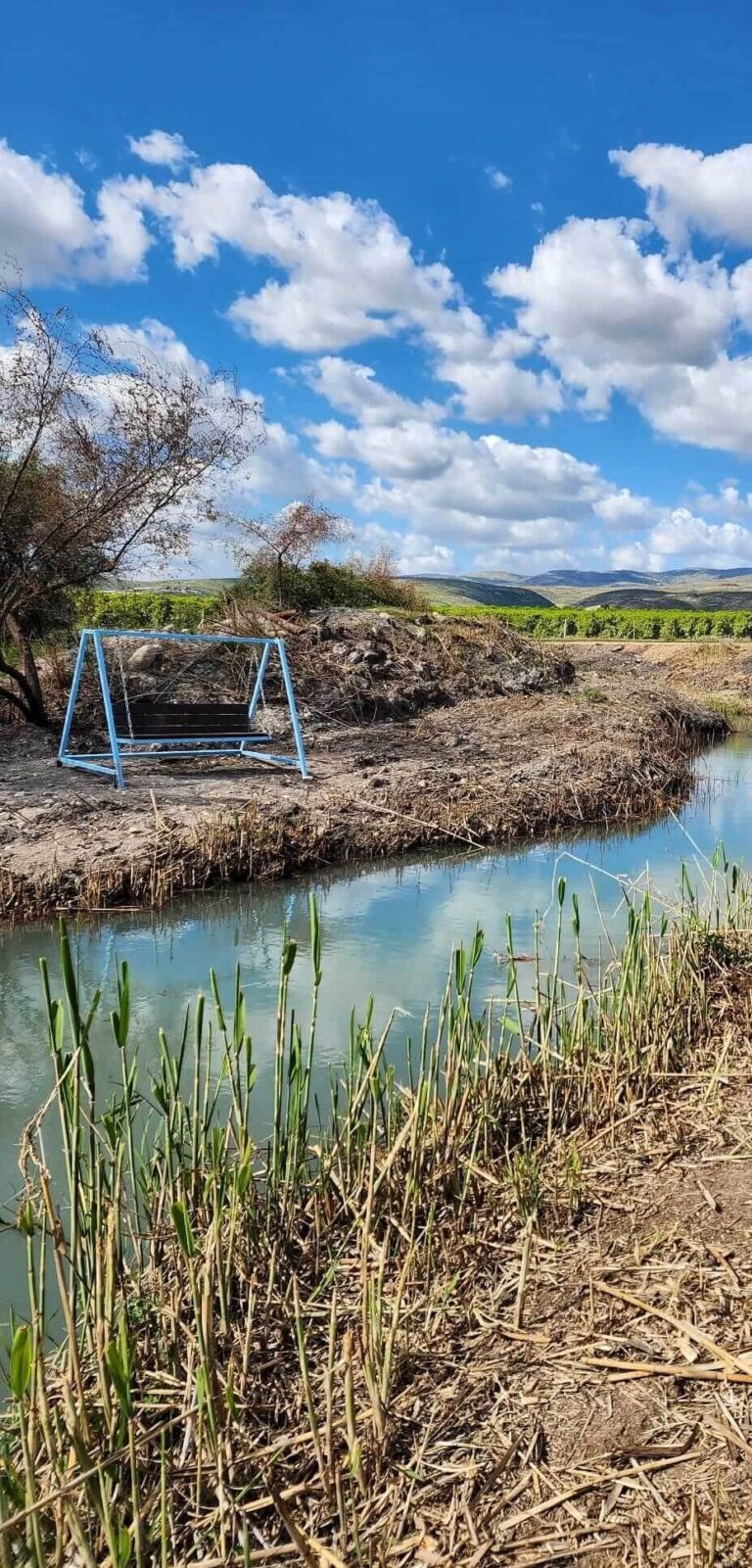
Posted in Uncategorized | Leave a comment

Torah & travel with the Torah portion of Pinchas & 5 sisters

תורה וטיולים עם פרשת פנחס וחמש אחיות…

Five sisters, the “daughters of Zlofchad”, appear in our weekly Torah portion, Pinchas, and plead before Moses their claim to receive an estate in the Land of Israel. Who’s their father, who earned such a unique name, ” Z’lof-chad”? We know this precisely because the Torah tells us his full lineage: “And so approached the daughters of Zlofchad, son of Hepher son of Gilead son of Machir son of Manasseh son of Joseph”… (Numbers 27:1), that is, Zelophad is fifth generation to Joseph, son of Jacob.חמש אחיות, “בנות צלופחד”, מופיעות בפרשת השבוע שלנו, פרשת פנחס, ושוטחות לפני משה רבנו את טענתן לקבל נחלה בארץ ישראל. מי הוא האבא שלהן, שזכה בשם יחודי שכזה, “צלופחד”? את זה אנחנו דוקא יודעים כי התורה מספרת לנו את יחוסו המלא: “וַתִּקְרַ֜בְנָה בְּנ֣וֹת צְלׇפְחָ֗ד בֶּן־חֵ֤פֶר בֶּן־גִּלְעָד֙ בֶּן־מָכִ֣יר בֶּן־מְנַשֶּׁ֔ה לְמִשְׁפְּחֹ֖ת מְנַשֶּׁ֣ה בֶן־יוֹסֵ֑ף”...(במדבר כז:א). כלומר צלופחד הוא דור חמישי ליוסף, בנו של יעקב.  
Why does the Torah tell us Zlofchad’s five previous generations? Some say that the names of this dynasty describe to us the process of going into exile from Manasseh, whose name is related to forgetfulness, when Joseph had to move away from his father’s house. Then “Gil’ad” – when a thought arises that the exile may be eternal (ad=forever). “Hefer” – a kind of shame and the hiding of the outward Jewish identity, which brings about life in the shadow of fear, hence “Zlofchad” (literally, tzel = shadow; pachad = fear), and some say about him that he was the one who gathering wood on Shabbat (Numbers 15) and died there, in the site of exile.למה מספרת לנו התורה על צלופחד חמישה דורות אחורנית? יש אומרים ששמות השושלת הזו מתארים לנו את תהליך הכניסה לגלות ממנשה, ששמו קשור לנשיה, שכחה, כשיוסף נאלץ להתרחק מבית אביו. לאחר מכן, “גלעד” – כשעולה מחשבה שהגלות עלולה להיות נצחית (גל-עד). “חפר” – מעין בושה והחבאה של הזהות היהודית המוחצנת, מה שמביא לחיים בצל-הפחד, ומכאן “צלפחד”, שיש אומרים היה המקושש (במדבר טו) ומת שם, במקום הגלות.  
Is it coincidentally that we have here five generations and five sisters here? Maybe. But according to the Maharal from Prague, the letter Heh  ה –- the 5th in the Hebrew alphabet, symbolizes dispersion to the four corners of the universe (like the letter dalet – ד), and distance from the “leg” in the middle, the Land of Israel, which symbolizes inner unity and can be what brings the people together. That is – exile at its best, and a hint at the – potential – place of the Land in such a situation.האם במקרה יש לנו כאן חמישה דורות וחמש אחיות? אולי. אך לפי המהר”ל מפראג, האות הא, החמישית בא-ב העברי, מסמלת פיזור לארבע רוחות השמים (כמו האות ד’), וריחוק מהנקודה שבאמצע, ארץ ישראל, שמסמלת אחדות פנימית ויכולה להיות הדבר שמביא את העם ביחד, כלומר – גלות במיטבה, ורמז למקומה – הפוטנציאלי – של הארץ במצב שכזה.  
This is also the case in the story before us, precisely the daughters of the one who represents the complete exile and destruction, are the ones who wake up to create change. I remember someone in the US telling me, “they always tell you that if you aren’t observant, your children may intermarry, but they don’t tell you that your granddaughter might become orthodox”… In our own distant family, there is one branch where 4 generations of women married non-Jewish men. And then, the granddaughter in the 5th generation rose and approached her parents demanding to celebrate Bat Mitzvah, go to shul, keep Shabbat, etc. Of course, this is not an overall occurrence, but the phenomenon does exist, as in our portion.כך גם בסיפור שלפנינו, דוקא הבנות של מי שמייצג את הגלות השלמה והאבדון, הם אלו שמתעוררות ליצור שינוי. אני זוכרת שמישהו אמר לי בארה”ב: “תמיד אומרים לך, שאם לא תשמור מספיק על הדרך היהודית, הילדים שלך יתחתנו עם לא-יהודים, אבל לא אומרים לך שהנכדה שלך תחזור בתשובה”… ועוד: במשפחתנו הרחוקה, יש ענף אחד ובו 4 דורות של נשים שהתחתנו עם גברים לא יהודיים. והנה, קמה הנכדה בדור החמישי ובאה אל ההורים שלה בדרישה לחגוג בת מצוה, ללכת לבית-כנסת, לשמור שבת ועוד. כמובן שזהו לא כלל סוחף, אבל התופעה קימת, כמו בפרשה שלנו.  
The Torah verse continues: The names of the daughters were Machlah, No’a, Choglah, Milcah, and Tirzah (27,1). The Gemara describes them as “wise, knowledgeable, righteous” (Baba Batra 119:b). Not many women are described in the Torah and not all of them have a name (Noah’s wife, for example, who helped him take care of an ark full of animals, and in contrast, Lot’s wife or Korah’s wife), and here are five sisters whose names are known, and each of their names (and each time they are mentioned in a different order to show that there is no “big” and “small” between them) expresses movement and awakening towards entering the land:  מחְל֣ה – from the word “vayachel Moshe”, an expression of a strong will, what is needed for the beginning;  נע֔ה – from the root for movement; . חׇגל֥ה -from the root for motion in circle; – מִלְכָּ֖ה  as in asking for advice, and  ותרצָֽה – from the root for want, desire, to remind us that when it comes to love for the Land of Israel and inhabiting it, “there is nothing that can block one’s will”, a sentence that is a sort of acronym for the Hebrew word – love.מספרת לנו התורה בהמשך הפסוק: וְאֵ֙לֶּה֙ שְׁמ֣וֹת בְּנֹתָ֔יו מַחְלָ֣ה נֹעָ֔ה וְחׇגְלָ֥ה וּמִלְכָּ֖ה וְתִרְצָֽה (שם, שם). הגמרא מתארת את הבנות כ”חכמניות, דרשניות, צדקניות” (בבא בתרא קיט:ב). לא הרבה נשים מתוארות  בתורה ולא לכולן יש שם (“אשת” נח, למשל, שעזרה לו לטפל בתיבה מלאה בבעלי חיים, ולהבדיל, “אשת” לוט או “אשת” קורח), והנה כאן, חמש אחיות ששמותיהן ידועים, וכל אחת מהן (והן כל פעם מוזכרות בסדר שונה, להראות שאין ביניהן “גדולה” ו”קטנה”) מבטאת תנועה והתעוררות לקראת הכניסה לארץ: מַחְלָ֣ה – מלשון “ויחל משה”, ביטוי של רצון חזק, מה שצריך להתחלה. נֹעָ֔ה – מלשון תנועה. חׇגְלָ֥ה – מלשון לחוג, לנוע בסיבוב. מִלְכָּ֖ה – כמו להימלך, לבקש עצה, ותִרְצָֽה – מלשון רצון, כדי להזכיר לנו שכשמדובר באהבת ארץ ישראל ויישובה, “אין דבר העומד בפני הרצון”, משפט שהוא מעין ראשי תיבות של המילה – אהבה (אין דבר – העומד – בפני – הרצון).  
The story of the Zlofchad’s daughter often provokes discussions about the “feminism” of the Torah. From the very beginning of the Book of Genesis, the Torah describes a society where there’s a difference between men and women: the male was created from earth, the woman – from the rib. The sages said about women, that “their mind is light” and we were alarmed, even though it’s not clear we understood correctly what “da’at” (mind, knowledge) and what “light” mean (I, for example, think that I prefer a “light mind” to a heavy one… 😊). On the other side, the sages said that, “Gd has given a woman greater comprehension than to man” (Tractate Nidda 45) If so, it is possible that men have an advantage in the field of “mind” (permanent and utter knowledge) and women – in the field of understanding (intuition). In the Sayings of the Fathers it’s said, “If there is no understanding, there is no knowledge, if there is no knowledge, there is no understanding” (Avot 3:17). That is, we need both, and each needs their own-self and the other to complete what is missing in him/her. Another component, wisdom, is found in relatively equal measure between men and women (and this is how we get – wisdom, understanding, knowledge – chochman, bina, da’at).לעיתים קרובות סיפור בנות צלופחד מעורר שיח על ה”פמיניסטיות” של התורה. מתחילת ספר בראשית, התורה מתארת חברה בה יש שונות בין גברים ונשים: הגבר נוצר מן האדמה, האשה – מהצלע. על נשים אמרו חז”ל, ש”דעתן קלה” ואנחנו נזדעקנו, למרות שלא ברור שהבנו נכון מה פירוש “דעת” ומה פירוש “קלה” (אני למשל, חושבת שאני מעדיפה דעת קלה על דעת כבדה… 😊). לעומת זאת, אמרו חז”ל, “נתן הקב”ה בינה יתירה באישה יותר מבאיש” (נידה מ”ה). אם כך, יתכן שיש לגברים יתרון בתחום הדעת (ידע קבוע ומוחלט) ולנשים – בתחום הבינה (אינטואיציה). במסכת אבות נאמר, “אם אין בינה אין דעת, אם אין דעת אין בינה” (אבות ג’, י”ז). כלומר, אנחנו צריכים את שניהם, וגם הם עצמם, צריכים כל אחד את עצמו ואת השני כדי להשלים מה שחסר בו. מרכיב נוסף, החוכמה, נמצאת במפוזר במידה שווה יחסית בין גברים לנשים (וכך מתקבל – חוכמה, בינה, דעת).  
From this it seems that the question of “equality” as it arises nowadays, was not an issue then because the question at the basis of action was not who I am in relation to another, but – what am I required to do. This is also Zlofchad’s daughter’s question. They do not wave the flag of equality as we treat it – and them – today. They ask: “why would our father’s name be lost from his clan just because he had no son?! Give us land-inheritance among our father’s kinsmen!” (27:4). According to the Gemara, their claim is that if they are considered as sons, they should receive an inheritance as sons, and if not, then their mother should remarry through a levirate marriage, and have a son who will inherit their father. Further: the estate is not just a gift of financial benefit. Their concern is not for their private wealth, but in prep for entering the Land, the connection to the Land, something the daughters of the tribe of Menashe, the one who will sit in the heart of the Land, emotionally and physically – are not willing to give up.מכאן נראה ששאלת ה”שויון” כפי שהיא עולה בימינו, לא היתה “אישו” אז כי השאלה בבסיס העשיה לא היתה מי אני ביחס לאחר, אלא – מה מוטל עלי לעשות. זו גם שאלת בנות צלופחד. אין הן נושאות את דגל השויון כפי שאנחנו מתיחסים אליו – ואליהן – כיום. הן שואלות: לָ֣מָּה יִגָּרַ֤ע שֵׁם־אָבִ֙ינוּ֙ מִתּ֣וֹךְ מִשְׁפַּחְתּ֔וֹ כִּ֛י אֵ֥ין ל֖וֹ בֵּ֑ן? תְּנָה־לָּ֣נוּ אֲחֻזָּ֔ה בְּת֖וֹךְ אֲחֵ֥י אָבִֽינוּ (כז:ד). לפי הגמרא, טענתן היא, שאם הן נחשבות כבנים, הן צריכות לקבל נחלה כבנים, ואם לא, הרי שאמא שלהם צריכה להתייבם או לקבל חליצה כדי שתוכל להנשא שוב, ולהביא בן שירש את אביהן. זאת ועוד: הנחלה אינה רק מתנת ירושה כלכלית. דאגתן היא לא על עושרן הפרטי, אלא לקראת הכניסה לארץ, על החיבור לארץ, דבר עליו – בנות שבט מנשה, מי שיישב בלב הארץ, רגשית ופיזית – לא מסכימות לוותר.  
The tribe of Manasseh indeed received one of the largest areas, if not the largest estate in the Land. Its territory extends from the sea to the eastern Jordan. One half of the tribe of Manasseh dwelt from Mount Carmel, through the southern Jezre’el Valley, northern Samaria, the Gilboa, the valley of the springs (Sach’ne, etc.) to the Jordan River, while the other half of the tribe – remained at the command of Moses, to help unite the tribes of Gad and Reuben, who wanted to remain in the eastern side of the Jordan to the land and the children of Israel. It’s not for nothing that Moshe chooses this tribe, but rather, as we mentioned, because it’s known for its deep connection to the Land, since the days of its founder, Joseph, who made his offspring, Ephraim and Manasseh, to bring his bones for burial in the Land, when to this day we know Joseph’s tomb in the area of Shechem / Nablus, the region of the tribes of Manasseh and Ephraim, his children.שבט מנשה קבל את אחת הנחלות הגדולות, אם לא הנחלה הגדולה ביותר בארץ. שטחו משתרע מהים עד לעבר הירדן המזרחי. חציו האחד של שבט המנשה היה מהר הכרמל, דרום עמק יזרעאל, צפון השומרון, הגלבוע, עמק המעיינות (סחנה וכו) ועד נהר הירדן, ואילו חציו השני של השבט – נשאר בפקודת משה, כדי לעזור לחבר את השבטים גד וראובן שבקשו להשאר בעבר הירדן המזרחי לארץ ולבני ישראל. לא סתם בוחר משה דוקא בשבט הזה, אלא, כפי שהזכרנו, משום שהוא ידוע בקשר העמוק שלו לארץ, עוד מימי אבי מייסד השבט, יוסף, מי שהשביע את צאצאיו, אפרים ומנשה, להביא את עצמותיו לקבורה בארץ, כשעד היום אנחנו מכירים את קבר יוסף באיזור שכם, איזור שבטי מנשה ואפרים, ילדיו.  
In the heart of Menashe’s area, we find Ramot (heights of) Menashe, named after that same Menashe. Ramot Menashe is a mountainous region, with an average height of about 250m above sea level, and peaks – at about 400m. It’s one of the most beautiful areas in the country, so in 2006 the regional council started official procedures with UNESCO to recognize the proposed park in the area as a biosphere reserve, a step that was completed in 2011. A biosphere reserve is an area where people live as an integral part of the ecosystem – and nature scenery around them.בלב איזור שבט מנשה, נמצאות גם רמות מנשה, הקרויות על שמו של אותו מנשה. רמות מנשה הן חבל ארץ הררי, שגובהו הממוצע 250מ’ מעל פני הים, ופסגותיו מתנשאות לגובה של כ-400מ’. זהו אחד האיזורים היפים בארץ, ולכן בשנת 2006 פתחה המועצה האזורית בהליכים רשמיים מול אונסק”ו להכרה בפארק המוצע באיזור כשמורה ביוספרית, צעד שהושלם ב-2011. מרחב ביוספרי הוא אזור שבו חיים אנשים כחלק בלתי נפרד מהמערכת האקולוגית – נופית סביבם.  
The Ramot Menashe reserve covers 84,000 dunams (about 22,000 acres) and includes forests, nature reserves, agricultural areas, pastures, volcanic hills, archaeological sites, streams and springs, monuments and heritage sites of the early pioneers’ settlement, as well as six rural villages. In the area there are many trails forhikers and bicyclists, with regulated places for day and night camping.השמורה ברמות מנשה משתרעת על פני 84.000 דונם וכוללת יערות, שמורות טבע, שטחי חקלאות, שדות מרעה, גבעות געשיות, אתרים ארכאולוגיים, נחלים ומעיינות, אנדרטאות ואתרי מורשת וראשית ההתישבות החלוצית, וכן ששה ישובים כפריים. באיזור שבילים רבים להולכי רגל וגם לאופניים, עם מקומות מוסדרים לחניית יום ולילה.  
On the eastern side of the tribe of Menashe’s region, there’s another place related to Zlofchad’s daughters, and this is the Tirtzah stream, which flows east of Shechem / Nablus, which we mentioned regarding Joseph. The stream has water year-round, the largest of the streams that drain eastern Samaria into the Jordan Valley and the Jordan River and from there, to the Dead Sea. Along its length – it winds about 40 kilometers long and the area of its drainage basin is 300 square kilometers – with springs and cultivated areas. The ancient route of “Mevo Hashemesh”, the Coming of the Sun – the way from east to west – passed along the northern side of the stream. Some say that it was right here, where the wadi opens wide, that the Israelites entered the Land when they returned from the desert. Ancient sites have been preserved along the stream, some from the days of the Judges, and some from the 2nd Temple era.
Unfortunately, except for observations from Mount Kabir, today most of the Tirzah stream itself is inaccessible and/or considered unsafe for independent trips. However, Ramot Menashe, on the other hand, is a popular, beautiful and highly recommended area. Enjoy!
בצדו המזרחי של איזור שבט מנשה נמצא עוד מקום שקשור לבנות צלופחד, וזהו נחל תִרְצָֽה, שנובע מזרחית לשכם, אותה הזכרנו בענין יוסף. הנחל הוא נחל איתן, הגדול בנחלים המנקזים את מזרח השומרון לבקעת הירדן ולנהר הירדן ומשם לים המלח. לאורכו – הוא מתפתל אורך כ-40 קילומטרים ושטח אגן הניקוז שלו 300 קמ”ר – מעיינות ושטחי עיבוד. המסלול הקדום של דרך מבוא השמש – הדרך החוצה ממזרח למערב – עבר בצידו הצפוני של הנחל. יש אומרים שדוקא כאן, במקום בו פתח הואדי רחב דיו, נכנסו בני ישראל כשחזרו לארץ מהמסע במדבר. לאורך הנחל השתמרו אתרים קדומים, חלקם מתקופת ההתנחלות בימי השופטים, וחלקם מימי בית שני.
לצערנו הרב, מלבד תצפיות מאיזור הר כביר, כיום רובו של נחל תרצה עצמו אינו נגיש ו/או נחשב בטוח לטיולים עצמאיים. אולם רמות מנשה לעומת זאת, הן מקום פופולארי, יפיפה ומומלץ ביותר.  

שבת שלום – SHABBAT SHALOM

The “green” pics below are from Ramot Menashe (this week and earlier in the spring); the yellow from the view over the creek of Tirtza (early summer)

Posted in Uncategorized | Leave a comment

“כי מראש צורים אראנו”… Torah & Travel with the Torah portion of Balak

כי מראש צורים אראנו... תורה וטיולים עם פרשת בלק

It is a good Shabbat, when the Torah readings in communities outside of Israel and inside the Land join again, so that we can continue together before the period of mourning for the destruction of the Temple is upon us. The Torah portion of Balak (outside of Israel, the double portion of Chukat-Balak) mainly deals with the prophecies of Bil’am ben Be’or who was commissioned by Balak ben Zippor (literally, son of a bird), king of Moab, to curse the People of Israel. The king is worried about the impact the Israelites might have if / when they pass through his country and therefore, sends messengers to invite Bil’am. At first, Bil’am refuses. When Balak sends more messengers, Bil’am answers them with the famous verse: “though Balak may give me a whole house full of silver and gold, I could not be able to transgress the word of Hashem, to do anything, small or great…” and we wonder, who anyway offered you silver and gold? Oh, you mean, for the right amount of silver and gold, maybe something can be done after all?…זו שבת טובה, כשקריאות התורה של חוצלארץ וארץ ישראל חוזרות ומתחברות שוב, כדי שנוכל להמשיך ביחד לפני שמתרגשת עלינו תקופה האבל על חורבן בית המקדש. פרשת בלק (בחוצלארץ – פרשת כפולה, חוקת-בלק) עוסקת בעיקר בנבואותיו של בלעם בן בעור שהוזמן על ידי בלק בן ציפור, מלך מואב, כדי לקלל את עם ישראל. המלך מודאג ממה שעלול לקרות מכך שבני ישראל יעברו בארצו ולכן, שולח שליחים להזמין את בלעם. בתחילה, בלעם מסרב. כשבלק שולח שליחים נוספים, בלעם עונה להם בפסוק המפורסם:”אִם יִתֶּן לִי בָלָק מְלֹא בֵיתוֹ כֶּסֶף וְזָהָב לֹא אוּכַל לַעֲבֹר אֶת פִּי ה’ אֱלֹהָי לַעֲשׂוֹת קְטַנָּה אוֹ גְדוֹלָה.” במדבר כח,יח)… ואנו תוהים, מי בכלל הציע לך כסף וזהב? אה, כלומר, בשביל הכמות הנכונה של כסף וזהב אפשר אולי בכל זאת לעשות משהו?…  
And so, finally, Bil’am leaves for the land of Moab after accepting the condition that Gd set for him that night, according to which he will only say what Gd puts in his mouth. On the way, an angel appears, with a sword drawn. Bil’am, the great magician, who is about to curse all the Israelites, does not see even one angel, and continues to ride. But his famous she-donkey, on which he rides, does indeed see the angel and therefore deviates from the road. Bil’am, who does not understand her behavior, beats her to get her back on the road. On the third time, a miraculous spectacle takes place when Gd opens the mouth of the donkey, and it is she, who explains to Bil’am what is happening around him. The angel evenyually sends Bil’am on his way,  reminding him to speak only Gd’s words.וכך, לבסוף יוצא בלעם לארץ מואב לאחר שקיבל את התנאי שהציב לו אלוהים באותו לילה, לפיו יאמר רק את אשר ישים אלוהים בפיו. בדרך, מופיע מלאך, כשחרב בידו. בלעם, הקוסם הגדול, שעומד לקלל את כל בני ישראל, לא רואה אפילו מלאך אחד, וממשיך לרכב. אך אתונו המפורסמת, עליה הוא רוכב, דוקא כן רואה את המלאך ולכן סוטה מהדרך. בלעם, שאינו מבין את התנהגותה, מכה אותה כדי להשיבה אל הדרך. בפעם השלישית מתרחש מחזה ניסי כאשר אלוהים פותח את פי האתון, ודוקא היא, מסבירה לבלעם מה קורה סביבו. המלאך שולח את בלעם לדרכו ומזכיר לו לומר רק את דברי אלוהים.  
Bil’am meets with Balak and instructs him to build seven altars and sacrifice seven bulls and seven rams on them, so that the spirit of prophecy would preside over him. To Balak’s dismay and contrary to his original plans, Bil’am showers the People of Israel with prophecies of blessing and praise instead of cursing them, again and again. After Balak declares his disappointment for the third time, Bil’am adds yet prophecy, which includes mainly predictions for the future of the region’s nations.בלעם נפגש עם בלק ומורה לו לבנות שבעה מזבחות ולהקריב עליהם שבעה פרים ושבעה אילים, כדי שרוח הנבואה תשרה עליו. למורת רוחו של בלק ובניגוד לתוכניותיו, בלעם מרעיף על עם ישראל נבואות ברכה ושבח במקום לקללם, שוב ושוב. לאחר שבלק מצהיר על אכזבתו בפעם השלישית, מוסיף בלעם עוד נבואה שעיקרה תחזיות על עתיד העמים באזור.  
Among the famous ones in his sentences is ma tovu… “how goodly are your tents, oh Jacob, your dwelling places, Israel” (Numbers 24,5), a verse, which surprisingly, entered our daily prayer; and also “he (Israel) crouch, lies down like a lion,
and like a lioness; who dares rouse them?
Blessed are they who bless you; and cursed are they who curse you”! (24,9). By proclaiming such, he mirrors what we read in the Book of Genesis (27:29), when Isaac blesses Jacob saying, “those who bless you will be blessed, and those who curse you – will be cursed”. We understand the People of Israel as those who recognize the power of words and speech; the same speech that created the world as it is said in the book of Psalms: “in the word of Hashem, the heavens came to be, and through the spirit of his mouth, all their forces” (33,6), and the fact that there is speech within the human, is so, according to the Maharat from Prague, because Gd dwells within the human, endowing him (and her, of course), with a special mission in the world, through this power.
בין המפורסמים שבמשפטיו מַה־טֹּ֥בוּ אֹהָלֶ֖יךָ יַעֲקֹ֑ב מִשְׁכְּנֹתֶ֖יךָ יִשְׂרָאֵֽל” (במדבר כד,ה), פסוק שבאופן מפתיע, נכנס לתפילה היומיומית שלנו, וגם “כָּרַ֨ע שָׁכַ֧ב כַּאֲרִ֛י וּכְלָבִ֖יא מִ֣י יְקִימֶ֑נּוּ מְבָרְכֶ֣יךָ בָר֔וּךְ וְאֹרְרֶ֖יךָ אָרֽוּר” (כד,ט). בכך הוא משקף את מה שנאמר כבר בספר בראשית, בברכתו של יצחק ליעקב: “אֹרְרֶ֣יךָ אָר֔וּר וּֽמְבָרְכֶ֖יךָ בָּרֽוּךְ” (כז:כט).   אנחנו מבינים את עם ישראל כמי שמכיר בכוחן של המילים, ושל הדיבור. אותו דיבור שברא את העולם כפי שנאמר בספר תהילים “בִּדְבַ֣ר יְ֭הֹוָה שָׁמַ֣יִם נַעֲשׂ֑וּ וּבְר֥וּחַ פִּ֝֗יו כׇּל־צְבָאָֽם” (לג,ו), והעובדה שיש דיבור גם באדם, לפי המהר”ל מפראג, זה מפני שכך האלוהים נמצא באדם, ולכן לאדם שליחות מיוחדת בעולם דרך כוח זה.  
Bil’am, in any case, was unable to subdue the People of Israel with the power of his speech, and therefore, offers Balak another way: Please Balak, send the daughters of Moab to tempt the Israelites to sexual promiscuity and idolatry in “Ba’al Pe’or”. This happens and an epidemic breaks out in the nation, which is only stopped when Pinchas, the grandson of Aharon the first high priest, stabs an Israeli tribal leader with a spear while he is “hanging out” with a Midyanite woman in front of the whole nation, but about that, next week…בלעם בכל אופן, לא הצליח להכניע את עם ישראל בכוח הדיבור שלו, ולכן, מציע לבלק דרך אחרת: ישלח נא בלק את בנות מואב לפתות את בני ישראל לפריצות ועבודה זרה ב”בעל פעור”. הדבר קורה ופורצת מגפה בעם, שנעצרת רק כשפנחס, נכדו של אהרון הכהן, דוקר ברומח מנהיג שבט ישראלי כשהוא “מבלה” עם מדיינית לעיני כל העם, אבל על כך, בשבוע הבא…  
In the idolatrous worship here (and it’s the most repulsive, if I may say so), the Israelites are described, not only as those who celebrate, visit, enjoy themselves, but as those who nitzmad – “cling, cleave” to Baal Pe’or. The Talmud (tractate Sanhedrin 64) compares the verb “cleave” here to the statement in the book of Deuteronomy (4:4): “And you who cling (devekim) to Hashem your Gd are living all this day”… which is stronger? To be nitzmad (cling) or to get “glued” (from devek)? One opinion says, of course, to cling. A second opinion says that cling from nitzmad is related to tzamid, bracelet, and a bracelet is usually a little loose on the hand and therefore less “glued”. But the question, perhaps a kind of warning, remains: sometimes we find ourselves, imbued with fervor and drive, precisely at the head of movements and various “isms”, which the Torah might see as idolatry. How do we know how to make the right choice? How do we know how to invest all our strength in the place where the good values are? How do we know how to be careful?בעבודה הזרה (הדוחה ביותר, אם אפשר לומר), בני ישראל מתוארים, לא רק ככאלו שחוגגים, מבקרים, נהנים, אלא ככאלו ש”נצמדים” לבעל פעור. התלמוד (מסכת סנהדרין סד) משווה בין הפועל “נצמד” כאן, לאמירה בספר דברים (ד,ד): “וְאַתֶּם הַדְּבֵקִים בַּיהוָה אֱלֹהֵיכֶם חַיִּים כֻּלְּכֶם הַיּוֹם”… מה יותר חזק? להצמד או להדבק? דעה אחת אומרת, ברור, להצמד. דעה שניה אומרת שלהצמד זה כמו צמיד, וצמיד בד”כ נמצא בקצת רפיון על היד ולכן פחות חזק מ”דבק”. אבל השאלה, אולי מעין אזהרה, נשארת: לפעמים אנחנו מוצאים את עצמנו, חדורי אמונה ושליחות, דוקא בראשי תנועות ו”איזמים”שאולי התורה היתה קוראת להן עבודה זרה. איך נדע לבחור נכון? איך נדע להשקיע את כל כוחנו במקום בו הערכים הטובים? איך נדע להזהר? *******
South of Jerusalem, there is a kibbutz “Rosh Tzurim” = top of the rocky hills, whose name is taken from a verse in Bil’am’s prophecies in our parasha: “For from Rosh Tzurim I will see him (Israel), gaze on him from the hills of Assyria; for this is a People who swells apart, not reckoned among the nations”… (Numbers 23,9). The kibbutz founded in 1969 in the renewing Gush Etzion of post the Six Day War, sits on the ruins of Kibbutz Ein Zurim which fell, with the settlements of the Gush, in the War of Independence (1948).  דרומית לירושלים, נמצא קיבוץ “ראש צורים”, ששמו נלקח מתוך פסוק בנבואות בלעם בפרשה שלנו: “כִּי-מֵרֹאש צֻרִים אֶרְאֶנּוּ וּמִגְבָעוֹת אֲשוּרֶנוּ, הֶן-עָם לְבָדָד יִשְכֹּן וּבַגוֹיִם לֹא יִתְחַשָּב” (במדבר כ”ג ט). הקיבוץ שנוסד ב-1969 בגוש עציון המתחדש אחרי מלחמת ששת הימים, יושב על חורבות קיבוץ עין צורים שנפל, עם ישובי הגוש, במלחמת העצמאות (1948).  
Gush Etzion is a mountainous area between Jerusalem and Hebron whose peaks reach a height of 950-997m above sea level, but its configuration is “calm” (unlike the steeper Shomron / Samaria) with several flowing springs. Its eastern part sit on the edge of the Judean Desert, where stands, on an artificial hill, visible from the distance, Herodion Fortress – or “Mount Herod”, today a national park under the management of the Nature and Parks Authority (RTG) which is available – and highly recommended – for a visit.גוש עציון הוא איזור הררי בין ירושלים וחברון שפסגותיו מגיעות לגובה 950-997מ’ מעל פני הים, אך תצורתו “רגועה” (לא תלולה כמו השומרון) ובו נובעים גם מספר מעיינות. חלקו המזרחי נמצא בספר (ס’ בשווא, במובן גבול) מדבר יהודה, שם עומד, על גבעה מלאכותית, נראית למרחוק, מבצר ההרודיון – או “הר הורדוס”, כיום גן לאומי בניהול רשות הטבע והגנים (רט”ג) שניתן – ומומלץ מאד – לבקר בו.  
In Herodion we can find the remains of the magnificent and fortified summer palace built by King Herod including its towers, the most impressive water system and his tomb, from the Roman rule era in the Land of Israel. Herod, who lived and worked in the first century BCE, was the king of Judah, also known as “the builder king” because of his important projects such as the establishment of a large port city in Caesarea, the rebuilding of the city of Samaria (today’s Sebastia), the construction of a palace of refuge in Masada, winter palaces in Jericho, and his massive renovation of the Temple in Jerusalem, which he turned into a most magnificent structure.בהרודיון נוכל למצוא את שרידי ארמון הקיץ המפואר והמבוצר שבנה המלך הורדוס על מגדליו, מערכת המים המרשימה ביותר וקברו, בתקופת השלטון הרומאי בארץ ישראל. הורדוס, שחי ופעל במאה הראשונה לפני הספירה, היה מלך יהודה ונודע גם בשמו “המלך הבנאי” בגלל מפעליו החשובים כמו הקמת עיר נמל גדולה בקיסריה, בנייה מחדש של העיר שומרון (סבסטיה של ימינו), בניית ארמון מקלט במצדה, ארמונות חורף ביריחו, ושיפוץ מסיבי של בית המקדש בירושלים, אותו הפך למבנה מפואר ביותר.  
However, he only named “Herodion” after himself. The historian Yosef ben Mattheyahu (Josephus Flavius) tells us (in his writings from 2000 years ago!): “And when Herod made a lasting memorial to his relatives and his beloveds, he did not underestimate his own memory either: therefore he built a fort on a mountain facing the land of Arabia and called it the Herodion after himself, and even the plateau made by the hands of humans, at a distance of sixty ris from Jerusalem… Herod also called after himself, and summed up its beauty with respect and a generous spirit, because the top of the plateau was surrounded by round towers, and the entire surrounding square was filled with magnificent palaces, and not only the appearance of the houses inside was lust for the eyes, for even outside there was great wealth poured out on the walls and corners and the roofs. The king spent much money to draw a lot of water from a distance to the top of the plateau, and on the slope of the hill he carved two hundred stairs of white marble, because the hill was quite high, even though it was all made by human hands. And at the bottom of the hill Herod built other royal buildings, storehouse for the king’s vessels and dwelling places for his slaves, until this citadel resembled in all its laws to a whole city within the domain of the kings’ palace“…. (from “The History of the War of the Jews with the Romans). By the way, part of those stairs were kept to this very day (it’s only been 2000 years!!) and it’s possible to climb on them to the top of the hill.אולם רק את “הרודיון” קרא על שמו. ההסטוריון יוסף בן מתתיהו כתב (לפני 2000 שנה!): “וכאשר עשה הורדוס זכר עולם לקרוביו ולאוהביו, לא זלזל גם בזכר עצמו: על־כן בנה מבצר בהר הפונה אל ארץ ערב וקרא לו הרודיון על שמו, ואף הרמה העשויה בידי אדם, במרחק ששים ריס מירושלים… גם לה קרא הורדוס בשם הזה וכלל את יופיה בכבוד וברוח נדיבה, כי את ראש הרמה הקיף מגדלים עגולים, ואת כל הכיכר המוקפת מילא ארמונות נהדרים, ולא רק מראה הבתים בפנים היה תאווה לעיניים, כי ־אם גם מחוץ היה עושר רב שפוך על הקירות והקרנות והגגות. המלך פיזר כסף רב למשוך ממרחק מים רבים עד ראש הרמה, ובשיפוע הגבעה חצב מאתיים מעלות שיש לבן צח, כי הייתה הגבעה גבוהה למדי, אף כי כולה נעשתה בידי אדם. וגם בתחתית הגבעה הקים הורדוס בנייני מלכים אחרים, בתי מסכנות (מחסנים) לכלי בית המלך ובתי משכן לעבדיו, עד כי דמתה המצודה הזאת לכל חוקיה לעיר שלמה בתחום ארמון ־מלכים“…. (מתוך “תולדות מלחמת היהודים עם הרומאים). אגב, חלק מהמדרגות המתוארות כאן, נשמרו עד היום (רק עברו 2000 שנה!!) ואפשר לטפס בן אל ראש הגבעה.  
As mentioned, it is possible to visit Herodion, combining the visit with a tour of Gush Etzion itself to learn about the history of the place in the years before the establishment of the state of Israel. Attempts at Jewish settlement here began as early as 1927 with the establishment of a settlement that was forced to abandon its location due to the 1929 riots. The second attempt was in 1935 by the “El Hahar” (to the mountain) company, one of whose leaders was Shmuel Zvi Holtzman (holtz in German and Yiddish means “tree”, in Hebrew etz, hence the name “Etzion”). This attempt also failed due to the 1936-1939 riots. In the 1940’s, the religious Kibbutz movement brought three kibbutzim to the region: Kfar Etzion, Masu’ot Yitzchak and Ein Tzurim, and in 1947 members of Hashomer Hatza’ir came up here and founded Kibbutz Revadim.ניתן כאמור, לבקר בהרודיון, ולשלב את הביקור בסיור בגוש עציון עצמו וללמוד על ההסטוריה של המקום בשנים שלפני קום מדינת ישראל. ניסיונות ההתיישבות היהודית כאן החלו כבר ב-1927 בהקמת ישוב שנאלץ לנטוש את מקומו בגלל מאורעות תרפט. נסיון ההתישבות השני היה ב-1935 ע”י חברת “אל ההר” שאחד מראשיה היה שמואל צבי הולצמן (הולץ בגרמנית ובידיש פירושו “עץ”, ומכאן השם “עציון”). גם נסיון זה נכשל בגלל מאורעות תרצו-תרצט. בשנות ה-40, העלתה תנועת הקיבות הדתי למקום שלושה קיבוצים: כפר עציון, משואות יצחק ועין צורים, וב-1947 עלו למקום חברי השומר הצעיר והקימו את קיבוץ רבדים.  
With the outbreak of the War of Independence, the Arabs laid siege to the bloc and cut off the supply routes. Various convoys were sent to them, including the “35 Convoy”, the “Nabi Daniel convoy” and the “10 Convoy”, each ending with its own tragic story. The day before the declaration of statehood, the village of Kfar Etzion fell. 242 members of the kibbutz and its fighters were killed during the battle. Several dozen fighters and civilians who surrendered were also massacred by the soldiers of the Arab Legion and the Arabs of the region. About 240 people were taken captive and sent to prisoners of war camps in Jordan, where they were held for about 10 months until an exchange took place. The territory was occupied by Jordan and the settlements were almost completely destroyed. Camps of the Jordanian army and a Palestinian refugee camp were set up in their territory. The Jewish settlements that were evacuated were re-established in Carmel (Nir Etzion), and in the south (Ein Zurim and Masu’ot Yitzchak in the area of Ashkelon and not far from them, Revadim).עם פרוץ מלחמת העצמאות, הערבים הטילו מצור על הגוש וניתקו את דרכי האספקה. שיירות שונות נשלחו אליהם, כולל שיירת הל”ה, שיירת נבי דניאל ושיירת העשרה, ולכל אחת סיפור טרגי משלה. יום לפני הכרזת המדינה, נפל כפר עציון. 242 חברי הקיבוץ ולוחמיו, נהרגו תוך כדי קרב. גם כמה עשרות לוחמים ואזרחים שנכנעו, נטבחו ע”י חיילי הלגיון הערב וערביי האזור. כ-240 איש נלקחו בשבי ונשלחו למחנות שבויים בירדן, שם הוחזקו כ-10 חודשים עד להחלפת שבויים. השטח נכבש ע”י ירדן והישובים נחרבו כמעט לחלוטין. בשטחם הוקמו מחנות של צבא ירדן ומחנה פליטים. הישובים היהודים שפונו, הוקמו מחדש בכרמל (ניר עציון), ובדרום (עין צורים ומשואות יצחק באיזור אשקלון ולא רחוק מהם, רבדים).  
As mentioned, after the Six Day War, the area was resettled. Today it has close to 20 places including the local council of Efrat and the city of Beitar Illit. Nearly 30,000 Israeli citizens live in the region, and it attracts many visitors for various reasons (tourism, studies, geo-politics and more). The symbol of Gush Etzion is the lone oak, a kind of “teary oak” (although almost certainly not the same oak from Genesis that is identified elsewhere) that stands to this day in the center of the Gush, and could be viewed from Israel before 1967 to mark the location of the abandoned settlements (Alon Shvut, “the oak of return”, one of the area’s villages is named after it). Despite what is heard in the news from time to time, it is possible and worthwhile to visit the area (all at traveler’s responsibility 😊). Next to that oak, there is a rest area with coffee, clean bathrooms, a promenade and further opportunities to learn more about the place and its people.כאמור, אחרי מלחמת ששת הימים, יושב האיזור מחדש. כיום יש בו קרוב ל-20 ישובים כולל המועצה המקומית אפרת והעיר ביתר עילית. חיים בו קרוב ל-30 אלף אזרחים ישראלים, והוא מושך מבקרים רבים מסיבות שונות (תיירות, לימודים, גאו-פוליטיקה ועוד). סמל גוש עציון הוא האלון הבודד, מעין “אלון בכות” (אם כי קרוב לודאי לא אותו אלון מספר בראשית המזוהה במקומות אחרים) שעומד עד היום במרכז הגוש, ואליו היו משקיפים מתחום ישראל לפני 1967 כדי לציין את מקומם של היישובים הנטושים (על שמו של האלון נקרא היישוב אלון שבות). למרות הנשמע בחדשות מידי פעם, אפשר וכדאי לבקר באיזור (באחריות המטייל 😊). ליד אותו אלון, יש פינת ישיבה עם קפה, שירותים נקיים, טילת והזדמנויות ללמוד עוד על המקום ואנשיו.  

ובנתיים, שבת שלום – and meanwhile, Shabbat Shalom


Herodion, Vine terraces of the renewing Gush Etzion, and The Oak at the heart of the region
הרודיון, טרסות הגפנים ועצי פרי של גוש עציון המתחדש, האלון של הגוש

Posted in Uncategorized | Leave a comment

Torah & Travel: Chukat – the changing leadership and a visit to Hor Ha-har

פרשת חוקת – מנהיגות משתנה וביקור בהור-ההר

This week’s Torah portion, Chukat, opens with the complicated topic of The Red Heifer that fills chapter 19 and functions as a sort of “place holder” for the thirty-eight years in the middle of the journey, while chapter 20 according to tradition, begins in the 40th year of the journey and onward, to the entrance into the Land. The story it opens with, is Mei Meriva”, the water of quarrel, when Miriam, Moses and Aaron’s sister and a prophetess in her own right, dies, and the people complain about a lack of water. Gd commands Moses to speak to the rock so that it will bring out water for the People, and Moses strikes the rock. This is the point at which Gd declares that Moses and Aaron will not enter the Promised Land ” Because you did not trust Me enough to affirm My sanctity in the sight of the Israelite people, therefore you shall not lead this congregation into the Land that I have given them.” (Numbers 20:14).פרשת השבוע שלנו, פרשת חוקת מתחילה  בסוגיה ההלכתית המסובכת של הפרה האדומה הממלאת את פרק י”ט והמתפקדת כמעין “מחזיק מקום” לכך שלושים ושמונה השנים באמצע המסע, כשפרק כ’ לפי המסורת, מתחיל בשנה הארבעים של המסע ולקראת הכניסה לארץ. הסיפור הפותח בו הוא ענין מי מריבה כשמרים, אחות משה ואהרון ונביאה בפני עצמה, מתה, והעם מתלונן על מחסור במים. הקב”ה מצווה את משה לדבר אל הסלע כדי שיוציא מים עבור העם, ומשה מכה על הסלע. זו הנקודה בה ה’ מכריז שמשה ואהרון לא יכנסו ארץ המובטחת “יַ֚עַן לֹא־הֶאֱמַנְתֶּ֣ם בִּ֔י לְהַ֨קְדִּישֵׁ֔נִי לְעֵינֵ֖י בְּנֵ֣י יִשְׂרָאֵ֑ל לָכֵ֗ן לֹ֤א תָבִ֙יאוּ֙ אֶת־הַקָּהָ֣ל הַזֶּ֔ה אֶל־הָאָ֖רֶץ אֲשֶׁר־נָתַ֥תִּי לָהֶֽם” (במדבר כ, יב).  
What exactly happened in the incident of hitting the rock? Is it because Moses hit the rock instead of talking to it? After all, water did come out! And what is Aaron’s business? And actually… was it even possible for Moshe and Aaron to enter Israel? Or is it time for new leadership? Chukat is actually the “watershed” that transforms us to a new stage in the journey of the People of Israel in the desert. This book begins with the organization of the camp, and because of that, first deals with the life of the individual – the metzora, the nazir, the sota. Then it moves on and deals with the conduct of the tribes and the people when dealing with themselves, internally: the desire to eat meat, the story of the spies, Korah and his mutiny against Moses. After we have clarified our internal affairs, we expand the circle and also encounter the nations of the world.מה בדיוק קרה באירוע של ההכאה בסלע? האומנם בגלל שהיכה משה את הסלע במקום לדבר אליו? הרי יצאו מים! ומה עניינו של אהרון? ובעצם… האם בכלל אפשר היה למשה ואהרון שיכנסו לארץ? או שהגיע הזמן למנהיגות חדשה? פרשת חוקת היא בעצם “קו פרשת המים” המעביר אותנו למהלך חדש במסע של עם ישראל במדבר. ספר במדבר מתחיל בארגון המחנה, ומתוך כך, קודם עוסק במסגרת חיי הפרט – המצורע, הנזיר, הסוטה. אחכ הוא עובר ועוסק בהתנהלות השבטים והעם כשהם מופנים כלפי פנים: הרצון לאכול בשר, סיפור המרגלים, עמידתו של קורח וכל עדתו מול משה. אחרי שבררנו את עניננו הפנימיים, אנחנו מרחיבים את המעגל ופוגשים גם את אומות העולם.  
In our portion, Chukat, the confrontation will first be on the political-military level, and in the portion after it, Balak, also in the spiritual dimension. Is there a message left here for today? Perhaps in order to build the nation, everyone must build himself, not in the egotistical sense, but as a complete person who knows their place in relation to their Gd, self and immediate relatives. After that, we must build ourselves as a people that functions together in harmony where everyone also knows their place and role in relation to the whole. And only then, can we successfully face the nations of the world. Perhaps some of the challenges we experience can be explained by the fact that we do things in a somewhat messy way, trying to arrange everything at once, personal, family, community, national, and no wonder we come across some challenges.בפרשה שלנו, חוקת, ההתמודדות תהיה קודם כל במישור הפוליטי-מדיני-צבאי, ובפרשה לאחריה, בלק, גם במימד הרוחני. האם נשאר כאן מסר לימינו? אולי כדי לבנות את האומה, על כל אחד לבנות את עצמו, לא במובן האגואיסטי, אלא כאדם שלם היודע את מקומו ביחס לאלוהיו, עצמו והקרובים המיידיים שלו. לאחר מכן, עלינו לבנות את עצמנו כעם שמתפקד ביחד בהרמוניה בו כל אחד גם יודע את מקומו ותפקידו ביחס לכלל. ורק אחר-כך, נוכל לעמוד מול אומות העולם בהצלחה? אולי אפשר להסביר את חלק מהאתגרים שאנו חווים בכך שאנחנו עושים דברים בצורה מבולגנת משהו, מנסים לסדר הכל בבת אחת, את האישי, משפחתי, קהילתי, לאומי, ולא פלא שנתקלים בקשיים.    
During the exodus of the people of Israel from Egypt to the Land, they had to pass through several nations. The first is Edom, a descendant of Esau. This is what the Torah says: “From Kadesh, Moses sent messengers to the king of Edom: “Thus says your brother Israel: You know all the hardships that have befallen us” (20:14). When Moshe asks for permission to pass through Edom, apart from calling him “brother”, It seems that the Torah uses the expression “And Moses sent.” Later, after several wars, when approaching the Land of Israel, it is said in the Torah: “Israel now sent messengers to Sichon king of the Amorites, saying”… (21:21). Who’s this “Israel” who sends messengers to Sichon?במהלך יציאת עם ישראל ממצרים לארץ הוא צריך לעבור דרך כמה עמים. הראשון הוא אדום, מצאצאיו של עשו. על כך אומרת התורה: וַיִּשְׁלַ֨ח מֹשֶׁ֧ה מַלְאָכִ֛ים מִקָּדֵ֖שׁ אֶל־מֶ֣לֶךְ אֱד֑וֹם כֹּ֤ה אָמַר֙ אָחִ֣יךָ יִשְׂרָאֵ֔ל אַתָּ֣ה יָדַ֔עְתָּ אֵ֥ת כׇּל־הַתְּלָאָ֖ה אֲשֶׁ֥ר מְצָאָֽתְנוּ”… (כ, יד). כשמשה מבקש רשות לעבור דרך אדום, מלבד הכינוי כלפיו, “אח”, נראה שהתורה משתמשת בביטוי “וישלח משה”. יותר מאוחר, אחרי מספר מלחמות, כשמתקרבים לארץ ישראל נאמר בתורה: ” וַיִּשְׁלַ֤ח יִשְׂרָאֵל֙ מַלְאָכִ֔ים אֶל־סִיחֹ֥ן מֶֽלֶךְ־הָאֱמֹרִ֖י לֵאמֹֽר”… (כא כא). מי זה “ישראל” ששלח מלאכים אל סיחון?  
In the Haftarah (Judges 11) it is told about Jephthah who receives the task of negotiating with the king of Ammon regarding the situation on the border between the tribes of Israel and Ammon. From this, they talk about those days when the Israelites left Egypt and crossed the eastern Jordan. The king of Ammon accuses Israel of taking his land, while Jephthah answers him and tells him that it was not so: “He said to him, “Thus said Jephthah: Israel did not seize the land of Moab or the land of the Ammonites. When they left Egypt, Israel traveled through the wilderness to the Sea of Reeds and went on to Kadesh. Israel then sent messengers to the king of Edom, saying, ‘Allow us to cross your country.’ But the king of Edom would not consent. They also sent a mission to the king of Moab, and he refused. So Israel, after staying at Kadesh” (Judges 11:15-17).  בהפטרה (שופטים יא) מסופר על יפתח שמקבל את המשימה להתדיין עם מלך עמון בענין המצב בגבול בין שבטי ישראל ועמון. מתוך כך, הם מדברים על אותם הימים בהם בני ישראל יצאו ממצרים ועברו בעבר הירדן המזרחי. מלך עמון מאשים את ישראל שלקחו את ארצו ואילו יפתח עונה לו ומספר לו שלא כך היה: וַיֹּ֣אמֶר ל֔וֹ כֹּ֖ה אָמַ֣ר יִפְתָּ֑ח לֹֽא־לָקַ֤ח יִשְׂרָאֵל֙ אֶת־אֶ֣רֶץ מוֹאָ֔ב וְאֶת־אֶ֖רֶץ בְּנֵ֥י עַמּֽוֹן׃ כִּ֖י בַּעֲלוֹתָ֣ם מִמִּצְרָ֑יִם וַיֵּ֨לֶךְ יִשְׂרָאֵ֤ל בַּמִּדְבָּר֙ עַד־יַם־ס֔וּף וַיָּבֹ֖א קָדֵֽשָׁה׃ וַיִּשְׁלַ֣ח יִשְׂרָאֵ֣ל מַלְאָכִ֣ים אֶל־מֶ֩לֶךְ֩ אֱד֨וֹם לֵאמֹ֜ר אֶעְבְּרָה־נָּ֣א בְאַרְצֶ֗ךָ וְלֹ֤א שָׁמַע֙ מֶ֣לֶךְ אֱד֔וֹם וְגַ֨ם אֶל־מֶ֧לֶךְ מוֹאָ֛ב שָׁלַ֖ח וְלֹ֣א אָבָ֑ה וַיֵּ֥שֶׁב יִשְׂרָאֵ֖ל בְּקָדֵֽשׁ (יא:טו-טז)  
Let us note that Jephthah, contrary to what is written in our Torah portion, does not say that it was Moses who sent the messengers, but Israel! And on this Rashi says (from Midrash Tanhuma): “These scriptures need each other; this one closes and this one open, as Moses is Israel and Israel is Moses, to tell you that the leader of the generation is like the whole generation because the leader is everything.”נשים לב שיפתח, בניגוד למה שכתוב בפרשה שלנו, לא אומר שמשה הוא ששלח את השליחים אלא ישראל! ועל כך אומר רש”י (שם מתוך מדרש תנחומא): “הכתובים הללו צריכים זה לזה זה נועל וזה פותח שמשה הוא ישראל וישראל הם משה, לומר לך שנשיא הדור הוא ככל הדור כי הנשיא הוא הכל”.  
Wow. The leader is the entire generation! And the transition from “Moses sent” to “Israel sent” reflects drawing near to the Land of Israel, when the leadership passes into the hands of the people as a whole. At the same time, we also learn in this Torah portion, that our great leaders die. Miriam at the beginning of Chukat; Aaron in the middle of it (20, 24-29), and Moshe, even if we hear about his death only at the end of the book of Deuteronomy, he’s told about it already in this portion. And why exactly here, and what does it have to do with the question of who sent the messengers?וואו. הנשיא הוא כל הדור כולו! והמעבר מ”וישלח משה” ל”וישלח ישראל” משקף את ההתקרבות לארץ ישראל, כשהמנהיגות עוברת לידי העם ככלל. במקביל, אנחנו גם לומדים בפרשה זו, שהמנהיגים הגדולים שלנו – מתים. מרים בתחילת הפרשה, אהרון באמצעה (כ, כד-כט), ומשה, גם אם נשמע על מותו רק בסוף ספר דברים, הרי הוא מתבשר על כך כבר בפרשה זו. ולמה דוקא כאן, ומה הקשר לשאלה מי שלח את השליחים?  
We’ll answer the question with what we asked at the beginning, what is so terrible about Moses striking the rock and not speaking to it? After all, we have a similar story in the book of Exodus (17:6-7), when, by the way, Moses was told to strike the rock, and in both cases, the people received their water, which they rightfully asked for! So what’s the matter here? It’s possible that the Torah wants to tell us that there are different ways to lead the nation, sometimes by force and sometimes by speech. The force was more appropriate towards the slaves who had just left Egypt, but the people approaching the land, the new generation that grew up in the desert, can no longer accept this kind of treatment. So when Moses struck the rock, it wasn’t that he performed any less of a miracle, but he showed that possibly, someone else was needed as a leader. Gd forbid that we value Moshe less, but even he, the humble and great man, who was privileged to speak with Gd directly, is reaching the end of his journey as the leader of the People.נענה בשאלה ששאלנו בתחילה, מה כל כך נורא בזה שמשה היכה את הסלע ולא דבר אליו? הלוא יש לנו סיפור דומה בספר שמות (יז, ו-ז), ששם אגב, נאמר למשה להכות את הסלע, ובשני המקרים, העם מקבל את המים שלו, שהוא בקש בצדק רב! אז מה הענין כאן? יתכן שהתורה רוצה להגיד לנו שיש אופנים שונים איך להנהיג את האומה, לפעמים בכוח ולפעמים בדיבור. הכוח התאים יותר כלפי העבדים שרק יצאו ממצרים, אך העם המתקרב לארץ, הדור החדש שגדל במדבר, כבר לא יכול לקבל מרות בצורה כזו. לכן כשמשה היכה את הסלע, זה לא שהוא עשה נס פחות יותר, אבל הוא הראה שיש צורך בדמות אחרת כמנהיג. לא חלילה שאנחנו מעריכים את משה פחות, אבל אפילו הוא, האיש הענו והגדול, שזכה לדבר עם הקב”ה ישירות, מגיע לסוף דרכו כמנהיג העם.  
In the Talmud (Bava Batra 75:a), it is said: “Moses’ face is like the sun, while Joshua’s face is like the moon.” On the surface, we may tend to prefer sunlight, but sunlight is also strong and bright and does not allow other lights to be seen. When entering the Land, we need a strong leader, but also one who leaves room for other “stars”, such as Joshua bin-Nun who was described as “moon face”.בתלמוד (בבא בתרא עה:א) נאמר: “פני משה כפני חמה, ופני יהושע כפני לבנה”. על פניו, יתכן שאנחנו נוטים להעדיף את אור השמש, אך אור השמש הוא גם חזק ובוהק ולא מאפשר לאורות אחרים להראות. בכניסה לארץ, יש לנו צורך במנהיג חזק, אך גם כזה שמשאיר מקום ל”כוכבים” אחרים, בדמות יהושע בן-נון שתואר “כפני לבנה”.  
Last summer, I had the privilege of taking a short trip to the eastern side of the Jordan, and for me everything was beautiful and moving. The very easy and comfortable (and smiling) crossing of the border that stood in stark contrast to my childhood experiences of a dangerous border, when we dug ditches at my grandparents’ house in a moshav under fear of an attack, was already a wow, and things only got better from there. Heading north from Aqaba towards the Dead Sea on the eastern side, passed through the area where the Israelites went in our portion, and indeed, I thought about them quite a bit (how would we look after three days in the desert without water…?). Besides the well-known tourist sites, Petra and Wadi Ram (the red rocks of the Edom), one of the most moving moments was when our guide waved his hand over a rocky peak, saying, “And there is Jabel Harun.” “Harun, you mean, Aaron”…? “Yes”.בקיץ שעבר, זכיתי לצאת לטיול קצר בעבר הירדן המזרחי, ועבורי הכל היה יפה ומרגש. עצם מעבר הגבול הקל והנוח (והחייכני) שעמד בניגוד חריף לחוויות ילדותי מגבול מסוכן, כשחפרנו שוחות אצל סבא וסבתא שלי במושב תחת חשש ממתקפה, כבר היה שיא, ומשם הדברים רק השתפרו. המסע צפונה מעקבה אל עבר ים המלח בצד המזרחי, עבר באיזור בו הלכו בני ישראל בפרשה שלנו, ואכן, חשבתי עליהם לא מעט (איך אנחנו היינו נראים אחרי שלושה ימים במדבר בלי מים… ?). מלבד אתרי התיירות המוכרים, פטרה וואדי רם (הסלעים האדומים של ממלכת אדום), אחד הרגעים המרגשים ביותר היה כשהמדריך הניף את ידו את פסגה סלעית, ואמר, “ושם נמצא ג’בל הארון”. “הארון? אתה מתכוון, אהרון”….? “כן”.  
And so stands Jabel Haroun – Mount Aaron the Prophet, steep and rocky, rising to a height of 1350m above sea level. From its summit there is a view of its entire surroundings, with its unique shape matches the nickname given to it in the Torah, “Hor Ha-har” (a mountain on / within a mountain). The place was identified as the burial place of Aaron the priest already in antiquity, and was first mentioned in the Book of Antiquities of the Jews (4, 4) and then in Eusebius’s Onomasticon (a list of biblical places from the 4th century CE). A building with a dome was built there that can be seen also, of course, from the west side (with help in the exact identification). Travelers, worshipers and visitors have been drawn to the place ever since, and since December 2019, Jewish access to the tomb has been renewed, an access that must be done with donkeys and on foot.וכך עומד לו ג’בל הארון – הר אהרון הנביא, התלול והסלעי, מתנשא לגובה 1350מ’ מעל פני הים. מפסגתו יש תצפית על כל סביבתו, כשצורתו היחודית תואמת את הכינוי שניתן לו בתורה, “הור ההר”. המקום זוהה כמקום קבורתו של אהרן הכהן כבר בעת העתיקה, ונזכר לראשונה בספר קדמוניות היהודים (ד, ד) ולאחר מכן באונומסטיקון של אוסביוס (רשימת מקומות תנכיים מהמאה הרביעית לספירה). במקום נבנה מבנה עם כיפה שאפשר לראות (עם עזרה בזיהוי המדויק) גם, כמובן, מצד מערב. מטיילים, מתפללים ומבקרים נמשכים למקום מאז ועד היום, ומדצמבר 2019, חודשה הגישה ליהודים לקבר, גישה שצריך לעשות עם חמורים וברגל.  
And of course, not far from there, there is also the slightly lower Mount Nebo or Har Ha’Avarim (817m above sea level), which also has a long history. The mountain also overlooks the Land of Israel, the Dead Sea, Jericho and on clear days – over eastern Samaria on its peaks, Jerusalem, Bethlehem and more, where according to tradition – perhaps – Moses was buried. Summer is not the most suitable season for a tour east of the Jordan river, and even so, a tour of Jordan – for those who haven’t done it, is recommended, doable and possible, and for those who have done it, surely want to come back and see more.וכמובן, לא רחוק משם, נמצא גם הר נבו או הר העברים הנמוך יותר (817מ’ מעל פני הים), שגם לו הסטוריה ארוכה. ההר משקיף גם הוא על ארץ ישראל, ים המלח, יריחו ובימים בהירים גם על מזרח השומרון על פסגותיו, ירושלים, בית לחם ועוד, שם לפי המסורת – אולי – נקבר משה. הקיץ היא לא העונה הכי מתאימה לסיור בעבר הירדן המזרחי, ואף על פי כן, סיור בירדן – למי שלא עשה, מומלץ כדאי ואפשרי, ומי שעשה, בודאי רוצה לחזור ולראות עוד.

ובנתיים, שבת שלום וקיץ נעים – and meanwhile, a peasant summer & Shabbat Shalom

Posted in Uncategorized | Leave a comment

“A bud came forth, and it sprouted almonds” – Torah & travel with Korach

וַיָּצֵץ צִיץ וַיִּגְמֹל שְׁקֵדִים – פרשת קורח

The Torah portion of Korah begins, as expected, with the story of Korah, a distant cousin of Moses, also from the tribe of Levi, who recruits Datan and Aviram from the tribe of Reuben, and 250 other leaders from the Israelites to rebel against Moses and Aaron’s leadership. After all, the rebels say: “Enough with you, for the whole congregation is holy, and Hashem is in their midst, and why do you raise yourselves above hashem’s people?” (Numbers 16:3). The midrash tries to answer what motivated Korah, is it because he thinks that perhaps Moshe invented some of the commandments? Or didn’t give Korach the role he deserved? Or maybe, it was Korah’s wife who pushed him to “advance his career”? While the midrash is celebrating, the Torah doesn’t refer to the matter, perhaps because it doesn’t matter: in the end, even though Moses was chosen by Gd, performed many miracles, led the people from slavery to freedom, and has already been with them for many months on a very complex journey, some of the people didn’t accept his leadership…. What a lesson for all future leaders who will come and want the People of Israel to cherish and respect them…!פרשת קורח מתחילה, כצפוי, בסיפורו של קורח, בן דוד רחוק של משה, גם הוא משבט לוי, המגייס את דתן ואבירם משבט ראובן, ועוד 250 מנהיגים מבני ישראל כדי להתמרד נגד מנהיגותם של משה ואהרון.  אחרי הכל, אומרים המורדים: “רַב לָכֶם, כִּי כָל הָעֵדָה כֻּלָּם קְדֹשִׁים וּבְתוֹכָם ה’ וּמַדּוּעַ תִּתְנַשְּׂאוּ עַל קְהַל ה'” (במדבר טז:ג). המדרש מנסה לענות מה הניע את קורח, האם זה מפני שלדעתו, אולי משה המציא חלק מהמצוות? או לא נתן לקורח את “ה”תפקיד שהגיע לו? או אולי, בכלל היתה זו אשתו של קורח שדחפה אותו “להתקדם”? בשעה שהמדרש חוגג, התורה לא מתייחסת לענין, אולי מפני שזה לא משנה: בסופו של דבר, למרות שמשה נבחר ע”י הקב”ה, עשה ניסים רבים, הנהיג והוביל את העם מעבדות לחירות, וכבר נמצא איתם חודשים רבים במסע מורכב מאד, חלק מהאנשים לא קבלו את מנהיגותו…. איזה שיעור לכל המנהיגים העתידיים שיבואו וירצו שעם ישראל יוקיר ויכבד אותם…!
Korach’s rebellion became a symbol of a dispute that is not for the sake of heaven, as it appears in Chapters of the Fathers (5:17): “Every dispute that is for the sake of heaven, is bound to stand. And that is not for the sake of heaven, will not stand. What is a dispute that is for heaven’s sake, this is a dispute between Hillel and Shammai. And a dispute that’s not for heaven’s sake, this is a dispute between Korah and his entire congregation.” It’s interesting to note, that instead of ending with the words “this is a dispute between Korah and his entire congregation,” the mishna should have ended with the words “this is a dispute between Korah and Moshe”! It turns out that the main dispute was internal, between Korah and his entire congregation.המחלוקת של קרח הפכה לסמל של מחלוקת שלא לשם שמים, כמו שמופיע בפרקי אבות (ה, יז): “כָּל מַחֲלוֹקֶת שֶׁהִיא לְשֵׁם שָׁמַיִם, סוֹפָהּ לְהִתְקַיֵּם. וְשֶׁאֵינָהּ לְשֵׁם שָׁמַיִם, אֵין סוֹפָהּ לְהִתְקַיֵּם. אֵיזוֹ הִיא מַחֲלוֹקֶת שֶׁהִיא לְשֵׁם שָׁמַיִם, זוֹ מַחֲלוֹקֶת הִלֵּל וְשַׁמַּאי. וְשֶׁאֵינָהּ לְשֵׁם שָׁמַיִם, זוֹ מַחֲלוֹקֶת קֹרַח וְכָל עֲדָתוֹ”. מעניין שבמקום להסתיים במילים “זו מחלוקת קורח וכל עדתו”, הרי המשנה היתה צריכה להסתיים במילים “זו מחלוקת קורח ומשה”! מסתבר שהמחלוקת העיקרית היתה של קורח וכל עדתו.
As we know, the earth opens its mouth and swallows Korah and his family and Dathan and Abiram, and the rest of the censers are burned by the fire that came from Gd, and still, the Moshe and Aaron’s leadership is challenged. Even after Gd’s decision is clearly displayed, the people continue to complain to Moses and Aaron with harsh words such as “You have killed God’s people”. In response to this, a plague breaks out, which Aaron stops by burning the incense.כידוע, האדמה פותחת את פיה ובולעת את קורח ומשפחתו ואת דתן ואבירם, ושאר מקטירי הקטורת נשרפים באש שיצא מאת ה’, ועדיין, מנהיגותם של משה ואהרון מאותגרת. גם אחרי שנראית החלטת הקב”ה בברור, העם ממשיך להתלונן למשה ולאהרן במילים קשות כמו “אתם המיתם את עם ה'”. בתגובה לכך פורצת מגפה, שאהרן עוצר על ידי הקטרת קטורת הסמים.
To further strengthen Aharon’s election, Gd commands to take twelve staffs, one for each of the tribal leaders, and put them in the Tent of Meeting. And behold, “And it came to pass on the morrow, and Moses came to the Tabernacle of the Testimony, and behold, a flower, that Aaron put down in the house of Levi, and a flower came forth, and a bud came forth, and it sprouted almonds” (Numbers 17:23). Gd commands to keep the staff near the Ark of the Covenant in the Tabernacle, and explains the role of the tribe of Levi, as the bearers of the temple (Levi) and the priesthood (sons of Aaron the priests). Later in the portion, we hear about halachic commandments related to this (such as gifts of the priesthood, teruma, firstborn and more).כדי לחזק עוד יותר את בחירתו של אהרן, מצווה ה’ לקחת שנים עשר מטות, מטה לכל נשיא מנשיאי השבטים ולשים אותם באוהל מועד.  והנה, “וַיְהִי מִמָּחֳרָת וַיָּבֹא מֹשֶׁה אֶל אֹהֶל הָעֵדוּת וְהִנֵּה פָּרַח מַטֵּה אַהֲרֹן לְבֵית לֵוִי וַיֹּצֵא פֶרַח וַיָּצֵץ צִיץ וַיִּגְמֹל שְׁקֵדִים” (במדבר יז, כג). ה’ מצווה לשמור על המטה ליד ארון הברית במשכן, ומסביר את תפקיד שבט לוי, כנושאי המקדש (לוי) והכהונה (בני אהרון הכוהנים). כך גם בהמשך הפרשה אנחנו שומעים על ציווים הלכתיים הקשורים לכך (כמו מתנות הכהונה, תרומה, ביכורים ועוד).
The midrash enlightens us about its miracles and, lest we say, its peculiarities and also its lessons of the Temple (Vayikra Rabba 20,5): The Almighty said: Aaron’s sons were not likened to his staff! Aaron’s staff entered dry and came out moist, as it is said: “And a flower came forth and sprouted a bud” (Numbers 17:23). The wicked Titus entered the Holy of Holies and drew his sword in his hand, sharpened the veil and set it on fire. His sword was filled with blood, and he entered in peace and came out in peace. And Aaron’s sons went in to sacrifice, and came out burnt – “after the death of two of Aaron’s sons” (Leviticus 16:1).המדרש מאיר לנו על נסיו ושמא נאמר, מוזרויותיו וגם שיעוריו של המקדש (ויקרא רבה כ,ה): אמר הקב”ה: לא היו בניו של אהרן דומין למטהו! מטהו של אהרן נכנס יבש ויצא לח, שנאמר: “ויוצא פרח ויצץ ציץ” (במדבר יז, כג). טיטוס הרשע נכנס לבית קודש הקדשים וחרבו שלופה בידו, גידד את הפרוכת ויצתה חרבו מלאה דם, ונכנס בשלום ויצא בשלום. ובניו שלאהרן נכנסו להקריב, ויצאו שרופים – “אחרי מות שני בני אהרן” (ויקרא טז,א).
That is, it’s upside down: in our reading, the staff entered “dry” and exited “moist”, blooming and bearing fruit, whereas, at the dedication of the tabernacle, Nadav and Abihu, the sons of Aaron, entered the tabernacle “damp” (alive) and exited “dry” (burnt), compared to Titus , which according to the Sages, enters “dry”, spiritually, but walks around the Holy of Holies as if he were in his own home, does what he wants, hurts and destroys, and comes out “wet”, happy and at peace. This midrash also connects us a very private sadness, of Aaron and his sons, with a very national sadness, of the destruction of the Temple, as if there really isn’t a big difference between the two: losing two priests is also a national sadness, and seeing the Temple damaged, this is not something distant, but a private sadness in the hearts of each and every one. It is also implied that the order is not clear The world, but what is true is that despite everything, there is no “insurance”, and the sanctity of the place, time or even the order of worship do not necessarily protect against any trouble.כלומר, הפוך על הפוך: בפרשה שלנו, המטה נכנס “יבש” ויצא “לח”, פורח ובעל פירות, ואילו, בחנוכת המשכן,נדב ואביהוא בני אהרון נכנסו “לחים” (בחיים) למשכן ויצאו “יבשים” (שרופים), לעומת טיטוס, שמבחינת חז”ל, נכנס “יבש”, רוחנית, אבל מסתובב בקודש הקודשים כאילו הוא בביתו שלו, עושה מה שרוצה, פוגע ומחריב, ויוצא “לח”, שמח ובשלום. המדרש הזה גם מחבר לנו עצב פרטי מאד, של אהרון ובניו, עם עצב לאומי, של חורבן הבית, כאילו אין באמת הבדל גדול בין השניים: לאבד שנים מבני הכוהנים זה גם עצב לאומי, ולראות את המקדש פגוע, זהו לא משהו רחוק, אלא עצב פרטי בליבו של כל אחד ואחת. עוד משתמע, שלא ברורים סדרי העולם, אבל מה שכן, זה שלמרות הכל, אין “ביטוח”, וקדושת המקום, הזמן או אפילו סדר העבודה לא בהכרח מגינים מפני כל צרה שהיא.
Another Midrash (Tanhuma, Trumah, 11) mentions the cedars that Hiram, King of Tire, sent to Solomon for the construction of the temple: “Rabbi Levi said: When Solomon brought the ark into the Temple, all the trees and cedars there became moist, and bore fruit, as it is said: “those planted in the house of Gd, in the courts of our Gd they will flourish” (Psalms 92), and they would go on and make fruits and they were a great sustenance for the young priests, until Manasseh put the idol in the Holy of Holies and the Shekinah departed and the fruits dried up as it was said: “And the flower of Lebanon is withered” (Nahum 1,4).מדרש אחר (תנחומא, תרומה, יא) מזכיר את הארזים ששלח חירם מלך צור לשלמה למלאכת בית המקדש: “אמר ר’ לוי: כשהכניס שלמה את הארון לבית המקדש, הרטיבו כל העצים והארזים שהיו שם ועשו פירות, שנאמר: “שתולים בבית ה’ בחצרות אלהינו יפריחו” (תהילים צב), והיו הולכין ועושין פירות והם היו פרנסה גדולה לפרחי כהונה, עד שמנשה הכניס את הצלם בבית קדש הקדשים ונסתלקה השכינה ויבשו הפירות שנאמר: “ופרח לבנון אומלל” (נחום א).
A final midrash on this matter tells how these tribes’ staffs were created, that “Moses took one beam and cut it into twelve saws and said to them: You are all from one beam, lift your stick, and why did he do that? … Lest they say: His stick was moist and blossomed.” And the term “reward almonds” – reward for all those who worked hard for the tribe of Levi. And why almonds and not pomegranates and walnuts? Since Israel was likened to them. And the same staff was in the hand of every king until the Temple was destroyed, then it was put away. And the same staff will soon be in the hands of the Messiah King in our days.” … (in Numbers Rabbah, 18:23).מדרש אחרון בענין זה, מספר איך נוצרו המטות האלה של השבטים, ש”נטל משה קורה אחת וחתכה לשנים עשר נסרים ואומר להם: כולכם מקורה אחת, טלו מקלכם, ועל מה עשה כן? … שלא יאמרו: מקלו היה לח והפריח. “ויגמול שקדים” – גמל לכל מי שהיה שוקד על שבטו של לוי. ולמה שקדים ולא רימונים ולא אגוזים? לפי שנמשלו ישראל בהם. ואותו המטה היה ביד כל מלך ומלך עד שחרב בית המקדש ונגנז. ואותו המטה עתיד להיות ביד מלך המשיח במהרה בימינו”…. (במדבר רבה, יח,כג).
It is interesting that we have two opposite messages: one, to be a “one unified group”, as Jacob said when he parted from his sons on the eve of his death, out of a desire for connection, unity and full equality. And the other, to be each one a separate staff, even if it is sawn from one beam, gentle, thinner, flexible but also vulnerable, in itself, a kind of Moses’ method: unity that is also built on the agreement that there is a leadership, and there is a priesthood, and there are ‘chosen’ among the people and there is no situation that “the whole congregation is holy”, even though they also are…מעניין שיש לנו שני מסרים הפוכים: אחד, להיות ל”אגודה אחת”, כפי שאמר יעקב כשנפרד מבניו ערב מותו, מתוך רצון לחיבור, אחדות ושוויון מלא, והשני, להיות כל אחד מטה נפרד, גם אם הוא מנוסר מקורה אחת, עדין, דק יותר, גמיש אבל גם פגיע, בפני עצמו, מעין, שיטת משה: אחדות שבנויה גם על ההסכמה שיש הנהגה ויש כהונה ויש ‘נבחרים’ בעם ואין מצב ש”כל העדה כולם קדושים”, למרות שהם גם כן…
For our trip this week we will mention a few things. Let’s start with the place called “Shaked”, (Almond) which was established in 1981 in the northwestern Samaria, on a plateau in the mountainous area at an altitude of 436m above sea level, whose name was given because of the almond trees in the area. And together with it, Bitan Aharon, a moshav founded in 1933 between Hadera and Netanya, today right on Highway 2, the road between Haifa-Tel Aviv. Bitan Aharon is not named after Aharon the first high priest, but after Aharon (Archibald Jacob) Freiman, who was the head of the Zionist Organization in Canada, and a right hand to Yehoshua Hankin in the purchase of the land in the area. Among the few places in Israel named after a couple, we will find here, right next to him, a place called “Chavatzelet HaSharon”, named after his wife, Lily Freiman (Lily = chavatzelet), and after the common flower in the area. For the travelers among us, we will mention that every year around December, a fragrant and charming daffodil bloom takes place in the area.לטיול שלנו השבוע נזכיר כמה דברים. נתחיל בישוב “שקד”, שהוקם ב-1981 בצפון מערב השומרון, על רמה באיזור ההרי בגובה 436מ’ מעל פני הים, ושמו נקבע בגלל עצי השקד באיזור. ויחד איתו, ביתן אהרון, מושב שנוסד ב-1933 בין חדרה ונתניה, כיום ממש על כביש 2, חיפה-תל-אביב. ביתן אהרון לא נקרא ע”ש אהרון הכהן, אלא על שם אהרן (ארצ’יבלד ג’ייקוב) פריימן, שעמד בראש ההסתדרות הציונית בקנדה, ויד ימינו של יהושע חנקין ברכישת אדמות האיזור. בין המקומות הבודדים בארץ שנקראו ע”ש זוג, נגלה כאן, ממש לידו, את הישוב “חבצלת השרון”, ע”ש אשתו, לילי פריימן (לילי = חבצלת באנגלית), וע”ש הפרח הנפוץ באיזור. למטיילים בינינו נזכיר, שכל שנה בסביבות חודש דצמבר, מתקיימת באיזור פריחת נרקיסים ריחנית ומקסימה.
And if we’re talking about flowers, then we can’t help but mention the almond itself, which decorates and graces the Land around Tu Bishvat with its wonderful flowers. Almonds have deep roots and therefore can grow even in areas that don’t have a lot of rain. There are cultivated almond orchards in Israel with sweet almonds, and there are also wild almonds. It is important to note that the wild almonds are bitter, and contain a substance called amygdalin, which breaks down and forms cyanide which is a poison, therefore eating a large amount of bitter almonds is dangerous. The cultivated varieties contain large amounts of fat, protein, vitamins and minerals and have great nutritional value (a double message here too, when good and bad are hidden within the same fruit, which is often a fruit that represents the People of Israel?).ואם כבר בפריחה עסקינן, הרי שלא נוכל שלא לשוב ולהזכיר את השקד עצמו, שמקשט ומפאר את הארץ בסביבות טו בשבט בפרחים הנפלאים שלו. לשקד שורשים עמוקים ולכן יכול לגדול גם באיזורים שאין בהם הרבה גשמים. יש בארץ מטעי שקדים תרבותיים עם שקדים מתוקים, ויש גם שקדי בר. חשוב להזכיר שהזרעים של שקדי הבר הם מרים, ומכילים חומר שנקרא אמיגדאלין, המתפרק ויוצר ציאניד שהוא רעל, לכן אכילת כמות מרובה של שקדים מרים מסוכנת. הזנים התרבותיים מכילים כמויות גדולות של שומן, חלבון, ויטמנים ומינרלים ויש להם ערך תזונתי רב (גם כאן מסר כפול, כשטוב ורע מסתתרים בתוך אותו הפרי, שנזכר פעמים רבות כפרי שמייצג את עם ישראל?).
And just before saying goodbye for this week, we’ll also mention the Lufit Metzuya, or in its Latin name, Arisarum, known in Hebrew as  Ma-te Aharon = Aaron’s staff! Because of the bent staff coming out of the stem. The Lufit is common in the Mediterranean region and in Israel it is the only species of its kind. It is common in shrubland (Chapparral in CA), deserted fields, edges of gardens, in shade or full sun. The leaves of the plant appear already in autumn, and flowers last from October to April.  ורגע לפני שנפרד לשבוע זה, נזכיר גם את הלופית המצויה שנקראת גם בשם – מטה אהרון! בגלל המטה הכפוף מטה היוצא מן הגבעול. הלופית המצויה נפוצה באיזור הים התיכוני ובארץ היא המין היחיד מסוגה. היא נפוצה בבתות, מעזבות, שולי גינות, בצל או בשמש מלאה. עלי הצמח מופיעים כבר בסתו, והפריחה נמשכת מאוקטובר ועד אפריל.

שתהיה לנו שבת שלום – SHABBAT SHALOM
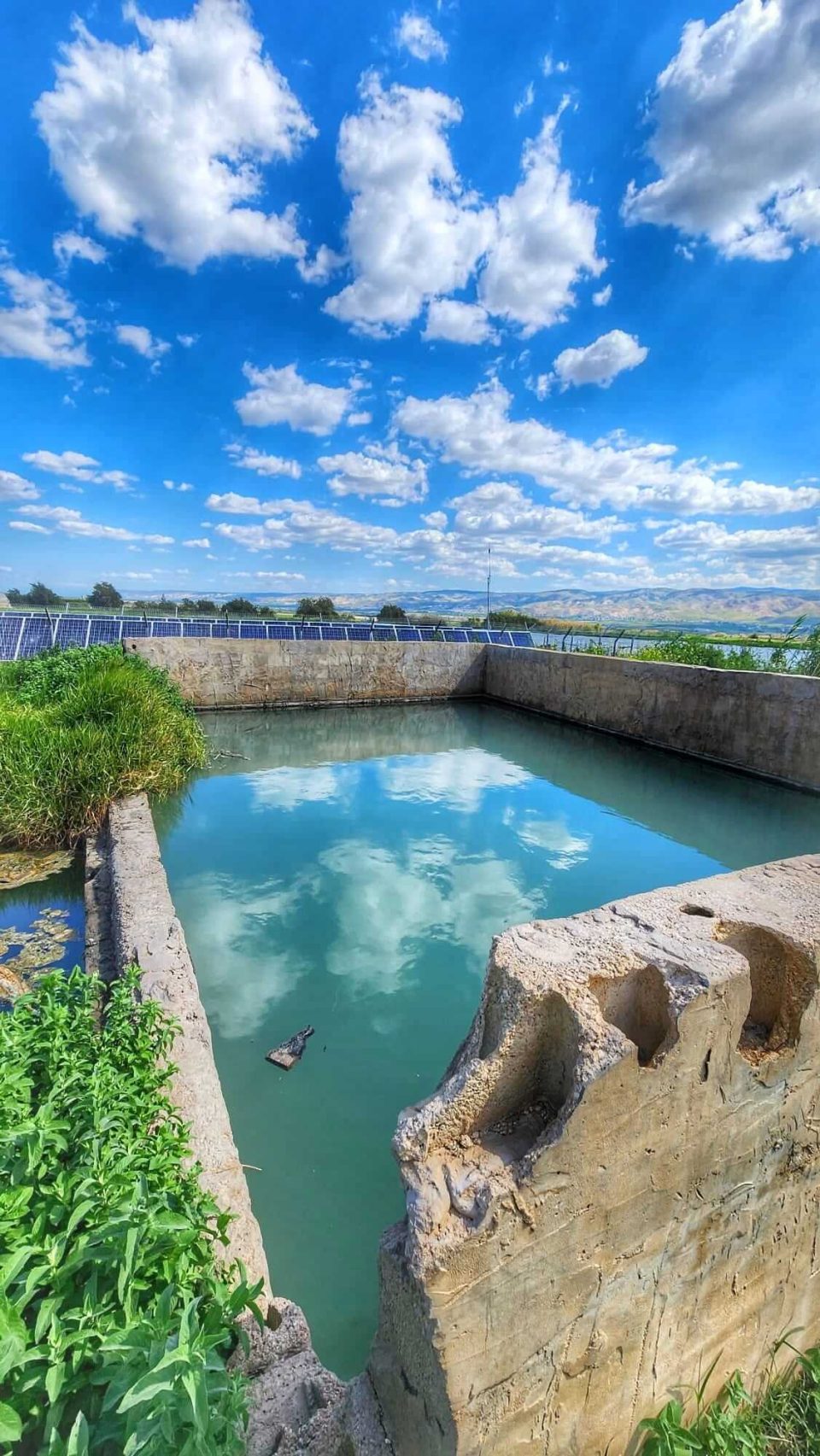
pictures below of the Lufit (from Wikipedia) and the almond tree (by me :-))

Posted in Uncategorized | Leave a comment