פרשת נח – תשפד: דפי זהב
| There was once a not-so-funny joke about a man who liked to read the Golden (Yellow) Pages. ‘What kind of book is this’, asked his bewildered friend, there is no plot’! ‘Yes, replied the man, ‘but so many heroes…’ | פעם היתה בדיחה לא כל כך מצחיקה על אדם שאהב לקרוא דפי זהב. ‘איזה מן ספר זה’, שאל אותו חברו, ‘אין שם עלילה’! ‘כן’, ענה האיש, ‘אבל כל כך הרבה גיבורים’… | |
| Lately I’ve been reading long lists. Every name – a whole world. So many heroes. Lists of people who were killed and murdered. In Hebrew, they are called “chalalim”, literally, empty space, for the terrible void each leaves. Lists of the Missing. Pictures of sweet, smiling, beautiful faces, all of them, one by one. And among the living, thank Gd, here too. Out of the need to stay away from the noisy media, among other things, I volunteer at a grassroots initiative, hosting families from the south. And we have – long lists. And I think, what beautiful people there are in this country!! And here too, I don’t know the plot, but I know they are heroes. | בזמן האחרון אני קוראת רשימות ארוכות. כל שם – עולם ומלואו. כל כך הרבה גיבורים. רשימות חללים. כל אחד משאיר חלל איום ונורא. רשימות נעדרים. תמונות של פנים מתוקות, מחייכות, יפים כולם, אחד אחד. וגם בין החיים, ב”ה, גם כאן. מתוך הצורך להתרחק מהרעש התקשורתי, בין השאר, אני מתנדבת במיזם אירוח משפחות מהדרום. וגם אצלנו, רשימות ארוכות. ואני חושבת, איזה אנשים יפים יש בארץ הזאת!! וגם כאן, אני לא יודעת את העלילה, אבל יודעת שהם גיבורים. | |
| The Torah portion of Noah begins with a frightening statement, especially this week: “The earth became corrupt before God; the earth was filled with chamas” (Genesis 6:11). And if we missed it, two verses later, God himself says to Noah: “I have decided to put an end to all flesh, for the earth is filled with chamas because of them: I am about to destroy them with the earth” (ibid., ibid., 13). | פרשת נוח מתחילה באמירה מפחידה, במיוחד בשבוע זה: וַתִּשָּׁחֵ֥ת הָאָ֖רֶץ לִפְנֵ֣י הָֽאֱלֹהִ֑ים וַתִּמָּלֵ֥א הָאָ֖רֶץ חָמָֽס (בראשית ו:יא). ואם פספסנו, שני פסוקים אח”כ, גם אלוהים בעצמו אומר לנח: “קֵ֤ץ כׇּל־בָּשָׂר֙ בָּ֣א לְפָנַ֔י כִּֽי־מָלְאָ֥ה הָאָ֛רֶץ חָמָ֖ס מִפְּנֵיהֶ֑ם וְהִנְנִ֥י מַשְׁחִיתָ֖ם אֶת־הָאָֽרֶץ” (שם, שם, יג). | |
| Rashi explains the word “chamas” – in one word, gezel, which is robbery, violent theft. And for a moment, we may wonder, just robbery…. for robbery to destroy the whole country? Says the Rebbe Rabbi Avraham Bornstein, founder of the Sochchow Hasidism (1838-1910 Poland): “Within gezel, all three transgressions are included: a person who robs his friend of something that is not his, and does not believe that if it’s decreed that the thing should be his, the thing will rightfully come to him – after all, this is idolatry. And if a person acquires someone else’s property by forceful possession and enjoys something that is not his own, it is like adultery, and there is robbery also in bloodshed (absolute lack of care for the other, and taking another person’s life)… and therefore their sentence is not sealed except for gezel”. | רש”י מסביר ” וַתִּמָּלֵ֥א הָאָ֖רֶץ חָמָֽס” במילה אחת – גזל. ולרגע, אנחנו עלולים לתהות, סה”כ גזל…. על גזל להשחית את כל הארץ? אומר האדמו”ר רב אברהם בורנשטיין, מייסד חסידות סוכצ’וב (1838-1910 פולין): …”לפי שבגזל נכללו כל שלושת העברות: אדם שגוזל מחברו דבר שאינו שלו, ואינו מאמין שאם נגזר מן המשים שהדבר יהיה שלו יגיע הדבר לידו בהיתר – הרי זו עבודה זרה. ואם אדם רוכש בחזקה ובאונס רכוש זר ונהנה מדבר שאינו שלו, כמוהו כגילוי עריות, ויש בגזל גם משום שפיכות דמים (חוסר אכפתיות מוחלט וביטול חיי האדם השני)… ולכן לא נחתם גזר דינם אלא על הגזל. | |
| The solution of the flood and the ark is just one of the things that can be done against chamas, and it is totally not an ideal solution, in many respects. Not only towards the world that was completely destroyed, but even towards Noah, the survivor. The holy Elsheikh (1506-1600 Adrianople – Safed) says that it’s as if Gd said to him: “… go according to your way and according to your method, as you did not interfere with your contemporaries and did not reprove them. You didn’t want to be with them and connect with them. Be now therefore in the ark with beasts and with the animals of the field”… | פתרון המבול והתיבה, הוא רק אחד מהדברים שאפשר לעשות נגד חמאס, וזהו פתרון לגמרי לא אידיאלי, מהרבה בחינות. לא רק כלפי העולם שנחרב כולו, אפילו כלפי נח הניצול. אומר האלשייך הקדוש (1506-1600 אדריאנופול – צפת) שזה כאליו שהקב”ה אמר לו: “… עשה לך, כלומר, לך כדרכך וכשיטתך, שלא התערבת עם בני דורך ולא הוכחת אותם. לא רצית להיות בצוותא עמהם ולהתחבר אליהם. תהיה איפוא כעת בתיבה עם בהמות ועם חיות השדה”… | |
| So maybe the solution comes only at the end of the Torah portion. After Noah’s Ark and the Tower of Babel, two amazing stories that ignited the imagination of readers of all ages, religions, and generations, from all over the world, comes a passage that seems to be the most boring: “This is the line of Shem. Shem was 100 years old when he begot Arpachshad, two years after the Flood” (Genesis 11:10). Indeed, we have “ten generations from Noah to Abraham” (Avot 5,2) and those are detailed before us now. Very little plot; just a list of great heroes. | אז אולי הפתרון מגיע רק בסוף הפרשה. אחרי שני סיפורים שהציתו את דמיונם של קוראים מכל הגילאים, דתות, ודורות, מכל העולם, מגיע קטע שנדמה כמשעמם ביותר: אֵ֚לֶּה תּוֹלְדֹ֣ת שֵׁ֔ם, שֵׁ֚ם בֶּן־מְאַ֣ת שָׁנָ֔ה וַיּ֖וֹלֶד אֶת־אַרְפַּכְשָׁ֑ד שְׁנָתַ֖יִם אַחַ֥ר הַמַּבּֽוּל (בראשית יא,י)… אכן, יש לנו “…עשרה דורות מנח ועד אברהם” (פרקי אבות ה,ב)… והם מפורטים לפנינו כעת. מעט מאד עלילה וגיבורים גדולים. | |
| Shem, the founder of this line and Noah’s son, is called “Shem” not because of the Hebrew meaning “name”, but in the sense of “for the sake of”… This son introduces a new idea into the world: to live a meaningful life, in action and spirit, connected to a Super Purpose. It was a revolutionary idea that gave birth to this entire dynasty whose descendants we are, who, ever since, working to refine the idea and work for Tikun Olam, repairing the world. | שם, מייסד השושלת הזו ובנו של נח, נקרא “שם” לא נקרא כך רק במובן “name” אלא לשם… “for the sake of”…. הבן הזה מביא לעולם רעיון חדש ומהפכני: לא רק לדאוג לצורכי הגוף והשעה, אלא לחיות חיי רוח ועשיה משמעותיים. הוא אבי כל השושלת הזו שאנחנו צאצאיה, והעשייה שלנו, שכל הזמן עושה עוד ועוד למען תיקון עולם. | |
| Shem gave birth to Arpachshad, who some say is the father of the Chaldean people (hence, Arpa-K-s-d [kasdim=Caldeans]). Arpachshad begat Shelah, and Shelah begat Ever, whose name means, as in the well-known midrash about Avraham Avinu (Beresheet Rabbah 42:8): “The whole world is one side (ever), and he is on the other side (ever).” In other words, Ever expresses disagreement with the entire generation as it lives its life. Perhaps therefore it’s no wonder that our first name was also like it – Ivrim, Hebrews. | שם הוליד את ארפכשד, שיש אומרים שהוא אבי העם הכשדי (לכן, ארפ-כשד). ארפכשד הוליד את שלח, ושלח הוליד את עבר, שמשמעות שמו, כמו במדרש הידוע על אברהם אבינו (בראשית רבה מב,ח): “כל העולם כולו מעבר אחד, והוא מעבר אחר”. כלומר, עבר מבטא חוסר הסכמה עם כלל הדור כפי שהוא חי את חייו, ואולי לכן לא פלא שגם שמנו הראשון היה כמוהו – עברים. | |
| Ever, who according to Rashi was a prophet, calls his son Peleg (division) because of the division that will be happen in the future, with Peleg’s death. Ever is mentioned even earlier (Genesis 10:20), and there he has a younger brother, Yoktan, from whom 13 families, whose names correspond to peoples who lived in the southern Arabian Peninsula, came forth. Rav Hirsch is even more precise, comparing the root P.L.G with other places it appears (Psalms 55:10, Judges 5:15), and claims that this is not a physical division but an ideological, social, spiritual, internal division. | עבר, שלפי רש”י היה נביא, קורא לבנו, פלג, ע”ש פילוג שיקרא בעתיד, עם מותו של פלג. עבר מוזכר עוד קודם לכן (בראשית י,כה), ושם יש לפלג אח צעיר, יוקטן, שממנו יצאו 13 משפחות, אשר שמותיהם מתאימים לעמים שחיו בדרום חצי האי ערב. הרש”ר הירש מדייק עוד לפי מקומות אחרים בהם מופיע השורש פ.ל.ג. (תהילים נה:י, שופטים ה,טו), וטוען שאין זו התפלגות פיזית אלא רעיונית, חברתית, רוחנית, פנימית. | |
| Peleg’s son was Reu – like the Hebrew word “re’ut“, friendship, because in his days people who did find common views among themselves, lived together. In the days of his son, S’rug, they connected and expanded further, like tendrils (s’rigim) in a vine. The next generation is Nahor, the father of Terah, the father of Avraham, the same Terah who made statues as idols, trying to bring people closer to their faith, and completes the picture of a family that expresses the desire to “Tikun Olam”. | בנו של פלג היה רעו – משורש “רעות”, כי בימיו אנשים שכן מצאו ביניהם השקפות משותפות, חיו ביחד. בימי בנו, שרוג, הם התחברו והתרחבו הלאה, כמו שריגים בגפן. הדור הבא הוא נחור, אביו של תרח, אביו של אברהם, אותו תרח שהיה מייצר פסילים כאלילים, מקרב אנשים לאמונתם, ומשלים את התמונה של משפחה שעוסקת ברצון “לתקן עולם”. | |
| The Talmud tells us about at least one woman, and that is Avraham’s mother (from Sefaria with Steinsaltz translation): And Rav Ḥanan bar Rava says that Rav says: The mother of Abraham was called Amatlai bat Karnevo. The mother of Haman was called Amatlai bat Orevati. And your mnemonic, to ensure that the two are not confused for one another, is that a raven [orev] is impure, and in this manner one remembers that Orevati is the grandmother of the impure Haman, while a sheep [kar] is pure, which indicates that Karnevo is the grandmother of the pure Abraham (Bava Batra 91:a). Interestingly, Abraham’s mother and Haman’s mother have the same first name. How do we differentiate? Haman’s mother’s name – “Crow’s daughter”, and just as the raven is impure, so is this family. On the other hand, the name of Abraham’s mother – is Kar, a lamb, and just like the lamb is pure, so is this family. Rashbam points out that as we know the names of the mothers of Yitzchak and Yaakov, it is clear that we will also know the name of Abraham’s mother, while Ben Yehoyada adds that the type of sheep mentioned (kar) is equal in Gematria to tahor, pure. | לפחות על אשה אחת מספר לנו התלמוד, וזו אמו של אברהם: וְאָמַר רַב חָנָן בַּר רָבָא אָמַר רַב: אִמֵּיהּ דְּאַבְרָהָם – אֲמַּתְלַאי בַּת כַּרְנְבוֹ. אִמֵּיהּ דְּהָמָן – אֲמַּתְלַאי בַּת עוֹרֶבְתִּי. וְסִימָנָיךְ: טָמֵא – טָמֵא, טָהוֹר – טָהוֹר (בבא בתרא צא:א): לאמא של אברהם ואמא של המן יש אותו שם פרטי. איך נבדיל? שם אמו של המן – “בת עורב”, וכשם שהעורב אינו טהור, כך גם משפחה זו. לעומתה, שם אמו של אברהם – “בת כבש” הטהור לאכילה, ומשפחה זו טהורה. הרשב”ם מאיר שכפי שאנחנו יודעים את שמות האמהות של יצחק ויעקב, ברור שנדע גם את שמה של אמו של אברהם, ואילו הבן יהוידע מוסיף שסוג הצאן המוזכר (כר) “עולה בגימטריא טָהוֹר [220]”. | |
| According to Rashi on Genesis 20:12: “And besides, she is in truth my sister, my father’s daughter though not my mother’s; and she became my wife”, it seems that Terah had two wives: one, the mother of Avraham and Nahor, and the other, the mother of Haran, Sarai (Sarah) and Milka. Rav Uri Sherki adds that this woman was probably not a Semite, but a red-haired woman, bringing to the family the “red-headed” gene: King David, who was said to be “red-headed” was a descendant of Ruth the Moabite who was a descendant of Lot, son of Haran. Esau, who is also described as “red”, was the son of Yitzchak, the son of Sarah, the daughter of Haran, and also his mother, Rebekah, is a descendant on her grandmother’s side of Milka, the daughter of Haran. | לפי רש”י על בראשית כ:יב: “וְגַם־אׇמְנָ֗ה אֲחֹתִ֤י בַת־אָבִי֙ הִ֔וא, אַ֖ךְ לֹ֣א בַת־אִמִּ֑י וַתְּהִי־לִ֖י לְאִשָּֽׁה”, נראה שלתרח היו שתי נשים: אחת, אמו של אברהם ונחור, והשניה, אמם של הרן, שרי ומלכה. הרב אורי שרקי מוסיף שכנראה האשה הזו לא היתה שמית, והיתה אדמונית, כשממנה מגיע הגן “ג’ינג’י” למשפחה: דוד המלך עליו נאמר שהוא “אדמוני” היה צאצא של רות המואביה שהיתה צאצאית של לוט, בנו של הרן. עשו שגם הוא מתואר כ”אדום”, היה בנו של יצחק, בנה של שרה, בתו של הרן, וגם אמו, רבקה, היא צאצאית מצד סבתה למלכה, בתו של הרן. | |
| Red is considered a symbol of Judgment Day, and with red alone, as we know, we cannot live. That is why David is described as “Admoni (red-headed) with beautiful eyes.” The sages expanded on this, saying: “Admoni” – who kills; “with beautiful eyes” – who only kills according to the Sanhedrin’s laws, that is, one who combines the measure of judgment and the measure of mercy in the best, most balanced manner. This is still our goal: Tikun Olam that blends and combines, that is built of so many heroes along the way, and names, so many names… | האדום נחשב סמל של יום הדין, ועם האדום לבדו, כפי שאנחנו יודעים, אי אפשר לנו לחיות. לכן דוד מתואר כ”אדמוני עם יפה עיניים”. חז”ל דרשו על כך: אדמוני – שהיה הורג, יפה עיניים – שהיה הורג ע”פ הסנהדרין, כלומר – עושה כדי לשלב בצורה הטובה והמאוזנת ביותר בין מידת הדין ומידת הרחמים. זו נשארה מטרתנו: תיקון עולם שמאזן ומשלב, שנבנה מגיבורים רבים לאורך הדרך, ושמות, שמות… | |
| Shem in the sense of “name” is not disconnected from all of this: it tells us and the world who we are, where we come from, and more than once, what our parents hoped for us, and where they directed us to go. These are the lists before us today: names from the Torah, from the Bible, from our history; names from nature and landscapes, of blossoms and beauty, of strength and freedom, poetry, faith and peace. We will have to win this war, and right now, we must build a strong ark to survive this awful flood, but the ultimate victory to chamas is not there, but rather, in rebuilding and continuity. | ששם במובן שלname לא מנותק מכל זה: הוא מספר לנו ולעולם מי אנחנו, מאין באנו, ולא פעם, לאן קיוו וכיוונו הורינו שנלך. אלו הם הרשימות שלפנינו היום: שמות מהתורה, מהתנ”כ, מהסטוריה שלנו. שמות של טבע ונוף, של פריחה ויופי, של כוח וחופש, מוסיקה, אמונה ושלום. את המלחמה הזאת נצטרך לנצח, ועכשיו צריך לבנות תיבה חזקה שתיקח אותנו דרך המבול הזה, אבל בסופו של דבר, התשובה המוחצת לחמאס היא לא שם, אלא בבניה מחדש והמשכיות. |
בתפילה לבשורות טובות ושבת שלום PRAYING FOR GOOD TIDINGS & SHABBAT SHALOM
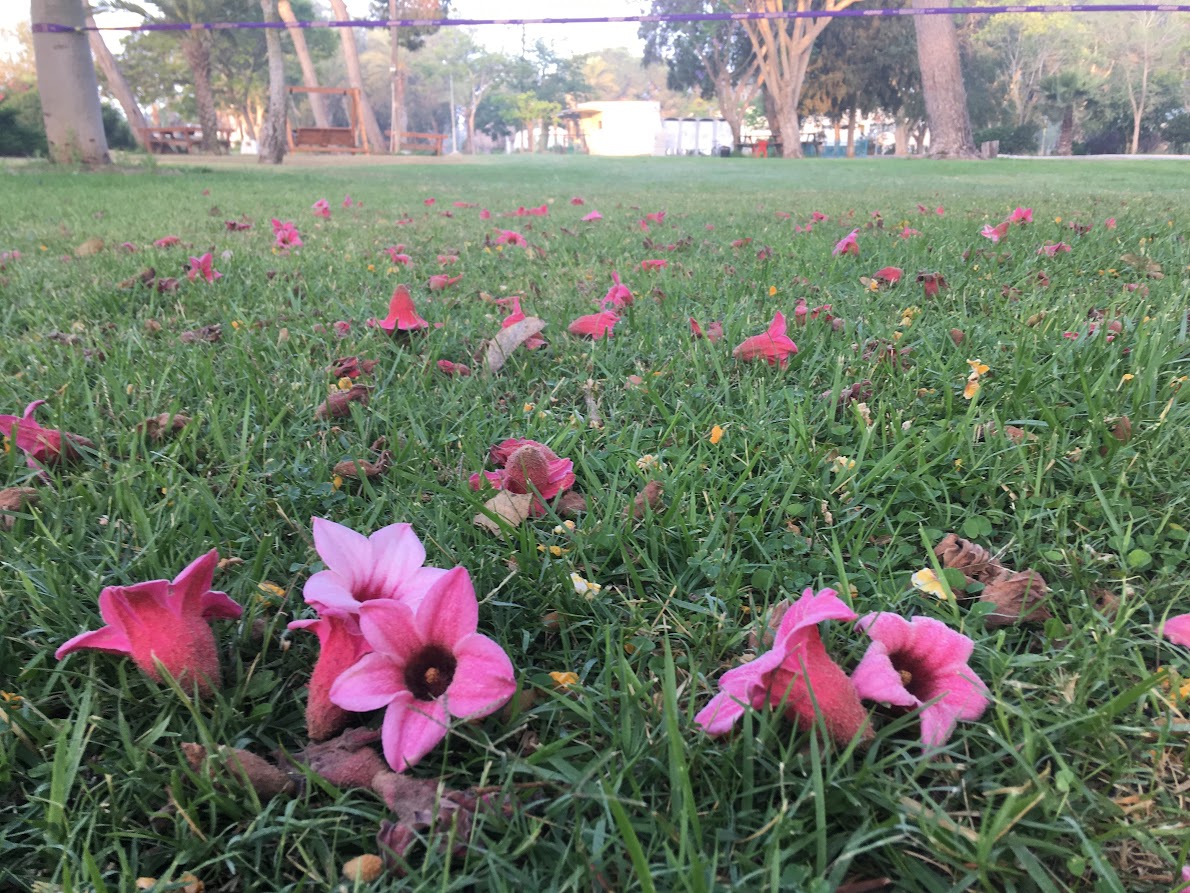
….בְּרֶ֥גַע קָטֹ֖ן עֲזַבְתִּ֑יךְ וּבְרַחֲמִ֥ים גְּדֹלִ֖ים אֲקַבְּצֵֽךְ (מתוך ההפטרה בישעיהו נד)
(2019) קיבוץ כיסופים בעוטף עזה
(2019) in the beautiful Kibutz Kisufim near Gaza, who’s name means “longing”… bh, one day we’ll play there again…


 Torah & more... תורה ועוד
Thank you. Your D’var brings some solace and salve to broken and wounding hearts. Your words strengthen our resolve, our strength and our will to continue and rebuild..once justice is achieved. Thank you. Please stay well and stay safe.
Maxine
Dear Maxine, thank you so much for reading, and commenting, and responding with your kind words! Strengthening each other – is the most important thing we can do now. This might take a while and we need to stay together in the face of what’s ahead. I hope and wish everyone good tidings and a quieter week.