ותצחק שרה בקרבה לאמר”… פרשת וירא, על דמעות ועל צחוק“
| Out of all the topics that the Torah portion of “Veyera” offers this week, it would certainly be “logical” to deal with Akeda, the Binding – the father and his son in their joint, tragic, impossible journey, together. And perhaps, in the attempt to save Sodom and Gomorrah, and with the question, echoing today, is it possible for a place to have less than 10 righteous people? Where there’s no one to save? And perhaps also, as I dealt with here before, in Abraham, who rises up early in the morning, to discover, to his surprise, a difficult and challenging world in which the attribute of chesed, kindness, his leading attribute, is missing. “Say your kindness in the morning,” says the Psalmist, but how can you find Gd in a place where grace is present through its immense absence; an absence so great, it leaves a huge hole in the heart and soul. And perhaps also, it would be very important to mention, especially this week, Isaac and Ishmael, the brothers, and look at the similarities and differences between them as well as the similarities and differences in the gifts their father gave them. | מתוך כל הנושאים שמציעה לנו פרשת “וירא” בשבוע זה, בודאי יהיה “הגיוני” לעסוק בעקדה, האב ובנו במסעם המשותף, הטרגי, הבלתי אפשרי, ביחד, במעלה ההר. ואולי בנסיון הנואש להציל את סדום ועמורה, ובשאלה, המהדהדת עד ימינו, האם יתכן מקום כזה, שיש בו פחות מ-10 צדיקים? שכמעט ואין בו את מי להציל?? ואולי גם, כפי שעסקתי כאן בעבר, באברהם, המשכים קום מוקדם בבקר, שלוש פעמים, לגלות, להפתעתו, עולם קשה ואתגרי בו תכונת החסד, תכונתו המובילה, חסרה. אברהם הוא זה שאיתו נאמרת תפילת שחרית, בה אנחנו אומרים “בבקר חסדך”, כמו שאמר משורר תהילים, אבל איך אפשר, תוהה אברהם איתנו, למצוא את אלוהים במקום שבו נוכחות החסד נצאת רק בגלל חוסרו, שכל מה שיש הוא חור עצום פעור בלב ובנשמה. ואולי גם, חשוב מאד להזכיר, דוקא השבוע, את יצחק וישמעאל, האחים, על הדומה והשונה ביניהם כמו גם על הדומה והשונה במתנות שנתן להם אביהם. |
| But the one I turn to this week is Sarah. No, not the mother about whom the Midrash tells us that she died of a broken heart when she listened to Satan’s taunts about her son’s going with her husband to Mount Moriah, connecting her death (in chapter 23) to the Akada (in chapter 22), but precisely that of the beginning of the Parsha. Sara of the beginning of this week’s Torah portion beings to our forming family and nation, one of the most critical elements in it, and that is – laughter. Ah yes… maybe we’re just remembering all the Jewish commedians in Israel and around the world, and this craziness, where the war has barely begun and already, groups of entertainers are out and about “cheering people up”. | אבל אני פונה השבוע דוקא לשרה. לא, לא שרה האמא, שהמדרש מספר לנו שמתה משברון לב כשהקשיבה ללגלוגיו של השטן בענין לכתו של בנה עם בעלה להר המוריה, מחבר בין מותה (בפרק כג) לעקדה (בפרק כב), אלא דוקא זו של תחילת הפרשה. שרה בתחילת הפרשה מביאה למשפחה ולאומה המתהווה את אחד האלמנטים הכי חשובים בה, את הצחוק. אולי עכשיו אנחנו נזכרים בכל הקומיקאים היהודיים בארץ ובעולם, והטירוף הזה, שהמלחמה עוד בקושי התחילה, וצוותי הווי כבר רצים הלוך ושוב “לשמח” ו”לבדר”… |
| Everything begins in our Torah portion: “And Sarah laughed within her, saying…” (Genesis 18:12). Why did Sarah laugh? Sarah thought it was funny that she would have a son, not because she’s 90, but because after all, she says, Avraham is so old!! Gd hastens to correct her it, and on the way, teach us something about shlom-bayit, keeping peace in the home: And Sarah laughed to herself, saying, “Now that I’ve lost the ability, am I to have enjoyment—with my husband so old?” Then Hashem said to Abraham, “Why did Sarah laugh, saying, ‘Shall I in truth bear a child, old as I am?’ (Genesis 18:12-13). And later on, the interaction between her and the Holy One continues: Sarah rejected it, saying, “I did not laugh,” for she was frightened. and He said, “no, you did laugh.” (ibid, 15). Avraham also laughed at the end of the previous Torah portion: “And Avraham fell on his face and laughed, and said in his heart, will a 100 year old give birth, and she will give birth, and she will give birth (17:17). | הכל מתחיל בפרשה שלנו: “וַתִּצְחַק שָׂרָה בְּקִרְבָּהּ לֵאמֹר… “ (בראשית יח, יב). למה צחקה שרה? שרה חשבה שזה מצחיק שיוולד לה בן, לא מפני שהיא בת 90, אלא מפני שאחרי הכל, היא אומרת, אברהם כל כך זקן!! הקב”ה ממהר לתקן אותה, ועל הדרך ללמד אותנו פרט בענין שלום בית: “וַתִּצְחַ֥ק שָׂרָ֖ה בְּקִרְבָּ֣הּ לֵאמֹ֑ר אַחֲרֵ֤י בְלֹתִי֙ הָֽיְתָה־לִּ֣י עֶדְנָ֔ה וַֽאדֹנִ֖י זָקֵֽן׃ וַיֹּ֥אמֶר ה’ אֶל־אַבְרָהָ֑ם לָ֣מָּה זֶּה֩ צָחֲקָ֨ה שָׂרָ֜ה לֵאמֹ֗ר הַאַ֥ף אֻמְנָ֛ם אֵלֵ֖ד וַאֲנִ֥י זָקַֽנְתִּי” (בראשית יח, יב-יג) ובהמשך הדו-שיח בינה לבין הקב”ה: “וַתְּכַחֵ֨שׁ שָׂרָ֧ה לֵאמֹ֛ר לֹ֥א צָחַ֖קְתִּי כִּ֣י יָרֵ֑אָה, וַיֹּ֥אמֶר לֹ֖א כִּ֥י צָחָֽקְתְּ” (שם, טו) . גם אברהם צחק בסוף הפרשה הקודמת: וַיִּפֹּ֧ל אַבְרָהָ֛ם עַל־פָּנָ֖יו וַיִּצְחָ֑ק וַיֹּ֣אמֶר בְּלִבּ֗וֹ הַלְּבֶ֤ן מֵאָֽה־שָׁנָה֙ יִוָּלֵ֔ד וְאִ֨ם־שָׂרָ֔ה הֲבַת־תִּשְׁעִ֥ים שָׁנָ֖ה תֵּלֵֽד (יז, יז). |
| What is “laughter”? when do we laugh? and what is this strange conversation between God and Sarah? ‘Teacher, I wasn’t laughing’, ‘No, don’t tell me what you did and what didn’t do! I know very well! You were laughing!’…? but Gd actually explains to her – and us – what is this thing she experienced. She thought that this feeling in her belly, is part of being in “awe”, but Gd reveals something new to her: “No, for you laughed”. This tickle inside you is even more than awe. If awe is knowing that there is Gd, laughter – is to feel him in the stomach. It’s to know that there is an element of surprise in life. The sudden realization that the story can end completely differently than we initially thought. We thought we’ve seen it all, that only our commentary is the one and only possible option. And suddenly, it turns out, something unexpected can happen, something beyond routine and habit, something that seems impossible when everything is “normal”. Some say that the Hebrew word for laughter, tzchok, comes from a combination of “tze-chok”, get out, depart from the constitutionality of how things “work” and are supposed to work. | מה זה “צחוק”? מתי אנחנו צוחקים? ומה זו השיחה המוזרה הזו בין הקב”ה לשרה? ‘המורה, לא צחקתי’, ‘לא, אל תגידי לי מה עשית ומה לא עשית! אני יודע טוב מאד! את צחקת!’… ?? הקב”ה בעצם מסביר לה – ולנו – מה זה הדבר הזה שהיא חוותה. היא חשבה שהתחושה הזו בבטן, זה חלק מתחושת ה”יראה”, והקב”ה מגלה לה משהו חדש: “לא, כי צחקת”. הדגדוג הזה בקרבך זה עוד יותר מיראה. אם יראה זה לדעת ולפחוד מאלוהים, הצחוק – זה להרגיש אותו בבטן. זה לדעת שיש בחיים אלמנט של הפתעה. ההארה פתאום, שהסיפור יכול להסתיים אחרת לגמרי ממה שחשבנו מלכתחילה. אנחנו חושבים שכבר ראינו את הכל, בטוחים שרק הפירוש שלנו הוא היחידי הנכון, האפשרי, המוחלט… ולפתע, מסתבר, שיכול לקרות משהו בלתי צפוי, משהו מעבר לשגרה ולהרגל, משהו שנדמה בלתי אפשרי במבט “נורמלי”. יש אומרים שהמילה “צחוק” באה משילוב של “צא-חוק” = לצאת מהחוקתיות של איך דברים עובדים ואמורים לעבוד. |
| In tractate Ta’anit (22:a) it is told about Rabbi Baruka Khozai (from a place called Khozai) who used to meet Elijah the prophet in the market. Is there anyone here who will merit the world to come? the rabbi asks Eliyahu. Of course, he expects that Elijah will tell him, you, but no. From here to there, two nobodies arrive. The surprised rabbi approached them: you? What are you doing? “We are jesters, and we cheer the saddened. Also, when we see a quarrel, we work to make peace”. Because here too, the expectation is that people who quarrel with each other, will continue to quarrel with each other, and this feature quality also requires the possibility of seeing beyond the here and now, beyond the expected. | במסכת תענית (כב:א) מסופר על רבי ברוקא חוזאה (מהמקום חוזאי) שפגש את אליהו הנביא בשוק. האם יש כאן מישהו שיזכה לעולם הבא? שאל הרב את אליהו. הוא מצפה שאליהו יגיד לו, כמובן, אתה, אבל לא. מפה לשם, מגיעים איזה שני זרוקים, ואליהו מצביע עליהם. ניגש אליהם הרב המופתע: אתם? מה אתם כבר עושים? “אִינָשֵׁי בָּדוֹחֵי אֲנַן, מְבַדְּחִינַן עֲצִיבֵי. אִי נָמֵי, כִּי חָזֵינַן בֵּי תְרֵי דְּאִית לְהוּ תִּיגְרָא בַּהֲדַיְיהוּ, טָרְחִינַן וְעָבְדִינַן לְהוּ שְׁלָמָא“, ובעברית – ‘אנחנו אנשים שמחים, ומשמחים את העצובים. כמו כן, כשאנחנו רואים שניים שיש ביניהם ריב, אנחנו טורחים ועושים ביניהם שלום’, שהרי גם כאן: הצפי הוא שאנשים שרבים אחד עם השני, ימשיכו לריב אחד עם השני, וגם תכונה זו מחייבת להפתיע, מחייבת לצאת מהמסלול, לבחור את האפשרות לראות מעבר לכאן ועכשיו, מחוץ לצפוי. |
| Abraham and Sarah – and the Almighty – name their son Isaac = Yitzchak = he will laugh. Not “laughter” as a lifeless noun, but – as an active verb in the future. How can you think that we will ever laugh again? How can you believe it? It’s unimaginable. The pain is too great. The disaster is too much. If it’s like that, then we’ll never… and that’s completely true. Just like the child is not called “Laughter”, he is also not called “Laughing” in present tense. For that would have been utterly terrible. Rather – he’s named after something that is not yet. Something that is not clear how; that we have no idea is possible. He is named after something that’s not yet and that maybe – Gd willing, one day – can come true. A prophecy for other days beyond the here and now; a surprise, beyond the expected. | לבן שלהם קוראים אברהם ושרה – והקב”ה – יצחק. לא “צחוק” כשם עצם חסר חיים, אלא – כפועל אקטיבי בעתיד. איך אפשר לחשוב שאי פעם נחזור ונצחק? איך אפשר להאמין? זה בלתי נתפס. הכאב רב מידי. האסון גדול מידי. אם זה ככה, אז לעולם לא…. וזה לגמרי נכון. כמו שהילד לא נקרא “צחוק”, הוא גם לא נקרא “צוחק”. זה יכול היה להיות איום ונורא. אלא – הוא נקרא על שם משהו שעוד לא. משהו שבכלל לא ברור איך. שאין לנו מושג שיתכן. הוא נקרא על שם משהו שעוד לא, ושאולי, ב”ה, יום אחד – יתגשם. נבואה לימים אחרים מעבר לכאן ועכשיו, הפתעה, מעבר לצפוי. |
| We have in Israel quite a few places named Isaac something: Beit Yitzchak. S’de Yitzchak. But also, and maybe not surprisingly, we have the opposite: The Valley of Tears, a valley mentioned in the Book of Psalms (84:7-8), describing a very sad valley which turned blessed: “They pass through the Valley of Bacha, regarding it as a place of springs, as if the early rain had covered it with blessing. They go from rampart to rampart, appearing before God in Zion“. Some identify the place with Be’cha’im where David fought with the Philistines, which was probably named after the Bechaim trees that grew there (Samuel 2, 5,23-24): David inquired of the LORD, and He answered, “Do not go up, but circle around behind them and confront them at the baca trees. And when you hear the sound of marching in the tops of the baca trees, then go into action, for the LORD will be going in front of you to attack the Philistine forces.” | יש לנו בארץ לא מעט מקומות שנקראים – משהו יצחק: בית יצחק. שדה יצחק. אבל, ואולי דוקא לא מפתיע, יש גם את ההיפך: עֵמֶק הַבָּכָא, עמק שניזכר בספר תהילים (פד, ז-ח), המתאר עמק עצוב ביותר שנעשה למבורך: ”עֹבְרֵי בְּעֵמֶק הַבָּכָא מַעְיָן יְשִׁיתוּהוּ גַּם בְּרָכוֹת יַעְטֶה מוֹרֶה. יֵלְכוּ מֵחַיִל אֶל חָיִל יֵרָאֶה אֶל אֱלֹהִים בְּצִיּוֹן”. יש המזהים את המקום עם “בכאים” שם נלחם דוד עם פלישתים, והעמק נקרא על שם עצי בכאים שצמחו בו (שמואל ב, ה, כג-כד): ”וַיִּשְׁאַל דָּוִד בַּה’ וַיֹּאמֶר לֹא תַעֲלֶה הָסֵב אֶל-אַחֲרֵיהֶם וּבָאתָ לָהֶם מִמּוּל בְּכָאִים וִיהִי כְּשָׁמְעֲךָ אֶת-קוֹל צְעָדָה בְּרָאשֵׁי הַבְּכָאִים אָז תֶּחֱרָץ כִּי אָז יָצָא ה’ לְפָנֶיךָ לְהַכּוֹת בְּמַחֲנֵה פְלִשְׁתִּים”. |
| Some say, it’s a valley north of Gai Ben Hinom in Jerusalem where the “weeping” trees used to grow, whose leaves would rustle with a kind of weeping-like sound. In the English translation of the Masora, the word Mulberry Tree appears. It is possible that this refers to the black mulberry which is a species of the mulberry family, a tree that looks like a weeping tree, hence its name. The RaDaK (1160-1235) explains the expression differently – that bacha is like a sort of spring, a place which flows and teaches wisdom to those passing through (does he mean, suffering teaches wisdom?) | יש המפרשים שמדובר בעמק מצפון לגיא בן הינום, בירושלים, שבו היו צומחים עצי “הַבָּכָא”, שהעלים שלהם היו מרשרשים במעין קול דמוי בכי. בתרגום התנ”ך לאנגלית של המסורה, מופיעה המילה Mulberry Tree ובתרגום לעברית – עץ תות. ייתכן והכוונה היא לתות שחור בכותי שהוא זן ממשפחת תות עץ אשר נראה כעץ בוכה ועל כן שמו. פירוש אחר אומר שהמלה “בכא” נגזרת מ”פיכה” – נזל, ירד. והכוונה לשרף של העצים, כנראה עצי מיש דרומי, שהיה מפכה ונוזל מן העצים. הרד”ק מפרש את הביטוי ‘עמק הבכא’ בצורה שונה, הוא מבאר את המילה ‘בכא’ כ’מבוע’ ואת ‘עמק הבכא’ כ’עמק מבועי החכמה’ שמי שעובר בו יוכל ללמד חכמה לבאים אחריו (האם כוונתו שמסבל לומדים??). |
| The famous botanist, Yehuda Felix identifies the Bacha with Elat Hamastik, because the plant makes a sound when its leaves and branches are broken (because they are so brittle), and since after their breakage, there’s a tear like fluid, used for the mastic spice, still sold nowadays in a tear-like shape (known in the ancient world as bubblegum = mastic, maybe because it was mashtik – silencing – its chewer…. | חוקר הצמחים יהודה פליקס מזהה את הבכא עם אלת המסטיק, כיוון שהצמח משמיע קול בעת שבירת זרדיו ועליו (בשל קשיותם ושברירותם), ומכיוון שלאחר שבירתם נוזל צרי בצורת דמעות, הרי הוא תבלין המסטיקא המפורסם הנמכר עד ימינו בצורת “דמעות” (ושהיה מוכר מאוד בעת העתיקה כמסטיק ללעיסה – מקור שמו כנראה פיניקי-עברי, כיוון שהיה “משתיק” את לועסו) . |
| The Valley of Tears turned into a symbol of suffering; the sages saw it as a nick name for hell, that is – a place where sinners are sent to, and the word bacha is explained as crying (bechi). Later, the Valley of Tears received a new meaning as a symbol of the extended diaspora time. As such it is mentioned first in prayer and in the poem “Lecha Dodi”, sung of Shabbat. It also stands for this world and its troubles. | עמק הבכא הפך לסמל לסבל וחז”ל ראו בשמו כינוי סמלי לגהינום, כלומר – למקום אליו נשלחים עוברי עברה, כאשר המילה “בכא” מפורשת כבכי. בשלב יותר מאוחר קיבל “עמק הבכא” משמעות חדשה כסמל של גלות עם ישראל המתמשכת. פירוש זה נזכר לראשונה התפילה ובפיוט ערב שבת “לכה דודי”. זהו גם ביטוי לעולם הזה ותלאותיו. |
| In the State of Israel’s history, the Valley of Tears is a name given to a wide valley in the Northern Golan Heights, through which the Syrian divisions tried to break through in the Yom Kippur war. The Israel forces of about 150 tanks fought over 4 full days and nights and succeeded in stalling 450 Syrian tanks, thanks to a battle managed by the legendary commander, Avigdor Kahalani. The IDF lost 76 soldiers and in their memory, a memorial has been erected (there’s also a TV show by this English name about the YK war in the north). | בהיסטוריה של מדינת ישראל, “עמק הבכא” הוא כינוי לעמק נרחב בצפון רמת הגולן, שדרכו ניסו הדיוויזיות הסוריות לפרוץ במלחמת יום הכיפורים. הכוח הישראלי שמנה150 טנקים שנלחם בקרב שנמשך כארבע יממות, הצליח לבלום את כ-450 טנקים סוריים, הודות לקרב בלימה שנוהל על ידי המפקד הנודע, אביגדור קהלני. צה”ל איבד 76 לוחמים ולזכרם הוקמה במקום אנדרטה. (ויש גם סדרת טלויזיה באותו השם באנגלית ובעברית – שעת נעילה על אירועי מלחמת יו”כ בצפון). |
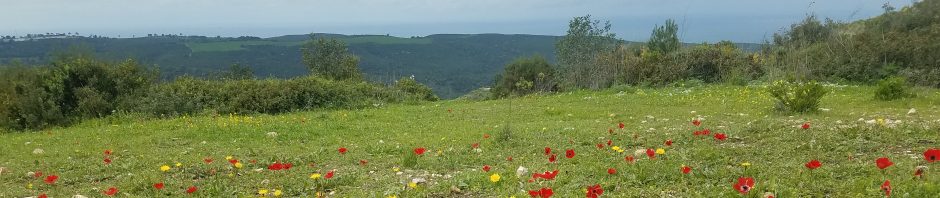
| Fifty years have passed, and today we can visit the place, breath the fresh air, go crazy over the magnificent view with the beautiful blooming kibbutzim and dwelling places, see a sculpture exhibit, take funny pictures, check out the distances to far-away lands, have some coffee and also, sit and laugh. | חמישים שנה עברו, והיום ניתן לבקר במקום, לנשום את האויר הצלול, להשתגע מהנוף עם הקיבוצים והישובים היפים והפורחים, לראות את תערוכת הפסלים, להצטלם בפוזות שונות ומשונות, למדוד את המרחק לארצות רחוקות, לשתות קפה, וגם לשבת ולצחוק. |
| For not once, when laugher stirs up from deep within the belly, it meets and mixes with the tears at the edge of the eye. And the tears mix with half a smile. How is this possible. The names of the ones murdered along side of wedding pictures; the awful stories of horror and devastation with a new baby, brit-mila, lechayim, cheers, mazal-tov… I, who can cry from nothing (oy, the allergies…) – a sound; an image; a memory, am comforted in our tradition which has quite a few serious cryers: Joseph, David, Leah. But I also know that their tears would have no meaning without Abraham’s and Sarah’s laughter. May we too merit to go back and rebuild; to sit and laugh. May we, even if so difficult to see now, still discover, how the future will surprise us with its goodness. | כי הרי, לא פעם, כשהצחוק עולה מעמוק בבטן, הוא פוגש ומתערבב בדמעות בקצה העין. והדמעות מתערבבות בחצי חיוך. איך אפשר. שמות הנרצחים לצד תמונות מחתונות. סיפורי הזוועה וההרס הנוראיים לצד סיפורים על בריתות, לחיים, מזל-טוב… אני, שבעיני יכולות לעלות דמעות מכל דבר הכי קטן (אוי, האלרגיה…)– צליל. תמונה. זכרון. מתנחמת בכך שבמסורת שלנו יש לא מעט בכיינים רציניים: יוסף, דוד, לאה. אבל גם יודעת שלבכי שלהם לא היתה שום משמעות בלי הצחוק של אברהם ושרה. הלוואי ונזכה גם אנחנו לחזור ולבנות, לשבת ולצחוק, וגם אם כל כך קשה לראות את זה עכשיו, עוד נגלה שהעתיד גם יפתיע בטובו. |
שבת שלום ובשורות טובות – SHABBAT SHALOM & GOOD TIDINGS


 Torah & more... תורה ועוד
אמן
❤