
״האהבה מקלקלת את השורה״ – פרשת שמיני
בלב פרשת השבוע הזו, פרשת ״שמיני״, בלב התורה לפי חישובים שונים, ובד״כ בסמוך ליום השואה ויום הזכרון, מופיע סיפורם של נדב ואביהוא, בני אהרון. כיאה לסיפור קשה וסתום, יש עליו אינספור פירושים. מה בדיוק קרה כאן?
אנחנו נמצאים ביום השמיני שלאחר שבעת ימי המילואים, יום חנוכת המשכן. ע״פ המסורת, זהו ראש חודש ניסן, וזהו יום חגיגי ושמח, בו, אחרי כל ההכנות, משה קורא לאהרון ולזקני ישראל לעבודה הראשונה שלהם במשכן, אירוע שנחגג בהדרת עם, כדי שכולם יראו שהצבת הכהנים בעבודה נעשית על פי דבר ה׳ (רש״י). בסיום עבודתו, נושא אהרן את כפיו ומברך לראשונה את בני ישראל בברכת הכהנים (רש״י).
משה ואהרון נכנסים ביחד למשכן, במהלך שמדגיש את האחווה וההשלמה והשלמות ביניהם שני אחים ובין תפקידיהם יחד. בצאתם הם מברכים את העם, כבוד ה’ נגלה אל כל העם ואש אוכלת את הקרבנות, ונאמר בסוף הפרק (ויקרא ט): “וירא כבוד ה’ אל כל העם… וירא כל העם וירונו ויפלו על פניהם”.
ופתאום –
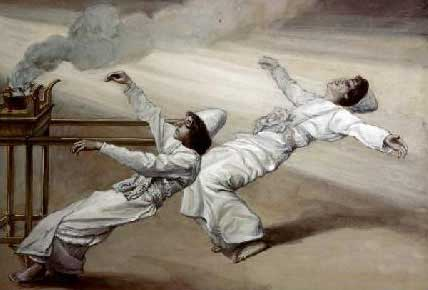
״וַיִּקְח֣וּ בְנֵֽי־אַ֠הֲרֹ֠ן נָדָ֨ב וַאֲבִיה֜וּא אִ֣ישׁ מַחְתָּת֗וֹ וַיִּתְּנ֤וּ בָהֵן֙ אֵ֔שׁ וַיָּשִׂ֥ימוּ עָלֶ֖יהָ קְטֹ֑רֶת וַיַּקְרִ֜יבוּ לִפְנֵ֤י ה׳ אֵ֣שׁ זָרָ֔ה אֲשֶׁ֧ר לֹ֦א צִוָּ֖ה אֹתָֽם׃
וַתֵּ֥צֵא אֵ֛שׁ מִלִּפְנֵ֥י ה׳ וַתֹּ֣אכַל אוֹתָ֑ם וַיָּמֻ֖תוּ לִפְנֵ֥י ה׳׃
וַיֹּ֨אמֶר מֹשֶׁ֜ה אֶֽל־אַהֲרֹ֗ן הוּא֩ אֲשֶׁר־דִּבֶּ֨ר ה׳ לֵאמֹר֙ בִּקְרֹבַ֣י אֶקָּדֵ֔שׁ וְעַל־פְּנֵ֥י כׇל־הָעָ֖ם אֶכָּבֵ֑ד וַיִּדֹּ֖ם אַהֲרֹֽן״ (ויקרא י,א-ג).
יש דיונים ארוכים, גם על שתיקתו של אהרון וכוחה של השתיקה ומה בדיוק עשו נדב ואביהוא. למרות הפיתוי לתאר את המקרה כעונש, המילה לא מוזכרת כאן.
יש שאומרים שהם ״הורו הלכה בפני משה רבן״, ויש, שהם נכנסו שתויי יין למקדש, ומכאן ניתן לפתוח דיון ורחב ומעניין על מקום שתיית היין בתורה בפרט, בתנ״כ בכלל ובמסורת שלנו מאז, מעין ״כבדהו וחשדהו״: יש מקום מכובד ביותר ליין, בקידוש, בטקס הנישואין ועוד, אך כמו כל דבר טוב ובעל פוטנציאל משמעותי, יש גם הגבלות. כאן, לאחר מותם של נדב ואביהוא, מזהיר הקב״ה את בני אהרון שאסור לכוהנים להכנס שתויים לאוהל מועד.
אך ישנה עוד אפשרות והיא שדווקא קירבה יתרה ולא יריחוק כלשהו, היא שגרמה למותם. כך נאמר כאן ״בקרבי אקדש״, ובהמשך ספר ויקרא, בפרשת ״אחרי מות״ מסופר עליהם ש”בקרבתם לפני ה’ וימותו” (ויקרא ט”ז, א).
בגמרא מובא מדרש ועל פיו במהלך מיתתם התחולל נס והם נשרפו מבפנים, ואילו גופם (היינו העור) ובגדיהם לא נשרפו: ”מלמד שלא נשרפו בגדיהם אלא נשמתם, כמין שני חוטין של אש נכנסו לתוך חטמיהם״ (סנהדרין נב:א).
מסתבר שהם היו אנשים רוחניים מאד, בעלי נפש מתעלה, שרצו בקירבה לקב״ה. רש”י בשם חז”ל אומר: “אמר לו משה לאהרן: אהרן אחי, יודע הייתי שיתקדש הבית במיודעיו של מקום והייתי סבור או בי או בך. עכשיו רואה אני שהם גדולים ממני וממך”, כלומר, חששתי, אומר משה לאהרון, שברמת קרבה כזו, כשאנחנו ״משחקים באש״, עלול לקרות משהו אך חשבתי שזה יהיה אני או אתה, אבל עכשיו ברור שהם גדולים אפילו משנינו.
במדרש נאמר ש״האהבה מקלקלת את השורה, ושנאה מקלקלת את השורה״ (בראשית רבה, נה, ח) כלומר, המקום הטוב והבטוח באמצע הוא המועדף, ואילו רגשות חזקים – לכאן ולכאן – עלולים להוציא אותנו ממקומנו ולהזיק לנו. גם אהבה רבה מידי וגם שנאה מידי עלולות לפגוע ולהרוס (וכמה אירועים ו/או סרטים אפשר לצטט כאן…). יש אומרים גם שצריך לכתוב את המלה שורה בא׳ בסוף – ״שורא״, כלומר חומה בארמית, והאהבה, כמו גם השנאה, מקלקלת את החומה והגדרות המבודדים והמגינים עלינו. ואולי האהבה הזו גם קלקלה את ה״שורא״ לנדב ואביהוא.
ואולי, בהמשך לכך, אומר הרב אורי שרקי, יש משהו במותם שמציב ״גבול לדרישה שלנו לרציונאליות ולהבנה של המוות. כביכול ה’ אומר לאדם – דע לך, לא הכל רציונלי. יש איזה ניצוץ שיהיה לך קשה רגשית ומוסרית להכיל אותו. אותו ניצוץ הוא הכרחי״, והוא זה שעוזר לנו להבין שההתחברות בין הבורא לנברא היא לא רק כואבת אלא גם אמיתית ומורגשת מכל הלב, כמו כל אהבה.
אני כותבת את הדברים בנסיעה לירושלים. פספסתי את הרכבת ואני חשופה, במשך שעתיים-שלוש של פקקים לתחנת הרדיו האהובה על נהג האוטובוס, כולל נבואות זעם, הטפות, בקורות, תלונות והוראות מדויקות, על מה יהיה ומה לא יהיה, מה צריך לעשות ומה חייבים ואיך כולם האחרים שם טועים, עם הרבה סימני קריאה ובלי שום סימני שאלה (למעט סרקזם חד ולגלוג על ״הצד השני״), ולי נשאר רק לכתוב בשקט, ולהתפלל (בשקט עוד יותר…) גם לשלומו של אותו הנהג שלוקח אותנו בדרך העמוסה, וגם על כך שנזכור, ודווקא בתקופה זו, להזהר בפרצי הרגשות הסוערים והבעותיהם חסרות המעצורים, כמו גם בתחושה שהכל ״רציונלי״, גלוי וידוע, ושנשמע, בין כל הרעש מסביב, גם את השקט של אבלו הנורא של אהרון.
שיהיה לנו עומר טוב, שבת שלום, חודש טוב ובשורות טובות.
“Love messes up the order of things” – The Torah portion of Shmini
At the heart of this week’s Torah portion, “Shmini,” at the heart of the Torah, according to some calculations, and usually in close proximity with both Holocaust and Israeli Remembrance Day, appears the story of Nadav and Avihu, the sons of Aaron. As befits a difficult and obscure story, there are countless interpretations of it. What exactly happened there?
We are on the 8th day, after the seven days of setting up; the day of the dedication of the Tabernacle. According to tradition, it’s the 1st of the month of Nissan, and this is a festive and joyful day, on which, after all the preparations, Moses calls Aaron and the elders of Israel to their first worship in the Tabernacle, an event that is celebrated with great fanfare, so that everyone can see that the placement of the priests in the worship service, is done according to the word of Gd (Rashi). At the end of the task, Aaron raises his hands and blesses the Children of Israel for the first time with the Prestly Blessing (Rashi).
Moses and Aaron enter the Tabernacle together, emphasizing their brotherly love, and how they share and complete one another in their roles as well, bringing it all together. As they leave, they bless the people, the glory of the Lord is revealed to all the people and fire consumes the sacrifices. At the end of the chapter (Leviticus 9) it says: “And the glory of the Lord appeared to all the people… and all the people saw it, and they trembled and fell on their faces.”
And suddenly –
Now Aaron’s sons Nadav and Avihu each took his fire pan, put fire in it, and laid incense on it; and they offered before Hashem a strange / foreign fire, which had not been enjoined upon them.
And fire came forth from Hashem and consumed them; thus they died before Hashem. Then Moses said to Aaron, “This is what Hashem meant by saying: Through those near to Me I show Myself holy; and gain glory before all the people.”
And Aaron was silent.”
There are long discussions here also about Aaron’s silence, and the power of silence, and what exactly did Nadav and Avihu, for in spite of the temptation to describe the incident as punishment, the word (punishment) is not mentioned here.
Some say, that Nadav and Avihu “taught halacha before Moses, their teacher”; some say, they entered the Tabernacle intoxicated with wine, which leads to an interesting further discussion about drinking wine, in the Torah specifically, the Bible and our tradition in general, treating drinking wine with a “respect it and suspect it” attitude: there is a respectable place for wine and we see it during kiddush, the marriage ceremony and more, but like anything else that can be good and has significant potential, there are also restrictions. Here, following Nadav and Avuhu’s death, Gd warns Aaron’s sons not to enter the Tent of Meeting drunk and intoxicated.
But there is another possibility, and that is that it was precisely excessive closeness, and not distance, that caused their deaths. This is what is said here, “Through those near to Me I show Myself holy;” and later in the book of Leviticus, in the Torah portion of Acharei Mot (After the Death of…), it says about them that “when they drew near before Hashem, they died” (Leviticus 16:1).
The Gemara cites a midrash according to which during their death a miracle occurred and they were burned from the inside, while their bodies (i.e., skin) and clothes were not burned: “This shows that it was not their outer layer that were consumed, but their souls, asif two threads of fire that entered their nostrils” (Sanhedrin 55:1).
Which means that they were very spiritual people, with an exalted soul, who desired closeness to the Blessed One. Rashi, on behalf of our Sages, says: “Moshe said to Aaron: Aaron, my brother, I knew that the House would be sanctified by those closest to the Holy One, and I thought it was either me or you. Now I see that they are greater than me and you.” In other words, I was afraid, Moshe says to Aaron, that at such a level of closeness, when we are “playing with fire,” something might happen. I thought it would be me or you, but now it is clear that they are greater than even both of us.
The Midrash says that “love messes up the order of things, and hatred messes up the order of things” (Genesis Rabbah, 55:8). In other words, the good and safe place in the middle is the preferred one, while extreme, strong emotions – this way and that way – may throw us off and harm us. Both too much love and too much hatred may hurt and destroy (and several events and/or films can be cited here…). Some also say that the word translated here as “order”, shura, literally meaning “line” (as ‘to be kept in line’…), can be spelled with an alef in its end, rather than a heh; and that way, “shura,” will be the Aramaic word for wall. This way it will say that love, like hatred, messes up with the wall and the fences that defend us. And perhaps this love is also what harmed Nadav and Avihu.
And perhaps, in addition to this, says Rabbi Uri Sharki, there is something in their deaths that sets “a limit to our demand for rationality and understanding of death. As if Gd here says to human – know that not everything is rational. There is some spark that will be difficult for you emotionally and morally to contain. That spark is necessary”, and it is what helps us understand that the connection between the Creator and the created is not only painful but also authentic and felt with all our hearts, like all love.
I am writing this post as I journey to Jerusalem. I missed the train this morning, and opted for the bus, which exposes me for 2-3 hours of traffic jams as the driver is listening, loudly, to his favorite radio station, including doom “prophecies”, statements, rants, complaints and “precise” instructions about what will and will not happen, what should be done and what must be done, and how everyone else there is wrong, with lots of exclamation marks and no question marks (except for sharp sarcasm and mocking the “other side”)… All I can do though this is write – quietly, and pray (even more quietly…) – for the well-being of that driver who takes us on this busy road; and for us to remember, especially during this time, to be careful with outbursts of turbulent emotions and their unbridled expressions; with the feeling that everything is “rational”, clear and known; and that we may also hear, amidst all the noises around, the silence of Aaron’s terrible mourning.
May we have a good Omer, Shabbat Shalom, Chodesh Tov, and good tidings.


 Torah & more... תורה ועוד
Gre