על הנס והמעשה: משהו ליום העצמאות תשפ״ה, ולפרשת תזריע-מצורע EN below
לחז״ל היתה שיטה לחשב את כל החגים מיום אחד, כך שאם למישהו במקרה אבד לוח השנה והוא זוכר רק יום אחד, יוכל ממנו לבנות את כל הלוח. השיטה מבוססת על צופן שנקרא ״את-בש״. בצופן מוחלפות האותיות הראשונות של האלף-בית העברי באותיות האחרונות בו. כך, למשל, אלף מוחלפת באות תו, בית – באות שין, גימל – באות ריש וכו וכו.
השיטה כבר מוזכרת בשולחן ערוך (אורח חיים תכח,ג) ושם כתוב כך:
סימן לקביעת המועדים א”ת ב”ש ג”ר ד”ק ה”ץ ו”ף פירוש ביום א’ של פסח יהיה לעולם ת”ב וסימן על מצות ומרורים יאכלוהו ביום ב’ בו שבועו’ וביום ג’ בו ר”ה ביום ד’ בו קריאת התורה שהוא שמחת תורה ביום ה’ בו צום כיפור ביום ו’ בו פורים שעבר:
רגע, מה?
אז ככה: נקודת ההתחלה היא היום הראשון של פסח. זהו ה״אלף״. ביום בשבוע שבו חל היום הראשון של פסח, יחול גם תשעה באב, וזהו לענייננו – התו. הקשר ביניהם הוא שבפסח קראנו בהגדה ״על מצות ומרורים יאכלוהו״, ושיא המרירות מתבטא בתשעה באב. ביום בשבוע שבו חל היום השני של פסח – יהיה גם שבועות, כלומר – בית מתחלפת עם שין. ביום השלישי בשבוע שבו חל פסח (זאת הג׳) – יהיה ראש השנה (ריש), ביום הרביעי – ד׳ יהיה היום בו יתקיים שמחת תורה, יום ה׳ – מתקיים ״צום״ (צ׳) יום כיפור, והיום הששי של פסח (מקביל לאות וו) – הוא היום בו חל פורים (פ׳).
אבל פסח הוא 7 ימים! מה על היום השביעי? לפי שיטה זו ז׳ צריך להתחלף עם ע׳!
לשולחן ערוך לא היתה תשובה לכך, אבל בדורות האחרונים הועלו אפשרויות לכך: יתכן שהע׳ אחריה אנחנו מחפשים היא רמז ליום בו פסקו לכרות את ״עצי המערכה״ לקרבנות בבית המקדש, כלומר – ט״ו באב, תשובה בעל פניה נדמית פחות מרגשת. ויתכן גם שהע׳ אחריה אנחנו מחפשים היא — יום העצמאות. ה׳ באייר יחול ביום בו חל שביעי של פסח, למרות שלפעמים חגיגת העצמאות תוקדם או תדחה.
אוקי, תגידו, איבדת אותנו קצת אבל… נחמד, ומה רצית להגיד בזה?
נחזור ליום השביעי של פסח. אם ביום הראשון, קראנו על ואכלנו את המרור, וחיברנו את זה בלוח השנה לתשעה באב, הרי שביום האחרון, יום שביעי של פסח, היתה שמחה גדולה, כי ביום זה, לפי חז״ל, היתה קריעת ים סוף וכל המהלך של היציאה מעבדות לחירות, לפחות שלב א, הושלם.
איך נבקע הים? כתוב שמשה התפלל. כתוב שהיתה רוח גדולה, שהקב״ה שהוציא אותנו ממצרים, הוא השתמש בכוחות הטבע ועשה נס, אבל המדרש אומר שזה היה נחשון בן עמינדב, מי שלימים יהיה נשיא שבט יהודה, הוא ראה שכולם מבולבלים – מצרים מאחור, מדבר בצדדים, ים מלפנים, אנשים מתפללים, והוא הבין שאין ברירה אלא לעשות מעשה. הוא התחיל ללכת ישר, פנימה, לתוך המים. כולם עצרו את נשימתם. ״מטורף!! מה הוא עושה״?? אבל הוא המשיך ללכת. וכשהמים הגיעו לנחירי אפו – הים סופסוף נבקע. אז… נס משמים או שזה בגלל נחשון? או שהנס הוא נחשון, והרוח פעלה את פעולתה בדרך הטבע?
גם.
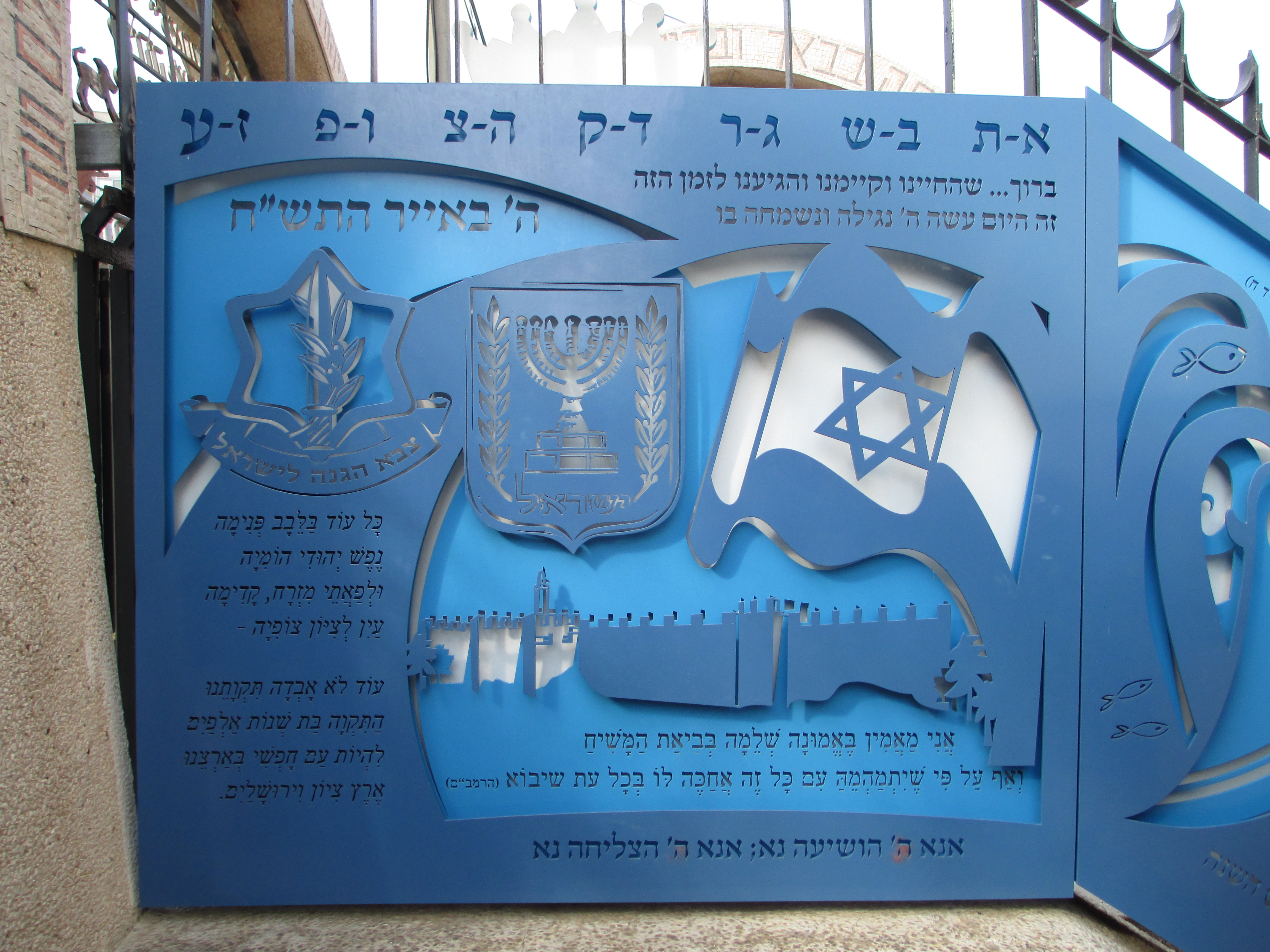
וזה גם יום העצמאות.
מסופר שאחרי שחרור צפת במלחמת העצמאות אמר זיידה הלר, הרב של צפת בזמנו, שהעיר ניצלה בזכות שני דברים: הנס והמעשה. המעשה – אלו התפילות של תושבי העיר הנצורים, והנס – זה שלוחמי הפלמ״ח הגיעו בזמן…
מה הוא המעשה בחיינו ומה הנס? איך נכיר את מה שעלינו לעשות ועל מה שעלינו להודות?
בחידון התנ״כ העולמי לנוער היום, ציטט יו״ר הכנסת אמיר אוחנה את חז״ל שאמרו ש״אין בעל הנס מכיר בניסו״ (נידה לא:א), ויהודה עמיחי שכתב כמו פירוש על כך:
מרחוק כל דבר נראה נס
אבל מקרוב גם נס לא נראה כך.
אפילו מי שעבר בים-סוף בבקיעת הים
ראה רק את הגב המזיע
של ההולך לפניו…” (‘ניסים’ יהודה עמיחי).
לא פעם אנחנו חושבים, לו רק ראינו איזה נס רציני, כבר היינו מאמינים בהכל! אבל הלוא, כמה ניסים יש לנו בכל יום ועדיין… האם נראה?
פרשת השבוע, פרשה כפולה – ״תזריע-מצורע״, ועיקרה במחלת הצרעת, מחלה תנ״כית משונה, שלמרות הדמיון בשם, אינה הצרעת המודרנית, זו שנראית בסרטים שונים כמו ״הפרפר״ ו״האי של סופיה״.
הצרעת של התורה היא נגעים – בגוף, בבגד ובבית – שבאים לאדם בגלל מעורבותו בהוצאת ״שם רע״. גם כאן, היא בד״כ מתורגמת כ״רכילות״, אבל לא רק. בעצם היא סימפטום של כל שימוש לא נכון בפה.
המצורע הראשון בתורה היה לא אחר ממשה רבנו, זה שהיה ״כבד פה וכבד לשון״, והיה לו צורך במתורגמן. אם נחשוב על 3 סוגי מערכות היחסים בחיינו – בין אדם לעצמו, בין אדם לאלוהיו ובין אדם לחברו, הרי שמשה התקשה מאד, כל חייו, במערכת היחסים שבין אדם וחברו, דבר שמסומל יותר מהשתים האחרות בדיבור. ועדיין, הוא למד לכוון ולדייק את דיבורו, עד כדי כך שבסוף התורה, אמר ספר שלם, את ספר ״דברים״ בעצמו.
כוח הדיבור הוא כוח לא פשוט, בלשון המעטה, והוא יכול להציל ולהרוס חיים.
המדרש אומר (ויקרא רבה, טז, ד): ר’ (א)לעזר בשם רבי יוסי בן זמרא אמר: רמ”ח איברים יש בו באדם, מהם רבוצין מהן זקופין. ולשון זה נתון בין שני לחיים ואמת המים עוברת תחתיו ומכופל כמה כפולות. בוא וראה כמה שריפות הוא שורף! אילו היה זקוף ועומד – על אחת כמה וכמה. לפיכך משה מזהיר את ישראל ואומר להם: “זאת תהיה תורת המצורע” – המוציא שם רע.
ובמקום אחר (מדרש תנחומא, פרשת מצורע, ד) נאמר שלשון הרע קשה מגילוי עריות, שפיכות דמים ועבודה זרה, שלושת ה״גדולים״, ולכך נאמר ״מוות וחיים ביד הלשון״ (משלי יח, כא). דבר אחר: “מות וחיים ביד לשון” – אל תאמר הואיל וניתנה לי רשות לדבר, הרי אני מדבר כל מה שאני מבקש. הרי כבר הזהירה התורה אותך: “נצור לשונך מרע ושפתיך מדבר מרמה״ (תהילים לד, יד). שמא תאמר שאתה מְחַסֵר (כלומר,את דואג שפספספת משהו בגלל שלא דברת? אל תדאג!) – אין אתה אלא מִשְׂתַּכֵּר! ורוח הקודש מצווחת: “שומר פיו ולשונו שומר מצרות נפשו” (משלי כא, כג). אל תהי קורא כן (״שומר מצרות נפשו״), אלא: שומר מצרעת נפשו.
שיהיה לנו עצמאות שמח ושבת שלום.
The Sages had a method for calculating all the holidays from a single day, so that if someone accidentally lost their calendar and only remembered one day, they could reconstruct the entire calendar from that day. The method is based on a code called “AT-BaSh.” In the code, the first letters of the Hebrew alphabet are replaced with the last letters. For example, Aleph is replaced with the letter Tav; Beit – with the letter Shin, Gimel with Reish, etc., etc.
The method is already mentioned in the Shulchan Aruch (Orach Chaim 128:3), where it says
A sign for determining the holidays A”T B”Sh G”R D”K H”TZ V”F namely, on the first day of Pesach, there will T”b (i.e. Tish’a Be’Av), and the sign is “you shall eat matzah and bitter herbs”; on the second day – it’s Shavuot; and the 3rd is RH (i.e. Rosh Hashana); the 4th is matched with Kof which stands for Kri’at HaTorah (reading the Torah, that is Simchat Torah in Israel); the 5th day is matched with Tzadi, the letter for tzom – fast day, therefore Yom Kippur, and the 6th day is like the most recent Purim.
What, what?
The start point is the 1st day of Pesach; This is the “Alef”. On the day of the week when the first day of Pesach falls, Tisha B’Av will also fall, and this is the letter Tav. The connection between them is that in the Haggadah for Pesach we read ““you shall eat matzah and bitter herbs” and the peak of bitterness is Tisha B’Av. On the day of the week when the second day of Pesach falls – there will also be Shavuot, that is – the letter B’ switches with Shin. On the third day of Pesach falls (this is the G’) – will be Rosh Hashana (R’); on the fourth day – D will be the day when we celebrate Simchat Torah (Kri’at haTorah – major torah reading); on the 5th day (H) – “fasting” (tzom, fasting, which starts with the letter tzadi) takes place and that refers to Yom Kippur, and the sixth day of Pesach (corresponding to the letter V’) – is the day when Purim (P’) falls.
But Pesach is 7 days! What about the 7th day of Pesach? According to this system, the 7th! Hebrew letter – Z – should be matched with a holiday in Ayin!
The Shulchan Aruch did not have an answer to this, but in recent generations, possibilities have been raised: It is possible that the Ayin we’re looking for, is a hint to the day when wood was no longer cut for sacrifices in the Temple, otherwise known as Tu BeAv (15th of Av), an answer that seems less exciting. But, it is also possible that the Ayim we’re looking for is Yom Ha’atzmaut, Israel’s Independence Day. Indeed, the 5th of Iyar falls on the same day in the week as the 7th day of Pesach, although sometimes the celebration is postponed to moved ahead.
O-kay, you say, you lost us a little but… nice, and what did you want to say with all of that?
Let’s go back to the 7th day of Pesach. If on the first day, we read about and ate the bitter herbs, and connected that to Tisha B’Av, then on the last day, the 7th day of Pesach, there was great joy, because on this day, according to our sages, the Sea was split and the entire process of the Exodus from slavery to freedom, at least stage one of it, was completed.
How was the sea split? It is written that Moses prayed. It is written that there was a great wind, that Gd Almighty who brought us out of Egypt, used the forces of nature and performed a miracle, but the Midrash says that it was Nachshon ben Aminadav, who would later become the prince / leader of the tribe of Judah, who saw that everyone was confused – Egyptians behind, desert on the sides, the sea in front, people praying – and he realized that something must be done. He started walking straight, into the water. Everyone held their breath. “Crazy!! What is he doing?”?? But he kept walking. And when the water reached his nostrils – that’s when the sea finally parted. So… a miracle from heaven or was it because of Nachshon? Or was the miracle Nachshon, and the wind acted in the way of nature?
Yes.
And this is also Yom Ha’atzmaut.
It is said that after the liberation of Safed in the 1948 War of Independence, Rav Zeida Heller, the rabbi of Safed at the time, said that the city was saved thanks to two things: the miracle and the action. The action – these are the prayers of the besieged city’s residents, and the miracle – that the Palmach fighters arrived on time…
What is the deed in our lives and what is the miracle? How do we know what to do and what to be thankful for?
In today’s World Youth Tanach Quiz (wow!), Knesset Speaker Amir Ohana quoted the sages who said that “the one to whole a miracle happens, does not recognize his miracle” (Nida 33:a), and Yehuda Amichai who wrote as if a commentary on this:
From a distance, everything seems miraculous
But up close, even a miracle does not seem so.
Even those who crossed the Sea, when the Sea split,
saw only the sweaty back
of the one who walked before him…” (‘Nissim / Miracles byYehuda Amichai).
More than once we think, if only we had seen some serious miracle, we would believed in everything! But how many miracles do we have every day and still… do we see?
***
This week’s Torah portion is the double portion of “Tazri’a-Metzora”, and its main focus is on the disease of tzara’at, wrongly translated as leprosy, a strange Biblical disease, which, despite the similarity in name, is not the modern leprosy, the one seen in various films such as “The Papllion” and “The Island”.
The leprosy of the Torah is lesions – on the body, clothing and home – that come to a person because of his involvement in spreading a “bad name”. Here too, it is usually translated as “gossip”, but not only. In fact, it is a symptom of any improper use of the mouth.
The first metzora in the Torah was none other than Moses our teacher, the one who was “heavy of mouth and heavy of tongue”, and he needed an interpreter. If we think about the 3 types of relationships in our lives – between a person and himself, between a person and his Gd, and between a person and his fellow, then Moses had great difficulty, throughout his life, in the relationship between a person and his fellow, which is symbolized more than the other two in speech. And yet, he learned to tune and precise his speech to the point that at the end of the Torah, he spoke an entire book, the book of “Deuteronomy” – Dvarim (from the same root as speech) by himself
The power of speech is not a simple power, to say the least, and it can save and destroy lives.
The Midrash says (Leviticus Rabbah, 16:4): Rabbi (E)lazar in the name of Rabbi Yossi ben Zimra said: There are 248 organs in a person, some of which are bent, some of which are erect. And this tongue is placed between the two cheeks and the watercourse passes under it and is folded under several times. Come and see how many fires it burns! If it were upright and standing – all the more so. Therefore, Moses warns Israel and tells them: “This will be the law of the metzora” – the one who brings forth a bad name.
And in another place (Midrash Tanhuma, Metzora, 4) it is said that speaking badly is worse than incest, bloodshed and idolatry, the three “big ones”, and for this it is said “death and life are in the hand of the tongue” (Proverbs 18:21). Another idea: “death and life are in the hand of the tongue” – do not say that since I have been given permission to speak, I will speak whatever I feel like. After all, the Torah has already warned you: “Keep your tongue from evil and your lips from speaking deceit” (Psalms 34:14). Lest you say that you are lacking (i.e., are you worried that you missed something because you did not speak? Don’t worry!) – you are only gaining! And the Holy Spirit screams: “He who guards his mouth and his tongue keeps himself from troubles (tzarot)” (Proverbs 21:23). Don’t read that (“keeps himself from troubles” – tzarot), but: keeps himself from tzara’at.
May it be a happy Yom Ha’atzmaut & Shabbat Shalom.


 Torah & more... תורה ועוד