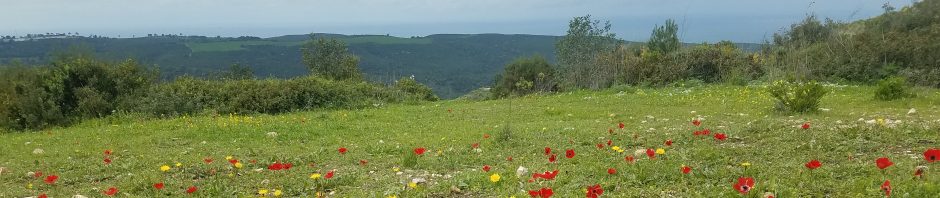
רגע לפני תורה שבכתב, תורה שבע״פ מימינו… כמה מילים על החיים כאן ועכשיו, שבוע שני למה שזה, אחרי שנתיים וחצי של משהו אחר, אחרי… אנשים שואלים אותי, מה שלומי. זו בערך השאלה הכי קשה שאפשר לשאול אותי. בתחילת המלחמה הזו (הכוונה לאוקטובר 2023), אמרתי, באנגלית, לא לשאול אותי ״האו אי אם דואינג״ אלא ״וואט״… אני יכולה לספר מה אני עושה. אין לי ממש מושג איך… אני 95% בסדר גמור, אבל לפעמים אני 100% ה- 5% הנותרים… אתמול, בתוך קצת שקט, ״קפצתי״ למשתלה. ״בטח, תלכי״, אמר לי השרברב שבא בזמן, כאילו כלום לא קרה בשבועיים האחרונים, לעשות תיקון שנקבע עוד לפני כן, ״זה מאד חשוב לנשמה״, כי בארץ השרב-רב הוא גם סוג של רב. הדרך למשתלה עוברת ליד בית הקפה השכונתי, שם אנשים יושבים ולוגמים להם את קפה הבקר שלהם בנחת (כן, יש מרחב מוגן). ליד הרמזור יש כבר פקק קטן, ומשם אני עולה לתוך הירוק של הכרמל, מתפרע בפריחה משגעת. במשתלה עצמה כמעט שאין חניה. אנשים מסתובבים בין הפטוניות לאמנון ותמר עם עגלות, מתלבטים בשאלות קיום הרות משקל, כמו איזה פרח מתאים לי איפה. אי-שם, ביקום מקביל ולא נושק, יש מלחמה וחרדות ולילות חסרי שינה, אבל זה כאילו מאז ״ששת הימים״, אנחנו לא יודעים איך לעשות מלחמה יותר משבוע. יש מעין, ״טוב, הבנתי, ולי, מספיק״ ומתנהלים עם זה. כל זה, נתן לי קצת כוח, קצת רגיעה. נשמתי גם אני את אויר הפסגות של ההר היפיפה שלי וחייכתי לעובד, שבדיוק ארגן סידור פרחים צבעוני לאיזה אירוע, ואמר שתיכף יעזור לי, ב״אין לחץ, הכל בסדר״. כמובן ששתי דקות אחרי שנכנסתי הביתה, יללו הצופרים שוב וכמה בומים נשמעו ברקע. במשפחה שלנו אנחנו אומרים, שזה בסדר לא להיות בסדר… וזה מה שיש לי כעת: 95% בסדר, 5% – גמור…
״אלה פקודי המשכן״: להמשיך במסע ביחד
https://open.spotify.com/episode/6hMu8ZXRK22bsBpgWBhzcX
שתי פרשות נקרא בשבת הזו, והשניה מהן מתחילה ב״אֵ֣לֶּה פְקוּדֵ֤י הַמִּשְׁכָּן֙ מִשְׁכַּ֣ן הָעֵדֻ֔ת אֲשֶׁ֥ר פֻּקַּ֖ד עַל־פִּ֣י מֹשֶׁ֑ה”… (שמות לח:כא). המדרש מספר לנו שמשהסתיימה הבניה, ערך משה חשבון מדוקדק על כל דבר ודבר שנתרם ונכלל במשכן. ומיד נשאלת השאלה, האמנם? משה? הרי עליו יאמר “לֹא־כֵ֖ן עַבְדִּ֣י מֹשֶׁ֑ה בְּכׇל־בֵּיתִ֖י נֶאֱמָ֥ן הֽוּא׃ פֶּ֣ה אֶל־פֶּ֞ה אֲדַבֶּר־בּ֗וֹ וּמַרְאֶה֙ וְלֹ֣א בְחִידֹ֔ת וּתְמֻנַ֥ת ה’ יַבִּ֑יט וּמַדּ֙וּעַ֙ לֹ֣א יְרֵאתֶ֔ם לְדַבֵּ֖ר בְּעַבְדִּ֥י בְמֹשֶֽׁה”… (במדבר יב:ז) האם מישהו חשד במשה שלקח דבר מה בבניית המשכן, או שטעה בחישוב לטובתו??
מסתבר שאין חדש וההנהגה תמיד היתה נתונה לבקורת, ולא תמיד בלי צדק. המדרש מספר שמשה שמע את בני ישראל מדברים אחריו כשעבר במחנה. חלק אכן דברו בשבחו, אך חלק הביטו אחריו כשהלך לאוהל, ואמרו דברים “לגנאי… ראה צווארו! ראה שוקיו! ראה כרעיו! אוכל משל יהודים, שותה משל יהודים, וכל מה שיש לו משל יהודים!” ממשיך ומסיים המדרש: “כיון ששמע משה כך, אמר להם: חייכם (לשון שבועה)! משהמשכן נגמר, אני נותן לכם חשבון. שנאמר ‘אלה פקודי המשכן’” (ילקוט שמעוני על התורה תט״ו:א׳).
משה יכל היה להגיד, ׳מה?? איך אתם מדברים עלי?? אני משה רבנו! אני איש האלוהים!׳ ולמנות כל מיני דברים מופלאים שהוא עשה והיה. אבל משה בדרכו, מבין את דאגת העם, דאגה שלא יעזרו לה דיבורים על כמה הוא ״באמת בסדר״, ושאי אפשר לבטל בלי בדיקה ושקיפות של ספרי החשבונות. ויותר מזה: משה בעצם לוקח את ההזדמנות כדי ללמד אותנו את דרך ניהול כספי הציבור, במיוחד כאלה שנתרמו למען מטרה משותפת. לכן, למרות החזרה הנוספת (ויש שיגידו המשעממת) על בניית המשכן, הוא נפנה לתיאור מדויק ומפורט של כמה ומה היה לנו כאן.
אבל… אופס. כשמתחילים לבדוק, בד״כ גם מוצאים משהו.
המדרש מספר לנו שמשה אמר, שאם בני ישראל מודאגים, אין בעיה, הוא יעשה חשבון של הכל יחד איתם: ״אֵלֶּה פְקוּדֵי הַמִשְׁכָּן, וְהוּא נוֹתֵן לָהֶם חֶשְׁבּוֹן עַל כָּל דָּבָר וְדָבָר, לַזָּהָב וְלַכֶּסֶף וְלַנְּחֹשֶׁת, ׳וְכֶסֶף פְּקוּדֵי הָעֵדָה מְאַת כִּכָּר, וְאֶלֶף וּשְׁבַע מֵאוֹת, וַיְהִי מְאַת כִּכַּר הַכֶּסֶף לָצֶקֶת, וּנְחֹשֶׁת הַתְּנוּפָה שִׁבְעִים כִּכָּר׳ (שמות לח,כה)״. וכך משה רושם הכל, ותוך כדי שהוא עושה חשבון, ״שָׁכַח אֶלֶף וְשְׁבַע מֵאוֹת וַחֲמִשָּׁה וְשִׁבְעִים שֶׁקֶל שֶׁעָשָׂה מֵהֶן וָוִין לָעַמּוּדִין וְלֹא הָיוּ נִרְאִין״.
אוי ואבוי. לאן נעלמו 1775 שקל? נכון, זה לא הרבה כסף כשמדובר בבניית כל המשכן, ועדיין… משה בפניקה: איפה זה יכול להיות? ״הִתְחִיל עוֹמֵד תָּמֵּהַּ וְאוֹמֵר: עַכְשָׁו יִמְצְאוּ יְדֵיהֶם שֶׁל יִשְׂרָאֵל עָלַי לוֹמַר, שֶׁאֲנִי נָטַלְתִּי אוֹתָם! וְהוּא חוֹזֵר לָבוֹא עַל כָּל מְלָאכָה וּמְלָאכָה. מִיָּד הֵאִיר הַקָּדוֹשׁ בָּרוּךְ הוּא אֶת עֵינָיו, וְתָלָה עֵינָיו וְרָאָה שֶׁהָיוּ עֲשׂוּיִין וָוִין לָעַמּוּדִים. הִתְחִיל לְהָשִׁיב לָהֶם בְּקוֹל רָם, וְאֶת הָאֶלֶף וּשְׁבַע הַמֵּאוֹת וַחֲמִשָּׁה וְשִׁבְעִים עָשָׂה וָוִים לָעַמּוּדִים. בְּאוֹתָהּ שָׁעָה נִתְפַּיְּסוּ יִשְׂרָאֵל. מִי גָרַם לוֹ? עַל יְדֵי שֶׁיָּשַׁב וְעָשָׂה חֶשְׁבּוֹן, אֵלֶּה פְקוּדֵי הַמִּשְׁכָּן״ (מדרש תנחומא, פקודי ז׳:ג׳).
מייד לאחר מכן, מציינת התורה את שמות הבונים: “וּבְצַלְאֵ֛ל בֶּן־אוּרִ֥י בֶן־ח֖וּר לְמַטֵּ֣ה יְהוּדָ֑ה עָשָׂ֕ה אֵ֛ת כׇּל־אֲשֶׁר־צִוָּ֥ה ה’ אֶת־מֹשֶֽׁה׃ וְאִתּ֗וֹ אׇהֳלִיאָ֞ב בֶּן־אֲחִיסָמָ֛ךְ לְמַטֵּה־דָ֖ן חָרָ֣שׁ וְחֹשֵׁ֑ב וְרֹקֵ֗ם בַּתְּכֵ֙לֶת֙ וּבָֽאַרְגָּמָ֔ן וּבְתוֹלַ֥עַת הַשָּׁנִ֖י וּבַשֵּֽׁשׁ”. בצלאל ואהליאב היו שונים זה מזה, בדיוק כמו ששבט יהודה שבט דן היו שונים זה מזה: דן היה ״בן השפחה״ והוא מייצג טיפוס יותר אנרכיסט ואינדיבידואליסט, בשעה ששבט יהודה נחשב כלוקח אחריות, מנהיג מלכותי שממנו באה שושלת דוד.
ועדיין, אי אפשר לבנות מקום לשכינה בישראל בלי שותפות של כל הכוחות בעם, גם אם הם מנוגדים לחלוטין זה לזה ולא תמיד, ואולי אף פעם לא, מסכימים זה עם זה. נאמר, ״יהי המשכן אחד״ (שמות לו,יג): המשכן עשוי מחלקים, צבעים וחומרים רבים ושונים, אך כדי שיתקיים, צריך את כולם, אז וגם כיום.
הספר השני בתורה מסתיים בפסוק: “כִּי֩ עֲנַ֨ן ה’ עַֽל־הַמִּשְׁכָּן֙ יוֹמָ֔ם וְאֵ֕שׁ תִּהְיֶ֥ה לַ֖יְלָה בּ֑וֹ לְעֵינֵ֥י כׇל־בֵּֽית־יִשְׂרָאֵ֖ל בְּכׇל־מַסְעֵיהֶֽם״ (שמות מ,לח). רש״י על הפסוק הזה אומר: ״מְקוֹם חֲנִיָּתָן אַף הוּא קָרוּי מַסָּע״….
גם החניה היא חלק מהמסע, בדיוק כמו שהשקט בין התווים הוא חלק מהמוסיקה, הלבן בין האותיות הוא חלק מהכתב, השבת וימי החול הם חלק מאותו השבוע, ואנשים ״אחרים״ הם חלק מהעם הזה.
אני כותבת בין שעות של שקט ושלווה, ואפילו ציוץ ציפורים וקולות צחוק ומשחק של הילדים, לרגעי אימה לקול התרעות ואזעקות עולות ויורדות. רק בשבוע שעבר שרנו ״מי שנכנס אדר, מרבים בשמחה״ (תענית כט:א), ורש״י שם מוסיף: ״ימי נסים היו לישראל, פורים ופסח״. בתקוה ותפילה.
בשורות טובות, חודש טוב ושבת שלום.
“These Are the Accounts of the Tabernacle”: Continuing the Journey Together with the Torah portions of VaYak’hel-Pekudei
Just before the Written Torah, the Oral Torah from our time… a few words about life here and now. The second week of this thing, after two and a half years of something else, after… People ask me how I am. That’s about the hardest question anyone can ask me. At the beginning of this war (October 2023), I said—in English—not to ask me “how I’m doing,” but “what”… I can tell you what I’m doing. I don’t really have much idea how I am. I’m 95% totally fine, but sometimes I’m 100% of the remaining 5%… Yesterday, during a bit of quiet, I “popped” over to the nursery. “Sure, go,” said the plumber who had arrived right on time, as if nothing had happened in these last 2 weeks, to do a repair that had been scheduled earlier. “It’s very important for the soul,” he said, because in Israel ,a shrav-rav (plumber) is also a kind of rav (rabbi). The road to the nursery passes by the neighborhood café, where people sit calmly sipping their morning coffee (yes, there’s a shelter nearby). By the traffic light there’s already a small jam, and from there I drive up into the greenery of the Carmel, bursting with breathtaking colorful flowers blossoming. At the nursery itself there’s almost no parking. People wander among the petunias and pansies with carts, debating weighty existential questions like which flower suits which spot. Somewhere, in a parallel universe that doesn’t quite touch ours, there is war and anxiety and sleepless nights. But it’s as if since the Six-Day War we haven’t really known how to deal with war for more than a week. There’s a kind of, “Okay, I get it, that’s enough for me,” and people just carry on with life. All of this gave me a little strength, a little calm. I too breathed the air of my beautiful mountain and smiled at the worker who was just arranging a colorful bouquet for some event and said he’d help me in a moment, with a “no pressure, everything’s fine.” Of course, two minutes after I walked into my home, the sirens wailed again and a few booms sounded in the not too far distant… In our family we say that it’s okay not to be okay… This is what I have now: 95% fine, 5% totaled…
We’ll read 2 Torah portions this Shabbat,and the 2nd will start with – “These are the accounts of the Tabernacle, the Tabernacle of the Testimony, which were reckoned at Moses’ command…” (Exodus 38:21). The Midrash tells us that when the construction was completed, Moses made a meticulous accounting of every single item that had been donated and incorporated into the Tabernacle.
The question immediately arises: really? Moses? Of him it is said: “Not so My servant Moses; he is faithful in all My house; with him I speak mouth to mouth, plainly and not in riddles, and he beholds the form of the Hashem. Why then are you not afraid to speak against My servant, against Moses?” (Numbers 12:7–8). Did anyone truly suspect Moses of taking anything from the Tabernacle’s materials, or of making a calculation in his own favor?
It turns out there is nothing new under the sun: leadership has always been subject to criticism, and not always without reason. The Midrash recounts that Moses heard some of the Israelites speaking about him as he passed through the camp. Some indeed praised him, but others looked after him as he went toward his tent and said disparaging things: “Look at his neck! Look at his legs! Look at his thighs! He eats from the Jews, he drinks from the Jews, and everything he has comes from the Jews!” The Midrash continues and concludes: “When Moses heard this, he said to them: By your lives! Once the Tabernacle is finished, I will give you a full accounting. As it is said, ‘These are the accounts of the Tabernacle’” (Yalkut Shimoni on the Torah 415:1).
Moses could have said, “What? How dare you speak about me this way? I am Moses our teacher! I am the man of Gd!” He could have listed all the extraordinary things he had done and who he was. But Moses, in his way, understands the people’s concern—a concern that cannot be answered merely by speeches about how he is “really fine,” and that cannot simply be dismissed without examining the books with transparency. And more: Moses actually seizes the opportunity to teach us how public funds should be managed, especially funds donated for a shared purpose. Therefore, despite the additional (some might say tedious and boring) repetition of the building of the Tabernacle, the text turns to a precise and detailed accounting of how much of each material there was.
But… oops. We know how it goes. Once you begin checking, you usually find something.
The Midrash tells us that Moses said: if the Israelites are worried, no problem, he will calculate everything together with them. “These are the accounts of the Tabernacle (Pekudei Hamishkan),” and he gives them an accounting for every item: gold, silver, and copper: “The silver of those of the congregation who were counted was one hundred talents and 1,775 shekels… the hundred talents of silver were used for casting the bases… and the copper of the elevation offering was seventy talents” (Exodus 38:25). Moses writes everything down, and while making the calculations he “forgot the 1,775 shekels that had been used to make hooks for the pillars, and they were not visible.”
Oh dear. Where did the 1,775 shekels go? True, it is not a large sum in the context of building the entire Tabernacle, and yet… Moses panics. Where could it be? “He stood there astonished and said: Now the Israelites will find grounds against me and say that I took them! And he went back to review every piece of work.” Immediately, the Holy One, blessed be He, illuminated his eyes, and he lifted his gaze and saw that they had been made into hooks for the pillars. “He began to answer them in a loud voice: the 1,775 shekels were made into hooks for the pillars.” At that moment the Israelites were appeased. What caused this? Because he sat down and made a careful accounting: “These are the accounts of the Tabernacle” (Midrash Tanchuma, Pekudei 7:3).
Immediately afterward, the Torah mentions the names of the builders: “Bezalel son of Uri, son of Hur, of the tribe of Judah, made everything that Hashem had commanded Moses. With him was Oholiab son of Ahisamach, of the tribe of Dan, a craftsman, a designer, and an embroiderer in blue, purple, and crimson yarn, and fine linen.” Bezalel and Oholiab were different from one another, just as the tribe of Judah and the tribe of Dan were different from one another. Dan was the “son of the maidservant,” representing a more anarchic and individualistic type, while the tribe of Judah was considered responsible, a royal leader from whom the Davidic dynasty would emerge.
And yet, it is impossible to build a place for the Divine Presence in Israel without the partnership of all the forces within the people, even if they are completely opposed to one another and do not always, and perhaps never, agree with each other. It is said, “Let the Tabernacle be one” (Exodus 36:13): the Tabernacle is made from many parts, colors, and materials, yet in order for it to come together, it needs them all, then as now.
The second book of the Torah ends with the verse: “For the cloud of the Lord was upon the Tabernacle by day, and fire was in it by night, before the eyes of all the house of Israel throughout all their journeys” (Exodus 40:38). Rashi comments on this verse: “Even the place of their encampment is also called a journey.”
Even the resting is part of the journey: just as the silence between notes is part of music, the white space between letters is part of writing, the Sabbath and the weekdays are part of the same week, and “other” people are part of this People.
I write between hours of quiet and tranquility – one can hear the chirping of birds and the sounds of children laughing and playing – and moments of horror at the sound of alerts and sirens wailing. Only last week we sang, “When the month of Adar begins, joy increases” (Ta’anit 29a), and Rashi there adds: “Those were days of miracles for Israel, Purim and Passover.” Here we are too, with hope and prayer.
May we hear good news, have a good month, and a Shabbat Shalom.



 Torah & more... תורה ועוד