Our First National Museum – the Torah portion of Korach

פרשת קורח – המוזיאון הלאומי הראשון

During the Israelite’s forty years of wandering, many experiences and events happened to them: they received the Torah. They built a tabernacle for Gd’s presence among them. They had manna to taste like all the foods possible. From time to time, meat appeared. Sometimes, there were problems with the water. There were complaints. There were those who thought it was necessary to replace Moshe and Aaron, and there were those who appreciated and loved the established leadership. It is tempting – and this is almost certainly what will happen – to spend this Shabbat discussing leadership and controversy; whether, when and how to replace leadership and also when not; the similarities and differences between then and now… But I got to learn something exciting and new, and I would love to share it. Turns out that in the background, among all the known things, the Israelites also built the first museum in the world. What? a museum? Yes!במשך ארבעים שנות נדודי בני ישראל, עברו עליהם הרבה חוויות ואירועים: הם קבלו את התורה. הם בנו משכן לנוכחות הקב”ה בתוכם. ירד להם מן בטעם כל המאכלים שאפשר. מידי פעם, בא להם בשר. לפעמים, היו צרות עם המים. היו תלונות. היו מי שרצו ללכת לארץ מיד, ומי שפחדו ולא רצו ללכת בכלל. היו מי שחשבו שצריך להחליף את משה ואהרון, והיו מי שהעריכו ואהבו את המנהיגות הקימת.
מפתה – וקרוב לודאי זה מה שיקרה – לבלות את השבת הזו בדיון על מנהיגות ומחלוקת, אם, מתי ואיך להחליף מנהיגות וגם מתי לא, הדומה והשונה אז והיום…
אך זכיתי ללמוד דבר מרגש וחדש, ואותו אשמח לשתף.
כי מסתבר שברקע, בין כל הדברים הידועים, בני ישראל גם בנו את המוזיאון הראשון בעולם.

מה? מוזיאון? כן!
The truth is that I didn’t really think about it that way either, until last Shabbat when I had the privilege to be in a thought-provoking class. The person who gave the lesson was not a famous rabbi but just someone from the community; someone who loves Torah and Eretz Yisrael and shared from his ideas. A “regular person”. When I asked Google about him, I learned that 13 years ago, he was awarded the title of “Chatan HaTanach” – Bible Contest Winner for seniors,  so maybe not completely “regular”, and maybe we are blessed to merit to have these kind of people are the “regulars” nowadays, among us. Either way, how come a museum?האמת שגם אני לא ממש חשבתי על זה כך, עד השבת האחרונה כשזכיתי להיות בשיעור מעורר מחשבה. מי שהעביר את השיעור, לא היה רב מפורסם אלא אדם מהקהילה, אוהב תורה וארץ ישראל ששיתף מרעיונותיו. אדם “רגיל”.
כששאלתי את גוגל עליו, למדתי שלפני 13 שנה, זכה בתואר “חתן התנ”ך” בארץ לגימלאים, אז אולי לא לגמרי “רגיל”, ואולי אשרינו שזכינו שאלו הם האנשים “הרגילים” במקומותינו.
כך או כך, מה פתאום מוזיאון?  
In this week’s Torah portion, Korach, we’re told about the rebellion of Korah and his entire congregation against the leadership of Moshe and Aaron. As we know, the earth opens its mouth and swallows Korach and his family, as well as Datan and Aviram, his supporters. The rest of the those offering the incense, are burned by the fire that comes from Gd. Moshe commands “Eleazar son of Aaron to take the copper fire pans which had been used for offering by those who died in the fire; and they were hammered into plating for the altar, as H’ had ordered him through Moses. It was to be a reminder to the Israelites, so that no outsider—one not of Aaron’s offspring—should presume to offer incense before H’ and suffer the fate of Korah and his band” (Numbers 17:4-5). That is, they made the pans into covering for the altar to remind and learn the heritage of the past and educate for the future.בפרשת השבוע, פרשת קורח, מסופר על מרידת קורח וכל עדתו נגד הנהגת משה ואהרון. כידוע פותחת האדמה את פיה ובולעת את קרח ומשפחתו, ואת דתן ואבירם תומכיו. שאר מקטירי הקטורת נשרפים באש שיצאה מאת ה’.
משה מצווה את אלעזר בן אהרון לקחת את המחתות….
“וַיִּקַּ֞ח אֶלְעָזָ֣ר הַכֹּהֵ֗ן אֵ֚ת מַחְתּ֣וֹת הַנְּחֹ֔שֶׁת אֲשֶׁ֥ר הִקְרִ֖יבוּ הַשְּׂרֻפִ֑ים וַֽיְרַקְּע֖וּם צִפּ֥וּי לַמִּזְבֵּֽחַ׃ זִכָּר֞וֹן לִבְנֵ֣י יִשְׂרָאֵ֗ל לְ֠מַ֠עַן אֲשֶׁ֨ר לֹֽא־יִקְרַ֜ב אִ֣ישׁ זָ֗ר אֲ֠שֶׁ֠ר לֹ֣א מִזֶּ֤רַע אַהֲרֹן֙ ה֔וּא לְהַקְטִ֥יר קְטֹ֖רֶת לִפְנֵ֣י ה’ וְלֹֽא־יִהְיֶ֤ה כְקֹ֙רַח֙ וְכַ֣עֲדָת֔וֹ כַּאֲשֶׁ֨ר
דִּבֶּ֧ר ה’ בְּיַד־מֹשֶׁ֖ה לֽוֹ”,
כלומר, את המחתות עשו שיהיו ציפוי למזבח כדי להזכיר וללמוד מורשת העבר ולחנך לעתיד.  
According to Wikipedia, a museum… a word that comes from the Greek as “Hall of the Muses”, is a place where collections in a certain field or several fields are gathered: art, antiquities, etc… It is an institution that allows the public access to exhibits that represent a variety of phenomena in nature, culture, history and heritage, for the purposes of education, research, study, heritage interpretation, and enjoyment. It turns out that part of what was done in the Mishkan was not only a connection with Gd, but also a connection for the people with their past, their heritage, their culture, and their history for the purposes of education, study, etc… Wow. But, maybe this is a single example… ?לפי ויקיפדיה, מוזיאון… מילה שמקורה ביוונית כ”היכל המוזות”, הוא מקום שמרוכזים בו אוספים בתחום מסוים או בתחומים אחדים: אומנות, עתיקות וכו… זהו מוסד המאפשר לציבור גישה למוצגים המייצגים מגוון תופעות טבע, תרבות, היסטוריה ומורשת, לצורכי חינוך, מחקר, לימוד, המסרה והנאה.
מסתבר שחלק ממה שנעשה במשכן לא היה רק קשר עם הקב”ה, אלא גם קשר לעם עם עברו, מורשתו, תרבותו, וההסטוריה שלו למטרות חינוך, לימוד וכו…

טוב, אולי זו דוגמה יחידה… ?  
A few verses later, we are told that in order to strengthen choosing Aaron, Gd commanded that twelve staffs be taken, a staff for each of the tribal leaders, and put them in the tent of meeting. The next day it was discovered that Aharon’s staff was the only one that bloomed with flowers and almonds. Nice! But behold, Gd commands to keep the flowering staff near the Ark of the Covenant as a testimony. Again, not for the sake of the sacrifices and the relationship between God and His people, but so that the Children of Israel can see, remember and learn from the past for the future.כמה פסוקים לאחר מכן, מסופר לנו שכדי לחזק את בחירתו של אהרן מצווה ה’ לקחת שנים עשר מטות, מטה לכל נשיא מנשיאי השבטים, ולשים אותם באוהל מועד.
למחרת נתגלה כי מטה אהרון הוא היחיד שהעלה פרחים ושקדים. נחמד! והנה, הקב”ה מצווה לשמור על המטה הפורח ליד ארון הברית לעדות. שוב, לא בשביל הקורבנות והקשר בין הקב”ה לעמו, אלא כדי שבני ישראל יוכלו לראות, לזכור וללמוד מהעבר לעתיד.  
Another item that was placed in our museum is the Copper Snake about which we will read in next week’s Torah portion, Chukat, as well as a jar (most likely not glass but pottery) of manna. And so it is said: Moses said, “This is what H’ has commanded: Let one omer of it be kept throughout the ages, in order that they may see the bread that I fed you in the wilderness when I brought you out from the land of Egypt. And Moses said to Aaron, “Take a jar, put one omer of manna in it, and place it before H’, to be kept throughout the ages.” (Exodus 16:32-35).פריט נוסף שהונח במוזיאון שלנו הוא נחש הנחושת עליו נקרא בפרשת חוקת בשבוע הבא, וכן צנצנת (קרוב לודאי לא מזכוכית אלא מחרס) של מן.
וכך נאמר:
וַיֹּ֣אמֶר מֹשֶׁ֗ה זֶ֤ה הַדָּבָר֙ אֲשֶׁ֣ר צִוָּ֣ה ה’: מְלֹ֤א הָעֹ֙מֶר֙ מִמֶּ֔נּוּ לְמִשְׁמֶ֖רֶת לְדֹרֹתֵיכֶ֑ם לְמַ֣עַן יִרְא֣וּ אֶת־הַלֶּ֗חֶם אֲשֶׁ֨ר הֶאֱכַ֤לְתִּי אֶתְכֶם֙ בַּמִּדְבָּ֔ר בְּהוֹצִיאִ֥י אֶתְכֶ֖ם מֵאֶ֥רֶץ מִצְרָֽיִם׃ וַיֹּ֨אמֶר מֹשֶׁ֜ה אֶֽל־אַהֲרֹ֗ן קַ֚ח צִנְצֶ֣נֶת אַחַ֔ת וְתֶן־שָׁ֥מָּה מְלֹֽא־הָעֹ֖מֶר מָ֑ן וְהַנַּ֤ח אֹתוֹ֙ לִפְנֵ֣י ה’ לְמִשְׁמֶ֖רֶת לְדֹרֹתֵיכֶֽם…
(פרשת “בשלח”, שמות, טז, לב-לה).
Even the fragments of the first tablets that Moses broke in the sin of the Golden Calf, were not thrown away but placed in the ark, and the Gemara calculates exactly how much space they needed (Bava Batara 14:b). And, years later, the sword of Goliath, the Philistine was kept in the Tabernacle, and even King David’s garment that he wore in that battle against Goliath, also, was kept in the Tabernacle.גם שברי הלוחות הראשונים ששיבר משה בחטא העגל, לא נזרקו אלא הונחו בארון, והגמרא מחשבת במדויק לכמה מקום נזקקו (בבא בתרא יד:ב),
ושנים מאוחר יותר, חרב גלית הפלישתי – נשמרה במשכן, ואפילו הבגד של דוד המלך בקרב מול גולית, גם הוא נשמר במשכן.  
Already then it was clear that the future generations would question everything, expressing different levels of disbelief that once there were miracles, there were Tablets, there was manna, there was Korah, there was a staff that bloomed with flowers and almonds. “A nation that does not know its past, has a scant present and a fogged future” said Yigal Alon, a completely modern phrase, yet, expressing something that started already thousands of years ago, when we established our “first national museum” back in the Mishkan.כבר אז היה ברור שיבואו דורות חדשים בעתיד שישאלו שאלות ויביעו רמות שונות של חוסר אמונה בכך שפעם היו ניסים, שהיו לוחות, שהיה מן, שהיה קורח, שהיה מטה שהעלה פרחים ושקדים.
“עם שאינו יודע את עברו, ההווה שלו דל, ועתידו לוט בערפל”, אמר יגאל אלון משפט מודרני לחלוטין, והנה הוא מבטא משהו שהתחיל כבר לפני אלפי שנים, כשעוד במשכן הקמנו את ה”מוזיאון הלאומי הראשון” שלנו.  

שבת שלום וחודש תמוז טוב *** SHABBAT SHALOM & A GOOD MONTH OF TAMUZ
Posted in Uncategorized | Leave a comment

Because she acted out of love, the Holy One gave her from love… Sh’lach lecha (plus)…

“על שעשתה מאהבה נתן לה המקום מאהבה”… פרשת שלח לך (והפטרתה)

In our tradition there are heroes and heroines who live in our consciousness by their name and their title together: Moshe – rabenu – our teacher. Abraham – avinu – our forefather. Sara – imenu – our mother. David – the king. Ester – the queen. Ruth – the Moabite. Rahab – hazona – the prostitute.במסורת שלנו יש גיבורים וגיבורות שחיים בתודעה שלנו בשמם ותאורם גם יחד:
משה – רבנו. אברהם – אבינו. שרה – אמנו. דוד – המלך. אסתר – המלכה. רות – המואביה. רחב – הזונה.  
Rahav’s story appears in the haftara of this week’s Torah portion, Sh’lach-lecha. The central part of the fourth portion in the Book of Numbers describes the sin of the “spies”, a group that probably constituted the new generation of tribal leaders. They went out to explore the Land on a kind of a “Birthright” trip, and instead of returning “seeing lights”, they brought a false report to the people. As in our days, it was not the hard facts that were in dispute here, but the way in which they chose to tell these facts. They could, for example, “show off” and tell about the beauty of the Land and the huge and wonderful fruits it has, but instead, use those facts to frighten, oppress and discourage the Israelites waiting impatiently in the desert, along the lines of, ‘Look, look! Aren’t these beautiful?? Now think, if this the size of the fruit, imagine what giants live there who can eat such fruits! “we saw the Nephilim there—the Anakites are part of the Nephilim—and we looked like grasshoppers to ourselves, and so we must have looked to them.” (Numbers 13:33)  סיפורה של רחב מופיע בהפטרה של פרשת השבוע הזו, פרשת שלח-לך. החלק המרכזי של הפרשה הרביעית בספר במדבר מתאר את חטא ה”מרגלים”, חבורה שכנראה הוותה את הדור החדש של מנהיגי השבטים.
הם יצאו לתור את הארץ במעין טיול “תגלית”, ובמקום לחזור ב”אורות”, הביאו דו”ח כזב לעם. כמו גם בימינו, לא העובדות היבשות היו כאן במחלוקת אלא הדרך בה בחרו לספר את העובדות האלה.
הם יכלו, למשל, “להשויץ” ולספר על יופיה של הארץ ועל הפירות הענקיים והנפלאים שיש בה, ובמקום זאת, השתמשו באותן עובדות כדי להפחיד, לדכא ולייאש את בני ישראל המחכים במדבר בקוצר רוח, בנוסח, ‘תראו, תראו! יפה, מה?? עכשיו תחשבו, אם זה גודל הפרי, תארו לכם איזה ענקים חיים שם שיכולים לאכול פירות כאלה! “וְשָׁ֣ם רָאִ֗ינוּ אֶת־הַנְּפִילִ֛ים בְּנֵ֥י עֲנָ֖ק מִן־הַנְּפִלִ֑ים וַנְּהִ֤י בְעֵינֵ֙ינוּ֙ כַּֽחֲגָבִ֔ים וְכֵ֥ן הָיִ֖ינוּ בְּעֵינֵיהֶֽם” (במדבר יג:לג)….  
As a result of the sin, it was decreed for that generation that all the veterans of the army in it will die in the desert within about 40 years and will not enter the Land (that is, the men will not enter but the women – yes). Later in the Torah portion, the people of Israel are given a number of mitzvot, among them the mitzvah of Tzizit. The Haftara, the part from the Prophets that is read along this Torah portion, also deals with spies, this time, not a big, cumbersome expedition, but only two, whose question is “how” to advance in the journey to the Land of Israel, and not “if”. And so we’re told: Joshua son of Nun secretly sent two men from Shittim as spies, saying, “Go, reconnoiter the region of Jericho.” So they set out, and they came to the house of a certain prostitute named Rahav and lodged there (Joshua 2:1).בעקבות החטא נגזר על אותו דור שכל יוצאי הצבא בו ימותו במדבר בתוך כ-40 שנה ולא יכנסו לארץ (כלומר, הגברים לא יכנסו אך הנשים – כן).
בהמשך הפרשה, ניתנות לעם ישראל מספר מצוות וביניהן מצוות ציצית.  
גם ההפטרה, החלק מפרקי הנביאים שנקרא במקביל לפרשת השבוע, עוסקת במרגלים, הפעם, לא משלחת שלמה ומסורבלת, אלא רק שניים, שהשאלה העומדת בפניהם היא “איך” להתקדם במסע לארץ, ולא “אם”. וכך מסופר לנו:
וַיִּשְׁלַח יְהוֹשֻׁעַ בִּן נוּן מִן הַשִּׁטִּים שְׁנַיִם אֲנָשִׁים מְרַגְּלִים חֶרֶשׁ לֵאמֹר לְכוּ רְאוּ אֶת הָאָרֶץ וְאֶת יְרִיחוֹ וַיֵּלְכוּ וַיָּבֹאוּ בֵּית אִשָּׁה זוֹנָה וּשְׁמָהּ רָחָב וַיִּשְׁכְּבוּ שָׁמָּה (יהושע ב:א).  
In Bible classes in elementary school, our teacher explained that Rahav “hazona” was a “food seller” (selling “mazon”). The teacher didn’t make this up to protect our innocent souls. Rashi also, based on Second Temple literature (for example, the writings of Yosef ben Matityahu) went in the direction of “inn-keeper”. The Sages were much less politically-correct. On the contrary: the fact that Rahav was a Canaanite of the lowest social status, a prostitute living in the city wall, the place of the fringe people, only increases the fact that she internalized and understood the meaning of Gd’s divine promise to his people in the Land.בשיעורי התנכ בבית הספר היסודי, המורה הסבירה שלנו שרחב היתה “מוכרת מזון”. המורה לא המציאה את זה כדי להגן על נפשותינו התמימות. גם רש”י, בהתבסס על ספרות בית שני (למשל, כתבי יוסף בן מתיתיהו) הלך בכיוון “פונדקאית”.
חז”ל היו הרבה פחות פוליטיקלי-קורקט.
להיפך: היותה של רחב כנענית מהסטטוס החברתי הנמוך ביותר, זונה שגרה בחומת העיר, מקום אנשי השוליים, רק מגדיל את העובדה שהיא הפנימה והבינה את משמעות ההבטחה האלוהית של ה’ לעמו בארץ.  
The midrash in the Mechilta of Rabbi Ishmael says that “Rahav the prostitute was ten years old when Israel left Egypt, and for the whole 40 years that Israel was in the desert she committed adultery. When she was 50 years  old, she converted”… The Gemara says that “there are eight prophets who were priests who were offspring of Rahav hazona (including Jeremiah, and Huldah the prophetess)… then she converted and married Joshua” (Megillah 14:b). Elsewhere it’s written “that her daughters were married to the priesthood and gave birth to sons who would stand and serve at the altar, and would enter the Temple and bless Israel in Gd’s holy name” (Bamidbar Rabbah 8:9). That is, despite her somewhat dubious actions at the beginning of her life (and we are not talking about a small sin here and there, but for 40 years!), she was the grandmother to prophets and priests.המדרש במכילתא דרבי ישמעאל מספר, ש”רחב הזונה היתה בת עשר שנים היתה כשיצאו ישראל ממצרים, וכל מ’ (40) שנה שהיו ישראל במדבר זנתה. לסוף נ’ (50) שנה נתגיירה”…
הגמרא מספרת ש”שמונה נביאים והם כהנים יצאו מרחב הזונה (כולל ירמיהו וחולדה הנביאה)… תסתיים שמעתא; דאיגיירא ונסבה יהושע” ([ואז התגיירה והתחתנה עם יהושע] מגילה יד:ב).
במקום אחר כתוב “שנשאו מבנותיה לכהונה וילדו בנים שהיו עומדים ומשמשים על גבי המזבח, והיו נכנסין למקדש ומברכין את ישראל בשם המפורש” (במדבר רבה ח,ט).  
כלומר, למרות מעשיה המפוקפקים משהו בתחילת חייה (ולא מדובר פה ושם בחטא קטן, אלא ב-40 שנה!), נביאים וכוהנים יצאו ממנה.
The midrash elsewhere (Zuta books) goes on to describe that she had four names of reproach for her previous actions, and yet “…for what she did out of love, the Holy One gave her from love“… Rahav is an example of the righteous converts when she did kindness with the Gd of Israel and the people of Israel , as it’s written, “And the woman took the two men and hid him” (Joshua 2:4). It should say, ‘hid them’! but it says, ‘hid Him’ (Bamidbar Rabbah, 8:9), that is, directly with Gd!עוד מספר המדרש במקום אחר (ספרי זוטא) ומתאר שהיו לה ארבעה שמות של גנאי על מעשיה הקודמים, ואף על פי כן “…על שעשתה מאהבה נתן לה המקום מאהבה“…
רחב מהווה דוגמא לגרי הצדק כשעשתה חסד עם אלוהי ישראל ועם ישראל. דבר זה מובן מהפסוק, “ותקח האשה את שני האנשים ותצפנו” (יהושע ב,ד). ותצפנם אין כתיב כאן, אלא ותצפנו. (במדבר רבה, ח,ט), כלומר, ישירות עם הקב”ה!
The biblical story and its interpretations complicate our lives. Everything should have been simple: the Canaanites should be exterminated, not left in the Land and certainly not made an alliance with or marry. They are dangerous and may incite us to do idolatry and various sexual abominations, things that are included in the mitzvot that one should die for rather than transgress. How ironic, brave and sophisticated is the text when it tells us about the one offering help to the Israelites in their entry into the promised Land. Not a smart and bold military leader, but rather – a woman. A prostitute.הסיפור המקראי ופירושיו מסבך לנו את החיים. הכל היה צריך להיות פשוט: את הכנענים צריך להשמיד, לא להשאירם בארץ ובוודאי שלא לכרות איתם ברית, או להתחתן איתם. הם מסוכנים ועלולים להסית אותנו לעבודה זרה ותועבות מיניות שונות, דברים הכלולים במצוות יהרג ובל יעבור.
כמה אירוני, אמיץ ומתחוכם צריך להיות הטקסט כשהוא מספר לנו על הדמות המציעה עזרה לבני ישראל בכניסתם לארץ המובטחת. לא מנהיג צבאי חכם ונועז, אלא דוקא – אשה. זונה.  
And through the story of Rahav, we see our blindness, from two aspects: On the one hand, we believe that we are very “open-minded and progressive”, as someone told me recently, “I really like all the…” (insert name of a group), as if loving an entire group is less generalizing than hating or discriminating against, and therefore so much better… (?) True, the generalizations also often save us: we are careful in a dangerous place and don’t ask each person about his childhood, his intentions, the depths of his soul… and yet, if we just generalize and stay in our boxes, the Bible tells us, we will lose. We must leave in the eye, in the heart, in the mind, a wide (literally, Rahav) space.ודרך הסיפור על רחב, אנחנו רואים גם את העיוורון שלנו, משני צדדים:
מצד אחד, אנחנו מאמינים שאנחנו מאד “פתוחים ופרוגרסיבים”, כפי שאמר לי מישהו לאחרונה, “אני מאד אוהב את כל ה…” (הכנס שם של עדה), כאילו שלאהוב קבוצה שלמה זה פחות מכליל מלשנוא או להפלות נגד, ולכן יותר טוב… (?)
נכון, ההכללות גם מצילות אותנו לא פעם: אנחנו נזהרים במקום מסוכן ולא עוברים ושואלים כל אדם לגבי ילדותו, כוונותיו, נבכי נשמתו…
ובכל זאת, אם רק נכליל ונשאר בקופסאות שלנו, אומר לנו המקרא, נצא בהפסדנו. אנחנו חייבים להשאיר בעין, בלב, בנפש, מקום (ל)רחב.  
But the blindness is not only about other people, it is also about ourselves. In Shir Hama’alot we say: “then the nations will say, Gd has done greatly with them; oh, Gd has done greatly with us, we’re glad” (Psalms 126:2-3). That is, only after we hear others marveling at what is happening to us, do we begin to understand that we are indeed living in a “wow”, as is said in the Gemara, “The one who has a miracle happened to him, does not recognize the miracle” (Nidda 31). Part of Rahav’s act of rescue is not only the technical part of “lowering them with a rope through the window”, but helping us to see, nevertheless, and in spite of everything, the magnitude of the miracle.אבל העיוורון הוא לא רק לגבי אנשים אחרים, הוא גם לגבי עצמנו.
בשיר המעלות אנחנו אומרים: “אָז יֹאמְרוּ בַגּוֹיִם הִגְדִּיל ה’ לַעֲשׂוֹת עִם אֵלֶּה, הִגְדִּיל ה’ לַעֲשׂוֹת עִמָּנוּ, הָיִינוּ שְׂמֵחִים” (תהילים קכו, ב-ג).
כלומר, רק אחרי שאנחנו שומעים אחרים מתפעלים ממה שקורה לנו, אנחנו מתחילים להבין שאנחנו אכן חיים בתוך וואו, כמו שנאמר בגמרא, “אין בעל הנס מכיר בניסו” (מסכת נידה לא).
חלק מההצלה של רחב, היא לא רק המעשה הטכני של “ותורידם בחבל בעד החלון”, אלא העזרה לנו, לראות, אף על פי כן, ולמרות הכל, את גודל הנס.  

שבת שלום *** SHABBAT SHALOM


Elias van Nijmegen – Verspieders ontsnappen uit Jericho
Museum Rotterdam — 1730
וְהָיָה בְּתֵת ה’ לָנוּ אֶת הָאָרֶץ וְעָשִׂינוּ עִמָּךְ חֶסֶד וֶאֱמֶת. וַתּוֹרִדֵם בַּחֶבֶל בְּעַד הַחַלּוֹן כִּי בֵיתָהּ בְּקִיר הַחוֹמָה וּבַחוֹמָה הִיא יוֹשָׁבֶת. — יהושע, ב’, י”ד–ט”ו 
רחב ומרגלי יהושע, בציור מהמאה ה-18

Posted in Uncategorized | Tagged , , , , , , , | Leave a comment

The Menorah: joining holiness and beauty (Ba’ha’alotcha)

המנורה: קדושה ויופי בפרשה “בהעלותך”

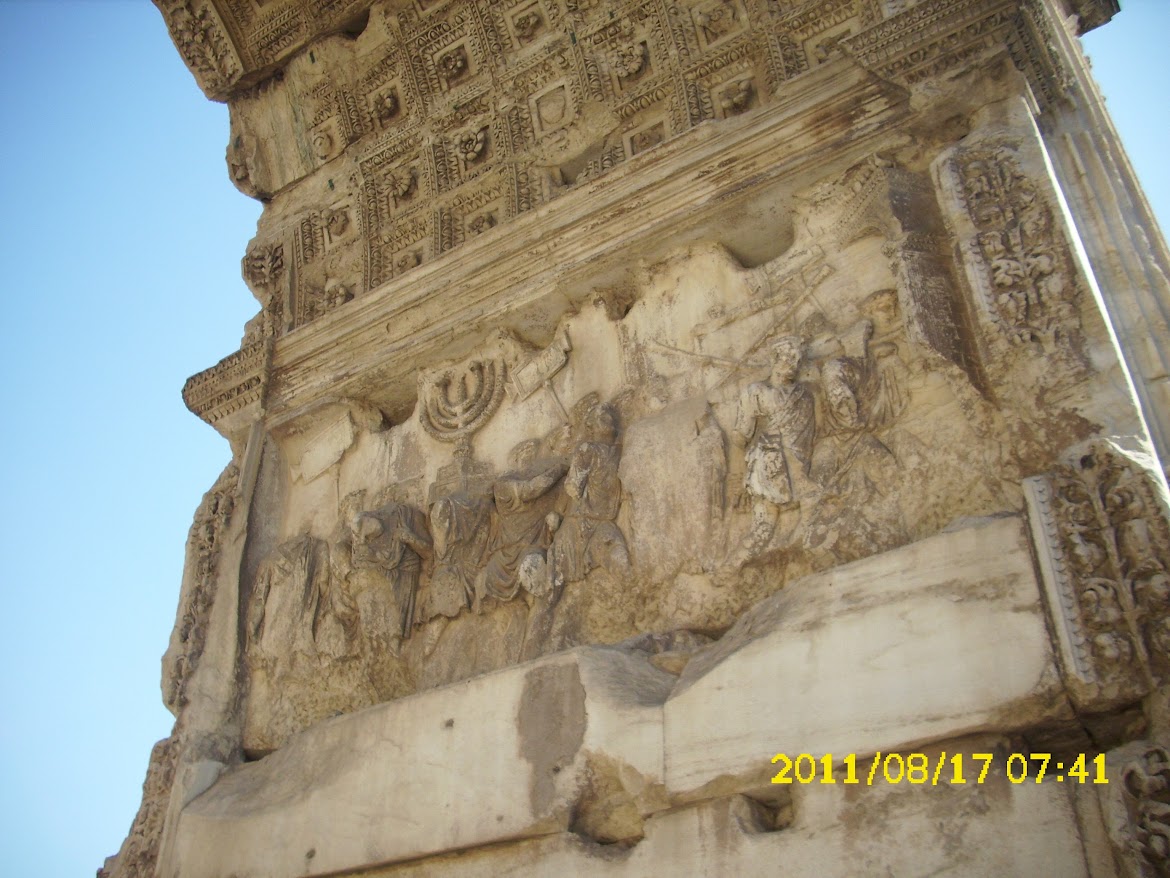
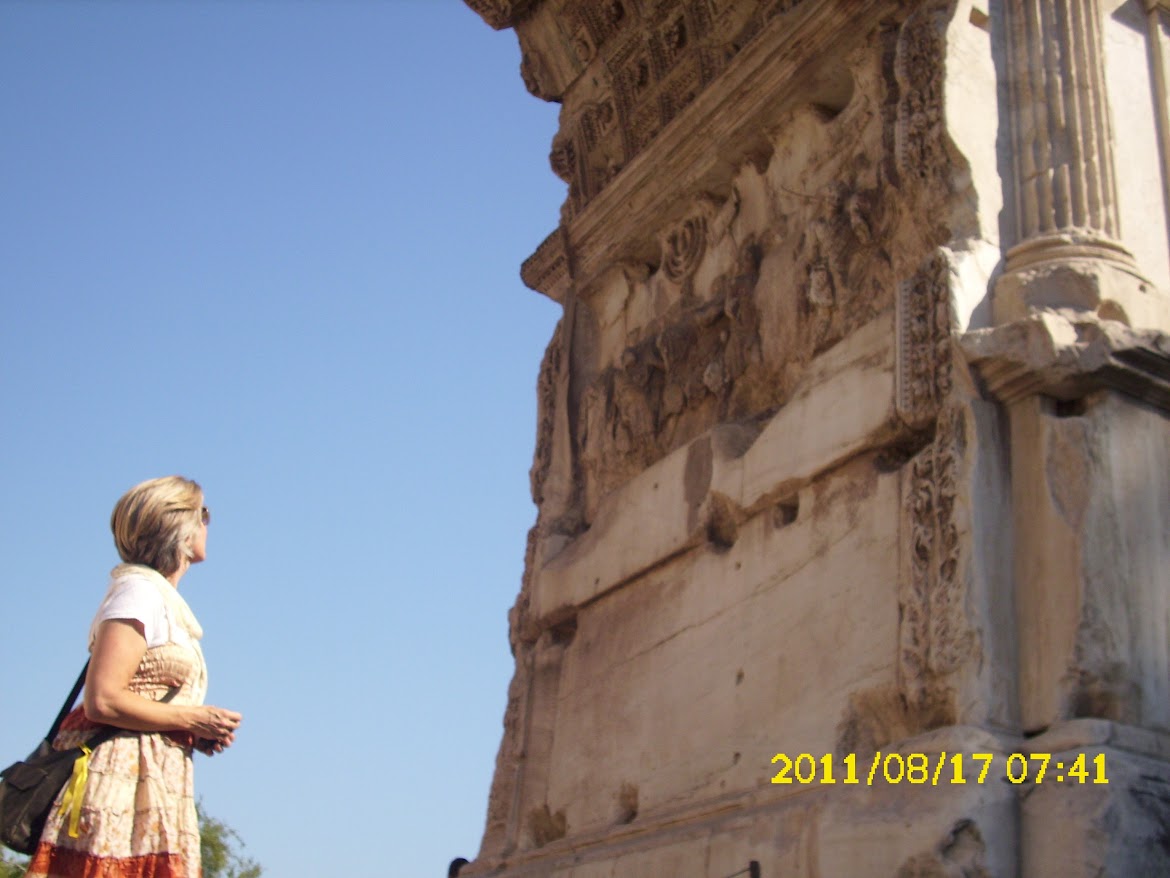
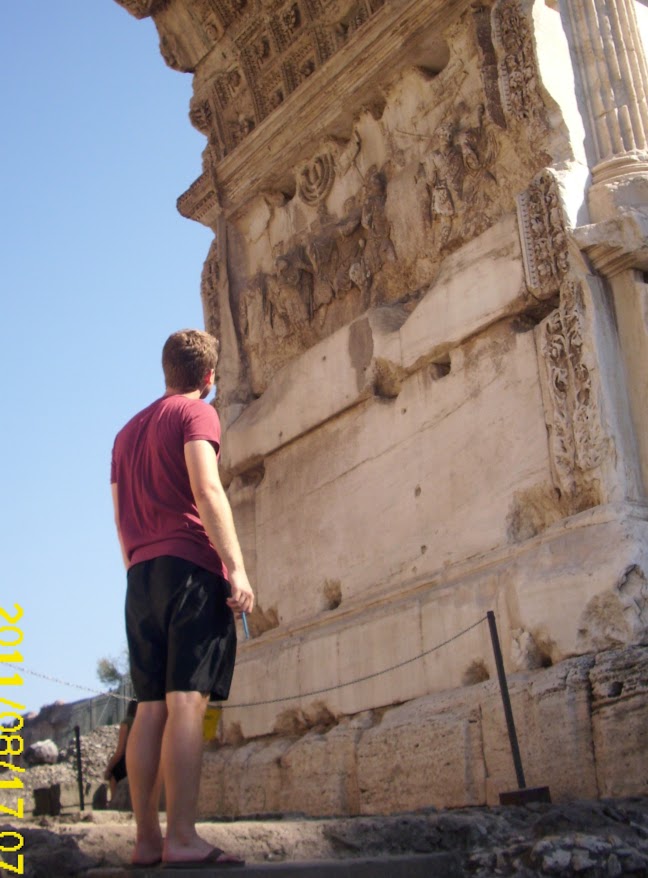
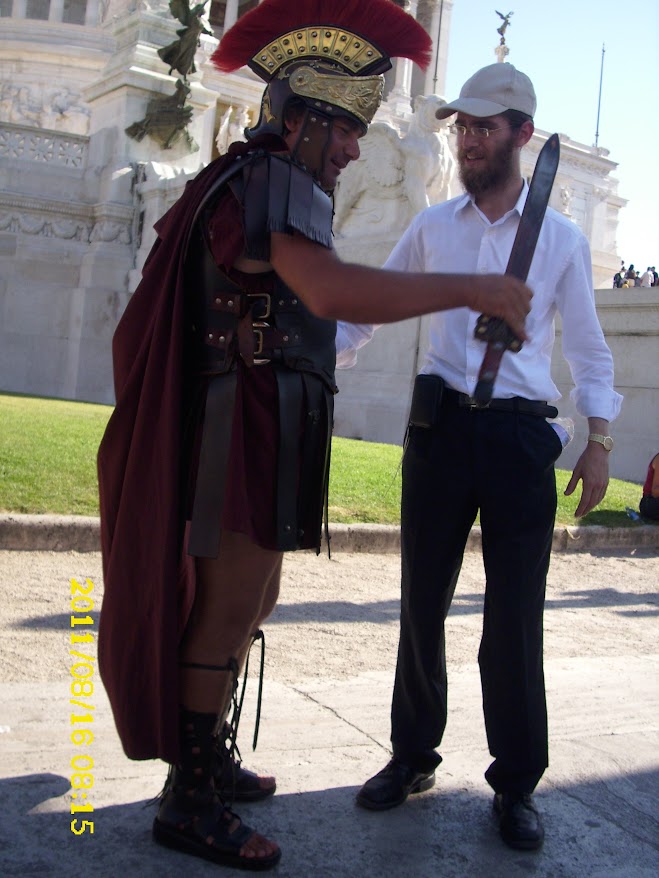
Summer 2011. We are on a short family trip in Italy. There’s beautiful scenery. Landscapes. Museums. And it is impossible not to stop by the famous menorah carving in the Roman Forum in the old city of Rome. On top of Titus’ triumphal arch, the menorah appears as a symbol of the fall of the Jewish people at the hands of the Romans. Not far from there, a “Roman soldier” dressed in all his glory walks around, looking for tourists to take pictures with. A Jewish guy in black slacks, a white shirt, tzitzit and kippa approaches him and they shake hands. Thus 2000 years later, they stand opposite each other: one, representing a piece of history that is no more, and the other, representing an entire world, a living, vibrant, existing miracle.קיץ 2011. אנחנו בטיול משפחתי קצר באיטליה. נופים. מראות. מוזיאונים. ואי אפשר בלי לעצור ליד תבליט המנורה המפורסם בפורום רומאנום בעיר העתיקה ברומא. על גבי שער הניצחון של טיטוס מופיעה המנורה כסמל לנפילת העם היהודי בידי הרומאים.
לא רחוק משם, מסתובב “חייל רומאי” מחופש במלוא תפארתו, מחפש תיירים להצטלם איתם. בחור יהודי במכנסיים שחורים, חולצה לבנה, ציציות וכיפה ניגש אליו והם לוחצים ידיים.
כך 2000 שנה אחרי, הם עומדים זה מול זה: אחד, כמייצג פיסת הסטוריה שאיננה עוד, ואחד, כמייצג עולם שלם, נס מהלך, חי וקיים.  
Did the Romans coincidentally choose to commemorate their victory with a menora? Simply because “that’s the way it was”? This is how this week’s Torah portion, Be’ha’alotcha, begins: Hashem spoke to Moses, saying: Speak to Aaron and say to him, “When you mount the lamps, let the seven lamps give light at the front of the lampstand.” Aaron did so; he mounted the lamps at the front of the lampstand, as H’ had commanded Moses.— Now this is how the lampstand was made: it was hammered work of gold, hammered from base to petal. According to the pattern that H’ had shown Moses, so was the lampstand made (Numbers 8:1-4).האם במקרה בחרו הרומאים להנציח את נצחונם במנורה? פשוט כי “ככה זה היה”?
כך מתחילה פרשת השבוע, פרשת “בהעלותך”:
וַיְדַבֵּ֥ר ה’ אֶל־מֹשֶׁ֥ה לֵּאמֹֽר׃ דַּבֵּר֙ אֶֽל־אַהֲרֹ֔ן וְאָמַרְתָּ֖ אֵלָ֑יו בְּהַעֲלֹֽתְךָ֙ אֶת־הַנֵּרֹ֔ת אֶל־מוּל֙ פְּנֵ֣י הַמְּנוֹרָ֔ה יָאִ֖ירוּ שִׁבְעַ֥ת הַנֵּרֽוֹת׃ וַיַּ֤עַשׂ כֵּן֙ אַהֲרֹ֔ן אֶל־מוּל֙ פְּנֵ֣י הַמְּנוֹרָ֔ה הֶעֱלָ֖ה נֵרֹתֶ֑יהָ כַּֽאֲשֶׁ֛ר צִוָּ֥ה ה’ אֶת־מֹשֶֽׁה׃ וְזֶ֨ה מַעֲשֵׂ֤ה הַמְּנֹרָה֙ מִקְשָׁ֣ה זָהָ֔ב עַד־יְרֵכָ֥הּ עַד־פִּרְחָ֖הּ מִקְשָׁ֣ה הִ֑וא כַּמַּרְאֶ֗ה אֲשֶׁ֨ר הֶרְאָ֤ה ה’ אֶת־מֹשֶׁ֔ה כֵּ֥ן עָשָׂ֖ה אֶת־הַמְּנֹרָֽה (במדבר ח:א-ד).  
Rashi, based on Midrash Tanhuma, writes that the story of the menorah is near the story of the princes’ gifts from last week because … when Aharon saw the dedication of the princes, he was sad that he was not with them at the dedication, not him nor his tribe. The Holy One said to him, your life (language of swearing), your share is greater than theirs, for you light and fix the  candles. It is understandable that Aaron was sad for not participating in the dedication of the tabernacle, but how is the lighting of the candles supposed to console him for that?רש”י בהתבסס על מדרש תנחומא כותב שענין המנורה נסמך לפרשת הנשיאים בפרשת השבוע הקודמת, כי … כְּשָׁרָאָה אַהֲרֹן חֲנֻכַּת הַנְּשִׂיאִים חָלְשָׁה אָז דַּעְתּוֹ, שֶׁלֹּא הָיָה עִמָּהֶם בַּחֲנֻכָּה לֹא הוּא וְלֹא שִׁבְטוֹ, אָמַר לוֹ הַקָּבָּ”ה חַיֶּיךָ שֶׁלְּךָ גְדוֹלָה מִשֶּׁלָּהֶם, שֶׁאַתָּה מַדְלִיק וּמֵטִיב אֶת הַנֵּרוֹת.
אפשר להבין שאהרון הצטער על שלא השתתף בחנוכת המשכן, אבל איך אמורה הדלקת הנרות לנחם אותו על כך?  
According to our tradition, what was special about the candles was the miracle of the western candle that was not extinguished all day. The sages said of it that it is “a testimony to everyone that the Schina, the Divine Spirit, dwells within Israel”. That is, the menorah is not an item that is needed in the tabernacle for the purpose of offering sacrifices or storing and carrying the Tablets in the Ark of the Covenant. Compared with other items that were necessary, the function of the menorah is solely to publish the name of Gd in the whole world. It can be explained that it was also given to the Levites, who have no estate in the Land of Israel and their role is spiritual, therefore they are most suitable for this role. Therefore, it is no wonder that the Romans took the menorah and “showed off” its capture, as if in this act, they would take our light for themselves, and not so.לפי המסורת שלנו, מה שהיה מיוחד בנרות הוא הנס בנר המערבי שלא היה כבה כל היום כולו. חז”ל אמרו עליו שהוא “עדות לכל באי עולם שהשכינה שורה בישראל”.
כלומר, המנורה איננה פריט שצריך במשכן לצורך הקרבת הקורבנות או לצורך אחסון ונשיאת לוחות הברית, כמו ארון הברית. לעומת שאר החפצים שהיתה בהם נחיצות, מעשה המנורה הוא אך ורק כדי לפרסם את שם ה’ בעולם כולו.
אפשר להסביר שלכן הוא גם ניתן לבני לוי, שאין להם נחלה בארץ ישראל וכל תפקידם הוא רוחני, ולכן הם מתאימים יותר לתפקיד זה.
לכן גם לא פלא שהרומאים לקחו את המנורה ו”השוויצו” בכך, כאילו שבמעשה זה, יקחו אליהם את האור שלנו, ולא כן.  
The menorah is built so that it is – beautiful, in its buttons, cups and flowers. Is it needed for the objects in the Tabernacle and later Temple to be “beautiful”? Isn’t it enough that they are “useful”, and what does beauty matter?? We find that the sages have a complex attitude towards beauty.המנורה בנויה כך שהיא תהיה – יפה, בכפתוריה, גביעיה ופרחיה.
האם צריך שהחפצים במשכן ובמקדש יהיו “יפים”? האם לא מספיק שיהיו “שימושיים”, ומה זה משנה היופי??
אנחנו מוצאים אצל חז”ל יחס מורכב ליופי.  
Sometimes beauty is a good thing and sometimes not. Rabbi Yehoshua is described as an ugly man, and he explains this with a parable that, like good wine is kept in simple earthen vessels and not in “beautiful” gold and silver vessels, so is the wisdom of the Torah (Ta’anit 7:1). But about Rabbi Yochanan, the leader of the Land of Israel sages and the editor of the Jerusalem Talmud, it is said that he was extraordinarily beautiful, ‘and whoever wants to see (and understand) his beauty, should bring a new silver cup from the silversmith’s shop, when the silver is the whitest, and fill it with red pomegranate seeds, and put a wreath of red roses on the cup, and place it between the sun and shade. The same radiance that this image has, it is roughly like the beauty of Rabbi Yochanan‘ (translated from Aramaic with the help of Sefria, Baba Metzi’a 84:a).לפעמים היופי הוא דבר טוב ולפעמים – לא. רבי יהושע מתואר כאדם מכוער, ומסביר זאת במשל, שכמו שיין טוב, מוחזק בכלי חרס פשוטים ולא בכלי זהב וכסף “יפים”, כך גם חוכמת התורה (תענית ז:א). אבל על רבי יוחנן, ראש חכמי ארץ ישראל ועורך התלמוד הירושלמי, מסופר שהיה יפה בצורה יוצאת דופן,
‘ומי שרוצה לראות (ולהבין) את יופיו, צריך להביא כוס כסף חדשה מבית הצורף, כשהכסף לבן ביותר, וימלא אותה גרעיני רימון אדום, וישים זר ורדים אדומים על פי הכוס, ויעמיד אותה בין החמה לצל. אותו הזוהר שיש לדימוי זה, הוא בערך כמו יופיו של רבי יוחנן’
(מתורגם מארמית בעזרת ספריא, בבא מציא פד:א).
The Maharsha explains that Rabbi Yohanan was the remnant of the glory of Jerusalem during the 2nd Temple period. At that time, there was a unity between holiness and beauty, and Rabbi Yohanan retained something of that in him, which also explains the great mourning over his death and the loss of his beauty.המהרש”א מסביר שרבי יוחנן היה שארית התפארת של ירושלים בתקופת בית שני. בתקופה ההיא היתה אחדות בין הקודש והיופי, וברבי יוחנן נשאר בו משהו מכך, מה שגם מסביר את האבל הגדול על מותו ואובדן יופיו.  
When we were exiled from our Land, the Shechinah was exiled too, and beauty became belonging to the nations of the world. For decades and hundreds of years, Jews have been portrayed in many caricatures as ugly, deformed and terrifying. But in the last decades with the return of the people of Israel to their Land, their place and who they are, holiness and beauty in our lives become more and more synchronized.כשגלינו מארצנו, השכינה גלתה והיופי נהיה שייך לאומות העולם.
במשך עשרות ומאות שנים היהודים צוירו בקריקטורות רבות כמכוערים, מעוותים ומבהילים במראם.
אך בעשורים האחרונים עם חזרת עם ישראל לאדמתו, למקומו ולמי שהוא, הקודש והיופי בחיינו נהיים יותר ויותר מסוכרנים.  
The Land is becoming more and more beautiful, we have Israeli beauty queens, Israeli actors and actresses are famous all over the world, and the painful and perhaps the strongest place to see the beauty of the people of Israel is, unfortunately, in the faces of the fallen. Every time a picture of someone who has fallen is published, it’s hard to believe that such beauty exists among us, and when you read about their lives, it’s even more clear how holiness and beauty are synchronized more than ever.הארץ נהיית יפה יותר ויותר, יש לנו מלכות יופי ישראליות, שחקנים ושחקניות ישראלים מתפרסמים בכל העולם, והמקום הכואב ואולי החזק ביותר לראות את היופי של עם ישראל הוא, לצערנו, בפני הנופלים. בכל פעם שמתפרסמת תמונה של מישהו שנפל, קשה להאמין שיופי כזה מסתובב בינינו, וכשקוראים על חייהם, ברור עוד יותר כמה הקודש והיופי מסוכרנים יותר מאי פעם.  
We are blessed to live in such a time, and may we continue to see the combination of beauty and holiness in life.אשרינו שזכינו לחיות בזמן כזה, והלוואי שנמשיך ונזכה לראות את שילוב היופי והקודש בין החיים.

שבת שלום – SHABBAT SHALOM

Posted in Uncategorized | Leave a comment

“…and grant you Peace, Shalom” – The Torah portion of Naso

I was asked this week, what was the most exciting thing for me about the release of the four hostages last Saturday. Of course, their coming back: the moment of, “I knew it!” blended with the moment of, “Is it true? How about waiting to confirm before being too happy, in case there’s a mistake here”? This is how we, the children of Munich and Entebbe, react… But besides that, the most exciting thing is… Am Yisrael, the People of Israel, nevertheless and in spite of everything. What do I mean?נשאלתי השבוע, מה היה הדבר הכי מרגש עבורי בשחרור ארבעת החטופים בשבת שעברה.
כמובן, חזרתם:
הרגע של, “ידעתי”, וגם הרגע של, “זה אמת? אולי נחכה לפני שנשמח ממש למקרה שיש כאן טעות”?
כך אנחנו ילדי מינכן ואנטבה…
אבל אחרי זה, הדבר הכי מרגש הוא…
עם ישראל, אף על פי כן ולמרות הכל.
למה כוונתי?  
On Shabbat, I was not on the computer / phone / radio / news (those who know me know that even on non-Sabbath days, I am on a “diet”), so how would I hear? I went to the synagogue for a (wonderful) Shabbat afternoon learning, where I met someone else, and the someone else, has neighbors who do hear news on Shabbat, who made sure to tell her. Oh, how nice. But then it turned out, that not only is there a unique case here, that “she has neighbors who…”, but that this was the case throughout the country. People who heard the news (and I am purposely not calling anyone “secular” and “non-religious” because I have no idea what those definitions mean -) stood on their balconies and called out to those who didn’t hear the news; or hung signs in the stairwell. The captains updated the El Al and Arkia passengers, and the lifeguards informed those at the beach, many of whom were also disconnected from the news, as everyone’s choked with tears and excitement voices mingled with each other. Who is this Nation? Who are these People? How was this wow thing built?ביום שבת, אני לא הייתי במחשב / טלפון / רדיו / חדשות (ומי שמכיר אותי יודע שגם בימים שאינם שבת, אני “בדיאטה”), אז איך אשמע?
בלי קשר, הלכתי לבית הכנסת לשיעור (נפלא) של שבת אחהצ. ופגשתי מישהי אחרת ולמישהי האחרת יש שכנים שכן שומעים חדשות בשבת, שדאגו לספר לה.
או, סו נייס, כמה נחמד. אבל אז הסתבר, שזה לא רק שיש כאן מקרה יחודי, ו”לה יש שכנים ש”…, אלא שכך זה היה בכל הארץ. אנשים ששמעו חדשות (ואני בכוונה לא משתמשת במונחים של “חילונים” ו”לא דתיים” כי אין לי מושג מה פירוש ההגדרות האלה) עמדו במרפסות וקראו לעבר אלה שלא שומעים חדשות או תלו שלטים בחדר מדרגות.
הקברניטים עדכנו את נוסעי אל-על וארקיע, והמצילים בחוף הים הודיעו למתרחצים בים, שגם רבים מהם היו מנותקים מהחדשות, כשהקולות החנוקים מדמעות והתרגשות מתערבבים אחד עם השני.
מי זה העם הזה? מי זה האנשים האלה? איך נבנה הדבר ה-וואו הזה?  
The torah portion of Naso is the longest in the Torah with 176 verses, coincidentally (or not-) same as the longest chapter of the Paslms (Psalms 119) and the longest tractate in the Talmud (Baba Batra), and is always read around Shavuot, the holiday of the Giving of the Torah, maybe with the longest night of learning.פרשת נשא היא הארוכה ביותר בתורה עם 176 פסוקים, במקרה (או לא-) כמו מספר הפסוקים בפרק התהילים הארוך ביותר (תהילים קי”ט) ומספר הדפים במסכת הארוכה ביותר בתלמוד (בבא בתרא), ותמיד נקראת בסמוך לחג השבועות, חג מתן תורה, אולי עם הלילה הארוך של לימוד תורה.
The Torah portion continues with lists, counts, roles, and includes several halachic matters concerning the establishment of the Israelite camp and the continued journey to the Land of Israel, including the sacrifices of the leaders on the occasion of the completion of the construction of the Mishkan; the blessing of the priests; the nazirite; the metzora; the sota. What are they all doing here together?הפרשה ממשיכה במניינים, מִיפקדים, תפקידים ורשימות, וכן יש בה גם כמה פרשיות הלכתית הנוגעות להקמת מחנה ישראל והמשך הנסיעה אל ארץ ישראל כשביניהן קורבנות הנשיאים לרגל סיום הקמת המשכן, ברכת הכוהנים, הנזיר, המצורע ופרשת הסוטה.
מה כל אלה עושים כאן ביחד?  
The Book of Numbers, “In the Desert” – the place where everything is open and possible – presents us with a selection of different types of problems and challenges. The Torah portion of Naso begins with matters of the individual, perhaps because it is very difficult to connect to everybody without first taking care of the individual. Later, we will discuss matters of community, leadership, the Land of Israel, dealing with groups within the People of Israel and with those outside groups, but first of all, we will help the individual find his/her wholesome place between himself and others (the pervert, the leper) and between him and his Gd (the nazirite) and thereby also, between him and himself .ספר במדבר – המקום שבו הכל פתוח ואפשרי – מעלה לפנינו מבחר בעיות ואתגרים מסוגים שונים. פרשת נשא מתחילה בענייני היחיד, אולי משום שקשה מאד להתחבר לכלל מבלי לטפל קודם כל באדם האחד. בהמשך נדון בנושאי קהילה, מנהיגות, ארץ ישראל, קבוצות בתוך עם ישראל והתמודדות עם קבוצות מבחוץ,
אבל קודם כל, נעזור לפרט למצוא את מקומו השלם בינו לבין זולתו (הסוטה, המצורע) ובינו לבין אלוהיו (הנזיר) ומתוך כך גם, בינו לבין עצמו.
There are people whose treatment requires removal from holiness. For example, the metzora is sent outside the entire camp, so that he can isolate himself and return to his true self. But sometimes, a distance from holiness is  what causes trouble. Thus we have the laws of the Sota (the woman who’s suspected of being unfaithful). When it comes to a couple, they should be reminded that their relationship should be understood on the basis of the understanding that Shchina, Gd’s presence, dwells among them. That’s why a couple with serious suspicions, mistrust (not without foundation!), and a serious breakup is brought into the temple for “couple therapy”, and everything is done to restore true peace to their home. Nowadays, we would probably handle all of these differently. And yet, one can see and appreciate the place that the Torah gives to an individual’s pains and struggles in his most personal affairs. Despite the count and order, the individual is not erased and does not disappear within the whole, but is given a place to heal and recover.יש אנשים שהטיפול בהם דורש הרחקה מו הקודש. למשל המצורע משולח אל מחוץ למחנה כולו, כדי שיוכל להתבודד ולחזור אל עצמיותו האמיתית.
אך יש וריחוק מהקודש הוא דוקא מה שגורם לסיבוך. כך יש לנו את חוקי הסוטה. כשמדובר בזוג, דוקא צריך להזכיר להם שיחסיהם צריכים להבנות על יסוד ההבנה ששכינה ביניהם. לכן זוג שיש ביניהם חשדות רציניים, חוסר אמון לא בלי בסיס, ושבר קשה מובא אל תוך המקדש ל”טיפול זוגי”, ונעשה הכל כדי להשיב שלום בית אמיתי.
בימינו, קרוב לוודאי שהיינו מטפלים בכל אלה אחרת. ועדיין, אפשר לראות ולהעריך את המקום שנותנת התורה ליחיד על כאביו ומאבקיו בענייניו האישיים. למרות הסדר המדויק, ה”מפקד” וה”מסדר”, היחיד לא נמחק ונעלם בתוך הכלל, אלא ניתן לו מקום להתרפא ולהחלים.  
At the same time, the extensive treatment of the individual, can hold a danger: a “side effect” of this treatment is that we may think that everything revolves around us. An illusion is created that the most important and only thing is colely – how I feel, and what I want and what I and I and I… This is a serious and worsening side effect to such an extent that nowadays, it has another side effect – because of the “echoe chamber” we’re all in, the “I” joins in with ither “I”’s who think like him. S/he thinks he has become a community when in fact, he has only expanded and strengthened his egoism… But the Torah does not give up on us so easily. Along with the focus on the individual, in the same Torah portion, we also receive the Priestly Blessing, a blessing that is aimed at all of us, wherever we are, one people, together. There is a physical blessing (May Gd bless you and guard you) and a spiritual blessing (to merit Gd’s light towards us), and when we will have both together, for all of us, without differences and separations, without accusing, complaints and bad thoughts for each other; when we live like that moment of running out to our balconies and call to each other with excitement and care, we are blessed that we’ll also have -= bh – Shalom.יחד עם זאת, לטיפול המרובה בפרט יש גם סכנה: “תופעת לוואי” של הטיפול הזה היא שאנחנו עלולים לחשוב שהכל סובב סביבנו.
נוצרת אשליה שהכי חשוב וכל מה שחשוב זה רק – איך אני מרגיש, ומה בא לי ומה אני ואני ואני… זו תופעת לוואי חמורה ומחמירה עד כדי כך שבימינו, נהייתה לה תופעת לוואי נוספת – בגלל האפשרות להיות ב”חדרי-הד” – קבוצות שמהדהדות את אותן דעות – האני יכול להצטרף עם עוד “אנייים” שחושבים כמוהו. הוא חושב שהוא נהיה כלל אבל בעצם, הוא רק הרחיב וחיזק את האגואיזם שלו… אבל התורה לא מוותרת לנו כל כך בקלות.
יחד עם המיקוד על היחיד, באותה פרשה, אנחנו כבר מקבלים גם את ברכת הכוהנים – ברכה שמכוונת לכולנו, באשר אנחנו, עם אחד, ביחד.
יש ברכה גשמית (יברכך וישמרך) וברכה רוחנית (לזכות באור ה’ כלפינו), וכשנזכה לשתיהן ביחד, לכולנו, בלי הבדלים והפרדות, בלי אצבעות מאשימות, תלונות ומחשבות רעות, אלא כשאנחנו כך עומדים במרפסות וקוראים זה אל זה בהתרגשות, גם – ב”ה, יחד, נזכה לשלום.

שבת שלום – SHABBAT SHALOM

Posted in Uncategorized | Leave a comment

Stand for a minute, I need to count you! The Torah portion of Bamidbar

תעמדו רגע! אני צריך לספור אתכם! פרשת במדבר

When you go on a field trip with 40 teenagers, what is the thing you do most often? Yes, you tell them to come, go, don’t forget, listen, sit, stand, move forward, return, eat, drink, put on a hat, but what the team does all the time is… count. If we came with 40, we need to have 40. Not “about”, not 39. Not 41. Any tiny mistake can be a disaster. In everything that is important to us, we know exactly how many there are. No parent says, I have “about” so and so many children. Neither does Gd. And so we arrive in the book of Bamidbar, “Numbers”.כשיוצאים עם 40 בני נוער לטיול שנתי, מה הדבר אותו עושים הכי הרבה? כן, אומרים להם לבוא, ללכת, לא לשכוח, להקשיב, לשבת, לעמוד, להתקדם, לחזור, לאכול, לשתות, לשים כובע, אבל מה שהצוות עושה כל הזמן זה… לספור. אם יצאנו עם 40, חייבים להיות 40. לא בערך, לא 39. לא 41. כל טעות קטנה יכולה להיות אסון. בכל דבר שחשוב לנו, אנחנו יודעים כמה יש, ואף הורה לא אומר, יש לי “בערך” כך וכך ילדים. גם לא הקב”ה. וכך מגיע ספר “במדבר”.  
We are in an empty and open space. Basically, anyone can come and go. There are no fences. There is no security. Why are we taken to the desert? One You can say, that’s what there is on route between Egypt and the Land of Israel! Yes. But Gd is Almighty! He could have planted trees there for us! Something? But a desert?אנחנו נמצאים במרחב הריק והפתוח. בעצם, כל אחד יכול לבוא וללכת. אין גדרות. אין אבטחה. למה לקחת אותנו למדבר?
אפשר להגיד, זה מה שהיה בדרך בין מצרים וארץ ישראל! אבל הקב”ה, כל יכול! יכול היה לשתול שם עצים בשבילנו! משהו? דוקא מדבר?
The yogis tell of a monk who arrives at the door of a rich man. “Please, give me some food,” says the monk, handing him his bowl, but the rich man refuses: “Your bowl is overflowing with all kinds of leftovers and mess you’ve collected along the way. Empty it and clean it, and then I’ll give you some of my special foods.” The yogis, of course, also tell this story as a parable. Sometimes our “bowl” overflows with all kinds of old nonsense and has no room for anything new until we empty it. That is why part of our journey to the Land of Israel includes the time in the desert, which is a simple and clean time, a time to “empty” that which had in the “bowl” we received in Egypt, to cleanse ourselves and prepare to enter the land.היוגים מספרים על נזיר שמגיע לדלתו של אדם עשיר. “בבקשה, תן לי אוכל”, אומר אותו נזיר ומגיש לו את הקערה שלו, אך העשיר מסרב:”הקערה שלך עולה על גדותיה עם כל מיני שאריות ולכלוך שאספת בדרך. תרוקן אותה ותנקה אותה ואז אתן לך מהמאכלים המיוחדים שלי”.
גם היוגים כמובן, מספרים את הסיפור הזה כמשל. לפעמים ה”קערה” שלנו עולה על גדותיה מכל מיני שטויות ישנות ואין בה מקום לשום דבר חדש עד שנרוקן אותה.
לכן חלק מהמסע שלנו לארץ ישראל כולל את הזמן במדבר, שהוא זמן פשוט ונקי, זמן ל”רוקן” את מה שהיה לנו ב”קערה” שקבלנו במצרים, להתנקות ולהתכונן לכניסה לארץ.
Our Sages said that a person does not receive the Torah unless he makes himself like a wilderness (in Midrash Bamidbar Rabba, 1:7), but this “wilderness”, the emptying of ourselves, does not mean becoming nothing. In the Midrash we’re told about the argument between the mountains, each wanting to have the Torah be received on him, each showing off how more beautiful he is: Mt. Hermon, with his white and “snowy” beard; Carmel, with its beautiful greenery; Mount Meron with its height, etc., etc. Only Mount Sinai was silent because he was humble. Thanks to his modesty and humility, the Torah was given on it. And thanks to this, it is said “Moses received the Torah from Sinai”… that is, not “at” Sinai, but “from”, for Moses learned from Mount Sinai to be humble and modest.חז”ל אמרו שאין אדם זוכה לתורה אלא אם כן עושה עצמו כמדבר (במדבר רבה א:ז), אבל ה”מדבריות” הזו, ההתרוקנות והביטול, אין משמעם להפוך לכלום.

  במדרש מסופר על ההרים שהתווכחו על מי תתקבל התורה. כל אחד הראה כמה הוא יפה: החרמון, בזקן הלבן וה”מושלג” שלו, הכרמל, בירוק היפיפיה שלו, הר מירון בקומתו וכו וכו. ורק הר סיני שתק כי היה צנוע.
בזכות צניעותו וענוותנותו, נתנה התורה עליו. ובזכות כך נאמר “משה קבל תורה מסיני”… כלומר, לא “ב”סיני, אלא “מ”הר סיני שלמד מהר סיני להיות צנוע וענו.
The question is, if it is so good to be modest, why not give the Torah in a low valley? Because being humble, modest, and yes, also – emptying ourselves of things we have collected in the past, does not mean being nothing and nobody. On the contrary: along with the empty and open space, comes the Torah portion of Bamidbar and in its heart – the census: “And Hashem spoke to Moses in the Sinai desert… lift up the head of each tribe of the Children of Israel by their families to their father’s house according to the number of the names of every male…” (Number 1:1-2). It should be noted that the verb is not “to count” but “to lift up”, because to be counted as part of the Israelites is a great honor. In the book of Bamidbar there are two commandments to count the Israelites, so much so that in English, the entire book is called “Numbers”.השאלה נשאלת, אם כל כך טוב להיות צנוע, למה שלא תנתן התורה בעמק שפל? מפני שלהיות צנוע, ענו, וכן גם – להתרוקן מדברים שאספנו בעבר, אין פירושו להיות כלום ושום דבר.
נהפוך הוא: יחד עם המרחב הריק והפתוח, באה פרשת “במדבר” ובמרכזה – המפקד: “וַיְדַבֵּר ה’ אֶל מֹשֶׁה בְּמִדְבַּר סִינַי … שְׂאוּ אֶת רֹאשׁ כָּל עֲדַת בְּנֵי יִשְׂרָאֵל לְמִשְׁפְּחֹתָם לְבֵית אֲבֹתָם בְּמִסְפַּר שֵׁמוֹת כָּל זָכָר לְגֻלְגְּלֹתָם” (במדבר א:א-ב).
צריך לשים לב שהפועל איננו “ספרו” אלא “שאו”, הרימו, כי להספר כחלק מבני ישראל, זהו כבוד גדול. בספר “במדבר” יש שני ציווים לספור את בני ישראל, עד כדי כך שבאנגלית, הספר כולו נקרא “מספרים”.  
The Midrash says (in Bamidbar Raba 21:7): ​“This is likened to a shepherd whom the owner gave his sheep to be guarded. They were counted when they left Egypt… and when Moses neared hi death and he was about to return the herd to the Holy One, he counted them again”. That is, we must count.המדרש אומר (במדבר רבה כא:ז): “משל לרועה שמסר לו בעל הבית צאנו במנין. השלים הרועה שמירתו, כשמחזירן צריך למנותן. כך, כשיצאו ישראל ממצרים מסרן למשה במנין … בא ליפטר מן העולם בערבות מואב החזירם במנין”), כלומר, חייבים לספור.  
On the other hand, the Haftara tells us “And the number of the Children of Israel will be like the sand by the sea that will not be measured and will not be counted… ” (Hosea 2:1). The understanding is that, in fact, it is not only impossible, but forbidden to count the Children of Israel: “Rabbi Yitzchak said: It is forbidden to count the Children of Israel even for the sake of doing a mitzva…. Rabbi Elazar said: Anyone who counts the Children of Israel transgresses a negative commandment, as it is said, “and let the number of the Children of Israel be like the sand by the sea, which will not be measured and will not be counted” (Tractate Yoma 22:a-b). There are places where when 10 men are counted for a minyan, they are not counted in numbers but in a verse with 10 words, each person given a word: “Save your people; bless your inheritance. Guide-them; lift-them, for ever” (Psalms 28:9).מצד שני, ההפטרה אומרת לנו “וְהָיָה מִסְפַּר בְּנֵי יִשְׂרָאֵל כְּחוֹל הַיָּם אֲשֶׁר לֹא יִמַּד וְלֹא יִסָּפֵר וְהָיָה בִּמְקוֹם אֲשֶׁר יֵאָמֵר לָהֶם לֹא עַמִּי אַתֶּם יֵאָמֵר לָהֶם בְּנֵי אֵל חָי” (הושע ב:א).
ההבנה היא שבעצם, לא רק אי אפשר אלא אסור לספור את בני ישראל: “אמר ר’ יצחק: אסור למנות את ישראל אפילו לדבר מצווה…. אמר ר’ אלעזר: כל המונה את ישראל עובר בלאו שנאמר: “והיה מספר בני ישראל כחול הים אשר לא ימד ולא יספר” (יומא כב:א-ב).
יש מקומות בהם כשסופרים 10 גברים למנין, לא סופרים במספרים אלא בפסוק עם 10 מילים, כשנותנים לכל אדם שנספר מילה אחת: “הושיעה את עמך, וברך את נחלתך, ורעם ונשאם עד העולם” (תהילים כח:ט).
And now, when there is a real contradiction, I feel at home: the counting makes each person unique. Everyone has a chance to be seen. Just like on any trip, Gd forbid if we lose someone! The whole trip is ruined!! Therefore, everyone has a spot, a family, a tribe, a flag.
On the other hand, counting holds a danger: is everyone really “just” a number? This is why the Haftara comes and says, let us not think of people as numbers. It immediately reminds us of awful times. And it has been said: “Whoever saves one soul”….
ועכשיו, כשיש כאן סתירה ממשית, אני כבר מרגישה בבית: הספירה מייחדת כל אדם. לכל אחד יש הזדמנות להראות. לכל אחד יש מקום, משפחה, שבט, דגל. בדיוק כמו בכל טיול, חס וחלילה אם נאבד מישהו אחד! הלך על כל הטיול!!
מצד שני, בספירה יש גם סכנה: האם כל אחד הוא באמת “רק” מספר? לשם כך באה ההפטרה, ואומרת, שחלילה לנו מלחשוב על אנשים כמספרים. זה מייד מזכיר לנו משהו רע. והרי נאמר: “כל המציל נפש אחת”….  
Like a beautiful spiral, the book of Numbers echoes the opening of the book of Genesis: Every person was created in Gd’s image. Every person holds the light of Gd. Every person is a whole world. When s/he is lost, everything is lost with him. Wow. But even in this, there is a danger: the world was created for me! I am almost Gd, the truth is, I’m pretty much like…. ! I am allowed everything!! And then… Another reminder: you are made of dust. You are part of the whole, counted as one more along with everyone else.כבספירלה יפיפיה, ספר במדבר מהדהד את הפתיח של ספר בראשית:
כל אדם נברא בצלם. כל אדם מחזיק באור הקב”ה. כל אדם הוא עולם ומלואו. כשהוא אובד, הכל אובד איתו. וואו.
אבל גם בכך יש סכנה: העולם נברא בשבילי! אני כמעט אלוהים, האמת, די כמו… ! מותר לי הכל!! ואז… תזכורת נוספת: נוצרת מעפר. אתה חלק מהכלל, נספר כעוד אחד יחד עם כולם.  
The Torah portion of Bamidbar is always read before Shavuot, separating the blessings and curses of the end of the book of Leviticus, and the continuation of our story on the journey to Israel. “Don’t move for a moment,” says the Holy One, “I want to make sure that we are all here,” and so we stand and prepare for the Receiving of the Torah.פרשת במדבר תמיד נקראת לפני חג שבועות, חוצצת ומפרידה בין הברכות והקללות של סוף ספר ויקרא והמשך הסיפור שלנו במסע לארץ.
“אל תזוזו רגע”, אומר הקב”ה, “אני רוצה לוודא שכולנו כאן”, וכך אנחנו עומדים ומתכוננים למתן תורה.  

שבת שלום, ראש חודש טוב וחג שבועות שמח

  SHABBAT SHALOM, HODESH TOV & A HAPPY SHAVUOT

Posted in Uncategorized | Tagged , , | Leave a comment

The gifts of Jerusalem

לכבוד יום ירושלים תשפ”ד – המתנות של ירושלים

Yom Yerushalayim coming up on Wednesday this week, “coincidentally” falls on the 28th of the Hebrew month of Iyar. We could say, that this is due to historical reasons: During the Six Day War  this was the day that the Jerusalem was conquered. Over the years, it has sadly become a more “fringe” day, especially easily avoided by those of living elsewhere: ah, it’s only for “Jerusalemites”; ah, it’s only for “dosim” (religious people). We see the challenges in it and may wonder, really, what’s in it for me?יום ירושלים הבא עלינו לטובה ביום רביעי השבוע, חל “במקרה” בכ”ח בחודש אייר.
אפשר לומר, שזה נובע מסיבות היסטוריות: במלחמת ששת הימים זה היה היום שבו נכבשה ירושלים. עם השנים, הפך היום הזה למרבה הצער, שלי לפחות, ליום “שולי” יותר, כשבמיוחד מי שגר במקום אחר, יכול להמנע ממנו: אה, זה רק ל”ירושלמים”; אה, זה רק ל”דוסים”…
אנחנו רואים את האתגרים שביום הזה, ויכולים לתהות, באמת, מה יש כאן בשבילי?
Let’s start with the fact that 28th of Iyar also “happens to be” the 1st day of the last week of the Count of the Omer, the 7 weeks between Pesach and Shavuot. The Kabbalist explain that each week ushers a different “sefira”, a different Kabbalistic level, and within that week, each day, qualifies itself with a specific energy. Yom Yerushalayim, being the 1st day in the 7th week, is a day of Chesed (kindness) in Malchut (kingship). We’re told that this was the day Rav Kook made aliya, and that earlier sages already noticed this to be a power day in our national history.נתחיל מזה שכ”ח באייר הוא ב”מקרה” גם היום הראשון בשבוע האחרון של ספירת העומר, 7 השבועות שבין פסח לשבועות. חכמי הקבלה מסבירים שבכל שבוע מובילה “ספירה” אחרת, רמה קבלית אחרת, ובתוך אותו שבוע, לכל יום אנרגיה אחרת.
יום ירושלים, בהיותו היום הראשון בשבוע השביעי, הוא יום שנחשב “חסד במלכות”.
מספרים לנו שזהו היום בו עלה לארץ הרב קוק, ושחכמים קודמים כבר שמו לב לכך שזהו יום חזק ומיוחד בהיסטוריה הלאומית שלנו.
I remember my first visit to Jerusalem, only “yesterday”, Sukkot 1967: My parents reserve a “special” – a taxi for the day, just for the four of us, and wake us up while still dark outside. But no matter, we are excited to get into the car (cars were not so much of a thing back then!), heading south, then east, so by mid-morning we enter Jerusalem. What’s the big deal, it’s just another a city – with traffic and markets and people and shops and construction and yet… OMG, it’s Jerusalem! “Our feet stand in your gates, Oh Jerusalem” (Psalms 122:2)!אני זוכרת את הביקור הראשון שלי בירושלים, שהרי היה רק “אתמול”, בסוכות 1967: הוריי מזמינים “ספיישל” – מונית לכל היום, רק לארבעתנו, ומעירים אותנו כשעדיין חשוך בחוץ. אבל לא משנה, אנחנו נרגשים להיכנס לרכב (מכוניות לא היו דבר נפוץ כל כך אז!), נוסעים לכיוון דרום, ואז מזרחה, ובאמצע הבוקר אנחנו נכנסים לירושלים.
מה ה”ביג-דיל”, סה”כ עוד עיר – עם תנועה ושווקים ואנשים וחנויות ורעש שיפוצים ובנייה, ובכל זאת… OMG, זו ירושלים! “עומדות היו רגלינו בשעריך, ירושלים” (תהלים קכב, ב)!  
We travel through the busy city, climbing up to Har Hatzofim (Mt. Scopus) with its university buildings punctured by bullets and shells’ holes, and my mom tells of the Hadassa Convoy Massacre in a sad voice. We picnic in a city park near the municipality, and for the first time, I see sefardi sukkot, with embroidered walls, colorful rugs and big, cushy pillows. Then we make our way to the Kotel, holding hands tightly, not to be lost in the crowds to reach a giant wall rising up all the way to the sky, with plants and birds in and above it.
As the city gets ready for bedtime, we bid farewell to the pinkish, golden, dusty hills. We sleep most of the way back amidst hushed adult conversations. The next day, we go back to school, work, routine, and “Jerusalem of Gold” seems almost like a dream.
 אנחנו נוסעים בעיר העמוסה, מטפסים להר הצופים עם בנייני האוניברסיטה המנוקבים בכדורים ובחורי פגזים, ואמא שלי מספרת על טבח שיירת הדסה בקול עצוב.
אנחנו עושים פיקניק בגן העירוני ליד בנין העירייה, ולראשונה אני רואה סוכות ספרדיות, עם קירות רקומים, שטיחים צבעוניים וכריות גדולות ומפנקות.
אחר כך אנחנו עושים את דרכנו אל הכותל, מחזיקים ידיים חזק לא ללכת לאיבוד בין ההמונים, כדי להגיע לחומה ענקית המתנשאת עד השמיים, עם צמחים וציפורים בתוכה ומעליה.
כשהעיר מתכוננת לשעת השינה, אנחנו נפרדים מהגבעות הוורדרדות, הזהובות והמאובקות. אנחנו ישנים את רוב הדרך חזרה כשברקע לחישת שיחות המבוגרים. למחרת אנחנו חוזרים לבית הספר, לעבודות, שגרה, ו”ירושלים של זהב” נראית כמעט כמו חלום.
For centuries, travelers dreamed and journeyed, from all over the world, excited to reach this one and only, magical, holy city. Especially this week, when we commemorate Yom Yerushalayim, we are invited to pause from our daily turmoil and contemplate this place. What is it about her?במשך מאות שנים, מטיילים חלמו ונסעו מכל רחבי העולם, נרגשים להגיע לעיר הקדושה, הקסומה והיחידה הזו.
במיוחד השבוע, כשאנו מציינים את יום ירושלים, אנו מוזמנים לעצור מהמהומה היומיומית ולהרהר במקום הזה. מה יש בה?
Rav Uri Sharki offers an interesting perspective. Accordingly, each one of us is subjected to three big limitations in life: We can be only in one place (here, wherever that is); at one time (now); and within only one self (me). Our tradition offers unique and perhaps surprising remedies by which we can over these limitations:הרב אורי שרקי מציע נקודת מבט מעניינת, לפי כך, כל אחד מאיתנו נתון לשלוש מגבלות גדולות בחיים: אנחנו יכולים להיות רק במקום אחד (כאן, איפה שזה לא יהיה); בבת אחת (עכשיו); ובתוך עצמי אחד בלבד (אני).
המסורת שלנו מציעה תרופות ייחודיות ואולי מפתיעות שבאמצעותן נוכל להתגבר על המגבלות הללו:
How can we overcome the limitation of Space?
The Land of Israel, which Scripture and later the Talmud call ‘Eretz Hatzvi”  – the Land of the Deer (Daniel 11:41; Tractate Ktubot 111:a), refers to an elastic place, like a deer’s skin, widening and shrinking as needed.   We’re told that “No-one ever said, there is no place for me to stay overnight in Jerusalem” (Pirkei Avot 5:5), meaning, everyone always had room, and this phenomenon is recorded in travelers’ journals of later days as well, as the place “stretches” for more and more people.
כיצד אפשר שנתגבר על מגבלת המקום? התנ”כ ובהמשך התלמוד קוראים לארץ ישראל – ‘ארץ הצבי’ (דניאל יא, ל”א; מסכת כתובות יא, א). כפי שמוסבר, זהו שם שנבחר כדי להביע מקום אלסטי, כמו עורו של צבי, המתרחב ומתכווץ לפי הצורך.
נאמר לנו ש”מעולם לא… אמר אדם לחברו: צר לי המקום שאלין בירושלים” (פרקי אבות ה, ה), כלומר, לכולם תמיד היה מקום, והתופעה הזו מתועדת ביומני מטיילים בתקופות מאוחרות יותר, כשהמקום “מתמתח” לארח ולהכיל עוד ועוד אנשים.
How can we overcome the limitation of Time? 
True, usually, we can’t, but there is one day a year, Yom Kippur, when one can “time-travel” back and forth. We can go back to the past, atone – as if, changing the past, correcting what we’ve done through the process of teshuva for a better present and future.
כיצד אפשר שנתגבר על מגבלת הזמן? נכון, בדרך כלל, אנחנו לא יכולים, אבל יש יום אחד בשנה, יום כיפור, שבו אפשר “לטייל בזמן” הלוך ושוב. אנחנו יכולים לחזור לעבר, לכפר – כלומר לשנות את העבר, לתקן את מה שעשינו בתהליך של תשובה למען הווה ועתיד טובים יותר.
How can we overcome the limitation of Self? On Yom Kippur, the High Priest would atone for all the transgressions of all the People of Israel. We might be too used to this “story”’ but it’s truly a strange idea. After all, we can’t ask someone to fall in love for us, or feel longing or joy or anything for us! And yet, the High Priest is instructed to atone for the whole people, namely, to hold all others “on his heart” (Exodus 28:36); and when he does that, something changes within us too, as if our Self is expanded and contained within another person, and when that happens, something changes within us too!  כיצד אפשר שנתגבר על המגבלה של העצמי? ביום הכיפורים היה הכהן הגדול מכפר על כל העבירות כל עם ישראל. אנחנו קצת רגילים מדי לסיפור הזה, אבל זה באמת רעיון מוזר. אחרי הכל, אנחנו לא יכולים לבקש ממישהו להתאהב בשבילנו, או להרגיש געגוע או שמחה או כל דבר עבורנו.
ובכל זאת, הכהן הגדול מצווה לכפר על כל העם, דהיינו להכיל את כל העם הזה “על לבו” (שמות כ”ח, ל”ו);
וכשהוא עושה את זה, משהו משתנה גם בתוכנו, כאילו העצמי שלנו מתרחב ומוכל בתוך מישהו אחר, ובזכות המישהו האחר הזה, משהו קורה גם בי!
All these things, transcending time, place and selfhood, happen only in the one and only Jerusalem; only inthe city of Awe (yir’a) and Peace (shalem) with the preence of Hashem. For many of us this is not a daily encounter; we may not live in Jerusalem, nor do we get to visit that often, if ever. And yet, maybe we can take this one day a year, to lift up our eyes from the news and daily “challenges”, remember and celebrate her magic.כל הדברים האלה, העוברים על הזמן, המקום והעצמיות, קורים רק בירושלים האחת והיחידה; רק בעיר שמשלבת יראה (ירו-) ושלום (שלם) עם נוכחות הקב”ה
עבור רבים מאיתנו זהו לא מפגש יומיומי; אנחנו אולי לא גרים בירושלים, וגם לא זוכים לבקר בה לעתים קרובות כל כך, אם בכלל.
ובכל זאת,
אולי נוכל לקחת את היום האחד הזה בשנה, כדי להרים עיניים מהחדשות ומה”אתגרים” היומיומיים, להיזכר ולחגוג את הקסם שלה.

A quick tour in the Old City:

And a song:

Posted in Uncategorized | Tagged | 2 Comments

Walking humbly upright… – The Torah portion of Bechukotai

אם בחוקותי תלכו בצניעות וזקיפות קומה…

My grandmother used to say to me “wenn du mit Gott gehst, da gehst du nicht allein”, that is (in the Yekke language we spoke) “if you walk with God, then you will not walk alone.” My grandmother, officially at least, was not “religious” as people think of religiousness today, but in her heart – very much so, and this sentence is the heart of this week’s Torah portion of Bechukotai.סבתא שלי היתה אומרת לי, (ובגרמנית של היקים של פעם): “אם תלכי עם אלוהים, אז לא תלכי לבד“. סבתא שלי, באופן רשמי לפחות, לא היתה “דתיה” כמו שחושבים על דתיות כיום, אבל בלב – מאד, והמשפט הזה הוא לב פרשת השבוע הזה.  
“If in my statutes (chukot) you shall walk”, opens the last portion in the book of Leviticus, and it’s already a wonder. According to Sefaria’s website, there are more than 160 commentaries on this opening verse, not including midrashim and relevant discussions in the Talmud and other sources. Indeed, not “and the Lord spoke to Moses saying”, and not all the other beginnings we have seen, whether a specific person (Noach, Korah, Pinchas), an active verb (Vayetze, Bayishlach, Tazri’a), an action (Teruma, Pekudei, Vezot Habracha) , but – a condition: “if… then”… I thought that Gd loves us a great, eternal and infinite, unconditional love! And certainly yes, but not “only”. Also – an unconditional love, and also, the merits of our forefathers (and foremothers ), and also, a dependence on our work. If there was only eternal love, all our doing would not be insignificant, but, not only is there a marginal need for it, but our entire future depends on it.“אם בחוקותי תלכו”, פותחת הפרשה האחרונה בספר ויקרא, וכבר פליאה. לפי האתר של ספריא, יש יותר מ-160 פירושים על הפסוק הפותח, לא כולל מדרשים ודיונים רלוונטים בתלמוד ומוקורת אחרים.
אכן, לא “וידבר ה’ אל משה לאמור”, ולא כל ההתחלות האחרות שראינו, סיפור כלשהו עם אדם מסוים (נח, קורח, פנחס), פועל אקטיבי (ויצא, וישלח, תזריע) או עשיה (תרומה, פקודי, וזאת ברכה), אלא – תנאי: אם… אז…
אני חשבתי שהקב”ה אוהב אותנו אהבה גדולה, נצחית ואינסופית, חסרת תנאים! ובהחלט כן, אבל לא “רק”. גם – אהבה חסרת תנאים, גם, זכות אבות (ואמהות), וגם, תלות בעשיה שלנו. לו היתה רק האהבה הנצחית, כל העשיה שלנו לא היתה משמעותית, אבל הנה, לא רק שיש בה צורך שולי, אלא שכל עתידנו תלוי בכך.  
Rashi continues and wonders: What exactly does Scripture mean when it says, “If in my statutes you shall walk”? After all, right after that it says, “And you shall keep my commandments,” so it’s not possible that walking in Gd’s statutes, is the same as keeping the commandments, because that’s already written! So what Is it? How is it even possible to observe “walking in the statutes”? Says Rashi, who bases himself on Sifra, “You shall be labor in the Torah”.רש”י ממשיך ותוהה: למה בדיוק מכוון הכתוב כשנאמר “אם בחוקותי תלכו”? הרי מיד לאחר מכן נאמר, “ואת מצוותי תשמרו”, כך שלא יתכן שללכת בחוקות ה’, זה אותו הדבר כמו שמירת מצוות, כי כבר כתוב! אז מה זה כן?
איך בכלל אפשר לקיים “אם בחוקותי תלכו”? אומר רש”י המתבסס על ספרא (מדרש הלכה על ספר ויקרא), “שֶׁתִּהְיוּ עֲמֵלִים בַּתּוֹרָה”.  
How did we get from “walking” to “labor”? Because it is not enough to just put a check mark on various mitzvahs, but rather, one has “to go”. Not only to ‘be there’ during the act itself, but also in between, moving from place to place, on a journey to go deeper and deeper, and even then to be in the Torah. The Torah portion includes blessings and “curses” or different types of consequences as a result of our actions. If we do good, it will be good. And if we don’t do good, it will be “not so good”, as the Yekkes (German Jews) would say, which is really very, very bad.איך הגענו מ”הליכה” ל”עמל”? כי לא מספיק רק לשים “וי” על מצוות שונות, אלא “ללכת”. לא רק להיות שם בזמן העשיה עצמה, אלא גם בין לבין, בתנועה ממקום למקום, במסע להעמיק עוד ועוד, גם אז להיות בתורה.  
בפרשה כוללת ברכות ו”קללות” או בעצם סוגים שונים של השלכות כתוצאה ממעשינו. אם נעשה טוב, יהיה טוב. ואם לא נעשה טוב, יהיה “לא כל כך טוב”, כמו שאמרו היקים, שזה בעצם, רע מאד, מאד.  
The blessings end with the verses:  “I will be ever present (“walking”) in your midst: I will be your Gd, and you shall be My people; I am Hashem your Gd who brought you out from the land of the Egyptians to be their slaves no more, who broke the poles of your yoke and made you walk erect (komemiyut)” (Leviticus 26:12-13). The Midrash adds that we should note that the blessings begin with the letter Alef and end with the letter Tav (“A-Z”), because a true blessing expands, encompasses and contains everything in it. In contrast to the curses that “narrow” (tzar, also meaning trouble), limit and reduce life, which is also expressed in the letters that frame the curses.הברכות מסתיימות בפסוקים: “וְהִתְהַלַּכְתִּי֙ בְּת֣וֹכְכֶ֔ם וְהָיִ֥יתִי לָכֶ֖ם לֵֽאלֹהִ֑ים וְאַתֶּ֖ם תִּהְיוּ־לִ֥י לְעָֽם. אֲנִ֞י ה’ אֱלֹֽהֵיכֶ֗ם אֲשֶׁ֨ר הוֹצֵ֤אתִי אֶתְכֶם֙ מֵאֶ֣רֶץ מִצְרַ֔יִם מִֽהְיֹ֥ת לָהֶ֖ם עֲבָדִ֑ים וָאֶשְׁבֹּר֙ מֹטֹ֣ת עֻלְּכֶ֔ם וָאוֹלֵ֥ךְ אֶתְכֶ֖ם קֽוֹמְמִיּֽוּת” (ויקרא כו:12-13).  
המדרש מוסיף לנו שנשים לב שהברכות מתחילות באות א’ ומסתימות באות ת’, כי הענין בברכה אמיתית שהיא מרחיבה, מקיפה ומכילה את הכל. לעומת הקללות שהיא מצרות, מגבילות ומקטינות את החיים, מה שמתבטא גם באותיות הממסגרות את הקללות.  
And there is one word here that appears only once in the Torah: “walk erect” = komemiyut. What is? Says Rabbi Shlomo Zalman Ullman, Abd Bistritz (Abbeyt Din in Romania, 19th century): In Birkat Hamazon, the blessing after eating food / bread, we say – “The Merciful One will break our yoke from our necks and he will lead us to our Land”, [and some say – in our land–], meaning we want the complete breaking of the yoke. And why don’t we pray quoting the Torah verse here, “He will break the poles of our yoke”?ויש כאן מילה אחת שמופיעה רק פעם אחת בתורה: “קוממיות”. מה זה? אומר הרב שלמה זלמן אולמן, אב”ד ביסטריץ (אב בית דין ברומניה, מאה ה-19):

הנה בברכת המזון אנחנו אומרים – “הרחמן הוא ישבור עולנו מעל צווארנו והוא יוליכנו קוממיות לארצנו”, [ויש שאומרים – בארצנו–], כלומר אנחנו רוצים שבירת העול.   ולמה לא מתפללים בנוסח המקרא – “הוא ישבור מוטות עולנו”?  
And it can be explained so: Usually, a farmer who has finished plowing and will no longer have to plow this year, breaks the poles of the yoke, and next year when the plowing season comes, he will take other poles and put them in the yoke. But if the farmer has decided to eliminate his property, then he also breaks the yoke itself. And this is the meaning here: “who brought you out from the land of the Egyptians… who broke the poles of your yoke”… At this stage, Gd only promises the breaking of the poles, because the yoke itself will resume again in other subsequent exiles.ואפשר להסביר: דרכו של עולם, איכר שגמר את עבודת החרישה שלו ולא יצטרך עוד לחרוש בשנה זו, הוא שובר מוטות העול, ולשנה הבאה כשתגיע עונת החרישה יקח מוטות אחרים וישים אותם בעול.
אבל אם גמר האיכר בליבו לחסל את נחלתו, אז הוא שובר גם את העול עצמו.   וזה המובן כאן שכתוב כאן:   אֲשֶׁ֨ר הוֹצֵ֤אתִי אֶתְכֶם֙ מֵאֶ֣רֶץ מִצְרַ֔יִם…. וָאֶשְׁבֹּר֙ מֹטֹ֣ת עֻלְּכֶ֔ם.
בשלב זה הקב”ה מבטיח רק את שבירת המוטות, כי העול עצמו, יחזור שוב בגלויות אחרות הבאות.  
But we, in Birkat Hamazon, pray – every time we eat as much as a piece of bread, which may may happen several times a day (!) – that Gd will also break the yoke itself, and redeem us with a complete redemption, that we will not have another yoke of exile. And there is another challenge with the word “komemiyut”.אבל אנחנו, בברכת המזון, מתפללים בכל פעם שאנחנו אוכלים פרוסת לחם, דבר שיתכן וקורה כמה פעמים ביום (!) שהקב”ה ישבור גם את העול עצמו, ויגאלנו גאולה שלמה, שלא יהיה לנו עוד עול גלות אחרת. ויש אתגר נוסף בענין הקוממיות.  
We are told in Tractate Brachot (43:b) – that “he who walks upright, even 4 cubits, is as if he’s pushing off the feet of Sh’chinah“. This is because it’s written “The whole earth is full of His glory” (Isaiah 6:3). That is, a person is supposed to bow humbly before the Sh’chinah, and make a “place” for her, while “komemiyut” Rashi interprets to mean “in an upright position.” How do we do this, both standing upright and bow humbly?נאמר לנו במסכת ברכות (מג:ב) – ש”מי שמהלך בקומה זקופה, אפילו 4 אמות, כאילו דוחק רגלי שכינה” וזאת מפני שכתוב “מלוא כל הארץ כבודו” (ישעיהו ו:ג).
כלומר, אדם אמור ללכת בהכנעה לפני השכינה, ולעשות לה “מקום”, ואילו “קוממיות” רשי מפרש שמשמעו “בקומה זקופה”. איך נעשה זאת, גם קומה זקופה וגם הכנעה??  
But in the verse before that it is said –  “I will be ever present (“walking”) in your midst”, and the Sifra says on this verse: I will walk with you in Paradise as one of you, and you will not be afraid of Me. Is it possible that one will not be afraid to walk with Gd? Rather, the text says, “and I will be your Gd”. That is – to brag and show off, no, but to have inner uprightness, yes, definitely. How do we do this in our lives?אלא שבפסוק לפני כן נאמר – וְהִתְהַלַּכְתִּי֙ בְּת֣וֹכְכֶ֔ם וְהָיִ֥יתִי לָכֶ֖ם לֵֽאלֹהִ֑ים וְאַתֶּ֖ם תִּהְיוּ־לִ֥י לְעָֽם׃ ועל זה נאמר בספרא: אֲטַיֵּל עִמָּכֶם בְּגַן עֵדֶן כְּאֶחָד מִכֶּם, וְלֹא תִהְיוּ מִזְדַּעְזְעִים מִמֶּנִּי. יָכוֹל לֹא תִירְאוּ מִמֶּנִּי (כלומר, האם אפשר שלא תפחדו ללכת עם הקב”ה)?
תּלמוד לומר, “וְהָיִיתִי לָכֶם לֵאלֹהִים”: כלומר – להשתחצן ולהשויץ, לא, אבל זקיפות קומה פנימית, בהחלט. איך נעשה את זה בחיינו?  
The sages said that uprightness of stature helps uprightness of thought and stability of mind. And when one walks upright within oneself, we can feel as if we’re walking with Gd in paradise, comfortably and well.ואמר חכמים שזקיפות קומה מסייעת לזקיפות המחשבה ויציבות הדעת. וכשהולכים בזקיפות קומה פנימית, אפשר להרגיש באמת כאילו אנחנו מטיילים עם הקב”ה בגן עדן, בנינוחות ובטוב.  
And this is perhaps the essence of the blessing here – a good spirituality (expressed in the beginning, following the laws and doing mitzvot), physical wealth (expressed in the blessing of the rain and earth), peace between ourselves and those around us, and a sense of Gd’s presence in our lives. B”h, let’s hope to merit.וזו אולי תמצית הברכה – רוחניות טובה (שמתבטאת בפתיח של הליכה בחוקות ועשיית מצוות), עושר פיזי (שמתבטא בברכת הגשמים והאדמה), שלום ביננו לבין עצמנו ובין מי שסביבנו, ותחושה של נוכחות אלוהים בחיינו. הלוואי ונזכה.  

שבת שלום –  SHABBAT SHALOM

Posted in Uncategorized | Leave a comment

Be’har: …”and on the 7th year, the Land shall have a complete Shabbath”….

פרשת בהר: “וּבַשָּׁנָ֣ה הַשְּׁבִיעִ֗ת שַׁבַּ֤ת שַׁבָּתוֹן֙ יִהְיֶ֣ה לָאָ֔רֶץ”…

The 24th chapter of the Book of Leviticus – the last in last week’s Torah portion of “Emor” – is mysterious. Many commentators have tried to figure it out, and have not given convincing explanations, to themselves or others. One of the exceptions is the Malbim (Meir Leibush ben Yehiel Michel Wisser, 1809-1879) whose ideas shed light on this week’s portion as well. And so he writes (on Leviticus 24:2):פרק כ”ד של ספר ויקרא – האחרון בפרשת “אמור” של השבוע שעבר – הוא פרק עלום. פרשנים רבים ניסו כוחם בו, ולא נתנו הסברים משכנעים, לעצמם או לאחרים. אחד מיוצאי הדופן הוא המלבי”ם (מאיר לייבוש בן יחיאל מיכל ויסר, 1809-1879), שבפירושו מאיר גם על פרשת השבוע הזה. וכך הוא אומר (על ויקרא כד:ב):  
“And perhaps (this is the most important word!) along with the commandments Gd who commanded us that include the number 7, we have Passover – 7 days, Sukkot – 7 days, being joyful with the Four Species – 7 days, we also have Rosh Hashanah and Yom Kippur are in this group of “7”’s because they are in the seventh month. Along with that, we have the Menorah, with its seven candles. The Table as well, holds the secret of 7, as it has two rows of 6 loaves which, with the able, hint at the number 7.
likewise, you will also find in this Torah portion the commandment of counting the Omer, which is 7 weeks, and the Shabbat (the 7th day of the week). Therefore, all the commandments which touch on the number 7, are bound here together, for their secret and core is One”….
“ואולי (זו המילה הכי חשובה!) כי לצד שצווה (הקב”ה) מצוות שבעיות (שיש בהן את המספר שבע, ולכן יש לנו את) פסח – ז’ ימים, חג הסוכות – ז’ ימים, שמחת המינים – ז’ ימים, גם ראש השנה ויום הכיפורים ישנם בבחינת השבע (בגלל) להיותם בחודש השביעי.
לזה סמך לזה גם כן מצות המנורה שהיא בחינת שבע נרות. גם השלחן ישנו בסוד שבע דכתיב (שכתוב) “שש המערכת” וגו’ והשלחן הסדורות עליו שהוא סוד המתקבץ בו שש מעלות והיא משלמת שבע.
ו(כן) תמצא שצווה גם כן בפרשה זו מצוות העומר שהוא שבע שבתות, וגם מצות השבת (היום השביעי בשבוע). נמצא אומר שכלל כל מצות השביעיות יחד לומר כי סודם ועיקרם אחד”…  
Wow, a lot of 7’s! 7 days of Pesach and Sukkot. Rosh Hashanah and Yom Kippur – in the 7th month according to the Torah’s counting of the months from the month of Nissan (around April). In addition, we have Shabbat mentioned at the beginning of the holidays, and to Shabbat we add 6 other holidays (Passover, Shavuot, Rosh Hashanah, Yom Kippur, Sukkot and Shemini Atzeret). The counting of the Omer is also mentioned here about which it is said: “And from the day on which you bring the sheaf of elevation offering—the day after the sabbath—you shall count off seven weeks. They must be complete: you must count until the day after the seventh week—fifty days; then you shall bring an offering of new grain to Hashem”… (Lev. 23:15-16)וואו, הרבה 7! 7 ימים בפסח ובסוכות. ראש השנה ויום כיפור – בחודש השביעי ע”פ ספירת התורה את החודשים מחודש ניסן.
בנוסף, יום השבת מוזכר בתחילת אזכור החגים, ובנוסף לו מוזכרים עוד 6 חגים (פסח, שבועות, ראש השנה, יום כיפור, סוכות ושמיני עצרת).  
כן מוזכרת ספירת העומר שעליה נאמר –
“וּסְפַרְתֶּ֤ם לָכֶם֙ מִמׇּחֳרַ֣ת הַשַּׁבָּ֔ת מִיּוֹם֙ הֲבִ֣יאֲכֶ֔ם אֶת־עֹ֖מֶר הַתְּנוּפָ֑ה שֶׁ֥בַע שַׁבָּת֖וֹת תְּמִימֹ֥ת תִּהְיֶֽינָה׃ עַ֣ד מִֽמׇּחֳרַ֤ת הַשַּׁבָּת֙ הַשְּׁבִיעִ֔ת תִּסְפְּר֖וּ חֲמִשִּׁ֣ים י֑וֹם וְהִקְרַבְתֶּ֛ם מִנְחָ֥ה חֲדָשָׁ֖ה לַה'” (ויקרא כג:טו-טז).  
Further: we have sheva brachot – “seven blessings” at a wedding and the week after. While in contrast – we sit shiv’a – seven days during the mourning period after the burial of a loved one.
Even in the world of tum’a & tahara, impurity and purity, without going into its details, we have nidda – 7 days; the woman who gives birth to a son – 7 days and on the 8th the is the brit for the baby, and two weeks (7X2) after the birth of a daughter. And that’s it? So… no.
  עוד ידוע לנו שיש לנו “שבע ברכות” בחתונה ובשבוע לאחריה, ולהבדיל – אנחנו יושבים “שבעה” בתקופת האבל לאחר הקבורה של אדם אהוב.

גם בעולם הטומאה והטהרה, מבלי להכנס לפרטיו, יש לנו את הנידה – 7 ימים, היולדת בן – 7 ימים וביום השמיני, תערך הברית לתינוק, ושבועיים לאחר לידת בת.
וזהו?
אז זהו, שלא…
This week’s Torah portion, “Be’har”, continues to take us further up in the holiness journey of the Book of Leviticus beyond the holiness of the human and Time, to the holiness of the Land, introducing us to the mitzvah of shmita, a completely revolutionary mitzvah!! So far we’ve seen us climbing. We’ve seen the human in need of correction and purification in various aspects of his life. We saw the sanctity of Time on Shabbat and holidays, with possible clues all the way to this day (!). But the mitzvah of shmita is a mitzvah that applies not to the human, but rather – to the Land itself!!?פרשת השבוע שלנו, “בהר”, ממשיכה לקחת אותנו הלאה במסע הקדושה של ספר ויקרא מעבר לקדושת האדם והזמנים, אל קדושת הארץ ומציגה לנו את מצוות השמיטה, מצווה מהפכנית לחלוטין!!  

עד עכשיו ראינו אותנו מטפסים. ראינו את האדם הזקוק לתיקון וטהרה בצורות שונות במערכות חייו. ראינו את קדושת הזמנים בשבת וחגים, עם רמזים אפשריים עד ימינו (!).  
אך מצוות השמיטה זו מצווה שאיננה חלה על האדם, אלא על הארץ עצמה!!?
And so opens this Torah portion: And Hashem spoke to Moses at Mount Sinai: Speak to the Children of Israel and say to them: When you enter the Land that I assign to you, the Land shall observe a sabbath, a Shabbat to Hashem” (Lev 25:1-2).   The shmita is an amazing thing from a social, economic, agricultural, spiritual point of view… and much can be said about it, but this time we will focus only on the matter of the number 7. For shmita also comes every… 7 years. And after every 7 cycles of 7 such years, that is, after 49 years, in the 50th year, the jubilee will apply: ” and you shall hallow the 50th year. You shall proclaim release throughout the land for all its inhabitants. It shall be a jubilee for you: each of you shall return to your holding and each of you shall return to your family”… (Lev 25:10)וכך נפתחת הפרשה:
“וַיְדַבֵּ֤ר ה’ אֶל־מֹשֶׁ֔ה בְּהַ֥ר סִינַ֖י לֵאמֹֽר׃ דַּבֵּ֞ר אֶל־בְּנֵ֤י יִשְׂרָאֵל֙ וְאָמַרְתָּ֣ אֲלֵהֶ֔ם כִּ֤י תָבֹ֙אוּ֙ אֶל־הָאָ֔רֶץ אֲשֶׁ֥ר אֲנִ֖י נֹתֵ֣ן לָכֶ֑ם וְשָׁבְתָ֣ה הָאָ֔רֶץ שַׁבָּ֖ת לַה’” (ויקרא כה:א-ב)

השמיטה היא דבר עצום מבחינה חברתית, כלכלית, חקלאית, רוחנית… ואפשר להרחיב עליה הרבה, אך הפעם נתרכז רק בענין המספר 7. כי גם השמיטה מגיעה כל… 7 שנים. ואחרי כל 7 מחזורים של 7 שנים כאלה, כלומר, אחרי 49 שנה, בשנה ה-50, יחול היובל:
“וְקִדַּשְׁתֶּ֗ם אֵ֣ת שְׁנַ֤ת הַחֲמִשִּׁים֙ שָׁנָ֔ה וּקְרָאתֶ֥ם דְּר֛וֹר בָּאָ֖רֶץ לְכׇל־יֹשְׁבֶ֑יהָ יוֹבֵ֥ל הִוא֙ תִּהְיֶ֣ה לָכֶ֔ם וְשַׁבְתֶּ֗ם אִ֚ישׁ אֶל־אֲחֻזָּת֔וֹ וְאִ֥ישׁ אֶל־מִשְׁפַּחְתּ֖וֹ תָּשֻֽׁבוּ”… (ויקרא כה:10).  
In Hebrew the word seven (sheva) is similar to the word save’a (satiated). To feel save’a, describes a feeling of satiety, a precise and complete feeling of fullness, when nothing is missing. Eight = 8 = shmone is already a little sha-men, fat, and therefore the word shemen, oil also comes from the same root as does everything related (on the 8th day, Shmini Atzeret and more)… These circles of 7 allude to a secret cycle within the entire historical process. The Sages taught that just as the individual has cycles of 7 days that are concluded every week on Shabbat, society has cycles of 7 years that are concluded at Shmita and the economic system – 7 shmita until the Jubilee, so there are 7000-year cycles in the world, which have their Jubilee every 50 thousand years and there are cycles even for these jubilees…!!!בעברית המילה שבע (במובן 7) דומה למילה שבע (במובן – “ואכלת ושבעת”). שבע (7) מתאר הרגשת שובע, הרגשת מלאות מדויקת ושלמה, כשלא חסר כלום. שמונה = 8 הוא כבר קצת “שמן”, ולכן גם המילה שמן באה מאותו השורש על כל הקשור בכך (ביום השמיני, שמיני עצרת ועוד)…  

מעגלי ה-7 האלה מרמזים למחזוריות סודית בתוך המהלך ההסטורי כולו. חז”ל לימדו שכמו שלאדם הפרטי יש מחזורים של 7 ימים הנחתמים כל שבוע בשבת, לחברה – יש מחזורים של 7 שנים הנחתמים בשמיטה ולמערך הכלכלי – שבע שמיטות עד ליובל, כך , יש בעולם מחזורים בני 7000 שנה, שלהם יש את היובל שלהם כל 50 אלף שנים ושיש מחזורים גם ליובלים האלה…. !  
These are matters of Sod, secret, which I do not study and/or delve into. These are also things that can be scary, confusing and dangerous, giving us a feeling of complete lack of control, like a small ant toiling so hard in a huge world that… ‘what does it all matter anyway’, encouraging worthless conversations about where we were a million or two ago, and where will we be in the future… The Torah tells us to focus on this world, our world, here and now; not to say that because we lived 125 thousand years ago or we will return in some million and three-quarters something, then we are allowed to hurt, spoil, ignore, justify…. But every so often, and perhaps precisely here near the end of the Book of Leviticus, also known as the “Torah of the Priests”, it’s possible and perhaps even important to note that we are part of something huge that has order, even if we don’t necessarily understand it, and that order, has an Organizer, even if Him too, we don’t necessarily understand, and there is a Direction and there is a Director.כאמור, אלו הם דברים של סוד ואני לא לומדת ומתעמקת בתורת הסוד. אלו הם גם דברים שיכולים להיות מפחידים, מבלבלים ומסוכנים, שיכולים לתת לנו הרגשה של חוסר שליטה מוחלט, של נמלה קטנה שעומלת כל כך קשה בתוך עולם ענק ש… ‘מה כל זה משנה בכלל’, ולעודד שיחות חסרות ערך על איפה היינו לפני מיליון או שניים ואיפה נהיה בעוד…

  התורה אומרת לנו, להתמקד בעולם הזה, העולם שלנו, כאן ועכשיו. לא להגיד שבגלל שחיינו לפני 125 אלף שנה או שנחזור בעוד מיליון ושלושת-רבעי, אז מותר לנו לפגוע, לקלקל, להתעלם, להצדיק….  

אבל מידי פעם, ואולי דוקא כאן לקראת סיום ספר ויקרא, “תורת הכוהנים”, אפשר ואולי אפילו חשוב לדעת שאנחנו חלק ממשהו ענק שיש בו סדר, גם אם אנחנו לא בהכרח מבינים אותו, ויש בו מסדר, וגם אותו, אנחנו לא מבינים, ויש בו כיוון ויש מכוון.  

שבת שלום SHABBAT SHALOM

Posted in Uncategorized | Leave a comment

The Torah portion of Emor – “a priestly kingdom and holy nation”

פרשת אמור – “ממלכת כוהנים וגוי קדוש”

The book of Leviticus can be turned into a game of “chutes and ladders” as we climb, jump and ascend uphill in holiness. It begins with the connection between us and between objects and sacrifices. From there – to animals, kosher and others. Only then will we move on to the birth of a human being and his “tikkun” (repair, completion) until the call – “be holy”. After that, we will move on to the discussion of the status of the priesthood itself.את ספר ויקרא אפשר להפוך למשחק “סולמות וחבלים” כשאנחנו מטפסים, קופצים ועולים במעלה הקדושה.
תחילתו בקשר בינינו ובין חפצים וקורבנות. משם לבעלי חיים, כשרים ואחרים. רק אז נעבור להולדת האדם ותיקונו עד לקריאה – “קדושים תהיו”.
לאחר מכן, נעבור לדיון במעמד הכהונה עצמו.  
After dealing with inanimate, plant, living and human beings, we will touch on the holiness of time – Shabbat and holidays. In the portion following, we will discuss the sanctity of space, beginning with the sanctity of the Land of Israel where we will also find the laws of shemita. The Land’s sabbatical year. And finally, a reminder – all this, is a choice: “If you follow my laws”… and if not, oh my. This is probably also what differentiates the book from the game: it is not about rolling a dice, but about an orderly plan of growth, development and best adaptation of the various abilities of each person – to his/her role.לאחר שעסקנו בדומם, צומח, חי ובבני אדם, ניגע בקדושה שבזמן – שבת ומועדים.
בפרשה הבאה לאחר מכן נדון בקדושה שבמרחב ובראשותה, קדושת ארץ ישראל שם נמצא גם את חוקי שנת השמיטה.
ולבסוף, תזכורת – כל זה, בחירה: “אם בחוקותי תלכו”… ואם לא, אוי ואבוי.
זה כנראה גם מה שמבדיל את הספר מהמשחק: לא מדובר בהטלת קוביה, אלא בתכנית מסודרת של גדילה, התפתחות והתאמת היכולות השונות של כל אדם – לתפקידו/ה.  
The Torah portion of Emor begins with the laws of the priesthood: “Hashem said to Moses, say to the priests, the sons of Aaron, and say to them”…. (Leviticus 21:1). Why does the root A.M.R (making the various “say”) repeats 3 times in the same verse? What should be “said” to the priests? I can get the first two, but the third?פרשת אמור מתחילה בחוקים של מעמד הכהונה: וַיֹּ֤אמֶר ה’ אֶל־מֹשֶׁ֔ה אֱמֹ֥ר אֶל־הַכֹּהֲנִ֖ים בְּנֵ֣י אַהֲרֹ֑ן וְאָמַרְתָּ֣ אֲלֵהֶ֔ם… (ויקרא כא:א).
למה חוזר השורש א.מ.ר. 3 פעמים בתוך אותו פסוק? מה צריך “לאמור” לכוהנים? מילא פעמיים, אבל השלישי?  
Abraham Ibn Ezra (1089-1164 – poet, linguist, commentator and philosopher from Spain’s Golden Age) says: “After warning Israel, including the sons of Aaron among them, to be holy, Hashem now warns the sons of Aaron that they must guard against other things because they are Gd’s servants”… It turns out that someone who is in a position of leadership and service to the people means that he has more responsibility and laws, not less!אבן עזרא (1089-1164 – משורר, בלשן, פרשן ופילוסוף מתקופת דור הזהב בספרד) אומר:
“אחר שהזהיר ישראל ובני אהרן בכללם (כלולים בהם) להיותם קדושים, הזהיר בני אהרן שהם חייבים להשמר מדברים אחרים בעבור שהם משרתי השם”… מסתבר שזה שמישהו הוא בתפקיד מנהיגות ושירות לעם, אומר שיש לו יותר אחריות וחוקים, לא פחות!  
The Kli Yakar (commentary on the Torah by Rabbi Shlomo Ephraim of Luntschitz 1550-1619, rabbi, commentator, rosh yeshiva and head of rabbinic court in Prague) wonders about the repetitions in the verse: “And what, we don’t know that the priests are Aaron’s sons? What would you learn to say ‘sons of Aaron'”? That is, we know that the priests are the sons of Aaron! If so, what did the Torah add here? But you can say that this is the statement. Even before the additional laws, the priests should be reminded that they are sons of Aaron, descendants of someone who is considered the source of holiness, “a lover of peace and a pursuer of peace, a lover of mankind who brings them nearer to the Torah” (Avot chapters 1:12) and that above all, this is their heritage, and from him the holiness was also extended to his sons.הכלי יקר (פירוש על התורה של רבי שלמה אפרים מלונטשיץ 1550-1619, רב דרשן, ראש ישיבה ואב בין דין בפראג) תוהה על החזרות בפסוק:
“וכי עדיין לא ידענו שהכהנים בני אהרן המה? מה תלמוד לומר ‘בני אהרן'”?
כלומר, הרי אנחנו יודעים שהכוהנים הם בניו של אהרון. אם כן, מה הוסיפה התורה כאן? אלא אפשר להגיד שזו האמירה. עוד לפני החוקים הנוספים, צריך להזכיר לכוהנים שהם בני אהרון, צאצאים למישהו שנחשב מקור הקדושה, “אוֹהֵב שָׁלוֹם וְרוֹדֵף שָׁלוֹם, אוֹהֵב אֶת הַבְּרִיּוֹת וּמְקָרְבָן לַתּוֹרָה” (פרקי אבות א,יב) ושלפני הכל, זו מורשתם, ושממנו נמשכה הקדושה גם לבניו.  
On the other hand, it is possible that in future generations, there will be those who will think, ‘Ah, I am the son of Aaron! I have holiness! I am the best! Blue blood flows in my veins! That’s enough!’. To him the Torah said, no. It is wonderful that you are a descendant of Aaron, the first high priest. And yet. There are unique deeds and actions you have to do. Even the descendant of the first high priest do not have automatic holiness, and without the unique commandments, you may lose this status of holiness. Therefore, the verse continues with, “None shall defile himself for any [dead] person among his kin”.מצד שני, יתכן שבדורות הבאים, יהיה מי שיחשוב, ‘אה, אני בן אהרון! יש לי קדושה! אין כמוני! דם כחול זורם בעורקי! זה מספיק!’,
אמרה התורה, לא.
זה נפלא שאתה צאצא לאהרון, הכהן הגדול, הראשון. ועדיין. יש לך עשייה יחודית. גם לצאצא הכהן הגדול הראשון אין קדושה אוטומטית, ובלי המצוות היחודיות, אתה עלול לאבד את מעמד הקדושה הזה.

  לכן הפסוק ממשיך עם “לְנֶ֥פֶשׁ לֹֽא־יִטַּמָּ֖א בְּעַמָּֽיו”. הכוונה בנפש כאן היא לאדם מת.  
Among other peoples and religions, the priests are actually busy with death, as if they were serving at the entrance to the world beyond. They are called to the bedside of the dying person, and conduct rituals related to death, whereas the Torah kept the priest away from death. Here, it is possible to go to an extreme on the other side: ‘What fun! I am exempt from dealing with death! Who wants to do that anyway? I mean, I really “wanted to”, but I’m exempt, eh, so sorry… oh, what can I do, I’m a priest, a Cohen, I’m not getting close to that.’ The Torah continues and clarifies: “except for the relatives that are closest to him: his mother, his father, his son, his daughter, and his brother; Meaning, you’re not free from everything all the time. The seven immediate relatives, who include the two parents, brother and sister, his wife and children – a son and a daughter, God forbid, the priest still has to care, even in their death.אצל עמים ודתות אחרים, כהני הדת דוקא עסוקים במוות, כאילו היו משרתים בכניסה לעולם שמעבר. הם נקראים לצד האדם הגוסס, ועורכים טקסים הקשורים למוות.
ואילו התורה הרחיקה את הכהן מהמוות.  
גם כאן, תתכן הקצנה לצד השני:
‘איזה כף! אני פטור מלעסוק במוות! מי רוצה לעסוק בכך ממילא? כלומר, ממש “רציתי”, אבל אני פטור, אה, סו סורי… אבל מה לעשות, אני כהן, לא מתקרב לזה’. 
ממשיכה התורה ומדייקת: “כִּ֚י אִם־לִשְׁאֵר֔וֹ הַקָּרֹ֖ב אֵלָ֑יו לְאִמּ֣וֹ וּלְאָבִ֔יו וְלִבְנ֥וֹ וּלְבִתּ֖וֹ וּלְאָחִֽיו” (שם, שם, ב). כלומר, אתה לא משוחרר מהכל כל הזמן.
לדרגת שבעת הקרובים המיידים: שני ההורים, אח ואחות, אשתו וילדיו – בן ובת, חלילה, הכהן עדיין צריך לדאוג, גם במותם.  
And so the Torah “dances” with and around the priest, keeping him away from life’s crises but not cutting him off completely, so that he can transmit optimism while he understands something of what people are experiencing: on the one hand, he has no difficulties in making a living, because he receives the priesthood gifts. How easy! On the other hand, he only receives as long as the people have extra to give. Even in married life, he is prohibited from marrying a divorced woman, and does not experience a failed marriage and its crises, but he is not exempt from marrying and experiencing the challenges of family life.וכך “רוקדת” התורה עם וסביב הכהן, מרחיקה אותו ממשברי החיים אבל לא מנתקת אותו לחלוטין, כדי שיוכל לשדר אופטימיות בשעה שהוא מבין משהו ממה שאנשים חווים:
מצד אחד, אין לו קשיי פרנסה, כי הוא מקבל מתנות כהונה. כמה קל! מצד שני, הוא מקבל רק כל עוד לעם יש.
גם בחיי אישות, הוא אסור בגרושה ולא חווה את המשבר של כשלון הנישואין, אבל לא הוא פטור מלהנשא ולחוות את האתגרים שבחיי משפחה.  
That is, within the nation of Israel, the priests have additional special laws, just as among the nations of the world, the nation of Israel has hundreds of additional commandments. Which means, that the special role comes with additional rules and restrictions, not “protektziya” and ease!כלומר, בתוך עם ישראל, לכוהנים יש חוקים נוספים מיוחדים, כמו שבין עמי העולם, לעם ישראל יש מאות מצוות נוספות.
מה שאומר, שהתפקיד המיוחד בא עם חוקים והגבלות נוספים, לא פרוטקציה והקלות!  
There’s a known joke about a person who offered the rabbi a substantial donation to the synagogue so that he could become a Cohen. “You can’t buy a priesthood,” the rabbi insisted. But the man did not give up, and raised the price of the donation more and more. Finally the rabbi asked him, “Why do you want to be a cohen so, so much?” The man answered: “What do you mean? My father was a priest, my grandfather was a priest, my great-grandfather was… and I also want to be a priest”! This is a significant difference between the status of the priesthood within the nation, and the status of Israel among the nations of the world: it is impossible to buy a priesthood. It is impossible to join the priesthood, no matter how much money and effort. But it is indeed possible to join and be part of the People of Israel.ידועה הבדיחה על האדם שהציע לרב תרומה נכבדה לבית הכנסת כדי שיוכל להיות כהן. “אי אפשר לקנות כהונה”, התעקש הרב. אבל האדם לא ויתר, והעלה את מחיר התרומה עוד ועוד.
לבסוף שאל אותו הרב, “למה אתה כל כך רוצה להיות כהן”?
ענה האיש: “מה זאת אומרת? אבא שלי היה כהן, סבא שלי היה כהן, סבא-רבא שלי היה… וגם אני רוצה להיות כהן”!
וזהו הבדל משמעותי בין מעמד הכהונה בתוך העם, למעמד עם ישראל בין עמי העולם:
אי אפשר לקנות כהונה. אי אפשר להצטרף למעמד הכוהנים. לא משנה כמה כסף ומאמץ. אבל אפשר וגם אפשר להצטרף ולהיות חלק מעם ישראל.  

שבת שלום – SHABBAT SHALOM

מאתר מכון המקדש – from the Temple Institute website

Posted in Uncategorized | Leave a comment

“5th Place”: (optimistic) thoughts on Yom Hazikaron & Yom Ha’atzma’ut

Who said that (….!) sentence that on Oct 7, more Jews died than in the worst day during the Holocaust? Ok, clearly, based on comments, that is not the exact quote (which might explain why I can’t find the original…), but what is? “Since”? “During”? We could have compared this to the War of Independence, when 1% of Jews in the Land died defending it; or the Yom Kippur war, when more than twice as many who were killed since October 2023, were killed in about 3 weeks of a surprise war (and the whole country had less than half the population!).

But no. Always back to the Holocaust. For us, who teach that every person is a whole world, even one is too much. The comparisons to the Holocaust take it to another level, which more than it teaches us about what happened, who’s our enemy and what’s going on, it reflects our trauma.

Oct 7 – is not like the Holocaust and I’m pained whenever the two are so easily put side by side. Needless to say, back then, we had no state, no army, no amazing, proud, strong citizens.

And here’s another – very important – way in which “Oct 7” is nothing like the Holocaust. Near Yad Vashem, the Holocaust remembrance museum in Jerusalem, there’s a garden, commemorating the righteous gentiles who risked their lives in order to save Jews from annihilation in the hands of the Nazis without receiving any reward. Are there any Gazan righteous gentiles?? I’m looking for them. Anyone? Just one, maybe? Please?

I also know there is much we don’t – and can’t  – know about what’s going right now; much that will revealed years from now. Just recently, two people who were killed on Oct. 7 were declared dead, based on new findings. “How come you have new findings?” asked an interviewer in one of the exhausting radio stations, “Do you get intel from the IDF? why, I dont remember a recent secret operation to get new intel out of Gaza”…. really???

But the lack of knowing everything, keeps me hopeful. Maybe. One day. A couple of Gazans will show up on our border and say, ‘we fed Israelis in hiding’; ‘we guarded the Israeli women’s honor’. I’m waiting. But until they show up, please, drop the Holocaust. This is a different trauma. And in order to deal with it, we have to recognize it for what it is, not for what it’s not.

And if we’re talking our trauma:

This past Saturday night, I had the honor to hear a panel of three people: two are authors who a new book, called “One Day in October”, depicting heroic stories from that one day. And the 3rd – one of the heroes, the unassuming, humble, incredibly brave, resourceful and inspiring, Eran Masas (worth listening to if he speaks wherever you are). One of the speakers, quoting someone else (I sadly, didn’t catch who), spoke of the difference between trauma and tragedy.

Tragedy, he said, is, for example, losing someone in a very old age. It is sad and it is “tragic”, but since death – very sadly – is part of life, we expect a certain amount of life’s “normal” ups and downs. Trauma – is the abnormal, horrible things that happen, like Oct 7. If this distinction is true, it might explain how different people process Oct 7 differently. One person said to me, ‘Oct 7 is terrible, but I am not surprised’. Is there a correlation between “surprise” and “trauma”? is it possible that part of healing, is moving trauma to be a tragedy, and if so, how??

I would like to know. Because we all accumulated additional trauma over these past months.

Rotem Levy was 5 years old when the family came for a few years to California, where we met and became good friends ever since. Over the years, we watched him become a beautiful, charismatic, kind, strong, adventurous young man. No wonder he opted for one of the most difficult units – that of combat engineering. No wonder he went for Yahalom, which literally means “diamond”, and is the special ops of combat engineering. In that prestigious and difficult unit, he rose to be an officer, becoming a captain (seren) in the IDF. On the morning of Dec 18, 2023, his unit – stationed in Shuja’iyya, a neighborhood in the city of Gaza – was ambushed by Chamas terrorists. Having been in the lead, he was shot, thus saving the rest of his unit.  

There are many stories to share. Here are two:

When in Gaza, one of his soldiers kept saying to him that it’s so dark there, and it’s impossible to see anything. Rotem, who took it both literally and metaphorically, turned him around and said to him, ‘you see over there, the lights from Israel? Those are our Light; that’s what keeps us able to see, even here’.

The second story is, that in his pocket, he kept the famous photo of the child from the Warsaw Getto, threatened by the Nazis, walking with his hands held up. On the back of it he wrote, “never again”. He was not from a survivors’ family. Rather, his actions were guided by this idea of “never again”.

But what is “never again” after Oct 7? Maybe this vision “failed”?  

Here, today, on the thin line between Remembrance and Independence, pained over the loses, I also know how much worse things could have been on the 7th; countless times worse. But we’re here. And every day I see the beauty of the Land and its people. And I know we continue and live Rotem’s and so many other inspiring angels and humans’ vision.

About 450 years ago, the Ar”i z”l (Rabbi Isaac Luria 1534-1572) taught, through his kabalistic insights, that the 20th day of the Omer is a special power point in Israel’s redemption. The 20th day of the Omer is what ended up being – by “coincidence” – Yom Ha’atzmaut, Israel’s Independence Day. I don’t think the Ar”I z”l knew there will be a British Mandate and Ben Gurion, but he saw the 5th of Iyar.  

Our journey is complicated. Rav Avi Weiss says that, this is why the Mesiah comes on a donkey, taking one step forward, four steps back, three steps sideways, then suddenly, gallops forward…. Jacob, our forefather, struggles with an angel and comes out limping, yet victorious. What is “never again”? The morning after the recent Eurovision song competition, we were almost delirious to discover we won 5th place!!! We were so proud and happy! 5th place is not a gold medal. And yet, it’s a huge success. “Limping”, but victorious. The “limp” hurts; not for a moment would I say there’s no pain. But we live at a time, only few in the last 2000 years could even dare dream about, and this miracle of the State of Israel doesn’t escape me for a minute.

Wishing you and yours a safe and joyful Yom Atzma’ut

Posted in Uncategorized | Leave a comment