Joseph’s “Conception & Judah’s Tikkun: a meeting between two brothers (the Torah portion of Vayigash)

הקונספציה של יוסף והתיקון של יהודה – מפגש בין שני אחים בפרשת ויגש ENGLISH BELOW

בתקופת ימי ועדת אגרנט – ועדת החקירה שהוקמה כדי לחקור את נסיבות פריצת מלחמת יום כיפור – נוצר מושג ה”קונספציה”, שהתיחס לתפיסה שגיבשה חטיבת המחקר של אגף המודיעין בצה”ל בדבר תנאי סף של המצרים והסורים ליציאה למלחמה. במקום לראות את העובדות בשטח ולקרוא להן בשמן, נבנתה תאוריה, לפיה המצרים והסורים “לא מספיק מוכנים” (לדעתנו) למלחמה… הסתירה בין המידע המודיעיני שהצביע על הכנות למלחמה ובין ה”קונספציה” שטענה שסוריה ומצרים לא עומדות ב”תנאים” שקבענו עבורן למלחמה – הלכה וגדלה. לצערנו, אנחנו מכירים את המשך הסיפור.

מושג הקונספציה חוזר אלינו מאז ה-7 באוקטובר, 2023: “הם מתאמנים”, אמרנו. “הם מורתעים”, הודענו. “שגרה”. “הכל בסדר”. לא היינו מוכנים להביט לעובדות האכזריות בעיניים ולקרוא לדברים בשמם.

היום זה נשמע מטורף. איך יכול היה מישהו להיות כל כך עיוור? ועוד מישהו שמכיר את החיים במזה”ת ואת היכולות של אויבינו בתחום הזה כבר דורות (כלומר, אנחנו)? אבל ככה זה. בדיעבד, קל לראות ברבור שחור… ברבור שחור?? עד המאה ה-17 היה ברור שברבור – זה עוף גדול לבן, אבל אז התגלו ברבורים שחורים באוסטרליה. לאחר ההלם הראשוני ההגדרה עודכנה, ומאז זה נהיה “מובן מאליו”, כאילו תמיד ידענו… כלומר, במבט לאחור, יש לנו ראיה 6-6….

קונספציה” – להיות שבוי וכלוא בתוך השקפת עולם מסוימת שכוללת עוורון חלקי למציאות, היא לא דבר חדש, מדינית או אישית. יתכן שכל אחד מאיתנו שבוי ברמה כזו או אחרת בקונספציות מסוימות לגבי חלקים בחיים שלנו שקשה לנו להתמודד איתם ואנחנו מעדיפים שלא לגמרי לראות מה קורה בהם, כי ראיה ברורה תחייב עשייה מסוימת שכרגע, מסיבות שונות, איננה ביכולתנו. במקום זאת, אנחנו מאמינים לאשליה ולהסבר הפנימי שאנחנו נותנים לעצמנו. בפרשת השבוע שלנו מסתבר שאולי גם יוסף היה שבוי בקונספציה משלו…

פרשת “ויגש” היא אחת הפרשות הכי מרגשות בתורה. היא נפתחת ברגע המפגש בין האחים, יוסף ויהודה: אחד, בלבוש מלכות מצרי, נוצץ, רשמי, מקושט, גאה במעמד הרם אליו הגיע, מדבר בבטחון של יודע כל.  השני – רועה צאן, לבוש ככל הנראה בסחבות, אולי יחף, מקלו בידו, ראשו מורכן, מושפל, צנוע, מתלבט איפה טעינו, מתוודא על עוונותיו.

אבל מעבר לבגדים ולסטייל, כל אחד מהם מייצג גישה שונה לחלוטין בתוך עם ישראל. יוסף חלם על מלכות, על אלומות המשתחוות לו, על השמש, הירח והכוכבים, עולם ומלואו. יהודה – חושב במושגים של צאן, של דאגה למי שנמצא כאן ועכשיו. הוא מדבר במושגים של משפחה וערבות, ואחריות הדדית. יוסף רוצה יהדות אוניברסלית. יהודה רוצה “כי מציון תצא תורה”…

כעת הם עומדים זה מול זה. מה היא הדרך?

אחרי שיוסף מזמין את האחים להביא את אביהם ולהשאר ביחד איתו במצרים, אנחנו לומדים על התנהלותו מול הרעב הכבד שפוקד, לא רק את מצרים אלא את כל האיזור. יוסף כשליט, שני רק לפרעה, נוקט מספר מהלכים כלכליים וחברתיים. תחילה הוא מבטל את המטבע במצרים:

וְלֶ֤חֶם אֵין֙ בְּכׇל־הָאָ֔רֶץ כִּֽי־כָבֵ֥ד הָרָעָ֖ב מְאֹ֑ד וַתֵּ֜לַהּ אֶ֤רֶץ מִצְרַ֙יִם֙ וְאֶ֣רֶץ כְּנַ֔עַן מִפְּנֵ֖י הָרָעָֽב׃ וַיְלַקֵּ֣ט יוֹסֵ֗ף אֶת־כׇּל־הַכֶּ֙סֶף֙ הַנִּמְצָ֤א בְאֶֽרֶץ־מִצְרַ֙יִם֙ וּבְאֶ֣רֶץ כְּנַ֔עַן בַּשֶּׁ֖בֶר אֲשֶׁר־הֵ֣ם שֹׁבְרִ֑ים וַיָּבֵ֥א יוֹסֵ֛ף אֶת־הַכֶּ֖סֶף בֵּ֥יתָה פַרְעֹֽה (בראשית מז:יג-יד)

לאחר מכן, הוא מלאים את הקרקעות והמקנה כך שלאנשים אין יותר רכוש פרטי, וגם אין חירות אישית. כל מצרים נהיים עבדים לפרעה:

וַתִּתֹּם֮ הַשָּׁנָ֣ה הַהִוא֒ וַיָּבֹ֨אוּ אֵלָ֜יו בַּשָּׁנָ֣ה הַשֵּׁנִ֗ית וַיֹּ֤אמְרוּ לוֹ֙ לֹֽא־נְכַחֵ֣ד מֵֽאֲדֹנִ֔י כִּ֚י אִם־תַּ֣ם הַכֶּ֔סֶף וּמִקְנֵ֥ה הַבְּהֵמָ֖ה אֶל־אֲדֹנִ֑י לֹ֤א נִשְׁאַר֙ לִפְנֵ֣י אֲדֹנִ֔י בִּלְתִּ֥י אִם־גְּוִיָּתֵ֖נוּ וְאַדְמָתֵֽנוּ׃ לָ֧מָּה נָמ֣וּת לְעֵינֶ֗יךָ גַּם־אֲנַ֙חְנוּ֙ גַּ֣ם אַדְמָתֵ֔נוּ קְנֵֽה־אֹתָ֥נוּ וְאֶת־אַדְמָתֵ֖נוּ בַּלָּ֑חֶם וְנִֽהְיֶ֞ה אֲנַ֤חְנוּ וְאַדְמָתֵ֙נוּ֙ עֲבָדִ֣ים לְפַרְעֹ֔ה וְתֶן־זֶ֗רַע וְנִֽחְיֶה֙ וְלֹ֣א נָמ֔וּת וְהָאֲדָמָ֖ה לֹ֥א תֵשָֽׁם (שם, שם יח-יט).

בצעד הבא, יוסף מזיז את התושבים ומעביר אותם לערים דבר שיוצר מהפך משפחתי, חברתי, תרבותי:

וַיִּ֨קֶן יוֹסֵ֜ף אֶת־כׇּל־אַדְמַ֤ת מִצְרַ֙יִם֙ לְפַרְעֹ֔ה כִּֽי־מָכְר֤וּ מִצְרַ֙יִם֙ אִ֣ישׁ שָׂדֵ֔הוּ כִּֽי־חָזַ֥ק עֲלֵהֶ֖ם הָרָעָ֑ב וַתְּהִ֥י הָאָ֖רֶץ לְפַרְעֹֽה׃ וְאֶ֨ת־הָעָ֔ם הֶעֱבִ֥יר אֹת֖וֹ לֶעָרִ֑ים מִקְצֵ֥ה גְבוּל־מִצְרַ֖יִם וְעַד־קָצֵֽהוּ (שם, שם כ-כא).

בנוסף, לפי חז”ל, מצרים נתבקשו לימול. זאת מפני שמוקדם יותר (בראשית מא:נה) נאמר – “וַתִּרְעַב֙ כׇּל־אֶ֣רֶץ מִצְרַ֔יִם וַיִּצְעַ֥ק הָעָ֛ם אֶל־פַּרְעֹ֖ה לַלָּ֑חֶם וַיֹּ֨אמֶר פַּרְעֹ֤ה לְכׇל־מִצְרַ֙יִם֙ לְכ֣וּ אֶל־יוֹסֵ֔ף אֲשֶׁר־יֹאמַ֥ר לָכֶ֖ם תַּעֲשֽׂוּ”. רש”י אומר כאן, בהתבסס על המדרש, שפרעה אמר להם שהם צריכים לעשות כל מה שיוסף יגיד, כולל – מילה.

נראה שליוסף יש תכנית מאד מסודרת: להציל את מצרים מרעב, אסון ומוות, ובעזרת הצלה זו, להנחיל לעולם כולו את דרך חייהם של בני יעקב, בהנהגתו. אין זה שגעון גדלות של ילד מפונק, אלא עשיה למען המשך חזונו וברכתו של אברהם אבינו, כדי שיתקיים “ונברכו בך כל משפחות האדמה” (שם, יב,ג). יוסף, כמו מדינת ישראל הקטנה ששולחת כוחות הצלה ועזרה במצבי חירום בינלאומיים לכל מקום בעולם, בין אם זה לחקלאות, הנדסה ופיתוח באפריקה או הודו, רעידת אדמה בתורכיה ועוד, עושה כל שביכולתו למען זאת, בתקוה לקצת קרדיט, אהדה והפצת “אור לגויים” של מי שאנחנו.

אבל גם היום וגם אז, ההצלחה שלנו בדרך זו – מוגבלת. אנחנו חושבים שאם רק נעשה למען כולם, ונהיה הכי אוניברסלים שאפשר, ו”כולם” יראו כמה אנחנו בעצם “נחמדים” ו”טובים” ו”מועילים”, נביא לתיקון עולם ולקבלת עם ישראל ותורת ישראל. זה מפתה. ויש בזה הגיון, רב אפילו. אך עוד מימי יוסף, נראה שזה לא לגמרי עובד:  

רַ֛ק אַדְמַ֥ת הַכֹּהֲנִ֖ים לֹ֣א קָנָ֑ה כִּי֩ חֹ֨ק לַכֹּהֲנִ֜ים מֵאֵ֣ת פַּרְעֹ֗ה וְאָֽכְל֤וּ אֶת־חֻקָּם֙ אֲשֶׁ֨ר נָתַ֤ן לָהֶם֙ פַּרְעֹ֔ה עַל־כֵּ֕ן לֹ֥א מָכְר֖וּ אֶת־אַדְמָתָֽם (שם שם, כב).

ואם פספסנו, חוזרת התורה ארבעה פסוקים לאחר מכן – שוב:

רַ֞ק אַדְמַ֤ת הַכֹּֽהֲנִים֙ לְבַדָּ֔ם לֹ֥א הָיְתָ֖ה לְפַרְעֹֽה (שם, שם, כו).

אדמת הכהנים מסמלת את ליבת דרך החיים של מצרים, ולמרות כל מה שעשה למען מצרים, בה יוסף לא הצליח לגעת. אולי זו היתה הקונספציה של יוסף, שהיה בטוח שעם כל התועלת הכלכלית שבאה למצרים ממעשיו החכמים, הנדיבים והטובים, “החמאס מורתע”. אבל בסופו של דבר, דוקא מכאן תצמח הדרך נגדנו, לפרעה ש”לא ידע את יוסף” (שמות א,ח), לגלות, עינוי ועבדות, למרות שכוונותיו היו כל כך טובות!! אכן.

ומה עושים נגד קונספציה? חייב שיהיה בתוך צוות ההיגוי מישהו שונה, מישהו שחושב לגמרי אחרת ויכול להעיר ולהאיר דרך נוספת. עכשיו נוכל לחזור ליהודה, ואולי לראות כמה חשוב המפגש – מחדש.

זאת ועוד:

כשהמשפחה יורדת למצרים, נאמר – וְאֶת־יְהוּדָ֞ה שָׁלַ֤ח לְפָנָיו֙ אֶל־יוֹסֵ֔ף לְהוֹרֹ֥ת לְפָנָ֖יו… (שם, מו, כח). רש”י אומר על המילה “לפניו” – ‘קֹדֶם שֶׁיַּגִּיַע לְשָׁם. וּמִדְרַשׁ אַגָּדָה (על המילים) “לְהוֹרוֹת לְפָנָיו” – לְתַקֵּן לוֹ בֵּית תַּלְמוּד שֶׁמִּשָּׁם תֵּצֵא הוֹרָאָה’:

כלומר, יפה וטוב לעזור לכל שכנינו, במיוחד אם זה עוזר גם לנו לעבור את שנות הרעב, אבל אל נא לנו לשכוח את סדר הדברים: העיסוק בתיקון עולם נכון לאחר שנזכור, נלמד ונלמד, נבנה ונשמור קודם כל את מי שאנחנו.

בשורות טובות ושבת שלום

During the days of the Agranat Committee – the investigative committee established to investigate the circumstances of the outbreak of the Yom Kippur War – the concept of “Conception” was created, which referred to the concept formulated by the IDF Intelligence Division regarding threshold conditions for the Egyptians and Syrians to go to war. Instead of seeing the brutal facts on the ground and calling them for what they were, a theory was built, according to which the Egyptians and Syrians are “not sufficiently prepared” (in our opinion) for war… The contradiction between the intelligence information that indicated preparations for war and the “Conception” that claimed that Syria and Egypt do not meet the “conditions” we set for them for war – grew and grew. Unfortunately, we know the rest of the story.

The “Conception” has returned to us since October 7, 2023: “They are training,” we said. “They are deterred,” we announced. “Routine”. “Everything is fine”. We were not ready to look the brutal facts in the eye and call things by their name.

Today it sounds crazy. How could anyone be so blind? And especially someone who knows life in the Middle East and the capabilities of our enemies in this area, for generations (that is, us)? But that’s how it is. In retrospect, it’s so easy to see a black swan… a black swan?? Until the 17th century it was clear that a swan is a big white fowl, but then black swans were discovered in Australia. After the initial shock the definition was updated, and since then it has become “obvious”, as if we always knew… I mean, in hindsight, our eyesight is 20-20…

“Conception” – being held by a certain worldview that includes partial blindness to reality, is not a new thing, politically or personally. It’s quite possible that each of us is held to one degree or another in certain conceptions regarding parts of our lives that are difficult for us to deal with, and we prefer not to fully see what is happening, because clearly seeing will require a certain action that, at the moment, for various reasons, we are unable to do. Instead, we believe the illusion and internal explanation we give ourselves. In our Torah portion it turns out that maybe Yosef was also held by his own conception…

The Torah portion of Vayigash is one of the most moving Torah portions. It opens at the moment of the meeting between the brothers, Joseph and Yehuda: one, in Egyptian royal dress, shiny, formal, decorated, proud of the high status he has reached, speaks with the confidence of knowledge and authority. The second – a shepherd, probably dressed in rags, perhaps barefoot, a stick in his hand, his head bowed, humbled, contemplating where we went wrong, speaking of his sins.

But beyond clothes and style, each of them represents a completely different attitude within the People of Israel. Joseph dreamed of a kingdom, of sheafs bowing down to him, of the sun, the moon and the stars, the whole world. Yehuda – thinks in terms of a flock, of concern for those who are here and now. He speaks in terms of family and accountability and mutual responsibility. Yosef wants a universal Judaism. Yehuda wants “that the Torah will come out of Zion”…

Now they are facing each other. Which way is it?

After Joseph invites the brothers to bring their father and stay with him in Egypt, we learn about how he manages the severe famine that afflicts not only Egypt but the entire region. Joseph as ruler second only to Pharaoh, takes a number of economic and social moves. First, he abolishes the currency in Egypt:

Now there was no bread in all the world, for the famine was very severe; both the land of Egypt and the land of Canaan languished because of the famine.

Joseph gathered in all the money that was to be found in the land of Egypt and in the land of Canaan, as payment for the rations that were being procured, and Joseph brought the money into Pharaoh’s palace (Genesis 47:13-14).

After that, he confiscates the lands and herds so that people no longer have private property, and also no personal freedom. All Egyptians become slaves to Pharaoh:

And when that year was ended, they came to him the next year and said to him, “We cannot hide from my lord that, with all the money and animal stocks consigned to my lord, nothing is left at my lord’s disposal save our persons and our farmland.

Let us not perish before your eyes, both we and our land. Take us and our land in exchange for bread, and we with our land will be serfs to Pharaoh; provide the seed, that we may live and not die, and that the land may not become a waste.” (ibid 18-19).

In the next step, Yosef relocates all the residents and moves them to the cities, which creates a familial, social and cultural transformation:

So Joseph gained possession of all the farm land of Egypt for Pharaoh, all the Egyptians having sold their fields because the famine was too much for them; thus the land passed over to Pharaoh. And he removed the population town by town, from one end of Egypt’s border to the other (ibid 20-21).

In addition, according to the Sages, the Egyptians were told to be circumcised. This is because earlier (in Genesis 41:55) it said – And when all the land of Egypt felt the hunger, the people cried out to Pharaoh for bread; and Pharaoh said to all the Egyptians, “Go to Joseph; whatever he tells you, you shall do.”— Rashi says here, based on the Midrash, that Pharaoh told them that they should do whatever Yosef says, including – circumcision.

It seems that Joseph has a very organized plan: to save Egypt from famine, disaster and death, and with the help of this rescue, instill in the whole world the way of life of the sons of Jacob, under his leadership. This is not the grandiosity of a spoiled child, but a wish to continue the vision and blessing of our forefather Abraham, so that “all the families of the earth will be blessed in you” (ibid., 12:3). Yosef, like the small state of Israel that sends rescue and aid forces in international emergency situations everywhere in the world, whether it is for agriculture, engineering and development in Africa or India, an earthquake in Turkey and more, is doing everything he can for this, hoping for some credit, sympathy and spreading the “Light unto the Nations” of who we are.

But both today and then, our success in this method, is limited. We think that if we only do things for everyone, and become as universal as possible, and “everyone” will see how “nice” and “good” and “beneficial” we actually are, we will bring about Tikun Olam and acceptance of the People of Israel and the Torah of Israel. It’s very tempting. And it makes sense. But since Joseph’s time, it seems that it doesn’t work:

Only the land of the priests he did not take over, for the priests had an allotment from Pharaoh, and they lived off the allotment which Pharaoh had made to them; therefore they did not sell their land (ibid, 22).

And if we missed it, the Torah repeats it four verses later – again: only the land of the priests did not become Pharaoh’s (ibid, 26).

The land of the priests symbolizes the core of Egypt’s way of life, and despite everything he did for Egypt, Joseph was unable to touch it. Perhaps this was Yosef’ “Conception” – he who was sure that with all the economic advantages that came to Egypt from his wise, generous and good deeds, “Hamas is deterred”. But in the end, it is precisely from here that antagonism will rise against us, until we’ll reach a Pharaoh who “did not know Joseph” (Exodus 1:8), and bring about exile, torture and slavery. But his intentions were so good!! indeed.

So what can we do against “Conception”? There must be someone dissimilar within the steering team, someone who thinks completely differently and can inform and illuminate on another way. Now we can return to Yehuda, and perhaps understand the encounter anew.

Further:

When the family ascends to Egypt, it is said – He had sent Judah ahead of him to Joseph, to point the way before him… (ibid 46:28). Rashi says on the words “ahead of him”, (that Judah should be there) before his arrival; and the midrash adds on the words “ahead of him” – to fix a study hall, so from there, teaching (here same word as “point”) will come forth.

Meaning, it’s nice and good to help all our neighbors, especially if it helps us get through the years of famine, but please let us not forget the order of things: we cannot “repair the world” without remembering, learning and teaching, building and preserving first of all who we are.

B’sorot Tovot & Shabbat Shalom

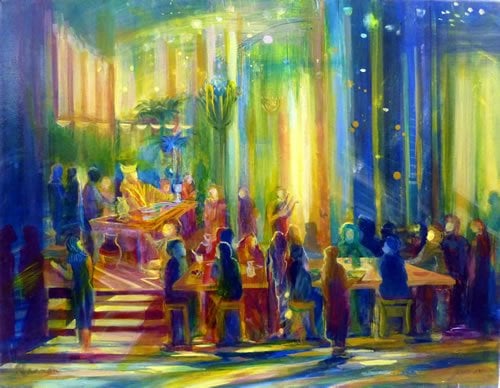
Joseph enjoying a feast with his brothers. (Art by Yoram Raanan)

Joseph enjoying a feast with his brothers. (Art by Yoram Raanan)

Posted in Uncategorized | Leave a comment

Hanukkah & the Torah portion of Miketz: between End and Beginning, Darkness and light

חנוכה ופרשת “מקץ” – בין קץ והתחלה, חושך ואור

כבר חודשיים שאני חושבת שאני “צריכה” לכתוב משהו על ה”מצב”, המצב שאני עדיין לא מעיזה לקרוא לו בשמו המלא ולא ממש מיישירה אליו עיניים. מי פעם מישהו שואל, נו, אז?…. כבר חודשיים שאני פותחת דף לבן במחשב וכך הוא נשאר. כבר חודשיים שאין לי מילים למה שקורה, למה שאני מרגישה. לו יכולתי לשים את התקופה הזו על הנייר, הייתי שולחת דף בלוג ריק. ריק ממילים ומלא שתיקה.

אולי השתיקה היא תגובה למציאות משתנה נונ-סטופ. נגיד שהיה לי משהו חצי אינטלגנטי להגיד ב-8:00 בבקר, הרי שבצהרים הוא כבר יהיה לא רלוונטי. ואולי השתיקה היא האימה. הרגע לפני פתיחת עמוד או אתר או תחנת חדשות. ושוב הפנים היפות. ושוב השמות. ואולי השתיקה היא צורך באיזון כלפי שלשול הפה סביב.  מכל הכיוונים. “שתפת” – קוראים לזה, הצורך להעביר “מידע”, סרטים, סיפורים… כן, יש כבר שם למחלה הזו…

אני זוכרת ימים אחרים, בהם כל מכתב, שיצא מבסיס אי-שם בארץ. עבר תחת עיניהם הבולשות של יחידת צנזורים צבאים, שקראו, אולי אפילו בהנאה, את כל מה שכתבנו, ומה שלא נשא חן בעיניהם, מחקו בטוש שחור עבה. בשום אופן אי אפשר היה להגיד דברים שנאמרים עכשיו, בפייסבוק למשל, כמו – ‘אנחנו קבוצת לוחמים מגדוד 12345 שעד עכשיו עסק בפעילות סודית ב – יו-ניים-איט, יוצאים לנופש ב מלא-את-החסר-עם-מיקום-מדויק ונורא רוצים קצת בידור…. מודעה מפורטת, שלפי יהורם גאון ברדיו, בששי האחרון, הופצה ברשתות החברתיות….

יומם ולילה. כתבים. צלמים. פעילויות סודיות. תוכניות…. במלחמת העולם השניה היתה פרסומת שאמרה – “שפתיים משוחררות, מטביעות אוניות”, אבל כאן ב”שיא הקידמה”, מותר לדבר על הכל, בכל מקום, כל הזמן. וכשאב שכול, שבור-לב, יצחק בונצל, אביו של עמית הי”ד, מתראיין ומבקש לחדול קצת מהברברת והנזק שהיא מביאה (בגל”צ, ערוץ החיילים), המראיין מנתק אותו מהראיון כי הוא “הוא לא יכול יותר”… ומי שאל את האב השכול, אם יכול או לא יכול?? וכן, המראיין התנצל אח”כ ולידיעתי גם נענש, ועדיין…

לפני כ-150 שנה, כתה הרב הירש במאמרו הנפלא והמעורר צמרמורת “לשנה הבאה בירושלים” שמופיע בהגדה לפסח שלו: “…האם הטלגרף מעביר רק – או אפילו בעיקר – בשורות של שמחה ושלום בכל העולם? האם קטר הרכבת מעביר רק סחורה של ברכה וישועה מארץ לארץ? האם אור הידע, קסם הטכנולוגיה מביאים את העולם לשיא האושר?” כן, כמעט 100 שנה לפני השואה, תהה הרש”ר על הרכבות המתקדמות שינועו במדינתו, על החושך שעוד עלול לבוא לעולם… תהה, ולא ידע למה יהיו מסוגלים בני האדם. 

וכך, כבר חודשיים אני חושבת שאני צריכה להגיד משהו, לפעמים אפילו נשאלת. ובסוף, שוב אין לי מילים. ואני חוזרת לפרשת השבוע (המשך למטה).

It’s been two months that I’ve been thinking that I “should” write something about the “situation”, the situation that I still don’t dare to call it by its full name and don’t really look it in the eye. It’s been two months that I opened a blank page on my computer and that’s how it stays. For two months now I have no words for what is happening, nor for what I feel. If I could put this era on paper, I would send a blank blog page; empty of words and full of silence.

Perhaps the silence is a response to a non-stop changing reality. Even if I had something semi-intelligent to say at 8:00 am, by noon it would already be irrelevant. And maybe it’s the dread; that moment before turning to the news; the beautifuk faces; the names. And maybe the silence is a need to balance the “mouth diarrhea” around; the “shatefet” – a new disease of over-sharing has been named; the need to pass on “information”, movies, stories, clips…

I remember other days, when every letter sent from a certain IDF base, in a location not to be disclosed, passed under the watchful eyes of a unit of army censors, who read, perhaps even with pleasure, everything we wrote, and what they didn’t like, they erased with a thick black marker. In no way was it possible to say things that are being said now, on Facebook for example, like – ‘We are a group of (fill in the blank) fighters from battalion 12345 who until now have been engaged in secret activities in you-name-it location, going on vacation in fill-in-the-blank-with-exact-spot and would love some entertainment’, a detailed ad, which according to Yehoram Gaon on his radio broadcast last Friday, was distributed on social networks….

Day and night. Reporters. Photographers. Secret activities. Plans…. During the Second World War there was an advertisement that said – “loose lips – sink ships” (thank you, Rich!), but we, who are living the “pinnacle of progress”, are allowed to talk about anything, everything, everywhere, all the time. And when Yitzchak Bontzel, a heartbroken, bereaved father of Amit hy”d, is interviewed and asks to turn down the excessive talking and damage it brings (on GaLaZ, the soldiers’ channel), the interviewer cuts him off from the interview because he (the interviewer)”can’t take it, no, no, I can’t take it anymore”… and what about the bereaved father who can or can’t take “it”?? And yes, the interviewer apologized later and as far as I know he was also reprimanded, and yet…

About 150 years ago, Rav Hirsch wrote in his wonderful and chilling article “Next Year in Jerusalem” which appears in his Passover Haggadah: “Does the telegraph pass only – or even mainly – joyful and peaceful tidings around the world? Does the locomotive transfer only goods of blessings and salvations from one country to the next? Does the light of knowledge, the magic of technology bring the world to its peak of happiness?” Yes, almost 100 years before the Holocaust, the RaShaR wondered about the advanced trains that would run in his country, and about the darkness that might yet come to the world… He wondered, and did not know what humans would be capable of.

And so, for two months now I think I “should” say something, sometimes I’m even asked. And at the end, I am speechless again. And I go back to this week’s parshah (continues below).

פרשת “מקץ” האהובה היתה הפרשה שלי בבת המצוה שלי. בטעות. לא נולדתי בחנוכה. ובכל זאת, בגלל הלו”ז של הרב ובית הכנסת, כך יצא, ומאז התחברנו, דרך הבר-מצוה של בני הבכור ועד בכלל.

הפסוקים שקראתי אז סיפרו על הבנים ש”יולדו” ליוסף ע”י אוסנת, בת פוטיפרע, כהן און, ועל שמותיהם, מנשה ואפרים:

וּלְיוֹסֵ֤ף יֻלַּד֙ שְׁנֵ֣י בָנִ֔ים בְּטֶ֥רֶם תָּב֖וֹא שְׁנַ֣ת הָרָעָ֑ב אֲשֶׁ֤ר יָֽלְדָה־לּוֹ֙ אָֽסְנַ֔ת בַּת־פּ֥וֹטִי פֶ֖רַע כֹּהֵ֥ן אֽוֹן׃ וַיִּקְרָ֥א יוֹסֵ֛ף אֶת־שֵׁ֥ם הַבְּכ֖וֹר מְנַשֶּׁ֑ה כִּֽי־נַשַּׁ֤נִי אֱלֹהִים֙ אֶת־כׇּל־עֲמָלִ֔י וְאֵ֖ת כׇּל־בֵּ֥ית אָבִֽי׃ וְאֵ֛ת שֵׁ֥ם הַשֵּׁנִ֖י קָרָ֣א אֶפְרָ֑יִם כִּֽי־הִפְרַ֥נִי אֱלֹהִ֖ים בְּאֶ֥רֶץ עׇנְיִֽי (בראשית מא:נ-נב).

נשמע…. רגיל, לא? איש. אשה. בונים משפחה. אך הפועל כאן לא שגרתי ומופיע בצורתו הסבילה – יֻלַּד֙. מה זה יֻלַּד֙?

לפי הרש”ר הירש, התורה בד”כ מתיחסת ללידה משני צדדים, האם והאב (והקב”ה), ולכן משתמשת במונח “ותלד לו”, כדי להזכיר את מקום שניהם, ולהדגיש את השאלה שנמצאת מתחת לפני השטח והיא, האם הילד הזה ישאר גם הבן של אביו, בכישוריו והשפעותיו. הפסוק שלפנינו מדגיש את הקשר המיוחד בין יוסף ואסנת: בשלב זה של חייהם, הוא – עבד עברי שבחסדי שמים ומלך-מצרים, עלה לגדולה. היא (לפי פשט התורה) – בת כהן מצרי, ממשפחה מיוחסת וחשובה.

ממשיך הרש”ר בשפתו הציורית והמדויקת: “עכשיו הרי יכול אדם להיות שליט עריץ ונערץ, שכולם פוחדים ויראים ממנו, אך בביתו שלו, הוא יכול להיות עבד לנוכח שלטונה המתנשא של אשתו… כמה קשה בודאי היה הדבר עבור אסנת, ואילו לא הזדהתה לחלוטין עם דרך החיים של יוסף, בכל ללבה ונפשה, יכול היה להיות שהיא אכן תלד בנים, אבל הם לא יהיו “לו””.

את זכותו הזו, לגדל בנים שימשיכו בדרכו, ולפי הרש”ר – בזכותה הגדולה, הוא מעביר לנו כשאנחנו מברכים את בנינו בכל יום ששי: “ישימך אלוהים כאפרים וכמנשה”, שאף על פי שהבנים האלה גדלו בארמון מצרים, מקום שבוודאי היה בו הכל מכל טוב, עם אינטרנט מהיר, וקליפים בטיק-טוק, ואלפי אופציות למוסיקה וסרטים, והזמנות אובר-נייט של דבר מאכל בו רצו, ועוד ועוד, כשנקראה השעה לעמוד לצד אחיהם, קמו והלכו.

קראתי הבקר של סיפורו של רס”ר אליהו בנימין אלמקייס הי”ד. לפני מספר שבועות הגיעו הוריו, מארלן וישראל לארץ מצרפת לקראת החתונה של בנם. הם סיפרו על ילד שקיבל החלטה בגיל 16 לעזוב את צרפת ולהגיע ללמוד בישראל (בתיכון). מארלן, אימו של בנימין, סיפרה שאחרי שבנימין סיים את הלימודים בכפר מימון, היא ביקשה ממנו כי את לימודי התואר הוא יבוא ללמוד בצרפת. הוא הסכים והכל אורגן בהתאם. חודשיים לאחר שכבר החל ללמוד, יום אחד אמא שלו ראתה אותו בוכה. מה קרה, שאלה אותו, ובנימין ענה לה, אמא, אני לא יכול להישאר בצרפת. אני חייב לחזור הביתה, לישראל. בנימין זכה לחזור הביתה לישראל, לעלות ארצה, להתגייס לצה״ל, ולהיות ללוחם הנדסה בחטיבה 551.

ב-8.11.2023, כמה ימים לפני יום החתונה המתוכנן, ובתאריך העברי של יום ההולדת ה-29 שלו, נפל בנימין במלחמה בעזה. אבל הסיפור לא מסתיים כאן, כי לאחר השבעה, מארלן וישראל, ההורים הגיבורים של בנימין קיבלו החלטה שהם וכל הילדים שלהם עולים לארץ… כמו בניו של יוסף, שיצטרפו לדודיהם וביחד יצרו את “בני ישראל”?

יוסף קרא לבניו מנשה ואפרים. אפרים, הצעיר, נקרא ע”ש הפוריות לה זכה יוסף, אפילו, כפי שקרא לה, “ארץ עוניי”… ארץ עוני? הלוא מצרים היתה הממלכה הכי -הכי של אותה תקופה!! אך עבור יוסף, כל המקום המפואר הזה, לא היה ולא כלום. “ארץ עוני”. ואולי גם – ארץ בה קבל סופסוף “מענה”, במובן של – תשובה. אכן, הוא עשה את כל שיכל כדי להציל את האימפריה הכי גדולה של העולם הקדום, ושלט על מרכז העולם. אבל בסוף חייו, תהיי לו רק בקשה אחת:

וַיֹּ֤אמֶר יוֹסֵף֙ אֶל־אֶחָ֔יו אָנֹכִ֖י מֵ֑ת וֵֽאלֹהִ֞ים פָּקֹ֧ד יִפְקֹ֣ד אֶתְכֶ֗ם וְהֶעֱלָ֤ה אֶתְכֶם֙ מִן־הָאָ֣רֶץ הַזֹּ֔את אֶל־הָאָ֕רֶץ אֲשֶׁ֥ר נִשְׁבַּ֛ע לְאַבְרָהָ֥ם לְיִצְחָ֖ק וּֽלְיַעֲקֹֽב׃ וַיַּשְׁבַּ֣ע יוֹסֵ֔ף אֶת־בְּנֵ֥י יִשְׂרָאֵ֖ל לֵאמֹ֑ר פָּקֹ֨ד יִפְקֹ֤ד אֱלֹהִים֙ אֶתְכֶ֔ם וְהַעֲלִתֶ֥ם אֶת־עַצְמֹתַ֖י מִזֶּֽה… (בראשית נ:כד-כה). מסופר שכשבני ישראל יצאו ממצרים, הם לקחו את עצמות יוסף איתם, ולפי המסורת, נמצא קבר יוסף עד היום במבואות שכם במרכז השומרון, ביתם של אפרים ומנשה.

ומה על שמו של מנשה? פרשנים רבים מדברים על כך ששמו של מנשה בא מהמילה “נשיה”, שכחה, אך יש לפירוש הזה צד מטריד מאד. האם אפשר שיוסף שכח את בית אביו וכל אשר עשה וקרה לו שם?

גם כאן, אנו זוכים לחוכמתו של הרש”ר הירש שמצביע על כך ש”נשה” אין פירושו רק שכחה אלא גם – נושה במובן של מישהו שאוסף חובות. אם כך, מציע הרש”ר, שיוסף אומר, שהקב”ה הפך את הטרגדיה שלי ואת בני משפחתי לנושים שלי. כלומר, מה שהיה נדמה לי עד כה כחוסר מזל והתעללות, הקב”ה שינה לכלי שיכיל את האושר שלי, כך שאני בעצם, חב חובה עצומה לצרות שלי ולבני משפחתי. זה מסתדר גם עם המשך הפסוק: “את כל עמלי”, כאשר “עמל” זו עבודה שנדמית חסרת תועלת ומטרה, ואפילו חסרת צדק והצדקה. והנה, גם את כל זה, כל הדברים שנדמו כחסרי תועלת, את השנים של המתנה שקטה וסבלנית, של חוסר בהירות, של עבדות כואבת וחושך גמור, את כל זה הפך הקב”ה לברכה.

בליווי רוחני לומדים את חשיבות היכולת לקרוא למצב מסוים בשמו, בין אם זו מחלה, רוע, או כל אתגר שהוא. זהו מקום בלי טפיחות על השכם בנוסח “יהיה בסדר”, ואני מאמינה שזה נכון במישור האישי והלאומי כאחד. ויחד עם זאת, פרשת “מקץ”, ששמה – קץ, סוף, היא גם – רמז להתחלה. היכולת לראות את הדברים כפי שהם, לא צריכה למנוע מאיתנו את האפשרות להשאיר לידם סימן שאלה, אפילו קטן, להעלות ספק בקשר למוחלטותם האיומה כפי שהם מצטיירים לעינינו בהווה הקצר, ולדעת שיש סיכוי שהכאב הנורא על כסא ה”משבר”, יוליד בנו עתיד מלא אור.

חנוכה אור ושבת שלום.

The beloved Torah portion, “Miketz”, was the portion on my Bat Mitzvah. Accidentally. I was not born on Hanukkah. And yet, because of the rabbi’s and the synagogue’s schedule, that’s how it turned out, and since then we’ve connected, through the bar mitzvah of my eldest son, and on.

The verses I read then told about the sons who would be “born” to Josef by Osnath, Potiphar’s daughter, the priest of On, and about their names, Menashe and Ephraim:

Before the years of famine came, Joseph became the father of two sons, whom Osnath daughter of Poti-phera, priest of On, bore to him. Joseph named the first-born Manasseh, meaning, “God has made me forget completely my hardship and my parental home.” And the second he named Ephraim, meaning, “God has made me fertile in the land of my affliction.” (Genesis 41:50-52).

Sounds…. normal, doesn’t it? A man. A woman. Building a family. But the verb here is unusual and appears in its passive form – yulad. What is yulad?

According to Rav Hirsch, the Torah usually refers to a birth from both, the side of the mother and the father (and Gd), and therefore uses the term “and she bore (for) him”, to remind us of the place both parents have, and to emphasize the question that lies beneath the surface and that is, will this child remain Also the son of his father, in his skills and influences. But this verse emphasizes the special connection between Yosef and Osnath: at this stage in their lives, he is a Hebrew slave who, by the grace of Heaven and the king of Egypt, rose to greatness. She (according to the Torah’s simple read) is the daughter of an Egyptian priest, from a noble, privileged and important family.

Rav Hirsch continues in his picturesque and precise language: “Now, a man can be an authoritarian ruler, feared and dreaded by all, yet in his own home he can be a cringing slave to his haughty wife. How difficult must it have been for Osnath to truly be Yosef’s wife and the mother of his children. Had she not identified with Yosef’s way of life, with all her heart and soul…. The danger would have been that she would indeed bear him children, but the children would not be born to him”.

His merit, to raise sons who will continue in his path, and according to Rav Hirsch – by her great merit, they pass on to us when we bless our sons every Friday: “May God make you like Ephraim and Manasseh”; for even though these boys were raised in the Egypt’s most wow palace, a place that surely had everything of all, with fast internet, and TikTok clips, and thousands of options for music and movies, and overnight orders of any food they wanted, and more and more, when the time came to stand by their brothers, they got up and left.

I read this morning the story of Major Eliyahu Binyamin Almakais hy”d. A few weeks ago, his parents, Marlene and Israel, arrived in Israel from France for their son’s wedding. They told about a boy who made a decision at the age of 16 to leave France and come to study in Israel (in high school). Marlene, Binyamin’s mother, said that after Binyamin finished his studies in Kfar Maimon, she asked him to come and study for his degree in France. He agreed and everything was set accordingly. Two months after he had already started school, one day his mother saw him crying. ‘What happened’, she asked him, and Benjamin answered, ‘Mom, I can’t stay in France. I must go back home, to Israel’. Benjamin made aliya and enlisted in the IDF in the 551st Brigade.

On November 8, 2023, a few days before the planned wedding day, and on his 29th Hebrew birthday, Benjamin was killed in the war in Gaza. But the story does not end here, because after the shiv’a, Marlan and Israel, Benjamin’s heroic parents, made a decision along with their children to make aliya to Israel… like Yosef’s sons, who will join their uncles and together create the “Children of Israel”.

Joseph named his sons Menashe and Ephraim. Ephraim, the younger one, was named after the fertility that Joseph had, even, as he called it, “the land of my oni – poverty”… the land of poverty? Wasn’t Egypt the greatest kingdom of that time!! But for Joseph, this whole glorious place, was nothing but a “land of poverty”. And perhaps also – a land where he finally received an “answer” (from the same root – a’.n.h.). Indeed, he did everything he could to save the greatest empire of the ancient world, and ruled over the center of the world. But at the end of his life, he will have only one request:

“Joseph said to his brothers, “I am about to die. God will surely take notice of you and bring you up from this land to the land promised on oath to Abraham, to Isaac, and to Jacob.” So Joseph made the sons of Israel swear, saying, “When God has taken notice of you, you shall carry up my bones from here.” (Genesis 50:24-25). It is said that when the Israelites left Egypt, they took the bones of Joseph with them, and according to tradition, Joseph’s tomb is still found today at the entrances of Nablus in central Samaria, the home of the tribes, Ephraim and Manasseh.

And what about Menashe’s name? Many commentators talk about the fact that Menashe’s name comes from the word “neshiya“, forgetfulness, but this interpretation has a very disturbing side. Is it possible for Joseph to forget his father’s house and all that he did and happened to him there?

Here too, we benefit from the wisdom of Rav Hirsch, who points out that the root – n.sh.h. – does not mean only forgetfulness, but also – a creditor in the sense of someone who collects debts. So, Rav Hirsch suggests, that in Menashe’s name, Yosef says, Gd reversed things and made my tragedy and the members of my family to my creditors. That is, what seemed to me so far as bad luck and abuse, the Almighty has changed into a vessel that will contain my happiness, so that I, in fact, owe a huge debt to my troubles and my household for it. This also fits with the continuation of the verse: “all my labor”, where “labor” here, amal, is work that seems to have no use and purpose, and even lacks justice and charity. And behold, all this too, all the things that seemed useless, the years of silence and patient waiting, of lack of clarity, of painful slavery and total darkness, all of this Gd has turned into a blessing.

During chaplaincy training, we learn the importance of being able to call a certain situation by its name, whether it is illness, evil, or any challenge. This is a place without pats on the sholder along the lines like “it will be fine”, and I believe this to be true on both a personal and national level. And at the same time, the Torah portion of Miketz, whose name means end, finality, is also – an allusion to the beginning. The ability to see things as they are, should not prevent us from leaving a question mark next to them, even a small one, doubting their terrible absoluteness as they appear in our eyes in the short-term present, knowing, that there is a chance, that the terrible pain on the birthing stool (known as “mashber” – literally break or crisis) will give birth within us to a future full of light.

Hanukkah Or and Shabbat Shalom.

https://myesha.org.il/?CategoryID=187&ArticleID=841

Posted in Uncategorized | 3 Comments

Traveling in the footsteps of the Hasmonaeans*

Hanukkah is a great time to travel in the footsteps of the Hasmonaeans, the Jewish dynasty founded by Matityahu, the priest, and his five sons, Judah Maccabi and his brothers, who lead the successful rebellion against the Greek Seleucid Empire, celebrated on Hanukkah. We often end the story there, with the menorah and the miraculous pitcher of oil, but what happened afterwards?

The Hasmonaeans continued to rule the Land of Israel for about 130 years. They gained autonomy and presence for Judea until the rise of Herod in 37 BCE who, brutally, annihilated all of them. Until then, they lived in the palaces, fortresses; took care of the Land, minted coins, were involved in trade and more, leaving behind remnants to shed light on their and our holiday’s story, connecting past and present. The next time there will be a solid, independent Jewish entity in the Land of Israel will be with the establishment of the State of Israel in the 20th century.

So I invite you on a little tour to see who were the Hasmoneans and what they did. We’ll start by heading to Modi’in, the family’s hometown, which is convenient if we just landed… Modi’in sits in the heart of Israel, about 23 km / 14 miles southeast of Ben Gurion airport. Matityahu, the father who was a priest of the Yehoyariv Watch, moved here from Jerusalem. Hellenism was rising all around; leaders robbed the Temple of its treasures, and forbade Jewish observances. When a representative showed up in Modi’in, in an effort to enforce the new king’s deathly laws, he met up with Matityahu and his sons. Their swords at hand, they killed him and some of the Hellenistic Jews who wanted to offer sacrifices to those gods. Matityahu’s call, ‘anyone who’s for the Torah and the (Jewish) Covenant, follow me’ echoed Moses’ call at the Golden Calf, offering an alternative to submission.

Modi’in is already mentioned in various places in the Babylonian Talmud as well as in the Books of Maccabim which didn’t enter the canonized Tanach (Jewish Bible). Early Christian source (from around the 4th century) noted that “this is the village the Maccabis were from, and their gravesites are shown to this day” and so does the Map of Mababa in Jordan. The Arabs of the area, possibly, maintained this tradition by calling the place “Kubur el-Yahud”, literally – the Jews’ gravesite. The precise site is being debated, but there are a number of spots that can match the description in the same area, with an old cemetery, stones, small coffins, writings in Hebrew and Greek and more.

But the Hasmoneans expanded their kingdom well beyond their hometown. One of their achievements is the chain of six huge fortresses built on the edge of the desert, above the western cliffs of the Jordan Valley, to defend the growing kingdom. From north to south they are: Sartaba – Alexandrion; Dagon – Dok above Jericho; Kiprus above Wadi Kelt; Horkania above the Kidron Valley, Masada and Michvar, opposite Mitzpe Shalem.

Due to security issues, it’s challenging to visit some of these fortresses, but, following the road to Jerusalem and from there, onward towards the Dead Sea, we can get to Masada (if we turn south near Jericho), and to Sartaba – Alexandrion (turning north).

The latter sits on a pointy, barren hilltop, the tallest point in the southern Shomron (Samaria) desert, towering 650 meters (2133 feet) over the Jordan Valley (377 meter / 1237 feet above sea-level). Its name “Alexandreion” is mentioned in Josephus’ “Antiquities of the Jews”, while in the Mishna and the Talmud, it is mentioned by its name, Sartaba, described as one of the mountaintops of which torches would be lit to announce the new month. Here is the Mishna from Tractate Rosh Hashana (b:4). By the way, in memory and in honor of this event, the moshav at the foothill of the mountain was named, Masu’a, literally, a torch:

And from which mountains would they light the torches? They would transmit the message from the Mount of Olives in Jerusalem to Sartaba, and from Sartaba to Gerofina, and from Gerofina to Ḥavran, and from Ḥavran to Beit Baltin. And from Beit Baltin they would not move to light torches in any other predetermined location. Rather, the one who was appointed for this task would wave the torch back and forth and up and down, until he would see the entire Diaspora before him alight like one large bonfire, as they would light torches to continue transmitting the message from place to place all the way to the farthest reaches of the Diaspora.וּמֵאַיִן הָיוּ מַשִּׂיאִין מַשּׂוּאוֹת, מֵהַר הַמִּשְׁחָה לְסַרְטְבָא, וּמִסַּרְטְבָא לִגְרוֹפִינָא, וּמִגְּרוֹפִינָא לְחַוְרָן, וּמֵחַוְרָן לְבֵית בִּלְתִּין, וּמִבֵּית בִּלְתִּין לֹא זָזוּ מִשָּׁם, אֶלָּא מוֹלִיךְ וּמֵבִיא וּמַעֲלֶה וּמוֹרִיד עַד שֶׁהָיָה רוֹאֶה כָל הַגּוֹלָה לְפָנָיו כִּמְדוּרַת הָאֵשׁ:  

Most researchers agree that the fortress at the top of the Sartaba, is Alexandrion, constructed by the Hasmonean king, Alexander Yanai. Josephus wrote that this beautiful splendor of a fortress was one that the king’s wife, queen Shlomtsion, didn’t want to give up when she transferred other fortresses to the Sadducees, because in it were “her special treasures”.

When the Hasmonean kingdom fell, these fortresses were all destroyed, but Herod instructed to rebuild Sartaba. His idea was to use it as a prison for his political opponents including his 2nd wife, Miriam the Hasmonean (and her mother), once he realized she was more loyal to her father’s family than to him. Tragically, this was also the burial site of their two sons who were executed once their rebellion against their father, Herod, discovered. Indeed, this was the end of the Hasmonean dynasty. During the Great revolt (~70CE), Vaspasian or Titus razed what was left of it, and so it has sat there for almost 2000 years, waiting for us.

Archeological digs in the site revealed remnants from the Hasmonean era, pillars and other decorations, with expectations to find more in future digs. An impressive water system, which, surprisingly, mostly survived the ages, led water from a dam at a nearby wadi, and using a siphon, brought the water to big water holes at the foot of the fortress. Recent years have, sadly, witnessed destruction, neglect and robbery of the Sartaba. We can only hope that with more travelers, Sartaba too, will once again be a site of splendor and inspiration.  

There are many more fascinating Hasmonean sites, but as our time is short, let me just share one more. We won’t be able to visit, but since we hear so much about it in the news, it might be worth mentioning…

In Gd’s command to the people of Israel to go into the Land of Israel, it is said: “Turn and go and come… and in the Negev and on the seashore” (Deut 1:7). The Sages interpreted: “‘And in the Negev and on the seashore’ – this is Gaza, Ashkelon and Cesarea” (Sifre on this verse). Gaza fell in the possession of the tribe of Judah (Joshua, 11, 22; Joshua, 15, 17) and was occupied at the end of the tribes’ settlement period (Judges, 1:18), but it seems that the Israelites did not hold it for long as there was a strong Philistine city there.

The Hasmonean period is the first time we see a known Jewish community in Gaza. Some say that Shimon, Judah Maccabee’s brother lived in the city for a while. Yet, the city was hostile to the Hasmoneans and was destroyed by the Hasmonean king, Alexander Yanai in 96 BCE, remaining in ruins until the Roman conquest of the Land of Israel. According to the dates on coins found here, it was rebuilt and began to number its years from 61 BCE which is also the year the Jewish community in the city was expelled.

Following, the Jewish settlement in the city of Gaza existed intermittently – from the 2nd century BCE until 1948, knowing times of great pain (for example, sold as slaves in the Gaza market after the Bar Kochva Rebellion) as well as times of growth and joy. It produced rabbis, poets, leaders and well-known personalities; it had great synagogues with tall pillars and on them, Jewish inscriptions; fancy mosaic floor with David playing the harp. The Sages considered Gaza to be outside the boundaries of the Land of Israel, but allowed them to settle there, because “it is beautiful”.

And before saying our good-byes, one more word about the Hasmonean rule, a time of political independence and military power; an era of brilliance and material flourishing for the Jewish people and Jewish culture; economic prosperity, including lower tax burden, territorial expansion, and establishment of ports and trade routes, along with a cultural strengthening and a firm stand against Hellenism. The Hasmoneans stood their ground and persevered in difficult situations, contributing to the survival of our people, not just then, but during the long exile, the existence of the sovereign Hasmonean state allowed us to hope and imagine how, one day, despite the disasters that befell them, we too, would emerge from the centuries of servitude and suffering, to be independent in our homeland once again. This year, when we light our Hanukkah candles, let’s light them also in honor of our amazing history, beautiful Land, and strong commitment to a brighter future, even better than anything we’ve known until now.

Wishing you and yours a Hanukkah Or – filled with light

((* written for Yeshivat Maharat Hanukkah booklet – English only))

SARTABA PEAK – SEP 2023
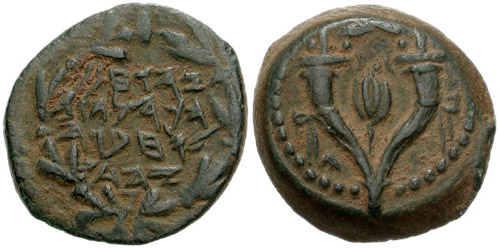
Classical Numismatic Group, Inc. http://www.cngcoins.com
” יהוחנן כהן גדול חבר היהודים” (באלפבית עברי עתיק). מטבע מהתקופה החשמונאית בארץ ישראל, מיוחס ליוחנן הראשון או השני. המאה השנייה לפני הספירה
Posted in Uncategorized | Leave a comment

Yosef, a guest for the Festival of Lights

יוסף, אורח לחג האור

פרשת וַיֵּשֶׁב נפתחת בפסוק די מוזר: אֵ֣לֶּה תֹּלְד֣וֹת יַעֲקֹ֗ב יוֹסֵ֞ף בֶּן־שְׁבַֽע־עֶשְׂרֵ֤ה שָׁנָה֙ הָיָ֨ה רֹעֶ֤ה אֶת־אֶחָיו֙ בַּצֹּ֔אן וְה֣וּא נַ֗עַר אֶת־בְּנֵ֥י בִלְהָ֛ה וְאֶת־בְּנֵ֥י זִלְפָּ֖ה נְשֵׁ֣י אָבִ֑יו…. (בראשית לז:ב)

תולדות יעקב הם – יוסף. וכמו אביו ואמו, גם הוא רועה ועוסק בצאן, אך הפסוק מדייק ואומר שיוסף “רועה את אחיו – בצאן”, ומתאר את הקשר המיוחד שלו עם “בני בלהה ובני זלפה”.

ה”כלי יקר” (רבי שלמה אפרים מלונטשיץ, 1550-1619) ואחרים אומרים שהאחים בני לאה, היו “מזלזלים בבני השפחות”, ולא רק שקראו לבלהה וזלפה פילגשים ושפחות (הנשים ש(הן)-“פחות”), אלא שגם קראו לבניהם עבדים, “ויוסף לבד היה מתחבר אל בני בלהה וזלפה כי אמר שהם נשי אביו ממש”. יוסף מבין שעד כה היה לכל אב רק בן ממשיך אחד, אך מכאן והלאה על כולם להמשיך ביחד, גם אם זה יקח מאמץ גדול, כדי להיות ל”בני ישראל”. גם חלומותיו על היום בו כולם ישתחוו לו, לא מונעים ממנו לראות את ערכם וחשיבותם של כל אחד מאחיו, בניו של יעקב.

חז”ל הסבירו את אישיותו של יוסף ככזו שכיוונה הוא “מלמטה למעלה”, מהגשמי לרוחני, מה שמתבטא בסיפורו בכך שצריך ל”העלות” אותו מן הבור, אפילו פעמיים (לז:כח, מא:יד). וכך בסוף פרשת “וישב” מוצא יוסף את עצמו בבית האסורים, שם הוא פוגש שני שרים שהודחו על ידי פרעה, המספרים לו את חלומותיהם. יוסף מציע פתרון לחלום שאכן קורה: שר האופים נתלה ושר המשקים יוצא מהכלא. יוסף מבקש משר המשקים שיזכיר את עניינו לפני פרעה כשייצא מהכלא, אולם “לֹֽא־זָכַ֧ר שַֽׂר־הַמַּשְׁקִ֛ים אֶת־יוֹסֵ֖ף וַיִּשְׁכָּחֵֽהוּ” (מ:כג).

נראה שהמלה “וישכחהו” מיותרת, כי כבר נאמר שהוא לא זכר אותו, ומה המשמעות של לא לזכור מישהו וגם לשכוח אותו?

השפת אמת (קובץ דרשות חסידיות על התורה שחיבר רבי יהודה אריה לייב אלתר, האדמו”ר מגור 1847-1905) מחבר לנו בין שתי שיכחות: יוסף שנשכח כאן, ואויבינו בחנוכה שרצו “להשכיחם תורתך” – להשכיחנו מדרכנו. מה אפשר לעשות נגד שכחה? התורה אומרת לנו (על מצוות שונות) “וראיתם… וזכרתם”… מכאן שבשביל זכרון צריך ראיה, ושבחושך קשה לראות ולכן קשה לזכור. הוא מפנה את תשומת לבנו שחשכה ושכחה הן אותן אותיות. כלומר, ימי חנוכה, הנרות והאור, דוקא בתקופה הכי חשוכה בשנה, נותנים לנו אפשרות לזכרון. הזכרון מאפשר הבנה של העבר, ויחד עם זאת, גם תקווה לעתיד.

הסיפור של יוסף בפרשות השבוע תמיד מופיע בלב החורף, סמוך ובתוך חג החנוכה. גם כשחשוך, ואולי דוקא כשחשוך, יוסף הוא זה שמעיז וחולם, ומתוך כל, מלמד אותנו, לא לוותר על החלום, על האפשרות, על העתיד. אפילו כשאנחנו עדיין משפחה קטנה והמצב סביבנו לא פשוט, הוא חולם שנוכל לזון את העולם (כמו שנראה בחלום האלומות), ושנהיה כמו כוכבים המאירים את חשכת הלילה בעולם. זהו יוסף,  שחז”ל מצביעים על שמו כשווה בגימטריה למילה “ציון”, העברי, שגונב מ”ארץ העברים”, זה –שבזכותו סופסוף עוזב יעקב את הגלות וחוזר לארץ, זה שרוצה להפוך אותנו ל”אור לגויים” כאומה משמעותית בעולם, וזה שמתעקש להקבר בארץ, ובמקביל לגדולה בעולם, לא לשכוח מאין באנו ולאן אנחנו הולכים.

נקוה שיוסף יגיע גם אלינו ודוקא בחנוכה הזה, ושיביא איתו חלום על אור ותקוה בתוך החושך סביב.

Yosef, a guest for the Festival of Lights

The Torah portion of Veyeshev opens with a rather strange verse: “This, then, is the line of Jacob: Yoseph, at seventeen years of age, tended the flocks with his brothers (literally – “shepherd his brothers with the flock”), as a helper to the sons of his father’s wives Bilhah and Zilpah….” (Genesis 37:2)

The “Kli Yakar” (Rabbi Shlomo Ephraim of Luntschitz, 1550-1619) and others, say that the brothers, Leah’s sons, were “disdainful of the sons of the handmaids”, and not only did they call Bilha and Zilpa concubines and handmaids (in Hebrew, the word “sh’fachot”, handmaids, can be broken into she-pachot, the ones who are less), but they also called their sons slaves, “and Yosef alone would connect with the sons of Bilha and Zilpa because he said they too were his father’s real wives.”

Yosef understands that up until now each of the forefathers had only one successor, but from now on, everyone must continue together, even if it takes a great effort, to join and be “The Children of Israel”. Even his dreams of the day when everyone bows to him, do not prevent him from seeing the value and importance of each of his brothers, the sons of Jacob.

The Sages explained Joseph’s personality as one whose direction is “from the bottom up”, from the physical to the spiritual, which is expressed in his story by the fact that he had to be “raised” from the pit, even twice (Genesis 37:28’ 41:14).

And so, at the end of this Torah portion, Yosef finds himself in jail, where he meets two ministers dismissed by Pharaoh, who tell him their dreams. Yosef offers his interpretations to the dreams which come true: the Baker is hanged and the Butler is released from prison. Yosef asks the latter to mention his case before Pharaoh when he is free, but “the Butler did not remember Yoseph and forgot him” (40:23).

It seems that the word “and forgot him” is unnecessary, because it has already been said that he did not remember him, and what is the meaning of not remembering someone and also forgetting him?

The Sfat Emet (a collection of Hasidic sermons on the Torah compiled by Rabbi Yehuda Aryeh Leib Alter, the Rebbe of Gur 1847-1905) connects us between two forgetfulness: Yoseph who was forgotten here, and our enemies at Hanukkah who wanted to have us “forget Your Torah” – to “forget us” from our way. What can be done against forgetfulness? The Torah tells us (about various mitzvahs) “And you saw… and you remembered”… Hence, remembrance is aided by sight; in the dark it is difficult to see and therefore, difficult to remember. He draws our attention to the fact that darkness and forgetfulness in Hebrew are the same letters (chashecha & shichecha). That is, the days of Hanukkah, the candles and the light, precisely in the darkest time of the year, give us the opportunity to remember. Remembrance enables an understanding of the past, and at the same time, also hope for the future.

The story of Yosef in these Torah portions always appears in the heart of winter, near and within Hanukkah. Even when it’s dark, and maybe precisely davka when it’s dark, Yosef is the one who dares and dreams, and through that, teaches us not to give up on the dream, the possibility, the future.

Even when we are but a small family and the situation around us is not easy at best, he dreams that we will be able to feed the whole world (as seen in the dream of the sheafs), and that we will be like stars that illuminate the darkness of the night in the world.

This is Yosef, whose name the sages point to as equal in gematria to the word “Zion”; the Hebrew lad, who is stolen from the “Land of the Hebrews”; the one in whose merit Jacob finally leaves exile, returning to the Land; the one who wants us to be a “light to the nations” and serve as a significant People in the world, and also the one who insists on being buried in the Land of Israel, and while thinking of greatness in the world, not forgetting where we came from and where we are going to.

I’m hoping that Yosef comes to us again, and davka on this Hanukkah, and that he will bring with him a dream about light and hope in the surrounding darkness.

pictures in Israel, Germany (1933), San Diego and Haifa

Posted in Uncategorized | 1 Comment

“And Dina went out” to live peacefully in Otef Aza…

“ותצא דינה” לחיות בשלום ושלווה בעוטף עזה….

ב-1974 יצא לאור הסרט “המכה ה-81” העוסק באירועי השואה מעליית הנאצים לשלטון ועד להשמדת היהודים, אשר שמו נלקח מעדותו של מיכאל גולדמן-גלעד, ניצול השואה, שהולקה ע”י הנאצים שמונים מכות שוט נוראיות, אך המכה ה-81, הקשה ביותר שספג, היתה האדישות שבה התקבלו בישראל סיפורי הניצולים. האם כך תזכר הטראומה הלאומית הנוראה שאנחנו חיים בתוכה? תגובת העולם, או יותר נכון – חוסר התגובה הכולל במיוחד ארגוני נשים שונים שהיו צריכים להיות בין הראשונים לצעוק ולצרוח נגד, אל מול האונס ההמוני והרצח הנורא של נשים ישראליות-יהודיות ב-7 באוקטובר?

בשבוע ה-8 למלחמה, אנחנו מגיעים לפרשת “וישלח” עם סיפורה של דינה, והאמת היא, שניתן היה בקלות להוציא מהתנ”כ את פרק 34 בספר בראשית המספר את סיפורה, ושום דבר לא היה חסר מרצף הסיפור המרכזי של ספר בראשית. ובכל זאת, התורה בחרה לא לוותר עליו, ואולי בכך הדגישה ואמרה לנו קודם כל שלמרות הכל, אנחנו מפנים מקום גם לדברים הקשים והכואבים ביותר, ונעסוק בהם בכנות ככל שנוכל, על אף – ואולי דוקא בגלל – מורכבותם.

וַתֵּצֵ֤א דִינָה֙ בַּת־לֵאָ֔ה אֲשֶׁ֥ר יָלְדָ֖ה לְיַעֲקֹ֑ב לִרְא֖וֹת בִּבְנ֥וֹת הָאָֽרֶץ” (לד:א). רשי בשם המדרש תוהה מדוע מתוארת דינה גם כבת לאה שילדה ליעקב, ומסביר “אֶלָּא עַל שֵׁם יְצִיאָתָהּ נִקְרֵאת בַּת לֵאָה, שֶׁאַף הִיא יַצְאָנִית הָיְתָה (בראשית רבה), שֶׁנֶּאֱמַר וַתֵּצֶא לֵאָה לִקְרָאתוֹ (וְעָלֶיהָ מָשְׁלוּ הַמָּשָׁל כְּאִמָּהּ כְּבִתָּהּ)”.

אבל המלבי”ם (רבי מאיר ליבוש בן יחיאל מכיל וייזר 1809-1879 פרשן המקרא שחי באימפריה הרוסית, פרוסיה ורומניה) דורש אחרת, והפירוש שלו עוזר לי קצת בסיפור הנורא הזה.

כך הוא אומר: ותצא דינה. מודיע כי דינה לא אשמה בזה, שלא תאמר שפרצה גדר הצניעות, כי (הרי) היתה בת לאה, שהיתה צנועה באהלה, ואשר ילדה ליעקב, שלידתה מתיחסת אל יעקב, שהיתה צנועה וכשרה, כי לא היתה היציאה ללכת אחרי הבחורים רק לראות בבנות הארץ ובתהלוכותיהן:

ועוד הוא ממשיך גם על הפסוק השני – “וַיַּ֨רְא אֹתָ֜הּ שְׁכֶ֧ם בֶּן־חֲמ֛וֹר הַֽחִוִּ֖י נְשִׂ֣יא הָאָ֑רֶץ וַיִּקַּ֥ח אֹתָ֛הּ וַיִּשְׁכַּ֥ב אֹתָ֖הּ וַיְעַנֶּֽהָ”, ומפרש לנו שלא נאמר “שנכנסה עמו (עם שכם בן חמור החיוי, נשאי הארץ) בדברי עגבים, כי ראה אותה (הוא) בפעם הראשון, ויקח אתה, ביד חזקה ואין מציל מידו, כי היה נשיא הארץ, והיה חטאו משולש. א. ויקח אתה ביד חזקה וזה גזל גמור. ב. וישכב אתה, ובזה טמא אותה, אחר שהוא ערל, ו- ג. ויענה, כי לא נתרצית והיה אונס אצלה ונחשב לה לעינוי, ובזה היה גזל גם נגדה.

הכוחנות של שכם ממשיכה גם בתביעה: “קַֽח־לִ֛י אֶת־הַיַּלְדָּ֥ה הַזֹּ֖את לְאִשָּֽׁה“. מה אתה עושה? היא רק ילדה! מזדעק הכתוב. אבל אביו של שכם, חמור, “מגסביר” את בנו:

חָֽשְׁקָ֤ה נַפְשׁוֹ֙ בְּבִתְּכֶ֔ם, תְּנ֨וּ נָ֥א אֹתָ֛הּ ל֖וֹ לְאִשָּֽׁה” (פסוק ח’). במילים של ימינו נגיד ש – מה אתם רוצים? “בא לו עליה”, מתחשק לו, וחשק הוא דבר שלרגע קיים ולרגע איננו. במילותיו של המלבי”ם, “שהחשק הוא מובדל מן האהבה והחפץ, שהחשק אין לו עינים ואין לו טעם, שלפעמים יחשוק אדם גדול בבת פחותים ובכעורה ובבעלת מום, כאומר שהוא חשק בלי טעם, כי ימצא יפות וטובות יותר ממנה בבני עמו, תנו נא אתה לו לאשה, ובזה תרויחו אתם”… בואו, אני עושה לכם טובה, אומר ה-חמור. כדאי לכם! איזה דיל!!

ברגע שהבמה מסודרת כך, מתבהרת גם תגובתו העצובה והעצורה של יעקב. למה “החריש” ולא צעק ובכה ולא עשה משהו?

לפי הפסיכולוגיה המודרנית, בזמן סכנה מיידית ואמיתית, יש לכל בעלי החיים אפשרות ל – 4F וקיימת בחירה אינסטנקטיבית ביניהם בהתאם לסיטואציה:

FIGHT – היא התגובה האסרטיבית, ולפעמים אגרסיבית במתוך רצון להגן, להדוף וליצור גבולות ברורים למותקף.

FLIGHT – היא התגובה של הבריחה, ניתוק ומנע. זו יכולה להיות בחירה, לא בהכרח מפחד פניקה, אלא כשאנחנו מזהים שאין לנו יכולת להלחם במצב בו אנו נמצאים.

FREEZE – קפאון. זהו סוג של התנתקות עם המנעות יתר. בזמן הקפאון אפשר לאגור כוחות להמשך ההשרדות.

FAINT – מצב של “שאט-דאון”, המערכת חוסכת באנרגיה ומכבה את עצמה, למשל, כשאדם מאבד את ההכרה וגם כשהאירוע מסתיים וההכרה חוזרת, הוא זוכר רק חלקים מהאירוע וחלקים אחרים נשארים מודחקים.

מעבר ל -4F, נוספו לאחרונה גם FRATERNIZE – תופעות העדר, רצון להתאחד עם אחרים כדי להגביר את יכולת הלחימה וההגנה שלנו, ו – FAWN – התרפסות / התנחמדות / חנפנות, ברצון ליצור מרחב משחק גדול יותר עם אפשרויות רחבות יותר לפשרה.

וכך מסביר המלבי”ם את תגובתו של יעקב: “שאם היה יעקב יודע שעדיין לא נטמאה, היה מוסר נפשו להצילה בל תטמא, אבל יען ששמע שכבר טמא אותה ובניו היו בשדה ולא ירויח בהמהירות, לכן החריש עד בואם”… חוסר האונים מכה בו ובנו. אחרי דורות בגלות, שבה משפחת העברים אל ארצה ומולדתה המובטחת, והרי הם מיעוט בביתם שלהם, מוקפים שכנים שיכולים להיות עוינים ומסוכנים. מה עושים במצב כזה? מה היא התגובה ה”מידתית”, הנכונה, המאוזנת, השקולה, המכילה, המביעה את ערכי המשפחה המוסריים יחד עם חוסנה וחוזקה?

יעקב מחריש, אבל האחים, נציגי הדור “הבא”, הפחות גלותי, מבינים אחרת את גודל האסון הכפול ומחשבים את תגובתם: “וַיִּֽתְעַצְּבוּ֙ הָֽאֲנָשִׁ֔ים וַיִּ֥חַר לָהֶ֖ם מְאֹ֑ד” (פסוק ז), והמלבי”ם מסביר את כפל הפעלים: “העצב הוא על דבר רע שקרה לו בבחינת עצמו… שאף אם היה שוכב עמה ברצונה… היא נבלה אצל בני ישראל… (אבל) לא היה מצד זה חרון אף על שכם שהוא אינו יודע נמוסי בני ישראל שהערלה חרפה היא להם, וזה שנאמר ‘ויתעצבו’… (אך בענין) גוף המעשה, (כלומר זה) ש(שכם בן חמור) לקח אותה, בחזקה, בגזל ובאונס… על זה חרה להם מאד ורצו להנקם בשכם, כי כן לא יעשה, אף בדין בני נח”.

יש המסבירים את האחים כ”חמומים”, אך יתכן גם שהם מכירים במעמדם המורכב, במיוחד כשדינה עצמה עדיין חטופה ושבויה בידי שכם, והם רוצים לפעול “במרמה ובחוכמה רבה” כנגד החפצת אחותם (“כִּ֥י חָפֵ֖ץ בְּבַֽת־יַעֲקֹ֑ב” – פסוק יט), שחרורה ללא פגע, והשבתה, יחד עם השבת כבודה וחוסנה. יתכן שעד ה-7 באוקטובר, תגובתם העבירה בנו צמרמורת: “לרמות” אנשים ולגרום להם למול את עצמם כדי להרוג אותם בעוד כואבים? זה לא “בסדר”! לצערנו הרב כל כך, תגובתם הקיצונית גם משדרת משהו שיתכן ואנחנו מבינים אחרת השנה.

לא פעם נשאלת השאלה, למה הם הרגו את כולם? אם שכם ומשפחתו אשמים, אז, בסדר, מובן שהם צריכים להענש, אבל למה כל העיר? תשובה אפשרית היא שזה לא היה עוזר להפטר רק מ”נשיא הארץ” וקרוביו, כי הם נבחרי ואהובי העיר המתנהגים בצורה שמשקפת את ערכי העיר, וזה אומר, שכשיהיה נשיא חדש, קרוב לודאי שגם הוא יתנהג באותה צורה. האחים, אם כך, רוצים להשיג שני דברים: לפתור את המצב המיידי, ולשלוח מסר חזק של ‘אל תתעסקו איתנו’ לכל מי שאפילו משחק ברעיון דומה אי פעם שוב. 

אני רוצה להיות ברורה: אני לא מציעה את אותו הפתרון כיום. ויעקב בעצמו כועס על שמעון ולוי, האחים שהנהיגו והוציאו לפועל את המבצע הזה, שהרסו את “סיכויי הדיפלומטיה” שלו עם שכניו. מאוחר יותר, הם לא יקבלו את הברכה הכי טובה, מה שיסבך את חייהם מכאן והלאה. ועדיין. בו זמנית. האם לא היינו רוצים שהמסר של ‘אל תתעסקו איתנו, היה ברור, ושהרעיון של לאנוס אף אחת מאיתנו, לא היה עובר במחשבתו של אף אחד, גם ב-6 באוקטובר, שלא לדבר על לאחר מכן?? וזו אולי אחת השאלות הגדולות ביותר שהסיפור משאיר לנו: איך אנחנו מתנהלים בצורה ששולחת את המסר הזה, בשעה שאנחנו ממשיכים לשמור על ערכי המוסר והאתיקה שלנו?

ומתוך כל זה, חסרים לי כאן כמה קולות. קודם כל, קולה של דינה: מה עבר עליה? מה חשבה? עם מי דברה? מה סיפרה אח”כ, לפי המדרש, לבתה? ומה עם שכם עצמו, נחקר במרתפי השב”כ? מה אמר? האם זה משנה שהוא לפחות לא נשלח ע”י ארגון טרור? האם אפילו הוא עוד מעצים את הטרגדיה בתוכה אנחנו חיים?

ומה עם קולו של אלוהים? למה אלוהים לא אומר בפרק הזה שום דבר? לא אכפת לו? הוא מסכים? מתנגד? שותק באדישות כמו העולם סביבנו או שאולי, מבהיר לנו שהוא לא בא לנקות ולסדר אחרינו את הבלגן, ושזו  חובתנו אנו לעשות כל שאפשר כדי שדברים כאלה לא יקרו?

בתקוה ותפילה לשלום, החלמת וחזרת כל החטופים והשבויים, וכן, הנשים והגברים הסובלים מאלימות מינית, בזמן מלחמה לאומית או אישית.

AND DINA WENT OUT and lived peacefully in Otef Aza….


In 1974, the film “The 81st Blow” was released, dealing with the events of the Holocaust from the rise of the Nazis to power til the extermination of the Jews. The name of the film was taken from the testimony of Michael Goldman-Gilad, a Holocaust survivor, who was handed eighty terrible lashes by the Nazis, but the 81st blow , the hardest he suffered, was the indifference with which the survivors’ stories were received in Israel.

Is this how this awful national trauma we live in, will be remembered? The world’s reaction, or rather – inaction, which includes especially various women’s organizations that should have been among the first to shout and scream against, in the face of the mass rape and horrific murder of Israeli-Jewish women on October 7?

In the 8th week of the war, we come to the Torah portion of “Vayishlach” with Dinah’s story, and honestly, chapter 34 of the Book of Genesis, which tells her story, could have easily been removed from the Bible altogether, and nothing would have been missing from the main story’s flow. And yet , the Torah chooses not to give up on it, perhaps telling us, first and foremost, that we make room for the most difficult and painful things, and we will deal with them as honestly as we can, in spite – and perhaps precisely because of – their complexity.

“Now Dinah, Leah’s daughter whom she had borne to Jacob, went out to visit the daughters of the land” (34:1).

Rashi in the name of the midrash wonders why Dina is described as “Leah’s daughter who she had borne to Jacob” and explains that “like mother so is her daughter: Leah ‘went out’ towards Jacob and Dina likewise was also a ‘goer-outer’” (which in Modern Hebrew can be a synonym to a prostitute, or – promiscuous woman).
But the Malbim (Rabbi Meir Leybush, 1809-1879, commentator who lived in the Russian Empire, Prussia and Romania) thinks differently, and his commentary helps me navigate this awful story.
And so he says: 

And Dina went out”: to let us know that Dina is not at fault, lest you say, that it’s her who broke the boundaries of modesty, but she was Leah’s daughter, who herself was modest in her tent; “whom she had borne to Jacob” – whose birth is from Jacob, and she was modest and appropriate, for she did not go out to wander after the guys, but rather, just went “to visit the daughters of the land” and their festivities.
He continues to the second verse: “Shechem son of Hamor the Hivite, chief of the country, saw her, and took her and lay with her and tortured her”, and comments that the text does not say that she entered into improper (sexual) talk, but that he’s the one who saw her first, and he took her, by force, and no one can be saved from him for he was the leader of the land;

Therefore, Shechem’s sin was of three fold: 1. He took her by force and that is total robbery; 2. He slept with her, and by doing so, he defiled her for he was uncircumcised; and 3. And he tortured her, for she did not want this, and it was rape, done forcefully, and it was torture for her which was a double robbery.
Shechem’s abuse continues in the demand: “take to me this girl for a wife”. She’s just a child, cries out the text alarmed! And later, when Shechem’s father explains: “My son Shechem has a desire for your daughter. Please give her to him in marriage” (verse 8). In our words we’d say that he “feels like” he wants her, as if this is some capricious way, something that is here for a moment, then gone, and in Malbim’s words: “that desire is different from love and want, for this kind of desire has no eyes and no taste, and because it has no rhyme or reason, he can find better, prettier girls among his own people he’d feel like as well; And when he says, give her to him to be his wife, he means, in doing so, you will benefit yourselves”… so mansplains Chamor, son of Shechem, common, I’m doing you a favor! This is so good for you! Such a deal!!
 
Once the stage is set this way, Jacob’s stoic and sad reaction is clearer. Why was he “silent” and did not yell and cry and do something?

According to modern psychology, during time of real and immediate danger, each living creature has access to “4F’s”, with an instinctive choice in line with the situation:

Fight – the assertive response, and at times even aggressive, expressing a desire to defend, fend and create clear boundaries for the attacked. 

Flight – the reaction of escape, disconnect and avoidance. This can be a reaction, stemming not necessarily from fear and panic, but rather, when we identify a situation in which we can’t fight.

Freeze – a kind of disconnect with extra avoidance. During the state of freeze one can accumulate energy to continue survival efforts.

Faint – state of “shut-down”; the system saves energy and turns itself off, for example, when a person loses consciousness, and even when the event is over, s/he remembers only certain parts of the event while others are pushed to the subconscious.

Beyond the 4F’s, recently Fraternize – the desire to join with others in order to increase fighting responses and Fawn – subservience / niceness / flattery to create greater options for compromise and ultimately, survival. 

Malbim explains Jacob’s reaction as follows: “for if Jacob knew that she hasn’t been defiled, he would have sacrificed his life to save her, but since he heard it was too late, and his sons were in the field and he wouldn’t gain anything with speed, he kept silent till they came”… his helplessness hits him and us. After generations in exile, the family of the Hebrews returns to its promised country and homeland, and they are a minority in their own home, surrounded by neighbors who can be hostile and dangerous. What can be done in such a situation? What is the “proportional response”, the right, balanced, considerate, holding, expressing the family’s moral values along with its strength and gravity?

Jacob is silent, but the brothers, as representatives of the next generation, the less rooted in exile, understand the double disaster differently, calculating their response: “the men were saddened and very angry” (verse 7). The Malbim explains the dual verbs here: “sadness is over something bad that happened because of the event itself, for even if he slept with her at her will, it would have been an abomination among the Children of Israel… and they were not angry over Shechem not knowing the customs of Israel, and over that it was said, ‘they were saddened’ (but), the forceful rape itself… for that they wanted revenge, for even the Noahides are not to behave this way”.

More often than not, the brothers are described as “hotblooded”, but it’s also possible that they recognize their complex status, especially as Dina herself is still held at Shechem’s as a hostage and captive, so they want to act with “cunningness and wisdom” against their sister’s objectification (“for he objectifies the daughter of Jacob” verse 19), her immediate release with no harm, and her safe physical as well as her honorable return. It’s possible that until October 7, their reaction made us shiver: cheat people into circumcising themselves in order to kill them while they are in pain? That’s not ok!

But their extreme reaction also communicates something that we might understand differently when read this year.

The question asked often is, why did they kill everyone? If Shechem and his family are at fault, well, ok, I get they need to be punished, but why the whole city? One answer might be that getting rid of just the “prince of the land” and his family, would not have been enough, because they were the city’s chosen and beloved leaders, behaving in a manner that reflected the city’s values, which means that when there’s a new king, the same thing can and will happen again. The brothers therefore wanted to do two things: solve the immediate situation, while sending a strong don’t-mess-with-us message to anyone out there who might even just toy with a similar idea ever again.

To be very clear: I am not advocating for the same punishment today. Jacob himself is upset with Shimon and Levy, the brothers who led and executed this operation, for ruining his “chances for diplomacy” with his neighbors. Later, he will not offer them favorable blessings, which will complicate their life from here on. And yet, at the same time, wouldn’t we too wish that this don’t-mess-with-us message was clear to all, and the idea of raping any of us, would not have even crossed anybody’s mind, already on October 6, not to mention after….? Which is maybe the biggest question we’re left with at the end of this story: how do we conduct ourselves in a manner that sends this message, while maintaining our moral and ethical values?

And within all this, there are a few voices missing. First, of course, is Dina’s voice: what happened to her? what did she think? who was she talking to? what did she tell her daughter, according to the midrash, who was born later? And there, there’s Shechem, investigated in the ShaBaK’s cellars…what did he say? does it matter that he at least was not purposefully sent by a terror organization? as it turns out, does he too even enlarge the national tragedy we’re living in?

And what about Gd’s voice? Why does Gd not say anything in this chapter? Does He not care? Agrees? Opposes? Is He indifferently silent like the world around us, or maybe, makes it clear to us that He is not going to show up to clean up our messes, but rather, that it is on all of us to make sure things like this don’t happen?

I hope and pray for the peace, healing, and safe return of all hostages and captives as well as the women and men suffering from sexual abuse, whether during time of national or personal war.

Posted in Uncategorized | 1 Comment

Once upon a Ladder… Torah & Travel with the Torah portion of Vayetze &

היה היה סולם…. תורה וטיולים עם פרשת ויצא…

The Hebrew word for “ladder”, sulam, appears only once in the entire Bible: “And he dreamed, and behold, a ladder was placed towards the ground, and its top reached towards heaven, and behold, the angels of Gd ascending and descending on it” (Genesis 28:12). If we got our impression as to how this ladder look from “Bible stories” picture books, we’ve missed something. The Talmud (Chulin 91:b) tells us that the width of the ladder was 8000 parsot! One parsa = about 4 km, that is, the whole ladder is 32 km wide! How did the Talmud arrive at such numbers? Because it is written that angels ascend and descend, that is, from the fact that the word “angels” is in the plural, we understand that here there are at least two together next to each other: one couple ascending, and one – descending. And in the book of Daniel (10:16) an angel is mentioned who was 2000 parsa and if there are four (two ascending and two descending), then the width of the ladder is 8000 parsa. I believe the Talmud does not encourage us to try and build this ladder, but perhaps wants to tell us that there is something very special here. Indeed, this is definitely no ordinary ladder. It is a symbol of the connection between heaven and earth.המלה “סלם” מופיעה רק פעם אחת בתנ”כ כולו: “ וַיַּחֲלֹם וְהִנֵּה סֻלָּם מֻצָּב אַרְצָה וְרֹאשׁוֹ מַגִּיעַ הַשָּׁמָיְמָה וְהִנֵּה מַלְאֲכֵי אֱלֹהִים עֹלִים וְיֹרְדִים בּוֹ” (בראשית כח:יב).
אם קבלנו את הרושם איך נראה הסולם הזה מסיפורי תנ”כ מצויירים, פספסנו. התלמוד (חולין צא:ב) מספר לנו שרוחב הסולם היה 8000 פרסות!! פרסה אחת = כ-4 קמ, כלומר כל הסולם 32 קמ רוחב. איך הגיע התלמוד למספרים שכאלה? כי כתוב, שמלאכים עולים ויורדים, כלומר, מתוך זה שהמילים הן בריבוי, אנחנו מבינים שיש כאן לפחות שניים ביחד זה לצידו של זה שעולים, ואותו הדבר – שיורדים. ובספר דניאל (י,ו) מוזכר מלאך שהיה 2000 פרסה ואם יש ארבעה (שניים עולים ושניים יורדים), הרי רוחב הסולם הוא 8000 פרסה. נראה שהתלמוד לא מציע לנו לנסות לבנות את הסולם הזה, אבל אולי רוצה להגיד לנו שיש כאן משהו מיוחד ביותר. בשום אופן, זה אינו סולם רגיל. זהו סמל לחיבור בין שמים וארץ.  
Further more: It is written that the ladder is placed “towards the earth”, so not on the earth itself. And – “towards heaven”, so directed to and not quite touching… Rav Sherki quotes Professor Naher who said that actually “two ladders are described here – one in heaven and the other in the earth, and the two do not touch each other. In order to move from ladder to ladder – from the immanent to the transcendent, a person must go through a kind of leap or jump, a kind of internal rupture that must be overcome”. This is Jacob. Jacob in the next Torah portion will become “Israel”, and unlike his forefather, all his sons will be for the “Children of Israel”, that is, us. Jacob is the one who will say, “Now I’ve become two camps” (32:11). No longer only one quality, just kindness or only justice and strength, as were Abraham and Isaac, but a combination of both; a combination that is more than both. Tif’eret. Glory.עוד: כתוב שהסולם מוצב “ארצה”, כלומר, בכוון הארץ ולא על הארץ עצמה. גם “השמימה”, כלומר הסולם מכוון כלפי שמים. רב שרקי מצטט את פרופסור נהֵר שאמר ש”מתוארים כאן שני סולמות – האחד בשמים והאחר בארץ, ושניהם אינם נוגעים זה בזה. כדי לעבור מסולם לסולם – מן האימננטי לטרנסצנדנטי, על האדם לעבור מין דילוג, מין קפיצה, מין קרע פנימי שיש לעבור”. זהו יעקב. יעקב שבפרשה הבאה יהיה ל”ישראל”, ושלא כמו אבותיו, כל בניו יהיו ל”בני ישראל”, למי שאנחנו. יעקב הוא זה שיגיד (בשבוע הבא), “עתה הייתי לשני מחנות” (לב:יא). לא עוד רק איכות אחת, חסד בלבד או רק דין וגבורה, אלא שילוב של שניהם, שילוב של שניהם שהוא יותר משניהם. תפארת.
Jacob is a man of connections between opposites. He was born in Israel, and went abroad, staying there for 20 years! Abraham was born there and left with the call to lech-lecha, go unto yourself; he “went down” to Egypt because of the drought in Land, and returned as soon as it was possible. Yitzchak, Jacob’s own father, never left the Land. About him it is said, “dwell in this Land”… If Jacob’s only desire is to escape Esau, this Torah portion could have been called “Vayivrach”, “and he escaped”, and he could have gone to many places. The Sages even tell us that on the way to Haran, he stopped at the yeshiva of Shem and Ever for 14 years. So why didn’t he just finish his studies and return home? Esau probably calmed down by now, and mom and dad miss him very much… Why did he continue away from home, to “get stuck” in the Diapora? Maybe to find a wife? But after all, he could do as his father did, send a messenger to bring him his beloved. We are also told by our Sages, that it was well-known in their family, that since Rebekah had two sons, and Lavan – two daughters, let them marry the older son with the older girl, and the younger son with the younger daughter (and Lavan does refer to this by saying, “this would not be done in our place, to let the younger one marry before the older (Genesis 29:26). So what’s going on here?יעקב הוא איש של חיבורים בין ניגודים. הוא נולד בארץ, יוצא לגולה, ונשאר שם 20 שנה! אברהם, נולד שם ועזב עם קריאת “לך-לך”, “ירד” למצרים בגלל בצורת, וחזר כשהדבר התאפשר. יצחק, אביו, לא יצא מהארץ מעולם. עליו נאמר “גור בארץ”… אם כל רצונו של יעקב הוא לברוח מעשו, לפרשה אפשר היה לקרוא “ויברח”, והוא יכל ללכת להרבה מקומות. חז”ל אפילו מספרים לנו שבדרך לחרן, עצר בישיבה של שם ועבר ל-14 שנה נוספות. אז למה לא סיים ללמוד וחזר הביתה? בטח עשו כבר נרגע, ואמא ואבא מאד מתגעגעים… למה המשיך להתרחק מהבית, כך שהוא “נתקע” בחוצלארץ? אולי בשביל למצוא אשה? אבל הרי, הוא יכל לעשות כמעשה אביו, לשלוח שליח שיביא לו את אהובתו. גם על כך מספרים לנו חז”ל, שהיה ידוע במשפחתם, שמכיון שלרבקה – שני בנים, וללבן – שתי בנות, ישיאו את הגדולה -לגדול, ואת הקטנה – לקטן (לבן אכן מתייחס לכך באומרו, “כי לא כן יעשה במקומנו, לתת הצעירה לפני הבכירה” – בראשית כט:כו).
אז מה קורה כאן?
Last week we met Jacob and he was introduced to us as a “wholehearted man“, ish tam (2:27). Different translations explain the term saying he was quiet, perfect, “going with the flow”. About him the text will say that “he dwelled” as in “settled”. He does not hurry, nor run in the fields in search of prey. At a young age, he’s already like a noble “yogi”, very “present”, living in peace and tranquility.בשבוע שעבר פגשנו את יעקב והוא הוצג לנו כ”איש תם” (כה:כז). תרגומים שונים מסבירים שהוא שקט, מושלם, “זורם”. עליו יאמר, “וישב”. הוא לא רץ בשדות בחיפוש אחר טרף. בגיל צעיר, כמו כבר כמו “יוגי” אציל, הוא “הווה”, חי בשלום ושלווה.
It is just then that he has to leave home, his comfy cocoon, and get out. He goes to live with his deceitful, manipulative, greedy and evil uncle, who is all this, and still, not some distant enemy to be fought and destroyed, but his own kin – his mother’s brother and father-in-law, as if to tell us, that all these qualities are not somewhere else with someone else, but here at home, within us. And Jacob has to face this world, alone. To learn to be in it, to know how to conduct oneself according to its rules, but not to be influenced by it. He should be a businessman. Son of a farmer and a shepherd. He should know several languages. He has to live with four women who each bring something different to his home, and from all of this – create one family. And in all of these, he must learn to find God everywhere, in everything. Only then can we say that he will receive his additional name, Yisrael, “for you have struggled (sarita) with G-d and humans. And prevailed” (32:39).בדיוק אז הוא נאלץ לעזוב את הבית, ולצאת. הוא הולך לגור עם דודו הרמאי, המניפולטיבי, תאב-הבצע והרשע, ועדיין, לא איזה אויב רחוק שאפשר להלחם בו, אלא קרוב משפחה, כאילו לומר לנו, כל התכונות האלה הן לא במקום אחר, אצל מישהו אחר, אלא כאן בבית, בתוכנו. ויעקב צריך לפגוש את העולם הזה, לבדו. ללמוד להיות בתוכו, לדעת להתנהל על פי כלליו, אבל לא להיות מושפע ממנו. הוא צריך להיות איש עסקים. בן של חקאלי ורועה צאן. הוא צריך לדעת כמה שפות. הוא צריך לחיות עם ארבע נשים שכל אחת מביאה לביתו משהו אחר, ומהן ליצור משפחה אחת. ובכל אלה, הוא צריך ללמוד למצוא את הקב”ה בכל מקום, בכל דבר. רק אז נוכל להגיד עליו שהוא יקבל את שמו הנוסף, ישראל, “ כִּי שָׂרִיתָ עִם אֱלֹהִים וְעִם אֲנָשִׁים וַתּוּכָל” (לב:כט).
Maybe that’s why his journey begins with a dream of a ladder, something that will allow him a way to connect heaven and earth. Some say that it was precisely in the diaspora that he needed a ladder, because there, the heavens and the earth are separated and farther away from each other, unlike the situation in the Land of Israel, where here, and sometimes you can really feel it, the heavens sit on the earth… And the angels who “ascend and descend” tell us that in the land they are with him – and with us – on the ground, here, around us… And remember the idea of the two ladders, and the jump between them? If to say that there are moments in life when you have nowhere to put your foot, and you have to trust that nevertheless and despite everything, it will work out..אולי לכן מתחיל מסעו בחלום על סולם, משהו שיאפשר לו דרך לחבר בין שמים וארץ. יש אומרים שדוקא בחוצלארץ, היה לו צורך בסולם מפני ששם השמים והארץ מופרדים, בניגוד למצב בארץ ישראל, שכאן, ולפעמים אפשר ממש להרגיש את זה, שהשמים יושבים על הארץ… והמלאכים ש”עולים ויורדים” אומרים לנו שבארץ הם נמצאים איתו – ואיתנו – על הקרקע, כאן, מסביב… וזוכרים את שני הסולמות, והדילוג ביניהם? כאילו לומר שיש את הרגעים האלה בחיים בהם כשאין איפה לשים את הרגל, וצריך לבטוח שאף על פי כן ולמרות הכל, יהיה בסדר….
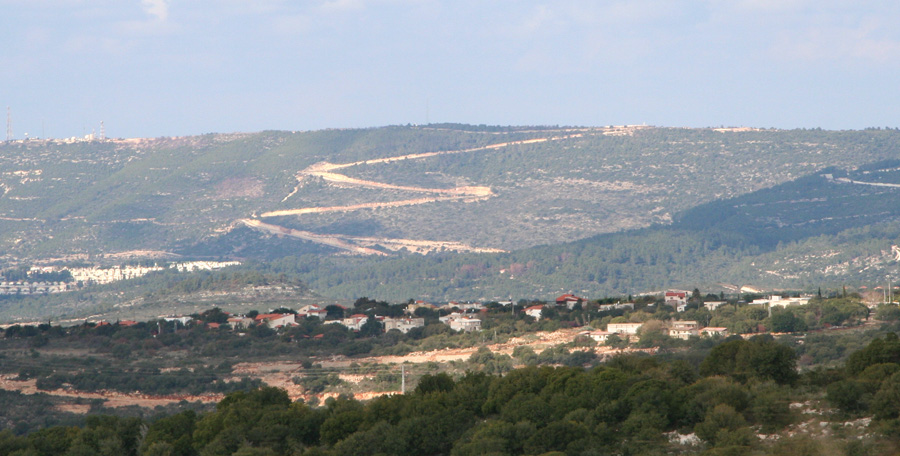
In Israel, we have (at least) one area, which is named (like its regional council) after a ladder, and this is the Ladder of Tyre, Sulam Tzor, an elongated, steep, sloping mountain range from the Upper Galilee to the Mediterranean Sea; in the southwestern corner it touches Rosh Hankara (and at the northern end of the cliff within Lebanon, is “A-Ras al-Abyad” – “The White Head”). Along the top of the ridge runs the border between Israel and Lebanon a border that recently, sadly, appears too much in the news for the wrong reasons; a border established initially after World War I, as part of the division of the Middle East between the British and French Mandate territories.בארץ, יש לנו לפחות איזור אחד שנקרא (וכיום גם המועצה האיזורית שבו) על שם סולם, וזהו סולם צור, רכס הרים מוארך, תלול ומשתפל מהגליל העליון לים התיכון, שבדרום-מערבו – ראש הנקרה (ובקצהו הצפוני של המצוק, שבתחום לבנון, נמצא “א-ראס אל-אביד” – “הראש הלבן”). לאורך פסגת הרכס עובר הגבול שלאחרונה לצערנו הרב, מופיע בחדשות, בין ישראל ולבנון, גבול שנקבע לראשונה לאחר מלחמת העולם הראשונה במסגרת חלוקת המזרח התיכון בין שטחי המנדט הבריטי והצרפתי.
The name “Ladder of Tyre” is mentioned a lot in the literature of the Sages, and perhaps it was due to the fact that in this section of the sea route between the Land of Israel and the Phoenician coastal cities – Tyre, Sidon and Beirut – the passers-by had to go up and down steeply on top of the ridge. The Ladder of Tyre ridge is mentioned as a well-known landmark on the northwestern border of Israel, and at its foot there were large Jewish towns during the Talmud period, such as Hanita, Matzuva and Betzet.השם “סולמה של צור” נזכר רבות בספרות חז”ל, ואולי נבע מכך שבמקטע זה של דרך הים בין ארץ ישראל וערי החוף הפניקיות – צור, צידון ובירות – נאלצו העוברים לעלות ולרדת בתלילות על גבי הרכס. רכס סולם צור נזכר כנקודת ציון ידועה בגבול הצפון-מערבי של בארץ, ולמרגלותיו התקיימו עיירות יהודיות גדולות בתקופת התלמוד, כמו חניתה, מצובה ובצת.
The ridge was initially mentioned in the book of the Hasmoneans as a sign of the northwestern border of the Land. After that, it was mentioned by Josephus in his descriptions during the Great Rebellion. In the Midrash, the Ladder of Tire is mentioned as the northern entrance gate of the Land of Israel during Abraham’s journey to the Land: “And since he (Abraham) came to the Tyre’s Ladder, he saw them (the people of the Land) busy weeding during the weeding season, hoeing during the hoeing season, he said, ‘may I have a share in this Land’. So Gd said to him, “I will give this Land to your offspring” (Beresheet Rabbah 39,8).הרכס נזכר בתחילה בספר החשמונאים כסימן לגבולה הצפון-מערבי של הארץ. לאחר מכן, הוא נזכר אצל יוסף בן מתיתיהו בתאוריו בתקופת המרד הגדול. במדרשי חז”ל מוזכר סולם צור כשער הכניסה הצפוני של ארץ ישראל במסעו של אברהם לארץ: “וכיוון שהגיע(אברהם) לסולמה של צור ראה אותם (את בני הארץ) עסוקים בניכוש בשעת הניכוש, בעידור בשעת העידור, אמר הלוואי יהא חלקי בארץ הזאת. אמר לו הקב”ה “לזרעך אתן את הארץ הזאת” (בראשית רבה לט,ח).
In the Talmud, there is a story about Rabbi Gamliel of Yavne who walked the road between K’ziv and the Ladder of Tyre (Eruvin 64:b and more). Elsewhere, the ridge is mentioned as the site reached by the Babylonians olim (newcomers) when they entered the Land, and the ridge is also mentioned as the northwestern halachic border of the land (Beitza 2:2) Another interesting source is the description of the Land’s resources. In the book of Jeremiah, it is written that “some of the poorest in the Land—were left by Nebuzaradan, the chief of the guards, to be vine-dressers and field hands” (Jeremiah 52). Nebuzaradan was a senior military man who participated in the conquest of the Kingdom of Judea and the destruction of the First Temple and Jerusalem. The Gemara explains: “Vine-dressers – per Rav Yosef, these are persimmon pickers from Ein Gedi to Ramata; field hands – these are snail hunters from the Ladder of Tyre to Haifa” (Shabbat 26:1). The snail was extremely valuable because it produced the light blue color that was also determined for the wick of the tassel – the tzitzit, which was done in this area, the territory of the tribe of Zebulun on which it was said, “He will dwell on the shore of the sea” (Genesis 49:13).  בתלמוד מובא מעשה על רבן גמליאל דיבנה שהלך בדרך שבין כזיב וסולם צור (עירובין סד:ב ועוד). במקום אחר, מוזכר הרכס כאתר אליו הגיעו בני בבל כשעלו לארץ, וכן נזכר הרכס כגבולה ההלכתי הצפון-מערבי של הארץ (ביצה כה:ב) מקום מעניין נוסף הוא התיאור של משאבי הארץ. בספר ירמיהו כתוב ש”מדלת הארץ השאיר נבוזראדן רב טבחים לכרמים וליוגבים” (ירמיהו נב). נבוזראדן היה איש צבא בכיר שהשתתף בכיבוש ממלכת יהודה והחרבת בית המקדש הראשון וירושלים. הגמרא מבארת: “כורמים – תני רב יוסף, אלו מלקטי אפרסמון מעין גדי ועד רמתא, יוגבים – אלו ציידי חלזון מסולמות של צור ועד חיפה” (שבת כו:א). החלזון היה יקר ערך כי ממנו הופק צבע התכלת אשר גם נקבע לפתיל הציצית, דבר שנעשה באיזור זה, תחום שטח שבט זבולון עליו נאמר, “לחוף ימים ישכון” (בראשית מט:יג).
We should also mention that until relatively recently, a railway connecting Haifa with Beirut and the onward north, passed through the area, and its route – was along the Mediterranean Sea. The railway was established by the British in 1942 and was in operation until 1946. Its remains can be seen when visiting Rosh Hanikra. These days, especially when the area is often in the news’ headlines and not for the best reasons; not for its beauty, hiking trails, advanced agriculture etc, but because of the attacks from Lebanon, and the fact that many of its residents have been evacuated to more central areas in Israel. We’re waiting for the day that the Ladder of Tyre will once again be like Jacob’s ladder, inspiring and connecting.נזכיר עוד שעד, יחסית, לא מזמן, עברה במקום מסילת רכבת שחברה בין חיפה לביירות וצפונה, ומסלולה – לאורך הים התיכון. המסילה הוקמה ע”י הבריטים ב-1942 ופעלה עד 1946. את שרידיה אפשר לראות כשמבקרים בראש הנקרה.
בימים אלו, לצערנו, האיזור מככב בחדשות, ולא מהסיבות הנכונות. לא בגלל יופיו הטבעי, שבילי הטיולים, החקלאות המתקדמת וכו, אלא מפני שהוא סופג התקפות מלבנון, ורבים מתושביו מפונים למרכז הארץ. אנחנו מחכים ליום שסולמה של צור יחזור להיות סולם כמו זה של יעקב, מעורר השראה ומחבר.
מאת תמר הירדני – צילמתי, ייחוס, https://he.wikipedia.org/w/index.php?curid=311795
ראש הנקרה MK
Posted in Uncategorized | Leave a comment

The Wells of Yitzchak – the Torah portion of Toldot

פרשת תולדות – בארות יצחק

אני מודה: לקח לי הרבה זמן להעריך ולאהוב אפילו, את יצחק.

לכאורה, הוא אדם כל כך “חסר אישיות”, חלש, פסיבי: אמא שלו מחליטה עם מי ישחק ובעיקר, עם מי לא. אבא שלו, יום אחד, קם מוקדם בבקר, סוחב אותו במעלה ההר להעלות אותו לעולה, שם הוא שוכב לו כפות על הסלע בלי אף מילה. עבד אברהם מביא לו אשה שהוא מוצא ליד באר רחוקה. האשה מהנדסת איזה ילד הוא יברך. הבן הממשיך מתחפש ומרמה אותו… נו באמת, זה אחד “ה”אבות של “ה”אומה הישראלית, הנבחרת והקדושה?

אבל יש פסוק אחד שמרמז, שאולי בכל זאת, עומד מולנו אדם בעל שיעור קומה:

וַיִּגְדַּ֖ל הָאִ֑ישׁ וַיֵּ֤לֶךְ הָלוֹךְ֙ וְגָדֵ֔ל עַ֥ד כִּֽי־גָדַ֖ל מְאֹֽד (בראשית כו,יג).

תשע מילים, ובשליש מתוכן – השורש ג.ד.ל, הלוך וגדל, גדל מאד!

מה קרה שהוא גדל כל כך? מספר הפסוק שלפניו:

וַיִּזְרַ֤ע יִצְחָק֙ בָּאָ֣רֶץ הַהִ֔וא וַיִּמְצָ֛א בַּשָּׁנָ֥ה הַהִ֖וא מֵאָ֣ה שְׁעָרִ֑ים וַֽיְבָרְכֵ֖הוּ ה’.

הפתעה! יצחק, חסר האישיות, הפסיבי והחלש, לא עושה מה שכל המשפחה עושה. הוא אינו רועה צאן, כמו אביו, בנו, ורבים אחרים, אלא – עובד אדמה, חקלאי, ואפילו – חקלאי מצליח ביותר!

המדרש אומר שהמילים “בארץ ההיא” ו”בשנה ההיא” – מספרות שהארץ קשה, והשנה קשה, שהיתה שנת רעבון, ועדיין, יצחק מצליח להוציא פי מאה ממה שהיה צפוי!

אז אולי לא נמושה?…

ובכל זאת, איך נסביר את כל השאר?

אברהם נחשב איש של חסד. יצחק, כמו שרה, נחשב לנציג מידת הדין. לאברהם אישיות יוזמת ופועלת בעולם. ליצחק אישיות סבילה יותר. הוא מבין את העולם אחרת מאביו. לו הבין יצחק את העולם כמו שהבין אותו אביו, אולי היה מנתץ את האלוהים של אביו, כפי שעשה אברהם לתרח, ואנחנו לא היינו כאן היום… אך יצחק יודע איך להיות ממשיך, שזו אחת המשימות הקשות ביותר בחיים. והוא יודע מאיזה גורמים לקבל השפעה ואיך, וגם, מאיזה לא. הסבילות שלו אינה באה מעצלות, אלא מבחירה פעילה, חזקה ואמונית. נכון, הוא מכיל הרבה, אבל הוא עושה זאת מכוח ושלוה פנימית. ובתוך כל זה, הוא גם הגבר הראשון בתורה, אחרי דורות לא מעטים, עליו כתוב שהוא אוהב את האשה שלו.

אוקי, אתם אומרים, נלך על זה, אבל מה עם הברכות לעשו ויעקב?

באותו אירוע לא פשוט בפרשה שלנו, אומר יצחק את הפסוק המפורסם: הַקֹּל֙ ק֣וֹל יַעֲקֹ֔ב וְהַיָּדַ֖יִם יְדֵ֥י עֵשָֽׂו (כז,כב). הנה! האם זו לא הוכחה חותכת לכך שהוא זקן, עוור, חלש, סנילי שלא מבדיל מי ומה לפניו? מה, הוא לא יודע מי הם הבנים שלו?

מרתק לראות את הרגשות הקשים שעולים במפגש עם יצחק. כעס. בושה. ועוד. האם אין לנו כבוד למישהו שיש לו בעיות ראיה? או חולשה? או שמא, הוא מזכיר לנו חלקים בעצמנו שעוד לא עשינו איתם שולם? אניח לזה. אציע קריאה שונה:

במקום למהר לתקן את יצחק ש”עושה לנו בושות”, נשאל, האם יתכן שהוא מנסה להגיד לנו משהו אחר? אולי דוקא ברגעים הכביכול פסיביים שלו, הוא מראה אמונה ובטחון. אין לו ספק שהדבר הנכון יקרה: שהוא חי בארץ הנכונה ולא עוזב אותה מעולם, שהוא חי עם האשה הנכונה ולא מוסיף נשים ושפחות גם כשהחיים ביניהם אתגריים מאד, ושהבן הנכון יקבל את הברכה הנכונה. כך הוא גם אומר את דברו, שמי שצריך לקבל את הברכה של אברהם (אחרי הכל, זו לא ברכה פרטית שלו), זה מישהו שעונה לתיאור בא – “הקול – קול יעקב, והידיים – ידי עשו”, כלומר, את הברכה יקבל הבן שיש לו את הפנימיות – רוחניות – תכונות אופי של יעקב, יחד עם החיצוניות – גוף וחומר – כמו של עשו.

תגידו, אבל אין לו בן כזה??!!

אה, אבל עוד יהיה!

מה? רגע, התבלבלתי, הרי יש לו רק שני בנים?! זה או-או! אי אפשר גם וגם!
אולי. אולי בעיניים שלנו “אי אפשר”. אבל יצחק – על פי שמו, לא חי בהווה, אלא בזמן עתיד. ויצחק – למרות עוורונו, רואה דברים שאנחנו עוד לא.

כי יום אחד, יעקב בנו התם ויושב אוהלים, זה שמכין נזיד עדשים ועושה מה שאמא אומרת, יצא לדרכו, יצליח נגד כל הסיכויים, וגם ילחם במלאך, המלאך שהוא שרו של עשו כפי שמלמד אותנו המדרש, ויעקב יוכל לו. יעקב אז יקבל שם חדש – ישראל, השם של הישות שכלפי חוץ היא מחוספסת, לפעמים גסת רוח וחוצפנית, היא צריכה ויכולה להתמודד עם עשו, עם העולם הזה, עם עוול ורוע ורשע, רמאות, מלחמה, ושאר צרות. אך כלפי פנים, הוא ימשיך להיות אותו “איש תם, יושב אוהלים”, לומד תורה, אוהב חסד ועושה טוב. איך יתכן ששני אלו ידורו בכפיפה אחת בתוך אותו האדם? כן.

זו ההמשכיות הנדרשת מבנו של יצחק. ומאיתנו. ואדם גדול, ההולך וגדל, עד כי גדל מאד, כמו יצחק, הוא זה שדוקא מתוך עוורונו וזקנתו, רואה את זה ומכוון לכך. הוא האיש שהפלישתים, בני הארץ בעת ההיא, מקנאים בו, ואין סיכוי שהם מקנאים באיש חלש וחסר יכולת. אלא דוקא מפני שבעשיה השקטה שלו, באהבה שלו, באמונה ובבטחון, הוא מצליח בדרכיו.

יצחק נולד בנס, הנס הראשון שמתרחש בתורה, רמז לעם ישראל, לתפקידו, למעמדו, לקיום הניסי שלו לאורך כל ההסטוריה. יש סיפור על אפיפיור שבקש מחכמיו להביא לו הוכחה לקיומו של אלוהים בעולם, לנוכחות של משהו מעל ומעבר ל”טבע”. אחרי דרישה ותהיה הם חזרו ואמרו, ‘הוד רוממותך, היהודים’. כל זה, לא היה אפשרי בלי יצחק. אולי לא פלא שאנחנו קוראים את סיפורו תמיד סמוך לתחילת חודש כסלו, חודש שבו נתפלל את תפילת (שיר וריקוד) “על הניסים”, ודוקא בתקופה זו.

מתוך כך, אני בוחרת לטייל איתנו היום לקיבוץ “בארות יצחק”, קיבוץ דתי במישור החוף, בין פתח תקוה לשדה התעופה בן גוריון. בארות יצחק נקרא ע”ש יצחק אחר: הרב יצחק ניסנבוים (1868-1942/43) – דרשן, סופר, מהוגיה הראשונים של הציונות הדתית, ונשיאה האחרון של תנועת המזרחי בפולין אשר את בטאון תנועתה גם ערך. הרב ניסנבוים גורש עם משפחתו לגטו ורשה שם מצא את מותו. לפני כן, אמר: “זוהי שעה של קידוש החיים ולא של קידוש השם במוות. לפנים דרשו אויבינו את הנשמה והיהודי הקריב גופו על קידוש השם. עתה הצורר דורש את הגוף היהודי וחובה על היהודי להגן עליו – לשמור חייו”.

מלבד דמותו מעוררת ההשראה, גם לקיבוץ עצמו סיפור מעניין: הקיבוץ הוקם בתחילה בצפון-מערב הנגב, כשקבוצת חלוץ של 12 חברים עלתה על הקרקע שנקנתה, בכסף מלא, ע”י הקרן הקימת לישראל כ-5 ק”מ מדרום-מזרח לעזה ב-26.1.1943. אין ספק ששם המקום, בארות יצחק, רומז גם לדמותו של יצחק אבינו והבארות שחפר למרות אויביו, באותו איזור, עד שהצליח במאמצים גדולים להגיע למים חיים, ומים – הם תמיד גם התורה, תורה שלא למד וקבל על אוטומט, אלא רכש מחדש בכוחותיו שלו.

בארות יצחק הקיבוץ “הלך וגדל”. בעלית 11 הנקודות להתיישבות בנגב (1946), יצאו מבארות יצחק שלוש שיירות להקים את כפר דרום, תקומה ובארי, שמות שבשבועות האחרונים נהיו כל כך מוכרים.  

ב-15 במאי, 1948, עם סיום המנדט הבריטי והכרזת המדינה, פלש צבא מצריים לתחום מדינת ישראל, וקיבוץ בארות יצחק היה לאחת ממטרותיו. כבר ביום הראשון, הקיבוץ סבל מהפגזות קשות מהקרקע והאויר, ובלילה פונו במהירות האמהות והילדים למרכז הארץ. במקום נשארו להלחם 60 חברות וחברים, תחת הפגזות, עד לקרב המכריע ב- 15 ביולי, 1948.

אותו היום, מוקדם בבקר, המצרים, מחופים בהפגזה קשה, התקרבו למשק בטנקים, נשקים ומאות חיילים. בשלב מסוים, נפגע מגדל המים והמים שנשפכו ממנו הציפו את התעלות, הקשר לעמדות השתבש והתחמושת נרטבה. בשעה 10:40 אירע פיצוץ אדיר בעמדה הצפונית-מערבית. מגיני העמדה נהרגו והמצרים שניצלו זאת, חדרו לקבוצת בתים ונאחזו בהם.

מצב המגינים, שנסוגו לקו הגנה פנימי יותר, היה נואש. המצרים ריכזו כוחות להתקפה אחרונה ולחיסול הנקודה. גדוד של חטיבת הנגב ניסה להגיע לבארות יצחק. המצרים מנעו את התקדמות השיירה על ידי הפצצה אווירית, אבל אנשי הגדוד הצליחו לקדם פלגה של שני תותחי שדה 65 מ”מ (“נפוליאונצ’יק“) לאזור קיבוץ סעד. הפגזים הראשונים החלו ליפול במרכז הכוח המצרי בדיוק כשזה עמד לפתוח בהתקפה אותה חשב לאחרונה, מה שגרם לבהלה ונסיגת מנוסה של המצרים. המקום ניצל. למגיני הקיבוץ היו 17 הרוגים, 15 פצועים ונזקים כבדים למשק שנהרס לחלוטין. למצרים היו 200 נפגעים, בהם הרוגים רבים ושלל רב.

לאחר ויכוחים רבים בקרב חברי הקיבוץ הוחלט לא לחזור לאותה נקודה. החברים העידו על עצמם כי היו פגועים נפשית וסבלו מהלם קרב, וההחלטה הייתה לשקם את חברי הקבוצה תוך ויתור על שיקום היישוב. חברי בארות יצחק התיישבו באופן זמני במושבה הטמפלרית הנטושה, וילהלמה (לא רחוק מנתב”ג), וב- 1952 הקימו את בארות יצחק במיקומה הנוכחי, שהיום הוא קיבוץ פורח, חיוני ומצליח. מהקיבוץ הישן נשאר רק מגדל המים המחורר שנמצא בשדה פתוח בין קיבוץ עלומים ונחל עוז. ב- 2013 המקום שודרג והפך אתר הנצחה לבארות יצחק בנגב (כולל מיצג בקיבוץ עלומים).

בחרתי במקום הזה לשבוע זה, כמובן, בגלל יצחק והבארות. וגם – בגלל איזור עוטף עזה שנהיה כל כך מוכר וקרוב וכואב לאחרונה, ובעיקר – בגלל ההחלטה האמיצה של חברי הקיבוץ בזמנו “לשקם את חברי הקבוצה תוך ויתור על שיקום היישוב”. בימים אלו, נשמעות לא מעט שיחות, ראיונות, כתבות, ספקולציות, וגם, לצערי הרב, בקורות ו”תהיות” האם התושבים של עוטף עזה יחזרו, מי, מתי, איך, באלו תנאים… מתוך הכרות אישית ושותפות, חלקית לפחות, עם מקום אחד – קיבוץ כיסופים, אני יודעת שיש כוונות רציניות מלוות בעשיה כבר עכשיו, לחזור בהקדם האפשרי, לשקם ולבנות. ויחד עם זאת, יש ויהיו כאלה שיבחרו אחרת. כמו אברהם ויצחק (ושאר בני ובנות המשפחה), הלוואי שכל אחד מאיתנו יוכל לעשות את חלקו.ה המיוחד לו, שנשתלב ביחד במאמץ המשותף, עם קצת פחות בקורת, והרבה יותר אמונה ובטחון בנס של מי שאנחנו.

בברכת חודש כסלו טוב, ושבת שלום

I must admit: it took me a long time to appreciate and even like Yitzchak.

He’s seemingly such a “personality-less”, weak, passive person: his mother decides who he plays with and, more so, who he not. His father, one day, gets up early in the morning, carries him up the mountain to bring him up as an ola offering, and he just lays there, bound on the rock without a word. Avraham’s servant brings him a wife he finds by a distant well. The wife manipulates which son he blesses. The continuing son disguises himself and deceives him… Come on, is this one of “the” ancestors of “the” Jeiwsh people, the chosen and holy one?

But there is one verse that suggests that perhaps, after all, a man of great stature is standing before us:

And the man grew, and grew more, until he was very grown” Genesis 20:13). I know, the English translations use “get richer” and “very wealthy”, but I wanted to stick to the Hebrew, because in the Hebrew, there are 9 words, and in a third of them – the root G.D.L., for becoming big, i.e. the man is growing and growing until he is very grown!

What happened that he because so great? The priori verse says:

Isaac sowed in that Land and reaped a hundredfold during that year, and Hashem blessed him”.

Surprise! Isaac, the one lacking personality, who is passive and weak, does not do what almost the whole family does. He is not a shepherd, like his father, his son, and many others, but – a farmer, and even – a very successful farmer!

The midrash says that the words “in that Land” and “in that year” tell us that the land was hard, and the year was hard; that there was a time of famine, and yet, Yitzchak manages to reap a hundred times more than was expected!

So maybe not such a wimp?

Still, how do we explain everything else?

Abraham is considered a man of chesed, kindness. Isaac, like Sarah, is considered a representative of the measure of din or gevura, justice, bravery. Abraham’s personality is that of an initiative, and he works in the world. Isaac has a more tolerable personality. He understands the world differently than his father. If Isaac had understood the world the way his father understood it, he might have smashed his father’s idols, as Abraham did to Terach, and we wouldn’t be here today… but Isaac knows how to continue, which is one of the most difficult tasks in life. And he knows which factors to get influence from and how, and also, from which not. His passivity does not come from laziness, but from an active, strong and faithful choice. True, he contains a lot, but he does so from strength and inner peace. And amidst all of this, he is also the first man in the Torah, after quite a few generations, on whom it is written that he loves his wife.

Ok, you say, let’s go for it, but what about the blessings for Esau and Jacob?

In the same difficult event, which we read about in our parasha, Yitzchak says the famous verse:

“The voice – is the voice of Jacob, and the hands are the hands of Esau” (27:22). Here! Is this not a conclusive proof that he is an old, blind, weak, senile man who does not distinguish who and what is in front of him? What, he doesn’t know who his sons are?

It is fascinating to see the kind of emotions that arise when we meet Yitzchak. Anger. Shame. And more. Do we have no respect for someone who has vision problems? or a weakness? Or does it remind us of parts of ourselves that we have not yet dealt with? I’ll leave that for now, and offer, rather, a different reading:

Instead of rushing to correct Yitzchak who “embarrasses us”, we can ask, is it possible that he is trying to tell us something else? Perhaps precisely in his supposedly passive moments, he shows faith and confidence. He has no doubt that the right thing will happen: that he lives in the right Land and never leaves it; that he lives with the right woman and does not add wives and maidservants even when life between them is very challenging; and that the right son will receive the right blessing. This is also his way of expressing his idea, that the one who should receive Abraham’s blessing (after all, it is not his own private blessing), is someone who answers to the following description – “The voice is the voice of Jacob, and the hands are the hands of Esau”, that is, the blessing will be received by the son who has the internal – spiritual – character traits of Jacob, along with the external – body and matter – of Esau.

But, he doesn’t have a son like that??!!

Ah, yes, but he will!

Wait, what? I’m confused. He only has two sons?! It’s this or that! It can’t be both!?!

Maybe. Maybe in our eyes “it can’t be”. But Yitzchak, according to his name (which means – he will laugh), does not live in the present, but in the future. And Yitzchak – despite his blindness, sees things we don’t, yet.

Because one day, Jacob, his son, the “wholehearted man, a tent dweller” (25:27), the one who prepares lentil soup and does what his mama says, sets out on his journey, where he will succeed against all odds, and will also fight an angel, an angel who, per the midrash, is Esau’s minister, and Jacob will be able to fight him and stand his ground. Jacob will then receive a new name – Yisra’el, the name of the entity that outwardly is rough, sometimes rude and insolent, as it needs to be able to deal with Esau, with this world, with injustice and evil and wickedness, cheating, war, and other troubles. But on the inside, he will continue to be the same “wholehearted man, a tent dweller”, studying Torah, loving kindness, and doing good.

How is it possible for these two to be together within the same person? Yes.

This is the continuity required of Isaac’s son. And from us. And a great man, who grows and grows, until he has grown a lot, like Isaac, is the one who, out of his blindness and old age, sees this and aims for it. He is the man whom the Philistines, the people of the Land at that time, envied, and there is no way that they would envy a weak and incapable man. But precisely because in his quiet work, in his love, faith and confidence, he succeeds in his ways.

Yitzchak was born miraculously, the first miracle that occurs in the Torah, a hint to the people of Israel, their role, their status, their miraculous existence throughout history. There is a story about a Pope who asked his wisemen for a proof of the existence of Gd in the world, of the presence of something above and beyond the “natural”. After looking here and there, they came back and said, ‘the Jews, your majesty’. All of this would not have been possible without Isaac. Perhaps it’s no wonder that we always read his story near the beginning of the month of Kislev, a month in which we pray (and sing and dance) “al hanisim”, “about the miracles”, so needed precisely during this time.

For this story, I choose to travel today to Kibbutz Be’erot Yitzchak, literally meaning – Isaac’s Wells, a religious kibbutz on the coastal plain, between Petach Tikva and Ben Gurion Airport. Be’erot Yitzchak was named after another Yitzchak: Rabbi Yitzchak Nissenbaum (1868-1942/43) – a teacher, writer, one of the first thinkers of religious Zionism, and the last president of the Mizrachi movement in Poland, who also edited the movement’s newspaper. Rabbi Nissenbaum was deported with his family to the Warsaw ghetto, where he died. Before that, he said: “This is an hour of the sanctification of life and not of the sanctification of Hashem in death. Before, our enemies demanded the soul and the Jew sacrificed his body for the sanctification of Gd. Now the oppressor demands the Jewish body, and it is the duty of the Jew to protect it – to save our life.”

Apart from his inspiring character, the kibbutz itself also has an interesting story: the kibbutz was initially established in the northwestern side of the Negev, when a pioneer group of 12 members moved onto a piece of land, bought, once paid in full, by the Jewish National Fund, about 5km southeast of Gaza on January 26, 1943. There is no doubt that the name of the place, Be’erot Yitzchak, also alludes to the character of Yitzchak our father and the wells he dug in spite of his enemies, in that area, until he succeeded with great efforts to reach living water. And water – is always also the Torah, a Torah that he did not learn and accept automatically, but acquired anew in his own strength.

Kibbutz Be’erot Yitzchak “grew and grew”. When the 11 points were settled in the Negev (1946), three caravans left from Bee’rot Yitzhak to establish Kfar Darom, Tekuma and Be’eri, names that have become so familiar in recent weeks.

On May 15, 1948, with the end of the British mandate and the declaration of the state of Israel, an Egyptian army invaded the territory of the State of Israel, and Kibbutz Be’erot Yitzhak was one of its targets. Already on the first day, the kibbutz suffered heavy shelling from the ground and the air, and at night the mothers and children were quickly evacuated to the center of the country. 60 people remained to fight there, under shelling, until the decisive battle on July 15, 1948.

That day, early in the morning, the Egyptians, protected by their own heavy shelling, approached the farm with tanks, weapons and hundreds of soldiers. At some point, the water tower was damaged, and the water that spilled from it, flooded the trenches. Communication broke and ammunition got wet. At 10:40am a huge explosion occurred in the northwestern position. The defenders of the position were killed and the Egyptians who took advantage of this, entered a cluster of houses, occupying them.

The situation of the defenders, who retreated to a more inner defensive line, was desperate. The Egyptians gathered forces for a final attack and the elimination of the point. A battalion of the Negev Brigade tried to reach Be’erot Yitzhak. The Egyptians prevented the advance of the convoy by aerial bombardment, but the men of the battalion managed to advance a salvo of two 65mm field cannons (“Napoleonchik“) to the area of nearby Kibbutz Sa’ad. The first shells began to fall on the center of the Egyptian forces just as they were about to launch the attack, they thought would be the last one. This caused the Egyptians to panic and retreat. The place was saved. The defenders of the kibbutz had 17 dead, 15 wounded and heavy damage to the farm which was completely destroyed. The Egyptians had about 200 casualties, including many dead and much loot.

After many arguments among the kibbutz members, it was decided not to return to that point. The members testified among themselves that they were mentally damaged and suffered from battle shock, and the decision was to rehabilitate the members of the group while renouncing the restoration of the settlement. The members of Be’erot Yitzchak temporarily settled in the abandoned German Templer settlement, Wilhelma (not far from Tel Aviv), and in 1952 established Be’erot Yitzhak in its current location. Today it’s a flourishing, vital and successful kibbutz. Only the perforated water tower that is in an open field between Kibbutz Alumim and Nahal Oz, in the original location, remains of the old kibbutz. In 2013 that site was upgraded and became a commemorative spot for Be’erot Yitzchak in the Negev.

I chose this place for this week, of course, because of Yitzchak and the wells. And also – because of the area surrounding Gaza that has become so familiar and close and painful recently, and mostly, because of the brave decision of the kibbutz members at the time to “rehabilitate the members of the group while renouncing the rehabilitation of the settlement”. These days, there are quite a few conversations, interviews, articles, speculations, and, unfortunately, criticism and “wonderings” whether the residents of the “Otef Gaza” – area surrounding Gaza -will return, who, when, how, under what conditions… out of personal acquaintance and partnership, at least partially, with one place – Kibbutz Kissufim, I know that there are serious intentions accompanied by action, already now, to return as soon as possible, to restore and rebuild. And at the same time, there are and will be those who will choose otherwise. Like Abraham and Isaac (and the rest of the family), I wish each could do his own special part, which will come together in our common effort, with a little less fear, and much more faith and confidence in the miracle of who we are.

Wishing you a good new month, and Shabbos Shalom

השלט לקיבוץ כיום – the sign to Be’erot Yitzchak

מאת Ariel Palmon אריאל פלמון – נוצר על־ידי מעלה היצירה, CC BY-SA 3.0, https://commons.wikimedia.org/w/index.php?curid=11170083

The water Tower in the original location, nowadays – מגדל המים במקום המקורי, בימינו

מאת dr. avishai teicher User:Avi1111 – נוצר על־ידי מעלה היצירה, נחלת הכלל, https://commons.wikimedia.org/w/index.php?curid=9565069
Posted in Uncategorized | Leave a comment

“and Yitzchak & Ishmael buried him”… Torah & Travel with Chayey Sarah

“ויקברו אותו יצחק וישמעאל”… תורה וטיולים עם פרשת חיי שרה (English below)

שרה ואברהם עושים את מסעם הרוחני ביחד. קריאה זהירה של הטקסט התורני מגלה לנו שהקב”ה אף פעם לא מדבר עם אברהם כששרה איננה חלק מחייו. אם כך לא פלא שלא רק שרה מתה בפרשת השבוע שלנו, “חיי שרה”, אלא גם אברהם, “הנאמנים והנעימים בחייהם, ובמותם לא נפרדו” (שמואל ב, א, כג):

וכך מסופר:

וַיִּגְוַ֨ע וַיָּ֧מׇת אַבְרָהָ֛ם בְּשֵׂיבָ֥ה טוֹבָ֖ה זָקֵ֣ן וְשָׂבֵ֑עַ וַיֵּאָ֖סֶף אֶל־עַמָּֽיו׃ וַיִּקְבְּר֨וּ אֹת֜וֹ יִצְחָ֤ק וְיִשְׁמָעֵאל֙ בָּנָ֔יו אֶל־מְעָרַ֖ת הַמַּכְפֵּלָ֑ה אֶל־שְׂדֵ֞ה עֶפְרֹ֤ן בֶּן־צֹ֙חַר֙ הַֽחִתִּ֔י אֲשֶׁ֖ר עַל־פְּנֵ֥י מַמְרֵֽא (בראשית כה, ח-ט).

לכאורה, פשוט: איש זקן, בן 175, הולך לעולמו ושני בניו באים לקבור אותו במקום אותו קנה כדי להקבר שם לצד אשתו, מה הביג דיל?

נתחיל מזה שעברו 38 שנה מאז ששרה נפטרה, לא זמן מועט. ואברהם בנתיים התחתן שוב עם אשה בשם קטורה, אשר יש אומרים שהיא הגר, ונולדו להם עוד בנים ובנות. אפשר היה שיבקש להקבר לצד אשתו החדשה. אפשר היה שילדיו החדשים יריבו על זכויותיהם. כל זה, לא קרה. ובכל זאת, המפרשים מסיבים את תשומת ליבנו לכך שאברהם נפטר ב”שיבה טובה”. מה גרם לכך?

אומר רש”י בהתיחסות לפסוק הבא: מִכָּאן שֶׁעָשָׂה יִשְׁמָעֵאל תְּשׁוּבָה וְהוֹלִיךְ אֶת יִצְחָק לְפָנָיו, וְהִיא שֵׂיבָה טוֹבָה שֶׁנֶּאֱמַר בְּאַבְרָהָם. והמדרש אומר על הסדר בפסוק שלפנינו, קודם יצחק ואחכ ישמעאל: כָּאן בֶּן הָאָמָה חוֹלֵק כָּבוֹד לְבֶן הַגְּבִירָה.

כדי להבין את גודל הרגע, ואם יורשה, גם את הקשרו לימינו אנו, נחזור אחורה…

“וְשָׂרַי֙ אֵ֣שֶׁת אַבְרָ֔ם לֹ֥א יָלְדָ֖ה ל֑וֹ וְלָ֛הּ שִׁפְחָ֥ה מִצְרִ֖ית וּשְׁמָ֥הּ הָגָֽר” (בראשית טז:א). שוב ושוב חוזר הטקסט ומדגיש: שרי, לימים שרה, היא אשת אבר(ה)ם, ואילו הגר היא השפחה. שלה. והיא מצרית. השפעות סדרות טלויזיה ושימושן העצוב בהפגנות בחודשים האחרונים, עומדים בינינו לבין ההבנה מה היתה השפחה דאז. המדרש מספר לנו שכשאברהם ושרה היו במצרים, פרעה ראה את גדולתם וחשב שהדבר הכי טוב עבורו בתו זה להיות חלק ממשפחתם, על כל המשתמע, עזרה, ילדים. בדומה לשפחות אחרות בתורה, למשל, בלהה וזלפה שהצטרפו למשפחת יעקב, ואין שום ענין בלאום העבר שלהן, כך גם היה אמור להיות הדבר עם הגר. אבל הגר לאורך כל הדרך נקראת – “הגר המצרית”.

הבדלי התרבויות, חלקם בלתי ניתנים לגישור, היו ברורים מאד לשרה, אך לא לאברהם, ובמיוחד לאחר שנולד בנו, ישמעאל. אברהם, “המונותיאיסט הראשון”, רצה לפרסם את האמונה באל אחד. כשאלוהים סופסוף מגלה לו שיהיה לו בן גם עם שרה, אברהם צוחק ואומר – ל֥וּ יִשְׁמָעֵ֖אל יִחְיֶ֥ה לְפָנֶֽיךָ (יז,יח), בלשוננו כאילו אמר, עזוב אותי בחייאת הקב”ה, יש לי כבר בן, מה אתה מסבך אותי עכשיו עם עוד ילד עם שרה? כר ויתרנו. הנה, יש את ישמעאל, והוא ילך לפניך כמוני. הוא ילמד את העולם את האמונה באל אחד! לא איללה אילא אללה!

הקב”ה ממש צריך להתעקש – שמעתי אותך אברהם, הוא אומר, כן, אין ספק שלישמעאל יש מקום מכובד ביותר על במת העולם, “אֲבָל֙ שָׂרָ֣ה אִשְׁתְּךָ֗ יֹלֶ֤דֶת לְךָ֙ בֵּ֔ן וְקָרָ֥אתָ אֶת־שְׁמ֖וֹ יִצְחָ֑ק וַהֲקִמֹתִ֨י אֶת־בְּרִיתִ֥י אִתּ֛וֹ לִבְרִ֥ית עוֹלָ֖ם לְזַרְע֥וֹ אַחֲרָֽיו“. איזה ברית מיוחדת שמורה לבנם של אברהם ושרה?

הלוא גם ישמעאל מקבל אינספור מתנות: “וּֽלְיִשְׁמָעֵאל֮ שְׁמַעְתִּ֒יךָ֒ הִנֵּ֣ה בֵּרַ֣כְתִּי אֹת֗וֹ וְהִפְרֵיתִ֥י אֹת֛וֹ וְהִרְבֵּיתִ֥י אֹת֖וֹ בִּמְאֹ֣ד מְאֹ֑ד שְׁנֵים־עָשָׂ֤ר נְשִׂיאִם֙ יוֹלִ֔יד וּנְתַתִּ֖יו לְג֥וֹי גָּדֽוֹל”.

שני הבדלים יש בין ירושת יצחק וישמעאל: עבור ישמעאל, אמו, המצרית, לוקחת אשה – מצרית (כא, כא), מחברת אותו בחזרה למקום וללאום ממנו באה ולא למשפחתו של אברהם, הצדיק, הנדיב, המאמין, שהתייחס אליה כאילו היא אשה בביתו. ואילו עבור יצחק – אברהם דואג להביא את בת אחיינו, רבקה.

והירושה השניה היא – הארץ שהובטחה לו. לכן אומרת שרה: “כִּ֣י לֹ֤א יִירַשׁ֙ בֶּן־הָאָמָ֣ה הַזֹּ֔את עִם־בְּנִ֖י עִם־יִצְחָֽק“. כשראתה את הבנים משחקים, ראתה שישמעאל מקניט, “יורה חיצים”, מנסה לקחת גם את חלקו את יצחק, ועל כך מחתה. לא לשם כך, היא אומרת לאברהם, ברחנו מהשואה באור כשדים, עזבנו את משפחתנו בחרן הטובה והמודרנית, ונדדו בחזרה לארץ אבותינו, ארץ העברים, שכנענים בנתיים השתלטו על חלקים בה. לישמעאל ניתנה ירושה אחרת, ירושה גדולה, מתנות רבות וכל העולם כולו, “חצי בחצי”. חלק ארץ זה, יהיו גבולותיו המדויקים אשר יהיו, ניתן ליצחק, וממנו ליעקב ובניו, בני ישראל.

לכן הרגע הזה, כשבאים יצחק וישמעאל לקבור את אברהם אבינו בארץ ישראל, כל כך קריטי. “יצחק וישמעאל”, בסדר זה, למרות שישמעאל הוא הבכור לאברהם. מפני בענייני שאר העולם, ישמעאל – בדרכי שלום – יכול ואפילו צריך להפיץ את האמונה באל אחד שלמד מאביו. אבל בענייני ארץ ישראל, יצחק תופס קדימות. זו התשובה שעשה ישמעאל. כשהוא מקבל זאת ושם את יצחק לפניו במסעם למערת המכפלה,  הם יכולים לבוא ביחד, בלי חשש, לחלוק כבוד אחרון לאביהם המשותף.

ואיך כל זה מתכתב עם ימינו?

לפי הרב שרקי, באיסלאם היחס ליהודים / בני ישראל הוא אמביוולנטי: יש יחס של הערצה ויחס של בוז. הבוז מופנה כלפי מה שהם קוראים “אל-יאהוד”, יהודי הגלות, הנדכאים והרדופים, כפי שהכירו אותם בימי מוחמד. וההערצה כלפי זהות אחרת – מה שהם קוראים “בנו-איסראאיל”, בני ישראל התנכיים, שמגיעים לארץ, כובשים אותה וחיים בה חיים פעילים ותורמים לה ולעולם, בלי בושה, תוך כדי תמיכה מבני משפחתם המוסלמים.

כשמציבים דילמה זו בפני מוסלמים, כך הרב שרקי, הם אומרים שאנחנו – עדיין -“אל-יאהוד” הגלותיים, ולא “בנו-איסראאיל”, בני ישראל, אנשי הארץ הגאים, שורשיים, חזקים במולדתם. אנחנו שומעים אותם קוראים “איטבח אל-יאהוד” ומזדעזעים עד עמקי נשמתנו, ובצדק, במיוחד כשהקריאה מלווה בסכין ו/או תחמושת חמה. האם יתכן שחלק ממטרת המלחמה שנכפתה עלינו היא להבהיר – להם ולעצמנו – שאנחנו בני ישראל, ולא מי שהם קראו לו “אל-יאהוד”? אולי – כשכל אחד מאיתנו יבין ויקבל את מקומו ומעמדו בעולם, אולי, מתוך כך, נוכל להגיע לפיוס בין העמים.

היה סביר לנסוע היום למערת המכפלה, אבל במקום ולמרות התמונות המצורפות, אספר הפעם על שני מקומות, אולי קצת פחות מוכרים:

האחד, בשמו העברי – מעברות הירדן = קאסר אל-יאהוד = “ארמון היהודים”, כ-10ק”מ מזרחית ליריחו, מצפון לים המלח. זהו המקום בו על פי המסורת היהודית, חצו בני ישראל את נהר הירדן בכניסתם לארץ, דבר שנשמר גם בדורות הבאים (במסכת כתובות שבתלמוד הבבלי, מסופר על רבי זירא שהגיע לכאן, לפחות אלף שנים מאוחר יותר, כשהוא ממהר לאחוז בחבל במקום לחכות לסירה, כדי לא לפספס את ההזדמנות להכנס לארץ. החבל, כמובן, עוד נמצא שם…). עוד מקובל לזהות את האתר כמקום בו נפרד אליהו מאלישע ועלה במרכבות האש לשמיים. לפי המסורת הנוצרית, יוחנן המטביל הטביל במקום את ישו את מאמיניו, ואתר הטבילה נחשב לשלישי בקדושתו בעולם הנוצרי. חשוב להזכיר שהמקום היה בלתי נגיש בשנים 1948-1967, אך מאז, למרות שהוא שוכן ממש על הגבול, נפתח למבקרים ותיירים.

השני נקרא קוּבּ֫וּר בַּ֫נִי אִסְרַאאִ֫יל = קברי בני ישראל הוא אתר ארכאולוגי בראש נחל פרת, בחבל בנימין, כיום לצד כביש 437 בין ירושלים ואיזור רמאללה.  במקור שכנו באתר 5 אבנים עתיקות. בין האבנים נמצא חדר קבורה שאותו תיארך הארכאולוגי הצרפתי שחקר את המקום, לואי-איג ונסאן כבר לפני כמאה שנה (!) לתקופת הברונזה התיכונה, הידועה גם בשם תקופת האבות. חפירות מ-1997 (ע”י צור אביליס) איששו שהמבנה אכן היה בשימוש באותה תקופה.

יש המזהים את המקום עם מקום קבורתה של רחל אמנו, וזאת בגלל התיאורים הסותרים בתנ”כ (בין בראשית ל”ה ושמואל א, פרק י) ובמדרשים שחלקם מתארים את בני ישראל, מוגלים בצער רב, ויוצאים מירושלים צפונה לכוון בבל.

לא בלתי סביר שבדרכם העצובה עברו ליד קברה של רחל ושמעו אותה מקוננת ומתפללת:

כֹּה אָמַר ה’, קוֹל ברמה נִשְׁמָע נְהִי בְּכִי תַמְרוּרִים–רָחֵל, מְבַכָּה עַל-בָּנֶיהָ; מֵאֲנָה לְהִנָּחֵם עַל-בָּנֶיהָ, כִּי אֵינֶנּוּ: כֹּה אָמַר ה’, מִנְעִי קוֹלֵךְ מִבֶּכִי, וְעֵינַיִךְ, מִדִּמְעָה… וְשָׁבוּ בָנִים, לִגְבוּלָם (ירמיהו לא:יד).

תפילתה ותפילתנו נשמעות גם היום בבכי ודמעה, מאנים להנחם. מי יתן וישובו בנים לגבולם. מי יתן ובני יצחק וישמעאל יחיו בארץ אביהם בשלום.

שבת שלום

The Torah portion of Chayey Sarah – 5784 – 2023 – “And Yitzchak and Ishmael buried him”…

Sarah and Abraham make their spiritual journey together. A careful reading of the Torah text reveals to us that G-d never speaks to Abraham when Sarah is not part of his life. So it’s no wonder that not only Sarah dies in our weekly Torah portion, called, ironically, “Sarah’s Life”, but Abraham as well, as is said elsewhere – “the faithful and pleasant in their lives, and in their death they did not part ” (2 Samuel 1:23):

And so it is said:

And Abraham breathed his last, dying at a good ripe age, old and contented; and he was gathered to his kin. His sons Isaac and Ishmael buried him in the cave of Machpelah, in the field of Ephron son of Zohar the Hittite, facing Mamre… (Genesis 25:8-9)

It’s seemingly, simple: an old man, 175 years old, passes away, and his two sons come to bury him in the place he bought to be buried, next to his wife. What’s the big deal?

We might want to start with the fact that 38 years have gone by since Sarah died, not a short time. And Abraham meanwhile married again a woman named Ketura, who some say is Hagar, and they had more sons and daughters. It was totally plausible that he would ask to be buried next to his new wife. It was possible that his new children would fight for some rights. None of that takes place. Still, the commentators draw our attention to the fact that Abraham died at a “good ripe age”. What caused this?

Rashi says with reference to the next verse: “From here we learn that Yishmael repented, letting Yitzchak(’s name) come before him, and this is the good old age told about Abraham. And the midrash says about the order of this verse, first Yitzchak, then Ishmael: here the son of the maidservant gives honor to the son of the “1st lady”.  

To understand the magnitude of the moment, and if you allow me, also to offer a connection to our present day, let’s go back…

And Sarai, Abram’s wife, had borne him no children. She had an Egyptian maidservant whose name was Hagar” (Genesis 16:1).

Again and again the text repeats and emphasizes: Sarai, later Sarah, is Abraham’s wife, while Hagar is a maidservant. An Egyptian. The effects of the television series and images sad use in recent demonstrations in Israel, stand between us and understanding what a “maidservant” was back then. The midrash tells us that when Abraham and Sarah were in Egypt, Pharaoh saw their greatness and thought that the best thing he can do for his daughter, was to send her to join their family, with all that implies, household help, bearing children and learning their wisdom, lifestyle and values. Like other maidservants in the Torah, for example, Bilha (Rachel’s maidservant) and Zilpa (Leah’s maidservant) who joined Jacob’s family, with no mention of their past nationality, this too could have been the case with Hagar. But then, Hagar, throughout the text, for all the years in Abraham and Sarah’s home, is known as “Hagar, the Egyptian”.

The cultural differences, some of them irreconcilable, were very clear to Sarah, but not so to Abraham, especially after his son, Ishmael, was born. Abraham, “the first monotheist”, wanted to publicize the belief in the One Gd. When the Almighty finally reveals to him that he will have a son with Sarah as well, Abraham laughs and says, ““Oh, if only Ishmael might live before You!” (17:18). In modern language, it’s as if he said, ‘I already have a son! I’d really hate complicating things now with me having another child, and with Sarah? We gave up already! And look, there’s Ishmael, who will live – and walk – before you like me. He will teach the world the belief in one God! La Illa I’la Allah!

God really has to insist – ‘I heard you Abraham, He says, yes, there is no doubt that Ishmael has a very honorable place on the world stage, “But Sara your wife shall bear you a son indeed; and you will call his name Yitzchak: and I will establish My covenant with him for an everlasting covenant, and with his seed after him” (17:19).

Ishmael also receives countless gifts: “And as for Ishmael I have heard thee: Behold, I have blessed him, and will make him fruitful, and will multiply him exceedingly; twelve princes shall he beget, and I will make him a great nation” (17:20).

But, what special covenant is reserved for the son of Abraham and Sarah? There are two differences between the inheritance of Yitzchak and Ishmael: for Ishmael, his mother, the Egyptian, takes for him an Egyptian wife (21:21), connecting him back to the place and nation from which she came, and not to the family of Abraham, the righteous, the benevolent, the believer, who treated her as if she’s a wife to him. While for Yitzchak – Abraham makes sure to bring his nephew’s daughter, Rebecca.

The second inheritance is – the Land that was promised to Abraham. That’s why Sarah says: “for the son of this maidservant shall not inherent with my son, with Yitzchak” (21:10). When she saw the boys playing, she saw that Ishmael was teasing, “shooting arrows”, trying to take Yitzchak’s share as well, which she protests. Not for that, she tells Avraham, we fled the holocaust in Ur Kasdim, left our family in the good and modern Charan, and wandered back to the Land of our ancestors, the Land of the Hebrews, parts of it taken over by the Canaanites who settled in it while we were away. Ishmael was given another inheritance, a large inheritance, many gifts and the whole world, “fairly divided”. But, this portion of this Land, whatever its exact borders may be, was given to Yitzchak, and from him to Jacob and his sons, the Children of Israel.

That is why this moment, when Yitzchak and Ishmael come to bury our forefather Abraham in the Land of Israel, is so critical. “Yitzhak and Ishmael”, in that order, although Ishmael is Abraham’s firstborn. Because in matters of the rest of the world, Ishmael – in peaceful ways – can and even should spread the belief in the one God that he learned from his father. But in matters of the Land of Israel, Yitzchak takes precedence. This is the teshuva – repentance – that Ishmael does. When he accepts this arrangement, putting Yitzchak before him on their journey to the Cave of the Patriarchs, they can come together, without concerns, to pay their last respects to their common father.

And how does all this correspond with our current situation?

According to Rav Sherki, the attitude towards Jews / Israelites in Islam is ambivalent: there is admiration along with contempt. The contempt is directed towards what they call “al-Yahud”, the exiled, oppressed and persecuted Jews, as they were known in the days of Muhammad. And the admiration is directed towards another part of our identity – what they call Banu Isra’il, “the Children of Israel”, the Biblical Israelites who come to the Land, conquer it and live an active, unabashed, productive life, contributing to it and the world, while being supported by their Muslim family members.

When this dilemma is presented to Muslims, according to Rabbi Sherki, they say that we are – still – the diasporic “Al-Yahud”, and not “Banu Isra’il”, the proud, rooted, strong Israelite people of the Land. We hear them call “Itbah al-Yahud” and are shocked to the depths of our souls, and rightfully so, especially when the call is accompanied by a knife and/or hot ammunition. Is it possible that part of the purpose of the war that was imposed on us is to make it clear – to them and to ourselves – that we are Israelites, not the Yahud of old? Maybe – when each of us understands and accepts their place and position in the world, perhaps, from this, we can achieve reconciliation between the nations.

It would make sense to go to the Cave of Machpela in Hebron, but in spite of the pictures, we’ll turn to two places, perhaps a little less familiar:

The first, with its Hebrew name – Ma’abatot Hayarden, the Crossings of the Jordan, known in Arabic as Kasr al-Yahud = Palace of the Jews, about 10 km east of Jericho, north of the Dead Sea. This is the place where, according to Jewish tradition, the Israelites crossed the Jordan River upon entering the land, which was preserved In future generations (in tractate Ktubot in the Babylonian Talmud, it is told about Rabbi Zeira who arrived here, at least a thousand years later, that he hurried to grab the rope instead of waiting for a boat, so as not to miss the opportunity to enter the Land. The rope, of course, is still there…). It is common to identify the site as the place where Elijah parted from Elisha and ascended in the chariots of fire to heaven. According to Christian tradition, John the Baptist baptized Jesus and his believers, making this baptism site the third holiest in the Christian world. It’s important to note that this site was totally inaccessible in the 1948-1967, but since, even though it is right on the border, has been open to visitors and tourists.

The second place is Kubur Bani Yisra’il = Tombs of the Children of Israel – an archaeological site at the head of Wadi P’rat, in the Binyamin region, today next to road 437 between Jerusalem and Ramallah area. Originally there were 5 ancient stones on the site. Among the stones – a burial chamber which was dated by the French archaeologist who studied the place, Louis-Igs Vansan already about a century ago (!) to the Middle Bronze Age, also known as the “Era of our Forefathers”. Excavations from 1997 (by Tzur Avilis) confirmed that the building was indeed in use at that time.

There are those who identify the site with the burial place of Rachel our foremother, because of contradictory descriptions in the Bible (between Genesis 35 and 1 Samuel, chapter 10) and in midrashim, some of which describe the Israelites, exiled with great sorrow, heading north from Jerusalem towards Babylon.

It is not improbable that on their sad way, they passed by Rachel’s grave and heard her lamenting and praying:

Thus said the Lord, A voice was heard in Rama, lamentation, and bitter weeping; Rachel weeping for her children; she refused to be comforted for her children, because they are not.

Thus says the Lord; Keep your voice from weeping, and your eyes from tears: for your work shall be rewarded, says the Lord; and they shall return again from the land of the enemy… they will return again, the children, to dwell within their own border (Jeremiah 31:15-17).

Her prayer and our prayer are heard even today with tears and weeping, refusing to be comforted.

May the children return to their borders. May the sons of Yitzchak and Ishmael live in their father’s land in peace.

Shabbat Shalom

From the Cave of Machpela / Patriarchs & Matriarchs — מערת המכפלה

Posted in Uncategorized | Leave a comment

And Sarah laughed within her…. The Torah portion of Vayera, about tears and laughter…

ותצחק שרה בקרבה לאמר”… פרשת וירא, על דמעות ועל צחוק

Out of all the topics that the Torah portion of “Veyera” offers this week, it would certainly be “logical” to deal with Akeda, the Binding – the father and his son in their joint, tragic, impossible journey, together. And perhaps, in the attempt to save Sodom and Gomorrah, and with the question, echoing today, is it possible for a place to have less than 10 righteous people? Where there’s no one to save? And perhaps also, as I dealt with here before, in Abraham, who rises up early in the morning, to discover, to his surprise, a difficult and challenging world in which the attribute of chesed, kindness, his leading attribute, is missing. “Say your kindness in the morning,” says the Psalmist, but how can you find Gd in a place where grace is present through its immense absence; an absence so great, it leaves a huge hole in the heart and soul. And perhaps also, it would be very important to mention, especially this week, Isaac and Ishmael, the brothers, and look at the similarities and differences between them as well as the similarities and differences in the gifts their father gave them.מתוך כל הנושאים שמציעה לנו פרשת “וירא” בשבוע זה, בודאי יהיה “הגיוני” לעסוק בעקדה, האב ובנו במסעם המשותף, הטרגי, הבלתי אפשרי, ביחד, במעלה ההר. ואולי בנסיון הנואש להציל את סדום ועמורה, ובשאלה, המהדהדת עד ימינו, האם יתכן מקום כזה, שיש בו פחות מ-10 צדיקים? שכמעט ואין בו את מי להציל?? ואולי גם, כפי שעסקתי כאן בעבר, באברהם, המשכים קום מוקדם בבקר, שלוש פעמים, לגלות, להפתעתו, עולם קשה ואתגרי בו תכונת החסד, תכונתו המובילה, חסרה. אברהם הוא זה שאיתו נאמרת תפילת שחרית, בה אנחנו אומרים “בבקר חסדך”, כמו שאמר משורר תהילים, אבל איך אפשר, תוהה אברהם איתנו, למצוא את אלוהים במקום שבו נוכחות החסד נצאת רק בגלל חוסרו, שכל מה שיש הוא חור עצום פעור בלב ובנשמה. ואולי גם, חשוב מאד להזכיר, דוקא השבוע, את יצחק וישמעאל, האחים, על הדומה והשונה ביניהם כמו גם על הדומה והשונה במתנות שנתן להם אביהם.
But the one I turn to this week is Sarah. No, not the mother about whom the Midrash tells us that she died of a broken heart when she listened to Satan’s taunts about her son’s going with her husband to Mount Moriah, connecting her death (in chapter 23) to the Akada (in chapter 22), but precisely that of the beginning of the Parsha. Sara of the beginning of this week’s Torah portion beings to our forming family and nation, one of the most critical elements in it, and that is – laughter. Ah yes… maybe we’re just remembering all the Jewish commedians in Israel and around the world, and this craziness, where the war has barely begun and already, groups of entertainers are out and about “cheering people up”.אבל אני פונה השבוע דוקא לשרה. לא, לא שרה האמא, שהמדרש מספר לנו שמתה משברון לב כשהקשיבה ללגלוגיו של השטן בענין לכתו של בנה עם בעלה להר המוריה, מחבר בין מותה (בפרק כג) לעקדה (בפרק כב), אלא דוקא זו של תחילת הפרשה.   שרה בתחילת הפרשה מביאה למשפחה ולאומה המתהווה את אחד האלמנטים הכי חשובים בה, את הצחוק. אולי עכשיו אנחנו נזכרים בכל הקומיקאים היהודיים בארץ ובעולם, והטירוף הזה, שהמלחמה עוד בקושי התחילה, וצוותי הווי כבר רצים הלוך ושוב “לשמח” ו”לבדר”…  
Everything begins in our Torah portion: “And Sarah laughed within her, saying…” (Genesis 18:12). Why did Sarah laugh? Sarah thought it was funny that she would have a son, not because she’s 90, but because after all, she says, Avraham is so old!! Gd hastens to correct her it, and on the way, teach us something about shlom-bayit, keeping peace in the home:
And Sarah laughed to herself, saying, “Now that I’ve lost the ability, am I to have enjoyment—with my husband so old?”
Then Hashem said to Abraham, “Why did Sarah laugh, saying, ‘Shall I in truth bear a child, old as I am?’ (Genesis 18:12-13).
 
And later on, the interaction between her and the Holy One continues: Sarah rejected it, saying, “I did not laugh,” for she was frightened. and He said, “no, you did laugh.” (ibid, 15).
Avraham also laughed at the end of the previous Torah portion: “And Avraham fell on his face and laughed, and said in his heart, will a 100 year old give birth, and she will give birth, and she will give birth (17:17).  
הכל מתחיל בפרשה שלנו: “וַתִּצְחַק שָׂרָה בְּקִרְבָּהּ לֵאמֹר… “ (בראשית יח, יב). למה צחקה שרה? שרה חשבה שזה מצחיק שיוולד לה בן, לא מפני שהיא בת 90, אלא מפני שאחרי הכל, היא אומרת, אברהם כל כך זקן!!  הקב”ה ממהר לתקן אותה, ועל הדרך ללמד אותנו פרט בענין שלום בית:
“וַתִּצְחַ֥ק שָׂרָ֖ה בְּקִרְבָּ֣הּ לֵאמֹ֑ר אַחֲרֵ֤י בְלֹתִי֙ הָֽיְתָה־לִּ֣י עֶדְנָ֔ה וַֽאדֹנִ֖י זָקֵֽן׃ וַיֹּ֥אמֶר ה’ אֶל־אַבְרָהָ֑ם לָ֣מָּה זֶּה֩ צָחֲקָ֨ה שָׂרָ֜ה לֵאמֹ֗ר הַאַ֥ף אֻמְנָ֛ם אֵלֵ֖ד וַאֲנִ֥י זָקַֽנְתִּי” (בראשית יח, יב-יג)

ובהמשך הדו-שיח בינה לבין הקב”ה:
“וַתְּכַחֵ֨שׁ שָׂרָ֧ה לֵאמֹ֛ר לֹ֥א צָחַ֖קְתִּי כִּ֣י יָרֵ֑אָה, וַיֹּ֥אמֶר לֹ֖א כִּ֥י צָחָֽקְתְּ” (שם, טו)
. גם אברהם צחק בסוף הפרשה הקודמת: וַיִּפֹּ֧ל אַבְרָהָ֛ם עַל־פָּנָ֖יו וַיִּצְחָ֑ק וַיֹּ֣אמֶר בְּלִבּ֗וֹ הַלְּבֶ֤ן מֵאָֽה־שָׁנָה֙ יִוָּלֵ֔ד וְאִ֨ם־שָׂרָ֔ה הֲבַת־תִּשְׁעִ֥ים שָׁנָ֖ה תֵּלֵֽד (יז, יז).  
What is “laughter”? when do we laugh? and what is this strange conversation between God and Sarah? ‘Teacher, I wasn’t laughing’, ‘No, don’t tell me what you did and what didn’t do! I know very well! You were laughing!’…? but Gd actually explains to her – and us – what is this thing she experienced. She thought that this feeling in her belly, is part of being in “awe”, but Gd reveals something new to her: “No, for you laughed”. This tickle inside you is even more than awe. If awe is knowing that there is Gd, laughter – is to feel him in the stomach. It’s to know that there is an element of surprise in life. The sudden realization that the story can end completely differently than we initially thought. We thought we’ve seen it all, that only our commentary is the one and only possible option. And suddenly, it turns out, something unexpected can happen, something beyond routine and habit, something that seems impossible when everything is “normal”.
Some say that the Hebrew word for laughter, tzchok, comes from a combination of “tze-chok”, get out, depart from the constitutionality of how things “work” and are supposed to work.
מה זה “צחוק”? מתי אנחנו צוחקים? ומה זו השיחה המוזרה הזו בין הקב”ה לשרה? ‘המורה, לא צחקתי’, ‘לא, אל תגידי לי מה עשית ומה לא עשית! אני יודע טוב מאד! את צחקת!’… ?? הקב”ה בעצם מסביר לה – ולנו – מה זה הדבר הזה שהיא חוותה. היא חשבה שהתחושה הזו בבטן, זה חלק מתחושת ה”יראה”, והקב”ה מגלה לה משהו חדש: “לא, כי צחקת”. הדגדוג הזה בקרבך זה עוד יותר מיראה. אם יראה זה לדעת ולפחוד מאלוהים, הצחוק – זה להרגיש אותו בבטן. זה לדעת שיש בחיים אלמנט של הפתעה. ההארה פתאום, שהסיפור יכול להסתיים אחרת לגמרי ממה שחשבנו מלכתחילה. אנחנו חושבים שכבר ראינו את הכל, בטוחים שרק הפירוש שלנו הוא היחידי הנכון, האפשרי, המוחלט… ולפתע, מסתבר, שיכול לקרות משהו בלתי צפוי, משהו מעבר לשגרה ולהרגל, משהו שנדמה בלתי אפשרי במבט “נורמלי”. יש אומרים שהמילה “צחוק” באה משילוב של “צא-חוק” = לצאת מהחוקתיות של איך דברים עובדים ואמורים לעבוד.  
In tractate Ta’anit (22:a) it is told about Rabbi Baruka Khozai (from a place called Khozai) who used to meet Elijah the prophet in the market. Is there anyone here who will merit the world to come? the rabbi asks Eliyahu. Of course, he expects that Elijah will tell him, you, but no. From here to there, two nobodies arrive. The surprised rabbi approached them: you? What are you doing? We are jesters, and we cheer the saddened. Also, when we see a quarrel, we work to make peace”.
Because here too, the expectation is that people who quarrel with each other, will continue to quarrel with each other, and this  feature quality also requires the possibility of seeing beyond the here and now, beyond the expected.
במסכת תענית (כב:א) מסופר על רבי ברוקא חוזאה (מהמקום חוזאי) שפגש את אליהו הנביא בשוק. האם יש כאן מישהו שיזכה לעולם הבא? שאל הרב את אליהו. הוא מצפה שאליהו יגיד לו, כמובן, אתה, אבל לא. מפה לשם, מגיעים איזה שני זרוקים, ואליהו מצביע עליהם. ניגש אליהם הרב המופתע: אתם? מה אתם כבר עושים? אִינָשֵׁי בָּדוֹחֵי אֲנַן, מְבַדְּחִינַן עֲצִיבֵי. אִי נָמֵי, כִּי חָזֵינַן בֵּי תְרֵי דְּאִית לְהוּ תִּיגְרָא בַּהֲדַיְיהוּ, טָרְחִינַן וְעָבְדִינַן לְהוּ שְׁלָמָא, ובעברית – ‘אנחנו אנשים שמחים, ומשמחים את העצובים. כמו כן, כשאנחנו רואים שניים שיש ביניהם ריב, אנחנו טורחים ועושים ביניהם שלום’,
שהרי גם כאן: הצפי הוא שאנשים שרבים אחד עם השני, ימשיכו לריב אחד עם השני, וגם תכונה זו מחייבת להפתיע, מחייבת לצאת מהמסלול, לבחור את האפשרות לראות מעבר לכאן ועכשיו, מחוץ לצפוי.  
Abraham and Sarah – and the Almighty – name their son Isaac = Yitzchak = he will laugh. Not “laughter” as a lifeless noun, but – as an active verb in the future. How can you think that we will ever laugh again? How can you believe it? It’s unimaginable. The pain is too great. The disaster is too much. If it’s like that, then we’ll never… and that’s completely true. Just like the child is not called “Laughter”, he is also not called “Laughing” in present tense. For that would have been utterly terrible. Rather – he’s named after something that is not yet. Something that is not clear how; that we have no idea is possible. He is named after something that’s not yet and that maybe – Gd willing, one day – can come true. A prophecy for other days beyond the here and now; a surprise, beyond the expected.לבן שלהם קוראים אברהם ושרה – והקב”ה – יצחק. לא “צחוק” כשם עצם חסר חיים, אלא – כפועל אקטיבי בעתיד. איך אפשר לחשוב שאי פעם נחזור ונצחק? איך אפשר להאמין? זה בלתי נתפס. הכאב רב מידי. האסון גדול מידי. אם זה ככה, אז לעולם לא….  וזה לגמרי נכון. כמו שהילד לא נקרא “צחוק”, הוא גם לא נקרא “צוחק”. זה יכול היה להיות איום ונורא. אלא – הוא נקרא על שם משהו שעוד לא. משהו שבכלל לא ברור איך. שאין לנו מושג שיתכן. הוא נקרא על שם משהו שעוד לא, ושאולי, ב”ה, יום אחד – יתגשם. נבואה לימים אחרים מעבר לכאן ועכשיו, הפתעה, מעבר לצפוי.  
We have in Israel quite a few places named Isaac something: Beit Yitzchak. S’de Yitzchak. But also, and maybe not surprisingly, we have the opposite: The Valley of Tears, a valley mentioned in the Book of Psalms (84:7-8), describing a very sad valley which turned blessed: “They pass through the Valley of Bacha, regarding it as a place of springs, as if the early rain had covered it with blessing. They go from rampart to rampart, appearing before God in Zion“.
Some identify the place with Be’cha’im where David fought with the Philistines, which was probably named after the Bechaim trees that grew there (Samuel 2, 5,23-24):  
David inquired of the LORD, and He answered, “Do not go up, but circle around behind them and confront them at the baca trees.
And when you hear the sound of marching in the tops of the baca trees, then go into action, for the LORD will be going in front of you to attack the Philistine forces.”
יש לנו בארץ לא מעט מקומות שנקראים – משהו יצחק: בית יצחק. שדה יצחק. אבל, ואולי דוקא לא מפתיע, יש גם את ההיפך: עֵמֶק הַבָּכָא, עמק שניזכר בספר תהילים (פד, ז-ח), המתאר עמק עצוב ביותר שנעשה למבורך:
”עֹבְרֵי בְּעֵמֶק הַבָּכָא מַעְיָן יְשִׁיתוּהוּ גַּם בְּרָכוֹת יַעְטֶה מוֹרֶה. יֵלְכוּ מֵחַיִל אֶל חָיִל יֵרָאֶה אֶל אֱלֹהִים בְּצִיּוֹן”.
יש המזהים את המקום עם “בכאים” שם נלחם דוד עם פלישתים, והעמק נקרא על שם עצי בכאים שצמחו בו (שמואל ב, ה, כג-כד):
”וַיִּשְׁאַל דָּוִד בַּה’ וַיֹּאמֶר לֹא תַעֲלֶה הָסֵב אֶל-אַחֲרֵיהֶם וּבָאתָ לָהֶם מִמּוּל בְּכָאִים וִיהִי כְּשָׁמְעֲךָ אֶת-קוֹל צְעָדָה בְּרָאשֵׁי הַבְּכָאִים אָז תֶּחֱרָץ כִּי אָז יָצָא ה’ לְפָנֶיךָ לְהַכּוֹת בְּמַחֲנֵה פְלִשְׁתִּים”.  
Some say, it’s a valley north of Gai Ben Hinom in Jerusalem where the “weeping” trees used to grow, whose leaves would rustle with a kind of weeping-like sound. In the English translation of the Masora, the word Mulberry Tree appears. It is possible that this refers to the black mulberry which is a species of the mulberry family, a tree that looks like a weeping tree, hence its name.  

The RaDaK (1160-1235) explains the expression differently – that bacha is like a sort of spring, a place which flows and teaches wisdom to those passing through (does he mean, suffering teaches wisdom?) 
יש המפרשים שמדובר בעמק מצפון לגיא בן הינום, בירושלים, שבו היו צומחים עצי “הַבָּכָא”, שהעלים שלהם היו מרשרשים במעין קול דמוי בכי. בתרגום התנ”ך לאנגלית של המסורה, מופיעה המילה Mulberry Tree ובתרגום לעברית – עץ תות.
ייתכן והכוונה היא לתות שחור בכותי שהוא זן ממשפחת תות עץ אשר נראה כעץ בוכה ועל כן שמו. פירוש אחר אומר שהמלה “בכא” נגזרת מ”פיכה” – נזל, ירד. והכוונה לשרף של העצים, כנראה עצי מיש דרומי, שהיה מפכה ונוזל מן העצים.
הרד”ק מפרש את הביטוי ‘עמק הבכא’ בצורה שונה, הוא מבאר את המילה ‘בכא’ כ’מבוע’ ואת ‘עמק הבכא’ כ’עמק מבועי החכמה’ שמי שעובר בו יוכל ללמד חכמה לבאים אחריו (האם כוונתו שמסבל לומדים??).  
The famous botanist, Yehuda Felix identifies the Bacha with Elat Hamastik, because the plant makes a sound when its leaves and branches are broken (because they are so brittle), and since after their breakage, there’s a tear like fluid, used for the mastic spice, still sold nowadays in a tear-like shape (known in the ancient world as bubblegum = mastic, maybe because it was mashtik – silencing – its chewer….חוקר הצמחים יהודה פליקס מזהה את הבכא עם אלת המסטיק, כיוון שהצמח משמיע קול בעת שבירת זרדיו ועליו (בשל קשיותם ושברירותם), ומכיוון שלאחר שבירתם נוזל צרי בצורת דמעות, הרי הוא תבלין המסטיקא המפורסם הנמכר עד ימינו בצורת “דמעות” (ושהיה מוכר מאוד בעת העתיקה כמסטיק ללעיסה – מקור שמו כנראה פיניקי-עברי, כיוון שהיה “משתיק” את לועסו) .  
The Valley of Tears turned into a symbol of suffering; the sages saw it as a nick name for hell, that is – a place where sinners are sent to, and the word bacha is explained as crying (bechi). Later, the Valley of Tears received a new meaning as a symbol of the extended diaspora time. As such it is mentioned first in prayer and in the poem “Lecha Dodi”, sung of Shabbat. It also stands for this world and its troubles.עמק הבכא הפך לסמל לסבל וחז”ל ראו בשמו כינוי סמלי לגהינום, כלומר – למקום אליו נשלחים עוברי עברה, כאשר המילה “בכא” מפורשת כבכי. בשלב יותר מאוחר קיבל “עמק הבכא” משמעות חדשה כסמל של גלות עם ישראל המתמשכת. פירוש זה נזכר לראשונה התפילה ובפיוט ערב שבת “לכה דודי”. זהו גם  ביטוי לעולם הזה ותלאותיו.
In the State of Israel’s history, the Valley of Tears is a name given to a wide valley in the Northern Golan Heights, through which the Syrian divisions tried to break through in the Yom Kippur war. The Israel forces of about 150 tanks fought over 4 full days and nights and succeeded in stalling 450 Syrian tanks, thanks to a battle managed by the legendary commander, Avigdor Kahalani. The IDF lost 76 soldiers and in their memory, a memorial has been erected (there’s also a TV show by this English name about the YK war in the north).בהיסטוריה של מדינת ישראל, “עמק הבכא” הוא כינוי לעמק נרחב בצפון רמת הגולן,  שדרכו ניסו הדיוויזיות הסוריות לפרוץ במלחמת יום הכיפורים. הכוח הישראלי שמנה150  טנקים שנלחם בקרב שנמשך כארבע יממות, הצליח לבלום את כ-450 טנקים סוריים, הודות לקרב בלימה שנוהל על ידי המפקד הנודע, אביגדור קהלני. צה”ל איבד 76 לוחמים ולזכרם הוקמה במקום אנדרטה. (ויש גם סדרת טלויזיה באותו השם באנגלית ובעברית – שעת נעילה על אירועי מלחמת יו”כ בצפון).  
Fifty years have passed, and today we can visit the place, breath the fresh air, go crazy over the magnificent view with the beautiful blooming kibbutzim and dwelling places, see a sculpture exhibit, take funny pictures, check out the distances to far-away lands, have some coffee and also, sit and laugh.חמישים שנה עברו, והיום ניתן לבקר במקום, לנשום את האויר הצלול, להשתגע מהנוף עם הקיבוצים והישובים היפים והפורחים, לראות את תערוכת הפסלים, להצטלם בפוזות שונות ומשונות, למדוד את המרחק לארצות רחוקות, לשתות קפה, וגם לשבת ולצחוק.
For not once, when laugher stirs up from deep within the belly, it meets and mixes with the tears at the edge of the eye. And the tears mix with half a smile. How is this possible. The names of the ones murdered along side of wedding pictures; the awful stories of horror and devastation with a new baby, brit-mila, lechayim, cheers, mazal-tov… I, who can cry from nothing (oy, the allergies…) – a sound; an image; a memory, am comforted in our tradition which has quite a few serious cryers: Joseph, David, Leah. But I also know that their tears would have no meaning without Abraham’s and Sarah’s laughter.
May we too merit to go back and rebuild; to sit and laugh. May we, even if so difficult to see now, still discover, how the future will surprise us with its goodness.
כי הרי, לא פעם, כשהצחוק עולה מעמוק בבטן, הוא פוגש ומתערבב בדמעות בקצה העין. והדמעות מתערבבות בחצי חיוך. איך אפשר. שמות הנרצחים לצד תמונות מחתונות. סיפורי הזוועה וההרס הנוראיים לצד סיפורים על בריתות, לחיים, מזל-טוב… אני, שבעיני יכולות לעלות דמעות מכל דבר הכי קטן (אוי, האלרגיה…)– צליל. תמונה. זכרון. מתנחמת בכך שבמסורת שלנו יש לא מעט בכיינים רציניים: יוסף, דוד, לאה. אבל גם יודעת שלבכי שלהם לא היתה שום משמעות בלי הצחוק של אברהם ושרה.
הלוואי ונזכה גם אנחנו לחזור ולבנות, לשבת ולצחוק, וגם אם כל כך קשה לראות את זה עכשיו, עוד נגלה שהעתיד גם יפתיע בטובו. 

שבת שלום ובשורות טובות – SHABBAT SHALOM & GOOD TIDINGS

Posted in Uncategorized | 2 Comments

Lech Lecha… for this place is so moving….

….לך-לך… והיה ברכה

Avram our father comes from a Zionist family. The journey to the Land of Israel had already begun by his father, Terah, when the situation in Ur of the Chaldeans became unbearable: “… Terah took his son Abram, his grandson Lot the son of Haran, and his daughter-in-law Sarai, the wife of his son Abram, and they set out together from Ur of the Chaldeans (Kasdim) for the land of Canaan”… (Genesis 11, 31).אברם אבינו בא ממשפחה ציונית. את המסע לארץ ישראל התחיל כבר אביו, תרח, כשהמצב באור כשדים נהיה בלתי נסבל: “וַיִּקַּ֨ח תֶּ֜רַח אֶת־אַבְרָ֣ם בְּנ֗וֹ וְאֶת־ל֤וֹט בֶּן־הָרָן֙ בֶּן־בְּנ֔וֹ וְאֵת֙ שָׂרַ֣י כַּלָּת֔וֹ אֵ֖שֶׁת אַבְרָ֣ם בְּנ֑וֹ וַיֵּצְא֨וּ אִתָּ֜ם מֵא֣וּר כַּשְׂדִּ֗ים לָלֶ֙כֶת֙ אַ֣רְצָה כְּנַ֔עַן”… (בראשית יא, לא).  
Three verses earlier we learned that Terah had three sons: Nahor, Abram and Haran, and Haran himself had three children: Lot, Milka and Sarai. Why does Terah only go with Abram, Lot and Sarai? According to the Midrash, Haran perished in the furnaces of fire, when he refused to accept the orders of the tyrant ruler. In other words, a third of the Jewish people at that time perished in a terrible holocaust that happened in Ur Kasdim (hence “Ur” meaning fire, like, in contrast, the Holiday of Urim, literally, flames”).שלושה פסוקים קודם לכן למדנו שלתרח היו שלושה בנים: נחור, אברם והרן, ולהרן עצמו, היו שלושה ילדים: לוט, מילכה ושרי. למה הולך תרח רק עם אברם, לוט ושרי? על פי המדרש, הרן נספה בתנורי האש, כשהתנגד לקבל את מרות השליט האימתי. כלומר, שליש מהעם היהודי דאז, אבד בשואה איומה שקרתה באור כשדים (לכן “א֣וּר” מלשון אש, כמו, להבדיל, “חג האורים”).  
The family, so it is seems, organized to take care of the survivors: Nahor, the other son managed to escape earlier, and had already traveled, with Milka, his wife and his brother’s daughter who perished, from Ur Kasdim to the “West”. That’s why the verse continues: “And (also – “but”) they came to Haran, and settled there”. The survivors, Terah, Avram, Sarai and Lot, have arrived, and are staying with family members on the way.  המשפחה, כך נשמע, התארגנה לטפל בניצולים: נחור, הבן הנוסף הצליח להמלט עוד קודם, וכבר נסע, עם מילכה, אשתו ובת אחיו שנספה, מאור כשדים ל”מערב”. לכן ממשיך הפסוק: “וַיָּבֹ֥אוּ עַד־חָרָ֖ן וַיֵּ֥שְׁבוּ שָֽׁם”. הניצולים, תרח, אברם, שרי ולוט הגיעו, והם מתארחים בדרך אצל בני המשפחה.  
Terah, once he reached the safe shore, gave up on continuing the journey. After all, it’s pretty good to be here, in the civilized and progressive world, to stay with the son, daughter-in-law, grandchildren and great-grandchildren; hard to blame him. The Torah summarizes his life and last week’s Torah portion of Noah with the words: “The days of Terah came to 205 years; and Terah died in Haran”.תרח, משהגיע לחוף מבטחים, מוותר על המשך המסע. אחרי הכל, די טוב להיות כאן, בעולם התרבותי והמתקדם, להשאר עם הבן, הכלה, הנכדים והנינים. קשה להאשים אותו. התורה מסכמת את חייו ואת פרשת נח של שבוע שעבר, במילים: וַיִּהְי֣וּ יְמֵי־תֶ֔רַח חָמֵ֥שׁ שָׁנִ֖ים וּמָאתַ֣יִם (205) שָׁנָ֑ה וַיָּ֥מׇת תֶּ֖רַח בְּחָרָֽן׃  
Rashi expands on what happened beyond the words “and Terah died in Haran”: (Terah died) after Abram left Haran and came to the land of Canaan, and was there more than sixty years; For it is written that Abram was 75 years old when he left Haran, and Terah was 70 years old when Abram was born, which means Terah was 145 years old; So when Abram left Haran, Terah was still young! Why did scripture precede the death of Terah to the departure of Abram? Lest the matter be made known to all, and they say, Abram did not honor his father, leaving an old man and going, therefore they called him “dead”…רש”י מרחיב על מה שקרה מעבר למילים “וימת תרח בחרן”: (תרח מת) לְאַחַר שֶׁיָּצָא אַבְרָם מֵחָרָן וּבָא לְאֶרֶץ כְּנַעַן, וְהָיָה שָׁם יוֹתֵר מִשִּׁשִּׁים שָׁנָה; שֶׁהֲרֵי כָתוּב וְאַבְרָם בֶּן חָמֵשׁ שָׁנִים וְשִׁבְעִים (75) שָׁנָה בְּצֵאתוֹ מֵחָרָן, וְתֶרַח בֶּן שִׁבְעִים שָׁנָה כְּשֶׁנּוֹלַד אַבְרָם, הֲרֵי קמ”ה (145) לְתֶרַח;   כְּשֶׁיָּצָא אַבְרָם מֵחָרָן עֲדַיִן נִשְׁאֲרוּ מִשְּׁנוֹתָיו (של תרח) הַרְבֵּה! וְלָמָּה הִקְדִּים הַכָּתוּב מִיתָתוֹ שֶׁל תֶּרַח לִיצִיאָתוֹ שֶׁל אַבְרָם? שֶׁלֹּא יְהֵא הַדָּבָר מְפֻרְסָם לַכֹּל, וְיֹאמְרוּ, לֹא קִיֵּם אַבְרָם אֶת כְּבוֹד אָבִיו, שֶׁהִנִּיחוֹ זָקֵן וְהָלַךְ לוֹ, לְפִיכָךְ קְרָאוֹ הַכָּתוּב מֵת…  
Terah settles with the family in Haran, but Abram hears another voice. The voice of Someone who, until now, was not present in the story of the family’s migration: the voice of Gd. “Lech-Lecha”, Go forth, go “to yourself”, says this Voice. Once. Twice. Three times. Maybe a thousand. At first Abram thinks that he is just imagining. Possibly, troubles have taken the best of his mind. The terrible longing for his dead brother. The cries and screams of those he could not save. The wandering, helplessly finding their way in the great expanse that threatens their lives. There is no doubt that he is just hallucinating, and it’s better to stay in safe Haran.תרח משתקע עם המשפחה בחרן, אבל אברם שומע קול אחר. קול של מישהו שעד עכשיו, לא היה נוכח בסיפור ההגירה של המשפחה: קולו של הקב”ה. “לך לך”, אומר הקול הזה. פעם. פעמיים. שלוש. אולי אלף. בהתחלה חושב אברם, שהוא סתם מדמיין. כנראה הצרות העבירו אותו על דעתו. הגעגוע הנורא לאחיו המת. קולות הצעקות של אלה שלא הצליח להציל. הנדודים, חסרי כל במרחב המאיים על חייהם. אין ספק שהוא סתם הוזה, וכדאי להשאר בחרן הבטוחה.  
The land of his ancestors, known to him as “the Land of the Hebrews”, he’s never seen for himself. He heard things from his parents. With sand, mud, straw and stones, they drew images for him in the dirt, from what they had heard from their own parents, about their home in the beautiful hills, crowned with olive trees and vines, about her beauty and splendor, her being “flowing with milk and honey.” They also told him they had to leave. And other peoples invaded and settled in it – Greeks, Romans, Byzantines, Muslims, Crusaders, Mamluks, Ottomans, Egyptians, Europeans, and that today few people know it as the “Land of the Hebrews” and it’s called the Land of Canaan.את ארץ אבותיו, הידועה לו בשם “ארץ העברים”, מעולם לא ראה בעצמו. הוא שמע דברים מהוריו. בחול, בוץ, קש ואבנים הם ציירו לו את מראיה באדמה, ממה ששמעו מהוריהם שלהם, על ביתם בגבעות היפות, עטורות עצי הזית והגפנים, על יופיה והדרה, על היותה “זבת חלב ודבש”. הם גם ספרו לו שנאלצו לעזוב. ושעמים אחרים פלשו והתישבו בה – יוונים, רומאים, ביזנטים, מוסלמים, צלבנים, ממלוכים, עות’מאנים, מצרים, אירופאים, ושכיום מעטים מכירים אותה כ”ארץ העברים” ובפי כל, היא נקראת ארץ כנען.  
Abram hears the faint whisper. And is silent. And the next day, in the field, again. He thinks he heard that Voice. And it disappears. Sometimes he keeps himself busy, helping his brother and father in their business, playing with the children and grandchildren, and the Voice – fades away. But every time he allows himself to stop and take a deep breath, he hears it again, “Lech-Lecha, go forth”...אברם שומע את הלחישה הקלושה. ושותק. ולמחרת, בשדה, שוב. הוא חושב ששמע את הקול הזה. ונעלם. לפעמים הוא מעסיק את עצמו, עוזר לאחיו ואביו בעסקים, משחק עם הילדים והנכדים, והקול – נמוג. אבל כל פעם שהוא מרשה לעצמו לעצור ולנשום עמוק, שוב הוא שומע את הקול, “לך לך“…  
At night, when Sarai sees him brooding, he shares with her some of what he is going through. She, his childhood friend, his ally, his life partner, his princess, listens intently. She has not forgotten what happened to her father. And she is not blind to the power of exile. Progress and development around them is tempting. And grandfather is no longer young. And how can she leave her sister, the uncle who is also her brother-in-law, and the whole family…בלילה, כששרי רואה אותו מהורהר, הוא משתף אותה במה שעובר עליו. היא, חברת ילדותו, בעלת בריתו, זוגתו לחיים, נסיכתו, מקשיבה בענין. היא לא שכחה מה קרה לאבא שלה. והיא לא עוורת לכוחה של הגלות. הקידמה והפיתוח סביב מפתים. וסבא כבר לא צעיר. ואיך תשאיר את אחותה, הדוד שהוא גם גיסה, וכל המשפחה…  
But she too heard of the Land of the Hebrews. And she too knows that the journey was interrupted. ‘Of course we’ll go together’, she reassures him, ‘and we’ll take whoever wants to come with us, Lot, my brother, and… grandpa?’ She hesitates. ‘Yes, I would very much like to, but I doubt… you know how it is; it’s hard to raise parents’…אבל גם היא שמעה על ארץ העברים. וגם היא יודעת שהמסע נקטע . ‘ברור שנלך ביחד’, היא מחזקת אותו, ‘וניקח את מי שרוצה לבוא איתנו, לוט אחי, ו… סבא?’ היא מהססת. ‘כן, מאד הייתי רוצה, אבל אני בספק… את יודעת איך זה. קשה לגדל הורים’…  
He waits a little longer; trying to talk Every meal ends with arguments around the table. ‘There’s no reason to go there,’ they shout at him, ‘What don’t you like here?’ He is torn between the commitments to the current reality around him, and between the dreamy Voice, which directs, insists, repeats over and over again. Until he can’t anymore. The Voice becomes clearer than ever:הוא מחכה עוד קצת. מנסה לדבר. כל ארוחה מסתימת בויכוחים סביב השלחן. ‘אין מה ללכת לשם’, הם צועקים עליו, ‘מה רע לך כאן?’ הוא נקרע בין המחויבויות למציאות העכשויות סביב, ובין הקול החלומי, המכוון, מתעקש, חוזר ונשנה. עד שהוא לא יכול יותר. הקול נהיה ברור מאי פעם:  
And Hashem said to Abram, “Go forth from your native land and from your father’s house to the land that I will show you. I will make of you a great nation,
And I will bless you;
I will make your name great,
And you shall be a blessing. I will bless those who bless you
And curse the one who curses you;
And all the families of the earth
Shall bless themselves by you.”  
(Genesis 12:1-3)
וַיֹּ֤אמֶר ה’ אֶל־אַבְרָ֔ם: לֶךְ־לְךָ֛ מֵאַרְצְךָ֥ וּמִמּֽוֹלַדְתְּךָ֖ וּמִבֵּ֣ית אָבִ֑יךָ אֶל־הָאָ֖רֶץ אֲשֶׁ֥ר אַרְאֶֽךָּ׃ וְאֶֽעֶשְׂךָ֙ לְג֣וֹי גָּד֔וֹל וַאֲבָ֣רֶכְךָ֔ וַאֲגַדְּלָ֖ה שְׁמֶ֑ךָ וֶהְיֵ֖ה בְּרָכָֽה׃ וַאֲבָֽרְכָה֙ מְבָ֣רְכֶ֔יךָ וּמְקַלֶּלְךָ֖ אָאֹ֑ר וְנִבְרְכ֣וּ בְךָ֔ כֹּ֖ל מִשְׁפְּחֹ֥ת הָאֲדָמָֽה (בראשית יב:א-ג)  
Lech-Lecha, go forth, says Rashi: for your pleasure and your benefit. There I will make you a great nation. Here, you can’t merit to have children, and furthermore, so I can let your true nature be known in the world: that is, Abram, get out of the place where you are stuck. The place that does not allow you to grow and flourish and develop; to be all your potential. It will be good for everyone. And despite all the difficulties, it will also be good for you.   And Abram, with Sarai his wife, and Lot, her brother and his brother-in-law, goes.לך-לך, אומר רש”י: לַהֲנָאָתְךָ וּלְטוֹבָתְךָ. שָׁם אֶעֶשְׂךָ לְגוֹי גָדוֹל. כָּאן אין אַתָּה זוֹכֶה לְבָנִים, וְעוֹד, שֶׁאוֹדִיעַ טִבְעֲךָ בָּעוֹלָם: כלומר, אברם, צא מהמקום בו אתה תקוע. המקום שלא מאפשר לך לגדול ולצמוח ולהתפתח. להיות את כל הפוטנציאל שלך. זה יהיה טוב לכולם. ולמרות כל הקשיים, זה יהיה גם טוב לך.   ואברם, עם שרי אשתו, ולוט, אחיה וגיסו, הולך.  
And he carries with him the memory of his brother who perished in the Holocaust, burned in his soul and his descendants’ souls after him. And he carries with him the love of his family in the diaspora, a family to which he will send his servant to find a wife for his son; to which his grandson will run away and meet his love. All the pieces of this family puzzle are mixed inside him in his journey:  the secular Zionists. The international universalists. The religious who listen to Gd’s voice, they are all part of his going, all part of his journey….והוא נושא עימו את זכר אחיו שנספה בשואה, צרוב בנפשו ובצאצאיו אחריו. והוא נושא עימו את אהבת משפחתו בגולה, משפחה אליה ישלח את עבדו למצוא אשה לבנו, אליה יברח נכדו ויפגוש את אהבתו. כל חלקי הפאזל המשפחתי הזה נמצאים בתוכו במסעו בעירבוביה: הציונים החילוניים. האוניברסליים הבינלאומיים. הדתיים השומעים לקול ה’, כולם חלק מהלך-לך שלו, כולם חלק ממסעו….  
I was recently asked, if I could, “in one sentence”, what’s it like to be in Israel these days. I said (in English), that “it’s very moving”… I intended both meanings: everything is in motion; in this “Lech-Lecha”, with lack of knowledge, lack of certainty, and within that, the actual mibility of tens of thousands of people – evacuated; evacuating, guests, hosts, going, coming… And in the sense of – how touching. Looking at the view. In the store. On the bus. The tears are closer than ever. Joyful for what we have. Incredibly pained over what we lost.נשאלתי לאחרונה, אם אני יכולה, “במשפט אחד”, להגיד איך זה להיות בארץ בימים אלו. באנגלית אמרתי, שזה מאד MOVING… בכוונה לשני המובנים:
הכל מאד נייד, הכל מאד “לך-לך”, יש חוסר הידיעה, חוסר הוודאות ובתוך זה, ניידות עצומה של עשרות אלפי אנשים – מפונים, מתפנים, אורחים, מארחים, נוסעים, באים… וגם במובן של, כמה מרגש. מול הנוף. במכולת באוטובוס. ברחוב. הדמעות קרובות מתמיד. משמחה על מה שיש. מכאב נוראי על מה שאבד.  
In the hosting initiative where I volunteer, we ask: do you have children? what age? do you have to have a shelter? kosher house? Shabbat? animals? accessibility? But no one asks, wait, are they right-wing? Or left?
Life after Shmini Atzeret – Simchat Torah 2023.
A New Beginning.
We’ve not fully comprehended how much we’ve been called to do so, torn from the past, to a new beginning.
Everything turned upside down.
במיזם לאירוח משפחות בו אני מתנדבת אנחנו שואלים – יש ילדים? באיזה גיל? ממ”ד? בית כשר? שבת? בעלי-חיים? נגישות? אבל אף אחד לא שואל, רגע, הם ימניים? שמאליים?  
החיים אחרי שמיני עצרת – שמחת תורה תשפ”ד.
התחלה חדשה.
עוד לא הבנו עד כמה נקראנו – נקרענו – להתחלה חדשה.
הכל התהפך.  
The settlers rushed to fight with the kibbutzniks. The kibbutzniks went to help the residents of the “development towns”. Those living near the border went to stay with the home-front. The home-front stands in admiration at the holy rescue (Hatzala & Zaka) team, amazed to see the ultra-orthodox asking to enlist, to help in any way. The prime minister who brought us peace with Arab countries that we barely knew existed, and suddenly we were privileged to be respected tourists in their places; the one who wanted to promote the economy of this whole neighborhood together – was struck with the most terrible war imposed on us. The strong right-wing government elected, encountered the most horrific sabotage event we have seen. The demonstrators who shouted, we will not draft – appeared in numbers that we have not seen in decades. And those who were not drafted, fight to volunteer and open home-front posts in the rear. Some go out, and there are many who return. Orthodox people stay with seculars. Liberals open the house to the religious. Everything turned upside down.המתנחלים מיהרו להלחם עם הקיבוצניקים. הקיבוצניקים הלכו לעזור לתושבי “עיירות הפיתוח”. תושבי הספר הלכו להתארח אצל העורף. תושבי העורף מתבוננים בהערצה בצוות “הצלה” וזק”א הקדושים, נדהמים לראות את החרדים מבקשים להתגייס, לעזור בכל דבר שהוא. ראש הממשלה שהביא לנו שלום עם מדינות ערביות שבקושי ידענו על קיומן ופתאום זכינו להיות תיירים מכובדים במקומותיהם, זה שרצה לקדם את כלכלת כל השכונה הזו ביחד – קבל את המלחמה הכי נוראית שנכפתה עלינו. הממשלה שנבחרה להיות ימין-ימין, נתקלה באירוע החבלני הכי זוועתי שראינו. המפגינים שצעקו, לא נתגייס – הופיעו במספרים שלא ראינו כמותם עשרות שנים. ואלה שלא גוייסו, נלחמים להתנדב ופותחים חמ”לים בעורף. יש שיוצאים, ויש רבים, “חו”לניקים”, שחוזרים. חרדים מתארחים אצל חילונים. ליברלים פותחים את הבית לדתיים.
הכל התהפך.  
And we all need to now have a tiny voice, getting stronger, in our hearts, heads, kischkes, that says, Lech-lecha, lechi-lach, go forth…
Go from your solid opinions. Go from the smug place where you sat, even cried, thinking that only you are 1000% right. Go from the bloated, all-knowing, all-understanding position, where you thought that if ‘only so-and-so would not be here’, and ‘only everyone would do exactly everything that only I think, everything would be perfect’. Go from this terrible place where you’re yelling “hang the leaders”. “Deport the leftists”. “Kick out the ultra-Orthodox”. “Get rid of all these XYZ that just do nothing but damage all day”.
Go from this dead-end corner where “it’s obviously his fault”, “obviously her fault”, “obviously their fault.” Go forth from the empty statements about how everything happened because the leftists demonstrated; because the government did; because we didn’t pray enough; because the ultra-orthodox did not draft.
Lech Lecha. Go forth, because the way we have followed thus far, is not the way.
ולכולנו צריך שיהיה עכשיו קול קטנטן, הולך ומתחזק, בלב, בראש, בבטן שאומר, לך לך. לכי לך.
לך לך מהדיעות המוצקות שלך. לך לך מהמקום הזחוח שם ישבת, גם בכית, בחושבך שרק אתה 1000% צודק. לך לך מהמקום הנפוח, המבין כל והיודע, בו חשבת שאם רק אלו ואלו לא יהיו כאן, ורק כולם יעשו בדיוק כל מה שרק אני חושב, הכל יהיה מושלם. לך לך מהמקום הנורא הזה בוא אתה צועק “לתלות את המנהיגים”. “לגרש את השמאלנים”. “להעיף את החרדים”. “להפטר מכל ה— האלה שרק עושים נזק כל היום”.
לך לך מהפינה חסרת המוצא הזו בה “ברור שזו אשמתו”. “ברור שזו אשמתה”. “ברור שזו אשמתם”. לך לך מאמירות ריקות על איך הכל קרה כי השמאלנים הפגינו. כי הממשלה. כי לא התפללנו מספיק. כי החרדים לא התגייסו.
לך לך, כי הדרך שהלכנו בה עד כה, איננה הדרך.  
“For there is no righteous person in the land who does good and does not sin” says Ecclesiastes (7:20). There is not one person here who does not have wonderful and good intentions, and yet, there is not one person here who has not made mistakes.“כִּי אָדָם אֵין צַדִּיק בָּאָרֶץ אֲשֶׁר יַעֲשֶׂה טּוֹב וְלֹא יֶחֱטָא” אמר קהלת (ז,כ). אין אחד כאן שאין לו כוונות נפלאות וטובות, ועדיין, אין אחד כאן שלא שגה.  
We did not take advantage of our tiny country to go and talk, face to face, in trust and love, with each other, and here we found each other – in our home. The people of Be’eri, Kissufim, and Netiv Ha’asara sit at the “Sea of Salt”. Netivot residents are in Eilat. The people of Ofakim – in Atlit. The people of Ashkelon – in Jerusalem. The people of Kiryat Shmona – in Haifa. The Ashkenazim are going to comfort the Sphardim. The Spharadim are going to visit the Russians. The Russians are going to bring food to the Ethiopians; the seculars worry if the religious soldiers will eat the cakes they made; the religious say it doesn’t matter and they will manage…. The artificial discourse circles collapsed in the face of this embrace, across the lines, in the Land of the Hebrews.לא ניצלנו את גודל ארצנו הקטנטנה כדי ללכת ולדבר, פנים אל פנים, באמון ואהבה, אחת עם השני, והנה מצאנו אחד את השניה – אצלנו בבית. אנשי בארי, כיסופים ונתיב העשרה יושבים בים המלח. אנשים נתיבות יושבים באילת. אנשי אופקים יושבים בעתלית. אנשי אשקלון יושבים בירושלים. אנשי קרית שמונה יושבים בחיפה. האשכנזים הולכים לנחם את הספרדים. הספרדים הולכים לבקר את הרוסים. הרוסים הולכים להביא אוכל לאתיופים, החילונים דואגים אם החיילים הדתיים יאכלו את העוגות שהכינו, הדתיים אומרים שלא משנה והם יסתדרו…. מעגלי השיח המלאכותיים קרסו מול החיבוק הזה, מעבר לקוים, בארץ העברים.  
Lech Lecha”, Go forth with Abram. Go to that Voice, that isn’t always strong, and “masculine” and confident like in the movies, and maybe it’s now just whispering, through a pained, hoarse throat, and it’s very difficult for us to hear it with all this noise. “Go forth”. With all the pieces of this crazy and colorful and challenging and amazing puzzle.
Lech Lecha. Lechi Lach. Go forth.
“לך לך” עם אברם. לך לך אל הקול הזה, שהוא לא תמיד חזק, ו”גברי” ובטוח כמו בסרטים, ואולי הוא עכשיו רק לוחש, בגרון צרוד וניכר, וקשה לנו מאד לשמוע אותו בתוך כל הרעש הזה. “לך לך”. עם כל החלקי הפאזל המטורף והצבעוני והאתגרי והמדהים הזה.
לך לך. לכי לך.  
There is not and will not be a state here, and there will not be a Jewish people, as long as one piece is missing. We must have erred; we must have missed something. It’s possible that we put the blue of the lake in the sky, and the white of the snow – in the waterfall; we confused the red of the flowers – and put it in the roof, and the green of the trees – in the floating balloons. We haven’t learned each other yet to know who and what should be where, but all those pieces were in the box from the beginning, and they’re still here. There is not one unnecessary part. There is not and will not be a Jewish people, and this people does not and will not have a state – without all of us.אין ולא תהיה כאן מדינה, ולא יהיה עם יהודי כל עוד חלק אחד חסר. כנראה שגי-נו. כנראה טעי-נו. יתכן שאת הכחול של האגם שמנו בשמיים, ואת הלבן של השלג – במפל המים, בלבלנו את האדום של הפרחים – ושמנו אותו בגג, ואת הירוק של העצים – בבלונים הפורחים. עוד לא למדנו אחד את השני לדעת מי ומה צריך להיות איפה, אבל כל החלקים האלה היו בקופסא מההתחלה, והם עדיין כאן. אין אף חלק מיותר. אין ולא יהיה עם יהודי, ו-אין ולא תהיה לעם הזה מדינה – בלי כולנו.  

בתקוה שנלך בדרכנו ונמצא ברכה. שבת שלום

Here’s to walking in path and finding blessing. SHABBAT SHALOM

Looking towards the Northern border – מבט לעבר גבול הצפון
Posted in Uncategorized | Leave a comment