TORAH PORTION PODCAST: https://open.spotify.com/show/4NHxucO7VIVGxaGUT7N0zC
אחרי 20 שנה: לבן, כחול, כתוב – עדיין
הימים שלפני תשעה באב אפופים באווירה קודרת, אפילו הטמפרטורות קשות כאן. האוויר כבד וצפוף, והים סוער ומפחיד, כאילו העולם כולו חש את אי השקט, הזעם, הכאב, האבל.
פעם, מזמן, עמד בית מקדש מפואר בירושלים. הוא נחרב, וגורלו של העם היהודי השתנה לעד. מאז, ובגלל כך, חווינו גלות, שעבוד, לעג, פרעות, פוגרומים, אפליה, השמדה שיטתית – כל הדרך עד השואה. מיליונים מתו רק על עצם היותם יהודים. לאור (או לחושך) כל זאת, עיסוק בגורלם של כ-10,000 איש עשוי להיראות כמעט כחילול הקודש.
לפני 20 שנה, ראש הממשלה דאז אריאל שרון הורה כמעט לבדו על “ההתנתקות החד-צדדית” שכללה פירוק 21 יישובים ישראלים מרצועת עזה, מהאזור שנקרא “גוש קטיף”, ופינוי המתיישבים והצבא הישראלי מתוך הרצועה. ארבעה יישובים נוספים פורקו בצפון השומרון. כל זה נעשה בתמורה ל… אולי תקווה.
ובמקריות מוזרה / בגורל אכזרי כלשהו? התאריך שנבחר לפינוי היה לא אחר מאשר תשעה באב. כאשר הדבר התברר, הוצאתה לפועל של “הפעולה” נדחתה ליום י’ באב.
התלמוד דן בשאלה – מהו היום הקשה יותר, האם תשעה באב או אולי דווקא עשירי באב?
תלמוד בבלי, מסכת תענית כ”ט ע”א:
תשיעי סמוך לחשיכה הציתו בו את האור (אש) והיה דולק והולך כל היום כולו, שנאמר: “אוי לנו כי פנה היום כי ינטו צללי ערב” (ירמיהו ו, ד), שנאמר בנבואה על אותו ערב. והיינו [וזהו] שאמר ר’ יוחנן: אלמלי הייתי באותו הדור של חורבן הבית לא קבעתיו את הצום אלא בעשירי, מפני שרובו של היכל בו נשרף. שהרי כפי שאמרנו התחילה השריפה רק בתשיעי בערב. ורבנן[וחכמים] שקבעו זאת סבורים כי אתחלתא דפורענותא עדיפא [התחלת הפורענות עדיפה] לזכור, וכיון שהחלה השריפה בתשיעי, קבעו אותה ליום אבל וזכרון לחורבן.
בקיץ 2005 המשפחה שלנו היתה בביקור קיץ בארץ. הסתובבנו, כמו תמיד, בין משפחה, חברים, ואתרים אהובים. בכל הארץ נתלו שלטים בצבעי כחול-לבן-כתום – צבעם של המתנגדים להתנתקות, שייצגו את כאבם של אלה ש״יפונו״ (יש שיאמרו “יועברו״ ויש שיאמרו “יגורשו”…). כמעט בכל צומת עמדו אנשים שחילקו פלאיירים וביקשו לשוחח ולהסביר, בתקווה למנוע את רוע הגזירה. בצמתים אחרים עמדו גם אלה שהתנגדו למתנחלים, שאמרו ש״הם״ “מחריבים כל סיכוי”, ושבגללם לא יוכל להיות “שלום אמיתי” עם עזה.
יש לציין: לא כל מי שחי בגוש קטיף היה “דתי”, “ימני” או “קיצוני”. מעבר לכך: בטרגדיה כפולה, חלק מהתושבים שם פונו בעבר מהעיר ימית שבצפון סיני וממקומות נוספים ש”פונו” כאשר נחתם הסכם השלום עם מצרים בסוף שנות ה-70. וחלק פשוט התאהבו בדיונות, בחופים, ובשקט.
הממשלה בראשות ראש הממשלה יצחק רבין תמכה לחלוטין בהתיישבות בגוש קטיף. רבין עצמו אמר ביום שאוזרח הישוב נצר חזני (10 בפברואר 1977):
“זהו יום גדול למדינת ישראל ולמפעל ההתיישבות. יום שמסמל את אחיזתנו הממשית באזור, אשר מאז מלחמת ששת הימים הפך לחלק בלתי נפרד מהמדינה וביטחונה.”
תשע שנים מאוחר יותר בביקור אחר, אמר למתיישבים:
“כמו אז – גם היום אני מאמין שלאזור זה יש עתיד התיישבותי, כלכלי, חברתי וביטחוני – ועליו להיות חלק בלתי נפרד ממדינת ישראל.”
מנחם בגין אמר לסאדאת, כאשר זה אמר שברצונו “לשחרר את עזה מהכיבוש”:
“איזה כיבוש? זו לא ארץ זרה; זו ארץ ישראל“…
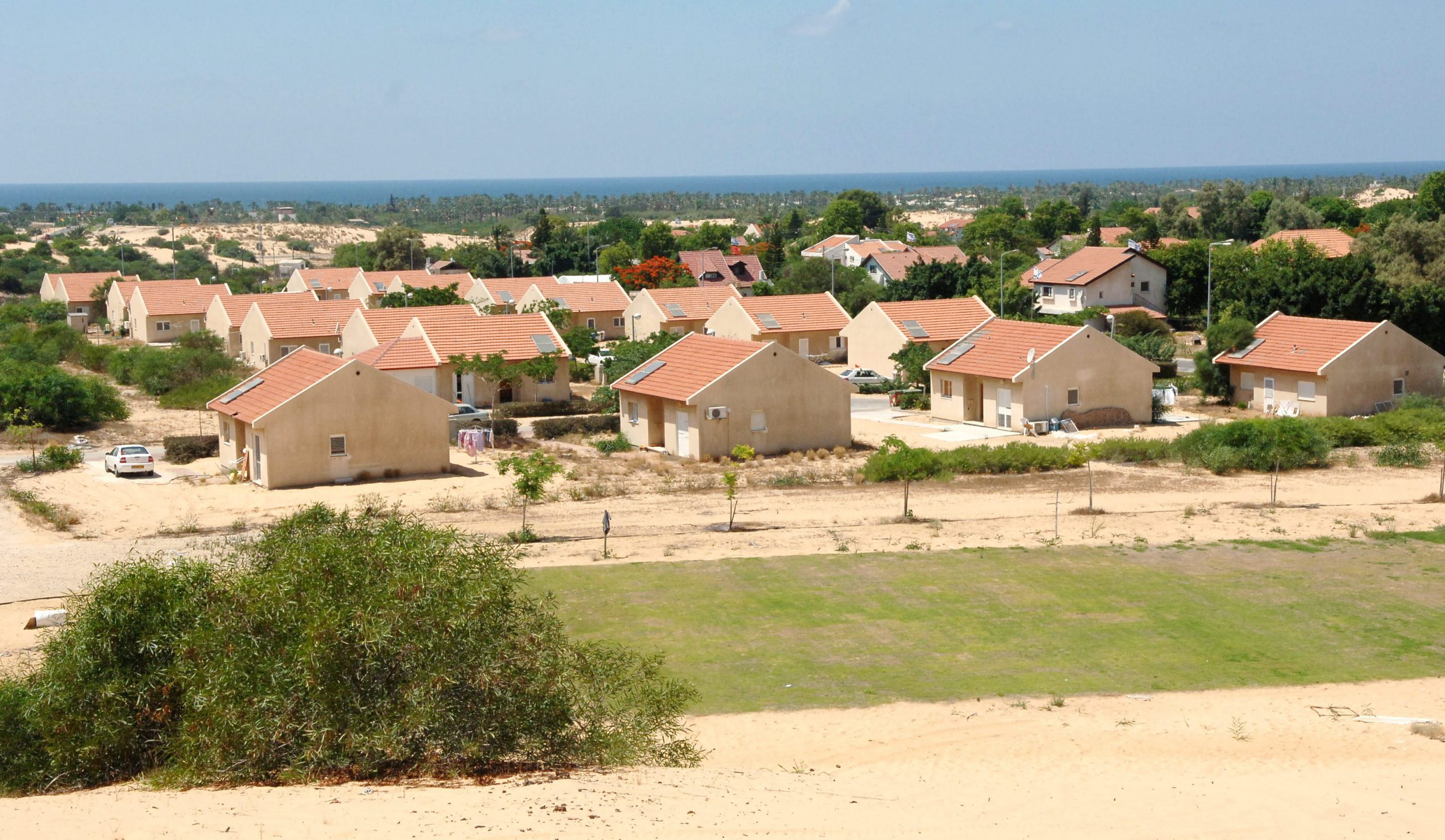
כלומר, גם בימי האינתיפאדות, התושבים הרגישו שזהו ביתם. גם משפחתנו ביקרה שם אי-אז בשנות ה-90, אצל חברים בעצמונה. פגשנו את היצירתיות של אנשים חלוצים, אוהבים, נדיבים, ואידיאליסטים. היו שם בתים עם גגות אדומים, גינות וחממות ירוקות להפליא. היבול היה מדהים, במיוחד לנוכח העובדה ש”כולם” אמרו שלא יוכל לצמוח שם שום דבר. אותם “כולם” כללו גם את השכנים הערבים, שאיתם בתחילה היו יחסים מצוינים – ביקורים, עבודה, קניות, וכד’. ובין דיונות החול, מתחת לעצים מוצלים, היו שם בתי כנסת, בתי ספר, גני ילדים; הייתה שם אמנות, מוזיקה ו… חיים.
המחשבה שאנחנו, בעצמנו, נהרוס את כל זה במו ידינו באופן חד-צדדי, הייתה קשה, בלתי נתפסת, ורבים קיוו והתפללו לשינוי של הרגע האחרון. לכך התווספו אזהרות מפי אלה שחששו ממה שיקרה אחר-כך, ומסיבות השמחה שראינו מעבר לגדר… אבל הכול כמעט הושתק. וכפי שתמיד לימדו אותנו – אם זה למען השלום, זה שווה את זה. כמה שזה כואב, נעשה כל מה שצריך.
התהליך עצמו לווה בדמעות רבות, מכל הצדדים: המתיישבים שעזבו, מביטים בבולדוזרים מרסקים את בתיהם לאבק; החיילים, מחזיקים תינוק, מחבקים אם, מושיטים יד…
הכול נמשך כשבוע. עוד כמה ימים, והאבק שקע. למרות העצב, הדמעות והכאב, המתיישבים שיתפו פעולה. הובטחו להם “חבילות” נדיבות שיאפשרו להם לבנות ולהתיישב מחדש במקום אחר. הערבים בעזה רקדו ושמחו. לרגע הכול נראה טוב – במערב / במזרח, תלוי מהיכן באת, לא היה חדש…
לאחרונה מצאתי את הדברים הבאים שכתבתי בבלוג שלי לפני 4 שנים, במלאת 16 שנה לאירועים: עבר זמן. האופוריה שככה יחד עם האבק, ובמקומה צמחו ספקות רבים… שכנינו לא הגיבו למהלך הכואב והנדיב הזה בביטחון, שלום, אהבה ופרחים – אלא בטילים…
ומנגד – המתיישבים… לא קיבלו את ההטבות שהובטחו להם… חלקם עדיין נאבקים באבטלה, דיור זמני, עוני, דיכאון, תחושת בגידה ואכזבה כללית. והטרור – נמשך.
זוהי אולי “סיפור קטן”. טרגדיה ישראלית מודרנית שאינה על הרדאר של רבים. בהשוואה למקדש, לפוגרומים, לשואה – זה אולי נראה שולי. ובפוליטיקה של היום, זה גם לא כל-כך “פוליטיקלי קורקט” להזכיר את זה. ובכל זאת… קשה לי שלא להיזכר ולתהות – מה קרה? והאם באמת עשינו את הדבר הנכון, גם לעצמנו – או ששילמנו מחיר כבד מדי על מה שלא קיבלנו?
שוב אנחנו מתקרבים לתשעה באב. השנה היא תשפ”ה – 2025. עברו 20 שנה מאז ההתנתקות מגוש קטיף – ובנתיים נוסף אזכור חדש: 670 ימים מאז השביעי באוקטובר. בזמן שאני כותבת את המילים האלה, יש עדיין 50 חטופים בעזה, כשאנחנו מתפללים בכל לבנו שלפחות 20 מהם עוד בחיים. אנחנו בעיצומו של אחד הסיוטים הקשים ביותר שמדינת ישראל נאלצה לעבור. לבכות על מקדש רחוק, בזמן אחר? מתברר שתשעה באב לא כל-כך רחוק.
בשבת ״חזון״, בשעות שלפני לפני תשעה באב, אני יוצאת להליכה. פרפר כתום מתלווה אלי. אני חוצה את הכביש והוא איתי. אני יורדת במדרגות וגם הוא. אני ממשיכה בכביש… אולי זה הוא ואולי אחר אבל פרפרים כתומים סובבים סביבי? התלמוד מלמד אותנו ש”משנכנס אב ממעטין בשמחה” (תענית כ”ט ע”א), אך בו בזמן אנחנו גם לומדים שבתשעה באב נולד המשיח (תלמוד ירושלמי, מסכת ברכות). אולי הכוונה היא שדווקא כשאנחנו מגיעים לשפל המדרגה, נתעורר לחשבון נפש, ולחזור בתשובה (לא בהכרח מבחינה דתית!), בתקווה שאיכשהו, דווקא מהמקום הזה – יצמחו ימים טובים יותר.
ובבנין ציון ננוחם
שבת שלום
White, Blue & Orange, still
The days before the 9th of Av are somber, even the temperatures are harsh here. The air is heavy and dense, and the sea is stormy and scary, as if the world is feeling the unrest, the anger, the pain, the mourning.
Once upon a time, a glorious Temple stood in Jerusalem. It was destroyed, and the destiny of the Jewish people changed forever. Since then, and because of that, we’ve experienced exile, enslavement, mockery, riots, pogroms, discrimination, systematic destruction all the way to the Holocaust. Millions have died for no other crime other than being Jewish. In light (or dark-) of all this, taking the day to discuss some 10,000 people might seem almost sacrilegious.
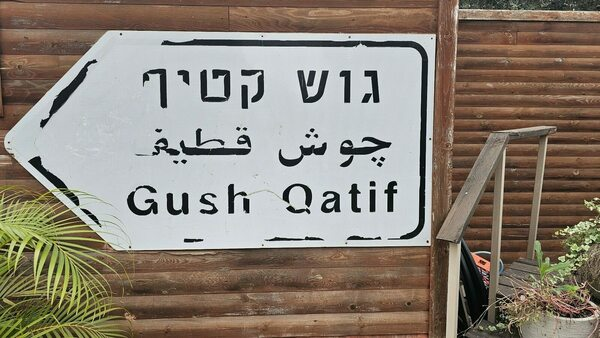
20 years ago, then prime-minister Ariel Sharon almost single-handedly ordered Israel’s “Unilateral Disengagement”, dismantling 21 Israeli settlements in the Gaza Strip, an area known as “Gush Katif”, and the evacuation of Israeli settlers and army from inside the Gaza Strip. 4 additional settlements were dismantled in the Northern Shomron. It was done in exchange for – well, maybe hope.
By some strange coincidence / cruelty / random drawing of lots? the date chosen turned out to be no other than the 9th of Av. Once realized, the execution of this “operation” was postponed to begin on the 10th of Av.
The Talmud debates whether it is the 9th of Av which was the worst day or perhaps the 10th?
Babylonian Talmud, Ta’anit 29:a:
And on the ninth, adjacent to nightfall, they set fire to it, and it continuously burned the entire day, as it is stated: “Woe unto us, for the day has declined, for the shadows of the evening are stretched out” (Jeremiah 4:6). This verse is interpreted as a prophecy about the evening when the Temple was burned. And this is what Rabbi Yoḥanan meant when he said: Had I been alive in that generation, I would have established the fast only on the tenth of Av because most of the Sanctuary was burned on that day. And the Sages, who established the fast on the ninth, how do they respond to that comment? They maintain that it is preferable to mark the beginning of the tragedy….
Our family was visiting in Israel that summer, back in 2005. We toured around, as usual, seeing family and friends and beloved sites. All over the country, there were banners of blue and white and orange, the color of those opposing the disengagement, expressing pain for those evacuated (some would say “relocated” and some would say “exiled”…). At almost every intersection there were people giving out flyers and asking to talk and explain, trying to avert the decree. In other junctions there were also those who expressed their frustration with the “settlers” who “kill every chance for a good deal” and that because of whom, there won’t be “true peace” with Gaza.
We should note: not everyone living in Gush Katif was “religious”, “right wing” or “extremists”. Further: in a compound tragedy, some of the residents there were evacuated earlier from the city of Yamit in Northern Sinai and other places that needed to be “emptied” and destroyed when the peace treaty with Egypt was signed in the late 1970’s. And some just fell in love with the sand dunes, beaches, and quiet.
The government led by Prime Minister Yitzchak Rabin was totally behind settling this area. Rabin himself said on the day one of the settlements was naturalized (Netzer Hazani, Feb 10, 1977):
“This is a great day for the state of Israel and for the settling the Land, a day that symbolizes our actual hold on the region, which since the Six-Day War has become an inseparable part of the state and its security.” 9 years later, when he visited again, he told the settlers: “As nine years ago… so today I believe that this region has a future in settlement, economic, social and a security role – and it must be an integral part of the State of Israel.” Menachem Begin told Sadaat, when the latter said he wants to free Gaza from the occupation, “What occupation? This is not a foreign country; this is the Land of Israel”…
That is to say, that even during the Intifadas, the people living there felt that it’s home. Our family too, somewhere in the 1990’s, visited friends in beautiful Atzmona, meeting the exuberant creativity of the pioneering, loving, kind, idealistic people that lived in Gush Katif. There were red roofed-houses, miraculous lush gardens and greenhouses. The produce was amazing, especially considering how “everyone” told the residents there that nothing whatsoever can be grown in those dunes. “Everyone” included their Arab neighbors with whom initially there were very good relationships – visits, jobs, shopping and so on. And among the sand dunes, under shade trees, there were synagogues and schools and kindergartens; there was art and music and… life.
The thought that we, by ourselves, will destroy all this beauty “unilaterally” was harsh, even unbelievable, and many hoped and prayed for a last-minute change. Top that with warnings from those who feared what might happen next, and the joyful parties we saw next door…. But, everything was mostly hushed. As we’ve always been taught, if it’s for peace, it’s all worth it, and painful as it is, we’ll do – whatever it is.
The process itself was accompanied by many tears and cries, on all sides: the departing settlers, looking back at the bulldozers crushing down their homes to dust; the soldiers, holding a baby, hugging a mother, reaching out to lend someone a hand…
The whole saga lasted about a week. A few more days, and the dust settled. Despite the deep sadness, tears and cries, the settlers altogether cooperated. They were given generous promises for “packages” that will allow them to rebuild and resettle elsewhere. The Arab Gazans danced and rejoiced. All was well in the West / East, depending on where you’re coming from…
Recently, I found the following on my blog, written 4 years ago at 16 years to the events (the full text at www.miko284.com):
“Now some time passed. The euphoria has settled with the dust, and in its stead, grew many doubts… Our neighbors did not respond to the generous, painful move with safety, peace, love and flowers, but with rockets…
On the other hand, the settlers… were not given the benefits they were promised… some are still battling unemployment, temporary housing in rural areas, poverty, depression, disillusionment and general “down”, feeling betrayed. And terror continues.
It’s a small story. A modern Israeli tragedy that’s off many’s radar. Compared with The Temple, the pogroms, the Holocaust, it might seem trivial, and with current politics, it’s not PC to mention it. And yet… it’s hard for me not to think back and wonder, what happened? And, did we actually do the right thing, for ourselves as well, or did we overpay for something we didn’t get”??
We’re now coming up on Tish’a Be’av again. It’s 5785 – 2025. 20 years have passed since the “Unilateral Disengagement” of Gush Katif, and – it’s 670 days since “Oct 7”. As I’m writing these words, we still have 50 hostages in Gaza, praying with all our hearts that at least 20 of them are still alive. We’re amidst one of the worst nightmares the State of Israel has had to endure and overcome. Crying over a faraway, long ago Temple?? Turns out, Tish’a Be’av is not that far away.
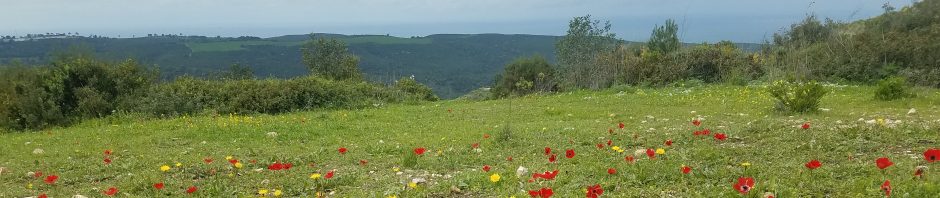
And yet… On Shabbat “Chazon”, the Shabbat before Tish’a Be’Av, I got for a walk, and find myself surrounded by orange butterflies… and I wonder. The Talmud tells us that “when the month of Av begins, we diminish our joy” (Tractate Ta’anit 29:a), but at the same time, we’re also told that on Tish’a Be’Av the Messiah is born (Jerusalem Talmud, Tractate Brachot). Perhaps the idea is that when we “hit rock bottom”, we will turn reflect and repent, so that this will actually be a jumping point for better days ahead.
May we be comforted in the redemption of the Land and its people.
Shabbat Shalom

גדוד 8103 חטיבה 6 הגיע לחורבות הישוב עצמונה בגוש קטיף.


 Torah & more... תורה ועוד
Michal, Your sage words echo more true than ever. While it’s been a long time since we’ve been in touch ,both Jonathan snd I think of you and your family often. We hope and pray that you and your kids are ok every time the red alert goes off on our phones. We think of you when Haifa is mentioned. You are part of our mosaic of friends and family we feel so connected with in Israel . I follow your weekly emails and have learned so much- thank you. This week, I was particularly motivated to respond as I remember being there in 2005, along with Rabbi Taff and other mosaic law members, just prior to the disengagement from Gaza. The blue , orange and sometimes both ribbons flying off car side view mirror’s are still visible to me. What a hopeful and very upsetting time it all seemed then. Now it’s a completely different world and planet. As always, we hope and pray that this insane world will turn towards good, safety, reason, truth – it all seems so far away at the moment but we continue with תקוה. Our wonderful dance group still refers to many dances as “ Michal taught this” and you are still very much an integral part of our group. We all think of you often and hope that maybe you’ll get a chance to visit us soon. Thinking of you and your family, Janis
Sent from Yahoo Mail for iPhone
מיכל, עברתי איתך (בכתבה של השבוע) את כל ההסטוריה העצובה וזו שחוזרת על עצמה. כואב. מה שהיה זה מה שיהיה. אנטישמיות היתה , היא פה ותהייה. אזור המריבות והתקוות עקוב הדם הזה היה, עדיין ותמיד יהיה ״איזור הסכסוך״. קונפליקט שמבעירים אותו עם כל כך הרבה כסף, (קטאר), שנאה (פרס-לא קוראת להם שום דבר אחר כי הם פרסים) ומתאבדים (שהידים למען מטרה שהם יונקים מרגע שנולדים) לא יתנו שקט. כמו שהעולם לא יעזוב את היהודים מכל הסיבות הישנות והחדשות… מה שהיה זה מה שיהיה. חיבוק ליקי Sent from my iPhone