האיבר הכי מסוכן בגוף האדם – פרשות תזריע-מצורע
פרשת השבוע, פרשה כפולה – ״תזריע-מצורע״, ועיקרה במחלת הצרעת, מחלה תנ״כית משונה, שלמרות הדמיון בשם, אינה הצרעת המודרנית, זו שנראית בסרטים שונים כמו ״הפרפר״ ו״האי של סופיה״.
הצרעת של התורה היא נגעים – בגוף, בבגד ובבית – שבאים לאדם בגלל מעורבותו בהוצאת ״שם רע״. גם כאן, היא ב מתורגמת כ״רכילות״, אבל לא רק. בעצם היא סימפטום של כל שימוש לא נכון בפה.
המצורע הראשון בתורה היה לא אחר ממשה רבנו, זה שהיה ״כבד פה וכבד לשון״, והיה לו צורך במתורגמן. אם נחשוב על 3 סוגי מערכות היחסים בחיינו – בין אדם לעצמו, בין אדם לאלוהיו ובין אדם לחברו, הרי שמשה התקשה מאד, כל חייו, במערכת היחסים שבין אדם וחברו, דבר שמסומל יותר מהשתים האחרות בדיבור. ועדיין, הוא למד לכוון ולדייק את דיבורו, עד כדי כך שבסוף התורה, אמר ספר שלם, את ספר ״דברים״ בעצמו.
כוח הדיבור הוא כוח לא פשוט, בלשון המעטה, והוא יכול להציל ולהרוס חיים.
המדרש אומר (ויקרא רבה, טז, ד): ר’ (א)לעזר בשם רבי יוסי בן זמרא אמר: רמ”ח איברים יש בו באדם, מהם רבוצין מהן זקופין. ולשון זה נתון בין שני לחיים ואמת המים עוברת תחתיו ומכופל כמה כפולות. בוא וראה כמה שריפות הוא שורף! אילו היה זקוף ועומד – על אחת כמה וכמה. לפיכך משה מזהיר את ישראל ואומר להם: “זאת תהיה תורת המצורע” – המוציא שם רע.
ובמקום אחר (מדרש תנחומא, פרשת מצורע, ד) נאמר שלשון הרע קשה מגילוי עריות, שפיכות דמים ועבודה זרה, שלושת ה״גדולים״, ולכך נאמר ״מוות וחיים ביד הלשון״ (משלי יח, כא). דבר אחר: “מות וחיים ביד לשון” – אל תאמר הואיל וניתנה לי רשות לדבר, הרי אני מדבר כל מה שאני מבקש. הרי כבר הזהירה התורה אותך: “נצור לשונך מרע ושפתיך מדבר מרמה״ (תהילים לד, יד). שמא תאמר שאתה מְחַסֵר (כלומר,אתה דואג שפספספת משהו בגלל שלא דברת? אל תדאג!) – אין אתה אלא מִשְׂתַּכֵּר! ורוח הקודש מצווחת: “שומר פיו ולשונו שומר מצרות נפשו” (משלי כא, כג). אל תהי קורא כן (״שומר מצרות נפשו״), אלא: שומר מצרעת נפשו.
.חודש אייר טוב ושבת שלום
This week’s Torah portion is the double portion of “Tazri’a-Metzora”, and its main focus is on the disease of tzara’at, wrongly translated as leprosy, a strange Biblical disease, which, despite the similarity in name, is not the modern leprosy, the one seen in various films such as “The Papllion” and “The Island”.
The leprosy of the Torah is lesions – on the body, clothing and home – that come to a person because of his involvement in spreading a “bad name”. Here too, it is usually translated as “gossip”, but not only. In fact, it is a symptom of any improper use of the mouth.
The first metzora in the Torah was none other than Moses our teacher, the one who was “heavy of mouth and heavy of tongue”, and he needed an interpreter. If we think about the 3 types of relationships in our lives – between a person and himself, between a person and his Gd, and between a person and his fellow, then Moses had great difficulty, throughout his life, in the relationship between a person and his fellow, which is symbolized more than the other two in speech. And yet, he learned to tune and precise his speech to the point that at the end of the Torah, he spoke an entire book, the book of “Deuteronomy” – Dvarim (from the same root as speech) by himself
The power of speech is not a simple power, to say the least, and it can save and destroy lives.
The Midrash says (Leviticus Rabbah, 16:4): Rabbi (E)lazar in the name of Rabbi Yossi ben Zimra said: There are 248 organs in a person, some of which are bent, some of which are erect. And this tongue is placed between the two cheeks and the watercourse passes under it and is folded under several times. Come and see how many fires it burns! If it were upright and standing – all the more so. Therefore, Moses warns Israel and tells them: “This will be the law of the metzora” – the one who brings forth a bad name.
And in another place (Midrash Tanhuma, Metzora, 4) it is said that speaking badly is worse than incest, bloodshed and idolatry, the three “big ones”, and for this it is said “death and life are in the hand of the tongue” (Proverbs 18:21). Another idea: “death and life are in the hand of the tongue” – do not say that since I have been given permission to speak, I will speak whatever I feel like. After all, the Torah has already warned you: “Keep your tongue from evil and your lips from speaking deceit” (Psalms 34:14). Lest you say that you are lacking (i.e., are you worried that you missed something because you did not speak? Don’t worry!) – you are only gaining! And the Holy Spirit screams: “He who guards his mouth and his tongue keeps himself from troubles (tzarot)” (Proverbs 21:23). Don’t read that (“keeps himself from troubles” – tzarot), but: keeps himself from tzara’at.
A Good Month of Iyar & Shabbat Shalom.
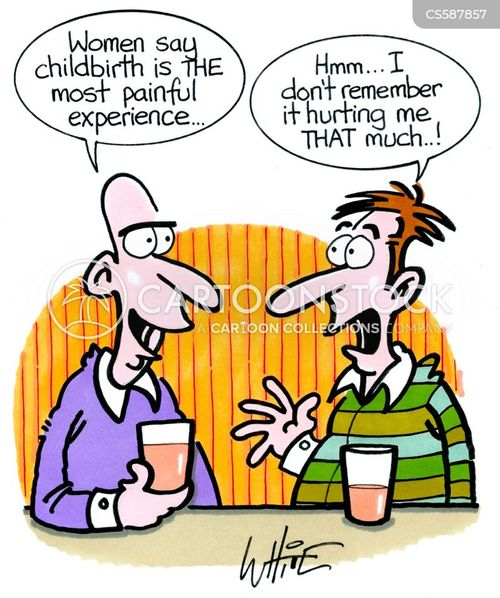
and for the first part of this double parasha, a smile: