פרשת ״חוקת״ – פרק י״ט בספר במדבר
המדרש מתאר מפגש בין רבי מאיר וכותי (שומרוני) אחד. השומרוני שואל את רבי מאיר, אם אתם היהודים מאמינים בתחיית המתים, למה אתם מתאבלים כשמישהו מת? יש להם שיחה ארוכה, ובמהלכה, רבי מאיר מסביר שאכן, המתים בתחיית המתים יחיו ויגיעו לבושים ויהיו להם מזונות, והכותי מבין עוד פחות, אז למה אתם בוכים עליהם? הרי הכל יהיה בסדר! ורבי מאיר, שעד עכשיו ענה תשובות מסודרות וחכמות עם פסוקים ומקורות ורעיונות מהטבע, אומר (משהו כמו), אוי, לעזאזל עם האיש הזה! (תִּפַּח רוּחֵיהּ דְּהַהוּא גַבְרָא), האם יש מישהו שמאבד משהו יקר לו ולא בוכה? (אִית בַּר נָשׁ דְּמוֹבֵיד מַחַמַדְתֵּיהּ וְלָא בָּכֵי – מתוך מדרש קהלת רבה על קהלת י,ה).
יתכן שלא במקרה גיבור הסיפור שלנו הוא רבי מאיר. ע״פ המדרש במקום אחר, שני בניו מתו בשבת בזמן שהיה בבית המדרש. כשחזר ועוד לא ידע, בקש לראות אותם. אשתו, ברוריה, משכה אותו בתירוצים שונים עד מוצאי שבת, ואז שאלה אותו שאלה ״הלכתית״:
‘רבי, שאלה אחת יש לי לשאול לך’. אמר לה ‘אמרי שאלתך’. אמרה לו: ‘רבי, קודם היום בא אדם אחד ונתן לי פיקדון, ועכשיו בא ליטול אותו, נחזיר לו או לא?’
רבי מאיר כמובן אומר לה שצריך להחזיר פקדון לבעליו וכך לקחה אותו והראתה לו את הבנים המתים. רבי מאיר, כך מסופר שם, התחיל לבכות, וברוריה התחילה לנחם אותו בדבריה, אך הבכי הזה עדיין חשוב.
פרק י״ט שפותח את פרשת ״חוקת״ מחזיק בין השורות את רוב הזמן של בני ישראל במדבר: 38 שנה ששבהן ״התחלף הדור״, אנחנו אומרים בלשון נקייה. ״התחלף הדור״: הבנו מ״חטא המרגלים״ שהיה צורך שהדור שעוד זוכר על בשרו את הגלות במצרים והשעבוד שם, לא יכנס לארץ. צריך דור חדש, הדור הבא שיוולד במדבר, ״לחופש יולד״. בראש – אנחנו מבינים, אבל בלב?
המדרש במקום אחר מספר שבכל שנה, בתשעה באב, היו יוצאים בני ישראל (הגברים) לחפור קברים ולישון בהם ( מי בכלל יכל לישון??) ובבקר – חלק היו קמים וחלק לא (תענית ל,ב. בבא בתרא קכא,ב). אם היו כ-600 אלף מבני ישראל ביציאת מצרים, זה אומר, לפי חישובים שונים, שכל שנה בערך 15 אלף מתו. איך אפשר להתמודד עם דבר כזה?
בד״כ יש שתי דרכים להתמודד עם מוות: להתעלם, להקטין, כמעט למחוק ולבטל את האבל (כמו הכותי וכמו שאמרה לי מישהי בלוויה של חבר קרוב, ׳למה את בוכה? עוד מעט תחיית המתים׳…), או מנגד, להשאר צמודים לאבל לתמיד (כמו אלמנה שפגשתי בהודו ואמרה לי שהיא לעולם לא תתחתן שוב, תמיד תבכה את בעלה המת וכו). התורה הציעה לנו את השביל בין לבין:
תנו רבנן [שנו חכמים]: כשחרב הבית בשניה, כלומר, בחורבן בית שני רבו פרושין בישראל שנהגו לפרוש ולא לאכול בשר ושלא לשתות יין. נטפל להן ר’ יהושע, אמר להן: בני, מפני מה אי [אין] אתם אוכלין בשר ואין אתם שותין יין? אמרו לו: כיצד נאכל בשר, שממנו היו מקריבין על גבי מזבח ועכשיו בטל? וכיצד נשתה יין, שמנסכין היו על גבי המזבח ועכשיו בטל?
אמר להם: אם כן, לחם גם לא נאכל, שכבר בטלו מנחות קורבנות מהצומח שהיו מקריבים על המזבח! אמרו לו: צודק אתה, ואפשר להסתפק בפירות. אמר להם: אף פירות לא נאכל, שכבר בטלו בכורים! אמרו לו: באמת נעשה כן, ולא נאכל מהפירות של שבעת המינים שמהם מביאים ביכורים, שאפשר להסתפק בפירות אחרים. אמר להם: אם כן מים לא נשתה, שכבר בטל ניסוך המים! שתקו שהבינו שאי אפשר לעמוד בכך.
אמר להן: בני, בואו ואומר לכם: שלא להתאבל כל עיקר אי אפשר… ולהתאבל יותר מדאי כפי שאתם עושים אי אפשר גם כן….
וזה גם מה שעושה פרק י״ט בספר במדבר. הפרק שמתאר את טקס הפרה האדומה, טקס שאפשר לתאר אך כמה שנדבר עליו, הוא ישאר לא מובן, ומטרתו – טהרה ממגע עם המוות. הטקס עלום אולי כי גם המוות, גם אם נדבר ונתאר, נשאר לא מובן במהותו, והחשוב הוא – להכיר בו, כמיטב יכולתנו, ולהתחבר בחזרה לחיים, לא מתוך התעלמות וביטול אלא מתוך הכרה בקיומו, ובמקום שלנו – כל עוד אנחנו כאן – בעולם הזה.
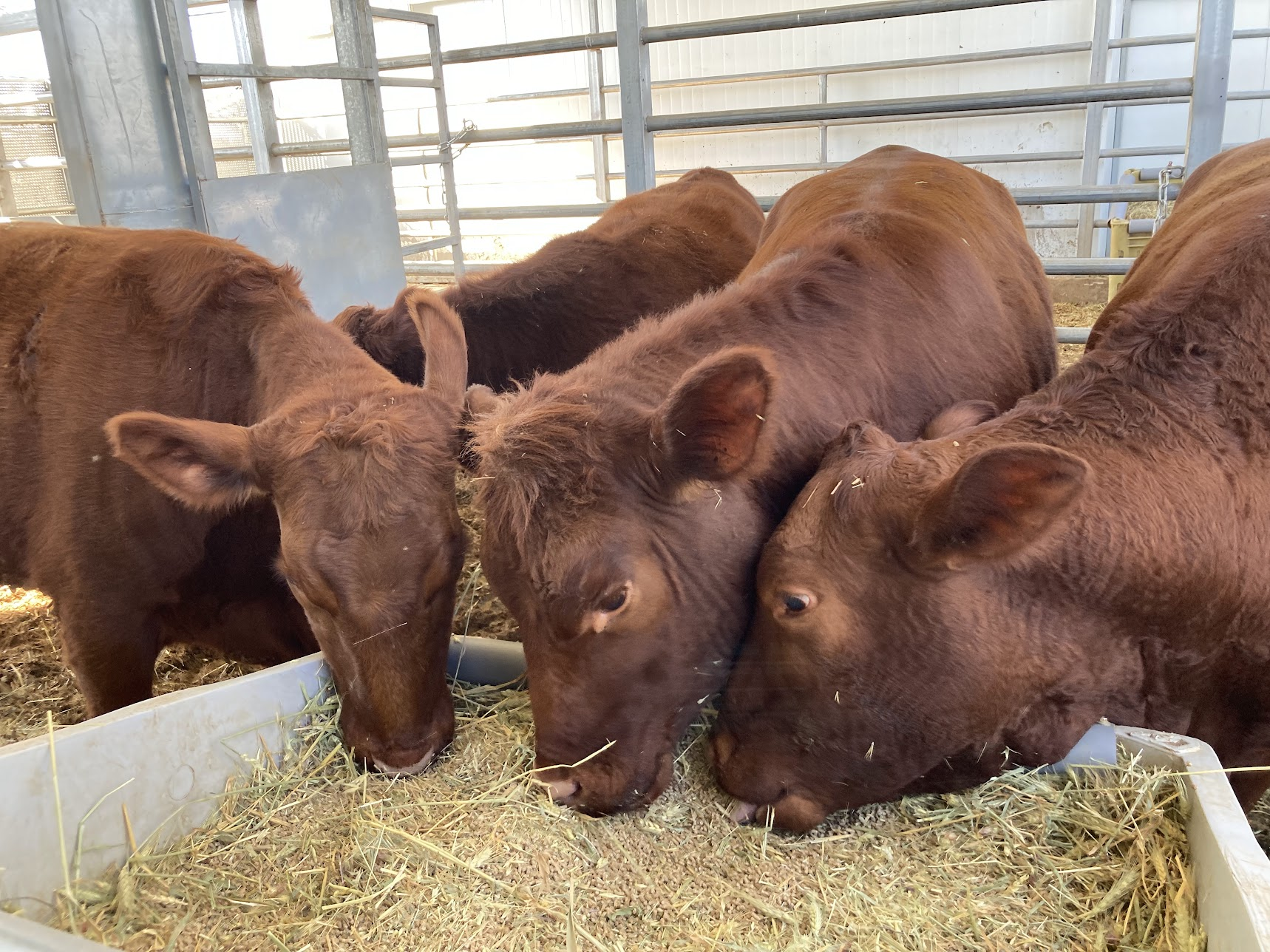
והנה הפתעה: ממש ״לכבוד״ פרשת חוקת, נולדה השבוע עגלה אדומה לגמרי במשק בצפון הארץ (אפילו לא מספרים לנו בדיוק איפה כדי לשמור עליה!). לפי חז״ל, היו בסה״כ 9 פרות אדומות לאורך ההיסטוריה שלנו, ועכשיו מחכים לעשירית. אז… מי יודע? נחכה ונראה.
שתהיה שבת שלום ובשורות טובות.
The Midrash describes an encounter between Rabbi Meir and a Samaritan (Kutite). The Samaritan asks Rabbi Meir: if you Jews believe in the resurrection of the dead, why do you mourn when someone dies?
They have a long conversation. Throughout it, Rabbi Meir explains that, indeed, during the resurrection the dead will live again; they will arrive clothed and will have sustenance. The Samaritan is even more perplexed: if so, why do you cry for them? Everything will be fine!
Rabbi Meir, who until that point had been answering with thoughtful and well-structured arguments, supported by verses, sources, and observations from nature, finally exclaims something along the lines of: “To… with this fellow! Is there anyone who loses something precious and does not weep?” (Kohelet Rabbah on Ecclesiastes 10,5).
Perhaps it is no coincidence that this story is about Rabbi Meir. According to another Midrash, his two sons died on Shabbat while he was in the study hall. When he returned home, still unaware of what had happened, he asked to see them. His wife, Bruriah, delayed him with various excuses until Shabbat ended, and then posed a “halakhic” question:
“Rabbi, I have a question to ask you.” He replied, “Ask your question.” She said, “Earlier today a man entrusted me with a deposit, and now he has come to reclaim it. Should I return it to him or not?”
Rabbi Meir, of course, answered that one must return a deposit to its owner. At that point Bruriah led him to the room and showed him their deceased sons. Rabbi Meir, the story tells us, began to cry and weep, and Bruriah comforted him with her words. Yet that act of him weeping remains significant.
Chapter 19, which opens the Torah portion of Chukat, contains between its lines most of the years in the wilderness: 38 years during when, as we politely say, “the generation changed.” “The generation changed” – from the story of the spies, we understand that the generation that still carried the actual memory of Egyptian slavery was not destined to enter the Land. A new generation was needed, the next generation, born in the wilderness, “born to freedom.”
In our minds, we understand this. But what about our hearts?
Elsewhere, the Midrash tells that every year on Tisha B’Av, the Israelite men would go out, dig graves, and sleep in them (who could possibly sleep?). In the morning, some would rise, and some would not (Ta’anit 30b; Bava Batra 121b). If there were about 600,000 Israelite men at the Exodus, that would mean, according to various calculations, that roughly 15,000 died each year. How can one cope with something like that?
Generally, there are two ways people respond to death: one is to ignore it, diminish it, almost erase it and cancel mourning altogether (like the Samaritan in the Midrash, and like someone who, at the funeral of a dear friend, said to me: “Why are you crying? The resurrection of the dead is coming soon anyway…”). On the other hand, we have those permanently attached to grief (like a widow I met in India who told me she would never remarry, would always mourn her late husband, dress in black etc).
The Torah offers us a path between these extremes. The Sages taught:
After the destruction of the Second Temple, some people in Israel adopted ascetic practices and refrained from eating meat or drinking wine. Rabbi Joshua approached them and asked, “My children, why do you not eat meat or drink wine?”
They replied, “How can we eat meat, when meat was once offered upon the altar and now that service has ceased? How can we drink wine, when wine libations were poured upon the altar and now that practice has ceased?”
He said to them, “If so, we should not eat bread either, since grain offerings have ceased.”
They answered, “You are right; we can survive on fruit.”
He replied, “Then we should not eat fruit either, since the offering of first fruits has ceased.”
They answered, “Indeed, we can avoid the fruits from which first fruits were brought and eat others instead.”
He continued, “Then we should not drink water either, since the water libation has ceased.”
At that point they fell silent, realizing such a path was impossible.
Rabbi Joshua then said: “My children, let me tell you this: not to mourn at all is impossible… but to mourn excessively, as you are doing, is also impossible…”
This is also what Chapter 19 of the Book of Numbers does. The chapter describes the ritual of the Red Heifer, a ritual that can be described endlessly, yet remains fundamentally beyond our comprehension. Its purpose is purification from contact with death, and perhaps the ritual remains mysterious because death itself, no matter how much we discuss or describe it, remains mysterious in its essence. What matters is to acknowledge it as best we can and then reconnect ourselves to life, not through denial or dismissal, but through recognition of its reality and of our place, as long as we are here, in this world.
And here is a surprise: almost “in honor” of Parashat Chukat, a red calf was born this week on a farm in northern Israel (we’re not even told the exact location in order to protect it). According to the Sages, there have been only 9 red heifers throughout our history, and now we’re waiting for the tenth. So… who knows? We will have to wait and see.
Wishing you a peaceful Shabbat and good news.