OUR PODCAST: https://open.spotify.com/episode/5MjsjVx5O1hHO4ByywOOSX
קללות שהפכו לברכות, ועיצה רעה שנשארה…
אנחנו מתקדמים לחלק האחרון בספר במדבר וממש לקראת הכניסה לארץ, אנחנו צריכים גם ללמוד ולהתמודד עם העמים סביבנו, קודם פיזית – ביטחונית, מדינית, פוליטית, ואחר-כך – רוחנית. ייתכן שיש בסדר הזה גם רמז לימינו: בעולם האידיאלי, אלו השלבים ההכרחיים לבנות את האומה, ואולי אפשר להסביר את חלק מהאתגרים שאנו חווים כיום במדינה, בכך שמסיבות שונות ולא בלתי מוצדקות, אנחנו נאלצים לבנות הכול בבת אחת, מה שקצת מאתגר אותנו.
למרות התקווה, הרצון והניסיונות שלנו לשלום לאורך כל הדורות, התורה אינה נאיבית ומבהירה לנו שתהליך הכניסה לארץ כרוך במלחמה, שהכניסה לארץ איננה ״רילוקיישן״ רגיל (שגם לו אתגרים רבים), אלא תהליך שנקרא ״עלייה״. זו עלייה תלולה, ואיתה, תהליך שמצריך השתנות אמיתית ויסודית, כשחלק ממנו מתבטא בקשר עם השכנים שלנו.
מסופר (במדרש תנחומא) שכשבלק מלך מואב ראה את הניסיון המר של העמים והמלכים סביבו, הוא לא רצה לצאת למלחמה פיזית נגד ישראל. אך כיוון שעדיין היה נחוש לגרש אותם מגבול ארצו, התייעץ עם זקני מדיין, השכנים מדרום אצלם משה גדל. מהם למד שכוחו של משה בפיו ולכן כדאי להילחם בו ובעמו באותו הנשק, בעזרת אדם שכוחו בפיו ושכך יוכל לפגוע בעם.
בלק מזמין את בלעם בן בעור, הנביא והקוסם, לקלל את העם. בתחילה בלעם מתנגד למשימה, אך בהמשך, יוצא למואב לאחר שקיבל את התנאי שהציב לו אלוהים באותו לילה, לדבר רק מה שאלוהים ישים בפיו.
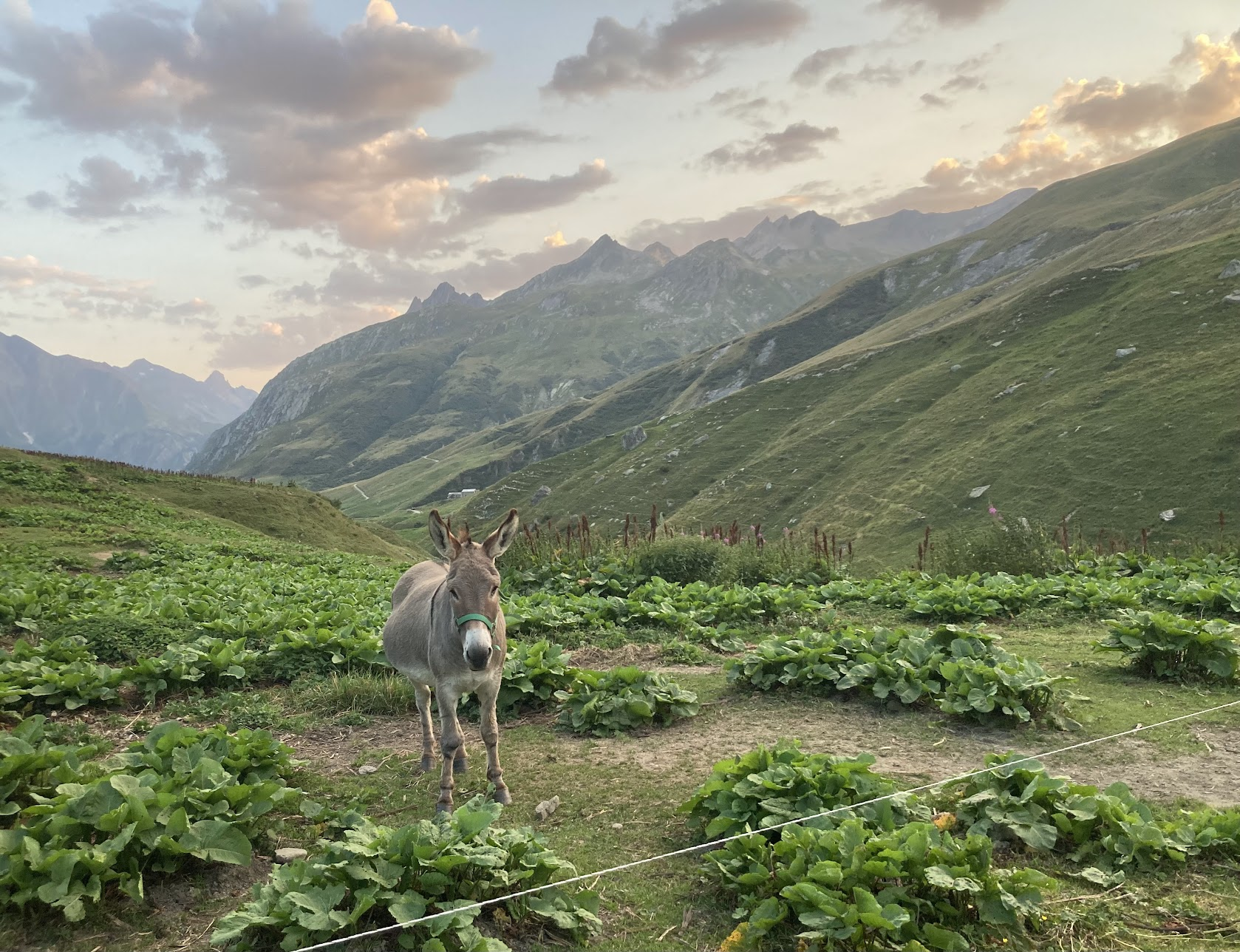
בדרך למואב מופיע מלאך בדרכו ״וְחַרְבּ֤וֹ שְׁלוּפָה֙ בְּיָד֔וֹ״ (במדבר כב,כג), וראה איזה פלא, הקוסם הגדול שהולך לקלל את כל עם ישראל, לא רואה את המלאך. מי שכן רואָה, זו דווקא האתון שלו שסוטה מהדרך. בלעם כועס ומכה אותה, עד שבפעם השלישית, אלוהים פותח את פי האתון ורק אז גם הוא רואה את המלאך שמזכיר לו, שוב, לומר רק דברי אלוהים. ולמה באותה הזדמנות לא החזיר אותו המלאך הביתה? חז״ל אמרו על כך, ״בדרך שאדם רוצה לילך, בה מוליכים אותו״…
בלעם מגיע לבלק והם מתארגנים לאירוע: שבעה מזבחות נבנים כדי שבלעם יוכל לתצפת על העם (קוסם גדול כל כך לא יכול לקלל מרחוק?), ועליהם מוקרבים שבעה פרים ושבעה אילים, אך למורת רוחו של בלק, מפיו של בלעם יוצאות רק מילות ברכה, שוב ושוב. למשל…
״הֶן־עָם֙ כְּלָבִ֣יא יָק֔וּם וְכַאֲרִ֖י יִתְנַשָּׂ֑א״ (במדבר כג,כד) שנהיה מוכר מאז המבצע / מלחמה עם איראן, או פסוק שנכנס לתפילה היום-יומית שלנו: ״מַה־טֹּ֥בוּ אֹהָלֶ֖יךָ יַעֲקֹ֑ב מִשְׁכְּנֹתֶ֖יךָ יִשְׂרָאֵֽל״… וכן התיאור ״מְבָרֲכֶיךָ בָרוּךְ וְאֹרְרֶיךָ אָרוּר״ (שם, כד,ה-ט). פסוק נוסף התפרסם בגלל השימוש התכוף בו, גם אם במשמעות הלא נכונה: ״הֶן־עָם֙ לְבָדָ֣ד יִשְׁכֹּ֔ן וּבַגּוֹיִ֖ם לֹ֥א יִתְחַשָּֽׁב״ (שם, כג,ט)… המילים ״בגויים לא יתחשב״ נאמרות לא פעם כאילו אנחנו עם אגואיסטי, ׳לא מתחשב׳, שלא אכפת לו מאף אחד, אך זו קריאה שאינה נכונה למקור ולדקדוק כאן. המשמעות האמיתית של הפסוק היא, שאנחנו עם שחי על פי קצב היסטורי שונה ש״לא עולה בחשבון העמים״ (רש״י, מלבי״ם ואחרים).
בסופו של דבר, בלעם אכן לא מצליח במשימתו לקלל את עם ישראל, ומשאיר לבלק עצה רשעית ויעילה איך לפגוע בנו בלי קסמים ובלי צבא: לשלוח את בנות מואב ומדיין לפתות את הגברים לזנות ולעבודה זרה. בעקבות כך פורצת מגפה שממיתה 24 אלף ונעצרת על ידי פנחס, עליו נקרא בפרשה הבאה. והשאלה, רגע לפני סיום היא, למה בעצם הקב״ה, שהתערב לטובתנו והציל אותנו מהקללות שתכנן בלעם, לא הציל אותנו גם מהעיצה שנתן בסוף הפרשה, ושגרמה לחטא בשיטים?
המדרש (במדבר רבה) משווה את עם ישראל לעץ גדול. כשרוצים לפגוע בעץ, אפשר לקצוץ את הענפים, אבל זה לוקח זמן והפוגע יכול להתעייף. לעומת זאת, אפשר לפגוע בשורשים ולהרוס את כל העץ. ע״פ המדרש, בלעם חשב לעצמו, למה לי לקלל כל שבט ושבט בנפרד? אלך ישירות לשורשים ואעקור אותם כולם מן העולם. אך אז גילה ש״מֵרֹאשׁ צֻרִים אֶרְאֶנּוּ״ (כג,ט) – השורש של עם ישראל הוא לא כמו כל העמים. הוא עשוי מאבן צור קשה שלא ניתן לחדור אליה.
כלומר – הקדוש ברוך הוא לא מאפשר לאף אחד, אף פעם, לפגוע בשורש הקשר שלנו איתו, עם התורה והארץ. לכן הקללות של בלעם נחסמו. לעומת זאת, חטא עבודה זרה וזנות, אפילו שהוא חמור ביותר, דומה יותר לפגיעה בענפים של העץ וברמה הזו, הקב״ה מאפשר לנו להתמודד עם מה שקורה, באמונה שנצליח, גם אם המשמעות היא שאובדים לנו חלק מהענפים. בלעם הבין שלא יצליח לעקור את השורש, ואז נאלץ להסתפק בייעוץ להחטיא את ישראל כדי לפגוע לנו בענפים.
אנחנו תמיד קוראים את פרשת ״בלק״ ממש לפני י״ז בתמוז ותחילת ימי בין המייצרים. חורבן בית המקדש היה אסון כבד, ואנחנו מתאבלים עליו כבר כמעט 2000 שנה, ויחד עם זאת, אנחנו זוכרים שלמרות חשיבותו בעצומה, בית המקדש היה ענף ולא שורש, ולמרות החורבן, אנחנו כאן, וב״ה, גם נמשיך.
שבת שלום.
Curses That Became Blessings, and Bad Advice That Remained…
We are moving toward the final section of the Book of Numbers and are very close to entering the Land of Israel. Along the way, we must also learn to deal with the nations around us—first on a physical level: security, diplomacy, and politics; and afterward on a spiritual level. Perhaps there is also a hint here for our own times: in an ideal world, these are the necessary stages in building a nation. Some of the challenges we face today may be explained by the fact that, for various reasons—many of them understandable—we are forced to build everything at once, which is understandably challenging.
Despite our hope, desire, and repeated efforts for peace throughout the generations, the Torah is not naïve. It makes clear that entering the Land involves war, and that coming to the Land is not an ordinary “relocation” (which has its own challenges), but a process called aliyah—an ascent. It is a steep ascent, requiring a genuine and fundamental transformation, part of which is expressed through our relationship with our neighbors.
The Midrash (Tanchuma) relates that when Balak, king of Moab, saw the bitter experiences of the surrounding nations and kings, he did not want to wage a physical war against Israel. Yet he remained determined to drive them away from his borders. He therefore consulted the elders of Midian, the southern neighbors where Moses grew up. From them he learned that Moses’ power lay in his speech, and so it would be best to fight him and his people with the same weapon—through a man whose power was also in his mouth, someone who could harm the nation through words.
Balak invites Bil’am son of Beor, the prophet and sorcerer, to curse the people. At first Bil’am refuses the mission, but eventually he sets out for Moab after accepting the condition Gd gave him that night: to speak only the words that Gd would place in his mouth.
On the way to Moab, an angel appears before him, “with a drawn sword in his hand” (Numbers 22:23). And remarkably, the great sorcerer who is on his way to curse the entire people of Israel does not see the angel. The one who does see it is his donkey, which turns aside from the road. Bil’am becomes angry and strikes it. After the third time, Gd opens the donkey’s mouth, and only then does Bil’am himself see the angel, who once again reminds him to speak only Gd’s words. Why, then, did the angel not simply send him back home? The Sages answered: “A person is led along the path he wishes to take.”
Bil’am arrives to meet Balak, and together they prepare for the event. Seven altars are built so that Bil’am can observe the people (apparently such a great sorcerer could not curse from a distance!), and seven bulls and seven rams are sacrificed upon them. But to Balak’s dismay, only words of blessing emerge from Bil’am’s mouth, again and again.
Among them:
“Behold, a people rises like a lioness and lifts itself up like a lion” (Numbers 23:24), a verse that has become especially familiar since the operation/war with Iran.
Another blessing entered our daily prayers: “How goodly are your tents, O Jacob, your dwelling places, O Israel.”
And another: “Blessed are those who bless you, and cursed are those who curse you” (Numbers 24:9).
One more verse has become famous because of its frequent use, though often in the wrong sense: “Behold, a people that dwells alone, and is not reckoned among the nations” (Numbers 23:9). The phrase “not reckoned among the nations” is sometimes quoted as though it means that we are a selfish people who are inconsiderate of others. But that is neither the correct reading nor the grammatical meaning of the verse. Its true meaning is that we are a nation that lives according to a different historical rhythm, one that does not fit into the calculations of other nations, as explained by Rashi, Malbim, and others.
In the end, Bil’am fails in his mission to curse Israel. However, he leaves Balak with a wicked but effective piece of advice on how to harm us without magic and without an army: send the daughters of Moab and Midian to seduce the men into sexual immorality and idolatry. As a result, a plague breaks out and kills 24,000 people. It is ultimately stopped by Pinchas, about whom we read in next week’s Torah portion.
This raises a question before we conclude: Why did Gd, who intervened on our behalf and saved us from Bil’am’s curses, not also save us from the advice Bil’am gave at the end of the portion, the advice that led to the sin at Shittim?
The Midrash (Bamidbar Rabbah) compares the people of Israel to a great tree. If someone wishes to damage a tree, they can cut off its branches, but that takes time, and they may grow weary. Alternatively, they can attack the roots and destroy the entire tree. According to the Midrash, Bil’am thought to himself: Why should I curse each tribe separately? I will go directly to the roots and uproot them all from the world.
But then he discovered that: “From the top of the rocks I see him” (Numbers 23:9). The root of Israel is not like that of other nations. It is made of hard stone, impossible to penetrate. In other words, the Holy One, blessed be He, never allows anyone to sever the root of our connection with Him, with the Torah, and with the Land. Therefore Bil’am’s curses were blocked.
The sins of idolatry and sexual immorality, however severe, are more like damage to the branches of the tree. On that level, Gd allows us to confront the consequences of our actions, trusting that we can overcome them—even if some branches are lost along the way. Bil’am realized that he could not uproot the root, and so he settled for advising others to cause Israel to sin, thereby damaging the branches.
We always read the Torah portion of Balak just before the 17th of Tammuz and the beginning of the period known as the Three Weeks. The destruction of the Temple was a terrible tragedy, and we have mourned it for nearly two thousand years. Yet at the same time, we remember that despite its immense importance, the Temple was a branch, not the root. Despite the destruction, we are still here, and, Gd willing, we will continue to be.
Shabbat Shalom.