פרשת ״לך לך״: היציאה לדרך
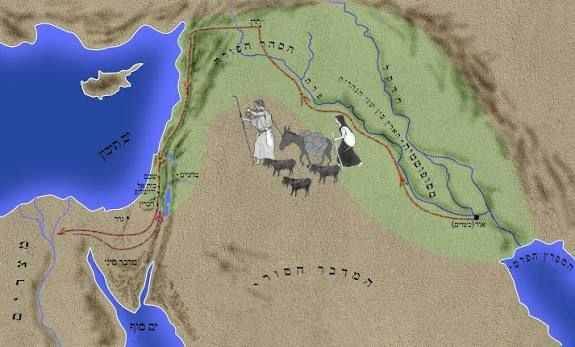
סיפור מסעם של אברהם ושרה, כשעוד היו אברם ושרי, מתחיל כבר בסוף פרשת נח: ״וַיִּקַּ֨ח תֶּ֜רַח אֶת־אַבְרָ֣ם בְּנ֗וֹ וְאֶת־ל֤וֹט בֶּן־הָרָן֙ בֶּן־בְּנ֔וֹ וְאֵת֙ שָׂרַ֣י כַּלָּת֔וֹ אֵ֖שֶׁת אַבְרָ֣ם בְּנ֑וֹ וַיֵּצְא֨וּ אִתָּ֜ם מֵא֣וּר כַּשְׂדִּ֗ים לָלֶ֙כֶת֙ אַ֣רְצָה כְּנַ֔עַן״… (בראשית יא,לא).
שלושה פסוקים קודם לכן למדנו שלתרח היו שלושה בנים: נחור, אברם והרן, ולהרן עצמו היו שלושה ילדים: לוט, מילכה ויסכה – או שרי. לפי המדרש, הרן נספה בתנורי האש של אור הכשדים, עונש למתנגדי המשטר דאז. אחרי האסון, והמשפחה התארגנה לטפל בניצולים: נחור, הבן הנוסף, הצליח להימלט עוד קודם, ונסע עם מילכה, אשתו, בת אחיו הרן שנספה, מאור כשדים ל״מערב״, ולכן הם חסרים מהפסוק הנ״ל. תרח לוקח את המשפחה ומתכוון לחזור הביתה, לארץ כנען, ארץ העברים, אך הם נעצרים בדרך אצל המשפחה: ״וַיָּבֹ֥אוּ עַד־חָרָ֖ן וַיֵּ֥שְׁבוּ שָֽׁם״.
תרח, משהגיע למקום מבטחים, מוותר על המשך המסע, מעדיף את העולם התרבותי והמתקדם של חרן, אבל אברם שומע קול אחר. קול של מישהו שעד עכשיו לא היה נוכח בסיפור ההגירה המשפחתי. ״לך לך״, אומר הקול הזה. פעם. פעמיים. שלוש. גם אלף. בהתחלה אברם חושב שהוא מדמיין. אולי הצרות העבירו אותו על דעתו. הגעגוע הנורא לאחיו המת. הזעקות של אלה שלא הצליח להציל. הנדודים חסרי כל במרחב המאיים על חייהם. הסיכויים הקלושים להמשיך, ומה כבר נמצא כשנגיע? בטח כדאי להישאר בחרן הבטוחה.
את ארץ אבותיו הידועה לו בשם ״ארץ העברים״ מעולם לא ראה בעצמו, אבל שמע עליה מהוריו, מסבו, מסב-סבו, על גבעות עטורות עצי זית וגפנים, על יופייה, קסמה והדרה, על היותה ״ארץ זבת חלב ודבש״ (שמות ג, ח) ״אֶרֶץ לֹא מְטֹהָרָה הִיא לֹא גֻשְׁמָהּ בְּיוֹם זָעַם״ (יחזקאל כב,כד). אולי ספרו לו שנאלצו לעזוב, שעמים אחרים פלשו והתיישבו בה, ושכיום, מעטים עוד מכירים אותה כ״ארץ העברים״ ובפי רבים היא נקראת ״ארץ כנען״.
אברם שומע את הקול. ושותק. ולמוחרת, בשדה, שוב. מילה, שתיים ונאלם. לפעמים הוא מעסיק את עצמו, עוזר לאחיו ולאביו בעסקים, משחק עם הילדים והנכדים. אז הקול נמוג. אבל כל פעם שהוא מרשה לעצמו לעצור ולנשום עמוק, שוב הוא שומע, ״לך לך״…
בלילה, כששרי רואה אותו מהורהר, הוא משתף אותה במה שעובר עליו. היא, חברת ילדותו, בעלת בריתו, זוגתו לחיים, נסיכתו, מקשיבה בעניין. היא לא שכחה מה קרה לאבא שלה, הרן, והיא לא עיוורת לכוחה של הגלות. הקידמה והפיתוח סביב מפתים. וסבא כבר לא צעיר. ואיך תשאיר מאחור את אחותה ואת כל המשפחה, ותלך לארץ רחוקה…
אבל גם היא שמעה על ״ארץ העברים״, וגם היא יודעת שהמסע המקורי נקטע. הם מחליטים ללכת יחד. מנסים לדבר עם המשפחה, אבל כל ארוחה מסתיימת בוויכוחים וצעקות. ״אין מה ללכת לשם!״ ״מה רע לכם כאן?״ ״תגידו תודה״! הם נקרעים בין המחויבויות למציאות העכשוויות סביבם, ובין הקול החזוני, המכוון, מתעקש, חוזר ונשנה. עד שאי אפשר יותר.
הקול נהיה ברור מאי פעם:
וַיֹּ֤אמֶר ה’ אֶל־אַבְרָ֔ם: לֶךְ־לְךָ֛ מֵאַרְצְךָ֥ וּמִמּֽוֹלַדְתְּךָ֖ וּמִבֵּ֣ית אָבִ֑יךָ אֶל־הָאָ֖רֶץ אֲשֶׁ֥ר אַרְאֶֽךָּ׃
וְאֶֽעֶשְׂךָ֙ לְג֣וֹי גָּד֔וֹל וַאֲבָ֣רֶכְךָ֔ וַאֲגַדְּלָ֖ה שְׁמֶ֑ךָ וֶהְיֵ֖ה בְּרָכָֽה׃ וַאֲבָֽרְכָה֙ מְבָ֣רְכֶ֔יךָ וּמְקַלֶּלְךָ֖ אָאֹ֑ר וְנִבְרְכ֣וּ בְךָ֔ כֹּ֖ל מִשְׁפְּחֹ֥ת הָאֲדָמָֽה (בראשית יב:א-ג).
שבת שלום
Parashat Lech Lecha: Setting Out on a Journey
Rabbanit Michal Kohane
The journey of Abraham and Sarah, when they were still Abram and Sarai, begins at the end of last week’s Parashat Noach:
“Terah took his son Abram, his grandson Lot, the son of Haran, and his daughter-in-law Sarai, the wife of his son Abram, and they set out together from Ur of the Chaldeans to go to the land of Canaan…” (Genesis 11:31).
Three verses earlier, we learned that Terah had three sons: Nahor, Abram, and Haran. Haran himself had three children: Lot, Milcah, and Iscah, or Sarai. According to the midrash, Haran perished in the fiery furnaces of Ur of the Chaldeans, a punishment for those who opposed the regime of the time. After the tragedy, the family gathered to care for the survivors. Nahor, the other son, managed to escape earlier, traveling with his wife Milcah, the daughter of his deceased brother Haran, from Ur of the Chaldeans toward the “West.” That’s why they are absent from the verse quoted above. Terah takes the family and intends to return home, to the land of Canaan, the land of the Hebrews. But along the way, they stop where relatives live: “They came as far as Haran and settled there” (Genesis 11:31).
Having reached a place of safety, Terah gives up on the rest of the journey, preferring the cultured, advanced world of Haran. But Abram hears a different voice; a voice of Someone who has been absent from the family’s migration story, until now.
“Lech lecha” – “Go forth,” the voice says. Once. Twice. Three times. A thousand.
At first, Abram thinks he must be imagining. Perhaps all the troubles have driven him out of his mind; the painful longing to his dead brother; the cries of those he could not save; their wandering, destitute, through a dangerous landscape. The slim chances of getting ahead; and what will they find upon arrival? Surely it would be better to stay in the safety of Haran.
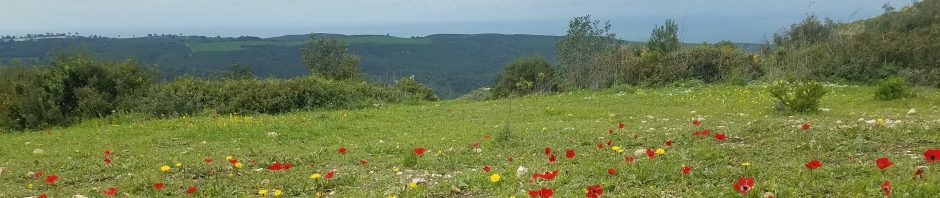
He himself has never seen the land of his ancestors, known to him as the “Land of the Hebrews,” but he has heard about it from his parents, grandparents and great-grandparents. They told him of hills crowned with olive trees and grapevines, of its beauty, its magic and splendor, of a land “flowing with milk and honey” (Exodus 3:8); a land that is “not cleansed, nor rained upon in the day of indignation” (Ezekiel 22:24).
Perhaps they told him that they had been forced to leave, that other peoples had invaded the Land and settled there, and that today few people still know it as the “Land of the Hebrews”, and that many call is the “Land of Canaan.”
Abram hears the voice. And remains silent. The next day, out in the fields, he hears it again. A word or two, and then, disappears. Sometimes he keeps himself busy, helping his father and brother’s business, playing with the children and grandchildren. Then the voice fades away. But whenever he allows himself to stop and take a deep breath, he hears it again: “Lech lecha”…
At night, when Sarai sees him lost in thought, he shares with her what he has been experiencing. She, his childhood friend, his ally, his life partner, his princess, listens intently. She has not forgotten what happened to her father, Haran, and she is not blind to the power of exile; the progress and advancements around are tempting; and Grandfather is no longer young. How can she leave her sister and the entire family behind and travel to a distant land?
But she, too, has heard of the “Land of the Hebrews,” and she, too, knows that the original journey was interrupted. They decide to set out together. They try to talk to the family, but every meal ends in arguments and shouting: “There’s no reason to go there!” “What’s wrong with staying here?” “Be grateful for what you have!”
They are torn between their obligations to the current reality around them, and the visionary voice, directing, insisting, again and again. Until they can resist it no longer.
The voice becomes clearer than ever:
“Hashem said to Abram: ‘Go forth from your land, from your birthplace, and from your father’s house, to the land that I will show you. And I will make of you a great nation, and I will bless you, and make your name great, and you shall be a blessing. I will bless those who bless you, and curse those who curse you; and all the families of the earth shall be inspired through you.’” (Genesis 12:1–3).
Shabbat Shalom