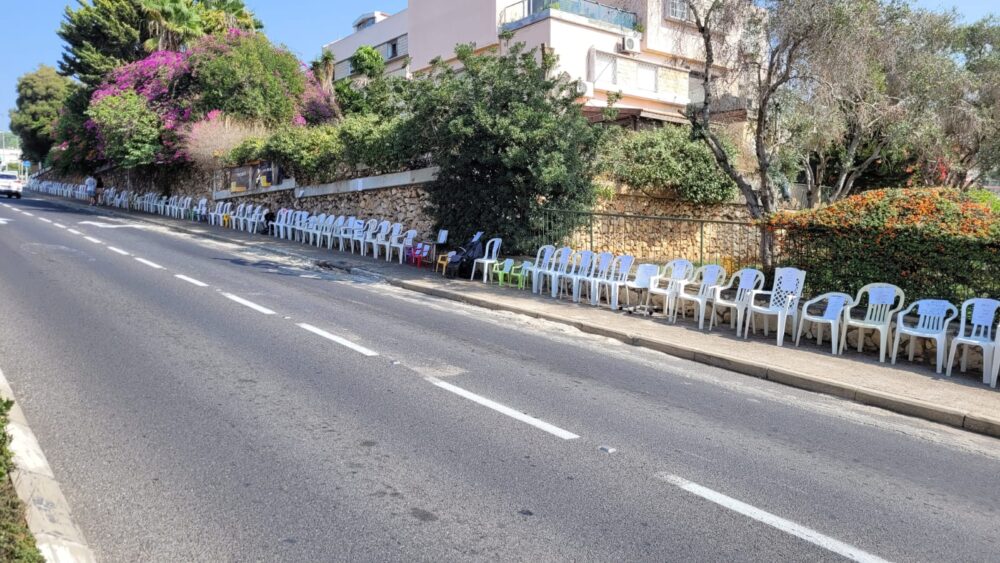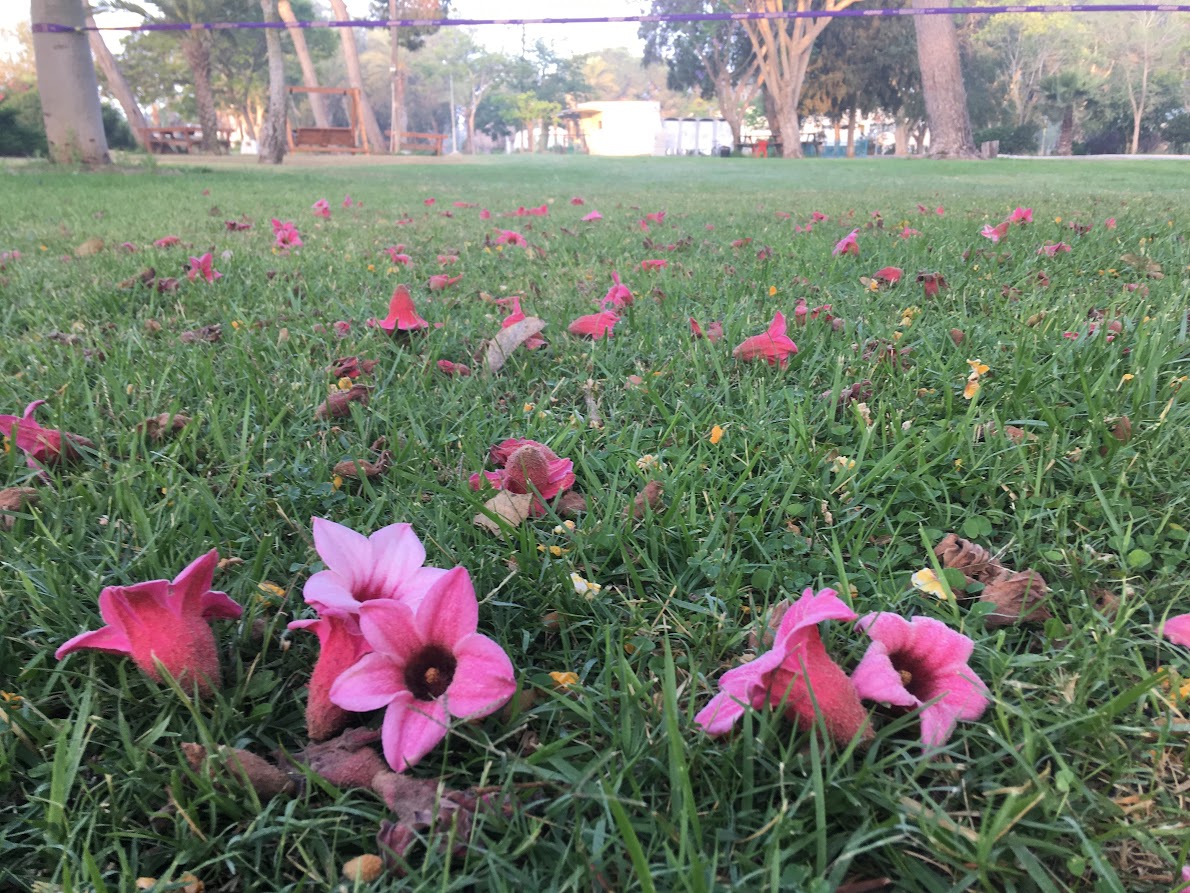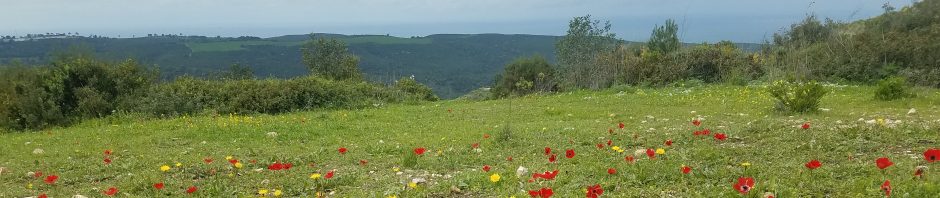
Noah & the Golden Pages

פרשת נח – תשפד: דפי זהב

There was once a not-so-funny joke about a man who liked to read the Golden (Yellow) Pages.

‘What kind of book is this’, asked his bewildered friend, there is no plot’!

‘Yes, replied the man, ‘but so many heroes…’  
פעם היתה בדיחה לא כל כך מצחיקה על אדם שאהב לקרוא דפי זהב.
‘איזה מן ספר זה’, שאל אותו חברו, ‘אין שם עלילה’!
‘כן’, ענה האיש, ‘אבל כל כך הרבה גיבורים’…  
 
Lately I’ve been reading long lists.
Every name – a whole world.
So many heroes.
Lists of people who were killed and murdered. In Hebrew, they are called “chalalim”, literally, empty space, for the terrible void each leaves.
Lists of the Missing. Pictures of sweet, smiling, beautiful faces, all of them, one by one.

And among the living, thank Gd, here too.
Out of the need to stay away from the noisy media, among other things, I volunteer at a grassroots initiative, hosting families from the south.
And we have – long lists.
And I think, what beautiful people there are in this country!!
And here too, I don’t know the plot, but I know they are heroes.
בזמן האחרון אני קוראת רשימות ארוכות.
כל שם – עולם ומלואו.
כל כך הרבה גיבורים.
רשימות חללים. כל אחד משאיר חלל איום ונורא. רשימות נעדרים. תמונות של פנים מתוקות, מחייכות, יפים כולם, אחד אחד. וגם בין החיים, ב”ה, גם כאן. מתוך הצורך להתרחק מהרעש התקשורתי, בין השאר, אני מתנדבת במיזם אירוח משפחות מהדרום. וגם אצלנו, רשימות ארוכות.
ואני חושבת, איזה אנשים יפים יש בארץ הזאת!!
וגם כאן, אני לא יודעת את העלילה, אבל יודעת שהם גיבורים.  
 
The Torah portion of Noah begins with a frightening statement, especially this week:
“The earth became corrupt before God; the earth was filled with chamas” (Genesis 6:11).  
And if we missed it, two verses later, God himself says to Noah:
“I have decided to put an end to all flesh, for the earth is filled with chamas because of them: I am about to destroy them with the earth” (ibid., ibid., 13).
פרשת נוח מתחילה באמירה מפחידה, במיוחד בשבוע זה: וַתִּשָּׁחֵ֥ת הָאָ֖רֶץ לִפְנֵ֣י הָֽאֱלֹהִ֑ים וַתִּמָּלֵ֥א הָאָ֖רֶץ חָמָֽס (בראשית ו:יא). ואם פספסנו, שני פסוקים אח”כ, גם אלוהים בעצמו אומר לנח: “קֵ֤ץ כׇּל־בָּשָׂר֙ בָּ֣א לְפָנַ֔י כִּֽי־מָלְאָ֥ה הָאָ֛רֶץ חָמָ֖ס מִפְּנֵיהֶ֑ם וְהִנְנִ֥י מַשְׁחִיתָ֖ם אֶת־הָאָֽרֶץ” (שם, שם, יג).   
Rashi explains the word “chamas” – in one word, gezel, which is robbery, violent theft. And for a moment, we may wonder, just robbery…. for robbery to destroy the whole country?

Says the Rebbe Rabbi Avraham Bornstein, founder of the Sochchow Hasidism (1838-1910 Poland): “Within gezel, all three transgressions are included: a person who robs his friend of something that is not his, and does not believe that if it’s decreed that the thing should be his, the thing will rightfully come to him – after all, this is idolatry. And if a person acquires someone else’s property by forceful possession and enjoys something that is not his own, it is like adultery, and there is robbery also in bloodshed (absolute lack of care for the other, and taking another person’s life)… and therefore their sentence is not sealed except for gezel”.  
רש”י מסביר ” וַתִּמָּלֵ֥א הָאָ֖רֶץ חָמָֽס” במילה אחת  – גזל. ולרגע, אנחנו עלולים לתהות, סה”כ גזל…. על גזל להשחית את כל הארץ?  
אומר האדמו”ר רב אברהם בורנשטיין, מייסד חסידות סוכצ’וב (1838-1910 פולין): …”לפי שבגזל נכללו כל שלושת העברות: אדם שגוזל מחברו דבר שאינו שלו, ואינו מאמין שאם נגזר מן המשים שהדבר יהיה שלו יגיע הדבר לידו בהיתר – הרי זו עבודה זרה. ואם אדם רוכש בחזקה ובאונס רכוש זר ונהנה מדבר שאינו שלו, כמוהו כגילוי עריות, ויש בגזל גם משום שפיכות דמים (חוסר אכפתיות מוחלט וביטול חיי האדם השני)… ולכן לא נחתם גזר דינם אלא על הגזל.
 
The solution of the flood and the ark is just one of the things that can be done against chamas, and it is totally not an ideal solution, in many respects. Not only towards the world that was completely destroyed, but even towards Noah, the survivor.

The holy Elsheikh (1506-1600 Adrianople – Safed) says that it’s as if Gd said to him: “… go according to your way and according to your method, as you did not interfere with your contemporaries and did not reprove them. You didn’t want to be with them and connect with them. Be now therefore in the ark with beasts and with the animals of the field”…  
פתרון המבול והתיבה, הוא רק אחד מהדברים שאפשר לעשות נגד חמאס, וזהו פתרון לגמרי לא אידיאלי, מהרבה בחינות. לא רק כלפי העולם שנחרב כולו, אפילו כלפי נח הניצול.
אומר האלשייך הקדוש (1506-1600 אדריאנופול – צפת) שזה כאליו שהקב”ה אמר לו: “… עשה לך, כלומר, לך כדרכך וכשיטתך, שלא התערבת עם בני דורך ולא הוכחת אותם. לא רצית להיות בצוותא עמהם ולהתחבר אליהם. תהיה איפוא כעת בתיבה עם בהמות ועם חיות השדה”…  
 
So maybe the solution comes only at the end of the Torah portion.
After Noah’s Ark and the Tower of Babel, two amazing stories that ignited the imagination of readers of all ages, religions, and generations, from all over the world, comes a passage that seems to be the most boring:
“This is the line of Shem. Shem was 100 years old when he begot Arpachshad, two years after the Flood” (Genesis 11:10).
Indeed, we have “ten generations from Noah to Abraham” (Avot 5,2) and those are detailed before us now.
Very little plot; just a list of great heroes.
אז אולי הפתרון מגיע רק בסוף הפרשה.
אחרי שני סיפורים שהציתו את דמיונם של קוראים מכל הגילאים, דתות, ודורות, מכל העולם, מגיע קטע שנדמה כמשעמם ביותר:  
אֵ֚לֶּה תּוֹלְדֹ֣ת שֵׁ֔ם, שֵׁ֚ם בֶּן־מְאַ֣ת שָׁנָ֔ה וַיּ֖וֹלֶד אֶת־אַרְפַּכְשָׁ֑ד שְׁנָתַ֖יִם אַחַ֥ר הַמַּבּֽוּל (בראשית יא,י)…    אכן, יש לנו “…עשרה דורות מנח ועד אברהם” (פרקי אבות ה,ב)… והם מפורטים לפנינו כעת. מעט מאד עלילה וגיבורים גדולים.  
 
Shem, the founder of this line and Noah’s son, is called “Shem” not because of the Hebrew meaning “name”, but in the sense of “for the sake of”…

This son introduces a new idea into the world: to live a meaningful life, in action and spirit, connected to a Super Purpose. It was a revolutionary idea that gave birth to this entire dynasty whose descendants we are, who, ever since, working to refine the idea and work for Tikun Olam, repairing the world.  
שם, מייסד השושלת הזו ובנו של נח, נקרא “שם” לא נקרא כך רק במובן “name” אלא לשם… “for the sake of”….  
הבן הזה מביא לעולם רעיון חדש ומהפכני: לא רק לדאוג לצורכי הגוף והשעה, אלא לחיות חיי רוח ועשיה משמעותיים. הוא אבי כל השושלת הזו שאנחנו צאצאיה, והעשייה שלנו, שכל הזמן עושה עוד ועוד למען תיקון עולם.    
 
Shem gave birth to Arpachshad, who some say is the father of the Chaldean people (hence, Arpa-K-s-d [kasdim=Caldeans]). Arpachshad begat Shelah, and Shelah begat Ever, whose name means, as in the well-known midrash about Avraham Avinu (Beresheet Rabbah 42:8):
“The whole world is one side (ever), and he is on the other side (ever).” In other words, Ever expresses disagreement with the entire generation as it lives its life. Perhaps therefore it’s no wonder that our first name was also like it – Ivrim, Hebrews.  
שם הוליד את ארפכשד, שיש אומרים שהוא אבי העם הכשדי (לכן, ארפ-כשד). ארפכשד הוליד את שלח, ושלח הוליד את עבר, שמשמעות שמו, כמו במדרש הידוע על אברהם אבינו (בראשית רבה מב,ח):
“כל העולם כולו מעבר אחד, והוא מעבר אחר”. כלומר, עבר מבטא חוסר הסכמה עם כלל הדור כפי שהוא חי את חייו, ואולי לכן לא פלא שגם שמנו הראשון היה כמוהו – עברים.  
 
Ever, who according to Rashi was a prophet, calls his son Peleg (division) because of the division that will be happen in the future, with Peleg’s death. Ever is mentioned even earlier (Genesis 10:20), and there he has a younger brother, Yoktan, from whom 13 families, whose names correspond to peoples who lived in the southern Arabian Peninsula, came forth.
Rav Hirsch is even more precise, comparing the root P.L.G with other places it appears (Psalms 55:10, Judges 5:15), and claims that this is not a physical division but an ideological, social, spiritual, internal division.  
עבר, שלפי רש”י היה נביא, קורא לבנו, פלג, ע”ש פילוג שיקרא בעתיד, עם מותו של פלג. עבר מוזכר עוד קודם לכן (בראשית י,כה), ושם יש לפלג אח צעיר, יוקטן, שממנו יצאו 13 משפחות, אשר שמותיהם מתאימים לעמים שחיו בדרום חצי האי ערב. הרש”ר הירש מדייק עוד לפי מקומות אחרים בהם מופיע השורש פ.ל.ג. (תהילים נה:י, שופטים ה,טו), וטוען שאין זו התפלגות פיזית אלא רעיונית, חברתית, רוחנית, פנימית. 
Peleg’s son was Reu – like the Hebrew word “re’ut“, friendship, because in his days people who did find common views among themselves, lived together. In the days of his son, S’rug, they connected and expanded further, like tendrils (s’rigim) in a vine. The next generation is Nahor, the father of Terah, the father of Avraham, the same Terah who made statues as idols, trying to bring people closer to their faith, and completes the picture of a family that expresses the desire to “Tikun Olam”.  בנו של פלג היה רעו – משורש “רעות”, כי בימיו אנשים שכן מצאו ביניהם השקפות משותפות, חיו ביחד. בימי בנו, שרוג, הם התחברו והתרחבו הלאה, כמו שריגים בגפן. הדור הבא הוא נחור, אביו של תרח, אביו של אברהם, אותו תרח שהיה מייצר פסילים כאלילים, מקרב אנשים לאמונתם, ומשלים את התמונה של משפחה שעוסקת ברצון “לתקן עולם”. 
The Talmud tells us about at least one woman, and that is Avraham’s mother (from Sefaria with Steinsaltz translation): And Rav Ḥanan bar Rava says that Rav says: The mother of Abraham was called Amatlai bat Karnevo. The mother of Haman was called Amatlai bat Orevati. And your mnemonic, to ensure that the two are not confused for one another, is that a raven [orev] is impure, and in this manner one remembers that Orevati is the grandmother of the impure Haman, while a sheep [kar] is pure, which indicates that Karnevo is the grandmother of the pure Abraham (Bava Batra 91:a). Interestingly, Abraham’s mother and Haman’s mother have the same first name. How do we differentiate? Haman’s mother’s name – “Crow’s daughter”, and just as the raven is impure, so is this family. On the other hand, the name of Abraham’s mother – is Kar, a lamb, and just like the lamb is pure, so is this family. Rashbam points out that as we know the names of the mothers of Yitzchak and Yaakov, it is clear that we will also know the name of Abraham’s mother, while Ben Yehoyada adds that the type of sheep mentioned (kar) is equal in Gematria to tahor, pure. לפחות על אשה אחת מספר לנו התלמוד, וזו אמו של אברהם: וְאָמַר רַב חָנָן בַּר רָבָא אָמַר רַב: אִמֵּיהּ דְּאַבְרָהָם – אֲמַּתְלַאי בַּת כַּרְנְבוֹ. אִמֵּיהּ דְּהָמָן – אֲמַּתְלַאי בַּת עוֹרֶבְתִּי. וְסִימָנָיךְ: טָמֵא – טָמֵא, טָהוֹר – טָהוֹר (בבא בתרא צא:א): לאמא של אברהם ואמא של המן יש אותו שם פרטי. איך נבדיל? שם אמו של המן – “בת עורב”, וכשם שהעורב אינו טהור, כך גם משפחה זו. לעומתה, שם אמו של אברהם – “בת כבש” הטהור לאכילה, ומשפחה זו טהורה.
הרשב”ם מאיר שכפי שאנחנו יודעים את שמות האמהות של יצחק ויעקב, ברור שנדע גם את שמה של אמו של אברהם,   ואילו הבן יהוידע מוסיף שסוג הצאן המוזכר (כר) “עולה בגימטריא טָהוֹר [220]”.  
 
According to Rashi on Genesis 20:12: “And besides, she is in truth my sister, my father’s daughter though not my mother’s; and she became my wife”, it seems that Terah had two wives: one, the mother of Avraham and Nahor, and the other, the mother of Haran, Sarai (Sarah) and Milka.
Rav Uri Sherki adds that this woman was probably not a Semite, but a red-haired woman, bringing to the family the “red-headed” gene: King David, who was said to be “red-headed” was a descendant of Ruth the Moabite who was a descendant of Lot, son of Haran. Esau, who is also described as “red”, was the son of Yitzchak, the son of Sarah, the daughter of Haran, and also his mother, Rebekah, is a descendant on her grandmother’s side of Milka, the daughter of Haran.  
לפי רש”י על בראשית כ:יב: “וְגַם־אׇמְנָ֗ה אֲחֹתִ֤י בַת־אָבִי֙ הִ֔וא, אַ֖ךְ לֹ֣א בַת־אִמִּ֑י וַתְּהִי־לִ֖י לְאִשָּֽׁה”, נראה שלתרח היו שתי נשים: אחת, אמו של אברהם ונחור, והשניה, אמם של הרן, שרי ומלכה.
הרב אורי שרקי מוסיף שכנראה האשה הזו לא היתה שמית, והיתה אדמונית, כשממנה מגיע הגן “ג’ינג’י” למשפחה: דוד המלך עליו נאמר שהוא “אדמוני” היה צאצא של רות המואביה שהיתה צאצאית של לוט, בנו של הרן. עשו שגם הוא מתואר כ”אדום”, היה בנו של יצחק, בנה של שרה, בתו של הרן, וגם אמו, רבקה, היא צאצאית מצד סבתה למלכה, בתו של הרן.  
 
Red is considered a symbol of Judgment Day, and with red alone, as we know, we cannot live. That is why David is described as “Admoni (red-headed) with beautiful eyes.” The sages expanded on this, saying: “Admoni” – who kills; “with beautiful eyes” – who only kills according to the Sanhedrin’s laws, that is, one who combines the measure of judgment and the measure of mercy in the best, most balanced manner.

This is still our goal: Tikun Olam that blends and combines, that is built of so many heroes along the way, and names, so many names…  
האדום נחשב סמל של יום הדין, ועם האדום לבדו, כפי שאנחנו יודעים, אי אפשר לנו לחיות. לכן דוד מתואר כ”אדמוני עם יפה עיניים”. חז”ל דרשו על כך: אדמוני – שהיה הורג, יפה עיניים – שהיה הורג ע”פ הסנהדרין, כלומר – עושה כדי לשלב בצורה הטובה והמאוזנת ביותר בין מידת הדין ומידת הרחמים.  
זו נשארה מטרתנו: תיקון עולם שמאזן ומשלב, שנבנה מגיבורים רבים לאורך הדרך, ושמות, שמות…  
 
Shem in the sense of “name” is not disconnected from all of this:
it tells us and the world who we are, where we come from, and more than once, what our parents hoped for us, and where they directed us to go. These are the lists before us today: names from the Torah, from the Bible, from our history; names from nature and landscapes, of blossoms and beauty, of strength and freedom, poetry, faith and peace.

We will have to win this war, and right now, we must build a strong ark to survive this awful flood, but the ultimate victory to chamas is not there, but rather, in rebuilding and continuity.
ששם במובן שלname  לא מנותק מכל זה:
הוא מספר לנו ולעולם מי אנחנו, מאין באנו, ולא פעם, לאן קיוו וכיוונו הורינו שנלך. אלו הם הרשימות שלפנינו היום: שמות מהתורה, מהתנ”כ, מהסטוריה שלנו. שמות של טבע ונוף, של פריחה ויופי, של כוח וחופש, מוסיקה, אמונה ושלום.
את המלחמה הזאת נצטרך לנצח, ועכשיו צריך לבנות תיבה חזקה שתיקח אותנו דרך המבול הזה, אבל בסופו של דבר, התשובה המוחצת לחמאס היא לא שם, אלא בבניה מחדש והמשכיות.
 

בתפילה לבשורות טובות ושבת שלום PRAYING FOR GOOD TIDINGS & SHABBAT SHALOM

….בְּרֶ֥גַע קָטֹ֖ן עֲזַבְתִּ֑יךְ וּבְרַחֲמִ֥ים גְּדֹלִ֖ים אֲקַבְּצֵֽךְ (מתוך ההפטרה בישעיהו נד)

(2019) קיבוץ כיסופים בעוטף עזה

(2019) in the beautiful Kibutz Kisufim near Gaza, who’s name means “longing”… bh, one day we’ll play there again…

Posted in Uncategorized | 2 Comments

Beresheet, starting again…

….בראשית – שוב להתחיל מהתחלה

The first Torah portion in the Book of Genesis a wonderful and profoundly deep section. True, this is the case with all the Torah portions, and yet…
it begins, as it were, a little naive: The Almighty God creates, with great precision, a perfect world, with a paradise and a man and a woman and a serpent… how tempting it is to read it as if it were a children’s story, and to think we understood… but a second, third look, and even after thousands of years, reveals a bit, hides more, dancing with us between darkness and light.
פרשת בראשית היא פרשה מופלאה ועמוקה. נכון, שכך הוא הדבר לגבי כל פרשות התורה, ובכל זאת…    
זה מתחיל כביכול קצת נאיבי: אלוהים הכל-יכול בורא, בקפדנות רבה, עולם מושלם, עם גן עדן ואדם ואשה ונחש… כמה מפתה לקרוא את זה כאילו זה סיפור ילדים, ולחשוב שהבנו… אך מבט שני, שלישי, וגם אחרי אלפי שנה, מגלה טפח, מסתיר שניים, רוקד איתנו בין חושך לאור.
 
Already the first verse, often translated as “in the beginning, Gd created the heavens and the earth”, should knock us off balance. Unfortunately, most of us learned it already in 1st or 2nd grade, so it sounds “normal” to us. But literally the verse would be: “in A beginning, creates gods the heavens and the earth”… And we forgot to ask, how is it that G-d, the “one, unique and special”, has a name in the plural? How is it that about this Being that is described in the plural, the text says, “creates” in the singular? And what is the strange order of the words in the first verse? And really, what’s this word, “Beresheet”, In a beginning of….) anyway? In Hebrew it’s a word in proximity, and here… it’s in proximity to… ? ‘in the beginning of… the creation’? But it says “bara” as in “creates”, so… ‘in a beginning creates’…. what’s going on here?כבר הפסוק הראשון, בְּרֵאשִׁ֖ית בָּרָ֣א אֱלֹהִ֑ים אֵ֥ת הַשָּׁמַ֖יִם וְאֵ֥ת הָאָֽרֶץ, צריך להוציא אותנו משיווי המשקל. לצערנו, רובנו למדנו אותו כבר בכיתה א’ או ב’, ולכן הוא נשמע לנו “נורמלי”.
שכחנו לשאול, איך זה שלקב”ה, ה”אחד, יחיד ומיוחד”, קוראים “אלוהים” בלשון רבים? איך זה שעל הישות הזו שמתוארת בלשון רבים, כתוב “ברא” ביחיד? ומהו הסדר המוזר של המילים בפסוק הראשון? והאמת, מה זה בכלל “בראשית”? בעברית “תקנית”, זו מילה בסמיכות, וכאן… בסמיכות ל…? בראשית של… הבריאה? אבל כתוב “ברא” אז… מה קורה כאן?
 
But even before the attempts to explain the words in the verse, Rashi raises the question, why even start the Torah from “Beresheet”? If the Torah is a book of laws for the Jews, then we need to start from the first mitzvah we received as a people, establishing an orderly calendar: “This month is for you the head of all months”… (Exodus 12:1-2)! And in his words:אבל עוד לפני הנסיונות להסביר את המילים בפסוק, רש”י מעלה את השאלה, למה בכלל להתחיל את התורה מ”בראשית”? אם התורה היא ספר חוקים של היהודים, אז צריך שנתחיל מהמצווה הראשונה שקבלנו כעם, קביעת לוח שנה מסודר: “הַחֹ֧דֶשׁ הַזֶּ֛ה לָכֶ֖ם רֹ֣אשׁ חֳדָשִׁ֑ים” (שמות יב, א-ב)!
ובלשונו:
 
Rabbi Yitzchak said that The Torah should not have begun anywhere, but with ‘this month is for you’ which is the first mitzvah in which Israel was commanded, and what is the meaning of the opening in ‘In the beginning’? Because of the power of His deeds, He told His people to give them the inheritance from among the Peoples (Psalms 11), for if the nations of the world say to Israel that they are deceiving you, that you conquered the lands of seven nations, They (Israel) say to them: All the earth belongs to the Holy One, He created it and gave it to those who were he thought should have it, at His will He gave it to them, and at His will He took it from them, and gave it to us:אָמַר רַבִּי יִצְחָק לֹֹֹֹֹא הָיָה צָרִיךְ לְהַתְחִיל אֶת הַתּוֹרָה אֶלָּא מֵהַחֹדֶשׁ הַזֶּה לָכֶם, שֶׁהִיא מִצְוָה רִאשׁוֹנָה שֶׁנִּצְטַוּוּ בָּהּ יִשׂרָאֵל, וּמַה טַּעַם פָּתַח בִּבְרֵאשִׁית? מִשׁוּם כֹּחַ מַעֲשָׂיו הִגִּיד לְעַמּוֹ לָתֵת לָהֶם נַחֲלַת גּוֹיִם (תהילים קי”א), שֶׁאִם יֹאמְרוּ אֻמּוֹת הָעוֹלָם לְיִשְׁרָאֵל לִסְטִים אַתֶּם, שֶׁכְּבַשְׁתֶּם אַרְצוֹת שִׁבְעָה גוֹיִם, הֵם אוֹמְרִים לָהֶם: כָּל הָאָרֶץ שֶׁל הַקָּבָּ”ה הִיא, הוּא בְרָאָהּ וּנְתָנָהּ לַאֲשֶׁר יָשַׁר בְּעֵינָיו, בִּרְצוֹנוֹ נְתָנָהּ לָהֶם, וּבִרְצוֹנוֹ נְטָלָהּ מֵהֶם וּנְתָנָהּ לָנוּ: 
Rashi’s answer is that the Torah begins where it begins, so that one day, when someone shows up, wondering, why we “took” the Land of Israel, we can say to him, ‘G-d is the one who created the whole world, therefore He decides who gets each inheritance, And He is the one who gave us this place.’ Of course, there is a paradox in the answer: Why would someone who does not believe in Gd or the Torah, ask us this question, and accept such an answer, but, in my opinion, that’s the least of it.  התשובה של רש”י היא שהתורה מתחילה במקום בו היא מתחילה, כדי שיום אחד, כשמישהו יופיע ויתהה למה “לקחנו” את ארץ ישראל, נוכל לומר לו, ‘הקב”ה הוא שברא את כל העולם, לכן הוא מחליט מי מקבל כל נחלה, והוא זה שנתן לנו את המקום הזה’. כמובן שיש בתשובה פרדוקס: למה שמישהו שלא מאמין באלוקים או בתורה, ישאל אותנו את השאלה הזו, ויקבל תשובה כזו, אבל, בעיני, זה, עוד מילא. 
What fascinates me in Rashi’s answer is that here’s a man living in France in the 11th century, busy with his vineyard, and writing an extensive commentary on the Torah and Talmud (without electricity and word processors…); it’s 1000 years after the destruction of the Second Temple, after the People have been dispersed to all ends of the world, living not in the best conditions, and just when the crusaders are about to begin sweeping over Europe with murderous and deadly marches, without any renewed Zionist movement in sight, and he looks at the whole “diaspora experience” as if it were just a small accident in our history, and the real thing, the whole reason for the entire Torah, and why it starts where it starts, it is for our connection with the Land of Israel, a connection that we live its depth, its beauty and its pain, every moment, especially these days… It would have made so much sense for him to “grow-up” already and “leave this nonsense” a long time ago, but, even then, even there, he didn’t.מה שמרתק אותי בתשובתו של רש”י, זה שאדם שחי בצרפת של המאה ה-11, עסוק בכרם הענבים שלו, וכתיבת פרשנות נרחבת לתורה ולתלמוד (בלי חשמל ומעבדי תמלילים…), 1000 שנה אחרי חורבן בית המקדש השני, אחרי שהעם פוזר לכל קצוות תבל, חי בתנאים לא משהו, ובדיוק כשהצלבנים מתחילים לשטוף את אירופה בצעדות רצחניות וקטלניות בלי תנועה ציונית מתחדשת באופק, הוא מסתכל על כל “חווית הגולה” כאילו זו רק תאונה קטנה בהיסטוריה שלנו, והדבר האמיתי, כל הסיבה לתורה כולה, ולמה היא מתחילה היכן שהיא מתחילה, היא לחיבור שלנו עם ארץ ישראל, חיבור שאנחנו חיים את עומקו, יופיו ואת כאבו, כל רגע, במיוחד בימים אלו… כל כך היה הגיוני שהוא מזמן כבר “יתבגר” ו”יעזוב את השטויות”, אבל, גם אז, גם שם, ואולי – דוקא אז, דוקא שם – הוא לא. 
And another question that follows might be, what this thing with a “beginning”? with “Genesis”?
Suppose we accept the idea that the world was not always and there was a starting point, ok, but why again? And further, how can one even start, again? Where does the strength come from, to return, again and again, to arrive in the unbearable darkness, to find a terrible chaos, and in the terrible chaos to feel a slight “spirt of Gd hovering over the surface of the water”… How is it possible, to roll up one’s sleeves, move the water, make room for the earth, again – plant flowers, bushes, trees, wait for the fruit… to light the lights in the sky so we’ll be able to mark the times, raise animals, give birth to people, celebrate life….
And maybe this is the greatness of the Book of Genesis, this stubbornness, not to give up. To look the terrible chaotic reality in the eyes, to repeatedly say, over and over again, even when we have no idea how, there will indeed be paradise here again.

Shabbat Shalom & B’sorot Tovot
ועוד שאלה שעולה בהמשך היא, מה זה הענין הזה של “התחלה”, של “בראשית”?
נניח שקבלנו את הרעיון שהעולם לא תמיד היה והיתה התחלה אחת, אוקי, אבל למה שוב? ואולי – איך בכלל אפשר להתחיל, שוב? מנין הכוחות, לחזור, שוב ושוב, להגיע בחושך הכבד מנשוא, למצוא תוהו-ובוהו נוראי, ובתוך הכאוס הנורא לחוש איזה משב קל של “רוח אלוהים מרחפת על פני המים”… איך אפשר, להפשיל שרוולים, להזיז את המים, לעשות מקום לאדמה, שוב לטעת פרחים, שיחים, עצים, לחכות לפרי… להדליק את המאורות בשמים כדי לחזור ולציין את הזמנים, לגדל בעלי חיים, ללדת אנשים, לחגוג את החיים….
ואולי זו גדולתו של ספר בראשית, העקשנות הזו, לא לוותר. להביט למציאות עם התוהו-ובוהו הנורא בעיניים, לחזור ולהגיד, שוב ושוב, גם כשלא ברור איך, כאן עוד ישוב ויהיה גן עדן.

שבת שלום ובשורות טובות
 
למטה – אביב ביער בארי בעוטף עזה, ישראל Below – Spring in the Be’eri Nature and Woods area, Otef Aza, Israel
Posted in Uncategorized | Tagged , , | 2 Comments

(my incomplete list of) things to do and not do…. Oct 2023

דברים לעשות ולא לעשות (רשימה בהתהוות)… – תשרי, תשפד

What is said here assumes one has at home – food, water, a charged phone / charger, candles, matches / lighter, blankets, first-aide, and anything else needed for one’s basic physical safety.
Then, here are a few ideas to guard our sanity, or what’s left of it….

1. “beep, beep, beep… behold, here are The News and the headlines first”… Obsessively getting updated on the networks and the news provides us with a sense of control, but it is an illusion of control: we think that because we are “up-to-date”, we are doing something useful, when in practice, we weaken and exhaust ourselves, so that we have no energy to do what is necessary. Add to this the fact that there’s an overflow of information, some real and some sadly, between fake and purposefully demoralizing.
It is good to schedule 2-3-4 separate times a day to catch up, and limit the time in front of the screen, radio and television. In order not to disconnect completely, one may activate Israel’s “Home Front Command” application and receive relevant notifications when necessary.
האמור כאן מניח שיש בבית – אוכל, מים, טלפון טעון / מטען, נרות, גפרורים / מצית, שמיכות, עזרה ראשונה, וכל דבר אחר לבטחון הפיזי והבסיסי.
מכאן, כמה דברים לשמור גם על שפיותנו או מה שנשאר ממנה….

“ביפ, ביפ, ביפ… והרי החדשות, ועיקרן תחילה”… ההתעדכנות האובססיבית ברשתות ובחדשות מספקת לנו תחושה של שליטה, אבל זו אשליית שליטה: אנחנו חושבים שבגלל שאנחנו “מעודכנים”, אנחנו עושים משהו מועיל, כשבפועל, אנחנו מחלישים ומתישים את עצמנו, כך שאין לנו כוחות לעשות את מה שכן צריך. זאת בנוסף לעובדה שיש שטפון של מידע, חלקו אמת וחלקו, לצערנו, בין “פייק” לשקרי ומכוון להסתה. 
טוב לקבוע 2-3-4 פעמים נפרדות ביום להתעדכן, ולהגביל את הזמן מול המסך, הרדיו והטלויזיה. וכדי לא להתנתק, כדאי להפעיל את אפליקציית “פיקוד העורף” ולקבל התראות רלוונטיות כשצריך.
 
2. It is very common to feel guilty when one is not connected to the news (similar to “survivors’ guilt” with thoughts like, ‘how is it possible that they are there facing horrible situations, injured, doing XYZ, and we are sitting here doing nothing’… It is good to be aware of this emotion, recognize it, acknowledge it, and let it go. There is no sense in weakening ourselves, as a sign of sympathy and identity with the fact that there are other people who have been greatly hurt… this is a trick of the Evil. We should not give it a hand. We need to be preserved and strengthened in every possible way.  מאד נפוץ להרגיש אשמים כשלא מחוברים לחדשות, בדומה ל”אשמת ניצולים” עם מחשבות כמו, ‘איך יתכן שהם שם מתמודדים, נפגעים, עושים XYZ, ואת.ה כאן יושב.ת ולא עושה כלום‘… טוב להיות מודע לרגש הזה, לזהות אותו, להכיר בו, ולהפרד ממנו. אין שום הגיון להחליש את עצמנו, כאות הזדהות לכך שיש אנשים אחרים שנפגעו מאד… זה תעלול של הרוע. אסור לתת לו יד. צריך לשמור ולהתחזק בכל דרך אפשרית.   
3. There is a great temptation to click on every link that shows up, especially if it has a shocking title or a gruesome image. Remember, once you see or know something, you cannot undo it!
It is good to think of everything that enters our body as food. How much junk food do we want to put in and load on our body? A little is possible, each according to their strengths, but we all know the feeling after eating too much and of the wrong things. This is how our soul feels when we “feed” it an excess of destructive, exhausting, weakening information. Check the source of your food, what it is we’re consuming, and what kind of qualities!
יש פיתוי גדול להקליק על כל קישור שמגיע, במיוחד אם יש לו כותרת מזעזעת או תמונה מזוועת. צריך לזכור שברגע שרואים או יודעים משהו, אי אפשר לא לראות ולא לדעת את זה!
טוב לחשוב על כל דבר שנכנס לגוף שלנו כמו אוכל. כמה אוכל זבל (“ג’אנק-פוד”) אנחנו רוצים להכניס ולהעמיס על הגוף שלנו? קצת אפשר, כל אחד לפי כוחותיו, אבל כולנו מכירים את ההרגשה אחרי כשאכלנו יותר מידי ומהדברים הלא נכונים. כך מרגישה הנשמה שלנו כשאנחנו “מאכילים” אותה עודף מידע הרסני, מתיש, מחליש. כדאי לבדוק מאיפה האוכל שאנחנו אוכלים מגיע, מה זה בדיוק, ובאיזה מינון.
 
4. Many of us do not have an organized schedule; there’s no school and no work. In all the emptiness and chaos that has been created, it is tempting to stay in pajamas in front of the screen all day… It is important to create a routine, and even if it’s not a real “routine”, to set a partial schedule for ourselves and things that “need” to be done: get-up, shower, get-dressed…. go shopping, tidy the house, organize the books we always thought one day we will… attempt an art project, play piano (the neighbors are anyway on the news… :-), paint the wall – even if it doesn’t need it, it is us who need it….לרבים מאיתנו אין לו”ז מארגן, אין בית-ספר ואין עבודה. בתוך כל הריק והכאוס שנוצר, מפתה להשאר בפיג’מה מול המסך כל היום…
חשוב ליצור שגרה, ואפילו אם היא אינה “שגרתית”, לקבוע לעצמנו לו”ז חלקי ודברים ש”צריך” לעשות: קודם כל, לקום, להתקלח, להתלבש…. ללכת לקניות, לסדר הבית, לארגן את הספרים שתמיד חשבנו שיום אחד… לנסות פרויקט אומנות חדש, לצבוע את הקיר – גם אם הוא לא זקוק, הרי שאנחנו זקוקים….
 
5. As part of doing, connect with action and volunteer circles around, and there are many.  There are places to donate – tzedakah, food, supplies for soldiers (according to instructions); hold tight and remember that each of us has something to offer to those around us, which strengthens not only the recipient but also the giver.במסגרת העשיה, להתחבר למעגלי עשיה והתנדבות סביב ויש המון. יש מקומות לתרום – צדקה, מזון, דברים לחיילים (לפי הנחיות), להחזיק חזק ולזכור שלכל אחד מאיתנו יש מה לתת לסובבים, מה שמחזק לא רק את המקבל אלא גם את הנותן. 
6. Organize around oneself people we like to be with: if the family is far away, plan on phones and/or Zoom time, map the nearest neighbors: who can we go to, who can give us a hug, who would now be a great opportunity to get to know now…לארגן סביבנו אנשים שנעים לנו להיות איתם: אם המשפחה רחוקה, טלפונים או זום, למפות את השכנים הקרובים, למי אפשר לגשת, ממי אפשר לקבל חיבוק כשצריך, את מי זו הזדמנות להכיר… 
7. Allow ourselves to take time to do things that are distracting:
come learn whatever is good for you. For me, this mean Torah, Talmud, Jewish texts (this was all just a ploy to invite you to my classes Sunday evenings, English and Hebrew!); And also possible Sudoku, music, walking, dancing, gardening & plant care, Netflix (and not war movies…), and it doesn’t hurt to have a wine bottle somewhere at home as well…
להרשות לעצמנו לקחת זמן לעשות גם דברים שמסיחים את הדעת:
בואו ללמוד, מה שטוב לכם. בשבילי זה תורה, תלמוד, טקסטים יהודיים (זו רק היתה הזדמנות להזמין אתכם ללימוד, למשל בימי ראשון בערב, עברית או אנגלית!),
ואפשר גם סדוקו, מוזיקה, הליכה, ריקודים “סלוניים” (כלומר, בבית בסלון…), טיפול בצמחים, נטפליקס (ולא, לא סרטי אימה ומלחמה..) ומותר גם שיהיה איזה בקבוק יין איפשהו בבית…  
 
8. Is it possible to prevent creating post-trauma? It’s hard to know and definitely not at this point, but one can talk and share with a safe person and place which helps process. Just as Gd created a beautiful world with words, so can we.האם אפשר להמנע מיצירת פוסט-טראומה? קשה לדעת ובטח בשלב זה, אבל אפשר לדבר ולשתף עם אדם ובמקום בטוח וזה עוזר לעבד. בדיוק כמו שהקב״ה יצר עולם יפיפה במילים, גם אנחנו יכולים. 
9. And there are also things not to say:
Don’t tell people, “it will be fine”. None of us is a prophet to know what will or will not be, and even if “it will be fine” for the People and the Land of Israel, individuals can get hurt along the way, even very much.

And don’t say, “the important thing is, be strong.” Strong trees can break in a storm. It’s better to bend in the wind.

And not to say, “don’t worry”… that’s one of the most annoying things to hear when you worry…
And in general, we don’t have to always say. We can sit together “on the damn fault line” (as a famous poem says), breathe. cry. Be quiet. pray.
יש גם דברים לא להגיד:
לא להגיד לאנשים, “יהיה בסדר”. אף אחד מאיתנו לא נביא לדעת מה יהיה או לא יהיה, וגם אם “יהיה בסדר” לעם וארץ ישראל, אנשים יחידים יכולים להפגע בדרך ואפילו מאד.
ולא להגיד, “העיקר, תהיה חזק”. עצים חזקים יכולים להשבר בסופה. עדיף להתכופף ברוח.
ולא להגיד, “אל תדאג.י”… כשדואגים, זה אחד הדברים הכי מעצבנים לשמוע…
ובכלל, לא תמיד צריך להגיד. אפשר לשבת ביחד “על קו השבר הארור”, לנשום. לבכות. לשתוק. להתפלל.
 
10. Hanukkah will soon be here, and on Hanukkah we will sing, “Each one of us is a small light, and together, we are all a strong light”… Hanukkah? that’s so far! maybe. But more likely we’re facing a marathon, not a sprint, and we have to plan our energy accordingly. Long distance runners don’t give their all in the first few km, and so it is for us…
Everyone is commanded to guard their body and soul; to keep their light – “and you shall be most careful”… (Deuteronomy 4:15). Breath. As Rav Kook said, “A little light repels much of the darkness”.
עוד מעט חנוכה, ובחנוכה נשיר, “כל אחד הוא אור קטן, וכולנו אור איתן”… חנוכה? זה עוד רחוק! אולי. אבל קרוב לודאי שאנחנו במרתון, ולא ספרינט, וצריך לתכנן את הכוחות בהתאם: רצים למרחקים ארוכים לא משקיעים את כל הכוחות בק”מ הראשונים. כך גם אנחנו צריכים…
כל אחד מצווה לשמור את גופו ואת נפשו, את האור שלו – ״ונשמרתם מאד לנפשותיכם״ (דברים ד:טו). לנשום. כמו שאמר הרב קוק, “מעט מן האור, דוחה הרבה מן החושך”.


found the image on an article titled: The Wind Strengthens the Tree Only After It Stops Blowing – The Planted Runner
Posted in Uncategorized | Leave a comment

And this is The Blessing…. וזאת הברכה…

וזאת הברכה…

We have come to “Ve’zot Habracha” – and this is The blessing”, the last Torah portion; a portion, that on one hand, does not have its own Shabbat, because it is recited on Simchat-Torah, and on the other hand, on the holiday of Simchat-Torah itself, it is read again. And again. And again. And again. In order to allow everyone who comes to synagogue to have an aliya to the Torah, to merit and receive, personally, something from The blessing of Moses (and for those who wonder, if it really is “everyone”, then especially on this holiday, the children are also given an aliya, even under bar mitzvah age, and parents join, with babies, under a large tallit together, and some will also allow women to get an aliya).הגענו אל “וזאת הברכה”, הפרשה האחרונה בתורה, פרשה שמצד אחד, אין לה שבת משלה, כי היא נקראת בשמחת-תורה, ומצד שני, בחג שמחת-תורה עצמו, קוראים אותה שוב. ושוב. ושוב. ושוב. כדי לאפשר לכל באי בית הכנסת לעלות לתורה, לזכות ולקבל, אישית, משהו מ”ה”ברכה של משה (ולמי שתוהה, אם באמת “כל”, הרי שבמיוחד בחג הזה, מעלים גם את הילדים, אפילו מתחת לגיל בר מצוה, והורים באים עם תינוקות ונכנסים מתחת לטלית גדולה ביחד, ויש, שיאפשרו גם לנשים לעלות).
“And this is the blessing with which Moses, the man of Gd, blessed the Children of Israel before his death” (Deut. 33:1), thus begins the Torah portion which describes Moses’ last hours, and this seemingly simple opening, stops us, raising numerous questions, like, why “And this is the blessing”? Why begin with a connecting Hebrew letter vav? And why, considering what’s about to follow are blessings (in the plural), shouldn’t the Torah have said – “And these are the blessings”?וְזֹ֣את הַבְּרָכָ֗ה אֲשֶׁ֨ר בֵּרַ֥ךְ מֹשֶׁ֛ה אִ֥ישׁ הָאֱלֹהִ֖ים אֶת־בְּנֵ֣י יִשְׂרָאֵ֑ל לִפְנֵ֖י מוֹתֽוֹ (דברים לג,א), כך מתחילה הפרשה שמתארת את שעותיו האחרונות של משה, והפתיח, הלכאורה פשוט הזה, עוצר אותנו לרגע ומעלה שאלות רבות, כמו למשל, למה “וזאת הברכה”? למה להתחיל פרשה בוואו החיבור? ולמה, בהתחשב בזה שמה שבא אח”כ אלו הן ברכות לכל השבטים, האם לא היתה צריכה התורה להגיד – “ואלו הברכות”?
And what about the strange term “Moses the man of Gd”? The Midrash already wondered, “If it says ‘man’,  why say ‘Gd’, and if it says ‘Gd’, why say ‘man’”? (Tanhuma, Vezot Habracha, 1:1) And perhaps above all, the words “before his death”: if a person has the ability to know exactly when his life on earth is about to end, what will he do with these last hours? And if he doesn’t have the ability to know, what will he do… at all?… And the midrash already prefaces another question about the words “before his death”, I think almost with a smile: “And would you imagine that after his death he blessed Israel”?…ומה על הביטוי המוזר “משה איש האלוהים”? כבר תהה המדרש, “אִם אָמַר אִישׁ, לָמָּה נֶאֱמַר אֱלֹהִים, וְאִם אָמַר אֱלֹהִים, לָמָּה אָמַר אִישׁ?” (תנחומא, וזאת הברכה א,א) ואולי מעל לכל, המילים “לפני מותו”: אם יש לאדם יכולת לדעת מתי בדיוק עומדים חייו עלי אדמות להסתיים, מה יעשה עם שעותיו האחרונות האלו? ואם אין לו יכולת לדעת, מה יעשה… בכלל?… וכבר המדרש מקדים שאלה אחרת על המילים “לפני מותו”, נדמה לי כמעט בחיוך: “וְכִי תַּעֲלֶה עַל דַּעְתְּךָ שֶׁלְּאַחַר מוֹתוֹ בֵּרֵךְ אֶת יִשְׂרָאֵל”?…
The midrash continues, and perhaps wants to remind us that our lives are not elsewhere, but here, in this world, even to a man “who none has risen like him” and who spoke with the Almighty “face to face”. Furthermore: it is said that on that day the angel of death came to Moses, and said to him, ‘Already I was given permission from Gd to take your life’! Moses answered him, ‘I am not going with you, only with the King of Kings Himself, and before that, I have one more thing to do, to bless Him and the Children of Israel’…המדרש ממשיך ואולי מבקש להזכיר לנו שחיינו אינם בעולם אחר, אלא כאן, בעולם הזה, אפילו לאדם “שלא קם כמותו” ושדיבר עם הקב”ה “פנים אל פנים”. ועוד: מסופר שבאותו יום הגיע מלאך המוות למשה, ואמר לו, ‘כבר ניתנה הרשות מהקב”ה בידי, לקחת את נשמתך’! ענה לו משה, ‘אני לא הולך איתך, רק עם מלך מלכי המלכים בכבודו ובעצמו, ולפני כן, יש לי עוד דבר אחד לעשות, לברך אותו ואת בני ישראל’…
And when the angel of death mocked him and said, “There are others who will bless Gd, for it is written (in Psalms 19:2), “The heavens declare the glory of Gd,” Moses answered him, ‘they too will listen to me, as it was said in last week’s verse, “Let the heavens listen” etc. (Deut. 32,1)… And the Almighty sealed it all, saying: “Never again did a prophet arise in Israel like Moses, whom Gd knew face to face, with all signs and wonders” (Deut. 4:11-11). .וכשלגלג  עליו מלאך המוות ואמר, יש מי שיברך את אלוהים, כי הרי כתוב (בתהילים יט,ב), “הַשָּׁמַיִם מְסַפְּרִים כְּבוֹד אֵל”, ענה לו משה, גם הם יקשיבו לי, כמו שנאמר בפרשה של שבוע שעבר, “הַאֲזִינוּ הַשָּׁמַיִם” וְגוֹ’ (דברים לב, א)… ועל כל זה חתם גם הקב”ה ואמר: “וְלֹא קָם נָבִיא עוֹד בְּיִשְׂרָאֵל כְּמֹשֶׁה, אֲשֶׁר֙ יְדָע֣וֹ ה’ פָּנִ֖ים אֶל־פָּנִֽים לְכָל הָאוֹתוֹת וְהַמּוֹפְתִים” (דברים לד, י-יא)…  
It was entirely reasonable that Moshe, who already knows, as we saw in the previous chapter, that after his death, the people will rise up and turn after other gods (Deut. 32,16), would say something like – ‘Enough, for heavens sake, leave me alone. I have no energy. Today is my birthday, by the way, if anyone remembers, I don’t think I saw a cake, and I’m already 120 years old, and tonight, I have another rather steep ascent to Mount Nevo, and then I’ll meet with His honor so that he can bury me there, so listen. Or not. I’m going to die soon anyway, and you guys are probably going to do whatever you’re doing anyway, so… well… what does it matter, blessings no blessings’…היה לגמרי סביר שמשה, שכבר יודע, כמו שראינו בפרשה הקודמת, שאחרי מותו, העם יקום ויפנה אחרי אלוהים אחרים (דברים לא,טז), יגיד משהו כמו – ‘די, בחייכם, באמא-שלכם, עזבו אותי. אין לי כח. היום יש יומולדת, אגב, אם מישהו זוכר, לא חושב שראיתי עוגה, ואני כבר בן 120 שנה, והערב, יש לי עוד עליה די תלולה להר נבו, ואז נפגש עם כבודו כדי שיקבור אותי שם, אז תשמעו. או לא. אני ממילא תיכף מת, ואתם ממילא, בטח תעשו מה שאתם עושים אז… נו… מה זה משנה, ברכות לא ברכות’…  
Sounds familiar, doesn’t it? This is what we would say even before we reached 120 years, when we had a much less steep climb ahead of us, and a much less complex undertaking (and with higher chances of success!)…. But Moshe doesn’t give up, and decides to devote his last hours to blessing the people with “And this is The blessing”, a blessing that is connected to the past and the future, and that has many parts and specific sayings for each tribe, but still, The blessing of the “man of Gd” in all its colors, is One. Blessing. To A people – that despite, and perhaps many times precisely because of all its various colors, it is still, and always, one people.נשמע מוכר, לא? זה מה שהיינו אומרים גם לפני  שהגענו ל- 120 שנה, כשלפנינו עליה הרבה פחות תלולה, ועשיה הרבה פחות מורכבת (ועם סיכויי הצלחה גבוהים יותר!)….   אבל משה לא מוותר, ומחליט להקדיש גם את שעותיו האחרונות לברך את העם ב”וזאת הברכה”, ברכה שהיא מחוברת לעבר ולעתיד, ושיש לה הרבה חלקים ואמירות ספציפיות לכל שבט, אבל עדיין, “ה”ברכה של “איש האלוהים” על כל גווניה, היא ברכה. אחת. לעם – שלמרות, ואולי הרבה פעמים דוקא – בגלל – כל גווניו, הוא עדיין, ותמיד, עם אחד.
Just like Moses, who is one person of many parts and even contrasts, who is called “the man of Gd” here: he is a human being like the rest of us. He has parents, a brother and a sister. And a wife, who tells him what to do. At first he has a speech impediment. He has fears. Anger. Troubles. There are times when he is completely – human. And there are also times when he is beyond the here and now, for example, when he stays on the mountain for 40 days and 40 nights, without food or drink, siting with Gd, receiving Torah.כמו משה, שהוא אדם אחד של הרבה חלקים ואפילו ניגודים, ולכן נקרא כאן “איש האלוהים”: הוא בן אנוש כמו כולנו. יש לו הורים, ואח ואחות. ואשה, שאומרת לו מה לעשות. בהתחלה יש לו בעיית דיבור. יש לו פחדים. כעסים. צרות. יש זמנים שהוא לגמרי – איש. ויש גם זמנים שהוא מעבר לכאן ועכשיו, למשל, כשהוא נשאר בהר 40 יום ו-40 לילה, בלי אוכל ושתיה, יושב עם הקב”ה ומקבל את התורה.  
Moshe is also one person with two almost opposite roles: he is Moshe Rabbenu, our teacher, “the Giver of the Torah”, and he is also the political leader who stands before Pharaoh and leads the Israelites out of Egypt. It might even be worth emphasizing that first, he fulfills the “practical”, material, political role, and only later – the spiritual role. Does this also exemplify the order of things for us? As well as the fact that these two, action and spirituality, are not separated from each other, as it is very tempting to think these days?משה הוא גם אדם אחד עם שני תפקידים שגם הם כמעט מנוגדים: הוא משה “רבנו”, “נותן התורה”, והוא גם המצביא המדיני-פוליטי שעומד מול פרעה ומוציא את בני ישראל ממצרים. אפילו אולי כדאי להדגיש, שקודם הוא ממלא את התפקיד ה”מעשי”, חומרי, פוליטי, ורק אח”כ – את התפקיד הרוחני. האם בכך מדגים משה גם את סדר הדברים עבורנו? כמו גם את העובדה ששני אלה, העשיה והרוח, אינם מנותקים זה מזה, כפי שמפתה מאד לחשוב בימינו?  
Rav Kook says about this in “Orot”: “there’s a great mistake is in the hands of those who do not feel the special unity in Israel…. because all the matters of thought, feeling and idealism, which we find in the Israeli nation, are one undivided unit, and everything works together” ( “Orot”, Israel and its resurrection, paragraph 3a).על כך אומר הרב קוק ב”אורות”: “טעות גדולה היא ביד אותם שאינם מרגישים את האחדות הסגולית שבישראל…. כי כל עניני המחשבה, ההרגשה והאידיאליות, שהננו מוצאים באומה הישראלית, חטיבה אחת בלתי מחולקה היא, והכל ביחד עושה” (“אורות”, ישראל ותחיתו, פסקה ל”א).  
For those who listen to the news, and in general, it’s not always easy to feel The Blessing of Moshe, and the “Special Unity” that Rav Kook speaks of, and yet, this is how the Torah ends, and this is how this holiday season closes, and this is how we are ushered into the next year, with hope that every day of the new year , even when it will be cold and dark, we won’t forget The Blessing.למי ששומע חדשות ובכלל, לא תמיד קל להרגיש את “הברכה” של משה, ואת ה”אחדות הסגולית” עליה מדבר הרב קוק, ובכל זאת, כך מסתיימת התורה, וכך מסתיימת תקופת החגים, וכך אנחנו נשלחים לשנה הבאה בתקוה שגם בכל יום בשנה החדשה, גם כשיהיה קר וחשוך, לא נשכח את הברכה.

SHABBAT SHALOM & CHAG SAME’ACH שבת שלום וחג שמח

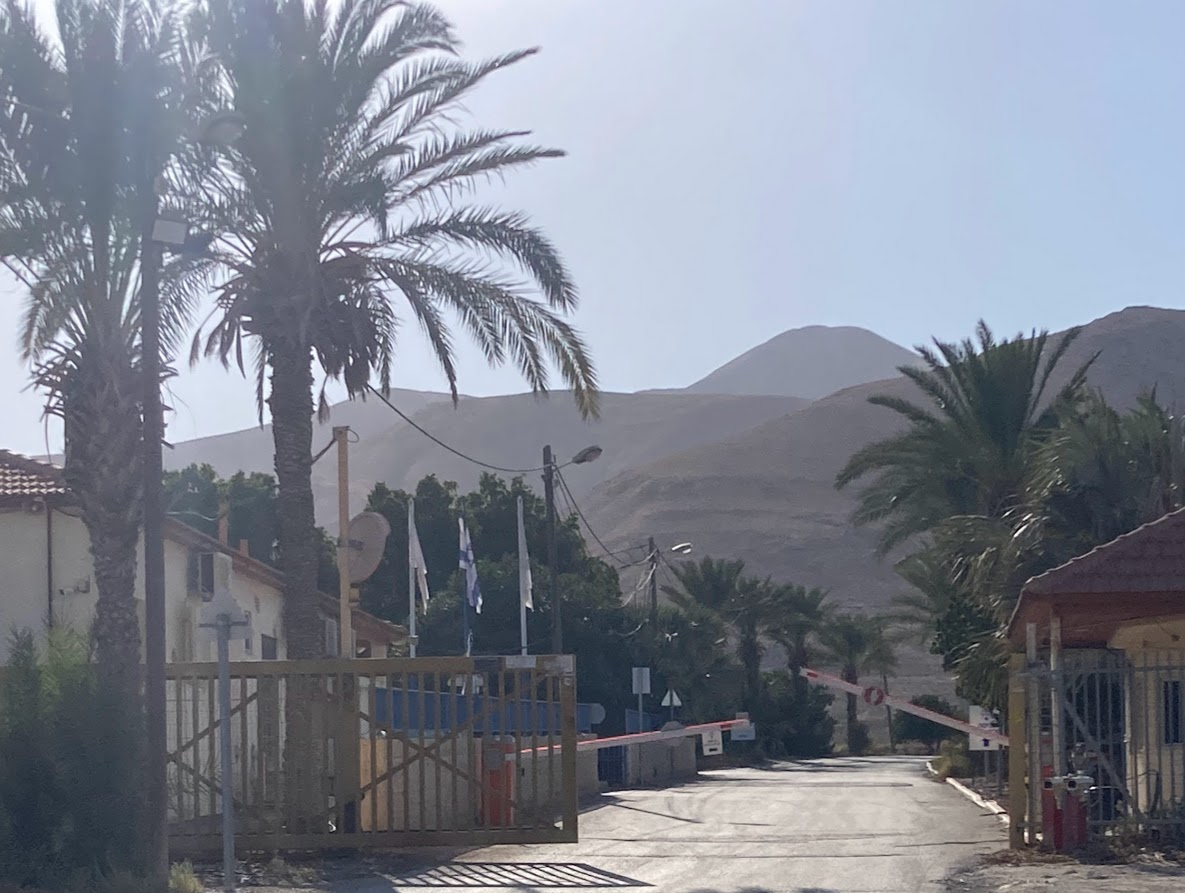
כי מנגד תראי את הר נבו ושמה לא תבואי…. (ההר בצד ימין, כנראה ….)

Last week, just north of the Dead Sea with Mt. Nevo in the backgroundparaphrasing on Deut 32:52: ‘for from afar you shall see Mt. Nevo but there you will not go’…

Posted in Uncategorized | Leave a comment

Sukkot: Having it All – סוכות: “יש לי כל”….

How are you, she asks me when we meet for our morning coffee. Thank Gd, I answer with a big smile, everything is good. She looks at me, wondering, checking, Everything? Good? I think for a moment, looking around, at the people, hurrying on their way like bees among flowers, from store to store to store, the flowing traffic, the trees, the sun shining, the blue sky, the view beyond… I show with my hand in a wide movement, everything is good. Wait, she stops me, don’t you hear the news? Don’t you follow what’s happening? Have you heard about…? And also about…? So how is everything good? Look! I answer, pointing around again with my hand. This? She says in a voice that is a mixture of surprise and mockery, this?? This is “everything is good”? This – is not enough!!!מה שלומך, היא שואלת אותי כשאנחנו נפגשות לקפה של בקר. ב”ה, אני עונה בחיוך גדול, הכל טוב. היא בוחנת אותי בפליאה, בודקת. הכל? טוב? אני חושבת רגע, מסתכלת החוצה, אל האנשים, ממהרים לדרכם כמו דבורים בין פרחים, מחנות לחנות לחנות, התנועה הזורמת, העצים, השמש הזורחת, השמים הכחולים, הנוף שמעבר… אני מראה בידי בתנועה רחבה, הכל טוב. רגע, היא עוצרת אותי, את לא שומעת חדשות? לא עוקבת אחרי מה שקורה? שמעת על…. ? וגם על….?? אז איך הכל טוב? תסתכלי! אני עונה, מראה בידי שוב. זה? היא אומרת לי בקול שחלקו הפתעה וחלקו לגלוג, זה?? זה – “הכל טוב”? זה – לא מספיק!!!  
These days mark 50 years since the Yom Kippur War, and people (like me 😊) who have been telling the world for years that they are 29 years old, maximum 39, and a bit, reminisce about that Shabbat, that week, those events. Archives are opened, films are edited and screened, and things we didn’t know suddenly come up: oh, right, I didn’t remember that…. I didn’t even know that then… who believed that…בימים אלו מציינים 50 שנה למלחמת יום הכיפורים, ואנשים (כמוני 😊) שכבר שנים מספרים לעולם שהם בני 29, מקסימום 39 וקצת, מעלים זכרונות מאותה שבת, מאותו שבוע, מאותם אירועים. ארכיונים נפתחים, סרטים נערכים ומוקרנים, ודברים שלא ידענו, פתאום עולים: אה, נכון, לא זכרתי ש…. אז בכלל לא ידעתי ש… מי האמין ש…  
And I think about the past, which, contrary to its name, didn’t pass at all but rather is constantly changing, and I wonder if it’s possible for us to learn a little humility in our present days, not only for “them” but also for “us”, and how this time will look 50 years from now… And I also replay over and over my own memories of that Yom Kippur, the alarm, the afternoon at the synagogue – people with small transistors under their tallitot, waiting to hear their unit’s code, the ambulances screeching in the quiet streets, rattling the silent holiday, and the week after, the news, the messages, the names, the phone ringing…ואני חושבת על העבר, שבניגוד למה שנדמה שהוא חלף ועבר, הוא כל הזמן הולך ומשתנה, ואני תוהה, אם אפשר שנלמד בהווה שלנו קצת ענווה, לא רק “להם” אלא גם “לנו”, ואיך כל זה יראה בעוד 50 שנה…   ואני מגלגלת שוב ושוב גם את הזכרונות הפרטיים שלי של אותו יום כיפור, את האזעקה, את שעות אחהצ בבית הכנסת – אנשים עם טרנזיסטורים קטנים מתחת לטליתות, מחכים לשמוע את הקוד ליחידה שלהם, את האמבולנסים צורמים ברחובות השקטים, מחרידים את שלוות החג, ואת השבוע אחרי, החדשות, הידיעות, השמות, צלצול הטלפון…  
And one intersection that by now already has traffic lights and new buildings have risen there and gardeners have replaced flowers and trees, and countless people have passed through it, day after day, and still, every time I pass through it, I’m still standing there with a few friends, a group of pre-teens to whom the future has been hastened all at once , and we are holding buckets with dark blue paint and rough brushes, stopping cars to quickly paint their headlights before everything is blacked-out, and it’s almost dark and we have to hurry before maybe another siren, and one man, in a knitted kippa, rushing, maybe to build his sukkah, calling, thank you very much, may you merit many mitzvot , Shana Tova and a happy holiday! And I don’t understand…וצומת אחת שבנתיים כבר יש בה רמזורים ובנו בה בניינים חדשים וגננים החליפו פרחים ועצים, ואינספור אנשים עברו בה, יום יום יום, ועדיין, כל פעם שאני עוברת בה, אני עומדת שם עם כמה חברים, חבורת ילדים בני עשרה שהקדימו לנו את העתיד בבת אחת, ואנחנו מחזיקים דליים עם צבע כחול כהה ומברשות גסות, עוצרים מכוניות למהר ולצבוע את פנסיהן לפני ההאפלה, וכבר כמעט חושך וצריך למהר לפני שאולי עוד אזעקה, ואיש אחד, בכיפה סרוגה, ממהר, אולי לבנות סוכה, אומר לנו, תודה רבה, תזכו למצוות, שנה טובה וחג שמח! ואני לא מבינה….  
It has become easier and easier to celebrate Sukkot, to build a Sukkah, to get s’chach, and the four species; and the new train to Jerusalem, makes the trip easier, even if it’s crowded, reminding us of the pilgrimage. And only one thing remains incomprehensible: the commandment to be happy. How did the Torah write, “And you will rejoice”, (Leviticus 23:40), and later “And you will rejoice at your feast”, and again – “And you were only joyful” (Deuteronomy 16:14-15)? How can we be commanded to be joyful? Is joy not an “emotion” that “depends”?   We have another strange commandment in the Torah: “You shall love” the Lord your God (Deuteronomy 6:5), your fellow (Leviticus 19:19) and the stranger (Leviticus 19:4). How can we be commanded to love?נהיה קל יותר ויותר לחגוג את סוכות, לבנות סוכה, להשיג סכך, וגם ארבעת המינים, והרכבת החדשה לירושלים, תקל על הנסיעה, גם אם תהיה עמוסה, ותדמה לנו עליה לרגל. ורק דבר נשאר בלתי מובן: מצוות השמחה. איך כתבה התורה, “ושמחתם”, (ויקרא כג:40), ואח”כ “ושמחת בחגך”, ושוב – “והיית אך שמח” (דברים טז:14-15)? איך אפשר לצוות עלינו להיות שמחים? האם השמחה היא לא “רגש” ש”תלוי”?   יש לנו ציווי מוזר נוסף בתורה: “ואהבת”, כתוב, גם את ה’ אלוהיך (דברים ו,ה), גם את רעך (ויקרא יט, יט) גם את הגר (ויקרא יט, לד). איך אפשר לצוות אותנו לאהוב?  
There is a possibility that we perceive things differently. Maybe the Torah didn’t speak of an emotion, as we think nowadays, but an action. Love of one’s neighbor is a consequence of the understanding that we are all created in Gd’s image, and it should be expressed in certain practical things – charity, visiting the sick, comforting the bereaved, hospitality – regardless of our feeling, or, in the hope that the action will affect the feeling, instead of waiting for the opposite to happen.יש אפשרות שאנחנו תופסים את הדברים אחרת. אולי לא מדובר ברגש, כמו שנדמה לנו בימינו, אלא בעשייה. אהבת רעך היא תולדה של ההבנה שכולנו נבראנו בצלם אלוהים, והיא צריכה להתבטא בדברים מעשיים מסוימים – צדקה, ביקור חולים, ניחום אבלים, הכנסת אורחים – בלי קשר להרגשה, או, בתקווה שהעשיה תשפיע על ההרגשה, במקום לחכות שיקרה ההיפך.  
And there is another possibility, which is – that we are commanded on our feeling, and that the Torah wants to teach us that joy is not a result, but a source. It’s not something that happens to us when all the conditions are right and perfect, and we have everything we want quite precisely, but something that we choose, as a song says, ‘to get up tomorrow morning with a new song in our heart’. True, it is not easy, and might not feel “natural”, but the Torah does not command us – neither the easy nor the “natural”, and not the impossible. Accordingly, happiness is not a place to reach, one day, when we chance upon the golden bucket over the rainbow, but it’s the ticket to go. Not for nothing is Sukkot called “The Holiday of Ingathering”, the holiday in which we must go out into the field and gather the fruit of our labor. What if I’m not a farmer? even then Yes, even then. We must go out and collect all the good things we have done and happened to us this year, look, enjoy and delight, celebrate and be happy. And when the voice comes up to tell us, “it’s not enough”, it’s our job to tell it, “It’s a lot”!וישנה אפשרות נוספת, וזה – שכן יש אפשרות לצוות על הרגש, ושהתורה רוצה ללמד אותנו שהשמחה היא לא תוצאה, אלא מקור. היא לא משהו שקורה לנו כשכל התנאים נכונים ומושלמים, ויש לנו את כל מה שאנחנו רוצים בדי-בדיוק, אלא משהו שאנחנו בוחרים בו, “לקום מחר בבקר עם שיר חדש בלב”. נכון, זה לא קל, וזה לא מרגיש לי “טבעי”, אבל התורה לא מצווה אותנו – לא על הקל ולא על ה”טבעי”, וגם, לא על הבלתי אפשרי. לפי זה, השמחה היא לא מקום להגיע אליו, יום אחד, כשנפגוש בדלי הזהב מעבר לקשת בענן, אלא היא כרטיס היציאה לדרך. לא לחינם נקרא סוכות חג האסיף, החג בו עלינו לצאת לשדה ולאסוף את פרי עמלנו. ומה אם אני לא חקלאי? גם אז. כן, גם אז. עלינו לצאת ולאסוף את כל הטוב שעשינו ושקרה לנו השנה, להסתכל, להנות ולהתענג, לחגוג ולשמוח. וכשיעלה הקול שיגיד לנו, אבל “זה לא מספיק”, תפקידנו להגיד לו, “זה המון”!  
In the famous meeting between Jacob and Esau, after they had not seen each other for 20 years, Jacob presents Esau with a handsome offering, and Esau tells him, “I have a lot”, meaning, ‘actually, no need, I have a lot of property and I don’t need gifts from you. Jacob insists and says, “please take my blessing… I have all” (Genesis 33:9-11). How can we understand the difference between “I have a lot” and “I have all”? Or more correctly, as the Sfat Emet asks: “How can a person say “all”, when there were so many things that we don’t have”?בפגישה המפורסמת בין יעקב ועשו, אחרי שלא התראו 20 שנה, יעקב מגיש לעשו מנחה נאה, ועשו אומר לו, “יֶשׁ־לִ֣י רָ֑ב”, כלומר, בעצם, לא צריך, יש לי הרבה רכוש ואני לא צריך מתנות ממך. יעקב מתעקש ואומר, “קַח־נָ֤א אֶת־בִּרְכָתִי֙… יֶשׁ־לִי־כֹ֑ל” (בראשית לג, ט-יא). איך ניתן להבין את ההבדל בין “יש לי רב” ל”יש לי כל”? או יותר נכון, כפי ששואל השפת אמת: “איך יוכל אדם לומר כל והרי כמה דברים היו שלא היה לו”?  
It seems that the “a lot” is a quantitative and relative plurality, and still shows a feeling of lack, while the “all” implies the connection to the Source of Abundance, and a feeling of “all”, whether there is or not “all”. Esau at this point is very satisfied with his power, but also depends on what and how much he has. Jacob clarifies that he is not concerned with quantity, and therefore does not depend on it. It is said of Jacob that he is given an “inheritance without limits” (tractate Shabbat 118:a): because of this ability to feel that he has “all”, he is connected to the Infinite, beyond the “straits”, beyond the limitations and narrow boundaries of what is and what is not. The Sfat Emet adds and says that “…he who clings to the Upper Root, what he has is like “all”, for “all” is something that has a vital point from Gd, and in this point all is included”…נראה שה”רב” הוא ריבוי כמותי ויחסי, ועדיין מראה על תחושת חוסר, בעוד ה”כל” מרמז על הקשר למקור השפע, ותחושה של “כל”, בין אם יש ובין אם אין “הכל”. עשו בשלב זה, מאד מרוצה מכוחו, אך גם תלוי במה וכמה שיש לו. יעקב מבהיר שהוא לא עסוק בכמות, ולכן לא תלוי בכך. על יעקב נאמר שנותנים לו “נחלה בלי מיצרים” (שבת קיח:א): בגלל היכולת הזו להרגיש שיש לו “כל”, הוא קשור לאינסוף, מעבר ל”מיצרים”, מעבר למגבלות ולגבולות הצרים של מה שיש ומה שאין. השפת אמת מוסיף ואומר, ש”…מי שדבוק בשורש עליון מה שיש לו הוא בחינת כל, כי כל דבר יש בו נקודת חיות מהשי”ת ובנקודה זו כלול הכול”…  
Each of our forefathers has a different holiday from the three pilgrimage festivals: Abraham is associated with Pesach; Isaac – with Shavuot, while Jacob’s holiday – is the holiday of Sukkot, the holiday of joy, the holiday of the feeling of “I have all”. May we win merit as well.לכל אחד מהאבות, יש חג אחר משלושת הרגלים: אברהם קשור לפסח, יצחק – לשבועות, ואילו החג של יעקב – הוא חג סוכות, חג השמחה, חג תחושת ה”יש לי כל”. מי יתן ונזכה.

שבת שלום וחג שמח! SHABBAT SHALOM & HAPPY SUKKOT

Posted in Uncategorized | Leave a comment

“Like an eagle who rouses its nestlings” – Torah & travel with the Torah portion of Ha’azinu for Shabbat Shuva

כנשר יעיר קינו… תורה וטיולים לשבת שובה עם פרשת האזינו

The Torah portion of Ha’azinu, read on this Shabbat – Shabbat Shuva between Rosh Hashanah and Yom Kippur, is among the shortest Torah portions, and also – the least understood. Most of it is taken up by the Ha’azinu poem, which describes the cycle of what will happen to the People of Israel in the future – settlement in the Land of Israel, sin, exile and then, redemption. It,s written in a special way – rows and rows in a pattern called “tile on top of tile” – two long columns along the page (compared to the Song of the Sea which is written in the form of “tile on top of brick”…)פרשת האזינו הנקראת בשבת זו – שבת שובה בין ראש השנה ויום הכיפורים, היא בין הפרשות הקצרות בתורה, וגם – הכי פחות מובנות. את רובה תופסת שירת האזינו, המתארת את המעגל של מה שיקרה לעם ישראל בעתיד – התנחלות בארץ ישראל, חטא, גלות ולאחר מכן, גאולה. היא כתובה בצורה מיוחדת – שורות שורות בתבנית הקרויה “אריח על גבי אריח” – שתי עמודות ארוכות לאורך הדף (לעומת שירת הים שכתובה בצורת “אריח על גבי לבנה”…)  
After the poem, there are two more short passages: in the first, Moses is depicted reading the song to the Israelites and warning them again to be careful to keep the Torah: “For this is not a trifling thing for you: it is your very life; through it you shall long endure on the land that you are to possess upon crossing the Jordan” (Deut. 32:47), and in the second, Gd commands Moses to climb up Mount Nevo, look out over the Land of Israel and die there.אחרי השירה יש עוד שתי פרשיות קצרות: בראשונה משה מתואר קורא את השירה לבני ישראל ומזהיר אותם שוב להקפיד לקיים את התורה: ”כִּי לֹא דָבָר רֵק הוּא מִכֶּם כִּי הוּא חַיֵּיכֶם וּבַדָּבָר הַזֶּה תַּאֲרִיכוּ יָמִים עַל הָאֲדָמָה אֲשֶׁר אַתֶּם עֹבְרִים אֶת הַיַּרְדֵּן שָׁמָּה לְרִשְׁתָּהּ” (דברים לב, מז), ובשנייה – מצווה אלוהים את משה לעלות להר נבו, להשקיף על ארץ ישראל ולמות שם.  
In the Ha’azinu poem itself, the metaphor of the parent and the child between Gd and the People of Israel stands out, and it turns out that we are not such great children – stubborn, ungrateful and not always wise in our decisions. On the other hand, Gd remains a nurturing, caring and dedicated parent even when his children are more than a little annoying… .בשירת האזינו עצמה בולט משל ההורה והילד בין הקב”ה ועם ישראל, ומסתבר שאנחנו לא ילדים משהו – עקשנים, כפויי טובה ולא תמיד חכמים בהחלטותינו. מנגד, הקב”ה נשאר הורה מטפל, דואג ומסור גם כשהילדים שלו קצת (הרבה) מעצבנים…  
And so it says (Deut 32:9-11): For Hashem’s portion is this people;
Jacob, Gd’s own allotment.
[Gd] found them in a desert region,
In an empty howling waste.
[Gd] engirded them, watched over them,
Guarded them as the pupil of Gd’s eye.
Like an eagle who rouses its nestlings,
Gliding down to its young,
So did [Gd] spread wings and take them,
Bear them along on pinions…
וכך כתוב (דברים לב: ט-יא):

כִּ֛י חֵ֥לֶק ה’ עַמּ֑וֹ        יַעֲקֹ֖ב חֶ֥בֶל נַחֲלָתֽוֹ׃

  יִמְצָאֵ֙הוּ֙ בְּאֶ֣רֶץ מִדְבָּ֔ר     וּבְתֹ֖הוּ יְלֵ֣ל יְשִׁמֹ֑ן יְסֹבְבֶ֙נְהוּ֙ יְב֣וֹנְנֵ֔הוּ        יִצְּרֶ֖נְהוּ כְּאִישׁ֥וֹן עֵינֽוֹ׃
 
כְּנֶ֙שֶׁר֙ יָעִ֣יר קִנּ֔וֹ      עַל־גּוֹזָלָ֖יו יְרַחֵ֑ף   
יִפְרֹ֤שׂ כְּנָפָיו֙ יִקָּחֵ֔הוּ  יִשָּׂאֵ֖הוּ עַל־אֶבְרָתֽוֹ׃  
The eagle is mentioned in the Bible at the top of the list of unclean birds, but also as a symbol of strength and ease of flight. In the Talmud, the eagle is crowned the king of birds. Hence the name of the operation “On the Wings of Eagles” given to bringing mainly Yemenite and some Eritrean Jews to Israel in 1949-1950’s. In our portion, the eagle is described as a kind and caring parent who takes care of his offspring. As it is said (Mekhilta Darbi Ishmael), “All birds put their young between their legs, because they fear another bird that flies above their backs, but this eagle is only afraid of humans, lest he throws an arrow at him, Then (the eagle) says: It is better that it enters me, rather than his son…הנשר מוזכר במקרא בראש רשימת העופות הטמאים, אך גם כסמל לעוצמה וקלות מעוף. בגמרא מוכתר הנשר למלך העופות. מכאן שם המבצע “על כנפי נשרים” שניתן להעלאתם של יהודי תימן בעיקר וקצת מיהודי אריתריאה לארץ בשנים 1949-1950.   בפרשה שלנו הוא מתואר כהורה דואג ומטפל בצאצאיו. כפי שנאמר (מכילתא דרבי ישמעאל יתרו מסכתא דבחדש פרשה ב), “שכל העופות כולן נותנין את בניהם בין רגליהם, מפני שהן מתייראין מעוף אחר שהוא פורח על גביהם (מעליהם), אבל הנשר הזה, אינו מתיירא אלא מאדם זה בלבד, שלא יזרוק בו חץ. אמר (הנשר): מוטב שיכנס בו ולא בבנו…
On one of my recent Shabbat days, I walked up to “Little Switzerland” on the Carmel, where I discovered the “Chai-Bar” – wildlife reserve gate open, and of course, I couldn’t help but continue just a little further down the trail…
The Carmel Wildlife Reserve covers about 6000 dunams and its purpose is to protect and return to nature animals that used to live in Israel, among them, also eagles. There is actually an age-old confusion, which we won’t enter into here, between the carrion-eating “eagle” (vulture) and the predatory eagle. Apparently the origin of the eagle’s name in Hebrew, Nesher, from the root N.Sh.R. – is because that’s the root for shedding — of feathers and the down hair that covers its head and neck, which helps it when it sticks its head into the dead animal it eats. The Israeli eagle – vulture is called a “biblical vulture – nesher”, in English – Griffon Vulture and in Arabic – نَسْر).
  באחת השבתות האחרונות הגעתי בהליכת הבקר שלי לשווצריה הקטנה שעל הכרמל, שם גיליתי את שער החי-בר פתוח, וכמובן, לא יכולתי שלא להמשיך רק עוד קצת ולהכנס…
שמורת החי-בר כרמל משתרעת על כ-6000 דונם ומטרתה – להגן ולהחזיר לטבע בעלי חיים שחיו בעבר בארץ, ביניהם, גם נשרים.   קיים בלבול עתיק יומין, שלא נכנס אליו כאן, בין הנשר האוכל נבלות והעיט  – הטורף. כנראה שהמקור לשמו של הנשר – מהשורש נ.ש.ר – בגלל נשירת הנוצות ופלומת השיער שמכסה את ראשו וצווארו, דבר שעוזר לו כשהוא תוחב את ראשו אל קרביו של הנבלה אותה הוא אוכל. הנשר הישראלי מכונה “נשר מקראי” (באנגלית -Griffon Vulture  ובערבית – נַסְר” نَسْر.  
The eagle / vulture, which lives in colonies on high cliffs, has a wingspan of almost 3 m! His weight is 5.3-8 kg and he lives for about 40-50 years in a monogamous relationship that probably lasts a lifetime (perhaps it helps that both parents participate in the incubation of the egg and the feeding of the chick…). In Israel there are concentrations of nesting eagles in the Golan Heights, where there is a colony in the Gamla area (recommended, especially in spring and especially always…), in Nahal Tzin and the Negev, and in the Carmel. Unfortunately, the eagle population has decreased due to hunting, poisoning, electrocution, being caught in agricultural nets, depletion of food sources and disturbance of nesting sites. The wildlife reserve initiates awareness activities and the establishment of feeding areas. The eagles here are marked and the adults are released with a satellite tracking bracelet to study their adaptability and migration. One of the eagles reached as far as Saudi Arabia and was captured. The authorities, who were surprised to encounter an eagle with an Israeli surveillance bracelet, firmly claimed that it was a spy eagle of the Mossad…לנשר, שחי במושבות במצוקים גבוהים, מוטת כנפיים עד כמעט 3 מ’! משקלו 5.3-8 ק”ג והוא חי כ-40-50 שנה בקשר מונוגמי שנמשך כנראה לכל החיים (אולי זה עוזר ששני ההורים משתתפים בדגירה על הביצה ובהאכלת הגוזל…).   בארץ ריכוזים של נשרים מקננים ברמת הגולן, שם יש מושבה באיזור נחל גמלא (מומלץ, במיוחד באביב אבל גם במיוחד תמיד…), בנחל צין ובנגב, ובכרמל. לצערנו, אוכלוסיית הנשרים הצטמצמה עקב ציד, הרעלות, התחשמלות, הילכדות ברשתות חקלאיות, הידלדלות מקורות מזון והפרעה באתרי קינון. החי-בר יוזם פעילות הסברה וכן הקמת שטחי האכלה. הנשרים כאן מסומנים והבוגרים משוחררים עם צמיד מעקב לוויני לשם חקר יכולת ההסתגלות והנדידה שלהם. אחד מהנשרים הגיע עד ערב הסעודית ונתפס. הרשויות, שהופתעו להיתקל בנשר עם צמיד מעקב ישראלי, טענו בתוקף שמדובר בנשר-מרגל של המוסד…  
And if we are talking about eagles- nesher / nesharim in the Carmel, you’re welcome to join me on a route I take almost daily, through Nesher – literally “eagle” – a city since 1995, which is located right on the border of Haifa, on the northeastern slopes of the Carmel Ridge (route 752) between the Check-Post junction and Kibbutz Yagur. I admit and confess to my surprise and somewhat sadness, as to how little I knew about this place until writing these lines. The beginning of the settlement involves the story of the establishment of the cement factory, “Nesher”, the construction of which was predicted by Benjamin Ze’ev Herzl in his book “Altneuland” (1902).ואם בנשרים בכרמל עסקינן, אתם מוזמנים איתי לנסיעה שאני עושה כמעט כל יום דרך נשר, העיר מאז 1995, ששוכנת ממש בגבול חיפה, על השיפולים הצפון־מזרחיים של רכס הכרמל (כביש 752) בין צומת הצ’ק-פוסט וקיבוץ יגור. אני מודה ומתוודה בהפתעה וקצת עצב, כמה מעט ידעתי עליה עד לכתיבת שורות אלה.   ראשית היישוב בה כרוך בסיפור הקמת בית החרושת למלט, “נשר”, שאת בנייתו חזה בנימין זאב הרצל בספרו “אלטנוילנד” (1902).  
In 1903, Nachum Vilbush made aliya to Israel, a Zionist activist, economic entrepreneur and the pioneer of modern industry in Israel, among other things he founded the “Shemen” (oil) factory, invented irrigation systems for irrigating citrus orchards, initiated the cultivation of sugar cane, and more. If we don’t know him, we might know some of his family members: his sister, Mania Shohat, head of “Bar Giora”, “Hashomer” and Kibbutz Kfar Giladi on the northern border; and his brother-in-law (his wife’s brother) Avshalom Feinberg, thinker and founder of Nili, an underground organization that operated in Israel during World War I and focused on providing intelligence services to the British who fought against the Ottoman Empire.בשנת 1903 עלה לארץ נחום וילבוש, פעיל ציוני ויזם כלכלי ומחלוצי התעשיה המודרנית בארץ, בין השאר מי שייסד את בית החרושת “שמן”, המציא מערכות השקיה להשקיית פרדסים, יזם גידול קני סוכר, ועוד. אם אנחנו לא מכירים אותו, קרוב לודאי שנכיר כמה מבני משפחתו: אחותו, מניה שוחט, מראשי “בר גיורא”, “השומר” וקיבוץ כפר גלעדי בגבול הצפון, וגיסו (אחי אשתו) אבשלום פיינברג, הוגה ומייסד ניל”י, ארגון מחתרתי שפעל בארץ בתקופת מלחמת העולם הראשונה והתמקד במתן שירותי מודיעין לבריטים שנלחמו מול האימפריה העות’מאנית.  
But back to Nahum Vilbush who was looking for possibilities for economic development in the Land. It seemed to him that a cement plant would be needed with the renewed construction boom. Because of the limestone rocks in the Carmel, the proximity to the port of Haifa and the Hijaz railway (and perhaps also Herzl’s dream), he recommended the establishment of a cement plant in Carmel and began the process of purchasing land in the area.נחזור לנחום וילבוש שחיפש אפשרויות לפיתוח כלכלי בארץ. נראה היה לו שיהיה צורך במפעל למלט עם תנופת הבנייה המתחדשת. בגלל סלעי הגיר בכרמל, הקרבה לנמל חיפה ומסילת הרכבת החיג’אזית (ואולי גם חלומו של הרצל), הוא המליץ על הקמת מפעל מלט בכרמל והחל בתהליך רכישת קרקע באיזור.  
In 1921 – almost 20 years later, finally! Yehoshua Hankin bought the land here, and the workers, who preferred to stay close to the place and not wander the dangerous roads, were housed in a road shanty instead. At first they engaged in agriculture until in 1925 the first furnace was operated in the factory, and the factory started producing cement. The place grew, especially after the War of Independence and with the waves of new comers in the 1950s, when today about 25,000 residents live here.ב-1921 – כמעט 20 שנה מאוחר יותר, סופסוף! קנה יהושע חנקין את האדמות באיזור, והפועלים, שהעדיפו להשאר קרוב למקום ולא לנדוד בדרכים המסוכנות, שוכנו בחאן דרכים במקום. בהתחלה עסקו בחקלאות וב-1925 הופעל הכבשן הראשון בבית החרושת, והמפעל התחיל בייצור מלט. המקום גדל, במיוחד לאחר מלחמת העצמאות ועם העליות של שנות ה-50, כשכיום חיים כאן כ-25 אלף תושבים.
The origin of the name “Nesher” is still uncertain. It’s possible that the founder of the factory, Michael Polak, had a connection with a cement factory in Germany whose name included “eagle”; it’s possible that the houses up on the slopes of the mountain gave a feeling of observation “from the flight of the eagle” (thanks to Rabba Iris Yaniv for that), and it’s possible that it was was named after the bird in our Torah portion, which today also Lives, as mentioned, in Carmel, above the city.המקור לשם “נשר” אינו ודאי. יתכן שלמייסד המפעל, מיכאל פולק, היה קשר עם מפעל מלט בגרמניה שבשמו היה “נשר”, יתכן שבתיה הגבוהים נתנו תחושה של תצפית “ממעוף הנשר” (תודה על כך לרבה איריס יניב), וויתכן שנקרא כך על שם העוף בפרשה שלנו, שכיום גם חי, כאמור, בכרמל, מעל לישוב.  

אז מוזמנים לבקר בהר הירוק תמיד ולגלות פינות חדשות!

So, you’re more than welcome to visit the “Ever-Green Mountain” and discover new sites!

ובנתיים, שבת שלום וכתיבה וחתימה טובה!
and meanwhile, Shabbat Shalom and may you be inscribed and sealed for goodness!

The “eagle” – nesher – sculpture made by Alex Palkovich, welcoming drivers at the north-eastern entrance to Nesher the city with the new cable-car above and the Haifa Bay in the background

פסל הנשר של הפסל אלכס פלקוביץ בכניסה הצפון-מזרחית לעיר נשר, ונוף מפרץ חיפה ברקע

Posted in Uncategorized | Leave a comment

Shofar so good – for Rosh Hashana 5784

תקע בשופר גדול”… ראש השנה תשפ”ד”

Our “Rosh Hashana”, as such, is not mentioned in the Torah. If anything, another month is mentioned as “the first to you of the months of the year” (Exodus 12:2), and that is the spring month of Nisan. To increase the confusion, at the beginning of tractate Rosh Hashanah, four new-years are mentioned, some of them in dispute, and later on, a long (and wonderful) discussion between Rabbi Eliezer and Rabbi Yehoshua deals with the question of whether Rosh Hashanah falls on Tishrei or Nissan… the answers are less important at the moment. What is, is the fact that we have more new-years than we thought. We determine different beginnings “for years and months”, for trees, for school, for finances, for the Gregorian calendar and more…“ראש השנה” שלנו, ככזה, לא מוזכר בתורה. אם כבר, מוזכר חודש אחר כ”ראשון הוא לכם לחודשי השנה” (שמות יב:ב), והוא חודש האביב, ניסן. כדי להגביר את הבלבול, בתחילת מסכת ראש השנה, מוזכרים ארבע ראשי שנים, חלקם במחלוקת, ובהמשך, דיון ארוך (ונפלא) בין רבי אליעזר ורבי יהושע העוסקים בשאלה האם ראש השנה חל בתשרי או ניסן… התשובות פחות חשובות כרגע. מה שכן, זו העובדה שיש לנו יותר ראשי שנים ממה שחשבנו. אנחנו קובעים התחלות שונות “לשנים ולחודשים”, לעצים, ללימודים, לכספים, ללוח השנה הלועזי ועוד…  
The idea that we may take for granted, that it’s possible to draw a line, and start again from the beginning, is wonderful and unique. Not that no one thought of the practical need to correct the calendar, calculating the differences between the lunar and solar year, but the Jews also added the personal – national idea, that it’s possible to renew, and in different areas of life, all the time!הרעיון שאנחנו אולי לוקחים כמובן מאליו, שאפשר למתוח קו, ולהתחיל שוב מהתחלה, מופלא ויחודי. לא שאיש לא חשב על הצורך המעשי לתקן את לוח השנה וההפרשים בין שנת הירח והשמש, אבל היהודים הוסיפו, גם את הרעיון האישי – לאומי, שאפשר להתחדש, ובתחומים שונים, כל הזמן!  
Much of Rosh Hashana is unknown. And, symbolically (and practically), in stark contrast to all our holidays that are usually celebrated when the moon is full, shining, bright and perfect, Rosh Hashanah is the only holiday that begins when it’s dark and there’s almost no moon, just like all beginnings, and especially, “The” beginning of Creation, when it’s not clear what kind of world will come out of here… this is a holiday in which we do not celebrate a great success – the Exodus from Egypt, the Giving of the Torah, a victory, but – so strange – Soul-searching. Remembrance. Tuning in. A tiny seed for something in the future, for doing; for complete presence and awareness in the world, when the realization of the potential before us –  is still completely hidden .הרבה מראש השנה – נסתר. ובאמת, באופן סמלי (ומעשי), בניגוד חריף לכל החגים שלנו הנחגגים בד”כ כשהירח מלא, מאיר, בוהק ומושלם, ראש השנה הוא החג היחיד שמתחיל כשחשוך וכמעט אין ירח, ממש כמו כל ההתחלות, ובמיוחד, “ה”התחלה, “ה”בריאה, כשלא ברור איזה מן עולם יצא כאן…זהו חג בו אנחנו לא חוגגים הצלחה כבירה – יציאת מצרים, מתן תורה, נצחון כלשהו, אלא – כמה מוזר – חשבון נפש. זכירה. התכווננות. גרעין קטנטן למשהו עתידי, לעשיה, לנוכחות שלמה ומודעות בעולם, כשהתממשות פוטנציאל הדברים שלפנינו – עדיין נסתרת לגמרי.  
In the Torah portion of “Emor” (Leviticus 23:24), the Torah refers to this day that we call “Rosh Hashanah” and says about it: “Speak to the Children of Israel thus: In the seventh month, on the first day of the month, you shall observe complete rest, a sacred occasion commemorated with loud blasts”, that is, a day that is indicated by blowing a shofar.בפרשת “אמור” (ויקרא כג, כד) מתיחסת התורה ליום הזה שאנחנו קוראים “ראש השנה” ואומרת עליו: “דַּבֵּ֛ר אֶל־בְּנֵ֥י יִשְׂרָאֵ֖ל לֵאמֹ֑ר בַּחֹ֨דֶשׁ הַשְּׁבִיעִ֜י בְּאֶחָ֣ד לַחֹ֗דֶשׁ יִהְיֶ֤ה לָכֶם֙ שַׁבָּת֔וֹן זִכְר֥וֹן תְּרוּעָ֖ה מִקְרָא־קֹֽדֶשׁ”. “זכרון-תרועה” – כלומר יום שמצוין בתקיעת שופר.  
The shofar appeared for the first time at Mount Sinai: The blare of the shofar grew louder and louder. As Moses spoke, God answered him in thunder” And the shofar is also connected with redemption, when it is written – “And on that day, a great shofar shall be sounded; and the strayed who are in the land of Assyria and the expelled who are in the land of Egypt shall come and worship GOD on the holy mount, in Jerusalem” (Isaiah 27:13). Also in the year of the jubilee, when slaves are freed, it’s written Then you shall sound the shofar loud; in the seventh month, on the tenth day of the month—the Day of Atonement—you shall have the horn sounded throughout your land” (Leviticus 25,9) And some say, that already during the creation of the world, Gd’s voice, commanding Creation, was like a shofar.השופר הופיע לראשונה במעמד הר-סיני: “וַיְהִי֙ ק֣וֹל הַשֹּׁפָ֔ר הוֹלֵ֖ךְ וְחָזֵ֣ק מְאֹ֑ד מֹשֶׁ֣ה יְדַבֵּ֔ר וְהָאֱלֹהִ֖ים יַעֲנֶ֥נּוּ בְקֽוֹל” (שמות יט,יט). והשופר קשור גם בגאולה, כשכתוב – “וְהָיָה בַּיּוֹם הַהוּא יִתָּקַע בְּשׁוֹפָר גָּדוֹל וּבָאוּ הָאֹבְדִים בְּאֶרֶץ אַשּׁוּר וְהַנִּדָּחִים בְּאֶרֶץ מִצְרָיִם וְהִשְׁתַּחֲווּ לַיהוָה בְּהַר הַקֹּדֶשׁ בִּירוּשָׁלָ͏ִם” (ישעיהו כז, יג). גם בשחרור העבדים בשנת היובל כתוב “וְהַֽעֲבַרְתָּ֞ שׁוֹפַ֤ר תְּרוּעָה֙ בַּחֹ֣דֶשׁ הַשְּׁבִעִ֔י בֶּעָשׂ֖וֹר לַחֹ֑דֶשׁ בְּיוֹם֙ הַכִּפֻּרִ֔ים תַּעֲבִ֥ירוּ שׁוֹפָ֖ר בְּכׇל־אַרְצְכֶֽם׃ וְקִדַּשְׁתֶּ֗ם אֵ֣ת שְׁנַ֤ת הַחֲמִשִּׁים֙ שָׁנָ֔ה וּקְרָאתֶ֥ם דְּר֛וֹר בָּאָ֖רֶץ לְכׇל־יֹשְׁבֶ֑יהָ”… (ויקרא כה,ט). יש שאומרים שכבר בבריאת העולם, קולו של הקב”ה, מצווה על הבריאה, היה כשופר.  
And every day we say in the Amida prayer, in the blessing that was established back in the days of the Second Temple, before the destruction: “Blow a big shofar for our freedom and raise the banner to gather our exiles and bring us together (quickly, the sefardis add) from the four corners of the earth to our Land. Blessed are you, O Lord, who gathers the outcasts of his people Israel”.   Rav Kook asks about this, what does “big Shofar” mean?ובכל יום אנחנו אומרים בתפילת עמידה, בברכה שנתקנה עוד בימי בית שני, לפני החורבן: תְּקַע בְשׁוֹפָר גָּדוֹל לְחֵרוּתֵנוּ וְשָׂא נֵס לְקָבֵץ גָּלֻיוֹתֵינוּ וְקַבְּצֵנוּ יַחַד (מְהֵרָה, הוסיפו הספרדים) מֵאַרְבַּע כַּנְפוֹת הָאָרֶץ לְאַרְצֵנוּ. בָּרוּךְ אַתָה ה’, מְקַבֵּץ נִדְחֵי עַמּוֹ יִשְׂרָאֵל.   הרב קוק שואל על כך, מה פירוש “שופר גדול”?  
According to him, the fact that it mentions a “big shofar” means that there is also a medium shofar and a small shofar. Indeed, there are different types of shofars that can be blown on Rosh Hashanah: the best, that of a ram. Next, a shofar of a kosher animal or beast, even if not a ram. Last, a horn of any animal or beast, even a rhinoceros, can be blown, but a blessings cannot be said over such a shofar.לטענתו, זה שכתוב שיש שופר גדול, אומר שיש גם שופר בינוני ושופר קטן. אכן, יש סוגים שונים של שופרות בהם אפשר לתקוע בראש השנה: הטוב ביותר, של איל. לאחריו, שופר של חיה או בהמה כשרה, גם אם לא איל. ולאחר מכן, כל חיה או בהמה שהיא, אפילו קרנף, אפשר לתקוע אבל על שופר שכזה, אסור לברך.  
Since sounding the shofar stands for our freedom – the national one (along with he in-gathering of our exiles), it turns out that there are also different freedoms, and different reasons to come to Israel: the small shofar corresponding to the smaller freedom, is coming to the Land due to constraints elsewhere, a way we all know from history lessons and family stories. The second – is our arrival at the Land because we recognize the “natural right of the Jewish people to be a nation like any other, independent in its own sovereign state” (from the “Declaration of Independence”). This is a great step, and still, after it, there is the third shofar, which calls us to come due to spiritual awakening that will manifest itself in physical realization, from the feeling that we want to raise the Shekinah from dust, to renew the encounter with Gd, and to build our deep connection with Him and with each other, through the Land .מכיון שהתקיעה מסמלת את חירותינו – הלאומית (יחד עם קיבוץ גלויות), מסתבר שיש גם חירויות שונות וסיבות שונות לבוא לארץ: השופר הקטן המקביל לחירות הקטנה יותר, הוא בואנו לארץ מאילוצים, דרך שכולנו מכירים משיעורי הסטוריה וסיפורים משפחתיים. השני – בואנו לארץ כי אנחנו מכירים ב”זכותו הטבעית של העם היהודי להיות ככל עם ועם, עומד ברשות עצמו במדינתו הריבונית” (מתוך “מגילת העצמאות”). זו מדרגה נהדרת ועדיין, יש אחריה את השופר השלישי, שקורא לנו לבוא מתוך ההתעוררות רוחנית שתתבטא בהתממשות פיזית, מתוך תחושה שאנחנו רוצים להרים את השכינה מעפרה, לחדש את המפגש עם הקב”ה, ולבנות את הקשר העמוק שלנו איתו ואחד עם השני, דרך הארץ.
And it is also important to pay attention to the first time when the root – Sh.P.R. – appeared in the Torah, which was in Shifra’s name, the midwife in Egypt, who would “improve (meshaperet) the child”, awaken him, giving him life. According to Rambam, the Shofar is like an alarm clock. The human, after all, is a little sleepy, since the days of the Garden of Eden, when Gd caused him to sleep, and until now we have not been told that Gd woke him up! The shofar is His proxy, the one who seeks to remind, shake, move us, at least a little, from our place. This message is also found in the order of blowing the shofar: a complete blowing – broken and rickety (sh’varim-teru’a) – and again whole, as a hint that even if Creation was perfect, then later, in life, things break and fall apart, and our desire is to make out of the rickety (ra’u’a) – friendship (re’ut), connection, and improvement (shipur).וחשוב גם לשים לב לפעם הראשונה כשהשורש – ש.פ.ר. – הופיע בתורה, בשמה של שפרה, המיילדת במצרים, שהיתה “משפרת את הוולד”, מעירה ונותנת לו חיים. לפי הרמב”ם, השופר הוא כמו שעון מעורר. האדם, אחרי הכל, קצת ישן, עוד מימי גן עדן כשהקב”ה הפיל עליו תרדמה, ועד עכשיו לא נאמר לנו שהוא העיר אותו! השופר הוא בא כוחו, זה שמבקש להזכיר, לנענע, לרגש, להזיז אותנו, לפחות קצת, ממקומנו. המסר הזה נמצא גם בסדר תקיעות השופר: תקיעה שלמה – שבורה ורעועה (שברים-תרועה) – ושוב שלמה, כרמז לכך שגם אם הבריאה היתה מושלמת, הרי אחכ, בחיים, דברים נשברים ומתפרקים, ושאיפתנו, לעשות מהרעוע – רעות, חברות, חיבור, קשר, שיפור והשתפרות.    
Continuing our travel in the Land, we will mention two places in Israel whose name is from the root – Sh.P.R. The first is Moshav Shefer in the Upper Galilee which was founded in 1950 and its name is taken from the blessing of Jacob to Naftali – Naphtali is a hind let loose,
Which yields lovely fawns = imrey shefer (
Genesis 49,21). Therefore, it’s located near Moshav Amirim (the words “imrey shefer” in the blessing). The Moshav went through many difficulties at the beginning, but today it’s a beautiful place with fantastic views. Within the moshav is the Shafer fortress, which was originally called “Perdia” and was one of the chain of fortresses of the Northern Wall built by the British in the late 1930s. In the area there are springs and streams, trails and Galilean vista points.
בהמשך לטיולנו, נזכיר בארץ שני מקומות שבשמם השורש – ש.פ.ר. הראשון הוא מושב שֶׁפֶר בגליל העליון שנוסד ב-1950 ושמו לקוח מברכת יעקב לנפתלי – “נַפְתָּלִ֖י אַיָּלָ֣ה שְׁלֻחָ֑ה הַנֹּתֵ֖ן אִמְרֵי־שָֽׁפֶר” (בראשית מט,כא), לכן הוא נמצא בסמוך למושב אמירים (“אמרי שפר”). המושב שעבר קשיים רבים בתחילתו כיום הוא מקום יפיפה עם נוף פנטסטי. בתחומי המושב נמצאת מצודת שפר, שבמקור נקראה ״פרדיה״ והיתה אחת משרשרת מצודות גדר הצפון שנבנו ע”י הבריטים בסוף שנות ה-30, ובאיזור מעיינות ונחלים, שבילים ונקודות נוף גליליות.  
The second place is Shefar’am, today an Arab city in the northern district, most of whose inhabitants are Arab-Muslims, and about a third are Christian Arabs and Druze. Shefar’am lies at the meeting point between the Galilee mountains and the valleys, which made it throughout its history, a central and important city. It has existed for thousands of years, and its roots go back to many centuries BCE, having been established in the Canaanite period and archaeological remains were found there.המקום השני הוא שפרעם, כיום עיר ערבית במחוז הצפון אשר רוב תושביה הם ערבים-מוסלמים, וכשליש ערבים נוצרים ודרוזים. שפרעם שוכנת בנקודת המפגש בין הרי הגליל לבין העמקים, מה שהפך אותה לאורך תולדותיה, לעיר מרכזית וחשובה. היא קיימת אלפי שנים, ושורשיה מעמיקים עד מאות שנים רבות לפני הספירה. כנראה שהיישוב הוקם בתקופה הכנענית ונמצאו בה שרידים ארכאולוגים.  
Shefar’am is mentioned in the Talmud in several places, in connection with the Bar-Kochva revolt, and as one of the places to which the Sanhedrin migrated to, from nearby Usha (around 150 CE). During the Roman rule, Rabbi Yehuda ben Baba lived here, ordaining students to be rabbis, and the Romans executed him. His tomb is located in the city and serves as a pilgrimage site. Some are inclined to see in Shefar’am’s name a combination of the Hebrew words Shefar (shofar) of the Nation. The Jewish community continued to live there until the beginning of the 20th century (about a century ago).שפרעם מוזכרת בתלמוד בכמה מקומות, בהקשר למרד בר-כוכבא, וכאחד המקומות אליהם נדד מושב הסנהדרין מאושא הסמוכה לה (בערך בשנת 150 לספירה). בתקופת השלטון הרומי, חי במקום רבי יהודה בן בבא שהסמיך תלמידים לרבנות, והרומאים הוציאו אותו להורג. קברו שוכן בעיר ומשמש אתר עלייה לרגל. יש הנוטים לראות בשמה צירוף של המילים העבריות שפר (שופר) עם. הקהילה היהודית המשיכה וחיה במקום עד תחילת המאה ה-20 (לפני כמאה שנה).  
In the ancient part of the city there is still – the “Shekinah Camp” synagogue, which was renovated about 250 years ago, by Rabbi Chaim Abulafia (the second) during the reign of Dahar al-Omar, the ruler of the Galilee in the 18th century, who gave the Jews permission to build it. It’s believed that the old synagogue was built on the site of an ancient synagogue that had stood here since the time of the Second Temple. We can count on it that for hundreds of years, shofar was blown there too…בחלק העתיק של העיר שוכן – עדיין – בית הכנסת “מחנה שכינה”, שחודש לפני כ-250 שנים, על ידי רב חיים אבולעפיה (השני) בתקופת שלטונו של דאהר אל-עומר שליט הגליל במאה ה-18, שהעניק ליהודים רשות להקימו. סוברים כי בית הכנסת העתיק נבנה במיקומו של בית כנסת קדום שעמד במקום עוד מתקופת בית שני. אפשר להניח שבמשך מאות שנה, גם שם תקעו בשופר…  

מי יתן ונשמע גם אנחנו, ושתהיה לנו שבת שלום ושנה טובה ומתוקה!
May we hear as well, and let it be a Shabbat Shalom & SHANA TOVA U’METUKA
!

photo credit: YONATAN SINDEL/FLASH90 in the Jerusalem Post, Sep 2020
Posted in Uncategorized | 1 Comment

Moses and Barbie: choices and journeys… the Torah portions of Nitzavim-Vayelech

תורה וטיולים: משה וברבי, בחירות והליכות… פרשות ניצבים-וילך –

Thanks to a wonderful guest who came for a short visit (always too short…), I was invited to see the movie “Barbie”. The film, much more sophisticated than its name suggests, is based on the character of Barbie, who is forced to leave her perfect home in the utopian (and terribly pink) “Barbie-Land” for a journey of self-discovery in the “real” world, i.e. “ours” (meaning Venice Beach in Los Angeles…).בזכות אורחת נפלאה שהגיעה לביקור קצר (תמיד קצר מידי…), הוזמנתי לראות את הסרט “ברבי”. הסרט, המתוחכם הרבה יותר ממה ששמו מציע, מבוסס על דמותה של ברבי שנאלצת לצאת מביתה המושלם ב”ברבי-לנד” האוטופית (והורודה להחריד) למסע גילוי עצמי בעולם “האמיתי”, כלומר “שלנו” (ובכך אנחנו מתכוונים לחוף וניס בלוס אנג’לס…).  
This may come as a surprise (to those who know me, actually maybe not…) but one section in particular connected me to this week’s Torah double Torah portion, “Nitzavim-Veyelech”. Without spoilers for those who intend to go watch it, I’ll only say very briefly that before Barbie sets out, she is going to ask the advice from Weird Barbie. The latter puts the choice before her, symbolized by two shoes: Barbie, says Weird Barbie to Stereotypical Barbie, what will you choose? A high heel shoe or Birkenstock sandal?? Barbie does not hesitate and says (guess?), a high heel shoe! Weird Barbie says to her, “No, no, no, that’s not what you want! Think again.” Barbie doesn’t understand; of course she wants the high heel shoe and everything related to it! That’s the life she knows thus far! Weird Barbie gives up the shoe parable, and tells her that she really has no choice, and she must go on her own journey.זו אולי תהיה הפתעה (למי שמכיר אותי, בעצם אולי לא…) אבל קטע אחד במיוחד חיבר אותי לפרשת השבוע שלנו, הפרשה הכפולה, “ניצבים-וילך”. בלי “ספוילרים” למי שמתכוון ללכת לצפות בסרט, אספר רק בקיצור רב שלפני שברבי יוצאת לדרך, היא הולכת לשאול בעצתה של “ברבי המוזרה”. זו מעמידה את הבחירה שעומדת בפניה מסומלת בשתי נעליים: ברבי, היא אומרת לה, מה תבחרי? נעל עקב או סנדל בירקנשטוק?? ברבי לא מהססת ואומרת (מנחשים?), נעל עקב! “ברבי המוזרה” אומרת לה, “לא, לא, לא, זה לא מה שאת רוצה! תחשבי שוב”. ברבי לא מבינה, הרי כמובן שהיא רוצה את נעל העקב וכל מה שקשור אליה! אלה הם חייה עד כה! “ברבי המוזרה” מוותרת על משל הנעליים, ואומרת לה שאין לה באמת בחירה, אלא היא חייבת לצאת למסע שלה.  
And this is how the (fantastic) Torah portion of Nitzavim ends: I call heaven and earth to witness against you this day: I have put before you life and death, blessing and curse. Choose life—if you and your offspring would live—   by loving your God H’, heeding Gd’s commands, and holding fast to [Gd]. For thereby you shall have life and shall long endure upon the soil that H’ swore to your fathers Abraham, Isaac, and Jacob, to give to them (Deuteronomy 30:19-20)וכך מסתיימת פרשת “ניצבים” (הנפלאה):
הַעִדֹ֨תִי בָכֶ֣ם הַיּוֹם֮ אֶת־הַשָּׁמַ֣יִם וְאֶת־הָאָ֒רֶץ֒ הַחַיִּ֤ים וְהַמָּ֙וֶת֙ נָתַ֣תִּי לְפָנֶ֔יךָ הַבְּרָכָ֖ה וְהַקְּלָלָ֑ה וּבָֽחַרְתָּ֙ בַּחַיִּ֔ים לְמַ֥עַן תִּֽחְיֶ֖ה אַתָּ֥ה וְזַרְעֶֽךָ׃ לְאַֽהֲבָה֙ אֶת־ה’ אֱלֹהֶ֔יךָ לִשְׁמֹ֥עַ בְּקֹל֖וֹ וּלְדׇבְקָה־ב֑וֹ כִּ֣י ה֤וּא חַיֶּ֙יךָ֙ וְאֹ֣רֶךְ יָמֶ֔יךָ לָשֶׁ֣בֶת עַל־הָאֲדָמָ֗ה אֲשֶׁר֩ נִשְׁבַּ֨ע ה’ לַאֲבֹתֶ֛יךָ לְאַבְרָהָ֛ם לְיִצְחָ֥ק וּֽלְיַעֲקֹ֖ב לָתֵ֥ת לָהֶֽם (דברים ל:יט-כ).  
That is, choices have been placed in front of us too – life and death, blessing and cursing, the high-heel shoe and the Birkenstock sandal, but is this really a “choice”? “Choose life”!! The Torah says who in affect has already decided for us, because on the other side, there is really no choice. It is as if we were told that dying is always possible. But the decision to live, to live a blessed and good life, which in the end will also help us to dwell safely on this earth, that is a whole different question…כלומר, גם בפנינו הושמו בחירות – החיים והמוות, הברכה והקללה, נעל העקב וסנדל הבירקנשטוק, אבל האם זו באמת “בחירה”? “ובחרת בחיים”!! אמרה התורה שכבר בעצם החליטה בשבילנו, כי הרי בצד השני, אין באמת בחירה. כאילו נאמר לנו שלמות, אפשר תמיד. אבל להחליט לחיות, חיים מבורכים וטובים, שבסופו של דבר גם יעזרו לנו לשבת על האדמה הזו, זו כבר שאלה אחרת…  
The Torah portion of Nitzavim, whose name means – to stand upright, out of intentionality and preparation for a Call or appointment and fulfillment of our mission in the world (this is according to “Or Hayim”, born in Morocco and died in Jerusalem, 1695-1743), is usually read together with the Torah portion of Vayelech, which indicates – motion and movement.פרשת ניצבים שפירוש שמה – לעמוד זקוף, מתוך כוונה והכנה לקריאה או למינוי ומילוי המשימה שלנו בעולם (כך לפי “אור החיים” שנולד במרוקו ונפטר בירושלים, 1695-1743), בד”כ נקראת יחד עם פרשת “וילך”, שמשמעה – תנועה.  
How to balance the need to stand and listen to our call, along with the need to move forward? Yes. And what’s more: while Nitzavim” deals with our national teshuvah process, “Vayelech” begins with Moshe, in the singular, and here too, it is necessary to balance who we are as individuals, what we, each and every one of us, wants and needs and is capable of doing, along with who and what that we and we must do as a society and as a nation.איך לאזן את הצורך לעמוד ולהקשיב לקריאה שלנו, יחד עם הצורך להתקדם הלאה? כן. זאת ועוד: בשעה שפרשת “ניצבים” עוסקת במהלכי התשובה הלאומיים שלנו, הרי פרשת “וילך” מתחילה במשה, ביחיד, וגם כאן יש צורך לאזן את מי שאנחנו כיחידים, את מה שאנחנו, כל אחד ואחת, רוצה וצריך ויכול, יחד עם מי ומה שאנחנו ועלינו לעשות  כחברה וכעם.  
I like the walking Moshe at the beginning of Vayelech: Moshe here is 120 years old! Where does he go to? Why doesn’t everyone come to him, to catch another moment of learning from him yet another saying, another halacha, one more letter, to hear again, what it was like on Mount Sinai… But Moshe does not wait. He gets up and goes “to speak all these things to all of Israel” (Deuteronomy 31:1) – “all” these things, to “all” of Israel, even to those who didn’t listen that much, even to those who were just busy with something else , even to those who may not have voted for him, Moshe does not give up until the last moment, on a single word and on a single person from “all of Israel”.אני אוהבת את משה ההולך בתחילת פרשת “וילך”: משה כאן בן 120 שנה! לאן הוא הולך? למה לא כולם באים אליו, להספיק ללמוד ממנו עוד אימרה, עוד הלכה, עוד אות אחת, לשמוע שוב, איך היה בהר סיני… אבל משה לא מחכה. הוא קם והולך “וַיְדַבֵּ֛ר אֶת־הַדְּבָרִ֥ים הָאֵ֖לֶּה אֶל־כׇּל־יִשְׂרָאֵֽל” (דברים לא,א) – את “כל” הדברים, אל “כל” ישראל, גם אל אלה שלא כל כך הקשיבו, גם אל אלה שבדיוק היו עסוקים במשהו אחר, גם אל אלה שאולי לא הצביעו בשבילו, משה לא מוותר עד הרגע האחרון, על אף מילה ועל אף אדם מ”כל ישראל”.  
In honor of Moses’ walking (and in contrast, Barbie’s journey), this week we will look at “Shvil Israel – “The Israel National Trail“, a trek that stretches along the entire State of Israel, from Mt. Hermon in the north to the Gulf of Eilat in the south. The trail, which was inspired by the Appalachian Trail in the USA, was inaugurated in 1995 after 16 years of preparatory work (!). Its planners sought to ensure the representation of all the landscapes and regions of the country, as well as a glimpse of the important sites for all religions. Its current length is about 1080 km, and it’s marked with three parallel and slightly diagonal stripes: white, blue and orange. With time, it was accepted that the colors symbolize Hermon / North (white), the sea (blue) and the desert (orange). It’s important for hikers to know that when the white stripe is higher, it means that the walking direction is north, while when the orange stripe is higher, the hiker is facing south. One can do the trail as one long trek or in short segments suitable for a day trip.לכבוד ההליכה של משה (ולהבדיל אלף אלפי ההבדלות, המסע של ברבי), נזכיר בשבוע זה את “שביל ישראל”, טרק שנמשך לאורך כל מדינת ישראל, מהחרמון בצפון ועד מפרץ אילת בדרום. השביל, שנהגה בהשראת שביל האפלצ’ים בארה”ב, נחנך ב-1995 אחרי 16 שנות עבודת הכנה (!). מתכנניו שאפו לדאוג לייצוג כל נופי ואזורי הארץ, וכן הצצה לאתרים החשובים לכל הדתות. אורכו כיום כ-1080קמ, והוא מסומן בשלושה פסים מקבילים במדורג: לבן, כחול וכתום. עם הזמן, התקבל שהצבעים מסמלים את החרמון / צפון (לבן), הים (כחול) והמדבר (כתום). חשוב להולכים לדעת שכשהפס הלבן גבוה יותר, פירוש הדבר שכיוון ההליכה הוא צפונה ואילו כשהפס הכתום גבוה יותר – המטייל פונה דרומה. אפשר לעשות את השביל כטרק אחד ארוך או במקטעים קצרים המתאימים לטיול יום.  
Two unique phenomena along the path are the “Trail Angels”, a nickname for people who usually live not far from the trail, and offer help to hikers (for free or a nominal fee) such as burying water in the desert, hospitality for coffee, permission to use a yard for a tent, provision of accommodation with beds and a shower and the like; and the trail’s library, a project of book boxes stored in boxes painted in the trail’s colors and scattered at 16 points along it’s the way where travelers can borrow and return books. Thus “the People of the Book” can also be “the People of the Walk”, continuing in Moses’ path.שתי תופעות יחודיות לאורך השביל הן “מלאכי השביל”, כינוי לאנשים שבד”כ חיים לא רחוק מהשביל, ומציעים להולכים עזרה (בחינם או תשלום סמלי) כמו הטמנות מים במדבר, אירוח לקפה, רשות להשתמש בחצר להקמת אוהל, אספקת מקום לינה עם מיטות ומקלחת וכדומה, וספריית השביל, מיזם של ארגזי ספרים המאוחסנים בארגזים הצבועים בצבעי סימון השביל ומפוזרים ב-16 נקודות לאורכו כשהמטיילים יכולים להשאיל ולהחזיר ספרים מהארגזים השונים לאורך הדרך. כך “עם הספר” יכול גם להיות עם ההליכה, ולהמשיך בדרכו של משה רבנו.  
Shvil Israel was chosen as one of the 20 best hiking trails by National Geographic, and was described by the panel of judges as combining nature, history, heritage and culture with “biblical and contemporary landscapes from the daily lives of modern Israelis.” Hiking the entire trail at once can take 1-2 months, depending on the pace, and the hikers usually do it in the months of February, March and April from south to north, and in October, November and December from north to south, but in any season, one can choose a section, and get out to enjoy nature.שביל ישראל נבחר כאחד מ-20 מסלולי ההליכה הטובים ביותר על ידי נשיונל ג’יאוגרפיק, ותואר על ידי צוות השופטים כמשלב טבע, היסטוריה, מורשת ותרבות עם “נופים תנ”כיים ועכשויים מחיי היום-יום של הישראלים המודרניים”. צעידה לאורך כל השביל ברציפות יכולה לקחת בין חודש לחודשיים, תלוי בקצב, והצועדים עושים זאת בדרך כלל בחודשים פברואר מרץ ואפריל מדרום לצפון, ובאוקטובר נובמבר ודצמבר מצפון לדרום, אבל בכל עונה, אפשר לבחור מקטע וצאת לנוף.  

שבת שלום *** SHABBAT SHALOM

Posted in Uncategorized | Leave a comment

Torah & Travel with Ki Tavo, when you come to the Land…

תורה וטיולים עם פרשת “והיה כי תבוא אל הארץ”….

I’m celebrating these days 4 years since my return to Israel. I’ve debated between “marking” or maybe “counting” but decided on “celebrating”. Hardly a week goes by that someone doesn’t ask me or downright tell me, and often with an added look of “understanding” and mercy, ‘oy, you found some time for this return… you must be regretting it’… so thank you, but there’s no need. Despite the (great!) complexity of returning to Israel after many (many!) years abroad, accompanied by (quite a few!) “challenges”, I am not. The idea somehow assumes that there used to be a “better time”, that there is even a “better time”… that “they say it was fun here before I was born”, as an Israeli song says. But… really? When you go into the details of history, it seems that there was no time when it was “simple” and “easy” and “just fun” here (or anywhere). There have always been challenges here, so the question is not how to escape challenging but… everything else: who we are, and why, what is the meaning behind it all, what is the vision…בימים אלו אני חוגגת 4 שנים לחזרה שלי לארץ. ההתלבטתי בין “מציינת” או אולי “מונה” אבל החלטתי על “חוגגת”. אין כמעט שבוע שמישהו לא שואל אותי או אומר לי ולא פעם גם בתוספת מבט מבין ומשתתף ומלא רחמים, אוי, מצאת לך זמן לחזור… את בטח מתחרטת… אז תודה אבל אין צורך. למרות המורכבות (הגדולה!) של החזרה לארץ אחרי שנים רבות (מאד!) בחו”ל, המלווה ב”אתגרים” (לא מעטים!), אני לא. האמירה הזו איכשהו מניחה שפעם היה “זמן יותר טוב”, שיש בכלל “זמן יותר טוב”… ש”אומרים שהיה פה שמח לפני שנולדתי”, כמאמר השיר. אך האומנם? כשנכנסים לפרטי ההסטוריה, נראה שאין זמן שהיה כאן “פשוט” ו”קל” ו”תמיד כף” כאן (אן בכל מקום). תמיד היו כאן אתגרים, ולכן השאלה היא לא איך לחמוק מאתגרים אלא… כל השאר: מי אנחנו ולמה, מה המשמעות, מה החזון…  
This week’s Torah portion, Ki Tavo (when you come…), is always read two Shabbats before Rosh Hashanah, since it contains the ction of “the blessings and the curses” and we don’t want to end the year on a bad note. The portion is also known as the “great rebuke” because of that long and difficult list of “curses” that appear in Deuteronomy (as opposed to the “small rebuke” episode in the Torah portion of Chukat.פרשת השבוע, פרשת כי תבוא, נקראת תמיד שתי שבתות לפני ראש השנה, כיון שמופיעה בה פרשת הברכות והקללות ואנחנו לא רוצים לסיים את השנה בדבר רע. הפרשה נקראת גם “פרשת התוכחה הגדולה” על שם ה”קללות” הארוכות והקשות המופיעות בדברים פרק כ”ח (בניגוד לפרשת בחוקותי עם “התוכחה הקטנה”).  
The reading opens with the words “and when [or perhaps, because] you will come to the Land”… (Deuteronomy 26:1), that is, when you will come, in the future… but it says haya, which is the word for “was”? In Biblical Hebrew we have a trick: the letter vav is not always, as we think of it in modern Hebrew, a connector, but sometimes it is an “invertor” vav, i.e. it takes the verb that follows, and moves from the past tense to the future or from the future to the past.הפרשה נפתחת במילים “והיה כי תבוא אל הארץ”… (דברים כ”ו, א), כלומר, כשתבוא בעתיד… אבל כתוב “היה”? בעברית התנ”כית יש לנו טריק: האות וו איננה תמיד כפי שאנחנו רגילים בעברית המודרנית, וו החיבור, המחברת, אלא לפעמים היא “וו ההיפוך”, ה”הופכת”, כלומר – הפועל שבא לאחריה עובר מזמן עבר לעתיד או מעתיד לעבר.  
When the verb is yehi, “will be” in the future, together with the invertor vav, it turns into a verb in the past tense and is considered a hint for trouble (vayehi = “and it happened in the days of Ahasuerus”…). On the other hand, haya = “was” by itself is a past verb which, with the invertor vav, becomes in the future. Aside from the technical -grammatical matter, there is also a symbolic meaning here: is it possible to turn the past into the future and the future into the past? What does it mean? When a person is able to turn the past into the future, that is, to take history, whether personal or national, and leverage a vision from it, it’s a joy. This means that the past is roots and a foundation, instead of a weight that drags one down, and from there – one grows. And, of course, possibly the opposite.כשהפועל הוא “יהי” בעתיד, יחד עם וו ההיפוך, ויהי, הוא הופך לפועל בזמן עבר ונחשב רמז לצרות (“ויהי בימי אחשוורוש”…). לעומת זאת, “היה” לכשעצמו הוא פועל בעבר אשר עם וו ההיפוך, הופך לעתיד. מלבד הענין הטכני – דקדוקי, יש כאן גם ענין סמלי, משמעותי: האם אפשר להפוך עבר לעתיד ועתיד לעבר? מה פירוש? כשאדם מסוגל להפוך את העבר לעתיד, כלומר, לקחת את ההסטוריה, האישית או הלאומית, ולמנף ממנה חזון, זו שמחה. זה אומר, שהעבר הוא שורשים ובסיס, במקום משקולת הגוררת אותו מטה, ומשם הוא הולך וצומח. לעומת, כמובן, ההיפך.  
This grammatical matter appears in many places (ve-ahavta = you shall love, in the future, though “ahavta” in the past; ve-shamru = “and the Israelites will keep Shabbat, though “shamru” is in the past and more). But here, it’s especially important, upon entering the land, “and it was” becomes “it will be”, because this is “The” question: In the future, when we come to the Land, will we be able to turn the past into the future? Will it be possible for us not to get sucked into the past, to dream only of what used to be, but to learn who we are, and build a future connected to that which sees ahead?הענין הדקדוקי הזה מופיע במקומות רבים (ו-אהבת את ה’ אלוהיך = תאהב בעתיד. ו-שמרו בני ישראל את השבת = ישמרו בעתיד, ועוד), אך כאן הוא חשוב במיוחד, עם הכניסה לארץ, “והיה”, זו “ה”שאלה: האם בעתיד, כשנבוא אל הארץ, האם נצליח להפוך את העבר לעתיד? האם יעלה בידינו, לא להשאב אל העבר, לחלום רק על מה שהיה פעם, אלא ללמוד את מי שאנחנו ולבנות עתיד מחובר לכך שרואה קדימה?  
There are also dangers in entering the Land, and surprisingly, these are not necessarily the enemies outside, but our attitude towards each other and the place itself. There is a danger that we will take the Land for granted, we will settle down and “drawn down”. To this end, the Torah gave us, for example, the sh’mitah, the “sabbatical year”: a year in which we cannot work the Land and must be at some distance from it, a reminder that the Land belongs to G-d. Therefore, it’s obvious we’ll bring Him our bikurim, the first grain and fruits.ויש גם סכנות בכניסה לארץ, ובאופן מפתיע, אלו לא בהכרח האויבים מחוץ, אלא היחס שלנו אחד לשני ולמקום עצמו. יש סכנה שניקח את הארץ כמובן מאליו, נשתקע ו”נשקע”. לשם כך נתנה לנו התורה, למשל, את שנת השמיטה: שנה שבה אנחנו לא יכולים לעבוד את האדמה וחייבים להיות בריחוק כלשהו ממנה, תזכורת שהארץ שייכת לקב”ה. גם מצוות הביכורים בתחילת הפרשה שלנו, נועדה לכך שנכיר שהאדמה שייכת לבורא ולכן, ברור שניתן לו את ראשית התבואה והביכורים.  
This is not a simple matter: to wait 3-4-5 years, to see the first fig, finally!! growing on the tree we planted. We want to give the juicy and delicious fruit a big bite! And why not? After all, it’s ours, ours!! Then comes the Torah comes and says, ‘yes, it is also “ours” but not only. We have a Partner’. Then, we take the fig to the Temple, and give it to another. How is that possible? The Torah tells us, yes, it is not easy, but it’s the requirement of life in this country. It was already said in the prophets, if we came here to live “like everyone else”, it will not work out. We should have some kind of idealistic gene. One must be able to see beyond oneself – the other: first of all, the other in the sense of Gd, and at the same time, the other in the sense of the person next to me. What does s/he need? Who am I and what can I give? And it’s true, this is being challenged all the time. But… after all, if it wasn’t challenging, it wouldn’t be in the Torah…!זה לא דבר פשוט: לחכות 3-4-5 שנים, לראות את התאנה הראשונה, סופסוף!! גדלה על העץ ששתלנו. אנחנו רוצים לתת בפרי העסיסי והטעים ביס גדול! ולמה לא? הרי זה שלנו, שלנו!! ואז באה התורה ואומרת, נכון, זה גם “שלנו” אבל לא רק. יש לנו שותף. ואז, אנחנו לוקחים את התאנה לבית המקדש, ונותנים אותה לאחר. איך אפשר? אומרת לנו התורה, נכון, זה לא קל, אבל זו הדרישה של החיים בארץ הזו. כבר נאמר בנביאים, אם באנו לכאן כדי לחיות “כמו כולם”, זה לא ילך. צריך שיהיה לנו איזה גן אידיאליסטי. צריך להיות מסוגל לראות מעבר לעצמי – את האחר: קודם כל, האחר במובן של הקב”ה, ובמקביל, האחד במובן האדם לידי. מה הוא צריך? מי אני ומה אני יכול לתת? ונכון, הצורך הזה מאותגר כל הזמן. אבל… הרי אילו זה לא היה מאתגר, זה לא היה בתורה…!  
And so it says in this reading, in a section that might be mostly familiar from the Pesach Haggadah: When you enter the Land that your Gd H’ is giving you as a heritage, and you possess it and settle in it, you shall take some of every first fruit of the soil, which you harvest from the land that your Gd H’ is giving you, put it in a basket and go to the place where your Gd H’ will choose to establish the divine name. You shall go to the priest in charge at that time and say to him, “I acknowledge this day before your Gd H’ that I have entered the Land that H’ swore to our fathers to assign us.” The priest shall take the basket from your hand and set it down in front of the altar of your Gd H’. You shall then recite as follows before your Gd H’: “My father was a fugitive Aramean. He went down to Egypt with meager numbers and sojourned there; but there he became a great and very populous nation. The Egyptians dealt harshly with us and oppressed us; they imposed heavy labor upon us. We cried to H’, the Gd of our ancestors, and H’ heard our plea and saw our plight, our misery, and our oppression. H’ freed us from Egypt by a mighty hand, by an outstretched arm and awesome power, and by signs and portents, bringing us to this place and giving us this land, a land flowing with milk and honey. Wherefore I now bring the first fruits of the soil which You, H’, have given me.” You shall leave it before your Gd H’ and bow low before your God H’. And you shall enjoy, together with the [family of the] Levite and the stranger in your midst, all the bounty that your Gd H’ has bestowed upon you and your household (Deut. 26:1-11)וכך נאמר בפרשה בקטע שלפחות חלקו גם מוכר לנו כשהושאל לתוך ההגדה של פסח: וְהָיָה֙ כִּֽי־תָב֣וֹא אֶל־הָאָ֔רֶץ אֲשֶׁר֙ ה’ אֱלֹהֶ֔יךָ נֹתֵ֥ן לְךָ֖ נַחֲלָ֑ה וִֽירִשְׁתָּ֖הּ וְיָשַׁ֥בְתָּ בָּֽהּ׃ וְלָקַחְתָּ֞ מֵרֵאשִׁ֣ית כׇּל־פְּרִ֣י הָאֲדָמָ֗ה אֲשֶׁ֨ר תָּבִ֧יא מֵֽאַרְצְךָ֛ אֲשֶׁ֨ר ה’ אֱלֹהֶ֛יךָ נֹתֵ֥ן לָ֖ךְ וְשַׂמְתָּ֣ בַטֶּ֑נֶא וְהָֽלַכְתָּ֙ אֶל־הַמָּק֔וֹם אֲשֶׁ֤ר יִבְחַר֙ ה’ אֱלֹהֶ֔יךָ לְשַׁכֵּ֥ן שְׁמ֖וֹ שָֽׁם׃   וּבָאתָ֙ אֶל־הַכֹּהֵ֔ן אֲשֶׁ֥ר יִהְיֶ֖ה בַּיָּמִ֣ים הָהֵ֑ם וְאָמַרְתָּ֣ אֵלָ֗יו: הִגַּ֤דְתִּי הַיּוֹם֙ לַה’ אֱלֹהֶ֔יךָ כִּי־בָ֙אתִי֙ אֶל־הָאָ֔רֶץ אֲשֶׁ֨ר נִשְׁבַּ֧ע ה’ לַאֲבֹתֵ֖ינוּ לָ֥תֶת לָֽנוּ׃ וְלָקַ֧ח הַכֹּהֵ֛ן הַטֶּ֖נֶא מִיָּדֶ֑ךָ וְהִ֨נִּיח֔וֹ לִפְנֵ֕י מִזְבַּ֖ח ה’ אֱלֹהֶֽיךָ׃ וְעָנִ֨יתָ וְאָמַרְתָּ֜ לִפְנֵ֣י ה’ אֱלֹהֶ֗יךָ אֲרַמִּי֙ אֹבֵ֣ד אָבִ֔י וַיֵּ֣רֶד מִצְרַ֔יְמָה וַיָּ֥גׇר שָׁ֖ם בִּמְתֵ֣י מְעָ֑ט וַֽיְהִי־שָׁ֕ם לְג֥וֹי גָּד֖וֹל עָצ֥וּם וָרָֽב׃ וַיָּרֵ֧עוּ אֹתָ֛נוּ הַמִּצְרִ֖ים וַיְעַנּ֑וּנוּ וַיִּתְּנ֥וּ עָלֵ֖ינוּ עֲבֹדָ֥ה קָשָֽׁה׃ וַנִּצְעַ֕ק אֶל־יְהֹוָ֖ה אֱלֹהֵ֣י אֲבֹתֵ֑ינוּ וַיִּשְׁמַ֤ע ה’ אֶת־קֹלֵ֔נוּ וַיַּ֧רְא אֶת־עׇנְיֵ֛נוּ וְאֶת־עֲמָלֵ֖נוּ וְאֶֽת־לַחֲצֵֽנוּ׃ וַיּוֹצִאֵ֤נוּ ה’ מִמִּצְרַ֔יִם בְּיָ֤ד חֲזָקָה֙ וּבִזְרֹ֣עַ נְטוּיָ֔ה וּבְמֹרָ֖א גָּדֹ֑ל וּבְאֹת֖וֹת וּבְמֹפְתִֽים׃ וַיְבִאֵ֖נוּ אֶל־הַמָּק֣וֹם הַזֶּ֑ה וַיִּתֶּן־לָ֙נוּ֙ אֶת־הָאָ֣רֶץ הַזֹּ֔את אֶ֛רֶץ זָבַ֥ת חָלָ֖ב וּדְבָֽשׁ׃ וְעַתָּ֗ה הִנֵּ֤ה הֵבֵ֙אתִי֙ אֶת־רֵאשִׁית֙ פְּרִ֣י הָאֲדָמָ֔ה אֲשֶׁר־נָתַ֥תָּה לִּ֖י ה’ וְהִנַּחְתּ֗וֹ לִפְנֵי֙ ה’ אֱלֹהֶ֔יךָ וְהִֽשְׁתַּחֲוִ֔יתָ לִפְנֵ֖י ה’ אֱלֹהֶֽיךָ׃ וְשָׂמַחְתָּ֣ בְכׇל־הַטּ֗וֹב אֲשֶׁ֧ר נָֽתַן־לְךָ֛ ה’ אֱלֹהֶ֖יךָ וּלְבֵיתֶ֑ךָ אַתָּה֙ וְהַלֵּוִ֔י וְהַגֵּ֖ר אֲשֶׁ֥ר בְּקִרְבֶּֽךָ (דברים כו, א-יא)  
There is much to be said about this beautiful passage, but today, we will ask only one question: What is “I acknowledge this day before your Gd H’ that I have entered the Land”… What if it’s not me who came, but my grandparents and/or even earlier generations? And I was “just” born here, “accidentally”? Still, the Torah tells us, everyone should feel towards the Land as if we’ve just arrived today, look at it and be moved, open a window and say – wow, what an amazing place!! What wonderful people!! Instead of getting up in the morning with a long list of ‘what’s missing’ and what’s ‘not good’ and what ‘I need’, ask, what do they need? And instead of deciding for them, how should they be in order for me to be comfortable, and what should they give me, ask, what can I give them? Maybe if we practice this sentence and a half that takes a minute and a half, three times a day, the whole “situation” will look different…יש הרבה מה לומר על הקטע היפיפה הזה, אבל היום, נשאל רק שאלה אחת: מה זה “הגדתי היום לה’ א-לוהיך כי באתי אל הארץ”?? מה אם לא אני זה שבאתי, אלא סבא וסבתא שלי ו/או דורות קודמים עוד יותר? ואני “סתם”, נולדתי כאן, “בטעות”? עדיין, אומרת לנו התורה, כל אחד צריך להרגיש כלפי הארץ כאילו רק היום בא, להסתכל עליה ולהתרגש, לפתוח חלון ולהגיד – וואו, איזה מקום מדהים!! איזה אנשים נפלאים!! במקום לקום בבקר עם רשימה ארוכה של ‘מה חסר’ ומה ‘לא טוב’ ומה ‘אני צריך’, לשאול, מה הם צריכים? ובמקום להחליט בשבילם, איך הם צריכים להיות כדי שלי יהיה נוח, ומה הם צריכים לתת לי, לשאול, מה אני יכולה לתת להם? אולי אם נתרגל את המשפט וחצי הזה שלוקח דקה וחצי, שלוש פעמים ביום, כל ה”מצב” יראה אחרת…  
And from the first fruits of back then, to modern celebrations of bikurim (first fruits) created in the kibbutzim. The renewal of life in Israel in the last 150 years allowed for renewal in other areas, and the holidays, which could not be celebrated in full when we were in exile, took on a new tone of their own. For example, Purim in exile included the reading of the Megilla, costumes, delivery of mishlo’ach manot and a Purim meal (which some call the Mordechai meal), in Israel it was recognized as an Ad-Lo-Yada (Purim parade). In Tel Aviv already in the 20s of the last century, the event attracted a crowd of tens of thousands, as a kind of demonstration of the freedom to celebrate Jewish holidays in the Land.ומהביכורים של אז, לחגיגות הביכורים המודרניות שנוצרו בקיבוצים. התחדשות הישוב בארץ ב-150 השנה האחרונות איפשרה התחדשות בתחום אחרים, והחגים, שאי אפשר היה לחגוג במלואם כשהיינו בגלות, קבלו גוון חדש משלהם. למשל, פורים שבגולה כלל קריאת מגילה, תחפושות, משלוח מנות וסעודת פורים (שיש הקוראים סעודת מרדכי), בארץ זכה לעד-לא-ידע. בתל-אביב כבר בשנות ה-20 של המאה הקודמת, האירוע משך קהל של עשרות אלפים, כמעין הפגנה של החופש לחגוג חגים יהודיים בארץ.  
Shavuot in the kibbutz’s, especially early on,  also became one of the main holidays in the kibbutz, and was celebrated with a magnificent ceremony, including parades of the branches of the economy and the display of the agricultural power of each branch, which prepared a trailer (“platform”) on which the relevant fruit of labor was displayed – citruses, eggs, livestock from chickens to calves, wheat and barley, the produce of the local factory and more. Usually the young children, the “first-borns” were also introduced. After the procession there was a program of dance, song and more, not without a reminder of the celebrations in the Temple.חג שבועות בקיבוצים, במיוחד בתחילת דרכם, נהיה גם הוא לאחד החגים המרכזיים בקיבוץ, ונחגג בטקס מפואר, כולל תהלוכות של ענפי המשק ותצוגת העוצמה החקלאית של כל ענף, שהכין עגלה נגררת (“פלטפורמה”) ועליה תצוגת פרי העמל הרלוונטי – הדרים, ביצים, בעלי-חיים מתרנגולות ועד עגלים, חיטה ושעורה, תוצרת המפעל המקומי ועוד. בד”כ הוצגו גם הילדים הצעירים, ה”ביכורים”. לאחר התהלוכה היתה תכנית של ריקודים, שירה ועוד, לא בלי זכר לחגיגות במקדש.  
For a trip around this topic, this time we will go to the place of the first Kevutza (“group”, prior to the Kibbutz), Degania (later Degania Alef), about 10 km south of Tiberias, and the first kibbutz, Ein Harod in the eastern side of the Jezreel Valley. Degania, which is flourishing today, was founded in 1910 on a part of an area of about 3000 dunams from the lands of the village of Umm Juni that were purchased by the Jewish National Fund east of the Jordan River in 1904, when in 1912 they moved from there to the permanent point near the source of the Jordan from the Kinneret. The story of settling in this area, in the harsh heat and in the conditions they lived in, is definitely heroic. It’s also known how – even if there are different versions of the story – they managed to stop the Syrian army especially in 1948 (and also in 1967 and 1973). In 1981, Degania Alef won the Israel Prize for its special contribution to society and the country by being “a model for social-human pioneering”.לטיול בהקשר זה נפנה הפעם למקומם של הקבוצה הראשונה, דגניה (לימים דגניה א’), כ-10 ק”מ דרומית לטבריה, והקיבוץ הראשון, עין חרוד במזרח עמק יזרעאל. דגניה הפורחת כיום, נוסדה ב-1910 על חלק משטח של כ-3000 דונם מאדמות הכפר אום ג’וני שנרכשו ע”י הקרן הקימת לישראל ממזרח לנהר הירדן ב-1904, כשב-1912 עברו משם לנקודת הקבע ליד מוצא הירדן מהכנרת. סיפור ההתישבות באיזור הזה, בחום הקשה ובתנאים בהם חיו, בהחלט הירואי. עוד ידוע איך – גם אם יש לסיפור גרסאות שונות – הצליחו לבלום את הצבא הסורי במיוחד ב-1948 (וגם ב-1967 וב- 1973). ב-1981, זכתה קבוצת דגניה א’ בפרס ישראל על תרומתה המיוחדת לחברה ולמדינה בהיותה “מופת לחלוציות חברתית-אנושית”.  
Southwest of there, in the eastern side of the Jezreel Valley near the spring of Ein Harod, Ein Harod, which is considered the first kibbutz, was established on a swamp that was dried up, in 1921. The only source of fresh water in the area, the spring was already famous in the Bible when Gideon the Judge used it to select his soldiers: So he took the troops down to the water. Then GOD said to Gideon, “Set apart all those who lap up the water with their tongues like dogs from all those who get down on their knees to drink.” Now those who “lapped” the water into their mouths by hand numbered three hundred; all the rest of the troops got down on their knees to drink. Then GOD said to Gideon, “I will deliver you and I will put Midian into your hands through the three hundred ‘lappers’; let the rest of the troops go home.” And so, the 300 warriors who won the battle against the Midyanites under Gideon, were chosen. דרומית מערבית משם, במזרח עמק יזרעאל ליד מעין חרוד, הוקם, על ביצה שיובשה, ב-1921 עין חרוד, שנחשב לקיבוץ הראשון. מעין המים המתוקים היחיד באיזור, מעין חרוד התפרסם כבר בתנ”כ כשבעזרתו בחר גדעון השופט את חייליו:  “וַיּוֹרֶד אֶת-הָעָם אֶל-הַמָּיִם וַיֹּאמֶר ה’ אֶל-גִּדְעוֹן כֹּל אֲשֶׁר-יָלֹק בִּלְשׁוֹנוֹ מִן-הַמַּיִם כַּאֲשֶׁר יָלֹק הַכֶּלֶב תַּצִּיג אוֹתוֹ לְבָד וְכֹל אֲשֶׁר-יִכְרַע עַל-בִּרְכָּיו לִשְׁתּוֹת: וַיְהִי מִסְפַּר הַמְלַקְקִים בְּיָדָם אֶל-פִּיהֶם שְׁלֹשׁ מֵאוֹת אִישׁ וְכֹל יֶתֶר הָעָם כָּרְעוּ עַל-בִּרְכֵיהֶם לִשְׁתּוֹת מָיִם: וַיֹּאמֶר ה’ אֶל-גִּדְעוֹן בִּשְׁלֹשׁ מֵאוֹת הָאִישׁ הַמְלַקְקִים אוֹשִׁיעַ אֶתְכֶם וְנָתַתִּי אֶת-מִדְיָן בְּיָדֶךָ וְכָל-הָעָם יֵלְכוּ אִישׁ לִמְקֹמוֹ” (שופטים ז’, ה’-ז’). וכך נבחרו 300 הלוחמים אשר ניצחו את המדיינים תחת פיקודו של גדעון.  
Above the spring with its lawns and the pleasant pool in it, is the home of Yehoshua and Olga Hankin: he is the well-known Land redeemer, and she is a midwife who, despite being barren herself, helped the women of the area, Jewish and Arab, give birth to their children, when often it was her business that helped his business… The house above the spring, which they did not get a chance to inhabit, is now a small museum of the history of the settlement in the valley, next to which is also a monument to the area’s sons and daughters who fell combat. The place can be reached by a trail that winds up from the spring to the slopes of the Gilboa.מעל למעין על המדשאות והברכה הנעימה שבו, נמצא ביתם של יהושע ואולגה חנקין: הוא גואל הקרקעות הידוע, והיא – מיילדת שלמרות היותה עקרה בעצמה, עזרה לנשות האיזור, יהודיות וערביות, ללדת את ילדיהן, כשלא פעם דוקא עסקיה הם אלו שעזרו לעסקיו… הבית מעל למעין, שלא הספיקו לגור בו, כיום הוא מוזיאון קטן לתולדות ההתיישבות בעמק, שלידו גם אנדרטה לבני העמק שנפלו במערכות ישראל. אפשר להגיע אליו בשביל העולה מן המעיין אל מדרונות הגלבוע.  
And if we’re discussing kibbutzim and renewal, we’ll also mention here Ma’ale Gilboa, which is not “veteran” (established 1962), nor is it “secular” (part of the religious kibbutzim), and just this week it made headlines regarding renewal, this time of green electrical energy. If and when we get here (recommended in the spring during the flowering period of the  area’s special Iris!), we can enjoy the place and the amazing view around, a reminder of all the beauty that can be celebrated in the Land.ואם בקיבוצים והתחדשות עסקינן, נזכיר כאן גם את מעלה גלבוע, שאינו “ותיק” (נוסד 1962), וגם אינו “חילוני” (אלא חלק מהקיבוץ הדתי), ורק השבוע עלה לכותרות בענין התחדשות, הפעם של אנרגית חשמל ירוקה. אם וכאשר נגיע לכאן (מומלץ באביב בתקופת פריחת אירוס הגלבעו!), נוכל להנות מהמקום והנוף המדהים סביב, תזכורת לכל היופי שאפשר לחגוג גם בארץ.  

שבת שלוםSHABBAT SHALOM

מעין חרוד – Harod Spring:

Posted in Uncategorized | Leave a comment

Torah & Travel with Ki Tetze: dancing on the roof as we celebrate the 100th anniversary to Daf Yomi!

תורה וטיולים עם פרשת כי תצא – חגיגה “על הגג” לכבוד שנת ה-100 ליסוד מפעל הדף היומי

This coming Shabbat, Parshat “Ki-Tatsa” (9th of Elul, 2017) marks the 100th anniversary of the historic announcement by Rabbi Meir Shapira of Lublin, at the central rabbinic conference of the Agudath Israel movement, establishing the study of Daf Yomi, a daily page of Talmud. The initiative’s idea is based on the number of pages in all tractates of the Babylonian Talmud – 2711, when one page is studied per day in cycles of about 7 and a half years. The “siyum” or finale is usually a very festive event: the end of the 13th cycle was on the 7th of Tevet, 5780 (January 4, 2020) and was celebrated throughout The world. The largest event was held at the “MetLife Stadium” in New Jersey with approximately 88,000 participants. In Binyaney Ha’uma in Jerusalem, there was a siyum for women (the first of its kind) with the participation of approximately 3,000 ladies (and some brave men as well!) Over the years, the initiative became widespread among tens of thousands (perhaps more) who are studying daily, while at the same time websites and classes have been established, aimed at making the study of Gemara accessible to the public. In 5 cities in Israel there is even a street named Daf Yomi street or stairs: Jerusalem, Tel-Aviv-Jaffa, Beitar Illit, Bnei Barak and Haifa (I found the street between Kiryat Haim and Bialik. If you find another one in the city itself, please let me know).בשבת הקרובה, פרשת “כי-תצא” (ט’ באלול תשפ”ג) ימלאו 100 שנה להכרזתו ההיסטורית של הרב מאיר שפירא מלובלין, בכנס הרבנים המרכזי של תנועת אגודת ישראל, לייסוד לימוד הדף היומי. רעיון היוזמה מבוסס על מספר הדפים שבכל מסכתות התלמוד הבבלי – 2711, כשנלמד דף אחד ביום במחזוריות של כ-7 וחצי שנים. ה”סיום” הוא בד”כ אירוע חגיגי ביותר: סיום המחזור ה-13 היה ביום ז’ בטבת, תש”פ (4 בינואר, 2020) ונחגג ברחבי העולם. האירוע הגדול ביותר נערך באיצטדיון “מטלייף סטאדיום” בניו ג’רזי עם כ-88 אלף משתתפים. בבניני האומה בירושלים נערך – לראשונה – סיום הדף היומי לנשים בהשתתפות כ-3000 משתתפות (וגם כמה משתתפים אמיצים!). עם השנים, היוזמה הפכה נפוצה בקרב עשרות אלפי (אולי כבר יותר) לומדים, כשבמקביל הוקמו אתרים ושיעורים במטרה להנגיש את לימוד הגמרא לקהל הרחב. ב-5 ערים בארץ אפילו קיים רחוב בשם רחוב (או- מעלות) הדף היומי: ירושלים, תל-אביב-יפו, ביתר עילית, בני ברק וחיפה (מצאתי את הרחוב בין קרית חיים וקרית ביאליק. אם אתם מוצאים רחוב נוסף בעיר עצמה, תנו סימן).
Coincidentally (or not -), the Torah portion of Ki Tetze, is the one containing  the most commandments of any Torah portion: 74 in total! It has 27 “positive” (do’s) and 47 “negative” (don’ts). The midrash (Devarim Rabba 6:5) describes how each mitzvah is related to another and how they are all surrounding us all the time:   This is what the text said (Proverbs 1:9): “for they are a gracious accompaniment to your head”… and what is “a gracious accompaniment”? said Rabbi Pinchas bar Chama: everywhere you go, the mitzvot go with you. For if you build a new house, “build a railing to your roof” (Deut 22:8); if you make a door… “write them on the doorposts of your house” (Deut 6:9). If you wear new garments… “do not wear sha’atnez” (a mixture of wool and linen – Deut. 22:11). If you shave, “do not round the corners of your head” (Lev. 19:27). If you have a field to plow… “do not plow jointly with an ox and a donkey” (Deut. 22:10). If you sow, “do not sow a forbidden mixture” (Deut. 22:9) and if you reap, “… leave some sheaves in the field” (Deut. 24:19). Said the Holy One, “ven if you didn’t do anything, and were just walking along the path, the mitzvot walk with you, as it is said, ‘for if you chance on a bird’s nest along the way’ (Deut. 22:6).”במקרה (או שלא -) פרשת “כי תצא” היא זו שבה יש הכי הרבה מצוות מכל פרשות התורה: 74 בסך הכל! 27 מצוות עשה ו-47 מצוות לא תעשה. המדרש (דברים רבה ו, ה) מתאר כיצד כל מצווה קשורה לאחרת וכיצד כולן מקיפות אותנו כל הזמן: זֶה שֶׁאָמַר הַכָּתוּב (משלי א,ט):” כִּי לִוְיַת חֵן הֵם לְרֹאשֶׁךָ”… מַהוּ כִּי לִוְיַת חֵן? אָמַר רַבִּי פִּינְחָס בַּר חָמָא לְכָל מָקוֹם שֶׁתֵּלֵךְ הַמִּצְווֹת מְלַוּוֹת אוֹתְךָ (דברים כב,ח): כִּי תִבְנֶה בַּיִת חָדָשׁ וְעָשִׂיתָ מַעֲקֶה לְגַגֶּךָ. אִם עָשִׂיתָ לְךָ דֶּלֶת הַמִּצְווֹת מְלַוּוֹת אוֹתְךָ, שֶׁנֶּאֱמַר (דברים ו, ט):  וּכְתַבְתָּם עַל מְזֻזוֹת בֵּיתֶךָ. אִם לָבַשְׁתָּ כֵּלִים חֲדָשִׁים, הַמִּצְווֹת מְלַוּוֹת אוֹתְךָ, שֶׁנֶּאֱמַר (דברים כב, יא): לֹא תִלְבַּשׁ שַׁעַטְנֵז. אִם הָלַכְתָּ לְגַלֵּחַ, הַמִּצְווֹת מְלַוּוֹת אוֹתְךָ, שֶׁנֶּאֱמַר (ויקרא יט, כז): לֹא תַקִּפוּ פְּאַת רֹאשְׁכֶם, וְאִם הָיָה לְךָ שָׂדֶה וְהָלַכְתָּ לַחֲרשׁ בְּתוֹכָהּ, הַמִּצְווֹת מְלַוּוֹת אוֹתְךָ, שֶׁנֶּאֱמַר (דברים כב, י):  לֹא תַחֲרשׁ בְּשׁוֹר וּבַחֲמֹר יַחְדָּו. וְאִם זָרַעְתָּ אוֹתָהּ, הַמִּצְווֹת מְלַוּוֹת אוֹתְךָ, שֶׁנֶּאֱמַר (דברים כב, ט): לֹא תִזְרַע כַּרְמְךָ כִּלְאָיִם. וְאִם קָצַרְתָּ אוֹתָהּ, הַמִּצְווֹת מְלַוּוֹת אוֹתְךָ, שֶׁנֶּאֱמַר (דברים כד, יט):  כִּי תִקְצֹר קְצִירְךָ בְשָׂדֶךָ וְשָׁכַחְתָּ עֹמֶר בַּשָֹּׂדֶה, אָמַר הַקָּדוֹשׁ בָּרוּךְ הוּא אֲפִלּוּ לֹא הָיִיתָ עוֹסֵק בְּדָבָר אֶלָּא מְהַלֵּךְ בַּדֶּרֶךְ, הַמִּצְווֹת מְלַוּוֹת אוֹתְךָ, מִנַּיִן, שֶׁנֶּאֱמַר: כִּי יִקָּרֵא קַן צִפּוֹר לְפָנֶיךָ… (דברים כב, ו).  
On the surface, all of these commandments are dealing with our immediate physical environment and existence, starting with, “if you go out to war” and onward. But already Rashi comments on that opening verse (Deuteronomy 21:10) that the real war, the toughest war of all that this section is talking about, is the internal war one wages against one’s own self and one’s own evil inclination.
 This continues throughout the rest of the reading. The commandments can be understood on a pshat, simple level, as directives for a safer, more wholesome living, and at the same time, each offers a deeper spiritual message. Here’s but one example.
על פני השטח, כל המצוות האלו עוסקות בסביבה הפיזית הקרובה ובקיומנו החומרי, החל ב”כי תצא למלחמה” ואילך. אבל כבר רש”י (1040-1105) מסביר לנו על אותו פסוק פותח (דברים כ”א, י) שהמלחמה האמיתית, המלחמה הקשה מכל שהיא זו שהפרשה שלנו עוסקת בה, היא המלחמה הפנימית שכל אחד מאיתנו מנהל נגד עצמו ונגד יצר הרע שלו. וכך זה ממשיך לאורך הפרשה. ניתן להבין את המצוות ברמה “פשטית”, כסדרת הנחיות לחיים בטוחים ובריאים יותר, ויחד עם זאת, כל אחת מהן מציעה מסר רוחני עמוק יותר. נביא רק דוגמה אחת.
When you build a new house, you shall make a railing for your roof, so that you do not bring bloodguilt on your house if anyone should fall from it. (Deuteronomy 22:8).
The roof of the ancient world, and still today for some, was a usable, happening place, where one could dry fruits and seeds, hang laundry, sleep in the summer, or sunbathe in winter, play, sit, bathe, sing, chat with friends and more. The roof can tell us much about those who live beneath it—the people, their environment, their familiar-tribal-social and even economic well being. The Torah looks at roofs too, and the mitzvah here to build a railing makes sense. The roof that is described here is part of everyday, active, viable living space, and therefore, like any other room in the house, should have safety measures so no one is harmed.
כִּ֤י תִבְנֶה֙ בַּ֣יִת חָדָ֔שׁ וְעָשִׂ֥יתָ מַעֲקֶ֖ה לְגַגֶּ֑ךָ וְלֹֽא־תָשִׂ֤ים דָּמִים֙ בְּבֵיתֶ֔ךָ כִּֽי־יִפֹּ֥ל הַנֹּפֵ֖ל מִמֶּֽנּוּ (דברים כב, ח).

הגג של העולם העתיק, ועדיין בחלקים מסוימים בעולם כיום, היה מקום שימושי ומלא חיים, שבו אפשר לייבש פירות וזרעים, לתלות כביסה, לישון בקיץ, להתחמם בחורף, לשחק, לשבת, להתרחץ, לשיר, לשוחח עם חברים ועוד. הגג יכול לספר לנו הרבה על האנשים, סביבתם, רווחתם המשפחתית-שבטית-חברתית ואפילו כלכלית. התורה מסתכלת גם על גגות, והמצווה כאן לבנות מעקה הגיונית לגמרי. גג כזה, כפי שתואר לעיל, שהוא מרחב מחיה בר-קיימא, צריך להיות בטיחותי כדי שאף אחד לא יפגע.  
The Sifrei Devarim (229) points out that there is a double mitzvah here: “And you shall make a railing for your roof” – a positive commandment. “And do not bring bloodguilt on your house” – a negative commandment.   “And you shall make a railing for your roof,” the Torah only mentions a roof, how do I know I should fence pits, bushes, caves etc? Therefore the text says, “do not bring bloodguilt on your house.”   Thus, the commandment to place a railing around the roof is extended beyond the roof itself, to guarding against any obstacle that can cause any damage to another, once it is within one’s domain of responsibility. In this vein, the Talmud (Ketubot 41:b) instructs us not to raise a bad dog in one’s house, or place a rickety ladder nearby, all because of the negative commandment—“do not bring bloodguilt on your house.”הספרי דברים (229) מצביע על כך שבעצם יש כאן מצווה כפולה: “ועשית מעקה לגגך” – מצוות עשה. “ולא תשים דמים בביתך” – מצוות לא תעשה.

“ועשית מעקה לגגך”, אין לי אלא גג, מנין (שצריך לגדר גם) לרבות בורות שיחים ומערות חריצים ונעיצים? תלמוד לומר “ולא תשים דמים בביתך”. כלומר, האיסור מורחב לכל מכשול שיכול לגרום נזק כלשהו לאחר, ברגע שאותו מכשול הוא באחריותו של מישהו מסוים. למשל, התלמוד מורה (כתובות ל”א:ב) שלא לגדל כלב רע בביתו, או להניח סולם רעוע, הכל בגלל הציווי השלילי – “לא תשים דמים בביתך“.
Interestingly, although most halakhic poskim disagree with him on this, for Rambam, placing a railing was such an important mitzvah that one should say a blessing over it: Blessed are You, Hashem…. Who sanctified us in His commandments and commanded us to make a railing. And yet, we may wonder: the idea of putting a railing and not place dangerous obstacles before people, is so obvious! Does the Torah really need to spell this out for us?מעניין שאף על פי שרוב הפוסקים חולקים עליו על כך, אצל הרמב”ם הצבת מעקה הייתה מצווה כל כך חשובה שיש לברך עליה ולומר: “ברוך אתה ה’… אשר קידשנו במצוותיו וצווה עלינו לעשות מעקה”
אבל, שוב, אנחנו עשויים לתהות: זה שצריך לשים מעקה ולא לשים מכשולים מסוכנים לפני אנשים, זה דבר כל כך ברור! האם התורה באמת צריכה לומר לנו את זה?  
The exceptionally prolific CHIDA (Rav CHaim Yosef David Azulai, 1724-1806) adds a less obvious layer, which appears in his commentaries Chomat Ana”ch and Nachal Kedumim. He points to the fact that, in gematria (the substitution of numbers for letters of the Hebrew alphabet, a method of exegesis to gain insights of the text), the word used here, “gag-cha” – meaning, your roof– is numerically equal to God’s four-letter name (26). Accordingly, what is meant here, beyond our stone and mortar homes, is that we have “soul-homes,” or homes for our soul; and in those, we should have a “railing”–what today we might call “boundaries”–around our spiritual selves as well, to encourage us in our process in the teshuva, and keep up protected from potential pitfalls. Our emotional/ spiritual “gag” (roof) is the highest point in our being, our mind, our thoughts, and much of our connection with the Divine. Getting emotionally involved, being spirituality engaged, are wonderful gifts and yet, at the same time, they can also be challenging and at times, even dangerous. Thus, that “home” within us, also needs to be safely guarded and protected.החיד”א (הרב חיים יוסף דוד אזולאי 1724-1806), המיוחד בכתיבתו העשירה, מוסיף רובד פחות ברור (מופיע בספריו “חוכמת אנ”ך ונחל קדומים). הוא מצביע על העובדה שבגימטריה, המילה “גגך” שווה לשם ה’ בעל ארבע האותיות (26). הוא אומר לנו שהכוונה כאן, מעבר לבתי האבן והבטון שלנו, היא שצריך שיהיה לנו “מעקה” – מה שהיום אולי היינו מכנים “גבולות” – גם סביב האני הרוחני שלנו, כדי להגן מפני “נפילה פוטנציאלית”. הגג הרגשי – הרוחני – הוא הנקודה הגבוהה ביותר בהוויה שלנו, בראש שלנו, במחשבות שלנו ובחלק גדול מהקשר שלנו עם האלוהי. להיות מעורב רגשית “עד מעל לראש” ולהיות עסוק ברוחניות כל הזמן – אלה יכולות להיות מתנות נפלאות, ויחד עם זאת, גם מאתגרות ואפילו מסוכנות. לפיכך, גם אותו “בית” בתוכנו, צריך להיות שמור ומוגן בבטחה!  
Ki Tetze is usually read during the beginning of the month of Elul, the month of Selichot, when we turn our focus to much spiritual work. We tend to think of all other people we have harmed and how to make things better with them. But maybe, this parsha is also an invitation to take a moment with ourselves and our own private “roof” and “railing,” to tend to our own boundaries and fences, to realize that taking time for our wellbeing is not “being spoiled” and excessively luxurious, but a fulfillment of a life-saving mitzvah. פרשת “כי תצא” נקראת בדרך כלל בתחילת חודש אלול, חודש הסליחות והמחילה, כאשר אנו מפנים את מבטנו לעבודה הרוחנית הרבה שלפנינו. אנו נוטים לחשוב על כל שאר האנשים שפגענו בהם, מה ואיך לעשות אחרת כדי לשפר את מערכות היחסים שלנו איתם. אבל אולי, זה גם רמז לקחת רגע עם עצמנו ועם ה”גג” וה”מעקה” הפרטי שלנו, להבין שלקיחת זמן כזה איננה “פינוק מיותר”, אלא קיום מצווה מצילת חיים.  
And if we’re in the business of roofs, where shall we go this week? We can go, for example, on a rooftop tour in the Old City of Jerusalem, which allows a unique overview of the city, its districts, famous places from a different angles and the surrounding landscapes. Or, we can visit the many outlooks scattered throughout the country, starting from Mt. Hermon, which because of its strategic location was nicknamed “the eyes of the country”, to the south of the Negev, near Eilat. We’ll mention one place in particular, that can be reached by heading east on road # 5, when 10 km before Ariel, we’ll take road 446 south towards Pedu’el in Samaria. Here is a place that earned the title “The Balcony of the State“, an outlook that overlooks Gush Dan (TLV area), the Sharon, Ben-Gurion Airport, the coastal plain and the lowlands. On a “good” day you can even see from here the power plants of Ashkelon and Ashdod in the south as far as… the Haifa University on Mount Carmel! The distance between the “balcony” at 350 m above sea level, and the Mediterranean Sea is only about 25 km, making it easy to understand the geographical and topographical complexity (and vulnerability) of the State of Israel. In the outlook, which was inaugurated in 2014, there are long-term binoculars, and since 2015, the festival of “The Country’s Balcony” has been held there twice a year, on the intermediary days of Sukkot and Pesach, with thousands of participants and visitors.ואם בענין גגות, לאן “נצא” השבוע? נוכל לצאת למשל, לסיור גגות בעיר העתיקה בירושלים, דבר המאפשר תצפית יחודית על העיר, על רובעיה, מקומות מפורסמים בזוית אחרת והנופים סביב. ונוכל לבקר במצפורים הרבים הפזורים לאורך כל הארץ, החל מהחרמון שזכה בגלל מיקומו האסטרטגי לכינוי “העיניים של המדינה”, ועד דרום הנגב, בואך אילת. נזכיר מקום אחד במיוחד, שכדי להגיע אליו הננה מזרחה על כביש 5, וכ-10קמ לפני אריאל, ניקח את כביש 446 דרומה לכוון הישוב פדואל שבשומרון. כאן נמצא מקום שזכה לכינוי “המרפסת של המדינה”, מצפור ממנו ניתן להשקיף על גוש דן, השרון, נמל התעופה בן-גוריון, מישור החוף והשפלה. ביום “טוב” אפשר לראות מכאן אפילו את תחנות הכוח של אשקלון ואשדוד בדרום ועד… לאוניברסיטת חיפה שעל הר הכרמל! המרחק בין המרפסת בגובה של כ-350מ’ מעל פני הים, לים התיכון הוא כ-25קמ בלבד, וקל להבין ממנו את מורכבותה הגאוגרפית והטופוגרפית של מדינת ישראל. במצפור שנחנך ב-2014 משקפות נוף ארוכות טווח, ומ-2015 מתקיים במקום פסטיבל “המרפסת של המדינה” פעמיים בשנה, בחול המועד סוכות ובחול המועד פסח בהשתתפות אלפי מבקרים.  

אז העיקר שיהיה בזהירות, המשך חודש אלול טוב ושבת שלום!

So let’s proceed with care, have a continuous good month of Elul & SHABBAT SHALOM!

THE VIEW FROM THE BALCONY (all pics from Wikimedia) – הנוף מה”מרפסת” (תמונות מויקימדיה)
Posted in Uncategorized | Leave a comment