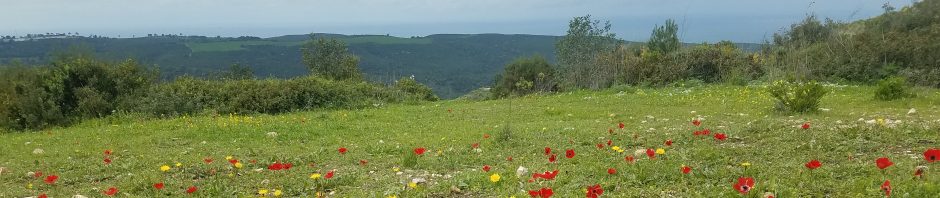
Ekev: “Everywhere I go, I go to the Land of Israel”

PODCAST: https://open.spotify.com/episode/5tOuZjWL1MSK4dcJkm1qGy

 פרשת עקב: לכל מקום שאני הולכת, אני הולכת לארץ ישראל

מסופר על הרש״ר הירש שנסע יום אחד, ולא בגיל צעיר, לטיול בהרי האלפים. בשלב מסוים היה הרב הירש הרב הראשי של מוראביה, משרה שלא הייתה לה מקבילה באירופה בהיקף הסמכויות עם אחריות על חמישים ושתיים קהילות שמנו יותר מ־40,000 יהודים. לאחר מכן הוזמן להיות רב של קהילה חשובה ומשמעותית ביותר בפרנקפורט וכל הזמן כתב ספרים ופירושים נפלאים. מה פתאום הוא נוסע? תהו אנשי  קהילתו, איך הוא ככה ׳מבזבז את הזמן׳ על טיול?

תשובתו היתה, ״כשאני אבוא לפני הקב״ה הוא ישאל אותי, ׳שמשון, הלכת לראות את האלפים? שמתי אותם שם במיוחד בשבילך׳!״

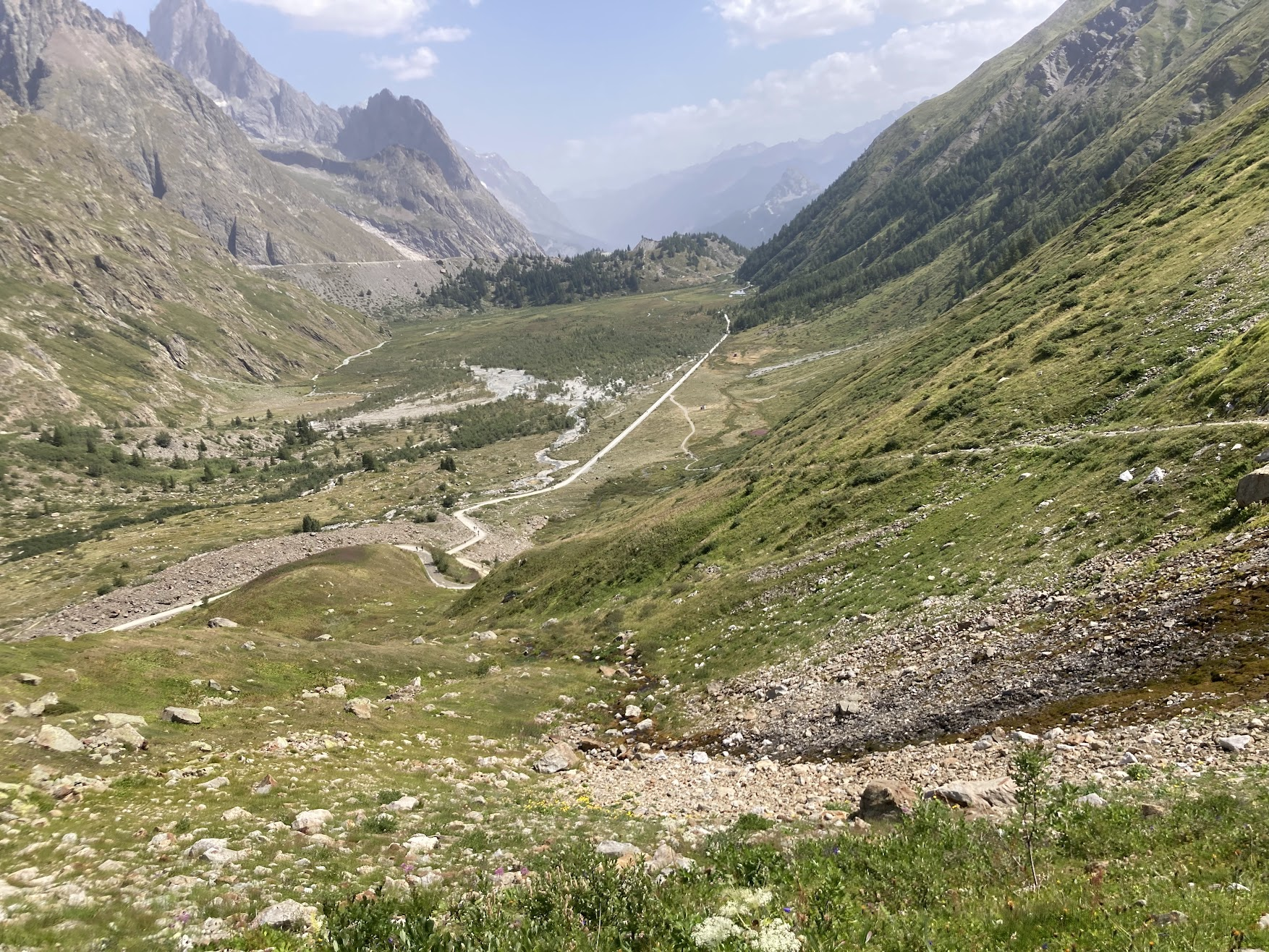
אני לא יודעת אם הסיפור הוא אמת או אגדה, אבל זה הרי משני. אני אוהבת את הרש״ר הירש בסיפור הזה, שהוא לא רק רב גדול וחשוב, אלא גם יוצא ומעריך את העולם מסביב. והרי האלפים הם אכן נפלאים עם נוף – ושבילים – עוצרי נשימה (תרתי משמע!): פסגות מושלגות. עצים גבוהים ירוקי עד. כרי דשא בירוק בהיר יותר נוצצים מטל, ומקושטים בפרחים צבעוניים, סגולים שונים, ורודים, צהובים, לבנים. פה ושם בתי עץ בתפזורת, אדניות עם פרחי גרניום בוורוד ואדום. הנחלים שופעי מים כל שנה, ומעליהם, גשרי עץ ציוריים. מוסיקת הרקע היא קול המים השוצפים והדינג-דונג מענבלי הפעמונים הקשורים לצווארי הצאן והבקר שלועסים בשלווה מהעשב הטרי, יחד עם נקישות מקלות ההליכה על השביל. ״היידי בת ההרים״ ו״צלילי המוסיקה״ עם ״נדודים״ של הרמן הסה שרים הללויה. 

קל להתפעל מיופי כזה ולהגיד אינספור ברכות, אבל מעניין אותי יותר, מה חשב הרב אחרי כן, בדרך הביתה? 

האם גם הוא הרגיש, במידה מסוימת, כמו מול אורות חג המולד – משהו מקסים ויפיפה, אבל לא ״שלנו״… ? 

פרשת עקב מתארת את הארץ שבני ישראל הולכים אליה:

כִּ֚י ה׳ אֱלֹהֶ֔יךָ מְבִֽיאֲךָ֖ אֶל־אֶ֣רֶץ טוֹבָ֑ה אֶ֚רֶץ נַ֣חֲלֵי מָ֔יִם עֲיָנֹת֙ וּתְהֹמֹ֔ת יֹצְאִ֥ים בַּבִּקְעָ֖ה וּבָהָֽר׃ 

אֶ֤רֶץ חִטָּה֙ וּשְׂעֹרָ֔ה וְגֶ֥פֶן וּתְאֵנָ֖ה וְרִמּ֑וֹן אֶֽרֶץ־זֵ֥ית שֶׁ֖מֶן וּדְבָֽשׁ׃ 

אֶ֗רֶץ אֲשֶׁ֨ר לֹ֤א בְמִסְכֵּנֻת֙ תֹּֽאכַל־בָּ֣הּ לֶ֔חֶם לֹֽא־תֶחְסַ֥ר כֹּ֖ל בָּ֑הּ 

אֶ֚רֶץ אֲשֶׁ֣ר אֲבָנֶ֣יהָ בַרְזֶ֔ל וּמֵהֲרָרֶ֖יהָ תַּחְצֹ֥ב נְחֹֽשֶׁת׃ 

וְאָכַלְתָּ֖ וְשָׂבָ֑עְתָּ וּבֵֽרַכְתָּ֙ אֶת־ה׳ אֱלֹהֶ֔יךָ עַל־הָאָ֥רֶץ הַטֹּבָ֖ה אֲשֶׁ֥ר נָֽתַן־לָֽךְ…

ומיד לאחר מכן:

הִשָּׁ֣מֶר לְךָ֔ פֶּן־תִּשְׁכַּ֖ח אֶת־ה׳ אֱלֹהֶ֑יךָ לְבִלְתִּ֨י שְׁמֹ֤ר מִצְוֺתָיו֙ וּמִשְׁפָּטָ֣יו וְחֻקֹּתָ֔יו אֲשֶׁ֛ר אָנֹכִ֥י מְצַוְּךָ֖ הַיּֽוֹם׃ 

פֶּן־תֹּאכַ֖ל וְשָׂבָ֑עְתָּ וּבָתִּ֥ים טֹבִ֛ים תִּבְנֶ֖ה וְיָשָֽׁבְתָּ׃ 

וּבְקָֽרְךָ֤ וְצֹֽאנְךָ֙ יִרְבְּיֻ֔ן וְכֶ֥סֶף וְזָהָ֖ב יִרְבֶּה־לָּ֑ךְ וְכֹ֥ל אֲשֶׁר־לְךָ֖ יִרְבֶּֽה׃ 

וְרָ֖ם לְבָבֶ֑ךָ וְשָֽׁכַחְתָּ֙ אֶת־ה׳ אֱלֹהֶ֔יךָ הַמּוֹצִיאֲךָ֛ מֵאֶ֥רֶץ מִצְרַ֖יִם מִבֵּ֥ית עֲבָדִֽים…

וְאָמַרְתָּ֖ בִּלְבָבֶ֑ךָ כֹּחִי֙ וְעֹ֣צֶם יָדִ֔י עָ֥שָׂה לִ֖י אֶת־הַחַ֥יִל הַזֶּֽה׃ 

וְזָֽכַרְתָּ֙ אֶת־יְהֹוָ֣ה אֱלֹהֶ֔יךָ כִּ֣י ה֗וּא הַנֹּתֵ֥ן לְךָ֛ כֹּ֖חַ לַעֲשׂ֣וֹת חָ֑יִל לְמַ֨עַן הָקִ֧ים אֶת־בְּרִית֛וֹ אֲשֶׁר־נִשְׁבַּ֥ע לַאֲבֹתֶ֖יךָ כַּיּ֥וֹם הַזֶּֽה (דברים ח,ז-יח). 

לפני כמה שנים נשאל הזמר הבינלאומי, אברהם פריד, מה הוא עושה אחרי הופעה גדולה ומוצלחת (ויש לו הרבה). הוא אמר שהוא חוזר הביתה ומוריד את הזבל, כדי להזכר שהוא השליח, ושהקול שלו, אינו בגלל ״כוחו ועוצם ידו״. 

יחד עם זאת, צריך להזהר מענווה מעושה והתחסדות יתר. מספרים שהרב צבי יהודה קוק זצ”ל היה שולח את תלמידיו ביום העצמאות לראות את מצעד צה”ל שנערך בשנותיה הראשונות של המדינה כדי לקיים את המצווה – ” וְאָמַרְתָּ֖ בִּלְבָבֶ֑ךָ כֹּחִי֙ וְעֹ֣צֶם יָדִ֔י”… 

זאת ועוד: הפסוק שבא מיד לאחר מכן, תלוי בפסוק הזה, ואי אפשר להגיע אליו בלי ללכת “דרך” הפסוק שלנו. כלומר, אם לא נכיר בכוחנו, יתכן שגם לא נכיר בזה של הקב”ה. אבל אם נכיר בכוחנו, אולי נוכל להבין את מגבלותיו של הכח הזה, ואז, אולי, נוכל גם להבין, קצת, את הכוח שמעלינו וסביבנו – ״כִּ֣י ה֗וּא הַנֹּתֵ֥ן לְךָ֛ כֹּ֖חַ לַעֲשׂ֣וֹת חָ֑יִל״… 

ולפני סוף הפרשה, אנחנו חוזרים לארץ:
כִּ֣י הָאָ֗רֶץ אֲשֶׁ֨ר אַתָּ֤ה בָא־שָׁ֙מָּה֙ לְרִשְׁתָּ֔הּ לֹ֣א כְאֶ֤רֶץ מִצְרַ֙יִם֙ הִ֔וא אֲשֶׁ֥ר יְצָאתֶ֖ם מִשָּׁ֑ם אֲשֶׁ֤ר תִּזְרַע֙ אֶֽת־זַרְעֲךָ֔ וְהִשְׁקִ֥יתָ בְרַגְלְךָ֖ כְּגַ֥ן הַיָּרָֽק׃ וְהָאָ֗רֶץ אֲשֶׁ֨ר אַתֶּ֜ם עֹבְרִ֥ים שָׁ֙מָּה֙ לְרִשְׁתָּ֔הּ אֶ֥רֶץ הָרִ֖ים וּבְקָעֹ֑ת לִמְטַ֥ר הַשָּׁמַ֖יִם תִּשְׁתֶּה־מָּֽיִם׃ אֶ֕רֶץ אֲשֶׁר־ה׳ אֱלֹהֶ֖יךָ דֹּרֵ֣שׁ אֹתָ֑הּ תָּמִ֗יד עֵינֵ֨י ה׳ אֱלֹהֶ֙יךָ֙ בָּ֔הּ מֵֽרֵשִׁית֙ הַשָּׁנָ֔ה וְעַ֖ד אַחֲרִ֥ית שָׁנָֽה (יא, י-יב).    

ארץ בה כל פרט בחייך יהיה הזדמנות לחיבור עם הקב״ה, ״הַמּוֹצִיאֲךָ֛ מֵאֶ֥רֶץ מִצְרַ֖יִם מִבֵּ֥ית עֲבָדִֽים״ – מוציאך בלשון הווה ולא בעבר (שהיה צריך להיות – הוציאך), כאן, ועכשיו, ועדיין… ארץ שחם בה, ומזיע, ואלף דברים עובדים כך ולא כך, ולא פשוט בה, ואין בה הרים מושלגים ונחלים שוצפים ודינג-דונג פסטורלי, וכבר כמעט שנתיים היא מתמודדת עם מלחמה איומה, ועדיין, המטוסים אליה מלאים עד אפס מקום… זו הארץ שלנו. 

שבת שלום.


Parashat Ekev: “Wherever I go, I go to the Land of Israel

It is told of Rav Samson Raphael Hirsch that one day, not at a young age, he went on a trip to the Alps. Sometime along his career, Rav Hirsch was the Chief Rabbi of Moravia, a position that had no parallel in Europe in terms of the scope of authority—over fifty-two communities with more than 40,000 Jews. Later, he was invited to be the rabbi of a very important and influential community in Frankfurt and was constantly writing books and fantastic commentaries. Why would he just go traveling? The members of his community wondered—how could he “waste his time” like that on a trip?

His response was: “When I come before the Holy One, blessed be He, He will ask me, ‘Shimshon, did you go see the Alps? I placed them there especially for you!’”

I don’t know if the story is true or a legend, but it doesn’t matter. I love Rav Hirsch in this story—not only is he a great and important rabbi, but also someone who goes out and appreciates the world around him. And the Alps truly are magnificent, with breathtaking views (in every sense): snow-covered peaks, towering evergreen trees, meadows in lighter green sparkling with dew, adorned with colorful flowers—various purples, pinks, yellows, whites. Here and there, scattered wooden houses with flower boxes full of pink and red geraniums. Streams flow with water year-round, crossed by picturesque wooden bridges. The background music is the sound of rushing water and the ding-dong of bells tied to the necks of sheep and cattle calmly grazing on fresh grass, accompanied by the tapping of walking sticks on the path. HeidiThe Sound of Music, and Hermann Hesse’s Wanderings all sing Hallelujah.

It’s easy to be awestruck by such beauty and to say endless blessings, but what interests me more is, what did Rav Hirsch think afterward, on his way home? Did he also feel, to some extent, maybe like standing before a Christmas lights—something charming and beautiful, but just not ours…?

The Torah portion of Ekev describes the Land the Children of Israel are going to:

“For Hashem your Gd is bringing you into a good Land,
a Land of streams and springs and underground waters,
flowing out in valleys and mountains; a Land of wheat and barley, of (grape) vines, figs, and pomegranates, a Land of olive oil and date (honey);

a Land where you may eat food without stint, where you will lack nothing;
a Land whose stones are iron and from whose mountains you will mine copper.
You will eat and be satisfied and bless Hashem your Gd
for the good Land that He has given you…”
(Deuteronomy 8:7–10)

And immediately after:

“Take care lest you forget Hashem your Gd,
by not keeping His commandments, ordinances, and statutes which I command you today,
lest when you have eaten and are satisfied, and have built good houses and lived in them,
and your herds and flocks multiply, and your silver and gold increase, and all you have increases—
your heart will become proud and you will forget the Lord your God,
who brings you out of the land of Egypt, from the house of slavery…
and you say in your heart:
‘My power and the strength of my hand have brought me this wealth.’
But remember Hashem your Gd,
for it is He who gives you the strength to gain wealth,
in order to establish His covenant
that He swore to your ancestors, as it is today.”
(Deuteronomy 8:11–18)

A few years ago, the international singer Avraham Fried was asked in an interview what he does after a big and successful performance (and he has many). He said he goes home and takes out the trash—just to remind himself that he is only the vessel, and that his beautiful voice is not due to “his strength and the might of his hand.”…

And, at the same time, we must beware of false humility and excessive piety. It’s said that Rav Tzvi Yehuda Kook z”l would send his students on Israel’s Independence Day to watch the IDF parade that was held in the early years of the state, in order to fulfill the commandment (yes, he viewed it as a commandment)—“And you shall say in your heart: ‘My power and the strength of my hand.’”…
Moreover, the verse that follows depends on this one—you can’t reach it without going through our verse. In other words, if we don’t recognize our own strength, we might also fail to recognize Gd’s. But if we do recognize our own strength, perhaps, then we’ll understand its limitations, and maybe then, just maybe, we’ll begin to understand the Power above and around us: “For it is He who gives you the strength to gain wealth…”

Near the end of this portion, we return to the Land:

“For the Land that you are about to enter and possess, is not like the land of Egypt from which you came, where you sowed your seed and watered it with your foot like a vegetable garden.
But the Land you are crossing into to possess is a land of hills and valleys; it drinks water from the rain of heaven—
a Land that Hashem your Gd cares for; 
the eyes of Hashem your Gd are always upon it,
from the beginning of the year until the end of the year.”
(Deuteronomy 11:10–12)

A Land where every detail of your life is an opportunity to connect with the Holy One, “who brings you out of the land of Egypt, from the house of slavery”—“brings you out” in present tense, not past (it says motzi’acha and not hotzi’acha)—here, now, and still…
A Land that is hot, and sweaty, and a thousand things don’t work the way they “should”. A Land that isn’t simple. It doesn’t have snowy peaks and gushing rivers and pastoral ding-dongs. And for almost two years now, it has been facing a terrible war. 
And still, there are no open seats on flights over… This is our Land.

Shabbat Shalom.

Posted in Uncategorized | Leave a comment

The sun, moon and starts – Va’etchanan

ואתחנן: ״ואת השמש, ואת הירח וגם כמה הכוכבים״

פרשת “ואתחנן” תמיד נקראת בשבוע שאחרי תשעה באב, לקראת “שבת נחמו” – על שם ההפטרה (ישעיהו מ:א) שמתחילהב”נחמו, נחמו עמי”, ועל שם הנחמה שאנחנו כה זקוקים לה אחרי החורבן. אני צריכה להודות, שלקח לי זמן להבין למה שבת ״חזון״ היא לפני ו״נחמו״ אחרי. אולי צריך נחמה לפני תשעה באב, שנתחזק לקראת הבאות, וחזון – אחרי: אם וכאשר נשרוד ונקום מהאסון הנורא, נוכל לשבת ולתכנן מה ואיך לעשות הלאה? אבל נראה שחז״ל בחוכמתם הרבה אמרו לנו שדווקא עוד לפני כניסה לאתגר כמעט בלתי אפשרי, יש צורך בחזון, כי בתוך האסון, עלול להיות קשה לראות מעבר. ואחר-כך, ניקח זמן לנחמה. 

פרשת ״ואתחנן״ ושבת ״נחמו״ תמיד חלות גם לקראת ט”ו באב, יום שנחשב כיום טוב לישראל, ונכון גם לתהות לגבי קרבת שניהימים האלה: תשעה באב על אבלו הכבד והנורא, וט”ו באב על שמחתו, ריקודיו ומחולו (ומחילתו?). מקריות?

בין ההסברים על ט״ו באב, אמרו חז״ל ש”מֵחֲמִשָּׁה עָשָׂר בְּאָב וְאֵילָךְ תָּשַׁשׁ כּוֹחָהּ שֶׁל חַמָּה”… בחישוב מופלא הם הבינו שהגם שנכונו לנו עוד ימים חמים, ואפילו חמים מאד, פנינו כבר אל הסתו המתקרב.

“תשש כוחה של חמה” גם קשור לפרשה שלנו, כשמשה מקבל על עצמו, למרות תחינותיו וכאבו הרב, לפנות את המקום ליהושע”כִּי־ה֣וּא יַעֲבֹ֗ר לִפְנֵי֙ הָעָ֣ם הַזֶּ֔ה וְהוּא֙ יַנְחִ֣יל אוֹתָ֔ם אֶת־הָאָ֖רֶץ אֲשֶׁ֥ר תִּרְאֶֽה” (דברים ג,כח). 

ע”פ המסופר בתלמוד: “…פְּנֵי מֹשֶׁה כִּפְנֵי חַמָּה, פְּנֵי יְהוֹשֻׁעַ כִּפְנֵי לְבָנָה” (בבא בתרא עה:א)

מה פירוש “…פְּנֵי מֹשֶׁה כִּפְנֵי חַמָּה, פְּנֵי יְהוֹשֻׁעַ כִּפְנֵי לְבָנָה”? יש שאומרים שמשה הוא כמו החמה בספור מעשה הבריאה, והוא לאראה שום בעיה שיהיו שני מנהיגים גדולים בו זמנית, דבר שאולי מסביר את ההרמוניה בינו לבין אהרון. 

ואולי מפני שליד משה, “החמה”, אי אפשר היה לראות אף כוכב אחר. בקושי לירח היה מקום! ואילו המנהיגות לה נזקק העםבכניסה לארץ, היא מנהיגות שמאפשרת מקום לאנשים נוספים. 

פירוש נוסף של הקדושת לוי, משווה את השמש והירח לתורה שבכתב (שמש) והתורה שבע”פ (ירח). לדעתו, יהושע מקבלממשה ו”תורה שבעל פה מקבלת מהתורה שבכתב, כמו שהלבנה מקבלת מהחמה”.

ליהושע סגנון מנהיגות שונה. הוא לומד ממשה ענווה אך הוא מוציא לפועל צבאי ופוליטי. הוא “תלמיד חכם” לא מכיון שהוא כותב ספרים ופירושים אלא מעצם היותו תלמיד של חכם. תפקידו של יהושע, כ”ירח”, שונה משל משה: מצד אחד, הוא מקבל את ״אור השמש״, ממשיך ומקרין אותו על העם, אך מצד שני, כמו שאנחנו יודעים מלילות עם ירח מלא, יש לו גם יכולת, אם כי שונה, לתתאור לפי דרכו. 

חילופי התפקידים האלו קורים בפרשות השבוע על רקע תקופת עונה זו כש”תשש כוחה של חמה”, ומנהיגותו של משה מגיעהלתחילת סוף דרכה. 

על השמש והירח אנחנו שומעים בפרשה זו גם בעוד הקשר, כשמשה מזהיר את העם לשמוע, לשמור ולא לשכוח (הוא מכיר אותנו היטב) ״אֶל־הַֽחֻקִּים֙ וְאֶל־הַמִּשְׁפָּטִ֔ים״ אשר הקב״ה נותן לנו כי הוא חיינו וחוכמתנו לעיני העמים, ואיתם נבוא ונירש את הארץ. והוא ממשיך ומזהיר שנזכור שלא ראינו שום פסל ושום תמונה באותו יום בסיני ושנשמר מאד “… פֶן־תִּשָּׂ֨א עֵינֶ֜יךָ הַשָּׁמַ֗יְמָה וְֽ֠רָאִ֠יתָ אֶת־הַשֶּׁ֨מֶשׁ וְאֶת־הַיָּרֵ֜חַ וְאֶת־הַכּֽוֹכָבִ֗ים כֹּ֚ל צְבָ֣א הַשָּׁמַ֔יִם וְנִדַּחְתָּ֛ וְהִשְׁתַּחֲוִ֥יתָ לָהֶ֖ם וַעֲבַדְתָּ֑ם אֲשֶׁ֨ר חָלַ֜ק ה’ אֱלֹהֶ֙יךָ֙ אֹתָ֔ם לְכֹל֙ הָֽעַמִּ֔ים תַּ֖חַת כׇּל־הַשָּׁמָֽיִם”… 

כלומר, ״כל צבא השמים״ ניתן לכל שאר העמים. יתכן שאפשר למצוא בהם אמת כלשהי, חוכמה או כיוון אבל הם בשום אופן לא מיועדים לעם ישראל: “וְאֶתְכֶם֙ לָקַ֣ח ה’ וַיּוֹצִ֥א אֶתְכֶ֛ם מִכּ֥וּר הַבַּרְזֶ֖ל מִמִּצְרָ֑יִם לִהְי֥וֹת ל֛וֹ לְעַ֥ם נַחֲלָ֖ה כַּיּ֥וֹם הַזֶּֽה”… (דברים ד, א-כד). לנו יש תפקיד אחר, ואותו צריך ללמוד – כל פעם מחדש, להבין, לשמור ולעשות. 

פולחן השמש והירח ממנו מזהיר משה, אכן היה נפוץ באזורנו, ונשארו עדויות בשמות מקומות כמו יריחו, בית ירח, בית שמש (יותר מאחת!) ועוד. לנו נותר לנסות ולנצל את מה שנשאר מהקיץ, לטייל בארץ היפה שלנו שמשה רבנו, לצערו הגדול, לא זכהלהכנס אליה. יום אחד, ב״ה, תשעה באב יהפוך ליום חג, והשבוע בינולט״ו באב יהיה חול מועד אחד ארוך לחגוג את חג הגאולה הגדול של עמנו. יום אחד, אולי גם השמש והירח יחזרו להיות כפי שהיו במעשה בראשית. עד אז, נמשיך לשמוע את דבריו של משה, וב״ה, נמשיך לחפש – ולמצוא – נחמה.

שבת שלום וט״ו באב שמח

Posted in Uncategorized | Leave a comment

תשעה באב 1096 ב-2025

תשעה באב 1096 – ב-2025

תשעה באב בבית הכנסת בשכונה. המזגן עובד בקול והאנשים לוחשים קינות. אני ליושבת על הרצפה עם הסידור המיוחד ליום הזה. יש בו יותר מ-250 עמודים (נכון, עם תרגום, ועדיין, גם 125 זה סופר-מרשים) של קינות, שירה ובכי מר על דברים שקרו לנו, לכולנו, באלפיים שנות.

ביניהם אני נתקלת בקינה ״מי יתן ראשי מים״… זו הקינה הראשונה שנכתבה לגמרי לא על חורבן בית המקדש בירושלים, אלא על מה שקרה בקהילות איזור הריין, בדרום-מערב גרמניה – וורמס (ורמיזא), מיינץ (מגנצא) ושפייר (אשפירא) – בשנת 1096 בזמן מסע הצלב הראשון, יותר מ-1000 שנה אחרי חורבן בית המקדש, הרבה לפני ״ציונות״, ״כיבוש״, מדינת ישראל וכו. הקינה כלולה באסופת הקינות של תשעה באב כדי להראות שכל הצרות והטרגדיות שלנו בגלות ובכלל, מקורן באותו אירוע בירושלים, בשנת 70 לספירה. 

מאחורי הקינה, בעצם מסתתר דיון מורכב שנוגע במשמעות יום תשעה באב: האם זהו רק יום לזכר בית המקדש דאז, או יותר מזה? האם צריך, נחוץ ומותר לקבוע ימים נוספים, כי אחרי הכל ״יש לנו צרות אחרות כיום״, או שמא, זהו יום שנקבע לכלול את כל האסונות הגדולים של עם ישראל ואין לפתוח את הלוח לימי זכרון נוספים, כי אם נפתח, כל הלוח יתמלא…? 

עד השואה זה היה ״בסדר״ שיש ״רק״ יום אחד כללי לכולם, להכל, יום לשבת על הרצפה ולבכות על הכל. הכל היה נראה רחוק, ואנחנו חשבנו שאנחנו ״כיום״ חיים ב״עולם אחר״, ב״מקום אחר״. כלפי השואה, יש שהרגישו שזהו מאורע חסר תקדים בעוצמתו, שחורג משאר אסונות ישראל בעבר וזקוק ליום משלו, מה שפתח דרך לעוד ימי זכרון, ויש שבקשו להשאר עם ״ה״יום האחד, תשעה באב, בלי קשר למקום, מספר הקורבנות, ו/או דרך הלחימה נגדנו. יתכן שזה קצת מסביר את היחס השונה של אנשים שונים לימי הזכרון השונים שלנו. 

כך או כך, בין העבר הרחוק יחסית (בית המקדש) והכאב הנוכחי יחסית (שואה, זכרון, גוש קטיף, שביעי באוקטובר), יש סיפורים שכמעט אבדו לנו לגמרי, שם פגשה אותי הקינה ״מי יתן ראשי מים״. אני משתפת במה שמצאתי בסידור של ארטסקרול:

אחת הסיבות העיקריות להמשך הגלות היא מפני שיהודים, לא פעם, חיים בנוחות בקהילותיהם בחו״ל, במקום לחזור ולהתמודד עם האתגרים בארץ. לאט לאט, היהודי מפסיק להזדהות עם ארץ הקודש, ומתחיל להזדהות עם קהילתו ואזרחותו במקום החדש. 

ההרס העצום של הקהילות היהודיות באיזור הריין בגרמניה היה תוצאה של מעשיהם של הצלבנים. כמה אירוני! הצלבנים היו מוכנים לעזוב הכל מאחור – בתים, משפחות, עבודה – כדי לצאת לכבוש ולשחרר את ארץ הקודש, בשעה שהיהודים לא הראו שום סימנים כאלה לגאולה וחזרה לארצם. יתכן שהאירוניה הזו גם נשמעה בשמים. 

ע״פ מחקרים היסטוריים, הקהילות היהודיות של איזור הריין התחילו כבר אחרי חורבן בית ראשון!! כשאחרי 70 שנה, הורשו היהודים לחזור לארצם, רבים שבו ממקומות שונים, אך לא מאיזור וורמס. יהודי ירושלים כתבו ליהודי וורמס ובקשו שיצטרפו אך אלו נפנפו אותם ואמרו, ׳תשארו אתם איפה שאתם בירושלים הגדולה, ואנחנו איפה שאנחנו, בירושלים הקטנה׳… טוב היה ב״ירושלים הקטנה״ שלהם על גדות נהר הריין היפה, והארץ – הלכה והתרחקה.

ב-27 בנובמבר, 1095, האפיפיור של דרום מזרח צרפת קרא לנוצרים נאמנים להצטרף למלחמה על שחרור ירושלים. בהתחלה, המסע הזה לא היווה שום בעיה לשכנים היהודים שחיו שם בשלום ושלווה, אך עד מהרה, החליטו הצלבנים שהם לא רוצים לחכות עד שיגיעו לארץ הקודש הרחוקה כדי ללחום את מלחמתם, ולנקום את ״דם משיחם״, ופנו לעבר הקהילות הפורחות של שכניהם היהודים. מנהיג הצלבנים באיזור נשבע שלא ישאיר יהודי חי אחד באיזורם. 

בתחילת 1096 הקהילות היהודיות בדרום מזרח צרפת, מאוימות על חייהם פיזית ורוחנית, פנו בתחינה ליהודי הריין, שיתפללו ויצומו עליהם, ואכן, יהודי הריין נענו לבקשתם, התפללו וצמו, אך הם לכשעצמם לא חשו שום איום, כשהם נהנים מחסות הקיסר והאצולה המקומיים.

לא עבר זמן רב עד שההמון הצלבני פרץ לגרמניה, בימים שבין פסח ושבועות, ימי ספירת העומר, 1096. בשבת, ח׳ באייר – 3 במאי, 1096, הצלבנים צרו על בית הכנסת של שפייר. מכיון שבית הכנסת היה מבוצר (הבישוף הזמין את היהודים לחיות בעיר כ-12 שנה קודם לכן, והקצה לשכונה היהודית שטח נפרד, מוקף בחומה) והמתפללים לחמו נגדם (!!), הצלבנים נהדפו מהמקום וב״תסכולם״ פנו להתנקם בכל יהודי שעבר ברחוב. 10 גברים ואשה אחת שסרבו להטבל ולהתנצר – נשחטו ונרצחו מיידית. 

בכג באייר – 18 במאי, 1096 – פנו הצלבנים, שלא ״הצליחו״ יותר מידי, לוורמס. היהודים ישבו ספונים בבתיהם, נמנעים מכל קונפליקט, סומכים על שכניהם הנוצרים. רבים נטבחו בבתיהם וילדיהם נחטפו להטבל בכנסיה. הבתים היהודים נשדדו ונהרסו. ההמון הצמא אפילו הפשיט את המתים מבגדיהם, משאיר אותם ערומים. בלילה הצליחו איכשהו יהודים שמצאו מקלט בארמונו של הבישוף להשיג בדים ובגדים כדי לכסות את הגופות. 

אך, עבור יהודי וורמס, הצרות היו רחוקות מלהסתיים. בראש חודש סיוון – 25 במאי, 1096 – פרצו הצלבנים וההמונים לארונו של בישוף ושחטו כל יהודי שמצאו שם, רבים היו באמצע תפילת הלל של ראש חודש. בחור אחד בשם שמחה כהן שראה את אביו ושבעת אחיו רצוחים לפניו, החליט להעמיד פנים שהוא מקבל עליו את הנצרות, ונלקח לכנסיה לשם כך. כשהגיע, שלף סכין מבגדו ופגע בסובבים. אין צריך להוסיף, שזה גם היה סופו שלו. בסה״כ נהרגו 800 יהודים ביומיים ההם בוורמס. 

יהודי מיינץ, כששמעו את מה שעובר על שכניהם, פנו לבישוף המקומי וזה הבטיח להם חסות והגנה תמורת 400 שקלי כסף – סכום עצום שנאלצו לאסוף, אך בג׳ בסיוון – 27 במאי, 1096 כשהפורעים הגיעו לעיר, ה״מגינים״ ה״מבטיחים״ שקבלו כבר את התשלום, שמחו להצטרף לצלבנים. היהודים נלחמו נגדם בכל דרך אפשרית, אך הצלבנים גברו עליהם. יותר מ-1000 נרצחו באותו היום. הם נזרקו לתוך 9 בורות לקבר אחים. 

בחודשים הבאים, הצלבנים המשיכו לקהילות שונות מקלן ועד פראג (כולל מטץ, רגנסבורג, טרייר ועוד), בלי שום קשר אם מקומות אלה היו בדרכם לארץ הקודש או לא. ההערכות הן שיותר מ-5000 יהודים נרצחו ונטבחו בדרכם של צלבני מסע הצלב הראשון. אך יותר מזאת: הצלבנים הביאו לעולם את הרעיון של רצח מאסיבי, מאורגן, רחב-ידיים של יהודים, רעיון שלצערנו הרב יחזור שוב בהמשך, ורק ילך וישתכלל. 

מה נגע בי בסיפור הזה? קודם כל, למרות שנות לימוד רבות וחיים בארץ ובעולם היהודי, כמה מעט אנחנו יודעים את ההיסטוריה שלנו, ושנית, הקשר בין הקהילות היהודיות אחת עם השניה, וכולן עם ארץ ישראל. כמה פעמים במהלך ההיסטוריה חשבנו שזה רק ״הם״ ולא ״אנחנו״: זה רק בית המקדש אבל לא ביבנה. זה רק ביבנה אבל לא בגליל. זה רק בדרום מזרח צרפת אבל לא בדרום מערב גרמניה. זה רק במזרח אירופה אבל לא בברלין. זה רק בגוש קטיף אבל לא בעוטף עזה… אבל זה תמיד .כולנו, וזה תשעה באב – יום לשבת ביחד על הרצפה ולבכות ביחד, על הכל, וב״ה, גם לקום – ביחד

טבח יהודי העיר מץ (צרפתית: Massacre de Juifs), 1096. ציור מאת הצייר הצרפתי אוגוסט מיגט
(Auguste Migette), אמצע המאה ה-19


Posted in Uncategorized | Leave a comment

20 Years Later: White, Blue & Orange, still

TORAH PORTION PODCAST: https://open.spotify.com/show/4NHxucO7VIVGxaGUT7N0zC

אחרי 20 שנה: לבן, כחול, כתוב – עדיין

הימים שלפני תשעה באב אפופים באווירה קודרת, אפילו הטמפרטורות קשות כאן. האוויר כבד וצפוף, והים סוער ומפחיד, כאילו העולם כולו חש את אי השקט, הזעם, הכאב, האבל.

פעם, מזמן, עמד בית מקדש מפואר בירושלים. הוא נחרב, וגורלו של העם היהודי השתנה לעד. מאז, ובגלל כך, חווינו גלות, שעבוד, לעג, פרעות, פוגרומים, אפליה, השמדה שיטתית – כל הדרך עד השואה. מיליונים מתו רק על עצם היותם יהודים. לאור (או לחושך) כל זאת, עיסוק בגורלם של כ-10,000 איש עשוי להיראות כמעט כחילול הקודש.

לפני 20 שנה, ראש הממשלה דאז אריאל שרון הורה כמעט לבדו על “ההתנתקות החד-צדדית” שכללה פירוק 21 יישובים ישראלים מרצועת עזה, מהאזור שנקרא “גוש קטיף”, ופינוי המתיישבים והצבא הישראלי מתוך הרצועה. ארבעה יישובים נוספים פורקו בצפון השומרון. כל זה נעשה בתמורה ל… אולי תקווה.

ובמקריות מוזרה / בגורל אכזרי כלשהו? התאריך שנבחר לפינוי היה לא אחר מאשר תשעה באב. כאשר הדבר התברר, הוצאתה לפועל של “הפעולה” נדחתה ליום י’ באב.

התלמוד דן בשאלה – מהו היום הקשה יותר, האם תשעה באב או אולי דווקא עשירי באב?

תלמוד בבלי, מסכת תענית כ”ט ע”א:

תשיעי סמוך לחשיכה הציתו בו את האור (אש) והיה דולק והולך כל היום כולו, שנאמר: “אוי לנו כי פנה היום כי ינטו צללי ערב” (ירמיהו ו, ד), שנאמר בנבואה על אותו ערב. והיינו [וזהו] שאמר ר’ יוחנן: אלמלי הייתי באותו הדור של חורבן הבית לא קבעתיו את הצום אלא בעשירי, מפני שרובו של היכל בו נשרף. שהרי כפי שאמרנו התחילה השריפה רק בתשיעי בערב. ורבנן[וחכמים] שקבעו זאת סבורים כי אתחלתא דפורענותא עדיפא [התחלת הפורענות עדיפה] לזכור, וכיון שהחלה השריפה בתשיעי, קבעו אותה ליום אבל וזכרון לחורבן.

בקיץ 2005 המשפחה שלנו היתה בביקור קיץ בארץ. הסתובבנו, כמו תמיד, בין משפחה, חברים, ואתרים אהובים. בכל הארץ נתלו שלטים בצבעי כחול-לבן-כתום – צבעם של המתנגדים להתנתקות, שייצגו את כאבם של אלה ש״יפונו״ (יש שיאמרו “יועברו״ ויש שיאמרו “יגורשו”…). כמעט בכל צומת עמדו אנשים שחילקו פלאיירים וביקשו לשוחח ולהסביר, בתקווה למנוע את רוע הגזירה. בצמתים אחרים עמדו גם אלה שהתנגדו למתנחלים, שאמרו ש״הם״ “מחריבים כל סיכוי”, ושבגללם לא יוכל להיות “שלום אמיתי” עם עזה.

יש לציין: לא כל מי שחי בגוש קטיף היה “דתי”, “ימני” או “קיצוני”. מעבר לכך: בטרגדיה כפולה, חלק מהתושבים שם פונו בעבר מהעיר ימית שבצפון סיני וממקומות נוספים ש”פונו” כאשר נחתם הסכם השלום עם מצרים בסוף שנות ה-70. וחלק פשוט התאהבו בדיונות, בחופים, ובשקט.

הממשלה בראשות ראש הממשלה יצחק רבין תמכה לחלוטין בהתיישבות בגוש קטיף. רבין עצמו אמר ביום שאוזרח הישוב נצר חזני (10 בפברואר 1977):
זהו יום גדול למדינת ישראל ולמפעל ההתיישבות. יום שמסמל את אחיזתנו הממשית באזור, אשר מאז מלחמת ששת הימים הפך לחלק בלתי נפרד מהמדינה וביטחונה.”
תשע שנים מאוחר יותר בביקור אחר, אמר למתיישבים:
כמו אז – גם היום אני מאמין שלאזור זה יש עתיד התיישבותי, כלכלי, חברתי וביטחוני – ועליו להיות חלק בלתי נפרד ממדינת ישראל.”
מנחם בגין אמר לסאדאת, כאשר זה אמר שברצונו “לשחרר את עזה מהכיבוש”:
איזה כיבוש? זו לא ארץ זרה; זו ארץ ישראל“…

כלומר, גם בימי האינתיפאדות, התושבים הרגישו שזהו ביתם. גם משפחתנו ביקרה שם אי-אז בשנות ה-90, אצל חברים בעצמונה. פגשנו את היצירתיות של אנשים חלוצים, אוהבים, נדיבים, ואידיאליסטים. היו שם בתים עם גגות אדומים, גינות וחממות ירוקות להפליא. היבול היה מדהים, במיוחד לנוכח העובדה ש”כולם” אמרו שלא יוכל לצמוח שם שום דבר. אותם “כולם” כללו גם את השכנים הערבים, שאיתם בתחילה היו יחסים מצוינים – ביקורים, עבודה, קניות, וכד’. ובין דיונות החול, מתחת לעצים מוצלים, היו שם בתי כנסת, בתי ספר, גני ילדים; הייתה שם אמנות, מוזיקה ו… חיים.

המחשבה שאנחנו, בעצמנו, נהרוס את כל זה במו ידינו באופן חד-צדדי, הייתה קשה, בלתי נתפסת, ורבים קיוו והתפללו לשינוי של הרגע האחרון. לכך התווספו אזהרות מפי אלה שחששו ממה שיקרה אחר-כך, ומסיבות השמחה שראינו מעבר לגדר… אבל הכול כמעט הושתק. וכפי שתמיד לימדו אותנו – אם זה למען השלום, זה שווה את זה. כמה שזה כואב, נעשה כל מה שצריך.

התהליך עצמו לווה בדמעות רבות, מכל הצדדים: המתיישבים שעזבו, מביטים בבולדוזרים מרסקים את בתיהם לאבק; החיילים, מחזיקים תינוק, מחבקים אם, מושיטים יד…

הכול נמשך כשבוע. עוד כמה ימים, והאבק שקע. למרות העצב, הדמעות והכאב, המתיישבים שיתפו פעולה. הובטחו להם “חבילות” נדיבות שיאפשרו להם לבנות ולהתיישב מחדש במקום אחר. הערבים בעזה רקדו ושמחו. לרגע הכול נראה טוב – במערב / במזרח, תלוי מהיכן באת, לא היה חדש…

לאחרונה מצאתי את הדברים הבאים שכתבתי בבלוג שלי לפני 4 שנים, במלאת 16 שנה לאירועים: עבר זמן. האופוריה שככה יחד עם האבק, ובמקומה צמחו ספקות רבים… שכנינו לא הגיבו למהלך הכואב והנדיב הזה בביטחון, שלום, אהבה ופרחים – אלא בטילים…

ומנגד – המתיישבים… לא קיבלו את ההטבות שהובטחו להם… חלקם עדיין נאבקים באבטלה, דיור זמני, עוני, דיכאון, תחושת בגידה ואכזבה כללית. והטרור – נמשך.
זוהי אולי “סיפור קטן”. טרגדיה ישראלית מודרנית שאינה על הרדאר של רבים. בהשוואה למקדש, לפוגרומים, לשואה – זה אולי נראה שולי. ובפוליטיקה של היום, זה גם לא כל-כך “פוליטיקלי קורקט” להזכיר את זה. ובכל זאת… קשה לי שלא להיזכר ולתהות – מה קרה? והאם באמת עשינו את הדבר הנכון, גם לעצמנו – או ששילמנו מחיר כבד מדי על מה שלא קיבלנו?

שוב אנחנו מתקרבים לתשעה באב. השנה היא תשפ”ה – 2025. עברו 20 שנה מאז ההתנתקות מגוש קטיף – ובנתיים נוסף אזכור חדש: 670 ימים מאז השביעי באוקטובר. בזמן שאני כותבת את המילים האלה, יש עדיין 50 חטופים בעזה, כשאנחנו מתפללים בכל לבנו שלפחות 20 מהם עוד בחיים. אנחנו בעיצומו של אחד הסיוטים הקשים ביותר שמדינת ישראל נאלצה לעבור. לבכות על מקדש רחוק, בזמן אחר? מתברר שתשעה באב לא כל-כך רחוק.

בשבת ״חזון״, בשעות שלפני לפני תשעה באב, אני יוצאת להליכה. פרפר כתום מתלווה אלי. אני חוצה את הכביש והוא איתי. אני יורדת במדרגות וגם הוא. אני ממשיכה בכביש… אולי זה הוא ואולי אחר אבל פרפרים כתומים סובבים סביבי? התלמוד מלמד אותנו ש”משנכנס אב ממעטין בשמחה” (תענית כ”ט ע”א), אך בו בזמן אנחנו גם לומדים שבתשעה באב נולד המשיח (תלמוד ירושלמי, מסכת ברכות). אולי הכוונה היא שדווקא כשאנחנו מגיעים לשפל המדרגה, נתעורר לחשבון נפש, ולחזור בתשובה (לא בהכרח מבחינה דתית!), בתקווה שאיכשהו, דווקא מהמקום הזה – יצמחו ימים טובים יותר.

ובבנין ציון ננוחם
שבת שלום

White, Blue & Orange, still

The days before the 9th of Av are somber, even the temperatures are harsh here. The air is heavy and dense, and the sea is stormy and scary, as if the world is feeling the unrest, the anger, the pain, the mourning.

Once upon a time, a glorious Temple stood in Jerusalem. It was destroyed, and the destiny of the Jewish people changed forever. Since then, and because of that, we’ve experienced exile, enslavement, mockery, riots, pogroms, discrimination, systematic destruction all the way to the Holocaust. Millions have died for no other crime other than being Jewish. In light (or dark-) of all this, taking the day to discuss some 10,000 people might seem almost sacrilegious.

20 years ago, then prime-minister Ariel Sharon almost single-handedly ordered Israel’s “Unilateral Disengagement”, dismantling 21 Israeli settlements in the Gaza Strip, an area known as “Gush Katif”, and the evacuation of Israeli settlers and army from inside the Gaza Strip. 4 additional settlements were dismantled in the Northern Shomron. It was done in exchange for – well, maybe hope.

By some strange coincidence / cruelty / random drawing of lots? the date chosen turned out to be no other than the 9th of Av. Once realized, the execution of this “operation” was postponed to begin on the 10th of Av.

The Talmud debates whether it is the 9th of Av which was the worst day or perhaps the 10th?

Babylonian Talmud, Ta’anit 29:a:

And on the ninth, adjacent to nightfall, they set fire to it, and it continuously burned the entire day, as it is stated: “Woe unto us, for the day has declined, for the shadows of the evening are stretched out” (Jeremiah 4:6). This verse is interpreted as a prophecy about the evening when the Temple was burned. And this is what Rabbi Yoḥanan meant when he said: Had I been alive in that generation, I would have established the fast only on the tenth of Av because most of the Sanctuary was burned on that day. And the Sages, who established the fast on the ninth, how do they respond to that comment? They maintain that it is preferable to mark the beginning of the tragedy….  

Our family was visiting in Israel that summer, back in 2005. We toured around, as usual, seeing family and friends and beloved sites. All over the country, there were banners of blue and white and orange, the color of those opposing the disengagement, expressing pain for those evacuated (some would say “relocated” and some would say “exiled”…). At almost every intersection there were people giving out flyers and asking to talk and explain, trying to avert the decree. In other junctions there were also those who expressed their frustration with the “settlers” who “kill every chance for a good deal” and that because of whom, there won’t be “true peace” with Gaza. 

We should note: not everyone living in Gush Katif was “religious”, “right wing” or “extremists”. Further: in a compound tragedy, some of the residents there were evacuated earlier from the city of Yamit in Northern Sinai and other places that needed to be “emptied” and destroyed when the peace treaty with Egypt was signed in the late 1970’s. And some just fell in love with the sand dunes, beaches, and quiet.

The government led by Prime Minister Yitzchak Rabin was totally behind settling this area. Rabin himself said on the day one of the settlements was naturalized (Netzer Hazani, Feb 10, 1977):

“This is a great day for the state of Israel and for the settling the Land, a day that symbolizes our actual hold on the region, which since the Six-Day War has become an inseparable part of the state and its security.” 9 years later, when he visited again, he told the settlers: “As nine years ago… so today I believe that this region has a future in settlement, economic, social and a security role – and it must be an integral part of the State of Israel.” Menachem Begin told Sadaat, when the latter said he wants to free Gaza from the occupation, “What occupation? This is not a foreign country; this is the Land of Israel”… 

That is to say, that even during the Intifadas, the people living there felt that it’s home. Our family too, somewhere in the 1990’s, visited friends in beautiful Atzmona, meeting the exuberant creativity of the pioneering, loving, kind, idealistic people that lived in Gush Katif. There were red roofed-houses, miraculous lush gardens and greenhouses. The produce was amazing, especially considering how “everyone” told the residents there that nothing whatsoever can be grown in those dunes. “Everyone” included their Arab neighbors with whom initially there were very good relationships – visits, jobs, shopping and so on. And among the sand dunes, under shade trees, there were synagogues and schools and kindergartens; there was art and music and… life. 

The thought that we, by ourselves, will destroy all this beauty “unilaterally” was harsh, even unbelievable, and many hoped and prayed for a last-minute change. Top that with warnings from those who feared what might happen next, and the joyful parties we saw next door…. But, everything was mostly hushed. As we’ve always been taught, if it’s for peace, it’s all worth it, and painful as it is, we’ll do – whatever it is.

The process itself was accompanied by many tears and cries, on all sides: the departing settlers, looking back at the bulldozers crushing down their homes to dust; the soldiers, holding a baby, hugging a mother, reaching out to lend someone a hand…

The whole saga lasted about a week. A few more days, and the dust settled. Despite the deep sadness, tears and cries, the settlers altogether cooperated. They were given generous promises for “packages” that will allow them to rebuild and resettle elsewhere. The Arab Gazans danced and rejoiced. All was well in the West / East, depending on where you’re coming from…

Recently, I found the following on my blog, written 4 years ago at 16 years to the events (the full text at www.miko284.com):

“Now some time passed. The euphoria has settled with the dust, and in its stead, grew many doubts… Our neighbors did not respond to the generous, painful move with safety, peace, love and flowers, but with rockets… 

On the other hand, the settlers… were not given the benefits they were promised… some are still battling unemployment, temporary housing in rural areas, poverty, depression, disillusionment and general “down”, feeling betrayed. And terror continues.

It’s a small story. A modern Israeli tragedy that’s off many’s radar. Compared with The Temple, the pogroms, the Holocaust, it might seem trivial, and with current politics, it’s not PC to mention it. And yet…  it’s hard for me not to think back and wonder, what happened? And, did we actually do the right thing, for ourselves as well, or did we overpay for something we didn’t get”??

We’re now coming up on Tish’a Be’av again. It’s 5785 – 2025. 20 years have passed since the “Unilateral Disengagement” of Gush Katif, and – it’s 670 days since “Oct 7”. As I’m writing these words, we still have 50 hostages in Gaza, praying with all our hearts that at least 20 of them are still alive. We’re amidst one of the worst nightmares the State of Israel has had to endure and overcome. Crying over a faraway, long ago Temple?? Turns out, Tish’a Be’av is not that far away. 

And yet… On Shabbat “Chazon”, the Shabbat before Tish’a Be’Av, I got for a walk, and find myself surrounded by orange butterflies… and I wonder. The Talmud tells us that “when the month of Av begins, we diminish our joy” (Tractate Ta’anit 29:a), but at the same time, we’re also told that on Tish’a Be’Av the Messiah is born (Jerusalem Talmud, Tractate Brachot). Perhaps the idea is that when we “hit rock bottom”, we will turn reflect and repent, so that this will actually be a jumping point for better days ahead. 

May we be comforted in the redemption of the Land and its people.

Shabbat Shalom 


https://otiyotveyeladim.co.il/%D7%A2%D7%95%D7%93-%D7%A0%D7%A9%D7%95%D7%91-%D7%9C%D7%A9%D7%9D/
https://makom.hamoreshet.org.il/landmark/gush-katif-heritage-center-nitzan-b/
:ינון מגל- אחרי 20 שנה
גדוד 8103 חטיבה 6 הגיע לחורבות הישוב עצמונה בגוש קטיף.
Posted in Uncategorized | Tagged , , | 2 Comments

״That shall be your Land with its boundaries”… Matot-Mas’ei

זֹאת֩ תִּהְיֶ֨ה לָכֶ֥ם הָאָ֛רֶץ לִגְבֻלֹתֶ֖יהָ סָבִֽיב”׃ פרשות מטות-מסעי

באביב תרס״ט – 1909 התכנסו חברי ״אחוזת בית״ כדי להקים את מה שתהיה תל-אביב, העיר העברית הראשונה. כדי לחלק באופן שוויוני את החלקות בין המשפחות המייסדות, הוחלט להטיל גורלות: סודרו שתי קופסאות כשבאחת מהן צדפים כהים ובשניה – צדפים לבנים. על קבוצת צדפים אחת היו מספרי החלקות, בשניה – שמות המשפחות, ואחד מילדי המשפחות נקרא לבחור בכל פעם צדף אחד מכל קופסא. עקיבא אריה וייס שארגן את ההגרלה, בחר בשיטה שהוגדרה כ״מקורית״, אך כנראה נלקחה ישירות מחלוקת הארץ עליה אנו קוראים בפרשות האחרונות של ספר במדבר:

״…אַךְ־בְּגוֹרָ֕ל יֵחָלֵ֖ק אֶת־הָאָ֑רֶץ לִשְׁמ֥וֹת מַטּוֹת־אֲבֹתָ֖ם יִנְחָֽלוּ׃

עַל־פִּי֙ הַגּוֹרָ֔ל תֵּחָלֵ֖ק נַחֲלָת֑וֹ בֵּ֥ין רַ֖ב לִמְעָֽט״ (במדבר כו: נג-נו).

כך קראנו בשבוע שעבר, ואכן חזקוני כותב שהארץ חולקה פעמיים – קודם כל לשבטים ואח״כ למשפחות, בדיוק לפי אותה שיטה: …״יחלקוה בשנים עשר תחומין כנגד י״‎ב שבטים, וכותב שמות הי״‎ב תחומין כנגד הי״‎ב שבטים, וכותב שמות הי״‎ב תחומין בשנים עשר פתקים ונתנה בקלפי אחד, ושמות י״‎ב שבטים בי״‎ב פתקין בקלפי אחד, והממונה טורף בקלפי של תחומין ובקלפי של שבטים ומעלה בידו אחת פתק שבט פלוני ובידו אחרת פתק תחום פלוני וזוכה כל שבט בתחום העולה לו״…

ולמרות השיטה השיוויונית וה״פיירית״, אנחנו רואים בפרשת ״מטות״, שיש יוצאי דופן: בני ראובן ובני גד שלהם ״מקנה רב״ מבקשים ממשה להשאר ולהתיישב בעבר הירדן המזרחי. משה דואג משתי סיבות. הראשונה: הַאַֽחֵיכֶ֗ם יָבֹ֙אוּ֙ לַמִּלְחָמָ֔ה וְאַתֶּ֖ם תֵּ֥שְׁבוּ פֹֽה (שם, לב, ו) והשניה, שבדיוק כמו שקרה בחטא המרגלים, שאר בני ישראל יחשבו שבני ראובן וגד, הבכורים לאימותיהם ומנהיגים ע״פ דרכם, מעדיפים את עבר הירדן ״מפני פחד יושבי הארץ, ויפחדו גם הם מעבור אל הארץ״ (מלבי״ם). נכון שהם משיבים על טענותיו ואומרים שרק הם נשארים שם ורק בגלל הצאן ושהם יבואו להלחם יחד עם בני ישראל על הארץ ורק אח״כ ישובו לבתיהם. ועדיין, למרות תשובותיהם הטובות, משה גם מסדר להם את סדרי העדיפות שלהם (טף לפני מקנה ולא להיפך, כפי שאמרו בתחילה) וגם מוסיף להם את ״חצי שבט המנשה״ (הבכור ליוסף) שידוע בקשר החזק שלו לארץ ישראל, כנראה בתקוה לחזק אותם גם באופן מעשי.

וגם בפרשת ״מסעי״ – יוצאי דופן נוספים: ״צַו֮ אֶת־בְּנֵ֣י יִשְׂרָאֵל֒ וְנָתְנ֣וּ לַלְוִיִּ֗ם מִֽנַּחֲלַ֛ת אֲחֻזָּתָ֖ם עָרִ֣ים לָשָׁ֑בֶת וּמִגְרָ֗שׁ לֶֽעָרִים֙ סְבִיבֹ֣תֵיהֶ֔ם תִּתְּנ֖וּ לַלְוִיִּֽם״ (שם לה:ב). יעקב אבינו, בברכתו את הבנים בסוף ספר בראשית אמר על שבט לוי ״אֲחַלְּקֵם בְּיַעֲקֹב וַאֲפִיצֵם בְּיִשְׂרָאֵל״ (מט,ז), ועכשיו מגיע הזמן ליישם זאת: על כל שבט לתת מקום לבני לוי ביניהם, ולא רק ״ערים לשבת״, אלא ערים שיש סביבם מה שנקרא בימינו, מרחב ל״ריאה ירוקה״. ועוד: וְהֶֽעָרִ֗ים אֲשֶׁ֤ר תִּתְּנוּ֙ מֵאֲחֻזַּ֣ת בְּנֵי־יִשְׂרָאֵ֔ל מֵאֵ֤ת הָרַב֙ תַּרְבּ֔וּ וּמֵאֵ֥ת הַמְעַ֖ט תַּמְעִ֑יטוּ אִ֗ישׁ כְּפִ֤י נַחֲלָתוֹ֙ אֲשֶׁ֣ר יִנְחָ֔לוּ יִתֵּ֥ן מֵעָרָ֖יו לַלְוִיִּֽם (שם, שם, ח). אם כך, הארץ חולקה באופן שווה בין השבטים, ממש כמו בחלוקת ה״צדפים״, חוץ מכמובן, מי שקבל שטחים אחרת…

עוד נוספו לכך 6 ערי מקלט – 3 בעבר הירדן המזרחי ו-3 בעבר הירדן המערבי שגם עבורן נלקח שטח. ויחד עם זאת, בהמשך מתברר שערי הלוויים, שהלויים קבלו מבני ישראל, גם בהן היתה אפשרות למקלט. כלומר, בני לוי בעצמם היו צריכים לחלוק מהמתנה שקבלו משאר שבטי ישראל עם אחרים, ולא סתם ״אורחים״ אלא רוצחים מסוגים שונים…

אז חלוקה שוויונית? מן הסתם, חלוקה שוויונית אבסולוטית היא יותר כמו מיטת סדום. היא אינה אפשרית, אינה נכונה ואינה מועילה, כי במציאות יש צרכים ותפקידים שונים לשבטים השונים ולאנשים שונים ואלו זקוקים למענים שונים. ועדיין, אם נדאג רק לצרכי היחיד והשבט – נאבד את הכלל וגם כמובן, להיפך. אז איך לאזן, גם לענות על צרכי היחיד והשבט וגם לענות על צרכי כלל עם ישראל וארץ ישראל? אלו שאלות שעולות רק כשאנחנו עוסקים בכניסה לארץ וישובה, ומקבלים הצצה למורכבותן.

****

לא פעם אנחנו בקושי מגיעים לפרשת מסעי, אי-שם בסוף ספר במדבר. היא מתחילה ברשימת המסעות, גבולות הארץ ושמות הנוחלים ומוסיפה פרטים שונים על הכניסה לארץ. אוקי, הבנו… אך המסעות כאן גם הושוו, לא רק למסע אי אז במדבר, אלא למסע עם ישראל לאורך הדורות מאז ועד היום, וגם למסע של כל אחד ואחד מאיתנו בחיינו.

למשל, בפירושו של השם משמואל (רבי שמואל בורנשטיין, 1856-1926) נאמר ש-6 ערי המקלט מקבילות ל -6 התיבות שבקריאת שמע ישראל, שבה יש 6 מילים, ו- 42 ערי הלווים מקבילות ל-42 המילים בפסקה הראשונה של ״ואהבת את ה׳ אלוהיך בכל לבבך ובכל נפשך ובכל מאודך״… אפשר להבין מכך שזה לא במקרה, כי ״באשר הרוצח חטא בחיים, ניטל ממנו החיות של הקדושה, ואין לו חיות מצד עצמו״. הרוצח בורח לעיר מקלט להציל את עצמו מכל הבחינות: לקבל הגנה וגם חינוך והכוונה מחדש. הוא צריך לחבור ללווים, לאנשי הקודש, כמו נר שהשלהבת שלו קטנה וכבויה, צריך להתחזק מנוכחות הנרות שלידו. רובנו לא מתמודדים עם רצח, ב״ה, אבל גם אנחנו יכולים לחשוב על מצבים בהם החיות שלנו יורדת, ועל מילים מרפאות ומחזקות שנותנות לנו חיים.

חזק, חזק ונתחזק

להמשך מסע טוב, חודש מנחם-אב טוב ושבת שלום.


ENGLISH PODCAST: https://open.spotify.com/show/4NHxucO7VIVGxaGUT7N0zC

In the spring of 1909, the members of “Ahuzat Bayit” gathered to establish what would become Tel Aviv, the first Hebrew city. To ensure an equal and fair distribution of plots among the founding families, it was decided to cast lots. Two boxes were prepared: one containing dark shells, and the other white shells. One group of shells had the plot numbers written on them, and the other had the names of the families. A child from one of the families was called each time to draw one shell from each box. Akiva Aryeh Weiss, who organized the lottery, chose a method described as “original,” but it was likely taken directly from the division of the Land of Israel as we read in the last Torah portions of the Book of Numbers:

“Only by lot shall the Land be divided; according to the names of the tribes of their ancestors shall they inherit. According to the lot, shall their inheritance be divided between the many and the few.” (Numbers 26:53-56).

This was last week’s Torah portion, and indeed, the commentator Chizkuni writes that the Land was divided twice—first among the tribes and then among the families, using the exact same method:

“It was divided into twelve portions corresponding to the twelve tribes. The names of the twelve regions were written on twelve slips and placed in one box, and the names of the twelve tribes on twelve slips in another box. The appointed official would draw a slip from each box: one with the name of a tribe, and the other with the name of a region, and the tribe would receive the portion that came up with it.”

Despite this fair and equitable method, we see in the Torah portion Matot that there are exceptions: the tribes of Reuben and Gad, who had “much livestock,” ask Moses to remain and settle on the eastern side of the Jordan River. Moses expresses concern for two reasons. First: “Shall your brothers go to war while you stay here?” (Numbers 32:6). And second, just as in the episode of the spies, the rest of the Israelites might assume that the tribes of Reuben and Gad—who were firstborns to their mothers and leaders in their own right—were avoiding entering the Land out of fear of its inhabitants, which might discourage the rest of the people (Malbim).

Although they respond that only their livestock and families would remain behind and that they would indeed join in the fight for the Land and return only afterward, Moses still redirects their priorities—placing children before livestock, unlike their original phrasing—and adds to them “half the tribe of Manasseh,” the firstborn of Joseph, who is known for his strong connection to the Land of Israel. This was likely intended to strengthen them practically and ideologically.

In the next portion, Masei, we find additional exceptions: “Command the Israelites to give the Levites towns to live in from the inheritance of their possession, and give the Levites pasturelands around the towns.” (Numbers 35:2).

Jacob, in his final blessings to his sons in Genesis, said of the tribe of Levi: “I will divide them in Jacob and scatter them in Israel.” (Genesis 49:7). Now the time had come to implement that: every tribe had to set aside space for the Levites within their territory—not just towns to live in, but towns with open green spaces surrounding them, what we might today call an environmental buffer zone.

Furthermore: “The towns you give the Levites from the inheritance of the Israelites shall vary according to the size of each tribe—more from the larger, less from the smaller; each tribe shall give towns in proportion to its inheritance.” (Numbers 35:8). So the land was divided equally among the tribes—just like the “shell lottery”—except for those who received land differently…

In addition, six cities of refuge were designated—three on each side of the Jordan—and these too required land to be allocated. It later becomes clear that the Levite cities themselves, which they received from the Israelites, also served as cities of refuge. That means the Levites were required to share the gift they received from the other tribes with others—not just ordinary “guests,” but people accused of manslaughter and murder.

So was it really an equal distribution? An absolutely equal division is more like a Procrustean bed (in Hebrew – mitat Sdom)—it’s neither possible, nor appropriate, nor beneficial. In reality, different tribes and people have different roles and needs, which require different accommodations. Still, if we only focus on the needs of the individual or the tribe, we lose the collective—and vice versa.

So how do we strike a balance—addressing both the needs of the individual and tribe, and the broader needs of the people of Israel and the Land of Israel? These are the kinds of questions that arise when we are on the very threshold of entering the Land—and we are given a glimpse into just how complex those really are.


Often, we barely make it to Parashat Masei, somewhere near the end of the Book of Numbers. It begins with a list of the journeys, the borders of the Land, the names of the inheritors, and adds various details about entering the Land of Israel. Okay, we get it… But these journeys have also been compared—not only to that journey long ago in the wilderness—but to the journey of the Jewish people throughout the generations up to the present day, and also to the personal journey of each and every one of us in our own lives.

For example, in the commentary Shem MiShmuel (by Rabbi Shmuel Bornsztain, 1856–1926), it is said that the six cities of refuge correspond to the six words in the verse of Shema Yisrael, and that the 42 Levitical cities correspond to the 42 (Hebrew) words in the first paragraph of “Ve’ahavta et Hashem Elokecha be’chol levavcha u’ve’chol nafshecha u’ve’chol me’odecha” (“And you shall love the Lord your Gd with all your heart, with all your soul, and with all your might”). From this, one can understand that it’s no coincidence, for “since the murderer sinned against life, the vitality of holiness was taken from him, and he has no life-force of his own.” The murderer flees to a city of refuge to save himself in every sense: to receive protection, and also re-education and guidance for his future path. Connecting to Levites—those in touch with holiness—is parallel to a candle whose flame has dwindled or gone out and needs to be reignited by the nearby flames.

Most of us, thankfully, don’t have to deal with murder. But even we can reflect on moments when our vitality is low, and on the healing, strengthening words that give us life.

May we go from strength to strength, and

May we have a good journey, a good Menachem-Av month & Shabbat Shalom.

Posted in Uncategorized | Tagged , , | Leave a comment

“Off-Road” with the Daughters of Zelophehad – The Torah portion of Pinchas

אוף-רוד עם בנות צלופחד – פרשת פנחס

במקרה, או שלא, נטפליקס הציע לי השבוע את ״אוף-רוד״ עם ליאור רז ורותם סלע. למרות הפורמט ההזוי בעיני (כן, מיושנת, דוסית, לא מבינה מה…) הסקרנות והנופים בסוף העולם שמאלה והלאה, עשו את שלהם. עם כוס תה חם, התיישבתי מול המסך, עד הסצנה, שעכשיו עושה גלים ברשת, כשרותם סלע מצהירה שהיום, ״ממילא הבנות לובשות הלבשה תחתונה כעליונה, (??) ושהיא רוצה שהבת שלה ״תחגוג את הגוף שלה״.

איכשהו הסצנה הזו עומדת לנגד עיני דווקא השבוע, כשאנחנו פוגשים את בנות צלופחד, חמש האחיות אותן שהתלמוד קורא להן  ״חכמניות, דרשניות, צדקניות״ (בבא בתרא קי״ט:א) אין לי מושג אם הן גם ״חגגו את הגוף שלהן״. אין זה מן הנמנע שכן, למרות שהן כנראה לא עשו את זה כמו בדעתה של סלע. סדרי העדיפויות שלהן היו אחרים לגמרי:

״אָבִ֘ינוּ֮ מֵ֣ת בַּמִּדְבָּר֒ וְה֨וּא לֹא־הָיָ֜ה בְּת֣וֹךְ הָעֵדָ֗ה הַנּוֹעָדִ֛ים עַל־ה׳ בַּעֲדַת־קֹ֑רַח כִּֽי־בְחֶטְא֣וֹ מֵ֔ת וּבָנִ֖ים לֹא־הָ֥יוּ לֽוֹ׃

לָ֣מָּה יִגָּרַ֤ע שֵׁם־אָבִ֙ינוּ֙ מִתּ֣וֹךְ מִשְׁפַּחְתּ֔וֹ כִּ֛י אֵ֥ין ל֖וֹ בֵּ֑ן תְּנָה־לָּ֣נוּ אֲחֻזָּ֔ה בְּת֖וֹךְ אֲחֵ֥י אָבִֽינוּ״ (במדבר כז,ג-ד).

אומרת הגמרא:

חַכְמָנִיּוֹת הֵן…. שֶׁהָיָה מֹשֶׁה רַבֵּינוּ יוֹשֵׁב וְדוֹרֵשׁ בְּפָרָשַׁת יְבָמִין, שֶׁנֶּאֱמַר: ״כִּי יֵשְׁבוּ אַחִים יַחְדָּו״. אָמְרוּ לוֹ: אִם כְּבֵן אָנוּ חֲשׁוּבִין – תְּנָה לָנוּ נַחֲלָה כְּבֵן; אִם לָאו – תִּתְיַבֵּם אִמֵּנוּ!… דַּרְשָׁנִיּוֹת הֵן – שֶׁהָיוּ אוֹמְרוֹת: אִילּוּ הָיָה לוֹ בֵּן, לֹא דִּבַּרְנוּ…  צִדְקָנִיּוֹת הֵן – שֶׁלֹּא נִישְּׂאוּ אֶלָּא לְהָגוּן לָהֶן״…

כלומר, ע״פ חז״ל, הן שמעו והבינו את השיעור של משה בנושא יבום, ושאלו שאלה עניינית על הלימוד עצמו. הן באו בצניעות, לא ״בגלל״ השמלה הארוכה או השרוולים מעבר למרפק, אלא מפני שידעו את מקומן, את המרחב בו ואת הגבולות בו, והן חיכו להנשא, בסבלנות, באמונה, עד שיפתרו ענייני הנחלה, כי כל אחד יודע כמה מורכבים ענייני נחלה, במיוחד כשאינם מיושבים, וכשיש עוד שחקנים על הבמה.

והסיפור הזה מסופר דווקא בפרשת פנחס.

ספר במדבר כולו הוא ספר של ״יציאה״ החוצה, של משברים ותיקונם, של אי-סדר.

אלא שכדי שיהיה אי-סדר, צריך שיהיה קודם כל סדר, ולכן הספר מתחיל במפקד. משם אנחנו נפנים לעסוק באתגרים אישיים, חברתיים, לאומיים – פיזיים ורוחניים. פרשת פנחס מציבה את אחד האתגרים הגדולים ביותר: לא רק עבודה זרה (דתי), אלא פגיעה בעם ישראל ע״י הזנות עם בנות מואב ומדין (לאומי). פנחס מכריע: גם כשזמרי, נשיא שבט שמעון, מביא את כזבי המדיינית עד לפנים המחנה, אל פתח אוהל מועד, כלומר, כביכול למקום שאין בו עבודה זרה! יש עדיין פגיעה חמורה בקדושת עם ישראל. על הקנאות שלו לכך, הוא מקבל ברית שלום, ורק לאחר הברור הזה, אפשר לעסוק בחזרה לסדר: במפקד השני, בעניין הנחלות, ובקורבנות לחגים, קורבנות שיובאו בבית המקדש, בארץ ישראל.

בין בנות צלופחד ופנחס יש יותר משותף ממה שנדמה. מלבד ״קנאותם״ – פנחס שלא מוותר על עם ישראל, ובנות צלופחד שלא מוותרות על חלקן בארץ ישראל, יש להם גם אב רחוק משותף: לפי רש״י על מסכת סנהדרין (פב:ב), פנחס מצד אמו הוא ממשפחת יוסף. גם בנות צלופחד משבט מנשה, הן צאצאיות ליוסף. אם נעבור על כל האירועים בהם משה לא יודע מה לעשות (המקושש, פסח שני, פנחס, בנות צלופחד ועוד), נראה שכולם איכשהו קשורים ליוסף, ואולי אפילו לרחל מול לאה. עכשיו עם הכניסה הקרבה לארץ, המנהיגות שהביאה אותנו עד כה, יקרה, נפלאה, קדושה, נבואית, חכמה ואהובה ככל שתהיה, לא תוכל להמשיך. ואכן, באותה פרשה אנחנו גם מוצאים את משה ממנה את יהושע, משבט אפרים בן יוסף, למנהיג שיכניס את בני ישראל לארץ ישראל.

ארץ ישראל איננה ככל הארצות, והלכה שהייתה בלתי אפשרית במדבר, היא אפשרית והכרחית בארץ ישראל. איך לממש את זה בימינו, זו עדיין שאלה שאנחנו בליבה.

שבת שלום.


Off-Road with the Daughters of Zelophehad – Parashat Pinchas

PODCAST:
https://open.spotify.com/episode/6Tp0YLCOIUIRfGXxdSiEtu

By coincidence—or not—Netflix offered me this week the show “Off-Road” with Lior Raz and Rotem Sela. Despite what I see as a bizarre format (yes, old-fashioned, religious…), curiosity and the remote, breathtaking landscapes eventually won me over. With a cup of hot tea, I sat down to watch—until that scene, which is now making waves online, where Rotem Sela declares that nowadays, “girls anyway wear underwear as outerwear” (??) and that she wants her daughter to “celebrate her body.”

Somehow, that scene has stayed in my mind this week, just as we meet the Daughters of Zelophehad—the five sisters whom the Talmud describes as “wise, interpreters, and righteous” (Bava Batra 119a). I have no idea whether they too “celebrated their bodies.” It’s entirely possible they did, though likely not in the way Sela means. Their priorities were totally different:

“Our father died in the wilderness. He was not among the assembly that banded together against Hashem with Korach’s group, but died for his own transgression; and he had no sons.
Why should our father’s name be lost from his clan just because he had no son? Give us a possession among our father’s brothers.” (Numbers 27:3–4)

The Gemara says there:

They were wise… for Moses our teacher was sitting and teaching the laws of levirate marriage, as it says: “If brothers dwell together…” They said to him: If we are considered like sons—give us an inheritance like sons; if not, then let our mother be remarried through the levirate marriage process!
They were interpreters—they said: Had our father had a son, we wouldn’t be making this claim.
They were righteous—they married only men who were suitable for them.

In other words, according to the Sages, they listened to and understood Moses’ lesson on levirate marriage and asked a sharp, thoughtful question about the teaching itself. They came modestly—not because of the long dresses or sleeves past the elbow—but because they knew their place, the boundaries of their space. They waited patiently and faithfully to marry, only after their inheritance matter was resolved, because everyone knows how complicated inheritance issues can be, especially when unsettled, and when others are involved.

And this story appears specifically in Parashat Pinchas.

The Book of Numbers as a whole is a book of “going out”—of crises and repair, of chaos. But in order to have chaos, we first need to have order—which is why the book opens with a census. From there, we move on to personal, societal, and national challenges—both physical and spiritual. Parashat Pinchas presents one of the greatest challenges: not just idolatry (a religious matter), but harm to the People of Israel through the sexual immorality with the daughters of Moab and Midian (a national matter). Pinchas takes decisive action—even when Zimri, prince of the tribe of Shimon, brings Cozbi the Midianite into the heart of the camp, to the entrance of the Tent of Meeting—ostensibly a place free from idolatry! Even so, this is still a grave violation of Israel’s sanctity. For his zealousness, Pinchas is awarded a Covenant of Peace, and only after this moral reckoning can we return to order: a second census, the laws of inheritance, and the festival offerings to be brought in the Temple, in the Land of Israel.

The daughters of Zelophehad and Pinchas share more than initially meets the eye: Beyond their “zealously”—Pinchas who does not give up on the People of Israel, and the daughters of Zelophehad who do not give up on their portion in the Land of Israel—they share a common ancestor. According to Rashi on Sanhedrin 82b, Pinchas on his mother’s side, comes from the House of Joseph. The daughters of Zelophehad are from the tribe of Manasseh, and thus also descendants of Joseph. If we examine all the events where Moses is uncertain what to do (the wood gatherer, Pesach Sheni, Pinchas, the daughters of Zelophehad, and more.), we find that they all somehow connect to Joseph—and perhaps to Rachel in contrast to Leah.

Now, as the entry into the Land approaches, the leadership that has brought us this far—precious, wondrous, holy, prophetic, wise, and beloved as it may be—cannot continue. And indeed, in this very same Torah portion, we see Moses appointing Joshua, from the tribe of Ephraim son of Joseph, to lead the people into the Land of Israel.

The Land of Israel is not like other lands. A halacha that was not possible in the wilderness becomes both possible and necessary in the Land. How to actualize at our day and age, is still a question at our very core.

Shabbat Shalom.

View to Nachal Tirza – named for one of Tzlofchad’s daughters – from Har kabir, Shomron, in the area of the Tribe of Menashe – מרכז בקעת תרצה, באיזור שטח שבט מנשה, שנקראת ע״ש אחת מבנות צלפוחד, והרי השומרון הצפון מערבי

Posted in Uncategorized | Tagged , , , , | Leave a comment

Balak & the 1st Operation “Rising Lion”

פרשת בלק: לביא, ארי, נחש וגם אתון…

בין 54 פרשיות התורה, חמש נקראות על שמות אנשים, ואחת – ע״ש אשה: נח – שהיה ״איש צדיק תמים״. יתרו – שמגיע למתן תורה ומצטרף לעם ישראל. קורח – שע״פ חז״ל, היה גדול בתורה. פנחס – שקינא את קנאת הקב״ה, שרה – אמנו, אשת אברהם, אם יצחק, ובלק. ואנחנו יכולים לתהות: מה הוא עושה בלק בחבורה המכובדת הזו? בגמרא (סוטה מז) מובא שבזכות הקורבנות שהקריב – 42 במספר –יצאה ממנו רות המואביה וממנה דוד ושלמה, ובעתיד, גם המשיח.

פרשת בלק עוסקת בעיקר בסיפורו של מלך מואב, שע״פ נסיון שכניו, אינו רוצה לצאת למלחמה פיזית נגד ישראל, אך עדיין נחוש לגרש אותם מגבולו. אחרי התייעצות עם זקני מדין, שם גדל משה, הוא מבין שכוחו של משה הוא בפיו, ולכן מחליט לבוא כנגדם עם אדם שכוחו בפיו (מדרש תנחומא), ושיפגע וישמיד את הגרעין הפנימי של העם (הרש״ר הירש על כב,ו). לשם כך בלק מזמין את בלעם בן בעור שיבוא לקלל את העם.

בלעם התפרסם במיוחד לאחרונה, כשהמבצע של ישראל באירן נקרא ע״ש אחד הפסוקים ממשליו: ״הֶן־עָם֙ כְּלָבִ֣יא יָק֔וּם וְכַאֲרִ֖י יִתְנַשָּׂ֑א״ (במדבר כג,כד). פסוקים אחרים ממשליו נכנסו לתפילה היומיומית שלנו: ״מַה־טֹּ֥בוּ אֹהָלֶ֖יךָ יַעֲקֹ֑ב מִשְׁכְּנֹתֶ֖יךָ יִשְׂרָאֵֽל״ (שם, כד,ה), ואחרים נהיו מפורסמים בגלל שימושם התכוף, גם אם הובנו בטעות: ״הֶן־עָם֙ לְבָדָ֣ד יִשְׁכֹּ֔ן וּבַגּוֹיִ֖ם לֹ֥א יִתְחַשָּֽׁב״ (שם, כג,ט)… בימינו, למילים ״בגויים לא יתחשב״ משמעות שלילית, ולכן נראה שהפסוק מצביע על עם אגואיסט שלא אכפת לו מאף אחד, אך ע״פ המפרשים (רש״י, מלבי״ם ואחרים), משמעות הפסוק היא שזהו עם שלא עולה בחשבון העמים, וחי ע״פ קצב היסטורי שונה.

בלעם התפרסם גם בגלל האתון שלו שפתחה את פיה ונסתה להתריע בפניו על המלאך שניצב בדרכם ״וְחַרְבּ֤וֹ שְׁלוּפָה֙ בְּיָד֔וֹ״ (שם, כב, כג), מלאך אותו היא רואה, והוא – הנביא, הקוסם הדגול שהולך לקלל ולהכניע במילותיו עם שלם – לא.

הסיפור הבלתי רגיל אודות אתונו של בלעם, המדברת עם אדוניה בלשון בני אדם, מתעצם עם פירושם של חז״ל. במסכת אבות (ה,ו) מתוארים עשרה דברים שנבראו בדקה התשעים – בערב שבת בין השמשות, וביניהם ״פי האתון״. בתלמוד (סנהדין קה ובדף היומי לא מזמן – עבודה זרה ד:ב) מתואר ״ויכוח״ בין בלעם לאתונו על טיב הקשר ביניהם המתבסס על ניתוח מדוקדק של הפסוק שאמרה לו.

לפיכך, אנשים שאלו את בלעם למה אינו רוכב על סוס. בלעם ענה שהוא שלח את הסוס למרעה, אך האתון התעקשה ואמרה: ״הֲלוֹא֩ אָנֹכִ֨י אֲתֹֽנְךָ֜״. אמר לה בלעם, ׳כן, אבל רק למשא אני משתמש בך׳. אמרה לו ״אֲשֶׁר־רָכַ֣בְתָּ עָלַ֗י״. אמר לה, ׳כן, אבל רק לפעמים׳. אמרה לו: ״מֵעֽוֹדְךָ֙ עַד־הַיּ֣וֹם הַזֶּ֔ה״ ויותר מזה, שאני אף משמשת אותך ברכיבה ביום ובאישות בלילה. נאמר כאן “הַֽהַסְכֵּ֣ן הִסְכַּ֔נְתִּי לַעֲשׂ֥וֹת לְךָ֖ כֹּ֑ה״ ונאמר בספר מלכים “ותהי לו סוכנת”… דרך השורש ס.כ.ן. חז״ל קושרים את סיפור אבישג השונמית שהיתה סוכנת של דוד המלך עם דברי האתון…

ועדיין, בלעם נחשב נביא גדול בין העמים, כזה שיכול לעמוד מול משה. בסוף ימיו של משה נקרא ש״לֹא־קָ֨ם נָבִ֥יא ע֛וֹד בְּיִשְׂרָאֵ֖ל כְּמֹשֶׁ֑ה״ (דברים לד,י), והמדרש יגיד שם ש״בישראל אכן לא קם, אבל באומות העולם קם! …בלעם בן בעור״ (ספרי דברים שנז,מ)…

ידוע לנו מבריאת העולם, שלמילים יש כוח לברוא ולכן גם להרוס, ושלדיבור יש פוטנציאל אדיר. אם כך, ואם בלק ידע לגבי בלעם ש״אֵ֤ת אֲשֶׁר־תְּבָרֵךְ֙ מְבֹרָ֔ךְ״, למה שכר אותו לקלל את ישראל ולא לברך את מואב שינצח במלחמה? אומר אחד המפרשים (בית רמה) ״מכאן ראיה שעיקר כוונת שונאי ישראל היא לא לטובת עמם אלא להרע לישראל, וכל חמתם נגד ישראל אינה באה מאהבת עמם אלא משנאת ישראל, ומרוב שנאה הם מביאים קללה על עמם וארצם״, מילים שנדמה שנכתבו לאחרונה?…

בסופו של דבר, בלעם לא מצליח להשיג את מטרתו דרך הקללות, ומשאיר לבלק עיצה רשעית ויעילה: לשלוח את בנות מואב אליהן מצטרפות גם בנות מדין, כדי לפתות את בני ישראל לזנות ועבודה זרה. בעקבות כך פורצת מגפה בעם, ואת ההשתוללות והמגפה עוצר פנחס עליו נקרא בפרשה הבאהֿ. אנו נשארים עם הברכות המופלאות המתארות ״עם כלביא״ שאין כמותו, וגם עם הידיעה, שעם כל זאת, אל לנו לקחת את הברכות כמובן מאליו, ואנחנו לא חסינים בפני פגיעה מידי אויבינו.

שבת שלום.

Parashat Balak: A Lion, a Young Lion, a Serpent… and a Donkey

Among the 54 weekly Torah portions, five are named after men, and one — after a woman: Noach — “a righteous man, perfect in his generation”; Yitro — who came for the Giving of the Torah and joined the people of Israel; Korach — who, according to the Sages, was a Torah scholar; Pinchas — who was zealous for Gd’s sake; Sarah — our matriarch, Abraham’s wife and Isaac’s mother; and Balak. And we may wonder, what’s he doing in this distinguished group?

The Talmud (Sotah 47a) explains that due to the 42 sacrifices Balak offered, Ruth the Moabite ultimately descended from him — and from her, King David and Solomon, and in the future, the Messiah.

Parashat Balak centers on the story of the king of Moab, who, based on his neighbors’ experiences, does not want to engage Israel in physical battle, but is determined to drive them away from his territory. After consulting with the elders of Midian — where Moses had grown up — he understands that Moses’ power lies in his speech. Therefore, he seeks someone whose power also lies in speech (Midrash Tanchuma), someone who could attack and destroy the spiritual core of the people (Rav Hirsch on Numbers 22:6). For this purpose, Balak summons Bil’am son of Beor, to come and curse the people.

Bil’am has gained renewed attention recently, as Israel’s operation in Iran was named after one of his prophetic verses: “Behold, the people rise like a lioness, and as a lion it lifts itself up” (Numbers 23:24). Other verses from his prophecies have become part of our daily prayers: “How goodly are your tents, O Jacob, your dwellings, O Israel” (Num. 24:5), while others became famous — even if often misinterpreted: Behold, a people that shall dwell alone, and shall not be reckoned among the nations” (Num. 23:9).

Today, the phrase “shall not be reckoned among the nations” is often perceived negatively, suggesting an arrogant or indifferent group. But according to classic commentators (Rashi, Malbim, and others), the verse means that the Jewish people are not counted among the nations — they live according to a very different historical rhythm.

Bil’am also became known for his donkey, who opened her mouth and tried to warn him of the angel standing in their path “with his sword drawn in his hand” (Num. 22:23) — an angel she could see, but he — the prophet, the great sorcerer about to subdue an entire nation with his words — could not.

This extraordinary story of Bil’am’s donkey, who speaks with her master in human language, is emphasized by the teachings of the Sages. In Pirkei Avot (Ethics of the Fathers 5:6) we’re told that “ten things are said to have been created at twilight on the eve of the first Sabbath” — among them, “the mouth of the donkey.” In the Talmud (Sanhedrin 105 and recently in the Daf Yomi cycle, Avodah Zarah 4b), there is a “debate” between Bil’am and his donkey regarding the nature of their relationship, based on a precise analysis of her words.

Thus, we’re told that people asked Bil’am why he didn’t ride a horse. He replied that he had sent his horse to pasture, but the donkey insisted and said, “Am I not your donkey?” Bil’am said, “Yes, but I only use you for burdens.” She replied: “Upon which you have ridden.” He responded, “Only occasionally.” She said: “From the first day until now.” And more than that — she hints that she also served him by day and was with him intimately at night. The verse says, “Have I ever been accustomed (using the root s.k.n. here) to do this to you?” And in the Book of Kings, it says about Avishag the Shunammite that she became King David’s “sochenet” (attendant)… Based on the root S.K.N., the Sages connect her role to the donkey’s words.

And yet, Bil’am is still considered a great prophet among the nations — one who could rival Moses. At the end of Moses’ life, the Torah states: “No prophet ever arose again in Israel like Moses” (Deut. 34:10). The Midrash comments: “In Israel — no, but among the nations — yes: Bil’am son of Beor” (Sifrei Devarim 357:40).

We know from the story of Creation that words have the power to create — and therefore also to destroy. Speech has immense potential. So, if Balak knew that “he whom you bless is blessed,” why did he hire Bil’am to curse Israel instead of blessing Moab? One commentator (Beit Ramah) explains: “This is proof that the main intent of Israel’s enemies is not the good of their own people, but the harm of Israel; all their rage is not born of love for their nation, but from hatred of Israel — and out of such hatred, they bring curses upon their own land and people” words that feel like they were written just recently…

In the end, Bil’am fails to curse Israel, but leaves Balak with an evil and effective advice: send the daughters of Moab — joined by the daughters of Midian — to seduce the Israelites into immorality and idol worship. A plague breaks out among the people as a result, and the chaos is only stopped by Pinchas, whose story is told in next week’s Torah portion.

We are left with Bil’am’s magnificent blessings describing “a people who rise like a lion,” unparalleled in strength — but also with the awareness that these blessings should not be taken for granted, and that we are not immune from harm at the hands of our enemies.

Shabbat Shalom.

בלעם עם האתון והמלאך, שמואל שלזינגר, שמן על בד, תשטז-1955 מתוך אתר תרבות:
https://tarbutil.cet.ac.il/lexicon/%D7%91%D7%9C%D7%A7-%D7%91%D7%9C%D7%A2%D7%9D-%D7%95%D7%94%D7%90%D7%AA%D7%95%D7%9F/

Posted in Uncategorized | Leave a comment

“And You (Will) Love in the Storm”… the Torah portion of Chukat

ואת (א)והב בסופה… לפרשת ״חוקת״

וכאילו בצ׳יק, חלפו עברו להם 38 השנים במדבר, ואנחנו בשנה הארבעים למסע במדבר, ממש לקראת הכניסה לארץ ובין כל האירועים בפרשת השבוע, ״חוקת״, פסוק לא ברור:

״עַל־כֵּן֙ יֵֽאָמַ֔ר בְּסֵ֖פֶר מִלְחֲמֹ֣ת ה׳ אֶת־וָהֵ֣ב בְּסוּפָ֔ה וְאֶת־הַנְּחָלִ֖ים אַרְנֽוֹן״… (במדבר כא, יד)

איננו יודעים מהו ספר מלחמות ה’, ומי או מה הם ״והב בסופה״, והדבר פותח מקום לאינספור מדרשים, סיפורים והסברים, אולי בכלל מדובר בשירה קדומה ששולבה בפרק הזה? רש”י מציע ש’והב’ בא מההקשר הלשוני של המילה ‘יהב’ (כמו ויעד – עד) ומתייחס לכך שעלינו לשים את יהבנו – בטחוננו בקב״ה. אבן עזרא חושב שוהב וסופה הם שמות מקומות, בהם התרחשו מלחמות בימי קדם, ואילו אור-החיים ואחרים מפרשים ש״והב״ קשור לנתינה ולאהבה.

במסכת ברכות (נד:א-ב) נמנים מקומות שונים בהם צריך לברך על ניסים שנעשו שם, למשל, המקום בו עברו ישראל את ים סוף, המקום בו עברו את הירדן, האבן שישב עליה משה בשעה שעשה יהושע מלחמה בעמלק, ועוד. וביניהם – ״מעברות נחלי ארנון״. מהו הנס שקרה כאן?

הגמרא מספרת שהיה היו פעם שני מצורעים – אדון ״את״ ״ו״אדון ״הב״ – שעשו להם מערות להתחבא בהם ואמרו, כשבנ״י יעברו כאן, נהרוג אותם, ולא ידעו שארון הברית הולך לפניהם ומיישר להם את ההרים. ואכן, כשהארון הגיע אליהם, נדבקו ההרים זה לזה, והצילו את בני ישראל.

מדרש נוסף מתאר את אותו האיזור – קרוב לודאי ממזרח לערבה וים המלח, כעשוי מהרים סלעיים וצוקים בולטים מצד אחד, ומערות חלולות מצד שני (אכן) וגם כאן, כדי להגן על בני ישראל מפני האויבים מסביב, אלוהים רמז להרים להתכנס ולהפוך לאיזור שטוח, שמסתיר ושומר על העם שבפנים.

מהמדרש הזה, ״והב בסופה״, ההרים ההם, הפכו לסמלים של כוחות סותרים שמתאחדים: ״והב״ משורש – אוהב, אהבה שיש בה סופה (בשורוק) או אולי קימת, למרות הכל, עד סופה (בחולם).

רש”י מסביר על כך שהם ” נראין כאויבים״ אבל לא עוזבים זה את זה עד שהם הופכים להיות אוהבים״. גדלנו והושפענו מאגדות דיסני, בהן סימן לאושר זה חיוך מתוק ודביק, ואילו מאבק סוער בהכרח מעיד על שנאה ושליליות, אך חכמינו ממש לא חשבו כך. להיפך. לפעמים מאבק משמעו להתעמת בסוגיות החיים העמוקות והחשובות ביותר, ואת זה אפשר לעשות רק עם מישהו קרוב, לא עם מישהו שלא אכפת לנו ממנו, ומשם – להגיע לעמק השווה, באהבה. לא נוכל שלא להבחין בקרבה בין המילים – אוהב ואויב, מאבק ומחבק…

חז״ל שאלו את הביטוי לענייני לימוד. התלמוד אומר (קידושין ל:ב): אמר רבי חייא בר אבא: אפילו האב ובנו, הרב ותלמידו שעוסקין בתורה בשער אחד, נעשים אויבים זה את זה ואינם זזים משם עד שנעשים אוהבים זה את זה, שנאמר ״ואֶת וָהֵב בְּסוּפָה״ – אל תקרי בְּסוּפָה, אלא בְּסוֹפָהּ.

ואילו הרב מאיר שפירא מלובלין מוסיף נימה לאומית-רוחנית וכותב: ״על כן יאמר בספר מלחמות ה׳״… אומות העולם מנצחים בנשק טוב ובכלי זין משוכלל, ״ועל חרבך תחיה״, זוהי הברכה שניתנה לעשו. אבל ישראל נשק אחר לו – הספר – ״ספר מלחמות ה׳״, בכוח הספר מנצח הוא במלחמות – ״לא בחיל ולא בכוח כי אם ברוחי אמר ה׳״.

הלוואי ואחרי כל החודשים האלו, נזכה להפוך מאויבים לאוהבים, והשאר יסופר בתולדות ישראל.

שבת שלום.

And You (Will) Love in the Storm…

And just like that, the 38 years in the desert have passed in a blink of an eye, and we now find ourselves in the 40th year of the journey through the wilderness—just before entering the Land of Israel. Among all the events in this week’s Torah portion, Chukat, we encounter an unclear verse:

“Therefore it is said in the Book of the Wars of Hashem, Vahev ve’Suphah and the wadis of Arnon…’” (Numbers 21:14)

We don’t know what this Book of the Wars of Hashem is, and who—or what—Vahev in Suphah refers to. This opens the door to countless midrashim, stories, and explanations. Perhaps this is an ancient poem inserted into this chapter?
Rashi suggests that Vahev comes from the linguistic root Yahav (as in vaya’ed – ed), implying that we must cast our Yahav—our trust—upon Gd. Ibn Ezra believes that Vahev and Suphah are place names where ancient battles occurred, while, Or-HaChaim and others interpret Vahev as being related to giving and to love, ahava.

In Tractate Berachot (54a–b), various locations are listed where one must recite a blessing over miracles that occurred there: for instance, where the Israelites crossed the Red Sea, where they crossed the Jordan, the rock upon which Moses sat when Joshua fought Amalek, and more. Among them—“the wadis of the Arnon streams.”
What miracle happened there?

The Talmud recounts a story of two lepers—Mr. “Et” and Mr. “Hev”—who carved out caves to hide in and said, “When the Israelites pass through here, we will kill them.” But they didn’t know that the Ark of the Covenant was going ahead of the People, flattening the mountains in their path. When the Ark reached them, the mountains pressed together and crushed the enemy—thus saving the Israelites.

Another midrash describes the same area—likely east of the Arava and the Dead Sea—as being composed of jagged cliffs and rocky mountains on one side, and hollow caves on the other. Again, to protect Israel from surrounding enemies, Gd caused the mountains to converge into a flat area, shielding and hiding the people within.

From this midrash, Vahev ve’Suphah—those very mountains—become a symbol of opposing forces uniting. Vahev, from the root ahav (to love), becomes love that includes Suphah (storm)—or perhaps love that endures until the end (from sof – end).
Rashi explains this verse as referring to parties who “appear to be enemies” but do not leave one another until they become beloveds. We who grew up on Disney tales where happiness is signaled by sweet, sticky smiles, associate fiery conflict with hatred or negativity. But our sages saw things differently. On the contrary: sometimes, struggle means wrestling with life’s deepest and most important questions, something we can only do with someone close to us—not someone we’re indifferent toward. And from there, one can reach mutual understanding—through love, and we can’t help but notice how close the Hebrew words ohev (lover) and oyev (enemy), ma’avak (struggle) and mechabek (embrace), are…

Our sages borrowed this expression to Torah learning. The Talmud (Kiddushin 30b) states:
Rabbi Chiyya bar Abba said: Even a father and his son, or a teacher and his student who engage in Torah study together on one topic, initially become enemies of one another, but they do not depart from there until they become beloveds of one another, as it is said: “Vahev ve’Suphah” –
do not read Suphah (storm), but rather Sofah (at the matter’s end).

Rabbi Meir Shapiro of Lublin adds a spiritual-national dimension and writes:

“Therefore it is said, “in the Book of the Wars of Hashem”…
The nations of the world win wars through powerful weapons and advanced military tools—“by your sword you shall live”—this was the blessing given to Esau. But Israel has a different weapon: the book—“the Book of the Wars of the Lord.” Through the power of the Book, we are victorious in our battles—“Not by might nor by power, but by My spirit, says Hashem.”

May it be that after all these months, we too will merit turning from enemies to lovers—and the rest shall be written in the history of the People of Israel.

Shabbat Shalom.

אזור נחל ארנון, על פי חלק מהפרשנים, זהו מיקומן של הערים והב וסופה המקראיות – Wadi Mujib – according to the tradition, the location of Wadi Arnon and the cities (?) of Vahev & Supha

Posted in Uncategorized | Tagged , , | Leave a comment

“It blossomed, sprouted buds, and borne almonds” – the Torah portion of Korach

שבוע מטורף – מלחמה. הפסקת אש. אסון בעזה. וכאן קמים בבקר, חוזרים לשגרה כמו הליקופטר מאפס למאה: שוב יש פקקים בכבישים. אנשים מטיילים. יוצאים מהחנויות שנפתחות שוב, עמוסים בשקיות קניות. ילדים חוזרים לבתי הספר לעוד כמה דקות. אנשי הנקיון מטאטאים את העיר. באתרי הפגיעות שם נפלו טילים / חלקי טילים / חלקי מיירטים, עובדים יהודים וערבים לשפץ מה שנפגע. אני נושמת את עיר ילדותי והארץ הזו, וכותבת את התורה שלי.

פרשת קורח – ״ויוצא פרח, ויצץ ציץ, ויגמול שקדים״

פרשת ״קורח״ פותחת בקורח הזועק – לא ״פייר״ שמשה הוא המנהיג! ״כִּ֤י כׇל־הָֽעֵדָה֙ כֻּלָּ֣ם קְדֹשִׁ֔ים וּבְתוֹכָ֖ם ה׳ וּמַדּ֥וּעַ תִּֽתְנַשְּׂא֖וּ עַל־קְהַ֥ל ה׳״ (במדבר טז:ג). מכיוון שאנחנו כבר יודעים את סופו, אנחנו אולי קצת מלגלגים, אבל יש אמת בקריאתו.

נתחיל בזה שגם אם מדובר ב״סתם״ קנאה, לא כל קנאה היא דבר רע (״קנאת סופרים תרבה חוכמה״). ומעבר לכך, קורח מעלה שאלה חשובה: האם יש הצדקה לכך שמישהו אחד ״נבחר״ ואחר לא? בעולם בו כולנו נאבקים למען שוויון, הרי זה לא ״פייר״! זו השאלה בין קורח ומשה ואהרון, ובמקביל, בין עם ישראל והעמים. הלוא כל בני האדם נבראו בצלם! מאיפה הטענה שיש ״בחירה״ באדם, דרך או מקום מסוים?

בין שמדובר במשפחה, בחברה דמוקרטית או דיקטטורית, תמיד ימצא מישהו מתוסכל מהבחירה ומאי השייכות לקבוצה השולטת. אפשר לנסות להסביר למתוסכל את הבחירה, אך כמו שאנחנו יודעים מהעבר וההווה, לא קל לטפל בתסכול הזה.

כשעדת קורח מתלוננת על הבחירה באהרון לתפקיד הכהונה, משה מציע דרך לפתור את הויכוח: ״קְחוּ־לָכֶ֣ם מַחְתּ֔וֹת קֹ֖רַח וְכׇל־עֲדָתֽוֹ׃ וּתְנ֣וּ בָהֵ֣ן אֵ֡שׁ וְשִׂ֩ימוּ֩ עֲלֵיהֶ֨ן קְטֹ֜רֶת לִפְנֵ֤י ה׳ מָחָ֔ר וְהָיָ֗ה הָאִ֛ישׁ אֲשֶׁר־יִבְחַ֥ר ה׳ ה֣וּא הַקָּד֑וֹש״… (שם, ז-ח). בחירת הקב״ה החלטית: ״וַתִּפְתַּ֤ח הָאָ֙רֶץ֙ אֶת־פִּ֔יהָ וַתִּבְלַ֥ע אֹתָ֖ם… וְאֵ֥שׁ יָצְאָ֖ה מֵאֵ֣ת ה׳ וַתֹּ֗אכַל אֵ֣ת הַחֲמִשִּׁ֤ים וּמָאתַ֙יִם֙ אִ֔ישׁ מַקְרִיבֵ֖י הַקְּטֹֽרֶת״ (שם, לב-לה).

אם ההכרעה כה ברורה, למה, בהמשך אותה הפרשה, הקב״ה מציע מבחן נוסף: ״וְהָיָ֗ה הָאִ֛ישׁ אֲשֶׁ֥ר אֶבְחַר־בּ֖וֹ, מַטֵּ֣הוּ יִפְרָ֑ח״... (שם, יז, כ). למה צריך שהקב״ה יבחר באהרון פעמיים באותה הפרשה?

אולי מפני שהבחירה הראשונה הייתה על דרך השלילה: ״רק לא קורח״ והשאר לא חשוב, אך זה שאהרון לא נפגע עם קורח, עוד לא מעיד שהוא נבחר. צריך לראות מה התכונות הטובות שבו. כאן מגיע המטה: ״וְהִנֵּ֛ה פָּרַ֥ח מַטֵּֽה־אַהֲרֹ֖ן לְבֵ֣ית לֵוִ֑י, וַיֹּ֤צֵֽא פֶ֙רַח֙ וַיָּ֣צֵֽץ צִ֔יץ וַיִּגְמֹ֖ל שְׁקֵדִֽים״ (שם, כג).

מעניין שהמטה שעד כה, שימש בעיקר להענשה (במכות מצרים, בהכאה על הסלע ועוד), עכשיו פורח וצומח, אולי כמשל לכך שלא פעם, אותו הדבר יכול להיות גם לרע וגם לטוב, והדבר תלוי במי ואיך משתמשים בו.

בני ישראל נמשלו לעצים שונים. ראשון ביניהם – הזית שעליו נאמר שלמרות כל הייסורים שעוברים עליו, הוא לא רק מביא שמן איכותי, ממנו מדליקים את המנורה – שלאורה אנחנו הולכים לאורו של הקב״ה, אלא נשאר ״זית רענן יפה פרי תואר״ (ירמיהו ב,לא), שעליו לא נושרים, לא בקיץ ולא בחורף, והעצים – עקשנים ונאחזים באדמת הארץ, למרות כל המאורעות הרבים בעוברים עליהם.

גם עצים אחרים הוזכרו במסורת שלנו, כשבני ישראל הומשלו לגפן, לתאנה, לתמר, לארז ולרימון, כל עץ ומשליו, וכאן – נמשלו אהרון ובניו הכוהנים לשקד. מה המיוחד בשקד שדווקא הוא נבחר לתפקיד זה?

הכלי יקר כותב שהשקד מרמז על הקב״ה שלא שופט לפי מראה עיניים. כי השקד יכול להראות כעץ יבש בלי לחלוחית, אך בעזרת מים – התורה והחוכמה – הוא פורח. עוד: כוהנים קטנים – נקראים ״פרחי כהונה״, והכוהנים הגדולים היו נושאים ציץ נזר הקודש, שנרמז בביטוי ״ויצץ ציץ״. גם גמול השקדים – ״שיש בהם משמעות לשון שקידות ומהירות״ מספרים על מעלת הכוהנים, כמו פנחס שרץ לתוך הקהל לעצור את המגפה. רש״י אומר שהשקד כמו אומר ״הנני״ – לשון ענוה, זריזות ושמחה, כמו שראינו באהרון שיצא לקראת משה ״ושמח בליבו״ (שמות ד, יד) שבניגוד לקורח, לא הייתה בו כל קנאה לכך שאחיו הקטן קבל תפקיד גדול ומשמעותי.

מסופר על רבי שלמה זלמן הכהן קוק זצ״ל, אביו של מרן ראי״ה קוק זצ״ל, שנסע בתור שד״ר מארץ ישראל, ובאחת הקהילות מצא מחלוקת בין מתפללי וגבאי בית הכנסת. הרב השתמש במשל השקדים במטה אהרון ואמר, שבשקדים יש שני מינים – מר ומתוק. הסוג הראשון – מתוק בהתחלה ומר בסופו, הסוג השני – מר בהתחלה ומתוק בסופו, כמו ענייני המחלוקת והשלום: הראשון רומז למחלוקת, שכן מתוקה המריבה, ההתנגדות וההתנצחות בעצת היצר המגרה, אבל סופה מר. ואילו השלום, בהתחלה מר, היצר בוער, וכמה קשה לוותר ליריב, אבל בסופו של דבר, כמה טוב הוא ומתוק לכל הצדדים. ולכך נוכל לומר רק – הלוואי!

חודש טוב ושבת שלום

A crazy week. War. Ceasefire. Disaster in Gaza. And here, people wake up in the morning, returning to their usual routine like a helicopter, going from zero to one hundred: traffic jams are back on the roads. People are out walking. Going in and our of the shops that have reopened, loaded with shopping bags. Children are returning to school for just a few more minutes. Street cleaners are sweeping the city. At the impact sites where rockets / rocket fragments / interceptor parts fell, Jewish and Arab workers are repairing the damage. I breathe in my childhood city and this Land, and write my Torah.

“It blossomed, sprouted buds, and borne almonds” – the Torah portion of Korach

**NEW**! Surprise! check out! I’ll be looking forward to your feedback!
https://open.spotify.com/show/4NHxucO7VIVGxaGUT7N0zC?si=1yPUSdpzTM2tQ-dqemgN4A&nd=1&dlsi=d311cf22aa504f47

The Torah portion of Korach opens with Korach’s cry – “It’s not fair that Moses is the leader!” – “For all the community are holy, every one of them, and the Hashem is in their midst; why then do you raise yourselves above the Hashem’s congregation?” (Numbers 16:3). Since we already know how the story ends, we may be tempted to mock him, but there is some truth in his protest.

Let’s begin with the fact that even if this is “just” envy, not all jealousy is bad (“jealousy among scholars increases wisdom”). Moreover, Korach raises an important question: is there any justification for one person being “chosen” while another is not? In a world where we all strive for equality, isn’t that inherently unfair? This is the question at the heart of the conflict between Korach, and Moses and Aaron – and, in a broader sense, between Israel and the nations. After all, aren’t all people created in Gd’s image? What gives rise to the claim of divine “closeness” of a person, a path, a place?

Whether it’s within a family, a democratic society, or a dictatorship, someone will always feel excluded from the chosen or ruling group. We can try to explain the choice to the one who feels left out, but, as we know from both past and present, it is not easy to resolve such frustration.

When Korach’s assembly complains about Aaron being chosen for the priesthood, Moses proposes a way to resolve the dispute:
“Take fire pans—Korach and all his company—and put fire in them and lay incense on them before the Lord tomorrow. The man whom the Lord chooses shall be the holy one…” (Numbers 16:6–7).
Gd’s decision is definitive: “The earth opened its mouth and swallowed them… and fire came out from the Lord and consumed the two hundred and fifty men offering the incense” (ibid., 16:32–35).

But if the judgment was so clear, why does Gd later in the same portion offer a second test?
The staff of the one I choose will blossom…” (Numbers 17:20).
Why was it necessary for Gd to choose Aaron again in the same section?

Perhaps because the first time was by way of elimination: “not Korach,” and the rest didn’t matter. But the fact that Aaron wasn’t punished along with Korach and his mutiny doesn’t necessarily mean he’s chosen. His positive attributes still need to be shown. And this is where the staff comes in:
“Behold, the staff of Aaron of the house of Levi had sprouted: it brought forth a blossom, budded, and borne ripe almonds” (Numbers 17:23).

It’s interesting that the staff, which until now was mostly used for punishment (in the plagues of Egypt, striking the rock, etc.), now blossoms and bears fruit—perhaps as a metaphor that the same object can be used for both good and bad, depending on who uses it and how.

The people of Israel have been compared to various trees. The first among them – the olive tree – is said to endure many hardships and yet produce high-quality oil used to light the Menorah, by which we walk in Gd’s light. It also remains “a fresh olive tree, beautiful with goodly fruit” (Jeremiah 11:16), and its leaves do not fall, neither in summer nor in winter. It’s a stubborn tree, clinging to the soil of the Land, no matter what it endures.

Other trees are also used as metaphors in our tradition, with the people of Israel compared to the grape-vine, the fig, the date palm, the cedar, and the pomegranate—each with its own symbolic message. In this Torah portion, Aaron and his priestly descendants are compared to the almond tree. What is special about the almond that it is chosen for this role?

The Kli Yakar writes that the almond alludes to Gd’s attribute of not judging based on appearances. The almond tree may look dry and lifeless, but when given water—representing Torah and wisdom—it flourishes. Furthermore, young priests are called Pirchei Kehuna, literally “flowering priests,” and the High Priests wore the Tzitz—a golden crown inscribed with holy words—hinted at in the phrase “it sprouted buds” (vayatzitz tzitz) The almonds themselves—symbolizing shkeidut (diligence) and zrizut (alacrity)—speak to the qualities of the priests, like Pinchas, who ran into the assembly to stop a plague. Rashi says the almond seems to say “Here I am!”, hineni, – and has a voice of humility, eagerness, and joy—just as Aaron came out to greet Moses “and rejoiced in his heart” (Exodus 4:14), showing no envy that his younger brother had been given a great and important role, in stark contrast to Korach.

There is a story about Rabbi Shlomo Zalman HaKohen Kook zt”l, the father of Rabbi Avraham Isaac HaKohen Kook zt”l, who while traveling as a fundraiser (Shadar) from the Land of Israel, came to a community torn by conflict between the congregants and the synagogue’s leadership. The rabbi used the allegory of the almonds on Aaron’s staff, saying that there are two kinds of almonds: one type is sweet at first and bitter in the end, the other is bitter at first and sweet at the end. The first kind symbolizes conflict—it begins with the thrill of argument and opposition, fueled by the evil inclination, but ends in bitterness. Peace, on the other hand, may begin with great difficulty—the evil inclination burns, and it’s hard to give in to one’s opponent—but in the end, it is good and sweet for all involved. And to that we can only say, halevai (may we merit)!

A Good Month & Shabbat Shalom.

Posted in Uncategorized | Leave a comment

“They shall scout”… “You shall not scout”… The Torah portion of Shelach Lecha…

פרשת שלח לך: ״ויתורו״… ״ולא תתורו״…

ספק אם יש פרשה מתאימה יותר לשבוע מהפרשה שלפנינו…

״וַיְדַבֵּ֥ר ה׳ אֶל־מֹשֶׁ֥ה לֵּאמֹֽר׃

שְׁלַח־לְךָ֣ אֲנָשִׁ֗ים וְיָתֻ֙רוּ֙ אֶת־אֶ֣רֶץ כְּנַ֔עַן אֲשֶׁר־אֲנִ֥י נֹתֵ֖ן לִבְנֵ֣י יִשְׂרָאֵ֑ל״… (במדבר יג,א-ב). כך פותחת פרשת שלח-לך בסיפור ה״מרגלים״, שלמרות שנקראו כך, היו יותר כמו משלחת מוכבדת מאשר מרגלים חשאים, סיפור שהוא אחד הקשים והמורכבים בתולדותינו (ועדיין, אם נוכל לומר, כל כך עכשווי??)

כבר הפסוק הראשון משקף את מה שעלול לקרות בהמשך. קודם כל, סמיכות העניין לפרשת מרים שלקתה ״על עסקי דיבה״ שהיא ״דִּבְּרָה בְאָחִיהָ, וּרְשָׁעִים הַלָּלוּ רָאוּ וְלֹא לָקְחוּ מוּסָר״, ולאחר מכן, צורת הבקשה המוזרה – שלח-לך, כאילו אמר הקב״ה ״לְדַעְתְּךָ, אֲנִי אֵינִי מְצַוֶּה לְךָ, אִם תִּרְצֶה שְׁלַח״ (רש״י בשם מדרש תנחומא), וכמו שעוד נראה בספר דברים, כשמשה מספר את זיכרונותיו מהאירוע ואומר שלא הקב״ה, אלא העם, הם שבקשו – דרשו – ממנו לשלוח את המשלחת.

גם המשך הפסוק קשה: מה זה בדיוק לתור? מה היתה מטרת המשלחת הזו? הלוא הארץ כבר מתוארת כאן כארץ שהקב״ה ״נותן לבני ישראל״! מה, הם באמת חשבו, שהם ילכו ויבדקו איך כאן, ואולי יבחרו מקום אחר כל פני כדור הארץ הזה??

ה״כלי יקר״ מקשר את ענין ״שלח-לך״ לכך שבפסוק הבא נאמר על הנשלחים שהם ״כֻּלָּ֣ם אֲנָשִׁ֔ים רָאשֵׁ֥י בְנֵֽי־יִשְׂרָאֵ֖ל הֵֽמָּה״, ואומר ש״האנשים היו שונאים את הארץ, ואמרו ״נתנה ראש ונשובה מצרימה״ (במדבר יד ד) והנשים היו מחבבות הארץ, ואמרו ״תנה לנו אחזה״ (שם כז ד), ועל כן אמר הקב”ה, ׳לפי דעתי, שאני רואה בעתיד, היה יותר טוב לשלוח נשים המחבבות את הארץ כי לא יספרו בגנותה, אבל לך, לדעתך, שאתה סבור שכשרים המה, ואתה סבור שהארץ חביבה עליהם, תשלח אנשים, וזהו ״שלח לך״ לדעתך – אנשים, אבל לדעתי, היה יותר טוב לשלוח נשים כאמור״…

חוסר בהירות מטרת המסע משתקף גם בפעלים השונים. כשמשה מספר את הסיפור בספר דברים (פרק א, כב, כד), האנשים מתוארים ככאלה ש״ירגלו אותה״ ו״יחפרו לנו את הארץ״ (בנוסח, אמא, למה את חופרת…?) ואילו הקב״ה בפרשה שלנו אומר ״ויתורו את ארץ כנען״…. מה בדיוק הם אמורים לעשות?

ה״כלי יקר״ ממשיך ואומר ש״ויתורו״ יש בו משורש המילה – יתרון, ״כי רצה הקב”ה להראות להם יתרון הארץ על כל הארצות״, ולהכיר בה שהיא ארץ ״טובה ורחבה״ (שמות ג, ח) וש״אוירא דמחכים״ (בבא בתרא קנח: ).

אבל בני ישראל לא היו שם. אולי חששו מהדרישות שתעמיד בפניהם הארץ, מקום בו מן לא נופל מהשמים ומעיינות אינם מטיילים איתנו מחניה לחניה, מקום בו נצטרך גם לעבוד את האדמה וגם את הקב״ה, כדי שיהיה גשם, יבול, שלום. ולכן אמרו ״ויחפרו – שיש במשמעתו לשון חרפה… והוציאו מלבם מלין שקרים כדרך כל הולך רכיל המפליג כל דבר להגיד יותר ממה שראה, לכך נאמר ״וירגלו אותה״, כי רגל לשון רכיל״…

וכך, בשעה שהקב״ה רצה להזכיר להם שהארץ היא ״ראש לכל הארצות (״רָאשֵׁ֥י בְנֵֽי־יִשְׂרָאֵ֖ל״…) ע”י כמה מעלות טובות כפולות שיש לה ביתר שאת על כל שאר הארץ״, הם אמרו עליה שהיא ״ארץ אוכלת יושביה״, והורידו אותה ״ממדרגת הראש אל מדרגת הרגל (״וירגלו אותה״ – שעשו אותה למדרס רגל)… ועל זה אמרו ״נתנה ראש ונשובה מצרימה״, כשהם רומזים שמצרים, מקום העבדות הנורא ממנו בקושי יצאנו, היא מעל ארץ ישראל, הארץ שהקב״ה נותן לנו.

הפועל ״לתור״ חוזר שוב בסוף הפרשה, עם קבלת מצוות ציצית. בפסקה שנאמרת כל בקר בתפילת שחרית כתוב: ״וְלֹֽא־תָת֜וּרוּ אַחֲרֵ֤י לְבַבְכֶם֙ וְאַחֲרֵ֣י עֵֽינֵיכֶ֔ם אֲשֶׁר־אַתֶּ֥ם זֹנִ֖ים אַחֲרֵיהֶֽם״… (במדבר טו,לט). בעצם, הסדר היה צריך להיות, ׳אחרי עיניכם ואחרי לבבכם׳, אך התורה ״הפכה״ את הדברים, והקדימה לב לעיניים, כי, לפי הרב הירש: ״ה״לבב״ יוצר משאלות, וה״עיניים״ מחפשות את הדברים שיש בהם כדי לספק את המשאלות האלו״.

מה שמחזיר אותנו לתחילת הפרשה: ״וּרְשָׁעִים הַלָּלוּ רָאוּ וְלֹא לָקְחוּ מוּסָר״, כלומר, הם ראו! העיניים היו בסדר גמור! אך הלב, הלב לא היה מוכן, ולכן היה פתוח לקולות המחלישים מסביב…

מצוות ציצית מתחילה בכך שה׳ אומר למשה לדבר אל בני ישראל ולהגיד ״להם״, בגוף שלישי. לאחר שהפנימו את המצווה, נאמר ״והיה לכם וראיתם אותו וזכרתם את כל מצוות ה׳״ –בגוף שני, כבדיבור פנים אל פנים, ואילו בסוף פרשת ציצית, ״אני ה׳ אלוקיכם״, בגוף ראשון.

כל בקר אחת מברכות השחר היא תודה לך הקב״ה, ״פוקח עוורים״, והנה מסתבר, שלא רק מי שחלילה עיוור פיזית, הוא אחד שלא רואה… אולי בשביל לראות, צריך קצת מהענווה של משה, מהפרשה של שבוע שעבר, יכולת לפתוח את הלב ואז, ב״ה, אולי נזכה גם אנחנו – לראות ולהכיר את הארץ ״טובה ורחבה״.

שבת שלום.

“They shall scout”… “You shall not scout”… The Torah portion of Shelach Lecha…

There is almost no better Torah portion to accompany us this week…

“God spoke to Moses, saying:
Send for yourself men to scout the Land of Canaan, which I am giving to the Children of Israel…” (Numbers 13:1-2)
This is how the Torah portion of Shelach Lecha, with the story of the “spies”—though they were called that, they were more a distinguished delegation than covert agents – a story that is one of the most difficult and complex in our history (and yet, might we say, so current?)

The very first verse reflects what is to about to happen First, there’s the proximity to the previous chapter, where Miriam is punished for speaking badly of her brother—“for she spoke badly about her brother, and these wicked ones, saw and did not take to heart nor learn anything from it.” Then comes the strange formulation of the command: Shelach lecha—“send for yourself,” as if Gd is saying: “It’s your decision. I am not commanding you; if you want, send.” (Rashi, quoting Midrash Tanchuma). And later, in the book of Devarim (Deuteronomy), Moses recalls the event and says it wasn’t God who wanted it, but the people themselves who demanded he send the delegation.

The rest of the verse is also troubling: what does “latur” (to scout/explore) really mean? What was the true purpose of this mission? After all, the Land is already described as being given by Gd: “which I am giving to the Children of Israel”! Did they actually think they are going to check it out and choose another spot on this globe?

The Kli Yakar connects the phrase “shelach lecha” with the next verse, which describes the people sent as “all of them men, leaders among the Children of Israel,” and he writes that “the men hated the Land and said, ‘Let us appoint a leader and return to Egypt’” (Numbers 14:4). By contrast, “the women loved the Land and said, ‘Give us a holding in it’” (Numbers 27:4). Therefore, says the Kli Yakar, God implied: “In My view, since I see the future, it would have been better to send women who love the Land, because they would not speak badly of it. But you—according to your judgment, since you believe these men are righteous and love the Land— you send them. That is what ‘Shelach lecha’ means: according to your own judgment. But in My view, it would have been better to send women…”

The vagueness of the mission’s purpose is also reflected in the various verbs used to describe it. When Moses retells the story in Deuteronomy (1:22–24), the people say they want to “spy it out” and “dig out” the land for us (as if to say, “Mom, why are you digging?”…). But in our portion, Gd says “they shall scout (vayaturu) the Land of Canaan”—what exactly were they supposed to do?

The Kli Yakar continues and explains that “vayaturu” (scouting) is connected to the word yitaron, advantage or benefit, because Gd wanted to show them the Land’s advantage over all other places, to recognize that it is a “good and spacious Land” (Exodus 3:8), and that its air brings wisdom (“air of the land makes one wise”, Bava Batra 158b).

But the Israelites weren’t ready. Perhaps they feared the demands the land would place on them—a place where manna doesn’t fall from the sky, where springs don’t travel with us from campsite to campsite. A Land where we must work both the earth and serve Gd to have rain, harvest, peace.

So they used the word “they dug” (vayachperu), which also implies cherpa, disgrace, and they spread lies, like all gossipers who exaggerate beyond what they actually saw. That’s why it says “they spied it out” (vayeraglu)“regel” (foot) implies rakhil” (gossip), as if to say, that gossipers tread on what is sacred.

Thus, when Gd wanted to remind them that the Land is “head of all lands” (just as the scouts were “heads of Israel”), with its many superior qualities, they described it instead as a “land that devours its inhabitants”—dragging it down from the status of head to that of foot (as in “vayeraglu”—they made it a footstool). And they said, “Let us appoint a head and return to Egypt”, implying that Egypt—land of brutal slavery from where we barely escaped—is somehow better than the Land of Israel, the very land Gd is giving us.

The verb latur” (to scout) reappears at the end of this portion, in the commandment of tzitzit(fringes). In the paragraph recited each morning in the Shacharit prayer, it says:

“And you shall not scout (taturu) after your heart and after your eyes, after which you stray (literally ‘prostitute”)…” (Numbers 15:39)

Actually, it would have made more sense to say “after your eyes and after your heart”, but the Torah reverses the order. According to Rav Hirsch, the heart comes first because it creates desires, and the eyes then seek out what can satisfy those desires.

This brings us back to the beginning of the portion: these wicked ones, saw and did not take to heart nor learn anything from it”. In other words—they did see! Their eyes were just fine. But their hearts were not ready. Their hearts were open to all sorts of weakening voices around them…

The commandment of tzitzit begins with Gd instructing Moses to speak to the Israelites and say “to them”—in the third person. But once the commandment is internalized, the text verse says:
“And it shall be for you… and you shall see it and remember all of Gd’s commandments”—now in second person, as in a direct, face-to-face conversation. And it concludes with I am the Lord your God”—in the first person.

Every morning, when we rise, once of the blessings we says is, ‘thank You for opening the eyes of the bling’, but turns out, it’s not only those who are physically “blind’ who cannot see… maybe, in order to see, we need a little of Moses’ humility, from last week, the ability to open our hearts, and then, maybe, bh, may we too, maybe, merit to “see” and recognize the “good and spacious Land”.

Shabbat Shalom.

Posted in Uncategorized | Leave a comment