Paul Simon Sings “Beha’alotcha”

פול סיימון שר את פרשת ״בהעלותך״

איפה הקו בין להתלונן, ובין לספר למישהו על כאב כלשהו? המילון מגדיר תלונות כ״ביטוי של אי שביעות רצון או מטרד ממשהו; להגיד שאדם סובל (כאב או תסמין אחר של מחלה)״. זה נשמע דבר שבסדר לעשות, במיוחד בעולם שלנו שבו אנחנו מתבקשים ״להיות פתוחים לגבי הרגשות שלנו״ ו״לשתף מה קורה״ … ובכל זאת, איכשהו, לתקשר בצורה פתוחה לגבי כאב – מותר, ול״תלונה״ – יש שם רע.

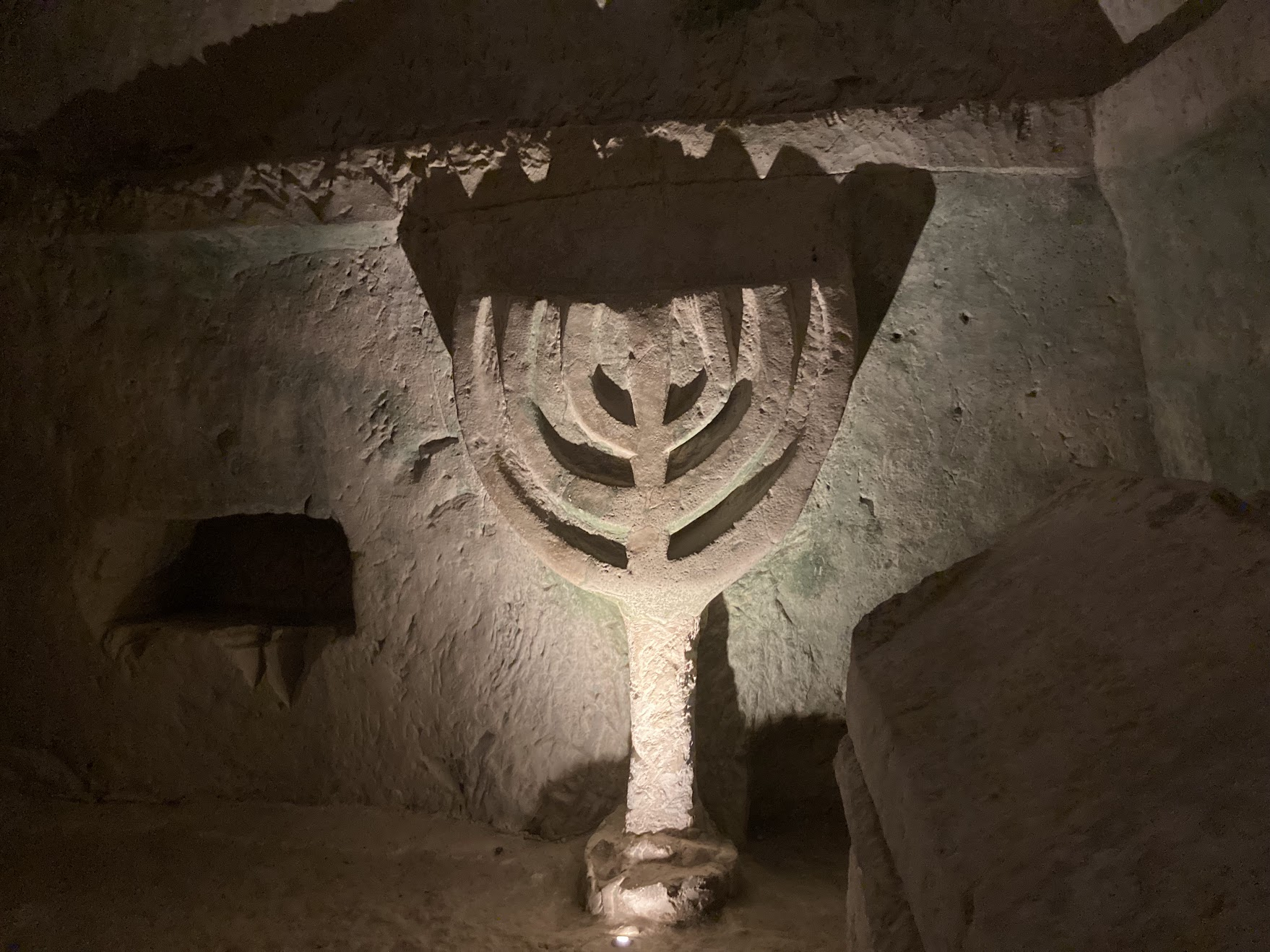
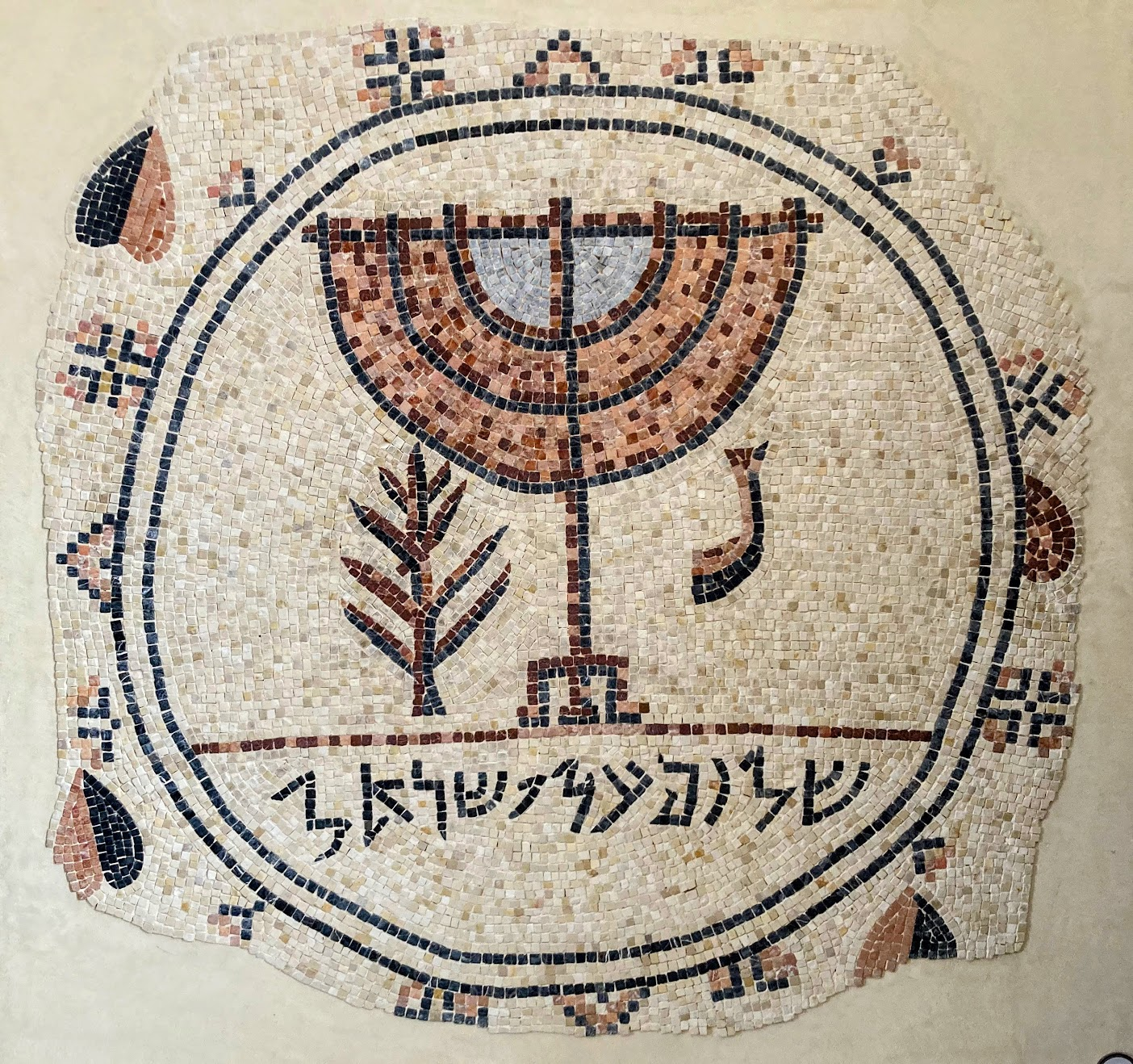
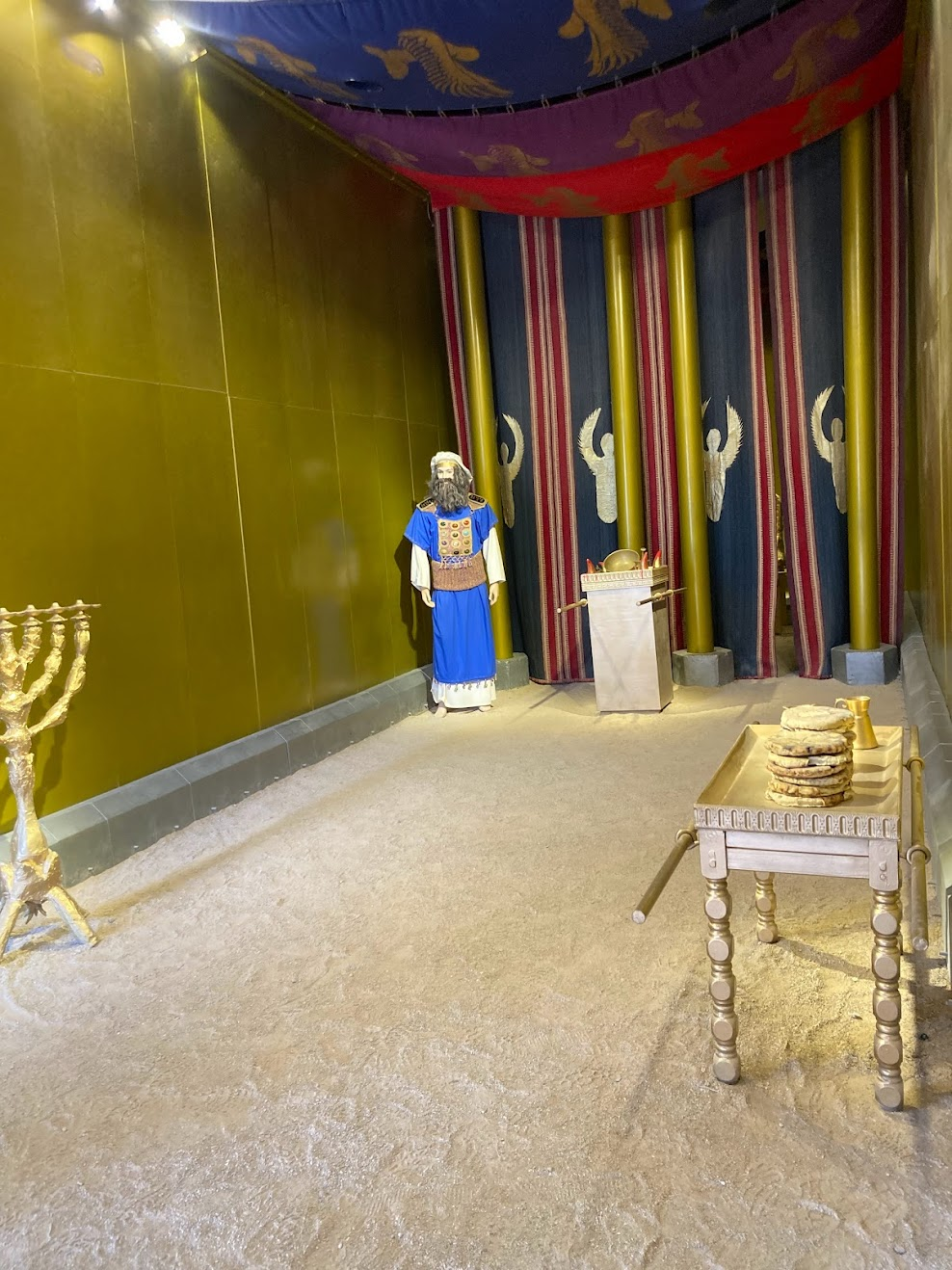
בפרשת השבוע ״בהעלותך״, אחרי כל ההכנות החגיגיות – עבודת המשכן, כולל הדלקת המנורה ע״י אהרון ועבודת הלויים, חגיגת הפסח בפעם הראשונה אחרי יציאת מצרים וקביעת פסח שני, תיאור הקמת המשכן ופרוקו ופרשת החצוצרות, ודוקא שם, באמצע ה-וואו, אנחנו פוגשים את בני ישראל מתלוננים. הסצינה לעיתים קרובות מעוררת אנחות, גיחוך וצחקוק: או, תראו אותם… הם כל הזמן מתלוננים… רק יצאו ממצרים וכבר … הכל יש להם, מן מהשמים, מים זמינים,  ענני כבוד, ועדיין… אוי, כמה חסרי הכרת הטוב…

אבל לפני שנצביע ״עליהם״, אולי נחשוב על זה מחדש. ננסה לדמיין אותנו לא 40 שנה, מספיק 40 יום… בעצם, למה ללכת רחוק? אפשר גם לבדוק אותנו במשך 40 שעות… כמה זמן אנחנו הולכים בלי להתלונן? רדיו, טלויזיה, אתרים באינטרנט… האם יש מצב שנוכל להוריד את מכסת התלונות, האישית והלאומית, לרק אחת ביום? איך היה נראה ספר ״במדבר״ שלנו, לו מישהו שמר רשימת התלונות שלנו? לו מישהו ספר לנו כמה אנחנו מתלוננים כיום…

לכן, אני חושבת שבני ישראל במסעם במדבר מתלוננים מעט מאוד, וכשהם עושים זאת, חשוב לא לזלזל בזה (לא היינו רוצים שמישהו חלילה יזלזל בתלונות שלנו…), אלא לנסות להבין מה קרה שם, ולא רק מה היתה התלונה עצמה, אלא במיוחד, מה קרה ברגע ממש לפני.

בפרשת השבוע שלנו, ״בהעלותך״ הדבר האחרון לפני התלונות הן כל ההכנות החגיגיות למסע. בעצם ספר במדבר וכל התורה כולה, היו צריכים להסתיים בדיוק ברגע החגיגי הזה:

״וַיְהִ֛י בִּנְסֹ֥עַ הָאָרֹ֖ן וַיֹּ֣אמֶר מֹשֶׁ֑ה קוּמָ֣ה ה׳ וְיָפֻ֙צוּ֙ אֹֽיְבֶ֔יךָ וְיָנֻ֥סוּ מְשַׂנְאֶ֖יךָ מִפָּנֶֽיךָ׃

וּבְנֻחֹ֖ה יֹאמַ֑ר שׁוּבָ֣ה ה׳ רִֽבְב֖וֹת אַלְפֵ֥י יִשְׂרָאֵֽל״ (במדבר י, לה-לו).

זהו. אנחנו בסה״כ שלושה ימים מהיעד. ונגיד שהבשר לא משהו, והתעייפנו מהמן והענן כבר לא מרגש כמו שהיה בהתחלה, ובכל זאת. הרי כל מי שעושה טרק – או כל מסע אחר, פיזי, אקדמאי, מה שלא יהיה – מכיר את הרגע הזה של, די אין לי כוח, את הנשימה העמוקה, ואת הרגע שבא אחריו, של – תיכף נגיע, תהיה מקלחת, יהיה אוכל, נוריד את התרמיל… ואם לנו אין אותו, יש מישהו לידינו שיכול לחבק, להגיד, שזה בסדר, בסה״כ עוד שלושה ימים ואח״כ, כל הדבש והחלב שבעולם…?!

אך קריאה מדוקדקת מגלה שבני-ישראל אינם מתלוננים על “משהו”; הם – מתלוננים. נקודה. פול סיימון שר, ״אתה יודע, שככל שהיעד שלך קרוב יותר, כך אתה מחליק ומתרחק ממנו יותר״… בני ישראל לא מתלוננים למרות שהם קרובים לארץ, אלא דוקא בגלל.

מסתבר שיש משהו הרבה יותר מפחיד מכישלון, וזו… ההצלחה, גם אם הפחד הזה אינו תמיד מודע, והוא בא לידי ביטוי כאן: בני ישראל, כל כך קרובים להשגת מטרת המסע שלהם, מתחילים לקבל ״רגליים קרות״. המדרש אומר על פסוק הפתיחה כאן “ויסעו מהר ה’”… (במדבר י,לג) שהיה צריך להיות כתוב לא רק ״מ״, אלא בעיקר ״אל״, אך בגמרא נאמר שהם ״נסעו מאחרי ה’ כתינוק הבורח ליבטל מדברי תורה”, כלומר, למרות שהקב״ה היה מוכן להכניס אותם לארץ מיד, הם ברחו, קצת כמו ילד הבורח מבית הספר (שבת 116: א).

והסיפור כמובן לא הסתיים עם בני ישראל, אי שם במדבר. עדיין השאלה עולה לא פעם: האם אנחנו לארץ רק כדי לברוח “מ”… או כדי ״ללכת אל״? יתכן שאפשר להבין את המחלוקות שלנו כיום כעוסקות בתמונות השונות, ואולי רק בחלקי התמונות שיש לכל אחד מאיתנו בתשובה לשאלה הזו. כך או כך, נדמה שנרוויח אם נצליח לעשות את זה עם קצת פחות תלונות…

שבת שלום.


Paul Simon Sings “Beha’alotcha”

Where is the line between complaining and telling someone about a pain or discomfort? The dictionary defines a complaint as “an expression of dissatisfaction or annoyance about something; stating that one is suffering (pain or another symptom of illness).” That sounds like something acceptable to do—especially in today’s world, where we are encouraged to “be open about our feelings” and “share what’s going on.” And yet, somehow, communicating openly about pain is acceptable, while “complaining” has a bad rap.

In this week’s Torah portion, Beha’alotcha, after all the festive preparations—the construction of the Tabernacle, including Aaron lighting the menorah and the Levites’ service, the first celebration of Passover since the Exodus and the establishment of Pesach Sheni, the description of the erecting and dismantling of the Tabernacle, and the trumpets’ narrative—right in the middle of all that wow, we encounter the Children of Israel complaining.

This scene often evokes sighs, chuckles, and eye-rolls: Oh, look at them… they’re always complaining… they just left Egypt and already… They have everything—manna from heaven, accessible water, clouds of Glory—and still… oh, how ungrateful…

But before we point fingers at them, maybe it’s worth rethinking this. Let’s try to imagine ourselves—not for 40 years, just for 40 days… actually, why go that far? Even 40 hours… how long do we go without complaining? Radio, television, internet sites… could we reduce our personal and national complaint quota to just one a day? What would our own Book of Numbers look like if someone kept a log of our complaints? If someone counted how much we complain today…

That’s why I think the Children of Israel actually complain very little during their journey in the desert—and when they do, it’s important not to dismiss it (after all, we wouldn’t want anyone to dismiss our complaints), but instead, to try and understand what happened—not only the complaint itself, but especially what happened just before.

In the Torah portion of Beha’alotcha, the very last thing before the complaints is all the festive preparation for the journey. In fact, the Book of Numbers—and maybe the entire Torah—could have ended right at that celebratory moment:

Whenever the Ark set out, Moses would say: Arise, ashemHaHashem! May Your enemies be scattered; may Your foes flee before You.
And when it came to rest, he said: Return, Hashem, to the countless thousands of Israel.

(Numbers 10:35–36)

That’s it. They were only three days away from their destination. And let’s say the meat wasn’t great, the manna had gotten old, and the cloud no longer felt as magical as it did at first—still… Anyone who’s done a trek—or any kind of journey, physical, academic, or otherwise—knows that moment of “I’m done, I’ve had enough,” the deep breath, and then the moment after: “We’re almost there, there’ll be a shower, food, we’ll drop the backpack…” And if we don’t have it in ourselves, there’s someone next to us who can hug us and say: “It’s okay. Just three more days. And after that—all the milk and honey in the world…”

But a close reading shows that the Israelites aren’t complaining about something; they are simply complaining. Period.

Paul Simon sings, “You know, the nearer your destination, the more you’re slip slidin’ away…” The Israelites aren’t complaining despite being close to the Land, but because they are.

It turns out there’s something even scarier than failure—and that is… success. Even if that fear isn’t fully conscious, it manifests here: the Israelites, so close to achieving the goal of their journey, are getting cold feet.

The Midrash, commenting on the opening verse here—“They traveled away from the Mountain of Hashem…” (Numbers 10:33)—says, it should not only say “from” but especially “toward.” Yet the Talmud says they “fled from the Mountain of Hashem like a child running away from school,” unwilling to hear words of Torah (Shabbat 116a). That is, even though Gd was ready to bring them into the Land immediately—they ran away. Like a kid sneaking out of class.

And of course, the story didn’t end with the Israelites somewhere in the desert. The same question still arises for us: Are we going to the Land of Israel, just to run from something—or in order to go toward something?

It’s possible to understand some of today’s disagreements as relating to different images—or even just fragments of images—that each of us holds in answering that very question.

Either way, it seems we’d benefit if we managed to do it with just a little less complaining…

Shabbat Shalom.

Posted in Uncategorized | Leave a comment

The Priests’ Blessing with Love – the Torah portion of Naso

ברכת הכוהנים – באהבה – פרשת נשא

״תראי,, עוצרת אותי מישהי ברחוב, ״בירושלים אי אפשר ללכת ככה בלי להסתכל מסביב! תראי את הקשתות! האבנים! זה משהו… מדהים״! בתוך נהרות של אנשים המחיים מחדש את העליה לרגל לבית המקדש בחג השבועות הזה, היא מספרת לי שהיא מפונה, מקרית שמונה, כבר יותר משנה בחדר קטן בעיר. כשאני מנסה להשתתף בכאבה, היא מבטלת אותי:  ״הקב״ה ברך אותי! להיות בעיר הקודש!״….

אני נפעמת. איך להרגיש את ברכת הקב״ה, ואיך להעביר אותה הלאה? זה גם האתגר שעומד בפני הכוהנים המצווים לברך את בני ישראל בפרשת ״נשא״, הארוכה ביותר בתורה עם 176 פסוקים כמו גם פרק התהילים הארוך ביותר (פרק קי”ט) וכמו המסכת הארוכה ביותר בתלמוד (בבא בתרא עם 176 דפים), כמספרים לנו על הקשר בין החלקים השונים של התורה. למה כל כך ארוך? אולי מפני שקריאת התורה הזו תמיד קרובה לחג השבועות ומתן התורה (לפני או אחרי) ורוצה להרגיש כמו להיות ליד ראש מעין מים מתוקים ששוצפים לכל עבר.

ספר במדבר – שנקרא על שם המקום הזה שבו הכל פתוח ואפשרי ושאותו התחלנו בשבוע שעבר – משתף באתגרים שקרו לנו בדרך בנושאים כמו מנהיגות, קהילה, ארץ ישראל, התמודדות עם קבוצות שונות בתוך ומחוץ לעם ישראל כולל אויבים. אבל הוא נפתח בענייני היחיד, כי רק אחרי שנעזור לפרט למצוא את מקומו השלם בינו לבין זולתו (הסוטה, המצורע) ובינו לבין אלוהיו (הנזיר) ומתוך כך גם, ב״ה, בינו לבין עצמו, נוכל להתקדם לתיקון כלל.

היחיד הבריא הכרחי לחברה, ויחד עם זאת, לטיפול הממוקד בפרט יש גם סכנה: נוצרת אשליה שכל מה שחשוב זה רק איך אני מרגיש, ומה בא לי ומה אני ואני… זו תופעת לוואי חמורה ומחמירה של הטיפול, ובימינו, נהייתה לה תופעת לוואי נוספת: האני מצטרף עם עוד “אני” אחרים שחושבים כמוהו, ומהדהד את עצמו שוב ושוב. הרעש גורם לנו לחשוב שנהיינו ל״כלל״, אבל בעצם, האני רק הרחיב וחיזק את האגואיזם שלו…

התורה חששה מכך ואולי לכן מיד עם סיום המיקוד על היחיד, אנחנו מקבלים את ברכת הכוהנים.

לברכת הכוהנים שלושה חלקים: ״יברכך ה׳ וישמרך״ – שזו הברכה הגשמית. רש״י אומר – ״שיתברכו נכסיך, ושלא יבואו עליך שודדים ליטול ממונך״… אכן, הקדושה אצלנו מחוברת לעולם הפיזי, בעולם הזה. גשם. יבול. הצלחה כלכלית. אם אדם רוצה למעט בענייני החומר, הוא יכול – בענייניו שלו (וגם זה נתון למחלוקת), אבל לא כשהוא מברך את הזולת.

על החלק השני של הברכה – “יאר ה׳ פניו אליך ויחונך״ – אומר רש״י שהקב״ה ״יראה לך פנים שוחקות, ויתן לך חן״ (תנחומא). נוכחות הקב״ה בחיינו היא הברכה הרוחנית, המשלימה את הברכה הראשונה, הפיזית. וכשנזכה לשתיהן ביחד, לכולנו, בלי הבדלים והפרדות, בלי אצבעות מאשימות, תלונות ומחשבות רעות, אלא כשאנחנו עומדים ביחד, נרגשים לפגוש אחד את השני, ב”ה, נזכה גם לשלום, כדברי החלק השלישי של הברכה.

הכוהנים נצטוו לברך בנשיאת כפיים כדי שלא יהיו רק מילים בפיהם אלא השראה להגשמה בפעולות ומעשים טובים (מבוסס על דברי ר׳ יוסף חיים קארו), ונאמר להם לברך ״את בני ישראל״ – לא לחפש את המצויינים והחשובים ולא את הגדולים והצדיקים, אלא לדעת שכל יהודי ראוי להתברך ולכן ״כה תברכו״, כמו שהם (פירוש של האדמו״ר ממודז׳יץ) ו״פנים אל פנים״ (ע״פ הגמרא בסוטה לח:ב). עוד נאמר לכוהנים לברך את בני ישראל ״באהבה״, אולי משום שיש 15 מילים לברכה, ו-15 בגימטריה שווה ״באהבה״ ואולי משום שנאמר ״ואהבך וברכך״ (דברים ז, יג) שהברכה תהיה מתוך אהבה.

ומה עלינו לעשות בזמן שהכוהנים מברכים? יש אומרים, שעל כל פסוק צריך להחזיר פסוק (סוטה לט) אבל הדעה שהתקבלה היא – להקשיב. לקבל. לספוג לתוכנו את האהבה של הקב״ה שהכוהנים מעבירים אלינו. לרגע, להגיד תודה שקטה.

ברכת הכוהנים נאמרה בלשון יחיד, ואומרים שזאת משום שהברכה העיקרית הנחוצה לבני ישראל היא אחדות, כמו במעמד הר סיני שנאמר ״ויחן שם ישראל״, וחז״ל דרשו – כאיש אחד, בלב אחד (מפירושי האדמו״ר ר׳ שלמה ליב מלנצ׳נה). וכאז כן היום.

שבת שלום.

The Priests’ Blessing with Love – the Torah portion of Naso

“Look!” a random person stops me on the street, “in Jerusalem you can’t just walk without looking around! Look at the arches! The stones! It’s something… amazing”! Amidst rivers of people reliving the pilgrimage to the Temple this Shavuot, she tells me that she has been evacuated, from Kiryat Shmona, living for over a year in a small room in the city. When I try to be compassionate, she dismisses me: “Gd blessed me! To be in the Holy City!”….

I am amazed. How to feel Gd’s blessing, and how to pass it on? This is also the challenge facing the priests who are commanded to bless the Children of Israel in the Torah portion of Naso, the longest in the Torah with 176 verses, parallel to the longest chapter in Psalms (chapter 119) and the longest tractate in the Talmud (Bava Batra with 176 pages), as they tell us about the connection between the different parts of the Torah. Why so long? Perhaps because this Torah reading is always close to the holiday of Shavuot and the Giving of the Torah (before or after) and wants to feel like being at the head of a spring of fresh water that flows in all directions.

The book of Numbers – ‘In the Desert’ – named after this place where everything is open and possible, and which we began last week – shares the challenges that have come our way on topics such as leadership, community, the Land of Israel, dealing with different groups within and outside, including even enemies. But it opens by addressing matters of the individual, because only after we assist the individual in finding a complete place between him and his Other (the Sota, the Metzora) and between him and his Gd (the Nazirite) and from there also, between him and himself, we can move onward to the Whole.

The healthy individual is necessary for society, and at the same time, there is also a danger to a treatment that focuses on the individual: an illusion is created that all that matters is how I feel, what I want, me and me and me….. This is a serious and aggravating side effect of the treatment, and in our day, it has had another side effect: the self joins in with other “me’s” who all think alike, echoing each other over and over again. The noise makes one think that we have become the “Whole”, but in fact, the self has only expanded and strengthened its egoism…

The Torah feared this and perhaps that is why, immediately after we complete the focus on the individual, we receive the priestly blessing.

The priestly blessing has three parts: “May Gd bless you and keep you” – which is the physical blessing. Rashi says – “May your possessions be blessed, and may robbers not come upon you to take your wealth”… Indeed, holiness for us is connected to the physical world, in this world, here and now. Rain. Harvest. Financial success. If a person wants to be modest in materialism, he may do so – in his own affairs (and even this is subject to dispute), but not when blessing others.

Regarding the second part of the blessing – “May Gd shine His countenance upon you and be gracious to you” – Rashi says that the Blessed One “will show you a gentle, happy face, and grant you favor” (Tanchuma). The presence of Gd in our lives is the spiritual blessing, which complements the first, physical blessing. And when we merit both together, for all of us, without differences and separations, without ponting accusing fingers, complaints and bad thoughts, but when we stand together, excited to meet each other, we will also merit Peace, as the third part of the blessing says.

The priests were commanded to pronounce the blessing by raising their hands so that there would not be just words in their mouths but inspiration for fulfillment in good deeds and actions (based on the words of Rabbi Yosef Chaim Karo), and they were told to bless “the People of Israel” – not to look for the distinguished and important, nor the great and righteous, but to know that every Jew deserves to be blessed and therefore should be “blessed in this way,” as we are (from the Rebbe of Modzitz) and “face to face” (according to the Gemara in Sota 38:b). The priests were also told to bless the People of Israel “with love,” perhaps because there are 15 words for the blessing, and 15 in the gematria equals be’ahava, “with love,” and perhaps because it says “and I will love you and bless you” (Deuteronomy 7:13) that the blessing should be out of love.

And what should we do while the priests bless us? Some say that for every verse, a verse should be said back (Sota 39;a), but the accepted opinion is – to listen. to receive. to absorb into ourselves the love of Gd that the priests convey to us. For a moment, to just say a silent thank you.

The Priestly Blessing was said in the singular, and it is said that this is because the main blessing necessary for the Children of Israel is unity, as in the event of Mount Sinai, when it was said, “and Israel camped (in the singular) there near the mountain”, and the Sages taught – as one, with one heart (from the commentaries of the Rebbe, Rabbi Shlomo Leib of Lanzana). And this is still the blessing we need today.

Shabbat Shalom.

As many as 50,000 (low estimates hold 30,000+) came to the Kotel in Jerusalem this past Pesach for
the Priestly Blessing

From the Kotel Heritage, recordings of the Priestly Blessing at the Kotel;
https://thekotel.org/he/tag/%D7%91%D7%A8%D7%9B%D7%AA-%D7%9B%D7%94%D7%A0%D7%99%D7%9D/

Posted in Uncategorized | Leave a comment

Aminadav’s Children: The Torah portion of Bamidbar

פרשת במדבר: ילדיו של עמינדב

פרשת במדבר היא הפרשה הראשונה בספר במדבר, ונקראת בלועזית ״מספרים״ בגלל העיסוק במניינים ובמפקדים בפרשה זו ובהמשך הספר. בד״כ זו הפרשה האחרונה – או אחת לפני האחרונה – בספירת העומר, ובכל מקרה, תמיד נקראת לפני חג שבועות. יש אומרים, כדי להפריד בין הברכות והקללות איתן סיימנו את ספר ויקרא. יש אומרים, כדי שנספור כל אחד ואחת מאיתנו ונוודא שכולנו נעמוד יחד במתן תורה.

לקרוא את פרשת במדבר עלול להרגיש קצת כמו לקרוא ספר טלפונים: כל כך הרבה שמות, כל כך מעט עלילה… אך גם כאן יש כמה גיבורים. אחד מהם – נחשון בן עמינדב, נשיא שבט יהודה בתקופת המדבר, מי שהקריב ראשון מבין הנשיאים את קורבנות הנשיאים ביום חנוכת המשכן (ראש חודש ניסן, בשנה השניה לצאת בני ישראל ממצרים).

כשנקרא את מגילת רות בשבוע הבא, נגלה שהוא חלק ממשפחה מאד מיוחסת: הוא אביו של שלמון וסבו של בועז, אותו בועז שנשא את רות לאשה, ושהנין שלהם היה דוד המלך:

וְאֵ֙לֶּה֙ תּוֹלְד֣וֹת פָּ֔רֶץ פֶּ֖רֶץ הוֹלִ֥יד אֶת־חֶצְרֽוֹן׃

וְחֶצְרוֹן֙ הוֹלִ֣יד אֶת־רָ֔ם וְרָ֖ם הוֹלִ֥יד אֶת־עַמִּינָדָֽב׃

וְעַמִּֽינָדָב֙ הוֹלִ֣יד אֶת־נַחְשׁ֔וֹן וְנַחְשׁ֖וֹן הוֹלִ֥יד אֶת־שַׂלְמָֽה׃

וְשַׂלְמוֹן֙ הוֹלִ֣יד אֶת־בֹּ֔עַז וּבֹ֖עַז הוֹלִ֥יד אֶת־עוֹבֵֽד׃

וְעֹבֵד֙ הוֹלִ֣יד אֶת־יִשָׁ֔י וְיִשַׁ֖י הוֹלִ֥יד אֶת־דָּוִֽד׃ (רות ד,יח-כב).

גם אחותו של נחשון, אלישבע בת עמינדב, ששמה, יש אומרים, מתאר את הקב״ה כנותן שלמות ושפע (המיוצג במספר שבע), היתה ידועה כאישה בעלת הייחוס והמעמד הנכבד ביותר בישראל. בתלמוד ישנה דעה שאלישבע ויוכבד חמותה הן שפרה ופועה, שתי המיילדות העבריות במצרים, שסרבו לשמוע לדרישתו של פרעה להרוג את התינוקות העבריים (סוטה יא,ב). ע״פ התורה, היא אשתו של אהרון, הכהן הראשון ולכן מכונה גם ״אם הכהונה״ שכל הכוהנים יצאו ממנה, וגיסתו של משה רבנו. בניה היו פרחי כהונה. בן בנה היה פנחס בן אלעזר הכהן, שהיה כהן משוח מלחמה ופיקד על 12,000 הלוחמים שנלחמו במדין, לקראת סוף ספר במדבר.

המדרש מספר על היום הטרגי, בן מתו שני בניה, נדב ואביהו, ביום הקמת המשכן, כשאלישבע מסמלת את תהפוכות החיים: חמש שמחות היו צריכות להיות לה באותו היום. אין ספק שהיתה גאה ומאושרת לראות את בעלה, גיסה, אחיה, בניה ובן בנה – כל אחד בתפקידו הראוי והמיוחד ביום חנוכת המשכן, ובן רגע, נהפכה שמחתה לאבל (זבחים קב,א, ויקרא רבה כ,ב). מסורת מהמאה ה-12 טוענת שקברה של אלישבע נמצא בטבריה, לא רחוק מקברן של יוכבד, חמותה, וציפורה, גיסתה, אשתו של משה.  

אך נחזור לנחשון, שנהיה מפורסם לא בגלל נשיאותו ולא בגלל קרבתו לדוד המלך וגם לא בגלל אחותו, אלא מפני שעל פי חז״ל, הוא היה הראשון שקפץ למים בים סוף, עוד לפני שהים נקרע. באותה שעה, משה היה מתפלל לקב״ה, ושאר השבטים ״היו מנצחים זה עם זה. זה אומר: אני יורד תחילה לים וזה אומר: אני יורד תחילה לים. מתוך שהיו עומדים וצווחים – קפץ שבטו של בנימין וירד לים תחילה. אמר לו רבי יהודה: לא כך היה מעשה, אלא זה אומר אין אני יורד תחילה לים, וזה אומר אין אני יורד תחילה לים. מתוך שהיו עומדין ונוטלין עצה אלו באלו קפץ נחשון בן עמינדב וירד לים תחילה״ (סוטה לו:ב-לז:א). בקיצור, בלב הבלגן, נחשון זיהה מעשה אחד, ספציפי, כביכול פשוט, שהוא יכול לעשות כדי לעזור לעם ישראל, למרות שאף אחד לא הבטיח לו שום תוצאות ודאיות.

המדרש (במדבר רבה יג,ז) מסביר: ״לָמָּה נִקְרָא שְׁמוֹ נַחְשׁוֹן, עַל שֵׁם שֶׁיָּרַד תְּחִלָּה לַנַּחְשׁוֹל שֶׁבַּיָּם״. הרש״ר הירש מסביר שהשורש נ.ח.ש עוסק בניחוש ויכולת לדעת את העתיד. יתכן שדרכו של נחשון היתה לדעת את העתיד ע״י זה שהוא יהיה זה שיצור אותו.

חז״ל גם האירו את הקשר שבין אומץ ליבו של נחשון לכך ש(בפרשת נשא, בשבוע הבא), הוא יהיה זה מבין השבטים שיקריב את קרבן הנשיאים תחילה. מכיון שכתוב עליו המקריב ביום הראשון הבינו זאת שהוא ״ראשון לכל ימות השנה״, ו״משלו הביא, ולא שגבה משבטו והביא״ (כלומר, לא אסף תרומות אלא הביא מכספו ועושרו שלו – ספרי במדבר מח,א). שם יתואר כ״הַמַּקְרִ֛יב בַּיּ֥וֹם הָרִאשׁ֖וֹן אֶת־קׇרְבָּנ֑וֹ נַחְשׁ֥וֹן בֶּן־עַמִּינָדָ֖ב לְמַטֵּ֥ה יְהוּדָֽה״… (במדבר ז:יא-יז).

האור-החיים מוסיף עוד שדוקא עליו לא נאמר נשיא כמו שנאמר בכל יתר השבטים ״לומר כי ראוי הוא נחשון להקריב ראשון הגם שלא היה נשיא ומעלתו מצד עצמו, מה שאין כן בכל שאר הנשיאים, כי מעלתם היא לצד היותם נשיאי השבט לבד. עוד ירצה להפליג מהותו שלא היה מחשיב עצמו כנשיא אלא כאחד מבני השבט״… (אור החיים על במדבר ז, יב:ב) כלומר, צנוע וענו, עושה מה שצריך ויכול, בלי ציפיות, בלי תנאים, בלי פרסומת מיותרת.

כשעמדו בני ישראל על שפת הים בחרדה גדולה לחייהם – המצרים מאחוריהם, המדבר מצידם, והים לפניהם, משה ניסה לחזק אותם באומרו: ״ה׳ יִלָּחֵ֣ם לָכֶ֑ם וְאַתֶּ֖ם תַּחֲרִשֽׁוּן״ (שמות יד, יד). פשט הדבר הוא – ׳אל תדאגו, הקב״ה הוא ילחם בעבורכם את המלחמה, וכל שעליכם לעשות הוא לא להפריע׳, אבל, בגלל עושרה המופלא של השפה העברית יתכן שאפשר לקרוא את הפסוק גם כך: ׳הקב״ה הוא ייתן לכם לחם, אבל אתם, עליכם עדיין לחרוש את האדמה׳… ואני חושבת שנחשון בן עמינדב חשב על האפשרות השניה.

נחשון הפך לסמל לראשוניות, העזה וחלוציות בהסטוריה היהודית, ודברים רבים נקראו על שמו (המבצע לפריצת הדרך לירושלים במלחמת השחרור, יחידות צבאיות, קיבוץ, צוותים שונים, ועוד), אבל אולי יותר מכל, הוא מזכיר לנו 1. שיש גיבורים בכל מקום, גם בתוך רשימת שמות ״סתמית״, ו-2. לעשות את מה שביכולתנו במקום ובזמן שאנחנו נמצאים, בלי חשבונות  ארוכים ומסובכים, רק מפני שיש לפנינו ים שעלינו לעבור וביחד.

שבת שלום.

Parashat Bamidbar: The Children of Aminadav

The Torah portion of “Bamidbar” is the first in the 4th book, which in Hebrew is called ‘In the Desert” and in English – Numbers, because of the census in this portion and later in the Book. It is usually the last portion – or the one before the last – in the counting of the Omer, and in any case, always read before Shavuot. Some say, to separate the blessings and curses with which we finished the Book of Leviticus. Some say, so that we can count each and every one of us and make sure that we are all standing together at the Giving of the Torah.

Reading Bamidbar can feel a bit like reading a phone book: so many names, so little action… But even here there are a few heroes. One of them – Nachshon ben Aminadav, the leader of the tribe of Judah during the time in the wilderness, who was the first of the tribes’ leaders to offer their special sacrifices on the day of the dedication of the Tabernacle (Rosh Chodesh Nisan, the 2nd year after the Children of Israel left Egypt).

When we read the Book of Ruth next week, we will discover that he is part of a very privileged family: he is the father of Solomon and the grandfather of Boaz, the same Boaz who married Ruth, and whose great-grandson was King David:

And these were the children of Perez: Perez begat Hezron;

And Hezron begat Ram; and Ram begat Aminadav;

And Aminadav begat Nachshon; and Nachshon begat Shalma;

And Shalma begat Boaz; and Boaz begat Oved; and Oved begat Yishai; and Yishai begat David (Ruth 4:18-22).

Nachshon’s sister, Elisheva, daughter of Aminadav, whose name, some say, describes Gd (“Eli”) as giving completeness and abundance (represented by the number seven – “sheva”), was also known as a woman of the most distinguished lineage and status in Israel. The Talmud holds that Elisheva and Yocheved, her mother-in-law, are Shifrah and Puah, the two Hebrew midwives in Egypt, who refused to listen to Pharaoh’s demand to kill the Hebrew babies (Sotah 11:2). According to the Torah, she is the wife of Aaron, the first high priest, and is therefore also called the “mother of the priesthood,” from whom all the priests came, and is the sister-in-law of Moses. Her sons were priests. Her grandson was Pinchas ben Eleazar the priest, who was an anointed war priest and commanded the 12,000 warriors who fought in Midian, towards the end of the Book of Numbers.

The Midrash tells of the tragic day, when her two sons, Nadav and Avihu, died on the day the Tabernacle was dedicated, with Elisheva symbolizing the unpredictable fluctuations of life: She should have had five joys on that day. There is no doubt that she was proud and happy to see her husband, brother-in-law, brother, sons, and grandson – each in his proper and special role on the day the Tabernacle was dedicated, and in one instant, her joy turned to mourning (Zevachim 102:a, Leviticus Rabba 20:2). A 12th-century tradition claims that Elisheva’s grave is in Tiberias, not far from the graves of Yocheved, her mother-in-law, and Zipporah, her sister-in-law, Moses’ wife.

But let’s return to Nachshon, who became famous not because of his tribal presidency, nor because of his closeness to King David, nor because of his sister, but because, according to the Sages, he was the first to jump into the Sea of Reeds, even before the sea parted. At that time, Moses was praying to Gd, and the other tribes “were arguing with each other. This one said: I will go down to the sea first, and this one said: I will go down to the sea first. While they were standing and shouting, the tribe of Benjamin jumped and went down to the sea first. Rabbi Yehuda said to him: It was not like that, but this one said: I will not go down to the sea first, and this one said: I will not go down to the sea first. While they were standing, arguing back and forth, Nachshon son of Aminadav jumped and went down to the sea first” (Sotah 36:b-37:a). In short, in the midst of the chaos, Nachshon identified one specific, seemingly simple act that he could do to help the people of Israel, even though no one had promised him any certain results.

The Midrash (Bamidbar Rabba 13:7) explains: “Why was his name called Nachshon? It was because he descended into the great wave (nachshol) in the sea”. Rav Hirsch explains that the root N.Ch.Sh. deals with divination and the ability to know the future. Maybe Nachshon’s way of knowing the future was to be the one who would create it.

The Sages also illuminated the connection between Nachshon’s courage and the fact that (in Parashat Nasso, next week), he would be the one from among the tribes to offer the sacrifice of the chiefs first. Since it is written about him who offers on the first day, they understood that he was “the first of all the days of the year,” and “his example is that he himself brought, and not that he collected from his tribe and brought” (i.e., he did not collect contributions but brought from his own money and wealth – Bamidbar 44:1). There he will be described as “the one who first sacrifices the sacrifice of Nachshon son of Aminadav for the tribe of Judah”… (Numbers 7:11-17).

The Or HaChayim further adds that it is not said of him that he was a tribal president, as is said of all the other tribes, “saying that Nachshon was worthy to bring the sacrifice first, even if he had not been the tribe’s leader, but on his own merit, which is not the case with the other tribal leaders, for their virtue depends on their position alone. He will also want to emphasize his essence, that he did not consider himself a leader, but rather one of the members of the tribe”… (Or HaChayim on Numbers 7:12,b) That he is humble and unassuming, doing what he can and is able to, without expectations, without conditions, without unnecessary publicity.

When the Children of Israel stood on the shore of the sea in great trepidation for their lives – the Egyptians behind them, the desert on their side, and the sea in front of them, Moses tried to encourage them by saying: “Hashem will fight (yilachem) for you, and you will keep quiet (tacharishun)” (Exodus 14:14). The simple meaning is – ‘Don’t worry, Hashem will fight the war for you, and all you have to do is not interfere’, but, because of the wonderful richness of the Hebrew language, it is possible that the verse could also be read as: ‘Hashem will give you bread, but you, you must still plow the land’… And I think that Nachshon ben Aminadav was thinking of the second possibility.

Nachshon has become a symbol of originality, courage, and pioneering in Jewish history, and many things have been named after him (the operation to break through to Jerusalem in the War of Independence, military units, a kibbutz, various teams, and more), but perhaps most of all, he reminds us to do what we can in the place and time we are in, without long and complicated calculations, just because there is a sea ahead of us that we must cross and do so together.

Shabbat Shalom.

זאב נתיב הקים את מכינת נחשון, מכינה קדם-צבאית חילונית
Posted in Uncategorized | Tagged , , , , | Leave a comment

Reading (Be’har)-Bechukotai with Mark Twain

ב-1867 יצא סמואל קלמנס הידוע יותר בשמו הספרותי, מארק טוויין, אז עיתונאי צעיר בן 31, למסע תיור ראשון מסוגו. זו הייתה ההפלגה המאורגנת העממית הראשונה בספינת קיטור של תיירים אמריקניים, כאלה שהפרוטה מצוויה בכיסם, אל מעבר לאוקיינוס האטלנטי, והשיט הארוך בים התיכון כלל עצירות בצפון אפריקה, אירופה ומזרח הים התיכון.

מארק טוויין הצטרף להפלגה כעיתונאי של עיתון ידוע מסן פרנסיסקו ובתמורה, היה עליו לשלוח רשמים ממסעו. הטורים, על סגנונם העוקצני וההומוריסטי, הצליחו מאד והפכו לספר שנקרא באנגלית בשם “התמימים בחוץ לארץ״. בעברית נקרא הספר ״מסע תענוגות לארץ הקודש״, למרות שעל פי תיאוריו, רחוק היה המסע מלהיות מסע תענוגות, במיוחד הזמן שבילה בארץ ישראל.

מעניין שמאוחר יותר, שהה מארק טוויין בוינה (1897-1899) ככותב עבור עיתון שערך לא אחר מאשר תיאודור הרצל. טוויין אהד את היהודים וכתב – גם אם בדרכו השנונה והסרקסטית – על חוכמתם, תרבותם, ייחודם, ותרומתם לעולם. עד כדי כך שהיו כאלה שטענו שכינוייו הספרותי, מארק טוויין, נועד להסוות את שמו היהודי לכאורה, סמואל קלמנס.

אך שום דבר מאהדתו ליהודים לא בא לידי ביטוי בתיאוריו לגבי הארץ.

הנה לדוגמא:

״נדמה לי שמכל הארצות בעלות הנוף המדכדך, ארץ ישראל מחזיקה בכתר. הגבעות קירחות, צבען דהוי, וצורתן רחוקה מלשובב את העין. העמקים הם מדבריות מכוערים המעוטרים בשוליהם בצמחייה דלה שפניה כמו אומרות יגון וייאוש… זוהי ארץ משמימה, חסרת תקווה, שבורת לב…. בכל מרחב השממה סביבנו לא היה אפילו קמצוץ צל, ונצלינו קשות בשמש היוקדת״…

אם זה נשמע עגום, הרי שלתיאור קשה עוד יותר זכתה ירושלים:

…״מצורעים, נכים, סומים ומטורפים מסתערים עליך מכל עבר… ירושלים עיר קודרת, שוממה וחסרת חיים. לא אחפוץ לחיות בה״… ועוד…

חוקרים רבים שאלו, למה תיאר את ארץ הקודש כנוף המכוער ביותר ביחס לכל שאר המקומות שטייל בהם? האם באמת עד כדי כך היה המצב נורא? אולי הושפע מציורים בספרי התנ״כ של ילדותו שהראו – קרוב לודאי – ארץ זבת חלב ודבש אגדית, והניגוד היכה אותו בתדהמה? אולי סתם רצה להשמיץ??

ואולי דווקא הדהדו לנו דבריו משהו שנאמר לנו אלפי שנים עוד קודם?

השבוע לפנינו פרשה כפולה – בהר-בחוקותי – שסוגרת את ספר ויקרא. פרשת ״בהר״ עוסקת בעיקר בנושא שנת השמיטה והיובל, ובפרשת ״בחוקותי״ אנחנו מקבלים את הסט הראשון של ה״ברכות והקללות״ (השני יגיע בספר דברים, פרק כח). הקב״ה מסביר מה יקרה אם נלך בדרכיו (יהיה טוב), ומה יקרה אם לא (…), כשהרע הוא הרבה יותר מורכב והרבה יותר מפורט מהטוב. בין השאר, אנחנו שומעים מה יקרה לארץ אם – או כאשר – עם ישראל יחטא ויצא לגלות:

וַהֲשִׁמֹּתִ֥י אֲנִ֖י אֶת־הָאָ֑רֶץ וְשָֽׁמְמ֤וּ עָלֶ֙יהָ֙ אֹֽיְבֵיכֶ֔ם הַיֹּשְׁבִ֖ים בָּֽהּ (ויקרא כו, לב). בתרגום חופשי – הארץ תהיה שממה כך שגם האויבים שניסו לקחת אותה מאיתנו, לא יוכלו לשבת בה.

רש״י בהתבסס על המדרש אומר על הפסוק הזה: והשימותי אני את הארץ: זוֹ מִדָּה טוֹבָה לְיִשְׂרָאֵל, שֶׁלֹּא יִמְצְאוּ הָאוֹיְבִים נַחַת רוּחַ בְּאַרְצָם, שֶׁתְּהֵא שׁוֹמֵמָה מִיּוֹשְׁבֶיהָ (ספרא), כלומר, גם כשבני ישראל יגלו מהארץ, הארץ לא תשאר בכוחה ובברכתה, וגם ״האומות שיתישבו בה לא ימצאו בה נחת רוח… ואמרו חז”ל שזו טובה לישראל שהארץ לא תוסיף תת כחה לזרים וגם האויבים לא ימצאו בה חפץ״ (מלבי״ם).

גם הרמב״ן מסביר: ״וכן מה שאמר כאן ׳ושממו עליה אויביכם, היא בשורה טובה מבשרת בכל הגלויות – אין ארצנו מקבלת את אויבינו, וגם זו ראיה גדולה והבטחה לנו, כי לא תימצא בכל הישוב ארץ אשר היא טובה ורחובה, ואשר היתה נושבת מעולם והיא חרבה כמוה, כי מאז צאתנו ממנה, לא קיבלה אומה ולשון, וכולם משתדלים להושיבה ואין לאל ידם״…

אם כך, דווקא תיאוריו של מארק טוויין את הארץ השוממה, הם לא עלבון חלילה, אלא הוכחה לברכת הארץ. הנה מישהו שראה את הדברים לפני כ-120 שנה ותיאר אותם במדויק: ארץ שהייתה ״ארץ זבת חלב ודבש״, הפכה בימי אחרים, למרות נסיונות פיתוח, לשממה, ורק כשבני ישראל חזרו אליה, שוב התעוררה הארץ.

ארץ ישראל מתוארת לא פעם כאישה אבלה שלא מתקשטת ומתהדרת כי אהובה עוד לא הגיע. השכנות יכולות לצקצק עליה, להגיד שהיא נראית זוועה עם השמאטעס שהיא לובשת, בלי איפור, נו באמת… אבל זו בהפוך המחמאה הגדולה לנאמנותה ואמונתה, ולקשר המיוחד שלה עם אהוב ליבה, לו היא מחכה. ארץ ישראל אינה ״סתם״ אדמה שכל אחד יכול לעשות בה כרצונו. היא מקום חי, ומתייפה רק כשאהובה שב אליה, ועפ״י חז״ל, זהו אחד מסימני הגאולה. במקום לקרוא את מארק טוויין ולהתעצבן, אפשר לראות שבעצם הוא משקף את מה שנאמר בפרשה לעיני כל: ״וְזָכַרְתִּ֖י אֶת־בְּרִיתִ֣י יַעֲק֑וֹב וְאַף֩ אֶת־בְּרִיתִ֨י יִצְחָ֜ק וְאַ֨ף אֶת־בְּרִיתִ֧י אַבְרָהָ֛ם אֶזְכֹּ֖ר וְהָאָ֥רֶץ אֶזְכֹּֽר…״ (כו: מב).

שבת שלום.

In 1867, Samuel Clemens, better known by his pen name Mark Twain, then a 31-year-old journalist, set out on the first of its kind tour. It was the first organized, popular steamship voyage of wealthy American tourists across the Atlantic Ocean, and the cruise along the Mediterranean, included stops in North Africa, Europe, and the eastern Mediterranean.

Mark Twain joined the voyage as a journalist for a well-known San Francisco newspaper and in return, he was to send back impressions of his journey. The columns, with their biting and humorous style, were very successful and became a book called in English “The Innocents Abroad”. In Hebrew, the book is called “A Pleasure Trip to the Holy Land”, although according to his descriptions, the trip was far from being a pleasure trip, especially the time he spent in the Land of Israel.

Interestingly, later, Mark Twain spent time in Vienna (1897-1899) as a writer for a newspaper whose editor was none other than Theodor Herzl. Twain sympathized with the Jews and wrote – albeit in his own witty and sarcastic style – about their wisdom, culture, uniqueness, and contribution to the world. So much so that some have claimed that his literary pen name, Mark Twain, was intended to disguise his supposedly Jewish name, Samuel Clemens.

But none of his sympathy for the Jews is expressed in his descriptions of the land.

Here is an example:

“It seems to me that of all the countries with the most depressing scenery, The Land of Israel holds the crown. The hills are bald, their color faded, and their shape is far from pleasing to the eye. The valleys are ugly deserts adorned at their edges with sparse vegetation whose faces seem to express grief and despair… It is a desolate, hopeless, heartbroken land…. In all the vast expanse of desolation around us there was not even a speck of shade, and we were badly burned in the scorching sun”…

If this sounds bleak, then Jerusalem has been given an even harsher description:

… “Lepers, cripples, blindmen and madmen are attacking you from all sides… Jerusalem is a gloomy, desolate and lifeless city. I would not want to live in it”…

and more…

Many scholars have asked why he described the Holy Land as the ugliest landscape in comparison to all the other places he traveled to? Was the situation really that terrible? Perhaps he was influenced by illustrations in the Bible books of his childhood that showed – most likely – a legendary land flowing with milk and honey, and the contrast struck him with astonishment? Maybe he just wanted to slander??

Or maybe his words actually resonated something we were told thousands of years earlier?

This week we have a double portion – Behar-Behukoti – that closes the book of Leviticus. “Behar” deals mainly with the Shmita (the Agricultural Sabbatical year) and the jubilee, and in “Behukoti” we receive the first set of “blessings and curses” (the second will come in Deuteronomy, Chapter 28). God explains what will happen if we follow His ways (things will be good), and what will happen if we do not (…), with the evil being much more complex and much more detailed than the good. Among other things, we hear what will happen to the Land if – or when – the people of Israel sin and go into exile:

I will make the Land desolate, so that your enemies who settle in it shall be appalled by it” (Leviticus 27:33), that is, the land will be so barren, that even our enemies who tried to take it from us, will not be able to dwell in it.

Rashi, based on the Midrash, says about this verse: “I will make the Land desolate’… This is a good thing for Israel, for the enemies will not find rest and peace of mind in their Land; that it will be desolate from its inhabitants” (sifra), that is, even when the Children of Israel are exiled from the Land, the Land will not remain in its strength and blessing, and also “the nations that will settle in it, will not find any peace in it… and the Sages said that this is a good thing for Israel, that the Land will not give its strength to strangers, and the enemies will not find peace in it” (Malbim).

The Ramban also explains: “And what is said here… is good news heralded in all exiles – our Land does not accept our enemies, and this is also great evidence and promise to us, for there has not been found in the entire world, a Land which good and prosperous, and that has always flourished, and is likewise desolate, because since we left it, it has not received another nation or language, and everyone is trying to settle it, but they are unable to do so.”…

If so, Mark Twain’s descriptions of the desolate Land are not an insult, Gd forbid, but rather, a proof of the blessing of the Land. Here is someone who saw things about 120 years ago and described them accurately: a land that was “a land flowing with milk and honey,” turned in the hands of others, despite attempts at its development, to a wasteland, and only when the Children of Israel have returned, did the Land awaken again.

The Land of Israel is often described as a woman in mourning, who does not adorn herself and does not show-off, because her lover has not yet come back. The neighbors can snicker at her, saying that she looks horrible with those rags she’s wearing, and what, with no make-up, seriously…. But this is, on the contrary, the greatest compliment to her loyalty and faith, and to her special connection with her beloved, for whom she is waiting. The Land of Israel is not “just” a piece of dirt that anyone can do with as they please. It is a living place, and becomes beautiful only when her beloved returns to it, and according to our sages, this is one of the signs of redemption. Instead of reading Mark Twain and getting angry, we can see that he is actually reflecting what is said in this Torah portion for all to see: “Then will I remember My covenant with Jacob; I will remember also My covenant with Isaac, and also My covenant with Abraham; and I will remember The Land” (Leviticus 26:42).

Shabbat Shalom.

הר כרמל, דיוויד רוברטס, 1879 Mt. Carmel by David Roberts

ולכבוד יום ירושלים

Posted in Uncategorized | Tagged , , , | Leave a comment

Chutes & Ladders: Continuing the Holiness Journey with “Emor”

(סולמות וחבלים: המשך מסע הקדושה בפרשת ״אמור״ (וסיפור אחרי האנגלית…

ספר ויקרא ממשיך ומטפס בסולם הקדושה גם בפרשה זו. אחרי שבתחילת הספר דנו בחפצים ואנשים על מורכבויותיהם, פרשת ״אמור״ מתחילה בדינים הקשורים לקדושת הכהונה, ומשם, עוברת לעסוק בקדושת הזמן – בשבת ובמועדים. לא במקרה, הפרשה הבאה תעסוק בקדושת ארץ ישראל. קדושת הזמן היא זו המחברת בין קדושת האדם לקדושת המקום. 

כשהתורה מדברת בפרשת ״אמור״ על קדושת הזמן, היא מתחילה ביום השבת. יום השבת נקבע מששת ימי בראשית ע״י הקב״ה. לאדם אין בכך חלק. אם מישהו נתקע על אי בודד בלי לוח שנה, יספור 6 ימים וביום השביעי – יציין את יום השבת, בדיוק כמו בבריאה.

לעומת זאת, החגים והמועדים – פסח, שבועות, ראש השנה, יום הכיפורים, סוכות ושמיני עצרת נקבעים על ידי האדם. כיום יש לנו לוח מסודר, אבל בעבר, היו אלה העדים שיצאו וראו את הירח ולפי עדותם בית הדין ציין את ראש החודש ומשם נבנה לוח השנה. לא פעם הדבר גרר ויכוחים מרים שחשיבותם ברורה: בלי לוח שנה מוסכם, לא נוכל לעשות שום דבר ביחד.

אפשר לראות שזה גם משתקף בהלכות בזמנים השונים: בשבת אסורה כל מלאכה. ביום טוב, יש קצת מלאכות שמותר לעשות. בשבת – רק הקב״ה פעל – ברא את העולם, הוציא אותנו ממצרים – ואנחנו היינו פאסיבים לחלוטין. לכן, אפשר להגיד שזה הזמן ״שלו״. החגים מזכירים אירועים שבהם היינו שותפים. בפסח אמנם הקב״ה הוציא אותנו ממצרים, אבל גם אנחנו היינו צריכים להשתתף: לסמן את הבתים, וללכת. כך בחג, גם אנחנו חלק מהקדושה ויש לנו מלאכות שמותר לנו לעשות.

הרב אורי שרקי טוען ש״ככל שההיסטוריה מתקדמת, השותפות של האדם ביצירת הקדושה גדולה יותר״. לדוגמא, בחג הפורים כמעט הכל נעשה על ידי אנשים ומיעוט ע”י הקב”ה. כך גם כמעט כל המלאכות מותרות בפורים, אבל מלאכות מועטות כמו נטיעת עצים ובניין בתים נאסרו על ידי חכמים. בחנוכה, בניגוד לפורים, רבים מעם ישראל השתתפו בצורה פעילה במלחמה (ולא רק מרדכי ואסתר), ולכן בחג החנוכה כל המלאכות מותרות חוץ מאי עשיית מלאכה חצי שעה אחרי זמן הדלקת הנרות – זכר להתערבות הא-להית במהלך המאורעות. 

ובימינו, אנחנו חוגגים את יום העצמאות ויום ירושלים, ימים שבהם קרו הרבה ניסים אך ללא שבירת חוקי הטבע באופן מופגן כמו בקריעת ים סוף למשל. והתוצאה, ימים שבהם כל המלאכות מותרות, ועדיין מרגישים כמו חג, כשיותר ויותר אנשים לובשים חולצות לבנות וככלל, בגדים חגיגיים, ויוצרים אירועים לאומיים משמחים. 

בפרשת ״אמור״, בפרק כ״ג שבספר ויקרא, נמצאת השבת וכל החגים התורניים, כולל ספירת העומר. פרק כ״ד, המחבר בין קדושת הזמן לקדושת ארץ ישראל, מאגד שלושה אירועים שגם הם נראים כבלתי קשורים לשום דבר, אך קריאה מדוקדקת יכולה לגלות בתוכם רמזים עלומים לחנוכה, פורים, ויום העצמאות. 

וזה לא הדבר היחיד שהתורה רומזת בפרקים אלו. בפרק כג, פסוק כד נאמר: “דבר אל בני ישראל לאמר בחודש השביעי באחד לחודש יהיה לכם שבתון זיכרון תרועה מקרא קודש”. כמובן, מדובר כאן על ראש השנה, יום התרועה עד ימינו. ולמה לא אמרה התורה את הדברים במפורש? יתכן שהתורה יודעת שאנחנו יודעים במה מדובר. בפרשה הבאה נראה שהיום בו יש מצווה לתקוע בשופר הוא יום הכיפורים של היובל, על מנת לשחרר את העבדים. אז מה קרה מבחינה היסטורית בראש השנה? כל חג הוא תזכורת לאירוע בהיסטוריה שלנו כעם.

לפי חז״ל, בראש השנה בטלה העבדות במצרים (מסכת ראש השנה, דף י-יא)!! ומה עם פסח? פסח היה היום בו יצאו בני ישראל ממצרים, אולם הם לא עבדו עד הדקה התשעים, אלא כבר קבלו שחרור מהעבדות, בתקופת המכות. זו היתה תקופה מסוכנת ביותר, כי כל אחד יכול היה להגיד לעצמו, בעצם, לא כל כך רע כאן, אולי נשאר? חצי שנה לאחר מכן, הגיעה סופסוף, יציאת מצרים (ביום טוב ראשון של פסחו) וקריעת ים סוף (בשביע של פסח). קבלת הלוחות ואירוע ״מתן תורה״ היה בשבועות, אך רק ביום הכיפורים, נסלח חטא העגל ומשה ירד מהר סיני עם הלוחות השניים. כלומר – המאורע הראשון היה בראש השנה ולאחר שנה ועשרה ימים היה המאורע האחרון שהוא יום הכיפורים. זה גם מסביר למה בראש השנה אנחנו מתכוננים לשנה הבאה, וביום כיפורים מביעים חרטה על מה שעשינו – בשנה הקודמת, עם עשרה ימים של ״כפילות״, עשרת ימי תשובה!

מעניין שגם המבול היה שנה ועשרה ימים – מז’ בחודש השני ועד י”ז בחודש השני (ויש אומרים שזה היה באייר ויש אומרים שזה היה בחשוון). המבול היה חורבן העולם ויציאת מצרים היתה תיקון העולם. זהו מעגל החגים שלנו עד היום – תיקון ושמחה על התיקון, ועל האפשרות להוסיף קדושה בעולם. 

שבת שלום. 

Chutes & Ladders: Continuing the Holiness Journey with the Torah portion of Emor”

The Book of Leviticus continues to climb the ladder of holiness in this week’s Torah portion too. After discussing objects and people in their complexities at the beginning of the Book, “Emor” begins with laws related to the holiness of the priesthood, and moves on to holiness of time – Shabbat and the festivals. It is no coincidence that the next portion will deal with the holiness of the Land of Israel. The holiness of time is what connects the holiness of the human to the holiness of place.

When the Torah speaks here about the holiness of time, it begins with Sabbbat Shabbat was determined from the six days of Genesis by Gd, and the humans had no part in this. If someone were stranded on a deserted island without a calendar, s/he would count 6 days and on the seventh day – s/he would celebrate Shabbat, just as it was in Creation.

On the other hand, the holidays and festivals – Passover, Shavuot, Rosh Hashanah, Yom Kippur, Sukkot and Shemini Atzeret – are determined by man. Today we have an organized calendar, but in the past, it was the witnesses who went out and saw the moon rising, and according to their testimony the court determined the beginning of the month and from there the calendar was built. More than once, this caused major arguments, which can be understood, for without an agreed upon calendar. we can’t do anything.

We can see that this is also reflected in the laws of those different times: On Shabbat, all work is prohibited. On Yom Tov, there are some melachot (Shabbat & festival “crafts”) that are permitted. On Shabbat – only Gd acted – creating the world, bringing us out of Egypt – and we were completely passive. Therefore, we can say that this is “His” time. The holidays remind us of events in which we were more of partners. On Pesach, Gd did indeed bring us out of Egypt, but we also had to participate: mark our houses; walk. Thus, on the holidays, we are also part of the holiness and have melachot that we are permitted to do.

Rabbi Uri Sherki claims that “as history progresses, human’s participation in creating holiness is greater.” For example, on the holiday of Purim, almost everything is done by people and a little by Gd. Similarly, almost all melachot are permitted on Purim, but a few such as planting trees and building houses were forbidden by the Sages. On Hanukkah, unlike Purim, many of the people of Israel actively participated in the war (and not just Mordechai and Esther), and therefore on the holiday of Hanukkah all melachot are permitted except for not doing any melacha half an hour after the time of lighting the candles – a reminder of Divine intervention during the events.

And nowadays, we celebrate Independence Day and Jerusalem Day, days when many miracles occurred but without the laws of nature being broken in a demonstrative manner, as in the parting of the Sea, for example. The result is days when all melachot are permitted, and still feel like a holiday, with more and more people wearing white shirts and/or festive clothing, and creating joyful national events.

In the Torah portion of “Emor”, in chapter 23 of the book of Leviticus, one can easily find Shabbat and all the Torah holidays, including the counting of the Omer. Chapter 24, which connects the sanctity of time with the sanctity of the Land of Israel, brings together three events that also seem unrelated, but a careful read might reveal hidden hints of Hanukkah, Purim, and Israel’s Independence Day.

And this is not the only thing the Torah alludes to in these chapters. In chapter 23, 24 it says: “Speak to the children of Israel, saying, ‘In the seventh month, on the first day of the month, you shall have a Sabbath of remembrance, a holy calling.’” Of course, this refers to Rosh Hashanah, the day of blowing the shofar, to this day. And why didn’t the Torah say this explicitly? Perhaps the Torah knows that we already know what it is all about. In the next portion, we will learn that the day on which there is a mitzvah to blow the shofar is Yom Kippur of the Jubilee year, in order to free the slaves. So what happened on Rosh Hashanah? Every holiday is a reminder of an event in our history as a people!

According to our sages, on Rosh Hashanah, slavery in Egypt was abolished (Tractate Rosh Hashanah, pages 10-11)!! And what about Pesach? Passover was the day the Israelites actually eft Egypt, but they did not work until the last minute; rather, they had already received liberation from slavery, during the period of plagues. This was an extremely dangerous period, because anyone could say to themselves, ‘actually, it’s not so bad here, maybe we should stay’? Six months later, the Exodus from Egypt finally arrived (on the first day of Passover) and the parting of the Red Sea (on the seventh day of Passover). The Tablets were received as the “Giving the Torah” was on Shavuot, but only on Yom Kippur was the sin of the Golden Calf forgiven and Moses descended from Mount Sinai with the second set of Tablets. In other words – the first event was on Rosh Hashanah and after a year and ten days the last event was Yom Kippur. This also explains why on Rosh Hashanah we prepare for the upcoming year, while on Yom Kippur we atone for what we did – in the previous year with ten days of “overlap”, the Ten Days of Teshuva!

It is also interesting that the flood ( during Noah’s time) was a year and ten days long – from the 7th of the second month to the 17th of the second month (some say it was in Iyar and some say it was in Cheshvan). The flood was the destruction of the world and the Exodus from Egypt was the tikun (repair / setting things right) of the world. This is the cycle of our holidays to this day – fixing and rejoicing in this process that offers the ossibility of adding holiness to the world.

Shabbat Shalom.

אגרת קולך לפרשת  אמור – שבת דורשות טוב

לזכר אבי מורי אהרון כהנא ז״ל שיום פטירתו חל השבוע

היה היה פעם, אי שם, איש עשיר שחי בעיירה קטנה. כל השבוע עבד קשה ובשבת הלך כמובן לבית הכנסת אך לפעמים במהלך קריאת התורה, נמנם לו על כסאו. הפעם כשהתעורר, נשאר בו כהד קטע מתוך פרשת השבוע, פרשת ״אמור״:

וְלָקַחְתָּ֣ סֹ֔לֶת וְאָפִיתָ֣ אֹתָ֔הּ שְׁתֵּ֥ים עֶשְׂרֵ֖ה חַלּ֑וֹת שְׁנֵי֙ עֶשְׂרֹנִ֔ים יִהְיֶ֖ה הַֽחַלָּ֥ה הָאֶחָֽת׃ וְשַׂמְתָּ֥ אוֹתָ֛ם שְׁתַּ֥יִם מַֽעֲרָכ֖וֹת שֵׁ֣שׁ הַֽמַּעֲרָ֑כֶת עַ֛ל הַשֻּׁלְחָ֥ן הַטָּהֹ֖ר לִפְנֵ֥י ה׳ (ויקרא כד, ה-ו).

פרק כ״ד הוא פרק קצת תמוה. את פרשת ״אמור״ התחלנו עם הכוהנים ולאחר מכן, עברנו לפרק כ״ג המתאר את (כמעט כל) המועדים התורניים. ואז פרק כ״ד: המנורה, חלות הסולת. המקלל. מה הקשר? הרב אורי שרקי מלמד שספר ויקרא הוא מסע של עליה בקודש. אנחנו מתחילים מדומם, עוברים לבעלי חיים, לאנשים (קודם הקהל כולו ואח״כ הכוהנים), לקדושת הזמנים ולקדושת ארץ ישראל. לדעתו, מכיון שאנחנו באמצע קדושת הזמן, פרק כ״ד מרמז על חגים עתידיים שעוד נקבע: המנורה – על חנוכה, שתים עשרה חלות הסולת – על פורים, והמקלל, בן האישה הישראלית שרב עם איש ישראלי ונכשל בדיבורו – על יום העצמאות. 

נחזור לאיש שלנו המתעורר מתנומתו, ועדיין בליבו שומע: ״וְלָקַחְתָּ֣ סֹ֔לֶת וְאָפִיתָ֣ אֹתָ֔הּ שְׁתֵּ֥ים עֶשְׂרֵ֖ה חַלּ֑וֹת שְׁנֵי֙ עֶשְׂרֹנִ֔ים יִהְיֶ֖ה הַֽחַלָּ֥ה הָאֶחָֽת׃ וְשַׂמְתָּ֥ אוֹתָ֛ם שְׁתַּ֥יִם מַֽעֲרָכ֖וֹת שֵׁ֣שׁ הַֽמַּעֲרָ֑כֶת עַ֛ל הַשֻּׁלְחָ֥ן הַטָּהֹ֖ר לִפְנֵ֥י ה׳״…

׳אין ספק שהקב״ה דבר אלי!׳, חושב האיש בליבו, ׳וזה מה שעלי לעשות: להביא שתים עשרה כיכרות לחם-סולת, ולשים אותן בבית הכנסת׳. כבר ביום ראשון, הוא חוזר עם שקית חלות טריות, מניח אותן בתוך ארון הקודש, מתפלל שהקב״ה יקבל את מתנתו. 

זמן קצר לאחר שהוא יוצא, נכנס השרת. בדמעות ובענווה הוא עומד מול ארון הקודש, מתחנן: “אנא ה׳, אני זקוק נואשות לעזרתך. אני לא מצליח לגמור את החודש… בבקשה שלח לי משהו להביא הביתה לאשתי ולילדי הרעבים״… הוא מסיים לנקות את בית הכנסת, את הבימה והשולחן, ואז פותח את ארון הקודש. הוא לא מאמין למראה עיניו כשלפניו, שקית גדולה ובה, לא אחת או שתיים, אלא 12 חלות טריות, בעלות ריח נפלא…

עוד באותו הערב חוזר העשיר לראות מה קרה עם מנחתו. ‏נוכל לדמיין לעצמנו את הפתעתו כשהוא רואה שהשקית איננה! הוא רץ הביתה לבשר לאשתו שמתנתם התקבלה. הם מחליטים להמשיך ולאפות עוד חלות, שוב הם מניחים אותן בארון הקודש, השרת העני מגיע, מלא תקווה והודאה, לוקח את המתנה וכך זה ממשיך

יום אחד, הם נתקלים זה בזה. מהר מאד, ההפתעה מתחלפת בכעס: “לא הקב״ה לקח את כיכרות הלחם, אלא שרת מסכן וחסר תועלת”?! “לא אלוקים נתן לי מנחה, אלא איש עשיר ששמע קולות כשישן בתפילה”?!
הרב ששומע את המהומה ויוצא לראות מה קורה. הוא מתבונן כה וכה, מחכה רגע שהם יקחו אויר, ואז פונה לשניהם ואומר: “זה באמת היה הקב״ה שקבל ונתן את המתנה שלכם. הידיים שלכם הם הידיים של הקב״ה שנותנות ומקבלות את מתנותיכם”.

שמעתי את הסיפור הזה לפני שנים רבות מהרב זלמן שכטר שלומי ז״ל. אני נזכרת בו לעיתים קרובות, במיוחד כשמגיעה פרשת התורה הזו, ואולי במיוחד בימים אלו שכל אחד יודע ״על בטוח״ מה השני צריך לעשות. הידיים שלנו הם הידיים של ה׳, שמקבלות ונותנות מתנות.

שבת שלום.  

Posted in Uncategorized | Leave a comment

“You shall be holy” – the Torah portion of Kedoshim

פרשת אחרי-מות קדושים: ״קדושים תהיו כי קדוש אני״

״קדושים תהיו״, פותח פרק י״ט בספר ויקרא שגם פותח את פרשת קדושים, השניה מבין שתי הפרשות שנקרא בשבת זו. ״קדושים תהיו״. דיונים ארוכים נערכו מאז ומתמיד על המילה ״קדושים״. מה בדיוק פירוש המושג קדושה?
רש״י אומר: הֱווּ פְרוּשִׁים מִן הָעֲרָיוֹת וּמִן הָעֲבֵרָה… גם בספר שמות, לפני מתן תורה, כבר נאמר ״ואתם תהיו לי ממלכת כהנים וגוי קדוש״… ודעה זו היא בסיס לפרשנים אחרים שיאמרו, קדושה היא המנעות, הבדלה, הפרדה מדברים מסוימים. הרש״ר הירש מוסיף ש״אף אחת מכל הכוחות והיכולות שהוענקו לאדם, מהאינטלקטואליים ביותר ועד לחושניים ביותר אינה טובה או רעה כשלעצמה. כולם ניתנים לו למטרות מועילות, כדי להגשים את רצון האל עלי אדמות. החוק האלוהי מקצה להם מטרה חיובית וגבול שלילי. בשירות המטרה האלוהית הזו, ובתוך גבול אלוהי זה, הכל קדוש וטוב. בהסתלקות ממטרה זו ומחוץ לגבול זה, מתחיל הרע והרע״… 

בתחילת פרשת “אחרי מות” אנחנו רואים שיש רק אדם אחד בישראל – הכהן הגדול – שמותר לו להתקרב אל הקודש פנימה (אל קודש הקודשים במקדש) לאחר הכנות רבות (טבילות, לבוש מסוים ועוד) ודווקא ביום מסוים בשנה (יום הכיפורים). יכולנו לחשוב שרק הוא ורק כך, אך מיד בפרשה הבא נאמר – “דבר אל כל עדת בני ישראל אמור אליהם: קדושים תהיו” (ויקרא י”ט, ב). 

מסתבר שהציפייה של התורה מכולנו היא לעשות כל יום עבודה כמו זו שהיתה מוטלת על הכהן הגדול פעם בשנה, ובאותה חרדת קודש, ורק כך, כל ישראל יהיו קדושים. 

הנושא הזה מעלה את השאלות, האם ישנו פוטנציאל יהודי ייחודי? האם מדובר כאן על כל פרט או איזהשהו כלל? האם זהו ענין לזמן מסוים או ״תמיד״? קרוב לוודאי שגם אם היינו אומרים כן לפוטנציאל הייחודי (וגם בזה יש ״אתגרים״ לא מעטים), הרי שזהו פוטנציאל שצריך להתגלות ולצאת אל הפועל. על כל פרט לעבוד למענו, ואין לנו ״ביטוח״ שזה כאן ועכשיו, ואצל כולם. זה האתגר.

כותב הרב אברהם אנגלי בעלון שבת האחרונה: ״בעבודת ה׳ הקשר אל הכלל איננו ״עוד״ מעלה טוב. אלא, זהו חלק בלתי נפרד מהקשר אל הקב״ה. השראת השכינה בעולם איננה ניתנת ליחידים, אלא רק לכלל ישראל״. הרמב״ם כותב: ״הפורש מדרכי ציבור ואע״פ שלא עבר עברות אלא נבדל מעדת ישראל… הולך בדרכו… וכאילו אינו מהן, אין לו חלק לעולם הבא״… רעיון זה משתקף כמעט בכל התפילות שלנו: ״אבינו, מלכנו״, אנחנו אומרים בגוף ראשון רבים, ״אלוקינו מלך העולם״, אנחנו אומרים בכל ברכה, ״ופרוש עלינו סוכת שלומך״… וכן הלאה. 

רבי קלונימוס קלמן הלוי אפשטיין כותב על הפסוק שלנו: ״אם האדם ירצה לפרוש עצמו מן הציבור ולהתבודד עצמו, להתפלל ביחיד, בלתי אפשרי שישיג הקדושה העליונה… ולזה מדייק רש״י שפרשה זו נאמרה בהקהל, זו דוקא… אם האדם ירצה להמשיך את קדושת הבורא ברוך הוא, אי אפשר אלא בהקהל יחד, לעבדו שכם אחד״. 

המילים האלה כאילו נאמרו אלינו, דוקא לזמננו. כשאני מזכירה אותן, מישהו מיד עונה לי, ״כן, בדיוק! אבל הם- יהיו אשר יהיו אותם ההם – לא עושים את זה. ראית איך…״? וזה בדיוק הענין. אין שם ״הם״, רק ״אנחנו״. 

אז מה לעשות? 

הפרשה ממשיכה ונותנת לנו רשימה ארוכה, וכל אחד יכול למצוא משהו ברשימה, כולל לֹֽא־תִשְׂנָ֥א אֶת־אָחִ֖יךָ בִּלְבָבֶ֑ךָ … וְאָֽהַבְתָּ֥ לְרֵעֲךָ֖ כָּמ֑וֹךָ (ויקרא יט:יז-יח – איך כבר אז ידעו שנזדקק למצוות האלה??). ואם זה ממש קשה לנו, אז אפשר וְכִי־תָבֹ֣אוּ אֶל־הָאָ֗רֶץ וּנְטַעְתֶּם֙ כׇּל־עֵ֣ץ מַאֲכָ֔ל… כמו הקב״ה שקודם כל נטע גן בעדן, או – מִפְּנֵ֤י שֵׂיבָה֙ תָּק֔וּם וְהָדַרְתָּ֖ פְּנֵ֣י זָקֵ֑ן… (פסוקים שפעם היו תלויים באוטובוסים…) ועוד ועוד… 

לפעמים אני מרגישה שאנחנו כמו ילדים שעובדים על פאזל של 1000 חלקים, בלי שיש לנו את התמונה הסופית. לפעמים אנחנו חושבים שלמשל, החלקים הכחולים שמצאנו הם הים, אבל בהמשך מתברר שזה השמים, האדום – האם הוא פרח או ארובה או עפיפון? והירוק, זה עץ או חולצה של ילד או אוטו? אנחנו מתחילים לצעוק אחד על השני בתסכול, אבל באמת, לא נדע עד שהכל יתחבר. כל מה שברור זה שאת הפאזל צריך להרכיב – בענווה רבה – מכל החלקים שלפנינו, ושאפילו שעוד לא ברור לנו איך בדיוק, רק כך נוכל להיות מי שאנחנו ואולי אפילו קהל קדוש.

שבת שלום. 

“You shall be holy,” so begins chapter 19 in the Book of Leviticus, which also opens the Torah portion of Kedoshim, the second of the two portions we will read this Shabbat. “You shall be holy.” Extensive discussions have been held since way back about the word “holy.” What exactly does holiness mean?

Rashi says: “Separate yourselves from sexual lewdness and from transgressions”… Likewise, in the Book of Exodus, before the Giving of the Torah, it was already said, “And you shall be to me a kingdom of priests and a holy nation”… and this opinion is the basis for other commentators who will say that holiness is the avoidance, separation, detachment from certain things. 

Rav Samson Raphael Hirsch adds that “none of the powers and abilities granted to the human, from the most intellectual to the most sensual, is neither good or bad in itself. They are all given for useful purposes, in order to fulfill God’s will on earth. The divine law assigns them a positive purpose and a negative boundary. In the service of this divine purpose, and within this divine boundary, everything is holy and good. In departing from this purpose and outside this boundary, evil begins”…

At the beginning of this double portion, the Torah portion of “Acharei Mot”, we see that there is only one person in Israel – the High Priest – who is permitted to approach Holiness (the Holy of Holies in the Temple) after many preparations (immersion in the mikveh,donning  certain clothing, etc.) and precisely on one certain day of the year (Yom Kippur). We could have thought that only he and only then and there, but immediately in the next portion it is said – “Speak to the whole assembly of the Children of Israel and say to them: You shall be holy” (Leviticus 19:2).

It turns out that the Torah expects all of us to do every day the kind of work the High Priest did once a year, and with the same awe of holiness; and that only in this way, all of Israel can be holy.

This issue raises a question, like, is there a unique Jewish potential? Is this about every individual or the general public? Is it a matter of a certain time or “always”? It is almost certain that even if we were to say yes to the unique potential (and even then, there are quite a few “challenges”), then this is a potential that needs to be revealed and put into practice. Each individual must work for it, and we have no “assurance” that it is automatically so. This is the challenge.

Rabbi Avraham Angli writes in the last Shabbat bulletin: “In the work of Gd, the communal connection is not “one more thing” does not “more” thing. Rather, it is an inseparable aspect of the relationship with Gd. The Shekhinah’s inspiration in the world is not given to individuals, but only to all of Israel.” 

Maimonides writes: “He who withdraws from the ways of the community and despite not having committed any transgressions, keeps separated from the community of Israel… walks in his own way… and behaves as if he is of them, has no part in the world to come”… This idea is reflected in almost all of our prayers: “Our Father, our King,” we say in the first person plural, “Our Gd, the King of the World,” we say in every blessing, “Spread over us the shelter of peace”… and so on.

Rabbi Klonymus Kalman Halevi Epstein writes about our verse: “If a person wants to withdraw himself from the community and isolate himself so he may alone, it is impossible for him to achieve supreme holiness… And for this reason Rashi is precise that this portion was said when we’re congregated, precisely this… If a person wants to continue the holiness of the Creator, blessed be He, it is impossible to do, except in a congregation together, to worship Him as one.”

These words seem to have been spoken to us, especially at this time. When I mention them, someone immediately replies, “Yes, exactly! But they – (whoever they are) – don’t do that! Did you see how…”? And that’s exactly the point. There is no “they”, only “us”.

So what to do?

The Torah goes on to give us a long list, and anyone can find something on the list to do, including “do not hate your brother in your heart … and you shall love your neighbor as yourself” (Leviticus 19:17-18 – how did they know then that we would need these commandments??). And if it’s really hard for us, then maybe, “when you return to the Land, you should plant every kind of food bearing tree”… Like Gd who first planted a garden in Eden, or – “rise before the elderly; honor the elderly”… (verses that used to hang on buses…) and more…

Sometimes I feel that we’re like children working on a 1000-piece puzzle, without having the final picture. Sometimes we think, for example, that the blue pieces we found are the sea, but later it turns out that it’s the sky; the red ones – is it a flower or a chimney or a kite? and the green ones, is it a tree or a child’s shirt or a car? We start yelling at each other in frustration, but really, we won’t know until everything comes together. All that is clear is that the puzzle must be assembled – with great humility – from all the pieces before us, and that even if we are not yet clear on exactly how, only in this way can we be who we are and perhaps even an assembly. that’s  holy.

Shabbat Shalom.

ונוסיף עוד מדרש בענייננו, מתוך הפסוק על נטיעת עצים בארץ (ויקרא רבה כ״ה:ב׳) ודאגה אחד לשני כאן:

רַבִּי הוּנָא וְרַבִּי יִרְמְיָה אָמְרוּ בְּשֵׁם רַבִּי חִיָּא בַּר אַבָּא, עָתִיד הַקָּדוֹשׁ בָּרוּךְ הוּא לַעֲשׂוֹת צֵל וְחֻפּוֹת לְבַעֲלֵי הַמִּצְווֹת אֵצֶל בְּנֵי תוֹרָה בְּגַן עֵדֶן, וְאִית לֵיהּ תְּלָתָא קְרָיָן, חָדָא (קהלת ז, יב): כִּי בְּצֵל הַחָכְמָה בְּצֵל הַכָּסֶף. ב’, (ישעיה נו, ב): אַשְׁרֵי אֱנוֹשׁ יַעֲשֶׂה זֹאת. וְהָדֵין, עֵץ חַיִּים הִיא לַמַּחֲזִיקִים בָּהּ. 

שִׁמְעוֹן אַחִי עֲזַרְיָה אָמַר מִשְׁמוֹ, וַהֲלוֹא שִׁמְעוֹן הָיָה גָּדוֹל מֵעֲזַרְיָה, אֶלָּא עַל יְדֵי שֶׁהָיָה עֲזַרְיָה עוֹסֵק בִּפְרַקְמַטְיָא וְנוֹתֵן בְּפִיו שֶׁל שִׁמְעוֹן, לְפִיכָךְ נִקְרֵאת הֲלָכָה עַל שְׁמוֹ, וְדִכְוָתַהּ (דברים לג, יח): וְלִזְבוּלֻן אָמַר שְׂמַח זְבוּלֻן בְּצֵאתֶךָ וְיִשָּׂשכָר בְּאֹהָלֶיךָ, וַהֲלוֹא יִשָּׂשכָר גָּדוֹל הָיָה מִזְּבוּלוּן, אֶלָּא עַל יְדֵי שֶׁהָיָה זְבוּלוּן מְפָרֵשׁ מִיִּשׁוּב וְעוֹסֵק בִּפְרַקְמַטְיָא וּבָא וְנוֹתֵן לְתוֹךְ פִּיו שֶׁל יִשָּׂשכָר, נוֹתֵן לוֹ שָׂכָר בַּעֲמָלוֹ, לְפִיכָךְ נִקְרָא הַפָּסוּק עַל שְׁמוֹ, שֶׁנֶּאֱמַר: שְׂמַח זְבוּלֻן בְּצֵאתֶךָ וְיִשָּׂשכָר בְּאֹהָלֶיךָ. 

אָמַר רַבִּי תַּנְחוּמָא כָּל מִי שֶׁיּוֹצֵא לַמִּלְחָמָה וְאֵינוֹ מְכַוֵּן לִבּוֹ לַמִּלְחָמָה, סוֹף שֶׁהוּא נוֹפֵל בַּמִּלְחָמָה, אֲבָל שִׁבְטוֹ שֶׁל זְבוּלוּן בֵּין מִתְכַּוֵּן בֵּין שֶׁאֵינוֹ מִתְכַּוֵּן, יוֹצְאִין לַמִּלְחָמָה וְנוֹצְחִין, הֲדָא הוּא דִכְתִיב (דברי הימים א יב, לד): מִזְּבֻלּוּן יוֹצְאֵי צָבָא עֹרְכֵי מִלְחָמָה, וְלַעֲדֹר בְּלֹא לֵב וָלֵב, מַהוּ בְּלֹא לֵב וָלֵב, אֶלָּא בֵּין מִתְכַּוְּנִין בֵּין שֶׁאֵינָן מִתְכַּוְּנִין הֵם יוֹצְאִים וּמְנַצְחִין. 

דָּרַשׁ רַבִּי יְהוּדָה בֶּן פָּזִי, מִי יְגַלֶּה עָפָר מֵעֵינֶיךָ אָדָם הָרִאשׁוֹן, שֶׁלֹּא יָכֹלְתָּ לַעֲמֹד עַל צִוּוּיְךָ שָׁעָה אֶחָת, וַהֲרֵי בָּנֶיךָ מַמְתִּינִין לְעָרְלָה שָׁלשׁ שָׁנִים. אָמַר רַב הוּנָא כַּד שָׁמַע בַּר קַפָּרָא כָּךְ, אָמַר יָפֶה דָּרַשׁ רַבִּי יְהוּדָה בֶּן אֲחוֹתִי, הֲדָא הוּא דִכְתִיב (ויקרא יט, כג): וְכִי תָבֹאוּ אֶל הָאָרֶץ וּנְטַעְתֶּם כָּל עֵץ מַאֲכָל.

בשורות טובות ושבת שלום

Posted in Uncategorized | Leave a comment

The Miracle & The Action: Yom Ha’atzmaut 5785 & Shabbat Tazri’a-Metzora

על הנס והמעשה: משהו ליום העצמאות תשפ״ה, ולפרשת תזריע-מצורע EN below

לחז״ל היתה שיטה לחשב את כל החגים מיום אחד, כך שאם למישהו במקרה אבד לוח השנה והוא זוכר רק יום אחד, יוכל ממנו לבנות את כל הלוח. השיטה מבוססת על צופן שנקרא ״את-בש״. בצופן מוחלפות האותיות הראשונות של האלף-בית העברי באותיות האחרונות בו. כך, למשל, אלף מוחלפת באות תו, בית – באות שין, גימל – באות ריש וכו וכו. 

השיטה כבר מוזכרת בשולחן ערוך (אורח חיים תכח,ג) ושם כתוב כך:

סימן לקביעת המועדים א”ת ב”ש ג”ר ד”ק ה”ץ ו”ף פירוש ביום א’ של פסח יהיה לעולם ת”ב וסימן על מצות ומרורים יאכלוהו ביום ב’ בו שבועו’ וביום ג’ בו ר”ה ביום ד’ בו קריאת התורה שהוא שמחת תורה ביום ה’ בו צום כיפור ביום ו’ בו פורים שעבר:

רגע, מה?

אז ככה: נקודת ההתחלה היא היום הראשון של פסח. זהו ה״אלף״. ביום בשבוע שבו חל היום הראשון של פסח, יחול גם תשעה באב, וזהו לענייננו – התו. הקשר ביניהם הוא שבפסח קראנו בהגדה ״על מצות ומרורים יאכלוהו״, ושיא המרירות מתבטא בתשעה באב. ביום בשבוע שבו חל היום השני של פסח – יהיה גם שבועות, כלומר – בית מתחלפת עם שין. ביום השלישי בשבוע שבו חל פסח (זאת הג׳) – יהיה ראש השנה (ריש), ביום הרביעי – ד׳ יהיה היום בו יתקיים שמחת תורה, יום ה׳ – מתקיים ״צום״ (צ׳) יום כיפור, והיום הששי של פסח (מקביל לאות וו) – הוא היום בו חל פורים (פ׳). 

אבל פסח הוא 7 ימים! מה על היום השביעי? לפי שיטה זו ז׳ צריך להתחלף עם ע׳!

לשולחן ערוך לא היתה תשובה לכך, אבל בדורות האחרונים הועלו אפשרויות לכך: יתכן שהע׳ אחריה אנחנו מחפשים היא רמז ליום בו פסקו לכרות את ״עצי המערכה״ לקרבנות בבית המקדש, כלומר – ט״ו באב, תשובה בעל פניה נדמית פחות מרגשת. ויתכן גם שהע׳ אחריה אנחנו מחפשים היא — יום העצמאות. ה׳ באייר יחול ביום בו חל שביעי של פסח, למרות שלפעמים חגיגת העצמאות תוקדם או תדחה. 

אוקי, תגידו, איבדת אותנו קצת אבל… נחמד, ומה רצית להגיד בזה? 

נחזור ליום השביעי של פסח. אם ביום הראשון, קראנו על ואכלנו את המרור, וחיברנו את זה בלוח השנה לתשעה באב, הרי שביום האחרון, יום שביעי של פסח, היתה שמחה גדולה, כי ביום זה, לפי חז״ל, היתה קריעת ים סוף וכל המהלך של היציאה מעבדות לחירות, לפחות שלב א, הושלם. 

איך נבקע הים? כתוב שמשה התפלל. כתוב שהיתה רוח גדולה, שהקב״ה שהוציא אותנו ממצרים, הוא השתמש בכוחות הטבע ועשה נס, אבל המדרש אומר שזה היה נחשון בן עמינדב, מי שלימים יהיה נשיא שבט יהודה, הוא ראה שכולם מבולבלים – מצרים מאחור, מדבר בצדדים, ים מלפנים, אנשים מתפללים, והוא הבין שאין ברירה אלא לעשות מעשה. הוא התחיל ללכת ישר, פנימה, לתוך המים. כולם עצרו את נשימתם. ״מטורף!! מה הוא עושה״?? אבל הוא המשיך ללכת. וכשהמים הגיעו לנחירי אפו – הים סופסוף נבקע. אז… נס משמים או שזה בגלל נחשון? או שהנס הוא נחשון, והרוח פעלה את פעולתה בדרך הטבע?

גם. 

וזה גם יום העצמאות. 

מסופר שאחרי שחרור צפת במלחמת העצמאות אמר זיידה הלר, הרב של צפת בזמנו, שהעיר ניצלה בזכות שני דברים: הנס והמעשה. המעשה – אלו התפילות של תושבי העיר הנצורים, והנס – זה שלוחמי הפלמ״ח הגיעו בזמן… 

מה הוא המעשה בחיינו ומה הנס? איך נכיר את מה שעלינו לעשות ועל מה שעלינו להודות?

בחידון התנ״כ העולמי לנוער היום, ציטט יו״ר הכנסת אמיר אוחנה את חז״ל שאמרו ש״אין בעל הנס מכיר בניסו״ (נידה לא:א), ויהודה עמיחי שכתב כמו פירוש על כך: 

מרחוק כל דבר נראה נס

אבל מקרוב גם נס לא נראה כך. 

אפילו מי שעבר בים-סוף בבקיעת הים

ראה רק את הגב המזיע

של ההולך לפניו…”  (‘ניסים’ יהודה עמיחי). 

לא פעם אנחנו חושבים, לו רק ראינו איזה נס רציני, כבר היינו מאמינים בהכל! אבל הלוא, כמה ניסים יש לנו בכל יום ועדיין… האם נראה?

לוח א-ת ב-ש בבית הכנסת אור תורה בעכו, עם דגש על יום העצמאות

פרשת השבוע, פרשה כפולה – ״תזריע-מצורע״, ועיקרה במחלת הצרעת, מחלה תנ״כית משונה, שלמרות הדמיון בשם, אינה הצרעת המודרנית, זו שנראית בסרטים שונים כמו ״הפרפר״ ו״האי של סופיה״.

הצרעת של התורה היא נגעים – בגוף, בבגד ובבית – שבאים לאדם בגלל מעורבותו בהוצאת ״שם רע״. גם כאן, היא בד״כ מתורגמת כ״רכילות״, אבל לא רק. בעצם היא סימפטום של כל שימוש לא נכון בפה.

המצורע הראשון בתורה היה לא אחר ממשה רבנו, זה שהיה ״כבד פה וכבד לשון״, והיה לו צורך במתורגמן. אם נחשוב על 3 סוגי מערכות היחסים בחיינו – בין אדם לעצמו, בין אדם לאלוהיו ובין אדם לחברו, הרי שמשה התקשה מאד, כל חייו, במערכת היחסים שבין אדם וחברו, דבר שמסומל יותר מהשתים האחרות בדיבור. ועדיין, הוא למד לכוון ולדייק את דיבורו, עד כדי כך שבסוף התורה, אמר ספר שלם, את ספר ״דברים״ בעצמו. 

כוח הדיבור הוא כוח לא פשוט, בלשון המעטה, והוא יכול להציל ולהרוס חיים.

המדרש אומר (ויקרא רבה, טז, ד): ר’ (א)לעזר בשם רבי יוסי בן זמרא אמר: רמ”ח איברים יש בו באדם, מהם רבוצין מהן זקופין. ולשון זה נתון בין שני לחיים ואמת המים עוברת תחתיו ומכופל כמה כפולות. בוא וראה כמה שריפות הוא שורף! אילו היה זקוף ועומד – על אחת כמה וכמה. לפיכך משה מזהיר את ישראל ואומר להם: “זאת תהיה תורת המצורע” – המוציא שם רע.

ובמקום אחר (מדרש תנחומא, פרשת מצורע, ד) נאמר שלשון הרע קשה מגילוי עריות, שפיכות דמים ועבודה זרה, שלושת ה״גדולים״, ולכך נאמר ״מוות וחיים ביד הלשון״ (משלי יח, כא). דבר אחר: “מות וחיים ביד לשון” – אל תאמר הואיל וניתנה לי רשות לדבר, הרי אני מדבר כל מה שאני מבקש. הרי כבר הזהירה התורה אותך: “נצור לשונך מרע ושפתיך מדבר מרמה״ (תהילים לד, יד). שמא תאמר שאתה מְחַסֵר (כלומר,את דואג שפספספת משהו בגלל שלא דברת? אל תדאג!) – אין אתה אלא מִשְׂתַּכֵּר! ורוח הקודש מצווחת: “שומר פיו ולשונו שומר מצרות נפשו” (משלי כא, כג). אל תהי קורא כן (״שומר מצרות נפשו״), אלא: שומר מצרעת נפשו. 

שיהיה לנו עצמאות שמח ושבת שלום. 

The Sages had a method for calculating all the holidays from a single day, so that if someone accidentally lost their calendar and only remembered one day, they could reconstruct the entire calendar from that day. The method is based on a code called “AT-BaSh.” In the code, the first letters of the Hebrew alphabet are replaced with the last letters. For example, Aleph is replaced with the letter Tav; Beit – with the letter Shin, Gimel with Reish, etc., etc.

The method is already mentioned in the Shulchan Aruch (Orach Chaim 128:3), where it says

A sign for determining the holidays A”T B”Sh G”R D”K H”TZ V”F namely, on the first day of Pesach, there will T”b (i.e. Tish’a Be’Av), and the sign is “you shall eat matzah and bitter herbs”; on the second day – it’s Shavuot; and the 3rd is RH (i.e. Rosh Hashana); the 4th is matched with Kof which stands for Kri’at HaTorah (reading the Torah, that is Simchat Torah in Israel); the 5th day is matched with Tzadi, the letter for tzom – fast day, therefore Yom Kippur, and the 6th day is like the most recent Purim.
What, what?

The start point is the 1st day of Pesach; This is the “Alef”. On the day of the week when the first day of Pesach falls, Tisha B’Av will also fall, and this is the letter Tav. The connection between them is that in the Haggadah for Pesach we read ““you shall eat matzah and bitter herbs” and the peak of bitterness is Tisha B’Av. On the day of the week when the second day of Pesach falls – there will also be Shavuot, that is – the letter B’ switches with Shin. On the third day of Pesach falls (this is the G’) – will be Rosh Hashana (R’); on the fourth day – D will be the day when we celebrate Simchat Torah (Kri’at haTorah – major torah reading); on the 5th day (H) – “fasting” (tzom, fasting, which starts with the letter tzadi) takes place and that refers to Yom Kippur, and the sixth day of Pesach (corresponding to the letter V’) – is the day when Purim (P’) falls.

But Pesach is 7 days! What about the 7th day of Pesach? According to this system, the 7th! Hebrew letter – Z – should be matched with a holiday in Ayin!

The Shulchan Aruch did not have an answer to this, but in recent generations, possibilities have been raised: It is possible that the Ayin we’re looking for, is a hint to the day when wood was no longer cut for sacrifices in the Temple, otherwise known as Tu BeAv (15th of Av), an answer that seems less exciting. But, it is also possible that the Ayim we’re looking for is Yom Ha’atzmaut, Israel’s Independence Day. Indeed, the 5th of Iyar falls on the same day in the week as the 7th day of Pesach, although sometimes the celebration is postponed to moved ahead. 

O-kay, you say, you lost us a little but… nice, and what did you want to say with all of that?

Let’s go back to the 7th day of Pesach. If on the first day, we read about and ate the bitter herbs, and connected that to Tisha B’Av, then on the last day, the 7th day of Pesach, there was great joy, because on this day, according to our sages, the Sea was split and the entire process of the Exodus from slavery to freedom, at least stage one of it, was completed.

How was the sea split? It is written that Moses prayed. It is written that there was a great wind, that Gd Almighty who brought us out of Egypt, used the forces of nature and performed a miracle, but the Midrash says that it was Nachshon ben Aminadav, who would later become the prince / leader of the tribe of Judah, who saw that everyone was confused – Egyptians behind, desert on the sides, the sea in front, people praying – and he realized that something must be done. He started walking straight, into the water. Everyone held their breath. “Crazy!! What is he doing?”?? But he kept walking. And when the water reached his nostrils – that’s when the sea finally parted. So… a miracle from heaven or was it because of Nachshon? Or was the miracle Nachshon, and the wind acted in the way of nature?

Yes.

And this is also Yom Ha’atzmaut.

It is said that after the liberation of Safed in the 1948 War of Independence, Rav Zeida Heller, the rabbi of Safed at the time, said that the city was saved thanks to two things: the miracle and the action. The action – these are the prayers of the besieged city’s residents, and the miracle – that the Palmach fighters arrived on time…

What is the deed in our lives and what is the miracle? How do we know what to do and what to be thankful for?

In today’s World Youth Tanach Quiz (wow!), Knesset Speaker Amir Ohana quoted the sages who said that “the one to whole a miracle happens, does not recognize his miracle” (Nida 33:a), and Yehuda Amichai who wrote as if a commentary on this:

From a distance, everything seems miraculous

But up close, even a miracle does not seem so.

Even those who crossed the Sea, when the Sea split, 

saw only the sweaty back

of the one who walked before him…” (‘Nissim  / Miracles byYehuda Amichai).

More than once we think, if only we had seen some serious miracle, we would believed in everything! But how many miracles do we have every day and still… do we see?

***

This week’s Torah portion is the double portion of “Tazri’a-Metzora”, and its main focus is on the disease of tzara’at, wrongly translated as leprosy, a strange Biblical disease, which, despite the similarity in name, is not the modern leprosy, the one seen in various films such as “The Papllion” and “The Island”.

The leprosy of the Torah is lesions – on the body, clothing and home – that come to a person because of his involvement in spreading a “bad name”. Here too, it is usually translated as “gossip”, but not only. In fact, it is a symptom of any improper use of the mouth.

The first metzora in the Torah was none other than Moses our teacher, the one who was “heavy of mouth and heavy of tongue”, and he needed an interpreter. If we think about the 3 types of relationships in our lives – between a person and himself, between a person and his Gd, and between a person and his fellow, then Moses had great difficulty, throughout his life, in the relationship between a person and his fellow, which is symbolized more than the other two in speech. And yet, he learned to tune and precise his speech to the point that at the end of the Torah, he spoke an entire book, the book of “Deuteronomy” – Dvarim (from the same root as speech) by himself

The power of speech is not a simple power, to say the least, and it can save and destroy lives.

The Midrash says (Leviticus Rabbah, 16:4): Rabbi (E)lazar in the name of Rabbi Yossi ben Zimra said: There are 248 organs in a person, some of which are bent, some of which are erect. And this tongue is placed between the two cheeks and the watercourse passes under it and is folded under several times. Come and see how many fires it burns! If it were upright and standing – all the more so. Therefore, Moses warns Israel and tells them: “This will be the law of the metzora” – the one who brings forth a bad name.

And in another place (Midrash Tanhuma, Metzora, 4) it is said that speaking badly is worse than incest, bloodshed and idolatry, the three “big ones”, and for this it is said “death and life are in the hand of the tongue” (Proverbs 18:21). Another idea: “death and life are in the hand of the tongue” – do not say that since I have been given permission to speak, I will speak whatever I feel like. After all, the Torah has already warned you: “Keep your tongue from evil and your lips from speaking deceit” (Psalms 34:14). Lest you say that you are lacking (i.e., are you worried that you missed something because you did not speak? Don’t worry!) – you are only gaining! And the Holy Spirit screams: “He who guards his mouth and his tongue keeps himself from troubles (tzarot)” (Proverbs 21:23). Don’t read that (“keeps himself from troubles” – tzarot), but: keeps himself from tzara’at.

May it be a happy Yom Ha’atzmaut & Shabbat Shalom.

Posted in Uncategorized | Tagged , , , | Leave a comment

יום הזכרון, תשפה

יום הזכרון, קצת לפני 8:00 בבקר, אני מתלבטת אבל בסוף לא יכולה שלא. הרגליים שלי נושאות אותי לבית הספר של ילדותי. אני מוצאת את עצמי בתוך זרם של מכוניות ואנשים, רובם בחולצות לבנות, ממהרים לתפוס מקום, לראות יותר טוב, למרות שהמתים כבר לא יברחו, ולמרות שהטקס לא השתנה כמעט בכלום מאז שאני עמדתי כאן על הדשא. 

כשאני עוברת את השער, אחד השומרים קורא לשני: ״אצלי כבר 4600. 4600, שמעת״? זה שאחריו מקליק במרץ את מספר הנכנסים, משתדל לא להתבלבל. מצד ימין של שביל הכניסה – גן הילדים של בית הספר, גם הם בחולצות לבנות. זה מתחיל מוקדם אצלנו. וברקע, כבר שומעים את מקצב התוף, מבשר שהתלמידים מסתדרים על דשא האיצטדיון בשורות ישרות ומסודרות. אחריהם יבואו הדגלנים. אח״כ הדגל יורד לחצי התורן. יקראו יזכור. ואת כל שמות הנופלים. קולות מוכשרים ישירו שירים נוגעים ללב, המנהל יתן נאום מתלונן ומבקר על המצב. הקהל יהנהן. ישירו עוד שיר. יהיו דמעות, טי-שו, משיכות באף. אח״כ התקוה. מעטים חובשים כיפות, ורובם יורידו אותם וישימו אותן בתא הכפפות ברכב. ״תם טקס יום הזכרון, תשפ״ה״.  

אני באתי בשביל השמות. בית הספר נוסד ב- 1913 ויש יותר מ-325 שמות ברשימת הנופלים שלו. את חלקם אני מכירה מכיון ששמעתי אותם עוד כשאני למדתי כאן. יש מי שהיה שכן בבית ליד. יש קרוב של. יש בני מחזור, או חברים של במחזור מעל ומתחת. אחת – חלקה איתי חדר בצבא, ראש ליד ראש ישנו ליד אותו החלון במשך חודשים ארוכים. יש את מי שאני מכירה מהחדשות, מאירועים, מסיפורים. ויש מי שאינו ברשימה הזו ועדיין צריך וראוי להזכיר. 

את אורי למשל, לא הזכירו ברשימה הזו הבקר. אחרי הכל, עוד לא ברור אם האירוע בו נספה לפני 4.5 חודשים היה ״באמת״ פיגוע, ״סתם״ תאונה, או גם. הצטערתי שלא לראות את התמונה שלו, סקרנית מה יבחר מי שבוחר, וגם – שמחתי. כי אורי – הוא לא ״נופל״. אורי היה כזה שתמיד קם ועושה, ובין אם ישב במשרד ותקתק על מחשב ואחז בעט, או בישל משהו טעים להפליא או תפר כפתור או עשה ספונג׳ה או קרא ספר הסטוריה עבה, למד דף יומי, התעטף בטלית והתפלל מכל הלב, תמיד נשארו לו סימנים של בוץ בחריצי הידיים המיובלות, משתילה, מעצים, משמן זית, מבניה באבנים, מאדמת ארץ ישראל שאהב כל כך ועליה מסר את חייו.  

פגשתי אותו בכיתה ט, שנינו צעירים בשנתון, בקושי בני 14. זכיתי להכיר אותו הרבה לפני והרבה יותר טוב מרבים מבני משפחתו. ואני יודעת: לא צריך למות מוות טרגי כדי להיות ״גיבור ישראל״, ואורי, גם אם היה חי עד 120 ואז עוצם את עיניו הנפלאות בשלווה, גם אז, היה צריך לעמוד לכבודו ולזכרו ביום הזכרון. 

לא מזמן אמרה לי רופאת עיניים: העיניים שלך קצת רגישות, אני אתן לך משהו נגד הדמעות. חששתי שאולי עד יום הזכרון לא אוכל לבכות. טעיתי. 

אביב גפן בשיר עורי עור, ואולי צריך להיות אורי אור

יום הזכרון בבית הספר בו אני מלמדת: כל אחד עושה את חלקו, וכולם נכנסים מתחת לאלונקה

Posted in Uncategorized | Leave a comment

“Love messes up the order of things” – The Torah portion of Shmini

״האהבה מקלקלת את השורה״ – פרשת שמיני

בלב פרשת השבוע הזו, פרשת ״שמיני״, בלב התורה לפי חישובים שונים, ובד״כ בסמוך ליום השואה ויום הזכרון, מופיע סיפורם של נדב ואביהוא, בני אהרון. כיאה לסיפור קשה וסתום, יש עליו אינספור פירושים. מה בדיוק קרה כאן?

אנחנו נמצאים ביום השמיני שלאחר שבעת ימי המילואים, יום חנוכת המשכן. ע״פ המסורת, זהו ראש חודש ניסן, וזהו יום חגיגי ושמח, בו, אחרי כל ההכנות, משה קורא לאהרון ולזקני ישראל לעבודה הראשונה שלהם במשכן, אירוע שנחגג בהדרת עם, כדי שכולם יראו שהצבת הכהנים בעבודה נעשית על פי דבר ה׳ (רש״י). בסיום עבודתו, נושא אהרן את כפיו ומברך לראשונה את בני ישראל בברכת הכהנים (רש״י). 

משה ואהרון נכנסים ביחד למשכן, במהלך שמדגיש את האחווה וההשלמה והשלמות ביניהם שני אחים ובין תפקידיהם יחד. בצאתם הם מברכים את העם, כבוד ה’ נגלה אל כל העם ואש אוכלת את הקרבנות, ונאמר בסוף הפרק (ויקרא ט): “וירא כבוד ה’ אל כל העם… וירא כל העם וירונו ויפלו על פניהם”.

ופתאום –

״וַיִּקְח֣וּ בְנֵֽי־אַ֠הֲרֹ֠ן נָדָ֨ב וַאֲבִיה֜וּא אִ֣ישׁ מַחְתָּת֗וֹ וַיִּתְּנ֤וּ בָהֵן֙ אֵ֔שׁ וַיָּשִׂ֥ימוּ עָלֶ֖יהָ קְטֹ֑רֶת וַיַּקְרִ֜יבוּ לִפְנֵ֤י ה׳ אֵ֣שׁ זָרָ֔ה אֲשֶׁ֧ר לֹ֦א צִוָּ֖ה אֹתָֽם׃ 

וַתֵּ֥צֵא אֵ֛שׁ מִלִּפְנֵ֥י ה׳ וַתֹּ֣אכַל אוֹתָ֑ם וַיָּמֻ֖תוּ לִפְנֵ֥י ה׳׃

וַיֹּ֨אמֶר מֹשֶׁ֜ה אֶֽל־אַהֲרֹ֗ן הוּא֩ אֲשֶׁר־דִּבֶּ֨ר ה׳ לֵאמֹר֙ בִּקְרֹבַ֣י אֶקָּדֵ֔שׁ וְעַל־פְּנֵ֥י כׇל־הָעָ֖ם אֶכָּבֵ֑ד וַיִּדֹּ֖ם אַהֲרֹֽן״ (ויקרא י,א-ג).

יש דיונים ארוכים, גם על שתיקתו של אהרון וכוחה של השתיקה ומה בדיוק עשו נדב ואביהוא. למרות הפיתוי לתאר את המקרה כעונש, המילה לא מוזכרת כאן. 

יש שאומרים שהם ״הורו הלכה בפני משה רבן״, ויש, שהם נכנסו שתויי יין למקדש, ומכאן ניתן לפתוח דיון ורחב ומעניין על מקום שתיית היין בתורה בפרט, בתנ״כ בכלל ובמסורת שלנו מאז, מעין ״כבדהו וחשדהו״: יש מקום מכובד ביותר ליין, בקידוש, בטקס הנישואין ועוד, אך כמו כל דבר טוב ובעל פוטנציאל משמעותי, יש גם הגבלות. כאן, לאחר מותם של נדב ואביהוא, מזהיר הקב״ה את בני אהרון שאסור לכוהנים להכנס שתויים לאוהל מועד. 

אך ישנה עוד אפשרות והיא שדווקא קירבה יתרה ולא יריחוק כלשהו, היא שגרמה למותם. כך נאמר כאן ״בקרבי אקדש״, ובהמשך ספר ויקרא, בפרשת ״אחרי מות״ מסופר עליהם ש”בקרבתם לפני ה’ וימותו” (ויקרא ט”ז, א). 

בגמרא מובא מדרש ועל פיו במהלך מיתתם התחולל נס והם נשרפו מבפנים, ואילו גופם (היינו העור) ובגדיהם לא נשרפו: ”מלמד שלא נשרפו בגדיהם אלא נשמתם, כמין שני חוטין של אש נכנסו לתוך חטמיהם״ (סנהדרין נב:א). 

מסתבר שהם היו אנשים רוחניים מאד, בעלי נפש מתעלה, שרצו בקירבה לקב״ה. רש”י בשם חז”ל אומר: “אמר לו משה לאהרן: אהרן אחי, יודע הייתי שיתקדש הבית במיודעיו של מקום והייתי סבור או בי או בך. עכשיו רואה אני שהם גדולים ממני וממך”, כלומר, חששתי, אומר משה לאהרון, שברמת קרבה כזו, כשאנחנו ״משחקים באש״, עלול לקרות משהו אך חשבתי שזה יהיה אני או אתה, אבל עכשיו ברור שהם גדולים אפילו משנינו. 

במדרש נאמר ש״האהבה מקלקלת את השורה, ושנאה מקלקלת את השורה״ (בראשית רבה, נה, ח) כלומר, המקום הטוב והבטוח באמצע הוא המועדף, ואילו רגשות חזקים – לכאן ולכאן – עלולים להוציא אותנו ממקומנו ולהזיק לנו. גם אהבה רבה מידי וגם שנאה מידי עלולות לפגוע ולהרוס (וכמה אירועים ו/או סרטים אפשר לצטט כאן…). יש אומרים גם שצריך לכתוב את המלה שורה בא׳ בסוף – ״שורא״, כלומר חומה בארמית, והאהבה, כמו גם השנאה, מקלקלת את החומה והגדרות המבודדים והמגינים עלינו. ואולי האהבה הזו גם קלקלה את ה״שורא״ לנדב ואביהוא.

ואולי, בהמשך לכך, אומר הרב אורי שרקי, יש משהו במותם שמציב ״גבול לדרישה שלנו לרציונאליות ולהבנה של המוות. כביכול ה’ אומר לאדם – דע לך, לא הכל רציונלי. יש איזה ניצוץ שיהיה לך קשה רגשית ומוסרית להכיל אותו. אותו ניצוץ הוא הכרחי״, והוא זה שעוזר לנו להבין שההתחברות בין הבורא לנברא היא לא רק כואבת אלא גם אמיתית ומורגשת מכל הלב, כמו כל אהבה. 

אני כותבת את הדברים בנסיעה לירושלים. פספסתי את הרכבת ואני חשופה, במשך שעתיים-שלוש של פקקים לתחנת הרדיו האהובה על נהג האוטובוס, כולל נבואות זעם, הטפות, בקורות, תלונות והוראות מדויקות, על מה יהיה ומה לא יהיה, מה צריך לעשות ומה חייבים ואיך כולם האחרים שם טועים, עם הרבה סימני קריאה ובלי שום סימני שאלה (למעט סרקזם חד ולגלוג על ״הצד השני״), ולי נשאר רק לכתוב בשקט, ולהתפלל (בשקט עוד יותר…) גם לשלומו של אותו הנהג שלוקח אותנו בדרך העמוסה, וגם על כך שנזכור, ודווקא בתקופה זו, להזהר בפרצי הרגשות הסוערים והבעותיהם חסרות המעצורים, כמו גם בתחושה שהכל ״רציונלי״, גלוי וידוע, ושנשמע, בין כל הרעש מסביב, גם את השקט של אבלו הנורא של אהרון. 

שיהיה לנו עומר טוב, שבת שלום, חודש טוב ובשורות טובות.  

“Love messes up the order of things” – The Torah portion of Shmini

At the heart of this week’s Torah portion, “Shmini,” at the heart of the Torah, according to some calculations, and usually in close proximity with both Holocaust and Israeli Remembrance Day, appears the story of Nadav and Avihu, the sons of Aaron. As befits a difficult and obscure story, there are countless interpretations of it. What exactly happened there?

We are on the 8th day, after the seven days of setting up; the day of the dedication of the Tabernacle. According to tradition, it’s the 1st of the month of Nissan, and this is a festive and joyful day, on which, after all the preparations, Moses calls Aaron and the elders of Israel to their first worship in the Tabernacle, an event that is celebrated with great fanfare, so that everyone can see that the placement of the priests in the worship service, is done according to the word of Gd (Rashi). At the end of the task, Aaron raises his hands and blesses the Children of Israel for the first time with the Prestly Blessing (Rashi).

Moses and Aaron enter the Tabernacle together, emphasizing their brotherly love, and how they share and complete one another in their roles as well, bringing it all together. As they leave, they bless the people, the glory of the Lord is revealed to all the people and fire consumes the sacrifices. At the end of the chapter (Leviticus 9) it says: “And the glory of the Lord appeared to all the people… and all the people saw it, and they trembled and fell on their faces.”

And suddenly –

Now Aaron’s sons Nadav and Avihu each took his fire pan, put fire in it, and laid incense on it; and they offered before Hashem a strange / foreign fire, which had not been enjoined upon them.

And fire came forth from Hashem and consumed them; thus they died before Hashem.  Then Moses said to Aaron, “This is what Hashem meant by saying: Through those near to Me I show Myself holy; and gain glory before all the people.” 

And Aaron was silent.

There are long discussions here also about Aaron’s silence, and the power of silence, and what exactly did Nadav and Avihu, for in spite of the temptation to describe the incident as punishment, the word (punishment) is not mentioned here. 

Some say, that Nadav and Avihu “taught halacha before Moses, their teacher”; some say, they entered the Tabernacle intoxicated with wine, which leads to an interesting further discussion about drinking wine, in the Torah specifically, the Bible and our tradition in general, treating drinking wine with a “respect it and suspect it” attitude: there is a respectable place for wine and we see it during kiddush, the marriage ceremony and more, but like anything else that can be good and has significant potential, there are also restrictions. Here, following Nadav and Avuhu’s death, Gd warns Aaron’s sons not to enter the Tent of Meeting drunk and intoxicated. 

But there is another possibility, and that is that it was precisely excessive closeness, and not distance, that caused their deaths. This is what is said here, “Through those near to Me I show Myself holy;” and later in the book of Leviticus, in the Torah portion of Acharei Mot (After the Death of…), it says about them that “when they drew near before Hashem, they died” (Leviticus 16:1).

The Gemara cites a midrash according to which during their death a miracle occurred and they were burned from the inside, while their bodies (i.e., skin) and clothes were not burned: “This shows that it was not their outer layer that were consumed, but their souls, asif two threads of fire that entered their nostrils” (Sanhedrin 55:1).

Which means that they were very spiritual people, with an exalted soul, who desired closeness to the Blessed One. Rashi, on behalf of our Sages, says: “Moshe said to Aaron: Aaron, my brother, I knew that the House would be sanctified by those closest to the Holy One, and I thought it was either me or you. Now I see that they are greater than me and you.” In other words, I was afraid, Moshe says to Aaron, that at such a level of closeness, when we are “playing with fire,” something might happen. I thought it would be me or you, but now it is clear that they are greater than even both of us.

The Midrash says that “love messes up the order of things, and hatred messes up the order of things” (Genesis Rabbah, 55:8). In other words, the good and safe place in the middle is the preferred one, while extreme, strong emotions – this way and that way – may throw us off and harm us. Both too much love and too much hatred may hurt and destroy (and several events and/or films can be cited here…). Some also say that the word translated here as “order”, shura, literally meaning “line” (as ‘to be kept in line’…), can be spelled with an alef in its end, rather than a heh; and that way, “shura,” will be the Aramaic word for wall. This way it will say that love, like hatred, messes up with the wall and the fences that defend us. And perhaps this love is also what harmed Nadav and Avihu.

And perhaps, in addition to this, says Rabbi Uri Sharki, there is something in their deaths that sets “a limit to our demand for rationality and understanding of death. As if Gd here says to human – know that not everything is rational. There is some spark that will be difficult for you emotionally and morally to contain. That spark is necessary”, and it is what helps us understand that the connection between the Creator and the created is not only painful but also authentic and felt with all our hearts, like all love.

I am writing this post as I journey to Jerusalem. I missed the train this morning, and opted for the bus, which exposes me for 2-3 hours of traffic jams as the driver is listening, loudly, to his favorite radio station, including doom “prophecies”, statements, rants, complaints and “precise” instructions about what will and will not happen, what should be done and what must be done, and how everyone else there is wrong, with lots of exclamation marks and no question marks (except for sharp sarcasm and mocking the “other side”)… All I can do though this is write – quietly, and pray (even more quietly…) – for the well-being of that driver who takes us on this busy road; and for us to remember, especially during this time, to be careful with outbursts of turbulent emotions and their unbridled expressions; with the feeling that everything is “rational”, clear and known; and that we may also hear, amidst all the noises around, the silence of Aaron’s terrible mourning.

May we have a good Omer, Shabbat Shalom, Chodesh Tov, and good tidings.

נדב ואביהוא – ג’יימס טיסוט Tissot 1898
Posted in Uncategorized | Tagged , , , , | 1 Comment

Pe-Sach Same’ach – the 7th of Song

פה-סח שמח – שביעי של שיר.ה

פסח בארץ ישראל: נדמה שכל הארץ על גלגלים, כל הארץ תרמילים, אוהלים, כובעים, פיקניקים, פקקים… הדרכים עמוסות וכולם רוצים לגעת ביופי המופלא של הארץ ובמיוחד בתקופה זו של השנה. ובמקביל, מעין תחרות לא רשמית בנושא ״כל מה שרציתם לאכול בפסח ולא העזתם אפילו לחלום עליו״… הילדות שלי לוותה בעוגיות שעיקר מרכיביהם קוקוס, אגוזים טחונים (בבית), סוכר וביצים מוקצפות. לא עוד. דברים שהס היה מלהזכיר כי רק שמם נשמע כמו חמץ גמור, מתלבשים בקמח מצה ונחים להם על מגש מפתה לצד שלט גדול: ״כשר לפסח״: מאפים, פיצות, בורקס, לחמניות במקדונלדס, סנדויצים תוניסאים ואחרים, שניצלונים במוקפץ הסיני, והזוכה המאושר (אצלי): ״פיתה דרוזית, כשר לפסח״… 

האם עברנו את גבול הטעם הטוב (…)? או אולי תזכורת: האיבר הכי חשוב בגוף האדם בחג הפסח, הוא הפה, ומה אנחנו מכניסים אליו (מצה) ומה מוציאים (הגדה ושירה). יש אומרים שלכן נקרא ״פה-סח״: דוקא הפה הסח הוא האיבר שמסמל יותר מכל את החופש. 

כשנברא אדם הראשון הקב״ה עשה אותו ל״נפש חיה״, מה שאונקלוס מתרגם לארמית כ״רוח ממללא״, כלומר – יצור שיש לו יכולת להתבטא בדיבור. ואכן, הדבר הראשון שאדם עשה, היה לתת שמות לכל החיות. בהגדה של פסח (הגדה מלשון להגיד) כתוב לנו שיעקב היה חייב לרדת למצרים כי הוא היה ״אנוס על פי הדיבור״. יש פירושים רבים למה הכוונה בדיבור כאן, ולא נכנס כאן לכלם. הנקודה היא שהיינו חייבים להגיע למצרים, לשהות שם, להיות עבדים שם… למה? אומר הבית אהרון (פירוש חסידי-קבלי): 

אנוס על פי הדיבור. היה אנוס לכך כדי שיבוא בחי’ הדיבור לידי התגלות. פסח הוא פ”ה ס”ח בגימטריא חיים. על ידי הפה משיגים החיות

בעצם, הוא אומר, הסיפור הוא לא רק שלנו, אלא של ״ה״דיבור. לכן גם האירוע נקרא ״יציאת מצרים״ ולא ״יציאה ממצרים״ או יציאת בני ישראל״ כפי שנדמה שצריך ולא פעם מתורגם כשבאים להעביר את הביטוי לשפות אחרות. הנה, מסתבר שבעצם מצרים הם שיצאו?! לא במובן של הממלכה ההיסטורית מאז, אלא במובן של ״מיצרים״, כלומר, המקומות הצרים ביותר, נפתחו… 

את ההלל אנחנו פותחים עם בְּצֵאת יִשְׂרָאֵל מִמִצְרַיִם, בֵּית יַעֲקֹב מֵעַם לֹעֵז משורר התהילים משווה את מצרים למקום של דיבור מבולגן, לא ברור, חסום, זר. את מה שנכון, בהיר, ראוי – אי אפשר לשמוע ואי אפשר להגיד. וממקום כזה – עלינו לצאת, וכמה שיותר מהר. 

ומכאן, מתאים שאת שביעי של פסח (בשבת הקרובה) נחגוג בשירה ושירים. חז״ל אומרים שכשרוח הקודש שרתה על בני ישראל, הם אמרו שירה (מכילתא דרבי ישמעאל, פרשת בשלח). היה אפשר להביע שמחה ותודה בעוד דרכים, אך את השמחה העילאית על היציאה לחופשי, אנחנו מביעים בשירה. לא כל אחד במקלחת שלו, ולא במקהלה קקפונית, אלא בהרמוניה, ביחד. 

״אז ישיר״, פותח משה את שירת הים (שמות פרק טו). מי שהתחיל את מסעו כ״כבד פה וכבד לשון״ (שמות ד,10) שנזקק למתורגמן, עכשיו מוביל את השירה הלאומית, ואומר ״אז״ – בעבר, ״ישיר״ – בעתיד, אולי מפני שלחופש אמיתי, אין מגבלות זמן. ושירתו עם הגברים אינה שלמה בלי שירת מרים והנשים ״בְּתֻפִּ֖ים וּבִמְחֹלֹֽת״ (שמות טו,כ). מרים ששמה קשור במרירות, שעמדה ליד מים אחרים בתפילה (ותפלה, בכתיב חסר, בגימטריה = שירה =515) עם הנשים שבזכותן נגאלו בני ישראל… 

ואם לא הבנו כמה חשובה השירה, הרי שכשנקרא את שירת הים במועדה בפרשות השבוע, ההפטרה תהיה שירת דבורה, ואילו בשביעי של פסח, ההפטרה תהיה שירת דוד. ועוד, בקהילות רבות יש מנהג לקרוא את מגילת שיר השירים – אולי השיר שכולל ומחבר את כל השירים, דוקא בפסח.  

מה ההבדל בין שיר ושירה? ואולי גם מזמור??

נקדים שריבוי המילים מדגיש עוד יותר את חשיבות הנושא. הרב אורי שרקי מלמד שמזמור בא מלשון לזמור, הפעולה החקלאית של חיתוך קצוות הגפן. מזמור מנתק את העולם הפנימי והעולם החיצוני של האדם. אדם הכותב מזמור לא בהכרח מבטא את חייו הפנימיים, כמו שאדם ששומע מוזיקה בעצם רק עושה פעולה חיצונית על נפשו. לא כן השיר. שיר, מלשון שרשרת, מחבר את השונים, מחבר את העולמות, מחבר בין הפנים לחוץ.

המדרש (מכילתא דרבי ישמעאל) אומר בענין שיר ושירה:

כל השירות שעברו קרואות בלשון נקבה (שירה) כשם שהנקבה יולדת כך התשועות שעברו היה אחריהם שעבוד אבל התשועה העתידה להיות אין אחריה שעבוד לכך קרואה בלשון זכר (שיר)… כך התשועה העתידה לבא לא יהא אחריה שעבוד…

את המסע לחופש אנחנו עדיין חווים יומיום. במובנים רבים, חיינו פי אלף טובים מאלו של קודמינו, ובמובנים אחרים, אנחנו כואבים. יש שמדברים יותר מידי וקשה (לי) לשמוע ולהגיב, ויש שחוששים אפילו להגיד, חג שמח, כי מה פתאום חג ומה פתאום שמח, ואם התגנב לו איחול, בא אחריו מבט מושפל ומבויש על שהעזתי ואולי גם לחייך… בזמן כתיבת שורות אלו, ישנם עדיין 59 ואולי 58 חטופים בעזה, מתוכם, ע״פ הערכות – אולי, הלוואי – 25 עדיין בחיים. יותר מ-192 שוחררו, גם כאן המספרים לא ברורים (תלוי מי כלול באיזה רשימה). לפחות 147 שוחררו בחיים, חלקם במבצעים מזהירים. אין שום מחלוקת על כך שהחטופים הנותרים חייבים הצלה וכמה שיותר מהר. המחלוקת היא על איך בדיוק להוציא אותם משם, והמחלוקת הזו משקפת מחלוקות אחרות, ועל כן, המוסיקה שלנו עדיין קצת חורקת.

אבל, ב״ה, אנחנו בדרך, ונמשיך במסע מעבדות לחירות, שנזכה לפתוח את הלב והפה ולשיר. ביחד.

מועדים לשמחה, שבת שלום וחג שמח. 

Passover in the Land of Israel: It seems like the whole country is on wheels, in backpacks, tents, hats, picnics, traffic… The roads are jammed and everyone wants to touch the wonderful beauty of the country, especially at this time of year. And at the same time, a kind of unofficial competition on the topic of “Everything you wanted to eat for Passover and didn’t even dare to dream of”… My childhood was accompanied by cookies whose main ingredients were coconut, ground nuts (at home), sugar and beaten eggs. No more. Things I could not mention because their very name sounds like chametz, are now in matzah flour and placed on a tempting tray next to a large sign: “Kosher for Passover”: pastries, pizzas, burekas, rolls at McDonald’s, Tunisian and other sandwiches, schnitzels in Chinese stir-fry, and the (my) lucky winner: “Druze pita, Kosher for Passover”…

Have we crossed the line of good taste (…)? Or perhaps a reminder: The most important organ in the human body on Passover is the mouth, what we put into it (matzah) and what we take out (Haggada and songs). Some say that this is why it is called Pe-sach – literally the mouth that speaks, the mouth being the organ that symbolizes freedom most of all.

When the first human was created, Gd made him a “living soul,” which Onkelos translates into Aramaic as ru’ach memalela, a creature that has the ability to express itself through speech. Indeed, the first thing Adam did was to give names to all the animals. In the Passover Haggadah (Haggadah itself comes from the word ‘to say’), we are told that Jacob had to go down to Egypt because he was “forced by the speech.” There are many interpretations of what is meant by this, and I will not go into all of them here. The point is that we had to go to Egypt, stay there, be slaves there… Why? The Beit Aaron (a Hasidic-Kabbalist interpretation) says:

“”Forced by the speech”: forced that during his life-time Speech will be revealed. Pesach – pe-sach in Gematria is equal to chayim, life. Through the mouth, animals are obtained.

In fact, he says, the story is not only ours, but that of “Speech.” That is why the event is also called “Yetzi’at Mitzrayim” – literally Mitzrayim’s Exodus and not the “Exodus from Egypt” or the “Exodus of the Children of Israel” as it seems appropriate (and is often translated…) Here, does it mean that it was actually Mitzrayim that left?! Not in the sense of the historical kingdom of Egypt of old, but in the sense of “Mitzrayim” – tight, narrow place, that is, that the narrowest places were opened…

We begin the Hallel with ” when Yisrael left Mitzrayim, the House of Jacob from foreign languages”… (Psalm 114). The Psalmist compares Egypt to a place of messy, unclear, blocked, strange speech. What is right, clear, proper – cannot be heard and cannot be conveyed. And from such a place – we must leave, and as quickly as possible.

And so, it is fitting that we celebrate the 7th of Pesach (this coming Shabbat) with singing and hymns. The Sages say that when the Holy Spirit dwelt upon the Children of Israel, they sang a song (Mekhilta D’Rabbi Yishmael, on Beshalach). It was possible to express joy and thanksgiving in other ways, but we express the supreme joy of being free in song. Not each in his own shower, nor in a cacophonous choir, but in harmony, together.

Az Yashir, then will sing… so begins Moses the Song of the Sea (Exodus, chapter 15). The one who began his journey as “heavy of mouth and heavy of tongue” (Exodus 4:10) who needed an interpreter, now leads the national song, and says “then” – in the past, “will sing” – in the future, perhaps because true freedom has no time limits. And his singing with the men is incomplete without the singing of Miriam and the women “in their drums and timbrels” (Exodus 15:20). Miriam, whose name is associated with marir, bitterness, who stood by other waters in prayer (and prayer in gematria equals song, shira =515) with the women through whom the children of Israel were redeemed…

And if we have not understood how important song is, then when we read the Song of the Sea on the appointed time in the weekly readings, the haftarah will be the Song of Deborah, while on the 7th of Pesach, the haftarah will be the Song of David. Furthermore, in many communities there is a custom to read the scroll of the Song of Songs – perhaps the song that includes and connects all the songs, precisely on Pesach.

What is the difference between a song in the male form, shir, and a song in the female, shira? Or maybe also a mizmor, often a hymn or psalm?

First, the abundance of words further emphasizes the importance of the subject. Rabbi Uri Sharki teaches that mizmor comes from the Hebrew for z.m.r. the agricultural action of cutting the ends of the vine. A psalm cuts and separates the inner world and the outer world of a person. A person who writes a psalm does not necessarily express his inner life, just as a person who makes music might be performing something external to his soul. Not so with poetry. Shir, song, is related to the word sharsheret, chain, connects the different worlds, the inside and the outside.

The Midrash (Mekhilta D’Rabbi Yishmael) says about shira (female form) & shir (male form):

All of the (other) songs are denominated in the feminine (“zot”). Just as a female bears offspring (and then travails again), so, the past salivations were followed by subjugation. But the future (ultimate) redemption will not be followed by subjugation — wherefore it is denominated in the masculine (“zeh”)… so, the future redemption will not be followed by subjugation… 

We still experience the journey to freedom every day. In many ways, our lives are a thousand times better than those of our predecessors, and in other ways, we are in pain. Some talk too much and it’s hard (for me) to hear and respond, and some are even afraid to say, Chag Same’ach, because how can we speak of a holiday, and how can speak of happy, and if a wish sneaks in, it’s followed by a humbled and embarrassed look for even daring to smile… At the time of writing this, there are still 59 or maybe 58 hostages in Gaza, of whom, according to estimates – maybe, we hope – 25 are still alive. More than 192 have been released, here too the numbers are unclear (depending on who is included in which list). At least 147 have been released alive, some in amazing military operations. There is no dispute that the remaining hostages need rescuing and as soon as possible. The dispute is about how exactly to get them out of there, and this dispute reflects other disputes, and therefore, our music is still a bit squeaky.

But, Gd willing, we are on our way, and we will continue on the journey from slavery to freedom, so we may merit to open our hearts and mouths and sing. Together.

Mo’adim Lesimcha, Shabbat Shalom and a Chag Same’ach

not a cloud but the snowy Hermon in the background!!לא ענן, אלא החרמון המושלג ברקע
Posted in Uncategorized | Tagged , , , , | Leave a comment