This Matzah that we eat, what is it all about?

מצה זו שאנו אוכלים, על שום מה? (English below)

מצה – מלשון – למצות, שהכל מצוי בה. 

בספר דברים (בתחילת פרק ט״ז, פסוקים א- ג) נאמר: 

שָׁמוֹר֙ אֶת־חֹ֣דֶשׁ הָאָבִ֔יב וְעָשִׂ֣יתָ פֶּ֔סַח לַה׳ אֱלֹהֶ֑יךָ… כִּ֞י בְּחֹ֣דֶשׁ הָֽאָבִ֗יב הוֹצִ֨יאֲךָ֜ ה׳ אֱלֹהֶ֛יךָ מִמִּצְרַ֖יִם לָֽיְלָה׃

וְזָבַ֥חְתָּ פֶּ֛סַח לַה׳ אֱלֹהֶ֖יךָ צֹ֣אן וּבָקָ֑ר בַּמָּקוֹם֙ אֲשֶׁר־יִבְחַ֣ר ה׳ לְשַׁכֵּ֥ן שְׁמ֖וֹ שָֽׁם׃ לֹא־תֹאכַ֤ל עָלָיו֙ חָמֵ֔ץ שִׁבְעַ֥ת יָמִ֛ים תֹּֽאכַל־עָלָ֥יו מַצּ֖וֹת לֶ֣חֶם עֹ֑נִי כִּ֣י בְחִפָּז֗וֹן יָצָ֙אתָ֙ מֵאֶ֣רֶץ מִצְרַ֔יִם לְמַ֣עַן תִּזְכֹּר֔ אֶת־י֤וֹם צֵֽאתְךָ֙ מֵאֶ֣רֶץ מִצְרַ֔יִם כֹּ֖ל יְמֵ֥י חַיֶּֽיךָ׃

מה פירוש הביטוי הזה – ״לחם עוני״? 

בגמרא במסכת פסחים אנחנו מוצאים דיון על כך – האם מדובר בלחם של ימי העבדות עצמם? לחם שמרמז על צער וצרות – ולכן, מצרים? אולי על לחם של העני עצמו? 

או שמא, כפי שאומר רבי עקיבא בשם שמואל: 

“לחם עוני” כלומר – לחם שעונין (אומרים) עליו דברים הרבה – הלחם עצמו מספר את סיפור ההגדה של פסח?

המצה היא לחם שאין בו שמן, ביצים או מיני משקים, אלא רק מים וקמח. המצה עניה מ-טעמים, אבל דוקא העוני הזה עושה אותה חופשיה מהשעבוד לחומר. לכן – היא בעצמה בת חורין, וכך היא מספרת את סיפור העבדות והגאולה.

יוצא שבין שלושת המאכלים העיקריים בליל הסדר – פסח, מצה ומרור: 

מרור – זכר לעבדות, ולמרירות במצרים, מלשון צר, צרות וצרות – בחולם ושורוק

קרבן הפסח – זכר לחירות, ליציאה ממצרים, ליכולת לעבוד את ה׳ בדרכנו, נוכחות בארץ הקודש, בבית המקדש

ואילו המצה – היא זכר גם לעבדות וגם לגאולה. 

ואולם – לא די בכך. המצה נמשלה גם כזכר לתורת ישראל, עם ישראל וארץ ישראל. 

במכילתא (1א) דרשו חז”ל את הפסוק “ושמרתם את המצות” (שמות יב, יז) – “אל תקרא ״ושמרתם את המצות״, אלא ושמרתם את המצוות, כדרך שאין מחמיצין את המצה כך אין מחמיצין את המצוה, אלא – אם באה לידך, עשה אותה מיד”. ומבואר שיש חובת זריזות בקיום מצווה, מייד כשבאה לידינו. 

זו תורת ישראל.

ועם ישראל? הרב קוק כותב מאמר מופלא על המצה וממשיל את עם ישראל לגרגרי קמח וסולת שביחד עם המים, הפכו לבצק. 

הגרגרים – זו הזהות הלאומית שלנו, כעם. יחד עם מים, רמז לכוח העליון של הקב״ה, מפני שבעם ישראל – התחלנו להיות עם יחד עם קבלת גילוי השכינה. בעצם, אין בזיכרון הלאומי שלנו זכר לזמן שבו האומה חיתה ללא אלוהים.

ואז, ממשיך הרב קוק: “זה החומר אשר יובא באש, והיה ללחם, היסוד המזין, הממשיך את חיי האדם בצורתם המפותחת”

כלומר – בזמן הגאולה ממצרים, הופיע עלינו הקב״ה, ו״אפה״ אותנו בצורה כזו שלא ניתן לבצק הזה – לנו – להחמיץ, כלומר – להפריד אותנו ממנו ו/או מהתורה, ובכך, נוצרה לנו האפשרות להשפיע תוכן מיוחד, כפי שהוא אומר ״ליתן חיי עולם לכל האנושיות כולה במשך הדורות מהחל עד כלה באחרית הימים״.

והמצה היא גם תזכורת למעלת ארץ ישראל. גם החיבור של עם ישראל לארץ ישראל הוא ייחודי. עמים אחרים נקשרים לארצם, בד״כ בגלל מה שהארץ מטבעה נותנת להם – מפני שיש לה אקלים מסוים, אוצרות טבע, אפשרות לפתח חקלאות, תעשיה, הרגלים, נוחות, הסטוריה, תרבות. 

החיבור שלנו לארץ ישראל הוא חיבור של פשטות ועניות. ארץ שמתוארת ע״פ מה שאין בה: “לֹ֣א כְאֶ֤רֶץ מִצְרַ֙יִם֙ הִ֔וא” שאין בה מים – “למטר השמים תשתה מים” (דברים יא, יא). ארץ שרבים יגידו עליה שהיא ״עניה״, כמו המצה, אבל – היא ארץ של הקב״ה, ועל כן לא נחסר כל בה. 

וכל זה ועוד – טמון במצה.

בעזרת המצה אנחנו קוראים לכולם לבוא לאכול איתנו: הא לחמא עניא! כל דיכפין יתא ויאכל! אכילת המצה היא לימוד חווייתי שמשחזר את סיפורנו, לא רק כסיפור היסטורי רחוק, אלא כענין קיומי עכשווי ועתידי. לא רק כיחידים אלא כעם שלם, שלא מאבד תקוה, ש״בכל דוד ודור״ קם ויוצא ממצרים, ממקום חסר תקוה, לבשורה של גאולה. 

המצה אם נלעס אותה במהירות, היא תרגיש תפלה, חסרת טעם ומשמעות, ״דיקט״, קרטון, וכו, אך אם נלעס אותה לאט, המתיקות שבה תשתחרר ונרגיש אותה במלוא פינו – מתיקות של חירות ואחדות ופריחה בארצנו. לכן גם נאמר לנו לא להפטיר אחר הפסח אפיקומן, שיהיה זה הטעם שנשאר איתנו מהלילה זה והלאה, מעורר בנו השראה לצאת – יחד – עם אחד כאיש אחד, למסע הזה, לצאת ממקום הצרות והצרות, לחצות את הים, לקבל תורה ולהגיע אל הארץ המובטחת. 

שבת שלום וחג פסח שמח!

This matzah that we eat, what is it all about?

Matzah – possibly comes from the Hebrew word lematzot, to fulfill, to get the most out of something (to “juice it out”) for everything can be found in the matzah…. 

In the book of Deuteronomy (at the beginning of chapter 16, verses 1-3) it is said:

Observe the month of Aviv (spring) and offer a passover sacrifice to Hashem your Gd for it was in the month of Aviv, at night, that Hashem your Gd freed you from Egypt. You shall slaughter the passover sacrifice for Hashem your Gd, from the flock and the herd, in the place where Hashem will choose to establish the divine name. You shall not eat anything leavened with it; for seven days thereafter you shall eat matzot (unleavened bread), bread of oni—for you departed from the land of Egypt hurriedly—so that you may remember the day of your departure from the land of Egypt as long as you live.

What does this expression mean – “bread of oni?

In the Gemara in Tractate Pesachim we find a discussion about this: Because one way to translate oni is poverty, is this the bread of the days of slavery itself? Bread that suggests sorrow and hardship – and therefore, Egypt? Perhaps the bread of the poor man himself?

Or, as Rabbi Akiva says in the name of Shmuel:

“Bread of oni – referring to the root a’.n.h. – la’anot, to answer, to respond – bread about which many things can be said“. Does the bread itself tell the story of the Passover Haggadah?

Matzah is bread that does not contain oil, eggs or any kind of drink, but only water and flour. Matzah is poor in taste, but precisely this poverty makes it free from bondage to matter. Therefore – it is itself free, and thus it tells the story of slavery and redemption.

It turns out that among the three main foods on the night of the Seder – A reminder of the Passover offering, matzah and maror:

Maror – the bitter herbs – is a reminder for slavery, the bitterness which we experienced in Egypt – Mitzrayim, a place of narrowness and trouble. 

The Passover sacrifice – is a reminder for freedom, for the exodus from Egypt, the ability to worship Gd in our own way, to have our presence in the Holy Land, in the Temple

And the matzah – is a reminder of both, slavery and redemption.

However – this is not enough. Matzah is also a reminder of the Torah of Israel, the People of Israel, and the Land of Israel.

In the Mekhilta (1a), the Sages expounded on  verse “and you shall keep the commandments” (Exodus 12:17) – “do not read “and you shall keep the commandments” [matzot], but rather, and you shall keep the commandments [mitzvot], just as one does not delay with the matzah lest it turns to chametz making us miss the whole mitzvah, so one should not miss the mitzvah, but rather, when there’s an opportunity to do it, do it immediately”. Thus, it is explained that there is an obligation to be prompt in fulfilling a mitzvah, as soon as it chances upon us.

This is the Torah of Israel.

And the People of Israel? Rav Kook writes a moving essay comparing the People of Israel to grains of flour and semolina that, together with water, became dough.

The grains – this is our national identity as a People. Mixed together with water – an allusion to the Holy One’s higher power, because in the People of Israel – we began to be a nation together with accepting the manifestation of the Shekhina. In fact, there is no remnant in our national memory of a time when this nation lived without Gd.

Then, Rav Kook continues: “This material was brought into the fire, and became bread, the nourishing element, which continues human life in its developed form”

That is – at the time of the redemption from Egypt, the Blessed One appeared to us, and “baked” us in such a way that this dough – i.e. us – was not given an option to leaven, meaning – to separate us from Gd and/or from the Torah. This was we were given the opportunity to impart through special content, as Rav Kook says “to give everlasting life to all humanity throughout the generations from the beginning until the end at the end of days.”

And the matzah is also a reminder of the great qualities of Eretz Yisrael, the Land of Israel. The connection of the Jewish People with the Land of Israel is also unique. Other peoples are attached to their land, usually because of what the land naturally offers – because it has a certain climate, natural resources, the possibility of developing agriculture, industry, shared habits, comfort, history, culture.

Our connection with the Land of Israel is a connection of simplicity and lackness. It’s a land that is described by what it does not have: “It is not like the land of Egypt” for it is limited in water – “you shall drink water from the rain of heaven” (Deuteronomy 11:11). A Land that many will say is “poor”, like the matzah, but – it is the Land of the Holy One Blessed be He, and therefore we lack nothing in it.

And all this and more – is encapsulated in the matzah.

With the matzah, we call on everyone to come and eat with us: Ha lachma anya! This is the bread of oni, of poverty & affliction! Let all who are oppressed come and eat! Eating the matzah is an experiential lesson that recreates our story, not only as a distant historical story, but as a current and future existential matter; not only as individuals but as an entire people, who do not lose hope, who “in every generation” rises and leaves Egypt, who get up and go from a place that lacks hope, to bringing the good news of redemption.

Matzah, if chewed quickly, will feel bland, tasteless and meaningless, “like cardboard” etc., but if chewed slowly, its sweetness will be released and we will feel it in its fullness in our mouths – the sweetness of freedom, unity, and prosperity in our Land. That is why we are also told not to eat anything after the Afikoman, so that this may be the flavor that remains with us from this night forward, inspiring us to set out – together – as one, on this journey, to leave slavery, cross the sea, receive the Torah and reach the Promised Land.

Shabbat Shalom & Chag Pesach Same’ach!

סרטון עם דברי תורה לסימני הסדר (בעברית): ״עושות סדר בסדר״ – מתן השרון (מכון תורני לנשים) וגם אני, בדקה 19:38 :-)):
https://www.youtube.com/watch?v=soXnXBAi3F8

Making seder of the Seder – from Matan- Women’s Institute for Torah Learning (English)
https://www.youtube.com/watch?v=1dMRL1vvbRE

ההגדה של אמא שלי, גרמניה 1933 וכיסוי / מחזיק למצות שרקמתי בראשית שנותי בבית ספר יסודי…
my mom’s hagada from Germany 1933 & the matzah cover I made in early grade school years…
Posted in Uncategorized | Tagged , , , | Leave a comment

Welcome to the Book of Leviticus

ברוכים הבאים לספר ״ויקרא״ (English below)

ספר ויקרא גם הוא, כמו ספר שמות, מתחיל באות וו, כמעין המשך למה ששמענו עד כה: בספר שמות הבורא קורא לנברא דרך הניסים, מעמד הר סיני ועשרת הדברות, ובניית המשכן שיתן מקום לשכינה בעולם הזה, ואילו ספר ויקרא – כשמו (העברי) כן הוא: הנברא נקרא להתקרב אל הקב״ה. לכן כאן מוזכרת ומתחדשת עבודת הקורבנות – קרבן מלשון להיות יותר קרוב. 

רוב הקרבנות היו מן החי, ומעלים פליאה: איך הקרבת בעל חיים יכולה לקרב אדם אל הקב״ה? מה הקשר?? נכון, לא כל שחיטה מקרבת, ובמקום בו נמצא הפוטנציאל הכי חזק לקרבה וטוהר, נמצאת גם האפשרות לבדיוק ההיפך. 

ניקח צעד אחורנית: הנפש והגוף, על דרך המשל, הם כמו נהג ברכב שכור. לו שאלנו את הנהג – הנפש – מה היא רוצה, אולי הייתה אומר – לעוף ולהגיע מייד ליעד הנכסף, אך בגלל שהיא תלויה ברכב, כלומר בגוף, היא צריכה לנוע לפי קצב הרכב וחוקי התנועה. והנמשל? אילו היינו שואלים אך ורק את הנפש הטהורה מה היא רוצה, אולי היתה אומרת לנו שהיא רוצה רק לשוב ולהיות עם הבורא.  

לכן נאמר בתחילת ספר ויקרא: ״אָדָ֗ם כִּֽי־יַקְרִ֥יב מִכֶּ֛ם קרְבָּ֖ן לַֽה׳״ – אם האדם היה רוצה להקריב – להתקרב, אולי היה מקריב את עצמו, את האדם כולו, אך כבר למדנו מעקידת יצחק, שגם אם האדם מוכן, אל לנו חס וחלילה בשום אופן לעשות דבר כזה. אלא ״מִן־הַבְּהֵמָ֗ה מִן־הַבָּקָר֙ וּמִן־הַצֹּ֔אן תַּקְרִ֖יבוּ אֶת־קרְבַּנְכֶֽם״ (המשך אותו הפסוק בויקרא א,ב). הקב״ה רוצה שנבחר בחיים ומספיק שתהיה לנו כוונה ומוכנות לתת את חיינו. אז בעל החיים ישמש כתחליף. 

נשאל עוד: אם ״רחמנא ליבא בעי״ (הקב״ה רוצה את הלב) וכל מה שצריך זו ״כוונה״, אז בשביל מה גם בעל חיים? מה עם ״צער בעלי חיים״?

התשובה על כך אינה תמיד מספקת, כי אנחנו חיים בחברה שונה מאד מהחברה בה ניתנה והתקיימה התורה במלואה, ובכל זאת, אנסה: 

התורה עצמה מתייחסת ללקיחת חיי בעל חיים מאד בזהירות. בתחילה בגן עדן, היו כל בני האדם ובעלי החיים טבעונים-צמחונים. אכילת הבשר הגיעה כמעין פשרה אחרי סיפור המבול ותיבת נח. גם כשבני ישראל היו במדבר, נאמרו דברים נגד אכילת בשר ״סתם״, וב״סתם״ הכוונה אפילו למאכל, שלא לדבר על חוקי הכשרות שצמצמו אכילת בשר עוד. מי שרצה לאכול בשר, היה צריך לעשות זאת בקדושה, ובד״כ גם לשתף באכילתו אחרים (קרבן חטאת – לכהנים, קרבן פסח – למשפחה ו/או קבוצה גדולה). אין לי ספק שכמות אכילת הבשר קטנה מאד נוכח החוקים הרבים שסבבו אותה. נהפוך הוא: כיום בניתוק גדול הרבה יותר, כשכל מה שצריך זה ללכת לחנות, לקחת גוש ורדרד כלשהו, לשים אותו ברוטב או על האש, ולא לחשוב על זה שזה היה יצור חי, פועה, מלחך עשב להנאתו בשדה. 

המדרש תוהה, אילו היינו יכולים לשאול את בעלי החיים, מה הם היו אומרים? בהפטרה לפרשת ״כי תישא״, מובא סיפורו של אליהו הנביא שבחר להקריב שני פרים במאבק נגד נביאי הבעל. הפר של אליהו הלך אחריו אך הפר שהובא לשם הבעל התנגד בכל תוקף. כשנשאל הפר למה, אמר שהוא לא רוצה לעלות על המזבח כדי להכעיס את הבורא! כלומר, מילא לעלות לקרבן, זה גרוע, אבל לפחות למטרה נעלה ולא בשביל שטות?! זהו הקשר שנעשה גם כיום – הקרבת חיים למען מטרה נעלה נחשבת עדיפה על הקרבת חיים ״סתם״. כך גם, רק כשאליהו הבטיח לפר השני ששמו של הקב״ה יתקדש גם על ידו, הסכים ללכת.

התורה מזכירה סוגי קורבנות שונים: 

קרבן עולה הוא קרבן שבו הקרבן כולו עולה לה’, ומהווה ביטוי לטהרת הכוונה של האדם, קרבן שהוא כולו “לשם שמים” (יש אומרים שהמילה הלועזית holocaust – הכינוי בלועזית לשואה, מקורה במילה העברית – ״עולה״, קרבן הנשרף כולו). לעומתו, קרבן השלמים מובא כשהאדם מעוניין לאכול את בשר הבהמה ורוצה לתת לאכילה זו מימד של קדושה. קרבן חטאת ואשם מובאים במקרה שהאדם הגיע למצב בו הוא חטא (בשגגה) או אשם, ומוצעת לו דרך תיקון. 

בעל החיים שנבחר אינו מקרי אלא מבטא צד מסוים בנפש המקריב כדי שהמקריב רואה את עצמו בו: שור מבטא את הצג הגשמי-כלכלי כולל פריון (ולכן לא פעם נקרא גם פר, מלשון פרו ורבו). לעומת זאת, אדם הרוצה לבטא כניעה, מביא כבש שהולך אחרי הרועה כשראשו שפוף, כנוע בין כל הצאן, או אדם שרוצה לקרב את רגשותיו לקב״ה, מביא עז המבטא עזות, ועוד. לכל צעד בתהליך יש משמעות הלכתית, סמלית ורוחנית.

למשל, התפארת שמואל (רבי אהרן שמואל קאיידנובר 1614-1676, רב אשכנזי חשוב במרכז ומזרח אירופה) כתב על הפסוק: ״וְאִם־נֶ֧פֶשׁ אַחַ֛ת תֶּחֱטָ֥א בִשְׁגָגָ֖ה מֵעַ֣ם הָאָ֑רֶץ בַּ֠עֲשֹׂתָ֠הּ אַחַ֨ת מִמִּצְוֺ֧ת ה׳ אֲשֶׁ֥ר לֹא־תֵעָשֶׂ֖ינָה וְאָשֵֽׁם״ (ויקרא ד,כז)… ״כל דבר הנעקר משורשו, מקבל טומאה (טומאה היא קלקול ומרחק רוחני, לא לכלוך פיזי), וכשהוא מחובר לשורש, אינו מקבל טומאה. כך הדבר בגידולי קרקע, בזרעים ובנטיעות. כל זמן שלא קצצם, תלשם או קצרם, אינם מקבלים טומאה. וככה במים, אינם מקבלים טומאה אם הם מחוברים למעיינם. וכך הדבר באנשים: אם הם באחדות אחד עם השני, הטומאה לא שולטת בהם. אבל ״נפש אחת – תחטא״ – נפש בודדה ויחידה בלי קשר וחיבור עם העם, עלולה לבוא לידי עבירות״.

דוגמא נוספת היא הפסוק ״וְשָׁחַט֙ אֶת־הַ֣חַטָּ֔את בִּמְק֖וֹם הָעֹלָֽה״ (שם, כט) עליו אומר רבנו בחיי (רבי בחיי בן יוסף אבן פקודה 1050-1120, דיין ופילוסוף בסרגוסה שבספרד, מחבר הספר ״תורת חובות הלבבות״): ״טעם שחיטת החטאת במקום שחיטת העולה, כדי שלא יתבייש החוטא, ולא יבחינו בו בני אדם אם חטא בהרהור או במעשה״. 

לא פעם כשמגיעים לספר ויקרא, אנחנו שומעים על הכהנים שחטאו ומעלו בתפקידם. ציטוטים נשלפים מדברי הנביאים שהזהירו מפני קרבנות חסרי משמעות ושחיתויות שונות שלצערנו, קרו, והכהונה והקורבנות מקבלים שם רע. כמי שזכתה בשם משפחה המעיד על קרבה כלשהי למוסד זה🙂 אולי אני משוחדת, אך אגיד מילה נוספת כאן: לפני שאנחנו שופטים מה היה, נזכור שבימים עברו, מוסד הכהונה התקיים לצד המלוכה והסנהדרין. ביחד שמרו על הפרדת רשויות והיוו גוף שלטון שלם שפעל למען חברה בריאה. בתקופת הגלות אחרי החורבן, הצטמצם העולם היהודי לביתו של היחיד ומשפחתו, אך עם המהפכה התעשייתית והחזרה לארץ, נפתחנו לשוב לבנות חברה רחבה ומתוקנת יותר. קל להבין, כמעט בכל מהדורת חדשות, שעוד לא הגענו אל המנוחה והנחלה, ועוד לא מצאנו את האיזון האופטימלי בין הרשויות, אבל זה בשום אופן לא מתיר לנו לבטל אחת מהן ולא מונע מאיתנו להמשיך לחלום, לשאוף ולכוון לשם. מי יתן ועוד נגיע.

שבת שלום.


Welcome to the Book fo Leviticus – Vayikra
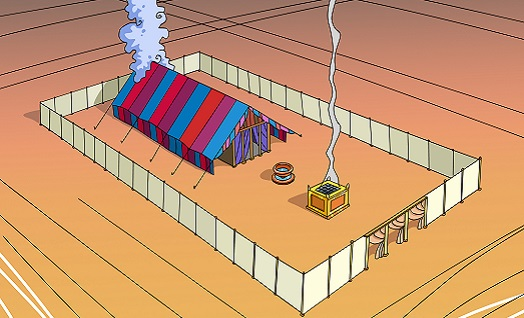
The Book of Leviticus, like the Book of Exodus, begins with the letter vav – which literally means “and” – continuing what we have heard so far: in the Book of Exodus, the Creator speaks to the created through miracles, the event at Mount Sinai and the Ten Commandments, and the construction of the Tabernacle that will give a place to the Divine Presence in this world, while the Book of Leviticus – as its name in Hebrew implies (Vayikra, literally “and he called”) the created (i.e. the human) is called to draw closer to the Holy One. Therefore, here the system of the sacrifices – avodat hakorbanot – is mentioned and renewed; korban from the root k.r.v., to be drawn closer.

Most of the sacrifices were from animals, and raise a question: How can sacrificing an animal bring a person closer to Gd? What’s the connection?? True, not every slaughter of an animal is a sacrifice, and where the strongest potential for closeness and purity is found, there also lies the possibility of exactly the opposite.

Let’s take a step back: the soul and the body, by way of a parable, are like a driver in a rented car. If we asked the driver – the soul – what it wants, it might say – to fly and immediately reach the desired destination, but because it’s dependent on the vehicle, that is, the body, it must move according to the vehicle’s speed and laws of motion. And the analogy? If we were to ask only the pure soul what it wants, it might tell us that it only wants to go back to be with the Creator.

That’s why it is said at the beginning of the book of Leviticus: “…when someone from among you brings an offering to Hashem”… if the human being – here called “Adam”- wants to make an “offering” – korban, to draw close, he might have offered his own self, but we have already learned from the Binding of Isaac, that even if a human-being is willing, Gd forbid, to give up his life, he should not, under no circumstances, do that. Rather, “you shall choose your offering from the herd or from the flock (the rest of the same verse in Leviticus 1:2). Gd wants us to choose life and it’s enough that we have the intention and willingness to give our lives. Then the animal will serve as a substitute.

We may ask further: “Rachmana Liba Bai” God wants the heart – and all that is needed is “intention,” then what is the purpose of an animal? What about “animal suffering”?

The answer to this is not always satisfactory, because we live in a very different world from the world in which the Torah was given and fully observed, but still, let’s try:

The Torah itself treats the taking of an animal’s life very carefully. In the beginning, in the Garden of Eden, all humans and animals were vegan-vegetarians. Eating meat came as a kind of compromise after the story of the flood and Noah’s Ark. Even when the Israelites were in the desert, there were words spoken against eating meat “just for the sake of it,” and by “just” we mean even as food, not to mention the laws of kashrut that further restrict the eating of meat. Whoever wanted to eat meat had to do so in holiness, and usually also share it with others (the sin offering – has to be shared with the priests, the Passover offering – with the family and/or a large group). I have no doubt that the amount of meat eaten was very small, given the many laws around it. On the contrary: today, there is much greater detachment, when all we have to do is go to the store, take some pink lump of something, put it in a sauce or on a fire, and not think about the fact that it was a living creature, breathing, licking grass for its own pleasure in the field.

The midrash wonders, if we could ask the animals, what would they say? In the haftarah for the Torah portion of “Ki Tisa“, we find the story of Elijah the prophet who chose to sacrifice two bulls in his struggle against the Ba’al prophets. Elijah’s bull followed him, but the bull that was brought to the Ba’al strongly objected. When the bull was asked why, it said that it did not want to go up on the altar in order to anger the Creator! In other words, it was bad enough to go up as a sacrifice, but at least for a noble cause and not for nonsense?! This is something that comes up today too – sacrificing a life for a noble cause is considered preferable to sacrificing a life “for nothing.” Similarly, only when Elijah promised the second bull that the name of the Holy One would be sanctified by it too, did he agree to go.

The Torah mentions different types of sacrifices:

A burnt offering (Ola) is a sacrifice in which the entire sacrifice is offered to Gd, and is an expression of the purity of the person’s intention, a sacrifice that is entirely “for the sake of Heaven” (some say that the word holocaust comes from this ola, a sacrifice that is completely burned). In contrast, the peace offering (shlamim) is offered when the person wants to eat the meat of the animal and wants to give this eating a dimension of holiness. A sin offering (chatat) and a guilt offering (asham) are offered in the event that a person has reached a state in which he has sinned (by mistake) or is guilty, and a way of correction is offered.

The animal chosen is not accidental but expresses a certain side of the soul of the sacrificer so that the sacrificer can see himself in it: an ox expresses the physical-economic aspect including fertility (which is why it is often also called par related to pru u’rvu – be fruitful and multiply). On the other hand, a person who wants to express submission brings a sheep that follows the shepherd with its head bowed, submissive among all the flock, or a person who wants to bring his feelings closer to Gd may bring a goat (ez) that expresses strength (azut), and more. Each step in the process has a halakhic, symbolic, and spiritual significance.

For example, the Tif’eret Shmuel (Rabbi Aharon Shmuel Kaidnover 1614-1676, an important Ashkenazi rabbi in Central and Eastern Europe) wrote about the verse: “And if a soul mistakenly sins from among the people of the land by doing one of the commandments of Hashem, which should not be done, and he’s guilty” (Leviticus 4:27)… Anything that is uprooted from its source becomes unclean (“uncleanness” – tum’a – is spiritual corruption and distance, not physical), and when it is attached to the root, it does not become unclean. The same is true of crops, seeds, and plantings. As long as they are not cut, pruned, or harvested, they do not become unclean. And so it is with water, they do not receive impurity if they are connected to their source. And so it is with people: if they are in unity with each other, impurity does not control them. But “a soul – will sin” – a lonely soul without connection and relationship with people, is liable to commit transgressions.”

 “Another example is the verse “And the sin offering shall be slaughtered in the place of the burnt offering” (ibid., 29), about which Rabenu Bachye (Rabbi Bachye ben Yosef Ibn Pekuda 1050-1120, judge and philosopher in Saragossa, Spain, author of the book “Torat Chovt Halevavot”): “The reason for slaughtering the sin offering in the place of the burnt offering is so that the sinner will not be ashamed, and people will not notice him if he sinned in thought or in deed.”

Often, when we come to the book of Leviticus, we hear about priests who sinned and misused their role. Quotes are brought from the prophets who warned against meaningless sacrifices and various corruptions that unfortunately happened, and the priesthood and the sacrifices get a bad rap. As someone who has a family name that indicates some kind of connection to this institution 🙂 Maybe I’m biased, but I’ll add another word here: Before we judge what happened, let’s remember that in the past, the institution of the priesthood existed alongside the kingship and the Sanhedrin. Together they maintained the separation of powers, and formed a complete governing body that worked for a healthy society. During the time of exile after the destruction of the Temple, the Jewish person’s world shrank to one’s home and family’ but with the industrial revolution and the return to the Land, we have the opportunity to once again build a broader and more corrected society. It’s easy, from every news report, that we have not reached peace and quiet, and we have not yet found the optimal balance between the various governance parts. But that in no way allows us to cancel one of them and does not prevent us from continuing to dream, inspire and aim there, hoping one day we’ll make it. 

Shabbat Shalom.

Posted in Uncategorized | Leave a comment

Parashat Pekudei & Shabbat Hachodesh: Continuing the Journey Together

פרשת פקודי ושבת החודש: ביחד להמשיך במסע (EN below)

“אֵ֣לֶּה פְקוּדֵ֤י הַמִּשְׁכָּן֙ מִשְׁכַּ֣ן הָעֵדֻ֔ת אֲשֶׁ֥ר פֻּקַּ֖ד עַל־פִּ֣י מֹשֶׁ֑ה”… (שמות לח:כא). המדרש מספר לנו שמשהסתיימה הבניה, ערך משה חשבון מדוקדק על כל דבר ודבר שנתרם ונכלל במשכן. ומיד נשאלת השאלה, האמנם? משה? הרי עליו יאמר “לֹא־כֵ֖ן עַבְדִּ֣י מֹשֶׁ֑ה בְּכׇל־בֵּיתִ֖י נֶאֱמָ֥ן הֽוּא׃ פֶּ֣ה אֶל־פֶּ֞ה אֲדַבֶּר־בּ֗וֹ וּמַרְאֶה֙ וְלֹ֣א בְחִידֹ֔ת וּתְמֻנַ֥ת ה’ יַבִּ֑יט וּמַדּ֙וּעַ֙ לֹ֣א יְרֵאתֶ֔ם לְדַבֵּ֖ר בְּעַבְדִּ֥י בְמֹשֶֽׁה”… (במדבר יב:ז) האם אנחנו חושדים במשה, שלקח דבר מה, או שטעה בחישוב ובבניה??

אך, מסתבר שאין חדש, וההנהגה תמיד היתה תחת בקורת גדולה יותר, ולא תמיד בלי צדק. ממשיך המדרש ומספר שמשה שמע את בני ישראל מדברים אחריו כשעבר במחנה. חלק אכן דברו בשבחו, אך חלק הביטו אחריו כשהלך לאוהל, ואמרו דברים “לגנאי… ראה צווארו! ראה שוקיו! ראה כרעיו! אוכל משל יהודים, שותה משל יהודים, וכל מה שיש לו משל יהודים!” ממשיך ומסיים המדרש: “כיון ששמע משה כך אמר להם: חייכם (לשון שבועה) משהמשכן נגמר, אני נותן לכם חשבון. שנאמר ‘אלה פקודי המשכן’” (ילקוט שמעוני על התורה תט״ו:א׳).

מייד לאחר מכן, מציינת התורה את שמות הבונים: “וּבְצַלְאֵ֛ל בֶּן־אוּרִ֥י בֶן־ח֖וּר לְמַטֵּ֣ה יְהוּדָ֑ה עָשָׂ֕ה אֵ֛ת כׇּל־אֲשֶׁר־צִוָּ֥ה ה’ אֶת־מֹשֶֽׁה׃ וְאִתּ֗וֹ אׇהֳלִיאָ֞ב בֶּן־אֲחִיסָמָ֛ךְ לְמַטֵּה־דָ֖ן חָרָ֣שׁ וְחֹשֵׁ֑ב וְרֹקֵ֗ם בַּתְּכֵ֙לֶת֙ וּבָֽאַרְגָּמָ֔ן וּבְתוֹלַ֥עַת הַשָּׁנִ֖י וּבַשֵּֽׁשׁ”. נשאל, מדוע הוזכרו שניהם, ומדוע לא נכתב אחרי שמות שניהם שעשו “אשר צווה ה’ את משה”? אך בצלאל ואהליאב היו שונים זה מזה כמו ששבט יהודה שבט דן היו שונים זה מזה. 

ֿהמלך הראשון שלנו הוא שאול משבט בנימין, אך כשהמלכות מתגבשת, היא עוברת משבט בינימין השוכן מצפון לירושלים, לשבט יהודה השוכן יותר דרומה. במקביל, שבט דן עובר לצפון, אולי בצעד סמלי של התנגדות למסגרות מימסדיות. מהיותו ״בן השפחה״ ומאז מקרה המקלל (ויקרא כד:י-יד), שבט דן מייצג את הטיפוס היותר אנרכיסט ואינדיבידואליסט, בשעה שמשבט יהודה באה שושלת המלוכה של דוד, ועל שמו נקראה בהמשך הממלכה הדרומית.

במדרש אנחנו מוצאים: “א”ר חנינא בן פזי: אין לך גדול מכל השבטים משבט יהודה, ואין לך ירוד מן שבט דן שהיה מן השפחות… שגדול וקטן שוין לפני הקב”ה. א”ר חנינא: לעולם אל יגיס (יתגאה) אדם בכבודו, המשכן נעשה בשני שבטים אלו, ואף בית המקדש כן עשוהו – שלמה מיהודה וחירם מדן…“ (תנחומא, פרשת כי תשא י”ג).

שוב אנחנו מקבלים תזכורת, למקרה שכבר שכחנו את בניית המשכן המשותפת, ואת ״לך כנוס״ של מגילת אסתר. יתכן שהתזכורת חוזרת, שוב ושוב, כי הדברים מאתגרים עבורנו, כאז כן עתה. ואף על פי כן. הנה, אי אפשר לבנות מקום לשכינה בישראל בלי שותפות של כל הכוחות בעם, גם אם הם מנוגדים לחלוטין זה לזה ולא תמיד, ואולי אף פעם לא, מסכימים זה עם זה. דבר זה משתקף שוב בפסוק “ויהי המשכן אחד” (שמות ל”ו, יג): המשכן עשוי מחלקים, צבעים וחומרים רבים ושונים, אך כדי שיתקיים, צריך את כולם, בדיוק כמונו.

הספר השני בתורה מסתיים בפסוק: “כִּי֩ עֲנַ֨ן ה’ עַֽל־הַמִּשְׁכָּן֙ יוֹמָ֔ם וְאֵ֕שׁ תִּהְיֶ֥ה לַ֖יְלָה בּ֑וֹ לְעֵינֵ֥י כׇל־בֵּֽית־יִשְׂרָאֵ֖ל בְּכׇל־מַסְעֵיהֶֽם” (שמות מ,לח). באותו הפסוק, גם המשכן – הנייח יחסית, וגם המסע הנייד הם חלק משלם אחד. רש״י על הפסוק הזה אומר: ״בְּכָל מַסָּע שֶׁהָיוּ נוֹסְעִים, הָיָה הֶעָנָן שׁוֹכֵן בַּמָּקוֹם אֲשֶׁר יַחֲנוּ שָׁם; מְקוֹם חֲנִיָּתָן אַף הוּא קָרוּי מַסָּע…. לְפִי שֶׁמִּמְּקוֹם הַחֲנִיָּה חָזְרוּ וְנָסְעוּ, לְכָךְ נִקְרְאוּ כֻלָּן מַסָּעוֹת”. 

יכולנו לחשוב שמסע וחניה הם שני דברים שונים, בין אם זה בטיול או בחיים. אדם יכול להגיד, ‘עבדתי כך וכך שעות ואחכ נחתי ולא עשיתי כלום’… לטענת רש”י, החניה היא חלק מהמסע, בדיוק כמו שהמרחב בין התוים הוא חלק מהמוסיקה, הלבן בין האותיות הוא חלק מהכתב, השבת וימי החול הם חלק מאותו השבוע, ואנשים ״אחרים״ הם חלק מהעם הזה, ועדיין, הכל הוא חלק מאותו מסע משותף. עם סיום ספר שמות נזכר גם בדבריו של הרב צבי יהודה קוק שלימד שספר ויקרא הוא “תורת הבית” וספר במדבר הוא “תורת הדרך”. יכולנו לחשוב שקבלנו את התורה לזמנים שאנחנו ישובים בנחת בבית, אך בדרך, בעת מלחמת ההישרדות, אין תורה ואין כללים. ואולי להיפך: בבית, אני יכול לעשות מה ש״בא לי״, אבל בחוץ אתנהג יפה… אך לא. תורה אחת ויחידה נתנה לנו. 

לפני כחודש שרנו בשמחה – ״מי שנכנס אדר, מרבים בשמחה״ (תענית כט:א), ורש״י שם מוסיף: ״ימי נסים היו לישראל – פורים ופסח״. את השמחה שהתחלנו באדר, אנחנו רוצים להמשיך גם לחודש ניסן.

שיהיה זה חודש טוב, בשורות טובות, ושבת שלום. 

Parashat Pekudei and Shabbat Hachodesh: Continuing the Journey Together

“”These are the ordinances (pekudei) of the tabernacle, the tabernacle of the testimony, which were commanded by Moses”… (Exodus 38:21). The Midrash tells us that when the construction of the tabernacle was completed, Moses made a careful accounting of every single thing that was donated and included. And the question immediately arises really? Moses? For it will be said of him, “… there was no one as faithful as my servant Moses, face to face I speak with him… and how were you not scared to speak of my servant Moses” (Numbers 12:7). Do we suspect Moses that he took anything or miscalculated any item in the construction?

Turns out, there’s nothing new under the sun, and leadership was always under greater criticism, and not always unjustifiably so. Some indeed spoke his praise, but some looked after him as he went to the tent, and said things like, “what a disgrace… Look at his neck! Look at his shins! Look at his calves! He eats from the Jews(‘ donations), drinks from there’s, and everything he has, is from them!” The Midrash continues and concludes: “When Moses heard this, he said to them: I swear! when the tabernacle is finished, I will give you an accounting. As it is said, ‘These are the ordinances (pekudei) of the tabernacle’” (Yalkut Shimoni al-Hatorah 415:a).

Immediately afterwards, the Torah mentions the names of the builders: “And Betzal’ell the son of Uri the son of Hur, of the tribe of Judah, made all that the Lord had commanded Moses; and with him was Oholiav, the son of Achisamach, of the tribe of Dan, an artist and craftsman, doing embroidery with blue, purple, and scarlet.” We ask, why were both mentioned, and why was it not written after the names of both of them that they did “what the Lord had commanded Moses”? But Betzal’el and Oholiav were as different from each other as the tribe of Judah and the tribe of Dan were from each other.

Our first king is Saul of the tribe of Benjamin, but as the kingship develops, it moves from the tribe of Benjamin, north of Jerusalem, to the tribe of Judah, further south. At the same time, the tribe of Dan moves north, perhaps in a symbolic act of resistance to institutional structure. From being the “son of the slave girl” and ever since the incident of the curser (Leviticus 24:10-14), the tribe of Dan represents the more anarchic and individualistic type, while from the tribe of Judah came to the royal line of David, after whom the southern kingdom was later named.

In the Midrash we find: “Rabbi Hanina ben Pazi said: there’s no greater than the tribe of Judah, and no inferior than the tribe of Dan, who was born of one of the maidservants… as great and small are equal before the Holy One. Rabbi Hanina said: Let no man ever boast of his honor, since the Tabernacle was created from these two tribes, and even the Temple was built in the same way – Solomon from Judah and Hiram from Dan…” (Tanchuma, Parashat Ki Tisha 13).

Again we are reminded, in case we have already managed to forget, of the joint construction of the Tabernacle, and the “lech knos” – go gather everyone – that Esther asked for in her Scroll. Perhaps the reminder is repeated again and again, because this is so challenging for us, then as they are now. And yet. It is impossible to build a place for the Shekhina in Israel without the partnership of all the forces from among the people, even if they are completely opposite each other and do not always, and perhaps never, agree with each other. This is reflected again in the verse “And the tabernacle was one” (Exodus 36:13): The tabernacle is made of many different parts, colors, and materials, but in order for it to exist, it needs all of them, just like us. 

The second book of the Torah ends with the verse: “For the cloud of Hashem would remain over the tabernacle by day, and a fire would appear in it by night; before the eyes of all the House of Israel throughout their journeys” (Exodus 40:38). In the same verse, we find the tabernacle, a stationary object, and the mention of the journey, a moving idea, both part of one whole. Rashi says of this verse: “in every journey that they traveled, the cloud would remain in its place when they camped; therefore, the camp-place is also called “journey”… for they departed and returned to their encampment, so the whole thing is called – journey, the travels and the camping.”

We could have thought that journey and parking are two different things, whether it is on a trip or in life. A person might say, ‘I worked for so and so many hours and then I rested and did nothing’… According to Rashi, resting is part of the journey, just as the space between the notes is part of the music, the white space between the letters is part of the script, Shabbat and the weekdays are part of the same week, and “other” people are part of this people, and everything is part of the same joint journey. 

At the end of the Book of Exodus, we are also reminded of the words of Rabbi Zvi Yehuda Kook, who taught that the Book of Leviticus is “Torah of the House” and the Book of Numbers is “Torah of the Way.” We could have thought, that we received the Torah for times when we are sitting comfortably at home, but while on the road, during the struggle for survival, there is no Torah and no rules. Or perhaps the reverse: at home, I can do whatever “I want” and “feel like”, but outside, I will behave myself… But no. There’s One and only Torah that was given to us.

About a month ago we sang with joy – “when Adar enters, joy increases” (Ta’anit 29:a), and Rashi there adds: “days of miracles were for Israel – Purim and Passover“. We hope to continue the joy that we began in Adar into the month of Nissan.

May it be a good month with good news, and Shabbat Shalom.

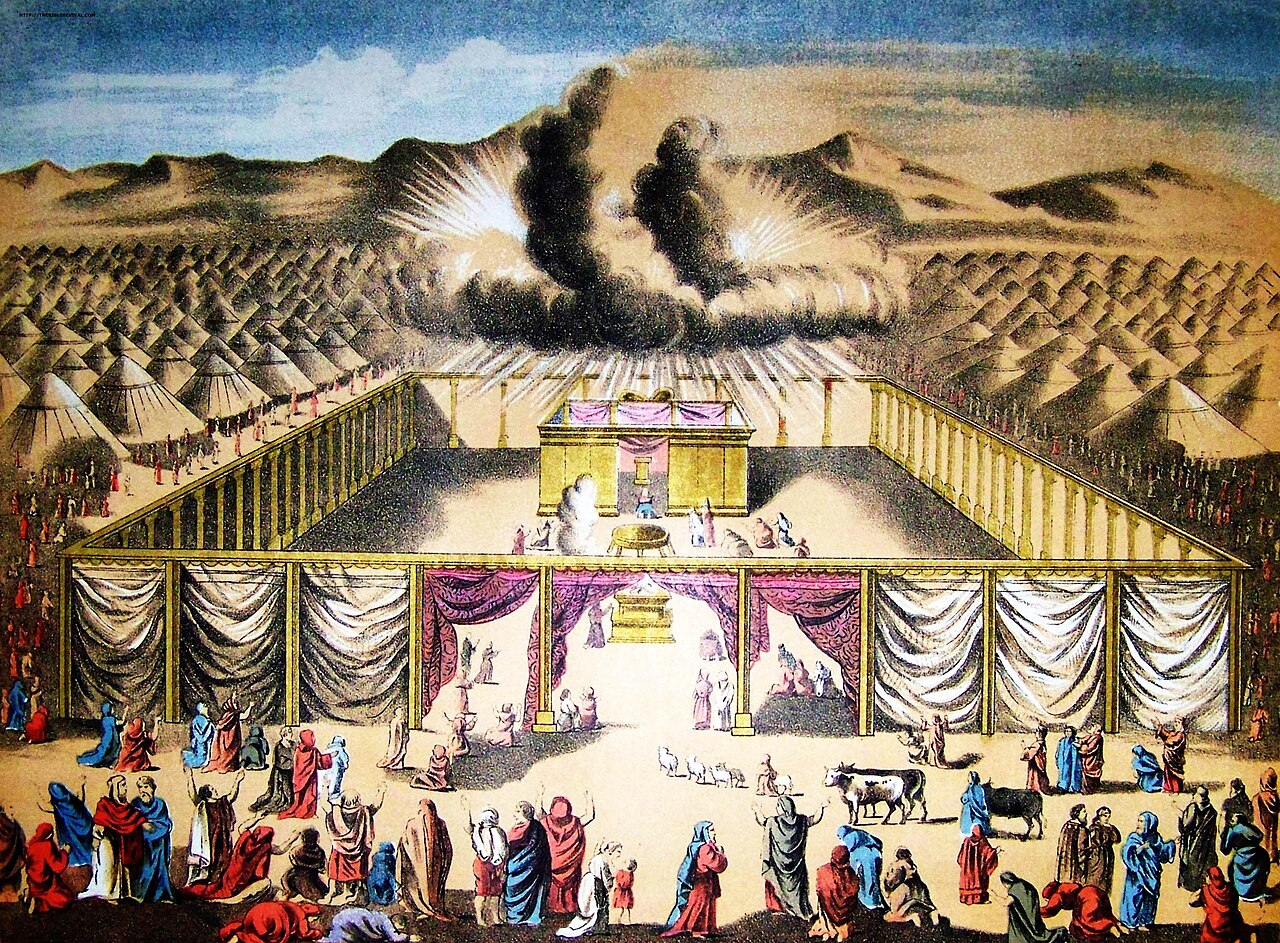
המשכן בשממה. איור מתוך תנ”ך הולמן, שנת 1890.
״זַמֵּר בְּכׇל יוֹם, זַמֵּר בְּכׇל יוֹם״, אומר רבי עקיבא על לימוד התורה, והבן יהוידע אומר על כך:זַמֵּר בְּכָל יוֹם, זַמֵּר בְּכָל יוֹם (משלי טז, כו). נראה לי בס”ד (בסיעתא דשמיא) אם תעסוק בתורה בשמחה כאדם השמח בזמר וכמו שאמר דוד המלך ע”ה זְמִרוֹת הָיוּ לִי חֻקֶּיךָ (תהלים קיט, נד) תזכה לעשות זמר בכל יום…ואמר ‘בְּכָל יוֹם‘ כי כל יום הוא פרצוף בפני עצמו…״Sing every day, sing every day”, i.e., review your studies like a song that one sings over and over, so says Rabbi Akiva.And the Ben Yehoyada adds on this:Sing every day, sing every day” (Proverbs 16,26). It seems to me, with Gd’s help, that if you’re busy in the Torah with joy, like someone who’s joyfully singing, and like King David said, “your Laws were songs to me ” (Psalms 119,54) – you should also merit to sing (Torah) every day… and it is said “every day” because every day has its own face…
אָמַר רַב יִצְחָק בַּר אֲבוּדִימִי: מַאי קְרָא? שֶׁנֶּאֱמַר: ״נֶפֶשׁ עָמֵל עָמְלָה לּוֹ כִּי אָכַף עָלָיו פִּיהוּ״. הוּא עָמֵל בִּמְקוֹם זֶה, וְתוֹרָתוֹ עוֹמֶלֶת לוֹ בְּמָקוֹם אַחֵר. אָמַר רַבִּי אֶלְעָזָר: כׇּל אָדָם לְעָמָל נִבְרָא, שֶׁנֶּאֱמַר ״כִּי אָדָם לְעָמָל יוּלָּד״. אֵינִי יוֹדֵעַ אִם לַעֲמַל פֶּה נִבְרָא אִם לַעֲמַל מְלָאכָה נִבְרָא. כְּשֶׁהוּא אוֹמֵר ״כִּי אָכַף עָלָיו פִּיהוּ״, הֱוֵי אוֹמֵר לַעֲמַל פֶּה נִבְרָא. וַעֲדַיִין אֵינִי יוֹדֵעַ אִם לַעֲמַל תּוֹרָה אִם לַעֲמַל שִׂיחָה. כְּשֶׁהוּא אוֹמֵר ״לֹא יָמוּשׁ סֵפֶר הַתּוֹרָה הַזֶּה מִפִּיךָ״, הֱוֵי אוֹמֵר לַעֲמַל תּוֹרָה נִבְרָא….
והבן יהוידע אומר על המילה עמל שהיא ראשי תיבות של ״על מנת ללמוד״ או ״על מנת להתפלל״ או…ואני חשבתי, אולי העיקר הוא שלאדם יש מטרה טובה בחיים, ולכן הוא נברא לעמ״ל – על מנת ל… עשות טוב.

וכל זה, רק כמה שורות מדף צט שבפרק המופלא, פרק ״חלק״ במסכת סנהדרין. 
Rav Yitzḥak bar Avudimi says: From what verse is this derived? It is as it is stated: “The hunger of the laborer labors for him; for his mouth presses upon him” (Proverbs 16:26), i.e., he exhausts his mouth through constant review and study. He labors in Torah in this place, this world, and his Torah labors for him in another place, the World-to-Come.Rabbi Elazar says: Every man was created for labor, as it is stated: “Man is born for toil” (Job 5:7). Based on this verse, I do not know whether he was created for toil of the mouth, speech, or whether he was created for the toil of labor. When the verse states: “For his mouth presses upon him” (Proverbs 16:26), you must say that he was created for toil of the mouth. And still I do not know with regard to the toil of the mouth whether it is for the toil of Torah or for the toil of conversation. When the verse states: “This Torah scroll shall not depart from your mouth” (Joshua 1:8), you must say that he was created for the toil of Torah…Sanhedrin 99
Posted in Uncategorized | Leave a comment

Parashat VaYak’hel: “And all the women whose hearts lifted them so in wisdom, spun the goats”…

פרשת ויקהל: וְכׇ֨ל־הַנָּשִׁ֔ים אֲשֶׁ֨ר נָשָׂ֥א לִבָּ֛ן אֹתָ֖נָה בְּחׇכְמָ֑ה טָו֖וּ אֶת־הָעִזִּֽים

פרשת ״ויקהל״ מספרת על אחד הניסים הכי גדולים בהיסטוריה של עם ישראל. יתכן שהאמירה הזו מפתיעה. כשאני אומרת את זה, אנשים אומרים לי, ׳רגע, לא התבלבלת? מה עם קריעת ים סוף? הסנה הבוער ואינו אוכל? עשרת המכות, יציאת מצרים, ובכלל, בריאת העולם׳? וזה נכון, אלא שכל הנסים האלו נעשו ע״י הקב״ה, והקב״ה, בהגדרה, יכול לעשות הכל. לכן אין הבדל בין סנה בוער וים שנקרע, וכל מה שנעשה על ידי הקב״ה הוא מעל ומעבר, אבל אנחנו, זה כבר סיפור אחר. 

וכך בבנין המשכן. נתאר לעצמנו מצב כזה בימינו: אנחנו מוזמנים להביא ממה שיש לנו, ממה שמתחשק לנו לתת – זהב, כסף, עץ, מתכות, בדים. אנחנו נותנים, ואפילו בנדיבות ועין יפה. אנחנו עוקבים במדויק אחרי ההוראות שניתנו לנו (נס בפני עצמו!), וכשאנחנו מחברים את הכל ביחד, אנחנו יוצרים במדויק את המבנה המדהים הזה שנקבע מראש, את המשכן. לא חסר שום דבר, ואין שאריות. הכל ״די והותר״. זהו, אכן, נס.

הפרשה השקטה אך המפתיעה בדרכה, גם לא נפתחת במילים הכמעט רגילות שאנו מצפים להן: ׳וידבר ה’ אל משה לאמר, הקהל את העם’… אלא ב״וַיַּקְהֵ֣ל מֹשֶׁ֗ה״ – משה הוא זה שמקהיל את העם. מי אמר לו לעשות זאת? מי אמר להם לבוא? אבל כל עדת בני ישראל התאספו יחד (שמות ל”ה, א) כאומרים, ׳אנחנו כולנו יחד רוצים ליצור מרחב מתאים ונכון לקב״ה בתוכנו׳. כך, הספר שהתחיל בעבדות לפרעה, מסתיים בכך שאנחנו משתפים פעולה ועובדים ביחד, ברצון, למען המטרה והמסע שלנו.

בתוך הרשימה הארוכה של העשיה למען המשכן, אנחנו מוצאים: 

וְכׇ֨ל־הַנָּשִׁ֔ים אֲשֶׁ֨ר נָשָׂ֥א לִבָּ֛ן אֹתָ֖נָה בְּחׇכְמָ֑ה טָו֖וּ אֶת־הָעִזִּֽים״ (שמות ל”ה, כ”ו). 

רגע… לא חסרה מילה בפסוק? מה פירוש ״טוו את העיזים״? לא היה צריך להיות ״טוו את שיער העיזים״! אך התורה לא אמרה אלא שהנשים – טוו את העיזים. 

רש״י מפרש בהתבסס על התלמוד ש״טוו את העזים״ הִיא הָיְתָה אָמָּנוּת יְתֵרָה, שֶׁמֵּעַל גַּבֵּי הָעִזִּים טוֹוִין אוֹתָם (שבת ע”ד), כלומר, שאכן נדרשה מיומנות יוצאת דופן, שכן הנשים טוו את שיער העזים ישירות מגב העזים, 

הספורנו מוסיף ש״מעל העזים, כדבריהם ז”ל (כדבריו של רש״י וחז״ל) למען יהיה בטווי זהר נוסף, כי בהרבה מהפשוטים ימעט קצת מטוב איכותם כאשר יעקרו ממקום גדולם״… כלומר, הטוויה מעל העיזים אינה טעות כתיב אלא יכולת אומנותית נעלה שנעשה במיוחד כך, כדי לשמר את החיות המקורית שהייתה בשיער העיזים. והמלבי״ם מדגיש את כך שזו ״מלאכה גדולה וצריך חכמה יתירה״ שהיתה בנשים שעבדו על כך. 

כך גם מספר התלמוד (שבת צט:א – עם פירוש הרב עדין שטיינזלץ):
תנו רבנן [שנו חכמים]: היריעות התחתונות של המשכן היו של תכלת ושל ארגמן ושל תולעת שני ושל שש. ועליונותשל מעשה עזים, אף שמעשה עזים נחשב זול ופשוט. ואולם גדולה חכמה שנאמרה ביריעות העליונות יותר ממה שנאמרה בתחתונות. שאילו בתחתונות כתיב [נאמר]: “וכל אשה חכמת לב בידיה טוו ויביאו מטוה את התכלת ואת הארגמן את תולעת השני ואת השש (שמות לה, כה), ואילו ביריעות העליונות כתיב “וכל הנשים אשר נשא לבן אתנה בחכמה טוו את העזים (שמות לה, כו), ומשמעות לשון “נשא לבן” מורה על חכמה יתירה, והרי שטוויית יריעות העיזים היתה אומנות גדולה יותר מהכנת התכלת והארגמן. וכעין ביאור לדבר תניא [שנויה ברייתא] משום (משמו של) ר’ נחמיה: שמטווה זה היה שטוף שרחצו את השיער על גבי העזים עצמן ואף טווי מן העזים, כלומר, בעודו מחובר בעיזים, ואומנות כזו דורשת חכמה יתירה.

הרש״ר הירש טוען שכיון שתיבת בחכמה באה כאן בתוספת ל״נשא ליבן וגו׳״, לא יתכן לפרשה במובן של תבונת כפיים, אלא היא מאפיינת את ההחלטה שאליה נשאן ליבן. בשעה ששאר הנשים המאומנות במלאכת יד הזדרזו להכין את הבדים הדרושים להתקנת יריעות הפאר של המשכן, בחרו החכמות שביניהן להתקין את יריעות העיזים. הללו היו פחות מפוארות, אבל חיוניות לגבי משירת מיכלול המשכן, שהרי הן היו עיקר האוהל, ובמושג האוהל מתגלמת, כידוע, עיקר מהותה של תכונת האשה. בכך הוכיחו הנשים הללו את שאר רוחן ואת תבונת נפשן הנשית האמיתית, ושני אלה קרויים כאן ״חכמה״. כך מתבארת גם צורת ההטעמה ״אֹתָ֖נָה״. אמנם התלמוד (שבת צט:א) מציין כבלתי רגילה גם את עצם מלאכת האומנות שבה טוו נשים חכמות אלה את יריעות העיזים: ״שָׁטוּף בָּעִזִּים וְטָווּי מִן הָעִזִּים״, היינו שטוו אותן ישירות ״על גבי בהמה״ (שם עד ע״ב). ״שטיפת״ השערות מציינת כנראה הפרדת השערות מן הגוף ללא הסבת כאב, כדרך ששערות הבהמה נושרים מגופה בשעת ה״שטיפה״ במים, בלא שהדבר גורם כאב לבהמה. 

אז יושבות שם הנשים בקבוצות קבוצות, שוזרות שמים וארץ להשלמת המשכן. צבעי השמים – תכלת וארגמן – נשזרים קרוב יותר לאדמה, בעוד שערות העיזים החומות, החמות בצבעי אדמה – נשזרות בגובה. המילה עיזים עצמה מזכירה לנו את עוזן של הטוות המביאות עוז, כוח, אומץ, מאז ועד היום, למשכן. כך, הנשים שהתחילו את ספר שמות כשהן עוסקות בהצלת העם מעבדות, גם משאירות כעת את חותמן האומנותי והרוחני כשאנחנו מגיעים כמעט לסופו של הספר הזה.

שבת ״פרה״ שלום

Parashat VaYak’hel: “And all the women whose hearts lifted them so in wisdom, spun the goats”…

Parashat Vayyakhel tells of one of the greatest miracles in the history of the Jewish people. This statement may be surprising. When I say this, people say to me, ‘Wait a minute, aren’t you confused? What about the parting of the Sea? The bush that burns and is not consumed? The ten plagues, the Exodus from Egypt, and in general, the creation of the world’? And all that is true, except that all of these actions were done by the Holy One, and Gd, by definition, can do anything. Therefore, there is no difference between a burning bush and a sea that splits, and everything that is done by Gd, which is above and beyond. As for us, that is a whole-nother story.

And so it is with the building of the Tabernacle. Let us imagine such a situation in our day: We are invited to bring whatever we have; what we feel like giving – gold, silver, wood, metals, fabrics. We give, and even generously and with a kind eye. We follow precisely the instructions given to us (a miracle in itself!), and when we put everything together, we manage to – precisely – create this amazing structure that was instructed to us, the Mishkan. Nothing is missing, and there are no leftovers. Everything is “enough and too much”. This is, indeed, a miracle.

The quiet (some will say, boring -) but surprising story in its own way, does not open with the almost usual words we expect: “And the Lord spoke to Moses, saying, Gather the people”… but  rather with “And Moses then convoked the whole Israelite community”… Moses is the one who gathers the people. Who told him to do this? Who told them to come? But the entire community of the Israelites came together (Exodus 35:1) as if to say, ‘We, all of us, want to create a suitable and proper space for the Holy One within us.’ Thus, the book that began with us being slaves to Pharaoh, ends with us working willingly in cooperation together for our journey and goal.

Among the long list of actions for the sake of the Tabernacle, we find:

“And all the women who excelled in that skill spun the goats” (Exodus 35:26).

Wait… isn’t there a word missing from this verse? What does “spun the goats” mean? It shouldn’t have been “spun the goats’ hair”! But the Torah only said that the women spun the goats. Rashi’s interpretation, based on the Talmud, is that “spun the goats” was “an extraordinary art, weaving (the hair directly) off the goats’ backs” (tractate Shabbat 74:a), meaning, that extraordinary skill was required to do such a craft.  

The Sforno adds that “over the goats’ (backs)”, as the late Rabbis (like Rashi and the Sages) said, is intended so that there would be additional shine in the weaving, because in many of such tasks, the good quality would diminish when they are uprooted from their place of growth”… In other words, weaving the goats is not a typo, but a sublime artistic ability that was done specifically in this way, in order to preserve the original liveliness that was in the goats’ hair. And the Malbim emphasizes that this is “a great work and requires extraordinary wisdom” that the women who worked on it had.

The Talmud also says (Shabbat 99:a; translation from Sefaria):

Our Sages taught: The bottom curtains in the Tabernacle were made of sky blue wool, and of purple wool, and of scarlet wool, and of fine linen; and the top curtains were made of goat hair, even though that material is considered to be inferior and common. However, the wisdom that was stated with regard to the top curtains was greater than that which was stated with regard to the bottom ones. This is because, with regard to the bottom curtains, it is written: “And every wise-hearted woman spun with her hands, and they brought that which they had spun, the blue, and the purple, the scarlet, and the linen” (Exodus 35:25); while with regard to the top curtains, it is written: “And all of the women whose hearts inspired them with wisdom spun the goats” (Exodus 35:26). The phrase “whose hearts inspired them” suggests a greater degree of wisdom. Apparently, spinning the goat’s hair curtains required greater skill than spinning the various kinds of wool. And on a similar note, it was taught in a baraita in the name of Rabbi Neḥemya: The hair was rinsed on the goats, and it was even spun from the goats, which required a great deal of skill.

Rav Samson Raphael Hirsch argues that since the word “in wisdom” comes here in addition to “whose hearts lifted them”, it is not possible to interpret it in the sense of wisdom of their craft, but rather it characterizes the decision to which they turned their hearts. While the other women skilled in handicrafts hastened to prepare the fabrics needed to install the magnificent curtains of the Mishkan, the wise among them chose to install the goat curtains. These were less magnificent, but essential to the overall performance of the Mishkan, since they were the main part of the tent, and the concept of the tent embodies, as is well known, the essence of the female quality. 

In this way, these women demonstrated their feminine spiritual strength and soulful wisdom, and both of these are called here “wisdom”. This also explains the unusual form of the word “otana” – them. Indeed, the Talmud (Shabbat 99:a) also notes as unusual the very craft in which these wise women wove the goat curtains: “washed (the) goats and spun from the goats,” meaning that they wove them directly “on the back of the animal” (ibid, b). “Washing” the hair probably indicates separating the hair from the goats’ body without causing them any pain, in the same way that the hair of an animal sheds of its body during “washing” with water, without causing it any pain. 

So the women sit there, in groups, weaving heaven and earth to complete the Mishkan. The colors of heaven – blue and purple – are woven closer to the earth, while the brown, warm hairs of the goats – the colors of the earth – are woven higher up. The word izim – goats – in itself reminds us of the strength of the weavers who bring strength, power, and courage, from back then to our own time, to the Mishkan. Likewise, the women who began the Book of Exodus by doing what they can to save the people from slavery, are now also leaving their artistic and spiritual mark as we come almost to the end of this book. 

Shabbat “Para” Shalom

This week we started the last chapter in Tractate Sanhedrin, a chapter that’s called “perek chelek” [taking a part]. Every page in the Talmud is a whole world, and yet, to those who love midrash, anyone who would like to fly with the Gemara, this is The place.
Here’s one piece of wisdom (91:a-b):Apropos exchanges with prominent gentile leaders, the Gemara cites an exchange where Antoninos, the Roman emperor, said to Rabbi Yehuda HaNasi: The body and the soul are able to exempt themselves from judgment for their sins. How so? The body says: The soul sinned, as from the day of my death when it departed from me, I am cast like a silent stone in the grave, and do not sin. And the soul says: The body sinned, as from the day that I departed from it, I am flying in the air like a bird, incapable of sin. Rabbi Yehuda HaNasi said to him: I will tell you a parable. To what is this matter comparable? It is comparable to a king of flesh and blood who had a fine orchard, and in it there were fine first fruits of a fig tree, and he stationed two guards in the orchard, one lame, who was unable to walk, and one blind. Neither was capable of reaching the fruit on the trees in the orchard without the assistance of the other. The lame person said to the blind person: I see fine first fruits of a fig tree in the orchard; come and place me upon your shoulders. I will guide you to the tree, and we will bring the figs to eat them. The lame person rode upon the shoulders of the blind person and they brought the figs and ate them.Sometime later the owner of the orchard came to the orchard. He said to the guards: The fine first fruits of a fig tree that were in the orchard, where are they? The lame person said: Do I have any legs with which I would be able to walk and take the figs? The blind person said: Do I have any eyes with which I would be able to see the way to the figs? What did the owner of the orchard do? He placed the lame person upon the shoulders of the blind person just as they did when they stole the figs, and he judged them as one.So too, the Holy One, Blessed be He, brings the soul on the day of judgment and casts it back into the body, as they were when they sinned, and He judges them as one, as it is stated: “He calls to the heavens above and to the earth that He may judge His people” (Psalms 50:4). “He calls to the heavens above”; this is the soul, which is heavenly. “And to the earth that He may judge His people”; this is the body, which is earthly.
השבוע התחלנו את הפרק האחרון במסכת סנהדרין, פרק שנקרא פרק ״חלק״. כל דף בתלמוד הוא עולם ומלואו, ועדיין, לאוהבי דרשות ומדרש, למי שרוצה לעוף עם הגמרא, זה המקום.
הנה למשל, חוכמה אחת מיני רבות בפרק (דף צא:א-ב):

כיון שמדובר בוויכוחים שהיו בין גדולי ישראל וגדולי אומות העולם מזכירים עוד ויכוח אחר: 

אמר ליה [לו] אנטונינוס קיסר רומי לרבי: והלא גוף ונשמה יכולין לפטור עצמן מן הדין על מה שחטאו, כיצד?
גוף אומר: נשמה היא שחטאת (חטאה), וראיה לדבר — שמיום שפירשה ממני (שעזבתני בשעת מיתה) הריני מוטל כאבן דומם בקבר.
ונשמה אומרת: הגוף חטא, שמיום שפירשתי ממנו הריני פורחת באויר כצפור ואיני מסוגלת לחטוא. 
אמר ליה [לו] רבי: אמשול לך משל, למה הדבר דומה?למלך בשר ודם שהיה לו פרדס נאה, והיה בו בכורות (בכורי תאנים) נאות, והושיב בו שני שומרים לשמור את הגן, אחד חיגר שאינו יכול להלך, ואחד סומא, שאף אחד מהם לא יוכל להגיע לפירות הפרדס.
אמר לו החיגר לסומא: בכורות נאות אני רואה בפרדס, בא והרכיבני על גבך, ואני אראה לך את הדרך ונביאם לאכלם.
רכב חיגר על גבי סומא, והביאום ואכלום.
לימים בא בעל פרדס.
אמר להן: בכורות (פירות הביכורים) נאות שבפרדס היכן הן?
אמר לו חיגר: כלום יש לי רגלים להלך בהן?
אמר לו סומא: כלום יש לי עינים לראות את הדרך?
מה עשה בעל הפרדס שהבין כיצד נעשתה ההערמה?
הרכיב חיגר על גבי סומא כדרך שחטאו, ודן אותם כאחד.
אף הקדוש ברוך הוא לעתיד לבוא מביא נשמה וזורקה שוב בגוף, ודן אותם כאחד כדרך שחטאו כשהיו יחד, שנאמר:
“יקרא אל השמים מעל ואל הארץ לדין עמו” (תהלים נ, ד). “יקרא אל השמים מעל”זו נשמה שהיא העליונה, “ואל הארץ לדין עמו”זה הגוף.
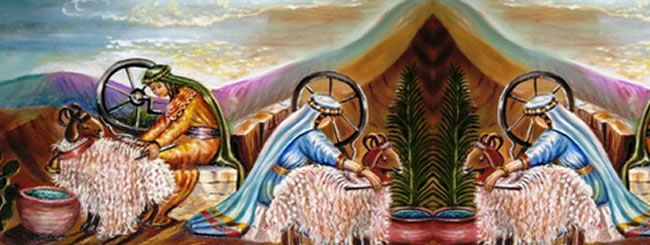
ויקהל: “וכל הנשים… טוו את העיזים”, שמות לה:26. ציור של אהובה קליין

Posted in Uncategorized | Tagged , , , , , , | Leave a comment

Purim & Tish’a Be’av; Moses & Esther; and the Torah portion of Ki Tisa too

פורים ותשעה באב, אסתר ומשה וגם פרשת כי תישא (English below) 

יש לנו בתנכ 5 מגילות שתואמות ל-5 ימים בשנה. אם נלך לפי סדר השנה התורנית (כלומר, מניסן), נמצא את שיר השירים לפסח, רות – לשבועות, איכה – לתשעה באב, קהלת – לסוכות, ומגילת אסתר – לפורים. למקרה שזה נשמע מבלבל בקריאה ראשונית, נוכל לעשות לנו סימן: יש לנו מגילה לכל אחד משלושת הרגלים (פסח, שבועות וסוכות), ועוד שתיים ש… רגע… מה הקשר בין תשעה באב, יום צום בו אנחנו בוכים על חורבן בית המקדש, הראשון והשני וצרות אחרות, ו-פורים, החג השמח והמבדר, תחפושות, רעשנים, משלוחי מנות ודברים טעימים, החוגג את הצלתנו בימי מרדכי ואסתר??

כשמקשיבים לקריאת המגילה בדקדקנות, מזהים פתאום שיש פסוקים שנקראים בטעמים של… מגילת איכה, כך שמן הסתם יש יותר קשרים מאשר שנדמה במבט ראשון… בגמרא נאמר: כְּשֵׁם שֶׁמִּשֶּׁנִּכְנַס אָב מְמַעֲטִין בְּשִׂמְחָה — כָּךְ מִשֶּׁנִּכְנַס אֲדָר מַרְבִּין בְּשִׂמְחָה (מסכת תענית כט:א), כלומר, חז”ל ראו חיבור דוקא בין החודש של תשעה באב לחודש של פורים. דקדוקית, החיבור במשפט נוצר ע”י המילה “כשם”, מלה שמצביעה על סוג של השוואה בין שני האירועים… איך ניתן להשוות בין שני הימים האלו??

נחזור אחרונית: לפי חז”ל (באותו הדף), תשעה באב הראשון קרה במדבר, כשהמרגלים חזרו עם הדיווח הכוזב על הארץ, דבר שעיכב את כניסתנו לארץ בכ-38 שנה. על כך נאמר שם: “אָמַר לָהֶם הַקָּדוֹשׁ בָּרוּךְ הוּא: אַתֶּם בְּכִיתֶם בְּכִיָּה שֶׁל חִנָּם — וַאֲנִי קוֹבֵעַ לָכֶם בְּכִיָּה לְדוֹרוֹת”. מה קרה שם שכל כך הרתיע אותם? שנגזר עלינו עונש כל כך חמור? 

יש על כך פירושים רבים. אציע אחד: 

המרגלים הבינו כמה שונים יהיו החיים בארץ מחייהם במדבר. ברמה הלאומית, דור המדבר חי חיים כמעט חסרי דאגה ומאמץ, ואילו בארץ, יצטרכו לחרוש, לזרוע, לקצור, ולהיות טרודים וטורחים בפרטי חיי היום-יום. ברמה האישית, במדבר, הם מנהיגי השבטים, ובארץ, יהיה צורך בהנהגה אחרת, שמתאימה למקום. בעצם המרגלים אמרו על כך החבילה הזו, לא תודה, אין לנו כוח לארץ, טוב לנו במדבר, אין לנו כוח לגדול… 

כדי לתקן את הגישה הזו של המרגלים שחיפשו חיים בלי יגיעה ובלי מאמץ, נגזר על עם ישראל לאבד את המתנה הטובה, ארץ ישראל, ולצאת לגלות, למקום חושך וצער, ושם, לחיות בדוחק ויסורים, בין אם פיזיים או רוחניים, בלי הסגולות של ארץ ישראל.

ובמדבר, קרה עוד משהו. 

כשמסופר על מתן תורה כתוב: ויוצא משה את העם לקראת האלהים מן המחנה ויתיצבו בתחתית ההר” (שמות יט, יז). מה פירוש “בתחתית ההר”? 

אומרת הגמרא (מסכת שבת פח:א),  אמר ר’ אבדימי בר חמא בר חסא: עמדו ישראל ממש תחת ההר, ומלמד פסוק זה שכפה (הפך) הקדוש ברוך הוא עליהם על ישראל את ההר כדרך שכופים גיגית, ואמר להם: אם אתם מקבלים את התורהמוטב, ואם לאו [לא] — שם תהא קבורתכם. 

לפי המסורת, במדבר התורה התקבלה במעין חוסר ברירה: או שתגידו כן או שאני מוריד עליכם את ההר הזה!! אוקי, אוקי, נגיד מה שאתה רוצה… אלא שדבר שמתקבל באונס, לא חובה לקיים. כלומר, במקום שאין יגיעה, מעורבות, עשיה, אין גם בחירה, ובדבר כל כך משמעותי, חייבים בחירה, חופשית ככל שאפשר. מתי בחרנו סופסוף? 

על כך ממשיכה אותה הסוגיה ומצטטת את הפסוק ממגילת אסתר: “קימו וקבלו היהודים עליהם ועל זרעם ועל כל הנלווים עליהם (אסתר ט, כז). מה פירוש “קימו וקבלו”? שקימו היהודים על עצמם מה שקיבלו כבר עליהם כמאונס בשעת מתן תורה. מתי היה אפשר לקבל בצורה הכי בחירית שאפשר? באופן אירוני, זה היה רק כששוב היינו בחוץ לארץ והוסרו כל המגבלות, בתקופת אסתר ומרדכי. יכולתנו להתבולל, יכולנו לעזוב הכל, ולעשות “כלום”, ויכולנו – סופסוף – לבחור.

וכך אפשר להבין את האמירה “כְּשֵׁם שֶׁמִּשֶּׁנִּכְנַס אָב מְמַעֲטִין בְּשִׂמְחָה — כָּךְ מִשֶּׁנִּכְנַס אֲדָר מַרְבִּין בְּשִׂמְחָה”: מיעוט השמחה באב, הוא בגלל הרצון של המרגלים ודור המדבר לזכות בחיים רוחניים ללא מאמץ, ולכן נגזרה גזרת החורבן והגלות. לעומת זאת, שמחת אדר נובע, לא רק מכך שניצלנו מהמן, אלא מתיקון חטא המרגלים ע”י כך שדוקא בגלות, בתקופת צער ויסורים, קמנו ובחרנו לקבל על עצמנו את דרך התורה והחיים היהודיים. ועוד: נאמר במגילה ש”ְרַבִּ֞ים מֵֽעַמֵּ֤י הָאָ֙רֶץ֙ מִֽתְיַהֲדִ֔ים”. מול סיפורו של תשעה באב שעטוף בצמצום, הרג, הרס ושמד, מספר פורים על התרחבות, שמחה וחיזוק, ולכן מלווה במצוות שעוסקות בנתינה וחיבור. ועל כך מורה ה”כשם”: מאותה סיבה ממש שממעיטין בשמחה בחודש אב, מרבין בשמחה בחודש אדר.

אפשר שרעיון נוסף מובן מתוך כך. נאמר במגילה ״וִימֵי הַפּוּרִים הָאֵלֶּה לֹא יַעַבְרוּ מִתּוֹךְ הַיְּהוּדִים וְזִכְרָם לֹא יָסוּף מִזַּרְעָם״ (אסתר ט, כח) וחז״ל אמרו על כך ש״כל המועדים עתידין להבטל, וימי הפורים אינן בטלים לעולם״, אולי זה לא רק בגלל הנס והעשיה שלנו למענו, אלא המשמעות העמוקה של פורים – לבחור ולבחור בטוב, לגלות שהקב״ה מסתתר בכל, והכל אחדות אחת, ומכאן, להיות בשמחה שלמה.  

*******

פרשת השבוע, “כי תישא” עמוסה בנושאים: אנחנו מתחילים בענייני משכן נוספים, תרומת מחצית השקל, הכנת הכיור, שמן המשחה והקטורת. הקב”ה מורה למשה למנות את בצלאל ואהליאב לבעלי המלאכה הראשיים בבניית המשכן. אנחנו מקבלים אזהרה נוספת על שמירת השבת, ולאחר מכן, חטא העגל, משה היורד מההר ומשבר את הלוחות הראשונים, ולאחר מכן, עולה שוב להר לקבל את הלוחות השניים, ויורד, ביום כיפור, כשפניו זוהרות. 

הרב פרופ’ (לורד) יונתן זקס כתב על כך: 

תרגום לקוי של הפועל “קרן” הוא שגרם למיכלאנג’לו להוסיף למשה קרניים בפסלו הגדול, אולם אפילו יותר מקוריוז זה מסקרנת העובדה שפני משה קרנו רק עתה, בירידתו השניה מההר ולא בירידתו עם הלוחות הראשונים… הראשונים, היו “מעשה א-לוהים”… (שמות לב, טז) ואילו השניים, פוסלו בידי משה, ורק הכתיבה נעשתה בידי א-לוהים. למרות קדושתם הגדולה יותר, הלוחות הראשונים לא נשתמרו, משל היו מטאוריטים המתפוררים בכניסתם לאטמוספרה של כדור הארץ. יש דברים שהם קדושים מכדי שישרדו… הלוחות השניים, לעומת זאת, היו תוצר של שותפות בין משה לה’ – והם אכן שרדו. משה עצמו השתנה כתוצאה מכניסתו לשותפות. פניו זרחו… אחרי מסירת הלוחות השניים הוא היה אחר. אנחנו משתנים לא על ידי מה שאנחנו מקבלים, אלא על ידי מה שאנחנו עושים”.  

פורים שמח ושבת שלום

וממסכת סנהדרין, דנה הגמרא השבוע באדם “הַמַּכֶּה אָבִיו וְאִמּוֹ”, ומתוך כך, נשאלת שאלה עכשוית: האם מותר לבן או לבת לבצע בהוריהם טיפול רפואי העלול לגרום להוצאת דם, או כיוון שישנו איסור מיוחד שלא להוציא דם מההורים, עליהם להימנע מזה, ואפילו הם רופאים?

תשובה: מצד אחד ברור שאם הילדים יטפלו באחד מהוריהם, ובתוך כך יצא ממנו דם, אינם נענשים על כך, הואיל ועשו זאת בשגגה ובהסכמתו ולטובתו. אולם מאידך, מסופר בתלמוד על אחד מגדולי האמוראים (רב), שכאשר נתקע קוץ בבשרו, לא הניח לבנו להוציאו, שמא עקב הוצאת הקוץ יצא ממנו דם, ונמצא הבן עובר בשגגה על איסור חובל באביו (סנהדרין פד, ב).

לפיכך נפסקה ההלכה שאסור לבן או לבת שהם רופאים, לנתח את אחד מהוריהם, או לקחת ממנו בדיקת דם. ואפילו אם ההורה מבקש שדווקא בנו יטפל בו, משום שהוא סומך עליו, או משום ששכירת רופא אחר תעלה כסף, בכל זאת ישכרו רופא אחר. ורק כאשר אין שום ברירה, כגון שאין בנמצא רופא אחר, או שאין להם כסף לממן את הניתוח, מותר לבן או לבת לבצע את הניתוח באב או באם. וכן הורה שצריך לקבל בכל יום זריקה, אין לבקש זאת מבנו או בתו, שמא בתוך כך יוציאו לו דם. ועדיף שבן הזוג ילמד לתת את הזריקות. אולם במקרה שלא נמצא פתרון מניח את הדעת, ויש חשש שיהיו מצבים שההורה לא יקבל את הזריקה שהוא זקוק לה – מותר לבן או לבת להזריק לאב או לאם (פניני הלכה, הרב אליעזר מלמד).  

Something for Purim:

We have 5 scrolls in the TaNaCh, that correspond to 5 days of the year. If we go by the order of the Torah year (i.e., from Nisan/April), we’ll find the Song of Songs for Passover, Ruth for Shavuot, Lamentations for Tish’a B’Av, Ecclesiastes for Sukkot, and the Scroll of Esther for Purim. In case this sounds confusing on initial reading, we can make ourselves a sign: we have a scroll for each of the three pilgrimage festival (Passover, Shavuot, and Sukkot), and two more that… wait… What is the connection between Tisha B’Av, a fast day on which we mourn the destruction of the 1st and 2nd Temples and other troubles, and Purim, the joyful and entertaining holiday, with costumes, rattles, gifts of food, and delicious things, celebrating our salvation in the days of Mordechai and Esther??

If you read – or listen carefully – to the Megillah reading, you might notice that there are a few verses read in the tune of Eicha, the megillah for Tish’a Be’av, so there seem to be more connections that obvious initially… The Gemara states: Just as when the month of Av begins, joy decreases — so joy increases when the month of Adar begins (Tractate Ta’anit 29:a), that is, the Sages saw a connection between the month of Tisha B’Av and the month of Purim. Grammatically, the connection in the sentence is created by the word keshem – so – a word that indicates a type of comparison between the two events… ??

According to our sages (on the same Gemara page), the first Tish’a B’Av happened in the desert, when the spies returned with a bad report about the Land, which delayed our entry into the Land in about 38 years. It is said there: “…the Holy One, blessed be He said to them: you have cried for nothing, and I establish for you a cry for generations.” What happened there that so discouraged them? That such a severe punishment was decreed for us?

There are many interpretations for this event. I will offer one:

The spies understood how different life in the Land would be from life in the desert. On a national level, the generation of the desert lived a life almost free of care and effort, while in the Land, they would have to plow, sow, reap, and be preoccupied and bothered with the details of daily life. On a personal level, in the desert, they are the tribes’ leaders, and in the Land, there would be a need for a different leadership, which is more suitable for that place. In fact, said the spies about this package deal, no thanks, we have no energy for the land, we are better off in the desert, we have no desire to grow…

In order to correct this attitude of the spies who sought a life without toil and effort, the people of Israel were destined to lose the good gift, the Land of Israel, and go into exile, to a place of darkness and sorrow, and there, to live in hardship and suffering, physical or spiritual, without the virtues of the Land of Israel.

But in the desert, something else happened.

When it is told about the giving of the Torah, it is written: “And Moses brought the people out of the camp towards Gd, and they stood at the bottom of the mountain” (Exodus 19:17). What does “at the bottom of the mountain” mean?

The Gemara says (Tractate Shabbat 81:a), Rav Avdimi bar Hama bar Hasa said: Israel stood right under the mountain, and this verse teaches that the Holy One, blessed be He, forced (overthrew) the mountain upon Israel in the manner of turning over a tub, and said to them: If you accept the Torah — well and good, and if not — there shall your burial be.

According to tradition, in the wilderness the Torah was received with a kind of choicelessness: Either you say yes or I will drop this mountain upon you!! Okay, okay, we’ll say whatever you want… except that something that is received by force, is not obligatory to keep. In other words, where there is no effort, involvement, or action, there is also no choice, and in something so significant, we must make a choice, as freely as possible. When did we finally choose? 

The Gemara continues and quotes the verse from the Book of Esther: “The Jews fulfilled and accepted upon themselves and their descendants and all who accompanied them” (Esther 9:27). What does “fulfilled and accepted” mean? The Jews took upon themselves what they had already taken upon themselves forcefully at the time of the Giving of the Torah. When were we able to accept the Torah as freely as possible? Ironically, it was only when we were again outside the Land, and all restrictions were lifted, during the time of Esther and Mordecai. We could assimilate, we could leave everything, and do “nothing,” and we could – finally – choose.

And so we can understand the saying “Just as when the month of Av begins, joy decreases — so joy increases when the month of Adar begins”: The lack of joy in the month of Av, is due to the desire of the spies and the generation of the desert to gain spiritual life without effort, and therefore the destruction and exile was decreed. On the other hand, the joy of Adar stems not only from our salvation from Haman, but from the repentance of the sin of the spies when precisely in exile, during a time of sorrow and suffering, we arose and chose to accept the path of the Torah and Jewish life. 

Furthermore, the scroll states that “many of the people of the land have become Jews.” In contrast to the story of Tisha B’Av, which is wrapped in reduction, killing, destruction, and annihilation, Purim tells of expansion, joy, and strengthening, and is therefore accompanied by mitzvot that deal with giving and connecting. And this is what the word “so” – keshem – teaches: for the very same reason that those who reduce with joy in the month of Av, those who multiply with joy in the month of Adar.

*******

This week’s Torah portion “Ki Tisa” is loaded with topics: We begin with additional Tabernacle matters, the donation of half shekel, the preparation of the laver, anointing oil, and incense. Gd instructs Moses to appoint Bezalel And Eliab to be the chief craftsmen in the construction of the Tabernacle. We receive another warning about keeping the Sabbath; the sin of the Golden Calf, Moses coming down from the mountain and breaking the first Tablets, then, going up the mountain again to receive the second Tablets, and coming down, on Yom Kippur, with his face shining.

Rabbi Prof. (Lord) Jonathan Sachs wrote about this (note – although he wrote this originally in English, I got it in Hebrew so hopefully the translation back works, and if you find the original version, please let me know! :-): 

“It was a poor translation of the word karan (shone) from the Hebrew keren, “horn” – that caused Michelangelo to add horns to Moses in his great statue, but even more intriguing than this curiosity is the fact that Moses’ face shone only now, on his second descent from the mountain and not when he descended with the first set of tablets… The first ones were “the work of Gd”… (Exodus 33:16) while the second ones were sculpted by Moses, with only the writing done by Gd. Despite their greater holiness, the first tablets were not preserved, as if they were meteorites that disintegrate upon entering the Earth’s atmosphere. Some things are too sacred to survive… The second tablets, on the other hand, were the product of a partnership between Moses and God – and they did survive. Moses himself was changed as a result of entering into this partnership. His face shone… After he brought down the second tablets, he was different. We are changed not by what we receive, but by what we do”.

Happy Purim and Shabbat Shalom

And from Tractate Sanhedrin, the Gemara this week discusses a person “who strikes his father and mother,” and from this, a current question arises:

Is it permissible for a son or daughter to perform medical treatment on their parents that may cause blood to be drawn, or since there is a special prohibition against drawing blood from parents, should they refrain from doing so, even if they are doctors?

Answer: On one hand, it’s clear that if children treat one of their parents, and in the process blood comes out, they are not punished for it, since they did so by mistake and with his consent and for the parent’s benefit. However, on the other hand, the Talmud tells of one of the great Amoraim (Rav) who, when a thorn was stuck in his flesh, did not allow his son to remove it, lest, as a result of removing the thorn, blood would come out, and the son would be found to have inadvertently violated the prohibition of wounding one’s father (Sanhedrin 12, 2).Therefore, the halakhah has been that it is forbidden for a son or daughter who is a doctor to operate on one of their own parents, or to take a blood test from them. And even if the parent requests that his son treat him, because he trusts him, or because hiring another doctor would be expensive, they should still hire another doctor. Only when there is no choice, such as there being no other doctor available, or they do not have the money to finance the surgery, is it permissible for a son or daughter to perform the surgery on the father or mother. Similarly, a parent who needs to receive an injection every day should not ask his son or daughter to do so, lest in the process they draw blood. It is preferable for the spouse to learn to give the injections. However, in the event that no satisfactory solution is found, and there is a concern that there will be situations in which the parent will not receive the injection s/he needs – it is permissible for a son or daughter to inject the father or mother (from Pinini Halacha, Rabbi Eliezer Melamed).

Links from other years here (for Purim & Ki Tisa):

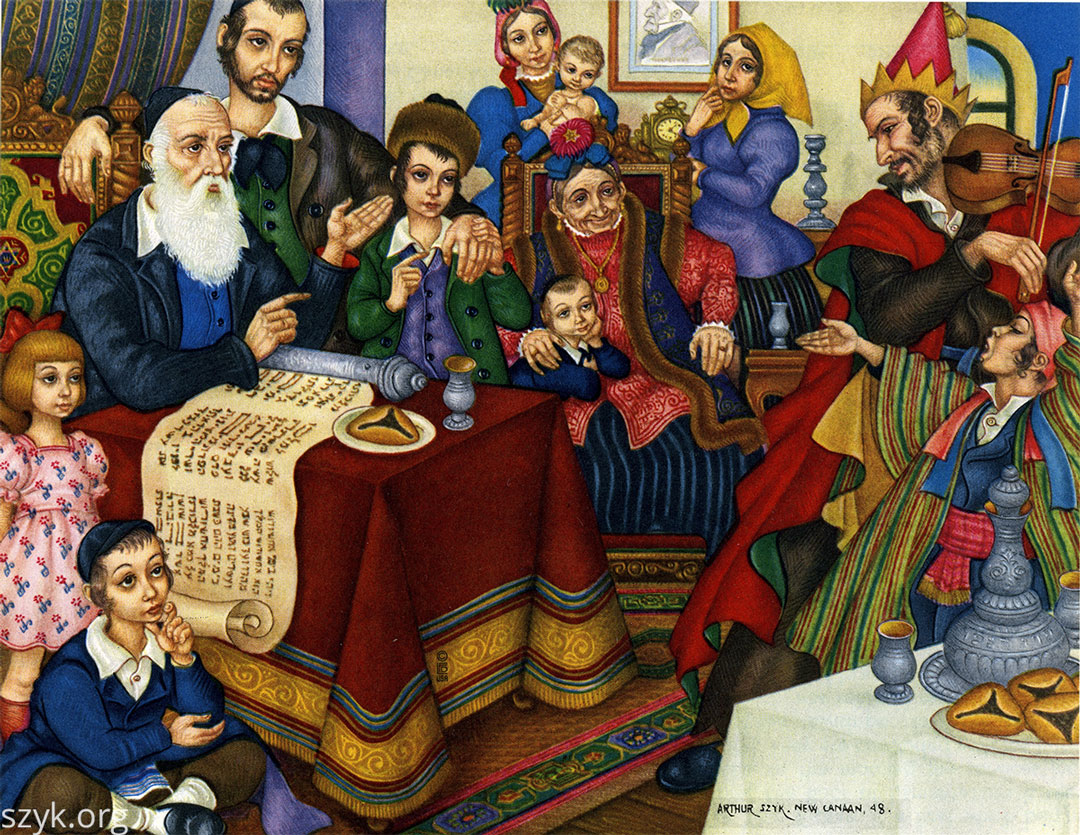
Arthur Szyk – Arthur Szyk : Six paintings of Jewish holidays, published New York : Arthur Rothmann Fine Arts.
Posted in Uncategorized | Tagged , , , , , , | Leave a comment

Clothing anyone? for the Torah portion of Tetzave & upcoming Purim

אין לי מה ללבוש!! על ארון בגדים שלנו עם פרשת תצווה ופורים

 אני תוהה, כשמשה רבנו קם בבקר, מה הוא לבש?

בסרטים שונים ראינו אותו במעין גלאביה, בסגנון הנזירים במדבר או הבדואים בנגב, אך האמת היא, שאין לנו מושג. לעומתו, לאהרון ניתנו “בגדי קודש… לכבוד ולתפארת”, בגדים צבעוניים, יקרים, קסומים, מקושטים בזהב ואבנים יקרות. על חזהו האורים והתומים איתם יוכל לתקשר עם הקודש. סביב מעילו פעמונים קטנים בצורת רימונים כך שבגדיו אפילו משמיעים מוסיקה! בהחלט, הופעה שכוונתה להשאיר רושם בנפש. אכן, “לכבוד ולתפארת”, בגדים מדויקים שכל פרט בהם מלא סמליות ומשמעות.

משה ואהרון, אחים, בעלי תפקידי מנהיגות, אך מעבר לתפקידם, גם מסמלים עבורנו דרכים שונות לקשר שלנו עם הקב”ה: באופן בולט, משה אינו מוזכר בפרשת תצווה, פרשתו “של” אהרון, ואילו אהרון אינו מוזכר בפרשת תרומה, פרשתו של משה. פרשת תרומה התחילה בפסוק שדבר על “תְּרוּמָ֑ה מֵאֵ֤ת כׇּל־אִישׁ֙ אֲשֶׁ֣ר יִדְּבֶ֣נּוּ לִבּ֔וֹ” (שמות כה,ב) – נתינה מהלב בנדיבות, ואילו פרשת תצווה מתחילה בציווי: ציווי מלשון מצווה אך גם מלשון צוות, צוותא.

לכל אחת מהתכונות האלו יש יתרונות גדולות אך גם חסרונות: יותר מידי נתינה עצמאית מביאים לפירוד, גאווה, אגו, אינדיבידואליזם. יותר מידי “צוות” עלול להביא לידי אחידות ומחיקת היחיד. איכשהו, אומרת לנו התורה אז והיום, צריך להביא את הלב, את האישיות היחודית שלנו, ובו בזמן, לא לשכוח את הכלל.

הבגד הוא המתנה הראשונה שקבלנו מהקב”ה: וַיַּ֩עַשׂ֩ ה’ אֱלֹקים לְאָדָ֧ם וּלְאִשְׁתּ֛וֹ כׇּתְנ֥וֹת ע֖וֹר וַיַּלְבִּשֵֽׁם (בראשית ג,כא): וכבר המלבוש הראשון היה עשוי ניגודים: כתנות – כלומר מכותנה או פשתן, וגם – מעור. “לא מפני הקור”, אומר הגר”א בפירושו אדרת אליהו, “כי נתגרשו לארץ הקדם שאין שם קור. רק מפני שלא הביא עדיין בכורים מפשתן עד שהביא קין”, כלומר, הבגד לא רק שייך למזג האויר, אלא מחובר ישירות למצוות, ואפילו בבגדים הראשונים היתה משמעות רבה מעבר למה שיש לנו בארון ומה ש”בא לי” ללבוש היום.  

גם הרש”ר הירש מסביר שללבוש שניתן לאדם מידי “ה’ אלוקים” – בשני שמותיו – יש משמעות קדושה, לחנך את האדם בשתי בחינות: האחת להזכיר לו את מגבלות גופו והצורך לשלוט בגופו, והשניה, להזכיר לו את הצורך בהגנה ובכך את המרחק מגן העדן והעבודה שעלינו לעשות בחיינו. המדרש מדבר על “כתנות אור” (בראשית רבה כ,כט) ואילו הילקוט שמעוני שם מחזיר אותנו לפרשת השבוע ומסביר שזה שהקב”ה הלביש את אדם וחוה בכתנת העור משמעו שעשה להם בגדי כהונה.

בגדי הכהונה החיצוניים מלמדים אותנו גם על מידות הנפש של הכהן. לכהן ה”פשוט” או הדיוט היו ארבעה בגדים: המכנסיים – כנגד ההתמודדות בנושא העריות, האבנט – המפריד בין החלק העליון בגוף האדם לחלק התחתון, כמפריד את החלק הבהמי יותר מהראש, כנגד הרהורי הלב. המצנפת – נגד הגאוה ובעד הענווה והתזכורת ש”דע מה למעלה ממך” (אולי כמו שאומרים שהמילה הידישית לכיפה, “ירמולקה” באה להזכיר את המילים ירא מאלוקיך’) והכתנת – כנגד שפיכות דמים ותחרותיות יתר.

לכהן הגדול היו ארבעה בגדים נוספים על אלו של הכהן ההדיוט מפני שלאדם גדול יותר יש גם אתגרים גדולים יותר: נוסף לו גם המעיל – כנגד עבודה זרה, הציץ – כנגד עזות מצח, האפוד – כנגד לשון הרע, והחושן – שכלל את האורים והתומים שנועדו לקבל מסרים מהקב”ה – כנגד אחריות חברתית.

לבגדים פוטנציאל רב, והם יכולים להועיל ללובש ולמביט בהם, אך גם לפגוע. לא במקרה השורשים של המילים הקשורות ללבוש הם מורכבים במיוחד: בגד גם יכול להזכיר לנו בגידה. מעיל – מעילה. לבוש – בושה. האם באו כל בגדים מאז ועד ועד היום, לגלות או להסתיר?

ואם מדובר ב”גילוי” ו”הסתרה”, הרי שלא נוכל שלא לראות מאחוריהם – ואולי דווקא לצידם – מציצה אלינו בתקופה זו גם מגילת אסתר ואסתר המלכה המלאה בדים ובגדים שונים ומשונים, ביניהם: “וַיְהִ֣י בַּיּ֣וֹם הַשְּׁלִישִׁ֗י וַתִּלְבַּ֤שׁ אֶסְתֵּר֙ מַלְכ֔וּת” (אסתר ה,א) והגמרא מייד שואלת את שאלתנו: הלוא חסרה כאן מילה! “בִּגְדֵי מַלְכוּת מִיבְּעֵי לֵיהּ” (בגדי מלכות היה צריך להכתב), וכי איך אפשר ללבוש מלכות? “אֶלָּא שֶׁלְּבָשַׁתָּה רוּחַ הַקֹּדֶשׁ”, עונה הגמרא (מסכת מגילה יד:ב). לא רק הבגדים החיצוניים, מפוארים ככל שיהיו, הם העושים את האדם למי שהוא, לא רק החיצוניות אלא האדם עצמו מתוך פנימיותו.

פרשות המשכן נקראות כמעט תמיד בתקופת פורים ונדמה שאין ניגוד גדול מכך: סיפור פורים מתואר כבלבול אחד גדול. מסיבה מטורפת של יותר מ-180 יום, גזרות על פי גחמת המלך שבעצמו מושפע יותר משתיה ומיועצים רעים מאשר מתכנון אסטרטגי מועיל וארוך טווח, לא תמיד ברור מי הטוב ומי הרע, מהלכים מתהפכים, וגם חיינו בגלות משתקפים בכך: אנחנו שקטים מידי ונבוכים מידי זמן ארוך מידי, או רועשים מידי ועושים “צרות” לכולם, בעוד ששם ה’ לא מוזכר במפורש אפילו פעם אחת בכל המגילה, וגם לא ארץ ישראל, שאפילו בשעת השמד החמורה, לא עולה כאופציה. ומול כל זה – המשכן. הכוהנים. מקום נייד אך לא כאוטי, מאפשר תפילה, נשימה עמוקה, כפרה, רוחניות, אחדות, מכניס סדר ושקט לחיים, וכיוון למסע, עשוי מהוראות מדויקות ומלאות משמעות: יש דרך ספציפית לחבר את הוילונות, מידות מדויקות ומקום מדויק לארון הקודש, איך להדליק את הנרות במנורה, מה לשים בקטורת, מה ללבוש בבקר…

אין כמו הסדר של המשכן, מעין בריאת העולם של בראשית פרק א, שם כל דבר מונח במקומו הנכון, לו היו חיינו כך! אלא שבו זמנית, מתברר לנו יום יום ובמיוחד בחודשים אלו, שאנחנו חיים בתוך באירוע שמשמעותו המלאה נסתרת מאיתנו, שיש בו מהפכים בלתי צפויים, כאב נורא ושמחה עצומה. לא בכדי, כלי המשכן מתכתבים – בעצב – עם סיפור המגילה, ולמרות שהדברים לא מונחים “במקומם” הצפוי והרצוי לנו, עדיין, איכשהו, צריך לקום בבקר, ללבוש מלכות, להכנס לחצר הפנימית, לעמוד בחיל ורעדה ולבקש על חיינו. ,

שבת שלום וכמעט פורים שמח.

I have nothing to wear!! The High Priest and Queen Esther – Tetzave

When Moses got up in the morning, what did he wear?

In various films we have seen him in a kind of galabiya (desert gown), in the style of the desert monks or the Bedouins in the Negev, but the truth is, we have no idea. On the other hand, Aaron was given “holy garments… for honor and glory”, colorful, expensive, magical clothes, decorated with gold and precious stones. On his chest are the Urim & Tumim with which he can communicate with the Holy One. Around his coat are small bells in the shape of pomegranates so that his clothes even play music! Definitely, a performance intended to leave an impression on one’s soul. Indeed, “for honor and glory”, precise clothes in which every detail is full of symbolism and meaning.

Moses and Aaron, brothers who hold leadership roles, but beyond their roles, they also symbolize for us different ways of relating to Gd: notably, Moses is not mentioned in the Torah portion of Tetzave, Aaron’s portion, while Aaron is not mentioned in the Torah portion of Teruma, Moses’ portion. The Torah portion of Teruma began with a verse that spoke of “giving from the heart, giving generously” (Exodus 25:2), while Tetzave begins with a command: tzav! from the word mitzvah but also from the word tsevet, a team and tzavta, togetherness

Each of these qualities has great advantages but also disadvantages: too much independent giving leads to separation, pride, ego, individualism. Too much “togetherness” can lead to uniformity and the erasure of the individual. Somehow, the Torah tells us then and today, we need to bring the heart, our personality and uniqueness, and at the same time, not to forget the community.

Clothing is the first gift we received from Gd: “And the Lord Gd made for Adam and for his wife cloth garments of leather, and clothed them” (Genesis 3:21): And already the first garment was made of opposites: “cloth garments of leather” – that is, cotton or linen, and also – leather. “Not because of the cold,” says the Ga’on from Vilna in his commentary Aderet Eliyahu, “for they were exiled to the land of the East, where there is no cold. But because he had not yet brought the first fruits offering of flax, until Cain brought it,” that is, the garment is not only related to the weather, but directly connected to the commandments, and even the first garments had a meaning beyond what there was in the closet and what “I feel like” wearing today.

Rav Hirsch also explains that the clothing given to Adam by “the Lord Gd” – in both names – has a sacred meaning, to educate a person in two ways: one, to remind him of the limitations of his body and the need to control his body, and the second, to remind him of the need for protection and thus the distance from the Garden of Eden and the work we must do in our lives. The Midrash speaks of “coats of light” (the word “or” with the letter ayin means skin or leathr while the same word with an alef means light; Genesis Rabbah 20:29). The Yalkut Shimoni brings us back to this week’s Torah portion and explains that the fact that Gd clothed Adam and Eve means that He made them priestly garments.

The outer priestly garments also teach us about the qualities of the priest’s soul. The “ordinary” or lay priest has four garments: the trousers – against dealing with the issue of incest and forbidden relations; the sash – which separates the upper part of the human body from the lower part, as it separates the more animal part from the head, against the thoughts of the heart; the turban – against pride and for humility and the reminder to “know what is above you” (perhaps as they say that the Yiddish word for a cap, “yarmulkeh,” comes to recall the words “fear your Gd”); and the coat – against bloodshed and excessive competitiveness.

The High Priest has four additional garments in addition to those of the lay priest because a greater man also has greater challenges and responsibilities: he also had the coat – against idolatry; the tsitz – on the forehead against arrogance The ephod – against slander; and the hoshen – which included the Urim & Tumim to receive messages from Gd – against social responsibility.

Clothes have great potential, and they can benefit the wearer and the one looking at them, but also harm. It is no coincidence that the roots of words related to clothing are particularly complex: clothes – begged – can also remind us of betrayal, b’gida; a coat, me’il resemble me’ila; . a garment, levush – is related to busha, ​​shame, embarrassment. Have all clothes, since ever, come to reveal or to hide?

And since we’re talking about “revealing” (gilui) and hiding (hastara – term related to megila & Ester), it’s almost impossible not to behind them, perhaps even next to them, the Scroll of Esther and Queen Esther herself, also peeking out at us, during this time: “And it came to pass on the third day that Esther wore royalty” (Esther 5:1), described the story in its way that is both revealing and hiding… and the Gemara immediately asks our question: Isn’t there a word missing here! “It should have said, ‘garments on royalty’”, answers the Talmud! and how is it possible to “wear royalty”? but “rather, she wore the divine spirit” [or maybe, the divine spirit wore her? (Tractate Megillah 14:2)]. Not just the outer garments, however magnificent they may be, they make the person to who we are; not just the exterior, but the person him/herself, from within.

The Torah portions about the Tabernacle and the Priestly Garments are almost always read during the time of Purim and it seems as if there’s no greater contradiction: the story of Purim is one big confusion. A crazy party of more than 180 days; decrees according to the whim of the king who himself is more influenced by drinking and bad advisors than by good deeds and long-term strategic planning; it’s not clear who is good and who is bad, and how everything will work out, and our own lives in the midst of it: the Jews of the Diaspora are too quiet and too embarrassed, or too noisy and make “trouble” for everyone, while the name of Gd is not explicitly mentioned even once in the entire Megillah, nor is the Land of Israel, not even at the time of awful annihilation, comes up as an option.

And facing that – the Tabernacle. The priests. A mobile but not chaotic place, allowing prayer, a deep breath, atonement, spirituality, unity, bringing order and quiet to life, and a direction for the journey, made of precise and meaningful instructions: there is a specific way to attach the curtains, precise dimensions and a precise place for the Holy Ark, a way to light the candles in the Menorah, what to out in the incense, what to wear in the morning…

There’s nothing like the order of the Mishkan, sort of like Creation of Genesis, chapter 1, where things are exactly in their right place. Oh, if everything was just so! But simultaneously, as it turns out and especially these months, we discover that we also live in an event whose full meaning is hidden from us, which has unpredictable twists and turns, awful pain and immense joy. It is no coincidence that the vessels of the Mishkan correspond – sadly – with the story of the Megilla, and while things don’t “sit” where we expect and desire them, somehow, we still have to get up n the morning, wear royalty, get into the King’s inner courtyard, stand there shivering, begging for our life.

Shabbat Shalom & almost, Purim Same’ach

משהו ממסכת סנהדרין (עה:א)…. and something from Tractate Sanhedrin… (75:a)

אגב הדברים שהסברנו בענין חובת “יהרג ואל יעבור” לגבי עריות, אמר רב יהודה אמר רב: מעשה באדם אחד שנתן עיניו לאהבה באשה אחת והעלה לבו טינא (רשי: נימוק מרוב אהבה נטמטם לבו והעלה חולי), ובאו ושאלו לרופאים מה לעשות בו. ואמרו: אין לו תקנה עד שתבעל לו. אמרו חכמים: ימות ואל תבעל לו. אמרו הרופאים: לפחות תעמוד לפניו ערומה. אמרו חכמים: ימות ואל תעמוד לפניו ערומה. הציעו הרופאים: תספר (תשוחח) עמו מאחורי הגדר במקום צינעה, שיהיה לו מעט נחת בדבר. אמרו חכמים: ימות ולא תספר (לשון שמרמזת על שהות אינטימית ביחד) עמו מאחורי הגדר.

Apropos the discussion of the obligation to allow oneself to be killed rather than engage in forbidden sexual intercourse, the Gemara notes that Rav Yehuda says that Rav says: There was an incident involving a certain man who set his eyes upon a certain woman and passion rose in his heart, to the point that he became deathly ill. And they came and asked doctors what was to be done with him. And the doctors said: He will have no cure until she engages in sexual intercourse with him. The Sages said: Let him die, and she may not engage in sexual intercourse with him. The doctors said: She should at least stand naked before him. The Sages said: Let him die, and she may not stand naked before him. The doctors suggested: The woman should at least converse with him behind a fence in a secluded area, so that he should derive a small amount of pleasure from the encounter. The Sages insisted: Let him die, and she may not converse with him behind a fence.

Posted in Uncategorized | Tagged , , , | Leave a comment

Teruma: Let’s build a Mishkan

תרומה: הולכים לבנות משכן

פרשת השבוע הזה, “תרומה” היתה צריכה להיות – מקסימום – 8 פסוקים:

וַיְדַבֵּ֥ר ה’ אֶל־מֹשֶׁ֥ה לֵּאמֹֽר׃

דַּבֵּר֙ אֶל־בְּנֵ֣י יִשְׂרָאֵ֔ל וְיִקְחוּ־לִ֖י תְּרוּמָ֑ה מֵאֵ֤ת כׇּל־אִישׁ֙ אֲשֶׁ֣ר יִדְּבֶ֣נּוּ לִבּ֔וֹ תִּקְח֖וּ אֶת־תְּרוּמָתִֽי׃

וְזֹאת֙ הַתְּרוּמָ֔ה אֲשֶׁ֥ר תִּקְח֖וּ מֵאִתָּ֑ם זָהָ֥ב וָכֶ֖סֶף וּנְחֹֽשֶׁת׃

וּתְכֵ֧לֶת וְאַרְגָּמָ֛ן וְתוֹלַ֥עַת שָׁנִ֖י וְשֵׁ֥שׁ וְעִזִּֽים׃

וְעֹרֹ֨ת אֵילִ֧ם מְאׇדָּמִ֛ים וְעֹרֹ֥ת תְּחָשִׁ֖ים וַעֲצֵ֥י שִׁטִּֽים׃

שֶׁ֖מֶן לַמָּאֹ֑ר בְּשָׂמִים֙ לְשֶׁ֣מֶן הַמִּשְׁחָ֔ה וְלִקְטֹ֖רֶת הַסַּמִּֽים׃

אַבְנֵי־שֹׁ֕הַם וְאַבְנֵ֖י מִלֻּאִ֑ים לָאֵפֹ֖ד וְלַחֹֽשֶׁן׃

וְעָ֥שׂוּ לִ֖י מִקְדָּ֑שׁ וְשָׁכַנְתִּ֖י בְּתוֹכָֽם׃

זהו.

השאלה הגדולה בפרשה הזו היא מה פתאום הקב”ה זקוק למקום משלו? הרי “הַשָּׁמַיִם כִּסְאִי וְהָאָרֶץ הֲדֹם רַגְלָי אֵי זֶה בַיִת אֲשֶׁר תִּבְנוּ לִי וְאֵי זֶה מָקוֹם מְנוּחָתִי”… (ישעיהו סו,א). לקב”ה יש כבר מקום, וזהו כל העולם כולו.כך גם הבנו בסיני כשבני ישראל ראו את הקולות של ישות שהיא מעל ומעבר. עכשיו עלינו ליצור משכן מחומרים חומריים לאינסוף?

הפסוק האחרון כאן מסביר לנו למה. המשכן הוא לא ממש “בשבילו”, אלא עלינו לבנות משכן ובהמשך בית מקדש כי בכך שניצור מקום לאלוהים, השכינה תשכון איתנו, בתוכנו, בינינו. לכן “וְעָ֥שׂוּ לִ֖י מִקְדָּ֑שׁ וְשָׁכַנְתִּ֖י בְּתוֹכָֽם” (שמות כ”ה,8).

זה היה צריך להיות מספיק לפרשה זו. ועכשיו בני ישראל היו צריכים להקים כמה וועדות שונות, ל”חשיבה”, לגיוס התרומות, לתכנון המקום… יחולקו שאלונים, ירואיינו אומנים, נציץ בקטלוגים. באינספור פגישות ידונו בפרטי הפרטים. צוות מקושר ומתוקשר יארגן את אירוע חנוכת המקום, יבדוק את מי להזמין, מי ישב ליד מי, מי יהיו הדוברים, איזה מוסיקה תהיה ברקע, מה יוגש למנה ראשונה, ומה יהיה צבע המפיות…

ואולי לכן לא נעצרת פרשת תרומה אחרי שמונת הפסוקים אלא ממשיכה ומתארת לנו במדויק ביותר את כל פרטי המשכן. אילו היתה משאירה את הדברים לדימיוננו, היה המשכן או המקדש חוגג ומנציח אותנו. שמם של התורם הראשי, האדריכל, הקבלן, המפקח מטעם העיריה… היו מתנוססים בכניסה… הדרך היחידה להבטיח שנבנה מקום לקב”ה ולא לעצמנו, כוחותינו, יכולתינו, כבודנו אנו שלנו, היא לקבל את כל ההוראות. בכך, נצטרך לשים את האגו שלנו בצד, ולעשות בדיוק מה שהקב”ה רוצה. זה תרגיל קשה ומסובך. בוודאי היו לא מעט רגעים שמישהו חשב, רגע, מה עם פרח קטנטן כאן בפינה? אולי איזה קישוט יצירתי נוסף שעלה בדעתי?? לא פלא שהתורה מקדישה לכך פרשות רבות. אך רק כשנעשה זאת, כשנוותר על עצמנו, נוכל לעשות לקב”ה מקום, ולא בתוך המקום עצמו, אלא בינינו.

שום דבר במבנה הזה אינו מקרי.  

למשל הצבעים המוזכרים כאן אינם “מה שהיה בחנות”, ו”מה שמתאים עם הספה”… שלושה צבעים מוזכרים כאן – תכלת, ארגמן (סגול) ותולעת שני (אדום). לפי הרב הירש, הצבעים באו לסמל את השמים (כחול) ומתוך כך, את העולם הרוחני והקב”ה, הארץ (אדום ולכן אדמה, דם, אדם) והארגמן (סגול) – המקום בין לבין שם אנחנו נפגשים. זהו המקום שלשמו נוצר המשכן, להוות מקום מפגש לאדם ולאל.

הארגמן – הסגול-אדמדם – כבר בימי קדם, ייצג מלכות, בעיקר עקב יוקר וקושי הפקתו. בתקופה העתיקה הכינו את הצבע מנוזל הגוף של חלוזונות מסוג ארגמונים, ששכנו לחופי הים התיכון.
רוב הפעמים שמוזכר הארגמן בתנ”כ הם בפרשות העוסקות במשכן, אך נזהה אותו בעוד כמה מקומות, למשל, בשיר המפורסם מספר משלי (לא), “אשת חיל” ש”מַרְבַדִּים עָשְׂתָה לָּהּ שֵׁשׁ וְאַרְגָּמָן לְבוּשָׁהּ”,
וכן ממגילת אסתר, כשתוארה המסיבה המרהיבה של אחשוורוש וכל הבדים המדהימים שהוצגו שם: “חוּר כַּרְפַּס וּתְכֵלֶת אָחוּז בְּחַבְלֵי בוּץ וְאַרְגָּמָן עַל גְּלִילֵי כֶסֶף וְעַמּוּדֵי שֵׁשׁ מִטּוֹת זָהָב וָכֶסֶף עַל רִצְפַת בַּהַט וָשֵׁשׁ וְדַר וְסֹחָרֶת” (אסתר א:ו).
ולקראת סוף המגילה, אנחנו מוצאים את מרדכי ש”יָצָא מִלִּפְנֵי הַמֶּלֶךְ בִּלְבוּשׁ מַלְכוּת תְּכֵלֶת וָחוּר וַעֲטֶרֶת זָהָב גְּדוֹלָה וְתַכְרִיךְ בּוּץ וְאַרְגָּמָן וְהָעִיר שׁוּשָׁן צָהֲלָה וְשָׂמֵחה”.

המדרש מספר לנו שמלבד היופי, לחומרים הספציפיים יש גם משמעות סמלית: “זהב כנגד מלכות בבל, שכתיב בו אנת הוא (רישא דיהבא) [ראשה די דהבא] (דניאל ב לח), וכסף זו מלכות מדי, שכתיב בו ועשרת אלפים ככר כסף (אסתר ג ט), ונחושת זו מלכות יון… עורות אלים מאדמים זו מלכות אדום, שנאמר ויצא הראשון אדמוני (בראשית כה כה), אמר הקב”ה אע”פ שאתם רואים ארבע מלכיות האלו מתגאות עליכם חייכם שאני מצמיח לכם ישועה מתוך השיעבוד (תנחומא בובר, תרומה ו׳:א׳), כלומר, הבית שלנו מזכיר לנו כל הזמן שאת הדברים הרעים נלמד להפוך לטוב ומתוך החושך שעלול לבוא על בני ישראל, יזרח אור גדול.

גם ה”רהיטים” שנבחרו להיות במשכן אינם מקריים. למשל, “ה”ארון – ארון הברית שנקרא גם ארון האלוקים, ארון העדות וארון הקודש, היה תיבה עשויה עץ ומצופה זהב, שמידותיו הן ”אַמָּתַ֨יִם וָחֵ֜צִי אָרְכּ֗וֹ וְאַמָּ֤ה וָחֵ֙צִי֙ רָחְבּ֔וֹ וְאַמָּ֥ה וָחֵ֖צִי קֹמָתֽוֹ” (כ”ה, 10).

חז”ל חישבו במדויק מה היה בתוך הארון (בבא בתרא יד:א) ומפסוקים שונים בענין הסיקו ש”לוחות ושברי לוחות מונחות בארון”, כלומר, גם הלוחות הראשונים שמשה שיבר וגם הלוחות השניים שניתנו לאחר חטא העגל, שניהם היו בארון. למה לא נזרקו או מוחזרו הלוחות הראשונים? הלוא כבר לא היה בהם צורך! אך חז”ל בדרכם לימדו שזהו רמז עבורנו מעבר ללוחות עצמם, ונלמד מכך גם לא לנהוג בזיון “בזקן ששכח תלמודו”, שהוא כשבר מהלוחות וגם אלו נמצאו בארון (ברכות ח:ב, מנחות צט:א).

ולמה כל החצאים האלה במידותיו של הארון? גם זה לא במקרה מה שמוכרים באיקאה או מה ש”נכנס שם בפינה”. מי השילוח בפירושו החסידי מסביר כי מידות הארון הן “חצאים” כדי להזכיר לנו שכדי לרכוש דברי תורה, עלינו להיות מודעים לכך שאנחנו לא שלמים בלעדיהם. כל עוד אנחנו חושבים שאלו רק “סיפורים” או “קשקושים” כפי ששמעתי בכאב לא מזמן, לא נוכל לקבל מהם כלום לחיינו. הארון אומנם מושלם בדרכו, אך עדיין עשוי במידות של חצאים, כדי שנזכור גם להעריך את מה שיש לנו, ובו זמנית, להמשיך לבקש, לחפש, “לדרוש אלוקים”.

“משנכנס אדר, מרבים בשמחה”. חודש טוב ושבת שלום.

במסכת סנהדרין השבוע (סח:א) קראנו על היום האחרון בחייו של רבי אליעזר הגדול, כשחכמים באים, סופסוף, לבקרו. למה לא באתם עד עכשיו? שואל הרב. לא היה לנו זמן, עונים החכמים הגדולים, שאולי היו ממש עסוקים ואולי אמרו כך כי לא רצו לפגוע בו על שלא באו אליו בגלל הנידוי שהכריזו עליו, נידוי ממנו סבל עד יום מותו. חבל, אומר להם הרב הגדול: “הַרְבֵּה תּוֹרָה לָמַדְתִּי, וְלֹא חִסַּרְתִּי מֵרַבּוֹתַי אֲפִילּוּ כַּכֶּלֶב הַמְּלַקֵּק מִן הַיָּם. הַרְבֵּה תּוֹרָה לִימַּדְתִּי, וְלֹא חִסְּרוּנִי תַּלְמִידַי אֶלָּא כְּמִכְחוֹל בִּשְׁפוֹפֶרֶת”, ובלשוננו – ע”פ הבן יהוידע: אני רצתי אחרי רבותי כמו כלב שמחפש עוד ועוד מים, ולמרות כל המאמצים, הייתי “ככלב המלקק מן הים”, ואילו אתם, הייתם פסיביים, כמכחול, עשוי עץ או מתכת שצריך שמישהו יזיז אותו, וגם כשוהא נוגע בשפופרת, לא לוקח ממנה אלא מעט מאד. ואנחנו?

Teruma: Let’s build a Mishkan

This week’s Torah, “Teruma” should have been – at most – 8 verses:

And Hashem spoke to Moshe, saying, Speak to the Children of Israel that they bring me a Teruma-offering: of every man whose heart prompts him to give you shall take my Teruma-offering.

And this is the offering which you shall take of them; gold, and silver, and brass,

and blue, and purple, and scarlet, and fine linen, and goats’ hair,

and rams’ skins dyed red, and taĥash skins, and shittim wood,

oil for the light, spices for the anointing oil, and for the sweet incense,

shoham (onyx) stones, and stones to be set in the efod (high priest’s clothing), and in the breastplate.

And let them make me a sanctuary; that I may dwell among them (Exodus 25:1-8).

This is it.

The big question here, is why does Gd need His own place? After all, “The heavens are my throne, and the earth is my footstool. What house can you build for me? What place is for my rest?” (Isaiah 65:1). Gd already has a place, and it’s this entire world. This is what we understood at Sinai when we saw the voices of a Being who is above and beyond. Now we’re supposed to create a Tabernacle from finite materials for eternity?

The last verse here explains why: The tabernacle is not literally “for Him,” but we must build a Tabernacle and later a Temple because by creating a place for Gd, the Divine Presence will dwell with us, within us, among us. Therefore, “And let them make me a sanctuary; that I may dwell among them” (Exodus 25:8).

That should have been enough for this Torah portion. And now the Israelites would have had to establish several different committees, for “thinking,” for collecting donations, for planning the space… Questionnaires will be distributed, artists will be interviewed, catalogs will be pored over. In countless meetings, the details will be discussed. A well-connected team will organize the place’s dedication event, will check who to invite, who will sit next to whom, who will be the speakers, what music will be in the background, what will be served as the first course, and what color the napkins will be…

And perhaps that is why the Torah portion of Teruma does not stop after eight verses but continues and describes to us with great precision all the details of the Mishkan. If it had left things to our imagination, the Mishkan or the Temple would celebrate and commemorate us. The names of the main donor, the architect, the contractor, the municipal inspector… would be displayed at the entrance… The only way to ensure that we build a place for Gd and not for ourselves, our strengths, our abilities, our honor, is to accept all the instructions. In doing so, we will have to put our ego aside, and do exactly what Gd wants. This is a difficult and complicated exercise. There must have been quite a few moments when someone thought, wait, what about a tiny flower here in the corner? Maybe some other creative decoration that came to my mind?? No wonder the Torah devotes many sections to this. But only when we do this, when we give up ourselves, can we make a place for Gd, not within the structure itself, but among us.

Nothing in this structure is coincidental.

For example, the colors mentioned are not “whatever was in the store”, and “what goes nicely with the sofa”… Three colors are mentioned here – blue, crimson (purple) and wormwood (red). According to Rav Hirsch, the colors came to symbolize the sky (blue) and from there, the spiritual world and Gd; the earth (red and therefore earth – adama, blood – dam, man – adam); and the scarlet (purple) – the place in between, where we meet. This is the place for which the Mishkan was created, to be a meeting place for the human and Gd.

The scarlet – the reddish purple – already in ancient times represented royalty, mainly due to its high cost and difficulty in producing. In ancient times, the color was prepared from the fluids of the scarlet snails, which lived on the shores of the Mediterranean Sea.

Most of the times scarlet is mentioned in the Bible are in the Torah portions that deal with In the Tabernacle, but we recognize it in several other places, for example, in the famous poem from the Book of Proverbs (31), “A woman of valor” who “made for herself garments, linen and scarlet for her clothing,”

And likewise, in the Scroll of Esther, when the magnificent party of Ahasuerus is described and all the amazing fabrics displayed there: “Hur Karpas and Techelet [light blue], held together with cords of ivory and scarlet on silver scrolls and six pillars of gold and silver on a pavement of brass and linen…” (Esther 1:6).

And towards the end of the Scroll, we find Mordecai “going out from before the king in royal apparel of techelet [light blue] gold and silver, and a crown of great gold, and a garland of purple and scarlet, and the city of Shushan was radiant and joyful.”

The midrash tells us that in addition to beauty, the specific materials also had a symbolic meaning: “Gold against the kingdom of Babylon (based on Daniel 2,28), silver for the kingdom of Madai (based on Esther 3,9) and copper for the kingdom of Greece… red ram skins for the kingdom of Edom (red), as it was said, and “the first came out reddish” (Genesis 25,25). Said the Almighty, even though you see these four kingdoms rule over you, by your life, I will grow for you salvation out of servitude (Tanhuma Bubber, Truma 6:1), that is , we will learn to turn bad things into good, and out of darkness, that might come upon the Israelites, a great light will shine.

The “furniture” chosen to be in the Tabernacle is also no coincidence. For example, “the Ark” – the Ark of the Covenant, also called the Ark of Gd, the Ark of the Testimony, and the holy Ark, was a wooden box covered with gold, whose dimensions were “two and a half cubits long, one and a half cubits wide and one and a half cubits high” (25:10).

The Sages calculated precisely what was inside the Ark (Baba Batra 14:a) and from various verses on the subject concluded that “the tablets and fragments of the tablets were placed in the Ark,” meaning that both the first set of tablets that Moses broke, and the second set that were given after the sin of the Golden Calf were both in the Ark. Why weren’t the first tablets thrown away or recycled? There was no longer a need for them! However, the Sages in their way, taught that this is a hint for us beyond the tablets themselves, and we also learn from this not to act disrespectfully “with an old person who has forgotten his Learning,” who is like a fragment of the tablets, and these too, were placed in the Ark (Berachot 8:b, Menachot 69:a).

And why are all these halves the measurements of the Ark? That too, is no coincidence what is sold at IKEA or what “fits in that corner.” Mei Hashilo’ach in his Hasidic commentary explains that the dimensions of the ark are in “halves” to remind us that in order to acquire Torah knowledge, we must be aware that we are not complete without them. As long as we think that these are just “stories” or “nonsense” we will not be able to receive anything from them into our lives. The Ark is perfect in its own way, but it’s still made in halves, so that we remember to also appreciate what we have, while at the same time, to continue asking, searching, “inquiring of Gd.”

As Adar enters, joy increases”! A good month and Shabbat Shalom.

In this week’s daf from Sanhedrin (68:a) we read about Rabbi Eliezer the Great’s last day, when the sages finally come to visit him. Why haven’t you come until now? asks the rabbi. We didn’t have time, the sages answer. Perhaps they were really busy and perhaps they said so because they didn’t want to offend him for not coming to him because of the excommunication they had declared against him, an excommunication he suffered from until the day he died. It’s a pity, the great rabbi tells them: “I have learned much Torah, and I have not taken much from my own teachers, even like a dog that licks from the sea. I have taught much Torah, and my disciples have not taken from me almost nothing, like a brush that’s dipped into paint”. And in our own words – according to the Ben Yehoyada: ‘I ran after my masters like a dog that seeks more and more water, and despite all my efforts, I was “like a dog that licks from the sea,” not really depleting much from them, while you, you were passive, like a brush, made of wood or metal, that needs someone to move it, and even when it touches the tube, it only takes a very little from it. And what about us?

Posted in Uncategorized | Leave a comment

Parashat Mishpatim: “You shall not cook a baby-goat in its mother’s milk”

פרשת משפטים: “לא תבשל גדי בחלב אימו”

אני יושבת לכתוב את הפוסט הזה כשברקע סופת קור מתקרבת: הטמפרטורות צונחות ביום הזה, יום החזרת החללים הראשונים של עסקת החטופים. ומי – כנראה – בוחר חמאס להחזיר, רק למקרה שמישהו הצליח לשכוח את אכזריותם ודרך פעולתם, אם לא דוקא “נשים וטף”. טף, ע”פ אונקולוס, משמעו אלה שצריכים טיפול: הצעירים מאד, המבוגרים, כל מי שזקוקים לעזרה. את אלה הם, במקום להגיד, סליחה טעינו ולהחזיר במיידי, הם – כך נראה – רצחו. הלב זועק, למה, למה מעבר להאשמות ולסיסמאות ההחלטיות, וכמעט נכנע: אנו חיים בתוך כל כך הרבה לא נודע, ולי, לא נותר, אלא לחזור לפרטי הפרטים של התורה, להחזיק במה שכן אפשר לעשות, ודוקא השבוע.

רק בשבוע שעבר עמדנו למרגלות הר סיני. ההר עשן. השופר נשמע, וממש יכולנו לראות את הקולות! משה הביא את עשרת הדיברות וכולנו ענינו פה אחד, “נעשה ונשמע”. וואו, זו הייתה חוויה כל כך מדהימה! לא נותר לנו אלא לתהות, לאילו פסגות חדשות תביא אותנו התורה השבוע?

פרשת השבוע הזה נדמית כהמשך טבעי לאירועים הקודמים: “וְאֵ֙לֶּה֙ הַמִּשְׁפָּטִ֔ים אֲשֶׁ֥ר תָּשִׂ֖ים לִפְנֵיהֶֽם” פתחה הפרשה בוו החיבור, אלא שאז, לא רעמים וברקים וחוויות דרמטיות, אלא מצוות רבות ומפורטות ואיך אנחנו מתנהגים בדברים ה”קטנים”.

פרשת משפטים על כל פרטיה הרבים בעצם מסבירה לנו את תשובתו של משה ליתרו: “כי יבוא אלי העם לדרוש א-לוהים” (שמות יח, טו). כך שבה בשעה שגם בעמים וחוקות אחרות מאותה תקופה יש התייחסות לרצח, גזל וכו, רק שהתורה מעמידה את החוקים האלה כביטוי שלנו לחיות את רצון הקב”ה בחיי היום-יום שלנו.

בין כל החוקים – סה”כ 53 מצוות מתוך התרי”ג: 30 מצוות לא תעשה ו-23 מצוות עשה – מתחבאת לה מצווה “קצרה” ומפורסמת שעליה מתבסס  עולם ומלואו: “לֹֽא־תְבַשֵּׁ֥ל גְּדִ֖י בַּחֲלֵ֥ב אִמּֽוֹ” (שמות כג,יט) קראה התורה כך לפתע פתאום. לכאורה, מה זה עושה דוקא כאן ומה הקשר? המצווה יושבת בתוך פסוקים בהם אנחנו מדברים על שלושת הרגלים. התורה הזכירה כאן שתי מצוות, אחת שנוגעת לקרבן הפסח, והשניה שנוגעת לחג השבועות. נראה שהציווי הבא, “לא תבשל גדי בחלב אימו” יעסוק בחג הסוכות. אכן, גם אבן-עזרא וגם אברבנאל מסבירים שהיה מנהג כזה בין הגויים בתקופת הסתיו, זמן האסיף וההודיה, שאכלו בו גדי בחמאה. יתכן שכאן, כדי להרחיק אותנו מחוקות הגויים, התורה מצווה אותנו על איסור אכילת בשר בחלב דווקא כאן.

המדרש מסב את תשומת לבנו לכך, שבני ישראל, שבכל כך הרבה הזדמנויות אחרות, התלוננו והתווכחו עם משה, כאן לא אמרו דבר, ומוסיף:

… בתמימות קבלו את התורה – אמרו להם לא תבשל גדי בחלב אמו (שמות כ״ג:י״ט) ולא אמרו למה לא נבשל, אלא קבלו עליהם. אמר להם כָּל חֵלֶב שׁוֹר וְכֶשֶׂב וָעֵז לֹא תֹאכֵלוּ (ויקרא ז’ כ”ג) ולא אמרו לו למה, אלא קבלו עליהם. ואע״פ שקבלו עליהם לא אמרו מה שכרן ונעשה אותו, לכך אמר אשרי תמימי דרך” (מדרש תהילים על תהילים קיט א).

ועדיין, סביר שנשאל שאלה כפולה: האחת, מה הבעיה באכילת גדי בחלב אמו? הרי את הגדי בעצמו מותר לשחוט ולאכול, וגם את חלב אמו מותר לשתות. נניח שנשחט את הגדי לפני שנחלוב את האם, מי ידע אם הגדי בושל בחלב אמו? ואם זו אם אחרת מהצאן? מה זה משנה?

זאת ועוד: בספר בראשית מסופר על אברהם שארח את האנשים שבאו אליו וכתוב: “וְאֶל־הַבָּקָ֖ר רָ֣ץ אַבְרָהָ֑ם וַיִּקַּ֨ח בֶּן־בָּקָ֜ר רַ֤ךְ וָטוֹב֙ וַיִּתֵּ֣ן אֶל־הַנַּ֔עַר וַיְמַהֵ֖ר לַעֲשׂ֥וֹת אֹתֽוֹ׃ וַיִּקַּ֨ח חֶמְאָ֜ה וְחָלָ֗ב וּבֶן־הַבָּקָר֙ אֲשֶׁ֣ר עָשָׂ֔ה וַיִּתֵּ֖ן לִפְנֵיהֶ֑ם וְהֽוּא־עֹמֵ֧ד עֲלֵיהֶ֛ם תַּ֥חַת הָעֵ֖ץ וַיֹּאכֵֽלוּ” (בראשית יח, ז-ח). איך יתכן שאברהם הגיש תפריט של “גדי בחלב אמו”, אם הדבר במפורש אסור? או אולי גם – אם אברהם, אבי האומה ומייסד דרכנו, עשה זאת, האם לא ברור שגם אנחנו? אולי לא כל יום, אבל לפחות בסעודה מיוחדת, כפי שהכין אברהם לאורחיו?

לקיחת חלב מן הבהמה הוא סוג של גזל, כי הרי החלב נועד לוולד שלה ולא לנו. בכל זאת, זהו גזל שהתורה, בתנאים מסוימים, התירה לנו. גם ביחס לגדי, יש כאן סוג של רצח כי אנו לוקחים את חייו של גדי לתועלתנו. בכל זאת, זהו סוג של רצח שהתורה התירה לנו בנסיבות מסוימות וכשנעשה זאת בדרך מסוימת (שנשתמש בו לצורך מאכל ולא חלילה לעינוי, ונשחוט את הבשר בשחיטה כשרה). האיסור מזכיר לנו שגם בתחום של הדברים המותרים, השמים אינם הגבול. זאת ועוד: גזל ורצח הן עבירות ברמות מוסריות שונות, ואל לנו לערבב בין השתים (ואולי — אם יורשה “לערבב” כאן מהחדשות סביב, זו הסיבה שכל פעם אנחנו מצליחים להזדעזע מחדש מהחמאס: כן, הבנו שיש רוע בעולם, בסדר, קבלנו, אבל עד כמה אפשר??? מסתבר שאין גבול, ואנחנו – לא משנה אם חילונים או דתיים, עדיין קשורים בנפש התורה. מאז ומתמיד למדנו להגביל את עצמנו, אפילו בכל, ולכן כל פעם מחדש, מופתעים ולא מאמינים…)

ומה על אברהם?

נזכיר את סיפורה של ילתא, אשתו של רב נחמן שהיה ראש ישיבת נהרדעא ומעמודי התווך של התלמוד הבבלי.

ילתא אתגרה את בעלה המלומד ואמרה לו (בתרגום חצי חופשי): יש בידינו כלל, שכל דבר שהקב”ה אסר עלינו, גם התיר לנו דבר אחר שהריהו כמותו בטעמו. היא מביאה כמה דוגמאות (שלא נביא את כולן), ביניהן למשל, זה שהקב”ה אסר לנו אכילת דם, אך התיר לנו אכילת כבד שיש בו מעין טעם דם… אסר לנו אכילת חזיר, אך התיר לנו אכילת מוח של דג השיבוטא שטעמו דומה לזה של חזיר… אסר לנו ביאת אשת אח והתיר לנו יבמה במצוות יבום… ואם כן, כיון שאסרה עלינו התורה אכילת בשר בחלב, אני רוצה לאכול דבר שיש בו טעם בשר בחלב! אולי כיום הוא היה מגיש לה טופו עם חלב שיבולת שועל, אלא שרב נחמן הורה לטבחים לצלות לה בשר עטין (מבוסס על ומתורגם ממסכת חולין קט:ב)

ילתא היתה אשה עשירה, חשובה, למדנית ועצמאית, ואולי עשה רב נחמן כרצונה כי לא רצה שתשבור לו עוד 400 כדי יין כפי שעשתה פעם כשבא אורח לביתם ולא הניח לה לשתות מכוס הברכה, אבל קרוב לודאי שיש כאן משהו עמוק יותר: ילתא ידעה שבעולמות העליונים מתאחדים כל הדברים שהם נפרדים ומובדלים אצלנו, ורצתה לטעום מעולמות אלו. כך גם אצל אברהם אבינו, כשהוא בא במגע עם מלאכי עליון, שבשבילם הבשר והחלב הם ענין אחד, הוא יכול להגיש להם ממאכלים אלו, או כפי ששענטז – שילוב צמר ופשתים האסור בבגד אחד, מותר בבגדי הכוהנים בבית המקדש.

ומי יודע, אולי יום אחד, גם בזמננו, כמו שאומר הרב קוק, “דע לך שאנו בעיצומו של תהליך שבו האומה חוזרת לחיות חיי קדושה מלאים בכל עוצמות החיים כמקדם”.  

שבת שלום.

Parashat Mishpatim: “You shall not cook a baby-goat in its mother’s milk”

I’m sitting down to write this post as a cold front approaches in the background: temperatures are dropping on this day, the day of the return of the first deceased of the hostage deal. And who – apparently – does Hamas choose to return, just in case someone managed to forget their cruelty and their way of operating, if not “women and taf.Taf, according to Onkulos, means those who need care (tipul): the very young, the elderly, anyone who needs help. Instead of saying, “sorry, we made a mistake” and returning them immediately, they – it seems – murdered them. The heart cries out, why, oh why, beyond the accusations and the decisive slogans, and almost surrenders: we live in the midst of so many unknowns, and for me, there is nothing left but to return to the details of the Torah, to hold on to what we can do, when faced with everything we can’t, and especially this week.

Just last week we stood at the foot of Mount Sinai. The mountain was smoking; the shofar sounded, and we could actually see the voices! Moses brought the Ten Commandments and we all responded in unison, “we will do and we will listen.” Wow, it was such an amazing experience! We can only wonder, to what new heights will the Torah take us this week?

This week’s Torah portion seems like a natural continuation of the previous events: “And these are the judgments that you will bring before them,” so opens this Torah portion, connecting with the vav to the previous one, except this time, no thunder and lightning and dramatic experiences, but rather, many detailed commandments and how we behave in “small” things.

Mishpatim with all its many details, essentially reflects to us Moses’ response to Jethro back the week before: “when the people come to me to inquire of Gd” (Exodus 18:15). Thus, while other nations and laws from that era also refer to murder, theft, etc., only the Torah sets these laws as our expression to live Gd’s will in our daily lives.

Among all the laws – a total of 53 commandments from the 613: 30 “negative” (not doing) commandments and 23 “positive” (doing) commandments – there is a “short” and famous commandment hidden, on which the entire world is based: “You shall not boil a baby-goat in its mother’s milk” (Exodus 23:19), the Torah suddenly calls out.

On the surface, what exactly does this mitzvah do here, and what is the connection? It’s located in a section about the Three Pilgrim Festivals. The Torah mentions two commandments here, one concerns the Passover sacrifice, and the other  – the Feast of Shavuot. We’d expect the next commandment, “you shall not boil a baby-goat in its mother’s milk” to deal with Sukkot. Indeed, both Ibn Ezra and Abarbanel explain that there was such a custom among other nations, which took place during autumn, the time of harvest and thanksgiving, in which people ate a baby-goat with butter. It is possible that here, in order to distance us from the ways of other nations, the Torah prohibits us from eating meat with milk precisely here.

The Midrash draws our attention to the fact that the Israelites, who on so many other occasions complain and argue with Moses, did not say anything here, and adds:

“… Innocently they accepted the Torah – they were told, not to boil a baby-goat in its mother’s milk (Exodus 23:19) and they did not say, why should we not boil it, but accepted it as is. Gd told them, “You shall not eat certain fats of an ox, a sheep, or a goat” (Leviticus 7:23), and they didn’t say, why, but accepted it. And even though they accepted it all, they didn’t say, “let us know what’s the reward for all of this and then we will do it”. Therefore, it’s been said, “Blessed are those who wholeheartedly walk in the right path” (Midrash Tehillim on Tehillim 119).

And yet, it is reasonable to ask a twofold question: First, what’s the problem with eating a baby-goat in its mother’s milk? After all, the goat itself is permissible for us to be  slaughtered and eat, and its mother’s milk is also permissible to drink. Suppose we slaughter the goat before milking the mother, who would know whether this goat was cooked in its mother’s milk? And what if it’s a different mother’s milk from among the sheep? What difference does it make?

Moreover, the Book of Genesis tells us of Abraham hosting the three messengers who came to him, and it’s written: “And Abraham ran to the herd, and took a tender and good calf, and gave it to the lad to hasten preparing it. And he took butter and milk, and the calf which he had prepared, and set it before them, and he stood over them under the tree, and they ate” (Genesis 18:7-8). How is it possible that Abraham served “a babygoat in its mother’s milk,” if this is explicitly forbidden? Or maybe also – if Abraham, our nation’s forefather and founder of our path, did it, isn’t it clear that we can do it too? Maybe not every day, but at least at a special feast, just like Abraham prepared for his guests?

Taking milk from an animal is a form of theft, because the milk is intended for its offspring and not for us. Nevertheless, it is theft that the Torah, under certain conditions, permitts us. Likewise with regards to a goat, it’s a form of murder as we’re taking the life of a goat for our own benefits. Nevertheless, it is a form of murder that the Torah permits us under certain circumstances and when we do it in a certain way (that we use it for food and not, Gd forbid, for torture; that we slaughter the meat in a kosher slaughterhouse). The prohibition reminds us that even in the realm of permitted things, the ‘sky is not the limit’. Moreover: theft and murder are offenses on very different moral levels, and we should not mix the two.

And what about Abraham?

Let’s bring here the story of Yelta, the wife of Rav Nachman, who was the head of the Neharde’a Yeshiva and one of the pillars of the Babylonian Talmud.

Yelta challenged her learned husband and told him (in a semi-free translation): We have a rule that everything that Gd has forbidden us, He has also permitted us something else that is similar. She cites several examples (and I won’t cite all of them), among which, for example, is that Gd forbade us from eating blood, but permitted us to eat liver that is full of blood and has a kind of blood taste… He forbade us from eating pork, but permitted us to eat a certain fish, which supposedly tastes similar to pork… He forbade us from marrying a brother’s wife and permitted us to have a ye’vama (sister in law) in accordance with the mitzvot of levirate marriage (in case her husband died childless)… And so, since the Torah forbade us from eating meat in milk, I want to eat something that has the taste of meat in milk! Perhaps today he would serve her tofu with oat milk, but Rav Nachman ordered the cooks to roast her udder meat (based on and translated from Tractate Chulin 99:b).

Yelta was a rich, important, learned, and independent woman, and perhaps Rav Nachman did as she wished because he did not want her to break another 400 wine jugs as she once did, when a guest came to their house and did not let her drink from the cup of blessing, but, we can safely assume there is something deeper here: Yelta knew that in the upper worlds, all things that are separate and distinct here are united, and she wanted to taste these worlds and this unity. So it may have been with our forefather Abraham, when he came into contact with the angels of the upper world, for whom meat and milk are one thing, he could serve them these foods, or as sha’atnez – the combination of wool and flax which is forbidden in one garment for us, is permitted in the garments of the priests in the Temple.

And, who knows, maybe one day, even in our time, as Rav Kook says, “do know that we are in the heart of a process in which the Nation returns to living a fully holy life in all aspects of life as before.”

Shabbat Shalom.

סנהדרין ס:א:

מי איכא [האם יש] בשר היורד מן השמים?! ומשיבים: אין [כן], כי הא [כמו מעשה זה]: שר’ שמעון בן חלפתא הוה קאזיל באורחא [היה הולך בדרך], פגעו בו הנך אריותא דהוו קא נהמי לאפיה [פגשו בו אותם אריות שהיו נוהמים כנגדו] לאוכלו, אמר: “הכפירים שאגים לטרף ולבקש מאל אכלם (תהלים קד, כא) וראויים הם לקבל אוכל. נחיתו ליה תרתי אטמתא [ירדו לו משמים שתי ירכיים] של בהמה, חדא [אחת] מירכיים אלה אכלוה האריות וחדא שבקוה [ואחת השאירו]. איתיה ואתא לבי מדרשא [הביאה, את הירך הזו, ובא לבית המדרש], בעי עלה [שאל עליה]: דבר טמא הוא זה, או דבר טהור? אמרו ליה [לו]: ודאי טהור הוא, כי אין דבר טמא יורד מן השמים.

The Gemara asks: Is there such a thing as meat that descends from heaven? The Gemara answers: Yes, it is like this incident: As Rabbi Shimon ben Ḥalafta was walking along the way, he encountered those lions that were roaring at him, intending to eat him. He said: “The young lions roar after their prey, and seek their food from God” (Psalms 104:21), and they deserve to receive food. Two thighs of an animal descended from heaven for him. The lions ate one of these thighs, and they left the other one. He took it and entered the study hall, and inquired about it: Is this thigh a kosher item or a non-kosher item? The Sages said to him: Certainly it is kosher, as a non-kosher (not pure) item does not descend from heaven.

לכבוד ולזכר אמי מורתי שיום השנה ה-19 שלה חל היום, כ”ג בשבט, ועדיין חסרה לנו כל יום. יהי זכרה ברוך

In honor and memory of my mom and teacher, whose 19th yahrzeit is today, the 23rd of Shvat and we still miss her every day. May her memory be for a blessing.

Posted in Uncategorized | Tagged , , , | 1 Comment

Yitro: “like a bird – Tzipora – born to be free”…

כמו ציפור(ה) נולדה לחופש

פרשת השבוע שלנו, פרשת יתרו, נפתחת בתיאור מפורט לגבי הגעתו של יתרו והמשפחה אל המחנה:

וַיִּשְׁמַ֞ע יִתְר֨וֹ כֹהֵ֤ן מִדְיָן֙ חֹתֵ֣ן מֹשֶׁ֔ה אֵת֩ כׇּל־אֲשֶׁ֨ר עָשָׂ֤ה אֱלֹקים֙ לְמֹשֶׁ֔ה וּלְיִשְׂרָאֵ֖ל עַמּ֑וֹ כִּֽי־הוֹצִ֧יא ה’ אֶת־יִשְׂרָאֵ֖ל מִמִּצְרָֽיִם׃ וַיִּקַּ֗ח יִתְרוֹ֙ חֹתֵ֣ן מֹשֶׁ֔ה אֶת־צִפֹּרָ֖ה אֵ֣שֶׁת מֹשֶׁ֑ה אַחַ֖ר שִׁלּוּחֶֽיהָ׃ וְאֵ֖ת שְׁנֵ֣י בָנֶ֑יהָ אֲשֶׁ֨ר שֵׁ֤ם הָֽאֶחָד֙ גֵּֽרְשֹׁ֔ם כִּ֣י אָמַ֔ר גֵּ֣ר הָיִ֔יתִי בְּאֶ֖רֶץ נׇכְרִיָּֽה׃ וְשֵׁ֥ם הָאֶחָ֖ד אֱלִיעֶ֑זֶר כִּֽי־אֱלֹהֵ֤י אָבִי֙ בְּעֶזְרִ֔י וַיַּצִּלֵ֖נִי מֵחֶ֥רֶב פַּרְעֹֽה (שמות יח:א-ד).

כל פעם מחדש מדהים שהפרשה המתארת את מעמד הר סיני וקבלת התורה נקראת על שמו של לא אחר מאשר חותן משה, כהן מדין, אדם שהוא מחפש רוחני שהיה כבר בכל מקום, ועכשיו שומע על “את כל אשה עשה אלקים למשה ולישראל עמו” (על דרך הפשט, עמו של הקב”ה, אך גם עמו של משה!) ובא להצטרף לעם זה ודרך חיים זו.

משה מספר לו על הניסים שקרו אותם בדרך בצאתם ממצרים ויתרו מהלל את הקב”ה. כבר למחרת, יתרו רואה כיצד משה שופט לבדו את כל העם ומציע לו לעשות שינוי מערכתי על ידי מינוי שרי אלפים, מאות, חמישים ועשרות שיקחו על עצמם את המקרים הפחות קשים, כדי שמשה לא יתמוטט תחת העומס ויוכל לתפקד לאורך זמן. משה, שגדל בארמון פרעה ובודאי למד דבר או שניים על ניהול מדינה, בכל זאת מקשיב בכבוד, ומיישם את הרעיון “של יתרו”.

האמת, שלמשה יש את סיבותיו שלו מדוע לנהל כך את בני ישראל: “כִּֽי־יָבֹ֥א אֵלַ֛י הָעָ֖ם לִדְרֹ֥שׁ אֱלֹהִֽים” (שם, טו), כלומר, לא רק בתפילה או מעשים “רוחניים” מיוחדים ו”גדולים”, אלא דרך מעשי היומיום הקטנים כביכול, אנחנו פוגשים ורוצים לפגוש את הקב”ה. בכל דבר שקורה, אנחנו שואלים, איפה היה אלקים ואיך למצוא אותו גם כאן. נשמע שיתרו מקבל את הרעיון ועדיין מציע שיפור לדרך, הצעה שמתקבלת.  

ומה על ציפורה והבנים? ומה זה בדיוק “אחר שילוחיה”?

ובכלל, איך קרה שאשה מדיינית שתחילה פגשה “איש מצרי” בבאר, הפכה להיות אשתו של “איש האלהים“?

כשבנותיו של יתרו חוזרות הביתה אחרי שמשה הציל אותן מיד הרועים בבאר באותו היום, אביהן שואל אותן, מַדּוּעַ מִהַרְתֶּן בֹּא הַיּוֹם. הן מספרות לו את הקורות אותן, והוא מיד תוהה: וְאַיּוֹ לָמָּה זֶּה עֲזַבְתֶּן אֶת הָאִישׁ קִרְאֶן לוֹ וְיֹאכַל לָחֶם! (שמות ב:יח-יט).

נשאל: איך הסתכן יתרו כהן מדין לתת את בתו לעבריין מבוקש, שנמלט משכנתו, האימפריה החזקה באיזור? אכן, ילקוט שמעוני (שמות רמז קסח) מספר שיתרו לא היה כל כך נדיב, אלא תחילה כלא את משה במטרה להסגירו לשלטון כאשר יחפשו אחריו, אלא שהיתה זו ציפורה שפרנסה אותו עשר שנים ושמרה עליו בסוד. לאחר עשר שנים, אמרה לאביה שאף אחד כבר לא מחפש אחר האיש ההוא, ולכן אפשר לשלוח אותו מביתם “ונראה אם מת ואם חי הוא”. ואיך הסבירה לאביה שהאסיר הזה עדיין חי? “הלא שמעת [אבי] כי אלהי העברים גדול ונורא הוא ומפליא להם בכל עת וכו'”…

ע”פ מדרש נוסף בשמות רבה, כוונת יתרו כשאמר שיקראו למשה ויאכל לחם, “ואין אכילת לחם האמור כאן אלא אשה… ומיד רצתה צפורה אחריו כצפור והביאה אותו, ולמה נקרא שמה צפורה שטיהרה הבית כצפור”, שהיתה זריזה ומהירה באהבתה את משה.

אם כך, מה הם “שילוחיה”? על כך רבו הפירושים. אבו עזרא מסכם כמה מהם ומסביר ש”אחר שלוחיה”, יש אומרים אחר ששלחה אל בית אביה כשהיו בדרך ממדין למצרים (ומשה הבין את הסכנות העלולות לקרות אותם בדרך, אמר לה לחזור עם הילדים ולחכות לסימן ממנו כשיוכלו להצטרף), ויש אומרים שנתן לה גט, ור’ יהושע אמר ש”שלוחיה” הם דורון ומנחה, כמו (שאדם שולח) שלוחים (מתנות) לבתו.

לדעת הספורנו (איטליה, ~1470-1550), ציפורה היא ששלחה אליו הודעה כדי לדעת איפה התחנה הבאה שלו ושל בני ישראל ואיפה לפגוש אותו. מכיון שהוא אמר לה שהוא הולך עד הר האלהים, הגיעה המשפחה לשם. החיזקוני (צרפת, 1250-1310) לעומת זאת טוען בדומה למדרש שהרי לנו הוכחה שאחרי אירוע ברית המילה (בפרק ד), והמפגש בין משה ואהרון, כשנהיה ברור עד כמה קשה המצב במצרים, משה הוא זה ששלח אותה ואת הבנים לבית אביה, עד שהמצב יתבהר.

גם לפי הגור אריה (ספרו הראשון של המהר”ל מפראג, 1512-1609), משה שלח את אשתו “מפני השעבוד והיראה”, ואילו הכלי יקר (פראג, 1550-1619) מאיר לנו ש”לא בחנם פירש הכתוב שם אשתו ושמות בניו, וזה כי אמר לו יתרו, צא בגין אשתך צפורה כי כצפור נודד מקנו כן איש נודד ממקומו, ובא להזכירו צער אשתו כל זמן היותה נודדת מביתה… ובא להזכיר צער בנים שאינן מסובים על שלחן אביהם כי גרים המה ואמר לו אתה ידעת את נפש הגר כי גר היית גם אתה…. ע”כ הזכיר שמותם כי כך שלח אליו יתרו שיעשה בגין אשתו שהיתה כצפור נודדת מקנה ובעבור צער זה שסבלה ראוי לכבדה ולצאת כנגדה”…

הדגש הזה על ציפורה בשמה, ויחסה עם משה, מעלה בי הקשר נוסף והוא טקס טהרת המצורע. אז לוקח הכהן ציפור אחת שנשחטת בידי הכהן, וציפור שניה שנטבלת בדמה של הראשונה, אך שורדת את המאורע וחיה. למרות שהיא נראית פצועה, בסופו של הטקס היא משוחררת, כשירה לעוף וחופשיה לדרכה. הציפור הזו מדמה את המצורע, שגם הוא, לאחר החויה הקשה שעבר, יוצא ממנה שלם בטהרתו ומוכן לחזור לחייו ולתיקונו.

האם רק מקרה הוא, שמשה הוא המצורע הראשון בתורה, וששם אשתו – המצילה אותו באירוע דמים אחר (בברית המילה של בנם) – הוא רק במקרה ציפורה??

זאת ועוד: המצורע הוא מי ש”מוציא שם רע” (ויקרא רבה על ויקרא יד:ב). אנחנו נוטים לייחס זאת לרכלנות ו”לשון הרע”, אך חלילה לא נוכל לומר על משה שהוא “מרכל”, אך נזכר איך בתחילת דרכו, מכל האתגרים האפשריים שיש לאדם, משה הוא זה שהדיבור קשה עליו. הוא עצמו מעיד שהוא “כְבַד-פֶּה וּכְבַד לָשׁוֹן” (שמות ד,י), אך בא בשעה שכך הוא נשמע בתחילת ספר שמות, עד כדי כך שהוא זקוק לאהרון שיהיה לו לפה, בסוף חייו, הוא אומר לבדו את כל ספר דברים, ספר שלם של דיבורים!

איך החלים משה והתגבר על אתגר הדיבור שלו? לי נראה שלציפורה תפקיד גדול ומשמעותי הרבה יותר מכפי שנהוג לייחס לה מהסיפורים המעטים עליה בתורה, תזכורת קטנה לכמה, אז וגם היום, רב הנסתר על הגלוי בחיינו.

שבת שלום.

Yitro 2025: “Like a Bird Born to Freedom”…

This week’s Torah portion, Yitro, opens with a detailed description of the arrival of Yitro and his family at the camp:

When Yitro, the priest of Midyan, Moshe’s father in law, heard of all that Gd had done for Moshe, and for Yisra᾽el his people, and that the Lord had brought Yisra᾽el out of Miżrayim; then Yitro, Moshe’s father in law, took Żippora, Moshe’s wife, after her sendings, and her two sons; of whom the name of the one was Gershom (for he said, I have been an alien in a strange land:) and the name of the other was Eli῾ezer (for the God of my father was my help, and delivered me from the sword of Par῾o: (Exodus 18:1-4).

Every time I’m amazed that the Torah portion describing the event at Mount Sinai and Receiving the Torah is named after none other than Moses’ father-in-law, a Midianite priest, a spiritual seeker who had been everywhere, and now hears about “heard of all that Gd had done for Moshe, and for Yisra᾽el his people”… (simply, these are Gd’s people, but also the people of Moses!) and comes to join this People and this way of life.

Moses tells him about the miracles that happened to them on the way out of Egypt, and Yitro praises Gd. The very next day, Yitro sees how Moses is judging the entire people alone and suggests that he make a systemic change by appointing ministers of thousands, hundreds, fifties, and tens to take on the less difficult cases, so that Moses does not collapse under the burden and can function over time. Moses, who grew up in Pharaoh’s palace and certainly learned a thing or two about running a country, nevertheless listens respectfully, and implements “Yitro’s” idea.

The truth is, Moses has his own reasons for leading the Israelites in this way: “for the people come to me to inquire of Gd (Ibid., 15), meaning that not only in prayer or special and “great” “spiritual” deeds, but through the so-called small everyday actions, we encounter and want to encounter Hashem. In everything that happens, we ask, where is Gd and how to find Him here too. It sounds like Yitro accepts the idea and still offers an improvement to the how to, a suggestion that is accepted.

And what about Zipporah and the sons? And what exactly is “after her sendings“?

And in general, how did a Medianite woman who first met an “Egyptian man” at the well, become the wife of a “man of Gd”?

When Yitro’s daughters return home after Moses saved them from the shepherds at the well that day, their father asks them, “Why did you come from the well so soon today?” They tell him what happened, and he immediately wonders: “And why did you leave the man? call him and may he eat bread”! (Exodus 2:18-19).

We may ask: How did Yitro, the priest of Midian, risk giving his daughter to a wanted criminal, who had fled from his neighbor, the powerful empire in the area? Indeed, Yalkut Shimoni (Exodus 2:18-19) tells us that Yitro was not so generous, but first imprisoned Moses planning to turn him over to the Egyptian government when they searched for him, but it was Tzipora that provided for him for ten years and kept him secretly. After ten years, she told her father that no one was looking for that man anymore, and therefore they could send him away from their home “and we will see whether he dies or lives.” And how did she explain to her father that this prisoner was still alive? “Have you not heard [my father] that the Gd of the Hebrews is great and terrible, and does wonders to them at all times, etc.”…

According to another midrash in Shemot Rabbah, Yitro meant when he said that they should call Moses and eat bread, “eating bread mentioned here means marriage… so Zipporah immediately ran after him like a bird (tzipor, her name, means a bird) and brought him, and why was her name called Zipporah? Because she purified the house like a bird,” for she was quick and swift in her love for Moses.

If so, what is “after her sendings”? There have been many interpretations on this. Ibn Ezra summarizes some of them and explains that “after her sendings” according to some, means that Moses sent her back to her father’s house when they were on the way from Midian to Egypt (and Moses understood the dangers that could befall them on the way, told her to return with the children and wait for a sign from him when they could join), and some say he gave her a divorce, and Rabbi Yehoshua said that “her sendings” are that he gave her presents like one sends gifts For her daughter.

According to the Seforno (Italy, ~1470-1550), it was Zipporah who sent him a message to know where his and the Israelites’ next stop was, and where to meet him. Since he told her that he was going to the Mountain of Gd, the family arrived there. The Hizkuni (France, 1250-1310), on the other hand, argues similarly to the Midrash, that we have proof that after the circumcision event (in chapter 4), and the meeting between Moses and Aaron, when it became clear how difficult the situation in Egypt was, it was Moses who sent her and the boys to her father’s house, until the situation would be clarified.

Also according to the Gur Aryeh (the first book of the Maharal of Prague, 1512-1609), Moses sent his wife away “out of servitude and fear,” while the Kli Yakar (Prague, 1550-1619) enlightens us that “It is not for nothing that the text has given us the name of his wife and the names of his sons, and this is because Yitro said to him, Go out for the sake of your wife Zipporah, for as a bird wanders from its nest, so a man wanders from his place, and he wanted to remind Moses of his wife’s sorrow as long as she wanders from her home… and he wanted to remind him of his son’s sorrow, who do not sit at their father’s table because they are foreigners, and he said to Moses, “for you know the soul of a stranger, for you were also a stranger… Therefore, the text mentions their names because Yitro sent him a message to be reminded of these things for the sake of his wife, who was like a bird wandering from her nest, and due to this sorrow that she suffered, it is worthy for him to be honoring her and stand by her”…

This emphasis on Zipporah by her name – a female Bird, and her relationship with Moses, brings up for me another connection, which is the ritual the leper’s purification. The process talks about the priest taking one bird that is slaughtered by him, and a second bird that is dipped in the blood of the first, but survives the event and lives. Although it appears injured, at the end of the ceremony it is released, ready to fly, free to go on its own way. This bird symbolizes the leper, who, after the difficult experience he has gone through, also emerges from it whole, purified and ready to return to his life and his tikun (corrected ways).

Is it just a coincidence that Moses is the first leper in the Torah, and that the name of his wife – who saves him in another bloody event (at the circumcision of their son) – is coincidentally, a bird??

Further more: the leper is one who “brings forth a bad name” (midrash on Leviticus 14:2). We tend to attribute this to gossip and “slander,” but Gd forbid to say of Moses that he was a “gossiper.” However, we recall how at the beginning of his journey, of all the possible challenges a person might have, Moses is the one who finds speaking difficult. He himself testifies that he is “slow of speech and slow of tongue” (Exodus 4:10), but even though that’s what he sounds like at the beginning of the Book of Exodus, to the point that he needed Aaron to be his mouthpiece, by the end of his life, he recites the entire Book of Deuteronomy – Dvarim – by himself, an entire book of speech!

How did Moses recover and overcome his speech challenge? It seems to me that Tzipora has a much greater and more significant role than is usually attributed to her from the few stories about it in the Torah, a small reminder of how much, then and now, what is hidden in our life, outweighs that which is obvious.

Shabbat Shalom.

Posted in Uncategorized | Tagged , , , , , | Leave a comment

Be’Shalach: Half slave, half free – Us & the Nations

פרשת “בשלח”: חציו עבד וחציו בן חורין

פעמיים חזרה ואמרה לנו התורה בסוף הפרשה הקודמת ש”בְּחֹ֣זֶק יָ֗ד הוֹצִיאָ֧נוּ ה’ מִמִּצְרַ֖יִם מִבֵּ֥ית עֲבָדִֽים” (שמות יג,יד ו-יז), ואז מתחילה פרשת בשלח בפסוק “וַיְהִ֗י בְּשַׁלַּ֣ח פַּרְעֹה֮ אֶת־הָעָם֒” (שם, יז)… האם פרעה הוא זה ששילח את העם או הקב”ה שהוציאנו? להפתעתנו אולי התשובה היא – כן.

על כוחו המופלא של האל האחד והיחיד, הכל יכול שהוציא אותנו ממצרים, כמובן שאין עוררין, ועל כך  קראנו בפרשות האחרונות. אך יחד עם זאת, הנה פרעה הוא זה שמלווה ו”מאבטח” אותנו בדרך. כאילו שגם אחרי שהמפקד העליון הורה על הפעולה “בגדול” והקב”ה ארגן לנו הכל, עדיין צריך את מי שנמצא בשטח שמאשר לנו, שהנה, עכשיו הולכים.

אך מעניין שעל פרעה לא נאמר “שילחנו” במקביל ל”הוציאנו”. הפסוק הנושא את שם הפרשה, משתמש בדרך יחודית של הפועל, “בשלח”, מילה שיש בה מסר של לווי מתמשך שקורה לאורך זמן, ואולי אפילו במובן מסוים, משהו שקורה עד היום ועוד לא לגמרי נגמר…

במסכת פסחים (פח:א-ב וגם בגיטין, פרק ד ובבא בתרא יג:א) מופיע נושא תמוה ומעניין: אדם שהוא חצי עבד וחצי בן חורין. הסוגיה עולה כחלק מדיון באנשים שיש להם נאמנות הלכתית כפולה, למשל, אשה נשואה: האם עליה לאכול את קרבן הפסח עם משפחת אביה או עם משפחת בעלה? או יתום שיש לו אפוטרופוסים מרובים, מה יעשה? עוד ברשימה זו הוא עבד שיש לו שני אדונים.

האמת, שכל עוד יש לאדם הזה שני אדונים, במידה מוזרה, מצבו “טוב”, לא מכיון שהוא נעים ונוח. הרי הוא עבד שעובד קשה, אבל לפחות הגדרתו ההלכתית ברורה. אולם, מה קורה אם אחד האדונים משחרר אותו? בדומה למה שחשבו על כך בית הלל, יתכן שנחוש שמצבו השתפר. עכשיו יש לו חצי שבוע חופש: “מִי שֶׁחֶצְיוֹ עֶבֶד וְחֶצְיוֹ בֶּן חוֹרִין, עוֹבֵד אֶת רַבּוֹ יוֹם אֶחָד וְאֶת עַצְמוֹ יוֹם אֶחָד” (פסחים פח:א-ב)

אך בית שמאי זעקו ואמרו שבשחרור חלקי, וביצירת אדם בעל סטטוס כפול, אין יותר חופש אלא הגבלה. אדם כזה אינו יכול להנשא: הוא לא יכול לשאת בת חורין כי הוא עבד, ולא יכול לשאת שפחה כי הוא בן חורין. בכך אנו דנים אותו לחיי בדידות. ולא רק על אשה הוא מוותר, אלא על האפשרות להביא ילדים לעולם ובכלל, להשתתף בעשיה שלמה, יצירתית ובריאה בעולם. אכן, זו אחת המחלוקות המפורסמות בין בית שמאי ובית הלל שהלכה כבית שמאי.

והפתרון הוא: “מִפְּנֵי תִּקּוּן הָעוֹלָם, כּוֹפִין אֶת רַבּוֹ וְעוֹשֶׂה אוֹתוֹ בֶּן חוֹרִין, וְכוֹתֵב שְׁטָר עַל חֲצִי דָּמָיו”. כלומר, אומרים לנו בית שמאי, אנחנו מכריחים את האדון שעדיין מחזיק בבעלות חלקית על העבד להפוך אותו לאדם חופשי מבחינת הסטטוס שלו. אבל רגע, לעבד עדיין נותר חוב לאדון! לשם כך העבד כותב שטר ומקבל על עצמו אחריות, כאדם חופשי, לשלם את החוב שנותר לאדונו.

אוקי, תאמרו, מרתק, אך איך כל זה קשור לפרשה שלנו?

הדיון הלכאורה הלכתי הזה על פניו עוסק באדם פרטי, אך הוא גם משל למעמדם של בני ישראל. אנחנו היינו העבד הזה של שני אדונים: האחד הוא כמובן הקב”ה ששחרר אותנו ועשה אותנו לבני חורין, ואילו השני הוא פרעה, שהעדיף להמשיך ולהחזיק אותנו בעבדות. האדון הזה נאלץ לשחרר אותנו בניגוד לרצונו, אך כפי שראינו בגמרא, מסתבר שבשעה שקבל את השחרור המיוחל, עדיין לעבד ההוא – לנו – נותר חוב.

כך, למרות שאותה מצרים ואותו פרעה כבר אינם, הרי כאימפריה השלטת דאז, הם מייצגים את ה”חוב” שיש לנו לעולם. זה מסביר במקצת את מעורבות העולם בענייננו עד היום, כשלמרות מספרנו הזעום וארצנו הקטנה פיזית, אנחנו מוצאים את עצמנו בכותרות בעולם כמעט יום יום. וגם מעלה שאלות קיומיות כבדות משקל עבורנו בהווה: האם באמת יש לנו “חוב” כלשהו לעולם? מה עלינו לעשות כדי להחזיר את החוב הזה? מה בדיוק הוא התפקיד שלנו בעולם שלשמו קבלנו את החופש המיוחל, מהקב”ה ומפרעה?

יש אמת באמירתו של דוד בן גוריון שלא משנה מה יגידו הגויים, משנה מה יעשו היהודים. חלקית. חשוב שנעשה ונהיה מי שאנחנו, אך למרות – ואולי דוקא יחד עם – הקליפה ה”צברית” מחוספסת של ‘מ’כפתלי’ והיד החזקה של הקב”ה, אנחו גם שרים על “אז יאמרו בגויים”… ולא פעם, רק אחרי “אז יאמרו”, אנחנו מבינים ש”הגדיל ה’ לעשות עמנו”… לא נצטוונו לחיות במנותק משאר העולם, אלא להשפיע, לעשות ולתקן עולם במלכות שדי. אנחנו “עם לבדד ישכון” ויחד עם זאת, מחויבים להיות “אור לגויים”, ואיך נמצא את האיזון והדיוק ביניהם? כן.

שבת שלום.  

Parashat Beshalah: Half Slave, Half Free – or – Us & the World

Twice told us the Torah at the end of last week’s Torah portion that “with a mighty hand Hashem brought us out of Egypt from the house of bondage” (Exodus 13:14/17), and then, this week’s portion, Be’shalah begins with the verse “And it came to pass, that Pharaoh sent the people out” (Exodus 13:17)… Was it Pharaoh who sent the People or Gd who brought us out? To our surprise perhaps, the answer is – yes.

The miraculous power of the one and only Gd, the Almighty, who brought us out of Egypt, is of course undeniable, and we have read about this earlier. But at the same time, it is Pharaoh who accompanies and “secures” us on the way. As if even after the commander-in-chief ordered the operation and has the “big picture”, and Gd had organized everything for us, it was still needed that someone on the ground confirms to us that, here we are, now we are going.

It’s interesting that it is not said of Pharaoh that he simply sent us, in the same form of the verb as when we discuss Gd sending us. The verse that bears the name of the parsha – Be’shalach – uses the verb “to send” (sh.l.ch.) in a unique way, a word that conveys a continuous accompaniment that happens over time, and perhaps even in a certain sense, something that happens to this day and is not yet completely over…

In Tractate Pesachim (85:a-b, & also in Gittin, Chapter 4 and Bava Batra 13:1) a puzzling and curious topic appears: a person who is half slave and half free. The issue arises as part of a discussion about people who have dual halachic loyalties, for example, a married woman: should she eat the Pascal sacrifice with her father’s family or with her husband’s family? Or an orphan who has multiple guardians, what should he do? Also on this list is a slave who has two masters.

The truth is, as long as this person has two masters, to a strange extent, his situation is “good,” not because it is pleasant and comfortable. After all, he is a slave who works hard, but at least his halakhic status is clear. However, what happens if one of the masters frees him? Similar to what Beit Hillel thought, we may conclude that his situation has improved. Now he has half a week off! “Whoever is half slave and half free, he shall serve his master one day and himself one day” (Pesachim 88:a-b).

But Beit Shammai cried out and said that giving him partial liberation we create a person with a dual status, who does not have more freedom but actually, great restriction. Such a person cannot marry: he cannot marry a free woman because he is a slave, and he cannot marry a slave girl because he is a free man. In this way, we condemn him to a life of solitude. And not only does he give up having a wife, but the possibility of bringing children into the world and, in general, of participating in the complete, creative and healthy work in the world. Indeed, this is one of the famous disputes between Beit Shammai and Beit Hillel, in which we follow Beit Shammai’s ruling.

And the solution is: “For the sake of tikun olam – making the world more whole and complete – world, we force his (remaining) master to free the slave, and write him a deed for half his worth.” In other words, Beit Shammai tells us, we force the master who still holds partial ownership of the slave to make him a free person in terms of his status. But wait, the slave still has a debt to the master! To this end, the slave writes a deed and assumes responsibility, as a free person, to pay the remaining debt to his master.

Okay, you might say, fascinating, but how does all this relate to our Torah portion?

This seemingly halakhic discussion on the surface, deals with an individual, but it’s also a parable for the status of the Israelites. We were this slave of two masters: one is of course the Holy One who took us out of bondage and made us free, while the other is Pharaoh, who preferred to continue keeping us in slavery. This master was forced to free us against his will, but as we saw in the Gemara, it turns out that while he received the long-awaited liberation, that slave – that is, us – still had a debt.

Thus, even though that Egypt and that Pharaoh of long ago. are no longer there, as the ruling empire at the time, they represent the “debt” we owe to the world. This somewhat explains the world’s involvement in our affairs to this very day, when despite our small numbers and physically small country, we find ourselves in the world’s headlines almost every day. It also raises weighty existential questions for us in the present: Do we really owe any “debt” to the world? What must we do to repay this debt? What exactly is our role in the world for which we received the long-awaited freedom, from Gd and from Pharoah?

There is truth in David Ben-Gurion’s famous statement that ‘it does not matter what the Gentiles say, it matters what the Jews do’. Partial truth. It’s important that we become and be who we are, but despite – and perhaps precisely along with – the rough “sabra” shell of ‘what-do-I-care’ and the strong hand of Gd, we also sing about “then shall the nations say”… and often, only after, do we understand that “Hashem has done great things for us”… We were not commanded to live in isolation from the rest of the world, but to influence, to make and to fix a world in the kingdom of Hashem. We are “a people who shall dwell alone” and at the same time, we are obligated to be “a light to the Gentiles”, and how do we find the balance and fine-tuning between them? Yes.

Shabbat Shalom.

Posted in Uncategorized | 1 Comment