“bo” and teach this to our children…

פרשת בא: “והגדת לבנ(ת)ך”…

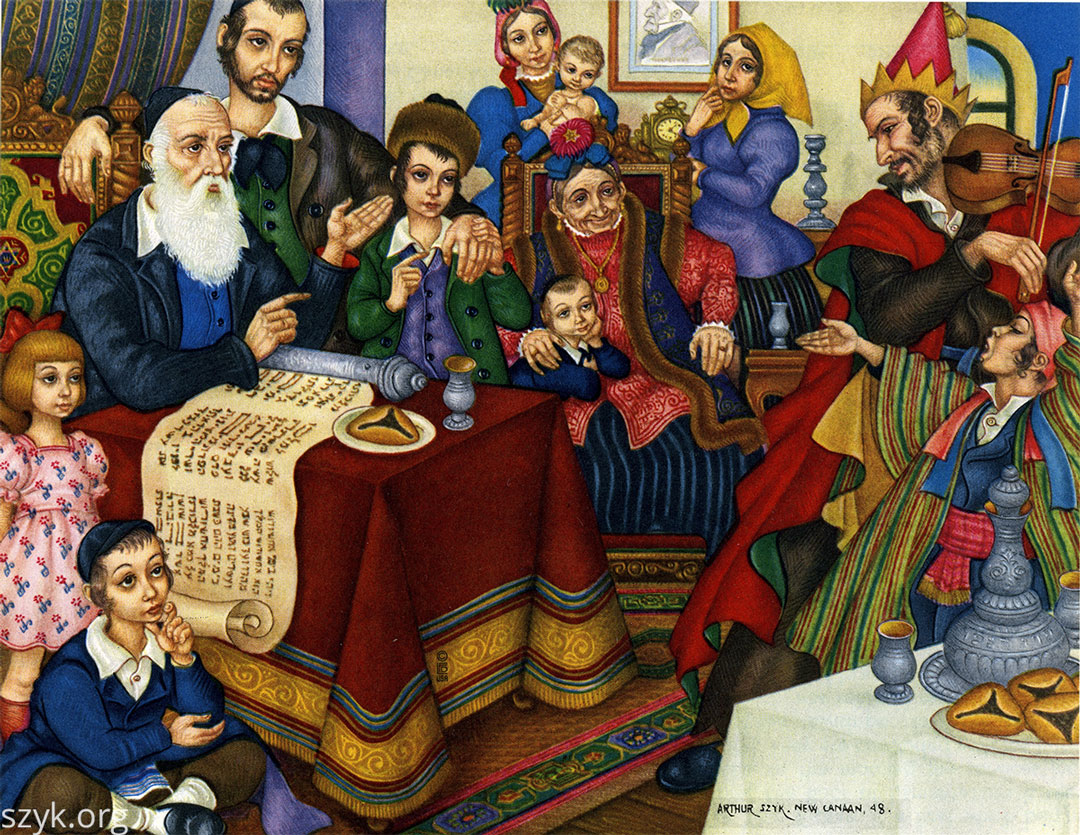
כנגד ארבעה בנים דברה תורה, כך מספרת לנו ההגדה לפסח, ושלושה מתוכם מופיעים בפרשת השבוע שלנו, פרשת “בא”: הרשע, התם וזה שאינו יודע לשאול, ואילו החכם יופיע בסוף ספר דברים. בסה”כ, ארבעה בנים ששואלים שלוש שאלות ומקבלים מעין חמש וחצי תשובות… מי שאל (או לא שאל) מה, ואיזה תשובה קבל?

החכם שואל מָ֣ה הָעֵדֹ֗ת וְהַֽחֻקִּים֙ וְהַמִּשְׁפָּטִ֔ים אֲשֶׁ֥ר צִוָּ֛ה ה’ אֱלֹהֵ֖ינוּ אֶתְכֶֽם?

בתורה הוא מקבל תשובה מפורטת: “וְאָמַרְתָּ֣ לְבִנְךָ֔ עֲבָדִ֛ים הָיִ֥ינוּ לְפַרְעֹ֖ה בְּמִצְרָ֑יִם וַיֹּצִיאֵ֧נוּ ה’ מִמִּצְרַ֖יִם בְּיָ֥ד חֲזָקָֽה׃ וַיִּתֵּ֣ן ה’ אוֹתֹ֣ת וּ֠מֹפְתִ֠ים גְּדֹלִ֨ים וְרָעִ֧ים בְּמִצְרַ֛יִם בְּפַרְעֹ֥ה וּבְכׇל־בֵּית֖וֹ לְעֵינֵֽינוּ׃ וְאוֹתָ֖נוּ הוֹצִ֣יא מִשָּׁ֑ם לְמַ֙עַן֙ הָבִ֣יא אֹתָ֔נוּ לָ֤תֶת לָ֙נוּ֙ אֶת־הָאָ֔רֶץ אֲשֶׁ֥ר נִשְׁבַּ֖ע לַאֲבֹתֵֽינוּ׃ וַיְצַוֵּ֣נוּ ה’ לַעֲשׂוֹת֙ אֶת־כׇּל־הַחֻקִּ֣ים הָאֵ֔לֶּה לְיִרְאָ֖ה אֶת־ה’ אֱלֹהֵ֑ינוּ לְט֥וֹב לָ֙נוּ֙ כׇּל־הַיָּמִ֔ים לְחַיֹּתֵ֖נוּ כְּהַיּ֥וֹם הַזֶּֽה׃ וּצְדָקָ֖ה תִּֽהְיֶה־לָּ֑נוּ כִּֽי־נִשְׁמֹ֨ר לַעֲשׂ֜וֹת אֶת־כׇּל־הַמִּצְוָ֣ה הַזֹּ֗את לִפְנֵ֛י ה’ אֱלֹהֵ֖ינוּ כַּאֲשֶׁ֥ר צִוָּֽנוּ (דברים ו, כ-כה).

ואילו ההגדה עונה לו על משהו שכלל לא שאל: “וְאַף אַתָּה אֱמוֹר לוֹ כְּהִלְכוֹת הַפֶּסַח: אֵין מַפְטִירִין אַחַר הַפֶּסַח אֲפִיקוֹמָן”.

הרשע שואל: מָ֛ה הָעֲבֹדָ֥ה הַזֹּ֖את לָכֶֽם? תשובת התורה אליו היא בהסבר מסודר: “וַאֲמַרְתֶּ֡ם זֶֽבַח־פֶּ֨סַח ה֜וּא לַֽה’ אֲשֶׁ֣ר פָּ֠סַ֠ח עַל־בָּתֵּ֤י בְנֵֽי־יִשְׂרָאֵל֙ בְּמִצְרַ֔יִם בְּנׇגְפּ֥וֹ אֶת־מִצְרַ֖יִם וְאֶת־בָּתֵּ֣ינוּ הִצִּ֑יל וַיִּקֹּ֥ד הָעָ֖ם וַיִּֽשְׁתַּחֲוֽוּ׃ וַיֵּלְכ֥וּ וַֽיַּעֲשׂ֖וּ בְּנֵ֣י יִשְׂרָאֵ֑ל כַּאֲשֶׁ֨ר צִוָּ֧ה ה’ אֶת־מֹשֶׁ֥ה וְאַהֲרֹ֖ן כֵּ֥ן עָשֽׂוּ” (שמות יב:כו-כח).

ואילו ההגדה מקשה עליו ומדגישה לנו את המילה “לכם” בשאלתו, ומכריזה עליו שהוא מוציא עצמו מן הכלל, וזאת למרות שגם החכם אמר “אתכם” בגוף שני! אלא שבענין הרשע הקפידה ההגדה: “וּלְפִי שֶׁהוֹצִיא אֶת עַצְמוֹ מִן הַכְּלָל כָּפַר בְּעִקָּר. וְאַף אַתָּה הַקְהֵה אֶת שִׁנָּיו וֶאֱמוֹר לוֹ: “בַּעֲבוּר זֶה עָשָׂה ה’ לִי בְּצֵאתִי מִמִּצְרָיִם”. לִי וְלֹא־לוֹ. אִלּוּ הָיָה שָׁם, לֹא הָיָה נִגְאָל”, אך… איפה אמרה (לו) התורה: “בַּעֲבוּר זֶה עָשָׂה ה’ לִי בְּצֵאתִי מִמִּצְרָיִם”?

שאלת התם כביכול פשוטה: מַה־זֹּ֑את? התורה גם לו נותנת הסבר מפורט: “וְאָמַרְתָּ֣ אֵלָ֔יו בְּחֹ֣זֶק יָד הוֹצִיאָ֧נוּ ה’ מִמִּצְרַ֖יִם מִבֵּ֥ית עֲבָדִֽים׃ וַיְהִ֗י כִּֽי־הִקְשָׁ֣ה פַרְעֹה֮ לְשַׁלְּחֵ֒נוּ֒ וַיַּהֲרֹ֨ג יְהֹוָ֤ה כׇּל־בְּכוֹר֙ בְּאֶ֣רֶץ מִצְרַ֔יִם מִבְּכֹ֥ר אָדָ֖ם וְעַד־בְּכ֣וֹר בְּהֵמָ֑ה עַל־כֵּן֩ אֲנִ֨י זֹבֵ֜חַ לַֽה’ כׇּל־פֶּ֤טֶר רֶ֙חֶם֙ הַזְּכָרִ֔ים וְכׇל־בְּכ֥וֹר בָּנַ֖י אֶפְדֶּֽה׃ וְהָיָ֤ה לְאוֹת֙ עַל־יָ֣דְכָ֔ה וּלְטוֹטָפֹ֖ת בֵּ֣ין עֵינֶ֑יךָ כִּ֚י בְּחֹ֣זֶק יָ֔ד הוֹצִיאָ֥נוּ ה’ מִמִּצְרָֽיִם” (שמות יג, יד-טז).

ההגדה לעומת זאת בחרה רק בפסוק הראשון מתוך ההסבר: “בְּחוֹזֶק יָד הוֹצִיאָנוּ ה’ מִמִּצְרַיִם מִבֵּית עֲבָדִים”. זהו, די והותר!

וזה שאינו יודע לשאול? עליו אמרה התורה: וְהִגַּדְתָּ֣ לְבִנְךָ֔ בַּיּ֥וֹם הַה֖וּא לֵאמֹ֑ר בַּעֲב֣וּר זֶ֗ה עָשָׂ֤ה ה’ לִ֔י בְּצֵאתִ֖י מִמִּצְרָֽיִם׃ וְהָיָה֩ לְךָ֨ לְא֜וֹת עַל־יָדְךָ֗ וּלְזִכָּרוֹן֙ בֵּ֣ין עֵינֶ֔יךָ לְמַ֗עַן תִּהְיֶ֛ה תּוֹרַ֥ת ה’ בְּפִ֑יךָ כִּ֚י בְּיָ֣ד חֲזָקָ֔ה הוֹצִֽאֲךָ֥ ה’ מִמִּצְרָֽיִם׃ וְשָׁמַרְתָּ֛ אֶת־הַחֻקָּ֥ה הַזֹּ֖את לְמוֹעֲדָ֑הּ מִיָּמִ֖ים יָמִֽימָה (שמות יג, ח-יא), ואילו ההגדה קצרה והדגישה לנו: אַתְּ פְּתַח לוֹ, שֶׁנֶּאֱמַר, וְהִגַּדְתָּ לְבִנְךָ בַּיּוֹם הַהוּא לֵאמֹר, בַּעֲבוּר זֶה עָשָׂה ה’ לִי בְּצֵאתִי מִמִּצְרָיִם. רגע, זה נשמע מוכר! אכן, זו תשובת ההגדה לרשע. חז”ל רומזים לנו שיש קשר מסוכן בין אדישות ורשעות. ידועה האמירה המפורסמת (למרות שלא ברור מי אמר אותה בראשונה): “כל מה שנחוץ כדי שרוע יגבר, הוא שמספיק אנשים טובים לא יעשו כלום”.

המהר”ל מפראג שואל בהגדה לפסח שלו, למה התייחסה התורה דוקא לארבעה בנים אלו?וכי אין סוגי בנים נוספים, כמו הבן הפיקח, השוטה, או העצלן? מדוע אליהם לא התייחסה התורה באופן מפורש?

בנוסף, נשאלת השאלה, למה הראשון הוא החכם, ואילו השני הוא הרשע? הלא אם הראשון הוא החכם, השני שכביכול עומד נגדו, היה צריך להיות שוטה, או לחילופין, אם אנחנו דנים בבן רשע, הרי לעומתו היה צריך להיות צדיק, ולמה נכתבים החכם והרשע כביכול אחד נגד השני?

ונראה לומר, כך לפי המהר”ל, שודאי ישנם סוגי ילדים נוספים אולם כאן אנו עוסקים במצווה להעביר את המסר והידיעה, ולכן יש להתייחס אליהם דוקא ביחס לצורת קליטתם, קבלתם והתייחסותם לידיעות המועבורת אליהם, וכלפי תכונות אלו של קבלת הידיעות והשימוש בהם, יש, לדעת המהר”ל, רק ארבעה סוגים:

האחד, מי שבידיעות וההשכלה שיש לו, משתמש כבסיס להתפתחות נוספת, ומנסה מתוך מה שכבר יודע, להוסיף ולהחכים. זהו ה”חכם”, כי הוא עסוק כל ימיו בקניית חוכמה והוספת דעת.

השני (וכוונתו לתם) טוב לו במה שכבר בידו, וחסרון ידיעתו לא מפריע לו, רק כשיראה משהו שעומד בסתירה לידיעותיו הקודמות, ינסה לברר “מה זאת”. אדם כזה נקרא “תם”: הוא מרגיש שלם ולא בהכרח מחפש להוסיף ידע. כך נאמר על יעקב בתחילת דרכו “איש תם יושב אוהלים” (בראשית כה,כז), ולכן, החיים מטלטלים אותו ומציבים לו אתגרים שונים כדי לאפשר לו להתפתח ולגדול למי שהוא צריך להיות כאבי האומה.

השלישי (כוונתו לרביעי בהגדה) לא רק שלא מחפש ידע, אלא גם כשנתקל בדברים שונים ומשונים, לא מנסה להתעניין בהם, והוא “אינו יודע לשאול”.

לעומת שלושתם הסוג הרביעי (הרשע בהגדה) שונה. הוא לא נמצא בהמשכיות לאחרים, אלא הוא בעל אותה תכונה כמו החכם: הוא מעוניין להשתמש בידיעות שלו להוסיף חוכמה, אלא שמטרתו בחוכמתו היא להרע. חז”ל מאירים לנו כאן שהתכונה עצמה איננה הענין, אלא איך אנחנו משתמשים בתכונות שלנו.

זאת ועוד: בעברית אנחנו מדברים על “יצר הרע” אבל לא על “יצר רשע”, למרות שבאנגלית שניהם יתורגמו אותו הדבר. מהו בעצם ההבדל בין “רע” ורשע”?

ה”רע” עושה טעויות, נסחף אחרי יצרו, לא בוחר נכון ונופל מדרך הישר. כל זה יכול לקרות לכולנו, ועל כך אפשר לעשות תשובה ולתקן דרכנו. אבל הרשע, ע”פ חכמי ההגדה, הוא לא מי שסתם טעה, אלא מי שמטרתו היא ללעוג ולקלקל לאחרים.

על דרך הפשט, ההבדל בין שניהם הוא האות “שין” שצורתה כשיניים. האות שין מספרת לנו על משהו שחוזר על עצמו שוב ושוב כמו לעיסת אוכל בשיניים או כמו שנאמר לנו “ושיננתם לבניך”, לימוד שאנחנו חוזרים ו”משננים” אותו. לכך נאמר “הקהה שיניו” – צריך להוציא את ה”שין” מתוך הרשע כדי שיהיה לסתם רע! כך, הוא יוכל לעשות תשובה ולתקן את דרכיו, ואנחנו נוכל להתמודד איתו.

אך אולי החשוב מכל כאן שכבר התורה הבינה שיש לנו ילדים שונים, ושכל אחד מהם הוא עולם ומלואו וזקוק לדרך חינוך שונה. דבר זה היא מדגישה לנו דוקא בפרשה הזו, ביציאה מעבדות ושעבוד לחירות וגאולה. חלק מהחירות היא היכולת להיות מי שאנחנו, ולאפשר זאת לאחרים, גם לילדינו. הדבר נכון במיוחד בחינוך: אותו ההסבר לא ידבר לכולם באותה צורה והדבר מצריך עבודה, עקשנות ויציריות, אך עדיין, אין זו סיבה לוותר על העברת הסיפור שלנו מדור לדור.

בשורות טובות, שבת שלום וחודש שבט טוב.

The Torah spoke of four sons, as the Passover Haggadah tells us, and three of them appear in this week’s Torah portion, “Bo”: the rasha (wicked), the tam (innocent), and she’eino yode’a ilsh’ol (the one who does not know how to ask), while the chacham (wise) one appears at the end of the Book of Deuteronomy. In total, four sons who ask three questions and receive something like five and a half answers… Who asked (or didn’t ask) what, and what answer did they receive?

The chacha, (wise) son asks, What are the testimonies, statutes, and judgments that the Lord our Gd has commanded you?

In the Torah he receives a detailed answer:

Then you shall say to your son, We were slaves of Pharaoh in Egypt, and Hashem brought us out of Miżrayim with a mighty hand: and the Lord gave signs and wonders, great and sore, upon Miżrayim, upon Pharaoh, and upon all his household, before our eyes: and He brought us out from there, that He might bring us in, to give us the Land which He swore to our fathers. And the Lord commanded us to do all these statutes, to fear the Lord our Gd, for our good always, that He might preserve us alive, as it is at this day. And it shall be accounted virtue in us, if we take care to do all these commandments before the Lord our Gd, as He has commanded us” (Deuteronomy 6:20-26)

But the Haggadah answers him about something he did not even ask: “And you also said to him, ‘As for the Passover, do not leave anything after the afikoman.’”

The wicked one asks: What is this work for you? The Torah’s answer to this is in an organized explanation: “that you shall say, It is the Passover sacrifice of the Lord, who passed over the houses of the Children of Yisra᾽el in Miżrayim, when he smote Miżrayim, and delivered our houses. And the people bowed their head and worshipped. And the children of Yisra᾽el went away, and did as the Lord had commanded Moshe and Aharon, so they did” (Exodus 12:26-28).

However, the Haggadah makes it difficult for him and emphasizes the word “you” in his question, and declares that he is excluding himself from the majority, even though the wise one also said “you” in the second person! But regarding the rasha (wicked), the Haggadah was strict with him: “and for he excluded himself, he went against the main principle. And you too, should dull his teeth, and say to him: “for this, the Lord did this to me when I came out of Egypt.” For me and not for him. If he had been there, he would not have been saved,” but… Where did the Torah say (to him): “for this, the Lord did this to me when I came out of Egypt”?

A innocent’s question is seemingly simple: What is this? The Torah also gives a detailed explanation: “And you said to him, ‘By a strong hand the Lord brought us out of Egypt, out of the house of bondage.’ And it came to pass, when Pharaoh made it difficult for us to leave, that the Lord killed all the firstborn in the land of Egypt, both the firstborn of human and the firstborn of beast. Therefore I sacrifice to the Lord all the firstborn of the males, and all the firstborn of my children, I shall redeem; and it should be a sign upon your hand, and for frontlets between your eyes: for by a strong hand the Lord brought us out of Egypt” (Exodus 13:14-16).

The Haggadah, on the other hand, chose only the first verse from this explanation: “With a strong hand the Lord brought us out of Egypt, out of the house of bondage.” That is enough!

And what about the one who does not know how to ask? The Torah said about him: “And you shall tell your son in that day, saying, ‘This is what the Lord did for me when I came out of Egypt.’ And it shall be for you as a sign on your hand and as a memorial between your eyes, so that the Torah of the Lord may be in your mouth, for with a strong arm the Lord has brought you out of Egypt; keep this law as it should be, day by day” (Exodus 13:8-11),

while the Haggadah is brief and emphasizes for us: You shall start things up for him, as it is said, and you shall tell your son on that day, saying, “for this, the Lord did this to me when I came out of Egypt”… Wait, that sounds familiar! Indeed, this is the Haggadah’s response to the rasha (wicked). The Sages hint to us that there is a dangerous connection between indifference and wickedness, as the famous saying (although it’s not clear who first said it) teaches: “All that is needed for evil to prevail is for enough good people to do nothing.”

The Maharal of Prague asks in his Passover Haggadah, why did the Torah refer specifically to these four children? Aren’t there other types, such as the clever, the foolish, or the lazy one? Why didn’t the Torah refer to them?

In addition, the question arises, why is the first one the wise one, while the second one is the wicked one? If the first one is the wise one, the second one, who supposedly stands against him, should be a fool, or alternatively, if we are discussing a wicked son, then facing him should be a righteous one, but and why are the wise and the wicked written as if one were against the other?

It seems, according to the Maharal, that there are certainly other types of children, but here we are dealing with the mitzvah of teaching and transferring knowledge, and therefore we address them in accordance to their way of learning, treating and absorbing the information conveyed to them, and with regard to these qualities of receiving information and using it, there are, according to the Maharal, only four types:

One, who uses the knowledge and education he has as a basis for further development, and tries to grow wiser from what he already knows. This is the “wise” one, because he is busy all the while acquiring wisdom and adding knowledge.

The second (though he means the simple one) is good at what he already has, and his lack of knowledge does not bother him, only when he sees something that contradicts his previous understanding will he try to find out “what is this.” Such a person is called “simple”: he feels complete and does not necessarily seek to add knowledge. This is what was said about Jacob at the beginning of his journey, “a simple man (ish tam) dwelling in tents” (Genesis 25:27), and therefore, life shakes him and presents him with various challenges in order to enable him to develop and grow into the fathers of the nation he’s about to become.

The third (that is, the fourth in the Haggadah) not only does not seek knowledge, but also when he encounters various strange things, does not try to be interested in them, and he “does not know how to ask.”

Compared to these three, the fourth type (the wicked one in the Haggadah) is different. He is not in ine with the others, but has the same characteristic as the wise one: he is interested in using his knowledge to increase wisdom, but his goal in this wisdom is to do and cause evil. The sages here point to us that any trait in itself might not the issue, but how we use our traits.

And furthermore: In Hebrew we speak of the “yetzer ha-ra” – evil inclination, but not the “yetzer ha-rasha,” even though in English they would be translated the same. What is the difference between “ra” and “rasa”?

The “ra” makes mistakes, is carried away by his instincts, does not choose correctly and falls from the straight path. All of this can happen to all of us, and for this we can repent and correct our ways. But the “rasa,” according to the sages of the Haggadah, is not someone who simply makes mistakes, but rather, someone whose goal is to mock and spoil things for others.

Simply put, the difference between the two is the letter “shin” which is shaped like teeth. The letter shin tells us about something that repeats itself over and over again, like chewing food with our teeth or as we are told, “and you shall teach it to your children” – veshinantam – a teaching that is repeated again and again. This is why it is said to “make his teeth numb” – the “shin” must be taken out of the rasha so that it will be just ra! That way, he can repent and correct his ways, and we can deal with him.

But perhaps the most important thing here is that the Torah already understood that we have different children, and that each of them is a whole world and needs a different way of raising them. It emphasizes this to us precisely in this weeks’ Torah portion, when we leave slavery and bondage, and go to freedom and redemption. Part of freedom is the ability to be who we are, and to allow others to do the same, including our children. This is especially true in education: the same explanation will not speak to everyone in the same way. This requires work, perseverance and creativity, but still, it is no reason to give up on passing our story from generation to generation.

May we hear good tidings, Shabbat Shalom and a good new month of Sh’vat.

And something (famous) from Tractate Sanhedrin- ומשהו (מפורסם) ממסכת סנהדרין

לְפִיכָךְ נִבְרָא אָדָם יְחִידִי, לְלַמֶּדְךָ שֶׁכׇּל הַמְאַבֵּד נֶפֶשׁ אַחַת מִיִּשְׂרָאֵל, מַעֲלֶה עָלָיו הַכָּתוּב כְּאִילּוּ אִיבֵּד עוֹלָם מָלֵא. וְכׇל הַמְקַיֵּים נֶפֶשׁ אַחַת מִיִּשְׂרָאֵל, מַעֲלֶה עָלָיו הַכָּתוּב כְּאִילּוּ קִיֵּים עוֹלָם מָלֵא…

The court tells the witnesses: Therefore, Adam the first man was created alone, to teach you that with regard to anyone who destroys one soul from the Jewish people, i.e., kills one Jew, the verse ascribes him blame as if he destroyed an entire world, as Adam was one person, from whom the population of an entire world came forth. And conversely, anyone who sustains one soul from the Jewish people, the verse ascribes him credit as if he sustained an entire world.

Posted in Uncategorized | Leave a comment

The Complex Journey to Freedom: Va’era

פרשת וארא: המסע המורכב אל החופש

מדינה שלמה ורבים בעולם כולו, עצרו השבוע את הנשימה בתפילה למראה שלוש השבות – רומי, אמילי ודורון העושות את דרכן מתוככי ליבה של עזה אל בין ההמון הסוער אל מעבר הגבול ולבסוף הביתה למשפחותיהם. ההתרגשות היתה בשיאה וסקרנות לא קטנה: איך הן? ערוצי הטלויזיה עד כה הדגישו את התמונות היפיפיות של כל אחת מהן, כאילו להדגיש את הידיעה הברורה שלא כך נמצא אותן אחרי 471 ימים בשבי, אך אין כן?
עדיין רב הנסתר על הגלוי, ואין שום ספק שהם עברו טראומה ותקופה קשה ביותר, ובכל זאת, הן לא נראו כחושות. הן הגיעו לבושות בבגדים שלמים וסבירים, ו- ראשן עטור צמות מושקעות. בנוסף למדנו שאנשי החמאס, ששמרו עליהן בתוך ההמון הגועש, ציידו אותן בשקיות וגם תעודות על הזמן בשבי, ושהן למדו שם ערבית. אנחנו כמעט נותרים באיזה תחושה מבולבלת של, רגע, אז לא היה כל כך נורא??

וכל זה בשבוע של פרשת “וארא” – השעבוד ותחילת היציאה ממצרים.

“בַּעֲשָׂרָה מַאֲמָרוֹת נִבְרָא הָעוֹלָם” (פרקי אבות ה,א), ומיד שואלים חז”ל: “וּמַה תַּלְמוּד לוֹמַר, וַהֲלֹא בְמַאֲמָר אֶחָד יָכוֹל לְהִבָּרְאוֹת!” כלומר, את אותו תהליך, אותו האל הכל-יכול יכול היה לעשות זאת גם באמירה באחת! בשביל מה העשיה האיטית שלב אחרי שלב?

ובפרשת השבוע שלנו, “וארא”, תחילת עשר המכות, איטיות בצורה משוועת, וכאילו לא די בכך, הן נפרשות על פני שתי פרשות. ושוב אנו תוהים: אותו האל הכל-יכול יכול היה לעשות זאת גם באמירה באחת! בשביל מה העשיה האיטית שלב אחרי שלב?

מסעם של חבורת עבדים הנמלטים מפרעה העריץ והופכים לעם חופשי ריתק את דמיונם של רבים לאורך כל הדורות. בנג’ימין פרקלין למשל, מדינאי שהשפיע רבות על הפוליטיקה וההסטוריה של ארה”ב במאה ה-18 והיה מן החותמים על הכרזת עצמאותה, הציע ב-1776, כחותם המדינה החדשה את דמותו של משה ה”עומד על שפת ים סוף, ידו שלוחה על המים, כך שהיא יוצרת את אותו הרושם מעורר היראה אצל פרעה היושב במרכבה פתוחה וכתרו בידו. קרני-אור נשלחים מעמוד האש לעננים ונוגעים במשה, מבטאים את זה שהוא נוהג על פי מצוות האל”. על החותם היתה צריכה להיות כתובה הסיסמא “מרד בעריצות זו נאמנות לאלוהים”.

לא הרחק מבנג’מין פרנקלין, גם העבדים השחורים בארה”ב שאלו לעצמם את סיפור יציאת מצרים ככלי השראה לצאתם לחופשי, ובטאו זאת בין השאר, בשיר שלימים שר זמר הג’ז לואי ארמסטרונג, “שלח את עמי” – LET MY PEOPLE GO. המילים מופיעות במקומות שונים בואריאציות קלות: “רד משה, רד אל תוך ארץ מצרים. תגיד לכל הפרעונים לשלח את עמי”, ובגרסה אחרת, “תגיד לפרעה הזקן – לשלח את עמי”.   

כך או כך, השיר חסר את המשך הפסוק: הקב”ה לא אמר רק “שלח את עמי” אלא ” שַׁלַּח֙ אֶת־עַמִּ֔י וְיַֽעַבְדֻ֖נִי” (שמות ז, טז). המסע שלנו תמיד היה צריך להיות קשור למטרה. זו לא היתה יציאה לחופשי רק למען החופש עצמו, אלא למען הפיכתנו מעבדי פרעה לעבדי ה’, כפי שכתב רבי יהודה הלוי בשירו:

עַבְדֵי זְמָן עַבְדֵי עֲבָדִים הֵם – / עֶבֶד אֲדֹנָי הוּא לְבַד חָפְשִׁי:
עַל כֵּן בְּבַקֵּשׁ כָּל-אֱנוֹשׁ חֶלְקוֹ / “חֶלְקִי אֲדֹנָי!” אָמְרָה נַפְשִׁי.

אך מסתבר ששיר הנשמה של ארמסטרונג אינו המקום היחיד בו נפרד המסע מיעודו. קריאה מדוקדקת מראה שזה בדיוק מה שגם קרה לבני ישראל: “וְלֹא שָׁמְעוּ אֶל-משֶׁה מִקֹּצֶר רוּחַ וּמֵעֲבֹדָה קָשָׁה” (שמות ו, ט), ורש”י מסביר: מקצר רוח. כָּל מִי שֶׁהוּא מֵצֵר, רוּחוֹ וּנְשִׁימָתוֹ קְצָרָה, וְאֵינוֹ יָכוֹל לְהַאֲרִיךְ בִּנְשִׁימָתוֹ. האם רשי לא אומר כאן את המובן מאליו, שמי שרוחו ונשימתו קצרה, לא יכול להאריך בנשימתו? בני ישראל כאן הם כמו אדם בזמן התקף אסטמה. בשעה שהוא נושף ומתנשף, מרגיש על סף חנק וזקוק להקלה מיידית, הוא אינו מסוגל לשמוע סיפורים על תרופה עתידית שנמצאת בשלבי פיתוח.

המלבי”ם מוסיף, שלנוכח תגובתם וחוסר רצונם לשמוע אותו, משה חשש שהם לא רוצים לצאת ממצרים בכלל, ולכן הוסיף הטקסט, שזה לא שהם לא רוצים, אלא שמ”קוצר רוח ועבודה קשה” הם לא מסוגלים לחשוב על כך בכלל. העבדות היא זו שפוגעת בהם בגוף ונפש גם יחד.

ועדיין. אנחנו תוהים. אפשר להבין בקלות את משל התרופה, אבל כאן אנחנו מדברים על הקב”ה! בני ישראל חיים חיי סבל ויסורים, ואלוקים – כל יכול! למה הוא לא מוציא אותם משם כבר? שיתן מכה אחת, “זבנג וגמרנו”?

המסתכל מן החוץ על המצב בד”כ מתקשה להבין. בין אם מדובר בבני ישראל במצרים, או ביהודי אירופה של שנות ה-30 במאה שעברה, באשה מוכה בזוגיות מתעללת או בכמעט כל מצב שבי אחר, הוא תוהה: מדוע האדם שסובל כל כך, לא יוצא החוצה? אם החיים במצרים כבר לא הסתדרו עבור בני ישראל, מדוע הם לא עברו את המרחק הקצר יחסית לארץ, עם השיירות והסוחרים הרבים שעברו במקום, כפי שעשו כשעלו לקבור את יעקב? מדוע לא עזבו יהודי אירופה את טבעת המשטר הנאצי המתהדקת סביב צווארם? אם כל כך לא טוב לה, למה האישה המוכה לא עוזבת את האיש המתעלל בה?

במסגרת לימודי בישיבת מהר”ת בארה”ב, זכיתי לעסוק בליווי רוחני לנשים יהודיות בכלא הנשים המאובטח ביותר במדינת ניו-יורק. כל שנה, היינו חוגגות איתן מעין סדר פסח, ובשנה אחת, אחת האסירות מזה יותר מ-30 שנה, בדיוק קבלה חנינה. ההתרגשות היתה גדולה, ואני חשבתי לתומי שכל האחרות מביטות בה בקנאה, אלא שאז, שכנתי לארוחה, אסירה שנשפטה “רק” לכ-20 שנה, התכופפה ולחשה לי, ‘אם וכאשר יקראו לי לועדה לקבל חנינה, אני לא מתכוונת לגשת. אין לי לאן לצאת מוקדם ואולי לא בכלל’.

גם את בני ישראל נראה מאוחר יותר נאנחים ואומרים, “זָכַ֙רְנוּ֙ אֶת־הַדָּגָ֔ה אֲשֶׁר־נֹאכַ֥ל בְּמִצְרַ֖יִם חִנָּ֑ם אֵ֣ת הַקִּשֻּׁאִ֗ים וְאֵת֙ הָֽאֲבַטִּחִ֔ים וְאֶת־הֶחָצִ֥יר וְאֶת־הַבְּצָלִ֖ים וְאֶת־הַשּׁוּמִֽים” (במדבר יא,ה)… האם חום המדבר שיבש את דעתם? או שמא, לא הכל היה רע במצרים, אחרת עבדות מוחלטת לא הייתה אפשרית. יותר מדי דיכוי מוליד במוקדם או במאוחר נסיונות בריחה, מהומות ומרידות, או מוות של העבדים, מצבים שהמשעבד בד”כ רוצה להימנע מהם. העבדות האולטימטיבית משלבת בידוד (במקרה של בני ישראל במצרים, הרחק מארצם ומהקב”ה שעד כה לא התערב), עבודה קשה ועינויים (כמו בעבודת הפרך וזריקת הבנים לנהר) יחד עם טיפול, גם אם מינימלי (“אוכל חינם” וסוג של תחושת ביטחון נוסח – לאן נלך? בחוץ יכול להיות גרוע יותר).

הדפוס שחוזר על עצמו במצבי התעללות שונים ידוע לשובה. גם הגואל שרוצה להצליח – ויותר מהשובה – צריך לדעת זאת. את הרשת הדביקה שסובבת את המשועבד ונבנית בקפידה, יש להתיר בזהירות כדי להבטיח מסע מוצלח לחופשי. כשאנחנו נתקלים בשיעבוד, מפנים או מחוץ, נראה שלא צריך לשפוט מהר מדי. תהליכים מורכבים לוקחים הרבה סבלנות. אפילו לקב”ה לוקח זמן להוציא חבורת עבדים משעבוד לחופשי.

שבת שלום.

An entire country and many around the world held their breath in prayer this week as they watched the three hostages-returnees – Romi, Emily and Doron – make their way from the heart of Gaza through the turbulent crowd, across the border, and finally home to their families. The excitement peaked as did the curiosity to see them: What will they look like? Prior to their release, the TV channels highlighted the beautiful pictures of each of them, as if to emphasize the obvious fact that this is not how we will find them after 471 days in captivity, but how yes?

There is still much more that is hidden then known, and there is no doubt that they have gone through trauma and an extremely difficult time, and yet, they did not look emaciated; they arrived dressed in intact and reasonable clothing, and their heads adorned with intricate braids. In addition, we learned that the Hamas men, who guarded them through the restlessly huge crowd, provided them with “goody” bags of souvenirs, and certificates “testifying” for their time in captivity, and, that they even learned Arabic there. We are almost left with some confused feeling of, wait, so it wasn’t that bad??

And all this in the week of Parashat “Va’era” – servitude, enslavement and the beginning of the Exodus from Egypt.

“In 10 statements the world was created” we’re told (Pirkei Avot 5:1), and immediately the Sages ask: “And what is the meaning of this? Could the world not be created in one statement?” In other words, the same Almighty Gd could have done this with a single word! Why the slow action, step by step?

And in this week’s Torah portion, “Va’era”, the beginning of the ten plagues, is also, incredibly slow. As if that’s not enough, the plagues are spread over two portions. And again we wonder: the same Almighty Gd could have done it with a single word! Why the slow action, step by step?

The journey of a group of slaves who escape from the tyrannical Pharaoh and become a free people has captivated the imagination of many throughout the ages. Benjamin Franklin, for example, a statesman who greatly influenced the politics and history of the United States in the 18th century and was one of the signers of the Declaration of Independence, proposed in 1776, as the seal of the new state, the image of Moses “standing on the shore of the Red Sea, his hand stretched out over the water, so that it creates the same awe-inspiring impression on Pharaoh sitting in an open chariot with his crown in his hand. Rays of light are sent from the pillar of fire into the clouds and touch Moses, expressing that he is acting according to the commandments of Gd.” The seal was to bear the motto “Rebellion against tyrants is obedience to Gd.”

Not far away from Benjamin Franklin, the slaves also borrowed the story of the Exodus from Egypt as an inspiration for freedom, and expressed this, among other things, in a song later sung by jazz singer Louis Armstrong, “Let My People Go.” The words appear in various places in slight variations: “Go down, Moses, way down Egypt land; tell all Pharaohs to let my people go,” and in another version, “Tell old Pharaoh, to let my people go.”

In any case, the song is missing the rest of the verse: Gd did not just say “Let my people go,” but “Let my people go so they may worship me” (Exodus 7:16). Our journey should always be related to a goal. This was not a journey to freedom just for the sake of freedom itself, but for the sake of transforming us from slaves of Pharaoh into servants of Gd, as Rabbi Yehuda Halevi wrote in his poem:

Servants of time are servants of servants / A servant of Hashem, he alone is free

Therefore, when each one seeks their portion / “My share is with Hashem”, said my soul to me.

But it turns out that Armstrong’s soul song is not the only place where the journey got disconnected from its destination. A careful reading shows that this is exactly what happened to the Children of Israel: “And they did not hearken to Moses because of their short spirit and hard labor” (Exodus 6:9). Rashi explains: “because of their short spirit”, that is anyone who is in a tight spot, his spirit and breath is short and cannot prolong his breath.

Isn’t Rashi stating the obvious here, that a person whose spirit and breath are short, cannot prolong his breath? The Israelites here are like a person during an asthma attack. While a person is huffing and puffing, feeling on the verge of suffocation and in need of immediate relief, he is unable to hear stories about a future cure that’s in some development stages. The Malbim adds that in light of their reaction and unwillingness to hear him, Moses was afraid that they did not want to leave Egypt at all, and so the text added that it was not that they did not want to, but that from their “short spirit and hard labor”, they were unable to think about it at all. It was slavery that harmed them body and soul.

And yet. We wonder. We can easily understand the parable of the asthma patient and medicine, but here we are talking about Gd! The Israelites live a life of suffering and torment, and Gd is omnipotent! Why doesn’t He just get them out of there? Let Him strike one blow, one “big bang and we’re done”?

The outsider who looks at the situation usually has difficulty understanding. Whether it’s the Israelites in Egypt, or the Jews of the 1930s Europe, a woman beaten in an abusive relationship, or in almost any other situation of captivity, he wonders: Why doesn’t the person who suffers so much get out? If life in Egypt was no longer working out for the Israelites, why didn’t they travel the relatively short distance to the Land, with the many caravans and merchants who passed through, as they did when they went up to bury Jacob? Why didn’t the Jews of Europe leave the ring of the Nazi regime tightening around their necks? If it’s so bad for her, why doesn’t the battered woman leave the man who abuses her?

As part of my studies at Yeshivat Maharat in the US, I was honored to engage in chaplaincy for Jewish women in the highest security women’s state prison in New York. Every year, we would celebrate a mock Passover Seder with the women, and one year, one of the prisoners, who had been in prison for more than 30 years, just received her pardon. The excitement was great, and I thought to myself that all the others were looking at her with envy, except that then, sitting next to me for dinner, a prisoner who had been sentenced to “only” about 20 years, leaned over and whispered to me, ‘If and when they call me to the prison committee to receive my pardon, I don’t intend to go. I have nowhere to go, not early or maybe not at all.’

The Israelites are also seen later sighing and saying, “we remember the fish we ate in Egypt, for free, the zucchini, the melons, the grain, the onion and the garlic” (Numbers 11:5)… Did the desert heat totally confuse them? Or was it not all bad in Egypt, otherwise absolute slavery would not have been possible. Too much oppression sooner or later leads to escape attempts, riots and rebellions, or the death of the slaves, situations that the enslaver usually wants to avoid. The ultimate slavery combines isolation (in the case of the Israelites in Egypt, far from their land and from Gd, who has not yet intervened), hard work and torture (as in the case of the labor, throwing the boys into the river and taking the girls) along with care, even if minimal (“free food” and a kind of sense of security along the lines of – where will we go? It could be worse outside).

The pattern that repeats itself in various abuse situations is known to the captive. The redeemer who wants to succeed – and more than the captor – should also know this. The sticky web that surrounds the enslaved and is carefully constructed, must be carefully untied to ensure a successful journey to freedom. When we encounter enslavement, from within or without, it seems that we should not judge too quickly. Complex processes take a lot of patience. Even Gd Almighty takes time to free a group of slaves from bondage.

Shabbat Shalom.

Posted in Uncategorized | Leave a comment

The Torah portion of “And These Are the Names”… (Shmot)

פרשת “ואלה שמות”…

אנחנו פותחים את ספר שמות, הספר שיתאר את השהות והיציאה ממצרים, את מתן תורה ובניית המשכן, את הולדת המנהיג הגדול שלנו, ותחילת ההסטוריה שלנו כעם, במילים: “וְאֵ֗לֶּה שְׁמוֹת֙ בְּנֵ֣י יִשְׂרָאֵ֔ל הַבָּאִ֖ים מִצְרָ֑יְמָה אֵ֣ת יַעֲקֹ֔ב אִ֥ישׁ וּבֵית֖וֹ בָּֽאוּ”… (שמות א,א), פסוק שלמרות שנכתב לפני אלפי שנים, מהדהד את מהדורות החדשות במיוחד של השנה ורבע האחרונה, כשבכל פעם, אנו עוצרים את נשימתנו לשמע המשפט האיום והמצמרר: ‘דובר צהל מסר לפרסום… ואלה שמות’…

מה השם שלך? איך אנשים שונים קוראים לך?
יש עוצמה בשם. שם מציע ומאפשר זהות: ‘קוראים לי … החברים קוראים לי… והילדים קוראים לי… אני נקראתי על שם’…. לא פלא שאחד מהכינויים שלנו לקב”ה זה – ה-שם, ושאחד הדברים שהכי מטרידים את משה במפגש בסנה הבוער, גם הוא בפרשה שלנו, הוא “הִנֵּ֨ה אָנֹכִ֣י בָא֮ אֶל־בְּנֵ֣י- יִשְׂרָאֵל֒ וְאָמַרְתִּ֣י לָהֶ֔ם אֱלֹהֵ֥י אֲבוֹתֵיכֶ֖ם שְׁלָחַ֣נִי אֲלֵיכֶ֑ם וְאָֽמְרוּ־לִ֣י מַה־שְּׁמ֔וֹ מָ֥ה אֹמַ֖ר אֲלֵהֶֽם” (שם, ג,יג).

מנגד, בתקופת השואה, למשל, אחד הצעדים נגדנו היה לקחת מאיתנו את השמות ולהפוך אותנו למספרים. גם בתחילת ספר שמות, למרות הפתיח המבטיח של “ואלה שמות”, די מהר כל השמות נעלמים. אחד מסממני העבדות הוא שאין חשיבות לזהות האישית. אנשים מקבלים משמעות מתפקידם: המלך. המיילדות. האמא של. האחות של. הילד. הנער. רק כשמשה נולד, חוזרים השמות. באופן סמלי, תחילת הגאולה היא היכולת לראות את האחר כישות בפני עצמה.

המדרש (שיר השירים רבה ד,יב) מציין ש”בִּזְכוּת אַרְבָּעָה דְבָרִים נִגְאֲלוּ יִשְׂרָאֵל מִמִּצְרַיִם – והראשון שבהם – שֶׁלֹא שִׁנּוּ אֶת שְׁמָם…. בכך, הפתיח של ספר שמות חוזר ומרחיב את מה שראינו בתחילת ספר בראשית: “וַיִּקְרָ֨א הָֽאָדָ֜ם שֵׁמ֗וֹת לְכׇל־הַבְּהֵמָה֙ וּלְע֣וֹף הַשָּׁמַ֔יִם וּלְכֹ֖ל חַיַּ֣ת הַשָּׂדֶ֑ה”… (בראשית ב,כ) ולאחר מכן, גם לאשה שלצידו, ולמרות שאולי היה צריך לקרוא לה “אדמה” כפי שיכול להגזר מצורת הנקבה של אדם, ולמרות שכבר קודם נקראה אשה “כִּ֥י מֵאִ֖ישׁ לֻֽקְחָה־זֹּֽאת” (שם,כג), כשהוא הבין שהיא בריאה אחרת לגמרי ממנו, עם זהות אחרת לגמרי – רצונות, שאיפות, יכולות, תפקיד, חלומות – רק אז “וַיִּקְרָ֧א הָֽאָדָ֛ם שֵׁ֥ם אִשְׁתּ֖וֹ חַוָּ֑ה”… (שם,ג,כ). בעצם, זו דרגה גבוהה שאנחנו עלולים לקחת כמובן מאליו ולא כל אחד מגיע אליה: לראות את האחר כמי שהוא, ולא רק ככלי לצרכים שלי.

אך מסתבר האמירה הזו כאן של “ואלה שמות”, כבר נאמרה, כמעט באותה לשון, קודם לכן, כשבני ישראל ירדו למצרים (בראשית מו,ח). אם כן, למה, בעצם, לחזור על כך שוב?

אומר לנו רש”י:

ואלה שמות בני ישראל. אַעַ”פִּ שֶׁמְּנָאָן בְּחַיֵּיהֶם בִּשְׁמוֹתָם (כוונתו שכבר הוזכר פסוק כזה קודם לכן בספר בראשית, כשבניו של יעקב ירדו למצרים), חָזַר וּמְנָאָם בְּמִיתָתָם, לְהוֹדִיעַ חִבָּתָם, שֶׁנִּמְשְׁלוּ לְכוֹכָבִים, שֶׁמּוֹצִיאָם וּמַכְנִיסָם בְּמִסְפַּר וּבִשְׁמוֹתָם (שמות רבה), שֶׁנֶּאמר “הַמּוֹצִיא בְמִסְפָּר צְבָאָם לְכֻלָּם בְּשֵׁם יִקְרָא” (ישעיהו מ’).

אכן, כוכבים זוהרים בשמי החושך. כל אחת מהתמונות. כל אחד מהשמות. כי לקרוא למישהו בשמו, אומר לנו רש”י, ולפעמים אפילו לתת לו שם, זה סוג של הכרות, סימן חיבה.

הכלי יקר מרחיב על רש”י והרעיון של בני ישראל ככוכבים ואומר ש”הכוכב אע”פ שאינו נראה ביום, מכל מקום הוא בנמצא גם ביום …. לפי שכל עיקר שם טוב של אדם אינו ניכר כי אם אחר מותו, כי בחייו אין הדבר ידוע… (ו)אין מקום לסיפור שבחו כי מי יודע אם ישאר בצדקתו”… כלומר, כשהוזכרו בני ישראל בספר בראשית, עוד לא ידענו בדיוק מי הם ומה תהיה המורשת שישאירו אחריהם, אבל כאן, בתחילת ספר שמות, כשבניו של יעקב, בני ישראל המקוריים, כבר הלכו לעולמם, אנחנו רואים שהם אכן, זוהרים כמו כוכבים, שגם אם לפעמים קשה לראות אותם, הם תמיד שם, מלווים אותנו בדרכנו.

המלבי”ם טוען שהפתיח הזה של “ואלה שמות”… בא להראות איך בני ישראל היו חשובים הן מבחינת עצמם ברמה האישית, הן מבחינת עם ישראל כעם, והן מצד נכבדותם בעיני המצרים שבתוכם ישבו “מצד שיוסף היה במצרים, הוא המושל על הארץ, והם אחי המלך ומשפחתו”, וכל זה בכוונה, לעמוד בניגוד משווע לסיפור העבדות והשעבוד שיבוא עלינו ולהראות איך ירדנו מגדולתנו בכל תחום אפשרי.

זה גם מסביר לנו את הפסוק המוכר שמופיע בהמשך אותו הפרק: “וַיָּ֥קׇם מֶֽלֶךְ־חָדָ֖שׁ עַל־מִצְרָ֑יִם אֲשֶׁ֥ר לֹֽא־יָדַ֖ע אֶת־יוֹסֵֽף (שמות,א,ח), פסוק שהטריד מפרשים רבים. איך יתכן שקם מלך שלא מכיר את יוסף, מי שהציל את מצרים וכל האיזור? אך לפי הרש”ר הירש, ”קם” אין פירושו סתם עלה לשלטון בדרך טבעית של לידה או בחירה, אלא עלה בהפיכה אלימה (דבר שהוא לומד מהפסוק – “ויקום קין על הבל אחיו” בראשית ד,ח). אם כך, העם המצרי הכיר תודה ליוסף ובני משפחתו שנשארו לחיות איתם במצרים, אך השושלת הישנה הופלה, והשליט החדש שעלה לשלטון, חושש מכל מי שעלול לאיים עליו.

גם לגבי הפסוק הפותח את הספר והפרשה יש לרש”ר הירש רעיון יחודי, כשהוא מתמקד דוקא בהמשך הפסוק, “אֵ֣ת יַעֲקֹ֔ב אִ֥ישׁ וּבֵית֖וֹ בָּֽאוּ”. לטענתו, בני ישראל היו גם אנשים בוגרים ועצמאיים, כל אחד יחיד ומיוחד בפני עצמו, וגם בניו של אב אחד, דבר המתואר ב”אֵ֣ת יַעֲקֹ֔ב אִ֥ישׁ וּבֵית֖וֹ בָּֽאוּ”: הם לא באו “עם” או כל מילת יחס אחר, אלא “את”, להראות את קרבתם הגדולה כמשפחה.

כנראה שזה האתגר שלנו מאז ועד היום: לעודד את האינדיבידואליות של כל אחד מאיתנו, כל אחד על פי שמו ויחודו, ובו זמנית, להיות עם אחד ולשמור על אחדותנו. למרות שלא פעם נדמה שאלו שני אתגרים סותרים, עלינו להפוך אותם למשלימים. לכך נוסיף את קולו של החיד”א שלימד שהמילה “מצרימה” שווה בגימטריה למילה “שכינה”, כי גם במקום הצר והחשוך ביותר, נוכחות השכינה כבר איתנו, ובעזרתה, גם נמצא את הדרך ממצרים לארץ המובטחת.

שבת שלום.

The Torah portion of “And These Are the Names”…

We open the Book of Exodus, the book that will describe our life and exodus from Egypt, the giving of the Torah and the building of the Tabernacle, the birth of our great leader, and the beginning of our history as a people, with the words: “And these are the names of the Children of Israel who came into Egypt, with Jacob and every man and his household”… (Exodus 1:1), a verse that, despite being written thousands of years ago, echoes the news, especially of the last year and a quarter, when each time, we hold our breath at the sound of the terrible and chilling sentence: ‘The IDF spokesman issued a message for publication… And these are the names’…

What is your name? What do different people call you?

There is power in a name. A name suggests and enables identity: ‘I’m called… my friends call me … and my children call me … I was named after’…. It is no wonder that one of our names for Gd is – Hashem, “The Name”, and that one of the things that most disturbs Moses in the encounter at the burning bush, also in our Torah portion, is “Behold, I come to the Children of Israel and say to them, ‘The Gd of your fathers has sent me to you,’ and they will say to me, ‘what is His name?’ What shall I say to them?” (Ibid., 3:13).

On the other hand, during the Holocaust, for example, one of the measures against us was to take away our names from us and turn us into numbers. So too, in the beginning of the Book of Exodus, despite the promising opening of “And these are the names,” all the names soon disappear. One of the signs of slavery is that personal identity is unimportant. People derive meaning from their roles: The king. The midwives. The mother of. The sister of. The child. The boy. Only when Moses is born do the names return. Symbolically, the beginning of redemption is the ability to see the other as an entity in itself.

The Midrash (Song of Songs Rabbah 4:12) notes that “by virtue of four things Israel was redeemed from Egypt – and the first of them – that they did not change their names”…. In this way, the opening of the Book of Exodus repeats and expands on what we saw at the beginning of the Book of Genesis: “And the human named all the cattle and the birds of the sky and to every beast of the field”… (Genesis 2:20) and later, also to the woman at his side, and although perhaps she should have been called “Adama” (literally earth, dirt) as can be deduced from the female form of Adam, and although she’s been called Isha – “woman” because “she was taken from Ish”, from the man (ibid., 23), when he realized that she was a completely different creature from him, with a completely different identity – desires, aspirations, abilities, role, dreams – only then “and Adam named his wife Chavah”… (ibid., 3, 20). In fact, this is a high level that we may take for granted yet not everyone reaches: seeing the other for who he is, and not just as a tool for my needs.

But it turns out that this statement here of “and these are the names” was already said, in almost the exact same language, earlier, when the Children of Israel went down to Egypt (Genesis 46:8). If so, why, in fact, repeat it again?

Rashi tells us:

“And these are the names of the Children of Israel”… even though he counted them already during their life (meaning that such a verse was already mentioned earlier in the Book of Genesis, when the sons of Jacob went down to Egypt), He counted them again after their passing, to let us know how much he loved them; for they were likened to stars… as it is written “He who is brought out by the number of their hosts, he calls them all by name” (Isaiah 40,26).

Indeed, they are like stars shining in the dark sky. Each of the pictures. Each of the names. Because calling someone by their name, Rashi tells us, and sometimes even giving them a name, is a kind of recognition, a sign of affection.

The Kli Yakar expands on Rashi and the idea of ​​the Israelites as stars and says that “the star, although not visible during the day, is nevertheless present also during the day…. for the true essence of a person’s good name is not evident until after his death, because during his life it is not known… (and) there it’s not appropriate to say his praise, for who knows whether he will remain righteous”… In other words, when the Children of Israel were mentioned in the Book of Genesis, we did not yet know exactly who they were and what the legacy they would leave behind would be, but here, at the beginning of the Book of Exodus, when the sons of Jacob, the original Children of Israel, had already passed away, we see that they indeed shine like stars, that even if they are sometimes difficult to see, they are always there, accompanying us on our path.

The Malbim claims that this opening of “And these are the names”… comes to show how the Children of Israel were important both in terms of themselves on a personal level, and in terms of the people of Israel as a people, and in terms of their esteem in the eyes of the Egyptians among whom they sat “since Joseph was in Egypt, he was the governor over the land, and they were the king’s brothers and his family,” and all this intending to stand in stark contrast to the story of slavery and servitude that would come upon us, showing how we have fallen from our greatness in every possible area.

This also explains the familiar verse that appears later in the same chapter: “And there arose a new king over Egypt, who knew not Joseph” (Exodus 1:8), a verse that has troubled many commentators. How is it possible that a king arose who did not know Joseph, the one who saved Egypt and the entire region? However, according to Rav Hirsch, “arose” does not simply mean that he ascended to power through a natural process of birth or election, but rather that he ascended by a violent coup (something he learns from the verse – “And Cain arose against Abel his brother” in Genesis 4:8). If so, the Egyptian people were grateful to Joseph and his family who remained to live with them in Egypt, but the old dynasty was overthrown, and the new ruler who ascended to power was afraid of anyone who might threaten him.

Regarding the verse that opens the book and this Torah portion, Rav Hirsch also has a unique idea, as he focuses specifically on the continuation of the verse, “with Jacob and every man and his household”. According to him, the Israelites were both mature and independent people, each unique and special in their own right, and also the sons of one father, which is described in “Et Ya’akov Ish u’beito ba’au”: They did not come with any preposition, but “et”, a helper word that comes in Hebrew before a direct object, to show their great closeness as a family.

This is probably our challenge from then until today: to encourage the individuality of each of us, each according to his name and uniqueness, and at the same time, to be one People and maintain our unity. Although these two challenges often seem to be contradictory, we must make them complementary. To this we will add the voice of the CHiDA, who taught that the word “Mitzrayim” – Egypt – is equivalent in gematria to the word “Shekhinah,” because even in the narrowest and darkest place, the presence of the Shekhinah is already with us, and with its help, we will also find the way from Egypt to the Promised Land.

Shabbat Shalom.

וטיול קצר בארץ בעקבות חכמים במסכת סנהדרין (לב:ב)
ועוד תנו רבנן (שנו חכמים) על הנאמר בפסוק צדק צדק תרדף” שצריך אדם ל הלך אחר חכמים לישיבה שבה הם מצויים: אחר ר’ אליעזר ללוד, אחר רבן יוחנן בן זכאי לברור חיל, אחר ר’ יהושע לפקיעין, אחר רבן גמליאל ליבנא, אחר ר’ עקיבא לבני ברק, אחר ר’ מתיא לרומי, אחר ר’ חנניה בן תרדיון לסיכני (סכנין), אחר ר’ יוסי לציפורי, אחר ר’ יהודה בן בתירה לנציבין, אחר ר’ יהושע לגולה (בבל), אחר רבי יהודה הנשיא לבית שערים, אחר חכמים בזמן שבית המקדש עמד ללשכת הגזית שהיתה בהר הבית.

And a quick trip around the country, following some of our sages in Tractate Sanhedrin (32:b):

The Sages taught: The verse states: “Justice, justice, shall you follow.” This teaches that one should follow the Sages to the academy where they are found. For example, follow after Rabbi Eliezer to Lod, after Rabban Yoḥanan ben Zakkai to Beror Ḥayil, after Rabbi Yehoshua to Peki’in, after Rabban Gamliel to Yavne, after Rabbi Akiva to Bnei Brak, after Rabbi Matya to Rome [Romi], after Rabbi Ḥananya ben Teradyon to Sikhnei (Sachnin, in the lower Galilee) after Rabbi Yosei to Tzippori, after Rabbi Yehuda ben Beteira to Netzivin, after Rabbi Yehoshua to the exile [gola], i.e., Babylonia, after Rabbi Yehuda HaNasi to Beit She’arim, and after the Sages in the time of the Temple to the Chamber of Hewn Stone whichwas on the Temple Mount.

“And these are the names”… ואלה שמות…
Posted in Uncategorized | 1 Comment

A Story of Love & Death: The Torah portion of VaYechi

פרשת ויחי: סיפור על אהבה ומוות

הגענו לפרשת האחרונה בספר בראשית, פרשת ויחי שלמרות שמה האופטימי – שמשמעו חיים, עוסקת במיתת שני אנשים חשובים: יעקב שנפטר בגיל 147 שנה, הצעיר מבין שלושת האבות, ויוסף שנפטר בגיל 110 שנה. יעקב מתעקש להקבר בארץ ישראל, ויוסף, למרות מעמדו הרם במצרים, צריך לקבל את רשות פרעה כדי לצאת למסע הזה, דבר שמאיר לנו את מצבם המורכב כבר אז, של בני ישראל בגלות. ולבסוף, לפני מותו של יוסף עצמו, הוא מודיע לבני ישראל כי “פָּקֹד יִפְקֹד אֱלֹהִים אֶתְכֶם, וְהַעֲלִתֶם אֶת-עַצְמֹתַי מִזֶּה” (בראשית נ,כה). בניגוד לאביו, גופתו של יוסף נחנטת והוא מושם בארון שנשמר במצרים, ממתין איתם עד ליציאת כל בני ישראל ממצרים בהנהגתו של משה, כמה מאות שנים מאוחר יותר.

באמצע דבריו של יעקב ליוסף בתחילת הפרשה, לאחר שכבר בקש להעלות את עצמותיו לקבורה בקברי האבות שבמערת המכפלה שבחברון, ונתן ליוסף פי שניים בנחלת השבטים (“אפרים ומנשה כראובן ושמעון יהיו לי” – מח:ו) ולפני שהוא מברך ומנשק את נכדיו, הבנים של יוסף (“קחם נא אלי ואברכם” – מח:ט), הוא פתאום, “משום מקום”, שב ומזכיר את רחל:

“וַאֲנִי בְּבֹאִי מִפַּדָּן מֵתָה עָלַי רָחֵל בְּאֶרֶץ כְּנַעַן בַּדֶּרֶךְ בְּעוֹד כִּבְרַת אֶרֶץ לָבֹא אֶפְרָתָה וָאֶקְבְּרֶהָ שָּׁם בְּדֶרֶךְ אֶפְרָת הִוא בֵּית לָחֶם” (בראשית מח,ז)

מה עניינה של רחל כאן?

רש”י טוען שיעקב מכיר בפרדוקס, שהוא (יעקב) מבקש מיוסף שיקבור אותו בארץ כנען, באחוזה המשפחתית, בשעה שהוא לא עשה זאת עבור רחל, אפילו שנפטרה במקום קרוב הרבה יותר למערת המכפלה מאשר מצרים. למה באמת לא לקח אותה להקבר עם כל המשפחה? למה לא דאג שאהבת חייו תקבר לצידו? ומה חשב יוסף, כשעשה את כל המאמץ כדי לקבור את אביו לצד אשתו הראשונה, דודתו, לאה, אמם של אחיו שבזמנו מכרו אותו לשיירה היורדת למצרים, במקום לצד אמו האהובה?

יתכן שיעקב כאן חשש שיוסף ישאיר אותו בדרך כמו שהוא (יעקב) עשה לרחל, אימו של יוסף, ולכן מסביר לו שלא על דעתו עשה כן, כי אם “על פי הדיבור” מהקב”ה. כך ע”פ רש”י שממשיך ואומר – בשם יעקב ליוסף: “דַּע לְךָ שֶׁעַל פִּי הַדִּבּוּר קְבַרְתִּיהָ שָׁם, שֶׁתְּהֵא לְעֶזְרָה לְבָנֶיהָ כְּשֶׁיַּגְלֶה אוֹתָם נְבוּזַרְאֲדָן, וְהָיוּ עוֹבְרִים דֶּרֶךְ שָׁם, ויוֹצֵאת רָחֵל עַל קִבְרָהּ וּבוֹכָה וּמְבַקֶּשֶׁת עֲלֵיהֶם רַחֲמִים, שֶׁנֶּאֱמַר קוֹל בְּרָמָה נִשְׁמָע וְגוֹ’ וְהַקָּבָּ”ה מְשִׁיבָהּ יֵשׁ שָׂכָר לִפְעֻלָּתֵךְ נְאֻם ה’ וְשָׁבוּ בָנִים לִגְבוּלָם (ירמיהו ל”א)”….

אהבה גדולה יש בין רחל ויעקב, אהבה גדולה ולא ממומשת, או – ממומשת רק חלקית. כבר במפגשם הראשון הוא מנשק אותה ובוכה (בראשית כט:יא), לגמרי לא “לפי הכללים”, כאילו מייד ידע… ועדיין, הוא לא מוותר, מוכן לסבול עבורה ולעבוד בשבילה 7 שנים, ועוד 7 שנים כשהיא לא ניתנת לו, וכל השנים האלה “יִּהְי֤וּ בְעֵינָיו֙ כְּיָמִ֣ים אֲחָדִ֔ים בְּאַהֲבָת֖וֹ אֹתָֽהּ” (כט:כ).

לו היה סיפורם סרט הוליבודי, היו כבר מזמן מסדרים להם שקיעה רומנטית הנשקפת במי הבאר, דקלים נעים בעדינות ברוח הנעימה, יד ביד הם היו פוסעים לעבר עתידם המשותף ו – קאט, כתוביות, מוסיקה סוחטת דמעות… אבל התורה היא לא הוליבוד. היא ליבת החיים, והיא יודעת ומכירה היטב את טבע האדם ומורכבות החיים, ובשעה שספר בראשית מסתיים, אנחנו נשארים עם אינספור שאלות…  

רחל, לפי המדרש, מתוך האהבה הגדולה, התחשבות באחותה, או אילוצים של המשפחה המורחבת, מוותרת על החיים כאשה היחידה לצד אישה, אהובה. כשאני מספרת על כך בכיתה, התלמידות שלי מגלגלות עיניים: ככה היא ויתרה עליו? היא היתה צריכה להלחם!!

אבל לא תמיד אפשר להלחם, או ברור מה זה, ואיך יוגדר כאן נצחון. החיים התגלגלו באופן שונה ממה שדיימנו כשישבו בפיקניק הנחמד שלהם, ליד באר המים החיים, חבוקים תחת עצי הזית. רחל מתה בלידתה את בנם השני, שבמקור, היא קוראת לו “בן אוני”, שם שמשמעותו ‘בן צערי’ או ‘בן כוחי’, ואולי שניהם. יעקב מיד משנה את שמו לבנימין. האם השם שלה היה רק הצעה והיא אישרה לו בניד ראש את השינוי שלו, ואז נשמה את נשמתה האחרונה? או אולי, הוא ראה אותה מחזירה את נשמתה, והחליט “להמשיך הלאה” בלי מזכרות כואבות בבנו הצעיר יום יום? כן. מאוחדים לנצח וחלוקים לנצח, כך הם נפרדים, כשהוא משאיר אותה, על “אם הדרך”, לשמור על ולברך את בני ישראל בעתיד, כפי שהוא מספר שוב ליוסף בפרשה שלנו.

ועכשיו יעקב מבקש להקבר לצידה של לאה, האשה שילדה לו ששה בנים, שבזכותה בנה את “בני ישראל”. הרעיון המוכר לנו, שלאה היתה שנואה הוא של הקב”ה, שקרא כך לרגש של להיות האהובה פחות, רגש בהחלט איום ונורא. אבל מבחינת יעקב, זה נכון שאת רחל הוא אהב יותר אבל זה לא שאת לאה הוא לא אהב בכלל. וברגע הכואב ההוא, כשרחל מבקשת ממנו בנים “וְאִם־אַ֖יִן מֵתָ֥ה אָנֹֽכִי” (ל:א), כשהיא כל כך זקוקה לו, הוא לא לגמרי שם בשבילה. אולי היא רומזת לו להיות יותר כמו אבא שלו, שהתפלל על אמו, והוא כועס על כך? אולי הוא בסה”כ מזכיר לה שמפתח הלידות לא בידו אלא בידי הקב”ה ואליו היא צריכה לפנות ישירות, כמו אמו (וגם לה ההשוואה הזו לא נעימה…)? ואולי את האהבה הגדולה קשה לממש ביום-יום תחת כל הלחצים סביב…
ובכל זאת, למרות הכל, יעקב אף פעם לא שוכח אותה, ודקה לפני מותו, בין כל ה”עניינים הסידוריים” שצריך להספיק – הברכות, הפרדה, הסיכום, הקבורה – הוא חוזר לאהבת נעוריו…

התורה שאומרת לנו איך לנהוג בכל פרט ופרט בחיים, איך לנהוג בזמנים ובמועדים, ואיך לנהוג בין אנשים, עם בהמות, בעצים ובשדות, שאמרה לנו מה לאכול ומה לא ואפילו איך לנהוג בחפץ אבוד, משאירה לנו לדמיין את פרטי סיפור האהבה, שהוא אולי יותר כמו שמש או כמו הקב”ה: משהו שמספיק לראות רק חלק ממנו כדי לחוש בזוהר גדול, ותזכורת, שלמרות כל המלל, כשזה מגיע לענייני הלב, רב הנסתר על הגלוי.

ומשהו ממסכת סנהדרין?

גם כאן אהבה גדולה (חז”ל כנראה היו בכל זאת רומנטיקנים לא קטנים!) בנסיון להבין את סיפור דוד ומיכל. גם דוד, כך נרמז מפסוקים שונים, נישא לשתי אחיות. איך יתכן? נגיד שאנחנו מצדיקים את יעקב, שנישואיו לשתי אחיות קרו לפני מתן תורה ובחוצלארץ, אבל דוד? לגמרא פירושים רבים על סיפור חייהם המסובך, נזכיר רק אחד: נאמר ש”למיכל בת שאול לא היה לה ילד עד יום מותה” (שמואל ב, ו,כג), אך כתוב קצת מוקדם יותר “ויוולדו לדוד בנים בחברון… והשישי יתרעם לעגלה אשת דוד” (שם, ג,ה), והמפרשים מסבירים כי עגלה זו מיכל. איך יתכן שלא היה לה ילד וכן היה לה ילד? אמר רב חסדא (סנהדרין כא:א): “עד יום מותה לא היה לה ילד, ביום מותה היה לה”…. מה שמוכר לנו מרחל ויעקב. ועוד מובא (שמואל ב, כא,ח) “ואת חמשת בני מיכל בת שאול אשר ילדה לעדריאל”… אמר רבי יהושע: וכי מיכל ילדה? והלא מרב ילדה! אלא מרב ילדה (ומתה) ומיכל גידלה. לפיכך נראו על שמה. ללמדך שכל המגדל יתום בתוך ביתו – מעלה עליו הכתוב כאילו ילדו’ (סנהדרין יט, ב).

שבת שלום.

The Torah portion of VaYechi: A Story of Love and Death

We have reached the last portion in the Book of Genesis, VaYechi, which, despite its optimistic name (literally “and he lived”), deals with the deaths of two important people: Jacob, who died at the age of 147, the youngest of the three patriarchs, and Joseph, who died at the age of 110. Jacob insists on being buried in the Land of Israel, and Joseph, despite his high position in Egypt, must receive Pharaoh’s permission to embark on this journey, which sheds light on the already complex situation of the Israelites in exile. Before Joseph’s own death, he informs the Israelites that “Gd will surely remember you, and you will bring up my bones (also – my essence) from this place” (Genesis 55:25). Unlike his father, Joseph’s body is embalmed and placed in a coffin kept in Egypt, waiting with them until the Exodus of all the Israelites from Egypt under the leadership of Moses, several hundred years later.

In the middle of Jacob’s words to Joseph at the beginning of this portion, after he had already asked to have his bones buried in the ancestral tombs in the Cave of Machpelah in Hevron and after he had given Joseph twice the tribal inheritance (“Ephraim and Manasseh shall be mine as Reuben and Simeon” – 48:6) and before he blesses and kisses his grandchildren, Joseph’s sons (“Bring them to me, that I may bless them” – 48:9), he suddenly, “out of nowhere,” mentions Rachel again:

“And as for me, when I came from Paddan, Racĥel died by me in the land of Kena῾an on the way, when yet there was but a little way to come to Efrat: and I buried her there in the way of Efrat; that is Bet-lecĥem” (Genesis 48:7).

What’s Rachel doing here?

Rashi claims that Jacob recognizes the paradox, that he (Jacob) asks Joseph to bury him in the Land of Israel, in the family estate, while he did not do so for Rachel, even though she died in a place much closer to the Cave of Machpela than Egypt. Why didn’t he take her to be buried with the whole family? Why didn’t he make sure that the love of his life was buried next to him? And what was Joseph thinking, when he made every effort to bury his father next to his first wife, his aunt, Leah, the mother of his brothers who at the time sold him to the caravan going down to Egypt, instead of next to his own beloved mother?

It is possible that Jacob here feared that Joseph would leave him on the road as he (Jacob) did to Rachel, Joseph’s mother, and therefore explains to him that he did not do so on his own accord, but “according to the word” of Gd. Thus according to Rashi, who continues and says – in the name of Jacob to Joseph: “Know that by the word of the Lord she was buried there, so that she would come to the aid of her sons when Nebuzaradan captured them, and they were passing by on the way there, and Rachel went out of her grave and wept and begged for mercy for them, for it was said, ‘a voice was heard in (by) Rama… and Hashem will bring them back. Behold, there is a reward for your toil, says the Lord, and the children will once again return to their home” (Jeremiah 31)….

There is a great love between Rachel and Jacob, a great unfulfilled love, or – only partially fulfilled. Already at their first meeting he kisses her and cries (Genesis 29:11), completely not “according to the rules”, as if he knew right away… And yet, he is willing to suffer for her and work for her for 7 years, and another 7 years when she is not given to him, and all these years “will be in his eyes as a few days because of his love for her” (29:20).

If their story were a Hollywood movie, they would have long ago arranged a romantic sunset for them, the tingle of the well’s water, palm trees gently moving in the pleasant breeze in the background, hand in hand they would have walked towards their shared future and – cut, subtitles, teary music… But the Torah is not Hollywood. It’s the core of life, and knows and is well acquainted with human nature and the complexity of life. The Book of Genesis ends, and we are left with countless questions about what exactly happen…

Rachel, according to the Midrash, out of great love, consideration for her sister, or constraints of the extended family, gives up life as the only woman alongside her great beloved. When I share this in class, my students roll their eyes: really? She should have fought…

But you can’t always fight and you can’t always win such a war. And how would victory be defined here? Life unfolded differently than how they imagined it when they sat by the well of living water, embracing under the olive trees. Rachel died giving birth to their second son, whom she originally called “Ben Oni,” a name that means “son of my sorrow” or “son of my strength,” or perhaps both. Jacob immediately changes his name to Benjamin. Was her name just a suggestion and did she nod her head to confirm his change, then breathed her last? Or perhaps, he saw her soul leave her body, and decided to “move on” without painful memories accompanying his young son every day? Yes. And right there he said goodbye to her and left her, to protect and bless the Children of Israel in the future, as he tells Joseph again in our Torah portion.

Now Jacob asks to be buried next to Leah, the woman who bore him six of his sons; thanks to whom he built the “Children of Israel”. We think of Leah as being hated, but it is Gd who called this the feeling of being “less loved”, a feeling that is absolutely terrible – hatred. As for Jacob, it is true that he loved Rachel “more”, but it is not that he did not love Leah at all. And in that painful moment, when Rachel asks him for sons, saying, “Give me children, or else I die” (Genesis 30:1). When she needs him so much, he is not completely there for her. Maybe she is hinting to him to be more like his father, who prayed for his mother, and he is angry about that? Maybe he is just reminding her that the key to childbirth is not in his hands but in the hands of Gd, and to Him she should turn directly, like his mother (and this comparison is not pleasant to her either…)? Maybe great love is difficult to actualize on a daily basis with all the pressures around…

The Torah that tells us how to behave in every detail of life – how to behave at special times and holidays; how to treat people, animals, trees and fields; that tells us what to eat and what not to eat and even how to treat a lost object, leaves the details of this love story, up to our imagination, making it more like the sun or like Gd: something that is enough to see just a part of to feel its great radiance, and a reminder that, despite all the texts, when it comes to matters of the heart, what’s hidden is greater than what’s visible.

And a taste from Tractate Sanhedrin?

Here too, great love (the Sages after all, were apparently quite romantic!) and an attempt to understand the story of David and Michal. David, too, as various verses suggest, married two sisters. How is this possible? We might justify Jacob whose marriage to two sisters occurred before the Giving of the Torah and outside the Land of Israel, but David? The Gemara has many explanations; we’ll look just at one question.

It is said that “Michal the daughter of Saul had no child until the day of her death” (2 Samuel 6:23), but it is written a little earlier, “And sons were born to David in Hebron… and the sixth was born to Egla, David’s wife” (ibid. 3:5). The commentators explain that Egla is Michal. How is it possible that she had no child yet she had a child? Rav Chisda said (Sanhedrin 21:a): “She had no child until the day of her death, but on the day of her death she had one”… which is familiar to us from Rachel and Jacob. And it is also stated (2 Samuel 21:8) “And the five sons of Michal the daughter of Saul, whom she bore to Adriel”… Rabbi Yehoshua said: And did Michal give birth? It was Merav, her sister, who gave birth! But rather, Merav birthed the children (and died) and Michal raised them, therefore they were named after her. To teach you that whoever raises an orphan within his house – the scripture raises him as if he had given birth (Sanhedrin 19:2).

Shabbat Shalom.

Where is that place where Rachel our foremother was buried? We know the “Tomb of Rachel” near Beth Lechem but some researches actually think it’s a lace know as “Kubur Bani Isra’il”, just north of Jerusalem: https://en.wikipedia.org/wiki/Qubur_Bani_Isra%27il

איפה הוא המקום בו נקברה רחל אמנו? אנחנו מכירים את מתחם “קבר רחל” ליד בית לחם, אך יש הסוברים שזה אינו קברה אלא מקום הידוע כ”קובור בני איסראיל” מצפון לירושלים:
https://he.wikipedia.org/wiki/%D7%A7%D7%95%D7%91%D7%95%D7%A8_%D7%91%D7%A0%D7%99_%D7%90%D7%A1%D7%A8%D7%90%D7%90%D7%99%D7%9C

Songs and dances from this portion:

For Rachel – Zemer Nuge:
https://www.youtube.com/watch?v=QNQwOP2WRqc

And from the blessings mentioned – Hamal’ach Hago’el Oti:
https://www.youtube.com/watch?v=GF9kaJ8Wls

Posted in Uncategorized | Tagged , , , , , , , , | Leave a comment

Vayigash: a meeting in the darkness

פרשת “ויגש – מפגש בחושך”

חנוכה בירושלים.

להגיד שאין מקום אחר להיות בו בחג הזה? ומה עם חגים אחרים? כן, ירושלים היא ירושלים, בכל עונות השנה, ובכל זאת חנוכה זה חנוכה. ובמים שהם החושך שבתוך החושך, כשיש הכי פחות ירח (סוף החודש העברי ותחילת החודש הבא) והכי פחות שמש בשמים (הימים הכי קצרים בשנה), בכל סמטה, הנה, כמאמר השיר “אור קטן וכולנו אור איתן”.

ובימים האלה, של החושך בתוך החושך, אנחנו קוראים על יוסף במצרים ועל המפגש המרגש של האחים.

התרגלנו לסיפור הזה. כל שנה מחדש. יהודה, רועה הצאן, בבגדיו הבלויים משהו, אולי יחף או בנעליים עשויות מחבלים ועור בהמה, מקלו בידו, ראשו מורכן, מושפל, צנוע, מתלבט, מתוודא על עוונותיו. ואחיו הצעיר מולו, לבוש בבגדי שרד מצריים, נוצץ, רשמי, מקושט, בטוח במעמד הרם אליו הגיע, שולט על כמעט הכל, מבין ויודע – כמעט – הכל. 

יוסף רואה מלכות, רואה איך מה שלמד וחלם בבית אבא משפיע על כל העולם כולו: הוא ה”משביר”, נותן אוכל לאימפריה החזקה בעולם. בבית בו כולם “ספרו כבשים”, הוא רואה אלומות, שמש, ירח וכוכבים. עולם ומלואו.

את החלומות של יהודה אנחנו לא יודעים. אפשר רק לנחש אותם דרך העשיה שלו, אם בכלל היה לו זמן לחלום. הוא חי במושגים של משפחה, ערבות, נאמנות, אחריות הדדית. רועה הצאן צריך להתרכז במה שכאן ועכשיו: לאן לקחת את הצאן היום, מחר, בעונה הזו. והעולם? מי יודע. אנחנו נעשה את חלקנו ו”מציון תצא תורה”.

ועדיין.

בליבו של השליט, המשנה לפרעה – דמעות. ובליבו של יהודה – גאוות יחידה, מחוייבות ובטחון.

וכל אחד מהם מייצג גישה שונה שקיימת בתוך עם ישראל: האחד אומר, צריך לקחת את המתנות שקבלנו ולחלוק אותן עם העולם. “רק כך” נהיה “אור לגויים”. השני אומר, קודם כל, נבנה את עצמנו ומתוך כך, “רק כך” נהיה “אור לגויים”. יוסף רוצה יהדות “אוניברסלית”. יהודה רוצה “תורת ישראל לעם ישראל בארץ ישראל”.

יוסף הצדיק, שאבא עושה לו כותנת מיוחדת והוא “מסלסל בשערו”, איננו ילד מפונק עם שגעון גדלות. הוא רואה שלהמשיך את החזון והברכה שנתנו לאברהם של “ונברכו בך כל משפחות האדמה” (בראשית יב,ג) פירושו להציל את מצרים, האימפריה הגדולה והחזקה בעולם מרעב, אסון ומוות, ודרך הצלה זו, להנחיל לעולם את דרך החיים, הערכים והתורה של בני יעקב, בני ישראל.

יוסף הוא כמו ארגון הג’וינט ומדינת ישראל ששולחים כוחות הצלה ועזרה לכל מקום בעולם, בין אם זה לפיתוח חקלאות באפריקה או מצב חירום בתורכיה ועוד ועוד, בתקוה שדרך עשיה זו, נוכל גם לשתף בערכים שנתנה לנו התורה, ובתמורה לקבל קצת קרדיט, אהדה ומקום בין הגויים.

אבל גם היום וגם אז, ההצלחה שלנו בדרך זו – מוגבלת. אנחנו חושבים שאם נהיה “נחמדים” ו”מועילים” לשכננו ולעולם, “כולם” יראו את זה, ומכאן הדרך לתיקון עולם מהירה. זה מפתה. ויש בזה הגיון, רב אפילו. אך גם יוסף ה-כמעט כל יכול שקנה את כל מצרים בשנות הרעב ההן, לא הצליח לקנות את “אדמת הכהנים” (בראשית מז, יח-כו), כלומר, לא הצליח ממש לגעת בליבת מצרים. ומליבה זו, בהמשך, יצא רשע גדול, ורובו נגדנו.

זו היתה ה”קונספציה” של יוסף. ומה עושים נגד כזו? צריך שיהיה בתוך הצוות מישהו – מעצבן ביותר – שחושב שונה, שמבין את התמונה אחרת לגמרי, ויכול להעיר ולהאיר דרך נוספת.

עכשיו חשיבות המפגש בין יוסף ויהודה ברורה עוד יותר. אלו לא רק אחים ה”משלימים” אחרי יותר מ-20 שנה ב”לית ברירה”, אלא בני ישראל שמבינים בעומק, שזה לא “למרות” אלא דוקא “בגלל” השוני הגדול ביניהם שנדמה כמעט בלתי אפשרי לגישור, צריך את כולם. יהודה לא יכול לחיות לבד בארץ במנותק מהעולם. הוא צריך את ה”שבר במצרים”, ללמוד שפות, לצאת, להכיר, להיות מעורב עם הבריות. יוסף במצרים מצליח – כמעט – בהכל, אך לא בלחיות במנותק ממשפחתו ודרך חייו. את שני בניו, אפרים ומנשה, הוא ואסנת מגדלים להיות חלק משבטי ישראל.

זאת ועוד:

שכשהמשפחה כולה יורדת למצרים, נאמר: “וְאֶת־יְהוּדָ֞ה שָׁלַ֤ח לְפָנָיו֙ אֶל־יוֹסֵ֔ף לְהוֹרֹ֥ת לְפָנָ֖יו… (שם, מו, כח). רש”י אומר על המילה “לפניו” – ‘קֹדֶם שֶׁיַּגִּיַע לְשָׁם. וּמִדְרַשׁ אַגָּדָה (על המילים) “לְהוֹרוֹת לְפָנָיו” – לְתַקֵּן לוֹ בֵּית תַּלְמוּד שֶׁמִּשָּׁם תֵּצֵא הוֹרָאָה”.

כלומר, כמו בכל טיסה, ההוראה היא קודם כל לשים את מסכת החמצן ואח”כ לדאוג למי שסביב. כלומר, טוב ויפה ונכון וחשוב לעסוק בתיקון עולם, וזה גם משהו שאנחנו מתפללים עליו כל יום, שנזכה “לתקן עולם (במלכות שדי)”, אבל אנחנו חייבים גם ללמוד ולחזק את מי שאנחנו, או לפחות להבין את אלה שעסוקים ונלחמים גם על כך.

אני חושבת על כך ברחובות ירושלים, החשוכים, הקרים, הגשומים, ובמיוחד כשאני מוצאת את עצמי בסמטה מוארת אור. איך לערוך את המפגש בין יהודה ויוסף? איך לעמוד זה מול זה בדמעות וכאב מתוך מחויבות למשפחה שאנחנו? אני מקוה שנמצא את הדרך.

טעימה שבועית ממסכת סנהדרין:

הדיון שאנחנו באמצעו הוא גודל בית הדין וכמה שופטים צריך לדיונים שונים? הדבר משתנה בהתאם לסוגיה הנידונה לפניו. אחת השאלות היא כמה חכמים צריך כדי לסמוך רבנים אחרים. בד”כ אחד לא מספיק, אך הנה סיפור שפעם נסמכו רבנים ע”י רב אחד. מתי ואיפה, איך ולמה קרה הדבר? אם נצא לרחוב השכן, נוכל להשקיף על המקום, שנמצא כ-10ק”מ מבית הספר בו אני מלמדת (תרגום שטיינזלץ מאתר ספריא):

אמר רב יהודה אמר רב: ברם [אמנם] זכור אותו האיש לטוב, ור’ יהודה בן בבא שמו… שפעם אחת גזרה מלכות הרשעה (רומי) שמד על ישראל לבטל את שרשרת הסמיכה ואת סמכותם של חכמי ארץ ישראל, ואמרו שכל הסומךיהרג, וכל הנסמךיהרג, ועוד קבעו שעיר שסומכין בהתיחרב. ואף סימוני תחומין שסומכין בהןיעקרו, כדי להרתיע את הסומכים והנסמכים מתוך חשש לשלומם של בני מקומות אחרים.

מה עשה יהודה בן בבא? הלך וישב לו בין שני הרים גדולים, ובין שתי עיירות גדולות, ובין שני תחומי שבת, כלומר, במקום שומם, שלא יוכלו לומר שהוא שייך לתחומה של עיירה מסויימת ולא יענישו את בני העיירה, בין אושא לשפרעם, וסמך שם חמשה זקנים. ואלו הן: ר’ מאיר, ור’ יהודה, ור’ שמעון, ור’ יוסי, ור’ אלעזר בן שמוע. ר’ אויא מוסיף שהיה שם אף ר’ נחמיה, בין הנסמכים.

כיון שהכירו אויביהם בהן, שנודע להם הדבר שסומכים שם, אמר להן ר’ יהודה בן בבא לחכמים: בניי, רוצו וברחו מכאן. אמרו לו: רבי, מה תהא עליך שאתה זקן ואינך יכול לרוץ? אמר להן: הרי בין כה וכה הריני מוטל לפניהם כאבן שאין לה הופכים, שבוודאי לא אוכל להימלט גם אם תעזרוני, ואם לא תמלטו לבדכם גם אתם תהרגו. אמרו: לא זזו האויבים משם עד שנעצו בו שלש מאות לונביאות (חניתות) של ברזל ועשאוהו ככברה. כלומר, הרומאים הרגו אותו בדרך אכזרית, כפי שחשש, ולנו נשאר ללמוד ממעשה זה ש- לפעמים חכם אחד בלבד יכול לסמוך, וכמובן, על הכוח, אומץ וגבורה שנדרשו כדי לשמור את דרך חיינו, אז והיום.

המשך חורף טוב ושבת שלום.

Hanukkah in Jerusalem.

To say that there is no other place to be on this holiday? And what about other holidays? Yes, Jerusalem is Jerusalem, in all seasons of the year, and yet Hanukkah is Hanukkah. And in the days that are the darkness within the darkness, when there is the least moon (the end of one Hebrew month and the beginning of the next one) and the least sun visible (the shortest days of the year), in every alley, there is, as the song says, “a small light and we are all a steadfast light.”

And during these days,of darkness within the darkness, we read about Joseph in Egypt and the moving meeting of the brothers.

We have become accustomed to this story. Every year anew. Judah, the shepherd, in his somewhat worn-out clothes, perhaps barefoot or in some sandals made of ropes and animal skin, his staff in his hand, his head bowed, humbled, hesitating, rethinking his transgressions. And his younger brother in front of him, dressed in Egyptian royal clothing, sparkling, formal, decorated, confident in the high position he has reached, controlling almost everything, understanding and knowing – almost – everything.

Joseph sees kingship; he sees how what he learned and dreamed in his father’s home will touch favorably the entire world: he is the “mashbir”, the “distributor”, providing food for the most powerful empire in the world. In a place where everyone “counted sheep”, he sees sheaves, sun, moon and stars. The world in its entirety.

We do not know Judah’s dreams. We can only guess them through his actions, if he even had time to dream. He lives in a world of family, guarantee, loyalty, mutual responsibility. The shepherd of the sheep must concentrate on what is here and now: where to take the sheep today, tomorrow, in this season. And the world? Who knows. We will do our part and “the Torah will go forth from Zion”.

And yet.

In the heart of the grand ruler, the deputy to Pharaoh – there are tears. And in Judah’s heart – a pride, commitment and confidence.

Each of them represents a different approach that exists within the Jewish people: One says, we must take the gifts we have received and share them with the world. “Only in this way” will we become a “light to the nations.” The other says, first of all, let us build ourselves and then and “only in this way” will we become a “light to the nations.” Joseph wants a “universal” Judaism. Judah wants “the Torah of Israel for the People of Israel in the Land of Israel.”

The righteous Joseph, whose father makes a special coat for him and who “curls his hair,” is not a spoiled child with delusions of grandeur. He sees that continuing the vision and blessing given to Abraham of “and in you all the families of the earth shall be blessed” (Genesis 12:3) means saving Egypt, the largest and most powerful empire in the world, from famine, disaster and death, and through this salvation, passing on to the world the way of life, values ​​and Torah of the sons of Jacob, the sons of Israel.

Yosef is like the “Joint” (JDC) and the State of Israel who send rescue and aid to every place in the world, whether it is agriculture experts to Africa or emergency forces to an earthquake in Turkey and so on, in the hope that through this action, we can also share the values ​​given to us by the Torah, and in return receive some credit, sympathy and a place among the nations.

But both today and back then, our success in this way is limited, to say the least. We think that if we are “nice” and “useful” to our neighbors and to the world, “everyone” will see it, and hence the path to “tikkun olam” – making the world a better place – is quick. It is tempting. And there is logic in this, a lot of it even. But even Joseph, the almost omnipotent one who bought all of Egypt during those years of famine, failed to buy the “land of the priests” (Genesis 47:18-22), that is, he failed to really touch the heart and core of Egypt. And from this core, later, great evil emerged, and much of it, directed against us.

This was Joseph’s “Concepcion.” And what can be done against it? There needs to be someone within the team – extremely annoying – who thinks differently, who understands the whole situation completely differently, and who can point out and illuminate other options, another path.

Now the importance of the encounter between Joseph and Judah is even clearer. These are not just brothers who “make peace” after more than 20 years because of “no choice,” but rather, the Children of Israel who deeply understand that it is not “despite” but precisely “because of” the great difference between them, that seems almost impossible to bridge, that everyone is needed. Judah cannot live alone in the Land, cut off from the entire world. He needs the “shever”, the “break (famine) in Egypt,” to learn languages, to go out, to get to know, to be involved with people. In Egypt, Joseph succeeds – almost – in everything, but not in living apart from his family and his way of life. He and Osnat, his wife, raise their two sons, Ephraim and Manasseh, to be part of the tribes of Israel.

Moreover:

When the whole family goes down to Egypt, it is said: “And Judah was sent before him to Joseph to teach before him… (ibid., 46:28). Rashi says about the word “before him” – ‘before he arrives there. And a Midrash Aggada (about the words) “to teach before him” says it means – to establish for him a house of learning from which teaching will come forth.”

As in every flight, the instruction is to first put on the oxygen mask and then, take care of those around you. That is, it is good and beautiful and right and important to engage in repairing the world, and it is also something we pray for every day, that we may be worthy of “repairing the world (in accordance with  kingdom of Hashem),” but we must also learn and strengthen who we are, or at least understand those who are busy and fighting for that as well.

I think about this in the dark, cold, rainy streets of Jerusalem, and especially when I find myself suddenly in a dark alley-way filled with light. How should we arrange the meeting between Judah and Joseph? How should we face each other with tears and pain, out of commitment to the family that we are? I hope we will find the way.

A good winter & Shabbat Shalom.

Weekly Taste of Tractate Sanhedrin:

The discussion we are in the middle of is what’s the size of the court and how many judges are needed for different hearings? This varies, depending on the issue being discussed. One of the questions is how many sages are needed to confer rabbinic status on another. Usually one is not enough, but here is a story that once one rabbi was trusted. When and where, how and why did this happen? If we go out to the neighboring street, we can look out over the place, which is about 10 km from the school where I teach (Sanhedrin 13:b-14:a – translation from Sefaria):

The Gemara asks: And is it so that one man alone is not able to ordain a rabbi? But doesn’t Rav Yehuda say that Rav says: Indeed [beram], that man will be remembered favorably, and Rabbi Yehuda ben Bava is his name… at one time the wicked kingdom of Rome issued decrees of religious persecution against the Jewish people with the aim of abolishing the chain of ordination and the authority of the Sages. They said that anyone who ordains judges will be killed, and anyone who is ordained will be killed, and the city in which they ordain the judges will be destroyed, and the signs identifying the boundaries of the city in which they ordain judges will be uprooted. These measures were intended to discourage the Sages from performing or receiving ordination due to fear for the welfare of the local population.

What did Rabbi Yehuda ben Bava do? He went and sat between two large mountains, between two large cities, and between two Shabbat boundaries: Between Usha and Shefaram, i.e., in a desolate place that was not associated with any particular city so that he not endanger anyone not directly involved, and there he ordained five elders. And they were: Rabbi Meir, and Rabbi Yehuda, and Rabbi Shimon, and Rabbi Yosei, and Rabbi Elazar ben Shammua. Rav Avya adds that Rabbi Neḥemya was also among those ordained. This incident indicates that ordination can be performed by a single Sage.

When their enemies discovered them, Rabbi Yehuda ben Bava said to the newly ordained Sages: My sons, run for your lives. They said to him: My teacher, what will be with you? Rabbi Yehuda ben Bava was elderly and unable to run. He said to them: In any case, I am cast before them like a stone that cannot be overturned; even if you attempt to assist me I will not be able to escape due to my frailty, but if you do not escape without me you will also be killed. People say about this incident: The Roman soldiers did not move from there until they had inserted three hundred iron spears [lunkhiyot] into him, making him appear like a sieve pierced with many holes. That is, the Roman executed him in an extremely cruel manner, as he predicted, and we’re left to learn that sometimes, one sage is sufficient and of course, about the strength, courage and bravery necessary to keep and guard our way of life, then and now.

נר חמישי ממרומי נבי סמואל –
5th candle of Hanukka at Nabi Samuel
Hannukah in San Diego, some years ago – חנוכה בסן דייגו לפני כמה שנים…
חנוכה בחיפה עם “החג של החגים” – Hanukkah in Haifa
Posted in Uncategorized | Leave a comment

Seeing in the Dark: the Torah portion of Miketz during Shabbat Hanukkah

(English below) פרשת מקץ, שבת חנוכה, תשפה: לראות בחושך

אני זוכרת כשרחל (שם בדוי) ספרה לי שאחיה נעלם בפרשת “ילדי תימן“, מעבר לפרטים האיומים, מה שזעזע וריגש אותי יותר מכל היא העובדה שיותר מ-70 שנה עברו, והיא עצמה כבר מתקרבת לגיל גבורות, ועדיין. אין יום שהיא לא מחפשת אותו בפניהם של אנשים זרים ברחוב, רואה אותו בבניה ובנכדיה, ולרגע לא מאבדת תקווה שיום אחד, היא תשוב ותראה אותו, ומיד תדע שזה הוא.

אני חושבת על כך במיוחד עם פרשת השבוע הזו, פרשת “מקץ”. שוב ושוב אני תוהה, איך זה שהאחים לא זיהו את יוסף? אני יודעת: תגידו שהוא התבגר, לבש בגדים אחרים, ו”הוצא מהקשרו”… ועדיין… ? הם אלו שמכרו אותו לשיירה היורדת מצרימה, והנה, “במקרה”, “משום מקום” מופיע במצרים איש עברי – כפי שהוא מתאר את עצמו, בערך בגילו, חולם חלומות, המציע פתרונות גלובליים… והם אפילו לא חושדים טיפ-טיפה??

נוסיף לכך את העובדה שיוסף הכיר אותם מיד. כמובן, היו לו יתרונות: הם היו הרבה יותר בולטים, והוא חיכה להם. אך בכך, התורה מבליטה את הניגוד ביניהם עוד יותר.

יתכן שחלק מהתשובה נמצאת בפרשת השבוע של השבוע שעבר: “ויראו אחיו כי אותו אהב אביהם מכל אחיו, וישנאו אותו ולא יכלו דברו לשלום” (בראשית לז,ד), ומיד בפסוק הבא: ויוסיפו עוד שנוא אותו (לז,ה), ואם עוד לא הבנו לגמרי מה הרגישו האחים לגבי יוסף, הטקסט ממשיך: “ויוסיפו עוד שנוא אותו”… (לז,ח).

אחת התכונות הגדולות ביותר של יוסף היא שהוא “רואה”. יוסף רואה חלומות, בדיוק כמו יעקב אביו כשהיה צעיר יותר, רואה פתרונות, הזדמנויות ובעיקר, רואה את הקב”ה בכל מקום. האחים, לעומת זאת, מתקשים “לראות”. הפעם האחרונה ששורש הפועל “לראות” מוזכר בהקשרם, היא כשהם רואים את יוסף בא וזוממים להרוג אותו (לז,יח). הפועל לראות לא יופיע שוב עד שיעקב יראה ש”יש שבר במצרים” (מב,א). הראיה הזו היא מה שמוביל לפגישה המחודשת של המשפחה, כשיהודה מפציר ביעקב שיתן לו לקחת את בנימין ואומר לו שיוסף אמר: “לא תראו פני בלתי אחיכם אתכם” (מג,ה), ולאחר הפגישה המרגשת נשמע בשבוע הבא את יוסף אומר להם: “והנה, עיניכם (עכשיו) רואות ועיני אחי בנימין”.. (מה,יב).

יתכן שמה שעוור את עיני האחים ומנע מהם לראות, היתה שנאתם ליוסף. התורה לא מספרת לנו מה היו כוונותיו של יוסף כשסיפר להם בתחילה את חלומותיו. אנחנו הם אלו שמניחים, בהתבסס על תגובת האחים, שהוא היה “שוויצר” ו”מתנשא” אבל אפשר לראות את הסיפור לגמרי אחרת. למשל, אולי יוסף בכלל רצה לחלוק איתם את שמחתו על כך שהוא רואה את כולם ביחד בעתיד. הרי עד עכשיו נבחר רק בן אחד להמשיך את דרכו של אברהם (יצחק), ואח”כ יצחק (יעקב), ואילו האח האחר הלך להקים אומה אחרת, לא פעם מתחרה. עכשיו זו הפעם הראשונה שכל ילדיו של אב אחד ממשיכים בדרכם במשותפת כדי להיות “בני ישראל”. – ביחד. מישהו ביניהם יצטרך להיות המנהיג, ויוסף תוהה איתם בקול: אולי זה אני, שיש לי חלומות כמו לאבא שלנו?

אבל האחים לא יכלו לסבול אותו, ולכן אפילו לא יכלו לדמיין שיש סיכוי כלשהו למשהו טוב בדבריו. שנאתם עצרה אותם ומנעה מהם לראות ולשמוע אותו.

ואנחנו? כמה אנחנו מפספסים כשאנחנו מסתכלים דרך משקפיים של שליליות ושנאה, ובמקום לראות אפשרות לכוונותיו הטובות של האדם מולנו, אנחנו מייחסים לו את הגרועים שבפחדינו שלנו?

פרשת “מקץ” נקראת בד”כ בחג החנוכה. שוב אנחנו בשיא החושך, ושוב, יש לנו הזדמנות להדליק אור קטן, לפקוח עיניים לראות את אחינו. הלוואי ונעיז, נעשה ונצליח

:טעימה ממסכת סנהדרין

פעם אמרנו שאם אפשר לקחת רק מסכת אחת לאי בודד, זו תהיה מסכת סנהדרין. ואז, הוא נלקח ל”אי בודד” בשמים, או איפהשהו, ולומדי הדף היומי התחילו – שוב – את מסכת סנהדרין. כל המסכתות נפלאות בדרכן, אך אנסה בשבועות הקרובים לשתף “טעימה” מסכת זו – אלו לא סיכומים ודיבורים ארוכים, רק קטע קצר שמצא חן בעיני בשבוע זה, וב”ה, יהיה זה לעילוי נשמת ומציאת מנוחה נכונה וטובה.

נאמר לנו בסנהדרין דף ז א (מתורגם מארמית לעברית)
היה איש אחד שהיא אומר: כאשר האהבה שלנו היתה עזה, יכולנו לשכב על רוחב הסיף (חרב) והיה לנו מספיק מקום. עכשיו, שאהבתנו (כבר) לא עזה, גם מיטה בת ששים אמות (כ-30 מטר רוחב) לא מספיקה לנו. אמר רב הונא בענין רעיון זה: מתחיל נאמר בענין המשכן “ונועדתי לך שם ודברתי אתך מעל הכפרת מבין שני הכרובים אשר על ארון העדות (שמות כה, כב), ויש ברייתא (מקור חיצוני מקביל) שאומרת שהארון היה גבוה תשעה טפחים (טפח = בערך 8-9ס”מ) והכפורת עצמה טפח, הרי בסה”כ עשרה, והכוונה שמתחילה, כשהיתה חיבה גדולה בין הקב”ה לישראל, השכינה היתה מתגלה אפילו במקום מצומצם מאד.
ובענין בית המקדש נאמר “והבית אשר בנה המלך שלמה לה’ ששים אמה ארכו ועשרים רחבו ושלשים אמה קומתו” (מלכים א’ ו, ב), ולבסוף כתיב [נאמר]: “כה אמר ה’ השמים כסאי והארץ הדם רגלי אי זה בית אשר תבנו לי ואיזה מקום מנוחתי (ישעיה סו, א), כלומר, שכאשר חטאו ישראל, בית המקדש כולו אינו רחב למדי שתשרה בו שכינה.

ועוד אומר הבן יהוידע, שכשיש אהבה ואחוה בין ישראל, אז אפילו אם יש חרב נוקמת בעולם שוכבים ישראל במנוחה כמו שנאמר וּשְׁכַבְתֶּם וְאֵין מַחֲרִיד (ויקרא כו, ו) ואם אין אהבה בינינו, אז אפילו יש לימוד גדול של ששים מסכתות אין אנו מוצאים מנוחה. וכך היינו כותבים בספרי הזכרונות של ילדותינו: צר העולם לשני יריבים, אך רחב חור המחט לשני אהובים”

שבת שלום, חודש טוב וחנוכה שמח.

The Torah portion of Miketz, Shabbat Hanukkah 5785: Seeing in the Dark

I remember when Rachel (a pen name) told me that her brother disappeared in the “Yemenite Children Affair“. Beyond the horrific details, what shocked and moved me most was the fact that more than 70 years had passed, and she herself was already approaching her 80’s, and yet. Not a day goes by that she doesn’t look for him in the faces of strangers on the street, sees him in her sons and grandsons, and never for a moment loses hope that one day, she will see him again, and immediately recognize him.

I think about this especially with this week’s Torah portion, Miketz. Over and over again I wonder, how is it that the brothers didn’t recognize Yosef? I know: you’d say he grew up, wore different clothes, and was “out of context”… and yet…? They are the ones who sold him to a caravan going down to Egypt, and here, “by chance,” “out of nowhere,” appears in Egypt a Hebrew – as he describes himself, about his age, a dreamer of dreams, who offers global solutions… and they don’t even suspect nothing??

Add to that the fact that Joseph recognizes them immediately. Of course, he had advantages: they were much more noticeable, and he awaited them. But in this, the Torah just highlights the contrast between them even more.

Perhaps part of the answer is found in last week’s portion: “And his brothers saw that their father loved him more than all his brothers, and they hated him and could not speak peaceably to him” (Genesis 37:4), and immediately in the next verse: “And they hated him even more” (37:5), and if we still haven’t fully understood how the brothers felt about Joseph, the text continues: “And they hated him even more (37:8).

One of Joseph’s greatest qualities is that he “sees.” Joseph sees dreams, just like his father Jacob when he was younger; he sees solutions, opportunities and, most importantly, sees Gd everywhere. The brothers, on the other hand, have difficulty “seeing.” The last time the root of the verb “to see” is mentioned in context is when they see Joseph coming and plot to kill him (37:18). The verb to see will not appear again until Jacob sees that “there is food in Egypt” (42:1). This latter seeing is what leads to the family’s reunion, when Judah begs Jacob to let him take Benjamin and tells him that Joseph said: “You shall not see my face unless your brother is with you” (43:5), and after this exciting meeting, we hear Joseph tell them next week: “And behold, your eyes (now) see, and the eyes of my brother Benjamin…” (44:12).

It is possible that what blinded the brothers’ eyes and prevented them from seeing was their hatred of Joseph. The Torah does not tell us what Joseph’s intentions were when he initially told them his dreams. We are the ones who assume, based on the brothers’ reaction, that he was a “show-off” and “condescending,” but it’s possible to see the story completely differently. For perhaps Joseph wanted to share with them his joy that he sees them all together in the future. After all, until now only one son has been chosen to be the successor of Abraham’s (Isaac), and later Isaac’s (Jacob) path, while the other brother went to found another, often competing, nation. Now this is the first time that all the children of one father continue their journey to be “the Children of Israel” – together. Someone among them will have to be the leader, and maybe Joseph wonders aloud with them: Could it be me, the one who has dreams like our father?

But the brothers couldn’t stand him, and therefore couldn’t even imagine that there was any chance of anything good in his words. Their hatred stopped them and prevented them from seeing and hearing him.

And how about us? How much do we miss when we look through glasses of negativity and hatred, and instead of seeing the possibility for good intentions in the person in front of us, we attribute to him the worst of our own fears?

Parashat “Miketz” is usually read during the holiday of Hanukkah. Once again we are at the height of darkness, and once again, we have an opportunity to add a little light, to really open our eyes and see our brethren.

A taste from Tractate Sanhedrin:

Once upon a time we said, that if it was possible to take only one tractate to a lonely island, it would be Tractate Sanhedrin. And then, he was taken to a “lonely island” in the heavens or somewhere, and the learners of daf yomi began – once again – studying Tractate Sanhedrin. All the tractates are woderful in their own way, and yet, over the next few weeks, I’ll try to share a taste from this one – not long winded summaries and speeches, just a short section that I like, and may it be in memory of, and a good rest be found.

So it says in Sanhedrin 7:a:

There was a certain man who was saying as he walked: When our love was strong, we could have slept on the width of a sword. Now that our love is not strong, a bed of sixty cubits (about 30 meters) is not sufficient for us. Rav Huna said: Verses are written that convey these sentiments. Initially, it was written: “I will meet with you there and I will speak with you from above the Ark Cover” (Exodus 25:22), and it is taught in a baraita (outside parallel source): The Ark of the Covenant was itself nine handbreadths high (a handbreadth is about 8-9cm), and the Ark Cover was one handbreadth thick. There is a total height of ten handbreadths here. At first, when Gd had great affection for Israel, the Divine Presence was revealed within the confines of this limited space.

And it is written: “And the house that King Solomon built for the Lord, its length was sixty cubits, and its breadth twenty cubits, and its height thirty cubits” (I Kings 6:2). And at the end, when Israel sinned, the whole of the space of the Temple was not expansive enough for the Divine Presence to rest within it, as it is written: “Thus says the Lord: The heaven is My throne, and the earth is My footstool; where is the house that you may build for Me? And where is the place that may be My resting place?” (Isaiah 66:1). In times of discord, the Temple is an insufficient resting place for the Divine Presence.

The Ben Yehoyada adds that when there’s love and friendship among Israel, then even if the sword of revenge is present in the world, Israel sleeps peacefully, as it is said, “and you shall lie down with no fright” (Leviticus 26:6), but when there’s no love among us, then even a huge learning of all 60 tractates, brings no rest. And so we would write in the memory books (form of year books, long gone-) of our childhood: the whole world is too narrow for two enemies, but even the eye of a needle is wide enough for two close friends.

Shabbat Shalom, Chodesh Tov and a Happy Hanukkah.

Posted in Uncategorized | Leave a comment

Vayeshev: The Farmer & Dreamer

פרשת וישב: החקלאי חולם החלומות

אנחנו משפחה של חולמים. יעקב היה חולם. ויוסף בנו – חולם, כמעט מקצועי. כך היינו וכך נשארנו מאז ועד היום. אנחנו לא מעופפים. יש לנו שורשים, אך גם כנפיים, נטועים בעבר וצופים לעתיד. כל הזמן מתכננים, עושים, בונים. בלי עתיד משמעותי, העבר הוא איום ומשקולת. בלי עבר משמעותי, העתיד הוא ענן פורח.

כבר בתחילת הספר (בראשית י,כה) נאמר: “וּלְעֵ֥בֶר יֻלַּ֖ד שְׁנֵ֣י בָנִ֑ים שֵׁ֣ם הָֽאֶחָ֞ד פֶּ֗לֶג כִּ֤י בְיָמָיו֙ נִפְלְגָ֣ה הָאָ֔רֶץ וְשֵׁ֥ם אָחִ֖יו יׇקְטָֽן”. רשי על המילה “נתפלגה” עושה כאן חישוב זמנים מורכב ואומר “לָמַדְנוּ שֶׁהָיָה עֵבֶר נָבִיא, שֶׁקָּרָא שֵׁם בְּנוֹ עַל שֵׁם הֶעָתִיד”, כי פילוג הארץ טרם קרה. התורה אומרת לנו מהי תכונתו החשובה והמרכזית של עבר, ממנו יצאנו אנחנו העברים: היותו נביא, יכולתו לראות קדימה אל העתיד.

הרב הירש מסביר שהמילה חלום קשורה לשורש א.ל.מ או ע.ל.מ – משהו לא מבוטא, לא מפותח, נעלם, נאלם. ולמילה העברית חלמון במובן של הדבר העוברי ביותר בביצה. גם בחלום, האדם לא חושב או מדמיין בצורה פעילה, אלא, מחשבות ודמיונות באים אליו. הוא מחובר לנבכי נשמתו ורואה דברים מתוך המקום הכי פנימי בו. לפעמים גם כשהאדם נמצא במצב כזה, הקב”ה מדבר אליו.

בפרשת “וישב” יוסף מספר את חלומותיו לאחיו:

וְ֠הִנֵּ֠ה אֲנַ֜חְנוּ מְאַלְּמִ֤ים אֲלֻמִּים֙ בְּת֣וֹךְ הַשָּׂדֶ֔ה וְהִנֵּ֛ה קָ֥מָה אֲלֻמָּתִ֖י וְגַם־נִצָּ֑בָה וְהִנֵּ֤ה תְסֻבֶּ֙ינָה֙ אֲלֻמֹּ֣תֵיכֶ֔ם וַתִּֽשְׁתַּחֲוֶ֖יןָ לַאֲלֻמָּתִֽי… וַיַּחֲלֹ֥ם עוֹד֙ חֲל֣וֹם אַחֵ֔ר וַיְסַפֵּ֥ר אֹת֖וֹ לְאֶחָ֑יו וַיֹּ֗אמֶר הִנֵּ֨ה חָלַ֤מְתִּֽי חֲלוֹם֙ ע֔וֹד וְהִנֵּ֧ה הַשֶּׁ֣מֶשׁ וְהַיָּרֵ֗חַ וְאַחַ֤ד עָשָׂר֙ כּֽוֹכָבִ֔ים מִֽשְׁתַּחֲוִ֖ים לִֽי” (בראשית לז,ז-ט).

קצת התרגלנו לחלומותיו של יוסף והם איבדו מקסמם: בסדר, אלומות, שמש, ירח וכוכבים, וכולם סביבך. הבנו: הבחור שחצן, מגלומן וחושב שכולם אמורים להשתחוות לו. ברור שהאחים רוצים להפטר ממנו! אוקי, נקסט!

אבל רגע. כולנו מכירים אנשים שמספרים לנו סיפורים על עצמם. אולי אפילו יש לנו קרוב כזה. או שניים. ועדיין, לא זרקנו אותם לבור ולא מכרנו אותם לעבדות. יש כאן משהו אחר לגמרי.

ואכן, מתחת לפני השטח יש כאן מחלוקת גדולה בקשר לאופי ותפקיד האומה שלנו בעולם.

יעקב חוזר לארץ לאחר השהות בגולה אצל לבן: “וַיֵּ֣שֶׁב יַעֲקֹ֔ב בְּאֶ֖רֶץ מְגוּרֵ֣י אָבִ֑יו בְּאֶ֖רֶץ כְּנָֽעַן” (לז,א), והאחים רועים את צאן אביהם, לא רחוק משם, בעמק דותן.

יוסף לעומת זאת, רואה עולם אחר לגמרי, ומציע צורת קיום שונה לחלוטין: הוא לא “סופר כבשים” לפני שהוא הולך לישון, אלא חושב על אלומות חיטה שאנחנו מנהלים ביחד “באמצע השדה”, ועל מאורות ברקיע וכוכבים בלילה. הוא רואה חקלאות, מתן “שבר”, אוכל לרעבים – גם פיזי וגם נפשי, בעולם הגדול. הוא רואה שצריך להביא אור למקום חשוך.

השאלה העמוקה מאד ביניהם היא – איך הכי טוב ונכון להיות מי שאנחנו? האם נעשה זאת ע”י חיים של כולנו בארץ ישראל במרכז קודש אחד ו”כי מציון תצא תורה”, או האם עלינו להיות מפורדים בגלות ולפזר שם ניצוצות אור?

זה מתחיל להשמע מוכר. אולי מהדהד שיחות עכשויות… עבור אביו ואחיו שאחרי אלפיים שנות חזרו לשבת בארץ ישראל, רעיונותיו ה”משוגעים” של יוסף היוו סכנה קיומית, התאבדות ממש. שוב לחזור לגלות?? להתערב עם ה”גויים”?? אביו גער בו. האחים שנאו אותו “וְלֹ֥א יָכְל֖וּ דַּבְּר֥וֹ לְשָׁלֹֽם” (לז,ד), אבל ליוסף נראה שלקחת את דרך החיים הנפלאה שלנו ו”להחביא” אותה בארץ, זה לא נכון. חלומותיו מספרים לו על עוד אפשרות, איך אנחנו “חייבים” להיות יותר “קוסמופוליטיים”, יותר פתוחים. לא רק יוצרים משהו פרובינציאלי כאן, מחכים עד שיבואו אלינו לראות אותנו, אלא יוצאים ומתערבבים בעולם ומשפיעים משם!

והנה “הפתעה” – מסתבר שכל צד במחלוקת הזו צריך ללמוד משהו מהצד השני, ורק כשכל האחים יבינו את זה, הם יוכלו סופסוף להשלים וגם לסיים את ספר בראשית. הדרך של יוסף, יהדות שחיה בעולם ונותנת “חיטה” לכולם, היא נדיבה, חשובה ונהדרת, אך סכנתה אובדן, פיזי ורוחני. יוסף שהיה חכם וצדיק, ושמו בגימטריה “ציון” – נטוע ומחובר לארץ – יכל להצליח בדרך הזו, אך היא אינה בהכרח מתכון טוב לכולם. מצד שני, יהדות שחיה רק בארץ, במנותק מהעולם, סכנתה חוסר רלוונטיות, וגם זו אינה דרכנו ולא מטרתנו.

יש זמנים של חושך גדול שנוכחותנו זקוקה בחוץ, ויש שעלינו לחזק את הבית מבפנים. יותר מכל, חשוב שכל צד יזכור שגם בצד השני יש פיסת אמת שכדאי וצריך לשמוע וחלום שיש לו מקום, ושרק בשילוב נכון של שניהם – ב”ה, נצליח לממש את ברכתו של אברהם, “וְנִבְרְכ֣וּ בְךָ֔ כֹּ֖ל מִשְׁפְּחֹ֥ת הָאֲדָמָֽה” (בראשית יב,ג).

שבת שלום.

את הפוסט שלי השבוע אני מקדישה לכבוד ולזכר – בלתי נתפס לכתוב את המילים – האיש היקר לי שהלך לעולמו השבוע. יש לו אינספור תארים, אבל בשבילי, מאז שנפגשנו לפני 50 שנה – גם את המילים האלה בלתי נתפס לכתוב – הוא – אורי. אורי — חקלאי ואיש צבא, “ילד” שמטפס על עצים עם עיניים זוהרות וזקן לבן, איש מעש חזק נטוע באדמה, וחולם חלומות גדולים ונפלאים. השמים הועשרו השבוע בכוכב נוצץ ובוהק. מי יתן וינוח על משכבו בשלום, ומי יתן ויעזור להאיר לנו – כשמו – את המשך הדרך.

Parashat Yeshivah: The Farmer & Dreamer of Dreams

We are a family of dreamers. Jacob was a dreamer. And Joseph his son – a dreamer, almost a professional one. That is how we’ve always been and that is how we’ve remained ever since. We are not disconnected. We have roots, but also wings, planted in the past and looking towards the future. We are constantly planning, doing, building. Without a meaningful future, the past is a threat and a burden. Without a meaningful past, the future is a nothing cloud.

At the very beginning of the book (Genesis 10:25) it is said: “And to Ever were born two sons: one was Peleg (division), as in his days the earth was divided, and the other – Yoktan”. Rashi on the word Peleg -division – makes a complex calculation of time here and says “we have learned that Ever was a prophet, for he named his son after the future”, for the division of the land had not yet happened. The Torah tells us what’s the important and central characteristic of Ever, from whom we Ivrim, Hebrews emerged: being a prophet, his ability to see ahead into the future.

Rav Hirsch explains that the word chalom, dream is related to the root a.l.m or a’.l.m – something unexpressed, undeveloped, vague, muted; and to the Hebrew word chelmon, yolk, the most embryonic part in an egg. Even in a dream, a person does not think or imagine actively, but rather, thoughts and imaginations come to him. He is connected to the depths of his soul and sees things from the innermost place within him. Sometimes even, when a person is in such a state, Gd speaks to him.

In this Torah portion. Vayeshev, Joseph tells his dreams to his brothers:

“There we were binding sheaves in the field, when suddenly my sheaf stood up and remained upright; then your sheaves gathered around and bowed low to my sheaf…. He dreamed another dream and told it to his brothers, saying, “Look, I have had another dream: And this time, the sun, the moon, and eleven stars were bowing down to me” (Genesis 37:7-9).

We got used to Joseph’s dreams a little, and they lost their charm: ‘OK, sheaves, sun, moon, and stars, and everyone around you; we got it – the guy is arrogant, a megalomaniac and thinks that everyone is supposed to bow down to him. It’s clear why the brothers want to get rid of him! Okay, next’!

But wait. We all know people who tell us stories about themselves. Maybe we even have a relative like that. Or two. And yet, we didn’t throw them into a pit or sell them into slavery. There’s something completely different here.

And indeed, beneath the surface there is a great disagreement here about the nature and role of our nation in the world.

Jacob returns to the Land after his stay in exile with Lavan: “And Jacob dwelt in the land of his father’s sojourning, in the land of Canaan” (Genesis 37:1), and the brothers herded their father’s flocks, not far from there, in the Valley of Dotan.

Joseph, on the other hand, sees a completely different world, and proposes a completely different way of being: he does not “count sheep” before he goes to sleep, but thinks about sheaves of wheat that we manage together “in the middle of the field,” and about illuminations in the sky and stars at night. He sees agriculture, giving sustenance and food to the hungry – both physical and spiritual, in the larger world. He sees that light needs to be brought to a dark place.

The very deep question between them is – how is it best and right to be who we are? Will we do this by living in the Land of Israel in one holy center, “for out of Zion shall go forth Torah,” or should we be scattered in exile and scatter sparks of light there?

This is beginning to sound familiar; perhaps echoing contemporary conversations… For his father and brothers who, after two thousand years, returned to the Land of Israel, Joseph’s “crazy” ideas posed an existential danger, a real suicide. Returning to exile again?? Mixing in with the “goyim”?? His father scolded him. The brothers hated him, “and could not speak a word of peace with him” (37:4), but it seemed to Joseph that taking our wonderful way of life and “hiding” it in the Land is not right. His dreams tell him of another possibility, how we must be more “cosmopolitan,” more open. Not just creating something provincial here, waiting for someone to come and see us, but going out and mixing in the world and influencing humanity from there!

And here is a “surprise” – it turns out that each side in this dispute needs to learn something from the other side, and only when all the brothers understand this, will they finally be able to make peace and even finish the Book of Genesis. Joseph’s path, a Judaism that lives in the world and gives “wheat” to everyone, is generous, important and wonderful, but it risks loss, physical and spiritual. Joseph, who was wise and righteous, whose name in gematria equals Zion, firmly planted in the Land – could have succeeded on this path, but it is not necessarily a good recipe for everyone. On the other hand, a Judaism that lives only in the Land, cut off from the world, risks irrelevance, and this is not our path or our goal either.

There are times of great darkness when our presence outside is needed, and there are times when we must strengthen the house from within. Above all, it is important for each side to remember that there is also a piece of truth that the other side holds, that is worth hearing and a dream that has its place; and that only with the right combination of both – with Gd’s help, we might succeed in realizing Abraham’s blessing, “and in you, all the families of the earth shall be blessed” (Genesis 12:3).

Shabbat Shalom.

I dedicate my post this week to honor and remember – unimaginable to write the words – the someone so dear to me who passed away this week. He has countless titles, but for me, since we met 50 years ago – even these words are unimaginable to write – he is – Uri. Uri – a farmer and a soldier, a “kid” who climbs trees with shining eyes and a white beard, a man who stands firmly on the ground, and dreams big and wonderful dreams. The sky was enriched this week with a sparkling and bright shining star. May he rest in peace, and may he – as his name suggests – help illuminate for us the rest of the way.

Bright full moon rising over Uri’s grove in the Shomron as we head to his funeral. He would not have had it any other way, but oh, how he is missed. ירח מלא זוהר במלוא הדרו כשאנחנו נפנים ללוות את אורי בדרכו האחרונה. הוא לא היה רוצה את זה בשום דרך אחרת, אבל כמה הוא חסר.

Posted in Uncategorized | Tagged , , , , | Leave a comment

Parashat VaYishlach: Esau’s Grandson

פרשת וישלח: הנכד של עשו

פרשת “וישלח” מתחילה עם שינוי שמו של יעקב לישראל ומסתימת עם רשימת שמות ארוכה של כל צאצאי עשו, ביניהם מישהו שבהמשך יעשה לנו לא מעט צרות, וכך נאמר:

“וְתִמְנַ֣ע הָיְתָ֣ה פִילֶ֗גֶשׁ לֶֽאֱלִיפַז֙ בֶּן־עֵשָׂ֔ו וַתֵּ֥לֶד לֶאֱלִיפַ֖ז אֶת־עֲמָלֵ֑ק”… (בראשית לו,יב).

על תמנע נאמר במסכת סנהדרין (צט:), שהיתה אשה שחיתה חיים ארוכים מאד, וכבר רצתה להתגייר בימי אברהם אבינו, אך אברהם לא קבל אותה. היא חיכתה ובקשה מיצחק אבינו, וגם הוא, לא קבל אותה. אז הלכה ליעקב ובקשה להתגייר, וגם הוא, לא קבל אותה. בשלב זה אמרה לעצמה, ‘מוטב אהיה פילגש בביתו של אברהם, ולא נסיכה אצל אומות העולם’. היא התחתנה עם אליפז בנו של עשו, וילדה לו את עמלק, נכדו של עשו.

אפשר להסתכל על האירוע הזה ולהגיד, אה, עכשיו סופסוף הבנו את עמלק! תמיד ספרתם לנו שהוא רשע מרושע, אבל בסה”כ, אמא שלו מתוסכלת מתהליך הגיור הארוך והמתיש, מהשאלות, מבחנים, דרישות ובתי הדין הרבניים. לא פלא שהוא שונא ישראל ורוצה להשמיד אותנו ולירש את מקומנו…
אך… האם עיכוב בגיור הוא סיבה לרצח עם?? לא פעם הופיעו בתקשורת כאן סיפורים דומים על מחבלים שהיתה להם “ילדות קשה” ו”לכן” בחרו בטרור… רגע, לא קצת רחוק?

ניתן להבין את האבות, כי בתקופתם עם ישראל עדיין היה בראשית דרכו, ומכיון שהזהות המשפחתית-לאומית שלנו עוד לא התגבשה, היה קשה לקבל יותר מידי אנשים ו/או אנשים מסוימים לתוך המשפחה. זוהי נקודה חשובה: המתגיירים, גם בימינו, עוברים תהליך מורכב שכולל שנה של לימודים אינטנסיביים, ולא פעם הם חוששים: מה אם לא אדע ברכה מסוימת, או לא אצליח לצטט פסוק מסוים?? דייני בית הדין מצידם אכן שואלים לא מעט שאלות, אך הגיור הוא לא קורס אוניברסיטאי, וזהו לא מבחן בידע. המבחן משתמש בידע כדי להעריך איפה נמצא ליבו של הלומד, מפני שמשמעות הגיור ביהדות היא לא רק לדקלם פסוקים, ואפילו לא לקבל את האמונה באל אחד או לשמור שבת או כשרות או כל פרט אחר, אלא קודם כל, להיות חלק מעם ישראל, על יופיו, גדולתו, חוכמתו, וגם, מה לעשות, שגעונותיו ודרכו המיוחדת.

עמלק מבטא זו קנאה בגורל ובתפקיד של עם ישראל, קנאה שיכולה להפוך לרצון להצטרף אלינו ולחזק אותנו, למשל, בתהליך הגיור, אך גם יכולה להיות קנאה שהביאה אותו ואת ממשיכיו לאורך כל ההסטוריה להביע שני רצונות: 1. לרצות לקחת את מקומנו ו – 2. לחסל אותנו.

חז”ל תוהים ואפילו מבקרים את האבות כאן כשהם שואלים, אולי היה על האבות בכל זאת לקבל את תמנע כדי לחסוך לנו צרות בעתיד? וגם זו שאלה חוזרת ונשנית גם היום: איך לדעת את מי לקבל? מה בדיוק צריך? מה בדיוק ללמוד? מה בדיוק לעשות?

אבל מול תמנע נצבת רות המואביה, צאצאית ללוט, אחיינו של אברהם. לא שהעולם מחולק לבני תמנע ובני רות. חלילה. אך גם טוב לדעת שלעומת תמנע שהופכת רצון להצטרפות למלחמת דורות, מעניין סיפורו של לוט, גם הוא קרוב שלוקח לו זמן למצוא את מקומו הנכון והמדויק במשפחה. במשך שנים רות מחכה להזדמנות לחזור ולהצטרף לעם ישראל. היא מתעקשת ומבטאת את המחויבות מכל הלב שלה במילותיה המפורסמות לנעמי, חמותה:

וַתֹּ֤אמֶר רוּת֙ אַל־תִּפְגְּעִי־בִ֔י לְעָזְבֵ֖ךְ לָשׁ֣וּב מֵאַחֲרָ֑יִךְ כִּ֠י אֶל־אֲשֶׁ֨ר תֵּלְכִ֜י אֵלֵ֗ךְ וּבַאֲשֶׁ֤ר תָּלִ֙ינִי֙ אָלִ֔ין עַמֵּ֣ךְ עַמִּ֔י וֵאלֹהַ֖יִךְ אֱלֹהָֽי: בַּאֲשֶׁ֤ר תָּמ֙וּתִי֙ אָמ֔וּת וְשָׁ֖ם אֶקָּבֵ֑ר כֹּה֩ יַעֲשֶׂ֨ה יְהוָ֥ה לִי֙ וְכֹ֣ה יוֹסִ֔יף כִּ֣י הַמָּ֔וֶת יַפְרִ֖יד בֵּינִ֥י וּבֵינֵֽךְ (רות א, טז-יז).

לפי המסורת, רות, הסבתא-רבה של דוד המלך, היא גם אם משפחת המשיח, שיצטרך לנקום את נקמת ישראל מבני תמנע, כלומר מעמלק ושלוחותיו. מה היא בדיוק הנקמה הזו? אנחנו שנמצאים במלחמה מזה חודשים (וגם על כך יש שיאמרו, שנים ו/או דורות), חושבים על נקמה ומלחמה במושגים פיזיים, קרביים, אך חז”ל קרוב לודאי אומרים כאן עוד משהו: לפעמים הדרך להלחם על מי שאנחנו היא בעקשנות פשוטה. סורי, אומרים צאצאיה של רות לצאצאיה של תמנע, אנחנו לא הולכים לשום מקום. נשמח שתצטרפו אלינו, במקום לנסות להחליף אותנו ו/או להשמיד אותנו. גם אם דברים לוקחים זמן, ידינו פרושות אליכם לשלום.

שבת שלום.

Parashat VaYishlach begins with Jacob’s name changing, from Ya’akov to Israel, and ends with a long list Esau’s descendants, including someone who will later cause us quite a bit of trouble, as it says:

“And Timna was concubine to Elifaz, Esav’s son; and she bore to Elifaz Amalek”… (Genesis 36:12).

About Timna it is said in Tractate Sanhedrin (99:b), that she was a woman who lived a very long life, and already wanted to convert during the days of our forefather Abraham, but Abraham did not accept her. She waited and asked Isaac our forefather, and he did not accept her either. So she went to Jacob and asked him to convert, and he did not accept her either. At this point she said to herself, ‘I would rather be a concubine in Abraham’s household than a princess among the nations of the world.’ She therefore married Eliphaz, Esau’s son, and bore him Amalek, Esau’s grandson.

One might look at this event and say, oh, now we finally understand Amalek! We were always told that he was evil and wicked, but now we get it: it’s his mother who is frustrated by the long and exhausting conversion process, the questions, tests, demands and rabbinical courts. No wonder he hates Israel and wants to destroy us and take our place…

But… Is delaying conversion a reason for genocide?? Similar stories have often appeared in the media here about terrorists who had a “difficult childhood” and “therefore” chose terrorism… Isn’t that just a bit far-fetched?

We can understand the forefathers, because during their time, the Jewish people were still in their infancy, and since our family-national identity had not yet formed, it was difficult to accept too many people and/or certain people into the family. This is an important point: converts, even today, go through a complex process that includes a year of intensive studies, and more than once they are afraid: What if I don’t know a certain blessing, or I won’t be able to quote a certain verse?? The rabbinic court members do ask quite a few questions, but conversion is not a university course, and this is not a test of knowledge. The test uses knowledge but the main goal is to assess where the learner’s heart is, because the meaning of conversion in Judaism is not only to recite verses, nor even to accept the belief in one Gd or to keep Shabbat or kosher or any other detail, but first and foremost, to take part in the People of Israel in the beauty, greatness, wisdom, and also, we can say, the madness and the unique way.

Amalek expresses this envy in the fate and role of the People of Israel, an envy that can turn into a desire to join us and strengthen us, for example, in the process of conversion, but it can also be an envy that can lead Amalek and his successors throughout history to express his two desires: 1. to want to take our place and – 2. to eliminate us.

The Sages wonder and even criticize our forefathers here when they ask, perhaps the forefathers should have accepted Timna after all, and save us all the trouble in the future? Which is a recurring question even today: How do we know who to accept? What exactly do we need? What exactly do we need to teach? What exactly do we need to do?

But opposite Timna stands Ruth the Moabite, a descendant of Lot, Abraham’s nephew. Not that the world is divided into the children of Timna and the children of Ruth, Gd forbid. But it’s maybe just good to know that in contrast to Timna, who turns the desire to joining the People, into a multi-generational war, the story of Lot is interesting, also a relative who takes time to find his right and precise place in the family. For years, Ruth waits for the opportunity to return and join the People of Israel. She insists and expresses her heartfelt commitment in her famous words to Naomi, her mother-in-law:

“But Ruth replied, “do not urge me to leave you, to turn back and not follow you. For wherever you go, I will go; wherever you lodge, I will lodge; your people shall be my people, and your Gd my Gd. Where you die, I will die, and there I will be buried. Thus and more may Hashem do to me, if anything but death parts me from you.” (Ruth 1:16-17).

According to tradition, Ruth, the great-grandmother of King David, is also the foremother of the Messiah’s lineage, who will have to avenge Israel’s vengeance on Timna’s offspring, that is, Amalek and his descendants. What exactly is this revenge? We, who have been at war for months (and some would say, years and/or generations), think of revenge and war in physical, combative terms, but our Sages are probably saying something else here: Sometimes the way to fight for who we are is with simple stubbornness. Sorry, say the descendants of Ruth to the descendants of Timna, we are not going anywhere. We would love for you to join us, instead of trying to replace us and/or destroy us. Even if things take time, our hands are outstretched to you in peace.

Shabbat Shalom.

Posted in Uncategorized | Leave a comment

“And Jacob went out” and married four wives… the Torah portion of Vayetze

“ויצא” יעקב וילך וישא ארבע נשים…

כמו בכל תסריט טוב, גם התורה מציע לנו “עלילות משנה”. כך דוקא בחייו של יעקב אבינו יש לנו לא רק שתי נשים, רחל ולאה, דבר שמעלה לא מעט אתגרים, אלא גם שתי שפחות, בלהה וזלפה. המילה העברית “שפחות” יתכן שקשורה למילים ש-פחות, ואולי למלה – נספח, כלומר, זו לא מישהי שאינה חשובה כבן-אדם, אלא מישהי צדדית לעלילה הראשית. אפשר להגיד שהשפחה היא מעין צל לדמות העיקרית. כמו בסרט, יש צורך גם בדמות המשנית כדי להאיר את הגיבור(ה), ולאפשר ללמוד עליה פרטים נוספים דוקא מדמות הצל שלה.

אחת השפחות המפורסמות ביותר בתלמוד היא שפחתו של רבי יהודה הנשיא שמתוארת במספר מקומות כחכמה, אינטואיטיבית ובעלת ידע רב, עד כדי כך שחז”ל נהגו בה כבוד ואף למדו ממנה במספר מקרים. מוזכר שתלמידי החכמים למדו ממנה פירוש למילים עבריות שהם לא ידעו ו/או חששו לשאול את רבי:

לא ידעו החכמים מהו “סירוגין”, שמעו את שפחתו של רבי שראתה את החכמים נכנסים קבוצות קבוצות, אמרה להם עד מתי אתם נכנסין סירוגין סירוגין…. לא ידעו החכמים מהו “סלסלה” (בפסוק “סַלְסְלֶ֥הָ וּֽתְרוֹמְמֶ֑ךָּ”, משלי ד,ח – שם מדובר על החוכמה). יום אחד שמעו את שפחתו של רבי שאמרה לאותו אדם שהיה מהפך בשערו עד מתי אתה מסלסל בשערך. לא ידעו החכמים מהו וְטֵאטֵאתִ֙יהָ֙ בְּמַטְאֲטֵ֣א הַשְׁמֵ֔ד (הפסוק מישעיהו יד,כג). יום אחד שמעו את שפחתו של רבי שאמרה לחברתה קחי מטאטא וטאטי את הבית (ראש השנה כו:ב, מגילה יח:א, כאן בתרגום לעברית).

את הסיפור הזה אפשר למצוא במספר שינויים גם בתלמוד הירושלמי, כששם החכמים הגיעו לשאול את רבי יהודה את פירוש המילים, וכשנכנסו לביתו שמעו את דברי השפחה ולא הוצרכו לשאול. ויש עוד.

לקראת סוף ימין, כשחלה רבי, התאספו החכמים להתפלל כדי שלא ימות. מבחינתם, עולם ובו רבי, גם אם הוא סובל, עדיף מאשר עולם בלעדיו. אך למרות שבהתחלה הסכימה עם החכמה, השפחה היא שראתה את יסוריו, כאבה את כאבו ואולי אף עזרה לו.
לפי המסופר בגמרא “עלתה שפחתו של רבי לגג ואמרה: עליונים (העולם הבא) מבקשין את רבי, והתחתונים (העולם הזה) מבקשין את רבי — יהי רצון שיכופו תחתונים את העליונים.כיון שראתה כמה פעמים שנכנס לבית הכסא, נאלץ להוריד את התפילין לראשו (שלא ראוי להכנס איתם לשירותים) ומניח אותן בצד וכואב ביסורי חולי המעיים שלו, אמרה: יהי רצון שיכופו עליונים את התחתונים. ולא שתקו החכמים מלהתפלל ולבקש רחמים עליו שיחיה, ולכן לא הועילה תפילתה. לקחה כד והשליכה אותו מן הגג לארץ. שתקו החכמים מתפילתם, נחה נפשו של רבי ונפטר” (כתובות קד:א).

יש אומרים כי בכך ששברה כד, המתפללים שהחזיקו אותו בחיים בתפילותיהם, הפסיקו לרגע מתפילתם ובאותו הרגע יצאה נשמתו. יש המסיקים ממה שעשתה, שמותר להתפלל על חולה שימות אם הוא מתייסר ואין תקוה שיתרפא, על אף שההלכה שוללת המתת חסד. הבן יהוידע אומר שלא יעלה על הדעת שהיא “תגרום” למותו של רבי, לא משנה מה. את שבירת הכד הוא מסביר בכך שהיה זה הכד של רבי בו השתמש לשטוף את עצמו, וכשראתה שהוא לא יוצא מהשירותים, הבינה שהוא כבר לא זקוק לכד ולכן שברה אותו, ובכך רמזה להם לשתוק מתפילתם. כך או כך, היא מופיעה כאן כמי שמייצגת את כוח החיים במציאות, בו היה צורך באותו הרגע, מול החכמים.

אם לחזור לסיפור השפחות של יעקב, בעוד שבועיים נקרא על יוסף: “אֵ֣לֶּה תֹּלְד֣וֹת יַעֲקֹ֗ב יוֹסֵ֞ף בֶּן־שְׁבַֽע־עֶשְׂרֵ֤ה שָׁנָה֙ הָיָ֨ה רֹעֶ֤ה אֶת־אֶחָיו֙ בַּצֹּ֔אן וְה֣וּא נַ֗עַר אֶת־בְּנֵ֥י בִלְהָ֛ה וְאֶת־בְּנֵ֥י זִלְפָּ֖ה נְשֵׁ֣י אָבִ֑יו”… יוסף כאן קורא לבלהה וזלפה – “נשי אביו”. מוזר, דוקא יוסף, שראה את עצמו כמלך ומנהיג, ראה לנכון לקבל השראה ותוספת חיים מן המפגש עם הפחותים שבאחים, עם בני השפחות? אך, אחת התכונות הגדולות של מנהיגים גדולים זו יכולתם – ותחושתם – שיש להם מה ללמוד מכל אדם, כמו שנאמר “איזהו חכם, הלומד מכל אדם” (פרקי אבות ד,א). לפי הרב אורי שרקי, השפחות שימשו כמחנכות של האמהות. אם כך זה אומר, שאם רחל ולאה יצאו צדיקות – זה בזכות השפחות. לדעת המדרש גם בלהה וזלפה היו בנות לבן מכיון שבסוף פרשת “ויצא” לבן אומר ליעקב  “הבנות בנותי” (בראשית לא,מג), כלומר, כולן, והן אחיות מאב אחד אבל מאמהות שונות (בראשית רבה ע”ד,י”א).

בלהה וזלפה עומדות בניגוד חריף לסיפורה של הגר, שפחתה של שרה שילדה לאברהם את ישמעאל. הגר לעולם נשארת “הגר המצרית” ואף לוקחת עבור ישמעאל אשה מצרית. בכך היא מרחיקה אותו מבית אברהם ועוזרת לבנות את הקונפליקט שאנחנו עדים לו עד היום. לעומתה, בלהה וזלפה מגדלות את בניהן כחלק איטגרלי מבני ישראל ומנהיגיו העתידיים, כשלכל אחד מהם תפקיד יחודי בפאזל השלם.

וכל זה, זהו חלק מהמסע של יעקב, איש של ניגודים שחייו הם מסע לתיקון הניגודים האלה. הוא איש תם, יושב אוהלים, אך בקיא באיך להתעסק עם רמאים. הוא איש של שלום, שמתכונן למלחמה. הוא נולד וחי את רוב חייו בארץ ישראל, אך יודע איך להתנהל בגלות. הוא איש של אהבה ומשפחה, איש של חלומות, ואיש עבודה ותחכום. והוא היחיד שמכל בניו יצאו אבות שבטי “בני ישראל”.

ביום מן הימים, אולי יבוא מישהו ויגיד עלינו, אה, רואלה אנשי רוח. או אלה – לוחמים. עובדים. אוהבים, וינסו למצוא לנו כל מיני “קוביות”. יעקב על כל משפחתו המורכבת, יעז לנו לראות שכבר מתחילתנו, אנחנו גם וגם. השאלה היא לא אם רק ללמוד או רק לעבוד או רק להלחם או רק לאהוב או רק לחלום, אלא איך לשלב הכל למשפחה אחת שחיה דרך חיים אחת. וזו השאלה גם היום.  

שבת שלום.

And Jacob went out and married four wives

Like any good script, the Torah also offers us “secondary plots”. Thus, in the life of our forefather Jacob, we have not only two wives, Rachel and Leah, which already poses quite a few challenges, but also two handmaids, Bilhah and Zilpah. The Hebrew word “handmaids” – shefachot – may be related to the words she-pachot, a lesser, or perhaps to the word – appendix, attaché, that is, not someone who is less important as a human being, but someone who is secondary to the main plot. We could say that the handmaid is a kind of shadow for the main character. As in a movie, the secondary character is also needed to illuminate the hero(in), and to allow us to learn more details about her precisely from her shadow character.

One of the most famous handmaids in the Talmud is Rabbi Yehuda Hanasi’s handmaid, who is described in several places as wise, intuitive, and knowledgeable, to the point that the Sages respected her and even learned from her on several occasions. It is mentioned that the sages learned from her the interpretation of Hebrew words that they did not know and/or were afraid to ask the Rabbi:

The Sages did not know what “serugin” meant. They heard Rabbi’s handmaid, who saw the Sages entering in groups, say to them, “how long will you enter in alternating groups (she used the word serugin)?”… The Sages did not know what “salsala” meant (in a verse from Proverbs 4:8 where it’s used).  One day they heard the handmaid say to a man who was tousling his hair, “how long will you curl (fondle – tesalsel) your hair?” The Sages did not know what a verse from Isaiah 14:23 meant. One day they heard the handmaid say to her friend, “take a broom and sweep the house” (Rosh Hashanah 22:2, Megillah 18:1).

This story can also be found in several variations in the Jerusalem Talmud, where the sages come to ask Rabbi Yehuda Hanasi the interpretation of the words, and when they enter his house they hear the handmaid, they don’t need to ask. And there’s more.

Towards the end of his life, when Rabbi fell ill, the sages gathered to pray that he would not die. From their perspective, a world with Rabbi in it, even if he was suffering, was better than a world without him. But although she initially agreed with them, it was the handmaid who saw his suffering, felt his pain and perhaps even helped him.

According to the Gemara, “Rabbi’s maidservant went up to the roof and said: The higher ones (the world to come) seek Rabbi, and the lower ones (this world) seek Rabbi – may the lower ones bow down to the higher ones. Since she saw how many times he entered the bathroom, was forced to take off his tefillin and set them aside (which one should not wear to the bathroom) and was in such pain from his intestinal ailments, she said: May the higher ones bow down to the lower ones. And the sages did not stop praying, asking for mercy for him so he would stay alive. Therefore her prayer was of no avail. She took a pitcher and threw it from the roof to the ground. The sages stopped their prayers, Rabbi’s soul was at rest and he passed away” (Ketubot 141:1).

Some say that by breaking the pitcher, the Sages who were keeping him alive with their prayers stopped their prayers for a moment and at that moment his soul departed. Some conclude from what she did that it is permissible to pray for the death of a sick person who is in agony and there is no hope of his recovery, even though the halacha forbids euthanasia. Ben Yehoyada says that it would be unthinkable for her to “cause” the death of Rabbi, no matter what. He explains the breaking of the jar by saying that it was Rabbi’s jar that he used to wash himself, and when she saw that he did not come out of the bathroom, she realized that he no longer needed the jar and therefore broke it, thereby signaling to the Sages to be silent in their prayer. Either way, she appears here as someone who represents the power of reality in life, which was needed at that moment, facing the sages.

Going back to Jacob’s handmaids, in two weeks we will read about Joseph: “These are the generations of Jacob, Joseph was 17 years old, tending his brothers’ flocks, and he was a shepherd with the sons of Bilhah and the sons of Zilpah, his father’s wives“… Here Joseph calls Bilhah and Zilpah – “his father’s wives.” It is strange that Joseph, who saw himself as a ruler and a leader, saw fit to receive inspiration and life-power from meeting the least of his brothers, the sons of the handmaids. However, one of the greatest qualities of great leaders is their ability – and their sense – that they have something to learn from every person, as it is said, “who is wise, the one who learns from every human” (Pirkei Avot 4:1). According to Rav Uri Sherki, the handmaids served as educators of the foremothers. If so, this means that if Rachel and Leah turned out to be righteous, it was thanks to the handmaids. According to the Midrash, Bilhah and Zilpah were also Lavan’s daughters, since at the end of this Torah portion, Lavan says to Jacob, “The daughters are my daughters” (Genesis 31:43), meaning all of them, that is – they are sisters from the same father but from different mothers (Genesis Rabbah 4:11).

Bilhah and Zilpah stand in sharp contrast to the story of Hagar, Sarah’s handmaid who bore Ishma’el to Abraham. Hagar forever remains “Hagar the Egyptian” and even takes an Egyptian wife for Ishmael. In doing so, she distances him from Abraham’s house and supports building the conflict that we witness to this very day. In contrast, Bilhah and Zilpah raise their sons as an integral part of the Children of Israel and their future leaders, with each of them having a unique role in the complete puzzle.

And all of this is part of the journey of Jacob, a man of contradictions whose life is a journey to rectify these contradictions. He is an innocent man, a tent dweller, and – knows how to deal with deceivers. He is a man of peace, who prepares for war. He was born and lived most of his life in the Land of Israel, but knows how to conduct himself in exile. He is a man of love and family, a man of dreams, and a man of work and sophistication. And he is the only one who will be the father of all the “Children of Israel”.  

One day, maybe someone will come and say about us, oh, you’re – a spiritual people; or – warriors. workers. lovers, and they will try to find all kinds of “boxes” for us. Jacob, with his complex family, invites us to see that from the very beginning, we are both. The question is not whether to just study or just work or just fight or just love or just dream, but how to combine everything into one family that lives one way of life. And that is the question still today as well.

Shabbat Shalom.

Posted in Uncategorized | Tagged , , , , , , , | Leave a comment

The Torah portion of Toldot: Ron Dermer, Zohar Argov and Isaac’s Blessings to Jacob & Esau

warning – a little political, a little current, a little upset and a little Torah too ❤ 🙂 English below

פרשת תולדות: רון דרמר, זוהר ארגוב וברכת יצחק ליעקב

אחד מחוקי ההשרדות שלי כאן ביני לבין עצמי, הוא להמעיט בשמיעת חדשות, ובעיקר, פרשנים המלהגים באולפנים. ולמרות זאת, פה ושם אני בכל זאת נופלת, ונזכרת למה קבעתי לעצמי את הכלל הנ”ל, וכמה אני נענשת כשאני חורגת ממנו…

זה מה שקרה לי כששמעתי בשבוע שעבר את דבריו של אמנון אברמוביץ – עיתונאי ופרשן פוליטי – בערוץ 12, שאמר את הדברים האיומים הבאים (בלי שאיש באולפן יעצור אותו!):

רון דרמר הוא בחור תרבותי ומנומס ונעים הליכות אבל הוא לא ישראלי בעומק. הוא הגיע בגיל 26. למה הוא לא עשה צבא? החוויה שלו הבסיסית היא לא חוויה ישראלית. אני לא חושב שהוא יודע מה ההבדל בין אריק איינשטיין וזוהר ארגוב או שושנה דמארי וחווה אלברשטיין או מי היה שייע גלזר ונחום סטלמך או אולי גם לא את ההבדל בין עמוס קינן לעמוס עוז… רון דרמר לא יודע איפה זה רפיח ואם אתה שם אותו בניר עוז הוא לא יודע לחזור הביתה”...

יש כל כך הרבה מה להגיד על האמירה הטפשית הזו, במיוחד כשהיא נאמרת מפי מישהו שבעצמו בן לכאלה שבזמנו היו עולים חדשים (או שבעיניו להגיע מסרביה זה יותר טוב מאשר להגיע מארה”ב?). התרשמתי מה”אבחנה” חדת העין והאוזן לגבי הזמרים השונים. מאד הייתי רוצה לדעת אם, חוץ מלהבדיל בין אשכנז וספרד (“אריק איינשטיין וזוהר ארגוב”), אברמוביץ גם מבחין, למשל, בין זוהר ארגוב, אבנר גדסי, חיים משה, ועמיר בניון… ומנגד – יובל דיין, נועה קירל ועדן בן זקן, או גם, ליאונרד כהן, בוב דילן, ופאול סיימון… ??

אכן, אריק איינשטיין ואורי זוהר (מקוה שאתם מכירים ולא תכשלו…) כבר הטיבו לתאר את הסיטואציה הזו, כשכל עליה עומדת על תלולית חול קטנטנה ומצביעה על החדשים הבאים אחריה. אין ספק שביום יצירתי יותר ועצור פחות, גם אני יכולה לעשות מופע סטנד-אפ שלם על זה, למרות שבסוף, זה פשוט עצוב.

ה”מבחן” השטחי כלפי אחים ואחיות יהודיים שעשו עליה ובאו לחיות כאן מרחבי העולם, לעיתים קרובות באומץ בלתי נתפס עבור מי שלוקח את חייו בארץ כמובן מאליו, גם עומד מול העובדה שיש בארץ לא מעט לא-יהודים שיכולים בקלות להבחין בין “אריק איינשטיין וזוהר ארגוב” ולהתמצא ב”תרבות הישראלית” אולי יותר טוב מהשר – השר, אדון אברמוביץ, ולא ה”בחור” – רון דרמר (וגם ממך), והשאלה שנשאלת וצריכה להשאל, האם זה מה שעושה אותנו עם? האם בשביל זה חזרנו לארץ האבות ובנינו מדינה? כדי להבחין בין חווה אלברשטיין ושושנה דמארי? ולמצוא את הדרך מניר עוז?? אגב, בד”כ אין שום בעיה למצוא את הדרך מכל מקום בארץ, מפני שיש כל כך הרבה אנשים טובים באמצע הדרך שעוזרים אחד לשני ולא מנסים להכשיל אחד את השני במבחני גאוגרפיה וטופוגרפיה של ארץ ישראל (האשכנזית).  

בפרשת השבוע (כן, ידעתם שבסוף אגיע…), פרשת תולדות, אנחנו עוסקים בבניהם של יצחק ורבקה.

רבקה הגיעה בשבוע שעבר אחרי שאברהם התעקש והשביע את עבדו: “אֲשֶׁ֨ר לֹֽא־תִקַּ֤ח אִשָּׁה֙ לִבְנִ֔י מִבְּנוֹת֙ הַֽכְּנַעֲנִ֔י אֲשֶׁ֥ר אָנֹכִ֖י יוֹשֵׁ֥ב בְּקִרְבּֽוֹ׃ כִּ֧י אֶל־אַרְצִ֛י וְאֶל־מוֹלַדְתִּ֖י תֵּלֵ֑ךְ וְלָקַחְתָּ֥ אִשָּׁ֖ה לִבְנִ֥י לְיִצְחָֽק”. ומה אם היא לא תרצה לבוא אל הארץ הזו, עם הזמרים הנפלאים, השדרנים המעצבנים, הביצות השונות וכל האתגרים האחרים שיש לנו כאן? אני יכול, שאל העבד, אולי להחזיר את הבן שלך לשם?

חס וחלילה! ענה לו אברהם, “הִשָּׁ֣מֶר לְךָ֔ פֶּן־תָּשִׁ֥יב אֶת־בְּנִ֖י שָֽׁמָּה׃ ה’ אֱלֹהֵ֣י הַשָּׁמַ֗יִם אֲשֶׁ֨ר לְקָחַ֜נִי מִבֵּ֣ית אָבִי֮ וּמֵאֶ֣רֶץ מֽוֹלַדְתִּי֒ וַאֲשֶׁ֨ר דִּבֶּר־לִ֜י וַאֲשֶׁ֤ר נִֽשְׁבַּֽע־לִי֙ לֵאמֹ֔ר לְזַ֨רְעֲךָ֔ אֶתֵּ֖ן אֶת־הָאָ֣רֶץ הַזֹּ֑את, ה֗וּא יִשְׁלַ֤ח מַלְאָכוֹ֙ לְפָנֶ֔יךָ וְלָקַחְתָּ֥ אִשָּׁ֛ה לִבְנִ֖י מִשָּֽׁם. וְאִם־לֹ֨א תֹאבֶ֤ה הָֽאִשָּׁה֙ לָלֶ֣כֶת אַחֲרֶ֔יךָ, וְנִקִּ֕יתָ מִשְּׁבֻעָתִ֖י זֹ֑את רַ֣ק אֶת־בְּנִ֔י לֹ֥א תָשֵׁ֖ב שָֽׁמָּה” (בראשית כד, ג-ח).

בניגוד לישמעאל, שאמו לקחה לו אשה ממצרים (בראשית כא,כא) ועשו שחיפש “מקומית” אמיתית ולכן התחתן עם בתו של ישמעאל (…). ישמעאל עצמו ובני הפילגשים קבלו מתנות רבות. לעומתם, המדרש מספר שיעקב הכין את נזיד העדשים ביום בו אברהם נפטר, אוכל של מעוטי יכולת כי הם היו עניים באותה תקופה. זה לא משנה. בשביל יצחק אבינו, אברהם התעקש על שתי מתנות, שתי ירושות, שתי מתנות יקרות מכל: המשפחה והארץ. רק זה. ומאז ועד היום, על זה בדיוק כל הרעש סביב.

כשרבקה הגיעה, גם היא בטח לא הכירה את אותם הזמרים שיצחק הקשיב להם בלכתו בשדה בשעת ערב, והיתה צריכה עזרה למצוא את הדרך, אך למרות הכל, דוקא היא ניחמה אותו אחרי מות אמו, ואותה הוא אהב, האשה הראשונה בתורה שנאהבת ע”י גבר.

גידול הילדים, עשו ויעקב, לא היה פשוט ויש הרבה מה לומר על כך, אבל… אני מדלגת ישר לברכות שברך יצחק את שני בניו:

לגבי עשו נאמר:

“וַיַּ֛עַן יִצְחָ֥ק אָבִ֖יו וַיֹּ֣אמֶר אֵלָ֑יו הִנֵּ֞ה מִשְׁמַנֵּ֤י הָאָ֙רֶץ֙ יִהְיֶ֣ה מֽוֹשָׁבֶ֔ךָ וּמִטַּ֥ל הַשָּׁמַ֖יִם מֵעָֽל” (בראשית כז:לט),

ולגבי יעקב נאמר:

וְיִֽתֶּן־לְךָ֙ הָאֱלֹהִ֔ים מִטַּל֙ הַשָּׁמַ֔יִם וּמִשְׁמַנֵּ֖י הָאָ֑רֶץ וְרֹ֥ב דָּגָ֖ן וְתִירֹֽשׁ” (בראשית כז:כח).

טל שמים. שמני הארץ… ההבדלים בסוף לא כל כך גדולים. אבל בין הפסוקים האלה, אצל יעקב ישנה אות אחת מיוחדת הפותחת את הברכה, שאצל עשו – איננה. זו האות “וו”: “ויתן לך”… מה פירוש “ויתן”? למה לנו ה-וו הזאת? מדגיש לנו רש”י בהתבסס על מדרש רבה: כדי לומר לנו שיִתֵּן וְיַחֲזֹר וְיִתֵּן.

לעשו – לכאורה יתרון עצום על יעקב: יש לו הכל, לא חסר לו כלום. אך, כך לפי הרב אורי שרקי, מי שלא חסר לו כלום, זה סימן שאלוהים לא אוהב אותו. אנחנו נוטים לחשוב שאנחנו מתפללים כי חסר לנו משהו, אך בעצם, זה הפוך: חסר לנו משהו כדי שנתפלל. חוסר יוצר הזדקקות, והזדקקות יוצרת קשר – בין אדם לחברו, בין אדם לאלוהיו. ואפילו בין אדם לעצמו.

במילה “ויתן” נאמר ליעקב שהקב”ה יחזור ויתן לו עוד ועוד. הקב”ה לעולם לא יגמור לתת לו את כל מה שיש לו. אבל יעקב – ישראל – יצטרך להרגיש את החוסר, להכיר בו ולבקש. המעגל הזה יעשה שני דברים: יעקב ישאר “בקשר”, ומתוך כך – ימשיך ויגדל. הוא יבקש מחר דברים שהיום אין לו מושג שהוא זקוק להם. זה ישאיר מקום גם לשמור על זהותו וגם להתפתח ולשאוף לעוד ועוד.

וזו הברכה לעם ישראל. להיות מי שהוא – עם עתיק יומין, וגם – עם צעיר חדשני ומתחדש. כמו שכתב המשורר יהודה עמיחי (מכירים?…) בשירו “אבי היה אלוהים”, על אביו שלימד אותו את עשרת הדברות, “לא ברעם ולא בזעם, לא באש ולא בענן, אלא ברכות ובאהבה”, והוסיף עוד שתי דברות: “הדיבר האחד-עשר, ‘לא תשתנה’, והדיבר השנים-עשר, ‘השתנה, תשתנה‘”…

בספר הילדים הנפלא “הביצה שהתחפשה” שכתב ואייר דן פגיס (1973), הביצה הלבנה מחפשת חברים “כמוה”: כדור פינג-פונג לבן, פטריה מרקדת על רגל אחת, כד שפתחו מוזר. הם ממש דומים לה, לא? למה הם לא רוצים – לא יכולים – לשחק איתה? אבל אז מוצאת אותה אמא תרנגולת כדי להמשיך ולשבת לדגור עליה. מסתבר שהביצה היא בכלל לא ביצה. היא אפרוח…

על דרך המשל, אם נאמרות הערות כנ”ל, אז כנראה עוד לא לגמרי בקענו מהביצה שלנו, וה”דגירה” לוקחת זמן וכוח וסבלנות רבה. אבל כל זה חלק מהמסע לחיות את הברכה הזו של מי שאנחנו, של יתן ויוסיף לתת, של לא להשתנות ולהשתנות תמיד. מי שמפספס את זה, מפספס משהו הרבה יותר יסודי וחשוב, גם אם הוא מצליח להבחין ממש טוב בין זוהר ארגוב ואריק איינשטיין.

שבת שלום. 

The Torah portion of Toldot: Ron Dermer, Zohar Argov and Isaac’s blessing to Jacob & Esau

One of my survival rules here between me, myself and I is to minimize listening to the news, and especially, commentators who pontificate in the TV studios. And yet, here and there I still fall, and am reminded why I set the above rule, and how much I am punished when I deviate from it…

This is what happened to me when I heard last week the words of Amnon Abramovich – a journalist and political commentator – on Channel 12, who said the following terrible things (without anyone in the studio stopping him!):

“Ron Dermer is a cultured, polite and pleasant guy, but he is not Israeli at heart. He arrived at the age of 26. Why didn’t he serve in the army? His basic experience is not an Israeli experience. I don’t think he knows the difference between Arik Einstein and Zohar Argov or Shoshana Damari and Hava Alberstein or who Shaye Glazer and Nahum Stelmach were or maybe not the difference between Amos Keinan and Amos Oz… Ron Dermer doesn’t know where Rafah is and if you put him in Nir Oz he doesn’t know how to get home“…

There’s so much to be said in response to this stupid statement, especially when it’s made by someone who himself is a descendant of those who were new immigrants at the time (maybe in his eyes, coming from Serbia is better than coming from the US?). I was impressed by the sharp-eyed and eared “diagnosis” of the various singers. I would really like to know if, in addition to distinguishing between Ashkenazi and Sephardic (“Arik Einstein and Zohar Argov”), Abramowitz also distinguishes, for example, between Zohar Argov, Avner Gadsi, Haim Moshe, and Amir Benayoun… or, Yuval Dayan, Noa Kirel, and Eden Ben Zaken, or also, Leonard Cohen, Bob Dylan, and Paul Simon… ??

Indeed, that same Arik Einstein and Uri Zohar (I hope you know them and not fail the test here…) have already described this situation well, when each alia stands on a tiny sand dune and points to the new “new comers” following it. There is no doubt that on a more creative and less held-back day, I too could do an entire stand-up show about it, although in the end, it’s just plain sad.

The superficial “test” towards our Jewish brothers and sisters who made Aliya and came to live here from around the world, often with incomprehensible courage, especially in comparison with someone who takes their life in Israel for granted, also stands in contrast with the fact that there are quite a few non-Jews in Israel who can easily distinguish between “Arik Einstein and Zohar Argov” and navigate “Israeli culture” perhaps better than the Minister – the Minister Dermer, Mr. Abramowitz, and not the “guy”; and the question that is asked and needs to be asked is, is this what makes us a People? Is this why we returned to the Land of our ancestors and built a State? All in order to distinguish between Hava Alberstein and Shoshana Damari? And to find the way from Nir Oz?? And by the way, it is usually not a problem to find your way from anywhere in this country, because there are so many good people along the way who help each other, and do not try to fail others on geography and topography tests of the (Ashkenazi).Land of Israel.

Which brings us to this week’s Torah portion (well, you knew I’d get there eventually…), Toldot, when we’re talking about the sons of Isaac and Rebecca.

Rebecca arrived last week after Abraham insisted and made his servant swear: “lest you take a wife for my son from the daughters of the Canaanites among whom I dwell, but you will go to the land of my birth and to my homeland, to get a wife for my son Isaac.”

And what if she doesn’t want to come to this Land, with its wonderful singers, annoying broadcasters, various swamps, and all the other challenges we have here? Can I, the servant asked, perhaps take your son back there?

Gd forbid! Abraham answered him, ““On no account must you take my son back there! Hashem, the Gd of heaven—who took me from my father’s house and from my native land, who promised me on oath, saying, ‘I will assign this land to your offspring’—will send a messenger before you, and you will get a wife for my son from there. And if the woman does not desire to follow you, you shall then be clear of this oath to me; but do not take my son back there.” (Genesis 24:3-8).

Their story stands in contrast with Ishmael, whose mother took him a wife from Egypt (Genesis 21:21 – and why didn’t his father??), and Esau, who was looking for a true “local” and therefore married Ishmael’s daughter (…). Ishmael himself and the “sons of the concubines” received many fancy gifts. Also in contrast, the Midrash tells us that Jacob prepared lentil stew on the day Abraham died, food for the underprivileged because they were poor at that time. It didn’t matter. For Isaac, our forefather, Abraham insisted on two gifts, two inheritances, two presents that were most precious: the family and the Land. Only this. And from then until today, all the noise around us, is still on this…

When Rebekah arrived, she probably didn’t know the same singers that Isaac listened to as he walked in the field at night, and she too needed help finding her way, but despite everything, it was she who comforted him after his mother’s death, and whom he loved, the first woman in the Torah to be loved by a man.

Raising the children, Esau and Jacob, was not easy and there is much to say about it, but… let’s skip straight to the blessings that Isaac blessed his two sons:

Regarding Esau, it is said:

“And his father Isaac answered, saying to him, ‘behold, your abode shall enjoy the fat of the earth
And the dew of heaven above’”…. (Genesis 27:33),

And concerning Jacob, it is said:

““and may Gd give you of the dew of heaven and the fat of the earth, abundance of new grain and wine’”… (Genesis 27:28).

Dew of heaven. The oil / fatness of the land… The differences in the end are not that big. But between these verses, in Jacob’s case there is one special letter that opens the blessing, which in Esau’s case – is not there. This is the letter “vav“: “And He will give you”… What does “and He will give” mean? Why do we have this “vav“? Rashi emphasizes to us based on Midrash Rabbah: to tell us that He will give and will return and give again.

Esau – seemingly has a huge advantage over Jacob: he has everything, he lacks nothing. However, according to Rabbi Uri Sherki, the one who is not lacking anything – that’s a sign that Gd does not love him. We tend to think that we pray because we lack something, but in fact, it is the opposite: we lack something in order for us to pray. Lack creates need, and need creates a connection – between a person and his fellow human, between a person and his Gd. And even between a person and himself.

In the word “and He will give,” Jacob is told that Gd will give him again and more. Gd will never finish giving him everything He has for him. But Jacob – Israel – will have to feel the lack, recognize it and ask for what’s missing. This cycle will do two things: Jacob will remain “in touch,” and from this – he will continue and grow. Tomorrow he will ask for things that today he has no idea he needs. This will leave room both to maintain his identity and to develop and strive for more and more.

And this is the blessing for the People of Israel. To be who we are – an ancient people, and also – a young, innovative and renewing people. As the poet Yehuda Amichai (you know him?…) wrote in his poem “My Father Was Gd,” about his father who taught him the Ten Commandments, “not with thunder or fury, not with fire or cloud, but with gentleness and love,” and added two more commandments: “The eleventh commandment, ‘Do not change,’ and the twelfth commandment, ‘Change, change.'”

In the wonderful children’s book “The Egg That Disguised itself,” written and illustrated by Dan Pegis (1973), the white egg is looking for friends “like her”: a white ping-pong ball, a mushroom dancing on one leg, a jug with a strange opening. They really look like her, don’t they? Why don’t they want – can’t they ? play with her? But then the mother hen finds her to continue sitting and incubating her. It turns out that the egg is not an egg at all. It’s a chick…

By way of analogy, if comments such as the above are (still) made, then we have probably not yet fully hatched from our egg, and “incubation” takes time and strength and a lot of patience. But all of this is part of the journey to live this blessing of who we are, of giving and be given, and continuing to give; of not ever changing and always, constantly changing and growing. Whoever misses this, misses something much more fundamental and important, even if he manages to distinguish very well between Zohar Argov and Arik Einstein.

Shabbat Shalom.

On a Haifa street corner, I fell in love with these two kids: one, in a black kippa and tzitzit; the other – no kippa and newish cellphone…brothers? cousins? “just” friends? I hope they always stay close, remembering that what connects us is greater than what separates us…
Posted in Uncategorized | Leave a comment