OUR PODCASTL https://podcasts.apple.com/us/podcast/bamidbar-5786/id1823062991?i=1000767582503
המפקד בפתיח של ספר ״במדבר״
פרשת ״במדבר״ עוסקת בעיקר במניין בני ישראל, ומכאן באנגלית נקרא הספר כולו – ״מספרים״. המנין קורה בשנה השנייה לצאת בני ישראל ממצרים, בחודש השני, חודש אייר, החודש בו אנחנו נמצאים עכשיו. לספור כ-600 אלף אנשים (וזה רק הגברים מעל גיל 20) זה מורכב, ולכן זה נערך ע״י מפקד: 12 השבטים מחולקים ל-4 מחנות מארבעת צידי המשכן שבנמצא בלב המחנה. המפקד מאפשר מקום לכל שבט, לכל בית אב, לכל משפחה, ולכל יחיד. פאזל של 600 אלף חלקים, ערוך למופת, וכל חלק במקום המושלם בשבילו.
המדרש מתאר לנו את הצבעים והסמלים של כל שבט. הוא קצת ארוך אבל רמת הפרטים מרגשת, ואני מביאה אותו כלשונו. על הפסוק הכמעט פותח את הפרשה – ״שְׂא֗וּ אֶת־רֹאשׁ֙ כׇּל־עֲדַ֣ת בְּנֵֽי־יִשְׂרָאֵ֔ל לְמִשְׁפְּחֹתָ֖ם לְבֵ֣ית אֲבֹתָ֑ם בְּמִסְפַּ֣ר שֵׁמ֔וֹת כׇּל־זָכָ֖ר לְגֻלְגְּלֹתָֽם״ (במדבר ב,ב) הוא אומר:
בְאֹתֹת (במדבר ב, ב), סִימָנִין הָיוּ לְכָל נָשִׂיא וְנָשִׂיא, מַפָּה וְצֶבַע, עַל כָּל מַפָּה וּמַפָּה כַּצֶּבַע שֶׁל אֲבָנִים טוֹבוֹת שֶׁהָיוּ עַל לִבּוֹ שֶׁל אַהֲרֹן, מֵהֶם לָמְדָה הַמַּלְכוּת לִהְיוֹת עוֹשִׂין מַפָּה וְצֶבַע לְכָל מַפָּה וּמַפָּה.
כָּל שֵׁבֶט וְשֵׁבֶט נָשִׂיא שֶׁלּוֹ צֶבַע מַפָּה שֶׁלּוֹ דּוֹמֶה לַצֶּבַע שֶׁל אַבְנוֹ.
רְאוּבֵן אַבְנוֹ אֹדֶם וּמַפָּה שֶׁלּוֹ צָבוּעַ אָדֹם וּמְצֻיָּר עָלָיו דּוּדָאִים.
שִׁמְעוֹן פִּטְדָה וּמַפָּה שֶׁלּוֹ צָבוּעַ יָרֹק וּמְצֻיָּר עָלָיו שְׁכֶם.
לֵוִי בָּרֶקֶת וּמַפָּה שֶׁלּוֹ צָבוּעַ שְׁלִישׁ לָבָן וּשְׁלִישׁ שָׁחֹר וּשְׁלִישׁ אָדֹם וּמְצֻיָּר עָלָיו אוּרִים וְתוּמִים.
יְהוּדָה נֹפֶךְ וְצֶבַע מַפָּה שֶׁלּוֹ דְּמוּתוֹ כְּמִין שָׁמַיִם וּמְצֻיָּר עָלָיו אַרְיֵה.
יִשָֹּׂשכָר סַפִּיר וּמַפָּה שֶׁלּוֹ צָבוּעַ שָׁחֹר דּוֹמֶה לְכָחֹל וּמְצֻיָּר עָלָיו שֶׁמֶשׁ וְיָרֵחַ עַל שֵׁם (דברי הימים א יב, לג): וּמִבְּנֵי יִשָֹּׂשכָר יוֹדְעֵי בִינָה לַעִתִּים.
זְבוּלוּן יַהֲלֹם וְצֶבַע מַפָּה שֶׁלּוֹ לְבָנָה וּמְצֻיָּר עָלָיו סְפִינָה עַל שֵׁם (בראשית מט, יג): זְבוּלֻן לְחוֹף יַמִּים יִשְׁכֹּן.
דָּן לֶשֶׁם וְצֶבַע מַפָּה שֶׁלּוֹ דּוֹמֶה לְסַפִּיר וּמְצֻיָּר עָלָיו נָחָשׁ עַל שֵׁם (בראשית מט, יז): יְהִי דָּן נָחָשׁ,
גָּד שְׁבוֹ וְצֶבַע מַפָּה שֶׁלּוֹ לֹא לָבָן וְלֹא שָׁחֹר אֶלָּא מְעֹרָב שָׁחֹר וְלָבָן וּמְצֻיָּר עָלָיו מַחֲנֶה עַל שֵׁם (בראשית מט, יט): גָּד גְּדוּד יְגוּדֶנּוּ.
נַפְתָּלִי אַחְלָמָה וְצֶבַע מַפָּה שֶׁלּוֹ דּוֹמֶה לְיַיִן צָלוּל שֶׁאֵין אַדְמוּתוֹ עַזָּה וּמְצֻיָּר עָלָיו אַיָּלָה עַל שֵׁם (בראשית מט, כא): נַפְתָּלִי אַיָּלָה שְׁלֻחָה.
אָשֵׁר תַּרְשִׁישׁ וְצֶבַע מַפָּה שֶׁלּוֹ דּוֹמֶה לְאֶבֶן יְקָרָה שֶׁמִּתְקַשְּׁטוֹת בּוֹ הַנָּשִׁים, וּמְצֻיָּר עָלָיו אִילָן זַיִת עַל שֵׁם (בראשית מט, כ): מֵאָשֵׁר שְׁמֵנָה לַחְמוֹ,
יוֹסֵף שֹׁהַם וְצֶבַע מַפָּה שֶׁלּוֹ שָׁחֹר עַד מְאֹד וּמְצֻיָּר לִשְׁנֵי נְשִׂיאִים אֶפְרַיִם וּמְנַשֶּׁה, מִצְרַיִם, עַל שֵׁם שֶׁהָיוּ תּוֹלְדוֹתָם בְּמִצְרַיִם.
וְעַל מַפָּה שֶׁל אֶפְרַיִם הָיָה מְצֻיָּר שׁוֹר עַל שֵׁם (דברים לג, יז): בְּכוֹר שׁוֹרוֹ, זֶה יְהוֹשֻׁעַ שֶׁהָיָה מִשֵּׁבֶט אֶפְרַיִם,
וְעַל מַפָּה שֵׁבֶט מְנַשֶּׁה הָיָה מְצֻיָּר רְאֵם עַל שֵׁם (דברים לג, יז): וְקַרְנֵי רְאֵם קַרְנָיו, עַל שֵׁם גִּדְעוֹן בֶּן יוֹאָשׁ שֶׁהָיָה מִשֵּׁבֶט מְנַשֶּׁה.
בִּנְיָמִין יָשְׁפֵה וְצֶבַע מַפָּה שֶׁלּוֹ דּוֹמֶה לְכָל הַצְּבָעִים לִשְׁנֵים עָשָׂר הַצְּבָעִים וּמְצֻיָּר עָלָיו זְאֵב עַל שֵׁם (בראשית מט, כז): בִּנְיָמִין זְאֵב יִטְרָף, לְכָךְ נֶאֱמַר בְּאֹתֹת שֶׁסִּימָנִין הָיוּ לָהֶם לְכָל נָשִׂיא וְנָשִׂיא.
על פניו, מפקד יכול להיות דבר בעייתי שרואה אנשים רק ככלל. הסה״כ הוא החשוב והיחיד – נרמס, בלי שום חשיבות למי שהוא ולייחוד שהוא מביא. אפשר גם הפוך: חברה אינדיביסואליסטית בה כל אחד חושב שרק הוא ואין בלתו, והכלל לא משנה ו״מכפתלי״. לאורך ההיסטוריה, ראינו ואנחנו רואים את שתי הקיצוניות. התורה מציעה שילוב. רש״י על במדבר א,א אומר: מִתּוֹךְ חִבָּתָן לְפָנָיו מוֹנֶה אוֹתָם כָּל שָׁעָה — כְּשֶׁיָּצְאוּ מִמִּצְרַיִם מְנָאָן, וּכְשֶׁנָּפְלוּ בָּעֵגֶל מְנָאָן לֵידַע מִנְיַן הַנּוֹתָרִים, כְּשֶׁבָּא לְהַשְׁרוֹת שְׁכִינָתוֹ עֲלֵיהֶם מְנָאָם, בְּאֶחָד בְּנִיסָן הוּקַם הַמִּשְׁכָּן וּבְאֶחָד בְּאִיָּר מְנָאָם. אנחנו סופרים דברים שאכפת לנו מהם, והקב״ה סופר את בנ״י כמו מישהו שבודק את האוצר שלו, שכל פרט ופרט נמצא, ובמיוחד בנקודות מפתח במסע.
איך אפשר לספור מתוך חיבה? אפשר לראות את הכלל – ״600 אלף איש״, ואפשר לראות אותם ״לְמִשְׁפְּחֹתָ֖ם לְבֵ֣ית אֲבֹתָ֑ם בְּמִסְפַּ֣ר שֵׁמ֔וֹת כׇּל־זָכָ֖ר לְגֻלְגְּלֹתָֽם״. כך נהיה לנו “כלל שהוא צריך לפרט, ופרט שהוא צריך לכלל” (ספרא פרשה א, ברייתא דר’ ישמעאל) – גם ליחיד יש משמעות בפני עצמו וכחלק מן הכלל, וגם לכלל יש משמעות בפני עצמו וכאוסף של פרטים. לאורך החיים, לנו נשאר לחשוב ולממש איך למצוא את המקום שלנו בתוך הפאזל המופלא הזה.
שבת שלום ויום ירושלים שמח.
*******
The opening Torah portion of “Bamidbar” deals primarily with the census of the people of Israel, which is why, in English, the entire book is called “Numbers.” The counting takes place in the second year after the Israelites left Egypt, in the second month, the month of Iyar, the very month we are in now.
Counting approximately 600,000 people (and that includes only the men over the age of twenty) is complicated, and so it was carried out through an organized census. The twelve tribes were divided into four camps positioned on the four sides of the Mishkan, which stood at the center of the camp. The census creates a place for every tribe, every ancestral house, every family, and every individual. A puzzle of 600,000 pieces, arranged with remarkable precision, each piece in its perfect place.
The Midrash describes for us the colors and symbols of each tribe. It is a bit lengthy, but the picture it creates is moving, so I bring it here in here in its complete form. On the verse that almost opens the parashah — “Take a census of the entire congregation of the Children of Israel according to their families, by their fathers’ houses, by the number of names, every male according to their headcount” (Numbers 1:2) — it says:
Reuben, its stone was a ruby and its banner was dyed red, and mandrakes were depicted on it.
Simeon, [its stone was] a peridot, its banner was dyed green, and Shekhem was depicted on it.
Levi, [its stone was] an emerald, its banner was dyed one-third white, one-third black, and one-third red, and the urim and tumim were depicted on it.
Judah, [its stone was] a turquoise, the color of its banner was in its image, like the heavens, and a lion was depicted on it.
Issachar, [its stone was] a sapphire, its banner was dyed bluish-black, and the sun and the moon were depicted on it, based on: “From the children of Issachar, possessors of understanding of the times” (I Chronicles 12:33).
Zebulun, [its stone was] a clear quartz, the color of its banner, white, and a ship was depicted on it, based on: “Zebulun will dwell at the seashore, [and he shall be a shore for ships]” (Genesis 49:13).
Dan, [its stone was] a jacinth, the color of its banner was like a sapphire, and a serpent was depicted on it, based on: “Dan will be a serpent” (Genesis 49:17).
Gad, [its stone was] an agate, and the color of its banner was neither white nor black, but rather white and black intermingled, and an encampment was depicted on it, based on: “Gad will wage war by regiment” (Genesis 49:19).
Naphtali, [its stone was] an amethyst, the color of its banner was similar to clear wine whose redness is not deep, and a hind was depicted on it, based on: “Naphtali is a hind let loose” (Genesis 49:21).
Asher, [its stone was] a beryl, and the color of its banner was like the gem with which women adorn themselves, and an olive tree was depicted on it, based on: “From Asher, his bread is rich [shemena]” (Genesis 49:20).
Joseph, [its stone was] onyx, the color of its banner was exceedingly black, and it was depicted for two princes, Ephraim and Manasseh: Egypt, because they were born in Egypt. On the banner of Ephraim an ox was depicted, based on: “The firstborn of his bull [is his majesty]” (Deuteronomy 33:17); this is Joshua bin Nun, who was from the tribe of Ephraim.
On the banner of Manasseh, an aurochs, based on: “And his horns are the horns of an aurochs” (Deuteronomy 33:17); this is Gideon son of Yoash, who was from the tribe of Manasseh.
Benjamin, [its stone was] a chalcedony, the color of his banner was like all the colors of the twelve colors, and a wolf was depicted on it, based on: “Benjamin is a mauling wolf” (Genesis 49:27). That is why it is stated: “With the insignias,” as each and every prince had his own sign.
On the surface, a census can seem like something problematic — something that sees people only as part of a collective. The total is the only thing that matters; the individual is trampled, with no importance given to who they are or the uniqueness they bring. But the opposite is also possible: an individualistic society in which each person thinks only of themselves, where the collective means nothing and the attitude is “why should I care?” Throughout history, we have seen — and continue to see — both extremes.
The Torah proposes a synthesis. Rashi on Numbers 1:1 says: “Because of His love for them, He counts them at every moment — when they left Egypt He counted them, when they fell because of the Golden Calf He counted them to know the number who remained, and when He came to rest His Presence upon them He counted them. On the first of Nisan the Mishkan was erected, and on the first of Iyar He counted them.”
We count the things we care about, and Gd counts the People of Israel like someone checking a treasured collection, making sure that every single item is there, especially at pivotal moments in the journey.
How can one count out of love and affection? One way is to see only the collective – “600,000 men.” But another way is to see them “according to their families, by their fathers’ houses, by the number of names, every male according to their headcount.” In this way, we have at “a collective that needs the individual, and an individual that needs the collective” (Sifra, Parashah 1, Baraita of Rabbi Yishmael). The individual has meaning both in and of themselves and as part of the larger whole, and the collective has meaning both in itself and as an assembly of individuals.
Throughout life, what remains for us is to think figure out – and realize – how to find our own place within this wondrous puzzle.
Shabbat Shalom & a happy Yom Yerushalayim too.ֿ

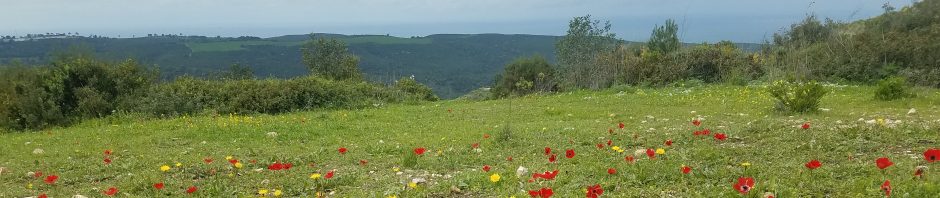
West Point, one summer day 2013; picture taken by Claudia Carbon


