משהו לתשעה באב: על מסע הצלב הראשון
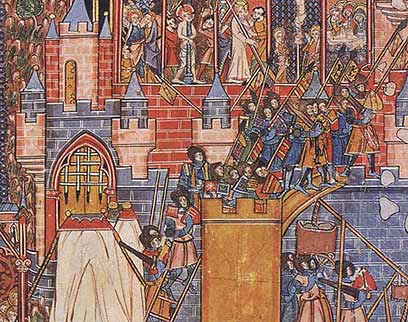
בסידור המיוחד לתשעה באב יש יותר מ-125 עמודים של קינות על דברים שקרו לעם שלנו באלפיים שנות. ביניהם ״מי ייתן ראשי מים״. זו הקינה הראשונה שלא נכתבה על חורבן בית המקדש בירושלים, אלא על מה שקרה ליהודים בקהילות אזור הריין בדרום-מערב גרמניה – וורמס (ורמיזא), מיינץ (מגנצא) ושפייר (אשפירא) בשנת 1096 לספירה, זמן מסע הצלב הראשון, יותר מ-1000 שנה אחרי חורבן בית המקדש. ההחלטה לכלול את הקינה באסופת תשעה באב באה להראות שכל הצרות והטרגדיות שלנו בגלות ובכלל, מקורן באותו אירוע בירושלים, בשנת 70 לספירה.
וכך מסופר (וקיצרתי, הרבה):
אחת הסיבות העיקריות להמשך הגלות היא מפני שיהודים, לא פעם, חיים בנוחות בקהילותיהם, מפסיקים – או ממעיטים – להזדהות עם ארץ הקודש, ומתחילים להזדהות עם הקהילה רבתי במקום החדש. באופן אירוני, ההרס העצום של הקהילות היהודיות באזור הריין בגרמניה נעשה
על ידי הצלבנים, אנשים שהיו מוכנים לעזוב הכול מאחור כדי לצאת ולשחרר את ארץ הקודש, משהו שלא עלה על דעתם של היהודים. ייתכן שהאירוניה הזו גם נשמעה בשמים.
על פי מחקרים היסטוריים, הקהילות היהודיות באזור הריין התחילו כבר אחרי חורבן בית ראשון (!!) כשאחרי 70 שנה הורשו היהודים לחזור לארצם, כתבו יהודי ירושלים ליהודי וורמס וביקשו שיבואו, אך אלו השיבו ב’תישארו אתם איפה שאתם בירושלים הגדולה, ואנחנו איפה שאנחנו, בירושלים הקטנה׳… טוב היה ב״ירושלים הקטנה״ שלהם על גדות נהר הריין היפה, והארץ – הלכה והתרחקה.
ב-27 בנובמבר 1095, האפיפיור של דרום מזרח צרפת קרא לנוצרים נאמנים להצטרף למלחמה על שחרור ירושלים. בהתחלה, המסע הזה לא היווה שום בעיה לשכנים היהודים שחיו שם בשלום ושלווה, אך עד מהרה, החליטו הצלבנים שהם לא רוצים לחכות עד שיגיעו לארץ הקודש כדי להילחם את מלחמתם ולנקום את ״דם משיחם״, ופנו לעבר הקהילות הפורחות של שכניהם היהודים.
בתחילת 1096 הקהילות היהודיות בדרום מזרח צרפת, מאוימות על חייהם פיזית ורוחנית, פנו בתחינה לשכניהם, יהודי הריין, שיתפללו ויצומו עליהם. יהודי הריין נענו לבקשתם, אך עשו זאת ללא שום תחושת איום לעצמם, כשהם נהנים מחסות הקיסר והאצולה המקומיים.
אך עד מהרה ההמון הצלבני פרץ לגרמניה. בשבת, ח׳ באייר, 3 במאי, 1096, הם צרו על בית הכנסת של שפייר. כיוון שבית הכנסת היה מבוצר (הבישוף הזמין את היהודים לחיות בעיר כ-12 שנה קודם לכן, והקצה לשכונה היהודית שטח נפרד, מוקף בחומה), והמתפללים לחמו נגדם (!!), הצלבנים במקום התנקמו ביהודים שעברו ברחוב. 10 גברים ואישה אחת שסירבו להיטבל ולהתנצר נרצחו מיידית.
בכג באייר, 18 במאי, 1096 פנו הצלבנים, שלא ״הצליחו״, לוורמס. היהודים ישבו בבתיהם, נמנעים מכל קונפליקט, סומכים על שכניהם הנוצרים. רבים נטבחו בבתיהם וילדיהם נחטפו כדי להיטבל בכנסיה. הבתים היהודים נשדדו ונהרסו. ההמון אפילו הפשיט את המתים מבגדיהם, משאירים אותם ערומים. בלילה הצליחו איכשהו יהודים שמצאו מקלט בארמון הבישוף להשיג בדים ובגדים כדי לכסות את הגופות.
אך, עבור יהודי וורמס, הצרות היו רחוקות מלהסתיים. בראש חודש סיוון, 25 במאי, 1096 פרצו הצלבנים וההמונים לארמון הבישוף ושחטו כל יהודי שמצאו שם, רבים היו באמצע תפילת הלל של ראש חודש. בחור אחד בשם שמחה כהן שראה את אביו ושבעת אחיו רצוחים לפניו, החליט להעמיד פנים שהוא מוכן להתנצר ונלקח לכנסיה. כשהגיע, שלף סכין מבגדו ופגע בסובבים. אין צורך להוסיף, שזה גם היה סופו. תוך יומיים נרצחו בוורמס 800 יהודים.
יהודי מיינץ, כששמעו את מה שעובר על שכניהם, פנו לבישוף המקומי וזה הבטיח להם חסות והגנה תמורת 400 מטבעות כסף, סכום עצום, אך בג׳ בסיוון, 27 במאי, 1096 כשהפורעים הגיעו לעיר, ה״מגינים״ ה״מבטיחים״ שלקחו את התשלום משכניהם ללא היסוס, הצטרפו לצלבנים. היהודים נלחמו נגדם בכל דרך אפשרית, אך הצלבנים גברו עליהם. יותר מ-1000 יהודים נרצחו באותו היום, ונזרקו לתוך 9 בורות של קברי אחים.
בחודשים הבאים, הצלבנים המשיכו במסע ההרג לקהילות שונות מקלן ועד פראג, ללא שום קשר אם אלו היו בדרכם לארץ הקודש או לא. ההערכות הן שיותר מ-5000 יהודים נרצחו ונטבחו במסע הצלב הראשון, אך אולי גרוע מאובדן החיים עצמם, הוא שהצלבנים הציגו את הרעיון של רצח יהודים מאסיבי, מאורגן ורחב-ידיים, כרעיון שלצערנו הרב יחזור שוב בהמשך ורק ילך וישתכלל.
מה נגע בי בסיפור הזה ולמה להביא אותו על פרטיו האיומים? קודם כל, גיליתי כמה מעט ידעתי על הפרק הזה בהיסטוריה שלנו, ושנית, כמה פעמים במהלך ההיסטוריה חשבנו שזה רק ״הם״ ולא ״אנחנו״: זה רק בית המקדש אבל לא יבנה. זה רק ביבנה אבל לא בגליל. זה רק בדרום מזרח צרפת אבל לא בדרום מערב גרמניה. זה רק במזרח אירופה אבל לא בברלין. זה רק בגוש קטיף אבל לא בעוטף עזה. זה רק בעוטף עזה אבל לא ביהודה ושומרון, לא בגליל, לא ב… אולי תשעה באב זה יום לזכור שזה תמיד כולנו. ואולי רק אם נשב על הרצפה ביחד ונבכה ביחד, נוכל גם לקום ביחד.
.ב״ה, שלא נצטרך לצום אבל אם כן, שיהיה צום ויום משמעותי
In the special Tisha B’Av prayer book, there are more than 125 pages of elegies (kinot) mourning the tragedies that have befallen our people over the past two thousand years. Among them is “Mi Yiten Roshi Mayim” (“Would That My Head Were Waters”). It is the first elegy in the collection that was not composed about the destruction of the Temple in Jerusalem, but about the fate of the Jewish communities in the Rhineland—Worms (Wormaisa), Mainz (Magenza), and Speyer (Shpira)—in the year 1096 CE, during the First Crusade, more than a thousand years after the destruction of the Second Temple.
The decision to include this elegy among the Tisha B’Av lamentations conveys the idea that all of the suffering and tragedies experienced by the Jewish people in exile ultimately trace back to that defining event in Jerusalem in the year 70 CE. The story goes as follows (and I have greatly abbreviated):
One of the main reasons the exile endures is that Jews have often grown comfortable in their communities, gradually ceasing – or at least diminishing – their identification with the Land of Israel, while becoming increasingly attached to the larger society in which they lived. Ironically, the destruction of the flourishing Jewish communities along the Rhine was carried out by the Crusaders, people willing to leave everything behind in order to liberate the Holy Land, something that had not occurred to the Jews themselves. Perhaps that irony, too, was heard in Heaven.
According to historical research, Jewish communities along the Rhine were established as early as soon after the destruction of the First Temple. Tradition relates that when, seventy years later, the Jews were permitted to return to their homeland, the Jews of Jerusalem wrote to the Jews of Worms, urging them to come home. Their reply was said to have been: “You remain where you are, in the great Jerusalem, and we will remain where we are, in the little Jerusalem.” Life was good in the “little Jerusalem” on the banks of the beautiful Rhine, and the Land of Israel grew ever more deemer in the distance.
On November 27, 1095, the pope called upon faithful Christians to join a campaign to liberate Jerusalem. At first, the crusade posed no threat to the neighboring Jewish communities, who lived in relative peace. But before long, the Crusaders decided they did not wish to wait until reaching the Holy Land to wage their holy war and avenge the “blood of their Messiah.” Instead, they turned against the thriving Jewish communities living beside them.
In early 1096, the Jewish communities of northeastern France, physically and spiritually threatened, pleaded with the Jews of the Rhineland to fast and pray on their behalf. The Rhineland Jews answered their request, but did so without sensing any danger to themselves, protected as they believed they were by the emperor and the local nobility.
Soon, however, the Crusader mobs entered Germany.
On Shabbat, the 8th of Iyar (May 3, 1096), they laid siege to the synagogue in Speyer. Because the synagogue was fortified – the bishop had invited Jews to settle in the city about twelve years earlier and had allocated them a separate walled quarter – and because the worshippers fought back, the Crusaders instead took revenge on Jews they encountered in the streets. Ten men and one woman who refused baptism were murdered immediately.
On the 23rd of Iyar (May 18, 1096), the Crusaders moved on to Worms. The Jews remained in their homes, avoiding confrontation and trusting their Christian neighbors. Many were slaughtered where they lived, while their children were seized to be baptized in church. Jewish homes were looted and destroyed. The mob even stripped the dead of their clothing, leaving the bodies exposed. That night, Jews who had found refuge in the bishop’s palace somehow managed to obtain cloth and garments to cover the victims.
But the suffering of Worms was far from over.
On Rosh Chodesh Sivan (May 25, 1096), the Crusaders and the local mobs stormed the bishop’s palace and slaughtered every Jew they found there. Many were in the middle of reciting the Hallel prayers for the new month. A young man named Simcha Cohen, after witnessing the murder of his father and seven brothers, pretended to accept conversion and was taken to a church. Once inside, he drew a knife hidden in his clothing and attacked those around him. Needless to say, he did not survive. Within two days, some 800 Jews were murdered in Worms.
When the Jews of Mainz heard what had happened to their neighbors, they appealed to the local bishop, who promised them protection in exchange for 400 silver coins—a tremendous sum. Yet on the 3rd of Sivan (May 27, 1096), when the rioters arrived, those very “protectors,” who had accepted payment without hesitation, joined the Crusaders. The Jews resisted in every way they could, but they were overwhelmed. More than 1,000 Jews were murdered that day and thrown into nine mass graves.
In the months that followed, the Crusaders continued their campaign of slaughter through Jewish communities from Cologne to Prague, regardless of whether those places lay on the route to the Holy Land. Historians estimate that more than 5,000 Jews were murdered during the First Crusade. Yet perhaps even more devastating than the loss of life itself was the precedent that was established: the idea of the systematic, organized, large-scale murder of Jews—an idea that, tragically, would return throughout history, becoming ever more refined.
What struck me most about this story, and why recount it in all its horrifying detail?
First, I realized how little I actually knew about this chapter of our history. Second, I was reminded how often, throughout history, we have convinced ourselves that it was happening only to “them,” not to “us.”
It was only the Temple—not Yavneh.
Only Yavneh—not the Galilee.
Only northeastern France—not southwestern Germany.
Only Eastern Europe—not Berlin.
Only Gush Katif—not the Otef Aza communities.
Only the Gaza border communities—not Judea and Samaria, not the Galilee, not…
Perhaps Tisha B’Av is the day to remember that it is always all of us. And perhaps only if we sit together on the floor and weep together will we also be able to rise together.
I still hope we dont have to fast this year, but if we do. may it be a meaningful fast and day.