פרשת ״ואתחנן״ – בין אבל לשמחה
פרשת ״ואתחנן״ תמיד נקראת בשבוע שאחרי תשעה באב, לקראת ״שבת נחמו״, שבת ששמה ניתן לה על שם ההפטרה: ״נחמו, נחמו עמי״ מנבא ישעיהו (בפרק מ,א) כשאנחנו מבקשים במילותיו את הנחמה שאנחנו כל כך זקוקים לה אחרי ציון חורבן בית המקדש.
אני צריכה להודות, שלקח לי זמן להבין למה נקראה השבת שלפני תשעה באב – ״שבת חזון״, ואילו שבת ״נחמו״ – היא השבת שאחרי. על פניו, נראה היה לי שהיינו צריכים נחמה לפני החורבן, שנתחזק לקראת הבאות, וחזון – אחרי: אם וכאשר נשרוד ונקום מהאסון הנורא, נוכל לשבת ולתכנן מה ואיך לעשות הלאה.
אבל חז״ל בחוכמתם הרבה, מלמדים אותנו שדווקא עוד לפני כניסה לאתגר שנדמה כמעט בלתי אפשרי, יכול לעזור לנו להתחזק בחזון חיובי לקראת הבאות, כי בתוך האסון, עלול להיות לנו קשה עד בלתי אפשרי לראות מעבר, ואנחנו עלולים להתייאש ולוותר כליל. וזמן לנחמה, ב״ה יגיע אחר-כך.
פרשת ״ואתחנן״ ושבת ״נחמו״ תמיד נופלות בלוח גם בשבוע הזה שבין תשעה באב, יום צום קשה, וט״ו באב, יום שנחשב כיום טוב ושמח לישראל. האם יש קשר בין שני הימים האלה, תשעה באב על אבלו הכבד והנורא, וט״ו באב על שמחתו, ריקודיו ומחולו (ומחילתו), או שהם סתם תקועים בלוח השנה בקרבה משונה כזו?
לאחר חטא המרגלים, שע״פ המסורת קרה בתשעה באב, נגזר על בני ישראל להשאר במדבר 40 שנה כדי שהדור הישן ״יתחלף״ – לשון נקיה לכך שכ-600 אלף הגברים שיצאו ממצרים היו צריכים למות, ובמקומם יקום דור חדש שיהיה מי שיכנס לארץ. איך קרתה ה״תחלופה״ הזו? בְּכָל עֶרֶב תִּשְׁעָה בְאַב, כך מספר התלמוד, הָיָה מֹשֶׁה מוֹצִיא כְרוּז בְּכָל הַמַּחֲנֶה וְאוֹמֵר. צְאוּ לַחֶפֶר צְאוּ לַחֶפֶר. תמונה מצמררת: כל אחד היה צריך לצאת ולחפור לעצמו קבר, ולישון בו, ובבקר, מי שהיה קם – היה קם, ומי שלא… וכך בכל שנה, היו נפטרים כ-15 אלף אנשים – בליל תשעה באב.
וכך: הָיוּ יוֹצְאִין וְחוֹפְרִין לָהֶן קְבָרוֹת וִישֵׁינִים. וּבַשַּׁחַר הָיוּ עוֹמְדִין וּמוֹצְאִין עַצְמָן חֲסֵירִים חַמִשָּׁה עָשָׂר אֶלֶף וּפְרוּטְרוּט. אבל בַשָּׁנָה הָאַחֲרוֹנָה עָשׂוּ כֵן וְעָמְדוּ וּמָצְאוּ עַצְמָן שְׁלֵמִים – באותו תשעה באב אחרון למסע במדבר, כל מי שנכנס למיטה הנוראית הזו, התעורר בבקר – אם הצליח לישון – ומצא את עצמו חי! אמרו האנשים האלה, אולי טעינו בחשבון הימים, וזה לא היה תשעה באב? שכבו שוב בלילה הבא, בָּעֲשָׂרָה וְבְאַחַד עָשָׂר וּבִשְׁנֵים עָשָׂר וּבִשְׁלֹשָׁה עָשָׂר וּבְאַרבַּע עָשָׂר וּבַחֲמִשָּׁה עָשָׂר. כיון שהשלים הירח את מלואו, אָמְרוּ. דּוֹמֶה שֶׁבִּיטֵּל הַקָּדוֹשׁ בָּרוּךְ הוּא אוֹתָהּ הַגְּזֵירָה קָשָׁה מֵעָלֵינוּ. וְעָמְדוּ וְעָשׂוּ יוֹם טוֹב, הוא ט״ו באב (תלמוד ירושלמי, תענית, ד:ז).
נשאלת השאלה, מה קרה שם באותו תשעה באב שכולם קמו בבקר למחרת?
אני מנסה לתאר לעצמי איך, בכל שנה, מי ששכב במיטת-הקבר הנוראית הזו, התפלל לישועה, בקש על נפשו, עשה עסקאות עם הקב״ה שרק הפעם יתן לו עוד יום, ואולי גם חשב לעצמו, טוב, אני אחד מ- 600 אלף, יש לי עוד סיכוי להנצל… אבל באותו תשעה באב האחרון, כולם ידעו, שזהו, הם הקבוצה האחרונה, ואין שום דרך או סיכוי לצאת מכאן. דווקא אז, באותו יום שנראה שחור משחור, לא נותר דבר לעשות מלבד להתפלל להצלה מכל הלב, בלי שום חישובים וחשבונות נוספים, ואולי לכן הם זכו לקבל את חייהם בחזרה ולהגיע גם לירח המלא של ט״ו באב.
גם משה מתפלל השבוע – ״ואתחנן אל ה״… (דברים ג,כג), הוא אומר, ויש התוהים, למה הוא מתפלל, שוב מבקש להיכנס לארץ המובטחת? הרי הקב״ה כבר אמר לו לא!! אלא, שבשבילי, משה כאן גם מלמד אותנו משהו קריטי על התפילה. כן, הקב״ה כבר אמר לו לא, אבל משה רוצה. הוא מאד מאד רוצה. והוא לא צריך לחשוב בשביל הקב״ה ולהחליט אם ואיך הבקשה שלו תתמלא. אולי הקב״ה ישנה את דעתו וזה כן יקרה לו. אולי זה יקרה לדור הבא. אולי בעוד 3000 שנה. אבל כל זה לא בידיו וזה לא העניין. העניין הוא לפתוח את הלב אל הקב״ה, ואולי אז, גם נגיע, מתישהו, לחג האהבה.
שבת ״נחמו״ שלום.
Parashat Va’etchanan – Between Mourning and Joy
Parashat Va’etchanan is always read in the week following Tish’a B’Av, leading into Shabbat Nachamu – the “Sabbath of Consolation” – which takes its name from the opening words of the haftarah: “Comfort, comfort My people,” proclaims the prophet Isaiah (Isaiah 40:1). We cling to these words of comfort, so desperately needed after commemorating the destruction of the Holy Temple.
I have to admit that it took me a while to understand why the Shabbat before Tish’a B’Av is called Shabbat Chazon (“the Sabbath of Vision”), while Shabbat Nachamu comes only afterward. At first glance, it seemed to me that we would have needed consolation before the destruction, to strengthen us for what was to come; and vision afterwards: if and when we survived and rose from the terrible catastrophe, then we could sit down and begin imagining how to rebuild and move forward.
But our Sages, in their profound wisdom, teach us otherwise. Before entering a challenge that appears almost impossible to survive, it is then that a positive vision of the future that can strengthen us, is needed. In the midst of disaster, it may be difficult – even impossible – to see beyond the pain, and we may lose hope altogether. Therefpre, consolation, Gd willing, comes afterward.
Parashat Va’etchanan and Shabbat Nachamu also always fall during the remarkable week between Tish’a B’Av, the day of profound mourning and fasting, and Tu B’Av, a day regarded as one of the happiest festivals of the Jewish calendar. Is there a connection between these two days, between the grief of Tish’a B’Av and the joy, dancing, and celebration (and perhaps even forgiveness) of Tu B’Av, or do they simply happen to appear next to one another on the calendar?
According to Jewish tradition, the sin of the spies took place on Tish’a B’Av. It was then that Gd decreed that the Israelites would remain in the wilderness for forty years until the older generation had passed away, a gentle way of saying that the approximately 600,000 men who had left Egypt would die there, making way for a new generation that would enter the Promised Land.
How did this “changing of the guard” happen?
The Talmud tells us that every year, on the eve of Tish’a B’Av, Moses would send a proclamation throughout the camp: “Go out and dig graves! Go out and dig graves!” It is a chilling image. Each person would dig his own grave and sleep in it that night. In the morning, those who awoke would rise; and those who did not…
Thus, every year, some 15,000 people died on the night of Tish’a B’Av.
The Jerusalem Talmud describes it this way: “They would go out, dig graves for themselves, and sleep in them. In the morning they would rise and find themselves diminished by fifteen thousand and more.”
But in the fortieth and final year, something extraordinary happened. They remaining people did the same as always, but when morning came, everyone was still alive.
Those who had climbed into those dreadful grave-beds awoke – if they had managed to sleep at all – and found themselves alive. They wondered whether they had miscalculated the date. Perhaps it had not yet been Tish’a B’Av. So they repeated the ritual the following night, and again the next: “on the tenth, the eleventh, the twelfth, the thirteenth, the fourteenth, and finally the fifteenth of Av”.
When the moon reached its fullness, they said, “It seems that the Holy One, blessed be He, has annulled that harsh decree against us.” They rose and celebrated, establishing the fifteenth of Av ( Tu B’Av) as a festival (Jerusalem Talmud, Ta’anit 4:7).
The question, of course, is what happened on that final Tish’a B’Av that everyone awoke alive the next morning. I try to imagine what it must have been like.
Each year, those lying in the grave-like beds surely prayed for deliverance. They pleaded for their lives. They bargained with Gd, “just this once.” Perhaps they also reassured themselves: I’m only one among six hundred thousand. Maybe I still have a chance. But on that final Tish’a B’Av, everyone knew there were no chances left. They were the last group. This was it. There was no escape.
And perhaps it was precisely then, on the darkest of all days, when nothing remained except wholehearted prayer – without calculations, without bargaining, without illusions – that they merited receiving their lives back and living to see the full moon of Tu B’Av, the Festival of Love.
This week, Moses, too, prays. “And I pleaded with Hashem…” (Deuteronomy 3:23), he says. Some ask: Why does Moses pray again? Why ask once more to enter the Promised Land after Gd has already said no?
To me, Moses is teaching us something essential about prayer. True, Gd has already told him no. But Moses still longs to enter the Land. He desires this with all his heart. And he does not have to figure whether, or how, his prayer will ultimately be answered. Perhaps Gd will change His mind and it will be granted; Perhaps it will happen to the next generation; Perhaps it will take three thousand years. That is not in Moses’ hands, and that is not the point. The point is to open one’s heart before Gd.
And perhaps then, someday, we will also make it to the Festival of Love.
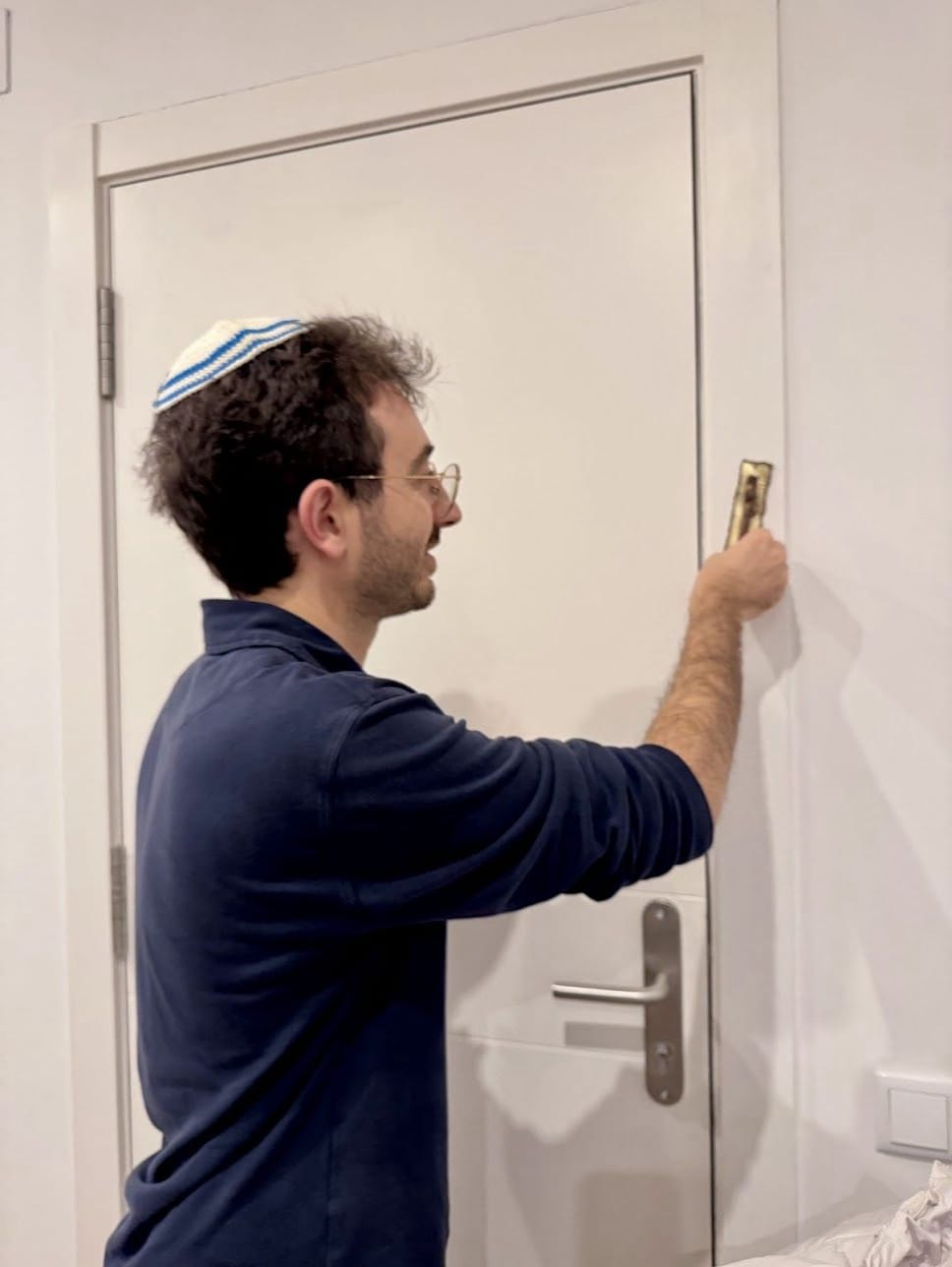
“write them on the doorposts of your home and on your gates”… Deuteronomy 6,9


אולי זאת גם הסיבה שאין מנחמים אדם כאשר מתו מוטל לפניו