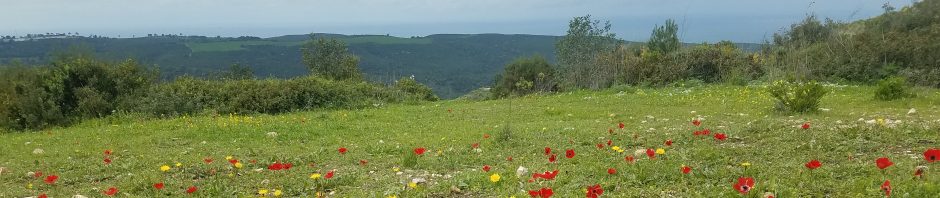
פרשת ראה – “רְאֵה אָנֹכִי נֹתֵן לִפְנֵיכֶם הַיּוֹם“
מסופר שהלן קלר, שהייתה עיוורת וחרשת, נשאלה, לו הדבר היה אפשרי, אילו מהחושים הייתה מעדיפה לקבל, שמיעה או ראייה? אין לי מושג איך אפשר לענות על כך ואם הסיפור ״אמיתי״ או אגדה אורבנית, אבל הוא מעורר מחשבה. בנוסח מודרני השאלה יכלה להיות, טלוויזיה או פודקסט? זום או שיחת טלפון? מה מגלה ומה מסתיר כל אחד מהחושים שלנו?
התלמוד משתמש לעיתים קרובות בביטוי ״תא שמע״, בוא ושמע. לעומת זאת, הזוהר, ספר הקבלה, פונה אלינו ב״פוק חזי״, צא וראה. אחרי שנקראנו ל״שמע ישראל״ בפרשת ״ואתחנן״, פרשת השבוע הזו פותחת ב״רְאֵ֗ה אָנֹכִ֛י נֹתֵ֥ן לִפְנֵיכֶ֖ם הַיּ֑וֹם בְּרָכָ֖ה וּקְלָלָֽה״ (דברים יא, כו). ״ראה״! אפשר לצוות עלינו לראות? ואם כך, זה אומר שהראיה אינה דבר מובן מאליו, ושצריך ואפשר ללמוד לראות?
הפועל ״לראות״ הוא אחד הראשונים בספר בראשית: ״וירא אלו-הים״… אלו-הים רואה את האור ואת שאר הבריאה, או אולי בעצם אז, בורא את הראייה הזו שזכינו בה, היכולת לראות חלקים ושלם בו זמנית, שמשתקפת גם בפסוק הפותח בשבוע הזה, שמתחיל בגוף יחיד וממשיך ברבים.
כשאברהם לוקח את יצחק לעקדה, נאמר, ״וירא את המקום מרחוק״ (ראשית כב,ד). המדרש מספר שהוא שאל את יצחק מה הוא רואה, ויצחק אמר שהוא רואה עמוד אש שמגיע מהשמים לארץ מעל ההר. כשהוא שאל את נעריו, הם אמרו שאינם רואים כלום. לכן אמר להם, ״שבו לכם פה עם החמור״ (כב,ה), במובן של, תישארו עם החומריות של העולם הזה. כי היכולת לראות לא קשורה רק למה שנמצא מולנו פיזית. כך לפעמים, כשמישהו מבין משהו, הוא אומר, ממ… אני רואה…
גם המרגלים, שנשלחו לבדוק את הארץ, ״ראו״ על פי ליבם. בסוף אותה פרשה שמביאה את סיפורם (שלח-לך בספר במדבר) נאמר בעניין מצוות ציצית, ״ולא תתורו אחרי לבבכם ואחרי עיניכם״… בעברית, אין לנו מילה יחודית ל״אובייקטיבי״ אולי כי התורה לא חשבה שזה אפשרי, ולכן כאן הוקדם הלב לעיניים מפני שבניגוד למה שאנחנו נוטים לחשוב, העיניים רואות על פי הלב ולא הפוך.
ומנגד, באירוע שהוא אולי שיא הקרבה שלנו כעם לקב״ה, נאמר: ״וכל העם רואים את הקולות״ (שמות כ,יד): בזמן מתן תורה, לא הייתה הפרדה בין החושים. הכל היה לאחד, ומסתבר שיש זמנים כאלה.
על הלן קלר אומרים שהעדיפה את חוש השמיעה כי אמרה שחוש הראייה קשור לדברים חיצוניים בעוד השמיעה היא פנימית. זה נשמע יפה ויש בזה אמת. אפשר ללמוד המון מקולו של אדם, אבל התורה דוחה את הפיתוי ״לבחור צד״. גם אם הפרשה שלנו נפתחת בקריאה ״ראה״, מיד אחר-כך נאמר: ״אֶֽת־הַבְּרָכָ֑ה אֲשֶׁ֣ר תִּשְׁמְע֗וּ… וְהַקְּלָלָ֗ה אִם־לֹ֤א תִשְׁמְעוּ֙״… במידת האפשר, יש לנו צורך בשילוב של שניהם: לא רק פנימיות, אלא גם העולם החיצון, היפה, שסביבנו. לא רק ״שמע״ אלא גם ציצית. לא רק שופר, אלא גם סוכה וחנוכה. ואולי גם רמז שזו במיוחד ההכנה לכניסה לארץ שדורשת מאיתנו למקסם ולמצוא את האיזון ביניהם, והלוואי ונמצא.
שבת שלום וברכות לחודש אלו״ל טוב!
It is told that Helen Keller, who was both blind and deaf, was once asked: if it were possible, which sense would she choose to regain—hearing or sight? I have no idea how she could have answered such a question, or whether the story is even true, but it is certainly thought-provoking. In a modern version, the question might be: TV or podcasts? Zoom or a phone call? What does each of our senses reveal, and what does each conceal?
The Talmud often introduces a teaching with the phrase ta shema – “come and hear.” By contrast, the Zohar, the foundational work of Kabbalah, addresses us with puk chazi – “Go out and see.” After being called to Shema Yisrael(“Hear, O Israel” in the Torah portion of Va’etchanan), this week’s Torah portion opens with the words: “See, I set before you today a blessing and a curse” (Deuteronomy 11:26). See! Is it possible to command us to see? And if so, does that mean that seeing can’t be taken for granted and one should and can learn to see?
The verb “to see” is one of the firsts in the Book of Genesis: “And Gd saw…” Gd sees the light and the rest of creation, and perhaps it is precisely then that the very capacity for sight comes into being; the ability to perceive both the individual parts and the whole at the same time, which is reflected in our opening verse, beginning in the singular form and continueing in the plural.
When Abraham takes Isaac to the Binding, we are told, “He saw the place from afar” (Genesis 22:4). According to the Midrash, Abraham asked Isaac what he saw, and Isaac answered that he saw a pillar of fire stretching from heaven to earth above the mountain. When Abraham asked the young men who accompanied them, they said they saw nothing. So he told them, “Stay here with the donkey” (Genesis 22:5), meaning, remain with the materiality of this world (donkey in Hebrew is chamor, similar to chomer, matter). For seeing is not limited to what stands physically before our eyes. That is why, when we suddenly understand something, we often say, “Ah… I see.”
The spies who were sent to scout the Land also “saw” according to what was in their hearts. Later in that same Torah portion (Shelach Lecha), in the commandment of tzitzit, we read: “Do not follow after your heart and after your eyes…” Indeed, Hebrew has no independent native word for “objective…” maybe because the Torah didn’t think there is such a thing; therefore here, the heart is mentioned before the eyes, because, contrary to what we think, our eyes see through the lens of the heart, and not the other way around.
And, on the other hand, at the moment of our greatest closeness to Gd, at Mount Sinai, we are told: “All the people saw the sounds” (Exodus 20:15). In that extraordinary moment, there was no separation between the senses: seeing and hearing became one.
It is said that Helen Keller would have chosen hearing, because she believed that sight is concerned with external things, while hearing is inward. It sounds nice and has some truth to it. A lot can be learned from someone’s voice. And yes, the Torah resists the temptation to choose one aspect. Although this week’s portion begins with the call, “See,” it is immediately followed by, “the blessing, if you will listen… and the curse, if you will not listen…” As much as possible, we need both: not just our internal world but the outer, beautiful world around us; not just “Shma” but also Tzitzit; not just the Shofar but Sukkah and Hannukah candles too. And maybe a hint, as we approach the Land, that we need to maximize and find the balance between it all.
Shabbat Shalom & best wishes for the upcoming month of Elul!