Torah & Travel: And Jethro Heard… יתר על כן…. פרשת יתרו

A friend of mine recently told me she met a Christian clergy person who told her, ‘I would like to take the place of one of the hostages who are held captive by Hamas.’ What? ‘Yes’, he went on, ‘I want them released and I get Hamas is refusing, so if they want to keep holding on to people, I want to sit in their stead’….חברה שלי בארה”ב פגשה לא מזמן איש דת נוצרי שאמר לה, ‘אני מבקש להתחלף עם אחד החטופים שנמצאים בשבי חמאס’. מה? ‘כן,’ המשיך האיש, ‘אני רוצה שישחררו אותם ואני מבין שהחמאס לא מסכים, אז אם הם רוצים להמשיך להחזיק באנשים, אני מוכן לשבת במקומם’…   
  We would think that most people in the world get up in the morning and give thanks for not sitting in the damp, dark, dangerous tunnels of Hamas, but there are and always have been those who, nevertheless and in spite of everything, choose to tie their fate with our people, for better or for worse, like Jethro, for example, after whom this week’s Torah portion is named. And so does this Torah portion begin:  היינו חושבים שרוב בני האדם בעולם קמים בבקר ומודים על כך שאינם יושבים במנהרות הלחות, חשוכות, מסוכנות של החמאס, אך יש ותמיד היו כאלה שאף על פי כן ולמרות הכל, בוחרים לקשור את גורלם בגורל עמינו, לטוב ולרע, כמו יתרו, למשל, שעל שמו קרויה פרשת השבוע שלנו. וכך נפתחת הפרשה:   
  “Jethro priest of Midian, Moses’ father-in-law, heard all that Gd had done for Moses and for Israel his people, how Hashem had brought Israel out from Egypt. So Jethro, Moses’ father-in-law, took Zipporah, Moses’ wife… and her two sons… and Jethro, Moses’ father-in-law, came with his (Moses’) sons and wife to Moses to the wilderness, where he was encamped at the mountain of Gd” (Exodus 18:1-5).   The commentators debate, what is it exactly that Jethro heard?  וַיִּשְׁמַ֞ע יִתְר֨וֹ כֹהֵ֤ן מִדְיָן֙ חֹתֵ֣ן מֹשֶׁ֔ה אֵת֩ כׇּל־אֲשֶׁ֨ר עָשָׂ֤ה אֱלֹהִים֙ לְמֹשֶׁ֔ה וּלְיִשְׂרָאֵ֖ל עַמּ֑וֹ כִּֽי־הוֹצִ֧יא ה’ אֶת־יִשְׂרָאֵ֖ל מִמִּצְרָֽיִם. וַיִּקַּ֗ח יִתְרוֹ֙ חֹתֵ֣ן מֹשֶׁ֔ה אֶת־צִפֹּרָ֖ה אֵ֣שֶׁת מֹשֶׁ֑ה… וְאֵ֖ת שְׁנֵ֣י בָנֶ֑יהָ…. וַיָּבֹ֞א יִתְר֨וֹ חֹתֵ֥ן מֹשֶׁ֛ה וּבָנָ֥יו וְאִשְׁתּ֖וֹ אֶל־מֹשֶׁ֑ה אֶל־הַמִּדְבָּ֗ר אֲשֶׁר־ה֛וּא חֹנֶ֥ה שָׁ֖ם הַ֥ר הָאֱלֹהִֽים” (שמות יח, א-ה). נחלקו המפרשים, מה בדיוק שמע יתרו?   
Maybe he heard about the Splitting of the Sea? Or the war with Amalek? Perhaps the Torah told of Jethro before the revelation at Mt. Sinai and Jethro heard about that? And anyway, what does it matter what he heard? Shouldn’t Jethro have waited for an invitation from his young son-in-law? And why didn’t Moses send that invitation? The ShaLaH – Rabbi Isaiah Halevi Horowitz, one of the greatest Ashkenazi rabbis in the 17th century, whose named after his compilation, the Two Tablets of the Covenant (Shnai Luchot Habrit)- points that in a careful reading of the verse “And Jethro heard… all that Gd did to Moses and his people of Israel”, we can see that Moshe is mentioned first. What exactly did Gd do to Moses?  אולי שמע על קריעת ים סוף? או מלחמת עמלק? אולי הקדימה התורה את סיפור יתרו למעמד הר סיני, ויתרו שמע על כך? ובכלל, מה זה משנה מה שמע? האם לא היה על יתרו לחכות להזמנה מחתנו הצעיר? ולמה לא שלח משה את אותה ההזמנה? השל”ה – רבי ישעיה הלוי הורוביץ, מגדולי רבני אשכנז במאה ה-17, שנקרא השל”ה ע”ש חיבור שלו, שני לוחות הברית – טוען שבקריאה זהירה של פסוק “וישמע יתרו… את כל אשר עשה אלוהים למשה ולישראל עמו”, נראה שקודם כל, מוזכר משה. מה בדיוק עשה אלוהים למשה?   
Earlier we heard that G-d said to Moses: behold, I have made you an Elohim before Pharaoh and Aaron your brother will be your prophet” (7:1). Elohim is usually translated as Gd, but, Moses Gd? The same word can also be used in the sense of a judge, a strong leader. And Israel, the verse continues, “his people”, whose? Seemingly Gd’s, but also… Moses’!  מוקדם יותר שמענו שהקב”ה אומר למשה: “רְאֵ֛ה נְתַתִּ֥יךָ אֱלֹהִ֖ים לְפַרְעֹ֑ה וְאַהֲרֹ֥ן אָחִ֖יךָ יִהְיֶ֥ה נְבִיאֶֽךָ” (שמות ז:א). משה אלוהים? לא במובן של הקב”ה, אלא במובן של שופט, מנהיג חזק. וישראל, ממשיך הפסוק, “עמו”, של מי? לכאורה, של הקב”ה, אך גם… של משה! 
Jethro is considered the ultimate spiritual seeker, and here, finally, he discovers “the” thing, the idea he wants to follow. The leadership of the Gd of Israel is different from anything he has seen and known so far. He finds here a way that combines justice and truth with kindness and mercy. Love together with awe. A place with a rich past that gives roots and a foundation but does not shackled one to it, and at the same time offers a future, a belief in a better tomorrow; a vision to look forward to; a purpose and meaning. What attracts Jethro is the way in which one can constantly grow, ascend and draw closer to Gd, a way that is a continuous journey of spirituality and action, as is exemplified by Moses and “his people”. No wonder, then, that Jethro, who wants to participate in this way, comes on his own initiative, and immediately offers his help: “…Why do you sit alone, while all the people stand about you from morning until evening?” he asks Moses (18:14).יתרו נחשב המחפש הרוחני האולטימטיבי, וכאן, סופסוף, הוא מגלה את “ה”דבר, הרעיון אחריו הוא רוצה ללכת. ההנהגה של אלוהי ישראל שונה מכל מה שהוא ראה והכיר עד כה. הוא מוצא כאן דרך שמשלבת צדק ואמת עם חסד ורחמים. אהבה יחד עם יראה. מקום לעבר עשיר שנותן שורשים ובסיס אך אינו כובל אליו, ומציע יחד עם זאת גם עתיד, אמונה במחר טוב יותר, מבט קדימה לחזון, מטרה ומשמעות. מה שמושך את יתרו היא הדרך בה אפשר כל הזמן לגדול, לעלות ולהתקרב לקב”ה, דרך שהיא מסע מתמשך של רוחניות ועשיה, כדוגמתו של משה ו”עמו”.   לא פלא אם כך, שיתרו, הרוצה להשתתף בדרך זו, מגיע ביוזמתו, ומיד מציע את עזרתו: “מַדּ֗וּעַ אַתָּ֤ה יוֹשֵׁב֙ לְבַדֶּ֔ךָ וְכׇל־הָעָ֛ם נִצָּ֥ב עָלֶ֖יךָ מִן־בֹּ֥קֶר עַד־עָֽרֶב”, הוא שואל את משה (יח,יד).   
Rav Sherki takes us here to a lesson in geometry: Moshe “sits” on the ground while the people “stand” about him. Here is a picture of half, rickety, right-angle triangle. Jethro’s advice is to add a “yeter” – which is what the long side that connects the two sides of a right triangle is called, so that the base and the perpendicular lines can stand together, a yeter, like Yitro = Jethro. This is a parable to say that in order for the Torah to appear in the world, the people of Israel are needed; and Moses, the leader, the man of Gd, is needed; and the relationship with the nations of the world is also needed. And those who love gematria will say that this is why there are 620 letters in the Ten Commandments, which are 613 commandments of Israel and another seven (7) Noahide Laws. Indeed, our journey is not separate from the rest of the world, and the headlines of the world’s newspapers interested in our situation here will attest to that, without any proportion to our relative number in the world’s population or to our geographical size.הרב שרקי לוקח אותנו כאן לשיעור בגאומטריה: משה “יושב” על הארץ בשעה שהעם “ניצב” עליו. יש כאן תמונה של חצי משולש ישר זוית רעוע. עצתו של יתרו היא להוסיף “יתר” – הצלע הארוכה המחברת בין שתי הצלעות במשולש ישר זוית, כדי שהבסיס והניצב יוכלו לעמוד ביחד, יתר שהוא – יתרו. זהו משל לכך, שכדי שהתורה תופיע בעולם, צריך את העם, וצריך את משה, המנהיג, איש האלוהים, וצריך גם את הקשר עם אומות העולם. ועוד יגידו אוהבי הגימטריה, שמשום כך יש בעשרת הדברות 620 אותיות, שהם תרי”ג (613) מצוות של ישראל ועוד שבע (7) מצוות בני נח. אכן, המסע שלנו אינו תלוש משאר העולם, ויעידו על כך כותרות עיתוני העולם המתעניינים במצבנו כאן בלי שום פרופורציה למספרנו היחסי באוכלוסיית העולם או לגודלנו הגאוגרפי.   
Moses, in this Torah portion introduces us to another issue: so far, all he has said to the Israelites is that he will bring them back to the land of their ancestors, a land flowing with milk and honey. And suddenly, a stop in Sinai. Accept the Torah?? No one talked to us about Torah! We thought we were just stopping to rest a little! What is Torah anyway? Commandments? So many?? We were not told! But Moshe adds: “And you shall be unto Me a nation of priests and a holy people” (19:6), that is, along with the national goal, to get back home to the Land of our Forefathers, we also have a religious-universal role, a role that was not totally clear to them in the initial plan!משה בפרשה הזו מציג לנו ענין נוסף: עד כה, כל מה שהוא אמר לבני ישראל זה שהוא יביא אותם בחזרה לארץ אבותיהם, ארץ זבת חלב ודבש. ופתאום, עצירה בסיני. לקבל את התורה?? אף אחד לא דבר איתנו על תורה! חשבנו סתם עוצרים לנוח קצת! מה זה בכלל תורה? מצוות? הרבה?? לא אמרו לנו! אבל משה מוסיף: “וְאַתֶּ֧ם תִּהְיוּ־לִ֛י מַמְלֶ֥כֶת כֹּהֲנִ֖ים וְג֣וֹי קָד֑וֹשׁ” (יט,ו), כלומר, יחד עם המטרת הלאומית, לחזור הביתה לארץ האבות, יש לנו גם תפקיד דתי-אוניברסלי, תפקיד שלא היה לגמרי ברור להם בתוכנית המקורית!   
“”And all the people answered together and said: everything Hashem said, we will do” (19:8). This can be seen as absolute trust, but… it can also be seen as a complete lack of trust! As if the children of Israel said, ‘everything that Gd says – that we will do it, but what you, Moses, invent for us here and now – that we will not’!!“וַיַּעֲנ֨וּ כׇל־הָעָ֤ם יַחְדָּו֙ וַיֹּ֣אמְר֔וּ: כֹּ֛ל אֲשֶׁר־דִּבֶּ֥ר ה’ – נַעֲשֶׂ֑ה” (יט,ח). אפשר לראות בכך אמון מוחלט, אך… אפשר לראות בכך גם חוסר אמון! כאילו אמרו בני ישראל, אנחנו, את כל מה שדבר ה’ – את זה נעשה, אבל מה שאתה, משה, ממציא לנו כאן ועכשיו — את זה לא!!   
If so, it is possible to better understand the opening of the Ten Commandments immediately following: “I am Hashem your Gd who took you out of Egypt from the house of slavery” (20:2). Rashi tells us: “For appeared on the sea as a war hero” – that is, as a Gd of national aspirations, “And here as an old man full of mercy” – that is, as a religious man who teaches Torah, “do not say there are many Gds” – because the national purpose is not different from the Torah purpose, “rather, I am the one who appeared in Egypt and on the sea.” I (says the Almighty) am the same One, and you too, within yourselves, will build and hold these two principles: to have a unique ethical-religious-spiritual way of life, and at the same time, to be a people like all nations with a land of your own. From time immemorial, different groups pull here and there, here and there, but in the end, our path continues by interweaving both together.  אם כך, אפשר להבין יותר טוב את הפתיח של עשרת הדברות מיד לאחר מכן: “אָֽנֹכִ֖י֙ ה’ אֱלֹהֶ֑֔יךָ אֲשֶׁ֧ר הוֹצֵאתִ֛יךָ מֵאֶ֥רֶץ מִצְרַ֖יִם מִבֵּ֣ית עֲבָדִ֑͏ים” (כ:ב): אומר לנו רש”י: “לפי שנגלה על הים כגיבור מלחמה” – כלומר כאל בעל מטרות לאומיות, “וכאן כזקן מלא רחמים” – כלומר כאיש דת המלמד תורה, “אל תאמרו אלוהות הרבה יש” – שהתכלית הלאומית איננה שונה מהתכלית התורנית, “אלא אנכי הוא שנגליתי במצרים ועל הים”. אני (אומר הקב”ה) הוא אותו האחד, וגם אתם, בתוככם, תבנו ותכילו את שני העקרונות האלה: להיות בעלי דרך חיים ערכית-דתית-רוחנית יחודית, ויחד עם זאת, להיות עם ככל העמים עם ארץ משלכם. מאז ומתמיד, קבוצות שונות מושכות לכאן ולכאן, לכאן ולכאן, אבל בסופו של דבר, הדרך ממשיכה בשזירת שניהם גם יחד.   
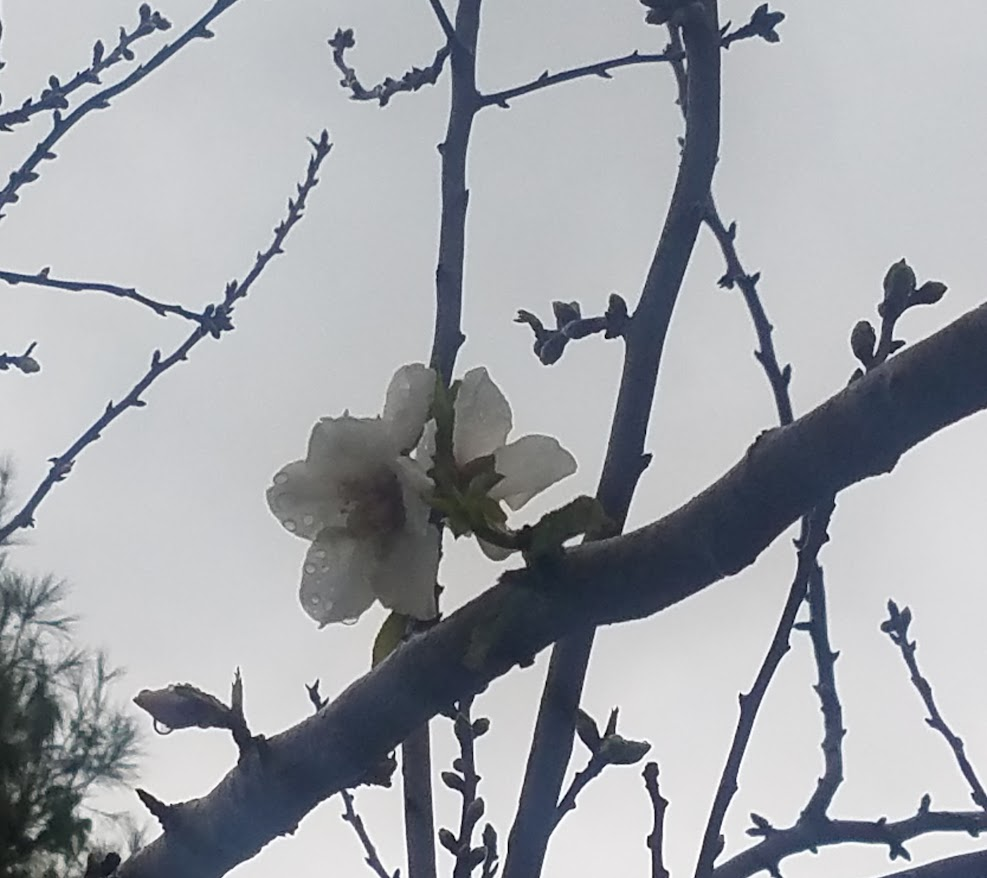
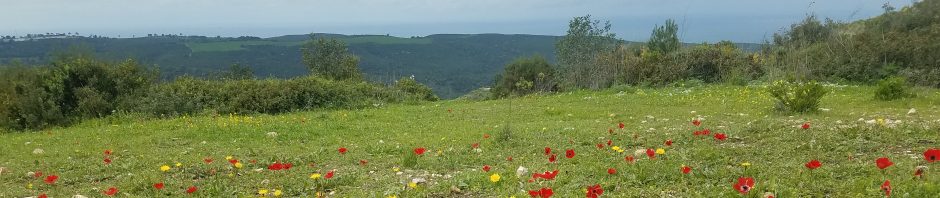
And if we manage to get out between the rains and the situation and once again, take a little trip with the beautiful blossoms outside, then this week is most appropriate to mention Jethro’s tomb near the village of Kfar Hitim in the eastern lower Galilee (near Karnei Hitin). According to the Druze, who were given management of the place, it’s called the Tomb of A-Nabi Shuaib, after Nabi Shuaib, who is mentioned several times in the Koran as a figure whose job it is to convince the people of Midian to repent. This tombstone is the most sacred to the Druze, and they gather in the spring (April 25) to celebrate its festival.ואם נצליח לצאת בין הגשמים ובין המצב ולחזור לטייל קצת עם הפריחה היפיפיה בחוץ, הרי שהשבוע מתאים ביותר להזכיר את קבר יתרו בקרבת כפר חיטים שבגליל התחתון המזרחי (ליד קרני חיטין). בפי הדרוזים, להם ניתנה חזקה על המקום, נקרא המקום קבר א-נבי שועייב, על שם נבי שועייב המוזכר בקוראן מספר פעמים כדמות אשר תפקידה לשכנע את אנשי מדין לשוב בתשובה. ציון קבר זה הוא הקדוש ביותר לדרוזים, ומתכנסים באביב (25 באפריל) לחגוג את חגו.   
How does Jethro make it from the desert in the south to be buried in the Galilee? It is told about the Kenites tribe who ascended and entered the Land (Judges 4:11) and the descendants of Jethro who were members of the Sanhedrin and “sat in the Gazit chamber” (Sota 11:a, Sanhedrin 106:a). We have testimonies from Jewish pilgrims from the Middle Ages who used to visit Jethro’s tomb in the Kfar Hitim area, and said that not only Jethro is buried there, but also Zipporah, Moshe’s wife, and Yocheved, his mother, and perhaps Miriam his sister, and Elisheva daughter of Aminadav, his sister-in-law. In addition, there is a tradition about a stone on site with Moses’ footprint that Zipporah brought along when they entered the Land with the Israelites, and perhaps it is Jethro’s?… There are additional stories from travelers in past centuries and more. The place is beautifully renovated and open to the public. ​איך מגיע יתרו מהמדבר בדרום להקבר בגליל? מסופר על בני שבט הקיני שעלו ונכנסו לארץ (שופטים ד, יא) ועל צאצאי יתרו שהיו חברי הסנהדרין ו”ישבו בלשכת הגזית” (תלמוד בבלי, סוטה יא:א, סנהדרין קו:א). יש לנו עדויות מעולי רגל יהודיים מימי הביניים שנהגו לפקוד את קבר יתרו באיזור כפר חיטים, וספרו שלא רק יתרו קבור שם, אלא גם ציפורה, אשתו של משה, ויוכבד, אמו ואולי גם מרים אחותו, ואלישבע בת עמינדב, גיסתו. בנוסף יש מסורת לגבי אבן במקום ובה טביעת רגלו של משה שציפורה הביאה כשנכנסה לארץ עם בני ישראל, ואולי של יתרו?… סיפורים נוספים ממטיילים במאות שעברו ועוד, אפשר לקרוא כאן. המקום משופץ ומושקע ופתוח למטיילים.   

שבת שלום SHABBAT SHALOM

A stamp in honor of Jethro’s Tomb בול שהוצא לכבוד קבר יתרו
Posted in Uncategorized | Leave a comment

… “And Gd did not lead them through the land of Philistines”… the Torah portion of Be’shalach

פרשת “בשלח“: “ולא נחם אלוהים דרך ארץ פלישתים“….

The story of the “Exodus from Egypt”, the wonderful story of a group of slaves who nevertheless and despite everything, came out of bondage to freedom; the story that ignited their imagination and inspired many throughout the generations and throughout the world; that same story is also the story of darkness, of struggle, of depression, of fear, of the background to the picture; of everything that is not told, or told with barely a hint.סיפור “יציאת מצרים”, הסיפור המופלא של קבוצת עבדים שאף על פי כן ולמרות הכל, יצאו מעבדות לחירות, הסיפור שהצית את דמיונם ונתן השראה לרבים לאורך כל הדורות ובכל העולם, אותו הסיפור הוא גם הסיפור של החושך, של המאבק, של הדכאון, של הפחד, של הרקע לתמונה. של כל מה שלא מסופר, או מסופר בקושי ברמז.  
And the Children of Israel went up armed from the Land of Egytpt“, tells us this week’s Torah portion of Be’shalach (starting Exodus 13:18). Armed? How is it possible that a group of slaves, after tens, if not hundreds of years in slavery, left out with war weapons? Do we imagine the Jews of Europe after the Holocaust and the death march, going out like the current fighters of Golani and Givati? Rashi explains that, first of all, we learn from this about the journey ahead. Generally, when a person moves from one place to another on a trip or trek of some kind, he can plan to buy himself most of what he might need at the next place, but the Israelites knew that a. they are going to the desert and not to a inhabited place, and the desert is a place where you cannot buy what you need, and b. that they may encounter enemies and people who are not hospitable to them. Why would they have enemies? Who cares if these slaves finally go home? Indeed, it was already clear to them that they needed to prepare protective measures; that the journey would not be easy.וחמושים עלו בני ישראל מארץ מצרים”, אומרת לנו פרשת השבוע, בשלח (המתחילה בשמות יג:יח). חמושים? איך יתכן שחבורת עבדים, אחרי עשרות, אם לא מאות שנים בשעבוד, יצאו בכלי נשק ומלחמה? האם אנחנו מתארים לעצמנו את יהודי אירופה אחרי השואה וצעדת המוות, יוצאים כמו לוחמי גולני וגבעתי?
מסביר רש”י, שקודם כל, אנחנו לומדים מכך על המסע לקראתו הם הולכים. בד”כ, כשאדם עובר ממקום למקום, בטיול או טרק כלשהו, הוא יכול לתכנן לקנות לו במקום הבא מה שיצטרך, אך בני ישראל ידעו א. שהם הולכים למדבר ולא למקום ישוב, והמדבר הוא מקום בו אי אפשר לקנות מה שצריך, וב. שהם עלולים להתקל באויבים ואנשים שאינם מסבירי פנים להם. על מה ולמה שיהיו להם אויבים? מה אכפת למישהו שהעבדים האלה סופסוף הולכים הביתה? אכן, היה ברור להם כבר עכישו שצריך להכין אמצעי הגנה, שהמסע לא יהיה פשוט.  
Rashi brings another interpretation, and this one is the most difficult of all. Because so far, we have dealt with the “p’shat” – the “simple”, straightforward meaning of the word – chamusim means fortified, armed, possessing weapons of war. But the Mechilta (a Midrash on the Book of Exodus from about 2000 years ago which Rashi brings here) says that the word “chamushim” hints at a terrible tragedy: because its shared root with the word chamesh = 5, it means that only “one out of five came out, and four parts died in the three days of darkness”. Yalkut Shimoni adds “And some say, it was one out of fifty. And some say – one of five hundred.”ורש”י מביא עוד פירוש והוא הקשה מכולם. כי עד כה, עסקנו ב”פשט”: חמושים = חמוש, מזוין, בעל כלי מלחמה. אבל המכילתא (מדרש על ספר שמות מלפני כ-2000 שנה אותו מביא כאן רש”י) אומרת שהמלה “חמושים”, בגלל השורש המשותף לה ולמלה 5, היא רמז לטרגדיה נוראה: שרק “אֶחָד מֵחֲמִשָּׁה יָצְאוּ וְאַרְבָּעָה חֲלָקִים מֵתוּ בִּשְׁלֹשֶׁת יְמֵי אֲפֵלָה”. הילקוט שמעוני מוסיף “ויש אומרים אחד מחמשים. ויש אומרים אחד מחמש מאות”.  
That is, contrary to what we thought, not all the Israelites left Egypt. There were those who did not believe in the upcoming deliverance and certainly not in its usefulness: ‘What is the point of going to the desert now?’, they said to each other after hearing another announcer explaining the situation to them, ‘Who are we going after? After Pharaoh’s adopted son, this stutterer who barely decided who he is, the one who thinks Gd is speaking to him? Who is he anyway? Does he even have a coalition and support from the people??’… ‘Look, look’, they continued and said, ‘I’ve been here for years, and I’m telling you, we’ve already lost this war. On the first day we already lost. What is there to talk about, they have already won. What about our children that they stole from us? What if we’ll never see them again… it’s better to give up and quickly. And these two old men who always go to Pharaoh? Enough of that. Believe me, it’s just because they like to hang out in the palace… let’s just stay here and make peace with the Egyptians’…כלומר, בניגוד למה שחשבנו, לא כל בני ישראל יצאו ממצרים. היו כאלה שלא האמינו בגאולה הקרובה ובטח שלא בתועלתה: ‘מה יש לנו ללכת עכשיו למדבר?’, הם אמרו זה לזה אחרי ששמעו עוד קריין מסביר להם את המצב, ‘אחרי מי אנחנו הולכים? אחרי הבן המאומץ של פרעה, המגמגם הזה שבקושי החליט מי הוא, זה שחושב שאלוהים מדבר אליו? מי הוא בכלל? יש לו בכלל קואליציה ותמיכה מהעם??’… ‘תראו, תראו’, הם המשיכו ואמרו, ‘אני כבר פה שנים, ואני אומר לכם, את המלחמה הזו כבר הפסדנו. ביום הראשון כבר הפסדנו! מה יש לדבר, הם כבר נצחו. מה עם הילדים שלנו שהם לקחו? מה אם לא נראה אותם שוב… עדיף לוותר ומהר. ושני הזקנים האלה שכל פעם הולכים לפרעה? די עם זה. תאמינו לי, זה רק בגלל שהם אוהבים להסתובב בארמון… בואו נשאר כאן ונעשה שלום עם המצרים’….  
And I think of England in World War II, of the “Blitz”, when from September 1940 to May 1941 Germany bombed London in particular and other British cities mercilessly, day and night. And even afterwards, Britain was subject to the Nazis’ attack until March 1945 – more than 4 and a half years!! The Blitz caused the death of 43,000 civilians (forty-three thousand!! civilians!!), and the destruction of over a million houses (1,000,000!!) , but his strategic goal was not achieved: Britain did not surrender and was not prepared for ground invasion.ואני חושבת על אנגליה במלחמת העולם השניה, על ה”בליץ” כאשר מספטמבר 1940 ועד מאי 1941 גרמניה הפציצה את לונדון בפרט ושאר ערי בריטניה בלי רחמים, ביום ובלילה. וגם אח”כ, בריטניה היתה נתונה לפגיעתם של הנאצים עד מרץ 1945 – יותר מ-4 וחצי שנים!! הבליץ גרם למותם של 43,000 אזרחים (ארבעים ושלושה אלף!! אזרחים!!), ולחורבנם של למעלה ממיליון בתים (1,000,000!!), אולם מטרתו האסטרטגית לא הושגה: בריטניה לא נכנעה ולא הוכנה הקרקע לפלישה קרקעית.  
And on the other side of the globe sat, quite quietly, the USA, which one morning in December 1941, its base in Pearl Harbor in Hawaii (Hawaii!) woke up to the strangest and most surprising sound of Imperial Japanese Navy airplanes. The Japanese worked for about two years on this day, in order to surprise the Americans , and indeed, American intelligence did not discover the Japanese plan. Among other things, they had a Japanese spy in Hawaii, and they perfectly disguised their plan by sending ambiguous messages, and holding “peace talks” at the same time between the Japanese ambassador and the American secretary of state.ובצד השני של הכדור ישבה, די בשקט, ארה”ב, שבבקר אחד בחודש דצמבר 1941, התעורר בסיסה בפרל הארבור שבהוואי (הוואי!) לקולם המוזר והמפתיע ביותר של מטוסי הצי הקיסרי היפני. על היום הזה, עבדו היפנים במשך כשנתיים במטרה להפתיע את האמריקאים, ואכן, המודיעין האמריקאי לא גילה את התוכנית היפנית. בין השאר, היה להם מרגל יפני בהוואי, והם הסוו את תוכניתם בצורה מושלמת באמצעות שליחת מסרים מעורפלים, וקיימו “שיחות שלום” באותו הזמן בין השגריר היפני לשר החוץ האמריקני.  
In the surprise attack, the United States lost 12 warships, 188 aircraft and 2,459 soldiers and civilians. The next day, then-President Franklin Roosevelt gave his famous speech, and the US rallied and joined the war. Initially, the Imperial Japanese Navy enjoyed an advantage, even a significant one, but no temporary advantage, even if “temporary” meant years, enticed the US leadership to declare that “we have already lost this war”.בתקיפת הפתע איבדה ארצות הברית 12 ספינות מלחמה, 188 מטוסים ו־2,459 חיילים ואזרחים. למחרת נשא הנשיא דאז, פרנקלין רוזוולט את נאומו המפורסם, וארה”ב התלכדה והצטרפה למלחמה. בתחילה, הצי הקיסרי היפני נהנה מיתרון, אפילו משמעותי, אך שום יתרון זמני, גם אם “זמני” פירושו היה שנים, לא פיתה את מנהיגות ארה”ב להכריז ש”את המלחמה הזו כבר הפסדנו”.
The Torah portion of “Be’shelach” opens with the words: “And when Pharaoh sent the people, Gd did not lead them through the land of Philistines for it is near, for Gd said, lest they see war and returned to Egypt…”(13:17) A strange verse. It should have been said something like – ‘And when Gd sent the people, He took them by the shortest route to the Land of Israel, because they had had enough and wanted redemption now and liberation now’…פרשת “בשלח” פותחת במילים: “וַיְהִ֗י בְּשַׁלַּ֣ח פַּרְעֹה֮ אֶת־הָעָם֒ וְלֹא־נָחָ֣ם אֱלֹהִ֗ים דֶּ֚רֶךְ אֶ֣רֶץ פְּלִשְׁתִּ֔ים כִּ֥י קָר֖וֹב ה֑וּא כִּ֣י אָמַ֣ר אֱלֹהִ֗ים פֶּֽן־יִנָּחֵ֥ם הָעָ֛ם בִּרְאֹתָ֥ם מִלְחָמָ֖ה וְשָׁ֥בוּ מִצְרָֽיְמָה” (יג:יז)… פסוק מוזר. היה צריך להאמר משהו כמו – ‘ויהי בשלח הקב”ה את העם, ויקח אותם בדרך הכי קצרה לארץ ישראל, כי כבר נמאס להם והם רצו גאולה עכשיו ושחרור עכשיו’…
But the verse begins by saying that it is Pharaoh who’s the one who sent them. Walking with Gd is wonderful, but in this world, we are not disconnected from other peoples, and – good or bad, we need to work with them and their leaders; and after all the amazing plagues of Gd, it was Pharaoh who sent the people away. And the verse uses the Hebrew word nacham, related to lehanchot, to guide and also from nechama – comfort, because sometimes the longer way is the more correct and more suitable one. And further – Despite the fact that the children of Israel walk with God Almighty, they are scared, and this fear is justified and true and should be recognized because if it is not taken care of, it may have serious consequences, and for that, sometimes one must change the course of action, recalculate and plan differently on the fly, but in no way does it include giving up who we are, nor giving up on the journey.
           *******
אבל הפסוק מתחיל בכך שבכלל פרעה הוא זה ששילח אותם. ללכת עם אלוהים זה נפלא, אבל בעולם הזה, אנחנו לא מנותקים מעמים אחרים וצריכים גם לעבוד איתם ועם מנהיגיהם, על הטוב והרע, ואחרי כל המכות המדהימות של הקב”ה, היה זה פרעה ששילח את העם. והפסוק משתמש במילה “נחם” – מלשון הנחיה, וגם, מלשון – נחמה. כי לפעמים הדרך הארוכה, היא דוקא הנכונה והמתאימה יותר. ועוד – למרות זה שבני ישראל הולכים עם אלוהים הכל יכול, יש להם פחד, והפחד הזה, הוא מוצדק ונכון וצריך להכיר בו כי אם לא מטפלים בו, עלולות לו תוצאות קשות, ולשם כך, לפעמים צריך לשנות מסלול, לחשב מחדש ולתכנן אחרת תוך כדי תנועה, אבל בשום אופן, לא לוותר על מי שאנחנו, ולא לוותר על המסע.     *******   
A friend who recently visited in Israel, said to me, ‘there’s a crazy war in Gaza, and in Tel Aviv, people walk up and down the promenade as if there’s no war at all’!
I told her, ‘there’s a war in Gaza. And a war in Tel Aviv, that should not be underestimated. The war in Gaza is everything you see on the news and some. And the war in Tel Aviv is to get up in the morning. To change out of the PJ. To go to work. To but groceries, even more that’s needed. To purchase a new garment because the shopkeeper needs income too. To smile at the students in school. And the teachers. And the cleaning workers, who are not necessarily Jewish. It’s to let someone go ahead in traffic. It’s to go to a movie, meeting, show, even if it’s not clear where the shelter is. It’s all the time to act as if everything is “normal” even though no one has really slept here for more than 110 days…
חברה שבקרה לאחרונה בארץ אמרה לי, ‘בעזה יש מלחמה מטורפת, ובתל-אביב הולכים בטיילת כאילו שאין בכלל מלחמה’!
אמרתי לה, יש מלחמה בעזה, ויש מלחמה בתל-אביב שאסור לזלזל בה המלחמה בעזה היא כל מה שרואים בחדשות, ועוד. והמלחמה בתל-אביב היא לקום בבקר. היא לצאת מהפיג’מה. היא ללכת לעבודה. היא לקנות במכולת יותר ממה שצריך. היא לקנות בגד חדש כי המוכרת צריכה הכנסה. היא לחייך לתלמידים בבית הספר. וגם למורים. וגם לאנשי הנקיון, שאינם בהכרח יהודים. היא לתת למישהו להכנס לפני בתנועה. היא ללכת לאירוע – לסרט, הצגה, מפגש, אפילו אם לא ברור איפה המרחב המוגן. היא כל הזמן לעשות כאילו הכל “נורמלי”, למרות שאף אחד לא ממש ישן כאן כבר יותר מ-110 ימים….
       *******
This week comes Tu Bashvet – Rosh Hashanah for the trees. The date set by the Sages for counting the fruits of the tree in the Land of Israel according to the mitzvahs that depend on the land that practices the fruits of the tree and require a distinction between the fruits of the new year and the fruits of the year preceding it. It is customary to eat the fruits of the Land of Israel on this day, and there are The editors in it are “Seder 15 Beshevat”. The date symbolizes the connection between the people and the land, and therefore gained many meanings in this context. In recent decades, the practice of planting trees on Tu Shabbat has been renewed, and for some it has become a nature holiday to deal with environmental issues. And all this is wonderful.
*******
השבוע מגיע ט”ו בשבט – ראש השנה לאילנות. תאריך שנקבע ע”י חז”ל למניין פירות האילן בארץ ישראל במצוות התלויות בארץ הנוהגות בפירות האילן ומצריכות הבחנה בין פירות השנה החדשה לפירות השנה שקדמו לה. נהוג לאכול ביום הזה מפירות ארץ ישראל, ויש העורכים בו “סדר ט”ו בשבט”. התאריך מסמל את קשר העם והארץ, ולכן זכה למשמעויות רבות בהקשר זה. בעשורים האחרונים התחדש מנהג נטיעת עצים בט”ו שבבט, ויש שעבורם זה נהיה חג טבע לעיסוק בנושאי איכות הסביבה. וכל זה נפלא.  
And also, as it is said in the book of Deuteronomy, “For man is the tree of the field” (20:19), which was originally said in a question whose answer is no (and the tree cannot run away from enemies in battle), but was borrowed into a song (by Nathan Zech) and for a parable, that indeed, man He is (like) the tree of the field: like the tree, he may perish. Like the tree, it is consumed by fire. Like the tree, it is thirsty for water. and aims up.  וגם, כמו שנאמר בספר דברים, “כי האדם עץ השדה” (כ, יט), דבר שבמקור נאמר בשאלה שתשובתה היא לא (העץ לא יכול לברוח מפני אויבים בקרב), אך הועבר בהשאלה לשיר (מאת נתן זך) ולמשל, שאכן, האדם הוא (כמו) עץ השדה: כמו העץ, הוא עלול להגדע. כמו העץ, הוא נשרף באש. כמו העץ, הוא צמא למים. ושואף למעלה.  
Herman Hesse in his charming book “Vagabonds”, wrote a whole treatise on the trees, and at the end: “… He who has learned to listen to the trees, will never again ask to be a tree himself. He will only ask to be himself and nothing else”… perhaps precisely in In this tribe, along with the celebrations of trees and nature and the wonderful beauty of this land, we must also celebrate being who we are, believe in who we are and our journey, for all its complexities, and return to asking – to be us and nothing else.הרמן הסה בספרו המקסים “נדודים”, כתב מסה שלמה על העצים, ובסופה: “… מי שלמד להקשיב לעצים, שוב לא יבקש להיות עץ בעצמו. הוא לא יבקש אלא להיות הוא ולא דבר אחר“… דוקא בט”ו בשבט הזה, יחד עם חגיגות העצים והטבע והיופי המופלא של הארץ הזו, עלינו גם לחגוג את היותנו מי שאנחנו, להאמין במי שאנחנו ובמסע שלנו, על כל מורכבויותיו, ולחזור לבקש – להיות אנחנו ולא שום דבר אחר.  

שבת שלום SHABBAT SHALOM

A place to go this week (aside from seeing the country burst in bloom…)
ומקום לבקר השבוע (חוץ מהפריחה הצבעונית היפיפה המתפרצת בארץ)

https://en.wikipedia.org/wiki/Museum_of_Philistine_Culture

Posted in Uncategorized | Leave a comment

“Teach your Children” – the Torah portion of Bo

פרשת “בא” – והגדת לבנך….

The Torah speaks of Four Sons, so does the Passover Haggadah tell us. Three of them appear in this week’s Torah portion, “Bo” (and one, the “wise one”, is in the Book of Deuteronomy). Altogether, four sons, 3 questions, and 6 answers… who asked (and who didn’t) and what answer did they get? Here goes (and the commentary and discussion, afterwards):על ארבעה בנים דברה תורה, כך ספרה לנו ההגדה לפסח. שלושה מתוכם מופיעים בפרשת השבוע שלנו, פרשת “בא” (ואחד, ה”חכם”, בספר דברים). סה”כ, אכן, ארבעה בנים, ששואלים 3 שאלות ומקבלים 6 תשובות… מי שאל (או לא שאל) מה ואיזה תשובה קבל? הרי הם לפנינו (והפירוש והשיחה על כך, לאחר מכן):
הבן – THE CHILDפסוק ומקור – VERSE & SOURCE בהגדה – IN THE HAGGADA
חכם   WISEכִּֽי־יִשְׁאָלְךָ֥ בִנְךָ֛ מָחָ֖ר לֵאמֹ֑ר מָ֣ה הָעֵדֹ֗ת וְהַֽחֻקִּים֙ וְהַמִּשְׁפָּטִ֔ים אֲשֶׁ֥ר צִוָּ֛ה ה’ אֱלֹהֵ֖ינוּ אֶתְכֶֽם׃ וְאָמַרְתָּ֣ לְבִנְךָ֔ עֲבָדִ֛ים הָיִ֥ינוּ לְפַרְעֹ֖ה בְּמִצְרָ֑יִם וַיֹּצִיאֵ֧נוּ ה’ מִמִּצְרַ֖יִם בְּיָ֥ד חֲזָקָֽה׃ וַיִּתֵּ֣ן ה’ אוֹתֹ֣ת וּ֠מֹפְתִ֠ים גְּדֹלִ֨ים וְרָעִ֧ים בְּמִצְרַ֛יִם בְּפַרְעֹ֥ה וּבְכׇל־בֵּית֖וֹ לְעֵינֵֽינוּ׃ וְאוֹתָ֖נוּ הוֹצִ֣יא מִשָּׁ֑ם לְמַ֙עַן֙ הָבִ֣יא אֹתָ֔נוּ לָ֤תֶת לָ֙נוּ֙ אֶת־הָאָ֔רֶץ אֲשֶׁ֥ר נִשְׁבַּ֖ע לַאֲבֹתֵֽינוּ׃ וַיְצַוֵּ֣נוּ ה’ לַעֲשׂוֹת֙ אֶת־כׇּל־הַחֻקִּ֣ים הָאֵ֔לֶּה לְיִרְאָ֖ה אֶת־ה’ אֱלֹהֵ֑ינוּ לְט֥וֹב לָ֙נוּ֙ כׇּל־הַיָּמִ֔ים לְחַיֹּתֵ֖נוּ כְּהַיּ֥וֹם הַזֶּֽה׃ וּצְדָקָ֖ה תִּֽהְיֶה־לָּ֑נוּ כִּֽי־נִשְׁמֹ֨ר לַעֲשׂ֜וֹת אֶת־כׇּל־הַמִּצְוָ֣ה הַזֹּ֗את לִפְנֵ֛י ה’ אֱלֹהֵ֖ינוּ כַּאֲשֶׁ֥ר צִוָּֽנוּ (דברים ו, כ-כה).   When, in time to come, your children ask you, “What mean the decrees, laws, and rules that our Gd H’ has enjoined upon you?” you shall say to your children, “We were slaves to Pharaoh in Egypt and H’ freed us from Egypt with a mighty hand. H’ wrought before our eyes marvelous and destructive signs and portents in Egypt, against Pharaoh and all his household; and us [Gd] freed from there, in order to take us and give us the land promised on oath to our fathers. Then H’ commanded us to observe all these laws, to revere our Gd H’, for our lasting good and for our survival, as is now the case. It will be therefore to our merit before our Gd H’ to observe faithfully this whole Instruction, as [Gd] has commanded us.”  חָכָם מָה הוּא אוֹמֵר? מָה הָעֵדוֹת וְהַחֻקִּים וְהַמִּשְׁפָּטִים אֲשֶׁר צִוָּה ה’ אֱלֹהֵינוּ אֶתְכֶם. וְאַף אַתָּה אֱמוֹר לוֹ כְּהִלְכוֹת הַפֶּסַח: אֵין מַפְטִירִין אַחַר הַפֶּסַח אֲפִיקוֹמָן:   What does the wise [son] say? “‘What are these testimonies, statutes and judgments that the Lord our Gd commanded you?’ (Deuteronomy 6:20)” And accordingly you will say to him, as per the laws of the Pesach sacrifice, “We may not eat an afikoman [a dessert or other foods eaten after the meal] after [we are finished eating] the Pesach sacrifice (Mishnah Pesachim 10:8).”  
רשע   CONTRARYוְהָיָ֕ה כִּֽי־יֹאמְר֥וּ אֲלֵיכֶ֖ם בְּנֵיכֶ֑ם מָ֛ה הָעֲבֹדָ֥ה הַזֹּ֖את לָכֶֽם׃  וַאֲמַרְתֶּ֡ם זֶֽבַח־פֶּ֨סַח ה֜וּא לַֽה’ אֲשֶׁ֣ר פָּ֠סַ֠ח עַל־בָּתֵּ֤י בְנֵֽי־יִשְׂרָאֵל֙ בְּמִצְרַ֔יִם בְּנׇגְפּ֥וֹ אֶת־מִצְרַ֖יִם וְאֶת־בָּתֵּ֣ינוּ הִצִּ֑יל וַיִּקֹּ֥ד הָעָ֖ם וַיִּֽשְׁתַּחֲוֽוּ׃ וַיֵּלְכ֥וּ וַֽיַּעֲשׂ֖וּ בְּנֵ֣י יִשְׂרָאֵ֑ל כַּאֲשֶׁ֨ר צִוָּ֧ה ה’ אֶת־מֹשֶׁ֥ה וְאַהֲרֹ֖ן כֵּ֥ן עָשֽׂוּ׃ (שמות יב:כו-כח)   And when your children ask you, ‘What do you mean by this rite?’ you shall say, ‘It is the passover sacrifice to H’, who passed over the houses of the Israelites in Egypt when smiting the Egyptians, but saved our houses.’ Those assembled then bowed low in homage. And the Israelites went and did so; just as H’ had commanded Moses and Aaron, so they did. (Exodus 12:26-28)רָשָׁע מָה הוּא אוֹמֵר? מָה הָעֲבוֹדָה הַזּאֹת לָכֶם. לָכֶם – וְלֹא לוֹ. וּלְפִי שֶׁהוֹצִיא אֶת עַצְמוֹ מִן הַכְּלָל כָּפַר בְּעִקָּר. וְאַף אַתָּה הַקְהֵה אֶת שִׁנָּיו וֶאֱמוֹר לוֹ: “בַּעֲבוּר זֶה עָשָׂה ה’ לִי בְּצֵאתִי מִמִּצְרָיִם”. לִי וְלֹא־לוֹ. אִלּוּ הָיָה שָׁם, לֹא הָיָה נִגְאָל:   What does the evil [son] say? “‘What is this worship to you?’ (Exodus 12:26)” ‘To you’ and not ‘to him.’ And since he excluded himself from the collective, he denied a principle [of the Jewish faith]. And accordingly, you will blunt his teeth and say to him, “‘For the sake of this, did the Lord do [this] for me in my going out of Egypt’ (Exodus 13:8).” ‘For me’ and not ‘for him.’ If he had been there, he would not have been saved.
תם   SIMPLEוְהָיָ֞ה כִּֽי־יִשְׁאָלְךָ֥ בִנְךָ֛ מָחָ֖ר לֵאמֹ֣ר מַה־זֹּ֑את וְאָמַרְתָּ֣ אֵלָ֔יו בְּחֹ֣זֶק יָ֗ד הוֹצִיאָ֧נוּ יְהֹוָ֛ה מִמִּצְרַ֖יִם מִבֵּ֥ית עֲבָדִֽים׃ וַיְהִ֗י כִּֽי־הִקְשָׁ֣ה פַרְעֹה֮ לְשַׁלְּחֵ֒נוּ֒ וַיַּהֲרֹ֨ג יְהֹוָ֤ה כׇּל־בְּכוֹר֙ בְּאֶ֣רֶץ מִצְרַ֔יִם מִבְּכֹ֥ר אָדָ֖ם וְעַד־בְּכ֣וֹר בְּהֵמָ֑ה עַל־כֵּן֩ אֲנִ֨י זֹבֵ֜חַ לַֽיהֹוָ֗ה כׇּל־פֶּ֤טֶר רֶ֙חֶם֙ הַזְּכָרִ֔ים וְכׇל־בְּכ֥וֹר בָּנַ֖י אֶפְדֶּֽה׃ וְהָיָ֤ה לְאוֹת֙ עַל־יָ֣דְכָ֔ה וּלְטוֹטָפֹ֖ת בֵּ֣ין עֵינֶ֑יךָ כִּ֚י בְּחֹ֣זֶק יָ֔ד הוֹצִיאָ֥נוּ יְהֹוָ֖ה מִמִּצְרָֽיִם (שמות יג, יד-טז).       And when, in time to come, a child of yours asks you, saying, ‘What does this mean?’ you shall reply, ‘It was with a mighty hand that H’ brought us out from Egypt, the house of bondage. When Pharaoh stubbornly refused to let us go, H’ slew every [male] first-born in the land of Egypt, the first-born of both human and beast. Therefore I sacrifice to H’ every first male issue of the womb, but redeem every male first-born among my children.’ “And so it shall be as a sign upon your hand and as a symbol on your forehead that with a mighty hand H’ freed us from Egypt.” (Exodus 13:14-16)  תָּם מָה הוּא אוֹמֵר? מַה זּאֹת? וְאָמַרְתָּ אֵלָיו “בְּחוֹזֶק יָד הוֹצִיאָנוּ ה’ מִמִּצְרַיִם מִבֵּית עֲבָדִים”.   What does the innocent [son] say? “‘What is this?’ (Exodus 13:14)” And you will say to him, “‘With the strength of [His] hand did the Lord take us out from Egypt, from the house of slaves’ (Exodus 13:14).'”  
ושאינו יודע לשאול   THE ONE WHO DOESN’T KNOW HOW TO ASKוְהִגַּדְתָּ֣ לְבִנְךָ֔ בַּיּ֥וֹם הַה֖וּא לֵאמֹ֑ר בַּעֲב֣וּר זֶ֗ה עָשָׂ֤ה יְהֹוָה֙ לִ֔י בְּצֵאתִ֖י מִמִּצְרָֽיִם׃ וְהָיָה֩ לְךָ֨ לְא֜וֹת עַל־יָדְךָ֗ וּלְזִכָּרוֹן֙ בֵּ֣ין עֵינֶ֔יךָ לְמַ֗עַן תִּהְיֶ֛ה תּוֹרַ֥ת ה’ בְּפִ֑יךָ כִּ֚י בְּיָ֣ד חֲזָקָ֔ה הוֹצִֽאֲךָ֥ ה’ מִמִּצְרָֽיִם׃ וְשָׁמַרְתָּ֛ אֶת־הַחֻקָּ֥ה הַזֹּ֖את לְמוֹעֲדָ֑הּ מִיָּמִ֖ים יָמִֽימָה (שמות יג, ח-יא).   And you shall explain to your child on that day, ‘It is because of what H’ did for me when I went free from Egypt.’ “And this shall serve you as a sign on your hand and as a reminder on your forehead —in order that the Teaching of H’ may be in your mouth—that with a mighty hand H’ freed you from Egypt. You shall keep this institution at its set time from year to year (Exodus 13:8-11).וְשֶׁאֵינוֹ יוֹדֵעַ לִשְׁאוֹל – אַתְּ פְּתַח לוֹ, שֶׁנֶּאֱמַר, וְהִגַּדְתָּ לְבִנְךָ בַּיּוֹם הַהוּא לֵאמֹר, בַּעֲבוּר זֶה עָשָׂה ה’ לִי בְּצֵאתִי מִמִּצְרָיִם.   And [regarding] the one who doesn’t know to ask, you will open [the conversation] for him. As it is stated (Exodus 13:8), “And you will speak to your son on that day saying, for the sake of this, did the Lord do [this] for me in my going out of Egypt.”  
In the Haggadah by Mishael & Noam Zion
The Maharal from Prague asks in his Passover Haggadah, why did the Torah specifically refer to these four sons? Are there no other types of sons, such as the smart, the foolish, or the lazy son? Why did the Torah not specifically refer to them? In addition, the question arises, why is the first one the wise, and the second – the wicked? Isn’t the correct order – a righteous son and a wicked son, a wise son and a foolish son. Why are the wise and the wicked written as if against each other?המהר”ל מפראג שואל בהגדה לפסח שלו, למה התייחסה התורה דוקא לארבעה בנים אלו? וכי אין סוגי בנים נוספים, כמו הבן הפיקח, השוטה, או העצלן? מדוע אליהם לא התייחסה התורה באופן מפורש? בנוסף, נשאלת השאלה, למה הראשון הוא החכם, ואילו השני הוא הרשע? הלא הסדר הנכון הוא – בן צדיק ובן רשע, בן חכם ובן שוטה. למה נכתבים החכם והרשע כביכול אחד נגד השני?  
It seems (according to the Maharal) that there are certainly other types of sons, but in this mitzvah that deals with the transmission of knowledge, the different types of sons must be referred to in terms of their reception, acceptance, and treatment of the information conveyed to them, and according to these qualities of receiving the information and using it, indeed there are only Four types: The one, has already the knowledge and education he has, uses it as a basis for further development, and tries to add and get wiser from what he already knows. This is the “wise child”, because he is busy all day acquiring wisdom and adding knowledge. The second (the third one here) is not looking for new information. He is comfortable with what he already has, and his lack of knowledge does not bother him, only when he sees something that contradicts his previous data, will he try to find out “what it is”. Such a person is called “Tam”, a simple, wholesome child, because he is happy with what he knows and does not seek to add knowledge. The third (fourth here) not only does not seek knowledge, but also when he comes across strange things that contradict what he knows, he does not try to be interested in them, and he “does not know how to ask”. The fourth type (the second one here) is different. He is not in continuity with the others, but has the same quality as the wise one: he wants to use his knowledge to add wisdom, but his purpose in his wisdom is to harm, to fail others, to prove them wrong, and that their actions are not correct. It’s fascinating to see that a certain person’s trait is not the issue, but how he uses it, and that the exact same trait can be used for both good and bad.  ונראה לומר (כך המהר”ל), שודאי ישנם סוגי בנים נוספים אולם במצווה זו העוסקת בהעברת המסר והידיעה, יש להתייחס דוקא לסוגי הבנים השונים ביחד לצורת קליטתם, קבלתם והתייחסותם לידיעות המועבורת אליהם, וכלפי תכונות אלו של קבלת הידיעות והשימוש בהם, אכן יש רק ארבעה סוגים: האחד, מי שבידיעות וההשכלה שיש לו, משתמש כבסיס להתפתחות נוספת, ומנסה מתוך מה שכבר יודע, להוסיף ולהחכים. זהו ה”חכם”, כי הוא עסוק כל ימיו בקניית חוכמה והוספת דעת. השני (השלישי כאן) לא מחפש ידיעות חדשות. טוב לו ונוח לו במה שכבר בידו, וחסרון ידיעתו לא מפריע לו, רק כשיראה משהו שעומד בסתירה לידיעותיו הקודמות, ינסה לברר “מה זאת”. אדם כזה נקרא “תם”, מלשון שלם, כי טוב לו עם מה שהוא יודע ולא מחפש להוסיף ידע. השלישי (הרביעי כאן) לא רק שלא מחפש ידע, אלא גם כשנתקל בדברים משונים וסותרים את מה שידוע לו, לא מנסה להתעניין בהם, והוא “אינו יודע לשאול”. הסוג הרביעי (השני כאן) שונה. הוא לא נמצא בהמשכיות לאחרים, אלא הוא בעל אותה תכונה כמו החכם: הוא מעוניין להשתמש בידיעות שלו להוסיף חוכמה, אלא שמטרתו בחוכמתו היא להרע, להכשיל אחרים, להוכיח להם שהם טועים, ושמעשיהם לא נכונים. זה מרתק לראות שהתכונה של אדם מסוים אינה הענין, אלא איך הוא משתמש בה, ושאותה תכונה בדיוק יכולה להיות מנוצלת לטוב וגם לרע.  
This is also a great opportunity to pay attention to the word “rasha”, evil. In Hebrew we speak, for example, of “bad inclination” – yetzer hara, but not of yetzer rasha”, although in English both would be translated with the same word. What is the difference between “bad” – ra and “evil” – rasha? The letter “shin” conveys something that repeats itself – like chewing with the teeth (shinayim). Year / Change (shana). Mishna. “And you shall teach them diligently (veshinantam) it for your sons.” The bad guy makes mistakes, follows his inclination, doesn’t always choose the right side; but the wicked – digs into the wrong side, learns, justifies, and exploits for evil. Here too, the purpose of his question is to mock others. Not only to be a sinner but to pull others after him. We will notice in the Haggadah, the answer to the wicked and the answer to the one who does not know how to ask – is almost the same answer. Perhaps the Haggadah tries to tell us that indifference is a form of wickedness.זו הזדמנות גם לשים לב למילה “רשע”. בעברית אנחנו מדברים, למשל, על “יצר הרע”, אבל לא “יצר רשע”, למרות שבאנגלית שניהם יתורגמו עם אותה מילה. מה ההבדל בין “רע” ורשע”? האות “שין” משדרת משהו שחוזר על עצמו –כמו לעיסה בשיניים. שנה. משנה. “ושיננתם לבניך”. ה”רע” – עושה טעויות, נסחף אחרי יצרו, לא תמיד בוחר נכון. אבל הרשע – מתחפר בצד הלא נכון, לומד, מצדיק, ומנצל להרע. גם כאן, מטרת שאלתו היא ללעוג לאחרים. לא רק להיות חוטא אלא למשוך אחרים אחריו. נשים לב שבהגדה, התשובה לרשע והתשובה לזה שאינו יודע לשאול – כמעט אותה תשובה. אולי ההגדה מנסה להגיד לנו שאדישות היא סוג של רשעות.  
The wisdom of the Torah, and the Haggadah after it, is in the progressive idea that we have different children, and each one requires a different way of education. It is interesting to see that precisely in this Torah portion, when we leave slavery for redemption, we receive this educational manifesto: the same explanation will not speak to everyone, but still, this is no reason to give up on the explanation and the transmission of the tradition.חוכמתה של התורה וההגדה אחריה ברעיון המתקדם שיש לנו ילדים שונים, וכל אחד מצריך דרך חינוך שונה. מעניין לראות שדוקא בפרשה הזו, ביציאה מעבדות לגאולה, אנחנו מקבלים את המניפסט החינוכי הזה: אותו ההסבר לא ידבר לכולם, אך עדיין, אין זו סיבה לוותר על ההסבר ועל העברת המסורת.  
Further: Rav Adin Steinzaltz suggests that the sons here are not necessarily arranged in horizontal order as if they were all standing in a circle at the same time, but in vertical order, that is – intergenerational. Thus, the first generation was the “wise” (one can think of our grandparents and their connection to the Jewish world). The next generation, the rebels, kicked and asked – “What is this to you? For you and not for him”… The following generation, grew up in the house of the rebellious generation, and saw grandfather doing strange things, like keeping kosher and going to shul… The following generation, grew up in the house of the Tam, se, with his very little knowledge, and with the “rebellious” grandfather. Yes, sometimes he tells how his great-great-grandfather was a rabbi, but he himself hardly knows what to ask… about this generation it’s been said, “And you tell your children”… We must tell and say; teach and not give up. Then, hopefully, we will be able to see this generation awakening, as is happening in a most exciting ways all around us today.  ומעבר לכך: הרב עדין שטיינזלץ מציע שהבנים כאן אינם בהכרח מסודרים בסדר אופקי כאילו כולם עומדים במעגל בו-זמנית, אלא בסדר אנכי, כלומר – בין-דורי. כך, הדור הראשון היה ה”חכם” (אפשר לחשוב על סבי-סבנו והקשר שלהם לעולם היהודי). הדור הבא, התמרד, בעט ושאל – “מה העבודה הזאת לכם? לכם ולא לו”… הדור שלאחר מכן, גדל בבית של הדור המתמרד, וראה את סבא עושה דברים מוזרים, שומר כשרות והולך לבית הכנסת… הדור שלאחר מכן, גדל בבית של התם, עם הידע המועט ביותר שלו, ועם הסבא ה”מתמרד”. כן, לפעמים הוא מספר שסבא-רבא שלו היה רב, אך הוא בעצמו, בקושי יודע מה לשאול… על הדור הזה נאמר, “והגדת לבנך”. עלינו לספר, להגיד. לא לוותר. ללמד. ואז, ב”ה, נוכל לראות את הדור הזה מתעורר, כמו שקורה בצורה מרגשת ביותר היום סביבנו.  

ולכבוד הפרשה – “ביקור” קצר (עם תמונות) במפעל המצות בכפר חב”ד:

And in honor of this Torah portion, a quick visit (wit pictures) to the Kfar Chabad matzah bakery:

https://kfar-chabad.com/info/369

שבת שלום —- SHABBAT SHALOM

Learning Torah in Gaza – Suddenly, more and more…. לימוד תורה בעזה. פתאום, יותר ויותר
Posted in Uncategorized | 1 Comment

Because redemption takes time…the Torah portion of Va’era

כי הגאולה לוקחת זמן… פרשת “וארא”

פרשת “וארא” עם תחילתן של עשרת המכות, מעלה שאלה מעניינת: כמה זמן עבר מהרגע שמשה קבל את משימתו במפגש הסנה הבוער שראינו בשבוע שעבר, ועד ליציאת-מצרים ותחילת הגאולה? אנחנו רגילים לקרוא את המכות בליל הסדר – דם, צפרדע, כינים… 10 טיפות יין נקוות בשלוליות קטנות על הצלחת. במקרה הטוב זה לוקח לנו כ- 60 שניות, אבל האמת שהדברים לקחו זמן. הרבה זמן.

במסכת ראש השנה (י:ב-יא:ב), מנהלים שני חכמי התלמוד, רבי אליעזר ורבי יהושע דיון לגבי השאלה מתי היתה בריאת העולם, בתשרי או בניסן? מתי תהיה הגאולה, בתשרי או בניסן? ויש גם דברים עליהם שניהם מסכימים, כמו זה ש”בראש השנה נפקדה שרה רחל וחנה, בראש השנה יצא יוסף מבית האסורין, בראש השנה בטלה עבודה מאבותינו במצרים”….

רגע, רגע. מה? אני ראיתי את “נסיך מצרים” ולא מעט פעמים, וראיתי איך העבדים עבדו בפרך עד הרגע האחרון, ורק אז, עייפים ורצוצים, בשארית כוחותיהם, הצטרפו למשה המוביל את בני ישראל אל המדבר… מה זאת אומרת, ש”בראש השנה בטלה עבודה מאבותינו במצרים”? ראש השנה הוא בתשרי, כלומר בסתו, חצי שנה לפני שאנחנו חוגגים את פסח ויציאת מצרים!? האם פרעה, עסוק בצרות שהביאו עליו המכות, עזב את העבדים ואולי אפילו שחרר אותם, שינוחו? שיתארגנו? אולי שימשיכו לעבוד מרצונם כ”עובדים” ולא כ”עבדים”?

ואם בתשרי הוא כבר שחרר אותם ויש לנו חצי שנה שלא שמנו לב אליה, כמה זמן לקחו המכות לפני כן, עד לנקודה זו?

אכן, הגאולה – לקחה זמן…

אחרי שמשה ואהרון הלכו לדבר עם פרעה ולהזהיר אותו מפני מה שהולך להגיע והוא לא הקשיב להם (כלומר, הקשיב, אבל לא התרשם שהם רציניים), יום אחד, בבקר, הנהר הפך לדם. זה לא היה רק מחזה רגעי של הזריחה או השקיעה על המים, אלא שעות וימים שכולם יכלו לראות, אפילו פרעה. ואנשים אמרו אחד לשני, ראיתם?? מה זה היה? אולי הזוית של השמש?

ואחרי כל ההסברים, הנהר חזר לקדמותו, ואנשים חשבו שזהו, ופתאום, עלתה צפרדע מהמים… אחת, גדולה, ושמנה… ובכל פעם שמישהו ניסה להכות בה, היא התפצלה לעוד ועוד צפרדעים, ואלה קפצו וקרקרו והתרבו עוד ועוד, לא היה מקום בו לא היו, ממלאות כל פינה, וכשלא יכלו יותר לקפוץ ולהרעיש, התפלצו ונפחו את נשמתן, משאירות סרחון, וגועל נפש שהצריך ניקוי, וסידור, וארגון.

וזה לקח זמן.

ואז, בדיוק כשהם חשבו, שהנה, השתלטנו על הענין ואולי יש רגע לנשום, הגיעו הכינים, ובעזרת כשפים ומשחות וחומרים שונים, הם ניסו להפטר מהיצורים המעצבנים ביותר, ובמשך ימים ולילות, בדקו אחד לשני את הראש והגוף, כל פעם מוצאים אחת פה ואחת פה, ובדיוק כשסופסוף היה נדמה שהנהר איכשהו בסדר, ואין צפרדעים משוגעות, וגם הראשים נקיים, הגיע הערוב.

חיות פרא מסוכנות הסתובבו ברחובות ובין הבתים ובמשך ימים על ימים, אי אפשר לצאת החוצה מהפחד והסכנה. אי אפשר היה להביא אוכל ומים ולבשל ולהיות ביחד עם השכנים, ולדבר לחיות, רק לשבת ולחכות.

וזה לקח זמן.

ויום אחד, הערוב נעלם, וכמעט היה אפשר לנשום, אבל אז הגיע הדבר. בהמות גדולות חלו, פלבלו בעיניהם, ומתו בעינויים ממחלות ממאירות, בכאב ויללות קורעות לב, ומסביב, שוב פחד ומהומה, לכלוך וסכנה. רכוש יקר, צאן ובקר אבדו. ושוב היה צורך לנקות ולסדר, וזה לקח זמן אבל הזמן כבר מזמן איבד משמעות.

ומתישהו כשכל זה כמעט נרגע, פתאום מישהו התחיל לגרד. ואחכ – גם השכנים, ואלה בצד השני. וגם הילדים והזקנים והעובדים והמורים והמהנדסים. וכשהם הלכו לרופאים, הם גילו שגם הם לא יכולים לטפל באף אחד כי הם לא ישנו כבר כמה לילות מרוב גירודים, וכל העור שלהם היה אדום ומלא בועות מנופחות וכואבות ומכוערות של שחין. וכל זה לקח זמן.

ומתישהו, לאט לאט הם בכל זאת החלימו, אבל אז, קול נורא החריד אותם, כשהם שמעו את הברד מכה על הגגות והעצים, והערוגות והשדות. וכשהציצו מבין התריסים, ראו שכמעט כל היבול נהרס. ומה שלא נשחת בסופה של אש וקרח שנמשכה ימים, ומה שהתחיל שוב – כמעט – לגדול טיפ-טיפה, נפגע במכת נחיל הארבה שנחת משום מקום וכילה את הכל.

וכל זה לקח זמן.

וכשכבר חשבו, שאוקי, הנה, שרדנו, ובוא נחשוב על איך ומה הלאה, השתחרר חושך, חושך מצרים, חושך עבה כל כך שאף אחד לא ראה את חברו למשך שלושה ימים לפחות, וכשחזר האור, פתאום היו אנשים חסרים ביניהם שמתו או נעלמו בחושך הזה, ואף אחד לא ראה או שמע ואי אפשר היה למצוא אותם בכלל, ובעוד הם מתמודדים עם האבל, הלכלוך, הסכנות, וחוסר אספקת המים והמזון, הופיעה מכת בכורות.

כך נראה שבמשך כמה חודשים, אולי שנה, שנה וחצי, השתוללו תופעות הטבע המוזרות סביב. ובני ישראל, בחלק מהזמן לפחות, כבר ישבו מובטלים מעבודה, אך עדיין שבויים בקונספציה שלהם, חושבים, ‘בעצם, לא כל כך רע כאן, נכון שכבר עשרות ומאות שנים אנחנו עבדים משועבדים רחוק מארצנו, אבל הנה, אפשר להסתדר. והאמת, מה דעתכם שמשה יהיה מלך מצרים במקום פרעה, ואנחנו נחיה לנו כאן? מה זה כל השטויות האלה על לצאת? ממצרים? מצרים זה מקום נפלא עם מערכת המים והחקלאות המשוכללת, והפירמידות ושאר המוניומנטים, ונבנה לנו ממלכה לתפארת, אור לגויים, עם המצרים, למה לא, אז מה אם הם העבידו אותנו בפרך ורצו להרוג לנו את הבנים ולקחת את הבנות שלנו, בסה”כ, זו לא אשמתם, היו להם תנאים קשים וצריך להבין אותם’…

ובני ישראל יושבים וכותבים מאמרים ארוכים, ומעלים “סטוריז” ו”סלפיז” ורואים חדשות, ומצטלמים ליד הנהר שחזר לקדמותו וליד איפה שהיה ערוב וליד השדה שהוכה בברד, והם מכרסמים גרגרי חיטה, ומנתחים למה זה לוקח המון זמן, ומביאים סיפורים על איך משה ואהרון בכוונה דוחים את הנצחון, והם סתם אוהבים לבקר בארמון, ויש רגעים שזה נראה כאילו לא “יציאת מצרים” ולא יציאת בני ישראל – כבר לא תקרה לעולם. והם כבר לא אופים ולא אורזים ולא מתכוננים ולא כלום.

ויום אחד, “פתאום” – בשבוע הבא – מגיע משה ואמר, עכשיו, עכשיו, צאו, צאו, צאו!!!

ופתאום, זה ברור.

ברור שהיה צורך בכל הזמן הזה לקראת הרגע הזה, שהרגע לא יכול להגיע משום מקום, ושאפילו אם הקב”ה יכול לעשות “הכל” ויותר, בין אם זה לברוא עולם או להכניע את פרעה, בחלקיק שניה, אנחנו – לא. ואנחנו, כמו עץ השדה, כמו זרע מתחת לאדמה שלפעמים נדמה כ”יושב בחוסר מעש”, אבל בתוך תוכו, בין אם הוא יודע או לא, כבר מתחיל תהליך, שברגע הנכון, יפתח ויפרח ויהפוך לעץ. או פרח. למה שהוא צריך להיות. ובתוך התהליך הזה, אי אפשר להוציא את הצמח כל רגע מהאדמה, לראות אם הוא כבר גדל. וכבר לבלב. וכבר “ניצח”. כי הגאולה לוקחת זמן.

ובתלמוד הירושלמי נכתב:  רבי חייא הגדול ורבי שמעון בן חלפתא היו מהלכין בתוך בקעת הארבל (ליד כנרת) לפנות בקר, וראו אילת השחר שבקע אורה (קרן אור ראשונה מפציעה). אמר רבי חייא הגדול לרבי שמעון בן חלפתא: כך היא גאולתם של ישראל, בתחילה קמעא קמעא, כל מה שהיא הולכת (הזריחה ובהתאמה הגאולה – מתקדמת), הרי שהיא רבה והולכת (ומתקדמת עוד ועוד. תלמוד ירושלמי ברכות ד’).

בברכת בשורות טובות וסבלנות, חודש שבט טוב ושבת שלום.

The Torah portion of “Va’era” with the beginning of the ten plagues, raises an interesting question: how much time passed from the moment Moses accepted his mission at the Burning Bush which we saw last week, until the Exodus from Egypt and the beginning of redemption? We are used to reading the plagues on Seder night – blood, frog, lice… 10 drops of wine make little puddles on our plates. At best, that takes us about 60 seconds, but the truth is that things took time. A lot of time.

In Tractate Rosh Hashanah (10:b-11:b) the two Talmudic sages, Rabbi Eliezer and Rabbi Yehoshua discuss the question of when was the world created, in the month of Tishrei, in the fall, or Nisan, in the spring? When will the redemption be, in Tishrei or in Nisan? And there are also things on which they both agree, such as that “on Rosh Hashanah, Sarah Rachel and Hannah were remembered; on Rosh Hashanah Yosef was released from prison; on Rosh Hashanah, labor was held back (“canceled”) from our ancestors in Egypt”….

Wait, wait. What? I have watched “Prince of Egypt” quite a few times, and I have seen how the slaves worked hard until the last moment, and only then, tired and exhausted, with barely what’s left of their strength, joined Moses leading the Israelites into the desert… What does this mean, that “on Rosh Hashanah, labor was held back (“canceled”) from our ancestors in Egypt”…?

Rosh Hashanah is in Tishrei, that is, in the fall, half a year before we celebrate Passover and the Exodus!? Did Pharaoh, occupied with the troubles brought upon him by the plagues, left the slaves and perhaps even freed them, so that they may rest, get organized, and maybe continue to work voluntarily as “workers” and not as “slaves”?

And if in Tishrei he already released them and we have had another unnoticed six months, how long did the plagues take before that, up to this point?

Indeed, redemption took time…

After Moses and Aaron went to talk to Pharaoh and warn him of what was coming and he didn’t listen to them (that is, he listened, but didn’t get the impression that they were serious), one day, in the morning, the river turned to blood. It was not just a momentary spectacle of sunrise or sunset on the water, but hours and days that everyone could see and feel, even Pharaoh. And people said to each other, did you see?? what was that? Maybe the angle of the sun?

And after all the explanations, the river went back to normal, and people thought that was it, then suddenly, A frog came out of the water… one, big and fat frog… and every time someone tried to hit it, it split into more and more frogs, and these jumped and croaked and multiplied more and more, there was nowhere they were not; they filled every corner, and when they could no longer jump and make terrible noises, they bloated and dropped dead, leaving a disgusting stench that required cleaning and reorganization.

And all that took time.

And then, just when they thought, here we are, we got things under control, and maybe there is a moment to breathe, the lice arrived, and with the help of potions and ointments and various substances, they tried to get rid of these most annoying creatures; and for days and nights, they examined each other’s heads and bodies, each time finding one here and one there, and when it finally seemed that the river was somehow okay, and there were no crazy frogs, and their heads were all clean, the Arov, a collection of bad animals.

Dangerous wild animals roamed the streets and ran between the houses, and for days on end, it was impossible to go out for the fear and danger. It was impossible to bring food and water and cook and be with the neighbors, and talk and live; just sit and wait.

And all that took time.

And one day, the Arov disappeared, and it was almost possible to breathe, but then Dever came. Great beasts fell ill, their eyes rolling, they died tortured from malignant diseases, in pain and heart-wrenching wails, and all around, again fear and chaos, filth and danger. Valuable property, sheep and cattle were lost. And once more, it was necessary to clean and take care and organize, and it took time, but time has long lost its meaning.

And sometime, when all this had almost calmed down, suddenly, someone started scratching. And then – the neighbors too, and those on the other side. And, the children and the elderly and the workers and the teachers and the engineers. And when they went to the doctors, they discovered that they couldn’t treat anyone either because they hadn’t slept for several nights because of the itching, and their skin was red and full of swollen, painful, ugly boils. And all this took time.

And sometime, little by little, they nevertheless recovered, but then, a terrible sound terrified them, when they heard the hail hitting the roofs and trees, and the garden-beds and the fields. And when they peeked through the shutters, they saw that almost the entire crop was destroyed. And what was not destroyed in the storm of fire and ice that lasted for days, and what started again – almost – to grow bit by bit, was hit by the plague of the locust swarm that landed out of nowhere and consumed everything.

And all this took time.

And when they thought, OK, here we are, we have survived, and let’s think about how and what to do next, darkness settled over everywhere, the “darkness of Egypt”, darkness so thick that no one could even move for at least three days, and when the light returned, suddenly there were missing people among them who died or disappeared in this darkness , and no one saw or heard and it was impossible to find them at all, and while they were dealing with the grief, the dirt, the dangers, and the lack of water and food supply, a plague of firstborns appeared.

It seems that for several months, maybe a year, a year and a half, the strange natural phenomena raged around. And the Children of Israel, at least part of the time, were already unemployed, but still captive in their own “conception”, thinking, ‘actually, it’s not so bad here, it’s true that we’ve been enslaved far from our country for decades and hundreds or years, but look, we can manage. And the truth is, what do you think about Moses becoming the king of Egypt instead of Pharaoh, and we will all just live here? What is all this nonsense about leaving Egypt? Egypt is a wonderful place with a sophisticated water system and advanced agriculture, and the pyramids and other monuments, and we will build a glorious kingdom, a light unto the nations, with the Egyptians, why not, so what if they enslaved us and wanted to kill our sons and take our daughters, in total, this was not their fault, they had difficult conditions and one should understand them’…

And the Israelites sit and write long articles, and upload “stories” and “selfies” and watch the news, and take pictures next to the river that has returned to its former state, and next to where there was Arov and next to the field that was beaten by hail, and they chew on wheat kernels, and analyze why it takes so long, and tell about how Moshe and Aaron deliberately postpone the victory, and they just like to visit the palace, and there are moments when it seems as if neither “Yetzi’at Mitzrayim” nor the Exodus of the Israelites – will ever happen. And they no longer bake or pack or prepare or anything.

And one day, “suddenly” – next week – Moshe comes and said, now, now!! Get out, get out, get out!!!

And suddenly, it’s clear.

It is clear that all this time was needed in preparation for this moment; that the moment cannot come from nowhere; and that even if the Almighty can do “everything” and more, whether it’s create a whole world or subdue Pharaoh, in a fraction of a second, we – cannot. And we, like a “tree the of the field”, like a seed underground, sometimes seem to be “sitting idly”, but within, whether it’s known it or not, a process is already beginning, which at the right moment, will open and blossom and become a tree. Or a flower. Or whatever it needs to be. And within this process, it’s impossible to take the plant out of the ground every moment, to see if it has already grown. And already blossomed. And already merged “victorious”. Because redemption takes time.

In the Jerusalem Talmud it is written: Rabbi Hiya the Great, and Rabbi Shimon ben Chalfata were walking in the Arbel Valley (near the Sea of Galilee) early morning, and they saw the dawn’s first spark. Rabbi Haya the Great said to Rabbi Shimon ben Chalfta: Behold, this is how the redemption of Israel is, at first little by little, but the more it goes (sunrise and correspondingly, redemption – progresses), the further it gets (progressing more and more. Jerusalem Talmud Brachot 4).

With blessings of good tidings and patience; a good month of Shvat & Shabbos Shalom.

Posted in Uncategorized | Tagged , , , , , , | 2 Comments

The Book & Torah portion of Shmot: “And these are the Names”…

ספר ופרשת ואלה שמות…

ספר שמות ואיתו, השהות במצרים: בהתחלה ממש טוב, אחכ – כזה בסדר, אחכ – לא משהו, ואחכ, כאילו פתאום – עבדות ושעבוד… תיאור מדויק של התהליך, איך מישהו – יחיד או קבוצה, אפילו עם – נכנס למצב נוראי ממנו קשה לצאת, ובלתי אפשרי לעשות זאת לבד. האם להתחיל שם? או אולי בנשים הלביאות המדהימות שאנחנו רואים סביב כאן, שפותחות את הספר השני בתורה: מרים, יוכבד, המיילדות, ציפורה, בת פרעה שחז”ל קראו לה בת-יה… כמו הנשים האלה שאנחנו רואים ושומעים בחדשות, מחזיקות, מחזקות, מעוררות השראה… ואולי בהולדת משה, בהתלבטויות שלו כשהוא גדל: מי הם בדיוק האחים שלו? האם הוא מצרי או עברי? מה זה “סנה בוער ואיננו אוכל”, ומה בדיוק קרה לו שם? ולמה בוחר לנו הקב”ה מתוך כל בני ישראל, דוקא מנהיג שהוא “כבד פה וכבד לשון”? לא היה אף אחד עם דיבור רהוט מלכתחילה? או שאפילו כאן יש לימוד מסוים עבורינו?

אבל למרות העושר הנפלא בפרשה הזו, אני חוזרת לפסוק הראשון: “וְאֵ֗לֶּה שְׁמוֹת֙ בְּנֵ֣י יִשְׂרָאֵ֔ל הַבָּאִ֖ים מִצְרָ֑יְמָה אֵ֣ת יַעֲקֹ֔ב אִ֥ישׁ וּבֵית֖וֹ בָּֽאוּ” (שמות א,א), פסוק שמהדהד את מהדורות החדשות של השבועות האחרונים, כשהן נפתחות במילים האיומות והמצמררות: דובר צהל מסר לפרסום… ואלה שמות…

מה השם שלך? איך אנשים שונים קוראים לך?
יש עוצמה בשם. שם מציע ומאפשר זהות: ‘קוראים לי … אבל בשם חיבה קוראים לי…. אני נקראתי על שם’…. לא פלא שאחד מהכינויים שלנו לקב”ה זה – ה-שם, ושאחד הדברים שהכי מטרידים את משה במפגש בסנה הבוער, הוא “הִנֵּ֨ה אָנֹכִ֣י בָא֮ אֶל־בְּנֵ֣י- יִשְׂרָאֵל֒ וְאָמַרְתִּ֣י לָהֶ֔ם אֱלֹהֵ֥י אֲבוֹתֵיכֶ֖ם שְׁלָחַ֣נִי אֲלֵיכֶ֑ם וְאָֽמְרוּ־לִ֣י מַה־שְּׁמ֔וֹ מָ֥ה אֹמַ֖ר אֲלֵהֶֽם” (שם, ג, יג). לעומת זאת, בשואה למשל, אחד הצעדים היה לקחת מהיהודים את שמם ולתת להם מספרים. גם כאן, אנחנו רואים שלמרות הפתיח המבטיח של “ואלה שמות”, מהר מאד, אחד מסימני העבדות הראשונים זה, העלמות השמות, ואנשים מקבלים משמעות רק מתפקידם – המלך. המיילדות. האמא של. האחות של. הילד. הנער. רק כשמשה נולד, חוזרים השמות. תחילת הגאולה היא – אפשרות לקרוא למישהו בשמו.

אך מסתבר האמירה הזו כאן של “ואלה שמות”, כבר נאמרה כמעט באותה לשון קודם לכן, כשבני ישראל ירדו למצרים. אם כן, בעצם, למה לחזור שוב? על הפסוק הראשון הזה, הפשוט כביכול, יש אינספור פירושים, ואציע רק כמה מתוכם:

אומר לנו רש”י:

ואלה שמות בני ישראל. אַעַ”פִּ שֶׁמְּנָאָן בְּחַיֵּיהֶם בִּשְׁמוֹתָם (הכוונה שכבר הוזכר פסוק כזה קודם לכן בספר בראשית מו,ח, כשבניו של יעקב ירדו למצרים), חָזַר וּמְנָאָם בְּמִיתָתָם, לְהוֹדִיעַ חִבָּתָם, שֶׁנִּמְשְׁלוּ לְכוֹכָבִים, שֶׁמּוֹצִיאָם וּמַכְנִיסָם בְּמִסְפַּר וּבִשְׁמוֹתָם (שמות רבה), שֶׁנֶּאמר “הַמּוֹצִיא בְמִסְפָּר צְבָאָם לְכֻלָּם בְּשֵׁם יִקְרָא” (ישעיהו מ’).

אכן, כוכבים זוהרים בשמי החושך. בדיוק כפי שאנו רואים במהדורות החדשות. כל אחת מהתמונות. כל אחד מהשמות. כי לקרוא למישהו בשמו, אומר לנו רש”י, זה סימן של חיבה.

הרשב”ם, נכדו של רש”י, שלא פעם מתנגד לדרשות ולפירושים של סבא שלו (טוב לדעת שזה קורה גם במשפחת רש”י…), אומר שכוונת הכתוב כאן היא אחרת לגמרי. עבורו, הרעיון הוא להדגיש שבני ישראל הגיעו למצרים רק ב”שבעים נפש”, ובתוך ששה פסוקים כבר נאמר עליהם ש”בְנֵ֣י יִשְׂרָאֵ֗ל פָּר֧וּ וַֽיִּשְׁרְצ֛וּ וַיִּרְבּ֥וּ וַיַּֽעַצְמ֖וּ בִּמְאֹ֣ד מְאֹ֑ד וַתִּמָּלֵ֥א הָאָ֖רֶץ אֹתָֽם” (שם, שם, ז). זה גם מתחבר לפסוק הבא: וַיָּ֥קׇם מֶֽלֶךְ־חָדָ֖שׁ עַל־מִצְרָ֑יִם אֲשֶׁ֥ר לֹֽא־יָדַ֖ע אֶת־יוֹסֵֽף (שם, שם, ח), פסוק שהטריד מפרשים רבים. איך יתכן שקם מלך שלא מכיר את יוסף? האם אפשר שמישהו לא יודע איך יוסף הציל את מצרים וכל האיזור?

הרש”ר הירש למשל, מסביר ש”קם” פירושו  הפיכה אלימה, כמו בפסוק – “ויקום קין על הבל אחיו” (בראשית ד,ח). אם כך, הדגש הוא שהעם ידע את יוסף ובני משפחתו שנשארו לחיות איתם במצרים והכיר לו ולהם תודה, אך זהו שליט חדש. מכאן שהשושלת הישנה הופלה, ומי שעלה לשלטון, חושש מכל מי שעלול לאיים עליו. הסבר אחר (ששמעתי בדרך הביתה ברדיו – איזה כף שיש רדיו שמדבר פרשת שבוע – ולצערי לא שמעתי מי אמר אותו), שהשליט “לא ידע את יוסף” במובן שלא הכיר את דרך החיים של יוסף, שמצליח להפוך כל דבר רע שקורה לו, לכוח ממנף ומחזק. לו היה יודע זאת המלך החדש, לא היה מתעסק עם בני ישראל, כי היה יודע שהתעלמות למשל, מזיקה להם הרבה יותר מאשר הצקה, והיה כבר יודע שכמה שהוא יציק להם יותר, הם רק יתחזקו.

ונחזור לשמות: הכלי יקר (פירוש על התורה מאת רבי שלמה אפרים מלונטשיץ, שחי בפראג במאה ה-17), מרחיב על רש”י והרעיון של בני ישראל ככוכבים ואומר ש”הכוכב אע”פ שאינו נראה ביום, מכל מקום הוא בנמצא גם ביום, כמו הצדיק …. לפי שכל עיקר שם טוב של אדם אינו ניכר כי אם אחר מותו, כי בחייו אין הדבר ידוע… (ו)אין מקום לסיפור שבחו כי מי יודע אם ישאר בצדקתו”… כלומר, כשהוזכרו בני ישראל בספר בראשית, עוד לא ידענו בדיוק מי ומה הם ואיך יסיימו את חייהם, אבל עכשיו, בתחילת ספר שמות, כשכבר הלכו לעולמם, אנחנו רואים שהם אכן, כמו כוכבים, שהם תמיד שם, גם כשקשה לראות אותם, מלווים אותנו, עם “חלום עצוב של יופי וחיוך שלא יחלוף לי לעולם” (מתוך השיר נערי, של נתן יונתן).

המלבי”ם (חי במאה ה-19 באיזור אוקרינה), טוען שהפתיח הזה של “ואלה שמות”… בא להראות איך בני ישראל היו חשובים הן מבחינת עצמם ברמה האישית, והן מבחינת עם ישראל כעם, וגם היו נכבדים בעיני המצרים שבתוכם ישבו “מצד שיוסף היה במצרים, הוא המושל על הארץ, והם אחי המלך ומשפחתו”, וכל זה בכוונה, לעמוד בניגוד משווע לסיפור העבדות והשעבוד שיבוא עליהם ולהראות איך הם ירדו מגדולתם בכל תחום אפשרי.

הרש”ר הירש (חי במאה ה-19 בגרמניה) מתמקד דוקא בהמשך הפסוק, ובכך שבני ישראל היו גם אנשים בוגרים, עצמאיים, וגם בניו של אב אחד, המתואר ב”אֵ֣ת יַעֲקֹ֔ב אִ֥ישׁ וּבֵית֖וֹ בָּֽאוּ”: לא “עם” או כל מילת יחס אחר, כי אם – “את”, להראות את הקרבה הגדולה שיש להם עדיין גם כמשפחה. והעם הזה יחזיק את התכונה הזו, לעודד אינדיבידואליות של כל אחד, ובו זמנית, לא לשכוח את היותנו – עם אחד. עם ישראל חי. מצרים, הוא טוען, יהיה הרחם של בני ישראל מתוכו יוולדו מחדש, כעם. גם החיד”א ( חי במאה ה-18 בין חברון וירושלים) מביא שהמילה “מצרימה” שווה בגימטריה למילה “שכינה”, כדי שנזכור שיש ניצוץ שכינה גם במקום הצר והחשוך ביותר, ושנזכור לראות ולהחזיק בו, כדי לעבור את התקופה הזו שבאה עלינו משום מקום.

וכך מתחילה ההסטוריה של העם היהודי, בספר הזה, וגם היום, כמו אז, ההסטוריה הפרטית והמשפחתית ממשיכה ומתערבבת, יוצרת ומתחברת אל ההסטוריה הלאומית, ב”ה, בתפילה שזה יהיה לטוב ולמוטב.

בשורות טובות ושבת שלום

The Book of Shmot, “names”, and with it, staying in Egypt: at first things are really good, then – it’s sort of fine, then – not great, and then, as if suddenly, slavery and servitude… A precise description of the process that can happen to anyone – an individual or a group, even a People – entering a terrible situation from which it is difficult, even impossible to get out, alone. Should I start here? Or perhaps with the amazing lionesses, the women we see all around us, who open the 2nd Book of the Torah: Miriam, Yocheved, the midwives, Zipporah, Pharaoh’s daughter whom the Sages called Bat-Ya, no longer the daughter of Pharaoh but rather, the daughter of Gd… like the women we see and hear about here and now, holding, strengthening, caring, inspiring… and perhaps the birth of Moses, his deliberations when growing up: who exactly are his brothers? Is he an Egyptian or a Hebrew? What is the “burning bush which is not consumed”, and what exactly happened to him there? And why does Gd choose him out of all the Israelites, a leader who is “heavy of mouth and heavy of tongue”? Was there no one eloquent in his speech to begin with? Or is there, even here, a certain lesson for us?

But despite the wonderful richness of this Torah portion, I return to the first verse: “And these are the names of the Children of Israel arriving in Egypt, Jacob and everyone and their family” (Exodus 1:1), a verse that echoes the news editions of the recent weeks, when they open with the horrible and chilling words: An army spokesman announced… and these are names…

What is your name? What do different people call you?

There is power in a name. A name offers and enables identity: ‘I am called … but my nickname, affectionately is…. I was named after’…. It is no wonder that one of our names for Gd is Hashem, the Name. And no wonder that one of the things that most bother Moses at the Burning Bush is “when I come to the Israelites and say to them, ‘The Gd of your fathers’ [house] has sent me to you,’ and they ask me, ‘What is [Gd’s] name?’ what shall I say to them?'” (ibid, 3:13). On the other hand, in the Holocaust for example, one the steps taken, was to obliterate the Jews’ names and give them numbers. Here too, we see that, despite the promising opening of “and these are names”, very quickly, one of the first signs of slavery is this disappearance of the names, when people gain meaning only from their role – the king. the midwives. the mother of. the sister of. the child. the boy. Only when Moshe is born, names start returning. Indeed, the beginning of redemption is – the possibility of calling someone by his name.

But it turns out that this statement here of “and these are names”, was already said, in almost the same words, earlier, when the Israelites went down to Egypt. If so, in fact, why repeat it? There are countless interpretations of this first verse, which is seemingly simple; I will offer only a few:

Rashi tells us:

And these are the names of the Children of Israel: even though he counted them during their lifetime using their names, (that such a verse was already mentioned earlier in Genesis 46:8 when Jacob’s sons went down to Egypt), he counted them again after their passing, to let everyone know of his love to them, likening them to stars, which he takes out and places precisely by number and name (Shemot Rabbah)….

Indeed, stars who shine in the dark sky. Just as we see in the news releases. Each picture. Each name. Because calling someone by their name, Rashi tells us, is a sign of affection.

The Rashbam, who’s Rashi’s grandson, and who often opposes his grandfather’s sermons and interpretations (it’s good to know that this also happens in Rashi’s family…), says that the intention of scripture here is completely different. For him, the idea is to emphasize that the Israelites arrived in Egypt Only in “seventy souls”, and within six verses it is already said about them that “the Children of Israel were fruitful and multiplied and became strong and filled the land” (ibid, ibid, 7). This also connects to the next verse, “and a Pharaoh rose who knew not Joseph” (ibid, ibid, 8), a verse that troubled many commentators. How is it possible that a king arose who does not know Joseph? Is it possible that someone does not know how Joseph saved Egypt and the whole region?

Rav Hirsch, for example, explains that “arose” here means a violent coup, as in the verse – “and Cain arose against Abel his brother” (Genesis 4:8). Therefore, the emphasis is that the Egyptian people knew Joseph and the members of his family who remained to live with them in Egypt, appreciated him and were thankful to him, but not this is a new ruler. Hence, the old dynasty was overthrown, and whoever came to power fears anyone who might threaten him. Another explanation (which I heard on the way home on the radio – how wonderful there is a radio that speaks about the weekly Torah portion here! – and unfortunately, I didn’t hear who said it), that the ruler who “knew not Joseph” did not know Joseph’s way of life, and did not know how Joseph managed to turn every bad thing that happens to him into a leveraging, strengthening, positive force. If the new king had known this, he would not have messed up with the Israelites, because he would have known that ignoring them, for example, harms them much more than bullying them, and he would have known that the more he’d fight them, the stronger they’d get.

But back to the names: the Kli Yakar (commentary on the Torah by Rabbi Shlomo Ephraim of Luntschitz, lived in Prague in the 17th century), expands on Rashi and the idea of the Israelites as stars, saying that “a star is not visible during the day, though it is also present then, like the tzaddik, righteous person… accordingly, one’s good name is not evident until after his death, because in his lifetime it is not known… (and) there is no place for the story of his praise because who knows if s/he will remain righteous”… That is, when the Children of Israel were mentioned in the book of Genesis, we did not yet know exactly who and what they were and how they would end their lives, but now, at the beginning of the Book of Exodus, when they have already passed away, we see that they were indeed, like stars, who are always there, even when it is difficult to see them, accompanying us, with “a sad dream of beauty and a smile that will never depart from me” (from the song “My boy”, by Natan Yonatan).

The Malbim (18th century, Ukraine), claims that this opening of “and these are names”… came to show how the Israelites were important both in terms of themselves on a personal level, and in terms of the people of Israel as a nation, and were also respected in the eyes of the Egyptians among whom they lived “since Joseph had been in Egypt, the governor of the land, and they are the brothers of the king and his family,” and this was done purposefully, to stand in stark contrast to the story of slavery and servitude that will follow, to show how they have fallen from their greatness in every possible manner.

Rav Hirsch (19th century, Germany) focuses on the rest of the verse; the fact that the Israelites were both mature, independent people, and the sons of one father, described as “Jacob, and everyone and their family”: the preposition used is not “with” but the Hebrew “et”, preceding a direct object and showing greater closeness that they had, still, as a family. And this People will uphold this quality, to encourage each person’s individuality, while simultaneously, not forgetting that we are One People, Am Yisrael Chai. Egypt, he claims, will be the Children of Israel’s womb, from where they are to be reborn, as a Nation. The Chida (18th century between Hebron and Jerusalem) brings that the word “towards Egypt” and “Shechina”, Gd’s divine presence – have an equal value in gymatria, so we remember that a spark of that Divine Presence is there, even in the narrowest and darkest place; that we’ll remember to see it, hold and strengthen it, to go through this era, that fell on us from nowhere.

And so the history of the Jewish people begins, in this book, and even today, as back then, the personal and familial history continues and mixes, creates and connects to the national history, praying for goodness of this journey.

Bsorot Tovot & Shabbat Shalom.

Posted in Uncategorized | Leave a comment

About life & blessings & continuity – closing Beresheet / Genesis w the Torah portion of VaYechi

על חיים, ברכות והמשכיות – סוגרים את ספר בראשית עם פרשת ויחי

כמעט כל בקר אני רואה אותה שם, במכנסי גי’נס, ידיים משולבות, ראשה במטפחת כהה מהודקת לראשה. יושבת על הספסל בסבלנות ומחכה. על מה היא חושבת? עוד מעט הוא יצא, בחולצה לבנה, חליפה כהה וכיפה שחורה. בידו יחזיק את הסל-קט וימסור לה אותו לשמור עליו למשך היום. מסביב – מלחמה. חדשות. חטופים. כותרות. קשה לנשום והלב דופק. ובאמצע, התמונה הזו: אשה ערביה. מוסלמית. אבא חרדי. עם תינוק שמנמן וחמוד. שכונה חיפאית שקטה עם נוף לחצי ארץ ישראל. אף על פי כן ולמרות הכל – חיים.

פרשת השבוע נקראת “ויחי” ובאופן אירוני, לפחות שני אנשים חשובים מתים בה: יעקב ויוסף. ואף על פי כן, לא מוות עניינה אלא חיים והמשכיות וברכות, כשיעקב לפני מותו מברך כל אחד מבניו, ולפחות שניים מנכדיו, בברכה מיוחדת.

מה זו ברכה?

בעברית המילה קשורה לשתי מילים לכאורה לא שייכות: אחת – ברך (ברגל) והשניה – ברכה (ברכת מים). אולי בחיבור של ענווה, הרכנת ראש כשעומדים לפני מישהו שמברך, ואולי כי רגע הברכה הוא מעין צלילה למים צלולים ומרעננים ותזכורת למשהו חשוב ונותן חיים.

עוד בענין המילה ברכה – יש אומרים שמילת הקסם אַבְּרָקָדַבְּרָה או אברא כדברא מקורה בארמית – “אברא כדברא” – שיברא כדבריי – כלומר ציווי להפוך מילים למציאות, מה שמזכיר את בריאת העולם שגם נעשה באמצעות עשר אמירות. או אולי מלשון “הברכה דברה”, ביחוס כוח לברכות (ויש דיעות נוספות).

אבל האמת שאנחנו לא רואים ברכות, ובמיוחד ברכות בין הורים וילדים, כקסמים, אלא כהבעת תקווה שהאדם המבורך יהיה הטוב ביותר שהוא יכול לפי מי שהוא. גם יעקב, בעזרת המילים והברכות שלו, לא עשה את הבן המסוים למי שהוא, אלא ראה אותו כפי שהוא וחיזק בו את יסודותיו, כך שתפקידו בעתיד ההסטוריה הישראלית הובהר ונקבע.

חז”ל אומרים שכשיעקב בקש להגיד לבניו “אֵת אֲשֶׁר יִקְרָא אֶתְכֶם בְּאַחֲרִית הַיָּמִים” (בראשית מט, א), פתאום “נסתלקה ממנו שכינה והתחיל אומר דברים אחרים” (רש”י). כלומר, יעקב חשש שאולי בעצם, לא כולם יהיו ממשיכי דרכו ודרכם של אברהם סבו ויצחק אביו?

מספר המדרש, שהבנים אמרו – “שְׁמַע יִשְׂרָאֵל” (כלומר יעקב ששמו גם ישראל) – ה’ אֱ-לֹהֵינוּ ה’ אֶחָד” – כלומר, אנחנו מאמינים כמוך באל האחד, ונמשיך את דרך החיים הזו. (פסחים נו, א). על כך שמח יעקב וענה: “ברוך שם כבוד מלכותו לעולם ועד”, מה הוסף לתפילה מיד לאחר “שמע ישראל”, כאילו הבין שלמרות החשש שלו מדרכיהם השונות בעתיד, הוא רואה שכולם ישארו חלק מבני ישראל. את החשש ואת קיום הנבואה שלו, אנחנו רואים עד ימינו. כמה שונים הם הבנים של יעקב! אלה חרדים ואלה קיבוצניקים. אלה חיים בארץ ואלה חיים בחו”ל. אלה מפגינים נגד ואלה – בעד. ועדיין, כולם בני ישראל….

ויחד עם זאת, לכל אחד יש תפקיד שונה בתוך העם, ובפרשת “ויחי” מתברר שלנו מהם התפקידים השונים, ומי בכל זאת, יהיה המנהיג:

ראובן, למרות שהוא הבכור, לא יכול להיות המלך כי הוא “פַּ֤חַז כַּמַּ֙יִם֙” (בראשית מט,ד), מנהל מדיניות של פזיזות. שמעון ולוי מתנהלים בדרך קנאית שיש בה תועלת לזמנים מיוחדים, אבל לא יכולה להיות הקו המנחה את התנהלות העם. זבולון ” לְח֥וֹף יַמִּ֖ים יִשְׁכֹּ֑ן” (שם, שם, יג), עוסק במסחר בינלאומי ויכול להיות נתון לקונפליקטים בין טובת הכלכלה המקומית, לטובת אומתו. יששכר הוא לומד התורה שיכול להעדיף את הלימוד על הכל, גולל העצמאות המדינית של העם.

דן “נָחָ֣שׁ עֲלֵי־דֶ֔רֶךְ שְׁפִיפֹ֖ן עֲלֵי־אֹ֑רַח הַנֹּשֵׁךְ֙ עִקְּבֵי־ס֔וּס וַיִּפֹּ֥ל רֹכְב֖וֹ אָחֽוֹר” (שם, שם, יז), מתאים למלחמות גרילה, כמו למשל, שמשון הגיבור שבא משבט זה, אך לא למלחמה של מדינה מאורגנת. גד, “גְּד֣וּד יְגוּדֶ֑נּוּ וְה֖וּא יָגֻ֥ד עָקֵֽב” (שם, שם יט), ראה דברים בהיבט צבאי ומתאים יותר כשר בטחון מאשר מנהיג העם. 

נפתלי “אַיָּלָ֣ה שְׁלֻחָ֑ה הַנֹּתֵ֖ן אִמְרֵי־שָֽׁפֶר” (שם, שם, כא), מתאים להיות דובר, ואשר – “שְׁמֵנָ֣ה לַחְמ֑וֹ וְה֥וּא יִתֵּ֖ן מַֽעֲדַנֵּי־מֶֽלֶךְ” (שם, שם, כ) מתאים לעסוק בענייני חקלאות וכלכלה פנים. יוסף מקבל ברכות ארוכות וטובות “… מֵאֵ֨ל אָבִ֜יךָ וְיַעְזְרֶ֗ךָּ וְאֵ֤ת שַׁדַּי֙ וִיבָ֣רְכֶ֔ךָּ בִּרְכֹ֤ת שָׁמַ֙יִם֙ מֵעָ֔ל בִּרְכֹ֥ת תְּה֖וֹם רֹבֶ֣צֶת תָּ֑חַת בִּרְכֹ֥ת שָׁדַ֖יִם וָרָֽחַם” (שם, שם, כה). בניו יקבלו שטחים גדולים במרכז הארץ, ומקומות רבים, גם בימינו יקראו על שם חלקים מברכתו. האחים אמנם עשו איתו “שולם” ומברכים על הצלתו אותם מרעב, אך עדיין, אהדתם נתונה לו במסורה. בנימין “זְאֵ֣ב יִטְרָ֔ף בַּבֹּ֖קֶר יֹ֣אכַל עַ֑ד וְלָעֶ֖רֶב יְחַלֵּ֥ק שָׁלָֽל” (שם, שם, כז), כלומר, הוא מתאים להנהיג בראשית המלכות ובסופה, למשל, המלך הראשון לישראל בא משבט זה, כמו גם מרדכי ואסתר בתקופת סיום והתחלה.

ולעומתם, יש לנו את יהודה, עליו נאמר – “גּ֤וּר אַרְיֵה֙ יְהוּדָ֔ה, מִטֶּ֖רֶף בְּנִ֣י עָלִ֑יתָ, כָּרַ֨ע רָבַ֧ץ כְּאַרְיֵ֛ה וּכְלָבִ֖יא מִ֥י יְקִימֶֽנּוּ” (שם, שם, ט), כלומר יהודה הוא גם גור, וגם לביא וגם אריה. הוא נמצא שם לאורך כל שלבי ההסטוריה, מכיר במסע הארוך, בחזון ובסבלנות הנדרשים. כמו שראינו במפגש עם יוסף, המנהיגות שלו היא מתוך דאגה לכלל. הוא לא מושלם. הוא עושה טעויות, ומתוך כך, מכיר את דרך התשובה והתיקון. הוא מביא לאחיו את הרעיון של ערבות הדדית ואחריות זה לזה. ובשמו – הוא מביא הודאה, הרעיון איתו אנחנו קמים בבקר, של מודה אני, וממנו ומכל הדברים שהוא מייצג, אנחנו מקבלים את השם בו אנחנו נקראים – היהודים, אלה שחיים בתודעה עמוקה לחיים ולמשמעותם, לא בלי כאב, אלא בהערכה והכרת הטוב.

בשורות טובות ושבת שלום.

Almost every morning I see her there, in jeans, hands folded, her head in a dark kerchief wrapped tightly around her head, patiently, sitting on the bench waiting. What is she thinking about? Soon he’ll come out, in a white shirt, a dark suit and a black hat. He will hold the car-seat, and hand it over to her to watch over him for the day. All around – there’s war. News. Hostages. Headlines. It’s hard to breathe and the heart is pounding. And in the middle, this picture: an Arab Muslim woman. An Ultra-Orthodox father. A chubby, cute baby. A quiet Haifa neighborhood with a view of half of the Land of Israel. In spite of everything — Life.

This week’s Torah portion is called, “VeYechi”, literally – “and he lived”, and ironically, at least two important people die in it: Jacob and Yosef. And yet, not death is its concern, but life and continuity and blessings, as when Yaakov, before his death blesses each of his sons, and at least two of his grandchildren, with a special blessing.

What is a blessing?

In Hebrew the word is related to two apparently unrelated words: one – berech – knee and the other – brecha – pool. Perhaps connected with the bowing motion, bending at the knee, conveying humility, lowering one’s head when standing before someone who blesses us, and perhaps because the moment of blessing is akin to diving into clear and refreshing water and a reminder of something important and life-giving.

Further: some say that the magic word Abracadabra or Abra Kadbra comes from Aramaic – ‘that will be created as I say’ – meaning, there’s a commandment to turn words into reality, which reminds us of the creation of the world which was also done through ten statements. Or perhaps from the expression “hab’racha dibra” – the blessing spoke, attributing power to blessings (and, of course, there are other opinions).

But the truth is that we do not see blessings, and especially blessings between parents and children, as magic, but as an expression of hope that the blessed person will be the best s/he can, according to who s/he is. Jacob also, with his words and blessings, did not turn any particular son into who he was, but saw him as he was, and, with his words, helped strengthen that foundations within him, so that his role in the future of Israeli history was clear and determined.

The sages say that when Jacob wanted to say to his sons, “Come together that I may tell you what is to befall you in days to come” (Genesis 49,1), suddenly, according to Rashi, “the Shechinah (Gd’s presence) departed from him, and he began to say other things”. That is, was Jacob concerned that maybe not all of his sons would be successors in the way of Abraham his grandfather and Isaac his father?

According to the midrash, the boys said – “Shma Yisrael – Hear O Israel” (because Jacob’s name was also Israel) – Hashem our Gd, Hashem is one” – that is, we believe just like you in the One Gd, and we will continue this way of life. (Peschaim 56,a). Jacob rejoiced and answered: “Blessed be the glory of his majesty for ever and ever”, what has been added to the prayer immediately after “Shma Yisrael“, as if he understood that despite his fear of their different ways in the future, he sees that they will all remain part of the Children of Israel. We witness his fear and the fulfillment of his prophecy nowadays. How diverse and different from each other are the sons of Jacob! Some are ultra-Orthodox, and some are Kibbutzniks; some live in the Land of Israel and some live abroad; some are protesting against and some – are in favor. And yet, they are all the Children of Israel…

And at the same time, each one has a different role within the nation, and in the Torah portion of “VaYechi”, it becomes clear to us what the different roles are, and who, after all, will be the leader:

Reuben, even though he is the eldest, cannot be the leader because he is “unstable as water” (Genesis 49, 4), and manages things recklessly.

 Shimon and Levi behave in a zealous manner, that can be useful for a certain time, but cannot be the mindset that guides the conduct of the People. Zebulun “shall dwell by the seashore” (ibid., ibid., 13), deals in international trade and can be subject to conflicts of interests between the good of the local economy and the good of his nation. Issachar is a Torah learner who can prefer study above everything, even more than the nation’s political independence.

Dan “shall be a serpent by the road, a viper by the path, that bites the horse’s heels, so that his rider is thrown backward” (ibid., ibid., 17), and is therefore, suitable for guerrilla wars, such as, for example, Samson the brave who came from this tribe, but not for the war of an organized state. Gad “shall be raided by raiders, but he shall raid at their heels” (Ibid., Ibid. 19), saw things in a military perspective, and therefore, is more suitable to be a security or defense minister than a leader of the People.

Naftali “is a hind let loose, which yields lovely fawns” (literally – “improved words” idid., ibid., 21), is suitable to be a speaker, and Asher – “his bread shall be rich, and he shall yield royal dainties” (ibid., ibid., 20) is appropriate to engage in matters of agriculture and domestic economy. Yosef receives long and good blessings “the Gd of your father’s [house], who helps you, and Shaddai who blesses you, with blessings of heaven above, blessings of the deep that couches below, blessings of the breast and womb (ibid., ibid., 25). His sons will receive large areas in the center of the country, and many places, even in our days, will be named after parts of his blessing. The brothers did “make peace” with him and appreciate him for saving them from starvation, but still, their sympathy for them is limited. Benjamin – “is a ravenous wolf;
in the morning he consumes the foe, and in the evening he divides the spoil.” (ibid., ibid., 27), that is, he is suitable to lead at the beginnings of time and at its end. For example, the first king of Israel came from this tribe, as well as Mordecai and Esther at the end and beginning of Diaspora life.

In contrast to them, we have Judah, about whom it is said “Judah is a lion’s cub; on prey, my son, have you grown. He crouches, lies down like a lion-cub, like a full-grown lion—who dare rouse him?” (ibid., ibid., 9), meaning that Judah is both a cub, and a lion, and a mature lion. Symbolically, he can be there throughout all the stages of history, he recognizes the long journey, the vision and the patience required. As we saw in the meeting with Yosef, his leadership is out of concern for the whole. He is not perfect. He makes mistakes, and from that, knows the way to make corrections (tikkun) and do teshuva (repentance). He brings to his brothers the idea of being mutual guarantors, and hold responsibility for each other. And in his name – Yehuda – he holds the word –toda, thankfulness, the idea with which we get up in the morning, saying mo-de ani, I give thanks; and from him and from all the things he represents, we receive the name by which we are called – Yehudim, Jews, those who live with a deep mindfulness of life and its meaning, not without pain, but with appreciation and gratitude.

Here’s praying for good tidings and Shabbat Shalom

at school the verse, which is also a song: “do-not fear, Israel, for you are lion cub (of Judah)”….
https://www.youtube.com/watch?v=wBkFZb48HKY
Posted in Uncategorized | 2 Comments

Joseph’s “Conception & Judah’s Tikkun: a meeting between two brothers (the Torah portion of Vayigash)

הקונספציה של יוסף והתיקון של יהודה – מפגש בין שני אחים בפרשת ויגש ENGLISH BELOW

בתקופת ימי ועדת אגרנט – ועדת החקירה שהוקמה כדי לחקור את נסיבות פריצת מלחמת יום כיפור – נוצר מושג ה”קונספציה”, שהתיחס לתפיסה שגיבשה חטיבת המחקר של אגף המודיעין בצה”ל בדבר תנאי סף של המצרים והסורים ליציאה למלחמה. במקום לראות את העובדות בשטח ולקרוא להן בשמן, נבנתה תאוריה, לפיה המצרים והסורים “לא מספיק מוכנים” (לדעתנו) למלחמה… הסתירה בין המידע המודיעיני שהצביע על הכנות למלחמה ובין ה”קונספציה” שטענה שסוריה ומצרים לא עומדות ב”תנאים” שקבענו עבורן למלחמה – הלכה וגדלה. לצערנו, אנחנו מכירים את המשך הסיפור.

מושג הקונספציה חוזר אלינו מאז ה-7 באוקטובר, 2023: “הם מתאמנים”, אמרנו. “הם מורתעים”, הודענו. “שגרה”. “הכל בסדר”. לא היינו מוכנים להביט לעובדות האכזריות בעיניים ולקרוא לדברים בשמם.

היום זה נשמע מטורף. איך יכול היה מישהו להיות כל כך עיוור? ועוד מישהו שמכיר את החיים במזה”ת ואת היכולות של אויבינו בתחום הזה כבר דורות (כלומר, אנחנו)? אבל ככה זה. בדיעבד, קל לראות ברבור שחור… ברבור שחור?? עד המאה ה-17 היה ברור שברבור – זה עוף גדול לבן, אבל אז התגלו ברבורים שחורים באוסטרליה. לאחר ההלם הראשוני ההגדרה עודכנה, ומאז זה נהיה “מובן מאליו”, כאילו תמיד ידענו… כלומר, במבט לאחור, יש לנו ראיה 6-6….

קונספציה” – להיות שבוי וכלוא בתוך השקפת עולם מסוימת שכוללת עוורון חלקי למציאות, היא לא דבר חדש, מדינית או אישית. יתכן שכל אחד מאיתנו שבוי ברמה כזו או אחרת בקונספציות מסוימות לגבי חלקים בחיים שלנו שקשה לנו להתמודד איתם ואנחנו מעדיפים שלא לגמרי לראות מה קורה בהם, כי ראיה ברורה תחייב עשייה מסוימת שכרגע, מסיבות שונות, איננה ביכולתנו. במקום זאת, אנחנו מאמינים לאשליה ולהסבר הפנימי שאנחנו נותנים לעצמנו. בפרשת השבוע שלנו מסתבר שאולי גם יוסף היה שבוי בקונספציה משלו…

פרשת “ויגש” היא אחת הפרשות הכי מרגשות בתורה. היא נפתחת ברגע המפגש בין האחים, יוסף ויהודה: אחד, בלבוש מלכות מצרי, נוצץ, רשמי, מקושט, גאה במעמד הרם אליו הגיע, מדבר בבטחון של יודע כל.  השני – רועה צאן, לבוש ככל הנראה בסחבות, אולי יחף, מקלו בידו, ראשו מורכן, מושפל, צנוע, מתלבט איפה טעינו, מתוודא על עוונותיו.

אבל מעבר לבגדים ולסטייל, כל אחד מהם מייצג גישה שונה לחלוטין בתוך עם ישראל. יוסף חלם על מלכות, על אלומות המשתחוות לו, על השמש, הירח והכוכבים, עולם ומלואו. יהודה – חושב במושגים של צאן, של דאגה למי שנמצא כאן ועכשיו. הוא מדבר במושגים של משפחה וערבות, ואחריות הדדית. יוסף רוצה יהדות אוניברסלית. יהודה רוצה “כי מציון תצא תורה”…

כעת הם עומדים זה מול זה. מה היא הדרך?

אחרי שיוסף מזמין את האחים להביא את אביהם ולהשאר ביחד איתו במצרים, אנחנו לומדים על התנהלותו מול הרעב הכבד שפוקד, לא רק את מצרים אלא את כל האיזור. יוסף כשליט, שני רק לפרעה, נוקט מספר מהלכים כלכליים וחברתיים. תחילה הוא מבטל את המטבע במצרים:

וְלֶ֤חֶם אֵין֙ בְּכׇל־הָאָ֔רֶץ כִּֽי־כָבֵ֥ד הָרָעָ֖ב מְאֹ֑ד וַתֵּ֜לַהּ אֶ֤רֶץ מִצְרַ֙יִם֙ וְאֶ֣רֶץ כְּנַ֔עַן מִפְּנֵ֖י הָרָעָֽב׃ וַיְלַקֵּ֣ט יוֹסֵ֗ף אֶת־כׇּל־הַכֶּ֙סֶף֙ הַנִּמְצָ֤א בְאֶֽרֶץ־מִצְרַ֙יִם֙ וּבְאֶ֣רֶץ כְּנַ֔עַן בַּשֶּׁ֖בֶר אֲשֶׁר־הֵ֣ם שֹׁבְרִ֑ים וַיָּבֵ֥א יוֹסֵ֛ף אֶת־הַכֶּ֖סֶף בֵּ֥יתָה פַרְעֹֽה (בראשית מז:יג-יד)

לאחר מכן, הוא מלאים את הקרקעות והמקנה כך שלאנשים אין יותר רכוש פרטי, וגם אין חירות אישית. כל מצרים נהיים עבדים לפרעה:

וַתִּתֹּם֮ הַשָּׁנָ֣ה הַהִוא֒ וַיָּבֹ֨אוּ אֵלָ֜יו בַּשָּׁנָ֣ה הַשֵּׁנִ֗ית וַיֹּ֤אמְרוּ לוֹ֙ לֹֽא־נְכַחֵ֣ד מֵֽאֲדֹנִ֔י כִּ֚י אִם־תַּ֣ם הַכֶּ֔סֶף וּמִקְנֵ֥ה הַבְּהֵמָ֖ה אֶל־אֲדֹנִ֑י לֹ֤א נִשְׁאַר֙ לִפְנֵ֣י אֲדֹנִ֔י בִּלְתִּ֥י אִם־גְּוִיָּתֵ֖נוּ וְאַדְמָתֵֽנוּ׃ לָ֧מָּה נָמ֣וּת לְעֵינֶ֗יךָ גַּם־אֲנַ֙חְנוּ֙ גַּ֣ם אַדְמָתֵ֔נוּ קְנֵֽה־אֹתָ֥נוּ וְאֶת־אַדְמָתֵ֖נוּ בַּלָּ֑חֶם וְנִֽהְיֶ֞ה אֲנַ֤חְנוּ וְאַדְמָתֵ֙נוּ֙ עֲבָדִ֣ים לְפַרְעֹ֔ה וְתֶן־זֶ֗רַע וְנִֽחְיֶה֙ וְלֹ֣א נָמ֔וּת וְהָאֲדָמָ֖ה לֹ֥א תֵשָֽׁם (שם, שם יח-יט).

בצעד הבא, יוסף מזיז את התושבים ומעביר אותם לערים דבר שיוצר מהפך משפחתי, חברתי, תרבותי:

וַיִּ֨קֶן יוֹסֵ֜ף אֶת־כׇּל־אַדְמַ֤ת מִצְרַ֙יִם֙ לְפַרְעֹ֔ה כִּֽי־מָכְר֤וּ מִצְרַ֙יִם֙ אִ֣ישׁ שָׂדֵ֔הוּ כִּֽי־חָזַ֥ק עֲלֵהֶ֖ם הָרָעָ֑ב וַתְּהִ֥י הָאָ֖רֶץ לְפַרְעֹֽה׃ וְאֶ֨ת־הָעָ֔ם הֶעֱבִ֥יר אֹת֖וֹ לֶעָרִ֑ים מִקְצֵ֥ה גְבוּל־מִצְרַ֖יִם וְעַד־קָצֵֽהוּ (שם, שם כ-כא).

בנוסף, לפי חז”ל, מצרים נתבקשו לימול. זאת מפני שמוקדם יותר (בראשית מא:נה) נאמר – “וַתִּרְעַב֙ כׇּל־אֶ֣רֶץ מִצְרַ֔יִם וַיִּצְעַ֥ק הָעָ֛ם אֶל־פַּרְעֹ֖ה לַלָּ֑חֶם וַיֹּ֨אמֶר פַּרְעֹ֤ה לְכׇל־מִצְרַ֙יִם֙ לְכ֣וּ אֶל־יוֹסֵ֔ף אֲשֶׁר־יֹאמַ֥ר לָכֶ֖ם תַּעֲשֽׂוּ”. רש”י אומר כאן, בהתבסס על המדרש, שפרעה אמר להם שהם צריכים לעשות כל מה שיוסף יגיד, כולל – מילה.

נראה שליוסף יש תכנית מאד מסודרת: להציל את מצרים מרעב, אסון ומוות, ובעזרת הצלה זו, להנחיל לעולם כולו את דרך חייהם של בני יעקב, בהנהגתו. אין זה שגעון גדלות של ילד מפונק, אלא עשיה למען המשך חזונו וברכתו של אברהם אבינו, כדי שיתקיים “ונברכו בך כל משפחות האדמה” (שם, יב,ג). יוסף, כמו מדינת ישראל הקטנה ששולחת כוחות הצלה ועזרה במצבי חירום בינלאומיים לכל מקום בעולם, בין אם זה לחקלאות, הנדסה ופיתוח באפריקה או הודו, רעידת אדמה בתורכיה ועוד, עושה כל שביכולתו למען זאת, בתקוה לקצת קרדיט, אהדה והפצת “אור לגויים” של מי שאנחנו.

אבל גם היום וגם אז, ההצלחה שלנו בדרך זו – מוגבלת. אנחנו חושבים שאם רק נעשה למען כולם, ונהיה הכי אוניברסלים שאפשר, ו”כולם” יראו כמה אנחנו בעצם “נחמדים” ו”טובים” ו”מועילים”, נביא לתיקון עולם ולקבלת עם ישראל ותורת ישראל. זה מפתה. ויש בזה הגיון, רב אפילו. אך עוד מימי יוסף, נראה שזה לא לגמרי עובד:  

רַ֛ק אַדְמַ֥ת הַכֹּהֲנִ֖ים לֹ֣א קָנָ֑ה כִּי֩ חֹ֨ק לַכֹּהֲנִ֜ים מֵאֵ֣ת פַּרְעֹ֗ה וְאָֽכְל֤וּ אֶת־חֻקָּם֙ אֲשֶׁ֨ר נָתַ֤ן לָהֶם֙ פַּרְעֹ֔ה עַל־כֵּ֕ן לֹ֥א מָכְר֖וּ אֶת־אַדְמָתָֽם (שם שם, כב).

ואם פספסנו, חוזרת התורה ארבעה פסוקים לאחר מכן – שוב:

רַ֞ק אַדְמַ֤ת הַכֹּֽהֲנִים֙ לְבַדָּ֔ם לֹ֥א הָיְתָ֖ה לְפַרְעֹֽה (שם, שם, כו).

אדמת הכהנים מסמלת את ליבת דרך החיים של מצרים, ולמרות כל מה שעשה למען מצרים, בה יוסף לא הצליח לגעת. אולי זו היתה הקונספציה של יוסף, שהיה בטוח שעם כל התועלת הכלכלית שבאה למצרים ממעשיו החכמים, הנדיבים והטובים, “החמאס מורתע”. אבל בסופו של דבר, דוקא מכאן תצמח הדרך נגדנו, לפרעה ש”לא ידע את יוסף” (שמות א,ח), לגלות, עינוי ועבדות, למרות שכוונותיו היו כל כך טובות!! אכן.

ומה עושים נגד קונספציה? חייב שיהיה בתוך צוות ההיגוי מישהו שונה, מישהו שחושב לגמרי אחרת ויכול להעיר ולהאיר דרך נוספת. עכשיו נוכל לחזור ליהודה, ואולי לראות כמה חשוב המפגש – מחדש.

זאת ועוד:

כשהמשפחה יורדת למצרים, נאמר – וְאֶת־יְהוּדָ֞ה שָׁלַ֤ח לְפָנָיו֙ אֶל־יוֹסֵ֔ף לְהוֹרֹ֥ת לְפָנָ֖יו… (שם, מו, כח). רש”י אומר על המילה “לפניו” – ‘קֹדֶם שֶׁיַּגִּיַע לְשָׁם. וּמִדְרַשׁ אַגָּדָה (על המילים) “לְהוֹרוֹת לְפָנָיו” – לְתַקֵּן לוֹ בֵּית תַּלְמוּד שֶׁמִּשָּׁם תֵּצֵא הוֹרָאָה’:

כלומר, יפה וטוב לעזור לכל שכנינו, במיוחד אם זה עוזר גם לנו לעבור את שנות הרעב, אבל אל נא לנו לשכוח את סדר הדברים: העיסוק בתיקון עולם נכון לאחר שנזכור, נלמד ונלמד, נבנה ונשמור קודם כל את מי שאנחנו.

בשורות טובות ושבת שלום

During the days of the Agranat Committee – the investigative committee established to investigate the circumstances of the outbreak of the Yom Kippur War – the concept of “Conception” was created, which referred to the concept formulated by the IDF Intelligence Division regarding threshold conditions for the Egyptians and Syrians to go to war. Instead of seeing the brutal facts on the ground and calling them for what they were, a theory was built, according to which the Egyptians and Syrians are “not sufficiently prepared” (in our opinion) for war… The contradiction between the intelligence information that indicated preparations for war and the “Conception” that claimed that Syria and Egypt do not meet the “conditions” we set for them for war – grew and grew. Unfortunately, we know the rest of the story.

The “Conception” has returned to us since October 7, 2023: “They are training,” we said. “They are deterred,” we announced. “Routine”. “Everything is fine”. We were not ready to look the brutal facts in the eye and call things by their name.

Today it sounds crazy. How could anyone be so blind? And especially someone who knows life in the Middle East and the capabilities of our enemies in this area, for generations (that is, us)? But that’s how it is. In retrospect, it’s so easy to see a black swan… a black swan?? Until the 17th century it was clear that a swan is a big white fowl, but then black swans were discovered in Australia. After the initial shock the definition was updated, and since then it has become “obvious”, as if we always knew… I mean, in hindsight, our eyesight is 20-20…

“Conception” – being held by a certain worldview that includes partial blindness to reality, is not a new thing, politically or personally. It’s quite possible that each of us is held to one degree or another in certain conceptions regarding parts of our lives that are difficult for us to deal with, and we prefer not to fully see what is happening, because clearly seeing will require a certain action that, at the moment, for various reasons, we are unable to do. Instead, we believe the illusion and internal explanation we give ourselves. In our Torah portion it turns out that maybe Yosef was also held by his own conception…

The Torah portion of Vayigash is one of the most moving Torah portions. It opens at the moment of the meeting between the brothers, Joseph and Yehuda: one, in Egyptian royal dress, shiny, formal, decorated, proud of the high status he has reached, speaks with the confidence of knowledge and authority. The second – a shepherd, probably dressed in rags, perhaps barefoot, a stick in his hand, his head bowed, humbled, contemplating where we went wrong, speaking of his sins.

But beyond clothes and style, each of them represents a completely different attitude within the People of Israel. Joseph dreamed of a kingdom, of sheafs bowing down to him, of the sun, the moon and the stars, the whole world. Yehuda – thinks in terms of a flock, of concern for those who are here and now. He speaks in terms of family and accountability and mutual responsibility. Yosef wants a universal Judaism. Yehuda wants “that the Torah will come out of Zion”…

Now they are facing each other. Which way is it?

After Joseph invites the brothers to bring their father and stay with him in Egypt, we learn about how he manages the severe famine that afflicts not only Egypt but the entire region. Joseph as ruler second only to Pharaoh, takes a number of economic and social moves. First, he abolishes the currency in Egypt:

Now there was no bread in all the world, for the famine was very severe; both the land of Egypt and the land of Canaan languished because of the famine.

Joseph gathered in all the money that was to be found in the land of Egypt and in the land of Canaan, as payment for the rations that were being procured, and Joseph brought the money into Pharaoh’s palace (Genesis 47:13-14).

After that, he confiscates the lands and herds so that people no longer have private property, and also no personal freedom. All Egyptians become slaves to Pharaoh:

And when that year was ended, they came to him the next year and said to him, “We cannot hide from my lord that, with all the money and animal stocks consigned to my lord, nothing is left at my lord’s disposal save our persons and our farmland.

Let us not perish before your eyes, both we and our land. Take us and our land in exchange for bread, and we with our land will be serfs to Pharaoh; provide the seed, that we may live and not die, and that the land may not become a waste.” (ibid 18-19).

In the next step, Yosef relocates all the residents and moves them to the cities, which creates a familial, social and cultural transformation:

So Joseph gained possession of all the farm land of Egypt for Pharaoh, all the Egyptians having sold their fields because the famine was too much for them; thus the land passed over to Pharaoh. And he removed the population town by town, from one end of Egypt’s border to the other (ibid 20-21).

In addition, according to the Sages, the Egyptians were told to be circumcised. This is because earlier (in Genesis 41:55) it said – And when all the land of Egypt felt the hunger, the people cried out to Pharaoh for bread; and Pharaoh said to all the Egyptians, “Go to Joseph; whatever he tells you, you shall do.”— Rashi says here, based on the Midrash, that Pharaoh told them that they should do whatever Yosef says, including – circumcision.

It seems that Joseph has a very organized plan: to save Egypt from famine, disaster and death, and with the help of this rescue, instill in the whole world the way of life of the sons of Jacob, under his leadership. This is not the grandiosity of a spoiled child, but a wish to continue the vision and blessing of our forefather Abraham, so that “all the families of the earth will be blessed in you” (ibid., 12:3). Yosef, like the small state of Israel that sends rescue and aid forces in international emergency situations everywhere in the world, whether it is for agriculture, engineering and development in Africa or India, an earthquake in Turkey and more, is doing everything he can for this, hoping for some credit, sympathy and spreading the “Light unto the Nations” of who we are.

But both today and then, our success in this method, is limited. We think that if we only do things for everyone, and become as universal as possible, and “everyone” will see how “nice” and “good” and “beneficial” we actually are, we will bring about Tikun Olam and acceptance of the People of Israel and the Torah of Israel. It’s very tempting. And it makes sense. But since Joseph’s time, it seems that it doesn’t work:

Only the land of the priests he did not take over, for the priests had an allotment from Pharaoh, and they lived off the allotment which Pharaoh had made to them; therefore they did not sell their land (ibid, 22).

And if we missed it, the Torah repeats it four verses later – again: only the land of the priests did not become Pharaoh’s (ibid, 26).

The land of the priests symbolizes the core of Egypt’s way of life, and despite everything he did for Egypt, Joseph was unable to touch it. Perhaps this was Yosef’ “Conception” – he who was sure that with all the economic advantages that came to Egypt from his wise, generous and good deeds, “Hamas is deterred”. But in the end, it is precisely from here that antagonism will rise against us, until we’ll reach a Pharaoh who “did not know Joseph” (Exodus 1:8), and bring about exile, torture and slavery. But his intentions were so good!! indeed.

So what can we do against “Conception”? There must be someone dissimilar within the steering team, someone who thinks completely differently and can inform and illuminate on another way. Now we can return to Yehuda, and perhaps understand the encounter anew.

Further:

When the family ascends to Egypt, it is said – He had sent Judah ahead of him to Joseph, to point the way before him… (ibid 46:28). Rashi says on the words “ahead of him”, (that Judah should be there) before his arrival; and the midrash adds on the words “ahead of him” – to fix a study hall, so from there, teaching (here same word as “point”) will come forth.

Meaning, it’s nice and good to help all our neighbors, especially if it helps us get through the years of famine, but please let us not forget the order of things: we cannot “repair the world” without remembering, learning and teaching, building and preserving first of all who we are.

B’sorot Tovot & Shabbat Shalom

Joseph enjoying a feast with his brothers. (Art by Yoram Raanan)

Joseph enjoying a feast with his brothers. (Art by Yoram Raanan)

Posted in Uncategorized | Leave a comment

Hanukkah & the Torah portion of Miketz: between End and Beginning, Darkness and light

חנוכה ופרשת “מקץ” – בין קץ והתחלה, חושך ואור

כבר חודשיים שאני חושבת שאני “צריכה” לכתוב משהו על ה”מצב”, המצב שאני עדיין לא מעיזה לקרוא לו בשמו המלא ולא ממש מיישירה אליו עיניים. מי פעם מישהו שואל, נו, אז?…. כבר חודשיים שאני פותחת דף לבן במחשב וכך הוא נשאר. כבר חודשיים שאין לי מילים למה שקורה, למה שאני מרגישה. לו יכולתי לשים את התקופה הזו על הנייר, הייתי שולחת דף בלוג ריק. ריק ממילים ומלא שתיקה.

אולי השתיקה היא תגובה למציאות משתנה נונ-סטופ. נגיד שהיה לי משהו חצי אינטלגנטי להגיד ב-8:00 בבקר, הרי שבצהרים הוא כבר יהיה לא רלוונטי. ואולי השתיקה היא האימה. הרגע לפני פתיחת עמוד או אתר או תחנת חדשות. ושוב הפנים היפות. ושוב השמות. ואולי השתיקה היא צורך באיזון כלפי שלשול הפה סביב.  מכל הכיוונים. “שתפת” – קוראים לזה, הצורך להעביר “מידע”, סרטים, סיפורים… כן, יש כבר שם למחלה הזו…

אני זוכרת ימים אחרים, בהם כל מכתב, שיצא מבסיס אי-שם בארץ. עבר תחת עיניהם הבולשות של יחידת צנזורים צבאים, שקראו, אולי אפילו בהנאה, את כל מה שכתבנו, ומה שלא נשא חן בעיניהם, מחקו בטוש שחור עבה. בשום אופן אי אפשר היה להגיד דברים שנאמרים עכשיו, בפייסבוק למשל, כמו – ‘אנחנו קבוצת לוחמים מגדוד 12345 שעד עכשיו עסק בפעילות סודית ב – יו-ניים-איט, יוצאים לנופש ב מלא-את-החסר-עם-מיקום-מדויק ונורא רוצים קצת בידור…. מודעה מפורטת, שלפי יהורם גאון ברדיו, בששי האחרון, הופצה ברשתות החברתיות….

יומם ולילה. כתבים. צלמים. פעילויות סודיות. תוכניות…. במלחמת העולם השניה היתה פרסומת שאמרה – “שפתיים משוחררות, מטביעות אוניות”, אבל כאן ב”שיא הקידמה”, מותר לדבר על הכל, בכל מקום, כל הזמן. וכשאב שכול, שבור-לב, יצחק בונצל, אביו של עמית הי”ד, מתראיין ומבקש לחדול קצת מהברברת והנזק שהיא מביאה (בגל”צ, ערוץ החיילים), המראיין מנתק אותו מהראיון כי הוא “הוא לא יכול יותר”… ומי שאל את האב השכול, אם יכול או לא יכול?? וכן, המראיין התנצל אח”כ ולידיעתי גם נענש, ועדיין…

לפני כ-150 שנה, כתה הרב הירש במאמרו הנפלא והמעורר צמרמורת “לשנה הבאה בירושלים” שמופיע בהגדה לפסח שלו: “…האם הטלגרף מעביר רק – או אפילו בעיקר – בשורות של שמחה ושלום בכל העולם? האם קטר הרכבת מעביר רק סחורה של ברכה וישועה מארץ לארץ? האם אור הידע, קסם הטכנולוגיה מביאים את העולם לשיא האושר?” כן, כמעט 100 שנה לפני השואה, תהה הרש”ר על הרכבות המתקדמות שינועו במדינתו, על החושך שעוד עלול לבוא לעולם… תהה, ולא ידע למה יהיו מסוגלים בני האדם. 

וכך, כבר חודשיים אני חושבת שאני צריכה להגיד משהו, לפעמים אפילו נשאלת. ובסוף, שוב אין לי מילים. ואני חוזרת לפרשת השבוע (המשך למטה).

It’s been two months that I’ve been thinking that I “should” write something about the “situation”, the situation that I still don’t dare to call it by its full name and don’t really look it in the eye. It’s been two months that I opened a blank page on my computer and that’s how it stays. For two months now I have no words for what is happening, nor for what I feel. If I could put this era on paper, I would send a blank blog page; empty of words and full of silence.

Perhaps the silence is a response to a non-stop changing reality. Even if I had something semi-intelligent to say at 8:00 am, by noon it would already be irrelevant. And maybe it’s the dread; that moment before turning to the news; the beautifuk faces; the names. And maybe the silence is a need to balance the “mouth diarrhea” around; the “shatefet” – a new disease of over-sharing has been named; the need to pass on “information”, movies, stories, clips…

I remember other days, when every letter sent from a certain IDF base, in a location not to be disclosed, passed under the watchful eyes of a unit of army censors, who read, perhaps even with pleasure, everything we wrote, and what they didn’t like, they erased with a thick black marker. In no way was it possible to say things that are being said now, on Facebook for example, like – ‘We are a group of (fill in the blank) fighters from battalion 12345 who until now have been engaged in secret activities in you-name-it location, going on vacation in fill-in-the-blank-with-exact-spot and would love some entertainment’, a detailed ad, which according to Yehoram Gaon on his radio broadcast last Friday, was distributed on social networks….

Day and night. Reporters. Photographers. Secret activities. Plans…. During the Second World War there was an advertisement that said – “loose lips – sink ships” (thank you, Rich!), but we, who are living the “pinnacle of progress”, are allowed to talk about anything, everything, everywhere, all the time. And when Yitzchak Bontzel, a heartbroken, bereaved father of Amit hy”d, is interviewed and asks to turn down the excessive talking and damage it brings (on GaLaZ, the soldiers’ channel), the interviewer cuts him off from the interview because he (the interviewer)”can’t take it, no, no, I can’t take it anymore”… and what about the bereaved father who can or can’t take “it”?? And yes, the interviewer apologized later and as far as I know he was also reprimanded, and yet…

About 150 years ago, Rav Hirsch wrote in his wonderful and chilling article “Next Year in Jerusalem” which appears in his Passover Haggadah: “Does the telegraph pass only – or even mainly – joyful and peaceful tidings around the world? Does the locomotive transfer only goods of blessings and salvations from one country to the next? Does the light of knowledge, the magic of technology bring the world to its peak of happiness?” Yes, almost 100 years before the Holocaust, the RaShaR wondered about the advanced trains that would run in his country, and about the darkness that might yet come to the world… He wondered, and did not know what humans would be capable of.

And so, for two months now I think I “should” say something, sometimes I’m even asked. And at the end, I am speechless again. And I go back to this week’s parshah (continues below).

פרשת “מקץ” האהובה היתה הפרשה שלי בבת המצוה שלי. בטעות. לא נולדתי בחנוכה. ובכל זאת, בגלל הלו”ז של הרב ובית הכנסת, כך יצא, ומאז התחברנו, דרך הבר-מצוה של בני הבכור ועד בכלל.

הפסוקים שקראתי אז סיפרו על הבנים ש”יולדו” ליוסף ע”י אוסנת, בת פוטיפרע, כהן און, ועל שמותיהם, מנשה ואפרים:

וּלְיוֹסֵ֤ף יֻלַּד֙ שְׁנֵ֣י בָנִ֔ים בְּטֶ֥רֶם תָּב֖וֹא שְׁנַ֣ת הָרָעָ֑ב אֲשֶׁ֤ר יָֽלְדָה־לּוֹ֙ אָֽסְנַ֔ת בַּת־פּ֥וֹטִי פֶ֖רַע כֹּהֵ֥ן אֽוֹן׃ וַיִּקְרָ֥א יוֹסֵ֛ף אֶת־שֵׁ֥ם הַבְּכ֖וֹר מְנַשֶּׁ֑ה כִּֽי־נַשַּׁ֤נִי אֱלֹהִים֙ אֶת־כׇּל־עֲמָלִ֔י וְאֵ֖ת כׇּל־בֵּ֥ית אָבִֽי׃ וְאֵ֛ת שֵׁ֥ם הַשֵּׁנִ֖י קָרָ֣א אֶפְרָ֑יִם כִּֽי־הִפְרַ֥נִי אֱלֹהִ֖ים בְּאֶ֥רֶץ עׇנְיִֽי (בראשית מא:נ-נב).

נשמע…. רגיל, לא? איש. אשה. בונים משפחה. אך הפועל כאן לא שגרתי ומופיע בצורתו הסבילה – יֻלַּד֙. מה זה יֻלַּד֙?

לפי הרש”ר הירש, התורה בד”כ מתיחסת ללידה משני צדדים, האם והאב (והקב”ה), ולכן משתמשת במונח “ותלד לו”, כדי להזכיר את מקום שניהם, ולהדגיש את השאלה שנמצאת מתחת לפני השטח והיא, האם הילד הזה ישאר גם הבן של אביו, בכישוריו והשפעותיו. הפסוק שלפנינו מדגיש את הקשר המיוחד בין יוסף ואסנת: בשלב זה של חייהם, הוא – עבד עברי שבחסדי שמים ומלך-מצרים, עלה לגדולה. היא (לפי פשט התורה) – בת כהן מצרי, ממשפחה מיוחסת וחשובה.

ממשיך הרש”ר בשפתו הציורית והמדויקת: “עכשיו הרי יכול אדם להיות שליט עריץ ונערץ, שכולם פוחדים ויראים ממנו, אך בביתו שלו, הוא יכול להיות עבד לנוכח שלטונה המתנשא של אשתו… כמה קשה בודאי היה הדבר עבור אסנת, ואילו לא הזדהתה לחלוטין עם דרך החיים של יוסף, בכל ללבה ונפשה, יכול היה להיות שהיא אכן תלד בנים, אבל הם לא יהיו “לו””.

את זכותו הזו, לגדל בנים שימשיכו בדרכו, ולפי הרש”ר – בזכותה הגדולה, הוא מעביר לנו כשאנחנו מברכים את בנינו בכל יום ששי: “ישימך אלוהים כאפרים וכמנשה”, שאף על פי שהבנים האלה גדלו בארמון מצרים, מקום שבוודאי היה בו הכל מכל טוב, עם אינטרנט מהיר, וקליפים בטיק-טוק, ואלפי אופציות למוסיקה וסרטים, והזמנות אובר-נייט של דבר מאכל בו רצו, ועוד ועוד, כשנקראה השעה לעמוד לצד אחיהם, קמו והלכו.

קראתי הבקר של סיפורו של רס”ר אליהו בנימין אלמקייס הי”ד. לפני מספר שבועות הגיעו הוריו, מארלן וישראל לארץ מצרפת לקראת החתונה של בנם. הם סיפרו על ילד שקיבל החלטה בגיל 16 לעזוב את צרפת ולהגיע ללמוד בישראל (בתיכון). מארלן, אימו של בנימין, סיפרה שאחרי שבנימין סיים את הלימודים בכפר מימון, היא ביקשה ממנו כי את לימודי התואר הוא יבוא ללמוד בצרפת. הוא הסכים והכל אורגן בהתאם. חודשיים לאחר שכבר החל ללמוד, יום אחד אמא שלו ראתה אותו בוכה. מה קרה, שאלה אותו, ובנימין ענה לה, אמא, אני לא יכול להישאר בצרפת. אני חייב לחזור הביתה, לישראל. בנימין זכה לחזור הביתה לישראל, לעלות ארצה, להתגייס לצה״ל, ולהיות ללוחם הנדסה בחטיבה 551.

ב-8.11.2023, כמה ימים לפני יום החתונה המתוכנן, ובתאריך העברי של יום ההולדת ה-29 שלו, נפל בנימין במלחמה בעזה. אבל הסיפור לא מסתיים כאן, כי לאחר השבעה, מארלן וישראל, ההורים הגיבורים של בנימין קיבלו החלטה שהם וכל הילדים שלהם עולים לארץ… כמו בניו של יוסף, שיצטרפו לדודיהם וביחד יצרו את “בני ישראל”?

יוסף קרא לבניו מנשה ואפרים. אפרים, הצעיר, נקרא ע”ש הפוריות לה זכה יוסף, אפילו, כפי שקרא לה, “ארץ עוניי”… ארץ עוני? הלוא מצרים היתה הממלכה הכי -הכי של אותה תקופה!! אך עבור יוסף, כל המקום המפואר הזה, לא היה ולא כלום. “ארץ עוני”. ואולי גם – ארץ בה קבל סופסוף “מענה”, במובן של – תשובה. אכן, הוא עשה את כל שיכל כדי להציל את האימפריה הכי גדולה של העולם הקדום, ושלט על מרכז העולם. אבל בסוף חייו, תהיי לו רק בקשה אחת:

וַיֹּ֤אמֶר יוֹסֵף֙ אֶל־אֶחָ֔יו אָנֹכִ֖י מֵ֑ת וֵֽאלֹהִ֞ים פָּקֹ֧ד יִפְקֹ֣ד אֶתְכֶ֗ם וְהֶעֱלָ֤ה אֶתְכֶם֙ מִן־הָאָ֣רֶץ הַזֹּ֔את אֶל־הָאָ֕רֶץ אֲשֶׁ֥ר נִשְׁבַּ֛ע לְאַבְרָהָ֥ם לְיִצְחָ֖ק וּֽלְיַעֲקֹֽב׃ וַיַּשְׁבַּ֣ע יוֹסֵ֔ף אֶת־בְּנֵ֥י יִשְׂרָאֵ֖ל לֵאמֹ֑ר פָּקֹ֨ד יִפְקֹ֤ד אֱלֹהִים֙ אֶתְכֶ֔ם וְהַעֲלִתֶ֥ם אֶת־עַצְמֹתַ֖י מִזֶּֽה… (בראשית נ:כד-כה). מסופר שכשבני ישראל יצאו ממצרים, הם לקחו את עצמות יוסף איתם, ולפי המסורת, נמצא קבר יוסף עד היום במבואות שכם במרכז השומרון, ביתם של אפרים ומנשה.

ומה על שמו של מנשה? פרשנים רבים מדברים על כך ששמו של מנשה בא מהמילה “נשיה”, שכחה, אך יש לפירוש הזה צד מטריד מאד. האם אפשר שיוסף שכח את בית אביו וכל אשר עשה וקרה לו שם?

גם כאן, אנו זוכים לחוכמתו של הרש”ר הירש שמצביע על כך ש”נשה” אין פירושו רק שכחה אלא גם – נושה במובן של מישהו שאוסף חובות. אם כך, מציע הרש”ר, שיוסף אומר, שהקב”ה הפך את הטרגדיה שלי ואת בני משפחתי לנושים שלי. כלומר, מה שהיה נדמה לי עד כה כחוסר מזל והתעללות, הקב”ה שינה לכלי שיכיל את האושר שלי, כך שאני בעצם, חב חובה עצומה לצרות שלי ולבני משפחתי. זה מסתדר גם עם המשך הפסוק: “את כל עמלי”, כאשר “עמל” זו עבודה שנדמית חסרת תועלת ומטרה, ואפילו חסרת צדק והצדקה. והנה, גם את כל זה, כל הדברים שנדמו כחסרי תועלת, את השנים של המתנה שקטה וסבלנית, של חוסר בהירות, של עבדות כואבת וחושך גמור, את כל זה הפך הקב”ה לברכה.

בליווי רוחני לומדים את חשיבות היכולת לקרוא למצב מסוים בשמו, בין אם זו מחלה, רוע, או כל אתגר שהוא. זהו מקום בלי טפיחות על השכם בנוסח “יהיה בסדר”, ואני מאמינה שזה נכון במישור האישי והלאומי כאחד. ויחד עם זאת, פרשת “מקץ”, ששמה – קץ, סוף, היא גם – רמז להתחלה. היכולת לראות את הדברים כפי שהם, לא צריכה למנוע מאיתנו את האפשרות להשאיר לידם סימן שאלה, אפילו קטן, להעלות ספק בקשר למוחלטותם האיומה כפי שהם מצטיירים לעינינו בהווה הקצר, ולדעת שיש סיכוי שהכאב הנורא על כסא ה”משבר”, יוליד בנו עתיד מלא אור.

חנוכה אור ושבת שלום.

The beloved Torah portion, “Miketz”, was the portion on my Bat Mitzvah. Accidentally. I was not born on Hanukkah. And yet, because of the rabbi’s and the synagogue’s schedule, that’s how it turned out, and since then we’ve connected, through the bar mitzvah of my eldest son, and on.

The verses I read then told about the sons who would be “born” to Josef by Osnath, Potiphar’s daughter, the priest of On, and about their names, Menashe and Ephraim:

Before the years of famine came, Joseph became the father of two sons, whom Osnath daughter of Poti-phera, priest of On, bore to him. Joseph named the first-born Manasseh, meaning, “God has made me forget completely my hardship and my parental home.” And the second he named Ephraim, meaning, “God has made me fertile in the land of my affliction.” (Genesis 41:50-52).

Sounds…. normal, doesn’t it? A man. A woman. Building a family. But the verb here is unusual and appears in its passive form – yulad. What is yulad?

According to Rav Hirsch, the Torah usually refers to a birth from both, the side of the mother and the father (and Gd), and therefore uses the term “and she bore (for) him”, to remind us of the place both parents have, and to emphasize the question that lies beneath the surface and that is, will this child remain Also the son of his father, in his skills and influences. But this verse emphasizes the special connection between Yosef and Osnath: at this stage in their lives, he is a Hebrew slave who, by the grace of Heaven and the king of Egypt, rose to greatness. She (according to the Torah’s simple read) is the daughter of an Egyptian priest, from a noble, privileged and important family.

Rav Hirsch continues in his picturesque and precise language: “Now, a man can be an authoritarian ruler, feared and dreaded by all, yet in his own home he can be a cringing slave to his haughty wife. How difficult must it have been for Osnath to truly be Yosef’s wife and the mother of his children. Had she not identified with Yosef’s way of life, with all her heart and soul…. The danger would have been that she would indeed bear him children, but the children would not be born to him”.

His merit, to raise sons who will continue in his path, and according to Rav Hirsch – by her great merit, they pass on to us when we bless our sons every Friday: “May God make you like Ephraim and Manasseh”; for even though these boys were raised in the Egypt’s most wow palace, a place that surely had everything of all, with fast internet, and TikTok clips, and thousands of options for music and movies, and overnight orders of any food they wanted, and more and more, when the time came to stand by their brothers, they got up and left.

I read this morning the story of Major Eliyahu Binyamin Almakais hy”d. A few weeks ago, his parents, Marlene and Israel, arrived in Israel from France for their son’s wedding. They told about a boy who made a decision at the age of 16 to leave France and come to study in Israel (in high school). Marlene, Binyamin’s mother, said that after Binyamin finished his studies in Kfar Maimon, she asked him to come and study for his degree in France. He agreed and everything was set accordingly. Two months after he had already started school, one day his mother saw him crying. ‘What happened’, she asked him, and Benjamin answered, ‘Mom, I can’t stay in France. I must go back home, to Israel’. Benjamin made aliya and enlisted in the IDF in the 551st Brigade.

On November 8, 2023, a few days before the planned wedding day, and on his 29th Hebrew birthday, Benjamin was killed in the war in Gaza. But the story does not end here, because after the shiv’a, Marlan and Israel, Benjamin’s heroic parents, made a decision along with their children to make aliya to Israel… like Yosef’s sons, who will join their uncles and together create the “Children of Israel”.

Joseph named his sons Menashe and Ephraim. Ephraim, the younger one, was named after the fertility that Joseph had, even, as he called it, “the land of my oni – poverty”… the land of poverty? Wasn’t Egypt the greatest kingdom of that time!! But for Joseph, this whole glorious place, was nothing but a “land of poverty”. And perhaps also – a land where he finally received an “answer” (from the same root – a’.n.h.). Indeed, he did everything he could to save the greatest empire of the ancient world, and ruled over the center of the world. But at the end of his life, he will have only one request:

“Joseph said to his brothers, “I am about to die. God will surely take notice of you and bring you up from this land to the land promised on oath to Abraham, to Isaac, and to Jacob.” So Joseph made the sons of Israel swear, saying, “When God has taken notice of you, you shall carry up my bones from here.” (Genesis 50:24-25). It is said that when the Israelites left Egypt, they took the bones of Joseph with them, and according to tradition, Joseph’s tomb is still found today at the entrances of Nablus in central Samaria, the home of the tribes, Ephraim and Manasseh.

And what about Menashe’s name? Many commentators talk about the fact that Menashe’s name comes from the word “neshiya“, forgetfulness, but this interpretation has a very disturbing side. Is it possible for Joseph to forget his father’s house and all that he did and happened to him there?

Here too, we benefit from the wisdom of Rav Hirsch, who points out that the root – n.sh.h. – does not mean only forgetfulness, but also – a creditor in the sense of someone who collects debts. So, Rav Hirsch suggests, that in Menashe’s name, Yosef says, Gd reversed things and made my tragedy and the members of my family to my creditors. That is, what seemed to me so far as bad luck and abuse, the Almighty has changed into a vessel that will contain my happiness, so that I, in fact, owe a huge debt to my troubles and my household for it. This also fits with the continuation of the verse: “all my labor”, where “labor” here, amal, is work that seems to have no use and purpose, and even lacks justice and charity. And behold, all this too, all the things that seemed useless, the years of silence and patient waiting, of lack of clarity, of painful slavery and total darkness, all of this Gd has turned into a blessing.

During chaplaincy training, we learn the importance of being able to call a certain situation by its name, whether it is illness, evil, or any challenge. This is a place without pats on the sholder along the lines like “it will be fine”, and I believe this to be true on both a personal and national level. And at the same time, the Torah portion of Miketz, whose name means end, finality, is also – an allusion to the beginning. The ability to see things as they are, should not prevent us from leaving a question mark next to them, even a small one, doubting their terrible absoluteness as they appear in our eyes in the short-term present, knowing, that there is a chance, that the terrible pain on the birthing stool (known as “mashber” – literally break or crisis) will give birth within us to a future full of light.

Hanukkah Or and Shabbat Shalom.

https://myesha.org.il/?CategoryID=187&ArticleID=841

Posted in Uncategorized | 3 Comments

Traveling in the footsteps of the Hasmonaeans*

Hanukkah is a great time to travel in the footsteps of the Hasmonaeans, the Jewish dynasty founded by Matityahu, the priest, and his five sons, Judah Maccabi and his brothers, who lead the successful rebellion against the Greek Seleucid Empire, celebrated on Hanukkah. We often end the story there, with the menorah and the miraculous pitcher of oil, but what happened afterwards?

The Hasmonaeans continued to rule the Land of Israel for about 130 years. They gained autonomy and presence for Judea until the rise of Herod in 37 BCE who, brutally, annihilated all of them. Until then, they lived in the palaces, fortresses; took care of the Land, minted coins, were involved in trade and more, leaving behind remnants to shed light on their and our holiday’s story, connecting past and present. The next time there will be a solid, independent Jewish entity in the Land of Israel will be with the establishment of the State of Israel in the 20th century.

So I invite you on a little tour to see who were the Hasmoneans and what they did. We’ll start by heading to Modi’in, the family’s hometown, which is convenient if we just landed… Modi’in sits in the heart of Israel, about 23 km / 14 miles southeast of Ben Gurion airport. Matityahu, the father who was a priest of the Yehoyariv Watch, moved here from Jerusalem. Hellenism was rising all around; leaders robbed the Temple of its treasures, and forbade Jewish observances. When a representative showed up in Modi’in, in an effort to enforce the new king’s deathly laws, he met up with Matityahu and his sons. Their swords at hand, they killed him and some of the Hellenistic Jews who wanted to offer sacrifices to those gods. Matityahu’s call, ‘anyone who’s for the Torah and the (Jewish) Covenant, follow me’ echoed Moses’ call at the Golden Calf, offering an alternative to submission.

Modi’in is already mentioned in various places in the Babylonian Talmud as well as in the Books of Maccabim which didn’t enter the canonized Tanach (Jewish Bible). Early Christian source (from around the 4th century) noted that “this is the village the Maccabis were from, and their gravesites are shown to this day” and so does the Map of Mababa in Jordan. The Arabs of the area, possibly, maintained this tradition by calling the place “Kubur el-Yahud”, literally – the Jews’ gravesite. The precise site is being debated, but there are a number of spots that can match the description in the same area, with an old cemetery, stones, small coffins, writings in Hebrew and Greek and more.

But the Hasmoneans expanded their kingdom well beyond their hometown. One of their achievements is the chain of six huge fortresses built on the edge of the desert, above the western cliffs of the Jordan Valley, to defend the growing kingdom. From north to south they are: Sartaba – Alexandrion; Dagon – Dok above Jericho; Kiprus above Wadi Kelt; Horkania above the Kidron Valley, Masada and Michvar, opposite Mitzpe Shalem.

Due to security issues, it’s challenging to visit some of these fortresses, but, following the road to Jerusalem and from there, onward towards the Dead Sea, we can get to Masada (if we turn south near Jericho), and to Sartaba – Alexandrion (turning north).

The latter sits on a pointy, barren hilltop, the tallest point in the southern Shomron (Samaria) desert, towering 650 meters (2133 feet) over the Jordan Valley (377 meter / 1237 feet above sea-level). Its name “Alexandreion” is mentioned in Josephus’ “Antiquities of the Jews”, while in the Mishna and the Talmud, it is mentioned by its name, Sartaba, described as one of the mountaintops of which torches would be lit to announce the new month. Here is the Mishna from Tractate Rosh Hashana (b:4). By the way, in memory and in honor of this event, the moshav at the foothill of the mountain was named, Masu’a, literally, a torch:

And from which mountains would they light the torches? They would transmit the message from the Mount of Olives in Jerusalem to Sartaba, and from Sartaba to Gerofina, and from Gerofina to Ḥavran, and from Ḥavran to Beit Baltin. And from Beit Baltin they would not move to light torches in any other predetermined location. Rather, the one who was appointed for this task would wave the torch back and forth and up and down, until he would see the entire Diaspora before him alight like one large bonfire, as they would light torches to continue transmitting the message from place to place all the way to the farthest reaches of the Diaspora.וּמֵאַיִן הָיוּ מַשִּׂיאִין מַשּׂוּאוֹת, מֵהַר הַמִּשְׁחָה לְסַרְטְבָא, וּמִסַּרְטְבָא לִגְרוֹפִינָא, וּמִגְּרוֹפִינָא לְחַוְרָן, וּמֵחַוְרָן לְבֵית בִּלְתִּין, וּמִבֵּית בִּלְתִּין לֹא זָזוּ מִשָּׁם, אֶלָּא מוֹלִיךְ וּמֵבִיא וּמַעֲלֶה וּמוֹרִיד עַד שֶׁהָיָה רוֹאֶה כָל הַגּוֹלָה לְפָנָיו כִּמְדוּרַת הָאֵשׁ:  

Most researchers agree that the fortress at the top of the Sartaba, is Alexandrion, constructed by the Hasmonean king, Alexander Yanai. Josephus wrote that this beautiful splendor of a fortress was one that the king’s wife, queen Shlomtsion, didn’t want to give up when she transferred other fortresses to the Sadducees, because in it were “her special treasures”.

When the Hasmonean kingdom fell, these fortresses were all destroyed, but Herod instructed to rebuild Sartaba. His idea was to use it as a prison for his political opponents including his 2nd wife, Miriam the Hasmonean (and her mother), once he realized she was more loyal to her father’s family than to him. Tragically, this was also the burial site of their two sons who were executed once their rebellion against their father, Herod, discovered. Indeed, this was the end of the Hasmonean dynasty. During the Great revolt (~70CE), Vaspasian or Titus razed what was left of it, and so it has sat there for almost 2000 years, waiting for us.

Archeological digs in the site revealed remnants from the Hasmonean era, pillars and other decorations, with expectations to find more in future digs. An impressive water system, which, surprisingly, mostly survived the ages, led water from a dam at a nearby wadi, and using a siphon, brought the water to big water holes at the foot of the fortress. Recent years have, sadly, witnessed destruction, neglect and robbery of the Sartaba. We can only hope that with more travelers, Sartaba too, will once again be a site of splendor and inspiration.  

There are many more fascinating Hasmonean sites, but as our time is short, let me just share one more. We won’t be able to visit, but since we hear so much about it in the news, it might be worth mentioning…

In Gd’s command to the people of Israel to go into the Land of Israel, it is said: “Turn and go and come… and in the Negev and on the seashore” (Deut 1:7). The Sages interpreted: “‘And in the Negev and on the seashore’ – this is Gaza, Ashkelon and Cesarea” (Sifre on this verse). Gaza fell in the possession of the tribe of Judah (Joshua, 11, 22; Joshua, 15, 17) and was occupied at the end of the tribes’ settlement period (Judges, 1:18), but it seems that the Israelites did not hold it for long as there was a strong Philistine city there.

The Hasmonean period is the first time we see a known Jewish community in Gaza. Some say that Shimon, Judah Maccabee’s brother lived in the city for a while. Yet, the city was hostile to the Hasmoneans and was destroyed by the Hasmonean king, Alexander Yanai in 96 BCE, remaining in ruins until the Roman conquest of the Land of Israel. According to the dates on coins found here, it was rebuilt and began to number its years from 61 BCE which is also the year the Jewish community in the city was expelled.

Following, the Jewish settlement in the city of Gaza existed intermittently – from the 2nd century BCE until 1948, knowing times of great pain (for example, sold as slaves in the Gaza market after the Bar Kochva Rebellion) as well as times of growth and joy. It produced rabbis, poets, leaders and well-known personalities; it had great synagogues with tall pillars and on them, Jewish inscriptions; fancy mosaic floor with David playing the harp. The Sages considered Gaza to be outside the boundaries of the Land of Israel, but allowed them to settle there, because “it is beautiful”.

And before saying our good-byes, one more word about the Hasmonean rule, a time of political independence and military power; an era of brilliance and material flourishing for the Jewish people and Jewish culture; economic prosperity, including lower tax burden, territorial expansion, and establishment of ports and trade routes, along with a cultural strengthening and a firm stand against Hellenism. The Hasmoneans stood their ground and persevered in difficult situations, contributing to the survival of our people, not just then, but during the long exile, the existence of the sovereign Hasmonean state allowed us to hope and imagine how, one day, despite the disasters that befell them, we too, would emerge from the centuries of servitude and suffering, to be independent in our homeland once again. This year, when we light our Hanukkah candles, let’s light them also in honor of our amazing history, beautiful Land, and strong commitment to a brighter future, even better than anything we’ve known until now.

Wishing you and yours a Hanukkah Or – filled with light

((* written for Yeshivat Maharat Hanukkah booklet – English only))

SARTABA PEAK – SEP 2023
Classical Numismatic Group, Inc. http://www.cngcoins.com
” יהוחנן כהן גדול חבר היהודים” (באלפבית עברי עתיק). מטבע מהתקופה החשמונאית בארץ ישראל, מיוחס ליוחנן הראשון או השני. המאה השנייה לפני הספירה
Posted in Uncategorized | Leave a comment

Yosef, a guest for the Festival of Lights

יוסף, אורח לחג האור

פרשת וַיֵּשֶׁב נפתחת בפסוק די מוזר: אֵ֣לֶּה תֹּלְד֣וֹת יַעֲקֹ֗ב יוֹסֵ֞ף בֶּן־שְׁבַֽע־עֶשְׂרֵ֤ה שָׁנָה֙ הָיָ֨ה רֹעֶ֤ה אֶת־אֶחָיו֙ בַּצֹּ֔אן וְה֣וּא נַ֗עַר אֶת־בְּנֵ֥י בִלְהָ֛ה וְאֶת־בְּנֵ֥י זִלְפָּ֖ה נְשֵׁ֣י אָבִ֑יו…. (בראשית לז:ב)

תולדות יעקב הם – יוסף. וכמו אביו ואמו, גם הוא רועה ועוסק בצאן, אך הפסוק מדייק ואומר שיוסף “רועה את אחיו – בצאן”, ומתאר את הקשר המיוחד שלו עם “בני בלהה ובני זלפה”.

ה”כלי יקר” (רבי שלמה אפרים מלונטשיץ, 1550-1619) ואחרים אומרים שהאחים בני לאה, היו “מזלזלים בבני השפחות”, ולא רק שקראו לבלהה וזלפה פילגשים ושפחות (הנשים ש(הן)-“פחות”), אלא שגם קראו לבניהם עבדים, “ויוסף לבד היה מתחבר אל בני בלהה וזלפה כי אמר שהם נשי אביו ממש”. יוסף מבין שעד כה היה לכל אב רק בן ממשיך אחד, אך מכאן והלאה על כולם להמשיך ביחד, גם אם זה יקח מאמץ גדול, כדי להיות ל”בני ישראל”. גם חלומותיו על היום בו כולם ישתחוו לו, לא מונעים ממנו לראות את ערכם וחשיבותם של כל אחד מאחיו, בניו של יעקב.

חז”ל הסבירו את אישיותו של יוסף ככזו שכיוונה הוא “מלמטה למעלה”, מהגשמי לרוחני, מה שמתבטא בסיפורו בכך שצריך ל”העלות” אותו מן הבור, אפילו פעמיים (לז:כח, מא:יד). וכך בסוף פרשת “וישב” מוצא יוסף את עצמו בבית האסורים, שם הוא פוגש שני שרים שהודחו על ידי פרעה, המספרים לו את חלומותיהם. יוסף מציע פתרון לחלום שאכן קורה: שר האופים נתלה ושר המשקים יוצא מהכלא. יוסף מבקש משר המשקים שיזכיר את עניינו לפני פרעה כשייצא מהכלא, אולם “לֹֽא־זָכַ֧ר שַֽׂר־הַמַּשְׁקִ֛ים אֶת־יוֹסֵ֖ף וַיִּשְׁכָּחֵֽהוּ” (מ:כג).

נראה שהמלה “וישכחהו” מיותרת, כי כבר נאמר שהוא לא זכר אותו, ומה המשמעות של לא לזכור מישהו וגם לשכוח אותו?

השפת אמת (קובץ דרשות חסידיות על התורה שחיבר רבי יהודה אריה לייב אלתר, האדמו”ר מגור 1847-1905) מחבר לנו בין שתי שיכחות: יוסף שנשכח כאן, ואויבינו בחנוכה שרצו “להשכיחם תורתך” – להשכיחנו מדרכנו. מה אפשר לעשות נגד שכחה? התורה אומרת לנו (על מצוות שונות) “וראיתם… וזכרתם”… מכאן שבשביל זכרון צריך ראיה, ושבחושך קשה לראות ולכן קשה לזכור. הוא מפנה את תשומת לבנו שחשכה ושכחה הן אותן אותיות. כלומר, ימי חנוכה, הנרות והאור, דוקא בתקופה הכי חשוכה בשנה, נותנים לנו אפשרות לזכרון. הזכרון מאפשר הבנה של העבר, ויחד עם זאת, גם תקווה לעתיד.

הסיפור של יוסף בפרשות השבוע תמיד מופיע בלב החורף, סמוך ובתוך חג החנוכה. גם כשחשוך, ואולי דוקא כשחשוך, יוסף הוא זה שמעיז וחולם, ומתוך כל, מלמד אותנו, לא לוותר על החלום, על האפשרות, על העתיד. אפילו כשאנחנו עדיין משפחה קטנה והמצב סביבנו לא פשוט, הוא חולם שנוכל לזון את העולם (כמו שנראה בחלום האלומות), ושנהיה כמו כוכבים המאירים את חשכת הלילה בעולם. זהו יוסף,  שחז”ל מצביעים על שמו כשווה בגימטריה למילה “ציון”, העברי, שגונב מ”ארץ העברים”, זה –שבזכותו סופסוף עוזב יעקב את הגלות וחוזר לארץ, זה שרוצה להפוך אותנו ל”אור לגויים” כאומה משמעותית בעולם, וזה שמתעקש להקבר בארץ, ובמקביל לגדולה בעולם, לא לשכוח מאין באנו ולאן אנחנו הולכים.

נקוה שיוסף יגיע גם אלינו ודוקא בחנוכה הזה, ושיביא איתו חלום על אור ותקוה בתוך החושך סביב.

Yosef, a guest for the Festival of Lights

The Torah portion of Veyeshev opens with a rather strange verse: “This, then, is the line of Jacob: Yoseph, at seventeen years of age, tended the flocks with his brothers (literally – “shepherd his brothers with the flock”), as a helper to the sons of his father’s wives Bilhah and Zilpah….” (Genesis 37:2)

The “Kli Yakar” (Rabbi Shlomo Ephraim of Luntschitz, 1550-1619) and others, say that the brothers, Leah’s sons, were “disdainful of the sons of the handmaids”, and not only did they call Bilha and Zilpa concubines and handmaids (in Hebrew, the word “sh’fachot”, handmaids, can be broken into she-pachot, the ones who are less), but they also called their sons slaves, “and Yosef alone would connect with the sons of Bilha and Zilpa because he said they too were his father’s real wives.”

Yosef understands that up until now each of the forefathers had only one successor, but from now on, everyone must continue together, even if it takes a great effort, to join and be “The Children of Israel”. Even his dreams of the day when everyone bows to him, do not prevent him from seeing the value and importance of each of his brothers, the sons of Jacob.

The Sages explained Joseph’s personality as one whose direction is “from the bottom up”, from the physical to the spiritual, which is expressed in his story by the fact that he had to be “raised” from the pit, even twice (Genesis 37:28’ 41:14).

And so, at the end of this Torah portion, Yosef finds himself in jail, where he meets two ministers dismissed by Pharaoh, who tell him their dreams. Yosef offers his interpretations to the dreams which come true: the Baker is hanged and the Butler is released from prison. Yosef asks the latter to mention his case before Pharaoh when he is free, but “the Butler did not remember Yoseph and forgot him” (40:23).

It seems that the word “and forgot him” is unnecessary, because it has already been said that he did not remember him, and what is the meaning of not remembering someone and also forgetting him?

The Sfat Emet (a collection of Hasidic sermons on the Torah compiled by Rabbi Yehuda Aryeh Leib Alter, the Rebbe of Gur 1847-1905) connects us between two forgetfulness: Yoseph who was forgotten here, and our enemies at Hanukkah who wanted to have us “forget Your Torah” – to “forget us” from our way. What can be done against forgetfulness? The Torah tells us (about various mitzvahs) “And you saw… and you remembered”… Hence, remembrance is aided by sight; in the dark it is difficult to see and therefore, difficult to remember. He draws our attention to the fact that darkness and forgetfulness in Hebrew are the same letters (chashecha & shichecha). That is, the days of Hanukkah, the candles and the light, precisely in the darkest time of the year, give us the opportunity to remember. Remembrance enables an understanding of the past, and at the same time, also hope for the future.

The story of Yosef in these Torah portions always appears in the heart of winter, near and within Hanukkah. Even when it’s dark, and maybe precisely davka when it’s dark, Yosef is the one who dares and dreams, and through that, teaches us not to give up on the dream, the possibility, the future.

Even when we are but a small family and the situation around us is not easy at best, he dreams that we will be able to feed the whole world (as seen in the dream of the sheafs), and that we will be like stars that illuminate the darkness of the night in the world.

This is Yosef, whose name the sages point to as equal in gematria to the word “Zion”; the Hebrew lad, who is stolen from the “Land of the Hebrews”; the one in whose merit Jacob finally leaves exile, returning to the Land; the one who wants us to be a “light to the nations” and serve as a significant People in the world, and also the one who insists on being buried in the Land of Israel, and while thinking of greatness in the world, not forgetting where we came from and where we are going to.

I’m hoping that Yosef comes to us again, and davka on this Hanukkah, and that he will bring with him a dream about light and hope in the surrounding darkness.

pictures in Israel, Germany (1933), San Diego and Haifa

Posted in Uncategorized | 1 Comment