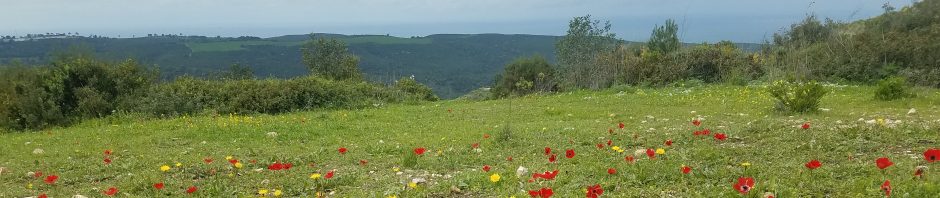
In honor of Rosh Hodesh Nissan

לכבוד ראש חודש ניסן

This week was Rosh Chodesh Nissan, the first month of the biblical year, the beginning of spring in the Land of Israel (as we experienced with a lightning storm in the evening and a hail storm on the day itself…!). Like all the months’ names accepted in the Hebrew calendar since the return from the Babylonian exile, the name of the month was brought from the Babylonian culture. The origin of the name is in the Akkadian word “nisnu” which means nitzan, a bud, that is, a period when “the buds were seen in the land” (Song of Songs 2), that is, the month of spring. The sages later formed a midrash on the sound of the name of the month – Nissan, and said that it is from the word ness, miracle, because in this month miracles were performed in Israel.השבוע היה ראש חודש ניסן, החודש הראשון בשנה המקראית, תחילת האביב בארץ ישראל (כפי שחווינו אותו בסופת ברקים בערב ובסופת ברד ביום עצמו…!). כמו כל שמות החודשים המקובלים בלוח השנה העברי מאז השיבה מגלות בבל, שם החודש הובא מהתרבות הבבלית. מקור השם במילה האכדית “ניסנו” שמשמעותה ניצן, כלומר תקופה בה “הניצנים נראו בארץ” (שיר השירים ב), כלומר, חודש האביב. חז”ל מאוחר יותר דרשו מדרש על צליל שם החודש – ניסן ואמרו שהוא מלשון נס, משום שנעשו בחודש הזה ניסים לישראל.
In the month of Nissan, it is customary to say Birkat Ha’Ilanot”, the blessing over blooming trees, one of the sight blessing which is said once a year in the spring, in this month when you see fruit trees in bloom. Like other blessings, the purpose of the blessing is to thank Gd for the beauty and abundance He created in His world.בחודש ניסן נוהגים לברך את ברכת האילנות, אחת מברכות הראיה שנאמרת פעם אחת בשנה באביב, בחודש הזה כשרואים עצי פרי בפריחה. כמו ברכות אחרות, מטרת הברכה להודות לקב”ה על היופי והשפע שברא בעולמו.  
This blessings’ origin is in Tractate Brachot (Blessings) in the Babylonian Talmud where it is said: Rav Yehuda said: One who goes out during (the month of) Nisan and sees trees that are blossoming recites: “Blessed…who has withheld nothing from His world and has created in it beautiful creatures and trees for human beings to enjoy (43:b). From the way in which a blessing is described, it sounds like there is no obligation for a person to go and purposefully look for blossoming saplings as the blessing is only for the one who “sees”. On the other hand, since this is a blessing that only happens once a year, there were those who said that it was worthwhile and necessary to leave the city and look for suitable tree.מקור הברכה במסכת ברכות בתלמוד הבבלי שם נאמר: אמר רב יהודה: האי מאן דנפיק ביומי ניסן וחזי אילני דקא מלבלבי (כלומר: מי שיוצא בימי חודש ניסן ורואה אילנות מלבלבים), אומר: “ברוך שלא חיסר בעולמו כלום, וברא בו בריות טובות ואילנו טובות להתנאות בהן בני אדם” (מג:ב). מהדרך בה ברכה מתוארת, נשמע שאין חובה על אדם ללכת לחפש אילנות מלבלבים והברכה היא רק על “הרואה”. מצד שני, מכיון שזו ברכה של רק פעם בשנה, היו כאלה שאמרו שכדאי וצריך לצאת מהעיר ולחפש אילנות מתאימים.  
If so, it seems that we really like trees, and it is important for us to enjoy them. How then can we explain the mishnah in Pirkei Avot (Saying of the Fathers 3, 7) which says “if one is studying while walking on the road and ceases from his study and says, “how fine is this sapling” [or] “how fine is this newly ploughed field!” scripture accounts it to him as if he was mortally guilty” -?? It seems that this mishna says that, it’s true, Gd created beautiful trees, but you are not allowed to look at them! Can this possibly be true??נדמה אם כך שאנחנו ממש אוהבים עצים וחשוב לנו להנות מהם. אז איך נוכל להסביר את המשנה בפרקי אבות (פרק ג, משנה ז) שאומרת “המהלך בדרך ושונה ומפסיק ממשנתו ואומר, מה נאה אילן זה ומה נאה ניר זה, מעלה עליו הכתוב כאילו מתחיב בנפשו”. ?? נראה שהמשנה הזו אומרת שנכון, הקב”ה ברא אילנות יפים, אבל לכם אסור להסתכל עליהם! האמנם??
Of course not. However, the dramatic word in this mishna is not the somewhat frightening word “mortally guilty”, but rather “and ceases from his study”. That is, those for whom looking at a sapling is considered a break from studies instead of being an integral part of it, it’s a sign that s/he lives in a divided world: s/he has the world of study and the world of practical experience, and the two do not intertwine. For such a person, in order to appreciate creation, s/he needs to stop from learning. This is a hazardous situation, so s/he really endangers himself, because he doesn’t have a life that’s whole.ברור שלא. אלא, שהמילה הדרמטית במשנה הזו איננה המילה המפחידה משהו “מתחייב בנפשו” אלא דוקא “ומפסיק ממשנתו”. כלומר, מי שעבורו הסתכלות באילן נחשבת הפסקה ממשנתו במקום להיות חלק אינטגרלי ממנה, סימן שהוא חי בעולם חצוי: יש לו את עולם הלימוד ויש לו את עולם ההתנסות המעשית ושניהם לא מתחברים. עבורו, בשביל להעריך את הבריאה, הוא צריך להפסיק את הלימוד. זהו מצב מסוכן, ולכן הוא באמת מתחייב בנפשו, כי אין לו חיים שלמים.
The ideal is that both learning about… and (doing and) and seeing the… will be part of that life of holiness. Lest we create divisions. The sages said that one of the ways to become attached to the Shekinah is to engage in planting in the Land of Israel. Rabbi Shmuel Moholiver (1824-1898) wrote in one of his responses that all he wanted was to go to the Land of Israel to plant even just one tree there, and thanks to this act, he would know that he had done something with his life.האידיאל הוא שגם הלימוד על… וגם (העשיה ו)הראיה את… יהיו חלק מאותם חיי הקדושה. שלא ניצור הפרדות. חז”ל אמרו שאחת הדרכים להידבק בשכינה זה לעסוק בנטיעה בארץ ישראל. רבי שמואל מוהליבר (1824-1898) כתב באחת מתשובותיו שכל רצונו הוא לעלות לארץ ישראל כדי לנטוע בה ולו רק עץ אחד, ובזכות זה ידע שעשה משהו בחייו.
The first one to plant in the world was Gd, of whom it is said, “And Gd planted a garden in Eden from east” (Genesis 2:8). When the human being joins the process of caring for trees and appreciating them, he becomes an active partner in creation, and especially in the Land of Israel where the planting of trees is part of the redemption of the Land. This brings us back to the month of Nissan, the month of spring, the month of Passover, the month of redemption, Gd willing, may it be upon us in goodness.הנוטע הראשון בעולם היה הקב”ה עליו נאמר “ויטע ה’ אלוהים גן בעדן מקדם” (בראשית ב,ח). כשכשהאדם מצטרף לתהליך הטיפול בעצים ולהערכתם, הוא נהיה שותף פעיל בבריאה, ובמיוחד בארץ ישראל שבה נטיעת העצים היא חלק מגאולת הארץ. וכל זה, מחזיר אותנו לחודש ניסן, חודש האביב, חודש חג הפסח, חודש הגאולה ב”ה, שתבוא עלינו לטובה.
These are difficult weeks and months that will take a long time to comprehend. We accumulate traumas in the midst of a complicated, extremely painful, and not always clear, war, when in addition to the enemy outside, day and night we are bombarded with harsh words that only make the situation worse. During this month, especially in our beautiful country that is blooming now in a multitude of wonderful shades of everything, we have the opportunity to go out, find a blooming (fruit) tree, stop by it for a moment, and breathe in the beauty of spring around us, in prayer and hope.עוברים עלינו שבועות וחודשים קשים שיקח עוד זמן רב להבין. אנחנו צוברים טראומות בתוך מלחמה מסובכת, כואבת ביותר, ולא תמיד ברורה, כשבנוסף לאויב מחוץ, יומם ולילה אנחנו מופצצים במילים קשות שרק מחמירות את המצב. בחודש הזה, במיוחד בארצנו היפיפיה והפורחת עתה בשלל גוונים משגעים, יש לנו הזדמנות לצאת, למצוא לנו עץ (פרי) פורח, לעצור לידו לרגע, ולנשום את יופיו של האביב סביבנו, בתפילה ותקוה.
Posted in Uncategorized | 2 Comments

“She is clothed in strength & splendor”… The Torah portion of Shmini

“עז והדר לבושה”…. פרשת שמיני

How much ink has been spilled and how many quills have been sharpened”… (an expression from Midrash Tanhuma Zav, 7) in an attempt to engage, discuss, understand, interpret the case of Nadav and Avihu, the sons of Aharon. What happened there? So begins the tenth chapter of Leviticus: Now Aaron’s sons Nadav and Avihu each took his fire pan, put fire in it, and laid incense on it; and they offered before Hashem alien fire, which had not been enjoined upon them. And fire came forth from Hashem and consumed them; thus they died at the instance of Hashem.“כמה דיו משתפך וכמה קולמוסין משתברין”… (ביטוי ממדרש תנחומא צו סימן ז) בנסיון לעסוק, לדון, להבין, לפרש את פרשת נדב ואביהו, בני אהרון. מה קרה שם? וכך מתחיל הפרק העשירי בספר ויקרא: וַיִּקְח֣וּ בְנֵֽי־אַ֠הֲרֹ֠ן נָדָ֨ב וַאֲבִיה֜וּא אִ֣ישׁ מַחְתָּת֗וֹ וַיִּתְּנ֤וּ בָהֵן֙ אֵ֔שׁ וַיָּשִׂ֥ימוּ עָלֶ֖יהָ קְטֹ֑רֶת וַיַּקְרִ֜יבוּ לִפְנֵ֤י ה’ אֵ֣שׁ זָרָ֔ה אֲשֶׁ֧ר לֹ֦א צִוָּ֖ה אֹתָֽם׃ וַתֵּ֥צֵא אֵ֛שׁ מִלִּפְנֵ֥י ה’ וַתֹּ֣אכַל אוֹתָ֑ם וַיָּמֻ֖תוּ לִפְנֵ֥י ה’ (ויקרא 10:א-ב)  
In two short verses a terrible tragedy is described: on Aaron’s happiest day, the day of the Tabernacle’s dedication, two of the first high priest’s sons get too close to the holiness. Despite the impression one gets from a quick reading of the event, nothing is said in the Torah about them sinning or being punished. On the contrary: later, in the Torah portion of Acharei Mot, it is said: “As they approached Hashem, then they died” (Leviticus 16:1) – that is, it is the over closeness that beget disaster; a kirva (closeness) that became a korban (sacrifice)…בשני פסוקים קצרים מתוארת טרגדיה נוראית: ביום השמח ביותר של אהרון, ביום הקדשת המשכן, שניים מבניו של הכהן הגדול הראשון מתקרבים לקודש יותר מידי. למרות הרושם שמתקבל מקריאה מהירה של האירוע, לא נאמר שום דבר בתורה על כך שהם חטאו או נענשו. להיפך: מאוחר יותר, בפרשת אחרי מות נאמר: “בקרבתם לפני ה’ וימותו” (ויקרא ט”ז, א) – כלומר, הקרבה היתרה היא שהוליכה לאסון, קרבה שהופכת לקרבן...  
The next verse continues the tragedy: Then Moses said to Aaron, “This is what Hashem meant by saying: ‘Through those near to Me, I show Myself holy, and gain glory before all the people’. And Aaron was silent”.   Rashi in the name of the midrash explains the phrase “Through those near to Me, I show Myself holy,”: “Moshe said to Aaron: Aaron, my brother, I knew that the Temple would be sanctified by those nearest to Gd and I believed either this is me or you. Now I see that they are greater than me and you.” That is, Moshe feared that the intense closeness to the Shekinah (holy presence)  in the Mishkan might be dangerous, but he feared that the one who might be harmed was him or his brother, Aharon. Therefore, when Nadav and Avihu were harmed by the holy fire, he – and Aharon as well – realized that there was no punishment, but rather, what happened to them, happened because they are great people. According to Rav Sherki, we find here “a burst of love that goes beyond the usual order of things, despite all the dangers and all the warnings concerning the matter”.  הפסוק הבא ממשיך את הטרגדיה: וַיֹּ֨אמֶר מֹשֶׁ֜ה אֶֽל־אַהֲרֹ֗ן הוּא֩ אֲשֶׁר־דִּבֶּ֨ר ה’: לֵאמֹר֙ בִּקְרֹבַ֣י אֶקָּדֵ֔שׁ וְעַל־פְּנֵ֥י כׇל־הָעָ֖ם אֶכָּבֵ֑ד, וַיִּדֹּ֖ם אַהֲרֹֽן׃   רש”י בשם המדרש מסביר את הביטוי “בקרובי אקדש”: אמר לו משה לאהרן: אהרן אחי, יודע הייתי שיתקדש הבית במיודעיו של מקום והייתי סבור או בי או בך. עכשיו רואה אני שהם גדולים ממני וממך. כלומר, משה חשש שהקרבה העצומה לשכינה במשכן, עלולה להיות מסוכנת, אבל הוא חשש שמי שעלולים להפגע זה הוא או אחיו, אהרון. לכן כשנדב ואביהו נפגעו באש הקודש, הוא – וגם אהרון – מבינים שאין כאן עונש אלא שמה שקרה להם, קרה כי הם אנשים גדולים ביותר. לפי דבריו של הרב שרקי, יש כאן “פרץ של אהבה שיוצא מן הסדר הרגיל למרות כל הסכנות וכל האזהרות הנוגעות לדבר”.  
Every year, this Torah portion is read around Holocaust and Remembrance Days. This year, because it’s a leap year, we read it earlier, before Pesach, and even before the month of Nissan. And yet, the whole year seems like one long Day of Remembrance, and while we are living in a very difficult time, we are also living in a time when huge “burst of love” bigger than usual, can be seen.כל שנה, הפרשה הזו נקראת סמוך לימי השואה והזכרון. השנה, מפני שזו שנה מעוברת, אנחנו קוראים אותה מוקדם יותר, לפני פסח, ואפילו לפני חודש ניסן. ועדיין, השנה כולה נדמית כמו יום זכרון אחד ארוך, ובשעה שאנחנו חיים בתקופה קשה ביותר, הרי שאנחנו גם חיים בתקופה בה ניתן לראות “פרץ של אהבה” גדול ועצום מהרגיל.  
The almost compulsive return to this story, the attempt to understand what happened and why, expresses the desire to put a rational explanation around extraordinary events, as if maybe if we understand death, we can also understand life. But where we feel or touch what is beyond, we also come to the limit of our ability to understand. The place of the Mishkan, the place of the Shekinah, because it is a place of connection between heaven and earth is a place of love, and love – while one can feel it, and swear it exists, cannot fully be understood.החזרה הכמעט כפייתית לסיפור הזה, הנסיון להבין מה קרה ולמה, מביעה את הרצון לשים הסבר רציונלי סביב אירועים יוצאי דופן, כאילו שאולי אם נבין את המוות, נוכל להבין גם את החיים. אבל במקום בו אנחנו חשים או נוגעים במה שמעבר, נמצא גם גבול היכולת שלנו להבין. מקום המשכן, מקום השכינה, בגלל היותו מקום חיבור בין שמים וארץ הוא מקום של אהבה, ואהבה – אפשר להרגיש, ואפשר להשבע בקיומה, אבל, אי אפשר להבין עד הסוף.  
And if we’re dealing with love, there is one character in this story, not mentioned in the Torah but mentioned in the Sages’ lore: In the Song of Songs (3:6) it is said, “Who is she that comes up from the desert, Like columns of smoke, In clouds of myrrh and frankincense, Of all the powders of the merchant?”
And in the Song of Songs Midrah Rabba on this verse, the answer is given: “Who is this that comes up from the desert? Elisheva daughter of Aminadav (who is the wife of Aharon the priest and the sister of Nachshon ben Aminadav, the prince of the tribe of Judah, and) she saw five joys in one day: She saw her yavam – a king (yavam is a term for the brother-in-law; here the reference is to Moses, the brother of Elisheva’s husband) and her brother – a prince (Elisheva’s brother is Nachson ben Aminadav , the president of the tribe of Judah) and her husband – a high priest (Aharon), and her two sons (Nadav and Avihu) deputy priests, and Pinchas her grandson (son of Eleazar, the priest) – a priest anointed for war. Since her sons went in to sacrifice, and came out burned, her joy turned to mourning, and she too immediately became like smoke.” .
ואם באהבה, הרי ישנה דמות אחת בסיפור הזה, אינה מוזכרת בתורה אך מוזכרת במדרשי חז”ל: בשיר השירים (ג,ו) נאמר “מִי זֹאת עֹלָה מִן הַמִּדְבָּר כְּתִימֲרוֹת עָשָׁן מְקֻטֶּרֶת מוֹר וּלְבוֹנָה מִכֹּל אַבְקַת רוֹכֵל”
ובמדרש שיר השירים רבה על הפסוק הזה נמסרת התשובה: “מי זאת עולה מן המדבר? אלישבע בת עמינדב (שהיא אשתו של אהרון הכהן ואחותו של נחשון בן עמינדב, נשיא שבט יהודה, ו) ראתה חמש שמחות ביום אחד: ראתה יְבָמָהּ מלך (יבם הוא כינוי לגיס, כלומר הכוונה כאן למשה רבנו, אחי בעלה של אלישבע) ואחִיהָ נשיא (אחיה של אלישבע הוא נחשון בן עמינדב, נשיא שבט יהודה) ובעלה כהן גדול (אהרון), ושני בניה (נדב ואביהו) סגני כהונה, ופנחס בן בנה (בנו של שנה, אלעזר הכהן) משוח מלחמה. כיון שנכנסו בניה להקריב יצאו שרופין ונהפכה שמחתה לאבל, מיד נעשית כתימרות עשן”.  
How difficult and awful is this image! Usually the “smoke plumes” rising from the area of the tabernacle are of the cloud of incense, the beloved sacrifice: “The Holy One, blessed be He, said, of all the sacrifices you offer, there is none more beloved to Me than incense… which comes neither for sin nor for iniquity nor for guilt, but is about joy…” (Midrash Tanhuma Titzvah, 15).כמה קשה ואיומה התמונה הזו! בד”כ “תמרות העשן” העולים מאיזור המשכן הם של ענן הקטורת, הקרבן האהוב: “אמר הקדוש ברוך הוא, מכל הקורבנות שאתם מקריבין, אין חביב עלי כקטרת…. שאינה באה לא על החטא ולא על עוון ולא על האשם, אלא על השמחה”… (מדרש תנחומא תצוה, טו).  
But here the clouds of smoke are the cloud of fire that consumed Nadav and Avihu, the cloud of mourning for Elisheva their mother, who, in one instance, lost two of her four sons.
The Midrash of the Book of Proverbs, speaks about “Eshet Chayil”, “A woman of valor” suggesting that each verse of the famous poem is said about a different woman in the Bible. About Elisheva it is said “She is clothed with strength and splendor; She looks to the future cheerfully” (Proverbs 31:25). It is the wife of the High Priest with his magnificent clothes who is described as the one about whom it is said – “”clothed with strength and splendor”: not only outer impressive garments but she herself is clothed with powerful qualities.
אלא שכאן תמרות העשן הם ענן האש שכילתה את נדב ואביהו, ענן האבל של אלישבע אמם, שברגע אחד איבדה שניים מארבעת בניה.
מדרש משלי על “אשת חיל” מציע שכל פסוק בשיר המפורסם נאמר על אשה אחרת בתנ”כ. על אלישבע נאמר “עֹז־וְהָדָ֥ר לְבוּשָׁ֑הּ ותִּשְׂחַ֗ק לְי֣וֹם אַחֲרֽוֹן” (משלי לא,כה). דוקא אשתו של הכהן הגדול עם בגדיו המפוארים מתוארת כזו שעליה נאמר – “עֹז־וְהָדָ֥ר לְבוּשָׁ֑הּ”: לא רק בגדי שרד חיצוניים אלא היא עצמה לבושה בתכונות חזקות.  
It is not known what happened to Elisheva after that day, how she got up the next morning and how she went on with life, “as usual”, with the news in the back, with the seemingly endless journey in the desert, being delayed on and on, while in the meantime, every day her husband and her other two sons put on their special priestly unit uniform, and go to the holy service In the Mishkan; a service we can no longer say is not dangerous. What did she do with her days, what did she do to not go crazy? Did she console herself with her grandchildren, did she have soothing incense, deep breaths, walks around the camp, morning runs… How did she keep her cool, her positive outlook until her last day….
But obviously she also had daughters. and daughters in law; and granddaughters and great-granddaughters. The depth of her strength and wisdom she bequeathed to them, and this is how we see them with us and around us, every day, even today.
לא ידוע מה קרה לאלישבע לאחר אותו היום, איך קמה למחרת בבקר ואיך המשיכה בחיים, “כרגיל”, כשברקע החדשות, כשברקע המסע במדבר שמתעכב עוד ועוד, ובנתיים, כל יום בעלה ושני בניה האחרים לובשים את מדי יחידת הכוהנים המיוחדת שלהם, ויוצאים לעבודת הקודש במשכן שכבר לא נוכל להגיד עליה שאין עימה סכנה. מה עשתה היא עם ימיה, מה עשתה כדי לא להשתגע, האם התנחמה בנכדיה, האם היתה לה קטורת הרגעה, נשימות עמוקות, הליכות סביב המחנה, ריצות בקר… איך שמרה על שחוקה עד יומה האחרון….
אבל ברור שהיו לה גם בנות. וכלות. נכדות ונינות. את עומק כוחה וחוכמתה היא הורישה להן, וכך אנחנו רואים אותן איתנו וסביבנו, יום-יום גם היום.  

שבת שלום וכמעט חודש ניסן טוב – SHABBAT SHALOM & ALMOST A GOOD ONTH OF NISAN

מקור התמונה:
https://art.hemed.org.il/%D7%A2%D7%95%D7%96-%D7%95%D7%94%D7%93%D7%A8-%D7%9C%D7%91%D7%95%D7%A9%D7%94/

Posted in Uncategorized | Leave a comment

The Heifer & the Calf: Shabbat Parah

הפרה והעגל: לכבוד שבת פרה

I’ll start this time from the end: not long ago, I had the great privilege of visiting Shiloh. In the Bible, Shiloh was an Israelite city in southern Samaria, and indeed, archaeological finds at the site, indicate a succession of settlements starting from the Middle Bronze Age (about 1600-1800 BCE) to the early Arab period (700-900 CE). Magnificent mosaics were uncovered here, two churches, an ancient mosque and an ancient synagogue. The uncovering of the remains from the Iron Age led to the identification of the site with the biblical Shiloh, where the Mishkan – the Tabernacle stood during the era of the tribes for about 350 years. In 2012, coins were discovered in excavations on which was stamped “year… for the redemption of Jerusalem”, and archaeologists assume that the coins are from the time of the Great Revolt. In 2013, one of the oldest churches in the world (from the 4th century CE) was discovered at the site, with a large mosaic floor. In 2018, an ancient pottery pomegranade was discovered in Shiloh, from the period of the Mishkan. Shiloh also appears on the Midaba map, and the site is also mentioned in the 14th century writings of the traveler Ashtori Farahi.אתחיל הפעם מהסוף: לא מזמן, זכיתי לבקר בשילה. במקרא היתה שילה עיר ישראלית בדרום השומרון, ואכן, באתר נמצאו ממצאים ארכאולוגיים ממאות שנים המעידים על רצף התיישבותי החל מתקופת הברונזה התיכונה (כ-1600-1800 לפנה”ס) ועד התקופה הערבית הקדומה (700-900 לספירה). בתל שילה נחשפו פסיפסים מרהיבים, שתי כנסיות, מסגד עתיק ובית כנסת עתיק. חשיפת השרידים מתקופת הברזל הובילה לזיהוי האתר עם תל שילה המקראית, בו עמד המשכן בתקופת התנחלות השבטים למשך כ-350 שנה. ב-2012 התגלו בחפירות מטבעות עליהם הוטבע “שנת… לגאולת ירושלים” והארכאולוגים מניחים שהמטבעות הם מתקופת המרד הגדול.  בשנת 2013 נחשפה במקום כנסייה מהעתיקות בעולם (מהמאה ה-4 לספירה), ובה רצפת פסיפס גדולה. ב – 2018 התגלה בשילה רימון חרס קדום, מתקופת המשכן. שילה מופיעה גם במפת מידבא וכן מוזכר האתר גם במאה ה-14 בכתביו של הנוסע אשתורי הפרחי.  
But in Shiloh, not only the past is famous and fascinating, but also the present and possibly the future. When we visited the site, we were got to see that red heifers are raised here! This upcoming Shabbat is called “Shabbat Para”, literally, the Shabbat of the (red) Heifer. This is the Shabbat between Purim and the Shabbat when we declare the next month, NIssan. The sages established that, at this time of the year, we should read the matter of the Red Heifer, which is mentioned in chapter 19 in the Book of Numbers, because this process had to take place near the month of Nissan in order to purify the Children of Israel immediately after the construction of the Mishkan. And so, despite everything strange and incomprehensible about this ceremony, we too pray that this purity will return.אך בשילה לא רק העבר מפורסם ומרתק אלא גם ההווה ואולי גם העתיד. בביקור באתר זכינו לראות שבמקום מגדלים פרות אדומות! השבת הקרובה נקראית “שבת פרה”, זו השבת בין פורים לשבת החודש. חז”ל תקנו לקרוא דווקא בזמן הזה בלוח השנה שלנו בענין פרה אדומה, המוזכר בפרק יט בספר במדבר – מפני ששריפת הפרה הראשונה הייתה סמוך לחודש ניסן כדי לטהר את ישראל מיד לאחר הקמת המשכן, וכך, למרות כל המוזר והבלתי מובן בטקס זה, גם אנו מתפללים שתחזור טהרה זו.  
Another place that should be mentioned in the context of the Red Heifer is Mount Olives, the place where the cow’s ashes were burned. The Mishna in Tractate Para (yes, there is a tractate by this name) describes the bridge that was built for the priest from the gates of the Temple Mount to Mount “Anointing Oil” (Mount of Olives), a bridge that rested on many arches carved from the face of the tombs. The place where the cow’s ashes were prepared and a wine cellar of pure wine were placed above a huge underground space in the center of the mountain. This space also separated it from the impurity of the graves. From precise measurements made by Rabbi Yonatan Adler, it becomes clear that the holy site that should be right in front of the Holy of Holies, is today in the fenced yard of the Dominus Flevit church (which took over the holy area and appropriated it for itself, something that unfortunately repeatedly happens in many places).מקום נוסף שצריך אזכור בהקשר הפרה האדומה הוא הר הזיתים, מקום שרפת אפר הפרה.  המשנה במסכת פרה (כן, יש כזו) מתארת את הגשר שבנו לכוהן משערי הר הבית להר המשחה (הר הזיתים), גשר שנשען על קשתות רבת שחצצו מפני הקברים. מקום הכנת אפר הפרה וגת של יין טהור הוצבו מעל חלל תת-קרקעי ענקי במרכזו של ההר. חלל זה הפריד גם הוא מטומאת קברי התהום. ממדידות מדויקות שנעשו ע”י הרב יונתן אדלר, מתברר שהאתר המקודש שצריך להיות בדיוק מול קודש הקודשים, נמצא כיום בחצר המגודרת של כנסיית דומינוס פלוויט (שהשתלטה על השטח הקדוש וניכסה אותו לעצמה, דבר שלצערנו חוזר בלא מעט מקומות).
The Midrash (Midrash Rabbah Chukat 19, 18, and Tanchuma Chukat 26) states that the mitzvot of a Red Heifer constitutes a kind of correction for the sin of the Golden Calf:   “It’s a parable for the maidservant’s son who dirtied the king’s palace. The king said: Let his mother come and clean up the mess (the actual work is more like excrement) . Thus said the Holy One, blessed be He, let the Red Heifer come and atone for the act of the (golden) calf.”המדרש (מדרש רבה חקת פרשה יט סימן יח, ותנחומא פרשת חקת סי’ כו) כותב שמצוות פרה אדומה מהווה מעין תיקון לחטא העגל: “משל לבן שפחה שטנף פלטרין של מלך. אמר המלך: תבוא אמו ותקנח את הצואה, כך אמר הקדוש ברוך הוא תבא פרה ותכפר על מעשה העגל”.  
For many years I did not exactly understand this Midrash. It’s a well-known midrash but a bit strange and maybe even disturbing. What exactly is meant here? I will bring 3 ideas: (1) The mitzvah of the Red Heifer in a unique way is called “chukah“, often translated as a law that is impossible to explain. Rashi writes that the language of chukah (Numbers 19:2) means “it’s a decree before Me and you are not allowed to ponder after it.” Hence, it is possible that this is the correction for the sin of the Golden Calf: At the calf, we thought and tried to understand godliness; even to create it and worship it as we see fit. The Torah came and said, the opposite is true – only when you surrender to Gd’s will, you can worship Gd wholeheartedly and completely.  As Rabbi Yehuda Halevi said, “Gd’s servant, he alone is free”…במשך שנים רבות לא בדיוק הבנתי את המדרש הזה. זהו מדרש ידוע אבל קצת מוזר ואולי אפילו מטריד. למה בדיוק הכוונה? אביא 3 רעיונות: (1) מצוות פרה אדומה באופן יחודי נקראת “חקה”. רש”י כותב שלשון חוקה (במדבר פרק יט פסוק ב): “גזירה היא מלפני ואין לך רשות להרהר אחריה”. מכאן, יתכן שזה התיקון לחטא העגל: בעגל, חשבנו וניסינו להבין את האלוהות, אפילו ליצור אותה ולעבוד אותה כמו שלנו נראה לנכון. באה התורה ואמרה, ההיפך הוא הנכון – רק כשמתבטלים לרצון ה’, אפשר לעבוד את ה’ באופן שלם ומלא. כמו שאמר רבי יהודה הלוי, “עבד ה’ הוא לבדו חופשי”…  
(2) The Chida (Rav Chaim Yosef David Azulai, 1724-1806) explains that it is usually impossible to transgress the entire Torah all at once. Let’s say, eating unleavened bread – on Pesach, or forbidding eating on Yom Kippur, but with regard to idolatry, one can transgress the whole Torah in one moment, and therefore the solution or atonement for this is – to take upon ourselves the “chukah of the Torah”.(2) החיד”א (-) – מסביר שבד”כ אי אפשר לעבור על כל התורה בבת אחת. נגיד, אכילת מצה – בפסח, איסור אכילה – ביום כיפור, אבל לגבי עבודה זרה, זה מצב שאפשר לעבור על כל התורה ברגע אחד, ולכן הפתרון או הכפרה לכך זה – לקחת על עצמנו את “חוקת התורה”.
(3) Rav Shimshon Rafa’el Hirsch (1808-1888) as usual looks at the words and roots in Hebrew. The calf, egel – comes from the word circle, igul. It is also written – a masked calf (Exodus 32:8) possibly shaped as a circle. Accordingly, what exactly is the sin of the Golden Calf? To be in a circle. A circle is a shape that does not go anywhere; a place that has no corners, happenings, and is analogous to situations in which a person walks and go around and around himself, focused on himself without reaching anything. What is the solution to this? The heifer. The word for heifer – parah – comes from the root – to be fruitful and multiply, to grow, to contribute and to do good in the world. The solution to the calf’s naval gazing, is the fertilization, the desire to give and do, to purify and correct.(3) הרש”ר הירש – כדרכו מסתכל על המילים והשורשים בעברית. העגל – בא מלשון עיגול. גם כתוב – עגל מסכה (שמות לב:ח), כנראה עשוי בצורה עגולה. לפי זה, מה זה בדיוק חטא העגל? להיות בעיגול. עיגול זו צורה שלא הולכת לשום מקום, שאין בה פינות, התרחשויות, והיא מקבילה לסיטואציות בהן אדם הולך ומסתובב סביב עצמו, מרוכז בעצמו בלי להגיע לכלום. מה הפתרון לכך? הפרה. הפרה באה משורש – לפרות ולרבות, לגדול, לתרום ולעשות בעולם. הפתרון ל- NAVAL GAZING של העגל, זו הפרה, ההפרייה, הרצון לתת ולעשות, לטהר ולתקן.  
We often think that the more we take, the more we have, but it turns out that this is not true. Purim called us to give. We made mishloach manot, gave donations to the poor and more, but what if we might think it’s just a matter of that one day, a day that’s a little crazy and messy and unusual. How will we take this idea to the rest of the year? How do we transpose Esther’s call “go and gather everyone”? how do we take the need to get away from the separation and dispersion that comes between us, to learn to be together, to do things with and for each other?לא פעם נדמה לנו שכמה ניקח יותר – יהיה לנו יותר, אבל מסתבר שזה לא כך. פורים קרא לנו לנתינה: הכנו משלוחי מנות, נתנו מתנות לאביונים ועוד, אבל אולי חלילה, נחשוב שזה רק ענין של יום אחד, יום קצת משוגע ומבולגן ויוצא דופן. איך ניקח את הרעיון הזה לשאר השנה, את הקריאה של אסתר “לך כנוס”? את הצורך להתרחק מהפירוד והפיזור שנכנס בינינו, ללמוד להיות ביחד, לעשות דברים אחד עם ובשביל השני?  
It’s always a difficult message, and especially difficult this past year. We entered a kind of loop where everyone is sure that if everyone just thinks “like me”, everything will be fine, and this is exactly the way everything continues to be not fine. Here we are a bit like the calf, going round and round ourselves… That’s why, possibly, we have Shabbat Parah, right after, to remind us, not only to walk in circles each one around him / herself, but to raise our heads, see the other, engage in fruitful and productive, correcting and purifying matters.זה מסר קשה תמיד, וקשה במיוחד בשנה האחרונה. נכנסנו לאיזה לופ שכל אחד בטוח שאם כולם רק יחשבו “כמוני”, הכל יהיה בסדר, וזו בדיוק הדרך שהכל ממשיך להיות לא בסדר. הנה אנחנו קצת כמו העגל, ממשיכים ומסתובבים סביב עצמנו… לכן אולי, שבת פרה מגיעה מייד אחרי, להזכיר לנו לא רק ללכת במעגלים כל אחד סביב עצמו, אלא להרים ראש, לראות את האחר, לעסוק בדברים פוריים ומפרים, מתקנים ומטהרים.  
שבת שלום *** SHABBAT SHALOM
Posted in Uncategorized | Leave a comment

Purim: Esther & Moses making Mishloach Manot…

פורים: אסתר ומשה מכינים לנו משלוחי מנות

Once upon a time, when my children were younger and we lived in places where it was impossible to find hamantashen for Purim, already a week or two before the holiday, the whole house started to smell like a bakery and it seemed that the entire kitchen floor was a mixture of different fillings… on the other side of the room, there were bags of goodies, paper plates that would turn into decorated baskets, colored ribbons and cellophanes for packaging. On the eve of the holiday’s eve, the house would become a “conveyer belt” factory for preparing mishlochei manot, and the next evening, after everything was ready and we had already heard the megillah once, we would return home, load the car and drive around between the neighbors’ houses, running and leaving packages on doorsteps, hoping that people would wake up on Purim morning to find a surprise – a festive mishloach manot at the door.כשהילדים שלי היו צעירים יותר וגרנו במקומות בהם אי אפשר היה למצוא אוזני המן לקראת פורים, כבר שבוע-שבועיים לפני החג, כל הבית התחיל להריח מאפיה ונדמה וכל רצפת המטבח היתה תערובת של מילויים שונים… בצד אחר של החדר, היו שקים עם דברים טובים, צלחות נייר שנהפוך לסלסלות מקושטות, סרטים צבעוניים וצלופנים לאריזה. בערב ערב החג הבית היה הופך לסרט-נע להכנת משלוחי מנות, ולמחרת בערב, אחרי שהכל היה מוכן וכבר שמענו את המגילה פעם אחת, היינו חוזרים הביתה, מעמיסים את הרכב ויוצאים לסייר בין בתי השכנים, רצים ומשאירים משלוח מנות על מפתן הדלת, בתקווה שאנשים יתעוררו למחרת בבקר פורים וימצאו הפתעה – משלוח מנות חגיגי ליד הדלת.  
The point is that the next day, we too would wake up on Purim morning to find mishlochei manot at our door that dear friends had left for us. And I remember once thinking to myself, what in the world are we doing? After all, while we’re struggling in the kitchen with all the preparations, all our friends are also doing the same… isn’t there something here that doesn’t make sense? Mishloach manot seems like a strange mitzvah: after all, each of us can buy our own sweets, bake our own cookies, and sit at home and eat them to our heart’s content, thus putting a check mark on this day. But all the mitzvot of Purim concern the other, the neighbor, the community.הענין הוא שלמחרת, גם אנחנו היינו מתעוררים בבקר פורים ומוצאים משלוחי מנות חגיגיים ליד הדלת שהשאירו עבורנו חברים יקרים. ואני זוכרת פעם שחשבתי לי, מה זה הדבר הזה שאנחנו עושים? הרי בשעה שאנחנו נאבקים במטבח עם כל ההכנות, כל החברות (וכן, גם כמה חברים) שלנו גם הן עושות את אותו הדבר אז… האם אין כאן משהו חסר הגיון? משלוח מנות נדמית כמצווה לא “יעילה”: אחרי הכל, כל אחד מאיתנו יכול לקנות את הממתקים שלו, לאפות את העוגיות שלו, לשבת בבית שלו ולאכול אותן כאוות נפשו ובכך לעשות “וי” על היום הזה. אבל כל המצוות של פורים עניינן באחר, בשכן, בקהילה.  
The holiday begins with Haman’s complaint to Ahasuerus about the Jews: “There is one people, scattered and dispersed among the other peoples in all the provinces of your realm, whose laws are different from those of any other people and who do not obey the king’s laws; and it is not in Your Majesty’s interest to tolerate them. If it please Your Majesty, let an edict be drawn for their destruction, and I will pay ten thousand talents of silver to the stewards for deposit in the royal treasury.” (Esther 3:8-9)תחילתו של החג בתלונה של המן לאחשוורוש בענין היהודים: יֶשְׁנ֣וֹ עַם־אֶחָ֗ד מְפֻזָּ֤ר וּמְפֹרָד֙ בֵּ֣ין הָֽעַמִּ֔ים בְּכֹ֖ל מְדִינ֣וֹת מַלְכוּתֶ֑ךָ וְדָתֵיהֶ֞ם שֹׁנ֣וֹת מִכׇּל־עָ֗ם וְאֶת־דָּתֵ֤י הַמֶּ֙לֶךְ֙ אֵינָ֣ם עֹשִׂ֔ים וְלַמֶּ֥לֶךְ אֵין־שֹׁוֶ֖ה לְהַנִּיחָֽם׃ אִם־עַל־הַמֶּ֣לֶךְ ט֔וֹב יִכָּתֵ֖ב לְאַבְּדָ֑ם וַעֲשֶׂ֨רֶת אֲלָפִ֜ים כִּכַּר־כֶּ֗סֶף אֶשְׁקוֹל֙ עַל־יְדֵי֙ עֹשֵׂ֣י הַמְּלָאכָ֔ה לְהָבִ֖יא אֶל־גִּנְזֵ֥י הַמֶּֽלֶךְ  (אסתר ג:ח-ט)
Haman is evil but stupid – he is not. His speech is sophisticated and persuasive. It moves from half-truths (a scattered and dispersed people “among all” the people of your kingdom…) to a lie (they don’t obey the king’s law), and continues with advice and temptations for which he was not asked (it’s not worth it for the king to keep them, as if it costs the king money to have a population that contributes to his kingdom, and the enticement of huge sums if he gets permission to “lose them” [translated here as their destruction, but Haman does not define to the king exactly what it means and what the king signs).המן הוא רשע אבל טפש – הוא לא. הדיבור שלו מתוחכם ומשכנע. הוא נע מחצי אמת (עם מפוזר ומפורד “בכל” מדינות מלכותך…) לשקר (“את דתי המלך אינם עושים”), וממשיך בעצות ופיתויים להם לא התבקש (ולמלך “אין שווה” כאילו עולה למלך כסף שיש לו אוכלוסיה שתורמת לממלכה שלו, ועד הפיתוי בסכומי עתק אם יקבל אישור “לאבדם”, בלי להגדיר למלך בדיוק מה זה לאבדם ועל מה המלך חותם).  
And yet, there is also a half-truth here, and that is the fact that the Jews are scattered and divided. Haman recognizes our weak point and wants to exploit it against us. The Jews are really experiencing a very difficult and very new experience. So far, our entire existence is in the Land of Israel. All our intentions, all our purpose – is the Land. When the Children of Israel leave Egypt after exile and harsh and grueling slavery, all that stands before their eyes is to reach the land of the ancestors, where they will finally be able to be and live who they really are. Do we also have an existence outside Israel, not as slaves and handmaids, but as equal people among others? Maybe today it seems obvious to us, but then, during the exile and the destruction of the 1st Temple era? We had a bad and bitter experience with the Ten Tribes who were exiled about 140 years earlier, and until now it is not clear what happened to them. The “proof” that outside of Israel we have no existence is right in front of our eyes! Haman also understands that there is no such phenomenon of one nation that remains scattered among the other nations and can thus continue to exist. His “logical” proposal is that they should be “lost”.ועדיין, יש כאן גם חצי אמת, וזו העובדה שהיהודים מפוזרים ומפורדים. המן מזהה את נקודת החולשה שלנו ורוצה לנצל אותה נגדנו. היהודים באמת חווים חוויה קשה מאד וחדשה מאד. עד כה, כל קיומנו הוא בארץ ישראל. כל כוונותינו, כל מטרתנו – הארץ. כשבני ישראל יוצאים ממצרים אחרי גלות ועבדות קשה ומפרכת, כל מה שעומד לנגד עיניהם זה להגיע לארץ האבות, שם סופסוף, יוכלו להיות ולחיות את מי שהם באמת. האם יש לנו גם קיום מחוץ לארץ, לא כעבדים ושפחות, אלא כאנשים שווים בין אנשים אחרים? אולי כיום זה נראה לנו מובן מאליו, אבל אז ? בימי הגלות וחורבן בית המקדש הראשון? הלוא יש לנו נסיון רע ומר עם עשרת השבטים שהוגלו כ-140 שנה קודם לכן, ועד עכשיו לא ברור מה עלה בגורלם. ה”הוכחה” שמחוץ לארץ נתבולל ונמות, הרי היא לנגד עינינו! גם המן מבין שאין תופעה כזו של עם אחד שנשאר מפוזר בין העמים האחרים ושיכול כך להמשיך ולהתקיים. הצעתו ה”הגיונית” היא שצריך “לאבדם”.  
The solution on the other hand, is offered by Esther, that is, the solution comes from a hidden place, not completely obvious (Esther from the word nistar, hidden): Go, gather all the Jews together  (4:16) That is, it’s true, the dispersion and separation is a source of trouble for us, but we have a remedy for that – “go gather together”, be together, do things for each other.את הפתרון מנגד מציעה אסתר, כלומר הפתרון מגיע ממקום נסתר, לא לגמרי מובן מאליו: לֵךְ֩ כְּנ֨וֹס אֶת־כׇּל־הַיְּהוּדִ֜ים (ד:טז) כלומר – נכון, הפיזור וההפרדה הוא מקור לצרות עבורנו, אך יש לנו תרופה לכך – “לך כנוס”, לכו התאספו, תהיו ביחד, תעשו דברים אחד למען השני.  
The sages managed to make Esther’s image a beloved one, the beautiful queen that every girl in the kindergarten wants to be like, but Esther comes with additional depth. In terms of her biblical character, if we were to look for a parallel among the men in the Bible, we might be surprised to see that of all of them it is – Moses. Moses who grew up in the palace; who apparently is not concerned with the fate of the slaves, but who decides to tie his destiny with that of his people no matter what. And Esther, who can hide in the palace, and look out with “compassion” on the fate of the Jews outside, with a shrug of the shoulder, ‘ah, what can I do now’… and it is true, the task is not easy at all. That’s why when Gd offers Moses to go to Pharaoh, Moses resists, and when Mordecai tells Esther that she must do something, it seems to her initially like a very bad idea. But both of them, each from their place, get up and go, get up and do, against all odds.חז”ל הצליחו להאהיב את דמותה של אסתר, המלכה היפה שכל ילדה בגן רוצה להיות כמוה, אבל אסתר מגיעה עם עומק נוסף. מבחינת דמותה התנכית, לו חיפשנו לנו מקביל בין הגברים בתנכ, אולי נופתע לראות שמכולם זהו דוקא – משה. משה שגדל בארמון, ולכאורה אין גורל העבדים נוגע לו, אך הוא מחליט לקשור את גורלו בגורל עמו ויהי מה. ואסתר, שיכולה להתחבא בארמון, ולהשקיף ב”חמלה” על גורל היהודים בחוץ, במשיכת כתף של, ‘מה אני יכולה כבר לעשות’… וזה נכון, המשימה אינה קלה בכלל. לכן כשאלוהים מציע למשה ללכת לפרעה, משה מתנגד, וכשמרדכי אומר לאסתר שעליה לעשות משהו, זה נראה לה רעיון גרוע ביותר. אך שניהם, כל אחד ממקומו, קמים והולכים, קמים ועושים, כנגד כל הסיכויים.    
When we are asked about Moses’ greatest quality; what is the most significant thing about him, the extraordinary, it is that he was “humble”. What does “humble” look like in action? We know that he fiercely resisted the Golden Calf, and even broke the Tablets; He stood up to Pharaoh, and Korah and the spies, so it seems that being humble does not mean being “a rug”, weak, calm, unresponsive, not angry… so what is it? What is the quality that makes the one who brought us out of Egypt such a successful leader? Is it because he is a talented and creative commentator, or maybe an army commander? Maybe a healer and life saver?? No, on the contrary: when Moshe doesn’t know something, he says he doesn’t know and goes to ask Gd, and this happens more than once, and we wonder: what did Gd find in him?? Look at him, he can’t do anything by himself! All he does is “simply” accept the Torah and… wait, wait… that’s it!
This?
Perhaps we can explain this quality in another way: we trust that our Torah is the exact word of Gd only because we trust this ability of Moses to convey to us exactly what he received. He does not tell us what his opinion is and what he thinks about the last operation and how he knows more because he is this and that, and how he would have done it differently because he…. His greatness is the ability to convey the word of Gd without any ego, any interferences, to be in a real flow With Gd. This is the exodus from Egypt, the exit from a narrow and forced place to an open place of true freedom. This is redemption.   And Esther?
כשאנחנו נשאלים על התכונה הכי גדולה של משה רבנו, מה הוא הדבר המשמעותי כל כך בו, היוצא דופן, זה זה שהוא היה “ענו”. איך נראית “ענווה” בפועל? אנחנו יודעים שהוא התנגד בכוח לעגל הזהב, ואפילו שיבר את הלוחות; גם מול פרעה, וקורח והמרגלים הוא עמד, אז נראה שלהיות ענו אין פירושו להיות “שטיח”, חלש, רגוע, לא מגיב, לא כועס… אז מה זה כן? מהי התכונה שהופכת את מי שמוציא אותנו ממצרים להיות מנהיג כל כך מצליח? האם זה מפני שהוא פרשן מוכשר ויצירתי, או אולי מפקד צבא? אולי מרפא ומציל חיים?? לא, להיפך: כשמשה לא יודע משהו, הוא אומר שהוא לא יודע והולך לשאול את ה’, וזה קורה יותר מפעם אחת, ואנו תוהים: מה ה’ מצא בו?? תראו אותו, הוא לא יכול לעשות שום דבר בעצמו! כל מה שהוא עושה זה “פשוט” לקבל את התורה ו… רגע, רגע… זהו!
זהו?
אולי נוכל להסביר את התכונה הזו אחרת: אנו סומכים על כך שהתורה שלנו היא דבר ה’ המדויק רק משום שאנו סומכים על היכולת הזו של משה להעביר לנו בדיוק את מה שקבל. הוא לא מספר לנו מה דעתו ומה הוא חושב על המבצע האחרון ואיך הוא יודע יותר כי הוא ואיך הוא היה עושה את זה אחרת כי הוא…. הגדולה שלו היא ביכולת להעביר את דבר ה’ ללא שום אגו, שום התערבות, להיות בזרימה אמיתית עם הקב”ה. זוהי יציאת מצרים, היציאה ממקום צר ומאולץ למקום פתוח של חופש אמיתי. זוהי גאולה. ואסתר?  
Our sages said that “anyone who says something in the name of the original sayer, brings redemption to the world” (Pirkei Avot 6,6). The word “redemption” may make us think of Moses, especially together with the ability to convey things in the sayer’s name, after all, that is exactly what we just said he was so good at, except that the example that the Sages bring here is actually… Esther, as it is said “And Esther said to the king in the name of Mordecai” (Esther 2:22, appears in tractate Megillah 15:a). That is, when Esther told about Bigatan and Teresh and their plot to assassinate the king, she said it in Mordechai’s name. Later, when the king’s sleep wandered and he asked to bring the book of memories, he found it written that Mordechai was the one who told the king, and this is where all this unique rescue and redemption began. Esther, like Moshe, does not bother to take credit for herself for the operation or the statement or… nothing in fact. She didn’t “been there” and didn’t “know before” and didn’t stand around waving titles and ranks and what not, and none of that. Her ability, an ability that seems to us to be nothing, ‘what has she already done’? is to put herself aside, when this is what ultimately led to this redemption, not very different from Moses!חז”ל אמרו ש”כל האומר דבר בשם אומרו, מביא גאולה לעולם” (פרקי אבות ו,ו). המילה “גאולה” אולי תגרום לנו לחשוב על משה, במיוחד יחד עם היכולת להעביר דברים בשם אומרם, הרי זה בדיוק מה שאמרנו שהוא כל כך טוב בו, אלא שהדוגמה שחז”ל מביאים כאן היא דווקא… אסתר, שנאמר “ותאמר אסתר למלך בשם מרדכי” (אסתר ב,כב, מופיע במסכת מגילה טו:א). כלומר, כשאסתר ספרה על בגתן ותרש ומזימתם להתנקש במלך, היא אמרה את הדבר בשם מרדכי. מאוחר יותר, כששנת המלך נדדה והוא בקש להביא את ספר הזכרונות, הוא מצא כתוב שמרדכי הוא זה שהגיד למלך ומכאן התחילה כל ההצלה והגאולה היחודית הזו. אסתר, כמו משה, לא טורחת לקחת קרדיט לעצמה על המבצע או האמירה או… כלום בעצם. היא לא “היתה שם” ולא “ידעה כבר קודם” ולא עמדה מנופפת בתארים ודרגות ומה לא, ולא… לא. היכולת שלה, יכולת שנראית לנו כאילו זה כלום, מה היא כבר עשתה? היא להעמיד את עצמה בצד, כשזה מה שהוביל בסופו של דבר לגאולה הזו, ולא שונה מאוד ממשה!  
Moses and Esther, Purim and Pesach, Adar and Nissan are related in many different ways. On the surface, they seem like complete opposites: Purim comes at the end of our Biblical calendar year while Passover is at the beginning; Pesach starts us off as a nation, and Purim is towards the end of the Bible and that era in our history. Purim is in exile from which the people do not come out, while all of Pesach is aimed at Eretz Yisrael. Pesach is about birth, renewal, breakthrough, promise, looking ahead, while Purim deals with the difficulty in surviving after the terrible destruction of the 1st Temple. On Passover – Gd organizes our redemption. On Purim – his name is not even mentioned in the megillah.משה ואסתר, פורים ופסח, אדר וניסן קשורים בדרכים רבות ושונות. על פניו הם נראים כמו הפכים גמורים: פורים בא בסוף לוח השנה שלנו בזמן שפסח בראשיתו; פסח פותח את הסיפור שלנו כעם ופורים הוא לקראת סוף התנ”כ והעידן ההוא בהיסטוריה שלנו. פורים נמצא בגלות ממנה העם לא יוצא, כשפסח כולו מכוון לארץ ישראל. פסח עוסק בלידה, התחדשות, פריצת דרך, הבטחה, הסתכלות קדימה, בעוד פורים עוסק בקושי לשרוד אחרי החורבן הנורא של בית המקדש הראשון. בפסח – הקב”ה מארגן לנו את הגאולה. בפורים – שמו אפילו לא נזכר במגילה.  
But Purim and Passover are also deeply connected, even if surprisingly. A careful reading reveals that most of the important events in the Scroll of Esther take place in Nisan, in Passover itself! The Midrash ponders how Esther could tell Mordechai that everyone should fast when it’s Seder night, and her answer to him, that if we don’t fast this time, there will be no people in the future to celebrate any holiday at all! Sort of – Purim guards Passover. In addition, according to tradition, Moses was born in the month of Adar. We are told that he was born circumcised, but had he had a brit, it would have been on… Purim.אך פורים ופסח גם קשורים באופן עמוק, גם אם מפתיע. קריאה מדוקדקת מגלה שרוב האירועים החשובים במגילת אסתר מתרחשים בניסן, בפסח עצמו! המדרש מתלבט כיצד יכלה אסתר לומר למרדכי שכולם צריכים לצום כשזה ליל הסדר, ותשובתה לו, שאם לא נצום הפעם, לא יהיה עם בעתיד לחגוג שום חג בכלל! מעין – פורים שומר על פסח. בנוסף, על פי המסורת, משה נולד בחודש אדר. מספרים לנו שהוא נולד נימול, אבל אילו הייתה לו ברית זה היה ב… פורים.  
The complexity of the relationship between these holidays is also reflected in their food: on Pesach we have a mitzvah to eat “alone”, everyone is required to eat matzah. Each family should bring a Passover offering, and then they will sit down to eat it. On Purim, the obligation is to get out of ourselves, to go see the other, to engage in mishloach manot, sending gifts, giving gifts to the orphans, giving half the shekel, and from that – feast and joy.מורכבות הקשר בין החגים האלה באה לידי ביטוי גם באוכל שלהם: בפסח יש לנו מצווה לאכול “לבד”, כל אחד חייב במצה. כל משפחה צריכה להביא קרבן פסח, ואחכ היא תשב לאכול אותו. בפורים החובה היא לצאת מעצמנו, ללכת לראות את האחר, לעסוק במשלוח מנות, מתנות לאביונים, מחצית השקל, ומתוך כך – גם משתה ושמחה.  
The message of Purim has always been critical and perhaps this year more than ever. We often think that if only everyone thought “like me”, everything would be fine. How do I get them to agree with me? Why don’t “they” see what “I” see? If only “they” weren’t “like that”, and would change to my liking, then… then there would be peace in the world! then I can really be happy!!המסר של פורים תמיד היה קריטי ואולי השנה יותר מתמיד. לא פעם אנחנו חושבים שאם רק כולם היו חושבים “כמוני”, הכל היה בסדר. איך אני גורם להם להסכים איתי? למה “הם” לא רואים את מה ש”אני” רואה? אילו “הם” רק לא היו “כאלה”, והיו יותר כמוני, אז… אז היה שלום בעולם! אז הייתי יכול להיות שמח!!  
Purim does not cancel Pesach, of course, but comes to complete, like a kid growing up. In its way it says, asks, begs us to get out of ourselves and go see – and hear – the other. The real joy, suggests Purim, is not about filling our own bellies, increasing and magnifying our justifications and egos, but rather, to stepping aside and making room for someone else.פורים כמובן לא מבטל את פסח, חלילה. אבל בא להשלים, כמו ילד שגדל. בדרכו הוא אומר, מבקש, מתחנן מאיתנו לצאת מעצמנו וללכת לראות – ולשמוע – את האחר. השמחה האמיתית, מציע לנו פורים, איננה רק למלא את הבטן שלנו, להגדיל ולהאדיר את ההצדקות והאגו שלנו, אלא דוקא, לפעמים, לזוז הצידה ולעשות מקום למישהו אחר.

בשורות טובות, צום קל לצמים, שבת שלום ופורים שמח – BEST WISHES, AN EASY FAST TO THOSE FASTING, SHABBAT SHALOM & PURIM SAMEACH

Posted in Uncategorized | 2 Comments

Mishe…. mishe… mishe-kan… (2nd) Adar & the Torah portion of Pekudei

מי ש… מי ש… משכן…. חודש אדר (ב) ופרשת פקודי

בשבוע שעבר, לרגל יום האישה הבינלאומי וחודש אדר הקרב ובא, החליטו בבית הספר שלי לקיים “ערב כיף” לנשות הצוות: “בואו במצב רוח טוב”! אמרה ההזמנה הצבעונית, בנסיון להיות עליזה, “יהיה אוכל, משחקים, קריוקי וריקודים! מחכים לכולן!”Last week, for international women’s day and the upcoming month of Adar, my school decided to hold a “fun evening” for the women on staff: “come in a good mood”! said the colorful, trying to be cheery, invitation, “there’s will be food, games, karaoke and dancing! Everyone is expected!”
‘אתם צוחקים עלי’, היה כל מה שיכולתי לחשוב. הבן שלי בדיוק חזר לעוד סבב ביחידת המילואים שלו בעזה, ואני חשבתי שמפגש זום רציני הוא הדבר הכי חברתי שאני יכול לעשות, אבל אז, זמן הזום הוזז, ומצאתי את עצמי נשארת בבית הספר עם איזה פרויקט, ולפני שידעתי, מורה אחרת אמרה שגם היא הולכת, ובואי נלך ביחד ונראה מה קורה, והנה אנחנו כאן.‘You got to be kiddin’ me’, was all I could think, and with my son back in his reserve unit for yet another round in Gaza, I thought a somber zoom meeting is the most social thing I can do, but then, the zoom got rescheduled, and I found myself staying longer at school with some project, and before I knew it, another teacher said she’s going too, and let’s walk over together and just check it out, and here we are.  
משנכנס אדר, מרבים בשמחה” – קרא השלט הבהיר שהודבק מעל דלת חדר המורים שקושט לקראת הערב. השרת עבד על מערכת הקול, בודק את המיקרופונים בסדרה של צלילי פצפוץ; מורה אחת ערכה שולחן עם קצת אוכל; שתיים אחרות התגודדו בפינה ודיברו על כמה פעילויות ומבחנים בבית הספר. חשבתי שאני הולכת לשים את המעיל שלי על הכיסא הכי קרוב לדלת ולצאת בהקדם האפשרי.When (the month of) Adar enters, joy increases” – the bright sign was taped over the door to the teachers’ room, in process of being decorated for the evening. The janitor was working on the sound system, testing the mics in a series of crackling sounds; One teacher was setting a table with some food; two others huddled in the corner, talking about some school activities and tests. I figured I’m just going to put my jacket on the chair closest to the door and dash out asap.
אז לאט לאט התחילו להיכנס נשים אחרות והמקום התמלא. רובן התלבשו יפה והתייחסו לערב כמו בילוי ולא עוד מפגש בחדר המורים היום-יומי; הן נעלו נעלי עקב ושמו איפור וכיסוי ראש מפואר. חשבתי, לא יזיק לי להישאר קצת ולראות איך זה מתפתח.Then slowly other women started coming in and the place filled up. Most dressed up quite nicely, treating it like an evening out and not another meeting in the daily teachers’ room; they put on heels and make-up and a fancy headscarf. I figured, no harm in staying a bit and seeing how this develops.  
שעה עוברת ואנחנו כבר ליד המיקרופון, מבלבלות מילים בקריוקי. כשלא היו עוד בקשות לשירים, מישהי שמה מוזיקה, ובשעה הבאה, אנחנו מסתובבות, מדלגות, מנופפות בזרועותינו, שרות ורוקדות בסטייל חופשי מסביב לחדר. אני מסתכלת על כל אחת מהן: לזו יש ארבעה בנים ביחידות קרביות שונות בעזה; בעלה של זו הוא קצין חי”ר ובקושי היה בבית כבר חודשים, בזמן שהיא מלהטטת בין הבית, הילדים, העבודה ובני משפחה במצב דומה; לזו יש קרוב משפחה שנחטף; וחלק לא מבוטל מהן היו מורות לבוגרים שנהרגו בקרבות האחרונים.An hour later we’re near the mic, mixing up karaoke words. When there were no more song requests, someone put on music and for the next hour, we were circling, skipping, waving our arms, singing, dancing around the room free style. I looked at each one of them: this one, has four of her boys in various combat units in Gaza; this one’s husband is an infantry officer and has barely been home in months, while she is juggling home, kids, work and other family members with similar situations; this one has a relative who was kidnapped; and quite a number of them were teachers to the graduates who were killed in action.  
כל אחד מאיתנו איבדה שעות שינה, הזילה אינספור דמעות, אכלה יותר מדי ו/או פחות מדי, צפתה יותר מדי / מעט מדי בנטפליקס והכל בבת אחת… ועכשיו – אדר. ואנחנו כאן. ואני מבינה: אנחנו לא רוקדות כי לרגע “שכחנו” או “לא אכפת לנו”. להיפך: באופן מוזר, הריקוד שלנו כאן הוא חלק מהמלחמה שלנו; זו הדרך שלנו להילחם בחזרה.Each one of us has lost hours of sleep, shed countless tears, ate too much and/or too little, watched too much / too little Netflix all at once… And now it’s Adar. And here we are. And I realize: we are not dancing because for a minute we “forgot” or “don’t care”. Quite the opposite: In a strange way, us dancing here is part of our war; it’s our way of fighting back.  
בשמיני עצרת / שמחת תורה שנודע כ”שביעי באוקטובר” האחרון, כשהשבת הוחג יצאו, כתבתי בעמוד הפייסבוק שלי פוסט שאחר כך התברר כקצת שנוי במחלוקת:

זה אולי נשמע מטורף, בהתחשב בחדשות, ואת הדברים הבאים אני כותבת כשדמעות בעיני, אבל היום, מחוץ לישראל, שמחת תורה, ואם אתם יכולים לחגוג בבטחה, איך שאתם בוחרים לעשות זאת , גם אם אין בית כנסת בקרבת מקום ואתם רק רוקדים בביתכם, בבקשה, בבקשה תעשו זאת! אולי תחשבו, איך את יכולה להגיד את זה, זה לא זמן לחגיגה!… אז, אני מסכימה, כדאי לא לשתות יותר מדי; ולא צריך לאכול יותר מדי; תנו לקול שלכם להיחנק כשאתם שרים; תרקדו עם דמעות בעיניים; אבל… אל תתנו להם לנצח במלחמה הזו, אל תתנו להם לקחת לנו גם את החגים שלנו —- יתרה מכך: בניגוד למה שאנו עשויים לחשוב, שמחת תורה לא עוסק בנו ובאיך אנו מרגישים; אלא, מדובר בה, בתורה; זו השמחה שלה, יום חתונתה – איתנו. אם צריך, נוכל לזייף ולהעלות חיוך במשך 20-30 דקות של ריקודים והקפות, באמונה שאפילו אם מאד קשה לראות את זה עכשיו, עם ישראל חי.
This past Shmini Atzeret / Simchat Torah that became known as “October 7th”, when Shabbat and the holiday were over here, I wrote the following on my facebook page, which turned out to be for some a little controversial post:

This might sound like a crazy thing to say, considering the news, and I write it with tears in my eyes, but today, outside of Israel, is SIMCHAT TORAH and If you’re able to celebrate safely, however you opt to do so, even if there’s no synagogue nearby and you’re just dancing in your home, plz, plz do so! You might think, how can you say this, this is no time for celebration!… so, I agree, don’t drink too much; don’t eat too much; let your voice choke when you sing; dance with tears in your eyes; but… don’t let them win this war, don’t let them take away our holiday(s) as well —- Further: contrary to what we might think, SIMCHAT TORAH is not about us and how we feel; it’s about her, the Torah; it’s her joy, her wedding day – with us. If need be, we can fake it and put on a smile for 20-30 min of dancing and hakafot, trusting that, hard as it is to see it now, Am Yisrael Chai.
חלפה כמעט חצי שנה, והנה מגיע חודש אדר (ב’!), ומציב את אותה שאלה. ואנו נאבקים בהוראת חז”ל, זו שמתנוססת על הכרזה מעל לכניסה “משנכנס אדר, מרבים בשמחה”, בעוד ליבנו כל כך כואב וכל כך שבור. והם מסתכלים בנו בחזרה במבט איתן; והם מצביעים על כמה זמנים אפלים מאוד בהיסטוריה שלנו, זמנים שחשבנו שלעולם לא נראה ולעולם לא יקרו לנו. והם נותנים לנו יד כדי שנוכל גם אנחנו לקום ולעבור את הזמן הזה, כי בסוף, אין לנו שום אפשרות אחרת.Almost half a year passed, and here comes the month of Adar, posing the same question. And we struggle with our sages’ instruction, the one on the banner above the door, to “increase joy”, while our hearts are so pained and so broken. And they look back at us steadfast; and they point to some very dark times in our history, times we thought we will never see and will never-ever happen to us. And they offer us a hand so we can get up too and pass through this time, for in the end, we have absolutely no other choice.  
פרשת השבוע, פקודי, פותחת בפסוק מוזר: “אֵ֣לֶּה פְקוּדֵ֤י הַמִּשְׁכָּן֙ מִשְׁכַּ֣ן הָעֵדֻ֔ת” (שמות לח,כא). אולי אתם שמים לב שהמילה “משכן” חוזרת פעמיים, ואתם מתפלאים, אבל זו לא טעות. ככה כתוב בתורה.  The Torah portion of this week, Pekudei, opens with a strange verse: “These are the records of the Tabernacle the Tabernacle of the Testimony” (Exodus 38:21). You may notice the repetition of the word – “the Tabernacle” = hamishkan – and wonder, but it’s not a mistake. That’s how it’s written in the Torah.
פקודי היא פרשת התורה האחרונה בספר שמות ומביאה תיאור מדויק של התרומות שהתקבלו לבניין המשכן. לאחר מכן יש תיאור של הכנת בגדי הכהונה ואחרון, הרכבת כל החלקים ביחד, כך שהכל יהיה מוכן לחנוכת המשכן הקרובה.Pekudei is the last Torah portion in the Book of Exodus and brings a precise account of the donations received for the mishkan’s building. Then there’s a description of the preparation of the priestly garments and last, putting it all together so it’s ready for the upcoming inauguration of the Tabernacle.
ועדיין, היה רק משכן אחד. אז למה נאמר בפסוק הפותח “המשכן משכן“? הפרשנים תוהים על כך. רש”י, בהתבסס על מדרש תנחומא, מציע שהמילה משכן דומה למילה “משכון”, ומתוך כך אפשר להבין שהמשכן היה ה”מזכון”, הערובה לחורבן שני המקדשים על עוונותינו. זה קשה: זה אומר שהחורבן – של המשכן והמקדש אחר כך – היה בלתי נמנע?!And yet, there was only one Tabernacle. Why does the opening verse say, “the Tabernacle the Tabernacle”? Commentators wonder about this. Rashi, based on Midrash Tanchuma suggests the word mishkan is similar to the Hebrew word for collateral, mashkon. The Mishkan therefore was the collateral for both Temples’ destruction for our iniquities. This is tough: It means that the destruction – of the Tabernacle and the Temple later – was unavoidable?!  
במובן מסוים, כן. הרב שרקי מסביר שהמשכן הוא הופעת השכינה, נוכחותו של הקב”ה, בעולם, ומכיוון שזה דבר כל כך אלוהי וכל כך יוצא דופן, זה כאילו שהעולם לא יכול להכיל אותו, עד שהקדושה גדלה, עוד ועוד, ובית המקדש (השלישי!) והעולם סוף סוף יתאימו יותר אחד לשני. מה שאומר, שלפעמים, יהיה משכן ולפעמים יהיה בית מקדש, ולפעמים – לא.
מה לעשות בתקופת ה”לפעמים – לא”? הגמרא דנה בזה ומספרת על רבי יהושע שאמר, שלא להתאבל – אי אפשר, כי אכן, קרתה טרגדיה נוראית, אך גם להתאבל יותר מידי – לא טוב…
In a way, yes. Rav Sherki explains that the Mishkan is the appearance of the Shechina, Gd’s presence, in the world, and since this is something so divine and so out of the ordinary, it is as if the world can’t contain it, until holiness grows, and the Temple (the 3rd one!) and the world will finally better match. Which means, that sometimes, there will be a Tabernacle and sometimes there will be a Temple, and sometimes – not.  
What should we do in that “sometimes – not” time? The Talmud deals with it and tells about Rabbi Yehoshua who said that not mourning (for tragedies) – is impossible, because indeed something awful happened, but also to mourn too much – is not good…
כשהתלמוד אומר, “משנכנס אדר, מרבים בשמחה” הוא לא מדבר רק על פורים, אלא, זה כבר קשור גם לפסח (רש”י על תענית כ”ט:א). זו תזכורת לגאולות בכלל, בהווה ובבעתיד, בארץ ישראל ובכל מקום אחר. השמחה של החודש הזה אינה “מצחיקה” או “מבדרת”; זו לא הימנעות או עיוורון. זו שמחה שמדברת אותנו על לעשות מה שאנחנו יכולים, להיות בנתינה ושיתוף ברוח פורים, והעיקר לא להרפות מהתקווה שלנו.When the Talmud says, “when Adar enters, joy increases”, it’s not only about Purim; it’s already about Pesach too (Rashi on Ta’anit 29:a). It’s a reminder for redemptions in general, now and in the future, in the Land of Israel and everywhere else. The joy of this month is not “funny” or “hilarious”; it’s not avoidance or blindness to what’s going on. It’s a joy that speaks to us of doing what we can, giving and sharing in the spirit of Purim, and most of all, not letting go of our hope.    

Shabbat Shalom – שבת שלום

Posted in Uncategorized | 1 Comment

VaYakhel: The greatest miracle & a visit to gardens

פרשת ויקהל – הנס הגדול בתורה וביקור בגני הנדיב

Every time we come to the Torah portion of Vayakhel, it is clear to me that it is precisely here that the greatest miracle in the Torah is hidden, and perhaps this year we should repeat it again. Seemingly, it’s an event that is difficult to get excited about: Ok, we have heard two and a half portions of countless instructions and explanations, measurements and materials, and now the Israelites are finally gathering to build the Mishkan itself. A miracle?? Maybe you mean the Exodus from Egypt, the Splitting of the Sea…? But, all the other miracles were done by G-d, and G-d, by definition, can do anything, so for Him, to bring forth water out of a rock, or a frog from the river; to cause a barren woman to give birth or to make a bush burn by fire and not consumed, is the same ease. But for us, that’s another story.בכל פעם שאנחנו מגיעים לפרשת “ויקהל”, ברור לי שדוקא כאן מסתתר הנס הכי גדול בתורה, ואולי דוקא השנה צריך לחזור על כך שוב. לכאורה, אירוע שקשה להתרגש ממנו: אוקי, שמענו שתיים וחצי פרשות של אינספור הוראות והסברים, מידות וחומרים, ועכשיו סופסוף בני ישראל מתקהלים כדי לבנות את המשכן עצמו. נס?? אולי אפשר להגיד יציאת מצרים, בקיעת ים סוף…? אבל, כל הניסים האחרים נעשו ע”י הקב”ה, והקב”ה בהגדרה, יכול לעשות הכל, כך שבשבילו, להוציא מים מהסלע, או צפרדע מהיאור, לגרום לעקרה ללדת או לעשות סנה שבוער באש ואיננו אוכל, זה אותו קלי קלות. אבל אנחנו, זה כבר סיפור אחר.  
The magnitude of the miracle can be understood if we imagine the building of the Tabernacle nowadays: we will go out and tell everyone, wherever they are, whether they are demonstrators on the streets of Tel Aviv, settlers in Judea and Samaria, evacuees in the hotels, residents of the northern border, those living in Jerusalem (for a year or generations)… everyone, eve-ry-one, ‘go home, bring whatever your hearts desire’, and together all these things will work out so that we build one tabernacle, only one! not one Sephardi and one Ashkenazi; not one religious and one “open” and one secular and one ultra-Orthodox… Only one, complete and beautiful. And we will make it precisely, without any ego, without any interference, with the right colors, ingredients and sizes, everything according to the instructions, and in order to manage this whole project, we will take two skilled people: one from the largest and most royal tribe, and one from the most “messy” and “lose cannon” tribe… the comparison to our own days, you can make by yourself, which makes understanding the magnitude of the miracle – easy. ​את גודל הנס אפשר להבין אם נדמיין לעצמנו את בניית המשכן כיום: נצא החוצה ונגיד לכולם באשר הם, למפגינים ברחובות תל-אביב, למתיישבים ביהודה ושומרון, למפונים במלונות, לתושבי גבול הצפון, לחיים בירושלים לשנה או מזה דורי-דורות… לכו-לם, כולם, ‘לכו הביתה, תביאו כל אחד מה ש”ידבנו ליבו”, וביחד כל הדברים האלו יסתדרו לכך שנקים משכן אחד, רק אחד, לא אחד ספרדי ואחד אשכנזי ולא אחד דתי ואחד “פתוח” ואחד חילוני ואחד חרדי… רק אחד, שלם ויפה. ונעשה אותו במדויק, בלי שום אגו, בלי שום הפרעות, עם הצבעים הנכונים, המרכיבים והגדלים, הכל לפי ההוראות, וכדי לנהל את כל הפרויקט הזה, נקח שני אנשים אומנים: אחד מהשבט הכי גדול ומלכותי, ואחד מהשבט הכי “בלגניסט”… את ההשוואה לימינו תעשו כבר לבד, ואת גודל הנס – קל להבין.  
Indeed, the tabernacle is not just a portable tent, but an amazing structure, so much so that the sages compared it to the creation of the world! Part of that comparison has to do with the similar words that can be found in both stories and that connect the two; and part of it, has to do with the connection and the role of the Mishkan, the human, the world and G-d. Among the connecting words, there are many. I won’t bring all, just one example:אכן, המשכן הוא לא סתם אוהל נייד אלא דבר מדהים, עד כדי כך, שחז”ל השוו את המשכן לבריאת העולם! חלק מן ההשוואה הזו מקורו בלימוד על מילים דומות שמקשרות את השניים, וחלק – בגלל תפקידו את המשכן, האדם, העולם והאל, והקשר ביניהם. בתוך רשימת המילים המקשרות, יש רבות מאד. לא אביא את כולן, רק דוגמא אחת:
When the human being is expelled from Eden, it is said: “So Adam was driven out; and east of the garden of Eden were stationed (yashken) the cherubim (kruvim) and the fiery ever-turning sword, to guard the way to the tree of life” (Genesis 3:24). Even if I didn’t understand exactly what it means, I see “yashken”, a verb related to  “mishkan”, and I see “cherubim” guarding the way of the tree of life, and I know that the Torah is also called “tree of life”.כשהאדם מגורש מגן עדן, נאמר: “וַיְגָ֖רֶשׁ אֶת־הָֽאָדָ֑ם וַיַּשְׁכֵּן֩ מִקֶּ֨דֶם לְגַן־עֵ֜דֶן אֶת־הַכְּרֻבִ֗ים וְאֵ֨ת לַ֤הַט הַחֶ֙רֶב֙ הַמִּתְהַפֶּ֔כֶת לִשְׁמֹ֕ר אֶת־דֶּ֖רֶךְ עֵ֥ץ הַֽחַיִּֽים” (בראשית ג,כד). גם אם לא הבנתי בדיוק מה זה אומר, אני רואה “וישכן”, הפועל של ה”משכן”, ואני רואה “כרובים” השומרים על דרך עץ החיים, וידוע לי שהתורה נקראת גם היא “עץ חיים”/
At the same time, the Mishkan is the only place other than the Garden of Eden where cherubim are mentioned: “Make two cherubim of gold—make them of hammered work—at the two ends of the cover…. And the cherubim shall have their wings spread out above, shielding the cover with their wings. They shall confront each other, the faces of the cherubim being turned toward the cover” (Exodus 25:18-20). It can be said that in the tabernacle too, the cherubim sit on the Ark of the Testimonies and “guard” the “way of life”.במקביל, המשכן הוא המקום היחידי הנוסף חוץ מגן עדן בו מוזכרים כרובים: “וְעָשִׂ֛יתָ שְׁנַ֥יִם כְּרֻבִ֖ים זָהָ֑ב מִקְשָׁה֙ תַּעֲשֶׂ֣ה אֹתָ֔ם מִשְּׁנֵ֖י קְצ֥וֹת הַכַּפֹּֽרֶת… וְהָי֣וּ הַכְּרֻבִים֩ פֹּרְשֵׂ֨י כְנָפַ֜יִם לְמַ֗עְלָה סֹכְכִ֤ים בְּכַנְפֵיהֶם֙ עַל־הַכַּפֹּ֔רֶת וּפְנֵיהֶ֖ם אִ֣ישׁ אֶל־אָחִ֑יו אֶ֨ל־הַכַּפֹּ֔רֶת יִהְי֖וּ פְּנֵ֥י הַכְּרֻבִֽים” (שמות כה, יח-כ). ניתן לומר שגם במשכן, הם יושבים על ארון העדות ו”שומרים” על “דרך החיים”.
The parallel between the tabernacle and creation and thereby, the connection between them, brings us back to the initial connection between the human and Gd. The human was created in the image of Gd. His role is to be in the image and likeness of Gd. Just as G-d created the world and “placed” (sheeken) the human in it, the human is asked to build a place for G-d: “And they shall build for me a Temple and I will dwell among them” (Exodus 2:8). In creation, the human begins his partnership with Gd, when he is called (in chapter 2 of the book of Genesis) to work and guard the garden, a partnership that, as it turns out in chapter 3, needs help, or a “repair” (tikun). That is why what’s done in the tabernacle is also called “work” and “guard” (as it is said about the priests and the Levites in Numbers 3:8). The comparison continues between the Garden of Eden, the Mishkan and – the Land of Israel as well, as a place for the inspiration of the Shekhinah. From here too, we experienced expulsion, but, from various prophecies and from what we can see, the future of Shekhinah is to return to Israel – to the Land of Israel and the People of Israel.ההקבלה בין המשכן לבריאה ומתוך כך, החיבור ביניהם, מחזיר אותנו לקשר הראשוני בין האדם והקב”ה. האדם נברא בצלם אלוהים. תפקידו להיות בצלם אלוהים ובדמותו. כמו שהקב”ה ברא עולם ו”שיכן” בו את האדם, האדם מתבקש לבנות מקום לקב”ה: “וְעָ֥שׂוּ לִ֖י מִקְדָּ֑שׁ וְשָׁכַנְתִּ֖י בְּתוֹכָֽם” (שמות כה,ח). בבריאה, האדם מתחיל את השותפות שלו עם הקב”ה, כשהוא נקרא (בפרק ב של ספר בראשית) לעבוד ולשמור את הגן, שותפות שכפי שמסתבר בפרק ג, צריכה עזרה, או “תיקון”. לכן העשיה במשכן נקראת גם היא “עבודה” ו”שמירה” (כשעל הכהנים והלווים נאמר “וְשָׁמְר֗וּ אֶֽת־כׇּל־כְּלֵי֙ אֹ֣הֶל מוֹעֵ֔ד וְאֶת־מִשְׁמֶ֖רֶת בְּנֵ֣י יִשְׂרָאֵ֑ל לַעֲבֹ֖ד אֶת־עֲבֹדַ֥ת הַמִּשְׁכָּֽן” (במדבר ג,ח). המשך ההקבלה – בין גן עדן, המשכן ו-ארץ ישראל, כמקום להשראת השכינה. גם מכאן, חוינו גירוש, אך, מנבואות שונות וממראה עינינו, עתידה שכינה לשוב לישראל – לארץ ישראל ולעם ישראל.  
And if we’re dealing with the Shekinah’s return and a connection to creation and a wonderful garden, and the building of the Land along with the  Mishkan’s spirit of generosity of “take from you a donation to Hashem, every generous person will bring the donation of Hashem” (Exodus 35,5), we will head out to the Gardens of “Ramat HaNadiv”, a beautiful nature park, established on the south-western side of Mount Carmel, around the gravesite of Baron Benjamin Edmond de Rothschild, and his wife, Ada – Adelheid.ואם בחזרת השכינה, ובחיבור לבריאת העולם וגן נפלא ובנין הארץ יחד עם רוח הנדיבות של בניית המשכן – “קְח֨וּ מֵֽאִתְּכֶ֤ם תְּרוּמָה֙ לַה’ כֹּ֚ל נְדִ֣יב לִבּ֔וֹ יְבִיאֶ֕הָ אֵ֖ת תְּרוּמַ֣ת ה'” (שמות לה,ה), נצא השבוע לגני רמת הנדיב, פארק טבע יפיפה שהוקם בקצה הדרומי-מערבי של הר הכרמל סביב חלקת הקבר של הברון בנימין אדמונד דה-רוטשילד, ואשתו, עדה – אדלהייד.  
The Rothschild family is known all over the world for its influence and wealth, but the way there, is fascinating. The baron’s grandfather, Meir Anschel Rothschild was born in 1744 in the Jewish ghetto in Frankfurt to a family of 11 children. His father died when he was 11 years old and his mother – when he was 12 years old. The house where they lived was built back in 1567 and decorated with the “red shield” symbol, hence he started using the name “Rothschild” (‘red shield’). He studied in a yeshiva, but after his father died, he was sent to study banking. Then, he started bartering and lending money to important people in Europe. He sent his five sons to live in different European cities (London, Paris, Frankfurt, Vienna, Naples) and before his death he ordered his sons to all participate in the trade and share the profits equally. His son, Baron James Jacob Meir Rothschild, founded the family’s French branch, and he is the father of the “Nadiv”, “the philanthropist”, Baron Benjamin Edmond de Rothschild, who made many decisive contributions to the settlement and development of the country. ​משפחת רוטשילד נודעה בכל עולם בזכות השפעתה ועושרה, והדרך לכך מרתקת. סבו של הברון, מאיר אנשל רוטשילד נולד ב-1744 בגטו היהודי בפרנקפורט למשפחה בת 11 ילדים. אביו נפטר כשהיה בן 11 ואמו – כשהיה בן 12. הבית שבו התגוררו נבנה עוד בשנת 1567 ועוטר בסמל ה”מגן האדום”, ומכאן התחיל להשתמש בשם “רוטשילד” (מגן אדום). הוא למד בישיבה, אך לאחר שאביו נפטר, נשלח ללמוד את מקצוע הבנקאות. מכאן התחיל לעסוק בחלפנות והלוואות לחשובי אירופה. את חמשת בניו שלח לגור בערים שונות באירופה  (לונדון, פריז, פרנקפורט, וינה, נאפולי) ולפני מותו ציווה את בניו כי ישתתפו כולם במסחר ויתחלקו ברווחים באופן שווה. בנו, הברון ג’יימס יעקב מאיר רוטשילד, ייסד את הענף הצרפתי של המשפחה, והוא אביו של ה”נדיב”, הברון בנימין אדמונד דה-רוטשילד, שתרם רבות תרומה מכרעת ליישוב ופיתוח הארץ.  
By his side, all along, was his wife, Ada Adelheid de Rothschild. As was customary, the marriage was within the family: Adelheid’s father was Edmund’s cousin. In this way, the family’s power was guaranteed and its financial resources – maintained. The baron and baroness visited the Land of Israel five times, a particularly challenging operation during that time, and when they were almost 80 years old, was their last visit. Not much is known about her, but it is known that she was more pious than her husband, and that she greatly considered the role of the Jewish religion in the settlers’ lives. It is said that the building of the beautiful synagogues of the colonies was her initiative, that when she spoke to the women back then, she always emphasized the importance of Jewish education, and that she donated to museums, libraries, scientists, artists, hospitals and orphanages in Israel and around the world.לצידו, לאורך כל הדרך, היתה רעייתו, עדה אדלהייד דה-רוטשילד. כמקובל במשפחה, הנישואין היו בתוך המשפחה: אביה של אדלהייד היה בן דודו של אדמונד. כך הובטח כוחה של המשפחה ושמירה על משאביה הכלכליים. חמש פעמים ביקרו הברון והברונית בארץ ישראל, מבצע אתגרי במיוחד בתקופה זו, כשבביקורם האחרון היו כבר כמעט בני 80. לא ידוע עליה הרבה אך ידוע שהיא היתה יותר אדוקה מבעלה, והחשיבה מאד את חלקה של הדת היהודית בחיי המתיישבים. מספרים שבניית בתי הכנסת היפים של המושבות היו ביוזמתה של הברונית, כשדברה עם הנשים במושבה, תמיד הדגישה את חשיבות החינוך היהודי, ותרמה למוזיאונים, ספריות, מדענים, אמנים, בתי חולים ובתי יתומים בארץ ובעולם.  
The baron and his wife’s graves are located within an area of approximately 18 acres of attractive well-manicured and well-planned gardens. In the area there are hiking trails and archaeological sites, and gardens by theme: the waterfall garden, the rose garden, the palm garden, the irises garden and the fragrance garden. There is also an amphitheater where summer concerts are held; and a new, “green” and beautiful visitor center. Around the gardens – an open area of about 1235 acres covered with Mediterranean vegetation and forest, pines, cypresses, and at this season, a colorful and wonderful flower spread of anemones, cyclamen, and more. Recommended!קבריהם של הברון ואשתו נמצאים שתוך שט של כ-70 דונם גנים מטופחים ומתוכננים היטב המהווים מקום משיכה לביקורים. באזור מסלולי טיול ואתרים ארכאולוגים, וגנים לפי נושאים:גן המפלים, גן הוורדים, גן הדקלים, גן האירוסים וגן הריחות. יש גם אמפיתיאטרון בו נערכים קונצרטים בקיץ. ומרכז מבקרים חדש, “ירוק” ויפה. סביב הגנים – שטח פתוח של כ-5000 דונם מכוסה בצומח וחורש ים-תיכוני, אורנים, ברושים, ובתקופה זו, פריחה צבעונית ונפלאה של כלניות, רקפות, ועוד. מומלץ!  

בשורות טובות ושבת שלום ועוד מעט, גם חודש טוב! –

GOOD TIDINGS & SHABBAT SHALOM 7 ALMOST, A GOOD MONTH TOO!

In the pictures, the gardens (my pics, June 2023) and the baron and baroness during their 1914 visit (from wikipedia):

Posted in Uncategorized | 2 Comments

Torah & Travel with Moses & Elijah for the Torah portion of Ki Tisa

תורה ותיירות עם משה ואליהו לכבוד פרשת (והפטרת ) כי תישא

As if there aren’t enough topic to discuss in the Torah portion of Ki Tisa… It opens with additional Mishkan matters, the contribution of half the shekel, the preparation of the sink, the anointing oil and the incense. Gd instructs Moses to appoint Bezalel and Oholi’av as the main craftsmen in the construction of the Tabernacle. We receive another notice about keeping Shabbat, and then, the sin of the Golden Calf, what and how it happened, and what were its consequences.כאילו שאין מספיק נושאים לדבר עליהם בפרשת “כי תישא”… הפרשת מתחילה בענייני משכן נוספים, תרומת מחצית השקל, הכנת הכיור, שמן המשחה והקטורת. הקב”ה מורה למשה למנות את בצלאל ואהליאב לבעלי המלאכה הראשיים בבניית המשכן. אנחנו מקבלים אזהרה נוספת על שמירת השבת, ולאחר מכן, חטא העגל, מה ואיך קרה, ומה היו השלכותיו.  
And yet… the Haftara. In most non-leap years, we read a different haftara with this week’s Torah portion of Ki Tisa (in honor of one of the special Shabbtot before Pesach). This year, which is a leap year, we are honored to read the usual haftara of Ki Tisha, the story of Elijah the prophet that takes place not far from here, on Mount Carmel (1 Kings, chapter 18).ובכל זאת… ההפטרה. ברוב השנים שאינן מעוברות, אנחנו קוראים הפטרה אחרת עם פרשת כי תישא (לכבוד פרשת פרה). השנה, שהיא שנה מעוברת, אנחנו זוכים לקרוא בהפטרה הרגילה של פרשת כי תישא, את סיפורו של אליהו הנביא המתרחש לא רחוק מכאן, בהר הכרמל (מלכים א, פרק יח).  
Let’s take a step back: What is the haftara (some would say, haftorah)? The haftarah is a section from the Prophets which is customarily read in the synagogue on Shabbats and holidays after the reading of the Torah. There was a dispute regarding the period in which we started reading it as well as the reason. Did it start with the completion of the Books of the Prophets? The time of Ezra and Nehemiah? Perhaps as a replacement at a time when there were decrees that forbade the reading of the Torah, or perhaps to fight against whose who saw only the Five Books of the Torah as holy scriptures? Already in the Talmud some of the haftaroth (pl.) are detailed, but most of them were organized later, and there are often different customs between the Jews of Ashkenazi, Sefardi, Yemen and other communities as to which haftarah exactly to read. But this Shabbat, Moses. At Mount Sinai. At the Golden Calf event. And alongside him – Elijah. On Mount Carmel. With the altar and the bull.ניקח צעד אחורה: מה זו הפטרה? ההפטרה היא קטע מספרי הנביאים שנהוג לקרוא בבית הכנסת בשבתות ומועדים לאחר סיום קריאת התורה. קימת מחלוקת בקשר לתקופה בה התחילו לקרוא הפטרות וגם בקשר לסיבה. האם זה התחיל עם חתימת ספרי הנביאים? אולי עזרא ונחמיה? אולי כתחליף בזמן שהיו גזרות שאסרו על קריאת התורה, או שמא כדי להלחם בזרמים שראו רק את חמשת חומשי התורה ככתבי קודש? כבר בתלמוד קיים פירוט של חלק מההפטרות אך רובן התגבשו בהמשך, כשלא פעם ישנם מנהגים שונים בין יהודי אשכנז, ספרד, תימן ועדות אחרות איזה הפטרה בדיוק לקרוא. אבל בשבת זו, משה. בהר סיני. במעמד העגל. ומולו, איתו – אליהו. בהר כרמל. המזבח והפר.  
According to what is told in the Bible, the prophet Elijah organizes a religious-ritual conflict between himself and the 450 prophets of Ba’al here, on Mount Carmel, which was then in the possession of the tribe of Manashe in the Kingdom of Israel. The background – the policy of the Kingdom of Israel to support the worship of Ba’al, which was considered idolatrous and forbidden in the Torah. Elijah opens the conflict with a proposal that the decision be with the side whose Gd brings down fire from heaven. The proposal was accepted, and it was decided that each side would use its own altar and its own bull to prove their god’s truthfulness. The Ba’al prophet began, tried and called out, but “there is no voice and no response and no attention” (Kings 1:18, 29) .לפי המסופר בתנ”כ, אליהו הנביא מארגן עימות דתי-פולחני בינו ובין 450 נביאי הבעל כאן, בהר הכרמל, שהיה אז בנחלת שבט מנשה בממלכת ישראל. הרקע – מדיניות ממלכת ישראל לתמוך בפולחן הבעל שנחשב עבודה זרה ונאסר בתורה. אליהו פותח את העימות בהצעה שההכרעה תהיה עם הצד שאלוהיו יוריד אש מהשמים. השיטה התקבלה, והוחלט שכל צד ישתמש במזבח שלו ובפר משלו כדי להוכיח את אמיתות אלוהיו. נביא הבעל התחילו, ניסו וקראו, אך “אֵין קוֹל וְאֵין עֹנֶה וְאֵין קָשֶׁב” (מלכים א, יח, כט).    
When it was Elijah’s turn, he prepared an altar with twelve stones as the number of the tribes of the sons of Jacob (even though at that time the kingdoms had already split into Israel and Judea), and he added and built a channel of water around it, so that it would be clear that what was going to happen here was a divine act and not a coincidence. Gd answered Elijah’s prayer and sent down fire from heaven that burned the bull on the altar, the wood, the altar and the water of the trench. According to the Bible, after the confrontation ended with Elijah’s victory, the people bowed down and declared “Hashem is Gd” (Kings 1:18, 10), the same statement with which we end Yom Kippur prayers to this very day.כשהגיע תורו של אליהו, הוא הכין מזבח עם שתים-עשרה אבנים כמספר שבטי בני יעקב (למרות שבזמנו הממלכות כבר התפצלו לישראל ויהודה), והוסיף ובנה סביבו תעלה עליה יצק מים, כדי שיהיה ברור שמה שהולך לקרות כאן הוא מעשה אלוהי ולא מקריות. ה’ נענה לתפילת אליהו, והוריד אש מהשמים ששרפה את הפר שעל המזבח, עצי המזבח, המזבח ומי התעלה. לפי המקרא, לאחר שהעימות הסתיים בניצחונו של אליהו, העם השתחווה והצהיר “ה’ הוא האלוהים” (מלכים א, יח, לט), אותה קריאה איתה אנחנו מסיימים עד היום את תפילת יום כיפור.  
The Sages noted the clear resemblance between Moses and Elijah (Psikta Rabati, section 4): … “You find two prophets for Israel from the tribe of Levi: Moses, first and Elijah, last … and you find that Moses and Elijah share everything. Moses is a prophet and Elijah is a prophet. Moses was called a man of Gd and Elijah was called a man of Gd…Moses assembled Israel to Mount Sinai and Elijah assembled them to Mount Carmel. Moses got rid of isolators… and Elijah got rid of isolators and caught the prophets of Ba’al and slaughtered them.חז”ל ראו את הדמיון הברור בין משה ואליהו (פסיקתא רבתי פיסקא ד): … “אתה מוצא שתי נביאים עמדו להם לישראל משבטו של לוי: משה ראשון ואליהו אחרון … ואתה מוצא שמשה ואליהו שוין זה לזה בכל דבר. משה נביא ואליהו נביא. משה נקרא איש האלהים ואליהו נקרא איש האלהים … משה כינס את ישראל להר סיני ואליהו כינסם להר הכרמל. משה ביער עובדי עבודה זרה… ואליהו ביער עבודה זרה ותפש נביאי הבעל ושחטם.  
Moses was zealous (when he said) “who is to Hashem, join me” (Exodus 32,26) and Elijah was zealous “And Elijah said to all the people, please approach me” (Kings 1:18,30)… Moses, when he pray for Israel, takeheld on to the forefathers’ merit: “Remember Abraham and Isaac and Israel your servants” (Exodus 32:13) and so did Elijah: “The Lord is the Gd of Abraham, Isaac, and Israel” (1 Kings 18:36). Because of Moses, Israel received the Holy One’s love, saying “all that Gd spoe we will do and we will listen” (Exodus 24:7) and because of Elijah they received the Holy One’s love as it is said, “Hashem is Gd” (1 Kings 18:39)… Moses brought down the fire and Elijah brought down the fire. When Moses brought down the fire, all of Israel stood and saw it “and all the people saw it and were joyful” (Leviticus 9:24) and Elijah – “and all the people saw it and fell on their faces” (Kings 1:18,39).משה קנאי (כשאמר) “מי לה’ אלי” (שמות לב, כו) ואליהו קנאי “ויאמר אליהו לכל העם גשו נא אלי” (מלכים א, יח, ל) … משה, כשנתפלל על ישראל תפש זכות אבות: “זכור לאברהם ליצחק ולישראל עבדיך” (שמות לב,יג) וכן אליהו: “ה’ אלהי אברהם יצחק וישראל” (מלכים א, יח,לו). משה קיבלו ישראל על ידו אהבתו של מקום “כל אשר דבר ה’ נעשה ונשמע” (שמות כד,ז) ואליהו קבלו על ידו אהבתו של מקום שנאמר “ה’ הוא האלהים” (מלכים א, יח, לט)… משה הוריד את האש ואליהו הוריד את האש. משה כשהוריד את האש היו כל ישראל עומדים ורואין אותה “וירא כל העם וירונו” (ויקרא ט,כד) ואליהו “וירא כל העם ויפלו על פניהם” (מלכים א, יח, לט).  
But more than their characters, we see the repeated message of one Torah. One Gd. One people. Even if it is split – temporarily – between “Israel” and “Judea”, between Tel Aviv and Jerusalem, between a kibbutz settlement and a settlement in the Shomron…   Another Midrash (in Bamidbar Rabbah 23:9 to the Torah portion of Mas’ei) brings what happened behind the scenes between Elijah and the bull. On the surface, it seems that Elijah was afraid of any possible deception, so he told them: “Choose two twin bulls from the same mother, growing up on the same pasture, and cast lots upon them, one for Hashem and one for the Ba’el”, but maybe there’s another hint here. It sounds a little familiar…. like Aaron on Yom Kippur with the two goats?! Elijah behaves like Moses and also like Aaron, a high priest in the Temple, seeking to atone for the people.אבל יותר מדמויותיהם, נראה המסר החוזר ונשנה של תורה אחת. אל אחד. ועם אחד. גם אם הוא מפוצל – באופן זמני – בין “ישראל” ו”יהודה”, בין תל-אביב וירושלים, בין התנחלות קיבוצית והתנחלות בשומרון…   מדרש אחר (במדבר רבה כג,ט לפרשת מסעי) מביא את מה קרה מאחורי הכלאים בין אליהו והפר. על פניו נראה שאליהו חשש מכל רמאות אפשרית, לכן אמר להם: “בחרו שני פרים תאומים מאם אחת, הגדלים על מרעה אחד, והטילו עליהם גורלות, אחד לשם ואחד לשם הבעל”. אבל אולי יש כאן רמז נוסף. זה נשמע קצת מוכר…. כמו אהרון ביום כיפור עם שני השעירים?! אליהו מתנהל כמו משה וגם כמו אהרון, כהן גדול בבית המקדש, מבקש לכפר על העם.  
The midrash continues and says that Elijah’s bull immediately followed him, but the other one resisted and said: “My friend and I came out of one womb, from one cow, and we grew up in one pasture, on one manger, and he won to be along Gd’s name and the Holy One’s name is sanctified by him, and I merited to be sacrificed for the Ba’al to anger my Creator”?! Eliyahu told him “… just as Gd’s name is sanctified on that (bull) that is with me, so is it sanctified by you.”..ממשיך המדרש ומספר שהפר של אליהו מיד הלך אחריו אבל הפר השני התנגד ואמר: “אני וחברי יצאנו מבטן אחת, מפרה אחת, וגדלנו במרעה אחד, על אבוס אחד, והוא עלה בחלקו של מקום ושמו של הקב”ה מתקדש עליו, ואני עליתי בחלק הבעל להכעיס את בוראי”?! אליהו אמר לו “… כשם ששמו של הקב”ה מתקדש על אותו (פר) שעימי, כך מתקדש עליך”….  
Let’s return to this week’s Torah portion. The question arises, what did the Israelites do in the sin of the Golden Calf that was so terrible? You might say, they built a calf! And from gold! Yes, but wait… is a calf bad? Is gold bad? We are surrounded by passages that talk about the building of the Tabernacle, and that too, has parts of gold! So what exactly is the problem? When Moses explains what the people did, he says: “And they made unto themselves gods of gold” (Exodus 32:31). The emphasis of course, is mine, not the Torah’s. And its intention is to sharpen the idea that neither the gold nor the calf are the issue. But the direction of the action, which was towards themselves, instead of towards Gd. They did not make the golden calf because they were ordered to do so, because it was good and necessary item for the nation, because that is what helped the war effort, but “for themselves”, for them. ​אחזור לפרשת השבוע. נשאלת השאלה, מה עשו בני ישראל בחטא העגל שהיה כל כך נורא? תגידו, בנו עגל! ועוד מזהב! כן, אבל רגע… האם עגל זה רע? זהב זה רע? אנחנו מוקפים בפרשות שמדברות על בניית המשכן, וגם לו, חלקים מזהב! אז מה בדיוק הבעיה? כשמשה מסביר את מה שעשה העם הוא אומר: וַיַּֽעֲשׂ֥וּ לָהֶ֖ם אֱלֹהֵ֥י זָהָֽב” (שמות לב, לא). ההדגשה כמובן שלי, לא של התורה. וכוונתו לחדד שלא הזהב הוא העיקר ולא העגל. אלא כיוון העשיה שהיה כלפי עצמם, במקום כלפי הקב”ה. את עגל הזהב לא עשו כי כך נצטוו, כי כך היה טוב וצריך לאומה, כי זה מה שעזר למאמץ המלחמתי אלא “להם”, לעצמם.  
Some say that the custom of the ancient Land of Israel was to read the story of Elijah on Mount Carmel on Rosh Hodesh Tevet, when it falls on Shabbat Hanukkah, because of the similarity to the Matthias and his Maccabee sons’ zeal. Matthias, like Elijah and Moses, requires that the people choose between the path of faith in Gd and between idolatry and spiritual assimilation, which ends in actual assimilation as well. Indeed, the struggle in idol worship and spiritual-cultural assimilation is long and constant and day-to-day, even in our day and age.יש אומרים שמנהג ארץ ישראל הקדום היה לקרוא את סיפורו של אליהו בהר הכרמל בראש חודש טבת שחל בשבת חנוכה, בגלל הדמיון לקנאות מתתיהו ובניו המכבים. מתתיהו, כמו אליהו וכמו משה, דורש מהעם לבחור בין דרך האמונה בה’ ובין עבודה זרה והתבוללות רוחנית, שסופה גם התבוללות ממש. אכן, המאבק בעבודה זרה ובהתבוללות רוחנית-תרבותית הוא ארוך ומתמיד ויום-יומי, גם בימינו.  
In a terribly ironic way, Christianity chose to appropriate the connection between Moses and Elijah and connect both of them to Jesus as can be seen, for example, in the Church of the Transfiguration on Mount Tavor. For the Jews, nothing could be further. Unfortunately, the use of beautiful slogans to divide and harm is not unknown to us even today.באופן אירוני איום ונורא, בחרו הנוצרים לנכס לעצמם את הקשר בין משה ואליהו ולחבר את שניהם לישו כפי שניתן לראות למשל, בכנסית ההשתנות בהר תבור. עבור היהודים לא יכול היה להיות דבר רחוק מכך, ובנימה אדרית נאמר – נהפוך הוא לחלוטין. לצערנו, השימוש בסיסמאות יפות שעושה כדי לפלג ולהזיק, אינו בלתי מוכר לנו גם כיום.  
And if we’d like to go out a bit, every place in Israel during this season offers a celebration of wonderful spring blossom. We will mention two: Mount Tabor: from the mountain there is a fantastic view of the Valley, the Galilee and beyond, and a church with interesting and beautiful architecture in itself. And on the other hand, Keren Carmel, known by its name “Much’raka”, where still stands (the statue of) Eliyahu, a knife at hand, surrounded by the view of Carmel, Shomron, the Valley, the Galilee, the Golan, and on a “good day”, Mt. Hermon too (check the site’s hours before!). It was Elijah’s presence on Mount Carmel that influenced many of those who chose to come here, Baha’is, Templers and more, and made this mountain the diverse and beautiful place it is, but about that, maybe another time.ואם רוצים לצאת קצת, הרי שכל מקום בארץ בעונה זו חוגג בפריחה אביבית משגעת. נזכיר כמובן שניים: הר תבור: מן ההר נוף נפלא את העמק, הגליל והלאה, וכנסיה עם אדריכלות מעניינת ויפיפיה לכשעצמה. ומנגד, קרן כרמל, הידוע בשמו ה”מוח’רקה”, עדיין ניצב (פסלו של) אליהו עם סכין ביד, כשסביבו נוף הכרמל, שומרון, העמק, גליל, גולן, וב”יום טוב”, גם החרמון (כדאי לבדוק את שעות האתר!). נוכחתו של אליהו בהר הכרמל היא שהשפיעה על רבים מאלו שבחרו להגיע לכאן, בהאים, טמפלרים ועוד, ועשו את ההר הזה למקום המגוון והיפיפה שהוא, אבל על כך, אולי בפעם אחרת.  

ובנתיים, בשורות טובות, טיולים בטוחים ויפים ושבת שלום. And meanwhile, good tidings, safe travels & Shabbat Shalom

which picture is where? 🙂 extra point to anyone identifying any specific locations (the prize will be a visit to that location, next time you’re here!)

Posted in shabbat shalom, פרשת השבוע לחילוני האדוק | 1 Comment

With Moses & Aaron by Mt. Olives… The Torah portion of Tetzave

פרשת תצווה: עם משה ואהרון מול המקדש בהר הזיתים…

This week’s Torah portion, Tetzave, starts with an unusual opening: “And you shall command the Children of Israel”… (Exodus 27:20). This is the only portion since Moses’ birth until his death, where Moshe’s name is not mentioned. The commentators link the absence of his name to the condition that he set before Gd in the next Torah portion, Ki Tisa: “Now, if You forgive their sin [well and good]; but if not, please erase me from Your book which You have written!” (Exodus 32:32), that is, if you forgive them, all is well, and if not, erase my name from Your book. Gd claims again that He erases only the names of those who sin against Him, which is not Moshe’s name. And yet, this is the explanation why in our Torah portion this week, Moshe’s name does not appear, not even once.פרשת השבוע, פרשת תצווה, פותחת בפתיח לא שגרתי: וְאַתָּ֞ה תְּצַוֶּ֣ה אֶת־בְּנֵ֣י יִשְׂרָאֵ֗ל”… (שמות כז:כ).   זו הפרשה היחידה מאז הולדת משה ועד מותו, בה שמו של משה אינו מוזכר. המפרשים מקשרים את העדר שמו לתנאי שהציב לקב”ה בפרשה הבאה, פרשת כי תישא: “וְעַתָּה אִם תִּשָּׂא חַטָּאתָם, וְאִם אַיִן – מְחֵנִי נָא מִסִּפְרְךָ אֲשֶׁר כָּתָבְתָּ” (שמות לב:לב), כלומר, אם תסלח להם, הכל טוב, ואם לא, תמחוק את השם שלי מהספר שלך. הקב”ה טוען בחזרה שהוא מוחק רק שמות אלה החוטאים נגדו, כלומר, לא את שמו של משה. ובכל זאת, זהו ההסבר לכך שבפרשה השבוע שלנו, שמו של משה לא מופיע, אפילו פעם אחת.  
If Moshe does not appear here, who does? The first part of the portion deals with the commandment to prepare the priestly garments of Aaron and his sons. The “regular” priests (also called hedyotot laymen in Hebrew) had four garments: a migba’at (hat/head covering), a tunic, a sash (belt), and pants. The high priest, on the other hand, had a set of eight unique clothes: besides the tunic, sash and pants like the regular priests, he had a turban for his head, a special “crown” around the turban, a breastplate, a vest and a coat. Just like we saw with the Mishkan, where every item had meaning and significance, here too, in the clothes of the priesthood, of those who serve in the sanctuary, every detail has symbolism and meaning.אם משה לא מופיע, מי כן? החלק הראשון של הפרשה עוסק בציווי על הכנת בגדי הכהונה של אהרון ובניו הכוהנים. לכוהנים ה”רגילים” (שנקראים גם בעברית הדיוטות) היו ארבעה בגדים: מגבעת (כובע/ כיסוי ראש), כותונת, אבנט (חגורה), ומכנסיים. לכהן הגדול לעומת זאת היתה מערכת של שמונה בגדים יחודיים: מלבד הכותונת, אבנט ומכנסיים כמו הכוהנים הרגילים, היתה לו מצנפת לראשו, ציץ סביב המצנפת, חושן, אפוד ומעיל. ממש כמו שראינו במבנה המשכן, כשלכל פריט היתה משמעות ומסליות, גם כאן, לבגדי הכהונה, של אלה המשרתים בקודש, לכל פרט יש סמליות ומשמעות.  
One moment. If the priests are so central to the sacred service, where was Aaron in the previous Torah portion? Right, he wasn’t there. A coincidence? 😊 you’re guessing it’s not.רגע. אם הכוהנים כל כך מרכזיים לעבודת הקודש, איפה היה אהרון בפרשה הקודמת? נכון, הוא לא היה. מקרה? 😊 אתם מנחשים שלא.  
The presence of Moshe in the Torah portion of Teruma versus that of Aaron in Tetzave tells a broader story, about two aspects of the Torah (and not two “Torahs”): the Torah of Moses which asks the people to contribute to the tabernacle “each one as much as their heart moves them” (Exodus 25:2 ) compared with Aharon’s Torah in which the second word is “tetzave“, to command. The human being of Teruma is fundamentally righteous. From his heart he volunteers and does what is right and necessary for the common good. His goal in building the tabernacle is to draw closer to Gd, to connect heaven and earth. On the other hand, the human being of Tetzave, from which Moshe is absent, is not necessarily righteous. He doesn’t exactly know what to do and needs not only guidance but a clear command. It sounds like he might make mistakes and we need to create ways for him to correct and atone. A priest. An altar. Incense. A washbasin.נוכחותו של משה בפרשת תרומה מול נוכחותו של אהרון בפרשת תצווה, מספרת סיפור רחב יותר, על שני אספקטים של התורה (חלילה לא שתי “תורות”): תורת משה שמבקשת מהעם לתרום למשכן “כׇּל־אִישׁ֙ אֲשֶׁ֣ר יִדְּבֶ֣נּוּ לִבּ֔וֹ” (שמות כה:ב) לעומת תורת אהרון שהמילה השניה בה היא “תְּצַוֶּ֣ה”.   האדם של פרשת תרומה הוא צדיק מיסודו. מתוך ליבו הוא מתנדב ועושה מה שנכון וצריך למען הכלל. מטרתו בבנית המשכן היא להתקרב אל ה’, לחבר בין שמים וארץ.   לעומתו, האדם בפרשת תצווה, שמשה נעדר ממנה, אינו צדיק בהכרח. הוא לא בדיוק יודע מה לעשות וצריך לא רק הכוונה אלא ציווי ברור. נשמע שהוא עלול לעשות שגיאות וצריך ליצור עבורו דרכים לתקן ולכפר. כהן. מזבח. קטורת. כיור.  
We have no idea what Moshe is wearing. In the movies we saw him with a long robe, in the style of the desert monks or the Bedouins in the Negev. In contrast, Aaron has “holy clothes… for honor and glory”, colorful, expensive, magical clothes, decorated with gold and precious stones. On his chest are the Urim & Tumim with which he can communicate with the Divine. Around his coat are small bells in the shape of pomegranates so that his clothes also play music! Definitely, a performance that intends to leave an impression on the soul. Indeed, “for honor and glory”.אין לנו מושג מה לובש משה. בסרטים ראינו אותו עם גלימה ארוכה, בסגנון הנזירים במדבר או הבדואים בנגב. לעומתו לאהרון, “בגדי קודש… לכבוד ולתפארת”, בגדים צבעוניים, יקרים, קסומים, מקושטים בזהב ואבנים יקרות. על חזהו האורים והתומים איתם יוכל לתקשר עם הקודש. סביב מעילו פעמונים קטנים בצורת רימונים כך שבגדיו גם משמיעים מוסיקה! בהחלט, הופעה שכוונתה להשאיר רושם בנפש. אכן, “לכבוד ולתפארת”.  
And yet, with all this precise and beautiful setting, how many times a year is the High Priest called to enter the Holy of Holies? Once a year, on Yom Kippur. On the other hand, Moshe can enter the Holy of Holies all the time, whenever he is called, and since he does not know exactly when that is, he should always be available. On the other hand, the people feel much more comfortable with Aaron, their man, while Moses, he is a servant of God who has not risen like him “a prophet in Israel, who, Gd knew face to face” (Deuteronomy 34:10).ובכל זאת, עם כל התפאורה המדויקת והיפיפה הזו, כמה פעמים בשנה נקרא הכהן הגדול להכנס אל קודש הקודשים? פעם אחת בשנה, ביום הכיפורים. לעומת זאת, משה יכול להכנס לקודש כל הזמן, מתי שהוא נקרא, ומכיון שהוא לא יודע מתי זה בדיוק, הוא צריך להיות זמין תמיד. מצד שני, העם מרגיש הרבה יותר בנוח עם אהרון דוקא, האיש שלהם, בעוד משה, הוא עבד ה’ שלא קם כמותו “נָבִ֥יא ע֛וֹד בְּיִשְׂרָאֵ֖ל… אֲשֶׁר֙ יְדָע֣וֹ ה’ פָּנִ֖ים אֶל־פָּנִֽים” (דברים לד:10).  
This division between them is particularly noticeable here, but it will accompany us for several portions. The question that is asked of course is, whose way is better, Moshe’s or Aaron’s? And the answer of course is, yes. But things are not simple. In the book of Malachi, the last prophet, it is said (3:22-23): “Remember the Torah of Moses My servant, which I commanded in Horev (Sinai) over all Israel, laws and judgments.” On the other hand, Hillel the Elder advises us in the Sayings of the Fathers (1:12): “Hillel says: Be of the disciples of Aaron, who love peace, and pursues peace; who love those created, and brings them close to the Torah.” The “yes” we say to both is not “cholent” / chamin (stew), but two different and separate tools for our use. Most of the time, the Torah of Moses was and still is the leading one, but maybe it’s time to use a little more of the Torah of Aaron and be someone who “love peace, and pursues peace, who love those created, and brings them close to the Torah”.החלוקה הזו ביניהם בולטת במיוחד כאן, אך היא תלווה אותנו במשך כמה פרשות. השאלה שנוכל לשאול היא, דרכו של מי עדיפה, של משה או של אהרון? והתשובה כמובן היא, כן.
אך הדברים לא פשוטים.
בספר מלאכי, הנביא האחרון, נאמר (ג, כב-כג):”זִכְרוּ תּוֹרַת מֹשֶׁה עַבְדִּי אֲשֶׁר צִוִּיתִי אוֹתוֹ בְחֹרֵב עַל כָּל יִשְׂרָאֵל חֻקִּים וּמִשְׁפָּטִים”.
לעומת זאת, הלל הזקן מייעץ לנו בפרקי אבות (א,יב): “הִלֵּל אוֹמֵר: הֱוֵי מִתַּלְמִידָיו שֶׁל אַהֲרֹן, אוֹהֵב שָׁלוֹם, וְרוֹדֵף שָׁלוֹם, אוֹהֵב אֶת הַבְּרִיּוֹת, וּמְקָרְבָן לַתּוֹרָה”.
ה”כן” שאנחנו אומרים לשניהם איננו “צ’ולנט” / חמין, אלא שני כלים שונים ונפרדים לשימושנו. רוב הזמן, היתה ועודנה תורת משה המובילה, אך אולי הגיע הזמן להשתמש קצת יותר בתורת אהרון ולהיות “אוֹהֵב שָׁלוֹם,וְרוֹדֵף שָׁלוֹם, אוֹהֵב אֶת הַבְּרִיּוֹת וּמְקָרְבָן לַתּוֹרָה”.  
In honor of the continuation of the first verse in Tetzave, the commandment commanding the Israelites to take “pure olive oil for the eternal light to bring it up always” (and we have already dealt here with the olive trees themselves on another occasion), we will go up this week to… Mount of Olives. The mountain, or more correctly, the ridge, is to the east of the old city of Jerusalem, and from there, we have one of the best views of the city and the area. Today, the western part is a Jewish cemetery, and burial here began thousands of years ago, because the mountain is built of soft limestone that is relatively easy to quarry, which resulted in burial caves being carved in it. However, the name of the mountain comes from the olive groves that used to cover it. So much so that according to the Midrash, Noah’s dove brought him the olive leaf from the Mount of Olives! In the Bible, the mountain is also called Mount Mashchit (destructive) because of the amount of idolatry that was done on it, and also, the Mount of Anointing, after the olive oil from which they made the anointing oil with which they anointed the kings and high priests (and some still do this to this day! for example, the royal family of England).לכבוד המשך הפסוק הראשון בפרשת תצווה המצווה את בני ישראל לקחת “שֶׁ֣מֶן זַ֥יִת זָ֛ךְ כָּתִ֖ית לַמָּא֑וֹר לְהַעֲלֹ֥ת נֵ֖ר תָּמִֽיד” (וכבר עסקנו כאן בזיתים עצמם בהזדמנות אחרת), נעפיל השבוע ל… הר הזיתים. ההר, או יותר נכון, רכס ההר, נמצא ממזרח לעיר העתיקה בירושלים, וממנו אחת התצפיות המצוינות על העיר והאיזור. כיום, רובו המערבי הוא בית קברות יהודי, כשהקבורה כאן החלה לפני אלפי שנים, משום שההר בנוי מסלע (קרטון) רך ונוח יחסית לחציבה, מה שהביא לכך שנחצבו בו מערות קבורה. אולם שם ההר מגיע מכרמי הזיתים שהיו מכסים אותו בעבר. עד כדי כך שעל פי המדרש, היונה של נח הביאה לו את עלה הזית מהר הזיתים. בתנ”כ נקרא ההר גם הר משחית בגלל ריבוי העבודה הזרה שנעשתה עליו, וכן, הר המשחה, על שם שמן הזיתים ממנו עשו את שמן המשחה שמשחו בו את המלכים והכוהנים הגדולים (ויש שעושים זאת עד ימינו! למשל, מלכי אנגליה).  
The most important site on the Mount of Olives for a Jew of the Second Temple period was the place where the ritual of burning the red heifer was held, which cleansed people from the (spiritual) impurity (tum’a) of the dead. In 1975, Professor Asher Kaufman suggested that the exact location was in the courtyard of the church of Dominus Flevit, the Church of the Tear on the side of the mountain. Jewish history here is rich, including the period of the Great Revolt and also after the destruction of the Temple, when the Mount of Olives continued to play an important role in the religious, public, and national life of the people of Israel in the Land and the world, sometimes serving as a kind of “temporary substitute” for the Temple where Gd’s spirit was dwelling (the Shechinah), and there it was possible, for example, to hold hakafot (laps) in Hoshana Rabbah in front of the Temple site. There are also ideas about the end of days that here will stand the feet of God fighting over Jerusalem, and also, that this will be the place where Elijah will blow the trumpet and the dead will live. With all these traditions, it’s no wonder that Christianity also tied different traditions to the mountain about Jesus’ life, so today the mountain is decorated with churches that are diverse and impressive in their architecture. The Mount of Olives is not mentioned in Islam, only to Muslims who have traditions about the end of days and how the scales of justice will stand here to weigh the good and bad deeds of people. The bridge over to hell / Gehinnom will be installed between the Mount of Olives and the Temple Mount and all will pass over the narrow bridge…האתר החשוב ביותר בהר הזיתים ליהודי בן ימי הבית השני היה המקום שבו נערך טקס שרפת הפרה האדומה, שטיהר בני אדם מטומאת המת. ב-1975 הציע פרופסור אשר קאופמן שהמקום המדויק היה בחצר כנסיית דומינוס פלוויט, כנסיית הדמעה על צלע ההר. ההסטוריה היהודית כאן עשירה, כולל תקופת המרד הגדול וגם לאחר חורבן בית המקדש, כשהר הזיתים המשיך למלא תפקיד חשוב בחיים הדתיים, ציבוריים, לאומיים של עם ישראל בארץ ובעולם, ולפעמים שימש מעין “תחליף זמני” לבית המקדש לשם גלתה השכינה, ושם היה אפשר, למשל, לקיים הקפות בהושענא רבה מול מקום בית המקדש. ישנם גם רעיונות לגבי אחרית הימים שכאן יעמדו רגלי אלוהים שמלחמה על ירושלים, וכן, שכאן יהיה המקום בו יתקע אליהו בשופר ויחיה מתים. עם כל המסורות האלה, לא פלא שגם הנצרות קשרה להר מסורות שונות בדבר חייו של ישו, ולכן כיום ההר מקושט בכנסיות מגוונות ומרשימות באדריכלות שלהן. הר הר הזיתים לא מוזכר באיסלאם רק גם למוסלמים מסורות בענין אחרית הימים ואיך כאן יעמדו מאזני הצדק לשקילת המעשים הטובים והרעים של בני אדם. הגשר מעל לגהינום יותקן בין הר הזיתים להר הבית והכול יעברו על הגשר הצר…  
The ancient cemetery on the Mount of Olives is a sort of national-Jewish pantheon, where you can find Rabbi Ovadia of Bartanura, Rabbi Yehuda the Chasid, Rabbi Haim ben-Atar, Rabbi Yehuda Chai Alkalai, Yoel Moshe Salomon, Eliezer ben Yehuda and his son, Itamar ben Avi, Rabbi Avraham Yitzchak HaCohen Kook, Rabbi Shlomo Goren, Sha”i Agnon, the poetess Zelda, Menachem Begin, Rabbi Adin Even Israel Steinzaltz and many more. During the Jordanian occupation (1967-1948) the cemetery was vandalized and many of its tombstones were taken and used as building materials, including the InterContinental Hotel (now called “the Seven Arches” Hotel) which was built at the top of the mountain partly over graves, and likewise the Jericho Road, which destroyed some graves in its route. Since the Six-Day War, the renovation has continued, and the burial at the site has been renewed. In the center of the mountain is a wide balcony named after General (resp.) Rehav’am Ze’evi (Gandhi) and also a camel that has been waiting for tourists for years… You can get here at any time during the day, and at night as well (with some caution). The especially wonderful hours are during sunrise and sunset, to sit, see, feel and breathe in, the city “enveloped in light” unfolding in front of us. ​בית הקברות העתיק בהר הזיתים מהווה מעין פנתאון לאומי-יהודי, כשאפשר למצוא כאן את רבי עובדיה מברטנורא, רבי יהודה החסיד, רבי חיים בן עטר, הרב יהודה חי אלקלעי, יואל משה סלומון, אליעזר בן יהודה ובנו, איתמר בן אב”י, הרב אברהם יצחק הכהן קוק, הרב שלמה גורן, ש”י עגנון, המשוררת זלדה, מנחם בגין, הרב עדין אבן ישראל שטיינזלץ ועוד ועוד.    במהלך הכיבוש הירדני (1948-1967) חולל בית הקברות ורבות ממצבותיו נלקחו והשתמשו בהן כחומרי בניין, כולל מלון אינטר קונטיננטל (כיום מלון שבע הקשתות) שנבנה בפסגת ההר בחלקו על-גבי קברים, וכביש “דרך יריחו, שנסלל בשטח בית הקברות, והרס קברים רבים שהיו בתוואי הכביש. מאז מלחמת ששת הימים נמשך השיפוץ, והקבורה במקום חודשה. במרכז ההר מרפסת רחבה על שם אלוף (במיל’) רחבעם זאבי (גנדי) וגם גמל שמחכה כבר שנים לתיירים….. לכאן אפשר להגיע בכל שעות היום במיוחד והלילה (בזהירות). השעות המופלאות במיוחד הן בזמן הזריחה והשקיעה, לשבת, לראות, להרגיש ולנשום את העיר ה”עוטפת אור” נפרשת מולנו.  

שבת שלום SHABBAT SHALOM

Posted in Uncategorized | 1 Comment

Argaman – the meeting place in between: the Torah portion of Teruma

ארגמן – מקום המפגש בין לבין: פרשת תרומה

The entire Torah should have been two books. Max. The Book of Genesis and Book of Exodus. One book that tells about the creation of the world, the beginning of humanity and the Hebrew family, and the second book, which begins with a “vav” – the connecting letter, and is a continuation of what happened next to the people that grew out of that family and are now in Egypt. God strikes Egypt with the ten plagues, frees the slaves, and they go together – and arrive – at the land of their ancestors, where we will build our lives, like any other nation… But, that’s not how it went. So many delays and complications on the way!! Even giving the Torah, which we were so excited about, was not in the original plan at all, not to mention the story of the spies, Korah, and so many laws… No one talked to us about any of this when we left Egypt!! And no one talked to us about having to build a Mishkan – Tabernacle either.התורה כולה היתה צריכה להיות שני ספרים. מקסימום: ספר בראשית וספר שמות. ספר אחד שמספר על בריאת העולם, תחילת האדם והמשפחה העברית, והספר השני, שמתחיל בוו החיבור והוא המשך מה קרה הלאה לעם שגדל מתוך המשפחה ההיא ונמצא עכשיו במצרים. הקב”ה מכה את מצרים בעשרת המכות, משחרר את העבדים, והם הולכים ביחד – ומגיעים – לארץ האבות, ושם, שם  כבר נבנה את חיינו, כמו כל עם אחר… אז זהו, שלא. כל כך הרבה עיכובים וסיבוכים בדרך!! אפילו מתן תורה שכל כך התרגשנו איתו, לא היה בכלל בתכנית המקורית, שלא לדבר על סיפור המרגלים, קורח, וכל כך הרבה חוקים… אף אחד לא דבר איתנו על זה כשיצאנו ממצרים!! ואף אחד גם לא דבר איתנו על זה שנצטרך לבנות משכן.  
In the Song of the Sea (Exodus 15:17) we read:   “You will bring them and plant them in Your own mountain,
The place You made to dwell in, Hashem,
The sanctuary, O my lord, which Your hands established
”.  

That is, we will reach the Land and then we will build the Temple, but when it seemed that the road is getting longer, Gd decides: “Let them make Me a Tabernacle so I can dwell among them” (Exodus 25:8).  

In tractate Ketubut (62:b) there is a story about Rabbi Yehuda Hanasi who was looking for a match for his son, a daughter of the family of Rabbi Yosei ben Zamra. At first, they decided that they would help him go study for 12 years and then get married.
The son agreed and then, saw the girl. He told them, ‘let it be only six years’! She passed by him again, and he said, ‘let me marry her first, and then, go study’.
But he was ashamed of his father for he thought his father would criticize him for not being able to wait. The father said to him, “My son, you have the mind of your Maker”, that is – you are acting as Gd did: He intended to take the Israelites to the Land and build a real Temple there with them, but then, as if, he could not hold back, and told them already in the desert to build the Tabernacle
בשירת הים (שמות טו, יז) קראנו   תְּבִאֵ֗מוֹ וְתִטָּעֵ֙מוֹ֙ בְּהַ֣ר נַחֲלָֽתְךָ֔        מָכ֧וֹן לְשִׁבְתְּךָ֛ פָּעַ֖לְתָּ ה’        מִקְּדָ֕שׁ אֲדֹנָ֖י כּוֹנְנ֥וּ יָדֶֽיךָ׃     

כלומר, נגיע לארץ ואז נבנה את המקדש, אלא, כשנראה שהדרך מתארכת, הקב”ה מחליט: וְעָ֥שׂוּ לִ֖י מִקְדָּ֑שׁ וְשָׁכַנְתִּ֖י בְּתוֹכָֽם (שמות כה, ח).  

במסכת כתובות (סב:ב) מובא סיפור על רבי יהודה הנשיא שחיפש שידוך לבנו, בת ממשפחת רבי יוסיי בן זמרא. בהתחלה קבעו שהם יעזרו לו קודם כל ללכת ללמוד 12 שנים ואחכ להתחתן.
הבן הסכים ואז ראה את הנערה. אמר להם, שיהיו אלה רק שש שנים!
העבירו אותה לפניו שוב. אמר, אני אתחתן איתה קודם ואחכ אלך ללמוד.
אבל היה מתבייש מאביו שחשב שאביו יבקר אותו על כך שלא יכול היה להמתין.
אמר לו האב,
“בני, דעת קונך יש בך”, שאתה נוהג כמו שעשה הקב”ה, שהתכוון לקחת את בני ישראל לארץ ולבנות איתם מקדש שם של ממש, אבל אז כאילו, לא יכול היה להתאפק, ואמר להם כבר במדבר שיבנו את המשכן.  
And although the Children of Israel are asked to take a “Teruma… each one as his heart moves him” (25:2), and they bring whatever “they feel like”, nothing in this structure is accidental, whether the objects in it, the ark, the menorah, the altar; and whether these are the dimensions, materials or even the specific colors of the fabrics:  

And these are the gifts that you shall accept from them: gold, silver, and copper; blue, purple, and crimson yarns, fine linen, goats’ hair; tanned ram skins, dolphin (?) skins, and acacia wood; oil for lighting, spices for the anointing oil and for the aromatic incense; lapis lazuli and other stones for setting, for the ephod and for the breastplate (25:3-7).  
ולמרות שבני ישראל מתבקשים לקחת “תְּרוּמָ֑ה… כׇּל־אִישׁ֙ אֲשֶׁ֣ר יִדְּבֶ֣נּוּ לִבּ֔וֹ (כה:ב), והם מביאים כל מה “בא להם”,  שום דבר במבנה הזה אינו מקרי, בין אם אלו החפצים שיהיו בו, הארון, המנורה, המזבח, ובין אם אלו הן המידות, החומרים או אפילו הצבעים הספציפים של הבדים:  

וְזֹאת֙ הַתְּרוּמָ֔ה אֲשֶׁ֥ר תִּקְח֖וּ מֵאִתָּ֑ם זָהָ֥ב וָכֶ֖סֶף וּנְחֹֽשֶׁת׃ וּתְכֵ֧לֶת וְאַרְגָּמָ֛ן וְתוֹלַ֥עַת שָׁנִ֖י וְשֵׁ֥שׁ וְעִזִּֽים׃ וְעֹרֹ֨ת אֵילִ֧ם מְאׇדָּמִ֛ים וְעֹרֹ֥ת תְּחָשִׁ֖ים וַעֲצֵ֥י שִׁטִּֽים׃ שֶׁ֖מֶן לַמָּאֹ֑ר בְּשָׂמִים֙ לְשֶׁ֣מֶן הַמִּשְׁחָ֔ה וְלִקְטֹ֖רֶת הַסַּמִּֽים׃ אַבְנֵי־שֹׁ֕הַם וְאַבְנֵ֖י מִלֻּאִ֑ים לָאֵפֹ֖ד וְלַחֹֽשֶׁן (כה,ג-ז)  
Three colors are mentioned here – light blue, argaman (purple) and crimson (red), possibly to symbolize the sky (blue) and from that, the spiritual world and the Divine; the earth (adom= red for adama = earth; dam = blood and humans = adam); and the argaman (purple) – the place in between where we meet. This is the place for which the tabernacle was created, to be a meeting place for the People and Gdשלושה צבעים מוזכרים כאן – תכלת, ארגמן (סגול) ותולעת שני (אדום). יתכן שהצבעים באו לסמל את השמים (כחול) ומתוך כך, את העולם הרוחני והקב”ה, הארץ (אדום ולכן אדמה, דם, אדם) והארגמן (סגול) – המקום בין לבין שם אנחנו נפגשים. זהו המקום שלשמו נוצר המשכן, להוות מקום מפגש לאדם ולאל.  


The Argaman – purple-reddish – already in the ancient world, represented royalty mostly because of its cost and the difficulty in producing it.
In the olden days, it was made from the fluids in snails, called argamonim, whose habitat is along the Mediterranean Sea.
Most of the times that the argaman is mentioned in the Bible are in passages dealing with the Tabernacle, but we will recognize it in a few other places, for example, in the famous poem from the book of Proverbs (31), “A woman of valor” who “makes covers for herself; Her clothing is linen and argaman”. Likewise, in the Scroll of Esther, when the spectacular party of Ahasuerus was described with all the amazing fabrics that were presented there: “[There were hangings of] white cotton and blue wool, caught up by cords of fine linen and argaman wool to silver rods and alabaster columns; and there were couches of gold and silver on a pavement of marble, alabaster, mother-of-pearl, and mosaics” (Esther 1:6) And towards the end of the scroll, we find Mordecai who “came out from the before king’s presence in royal robes of blue and gold and a large golden crown and a mantle of fine linen and argaman wool. And the city of Shushan rang with joyous cries” (8:15).  
הארגמן – הסגול-אדמדם – כבר בימי קדם, ייצג מלכות, בעיקר עקב יוקר וקושי הפקתו. בתקופה העתיקה הכינו את הצבע מנוזל הגוף של חלוזונות מסוג ארגמונים, ששכנו לחופי הים התיכון.
רוב הפעמים שמוזכר הארגמן בתנ”כ הם בפרשות העוסקות במשכן, אך נזהה אותו בעוד כמה מקומות, למשל, בשיר המפורסם מספר משלי (לא), “אשת חיל” ש”מַרְבַדִּים עָשְׂתָה לָּהּ שֵׁשׁ וְאַרְגָּמָן לְבוּשָׁהּ”,
וכן ממגילת אסתר, כשתוארה המסיבה המרהיבה של אחשוורוש וכל הבדים המדהימים שהוצגו שם: “חוּר כַּרְפַּס וּתְכֵלֶת אָחוּז בְּחַבְלֵי בוּץ וְאַרְגָּמָן עַל גְּלִילֵי כֶסֶף וְעַמּוּדֵי שֵׁשׁ מִטּוֹת זָהָב וָכֶסֶף עַל רִצְפַת בַּהַט וָשֵׁשׁ וְדַר וְסֹחָרֶת” (אסתר א:ו).
ולקראת סוף המגילה, אנחנו מוצאים את מרדכי ש”יָצָא מִלִּפְנֵי הַמֶּלֶךְ בִּלְבוּשׁ מַלְכוּת תְּכֵלֶת וָחוּר וַעֲטֶרֶת זָהָב גְּדוֹלָה וְתַכְרִיךְ בּוּץ וְאַרְגָּמָן וְהָעִיר שׁוּשָׁן צָהֲלָה וְשָׂמֵחָה” (שם ח,טו).  
In honor of the Argaman, we will venture this time on a tour of the Jordan Valley, north of the Dead Sea. Here we find the settlement called  “Argaman” that was established in the late 1960s, but the settlement is not named for the color mentioned in the Tabernacle, but rather, for two soldiers – the Jordan Valley’s Brigade captain, Lieutenant Colonel Aryeh Regev, and the brigade operations officer, Captain Gad Menela, Two IDF commanders who fell in the area.
The name of the settlement consists of the initials of their name Arg = Aryeh Regev and Gaman = Gad Manala.
At the time, the area of the Jordan Valley and the surrounding mountain slopes earned the name “Land of the Pursuits” because of the chases that took place there after terrorists who infiltrated from Jordan to Israel during the War of Attrition, between the Six Day War and Black September (1967-1970).
The pursuits were conducted in extremely difficult terrain, sometimes in difficult weather, and in very difficult combat conditions. For many reasons, it is interesting to remember this period, especially in light of the situation in the Valley now and everything else going on.
לכבוד הארגמן, נצא הפעם לסיור בבקעת הירדן, מצפון לים המלח. כאן נמצא את הישוב “ארגמן” שהוקם בסוף שנות ה-1960, אך הישוב לא נקרא ע”ש הצבע המדובר במשכן, אלא ע”ש שני חיילים – מח”ט הבקעה, אלוף משנה אריה רגב, וקצין המבצעים החטיבתי, סרן גד מנלה, שני מפקדי צה”ל שנפלו באיזור.  
שם הישוב מורכב מראשי תיבות שמם ארג = אריה רגב ו-גמן = גד מנלה.
בזמנו, איזור בקעת הירדן ומורדות ההרים סביבה זכה לשם “ארץ המרדפים” בגלל המרדפים שנערכו בו אחר מחבלים שחדרו מירדן לישראל במהלך מלחמת ההתשה, בין מלחמת ששת הימים ועד ספטמבר השחור (1967-1970).
המרדפים התנהלו בתנאי שטח קשים ביותר, לעיתים בתנאי מזג אוויר קשים, ובתנאי לוחמה קשים מאד. מסיבות רבות, מעניין להזכר בתקופה הזו, במיוחד לאור המצב בבקעה עכשיו, וכל מה שקורה סביבנו.  
Not far from Argaman, the settlement, is the Gilgal, a site identified as an ancient area of worship that is mentioned throughout the Bible, and where (although, how not, there’s a dispute among scholars), the tribes of Israel entered the Land for the first time under the leadership of Yehoshua bin-Nun to conquer the Land and right there, was one of the places where the Mishkan stood in the Land.  

And another word about Argaman. According to Tikunei HaZohar, this word is made of initials referring to 5 angels whose names are allowed to be mentioned – Uriel, Raphael, Gabriel, Michael and Nuriel. It seems that Uriel and Nuriel are one angel, all together representing the four directions of the world around us, which create for us a kind of Tabernacle to dwell in.
לא רחוק מהישוב ארגמן, נמצא האתר גלגל, אתר המזוהה כאיזור עתיק של פולחן שמוזכר לאורך כל המקרא, ואשר שם (למרות שאיך לא, יש מחלוקת בין החוקרים), נכנסו שבטי ישראל לראשונה בהנהגת יהושע בן-נון לכבוש את הארץ ושם, היה אחד מהמקומות בהם היה המשכן בארץ.  

ועוד מילה על ארגמן. לפי תיקוני הזוהר, בראשי תיבות זו מילה שמתיחסת ל-5 מלאכים שמותר להזכיר את שמותם – אוריאל, רפאל, גבריאל, מיכאל ונוריאל, ונראה שאוריאל ונוריאל זהו מלאך אחד, ויחד הם מייצגים את ארבע רוחות העולם סביבנו, היוצרים סביבנו מעין משכן לשבת בתוכו.  

שבת שלום SHABBAT SHALOM


“התשובה”, ויליאם גודוורד, 1917, שמן על בד. שמלתה של האישה צבועה ארגמן.
Posted in Uncategorized | Leave a comment

The Torah portion of Mishpatim – just three words…

פרשת “משפטים” – יד לאשה הלוחמת

There is one tiny passage in the Torah discussing a man’s obligations towards his wife, and it can be found in this week’s parasha, Parashat Mishpatim: If he takes unto himself another (wife), her food (she’era), her clothing (k’suta), and her conjugal rights (onata), shall he not diminish (Exodus 21:10)…יש קטע אחד קטן בתורה הדן בחובותיו של אדם כלפי אשתו, וניתן למצוא אותו בפרשת השבוע, פרשת משפטים: אִם־אַחֶ֖רֶת יִֽקַּֽח־ל֑וֹ שְׁאֵרָ֛הּ כְּסוּתָ֥הּ וְעֹנָתָ֖הּ לֹ֥א יִגְרָֽע׃ (שמות כא:10)… 
Just last week, we were at Sinai; the mountain was smoking; the shofar sounded, and we could actually see the sounds! Moses brought down the Ten Commandments and we all answered in unison, “na’ase venishma” – ‘we will do and we will listen’. Wow, it was such an amazing experience! To what new heights will the Torah take us this week?  רק בשבוע שעבר היינו בסיני; ההר עשן; השופר נשמע, וממש יכולנו לראות את הקולות! משה הביא את עשרת הדיברות וכולנו ענינו פה אחד, “נעשה ונשמע”. וואו, זו הייתה חוויה כל כך מדהימה! לאילו פסגות חדשות תביא אותנו התורה השבוע? 
This week begins as if it’s a seemingly natural continuation – symbolized by the connecting letter “vav” (meaning “and”) in its opening verse, but then, it seems like a downer. This week’s Torah portion includes many detailed mitzvot, most dealing with utter minutia. Almost 10% of the 613 commandments are in this week’s Torah portion! It’s as if the Torah wants us to realize that we’re not only about dramatic experiences, thunder and lightening, shofars and voices, but rather, about bringing Gd’s presence into the tinies things in our daily life.  פרשת השבוע הזה מתחילה כאילו בהמשך טבעי לכאורה, המסומל באות המקשרת “וו” בפסוק הפותח, אבל אז, זה נראה כמו נפילה. פרשת השבוע כוללת מצוות רבות ומפורטות, רובן עוסקות בפרטי פרטים. כמעט 10% מתרי”ג מצוות מובאות בפרשת השבוע הזו! זה כאילו התורה רוצה שנבין שאנחנו לא רק בענין חוויות דרמטיות, רעמים וברקים, שופרות וקולות, אלא בלהביא את נוכחות האלוהים אל הדברים הקטנים בחיי היום-יום שלנו. 
Mishpatim begins with the laws of eved ivri – a Hebrew servant or slave and, interestingly, not the slave’s but the owner’s (!) obligations towards him. From there, the passage goes on to describe the master’s obligations towards a female maidservant (again, his obligations, not hers!). It follows that if it’s the maidservant’ right to receive all these from her master, then all the more so, these would be things that a man is obligated towards his wife.  פרשת משפטים מתחילה בהלכות עבד עברי, ומעניין, לא עוסקת בחובותיו של העבד אלא אלו של הבעלים(!) כלפיו. משם, הטקסט ממשיך לתיאור חובותיו של האדון כלפי שפחה (שוב, חובותיו שלו, לא אלה שלה!). מכאן מובן שאם אלו הן זכויותיה של השפחה לקבל את כל אלה מאדוניה, על אחת כמה וכמה, אלו יהיו דברים שגבר חייב כלפי אשתו. 
The Talmud and later commentators differ in their translations and insights about the meaning of these three requirements mentioned in the verse above, she’era, k’suta & onata. The section (from Tractate Ktubot 47:b-48:b) is a little long but well worth it:התלמוד והמפרשים המאוחרים יותר חלוקים בתרגומם ובתובנותיהם לגבי משמעותן של שלוש הדרישות הללו המוזכרות בפסוק הזה – “שארה, כסותה, עונתה”. הקטע שמסביר אותן ממסכת כתובות (מז:ב-מח:ב) קצת ארוך אבל שווה את זה: 
Rava said: This tanna, in the baraita cited below, maintains that the obligation of a husband to provide his wife’s sustenance applies by Torah law, as it is taught with regard to the verse pertaining to a husband’s obligations toward his wife: “If he takes another wife for himself, her food [she’era], her clothing [kesuta], and her conjugal rights [onata], he shall not diminish” (Exodus 21:10). “She’era”; this is sustenance, and it likewise states: “Who also eat the flesh [she’er] of my people” (Micah 3:3). “Kesuta” is understood in its literal sense as referring to clothing. “Onata”; this is her conjugal rights, which is stated in the Torah, and so it says: “If you shall afflict [te’aneh] my daughters” (Genesis 31:50), which indicates that a husband may not deprive his wife of her conjugal rights.  אמר רבא: האי תנא סבר [תנא זה שלהלן סבור] שחובת הבעל במזונות האשה היא מדאורייתא [מן התורה], דתניא [שכן שנינו בברייתא] על הכתוב באמה עבריה “כמשפט הבנות יעשה לה… שארה כסותה ועונתה לא יגרע” (שמות כא, ט-י):   “שארה”אלו מזונות. וראיה לדבר שהן מזונות — וכן הוא אומר: “ואשר אכלו שאר עמי” (מיכה ג, ג), שמשמעו — בשר עמי.   “כסותה”כמשמעו, כלומר, חובתו להלביש אותה בבגדים. “ענתה”זו עונה של תשמיש (יחסי אישות) האמורה בתורה לכל אדם לפי הפנאי שלו, וכן הוא אומר “אם תענה את בנותי” (בראשית לא, נ), שפירושו: שלא ימנע מהן עונתן.   
The araita continues: Rabbi Elazar says: “She’era”; this is her conjugal rights, and so it says: “None of you shall approach to any who is near [she’er] of kin to him, to uncover their nakedness” (Leviticus 18:6), which demonstrates that the word she’er is used in the context of sexual relations. “Kesuta” is understood in its literal sense as referring to clothing. “Onata”; this is sustenance, and so it says: “And He afflicted you [vayanekha], and made you suffer hunger, and fed you with manna” (Deuteronomy 8:3).  ר’ אלעזר אומר: “שארה”זו עונה. וראיה לדבר ש”שאר” פירושו ענין של תשמיש — וכן הוא אומר: “איש איש אל כל שאר בשרו לא תקרבו לגלות ערוה” (ויקרא יח, ו). כסותה”כמשמעו, בגדים. עונתה”אלו מזונות, וכן הוא אומר: “ויענך וירעבך ויאכילך את המן (דברים ח, ג).   
And how about this next paragraph? Don’t just give some shmate (a rag) to “put something on”, but a fitting, comfortable, useful, appropriate piece of clothing:   Rabbi Eliezer ben Ya’akov says that she’era and kesuta should be interpreted as follows: In accordance with her flesh [she’era], i.e., her age, give her clothing [kesuta]. This means that he should not give the garments of a young girl to an elderly woman, nor those of an elderly woman to a young girl. Similarly, kesuta and onata are linked: In accordance with the time of year [onata], give her clothing [kesuta], meaning that he should not give new, heavy clothes in the summer, nor worn-out garments in the rainy season, i.e., the winter, when she requires heavier, warmer clothes.  ומה על פסקת ההמשך? שלא סתם יתן לה איזה שמאטע (סמרטוט) ש”תשים משהו על עצמה”, אלא שהיו אלה בגדים מתאימים, נוחים, שימושיים: ר’ אליעזר בן יעקב אומר: “שארה” וכסותה” הם ענין אחד, והכוונה: לפום [לפי] שארה, לפי בשרה ולפי גילה — תן כסותה, שלא יתן לה לא בגדים של ילדה (צעירה) לזקינה, ולא של זקינה לילדה. וכן כסותה” ו”ענתה” הם ענין אחד: לפום [לפי] עונתה וזמנה תן כסותה, שלא יתן בגדים חדשים ועבים בימות החמה, ולא שחקים (בגדים שנשחקו) בימות הגשמים, שבימים אלה היא זקוקה לבגדים עבים ומחממים.   
‘Ok, ok, fine’ says the husband, ‘here, get yourself some dress; fine, get yourself a “nice” dress, but… I still don’t want to be too close to you’. To that the Talmud says:   Rav Yosef taught the following araita: “She’era,” this is referring to closeness of flesh during intercourse, which teaches that he should not treat her in the manner of Persians, who have conjugal relations in their clothes. The Gemara comments: This araita supports the opinion of Rav Huna, as Rav Huna said: With regard to one who says: I do not want to have intercourse with my wife unless I am in my clothes and she is in her clothes, he must divorce his wife and give her the payment for her marriage contract…. (that is, staying away from her physically is considered unacceptable and torturous for her and he’s not allowed to do that).  ‘אוקי, אוקי, בסדר’, אומר הבעל, ‘הנה, תקני לך איזה בגד, טוב, תקני לך משהו “יפה”, אבל… אני לא רוצה להיות קרוב מידי אליך’. לכך עונה התלמוד: תני [שנה] רב יוסף ברייתא זו: שארה”זו קרוב בשר בזמן תשמיש, שלא ינהג בה מנהג פרסיים שמשמשין מטותיהן בלבושיהן. ומעירים: האמור בברייתא זו מסייע ליה [לו] לרב הונא, שאמר רב הונא: האומר “אי אפשי (אין אני רוצה) לשמש את המטה אלא כשאהיה אני בבגדי והיא בבגדה” — במקרה כזה יוציא (יגרש את אשתו) ונותן כתובה, וכדברי התנא בברייתא שחובה מן התורה היא להיות בשעת תשמיש בקירוב בשר.   
Later commentators continue the debate: Onkelos, Rashi and the Rambam understand she’era to be her food and sustenance; k’suta – her clothing, and onata – sexual relations.
Ibn Ezra, however, explains that while onata might come from ona – sexual “time”, it can also be derived from ma’on – a dwelling place, thus implying housing, shelter. The Rashbam, Rashi’s grandson, agrees with Ibn Ezra’s reading of “housing” and thinks that the Torah would not have to mention sexual relations because that is “obvious”. Ramban is the most surprising since he thinks that all three have to do with the connectedness between husband and wife: she’era – from she’er basar, close relative; k’suta – hinting at the bedspread, and onata – their relations. Accordingly, there is no need to mention food and clothing as those go without saying.  
פרשנים מאוחרים יותר ממשיכים את המחלוקת: אונקלוס, רש”י ורמב”ם מבינים “שארה” – המזון והמחיה, “כסותה” – הבגדים שלה, “עונתה” – יחסי אישות.
אבן עזרא לעומתם מסביר שיתכן ש”עונתה” מגיע הקשור לעונה ויחסי אישות, אולי שייך גם למילה “מעון”, כלומר בית, מגורים, מחסה. הרשב”ם, נכדו של רש”י, מסכים עם אבן עזרא בענין ה”מעון” וחושב שהתורה לא היתה מזכירה יחסי אישות כי זה “מובן מאליו”. רמב”ן הכי מפתיע כי הוא חושב שכל שלושת המונחים עוסקים בקשר שבין איש לאשתו: “שארה”, מהמונח “שאר בשר”, כלומר, קרבה. “כסותה”, שזהו רמז לכיסוי המיטה. “עונתה” – היחסים הקבועים ביניהם. לפיו, לא צריך להזכיר מזון ובגדים כי זה ברור.  
 
It’s always amazing to note the sages’ lack of shyness as they share different personal stories about intimacy. Well known is the following (Tractate Brachot 62:a):תמיד מעניין לראות את חוסר הבושה אצל חז”ל כשהם משתפים סיפורים אישיים שונים בענייני אינטימיות. אולי המפורסם הוא הסיפור הבא (מסכת ברכות סב:א): 
Rav Kahana entered and lay beneath Rav’s bed. He heard Rav chatting and laughing with his wife, and seeing to his needs, i.e., having relations with her. Rav Kahana said to Rav: The mouth of Abba, Rav, is like one whom has never eaten a cooked dish, i.e., his behavior was lustful. Rav said to him: Kahana, you are here? Leave, as this is an undesirable mode of behavior. Rav Kahana said to him: It is Torah, and I must learn.מסופר שרב כהנא על, גנא תותיה פורייה [נכנס, ושכב תחת מיטתו] של רב. שמעיה [שמע אותו] את רב שהוא שח עם אשתו, ושחק עמה, ועשה צרכיו (שימש מטתו). אמר ליה [לו] רב כהנא לרב: דמי פומיה [דומה פיו] של אבא, רב, כמי שלא שריף תבשילא [אכל תבשיל], שנראה שהוא מתנהג בחמדנות. אמר ליה [לו]: כהנא, הכא את [כאן אתה]? פוק, דלאו ארח ארעא [צא, שאין זה דרך ארץ]. אמר לו רב כהנא: תורה היא, וללמוד אני צריך.   
But let us not mistake being open and even playful for being lightheaded, careless or disrespectful. Of course, anything related to “women’s treatment”, is an issue that raises numerous questions, debates and discussions. Nevertheless, the seriousness and respect with which the sages regarded and treated women in general and their marital relations in particular, should not be overlooked, definitely not when set on the backdrop of the ancient world and the time it was written, and you know what, maybe even more so, considering what we’ve seen recently, in the “modern” world as well, when it comes to global “women’s organizations” and their response (or lack thereof) to the Oct 7 atrocities.אבל אל לנו לבלבל פתיחות ואפילו סוג של שובבות עם קלות ראש, רשלנות או חוסר כבוד. כמובן שכל מה שקשור ל”ענייני בנשים” הוא נושא שמעלה שאלות, ויכוחים ודיונים רבים. ולמרות זאת, אין להתעלם מהרצינות והכבוד שבה ראו והתייחסו חז”ל לנשים בכלל וליחסי הנישואין שלהם בפרט, בוודאי לא כשהם עומדים על רקע העולם העתיק והתקופה שבה נכתב הטקסט, ואתם יודעים מה, אולי אפילו יותר, בהתחשב במה שראינו לאחרונה, גם בעולם ה”מודרני”, בכל הנוגע ל”ארגוני נשים” גלובליים ולתגובתם (או היעדר התגובה) לזוועות ה-7 באוקטובר. 
The question before us therefore, is not about the Torah’s ideal, but about its application in the present and future. How do we continue the journey we began at Sinai, carrying the values we received then and there into our current life? How do we answer new questions relying, using and respecting the precise letter of the law, and holding on to its spirit as well? That is the task at hand.  השאלה העומדת בפנינו אם כן, איננה לגבי האידיאל של התורה, אלא על יישומו בהווה ובעתיד. איך ממשיכים את המסע שהתחלנו בסיני, איך נושאים את הערכים שקיבלנו אז ושם לחיינו הנוכחיים? כיצד אנו עונים על שאלות חדשות תוך הסתמכות, שימוש וכבוד לדיוק בחוק ובמצוות, ויחד עם זאת, לא מאבדים גם את רוח הדבר? זו המשימה שעל הפרק. 
For this week then, let’s head south and just before Ashkelon, turn west towards Nitzan, a community that sits on the location of the old Kibbutz Nitzanim which was conquered in 1948 y the Egyptians and destroyed. The kibbutz was rebuilt a few km south and the old location went through its transformations. In 2005 it became a “temporary” home for people who were evacuated from Gush Katif / Gaza strip, where most live to this day. The 1948 battle site has been turned into a memorial, documenting and modeling what happened there. Along with that, a Monument for Fighting Women, Yad La’isha Halochemet, built marking 50 years to the battle, with a number of bronze sculptures for women fighters in that specific battle and women’s contribution to the armed forces in Israel in general, including Sarah Aronson, Hannah Senesh and more. As has been said, ‘we’ve only just begun’.  השבוע נצא דרומה וקצת לפני אשקלון, נפנה מערבה לכיוון ניצן, יישוב קהילתי שיושב על מקומו של קיבוץ ניצנים הישן שנכבש בשנת 1948 על ידי המצרים ונחרב. הקיבוץ נבנה מחדש כמה ק”מ דרומה והמיקום הישן עבר תמורות, כולל היותו כפר נוער. בשנת 2005 הוא הפך לביתם ה”זמני” של מפונים מגוש קטיף/רצועת עזה, שם מתגוררים רובם עד היום. אתר הקרב של 1948 הפך מקום הקרב לאנדרטה המתעדת ומשתפת במה שקרה שם. אחד הדברים המיוחדים זו האנדרטה “יד לאשה הלוחמת”. במקום, שנבנה במלאת 50 שנה לקרב של 1948, מספר פסלי ברונזה וציטוטים של נשים שלחמו בקרב “ניצנים הישנה” החוגגים את תרומתן של הנשים למערכת כוחות הבטחון בישראל, וביניהן גם שרה ארונסון, חנה סנש ועוד. כמו שנאמר, וזוהי רק התתחלה. 
Shabbat Shalom & a good (1st Adar) month !  שבת שלום וחודש (אדר א) טוב
מאת אבישי טייכר משתמש:Avi1111 – עצמי, CC BY-SA 2.5, https://he.wikipedia.org/w/index.php?curid=548534

Posted in Uncategorized | Leave a comment