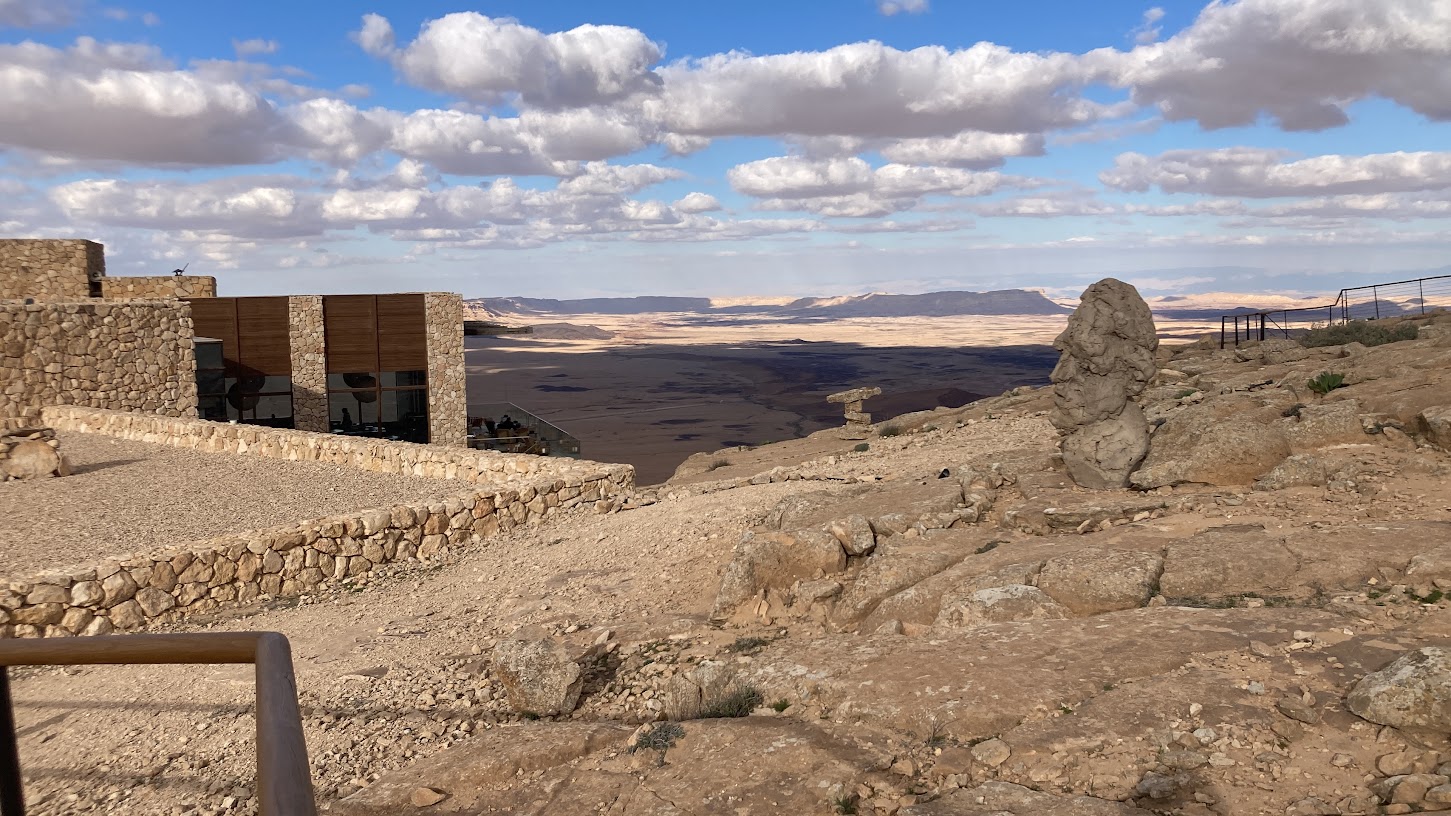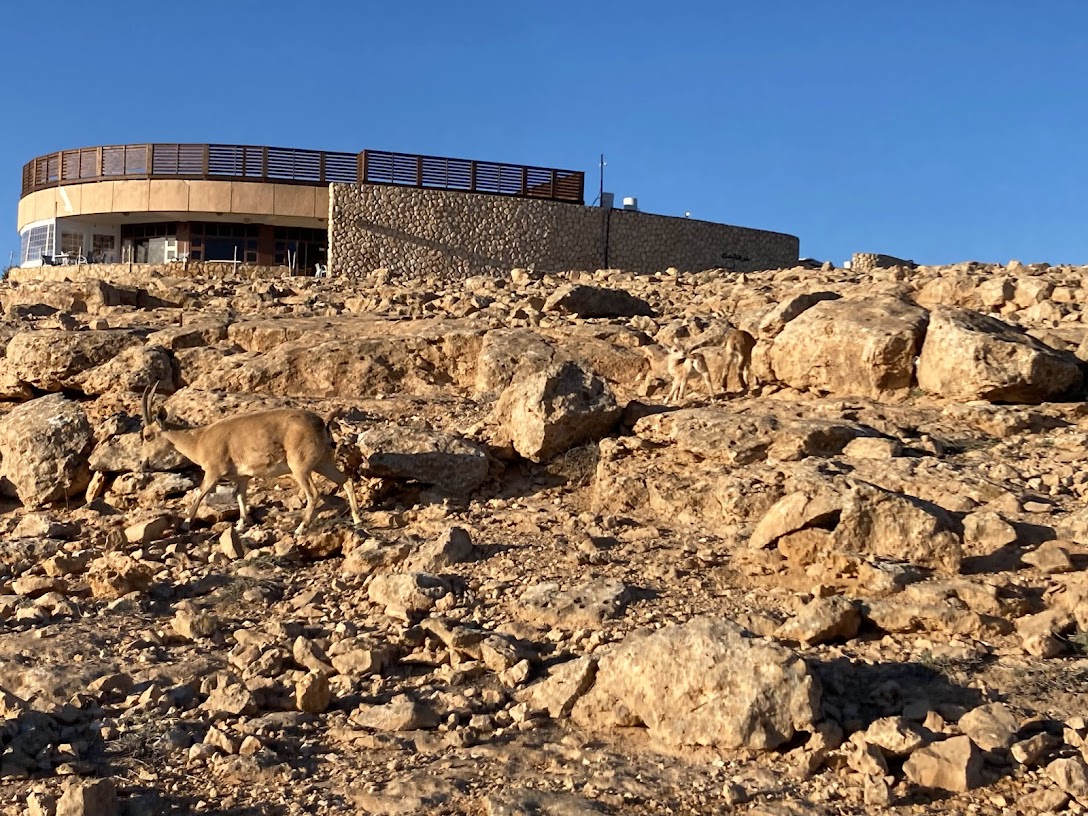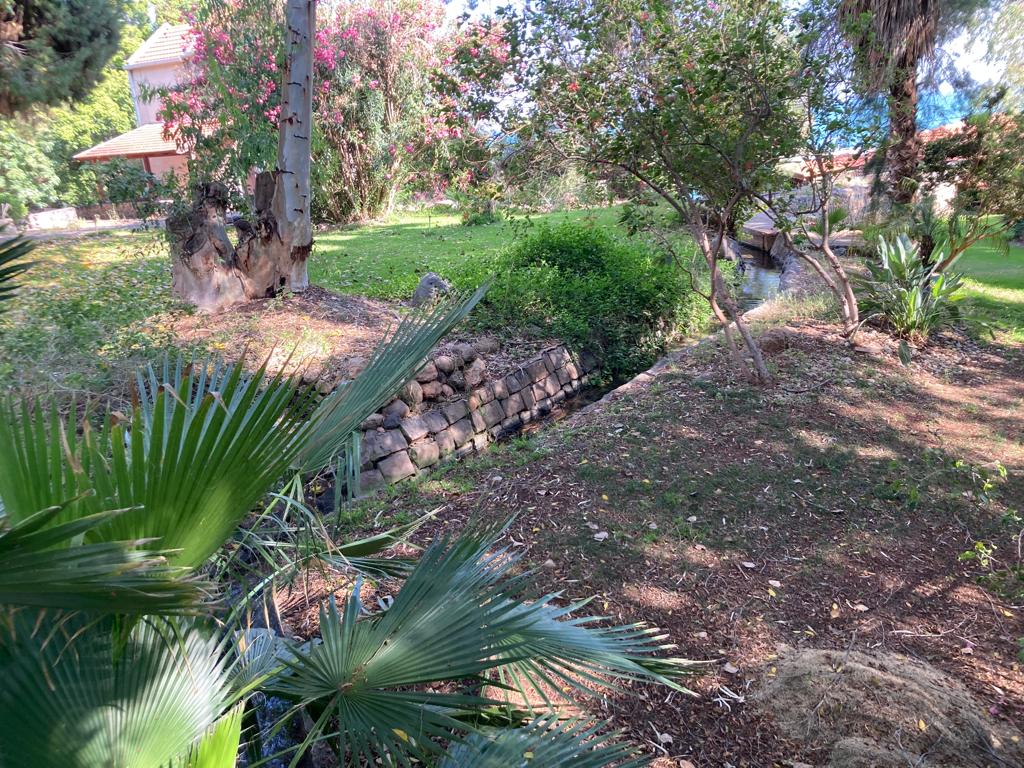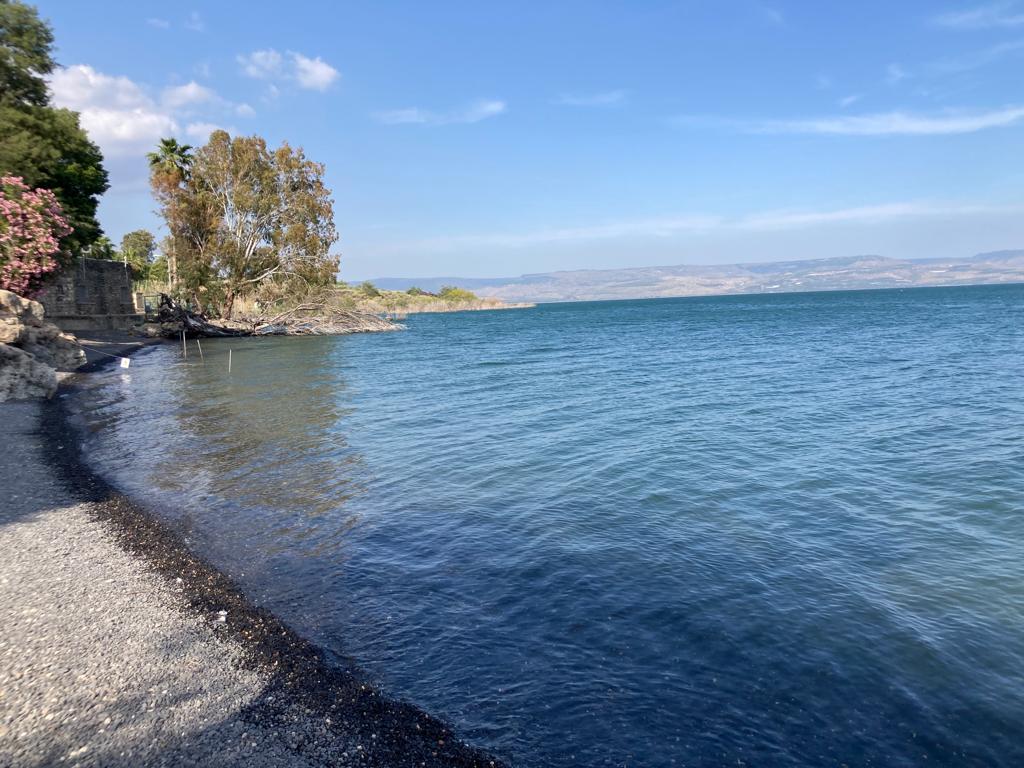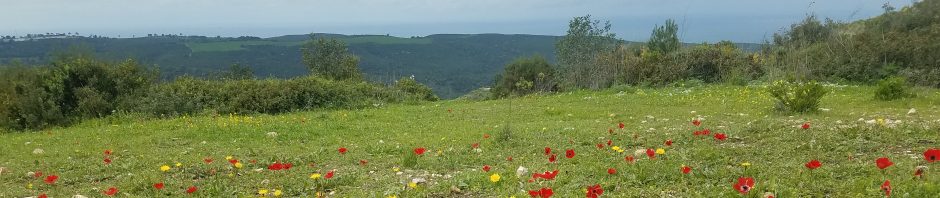
“כי מראש צורים אראנו”… Torah & Travel with the Torah portion of Balak

כי מראש צורים אראנו... תורה וטיולים עם פרשת בלק

It is a good Shabbat, when the Torah readings in communities outside of Israel and inside the Land join again, so that we can continue together before the period of mourning for the destruction of the Temple is upon us. The Torah portion of Balak (outside of Israel, the double portion of Chukat-Balak) mainly deals with the prophecies of Bil’am ben Be’or who was commissioned by Balak ben Zippor (literally, son of a bird), king of Moab, to curse the People of Israel. The king is worried about the impact the Israelites might have if / when they pass through his country and therefore, sends messengers to invite Bil’am. At first, Bil’am refuses. When Balak sends more messengers, Bil’am answers them with the famous verse: “though Balak may give me a whole house full of silver and gold, I could not be able to transgress the word of Hashem, to do anything, small or great…” and we wonder, who anyway offered you silver and gold? Oh, you mean, for the right amount of silver and gold, maybe something can be done after all?…זו שבת טובה, כשקריאות התורה של חוצלארץ וארץ ישראל חוזרות ומתחברות שוב, כדי שנוכל להמשיך ביחד לפני שמתרגשת עלינו תקופה האבל על חורבן בית המקדש. פרשת בלק (בחוצלארץ – פרשת כפולה, חוקת-בלק) עוסקת בעיקר בנבואותיו של בלעם בן בעור שהוזמן על ידי בלק בן ציפור, מלך מואב, כדי לקלל את עם ישראל. המלך מודאג ממה שעלול לקרות מכך שבני ישראל יעברו בארצו ולכן, שולח שליחים להזמין את בלעם. בתחילה, בלעם מסרב. כשבלק שולח שליחים נוספים, בלעם עונה להם בפסוק המפורסם:”אִם יִתֶּן לִי בָלָק מְלֹא בֵיתוֹ כֶּסֶף וְזָהָב לֹא אוּכַל לַעֲבֹר אֶת פִּי ה’ אֱלֹהָי לַעֲשׂוֹת קְטַנָּה אוֹ גְדוֹלָה.” במדבר כח,יח)… ואנו תוהים, מי בכלל הציע לך כסף וזהב? אה, כלומר, בשביל הכמות הנכונה של כסף וזהב אפשר אולי בכל זאת לעשות משהו?…  
And so, finally, Bil’am leaves for the land of Moab after accepting the condition that Gd set for him that night, according to which he will only say what Gd puts in his mouth. On the way, an angel appears, with a sword drawn. Bil’am, the great magician, who is about to curse all the Israelites, does not see even one angel, and continues to ride. But his famous she-donkey, on which he rides, does indeed see the angel and therefore deviates from the road. Bil’am, who does not understand her behavior, beats her to get her back on the road. On the third time, a miraculous spectacle takes place when Gd opens the mouth of the donkey, and it is she, who explains to Bil’am what is happening around him. The angel evenyually sends Bil’am on his way,  reminding him to speak only Gd’s words.וכך, לבסוף יוצא בלעם לארץ מואב לאחר שקיבל את התנאי שהציב לו אלוהים באותו לילה, לפיו יאמר רק את אשר ישים אלוהים בפיו. בדרך, מופיע מלאך, כשחרב בידו. בלעם, הקוסם הגדול, שעומד לקלל את כל בני ישראל, לא רואה אפילו מלאך אחד, וממשיך לרכב. אך אתונו המפורסמת, עליה הוא רוכב, דוקא כן רואה את המלאך ולכן סוטה מהדרך. בלעם, שאינו מבין את התנהגותה, מכה אותה כדי להשיבה אל הדרך. בפעם השלישית מתרחש מחזה ניסי כאשר אלוהים פותח את פי האתון, ודוקא היא, מסבירה לבלעם מה קורה סביבו. המלאך שולח את בלעם לדרכו ומזכיר לו לומר רק את דברי אלוהים.  
Bil’am meets with Balak and instructs him to build seven altars and sacrifice seven bulls and seven rams on them, so that the spirit of prophecy would preside over him. To Balak’s dismay and contrary to his original plans, Bil’am showers the People of Israel with prophecies of blessing and praise instead of cursing them, again and again. After Balak declares his disappointment for the third time, Bil’am adds yet prophecy, which includes mainly predictions for the future of the region’s nations.בלעם נפגש עם בלק ומורה לו לבנות שבעה מזבחות ולהקריב עליהם שבעה פרים ושבעה אילים, כדי שרוח הנבואה תשרה עליו. למורת רוחו של בלק ובניגוד לתוכניותיו, בלעם מרעיף על עם ישראל נבואות ברכה ושבח במקום לקללם, שוב ושוב. לאחר שבלק מצהיר על אכזבתו בפעם השלישית, מוסיף בלעם עוד נבואה שעיקרה תחזיות על עתיד העמים באזור.  
Among the famous ones in his sentences is ma tovu… “how goodly are your tents, oh Jacob, your dwelling places, Israel” (Numbers 24,5), a verse, which surprisingly, entered our daily prayer; and also “he (Israel) crouch, lies down like a lion,
and like a lioness; who dares rouse them?
Blessed are they who bless you; and cursed are they who curse you”! (24,9). By proclaiming such, he mirrors what we read in the Book of Genesis (27:29), when Isaac blesses Jacob saying, “those who bless you will be blessed, and those who curse you – will be cursed”. We understand the People of Israel as those who recognize the power of words and speech; the same speech that created the world as it is said in the book of Psalms: “in the word of Hashem, the heavens came to be, and through the spirit of his mouth, all their forces” (33,6), and the fact that there is speech within the human, is so, according to the Maharat from Prague, because Gd dwells within the human, endowing him (and her, of course), with a special mission in the world, through this power.
בין המפורסמים שבמשפטיו מַה־טֹּ֥בוּ אֹהָלֶ֖יךָ יַעֲקֹ֑ב מִשְׁכְּנֹתֶ֖יךָ יִשְׂרָאֵֽל” (במדבר כד,ה), פסוק שבאופן מפתיע, נכנס לתפילה היומיומית שלנו, וגם “כָּרַ֨ע שָׁכַ֧ב כַּאֲרִ֛י וּכְלָבִ֖יא מִ֣י יְקִימֶ֑נּוּ מְבָרְכֶ֣יךָ בָר֔וּךְ וְאֹרְרֶ֖יךָ אָרֽוּר” (כד,ט). בכך הוא משקף את מה שנאמר כבר בספר בראשית, בברכתו של יצחק ליעקב: “אֹרְרֶ֣יךָ אָר֔וּר וּֽמְבָרְכֶ֖יךָ בָּרֽוּךְ” (כז:כט).   אנחנו מבינים את עם ישראל כמי שמכיר בכוחן של המילים, ושל הדיבור. אותו דיבור שברא את העולם כפי שנאמר בספר תהילים “בִּדְבַ֣ר יְ֭הֹוָה שָׁמַ֣יִם נַעֲשׂ֑וּ וּבְר֥וּחַ פִּ֝֗יו כׇּל־צְבָאָֽם” (לג,ו), והעובדה שיש דיבור גם באדם, לפי המהר”ל מפראג, זה מפני שכך האלוהים נמצא באדם, ולכן לאדם שליחות מיוחדת בעולם דרך כוח זה.  
Bil’am, in any case, was unable to subdue the People of Israel with the power of his speech, and therefore, offers Balak another way: Please Balak, send the daughters of Moab to tempt the Israelites to sexual promiscuity and idolatry in “Ba’al Pe’or”. This happens and an epidemic breaks out in the nation, which is only stopped when Pinchas, the grandson of Aharon the first high priest, stabs an Israeli tribal leader with a spear while he is “hanging out” with a Midyanite woman in front of the whole nation, but about that, next week…בלעם בכל אופן, לא הצליח להכניע את עם ישראל בכוח הדיבור שלו, ולכן, מציע לבלק דרך אחרת: ישלח נא בלק את בנות מואב לפתות את בני ישראל לפריצות ועבודה זרה ב”בעל פעור”. הדבר קורה ופורצת מגפה בעם, שנעצרת רק כשפנחס, נכדו של אהרון הכהן, דוקר ברומח מנהיג שבט ישראלי כשהוא “מבלה” עם מדיינית לעיני כל העם, אבל על כך, בשבוע הבא…  
In the idolatrous worship here (and it’s the most repulsive, if I may say so), the Israelites are described, not only as those who celebrate, visit, enjoy themselves, but as those who nitzmad – “cling, cleave” to Baal Pe’or. The Talmud (tractate Sanhedrin 64) compares the verb “cleave” here to the statement in the book of Deuteronomy (4:4): “And you who cling (devekim) to Hashem your Gd are living all this day”… which is stronger? To be nitzmad (cling) or to get “glued” (from devek)? One opinion says, of course, to cling. A second opinion says that cling from nitzmad is related to tzamid, bracelet, and a bracelet is usually a little loose on the hand and therefore less “glued”. But the question, perhaps a kind of warning, remains: sometimes we find ourselves, imbued with fervor and drive, precisely at the head of movements and various “isms”, which the Torah might see as idolatry. How do we know how to make the right choice? How do we know how to invest all our strength in the place where the good values are? How do we know how to be careful?בעבודה הזרה (הדוחה ביותר, אם אפשר לומר), בני ישראל מתוארים, לא רק ככאלו שחוגגים, מבקרים, נהנים, אלא ככאלו ש”נצמדים” לבעל פעור. התלמוד (מסכת סנהדרין סד) משווה בין הפועל “נצמד” כאן, לאמירה בספר דברים (ד,ד): “וְאַתֶּם הַדְּבֵקִים בַּיהוָה אֱלֹהֵיכֶם חַיִּים כֻּלְּכֶם הַיּוֹם”… מה יותר חזק? להצמד או להדבק? דעה אחת אומרת, ברור, להצמד. דעה שניה אומרת שלהצמד זה כמו צמיד, וצמיד בד”כ נמצא בקצת רפיון על היד ולכן פחות חזק מ”דבק”. אבל השאלה, אולי מעין אזהרה, נשארת: לפעמים אנחנו מוצאים את עצמנו, חדורי אמונה ושליחות, דוקא בראשי תנועות ו”איזמים”שאולי התורה היתה קוראת להן עבודה זרה. איך נדע לבחור נכון? איך נדע להשקיע את כל כוחנו במקום בו הערכים הטובים? איך נדע להזהר? *******
South of Jerusalem, there is a kibbutz “Rosh Tzurim” = top of the rocky hills, whose name is taken from a verse in Bil’am’s prophecies in our parasha: “For from Rosh Tzurim I will see him (Israel), gaze on him from the hills of Assyria; for this is a People who swells apart, not reckoned among the nations”… (Numbers 23,9). The kibbutz founded in 1969 in the renewing Gush Etzion of post the Six Day War, sits on the ruins of Kibbutz Ein Zurim which fell, with the settlements of the Gush, in the War of Independence (1948).  דרומית לירושלים, נמצא קיבוץ “ראש צורים”, ששמו נלקח מתוך פסוק בנבואות בלעם בפרשה שלנו: “כִּי-מֵרֹאש צֻרִים אֶרְאֶנּוּ וּמִגְבָעוֹת אֲשוּרֶנוּ, הֶן-עָם לְבָדָד יִשְכֹּן וּבַגוֹיִם לֹא יִתְחַשָּב” (במדבר כ”ג ט). הקיבוץ שנוסד ב-1969 בגוש עציון המתחדש אחרי מלחמת ששת הימים, יושב על חורבות קיבוץ עין צורים שנפל, עם ישובי הגוש, במלחמת העצמאות (1948).  
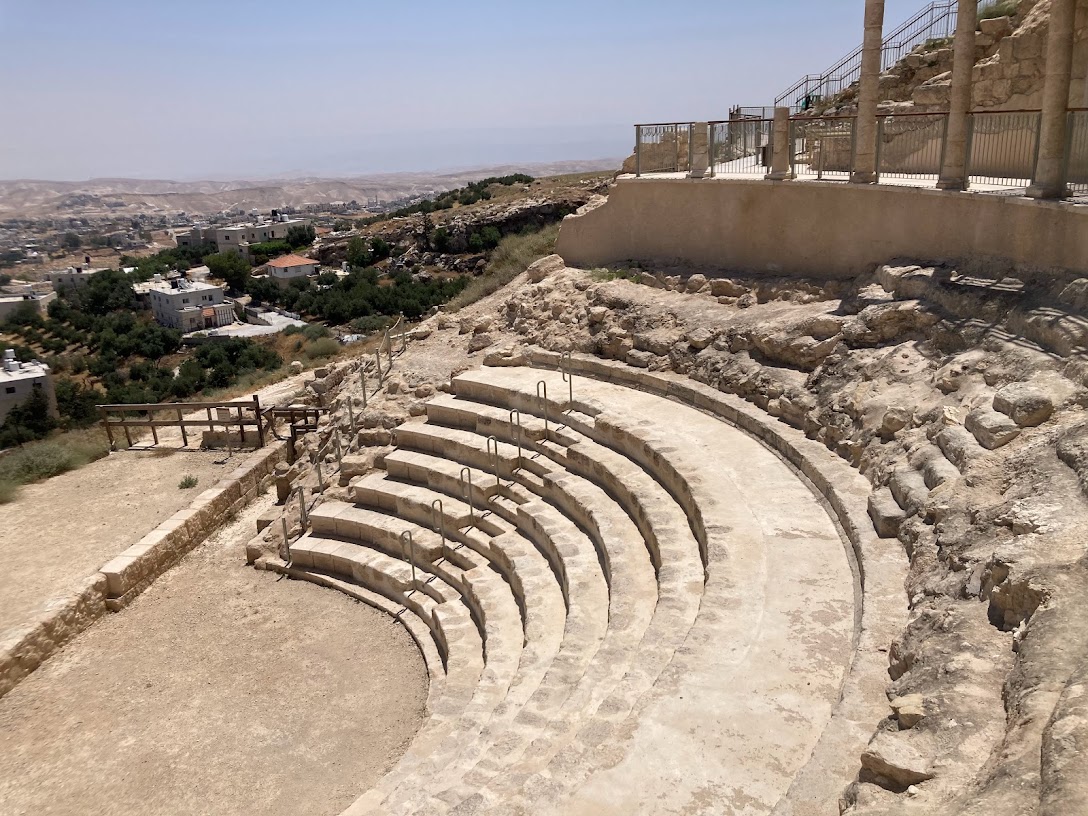
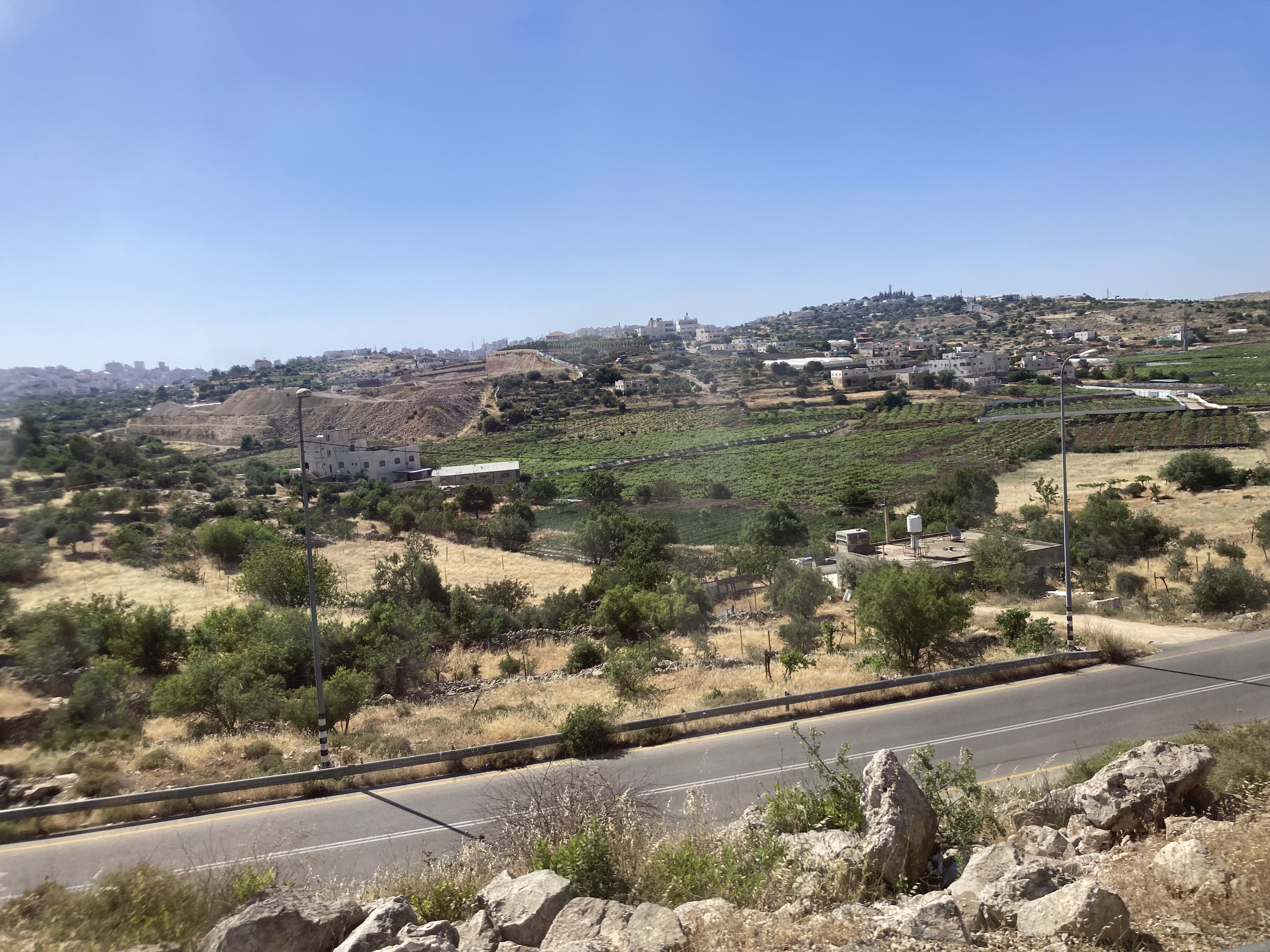
Gush Etzion is a mountainous area between Jerusalem and Hebron whose peaks reach a height of 950-997m above sea level, but its configuration is “calm” (unlike the steeper Shomron / Samaria) with several flowing springs. Its eastern part sit on the edge of the Judean Desert, where stands, on an artificial hill, visible from the distance, Herodion Fortress – or “Mount Herod”, today a national park under the management of the Nature and Parks Authority (RTG) which is available – and highly recommended – for a visit.גוש עציון הוא איזור הררי בין ירושלים וחברון שפסגותיו מגיעות לגובה 950-997מ’ מעל פני הים, אך תצורתו “רגועה” (לא תלולה כמו השומרון) ובו נובעים גם מספר מעיינות. חלקו המזרחי נמצא בספר (ס’ בשווא, במובן גבול) מדבר יהודה, שם עומד, על גבעה מלאכותית, נראית למרחוק, מבצר ההרודיון – או “הר הורדוס”, כיום גן לאומי בניהול רשות הטבע והגנים (רט”ג) שניתן – ומומלץ מאד – לבקר בו.  
In Herodion we can find the remains of the magnificent and fortified summer palace built by King Herod including its towers, the most impressive water system and his tomb, from the Roman rule era in the Land of Israel. Herod, who lived and worked in the first century BCE, was the king of Judah, also known as “the builder king” because of his important projects such as the establishment of a large port city in Caesarea, the rebuilding of the city of Samaria (today’s Sebastia), the construction of a palace of refuge in Masada, winter palaces in Jericho, and his massive renovation of the Temple in Jerusalem, which he turned into a most magnificent structure.בהרודיון נוכל למצוא את שרידי ארמון הקיץ המפואר והמבוצר שבנה המלך הורדוס על מגדליו, מערכת המים המרשימה ביותר וקברו, בתקופת השלטון הרומאי בארץ ישראל. הורדוס, שחי ופעל במאה הראשונה לפני הספירה, היה מלך יהודה ונודע גם בשמו “המלך הבנאי” בגלל מפעליו החשובים כמו הקמת עיר נמל גדולה בקיסריה, בנייה מחדש של העיר שומרון (סבסטיה של ימינו), בניית ארמון מקלט במצדה, ארמונות חורף ביריחו, ושיפוץ מסיבי של בית המקדש בירושלים, אותו הפך למבנה מפואר ביותר.  
However, he only named “Herodion” after himself. The historian Yosef ben Mattheyahu (Josephus Flavius) tells us (in his writings from 2000 years ago!): “And when Herod made a lasting memorial to his relatives and his beloveds, he did not underestimate his own memory either: therefore he built a fort on a mountain facing the land of Arabia and called it the Herodion after himself, and even the plateau made by the hands of humans, at a distance of sixty ris from Jerusalem… Herod also called after himself, and summed up its beauty with respect and a generous spirit, because the top of the plateau was surrounded by round towers, and the entire surrounding square was filled with magnificent palaces, and not only the appearance of the houses inside was lust for the eyes, for even outside there was great wealth poured out on the walls and corners and the roofs. The king spent much money to draw a lot of water from a distance to the top of the plateau, and on the slope of the hill he carved two hundred stairs of white marble, because the hill was quite high, even though it was all made by human hands. And at the bottom of the hill Herod built other royal buildings, storehouse for the king’s vessels and dwelling places for his slaves, until this citadel resembled in all its laws to a whole city within the domain of the kings’ palace“…. (from “The History of the War of the Jews with the Romans). By the way, part of those stairs were kept to this very day (it’s only been 2000 years!!) and it’s possible to climb on them to the top of the hill.אולם רק את “הרודיון” קרא על שמו. ההסטוריון יוסף בן מתתיהו כתב (לפני 2000 שנה!): “וכאשר עשה הורדוס זכר עולם לקרוביו ולאוהביו, לא זלזל גם בזכר עצמו: על־כן בנה מבצר בהר הפונה אל ארץ ערב וקרא לו הרודיון על שמו, ואף הרמה העשויה בידי אדם, במרחק ששים ריס מירושלים… גם לה קרא הורדוס בשם הזה וכלל את יופיה בכבוד וברוח נדיבה, כי את ראש הרמה הקיף מגדלים עגולים, ואת כל הכיכר המוקפת מילא ארמונות נהדרים, ולא רק מראה הבתים בפנים היה תאווה לעיניים, כי ־אם גם מחוץ היה עושר רב שפוך על הקירות והקרנות והגגות. המלך פיזר כסף רב למשוך ממרחק מים רבים עד ראש הרמה, ובשיפוע הגבעה חצב מאתיים מעלות שיש לבן צח, כי הייתה הגבעה גבוהה למדי, אף כי כולה נעשתה בידי אדם. וגם בתחתית הגבעה הקים הורדוס בנייני מלכים אחרים, בתי מסכנות (מחסנים) לכלי בית המלך ובתי משכן לעבדיו, עד כי דמתה המצודה הזאת לכל חוקיה לעיר שלמה בתחום ארמון ־מלכים“…. (מתוך “תולדות מלחמת היהודים עם הרומאים). אגב, חלק מהמדרגות המתוארות כאן, נשמרו עד היום (רק עברו 2000 שנה!!) ואפשר לטפס בן אל ראש הגבעה.  
As mentioned, it is possible to visit Herodion, combining the visit with a tour of Gush Etzion itself to learn about the history of the place in the years before the establishment of the state of Israel. Attempts at Jewish settlement here began as early as 1927 with the establishment of a settlement that was forced to abandon its location due to the 1929 riots. The second attempt was in 1935 by the “El Hahar” (to the mountain) company, one of whose leaders was Shmuel Zvi Holtzman (holtz in German and Yiddish means “tree”, in Hebrew etz, hence the name “Etzion”). This attempt also failed due to the 1936-1939 riots. In the 1940’s, the religious Kibbutz movement brought three kibbutzim to the region: Kfar Etzion, Masu’ot Yitzchak and Ein Tzurim, and in 1947 members of Hashomer Hatza’ir came up here and founded Kibbutz Revadim.ניתן כאמור, לבקר בהרודיון, ולשלב את הביקור בסיור בגוש עציון עצמו וללמוד על ההסטוריה של המקום בשנים שלפני קום מדינת ישראל. ניסיונות ההתיישבות היהודית כאן החלו כבר ב-1927 בהקמת ישוב שנאלץ לנטוש את מקומו בגלל מאורעות תרפט. נסיון ההתישבות השני היה ב-1935 ע”י חברת “אל ההר” שאחד מראשיה היה שמואל צבי הולצמן (הולץ בגרמנית ובידיש פירושו “עץ”, ומכאן השם “עציון”). גם נסיון זה נכשל בגלל מאורעות תרצו-תרצט. בשנות ה-40, העלתה תנועת הקיבות הדתי למקום שלושה קיבוצים: כפר עציון, משואות יצחק ועין צורים, וב-1947 עלו למקום חברי השומר הצעיר והקימו את קיבוץ רבדים.  
With the outbreak of the War of Independence, the Arabs laid siege to the bloc and cut off the supply routes. Various convoys were sent to them, including the “35 Convoy”, the “Nabi Daniel convoy” and the “10 Convoy”, each ending with its own tragic story. The day before the declaration of statehood, the village of Kfar Etzion fell. 242 members of the kibbutz and its fighters were killed during the battle. Several dozen fighters and civilians who surrendered were also massacred by the soldiers of the Arab Legion and the Arabs of the region. About 240 people were taken captive and sent to prisoners of war camps in Jordan, where they were held for about 10 months until an exchange took place. The territory was occupied by Jordan and the settlements were almost completely destroyed. Camps of the Jordanian army and a Palestinian refugee camp were set up in their territory. The Jewish settlements that were evacuated were re-established in Carmel (Nir Etzion), and in the south (Ein Zurim and Masu’ot Yitzchak in the area of Ashkelon and not far from them, Revadim).עם פרוץ מלחמת העצמאות, הערבים הטילו מצור על הגוש וניתקו את דרכי האספקה. שיירות שונות נשלחו אליהם, כולל שיירת הל”ה, שיירת נבי דניאל ושיירת העשרה, ולכל אחת סיפור טרגי משלה. יום לפני הכרזת המדינה, נפל כפר עציון. 242 חברי הקיבוץ ולוחמיו, נהרגו תוך כדי קרב. גם כמה עשרות לוחמים ואזרחים שנכנעו, נטבחו ע”י חיילי הלגיון הערב וערביי האזור. כ-240 איש נלקחו בשבי ונשלחו למחנות שבויים בירדן, שם הוחזקו כ-10 חודשים עד להחלפת שבויים. השטח נכבש ע”י ירדן והישובים נחרבו כמעט לחלוטין. בשטחם הוקמו מחנות של צבא ירדן ומחנה פליטים. הישובים היהודים שפונו, הוקמו מחדש בכרמל (ניר עציון), ובדרום (עין צורים ומשואות יצחק באיזור אשקלון ולא רחוק מהם, רבדים).  
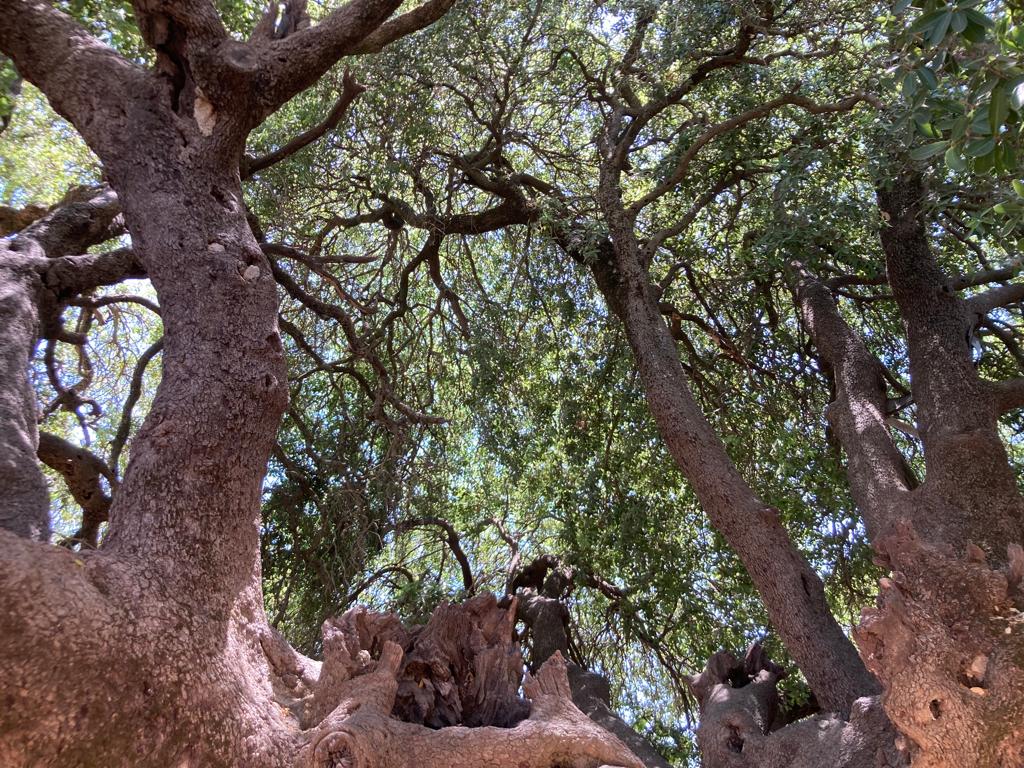
As mentioned, after the Six Day War, the area was resettled. Today it has close to 20 places including the local council of Efrat and the city of Beitar Illit. Nearly 30,000 Israeli citizens live in the region, and it attracts many visitors for various reasons (tourism, studies, geo-politics and more). The symbol of Gush Etzion is the lone oak, a kind of “teary oak” (although almost certainly not the same oak from Genesis that is identified elsewhere) that stands to this day in the center of the Gush, and could be viewed from Israel before 1967 to mark the location of the abandoned settlements (Alon Shvut, “the oak of return”, one of the area’s villages is named after it). Despite what is heard in the news from time to time, it is possible and worthwhile to visit the area (all at traveler’s responsibility 😊). Next to that oak, there is a rest area with coffee, clean bathrooms, a promenade and further opportunities to learn more about the place and its people.כאמור, אחרי מלחמת ששת הימים, יושב האיזור מחדש. כיום יש בו קרוב ל-20 ישובים כולל המועצה המקומית אפרת והעיר ביתר עילית. חיים בו קרוב ל-30 אלף אזרחים ישראלים, והוא מושך מבקרים רבים מסיבות שונות (תיירות, לימודים, גאו-פוליטיקה ועוד). סמל גוש עציון הוא האלון הבודד, מעין “אלון בכות” (אם כי קרוב לודאי לא אותו אלון מספר בראשית המזוהה במקומות אחרים) שעומד עד היום במרכז הגוש, ואליו היו משקיפים מתחום ישראל לפני 1967 כדי לציין את מקומם של היישובים הנטושים (על שמו של האלון נקרא היישוב אלון שבות). למרות הנשמע בחדשות מידי פעם, אפשר וכדאי לבקר באיזור (באחריות המטייל 😊). ליד אותו אלון, יש פינת ישיבה עם קפה, שירותים נקיים, טילת והזדמנויות ללמוד עוד על המקום ואנשיו.  

ובנתיים, שבת שלום – and meanwhile, Shabbat Shalom


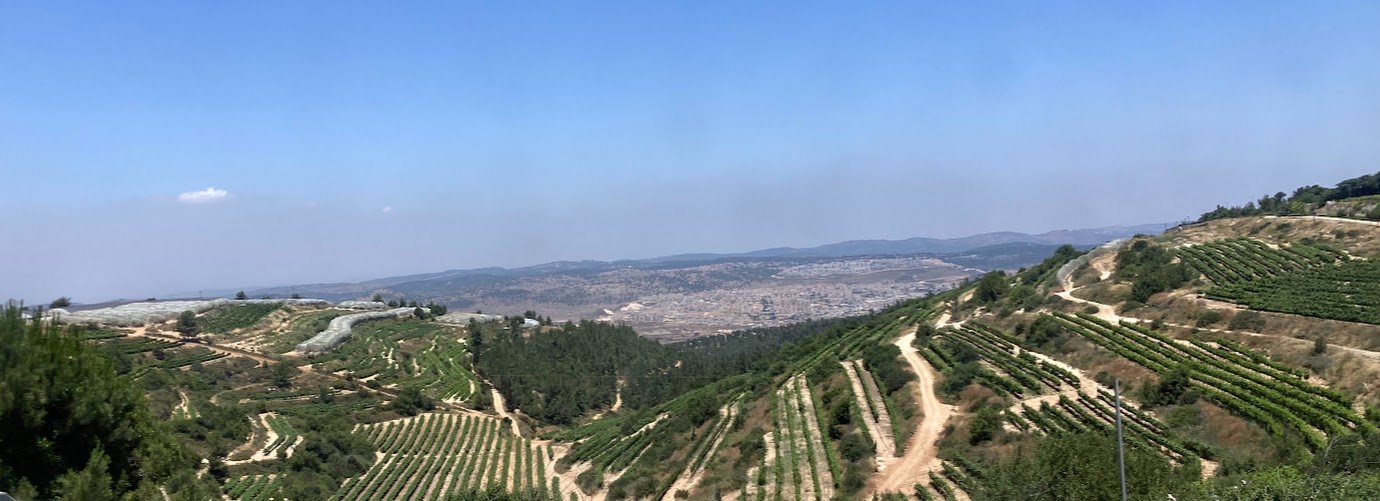
Herodion, Vine terraces of the renewing Gush Etzion, and The Oak at the heart of the region
הרודיון, טרסות הגפנים ועצי פרי של גוש עציון המתחדש, האלון של הגוש
Posted in Uncategorized | Leave a comment

Torah & Travel: Chukat – the changing leadership and a visit to Hor Ha-har

פרשת חוקת – מנהיגות משתנה וביקור בהור-ההר

This week’s Torah portion, Chukat, opens with the complicated topic of The Red Heifer that fills chapter 19 and functions as a sort of “place holder” for the thirty-eight years in the middle of the journey, while chapter 20 according to tradition, begins in the 40th year of the journey and onward, to the entrance into the Land. The story it opens with, is Mei Meriva”, the water of quarrel, when Miriam, Moses and Aaron’s sister and a prophetess in her own right, dies, and the people complain about a lack of water. Gd commands Moses to speak to the rock so that it will bring out water for the People, and Moses strikes the rock. This is the point at which Gd declares that Moses and Aaron will not enter the Promised Land ” Because you did not trust Me enough to affirm My sanctity in the sight of the Israelite people, therefore you shall not lead this congregation into the Land that I have given them.” (Numbers 20:14).פרשת השבוע שלנו, פרשת חוקת מתחילה  בסוגיה ההלכתית המסובכת של הפרה האדומה הממלאת את פרק י”ט והמתפקדת כמעין “מחזיק מקום” לכך שלושים ושמונה השנים באמצע המסע, כשפרק כ’ לפי המסורת, מתחיל בשנה הארבעים של המסע ולקראת הכניסה לארץ. הסיפור הפותח בו הוא ענין מי מריבה כשמרים, אחות משה ואהרון ונביאה בפני עצמה, מתה, והעם מתלונן על מחסור במים. הקב”ה מצווה את משה לדבר אל הסלע כדי שיוציא מים עבור העם, ומשה מכה על הסלע. זו הנקודה בה ה’ מכריז שמשה ואהרון לא יכנסו ארץ המובטחת “יַ֚עַן לֹא־הֶאֱמַנְתֶּ֣ם בִּ֔י לְהַ֨קְדִּישֵׁ֔נִי לְעֵינֵ֖י בְּנֵ֣י יִשְׂרָאֵ֑ל לָכֵ֗ן לֹ֤א תָבִ֙יאוּ֙ אֶת־הַקָּהָ֣ל הַזֶּ֔ה אֶל־הָאָ֖רֶץ אֲשֶׁר־נָתַ֥תִּי לָהֶֽם” (במדבר כ, יב).  
What exactly happened in the incident of hitting the rock? Is it because Moses hit the rock instead of talking to it? After all, water did come out! And what is Aaron’s business? And actually… was it even possible for Moshe and Aaron to enter Israel? Or is it time for new leadership? Chukat is actually the “watershed” that transforms us to a new stage in the journey of the People of Israel in the desert. This book begins with the organization of the camp, and because of that, first deals with the life of the individual – the metzora, the nazir, the sota. Then it moves on and deals with the conduct of the tribes and the people when dealing with themselves, internally: the desire to eat meat, the story of the spies, Korah and his mutiny against Moses. After we have clarified our internal affairs, we expand the circle and also encounter the nations of the world.מה בדיוק קרה באירוע של ההכאה בסלע? האומנם בגלל שהיכה משה את הסלע במקום לדבר אליו? הרי יצאו מים! ומה עניינו של אהרון? ובעצם… האם בכלל אפשר היה למשה ואהרון שיכנסו לארץ? או שהגיע הזמן למנהיגות חדשה? פרשת חוקת היא בעצם “קו פרשת המים” המעביר אותנו למהלך חדש במסע של עם ישראל במדבר. ספר במדבר מתחיל בארגון המחנה, ומתוך כך, קודם עוסק במסגרת חיי הפרט – המצורע, הנזיר, הסוטה. אחכ הוא עובר ועוסק בהתנהלות השבטים והעם כשהם מופנים כלפי פנים: הרצון לאכול בשר, סיפור המרגלים, עמידתו של קורח וכל עדתו מול משה. אחרי שבררנו את עניננו הפנימיים, אנחנו מרחיבים את המעגל ופוגשים גם את אומות העולם.  
In our portion, Chukat, the confrontation will first be on the political-military level, and in the portion after it, Balak, also in the spiritual dimension. Is there a message left here for today? Perhaps in order to build the nation, everyone must build himself, not in the egotistical sense, but as a complete person who knows their place in relation to their Gd, self and immediate relatives. After that, we must build ourselves as a people that functions together in harmony where everyone also knows their place and role in relation to the whole. And only then, can we successfully face the nations of the world. Perhaps some of the challenges we experience can be explained by the fact that we do things in a somewhat messy way, trying to arrange everything at once, personal, family, community, national, and no wonder we come across some challenges.בפרשה שלנו, חוקת, ההתמודדות תהיה קודם כל במישור הפוליטי-מדיני-צבאי, ובפרשה לאחריה, בלק, גם במימד הרוחני. האם נשאר כאן מסר לימינו? אולי כדי לבנות את האומה, על כל אחד לבנות את עצמו, לא במובן האגואיסטי, אלא כאדם שלם היודע את מקומו ביחס לאלוהיו, עצמו והקרובים המיידיים שלו. לאחר מכן, עלינו לבנות את עצמנו כעם שמתפקד ביחד בהרמוניה בו כל אחד גם יודע את מקומו ותפקידו ביחס לכלל. ורק אחר-כך, נוכל לעמוד מול אומות העולם בהצלחה? אולי אפשר להסביר את חלק מהאתגרים שאנו חווים בכך שאנחנו עושים דברים בצורה מבולגנת משהו, מנסים לסדר הכל בבת אחת, את האישי, משפחתי, קהילתי, לאומי, ולא פלא שנתקלים בקשיים.    
During the exodus of the people of Israel from Egypt to the Land, they had to pass through several nations. The first is Edom, a descendant of Esau. This is what the Torah says: “From Kadesh, Moses sent messengers to the king of Edom: “Thus says your brother Israel: You know all the hardships that have befallen us” (20:14). When Moshe asks for permission to pass through Edom, apart from calling him “brother”, It seems that the Torah uses the expression “And Moses sent.” Later, after several wars, when approaching the Land of Israel, it is said in the Torah: “Israel now sent messengers to Sichon king of the Amorites, saying”… (21:21). Who’s this “Israel” who sends messengers to Sichon?במהלך יציאת עם ישראל ממצרים לארץ הוא צריך לעבור דרך כמה עמים. הראשון הוא אדום, מצאצאיו של עשו. על כך אומרת התורה: וַיִּשְׁלַ֨ח מֹשֶׁ֧ה מַלְאָכִ֛ים מִקָּדֵ֖שׁ אֶל־מֶ֣לֶךְ אֱד֑וֹם כֹּ֤ה אָמַר֙ אָחִ֣יךָ יִשְׂרָאֵ֔ל אַתָּ֣ה יָדַ֔עְתָּ אֵ֥ת כׇּל־הַתְּלָאָ֖ה אֲשֶׁ֥ר מְצָאָֽתְנוּ”… (כ, יד). כשמשה מבקש רשות לעבור דרך אדום, מלבד הכינוי כלפיו, “אח”, נראה שהתורה משתמשת בביטוי “וישלח משה”. יותר מאוחר, אחרי מספר מלחמות, כשמתקרבים לארץ ישראל נאמר בתורה: ” וַיִּשְׁלַ֤ח יִשְׂרָאֵל֙ מַלְאָכִ֔ים אֶל־סִיחֹ֥ן מֶֽלֶךְ־הָאֱמֹרִ֖י לֵאמֹֽר”… (כא כא). מי זה “ישראל” ששלח מלאכים אל סיחון?  
In the Haftarah (Judges 11) it is told about Jephthah who receives the task of negotiating with the king of Ammon regarding the situation on the border between the tribes of Israel and Ammon. From this, they talk about those days when the Israelites left Egypt and crossed the eastern Jordan. The king of Ammon accuses Israel of taking his land, while Jephthah answers him and tells him that it was not so: “He said to him, “Thus said Jephthah: Israel did not seize the land of Moab or the land of the Ammonites. When they left Egypt, Israel traveled through the wilderness to the Sea of Reeds and went on to Kadesh. Israel then sent messengers to the king of Edom, saying, ‘Allow us to cross your country.’ But the king of Edom would not consent. They also sent a mission to the king of Moab, and he refused. So Israel, after staying at Kadesh” (Judges 11:15-17).  בהפטרה (שופטים יא) מסופר על יפתח שמקבל את המשימה להתדיין עם מלך עמון בענין המצב בגבול בין שבטי ישראל ועמון. מתוך כך, הם מדברים על אותם הימים בהם בני ישראל יצאו ממצרים ועברו בעבר הירדן המזרחי. מלך עמון מאשים את ישראל שלקחו את ארצו ואילו יפתח עונה לו ומספר לו שלא כך היה: וַיֹּ֣אמֶר ל֔וֹ כֹּ֖ה אָמַ֣ר יִפְתָּ֑ח לֹֽא־לָקַ֤ח יִשְׂרָאֵל֙ אֶת־אֶ֣רֶץ מוֹאָ֔ב וְאֶת־אֶ֖רֶץ בְּנֵ֥י עַמּֽוֹן׃ כִּ֖י בַּעֲלוֹתָ֣ם מִמִּצְרָ֑יִם וַיֵּ֨לֶךְ יִשְׂרָאֵ֤ל בַּמִּדְבָּר֙ עַד־יַם־ס֔וּף וַיָּבֹ֖א קָדֵֽשָׁה׃ וַיִּשְׁלַ֣ח יִשְׂרָאֵ֣ל מַלְאָכִ֣ים אֶל־מֶ֩לֶךְ֩ אֱד֨וֹם לֵאמֹ֜ר אֶעְבְּרָה־נָּ֣א בְאַרְצֶ֗ךָ וְלֹ֤א שָׁמַע֙ מֶ֣לֶךְ אֱד֔וֹם וְגַ֨ם אֶל־מֶ֧לֶךְ מוֹאָ֛ב שָׁלַ֖ח וְלֹ֣א אָבָ֑ה וַיֵּ֥שֶׁב יִשְׂרָאֵ֖ל בְּקָדֵֽשׁ (יא:טו-טז)  
Let us note that Jephthah, contrary to what is written in our Torah portion, does not say that it was Moses who sent the messengers, but Israel! And on this Rashi says (from Midrash Tanhuma): “These scriptures need each other; this one closes and this one open, as Moses is Israel and Israel is Moses, to tell you that the leader of the generation is like the whole generation because the leader is everything.”נשים לב שיפתח, בניגוד למה שכתוב בפרשה שלנו, לא אומר שמשה הוא ששלח את השליחים אלא ישראל! ועל כך אומר רש”י (שם מתוך מדרש תנחומא): “הכתובים הללו צריכים זה לזה זה נועל וזה פותח שמשה הוא ישראל וישראל הם משה, לומר לך שנשיא הדור הוא ככל הדור כי הנשיא הוא הכל”.  
Wow. The leader is the entire generation! And the transition from “Moses sent” to “Israel sent” reflects drawing near to the Land of Israel, when the leadership passes into the hands of the people as a whole. At the same time, we also learn in this Torah portion, that our great leaders die. Miriam at the beginning of Chukat; Aaron in the middle of it (20, 24-29), and Moshe, even if we hear about his death only at the end of the book of Deuteronomy, he’s told about it already in this portion. And why exactly here, and what does it have to do with the question of who sent the messengers?וואו. הנשיא הוא כל הדור כולו! והמעבר מ”וישלח משה” ל”וישלח ישראל” משקף את ההתקרבות לארץ ישראל, כשהמנהיגות עוברת לידי העם ככלל. במקביל, אנחנו גם לומדים בפרשה זו, שהמנהיגים הגדולים שלנו – מתים. מרים בתחילת הפרשה, אהרון באמצעה (כ, כד-כט), ומשה, גם אם נשמע על מותו רק בסוף ספר דברים, הרי הוא מתבשר על כך כבר בפרשה זו. ולמה דוקא כאן, ומה הקשר לשאלה מי שלח את השליחים?  
We’ll answer the question with what we asked at the beginning, what is so terrible about Moses striking the rock and not speaking to it? After all, we have a similar story in the book of Exodus (17:6-7), when, by the way, Moses was told to strike the rock, and in both cases, the people received their water, which they rightfully asked for! So what’s the matter here? It’s possible that the Torah wants to tell us that there are different ways to lead the nation, sometimes by force and sometimes by speech. The force was more appropriate towards the slaves who had just left Egypt, but the people approaching the land, the new generation that grew up in the desert, can no longer accept this kind of treatment. So when Moses struck the rock, it wasn’t that he performed any less of a miracle, but he showed that possibly, someone else was needed as a leader. Gd forbid that we value Moshe less, but even he, the humble and great man, who was privileged to speak with Gd directly, is reaching the end of his journey as the leader of the People.נענה בשאלה ששאלנו בתחילה, מה כל כך נורא בזה שמשה היכה את הסלע ולא דבר אליו? הלוא יש לנו סיפור דומה בספר שמות (יז, ו-ז), ששם אגב, נאמר למשה להכות את הסלע, ובשני המקרים, העם מקבל את המים שלו, שהוא בקש בצדק רב! אז מה הענין כאן? יתכן שהתורה רוצה להגיד לנו שיש אופנים שונים איך להנהיג את האומה, לפעמים בכוח ולפעמים בדיבור. הכוח התאים יותר כלפי העבדים שרק יצאו ממצרים, אך העם המתקרב לארץ, הדור החדש שגדל במדבר, כבר לא יכול לקבל מרות בצורה כזו. לכן כשמשה היכה את הסלע, זה לא שהוא עשה נס פחות יותר, אבל הוא הראה שיש צורך בדמות אחרת כמנהיג. לא חלילה שאנחנו מעריכים את משה פחות, אבל אפילו הוא, האיש הענו והגדול, שזכה לדבר עם הקב”ה ישירות, מגיע לסוף דרכו כמנהיג העם.  
In the Talmud (Bava Batra 75:a), it is said: “Moses’ face is like the sun, while Joshua’s face is like the moon.” On the surface, we may tend to prefer sunlight, but sunlight is also strong and bright and does not allow other lights to be seen. When entering the Land, we need a strong leader, but also one who leaves room for other “stars”, such as Joshua bin-Nun who was described as “moon face”.בתלמוד (בבא בתרא עה:א) נאמר: “פני משה כפני חמה, ופני יהושע כפני לבנה”. על פניו, יתכן שאנחנו נוטים להעדיף את אור השמש, אך אור השמש הוא גם חזק ובוהק ולא מאפשר לאורות אחרים להראות. בכניסה לארץ, יש לנו צורך במנהיג חזק, אך גם כזה שמשאיר מקום ל”כוכבים” אחרים, בדמות יהושע בן-נון שתואר “כפני לבנה”.  
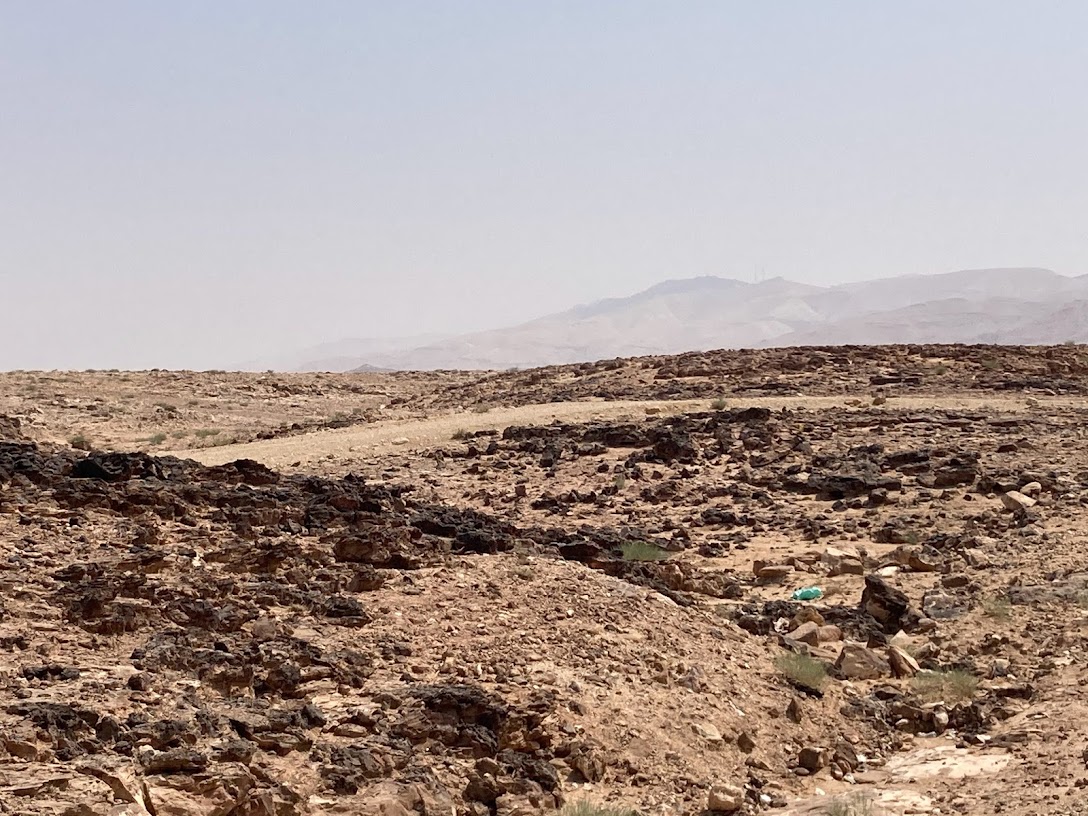
Last summer, I had the privilege of taking a short trip to the eastern side of the Jordan, and for me everything was beautiful and moving. The very easy and comfortable (and smiling) crossing of the border that stood in stark contrast to my childhood experiences of a dangerous border, when we dug ditches at my grandparents’ house in a moshav under fear of an attack, was already a wow, and things only got better from there. Heading north from Aqaba towards the Dead Sea on the eastern side, passed through the area where the Israelites went in our portion, and indeed, I thought about them quite a bit (how would we look after three days in the desert without water…?). Besides the well-known tourist sites, Petra and Wadi Ram (the red rocks of the Edom), one of the most moving moments was when our guide waved his hand over a rocky peak, saying, “And there is Jabel Harun.” “Harun, you mean, Aaron”…? “Yes”.בקיץ שעבר, זכיתי לצאת לטיול קצר בעבר הירדן המזרחי, ועבורי הכל היה יפה ומרגש. עצם מעבר הגבול הקל והנוח (והחייכני) שעמד בניגוד חריף לחוויות ילדותי מגבול מסוכן, כשחפרנו שוחות אצל סבא וסבתא שלי במושב תחת חשש ממתקפה, כבר היה שיא, ומשם הדברים רק השתפרו. המסע צפונה מעקבה אל עבר ים המלח בצד המזרחי, עבר באיזור בו הלכו בני ישראל בפרשה שלנו, ואכן, חשבתי עליהם לא מעט (איך אנחנו היינו נראים אחרי שלושה ימים במדבר בלי מים… ?). מלבד אתרי התיירות המוכרים, פטרה וואדי רם (הסלעים האדומים של ממלכת אדום), אחד הרגעים המרגשים ביותר היה כשהמדריך הניף את ידו את פסגה סלעית, ואמר, “ושם נמצא ג’בל הארון”. “הארון? אתה מתכוון, אהרון”….? “כן”.  
And so stands Jabel Haroun – Mount Aaron the Prophet, steep and rocky, rising to a height of 1350m above sea level. From its summit there is a view of its entire surroundings, with its unique shape matches the nickname given to it in the Torah, “Hor Ha-har” (a mountain on / within a mountain). The place was identified as the burial place of Aaron the priest already in antiquity, and was first mentioned in the Book of Antiquities of the Jews (4, 4) and then in Eusebius’s Onomasticon (a list of biblical places from the 4th century CE). A building with a dome was built there that can be seen also, of course, from the west side (with help in the exact identification). Travelers, worshipers and visitors have been drawn to the place ever since, and since December 2019, Jewish access to the tomb has been renewed, an access that must be done with donkeys and on foot.וכך עומד לו ג’בל הארון – הר אהרון הנביא, התלול והסלעי, מתנשא לגובה 1350מ’ מעל פני הים. מפסגתו יש תצפית על כל סביבתו, כשצורתו היחודית תואמת את הכינוי שניתן לו בתורה, “הור ההר”. המקום זוהה כמקום קבורתו של אהרן הכהן כבר בעת העתיקה, ונזכר לראשונה בספר קדמוניות היהודים (ד, ד) ולאחר מכן באונומסטיקון של אוסביוס (רשימת מקומות תנכיים מהמאה הרביעית לספירה). במקום נבנה מבנה עם כיפה שאפשר לראות (עם עזרה בזיהוי המדויק) גם, כמובן, מצד מערב. מטיילים, מתפללים ומבקרים נמשכים למקום מאז ועד היום, ומדצמבר 2019, חודשה הגישה ליהודים לקבר, גישה שצריך לעשות עם חמורים וברגל.  
And of course, not far from there, there is also the slightly lower Mount Nebo or Har Ha’Avarim (817m above sea level), which also has a long history. The mountain also overlooks the Land of Israel, the Dead Sea, Jericho and on clear days – over eastern Samaria on its peaks, Jerusalem, Bethlehem and more, where according to tradition – perhaps – Moses was buried. Summer is not the most suitable season for a tour east of the Jordan river, and even so, a tour of Jordan – for those who haven’t done it, is recommended, doable and possible, and for those who have done it, surely want to come back and see more.וכמובן, לא רחוק משם, נמצא גם הר נבו או הר העברים הנמוך יותר (817מ’ מעל פני הים), שגם לו הסטוריה ארוכה. ההר משקיף גם הוא על ארץ ישראל, ים המלח, יריחו ובימים בהירים גם על מזרח השומרון על פסגותיו, ירושלים, בית לחם ועוד, שם לפי המסורת – אולי – נקבר משה. הקיץ היא לא העונה הכי מתאימה לסיור בעבר הירדן המזרחי, ואף על פי כן, סיור בירדן – למי שלא עשה, מומלץ כדאי ואפשרי, ומי שעשה, בודאי רוצה לחזור ולראות עוד.

ובנתיים, שבת שלום וקיץ נעים – and meanwhile, a peasant summer & Shabbat Shalom

Posted in Uncategorized | Leave a comment

“A bud came forth, and it sprouted almonds” – Torah & travel with Korach

וַיָּצֵץ צִיץ וַיִּגְמֹל שְׁקֵדִים – פרשת קורח

The Torah portion of Korah begins, as expected, with the story of Korah, a distant cousin of Moses, also from the tribe of Levi, who recruits Datan and Aviram from the tribe of Reuben, and 250 other leaders from the Israelites to rebel against Moses and Aaron’s leadership. After all, the rebels say: “Enough with you, for the whole congregation is holy, and Hashem is in their midst, and why do you raise yourselves above hashem’s people?” (Numbers 16:3). The midrash tries to answer what motivated Korah, is it because he thinks that perhaps Moshe invented some of the commandments? Or didn’t give Korach the role he deserved? Or maybe, it was Korah’s wife who pushed him to “advance his career”? While the midrash is celebrating, the Torah doesn’t refer to the matter, perhaps because it doesn’t matter: in the end, even though Moses was chosen by Gd, performed many miracles, led the people from slavery to freedom, and has already been with them for many months on a very complex journey, some of the people didn’t accept his leadership…. What a lesson for all future leaders who will come and want the People of Israel to cherish and respect them…!פרשת קורח מתחילה, כצפוי, בסיפורו של קורח, בן דוד רחוק של משה, גם הוא משבט לוי, המגייס את דתן ואבירם משבט ראובן, ועוד 250 מנהיגים מבני ישראל כדי להתמרד נגד מנהיגותם של משה ואהרון.  אחרי הכל, אומרים המורדים: “רַב לָכֶם, כִּי כָל הָעֵדָה כֻּלָּם קְדֹשִׁים וּבְתוֹכָם ה’ וּמַדּוּעַ תִּתְנַשְּׂאוּ עַל קְהַל ה'” (במדבר טז:ג). המדרש מנסה לענות מה הניע את קורח, האם זה מפני שלדעתו, אולי משה המציא חלק מהמצוות? או לא נתן לקורח את “ה”תפקיד שהגיע לו? או אולי, בכלל היתה זו אשתו של קורח שדחפה אותו “להתקדם”? בשעה שהמדרש חוגג, התורה לא מתייחסת לענין, אולי מפני שזה לא משנה: בסופו של דבר, למרות שמשה נבחר ע”י הקב”ה, עשה ניסים רבים, הנהיג והוביל את העם מעבדות לחירות, וכבר נמצא איתם חודשים רבים במסע מורכב מאד, חלק מהאנשים לא קבלו את מנהיגותו…. איזה שיעור לכל המנהיגים העתידיים שיבואו וירצו שעם ישראל יוקיר ויכבד אותם…!
Korach’s rebellion became a symbol of a dispute that is not for the sake of heaven, as it appears in Chapters of the Fathers (5:17): “Every dispute that is for the sake of heaven, is bound to stand. And that is not for the sake of heaven, will not stand. What is a dispute that is for heaven’s sake, this is a dispute between Hillel and Shammai. And a dispute that’s not for heaven’s sake, this is a dispute between Korah and his entire congregation.” It’s interesting to note, that instead of ending with the words “this is a dispute between Korah and his entire congregation,” the mishna should have ended with the words “this is a dispute between Korah and Moshe”! It turns out that the main dispute was internal, between Korah and his entire congregation.המחלוקת של קרח הפכה לסמל של מחלוקת שלא לשם שמים, כמו שמופיע בפרקי אבות (ה, יז): “כָּל מַחֲלוֹקֶת שֶׁהִיא לְשֵׁם שָׁמַיִם, סוֹפָהּ לְהִתְקַיֵּם. וְשֶׁאֵינָהּ לְשֵׁם שָׁמַיִם, אֵין סוֹפָהּ לְהִתְקַיֵּם. אֵיזוֹ הִיא מַחֲלוֹקֶת שֶׁהִיא לְשֵׁם שָׁמַיִם, זוֹ מַחֲלוֹקֶת הִלֵּל וְשַׁמַּאי. וְשֶׁאֵינָהּ לְשֵׁם שָׁמַיִם, זוֹ מַחֲלוֹקֶת קֹרַח וְכָל עֲדָתוֹ”. מעניין שבמקום להסתיים במילים “זו מחלוקת קורח וכל עדתו”, הרי המשנה היתה צריכה להסתיים במילים “זו מחלוקת קורח ומשה”! מסתבר שהמחלוקת העיקרית היתה של קורח וכל עדתו.
As we know, the earth opens its mouth and swallows Korah and his family and Dathan and Abiram, and the rest of the censers are burned by the fire that came from Gd, and still, the Moshe and Aaron’s leadership is challenged. Even after Gd’s decision is clearly displayed, the people continue to complain to Moses and Aaron with harsh words such as “You have killed God’s people”. In response to this, a plague breaks out, which Aaron stops by burning the incense.כידוע, האדמה פותחת את פיה ובולעת את קורח ומשפחתו ואת דתן ואבירם, ושאר מקטירי הקטורת נשרפים באש שיצא מאת ה’, ועדיין, מנהיגותם של משה ואהרון מאותגרת. גם אחרי שנראית החלטת הקב”ה בברור, העם ממשיך להתלונן למשה ולאהרן במילים קשות כמו “אתם המיתם את עם ה'”. בתגובה לכך פורצת מגפה, שאהרן עוצר על ידי הקטרת קטורת הסמים.
To further strengthen Aharon’s election, Gd commands to take twelve staffs, one for each of the tribal leaders, and put them in the Tent of Meeting. And behold, “And it came to pass on the morrow, and Moses came to the Tabernacle of the Testimony, and behold, a flower, that Aaron put down in the house of Levi, and a flower came forth, and a bud came forth, and it sprouted almonds” (Numbers 17:23). Gd commands to keep the staff near the Ark of the Covenant in the Tabernacle, and explains the role of the tribe of Levi, as the bearers of the temple (Levi) and the priesthood (sons of Aaron the priests). Later in the portion, we hear about halachic commandments related to this (such as gifts of the priesthood, teruma, firstborn and more).כדי לחזק עוד יותר את בחירתו של אהרן, מצווה ה’ לקחת שנים עשר מטות, מטה לכל נשיא מנשיאי השבטים ולשים אותם באוהל מועד.  והנה, “וַיְהִי מִמָּחֳרָת וַיָּבֹא מֹשֶׁה אֶל אֹהֶל הָעֵדוּת וְהִנֵּה פָּרַח מַטֵּה אַהֲרֹן לְבֵית לֵוִי וַיֹּצֵא פֶרַח וַיָּצֵץ צִיץ וַיִּגְמֹל שְׁקֵדִים” (במדבר יז, כג). ה’ מצווה לשמור על המטה ליד ארון הברית במשכן, ומסביר את תפקיד שבט לוי, כנושאי המקדש (לוי) והכהונה (בני אהרון הכוהנים). כך גם בהמשך הפרשה אנחנו שומעים על ציווים הלכתיים הקשורים לכך (כמו מתנות הכהונה, תרומה, ביכורים ועוד).
The midrash enlightens us about its miracles and, lest we say, its peculiarities and also its lessons of the Temple (Vayikra Rabba 20,5): The Almighty said: Aaron’s sons were not likened to his staff! Aaron’s staff entered dry and came out moist, as it is said: “And a flower came forth and sprouted a bud” (Numbers 17:23). The wicked Titus entered the Holy of Holies and drew his sword in his hand, sharpened the veil and set it on fire. His sword was filled with blood, and he entered in peace and came out in peace. And Aaron’s sons went in to sacrifice, and came out burnt – “after the death of two of Aaron’s sons” (Leviticus 16:1).המדרש מאיר לנו על נסיו ושמא נאמר, מוזרויותיו וגם שיעוריו של המקדש (ויקרא רבה כ,ה): אמר הקב”ה: לא היו בניו של אהרן דומין למטהו! מטהו של אהרן נכנס יבש ויצא לח, שנאמר: “ויוצא פרח ויצץ ציץ” (במדבר יז, כג). טיטוס הרשע נכנס לבית קודש הקדשים וחרבו שלופה בידו, גידד את הפרוכת ויצתה חרבו מלאה דם, ונכנס בשלום ויצא בשלום. ובניו שלאהרן נכנסו להקריב, ויצאו שרופים – “אחרי מות שני בני אהרן” (ויקרא טז,א).
That is, it’s upside down: in our reading, the staff entered “dry” and exited “moist”, blooming and bearing fruit, whereas, at the dedication of the tabernacle, Nadav and Abihu, the sons of Aaron, entered the tabernacle “damp” (alive) and exited “dry” (burnt), compared to Titus , which according to the Sages, enters “dry”, spiritually, but walks around the Holy of Holies as if he were in his own home, does what he wants, hurts and destroys, and comes out “wet”, happy and at peace. This midrash also connects us a very private sadness, of Aaron and his sons, with a very national sadness, of the destruction of the Temple, as if there really isn’t a big difference between the two: losing two priests is also a national sadness, and seeing the Temple damaged, this is not something distant, but a private sadness in the hearts of each and every one. It is also implied that the order is not clear The world, but what is true is that despite everything, there is no “insurance”, and the sanctity of the place, time or even the order of worship do not necessarily protect against any trouble.כלומר, הפוך על הפוך: בפרשה שלנו, המטה נכנס “יבש” ויצא “לח”, פורח ובעל פירות, ואילו, בחנוכת המשכן,נדב ואביהוא בני אהרון נכנסו “לחים” (בחיים) למשכן ויצאו “יבשים” (שרופים), לעומת טיטוס, שמבחינת חז”ל, נכנס “יבש”, רוחנית, אבל מסתובב בקודש הקודשים כאילו הוא בביתו שלו, עושה מה שרוצה, פוגע ומחריב, ויוצא “לח”, שמח ובשלום. המדרש הזה גם מחבר לנו עצב פרטי מאד, של אהרון ובניו, עם עצב לאומי, של חורבן הבית, כאילו אין באמת הבדל גדול בין השניים: לאבד שנים מבני הכוהנים זה גם עצב לאומי, ולראות את המקדש פגוע, זהו לא משהו רחוק, אלא עצב פרטי בליבו של כל אחד ואחת. עוד משתמע, שלא ברורים סדרי העולם, אבל מה שכן, זה שלמרות הכל, אין “ביטוח”, וקדושת המקום, הזמן או אפילו סדר העבודה לא בהכרח מגינים מפני כל צרה שהיא.
Another Midrash (Tanhuma, Trumah, 11) mentions the cedars that Hiram, King of Tire, sent to Solomon for the construction of the temple: “Rabbi Levi said: When Solomon brought the ark into the Temple, all the trees and cedars there became moist, and bore fruit, as it is said: “those planted in the house of Gd, in the courts of our Gd they will flourish” (Psalms 92), and they would go on and make fruits and they were a great sustenance for the young priests, until Manasseh put the idol in the Holy of Holies and the Shekinah departed and the fruits dried up as it was said: “And the flower of Lebanon is withered” (Nahum 1,4).מדרש אחר (תנחומא, תרומה, יא) מזכיר את הארזים ששלח חירם מלך צור לשלמה למלאכת בית המקדש: “אמר ר’ לוי: כשהכניס שלמה את הארון לבית המקדש, הרטיבו כל העצים והארזים שהיו שם ועשו פירות, שנאמר: “שתולים בבית ה’ בחצרות אלהינו יפריחו” (תהילים צב), והיו הולכין ועושין פירות והם היו פרנסה גדולה לפרחי כהונה, עד שמנשה הכניס את הצלם בבית קדש הקדשים ונסתלקה השכינה ויבשו הפירות שנאמר: “ופרח לבנון אומלל” (נחום א).
A final midrash on this matter tells how these tribes’ staffs were created, that “Moses took one beam and cut it into twelve saws and said to them: You are all from one beam, lift your stick, and why did he do that? … Lest they say: His stick was moist and blossomed.” And the term “reward almonds” – reward for all those who worked hard for the tribe of Levi. And why almonds and not pomegranates and walnuts? Since Israel was likened to them. And the same staff was in the hand of every king until the Temple was destroyed, then it was put away. And the same staff will soon be in the hands of the Messiah King in our days.” … (in Numbers Rabbah, 18:23).מדרש אחרון בענין זה, מספר איך נוצרו המטות האלה של השבטים, ש”נטל משה קורה אחת וחתכה לשנים עשר נסרים ואומר להם: כולכם מקורה אחת, טלו מקלכם, ועל מה עשה כן? … שלא יאמרו: מקלו היה לח והפריח. “ויגמול שקדים” – גמל לכל מי שהיה שוקד על שבטו של לוי. ולמה שקדים ולא רימונים ולא אגוזים? לפי שנמשלו ישראל בהם. ואותו המטה היה ביד כל מלך ומלך עד שחרב בית המקדש ונגנז. ואותו המטה עתיד להיות ביד מלך המשיח במהרה בימינו”…. (במדבר רבה, יח,כג).
It is interesting that we have two opposite messages: one, to be a “one unified group”, as Jacob said when he parted from his sons on the eve of his death, out of a desire for connection, unity and full equality. And the other, to be each one a separate staff, even if it is sawn from one beam, gentle, thinner, flexible but also vulnerable, in itself, a kind of Moses’ method: unity that is also built on the agreement that there is a leadership, and there is a priesthood, and there are ‘chosen’ among the people and there is no situation that “the whole congregation is holy”, even though they also are…מעניין שיש לנו שני מסרים הפוכים: אחד, להיות ל”אגודה אחת”, כפי שאמר יעקב כשנפרד מבניו ערב מותו, מתוך רצון לחיבור, אחדות ושוויון מלא, והשני, להיות כל אחד מטה נפרד, גם אם הוא מנוסר מקורה אחת, עדין, דק יותר, גמיש אבל גם פגיע, בפני עצמו, מעין, שיטת משה: אחדות שבנויה גם על ההסכמה שיש הנהגה ויש כהונה ויש ‘נבחרים’ בעם ואין מצב ש”כל העדה כולם קדושים”, למרות שהם גם כן…
For our trip this week we will mention a few things. Let’s start with the place called “Shaked”, (Almond) which was established in 1981 in the northwestern Samaria, on a plateau in the mountainous area at an altitude of 436m above sea level, whose name was given because of the almond trees in the area. And together with it, Bitan Aharon, a moshav founded in 1933 between Hadera and Netanya, today right on Highway 2, the road between Haifa-Tel Aviv. Bitan Aharon is not named after Aharon the first high priest, but after Aharon (Archibald Jacob) Freiman, who was the head of the Zionist Organization in Canada, and a right hand to Yehoshua Hankin in the purchase of the land in the area. Among the few places in Israel named after a couple, we will find here, right next to him, a place called “Chavatzelet HaSharon”, named after his wife, Lily Freiman (Lily = chavatzelet), and after the common flower in the area. For the travelers among us, we will mention that every year around December, a fragrant and charming daffodil bloom takes place in the area.לטיול שלנו השבוע נזכיר כמה דברים. נתחיל בישוב “שקד”, שהוקם ב-1981 בצפון מערב השומרון, על רמה באיזור ההרי בגובה 436מ’ מעל פני הים, ושמו נקבע בגלל עצי השקד באיזור. ויחד איתו, ביתן אהרון, מושב שנוסד ב-1933 בין חדרה ונתניה, כיום ממש על כביש 2, חיפה-תל-אביב. ביתן אהרון לא נקרא ע”ש אהרון הכהן, אלא על שם אהרן (ארצ’יבלד ג’ייקוב) פריימן, שעמד בראש ההסתדרות הציונית בקנדה, ויד ימינו של יהושע חנקין ברכישת אדמות האיזור. בין המקומות הבודדים בארץ שנקראו ע”ש זוג, נגלה כאן, ממש לידו, את הישוב “חבצלת השרון”, ע”ש אשתו, לילי פריימן (לילי = חבצלת באנגלית), וע”ש הפרח הנפוץ באיזור. למטיילים בינינו נזכיר, שכל שנה בסביבות חודש דצמבר, מתקיימת באיזור פריחת נרקיסים ריחנית ומקסימה.
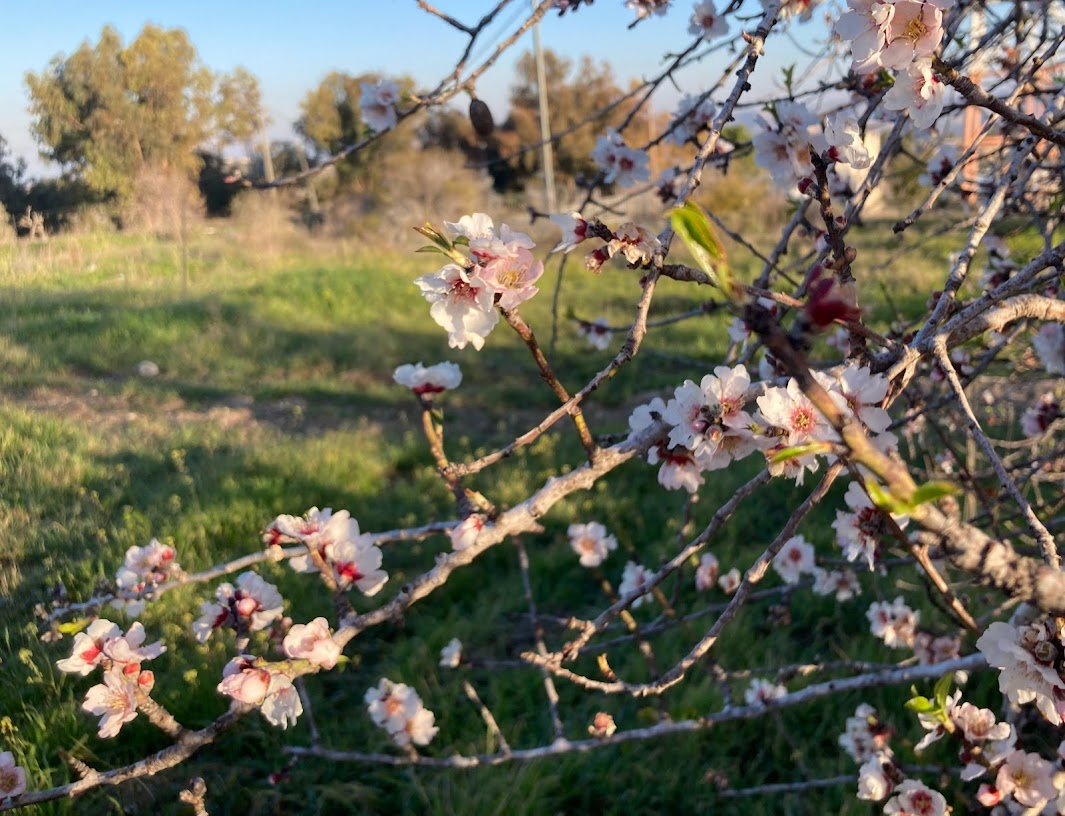
And if we’re talking about flowers, then we can’t help but mention the almond itself, which decorates and graces the Land around Tu Bishvat with its wonderful flowers. Almonds have deep roots and therefore can grow even in areas that don’t have a lot of rain. There are cultivated almond orchards in Israel with sweet almonds, and there are also wild almonds. It is important to note that the wild almonds are bitter, and contain a substance called amygdalin, which breaks down and forms cyanide which is a poison, therefore eating a large amount of bitter almonds is dangerous. The cultivated varieties contain large amounts of fat, protein, vitamins and minerals and have great nutritional value (a double message here too, when good and bad are hidden within the same fruit, which is often a fruit that represents the People of Israel?).ואם כבר בפריחה עסקינן, הרי שלא נוכל שלא לשוב ולהזכיר את השקד עצמו, שמקשט ומפאר את הארץ בסביבות טו בשבט בפרחים הנפלאים שלו. לשקד שורשים עמוקים ולכן יכול לגדול גם באיזורים שאין בהם הרבה גשמים. יש בארץ מטעי שקדים תרבותיים עם שקדים מתוקים, ויש גם שקדי בר. חשוב להזכיר שהזרעים של שקדי הבר הם מרים, ומכילים חומר שנקרא אמיגדאלין, המתפרק ויוצר ציאניד שהוא רעל, לכן אכילת כמות מרובה של שקדים מרים מסוכנת. הזנים התרבותיים מכילים כמויות גדולות של שומן, חלבון, ויטמנים ומינרלים ויש להם ערך תזונתי רב (גם כאן מסר כפול, כשטוב ורע מסתתרים בתוך אותו הפרי, שנזכר פעמים רבות כפרי שמייצג את עם ישראל?).
And just before saying goodbye for this week, we’ll also mention the Lufit Metzuya, or in its Latin name, Arisarum, known in Hebrew as  Ma-te Aharon = Aaron’s staff! Because of the bent staff coming out of the stem. The Lufit is common in the Mediterranean region and in Israel it is the only species of its kind. It is common in shrubland (Chapparral in CA), deserted fields, edges of gardens, in shade or full sun. The leaves of the plant appear already in autumn, and flowers last from October to April.  ורגע לפני שנפרד לשבוע זה, נזכיר גם את הלופית המצויה שנקראת גם בשם – מטה אהרון! בגלל המטה הכפוף מטה היוצא מן הגבעול. הלופית המצויה נפוצה באיזור הים התיכוני ובארץ היא המין היחיד מסוגה. היא נפוצה בבתות, מעזבות, שולי גינות, בצל או בשמש מלאה. עלי הצמח מופיעים כבר בסתו, והפריחה נמשכת מאוקטובר ועד אפריל.

שתהיה לנו שבת שלום – SHABBAT SHALOM

pictures below of the Lufit (from Wikipedia) and the almond tree (by me :-))

Posted in Uncategorized | Leave a comment

Torah & Travel: Caleb’s (and our) trip to Hebron

תורה וטיולים, פרשת שלח לך: הטיול של כלב ושלנו לחברון

Actually, the Torah should have ended last week. At the end of the Book of Numbers, chapter 10, the journey from Egypt ended, and in just three days the Israelites will enter the Land, together with Moses and everyone. But then, in addition to the delays thus far, they really start to procrastinate, and event after event hinders them from continuing on their journey, expressing their hesitation and fear. The Israelites went from slow progress to stalling: initially they were supposed to leave Egypt and travel straight along the coastal road arriving in the Land within a few days, but when “[Gd] didn’t guide them through the land of the Philistines”, they had to detour through the desert, the Giving of the Torah, building the Tabernacle, and organizing the camp . Last week we heard that they ate the meat given to them, for a whole month, and waited with Miriam, who spoke badly about Moses. The story of the spies sent by Moses we encounter in this week’s Torah portion of Shelah-Lecha, is the crisis that postpones the entry of the People of Israel into the Land for forty years, determining that this will only happen when the entire generation that came out of Egypt, is replaced.בעצם, התורה היתה צריכה להסתיים בשבוע שעבר. בסוף ספר במדבר, פרק י’, תם המסע ממצרים ובעוד כשלושה ימים יכנסו בני ישראל לארץ, יחד עם משה וכולם. אלא אז, בנוסף לעיכובים עד כה, הם מתחילים ממש להתמהמה, ואירוע אחרי אירוע מעכב אותם מלהמשיך בדרך, מבטא את היסוסם ופחדם. בני ישראל עברו מהתקדמות איטית לעצירה: בתחילה היו אמורים לצאת ממצרים ולנסוע ישר בדרך החוף כשהם מגיעים תוך כמה ימים לארץ, אך כש”לא נחם [אלוהים] דרך ארץ פלישתים”, נאלצו לעשות עיקוף דרך המדבר, מתן תורה, בניית המשכן, וארגון המחנה. בשבוע שעבר שמענו שהם אוכלים במשך חודש את הבשר שניתן להם, ומחכים עם מרים שדברה סרה במשה. סיפור שליחת המרגלים ע”י משה רבינו, שאנחנו פוגשים בפרשת השבוע הזה, פרשת שלח-לך, הוא המשבר שדוחה את כניסת עם ישראל לארץ בארבעים שנה, וקובע שדבר זה יקרה רק שיתחלף כל הדור ההוא שיצא ממצרים.  
In the Torah, the sin of spies is mentioned twice, here and at the beginning of Deuteronomy, with each story completing what the other lacks. Who wanted to send the “spies”? Gd? Moses? The people? Who from amongst the people? One way or another, something similar to what happened in the sin of the Golden Calf happens here: out of their fear, everyone approaches Moshe in confusion, asking him to send representatives to check-out the Land. Moshe sends the future young leadership for a “Birthright” trip to the lLnd of their ancestors , to see ” what kind of country it is. Are the people who dwell in it strong or weak, few or many? Is the country in which they dwell good or bad? Are the towns they live in open or fortified? Is the soil rich or poor? Is it wooded or not? And take pains to bring back some of the fruit of the land.”—Now it happened to be the season of the first ripe grapes (Numbers 13:18-20).בתורה מוזכר חטא המרגלים פעמיים, כאן ובתחילת ספר דברים, כשכל סיפור משלים מה שמחסיר השני. מי רצה לשלוח את ה”מרגלים”? הקב”ה? משה? העם? מי בעם? כך או אחרת, קרה כאן דבר דומה למה שקרה בחטא העגל: מתוך פחדם, באו כולם בעירבוביה למשה בבקשה שישלח נציגים לתור את הארץ. משה שולח את המנהיגות הצעירה העתידית לטיול “תגלית” בארץ אבותם, לראות “אֶת־הָאָ֖רֶץ מַה־הִ֑וא וְאֶת־הָעָם֙ הַיֹּשֵׁ֣ב עָלֶ֔יהָ הֶחָזָ֥ק הוּא֙ הֲרָפֶ֔ה הַמְעַ֥ט ה֖וּא אִם־רָֽב׃ וּמָ֣ה הָאָ֗רֶץ אֲשֶׁר־הוּא֙ יֹשֵׁ֣ב בָּ֔הּ הֲטוֹבָ֥ה הִ֖וא אִם־רָעָ֑ה וּמָ֣ה הֶֽעָרִ֗ים אֲשֶׁר־הוּא֙ יוֹשֵׁ֣ב בָּהֵ֔נָּה הַבְּמַֽחֲנִ֖ים אִ֥ם בְּמִבְצָרִֽים׃ וּמָ֣ה הָ֠אָ֠רֶץ הַשְּׁמֵנָ֨ה הִ֜וא אִם־רָזָ֗ה הֲיֵֽשׁ־בָּ֥הּ עֵץ֙ אִם־אַ֔יִן וְהִ֨תְחַזַּקְתֶּ֔ם וּלְקַחְתֶּ֖ם מִפְּרִ֣י הָאָ֑רֶץ וְהַ֨יָּמִ֔ים יְמֵ֖י בִּכּוּרֵ֥י עֲנָבִֽים” (במדבר יג:יח-כ).  
We don’t have their travel log. Whether the instructions weren’t clear enough or they really saw and experienced things that scared them, it seems that sometime, something, goes wrong. A hint of this is given below: “They went up and scouted the land… and (he) came to Hebron (ibid, 21-22): the beginning of the verse in the plural, when everyone went together, and if so, it should have been “and they came”! Who is going to Hebron alone? According to what is told in the Talmud (in Tractate Sota, 34, which we’ll read in a couple of weeks in the daily “daf-yomi”), this is Caleb, who was worried because of their bad advice, and withdrew from the group, wishing to go prostrate on his ancestors’ graves to ask for mercy for himself and the people.אין לנו את יומן המסע שלהם. בין אם ההוראות לא היו ברורות דיין או שהם באמת ראו וחוו דברים שהפחידו אותם, נראה שמתישהו, משהו, משתבש. רמז לכך מובא בהמשך: וַֽיַּעֲל֖וּ וַיָּתֻ֣רוּ אֶת־הָאָ֑רֶץ…. וַיָּבֹ֣א עַד־חֶבְרוֹן֒ (שם, כא-כב): תחילת הפסוק בגוף רבים, כשכולם הלכו ביחד, ואם כך, היה צריך להיות “ויבואו”! מי זה הולך לו לבדו לחברון? לפי המסופר בתלמוד (במסכת סוטה, דף לד, אותו נקרא בעוד כשבועיים בדף היומי), זהו כלב, שדאג בגלל עצתם הרעה, ופרש מהקבוצה כשהוא מבקש ללכת להשתטח על קברי אבות כדי לבקש רחמים על עצמו על העם.  
How does the Midrash in the Talmud know that it is actually Caleb? In the version in the book of Deuteronomy (1:36) it says: “none except Caleb son of Jephunneh; he shall see it, and to him and his descendants will I give the land on which he set foot, because he remained loyal to Hashem”…. And where is “the land that he walked through”? In the book of Judges offers (1:20): “They gave Hebron to Caleb, as Moses had promised; and he drove the three Anakites out of there”.איך יודע המדרש בתלמוד שזה דוקא כלב? בגרסא בספר דברים כתוב: זֽוּלָתִ֞י כָּלֵ֤ב בֶּן־יְפֻנֶּה֙ ה֣וּא יִרְאֶ֔נָּה וְלֽוֹ־אֶתֵּ֧ן אֶת־הָאָ֛רֶץ אֲשֶׁ֥ר דָּֽרַךְ־בָּ֖הּ וּלְבָנָ֑יו יַ֕עַן אֲשֶׁ֥ר מִלֵּ֖א אַחֲרֵ֥י ה’׃   ואיפה “הארץ אשר דרך בה”? בספר שופטים נאמר (א:כ): וַיִּתְּנ֤וּ לְכָלֵב֙ אֶת־חֶבְר֔וֹן כַּאֲשֶׁ֖ר דִּבֶּ֣ר מֹשֶׁ֑ה וַיּ֣וֹרֶשׁ מִשָּׁ֔ם אֶת־שְׁלֹשָׁ֖ה בְּנֵ֥י הָעֲנָֽק.  
According to the Torah (13:22): … in Hebron… lived Ahiman, Sheshai, and Talmai, the Anakites (perhaps giants).—Now Hebron was founded seven years before Zoan of Egypt.— Who are the “Anakites” and who cares that Hebron was founded before Zoan? The Talmud continues (Sota 34:b): The verse continues to state about Hebron: “And Ahiman, Sheshai, and Talmai, the children of Anak, were there” (Numbers 13:22). Ahiman was called by this name because he was the most skilled [meyumman] among his brothers. Sheshai was called by his name because he would turn the land that he treaded upon into ditches [sheḥatot] due to his large dimensions. Talmai was called this because he would turn the land that he treaded upon into furrows upon furrows [telamim] due to his weight. Alternatively, their names signify another matter: Ahiman is the one who built the city of Anat. Sheshai built the city of Alush. Talmai built the city of Talbush. The verse describes them as “the children of Anak” because they were so tall and large that it appeared as if they were wearing [ma’anikin] the sun as a necklace due to their height.לפי התורה, בחברון היו ילידי הענק: “וְשָׁ֤ם אֲחִימַן֙ שֵׁשַׁ֣י וְתַלְמַ֔י יְלִידֵ֖י הָעֲנָ֑ק וְחֶבְר֗וֹן שֶׁ֤בַע שָׁנִים֙ נִבְנְתָ֔ה לִפְנֵ֖י צֹ֥עַן מִצְרָֽיִם” (במדבר יג,כב). מי הם יליד הענק, ומה זה משנה שחברון נבנתה לפני צען מצרים? הגמרא ממשיכה (סוטה לד:ב): על חברון מסופר באותה פרשה ושם אחימן ששי ותלמי ילידי הענק (במדבר יג, כב). ומבארים את פשר השמות: אחימן” נקרא כך מפני שהוא מיומן (זריז ומוצלח) שבאחיו, “ששי” — שמשים את הארץ כשחתות (בורות) בהליכתו, מפני גודלו, תלמי” — שמשים את הארץ תלמים תלמים בהליכתו, מפני כובדו.   דבר אחר: “אחימן” — הוא זה שבנה את העיר ענת, “ששי”בנה את אלש, “תלמי”בנה את תלבוש. “ילידי הענק” — שמעניקין חמה בקומתן, שהם גבוהים כל כך שנראים כאילו החמה היא ענק לצווארם.  
The continuation of the verse states: “Now Hebron was built seven years [shanim] before Zoan of Egypt [Mitzrayim]” (Numbers 13:22). The Gemara asks: What is the meaning of the phrase “was built”? If we say that it was actually built seven years before Zoan, would a person build a house for his younger son before he builds one for his older son? Canaan was the youngest son of Ham, as it is written: “And the sons of Ham: Cush, and Mizraim, and Put, and Canaan” (Genesis 10:6). How then could Hebron, a city in the land of Canaan, have been built before Zoan, a city in the land of Egypt, occupied by the descendants of Mizraim?על מה שנאמר עוד וחברון שבע שנים נבנתה לפני צוען מצרים (במדבר יג, כב), שואלים: מאי [מה פירוש] נבנתה”? אילימא [אם תאמר] כי נבנתה ממש, וכי אפשר אדם בונה בית לבנו קטן קודם שבונה לבנו גדול?! דכתיב [שנאמר]: ובני חם כוש ומצרים ופוט וכנען “(בראשית י, ו) וכנען הלא היה הבן הקטן, וכיצד נבנתה עירו לפני עירו של מצרים?
Rather, the meaning of the verse is that Hebron was seven times more fruitful [mevunna] than Zoan. And there is no stonier land in Eretz Yisrael than Hebron. This is evident because they would bury the dead there, just as the forefathers were buried there. This was done only in land that was not suitable for agriculture. And of all the lands, there is none of a higher quality than the land of Egypt, as it is stated: “Like the garden of the Lord, like the land of Egypt” (Genesis 13:10). And there was no higher-quality land in all of the land of Egypt than Zoan, as it is written with regard to Pharaoh’s ministers, who would certainly have lived on the finest land in the country: “For his princes are in Zoan” (Isaiah 30:4). And even so, Hebron was seven times more fruitful than Zoanאלא הכוונה היא שהיתה מבונה (פוריה יותר) על אחד משבעה (פי שבע) בצוען. ואין לך מקום שיש בו טרשים בכל ארץ ישראל יתר מחברון, והראיה לדבר: משום דקברי [שקוברים] בה שיכבי [מתים] וזהו דבר הנעשה בקרקע שאינה ראויה לעיבוד, ולכן שם הוא מקום קבורת האבות. ואין לך מעולה בכל הארצות יתר מארץ מצרים, שנאמר: כגן ה’ כארץ מצרים” (בראשית יג, י), ואין לך מעולה בכל ארץ מצרים יתר מצוען, וראיה לדבר, ממה דכתיב [שנאמר]: כי היו בצען שריו” (של פרעה מלך מצרים) (ישעיה ל, ד) ובודאי במקום המובחר שבמדינה היו יושבים, ואפילו הכי [כך] חברון מבונה אחד משבעה בצוען.  
The Gemara asks: But is the land in Hebron in fact stony? But isn’t it written: “And it came to pass at the end of forty years, that Absalom said to the king: I pray, let me go and pay my vow, which I have vowed to the Lord, in Hebron” (II Samuel 15:7)? And Rav Avya says, and some say that it was Rabba bar bar Ḥanan: This means that Absalom went to bring sheep specifically from Hebron. And it is taught in a baraita (Tosefta, Menaḥot 9:3): One must bring the choicest animals to the Temple as offerings. Rams are brought from Moab, and sheep are brought from Hebron. This indicates that Hebron has rich land where fat and healthy sheep are raised. The Gemara answers: From this very source it can be proven that Hebron is not suitable for agriculture. Since the earth there is thin, it produces only grass for grazing and fattens the livestock (translation from Sefaria).ושואלים: וחברון מקום טרשים הוי [היא]? והא כתיב [והרי נאמר]: “ויהי מקץ ארבעים שנה ויאמר אבשלום אל המלך אלכה נא ואשלם את נדרי אשר נדרתי לה’ בחברון “(שמואל ב טו, ז), ואמר רב אויא ואיתימא [ויש אומרים] שאמר זאת רבה בר בר חנן: שהלך אבשלום להביא כבשים מחברון דווקא. ותניא [ושנויה ברייתא] שמביאים למקדש קרבנות מן המובחר ביותר, אילים מביאים ממואב, כבשים מביאים מחברון, משמע שהארץ בחברון היא טובה, שמגדלת כבשים שמנים! ומשיבים: מינה [ממנה], מתוך קושיה זו עצמה אנו מוצאים ראיה לדבר, שכן איידי דקלישא ארעא עבדה רעיא ושמן קניינא [מתוך שקלושה היא האדמה ואינה עמוקה, הריהי מוציאה רק עשב למרעה ומשמין המקנה] (התרגום מאתר ספריא)  
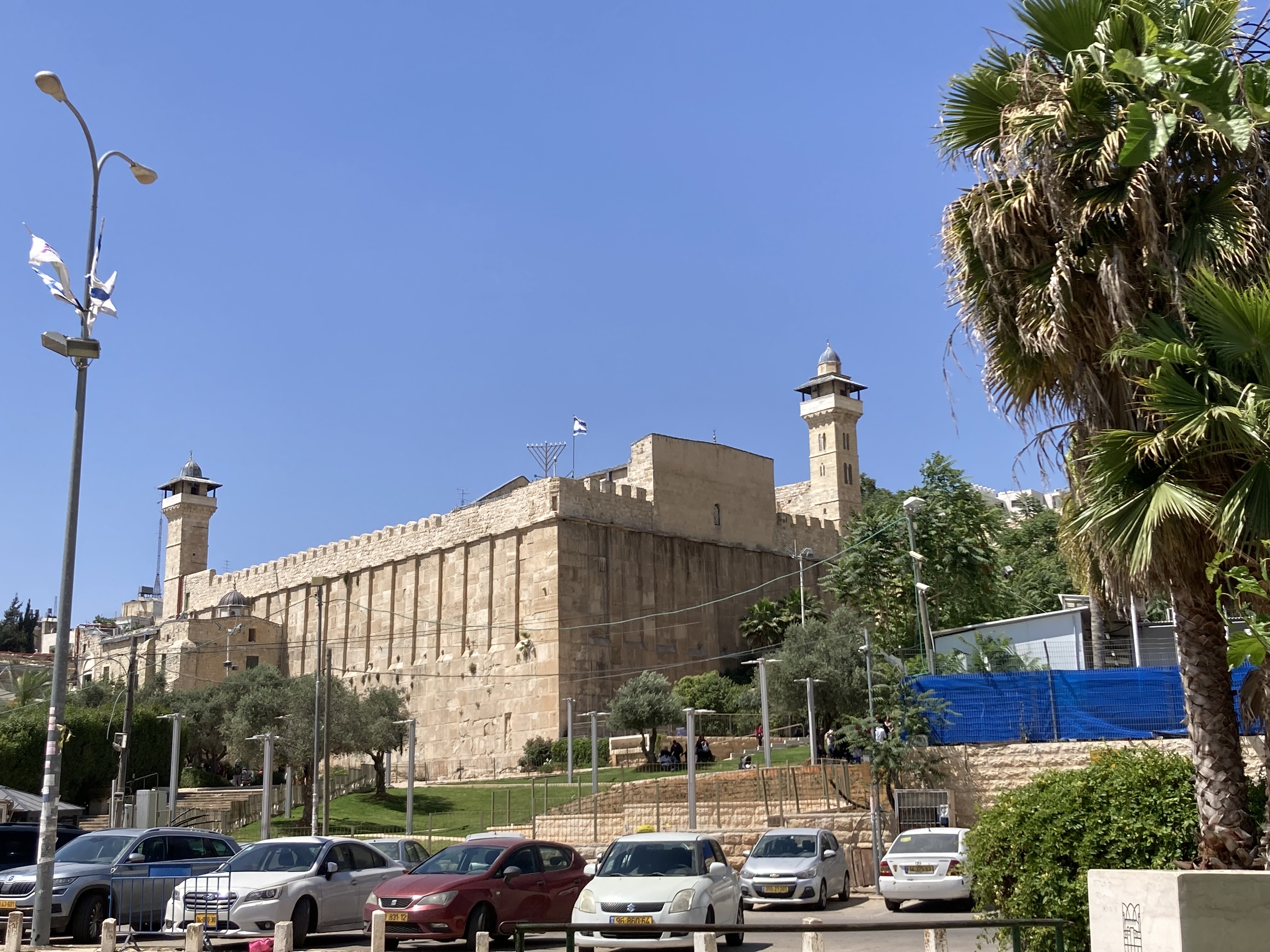
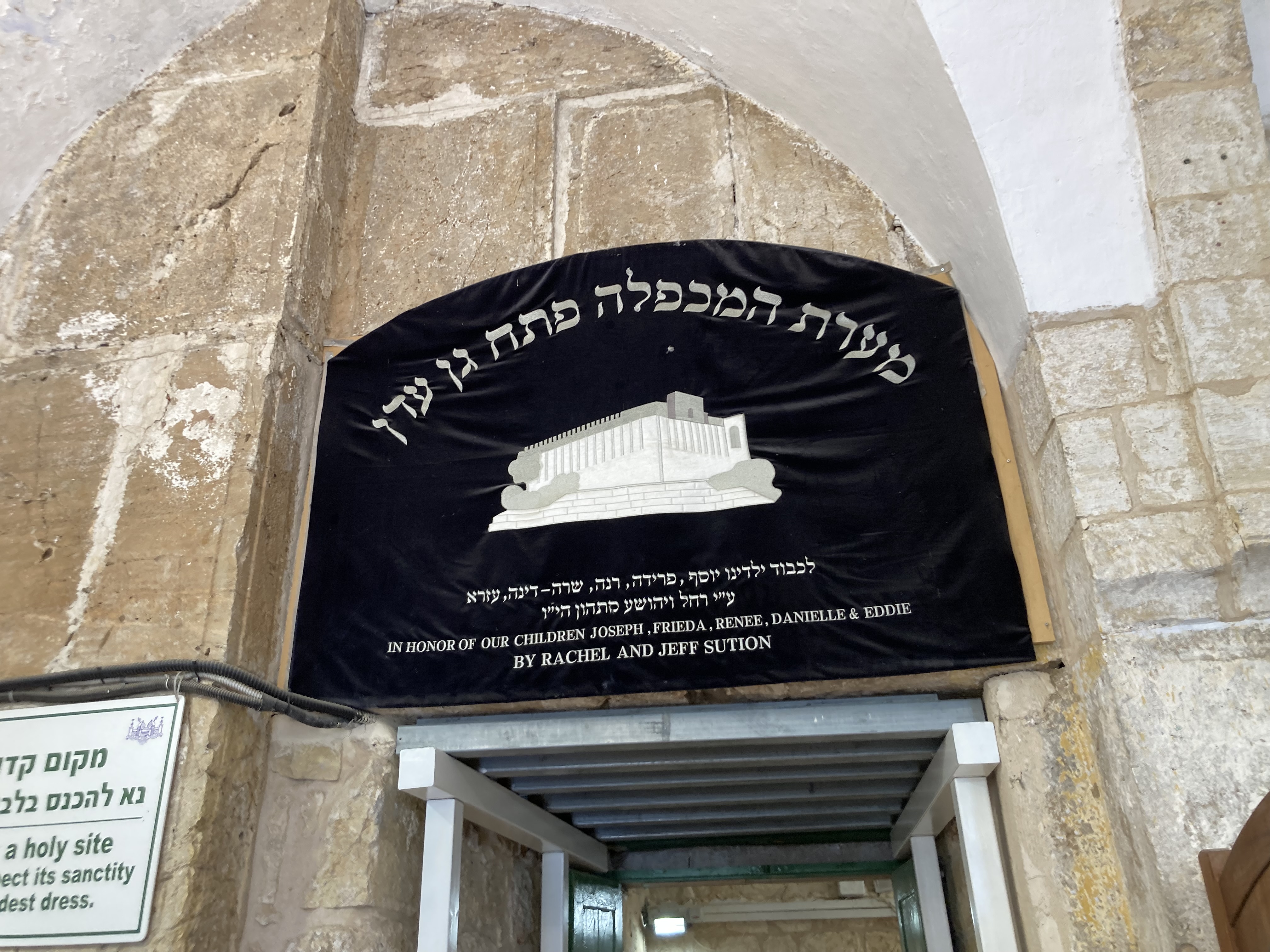
Hebron, located in the Judean Mountains, about 35 km south of Jerusalem and at an altitude of 927 m above sea level, is one of the oldest cities in the world that have been inhabited almost continuously. According to our tradition, Hebron is also called the “City of the Forefathers”, where the Cave of the Patriarchs is located, which Abraham bought, and where the fathers and mothers of the nation were buried (Adam and Eve, Abraham and Sarah, Isaac and Rebekah, Jacob and Leah). According to the midrash, the place was considered bad for agriculture and was probably assigned to burials even before, which is consistent with the finding of about 3000 (!) burial caves in the area. After Abraham, Isaac and Jacob also lived in Hebron, and during the settlement period, it was declared one of the cities of refuge.חברון, השוכנת בהרי יהודה, כ-35קמ דרומית לירושלים ובגובה 927מ’ מעל פני הים, היא אחת הערים העתיקות בעולם המאוכלסות כמעט באופן רצוף. לפי המסורת שלנו, חברון נקראת גם “עיר האבות”, שם נמצאת מערת המכפלה, אותה קנה אברהם אבינו, ובה נקברו אבות ואימהות האומה (אדם וחוה, אברהם ושרה, יצחק ורבקה, יעקב ולאה). לפי המסופר במדרש, המקום נחשב גרוע לחקלאות וכנראה הוקצה לקבורה עוד קודם, דבר שתואם את מציאתן של כ-3000 (!) מערות קבורה באיזור. לאחר אברהם, גם יצחק ויעקב ישבו בחברון, ובתקופת ההתנחלות, היא הוכרזה כאחת מערי המקלט.  
Its original name in the Bible was Kiryat Arba after the name of the owner of the place, “Arba” who was the greatest man among the Anakites or perhaps – giants” (Joshua 14-15). The origin of the name “Hebron” is from the root H.B.R. – to unite, come together, connect, perhaps also forge a covenant. In Arabic The city is called “Al-Khalil” after Abraham, who in Arabic is known as Khalil Allah, Khalil being friend – or the one who’s connected with – Gd.שמה המקורי במקרא היה קרית ארבע על שמו של בעל המקום, “ארבע” שהיה האדם הגדול בענקים” (ספר יהושע יד-טו). מקור השם “חברון” בשורש ח.ב.ר – לחבור, להתאגד, אולי גם ליצור ברית. בערבית נקראת העיר “אל-ח’ליל” על שמו של אברהם שנקרא בערבית ח’ליל אללה, ידיד – או חבר – האל.  
Hebron was one of the largest cities during the Iron Age in the Land of Israel, and King David’s 1st capital for about seven years. Despite the ups and downs, Hebron remained for hundreds (and thousands) of years one of the four holy cities, along with Jerusalem, Safed and Tiberias. In the 16th century, a community of Jewish immigrants from Spain developed there, and at the end of the 19th century, many Jews arrived in the city, establishing it further. In the events of 1929, 67 of the city’s Jews were murdered here and the rest abandoned it. The settlement was later rebuilt by the remnants of the survivors, but the latter were forced to leave the city with the establishment of the State of Israel.חברון היתה אחת הערים הגדולות בתקופת הברזל בארץ ישראל, והיא שמשה כבירתו הראשונה של דוד המלך במשך כשבע שנים. למרות העליות והירידות, חברון נשארה במשך מאות (ואלפי) שנים אחת מארבע ערי הקודש, יחד עם ירושלים, צפת וטבריה. במקום התפתחה במאה ה-16 קהילה של יוצאי יהדות ספרד ובסוף המאה ה-19, הגיעו לעיר יהודים רבים שביססו את הישוב בה. במאורעות תרפ”ט (1929) נרצחו כאן 67 מיהודי העיר והשאר נטשו אותה. היישוב שוקם אחר כך על ידי שרידי הניצולים, אך אחרוניהם נאלצו לעזוב את העיר עם הקמת מדינת ישראל.

Today Hebron is divided in accordance with the Oslo and Hebron Accords into area H1 (Palestinian Authority, with approximately 200,000 Palestinian residents and zero Jewish residents) and H2 (Israeli authority, with approximately 40,000 Palestinian residents and approximately 1,000 Jewish residents). In 2017, UNESCO decided to recognize the old city of Hebron as a “World Heritage Site”.
Despite what the news sounds like, it’s possible to visit the Cave of the Patriarchs in Hebron without special permits and preparations. You can reach the place by public transportation or by private car, from the north (from Jerusalem) or the south (Beer Sheva-Arad area). You can also take a guide for the day and gain a deeper understanding of the place and the area.
כיום חברון מחולקת בהתאם להסכמי אוסלו וחברון לאיזור H1 (רשות פלסטינית, עם כ-200,000 אלף תושבים פלסטינים ואפס תושבים יהודים) ו-H2 (ישראל, עם כ-40,000 תושבים פלסטינים וכ-1000 תושבים). ב-2017 החליט ארגון אונסק”ו להכיר בעיר העתיקה של חברון כ”אתר מורשת עולמית”.
למרות הנשמע החדשות, אפשר לבקר במערת המכפלה בחברון בלי אישורים והכנות מיוחדות. אפשר להגיע למקום בתחבורה ציבורית או ברכב פרטי, מצפון (מירושלים) או דרום (איזור באר שבע-ערד). אפשר גם לקחת מדריך ליום ולהרויח הבנה עמוקה יותר על המקום והאיזור.  

שבת שלום SHABBAT SHALOM!

Posted in Uncategorized | Leave a comment

Torah & Travel: Be’ha’alot’cha: going up, bringing light and seeing a beautiful view

תורה וטיולים: פרשת בהעלותך: לעלות, להדליק אור ולראות נוף יפיפה!

Last week we received a painful reminder of a non-ideal situation: outside of Israel (“the sea countries”, as the Talmud calls them) there were two day of Shavu’ot, while in Israel – only one day. You might say, it’s a common thing, that abroad they celebrate two days of the holidays (every holiday except Yom Kippur), while in Israel we celebrate one day (every holiday, except Rosh Hashanah), but this time, the first day of Shavu’ot – was Friday, and the second day – Sabbath. The day after the holiday, the communities of Eretz Yisrael returned to read the regular Torah portion, and those abroad – where it was still a holiday, read more of the special Torah reading for Shavu’ot. That is, a gap was wedged between the Jewish communities, when from now on, for a month, we will not read the same Torah portion (abroad will one behind), until July 1st (Shabbat Balak / Chukat – BalaK) when 2 portions will be read abroad, to catch us up. Yes, our calendar is set for such situations, and yet, it’s a reminder of the tragedy and the division within our people: here, after two thousand years… we could return and live in the Land, “go up into it with joy”, as it is said in the prayer, and engage in the work for which we… but we do not come, And the redemption is not complete. Coincidentally – or not – this hesitation is somewhat parallel to our parsha of the week.בשבוע שעבר קבלנו תזכורת כואבת למצב לא-אידיאלי: בחוצלארץ (“במדינות הים”) היו שני ימי חג לשבועות, בעוד שבארץ – רק יום אחד. תגידו, הרי זה דבר שבשגרה, שבחוצלארץ חוגגים שני ימי חג (בכל חג חוץ מיום כיפור), בעוד שבארץ חוגגים יום אחד (בכל חג, חוץ מראש השנה), אלא שהפעם, היום הראשון של החג – היה יום ששי בשבוע, והיום השני – שבת. למחרת החג, חזרו קהילות ארץ ישראל לקרוא את פרשת השבוע הרגילה ובחוצלארץ, שם עדיין היה חג, קראו את קריאת התורה המיוחדת לחג. כלומר, פער נפער בין קהילות עם ישראל, כשמעכשיו, למשך חודש, לא נקרא את אותה פרשה (חוצלארץ תהיה פרשה מאחור), עד ה-1 ביולי (שבת בלק / חוקת-בלק) כשבחו”ל יקראו שתי פרשות. כן, לוח השנה שלנו ערוך גם למצבים כאלה, ועדיין, יש בכך תזכורת לטרגדיה ולפיצול בעם שלנו: הנה, אחרי אלפיים שנות… יכולנו לחזור ולחיות בארץ, “לעלות לתוכה בשמחה”, כפי שנאמר בתפילה, ולעסוק במלאכה שלשמה… אך אנחנו לא באים, והגאולה אינה שלמה. באופן מקרי -או לא – ההיסוס הזה קצת מקביל לפרשת השבוע שלנו. 
In Israel, we read this week “Beha’a lot’cha”, the 3rd in the book of Numbers. It begins with the completion of the preparations for the journey through the Sinai desert to the Land of Israel, the invitation to Aaron to light the menorah, and the entrance of the Levites into their work in the Tabernacle. After that, Pesach Sheni celebrations are set, and we are introduced to the Trumpets. We also witness a significant conversation between Moshe and his father-in-law, who until now we have known as Yitro and here is named Hovav ben Re’u’el, and the section of “and when they journied…” which is enclosed with two opposite Hebrew letters – Nun. These two nuns seem to create a buffer between the first part of the journey from Egypt, from the book of Exodus till here, and between what will come from here on, including complaints about the food, the meat, the “spoiled” bread, the water, Moshe’s relationship with his wife, his leadership style, and later, also the Land we are supposed to reach, something that leaves us in the desert for almost 40 more years.בארץ השבוע נקרא את פרשת “בהעלותך”, השלישית בספר במדבר. היא מתחילה בסיום ההכנות לקראת היציאה למסע במדבר סיני אל עבר ארץ ישראל, הזמנת אהרון להדליק את המנורה, וכניסת הלוויים לעבודתם במשכן. לאחר מכן, נקבעות חגיגות פסח שני, ומסופרת לנו פרשת החצוצרות. עוד אנחנו עדים לשיחה משמעותית בין משה לחותנו, שעד כה הכרנו כיתרו וכאן מכונה חובב בן רעואל, ונאמרת פרשת “ויהי בנסוע…” הסגורה בשני אותיות נון הפוכות. שתי הנונים האלה כמו יוצרים חיץ בין החלק הראשון של המסע ממצרים, מספר שמות ועד הנה, ובין מה שיבוא מכאן והלאה, כולל תלונות על האוכל, הבשר, הלחם “הקלוקל”, המים, יחסיו של משה עם אשתו, סגנון המנהיגות שלו, ובהמשך, גם הארץ אליה אנחנו אמורים להגיע, דבר שמשאיר אותנו במדבר עוד כמעט 40 שנה.   
Indeed, the Torah should have ended in the middle of this portion (Numbers 10,34), and if a fifth book had been needed, it could have included the two verses between the “nuns” (Numbers 10, 35-36), and that was it. We were three days away from the Land! A few more steps and we have arrived! The long journey is coming to an end! Moses can enter the promised land, and so much trouble can be spared!אכן, בעצם התורה היתה צריכה להסתיים באמצע הפרשה הזו (במדבר פרק י,לד), ולו היה צורך בספר חמישי, הוא יכל לכלול את שני הפסוקים בין הנונים (במדבר י, לה-לו), וזהו. היינו במרחק שלושת ימים מהארץ! עוד כמה צעדים והגענו! המסע הארוך מגיע לקיצו! משה יכול להכנס לארץ המובטחת, וכל כך הרבה צרות יכולות להחסך! 
But it turns out, as in Paul Simon’s poem, “You know the nearer your destination, The more you’re slip slidin’ away”…. as if, precisely at this critical moment, when we are really, really on the brink, the danger arises that something inside us, often unknown and unconscious, will stop us. Different voices arise within us: basically, we say to ourselves, right, it’s really nice, the whole idea of aliya to Israel, there are beautiful beaches, and I also really like falafel, and yet, we need to be more reasonable. And not proceed recklessly. And these flights are quite a nightmare. And the drivers in Israel, are terrible. And the weather, is hot and sticky. And the politics. And the economy. And the security. And this idea, that we should all be right here, in one place… why not Brooklyn? Or Los Angeles?? Yes, I have second thoughts…. maybe it was a bit rushed. To think it is possible. Needed Maybe we should wait on that…אך מסתבר, כמו בשירו של פאול סיימון, ככל המטרה מתקרבת, היא גם מתחמקת, כאילו, דוקא ברגע הקריטי הזה, כשאנחנו ממש ממש על סף, קימת הסכנה שמשהו בתוכנו, לעיתים קרובות בלתי ידוע ובלתי מודע, יעצור מבעדנו. קולות שונים עולים בתוכנו: בעצם, אנחנו אומרים לעצמנו, נכון, זה באמת נחמד, כל ענין העליה לארץ, יש חופים יפים, וגם אני מאד אוהב פלאפל, ובכל זאת, צריך להיות יותר שקול. ולא לנהוג בפזיזות. והטיסות האלה די סיוט. והנהגים בארץ, נורא ואיום. ומזג האויר, חם ודביק, והפוליטיקה. והכלכלה. והבטחון. וכל הרעיון הזה, שכולנו צריכים להיות דוקא כאן, במקום אחד… למה לא ברוקלין? או לוס אנג’לס?? כן, יש לי השגות…. אולי זה היה קצת נמהר. לחשוב שאפשר. שצריך. אולי כדאי שנחכה עם זה…   
Our Torah portion, Beha’a lot’cha, hides in its name – aliya, going up, a sort of, walking against the current, a challenge. Here it is said: “Speak to Aaron and say to him, “When you mount the lamps, let the seven lamps give light at the front of the Menora.” (Numbers 8:2). The sages say that when Aaron saw how the Mishkan was being filled with activities, where everyone has a role, he was almost insulted: ‘What will I do’? ‘Don’t worry’, explains Rashi based on the midrash, ‘you will bring light, you will be the one to light the menorah, the lighting that will call “aliya”’ .הפרשה שלנו, בהעלותך, מחביאה בשמה – עליה, מעין, הליכה נגד הזרם, אתגר. כאן נאמר: דַּבֵּר֙ אֶֽל־אַהֲרֹ֔ן וְאָמַרְתָּ֖ אֵלָ֑יו בְּהַעֲלֹֽתְךָ֙ אֶת־הַנֵּרֹ֔ת אֶל־מוּל֙ פְּנֵ֣י הַמְּנוֹרָ֔ה יָאִ֖ירוּ שִׁבְעַ֥ת הַנֵּרֽוֹת (במדבר ח:ב). חז”ל מספרים שכשראה אהרון איך המשכן מתמלא עשיה בה לכל אחד יש תפקיד, כמעט נעלב: מה אעשה? אל תדאג, מסביר רש”י בהתבסס על המדרש, אתה תביא אור, אתה תהיה זה שידליק את המנורה, הדלקה שתקרא “עליה”.   
The menorah was built in a way that would please the viewer – the buttons, the cups, the flowers. Is there room for beauty in the Tabernacle and the Temple, or is it all just a matter of spirituality? We know of sages who were handsome and those who were ugly. Even in prayer, in the blessing of reading the Shema, it is said: “Truth… and beauty”.המנורה נבנתה באופן שימצא חן בעיני רואיה – הכפתורים, הגביעים, הפרחים. האם יש מקום ליופי במשכן ובמקדש, או שהכל הוא רק ענין של רוח? ידוע לנו על חכמים שהיו יפה-תואר ועל כאלו שהיו מכוערים. גם בתפילה, בברכת קריאת שמע, נאמר: “אמת… ויפה“.   
In a world where what’s really important is the connection to G-d, what does beauty matter? “It is not beauty (yofi), but character (ofi)” we were told in our childhood (and written in our memory scrapbooks…), then why does the Torah mention the beauty of Rachel and Esther, the Midrash – the beauty of Sarah? The Bible speaks of the beauty of the king, the Talmud – mentions the beauty of Rabbi Yochanan, the ugliness of Rabbi Yehoshua ben Hananiah, who added that it is appropriate for sages to be ugly. And what about the beautiful sages, asks the Gemara with a smile? And replies in the name of Rabbi Yehoshua: If they were ugly, they would be even wiser.בעולם שבו מה שבאמת חשוב זה הקשר לקב”ה, מה משנה היופי? “לא היופי כי אם האופי”, אמרו לנו בילדותנו (וכתבו ב”ספר הזכרונות”…), אם כך, למה מזכירה את התורה את יופין של רחל ואסתר, המדרש – את יופיה של שרה? התנכ מדבר על יופיו של המלך, התלמוד – מזכיר את יופיו של רבי יוחנן, את כיעורו של רבי יהושע בן חנניה, שהוסיף ואמר, שראוי שחכמים יהיו מכוערים. ומה על החכמים היפים, שואלת שם הגמרא בחיוך? ועונה בשמו של רבי יהושע: לו היו מכוערים, היו עוד יותר חכמים. 
The Talmud (Brachot 5) tells that once when Rabbi Yochanan fell ill, Rabbi Elazar came to visit him, and sat with him and wept. Why are you crying? Rabbi Yochanan asks, is it because of the Torah that you didn’t study, or because you didn’t get more assets? Rabbi Elazar answers him: I weep for this beauty of Rabbi Yochanan, as it is said, ‘whoever wants to see his beauty, should bring a pure silver cup and fill it with red pomegranate seeds and decorate it with a wreath of a red rose on his mouth and place it between sun and shade, and the same glow is about the beauty of Rabbi Yohanan is’ (Bava Metzia 84:a), and all this, will decay in the dust. Rabbi Yochanan said to him: You are right, this is really worth crying over, and they both weptהתלמוד (ברכות ה’) מספר שפעם כשחלה רבי יוחנן, בא רבי אלעזר לבקר אותו, וישב אצלו ובכה. על מה אתה בוכה? שואל רבי יוחנן, האם על תורה שלא למדת, או מפני שלא זכית ליותר נכסים? עונה לו רבי אלעזר: אני בוכה על היופי הזה של רבי יוחנן, שנאמר, ‘שמי שרוצה לראות את יופיו, יביא כוס כסף צרוף וימלאנו גרעינים של רימון אדום ויעטר כליל של ורד אדום על פיו ויניחנו בין חמה לצל, ואותו זוהר מעין יופיו של רבי יוחנן הוא’ (בבא מציעא פד:א), וכל זה, עתיד לבלות בעפר. אמר לו רבי יוחנן: אתה צודק, על זה באמת ראוי לבכות, ובכו שניהם. 
This is a well-known and lovable legend, but also very puzzling: Why are two sages sitting there and crying over the beauty of one of them who is going to decay away in the dirt? The Maharsha explains that Rabbi Yochanan’s beauty expressed something of the remnant of Jerusalem’s glory from the time of the Temple, a time when there was a unity between holiness and beauty. His death, therefore, beyond sadness for the loss of a great person, also symbolizes the end of this period, and the transition to a difficult and terrible exile. From here on, for hundreds of years, beauty will be given to the nations of the world, while we remain with holiness and spirituality in isolation from the world of beauty. And behold, as much as we return to ourselves, as a Nation, beauty begins to return, even in the people, whose stature erects and their faces – light up (who dreamed in the Middle Ages that one day, there will be a World Beauty Queen from Israel?), and also in the Land itself, in its nature and places – more and more.זו אגדה מוכרת וחביבה, אך גם תמוהה מאד: מה פתאום יושבים להם שני חכמים ובוכים על יופיו של אחד מהם שעתיד להתבלות בעפר? המהרש”א מסביר שיופיו של רבי יוחנן ביטא משהו משארית התפארת של ירושלים מתקופת בית המקדש, תקופה שבה היתה אחדות בין קודש ויופי. מותו, אם כך, מעבר לעצב על אובדן אדם גדול, גם מסמל את סוף התקופה הזו, והמעבר לגלות קשה ואיומה. מכאן ואילך, במשך מאות שנים, היופי ינתן לאומות העולם, ואילו אנחנו נשאר עם קודש ורוחניות בניתוק מעולם היופי. והנה, כמה שאנחנו חוזרים לעצמנו, כעם, היופי מתחיל לחזור, גם אצל האנשים, שקומתם מזדקפת ופניהם מאירות (ומי חלם בימי הביניים שיהיו מלכות יופי עולמיות מישראל?), וגם בארץ, בטבע שלה ובמקומותיה – עוד ועוד. 
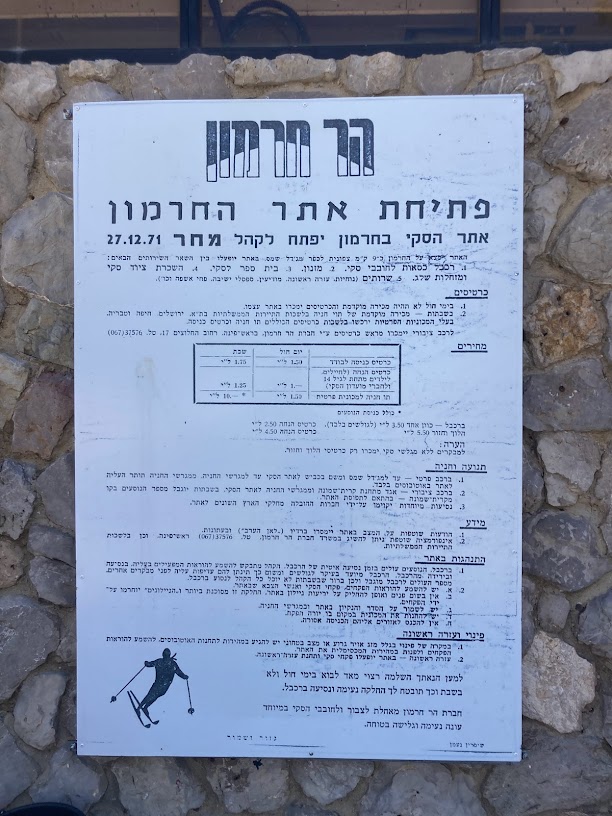
Quite a few places in Israel are called Ma’ale… from the word “Aliya”, allowing us both a physical ascent, and great enjoyment of the beauty of the Land, such as, for example, Ma’ale Adumim, east of Jerusalem, Ma’ale Akrabim in the eastern Negev, Ma’ale Tzbia in the Galilee and Ma’ale Gamla in the Golan. One of the places I was privileged to visit recently is Mount Hermon and with a height of 2,224m above sea level (at Snow Overlook, the upper cable car), there is no higher elevation (aliya) than that.לא מעט מקומות בארץ נקראים מעלה… מלשון “עליה”, ומאפשרים לנו גם עליה פיזית, וגם הנאה גדולה מיופיה של הארץ, כמו למשל מעלה אדומים, ממזרח לירושלים, מעלה העקרבים בנגב המזרחי, מעלה צביה בגליל ומעלה גמלא בגולן. אחד המקומות שזכיתי להגיע אליו לאחרונה הוא הר החרמון ועם גובה של 2,224מ’ מעל פני הים (במצפה שלגים, הרכבל העליון), אין עליה גדולה מזו. 
Hermon is mentioned in the Bible and in prayer quite a few times under its various names: Hermon, S’nir, Shiryon and Si’on. The Ramban (in his commentary on Deuteronomy 3:9) writes that the origin of the name “Hermon” is in the root H.R.M. which means – something that should not be used. It’s possible that due to its height and low temperature, the mountain was “cherem”, outside the boundary (“excommunicated”), meaning an uninhabited area, and therefore called Hermon. It’s also possible that from this, the meaning of the name is a holy place, and indeed there was a temple at the foot of the mountain that gave it the nickname “Ba’al Hermon” (Judges 3:3). As for the mountain’s other names, as given in the Bible – Shirin, Shanir and Shi’on, Rashi interprets that it comes from the Ashkenazi language / German Sh’nee. Perhaps also from the words S’ee (peak) and/or Sar (minister). In Arabic it is called Jabel-al-Sheikh (Mount the Sheikh) which means “the mountain of the old man”, because of the snowy peak reminiscent of an elder’s hair. Another nickname is Jabel-al-Talj (Snow Mountain) – “Mountain of the Snow”, and this name also appears in the Talmud in Aramaic – Tur Talga. Yet another nickname given to the mountain By Benny Massas, who was a private in the Golani Brigade in the Yom Kippur War (1973) is “The Eyes of the Country”, and about this chilling and exciting period, it’s recommended to read separately and slowly (and/or watch the series “Valley of Tears”).החרמון מוזכר בתנכ ובתפילה לא מעט בשמותיו השונים: חֶרְמוֹן, שְׂנִיר, שִׂרְיֹן ושִׂיאֹן. הרמבן (בפירושו על דברים ג:ט) כותב שמקור השם “חרמון” הוא בשורש ח.ר.מ. שמשמעותו – דבר שאין להשתמש בו. יתכן שמפני גובהו והטמפרטורה הנמוכה בו, היה ההר “חרם”, מחוץ לתחום, כלומר אזור לא מיושב, ולכן נקרא חרמון. יתכן גם שמתוך כך, משמעות השם – מקום קדוש, ואכן היה שם מקדש למרגלות ההר שנתן לו את הכינוי “בעל חרמון” (שופטים ג,ג). באשר לשמותיו האחרים של ההר, כפי שהובאו במקרא – שִׂרְיֹן, שְׂנִיר ושִׂיאֹן, רש”י  מפרש שזה בא מלשון אשכנז / גרמנית שנעע. אולי גם מהמילים שיא ו/או שר. בערבית הוא נקרא גַ’בְּל אַ-שֵיח’ (جبل الشيخ) שפירושו “ההר של הזקן”, בגלל הפסגה המושלגת המזכירה שיער שיבה. כינוי נוסף הוא ג’בל א-ת’לג’ (جبل الثلج) – “הר השלג”, ושם זה מופיע גם בתלמוד בארמית – טור תלגא. כינוי נוסף שניתן להר – ע”י בני מסס, שהיה טוראי בחטיבת גולני במלחמת יום הכיפורים (1973) הוא “העיניים של המדינה”, ועל תקופה מצמררת ומרגשת זו מומלץ לקרוא בנפרד ולאט (ו/או לצפות בסדרה שעת נעילה / עמק הבכא). 
When I was there after (many) years of not being there, I realized: some of us don’t go to Hermon in the winter, because “all of Israel is there” and “it’s already better / cheaper / … to go to Austria” etc., and in the summer – because there is no snow and nothing to see and do … but the highest peak in our country always offers something: paths, waterfalls, villages, settlements, restaurants, markets, battle heritage and important history… The Hermon area is full of tourist possibilities all year round. The cable car that reaches the top is active even when there’s no snow and allows a view of the Golan, Hula Valley, Upper Galilee and southern Lebanon, and on a good day – also the Tabor, Gilboa and Carmel, including the blessed work that was done here especially in recent generations. This is a wonderful place to experience how good and beautiful the Land is, and to remember that this too is part of the redemption. Recommended!כשהייתי שם אחרי שנים (רבות) שלא, הבנתי: יש בינינו שלא נוסעים לחרמון בחורף, כי “כל עם ישראל נמצא שם” ו”כבר עדיף / זול / … לנסוע לאוסטריה” וכו, ובקיץ – כי אין שלג ואין מה לראות ולעשות… אך הפסגה הגבוהה בארצנו, תמיד מציעה משהו: שבילים, מפלים, כפרים, ישובים, מסעדות, שווקים, מורשת קרב והסטוריה חשובה… איזור החרמון מלא באפשרויות תיירות כל השנה. הרכבל המגיעה עד לפסגה פעיל גם כשאין שלג ומאפשר תצפית על הגולן, חולה, הגליל העליון ודרום לבנון, וביום טוב – גם את התבור, גלבוע וכרמל, כולל העשיה הברוכה שנעשתה כאן במיוחד בדורות האחרונים. זהו מקום נפלא לחוות, כמה טובה ויפה הארץ, ולזכור שגם זה, חלק מהגאולה. מומלץ! 

שבת שלום SHABBAT SHALOM

Posted in Uncategorized | Leave a comment

Torah & Travel with the Torah portion of Naso: “Thus shall you bless the People of Israel”…

Subscribe to continue reading

Subscribe to get access to the rest of this post and other subscriber-only content.

Posted in Uncategorized | Comments Off on Torah & Travel with the Torah portion of Naso: “Thus shall you bless the People of Israel”…

Torah & Travels in the (Book &Torah portion of the) wonderous desert….

תורה וטיולים: ספר ופרשת – אתן “במדבר” תורה ועם וטבע מופלא…  

If we fold the map of Israel in half (north-south), we will find that about half the country is defined as midbar, desert. Almost exactly in the area of Be’er Sheva, near the fold, is the line between arid climate and another climate, the line of 200mm rain / year. A desert is a parched area where climate is dry, hot and lacks water, which creates conditions that allow life to but a small population of plants and animals and make agriculture impossible without added watering. Deserts nowadays cover about a ¼ of planet Earth, in almost all cases expanding. The Land of Israel is one of the only places, where the desert withdraws.אם נקפל את מפת מדינת ישראל לשניים (צפון-דרום), נמצא שכחצי מהארץ מוגדרת כ”מדבר”, ובדיוק באיזור באר שבע, בערך נקודת הקיפול, עובר הקו בין איזור הצחיחות לאיזור בעל אקלים אחר, קו ה-200 מ”מ גשם בשנה. לפי ויקיפדיה, המדבר הוא איזור צחיח שהאקלים בו יבש, חם וחסר מים, מה שמייצר תנאים שמאפשרים רק לאוכלוסיה קטנה של צמחים וחיות לחיות בו ואינם מאפשרים חקלאות בעל. המדבריות מכסים כרבע משטח היבשה בכדור הארץ, כשארץ ישראל הוא אחד המקומות היחידים אם לא היחיד, שבו המדבר דוקא נסוג.  
The meaning of the root for the word “midbar”, desert, d.b.r. is complicated. According to Rav Hirsch, d.b.r. words “combine separate items into one”. Thus we have dibur = speech, the combination of letters and words into an transmittable idea. The Ten Dibrot / “Spokens” (Commandments, rather than Sayings and about that, some other time) and davar, dvarim (things) also Deuteronomy (in Hebrew – Dvarim). In addition, we have a verse from Psalms (47:4) – “He sets People” (yadber); Dovrot (Kings I,5:23) – collection of woods creating a floating deck (raft); d’vora / d’vorim (bees) – perhaps due to their joint labor or coagulation of the honey? And the midbar, desert, which is the place the flock was taken for herding. Rav Hirsch further connects the root d.b.r. with t.p.r. – to sow, stitch, mend pieces, brings torn ends together.משמעות שורש המלה “מדבר” – ד.ב.ר. – מורכב. לפי הרב הירש, ד.ב.ר עוסק ב”שילוב דברים נפרדים לאחד”, מתוך כך, יש לנו “דיבור” – שילוב של אותיות ומילים לרעיון שניתן להעביר הלאה. עשרת ה”דברות” (ולא “מאמרות”! ועל כך, פעם אחרת), וגם דבר, דברים (וספר דברים). בנוסף, יש לנו למשל, את הפסוק מתהילים, “ידבר עמים תחתינו”, במובן של לאסוף עמים… דוברות (מלכים א, ה,כג) – אוסף עצים היוצרים משטח צף במים (רפסודה), דבורים – אולי בגלל שיתוף הפעולה המדהים ביניהן או התגבשות הדבש? וגם המדבר, שהוא גם המקום אליו ניתן לקחת את הצאן לרעיה, ביחד. הרב הירש עוד מחבר את השורש ד.ב.ר ל-ת.פ.ר, לרקום, לאחות תלאים, לחבר קצוות.  
Our “affair” with the desert is long. Along with times of trouble are times of harmony. As the midrash in Shir Hashirim Rabba (3,1) states, “Torah, Tabernacle, Sanhedrin, Priesthood, Levites, Kingship… and all good gifts that the Holy One gave Israel, are from the desert and examples of the greatness of the desert”. This midrash doesn’t ignore the difficulties the desert brought of us, but still, asks us to remember and elevate the good, which is also plentiful.הרומן שלנו עם המדבר ארוך. יחד עם כל תלאות המדבר, הרי, כפי שאומר לנו המדרש בשיר השירים רבה (ג,א), “תורה מן המדבר, משכן מן המדבר, סנהדרין מן המדבר, כהונה מן המדבר, לויה מן המדבר, [נבואה מן המדבר], מלכות מן המדבר … וכל מתנות טובות שנתן הקב”ה לישראל מן המדבר, הוי עילויה מן המדבר”. אותו מדרש לא מתעלם מהקשיים שהמית עלינו המדבר (סמלית ומעשית), אך עדיין הוא מבקש שנזכור ונעלה על נס את הטוב, כי רב.  
The Book of Bamidbar (literally – in the desert and known as Numbers), and its opening Torah portion, always appears before Shavuot, the holiday of Giving of the Torah. So, we ask, why give the Torah in the desert? In P’sikta D’Rav Kahana (12), we’re told: “why was the Torah given in the Sinai desert – to teach you… that just like the desert is endless, so too is Torah endless”. ספר במדבר ופרשתו הפותחת, “במדבר”, מגיע תמיד לפני חג שבועות – חג מתן תורה, ועל כך נשאל, למה לתת את התורה במדבר? בפסיקתא דרב כהנא פרשה יב: “מפני מה ניתנה במדבר סיני, ללמדך… מה המדבר הזה אין לו סוף, כך דברי תורה אין להם סוף”.  
According to the Midrash )Bamidbar Rabba a,7), “The Torah was given in three things: in fire, in water, and in the desert… As these are free for everyone in the world, so are the words of the Torah”, and later: “anyone who doesn’t make her/himself like a desert, can’t purchase wisdom, and the Torah therefore was given in the Sinai desert”. Also in the Michilta of Rabbi Ishmael (the Torah portion of Yitro), on the verse “and they camped in the desert”, it says: “…therefore the Torah was given in the desert, in an open to all place, so anyone who wants to receive it, can” –anyone including anyone. What an idea! The Torah could have been given in “our” Land of Israel, in the Holy of Holies which would be forbidden to anyone except the high priest and only once a year, and yet, in order to maximize the idea that the Torah can and should be accessible to everyone, it’s given as a place that’s open to all. At the same time, the midrash in another place (Bereishit Rabbah 39,7 on the Torah portion of Lech Lech), says: “It’s better to dwell in the deserts of the Land of Israel, rather than in palaces outside the Land.”לפי מדרש במדבר רבה (א,ז), “בשלושה דברים ניתנה התורה: באש ובמים ובמדבר… מה אלו חינם לכל באי העולם, כך דברי תורה חינם הם” ובהמשך: “כל מי שאינו עושה עצמו כמדבר הפקר, אינו יכול לקנות את החכמה, והתורה לכך נאמר במדבר סיני”.   גם במכילתא דרבי ישמעאל (מפרשת יתרו) על הפסוק “ויחנו במדבר”: “… לפיכך נתנה במדבר דימוס פרהסייא במקום הפקר, וכל הרוצה לקבל יבוא ויקבל”, כולם כולל כולם. איזה רעיון! יכלה התורה להנתן בארץ ישראל “שלנו”, בקודש הקדשים האסור לאיש פרט לכהן הגדול פעם בשנה, ולמרות זאת, כדי להעצים את הרעיון שהתורה יכולה וצריכה להיות נגישה לכולם, היא ניתנת כמדבר הפתוח לכל.   יחד עם זאת, המדרש במקום אחר (בראשית רבה לט,ח על פרשת לך לך), אמר: “מוטב ללון במדברות של ארץ ישראל ולא ללון בארמונות חוצה לארץ”.  
If we’re talking about the deserts of the Land of Israel, we have lots of options, and therefore also quite a few words to describe them, such as dryness, aridity, desolation, waste. Specifically, we call our desert region – Negev from the root “to wipe dry” (also – towel, magevet). But it’s not one piece. It has different sub-regions, treasures and potential for more.אז אם כבר מדבריות של ארץ ישראל, יש לנו ב”ה, לא מעט, ולכן גם לא מעט מילים לתאר אותם כמו צייה, ערבה, שממה, ישימון, ומדבר. אנחנו קוראים לגוש המדבר שלנו – נגב מלשון “מנוגב, יבש”. אך הוא אינו מקשה אחת. יש בו איזורים שונים זה מזה, אוצרות ופוטנציאל לעוד.  
One of the “secrets” hidden in the heart of the Negev is the Ramon Crater, a unique geological formation in the Land of Israel that is shaped like a heart. Ramon Crater is the largest erosion crater in the world, one of five craters in the Negev and one of 50 “International Starlight Reserves” with an incredibly unique view. The length of the crater is about 40 km, its maximum width – about 9 km and its maximum depth – 350 meters. The name of the stream that drains the crater, Nahal Ramon, comes from the Arabic “Wadi a-Ruman“, perhaps as a reminder of the Romans who passed through here traveling the Nabatiane “Perfume Route” between Petra and Egypt, the Land of Israel and the Great Sea.אחד ה”סודות” החבויים בלב הנגב הוא מכתש רמון, תצורה גאולוגית יחודית בארץ ישראל שצורתו ממש כמו לב. מכתש רמון הוא המכתש האירוזי הגדול בעולם, אחד מחמישה מכתשים בנגב ואחד מ-50 “שמורות אור כוכבים בינלאומיות” עם נוף יחודי ביותר. אורכו של המכתש כ-40 ק”מ, רוחבו המרבי כ-9 ק”מ ועומקו המרבי כ-350 מטר. שמו של הנחל המנקז את המכתש, נחל רמון, מגיע מערבית “ואדי א-רומאן”, ואולי תזכורת לרומאים שעברו כאן בדרך הבשמים הנבטית בין פטרה למצרים, ארץ ישראל והים הגדול.  
The idea today is that the center of the crater used to be an eroded mountain top, but that’s not enough to create such a wow. Many processes joined together to create this wonderful place including (but not limited to) the layering of the soft sandstone, the flooding of the Tethys Sea (which resulted in the hard rocks above the soft one), influences and displacements from the Syrian-African fault that created mounds with an asymmetric arch, and all this in a desert climate dry, with a stream with a low drift base, that sweeps away the contents of the crater.הסברה כיום היא שמרכז המכתש בעבר היה ראש הר שנשחק, אבל זה לא מספיק כדי ליצור וואו כזה. תהליכים רבים הצטרפו ביחד ליצור את המקום המופלא הזה כולל (אבל לא רק) הרבדת אבן החול הרכה, הצפת ים טטיס (מה שהביא לסלעים הקשים מעל), השפעות ותזוזות מהשבר הסורי-אפריקאי שיצרו קמטים וקערים עם קמר אסימטר, וכל זה בתוך מזג אויר מדברי יבש, עם נחל הסוחף את תוכנו של המכתש בעל בסיס סחיפה נמוך.
In the crater surprisingly, there is a wealth of flora and fauna: snakes, lizards, day raptors, goats, wild animals (which were brought in in the 1960s and since then multiplied and spread in the Negev), golden jackal, common wolf, striped hyena, common fox, Negev fox, desert leopard and Negev deer . During the Byzantine period, there was a thriving agriculture here near the craters, however, a lack of pastures inside the craters prevented overgrazing, which helped preserve the original vegetation.במכתש באופן מפתיע, יש עושר צומח וחי: נחשים, לטאות, דורסי יום, יעלים, פראים (שהובאו בשנות ה-1960 ומאז התרבו והתפשטו בנגב), תן זהוב, זאב מצוי, צבוע מפוספס, שועל מצוי, שועל הנגב, נמר המדבר וצבי הנגב. בתקופה הביזנטית היתה כאן חקלאות משגשגת ליד המכתשים, אולם מחסור בשטחי מרעה בתוך המכתשים מנע רעיית יתר, מה שעזר לשמר את הצמחייה המקורית.  
Once the Ramon Crater was at the “end of the world to the left”, but with the development of the railway and roads, it moved closer to the center and the north of the country. Hotels (like the luxurious and amazing “Beresheet” hotel) and guest places (less expensive and) fun, each in its own way, have been erected, whether as buildings or a tents.פעם מכתש רמון היה ב”סוף העולם שמאלה”, אך עם פיתוח הרכבת והכבישים, הוא התקרב למרכז ולצפון הארץ. באיזור נבנו מלונות (כמו מלון “בראשית” המפנק והמדהים) ומקומות הארחה (יקרים פחות ו) כפים כל אחד בדרכו, בין אם זהו מבנה או אוהל.  
Today, there are in the crater, nature reserves and national parks, accessible and walking trails, astronomy, day and night parking lots. There is a visitor center on the northern cliff with a breathtaking view and lots of information; “Hai-Ramon”, a small zoo in Mitzpe Ramon nearby, with about 40 species of mostly desert animals; an ammonite wall where fossils of ammonites (marine animals from long ago) are embedded , a spring (Ein Saharonim), Nabatian road khan, sculpture garden, views from different points and more. In 2020, a 130 km long trail around the Ramon Crater has been inaugurated. Recommended!כיום, יש במכתש שמורות טבע וגנים לאומיים, שבילים מונגשים ומטיבי לכת, אסטרונומיה, חניוני יום ולילה. יש מרכז מבקרים על המצוק הצפוני עם נוף עוצר נשימה ומידע, “חי רמון”, גן חיות קטן במצפה רמון ליד, ובו כ-40 מינים של בעלי חיים בעיקר מדבריים, קיר אמוניטים שבו טבועים מאובנים של אמוניטים (בעלי חיים ימיים מימים-ימימה), מעיין (עין סהרונים), חאן דרכים נבטי, גן פסלים, תצפיות מנקודות שונות ועוד. ב-2020 נחנך שביל סובב מכתש רמון באורך של כ-130 ק”מ. מומלץ!  

בתקוה ליום ירושלים שקט, טוב וחגיגי, שבת שלום, ולקראת חג שבועות שמח, דבש וחלב.

Here’s to a quiet, good and festive Jerusalem Day, Shabbat Shalom and looking forward to a joyful, milk & honey Shavuot

Posted in Uncategorized | 2 Comments

Torah & Travel with Be’har-Be’chukotai: what’s shmita got to do with Mt. Sinai & Junction 7?

פרשת בהר -בחוקותי – מה ענין שמיטה להר סיני ולצומת שבע?

“What does Shmita have to do with Mt. Sinai”, Rashi asks his famous question about the opening verse of this week’s (double) Torah portion, Behar-Bakhukotai, in a phrase that has entered modern Hebrew slang. Nowadays it means, what’s the connection between two seemingly unrelated things, but is this Rashi’s question? Perhaps he’s wondering why agricultural laws, dealing with the Land of Israel, were given back at Mount Sinai, when they were completely irrelevant? Or maybe, what’s shmita, which is all about the (down to) earth got to do with the spiritual (on-high) Mount Sinai? Or perhaps, the intention here is to expand on the shmita commandment already stated in the Torah portion of Mishpatim (in the book of Exodus), a sort of example of the “Oral Torah”, hinting to us that just as the Oral Torah is our way of participating in the revelation of Gd’s Torah, shmita is an expression of the extended partnership between the Land of Israel, us and the commandments. .מה ענין שמיטה אצל הר סיני, שואל רשי את שאלתו המפורסמת על הפסוק הפותח את פרשת השבוע (הכפולה) שלנו, בהר-בחוקותי, במשפט שכבר מזמן נכנס לסלנג העברי המודרני. בימינו הכוונה היא, מה הקשר בין שני דברים שנדמים לא קשורים לחלוטין, אך האם זו שאלתו של רשי? אולי הוא תוהה למה ניתנו חוקים חקלאיים השייכים לארץ עוד בהר סיני, כשאלו היו לגמרי לא רלוונטים? ושמא, מה ענין השמיטה שכולה באדמה, אצל הר סיני הרוחני? או אולי הכוונה היא שכאן יש הרחבה למצוות שמיטה שכבר נאמרה בפרשת משפטים שבספר שמות, מעין דוגמא ל”תורה שבע”פ”, הרומזת לנו, שכמו שהתורה שבע”פ היא דרכנו לקחת חלק בגילוי תורת ה’, השמיטה היא ביטוי לשותפות האדמה, דוקא בארץ ישראל, במצוות האדם.  
The shemita, which we commemorated last year, and is one of the most criticized mitzvot we have (lazy people! A whole year without working! Parasites!.…), is interestingly a “Sabbath to Hashem” (Leviticus 25:2), not rest for us or even for the earth, otherwise it should be kept all over the world and not just in the Land of Israel. Indeed, the idea of ceasing from work according to a certain order is an idea that is contrary to the natural development of the world, but precisely because of this, it creates a reminder that we have a “Boss”, and we have a special connection between Him and us through this Land.השמיטה, אותה ציינו בשנה שעברה, והיא אחת המצוות עליהן קבלנו הכי הרבה בקורות (עצלנים! שנה שלמה לא לעבוד! וממה תחיו?….), היא “שבת לה'” (ויקרא כה,ב), לא מנוחה לנו ולא לאדמה, אחרת היינו צריכים לשמור אותה בכל העולם ולא רק בארץ. אכן, הרעיון לשבות ע”פ סדר מסוים הוא רעיון המנוגד להתפתחות הטבעית של העולם, אך דוקא משום כך, הוא מייצר תזכורת לכך שיש לנו “בוס”, ולקשר המיוחד בינו לבינינו ולארץ הזו.  
This connection is also expressed in the number seven, which symbolizes the sanctity of time. In our calendar there are six days of the week, at the end of which comes Holy Shabbat. We have the counting of the Omer (7×7) between Passover and Shavuot, the Giving of the Torah. The seven years of Shmita (7X7) are followed by the Jubilee year, that is, while nature “takes a break” once every seven years, the economic society as a whole – once every 7 Shmitas. Then history – once every 7,000 years, the entire existence – every 50,000 years (seven world shemitas), and more…. In other words, the total scope of the entire history is enormous. In order for any of us to not feel lost, the Torah tells us about the cycles of time that we can, somehow, contain and manage. Yet, at the same time, we must also know that what we do within our small unit of time, fits into a much wider context.קשר הזה מתבטא גם במספר שבע, המסמל את הקדושה שבזמן: בלוח שלנו ישנם ששת ימי השבוע כשבסופם באה שבת קודש. תקופת ספירת העומר (7X7) בין חג הפסח לחג מתן תורה. שבע שנות השמיטה (7X7) ואחריהן שנת היובל. כלומר, בשעה שהטבע שובת פעם בשבע שנים, החברה הכלכלית כמכלול, פעם ב-7 שמיטות. ההיסטוריה – פעם ב – 7000 שנים, ההוויה כולה – כל 50 אלף שנים (שבע שמיטות עולמיות), ועוד…. כלומר, ההיקף הכולל של ההיסטוריה כולה הוא אדיר, וכדי שהאדם לא ירגיש אבוד, התורה מספרת לו על מחזורי הזמן שהוא יכול, איכשהו, להכיל, כשיחד עם זאת, עליו לדעת שמה שהוא עושה בתוך יחידת הזמן הקטנה שלו, משתלב במהלך רחב הרבה יותר.  
According to the mystics, led by the Mahar’al of Prague, the human world is made up of three dimensions: length, width and height, or as we know them – right and left, front and back, and up and down. Our tangible and visible world is therefore symbolized by the number 6, while the number 7 on the other hand symbolizes the content, meaning and “soul”. For example, a book has six sides, but the critical element is the 7th, its “inside”, its story, meaning and purpose.לפי בעלי הסוד ובראשם המהר”ל מפראג, עולמו של האדם בנוי משלושה מימדים: מימד האורך הרוחב והגובה, או כפי שאנחנו מכירים אותם: ימין ושמאל, פנים ואחור, ומעלה ומטה. את עולמינו הנראה והגלוי מסמל אם כן המספר 6 כאשר המספר 7 לעומתו מסמל את התוכן של הדבר ואת משמעותו, את ”נשמת” הדבר. למשל, לספר יש ששה צדדים, אך המרכיב הקריטי, השביעי הוא תוכנו, משמעותו, מטרתו.  
The Midrash says, “All the sevens are beloved” (Vayikra Rabbah 29:11). According to mysticism, there are seven heavens that symbolize 7 degrees of holiness in the upper realms. In addition, there are seven continents and seven seas. The nation of Israel is founded on three fathers and four mothers (7). Judgment Day is in the seventh month (Tishrei). We are descendants of “to souls” who went down to Egypt, who celebrate seventy (holy)days in any given year (52 Sabbaths and 18 holidays). The Torah, which has 70 faces was translated into 70 languages, and handed down from generation to generation by the seventy members of the Great Sanhedrin. In Jerusalem, the Temple was built with seventy pillars, and in it, during Sukkot, seventy bulls were sacrificed against the seventy nations.במדרש נאמר, ”כל השביעין חביבין” (ויקרא רבה כט’ יא’), על פי תורת הסוד ישנם שבעה רקיעים המסמלים דרגות של קדושה בעלמות העליונים. בנוסף, יש בעולמינו שבע יבשות, ושבעה ימים. עם ישראל מיוסד על שלושה אבות וארבע אימהות (7). יום הדין הוא בחודש השביעי (תשרי). אנחנו צאצאים של שבעים נפש שירדו למצרים, החוגגים שבעים ימים בשנה (52 שבתות ו-18 ימי חג). התורה, שלה 70 פנים והיא תורגמה ל-70 לשונות, נמסרה מדור לדור בנאמנות על ידי שבעים חברי הסנהדרין הגדולה. בירושלים נבנה בית המקדש שלו שבעים עמודים, ובו הקריבו בחג הסוכות שבעים פרים כנגד שבעים האומות.  
During our trip in the country, we’ll find many places that have a number in their name, noting that the number is always in the masculine: Kiryat Shmona (8), Nativ Ha’asara (10), Ma’ale Ha’Hamisha (5), Giv’at Ha’Shlosha (3) as well as Ha’arba’a (4) Street in Tel Aviv and Gan Ha’Shlosha – the Sach’ne national park, because they are named after (male) fighters. The only two names that include a so-called number in the female form, are the biblical names Kiryat Arba and Be’er Sheva, because in these two there is actually no number! Kiryat Arba is named after a man named Arba, the father of a giant (Joshua 15:15; 15:13; 21 11), and Sheva (of Be’er Sheva) – means an oath: therefore, Be’er Sheva = the well of the oath “Therefore he called that place Be’er Sheva, because there they both swore” (Genesis 21,31* from the book of Avshalom Kor). According to Rav Hirsch, the same root – sh.b.a’. expresses perfection and therefore, also acceptance of Gd (and from that, taking an oath).בטיול שלנו בארץ, נמצא ישובים רבים שיש בשמם מספר, ונשים לב שהמספר הוא תמיד בזכר: קריית שמונה, נתיב העשרה, מעלה החמישה, גבעת השלושה (וגם רחוב הארבעה בתל אביב וגן השלושה – הסחנה) כי הם על שמם של לוחמים. שני השמות היחידים הכוללים מספר כביכול בנקבה, הם השמות התנ”כיים קריית ארבע ובאר שבע. “כביכול” משום שבשני אלה אין למעשה מספר. קריית ארבע על שם אדם ששמו ארבע, אבי הענק (יהושע יד, טו; טו, יג; כא, יא), ושבע (של באר שבע) – לשון שבועה: באר שבע – באר השבועה “על כן קרא למקום ההוא באר שבע, כי שם נשבעו שניהם” (בראשית כא, לא * מתוך ספרו של אבשלום קור, הגיע זמן לשון). לפי הרב הירש, אותו השורש – ש.ב.ע – מבטא גם שלמות ומתוך כך, גם קבלה של האל (ומתוך כך, שבועה).  
The southern settlement of Be’er Sheva (in the Negev) began in the Chalcolithic period (4th millennium BCE) and continued in the Bronze Age when Be’er Sheva is mentioned in the Bible as the place where Abraham, Isaac and Jacob settled. The place is also mentioned in the book of Joshua as one of the cities of the tribe of Simeon, with archaeological findings dating back to the 8th century BCE. In the Bible it is mentioned many times as the most significant southern city of the Kingdom of Israel, hence the phrase “from Dan to Be’er Sheva”. Because of its strategic location, on the border of the rain-line (of 200 mm), even in the Roman period, there was a guard corps here, and in the Byzantine period – churches as the city is also mentioned on the Madaba map.הישוב בבאר שבע הדרומית התחיל בתקופה הכלקוליתית, באלף הרביעי לפנה”ס והמשיך בתקופת הברונזה כשבמקרא מוזכרת באר שבע כמקום התיישבות של אברהם, יצחק ויעקב. המקום מוזכר בספר יהושע כאחת מערי שבט שמעון, ונמצאו כאן ממצאים ארכאולוגיים שתוארכו למאה ה-8 לפנה”ס. בתנ”כ היא מוזכרת פעמים רבות כעיר הדרומית המשמעותית של ממלכת ישראל, ומכאן הביטוי “מדן ועד באר שבע”. בגלל מיקומה האסטרטגי, על גבול קו הגשם (200 מ”מ), גם בתקופה הרומית, היה כאן חיל משמר, ובתקופה הביזנטית התפתחו סביב כנסיות כאשר העיר מוזכרת גם במפת מידבא.
After a decline of many centuries, the city regained its importance in the Ottoman era when it became a regional logistics center. Once again, important buildings were erected there, including the train station connecting to the Hijazy railway; an airport was also established near-by. In 1917, the city was conquered by the British forces led by General Allenby and in memory of the pivotal battle, the impressive Anzac Museum was opened in the city, documenting the heroic participation of Australian and New Zealand soldiers in the battle. In October 1948 the city was occupied, and in 1950 it was re-initiated. Since then, the Soroka Hospital (1960) and the Negev Ben Gurion University (1970) were built, followed by a boom of construction and development. A visit is recommended for lovers of history and archaeology, and in the coming months, for those who like hot and desert weather.אחרי דעיכה של מאות רבות, חזרה העיר לחשיבותה בתקופה העות’מנית כשהפכה מרכז לוגיסטי איזורי. שוב הוקמו בה מבנים חשובים, כולל תחנת הרכבת שחברה למסילה החיג’אזית. בקרבתה גם הוקם שדה תעופה. ב-1917 נכבשה העיר ע”י הכוחות הבריטיים בראשותו של גנרל אלנבי ולזכר הקרב המכריע, נפתח בעיר מוזיאון אנז”ק המרשים, המתעד את השתתפותם ההירואית של חיילי אוסטרליה וניו-זילנד בקרב. באוקטובר 1948 נכבשה העיר, וב-1950 נחנכה מחדש. בנתיים נבנו בית החולים סורוקה (1960) ואוניברסיטת הנגב, אוניברסיטת בן גוריון (1970), ומאז היא בתנופת בניה ופיתוח. מומלץ לביקור לאוהבי הסטוריה וארכאולוגיה, ובחודשים הקרובים, למי שאוהב מזג אויר חמים ומדברי.
Another Sheva (7) in Israel is a junction knows as “Junction 7″ between the Lower and Upper Galilee, where Akko-Tz’fat & Akko-Ami’ad roads intersect. Legends had it, that the intersection was shaped like a 7 which gave it its name, but actually it’s named after the Galilean Be’er Sheva, which is located on a steep hill above the area. Some believe that this is one of the sites to which Elijah fled from Jezebel (Kings I, chap 19). During the Israeli and Hellenistic periods, a small village existed here, and during the Roman period, the settlement that became a large town, was one of the places fortified by Josephus in preparation for the rebellion in 66 CE. Despite its strategic location and its fortifications, the Romans managed to destroy the city and kill its inhabitants, leaving us the remains of buildings that may be what’s left of the fortress built by Josephus. Even after the destruction, it is estimated that the place was inhabited until the 3rd century CE. Excavations took place in 1873 and 1985 revealing a 2.8 m (about 10’) thick wall with towers. A survey of the Jewish cemetery was also conducted, and many shards were found. During the Ottoman era, there was probably an inn (khan) here too. Today the place is open for visiting and although there is no water or bathrooms, there is a beautiful view. Recommended for a visit along with hiking in the nearby Tzalmon and Amud creeks and more.שבע נוסף בארץ הוא “צומת שבע” על גבול הגליל התחתון והעליון במפגש כביש עכו-צפת ועכו-עמיעד. בזמנו הסיפור היה שצורת הצומת כצורת המספר שבע, אך ככל הנראה הוא נקרא כך על שמה של באר שבע הגלילית השוכנת על גבעה תלולה באיזור. יש הסוברים שזהו אחד האתרים אליו ברח אליהו מפני איזבל (מלכים א, יט). בתקופה הישראלית וההלניסטית התקיים במקום כפר קטן, ובתקופה הרומית, נמנה היישוב שהפך לעיירה גדולה, לאחד היישובים אותם ביצר יוסף בן מתיתיהו בהכנות למרד בשנת 66 לספירה. למרות מיקומה האסטרטגי וביצוריה, הרומאים הצליחו להחריב את העיר ולהרוג את יושביה, משאירים לנו שרידי מבנים שיתכן והם שרידי המבצר שבנה יוסף בן מתיתיהו. ההערכה היא שהישוב עדיין היה מאוכלס עד המאה השלישית לספירה. המקום נחפר ב-1873 וב-1985. נמצאו בו חומה עבה של 2.8 מ’ ובה מגדלים. נערך גם סקר של בית הקברות היהודי ונמצאו חרסים רבים. שנים לאחר מכן, כנראה היה במקום חאן דרכים מהתקופה העות’מנית. היום המקום פתוח לביקור ולמרות שאין כאן מים או שירותים, יש כאן תצפית יפיפיה. מומלץ לביקור יחד עם טיולי שבילים בסביבה לנחל צלמון, עמוד ועוד.

שבת שלום SHABBAT SHALOM!

עין שבע, שמה העברי של טבח’ה לא רחוק מכפר נחום, נקראה כך על שם שבעת המעיינות שנבעו בה בעבר, אך כיום נובעים במקום חמישה בלבד. השם היווני – עין שבע – הפך Heptapegon וממנו – טבח’ה. עין שבע ידוע בגלל סיפור “נס הלחם והדגים” בברית החדשה.

Ein Sheva is the Hebrew name of Tab’cha, in the northern Sea of Galilee, named so because of the 7 springs flowing here in the past, nowadays, only 5 left. The Greek name Heptapegon turned to Tab’cha. The place is known because of the “bread and fish miracle” mentioned in the New Testament.

Posted in Uncategorized | 1 Comment

The Torah portion of Emor: Holiness All Around

פרשת “אמור” – קדושה מסביב

לכבוד ולזכר ולע”נ אבי מורי, אהרון כהנא ז”ל, שיום השנה ה- 55 שלו חל השבוע בפסח שני (קישור עם דברים לזכרו למטה)

In honor & in memory of my father, my teacher, Aharon Kohane z”l, whose yahrzeit is this week, on Pesach Sheni (a link to things I wrote some years ago – below)

The Torah portion of this week, Emor opens with a unique verse: “… Emor… Say to the priests sons of Aharon”… (Leviticus 21:1). Nowhere do we have a parallel opening such as “say to Moses son of Amram”… Why are the priests reminded of their lineage? Possibly the Torah wants them to remember to always be like Aharon, the first High Priest. Aharon, the first brother in the Torah who is “joyful in his heart” (Exodus 4:10) at the greatness of his younger brother, Moses; a brother who is willing to give-up, to work together leading the Nation.פרשת השבוע, פרשת “אמור” נפתחת בפסוק מיוחד: “… אמור אל הכוהנים בני אהרון”… (ויקרא כא:א). אין לנו עוד פתיח מקביל לזה כמו “אמור למשה בן עמרם”…. למה מזכירה התורה לכוהנים את מורשתם? יתכן שהתורה רוצה להזכיר להם תמיד להיות כמו אהרון, הכהן הגדול הראשון. אהרון, האח הראשון בתורה ש”שמח בליבו” (שמות ד, יד) לנוכח גדולתו של אחיו הקטן, משה, אח בכור שמוכן לוותר, לעבוד ביחד למען הנהגת העם.   
Setting the beginning of “Emor” this way emphasizes the holiness of the people and their priests, through their special role: to be like Aaron, a symbol of love of humankind and pursuit of peace, to have the ability to see the good in people, and to connect the people to what is beyond the immediate – and sometimes the petty – here and now.קביעת תחילת פרשת “אמור” כך, מדגישה את קדושת העם וכוהניו, דרך התפקיד המיוחד שלהם: להיות כמו אהרון סמל אהבת הבריות ורדיפת השלום, להיות בעלי יכולת לראות את הטוב בבני האדם, ולחבר את העם אל מה שמעבר לכאן ועכשו המיידי, ולעיתים הקטנוני.   
In order to attach themselves to what’s “beyond”, the priests are to uphold a certain disconnect from worldly life. Therefore, a priest is prohibited from contact with the dead; has no land or job, making a living from donations and tithes; and is limited in who he can wed, being prohibited to enter certain marriages. These restrictions keep him away from life’s crises, remove him from daily trouble, and help him be more focused in his task. To accomplish their task, the priests also receive two gifts (or – roles): to serve in the Temple, and to bless the People of Israel. The High Priest is given also the ability to atone for all Israel for their sins before Gd on Yom Kippur.כדי להתחבר אל מה ש”מעבר”, נגזר על הכוהנים סוג מסוים של ניתוק מחיי העולם הזה. לכן כהן אסור במגע עם המת, אין לו אדמה או עבודה, הוא מתפרנס מתרומות ומעשרות, והוא מוגבל בתחום האישות כשחלים עליו איסורים שונים לגבי עם מי יוכל להתחתן. כל אלה מונעים ממנו מגע עם משברי החיים, מרחיקים אותו מצרות היום-יום ועוזרים לו להיות ממוקד יותר בתפקידו. לצורך מילוי משימתם, הכהנים גם קבלו שתי מתנות: האחת, לשרת בבית המקדש, והשניה, לברך את עם ישראל. לכהן הגדול הוסיף ה’ ונתן את היכולת לכפר ביום הכיפורים לכל ישראל על חטאיהם לפני ה’.   
In the same portion, along with the sanctity of the Temple, the Priests and the People, we learn in chapter 23 about the sanctity of Time describing Shabbat and (almost) all the holidays. And what about chapter 24? Chapter 23 ends with a strange short verse (23:44): “So Moses declared to the Israelites the set times of H’”. Why does the Torah need to state that after Gd commanded Moshe about the appointed times, he did what Gd told him? We do not have such a statement anywhere in the rest of the Torah commandments. Why did we need this kind of “summary”, especially if chapter 24 immediately begins again with the familiar verse ( 24:1): “Gd spoke to Moses to saying”…באותה פרשה, יחד עם קדושת המקדש, הכוהנים והעם, אנחנו לומדים גם בפרק כג, על קדושת הזמן המתאר את השבת ו(כמעט) כל החגים. ומה עם פרק 24? פרק כ”ג מסתיים בפסוק קצר מוזר (כ”ג:מד): “וַיְדַבֵּ֣ר מֹשֶׁ֔ה אֶת־מֹעֲדֵ֖י ה’ אֶל־בְּנֵ֖י יִשְׂרָאֵֽל” מדוע צריכה התורה לציין שלאחר שהקב”ה ציווה את משה לגבי המועדים, הוא עשה מה שאלוהים אמר לו? אין לנו אמירה כזו בשאר מצוות התורה. מדוע הצטרכנו לסוג כזה של “סיכום”, במיוחד אם מיד פרק כ”ד מתחיל שוב בפסוק המוכר (כ”ד, א): “וַיְדַבֵּ֥ר ה’ אֶל־מֹשֶׁ֥ה לֵּאמֹֽר”…   
Chapter 24 seems detached and messy: The menorah; The show-bread; The curser, but some say that it’s almost secretive because in it, Moses hints and teaches us about holidays that will be added in the future. Thus, immediately after mentioning Sukkot, which closes the list of Torah holidays in chapter 23, we are command regarding the lighting of the menorah, as an allusion to Hanukkah. Then, we are told about twelve loaves of show-bread made of cream of wheat, as an allusion to the month of Adar, the 12th month, and Purim in it, celebrated with a meal, including, according to certain traditions, cakes and delicacies made from cream of wheat. And finally, the case of the “curser”, the son of the Israeli woman and the Egyptian man, a man who challenges the authorities with his speech, trying to clarify his national identity, perhaps alluding to a time when we will celebrate the merging of different identities (and their struggle often through speech…) in the State of Israel.פרק כד נראה תלוש ומבולגן: המנורה. לחם הפנים. המקלל. אך יש אומרים שהוא עלום מפני שבו משה מרמז ומלמד אותנו על חגים שיתווספו בעתיד. כך, מיד לאחר אזכור חג הסוכות, החותם את רשימת החגים בפרק כ”ג, אנו מצווים על הדלקת המנורה, כרמז לחנוכה. לאחר מכן, מסופר על שנים-עשר כיכרות לחם הפנים העשויות סולת, כרמז לחודש אדר, החודש ה-12 ובו פורים, שנחוג בסעודה, כולל, ע”פ מסורות מסוימות, עוגות ומעדנים עשויים מסולת. ולבסוף, המקרה של “המקלל”, בן האשה הישראלית והאיש המצרי, אדם שקורא תיגר בכוח הדיבור שלו על הסדרי החברה, המנסה להבהיר את זהותו הלאומית, אולי רומז לזמן בו נחגוג מיזוג זהויות שונות (ומאבקן לא פעם בדיבור…) במדינת ישראל.   
The holiness of the people, the temple and its priests, and the holiness of the times, will be joined next week by the holiness of the Land, which will be emphasized in the Torah portion of “B’har” with the mitzvot of sh’mita, but which has not disappeared from us even in the last chapters. So I couldn’t help noticing, in the description of the waving of the Omer, it says: “And bread, or parched grain or fresh ears (called “Carmel”… 23:14).אל קדושת העם, על מקדשו וכוהניו, וקדושת הזמנים, תצטרף בשבוע הבא קדושת הארץ שתודגש בפרשת “בהר” עם מצוות השמיטה, אך לא נעלמה מאיתנו גם בפרקים האחרונים. כך לא יכולתי שלא לראות, בתוך תיאור הנפת העומר: “וְלֶ֩חֶם֩ וְקָלִ֨י וְכַרְמֶ֜ל”… (כג:יד).   
Carmel here appears in the context of wet or green cereal grains, prior to ripening. It is possible that from this, in other places in the Bible, Carmel is a nickname for an area full and rich in gardens, fruit orchards and fertile fields (some say, “cerem-El” [Gd’s vineyard] or maybe “car-ma-le” [a full meadow]), and as we know, the nickname of “the forever green mountain”. According to another interpretation, the Hebrew letters kaf כ& Kuf ק  interchange, and “Karmel” (with a ק) is the name of a very green plant XXX, strengthening the connection with the forever green mountain. The Jerusalem Talmud, which deals with the definition of the bright green color, suggests that “the greenest green” is a “caramel lily” (shoshana), and many of us do know a street in Haifa called “Shoshant haCarmel”…. Some say that because of its greenness, Carmel is seen as a symbol of fruitfulness, which is why the prophet Jeremiah says “And I will bring you to the land of Carmel, to eat its fruitfulness and goodness” (2:7) and in the Song of Songs it is said, “Your head is like Carmel” (7:6) as an expression of beauty.כרמל כאן מופיע בהקשר של גרגרי תבואה לחים או גרגרי דגן ירוקים, טרם הבשלתם. יתכן שמתוך כך, במקומות אחרים בתנ”כ, כרמל הוא כינוי לאזור מלא ועשיר בגנים, מטעי פרי ושדות פוריים (יש אומרים, “כרם-אל” או אולי “כר-מל(א)”), וכמו שאנחנו יודעים, כינויו של ההר הירוק תמיד. לפי פרשנות אחרת, כ’ וק’ מתחלפות כש”קרמל” הוא שם ירק, צמח הלוף, ומחזק את הקשר להר הירוק. התלמוד הירושלמי, העוסק בהגדרת הצבע הירוק העז, הציע ש”הירקרק שבירוקים”, הוא “כשושנת קרמל” ורבים מאיתנו אכן מכירים רחוב בחיפה בשם “שושנת הכרמל”…. יש אומרים שבגלל ירוקותו, הכרמל נתפס כסמל לפיריון, לכן אומר הנביא ירמיה ”וָאָבִיא אֶתְכֶם אֶל-אֶרֶץ הַכַּרְמֶל, לֶאֱכֹל פִּרְיָהּ וְטוּבָה” (ב,ז) ובשיר השירים נאמר, “רֹאשֵׁךְ עָלַיִךְ כַּכַּרְמֶל” (ז,ו) כביטוי ליופי.   
The Carmel mountin has been inhabited since prehistoric times and many special discoveries have been found there. In the Bible, there is an account of the confrontation between the prophets of Baal and Elijah the prophet that took place in the Much’rkah – Keren (edge of the) Carmel (Kings I, 18), and his statue (and the wonderful view) is still there today. Elijah’s presence also attracted believers and members of other religions: in the 12th century, the “Carmelites”, a Catholic Christian order, founded their monastery here, still in the city of Haifa today. On the western slopes, is the village of Kababir, which over the years has become a neighborhood within the city, with the “center of the Ahmadiyya delegation to the Middle Eastern countries” and a community Active Ahmadiyya. And the most famous of all, which serves almost as the symbol of the city, is the Bahá’í compound that is part of the Bahá’í World Center, with its golden dome over the tomb of the Báb, the prophet who laid the foundation for the Bahá’í religion, some of its key buildings and the beautiful gardens.הכרמל היה מיושב מאז התקופה הפריהסטורית וממצאים רבים ומיוחדים נמצאו בו. בתנ”כ, מספור על העימות בין נביאי הבעל ואליהו הנביא שהתרחש במוחרקה- קרן כרמל (ספר מלכים א, יח), ושם אפשר לראות את פסלו (ואת הנוף הנהדר) גם היום.   נוכחותו של אליהו משכה לכאן גם מאמינים ובני דתות אחרות: במאה ה-12 הוקם בהר הכרמל מסדר ה”כרמליתים”, מסדר נוצרי קתולי הנמצא בעיר עד היום. במורדות המערביים, מעל ואדי שיח, נמצא כפר כבאביר, שהפך עם השנים לשכונה בתחומי העיר חיפה, ובו “מרכז המשלחת האחמדית לארצות המזרח-התיכון” וקהילה אחמדית פעילה. והמפורסם מכל, מה שמכהן כמעט כסמל העיר, המתחם הבהאי המהווה חלק מהמרכז הבהאי העולמי, עם כיפת זהב מעל קברו של הבאב, הנביא שהניח את היסוד לדת הבהאית, מבני המרכז והגנים היפים.    
We’ll also mention here the “Last Fortress Plan for the Land of Israel”, a plan initiated by the British during the 2nd World War, intended to protect the Land of Israel from a possible invasion by the Nazis, mainly from the north, when the Nazis occupied France and the control of France and its colonies was in the hands of a pro-Nazi government, including our neighbors , Syria and Lebanon. In the summer of 1940, the British began establishing of fortifications to protect the country from invasion and to prepare operations of resistance to the occupiers, should it fall into the hands of the enemyנזכיר עוד כאן את “תוכנית המבצר האחרון לארץ ישראל”, תכנית שיזמו הבריטים בימי מלחמת העולם השניה להגנת ארץ ישראל מפלישה אפשרית של הנאצים, בעיקר מצפון, כשהנאצים כבשו את צרפת והשליטה בצרפת ומושבתיה היתה בידי שלטון פרו-נאצי, כולל שכנותינו, סוריה ולבנון. בקיץ 1940 החלו הבריטים להקים קווי ביצורים להגנת הארץ מפני פלישה ולהכנת פעולות התנגדות לכובשים, אם תפול בידי האויב 
At some point, the threat from the north was removed, but then a threat from the south arrived. In 1942 the entire Carmel was declared a closed military area. Ideas and words like “Masada in Carmel” and “Musa-Dag” were thrown around, but the “200 days of anxiety” – that’s what the period was called because of the danger of annihilation that seemed immediate and imminent – passed without the need to use the fortifications. In various places in Carmel, and not far from my home – if you visit, there are still remnants  from that era, bunkers and anti-tank angle iron. When I see them (almost daily), I’m reminded, especially in light of some current doom prophecies, that, despite everything, not all our worst fears and anxieties come true, and I can only hope we remember to pay more attention to the holiness and beauty around us.בשלב מסוים, האיום מהצפון הוסר, אך אז הגיע איום מהדרום. ב-1942 הכרמל כולו הוכרז שטח צבאי סגור. נזרקו רעיונות ומילים כמו “מצדה בכרמל”, ו”מוסה-דאג”, אך “200 ימי החרדה” – כך נקראה אותה תקופה ע”ש סכנת ההשמדה שנדמתה מיידית וקרובה- עברו בלי צורך להשתמש בביצורים. במקומות שונים בכרמל, לא רחוק מביתי, אם תבואו לבקר, יש עדיין ממצאים מאותה תקופה, בונקרים וברזלי זוית נגד טנקים. כשאני רואה אותם (כמעט כל יום), אני נזכרת, במיוחד לנוכח בואות הזעם סביב, שלמרות הכל, לא כל הפחדים והחרדות הגרועים שלנו מתממשים, ואני מקוה שנזכור לשים לב יותר דוקא לקדושה וליופי סביבנו.   
SHABBAT SHALOM – שבת שלום

ברזלי זווית נגד טנקים (בזנ”טים) בגן שאול סלעי בחיפה, שהוצבו על ידי הבריטים כחלק מתוכנית המבצר האחרון. במקום שלט לזכר אותם ימים. From Wikipedia – anti-tank angle iron the British placed (not too far from my place) in Haifa, as part of their “Last Fortress Plan for the Land of Israel”.

Posted in Uncategorized | 1 Comment

Torah & Travel: Acharei Mot-Kedoshim – between Remembrance & Independence

תורה וטיולים: אחרי מות – קדושים: בין זכרון ועצמאות

“Yom Hazikaron, Israel Memorial Day, is becoming more and more difficult every year,” my mother would sigh, and slowly I am beginning to understand what, perhaps, she meant; it’s the fact that “time doesn’t heal”, that we mostly just learn to “live with it like this”, as Yehuda Poliker says in his song; that my missing friends, some of them – the beautiful and precious sons of her friends, did not only remain “forever young”, but worse yet, every year, they only get younger and younger, and the pain of their loss, grows and grows.“יום הזכרון נעשה קשה יותר ויותר משנה לשנה”, כך היתה נאנחת אמי, ולאט לאט אני מתחילה להבין למה, אולי, התכוונה: זה זה שהזמן לא מרפא. שאנחנו רק לומדים “לחיות עם זה ככה”, כמו שאומר יהודה פוליקר בשירו. שחברי החסרים, חלקם – הבנים היפים והיקרים של חברותיה, לא רק שנשארו “צעירים לנצח”, אלא אפילו, משנה לשנה, הם רק נהיים צעירים יותר ויותר, והכאב על אובדם, גדל וגדל.
The cycle of the weekly Torah portion was determined more than two thousand years before Israel Memorial Day and Independence Day were set in our calendar, but coincidently – or not –  the weekly Torah portion which is often read this week, as well as it is this year, is a double parsha, which is called “Acharei Mot – Kedoshim – after the death of… the holy-ones” . The reading ties the death of Aaron’s sons “in their closeness before Gd”, an incident we read about in the Torah portion of “Sh’mini”, and the idea of holiness – of man, time and the Land. The reding’s title along with next week’s, will become a phrase that is used to be said in times of trouble and pain – “After the death of …. The holy ones, say”… s if, what is there to say.מעגל פרשות השבוע נקבע יותר מאלפיים שנה לפני שנקבעו יום הזכרון לחללי מערכות ישראל ויום העצמאות בלוח השנה לנו, אך במקרה – או שלא – פרשת השבוע שלעיתים קרובות נקראת בשבוע זה, כמו גם השנה, היא פרשה כפולה, ונקראת “אחרי-מות-קדושים”. הקריאה מחברת בין מותם של בני אהרון “בקרבתם לפני ה'”, אירוע שקראנו עליו בפרשת “שמיני”, לרעיון הקדושה – של האדם, הזמן והארץ. פרשות “אחרי מות קדושים” יחד עם הפרשה של השבוע הבא, נהיו משפט שנהוג לומר בעת צרה וכאב – “אחרי-מות-קדושים -אמור”…. כאילו, מה יש כבר להגיד.
From the portion of “Acharei Mot” (and the Gemara in tractate “Yoma”) we get a detailed description of the High Priest’s work on Yom Kippur, an exciting and impressive description that also raises many questions. One fascinating description is the entry of the High Priest into the Holy of Holies, something that only happens once a year. We would think that the High Priest would find the most valuable thing there, but more than anything, the Holy of Holies summoned the High Priest – himself in front of his Gd, for the whole People.מתוך פרשת “אחרי מות” (והגמרא במסכת “יומא”) אנו מקבלים תיאור מפורט של עבודת הכהן הגדול ביום הכיפורים, תיאור מרגש ומרשים שגם מעלה הרבה שאלות. תיאור מרתק אחד הוא כניסתו של הכהן הגדול לקודש הקודשים, דבר שקורה רק פעם בשנה. היינו חושבים הכהן הגדול ימצא שם את הדבר הכי יקר ערך, אך יותר מהכל, זימן קודש הקודשים לכהן הגדול – את עצמו מול אלוהיו עבור כל העם.
In the Tabernacle that Moses built, inside the Holy of Holies was the Ark of the Covenant with the Tablets of the Covenant and on it the Kaporet (curtain) with the cherubim above it. On the side of the ark were the jar of manna, the staff of Aaron the priest, and the anointing oil. In the 1st Temple built by King Shlomon, there were two large cherubs made of oil wood (probably olive and perhaps persimmon wood) next to the ark, covered in gold. Our sages describe, that towards the end of the 1st Temple period, Josiah stored away the ark so that the Babylonians would not loot the Tablets of the Covenant in it, since they cannot be restored, and during the 2nd Temple period, only the foundation rock of the mountain remained, which is the point from which the world was created according to the Jewish tradition.במשכן שבנה משה, היה בתוך קודש הקודשים ארון הברית ובו לוחות הברית ועליו הכפורת עם הכרובים מעליה. בצד הארון היו צנצנת המן, מטה אהרון הכהן ושמן המשחה. בבית המקדש הראשון שבנה ששלמה המלך, היו לצד הארון, שני כרובים גדולים עשויים עץ שמן (כנראה עץ זית ואולי עץ האפרסמון), בציפוי זהב. חז”ל מתארים שלקראת סוף תקופת בית ראשון גנז יאשיהו את הארון כדי שלא יבזזו הבבלים את לוחות הברית שבו, שכן אינם ניתנים לשחזור, ובתקופת בית שני, נשאר רק סלע היסוד של ההר (אבן השתייה מלשון תשתית), שזו הנקודה ממנה נברא העולם ע”פ המסורת היהודית.  
That is, according to tradition, it seems that the priest enters an empty room, and precisely there, he is at a place where he connects to the Source of his life. The Source of life, which is like a pure spring, the part of man who is in the image of God, is often hidden by tum’a, “impurity”, distance and impure desires. The Yogis compare the innermost of the human-being to Light, around which a lampshade slowly, throughout life, gathers dust and dirt. The Yom Kippur ceremony is an example how to clean this lamp, how to reach one’s pure inner desire.כלומר, לפי המסורת, כנראה שהכהן נכנס לחדר ריק, ודוקא שם, הוא מצא מקום בו הוא התחבר אל שורש חייו. שורש החיים, שהוא כמעיין טהור, חלק האדם שהוא בצלם אלוהים, מוסתר לא פעם ע”י “טומאה”, ריחוק ורצונות לא טהורים. היוגים משווים את פנימיות האדם לאור שסביבו אהיל שלאט לאט במשך החיים, צובר אבק ולכלוך. טקס יום כיפור הוא דוגמא אחת איך לנקות את האהיל הזה, איך להגיע אל הרצון הפנימי הטהור.
The High Priest does this with the help of a bull, a hairy goat and incense. The bull symbolizes the forces of action active in the human-being, the hairy goat – the turbulent forces in the soul, and the incense – the spiritual within. Equipped with these, the human-being can reach the root of his life. The High Priest approached the Holy of Holies three times – once for the bull’s blood, once for the incense burner and once for the hairy-goat’s blood, and still, he approached one more time, a fourth time, to the inner holiness, to take out the spoon and the anointing stick. This last time, symbolizes our ability to consecrate even what seems lowly, used and functional. There is also the possibility of holiness and the Jews have specialized in this field over and over again, turning mundane into holy, and bitter into sweet.הכהן הגדול עושה זאת בעזרת פר, שעיר וקטורת. הפר מסמל מסמל את כוחות העשיה הפעילים באדם, השעיר – את הכוחות הסוערים שבנפש, והקטורת – את הרוחני שבו. מצויד באלו, האדם יכול להגיע לשורש חייו. הכהן הגדול ניגש לקודש הקדשים שלוש פעמים – פעם לשם הזאת דם הפר, פעם לשם הקטרת הקטורת ופעם לשם הזאת דם השעיר, ועדיין, הוא ניגש עוד פעם, רביעית, אל לפני ולפנים, כדי להוציא את הכף והמחתה. הפעם האחרונה הזו, מסמלת את יכולתנו לקדש גם את מה נראה ירוד, משומש והפונקציונאלי. גם שם יש אפשרות לקדושה והיהודים התמחו בתחום הזה שוב ושוב, הפיכת חול לקודש, ומר למתוק.
But the possibility of holiness is not infinite for us. There are places from which it is excluded, and the Book of Leviticus bothers to tell us about these as well. In chapters 18 and 20 there is a long list of forbidden relationships, most of which we could have guessed but apparently in ancient times and in certain societies, they were not unacceptable. So what does the Torah care about who does what with whom? Perhaps because the Torah wants us to be moral, “good”, nice?… The Torah explains its reason: “And the land will not expel (vomit) you out” ….אך אפשרות הקדושה אינה אינסופית עבורנו. יש מקומות מהם היא ממודרת, וספר ויקרא טורח לספר לנו גם על אלה. בפרק י”ח וגם בפרק כ’ מופיעה רשימה ארוכה של ה”עריות”, מערכות יחסים אסורות שאת רובן יכולנו לנחש אך כנראה בימי קדם ובחברות מסוימות, הן לא היו בלתי מקובלות. אז מה אכפת לתורה מי עושה מה עם מי? אולי כי התורה רוצה שנהיה מוסריים, “טובים”, נחמדים?… התורה מסבירה את סיבתה: “ולא תקיא הארץ אתכם”….
The 2nd Torah portion in this Shabbat, the Torah portion of Kedoshim also connects us to the Land with various laws, such as, “And when you come to the Land, you should plant every edible tree…” (19:23) and again: “And I will give it to you as an inheritance, a Land flowing with milk and honey”… (20:24). It’s almost chilling that the Torah reading for the week of Memorial / Independence Days begins with “After the death of” and continues with the special connection to the Land, but perhaps this is an excellent week to remember the centrality of this connection.גם הפרשה השניה בשבת זו, פרשת קדושים, מחברת אותנו לארץ בחוקים שונים, כמו למשל, “וכי תבואו אל הארץ ונטעתם כל עץ מאכל” (יט:כג) ואחכ: “ואני אתן לכם לרשת אותה, ארץ זבת חלב ודבש”…. (כ:כד). כמעט מצמרר שקריאת התורה לשבוע של ימי הזכרון / עצמאות מתחילה ב”אחרי מות” וממשיכה בקשר המיוחד לארץ, אך אולי זה דוקא שבוע מצוין להזכר במרכזיות הקשר הזה.  
Rashi in his famous commentary on Genesis 1:1 says that the entire Torah begins in the place and in the way it begins, in order to explain to us – and the world – that G-d gave us the Land. In our journey out of Egypt, we learn that its entire purpose is “to bring up (the People)… to a good and wide Land, to a Land flowing with milk and honey”…. Not a single word about stopping at Mount Sinai and the Giving of the Torah! Only one goal – to reach. The. Land.רש”י בפירושו המפורסם לבראשית א:א אומר שכל התורה מתחילה במקום ובדרך בה היא מתחילה, כדי להסביר לנו ולעולם את זה שהקב”ה נתן לנו את הארץ. במסע לצאתנו ממצרים, אנחנו לומדים שכל מטרת המסע היא “להעלותו (את העם)… אל ארץ טובה ורחבה, אל ארץ זבת חלב ודבש”…. אף לא מילה אחת על העצירה בהר סיני ומתן תורה! רק מטרה אחת – להגיע אל הארץ.
Besides being a Land “flowing with milk and honey”, a Land that can turn unkosher things into blessings and gifts), the land has been described more than once with human qualities: it “eats”, and in our case, it also vomits. Rabbi Zvi Hirsch Kalisher said that “he who does not deserve to live in the Land of Israel, the Land makes it so he tires of her so he won’t want to dwell on it anymore, and he thinks… that it’s him who hates her, and he doesn’t know that it’s the Land who speaks for him”. In the Gemara it says, more than once, that “the air of the Land is wisening” (making one wise), and commentators (Rabbi Yisrael of Rozin, Yoel Moshe Salomon, and more) taught how the Land is faithful to her lover, and how, she (and always “she”, rather than “it”) adorns herself, like a beautiful woman, seen by those who know how to appreciate her virtues, a quality we should train ourselves in today too….מלבד היותה ארץ “זבת חלב ודבש”, ארץ שיכולה להפוך דברים לא כשרים לברכות ומתנות, הארץ תוארה לא אחת בתכונות אנושיות: היא “אוכלת”, ובפרשה לנו, היא גם מקיאה. הרב צבי הירש קלישר אמר ש”מי שאינו ראוי לשבת בארץ ישראל, הארץ ממאיסה את עצמה עליו שלא ירצה לשבת בה, והוא… חושב… שהוא זה ששונא את הארץ, ואינו יודע שהארץ היא זו…. שמדברת מתוך גרונו”. בגמרא נאמר, לא פעם, ש”אוירא דארץ ישראל מחכים”, ומפרשים (רבי ישראל מרוז’ין, יואל משה סלומון ועוד) סיפרו איך הארץ נאמנת לאהובה, ואיך היא מתקשטת, כמו אשה יפה, מתגלה לפני מי שיודע להעריך את מעלותיה, תכונה שעלינו להתאמן בה גם כיום…  
There are many places to visit this week, but I thought that in honor of the commemorations and festivities, we should go to Jerusalem and in particular, visit Mount Herzl, out of respect for Binyamin Ze’ev Herzl (1860 – 1904), the visionary of the State who dreamed of this place about 50 years before the declaration of its independence. On the mountain named after him, he was buried as well as many of the Nation great leaders, soldiers and defenders. Here too, is the National Hall of Fame where all those who fall in defense of the country are commemorated.יש מקומות רבים לבקר השבוע, אבל חשבתי שלכבוד העצרות והחגיגות, נרצה לעלות לירושלים ובמיוחד לבקר בהר הרצל, מתוך כבוד לבינימין זאב הרצל (1860 – 1904), חוזה המדינה שחלם את המקום הזה כ-50 שנה לפני ההכרזה על עצמאותו, ושבהר הנקרא על שמו, נקבר הוא ונקברו רבים מגדולי האומה, מחייליה ומגיניה. כאן גם נמצא היכל הזכרון הלאומי בו מונצחים כל הנופלים בהגנה על הארץ.  
The beginning of Mt. Hertzel is “by chance”: in 1934, the Zionist leader Menachem Osishkin organized the reburial of Leon Pinsker in the Niknor cave on Mount Scopus in an attempt to build a pantheon for the great leaders of the Jewish nation. Osishkin was buried there himself in 1941. When Mount Scopus became an enclave, cut off from Jerusalem, the implementation of this plan was not feasible. During the summer of 1949, the remains of Theodore (Benyamin Ze’ev) Herzl were reburied on a hill in western Jerusalem that faced the Mount of Olives in the distance and the place was renamed in his honor, Mount Herzl. In November 1949, soldiers who fell during the War of Independence 1947-1949 were buried in the Jerusalem area on the northern slope of the hill and since then, unfortunately, the place has continued to develop.ראשיתו של הר הרצל “במקרה”: בשנת 1934 ארגן המנהיג הציוני מנחם אוסישקין את קבורתו מחדש של ליאון פינסקר במערת ניקנור בהר הצופים בניסיון לבנות פנתיאון למנהיגים הגדולים של האומה היהודית. אוסישקין נקבר שם בעצמו בשנת 1941. כאשר הר הצופים הפך למובלעת, מנותקת מירושלים, יישום תוכנית זו לא היה בר-ביצוע. במהלך קיץ 1949, שרידיו של תיאודור (בנימין זאב) הרצל נטמנו מחדש על גבעה במערב ירושלים שפנתה מרחוק להר הזיתים ושם המקום שונה לכבודו, הר הרצל. בנובמבר 1949 נקברו חיילים שנפלו במהלך מלחמת העצמאות 1947–1949 באזור ירושלים במדרון הצפוני של הגבעה ומאז המקום, לצערנו, הלך והתפתח.
Besides Herzl himself, Mount Herzl is the burial place of five Israeli prime ministers: Levi Eshkol, Golda Meir, Yitzhak Shamir, Yitzhak Rabin (buried next to his wife Leah) and Shimon Peres. Israeli presidents are also buried on Mount Herzl, as are other prominent Jewish and Zionist leaders. In March 2014, the Mount Herzl cemetery was chosen as one of the 20 most beautiful cemeteries in the world by the magazine Business Insider. Mount Herzl is the place for many commemorative events and national celebrations, and this week ceremonies for Remembrance and Independence Day will be held on the mountain, which rises to a height of 834 meters. I’m praying that we’ll have a meaningful and uniting week. It’s true, we have challenges, but then again, we always did and hard to think one day we wont… And that cant be not easy but that’s not a reason to fall apart. We have important things to do. May we find the way to honor the fallen, while also remembering what lies past “after death” to “holiness” and beyond.מלבד הרצל בעצמו, הר הרצל הוא מקום קבורתם של חמישה מראשי ממשלות ישראל: לוי אשכול, גולדה מאיר, יצחק שמיר, יצחק רבין (הקבור לצד רעייתו לאה) ושמעון פרס. גם נשיאי ישראל קבורים בהר הרצל, וכך גם מנהיגים יהודים וציונים בולטים אחרים. במרץ 2014 נבחר בית הקברות של הר הרצל לאחד מ-20 בתי הקברות היפים ביותר בעולם ע”י המגזין Business Insider/ . הר הרצל הוא המקום לאירועי הנצחה וחגיגות לאומיות רבות, כשהשבוע יערכו בהר, המתנשא לגובה 834 מטר, טקסים ליום הזכרון והעצמאות. אני מתפללת שיעבור עלינו שבוע משמעותי ומאחד. נכון שיש לנו אתגרים, אבל תמיד היו וקשה להאמין שלא תמיד יהיו. וזה יכול להיות לא קל, אבל זו לא סיבה להתפרק. יש לנו דברים חשובים לעשות. מי יתן ונמצא את הדרך לכבד את ההולכים, וגם לזכור את מה שמעבר ל”אחרי מות”, עד “קדושים” ועד בכלל.

עצמאות שמח ושבת שלום -Atzmaut Sameach & Shabbat Shalom

Posted in Uncategorized | Leave a comment