פרשת צו, הדף ובעיקר – האש, האש – The Torah portion of Tzav, a little daf & mostly, the Fire, the Fire!

There are more than 5800 verses in the Torah and almost every day I fall in love with a different one, but this Torah portion definitely holds one of the very top:

יש יותר מ-5800 פסוקים בתורה, וכמעט כל יום אני מתאהבת באחר, אבל פרשת השבוע הזה, בהחלט מחזיקה באחד הגדולים:

צַ֤ו אֶֽת־אַהֲרֹן֙ וְאֶת־בָּנָ֣יו לֵאמֹ֔ר זֹ֥את תּוֹרַ֖ת הָעֹלָ֑ה הִ֣וא הָעֹלָ֡ה עַל֩ מוֹקְדָ֨ה עַל־הַמִּזְבֵּ֤חַ כָּל־הַלַּ֙יְלָה֙ עַד־הַבֹּ֔קֶר וְאֵ֥שׁ הַמִּזְבֵּ֖חַ תּ֥וּקַד בּֽוֹ׃

Command Aaron and his sons thus: This is the ritual of the burnt offering: The burnt offering itself shall remain where it is burned upon the altar all night until morning, while the fire on the altar is kept going on it.

This verse (Leviticus 6:2) opens the 6th chapter of Leviticus and the Torah portion of Tzav. Tzav means “command”. If we add one letter, we get tzevet – team, and one more – tzavta, togetherness. It seems to straddle the line between the individual and his or her surroundings, and resonates one of debates between Rashi and Tosfot in this week’s daf, Talmudic Torah.

הפסוק הזה, פותח את הפרק הששי בספר ויקרא ופרשת צו. צו מלשון ציווי. נוסיף עוד אות – ונקבל צוות. ועוד אחת – צוותא, כמעין הבעה של המתח בין היחיד וסביבתו, מה שמעורר הדים לויכוח בין רש”י ותוספות בקרית הדף היומי השבוע.

We are in Tractate Shabbat, and because of the Gemara’s associative nature, while we started this chapter talking about oils appropriate for lighting Shabbat candles, before too long, we are talking about Hanukkah, first about oils and then about all sorts of halachot related to the holiday. One of the questions between Rashi and Tosfot there is, since we are talking about the need to light my candles outside the home, does that mean “outside” right outside my private door, possibly in the hallway, or is it all the way in the front yard?

אנחנו במסכת שבת, ובגלל החשיבה האסוציאטיבית של הגמרא, בשעה שהתחלנו את הפרק הנוכחי ברשימת שמנים אסורים ומותרים לשימוש בנרות השבת, לפני שהבנו מה קרה, אנחנו מדברים על חנוכה, בהתחלה על שמנים ופתאום על כל מיני הלכות הקשורות לחג. אחת השאלות בין רש”י ותוספות שם היא, מכיון שאנחנו מדברים על הצורך להדליק נרות מחוץ לבית, האם משמעות ה”בחוץ”, זה ממש בצד השני של דלת הכניסה שלי, אולי במסדרון, או שהמשמעות היא בחצר הקדמית?

This sounds like minutia, but it’s really a big question: where is my “outside”? where do I end and someone or something else begins? If I take my “light”, my essence and presence, into the outside world, how do I interact with the passersby? Do I think of them as people who know me or strangers? What will either attitude beget? In this case of the Hanukkah candles, what if my yard has two entrances (daf 23a): do I need to light in both places or one is enough? Wait, why do I need to light in both? I fulfilled my lighting with one! Who cares about the other entrance?

זה נשמע כמו עוד ויכוח טרחני על פרטים קטנים, אבל האמת שזו שאלה גדולה: איפה ה”בחוץ” שלי? איפה אני נגמר ומשהו או מישהו אחר מתחיל? אם אני לוקחת את ה”אור” שלי, את הנוכחות והליבה שלי, החוצה, איך אני מתנהלת עם העוברים ושבים? האם אני חושבת עליהם כאנשים שמכירים אותי או כזרים? מה תהיה התוצאה של גישה זו או אחרת? במקרה זה של נרות חנוכה, מה אם לחצר שלי יש שתי כניסות (דף כג:א): האם עלי להדליק את האור בשתי הכניסות או אחד מספיק? רגע, למה עלי להדליק בשתיהן? כבר “קיימתי את המצווה” שלי עם הדלקה אחת! מה אכפת לי מהכניסה הנוספת?

Nevertheless, the Gemara teaches that if you do have two entrances, both must be lit, not because of your own fulfillment of the mitzvah, but because of how people who walk by perceive it. The lack of light at the other entrance might make them think you don’t light at all; maybe you’re really important and when they see you don’t light, they won’t light either, thinking, wait, is it Hanukkah today?? Maybe it’s tomorrow??….

ובכל זאת, הגמרא מלמדת שאם יש לך שתי כניסות, צריך להאיר את שתיהן, לא בגלל קיום המצווה שלך עצמך, אלא בגלל איך שאנשים שעוברים ליד, רואים זאת. חוסר האור בכניסה השניה עלול לגרום למישהו לחשוב שלא הדלקת בכלל. אולי אתה אדם חשוב, וכשאנשים רואים שאתה לא מדליק, גם הם לא ידליקו, אולי יחשוב, רגע, חנוכה היום בכלל? אולי זה בכלל מחר??

As we are painfully learning these days, although each one of us is a beautiful individual by his or her own right, we don’t live in a vacuum, and our “light” has huge impact on those around us. This also stands in conflict with the idea that “righteous people” can be saved due to their righteousness… Turns out, when it’s “dark” outside, everyone is in danger; everyone needs to be careful with their light.

כמו שמזכירים לנו המאורעות הנוכחיים, למרות שכל אחד מאיתנו הוא יחיד יפיפה לכשעצמו, אנחנו לא חיים בואקום, ול”אור” שלנו יש השפעה עצומה על אלה שנמצאים סביבנו. עובדה זו גם עומדת בקונפליקט עם הרעיון של “צדיק וטוב לו”, והצדיק לא יפגע בגלל צדיקותו. אנחנו רואים שבשעת משבר, כש”חושך” בחוץ, כולם בסכנה, ועל כולם להזהר עם ה”אור” שלהם.

The priest of the opening of this Torah portion is called to tend for the light, the fire, on the altar. I have a theory, which sadly I haven’t (yet) spent much time working on, that the Torah can not only be in a linear fashion, but also in a spiral one (and maybe even back to front –). Here, the verse can take us back to Genesis: there is night, and then there is day. Bringing in the new day and its fire involves getting rid of the chaos which the previous day left. Before starting anew, the kohanim therefore, must first take out yesterday’s ashes.

הכהן בפתיחת פרשת “צו” נקרא לטפל באור, באש בעצם, המזבח. יש לי תאוריה שלצערי לא עבדתי עליה מספיק שבשעה שאפשר לקרוא את התורה בצורה ליניארית, בקו ישר מתחילתה לסופה, אפשר גם כספירלה (ואולי גם מהסוף להתחלה…). כאן, הפסוק לוקח אותנו בחזרה לתחילת ספר בראשית. יש לילה ואחר כך יש יום. הבאת היום החדש ואורו, מצריכה אותנו קודם כל להפטר מהבלגן – תוהו ובוהו – שהשאיר היום הקודם. לכן, לפני שמתחילים צריך קודם כל להוציא את האשפה של יום אתמול.

Oh, how I wish I knew how to do that too! That my morning’s tradition included a daily routine to take out all the remainders of what has been smoldering within me restlessly from the past and let it go somewhere, in a “holy”, set aside site, where this can decompose and become fertile and suitable for whatever is its next purpose! And the fact that they put on special garments in order to do that; that taking out the trash is just as holy a task as any other job in the Temple!

או, הלואי וידעתי איך לעשות זאת גם אני! שמסורת הבקר שלי תכלול שגרה יומיומית להוציא את כל מה שנשאר מאתמול, כל מה שמבעבע עדין בחוסר שקט מהעבר, ולשים את זה בצד איפהשהו, במקום “קדוש”, מיוחד לכך, שם הפסולת תוכל להפוך לקומפוסט, להפוך להיות פוריה ומתאימה למה שלא תהיה מטרתה הבאה! והעובדה שהם שמו לשם כך בגדים מיוחדים! שהוצאת הזבל היתה מעשה קדוש כמו כל תפקיד אחר במקדש!

The cleanup, as any, takes discernment. The ashes – out; but not the fire (6:2):

מלאכת הנקיון דרשה מיומנות ואבחנה: את הדשן צריך לזרוק. את האש- לשמור:

וְאֵ֥שׁ הַמִּזְבֵּ֖חַ תּ֥וּקַד בּֽוֹ׃

And the fire on the altar will be kept going on it.

And a couple of verses later, again (6:5): וכמה פסוקים אחר כך, שוב

וְהָאֵ֨שׁ עַל־הַמִּזְבֵּ֤חַ תּֽוּקַד־בּוֹ֙ לֹ֣א תִכְבֶּ֔ה….

And the fire on the altar shall be kept burning, it will be not be extinguished….

Why the repetition? Maybe the Torah, indeed, only spoke of the one and only Temple made of stone and wood, but, perhaps the Torah also talks about the temple within each and everyone of us. Perhaps it asks us to remove what yesterday left behind which is no longer useful and nourishing while making sure we do keep our own inner fire; that we tend to it with love, respect and care, that we make sure, no matter what, to not let anyone, from within or without, to put it out; and that we look out for our neighbors too; that we care about them and what’s going on with them, in actions, thoughts, prayers… whether they are right next door or in Bnai Brak and New York.

למה חוזר הכתוב? אולי התורה אכן דברה אף ורק על המקדש העשוי מאבן ועץ, אבל אולי, התורה גם דברה על המקדש בתוך כל אחד ואחת מאיתו. אולי, מה שמתבקש מאיתנו זה לזרוק את מה שנשאר מיום אתמול שכבר לא נחוץ ולא מועיל לנו, בשעה שנשמור על האש הפנימית שלנו, שנטפל בה באכפתיות ואהבה, כבוד ותשומת לב, שנוודא, שלא משנה מה, לא ניתן למישהו לכבות לנו אותה, מפנים או מחוץ, ושיחד עם זה, נזכור לדאוג גם לשכנינו, שיהיה אכפת לנו מהם וממה שעובר עליהם, בין אם במעשה, בדיבור, במחשבה ,בתפילה… בין אם הם ממש לידינו או בבני ברק וניו יורק.

שבת שלום

Shabbat Shalom.

Posted in Uncategorized | Tagged , , , , | Leave a comment

Corona Journal (3) ימי הקורונה

Our building’s “va’ad bayit” (house committee) sent out an email letting us know that the building’s cleaning lady is now working from home, so please don’t be too messy in the public areas. And I thought, mmm… the next day, the va’ad bayit boss rang the door bell. Can I actually open the door now to anyone?? I did and moved back. He pointed to a set of new cleaning supplies and wished me luck. I heard myself thinking, “yeh, I have a job”! At a time when world-wide economy is collapsing, it’s good to know one can still do simple, much needed and appreciated, tasks.

וועד הבית של הבנין שלח אימייל שמודיע לנו שהמנקה מעכשוי עובדת מהבית, לכן בקשה, לשמור על הנקיון באיזורים המשותפים. ואני חשבתי, מממ… למחרת ראש הוועד צלצל בפעמון הדירה שלי. האם אפשר בכלל לפתוח את הדלת בימים אלו למישהו? פתחתי וזזתי אחורנית. הוא הצביע על סט כלי נקיון חדשים ואיחל לי הצלחה. שמעתי את עצמי חושבת, “יה, יש לי עבודה!” בזמן שהכלכלה העולמית קורסת, טוב לדעת שעדיין אפשר לעשות מטלות פשוטות, נצרכות, מוערכות.

The next day, wrapped in a colorful sh’mate around my head (I didn’t want anyone to miss the sight), mop in hand, I headed to the top floor (“mom, you need a strategy”, advised my daughter who knows this building well). Like many Haifa buildings, this one too, is only two stories tall when you come in, hiding the four other floors which meander into the wadi. Plus the entrance hall. Please the parking. Plus the garbage bin area.

למחרת, עטופה במטפחת צבעונית סביב ראשי (כנראה לא רציתי שמישהו יפספס את המחזה-), מגב בידי, טיפסתי לעבר הקומה העליונה (“אמא, את צריכה אסטרטגיה” יעצה לי ביתי שמכירה את הבנין היטב). כמו בתים רבים בחיפה, גם זה, מתנשא רק שתי קומות לגובה מהכביש, מחביא את ארבע האחרות שמתפתלות את הואדי. כולל המבואה. והחניה. ואיזור האשפה.

Cleaning is good. Down to earth. Immediately satisfying. And done. It’s a great meditation. And it’s good for one’s ego. After all the degrees, experience and what not, nothing like dipping a rag in a bucket of soap to bring about some humility. Yes, this is good for one’s humility, I remembered yoga teachings; very good. For a moment, I felt quite proud how much humility this job brings about… Then again, there is no mitzvah to be humble. Even though it’s considered Moses’ greatest quality. Why not? Why not command us to be like Moses? Like Hillel, the elder, who stood (sat, actually) humbly before Shamai and others?

עבודת נקיון, זה טוב. קרוב לקרקע. מספק מיידת. עשוי ונגמר. זו מדיטציה נפלאה. וזה טוב לאגו. אחרי כל התארים, נסיון, ומה לא, אין כמו לטבול סמרטוט בדלי עם סבון כדי להביא קצת ענווה. כן, זה טוב לענווה, נזכרתי בחוכמה מהיוגה, ממש טוב. לרגע הרגשתי גאוה גדולה כמה ענווה העבודה הזו מביאה… ואז נזכרתי שאין שום מצווה להיות ענו. אפילו שזו נחשבת מידתו הגדולה של משה רבנו. למה לא? למה לא לצוות אותנו להיות כמו משה? כמו הלל הזקן, שעמד (ישב בעצם) בענווה רבה לפני שמאי ואחרים?

Because it’s impossible. True humility necessitates a state of “being” rather than “doing; a state of flow. It’s escapable. The moment one notices it, it’s gone. The closest I can get to barely touching it, is at the very end of 7th floor, dirty bucket at hand, feeling my lower back, lifting my head from the floor tiles, and realizing a. I’m done; b. I have not been thinking for the past few minutes. C. I wonder, will anyone even? And there. It’s gone again.

אולי מפני שזה בלתי אפשרי. ענווה אמיתית מצריכה מצב של “הוויה” במקום “עשייה”. מצב של “זרימה”. וזה חמקמק. ברגע שמבחינים בה, היא נעלמת. הכי קרוב שאני מצליחה להגיע לבקושי לגעת בה, זה בסוף הקומה השביעית, דלי מלוכלך ביד, מרגישה את הגב התחתון, מרימה את ראשי מהבלטות ומבחינה ש-א. סיימתי. ב. לא חשבתי על כלום כבר שתי דקות רצוף. וג. האם בכלל מישהו ישים לב? וזהו. זה שוב נעלם.

*******

My neighborhood gives me presents. Within the 100 meters I’m allowed (actually a 628m radius, if figured correctly…) much is going on behind the shutters. People are cleaning. Because of Pesach. Because of boredom. Because of Corona. Or a sense that what was, is no longer. Mostly books: Yoga philosophy in Hebrew; reading books that were good for one flight (a relic from those days when flying was a thing); the Bible encyclopedia in three volumes; women magazines; how to be an army doctor. A picture frame. Some plants.

השכנים משאירים לי מתנות. בלי ידיעתם. בתוך ה-100 מטר המותרים (בעצם 628מ’ רדיוס אם חשיבנו נכון-), הרבה קורה מאחורי התריסים. אנשים מנקים. בגלל פסח. בגלל השעמום. בגלל הקורונה. או תחושה שמה שהיה כבר איננו. בעיקר ספרים: פילוסופיה של יוגה בעברית. ספרי קריאה שהיו טובים לטיסה (מזכרת מהימים בהם טיסות היו משהו). אנציקלופדית התנכ בשלושה כרכים. מגזין “לאשה”. איך להיות רופא צבאי. מסגרת לתמונה. עציצים.

One day, there is a set of suitcases, in not too bad of a shape, near the trash, lined up, ready for a journey, as if their owners gave up that ever… I come home and look at my pink backpack, the one which for months was almost an inseparable part of my coming and going. Do I need to put hide you in the back room? Put you away? I pick it up from its place near the door and look at it. It’s slumped, a little faded from lack of sunlight and adventures. I dust it off and remember, an instruction from the building of the mishkan: the poles of the holy ark were never to be removed, ready for travel as soon as needed.

יום אחד, שורה של מזוודות, במצב לא רע, עומדות ליד הפח, כמו מוכנות לנסיעה למסע רחוק. וכמו בעליהן ויתרו על הסיכוי ששוב… אני חוזרת הביתה ומביטה בתרמיל הגב הוורוד שלי, זה שבמשך חודשים היה כמעט חלק בלתי נפרד מהגב שלי, מלכתי ובואי. האם גם אני צריכה להחביא אותך בחדר האחורי, לשים אותך איפהשהו? אני מרימה אותו ממקומו ליד הדלת ומסתכלת בו שוב. הוא קצת שפוף, דהוי משהו מחוסר שמש והרפתקאות. אני מנקה את האבק ונזכרת מקטע בבנית המשכן: נאסר להוציא את מטות ארון הקודש ממקומם, לא משנה מה, שתמיד יהיו מוכנים לתזוזה ברגע שיתבקש.

To be clear: I am not “hopeful”. I am not delusional. I am not an “optimist”. I operate in my day to day life as if all there is, is here and now; as if this can take a long, very long, time. Scary years run through my mind. 1914; 1933; 1939. Times when people thought, see you soon, and met after 4-5-6 years, if at all… And I worry for what’s going on now elsewhere and how will it all look after. But whenever that after shows up, I want my backpack to be right near the door.

להבהרה: אני לא “מלאת תקווה”. אין לי אשליות. אני לא “אופטימית”. אני חיה את חיי היומיום שלי בימים אלו כאילו כל מה שיש זה כאן ועכשיו. כאילו זה יכול לקחת זמן. הרבה זמן. תאריכים מפחידים רצים לי בראש: 1914. 1933.1939. זמנים כשאנשים חשבו, נתראה בקרוב, ונפגשו אחרי 4-5-6- שנים, אם בכלל… ואני דואגת מה קורה במקומות אחרים בעולם ואיך הכל יראה אחכ. אבל מתי שלא יגיע האחר-כך הזה, אני רוצה שהתרמיל שלי יהיה ממש ליד הדלת.

*******

It’s time for every Jewish person to apply for an Israeli passport. To plan to apply. To think they plan to apply… whatever works halachikly… No, not because the elections (already forgotten) or Anti-Semitism, but rather, the upcoming 3 days of combination holiday and Shabbat, mixed with quarantine and increased isolation. Two of those are plenty, seriously. And I do love the second day of chag. So I am not asking to “cancel” it, or “abolish tradition”, just to find a way to sanity. Seriously. We’ll give you a sink. Or whatever constitutes a “dwelling place” here. Of all recent challenges, this one is just too much.

הגיע הזמן שכל יהודי יגיש בקשה לדרכון ישראלי. שיתכנן להגיש בקשה… שיחשוב לתכנן להגיש… מה שעובד הלכתית. לא, לא בגלל הבחירות (שכחנו כבר) ולא בגלל אנטישמיות, אלא בגלל ימי החג הקרבים ובאים עלינו לטובה, בחוצלארץ, שלושה ימים רצופים של חג ושבת, מעורבבים עם בידוד וריחוק חברתי. שניים מהרשימה הזו זה כבר מספיק, ואני אחת מאלו שאוהבת חג שני. אין כאן בקשה לשנות את “החוק”, או ל”בטל” מסורת אבות. חלילה. רק למצוא דרך לשפיות. ברצינות. ניתן לכם כיור. או מה שלא יחשב “מקום מגורים” כאן. מכל האתגרים האחרונים, זה נראה כמו קצת יותר מידי.

בשורות טובות – Here’s to good news

Join me on zoom for learning:
Hebrew, Sunday, 20:00 (8pm Israel time):  https://zoom.us/j/891719011
English, Thursday, 20:00 (8:00pm Israeli time)    https://zoom.us/j/328746409


Posted in Uncategorized | 1 Comment

ToD: Tractate Shabbat (13b): About Troubles

Chananya ben Chizkiya ben Garon is known for hosting, in his attic, an interesting meeting between the sages of Beit Samai and Beit Hillel. The era is most likely right around the destruction of the 2nd Temple and Great Revolt in Jerusalem (around 70CE). The description indicates that Beit Hillel sages were forcefully kept out, so that Beit Shamai could “democratically” pass rulings. which possibly were intended to support a more extreme struggle against the Romans. 18 various rulings, that seems almost completely obscure to us, were decided on that day with great pompous and drama, as the tension grew and grew.

He is also knowns for “saving” the Book of Ezekiel, coming up next on 929, since this book contains ideas that are hard to grasp and he settled those. And for compiling a book known as Megilat Ta’anit.

Megilat Ta’amit, literally “the Scroll of Fasting,” is an ancient text in the form of a chronicle which enumerates 35 eventful days on which the Jewish nation either performed glorious deeds or witnessed joyful events. These days were celebrated as feast-days; public mourning was forbidden on 14 of them, and public fasting on all. Chananya and his crew wrote it, and why? The Gemara tells us:

שֶׁהָיוּ מְחַבְּבִין אֶת הַצָּרוֹת.

Because they held dear (“liked”) the troubles that befell Israel.

What? What’s to like about troubles?

Says Rashi: “like the troubles” means that since they were redeemed from them, it’s the miracles of redemption that were so very dear to them, to praise the Holy One, and they would write the tell about those glorious days to make them days of celebration and joy.

Rabban Shimon ben Gamliel who was the president of the Sanhedrin (Great Assembly) after the Bar Kochva revolt (around 140CE) responds with what I hear is a sad smiling sigh:

אָמַר רַבָּן שִׁמְעוֹן בֶּן גַּמְלִיאֵל: אַף אָנוּ מְחַבְּבִין אֶת הַצָּרוֹת, אֲבָל מַה נַּעֲשֶׂה שֶׁאִם בָּאנוּ לִכְתּוֹב אֵין אָנוּ מַסְפִּיקִין.

Rabban Shimon ben Gamliel said: We also hold dear the troubles, but what can we do; for if we came to write about all these kind of days, we would not manage to do so, as the troubles that Israel experienced in every generation and era are numerous.

Ma na’ase, what can we do. Such a strange “love-hate” relationship we have with “troubles”. Of course, if anyone asks, we don’t want them, and yet, at times, we like to talk or listen to someone talk – about them… get near them, touch them lightly, or not so lightly, with our little pinky, to see, what is this… and at times, they help us appreciate things we didn’t see before, discover new ways… why? Why like this? Is there really no other way?

The month of Nissan, which started yesterday, is marked by spring and with that, openness. It’s visible in nature around, and also internally, with the upcoming holiday of Pesach, we’re invited to open and ask questions, not only of others, but of ourselves as well. Recent days have definitely left us, at least me, with unique time to think, explore and wonder.

May we find good and meaningful answers; may some of those continue to be left with question marks; may we hear good news, and may we all have a – Shabbat Shalom.


Posted in Uncategorized | Tagged | Leave a comment

Corona Journal day something (2) – English & עברית

כבר הרבה זמן יושב איתי רעיון: “ישיבה-אשראם”. מקום שישלב יהדות ויוגה, חוכמות מזרח ובית. חלום גדול. וגם פשוט ביותר. הלוא הבאנו הכל מכל העולם, אוכל ותבלינים ולבוש ומוסיקה וצעדי ריקוד, אז למה לא גם תירגולת בריאה לגוף, מתיחות בקר וערב, נשימות עמוקות, סגנון אכילה בריא… כמו שכבר אמר דוד המלך, “כל עצמותי תאמרנה שירה” וגם “ויהיו לרצון… הגיון ליבי”… וכל זה יחד עם עבודה חיובית, למען האחר, למען הסביבה, וכמובן, לימוד יהודי מעמיק…

It’s been a while that I’ve had this idea: a “Yeshiva-Ashram”, a place to combine Judaism and yoga, east and home wisdoms. A big dream. And at the same time, very simple. After all, we’ve incorporated things from all over the world, food and spices and clothing and music and dance steps, then why not healthy body maintenance, exercises, stretching morning and evening, deep breathing, healthy eating style as well… Just like King David Said, “all my bones will say a song” and also, “may the meditations of my heart be acceptable to You”… and all that, along with work for the other, for the environment, and of course, in depth Jewish learning….

והנה. עכשיו יש לי.

על כוס תה. לימון עם ג’ינג’ר. עם שום. עם קינמון. עם כורכום. עם מרווה. עם… עם שקט, אני מגלה. אני בסדנת ויפאסאנה עד להודעה חדשה. המקום בתפוסה מלאה – אני, עצמי ובשרי. יש לנו לו”ז, למרות שלא תמיד כולם ממושמעים. ובכל זאת. תפילה. יוגה. לימוד. איזה עבודה יזומה. לפעמים שירה, כי מי ממילא שומע. לפעמים ריקוד, כי מי ממילא רואה. ורחשי הבית. המקרר מזמזם. המרק מבעבע. הרוח בתריס.

And now, I have it.

Over a cup of tea. Lemon with ginger. With garlic. With cinnamon. With turmeric. With sage. With…. Silence. I realize. I’m at an indefinite Vipassana workshop. The place is filled to capacity – me, myself and I. we have a schedule, although everyone doesn’t always follow it. And yet. We try. Davening. Yoga. Learning. Some creative work. Sometimes singing – no one listens anyway. Sometimes dancing – no one watches anyway. And the sounds of home. The fridge humming. The soup bubbling. The wind through the shutters.

ומנגד, אימיילים. וואטסאפ. ובדיחות… לפעמים רוצה להגיד, די, בבקשה, אל תשלחו לי יותר, קליפים מצחיקים, הומור שחור… די, לא יכולה יותר, איך יש לכם מקום לשטויות? הכל בתוכי מכווץ פנימה. מספיק. לא…. טוב, נו, בסדר, הנה פתחתי בכל זאת, חחה, זה טוב! אני צוחקת עכשיו, וווא, ממש תודה, וואלה, זה באמת היה מצחיק, טוב, אז אולי רק עוד אחת…

And on the other side, emails. And whatsapp. And jokes… sometimes I want to say, enough, please; don’t send me anymore, funny clips, dark humor… please. I can’t do this anymore; how do you have room for nonsense? Everything inside me points inward. Enough. I can’t…. Oh, ok, ok, well, here, I opened it after all. Haha, that’s good! I’m laughing, wow, thank you, this one was really funny. Alright then, maybe just one more….

ברגעים רבים אני נזכרת בסבתא שלי. שתי מלחמות עולם. 4 מלחמות בארץ. מאירופה ה”מתורבתת” ללבאנט המאובק. שני בנים שקברה. בגיל 82, 83 כשהטלויזיה הגיעה לארץ, ראתה את ארתור רובינשטיין על הפסנתר. הזקן הזה עוד חי? שאלה על מי שהיה בן גילה, וצחקה, כאילו המלאך כבר היה והלך. בלעדיה.

There are many moments that I think of my grandmother. Two World Wars. Moving from cultured Europe to the dusty Levant. 4 wars in Israel. Buried two sons. At 82, 83, when TV made it to Israel, she saw Arthur Rubinstein on the piano. “That old guy is still alive?” she asked about her peer, laughing, as if the angel has already passed through and left. Without her.

הייתי הולכת לבקר אותה בחדר שלה. התריס מורם. באגרטל פרחים טריים. הספה ביום, מטה בלילה – מסודרת, כריות צבעוניות באלכסון, סימניה בתוך ספר נח על השידה. יושבת זקופה אל השלחן. הקלפים פזורים לפניה. הרדיו ביצירה קלאסית. קמה לשים כמה גרגרים לקנרי הצהוב במטבחון. פותחת חלון לנשום את ריח האורנים. סוגרת מפני האבק. יושבת. מעבירה עוד שני קלפים “למעלה”. מנגבת גרגר בלתי נראה מהשמלה. כחולה. מגוהצת. כפתורים לבנים. שרשרת. לפעמים עגילי פנינה מהודקים. השיער הלבן-תכלכל עשוי בקפידה, ארוז בדיקנות ברשת דקיקה.

I would go visit her in her room. The window shade rolled up. The vase had fresh flowers. The couch by day, bed at night, was made, colorful pillows laying diagonally, a bookmark in a book on the nightstand. She’s sitting up by the table, the cards laid before her; the radio paying a classical symphony. She gets up to put a few seeds for her yellow canary in the kitchenette, opens the window, taking in the scent of pines, shuts it, sits down. Pulls two more cards and places them “up high”, brushing an invisible spec from her dress, blue, ironed, white buttons, a necklace; pearl clip-on earrings at times. Her white-almost light-blueish hair perfectly made and pinned carefully in a delicate net.

אני נזכרת. מלחמת ששת הימים. סבתא לא באה למקלט. אמא, אמא, מה עם סבתא? היא שולחת אותי לבדוק מה שלומה. סבתא שלי יושבת באותו הכסא עם אותה השמלה ואותם הקלפים. הרדיו פתוח, הביביסי משדר חדשות ש”אפשר לסמוך עליהן” וגם להבין. “סבתא, סבתא, אומי, אומי, בואי למקלט”, אני מבקשת בהתרגשות, מנסה למשוך בידה. “לכי את, אני נשארת פה”, היא עונה אחרי מבט ארוך. אבל… “אם הוא רוצה, אם זה מה שחסר לו עכשיו, אותי, אז שיבוא לקחת אותי מהבית” היא ממשיכה בגרמנית.

אף פעם לא שאלתי אותה, איך היא עשתה את זה, והיא אף פעם לא דברה. אבל עכשיו אני חושבת שאולי בכל זאת היא ספרה. ואני רק מקוה כל כך ששמעתי.

I remember. It’s the Six-Day-War. Grandma didn’t come to the shelter. Ima, ima, what’s with grandma? Mom sends me to check on her. My grandma sits in the same chair with the same dress and the same cards. BBC reporter with “reliable news” and also, understandable. “Savta, savta, Omi, Omi, come to the shelter”, I beg excitedly, trying to pull on her arm. “you go, I’m staying here”, she replies after a long gaze. But…. “If He wants; if that’s what He is missing now, me, he can come by and pick me up from home”, she continues in German.

I never asked her, how did she do it. And she never spoke. But now I think that maybe, after all, she did tell me, and I can only hope that I actually listened.

כשהעננים מתפזרים קצת בשבת בבקר אני מתחמקת להליכה על גבול השכונה, ליד הירוק של האביב. צבעונים אדומים-כתומים בין הסלעים, אחירותם צהוב. לוטם לבן. כליל החורש בורוד-סגול. ציפורים מזגזגות בשמים. אויר הרים אחרי הגשם של הימים האחרונים. כמעט ואין אנשים ברחוב, כל כך שקט כאילו העולם עוצר את נשימתו, ומתכנס, פנימה עוד ועוד ועוד. ופתאום מישהו עובר על אופניים בכביש. “אין פזמון, תרקדי!”, הוא צועק אלי שורה מתוך שיר וריקוד. אני צועקת בחזרה, “שבת שלום, בשורות טובות”! ושוב שקט. ואני הולכת הלאה וחושבת, היום דברתי עם בן אנוש אמיתי. רק שלא אשכח איך.

Saturday morning, when the clouds open up a bit, I sneak out for a walk on the edge of my neighborhood, by the spring’s green. Orange – reddish wild tulips among the rocks; yellow “Spanish Broom” (so it’s called, I checked); white rockrose; pinkish-purple redbud. Birds are zigzagging in the sky. The mountain air is crisp after the recent days’ rains. There are almost no people in the street. It’s so quiet, as if the whole world is holding its breath, turning inwards, more and more and some. Then suddenly someone passes by on bicycle: “there’s no chorus, just dance!”, he yells a line from a song and a dance. I yell back, “Shabbat shalom, B’sorot Tovot! May we hear good news!”, and it’s quiet again. And I walk on, thinking, today I spoke with a real human being. I just hope I don’t forget how.


Posted in Uncategorized | 2 Comments

Tod: Reading to Candle Light – Tractate Shabbat 12b – מהדף היומי: לקרוא לאור הנר, מסכת שבת

G-d willing, when we emerge from this, there will be much to research about the impact on social isolation on our lives, health and well-being, and yes, I know about zoom and facebook streaming, even live, and skype and look, you can video-chat on Whatsapp! Yes, that’s all great, but what about the optimal measure of human touch, presence, caring and? Someone who can see past your screen and off hours, and notice a need, a smile, a question in your eyes? Or alternatively, how much togetherness is too much and how much too little? It seems like right now, there is a crazy imbalance between the two.

בעזרת השם הגדולה, כשנצא מכל זה, יהיה לנו כר נרחב למחקרים על השפעות הצפיפות מחד, והבידוד החברתי מאידך, על חיינו, בריאותנו, מצב-רוחנו, כן, אני יודעת שיש זום ופייסבוק, אפילו סטרימינג ו”לייב”, וסקייפ ו-וואו, יש גם וידאו-צ’אט בוואטסאפ! הידד. כן, זה הכל נפלא אבל אין לזה, לדעתי, שום קשר לכמות האופטימלית של מגע אנושי, נוכחות, יד אכפתית, מישהו שיכול לראות מעבר למסך 13 אינץ’ ואחרי השעות ולהבחין בצורך, חצי חיוך, שאלה בעיניים. או אלטרנטיבית, כמה ביחד זה יותר מידי וכמה פחות מידי. נראה שכרגע יש חוסר איזון משווע בין השניים.

Corona in the days of Masechet (Tractate) Shabbat. Or vice-versa.

Is there any meaning to all of this? Or do we find it, come what may?

קורונה ומסכת שבת. או אולי להיפך.

האם יש משמעות לכל זה? או שאנחנו מוצאים משמעות, לא משנה מה?

There’s a Rashi on Leviticus 26:32-35, describing what will happen if the people don’t listen and are removed from their land. He calculates exactly how the 70 years of 1st Temple Destruction and Exile are making up for 70 Sh’mita (land sabbatical) years that were not kept properly while in the Land. Is that why we are now keeping so many world-wide extra Shabbatot? Maybe. Maybe just a coincidence.

יש פירוש של רשי על ויקרא כו:32-35, הפסוקים המתארים מה יקרה אם לא נשמע בקול ה’ ונורחק מהארץ. רש”י שם מחשב בדיוק איך 70 שנות גלות וחורבן של תקופת הבית הראשון מכפרים על 70 שנות שמיטה שלא נשמרו כראוי בזמן שהיינו בארץ לפני כן. האם זה איכשהו קשור לזה שעכשיו אנחנו שומרים כל כך הרבה אקסטרה שבתות עולמיות? אולי. אולי זה רק מקרה.

Back to the Gemara, After a lengthy discussion, which isn’t over, about domains and going in and out, we have, sort of, begun looking at Shabbat preparations, and from there, some rules. Here’s one, in all three languages, Aramaic, Hebrew and English:

נחזור למסכת: אחרי שיחה ארוכה שלא ממש הסתימה בנושאי רשויות, הולכה, יציאה, איכשהו התחלנו להסתכל על הכנות השבת, ומכאן גלשנו לכמה חוקים. הנה אחד, בכל שלוש השפות, ארמית, עברית ואנגלית:

וְלֹא יִקְרָא לְאוֹר הַנֵּר. אָמַר רַבָּה: אֲפִילּוּ גָּבוֹהַּ שְׁתֵּי קוֹמוֹת, וַאֲפִילּוּ שְׁתֵּי מַרְדָּעוֹת, וַאֲפִילּוּ עֲשָׂרָה בָּתִּים זֶה עַל גַּב זֶה. חַד הוּא דְּלָא לִיקְרֵי, הָא תְּרֵי — שַׁפִּיר דָּמֵי. וְהָתַנְיָא לֹא אֶחָד וְלֹא שְׁנַיִם! אָמַר רַבִּי אֶלְעָזָר, לָא קַשְׁיָא: כָּאן בְּעִנְיָן אֶחָד, כָּאן בִּשְׁנֵי עִנְיָנִים.

שנינו במשנה שלא יקרא אדם בספר לאור הנר בשבת. אמר רבה: ולא חשוב אם הנר קרוב אליו מספיק בכדי שיוכל להטות אותו ממש, אלא אותו איסור שייך אפילו היה הנר גבוה שתי קומות אדם, ואפילו גבוה כשתי מרדעות שהם מוטות ארוכים המשמשים לנהוג את הבהמה, ואפילו היה גבוה עשרה בתים זו על גב זו.

ומדייקים: מכיון שנאמר “לא יקרא אדם” הכוונה היא לחד [אחד] הוא שלא ליקרי [יקרא], הא תרי [הרי אם הם שנים] — שפיר דמי [יפה נחשבו ואין בכך שום איסור, והתניא [והרי שנינו בברייתא במקום אחר] שלא יקרא לאור הנר לא אחד ולא שנים! אמר ר’ אלעזר: לא קשיא [אין זה קשה], שאפשר לחלק ולומר כי במקרה כאן שהתירו לשניים, הרי זה כשעוסקים בענין אחד ויזכירו זה לזה. וכאן, שאסרו בשניים, הרי זה כשעוסקים הם בשני ענינים שונים.

We learned in the mishna that one may not read a book by candlelight on Shabbat. Rabba said: It does not matter whether the lamp was near enough to him to enable him to adjust the wick. The prohibition applies even if the lamp was two statures of a person high, and even as high as two plow handles, and even if it was as high as ten houses one atop the other. We learned in the mishna that one may not read, and the Gemara infers: One may not read, but for two, apparently he may well do so. The Gemara asks: Wasn’t it taught in a baraita elsewhere that neither one nor two are permitted to read by the light of the lamp? Rabbi Elazar said: This (seeming contradiction) is not difficult, as there is room to distinguish between them and say that here, where two were permitted to read by candlelight, it is referring to a case where they are both engaged in one matter. There, where two were prohibited to read by candlelight it is referring to a case where they are engaged in two different matters.

So we get it: don’t read near a candle you can tilt, because if you can, you might, and you shouldn’t. This is something called “s’yag” or “fence”, the need to protect one law with another. Therefore, one should not do something, not because it in itself is not allowed, but simply because it might (might) lead to something else. And so well does the Gemara knows us, that it says, even if the candle is high up beyond our hands’ reach, but reachable with a special stick, don’t read by its light, because you might get so involved in your reading and so aggravated when you lose its light, that you’ll figure out how to get to it, to add oil, just a little bit, to move it, ever so slightly… It’s nice the Gemara knows our nature and that it hasn’t changed in hundreds of years-); how much we are attracted to light, with all its meanings, and how determined we are when we’re doing something we think is important, to us.

אז הבנו: לא לקרוא לאור נר שניתן להטות, מכיון שאם ניתן להטות, אנחו עלולים, ואסור לנו. זהו כלל שנקרא “סייג”, מעין גדר: הצורך להגן על חוק אחד בעזרת אחד. נאמר לנו לא לעשות משהו, לא מפני שהוא עצמו אסור, אלא מפני שהוא עלול (עלול-) להביא לידי משהו אחר. והגמרא מכירה אותנו כל כך טוב שהיא אומרת, אפילו אם הנר הזה נמצא ממש גבוה, מעבר לאורך היד, אבל עדיין נגיש עם מקל מיוחד, אל תקרא לאורו, כי אתה עלול להכנס לקריאה כל כך שתשכח הכל, וכשהאור ילך ויקטן, אתה תתעצבן כל כך שכבר תמצא דרך איך להגיע עד הנר, גם הגבוה, להוסיף רק טיפ-טיפה של שמן, להזיז אותו רק קצת, ממש רק טיפונת… זה יפה בעיני איך שהגמרא מכירה אותנו, ואת הטבע האנושי שלנו שלא ממש השתנה במשך מאות ואלפי שנים, יודעת כמה אנחנו נמשכים לאור, על כל משמעויותיו, וכמה אנחנו חדורי מוטיבציה כשאנחנו שקועים במשהו חשוב. לנו.

But then, all this goes away when there are two;; not just any two who pass each other mindlessly, averting their gaze lest they see into the pain and loneliness of another human, but two who are doing something together, something meaningful, like reading, learning, sharing, enriching, maybe debating a certain paragraph, laughing over a crazy situation. Then it is not a problem to do so by candlelight, and why? Not because lighting a fire on Shabbat is suddenly ok, but because we, the Gemara, that is, thinks of it like this: when there are two human beings, each reading to him or herself, they are considered two separate units, two “doses”, if you will, of “an individual”, each preoccupied with a different “thing”, and therefore, not mindful of the other’s actions on Shabbat. But, if they read together, they are now considered one unit with 2 minds, 2 hearts, 4 ears and 4 eyes.

אבל אז, כל זה נעלם כשיש כאן שניים. לא סתם שניים שעוברים אחד ליד השני ברחוב בחוסר מחשבה  והתיחסות, מתעלמים במופגן פן יפגוש מבטם חס וחלילה לרגע בכאב ובבדידות של בן אנוש אחר, לא. אלא שנים שעושים משהו ביחד, משהו משמעותי, כמו לקרוא, ללמוד, לשתף, להעשיר, אולי מתוכחים על פסקה מסוימת, צוחקים על מצב מטורף. אז אין שום בעיה שיעשו זאת לאור הנר, ולמה? לא מפני שהדלקת אש על כל גווניה בשבת פתאום נהית מותרת, אלא משום שאנחנו, הגמרא, זאת אומרת, חושבת על המצב החדש הזה ככה: כאשר יש שני אנשים, וכל אחד עסוק בעניינו, הם נחשבים שתי “יחידות” נפרדות, כל אחד טרוד בענייניו שלו, ולכן לא מוכוון לאחר ומעשיו בשבת. אבל, אם הם קוראים ביחד, הרי שעכשיו הם נחשבים יחידה אחת, עם שני ראשים, שני לבבות, ארבע אוזניים וארבע עיניים.

In this kind of “unit”, there are two different elements that are able to care for each other, to notice when one reaches out a hand, even unintentionally, towards the wick or the oil to fill it up; when one needs to recharge; when one forgets to wash his hands after being outside, or wear her mask, or not get closer than 6 feet from another or just to remember to eat and shower and dress and breath, and continue to feel human.

ביחידה כזו, יש שני חלקים שמסוגלים לדאוג אחד לשני, לשים לב כשידו של האחד נשלחת, גם בלי כוונה, לעבר הפתילה או השמן, כשאחד צריך עוד אור, חייב למלא את המצברים בעוד כוחות, או כשאחד שוכח לרחוץ ידיים, גם 60 שניות, אחרי שהיה בחוץ, או שוכחת את המסכה, או מתקרבת יותר משני מטר, או אפילו רק כדי להשמיע קול ולהזכיר לשני שצריך גם לאכול ולהתקלח ולהתלבש ולנשום ולהמשיך להרגיש אנושי.

Maybe this is because the Torah thinks that to be fully human is to be a full half, not a full-whole, full of ourselves to no end. This was expressed last week in the giving of the half shekel and elsewhere; that we need another, and we need it to match correctly, not cover us completely. And maybe this is why this time promises to be so hard on us. Here’s in hopes that you are not feeling too jammed and not totally alone, even if your other “full half” is your beautiful self in the mirror.

אולי זה מפני שהתורה חושבת שלהיות אדם שלם זה להיות חצי-שלם, לא שלם-שלם, מלאים בעצמנו עד אפס מקום. זה מה שלמדנו בשבוע שעבר כשקראנו על “מחצית השקל”, ועוד. שצריך את החלק השני, וצריך אותו בהתאמה, לא בכיסוי מוחלט. ואולי זה מה שמצביע על כך שהזמן שלנינו הולך להיות קשה יותר ממה שהכרנו עד כה. אז בתקוה שלא נרגיש לגמרי מצופפים, וגם לא לגמרי לבד בתקופה זו, גם אם החצי השני שלנו הוא האני היפיפה שלנו שמשתקף לעומתנו במראה.

Shabbat Shalom – שבת שלום


Posted in Uncategorized | Leave a comment

Corona Journal, day something (1) יומן קורונה, יום משהו

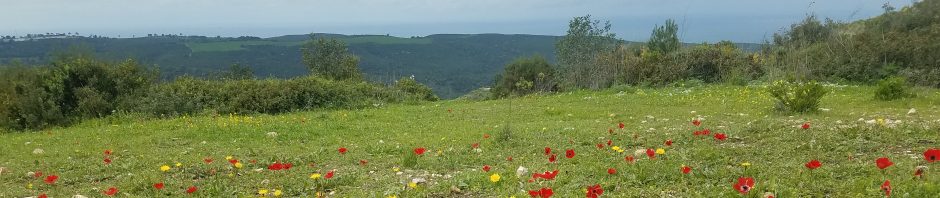
It’s Corona day something; I don’t have a count. It just started and already seems like forever. I’m taking a morning walk into the Carmel park; it’s a glorious spring day before the next storm, before the next ‘don’t go anywhere’ restrictions. The rolling mountains stretch into the horizon in multi-shades of green; the Mediterranean sparkles in silver-blue down below and right here, there are so many wildflowers bursting about, I can’t stop  but take one more, just one more picture. It’s ever so tempting to wave my hair and run freely, skipping among the brownish rocks, wow, what a sight!

יומן קורונה, יום לא יודעת איזה, לא מסוגלת לספור. זה רק התחיל וכבר מרגיש כמו נצח. אני יוצאת להליכה בפארק הכרמל. יום אביב יפיפה לפני הסופה הבאה, לפני ההנחיות הבאות של ‘לאן לא ללכת’. ההרים של ילדותי מתמתחים ומתגלגלים עד האופק בגוונים של ירוק. למאה מבהיק הים התיכון בכסף, וכאן ממש, מתפרצת חגיגה צבעונית חסרת תקדים, כאילו כלום. אני לא יכולה להפסיק להוציא את הטלפון מהכיס לעוד תמונה, רק עוד אחת, והנה, גם כאן, הכל כל כך יפה. ורוח. אני רוצה לפזר את שערי, לרוץ ולקפץ בין הסלעים החומים, איזה מראה!!

Once upon a time, I wanted to go to the Alps, maybe this summer, or next, or…. It’s told that Rav Hirsch said that when he’ll arrive in the World to Come, G-d will ask him, ‘I put the Alps there for you! Why did you not go to see them’?? So he did. To show G-d how much he loves and appreciates His creation. And I wanted to see the Alps too; Rav Hirsch’s Alps. But now I wonder if maybe these are my Alps, right here, in the Carmel’s “Little Switzerland”.

פעם, מזמן, רציתי לנסוע לאלפים, אולי בקיץ הזה, אולי בקיץ הבא, או… מסופר על הרב ש”ר הירש שאמר, שלכשהוא יגיע לעולם הבא, אלוהים ישאל אותו, “אני שמתי שם את האלפים בשבילך! למה לא הלכת לראות אותם?” אז הוא הלך. וגם אני רציתי ללכת. לראות את האלפים של רב הירש. אבל עכשיו אני תוהה אם אולי אלו כאן הם האלפים שלי, ממש כאן, בכרמל, ב”שווצריה הקטנה”.

“Where is the farthest place in the world”? Asked my uncle in one of our many geography games. We just finished a hike and sat down at a picnic site up the road. “This tree”, jumped little chutzpadik me, pointing to the tall pine next to us, “because you’ll have to go all the way around the world to reach it”, ha ha ha.

“איפה המקום הכי רחוק בעולם”, שאל אותי דודי באחד ממשחקי הגאוגרפיה הרבים שלנו, אחרי שסיימנו הליכה וישבנו לפיקניק, ממש לא רחוק מכאן. “העץ הזה” קפצצה הילדה, גאה על תשובתה המחוכמת, מצביעה לאורן גדול ומסונף ענפים לידינו, “כי תצטרך ללכת כל הדרך מסביב לעולם כדי להגיע אליו”, ח-ח-ח.

Haifa people are obedient, self-disciplined, well-behaved. In these early – I’m afraid early – Corona Days, the few of us on the trail pass each other, 6 feet apart, barely nodding, each busy in their own thoughts, some chatting with a trusted friend, most looking away. And then, this gentleman passes me, mouthing, ‘good morning’, in English, and I think, America! Will I ever get to see you again? What will you look like after this? Or am I overdoing it, I’m definitely overdoing this, and it’s just a little bump on the road, ‘no worries, by summer it will all be ok’?

אנשי חיפה הם צייתנים, ממושמעים, מתנהגים על פי החוק. בימים מוקדמים אלו – אני חוששת שמוקדמים – של הקורונה, מעטים הם המטיילים על השביל, מקפידים על מרחק 2 מטר. כשהם עוברים זה את זה, הם בקושי נדים בראשם, כל אחד עסוק במחשבותיו. פה ושם זוג בלחישות, שני חברים, אחד על אופניים. לפתע עובר על פני איש, ומבלי משים יוצר בשפתיו, גוד מורנינג, באנגלית, ואני חושבת, אמריקה! האם עוד אראה אותך שוב? איך תראי אחרי כל זה? או שאני מגזימה, בודאי שאני מגזימה, וזה רק “גבשושית” קטנה (כך גוגל אומר שזה “באמפ”) קטנה בדרך, “אל דאגה, עד הקיץ הכל יהיה בסדר”?

On the way back, a suitcase, in not too bad of a shape, is tossed by a garbage can. I am wondering the same about my own: Toss? Keep? What for? Will we ever travel again like we did just a couple of months ago? Will we live to tell of those good-old days when the greatest trouble in the airport was a long line of happy world-wide travelers and someone telling us to take off our shoes? Or will, one day, some aliens find remnants of a wing, a seat, a tight toilet, a strange dinner tray, and say in great wonderment, ‘metal birds? What kind of culture lived here? Look, they left nothing! Did they even do anything at all? Oh, they kept it all on a cloud!!?

בדרך חזרה, מזוודה, במצב לא רע, זרוקה ליד פח אשפה. חשתי גם על שלי: לזרוק? לשמור? האם אי פעם נחזור לטייל כמו שעשינו רק לפני חודשיים. האם נשרוד לספר על אותם הימים הטובים בהם הצרות הכי גדולות שבדות התעופה היו תורים ארוכים של טיילים חובקי-עולם, וזה שנאלצנו להוריד נעליים? או אולי יום אחד, חייזרים יגיעו לכאן וימצאו שרידים של כנף, מושב, שירותים צפופים, מגש ארוחת ערב מוזר, ויגידו בפליאה גדולהת “ציפורים ממתכת? איזה מן תרבות היתה כאן? הם לא השאירו כלום! האם הם עשו משהו בכלל? אה! הם שמרו הכל בענן!!”

But I’m working on a 1000-piece puzzle of Half Dome and El-Capitan, with a bright blue sky and dozens of trees clustering around Mirror Lake, where hikers in colorful fashionable backpacks walk and skip and scream with delight when they dip their toes in the cold water and take funny pictures and camp under a blanket of stars. When the aliens come, they’ll say, ‘a strange priestess must have lived here, for how else could she see sights from the other side of the world, a place no one can reach from here by foot and there’s a great ocean in between’! And they’ll examine the pieces carefully and see, they’re all glued together with tears.

אבל אני עובדת על פאזל 1000 חלקים של האף-דום ואל-קאפיטן, עם שמים כחולים ועשרות עצים סביב מירור לייק (אגם ההשתקפות ביוסמיטי פארק שבקליפורניה), מקום בו טיילים בתרמילים אופנתיים, הולכים ומקפצים, צורחים מתענוג כשבהונותיהם נוגעות במים הקרים, מצטלמים בתמונות מצחיקות, וישנים תחת שמיכה של כוכבים. כשהחייזרים יגיעו, הם יגידו, “כוהנת דת מוזרה בטח חיה כאן פעם, כי אחרת איך יתכן שהיא יכלה לראות מקום בצד השני של העולם, מקום שאיש לא יכול להגיע אליו ברגל ויש אוקינוס גדול, מפריד”! והם יבדקו את החלקים ביסודיות רבה, ויגלו שכולם הודבקו בדמעות.


Posted in Uncategorized | 1 Comment

ToDY: Shabbat 2:a: Why start Shabbat here (and now)

The transition from Tractate Brachot to Shabbat is abrupt. To those who love a good legal debate, it’s a delight; those of us who enjoy midrash and dreams and stories, it’s more of a shock. What are our dear rabbis talking about?

Shabbat (the tractate) doesn’t begin with stories about the beauty of Shabbat, the importance of rest, the lovely feeling at the end of a good meal with family and friends. It doesn’t even begin with a quote from the Torah, perhaps wondering why in the Ten Commandments of Exodus we’re told “to remember” and in those of Deuteronomy we are told “to keep” or “guard” the day. And it doesn’t begin with a verse form this week’s reading we sing weekly, nor with a verse from next week’s reading, or perhaps an instruction how to prepare for Shabbat or a discussion about the special prohibition against lighting a fire or the maybe the first of the 39 melachot, or general categories of things to do on Shabbat… There are so many places they could start with, and ease our way into it!! Instead the tractate opens with a scenario we’re not sure what to do with:

מַתְנִי׳ יְצִיאוֹת הַשַּׁבָּת, שְׁתַּיִם שֶׁהֵן אַרְבַּע בִּפְנִים, וּשְׁתַּיִם שֶׁהֵן אַרְבַּע בַּחוּץ.

MISHNA: Carrying (taking things) out on Shabbat (which is forbidden) constitutes primarily of two basic actions, which are actually four cases from the perspective of a person inside a private domain, and two basic actions that comprise four cases from the perspective of a person outside, in a public domain.

It’s possible to read it again and again, and still wonder, what am I reading?? Then we go on to spell out these options, which, at least at first, confuses more than clarifies:

כֵּיצַד?

The mishna elaborates: How do these eight cases take place?

הֶעָנִי עוֹמֵד בַּחוּץ, וּבַעַל הַבַּיִת בִּפְנִים: פָּשַׁט הֶעָנִי אֶת יָדוֹ לִפְנִים וְנָתַן לְתוֹךְ יָדוֹ שֶׁל בַּעַל הַבַּיִת, אוֹ שֶׁנָּטַל מִתּוֹכָהּ וְהוֹצִיא — הֶעָנִי חַיָּיב וּבַעַל הַבַּיִת פָּטוּר.

The poor person stands outside, and the homeowner stands inside. The poor person extended his hand into the private domain, and placed the object into the hand of the homeowner. Or, the poor person reached his hand into the private domain, took an item from the hand of the homeowner, and carried it out into the public domain. In both of these cases, the poor person is liable and the homeowner is exempt.

פָּשַׁט בַּעַל הַבַּיִת אֶת יָדוֹ לַחוּץ וְנָתַן לְתוֹךְ יָדוֹ שֶׁל עָנִי, אוֹ שֶׁנָּטַל מִתּוֹכָהּ וְהִכְנִיס — בַּעַל הַבַּיִת חַיָּיב וְהֶעָנִי פָּטוּר.

The mishna cites two additional cases: The homeowner extended his hand into the public domain, and placed the object into the hand of the poor person. Or, the homeowner took an object from the hand of the poor person, and carried it into the private domain. In both of those cases, because the homeowner is liable and the poor person is exempt.

We’re good?? Because in this Jewish Sudoku, there are four additional cases where neither the homeowner nor the poor person performed the labor in its entirety. Since neither one is doing the whole task by himself, neither is liable. You can try to figure out those cases and check them against those in Shabbat 2:a.

As if that’s not enough, in the following pages, this discussion will develop: maybe those 2 that are 4 that are 8, are actually 12? How do we figure? Well, where exactly is the line between picking up an object and placing it? It’s not just an up and down because that would mean the object landed straight back in the hands of the giver (or taker), so how much can it travel? For how long? Where can it be placed? What constitute what kind of domain for the purposes of this conversation??

But, before diving into the minutia of million details or feeling totally overwhelmed by it and closing our Talmud altogether, maybe let’s pause for a moment and think about the greater topic at stake here. The idea of having and defining “domains”, and of happens when we move things between them; how big is private; how do we explain it; how big is “public”; are there places that are neither (for the Talmud, yes) and more. In short, everything we might call nowadays transportation and its critical impact on our lives. Sitting at home in a self-imposed semi-isolation, listening to news about the need to lessen buses and trains, I wonder, if there could not have been a better (or worse, depends-) time to learn this. We thrive on movement, on coming, going, bringing, taking… we take pride in how many places we visited; how far we traveled; how global and worldly we are, all thing that are restricted on Shabbat. All of a sudden, it’s perfectly clear why this is the opening to tractate Shabbat, discussing a day whose name already means – stop, pause, rest, strike. There’s no better way to say slow down, then to delve into the structure and limitations of movements. For better or worse, we might be learning this difficult lesson right now.

May it be a Shabbat Shalom.

Posted in Uncategorized | 2 Comments

A little something for Purim

Purim, what a day! And the megillah, what a story! The only book in the Tanach where G-d’s name is not mentioned, or is it? There’s an idea that wherever in the Scroll of Esther it says, hamelech, The king, the text actually means “The King” as in G-d almighty, as opposed to where it says “king achashverosh”, who’s just the local king. This is but one small example of the layers and nuances of the megillah, a story that at first seems like a version of Aladdin and other stories. Indeed, just from its name we learn that Megillat Esther has an aspect which is revealed (megillah related to leglaot, to uncover) and another that is totally concealed (Esther relating to hester, hidden).

A short line in The Bnai Yisaschar (Chasidic commentary written by Rabbi Tzvi Elimelech Shapira 1783-1841 which offers Kabalistic insights into the Jewish year) opened my mind to a new idea and helped see yet another possibility to the story and its background. The Bnai Yisaschar points out that the numerical value of the word Hamelech and Haman – are identical, each 95, and both together equal to 10 times chai (18), another megillah coincidence?

Either way, both names do equal the same numerical value, as if Hamelech and Haman are just the same. But, how can that be? Surely, G-d is all good, while Haman is all bad!

That is some of what Zoroastrianism (or Mazdayasna), one of the world’s oldest continuously practiced religions, taught. Per Wikipedia, Zoroastrianism “is a multi-tendency faith centered on a dualistic cosmology of good and evil and an eschatology… it is ascribed to the teachings of the Iranian-speaking spiritual leader Zoroaster (also known as Zarathushtra)…. and although considered ancient, it enters recorded history in the 5th century BCE”, right around the time the Jews find themselves under the Persian rule.

If so, is the megillah (also) a treaty against this newly found religious ideology teaching of the constant fight between “good” and “evil”, by telling a story where good and evil get all mixed up and one can’t tell “who’s Mordechai and who’s Haman”? Mordechai, by the way, is possibly based on – or related to – the local god’s name, Marduch, as is Esther – Ishtar.

Top that with the fact that Purim suffers from other dualities and multiplicities. The Talmudic tractate that deals with Purim opens with the words:

“The Megillah is read on the 11th, on the 12th, on the 13th, on the 14th or on the 15th of the month of Adar…” Who can imagine such an instruction given with regards to Shabbat? Or the Pesach Haggadah?? ‘Sure, read it anytime during any these days’… ? The holiday has a name that is a plural: “therefore these days were named Purim after the pur”… (chapter 9:26), but, if we name it after the pur (cast lots), shouldn’t we name it… well, “Pur”?? Instead, we name it after, not one but “many lots”. And then the megillah ends with …”to observe these two days…. at their proper times… (chapter 9:27-31), again, indicating duality but one that unites under the One.

The prophet Isaiah says in this seemingly outrageous verse: יוֹצֵ֥ר אוֹר֙ וּבוֹרֵ֣א חֹ֔שֶׁךְ עֹשֶׂ֥ה שָׁל֖וֹם וּב֣וֹרֵא רָ֑ע אֲנִ֥י ה’ עֹשֶׂ֥ה כָל־אֵֽלֶּה  —- I form light and create darkness, I make peace and create evil— I the LORD do all these things (45:7). There is no one else; Haman, no Haman – it’s all part of the same One power. According to some (Kdushat Levi), this is also why we drink on Purim, to get a glimpse of a reminder of this Oneness, above all, where there’s no distinction between good and bad.

For us, who are faced with the ups and downs of life, this is not easy. We judge things by how they meet us. There is also a danger in the “oneness” of becoming fatalistic all the way to the, ‘eh, who cares if anyone is suffering; didn’t we just learn it’s all good anyway’. This, I believe, is wrong and dangerous and nothing more than an excuse for us to not act, reach out, and do our best to make the world better where we can, as if it all depends on us.

But once a year, at least, we remember that there is and must be a silver-lining in a bad situation; that there’s a risk for bad in the seeming good. We mishmash everything and admit we really don’t know which way is up because it’s all part of the One. This is todays…

Happy Purim & Shushan Purim!

Posted in Uncategorized | Leave a comment

Taste of Daf: Siyum Brachot and some local scenes

With recent world health mayhem, you’d think the streets would be empty, but no. On a crowded city bus, a young Arab mother in traditional clothing with baby in stroller and shopping bags, strikes a conversation with an older religious Jewish couple, a face brightening when she finds out they speak her language. The conversation continues to flow and the bus continues to fill as it stops-and-goes through the jammed streets, packed with tourists, groups and giant tour buses. The Arab lady bids the couple farewell, getting up to give her seat to an older Jewish woman, and makes her way to the door. At her stop, she struggles with the stroller and bags. The stroller gets stuck between the bus’s back door and the curb; the driver is trying to close the door and leave. Hallo, Hallo! yell two angry yeshiva students and a secular couple who rush to aid the Arab lady and her baby to safety. It’s a Thursday afternoon in Jerusalem.

Elections day. If it wasn’t funny, I’d say, we are eagerly waiting for the next one. What’s not to like? A sunny Monday off. In the US it’s been figured out long ago: MLK, Presidents’, Memorial and others, almost monthly, not to mention Sundays. And suddenly, we got it too: no need to schvitz in the sukkah; hurry to shul to not miss the shofar; eat crumbling matzah or recover from an all-night learning. We were just “normal people” having a national holiday. And the weather! Wow. It was fantastic. We couldn’t even get a seat for a late lunch of chumus on the beach, because the line was so long. There were gliders. And surfers. And swimmers. The boardwalk was packed. People in different languages, garments; anything from bathing-suits to kippot to galabiehs and more. We could do this more often, much more often. Only maybe for a different reason.

Seriously, is it just me, or is it so obvious? If aliens landed here, I don’t think they’d be able to tell the two candidates apart: Similar ages. Looks. Even same fist name! Proud IDF background. And, both behaving like two-year-old in the sandbox fighting over a piece of a thing instead of a thing called peace. And health. Yes, somehow in my mind, all this and the fact that people “don’t have discipline” and don’t sufficiently listen to the health ministry’s instructions to be “respectful” of the law and the public, are related. Please do model the same care you want to see. Then maybe we’ll have our own B. Monday we can celebrate yearly.

Siyum Tractate Brachot

Recently I overheard someone discuss what they’d take into “quarantine” (how fast we go from bizarre to noraml??). G-d forbid, if I find myself in isolation, this is The book (ok, one of The books) I want with me, especially the last chapter. Here are just a few (very few) “appetizers” that appear in our core writings book (pages 55-57): 

שְׁמוּאֵל כִּי הֲוָה חָזֵי חֶלְמָא בִּישָׁא אָמַר: ״וַחֲלֹמוֹת הַשָּׁוְא יְדַבֵּרוּ״. כִּי הֲוָה חָזֵי חֶלְמָא טָבָא אָמַר: וְכִי הַחֲלוֹמוֹת הַשָּׁוְא יְדַבֵּרוּ? וְהָכְתִיב ״בַּחֲלוֹם אֲדַבֶּר בּוֹ״!

Shmuel, when he would see a bad dream, would say: “And the dreams speak falsely” (Zechariah 10:2). When he would see a good dream, he would say: And do dreams speak falsely? Isn’t it written: “I speak with him in a dream” (Numbers 12:6)?….

Shmuel uses the same verse as a proof text, once with a question mark and once without; both work. What do we know about dreams? Yes. Are they real or false? Yes. Does the interpretation matter or do they stand on their own? Yes. Do they mean anything or are they just a bunch of nonsense? Are they impact by our daily life or are they pure prophecies? Yes and yes.

אָמַר רַבִּי בִּיזְנָא בַּר זַבְדָּא אָמַר רַבִּי עֲקִיבָא אָמַר רַבִּי פַּנְדָּא אָמַר רַב נַחוּם אָמַר רַבִּי בִּירִים מִשּׁוּם זָקֵן אֶחָד, וּמַנּוּ — רַבִּי בְּנָאָה: עֶשְׂרִים וְאַרְבָּעָה פּוֹתְרֵי חֲלוֹמוֹת הָיוּ בִּירוּשָׁלַיִם, פַּעַם אַחַת חָלַמְתִּי חֲלוֹם וְהָלַכְתִּי אֵצֶל כּוּלָּם, וּמַה שֶּׁפָּתַר לִי זֶה לֹא פָּתַר לִי זֶה, וְכוּלָּם נִתְקַיְּימוּ בִּי. לְקַיֵּים מַה שֶּׁנֶּאֱמַר: ״כׇּל הַחֲלוֹמוֹת הוֹלְכִים אַחַר הַפֶּה״.

In a long chain of those transmitting this statement, it is said that Rabbi Bizna bar Zavda said that Rabbi Akiva said that Rabbi Panda said that Rav Naḥum said that Rabbi Birayim said in the name of one elder, and who is he, Rabbi Bena’a: There were twenty-four interpreters of dreams in Jerusalem. One time, I dreamed a dream and went to each of them to interpret it. What one interpreted for me the other did not interpret for me, and, nevertheless, all of the interpretations were realized in me, to fulfill that which is stated: All dreams follow the mouth of the interpreter.

….

אָמַר רַבִּי יוֹחָנָן: הִשְׁכִּים וְנָפַל לוֹ פָּסוּק לְתוֹךְ פִּיו, הֲרֵי זוֹ נְבוּאָה קְטַנָּה.

With regard to the veracity of dreams, Rabbi Yoḥanan said: One who awakened in the morning and a specific verse happens into his mouth, it is a minor prophecy and an indication that the content of the verse will be fulfilled.

…..

אָמַר רַבִּי שְׁמוּאֵל בַּר נַחְמָנִי אָמַר רַבִּי יוֹנָתָן: אֵין מַרְאִין לוֹ לְאָדָם אֶלָּא מֵהִרְהוּרֵי לִבּוֹ. שֶׁנֶּאֱמַר: ״אַנְתְּ מַלְכָּא רַעְיוֹנָךְ עַל מִשְׁכְּבָךְ סְלִקוּ״. וְאִיבָּעֵית אֵימָא מֵהָכָא: ״וְרַעְיוֹנֵי לִבְבָךְ תִּנְדַּע״? — אָמַר רָבָא: תֵּדַע, דְּלָא מַחֲווּ לֵיהּ לְאִינִשׁ לָא דִּקְלָא דְּדַהֲבָא וְלָא פִּילָא דְּעָיֵיל בְּקוֹפָא דְמַחְטָא.

Rabbi Shmuel bar Naḥmani said that Rabbi Yonatan said: A person is shown in his dream only the thoughts of his heart when he was awake, as evidenced by what Daniel said to Nebuchadnezzar, as it is stated: “As for you, O king, your thoughts came upon your bed, what should come to pass hereafter” (Daniel 2:29). And if you wish, say instead that it is derived from here, a related verse: “And that you may know the thoughts of your heart” (Daniel 2:30). How will you know the thoughts of your heart? By their being revealed to you in a dream. Rava said: Know that this is the case, for one is neither shown a golden palm tree nor an elephant going through the eye of a needle in a dream (we can’t dream of things we have no image for).

אֲמַר לֵיהּ קֵיסָר לְרַבִּי יְהוֹשֻׁעַ בְּרַבִּי חֲנַנְיָא: אָמְרִיתוּ דְּחָכְמִיתוּ טוּבָא, אֵימָא לִי מַאי חָזֵינָא בְּחֶלְמַאי. אֲמַר לֵיהּ: חָזֵית דִּמְשַׁחֲרִי לָךְ פָּרְסָאֵי וְגָרְבִי בָּךְ, וְרָעֲיִי בָּךְ שִׁקְצֵי בְּחוּטְרָא דְּדַהֲבָא. הַרְהַר כּוּלֵּיהּ יוֹמָא, וּלְאוּרְתָּא חֲזָא. אֲמַר לֵיהּ שַׁבּוּר מַלְכָּא, לִשְׁמוּאֵל: אָמְרִיתוּ דְּחָכְמִיתוּ טוּבָא, אֵימָא לִי מַאי חָזֵינָא בְּחֶלְמַאי. אֲמַר לֵיהּ: חָזֵית דְּאָתוּ רוֹמָאֵי וְשָׁבוּ לָךְ, וְטָחֲנִי בָּךְ קַשְׁיָיתָא בְּרִחְיָיא דְּדַהֲבָא. הַרְהַר כּוּלֵּיהּ יוֹמָא, וּלְאוּרְתָּא חֲזָא.

On a similar note, the Gemara relates that the Roman emperor said to Rabbi Yehoshua, son of Rabbi Ḥananya: You Jews say that you are extremely wise. If that is so, tell me what I will see in my dream. Rabbi Yehoshua said to him: You will see the Persians capture you, and enslave you, and force you to herd unclean animals with a golden staff. He thought the entire day about those images and that night he saw it in his dream. King Shapur of Persia said to Shmuel: You Jews say that you are extremely wise. If that is so, tell me what I will see in my dream. Shmuel said to him: You will see the Romans come and take you into captivity and force you to grind date pits in mills of gold. He thought the entire day about those images, and that night he saw it in his dream.

And does money matter in dreams?? Abaye and Rava tell what happened to them: 

בַּר הֶדְיָא מְפַשַּׁר חֶלְמֵי הֲוָה. מַאן דְּיָהֵיב לֵיהּ אַגְרָא — מְפַשַּׁר לֵיהּ לִמְעַלְּיוּתָא, וּמַאן דְּלָא יָהֵיב לֵיהּ אַגְרָא — מְפַשַּׁר לֵיהּ לִגְרִיעוּתָא. אַבָּיֵי וְרָבָא חֲזוֹ חֶלְמָא. אַבָּיֵי יְהֵיב לֵיהּ זוּזָא, וְרָבָא לָא יְהֵיב לֵיהּ. אָמְרִי לֵיהּ: אַקְרִינַן בְּחֶלְמִין ״שׁוֹרְךָ טָבוּחַ לְעֵינֶיךָ וְגוֹ׳״. לְרָבָא אֲמַר לֵיהּ: פָּסֵיד עִסְקָךְ וְלָא אַהֲנִי לָךְ לְמֵיכַל מֵעוּצְבָּא דְּלִבָּךְ. לְאַבָּיֵי אֲמַר לֵיהּ: מַרְוַוח עִסְקָךְ וְלָא אַהֲנִי לָךְ לְמֵיכַל מֵחֶדְוָא דְּלִבָּךְ.

The Gemara relates: Bar Haddaya was an interpreter of dreams. For one who gave him a fee, he would interpret the dream favorably, and for one who did not give him a fee, he would interpret the dream unfavorably. The Gemara relates: There was an incident in which both Abaye and Rava saw an identical dream and they asked bar Haddaya to interpret it. Abaye gave him money and paid his fee, while Rava did not give him money. They said to him: The verse: “Your ox shall be slain before your eyes and you shall not eat thereof” (Deuteronomy 28:31) was read to us in our dream. He interpreted their dream and to Rava he said: Your business will be lost and you will derive no pleasure from eating because of the extreme sadness of your heart. To Abaye he said: Your business will profit and you will be unable to eat due to the joy in your heart….

And here’s by far, one of the very craziest moments in this exchange. There is a long list which could appear in any “Dreams” book: if you dream about xyz, it means… As you struggle through it, slightly shocked from details and insight, you come across this:

הָרוֹאֶה אַוּוֹז בַּחֲלוֹם — יְצַפֶּה לְחׇכְמָה שֶׁנֶּאֱמַר: ״חׇכְמוֹת בַּחוּץ תָּרֹנָּה״. וְהַבָּא עָלֶיהָ הָוֵי רֹאשׁ יְשִׁיבָה.

אָמַר רַב אָשֵׁי: אֲנִי רְאִיתִיהָ, וּבָאתִי עָלֶיהָ, וּסְלֵקִית לִגְדוּלָּה.

One who sees a goose in a dream should anticipate wisdom, as it is stated: “Wisdoms cry aloud in the streets, she utters her voice in the broad places” (Proverbs 1:20); geese tend to sound their voices. One who dreams that he has relations with the goose will become head of the yeshiva. Rav Ashi said: I saw a goose and had relations with it in my dream and I ascended to greatness and became head of the yeshiva.

Rav Ashi, what are you saying?? Is bestiality suddenly ok? What’s going on? But maybe they knew the line between imagination and reality; between metaphor and action; between what shows up in the subconscious and what one does. They were not afraid to talk about it, to go all the way to the edge of mental possibilities, touch it, and come safely back.

Shabbat Shalom.


Posted in life and some, talmud | Tagged , , , , | Leave a comment

ToD: Brachot 55a: Perhaps you were in God’s shadow

The last chapter in Tractate Brachot is a “dream”, because much of it is about dreams, and on that, next week. The rest is dedicated to a catch-all of anything around blessings we didn’t get to until now, like what to say when we hear thunder. Or see lightening. Or are saved from trouble, what kind of trouble. And much more.

Among it all, Rabbi Yochanan teaches that “there are three things that the Holy One Blessed be He, proclaims by Himself”; three things that G-d announces, not through messengers and angels, by directly. One of them, which could have been useful now, is a good leader. The idea is taken from the verse in Exodus when G-d introduces Bezalel, the artist who will build the mishkan (the pre-temple temple): “See, I have called by name Bezalel, son of Uri, son of Hur, of the tribe of Judah” (Exodus 31:1–2), says the Almighty to Moses.

In the Gemara’s associative manner, the conversation takes off from there, and tell us, that not only did G-d “announce” of Bezal’el, but consulted. The text tells us (italics – from the Talmud with mostly Sefaria’s translation):

אָמַר רַבִּי יִצְחָק: אֵין מַעֲמִידִין פַּרְנָס עַל הַצִּבּוּר אֶלָּא אִם כֵּן נִמְלָכִים בַּצִּבּוּר, שֶׁנֶּאֱמַר: ״רְאוּ קָרָא ה׳ בְּשֵׁם בְּצַלְאֵל״,

With regard to Bezalel’s appointment, Rabbi Yitzḥak said: One may only appoint a leader over a community if he consults with the community and they agree to the appointment, as it is stated: “And Moses said unto the children of Israel: See (in the plural form), the Lord has called by name Bezalel, son of Uri, son of Hur, of the tribe of Judah” (Exodus 35:30).

אָמַר לוֹ הַקָּדוֹשׁ בָּרוּךְ הוּא לְמֹשֶׁה: מֹשֶׁה, הָגוּן עָלֶיךָ בְּצַלְאֵל?

The Lord said to Moses: Moses, is Bezalel a suitable appointment in your eyes?

G-d is asking Moses for advice, and Moses,, graciously, accepts G-d’s choice:

אָמַר לוֹ: רִבּוֹנוֹ שֶׁל עוֹלָם, אִם לְפָנֶיךָ הָגוּן — לְפָנַי לֹא כׇּל שֶׁכֵּן!

Moses said to Him: Master of the universe, if he is a suitable appointment in Your eyes, then all the more so in my eyes.

G-d then says, according to the rabbis, that this is not enough. He needs to ask the people, who will likewise accept. Do they have any other options? Bezal’el is G-d’s choice! Nevertheless, they are asked:

אָמַר לוֹ: אַף עַל פִּי כֵן, לֵךְ אֱמוֹר לָהֶם. הָלַךְ וְאָמַר לָהֶם לְיִשְׂרָאֵל: הָגוּן עֲלֵיכֶם בְּצַלְאֵל?

אָמְרוּ לוֹ: אִם לִפְנֵי הַקָּדוֹשׁ בָּרוּךְ הוּא וּלְפָנֶיךָ הוּא הָגוּן, לְפָנֵינוּ לֹא כׇּל שֶׁכֵּן!

The Holy One, Blessed be He, said to him: Nevertheless, go and tell Israel and ask their opinion. Moses went and said to Israel: Is Bezalel suitable in your eyes? They said to him: If he is suitable in the eyes of the Holy One, Blessed be He, and in your eyes, all the more so he is suitable in our eyes.

What was so special about Bezalel? He was wise. What was so special about wisdom?

אָמַר רַבִּי שְׁמוּאֵל בַּר נַחְמָנִי אָמַר רַבִּי יוֹנָתָן: בְּצַלְאֵל עַל שֵׁם חׇכְמָתוֹ נִקְרָא. בְּשָׁעָה שֶׁאָמַר לוֹ הַקָּדוֹשׁ בָּרוּךְ הוּא לְמֹשֶׁה: לֵךְ אֱמוֹר לוֹ לִבְצַלְאֵל ״עֲשֵׂה לִי מִשְׁכָּן אָרוֹן וְכֵלִים״.

הָלַךְ מֹשֶׁה וְהָפַךְ וְאָמַר לוֹ: ״עֲשֵׂה אָרוֹן וְכֵלִים וּמִשְׁכָּן״.

When the Holy One, Blessed be He, said to Moses: Go say to Bezalel, “Make a tabernacle, an ark, and vessels” (see Exodus 31:7–11), Moses went and reversed the order and told Bezalel: “Make an ark, and vessels, and a tabernacle” (see Exodus 25–26).

G-d gave the instruction for the construction of the mishkan, and Moses passes those on, but not exactly. Maybe because Moses was not an artist, he didn’t think the order mattered, and maybe he was testing Bezalel to see if he’s really that good. Bezalel catches him right away:

אָמַר לוֹ: מֹשֶׁה רַבֵּינוּ, מִנְהָגוֹ שֶׁל עוֹלָם אָדָם בּוֹנֶה בַּיִת וְאַחַר כָּךְ מַכְנִיס לְתוֹכוֹ כֵּלִים, וְאַתָּה אוֹמֵר ״עֲשֵׂה לִי אָרוֹן וְכֵלִים וּמִשְׁכָּן״, כֵּלִים שֶׁאֲנִי עוֹשֶׂה, לְהֵיכָן אַכְנִיסֵם? שֶׁמָּא כָּךְ אָמַר לְךָ הַקָּדוֹשׁ בָּרוּךְ הוּא, ״עֲשֵׂה מִשְׁכָּן אָרוֹן וְכֵלִים״?!

He (Bezal’el) said to Moses: Moses, our teacher, the standard practice throughout the world is that a person builds a house and only afterward places the vessels in the house, and you say to me: Make an ark, and vessels, and a tabernacle. If I do so in the order you have commanded, the vessels that I make, where shall I put them? Perhaps God told you the following: “Make a tabernacle, ark, and vessels” (see Exodus 36).

אָמַר לוֹ: שֶׁמָּא בְּצֵל אֵל הָיִיתָ וְיָדַעְתָּ?

Moses said to Bezalel: Perhaps you were in God’s shadow [betzel El], and you knew precisely what He said?!

Bezalel intuited G-d’s commands and therefore was named betzel-El, “in G-d’s shadow”, as if he was in G-d’s shadow, and that’s how he knew what’s needed. Further, there is a deeper discussion about the place of details and order: does it matter or not? Take for example, writing an email. I can make all sorts of mistakes in the body of the mail. If writing a friend, I can also mix up the order of things. But, if I put even as much as a comma instead of a period in the address itself, chances are the mail will not reach its desired destination. Where is the line between being meticulous to no end and between careless? Yes. In this case, Bezal’el knew the line, but it wasn’t just because “G-d said so”. It had reasoning too.

But what is perhaps most touching to me, is G-d consulting Moses and the People. This text is not in the Torah! It’s our sages imparting on us a certain kind of relationship with each other and with the Divine. G-d would have most likely done whatever She does. Or not. Only G-d knows. But what we’re left with is the importance of the other, of listening, paying attention, reaching out.

We just entered the month of Adar with Purim ahead. Purim is the only holiday which, in its original form, can not be celebrated alone. And this is what we’re left with, that the Torah and mishkan (Tabernacle) and maybe even G-d Herself, are not things for their own right, but there for us to use to connect.

Shabbat Shalom.


Posted in Uncategorized | Leave a comment