Chukat: Vahev & Suphah – Love and Dispute – ?

Just like that, between last week and this one (actually between chapter 19 and 20) Almost 40 years have gone by. The People are inching towards the Promised Land, experiencing amazing feats, and among it all, a seemingly insignificant few verses (Numbers 21:13-15):

מִשָּׁם֮ נָסָעוּ֒ וַֽיַּחֲנ֗וּ מֵעֵ֤בֶר אַרְנוֹן֙ אֲשֶׁ֣ר בַּמִּדְבָּ֔ר הַיֹּצֵ֖א מִגְּב֣וּל הָֽאֱמֹרִ֑י כִּ֤י אַרְנוֹן֙ גְּב֣וּל מוֹאָ֔ב בֵּ֥ין מוֹאָ֖ב וּבֵ֥ין הָאֱמֹרִֽי׃
From there they set out and encamped beyond the Arnon, that is, in the wilderness that extends from the territory of the Amorites. For the Arnon is the boundary of Moab, between Moab and the Amorites.
עַל־כֵּן֙ יֵֽאָמַ֔ר בְּסֵ֖פֶר מִלְחֲמֹ֣ת יְהוָ֑ה אֶת־וָהֵ֣ב בְּסוּפָ֔ה וְאֶת־הַנְּחָלִ֖ים אַרְנֽוֹן׃
Therefore the Book of the Wars of the Lord speaks of “…Vahev in Suphah, and the wadis: the Arnon
וְאֶ֙שֶׁד֙ הַנְּחָלִ֔ים אֲשֶׁ֥ר נָטָ֖ה לְשֶׁ֣בֶת עָ֑ר וְנִשְׁעַ֖ן לִגְב֥וּל מוֹאָֽב׃
with its tributary wadis, stretched along the settled country of Ar, hugging the territory of Moab…”

What is the Book of the Wars of the Lord? We don’t quite know, which leave room for the midrash to add and embellish, especially when a few verses later it says, “then Israel sang that song” (21:17). Wait, that might remind us of a verse back in Exodus (15:1): “then Moses and the Children of Israel sang this song”. At first, it was Moses who led the singing but now, it’s the People, stronger, more independent and ready.

As that Song was after the splitting of the Sea, might we find a reference to the sea here too? The word “Suphah” (above in 21:14) is a reminder of Yam Suph, the Sea of Reeds. If so, do we speak of similar, great miracles, here too? What happened?

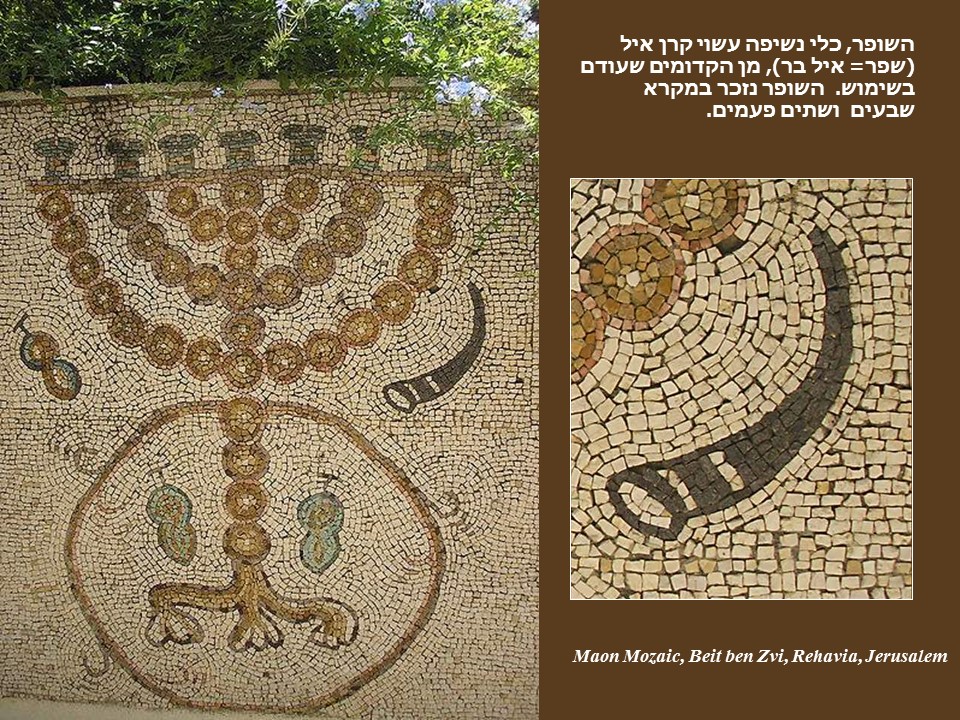
The midrash (below in the Hebrew) tells us that when the children of Israel came to Wadi Arnon, they were going to walk through in the wadi, facing “ein-sof” (endless, enormous amount of) people. Above it, were mountains with protruding rocks on one side, and hollow caves on the other. In order to protect the Children of Israel from enemies all around, G-d hinted at the mountains to come together and become a flat pathway, hiding and guarding the people within.
Vahev & Supha, those mountains, became symbolic of forces that come together for a greater good: vahev from the same root as ohev, loving, and supha – storm, but also, sopha – its end, to mean, in the end they became one.

The Talmud tells us (Kidushim 30:b):

אמר רבי חייא בר אבא: אפילו האב ובנו, הרב ותלמידו שעוסקין בתורה בשער אחד, נעשים אויבים זה את זה ואינם זזים משם עד שנעשים אוהבים זה את זה, שנאמר; “אֶת וָהֵב בְּסוּפָה”, אל תקרי בְּסוּפָה, אלא בְּסוֹפָהּ.
רש”י: מתוך שמקשים זה על זה, ואין זה מקבל דברי זה, נראין כאויבים, והכי דריש לה (כלומר הדרוש על הפסוק הוא): ‘ספר מלחמות’ – מלחמה שעל ידי ספר, ‘והב בסופה’ – אהבה יש בסופה”.
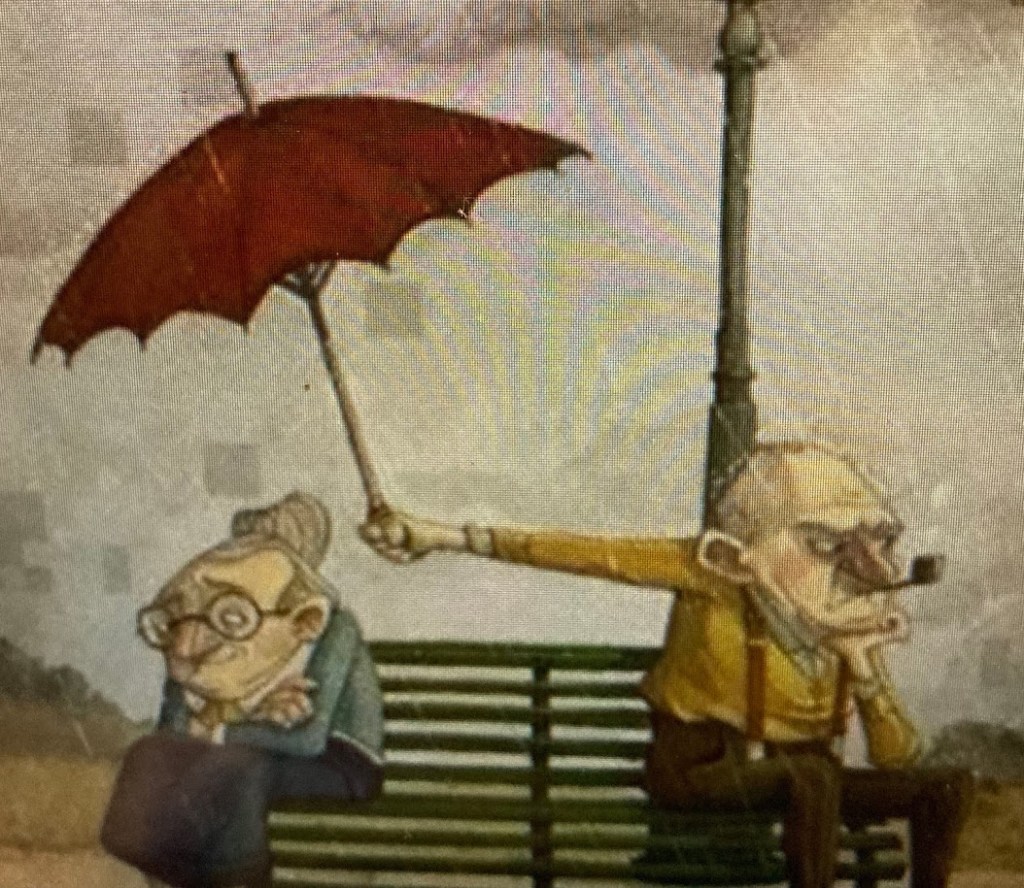
It is taught by Rabbi Chiya Bar Abba: even the father and the son, the teacher and his student, who are busy with Torah together, can become enemies, and won’t let go until they become beloved again, just like it says in our verse: “Vahev & Supha”. Don’t read supha, but sopha, its end (becoming beloveds in the end).

And Rashi adds: they make things difficult for each other because of a Book – that is, learning, arguing and “warring” over what’s written in The Book, but those kind of wars, end up in love.

This became halacha, written in the 16th century Shulchan Aruch, the code book of Jewish law (Yore De’a 244:10):

דווקא להורות במקום רבו אסור, אבל להתווכח עם רבו באיזה פסק או הוראה, שלא נראה לו כמו שרבו אומר, ויש לו ראיות והוכחות, וודאי שרי (מותר), שהרי כל הש”ס מלא מזה שהתלמידים התווכחו עם רבותיהם. ואמרו חז”ל; אפילו הרב ותלמידו נעשו אויבים זה לזה בהלכה, ואת והב בסופה, שאחר כך נעשו אוהבים זה לזה וכן אב ובנו, וכך דרכה של תורה. ואמרו חז”ל “ומתלמידי יותר מכולם” ואסור להחניף בדברי תורה, והתורה נקראת אמת. ומכל מקום, אם רבו עומד על דעתו, אסור לו להורות עד שרבו יודה לדבריו

For a student to teach where his teacher is teaching (differently), is forbidden (because it can be embarrassing and disrespectful), but to argue over a decision or teaching which seems different and he (the student) has proof, of course is allowed, for the whole Talmud is full of students arguing with their masters. And the sages said: even the teacher and student who become enemies in Halacha, “ve’et Vahev Besupha” – later on, become beloveds one to another and so it is between father and son and so is the way of the Torah… and the Torah is the Torah of truth…

How much arguing is too much, and how much allows for good growth? How much of it allows us our own self identity and how much is ego and pride? May we find both a healthy struggle and love in our learning, and in life.

Shabbat Shalom.

Wadi Arnon

The midrash:

“אז ישיר ישראל את השירה הזאת” השירה הזאת נאמרה בסוף מ’ שנה והבאר נתנה להם מתחלת ארבעים ומה ראה ליכתב כאן הענין הזה נדרש למעלה הימנו על כן יאמר בספר מלחמות ה’ את והב שעשה להם הקב”ה אותות ונסים בנחלי ארנון כנסים שעשה להם בים סוף ומה הם נסים של נחלי ארנון אדם עומד על הר זה ומדבר עם חברו בהר הזה והוא רחוק ממנו ז’ מילין והדרך יורד לתוך הנחל ועולה ודרכן של ישראל לעבור בתוך הנחל נתכנסו כל האומות לשם אוכלוסין שאין להם סוף ישבו מקצתן בתוך הנחל והנחל מלמעלן עשוי מערות וכנגד המערות הר שכנגדו עשוי סלעים סלעים כגון שדים שנאמר ואשד הנחלים נכנסו האוכלסין לתוך המערות ואמרו כשירדו ישראל לתוך הנחל אלו עומדין לפניהם שבתוך הנחל ואלו למעלה מן המערות ונהרוג את כולם כיון שהגיעו ישראל לאותו מקום לא הצריכן לירד למטה מן הנחל אלא רמז להרים ונכנסו שדים של הר זה לתוך מערות ומתו כולם והקיפו ההרים ראשיהם זה לזה ונעשו דרך כבושה ולא נודע אי זה הר נסמך לחבירו ואותו נחל מפסיק בין תחומי ארץ ישראל לתחומי ארץ מואב שנאמר כי ארנון גבול מואב בין מואב ובין האמורי הר שבארץ מואב לא נזדעזע שבו המערות וההר מארץ ישראל נזדעזע שבו הסלעים כמין שדים ונסמך להר שכנגדו ומפני מה נזדעזע מפני שהוא מארץ ישראל משל לשפחה שראתה בן אדוניה בא אצלה קפצה וקדמה אותו וקבלתו נכנסו הסלעים לתוך המערות ורצצו כל אותן גבורין והבאר ירדה לתוך הנחל ומתגברת שם ואבדה כל האוכלסין כדרך שאבד אותן הים לכך הקיש את והב בסופה לנחלי ארנון ועברו ישראל על אותן ההרים ולא ידעו כל נסים הללו אמר הקב”ה הריני מודיע לבני כמה אוכלוסין אבדתי מפניהם ירדה הבאר לאותן המערות והוציאה גולגליות וזרועות ורגלים שאין להם חקר וישראל חזרו לבקש את הבאר וראו אותה שהיא יוצאה מלאה מתוך הנחל ומוציאה איברים איברים ומנין שהבאר הודיע בהן שנאמר ואשד הנחלים ומשם בארה וכי משם היתה והלא מתחלת מ’ שנה היתה עמהם אלא שירדה לפרסם את הנסים והיו ישראל עומדים על הנחלים ואומרים לה עלי באר ענו לה ואמרו שירה עליהם:

Posted in Uncategorized | 1 Comment

Korach, his congregation & the Hope

כָּל מַחֲלֹקֶת שֶׁהִיא לְשֵׁם שָׁמַיִם, סוֹפָהּ לְהִתְקַיֵּם. וְשֶׁאֵינָהּ לְשֵׁם שָׁמַיִם, אֵין סוֹפָהּ לְהִתְקַיֵּם. אֵיזוֹ הִיא מַחֲלֹקֶת שֶׁהִיא לְשֵׁם שָׁמַיִם, זוֹ מַחֲלֹקֶת הִלֵּל וְשַׁמַּאי. וְשֶׁאֵינָהּ לְשֵׁם שָׁמַיִם, זוֹ מַחֲלֹקֶת קֹרַח וְכָל עֲדָתוֹ:

Every dispute that is for the sake of Heaven, will in the end endure; But one that is not for the sake of Heaven, will not endure. Which is the controversy that is for the sake of Heaven? Such was the controversy of Hillel and Shammai. And which is the controversy that is not for the sake of Heaven? Such was the controversy of Korah and all his congregation.

The famous saying from the Sayings of the Fathers (Pirkei AVot 5:17) raises a huge question: what was the exact nature of the “machloket”, the “controversy” of “Korach and all his congregation”?

For one, we notice that there is no one of the other side. Unlike th controversy of Hillel and Shamai who represent two different approaches to Jewish Law and thinking, Korach and his congregation are all on the same side. It might be that it’s so important to have a controversy that they don’t need another side. They are those whose first answer is, “no”, then, “what did you say?”…

Korach who is a Levite is supported by two leaders of the tribe of Reuven: Datan and Aviram. Their attitude is that of “we are not going”… as if saying: ‘this is an impossible task; just last week (outside of Israel – this week), we were told in the incident of the spies that we are staying in the desert for 40 years, so forget it! The dream of reaching the Holy Land is dead; it’s hopeless; we’re done; we’re not “going up”’.

And Moses deals with them in an interesting, humble yet strong way: he has no problem getting up and going to speak with them, again, even though they already told him off the first time; even though he is Moses and they are two troublemakers; even though G-d speaks with him and not with them. Nevertheless he goes. And once he gets to their tent area, he says something famous but strange:

וַיֹּאמֶר֮ מֹשֶׁה֒ בְּזֹאת֙ תֵּֽדְע֔וּן כִּֽי־ה’ שְׁלָחַ֔נִי לַעֲשׂ֕וֹת אֵ֥ת כָּל־הַֽמַּעֲשִׂ֖ים הָאֵ֑לֶּה כִּי־לֹ֖א מִלִּבִּֽי׃

And Moses said, “By this you shall know that it was the LORD who sent me to do all these things; that they are not of my own devising:

אִם־כְּמ֤וֹת כָּל־הָֽאָדָם֙ יְמֻת֣וּן אֵ֔לֶּה וּפְקֻדַּת֙ כָּל־הָ֣אָדָ֔ם יִפָּקֵ֖ד עֲלֵיהֶ֑ם לֹ֥א ה’ שְׁלָחָֽנִי׃

if these men die as all men do, if their lot be the common fate of all mankind, it was not the LORD who sent me.

וְאִם־בְּרִיאָ֞ה יִבְרָ֣א ה’ וּפָצְתָ֨ה הָאֲדָמָ֤ה אֶת־פִּ֙יהָ֙ וּבָלְעָ֤ה אֹתָם֙ וְאֶת־כָּל־אֲשֶׁ֣ר לָהֶ֔ם וְיָרְד֥וּ חַיִּ֖ים שְׁאֹ֑לָה וִֽידַעְתֶּ֕ם כִּ֧י נִֽאֲצ֛וּ הָאֲנָשִׁ֥ים הָאֵ֖לֶּה אֶת־ה’׃

But if the LORD brings about something unheard-of, so that the ground opens its mouth and swallows them up with all that belongs to them, and they go down alive into Sheol, you shall know that these men have spurned the LORD.”

וַיְהִי֙ כְּכַלֹּת֔וֹ לְדַבֵּ֕ר אֵ֥ת כָּל־הַדְּבָרִ֖ים הָאֵ֑לֶּה וַתִּבָּקַ֥ע הָאֲדָמָ֖ה אֲשֶׁ֥ר תַּחְתֵּיהֶֽם׃

Scarcely had he finished speaking all these words when the ground under them burst asunder.

What is the test to know that he is a true messenger of G-d and they are not? G-d has to create “something new”, something “unheard of”… to show off?? For what?? What is exactly the nature of the point??

Perhaps what is at stake here is not simply an argument over leadership style, but an argument over a way of life. By saying “we won’t go” they express desperation, limited vision, unwillingness to work together. And to believe in a better tomorrow. For them, there is no tomorrow and therefore no need to anything for it. For Moses, and further, for the Jewish people since, not going up is not an option. Not going up means – at best, maybe – at this moment, in this place, maybe I can’t do XYZ, but I’ll try again tomorrow. And the next day. And the next one. It’s not for nothing we have a national anthem called Hatikva, The Hope. It’s not just a lovely song; it’s a way of life, of thinking, of being, today, tomorrow, here, there, everywhere. Possibly this is what the dispute is about: at the heart of it we’re asking, is there a good future? even when it’s dark and the path difficult to chart, the answer must be, yes.

Shabbat Shalom.

Taste of Daf Yomi from this week:

Posted in Uncategorized | Leave a comment

Have you looked to the sky today? הסתכלת לשמים היום? Tractate Shabbat 98-99

The Talmud as a painter; or photographer; seeing images and speaking in pictures… so often the discussion is legalistic and detailed, hard to follow and tedious, then suddenly, an a gentle portrait.

We’re talking about carrying between one domain and another. Again. Which quickly takes us back to the mishkan, the mobile temple we had in the desert: how was it carried? How were the cart and the wood arranged? Once there, we’re now talking about the details of constructions which we need, in order to understand the carrying-procedure, and just when we’re all lost in cloth length and precise measurements, beams and folds, it says (Shabbat 98:b):

תָּנָא דְּבֵי רַבִּי יִשְׁמָעֵאל: לְמָה מִשְׁכָּן דּוֹמֶה — לְאִשָּׁה שֶׁמְהַלֶּכֶת בַּשּׁוּק וְשִׁפּוּלֶיהָ מְהַלְּכִין אַחֲרֶיהָ.

the school of Rabbi Yishmael taught: To what is the Tabernacle similar? It is similar to a woman walking in the marketplace with her skirts following after her.

And that’s it. That’s all we need. Now it’s easy to see the mishkan “walking” down the center of the camp, throughout the journey in the desert, respectfully, confident, head straight, eyes forward, as if maybe carrying a jug on top, and behind, the dress, sort of like a bride in our days, trailing along…

The mishkan is a favorite throughout this tractate. It is an inseparable part of Shabbat. From here we learn the do’s and don’ts of the day, and through it, we’re  And reminded of us as builders, as partners, as the one’s responsible for Hashem’s presence in this world, even in small acts. In case we thought the menora, table, ark and even colors of the cloth had meaning but the “clasps in the loops” maybe not, comes another image, right after (98:b-99:a):

תָּנוּ רַבָּנַן: חֲרוּצִים הָיוּ קְרָשִׁים וַחֲלוּלִים הָיוּ אֲדָנִים וְנִרְאִין קְרָסִין בַּלּוּלָאוֹת כְּכוֹכָבִים בָּרָקִיעַ.

The Sages taught with regard to the construction of the Tabernacle: The bottoms of the beams were grooved and the sockets were hollow, and the grooves were inserted into the sockets to support the beams. Additionally, the clasps in the loops, which connected the curtains to one another, looked like stars in the sky.

So the mishkan was something like a sukkah: you could look up and imagine the stars twinkling, and be reminded… in one of the Tel Aviv train stations, someone wrote on the wall opposite the platform: הסתכלת לשמים היום?  have you looked up to the heavens today? And maybe that’s the feeling the mishkan wanted to create: don’t forget to look up. It has not been easy to look up recently, but that’s exactly why we need to. I remember a conversation long ago with a dear colleague when he was in some (stupid) hot water at work. While I thought to comfort, offer some “slogans”, tell him how ‘they don’t get it’ and ‘it will be ok’, etc etc, he said to me, “You know, a pianist, at home, is great on the piano, but the question is, how will he do in the concert?? We always talk about how to be and what to do when we’re challenged, but we never get to actually “practice” in real time, and here, now, I can! I’m grateful!”

I was not about to start dancing for joy then or now; things are “complicated” at best, but I think about this exchange often. I think about this “practice” in real time, about remembering to look up; to do what we must to notice, even squint, that the little clasps in the loops, look like stars in the sky.

Shabbat Shalom.

Posted in Uncategorized | Tagged , , | 1 Comment

Shabbat Naso-Be’ha’alotcha: more than nothing

He was 8 years old at the time; his dad a reputable businessman with several academic and professional degrees. They went out for ice-cream and games in the park, telling imaginary stories and enjoying music on the radio, both decently dressed and groomed. The child was seat-belted in the backseat and the speed limit observed as the dad carefully maneuvered their neighborhood streets. The policeman stopped them anyway: “License and registration”. “Of course”, responded the cautious dad, “and it’s rental”, he added knowing, “here’s the paperwork”. “Aha”, the policeman kept staring at the papers, the car, the man, then noticing the child, barked, “How come the child is not in an appropriate car-seat?” “Excuse me sir? stammered the dad, “The child is 8 years old and quite tall for his age; it’s been more than 4 years since he fit in a car-seat; I’m afraid I don’t have one”… “Aha”… the officer waited, slapping the papers against his palm, looking around for what else can be, then sighing, “well, I guess you’re good to go”.

“What was that?” asked the curious child as they drove on, the dad catching his breath, quietly pondering, how one day he’ll have to explain to his child what it’s like to be Black in America. “Oh, it’s nothing”, he said finally, “it’s… nothing”.

These are the stories to look for, hear and attend to. When someone is dead, is way too late, no public, too manipulated, the story “stolen” by anyone who wants to advance anything. I want to hear about the “nothing”; how far that “nothing” is from what nothing supposed to be… well, nothing. Someone the starting point needs to be taken down a notch. And soon.

*******

An almost unnoticed small tragedy took place on last Shabbat, which outside of Israel was still Second Day Shavuot: We’re now each reading a different Torah portion, out of sync with each other, as we’re stuck, wandering in the desert… it does feel a little lost and harder to address “The” Torah portion when it is not the same…

But, daf yomi is still here. On the heels of Shavuot, we get a great story about Moses ascending to Mt Sinai and debating with the angles who guard the Torah and don’t want to allow a mortal to get it. Moses “wins” the argument wisely, and therefore takes the Torah “captive”, to bring it to the People.

The Sfat Emet, Chasidic commentary, says that it’s backwards: it’s not that the Torah is taken captive, but rather, it is being released from its captivity!! The Torah has no place among the angels; they don’t need it, can’t use it and can’t share it. There is was, in the heavens, like a diamond hidden in a secret safe, unavailable to the world. Until Sinai. And now, every day, we get to learn it, enjoy it and share it.

Shabbat Shalom.

Posted in Uncategorized | Leave a comment

Empty out to bring something new for this Chag Shavuot

Every so often, through the miracles of the internet, I chance upon “old” photos, from 3-6-12-24.. months ago and even more… photos with people hugging, leaning, sitting shoulder to shoulder… everything is back to normal. Almost. I am walking down the street with my mask on, while as of today, people are sitting in restaurants, talking, sharing, smiling… I’m reminded of the story about someone who put nails in the wall, then pulled them out. Now there were no nails, but there were holes… yes, it’s “back to normal”, but the “holes” are still there.

This week’s daf allocates much space to “bathroom laws”, where, what, how… somehow, this all relates to Shabbat activities which we should be mindful off; not easy section to “stomach”; our sages talk about e-v-e-r-y-t-h-i-n-g…

Here are a couple of great pieces, emphasizing how learning about the world is critical and likened to “real” Torah:

אמר ליה [לו] רב הונא לרבה בריה [בנו]: מאי טעמא לא שכיחת קמיה [מה טעם אינך מצוי] לפני רב חסדא דמחדדן שמעתיה [שמחודדתות שמועותיו, הלכותיו]? אמר ליה [לו] רבה: מאי איזיל לגביה [מה אלך אליו]? דכי אזילנא לגביה מותיב לי במילי דעלמא [שכאשר אני הולך אליו מושיב הוא אותי ומעסיקני בענייני עולם שאינם דברי תורה]. ולמשל אמר לי: מאן דעייל [מי שנכנס] לבית הכסא לא ליתיב בהדיא [יישב מיד], ולא ליטרח טפי [יטרח, יתאמץ מידי], משום דהאי כרכשתא אתלת שיני יתיב [שכרכשתא זו, סופו של המעי התחתון יושב, תלוי, על שלוש שיניים], שהם השרירים האוחזים אותו, ויש לחשוש דילמא [שמא] מתוך המאמץ משתמטא [יישמטו] שיני הכרכשתא ואתי [ויבוא] בתוך כך לידי סכנה. אמר ליה [לו] רב הונא לרבה בנו: הוא עסיק [מתעסק] בחיי דברייתא [הבריות] ואת [ואתה] אמרת שעוסק הוא במילי דעלמא [בסתם דברים]?! עכשיו מששמעתי במה דברים אמורים אומר אני כי כל שכן זיל לגביה [לך אצלו].

Rav Huna said to his son Rabba: What is the reason that you are not to be found among those who study before Rav Ḥisda, whose halakhot are incisive? Rabba said to him: For what purpose should I go to him? When I go to him, he sits me down and occupies me in mundane matters not related to Torah. For example, he said to me: One who enters a bathroom should not sit down immediately and should not exert himself excessively because the rectum rests upon three teeth, the muscles that hold it in place, and there is concern lest the teeth of the rectum dislocate through exertion and he come to danger. Rav Huna said to his son Rabba: He is dealing with matters crucial to human life, and you say that he is dealing with mundane matters? Now that I know what you meant, all the more so go before him.

And one more. Towards the end of the chapter we find this important advice:

תנו רבנן [שנו חכמים] בברייתא: הנכנס לסעודת קבע ורוצה להתכונן שלא יוכרח להפנות בשעת הסעודה, יהלך לפני הסעודה עשר פעמים מהלך של ארבע ארבע אמות, ואמרי לה [ויש אומרים]: ארבע פעמים של עשר עשר אמות ויעזור הדבר להחיש את פעולת המעיים, ונפנה, ואחר נכנס וישב במקומו.

The Sages taught in a baraita: One who wishes to enter and partake of a regular meal that will last for some time, should pace a distance of four cubits ten times, and some say, ten cubits four times, in order to expedite the movement of the bowels, and defecate, and enter, and sit in his place.

This one actually ties into Shavuot… how so, you wonder? The idea of having to “empty” before “filling up”. This is parallel to the Children of Israel venturing to the desert, to an empty place, to receive the Torah; also parallel to Ruth, who, like Abraham, goes out into nowhere, not knowing but hoping – to learn, discover, chance upon new opportunities, none of which could have happened in Egypt to the nation, or to Ruth (and Abraham) in their birthplaces.

In Leviticus 23:15-16. We’re told about how this period of Counting the Omer will reach its end:

וּסְפַרְתֶּ֤ם לָכֶם֙ מִמָּחֳרַ֣ת הַשַּׁבָּ֔ת מִיּוֹם֙ הֲבִ֣יאֲכֶ֔ם אֶת־עֹ֖מֶר הַתְּנוּפָ֑ה שֶׁ֥בַע שַׁבָּת֖וֹת תְּמִימֹ֥ת תִּהְיֶֽינָה׃

And from the day on which you bring the sheaf of elevation offering—the day after the sabbath—you shall count off seven weeks. They must be complete:

עַ֣ד מִֽמָּחֳרַ֤ת הַשַּׁבָּת֙ הַשְּׁבִיעִ֔ת תִּסְפְּר֖וּ חֲמִשִּׁ֣ים י֑וֹם וְהִקְרַבְתֶּ֛ם מִנְחָ֥ה חֲדָשָׁ֖ה לַיהוָֽה׃

you must count until the day after the seventh week—fifty days; then you shall bring a new offering (of new grain) to the LORD.

We are to bring a “new offering”. True, the text likely refers to the grain offering, but we can see in it the newness. How? The yogis tell about the pupil who comes with his dish, full of leftover and dirt to the master begging for food. “Empty this out first, then I’ll give you”. The master of course, speaks not only of the dish but of the heart and mind as well, not unlike our Shavuot message. Maybe there is no need to get back to “normal”, if normal means we learned nothing and gained nothing. Maybe we do need to bring with us something new.

Chag Sameach & Shabbat Shalom.


Posted in Uncategorized | Leave a comment

Kindness + Kingdom = Yom Yerushalayim

We’re in the last week of “The Omer”, or the period of the counting of the Omer, between Pesach and Shavuot. The Kabbalists consider it a special time of inner growth and describe how every week is associated with one of the seven lower sefirot (“Jewish chakras” 😊):

  1. Chesed(loving-kindness),
  2. Gevurah(might),
  3. Tipheret(beauty),
  4. Netzach(victory),
  5. Hod(acknowledgment),
  6. Yesod(foundation),
  7. Malchut(kingdom).

Each day of each week is also associated with one of these same seven sefirot, creating forty-nine combinations. The first day of the Omer is therefore associated with “chesed that is in chesed” (loving-kindness within loving-kindness, i.e. extra loving kindness), the second day with “gevurah that is in chesed” (might within loving-kindness) etc… Today, the first day of the seventh week is therefore associated with “chesed that is in malchut” (loving-kindness within kingdom), and it “happens” to be Yom Yerushalayim, Jerusalem Day.

This day, commemorates the reunification of Jerusalem after June 1967 Six-Day War. The day is officially marked by state ceremonies, parades, dancing and memorial services. The Chief Rabbinate of Israel declared Jerusalem Day a minor religious holiday to mark the regaining of access to the Western Wall.

I am intrigued by the fact that Jerusalem as such is not mentioned in the Torah. We would think that the site of the Temple is of incredibly great important and that we will get very specific instructions how to not miss the exact spot. But we didn’t. So either, everyone knew, and therefore there was no need to say, or, maybe, it was purposefully not stated. This means that there is a time and a place for not mentioning something, and that contrary to our times, where we somehow believe that everything should be “open”, there’s maybe, a time for a “secret”, for things that are closed for now and will be open once we work at it. It also means the search in and off itself has meaning in this process, and that it is not only about the final result of arrival at the spot, but of inquiring, demanding to discover, being actively interested in it. More on this at this morning’s Shabbat drash at Beth Jacob Oakland, CA:     https://www.youtube.com/watch?v=NMvoafaQZ8Q

Best wishes and Shabbat Shalom.


Posted in Uncategorized | Tagged | Leave a comment

Counting as a Sign of Love: Emor, Behar & the 39 melcahot

Counting is an act of love. Initially this statement might not sound so good. It stands in contradiction with what we have been taught and therefore think of love: Love should be free, flowing, feely, not measured… Brrr… I think the Torah gets the heebie-jeebies when hearing this… After all, while we might be vague with some things, (“there were lots of people”, “some change in my purse”, “tons of trees in the forest”), we usually don’t say, we have “lots of parents”, “some spouses”, “few children”, “countless best friend”, an unknown about of “millions in the bank”… We also might tell a friend, “that movie is a couple of hours long”, but to our spouse we say, “you said 9:00pm and now it’s 9:07”!!! We don’t count things that don’t matter to us, but we are very precise with those that do.

The Torah speaks of counting several times and those shed a light on the topic. Rashi on the opening verse in the Book of Numbers says:

וידבר. במדבר סיני באחד לחדש וגו‘. מִתּוֹךְ חִבָּתָן לְפָנָיו מוֹנֶה אוֹתָם כָּל שָׁעָה — כְּשֶׁיָּצְאוּ מִמִּצְרַיִם מְנָאָן, וּכְשֶׁנָּפְלוּ בָּעֵגֶל מְנָאָן לֵידַע מִנְיַן הַנּוֹתָרִים, כְּשֶׁבָּא לְהַשְׁרוֹת שְׁכִינָתוֹ עֲלֵיהֶם מְנָאָם, בְּאֶחָד בְּנִיסָן הוּקַם הַמִּשְׁכָּן וּבְאֶחָד בְּאִיָּר מְנָאָם

… G-d counted them because he loved them. When they left Egypt, he counted them and after the Golden Calf to know who’s left, and at the completion of the Tabernacle…

Rabbi Hirsch of the 19th century, teaches that S.P.R. or S.F.R., the Hebrew root for counting, is about “combining separate items, tally sums”. Thus, sofer is someone who counts, but also a scribe and author (someone who “recounts”-). Sefer is a book, sapir, sapphire is a precious stone composed of many crystals and mispar is a number.

Between these Torah portions, and during this season, we are busy counting. Sefirat Ha’Omer is about counting each day of 7 weeks (i.e. 7 times 7) between Passover and Shavu’ot. We also have to count 6 years to the 7th, the shmita, sabbatical, and 7 Sabbatical years till one Jubilee year, which depends on everybody being in the Land. Elsewhere, we’re told to count 7 “clean” days after various bodily discharges. All the counts count towards an end that is dependent on that count, like Shavuot which is the only holiday in the Torah that has no date because it will arrive the day after we’re done counting.

A count focuses all our attention on the immediate; on the individual. By counting we say, this one, this day, it matters most in the world! And yet, the count also connects the one and makes it part of a bigger picture, for without the others there is no reason to count. For example, each day of the Omer has its unique meaning and energy, and still, they are like beads on a necklace; they need each other and – the whole. Counting is about living in the moment, and at the very same time, being on a journey that has direction and takes us from point A to B. It allows us a way to be very much present, focused here and now, while remembering the journey, and our need to pay careful attention to the scenery along the way, all images of love.

And the Talmud in its daf yomi (daily page of learning) of this upcoming week, will count the melachot of Shabbat, 39 categories of creative doings that we should refrain from on Shabbat. The sages will wonder: is each one of these, an act unto itself? If a person transgresses one, does it mean the others no longer matter? Is there a way by which they can be combined? And what about that strange number, 39… nothing obvious to do with 7… but something else, perhaps coincidental: 39 is 3 times the numerical value of… love (אהבה = 13); 3 forefathers; 3 prayers a day; 3 foundations on which the world stands. 39 = לט is also טל, literally – dew, which is what we pray for at this summertime, every day, three times a day. Maybe giving us dew and rain in their precise times, is also a sign of love.

Shabbat Shalom.

Posted in Uncategorized | Tagged , , , , , , , , , , , | Leave a comment

Masks & Music: Pesach Sheni, Parshat Emor, Taste of Daf

Erev Pesach Sheni. Near Tzefat, people are celebrating at the gravesite of Rav Yehuda bar Ila’ee, a sage of the Mishna era, around the second century. Chairs are 2 meters (6’) apart, masks on face, and yet, they manage inspiring Torah words, lively Chassidic music.

Pesach Sheni (“Second Passover”), mentioned in Numbers 9:1-10, is the only holiday in the Torah created by people, when they demand a day, another chance at Pesach, for the one they missed, as opposed to all the other holy-days G-d commands us and tells us what to do. It’s also the only Torah holiday in this Hebrew month of Iyar, giving us a taste of what this month is about; a time when we don’t wait passively for “freedom” to rain of us from “above”, but set out, with a little bit of chutzpa (how else would anyone imply Moses doesn’t know everything and that we need an extra day here??) to create our own redemption from “below”.

*******

Once upon a time, long ago and far away, a town’s rich man was dozing off during Shabbat Torah service (clearly before shul was on plastic chairs in the streets…). When he wakes up, one verse from this week’s Torah portion remains with him:

וְלָקַחְתָּ֣ סֹ֔לֶת וְאָפִיתָ֣ אֹתָ֔הּ שְׁתֵּ֥ים עֶשְׂרֵ֖ה חַלּ֑וֹת שְׁנֵי֙ עֶשְׂרֹנִ֔ים יִהְיֶ֖ה הַֽחַלָּ֥ה הָאֶחָֽת׃

You shall take choice flour and bake of it twelve loaves, two-tenths of a measure for each loaf.

וְשַׂמְתָּ֥ אוֹתָ֛ם שְׁתַּ֥יִם מַֽעֲרָכ֖וֹת שֵׁ֣שׁ הַֽמַּעֲרָ֑כֶת עַ֛ל הַשֻּׁלְחָ֥ן הַטָּהֹ֖ר לִפְנֵ֥י יְהוָֽה׃

Place them on the pure table before the LORD in two rows, six to a row.

He is sure G-d almighty spoke to him, and this is what he needs to do: bring twelve loafs of bread to the Temple. That Sunday, he places the freshly baked halla in the ark,, praying, hoping G-d will, please, accept his gift.

Soon after he goes out, the janitor walks in. Teary, humbly, he stands humbly before the ark: ‘please dear G-d, I desperately need your help. You know my job has been cut and I can’t make ends meet… please send me something I can bring home to my wife and hungry kids’…

He finishes cleaning the shul, dusting and shining the bimmah, then opens the ark, shocked at the sight: a bag with, not one or two, but 12 freshly baked, fantastically smelling loafs of hallah…

Later that evening the rich man comes back to see what happened with his offering. Imagine how surprised it is when he sees the ark empty. Excited he rushes home to tell his wife their gift was accepted and can they please make another batch… again they place it in the ark, the poor janitor comes, hopeful, takes the gift and so it goes.

But one day, their schedules collide, and they run into each other. Amazed, dismayed, and angry they realize what’s been going on. “It wasn’t G-d who took the loafs but a good for nothing poor janitor”! “It wasn’t G-d who gave the gift, but a rich man hearing voices while napping in shul”!! ,

The rabbi hears the commotion and steps out to hear both yelling… waiting for them to take a breath, then calmly turns to both, “Of course it was G-d. Your hands are the hands of G-d giving and receiving your gifts”.

I’ve heard this story many years ago from Rav Zalman Schachter Shalomi. I think of it often and especially when this Torah portion comes around. Our hands are the hands of G-d giving and receiving our gifts. What shall we do today?

*******

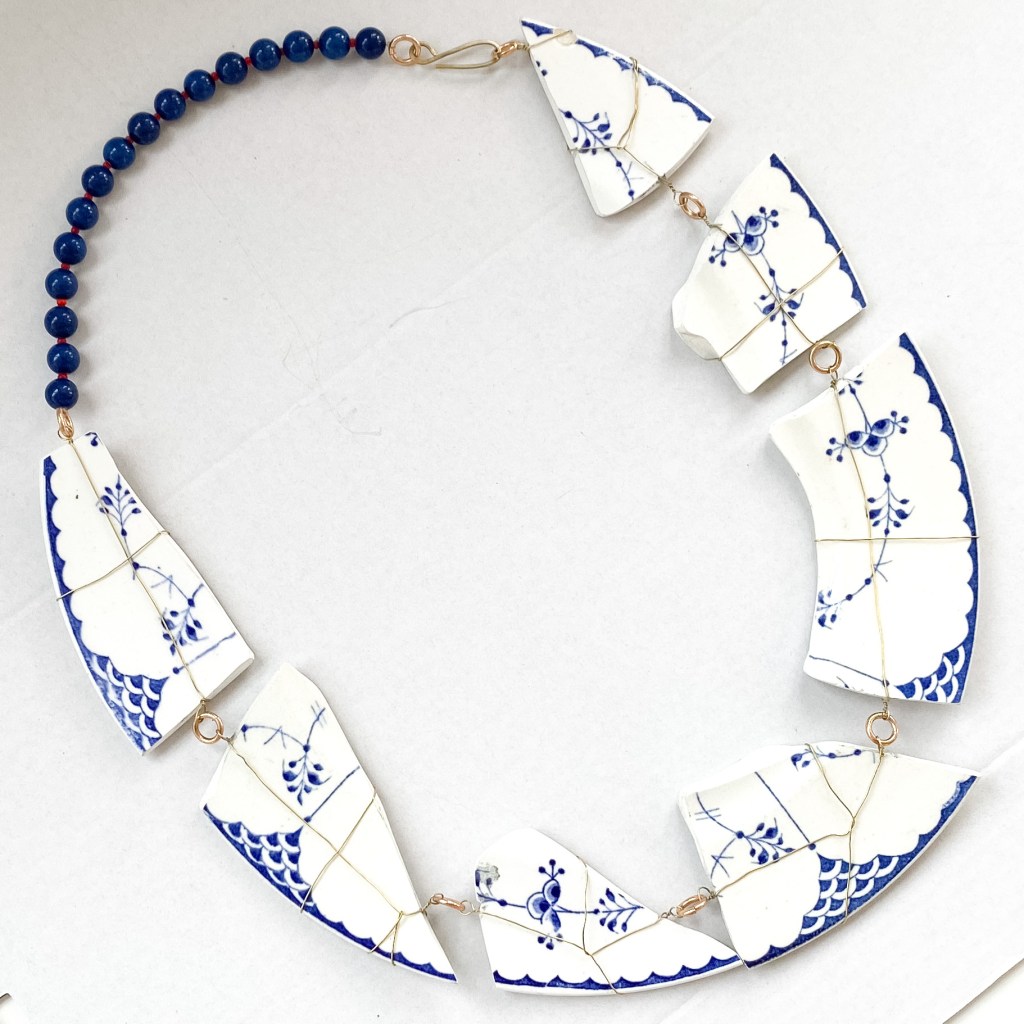
A taste of daf yomi: what a beautiful chapter about women’s jewelry! The halacha here is mixed with psychological, social and economical insights. And the description of what women – and men – wore centuries ago. Among them, the famous, exquisite “Jerusalem of Gold” Rabbi Akiva gave his wife Rachel as he promised many years before, when they didn’t even have a bed to sleep on; so heavy some rabbis considered it like freight and not like jewelry… like this, maybe?

*******

Still Pesach Sheni. A bright sunny day after some rain during the week. Feels like almost summer; most spring flowers are gone with the weeds at the curb starting to yellow. I walk past the entry sign to the old cemetery in Haifa, with its warning for the kohanim not to enter. I’ve been told, time will heal, but those who say it, must not know “time” (who does), or loss or real healing. It’s more like a tree that sprouts leaves to cover up its broken branch, or learning to live without a limb: doable at best; itchy and aggravating in certain weathers; noticeable even in long sleeves, and still always painful, always there. And it’s Pesach Sheni: the day some people call a model for ‘always having second chances’; the day I learned how some things never have it, barely once. Rest in peace, dear abba, and may all mourners find comfort.Shabbat Shalom.

Posted in Uncategorized | Tagged | Leave a comment

Shabbat Achrei-Mot-Kedoshim and some

Friday morning: broom and dust-pin in one hand, mop and soapy bucket in the other, heading up the apartment building’s stairs for the weekly cleanup, when a neighbor stops me: ‘are you maybe interested in another building? I know up the street, they are looking’… it’s so good to know that if all else fails, cleaning is still useful…

*******

This week was Yom Ha’atzmaut, Israel’s Independence Day. It sure was “different”, but it was also good in its own way. People were together in a unique kind of way; not hugging and “high-fiving” and banging on each other’s heads with plastic hammers, but with the deep sense of care and hope.

I was reminded of one of our rabbis in CA, long ago, and far away, who sent his kids to yeshiva in another state, actually a few states away. I was in awe and amazement, and asked him, how he can send them so far away. In his thoughtful manner, he answered with half a smile, ‘so they can be close’. He knew that while he and his wife (and siblings no doubt) had to put up with the physical distance and longing, this was ok, as long as their spiritual and religious connection were kept tight.

This is what it feels like now, not to minimize any pain, but compare with my aunt who hid for six years in a Berlin cellar, we’re doing fine. The streets were decorated with blue and white flags; floats came through with music; bbq’s were lit in so many yards and balconies where families sat together in white shirts for the holiday’s meal. In some places, the day’s special prayers were blasted in the loudspeakers. I’m not saying it was “normal” (a word I don’t know it’s meaning anyway…). But, hopefully, many years from now, when little eyes will look at us and ask with wonderment, ‘you lived then’??? we’ll remember these days with their unique strength, rather than darkness.

Between my writing, I happen to catch the tail end of an interview with Rabbi Dr. Zachi Hershkovitz. In an effort to paraphrase, he says: when the Reform movement began, they said, ‘be a Jewish in your home and a human, outside’. We, in the Land of Israel, have created a life where we can be Jews outside the home, and “people” inside. Maybe this time is calling on us to bring Judaism back home, to refocus. And also, maybe a little soul-searching: maybe we took for granted how ‘everyone’ should come to shul; we were upset at people not showing up for certain events, minyan, holidays, meetings… maybe we have overlooked how difficult it can actually be for many people to show up, for all sorts of reasons. Now we stand in their shoes and we can learn to empathize and learn new tools, so we’re not just sitting here, thinking when will this be over and we’ll all be back to “normal” (that word again), but what have we taken with us.

I don’t know anymore if he said all of this, or I heard it into his words, but the message of contemplation, trust, faith and hope, did come through.

*********

And something ny from this week’s daf:

אֶלָּא יָתֵיב רַב פָּפָּא בַּר שְׁמוּאֵל קַמֵּיהּ דְּרַב חִסְדָּא וְיָתֵיב וְקָאָמַר: בְּשָׁעָה שֶׁכּוֹרַעַת לֵילֵד טוֹמְנִין לָהּ שְׁנֵי עֲזָקִין שֶׁל שֶׁמֶן, וּמַנִּיחִין לָהּ אֶחָד עַל פַּדַּחְתָּהּ וְאֶחָד עַל הָרֶחֶם כְּדֵי שֶׁתִּתְחַמֵּם. אֲמַר לֵיהּ רַב נַחְמָן: אִם כֵּן, עֲשִׂיתָהּ יַלְתָּא.

Rather, Rav Pappa bar Shmuel sat before Rav Ḥisda, and he sat and he said: At the time that the animal crouches to give birth, those tending to the animal soak two swatches of wool in oil, and place one on the animal’s forehead and the other on its womb so that it will be warmed. Ḥanunot refers to animals with those swatches. Rav Naḥman said to him: If so, you turned the animal into Yalta, my wife, who descended from the house of the Exilarch. That is treatment fit for her, not for an animal.

This chapter in tractate Shabbat talks about how we treat animals, especially on Shabbat and any day, with attention, tlc, care and kindness, but, nevertheless, animals are not people. You can pamper your pet or livestock, but don’t overdo it too.

Shabbat Shalom

Posted in Uncategorized | Leave a comment

The New Month of Iyar, then and now

It’s a new month in the Hebrew calendar; the month of Iyar. There’s a famous midrash on its name, marking it as an acronym for the words – Ani Hashem (G-d’s name is marked by the letter Yod) Rof’echa, meaning, I am Hashem your healer. But maybe also – Amen (ken) Yehi Ratzon (amen, may it be Your will)? Or is it actually, “Amen, may it be your will”, namely ours?

The first way to read it is obviously much preferred, especially now. We want to have, hold, believe in and spread a “comforting” message that “G-d is our healer” and “everything will be ok”. But is G-d only our healer?

It reminds me of the story, I think told by Esh HaTorah, to be fair to the origin, about a young man who came to believe in G-d because “a miracle happened to him”. He nearly died in a crazy accident, when a truck came down a dangerous curve, forcing him with his car off the road to a nearby canyon. The car toppled to the bottom, landed on its wheels, and he emerged unharmed. Such a miracle means there’s a G-d, right? He tried to confirm with the rabbi. The rabbi looked at him curiously and asked, “well, then, who do you think sent the truck”??

Indeed, if G-d is our healer, who sent the virus?

Another repeated commentary relates to these two Torah portions we read this Shabbat. Over a cycle of 19 years, this is the one most often read with the beginning of this month of Iyar (13/19), which means there is something about it which helps set the tone for this month. But what? Tazria – Metzora deal with issues of purity and impurity, a world that was totally foreign to us until recently and therefore, again, now seemingly popular, especially since some of the discussion includes “harchakot”, having distances, which is now so familiar. But is that all there is to it?

I’d like to suggest a different direction, based on a favorite teaching, that of “Pesach Sheni”. Pesach Sheni, to be commemorated on the 14th of Iyar, is the only Torah mentioned day during this month. All the other “Israel Days” we celebrate nowadays, came upon us, officially, much later (although some Kabbalists will beg to differ)! What is special about Pesach Sheni is that, unlike all the other Torah holidays, it’s the only “holiday” (sort of), that is made through people. People ask Moses to have another opportunity to have the original Pascal offering, and Moses gets information from G-d that this can be done on the following month, that one we are in now (Numbers 9:1-10).

What this came to stand for is that the “first” redemption, like the first Passover, is totally made by G-d: G-d is the One who took us out of Egypt. And all we had to do was sit back, at home, and wait for the plague to pass and be gone. The “second” redemption, symbolic through the Second Pesach, is made with great human intervention. This is what we celebrate during this month. And therefore, no wonder the “Israel Days’ are davka here and now. This is also what – maybe – these two Torah portions stand for: not randomly “distancing”, but being responsible to our actions, regarding ourselves, each other and G-d.

Of course, G-d is our healer. And S/He is also many other things as well. I believe our task is to focus more on who we are, what we can do, and how we can help bring about better days ahead., starting here and now.

Shabbat Shalom.

Taste of Daf Yomi from this week:

Posted in Uncategorized | 1 Comment