Some details of Parashat Mishpatim & my mom

I’d like to think of myself as a “big picture person”, and at the same time, I also know it’s the small details that make that big picture. Had any one of the many dots which make this picture been elsewhere, slowly but surely, the whole thing would look differently. The Mona Lisa might not have that semi-smile and Beethoven’s symphony might have just a few disharmonious notes. We’d be sitting in the dark because when we passed our hand on the wall, we missed the light switch by just an inch, and on and on. 

Parashat Mishpatim, sandwiched between the dramatic Giving of the Law and the people’s famous commitment of “na’ase venishma” (we will listen and we will do -Exodus 24:7), speaks about “details” – about servitude, justice, compensations, theft, witchcraft, how to treat animals, loans, produce, lost objects, festivals, food, and more. And more.

You can’t be serious! G-d can’t possibly care about all this! Soon you’ll tell me that G-d cares how I tie my shoes?!

But that is exactly the big news!! Other people had laws for social structure and justice, some not dissimilar to ours; other people spoke of spirituality. The phenomenal “chidush” (newness, renewal) of the Torah is that the two are connected. This is what Moses told Yitro when criticized over his leadership style, that people come to him “lidrosh Elohim” – to inquire of G-d; to find out, not only what they “should” do, but what G-d is asking of them in the details of their day to day encounters, and how to meet G-d not only in the grand, lofty places but davka there.

*******

Which is greater: tzedaka or giving a loan? This week, we speak about loans (Exodus 22:24), and in that regard, we find in Tractate Shabbat (63:a)

(אמר רבי) אבא אמר רבי שמעון בן לקיש גדול המלוה יותר מן העושה צדקה ומטיל בכיס יותר מכולן

Rabbi Abba said that Rabbi Shimon ben Lakish said: One who loans money is greater than one who gives tzedaka. And the one who places money into a common purse (matil bakis), is the greatest of them all.

How can it be? How is it possible that it’s best for me to invest in a “common purse” which potentially makes me money (that’s the matil bakis)?? How comes it’s better for me to lend money, which will ultimately come back me? Isn’t it better to give selflessly and kindly and feel really bad about the whole world? Turns out, there is an aspect of giving tzedaka that disconnects us from the one gifted, and even makes us haughty: “you know how much I gave? I am just soooo nice”! But more than throwing away money to justify our own self-grandeur, the Torah wants us to get down in the gutters with the “other”, invest together, and grow together.

*******

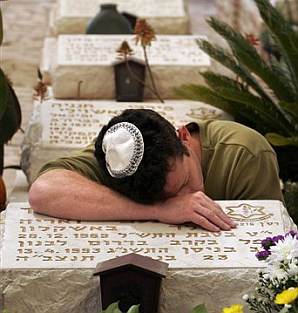
In the late 1950’s, when Israel was recovering from the mass immigration waves and the tzena era (“austerity”), my mom took one of these giant suitcases, which many years later I used as a coffee table, and “sailed the ocean blues” for the great United States of America, in her own style of “Israeli – post – army” trip. Of course, the “Big Apple” with the cousin she loved, Madison Square Gardens, Central Park, Time Square and most of all, Carnegie Hall were among the highlights, but her destination was really the Blue Ridge Mountains, where, through the miracles of life, she stayed with her childhood friend, working as a lab technician and research assistant. My childhood therefore included stories about sitting in the back of the bus, marches, and the struggle for civil rights, accompanied with music by Paul Robeson on the backdrop of the faraway foggy hills.

My mom was not officially religious. Her motto on this was לא צריך להגזים “lo tzarich legazim” – no need to overdo, but that did not always apply to matters of social justice, kindness and tikun olam. Maybe no wonder that her yahrzeit  is on the week of this week’s Torah portion of Mishpatim. On his facebook, in her memory, my brother shared a commentary by Ba’al Haturim accordingly the word “mishpatim” is an acronym of מצווה שיעשה פשרה טרם יעשה מחלוקת – Mitzvah She’ya’ase P’shara Terem Ya’ase Machloket – one is commanded to work for compromise before dispute. May her memory be for a blessing.

Shabbat Shalom.

Posted in shabbat shalom | Tagged , , , | Leave a comment

“It is a Tree of Life to those who hold it”… Yitro, the 5th & Tu Bishvat

We don’t have a Torah portion named “Abraham” or “Joseph”, but we do have one named after a Midyanite priest. And no other than the reading which includes The Ten Commandments. Couldn’t we name this portion something more “Jewish”? I guess not. Further: in this section, Yitro, that Midyanite priest and Moses’ father in law, comes and teaches Moses how to “run the show”. Didn’t Moses know? Growing up in Pharaoh’s palace, he surely saw how an empire is being run. Further: if he needs anything, he can always ask G-d!! He really needs Yitro to come from the desert and tell him that judging hundreds of thousands of people can be exhausting?

And what about the beginning of the parasha: “And Yitro heard”… (Exodus 18:1). What did he hear? Some say, he heard about the Crossing of the Sea and the upcoming Torah being given, and therefore, wanted to join; some say, the Torah was already given and he, the ultimate spiritual searcher, wanted to see what it’s all about.

There is one push-back that Moses has for Yitro:

וַיֹּ֥אמֶר מֹשֶׁ֖ה לְחֹתְנ֑וֹ כִּֽי־יָבֹ֥א אֵלַ֛י הָעָ֖ם לִדְרֹ֥שׁ אֱלֹהִֽים׃ —– Moses replied to his father-in-law, “It is because the people come to me to inquire of God.

Namely, the people don’t come to me simply to seek advise; indeed, anyone can do that, and for that, your suggested structure is great. They come to me to “inquire of G-d”. From this point on, we are G-d’s people, and G-d is involved in everything we do, from great tying one’s shoes, to arguing with a neighbor, to learning about Shabbat.

One way or another, the Giving of the Torah is deeply connected to the presence, not only of the Jewish people, but the nations of the world. By including Yitro’s visit and words of advise in the Torah (18:17-23), we show the kind of relationship we’d like to have in the world – not that of isolationists or hermits, but a constant flow of give and share.

*******

I often say that it’s hard to raise parents. People smile, shrug or look at me with a ‘what’? puzzled face. I believe it with all my heart. There is no real place to learn how to, and it’s not like a job you can quit or a relationship you can just stop texting or file for divorce. It just goes on and on with you your whole life, even after you move away and the parents are dead. The midrash below, attributed to Rabbi Shimon Bar Yochai, says: “when it comes to giving produce and tithing, if you don’t have any, you don’t have to give, but vis-a-vie parents, you always obligated, whether you have or not”.

When a child first meets their parent, they look up with big fresh eyes of amazement, wonder, openness and unknown; the person before them on the other hand, has already had 20-30-40- years of life experience and whole list of set-ways, do’s and don’ts they are ready to unload and unleash on the newborn, often not realizing how much growth they, the parents, have yet left to do, and how blessed they are to have patient children ready to teach them…

This week, the Torah echoes that feeling too: “Honor your father and mother”, says the “5th”; honor, from the Hebrew – ka-bed, which shares its root with ka-ved, heavy. There are many reasons for the Torah to give this instruction. If the “10” are divided (according to some) into two groups – between G-d and human, and between human and each other, honoring parents, surprisingly, comes in the first group, as an earthly “training” path to honoring G-d. But if we took seriously that parents are likened to G-d in this statement, where does that leave us?

רשב״י אומר לעולם יזהר אדם בכבוד אביו ואמו, כי גדול כבוד אב ואם שהחמיר בו הקב״ה יותר מכבודו שנאמר כבד את ה׳ מהונך (משלי ג׳ ט׳), בלקט ושכחה ופאה תרומות ומעשרות אם יש לך אתה חייב ואם אין לך אין אתה חייב, ונאמר כבד את אביך (שמות כ׳ י״ב) בין יש לך בין אין לך, אפילו אתה מחזיר על הפתחים.

*******

Last week, we celebrated Tu Bishvat, “New Years for Trees”. The mishna (Rosh Hashana 1) counts it among 4 different “new years”, each for a different season and purpose. Where is the beginning, wonders the subtext? For what, answers the subtext (with a question)?? For some of us it’s ‘don’t talk to me before I had my 2nd coffee’; for some it’s sunrise and for some, even before, when there is just a tiny fraction of a hint of light. Tu Bishvat comes when it’s still dark, but “the sap has begun moving upwards in the trees” (Rashi on the mishna), reminding us that there are processes that are invisible, and happen within, which in due time, will present themselves. This is also why the Knesset, Israeli parliament, was established on Tu Bishvat, to be what the prayer calls -ראשית צמיחת גאולתנו – the beginning of the growth of our redemption. May it be so.

Shabbat Shalom.

Posted in Uncategorized | Leave a comment

Bread from above, Water from below & a Tree – Shabbat Shira / Parashat Beshalach

Choice: do we have it or not? A famous midrash – for next week’s Torah reading – tells about G-d holding the mountain over the People’s heads saying, ‘accept my Torah or right here will be your graveside’. It seems like it can’t get any more explicit than that; we have no choice at all, period, end of sentence.

And that’s true. In some cases. Even the most open-minded parent doesn’t stand around with their toddler in front of the car, giving the little one “choices” regarding where s/he’d like to sit, on the hood, in the trunk or perhaps on the roof? It’s usually “get in, buckle up, let’s go”. This often seems to be the mode in the religious world as “Someone” hands out a seemingly precise to-do list. Then again, too many restriction, pressure and coercion breed rejection and rebellion. If anyone, Moses learned it early on, exemplified this week by the story of the manna.

The manna was to rain down daily in just the right amount (Exodus 16:11-35). First Moses gave a general instruction: “gather as much of it as each of you requires to eat”…. And -“The Israelite did so”. The Moses said to them, “Let no one leave any of it over till morning” (16:19), and lo and behold, “they paid no attention to Moses” (16:20). They were hoping to come out ahead and instead, had an “experiential learning session”, as the text says: “and it became infested with maggots and stank”. So they learned, and following “they gathered it every morning, each as much as he needed to eat” – and the Torah adds a reason for us, which they learned through experience: “for when the sun grew hot, it would melt” (16:21).

Then came Shabbat. No commandments have yet been given regarding Shabbat. Nevertheless, they must have known that this was a special day, because – with no instructions (!), “on the sixth day, they gathered double the amount of food”. How did they know? Who told them? No one. This reflects an idea, that if you just let the people be and allow them to do what’s right – not always! But the Torah trusts that it’s not impossible that they will. In the olden times, it was possible, when in doubt, to learn halacha – Jewish law – from going and seeing what people did in actuality. Note that the elders didn’t like the fact that the Children of Israel assumed authority in “halacha” (16:22), and yet Moses said: “This is what Hashem means: tomorrow is a day of rest, a holy Shabbat….” And according to tradition, taught them cooking and baking laws for Shabbat, and the food was fine. But then, he said, “eat it today…. You will not find it today on the plain…”. As soon as he said, ‘you will not find it’, some people went out to look…. Why are we like that?? But then, maybe now, when they can’t find new food, they are open to hear G-d’s teaching them about Shabbat and now – they know, not only because they were taught, admonished, commanded, threatened, and therefore, “the people remained inactive on the seventh day” (16:30), and thus, Shabbat came into the community.

*******

This parasha usually comes near Tu Bishvat, this year to be celebrated this coming Monday, and surprise, coincidentally, there’s a tree in this reading (15:25:

וַיִּצְעַ֣ק אֶל־ה’ וַיּוֹרֵ֤הוּ יְהוָה֙ עֵ֔ץ וַיַּשְׁלֵךְ֙ אֶל־הַמַּ֔יִם וַֽיִּמְתְּק֖וּ הַמָּ֑יִם…

So he cried out to the Hashem, and Hashem showed him a piece of wood / tree; he threw it into the water and the water became sweet…

The Children of Israel arrived at a place where they finally chanced on water after three days walking, but, the water is bitter. Moshe could have said, ‘so it’s bitter, what can I do?! Bitter water is good for you; it builds character! be thankful for Hashem’s gifts’… and on and on. But instead, Hashem instructs him to throw a tree (or piece of wood, for ease of translation) which makes the bitter water – sweet.

Rabbi Avraham Ibn Ezra (1089-1167) says that the tree is a pele, a miracle. The midrash tries to guess – was it an olive tree? Pomegranate? Willow? Fig? Ramban (1194-1270) and others emphasize that the tree was bitter, and that it was something bitter which (homeopathically :)) made bitter water – sweet!! Beyond trying to figure out which tree and analyze the miraculous (and homeopathic :)) nature of the act, we learn that it’s ok to not settle on “bitter”, but ask for sweet.

Shabbat Shalom.

Gathering of the Manna about 1600 Antonio Tempesta (Italian, 1555–1630)

Posted in Uncategorized | Leave a comment

Punxsutawney, Dali, Moses & Aaron – The Torah portion of “Bo”

Bill Murray, playing weatherman Phil Connors, heads to Punxsutawney, Pennsylvania, to cover the Groundhog Day festivities, not in the least hiding his contempt for the assignment, the small town, and the “hicks” who live there. But then, rather than making his report and getting out of there, he’s caught in a blizzard (he didn’t believe would happen), forced to live the same day over. And over. And over. Again. With no way out. He goes from angry to resigned to experimenting with different, sometimes crazy, ideas, but only when he decides to do something positive with life and whatever it throws at him, that he gets a hold on time.

I often my ask, ‘if you were G-d and you just got a bunch of people out of generations of slavery to be “your people”, what would you (G-d) give them as the first commandment’? We tend towards “be nice”, “believe in Me!”, “don’t hurt others”, “don’t give up“, “make aliya”, don’t forget your history” – all excellent! And yet, this is not what G-d tells Moses and Aaron, still in Egypt, awarding them their first mitzvah as a People.

וַיֹּ֤אמֶר יְהוָה֙ אֶל־מֹשֶׁ֣ה וְאֶֽל־אַהֲרֹ֔ן בְּאֶ֥רֶץ מִצְרַ֖יִם לֵאמֹֽר׃

The LORD said to Moses and Aaron in the land of Egypt:

הַחֹ֧דֶשׁ הַזֶּ֛ה לָכֶ֖ם רֹ֣אשׁ חֳדָשִׁ֑ים רִאשׁ֥וֹן הוּא֙ לָכֶ֔ם לְחָדְשֵׁ֖י הַשָּׁנָֽה׃

This month shall mark for you the beginning of the months; it shall be the first of the months of the year for you.

Wait, what? This is it? And why are the seemingly superfluous words “in the land of Egypt” added? Why mention where it was given? The Torah does so very rarely, because usually the location of where a mitzvah is given doesn’t matter. But perhaps here it needs to be emphasized lest we think that this is something we’re going to do only in the Land of Israel. Rather, this is something to take with us everywhere, inside and outside of the land, during our travels, at all times.

It also means that the way to stop being slaves to Pharaoh is have control over time. For a slave it does not matter which day it is. His time is his master’s. But a free human being, whose time is in his or her hands, can look up at the sky and announce, ‘hey, look! A new moon! In two weeks we’re having a holiday’! The calendar is our own boat to float through “the river of time” rather than being swept away by the currents around.

The Jewish calendar is especially fantastic (yes, I am bias), combining months calculated by the moon, and years – seasons – calculated by the sun. We might think it’s convenient: the moon allows to count by gazing at the heavens while keeping track with the sun means the farmers of old will maintain the various harvest holidays in their seasons, which is true, but there’s more. The moon is considered more passive, reflective; while the sun is active, powerful, dominant. This is in line with Jacob, whose first name was Ya’akov, the one “following”, holding his brother’s heel, choosing a more “crooked” path, and also Yisra’el, the one who can struggle with G-d and people and prevail; the one who takes on things head-on; who knows his value and is not shy about being who he is. Which way are we? Yes….

This mitzvah usually appears two month before the Rosh Hodesh it speaks of, that of Nisan, in the spring, but very close to Tu Bishvat, the New Year’s for the trees. Coincidence? We mark a new beginning when things are dark and cold, here, in NY but also in Israel. And yet, this is the time, tell us our sages, that the sap rises inside the trees. There’s a beginning that happens away from anyone seeing it – inside a tree, in the dark, cold, rain. Nevertheless, it’s there and it due time will show its presence.

We often talk about “saving time”, but the truth is, we can’t really “save” it. We can only spend it wisely or foolishly. Creating vessels to hold it and appreciate it, can help with the former.

Shabbat Shalom.

Salvador Dali’s – The Persistence of Memory

Posted in Uncategorized | Leave a comment

To Be Seen – the Torah Portion of Va’era

There are three sets of 10’s in our tradition: Ten Utterances with which the world was created, the Ten Plagues, and the upcoming Ten Commandments, and with each one we have to wonder: why couldn’t G-d create the world with one saying (or some other kind of “poof”)? Why “Ten Sayings” / Commandments? And why so many plagues?  After all, if G-d Almighty wants to get someone out of a bad situation, why not just go in and get them out? And the people? Didn’t they know they were suffering in slavery? Didn’t they groan and moan, crying and wanting to get out? And, on top of it all, why do we need Pharaoh’s permission to get out?? We have G-d on our side! Let’s just go!!

There are so many aspects of slavery and freedom packed into this story and all, still as critical and as relevant today as ever, even if we don’t schlep physical bricks in the hot sand. Slavery can come in sorts of other forms, including but not limited to abuse, battery, depression and variety of addictions that pose no less of a torture to those suffering under them, and those hammered down by it, are carrying their own sets of blocks to build someone else’s shrine, one not of their own choosing.   

One of the things we learn here is that things take time. After all, imagine if G-d just swooped down from the heavens and carried the people out to eternal peace and safety in the Promised Land… What would we learn? What would we teach? What would we be? How would we deal with life’s challenges and complexities?

When we see people in abuse situation, we often wonder: why doesn’t this person who is in so much pain, just walk out? If living in Egypt didn’t work anymore, why didn’t Jacob’s children travel the relatively short distance home, with the many caravans and merchants who passed by? Similarly, why didn’t the Jews of the 1400’s leave Spain? Or those of the 1930’s leave Europe? Why doesn’t the battered woman walk out on her abuser? Why doesn’t the alcoholic leave the destructive pattern? Why don’t each and every one of us just free ourselves from what’s holding us down internally, and grant ourselves everything we “deserve”?

This Torah portion is called Va’era, to be seen. Rabbanit Yemima Mizrachi suggests that if we rearrange the letter of ro’e, see, in a different structure, we can get ra’ui – to be worthy. Accordingly, what went wrong is that the people – we – didn’t think themselves worthy of better treatment. That’s the first thing that was needed in the journey. The Children of Israel had to fix their own “breathing”, their own ru’ach, their – our – own ability to see (and hear) that life can – and should – be so much more.

Shabbat Shalom.

Posted in Uncategorized | Tagged , , , | 2 Comments

We’re all strings in David’s harp – the Torah portion of Sh’mot

“We’re all strings in David’s harp”, said Joey Weisenberg at this week’s Hadar’s Singing Communities Intensive, four days of non-stop soulful singing, which he runs with his incredibly talented ensemble. It’s hard to write when one’s head is full of melodies, and yet, this line struck a cord (haha) with me, especially on the backdrop of this week’s Torah portion.

The book we’re beginning this week, “Exodus”, Sh’mot, is also called “the 2nd book”, not because it is simply the second (of course), because the 3rd one is not called “the third”, but because if the first one told the story of creation, this one, too, tells the story of creation, a second creation – not of individuals but that of nationhood. And just like the first creation, it too comes out of תוהו ובוהו – mess.

We are in Egypt, and the curtain rises over the Hebrews in Egypt (to the tune of Prince of Egypt). There is slavery, mud, danger, little food, harshness, sand, suffering… we’re so focused on what there is, that we don’t notice, what there is not.

The book, which in Hebrew is called “names” and begins with the names of the tribe leaders coming to Egypt, slowly loses all names. People are referred to mother, daughter, sister, king, midwives. Although we know their names, the Torah does not refer to them with their names, but through their function. A name is a symbol of an identity that’s greater than any one function an individual has. A name indicates purpose; a sense of direction in life; a place we come from and a place we’re going to. Slavery on the other hand, strips away that identity. You do not matter anymore, only what you do for the society around you. And it better be good. And beneficial. And in accordance with the king’s commands. But you yourself don’t matter at all. You’re a number. And easily replaceable.

And this is going to be the struggle in this week and the many weeks to come: to get out of slavery; to get out of the narrow straights – which is the meaning of the name for Mitz’rayim, Egypt, same root as tzores, troubles.

“We’re all strings in David’s harp”. Sometimes, we open our mouth and nothing comes out. We don’t always know which note are we; how loud, how soft to sing; who will like our voice, if any. This is the whole story, over and over again – how to leave slavery in its broadest sense, and journey out towards freedom. How to find our voice. After losing everything, how to regain our name, identity, purpose. How to be a string in David’s harp, to sing the most beautiful music, with just the touch of the wind.

Shabbat Shalom.


Posted in Uncategorized | Leave a comment

To be… that is the Blessing – the Torah portion of Vayechi

Jacob and Joseph share many traits: both stay back in the tent with their parent; are young and favorite; have fantastic dreams and have great cries. Both will die in this week’s reading, and both will be particular about their burials: Jacob will insist that his body will not touch Egypt’s soil and Joseph – is “processed” via all traditional Egyptian customs, staying with people in exile until the last minute.

it is indeed, the beginning of a long, harsh and painful exile, and during its years we need local leadership, which knows how to deal with the current situation, along with longing and commitment to, one day, return to the Land. “Exile” without a desire to come back, is just another name for a new home. In order for it to remain “exile”, there also must remain a strong connection to the homeland; a connection which isn’t for granted but rather takes work, as is evident, for example, from the great trouble Joseph goes to, in order to bury his father in the same cave where his grandfather and great grandfather are buried in, but — not his mother (which is also a conversation the father and son now share – Genesis 48:7). The Book of Genesis closes with us realizing that although we pray, dream of, remember and struggle to return to the Land, and that one day, indeed, we will, our life will also be filled with many hours away from it; hours that allow for a different kind of growth, pain and the endless longing, longing we couldn’t have had, had we been back….

*******

Just before his death, Jacob calls his sons and blesses them. We know how important his father’s blessing was to him when he was young; so much so, that he – and his mom – made sure he gets it rather than his brother Esau. We might expect the grown Jacob to have learned his lesson and show us the best “blessing giving” in history. However, we are confronted with verses like:
Reuven, you are my first-born, my might, and the first-fruits of my strength… unstable as water… you have ascended your father’s bed; then defiled it… Shimon and Levi… cursed be their anger for it was fierce, and their wrath for it was cruel; I will divide them in Jacob, and scatter them in Israel.” (Genesis 49:3-7). 
This style not only contradicts our imaginary of “everything will be ok” blessing but also what just happened a few verses back in the same Torah potion, when Joseph brought his own two sons, Ephrayim & Menashe to be blessed by Jacob and lo and behold – Jacob gives both of them the same blessing; the same blessing we still pronounce every Friday evening: “And he blessed them that day, saying: ‘Through you shall Israel bless, saying: God make you as Ephraim and as Manasseh” (Genesis 48:20).
What is blessing and what does it mean “to bless” someone?
The Torah has different blessings: G-d blesses people and the world; People also pronounce a blessing that includes G-d; and people bless each other (mostly parents bless their children, but surprisingly in this portion, Jacob also blesses Pharaoh).
Rabbi Hirsch of the 19th century, a genius in conducting thorough “root-canals” on Hebrew roots, teaches that b.r.ch – the root for bracha, blessing – has to do with “power growth”, “spur prosperity”. He connects therefore 2 other Hebrew words that superficially look unrelated. These are the words berech, knee, and brecha, pool, reservoir.  The knee is the power point joint, the limb that propels us, that makes us go down or jump to new heights. From here, we have the verb lehavrich, as in to settle down camels, or bow down in prayer, which is close to kneeling. A pool likewise is a place from which one can recharge and draw strength. Rav Hirsch further connects it to other verbs like barak – a separate flash of lightening; and all the verbs that start with peh.resh and have to do with getting out on one’s own, developing, flowering and also getting wild.
A blessing if so, is no magic; no abracadabra. It can’t turn an Esau into a Jacob, a Reuven into Judah. Rather, it expresses the ability to truly see someone and wish for them to grow to be the best they can be, no matter the outward conditions and challenges.
To this day we bless our boys with “may G-d make you like Ephrayim & Menash” perhaps because Joseph’s sons grew up in Pharaoh’s palace, in the place where it would be easiest to assimilate. And instead, they opted to join the brothers, their uncles and cousins, and become part of the Jewish people.
Of course, not everyone has to join the Jewish people but as Shakespeare said in Prince Hamlet’s speech, “to be or not to be, that is the (only) question”. If to be able to be truly who we are – is what life is all about, then for someone else to see our core true self, believe in us, and wish for us to fully be that – is indeed, a blessing.

Shabbat Shalom.


Posted in Uncategorized | Tagged , , , , , , | Leave a comment

Re-meeting Joseph and his Brothers – Vayigash

We often listen to those who speak – the louder, the more attention, but what about those who don’t say a word?? Who is it that noticeably doesn’t speak, even though all the brothers are up in arms for him? and through his silence, or anyone’s, does he actually say nothing, or maybe??? maybe it would be appreciate to be silence about that… 

*******

Some time ago, I had the opportunity to meet up with a friend of long ago, I haven’t seen for many (many) years. I think about this meeting again as we’re caught in the midst of the encounter between Joseph and his brothers, because I can’t help wonder, did Joseph’s brothers really not recognize him? At all? 

On my way to my meeting with my friend, I realize I have no idea what she looks like, after all these years. She changed, some; perhaps, we both did (:) and yet, at the same time, also not that much had changed. 

Of course, with Joseph and his brothers it was different. It has been 20 years. And Joseph, who has been away since he was 17, grew up, the peach-fuzz face turning to stubble or beard, and his locks shaved. And he’s wearing Egyptian clothing and possibly make-up. And he has a new name. And was “out of context”. But was he, really? After all, if anyone should have been at least suspicious, it’s the brothers who last saw him, sold to a convoy going down to Egypt, the next-door neighboring country, less than a 7 days walking journey! And, both Yishmaelites and Midyanites were involved in the transaction (Genesis 37:27-29), relatives of their own grandfather’s (half) brother, who were parts of caravans traveling often, carrying, not only goods, merchandise and potential servants, but also news. And then, between this whole exchange, this beautiful, brilliant, unique, wonderchild just vanishes? And, when rumors reach them about a great wise new leader, right in Egypt; one who saves the whole region from a horrible famine by “interpreting dreams”, they, who are themselves heir to this way of life of prophecy and spirituality, don’t for a minute have even the slightest, tiniest suspicion that it’s their long-lost brother?

Joseph on his end knows who the ten Hebrew men are immediately when they enter Egypt, as we read last week (Genesis 42:7):

וַיַּ֥רְא יוֹסֵ֛ף אֶת־אֶחָ֖יו וַיַּכִּרֵ֑ם וַיִּתְנַכֵּ֨ר אֲלֵיהֶ֜ם וַיְדַבֵּ֧ר אִתָּ֣ם קָשׁ֗וֹת וַיֹּ֤אמֶר אֲלֵהֶם֙ מֵאַ֣יִן בָּאתֶ֔ם וַיֹּ֣אמְר֔וּ מֵאֶ֥רֶץ כְּנַ֖עַן לִשְׁבָּר־אֹֽכֶל׃

When Joseph saw his brothers, he recognized them; but he acted like a stranger toward them and spoke harshly to them. He asked them, “Where do you come from?” And they said, “From the land of Canaan, to procure food.”

Commentators suggest he was waiting for them. Or Hachayim (18th century, Morocco) writes on Genesis 42:6:

וְיוֹסֵ֗ף ה֚וּא הַשַּׁלִּ֣יט עַל־הָאָ֔רֶץ ה֥וּא הַמַּשְׁבִּ֖יר לְכָל־עַ֣ם הָאָ֑רֶץ

And Joseph was the ruler of the land; he was the one who sold to all the people of the land:

Even though Joseph was the ruler, and it is not usual for the ruler to personally conduct the grain sales, especially when this involved so much effort, he did so himself in order to encounter his brothers eventually (Or Hachayim).

We also know that hard as he tried, he didn’t forget his family back home, even naming his son after his painful departure and his desire to forget, which ironically meant, he never did (Genesis 41:51):

וַיִּקְרָ֥א יוֹסֵ֛ף אֶת־שֵׁ֥ם הַבְּכ֖וֹר מְנַשֶּׁ֑ה כִּֽי־נַשַּׁ֤נִי אֱלֹהִים֙ אֶת־כָּל־עֲמָלִ֔י וְאֵ֖ת כָּל־בֵּ֥ית אָבִֽי׃

Joseph named the first-born Manasseh, meaning, “God has made me forget completely my hardship and my parental home.”

But how about the brothers?

Judah’s plea is one of the most moving speeches in the whole Bible. We’re touched by his commitment to his father, his stepping up to take care of the family where his three older brothers failed, and by his sincere effort at teshuva (repentance). At the same time, Judah’s eloquence clouds our ability to check his facts so we don’t notice the inaccuracies and mismatched details between the speech and reality.

For example, Judah says (Genesis 44:19):

אֲדֹנִ֣י שָׁאַ֔ל אֶת־עֲבָדָ֖יו לֵאמֹ֑ר הֲיֵשׁ־לָכֶ֥ם אָ֖ב אוֹ־אָֽח׃

My lord asked his servants, ‘Have you a father or another brother?’

But, Joseph, when he previously spoke to the brothers, never asked this question.(Genesis 42:13-20).

Judah also inserts a detail about Jacob which Joseph doesn’t know, and therefore can’t ask, that his father is not only still alive but is still pained over his absence and never lost hope to see him again (Genesis 44:28-29):

וַיֵּצֵ֤א הָֽאֶחָד֙ מֵֽאִתִּ֔י וָאֹמַ֕ר אַ֖ךְ טָרֹ֣ף טֹרָ֑ף וְלֹ֥א רְאִיתִ֖יו עַד־הֵֽנָּה׃

But one is gone from me, and I said: Alas, he was torn by a beast! And I have not seen him until now.

Here, Judah talks about the missing brother as someone who was “torn by a beast” although just earlier he said he died (Genesis 44:20), expressing their possibly true confusion.

But more important, this is a direct response to Joseph’s most dreaded fear: as far as he knows, his father was part of the plot to get rid of him, by sending him to check on the brothers in a faraway field, knowing full well that the brothers hated him and might harm him. Was Jacob actually trying to get rid of him? This is the first time he learns that his father is actually heartbroken, continuously longing to see him again.  

Reading it so, Judah’s speech is constructed carefully so that if the person in front of him is not Joseph, none of those details would mean anything to a stranger; but if he is Joseph, then the message of care, remorse, love and hope would come across. Only then Joseph “can’t hold it back”, asking all to leave as he reveals himself.

The Book of Beresheet is full of complicated sibling rivalries, and yet, here we find the beginning of hope for a long awaited reconciliation.

Shabbat Shalom from Oakland CA.


Posted in Uncategorized | Tagged , , , , | Leave a comment

Joseph, Olive Oil & Chag Habanot – 3 shorts for Shabbat Hanukkah-Rosh Hodesh Tevet

Exactly XX year ago, Miketz was the Torah reading on my Bat Mitzvah, and some years later, and many miles away, my son’s too.

The bat mitzvah was at the reform synagogue, Ohr Chadash (a new light) in Haifa, Israel. It was winter, and “one never knows what the weather will do”, so my mom and I got a “warm” woven, blue and white skirt and short jacket. My description doesn’t do it justice – it was really lovely. Nobody particularly cared or pushed me to do anything, but I wanted to read from the Torah. For the weeks prior, I studied weekly with the rabbi so I could read the short maftir (on a 3-year cycle) and the haftara. After the service, we all went home to our “3 rooms” (i.e. 2 bedrooms and a living room) apartment, where all my immediate family and close friends had some food and time to just be together. Presents included thick books titled “4000 years of Jewish history”, arts and crafts kits and enough money to buy my first record, Shocking Blue with their biggest hit, Venus.

The maftir was about Joseph “Jacobson” and his wife, Osnat who’s described as “the daughter of Poti-fera, the priest of Onn” and according to the sages is really Dina’s daughter, expanding their family. They have two sons: Ephrayim & Menashe. Rav Hirsch (1808-1888) rejects the simplistic, common translation of Menashe to be  “G-d has made me forget completely my hardship and my parental home” and perhaps based on a hint from Rabbi Ibn Ezra (1089-1167) suggests another read, which would reject Joseph forgetting anything, least of all his own toil and his father’s house! Fortunately, says Rav Hirsch “to forget” is not the only meaning of מנשה; it also denotes “being a creditor”. Accordingly, נשני nashani would mean: G-d has turned my tragedy and my family into my creditors; what until now seemed to me misfortune and abuse, G-d has turned into an instrument to shape my happiness, so that I find myself deeply indebted to my troubles and to my family”.

*******

If you told me, growing up, that Hanukkah is an agricultural holiday from the Torah, I would probably alternate between surprise and disbelief. Hanukkah? Everybody knows it’s about the Maccabees and their battles which can be hiked at and re-imagined; a miracle and a flask of oil, which rekindled the light in the Temple menorah; presents and get together, but agricultural? What’s to do? It’s raining and cold! Besides, we have our agricultural holidays: Pesach, Shavuot and Sukkot! and those are commemorated in the modern Israel with wonderful celebrations in the kiubtzim, so that must be all there is.

In the Israel that I grew up in, there were citrus orchards and apple trees; fields of wheat and barley. Olive trees, on the other hand, were largely associated with Arabic villages, and not much attention was spent on how one goes from “olive tree” to “olive oil”. Who knew that right at Hanukkah is the time of harvest and production of olive oil throughout Israel, to this very day!

The Torah in its way presents it in a verse that many read daily as part of the Blessings of the Shma:

וְנָתַתִּ֧י מְטַֽר־אַרְצְכֶ֛ם בְּעִתּ֖וֹ יוֹרֶ֣ה וּמַלְק֑וֹשׁ וְאָסַפְתָּ֣ דְגָנֶ֔ךָ וְתִֽירֹשְׁךָ֖ וְיִצְהָרֶֽךָ׃

I will grant the rain for your land in season, the early rain and the late. You shall gather in your new grain and wine and oil—

וְנָתַתִּ֛י עֵ֥שֶׂב בְּשָׂדְךָ֖ לִבְהֶמְתֶּ֑ךָ וְאָכַלְתָּ֖ וְשָׂבָֽעְתָּ׃

I will also provide grass in the fields for your cattle—and thus you shall eat your fill.

Notice the annual cycle: there will be rain in its time so we can collect our produce, also in its time: דגן – dagan, wheat to make bread from, – symbolizing Shavuot; תירוש – tirosh – wine making grapes, symbolizing Sukkot and יצהר – yitzhar, oil, symbolizing Hanukkah! We will also have animal food, barley, indicating, the bounty will last until next Pesach, thus giving us a full annual cycle how it will be to “eat and be satisfied”.

*******

This Shabbat is also Rosh Hodesh (the new moon of the month of) Tevet, which in some North African communities is consider חג הבנות – “Chag Habanot”, Id El-banat (Arabic) or Fete des Filles (French). The holiday was kept primarily in Tunisia, where, according to tradition, the Temple’s priests were exiled to, and thus maintains a number of ancient traditions, and celebrates this day, which always falls in the heart of Hanukkah, to salute women along Jewish history. About Hanukkah we’re told in the Talmud (Shabbat 23:1) that women are obligated in candle lighting “because they were in the same miracle”. In the Scroll of Esther, we’re told that, that on the “10th month” (i.e. Tevet) Esther was crowned to be queen. Hanukkah and Purim share many commonalities: they are both “human-made” victories, but alas! in this case, human actually means women-made. The day was celebrated with great joy, foods, gift-giving, music and dance, to bring in “tastes” from Purim into Hanukkah. In the modern state of Israel, “mother’s day” is (was?) always part of Hanukkah and now I just wonder, if that’s how it traveled. One way or another, maybe a good opportunity to celebrate the women in your life, maybe with an olive oil massage 😊

Shabbat Shalom, Hanukkah Same’ach & Hodesh Tov!!

Posted in Uncategorized | Tagged , , , , , | Leave a comment

“Vayeshev” (sitting) in Darkness (with a twinkling light far away….)

In the opening verse of this week’s Torah portion is says:
א וַיֵּשֶׁב יַעֲקֹב, בְּאֶרֶץ מְגוּרֵי אָבִיו–בְּאֶרֶץ, כְּנָעַן. 1 And Jacob dwelt in the land of his father’s sojourning, in the land of Canaan.
There are two verbs to describe “dwelling”: one, indicating permanence (lashevet), and one, indicating temporariness (lagur). The first (y.sh.v) is related to y.tz.v. – stability, and denotes standing firmly, undisturbed. By contrast, the second, (lagur) denotes being a ger, a transient resident, living in a place where one does not belong; living in fear (asher yagorti).
The Kedushat Levy, Chasidic commentary from the 18th century, teaches that Jacob was afraid, and that, as is implied from this verse in מגורי אביו – megurei aviv, especially the fear of his father was on him, for all the “normal” Freudian reasons, such as disappointing both his earthly and heavenly fathers. For example, Isaac was told to never leave the Land. Jacob left already once for 20 years with Lavan, and soon, he’ll have to go to Egypt, eventually to die there. Is he doing something that his father, who very well might still be alive, does not approved of?! That once again, his affinity to siting, will cost him in father thinking he’s not “man” enough, like favorite Esau? His fear of his father reflects his fear of Hashem, but Kedushat Levy thinks is a positive thing, because Jacob always keep one’s eyes on the ball, is always being concerned he’s doing what G-d wants of him, keeping to G-d’s straight (yashar-el) and narrow. It seems like too much fear can be paralyzing but some fear helps us be accountable to who we are.
*******
This Sunday evening is first candle of Hanukkah. As we know there are Shabbat candles and there are – Hanukkah candles. What’s the difference? According to Rav Soloveichik, Shabbat candles are there for שלום בית  -“shlom bayit”, peace in the house, so there won’t be darkness, because in case of darkness, someone might fall, and then there will be fighting. Hanukkah candles on the other hand, are not allowed to be used. Contrary to what we often think (or sing -), Hanukkah candles don’t come to dispel darkness, but they remind us of a greater cosmic light, faraway. This can be compared to someone walking alone in the forest, and someone gives them a flashlight. This helps see the next few feet on the path. On the other hand, G-d says to Abraham, “lift up your eyes and see the stars”… this is reminder of the Divine in life, of possibilities, of a greater world than the painful here and now which we know so little of. These are the Hanukkah candles, a blessing from another world in the heart of the dark winter.

Shabbat Shalom.

Posted in Uncategorized | 1 Comment