OUR PODCAST (in ENGLISH): https://open.spotify.com/episode/2Y2QfwLSTf8hJtn76rj9LK
פרשת ״בהעלותך״: שני ה”נונים” וקו השבר
פרשת “בהעלותך” מתחילה כשאהרן מוזמן להדליק את המנורה והלוויים נכנסים לעבודתם במשכן.
לאחר מכן, נקבעות חגיגות ״פסח שני״, ומסופרת לנו פרשת החצוצרות. המסע מתארגן וממשיך, והמוסיקה בסרט שלנו נעימה, קצבית והרמונית. לפתע האוזן קולטת כמה צלילים צורמים: משה מנהל שיחה משמעותית עם חותנו, שעד כה הכרנו בשם יתרו, וכאן מכונה חובב בן רעואל. החותן מחליט שלא להצטרף להמשך המסע, אלא לחזור למדיין למרות בקשותיו של משה. למה הוא בוחר בעבר, כשהעתיד טוב פי כמה? למה הוא מוותר על להיות חלק מאיתנו ודווקא עכשיו?
דפיקות הלב המואצות משהו נרגעות מול שני פסוקים מפורסמים הסגורים בתורה (ובכל החומשים), בשתי אותיות נון הפוכות:
׆ וַיְהִ֛י בִּנְסֹ֥עַ הָאָרֹ֖ן וַיֹּ֣אמֶר מֹשֶׁ֑ה קוּמָ֣ה ה׳ וְיָפֻ֙צוּ֙ אֹֽיְבֶ֔יךָ וְיָנֻ֥סוּ מְשַׂנְאֶ֖יךָ מִפָּנֶֽיךָ׃
וּבְנֻחֹ֖ה יֹאמַ֑ר שׁוּבָ֣ה ה׳ רִֽבְב֖וֹת אַלְפֵ֥י יִשְׂרָאֵֽל׃ ׆ (במדבר י,לה-לו).
אז כנראה סתם דמיינו. המסע ממשיך כמתוכנן. הכול בסדר.
הארון ינוע – ואז ינוח.
בני ישראל, בהנהגת משה, ייסעו בבטחה וללא תקלות. כולם. יחד.
זה רק מרחק קצר.
הם יגיעו בקרוב.
המוסיקה נרגעת על רקע השקיעה המדברית…
בעצם התורה היתה צריכה להסתיים כאן. סך הכול, אנחנו שלושה ימים מהארץ! אחרי כמעט שנה וחצי של מסע, פחות מ-18 חודשים, רק עוד כמה צעדים והגענו! כולנו עדיין כאן, וגם משה יוכל להיכנס איתנו לארץ המובטחת! זהו!
אבל לא. ושתי ה״נונים״ האלה מסמנים את קו השבר במסע, כשהפרק הבא נפתח בתלונות, מה שבסופו של דבר ישאיר אותנו במדבר עוד כמעט 40 שנה.
כמו בשירו של פול סיימון, ככל המטרה מתקרבת, היא גם מתחמקת. דווקא כשאנחנו ממש על סף השגת המטרה, קיימת הסכנה שמשהו בתוכנו, לעיתים קרובות בלתי ידוע ובלתי מודע, יעצור מבעדנו.
קריאה מדוקדקת כאן מגלה שבני-ישראל כאן לא מתלוננים אף על פי שהם קרובים לארץ, אלא דווקא בגלל... מסתבר שיש משהו הרבה יותר מפחיד מכישלון, וזו… ההצלחה. המדרש תוהה על הפסוק “ויסעו מהר ה’”… (במדבר י,לג), למה הודגש ה-״מ״ ולא ה-״ל״…? בגמרא נאמר שהם ״נסעו מאחרי ה’ כתינוק הבורח ליבטל מדברי תורה”, כלומר, הם שכחו את המטרה, ואף על פי שהקב״ה היה מוכן להכניס אותם לארץ מיד, הם ברחו כמו ילד שבורח מבית הספר (מסכת שבת קטז:א). ואנחנו? האם אנחנו בארץ כדי לברוח “מ”… או כדי ״ללכת אל״? והאם, אולי, אפשר להבין חלק מהמחלוקות שלנו כיום כעוסקות בתשובות השונות שיש לכל אחד מאיתנו לשאלה הזו?
נחזור לפרשה…
פרשת השבוע הזו הייתה יכולה גם להיקרא – האסון. בגלל האירועים כאן ובשבוע הבא, אנחנו ״נתקעים״ ל-40 שנה בדרך, או, זה מוכר לי… אבל למרות ההתמהמהות הזו בדרך, הפרשה נקראת ״בהעלותך״.
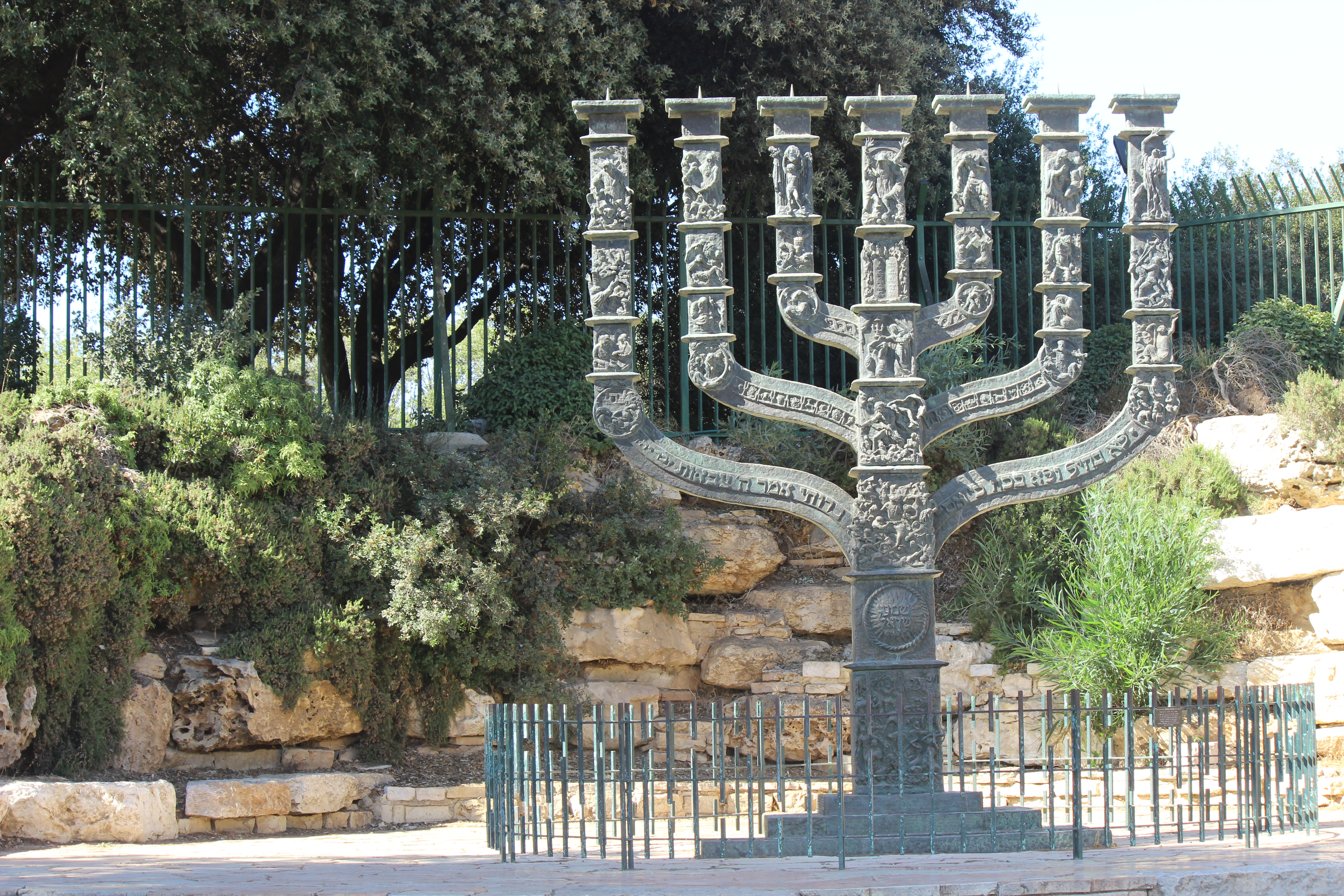
לא פעם מתרגמים אותה לאנגלית כ”בהדליקך את הנרות”, אך משמעותה האמיתית היא ״כאשר תעלה״. עליה היא לא פעם הליכה נגד הזרם, קבלת אתגר ייחודי גם כשקל יותר לרדת. לא במקרה נפתחת הפרשה בהדלקת המנורה שבמקדש, זו ששנים רבות לאחר מכן הפכה לסמל מדינת ישראל, סמל שמייצג אותנו עד היום: עם אחד שלם, שכמו המנורה, עשוי מקשה אחת, בדרכו.
ואפשר גם לחשוב על זה גם כך: כמו שראינו עם הלוחות השניים, מה אם בני ישראל כן היו עושים הכול “כמו שצריך”? לא מתלוננים, בכלל, אף פעם, ופשוט נכנסים לארץ ישר, בלי היסוסים, באמונה שלמה ובלהט?
ייתכן שזה היה הרבה יותר גרוע עבורנו.
התורה, בחוכמתה, מזכירה לנו שכמו שאמר הרב קוק, ״בדרך לשלמות, יש השתלמות״ וההשתלמות הזו חשובה לפחות באותה מידה, וגם כשהדרכים מפותלות ובלתי צפויות, שונות ממה שחשבנו ותכננו ויש בן גם ירידות, גם אז, הכיוון שלנו הוא תמיד למעלה, אל האור.
שבת שלום.
Parashat “Beha’alotcha”: The Two “Nuns” and the Fault Line
Parashat “Beha’alotach” begins when Aaron is invited to light the menorah and the Levites enter their work in the Tabernacle.
After that, the “Second Passover” celebrations are set, and we are told about “the Trumpets”. The journey is organized and continues, and the music in our imaginary movie is pleasant, rhythmic, and harmonious. Suddenly the ear picks up some jarring sounds: Moses has a meaningful conversation with his father-in-law, whom we have known so far as Yitro, and here he is referred to as Hovav Ben Reuel. The father-in-law decides not to join the rest of the journey, but to return to Midian despite Moses’ requests. Why does he choose the past, when the future is so much better? Why does he give up being a part of us, and now?
The somewhat rapid heartbeats calm down in the face of two famous verses that are enclosed in the Torah (and in all the Pentateuch), with two inverted letters Nun:
“And it came to pass, when the Ark journeyed on, and Moses said, ‘Hashem will arise, and He will scatter your enemies, and those who hate you, shall flee from before you’. And when the Ark rested, He will say, Hashem will return, ten thousand thousands of Israel’” (Numbers 10, 35-36).
So we must have just imagined it. The journey continues as planned. Everything is fine.
The Ark will move – and then rest.
The Children of Israel, led by Moses, will travel safely and without trouble. All of them. Together.
It’s only a short distance.
They’ll be there soon.
The music fades into the desert sunset…
The Torah should have ended here. In total, we’re three days from the Land! After almost a year and a half of this journey, less than 18 months, just a few more steps and we’re there! We’re all still here, and even Moses will be able to enter the Promised Land with us! That’s it!
But no. And these two upside down letter “nun”, mark the breaking point in the journey, as the next chapter opens with complaints, which will ultimately leave us in the desert for almost 40 more years.
As Paul Simon says in his song, “the nearer your destination, the more you keep slip sliding away”… as the goal approaches, it also eludes us. Precisely when we are on the verge of achieving our goal, there is a danger that something within us, often unknown and unconscious, will stop us.
A careful reading reveals that the Israelites here are not complaining in spite of being so close to the land, but precisely because… It turns out that there is something much more frightening than failure, and that is… success. The Midrash wonders about the verse “And they set out from the mountain of Hashem”… (Numbers 10:33), why was the “from” emphasized and not the “to”…? The Gemara says that they “traveled from Hashem like a child running away from the words of the Torah,” meaning that they forgot the goal, and even though the Blessed One was ready to let them into the Land immediately, they ran away like a child running away from school (Tractate Shabbat 116:a). And us? Are we in the Land to run away “from”… or “to go to”? And is it possible, perhaps, to understand some of our current disputes as dealing with the different answers that each of us have to this question?
Let’s get back to the Torah portion…
This week’s portion could also have been called – the disaster. Because of the events here and next week, we’ll get “stuck” on the way for 40 years… oh, do I know how that goes… But despite this delay in the journey, the portion is still called “When You Ascend.”
It is often translated into English as “When You Light the Candles,” but its true meaning is “When You Ascend.” Going up is often going against the flow, accepting a unique challenge even when it is easier to go down. It is no coincidence that the portion opens with the lighting of the menorah in the Temple, which many years later became the symbol of the State of Israel, a symbol that represents us to this day: one whole people, who, like the menorah, is made of one piece, on its own path.
And we can also think of it this way: As we saw with the second tablets, what if the Israelites had done everything “right”? Not complaining, at all, ever, and simply entering the Land straight away, without hesitation, with complete faith and passion?
That could have been much worse for us.
The Torah, in its wisdom, reminds us that, as Rav Kook said, “on the path to perfection (shlemut), there is further study (hishtalmut),” and this further study is at least as valueable, and even when the paths are winding and unexpected, different from what we thought and planned, and there are also descents, even then, our direction is always upward, toward the light.
Shabbat Shalom.