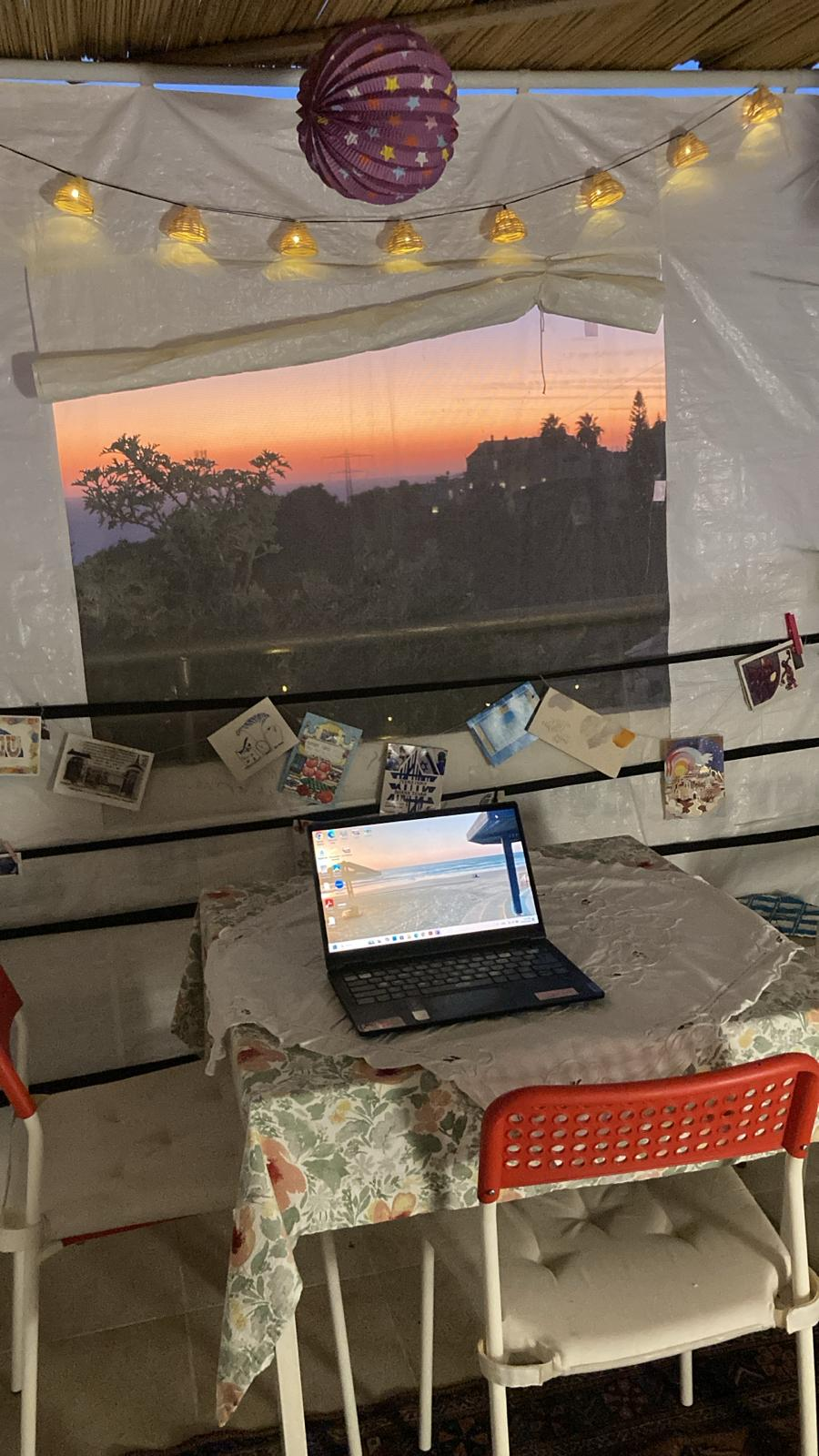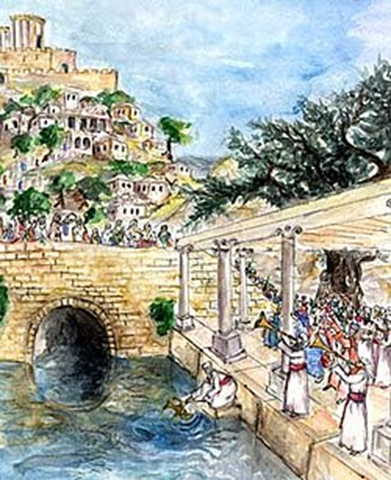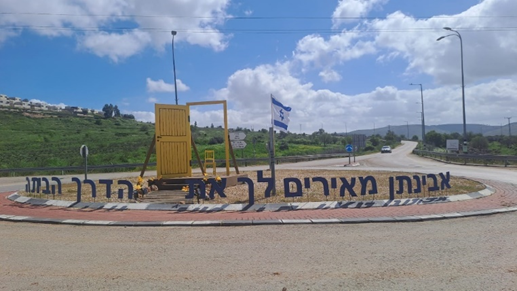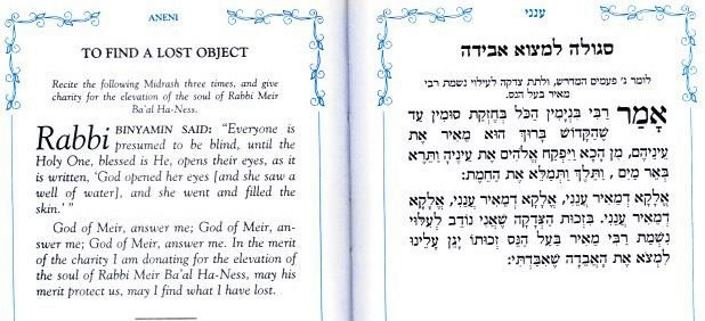
“Judges & officials you shall place for yourself in all your gates”… (Shoftim)

פרשת “שֹׁפְטִ֣ים וְשֹֽׁטְרִ֗ים תִּֽתֶּן־לְךָ֙ בְּכָל־שְׁעָרֶ֔יךָ…

A great temptation is placed before us with this week’s Torah portion “Shoftim” which begins with “magistrates (judges) and officials (police officers) you shall place for yourself in all your gates… and they will judge the people with due justice” and then continues with “justice, justice you will pursue”… (Deuteronomy 16:18- 20). Here, look! the Torah portion herself! She orders us to bring in judges and officers at our gates. See, one side will say, we need “the” court! See, another one will say, we need the police! And because of the greatness of the Torah, as the number of opinions, everyone will find proof for himself why s/he – and only s/he – is right. After all, it is written, “justice, justice you shall pursue”…
but… already in this verse, the double meaning is about “justice” and not about the pursuing… maybe so that we pause for a moment and check ourselves, what kind of justice are we pursuing? Justice that is just, or justice that is wise, or something else?  
פיתוי גדול שמה לפנינו פרשת השבוע “שופטים” שמתחילה ב“שֹׁפְטִ֣ים וְשֹֽׁטְרִ֗ים תִּֽתֶּן־לְךָ֙ בְּכָל־שְׁעָרֶ֔יךָ… וְשָׁפְט֥וּ אֶת־הָעָ֖ם מִשְׁפַּט־צֶֽדֶק” וממשיכה ב” צֶ֥דֶק צֶ֖דֶק תִּרְדֹּ֑ף”… (דברים טז:18-20).
הנה, תראו! פרשת השבוע בכבודה ובעצמה! היא מורה לנו להכניס בשערינו שופטים וקצינים. הנה, יגיד צד אחד, צריך בית משפט! הנה, יגיד צד שני, צריך משטרה!
ובגלל גדולתה של התורה, כמספר הדעות, כל אחד ימצא לעצמו הוכחה למה הוא – ורק הוא – צודק. הלוא כתוב, צדק, צדק תרדוף…
אך… כבר בפסוק הזה, הכפילות היא על “צדק” ולא על הרדיפה… אולי כדי שנתעכב רגע ונבדוק את עצמנו, אחרי איזה צדק אנחנו רודפים? צדק צודק או שמא משהו אחר?  
Indeed, the Torah has hidden hints that the reference here is not only to that court, one or the other, to the police, one or the other, but to each of us.
This is how the Scripture addresses us in the second person singular, and the sages asked, if it is about building an orderly and corrected society, why not address us all in the plural?  
ואכן, התורה החביאה רמזים שהכוונה כאן איננה רק לבית המשפט, כזה או אחר, לשוטרים, כאלה או אחרים, אלא לכל אחד מאיתנו.
כך פונה אלינו הכתוב בגוף שני, יחיד, וחכמים שאלו, אם מדובר בבניית חברה מסודרת ומתוקנת, מדוע לא לפנות לכולנו ברבים?  
The Arizal explains that the words were written directly to each of us, because each of us should treat himself as if we were a city. And in this city, I need a judge, not one who is too harsh who punishes and “looks” for my mishaps in every corner, but also not too merciful and meaningless. I need my gates guarded to prevent anything from entering, be it physical, emotional or spiritual, and I need my policemen to patrol my inner streets – calmly, making sure that things are under control, that there are no crazy traffic jams, that there are no dangerous drivers, that we can take walks outside and live in peace.
Oh, and one more thing, lest I forget, I need cleaning services to take out all the garbage that accumulates in the city corners, because there are things I should bid farewell to, and maybe, if I succeed, I will turn them into compost that will yield next season’s fruits.  
האריז”ל מסביר שהדברים נכתבו ישירות לכל אחד מאיתנו, כי כל אחד מאיתנו צריך להתייחס לעצמו כאילו הוא עיר.
ובעיר הזו, אני צריכה שופט, לא קשוח מדי שמעניש ו”מחפש” אותי בכל פינה, אך גם לא רחום מדי וחסר משמעות. אני צריכה שמירה בשערים שלי כדי לא לאפשר לכל דבר להיכנס, בין אם הדבר הוא פיזי, רגשי או רוחני,
ואני צריכה שהשוטרים שלי יפטרלו ברחובות הפנימיים שלי – בנחת, יוודאו שהענינים בשליטה, שאין פקקים מטורפים, שאין נהגים מסוכנים, שכף להסתובב בחוץ ואנחנו חיים בשלום.
ועוד דבר, שלא אשכח, אני צריכה שירותי ניקיון שיוציאו את כל האשפה שמתאספת בפינות העיר שלי, כי יש דברים שכדאי להפרד מהם,
ואולי אם אצליח, אהפוך אותם לקומפוסט שיניבו את פירות העונה הבאה.  
Well, it’s true, the Arizal did not speak (specifically) about compost, but he did about our preparation for the month of Elul, the Days of Awe and the new year; about the need to look less outwardly at what “they” are doing wrong, because, obviously, “they” are doing everything wrong… but rather, for internal reorganization.  זה נכון, האריז”ל לא דבר (מפורשות) על קומפוסט, אבל כן על ההכנה שלנו לקראת חודש אלול, הימים הנוראים והשנה החדשה, על הצורך בפחות מבט החוצה כלפי מה “הם” עושים לא בסדר, כי הלוא ברור ש”הם” עושים הכל לא בסדר… אלא למען התארגנות פנימית.  
The “Nahal Kedumim” (a commentary book written by Rav Haim Yosef David Azulai, known by the initials of his name Hida, 1724-1806) also wrote about the fact that “a person has several gates, such as the gate of seeing, the gate of hearing, the gate of scent, the gate of speech and the gate of touch, and it is necessary for a person to make himself a judge of all his affairs, and open his eyes, and that why it is said, “Judges and policemen shall be given to you” in the singular language,
and he spoke to every person among the Peple of Israel, and this is “judges and officials shall be given to you in all your gates” that every person should build a fence in all his gates… and therefore, it is said in a singular language – “place unto you in all your gates”…. and therefore, it is said later, “open wide the gates” (in Isaiah, the Psalms and more), as it’s a measure against measure, and let him merit, that the gates of the next world (as well) be opened for him, the world of spirituality and abundance.”  
גם ה”נחל קדומים” (ספר פירושים שנכתב ע”י הרב חיים יוסף דוד אֲזוּלַאי הידוע בראשי התיבות של שמו החִידָ”א, 1724-1806), כתב על כך ש”יש לאדם כמה שערים, כמו שער הראיה, שער השמיעה, שער חוש הריח, שער הדיבור ושער המישוש
וצריך שיעשה אדם בעצמו דיין על כל עניניו ויפקח עיניו, וזה שנאמר “שופטים ושוטרים תתן לך” בלשון יחיד,
ולכל אדם מישראל דיבר וזהו “שופטים ושוטרים תתן לך בכל שעריך” שכל אדם יגדור גדר בכל שעריו… ולזה אמר לשון יחיד – “תתן לך בכל שעריך”.
ואז נאמר עליו “פתחו שערים” (מהכתוב בישעיהו ובתהילים ועוד), מדה כנגד מדה ויזכה שיפתחו לו שערים של העולם הבא, עולם הרוח והשפע”….  
This week is Rosh Chodesh Elul, whose initials, some say are “I am to my beloved and my beloeved is to me”, alluding to the love story between us and the Almighty, a long love story, not simple and not always “happily” but always together.
According to tradition, this is the day when Moses ascended Mount Sinai for another 40 days to bring the second set of the tablets. Contrary to what we might think, the second set is not the same as the first. For example, the letter Tet was added to them in the words “so it will be good for you (tov — yitav)”, hinting that second chances can be better than the first.
השבוע ראש חודש אלול, שיש אומרים שראשי התיבות שלו הם “אני לדודי ודודי לי”, ומרמזים לסיפור האהבה בינינו לבין הקב”ה, סיפור אהבה ארוך, לא פשוט ולא תמיד “אך שמח”, אבל עדיין ביחד.

לפי המסורת זה היום בו משה עלה בפעם השניה להר סיני לעוד 40 יום להביא את הלוחות השניים. בניגוד למה שאנחנו עלולים לחשוב, הלוחות השניים אינם זהים לראשונים. נוספה בהם, למשל, האות ט’ במילים “למען ייטב לך”, להגיד לנו שהזדמנות שניות יכולות להיות טובות מהראשונות.    
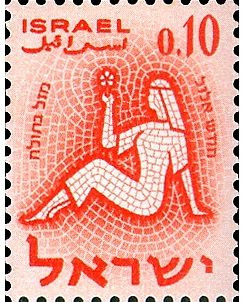
Rabbi Tzvi Elimelech Shapira from Dinov (1783-1841) in his collection “Bnai Issachar” says that this is what is also implied in the verse “the one who found a wife, found goodness” (Proverbs 18:22) -‘when a person merits to come to the days of Elul whose sign is a “virgo”, that is a woman, he finds the goodness alluded to in the verse from Proverbs… The Supreme Desire is revealed in those days to receive us with a complete repentance and say to you… these are days when one is able to find goodness, understand this’:

It also means that there is only a month left until Rosh Hashanah…
Blessings to a good month & Shabbat Shalom.  
רבי צבי אלימלך שפירא מדינוב (1783-1841) בקובץ שלו “הבני יששכר” אומר שזה הנרמז גם בפסוק “מצא אשה, מצא טוב” (משלי יח:כב)
כשזוכה האדם לבוא לימי אלול שמזלו “בתולה” היינו אשה ואז מצא את הטוב של הפסוק ממשלי… כלומר, “הרצון העליון המתגלה בימים ההם לקבלינו בתשובה שלימה ואומר לך… הנה הימים האלה מסוגלים למצוא הטוב, הבן הדבר”:

זה גם אומר שנשאר רק חודש לראש השנה….   בברכת חודש טוב ושבת שלום.  

Posted in Uncategorized | 1 Comment

Where’s Jerusalem in the Torah? – or – “Inquire & go there…” (the Torah portion of Re’e)

פרשת “ראה”: ירושלים מן התורה מנין? או “תִדְרְשׁ֖וּ וּבָ֥אתָ שָֽׁמָּה”

How many times is Jerusalem mentioned in this name – Yerushalayim – in the Torah? We would think countless times. After all, we’re talking about the Holy City in the heart of the Holy Land, the place we’re heading for the entire forty year journey in the desert! And before that, Avraham. Isaac Jacob. All living in the Land. And Jerusalem? It turns out that Jerusalem is not mentioned in the Torah as such, not even once! Only in the book of Joshua, which tells us about the entry of the People into the Land and then, about the division of the Land among the tribes, Jerusalem is mentioned (and with incredible precision that can be recognized today), but in the Torah, there are only hints.כמה פעמים מוזכרת ירושלים כך בשמה זה בתורה? היינו חושבים שאינספור פעמים. אחרי הכל, עיר הקודש בתוך ארץ הקודש אליה היו מועדות פנינו במשך כל ארבעים שנות המסע במדבר! ועוד לפני כן, אברהם. יצחק. יעקב. כולם חיו בארץ.
וירושלים?
מסתבר שירושלים לא מוזכרת בתורה כך אפילו פעם אחת! רק בספר יהושע שמספר לנו על הכניסה לארץ ולאחר מכן, על חלוקת הארץ לשבטים, מוזכרת ירושלים ואפילו בדייקנות מדהימה שאפשר לזהות כיום.
אבל בתורה, רק רמזים.  
It begins in the Book of Genesis (chapter 14): Malkitzedek “the king of Shalem” goes out to meet Abraham – then still Abram, when he returns from the victory over the four kings. Later (chapter 22), Abraham is commanded to bring Isaac to the altar on “Mount Moriah”. These two – Shalem and Mt. Moriah are the same place according to a much, much later verse, at the very end of our TaNaCh, when we’re told that Solomon began to build the house of Hashem “in Jerusalem on Mt. Moriah” (2 Chronicles 3:1).זה מתחיל בספר בראשית (פרק יד), כשמלכיצדק “מלך שלם” יוצא לקראת אברהם – אז עדיין אברם, כשהוא חוזר מהנצחון על ארבעת המלכים.
מאוחר יותר (פרק כב), מצווה אברהם להעלות את יצחק לעולה על “הר המוריה”,
ושני אלה הם אותו המקום לפי פסוק הרבה הרבה יותר מאוחר, בסוף התנ”כ שלנו כשמסופר על שלמה שהחל לבנות את בית ה’ “בִּיר֣וּשָׁלִַ֔ם בְּהַר֙ הַמּ֣וֹרִיָּ֔ה” (דברי הימים ב, ג:א).  
The Midrash (Beresheet Rabbah 56:10) explains the name of Jerusalem as a combination of two verses: “…and Abraham called the name of that place ‘Hashem will see’” (Hashem Yir’e – Beresheet 22:14; yir’a means to see as well as to have awe), and – the previous verse we saw, accordingly, Shem, Noah’s son, called the same place “Shalem”, as it was said: “and Malkitzedek is the king of Shalem”. Gd, in the midrash, who was debated what to call this place, thought to Himself: If I call the place, “he will see” (Hashem yir’e) which is the name that Abraham called it, Shem, who is a righteous person, will be upset; and if I call the place Shalem, Abraham, who is (also) a righteous person, will be upset. Rather, I will call the place Yeru-shalem, as they both called it – yir’a & Shalem, that is – Yerushalem.
So that’s nice: the name of Jerusalem is a combination of awe and peace. So why wasn’t it called Yir’ashalem?
המדרש (בראשית רבה נו,י) מסביר את שמה של ירושלים כשילוב בין הפסוק בו נאמר וַיִּקְרָא אַבְרָהָם שֵׁם הַמָּקוֹם הַהוּא ה’ יִרְאֶה” (בראשית כב,יד) והפסוק הקודם שראינו, לפיו שם, בנו של נח, קרא לאותו המקום “שָׁלֵם”, שֶׁנֶּאֱמַר (בראשית יד, יח): “וּמַלְכִּי צֶדֶק מֶלֶךְ שָׁלֵם”.
הקב”ה, במדרש, שהתלבט איך לקרוא למקום הזה, חשב לעצמו:  
אִם קוֹרֵא אֲנִי אוֹתוֹ יִרְאֶה כְּשֵׁם שֶׁקָּרָא אוֹתוֹ אַבְרָהָם, שֵׁם, אָדָם צַדִּיק, מִתְרָעֵם, וְאִם קוֹרֵא אֲנִי אוֹתוֹ שָׁלֵם, אַבְרָהָם אָדָם צַדִּיק מִתְרָעֵם, אֶלָּא הֲרֵינִי קוֹרֵא אוֹתוֹ יְרוּשָׁלַיִם כְּמוֹ שֶׁקָּרְאוּ שְׁנֵיהֶם, יִרְאֶה שָׁלֵם, יְרוּשָׁלם. נחמד.
כלומר, שמה של ירושלים הוא שילוב של יראה ושלם. אז למה לא נקראה יראהשלם?
The midrash continues: In order not to discriminate in favor of Abraham, who would receive 4 letters in the name of the holy city compared to Shem, who would receive only 3, we will take the last two letters in the word yir’a and make them into one letter: alef (1) + heh (5) =Vav (6). That will give us – Yeru-Shalem.
Gd added one more letter to the name of his city, the letter Yod, the letter that symbolizes Gd’s name. Now the name is perfect –Yerushalayim: it stands for awe and peace and holds Gd’s name, all within 7 letters – a number that symbolizes perfection in nature.
But none of this is explicitly stated.
ממשיך המדרש:
כדי לא להפלות את אברהם לטובה, שיקבל 4 אותיות בשם העיר הקדושה לעומת שם שיקבל רק 3, במילה יראה – לקחנו את שתי האותיות האחרונות ויצרנו מהן אות אחת: א+ה=ו. כך היא נהייתה ירו-שלם.
הקב”ה הוסיף עוד אות אחת בשם העיר, האות יוד, האות המסמלת את שמו. עכישו שמה מושלם – ירושלים: הוא מסמל יראה ושלום יחד עם שם ה’, בתוך 7 אותיות כמספר המסמל שלמות בטבע.
אך כל זה לא נאמר במפורש.  
In this week’s Torah portion we get but a hint: “but look only to the site that Hashem your Gd will choose amidst all your tribes as Gd’s habitation, to establish the divine name there; inquire and go there” (Deuteronomy 12:5). Why is it not explicitly stated, that Gd told the Israelites to build the Temple in Jerusalem? Hundreds of years of interpretations have bequeathed us many different explanations, each wonderful in its own way. For now, I will bring here only one of them.בפרשת השבוע שלנו אנחנו מקבלים רמז:
כִּ֠י אִֽם־אֶל־הַמָּק֞וֹם אֲשֶׁר־יִבְחַ֨ר ה’ אֱלֹֽהֵיכֶם֙ מִכָּל־שִׁבְטֵיכֶ֔ם לָשׂ֥וּם אֶת־שְׁמ֖וֹ שָׁ֑ם לְשִׁכְנ֥וֹ תִדְרְשׁ֖וּ וּבָ֥אתָ שָֽׁמָּה (דברים יב:ה).
למה לא נכתב במפורש שהקב”ה אמר לבני ישראל לבנות את בית המקדש בירושלים?
מאות שנות פרשנות הורישו לנו הסברים רבים ושונים, כל אחד נפלא לפי דרכו. הפעם אביא כאן רק אחד.
The Sifre (halachik midrashic commentary on the book of Deuteronomy – 72:1) claims that we were purposefully not told; what was purposefully inserted is the word  “tidreshu” – “inquire” – so that we will know to work and go through a process in order to discover the place. First, says the Sifre, the intention to inquire means “through a prophet”, and then, it immediately asks about these words: is the intention to do nothing, and wait until a prophet tells you? No. The rest of the verse is “inquire and go there” – that is, you must make an effort and search and only after you find, the prophet will confirm to you that indeed, this is the place. It can be seen as if we are playing a kind of treasure hunt with Gd: the treasure is already there. The holiness of Jerusalem is from time immemorial and independent of us. All that remains for us is to discover the place and illuminate its beauty. And let us not mistake: the job is far from done.הספרי (פירוש על ספר דברים ס”ב,א) טוען שבכוונה לא אמרו לנו, אך נכתבה בפסוק המלה “תִדְרְשׁ֖וּ” – כדי שנדע שעלינו לעבוד ולעבור תהליך כדי לגלות את המקום.
תחילה אומר הספרי שלדרוש הכוונה היא “על פי נביא”, והוא שואל מיד על דבריו שלו: האם הכוונה היא לא לעשות כלום, ולחכות עד שיאמר לך נביא? לא. המשך הפסוק הוא “תִדְרְשׁ֖וּ וּבָ֥אתָ שָֽׁמָּה” – כלומר, עליך לטרוח ולחפש ורק אחרי שתמצא, הנביא יאשר לך שאכן, כאן הוא.
אפשר לראות את זה כאילו אנחנו משחקים מעין חפש את המטמון עם הקב”ה: המטמון כבר שם. קדושתה של ירושלים הינה מאז ועד עולם, ובלתי תלויה בנו. לנו נשאר רק (“-“) לגלות את המקום ולהאיר את יופיו. ושלא נטעה: המלאכה עוד טרם הסתיימה. 
The exact location, then, was deliberately not mentioned. AS other say, maybe it was done to prevent a fighting, competition, war or other reasons, and it is also possible that the Torah wants to teach us a very important value: that the “final”, “decisive” answer is at least as important as the “inquire and go there”. One of the most difficult things in our time is the lack of ambiguity in conversations around. Almost all of us are sure that everyone has, not just an “answer” to our existential questions, but “the” whole answer and the whole truth, the one and only. On the other hand, the Torah tells us that to “inquire and go there”, to search, to wonder, to doubt – in the positive sense of the word – there is and should be room. It would have been easy to say, go to Jerusalem and add a location on the Google map (in hopes it won’t take us to Beirut or Amman…), but the Torah chose to tell us that the way is just as important as the solution. Hopefully we can remember that in our own conversations.המיקום המדויק, אם כך, לא הוזכר בכוונה.
כמו שאמרו מפרשים אחרים, יתכן שזה נעשה כדי למנוע ריב, תחרות, מלחמה או מסיבות אחרות, ויתכן גם, שהתורה רוצה ללמד אותנו ערך חשוב ביותר: ש”ה”תשובה הסופית, ההחלטית – חשובה לפחות כמו ה”תִדְרְשׁ֖וּ וּבָ֥אתָ שָֽׁמָּה”.

אחד הדברים הקשים ביותר בתקופתנו היא החד-משמעיות בשיחות סביב. כמעט כולנו בטוחים שלכל אחד יש, לא רק “תשובה” לשאלות הקיומיות שלנו, אלא את כל “ה”תשובה והאמת כולה, האחת והיחידה.
מנגד, התורה מציעה לנו “תִדְרְשׁ֖וּ וּבָ֥אתָ שָֽׁמָּה” – לחיפוש, לתהייה, לספק – במובן החיובי של מילה – יש וצריך להיות מקום.
היה קל להגיד, לכו לירושלים ולהוסיף מיקום במפת גוגל (ב”ה, שרק לא יקח אותנו לבירות או עמאן….), אבל התורה בחרה להגיד לנו שהדרך חשובה לא פחות מהפתרון. הלוואי ונזכור את זה גם בשיחות בינינו.  

שבת שלום וחודש אלול טוב  SHABBAT SHALOM & A GOOD MONTH FOR ELUL

לקוראי עברית, מוסיפה את השיר “מעל פסגת הר הצופים” או בשמו המקורי, ירושלים, שיר נודע שעיבד אביגדור המאירי על פי שיר יידי – בשם “חצות”, שכתב ברוך שפיר ופורסם בקרקוב בשנת 1886. השיר מבטא כיסופים ומחויבות לירושלים ואמונה בביאת המשיח. נשים לב לבית השני הפחות מוכר, בתקוה ותפילה, שלמרות האתגרים אז ועתה, לא נוותר, נדרוש ונמצא את הדרך הלאה.

מעל פסגת הר הצופים

מֵעַל פִּסְגַּת הַר הַצּוֹפִים, אֶשְׁתַּחֲוֶה לָךְ אַפָּֽיִם

מֵעַל פִּסְגַּת הַר הַצּוֹפִים, שָׁלוֹם לָךְ ירוּשָׁלָֽיִם
מֵאָה דּוֹרוֹת חָלַֽמְתִּי עָלָֽיִךְ, לִזְכּוֹת לִרְאוֹת בְּאוֹר פָּנָֽיִךְ.
יְרוּשָׁלַֽיִם, יְרוּשָׁלַֽיִם, הָאִֽירִי פָנַֽיִךְ לִבְנֵךְ

יְרוּשָׁלַֽיִם, יְרוּשָׁלַֽיִם, מֵחׇרְבוֹתַֽיִךְ אֶבְנֵךְ.

בְּלֵב בּוֹטֵחַ בָּאתִי הֲלוֹם, הָקִים אֶת הֲרִיסוֹתַיִךְ

אַךְ אֵיךְ אֶבְנֶה אֶת בֵּית מִקְדָּשֵׁךְ, אִם אֵין שָׁלוֹם בֵּין בָּנַיִךְ?
סְפָרַדִּים, אַשְׁכְּנַזִּים, תֵּימָנִים, פָלָשִׁים –

אוּרְפָלִים וְגוּרְגִ’ים וַחֲרֵדִים וְחָפְשִׁים
יְרוּשָׁלַיִם, יְרוּשָׁלַיִם, לֹא זֹאת חָזִיתִי בַּחֲלוֹם,

יְרוּשָׁלַיִם, יְרוּשָׁלַיִם, בֵּין בָּנַיִךְ הַשְׁרִי נָא שָׁלוֹם!

עִיר-פְּרָזוֹת הָיִית עִיר קָדְשִׁי, נִשְׁבַּר בָּךְ כָּל בָּרִיחַ;

אַךְ עוֹד נִשְׁאַר בָּךְ שַׁעַר סָגוּר, זֶה שַׁעַר הַמָּשִׁיחַ.
רִבְבוֹת בָּנַיִךְ שְׁלָחוּנִי אֵלַיִךְ — לִמְסֹר לְיָדִי אֶת מַפְתְּחוֹתַיִךְ.
יְרוּשָׁלַיִם, יְרוּשָׁלַיִם, נִשְׁבַּעְתִּי בְּשֵׁם אֲדֹנָי:

יְרוּשָׁלַיִם, יְרוּשָׁלַיִם, הָאִירִי פָּנַיִךְ אֵלַי

מֵעַל פִּסְגַּת הַר הַצּוֹפִים, שָׁלוֹם לָךְ ירוּשָׁלָֽיִם;
אַלְפֵי גוֹלִים מִקְּצוֹת כׇּל תֵּבֵל, נוֹשְׂאִים אֵלַֽיִךְ עֵינָֽיִם,
בְּאַלְפֵי בְרָכוֹת הֲיִי בְרוּכָה, מִקְדַּשׁ מֶֽלֶךְ עִיר מְלוּכָה
יְרוּשָׁלַֽיִם, יְרוּשָׁלַֽיִם, אֲנִי לֹא אָזוּז מִפֹּה;

יְרוּשָׁלַֽיִם, יְרוּשָׁלַֽיִם, יָבֹא הַמָּשִֽׁיחַ, יָבֹא.

Posted in Uncategorized | Tagged , , , , | Leave a comment

“My own power & my hand’s might have won this wealth for me”… (Ekev)

פרשת עקב: “וְאָמַרְתָּ֖ בִּלְבָבֶ֑ךָ כֹּחִי֙ וְעֹ֣צֶם יָדִ֔י עָ֥שָׂה לִ֖י אֶת־הַחַ֥יִל הַזֶּֽה”…

According to Wikipedia, the expression “my own power and the might of my own hand” appearing in our weekly Torah portion (Deuteronomy 8:17), usually refers to “a person or group who attribute the results of their success to their own abilities and skills alone… these are people who demonstrate ego and pride, ungrateful” … sounds like a negative trait that reflects an attitude and behavior that should be avoided at all costs. Who wants to be full of ego, proud, arrogant, ungrateful?  לפי ויקיפדיה, הביטוי”כֹּחִי וְעֹצֶם יָדִי”המופיע בפרשת השבוע שלנו (דברים ח:יז), בד”כ “מיוחס לאדם או קבוצה כלשהי הזוקפים את תוצאות הצלחתם ליכולות ולכישורים העצמיים שלהם בלבד… אנשים המפגינים אגו וגאוה, כפויי טובה”…
נשמע כמו אמירה שלילית המשקפת יחס והתנהגות שצריך להמנע מהם בכל מחיר. מי רוצה להיות מלא אגו, גאוותן, שחצן, כפוי טובה?  
In this week’s Torah portion, Ekev, Moses describes the wonderful Land to which the People of Israel are going and in which we merit to live: “For Hashem your Gd is bringing you into a good land, a land with streams and springs and fountains issuing from plain and hill; a land of wheat and barley, of vines, figs, and pomegranates, a land of olive trees and honey; a land where you may eat food without stint, where you will lack nothing; a land whose rocks are iron and from whose hills you can mine copper (Deut. 8:7-9).
A Land that is so different from the land of Egypt: “… It is a land which hashem your Gd looks after, on which Hashem your Gd always keeps an eye, from year’s beginning to year’s end”. (Ibid 11:10-12)
בפרשת השבוע, “עקב” משה מתאר לנו את הארץ הנפלאה אליה עם ישראל הולך ובה אנחנו זוכים לחיות:
כִּ֚י ה’ אֱלֹהֶ֔יךָ מְבִֽיאֲךָ֖ אֶל־אֶ֣רֶץ טוֹבָ֑ה אֶ֚רֶץ נַ֣חֲלֵי מָ֔יִם עֲיָנֹת֙ וּתְהֹמֹ֔ת יֹצְאִ֥ים בַּבִּקְעָ֖ה וּבָהָֽר׃ אֶ֤רֶץ חִטָּה֙ וּשְׂעֹרָ֔ה וְגֶ֥פֶן וּתְאֵנָ֖ה וְרִמּ֑וֹן אֶֽרֶץ־זֵ֥ית שֶׁ֖מֶן וּדְבָֽשׁ׃ אֶ֗רֶץ אֲשֶׁ֨ר לֹ֤א בְמִסְכֵּנֻת֙ תֹּֽאכַל־בָּ֣הּ לֶ֔חֶם לֹֽא־תֶחְסַ֥ר כֹּ֖ל בָּ֑הּ אֶ֚רֶץ אֲשֶׁ֣ר אֲבָנֶ֣יהָ בַרְזֶ֔ל וּמֵהֲרָרֶ֖יהָ תַּחְצֹ֥ב נְחֹֽשֶׁת… (דברים ח:ז-ט).  
ארץ שכה שונה מארץ מצרים: אֶ֕רֶץ אֲשֶׁר־ה’ אֱלֹהֶ֖יךָ דֹּרֵ֣שׁ אֹתָ֑הּ תָּמִ֗יד עֵינֵ֨י יְהֹוָ֤ה אֱלֹהֶ֙יךָ֙ בָּ֔הּ מֵֽרֵשִׁית֙ הַשָּׁנָ֔ה וְעַ֖ד אַחֲרִ֥ית שָׁנָֽה (דברים יא:י-יב).  
A Land of abundance with a tremendous potential for success, blessings and prosperity; a potential that will be realized thanks to our partnership with Gd. Unlike the land of Egypt which is watered by a great river and a system of canals, and unlike our miraculous life in the desert where manna rained on us daily, in this Land we will be demanded to engage in meaningful action.    ארץ של שפע עם פוטנציאל אדיר להצלחה, פריחה, ברכות ושגשוג, פוטנציאל שיתממש בזכות השותפות בינינו לקב”ה, כשבניגוד לארץ מצרים המושקית בעזרת נהר אדיר ומערכת תעלות, ובניגוד לחיינו הניסיים במדבר שם קבלנו יום-יום את המן מהשמים, בארץ הזו תתבקש מאיתנו עשייה לא פשוטה ומשמעותית.  
Most commentators emphasized the need to do our work humbly, remembering that everything is from Gd. Not “my own power and the might of my own hand”, but the Almighty, He and by His grace alone.

But the Ra”N (Rabbi Nissim Girondi, Barcelona, ​​14th century) suggests a different reading. According to him, the verse “my own power and the might of my own hand” speaks of the fact that the person, perhaps like a child who has just succeeded in a complicated project, looks at his actions in a – ‘wow! Look what I did’!  
רוב המפרשים הדגישו את הצורך להרכין ראש אל מול העשיה הזו ולזכור שהכל מעם ה’. לא כוחי ולא עוצם ידי, אלא הקב”ה, הוא ובזכותו לבדו.

אך הר”ן (רבנו ניסים גירונדי, ברצלונה, המאה ה-14) מציע קריאה שונה.   עבורו, הפסוק “וְאָמַרְתָּ֖ בִּלְבָבֶ֑ךָ כֹּחִי֙ וְעֹ֣צֶם יָדִ֔י עָ֥שָׂה לִ֖י אֶת־הַחַ֥יִל הַזֶּֽה”, מדבר על כך, שהאדם, אולי כמו ילד שבדיוק הצליח בפרויקט מסובך, מסתכל על מעשיו ב- יה! תראו מה עשיתי!  
Actually, he says, there’s even a mitzvah here, to also recognize who we are, which is a very important moment in our relationship with Gd. It’s true, Gd gives us powers, abilities and talents, but not in order for us to hide them and pretend to be “modest”; rather, so that we create and do. If we do not use them and diminish ourselves, we have transgressed.  בעצם, הוא אומר, יש כאן אפילו מצווה, להכיר גם במי שאנחנו, וזהו רגע חשוב בקשר בינינו לקב”ה.
נכון, הקב”ה נותן לנו כוחות, יכולות וכישרונות שונים, אך לא בשביל שנחביא אותם ו”נצטנע”, אלא כדי שניצור ונעשה. אם לא נשתמש בהם ונקטין את עצמנו, הרי שחטאנו.  
The Ra”N specifies that it’s not written that Gd is the one who “gives you strength” but rather he is the one who “gives you the ability to be strong”… Strength alone is just potential, like the potential that exists within the avocado seed, struggling, on my window sill, to break through its rough shell; potential that exists within each and every one of us. The potential we got, is not the question; it is it’s actualization that is the issue. We do not only have “permission” to use it, but a duty to bring it to light.

Let us know sit there in pretentious humility, but rise daily to use the abilities and talents given to us; to understand that those were given to us, for while we might debate whether we have faith in Gd, Gd has faith in us, as we say in the first sentence we utter when we wake up! We should definitely do an create and be joyful for it.
הר”ן מדייק שלא נכתב שה’ הוא ה”נותן לך חיל”  אלא הוא ה”נותן לך כח לעשות חיל”… כוח לבדו הוא רק פוטנציאל, כמו הפוטנציאל שקיים בתוך גלעין האבוקדו על החלון שלי שמתאמץ לפרוץ, פוטנציאל שקיים כך בתוך כל אחד מאיתנו. הכח שקבלנו, הוא לא השאלה, אלא המימוש, וזה תלוי בנו.
לא רק “רשות” יש לנו לממש את הכוח הזה, אלא חובה להביא את הכוח, הפוטנציאל הזה, לצאת לאור.

אל לנו להתמם בענווה מעושה, אלא לקום כל בקר בכוונה לנצל את היכולות והכשרונות שניתנו לנו. להבין שהם נתנו לנו מכיון שגם אם אנחנו מתלבטים באמונה שלנו, הקב”ה, כפי שנאמר בפסוק הראשון איתו משכימים היהודים בבקר, מאמין בנו! אפשר בהחלט לעשות וליצור מתוך כך, וגם לשמוח על כך.  
Rabbi Asher Vasertil (1921-2008) writes in his book “Birkat Asher”:
“A fine line differentiates between joy out of negative pride, and joy out of knowing the True Source of all achievements… When a person remembers the Source of his strength and talent and the One who has rewarded him with kindness until now, he may happily say, “my own power and the might of my own hand have won this wealth for me”…  
כותב הרב אשר וסרטיל (1921-2008) בספרו “ברכת אשר”:
“חוט השערה מבדיל בין שמחה מתוך גאווה שלילית, לשמחה מתוך הכרת המקור האמיתי לכל ההישגים… כאשר זוכר האדם את מקור כוחו וכשרונו ואת מי שגמל עמו חסד עד כה, רשאי הוא לומר בשמחה ‘כחי ועצם ידי (שבאו לי מאת ה’) עשה לי את החיל הזה'”.  
Rav Uri Sharki says that Rabbi Zvi Yehuda Kook of blesses memory, used to send his students on Independence Day to see the IDF parade that was held in the first years of the state in order to fulfill the mitzvah – “and you’ll say in your heart, my own power and the might of my own hand”…  

Yes, we should say it, and from here, understand that the verse immediately following, depends on this one, impossible to reach it without going “through” our verse.  That is, if we don’t recognize our own strength, we might also not recognize the Holy One’s strength. Rather, only if we recognize, in our hearts, our own power, not too much of it, but also not too little, we will be able to understand the limitations of this power, and thus, the Power that above and around us: “Remember that it is Hashem your Gd who gives you the ability to be strong, in fulfillment of the covenant made on oath with your fathers, as is still the case”.  
הרב אורי שרקי מספר שהרב צבי יהודה קוק זצ”ל היה שולח את תלמידיו ביום העצמאות לראות את מצעד צה”ל שנערך בשנותיה הראשונות של המדינה כדי לקיים את המצווה – “ואמרת, כחי ועוצם ידי”.  

כן, עלינו לומר את הפסוק הזה, ומכאן להבין, את הפסוק שבא מיד לאחר מכן ותלוי בפסוק הזה, ואי אפשר להגיע אליו בלי ללכת “דרך” הפסוק שלנו.
כלומר, אם לא נכיר בכוחנו, יתכן שגם לא נכיר בכוח של הקב”ה, אלא, רק אם נכיר, בלבבנו, בכוחנו  – לא יותר מידי, אך גם לא פחות מידי, נוכל להבין את מגבלותיו של הכח הזה, ונוכל להבין גם טוב את יותר את הכוח שמעלינו וסביבנו:
“וְזָֽכַרְתָּ֙ אֶת־ה’ אֱלֹהֶ֔יךָ כִּ֣י ה֗וּא הַנֹּתֵ֥ן לְךָ֛ כֹּ֖חַ לַעֲשׂ֣וֹת חָ֑יִל לְמַ֨עַן הָקִ֧ים אֶת־בְּרִית֛וֹ אֲשֶׁר־נִשְׁבַּ֥ע לַאֲבֹתֶ֖יךָ כַּיּ֥וֹם הַזֶּֽה”.  

שבת שלום – SHABBAT SHALOM

Pictures from 1950 (with David Ben-Gurion watching; 1952 & 1960 https://he.wikipedia.org/wiki/%D7%9E%D7%A6%D7%A2%D7%93_%D7%A6%D7%94%22%D7%9C

And the trailer for Radical, an amazing beautiful and moving film about potential:
https://www.youtube.com/watch?v=U6ZKezPhVz4

Posted in Uncategorized | Leave a comment

Coming up: Tu Be’Av

שבת נחמו לקראת טו באב

It says in the Talmud: The mishna taught that Rabban Shimon ben Gamliel said: There were no days as happy for the Jewish people as the fifteenth of Av and as Yom Kippur. The Gemara asks: Granted, Yom Kippur is a day of joy because it has the elements of pardon and forgiveness, and moreover, it is the day on which the last pair of tablets were given. However, what is the special joy of the fifteenth of Av? Well, I’m a little confused. On Yom Kippur there is compassion and forgiveness, we know that, but is this the day we’re given the second sets of the two tablets? The accounting of days is as follows: On the 6th of Sivan, we experienced the Giving of the Torah event, but we really didn’t get anything on that day. Moshe stayed on the mountain for 40 days and 40 nights and came down on the 17th of Tammuz. This day was supposed to be a “holiday to Gd”, as Aaron the high priest said, but instead, Moshe broke the tablets and it became a day of chaos. Moshe then stayed with the people for 40 days, until the first of the month of Elul, then in the month of forgiveness and atonement, he went up to the mountain for another 40 days, and returned with the second tablets on the 10th of Tishrei, which is… Yom Kippur!   And the 15th (T”u) in Av?  נאמר בתלמוד (תענית ל:ב): אָמַר רַבָּן שִׁמְעוֹן בֶּן גַּמְלִיאֵל: לֹא הָיוּ יָמִים טוֹבִים לְיִשְׂרָאֵל כַּחֲמִשָּׁה עָשָׂר בְּאָב וּכְיוֹם הַכִּפּוּרִים. בִּשְׁלָמָא יוֹם הַכִּפּוּרִים — מִשּׁוּם דְּאִית בֵּיהּ סְלִיחָה וּמְחִילָה, יוֹם שֶׁנִּיתְּנוּ בּוֹ לוּחוֹת הָאַחֲרוֹנוֹת.
אֶלָּא חֲמִשָּׁה עָשָׂר בְּאָב מַאי הִיא?…
טוב, כבר התבלבלתי.
ביום כיפור יש סליחה ומחילה, זה אנחנו יודעים, אבל זה היום שנתנו בו הלוחות השניים?
חשבון הימים הוא כך:
בו’ בסיון היה אירוע מתן תורה, אבל לא קבלנו כלום. משה נשאר בהר 40 יום ו-40 לילה וירד ב…. י”ז בתמוז. יום זה היה אמור להיות “יום חג לה'”, כפי שאמר אהרון הכהן, אבל במקום זה, משה שיבר את הלוחות ונהיה יום בלגן.
משה נשאר עם העם 40 יום, עד א’ בחודש אלול, ואז בחודש הסליחות והתשובה, עלה להר, לעוד 40 יום, וחזר עם הלוחות השניים ב…. עשירי בתשרי, הוא יום כיפור! ו-15 (טו) באב?
Let’s start with what it’s not: it’s not a Jewish Valentine’s Day; we have no holy saint in charge of this day, except of course, for the holiness of life. So what is it?נתחיל בזה שזה לא “חג ולנטיין יהודי”. אין לנו שום קדוש שעומד במרכז היום שזה היום שלו, חוץ מכמובן, קדושת החיים.
אז מה כן?  
According to the Mishnah, on this day “the young ladies of Israel would go out and dance in the vineyards” (Ta’anit 31:a), and then they would probably make matches, although it is hard to believe that they “just” took girls from the vineyards? Unlikely. Maybe that was this year’s annual celebration? Either way, we will still have to ask, why exactly on this day? Why shouldn’t you make matches every other day? Or, simply, every day? What is there about this date that makes it special? In tractate Rosh Hashanah (10:b), Rabbi Eliezer and Rabbi Yehoshua disagree on the question of when the world was created: Rabbi Eliezer says that the world was created on the first day of Tishrei, and Rabbi Yehoshua says that the world was created on the first day of Nisan. The day in question is the day of the creation of human. That is, the whole world and the moment when it was said “Let there be light” was 6 days earlier. According to Rabbi Eliezer – 25 of Elul, and according to Rabbi Yehoshua – 25 of Adar. So… I’m still not clear, what does all this have to do with the 15th of Av?   In tractate Sota (2:a) we have a statement that “forty days before the creation of a child, a voice comes out and says from such and such (soul, goes) to such and such”… that is, that before the action there is a thought, and this thought begins 40 days before. If we follow Rabbi Eliezer’s approach, we will find that 40 days earlier, this is the 15th day of Av. Whereas, if we go with Rabbi Yehoshua, we will find that 40 days before creation, there was a 15th day of Shvat, i.e. – Tu Bishvat! If so, the 15th of Av and the 15th of Shvat do not just sound “similar”, but there is something in them that is suitable for connection, growth, and love.לפי המשנה, ביום זה היו “בְּנוֹת יִשְׂרָאֵל יוֹצְאוֹת וְחוֹלוֹת (כלומר רוקדות) בַּכְּרָמִים” (תענית לא:א), ואז כנראה היו משתדכים, למרות שקשה להאמין ש”סתם” לקחו בנות מהכרמים? לא סביר. אולי היו אלה החגיגות של שנה זו?  
כך או כך, עדיין, נצטרך לשאול, למה דוקא ביום הזה? למה לא כדאי לעשות שידוכים בכל יום אחר? או, פשוט, בכל יום? מה יש בתאריך הזה שמייחד אותו?

  במסכת ראש השנה (י,ב) רבי אליעזר ורבי יהושע חולקים בשאלה מתי נברא העולם:
רבי אליעזר אומר שהעולם נברא בא’ בתשרי, ורבי יהושע אומר שהעולם נברא בא’ בניסן. היום המדובר הוא יום בריאת האדם. כלומר, העולם כולו והרגע שבו נאמר “יהי אור” היה 6 ימים קודם לכן. לפי רבי אליעזר – בכ”ה באלול, ולפי רבי יהושע – בכ”ה באדר.
אז…
עדין לא ברור לי, מה כל זה קשור לט”ו באב?
במסכת סוטה (ב:א) יש לנו אמירה ש”ארבעים יום קודם יצירת הולד בת קול יוצאת ואומרת בת פלוני לפלוני”… כלומר, שלפני העשיה יש מחשבה, והמחשבה הזו מתחילה 40 יום קודם לכן. אם נלך בגישתו של רבי אליעזר, נגלה ש-40 יום קודם לכן, זהו יום ט”ו באב. ואילו, אם נלך עם רבי יהושע, נגלה ש-40 יום לפני הבריאה, היה יום ט”ו בשבט! אם כך, ט”ו באב וט”ו בשבט לא סתם נשמעים “דומים”, אלא יש בהם משהו שמתאים לחיבור, צמיחה, ואהבה.
Rabbi Eliezer also said about this day, “It is from the 15th of Av and onward, that the sun’s energy weakens a bit”, that is, Rabbi Eliezer is perhaps acting here as the first weather forecaster. How does he know that as of the 15th of Av, the sun is starting to weaken a bit? We will do another calculation with our calendar: Ideally, the 1st of Tishrei, Rosh Hashanah falls on the day of the equinox, that is, September 21. The 15th of Av is 6 weeks before the 1st of Tishrei, that is, exactly at the midpoint between the longest day and the day of the equinox. If so, from here on, we begin to approach autumn. Of course, it will still be hot, even very hot, but we are getting the first hints: birds we haven’t seen are here; and some clouds above the horizon, and hopefully, a little less “heat” in all areas…עוד אמר רבי אליעזר על היום הזה, “מֵחֲמִשָּׁה עָשָׂר בְּאָב וְאֵילָךְ תָּשַׁשׁ כּוֹחָהּ שֶׁל חַמָּה”,
כלומר, רבי אליעזר משמש כאן אולי כחזאי מזג האויר הראשון. איך הוא יודע שמט”ו באב השמש מתחילה קצת להחלש?
נעשה חשבון נוסף עם הלוח שלנו:
באופן אידיאלי, א’ בתשרי – הוא ראש השנה היה יום השויון, כלומר ה-21 בספטמבר. ט”ו באב הוא 6 שבועות לפני א’ בתשרי, כלומר בדיוק בנקודת האמצע בין היום הארוך ביותר ליום השויון.
אם כך, מכאן והלאה, אנחנו מתחילים להתקרב לסתו. ברור שעוד יהיה חם ואפילו חם מאד, אבל אנחנו מקבלים רמזים ראשונים: ציפורים שמזמן לא ראינו. עננים מעל קו האופק, והלוואי, ירידת ה”חום” בכל התחומים…
Sages also teach us in the Midrash (Lamentations Rabbah) that in the desert, the 9th of Av was a day of national mourning. Every year for almost 40 years, it was the day when those whose time had come to leave the world, died. But, once the Children of Israel entered the Land of Israel, the day of Tisha Be’Av turned from a day of fasting and torment, into a holiday – the holiday of entering the Land. It can be calculated this way: If the golden calf had not been built, Moses would have returned on the 17th of Tammuz with the Tablets. The Israelites would have organized, and being 11 days from entering the Land (Deuteronomy 2:1), they would have arrived in the Land on the 1st of Av, Rosh Hodesh. This was also Helps us understand the names of the month “Av”, the first, the cause of all other events, the month in which we enter the Land of Israel! Especially compared to the month of “Aviv”, Nissan, which is the beginning of redemption and therefore a smaller “Av”… Thus, the middle of the month of Av would be the holiday of entering the Land of Israel. If the holiday had started on the 9th of this month – a holiday that turned into mourning, and one day will once again become a holiday; and if this holiday would have lasted 7 days like Pesach and Sukkot and other periods when we mark time in our tradition, it would have ended with a particularly happy and wonderful holiday, in the heart of the month of Av, on the 15th of Av, a holiday in which we rejoice in the redemption and resettlement of the land. Whatever we do, may we have a good one! Wishing you good news and Shabbat Shalomעוד מלמדים אותנו חז”ל במדרש (איכה רבה) שבמדבר יום תשעה באב היה יום אבל לאומי. בכל שנה במשך כמעט 40 השנים, זה היה היום שבו מתו מי שהגיע זמנו לעזוב את העולם.
אבל, כשנכנסו בני ישראל לארץ ישראל, יום תשעה באב הפך מיום צום ותענית, ליום חג – חג הכניסה לארץ.
אפשר לחשב את זה כך:
אילו לא היה נבנה עגל הזהב, היה משה חוזר בי”ז בתמוז עם הלוחות. בני ישראל היו מתארגנים, ובהיותם 11 יום מהכניסה לארץ (דברים ב:א), היו מגיעים לארץ בראש חודש אב.
זה היה גם עוזר לנו להבין את שמות של חודש “אב”, הגדול, הראשון, הגורם לכל שאר האירועים, החודש בו אנחנו נכנסים לארץ ישראל! במיוחד בהשוואה ל-חודש ה”אביב”, ניסן, שהוא תחילת הגאולה ולכן “אב קטן”…
כך, אמצע חודש זה היה נהיה חג הכניסה לארץ. אילו התחיל החג בתשעה באב – שהוא יום חג שהפך לאבל, ויום אחד עוד יחזור ויהפוך ליום חג, והחג הזה היה נמשך 7 ימים כמו פסח וסוכות ותקופות ציון אחרות במסורת שלנו, הוא היה מסתיים בחג שמח ונפלא במיוחד, בלב חודש אב, ט”ו באב, חג שבו נשמח בגאולה ובישוב הארץ.

איפה שלא נהיה, הלוואי ונזכה ליום טוב.

בשורות טובות ושבת שלום
Posted in Uncategorized | Leave a comment

Tish’a Be’av & Tu Bishvat….

תשעה באב וטו בשבט – קיץ תשפד – 2024

הדבר הכי גרוע בתשעה באב, חוץ מזה שזה הצום הכי ארוך והכי חם בשנה, זה שזה קורה באמצע הקיץ, כשבית הספר בחופש הגדול.
בנקודה מסוימת, היתה הצעה לשלב את יום השואה ותשעה באב. אחרי הכל, אמרו אלה שהיו בעד, יש לנו כבר יום אבל לאומי. בואו ונשים את כל הצרות הלאומיות שלנו עליו. מייסדי המדינה אמרו לא (אגב, היתה גם הצעה ב-1949 לבטל את תשעה באב בגלל הקמת המדינה, וגם לכך, מסיבות שונות ולא בלתי מוצדקות, אמרו, לא).
לכן, למזלנו, באם נרצה בזאת או לא, לפחות על השואה אנחנו יודעים דבר או שניים, מה שאי אפשר לומר, על חלקים גדולים מאיתנו, בענין תשעה באב.

בשעה שיש מועדים שיהודים דתיים וחילונים חווים באופן דומה, כמו חנוכה, ויש חגים של אווירת משפחתיות ותחושת שותפות, כמו פסח ויום כיפור, תשעה באב הוא מועד שחילונים ודתיים חווים באופן שונה בתכלית.
לפי נתוני מדד צהר ליהדות ומסורת, רק 8% מהחילונים מציינים את תשעה באב, לעומת 98% מהדתיים והחרדים, ו-41% מהמסורתיים (מתוך אתר “צוהר”). או אם להזכיר משהו שאמר לי אחד מתלמידי: “תשעה באב…. רגע!? זה לא החג ההוא שאנחנו שותלים עצים? אה, נכון, ההוא זה טו בשבט… אוי, הם נשמעים ממש דומים”…
כך קרה שבמשך שנים היו לנו שיחות על איך להכניס תוכן ליום הזה. השנה, אחרי “השביעי באוקטובר”, השיחות הן אחרות כמובן, אבל האמת, לא ממש: אנחנו מתיחסים ליום הזה כהזדמנות לציין ולחוות, שוב, כאב שלנו, בד”כ בלי קשר לתשעה באב המקורי. אחרי הכל, מה פירוש שבית המקדש נחרב? למי אכפת? עברו כבר אלפיים שנה! גם על כך אמר לי תלמיד: “אם בנין נהרס או מה שלא קרה לו, וכל כך חשוב לבנות אותו, אז תבנו! למה להתבכיין?!” להתיחס לחורבן בית המקדש כאילו זה סתם עוד בנין, זה כמו לחיות בעולם בלי שמש, ושמישהו יגיד, ‘על מה אתם מתבכיינים? הנה, יש כאן מנורת לילה קטנה. תחברו אותה ויהיה אור’.
אולי זו הטרגדיה הגדולה ביותר של היום הזה, שאנחנו בעצמנו לא מבינים מה חסר לנו, ועל מה ולמה.

*******  
The worst thing about Tish’a Be’av, aside from being the longest, hottest fast of the year, is that it falls in the middle of the summer, when there is no school. At some point, there was an idea to combine Holocaust Day into Tish’a Be’av. After all, argued those in favor, we already have a national mourning day. Let’s tag all our national troubles to that one. The founders of our State said no (by the way, there was also a suggestion / inquiry to cancel Tish’a Be’av because of the State’s establishment). Therefore, lucky for us, whether we like it or not, at least about the Holocaust, we know a thing or two, which can’t be said – for a large segment of our People – when it comes to Tish’a Be’av.
While there are holidays that religious and secular Jews experience quite similarly, such as Hanukkah, and there are holidays that have a special sense of camaraderie, such as Passover and Yom Kippur, Tish’a Be’av is a day that secular and religious people experience in a completely different way.
According to the data of the Zohar Index for Judaism and Tradition, only 8% of the seculars observe Tish’a Be’av, compared to 98% of the religious and ultra-orthodox, and 41% of the traditional (from the “Zohar” website). Or, if to mention one of my past students who said to me, ‘Wait, Tish’a Be’av? Isn’t that the day we plant trees? Oh, that’s Tu Bishvat? My oh my, they do sound similar…
So it happened that for years, we’ve had discussions about how to find meaning on this day. This year, following “October 7th”, these discussions are different, of course, but still, not really: we treat this day as a chance to mark and experience, again, a pain that’s ours, most often, without any connection to the original Tish’a Be’av. After all, what does it mean that the Temple was destroyed? Who cares? It’s been 2000 years! As another one of my students said to me, “if a building collapses, or whatever happens to it, and you want it fixed, then fix it! Why the whining?”
To treat the destruction of the Temple in this manner, as if it’s just another building, is like living in a world devoid of sunlight, and for someone to say, ‘what are you complaining about? Here, plug in this little night light, you’ll be fine’.
Maybe that’s one of the biggest tragedies of this day in our time, that we don’t even know what we’re missing, and what this is all about.

*******
באחת קבוצות, כתבה מכרה שלי ש”אחינו בארץ ישראל משותקים מפחד”…
רק בשבוע שעבר הייתי בכנס הקיץ של צוהר: בחניה ליד תחנת הרכבת, לא היה מקום. ברכבת לא היה קל למצוא מושב פנוי. ובכנס עצמו, היו אלפי אנשים. תגידו, טוב, נו, הדתיים האלה… ואז תמצאו אותי מחפשת שולחן בבית קפה מקרי בעיר, חברות שמספרות לי על קייטנות הגלישה בחוף הכרמל.
זה נכון, יש פחות אנשים ברחובות. אנחנו נזהרים. מכינים את הממ”ד. וכולם, לא משנה מאיזה סידור או בלעדיו, מתפללים. אבל משותקים? עד כאן.  
In one of the groups I’m in, a friend wrote about “our brothers in Israel who are paralyzed with fear”…
Just last week I was at the Zohar summer conference: in the parking lot near the train station, there was barely one last spot for me; it wasn’t easy to find an empty seat on the train; and at the conference itself, there were thousands of people. You might say, well, well, these religious people… and then you’ll find me looking for a table at a random cafe in town, listening to friends talk about the kids’ surfing summer camps at Carmel Beach.
It’s true, there are fewer people on the streets. We are careful. The saferoom is prepared. And everyone, no matter what Siddur they are holding or not, prays. But paralyzed? That’s too far.  
*******
בית המקדש הראשון חרב בגלל חטאים גדולים: שפיכות דמים, גילוי עריות ועבודה זרה. ובית המקדש השני? “שנאת חינם”. מה זה שנאת חינם? אנשים פשוט שנאו אחד את השני בלי “סיבה”, רק בגלל איך שאלוהים ברא אותם, שונים מהם.
בתקופת בית המקדש השני כולם היו “צדיקים”, ומרוב שהם היו גם “צדיקים” וגם הכי “צודקים”, כל אחד חשב שכל מי שלא מסכים איתו, צריך לחסל אותו כי הוא מיותר בעולם… “אילו רק לא היו כאן (מלאו את החסר לפי הדובר), אז הכל היה בסדר”… וגם: “את לא מאלה ש…? אלה, צריך”… (וכאן מגיע איזה מונח כליה כזה או אחר).
בשיעור תלמוד, אנחנו קוראים מאגדות החורבן. התיאורים קשים, וכל אחד חושב על מישהו – אחר – שזה “ממש, ממש מתאים לו”, מישהו שלא נהג כשורה, מישהו שלא התיחס יפה, רק כמובן, לא אני. אני? אני הרי הכי פתוח, הכי מקבל, הכי הגיוני, הכי חושב, הכי עושה, הכי יודע, הכי… הכי צודק.
אני נמנעת מהחדשות, לא בטוחה בקשר לכותרות. אבל הדיבור הזה, זה מפחיד אותי יותר מכל.  
The 1st Temple was destroyed because of great sins: bloodshed, incest and idolatry. And the 2nd Temple? “Sin’at Chinam”, baseless hatred. What is “baseless hatred”? People just hated each other for no “reason”, just because of how Gd made them, different from them. During the time of the 2nd Temple, everyone was “righteous”, and since they were both “righteous” and “right”, everyone thought that anyone who disagreed with them, should be eliminated because he was unnecessary in the world… “If only “they” were not here (substitute according to the speaker), everything was fine”… and: “You’re not one of those who…? because they should”… (and here comes some elimination term). In Talmud class, we read from the stories of the destruction. The descriptions are difficult, and yet, everyone thinks of someone – someone else – that this “really, really suits him”, someone who didn’t behave well, someone who mistreted, only, of course, not me. I? I am the most open, the most accepting, the most logical, the most thinking, the most doing, the most knowledgeable, the most… the most “right”. I avoid the news, am unsure about the headlines. But this kind of talk, this scares me more than anything.  
*******
השבתות לפני ואחרי תשעה באב: השבת שלפני תשעה באב נקראת “שבת חזון”, וזו שאחריו נקראת “שבת נחמו”…. זה מוזר! היה צריך להיות הפוך!? קודם נחמה, כהכנה לצרות, לחורבן, לגלות, ואח”כ, אחרי שנשרוד, “אם” נשרוד, אז, כמו לכל ארגון בתקופת מעבר, נסדר לנו שבת “חזון”…
אבל חז”ל אמרו, הפוך: כשנכנסים לתוך צרה, לא צריך נחמה. צריך כוחות. צריך מיקוד. וצריך – חזון. צריך יכולת לראות מעבר. ואחרי כן, נשב, ננחם ונתנחם.

ובשבוע זה, משה גם מציג לנו ערך חדש: אהבה: “ואהבת את ה’ אלוהיך”… (דברים ו:ד). מה זה?? אפשר לצוות על מישהו לאהוב? אפשר בכוח להכריח מישהו לאהוב? לא. אז אולי זו בקשה? גם זה מוזר. אלוהים בד”כ לא מבקש. הוא מצווה והוא אומר….
אני חושבת שהוא מציין עובדה: ככה זה הולך להיות. כמו ביחסים בין אנשים, הקשר שלנו עם הקב”ה לא תמיד יהיה מסודר וצפוי. יתכן שיהיו רגעים מטורפים, אירועים בלתי מוסברים, ריבים מלאי תשוקה ולהט, חזרות נרגשות, אבל תמיד, נהיה ביחד, מונחים ע”י הכוח הכי הפשוט, הכי מורכב, המרפא והעוצמתי ביותר ביקום –
אהבה.  
The two shabbatot before and after Tish’a Be’av: the one before is called Shabbat Chazon – Shabbat of Vision, and the one after, this Shabbat coming up this week, Shabbat Nachamu – Shabbat of Comfort. And I’m puzzled: shouldn’t it be the other way around? First comfort, in preparation of the calamities ahead, and then, once we survive, IF we survive, we’ll work on our vision… but the sages tell us – opposite: going into disaster, you don’t need comfort. We need strength; we need focus; and we need – vision. We need the ability to see beyond. Later, we’ll sit, comfort and be comforted. And, in this Torah reading Moses also introduces a new value – love: “You shall love you G-d”… (Deuteronomy 6:4). What is this? Can love actually be commanded?? Who can be forced to truly love? Not possible. Is it a request, as some suggest?? Also, strange. Gd usually does not ask. He commands. And he says. I think, it’s simply – a fact. This is how it’s going to be. Just like with people, your relationship with G-d will not always be predictable, not always neat and organized. There will be crazy moments, unexplainable events, passionate break ups and emotional come-backs, but always, together, guided by the most simple, complicated, healing and powerful force in the universe –
love.  
בתשעה באב, חרב בית המקדש הראשון והשני, וגם גלות ספרד, ומלחמות עולם, וההתנתקות מגוש קטיף. ובתשעה באב, אומר התלמוד הירושלמי, המלך המשיח נולד.
שנלך לחפש למי יש יומולדת בימים אלו? קרוב לודאי שלא, אבל כן, להזכיר לנו, שאולי בכל זאת, יש קשר בין תשעה באב וט”ו בשבט.
לא נוח לגרעין באדמה הרטובה והחשוכה, לא נעים לו להבקע ולהפתח, אבל אם הוא רוצה להפוך לעץ, הוא חייב לעבור דרך השלב הנוראי הזה, ומשם, בתקוה שגם אנחנו נבין ונדע להמשיך לגדול מחושך לאור.  
On Tish’a Be’av, the 1st and 2nd Temples were destroyed; the expulsion from Spain took place; world wars began; and the disengagement from Gush Katif.
And on Tish’a Be’av, says the Jerusalem Talmud, the Messiah is born.
Should we look through people’s birthdays? Probably not. But we should be reminded that there may bea connection between Tish’a Be’av and Tu Bishvat after all. It is uncomfortable for the see in the wet and dark dirt; it’s not pleasant to crack and open; but if it wants to become a tree, it must go through this awful stage, and from there… hopeful, we too, will and that we’ll understand and know to keep growing from darkness to light.

Bsorot Tovot – בשורות טובות

Posted in Uncategorized | 2 Comments

The Book of Deuteronomy: Moses’ Story

פרשת דברים – הרשומון של משה

At the end of the Torah portion of Noah, we are told that Terach, Abram’s father, took his son, his grandson Lot, and Sarai, who is both his daughter-in-law and his granddaughter, and together they all left Ur Kasdim to go to the land of Canaan. They came as far as Haran, roughly around nowadays southeastern Turkey / northern Syria, “and sat there”. and then: “The days of Terah came to 205 years; and Terah died in Haran” (Gensis 11:32). Then chapter 12 opens with a commandment to Abram: …Go from your country and from your birth place and from your father’s house to the Land that I will show you… (ibid. 12:1).  בסוף פרשת נח מסופר לנו שתרח, אבי אברם, לקח את בנו, את לוט נכדו, ואת שרי שהיא גם כלתו וגם נכדתו, ויחד יצאו כולם מאור כשדים ללכת לארץ כנען. הם הגיעו עד חרן, באיזור דרום מזרח טורקיה / צפון סוריה של ימינו, “וישבו שם”
. ואז: וַיִּהְי֣וּ יְמֵי־תֶ֔רַח חָמֵ֥שׁ שָׁנִ֖ים וּמָאתַ֣יִם שָׁנָ֑ה וַיָּ֥מׇת תֶּ֖רַח בְּחָרָֽן (בראשית יא:לב).
לאחר מכן, נפתח פרק יב בציווי לאברם: …לֶךְ־לְךָ֛ מֵאַרְצְךָ֥ וּמִמּֽוֹלַדְתְּךָ֖ וּמִבֵּ֣ית אָבִ֑יךָ אֶל־הָאָ֖רֶץ אֲשֶׁ֥ר אַרְאֶֽךָּ…. (שם יב:א).  
We can understood from this that Terach died in a ripe old age surrounded by family; then, in excellent timing, Gd sounded His voice, and Abram, Sarai and Lot continued on their way. Rashi destroys this idyllic scene for us and writes: And Terah died in Haran – (this happened) after Abram left Haran and came to the land of Canaan, and was there more than sixty years; As it is written, that Abram was 75 years old when he left Haran, and Terah was 70 years old when Abram was born, which comes to Terach being 145 when Abram set on his journey with many year left for Terach. And why did the story of Terah’s death precede Abram’s departure? So people won’t say that Abram did not uphold the commandment to honor one’s father, and rather, let him grow old and just left him…  נוכל להבין מכך שתרח נפטר בשיבה טובה כשכל משפחתו סביבו, ואחר-כך, בתזמון מעולה, אלוהים השמיע את קולו, ואברם, שרי ולוט המשיכו בדרך.

רש”י הורס לנו את האידיליה הזו וכותב: וימת תרח בחרן – (זה קרה) לְאַחַר שֶׁיָּצָא אַבְרָם מֵחָרָן וּבָא לְאֶרֶץ כְּנַעַן, וְהָיָה שָׁם יוֹתֵר מִשִּׁשִּׁים שָׁנָה; שֶׁהֲרֵי כָתוּב וְאַבְרָם בֶּן חָמֵשׁ שָׁנִים וְשִׁבְעִים שָׁנָה בְּצֵאתוֹ מֵחָרָן, וְתֶרַח בֶּן שִׁבְעִים שָׁנָה כְּשֶׁנּוֹלַד אַבְרָם, הֲרֵי קמ”ה (145 שנה) לְתֶרַח; כְּשֶׁיָּצָא אַבְרָם מֵחָרָן עֲדַיִן נִשְׁאֲרוּ מִשְּׁנוֹתָיו הַרְבֵּה, וְלָמָּה הִקְדִּים הַכָּתוּב מִיתָתוֹ שֶׁל תֶּרַח לִיצִיאָתוֹ שֶׁל אַבְרָם? שֶׁלֹּא יְהֵא הַדָּבָר מְפֻרְסָם לַכֹּל וְיֹאמְרוּ לֹא קִיֵּם אַבְרָם אֶת כְּבוֹד אָבִיו, שֶׁהִנִּיחוֹ זָקֵן וְהָלַךְ לוֹ…    
Wait, so Abram left 60 years before Terah died! Why did the Torah confuse us? According to Rashi, the Torah did it on purpose, so that we would get the wrong impression that we got, otherwise, we might think badly of Abram, and that would spoil the rest of the story for us. But this way, we will continue reading, discovering who Avraham is, the father of our nation, the great believer, then finally, when we complete the puzzle, we will forgive him, and maybe even justify him for leaving home, when his father is still alive. And what is the long introduction for, when we are definitely not dealing with the Torah portions of Noah or Lech-Lecha?  רגע, אז אברם עזב 60 שנה לפני שתרח נפטר! למה התורה בלבלה אותנו?
לפי רש”י התורה עשתה את זה בכוונה, כדי שנקבל את הרושם המוטעה שקבלנו, אחרת, אנחנו עלולים לחשוב עליו רעה, וזה יקלקל לנו את ההמשך. ככה, נמשיך לנו בקריאה, נגלה מי הוא אברהם, אבי האומה, המאמין הגדול, ולבסוף, כשנשלים את הפאזל, נסלח לו, ואולי אפילו נצדיק את זה שעזב את הבית, כשאביו עדיין בחיים.  

ולשם מה ההקדמה הארוכה, כשאנחנו בהחלט לא בפרשת נח או לך-לך?  
First of all, because these days, anything is better, and certainly Torah, than, for example, more time in front of the news… but also, mostly, because somehow it is related to our week’s Torah portion. Here, we just learned that sometimes the Torah connects or separates certain events for us in order for us to get a certain impression, an impression that is sometimes, on purpose, wrong.  קודם כל, כי בימים אלו, עדיף כל דבר ובהחלט תורה, מאשר, למשל, עוד זמן מול החדשות…

אבל גם, בעיקר, כי איכשהו זה כן קשור לפרשת השבוע שלנו. הנה למדנו, שלפעמים התורה מחברת או מפרידה לנו אירועים  מסוימים כדי שנקבל רושם מסוים, רושם שהוא לפעמים, בכוונה, מוטעה.  
According to tradition, the Book of Deuteronomy, which begins this week, is Moshe’s last speech; a letter from him, in his own language, to us. And already a wonder: the man who began his life as one who is of a “heavy mouth and a heavy tongue” (Exodus 4:10), who told us he is “not a man of words”, ends his life with a whole book that opens with the words, “these are the Words (or “things”) that Moses spoke to all of Israel”…. Touching!לפי המסורת, ספר דברים שמתחיל השבוע, הוא הנאום האחרון של משה, מכתב ממנו, בלשונו, אלינו, וכבר פלא:
האיש שהתחיל את סיפור חייו כ”כְבַד-פֶּה וּכְבַד לָשׁוֹן” (שמות ד:10), והעיד על עצמו “לֹא אִישׁ דְּבָרִים אָנֹכִי” (שם), מסיים אותם בספר שלם שנפתח ב”אֵ֣לֶּה הַדְּבָרִ֗ים אֲשֶׁ֨ר דִּבֶּ֤ר מֹשֶׁה֙ אֶל־כׇּל־יִשְׂרָאֵ֔ל”… מרגש!  
In this book, the last of the five pentacles, Moshe tells us “things” from his perspective. One of the interesting stories is the story of the spies that we read in the Book f Numbers (chapter 13). There, when the spies returned, and said that ascension to the Land was impossible, we heard Caleb ben Yefuna, the representative of the tribe of Judah, who, along with Joshua, were the only ones who thought that “we can indeed go, make aliya, and inherit her for we are capable” (Numbers13:30). Moshe there, didn’t say anything, but this week in Deuteronomy, he tells us that he did speak up! Why did the Torah separate these two stories?  בספר הזה, האחרון מבין חמשת החומשים, משה מספר לנו “דברים” מהזווית שלו.
אחד הסיפורים המעניינים הוא סיפור המרגלים אותו קראנו בספר במדבר (פרק יג). שם, כשהמרגלים חזרו, ואמרו שעליה לארץ היא בלתי אפשרית, שמענו את כלב בן יפונה, נציג שבט יהודה, שיחד עם יהושע, היו היחידים שחשבו ש”עָלֹ֤ה נַעֲלֶה֙ וְיָרַ֣שְׁנוּ אֹתָ֔הּ כִּֽי־יָכ֥וֹל נוּכַ֖ל לָֽהּ” (במדבר י”ג,ל). משה, שם לא אמר כלום. אבל השבוע בפרשת דברים, הוא מספר לנו שדוקא הוא כן אמר!
למה הפרידה לנו התורה את שני הסיפורים?    
Some might say that it was because Moshe changed his mind; he saw the respect given to Caleb and he also wanted to run. Some might say that it is because he no longer remembers exactly what really happened; that in “his” book, he is rewriting history… And there is, to my joy, another possibility, which says, that similarly to what we saw between Abram and Terah, the Torah, like a good detective script, deliberately separated the two parts of the story for us, so that we would get the wrong impression that we got.  יש שיגידו שזה בגלל שמשה שינה את דעתו, הוא ראה את הכבוד שעשו לכלב וגם הוא רצה. יש שיגידו שזה מפני שהוא כבר לא זוכר בדיוק מה באמת קרה, שבספר “שלו” הוא משכתב את ההסטוריה…

ויש, לשמחתי, אפשרות אחרת, והיא שבדומה למה שראינו בין אברם ותרח, התורה, כמו תסריט בלשי טוב, בכוונה הפרידה לנו את שני חלקי הסיפור, כדי שנקבל את הרושם המוטעה שקבלנו.  
That is, Moshe did speak back then, and this is what he tells us this week that he said (then) “I said to you, “Have no dread or fear of them. Hashem your Gd who goes before you, He will fight for you, just as [Gd] did for you in Egypt before your very eyes”…. (Deuteronomy 1:29-30), that is, don’t worry, Gd who has arranged miracles for you thus far, will arrange miracles for you in the future! It turns out that Gd Himself did not like this answer: Hashem heard your loud complaint and, becoming angry, vowed: Not one of those involved, this evil generation, shall see the good land that I swore to give to your fathers; none except Caleb son of Jephunneh; he shall see it… Because of you Hashem was incensed with me too, saying: You shall not enter it either (ibid, 34-37). Wait! I thought Moses didn’t enter the land because of a quarrel, when he struck the rock instead of talking to it? Is it actually because of the incident with the spies…?? But… he’s encouraging the People! What’s wrong?  כלומר, משה כן דיבר אז, וזה מה שהוא מספר לנו השבוע שאמר (אז):
“וָאֹמַ֖ר אֲלֵכֶ֑ם לֹא־תַעַרְצ֥וּן וְלֹא־תִֽירְא֖וּן מֵהֶֽם׃ ה’ אֱלֹֽהֵיכֶם֙ הַהֹלֵ֣ךְ לִפְנֵיכֶ֔ם ה֖וּא יִלָּחֵ֣ם לָכֶ֑ם כְּ֠כֹ֠ל אֲשֶׁ֨ר עָשָׂ֧ה אִתְּכֶ֛ם בְּמִצְרַ֖יִם לְעֵינֵיכֶֽם”…. (דברים א:כט-ל), כלומר, אל תדאגו, הקב”ה שסדר לכם ניסים עד עכשיו, יסדר לכם ניסים גם הלאה!
מסתבר שהקב”ה בעצמו לא אהב את התשובה הזו: וַיִּשְׁמַ֥ע ה’ אֶת־ק֣וֹל דִּבְרֵיכֶ֑ם וַיִּקְצֹ֖ף וַיִּשָּׁבַ֥ע לֵאמֹֽר׃ אִם־יִרְאֶ֥ה אִישׁ֙ בָּאֲנָשִׁ֣ים הָאֵ֔לֶּה הַדּ֥וֹר הָרָ֖ע הַזֶּ֑ה אֵ֚ת הָאָ֣רֶץ הַטּוֹבָ֔ה אֲשֶׁ֣ר נִשְׁבַּ֔עְתִּי לָתֵ֖ת לַאֲבֹתֵיכֶֽם׃ זֽוּלָתִ֞י כָּלֵ֤ב בֶּן־יְפֻנֶּה֙ ה֣וּא יִרְאֶ֔נָּה…. גַּם־בִּי֙ הִתְאַנַּ֣ף ה’ בִּגְלַלְכֶ֖ם לֵאמֹ֑ר גַּם־אַתָּ֖ה לֹא־תָבֹ֥א שָֽׁם” (שם,שם,לד-לז).

רגע! חשבתי שמשה לא נכנס לארץ בגלל מי מריבה, כשהוא היכה את הסלע במקום לדבר אליו? זה בכלל בגלל סיפור המרגלים…??
אבל… הרי הוא מעודד את העם! מה לא בסדר?  
When Moses suggested that God would arrange miracles for them, he actually said that the Land of Israel would be a continuation of the Exodus from Egypt and the time in the desert, thus showing that he does not understand the Land and life in it. Because in the land, there will be no manna from heaven, but hard work in the fields, orchards, vineyards and orchards Not water in traveling wells who accompany us for 40 years, but a prayer for rain, careful collection in reservoirs and one day, desalinization too. No mountains that will hover and protect us, but building, one stone after another, one house after another, one village after another. The Land of Israel offers a different model for our relationship with the Holy One. Our sages also told us that “one should not count on miracles” (Pesachim 64:b). That is, it is not that there will be no miracles, but they can’t be relied on; they can’t be used as a method.  כשמשה הציע שהקב”ה יסדר להם ניסים, הוא בעצם אמר שארץ ישראל תהיה המשך של יציאת מצרים ושל הזמן במדבר, ובכך הראה שהוא לא מבין את הארץ והחיים בה.
כי בארץ, לא יהיה מן מהשמים, אלא עבודה קשה בשדות, במטעים, בכרמים ובפרדסים. לא מים בבארות שיטיילו איתנו 40 שנה, אלא תפילה לגשם, איסוף קפדני במאגרים ויום אחד, גם התפלה. לא הרים שיסגרו להגן עלינו, אלא בניה, אבן על אבן, בית אחר בית, ישוב ועוד ישוב.
ארץ ישראל היא מודל אחר לקשר שלנו עם הקב”ה. גם חז”ל אמרו לנו ש”אין לסמוך על הנס” (פסחים סד:ב). כלומר, זה לא שלא יהיו ניסים, אבל לא לסמוך. לא כשיטה.  
Interestingly, this is one of the first stories that Moshe chooses to rework with us in his book. It is possible that this is his great trauma, and what is in the forefront of his mind: he, who was told from the beginning, who knew and clearly understood that the whole purpose of the Exodus from Egypt was to bring the People to the Land of Israel, will not enter it, and as the Midrash explains, not even as a bird that flies above or a cow that grazes in a meadow… and he processes this again and again.  When the Torah tells us here the story of the spies again, we learn of Moses’ pain, but also, possibly, what he may have missed: the greatness and uniqueness of this Land.מעניין שזהו אחד הסיפורים הראשונים שמשה בוחר לעבד איתנו מחדש בספרו. יתכן שזו הטראומה הגדולה שלו, והדבר שנמצא בראש מעייניו: הוא, שנאמר לו מלכתחילה, שידע והבין בברור שכל מטרת יציאת מצרים היתה להביא את העם לארץ ישראל, לא יכנס אליה, וכפי שמאיר המדרש, אפילו לא כציפור שתעופף מעל או פרה שתרעה באחו… והוא חוזר לדוש ולדרוש בכך.

כשהתורה מספרת לנו כאן את סיפור המרגלים בשנית, אנחנו לומדים את כאבו של משה, אבל גם את מה שהוא אולי פספס: את גדולתה ויחודה של הארץ הזו.  

שבת חזון שלום, בשורות טובות וצום משמעותי לצמים

Shabbat Shalom, good tidings and a meaningful fast for those fasting

ומי יתן ויתקיים בנו: כֹּה אָמַר ה’ צְבָאוֹת: צוֹם הָרְבִיעִי (י”ז בתמוז) וְצוֹם הַחֲמִישִׁי (תשעה באב) וְצוֹם הַשְּׁבִיעִי (צום גדליה) וְצוֹם הָעֲשִׂירִי (עשרה בטבת) יִהְיֶה לְבֵית יְהוּדָה לְשָׂשׂוֹן וּלְשִׂמְחָה וּלְמֹעֲדִים טוֹבִים וְהָאֱמֶת וְהַשָּׁלוֹם אֱהָבוּ (זכריה ח:יט).

Amay we merit the fulfillment of this verse: Thus said GD of Hosts: The fast of the fourth month (the 17th of Tammuz), the fast of the fifth month (the 9th of Av), the fast of the seventh month (the Fast of Gedalia), and the fast of the tenth month (the 10th of Tevet) shall become occasions for joy and gladness, happy festivals for the House of Judah; but you must love honesty and integrity.

Pointing to Mt. Nevo area, where Moses gave his last speech

(צולם בצפון ים המלח, ספטמבר 2023) שם הר נבו, ממנו נשא משה את נאומו האחרון

Posted in Uncategorized | Leave a comment

“Avenge the Israelite people on the Midianites”… Mattot-Mas’ei

פרשת מטות-מסעי: נקום את נקמת המדינים…

It’s possible to arrive at the Torah portions of Mattot-Mas’ei, especially this year when it’s a double portion, and find plenty of topics to write about: the vows and the power of speech that is emphasized precisely here, upon our entering the land, just as it showed up in creation; the two tribes that remain in the eastern side of the Jordan and their promise to the Children of Israel to fight together; the stops of the Israelites in their journey throughout the desert; the preparations for life in Israel; the summary of the estates matter with the daughters of Zelofchad, which closes the book of Numbers.
Either way, chapter 31 in the Book of Numbers can be easily skipped. Revenge, murder, burning, captivity, war? These are things that others, evil and terrible ones, do, but we, the people, who greet each other with “peace”, Shalom, and raise a toast, Lechayim, to life, we “don’t act like that”!
No doubt, that with the ironies in our life, it’s a complicated week to have this topic in the Torah portion…
אפשר להגיע לפרשות מטות-מסעי – ובמיוחד בשנה שזו פרשה כפולה – ולמצוא די והותר נושאים לכתוב עליהם: הנדרים וכח הדיבור שמודגש לנו דוקא כאן, עם הכניסה לארץ, כמו בבריאת העולם. שני השבטים שנשארים בעבר הירדן המזרחי והבטחתם לבני ישראל להלחם ביחד. תחנות בני ישראל במסעם במדבר. ההכנות לחיים בארץ. סיכום ענין הנחלות עם בנות צלופחד, שחותם את ספר במדבר.

מה שלא יהיה, על פרק ל”א בספר במדבר אפשר לדלג. נקמה, רצח, שרפה, שבי, מלחמה? אלו דברים שאחרים, רשעים ואיומים, עושים, אבל אנחנו, בני העם, שמברכים זה את זה ב”שלום” ומרימים כוסית “לחיים”, אנחנו “לא מתנהגים ככה”!
אין ספק, שבאירוניה של חיינו, זה שבוע מורכב שדוקא נושא זה יופיע בפרשת השבוע….  
And yet, Moses is commanded in this week’s Torah portion: ““Avenge the Israelite people on the Midianites; then you shall be gathered to your kin.” (Numbers 31:2). Commentators understood that “Moshe’s death depends on the war with the Midianites” because it was said, “Avenge… then you shall be gathered”… That is, as long as Moshe did not avenge and did not do the last thing in his life, he would not be “gathered to his kin”, i.e. die. If I were in Moses’ place, I might never have taken revenge on the Midianites, and put off death, on my part, indefinitely!
Another question here is what is exactly “gathered to his kin”. True, it’s simple meaning is – he dies, but literally, it means that it joins his people, which means, that until now, he’s not completely part of the People??

No wonder that the midrash emphasizes to us that even though it’s the last thing Moses would do in his life: “Nevertheless, he went and did it with joy,” because it is said immediately after: “Moses spoke to the People, saying, “Let troops be picked out from among you for a campaign, and let them fall upon Midian to wreak hashem’s vengeance on Midian” (Ibid., Ibid., 3). What is translated here as “let troops be picked”… in Hebrew has one word which shares its root with pioneering, therefore understood as something that needs to be done in haste; in a sense of, guys. Like it or not, we’re going, now.
ובכל זאת, מצטווה משה בפרשת השבוע הזו: נְקֹ֗ם נִקְמַת֙ בְּנֵ֣י יִשְׂרָאֵ֔ל מֵאֵ֖ת הַמִּדְיָנִ֑ים, אַחַ֖ר תֵּאָסֵ֥ף אֶל־עַמֶּֽיךָ (במדבר לא:ב).
המפרשים הבינו “שמיתתו של משה מעכבת למלחמת מדין” משום שנאמר, “נקום… אחר תאסף”… כלומר, כל עוד משה לא נקם במדינים, לא עשה את הדברים האחרון בחייו, הוא לא “יאסף אל עמיו”. קודם כל, אני במקום משה, אולי לעולם לא הייתי נוקמת במדינים, ודוחה את המוות, מצידי, לנצח!
שאלה נוספת כאן היא, מה זה בדיוק “להאסף אל עמיו”? נכון, ב”פשט” הוא מת, אבל פירוש המילים ממש הן שהוא סופסוף, יצטרף לעם שלו. אז עד עכשיו הוא לא לגמרי חלק מהעם??

לא פלא אם כן שהמדרש מדגיש שלמרות שמשה ידע שזה הדבר האחרון שיעשה בחייו: “ואף על פי כן, הלך וישב ועשה בשמחה”, מפני שנאמר מיד לאחר מכן: וַיְדַבֵּ֤ר מֹשֶׁה֙ אֶל־הָעָ֣ם לֵאמֹ֔ר הֵחָלְצ֧וּ מֵאִתְּכֶ֛ם אֲנָשִׁ֖ים לַצָּבָ֑א וְיִהְיוּ֙ עַל־מִדְיָ֔ן לָתֵ֥ת נִקְמַת־ה’ בְּמִדְיָֽן (שם, שם, ג). “החלצו” משורש חלוצים, ובמובן הזדרזו. כלומר, יללה חברה’, איך שלא נרגיש בקשר לזה, הולכים, עכשיו.  
Interestingly, Gd said that this is “the vengeance of the Israelites” while Moses says that it is “the vengeance of Gd”… ?

Indeed, from Gd’s side it’s about us. After all, someone hurt His children! But from our side, when we are humiliated and fought against, the truth is that it is usually “not personal”. Jews were not taken to concentration camps because it was “personal”, like the people of the kibbutzim in the Otef Gaza region were not murdered with unimaginable cruelty because it was “personal”. The terrorists did not know who they were shooting, raping, and hurting. They knew only one thing: these are Jews in the Land of Israel. At every step, we are not just private people. Rather, whether we like it or not, whether we believe it or not, we are the carriers of a special way of life, based on faith in the One Gd, the Torah, and life in the Land of Israel.
מעניין שהקב”ה אמר שזו “נקמת בני ישראל” ואילו משה אומר, שזו “נקמת ה”‘. ?

כי מהצד של הקב”ה זו “נקמת בני ישראל”. אחרי הכל, מישהו פגע בילדים שלו!

אך מהצד שלנו, כשמשפילים אותנו ונלחמים בנו, האמת היא שזה בדרך כלל “לא אישי”. יהודים לא נלקחו למחנות ההשמדה “אישית”, כמו שאנשי הקיבוצים בעוטף עזה לא נרצחו באכזריות בלתי נתפסת “אישית”. המחבלים לא ידעו במי הם יורים, את מי חוטפים, אונסים, שורפים, פוגעים. הם ידעו רק דבר אחד: אלו הם יהודים בארץ ישראל. בכל צעד, אנחנו לא רק אנשים פרטיים, אלא, אם נרצה או לא, נאמין או לא, נושאיה של דרך חיים מיוחדת, המבוססת על האמונה באל האחד, התורה, והחיים בארץ.  
In chapter 31 in the Book of numbers, Moses, whose leading trait is humility, whose entire mission is to be a vessel for Gd’s word, whose whole actions are based on modesty and loyalty to Gd and his mission – to bring the Israelites out of Egypt, to build a sustainable foundation for their lives as a People, And to guide them to the Land of Israel, has to face a war, not a “justified” defensive war, but something completely not ‘politically correct’: revenge. Why didn’t they sit down to negotiate?? After all, we could solve everything by talking! Yes, this is our strength, but it turns out that part of our ability to defend ourselves also includes our ability and readiness, even if not the will (!), in case of need, to go to war, by choice.
I’ll emphasize again: on a personal, motherly, human level, this is in no way something I want, but the Torah teaches us that sometimes, there might be no other option, and that too, has its place.
Further: the Torah’s revenge is not a craze of emotions, which is shown when it’s done for someone else’s true benefit, not “for me” and / or because of “my anger”.

Rav Hirsch, based on parallel grammatical forms, explains what is “revenge”. He bases it on the connection between nekama (revenge) from the root N.K.M. (to avenge) and the root K.V.M. (get up). The root N.K.M., so teaches us the Rashar Hirsch, speaks of “restoring a right that has been trampled on” and “building justice anew.”
בפרק ל”א של ספר במדבר, משה, שתכונתו המובילה היא ענווה, שכל שליחותו היא להיות כלי לדבר ה’, שכל מעשיו מבוססים על צניעות ונאמנות לקב”ה ולמשימתו – להוציא את בני ישראל ממצרים, לבנות להם בסיס בר-קיימא לחייהם כעם, ולהנחות אותם אל ארץ ישראל, צריך להתמודד עם מלחמה, ולא מלחמת “התגוננות”, “מוצדקת”, אלא משהו לגמרי לא ‘פוליטיקלי-קורקט’: נקמה.
קודם כל, אפשר להזדעק: למה לא ישבו למשא ומתן?? הרי היינו יכולים לפתור הכל בדיבור! כן, זו החוזקה שלנו, ואולי אנחנו מסתכלים אחורה וחושבים ש- איזה פרימיטבים, חמומי מוח הם היו…
אבל מסתבר שחלק מיכולת ההגנה שלנו על עצמנו כוללת גם את היכולת והמוכנות, גם אם בהחלט לא את הרצון (!), במקרה הצורך, לצאת למלחמה, מבחירה, שלנו.
אדגיש שוב: ברמה האישית, אימהית, אנושית – זה לא מה שאני רוצה בשום אופן, אבל התורה מלמדת אותנו שלפעמים אין ברירה, וגם לזה יש מקום.
זאת ועוד: הנקמה של התורה היא לא “אטרף” של התלהמות, מה שמצג בכך שזה נעשה למען טובתו של מישהו אחר, לא “בשבילי” ובגלל “הכעס שלי”.

הרב הירש, בהתבסס על צורות דקדוקיות מקבילות, מסביר לנו מה זה בכלל נקמה. הוא מתבסס על הקשר בין השורש נ.ק.ם לשורש ק.ו.ם.

השורש נ.ק.ם, אומר לנו הרש”ר, מדבר על “השבת זכות שנרמסה” ו”בניית צדק מחדש”.    
The primary goal of revenge, then, is the restoration and strengthening of the Israelites, and not only in the physical sense, but mainly here, their spiritual and moral liberation from the power in the beliefs of the Midianites over them.
This is also Rav Kook’s approach, that with all the desire for peace, there are situations that if we do not fight them, all our moral values ​​will be crushed, and the whole purpose for which the People of Israel came into the world, will be lost.  
Parallel to that, the second goal is to send a clear message to all the nations around – don’t!! As I said, it’s not easy to write this, this week; it all sounds too familiar…
המטרה הראשונית של הנקמה אם כן, היא שיקום וחיזוק בני ישראל, ולא חלילה רק במובן הפיזי, אלא בעיקר, שחרורם הרוחני והמוסרי מכוח אמונות המדיינים עליהם.
זו גם גישת הרב קוק, שעם כל הרצון לשלום, יש מצבים שאם לא נלחם בהם, כל ערכי המוסר שלנו יכתשו, וכל המטרה שלשמה עם ישראל בא לעולם, תאבד.  
במקביל, המטרה השניה היא לשלוח מסר ברור לכל העמים סביב של – אל! כאמור, לא קל לכתוב בשבוע זה, הכל נשמע כל כך מוכר…  
In this portion, also “the archive is opened” and we are explained what happened behind the scenes.
We understand something we didn’t know until now; maybe we judged too quickly. We thought that all in all, some women went out to seduce the Israelites. Well, how puritanical can one be? What’s the big deal?! Why is the leadership reacting in such an “extreme” and “disproportionate” response?
Now we read that Bil’am, who two Torah portions ago we thought was just a magician, slightly confused but overall quite alright, who has a speaking she-donkey, and pronounces wonderful blessings about us, he is the one who incited the daughters of Midian and Moab to fail the Israelites.
That is, not “some women”, but a comprehensive and deliberate plan to destroy us completely, under the guise of hugs and “making love”! Sadly, also familiar….
בפרשה זו גם “נפתח הארכיון” ומוסבר לנו מה קרה מאחורי הקלעים.
אנחנו מבינים משהו שלא ידענו עד כה, אולי שפטנו מהר מידי. חשבנו שבסה”כ כמה נשים יצאו לפתות את בני ישראל. נו, כמה פוריטני כבר אפשר להיות? מה הביג דיל?! למה ההנהגה מגיבה בצורה כזו “קיצונית” ו”לא מידתית”?  

עכשיו אנחנו קוראים שבלעם, שלפני שתי פרשות חשבנו אותו לקוסם, קצת מבולבל אבל בסה”כ די חביב, שיש לו אתון מדברת ואומר עלינו ברכות נפלאות, הוא זה שהסית את בנות מדין ומואב להכשיל את בני ישראל.
כלומר, לא “כמה נשים”, אלא תכנית שלמה ומכוונת להשמיד אותנו כליל, במסווה של חיבוקים ו”עשיית אהבה”! לצערנו, גם זה קצת מוכר….  
Revenge on Midian is the last thing Moshe does in his life; actually, it’s the last thing he wants to do in his life (except, of course, Deuteronomy).
Moses has a special relationship with Midian. When the Egyptians wanted to kill him, the Midianites saved him. For quite some time he lived with Jethro, his father in law, who gave him Tzipora, to be his wife and the mother of his children; his and Tzipora’s children, Gershom and Eliezer, grew up in Midian for many years. Moses has a debt of gratitude. How is it possible for him to “avenge” in such a situation?

But here, at the end of the Book of numbers, not only the People complete their journey when a new, strong and determined generation, stands at the entrance of the Promised Land, but also Moses. At the end of his life he received what is likely his most difficult commandment.
It’s possible that until now, he could not even really see Midian’s actions as negative, and did not see the need to “stand up” and do something against them. All in all, they are a nice people, and one has to understand them; see, they have constraints, it’s not easy; some are idolaters, some engage in incest. Well, for that you make so much noise? Moses – and Gd to – have “anger issues”; they should grow up and over come that already…

“Avenge”, says the Holy One to Moses. Get up, go back to the place where you grew up, look at it with the eyes of the grown man you are, not another little elephant tied to a small stake, but a leader like no other in our history. Similarly to Abraham, who broke his father’s idols, you too, will have to face this place.
Moshe in these moments, almost his last, not only does “what he has to do”, but also teaches us:
in the end, we have to get up, face the past and complete the journey.
הנקמה במדין היא הדבר האחרון שמשה עושה בחייו. בעצם, זה הדבר האחרון שמשה רוצה לעשות בחייו (חוץ מכמובן, ספר דברים).
למשה יש יחסים מיוחדים עם מדין. כשהמצרים רצו להרוג אותו, המדינים הצילו אותו. תקופה ארוכה הוא חי אצל יתרו חותנו, שנתן לו את ציפורה, אשתו ואם ילדיו. הילדים שלו ושל ציפורה, גרשום ואליעזר, בעצמם גדלו במדין שנים רבות. למשה יש חוב של הכרת תודה כלפיהם. איך אפשר, “לנקום” במצב כזה?

אך הנה, בסוף ספר במדבר, לא רק העם משלים את מסעו כשדור חדש, נחוש ואיתן עומד בשערי הארץ המובטחת, אלא גם משה. בסוף חייו הוא מצווה על אולי המצווה הכי קשה שלו.
יתכן שעד כה, הוא אפילו לא ממש יכל לראות את מעשי מדין כשליליים, ולא ראה את הצורך ל”קום” ולעשות משהו נגדם. בסה”כ, אנשים נחמדים, צריך להבין אותם, יש להם אילוצים, זה לא פשוט. קצת עובדי עבודה זרה, קצת עוסקים בגילוי עריות. נו, בגלל זה אתם עושים ענין? למשה – וגם לאלוהים – בטח יש “אישוס עם כעס”. הגיע הזמן שיתגברו ויתבגרו…

“נְקֹ֗ם”, אומר הקב”ה למשה. קום, תחזור למקום בו גדלת, תסתכל עליו בעיניים של האיש הבוגר שאתה, לא עוד פיל קטן קשור ליתד, אלא מנהיג גדול שאין עוד כמוהו בהסטוריה שלנו. בדומה לאברהם ששבר את הפסילים של אביו, גם אתה תצטרך לעמוד מול המקום הזה.

ומשה ברגעיו אלו, האחרונים כמעט, לא רק עושה “מה שהוא צריך לעשות”, אלא מלמד גם אותנו:
בסוף, צריך לקום, להתמודד עם העבר, ולהשלים את המסע.  

שבת שלום, חודש טוב ובשורות טובות ******* SHABBAT SHALOM, A GOOD MONTH & WISHES

מבט לעבר הרי אדום ומדין — Overlooking the mountains of Edom & Midian

Posted in Uncategorized | 2 Comments

Pinchas: “You shall offer one lamb in the morning, and the other lamb you shall offer at twilight”….

פרשת פנחס: “את־הַכֶּ֥בֶשׂ אֶחָ֖ד תַּעֲשֶׂ֣ה בַבֹּ֑קֶר וְאֵת֙ הַכֶּ֣בֶשׂ הַשֵּׁנִ֔י תַּעֲשֶׂ֖ה בֵּ֥ין הָֽעַרְבָּֽים

The Torah portion of Pinchas, named after the grandson of Aaron the 1st High Priest, begins with a drama. At the end of the previous Torah portion, Pinchas killed Zimri ben Salua, the leader of the tribe of Shimon, and his partner, Kozbi, who was part of the daughters of Moab and Midian’s celebration, sent to seduce the Israelites, causing a plague among the People. Wait, Pinchas just got up and…? What is this? Is it allowed to do such things?פרשת פנחס הקרויה על שם נכדו של אהרון הכהן הגדול הראשון, מתחילה בדרמה. בסוף הפרשה הקודמת הרג פנחס את זמרי בן סלוא, מנהיג שבט שמעון, ובת זוגתו, כזבי, שהיתה חלק מהחגיגה של בנות מואב ומדין שנשלחו כדי להזנות את בני ישראל, ושגרמו מגפה בעם.
רגע, פנחס פשוט קם ו…. ? מה זה? מותר לעשות דברים כאלה?  
The weekly Torah reading stopped in the middle of the story, perhaps precisely to give us time to think. It seems that the Sages wanted us to know that it is not always good to kill the opponents of Gd, but it’s also, perhaps surprisingly, not always bad. What’s certain is that it cannot be simple and taken for granted. Taking someone’s life, even someone who completely “deserves it” , requires serious consideration. We held our breath, and when we returned we discovered that Pinchas received a unique blessing from Gd for his action: “Say, therefore, ‘I grant him My pact of friendship. It shall be for him and his descendants after him a pact of priesthood for all time, because he took impassioned action for his God, thus making expiation for the Israelites.’” (Numbers 25:12-13).קריאת התורה השבועית נעצרה באמצע הסיפור, אולי דוקא כדי לתת לנו זמן לחשוב. נראה שחז”ל רצו שנדע שזה לא תמיד טוב להרוג את מתנגדי ה’, אבל זה גם, אולי במפתיע, לא תמיד רע. מה שבטוח זה שזה לא יכול להיות פשוט ומובן מאליו. לקיחת חיים של מישהו, אפילו מישהו שלגמרי “מגיע לו”, דורשת התייחסות רצינית.  
עצרנו את הנשימה, וכשחזרנו גילינו, שפנחס, על מעשהו מקבל ברכה ייחודית מאת ה’:
לָכֵ֖ן אֱמֹ֑ר הִנְנִ֨י נֹתֵ֥ן ל֛וֹ אֶת־בְּרִיתִ֖י שָׁלֽוֹם, וְהָ֤יְתָה לּוֹ֙ וּלְזַרְע֣וֹ אַחֲרָ֔יו בְּרִ֖ית כְּהֻנַּ֣ת עוֹלָ֑ם תַּ֗חַת אֲשֶׁ֤ר קִנֵּא֙ לֵֽאלֹהָ֔יו וַיְכַפֵּ֖ר עַל־בְּנֵ֥י יִשְׂרָאֵֽל” (במדבר כה:יב-יג).  
Later in the portion, Gd also commands Moses and the People of Israel to fight against the Midinites and take revenge for the evil they caused. After the plague, Gd commands another census of the Israelites by families before entering the Land of Israel (which gave the book its English name, “Numbers” ). Here we also meet for the first time the daughters of Zelophad who are asking for an estate in the Land of Israel. Further in the portion, Moshe is commanded to go up to Mount of the Avarim or Mount Nebo, on the eastern side of the Jordan, and look to the Land of Israel, which he will not enter. He is commanded to appoint leaders who will replace him after his death “so that Hashem’s community may not be like sheep that have no shepherd.” (Numbers 27:17).בהמשך הפרשה, הקב”ה גם מצווה את משה רבנו ועם ישראל להילחם במדינים ולנקום על הרעה שגרמו. לאחר המגפה, הקב”ה מצווה לערוך מפקד נוסף של בני ישראל לפי משפחות לקראת הכניסה לארץ ישראל (מה שנתן לספר את שמו הלועזי, “מספרים”). כאן אנחנו גם פוגשים לראשונה את בנות צלופחד המבקשות נחלה בארץ ישראל.  
עוד בפרשה, משה מצטווה לעלות להר העברים או הר נבו, בעבר הירדן המזרחי ולצפות אל ארץ ישראל, אליה לא יכנס. הוא מצווה למנות מנהיגים שיחליפו אותו לאחר מותו “וְלֹ֤א תִהְיֶה֙ עֲדַ֣ת ה’ כַּצֹּ֕אן אֲשֶׁ֥ר אֵין־לָהֶ֖ם רֹעֶֽה” (במדבר כז:יז).
The portion ends with a description of the holiday’s extra sacrifices (musaf) and with them the commandment of the tamid sacrifice, a section that is recited twice a day in the Jewish prayer in most places. Within the description, there is a verse that is widely discussed: “You shall offer one lamb in the morning, and the other lamb you shall offer at twilight” (Numbers 28:4).הפרשה מסתיימת בתיאור קורבנות המוספים של החגים, ואיתם הציווי על קורבן התמיד, קטע שנקרא פעמיים ביום בסדר התפילה היהודי ברוב העדות.

בתוכו, מסתתר פסוק שעליו דיון נרחב: “אֶת־הַכֶּ֥בֶשׂ אֶחָ֖ד תַּעֲשֶׂ֣ה בַבֹּ֑קֶר וְאֵת֙ הַכֶּ֣בֶשׂ הַשֵּׁנִ֔י תַּעֲשֶׂ֖ה בֵּ֥ין הָֽעַרְבָּֽיִם” (במדבר כח:ד).
What is to be said about the sacrifice of a lamb in the morning and a lamb in the afternoon? Well, fine, once upon a time there were primitive people who did such things… but nowadays? Thus, when we come to a touch, even lightly, on the subject of the sacrifices, we usually conclude with a sigh: “Ugh”. We are the “moderns”, what do we have to do with that… and even more so, in such a Torah portion as this, with so many more “relevant” matters, wars, the status of women, leadership matters… we could talk about so many other things! But the Midrash thought differently: Ben Zoma says: We find a more inclusive verse and it is ‘Hear Israel, etc.’ Ben Nanas said, ‘a better verse is – “love your fellow as yourself”. Shimon ben Pazi said, a better verse yet is – “you shall offer one lamb in the morning, and the other lamb you shall offer at twilight”. R. So-and-so stood on his feet and said the halacha as Ben Pazi as is it written, “the way I show you the pattern of the tabernacle”, etc.'” That is, in a discussion between some sages, it was decided that of all the verses of the Torah, this is “The” best verse. How is it possible?מה יש לדבר על קרבן של כבש בבקר וכבש אחה”צ? טוב, בסדר, פעם היו אנשים פרימיטיביים שעשו דברים כאלה… אבל בימינו?
כך, כשאנחנו מגיעים לנגיעה, קלה אפילו, בנושא הקורבנות, אנחנו בד”כ מסכמים בחלחלה: “איכס”. אנחנו ה”מודרנים”, מה לנו ולזה… ועוד בפרשה כזו, עם כל כך הרבה עניינים יותר “רלוונטיים”, מלחמות, מעמד האשה, ענייני מנהיגות… נוכל לדבר על כל כך הרבה דברים אחרים!
אך המדרש חשב אחרת:
בן זומא אומר: מצינו פסוק כולל יותר והוא ‘שמע ישראל וכו”, בן ננס אומר מצינו פסוק כולל יותר והוא ‘ואהבת לרעך כמוך’, שמעון בן פזי אומר מצינו פסוק כולל יותר והוא ‘את הכבש האחד תעשה בבוקר ואת הכבש השני תעשה בין הערביים’, עמד ר’ פלוני על רגליו ואמר הלכה כבן פזי דכתיב ‘ככל אשר אני מראה אותך את תבנית המשכן וכו'”.
כלומר, בדיון בין כמה חכמים, הוחלט שמכל פסוקי התורה, זה “ה”פסוק הכי. איך יתכן?
What is “The best” verse anyway? And perhaps even before that, one should wonder, what is the tamid (“constant”) offering, and what is this lamb here? The tamid offering is an ola (burnt offering) that was offered in the Temple twice each day, once in the morning and once in the evening. No sacrifices were done before the tamid of dawn nor after the tamid of twilight (except for the Pesach sacrifice), and the details of the tamid sacrifice are described in the Mishnah (tractate “Tamid“, order of Kodshim, the 5th among the six orders). According to the Talmud (Brachot 26:b), our prayers today are set against the sacrifices: the morning prayer because of the morning tamid, and the afternoon prayer – because of the tamid of twilight. The tamid as its name – tamid meaning “always”, and its strength – in the routine. There is no admission of anything special here. There is no celebration of an extraordinary event here. There is a day-to-day here, and that is its strength. The lamb chosen for this sacrifice also represents the daily walk, leisurely to the pasture, with everyone, as it should be; a “normal” and even “boring” routine. And this is probably the message in choosing this verse as “The” verse in the Torah. When it comes to our relationship with whoever and whatever – people, place, Gd. It’s great when there are sparks, stars, thunder and lightning. But a real relationship is not built from that, but rather from daily actions, from the ability to find the magic in the everyday.מה זה בכלל הפסוק “הכי”?
ואולי עוד קודם, צריך לשאול, מה זה קרבן התמיד, ומה זה הכבש הזה כאן?  
קרבן התמיד הוא קרבן עולה (קרבן שנשרף כליל) שהוקרב בבית המקדש פעמיים בכל יום, אחד בבקר ואחד בין הערביים. לא היו מקריבין קורבנות לפני תמיד של שחר ולא לאחר תמיד של בין הערביים (מלבד קרבן פסח), ופרטי סדר הקרבת קרבן התמיד מתוארים במשנה, במסכת “תמיד” בסדר קודשים, הסדר החמישי מבין ששת הסדרים.
לפי התלמוד (ברכות כו:ב), התפילות שלנו כיום, נתקנו כנגד הקרבנות: תפילת שחרית על תמיד של שחרית, ותפילת מנחה – על התמיד של בין הערביים.

התמיד כשמו כן הוא – “תמיד”, וכוחו – בשגרה. אין כאן הודאה על משהו מיוחד. אין כאן חגיגה של אירוע יוצא דופן. יש כאן יום-יום, ובכך חוזקתו. גם הכבש שנבחר לצורך קרבן זה, מייצג את ההליכה היומיומית, בנחת למרעה, עם כולם, כמו שצריך. שגרה “נורמלית” ואפילו “משעממת”.
וזהו כנראה המסר בבחירת הפסוק הזה כ”ה”פסוק בתורה. כשזה מגיע לקשר שלנו עם מי ומה שלא יהיה – אנשים, מקום, הקב”ה. זה נהדר כשיש ניצוצות, כוכבים, רעמים וברקים. אבל קשר אמיתי לא נבנה מזה, אלא מעשיה יומיומית, מהיכולת למצוא את הקסם דוקא ביומיום.
Further more: When in the Torah and in prayer we are told about “sacrifices”, we are often dumbfounded; we frown: ‘and are there people who want to go back to that? primitives!’ There is no doubt that if someone were to put the issue of sacrifices in the Temple to a vote today, there would be countless groups and organizations that would scream and shout against it. Our sages who determined the prayers, probably heard these voices, sharpened and specified exactly what it is exactly that we are asking for.   Every Shabbat, in the Musaf prayer, we say: “May it be your will, O Gd, our Gd and the Gd of our forefathers, that you will bring us up to our land with joy, and settle us within our border, and there we will make the sacrifices of our duties before you, the tamid’s in their order and the musaf offering as prescribed”….זאת ועוד:
כשבתורה ובתפילה נאמר לנו “קורבנות”, אנחנו משתוממים, מזעיפים פנים: ‘ויש עוד אנשים שרוצים לחזור לזה? פרימיטיבים!’
אין ספק, שלו מישהו היה מעלה להצבעה כיום את ענין הקורבנות בבית המקדש, היו אינספור קבוצות וארגונים שצועקים נגד.
חז”ל שקבעו את התפילות, כנראה שמעו את הקולות האלה, חדדו ודייקו מה בדיוק אנחנו מבקשים. בכל יום שבת, בתפילת מוסף, אנחנו אומרים:

יְהִי רָצון מִלְּפָנֶיךָ ה’ אֱלהֵינוּ וֵאלהֵי אֲבותֵינוּ, שֶׁתַּעֲלֵנוּ בְשמְחָה לְאַרְצֵנוּ, וְתִטָּעֵנוּ בִּגְבוּלֵנוּ וְשָׁם נַעֲשה לְפָנֶיךָ אֶת קָרְבְּנות חובותֵינוּ. תְּמִידִים כְּסִדְרָם וּמוּסָפִים כְּהִלְכָתָם..
.  
I admit, this is one of my favorite lines in the prayerbook: the prayer to merit making aliya to the Land of Israel… it was enough to say just that! But for two thousand years we have ascended to Israel often because of grief, disaster, holocaust, escape, deportation… and still, if it is only a matter of physical rescue, it’s enough to pray to go. But the prayer asks that we make aliya – with joy. And there, in this place, which is “our Land”, in our “border” – because we don’t need more but we won’t accept less either – we will be “settled”, literally, “rooted” – not moving and shuffling, hesitant and debating, shouting and arguing about our core and the foundation. And in this place “we will make the sacrifices of our duties before You”… sacrifices will not “required”, “demanded”, nor “taken” from us; not in war, not in violence, not on the roads; not for a reason decreed upon us out of need and necessity and the forces of this painful hour. Rather, only those that are our duty; those and not others, maybe, as if to say, if we do what is necessary (by order), we will not have to do what is not necessary (dis-order). What are the offerings we have to do? First and foremost, the tamid, a symbol of the positive, active, giving, daily connection between us and ourselves, between us and the people and the Land, and between us and the Holy One.אני מודה, זו אחת השורות האהובות עלי בסידור: התפילה לזכות לעלות לארץ… היה מספיק להגיד רק את זה! אבל במשך אלפיים שנות עלינו לארץ לא פעם בגלל יגון, אסון, שואה, בריחה, גירוש… ועדיין, אם מדובר רק בהצלה פיזית, מספיק להתפלל לעלות. אבל התפילה מבקשת שנעלה – בשמחה.
ושם, במקום הזה, שהוא “ארצנו”, ב”גבולנו” – כי אין לנו צורך ביותר אך גם לא נסכים על פחות – נהיה “נטועים”, לא נעים וניידים, מהססים ומתלבטים, צועקים ומתווכחים על הליבה והבסיס.
ובמקום הזה “נעשה לפניך את קורבנות חובותינו”… לא “יגבו”, לא ידרשו”, לא “ילקחו” מאיתנו קורבנות, לא במלחמה, לא באלימות, לא בכבישים. לא משום סיבה שנגזרה עלינו מצורך וכורח והכרח השעה הכואבת אלא, רק אלו שאנחנו חייבים בהם, אלו ולא עוד, כאילו אומרים, אם נעשה את מה שצריך, “לפי הסדר”, לא נצטרך לעשות את מה שלא (וקורה ב”אי-סדר”).
מה הם הקורבנות שצריך? בראש וראשונה, קרבן התמיד, הסמל לקשר החיובי, הפעיל, הנותן, המחבר, יומיום, בינינו לבין עצמנו, בינינו לבין העם והארץ. בינינו לבין הקב”ה.

בשורות טובות ושבת שלום – GOOD TIDINGS & SHABBAT SHALOM

חיצים לכיווני תצפית מראש הר נבו, “רואים רחוק רואים שקוף”.
Avisadehh – נוצר על־ידי מעלה היצירה
חיצי כיווני תצפית מראש הר נבו, “רואים רחוק רואים שקוף”.

MOUNT NEVO

Posted in Uncategorized | Leave a comment

“And he set forth his parable, saying”… The Torah portion of Balak

פרשת בלק: “וישא משלו ויאמר”…

A king. A magician. And a she-donkey who’s talking… There is no doubt that the Torah portion of “Balak” is one (of 54…) of the most fascinating sections in the Torah. The 7th portion in the Book of Numbers tells the story of the war of Balak, king of Moab, who, after seeing what happened to his neighbors, Edom and Ammon, decides to fight the Israelites in a different way, and that is – through curses.מלך. קוסם. ואתון מדברת…. אין ספק שפרשת “בלק”, היא אחת (מ-54…) הפרשות המרתקות בתורה. הפרשה השביעית בספר במדבר, עוסקת בסיפור מלחמתו של בלך מלך מואב, שאחרי שראה מה קרה לשכניו, אדום ועמון, מחליט להלחם בבני ישראל בדרך אחרת, והיא – דרך קללות.
For this purpose, he invites the great magician, Bil’am ben Be’or, who at first refuses to go, claiming that Gd is against it. Balak sends more messengers, and Bil’am again resists, but his resistance weakens: “Though Balak may give me his house full of silver and gold, I could not do anything, big or little, contrary to the command of Hashem my Gd” (Numbers 22:18). Does he imply that for the right price, maybe he will go? Indeed, Bil’am finally goes to the land of Moab after accepting the condition that Gd set for him that night, according to which he will only say what Gd puts in his mouth.לצורך זה, הוא מזמין את הקוסם הדגול, בלעם בן בעור, שתחילה מסרב ללכת, בטענה שאלוהים מתנגד לכך. בלק שולח שליחים נוספים, ובלעם שוב מתנגד אך התנגדותו נחלשת: ”אִם יִתֶּן לִי בָלָק מְלֹא בֵיתוֹ כֶּסֶף וְזָהָב לֹא אוּכַל לַעֲבֹר אֶת פִּי ה’ אֱלֹהָי לַעֲשׂוֹת קְטַנָּה אוֹ גְדוֹלָה.”  (במדבר כב:יח). כלומר, הוא רומז, עבור המחיר הנכון, אולי כן אלך?
ואכן, לבסוף יוצא בלעם לארץ מואב לאחר שקיבל את התנאי שהציב לו אלוהים באותו לילה, לפיו יאמר רק את אשר ישים אלוהים בפיו.
On the way to Moab, an angel appears on his way. The angel holds a sword in his hand aiming to kill Bil’am, and behold, the great magician who is going to curse – and in effect to eliminate – an entire People, Gd’s People, cannot see the angel on route, unlike his she-donkey who does see, and as a result, deviates from the road. Bil’am is angry, hits her and tries to sway her back on track. On the 3rd time Gd opens the mouth of the she-donkey who explains to Bil’am the injustice of his act. Only then does he also see the angel who reminds him to speak only the words of Gd.בדרך למואב מופיע מלאך בדרכו. המלאך אוחז חרב בידו במטרה להרוג את בלעם, וראה איזה פלא, הקוסם הגדול שהולך לקלל – ולחסל בכך בעצם – עם שלם, את עם ה’, לא רואה את המלאך בדרך, לעומת אתונו שדוקא כן רואה, וכתוצאה מכך, סוטה מהדרך.
בלעם כועס, מכה אותה ומנסה להחזיר אותה לדרך. בפעם השלישית אלוהים פותח את פי האתון שמסבירה לבלעם את חוסר הצדק במעשהו. רק אז גם הוא רואה את המלאך שמזכיר לו, לומר רק דברי אלוהים.
Bil’am arrives at Balak’s and they prepare for the event: altars and sacrifices are quickly built for the destruction of the nation of Israel, but to Balak’s dismay, only prophecies of blessing come out of Bil’am’s mouth. Again and again he tries, and again and again, the prophecies include good words, including famous verses such as – How goodly are your tents oh Jacob, your swelling places Israel (ibid., 24:5)בלעם מגיע לבלק והם מתארגנים לאירוע: מזבחות וקרבנות נבנים במהירות למען חיסול עם ישראל, אך למורת רוחו של בלק, מפיו של בלעם יוצאות רק נבואות ברכה.
שוב ושוב הוא מנסה, ושוב ושוב, הנבואות כוללות מילים טובות, כולל פסוקים מפורסמים כמו – מה טובו אוהליך יעקב, משכנותיך ישראל (שם, כד:ה)  
The Torah portion ends with the Children of Israel sinning with the daughters of Moab. According to the Midrash, when Bil’am saw that he was not successful in his work, he advised Balak that another way to fight the Israelites without an army and without magic, is with the help of the women of Midian and Moab who will seduce the Israelites to them and then to idolatry, which indeed happens. Because of their actions, a plague breaks out that only stops with the action of Pinchas, and about him, we talk, b”h, next week.הפרשה מסתימת בתיאור בני ישראל החוטאים עם בנות מואב. לפי המדרש, כשבלעם ראה שהוא לא מצליח במלאכתו, יעץ לבלק שדרך אחרת להלחם בבני ישראל בלי צבא ובלי קסמים, היא בעזרת הנשים של מדין ומואב שיסיטו את בני ישראל אליהן ומשם, אל העבודה הזרה שלהן, מה שאכן קורה. בגלל מעשיהם פורצת מגפה שנעצרת רק עם מעשהו של פנחס, ועליו נדבר, ב”ה, בשבוע הבא.
But back to Bil’am and Balak: How do we explain this “nonsense”, that someone even thinks that it is possible to “curse” a people and thereby defeat them?? After all, words are… just talk, gibberish… ? Nowadays speech is – at best – a tool for transmitting information. In English there is a proverb that says, ‘Stones and sticks will break your bones, but words will never hurt you’… and even when someone incites or curses, we think that it is “not nice”, that it “hurts feelings”, and that the content may “influence” others to behave in a way that is not desirable, but in general, we do not attach much importance to the power of words themselves.אבל בחזרה לבלעם ובלק: איך נסביר את ה”שטות” הזו, שמישהו בכלל חושב שאפשר “לקלל” עם ובכך לנצח אותו?? הרי מילים, זה… סתם, דיבורים, קשקושים… ? בימינו הדיבור הוא – במקרה הטוב – כלי להעברת מידע. באנגלית יש פתגם שאומרים, ‘אבנים ומקלות ישברו לך את העצמות, אבל מילים לעולם לא יפגעו בך’…
ואפילו כשמישהו מסית או מקלל, אנחנו חושבים שזה “לא יפה”, שזה “פוגע ברגשות”, ושהתוכן עלול “להשפיע” על אחרים שינהגו בדרך שאינה רצויה, אבל בד”כ, אנחנו לא מייחסים חשיבות רבה לכוח המילים עצמן.
The Torah, of course, thinks differently. The Torah taught us that the world was created by words. Every day in creation, it is said – “And Gd said, let it be…”. Hence, speech is the root of the existence of reality. That is, in the end we see something physical in the world around us, but reality is created according to the divine will expressed in speech. Also in the book of Psalms, it is said “By the word of the LORD the heavens were made, by the breath of His mouth, all their host… For He spoke, and it was; He commanded, and it endured” (Psalms 33:6-9). When G-d creates human and describes him as a “living soul” (Genesis 2:7), Onkelus, the ancient Aramaic translation, translates “living soul” to “speaking spirit”. Hence, one way to understand the concept of being in “Gd’s image” in which human was created, is that the human being is a creature that has the divine touch within him (within us), which is the divine ability to speak, which assigns us a special role in the world.התורה כמובן, חושבת אחרת.
התורה לימדה אותנו שהעולם נברא במילים. כל יום בבריאה, נאמר – “ויאמר אלוהים, יהי….”. מכאן, שהדיבור הוא שורש קיום המציאות. כלומר, בסוף אנחנו רואים משהו פיזי בעולם סביבנו, אבל המציאות נוצרת לפי הרצון האלוהי שבא לידי ביטוי בדיבור.
גם בספר תהילים נאמר “בִּדְבַ֣ר ה’ שָׁמַ֣יִם נַעֲשׂ֑וּ וּבְר֥וּחַ פִּ֝֗יו כׇּל־צְבָאָֽם… כִּ֤י ה֣וּא אָמַ֣ר וַיֶּ֑הִי הֽוּא־צִ֝וָּ֗ה וַֽיַּעֲמֹֽד” (תהילים לג:ו-ט).
כשהקב”ה בורא את האדם ומתאר אותו כ”נפש חיה” (בראשית ב:ז), אונקלוס מתרגם “נפש חיה” ל”רוּחַ מְמַלְלָא”, יצור מדבר. מכאן שדרך אחת להבין את המושג “צלם אלוהים” שהאדם נברא בו, היא שהאדם הוא יצור שהנגיעה האלוהית בתוכו (בתוכנו), היא יכולת הדיבור האלוהית, ומתוך כך, יש לנו תפקיד מיוחד בעולם.
According to various interpretations, including in the Passover Haggadah itself, the entire story of the Exodus revolves around the freedom of speech that was captivated and enslaved in Egypt, in a narrow and restricted place (Mitzrayim = Egypt from tzar = narrow). It is no wonder that the most exciting situation at Mount Sinai is the giving of the “Ten Statements (Dibrot from d.b.r, to speak), about which it is said that “all the people see the voice” (Exodus 20:15). The speech was so strong that it was present not only in hearing but even in sight.לפי פירושים שונים, כולל בהגדה של פסח עצמה, כל סיפור יציאת מצרים סובב סביב חירותו של הדיבור שהיה שבוי ומשועבד במצרים, במקום צר וחסום.
לא פלא, שהמעמד המרגש בהר סיני הוא מתן “עשרת הדברות”, עליו נאמר ש”ְכׇל־הָעָם֩ רֹאִ֨ים אֶת־הַקּוֹלֹ֜ת” (שמות כ:טו).
הדיבור היה כל כך חזק, שהוא היה נוכח לא רק בשמיעה אלא אפילו במראה.
If so, we can also understand the fear of Bil’am. The Torah does not argue with the fact that Bil’am, even though he was not Jewish, had powers and wisdom, but power and wisdom alone are not enough. On the contrary: someone who knows and understands the root of reality, can also use this knowledge for evil. Nowadays, when harsh words are flying around indiscriminately, maybe we should take this to heart. A few months ago, I decided on a strict “diet”. Not a diet of food, I don’t have much success with those, but a media consumption diet, especially news and evil words. At first, I felt a little guilty: ‘how is it possible not to listen to the news all the time?? At least every hour?’ as if listening to news is somehow helpful. But as time goes by, more voices are heard that advise us, words have power. “Sages, be careful with your words,” the mishna said in Pirkei Avot (1:11), and perhaps what was meant is, not to be oblivious to the world around us, but to be careful in the world of our speech.אם כך, נוכל להבין גם את החשש מפני בלעם. התורה לא מתווכחת עם העובדה שלבלעם, למרות שהוא לא יהודי, היו כוחות, ושהיתה בו חוכמה, אבל כוח וחוכמה לבדם אינם מספיקים. להיפך: מישהו שמכיר ומבין את שורש המציאות, יכול להשתמש בידע זה גם לרעה. בימינו, כשמילים – קשות – מתעופפות ללא אבחנה, תשומת לב למילים, חשובה פי כמה.
לפני כמה חודשים, החלטתי על “דיאטה” חמורה. לא דיאטה במזון, בכך אין לי הצלחה מרובה, אלא דיאטה בתצרוכת תקשורת, ובעיקר חדשות ודברי נאצה. בהתחלה הרגשתי קצת אשמה: איך יתכן לא להקשיב לחדשות כל הזמן?? לפחות כל שעה? כאילו שיש בכך תועלת.
אך עם הזמן, נשמעים קולות נוספים שמייעצים לנו, למילים יש כוח. “חכמים, הזהרו בדבריכם”, אמרה המשנה בפרק אבות (א:יא), ואולי התכוונה, לא חלילה להתעלם מהעולם סביבנו, אבל להזהר בעולם הדיבור שלנו.
One of the most beautiful expressions of Bil’am in his parable is “a star from Jacob has shone” (Numbers 24:17). A day will come and a “star” (messiah? leader?) will arise that will lead and save the People of Israel. Rabbi Akiva thought that the scripture was directed at the leader of the rebellion against the Romans in the years 132-135 CE, and therefore called him “Bar Kochba” (kochav = star)as a star that came out of Jacob. More than 1800 years later, the Bar Kochba letters were found by Yigal Yedin, the head of the excavation team, who handed them to David Ben-Gurion with the famous saying (quote from memory): ‘The second Chief of Staff of the State of Israel presents you letters from the last Chief of Staff of the Jewish people’… Some of the scrolls are displayed in the Book Hall of the Israel Museum in Jerusalem.אחד הביטויים היפים של בלעם במשלו, הוא דָּרַ֨ךְ כּוֹכָ֜ב מִֽיַּעֲקֹ֗ב (במדבר כד:יז), יום יבוא ויקום “כוכב” (משיח? מנהיג?) שיוביל ויציל את עם ישראל.
רבי עקיבא חשב שהכתוב כיוון למנהיג המרד נגד הרומאים בשנים 132-135 לספירה, ולכן קרא לו “בר כוכבא”, ככוכב שיצא מיעקב.
יותר מ-1800 שנה לאחר מכן, נמצאו אגרות בר כוכבא ע”י יגאל ידין, ראש משלחת החופרים, שמסר אותן לדוד בן גוריון באמירה המפורסמת (ציטוט מהזכרון): ‘הרמטכ”ל השני למדינת ישראל מגיש לך אגרות מהרמטכ”ל האחרון של העם היהודי’… חלק מהמגילות מוצגות בהיכל הספר שבמוזיאון ישראל בירושלים.

שבת שלום SHABBAT SHALOM

“דרך כוכב מיעקב”….

More about Balak in this blog:
https://miko284.com/?s=BALAK

Posted in Uncategorized | Leave a comment

Chukat: Going Home

פרשת חוקת: הולכים הביתה

38 years have passed in our Torah portion this week, Chukat, in one chapter, chapter 19 of the book of Numbers, the chapter describing the ritual of the Red Heifer; and in chapter 20, the journey towards the promised land – is renewed. A new generation has risen and is ready to complete the last few steps to reach the Holy Land. They are so close! And yet, the journey to the Land, even today and throughout the generations, is fraught with challenges, when the physical distance is the least of them all.38 שנה עברו בפרשת השבוע שלנו, פרשת חוקת, בתוך פרק אחד, פרק י”ט בספר במדבר, הפרק המתאר את טקס הפרה האדומה, ובפרק כ’, המסע לעבר הארץ המובטחת – מתחדש.
דור חדש קם והוא מוכן להשלים את הצעדים האחרונים כדי להגיע לארץ הקודש. הרי הם כל קרובים! ועדיין, המסע לארץ, גם היום גם אז ולאורך כל הדורות, רצוף אתגרים, כשהמרחק הפיזי הוא רק חלק קטן מהענין.  
The Torah portion of Chukat tells us about what happened in “Mei Meriva“: after Miriam the prophetess, Moses’ sister, died, the people complained about a lack of water. According to the Midrash, throughout the years of wandering in the desert, the water was provided by a well thanks to Miriam, and with her death, the well dried up. In their complaint, they gather about Moshe and Aaron. God commands Moshe to speak to the rock so that it will bring out water, while Moshe strikes the rock. At this moment, God decrees that Moses and Aaron will not enter the Land of Israel: “Because you did not trust Me enough to affirm My sanctity in the sight of the Israelite people, therefore you shall not lead this congregation into the land that I have given them.” (Numbers 20:12).
It’s hard to understand what exactly went wrong here, and what did they do wrong; maybe they were still mourning for their sister, Miriam the prophetess, and angry that the People, instead of mourning with them, chose to complain?… Either way, there are many interpretations.
פרשת חוקת מספרת לנו על מה שקרה ב”מי מריבה”: אחרי שמרים הנביאה, אחות משה מתה, העם התלונן על מחסור במים. לפי המדרש, לאורך כל שנות הנדודים במדבר, המים ניתנו ע”י באר בזכותה של מרים, ועם מותה, יבשה הבאר.
בתלונתם הם מתקהלים על משה ואהרון. ה’ מצווה את משה לדבר אל הסלע כדי שיוציא מים, ואילו משה, מכה בסלע. ברגע זה קובע הקב”ה שמשה ואהרון לא יכנסו לארץ ישראל:
” יַ֚עַן לֹא־הֶאֱמַנְתֶּ֣ם בִּ֔י לְהַ֨קְדִּישֵׁ֔נִי לְעֵינֵ֖י בְּנֵ֣י יִשְׂרָאֵ֑ל לָכֵ֗ן לֹ֤א תָבִ֙יאוּ֙ אֶת־הַקָּהָ֣ל הַזֶּ֔ה אֶל־הָאָ֖רֶץ אֲשֶׁר־נָתַ֥תִּי לָהֶֽם (במדבר כ:יב).
קשה להבין מה קרה כאן. מה בדיוק עשו משה ואהרון לא בסדר, ואולי, בכלל היו עדיין בתקופת האבל על מרים אחותם, הנביאה, וכאבו את זה שבני ישראל, במקום להתאבל על לכתה, חזרו להתלונן…? כך או כך, רבו הפירושים בענין זה.
Later on, the Children of Israel face several nations who live near the Land: the king of Edom, The Canaanite, king of Arad, Sichon, the king of the Emorites, and Og, the king of Bashan. Is there a possibility that there is somehow a connection between all these events? As we recall, the Book of Numbers presents us with a spiral: we started with the personal tikkun (“improvements”): the counting of the people – each and every one; the laws of the Nazirite, the leper, the Sota (suspected unfaithful woman). From there we moved on to families and tribes – the offerings of the presidents, Jethro, and Miriam. We expanded the story further to the conduct of the People among themselves – the story of the spies. Korah and his congregation. The construction of our national museum as we saw last week. And now, in preparation for entering the Land of Israel, we must also learn how to deal, as a nation, with the nations around us, first of all physically – from aspect of security and politics, and next week, also spiritually.בהמשך הפרשה בנ”י מתמודדים עם כמה עמים שחיים בקרבת הארץ: מלך אדום. הכנעני, מלך ערד. סיחון מלך האמורי ועוג מלך הבשן. האם ישנה אפשרות שאיכשהו יש קשר בין כל האירועים האלה?

כזכור, ספר במדבר מציג לנו ספירלה: התחלנו בתיקון האישי: ספירת העם – כל אחד ואחד. חוקי הנזיר, המצורע, הסוטה. משם עברנו למשפחות ושבטים – קרבנות הנשיאים, יתרו, מרים. הרחבנו את הסיפור עוד להתנהלות העם בינו לבין עצמו – המרגלים. קורח וכל עדתו. בניית המוזיאון הלאומי שלנו כפי שראינו בשבוע שעבר. ועכשיו, לקראת הכניסה לארץ ישראל, עלינו ללמוד גם איך להתמודד, כעם, עם העמים סביבנו, קודם כל פיזית – בטחונית, מדינית, פוליטית, ובשבוע הבא, גם רוחנית.  
Despite the attempts at peace, the Torah makes it clear to us that the process of entering the Land of Israel involves war, which can be true both on a personal level and on a national level. How we wish everything would just “flow”! we would sit and talk with the kings around us, and “work it out”. Turns out, that’s not so. Entering the Land of Israel is not a regular relocation, which, of course, also has already many challenges. But unlike other transitions, the move to the Land is called “aliya“, going up. It is indeed a steep climb, and with it, a process that requires real and thorough change.למרות הנסיונות לשלום, התורה מבהירה לנו שתהליך הכניסה לארץ כרוך במלחמה, דבר שיכול להיות נכון גם ברמה האישית וגם ברמה הלאומית. כמה היינו רוצים שהכל פשוט “יזרום”, נשב ונדבר עם המלכים סביבנו, ו”נסתדר”. והנה, מסתבר שזה לא כך.

הכניסה לארץ איננה רילוקיישן רגיל, שגם לו, כמובן, אתגרים רבים. אך בניגוד למעברים אחרים, המעבר לארץ נקרא “עליה”. זו עליה תלולה, ואיתה, תהליך שמצריך השתנות אמיתית ויסודית.  
We find a hint to some of the changes in the following verses: When the People of Israel have to pass through the land of Edom, it is written: “And Moses sent messengers from Kadesh to the king of Edom: “Thus says your brother Israel: You know all the hardships that have befallen us”… (Numbers 20:14). Later, when they get closer to the Land of Israel and have to pass through the land of the Emorites, it is written: “and Israel sent messengers to Sichon, king of the Emorites, saying”… (Numbers 21:21). Who is “Israel” that sent the latter messengers? According to comparison with other verses, this is Moses. Rashi, based on the midrash, says: “Moses is Israel and Israel is Moses, to tell you that the leader of the generation is like the entire generation, because the leader is everything.” But in the case of the king of Edom, it said “and Moses sent” and not “And Israel sent”…?רמז לחלק מההשתנות, אנחנו מוצאים בפסוקים הבאים: כשעם ישראל צריך לעבור דרך ארץ אדום, כתוב:
“וַיִּשְׁלַ֨ח מֹשֶׁ֧ה מַלְאָכִ֛ים מִקָּדֵ֖שׁ אֶל־מֶ֣לֶךְ אֱד֑וֹם כֹּ֤ה אָמַר֙ אָחִ֣יךָ יִשְׂרָאֵ֔ל אַתָּ֣ה יָדַ֔עְתָּ אֵ֥ת כׇּל־הַתְּלָאָ֖ה אֲשֶׁ֥ר מְצָאָֽתְנוּ”… (במדבר כ:יד).
לאחר מכן, כשהם מתקרבים עוד לארץ ישראל וצריכים לעבור בארץ האמורי, כתוב:
“וַיִּשְׁלַ֤ח יִשְׂרָאֵל֙ מַלְאָכִ֔ים אֶל־סִיחֹ֥ן מֶֽלֶךְ־הָאֱמֹרִ֖י לֵאמֹֽר”… (במדבר כא:כא).
מי הוא “ישראל” ששלח מלאכים?
לפי השוואה לפסוקים אחרים, זהו משה. רש”י בהתבסס על המדרש אומר: “שֶׁמֹּשֶׁה הוּא יִשְׂרָאֵל וְיִשְׂרָאֵל הֵם מֹשֶׁה, לוֹמַר לְךָ שֶׁנְּשִׂיא הַדּוֹר הוּא כְּכָל הַדּוֹר, כִּי הַנָּשִׂיא הוּא הַכֹּל”.
אבל בענין מלך אדום נאמר “וישלח משה” ולא נאמר “וישלח ישראל”…?  
Rather, the confrontation with Edom preceded the confrontation with Sichon, and it may come to highlight to us that the further we are from the country, the stronger our individuality. In this case, Moses is still Moses, and the People are still the People. But, as we get closer to the Land of Israel, the realization that we are part of One Nation, which works – and should work – together, gets stronger. In our verses, Moses and the people become one, and “the leader of the generation is like the entire generation”. That is, being in the Land of Israel does not only mean living in a nice place with beautiful beaches and lovely hiking trails, a reasonable economy (fortunately for us, these days), health insurance, etc., but to be an integral part of something great and amazing in the history of the People of Israel.אלא שההתמודדות עם אדום קדמה להתמודדות עם סיחון, ויתכן שבאה להאיר לנו שכמה שאנחנו רחוקים מהארץ, האינדיבידואליות שלנו חזקה יותר. במקרה זה, משה עדיין משה, והעם עדיין העם. רק כשאנחנו מתקרבים לארץ ישראל, מתחזקת גם ההכרה שאנחנו חלק מעם אחד, שפועל – וצריך לפעול – יחד.

בפסוקים שלנו, משה והעם הופכים לאחד, ו”הנשיא הוא ככל הדור”.
כלומר, להיות בארץ, פירושו לא רק לחיות במקום מקרי ונחמד עם חוף ים יפיפיה ומסלולי טיול חביבים, כלכלה סבירה (למזלנו הטוב, בימינו אנו), ביטוח בריאות, וכו,
אלא להיות חלק אינטגרלי ממשהו גדול ומדהים בתולדות עם ישראל.  
If so, perhaps it’s not a coincidence that in this week’s Torah portion of coming closer to the Land, we’re told of the passing of the three greatest leaders of the nation so far: Miriam who dies at the beginning of the portion; Aaron – at the end, and Moses, who is told that he will not enter the Land. We have no doubt about the greatness of all three, each according to his/her own way, actions and matters. And yet. It turns out that with all their greatness, their personality and leadership was that of “chutz-la’aretz”, outside the Land, not of entering the Land, and settling in it. Wait… and all this has to do with hitting the rock, how?? After all, hitting a rock and getting water out of it that the whole community can drink is a pretty big miracle! And what about 40 years ago, when in the book of Exodus (chapter 17:1-7), a similar case happens: there was no water, the Israelites complained, and G-d commands Moses to strike a rock! Just 40 years have passed… what’s the difference?אם כך, אולי לא במקרה דוקא בפרשת השבוע הזו של התקרבות לארץ, מסופר על מותם של שלושת מנהיגיו הגדולים של העם עד כה: מרים שנפטרת בתחילת הפרשה, אהרון – בסופה, ומשה שמתבשר שלא יכנס לארץ.
אין לנו ספק בקשר לגדולת שלושתם, כל אחד לפי דרכו, מעשיו ועניינו. ועדיין. מסתבר שעם כל גדלותם, אישיותם ומנהיגותם היתה מנהיגות של חוצלארץ, לא של הכניסה לארץ וההשתקעות בה.  

רגע… וכל זה קשור להכאה על הסלע, איך?? הרי גם להכות סלע ולהוציא ממנו מים שכל העדה תוכל לשתות, זה נס די גדול! ומה גם שלפני 40 שנה, בספר שמות (פרק י”ז:א-ז), קורה מקרה דומה: אין מים, בני ישראל מתלוננים, והקב”ה מצווה את משה להכות בסלע! סה”כ עברו 40 שנה… מה ההבדל?  
But it’s possible that the Torah points us here, symbolically, at two modes of leadership: one, is by beating and the other – by speaking. Leadership by beating, being decisive, using a high hand, and sentiments that know better than “everyone” what is suitable for “everyone”, is a leadership that is better for a people that has just come out of hundreds of years of slavery. On the other hand, when the people are approaching their entry into Israel, one must change their style and lead them in speech.אלא שיתכן והתורה מצביעה לנו כאן, באופן סמלי, על שני אופני הנהגה:
בהכאה ובדיבור.
הנהגה בהכאה, בהחלטיות, ביד רמה, באמירות שיודעות יותר טוב מ”כולם” מה מתאים ל”כולם”, היא הנהגה שמתאימה יותר לעם שרק עכשיו יצא ממאות שנות עבדות.
לעומת זאת, כשהעם מתקרב לכניסתו לארץ, יש לשנות סגנון ולהנהיג אותו בדיבור.  
The Sages compared Moses to the sun, which, like the sun, is one and only. Joshua who will follow, is likened to “the face of the moon”, a leader who receives his light from the light around him, allowing other stars to shine as well. In this way, the Torah tells us, the ability of all the leaders after Moses to lead and to succeed, depends not only on his own skills, and even less than that, on his relationships with Gd and angels, but on the people around him and the light that we shine on him. He stands with us, between us and among us. His light is a reflection of, nothing less and nothing more, who we are.חז”ל השוו את משה לשמש, שכמוה, הוא אחד ויחיד. יהושע שיבוא אחריו משול ל”פני לבנה”, מנהיג שמקבל את אורו מהאור סביבו, ומאפשר גם לכוכבים אחרים לנצנץ.
בכך, אומרת לנו התורה, שיכולתו של כל מנהיג אחרי משה להנהיג ולהצליח, תלויה לא רק בכישוריו שלו, ועוד פחות מזה, בקשריו עם הקב”ה ומלאכים, אלא בעם סביבו ובאור שנשרה עליו. הוא עומד איתנו, בינינו ובתוכנו. האור שלו הוא שיקוף של, לא פחות וגם לא יותר, של מי שאנחנו. 

שבת שלום SHABBAT SHALOM

קישורים לבלוג פרשת חוקת משנים קודמות – Other posts for Chukat:

CHUKAT | Search Results | Torah & more… תורה ועוד (miko284.com)

A VISIT TO ANCIENT ARAD – WAS THAT THE CITY OF THE CANAANITE, THE KING MENTIONED IN OUR TORAH PORTION??

HEADING BACK NORTH FROM THE NEGEV, WHERE, MAYBE WE CAN STILL SEE REMNANT OF THAT ANCIENT ARAD

Posted in Uncategorized | Leave a comment