Chicken Soup for Shabbat Nachamu…

As Tish’a Be’Av nears its end, the daily Talmud page brings an encounter of a group of sages from Israel and Babylon who tease each other over their different foods. It’s best to just look at it in the original (Shabbat 145:b – from Sefaria):

גמרא שנינו במשנה שדבר שבושל בחמין מערב שבת — שורין אותו בחמין בשבת. ושואלים: דבר שכבר בושל בערב שבת וצריך להשרותו שוב בחמין בשבת כגון מאי [מה]? ולשם מה צריך בישול נוסף זה? אמר רב ספרא: כגון תרנגולתא [התרנגולת] של ר’ אבא. שלצורך רפואה היו מבשלים תרנגולת פעמים רבות כל כך עד שנימוחה ונמסה לגמרי ואמר רב ספרא: זימנא חדא איקלעית להתם, ואוכלן מיניה [פעם אחת הזדמנתי לשם והאכיל אותי ממנה, מתרנגולת כזו], ואי [ואם] לא ר’ אבא דאשקיין חמרא בר תלתא טרפי [שהשקני יין בן שלשה עלים, שלוש שנים] — איתנסי [הייתי אנוס להקיא].

GEMARA: We learned in the mishna that an item that was cooked before Shabbat may be soaked in hot water on Shabbat. The Gemara asks: In what case would soaking in hot water be required after the item was already cooked? Rav Safra said: In the case of the chicken of Rabbi Abba, which for medical reasons was cooked so thoroughly that it completely dissolved. And Rav Safra said: One time I happened to come there and he fed me chicken prepared that way, and if not for the fact that Rabbi Abba gave me three-leaf-, i.e., year, old wine to drink, I would have been forced to vomit.

מסופר כי ר’ יוחנן רייק [היה יורק] מכותח (תבשיל עשוי מחלב ופירורי לחם) דבבלאי [הבבלי], כשהיה נזכר בו, מחמת גועל. אמר רב יוסף: ולירוק אנן מתרנגולתא [ושנירק אנחנו מן התרנגולת] של ר’ אבא, שהיא מאוסה יותר, בעיני יושבי בבל. ועוד, הרי אמר רב גזא: זימנא חדא איקלעית להתם, ועבדית [פעם אחת הזדמנתי לשם, לארץ ישראל, ועשיתי] כותח דבבלאי [הבבלי], שאילו מיניה כל בריחי מערבא [וביקשו ממני כל חולי ארץ ישראל] נמצא שאינו מאוס בעיני כל בני הארץ.

The Gemara relates that Rabbi Yoḥanan would spit from the thought of Babylonian kutaḥ, because he found it so disgusting. Rav Yosef said: Then we should spit from the thought of Rabbi Abba’s chicken, which is even more disgusting to people from Babylonia. And furthermore, Rav Gaza said: On one occasion I happened to come there, to Eretz Yisrael, and I prepared Babylonian kutaḥ, and all of the sick people of the West, Eretz Yisrael, asked me for it. Apparently, not everyone in Eretz Yisrael found it disgusting.

We wonder when this is ever going to be over, the teasing, bickering of various groups from within, the us and them. Recent events as well as recent history challenge it again and again… Will it?

But the Shabbat after the day we commemorate the destruction of the Temple, is called Shabbat Nachamu, the Shabbat of Comfort. The destruction was beyond awful, as was all the ensued – exile, slavery, torture, executions, expulsion, on and on, all the way to the Holocaust, and yet, we’re here. In a strange way, even that is a proof we’re part of an eternal living covenant with the Holy One. As Yehuda Amichai says in one of his poems: והבית נסגר בערב על הטוב והרע שבו “and the home is closed up at night, with the good and the bad in it”. This is our home with Hashem: all is still inside the same deal we were told about long ago and far away, right in this week’s Torah portion (Deuteronomy 4:4-40):

רַ֡ק הִשָּׁ֣מֶר לְךָ֩ וּשְׁמֹ֨ר נַפְשְׁךָ֜ מְאֹ֗ד פֶּן־תִּשְׁכַּ֨ח אֶת־הַדְּבָרִ֜ים אֲשֶׁר־רָא֣וּ עֵינֶ֗יךָ וּפֶן־יָס֙וּרוּ֙ מִלְּבָ֣בְךָ֔ כֹּ֖ל יְמֵ֣י חַיֶּ֑יךָ וְהוֹדַעְתָּ֥ם לְבָנֶ֖יךָ וְלִבְנֵ֥י בָנֶֽיךָ׃

But take utmost care and watch yourselves scrupulously, so that you do not forget the things that you saw with your own eyes and so that they do not fade from your mind as long as you live. And make them known to your children and to your children’s children:

…….

וְהֵפִ֧יץ יְהוָ֛ה אֶתְכֶ֖ם בָּעַמִּ֑ים וְנִשְׁאַרְתֶּם֙ מְתֵ֣י מִסְפָּ֔ר בַּגּוֹיִ֕ם אֲשֶׁ֨ר יְנַהֵ֧ג יְהוָ֛ה אֶתְכֶ֖ם שָֽׁמָּה׃

The LORD will scatter you among the peoples, and only a scant few of you shall be left among the nations to which the LORD will drive you.

וַעֲבַדְתֶּם־שָׁ֣ם אֱלֹהִ֔ים מַעֲשֵׂ֖ה יְדֵ֣י אָדָ֑ם עֵ֣ץ וָאֶ֔בֶן אֲשֶׁ֤ר לֹֽא־יִרְאוּן֙ וְלֹ֣א יִשְׁמְע֔וּן וְלֹ֥א יֹֽאכְל֖וּן וְלֹ֥א יְרִיחֻֽן׃

There you will serve man-made gods of wood and stone, that cannot see or hear or eat or smell.

וּבִקַּשְׁתֶּ֥ם מִשָּׁ֛ם אֶת־יְהוָ֥ה אֱלֹהֶ֖יךָ וּמָצָ֑אתָ כִּ֣י תִדְרְשֶׁ֔נּוּ בְּכָל־לְבָבְךָ֖ וּבְכָל־נַפְשֶֽׁךָ׃

But if you search there for the LORD your God, you will find Him, if only you seek Him with all your heart and soul—

בַּצַּ֣ר לְךָ֔ וּמְצָא֕וּךָ כֹּ֖ל הַדְּבָרִ֣ים הָאֵ֑לֶּה בְּאַחֲרִית֙ הַיָּמִ֔ים וְשַׁבְתָּ֙ עַד־יְהוָ֣ה אֱלֹהֶ֔יךָ וְשָׁמַעְתָּ֖ בְּקֹלֽוֹ׃

when you are in distress because all these things have befallen you and, in the end, return to the LORD your God and obey Him.

כִּ֣י אֵ֤ל רַחוּם֙ יְהוָ֣ה אֱלֹהֶ֔יךָ לֹ֥א יַרְפְּךָ֖ וְלֹ֣א יַשְׁחִיתֶ֑ךָ וְלֹ֤א יִשְׁכַּח֙ אֶת־בְּרִ֣ית אֲבֹתֶ֔יךָ אֲשֶׁ֥ר נִשְׁבַּ֖ע לָהֶֽם׃

For the LORD your God is a compassionate God: He will not fail you nor will He let you perish; He will not forget the covenant which He made on oath with your fathers.

The Talmud tells us that “There were five events that happened to our ancestors on the 17th of Tammuz and five on the 9th of Av”… five and five, just like the arrangement of the Ten Commandments, as if hinting that even the disasters are in order, even then, Someone is with us. Can we find comfort in that? Knowing we’re not alone? Knowing the “formula” given to us with the Torah works “with the good and the bad”??

A week after Tish’a Be’Av is the 15th of that month – Tu Be’Av. About this day the Mishna says (Ta’anit 4:6):

אָמַר רַבָּן שִׁמְעוֹן בֶּן גַּמְלִיאֵל, לֹא הָיוּ יָמִים טוֹבִים לְיִשְׂרָאֵל כַּחֲמִשָּׁה עָשָׂר בְּאָב וּכְיוֹם הַכִּפּוּרִים, שֶׁבָּהֶן בְּנוֹת יְרוּשָׁלַיִם יוֹצְאוֹת בִּכְלֵי לָבָן שְׁאוּלִין, שֶׁלֹּא לְבַיֵּשׁ אֶת מִי שֶׁאֵין לו…… זֶה בִּנְיַן בֵּית הַמִּקְדָּשׁ, שֶׁיִּבָּנֶה בִמְהֵרָה בְיָמֵינוּ. אָמֵן:

Section one: Rabbi Shimon ben Gamaliel said: There were no days of joy in Israel greater than the fifteenth of Av and Yom Kippur. On these days the daughters of Jerusalem would go out in borrowed white garments in order not to shame any one who had none…… this refers to the building of the Temple; may it be rebuilt speedily in our days, Amen.

Is there a connection between the saddest day in our calendar, and the happiest one, just a week later? Wait, a week = 7 days… a coincidence?

The prophet Jeremiah says (31:13):

אָ֣ז תִּשְׂמַ֤ח בְּתוּלָה֙ בְּמָח֔וֹל וּבַחֻרִ֥ים וּזְקֵנִ֖ים יַחְדָּ֑ו וְהָפַכְתִּ֨י אֶבְלָ֤ם לְשָׂשׂוֹן֙ וְנִ֣חַמְתִּ֔ים וְשִׂמַּחְתִּ֖ים מִיגוֹנָֽם׃

Then shall maidens dance gaily, Young men and old alike. I will turn their mourning to joy, I will comfort them and cheer them in their grief.

Mourning is traditionally 7 days as are the holidays (Pesach & Sukkot). Even the saddest day, Tish’a Be’Av, will turn to joy, as is evident from its own “7th day” – Tu Be’Av, Chag Ha’ahava, Holiday of Love. Indeed, it says (Ta’anit 31:b):

אמרו: כל המתאבל על ירושלים זוכה ורואה בשמחתה

It is stated: Whoever mourns for Jerusalem will merit and see her future joy…

From here we learn that by commemorating the absence of the Temple we don’t just cry for our past, looking backwards, but rather, hold on to a better future.

Shabbat Shalom.

From Tish’a Be’Av:
https://www.facebook.com/wearemaharat/videos/1374946376036900/

Vegan Tofu – Noodle Soup


Posted in Uncategorized | 1 Comment

Rereading a famous story: Shabbat before the 9th of Av, 2020

My quiet hometown Haifa recently made the news for renaming one of its streets Umm Kulthum, after one of Egypt’s greatest singers, songwriters, and film actresses, known as “The Voice of Egypt”, “Egypt’s Fourth Pyramid” and Kawkab al-Sharq, the “Star of the East”. So far, sounds like a great gesture.

But of course, things get more complicated: According to some, the street used was not nameless prior, but rather known as Lochamei Hageta’ot, “The Ghettos’ Fighters”, after WWII fighters of the various ghettoes. In addition, in May 1967, just before the Six-Day War, she was heard on Radio Cairo singing “slaughter, slaughter, slaughter and have no pity…” towards Israel as well as other war songs. Haifa municipality claimed this is a huge step “forward” and a “model for joint life”. And I’m left wondering: where is “forward”? how far do we go for “joint life” before it’s someone else’s life altogether? Curious to hear / see your thoughts on this specific topic and in general… where does one end, and one begins? How far do we go??

We are in the days before the 9th of Av, the day commemorating the destruction of the Temple. We’re at a loss: why do we need such a harsh day? What for? Especially now, when we have the State of Israel? “This is the 3rd Temple”, insists my friend, “that’s it! We’re done!” I nod, half smiling, fully aware that this coming Thursday, I’ll probably still fast (unless the Messiah comes – ?) and she – won’t.

After the Temple was destroyed, we got busy surviving. Maybe as first, hesitatingly, but then, it took over and occupied our whole being. As such, we got used to a new way of living, and – slowly forgot what it was like before. There’s a slogan now in Israel: “Normalcy under Corona”…. Hahaha, there is no such thing! But we call it that, and start forgetting a time when people hugged each other because they were so happy to see each other; because they wanted to support a friend; a time when we invited friends over without worrying who’s coming; attended crowded concerts; passed someone in the street without crossing over to the other side because the person forgot their mask; wished people “bless you”… and on and on.

Since the Temple was destroyed, says Rabban Shimon son of Gamliel, “the taste has been removed from fruit” (Sota 48a-b). The taste! From fruit!! Not some irrelevant building far away where a strange cast of priests sacrifices poor animals, but our fruit have been impacted too! The taste we have now, is not the real one. It, has been masked too; we can’t get to the core of things. “There is no day that does not include some curse, something bad, and even the dew, does not fulfill its full potential to give blessing to the plants”. Do we??

One of the most retold stories during these days is about “Kamtza and Bar-Kamtza”. Following our joint learning earlier this week, I’m think about the whole thing as a metaphor. The story, which appears in the Babylonian Talmud, Tractate Gittin, 55b, along with many other Destruction stories, tells about a wealthy man who sent his servant to invite his friend, Kamtza. However, the servant mistakenly invited Bar Kamtza, who was his enemy. Upon seeing the despised Bar Kamtza at his party, the host orders him to leave. Bar Kamtza, attempting to save face, offers to pay for the food he eats, then for half of the expenses of the party, and then for the entire party. The hosts refuses and finally removes him from the party.

Feeling humiliated, Bar Kamtza vows revenge against the rabbis present who allowed for this to take place. He tells the Roman Caesar that the Jews are planning a revolt, and suggests the Caesar send an animal to be sacrificed as a peace offering in the Temple in Jerusalem along with Bar Kamtza, to see if they accept his gift. However, on the way, Bar Kamtza purposefully slightly wounds the animal. He does so in the animal’s mouth and in a way that would disqualify it as a Jewish sacrifice but not as a Roman offering.

Upon seeing the disfigured animal, some rabbis advocate offering it anyway to avoid war, but Rabbi Zecharia ben Avkolos objects, claiming that people will begin to offer blemished animals. They then suggest putting Bar Kamtza to death, but Rabbi Zecharia ben Avkolos again refuses, because this is not the mandated penalty for intentionally bringing a disqualified offering to the Temple…

Rabbi Yochanan says because of the “over-piety” of Rabbi Zecharia ben Avkolos the Temple was set in flames and destroyed, and the Jews were exiled from the Land.

The Caesar, incensed, sent an army to lay siege to Jerusalem, eventually leading to its downfall in 70 C.E. Many suggest that this story’s moral is against the internal tensions among the Jewish people and how those intensified the external threat from the Roman conquerors.

But maybe there’s more.

The term “bar” suggests “son of”. Therefore, while this may be a story about two different people, it can also be about a father and son[1]. Very interestingly, Kamtza elsewhere in the Talmud means chagav, a grasshopper. This word should ring a bell: It appears in the story of the returning spies telling how “we looked like grasshoppers to ourselves, and so we must have looked to them.” (Numbers 13:33). So is Kamtza here a derogatory reference? to… us??

If so, can it be that the host – The Host; the Lord of Hosts? He’s the one holding this “party”, and He decides who’s in and who’s out. The way to the Host’s heart is not through money. “Generous” as this sounds, it’s too little, too late. The way to be at Host’s party, is to be His “friend”. Bar Kamtza’s father, i.e. our forefathers, maybe even the desert’s generation, were His “friends”; they were most welcome at the party; so much so, that He sent a special messenger to get the father; and the son, knowing this is his father’s Friend, didn’t even ask the father, hey, aren’t you going? Is everything ok?

How oblivious can we be?? Haughtiness got us to the party, and the same quality – threw us out. We think it’s a “mistake” we can just cover with “money”? We “offered” to “pay”, and accused the host, as if we appreciate people who try to pay their way out of basic responsibilities! And the same limb, our mouth, speaking wrongly, is what was harmed in the sacrifice, causing further and further damage. Is it really “the rabbis” who did this, as we thought initially, or did we bring it upon ourselves?

The Temple, teach us the sages – the same sages who watched this happen and couldn’t do anything to reverse the horrible downward spiral – was destroyed because of too much “piety” – of lack of attention to the correct “small things”. Instead of philosophizing about irrelevant halachot regarding the sacrificial system which was soon to be abolished, what was needed was love and respect for another (here, the father); Love and respect for the host (Host).

The Torah should have ended sooner: at the end of the Book of Numbers at the latest, or maybe even before (Numbers 10), but we’re here to listen again. Maybe there’s some things we’ve missed along the way. Right before the 9th of Av we open the 5th Book, to check again who we are and what we need to do.

Shabbat Shalom

[1] The Maharsha indeed notes that they were father and son and therefore that was the reason for the confusion: the son thought that the inviter wanted to make peace with him since he was his father’s friend. Josephus in his autobiography “Vita”, p.37, mentions a certain Kompsos son of Kompsos as a rich moderate leader in Tiberias. It might be the same man.


Posted in Uncategorized | 2 Comments

Journey or Arrival? Matot-Masei, Rabbi Akiva & Rachel (עברית + English)

Probably the best “Love Story” in the Talmud is that of Rabbi Akiva and Rachel, the daughter of the wealthy Kalba Savua, who asked the poor shepherd to marry her on condition that he would study Torah. The gentle and beautiful description blinds us further:

In the winter they would sleep in a storehouse of straw, and Rabbi Akiva would gather strands of straw from her hair. He said to her: If I had the means I would place on your head a Jerusalem of Gold, a type of crown… (Babylonian Talmud, Tractate Nedarim, 60a)

Each line in the familiar text raises more and more questions. The Ben Yehoyada (Rav Yosef Haim from Bagdad) asks the most glaring one addressing her saying “ If I betroth myself to you, will you go to the study hall to learn Torah and become a rabbi”? We should indeed, wonder about Rachel. If she wanted to have a husband who’s a Torah scholar, then why not pick like that? After all, there were a number of sages in that generation who surely were wholehearted in their faith and modest, of whom her father would approve! And why, oh why, did she choose an “am ha’aretz”, someone who knows nothing, so that he would learn Torah and become a great scholar? And do so in opposition to her father? It’s obvious that someone who is already complete in his Torah learning and in his awe of the Heaven is much preferable!

The Ben Yehoyada dares to ask – rather assume – that we should not fall for the mushy “love” story, and instead, question, require, demand to know, really, why would someone who can choose anyone without losing her dear father’s love and support, go for the opposite? This is not a tabloid news, telling us some sensational piece; this is the Talmud! For a long time, students of these texts searched for halacha, Law and ignored the stories but it might just be that in the stories we find the core of who we are. Therefore, we need to regard this not just as a book of stories and lore, but a text that is trying to teach us something. So what’s going on?

He continues:

And it seems to me that she was a very knowledgeable, filled with wisdom, woman, and she knew that a woman is not obligated in Torah learning, and that she would only merit in this endeavor due to her husband. However, the part that’s due to her through him might not necessarily be coming; it is a sort of tzedakah, a favor. So she chose to do something about this: she went for someone who has not learned yet at all, and only through her will learn, so that if she actively does something for his learning, her share will not only be that of “tzedakah” or sort of “favor”, but due to her right for it in judgement.

If so, I want to suggest that her dispute with her father is not about the “guy”, his lack of money and credentials. Kalba Savua could have easily arranged for both. It’s about something else:

The question is, what’s better? To accept a “finished product” or to be part of a process?

And isn’t it, much later, also Rabbi Akiva’s opinion? In a famous debate he holds with the Roman ruler, Turnus Rufus, they discuss who’s actions are greater, those of G-d or those of humans? Rabbi Akiva surprisingly says, humans. To make his point he lays out wheat and cotton next to bread and clothing, making the point that G-d gives us raw materials, but it is on us to take them to the next level and make something from it (Midrash Tanchuma on Tazria, 5, 5).

Today I think he learned this from Rachel, to not accept what’s before us, but see the potential and beyond; to trust the process; to insist on being part of it. In the same way, Kalba Savua wanted her to take a final product; she wanted to participate. We might criticize her way of thinking about women and Torah learning, but I hope we can accept her value of the faith in the journey, not just skipping the sites along the way in hopes “we’re there yet”.

This is also what we read about this Shabbat. The opening of the 2nd of the two connected Torah portions, Matot-Mas’ei, the last ones in the Book of Numbers, talks about the journeys of the Children of Israel in the desert. From the time of Abraham who was told “lech lecha”, literally, go unto yourself, to this (almost) end of the Torah, we are in movement. When Jacob comes into the Land and wants to “sit” (the Torah portion of Vayeshev, Genesis 37:1), trouble brews. Rashi tells us there, that this happened because in this world, sitting is not for the righteous; there are things to do. Likewise, the bread we eat on our holiday of freedom is one that must be constantly handled and is not allowed to “sit”.

So never sit?? In the Torah portion we find the repeated rhythm -ויסעו ויחנו  – vayis’u vayachanu – and they traveled and they camped (Numbers 33:1-37). If we are only about the journey, the text should have just given us a list of where they traveled without the interrupting “and they camped”. But the text forces us to pause, as we would in a journey. Not go through a list (tour guides’ joke says – ‘it’s Tuesday so this much be the Vatican’… ), but both travel, keep moving forward and upward, and also take time to process.

Perhaps this is what makes this particular “Corona” time so challenging. Our internal calling is for movement and doing, and now the outward “doing” is “sitting”, and we have to find our inward doing, so that even while sitting, we can keep learning and growing.

Shabbat Shalom.

כנראה ש”סיפור האהבה” הטוב ביותר בתלמוד הוא זה של רבי עקיבא ורחל, בתו של כלבא שבוע העשיר, שביקשה מהרועה העני להינשא לה בתנאי שילמד תורה. התיאור העדין והיפה מרגש אותנו עוד יותר:

בסיתוא הוה גנו בי תיבנא [בחורף היו ישנים במחסן תבן], הוה קא מנקיט ליה תיבנא מן מזייה [הוא היה מוציא לה את התבן משערותיה]. אמר לה: אי הואי [אם היה] לי כסף, רמינא ליך [הייתי נותן לך] בראשך עטרה של ירושלים דדהבא [של זהב].… תלמוד בבלי, מסכת נדרים, 60 א

כל שורה בטקסט המוכר מעלה יותר ויותר שאלות. הבן יהוידע שואל את אחת השאלות הטובות ביותר, על אומרה לו: “אי מקדשנא לך אזלת לבי רב” (אם אני מתקדשת לך, תלך ללמוד בבית המדרש להיות רב)? צריך לתהות – אם היא רצתה בעל שהוא תלמיד חכם, אז למה לא לבחור אחד שכבר כזה? אחרי הכל, היו כמה חכמים באותו דור שבוודאי היו מלאי יראת שמים וצניעות, שאביה היה מאשר! ולמה ומדוע היא בחרה ב”עם הארץ כדי שילמד תורה ויהפוך למלומד גדול? ועוד עושה זאת בניגוד לאביה? ברור שמישהו שהוא כבר שלם בלימוד התורה ויראת השמיים שלו ושאביה מקבל, עדיף בהרבה!!

בן יהוידע מעז לשאול – להניח – שאסור לנו ליפול בפח של סיפור האהבה הסוער (ואני לא אומרת שלא היתה אהבה-), ובמקום זאת, לשאול, לדרוש, לבקש לדעת, מדוע מישהו שיכול לבחור מישהו בלי לאבד את אהבת אביה היקר והתומך, ילך על ההפך? זו לא איזה ידיעה מהצהובונים, המספרת לנו קטע סנסציוני. זה התלמוד! במשך תקופה ארוכה, תלמידי הטקסטים הללו חיפשו בהם את ההלכה והמשפט וכמעט התעלמו ואולי הקטינו את הסיפורים, אך יכול להיות שדוקא בסיפורים אנו מוצאים את ליבת מי שאנחנו. לפיכך, עלינו להתייחס לטקסט הזה כאל טקסט שמנסה ללמד אותנו משהו. אז מה קורה?

הבן-יהוידע ממשיך:

ונראה לי בסיעתא דשמיא כי היתה אשה משכלת וחכמנית ויודעת שהאשה פטורה מתלמוד תורה, ורק יהיה לה חלק בעסק התורה מחמת בעלה, אך אמרה זה החלק המגיע לה מ(מאמץ) בעלה הוא בתורת צדקה (כאילו כמו טובה כלשהי, כי אינו ממש שלה) ואינו מן הדין לכן בחרה באדם שהוא עדיין לא מלומד כלל ורק על ידה יהיה מלומד וחכם. דעתה יהיה לה חלק וזכות בעסק התורה שלו מצד הדין. ושוב ראיתי קרוב לזה בספר עיון יעקב ז”ל.

כלומר, היה היתה חכמה וידעה מה היא עושה, ובכוונה בחרה מישהו איתו תוכל לגדול, מישהו לו היא תוכל לתרום משמעותית. אם כן, אני רוצה להציע שהמחלוקת שלה עם אביה לא נוגעת ל”בחור” הספציפי, לעוניו ולתעודות שיש או אין לו. כלבא שבוע יכול היה לארגן לו בקלות את כל זה. זה קשור למשהו אחר, עמוק הרבה יותר: השאלה היא מה עדיף? לקבל “מוצר מוגמר” או להיות חלק מתהליך?

ובעצם, האם לא, הרבה אחר כך, זו גם דעתו של רבי עקיבא? בויכוח מפורסם שהוא מנהל עם השליט הרומי, טורנוס רופוס, הם דנים מי מעשיו גדולים יותר, אלו של אלוהים או של האדם? באופן מפתיע אומר רבי עקיבא, בני אדם. כדי להדגים את דבריו, הוא מניח חיטה וכותנה לצד לחם ובגדים. הוא מסביר בכך שאלוקים גדול ונפלא, ונותן לנו חומרי גלם מדהימים, אך עלינו לקחת אותם לשלב הבא ולעשות מהם אוכל, בגד, בית (מדרש תנחומא על תזריע, 5, 5).

היום אני חושבת שרבי עקיבא למד זאת מרחל, לא לקבל את מה שלפנינו, אלא לראות את הפוטנציאל ומה שמעבר לו; לסמוך על התהליך, גם אם סופו לא ידוע; להתעקש להיות חלק מהמסע. באותה דרך, כלבא שבוע רצה שרחל תיקח מישהו שהוא “מוצר סופי”, בשעה שהיא רצתה להשתתף באופן פעיל שווה לפי דרכה. אולי אנחנו רוצים לבקר את דרך החשיבה שלה על נשים ולמידה תורנית, אבל אני מקווה שנמצא מקום לגישה שלה לערך המסע, שלא רק שואל, “הגענו כבר”, אלא מביט מהחלון בדרך ונהנה מכל רגע.

זה גם מה שאנחנו קוראים בשבת זו. בפתיח של השניה משתי הפרשות הכפולות, מטות-מסעי, האחרונות בספר במדבר, אנחנו לומדים על מסעותיהם של בני-ישראל במדבר. מתקופת אברהם שאמרו לו “לך לך”, לך אל תוכך, אל עצמך, עד הסוף (כמעט) הזה של התורה, אנו בתנועה. כאשר יעקב נכנס לארץ ורוצה “לשבת” (פרשת וישב, בראשית לז, א), מתחילות בעיות. רש”י אומר לנו שם, שזה קרה מכיוון שבעולם הזה, חוסר התנועה אינו מיועד לצדיקים; יש דברים לעשות. באופן דומה, הלחם שאנו אוכלים בחג החירות שלנו הוא כזה שצריך לטפל בו כל הזמן ואסור לו “לשבת”…

אז מה, לעולם לא נשב ?? בפרשת השבוע אנחנו מוצאים את הפזמון החוזר ונשנה – “ויסעו ויחנו” (במדבר לג:1-37). אם אנו עוסקים רק במסע, הטקסט היה צריך לתת לנו רשימה של המקומות שבהם עברו ללא ההפרעות של “ויחנו”, אך הטקסט מאלץ אותנו לטייל וגם לעצור ולשהות, כמו שהיינו עושים במסע אמיתי. לא לעבור סתם על רשימה ארוכה (בדיחה של מדריכי טיולים אומרת – ‘היום יום שלישי אז זה כנראה הוותיקן’ …), אלא לעשות את שניהם: להתקדם ולעלות וגם – לקחת זמן לעבד את הדרך.

אולי זה מה שהופך את זמן הקורונה הזה עכשיו למאתגר כל כך. הקריאה הפנימית שלנו היא לעשות, ליצור, ללכת, ועכשיו “העשייה” כלפי חוץ היא “ישיבה”, ועלינו למצוא את העשייה הפנימית שלנו, כך שאפילו בשבתנו, אנו יכולים להמשיך ללמוד ולצמוח.

שבת שלום

Posted in Uncategorized | Leave a comment

Five Daughters (Pinchas) and upcoming classes

Corona days 2020: an article somewhere states that for some, shul is like a coffee shop, and should have that high of a priority when considering what should be or stay open nowadays. That high? What does that say about us? Lots of time to think during these days, and wonder.

This Shabbat we read about the daughters of Tzlofchad. I’m guessing we know the story: five women, daughters of a man from the tribe of Menashe, pose a question to Moses: Their father died during the journey from Egypt and left no sons. They are about to enter the Land, where each male, head of family, will receive an inheritance of land. If things go as planned now, they will not inherit, and their father’s name will be lost; shouldn’t they get land too?

Moses doesn’t know the answer and approaches God for a clarification; God agrees with the girls: ken bnot tzlofchad dovrot, naton titen lahem achuzat nachala… and sets a specific law going forward: if there is no son, then the daughters will inherit the father. If there are no daughters, then the land goes to the man’s brothers, uncles, or the nearest keen. (Numbers 27:1-11).

We’re told the daughter “stood before Moses, and before El’azar the priest (Aaron’s son) and before the leaders and the whole congregation at the entrance to the Tent of Meeting”, and I wonder: why did they actually go to Moses? They were orphans, which means their status wasn’t high. There was no one to stand up for them, and they depended on the community for sustenance and possibly shelter. They were women, asking for rights women until then never had. Maybe they had an idea about what’s right, and what should be, but then, they should have gone to an uncle, or their grandfather – the lineage is all spelled out; and if one of them can’t help – maybe, maybe dare and go to the tribe’s leader.

But to Moses?! Even the Hebrew verb “vatikravna” – and they approached. Are they nearing him slowly, hesitatingly, maybe giggling with each other: should we ask or not ask? you ask! no, you ask! Or was it obvious who will speak? Do they march straight forward to the tent of meeting, demanding an answer, huddling around?

I imagine that they didn’t wake up one morning and walked up to the Tent of Meeting, the place of the korbanot, the shchina, where God speaks to Moses. I imagine that they listened to the speeches about the upcoming entry to the land and the division of the inheritance, and hoped that someone will notice them and their unique situation. Maybe they raised the issue, whispering to each other at night, confiding in a relative – who shrugged, who said, at best, ‘so sorry’, and ‘you know that’s the way it is’.

But then, they thought about it a little longer. And still, it didn’t seem right. They hoped the tribe’s leaders will hear them. After all, Moses set up a hierarchical system, per Jethro’s advice, exactly for cases like this! Everyone should have had someone to talk to about legal matters, about disputes, about the Law; and if that person didn’t know the answer, he should have consulted his mentor, until finally, we would have heard about this because someone brought it before Moses. How did the girls get right “in front of Moses”? That must have been so against procedures and protocol!!

Moses is definitely a hero here, so calmly, knowing his limits, not afraid to say I don’t know and ask, using the same verb just a few verses earlier the daughters used, vayakrev – to bring their case in front of God. I don’t want to lose sight of this.

And yet, the daughters, again. In their quiet, insistent way, in spite of it all, modeling for us, how to stay the course, even when it seems impossible; to hold on to their dream and go about it step by step. To not give up, so many places along the way.

Shabbat Shalom.

On top of Sunday eve class (in Hebrew) and Thursday eve (English), here’s a series through Beth Jacob, Oakland for the “Three Weeks”:

Talmudic Tales of Destruction: A Three-Part Series with Community Scholar Michal Kohane.
Sundays at 8:00 PM (CA time) – @ Zoom https://zoom.us/j/4672710965

  • July 12th: So The Temple is Gone, Who Cares? Introduction to the Three Weeks
  • July 19th: The Romans and the Rabbis: “This Kingdom was Decreed by Heaven”
  • July 26th: Rabbi Akiva and Rabbi Yochanan: What Comes After Destruction?


Posted in Uncategorized | 2 Comments

Shabbat Balak – turning curses to blessings, then and now

Such a good Shabbat it is, when the Torah portions of the Diaspora and Eretz Yisrael come together. Such a good Shabbat when the daf, the daily page, is full of stories that feel like from my kids’ children’s books, like the one about Yosef who loved Shabbat so much, he always would get the best foods for it, making him known by all as Yosef Mokir Shabbat (Yosef who honors Shabbat). Nearby, lived a wealthy man, who was told by astrologers that his wealth will fall into the hands of Yosef. In order to outwit the prediction, he sold all he had, bought a fine jewel which he hid in his hat. But then, a wind came, blowing the hat off of him to the river; a fish came, swallowing the shiny object in the hat, and guess who got the fine, fat fish for Shabbat, not hesitating for a moment to spend much money for it.

Shabbat remains a treasure for the Jewish people throughout the world, even if hidden like a jewel in the belly of a fish. It is a ray of light even when the week is not easy and when challenging times are up ahead, especially when facing the “Three Weeks” commemorating the destruction of the Temple. Shabbat is this constant gift; in itself a temple in the dimension of time, as said Rabbi A. J. Heschel ; a time to take a deep breath, look around and realize ma tovu, how good.

The famous ma tovu is “coincidentally” in this week’s Torah portion,a nd we wonder: ,why give so much space to the story about Balak and Bil’am, non-Jews who conspire evil against the Jewish people on their journey?

The answer might be found in the Haftara as the prophet Micah says (6:5): “my people, remember… Balak and Bil’am… In order that you may know G-d’s righteous ways”. 

Where is G-d’s “righteous way” here? 

Maybe it’s about turning potentially bad things to good. Bil’am tries to curse the people and the curses turn to blessings like the famous “ma tovu”. We who are created in G-d’s image, have opportunities to do that too. This is the Jewish calling. As Rav Doniel Hartman said recently in a conference I attended (through zoom, of course): “many nations celebrate their victories and hide their failures and calamities… but for us, this would be a waste. Blaming others? Anyone can do that. But taking trouble and turning them into inspiring lessons, now this is a specialty, and davka so needed now”.

G-d gives us things to learn from and work with; to turn wheat into bread; grapes into wine; olives into oil; cotton into cloth… to turn curses into blessings, heartaches and challenges into constantly growing, meaningful life.

Shabbat Shalom.

Preparing for Shabbat - Healing Within Without

Posted in Uncategorized | 2 Comments

Chukat: Vahev & Suphah – Love and Dispute – ?

Just like that, between last week and this one (actually between chapter 19 and 20) Almost 40 years have gone by. The People are inching towards the Promised Land, experiencing amazing feats, and among it all, a seemingly insignificant few verses (Numbers 21:13-15):

מִשָּׁם֮ נָסָעוּ֒ וַֽיַּחֲנ֗וּ מֵעֵ֤בֶר אַרְנוֹן֙ אֲשֶׁ֣ר בַּמִּדְבָּ֔ר הַיֹּצֵ֖א מִגְּב֣וּל הָֽאֱמֹרִ֑י כִּ֤י אַרְנוֹן֙ גְּב֣וּל מוֹאָ֔ב בֵּ֥ין מוֹאָ֖ב וּבֵ֥ין הָאֱמֹרִֽי׃
From there they set out and encamped beyond the Arnon, that is, in the wilderness that extends from the territory of the Amorites. For the Arnon is the boundary of Moab, between Moab and the Amorites.
עַל־כֵּן֙ יֵֽאָמַ֔ר בְּסֵ֖פֶר מִלְחֲמֹ֣ת יְהוָ֑ה אֶת־וָהֵ֣ב בְּסוּפָ֔ה וְאֶת־הַנְּחָלִ֖ים אַרְנֽוֹן׃
Therefore the Book of the Wars of the Lord speaks of “…Vahev in Suphah, and the wadis: the Arnon
וְאֶ֙שֶׁד֙ הַנְּחָלִ֔ים אֲשֶׁ֥ר נָטָ֖ה לְשֶׁ֣בֶת עָ֑ר וְנִשְׁעַ֖ן לִגְב֥וּל מוֹאָֽב׃
with its tributary wadis, stretched along the settled country of Ar, hugging the territory of Moab…”

What is the Book of the Wars of the Lord? We don’t quite know, which leave room for the midrash to add and embellish, especially when a few verses later it says, “then Israel sang that song” (21:17). Wait, that might remind us of a verse back in Exodus (15:1): “then Moses and the Children of Israel sang this song”. At first, it was Moses who led the singing but now, it’s the People, stronger, more independent and ready.

As that Song was after the splitting of the Sea, might we find a reference to the sea here too? The word “Suphah” (above in 21:14) is a reminder of Yam Suph, the Sea of Reeds. If so, do we speak of similar, great miracles, here too? What happened?

The midrash (below in the Hebrew) tells us that when the children of Israel came to Wadi Arnon, they were going to walk through in the wadi, facing “ein-sof” (endless, enormous amount of) people. Above it, were mountains with protruding rocks on one side, and hollow caves on the other. In order to protect the Children of Israel from enemies all around, G-d hinted at the mountains to come together and become a flat pathway, hiding and guarding the people within.
Vahev & Supha, those mountains, became symbolic of forces that come together for a greater good: vahev from the same root as ohev, loving, and supha – storm, but also, sopha – its end, to mean, in the end they became one.

The Talmud tells us (Kidushim 30:b):

אמר רבי חייא בר אבא: אפילו האב ובנו, הרב ותלמידו שעוסקין בתורה בשער אחד, נעשים אויבים זה את זה ואינם זזים משם עד שנעשים אוהבים זה את זה, שנאמר; “אֶת וָהֵב בְּסוּפָה”, אל תקרי בְּסוּפָה, אלא בְּסוֹפָהּ.
רש”י: מתוך שמקשים זה על זה, ואין זה מקבל דברי זה, נראין כאויבים, והכי דריש לה (כלומר הדרוש על הפסוק הוא): ‘ספר מלחמות’ – מלחמה שעל ידי ספר, ‘והב בסופה’ – אהבה יש בסופה”.
It is taught by Rabbi Chiya Bar Abba: even the father and the son, the teacher and his student, who are busy with Torah together, can become enemies, and won’t let go until they become beloved again, just like it says in our verse: “Vahev & Supha”. Don’t read supha, but sopha, its end (becoming beloveds in the end).

And Rashi adds: they make things difficult for each other because of a Book – that is, learning, arguing and “warring” over what’s written in The Book, but those kind of wars, end up in love.

This became halacha, written in the 16th century Shulchan Aruch, the code book of Jewish law (Yore De’a 244:10):

דווקא להורות במקום רבו אסור, אבל להתווכח עם רבו באיזה פסק או הוראה, שלא נראה לו כמו שרבו אומר, ויש לו ראיות והוכחות, וודאי שרי (מותר), שהרי כל הש”ס מלא מזה שהתלמידים התווכחו עם רבותיהם. ואמרו חז”ל; אפילו הרב ותלמידו נעשו אויבים זה לזה בהלכה, ואת והב בסופה, שאחר כך נעשו אוהבים זה לזה וכן אב ובנו, וכך דרכה של תורה. ואמרו חז”ל “ומתלמידי יותר מכולם” ואסור להחניף בדברי תורה, והתורה נקראת אמת. ומכל מקום, אם רבו עומד על דעתו, אסור לו להורות עד שרבו יודה לדבריו

For a student to teach where his teacher is teaching (differently), is forbidden (because it can be embarrassing and disrespectful), but to argue over a decision or teaching which seems different and he (the student) has proof, of course is allowed, for the whole Talmud is full of students arguing with their masters. And the sages said: even the teacher and student who become enemies in Halacha, “ve’et Vahev Besupha” – later on, become beloveds one to another and so it is between father and son and so is the way of the Torah… and the Torah is the Torah of truth…

How much arguing is too much, and how much allows for good growth? How much of it allows us our own self identity and how much is ego and pride? May we find both a healthy struggle and love in our learning, and in life.

Shabbat Shalom.

Wadi Arnon

The midrash:

“אז ישיר ישראל את השירה הזאת” השירה הזאת נאמרה בסוף מ’ שנה והבאר נתנה להם מתחלת ארבעים ומה ראה ליכתב כאן הענין הזה נדרש למעלה הימנו על כן יאמר בספר מלחמות ה’ את והב שעשה להם הקב”ה אותות ונסים בנחלי ארנון כנסים שעשה להם בים סוף ומה הם נסים של נחלי ארנון אדם עומד על הר זה ומדבר עם חברו בהר הזה והוא רחוק ממנו ז’ מילין והדרך יורד לתוך הנחל ועולה ודרכן של ישראל לעבור בתוך הנחל נתכנסו כל האומות לשם אוכלוסין שאין להם סוף ישבו מקצתן בתוך הנחל והנחל מלמעלן עשוי מערות וכנגד המערות הר שכנגדו עשוי סלעים סלעים כגון שדים שנאמר ואשד הנחלים נכנסו האוכלסין לתוך המערות ואמרו כשירדו ישראל לתוך הנחל אלו עומדין לפניהם שבתוך הנחל ואלו למעלה מן המערות ונהרוג את כולם כיון שהגיעו ישראל לאותו מקום לא הצריכן לירד למטה מן הנחל אלא רמז להרים ונכנסו שדים של הר זה לתוך מערות ומתו כולם והקיפו ההרים ראשיהם זה לזה ונעשו דרך כבושה ולא נודע אי זה הר נסמך לחבירו ואותו נחל מפסיק בין תחומי ארץ ישראל לתחומי ארץ מואב שנאמר כי ארנון גבול מואב בין מואב ובין האמורי הר שבארץ מואב לא נזדעזע שבו המערות וההר מארץ ישראל נזדעזע שבו הסלעים כמין שדים ונסמך להר שכנגדו ומפני מה נזדעזע מפני שהוא מארץ ישראל משל לשפחה שראתה בן אדוניה בא אצלה קפצה וקדמה אותו וקבלתו נכנסו הסלעים לתוך המערות ורצצו כל אותן גבורין והבאר ירדה לתוך הנחל ומתגברת שם ואבדה כל האוכלסין כדרך שאבד אותן הים לכך הקיש את והב בסופה לנחלי ארנון ועברו ישראל על אותן ההרים ולא ידעו כל נסים הללו אמר הקב”ה הריני מודיע לבני כמה אוכלוסין אבדתי מפניהם ירדה הבאר לאותן המערות והוציאה גולגליות וזרועות ורגלים שאין להם חקר וישראל חזרו לבקש את הבאר וראו אותה שהיא יוצאה מלאה מתוך הנחל ומוציאה איברים איברים ומנין שהבאר הודיע בהן שנאמר ואשד הנחלים ומשם בארה וכי משם היתה והלא מתחלת מ’ שנה היתה עמהם אלא שירדה לפרסם את הנסים והיו ישראל עומדים על הנחלים ואומרים לה עלי באר ענו לה ואמרו שירה עליהם:

Posted in Uncategorized | 1 Comment

Korach, his congregation & the Hope

כָּל מַחֲלֹקֶת שֶׁהִיא לְשֵׁם שָׁמַיִם, סוֹפָהּ לְהִתְקַיֵּם. וְשֶׁאֵינָהּ לְשֵׁם שָׁמַיִם, אֵין סוֹפָהּ לְהִתְקַיֵּם. אֵיזוֹ הִיא מַחֲלֹקֶת שֶׁהִיא לְשֵׁם שָׁמַיִם, זוֹ מַחֲלֹקֶת הִלֵּל וְשַׁמַּאי. וְשֶׁאֵינָהּ לְשֵׁם שָׁמַיִם, זוֹ מַחֲלֹקֶת קֹרַח וְכָל עֲדָתוֹ:

Every dispute that is for the sake of Heaven, will in the end endure; But one that is not for the sake of Heaven, will not endure. Which is the controversy that is for the sake of Heaven? Such was the controversy of Hillel and Shammai. And which is the controversy that is not for the sake of Heaven? Such was the controversy of Korah and all his congregation.

The famous saying from the Sayings of the Fathers (Pirkei AVot 5:17) raises a huge question: what was the exact nature of the “machloket”, the “controversy” of “Korach and all his congregation”?

For one, we notice that there is no one of the other side. Unlike th controversy of Hillel and Shamai who represent two different approaches to Jewish Law and thinking, Korach and his congregation are all on the same side. It might be that it’s so important to have a controversy that they don’t need another side. They are those whose first answer is, “no”, then, “what did you say?”…

Korach who is a Levite is supported by two leaders of the tribe of Reuven: Datan and Aviram. Their attitude is that of “we are not going”… as if saying: ‘this is an impossible task; just last week (outside of Israel – this week), we were told in the incident of the spies that we are staying in the desert for 40 years, so forget it! The dream of reaching the Holy Land is dead; it’s hopeless; we’re done; we’re not “going up”’.

And Moses deals with them in an interesting, humble yet strong way: he has no problem getting up and going to speak with them, again, even though they already told him off the first time; even though he is Moses and they are two troublemakers; even though G-d speaks with him and not with them. Nevertheless he goes. And once he gets to their tent area, he says something famous but strange:

וַיֹּאמֶר֮ מֹשֶׁה֒ בְּזֹאת֙ תֵּֽדְע֔וּן כִּֽי־ה’ שְׁלָחַ֔נִי לַעֲשׂ֕וֹת אֵ֥ת כָּל־הַֽמַּעֲשִׂ֖ים הָאֵ֑לֶּה כִּי־לֹ֖א מִלִּבִּֽי׃

And Moses said, “By this you shall know that it was the LORD who sent me to do all these things; that they are not of my own devising:

אִם־כְּמ֤וֹת כָּל־הָֽאָדָם֙ יְמֻת֣וּן אֵ֔לֶּה וּפְקֻדַּת֙ כָּל־הָ֣אָדָ֔ם יִפָּקֵ֖ד עֲלֵיהֶ֑ם לֹ֥א ה’ שְׁלָחָֽנִי׃

if these men die as all men do, if their lot be the common fate of all mankind, it was not the LORD who sent me.

וְאִם־בְּרִיאָ֞ה יִבְרָ֣א ה’ וּפָצְתָ֨ה הָאֲדָמָ֤ה אֶת־פִּ֙יהָ֙ וּבָלְעָ֤ה אֹתָם֙ וְאֶת־כָּל־אֲשֶׁ֣ר לָהֶ֔ם וְיָרְד֥וּ חַיִּ֖ים שְׁאֹ֑לָה וִֽידַעְתֶּ֕ם כִּ֧י נִֽאֲצ֛וּ הָאֲנָשִׁ֥ים הָאֵ֖לֶּה אֶת־ה’׃

But if the LORD brings about something unheard-of, so that the ground opens its mouth and swallows them up with all that belongs to them, and they go down alive into Sheol, you shall know that these men have spurned the LORD.”

וַיְהִי֙ כְּכַלֹּת֔וֹ לְדַבֵּ֕ר אֵ֥ת כָּל־הַדְּבָרִ֖ים הָאֵ֑לֶּה וַתִּבָּקַ֥ע הָאֲדָמָ֖ה אֲשֶׁ֥ר תַּחְתֵּיהֶֽם׃

Scarcely had he finished speaking all these words when the ground under them burst asunder.

What is the test to know that he is a true messenger of G-d and they are not? G-d has to create “something new”, something “unheard of”… to show off?? For what?? What is exactly the nature of the point??

Perhaps what is at stake here is not simply an argument over leadership style, but an argument over a way of life. By saying “we won’t go” they express desperation, limited vision, unwillingness to work together. And to believe in a better tomorrow. For them, there is no tomorrow and therefore no need to anything for it. For Moses, and further, for the Jewish people since, not going up is not an option. Not going up means – at best, maybe – at this moment, in this place, maybe I can’t do XYZ, but I’ll try again tomorrow. And the next day. And the next one. It’s not for nothing we have a national anthem called Hatikva, The Hope. It’s not just a lovely song; it’s a way of life, of thinking, of being, today, tomorrow, here, there, everywhere. Possibly this is what the dispute is about: at the heart of it we’re asking, is there a good future? even when it’s dark and the path difficult to chart, the answer must be, yes.

Shabbat Shalom.

Taste of Daf Yomi from this week:

Posted in Uncategorized | Leave a comment

Have you looked to the sky today? הסתכלת לשמים היום? Tractate Shabbat 98-99

The Talmud as a painter; or photographer; seeing images and speaking in pictures… so often the discussion is legalistic and detailed, hard to follow and tedious, then suddenly, an a gentle portrait.

We’re talking about carrying between one domain and another. Again. Which quickly takes us back to the mishkan, the mobile temple we had in the desert: how was it carried? How were the cart and the wood arranged? Once there, we’re now talking about the details of constructions which we need, in order to understand the carrying-procedure, and just when we’re all lost in cloth length and precise measurements, beams and folds, it says (Shabbat 98:b):

תָּנָא דְּבֵי רַבִּי יִשְׁמָעֵאל: לְמָה מִשְׁכָּן דּוֹמֶה — לְאִשָּׁה שֶׁמְהַלֶּכֶת בַּשּׁוּק וְשִׁפּוּלֶיהָ מְהַלְּכִין אַחֲרֶיהָ.

the school of Rabbi Yishmael taught: To what is the Tabernacle similar? It is similar to a woman walking in the marketplace with her skirts following after her.

And that’s it. That’s all we need. Now it’s easy to see the mishkan “walking” down the center of the camp, throughout the journey in the desert, respectfully, confident, head straight, eyes forward, as if maybe carrying a jug on top, and behind, the dress, sort of like a bride in our days, trailing along…

The mishkan is a favorite throughout this tractate. It is an inseparable part of Shabbat. From here we learn the do’s and don’ts of the day, and through it, we’re  And reminded of us as builders, as partners, as the one’s responsible for Hashem’s presence in this world, even in small acts. In case we thought the menora, table, ark and even colors of the cloth had meaning but the “clasps in the loops” maybe not, comes another image, right after (98:b-99:a):

תָּנוּ רַבָּנַן: חֲרוּצִים הָיוּ קְרָשִׁים וַחֲלוּלִים הָיוּ אֲדָנִים וְנִרְאִין קְרָסִין בַּלּוּלָאוֹת כְּכוֹכָבִים בָּרָקִיעַ.

The Sages taught with regard to the construction of the Tabernacle: The bottoms of the beams were grooved and the sockets were hollow, and the grooves were inserted into the sockets to support the beams. Additionally, the clasps in the loops, which connected the curtains to one another, looked like stars in the sky.

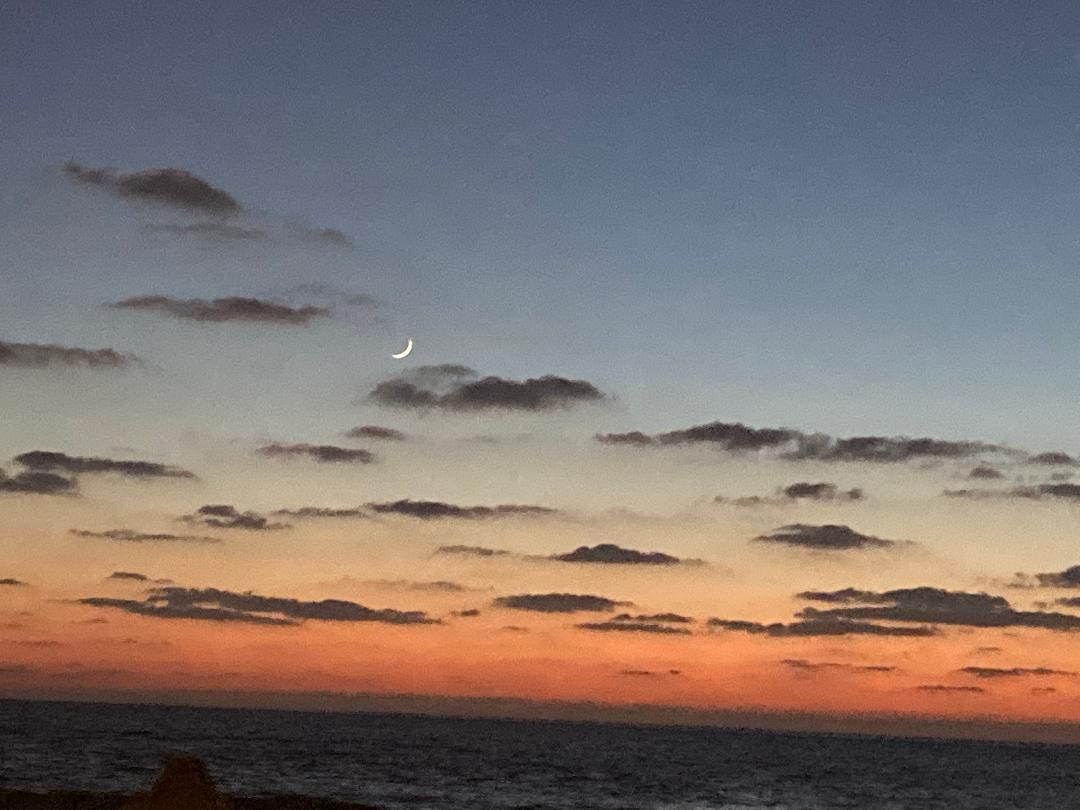
So the mishkan was something like a sukkah: you could look up and imagine the stars twinkling, and be reminded… in one of the Tel Aviv train stations, someone wrote on the wall opposite the platform: הסתכלת לשמים היום?  have you looked up to the heavens today? And maybe that’s the feeling the mishkan wanted to create: don’t forget to look up. It has not been easy to look up recently, but that’s exactly why we need to. I remember a conversation long ago with a dear colleague when he was in some (stupid) hot water at work. While I thought to comfort, offer some “slogans”, tell him how ‘they don’t get it’ and ‘it will be ok’, etc etc, he said to me, “You know, a pianist, at home, is great on the piano, but the question is, how will he do in the concert?? We always talk about how to be and what to do when we’re challenged, but we never get to actually “practice” in real time, and here, now, I can! I’m grateful!”

I was not about to start dancing for joy then or now; things are “complicated” at best, but I think about this exchange often. I think about this “practice” in real time, about remembering to look up; to do what we must to notice, even squint, that the little clasps in the loops, look like stars in the sky.

Shabbat Shalom.

Posted in Uncategorized | Tagged , , | 1 Comment

Shabbat Naso-Be’ha’alotcha: more than nothing

He was 8 years old at the time; his dad a reputable businessman with several academic and professional degrees. They went out for ice-cream and games in the park, telling imaginary stories and enjoying music on the radio, both decently dressed and groomed. The child was seat-belted in the backseat and the speed limit observed as the dad carefully maneuvered their neighborhood streets. The policeman stopped them anyway: “License and registration”. “Of course”, responded the cautious dad, “and it’s rental”, he added knowing, “here’s the paperwork”. “Aha”, the policeman kept staring at the papers, the car, the man, then noticing the child, barked, “How come the child is not in an appropriate car-seat?” “Excuse me sir? stammered the dad, “The child is 8 years old and quite tall for his age; it’s been more than 4 years since he fit in a car-seat; I’m afraid I don’t have one”… “Aha”… the officer waited, slapping the papers against his palm, looking around for what else can be, then sighing, “well, I guess you’re good to go”.

“What was that?” asked the curious child as they drove on, the dad catching his breath, quietly pondering, how one day he’ll have to explain to his child what it’s like to be Black in America. “Oh, it’s nothing”, he said finally, “it’s… nothing”.

These are the stories to look for, hear and attend to. When someone is dead, is way too late, no public, too manipulated, the story “stolen” by anyone who wants to advance anything. I want to hear about the “nothing”; how far that “nothing” is from what nothing supposed to be… well, nothing. Someone the starting point needs to be taken down a notch. And soon.

*******

An almost unnoticed small tragedy took place on last Shabbat, which outside of Israel was still Second Day Shavuot: We’re now each reading a different Torah portion, out of sync with each other, as we’re stuck, wandering in the desert… it does feel a little lost and harder to address “The” Torah portion when it is not the same…

But, daf yomi is still here. On the heels of Shavuot, we get a great story about Moses ascending to Mt Sinai and debating with the angles who guard the Torah and don’t want to allow a mortal to get it. Moses “wins” the argument wisely, and therefore takes the Torah “captive”, to bring it to the People.

The Sfat Emet, Chasidic commentary, says that it’s backwards: it’s not that the Torah is taken captive, but rather, it is being released from its captivity!! The Torah has no place among the angels; they don’t need it, can’t use it and can’t share it. There is was, in the heavens, like a diamond hidden in a secret safe, unavailable to the world. Until Sinai. And now, every day, we get to learn it, enjoy it and share it.

Shabbat Shalom.

Posted in Uncategorized | Leave a comment

Empty out to bring something new for this Chag Shavuot

Every so often, through the miracles of the internet, I chance upon “old” photos, from 3-6-12-24.. months ago and even more… photos with people hugging, leaning, sitting shoulder to shoulder… everything is back to normal. Almost. I am walking down the street with my mask on, while as of today, people are sitting in restaurants, talking, sharing, smiling… I’m reminded of the story about someone who put nails in the wall, then pulled them out. Now there were no nails, but there were holes… yes, it’s “back to normal”, but the “holes” are still there.

This week’s daf allocates much space to “bathroom laws”, where, what, how… somehow, this all relates to Shabbat activities which we should be mindful off; not easy section to “stomach”; our sages talk about e-v-e-r-y-t-h-i-n-g…

Here are a couple of great pieces, emphasizing how learning about the world is critical and likened to “real” Torah:

אמר ליה [לו] רב הונא לרבה בריה [בנו]: מאי טעמא לא שכיחת קמיה [מה טעם אינך מצוי] לפני רב חסדא דמחדדן שמעתיה [שמחודדתות שמועותיו, הלכותיו]? אמר ליה [לו] רבה: מאי איזיל לגביה [מה אלך אליו]? דכי אזילנא לגביה מותיב לי במילי דעלמא [שכאשר אני הולך אליו מושיב הוא אותי ומעסיקני בענייני עולם שאינם דברי תורה]. ולמשל אמר לי: מאן דעייל [מי שנכנס] לבית הכסא לא ליתיב בהדיא [יישב מיד], ולא ליטרח טפי [יטרח, יתאמץ מידי], משום דהאי כרכשתא אתלת שיני יתיב [שכרכשתא זו, סופו של המעי התחתון יושב, תלוי, על שלוש שיניים], שהם השרירים האוחזים אותו, ויש לחשוש דילמא [שמא] מתוך המאמץ משתמטא [יישמטו] שיני הכרכשתא ואתי [ויבוא] בתוך כך לידי סכנה. אמר ליה [לו] רב הונא לרבה בנו: הוא עסיק [מתעסק] בחיי דברייתא [הבריות] ואת [ואתה] אמרת שעוסק הוא במילי דעלמא [בסתם דברים]?! עכשיו מששמעתי במה דברים אמורים אומר אני כי כל שכן זיל לגביה [לך אצלו].

Rav Huna said to his son Rabba: What is the reason that you are not to be found among those who study before Rav Ḥisda, whose halakhot are incisive? Rabba said to him: For what purpose should I go to him? When I go to him, he sits me down and occupies me in mundane matters not related to Torah. For example, he said to me: One who enters a bathroom should not sit down immediately and should not exert himself excessively because the rectum rests upon three teeth, the muscles that hold it in place, and there is concern lest the teeth of the rectum dislocate through exertion and he come to danger. Rav Huna said to his son Rabba: He is dealing with matters crucial to human life, and you say that he is dealing with mundane matters? Now that I know what you meant, all the more so go before him.

And one more. Towards the end of the chapter we find this important advice:

תנו רבנן [שנו חכמים] בברייתא: הנכנס לסעודת קבע ורוצה להתכונן שלא יוכרח להפנות בשעת הסעודה, יהלך לפני הסעודה עשר פעמים מהלך של ארבע ארבע אמות, ואמרי לה [ויש אומרים]: ארבע פעמים של עשר עשר אמות ויעזור הדבר להחיש את פעולת המעיים, ונפנה, ואחר נכנס וישב במקומו.

The Sages taught in a baraita: One who wishes to enter and partake of a regular meal that will last for some time, should pace a distance of four cubits ten times, and some say, ten cubits four times, in order to expedite the movement of the bowels, and defecate, and enter, and sit in his place.

This one actually ties into Shavuot… how so, you wonder? The idea of having to “empty” before “filling up”. This is parallel to the Children of Israel venturing to the desert, to an empty place, to receive the Torah; also parallel to Ruth, who, like Abraham, goes out into nowhere, not knowing but hoping – to learn, discover, chance upon new opportunities, none of which could have happened in Egypt to the nation, or to Ruth (and Abraham) in their birthplaces.

In Leviticus 23:15-16. We’re told about how this period of Counting the Omer will reach its end:

וּסְפַרְתֶּ֤ם לָכֶם֙ מִמָּחֳרַ֣ת הַשַּׁבָּ֔ת מִיּוֹם֙ הֲבִ֣יאֲכֶ֔ם אֶת־עֹ֖מֶר הַתְּנוּפָ֑ה שֶׁ֥בַע שַׁבָּת֖וֹת תְּמִימֹ֥ת תִּהְיֶֽינָה׃

And from the day on which you bring the sheaf of elevation offering—the day after the sabbath—you shall count off seven weeks. They must be complete:

עַ֣ד מִֽמָּחֳרַ֤ת הַשַּׁבָּת֙ הַשְּׁבִיעִ֔ת תִּסְפְּר֖וּ חֲמִשִּׁ֣ים י֑וֹם וְהִקְרַבְתֶּ֛ם מִנְחָ֥ה חֲדָשָׁ֖ה לַיהוָֽה׃

you must count until the day after the seventh week—fifty days; then you shall bring a new offering (of new grain) to the LORD.

We are to bring a “new offering”. True, the text likely refers to the grain offering, but we can see in it the newness. How? The yogis tell about the pupil who comes with his dish, full of leftover and dirt to the master begging for food. “Empty this out first, then I’ll give you”. The master of course, speaks not only of the dish but of the heart and mind as well, not unlike our Shavuot message. Maybe there is no need to get back to “normal”, if normal means we learned nothing and gained nothing. Maybe we do need to bring with us something new.

Chag Sameach & Shabbat Shalom.


Posted in Uncategorized | Leave a comment