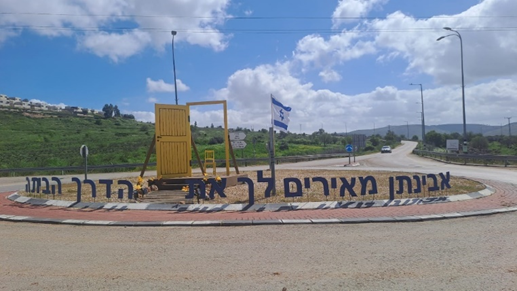
Stand for a minute, I need to count you! The Torah portion of Bamidbar

תעמדו רגע! אני צריך לספור אתכם! פרשת במדבר

When you go on a field trip with 40 teenagers, what is the thing you do most often? Yes, you tell them to come, go, don’t forget, listen, sit, stand, move forward, return, eat, drink, put on a hat, but what the team does all the time is… count. If we came with 40, we need to have 40. Not “about”, not 39. Not 41. Any tiny mistake can be a disaster. In everything that is important to us, we know exactly how many there are. No parent says, I have “about” so and so many children. Neither does Gd. And so we arrive in the book of Bamidbar, “Numbers”.כשיוצאים עם 40 בני נוער לטיול שנתי, מה הדבר אותו עושים הכי הרבה? כן, אומרים להם לבוא, ללכת, לא לשכוח, להקשיב, לשבת, לעמוד, להתקדם, לחזור, לאכול, לשתות, לשים כובע, אבל מה שהצוות עושה כל הזמן זה… לספור. אם יצאנו עם 40, חייבים להיות 40. לא בערך, לא 39. לא 41. כל טעות קטנה יכולה להיות אסון. בכל דבר שחשוב לנו, אנחנו יודעים כמה יש, ואף הורה לא אומר, יש לי “בערך” כך וכך ילדים. גם לא הקב”ה. וכך מגיע ספר “במדבר”.  
We are in an empty and open space. Basically, anyone can come and go. There are no fences. There is no security. Why are we taken to the desert? One You can say, that’s what there is on route between Egypt and the Land of Israel! Yes. But Gd is Almighty! He could have planted trees there for us! Something? But a desert?אנחנו נמצאים במרחב הריק והפתוח. בעצם, כל אחד יכול לבוא וללכת. אין גדרות. אין אבטחה. למה לקחת אותנו למדבר?
אפשר להגיד, זה מה שהיה בדרך בין מצרים וארץ ישראל! אבל הקב”ה, כל יכול! יכול היה לשתול שם עצים בשבילנו! משהו? דוקא מדבר?
The yogis tell of a monk who arrives at the door of a rich man. “Please, give me some food,” says the monk, handing him his bowl, but the rich man refuses: “Your bowl is overflowing with all kinds of leftovers and mess you’ve collected along the way. Empty it and clean it, and then I’ll give you some of my special foods.” The yogis, of course, also tell this story as a parable. Sometimes our “bowl” overflows with all kinds of old nonsense and has no room for anything new until we empty it. That is why part of our journey to the Land of Israel includes the time in the desert, which is a simple and clean time, a time to “empty” that which had in the “bowl” we received in Egypt, to cleanse ourselves and prepare to enter the land.היוגים מספרים על נזיר שמגיע לדלתו של אדם עשיר. “בבקשה, תן לי אוכל”, אומר אותו נזיר ומגיש לו את הקערה שלו, אך העשיר מסרב:”הקערה שלך עולה על גדותיה עם כל מיני שאריות ולכלוך שאספת בדרך. תרוקן אותה ותנקה אותה ואז אתן לך מהמאכלים המיוחדים שלי”.
גם היוגים כמובן, מספרים את הסיפור הזה כמשל. לפעמים ה”קערה” שלנו עולה על גדותיה מכל מיני שטויות ישנות ואין בה מקום לשום דבר חדש עד שנרוקן אותה.
לכן חלק מהמסע שלנו לארץ ישראל כולל את הזמן במדבר, שהוא זמן פשוט ונקי, זמן ל”רוקן” את מה שהיה לנו ב”קערה” שקבלנו במצרים, להתנקות ולהתכונן לכניסה לארץ.
Our Sages said that a person does not receive the Torah unless he makes himself like a wilderness (in Midrash Bamidbar Rabba, 1:7), but this “wilderness”, the emptying of ourselves, does not mean becoming nothing. In the Midrash we’re told about the argument between the mountains, each wanting to have the Torah be received on him, each showing off how more beautiful he is: Mt. Hermon, with his white and “snowy” beard; Carmel, with its beautiful greenery; Mount Meron with its height, etc., etc. Only Mount Sinai was silent because he was humble. Thanks to his modesty and humility, the Torah was given on it. And thanks to this, it is said “Moses received the Torah from Sinai”… that is, not “at” Sinai, but “from”, for Moses learned from Mount Sinai to be humble and modest.חז”ל אמרו שאין אדם זוכה לתורה אלא אם כן עושה עצמו כמדבר (במדבר רבה א:ז), אבל ה”מדבריות” הזו, ההתרוקנות והביטול, אין משמעם להפוך לכלום.

  במדרש מסופר על ההרים שהתווכחו על מי תתקבל התורה. כל אחד הראה כמה הוא יפה: החרמון, בזקן הלבן וה”מושלג” שלו, הכרמל, בירוק היפיפיה שלו, הר מירון בקומתו וכו וכו. ורק הר סיני שתק כי היה צנוע.
בזכות צניעותו וענוותנותו, נתנה התורה עליו. ובזכות כך נאמר “משה קבל תורה מסיני”… כלומר, לא “ב”סיני, אלא “מ”הר סיני שלמד מהר סיני להיות צנוע וענו.
The question is, if it is so good to be modest, why not give the Torah in a low valley? Because being humble, modest, and yes, also – emptying ourselves of things we have collected in the past, does not mean being nothing and nobody. On the contrary: along with the empty and open space, comes the Torah portion of Bamidbar and in its heart – the census: “And Hashem spoke to Moses in the Sinai desert… lift up the head of each tribe of the Children of Israel by their families to their father’s house according to the number of the names of every male…” (Number 1:1-2). It should be noted that the verb is not “to count” but “to lift up”, because to be counted as part of the Israelites is a great honor. In the book of Bamidbar there are two commandments to count the Israelites, so much so that in English, the entire book is called “Numbers”.השאלה נשאלת, אם כל כך טוב להיות צנוע, למה שלא תנתן התורה בעמק שפל? מפני שלהיות צנוע, ענו, וכן גם – להתרוקן מדברים שאספנו בעבר, אין פירושו להיות כלום ושום דבר.
נהפוך הוא: יחד עם המרחב הריק והפתוח, באה פרשת “במדבר” ובמרכזה – המפקד: “וַיְדַבֵּר ה’ אֶל מֹשֶׁה בְּמִדְבַּר סִינַי … שְׂאוּ אֶת רֹאשׁ כָּל עֲדַת בְּנֵי יִשְׂרָאֵל לְמִשְׁפְּחֹתָם לְבֵית אֲבֹתָם בְּמִסְפַּר שֵׁמוֹת כָּל זָכָר לְגֻלְגְּלֹתָם” (במדבר א:א-ב).
צריך לשים לב שהפועל איננו “ספרו” אלא “שאו”, הרימו, כי להספר כחלק מבני ישראל, זהו כבוד גדול. בספר “במדבר” יש שני ציווים לספור את בני ישראל, עד כדי כך שבאנגלית, הספר כולו נקרא “מספרים”.  
The Midrash says (in Bamidbar Raba 21:7): ​“This is likened to a shepherd whom the owner gave his sheep to be guarded. They were counted when they left Egypt… and when Moses neared hi death and he was about to return the herd to the Holy One, he counted them again”. That is, we must count.המדרש אומר (במדבר רבה כא:ז): “משל לרועה שמסר לו בעל הבית צאנו במנין. השלים הרועה שמירתו, כשמחזירן צריך למנותן. כך, כשיצאו ישראל ממצרים מסרן למשה במנין … בא ליפטר מן העולם בערבות מואב החזירם במנין”), כלומר, חייבים לספור.  
On the other hand, the Haftara tells us “And the number of the Children of Israel will be like the sand by the sea that will not be measured and will not be counted… ” (Hosea 2:1). The understanding is that, in fact, it is not only impossible, but forbidden to count the Children of Israel: “Rabbi Yitzchak said: It is forbidden to count the Children of Israel even for the sake of doing a mitzva…. Rabbi Elazar said: Anyone who counts the Children of Israel transgresses a negative commandment, as it is said, “and let the number of the Children of Israel be like the sand by the sea, which will not be measured and will not be counted” (Tractate Yoma 22:a-b). There are places where when 10 men are counted for a minyan, they are not counted in numbers but in a verse with 10 words, each person given a word: “Save your people; bless your inheritance. Guide-them; lift-them, for ever” (Psalms 28:9).מצד שני, ההפטרה אומרת לנו “וְהָיָה מִסְפַּר בְּנֵי יִשְׂרָאֵל כְּחוֹל הַיָּם אֲשֶׁר לֹא יִמַּד וְלֹא יִסָּפֵר וְהָיָה בִּמְקוֹם אֲשֶׁר יֵאָמֵר לָהֶם לֹא עַמִּי אַתֶּם יֵאָמֵר לָהֶם בְּנֵי אֵל חָי” (הושע ב:א).
ההבנה היא שבעצם, לא רק אי אפשר אלא אסור לספור את בני ישראל: “אמר ר’ יצחק: אסור למנות את ישראל אפילו לדבר מצווה…. אמר ר’ אלעזר: כל המונה את ישראל עובר בלאו שנאמר: “והיה מספר בני ישראל כחול הים אשר לא ימד ולא יספר” (יומא כב:א-ב).
יש מקומות בהם כשסופרים 10 גברים למנין, לא סופרים במספרים אלא בפסוק עם 10 מילים, כשנותנים לכל אדם שנספר מילה אחת: “הושיעה את עמך, וברך את נחלתך, ורעם ונשאם עד העולם” (תהילים כח:ט).
And now, when there is a real contradiction, I feel at home: the counting makes each person unique. Everyone has a chance to be seen. Just like on any trip, Gd forbid if we lose someone! The whole trip is ruined!! Therefore, everyone has a spot, a family, a tribe, a flag.
On the other hand, counting holds a danger: is everyone really “just” a number? This is why the Haftara comes and says, let us not think of people as numbers. It immediately reminds us of awful times. And it has been said: “Whoever saves one soul”….
ועכשיו, כשיש כאן סתירה ממשית, אני כבר מרגישה בבית: הספירה מייחדת כל אדם. לכל אחד יש הזדמנות להראות. לכל אחד יש מקום, משפחה, שבט, דגל. בדיוק כמו בכל טיול, חס וחלילה אם נאבד מישהו אחד! הלך על כל הטיול!!
מצד שני, בספירה יש גם סכנה: האם כל אחד הוא באמת “רק” מספר? לשם כך באה ההפטרה, ואומרת, שחלילה לנו מלחשוב על אנשים כמספרים. זה מייד מזכיר לנו משהו רע. והרי נאמר: “כל המציל נפש אחת”….  
Like a beautiful spiral, the book of Numbers echoes the opening of the book of Genesis: Every person was created in Gd’s image. Every person holds the light of Gd. Every person is a whole world. When s/he is lost, everything is lost with him. Wow. But even in this, there is a danger: the world was created for me! I am almost Gd, the truth is, I’m pretty much like…. ! I am allowed everything!! And then… Another reminder: you are made of dust. You are part of the whole, counted as one more along with everyone else.כבספירלה יפיפיה, ספר במדבר מהדהד את הפתיח של ספר בראשית:
כל אדם נברא בצלם. כל אדם מחזיק באור הקב”ה. כל אדם הוא עולם ומלואו. כשהוא אובד, הכל אובד איתו. וואו.
אבל גם בכך יש סכנה: העולם נברא בשבילי! אני כמעט אלוהים, האמת, די כמו… ! מותר לי הכל!! ואז… תזכורת נוספת: נוצרת מעפר. אתה חלק מהכלל, נספר כעוד אחד יחד עם כולם.  
The Torah portion of Bamidbar is always read before Shavuot, separating the blessings and curses of the end of the book of Leviticus, and the continuation of our story on the journey to Israel. “Don’t move for a moment,” says the Holy One, “I want to make sure that we are all here,” and so we stand and prepare for the Receiving of the Torah.פרשת במדבר תמיד נקראת לפני חג שבועות, חוצצת ומפרידה בין הברכות והקללות של סוף ספר ויקרא והמשך הסיפור שלנו במסע לארץ.
“אל תזוזו רגע”, אומר הקב”ה, “אני רוצה לוודא שכולנו כאן”, וכך אנחנו עומדים ומתכוננים למתן תורה.  

שבת שלום, ראש חודש טוב וחג שבועות שמח

  SHABBAT SHALOM, HODESH TOV & A HAPPY SHAVUOT

Posted in Uncategorized | Tagged , , | Leave a comment

The gifts of Jerusalem

לכבוד יום ירושלים תשפ”ד – המתנות של ירושלים

Yom Yerushalayim coming up on Wednesday this week, “coincidentally” falls on the 28th of the Hebrew month of Iyar. We could say, that this is due to historical reasons: During the Six Day War  this was the day that the Jerusalem was conquered. Over the years, it has sadly become a more “fringe” day, especially easily avoided by those of living elsewhere: ah, it’s only for “Jerusalemites”; ah, it’s only for “dosim” (religious people). We see the challenges in it and may wonder, really, what’s in it for me?יום ירושלים הבא עלינו לטובה ביום רביעי השבוע, חל “במקרה” בכ”ח בחודש אייר.
אפשר לומר, שזה נובע מסיבות היסטוריות: במלחמת ששת הימים זה היה היום שבו נכבשה ירושלים. עם השנים, הפך היום הזה למרבה הצער, שלי לפחות, ליום “שולי” יותר, כשבמיוחד מי שגר במקום אחר, יכול להמנע ממנו: אה, זה רק ל”ירושלמים”; אה, זה רק ל”דוסים”…
אנחנו רואים את האתגרים שביום הזה, ויכולים לתהות, באמת, מה יש כאן בשבילי?
Let’s start with the fact that 28th of Iyar also “happens to be” the 1st day of the last week of the Count of the Omer, the 7 weeks between Pesach and Shavuot. The Kabbalist explain that each week ushers a different “sefira”, a different Kabbalistic level, and within that week, each day, qualifies itself with a specific energy. Yom Yerushalayim, being the 1st day in the 7th week, is a day of Chesed (kindness) in Malchut (kingship). We’re told that this was the day Rav Kook made aliya, and that earlier sages already noticed this to be a power day in our national history.נתחיל מזה שכ”ח באייר הוא ב”מקרה” גם היום הראשון בשבוע האחרון של ספירת העומר, 7 השבועות שבין פסח לשבועות. חכמי הקבלה מסבירים שבכל שבוע מובילה “ספירה” אחרת, רמה קבלית אחרת, ובתוך אותו שבוע, לכל יום אנרגיה אחרת.
יום ירושלים, בהיותו היום הראשון בשבוע השביעי, הוא יום שנחשב “חסד במלכות”.
מספרים לנו שזהו היום בו עלה לארץ הרב קוק, ושחכמים קודמים כבר שמו לב לכך שזהו יום חזק ומיוחד בהיסטוריה הלאומית שלנו.
I remember my first visit to Jerusalem, only “yesterday”, Sukkot 1967: My parents reserve a “special” – a taxi for the day, just for the four of us, and wake us up while still dark outside. But no matter, we are excited to get into the car (cars were not so much of a thing back then!), heading south, then east, so by mid-morning we enter Jerusalem. What’s the big deal, it’s just another a city – with traffic and markets and people and shops and construction and yet… OMG, it’s Jerusalem! “Our feet stand in your gates, Oh Jerusalem” (Psalms 122:2)!אני זוכרת את הביקור הראשון שלי בירושלים, שהרי היה רק “אתמול”, בסוכות 1967: הוריי מזמינים “ספיישל” – מונית לכל היום, רק לארבעתנו, ומעירים אותנו כשעדיין חשוך בחוץ. אבל לא משנה, אנחנו נרגשים להיכנס לרכב (מכוניות לא היו דבר נפוץ כל כך אז!), נוסעים לכיוון דרום, ואז מזרחה, ובאמצע הבוקר אנחנו נכנסים לירושלים.
מה ה”ביג-דיל”, סה”כ עוד עיר – עם תנועה ושווקים ואנשים וחנויות ורעש שיפוצים ובנייה, ובכל זאת… OMG, זו ירושלים! “עומדות היו רגלינו בשעריך, ירושלים” (תהלים קכב, ב)!  
We travel through the busy city, climbing up to Har Hatzofim (Mt. Scopus) with its university buildings punctured by bullets and shells’ holes, and my mom tells of the Hadassa Convoy Massacre in a sad voice. We picnic in a city park near the municipality, and for the first time, I see sefardi sukkot, with embroidered walls, colorful rugs and big, cushy pillows. Then we make our way to the Kotel, holding hands tightly, not to be lost in the crowds to reach a giant wall rising up all the way to the sky, with plants and birds in and above it.
As the city gets ready for bedtime, we bid farewell to the pinkish, golden, dusty hills. We sleep most of the way back amidst hushed adult conversations. The next day, we go back to school, work, routine, and “Jerusalem of Gold” seems almost like a dream.
 אנחנו נוסעים בעיר העמוסה, מטפסים להר הצופים עם בנייני האוניברסיטה המנוקבים בכדורים ובחורי פגזים, ואמא שלי מספרת על טבח שיירת הדסה בקול עצוב.
אנחנו עושים פיקניק בגן העירוני ליד בנין העירייה, ולראשונה אני רואה סוכות ספרדיות, עם קירות רקומים, שטיחים צבעוניים וכריות גדולות ומפנקות.
אחר כך אנחנו עושים את דרכנו אל הכותל, מחזיקים ידיים חזק לא ללכת לאיבוד בין ההמונים, כדי להגיע לחומה ענקית המתנשאת עד השמיים, עם צמחים וציפורים בתוכה ומעליה.
כשהעיר מתכוננת לשעת השינה, אנחנו נפרדים מהגבעות הוורדרדות, הזהובות והמאובקות. אנחנו ישנים את רוב הדרך חזרה כשברקע לחישת שיחות המבוגרים. למחרת אנחנו חוזרים לבית הספר, לעבודות, שגרה, ו”ירושלים של זהב” נראית כמעט כמו חלום.
For centuries, travelers dreamed and journeyed, from all over the world, excited to reach this one and only, magical, holy city. Especially this week, when we commemorate Yom Yerushalayim, we are invited to pause from our daily turmoil and contemplate this place. What is it about her?במשך מאות שנים, מטיילים חלמו ונסעו מכל רחבי העולם, נרגשים להגיע לעיר הקדושה, הקסומה והיחידה הזו.
במיוחד השבוע, כשאנו מציינים את יום ירושלים, אנו מוזמנים לעצור מהמהומה היומיומית ולהרהר במקום הזה. מה יש בה?
Rav Uri Sharki offers an interesting perspective. Accordingly, each one of us is subjected to three big limitations in life: We can be only in one place (here, wherever that is); at one time (now); and within only one self (me). Our tradition offers unique and perhaps surprising remedies by which we can over these limitations:הרב אורי שרקי מציע נקודת מבט מעניינת, לפי כך, כל אחד מאיתנו נתון לשלוש מגבלות גדולות בחיים: אנחנו יכולים להיות רק במקום אחד (כאן, איפה שזה לא יהיה); בבת אחת (עכשיו); ובתוך עצמי אחד בלבד (אני).
המסורת שלנו מציעה תרופות ייחודיות ואולי מפתיעות שבאמצעותן נוכל להתגבר על המגבלות הללו:
How can we overcome the limitation of Space?
The Land of Israel, which Scripture and later the Talmud call ‘Eretz Hatzvi”  – the Land of the Deer (Daniel 11:41; Tractate Ktubot 111:a), refers to an elastic place, like a deer’s skin, widening and shrinking as needed.   We’re told that “No-one ever said, there is no place for me to stay overnight in Jerusalem” (Pirkei Avot 5:5), meaning, everyone always had room, and this phenomenon is recorded in travelers’ journals of later days as well, as the place “stretches” for more and more people.
כיצד אפשר שנתגבר על מגבלת המקום? התנ”כ ובהמשך התלמוד קוראים לארץ ישראל – ‘ארץ הצבי’ (דניאל יא, ל”א; מסכת כתובות יא, א). כפי שמוסבר, זהו שם שנבחר כדי להביע מקום אלסטי, כמו עורו של צבי, המתרחב ומתכווץ לפי הצורך.
נאמר לנו ש”מעולם לא… אמר אדם לחברו: צר לי המקום שאלין בירושלים” (פרקי אבות ה, ה), כלומר, לכולם תמיד היה מקום, והתופעה הזו מתועדת ביומני מטיילים בתקופות מאוחרות יותר, כשהמקום “מתמתח” לארח ולהכיל עוד ועוד אנשים.
How can we overcome the limitation of Time? 
True, usually, we can’t, but there is one day a year, Yom Kippur, when one can “time-travel” back and forth. We can go back to the past, atone – as if, changing the past, correcting what we’ve done through the process of teshuva for a better present and future.
כיצד אפשר שנתגבר על מגבלת הזמן? נכון, בדרך כלל, אנחנו לא יכולים, אבל יש יום אחד בשנה, יום כיפור, שבו אפשר “לטייל בזמן” הלוך ושוב. אנחנו יכולים לחזור לעבר, לכפר – כלומר לשנות את העבר, לתקן את מה שעשינו בתהליך של תשובה למען הווה ועתיד טובים יותר.
How can we overcome the limitation of Self? On Yom Kippur, the High Priest would atone for all the transgressions of all the People of Israel. We might be too used to this “story”’ but it’s truly a strange idea. After all, we can’t ask someone to fall in love for us, or feel longing or joy or anything for us! And yet, the High Priest is instructed to atone for the whole people, namely, to hold all others “on his heart” (Exodus 28:36); and when he does that, something changes within us too, as if our Self is expanded and contained within another person, and when that happens, something changes within us too!  כיצד אפשר שנתגבר על המגבלה של העצמי? ביום הכיפורים היה הכהן הגדול מכפר על כל העבירות כל עם ישראל. אנחנו קצת רגילים מדי לסיפור הזה, אבל זה באמת רעיון מוזר. אחרי הכל, אנחנו לא יכולים לבקש ממישהו להתאהב בשבילנו, או להרגיש געגוע או שמחה או כל דבר עבורנו.
ובכל זאת, הכהן הגדול מצווה לכפר על כל העם, דהיינו להכיל את כל העם הזה “על לבו” (שמות כ”ח, ל”ו);
וכשהוא עושה את זה, משהו משתנה גם בתוכנו, כאילו העצמי שלנו מתרחב ומוכל בתוך מישהו אחר, ובזכות המישהו האחר הזה, משהו קורה גם בי!
All these things, transcending time, place and selfhood, happen only in the one and only Jerusalem; only inthe city of Awe (yir’a) and Peace (shalem) with the preence of Hashem. For many of us this is not a daily encounter; we may not live in Jerusalem, nor do we get to visit that often, if ever. And yet, maybe we can take this one day a year, to lift up our eyes from the news and daily “challenges”, remember and celebrate her magic.כל הדברים האלה, העוברים על הזמן, המקום והעצמיות, קורים רק בירושלים האחת והיחידה; רק בעיר שמשלבת יראה (ירו-) ושלום (שלם) עם נוכחות הקב”ה
עבור רבים מאיתנו זהו לא מפגש יומיומי; אנחנו אולי לא גרים בירושלים, וגם לא זוכים לבקר בה לעתים קרובות כל כך, אם בכלל.
ובכל זאת,
אולי נוכל לקחת את היום האחד הזה בשנה, כדי להרים עיניים מהחדשות ומה”אתגרים” היומיומיים, להיזכר ולחגוג את הקסם שלה.

A quick tour in the Old City:

And a song:

Posted in Uncategorized | Tagged | 2 Comments

Walking humbly upright… – The Torah portion of Bechukotai

אם בחוקותי תלכו בצניעות וזקיפות קומה…

My grandmother used to say to me “wenn du mit Gott gehst, da gehst du nicht allein”, that is (in the Yekke language we spoke) “if you walk with God, then you will not walk alone.” My grandmother, officially at least, was not “religious” as people think of religiousness today, but in her heart – very much so, and this sentence is the heart of this week’s Torah portion of Bechukotai.סבתא שלי היתה אומרת לי, (ובגרמנית של היקים של פעם): “אם תלכי עם אלוהים, אז לא תלכי לבד“. סבתא שלי, באופן רשמי לפחות, לא היתה “דתיה” כמו שחושבים על דתיות כיום, אבל בלב – מאד, והמשפט הזה הוא לב פרשת השבוע הזה.  
“If in my statutes (chukot) you shall walk”, opens the last portion in the book of Leviticus, and it’s already a wonder. According to Sefaria’s website, there are more than 160 commentaries on this opening verse, not including midrashim and relevant discussions in the Talmud and other sources. Indeed, not “and the Lord spoke to Moses saying”, and not all the other beginnings we have seen, whether a specific person (Noach, Korah, Pinchas), an active verb (Vayetze, Bayishlach, Tazri’a), an action (Teruma, Pekudei, Vezot Habracha) , but – a condition: “if… then”… I thought that Gd loves us a great, eternal and infinite, unconditional love! And certainly yes, but not “only”. Also – an unconditional love, and also, the merits of our forefathers (and foremothers ), and also, a dependence on our work. If there was only eternal love, all our doing would not be insignificant, but, not only is there a marginal need for it, but our entire future depends on it.“אם בחוקותי תלכו”, פותחת הפרשה האחרונה בספר ויקרא, וכבר פליאה. לפי האתר של ספריא, יש יותר מ-160 פירושים על הפסוק הפותח, לא כולל מדרשים ודיונים רלוונטים בתלמוד ומוקורת אחרים.
אכן, לא “וידבר ה’ אל משה לאמור”, ולא כל ההתחלות האחרות שראינו, סיפור כלשהו עם אדם מסוים (נח, קורח, פנחס), פועל אקטיבי (ויצא, וישלח, תזריע) או עשיה (תרומה, פקודי, וזאת ברכה), אלא – תנאי: אם… אז…
אני חשבתי שהקב”ה אוהב אותנו אהבה גדולה, נצחית ואינסופית, חסרת תנאים! ובהחלט כן, אבל לא “רק”. גם – אהבה חסרת תנאים, גם, זכות אבות (ואמהות), וגם, תלות בעשיה שלנו. לו היתה רק האהבה הנצחית, כל העשיה שלנו לא היתה משמעותית, אבל הנה, לא רק שיש בה צורך שולי, אלא שכל עתידנו תלוי בכך.  
Rashi continues and wonders: What exactly does Scripture mean when it says, “If in my statutes you shall walk”? After all, right after that it says, “And you shall keep my commandments,” so it’s not possible that walking in Gd’s statutes, is the same as keeping the commandments, because that’s already written! So what Is it? How is it even possible to observe “walking in the statutes”? Says Rashi, who bases himself on Sifra, “You shall be labor in the Torah”.רש”י ממשיך ותוהה: למה בדיוק מכוון הכתוב כשנאמר “אם בחוקותי תלכו”? הרי מיד לאחר מכן נאמר, “ואת מצוותי תשמרו”, כך שלא יתכן שללכת בחוקות ה’, זה אותו הדבר כמו שמירת מצוות, כי כבר כתוב! אז מה זה כן?
איך בכלל אפשר לקיים “אם בחוקותי תלכו”? אומר רש”י המתבסס על ספרא (מדרש הלכה על ספר ויקרא), “שֶׁתִּהְיוּ עֲמֵלִים בַּתּוֹרָה”.  
How did we get from “walking” to “labor”? Because it is not enough to just put a check mark on various mitzvahs, but rather, one has “to go”. Not only to ‘be there’ during the act itself, but also in between, moving from place to place, on a journey to go deeper and deeper, and even then to be in the Torah. The Torah portion includes blessings and “curses” or different types of consequences as a result of our actions. If we do good, it will be good. And if we don’t do good, it will be “not so good”, as the Yekkes (German Jews) would say, which is really very, very bad.איך הגענו מ”הליכה” ל”עמל”? כי לא מספיק רק לשים “וי” על מצוות שונות, אלא “ללכת”. לא רק להיות שם בזמן העשיה עצמה, אלא גם בין לבין, בתנועה ממקום למקום, במסע להעמיק עוד ועוד, גם אז להיות בתורה.  
בפרשה כוללת ברכות ו”קללות” או בעצם סוגים שונים של השלכות כתוצאה ממעשינו. אם נעשה טוב, יהיה טוב. ואם לא נעשה טוב, יהיה “לא כל כך טוב”, כמו שאמרו היקים, שזה בעצם, רע מאד, מאד.  
The blessings end with the verses:  “I will be ever present (“walking”) in your midst: I will be your Gd, and you shall be My people; I am Hashem your Gd who brought you out from the land of the Egyptians to be their slaves no more, who broke the poles of your yoke and made you walk erect (komemiyut)” (Leviticus 26:12-13). The Midrash adds that we should note that the blessings begin with the letter Alef and end with the letter Tav (“A-Z”), because a true blessing expands, encompasses and contains everything in it. In contrast to the curses that “narrow” (tzar, also meaning trouble), limit and reduce life, which is also expressed in the letters that frame the curses.הברכות מסתיימות בפסוקים: “וְהִתְהַלַּכְתִּי֙ בְּת֣וֹכְכֶ֔ם וְהָיִ֥יתִי לָכֶ֖ם לֵֽאלֹהִ֑ים וְאַתֶּ֖ם תִּהְיוּ־לִ֥י לְעָֽם. אֲנִ֞י ה’ אֱלֹֽהֵיכֶ֗ם אֲשֶׁ֨ר הוֹצֵ֤אתִי אֶתְכֶם֙ מֵאֶ֣רֶץ מִצְרַ֔יִם מִֽהְיֹ֥ת לָהֶ֖ם עֲבָדִ֑ים וָאֶשְׁבֹּר֙ מֹטֹ֣ת עֻלְּכֶ֔ם וָאוֹלֵ֥ךְ אֶתְכֶ֖ם קֽוֹמְמִיּֽוּת” (ויקרא כו:12-13).  
המדרש מוסיף לנו שנשים לב שהברכות מתחילות באות א’ ומסתימות באות ת’, כי הענין בברכה אמיתית שהיא מרחיבה, מקיפה ומכילה את הכל. לעומת הקללות שהיא מצרות, מגבילות ומקטינות את החיים, מה שמתבטא גם באותיות הממסגרות את הקללות.  
And there is one word here that appears only once in the Torah: “walk erect” = komemiyut. What is? Says Rabbi Shlomo Zalman Ullman, Abd Bistritz (Abbeyt Din in Romania, 19th century): In Birkat Hamazon, the blessing after eating food / bread, we say – “The Merciful One will break our yoke from our necks and he will lead us to our Land”, [and some say – in our land–], meaning we want the complete breaking of the yoke. And why don’t we pray quoting the Torah verse here, “He will break the poles of our yoke”?ויש כאן מילה אחת שמופיעה רק פעם אחת בתורה: “קוממיות”. מה זה? אומר הרב שלמה זלמן אולמן, אב”ד ביסטריץ (אב בית דין ברומניה, מאה ה-19):

הנה בברכת המזון אנחנו אומרים – “הרחמן הוא ישבור עולנו מעל צווארנו והוא יוליכנו קוממיות לארצנו”, [ויש שאומרים – בארצנו–], כלומר אנחנו רוצים שבירת העול.   ולמה לא מתפללים בנוסח המקרא – “הוא ישבור מוטות עולנו”?  
And it can be explained so: Usually, a farmer who has finished plowing and will no longer have to plow this year, breaks the poles of the yoke, and next year when the plowing season comes, he will take other poles and put them in the yoke. But if the farmer has decided to eliminate his property, then he also breaks the yoke itself. And this is the meaning here: “who brought you out from the land of the Egyptians… who broke the poles of your yoke”… At this stage, Gd only promises the breaking of the poles, because the yoke itself will resume again in other subsequent exiles.ואפשר להסביר: דרכו של עולם, איכר שגמר את עבודת החרישה שלו ולא יצטרך עוד לחרוש בשנה זו, הוא שובר מוטות העול, ולשנה הבאה כשתגיע עונת החרישה יקח מוטות אחרים וישים אותם בעול.
אבל אם גמר האיכר בליבו לחסל את נחלתו, אז הוא שובר גם את העול עצמו.   וזה המובן כאן שכתוב כאן:   אֲשֶׁ֨ר הוֹצֵ֤אתִי אֶתְכֶם֙ מֵאֶ֣רֶץ מִצְרַ֔יִם…. וָאֶשְׁבֹּר֙ מֹטֹ֣ת עֻלְּכֶ֔ם.
בשלב זה הקב”ה מבטיח רק את שבירת המוטות, כי העול עצמו, יחזור שוב בגלויות אחרות הבאות.  
But we, in Birkat Hamazon, pray – every time we eat as much as a piece of bread, which may may happen several times a day (!) – that Gd will also break the yoke itself, and redeem us with a complete redemption, that we will not have another yoke of exile. And there is another challenge with the word “komemiyut”.אבל אנחנו, בברכת המזון, מתפללים בכל פעם שאנחנו אוכלים פרוסת לחם, דבר שיתכן וקורה כמה פעמים ביום (!) שהקב”ה ישבור גם את העול עצמו, ויגאלנו גאולה שלמה, שלא יהיה לנו עוד עול גלות אחרת. ויש אתגר נוסף בענין הקוממיות.  
We are told in Tractate Brachot (43:b) – that “he who walks upright, even 4 cubits, is as if he’s pushing off the feet of Sh’chinah“. This is because it’s written “The whole earth is full of His glory” (Isaiah 6:3). That is, a person is supposed to bow humbly before the Sh’chinah, and make a “place” for her, while “komemiyut” Rashi interprets to mean “in an upright position.” How do we do this, both standing upright and bow humbly?נאמר לנו במסכת ברכות (מג:ב) – ש”מי שמהלך בקומה זקופה, אפילו 4 אמות, כאילו דוחק רגלי שכינה” וזאת מפני שכתוב “מלוא כל הארץ כבודו” (ישעיהו ו:ג).
כלומר, אדם אמור ללכת בהכנעה לפני השכינה, ולעשות לה “מקום”, ואילו “קוממיות” רשי מפרש שמשמעו “בקומה זקופה”. איך נעשה זאת, גם קומה זקופה וגם הכנעה??  
But in the verse before that it is said –  “I will be ever present (“walking”) in your midst”, and the Sifra says on this verse: I will walk with you in Paradise as one of you, and you will not be afraid of Me. Is it possible that one will not be afraid to walk with Gd? Rather, the text says, “and I will be your Gd”. That is – to brag and show off, no, but to have inner uprightness, yes, definitely. How do we do this in our lives?אלא שבפסוק לפני כן נאמר – וְהִתְהַלַּכְתִּי֙ בְּת֣וֹכְכֶ֔ם וְהָיִ֥יתִי לָכֶ֖ם לֵֽאלֹהִ֑ים וְאַתֶּ֖ם תִּהְיוּ־לִ֥י לְעָֽם׃ ועל זה נאמר בספרא: אֲטַיֵּל עִמָּכֶם בְּגַן עֵדֶן כְּאֶחָד מִכֶּם, וְלֹא תִהְיוּ מִזְדַּעְזְעִים מִמֶּנִּי. יָכוֹל לֹא תִירְאוּ מִמֶּנִּי (כלומר, האם אפשר שלא תפחדו ללכת עם הקב”ה)?
תּלמוד לומר, “וְהָיִיתִי לָכֶם לֵאלֹהִים”: כלומר – להשתחצן ולהשויץ, לא, אבל זקיפות קומה פנימית, בהחלט. איך נעשה את זה בחיינו?  
The sages said that uprightness of stature helps uprightness of thought and stability of mind. And when one walks upright within oneself, we can feel as if we’re walking with Gd in paradise, comfortably and well.ואמר חכמים שזקיפות קומה מסייעת לזקיפות המחשבה ויציבות הדעת. וכשהולכים בזקיפות קומה פנימית, אפשר להרגיש באמת כאילו אנחנו מטיילים עם הקב”ה בגן עדן, בנינוחות ובטוב.  
And this is perhaps the essence of the blessing here – a good spirituality (expressed in the beginning, following the laws and doing mitzvot), physical wealth (expressed in the blessing of the rain and earth), peace between ourselves and those around us, and a sense of Gd’s presence in our lives. B”h, let’s hope to merit.וזו אולי תמצית הברכה – רוחניות טובה (שמתבטאת בפתיח של הליכה בחוקות ועשיית מצוות), עושר פיזי (שמתבטא בברכת הגשמים והאדמה), שלום ביננו לבין עצמנו ובין מי שסביבנו, ותחושה של נוכחות אלוהים בחיינו. הלוואי ונזכה.  

שבת שלום –  SHABBAT SHALOM

Posted in Uncategorized | Leave a comment

Be’har: …”and on the 7th year, the Land shall have a complete Shabbath”….

פרשת בהר: “וּבַשָּׁנָ֣ה הַשְּׁבִיעִ֗ת שַׁבַּ֤ת שַׁבָּתוֹן֙ יִהְיֶ֣ה לָאָ֔רֶץ”…

The 24th chapter of the Book of Leviticus – the last in last week’s Torah portion of “Emor” – is mysterious. Many commentators have tried to figure it out, and have not given convincing explanations, to themselves or others. One of the exceptions is the Malbim (Meir Leibush ben Yehiel Michel Wisser, 1809-1879) whose ideas shed light on this week’s portion as well. And so he writes (on Leviticus 24:2):פרק כ”ד של ספר ויקרא – האחרון בפרשת “אמור” של השבוע שעבר – הוא פרק עלום. פרשנים רבים ניסו כוחם בו, ולא נתנו הסברים משכנעים, לעצמם או לאחרים. אחד מיוצאי הדופן הוא המלבי”ם (מאיר לייבוש בן יחיאל מיכל ויסר, 1809-1879), שבפירושו מאיר גם על פרשת השבוע הזה. וכך הוא אומר (על ויקרא כד:ב):  
“And perhaps (this is the most important word!) along with the commandments Gd who commanded us that include the number 7, we have Passover – 7 days, Sukkot – 7 days, being joyful with the Four Species – 7 days, we also have Rosh Hashanah and Yom Kippur are in this group of “7”’s because they are in the seventh month. Along with that, we have the Menorah, with its seven candles. The Table as well, holds the secret of 7, as it has two rows of 6 loaves which, with the able, hint at the number 7.
likewise, you will also find in this Torah portion the commandment of counting the Omer, which is 7 weeks, and the Shabbat (the 7th day of the week). Therefore, all the commandments which touch on the number 7, are bound here together, for their secret and core is One”….
“ואולי (זו המילה הכי חשובה!) כי לצד שצווה (הקב”ה) מצוות שבעיות (שיש בהן את המספר שבע, ולכן יש לנו את) פסח – ז’ ימים, חג הסוכות – ז’ ימים, שמחת המינים – ז’ ימים, גם ראש השנה ויום הכיפורים ישנם בבחינת השבע (בגלל) להיותם בחודש השביעי.
לזה סמך לזה גם כן מצות המנורה שהיא בחינת שבע נרות. גם השלחן ישנו בסוד שבע דכתיב (שכתוב) “שש המערכת” וגו’ והשלחן הסדורות עליו שהוא סוד המתקבץ בו שש מעלות והיא משלמת שבע.
ו(כן) תמצא שצווה גם כן בפרשה זו מצוות העומר שהוא שבע שבתות, וגם מצות השבת (היום השביעי בשבוע). נמצא אומר שכלל כל מצות השביעיות יחד לומר כי סודם ועיקרם אחד”…  
Wow, a lot of 7’s! 7 days of Pesach and Sukkot. Rosh Hashanah and Yom Kippur – in the 7th month according to the Torah’s counting of the months from the month of Nissan (around April). In addition, we have Shabbat mentioned at the beginning of the holidays, and to Shabbat we add 6 other holidays (Passover, Shavuot, Rosh Hashanah, Yom Kippur, Sukkot and Shemini Atzeret). The counting of the Omer is also mentioned here about which it is said: “And from the day on which you bring the sheaf of elevation offering—the day after the sabbath—you shall count off seven weeks. They must be complete: you must count until the day after the seventh week—fifty days; then you shall bring an offering of new grain to Hashem”… (Lev. 23:15-16)וואו, הרבה 7! 7 ימים בפסח ובסוכות. ראש השנה ויום כיפור – בחודש השביעי ע”פ ספירת התורה את החודשים מחודש ניסן.
בנוסף, יום השבת מוזכר בתחילת אזכור החגים, ובנוסף לו מוזכרים עוד 6 חגים (פסח, שבועות, ראש השנה, יום כיפור, סוכות ושמיני עצרת).  
כן מוזכרת ספירת העומר שעליה נאמר –
“וּסְפַרְתֶּ֤ם לָכֶם֙ מִמׇּחֳרַ֣ת הַשַּׁבָּ֔ת מִיּוֹם֙ הֲבִ֣יאֲכֶ֔ם אֶת־עֹ֖מֶר הַתְּנוּפָ֑ה שֶׁ֥בַע שַׁבָּת֖וֹת תְּמִימֹ֥ת תִּהְיֶֽינָה׃ עַ֣ד מִֽמׇּחֳרַ֤ת הַשַּׁבָּת֙ הַשְּׁבִיעִ֔ת תִּסְפְּר֖וּ חֲמִשִּׁ֣ים י֑וֹם וְהִקְרַבְתֶּ֛ם מִנְחָ֥ה חֲדָשָׁ֖ה לַה'” (ויקרא כג:טו-טז).  
Further: we have sheva brachot – “seven blessings” at a wedding and the week after. While in contrast – we sit shiv’a – seven days during the mourning period after the burial of a loved one.
Even in the world of tum’a & tahara, impurity and purity, without going into its details, we have nidda – 7 days; the woman who gives birth to a son – 7 days and on the 8th the is the brit for the baby, and two weeks (7X2) after the birth of a daughter. And that’s it? So… no.
  עוד ידוע לנו שיש לנו “שבע ברכות” בחתונה ובשבוע לאחריה, ולהבדיל – אנחנו יושבים “שבעה” בתקופת האבל לאחר הקבורה של אדם אהוב.

גם בעולם הטומאה והטהרה, מבלי להכנס לפרטיו, יש לנו את הנידה – 7 ימים, היולדת בן – 7 ימים וביום השמיני, תערך הברית לתינוק, ושבועיים לאחר לידת בת.
וזהו?
אז זהו, שלא…
This week’s Torah portion, “Be’har”, continues to take us further up in the holiness journey of the Book of Leviticus beyond the holiness of the human and Time, to the holiness of the Land, introducing us to the mitzvah of shmita, a completely revolutionary mitzvah!! So far we’ve seen us climbing. We’ve seen the human in need of correction and purification in various aspects of his life. We saw the sanctity of Time on Shabbat and holidays, with possible clues all the way to this day (!). But the mitzvah of shmita is a mitzvah that applies not to the human, but rather – to the Land itself!!?פרשת השבוע שלנו, “בהר”, ממשיכה לקחת אותנו הלאה במסע הקדושה של ספר ויקרא מעבר לקדושת האדם והזמנים, אל קדושת הארץ ומציגה לנו את מצוות השמיטה, מצווה מהפכנית לחלוטין!!  

עד עכשיו ראינו אותנו מטפסים. ראינו את האדם הזקוק לתיקון וטהרה בצורות שונות במערכות חייו. ראינו את קדושת הזמנים בשבת וחגים, עם רמזים אפשריים עד ימינו (!).  
אך מצוות השמיטה זו מצווה שאיננה חלה על האדם, אלא על הארץ עצמה!!?
And so opens this Torah portion: And Hashem spoke to Moses at Mount Sinai: Speak to the Children of Israel and say to them: When you enter the Land that I assign to you, the Land shall observe a sabbath, a Shabbat to Hashem” (Lev 25:1-2).   The shmita is an amazing thing from a social, economic, agricultural, spiritual point of view… and much can be said about it, but this time we will focus only on the matter of the number 7. For shmita also comes every… 7 years. And after every 7 cycles of 7 such years, that is, after 49 years, in the 50th year, the jubilee will apply: ” and you shall hallow the 50th year. You shall proclaim release throughout the land for all its inhabitants. It shall be a jubilee for you: each of you shall return to your holding and each of you shall return to your family”… (Lev 25:10)וכך נפתחת הפרשה:
“וַיְדַבֵּ֤ר ה’ אֶל־מֹשֶׁ֔ה בְּהַ֥ר סִינַ֖י לֵאמֹֽר׃ דַּבֵּ֞ר אֶל־בְּנֵ֤י יִשְׂרָאֵל֙ וְאָמַרְתָּ֣ אֲלֵהֶ֔ם כִּ֤י תָבֹ֙אוּ֙ אֶל־הָאָ֔רֶץ אֲשֶׁ֥ר אֲנִ֖י נֹתֵ֣ן לָכֶ֑ם וְשָׁבְתָ֣ה הָאָ֔רֶץ שַׁבָּ֖ת לַה’” (ויקרא כה:א-ב)

השמיטה היא דבר עצום מבחינה חברתית, כלכלית, חקלאית, רוחנית… ואפשר להרחיב עליה הרבה, אך הפעם נתרכז רק בענין המספר 7. כי גם השמיטה מגיעה כל… 7 שנים. ואחרי כל 7 מחזורים של 7 שנים כאלה, כלומר, אחרי 49 שנה, בשנה ה-50, יחול היובל:
“וְקִדַּשְׁתֶּ֗ם אֵ֣ת שְׁנַ֤ת הַחֲמִשִּׁים֙ שָׁנָ֔ה וּקְרָאתֶ֥ם דְּר֛וֹר בָּאָ֖רֶץ לְכׇל־יֹשְׁבֶ֑יהָ יוֹבֵ֥ל הִוא֙ תִּהְיֶ֣ה לָכֶ֔ם וְשַׁבְתֶּ֗ם אִ֚ישׁ אֶל־אֲחֻזָּת֔וֹ וְאִ֥ישׁ אֶל־מִשְׁפַּחְתּ֖וֹ תָּשֻֽׁבוּ”… (ויקרא כה:10).  
In Hebrew the word seven (sheva) is similar to the word save’a (satiated). To feel save’a, describes a feeling of satiety, a precise and complete feeling of fullness, when nothing is missing. Eight = 8 = shmone is already a little sha-men, fat, and therefore the word shemen, oil also comes from the same root as does everything related (on the 8th day, Shmini Atzeret and more)… These circles of 7 allude to a secret cycle within the entire historical process. The Sages taught that just as the individual has cycles of 7 days that are concluded every week on Shabbat, society has cycles of 7 years that are concluded at Shmita and the economic system – 7 shmita until the Jubilee, so there are 7000-year cycles in the world, which have their Jubilee every 50 thousand years and there are cycles even for these jubilees…!!!בעברית המילה שבע (במובן 7) דומה למילה שבע (במובן – “ואכלת ושבעת”). שבע (7) מתאר הרגשת שובע, הרגשת מלאות מדויקת ושלמה, כשלא חסר כלום. שמונה = 8 הוא כבר קצת “שמן”, ולכן גם המילה שמן באה מאותו השורש על כל הקשור בכך (ביום השמיני, שמיני עצרת ועוד)…  

מעגלי ה-7 האלה מרמזים למחזוריות סודית בתוך המהלך ההסטורי כולו. חז”ל לימדו שכמו שלאדם הפרטי יש מחזורים של 7 ימים הנחתמים כל שבוע בשבת, לחברה – יש מחזורים של 7 שנים הנחתמים בשמיטה ולמערך הכלכלי – שבע שמיטות עד ליובל, כך , יש בעולם מחזורים בני 7000 שנה, שלהם יש את היובל שלהם כל 50 אלף שנים ושיש מחזורים גם ליובלים האלה…. !  
These are matters of Sod, secret, which I do not study and/or delve into. These are also things that can be scary, confusing and dangerous, giving us a feeling of complete lack of control, like a small ant toiling so hard in a huge world that… ‘what does it all matter anyway’, encouraging worthless conversations about where we were a million or two ago, and where will we be in the future… The Torah tells us to focus on this world, our world, here and now; not to say that because we lived 125 thousand years ago or we will return in some million and three-quarters something, then we are allowed to hurt, spoil, ignore, justify…. But every so often, and perhaps precisely here near the end of the Book of Leviticus, also known as the “Torah of the Priests”, it’s possible and perhaps even important to note that we are part of something huge that has order, even if we don’t necessarily understand it, and that order, has an Organizer, even if Him too, we don’t necessarily understand, and there is a Direction and there is a Director.כאמור, אלו הם דברים של סוד ואני לא לומדת ומתעמקת בתורת הסוד. אלו הם גם דברים שיכולים להיות מפחידים, מבלבלים ומסוכנים, שיכולים לתת לנו הרגשה של חוסר שליטה מוחלט, של נמלה קטנה שעומלת כל כך קשה בתוך עולם ענק ש… ‘מה כל זה משנה בכלל’, ולעודד שיחות חסרות ערך על איפה היינו לפני מיליון או שניים ואיפה נהיה בעוד…

  התורה אומרת לנו, להתמקד בעולם הזה, העולם שלנו, כאן ועכשיו. לא להגיד שבגלל שחיינו לפני 125 אלף שנה או שנחזור בעוד מיליון ושלושת-רבעי, אז מותר לנו לפגוע, לקלקל, להתעלם, להצדיק….  

אבל מידי פעם, ואולי דוקא כאן לקראת סיום ספר ויקרא, “תורת הכוהנים”, אפשר ואולי אפילו חשוב לדעת שאנחנו חלק ממשהו ענק שיש בו סדר, גם אם אנחנו לא בהכרח מבינים אותו, ויש בו מסדר, וגם אותו, אנחנו לא מבינים, ויש בו כיוון ויש מכוון.  

שבת שלום SHABBAT SHALOM

Posted in Uncategorized | Leave a comment

The Torah portion of Emor – “a priestly kingdom and holy nation”

פרשת אמור – “ממלכת כוהנים וגוי קדוש”

The book of Leviticus can be turned into a game of “chutes and ladders” as we climb, jump and ascend uphill in holiness. It begins with the connection between us and between objects and sacrifices. From there – to animals, kosher and others. Only then will we move on to the birth of a human being and his “tikkun” (repair, completion) until the call – “be holy”. After that, we will move on to the discussion of the status of the priesthood itself.את ספר ויקרא אפשר להפוך למשחק “סולמות וחבלים” כשאנחנו מטפסים, קופצים ועולים במעלה הקדושה.
תחילתו בקשר בינינו ובין חפצים וקורבנות. משם לבעלי חיים, כשרים ואחרים. רק אז נעבור להולדת האדם ותיקונו עד לקריאה – “קדושים תהיו”.
לאחר מכן, נעבור לדיון במעמד הכהונה עצמו.  
After dealing with inanimate, plant, living and human beings, we will touch on the holiness of time – Shabbat and holidays. In the portion following, we will discuss the sanctity of space, beginning with the sanctity of the Land of Israel where we will also find the laws of shemita. The Land’s sabbatical year. And finally, a reminder – all this, is a choice: “If you follow my laws”… and if not, oh my. This is probably also what differentiates the book from the game: it is not about rolling a dice, but about an orderly plan of growth, development and best adaptation of the various abilities of each person – to his/her role.לאחר שעסקנו בדומם, צומח, חי ובבני אדם, ניגע בקדושה שבזמן – שבת ומועדים.
בפרשה הבאה לאחר מכן נדון בקדושה שבמרחב ובראשותה, קדושת ארץ ישראל שם נמצא גם את חוקי שנת השמיטה.
ולבסוף, תזכורת – כל זה, בחירה: “אם בחוקותי תלכו”… ואם לא, אוי ואבוי.
זה כנראה גם מה שמבדיל את הספר מהמשחק: לא מדובר בהטלת קוביה, אלא בתכנית מסודרת של גדילה, התפתחות והתאמת היכולות השונות של כל אדם – לתפקידו/ה.  
The Torah portion of Emor begins with the laws of the priesthood: “Hashem said to Moses, say to the priests, the sons of Aaron, and say to them”…. (Leviticus 21:1). Why does the root A.M.R (making the various “say”) repeats 3 times in the same verse? What should be “said” to the priests? I can get the first two, but the third?פרשת אמור מתחילה בחוקים של מעמד הכהונה: וַיֹּ֤אמֶר ה’ אֶל־מֹשֶׁ֔ה אֱמֹ֥ר אֶל־הַכֹּהֲנִ֖ים בְּנֵ֣י אַהֲרֹ֑ן וְאָמַרְתָּ֣ אֲלֵהֶ֔ם… (ויקרא כא:א).
למה חוזר השורש א.מ.ר. 3 פעמים בתוך אותו פסוק? מה צריך “לאמור” לכוהנים? מילא פעמיים, אבל השלישי?  
Abraham Ibn Ezra (1089-1164 – poet, linguist, commentator and philosopher from Spain’s Golden Age) says: “After warning Israel, including the sons of Aaron among them, to be holy, Hashem now warns the sons of Aaron that they must guard against other things because they are Gd’s servants”… It turns out that someone who is in a position of leadership and service to the people means that he has more responsibility and laws, not less!אבן עזרא (1089-1164 – משורר, בלשן, פרשן ופילוסוף מתקופת דור הזהב בספרד) אומר:
“אחר שהזהיר ישראל ובני אהרן בכללם (כלולים בהם) להיותם קדושים, הזהיר בני אהרן שהם חייבים להשמר מדברים אחרים בעבור שהם משרתי השם”… מסתבר שזה שמישהו הוא בתפקיד מנהיגות ושירות לעם, אומר שיש לו יותר אחריות וחוקים, לא פחות!  
The Kli Yakar (commentary on the Torah by Rabbi Shlomo Ephraim of Luntschitz 1550-1619, rabbi, commentator, rosh yeshiva and head of rabbinic court in Prague) wonders about the repetitions in the verse: “And what, we don’t know that the priests are Aaron’s sons? What would you learn to say ‘sons of Aaron'”? That is, we know that the priests are the sons of Aaron! If so, what did the Torah add here? But you can say that this is the statement. Even before the additional laws, the priests should be reminded that they are sons of Aaron, descendants of someone who is considered the source of holiness, “a lover of peace and a pursuer of peace, a lover of mankind who brings them nearer to the Torah” (Avot chapters 1:12) and that above all, this is their heritage, and from him the holiness was also extended to his sons.הכלי יקר (פירוש על התורה של רבי שלמה אפרים מלונטשיץ 1550-1619, רב דרשן, ראש ישיבה ואב בין דין בפראג) תוהה על החזרות בפסוק:
“וכי עדיין לא ידענו שהכהנים בני אהרן המה? מה תלמוד לומר ‘בני אהרן'”?
כלומר, הרי אנחנו יודעים שהכוהנים הם בניו של אהרון. אם כן, מה הוסיפה התורה כאן? אלא אפשר להגיד שזו האמירה. עוד לפני החוקים הנוספים, צריך להזכיר לכוהנים שהם בני אהרון, צאצאים למישהו שנחשב מקור הקדושה, “אוֹהֵב שָׁלוֹם וְרוֹדֵף שָׁלוֹם, אוֹהֵב אֶת הַבְּרִיּוֹת וּמְקָרְבָן לַתּוֹרָה” (פרקי אבות א,יב) ושלפני הכל, זו מורשתם, ושממנו נמשכה הקדושה גם לבניו.  
On the other hand, it is possible that in future generations, there will be those who will think, ‘Ah, I am the son of Aaron! I have holiness! I am the best! Blue blood flows in my veins! That’s enough!’. To him the Torah said, no. It is wonderful that you are a descendant of Aaron, the first high priest. And yet. There are unique deeds and actions you have to do. Even the descendant of the first high priest do not have automatic holiness, and without the unique commandments, you may lose this status of holiness. Therefore, the verse continues with, “None shall defile himself for any [dead] person among his kin”.מצד שני, יתכן שבדורות הבאים, יהיה מי שיחשוב, ‘אה, אני בן אהרון! יש לי קדושה! אין כמוני! דם כחול זורם בעורקי! זה מספיק!’,
אמרה התורה, לא.
זה נפלא שאתה צאצא לאהרון, הכהן הגדול, הראשון. ועדיין. יש לך עשייה יחודית. גם לצאצא הכהן הגדול הראשון אין קדושה אוטומטית, ובלי המצוות היחודיות, אתה עלול לאבד את מעמד הקדושה הזה.

  לכן הפסוק ממשיך עם “לְנֶ֥פֶשׁ לֹֽא־יִטַּמָּ֖א בְּעַמָּֽיו”. הכוונה בנפש כאן היא לאדם מת.  
Among other peoples and religions, the priests are actually busy with death, as if they were serving at the entrance to the world beyond. They are called to the bedside of the dying person, and conduct rituals related to death, whereas the Torah kept the priest away from death. Here, it is possible to go to an extreme on the other side: ‘What fun! I am exempt from dealing with death! Who wants to do that anyway? I mean, I really “wanted to”, but I’m exempt, eh, so sorry… oh, what can I do, I’m a priest, a Cohen, I’m not getting close to that.’ The Torah continues and clarifies: “except for the relatives that are closest to him: his mother, his father, his son, his daughter, and his brother; Meaning, you’re not free from everything all the time. The seven immediate relatives, who include the two parents, brother and sister, his wife and children – a son and a daughter, God forbid, the priest still has to care, even in their death.אצל עמים ודתות אחרים, כהני הדת דוקא עסוקים במוות, כאילו היו משרתים בכניסה לעולם שמעבר. הם נקראים לצד האדם הגוסס, ועורכים טקסים הקשורים למוות.
ואילו התורה הרחיקה את הכהן מהמוות.  
גם כאן, תתכן הקצנה לצד השני:
‘איזה כף! אני פטור מלעסוק במוות! מי רוצה לעסוק בכך ממילא? כלומר, ממש “רציתי”, אבל אני פטור, אה, סו סורי… אבל מה לעשות, אני כהן, לא מתקרב לזה’. 
ממשיכה התורה ומדייקת: “כִּ֚י אִם־לִשְׁאֵר֔וֹ הַקָּרֹ֖ב אֵלָ֑יו לְאִמּ֣וֹ וּלְאָבִ֔יו וְלִבְנ֥וֹ וּלְבִתּ֖וֹ וּלְאָחִֽיו” (שם, שם, ב). כלומר, אתה לא משוחרר מהכל כל הזמן.
לדרגת שבעת הקרובים המיידים: שני ההורים, אח ואחות, אשתו וילדיו – בן ובת, חלילה, הכהן עדיין צריך לדאוג, גם במותם.  
And so the Torah “dances” with and around the priest, keeping him away from life’s crises but not cutting him off completely, so that he can transmit optimism while he understands something of what people are experiencing: on the one hand, he has no difficulties in making a living, because he receives the priesthood gifts. How easy! On the other hand, he only receives as long as the people have extra to give. Even in married life, he is prohibited from marrying a divorced woman, and does not experience a failed marriage and its crises, but he is not exempt from marrying and experiencing the challenges of family life.וכך “רוקדת” התורה עם וסביב הכהן, מרחיקה אותו ממשברי החיים אבל לא מנתקת אותו לחלוטין, כדי שיוכל לשדר אופטימיות בשעה שהוא מבין משהו ממה שאנשים חווים:
מצד אחד, אין לו קשיי פרנסה, כי הוא מקבל מתנות כהונה. כמה קל! מצד שני, הוא מקבל רק כל עוד לעם יש.
גם בחיי אישות, הוא אסור בגרושה ולא חווה את המשבר של כשלון הנישואין, אבל לא הוא פטור מלהנשא ולחוות את האתגרים שבחיי משפחה.  
That is, within the nation of Israel, the priests have additional special laws, just as among the nations of the world, the nation of Israel has hundreds of additional commandments. Which means, that the special role comes with additional rules and restrictions, not “protektziya” and ease!כלומר, בתוך עם ישראל, לכוהנים יש חוקים נוספים מיוחדים, כמו שבין עמי העולם, לעם ישראל יש מאות מצוות נוספות.
מה שאומר, שהתפקיד המיוחד בא עם חוקים והגבלות נוספים, לא פרוטקציה והקלות!  
There’s a known joke about a person who offered the rabbi a substantial donation to the synagogue so that he could become a Cohen. “You can’t buy a priesthood,” the rabbi insisted. But the man did not give up, and raised the price of the donation more and more. Finally the rabbi asked him, “Why do you want to be a cohen so, so much?” The man answered: “What do you mean? My father was a priest, my grandfather was a priest, my great-grandfather was… and I also want to be a priest”! This is a significant difference between the status of the priesthood within the nation, and the status of Israel among the nations of the world: it is impossible to buy a priesthood. It is impossible to join the priesthood, no matter how much money and effort. But it is indeed possible to join and be part of the People of Israel.ידועה הבדיחה על האדם שהציע לרב תרומה נכבדה לבית הכנסת כדי שיוכל להיות כהן. “אי אפשר לקנות כהונה”, התעקש הרב. אבל האדם לא ויתר, והעלה את מחיר התרומה עוד ועוד.
לבסוף שאל אותו הרב, “למה אתה כל כך רוצה להיות כהן”?
ענה האיש: “מה זאת אומרת? אבא שלי היה כהן, סבא שלי היה כהן, סבא-רבא שלי היה… וגם אני רוצה להיות כהן”!
וזהו הבדל משמעותי בין מעמד הכהונה בתוך העם, למעמד עם ישראל בין עמי העולם:
אי אפשר לקנות כהונה. אי אפשר להצטרף למעמד הכוהנים. לא משנה כמה כסף ומאמץ. אבל אפשר וגם אפשר להצטרף ולהיות חלק מעם ישראל.  

שבת שלום – SHABBAT SHALOM

מאתר מכון המקדש – from the Temple Institute website

Posted in Uncategorized | Leave a comment

“5th Place”: (optimistic) thoughts on Yom Hazikaron & Yom Ha’atzma’ut

Who said that (….!) sentence that on Oct 7, more Jews died than in the worst day during the Holocaust? Ok, clearly, based on comments, that is not the exact quote (which might explain why I can’t find the original…), but what is? “Since”? “During”? We could have compared this to the War of Independence, when 1% of Jews in the Land died defending it; or the Yom Kippur war, when more than twice as many who were killed since October 2023, were killed in about 3 weeks of a surprise war (and the whole country had less than half the population!).

But no. Always back to the Holocaust. For us, who teach that every person is a whole world, even one is too much. The comparisons to the Holocaust take it to another level, which more than it teaches us about what happened, who’s our enemy and what’s going on, it reflects our trauma.

Oct 7 – is not like the Holocaust and I’m pained whenever the two are so easily put side by side. Needless to say, back then, we had no state, no army, no amazing, proud, strong citizens.

And here’s another – very important – way in which “Oct 7” is nothing like the Holocaust. Near Yad Vashem, the Holocaust remembrance museum in Jerusalem, there’s a garden, commemorating the righteous gentiles who risked their lives in order to save Jews from annihilation in the hands of the Nazis without receiving any reward. Are there any Gazan righteous gentiles?? I’m looking for them. Anyone? Just one, maybe? Please?

I also know there is much we don’t – and can’t  – know about what’s going right now; much that will revealed years from now. Just recently, two people who were killed on Oct. 7 were declared dead, based on new findings. “How come you have new findings?” asked an interviewer in one of the exhausting radio stations, “Do you get intel from the IDF? why, I dont remember a recent secret operation to get new intel out of Gaza”…. really???

But the lack of knowing everything, keeps me hopeful. Maybe. One day. A couple of Gazans will show up on our border and say, ‘we fed Israelis in hiding’; ‘we guarded the Israeli women’s honor’. I’m waiting. But until they show up, please, drop the Holocaust. This is a different trauma. And in order to deal with it, we have to recognize it for what it is, not for what it’s not.

And if we’re talking our trauma:

This past Saturday night, I had the honor to hear a panel of three people: two are authors who a new book, called “One Day in October”, depicting heroic stories from that one day. And the 3rd – one of the heroes, the unassuming, humble, incredibly brave, resourceful and inspiring, Eran Masas (worth listening to if he speaks wherever you are). One of the speakers, quoting someone else (I sadly, didn’t catch who), spoke of the difference between trauma and tragedy.

Tragedy, he said, is, for example, losing someone in a very old age. It is sad and it is “tragic”, but since death – very sadly – is part of life, we expect a certain amount of life’s “normal” ups and downs. Trauma – is the abnormal, horrible things that happen, like Oct 7. If this distinction is true, it might explain how different people process Oct 7 differently. One person said to me, ‘Oct 7 is terrible, but I am not surprised’. Is there a correlation between “surprise” and “trauma”? is it possible that part of healing, is moving trauma to be a tragedy, and if so, how??

I would like to know. Because we all accumulated additional trauma over these past months.

Rotem Levy was 5 years old when the family came for a few years to California, where we met and became good friends ever since. Over the years, we watched him become a beautiful, charismatic, kind, strong, adventurous young man. No wonder he opted for one of the most difficult units – that of combat engineering. No wonder he went for Yahalom, which literally means “diamond”, and is the special ops of combat engineering. In that prestigious and difficult unit, he rose to be an officer, becoming a captain (seren) in the IDF. On the morning of Dec 18, 2023, his unit – stationed in Shuja’iyya, a neighborhood in the city of Gaza – was ambushed by Chamas terrorists. Having been in the lead, he was shot, thus saving the rest of his unit.  

There are many stories to share. Here are two:

When in Gaza, one of his soldiers kept saying to him that it’s so dark there, and it’s impossible to see anything. Rotem, who took it both literally and metaphorically, turned him around and said to him, ‘you see over there, the lights from Israel? Those are our Light; that’s what keeps us able to see, even here’.

The second story is, that in his pocket, he kept the famous photo of the child from the Warsaw Getto, threatened by the Nazis, walking with his hands held up. On the back of it he wrote, “never again”. He was not from a survivors’ family. Rather, his actions were guided by this idea of “never again”.

But what is “never again” after Oct 7? Maybe this vision “failed”?  

Here, today, on the thin line between Remembrance and Independence, pained over the loses, I also know how much worse things could have been on the 7th; countless times worse. But we’re here. And every day I see the beauty of the Land and its people. And I know we continue and live Rotem’s and so many other inspiring angels and humans’ vision.

About 450 years ago, the Ar”i z”l (Rabbi Isaac Luria 1534-1572) taught, through his kabalistic insights, that the 20th day of the Omer is a special power point in Israel’s redemption. The 20th day of the Omer is what ended up being – by “coincidence” – Yom Ha’atzmaut, Israel’s Independence Day. I don’t think the Ar”I z”l knew there will be a British Mandate and Ben Gurion, but he saw the 5th of Iyar.  

Our journey is complicated. Rav Avi Weiss says that, this is why the Mesiah comes on a donkey, taking one step forward, four steps back, three steps sideways, then suddenly, gallops forward…. Jacob, our forefather, struggles with an angel and comes out limping, yet victorious. What is “never again”? The morning after the recent Eurovision song competition, we were almost delirious to discover we won 5th place!!! We were so proud and happy! 5th place is not a gold medal. And yet, it’s a huge success. “Limping”, but victorious. The “limp” hurts; not for a moment would I say there’s no pain. But we live at a time, only few in the last 2000 years could even dare dream about, and this miracle of the State of Israel doesn’t escape me for a minute.

Wishing you and yours a safe and joyful Yom Atzma’ut

Posted in Uncategorized | Leave a comment

Be Holy! the Torah portion of Kedoshim

פרשת “קדושים תהיו”!

In the month of Iyar – my father died, and in the month of Iyar – my granddaughter was born. A terrible tragedy, and an immense joy cohabit side by side. How to contain both? The answer, of course, is – yes. So it is on the most personal level, and so it is also on the national level. Independence Day and Memorial Day? Yes. Terrible pain for every loss and especially, for so many things that happened in the last year? of course; the heart is torn and crying. Huge joy for being here, pride for all our achievements and stories of heroism, excitement that we have a beautiful country with wonderful people? Also – yes, with all my heart. We are not angels who are only capable of one thing. We are human beings, and we have the ability to hold more than one emotion at a time. We must not succumb to the temptation that invites us to be only on one side of the equation, not even in the middle that makes everything – nothing. Rather – this and that.בחודש אייר – נפטר אבי,
ובחודש אייר – נולדה נכדתי.
טרגדיה נוראית, ושמחה עצומה דרים זה עם זה בכפיפה אחת.
איך להכיל?
התשובה, כמובן, היא – כן.
כך ברמה האישית ביותר, וכך גם ברמה הלאומית.   יום העצמאות ויום הזכרון? כן. כאב נוראי על כל אובדן ובמיוחד, על כל כך הרבה דברים שקרו בשנה האחרונה? כמובן. הלב קרוע ובוכה. שמחה עצומה על היותנו כאן, גאוה על כל מה שהשגנו, ועל סיפורי הגבורה, התרגשות על זה שיש לנו ארץ יפיפיה עם אנשים נפלאים? גם – כן, מכל הלב.
אנחנו לא מלאכים שמסוגלים רק לדבר אחת.
אנחנו בני – ובנות – אדם, ויש לנו יכולת להחזיק יותר מרגש אחד בו-זמנית. אסור לנו להכנע לפיתוי שמזמין אותנו להיות רק בצד אחד של המשוואה, גם לא באמצע שעושה מהכל – כלום. אלא – גם וגם.  
There is not a day that our father’s passing at such a young age – his and ours – does not hurt. Not a day goes by that I don’t have deep sorrow that my children didn’t get to know him, to grow up with him as a grandfather in their lives, to sit with him at the piano, to hear his wisdom and about his life, to read with him from the many books in his library, and to go on nature walks with him. In my metaphorical life’s chest of drawers, this one is full to the brim. But I have other drawers and they allow me to dance, sing and travel, laugh and be joyful, and they are also full in their own way.   And I have the option to choose what to see and how to see the things I see, and which drawer to open. On the most personal level, as well as on the national level.אין יום שפטירתו של אבינו בגיל צעיר כל כך – שלו ושלנו – אינה כואבת. אין יום שאין בי צער עמוק על כך שילדי לא זכו להכיר אותו, לגדול איתו כסבא בחייהם, לשבת איתו אל הפסנתר, לשמוע מחוכמתו ועל חייו, לקרוא איתו מהספרים הרבים בספרייתו, ולצאת איתו לטיולים בטבע.
בשידת החיים המטפורית שלי, המגרה הזו – מלאה עד תום. אך יש לי עוד מגרות והן מאפשרות לי לרקוד, ולשיר ולטייל, לצחוק ולשמוח, וגם הן מלאות על פי דרכן.  
ויש לי אפשרות לבחור מה לראות ואיך לראות את הדברים שאני רואה, ואיזה מגרה לפתוח.
ברמה האישית ביותר, וכך גם ברמה הלאומית.  
I had the privilege recently, “coincidently” (or not), to hear Rav Natanel Eliashiv, a knowledgeable, talented and fascinating teacher, and so he writes on his Facebook page: … I often deal with the issue of controversy for heaven’s sake, and the fact that a variety of opinions are necessary for the Divine truth to be revealed in its entirety… I will share a wonderful quote in my eyes, in which Rav Kook writes to his friend, the profound Chabad thinker, Rabbi Pinchas Lintop: “Let his honor, my beloved, distract his mind from his thought that only on his literature, on which he has labored extensively, (the People of) Israel alone will live. His literature is honorable and dear to us, but it is also [just] one of the important visions revealed in the spirit of the nation, that all of them have a home within the Torah. Let him try to spread his thoughts as far as he can, without excessive exaggeration, which leads to laxity and despair from inside, and to the nod of the head, and clownish behavior from the outside. Let us put all our lights together, and as one light connects to another, through us greater Light will shine” (Igrot Hare’iya, 1, 241) …. It is necessary that each of us will do their best to spread the good that is in us, without thinking that everyone should dance precisely to our flute. Let us rejoice in those we are able to add something to their lives and no weaken because of those for whom we cant do this, and let them receive the light and blessing from other sources, and those are numerous.  זכיתי לא מזמן, “במקרה” (או שלא), לשמוע את הרב נתנאל אלישיב, מורה חכם, מוכשר ומרתק, וכך הוא כותב בדף הפייסבוק שלו:
… אני מרבה לעסוק בסוגיה של מחלוקת לשם שמיים, ובכך שיש צורך במגוון דעות כדי שהאמת האלוקית תתגלה בשלמותה… אשתף בציטטה נפלאה בעיניי, בה הרב קוק כותב לחברו ההוגה החב”דניק המעמיק, הרב פינחס לינטופ:

“יסיח כבוד אהובי את דעתו ממחשבתו, שרק על ספרותו, אשר עמל בה הרבה, לבדה יחיה ישראל. ספרותו נכבדה ויקרה היא לנו, אבל היא גם כן [רק] אחד מהחזיונות החשובים המתגלים ברוח האומה, שכולם יש להם בית אב בתורה. ישתדל להפיץ את מחשבותיו בכל אשר תשיג ידו בלא הגזמה יתירה, המביאה לידי רפיון ויאוש מבפנים, ולידי מנוד ראש וליצנות מבחוץ. נאחד את כל אורותינו יחד, ואור על אור יחובר, ודרכנו ילך הלך האור.” [איגרות הראיה, חלק א עמ’ רמא]

  …. צריך שכל אחד מאתנו כמיטב יכולתנו (יעשה מה שהוא יכול) להפיץ את הטוב שיש בנו, בלי לחשוב שכולם צריכים לרקוד דווקא לפי החליל שלנו. נשמח במי שאנחנו מצליחים להוסיף לו משהו בחיים, ולא ניחלש בגלל מי שלא, הם יינקו את האור והברכה ממקורות אחרים, ורבים הם.  
Indeed, at the most personal level, and at the national level. How to make room for more? In this week’s Torah portion, Kedoshim – Holiness, we find the famous commandment “love your fellow as yourself”; famous but not entirely clear. First, the verse is always partially quoted; only the part that is convenient to quote. So, we’ll be honest and quote it in its entirety: “You shall not take vengeance or bear a grudge against members of your people. Love your fellow as yourself: I am Hashem” (Leviticus 19:18). In matters of the heart, tells us the Talmud (Bava Metzia 59:a), Hashem is mentioned, for alone, we might miss something. Therefore, here too, our relationship with another, are part of our connection with Hashem.  And further more, we have to ask, what is this “love” that we are talking about, and who is this “fellow”?אכן, ברמה האישית ביותר, וברמה הלאומית. איך לעשות מקום לעוד? בפרשת השבוע, פרשת “קדושים”, מופיע הציווי המפורסם “ואהבת לרעך כמוך”, מפורסם אבל לא לגמרי ברור.
קודם כל, הפסוק תמיד מצוטט חלקית. רק החלק שנוח למצטט. נהיה כנים ונביא אותו בשלמותו: “לֹֽא־תִקֹּ֤ם וְלֹֽא־תִטֹּר֙ אֶת־בְּנֵ֣י עַמֶּ֔ךָ וְאָֽהַבְתָּ֥ לְרֵעֲךָ֖ כָּמ֑וֹךָ אֲנִ֖י ה'” (ויקרא יט,יח).
בדברים שמסורים ללב, אומרת לנו הגמרא (בבא מציעא נט:א), מוזכר שם ה’, כי לבד אולי נפספס, ולכן גם כאן היחס שלנו לאחר הוא חלק מהקשר שלנו עם הקב”ה.

ועוד צריך לשאול, מה זו ה”אהבה” הזו שמדובר בה, ומי הוא “רעך”?  
According to Christianity, when Jesus was asked who that “fellow” was, he answered: “it is the Good Samaritan”, that is, someone who believes in one God, does good deeds according to his feelings and understanding, and is not necessarily Jewish. Jewish law says something a little more complex: It is true that it is said that “every person is beloved (wherever s/he is, because) s/he was created in the image (of Gd)”, and every person deserves basic respect as a human being. And at the same time, the obligation in this verse is directed towards my fellow, the other Jew, the one sitting in front of me, the one who is sometimes nice, and sometimes really annoying…לפי הנצרות, כששאלו את ישו מיהו אותו “רעך”, ענה: “זה השומרוני הטוב”, כלומר, מישהו שמאמין באל אחד, עושה מעשים טובים לפי הרגשתו והבנתו, ואיננו בהכרח יהודי.
ההלכה היהודית אומרת משהו קצת יותר מורכב:
זה נכון שנאמר ש”חביב (כל) אדם (באשר הוא או היא, משום) שנברא בצלם (אלוהים)”, ולכל אדם מגיע כבוד בסיסי כבן אנוש. ויחד עם זאת, החיוב בפסוק הזה דוקא מכוון כלפי רעי, היהודי, זה שיושב מולי, זה שלפעמים הוא נחמד, ולפעמים הוא גם ממש מעצבן…  
Of course, a cry immediately arises within us (not to mention, within others): how is it possible? discrimination!! Rav Kook explained that, ideally, we want to be able to fulfill the command to “love your fellow as yourself” towards every person in the world, but, unfortunately, it’s really difficult. To that end, the Torah, in its wisdom, gave us a tool to learn how to do it. After all, the sad truth is that it is easier to love “humanity” – distant, unknown people, who for all kinds of reasons, their story – partial, biased, presented in a video edited just to bring tears to my eyes, touches my heart. But my neighbors on the train right now, who talk on the phone in a not very quiet voice; the ones who sweat and pushed in front of and to my side; the one wearing the shirt with the slogan shouting things I disagree with, they are much harder for me to “love”. The Torah insists – that we must start from here. When we succeed here, only then can we continue to develop love for the whole world.כמובן, מיד עולה בתוכנו (שלא לדבר על אחרים), זעקה: איך אפשר? אפליה!!
הרב קוק הסביר, שבאופן אידיאלי, אנחנו רוצים לקיים “ואהבת לרעך כמוך” כלפי כל אדם בעולם, אך מה לעשות, שזה ממש קשה. לשם כך, התורה, בחוכמתה, נתנה לנו כלי כדי ללמוד איך לעשות את זה. הרי האמת העצובה היא, שיותר קל לאהוב את ה”אנושות” – אנשים רחוקים, בלתי ידועים, שמכל מיני סיבות, סיפורם – החלקי, המשוחד, המובא בסרטון ערוך בדיוק להעלות בי דמעות, נוגע לליבי. אבל את שכני לספסל ברכבת עכשיו, שמדברים בטלפון לא בקול שקט במיוחד, את אלה שמזיעים ושנדחפו לפני ומצדדי, את זה עם החולצה עם הסיסמא הצועקת שאני ממש לא מסכימה איתה, אותם הרבה יותר קשה לי “לאהוב”.
מתעקשת התורה – שודוקא מכאן, עלינו להתחיל. כשנצליח כאן, רק אז נוכל להמשיך ולפתח אהבה לכל העולם.  
And following that, something else in this portion: In the parts that we don’t like to read in the “Kedoshim”, appears a list of various “prohibited relationship”. It is possible that this list is precisely in these chapters of Leviticus (18 & 20) to emphasize “what is love” and what is not loveובהמשך לכך, עוד משהו בפרשה:
בחלקים שאנחנו פחות אוהבים לקרוא בפרשת “קדושים”, מופיעים “אסורי העריות”, רשימת הקשרים האסורים ע”פ התורה.
יתכן שהרשימה הזו נמצאת דוקא בפרקים אלו בספר ויקרא (יח ו-כ) כדי להדגיש “מה זו אהבה” ומה אינה אהבה.  
Rav Sherki suggests that “in Western culture, there is confusion between the terms “love” and “passion” (or “lust”), when in truth these are two complete opposites: in “passion” I am interested in my own good and in satisfying my own desires, while in “love” I am interested in satisfying the needs of others”. Who is the other one? The other is not only someone else outside my personal skin, but someone completely beyond myself and therefore also beyond my immediate relatives. The love that I have to give, needs to get out and spread, in the right extent, and especially so in the month of Iyar, a month of building from “below”, from among us, and from here, going up.הרב שרקי מציע ש”בתרבות המערבית, יש בלבול בין המושגים “אהבה” ו”יצריות”, כאשר מצד האמת אלו שני הפכים גמורים –
ב”יצריות” אני מעוניין בטובת עצמי ובסיפוק היצרים שלי, וב”אהבה” אני מעוניין לספק את צרכי הזולת”. מיהו הזולת?
הזולת הוא לא רק מישהו אחר מחוץ לעור האישי שלי, אלא מישהו לגמרי מעבר לעצמי ולכן גם מעבר לקרובים המיידים שלי. האהבה שיש לי לתת, צריכה לצאת החוצה ולהתפשט במידה הנכונה, ודוקא בחודש אייר, חודש של בניה מ”למטה”, מאיתנו ובינינו, ומכאן לעלות למעלה.  

MAY IT BE A GOOD MONTH & SHABBAT SHALOM *** שיהיה חודש טוב ושבת שלום

Posted in Uncategorized | Tagged , , , | 2 Comments

Yom Kippur, again? The Torah portion of Acharei Mot

שוב יום הכיפורים? פרשת “אחרי מות”

In the tractate Rosh Hashana of the Babylonian Talmud, Rabbi Yehoshua and Rabbi Eliezer discuss, when does the year actually begin, in Tishrei or in Nisan? Nisan is “head of the months, first of the months of the year” (Exodus 12:2), but on Rosh Hashanah in the month of Tishrei “the world was created” according to Rabbi Eliezer. So it turns out that we – count years from Rosh Hashana (in the fall) and months – from the month of Nissan (in the spring). It sounds strange, but even in the “regular” calendar we have several beginnings – the school year, the financial year, the Gregorian calendar, etc., etc.במסכת ראש השנה דנים רבי יהושע ורבי אליעזר, מתי בעצם מתחילה השנה, בתשרי או בניסן?
ניסן הוא “רֹ֣אשׁ חֳדָשִׁ֑ים רִאשׁ֥וֹן הוּא֙ לָכֶ֔ם לְחׇדְשֵׁ֖י הַשָּׁנָֽה” (שמות יב:ב), אבל בראש השנה שבחודש תשרי “נברא העולם” לשיטת רבי אליעזר.
כך יצא שאנחנו – מונים שנים מראש השנה, וחודשים – מחודש ניסן.
זה נשמע מוזר, אבל גם בלוח השנה ה”רגיל” יש לנו כמה התחלות – שנת הלימודים, שנת הכספים, הלוח הלועזי וכו וכו.  
I thought about this in connection with this week’s Torah portion, “Acharei Mot”, literally “after the death” (of two of Aaron’s sons), which describes the work of the high priest on Yom Kippur: once a year the high priest entered the Holy of Holies, not for himself or any person who asked for help, but to atone for all the Israelites in a somewhat mysterious and not entirely clear ceremony. He goes in, goes out, goes in, goes out, changes clothes again and again… what exactly is he doing there? The detailed event and the Torah portion dealing with it appear by chance (or not?), precisely at this time of the year, always around Pesach. Is there a hint of another yearly cycle here? Simultaneously, in recent years, an idea of “Ten Days of Renewal” or “Ten Days of Thankfulness” has been developed, framing the days between the end of Passover / Memorial Day for the Holocaust and Bravery (this coming Monday) and the days of Yom Hazikaron, Remembrance for Soldiers and Terror Victims – Independence (the following week). Is there any statement here that at the end (of these 10 days) comes Yom Kippur?חשבתי על כך בהקשר לפרשת השבוע, “אחרי מות” (שני בני אהרון), שמתארת את עבודת הכהן הגדול ביום הכיפורים: פעם בשנה נכנס הכהן הגדול אל קודש הקודשים, לא עבור עצמו או אדם כלשהו שבקש עזרה, אלא לכפר על כל בני ישראל בטקס קצת מסטי ולא לגמרי ברור. הוא נכנס, יוצא, נכנס, יוצא, מחליף בגדים שוב ושוב… מה בדיוק הוא עושה שם?

האירוע המפורט והפרשה העוסקת בו, מופיעים במקרה (או שלא?), דוקא בתקופה זו בשנה, תמיד בסביבות פסח. האם יש כאן רמז למעגל שנה אחר? במקביל, בשנים האחרונות, מתפתח רעיון של “עשרת ימי תקומה” או “עשרת ימי תודה” הממסגרים את הימים שבין סוף פסח / יום הזכרון לשואה ולגבורה (ביום שני הקרוב) וימי הזכרון – עצמאות (בשבוע שאחרי).
האם יש כאן איזה שהיא אמירה שבסופם (של עשרת הימים האלה) מגיע יום הכיפורים?  
And to add to the confusion, the original Yom Kippur was actually… the day of the Giving the Torah! For the purpose of the calculation, let’s return to the holiday we know of as “Giving of the Torah”, the day when Moses ascended Mount Sinai, the 6th of Sivan. Moshe stayed on the mountain for 40 days and 40 nights, and returned on the 17th of Tammuz, the day of the breaking of the first tablets. He stayed with the people for 40 days, and on the 1st of Elul, the month of Teshuva / repentance, went up to Mount Sinai again to receive (or create) the 2nd set of tablets. Again Moses sat with Gd for 40 days and 40 nights, and the Israelites experienced the month of Elul and after that, ten days of repentance. When Moshe returns with the 2nd tablets – it was Yom Kippur, the 10th of Tishrei, a day of white clothing, repentance, atonement, cleanliness, and peace.ואם להוסיף על הבלבול, הרי שיום הכיפורים המקורי היה בעצם… יום מתן תורה!
לצורך החישוב, נחזור לחג שאנחנו מכירים כחג מתן תורה, היום בו משה עלה להר סיני, ו בסיון. משה נשאר בהר 40 יום ו-40 לילה, וחזר בי”ז בתמוז, יום שבירת הלוחות הראשונים. הוא נשאר עם העם 40 יום, וביום א’ באלול, חודש התשובה, עלה שוב להר סיני כדי לקבל (או ליצור) את הלוחות השניים. שוב ישב משה עם הקב”ה 40 יום ו-40 לילה, ובני ישראל חוו את חודש אלול ולאחריו, עשרת ימי תשובה. כשמשה חוזר עם הלוחות השניים – היה זה יום הכיפורים, ה-10 בחודש תשרי, יום של בגדי לבן, תשובה, כפרה, נקיון, ושלום.      
Obviously, we could commemorate Yom Kippur every day. There is not a day when we do not do something wrong and do not need atonement. Even the evening prayer that attached to the closing of Yom Kippur begins with the words “And He is merciful and forgives iniquity” (from the prayer book and originally from Psalms 48:38). What iniquity did we manage to do between the split second when Ne’ila, the closing prayer ended and the evening prayer began?? Nevertheless…מן הסתם, יכולנו לציין את יום כיפור יום יום. אין יום שבו אנחנו לא טועים במשהו ולא זקוקים לכפרה. אפילו תפילת ערבית הצמודה למוצאי יום כיפור, מתחילה במילים “וְהוּא רַחוּם יְכַפֵּר עָו‍ֹן” (מסידור התפילה ובמקור מתהילים עח:לח). איזה עוון כבר הספקנו לעשות בין השניה בה הסתיימה תפילת נעילה והתחילה תפילת ערבית??
ואף על פי כן…  
On the other hand, we have no chance of living a healthy, productive and active life if every moment we stop to ask for forgiveness, and I am not in favor of endless probing, especially when it is so difficult to get meaningful answers. And yet. The Torah does not forbid us to examine our actions more often than just once a year.מצד שני, אין לנו סיכוי לקיים חיים בריאים, יצרניים ומלאי עשיה אם כל רגע נעצור לבקש כפרה, ואני לא בעד החיטוט האינסופי, במיוחד כשכל כך קשה לקבל תשובות משמעותיות.
ועדיין.
התורה לא אוסרת עלינו לבחון את מעשינו לעיתים קרובות יותר מאשר רק פעם בשנה.  
The upcoming days, between Holocaust and Independence, can be days like this. Just this week I was at a “Jewish” conference. One of the lecturers came on stage with a request to sing and pray in memory, in honor and for the sake of… It was a powerful moment, and all those present’s eyes – filled with tears. I thought, these are going to be some “Ten days of Renewal” this year.
I only hope that, for the sake of the national mental health, each of us will concentrate on his own soul searching accounting, rather than of that of the one next to him…
הימים הבאים עלינו, בין שואה לעצמאות, יכולים להיות ימים שכאלה. רק השבוע הייתי בכנס בנושא “יהודי”. אחד המרצים עלה על הבמה בבקשה לשיר ולהתפלל לזכר, לכבוד ולמען…
זה היה רגע חזק, ועיני כל הנוכחים התמלאו דמעות. חשבתי, אלו הולכים להיות “עשרת ימי תקומה” לא פשוטים השנה.
אני רק מקוה שלמען בריאות הנפש הלאומית, כל אחד מאיתנו יתרכז בחשבון הנפש שלו, במקום בזה של מי שנמצא שלידו…  
A great example of this was given to us in the book of Job. Job is suffering and no explanation will appease him. In contrast, his friends, or in the language of the book – his  fellows = re’im (a word that can be interpreted both as “friend” and as “bad”) are full of explanations. They, the scholars, do not look at him as a beloved and pained friend but more as an interesting case that needs to be analyzed and from which to understand, why is there evil and suffering in the world? After all, it is written in the Gemara, “There is no death without sin, and there is no suffering without wrongdoing” (Tractate Shabbat, 55:a)! If so, surely Job did something wrong… Let’s investigate a little further, they say as they sit around him (you can imagine them, sipping their tea and caressing the beards in deep thought) – when he suffers so much – and maybe we can understand what and how and why and how much exactly Happened (they consider as they mutter to themselves)…דוגמא נהדרת לכך נתנת לנו בספר איוב.
איוב סובל ושום הסבר לא מרצה אותו. לעומתו, חבריו, או בלשון הספר – רעיו (האם בכוונה נכתבה מילה שאפשר לפרש גם כרע במובן חבר וגם כמישהו רע ורשע?) מלאים בהסברים. הם, המלומדים, לא מסתכלים עליו כעל חבר אהוב וכואב אלא יותר כעל מקרה מעניין שצריך לנתח וממנו להבין, למה יש רשע וסבל בעולם?
הרי כתוב בגמרא “אין מיתה בלא חטא ואין יסורין בלא עון” (מסכת שבת, נה:א)!
אם כך, בודאי שאיוב עשה משהו לא נכון… הבה נחקור עוד קצת, הם אומרים כשהם יושבים סביבו (אפשר לדמיין אותם, שותים כוס תה ומלטפים את הזקן במחשבה עמוקה)– כשהוא סובל כל כך – ואולי נוכל להבין מה ואיך ולמה וכמה בדיוק קרה (הם שוקלים בהמהום)…  
Job does not care about any explanation. Job does not want an explanation. Maybe, if we could have asked him, he would have said he preferred a hug. Or a song. And above all, a direct reference to the suffering he is sure he is suffering for no reason. Maybe, he’d want someone who says, ‘we are sorry’ and ‘it hurts us that you are in such pain’. Hearing explanations while suffering is an addition to the suffering and not a relief. There is no doubt that Job’s friends serve as a model for ‘how not to provide chaplaincy care’…לאיוב לא אכפת משום הסבר. איוב לא רוצה הסבר. אולי, אילו יכולנו לשאול אותו, היה אומר שהוא מעדיף חיבוק. או שיר. ובעיקר, התייחסות ישירה לסבל שהוא בטוח שהוא סובל “על לא עוול בכפו”, מישהו שיגיד, ‘אנחנו מצטערים’ ו’כואב לנו שכואב לך כך’. לשמוע הסברים תוך כדי סבל, הרי זו תוספת על הסבל ולא הקלה.
אין ספק שחבריו של איוב משמשים מודל ל’איך לא לעשות ליווי רוחני’…
And who is right? As always, it turns out that there is room for both. There is a time and place for explanations. But there is also a need for a hug, a song, tears. After all, even if his companions were “right” in their long explanations, it is precisely Job’s lack of readiness and ability to hear them that ultimately merited him to receive direct communication between him and Gd. And what about us? Some of us are thirsty for words and explanations; words comfort, strengthen and calm them, and some – prefer the song, the hug, the tears and insist on the direct dialogue. It would be good if, especially in these days, like the high priest, we remember them all.ומי צודק?
כמו תמיד, מסתבר שיש מקום גם לזה וגם לזה. יש זמן ומקום להסברים. אך יש גם צורך בחיבוק, בשיר, בדמעות. אחרי הכל, גם אם רעיו של “צדקו” בהסבריהם הארוכים, הרי שדוקא חוסר המוכנות והיכולת של איוב לשמוע אותם, היא שמזכה אותו, בסופו של דבר, בדיאלוג הישיר בינו לבין הקב”ה.
ואנחנו?
יש מבינינו שצמאים למילים והסברים, המילים מנחמות אותם, מחזקות ומרגיעות, ויש – שמעדיפים את השיר והחיבוק, הדמעות וממתעקשים על הדיאלוג הישיר. יהיה טוב אם, במיוחד בימים האלו, כמו הכהן הגדול, נזכור את כולם.  

שבת שלום וחודש אייר טוב, הבא עלינו לטובה – SHABBAT SHALOM & A GOOD UPCOMING MONTH OF IYAR

Posted in Uncategorized | Tagged , , | Leave a comment

The 5th Question, Pesach 5784 – 2024 השאלה החמישית לפסח תשפ”ד

“A sad Pesach”, answers my besty
When I send a yellow flower & wish her a happy festi –
A sad Pesach? I wonder, what she means? She wishes me so, or says or… what is it? And I know and can’t help
Feeling her great pain
So even though I thought that both me and the Haggadah
Said all we can and dayeynu, enough,
I’m sitting to write more one word, just this one…  
There’s a great midrash from days of old About Shimon and Reuven, so we’ve been told
They left on a journey so long ago
Walking from Egypt into the unknown
It’s already been 7 whole days, yes, a week No miracle on the horizon, all so bleak Only sand and sand and so many pps
600,000 – just men over twenty’s
And if each is married, perhaps with a child…
Shortly, a great crowd, it’s quite wild… Shimon and Reuven are very good friends Already in Egypt, they lived in same clan Worked in the sun, the mortar and bricks under Pharaoh’s reps’ sharp beating whips So when their – righteous – wives said, let’s go
They didn’t ask too much, no need to be in the know
They took their pack with the unleavened bread
A child on the shoulder, two in the hand Shimon and Reuven continue their talk Which they started last week, while still at work
What they think about Pharaoh’s very grand plan
And if only they were now in parliament How hard it is to raise the fam
And women are impossible to understand Here and there, they read the gazette’s update
Spoke of the holy Torah and this week’s commentate
And the news, just awful, the whole thing is bad
The situation, yes, impossible, the mess we can’t stand
And so they are walking, talking the talk Busy with each other, yak, yak, yak…
And all around, to the horizon, no miracles at all
Just sand and sand, blue sky over the sprawl  And more and more people are everywhere they see (even though most, stayed behind, never leaving Egy..!)
Then suddenly, mud! their feet disgusting and dirty!
Yuck! Their warn-out sandals – no longer sporty!
This guy Moses, so haughty and proud! “Prince of Egypt”? no, it won’t be allowed!
Enough with the stutter, we too know what’s best
So boring out here! Muck, heat, sun… no rest!
It’s noisy and messy and we can’t it stand No where to escape from this thing, just no end
And now from behind, Pharaohs’ horses we hear?
Chariots are nearing, threats from the rear!
How long will this go on, it’s just so uncann – I’m tired of this, dayeynu to scam!!
And if, only just, for a minute or two
They’d raise their head above this whole zoo
they’d see how on right and left, the sea stands up just for them, for us! For you and for me!…
And here we are, on this Pesach eve
(actually, every year, the same challenge repeats–)
And it’s dark, and the pain, the chest in a throb
But the holiday’s approaching, tip-toeing indoors
And an empty chair and the tears and the heart, oh no
And we have an evening to ask and to tell
Not just about “them”, but us here, as well
What in all this, we choose to see? Hope or loss? disgrace, honor, glee?
Happy? Sad? Sweet? Bittery?
This is the choice; the call to be free!
May we merit to lift our eyes from the sand
To see the goodness that never ends….
“פסח עצוב”, עונה לי חברתי הטובה
כשאני שולחת לך פרח צהוב לחג שמח השנה
פסח עצוב, אני תוהה
את מאחלת לי או אומרת או מה?
ואני יודעת ולא יכולה
שלא להרגיש את עוצמת כאבה
אז למרות שחשבתי שגם אני וגם ההגדה
כבר אמרנו הכל ומה עוד נשאר
מתישבת לכתוב. עוד דקה, עוד מילה….  
יש מדרש מופלא
מימים ימימה
על שמעון וראובן שיצאו למסע
ממצרים הם בצעדה ארוכה
וכבר כמעט זה שבוע ימים
באופק אין שום ניסים
רק חול וחול וים אנשים
כמו שכתוב, ששים ריבוא גברים
ואם כל אחד נשוי, ואולי עם ילד או ילדה…
בקיצור, עם גדול והמולה עצומה…
שמעון וראובן חברים טובים
עוד במצרים, בקתה ליד בקתה – שכנים
עבדו במלט ובטיט, תחת פרעה השתלטן
ולא פעם סבלו משוט של משגיח קפדן
וכשנשותיהן – הצדיקות – אמרו שהולכים
הם לא שאלו יותר מידי בפרטים
לקחו את התרמיל עם בצקם השטוח
וילד על כתף ושניים ביד, ושמש ורוח
ושמעון וראובן ממשיכים בשיחה
שהתחילו שלשום עוד בשעת העבודה
מה דעתם על פרעה הנורא
ולו רק הם היו עכשיו בממשלה
וכמה קשה לגדל ילדים
ואיך הם בכלל לא מבינים ת’נשים
ופה ושם הם קראו כתבה
החליפו גם מילה של תורה
ומה אמרו בחדשות חוזר ומטריד
המצב ממש, באמת, די מחריד
וכך הם הולכים והולכים והולכים
זה עם זה עסוקים באינסוף דיבורים
ומסביב, באופק אין שום ניסים
רק חול וחול ושמים כחולים
ועוד ועוד המוני אנשים
(למרות שהרוב לא היו בבאים!)
ואז, לפתע, בוץ ברגליים, דביק איכסה מגעיל
די, זה כבר לא מצחיק
משה הזה, מה הוא חושב
“נסיך מצרים” שעלינו עובד
שיפסיק לגמגם, יתפטר וילך
גם אנחנו לבד יודעים מה ואיך
וכל השעמום והבוץ והחום מעצבן
בהחלט רעש ובלגן ואין לאן להמלט
ועכשיו מאחור, גם פרעה עם סוסים ?
מרכבות וכוחות ושאר איומים ?
עד מתי זה ימשיך כך, זה בלתי נסבל!
די, נמאס, לא רוצים, לא עוד, לא בכלל!!
ולו רק לרגע הרימו ראשם
יכלו לראות איך עומד לו הים
מימינם, משמאלם
בשבילם, בשבילם כן, רק בשבילם….

והנה אנחנו בערב פסח הזה
(ובעצם כל שנה, קצת אחרת, זה חוזר -)
וחשוך וכואב והולם בחזה
והחג מהסס, מתקרב, מתקרב
וכסא ריק ודמעות והחור שבלב…
ויש לנו ערב לשאול שאלות
לא רק עליהם, גם עלינו לתהות
מה בתוך כל זה נבחר לראות?
תקוה או אובדן, מפלה או כבוד?
שמח? עצוב? מתוק? מרירות?
זו הבחירה, זו החירות!
שנזכה להרים את הראש מהחול והחול
לראות גם את הטוב ולא לחדול….  
Posted in Uncategorized | Leave a comment

A different guest for Seder night…

אורח אחר לליל הסדר

The following post was mostly published two years ago. The first paragraph read: “The latest series of terror attacks demands for something to be said on the matter … as if it is blasphemy to start a blog on a day “like this”, with stam, “just”, words of Torah. But for me, there is nothing to say about “the matter”, because it is not the matter. The matter is constantly to continue being who we are, even though and in spite of everything, from within and without. And “to be” – it means to connect to our Way of Life. Because it is the way. And it is – life”.  את הפוסט הבא, ברובו, פרסמתי לפני כשנתיים. הפסקה הראשונה היתה “רצף הפיגועים האחרון מבקש שנאמר משהו בענין… כאילו זה חילול הקודש להתחיל בלוג ביום “כזה”, “סתם ככה”, בדברי תורה. אבל עבורי, אין מה להגיד “בענין”, כי לא זה הענין. הענין הוא כל הזמן להמשיך להיות מי שאנחנו, אף על פי כן ולמרות הכל, מפנים ומחוץ. ולהיות – זה אומר לחבור לדרך החיים שלנו. כי היא הדרך. כי היא – חיים”….  
This was two years ago. And what can we say this year? Now too, the sequence of events “demands for something to be said about the matter”… but what? This past Saturday night, millions of Israelis sent hugs and hearts and “mini-wills” messages to their loved ones, fearing that we might not wake up the next morning. And lo, the next day we woke up, and at the same time as deep gratitude is felt, the wordsmith factories again are working overtime: “We want to understand Iran’s missile system and our air force’s means against them” (no, we don’t…). “Please tell me what exactly is the IDF plan for an attack on Iran” (please don’t tell…). At another station: “This was a miracle!! You won’t believe it!! A missile fell right in the yard between two houses”!! And on another station: “There was no miracle. Overall, the IDF is trained and just did what it is supposed to. Why doesn’t it always do that? Why didn’t it do what it should have done”… and on and on. And more. So what can we say that between the writing of the post and its publication will still be relevant?… I am returning to the week’s Torah portion and the upcoming Passover holiday, may it come upon us, Gd willing, in goodness.כך היה לפני שנתיים. ומה נגיד השנה? גם עכשיו, רצף האירועים מבקש שנאמר משהו בענין”… אבל מה? במוצ”ש האחרון, מיליוני ישראלים שלחו טקסטים של חיבוק ולב ו”מיני-צוואות” ליקירהם בחשש שמא לא נתעורר בבקר המחרת. והנה, למחרת התעוררנו, ובמקביל להכרת תודה עמוקה, חרושת המילים שוב מגבירה קצב ועובדת שעות נוספות: “אנחנו רוצים להבין את מערכת הטילים של איראן ואמצעי חיל האויר שלנו נגדם” (לא, אנחנו לא…). “ספר לי בבקשה מה בדיוק היא תכנית צהל למתקפה על איראן” (בבקשה אל תספר…). בתחנה אחרת: “היה לנו נס!! לא תאמין!! טיל נפל בדיוק בחצר בין שני בתים”!! ובתחנה אחרת: “לא היה נס. בסה”כ צה”ל מאומן ועושה מה שאמור לעשות. למה לא תמיד עושה את זה? למה לא עשה מה שהיה צריך לעשות”… ועוד. ועוד. אז מה כבר אפשר להגיד שבין כתיבת הפוסט ופרסומו עדיין יהיה רלוונטי?… אני חוזרת לפרשת השבוע ולחג הפסח הבא עלינו ב”ה לטובה.  
We’re in the middle of the Torah. Had we written the Torah, what would we place in its inner heart? It is precisely here that we come to the portion of Metzora, wrongly translated as “the leper” which deals with a puzzling subject: “This shall be the ritual for a Metzora, at the time of being purified, when he/it has been brought to the priest” (Leviticus 14:2).אנחנו בערך באמצע התורה. אילו אנחנו כתבנו את התורה, מה היינו שמים בלב ליבה?? דוקא בשבוע זה, לפני חג החירות, החופש והגאולה, אנחנו מגיעים לאחת הפרשות הקשות והמוזרות בתורה, פרשת “מצורע” העוסקת בנושא תמוה: זֹ֤את תִּֽהְיֶה֙ תּוֹרַ֣ת הַמְּצֹרָ֔ע בְּי֖וֹם טׇהֳרָת֑וֹ וְהוּבָ֖א אֶל־הַכֹּהֵֽן” (ויקרא יד:א-ב).
What does “metzora” mean? The leper of the Torah is indeed sick with a skin disease but it is not at all the same disease we have seen in various movies, like the “Papillon” or “Sofia’s Island” and others. The leprosy of the Torah is not contagious in the same way, is not cured in the same way, and the leper, as we see already from the first verse in this parsha, is taken to the priest and not to the doctor. Plus, even clothes and houses can get this leprosy! This may be one of the proofs of the tragedy in the translation of the Torah, and of the loss of meanings that were there originally.מה פירוש “מצורע”? המצורע של התורה אכן חולה במחלת עור אבל אין זו כלל אותה מחלה שראינו בסרטים שונים, כמו ה”פרפר” או “האי של סופיה” ועוד. הצרעת של התורה אינה מדבקת באותה צורה, אינה מתרפאת באותה צורה, והמצורע, כפי שאנחנו רואים כבר מהפסוק הראשון בפרשה הזו, נלקח לכהן ולא לרופא. בנוסף, גם בגדים ובתים יכולים לקבל צרעת! יתכן שזו אחת ההוכחות לטרגיות בתרגום התורה, ולאובדן משמעויות שהיו שם במקור.  
The leper of the Torah is not sick with a physical illness, for all its consequences, but rather, is sick with a spiritual illness that has physical manifestation. The sages interpreted that the word metzora comes from “motzi shem ra” – “brings out a bad name.” Beyond using or participating in slander and gossip, it is about a person whose way of speaking is defective. If we think of the three main relationships we have in our lives, with ourselves, with G-d and with those around us, it is speech that represent our connection with other people in our lives.המצורע של התורה אינו חולה במחלה פיזית, על כל השלכותיה, אלא חולה במחלה רוחנית שיש לה ביטוי פיזי. חז”ל פרשו שהמילה מצורע באה מ”מוציא שם רע”. מעבר לשימוש או השתתפות בלשון הרע, הענין הוא אדם שמשהו בדרך הדיבור שלו פגומה. אם נחשוב על שלוש מערכות יחסים מרכזיות בחיינו, בין אדם לעצמו, לאלוהיו ולאחרים סביבו, הרי שהדיבור מייצג את החיבור שלנו לאנשים האחרים בחיינו.  
It is important to see where things appear for the first time in the Torah, and thus, we may be surprised to find that the first metzora in the Torah is Moses (Exodus 4: 6). Moses is also the one who testifies about himself, twice, that he has trouble with his speech (Exodus 4:10 & 6:12). On the other hand, the five “Books of Moses” end with the book of Deuteronomy, whose name in Hebrew, Dvarim, also comes from the root of speech, d.v.r and is the book that according to our tradition Moses spoke in the last month of his life, after the death of Aaron. That means, Moses then no longer had anyone to speak for him, but wonder of wonders, he speaks an entire book without any problem! Can we say that Moses finally “recovered”? And if so, from what exactly ?? Let’s go back for a moment.חשוב לראות איפה מופיעים דברים בפעם הראשונה בתורה, וכך, אולי נופתע לגלות שהמצורע הראשון בתורה הוא משה רבנו (שמות ד:ו). משה הוא גם זה המעיד על עצמו, פעמיים, שהוא “כבד פה וכבד לשון” (שמות ד:י) ו”ערל שפתיים” (שמות ו:יב). מצד שני, חמישה חומשי תורה מסתיימים עם ספר “דברים”, שגם שמו שייך לשורש דיבור, והוא הספר שלפי המסורת שלנו משה אמר בחודש האחרון לחייו, אחרי מות אהרון. כלומר, למשה אז כבר לא היה מי שידבר בשבילו, אך הפלא ופלא, הוא מדבר ספר שלם בלי שום בעיה! האם נוכל לומר שמשה סופסוף “החלים”? ואם כן, ממה בדיוק??   נחזור אחורה לרגע.  
At the beginning of the Book of Exodus, it is written that, “Moses grew up and went out to his brothers” (Exodus 2:11), and the question is, who are his brothers? A careful reading will reveal to us that at this stage of the story, we do not yet know. The Ramban concludes that “his brothers” are the Children of Israel and in contrast, Ibn Ezra understands that “his brothers” are the Egyptians, since Moses grew up in Pharaoh’s palace! Rabbi Uri Shreki claims that not only Ramban and Ibn Ezra do not know who Moshe’s brothers are, but that Moshe Rabbeinu himself also did not know either, so he set out to find out.בתחילת ספר שמות, כתוב “וַיִּגְדַּ֤ל מֹשֶׁה֙ וַיֵּצֵ֣א אֶל־אֶחָ֔יו” (שמות ב:יא), והשאלה היא, מי הם אחיו? קריאה זהירה תגלה לנו שבשלב זה של הסיפור, אנחנו עוד לא יודעים. הרמבן מסיק ש”אחיו” הם בני ישראל ולעומתו, האבן-עזרא מבין ש”אחיו”, אלו המצרים, שהרי משה גדל בארמון פרעה! רב אורי שרקי טוען שלא רק הרמבן ואבן-עזרא לא יודעים מי הם אחיו של משה, אלא גם משה רבנו לא ידע, ולכן יצא לברר זאת.    
In the realm of between one his (her) fellow human, Moses had to “get out” of the place and point of view to which he was accustomed, and go to check, who are those with whom he “bonds” (the root for brotherhood). Only at the end of that verse, it becomes clear to us, and to him, that these are the Hebrews. Throughout his life, this is an area that challenges him. In addition, parallel to the metzora, Moshe marries, Tzipora, whose name means bird, when the leper’s purity is by a bird!בתחום של בין אדם לחברו, משה היה צריך “לצאת” מהמקום ומנקודת הראיה בהם היה מורגל, וללכת לבדוק, מי הם אלו איתם הוא “מתאחה”. רק בסוף אותו פסוק, מסתבר לנו, וגם לו, שאלו הם העברים. במשך כל חייו, זהו תחום המאתגר אותו. עוד במקביל למצורע, משה מתחתן עם ציפורה, כאשר טהרתו של המצורע – ע”י ציפור!  
Moses is not the only one who is stricken with this: David, Pharaoh, Miriam… other heroes in the Bible were beaten with leprosy. Due to its spiritual nature, there are two central portions for it, as well as a tractate in the Mishna, tractate of “lesions”, Nega’im.  משה אינו היחיד: גיבורים אחרים בתנ”ע הוכו בצרעת. דוד, אחרי חטא בת שבע, פרעה בגלל שעבוד בני ישראל, מרים, כשדברה “במשה”, ועוד. בגלל המשמעויות הרוחניות של הצרעת, התורה הקדישה לה כמעט שתי פרשות שלמות, ופסוקים אחרים בשאר חלקי התנכ. במשנה יש מסכת שלמה בענייני צרעת, מסכת נגעים.
In the previous parsha, the Torah told us, what is the process of purification that the leper has to go through: ” As for the person with a leprous affection: the clothes shall be rent, the head shall be left and the upper lip shall be covered over; and that person shall call out, “Impure! Impure!” The person shall be impure as long as the disease is present. Being impure, that person shall dwell apart—in a dwelling outside the camp” (Leviticus 13:45-46).עוד בפרשה הקודמת, אמרה לנו התורה, מהו תהליך הטהרה שצריך לעבור המצורע: “והצרוע אשר בו הנגע בגדיו יהיו פרומים וראשו יהיה פרוע ועל שפם יעטה וטמא טמא יקרא. כל ימי אשר הנגע בו יטמא טמא הוא בדד ישב מחוץ למחנה מושבו” (ויקרא יג, מה–מו).  
The metzora should leave the camp of Israel and sit alone outside any settlement. That is, if his actions touched and spoiled the realm between a person and his friend, that’s where the correction is too, as he is separated from the rest of people around him. But the Torah does not punish out of anger or heat of the punisher, God forbid. The word “Torah” itself comes from the language of instruction, hora’a, intending to direct one to the right place. Here, too, the goal is to give the person an opportunity to return and meet himself, assuming and hoping that the change he will go through with himself, will help him in his relationships with others. During the seven days there are other things he must do such as cover his mouth (Leviticus 13:45), and he must also wear torn clothes as appropriate for one who has torn a social “tear”.  המצורע צריך לצאת ממחנה ישראל ולשבת לבדו מחוץ לכל מקום ישוב. כלומר, אם מעשיו נגעו וקלקלו בתחום שבין אדם לחברו, שם גם התיקון והוא מופרד משאר בני האדם. אבל התורה אינה מענישה מתוך כעס או רתחה של המעניש, חלילה. המלה “תורה” עצמה באה מלשון הוראה, הכוונה למטרה הנכונה. גם כאן, המטרה היא לתת לאדם הזדמנות לחזור למפגש עם עצמו, מתוך הנחה ותקוה שהשינוי שיעבור עם עצמו, יעזור לו בקשריו עם הזולת. במהלך שבעת הימים ישנם עוד דברים שעליו לעשות כמו לכסות את פיו, כפי שהתורה אומרת: “ועל שפם יעטה” (ויקרא יג:מה), וכן עליו ללבוש בגדים קרועים כפי שמתאים למי שקרע “קרע” חברתי.  
During this period, one reconnects to his source. When the human was created, he was said to be a “living soul” (Genesis 2:7). Onkelus, the Aramaic translation, says “living soul” means “talking spirit”, that is a speaking entity, and Rashi also adds that “beast and animal were also called a ‘living soul’, but that of the human was imbued with speech and that’s his uniqueness in the universe and in the world”. Speech is the divine expression of man. It is true that animals also express themselves through their voice but not like human. Speech is the gift given to a person, on all its challenges and blessings, as has been said, “death and life in the hand of the tongue…” (Proverbs 18:21).  בתקופה זו האדם מתחבר שוב למקורו. כשהאדם נוצר, נאמר עליו שיהיה “נפש חיה” (בראשית ב:ז). אונקלוס בפירושו מתרגם “נפש חיה” ל”רוח ממללא”, כלומר ישות מדברת, וגם רשי מוסיף ש”אַף בְּהֵמָה וְחַיָּה נִקְרְאוּ נֶפֶשׁ חַיָּה, אַךְ זוֹ שֶׁל אָדָם חַיָּה שֶׁבְּכֻלָּן, שֶׁנִתּוֹסֵף בּוֹ דֵּעָה וְדִבּוּר”. הדיבור הוא הביטוי האלוהי של האדם. נכון שגם בעלי חיים מביעים את עצמם בקולם אך לא כמו האדם. הדיבור הוא המתנה שניתנה לאדם, על האתגרים והברכות שבו, כפי שנאמר, “מָ֣וֶת וְ֭חַיִּים בְּיַד־לָשׁ֑וֹן וְ֝אֹהֲבֶ֗יהָ יֹאכַ֥ל פִּרְיָֽהּ” (משלי יח:כא).  
If so, it is no wonder that this puzzling parsha appears right around Passover, the holiday about which commentators said that its name is not only from the language of “Pass-over” but also that it is “Pe-Sach” = a speaking mouth! It is the holiday that’s wholly celebrated in the mouth, in eating, speaking, with a book called “Haggadah”, telling, including a section called “Magid”, telling, Hallel (praising), story sharing, prayer and singing. Let us pray, that we too, will learn to release and redeem our speech the “narrow place” (Mitzrayim, Egypt) where it is still imprisoned.אם כך, לא פלא שפרשה תמוהה זו, מופיעה דוקא סמוך לחג הפסח, החג עליו אמרו מפרשים ששמו אינו רק מלשון “לפסוח” בפי שעשה הקב”ה לאבותינו במצרים, אלא גם שהוא “פה-סח”, החג שנחגג כולו בפה, באכילה ובדיבור, בעזרת ספר שכולו “הגדה”, ובו מגיד, הלל, סיפור, תפילה ושירה. מי יתן וגם אנחנו נלמד לשחרר את הדיבור שלנו מן המיצר בו הוא עדין כלוא.  

בשורות טובות, שבת (הגדול!) שלום וחג פסח, חירות וגאולה שמח ומבורך

B’SOROT TOVOT, SHABBAT (HAGADOL!) SHALOM &

A HAPPY & BLESSED PESACH, FREEDOM & REDEMPTION HOLIDAY

מתוך הגדה ישראלית של נעם ומישאל ציון
From “Israeli Haggadah” by Noam & Mishael Zion


Posted in Uncategorized | Leave a comment