On comparisons & differences: Torah portion of Vayetze – השוואות והבדלים: פרשת ויצא

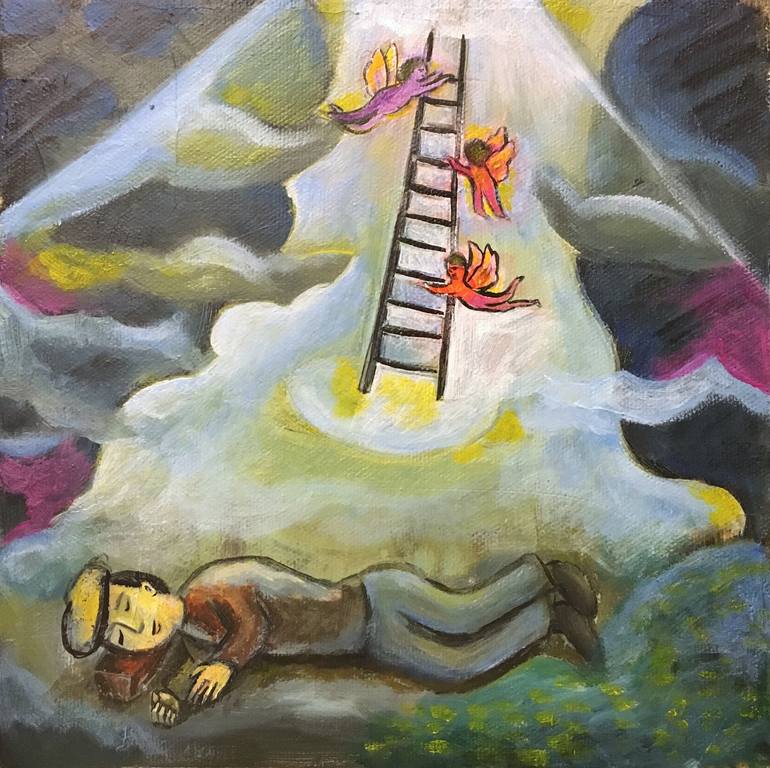
Rav Hirsch points out that three truth are shown to Yaakov during his famous ladder dream: First, that the ladder, connecting heaven and earth, is directional. It’s being “set up firmly” (mutzav) towards the earth and reaches towards then heaven. While Yaakov is traveling on the earthly plain from point A to B (in this case, Be’er Sheva to Charan), he might think that that’s the only plain available. The dream shows him that while we’re doing that, the real travel direction is up and down. Second, that there are angels all around! And since the angels are described as “going up”, it means that they start from down here!

הרש”ר הירש מלמד ששלוש אמיתות מוצגות ליעקב במהלך חלום הסולם המפורסם שלו: ראשית, הסולם, המחבר בין שמים וארץ, הוא כיווני. הוא “מוצב ארצה” בכיוון, אבל לא בהכרח נוגע בארץ, ומגיע “השמימה”, בכוון השמים אבל לא בהכרח נוגע. בזמן שיעקב יוצא והולך במישור הארצי מנקודה א’ ל-ב’ (במקרה הזה, מבאר שבע לחרן), הוא עלול לחשוב שזה המישור היחיד הקיים. החלום מראה לו שבזמן שאנחנו מטיילים במישור האופקי, כיוון הנסיעה האמיתי הוא אנכי, למעלה ולמטה. שנית, שיש מלאכים מסביב! ומכיוון שהמלאכים מתוארים כ”עולים”, זה אומר שהם מתחילים מכאן למטה!

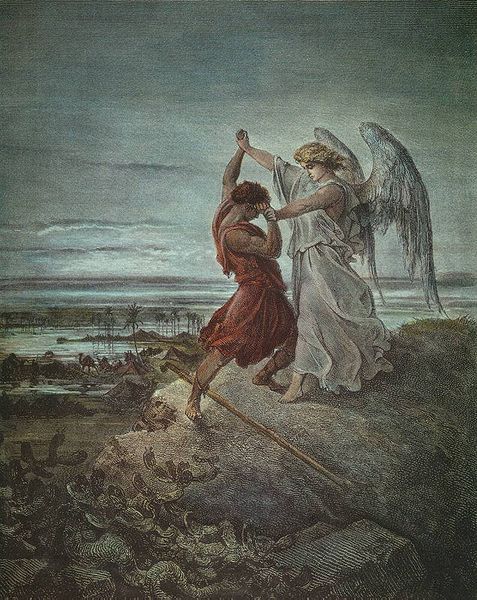
Further, the way the verse is written, we tend to assume the angels are going up and down on the ladder, but, a second interpretation is possible, and that is, that the angels are going up within him (“olim ve’yordim bo”)! According to the midrash in Beresheet Rabba (68:21), the angels look at the ideal image of man as he should be, and then descend and compare that to the image of man as he actually is. In Yaakov’s case the ideal image shows that, right then and there, he should be awake! That’s when he is shown the third truth: “And behold, Hashem is firmly standing (nitzav) on”… on the ladder or on Yaakov?  

Fast forward past the meet-up with Rachel at the well, and the double wedding. Just before the birth of the children, we find this:

ועוד: מדרך כתיבת הפסוק, אנו נוטים להניח שהמלאכים עולים ויורדים בסולם, אך יתכן פירוש שני, והוא שהמלאכים עולים בתוכו (“עולים ויורדים בו”)! לפי המדרש בראשית רבה (סח:12), המלאכים מתבוננים בדימותו האידיאלית של האדם כפי שהוא צריך להיות, ולאחר מכן יורדים ומשווים זאת לדמות האדם כפי שהוא בפועל. במקרה של יעקב התמונה האידיאלית מראה שבדיוק שם, הוא צריך להיות ער! אז מוצגת לו האמת השלישית: “והנה ה’ ניצב על”… רגע, על הסולם או על יעקב?

נקפוץ קצת קדימה אחרי המפגש עם רחל בבאר, והחתונה הכפולה. ממש לפני לידת הבנים, נמצא:

וַיַּ֤רְא ה’ כִּֽי־שְׂנוּאָ֣ה לֵאָ֔ה וַיִּפְתַּ֖ח אֶת־רַחְמָ֑הּ וְרָחֵ֖ל עֲקָרָֽה׃

Hashem saw that Leah was hated and He opened her womb; but Rachel was barren.

I put “hated” in the english translation where Sefaria had “unloved”, because the Hebrew says “s’nu’a”, hated, and I think the text wants to tell us something. After all, when was Leah hated?? She wasn’t. the previous verse reads:

כתבתי “שנואה” בתרגום לאנגלית במקום שבו ספריא תרגמו “לא אהובה”, כי בעברית כתוב “שנואה”, ואני חושבת שהטקסט רוצה לומר לנו משהו. הרי מתי היתה לאה שנואה?? זה לא קרה. בפסוק הקודם נכתב:

וַיָּבֹא֙ גַּ֣ם אֶל־רָחֵ֔ל וַיֶּאֱהַ֥ב גַּֽם־אֶת־רָחֵ֖ל מִלֵּאָ֑ה וַיַּעֲבֹ֣ד עִמּ֔וֹ ע֖וֹד שֶֽׁבַע־שָׁנִ֥ים אֲחֵרֽוֹת׃

And Jacob cohabited with Rachel also; indeed, he loved Rachel more than Leah. And he served him another seven years.

Here, look, you might say, Jacob loved Rachel “more” than he loved Leah. That means that he loved Leah some, maybe even a lot! Because, after all, he loved Rachel so so so much!!!

הנה, תראי, כתוב: יעקב אהב את רחל “יותר” מאשר את לאה. זה אומר שהוא אהב את לאה קצת, אולי אפילו הרבה! כי אחרי הכל הוא אהב את רחל כל כך כל כך המון!!!

It is Hashem who sees that Leah was “hated”, not Yaakov; and if Hashem saw it this way, there must be something to it… Hashem knows, like we know, that while one can “love” chocolate more than pudding and soup more than salad, when it comes to these kinds of relationships, any comparison ends badly. The only comparison we can do is between who we are supposed to be and who we are. But then, when the angels were doing their work, Yaakov was asleep!! And this lesson needed to be learned again.

זה הקב”ה שרואה שלאה הייתה “שנואה”, לא יעקב; ואם ה’ ראה את זה ככה, חייב להיות בזה משהו… ה’ יודע, כמו שאנחנו יודעים, שבעוד שאפשר “לאהוב” שוקולד יותר מפודינג ומרק יותר מסלט, כשמדובר במערכות יחסים מסוג זה, כל השוואה נגמרת רע. ההשוואה היחידה שאנחנו יכולים לעשות היא בין מי שאנחנו אמורים להיות למי שאנחנו. אבל אז, כשהמלאכים עשו את עבודתם, יעקב ישן!! ואת הלקח הזה היה צריך ללמוד שוב.

That’s when we can bring in Lavan, Yaakov cousin and brother of Rachel & Leah. It took me a while to figure out what kind of name is Lavan. Lavan in Hebrew is white… what does this mean as a name? What is white? As a color, it is all the colors combined; a mush of everything. This is Lavan who tells Yaakov,

עכשיו נוכל להזמין את לבן, בן דודו של יעקב ואח של רחל ולאה. לקח לי זמן להבין איזה מין שם זה “לבן”. לבן כמו צבע לבן? מה זה אומר בתור שם? לבן, כצבע, זה כל הצבעים משולבים, תערובת של הכל. זה לבן שאומר ליעקב:

אַ֛ךְ עַצְמִ֥י וּבְשָׂרִ֖י אָ֑תָּה …

You are truly my bone and flesh.

And next verse:

וַיֹּ֤אמֶר לָבָן֙ לְיַעֲקֹ֔ב הֲכִי־אָחִ֣י אַ֔תָּה ….

Laban said to Jacob, “Just because you are my brother

You know this person; he calls everyone ach sheli, my brother, “bro”, but possibly doesn’t speak with his own brother…

מכירים את אלה, הוא קורא לכולם “אח שלי”, אבל יכול להיות שעם אח שלו, הוא לא מדבר….

How to navigate this, wonders Yaakov, and not only him… how to not get sucked into the mush where everything is the same in the name of illusionary “oneness”; how to identify differences and name them as needed, and at the same time, not do painful comparisons; and how to remember that our toughest work is first and foremost against and with ourselves, all the while, not letting go of G-d’s presence? And how to remember, that even as Yaakov leaves Eretz Yisrael, he’s still actually traveling towards it??

איך לנווט את זה, תוהה יעקב, ולא רק הוא… איך לא להישאב לתוך העיסה הזו שבה הכל אותו דבר בשם ה”אחדות” האשלייתית; איך כן לזהות הבדלים, לקרוא להם בשמם, וגם לא לעשות השוואות כואבות; ואיך לזכור שהעבודה הכי קשה שלנו היא קודם כל נגד ועם עצמנו, וכל הזמן, לא להרפות מנוכחות ה’? ואיך לזכור, שאפילו כשיעקב עוזב את ארץ ישראל, הוא עדין הולך אליה??

Shabbat Shalom *** שבת שלום

Jacob's Dream Painting by Alissa Kim Tjen | Saatchi Art
By Canadian Artist, Alissa Kim Tjen:
https://www.alissakimtjen.com/

Posted in Uncategorized | Leave a comment

On Parenting with the Torah portion of Toldot – עיצה להורות מפרשת תולדות

להחזיק חיות מחמד בבית בהחלט יכול להיות “מורכב” בלשון המעטה. מי שהכיר אותנו אי-אז, אולי זוכר שהיה לנו כמעט גן חיות בבית… בנוסף לחתולים, כלבים, דגי זהב וכדומה, יום אחד, חבר יקר הביא לנו כבשה, רק בת כמה ימים, כל כך חמודה!! אחרי הכל, אחד מילדיי רצה סוס, ומכיוון שלא היה סוס, החבר הביא לנו את הדבר הכי קרוב אליו… הטליה היקרה למדה במהירות איך דברים מתנהלים, איך לקפוץ מהדיר ה”מושלם” אליו הכנסנו אותה (בכל זאת, לא הבינה, היא לא חלק מהמשפחה? למה אנחנו משאירים אותה בחצר?), לפתוח את דלת ההזזה ולהכנס פנימה לאכול את שיעורי הבית ונייר הטואלט (כל כך כיף איך זה רץ מהמגללת!!)… היו עזים, איגואנה ואינספור ארנבות. ולמדנו המון. כמו למשל, “מתמטיקת-שפנים”: אם יש לך מספר מסוים של ארנבות באוקטובר, כמה יהיו לך בדצמבר? ואם הארנבת תאכל חצי מהתינוקות שלה, כמה יישארו, אם לאלה שנשארו יהיו תינוקות משלהם… בקיצור, מבינים את התמונה… כמה מהאתגרים של הורות היו ברורים מאוד כשהסתכלנו על חיות המחמד שלנו. מה שכמובן מביא אותנו לפרשת השבוע.

Having pets can definitely be complex, to say the least. Those who knew us way back, might recall it was quite a zoo at home… on top of the expected cats, dogs, goldfish and the like, one day, a dear friend brought us a lamb, of so cute!! After all, one of my children wanted a horse, and since he had no horse, got us the closest thing to it…. The dear lamb quickly learned the lay of the land, figured out how to jump out of the “perfect” pen we put it in (after all, isn’t it part of the family? Why do we leave it in the yard?), open the slide door and proceed indoors to eat homework and toilet paper (so much fun how it strings along!!)…. There were goats, an iguana, and countless bunnies. And we learned a lot. Like for example, “bunny-math”: If you have a couple of bunnies in October, how many will you have in December? and if the mother bunny eats half her babies, how many will be left, if those that were left, have their own babies…. You get the picture… some of the challenges of parenting were extremely obvious when looking at our pets. Which of course, brings us to this week’s Torah portion.

הורים לא צריכים להפלות בין ילדיהם, נכון? כמובן! או אולי… ? רגע, מה זה אומר “להפלות”? נהגתי לומר שאני  לא קונה לבנים שלי חצאיות, מה שעכשיו לא נשמע “פי.סי”, אבל הנקודה שלי הייתה שלפעמים להיות “הוגן” ו”שווה” זה לא הוגן וגם לא שווה. האמנתי ועדיין, שיותר “פייר” לתת לכל אחד את מה שהוא צריך, על סמך מי שהוא. כמובן, מכיון שאנחנו מעוגנים במי שאנחנו ואיך שאנחנו רואים דברים, הדבר הזה לא תמיד אפשרי.

Parents should not discriminate between their children, right? Of course! Or maybe… ? Wait, what does “discriminate” mean? I used to say that I don’t buy my boys skirts. Which is now not PC to say, but my point was that sometimes being “fair” and “equal” is not fair, nor equal. I believed and still, that it’s more fair to give each what they need, based on who they are. Of course, being clouded in who we are and how we see things, that’s s not always possible.

במובן זה, לרבקה היה מזל. היא ידעה”. כשההריון שלה הרגיש קשה, היא הלכה “לדרוש את ה'” וקיבלה נבואה (בראשית כ”ה:23)

In that sense, Rivkah was lucky. She “knew”. When her pregnancy felt rough, she went to “inquire of Hashem” and was given a prophecy (Genesis 25:23)

וַיֹּ֨אמֶר יְהֹוָ֜ה לָ֗הּ שְׁנֵ֤י (גיים) [גוֹיִם֙] בְּבִטְנֵ֔ךְ וּשְׁנֵ֣י לְאֻמִּ֔ים מִמֵּעַ֖יִךְ יִפָּרֵ֑דוּ וּלְאֹם֙ מִלְאֹ֣ם יֶֽאֱמָ֔ץ וְרַ֖ב יַעֲבֹ֥ד צָעִֽיר׃ and the LORD answered her,
“Two nations are in your womb,
Two separate peoples shall issue from your body;
One people shall be mightier than the other,
And the older shall serve the younger.”

יצחק לא קיבל את אותה נבואה. זה היה סוד בין ה’ לרבקה..

יצחק אהב את עשו ומסיבות טובות: הוא ראה שעשיו יודע להתמודד עם עצמו בעולם, גבר “אמיתי”, איש שדה, שיכול לצוד ולדאוג ל”דברים”; הוא בהחלט זה שאליו ניתן להעביר את ברכתו של אברהם; בהיותו מסוגל להסתדר בעצמו, והוא נראה שהיורש הטבעי למה שנאמר קודם לאברהם (בראשית יב, ג-ד):

Isaac didn’t receive that same prophecy. This was a secret between Hashem and Rivkah.

Isaac loves Esau and for good reasons: he saw that Esau knows how to handle himself in the world, a “real” man, a man of the field, who can hunt and take care of “things”; he’s definitely the one to whom Abraham’s blessing can be transferred to; being able to fend for himself, he looked like the natural heir to what was said earlier to Abraham (Genesis 12:3-4):

וְאֶֽעֶשְׂךָ֙ לְג֣וֹי גָּד֔וֹל וַאֲבָ֣רֶכְךָ֔ וַאֲגַדְּלָ֖ה שְׁמֶ֑ךָ וֶהְיֵ֖ה בְּרָכָֽה׃

I will make of you a great nation,
And I will bless you;
I will make your name great,
And you shall be a blessing

וַאֲבָֽרְכָה֙ מְבָ֣רְכֶ֔יךָ וּמְקַלֶּלְךָ֖ אָאֹ֑ר וְנִבְרְכ֣וּ בְךָ֔ כֹּ֖ל מִשְׁפְּחֹ֥ת הָאֲדָמָֽה׃

I will bless those who bless you
And curse him that curses you;
And all the families of the earth
Shall bless themselves by you.”

יצחק, בראותו את שני בניו, המאצ’ואיסט בשדה וה”נבעך”, יושב באוהל, יודע מה צריך לעשות.

אין סיכוי שניתן להפקיד את המשימה הזו בידי הכלומניק הזה. “בחור טוב”, אבל הוא בקושי יכול להכין תבשיל הגון, שלא לדבר על לצוד. לעשו יש את הכוח והיכולת לנהל דברים! מה שמפתיע הוא המשך הפסוק הזה:

Isaac, seeing his two sons, the macho one and the nebech, sitting in the tent, knows what needs to be done.

There’s no way the good for nothing Yaakov can be entrusted with this mission. He can barely make a decent stew, let alone hunt. It is Esau who has the power and ability to run things!

What is surprising is the rest of that verse:

וַיֶּאֱהַ֥ב יִצְחָ֛ק אֶת־עֵשָׂ֖ו כִּי־צַ֣יִד בְּפִ֑יו וְרִבְקָ֖ה אֹהֶ֥בֶת אֶֽת־יַעֲקֹֽב׃

Isaac favored Esau because (Lit.) “game was in his mouth” but Rebekah loves Jacob.

זו הפעם הראשונה (בתורה) שאמא אוהבת את הילד שלה! אהבת ההורים האחרונה הייתה אברהם ליצחק, רגע לפני העקידה. האם גם פה יש איזשהו מבחן?? מדוע רבקה אוהבת את יעקב? הרי הוא לא יכול לעשות כלום! כן, אולי יש לו “פוטנציאל” (זוכרים את ימי ההורים בבית הספר??) אבל, ברצינות… ובכל זאת, היא יודעת משהו אחר.

It’s the first time a mother (in the Torah) loves her child! The last parental love was Abraham to Isaac, just before the Binding. Is there some sort of a test here too?? Why doe Rivkah love Yaakov? He can’t do anything! Yes, maybe he has “potential” (remember parent-teacher days??) but, seriously…. But she knows something else.

בעצם, אם שניהם, יצחק ורבקה כל כך צדיקים, למה ה’ לא אמר לשניהם מה קורה? או יותר טוב, תגיד ליצחק, “הגבר”, ה”צדיק בן צדיק”? ולמה היא לא מספרת לו? אחרי הכל, הוא כל כך אהב אותה!

Actually, if both, Yitzchak and Rivkah so righteous, why did G-d not tell them both what’s going on? Or better, tell Isaac, “the man”, the “righteous, sone of righteous”? and why does she not tell him? After all, he loved her so much!

יכולות להיות הרבה תשובות, אבל אחת מהן עשויה להיות שככה היא “נאלצת” לעשות את ה”תרמית”. כלומר, היא יודעת ש”רב יעבדו צעיר”, אבל איך? הדרך היחידה שזה אפשרי היא אם יעקב יהיה קצת יותר דומה לעשיו. כדי למלא את התפקיד של להיות אחראי ולטפל בדברים, הוא צריך לדעת איך להתנהל בעולם. הוא צריך לצאת מה”אוהל” וללמוד על “העולם”. אין אדם טוב יותר ללמד אותו מאשר “רבקה בת בתואל הארמי מפדן-ארם, אחות לבן הארמי”. מדוע האזכור החוזר של ארם? אומר רש”י, “אֶלָּא לְהַגִּיד שִׁבְחָהּ, שֶׁהָיְתָה בַּת רָשָׁע וַאֲחוֹת רָשָׁע וּמְקוֹמָהּ אַנְשֵׁי רֶשַׁע וְלֹא לָמְדָה מִמַּעֲשֵׂיהֶם”.

There can be many answers, but one of them might be that this way, she is “forced” to do the “scam”. Namely, she knows that the “older shall serve the younger”, but how? The only way this is possible, is if Yaakov is a bit more like Esau. To fulfill the position of being in charge and handling things, he needs to know how to be in the world. He needs to get out of “the tent” and learn about “the world”. There is no one better to teach him than “Rivkah, daughter of Bethuel the Aramean of Paddan-aram, sister of Laban the Aramean”. Why the repeated mention of Aram? Says Rashi, “to tell us of her great qualities, that she was the daughter of an evil person and the sister to one, but she didn’t act like them”.

אכן, היא לא התנהגה כמותם, אבל היא, הרבה יותר טוב מיצחק, היתה זו שהכירה את דרכי העולם, ומוכנה ללמד אותם ליעקב; דברים שהוא יזדקק להם כיורש לברכת אברהם, וכיחיד שילדיו, כולם, יהיו “בני ישראל”, לוותר על אף אחד. יש לה הזדמנות, אולי אפילו חובה, ללמד את יעקב; להכניס אותו לעולם “האמיתי”. חשוב להבין, שהיא לא הופכת אותו למשהו שהוא לא! אלא עוזרת לו למצוא את התכונות הללו בתוכו, לתרגל אותן וללמוד להשתמש בהן. ייתכן שזה מנוגד לתכונות ה”חסד” שלה או ל”מוניטין” שלה. היא הופכת ל”רמאית”; זה יכול להכנס בינה לבין הגבר שלה, זה ש”קהו עיניו”, וייקח לו קצת זמן לראות את הנקודה שלה. אבל אולי, זהו החסד האמיתי, וזה, לפחות בתיאוריה, הורות טובה: לעזור לילדינו לצמוח לבני האדם הטובים ביותר שהם, לא אנחנו, יכולים להיות.

Indeed, she didn’t act like them, but she, much better than Isaac, knows the ways of the world, and is ready to teach those to Yaakov; things he will need as the one successor whose children, all of them, are to become “The Children of Israel”, leaving no one out. She has the opportunity, maybe even the duty, to teach Yaakov; to introduce him into “real” world. She doesn’t make him something he isn’t! but helps him find these qualities within himself, practice them and learn to use them. It’s possible that this runs contrary to her own qualities of “kindness” or to her “Reputation”. She becomes a “scammer”; it possibly gets between her and her man, who will take time to see her point. But then again, this is what kindness is, and this is what, at least in theory, good parenting is: helping our children grow into the best human beings they, not we, can be.

Shabbat Shalom – שבת שלום

Posted in Uncategorized | 1 Comment

Great mighty water will not bury the Love*… על קבורה ואהבה

Framed by the death and burial of Sarah and Abraham, is the meeting of Rebecca and Isaac, Rivkah & Yitzchak; a story that will culminate with the first time in the Torah a man will be described as “loving” a woman. Not Adam & Eve, all alone in the Garden; not Noah and his dedicated (maybe reluctant?) wife; not even Abraham & Sarah, who travel the world together with the same mission uniting them, but the almost speechless Yitzchak and the vivacious Rivkah. What would Freud say about the last verse in Genesis 24?

ממוסגרת במותם וקבורתם של שרה ואברהם, נמצא את פגישתם של רבקה ויצחק, סיפור שיגיע לשיאו עם הפעם הראשונה בתורה שגבר יתואר כ”אוהב” אישה. לא אדם וחווה, הגם שהיו לגמרי לבד בגן; לא נח ואשתו המסורה (ואולי קצת מתנגדת בכל זאת?); ואפילו לא אברהם ושרה, שמסתובבים להם בעולם היחד עם אותה משימה המאחדת אותם, אלא יצחק הכמעט אילם, ורבקה התוססת. מה היה פרויד אומר על הפסוק האחרון בבראשית כד?


וַיְבִאֶהָ יִצְחָק, הָאֹהֱלָה שָׂרָה אִמּוֹ, וַיִּקַּח אֶת-רִבְקָה וַתְּהִי-לוֹ לְאִשָּׁה, וַיֶּאֱהָבֶהָ; וַיִּנָּחֵם יִצְחָק, אַחֲרֵי אִמּוֹ.

And Isaac brought her into his mother Sarah’s tent, and took Rebekah, and she became his wife; and he loved her. And Isaac was comforted for his mother.


We might be tempted to say that Isaac loves Rivkah as if he replaces his mom. The only challenge is that Rivkah is really a lot more like Abraham! This is evident in the parallels between two stories: when Abraham runs around to care for his guests (Genesis 18), and when Rivkah does the same, with the same verbs and Hebrew roots, to give water to the unknown servant as well as his ten camels (Genesis 24). And if we missed it, commentators will remind us that gamal – camel, the carrier to Rivkah to the Land – is at least linguistically related to gemilut chasadim, doing acts of kindness.

אולי נתפתה לומר שיצחק אוהב את רבקה כי הוא מחפש תחליף לאמא שלו. האתגר היחיד הוא שרבקה באמת דומה הרבה יותר לאברהם! הדבר ניכר בהקבלות בין שני סיפורים: כאשר אברהם מתרוצץ ודואג לטפל באורחיו (בראשית יח), וכאשר רבקה עושה את אותו דבר, עם אותם פעלים ושורשים עבריים, כדי לתת מים לעבד האלמוני וגם לעשרת הגמלים איתם הגיע (בראשית כ”ד). ואם פספסנו, יזכירו לנו הפרשנים שגמל, המוביל של רבקה לארץ – קשור לפחות מבחינה לשונית לגמילות חסדים.

And, consider this: while most other Biblical men have a 2nd, 3rd and often many more – wife, Isaac has only one. He never leaves the Land of Israel. He never takes a second wife. In our tradition, he stands for gevura & din – strength, might, judgement; and it is all about a solid, quiet, loyal presence. Their love is that of two opposites who are attracted from “first sight” and hold on tightly in the many storms life presents.
And yet, they didn’t “invent” it all.

זאת ועוד: בשעה שלרוב הגברים התנ”כיים יש אישה שנייה, שלישית ולעתים קרובות הרבה יותר, ליצחק יש רק אחת. הוא לעולם לא עוזב את ארץ ישראל. הוא אף פעם לא לוקח אישה אחרת על פני רבקה. במסורת שלנו, הוא מייצג גבורה ודין – כוח, חוזק, שיפוט צודק; כל כולו אומר נוכחות מוצקה, שקטה, נאמנה. אהבתם היא של שני הפכים שנמשכים זה לזו מ”מבט ראשון” ומחזיקים חזק בסערות הרבות שהחיים מעמידים בפניהם.

ועדיין, הם לא “המציאו” הכל מחדש…

The Talmud offers us a beautiful imagery when describing Abraham & Sarah’s final resting (Tractate baba Batra 58a). It seems like in the mind of the Torah and the Talmud, eternal love is totally possible:

התלמוד מציע לנו דימוי יפיפה בתיאור המנוחה האחרונה של אברהם ושרה (מסכת בבא בתרא ל”ח:א). נראה שבדעת התורה והתלמוד, אהבה נצחית אפשרית:

רב בנאה היה מציין (ממפה) מערות (קבורה). כשהגיע למערתו של אברהם, פגש באליעזר, עבר אברהם עומד בפתח (המערה). אמר לו (רב בנאה לאליעזר): מה עושה אברהם (עכשיו)? אמר לו (אליעזר לרב בנאה): אברהם שוכב בחיקה של שרה, והיא מסתכלת לו בראשו.Rabbi Bena’a was marking burial caves (he was doing that so people know where there are burial places which would help prevent contracting of ritual impurity). When he arrived at the cave of Abraham, (the Cave of Machpelah), he chanced upon Eliezer, Abraham’s servant, standing before the entrance. Rabbi Bena’a said to him: What is Abraham doing (right now)? Eliezer said to him: He is lying in the arms of Sarah, and she is examining his head.

This Torah portion begins with a burial and ends with another one, and in between, this love story… coincidence? Interestingly, in Hebrew, kever is a gravesite, and the Talmud uses the very same word to refer to womb… maybe hinting that, at times, where one thing ends, another begins.

הפרשה הזו מתחילה בקבורה ומסתיימת בקבורה, ובין לבין סיפור האהבה הזה… צירוף מקרים? אנחנו יודעים שבעברית, קבר הוא מקום קבורה, והתלמוד משתמש באותה מילה בדיוק כדי להתייחס לרחם… אולי הדבר רומז שלפעמים, כאשר דבר אחד מסתיים, דבר אחר מתחיל.

שבת שלום – SHABBAT SHALOM

  • Song of Songs 8:7
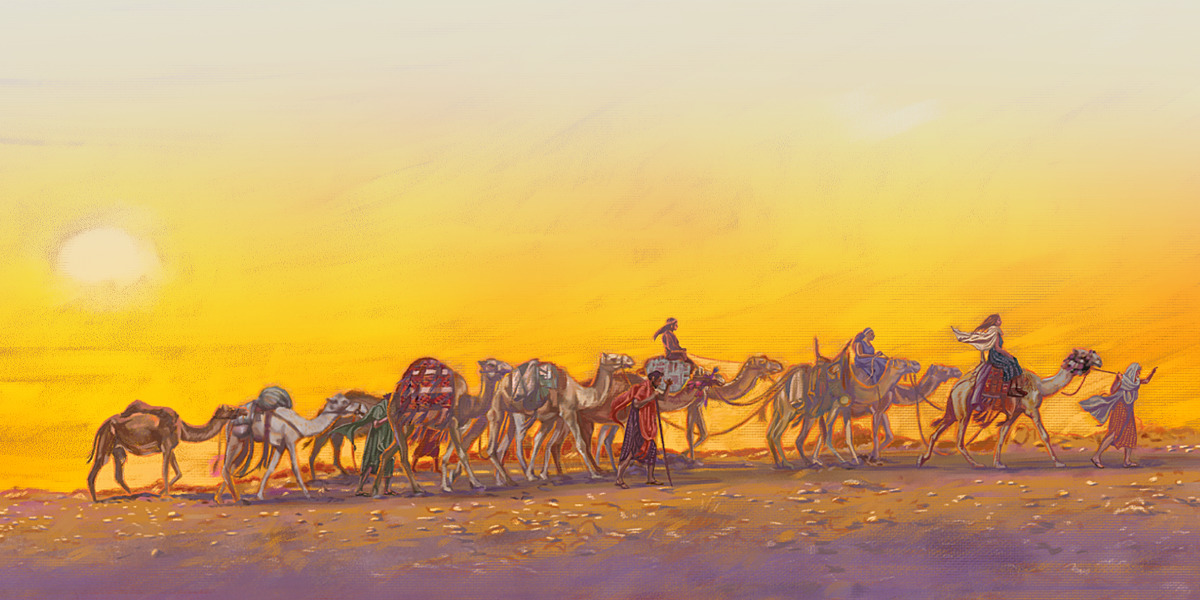
אליעזר, רבקה, המשרתים ועשרה גמלים במסע ארוך לכנען
Posted in Uncategorized | 3 Comments

Isaac & Yishma’el – in the Torah portion of Va’Yera* – יצחק וישמעאל – בפרשת וירא*

In his book, Resheet, about firsts in the Bible, author Meir Shalev, tells about a visit to a fishermen’s village in the Andaman Sea, between India and Thailand: “Unlike usual fishermen villages, this village wasn’t situated along the coast, but floated in the sea. Its houses were built on rafts that we anchored together and tied to each other with ropes and passages of wood.

בספרו ראשית, פעמים ראשונות בתנכ, הסופר מאיר שלו, מספר על ביקור שערך בכפר דייגים בים אנדאמן, בין הודו ותאילנד. “בניגוד לכפרי דייגים רגילים, הכפר הזה לא שכן על החוף אלא צף בים. בתיו נבנו על דוברות שעגנו יחד ונקשרו זו לזו בחבלים ובמעברים של עץ.

The village rocked peacefully on the waves, up and down. I felt a strange feeling. Usually, when you get off from a boat to the dock, you immediately feel the land’s stability, while here, I moved from one shaking to another (and I think he means this in more than one sense, wait -).

הכפר התנודד לו בשלוה על הגלים, עלה וירד. חשתי תחושה משונה. בדרך כלל, כשיורדים מסירה אל המזח, מרגישים מיד את יציבותה האיתנה והנעימה של היבשה, ואילו כאן עברתי מנדנוד אחד לנדנוד אחר (אני חושבת שהוא מתכוון כאן ביותר ממובן אחד, תיכף נראה…)

The village residents were muslim, fishermen from Malaya. I strolled between their floating houses until I saw a partially open door and a skinny man sitting behind it. We exchanged glances. He smiled and motioned me to enter. We drank tea. On the wall there was a picture and a painting. The picture showed some European view – grean valleys, brownish-reddish cows, waterfalls, and snowy peaks. The painting looked more familiar: a boy laying on an altar, an old man raising a knife, an angle above and behind them, the ram, its horns tangled in the thicket.

תושבי הכפר היו מוסלמים, דייגים ממלאיה. התהלכתי בין בתיהם הצפים עד שראיתי דלת פתוחה למחצה וגבר צנום יושב מאחוריה. החלפנו מבטים, האיש חייך ובתנועת יד הזמין אותי להכנס. שתינו תה. על הקיר היו תצלום וציור. בתצלום נראה נוף אירופי כלשהו – עמקים ירוקים, פרות חומות-אדמדמות, מפלי מים ופסגות מושלגות. הציור נראה לי מוכר יותר: נער שוכב על מזבח, אדם זקן מניף עליו סכין, מלאך מרחף מעל, ומאחור גם האיל, קרניו אחוזות בסבך.

For a moment I thought I made it to one of the Lost Tribes ad in my heart, I composed letters to the Rabbanut and Jewish agency to hurry and bring him to Israel. But just before falling on my lost brother’s neck, I asked him what’s in the picture. My host pointed at the old man with the blade and in a strange accent said, “Ibrahim”. Then he pointed at the child and said, “Isma’il”….

Thus far, Meir Shalev.

לרגע חשבתי שהגעתי לאחד מעשרת השבטים, וכבר ניסחתי בלבי מכתבים לרבנות ולסוכנות, שימהרו להעלות גם אותו לישראל. אבל לפני שנפלתי על צווארי אחי האובד, שאלתי אותו מה מתואר בציור. המארח שלי הורה באצבעו על הזקן עם המאכלת ובהגייה משונה אמר: “איברהים”. אזי הורה על הילד ואמר: “איסמעיל”….

עד כאן מאיר שלו.

A careful read of our Torah portion this week, Vayera, reveals that there are quite a few connections – of content and linguistics – between the expulsion of Ishmael and the binding of Isaac. Abraham our father was commanded to part with his two sons, a separation that has quite a bit of pain and even potential death for them. Let’s look briefly at the similarities and differences (all quotes are from Genesis):

קריאה מדוקדקת של פרשת השבוע שלנו, וירא, מגלה שיש לא מעט הקשרים – ענייניים ולשוניים – בין גירוש ישמעאל לעקדת יצחק. אברהם אבינו נצטווה להיפרד משני בניו, פרדה שיש בה לא מעט כאב ואפילו מוות פוטנציאלי עבורם. אפשר לראות את הדומה ושונה (כל הציטוטים מסראשית):

 ?ישמעאל – Yishma’elיצחק – Isaac
שמותם: מצינו בפרקי דר”א: “ששה נקראו שמותם עד שלא נולדו” Their names & that they were named before birth (Pirkei DRE)  וַיֹּ֤אמֶר לָהּ֙ מַלְאַ֣ךְ ה’ הִנָּ֥ךְ הָרָ֖ה וְיֹלַ֣דְתְּ בֵּ֑ן וְקָרָ֤את שְׁמוֹ֙ יִשְׁמָעֵ֔אל כִּֽי־שָׁמַ֥ע יְהֹוָ֖ה אֶל־עׇנְיֵֽךְ׃ (טז:11) The angel of the H’ said to her further,
“Behold, you are with child And shall bear a son; You shall call him Ishmael, For the LORD has paid heed to your suffering. (15:11)
ואלה תולדות ישמעאל בן אברהם (כה:12) This is the line of Ishmael, Abraham’s son, (25:12)
  וַיֹּ֣אמֶר אֱלֹהִ֗ים אֲבָל֙ שָׂרָ֣ה אִשְׁתְּךָ֗ יֹלֶ֤דֶת לְךָ֙ בֵּ֔ן וְקָרָ֥אתָ אֶת־שְׁמ֖וֹ יִצְחָ֑ק וַהֲקִמֹתִ֨י אֶת־בְּרִיתִ֥י אִתּ֛וֹ לִבְרִ֥ית עוֹלָ֖ם לְזַרְע֥וֹ אַחֲרָֽיו׃ (יז:19) God said, “Nevertheless, Sarah your wife shall bear you a son, and you shall name him Isaac;dHeb. Yiṣḥaq, from ṣaḥaq, “laugh.” and I will maintain My covenant with him as an everlasting covenant for his offspring to come.
אלה תולדות יצחק בן אברהם (בראשית כה:19) This is the line of Isaac, son of Abraham (25:19).
הענות אברהם Abrahams’ response“וישכם אברהם בבקר ויקח לחם וחמת מים ויתן אל הגר שם על שכמה ואת הילד וישלחה, ותלך ותתע… (כא:14) And Abraham rose early in the morning… (21:14)“וישכם אברהם בבוקר… ויקח את שני נעריו אתו ואת יצחק בנו, ויבקע עצי עלה ויקם וילך (כב:3).. And Abraham rose early in the morning (22:3)
חיי הילד בסכנה Life danger to the lad: “ותשלך את הילד תחת אחד השיחם. ותך ותשב לה מנגד הרחק כמטחוי קשת כי אמרה אל אראה במות הילד… (כא:15-16) she tossed the child under one of the bushes, and went and sat down at a distance, a bowshot away; for she thought, “Let me not look on as the child dies.” (21:15-16)“וישלח אברהם את ידו, ויקח את המאכלת לשחט את בנו (כב:10) And Abraham picked up the knife to slay his son (22:10)

** in Hebrew, the sound of “tossed” = vatashlech & “picked up” = vayishlach, are similar.
ישועת ה’ ע”י מלאך Salvation by an angel“ויקרא מלאך אלהים אל הגר מן השמים ויאמר לה: מה לך הגר, אל תיראי …(כא:17) and an angel of God called to Hagar from heaven and said to her, “What troubles you, Hagar? Fear not… (21:17)“ויקרא אליו מלאך ה’ מן השמים… ויאמר: אל תשלח ידך אל הנער…(כב:12) Then an angel of the LORD called to him… “Do not raise your hand against the boy, or do anything to him… (22:11-12)
יכולת ההורה לראות The parent’s ability to see” וַיִּפְקַ֤ח אֱלֹהִים֙ אֶת־עֵינֶ֔יהָ וַתֵּ֖רֶא בְּאֵ֣ר מָ֑יִם וַתֵּ֜לֶךְ וַתְּמַלֵּ֤א אֶת־הַחֵ֙מֶת֙ מַ֔יִם וַתַּ֖שְׁקְ אֶת־הַנָּֽעַר׃ (כא:19) Then God opened her eyes and she saw (21:19)” וַיִּשָּׂ֨א אַבְרָהָ֜ם אֶת־עֵינָ֗יו וַיַּרְא֙ וְהִנֵּה־אַ֔יִל אַחַ֕ר נֶאֱחַ֥ז בַּסְּבַ֖ךְ בְּקַרְנָ֑יו וַיֵּ֤לֶךְ אַבְרָהָם֙ וַיִּקַּ֣ח אֶת־הָאַ֔יִל וַיַּעֲלֵ֥הוּ לְעֹלָ֖ה תַּ֥חַת בְּנֽוֹ׃ (כב:13) And Abraham lifted his eyes and saw (22:13)
ברכה גדולה מובטחת A promise for a great blessingכי לגוי גדול אשימנו (כא:18) for I will make a great nation of him (21:18)כי ברך אברכך והרבה ארבה את זרעך ככוכבי השמים וכחול אשר על שפת הים… (כב:17-18) I will bestow My blessing upon you and make your descendants as numerous as the stars of heaven and the sands on the seashore  (22:17-18)
הנער גדל ומבורך! The lad has grown & is blessedויהי אלהים את הנער ויגדל”… (כא:20) God was with the boy and he grew up… (21:20)וַיִּגְדַּ֖ל הָאִ֑ישׁ וַיֵּ֤לֶךְ הָלוֹךְ֙ וְגָדֵ֔ל עַ֥ד כִּֽי־גָדַ֖ל מְאֹֽד׃ (כו:13) and the man grew and became greater (possibly in wealth) until he was very grown (26:13):
מגורים, פרנסה ונישואין – שוני! Differece in dwelling place, livelihood & marriageוַיֵּ֙שֶׁב֙ בַּמִּדְבָּ֔ר וַיְהִ֖י רֹבֶ֥ה קַשָּֽׁת  (כא:20) he dwelt in the wilderness and became a bowman (21:21)

  וַתִּֽקַּֽח־ל֥וֹ אִמּ֛וֹ אִשָּׁ֖ה מֵאֶ֥רֶץ מִצְרָֽיִם׃ (כא:21) and his mother took a wife for him from the land of Egypt (21:21)
גּ֚וּר בָּאָ֣רֶץ הַזֹּ֔את (כו:3) Reside in this land
(26:3) אֲשֶׁ֨ר לֹֽא־תִקַּ֤ח אִשָּׁה֙ לִבְנִ֔י מִבְּנוֹת֙ הַֽכְּנַעֲנִ֔י אֲשֶׁ֥ר אָנֹכִ֖י יוֹשֵׁ֥ב בְּקִרְבּֽוֹ׃ כִּ֧י אֶל־אַרְצִ֛י וְאֶל־מוֹלַדְתִּ֖י תֵּלֵ֑ךְ וְלָקַחְתָּ֥ אִשָּׁ֖ה לִבְנִ֥י לְיִצְחָֽק (כד:3-4) and I will make you swear by the LORD, the God of heaven and the God of the earth, that you will not take a wife for my son from the daughters of the Canaanites among whom I dwell, but will go to the land of my birth and get a wife for my son Isaac.”  

Many similarities and also – a difference, in roles and places of residence. This is a point we come back to often in the Book of Genesis (and in our life, as well-): How is a parent supposed to be “fair” to his children? Does that mean treating everyone exactly the same, or perhaps giving each what suits them? This is not a simple issue today, for any parent, and was not back then. Did the old father discriminate between his sons? Did he do so haphazardly?  Was he senile? In love? Pressured by the women in his life? Simply cruel? Or, perhaps it is possible that Abraham, who believed in the One God, had more than one goal in how this belief would be spread, and that he recognized the similarities and differences between his sons, giving each a different inheritance, each with both benefits and challenges, in its own way; different and complementary, in bringing the name of the One God into the world? And of so, how exactly? To what extent? What and how much and why ??? What do with this today?? …. For that, we are still seeking the answer.

דמיון רב, וגם – שוני בתפקידים ומקומות המגורים. זו נקודה שאנחנו חוזרים אליה לעיתים קרובות בספר בראשית (וגם בחיינו-): איך הורה אמור להיות “פייר” כלפי ילדיו? האם זה אומר להתיחס לכולם באותה הצורה או לתת לכל אחד מה שמתאים לו? סוגיה לא פשוטה גם בימינו, וגם כאן, האם האב הזקן הפלה בין בניו בלי לשים לב? מסניליות? מרגש? מלחץ הנשים? מאכזריות? ואולי יתכן שלאברהם, המאמין באל האחד, היו מספר מטרות בהפצת האמונה הזו, ושהוא הכיר בדומה ובשונה בין בניו, ונתן להם ירושות שונות, כל אחת גם טובה וגם מסובכת ע”פ דרכה? אולי הועיד לכל אחד מהם עשיה שונה, כל אחד בתחומו, שונה ומשלימה, בהבאת שם האל האחד לעולם? איך בדיוק? עד איפה? מה וכמה ולמה???…. על כך אנחנו עדין מחפשים את התשובה.

For me, one of the most moving passages in the Bible is in next week’s reading, when “Abraham breathed his last, dying at a good ripe age, old and contented; and he was gathered to his kin. His sons Isaac and Ishmael buried him in the cave of Machpelah, in the field of Ephron son of Zohar the Hittite, facing Mamre” (Genesis 25:8-9).

After all the challenges, difficulties, and even tragedies, there is here an almost unexpected partnership of the two brothers in their father’s burial. This encounter also raises questions: How did Ishmael know that Abraham died? Did the brothers stay in touch despite everything? Did they participate in each other’s lives? Either way, this testifies to the greatness of both, and to the possibility for those working towards separate goals and destinies, not to forget that they worship the same One G-d, and that they are the sons of the same father, the father who in Judaism represents the quality of chesed, grace.

עבורי, אחד הקטעים המרגשים ביותר בתנכ מגיע בפרשה של שבוע הבא: “וַיִּגְוַ֨ע וַיָּ֧מׇת אַבְרָהָ֛ם בְּשֵׂיבָ֥ה טוֹבָ֖ה זָקֵ֣ן וְשָׂבֵ֑עַ וַיֵּאָ֖סֶף אֶל־עַמָּֽיו׃ וַיִּקְבְּר֨וּ אֹת֜וֹ יִצְחָ֤ק וְיִשְׁמָעֵאל֙ בָּנָ֔יו אֶל־מְעָרַ֖ת הַמַּכְפֵּלָ֑ה אֶל־שְׂדֵ֞ה עֶפְרֹ֤ן בֶּן־צֹ֙חַר֙ הַֽחִתִּ֔י אֲשֶׁ֖ר עַל־פְּנֵ֥י מַמְרֵֽא (בראשית כה:8-9).

אחרי כל האתגרים, קשיים, ואף טרגדיות, יש כאן שותפות כמעט בלתי צפויה של שני האחים בקבורת אביהם. המפגש הזה גם הוא מעורר שאלות: איך ידע ישמעאל שאברהם נפטר? האם נשארו האחים בקשר למרות הכל? השתתפו אחד בחיים של השני? כך או כך, המפגש הזה מעיד על גדולת שניהם, ועל כך שיש אפשרות להולכים לקראת ייעודים נפרדים לא לשכוח שהם עובדים את אותו אל, ושהם בניו של אותו אב, האב המייצג ביהדות את מידת החסד.

This partnership leaves me with hope: that we learn to know who we are; us, ourselves; our place and our role; and to know our family members – like the time we take today and in general, and that from that, we can participate with each other in constructive action, peace, joy, support and acceptance of one another.

השותפות הזו משאירה בי תקוה: שנלמד להכיר את מי שאנחנו, את עצמנו, מקומנו ותפקידנו, ולהכיר את בני משפחתנו – כמו בזמן שאנחנו לוקחים היום ובכלל, ומתוך כך, שנוכל להשתתף זה עם זה בעשיה בונה ובשלום, שמחה, תמיכה, וקבלה אחד בחיי השני.

Shabbat Shalom – שבת שלום

  • Things I said at a recent Encounter day trip seminar – דבר תורה שנתתי באנקאונטר, בסיור יום לאחרונה
Posted in Uncategorized | 1 Comment

Go to your Self… לך-לך

Abraham was already on route back to the Land, on a family journey that started some years earlier. Why did G-d have to tell him to go? Why does G-d have to intervene? And if G-d has to tell him to travel, why not before, when they left?

אברהם כבר היה בדרך חזרה לארץ, במסע משפחתי שהתחיל כמה שנים קודם לכן. מדוע אם כן אלוהים היה צריך להגיד לו ללכת? למה אלוהים צריך להתערב? ואם אלוהים צריך להגיד לו ללכת, לא לא אמר לפני המסע?

Turns out that leaving the burning furnaces, per the midrash, of Ur of the Chaldeans was not so difficult. Things were not good and it was what “made sense”. But then, as is the case with many journeys, the journey was driven by the desire to escape from rather than a destination. When they chanced upon a lovely, modern, progressive city along the way, they stayed there.

מסתבר שהיציאה מהתנורים הבוערים, לפי המדרש, של אור-כשדים לא הייתה כל כך קשה. הדברים לא היו טובים וזה מה שהיה “הגיוני” לעשות. אבל אז, כפי שקורה במסעות רבות, המסע הונע על ידי הרצון לברוח ולא ע”י היעד. כשמצאו בדרך עיר מקסימה, מודרנית ומתקדמת, נשארו בה.

That’s when G-d speaks up. Because it takes more than things “making sense” and rational thinking, to continue the journey onward; onward – home. A few generations later, Joseph will describe himself as coming from the Land of the Hebrews (Genesis 40:15). As heirs to Ever (Genesis 11:15-17), Ever, the great-grandson of Shem, lived in the Land of the Ivrim, Hebrews. For whatever reason, some regional holocaust, they left, and now it was time to come back.

 זה הרגע בו אלוהים מדבר. כי צריך הרבה יותר מ”הגיון” וחשיבה רציונלית כדי להמשיך את המסע הלאה; הלאה – הביתה. כמה דורות לאחר מכן, יוסף יתאר את עצמו כמי שבא מארץ העברים (בראשית 40:15). כיורשים של עבר (בראשית יא, 15-17),, עבר, נינו של שם (הבן של נח) וכל משפחתו הענפה, חי בארץ, ארץ העברים. מסיבה כלשהי, שואה אזורית למשל, הם עזבו, ועכשיו הגיע הזמן לחזור.

וַיֹּ֤אמֶר ה’ אֶל־אַבְרָ֔ם לֶךְ־לְךָ֛ מֵאַרְצְךָ֥ וּמִמּֽוֹלַדְתְּךָ֖ וּמִבֵּ֣ית אָבִ֑יךָ אֶל־הָאָ֖רֶץ אֲשֶׁ֥ר אַרְאֶֽךָּ (בראשית יב:1)׃

The LORD said to Abram, “Go forth from your land and from your homeland and from your father’s house to the land that I will show you…. (Genesis 12:1)

Lots of ink has been poured over this verse. Using the Hebrew roots, I’ll offer just one read:

Eretz = land, shares its root with r.tz.h, the root for desires, wants.

Moledet = homeland, shares its root with n.l.d. or y.l.d., having to do with birth, also to do with things thata re “muladim”, inherent qualities within us.

And from your father’s home – from the most fundamental, intrinsic characters within you.

הרבה דיו נשפך על הפסוק הזה. בעזרת שורשי המילים בעברית, אציע כאן רק קריאה אחת: “ארצך” – שייך לרצונות. “מולדתך” – שייך ללידה, וגם לדברים בנו שהם “מולדים”, תכונות מובנות בתוכנו, “ומבית אביך – מהחלקים הבסיסיות באישיותך.

There’s of course the physical journey, but there’s also – the spiritual one. G-d in a sense, commands Abraham to do a very careful self-check-up: check yourself and get rid of everything you don’t need: you have wants that tie and bind you and are maybe not “you”. Identify them and lose them. You have inherent qualities that block you from moving forward. Find those and drop those. Go “to your Self”: to your benefit and your goodness, explains Rashi.

יש כמובן את המסע הפיזי, אבל יש גם – את הרוחני. אלוהים במובן מסוים, מצווה על אברהם לבצע בדיקה עצמית זהירה מאוד: בדוק את עצמך והיפטר מכל מה שאינך צריך: יש לך רצונות שקושרים אותך ואולי אינם “אתה”. זהה אותם והפטר מהם. יש לך תכונות מובנות שחוסמות אותך מלהתקדם. מצא אותם, שחרר והשתחרר אותם. לך “אל העצמי שלך”: לַהֲנָאָתְךָ וּלְטוֹבָתְךָ, מסביר רש”י.

And even though, continues (slightly paraphrased) Rashi, the journey may challenge your ability to have children, and take away your monetary resources, and cause you to question your purpose and future, these are exactly the blessings you’ll have.

ולמרות ממשיך רש”י שהמסע עשוי להיות מאתגר, תענה בברכות: לְפִי שֶׁהַדֶּרֶךְ גּוֹרֶמֶת לִשְׁלֹשָׁה דְבָרִים, מְמַעֶטֶת פְּרִיָּה וּרְבִיָּה וּמְמַעֶטֶת אֶת הַמָּמוֹן וּמְמַעֶטֶת אֶת הַשֵּׁם, לְכָךְ הֻזְקַק לִשְׁלֹשָׁה בְּרָכוֹת הַלָּלוּ, שֶׁהִבְטִיחוֹ עַל הַבָּנִים וְעַל הַמָּמוֹן וְעַל הַשֵּׁם:

And the (Jewish) year was 1948. And Abraham and Sarah (Avram & Sarai then) held hands and went on their journey home. Their job was not to “start a new thing” and I wholeheartedly reject the idea that “he was the first monotheist” (longer conversation for another time). But having done the work, and knowing the power of eretz (Land) and artziyut (physicality) that pulls one down, they started putting together a practical system with the mitzvot that will hold on to G-d’s Oneness, not only spiritually but on earth as well. How to do it, is still a challenge, but that – actively sharing in journeying in this direction – is the blessing left for us.

והשנה (היהודית) הייתה 1948. ואברהם ושרה (אז אברם ושרי) החזיקו ידיים ויצאו לדרכם הביתה. תפקידם לא היה “להתחיל דבר חדש” ואני דוחה בלב שלם את הרעיון ש”הוא היה המונותאיסט הראשון “(שיחה ארוכה יותר לזמן אחר). אך לאחר שעשו את העבודה, וידעו את העוצמה של ארץ וארציות שיכולה גם למשוך מטה, הם החלו להרכיב, יחד עם המצוות, מערכת מעשית שתחזיק באחדותו של אלוקים, לא רק מבחינה רוחנית אלא גם ממש על האדמה גם כן. איך לעשות את זה? זה עדיין מהווה אתגר, אבל זה – השתתפות פעילה במסע בכיוון הזה – הוא הברכה שהם השאירו לנו.

Shabbat Shalom – שבת שלום

וַיַּעֲבֹ֤ר אַבְרָם֙ בָּאָ֔רֶץ עַ֚ד מְק֣וֹם שְׁכֶ֔ם (בראשית יב:6)… נחל תרצה, מזרחית לשכם, קיץ תשפא.
Abram passed through the land as far as the site of Shechem… (Genesis 12:6), In the area, summer 2021

The “WOW” prize of the week goes to....
World’s largest Byzantine wine factory uncovered in Israel | CNN Travel

Posted in Uncategorized | Leave a comment

Noah: Encountering 3 brothers – פרשת נח: מפגש עם שלושה אחים

I’m spending the week on an Encounter seminar, learning about the Israeli-Palestinian conflict. I don’t like the term conflict; it in itself shapes and frames our thoughts about the issue, but I don’t – yet? – have another. A group of 30 some key players and thought leaders in the Israeli society spend 4 days together visiting Arab / Palestinian sites in Jerusalem and the West Bank / Judea & Samaria, and again, even the terminology connects and divides, distinguishes and defines.

השבוע עובר עלי בסמינר של אנקאונטר, תכנית ללימוד בשטח על הסכסוך הישראלי-פלסטיני. אני לא אוהבת את המונח “סכסוך”; המונח כשלעצמו מעצב וממסגר את מחשבותינו בנושא, אבל אני לא – עוד לא? – מצאתי לו תחליף. אנחנו כ-30 אנשים בקבוצה, מנהיגים ומובילי מחשבה בחברה הישראלית, שמבלים 4 ימים ביחד בביקור באתרים ערבים / פלסטינים, בירושלים ובגדה המערבית / יהודה ושומרון, ושוב, אפילו הטרמינולוגיה מחברת ומפרידה, מבדילה ומגדירה.

I am honored to participate; touched by the speakers’ stories, regardless of whether or not I agree with them, and note with sadness, that I would have, most likely, not been able to meet on my own; I am enchanted by the logistics and security team (not IDF soldiers but Palestinians! Then again, what’s a trip through Israel without charming security personnel??) and fall in love with the group. For 4 days we “sail” in our ark, with olive trees all around…

לכבוד לי להשתתף; נרגשת מסיפורי הדוברים, בין אם אני מסכימה איתם או לא, ואני מציינת לעצמי שעצב, שסביר להניח שלא הייתי יכולה להיפגש איתם בכוחות עצמי; אני מוקסמת מצוות הלוגיסטיקה והאבטחה (לא חיילי צה”ל אלא פלסטינים! אבל, מהו טיול בישראל ללא אנשי ביטחון מקסימים ??) ומתאהבת בקבוצה. במשך ארבעה ימים אנחנו שטים לנו בתיבת נח משלנו כשמסביבנו, עצי זית….

One of the values we’re presented with is “ahavat Yisrael”, love of the Jewish people. We talk about it, challenge it, argue with it, get angry with it, but, like it or not, we are it. At numerous places, we’re told to speak English as to not draw “attention” to ourselves, but… we are obviously Israeli, whatever language we speak. Not once does a store keeper (Palestinian) we pass, calls in Hebrew: common in! get some food and drink!

אחד הערכים המוצגים בפנינו הוא “אהבת ישראל”. אנחנו מדברים על זה, מאתגרים את זה, מתווכחים עם זה, כועסים על זה, אבל נרצה או לא, אנחנו “זה”. במקומות רבים אומרים לנו לדבר אנגלית כדי לא למשוך “תשומת לב”, אבל … ברור שאנחנו ישראלים, לא משנה באיזו שפה אנו מדברים. לא פעם חנווני (פלסטיני) שאנחנו עוברים ליד חנותו, קורא לעברנו בעברית: כנסו, כנסו, תאכלו משהו, תשתו!

There are countless “moments”, pictures, images, thoughts, phrases during this week. Things are highlighted and clarified and also, blurred and mixed. What I share here is way less than representative, but it’s one such “moment”: accompanied with our (Palestinian) speaker, we look for a spot to see the view and particularly “the wall” between Ramallah and Jerusalem. Since we can’t enter most of the villages in what’s called “Area A” around, the next best option is a spot at Pisgat Ze’ev, a Jewish neighborhood in North Jerusalem.

ישנם אינספור “רגעים”, תמונות, דמויות, מחשבות, משפטים ואמירות במהלך השבוע הזה. הדברים מודגשים ומתבהרים וגם, מטשטשים ומתערבבים. מה שאני משתפת כאן הוא הרבה פחות ממייצג, אבל זהו גם “רגע” כזה: בליווי הדובר שלנו (הפלסטיני), אנו מחפשים מקום לראות את הנוף ובעיקר את “החומה” בין רמאללה לירושלים. מכיוון שאנו לא יכולים להיכנס לרוב הכפרים מסביב שנמצאים במה שנקרא “אזור איי”, האפשרות הטובה ביותר הבאה היא רחוב בפסגת זאב, שכונה יהודית בצפון ירושלים.

So picture a bus full of Israelis, religious and not-so, with an Arab looking speaker parked in a Charedi neighborhood to look at the view… soon after, some curious kids in charedi wear gather around us and then their father joins. I try to smile at them. “Left wing peaceniks?” he asks. “Not necessarily”, I answer truthfully, “just trying to learn more about the matzav” (situation). He sighs, “you know, Jews no matter what and where they go, they’re always looking for meaning. If they don’t find it one place, they go another. Tell them to look in Judaism”.

אז תארו לעצמגם אוטובוס מלא בישראלים, דתיים ולא כל כך, עם דובר, ערבי למראה ולמשמע, חונה בשכונה חרדית כדי להסתכל על הנוף … לא עובר זמן רב לפני שמתאספים סביבנו כמה ילדים סקרנים בלבוש חרדי ואז אביהם מצטרף. אני מנסה לחייך אליהם. “שמאלנים אוהבי שלום”? הוא שואל. “לא בהכרח”, אני עונה בכנות, “רק מנסים ללמוד יותר על המצב”. הוא נאנח,”את יודעת, יהודים לא משנה מה ולאן הם הולכים, הם תמיד מחפשים משמעות. אם הם לא מוצאים את זה במקום אחד, ילכו למקום אחר. תגיד להם להסתכל ביהדות “.

For many reasons, I don’t “tell them”, and as the group is marching on and I’m rushing to catch up, I also don’t tell him that it’s pretty much what we do. It’s just that everyone finds something different….

מסיבות רבות, אני לא “מספרת להם”, וכשהקבוצה צועדת הלאה ואני ממהרת לא לאבד אותם, אני גם לא אומרת לו שזה מה שאנחנו עושים. זה רק שכל אחד פשוט מוצא דבר שונה… .

In this week’s Torah portion, Noah has 3 sons: Shem, Cham & Yefet, each referring to different People and lifestyles in the world. Shem’s name means “name”. In Hebrew, le’shem means “for the sake of”. Without retelling the whole genealogy that follows the Tower of Babel story, Shem is the forefather of Ever, which comes from Ivri, the Hebrew one, who is the forefather of Terach, Abraham’s father. At the end of this Torah portion, we’re introduced to Abraham – Abram’s – family. Along with Nachor and Haran, he’s one of three siblings and each represents a different ways to be Jewish.  

לנח בפרשת השבוע, יש 3 בנים: שם, חם ויפת, וכל אחד מהם מתייחס לאנשים ואורחות חיים שונים בעולם. פירוש השם של שם הוא למען, כמו שאנחנו אומרים שנעשה משהו “לשם”. מבלי לחזור על כל השושלת הרשומה אחרי סיפור מגדל בבל, שם הוא משפחת עבר ה”עברי”, שהוא ממשפחת תרח, אביו של אברהם. יחד עם נחור והרן, אברהם הוא אחד מתוך שלושה אחים וכל אחד מייצג דרכים שונות להיות יהודי.

Haran is possibly the diaspora’s super religious: seeing that Abraham went into the burning furnace and survived (according to the midrash), he figured that this is what happens to everyone who really “believes”. He very sadly, died in Ur of the Chaldeans (Genesis 11:28). “Ur” by the way, means fire, and the understanding is that they used to throw people into ovens. Yes, reminiscent of recent history and quite eerie.

הרן הוא כנראה האקסטרה דתי של התפוצות: מכיוון שאברהם נכנס לתנור הבוער וניצל (על פי המדרש), הרן הבין שזה מה שקורה לכל מי שבאמת “מאמין”. למרבה הצער, הוא מת באור כשדים (בראשית 11:28). “אור” אגב, פירושו אש, וההבנה היא שהם נהגו לזרוק אנשים לתנורים. כן, מזכיר את ההיסטוריה לאחרונה ודי מפחיד.

Nachor figures Ur of the Chaldeans is not safe, but there are other places. Being the cosmopolitan, he moves with his family to Charan, where there’s a very progressive, liberal society. And Abraham? After a long family debate, he packs his family and makes aliya to establish a “national homeland” in the Land of Israel…

נחור חושב שנכון, אור כשדים אינה מקום בטוח אבל יש מקומות אחרים. בהיותו הקוסמופוליטי, הוא עובר עם משפחתו לחרן, שם יש חברה מאוד ליברלית מתקדמת. ואברהם? לאחר ויכוח משפחתי ארוך, הוא אורז את משפחתו ועושה עלייה כדי (לשם-) להקים “בית לאומי” בארץ ישראל …

Generations later, they still sit around the table and argue… they haven’t and might not agree on many things, but they are – still – all there.

דורות מאוחר יותר, הם עדיין יושבים סביב השולחן ומתווכחים … הם לא הסכימו ואולי לא מסכימים על הרבה דברים, אבל הם כולם עדיין שם.

Shabbat Shalom  שבת שלום

מה מעכב את יציאת נוח מהתיבה? – " בה י צא מן הת "

משמאל, זריחה מעל בית ג’אלה, הכפר-עיר, החומה, הכביש, ההרודיון ולפאתי ים המלח, ומימין, ערב מעל ירושלים, צפונית לעיר העתיקה

Posted in Uncategorized | Leave a comment

The Little Prince starts from the Beginning – הנסיך הקטן מתחיל מבראשית

“אני מאמין באל, כמובן”, אני שומעת את המתראיין מסביר כשאני מזפזפת בין התחנות ברמזור, “אבל לא בכל מה שהתורה באה להגיד, על איך נברא העולם וכל זה, זה לא. אין לי צורך בזה כשיש לנו את המדע”. אני רוצה להתקשר ולדבר איתו אבל אין מספר והרמזור כבר התחלף, ומה הייתי אומרת??

“I believe in G-d, of course,” I hear the interviewee explain as I switch between radio stations waiting at the traffic light, “but not in everything the Torah comes to say, about how the world was created and all that; this – not. I don’t need it when we have science.” I want to call and talk with him but there’s no number and the traffic light already changed, and what would I say ??

באמת, אחת השאלות הגדולות עוד לפני שאנחנו פותחים את ספר בראשית היא, מה זה הדבר הזה שאנחנו עומדים לקרוא?? איך להתיחס למקרא בכלל, ולפרשת בראשית בפרט? זה ספר פיזיקה, ביולוגיה או הסטוריה? שילוב של כל אלה או שאנחנו אמורים ללמוד ממנו בכלל דברים אחרים? רשי, בפרושיו המדהימים על בראשית א:1 אומר, בין השאר: אֵין הַמִּקְרָא הַזֶּה אוֹמֵר אֶלָּא דָּרְשֵׁנִי, כלומר, אין פה פשטנות. אם נבוא אל הטקסט ונקרא אותו כלשונו, בצורה פשטנית, נפספס הכל. ועוד: “דרש-ני” – אולי במובן של דרשו-אותי, אומר ה’. הטקסט הוא לא בשביל שתלמדו על בריאת העולם. אפשר להניח שאנחנו יודעים שיש עולם עוד לפני שאנחנו ניגשים לטקסט הזה. הטקסט הוא לא בשביל ללמוד פיזיקה, ביולוגיה וגם לא הסטוריה, אלא משהו אחר.

Really, one of The big questions even before we open the book of Genesis is, what is this thing that we are about to read ?? How to relate to the Bible in general, and to the Torah portion of Genesis in particular? Is it a book of physics, biology or history? Perhaps some combination of all these? Or, are we supposed to learn from it other things? Rashi, in his amazing commentaries on Genesis 1: 1 says, among other things: “This scripture does not come to say anything but ask us to inquire” (darsheni). Meaning, there is no simplification here. If we come to the text and read it verbatim, in a simplistic way, we will miss everything. And even more so: “Darash-ni”, as Rashi says, perhaps in the sense of inquire of Me, says the Lord. This text is not for us to learn about how the world was created. It is assumed that we know there’s a world even before we approach this text. The text is not for studying physics, biology nor history, but something else.

“בראשית”, המילה הראשונה, לדעת רש”י יכולה גם להתפרש כ-בשביל ראשית. והוא ממשיך: כְּמוֹ שֶׁדְּרָשׁוּהוּ רַבּוֹתֵינוּ בִּשְׁבִיל הַתּוֹרָה שֶׁנִקְרֵאת רֵאשִׁית דַּרְכּוֹ (משלי ח’), וּבִשְׁבִיל יִשְׂרָאֵל שֶׁנִקְרְאוּ רֵאשִׁית תְּבוּאָתוֹ (ירמיה ב’); וְאִם בָּאתָ לְפָרְשׁוֹ כִּפְשׁוּטוֹ, כָּךְ פָּרְשֵׁהוּ בְּרֵאשִׁית בְּרִיאַת שָׁמַיִם וָאָרֶץ, וְהָאָרֶץ הָיְתָה תֹהוּ וָבֹהוּ וְחֹשֶׁךְ וַיֹּאמֶר אֱלֹהִים יְהִי אוֹר וְלֹא בָא הַמִּקְרָא לְהוֹרוֹת סֵדֶר הַבְּרִיאָה לוֹמַר שֶׁאֵלּוּ קָדְמוּ, שֶׁאִם בָּא לְהוֹרוֹת כָּךְ, הָיָה לוֹ לִכְתֹּב בָּרִאשׁוֹנָה בָּרָא אֶת הַשָּׁמַיִם וְגוֹ’ שֶׁאֵין לְךָ רֵאשִׁית בַּמִּקְרָא שֶׁאֵינוֹ דָבוּק לַתֵּבָה שֶׁלְּאַחֲרָיו…..

Beresheet, the first word, according to Rashi, can also be understood as “for-resheet”. What is “resheet”? as our sages explained, “for the Torah that is called resheet (the beginning) of his path ( Proverbs 8) and for Israel who were called resheet (the beginning) of his grain (Jeremiah 2). And if you want to explain it verbatim, say it like this: in the beginning of the creation (beresheet bri’at… which is not what it says) of heaven and earth…. But the text does not teach us about the order or things, because if it did, it would have used a different grammatical way: “at first, he created heaven” etc… because there is no “resheet” in the Torah that’s not attached to the word after it (except here).

(ועוד): “אִ”כֵּ, תְּמַהּ עַל עַצְמְךָ, שֶׁהֲרֵי הַמַּיִם קָדְמוּ, שֶׁהֲרֵי כְתִיב וְרוּחַ אֱלֹהִים מְרַחֶפֶת עַל פְּנֵי הַמָּיִם, וְעַדַיִין לֹא גִלָּה הַמִּקְרָא, בְּרִיאַת הַמַּיִם מָתַי הָיְתָה, הָא לָמַדְתָּ, שֶׁקָּדְמוּ הַמַּיִם לָאָרֶץ, וְעוֹד, שֶׁהַשָּׁמַיִם מֵאֵשׁ וּמַיִם נִבְרְאוּ, עַל כָּרְחֲךָ לֹא לִמֵּד הַמִּקְרָא סֵדֶר הַמֻּקְדָמִים וְהַמְאֻחָרִים כְּלוּם:”.

And further more: :…. You should wonder, since the water was there before (creation) since it is written: “and a wind from (or – the spirit of) God was hovering over the water”, while text has not yet revealed to us when was the creation of water! We can learn from this that the water preceded earth and further, that heavens was created from fire and water! Therefore, it is clear that the text teaches us nothing about the chronological order of creation….

כלומר, הקב”ה לא ברא את העולם, ולא יצר את כל הסיפור שלנו, הירידה למצרים, יציאת מצרים, המסע במדבר, מתן תורה, הכניסה לארץ, מתן, בארות, ענני כבוד וכל הקיום הניסי שלנו מאז, רק בשביל דבר שממילא אפשר ללמוד מהמדע. התורה מדברת בשפה אחרת. זה נדמה לנו שזו השפה שלנו אבל זו לא. התורה מדברת בשביל ה”למה”, בשביל ללמוד על משמעות החיים והקיום.

If so, the Holy One did not create the world, nor did He create our whole story, the descent into Egypt, the Exodus, the journey in the desert, the giving of Torah, the entry into the land, the manna, wells, clouds of glory and all our miraculous existence since, just for something we can anyway learn from science. The Torah speaks another language. It seems to us that this is our language but it is not. The Torah speaks for the purpose of “why”, for learning about the meaning of life and existence.

*******

הדבר הבא שאמר המרואין שלא קלטתי את שמו שאין לו כוח לאלוהים של התנכ שנשמע לו כמו ילד בכיתה ג’ שיש לו רעיונות בלתי מציאותיים, יכולת להריח, פה ושם כמה שמחות קטנות ובעיקר, אכזבות, עצבים ובעית שליטה בכעס…. תהיתי כמובן אם יש לו ילדים, מכיון שילדים הם מבוגרים קטנים (או הפוך? מבוגרים הם ילדים גדולים?) והאם כך הוא רואה את עצמו והסובבים אותו, וכמובן תהיתי גם על אלוהים.

The next thing the interviewee whose name I didn’t catch was that he has no energy and patience for the G-d of the Bible who sounds to him like a third grader who has unrealistic ideas, ability to smell, here and there some small joys and mostly, disappointments, irritations and anger management issue …. I wondered of course, if he has children, because children are small adults (or vice versa? Adults are big children?) And is that how he sees himself and those around him, and of course I also wondered about G-d.

אלוהים של הפרק הראשון בתורה הוא אדיר, ענק, מעבר לכל דבר אנושי. הוא מושלם ובכמה מילים פשוטות, הוא יוצר עולם מושלם. אלוהים של פרק ב’… ובכן, זה סיפור אחר. והשאלה היא, מי האלוהים שלי? ישות מופשטת, מושלמת שאין לי ולה שום קשר ואיפה היא משאירה אותי כשאין לי עם מי לדבר? או משהו אחר, מישהו אחר, שמרומם את האדם אליו, שמתואר בשפה האנושית שלנו ושיש לנו אפשרות לדיאלוג איתו? בסופו של דבר, כמובן, התשובה היא “כן”, ובכל זאת, למה אנחנו מתחברים?

The G-d of the first chapter in the Torah is mighty, fantastic, beyond anything human. He is perfect and in a few simple words, he creates a perfect world. The G-d of Chapter Two … Well, that’s a different story. And the question is, who is my God? An abstract, perfect entity that has nothing to do with me and where does that leave me when I have no one to talk to? Or something else, someone else, that elevates the person, that is described in our human language and that we have the possibility of dialogue with? In the end, of course, the answer is “yes,” and yet, to what do we connect?

בספרו הנסיך הקטן, כותב סנט-אכזופרי: “אם סחת להם (למבוגרים) על חברך החדש, לעולם לא יבקשו לדעת את עיקרי הדברים ולא ישאלו: מה טיבו של חבר זה? האם קולו ערב לאוזן? אילו משחקים חביבים עליו ביותר? האם הוא מאסף פרפרים? ורק זאת יבקשו לדעת: בן כמה הוא? כמה אחים לו? מה משקלו? כמה משתכר אביו?”… מעניין להקשיב מהצד לשיחה, גם כזו בה אנחנו משתתפים, ולשמוע, האם השאלות שלנו הן “מספריות” או “חוויתיות”? החבר האולטימטיבי, אומר הרב אורי שרקי, הוא הקב”ה, הוא זה בסוף הפסוק “ואהבת לרעך כמוך, אני ה'” (ויקרא 19). איך אנחנו מגדירים את החבר הכי טוב שלנו? והאם זה באמת מלמד עליו, או עלינו??

In his book The Little Prince, Saint-Exupery writes: “when you tell them (the adults) that you made a new friend, they never ask you any questions about essential matters. They never say to you, what does his voice sound like? What games does he love best? Does he collect butterflies? Instead, they demand: how old is he? How many brothers has he? How much does he weigh? How much money does his father make?”… It is interesting to listen from the side to the conversations, even ones in which we participate in and check ourselves: are our questions “numerical” or “experiential”? The ultimate friend, says Rav Ouri Sherki, is the Holy One blessed be; He is the One at the end of the verse “love your fellow as yourself, I am the Lord” (Leviticus 19). How do we define our best friend? And does it really teach about Him, or perhaps about us ??

*******

 הכהן הגדול ביום כיפור אמר בסיום קריאת התורה: “יותר ממה שקראתי לפניכם כתוב כאן” (משנה יומא ז:א). יש עוד כל כך הרבה בפרשה הזו. שתהיה לנו התחלה טובה ושנה טובה של לימוד וצמיחה!

The High Priest on Yom Kippur said at the end of the Torah reading: “more than I have read before you, is written here” (Mishna Yoma 7:a). There’s so much more in this Torah portion! May we have a good beginning and a good year of learning and growth.

Shabbat Shalomשבת שלום

Posted in Uncategorized | 2 Comments

Happy Willoween ! הושענא ע-רבה

אני יושבת בסוכה שלי, הרוח כבר הודפת את הדפנות, ומרשרשת בקישוטים, והשמש משחקת איתי באור וצל על המסך, דוחקת בי. חג הסוכות בשבילי הוא חג מתפתח ומתחדש. בילדותי, היו בו סוכה וארבע מינים, אבל מאז נוספו לו עוד רבדים, למשל, היותו חג עם המצוה הכי קשה שיש (להיות שמח! אולי לא פלא שלא ידענו על כך, שזו ממש מצוה) והיותו חג המים (מים, ולא גשם. בבקשה עוד לא גשם!), והיותו כולל איתו את שמיני עצרת ושמחת תורה, וגם את היום הזה היום, יום “הושענא רבה”, הוא היום האחרון של חול המועד סוכות.

I’m sitting in my sukkah, the wind is already pushing down the sides, rustling in the decorations, and the sun is playing with me in light and shadow on the screen, urging me. Sukkot for me is an evolving and renewing holiday. As a child, it had a sukkah and four species, but since then more layers have been added to it. For example, being a holiday with the most challenging mitzvah there is (being happy! No wonder we had no idea this is actually a mitzvah), and being the water holiday (water, not rain. Please, no rain yet!), And being included with it Shmini Atzeret and Simchat Torah, and also this day today, the day of “Hosha’ana Rabba”, the last day of the week of Sukkot.

ההושענות הוא מצוה שהיתה נהוגה בבית המקדש. אז היו סובבים את המזבח כשערבות בצידיו. היום נוהגים להקיף את הבימה בבית הכנסת ולהגיד פיוטים שונים, זכר למקדש. אם כל יום מקיפים רק פעם אחת, הרי שבהושענא רבה (“הגדולה”) מקיפים 7 פעמים (מזכיר משהו?).

The Hosha’anot is a mitzvah that was practiced in the Temple. Then they would go around the altar with willows on its sides. Nowadays it is customary to surround the bimma in the synagogue and say various piyyutim, poems, as a reminder to the temple. If everyday you only circle once a day, then on Hosha’ana Rabba (“the great”) you circle 7 times (a memory of something?).

ליום עוד שמות: למשל, יום שביעי של ערבה – על שם מנהג הערבות ביום זה. הערבה קבלה שם לא כל כך טוב לאחרונה עם הקורונה המסתובבת במחוזותינו: “מצטערים”, נכתב בפוסט מצחיק, “השנה יש לנו רק שלושה מינים. הערבה נכנסה לבידוד, אין לה טעם ואין לה ריח”… אבל אולי מתחת לחיוך, מסתתרת שאלה: מה באמת עושה הערבה, בלי טעם ובלי ריח, בין ארבעת המינים המהודרים?

The day has other names too: like, the seventh day of the Arava, the willow, named after the custom to take the willow on this day. The willow got a not-so-good name recently with the Covid virus roaming around: “Sorry,” reads a funny post, “this year we only have three species. The willow is in isolation, she has no taste and no smell.”… But perhaps beneath the smile, lurks a question: what is the willow really doing, tasteless and odorless, among the four fancy species?

המדרש (תנחומא, אמור, כח) מפרש לנו את אחד הפסוקים מספר תהילים. למה התכוון דוד המלך כשאמר, כָּ֥ל עַצְמוֹתַ֨י תֹּאמַרְנָה֘ ה֗’ מִ֥י כָ֫מ֥וֹךָ מַצִּ֣יל עָ֭נִי מֵחָזָ֣ק מִמֶּ֑נּוּ וְעָנִ֥י וְ֝אֶבְי֗וֹן מִגֹּזְלֽוֹ: (תהלים לה, 10)? שהלולב הזה דומה ל(עמוד ה)שדרה של אדם, וההדס הזה דומה לעינים, והערבה דומה לשפתים, והאתרוג דומה ללב, אמר דוד המלך אין לי אבר אחד גדול מאלו שהן שקולים כנגד כל הגוף, הוי כל עצמותי תאמרנה ה’ מי כמוך! רמזים לבריאות הגוף, וכבר ראינו את רשב”ג היוגי בבית המקדש.

The Midrash (Tanhuma, Emor, 28) interpets for us one of the verses from the Psalms. What did King David mean when he said, ‘All your bones will say,’who is like You, of Hashem, who saves the poor from him who is stornger, and the poor and the needy from the one who robs him ? (Psalms 35 :10) ? That this lulav is like a person’s spine, and this myrtle is like the eyes, and the willow is like the lips, and the etrog is like the heart, King David said I have not one limb greater than those that are balanced against the whole body, woe to the health of the body, and we have already seen Rashbag the yogi at the Temple (last year).

השפת אמת (דרשות חסידיות שחיבר וערך רבי יהודה אריה ליב אלתר, 1847-1905) כתב על היום הזה: קבעו חכמים הרבה בקשות ביום הערבה. כי כחן של ישראל בפה. וערבה דומה לשפתים ופה… והנה יש שני שפתים. ונראה הרמז כי שבח הפה הוא בדיבור ובשתיקה… והרמז, שתי ערבות שתי שפתים הם בבחינת אהרן ומשה. כי משה רבינו הוא כח הפה בתורה. ועל אהרן כתיב, וידום אהרן והוא כח השתיקה…. ובאמת שני אלו תלוין זה בזה”….

The Sfat Emet(Chassidic commentary composed and edited by Rabbi Yehuda Aryeh Leib Alter, 1847-1905) wrote about this day: The sages made many requests on the Day of the Willow. Because the power of Israel is in their mouth. And willow is similar to lips and mouth … and behold there are two lips. And the hint seems to be that the praise of the mouth is in speech and silence … and the hint, two willows, two lips, are like Aaron and Moses. For Moses is the power of the mouth in the Torah. And about Aaron it is written, and Aaron was silent, and he stands for the power of silence… and really, those two are dependent on each other”….

שם אחר ליום זה הוא יום חותם או יום גמר חיתום הדין. אחרי כל תקופת החגים, סליחות, תשובה, בקשות, עוד קצת ועוד קצת, היום, ממש זהו. בספר הזוהר מתואר כיצד ביום זה הקב”ה כביכול מוסר ביד שליחים את הפתקים עם “פסקי הדין” שנכתבו בראש השנה ונחתמו ביום כיפור, ל”מוציאים לפועל” העליונים. משום כך נוהגים בקהילות אשכנז לברך ביום זה איש את רעהו בברכת “פתקא טבא” )פתק טוב( או ביידיש — “גוט קוויטל”, שעוד ניתן לשנות לטובה את הכתוב.

Another name for this day is the day of the seal or the day of the end of the signing of judgement. After all the holiday season, of apologies, repentance, requests, a little more and a little more, today, this is it. The Book of the Zohar describes how on this day Gd supposedly hands over the notes with the “judgments” written on Rosh Hashanah and signed on Yom Kippur, to the upper “executors”. That’s why in Ashkenazi communities, it is customary to greet each other on this day, with the saying “pitka tava”, meaning “A good note” (or in Yiddish – “Gut Quital”, which can still be changed for the better.

וליום כמה מנהגים, ביניהם לימוד או “תיקון ליל הושענא רבה” שקשור למנהג הבא, שהוא קצת מוזר ושנוי במחלוקת, נשמע כמעט כמו יום הלווין יהודי, ולא פלא שלא ספרו לי עליו בילדותי. זהו מנהג הצל או מנהג הצללים. מי שמבצע טקס זה יוצא אחר חצות הלילה אל מקום כלשהו המואר על ידי אור הירח בלבד ושם המבצע מסיר את כל בגדיו ומביט בצל שמטיל גופו הערום באור הירח. מראה הצל בעת ביצוע הטקס מהווה מעין אינדיקציה לגורלו של האדם באותה השנה ולכן מי שנוהג לבצע את הטקס מקפיד להביט בצילו של כל איבר, כדי לראות שלא צפויה לו פגיעה.

And the day has a few customs, among them a study or “tikkun Hoshana Rabba night” related to the next custom, which is a bit strange and controversial, sounds almost like a Jewish satellite day, and no wonder I was not told about it as a child. This is the Custom of the Shadow or the custom of the shadows. Whoever performs this ceremony, goes out after midnight to some place lit by moonlight alone and there removes all his clothes and looks at the shadow that his naked body casts in the moonlight. The appearance of the shadow when performing the ceremony is a kind of indication of the person’s fate in that year, so those who perform the ceremony make sure to look at the shadow of each organ, to see that no injury is expected.

הושענא רבה אחר הצהרים בסוכה שלי. יש משהו בלשבת בסוכה, שקט ושלוה בלי רצון או צורך ללכת או לעשות שום כלום. ואני שמחה, כמובן שאני שמחה, רק נשימה עמוקה. וגם כבר מרגישה את עצב הסתו מתגנב, מתעקש להכנס, אושפיז אחרון, ויודעת שתיכף מגיע הזמן להפרד מתקופת החגים הנפלאה.

Hoshana Rabba in the afternoon in my sukkah. There is something about sitting in a sukkah, quiet and peaceful with no desire or need to go or do anything. And I’m happy, of course I’m happy, just taking a deep breath. And also already feeling the tinge of sadness with autumn creeping in, insisting on entering, last Ushpiz, and I know, I have to say goodbye to the wonderful holiday season.

מה תביא השנה הבאה? ב”ה נרגיש את טובה בנו ואיתנו.

What will the upcoming year bring? B”h, we will feel its goodness within and with us.

Chag Same’ach! חג שמח

Posted in Uncategorized | Leave a comment

Shabbat Sukkot: Looking for my brothers during the Fall Holy Days – שבת סוכות: את אחי אני מבקש.ת בחגי תשרי

I live in a lovely Haifa neighborhood. The houses are stylish apartment buildings; most have open balconies. There are some single homes not too far with nice yards. Still, when we take a walk on Erev Chag Sukkot after dinner, we count sukkot carefully: there is one! And there’s another! Sometimes we don’t see it, but recognize, what my son calls “sukkah voices”, i.e. mixture of outdoors overlapping voices, dishes clinking, and possibly some singing. After almost two hours walking, we count about 40 sukkot. For ratio, my building alone has 12 families, and only one, ours, sukkah.

אני גרה בשכונה חיפאית מקסימה. הבתים הם בנייני דירות נאים; לרובם יש מרפסות פתוחות. יש כמה בתים בודדים לא רחוק עם חצרות לא רעות. ובכל זאת, כאשר אנחנו מטיילים בערב חג חג סוכות לאחר ארוחת הערב, אנחנו סופרים סוכות לאט: הנה, יש אחת! ויש עוד אחת! לפעמים אנחנו לא רואים את הסוכה עצמה, אבל מזהים, מה שבני מכנה “רעשי סוכה”, כלומר תערובת של קולות בחוץ, צלחות מצקצקות ואולי קצת שירה. לאחר כמעט שעתיים הליכה, אנחנו סופרים כ -40 סוכות. אולי זה נשמע הרבה אבל כדי להבין את היחס, הבניין שלי לבדו כולל 12 משפחות, ורק סוכה אחת, שלנו.

And yet, erev chag in the store, is a zoo. Everybody is shopping because the holiday is upon us, guests are expected, and big, joint meals need to be planned. Without a Sukkah, the Four Species, going to shul, I want to ask, what are you celebrating? But I know the answer: Sukkot, of course!

ובכל זאת, ערב חג בחנות המכולת, הוא בלגן. כולם עושים קניות כי החג בפתח, אורחים מגיעים וצריך לתכנן ארוחות גדולות ומשותפות. בלי סוכה, ארבעת המינים, בלי ללכת לבית הכנסת, אני רוצה לשאול, מה אתם חוגגים? אבל הרי אני יודעת את התשובה: חג הסוכות, כמובן!

Last week, Yom Kippur in same neighborhood: When the “Orthodox” of their various streams, step out of their moving Kol Nidrei prayers, they find the streets pretty much empty of cars, and instead, filled with bicycles, skateboards and every other 1-2-3 wheel option possible. The celebration is wild. And while Haifa, with its steep inclines and hills, is very attractive to riders, who can’t normally slalom the roads here, this is the scene in many places in Israel on Yom Kippur eve.

בשבוע שעבר, יום הכיפורים באותה שכונה: כשה”אורתודוקסים” על זרמיהם השונים, יוצאים מתפילת קול נדרי שלהם, הם מוצאים את הרחובות די ריקים ממכוניות, ובמקום זאת, מלאים באופניים, סקייטבורדים וכל אופן אחר שיש בו אפשרות ל -1-2-3 גלגלים. החגיגה בעיצומה. ובעוד שהעיר חיפה, על שיפוליה וגבעותיה התלולות, מאוד אטרקטיבית לרוכבים שבדרך כלל לא יכולים לעשות סלאלום בכבישים כאן, זוהי הסצנה בהרבה מקומות בישראל בערב יום הכיפורים.

And, fast-forward to the end of the Holy Day, and now, many of the bicyclists, young and younger, helmets in hand, rush each other: “come, come, it’s almost dark, we have to go to the synagogue to hear the shofar”! Inside, the Orthodox service with a respectful mechitza and traditional chazan and outside? Everybody gathers, men, women, children, in shorts, t-shirts, jeans, all straining to get near the door and windows, sighing with relief once the shofar is sound.

העבירו קדימה עד סוף היום הקדוש, ועכשיו, רבים מרוכבי האופניים, צעירים וצעירים יותר, קסדות בידם, מאיצים זה את זה: “בואו, בואו, כמעט חושך, צריך למהר לבית הכנסת לשמוע קול שופר”! בפנים, התפילה האורתודוקסית עם מחיצה מכובדת וחזן מסורתי, ובחוץ? כולם מתאספים, גברים, נשים, ילדים, במכנסיים קצרים, חולצות טריקו, ג’ינס, כולם מתאמצים להתקרב לדלת ולחלונות, נאנחים בהקלה ברגע שהשופר נשמע.

For many, I’m sure, this whole description is eerie: what’s going on? This is why we came back to the Holy Land after 2000 years of diaspora and troubles? This is The Jewish life you want??? Well… maybe…yes.  

עבור רבים, אני בטוחה שכל התיאור הזה נשמע הזוי: מה קורה? בשביל זה חזרנו לארץ הקודש אחרי 2000 שנים של גלות וצרות? אלה החיים היהודיים שאת רוצה??? ובכן… אולי… כן.

I don’t mean to ride or not ride bikes on Yom Kippur. I for one, was never allowed a bike here… but something else: What I hear, underneath it all, is a cry to celebrate the holidays. Not to recreate a variation on the ghettos from “back there”, here that we all must duplicate, but to allow for what it takes to grow – to search, explore, learn, trust and make space.

אני לא מתכוון לסוגיה של לרכב או לא לרכב על אופניים ביום כיפור. לי למשל, מעולם לא הירשו כאן אופניים … אבל משהו אחר: מה שאני שומעת, מתחת לכל זה, זו קריאה לחגוג את החגים. לא לשחזר וריאציה על הגטאות שהיו לנו “שם”, כאן שכולנו חייבים לשכפל, אלא לאפשר את מה שצריך לצמוח – לחפש, לחקור, ללמוד, לסמוך ולפנות מקום.

In the order of the Ushpizin (Sukkot “exalted guests”), we’ll invite Yosef this coming Sunday; Yosef, who’s walking around the field, looking for his brothers. He knows they don’t like him but he can’t give up on them. As a newish song says, each one of us is Yosef. Maybe it’s time to venture out and look for our brothers.

לפי סדר האושפיזין (ה”אורחים הנעלים” של סוכות), נזמין את יוסף ביום ראשון הקרוב; יוסף, שמסתובב בשדה ומבקש את אחיו. הוא יודע שהם לא אוהבים אותו אבל הוא לא יכול לוותר עליהם. כמו שאומר שיר חדש, כל אחד מאיתנו הוא קצת יוסף. אולי הגיע הזמן לצאת ולחפש את אחינו.

Mo’adim Lesimcha & Shabbat Shalom — מועדים לשמחה ושבת שלום

תמונות מגוגל 🙂 pictures found online

Posted in Uncategorized | Leave a comment

Happiness is a serious problem*… ושמחת בחגך?

אין ספק שחג הסוכות מציב בפנינו את המצווה הכי מאתגרת בתורה: “ושמחת בחגך והיית אך שמח”… (דברים טז:14-15), אפשר לצוות עלינו לתת צדקה, לא לגנוב, לא לרצוח. אפילו מצוות לא הגיוניות כמו כשרות ושעטנז, או ממש קשות כמו לכבד הורים ולשמור שמיטה, אבל איך ניתן לצוות על מישהו להיות “אך שמח”?

There is no doubt that the Holiday of Sukkot presents us with the most challenging mitzvah in the Torah: “And you will rejoice in your holiday and be only happy” … (Deuteronomy 16: 14-15). It’s possible to command us to give tzedakah (kind of charity), not steal, not murder; even irrational mitzvot like kosher and sha’atnez, or really hard ones like honoring parents and keeping Shmitta, but how can anyone command someone to be “only happy”?

יתכן שזו פשוט עובדה: אנחנו נהיה שמחים בחג. כך כתוב. ויתכן גם שיש כאן רמז שהשמחה שלנו היא בשליטתנו ואחריותינו. שיש לנו מה לעשות כדי לשמח את עצמנו. שזה לא רק האופן שבו אנו מרגישים “באופן טבעי”, אלא גם, שבאופן כלשהו השמחה, האושר שלנו, הם בחירה.

Maybe it’s a simple fact: we will be happy on the holiday. So it’s written. And, it is also possible that there is a hint here that our joy is within our control and responsibility; that we have something to do to make ourselves happy; that it is not only the way we feel “naturally”, but also, that somehow our joy, our happiness, those are a choice.

לפני כמה שבועות קראנו על פרשת הברכות והקללות. ולסיום, הסבר, למה באו עלינו כל הצרות האלה? (דברים כח:47)  

A few weeks ago we read the section of blessings and cruses. And at the end, an explanation, why all these troubles came upon us? (Deuteronomy 28:47):

תַּ֗חַת אֲשֶׁ֤ר לֹא־עָבַ֙דְתָּ֙ אֶת־ה’ אֱלֹהֶ֔יךָ בְּשִׂמְחָ֖ה וּבְט֣וּב לֵבָ֑ב מֵרֹ֖ב כֹּֽל׃

Because you would not serve Hashem your Gd in joy and goodness of your heart over the abundance of it all…

“מרוב כל”? איזה “רוב כל”? מה רוצים מאיתנו?? יש קורונה ובידודים ו”מצב” וצרות… כן, כל זה נכון וגם, תמיד היה נכון, תמיד היו ויש דברים שיאיימו על השמחה שלנו, שירצו לשדוד אותה מתחת לרגלינו, אבל סוכות מבקש שנבחין שיש בחוץ ירח מלא ויפיפה, ומזג אויר מושלם, וסוכה מחבקת ומוארת, ואושפיז, אחד לפחות, אמיתי או דימיוני, ולכל אחד, משהו, אחד לפחות וב”ה, יותר, להגיד עליו תודה. “זה ידוע”, אומר לי הבן שלי כשאנחנו נכנסים לשיחה בענין, “הכרת הטוב זו “ה”תרופה נגד דכאון”. והיהודים ידעו על הענין הזה, ידעו שזה אתגר, שתמיד יש סיבות למה לא, ובחוכמתם בנו את שיטת הברכות, איך להסתכל על כל פרט ולהתיחס אליו, להגיד משהו אחד על בננה ואחר על תפוח ואחר על עוגיה, ואחר על רעם ונוף מדהים והים הגדול וקשת בענן… כי הדיוק הזה מחבר אותנו עוד יותר לאפשרות להכיר בטוב “מרוב כל”, ולשמוח בו.

“The abundance of it all”? What ” the abundance of it all”? There’s COVID and quarantine leading to isolation and the constant “situation” and troubles… yes, all this is true and also, it was always true. There were always things that will threaten our joy, that will want to rob it from under our feet, but Sukkot asks us to notice that there is a full moon and beautiful weather, and a hugging, bright sukkah, and Ushpizin (special Sukkot guests), at least one, real or imaginary, and that each one has at least one something, and hopefully more, to say thank you for it. “It’s well known”, says my son, when we enter into a conversation about all this, “gratitude is the antidote for depression”. And the Jews knew about this issue, they knew it was a challenge, that there were always reasons why not, and in their wisdom, built the system of blessings, how to look at every detail and address it, say something about a banana and something different about an apple and another about a cookie, and another on thunder and amazing scenery and the great sea and a rainbow … because this precision connects us even more to the possibility of acknowledging the good, “the abundance of it all”, and rejoicing in it.

כבר את יום כיפור סיימנו בסוכה. למרות מאמציו הקודמים להימלט מהמשימה, יונה הנביא סיים את נבואתו ואנשי נינוה חזרו בתשובה. הנה, כולם חיים באושר ועושר. כאן בדיוק צריך היה לשים נקודה, סוף פסוק. למה אלוקים לא עוזב את הבחור המסכן? מה הוא עוד יכול לרצות ממנו? אבל אז, יש את פרק ד, הפרק האחרון של ספר יונה, הפרק הכביכול מיותר בספר.

We have already ended Yom Kippur with a sukkah. Despite his previous efforts to escape the mission, the prophet Jonah ended his prophecy and the people of Nineveh repented. Here, everyone lives happily ever after! This is exactly where a period, end of sentence should have been put. Why does Gd not leave the poor guy alone? What else can He possibly want from him? But then, there is Chapter 4, the last chapter of the Book of Jonah, the so-called unnecessary chapter in the book.

יונה, מאוכזב מההצלחה שלו (נשמע מוכר לצערנו?…), יוצא לשבת תחת… סוכה. בצילה הוא מוצא הצלה. בעברית, צל והצלה חולקים את אותן אותיות ורומזים על קשר. ועדיין, כמה מוזר שיונה ימצא מחסה בסוכה ?! אם הוא מחפש מחסה, האם לא כדאי שילך אולי למבצר או טירה, מוקף בחפירים ומוגן בבטחה בחומות ענק ושומרים חמושים? כי מהי סוכה? המחצלת היא התקרה; המצעים הם הקירות … במובן מסוים מבנה הפוך לגמרי!

Disappointed with his success (sounds familiar unfortunately?…), Jonah goes out to sit under a… Sukkah. In its shade he finds refuge. In Hebrew, shadow and rescue share the same letters (tzel & hatzala) and hint at a connection. And yet, how strange is it for Jonah to find shelter in a sukkah ?! If he seeks refuge, should he not perhaps go to a fortress or castle, surrounded by moats and safely protected by huge walls and armed guards? Because what is a sukkah? The mat is the ceiling; the bedding – the walls … in a sense, a completely upside-down structure!

סוכה מופיעה גם בתפילה שלנו לשלום. אנחנו אומרים: “ופרוש עלינו סוכת שלומך”… למה שלא תבנה לנו חומה בצורה של שלום, שיהיה בר קיימא לתמיד?? כנראה שאי אפשר. ואולי אפילו, זה לא יהיה לנו טוב. יש דברים, שלום, שמחה ואושר ואפשר להוסיף, שהם לא דברים לקבע, הם דברים לחפש, לשאוף, לרדוף….

A sukkah also appears in our prayer for peace. We say: “And spread over us Your sukkah of peace” … why not ask that You build us a wall in the form of peace, which will be sustainable forever?? Probably impossible. And maybe even, it won’t be good for us. There are things, like peace, joy and happiness and more, that cannot be fixed. Those are things to seek, to strive for, to pursue….

יש סיפור פנטסטי בגמרא על שני “מינים”, שמחה וששון, שרבים איך כל אחד טוב מהשני (הסיפור במלואו למטה). מה בעצם ההבדל בין שמחה וששון? אחד ההסברים הוא שששון הוא כשאנחנו בתהליך, רואים לקראת מה הולכים (ושאבתם מים בששון…), עוד לא הגענו אבל כבר “בששון” לקראת ההצלחה, עוד מעט יהיו מים! השמחה, לעומת זאת, זה כשהכל בסדר, עכשיו, כמו שזה. זו השמחה של סוכות. אנחנו לא באים עם רשימות, אשמות, חטאים, תנאים, דרישות. אנחנו לא הולכים לשום מקום. לא קבלנו כל מה שרצינו או חשבנו שרצינו, וזה בסדר. הארעי – קבוע והקבוע – ארעי. הכל הפוך, וזה בסדר. אנחנו כאן ועכשיו וזה נפלא וטוב ושמח.

There is a fantastic story in the Gemara about two “heretics”, Simcha and Sasson, happiness and gladness who argue how each one is better than the other (the full story below). What is the difference between Simcha and Sasson? One of the explanations is that Sasson is when we are in the process; we see what we are going towards (“and you draw water in Sasson” …), we have not yet arrived but already “in Sasson” towards success, there will soon be water! Simcha, happiness, on the other hand, is when everything is fine, now, as is. This is the joy of Sukkot. We do not come with lists, guilts, charges, sins, conditions, requirements. We’re not going anywhere. We didn’t get everything we wanted or thought we wanted, and that’s fine. The temporary – is permanent and the permanent – temporary. Everything is upside down, and it’s fine. We are here and now, and that in itself, is wonderful and good and full of Simcha.

Wishing you and yours, Chag Sukkot Same’ach ! אז ב”ה שיהיה חג סוכות שמח

מי שבא, ברוך הבא! Welcome!
Sukkah 48:b:
Apropos this verse, the Gemara relates: There were these two heretics, one named Sason and one named Simḥa. Sason said to Simḥa: I am superior to you, as it is written: “They shall obtain joy [sason] and happiness [simḥa], and sorrow and sighing shall flee” (Isaiah 35:10). The verse mentions joy first. Simḥa said to Sason, On the contrary, I am superior to you, as it is written: “There was happiness [simḥa] and joy [sason] for the Jews” (Esther 8:17). Sason said to Simḥa: One day they will dismiss you and render you a messenger [parvanka], as it is written: “For you shall go out with happiness [simḥa]” (Isaiah 55:12). Simḥa said to Sason: One day they will dismiss you and draw water with you, as it is written: “With joy [sason] you shall draw water.”
סוכה מח:ב:
הָנְהוּ תְּרֵי מִינֵי, חַד שְׁמֵיהּ שָׂשׂוֹן וְחַד שְׁמֵיהּ שִׂמְחָה. אֲמַר לֵיהּ שָׂשׂוֹן לְשִׂמְחָה: אֲנָא עֲדִיפְנָא מִינָּךְ, דִּכְתִיב: ״שָׂשׂוֹן וְשִׂמְחָה יַשִּׂיגוּ וְגוֹ׳״. אֲמַר לֵיהּ שִׂמְחָה לְשָׂשׂוֹן: אֲנָא עֲדִיפְנָא מִינָּךְ, דִּכְתִיב: ״שִׂמְחָה וְשָׂשׂוֹן לַיְּהוּדִים״. אֲמַר לֵיהּ שָׂשׂוֹן לְשִׂמְחָה: חַד יוֹמָא שָׁבְקוּךְ וְשַׁוְּיוּךְ פַּרְוַונְקָא, דִּכְתִיב: ״כִּי בְשִׂמְחָה תֵצֵאוּ״. אֲמַר לֵיהּ שִׂמְחָה לְשָׂשׂוֹן: חַד יוֹמָא שָׁבְקוּךְ וּמָלוּ בָּךְ מַיָּא, דִּכְתִיב: ״וּשְׁאַבְתֶּם מַיִם בְּשָׂשׂוֹן״.  

Posted in Uncategorized | Leave a comment