It’s because of me… Lag Ba’omer, 5781

Lag Ba’omer of my childhood was the most fun, most dangerous, craziest day of the year. For weeks before, we hunted for board, twigs, broken anything, old school papers; anything that would make a fantastic bonfire, the highest, the brightest, the bestest. Were the trees further away then? Smaller? What were we thinking?? The excitement of the day just took over.

ל”ג בעומר מילדותי היה היום הכי כיף, הכי מסוכן, הכי מטורף בשנה. שבועות ארוכים לפני היום הגדול, צדנו קרשים, זרדים, כל דבר שבור, עבודות ישנות שכתבנו בבית ספר; כל דבר שיעשה מדורה פנטסטית, הגבוהה ביותר, הבהירה ביותר, הטובה ביותר. האם העצים סביב היו אז רחוקים יותר? קטנים יותר? מה חשבנו ?? ההתרגשות של היום פשוט השתלטה על הכל.

Laf Ba’omer in the omer count, between Pesach and Shavuot is considered “hod shebehod” – “majesty of majesty”. In this count where every week has its own unique energy, every day has its unique place within that week. Lag Ba’omer is double the majesty, double the hod. We grew up on the stories of Rabbi Shimon bar Yochai and Bar Kochva; made bows and arrows to shoots in the woods, and ran around carefree and happy. Every year that ended in peace was a “miracle”. With time the “hillula” celebration at Mount Meron also grew bigger and bigger. We got used to living within and with a miracle. After all, it’s told about David Ben Gurion, Israel’s first primeminister, that he said, “in Israel, in order to be a realist, you have to believe in miracles”. And we were all this. We were realists. And we believed in miracles. It was easy. They were all around us.

ל”ג בעומר בספירת העומר שבין פסח לשבועות נחשב ל”הוד שבהוד”, היום שמפריד בין ה”לב” (32) ימים הראשונים ל”טוב” (17) שעוד יבואו. בספירה זו שבה לכל שבוע יש אנרגיה ייחודית משלו, לכל יום יש את המקום הייחודי שלו באותו שבוע. ל”ג בעומר הוא כפול “פנטסטיקות”, כפול הוד. גדלנו על סיפוריהם של רבי שמעון בר יוחאי ובר כוכבא; עשינו קשתות וחצים כדי לירות בחורש, והתרוצצנו ללא דאגות, בשמחה. כל שנה שהסתיימה בשלום הייתה “נס”. עם הזמן גם חגיגת “הילולה” בהר מירון הלכה וגדלה. ואנחנו התרגלנו לחיות בתוך ועם נס. אחרי הכל, מספרים על דוד בן גוריון, ראש הממשלה הראשון בישראל, שאמר, “בישראל, כדי להיות ריאליסט, אתה צריך להאמין בניסים”. אנחנו היינו כל זה. היינו ריאליסטים. והאמנו בניסים. זה היה קל. הם היו סביבנו.

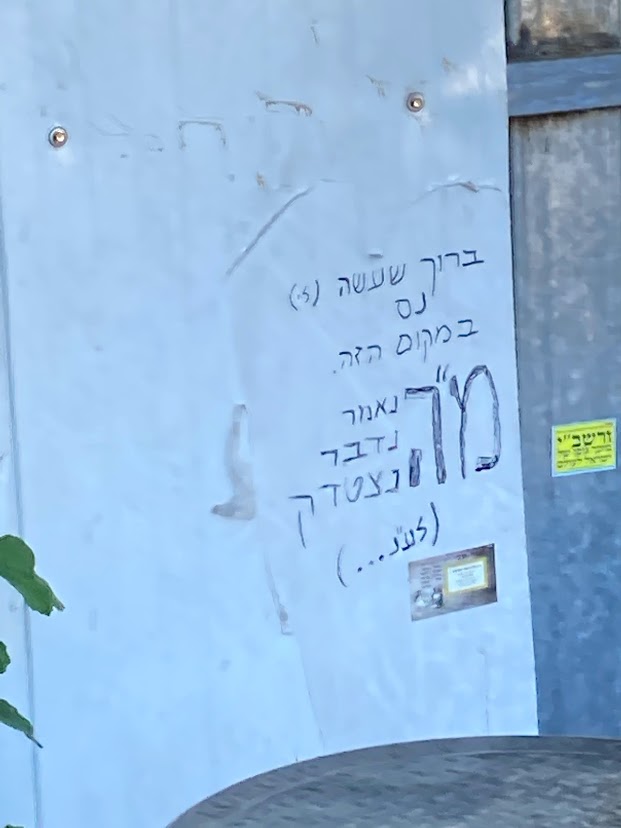
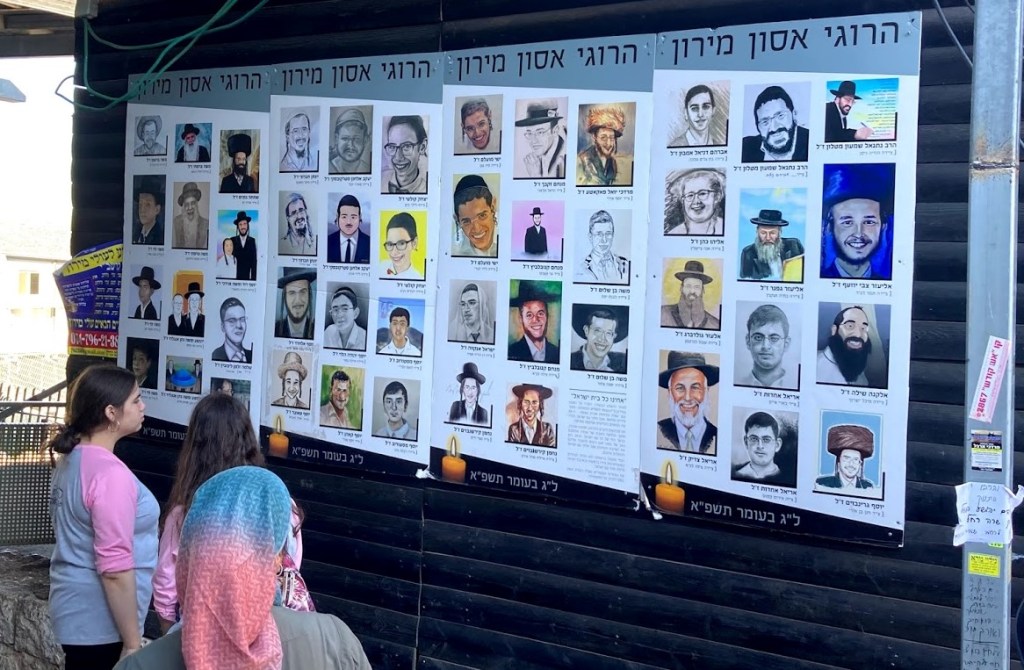
The Talmud though tells us that “the one to whom a miracle happens, doesn’t recognize his miracle”, and today, waking up to the tragic, awful news from the beautiful, awe-some Mount Meron, I think of it slightly different. I think that it’s not that he doesn’t recognize the miracle. He does. At first. Once. Twice. Then he gets used to it. It becomes part of life. He starts thinking that this is how things work; he takes them for granted. A miracle that’s not recognized stops being a miracle. And then, G-d forbid, just when we count on it, it stops happening. Maybe. Maybe not. Who really knows which is what.

אבל התלמוד אומר לנו ש”אין בעל הנס מכיר בניסו” (נידה לא:א), והיום, כשאני מתעוררת לחדשות הטרגיות והנוראיות מהר מירון ה”נורא” יפה, אני חושבת על זה קצת אחרת. אני חושבת שזה לא שבעל הנס לא כמיר בניסו. אלא דוקא כן. הוא עושה זאת. בתחילה. פַּעַם. פעמיים. ואז הוא מתרגל. הנס הופך להיות חלק מהחיים שלו. הוא מתחיל לחשוב שכך הדברים עובדים; הוא לוקח אותם כמובנים מאליהם. נס שלא מוכר מפסיק להיות נס. ואז, חלילה, בדיוק כשאנחנו סומכים עליו, הוא מפסיק לקרות. אולי זה כך. אולי לא. מי באמת יודע מה זה מה.

This Torah portion is filled with things we don’t understand. We want to. We try. But. We fall short. It upsets us. Why? We ask. Why?? And yet, what is it was otherwise? What if we understood everything? What would that do to us? The Torah comes to tell us that the known and unknown, answered and unanswered matters, are still, all part of Hashem’s presence.

פרשת השבוע, “אמור”, מלאה בדברים שאיננו מבינים. אנחנו רוצים להבין. אנחנו מנסים. אבל. אנחנו נופלים. זה מרגיז אותנו. למה? אנחנו שואלים, למה?? ועדיין, מה אם זה היה אחרת? מה אם היינו מבינים הכל? מה זה היה עושה לנו? התורה באה לומר לנו שהעניינים הידועים והבלתי ידועים, התשובות ואלה שאין להם תשובה, הם עדיין, כולם חלק מנוכחותו של האלוהים.

And yet. The lack of knowledge does not imply lack of responsibility. On Friday afternoons, I tend to enjoy Rav Benzion Mutzafi’s impromptu q&a radio program, with callers springing halachik questions on him, which he answers without missing a beat. But today, he opens crying, his voice chocked. ‘Soon people will start asking, who’s to blame in the tragedy’, he starts, ‘and I want to tell you, it’s my fault’. ‘Were you there’? Asks the show’s anchor. ‘That’s not the point’, responds the rabbi. ‘in a world where we teach that “all Israel are arevim – responsible and interwoven with each other”, there is no way that I did everything right if this kind of tragedy happens. There must be something I can do better; maybe there’s something you can do too’.

ועדיין. חוסר הידע אינו מרמז על חוסר אחריות. בימי שישי אחר הצהריים, אני נוטה ליהנות מתכנית הרדיו עם הרב בנציון מוצפי, כאשר המתקשרים מביאים לפניו שאלות הלכתיות שעליהן הוא עונה מבלי להחמיץ פעימה. אבל היום, הוא פותח בבכי, קולו שבור. ‘בקרוב אנשים יתחילו לשאול, מי אשם בטרגדיה’, הוא מתחיל, ‘ואני רוצה לומר לך, זו אשמתי’. ‘היית שם’? שואל אותו מנחה התוכנית. ‘זה לא העניין’, משיב הרב. “בעולם בו אנו מלמדים כי “כל ישראל הם ערבים – אחראים ושזורים – זה בזה”, אין שום אפשרות שאני עשיתי הכל נכון אם טרגדיה כזאת מתרחשת. חייב להיות משהו שאני יכול לעשות טוב יותר; אולי יש גם משהו שאתה יכול לעשות ‘.

בשורות טובות ושבת שלום *** B’sorot Tovot & Shabbat Shalom.

Posted in Uncategorized | Leave a comment

Love-ly Holy Spring – להיות לי…

שתי פרשות, שונות ודומות כמעט בלב ספר ויקרא: אחד מספרת לנו על קדושת הכהן הגדול וקדושת היום הקדוש, יום הכיפורים, והשניה, על הקדושה של כולנו, בכל הפרטים הקטנים של החיים. כן, התשובה היא עדיין, כן….

בסוף פרק כ:26, כתוב:

וִהְיִ֤יתֶם לִי֙ קְדֹשִׁ֔ים כִּ֥י קָד֖וֹשׁ אֲנִ֣י יְהוָ֑ה וָאַבְדִּ֥ל אֶתְכֶ֛ם מִן־הָֽעַמִּ֖ים לִהְי֥וֹת לִֽי׃

ואנחנו חושבים, איפה סוף הפסוק? אבדיל אתכם מן העמים להיות לי ל…. למה??

Two Torah portion, ​​different and similar, almost in the heart of Leviticus: one tells us about the holiness of the high priest and the holiness of the holiest day, Yom Kippur, and the other, about the holiness of all of us, of our community, in every little detail of life. Yes, the answer is still yes….

At the end of chapter 20:20, it says:

And ye shall be holy unto me: for I the LORD am holy, and I will differentiate you from among the other nations, to be to me….

And we think, where is the end of this verse? I will differentiate you from the nations to be me to??? To what??

למשל בויקרא כו:12 כתוב:

וְהִתְהַלַּכְתִּי֙ בְּת֣וֹכְכֶ֔ם וְהָיִ֥יתִי לָכֶ֖ם לֵֽאלֹהִ֑ים וְאַתֶּ֖ם תִּהְיוּ־לִ֥י לְעָֽם׃

For example, ini Leviticus 26:12 it says: “I will be ever present in your midst: I will be to you your God, and you shall be to me for My people.

או בשמות יט:6:

וְאַתֶּ֧ם תִּהְיוּ־לִ֛י מַמְלֶ֥כֶת כֹּהֲנִ֖ים וְג֣וֹי קָד֑וֹשׁ…

Or in Exodus 19:6: “but you shall be to Me a kingdom of priests and a holy nation….

אבל כאן? “להיות לי”, בלי סוף, כאילו בלי סיבה.

But here? “to be to me”, wito

מדרש “לקח טוב” (מהמאה ה-11, במבוסס על מדרשים קדומים) מביא כמה פירושים:

  1. מובדלים אתם מן העמים הרי אתם לשמי ואם לאו הרי אתם לכנענים.
  2. להיות לי שלא לחבר עמדי אחר שנאמר (שמות כב) בלתי לה’ לבדו.
  3. 3.    “להיות לי” להיות עוסקים בתורתי הנתונה מנין ל”י (40) ימים.
  4. להיות לי שתקבלו עול מלכותי עליכם

Midrash “Lekach Tov”   (from the 11th century, based on older midrashim) offers several interpretations:

1. . If you’ll be differentiated from the nations, you are for My name, and if not, then you are for the Canaanites.

2. . To be to Me, so as not to associate another to Me, as it is said (Exodus 22) “For God alone”.

3. To be to Me”-  to be engaged in my teaching that was given to you over 40 days (the letter “li” in Hebrew, meaning “to me”, equal 40 in their numerical value.

4.To be to Me, that you’ll accept the yoke of heaven on you.

רב אורי שרקי אומר בדרך חיוך שכבר מתחילת הפרשה, כשכתוב “קדושים תהיו כי קדוש אני”, זה כאילו הקב”ה אומר, אני היחיד שקדוש כאן, ואני לבד. משעמם לי! בואו תהיו קדושים איתי! אלוהים מבקש להפגש בלי מתווכים, ישירות עם הנברא שלו. איך עושים דבר כזה? נכון, זה צריך הכנה. להכנס למפגש הזה מהר מידי, בלי הכנה מסודרת, כמו ההוראות שמקבל הכהן הגדול, עלול להסתיים רע (כמו במקרה של נדב ואביהו – בויקרא 10). לא להכנס בכלל, זה גם לא טוב. העולם לא נברא רק בשביל שנהיה נחמדים אחד לשני. זה חשוב, בהחלט, אבל מעבר לזה, מה עם הרוחניות? בקשת האלוהים, אומר הרב שרקי, כמו הורה טוב, תהיה בקשר.

Rav Uri Sherki says, with a smile, that from the beginning of this Torah portion, when it says, “You shall be because I am holy”, it is as if Gd says, I am the only one who is holy here, and I am all alone. I’m bored! Come and be holy with me!

G-d is asking to meet with us without any intermediaries, directly with His created. How can we do such a thing? True, this takes preparation. Entering such a meeting too hastily, without proper preparation, like the set of instructions given by the high priest, may end up badly (as in the case of Nadav and Avihu – in Leviticus 10). Then again, to not enter at all, it is also not good. The world was not created just for us to be nice to each other. Sure, that’s important, definitely, but beyond that, what about spirituality? God’s request, Rabbi Sherki says, like a good parent, be in touch.

מאוחר יותר, קורח יגיד – “כי כל העדה כלם קדושים” (במדבר טז:3), אבל זה לא מדויק. העדה, אנחנו מאמינים, היא קדושה, מצד הכלל. אבל לנו, ליחידים שבתוכה, יש עוד הרבה עבודה, איך להתאים את תכנית החיים הפרטיים שלנו למצוה הזו, להבטחה הזו, “קדושים תהיו.

Much later, Korach will say – “For all the congregation are holy” (Numbers 16:3), but this is not accurate. The community, we believe, is sacred, in general. But we, the individuals within it, have a lot of work to do, to figure out how to adapt our private life’s plan to this mitzvah, to this promise, “be holy”.

בספר בראשית (ב:7) כתוב על בריאת האדם: “וַיִּיצֶר֩ יְהוָ֨ה אֱלֹהִ֜ים אֶת־הָֽאָדָ֗ם”…. ייצר – בשני יודים (בראשית רבה י״ד:ד׳): וַיִּיצֶר, שְׁנֵי יְצָרִים, יֵצֶר טוֹב וְיֵצֶר הָרָע.

In the book of Genesis (2:7) it says, “the LORD God formed the human”… the word for formed – “vayyitzar” is written with two “yods” (the “y” sounding letter). Playing on this word the midrash says, this is for the yetzer tov (good inclination) and yetzer ra (bad inclination).

נוצרנו עם יצריות ויצירתיות, ועדיין כל אלה, הם בין אדם לעצמו, הנאות, גם אם מוצדקות ונכונות, אבל עדין, בין אדם לעצמו. אהבה, זה משהו אחר לגמרי. זה לדאוג ליצר, ליצריות, יצירתיות – של אדם אחר. הפרשות עוסקות ביחסים אסורים: עם מי לא להיות. הרשימה ארוכה ומסובכת. זה לא פוליטיקלי קורקט להגיד את כל הדברים האלה, ואנחנו קוראים אותה במבוכת מה.

We were created with instincts (yitzriyut) and creativity (yetziratiut), and yet all these, are between man and himself; pleasurable, even if justified and right, but still, between the human and himself. Love, is something completely different. It’s taking care of the instincts and creativity of another person. The Torah portion deals with forbidden relations: with whom not to be. The list is long and complicated. It’s not politically correct to say all these things, we’re reading it with no lack of embarrassment, sorry it talks like this…

בעצם, מה שאולי התורה מבקשת מאיתנו זה לצאת מעצמנו ולפגוש את האחר: לא את הדומה, לא את המשפחתי. לא את הזהה. את האחר. זה קשה. אנחנו לא לגמרי יודעים איך. יש לנו בקושי דוגמא אחת וגם אותה אנחנו לא לגמרי מבינים: “לִהְי֥וֹת לִֽי”, אמר הקב”ה. בלי סיבה. כי כשיש הרבה סיבות זה כמו שאף אחת מהן לא הנכונה היחידה. להיות לי, כי זה סיפור אהבה. לא תמיד מובן. לעיתים קרובות מאתגר ומאותגר מכל הצדדים. ועדין. לא עוזב. ככה.

What the Torah might be asking us is to go out of ourselves and meet the other: not the similar, not the familial. not the identical. The Other. It is difficult. We do not quite know how. We have hardly one example and we do not fully understand it: “To be”, said the Holy One. For no reason. Because when there are many reasons it’s like none of them is the only right one. “To be to Me”, because it’s a love story. Not always understood. Often challenging and challenged from all sides. And still. It does not leave. Just so. ******

בהליכה שלי הבקר, אני רואה זרים נפגשים בפארק עם כלביהם, הכלבים ובעליהם שמחים זה לקראת זה. כבר אין מסכות בחוץ. התפרצות של אביב. ידיעה מהחדשות: משרד הבריאות מסר כי אתמול לראשונה מזה כעשרה חודשים, איש לא מת אתמול מהנגיף. בבתי החולים ברחבי הארץ ישנם עדין 160 חולים שמצבם קשה, מהם 97 מונשמים. 6,346 מתו מפרוץ המגפה. שר הבריאות מסר היום כי ישראל חצתה את רף 5 מיליון המחוסנים במנה שנייה.

צריכה להיות ברכה לזמן הזה, משהו, שנזכור שזה שעכשיו שוב מצפצפים לנו בכביש, זה סימן טוב.

During my morning walk, I see strangers meeting in the park with their dogs. The dogs and their owners are happy seeing each other. There is no more the need to wear masks out there. Spring erupts. Some news: “The Ministry of Health said that yesterday, for the first time in about ten months, that no one died yesterday from the virus. In hospitals across the country there are still 160 patients in critical condition, of whom 97 are respirators. 6,346 died from the outbreak. The Minister of Health announced today that Israel has crossed the 5 million vaccine threshold in the second dose.”

There should be a blessing for this time, something, that to remind us that the fact that people are honking for us on the road again, it is a good sign.

Shabbat Shalom – שבת שלום

Posted in Uncategorized | Leave a comment

Tears of sadness, tears of joy

Yom Hazikaron. Memorial Day for Israel’s fallen soldiers and terror victims. We cry all day because this day is – and is made to be – so, so sad. The music. The ceremonies. The pictures. The stories. Then, within moments, it’s Yom Ha’atzmaut. Israel Independence Day. And we cry all day because this day is – and is made to be – so, so happy….

Throughout the years, there have been many complaints – why is the calendar arranged in such a way that these days are right next to each other; how is it possible to bear the immense pain along with the unbelievable joy….

My friends, frozen in black frames, a memorial candle flickering, casting lights and shadows, have grown younger and younger with each passing year. Yes. I know people say that they have stayed the same, remaining “forever young”, but to me, they are actually much younger than when I knew them. I’m shocked at their childish faces. Back then, I thought they were tall and muscular, capable of being soldiers, fighters, commanders of special forces. Now I think they were kids, their shy smile lingering, their eyes hopeful, not yet knowing it all.

And Yom Haatzmaut. As a child, it was the day in the calendar when we could hang out all night, dancing in the street, sitting around a campfire somewhere – along the beach or up in the mountains, singing, talking, playing a complex treasure hunt that followed the footsteps of heroic, historical events, hiking to see the sunrise. It was fun and adventurous and exciting and festive and joyous. And secular. There were no restrictions whatsoever – not religiously and not anything. We were the promise of the future; the sabras; and our day was blue and white and free.

But every year since, it grows on me in so many ways. By now, it’s just about the holiest day of the year.

*******

The Torah portion of Tazria-Metzora deals with the – wrongly translated – leper, better left in the Hebrew, metzora – the one who is afflicted with “tzara’at”, a strange and ancient disease (dis-ease) that stands for our distance from Hashem, expressed in the misuse of our power of speech, the power that makes us human.

As part of the “purifying” process (again, translation here leaves a lot to be desired), “the priest shall order two live clean birds, cedar wood, crimson stuff, and hyssop to be brought for him who is to be cleansed” (Leviticus 14:4). One of the Chasidic commentators suggests that taking a cedar, one of the tallest trees, along with hyssop, a lowly plant, implies we should “work” (worship, but work is good too-) Hashem in two ways: be strong and firm, and also, be modest and humble. It’s easy to go for one of them, but — insufficient. To “specialize” in humility, is just as bad as being haughty. And even: to think that only Torah study is enough (yes, even that!), is wrong. The path is right down the middle. And finding it… well, that is the challenge.

Shabbat Shalom.

Why Does Trump Want to Address Israel at Masada? - The Atlantic
Posted in Uncategorized | Leave a comment

No too much silence – לא יותר מידי שתיקה (או: לא. יותר מידי שתיקה….)

10am on Yom HaSho’a, Memorial Day for the Holocaust and Bravery. The traditional siren is sound, wailing through the air, cutting through everything, silencing everything else. It echoes all around the country, outside and inside, the radio, pausing its sad songs and heart-wrenching interviews. From my balcony, I see the traffic stop on the nearby street; people get out of their cars and stand in attention. On another balcony, a father and son, standing still. The son, looks like he’s in his 30’s, wipes his eyes; allergies are really bad this time of year.

10:00 בבקר ביום הזיכרון לשואה ולגבורה. הצפירה המסורתית נשמעת, מייללת באוויר, חותכת הכל, משתיקה את הכל. היא מהדהדת בכל רחבי הארץ, בחוץ ובפנים, הרדיו, מפסיק לשתי דקות את השירים העצובים ואת הראיונות קורעי הלב. מהמרפסת שלי אני רואה איך התנועה עוצרת ברחוב הסמוך; אנשים יוצאים מהמכוניות שלהם ועומדים דום. במרפסת אחרת אב ובנו עומדים במקומם הבן, נראה שהוא בשנות השלושים לחייו, מנגב את עיניו; האלרגיות ממש קשות בעונה הזו של השנה.

I realize there was never a time I didn’t know about the Holocaust. It wasn’t something I was sat down and talked to about. It was just floating around, all the time, like some emotional smog: the numbers on people’s arms; the nods; the looks; the screams at night from a neighbor’s house; the storing food; the “you have to understand, he / she / they came from there…”; the silence.

אני מבינה שלא היה זמן שלא ידעתי על השואה. זה לא היה משהו שישבו ודברו איתי עליו. זה פשוט צף, כל הזמן, כמו איזה ערפיח רגשי: המספרים על זרועות האנשים; ההנהונים; המבטים; הצרחות בלילה מהבית השכן; אחסון המזון; האמירות “את צריכה להבין, הוא / היא / הם באו משם …”; השקט.

I had nothing to complain about. My immediate family left Germany before the war; my mother’s family, just two months before Kristallnacht (Nov 1938) but anything short of surviving the likes of Auschwitz, didn’t really “count”, while those relatives who did “really survive” the worst, didn’t talk.

לא היה לי על מה להתלונן. המשפחה שלי הקרובה עזבה את גרמניה לפני המלחמה; משפחת אמי, חודשיים בלבד לפני ליל הבדולח (נובמבר 1938), אך כל דבר פחות מלשרוד את אושוויץ, לא ממש “נחשב”, ואילו אותם קרובי משפחה, השורדים “האמיתיים”, לא דיברו.

Which is why we didn’t think of how and how much we were all affected by it. I think of it like emotional smog. It gets into the lungs and becomes part of you and you no longer know it’s there. Sometimes you even look up and think that’s the real color of the sky and it can be no other way…  

ולכן לא חשבנו איך וכמה כולנו מושפעים מכך. אני חושבת על זה כמו ערפיח רגשי. זה נכנס לריאות והופך לחלק ממך ואתה כבר לא יודע שזה שם. לפעמים אתה אפילו מרים את העיניים וחושב שזה הצבע האמיתי של השמיים וזה לא יכול להיות דרך אחרת …

I remember somewhere in the early 1990’s, teaching in the US. For Holocaust Day I located a survivor who would speak to the students. She told them about how scared they were that they will sent to “the camps”. The students – mostly middle schoolers – didn’t get it: ‘sure, going to camp can be overwhelming, especially when you’re young, but then it ends up being fun! what’s the big deal’??… Yeh, they had no idea what “camps” means. That’s when I started realizing how much I was soaked in the “stuff”, marinated completely. I started noticing how quickly the holocaust creeps into Israelis’ conversations. It doesn’t take much, whether as a dark joke or a serious mention or a by-the-way family mention, always there.

אני זוכרת אי שם בתחילת שנות התשעים כשלימדתי בארצות הברית. לרגל יום השואה איתרתי ניצולה שתדבר עם התלמידים. היא סיפרה להם על כמה הם פחדו שהם יישלחו ל”מחנות”. התלמידים – בעיקר תלמידי חטיבת ביניים – לא תפסו במה מדובר: ‘בטח, ללכת למחנה יכול להיות מלווה בחשש, במיוחד כשאתה צעיר, אבל בסופו של דבר כיף! מה העניין הגדול ‘?? … כן, לא היה להם מושג מה פירוש “מחנות”. אז התחלתי להבין כמה אני הייתי ספוגה ב”חומר” זה, שרויה לחלוטין. התחלתי לשים לב כמה מהר השואה מתגנבת לשיחות של ישראלים. לא צריך הרבה: בדיחה אפלה, אזכור רציני, הערה אגבית. תמיד שם.

Holocaust Day usually falls close to the Torah portion of Shmini, where we read of the horrific, sudden death of Aaron’s sons, Nadav & Avihu, and of his own – equally horrific silence, often portrayed as a model of wholehearted acceptance of G-d’s decree.

יום השואה נופל בדרך כלל לא רחוק מפרשת שמיני, בה אנו קוראים על מותם המחריד והפתאומי של בניו של אהרון הכהן, נדב ואביהו, ושל השתיקה המחרידה באותה מידה, המתוארת לעתים קרובות כמודל לקבלה מכל הלב של הצו האלוהי.

But having grown up with silence, I’m hesitant to celebrate that, especially right after the holiday that holds on high speech (Pe-Sach), telling, sharing in word, singing. Of course, there is time and room for silence but as an occasional, appropriate tool, not as an absolute ideal. Considering it took my aunt more than 30 years to begin to tell me her story of bravery and survival during the Holocaust, (“oh, it’s the usual”, she said, recounting how they escaped from Germany to the Netherlands, hid, were found, deported to Bergen-Belzen, survived the war, sent to DP camps in North Africa and finally from there to Israel in 1949…) I think we’ve paid our dues to the gods of silence.

אבל מכיון שגדלתי עם שתיקה, אני מהססת לחגוג את זה, במיוחד מיד אחרי החג שחוגג דיבור (פה-סח), סיפור, שיתוף, שירה. כמובן, יש זמן ומקום לשקט אך ככלי מזדמן, מתאים, לא כאידיאל מוחלט. בהתחשב בכך שלדודתי לקחו יותר מ -30 שנה להתחיל לספר לי את סיפורה של גבורה והישרדות בשואה, (“אה, זה הסיפור הרגיל”, אמרה, וסיפרה כיצד הם ברחו מגרמניה להולנד, הסתתרו, נמצאו, גורשו לברגן-בלזן, שרדו את המלחמה, נשלחו למחנות עקורים בצפון אפריקה ולבסוף משם לישראל בשנת 1949 …) אני חושבת ששילמנו את המס לאלי השתיקה.

Still on the balcony, the siren winding down; engines start up, father and son head back inside; the radio goes back to news and more sad music, then I notice, the birds, chirping, singing. I think, I need to get  some flags to hang around here, and one extra, for my car. And if anyone raises an eyebrow, I’d say, hey, I’ve waited 2000 years to do this.

עדיין על המרפסת, הצפירה גוועת; מנועים מותנעים, האב והבן נכנסים פנימה; הרדיו חוזר לחדשות ולמוזיקה עצובה יותר, ואז אני שמה לב, הציפורים, מצייצות, שרות. ואני חושבת, אני צריכה להביא כמה דגלים לתלות כאן, ועוד אחד, למכונית שלי. ואם מישהו ירים גבה, אגיד לו, היי, חיכיתי 2000 שנה לעשות את זה.

שבת שלום – Shabbat Shalom

Israel Flag - The Official Symbol of Israel - Israel Travel Secrets
Posted in Uncategorized | Leave a comment

Ending on a High Note – לצאת בשירה

Pesach means to “pass-over” but according to some, it’s also pe-sach, literally, a speaking mouth. Everything to do with this holiday is about our mouth: much attention goes into what we put into it, and what comes out. No wonder the holiday that’s all about our mouth, has a book that’s called Haggadah, telling.

פסח פירושו “לעבור  מעל, לפסוח”, אך יש מפרשים שיגידו שפסח = פה-סח, פשוטו כמשמעו, פה מדבר. כל מה שקשור לחג הזה מפוקס בפה שלנו: כל תשומת הלב למה שאנחנו מכניסים לפה ולמה שאנחנו מוציאים. לא פלא שלחג שכולו מתרכז בפה שלנו, יש ספר שנקרא הגדה, מגיד ומספר.

The Haggadah is a great book; I love it, and every year I add another to my collection with various versions, pictures, commentaries and commentators, but I also think it’s a very tragic day, when the “Haggadah” was written down. Because right then and there we went from telling to reading; from speaking our story in our words from our heart, to quoting that of someone else; from flowing and processing and reflecting through our journeys, to trying to catch up on where we “should” be; from looking curiously the another person’s eyes, listening to their question and plight, to looking at a page and hearing instructions.

ההגדה היא ספר נהדר; אני אוהבת את ההגדה, וכל שנה מוסיפה עוד אחת לאוסף שלי עם גרסאות שונות, תמונות, פרשנויות ופרשנים, אבל אני גם חושבת שזה יום טרגי מאוד, היום בו ה”הגדה “נכתבה. כי ממש אז ושם, עברנו מלספר לקריאה; מלהגיד את הסיפור שלנו במילים שלנו מהלב שלנו, ללצטט את הסיפור במילים של מישהו אחר; מזרימה ועיבוד ושיקוף על המסעות שלנו, ללנסות להיות בעמוד בו “אנחנו צריכים להיות”; מלהסתכל בסקרנות אל עיניו של האדם האחר לידנו, להקשיב לשאלתו ומצוקתו, עברנו להסתכל בדף ולשמוע הוראות.

“Find your voice!”, was one of my teacher’s command to me in his own booming voice. “Eh… I’m fine”, I would stutter, “What do you mean? Here, I’m speaking”… I don’t think I knew what he was saying, and the complete answer, is probably still – and maybe will always, be in the works…

“תמצאי את הקול שלך!”, הייתה ממצוותיו של אחד המורים שלי, מדגיש בקולו הרועם. “אה … אני בסדר”, הייתי מגמגמת, “למה אתה מתכוון? הנה, אני מדברת…” אני לא חושב שידעתי מה הוא אומר, והתשובה המלאה, כנראה עדיין ואולי תמיד תהיה – בהתהוות …

The holiday we celebrate, based on a story where a whole nation is led by a leader who can’t speak, reaches on this Shabbat a new high, in a great song: “az Yashir Moshe”… echoed just a few verses later by the person who believed in him all along, even before he was born, “and Miriam chanted for them, sing”…

החג שאנו חוגגים עכשיו, המבוסס על סיפור שבו עם שלם מובל על ידי מנהיג שאינו יכול לדבר, מגיע בשבת הזו לשיא חדש, בשיר נהדר: “אז ישיר משה” … מתוחזק רק כמה פסוקים אחר כך ע”י מי שהאמינה בו לאורך כל הדרך, עוד לפני שנולד, “ותען להם מרים שירו” …

Speaking is incredibly important. When the first human is created and becomes a “living soul” (Genesis 2:7), Onkelus, the Aramaic translation, says “living soul” means that the human became a “speaking spirit – ru’ach memalela”.

דיבור הוא דבר חשוב ביותר. כאשר האדם הראשון נברא והפך ל”נפש חיה” (בראשית ב, ז), אומר אונקלוס, בתרגום לארמית, ש”נפש חיה” פירושו שהאדם הפך ל”רוח ממללא”, נפש מדברת.

Pesach too says, speaking is great, but also, speaking alone is not enough. For us to truly find our voice, we need to learn to sing. On a card, long ago and far away, I find this: “A bird does not sing because it has answers. It sings because it has a song. Sing your song!” Each one in full force, and all together in harmony, on the shores of the splitting sea, all the way to the Song of Songs.

חג הפסח אומר לנו, דיבור זה נהדר, אבל גם רק דיבור זה לא מספיק. כדי שנמצא את הקול שלנו באמת, אנחנו צריכים ללמוד לשיר. על כרטיס שקבלתי פעם, מזמן ורחוק מכאן, נכתב: “ציפור לא שרה כי יש לה תשובות. היא שרה כי יש לה שיר. שירי את השיר שלך! ” כל אחד במלוא עוצמתו, וכולנו יחד בהרמוניה, על שפת הים הנקרע לפנינו, כל הדרך, עד לשיר השירים.

חג שמח ושבת שלום! Shabbat Shalom & Chag Pesach Same’ach!

Posted in Uncategorized | Leave a comment

Half Slave-Half Free: Yetzi’at Mitzrayim, Taking out Egypt…. חצי עבד, חצי בן חורין: היציאה של מצרים

The name Pesach, aside from being a reminder of God’s “passing-over”, can also be read as pe-sach, literally, “a talking mouth”. No wonder that such a holiday, which is based on things going into our mouth and coming out of it, is accompanied by a book called Haggadah – “Telling”, which instructs us that “anyone who increases (spends extra time) in telling the story of the Exodus from Egypt (yetziat mitzrayim) is praiseworthy”. 

את השם פסח, מלבד היותו תזכורת ל”פסיחה” של אלוהים על בתי בני ישראל במצרים, ניתן לקרוא גם כפה-סח, כלומר, “פה מדבר”. אין פלא שחג כזה, המבוסס על דברים היוצאים מן הפה ואלו הנכנסים לפה, מלווה בספר שנקרא “הגדה” שמורה לנו “כָל הַמַּרְבֶּה לְסַפֵּר בִּיצִיָת מִצְרַיִם הֲרֵי זֶה מְשֻׁבָּח.”

But…what does the term Yetziat Mitzrayim actually mean?

אבל…. מה זה בדיוק “יציאת מצרים”?

If it means “the Exodus from Egypt”, as the Haggadah suggests, the phrase should read “yetzi’a mimitzrayim”; and if it means the exit of the Children of Israel then it should be “yetziat bnai yisrael”…. 

אם זה היציאה של בני ישראל ממצרים, אז המונח צריך להיות או יציאה ממצרים או יציאת בני ישראל, אבל מה זה “יציאת מצרים”?

Yetziat Mitzrayim literally means “the going out of Egypt.” This phrase suggests that there is something about Egypt that needs to be “going out”. It suggests that this story has a greater scope than our own slavery and freedom, that it possibly also has to do with our relationship with the world around us, and that our redemption is not isolated, but that Egypt also needs to be redeemed.

משמעות “יציאת מצרים” הוא יציאה של מצרים. הביטוי מציע שיש משהו שהוא “מצרים” שצריך להוציא אותו. הוא מציע שהסיפור הזה גדול מסיפור של עם אחד ועבדות וחירות, שיתכן שזה שייך ליחסים שלנו עם העולם סביבנו, ושגם הגאולה שלנו איננה רק שלנו, אלא שצריך לגאול גם את מצרים…

Is there any evidence in the Torah or Talmud to support this reading? Or does it result solely from a very nuanced understanding of the Hebrew phrase?

האם יש עדות תומכת לרעיון הזה גם בתורה או בתלמוד? או שהכל סובב סביב קריאה של ביטוי אחד בעברית??

The opening Mishna in the 8th chapter of Masechet Pesachim discusses how to determine which group a person should join for eating the korban Pesach when the person has loyalties to multiple groups.  Three such situations are discussed – a married woman, an orphan who has multiple guardians, and a slave who has two masters. The Mishna then discusses a person who is half slave and half free (because one of his two masters has freed him), and states that such a person may not eat from his master’s korban.  

המשנה הפותחת את פרק ה -8 של מסכת פסחים דנה כיצד לקבוע לאיזו קבוצה צריך להצטרף אדם לאכילת הפסח הקורבן כאשר לאדם יש נאמנות למספר קבוצות. שלושה מצבים כאלה נדונים – אישה נשואה, יתום שיש לו אפוטרופוסים מרובים, ועבד שיש לו שני אדונים. לאחר מכן המשנה דנה באדם שהוא חצי עבד וחצי בן חורין (מצב שקורה כאשר אחד משני אדוניו שחרר אותו), וקובעת כי אדם כזה אינו רשאי לאכול מהקורבן של אדונו.

In his commentary on this Mishna, Rav Steinsaltz explains that “it is assumed that the master did not intend to allow this person’s free half to partake of the lamb (korban), and therefore the master did not slaughter the lamb with him in mind. Consequently, the half slave is not included among those registered for his master’s offering unless he was explicitly included”. (English from William Davidson digital edition of the Koren Noé Talmud, on Sefaria)

בפירושו למשנה זו מסביר הרב שטיינזלץ כי “ההנחה היא שהאדון לא התכוון לאפשר לחציו החופשי של אדם זה לחלוק בקורבן, ולכן האדון לא הקריב את הקרבן במחשבה גם על החצי החופשי. כתוצאה מכך, חצי האדם אינו נכלל בין היוצאים ידי חובה בקרבן זה, אלא אם כן נכלל במפורש”. (מאנגלית בספריא).

The Gemara (Pesachim 88a-b) further delves into the absurdity of the situation. What should someone do who is half a slave and half a free person? Beit Hillel says that such a person serves his master one day and himself one day.Beit Shamai disagrees, because while that works out fine for the master, it leaves the person in a limbo status in which he is unable to marry anyone – the free part of him cannot marry a slave, and the slave part of him cannot marry a free woman. Instead, Beit Shammai says we force his master(who still half owns him)to make him a free man, and the slave then writes a bill accepting his responsibility to pay half his value to his master. Beit Hillel ultimately agrees with this position.

הגמרא (פסחים פח:א-ב) מעמיקה עוד יותר באבסורד שבמצב. מה צריך לעשות מישהו שהוא חצי עבד וחצי בן חורין? בית הלל אומר שאדם כזה משרת את אדוניו יום אחד ואת עצמו יום אחד. בית שמאי לא מסכים, מכיוון שבעוד סידור שכזה טוב עבור האדון, זה משאיר את האדם עצמו במעמד לימבו בו הוא אינו מסוגל להתחתן עם אף אחת – החלק החופשי בו אינו יכול להתחתן עם עבד, והחלק המשועבד שבו אינו יכול להתחתן עם אישה חופשית. במקום זאת, בית שמאי אומר שאנחנו מכריחים את אדונו (שעדיין מחזיק בבעלותו) להפוך אותו לאדם חופשי, ואז העבד כותב שטר המקבל את אחריותו לשלם מחצית מערכו לאדונו. בסופו של דבר בית הלל מסכים עם העמדה הזו.

Who is this half slave, half free person who’s mentioned here? There’s a hint in the opening verse of parshat Beshalach (Shemot 13:17) which tells us: “Now when Pharaoh let the people go, God did not lead them by way of the land of the Philistines, although it was nearer; for God said, ‘The people may have a change of heart when they see war, and return to Egypt.’”

מיהו חצי העבד, חצי בן חורין הזה שמוזכר כאן? יש רמז בפסוק הפתיחה של פרשת בשלח (שמות יג, יז) שאומר לנו: “וַיְהִי בְּשַׁלַּח פַּרְעֹה אֶת הָעָם, וְלֹא נָחָם אֱ-לֹקים דֶּרֶךְ אֶרֶץ פְּלִשְׁתִּים, כִּי קָרוֹב הוּא: כִּי אָמַר אֱ-לֹקים פֶּן יִנָּחֵם הָעָם בִּרְאֹתָם מִלְחָמָה וְשָׁבוּ מִצְרָיְמָה”.

“When Pharaoh let the people go”… but wait! Who let the people go? 

ויהי בשלח פרעה את העם…. אבל רגע!!! מי שלח את העם??

Placing this seemingly halachic discussion of the person who is half slave and half free here in Pesachim hints at the status of Bnai Yisrael: We too were like a slave to two masters: God, who let us go, and Pharaoh, who would have rather kept us in but was forced to set us free, against his will. As we saw in the Gemara, the slave has to “write a bill accepting his responsibility to pay half his value to his master” (the one who did not want to let him go). Similarly, we too, are left with a debt to the world, represented by Egypt. That is Yetziat Mitzrayim: it’s not just about ourselves, but about the world. Passover has many levels: personal, historical, national and also one that touches our role and mission in our internal and external world: On this Pesach, we might wonder, are we done doing our task? Are we done “taking out Egypt” within and without?   

הצבת הדיון הלכאורה הלכתי הזה על האדם שהוא חצי עבד וחצי בן חורין כאן בפסחים רומזת על מעמדם של בני ישראל: גם אנחנו היינו כמו עבד לשני אדונים: אלוהים, שהניח לנו ללכת, ופרעה, שהעדיף להחזיק אותנו בעבדות אך נאלץ לשחרר אותנו, בניגוד לרצונו. כפי שראינו בגמרא, על העבד לכתוב “שטר על חצי דמיו”, כלומר הוא מקבל את אחריותו לשלם מחצית מערכו לאדונו (זה שלא רצה להרפות אותו). באופן דומה, גם לנו נותר חוב לעולם המיוצג על ידי מצרים. זוהי “יציאת מצרים”: הסיפור אם כך, הוא לא רק שלנו ועלינו, אלא על העולם. לפסח יש רבדים רבים – אישי, הסטורי, לאומי, וגם בנוגע לתפקיד והחזון שלנו בעולם הפנימי והחיצוני. השאלה היא, האם סיימנו כבר את תיקון העולם? האם סיימנו “להוציא את מצרים” מפנים ומחוץ?

Shabbat Shalom & Chag Sameach! שבת שלום וחג שמח!!

The YCT – Maharat Pesach Companion:

Lent: A journey into the 'desert' – Paulist Fathers
Posted in Uncategorized | Leave a comment

In the beginning, there was a small Alef… בראשית היתה אלף…

Imagine: you are about the start teaching Torah to young children, and you have to pick where to start them. Which story would it be? Abraham’s journey, Rachel at the well, Joseph’s coat, Miriam watching Moses floating in the basket, perhaps the sea splitting or the amazing experience at Mount Sinai?

תארו לעצמכם: אנחנו עומדים להתחיל ללמד תורה לילדים צעירים, וצריכים לבחור איפה להתחיל. איזה סיפור זה יהיה? המסע של אברהם, המפגש עם רחל בבאר, מעילו של יוסף, מרים המשגיחה במשה צף בתיבה, אולי הים הנקרע או החוויה המדהימה בהר סיני?

You look through the whole text, cover to cover, and then, excitedly, point to the Book Leviticus: Here! Confused parents demand to know, why and you say, “The sacrifices are pure, נand the little ones are pure. Let the pure ones deal with the pure things” (Psikta D’rav Kahana, 6).

אנחנו מסתכלים על כל הטקסט, מהתחלה לסוף, ואז, בהתרגשות, מצביעים על ספר ויקרא: הנה! כאן! הורים מבולבלים דורשים לדעת, מדוע ואנחנו מצטטים: “אמר ר’ איסי: מפני מה מתחילין לתינוקות מתורת כהנים, יתחילו להן מבראשית! אלא אמר הקב”ה: הואיל וקרבנות טהורים והתינוקות טהורים, יבואו טהורים ויתעסקו בטהורים”. (פסיקתא דרב כהנא, ו)

The Book of Leviticus begins with sacrifices: what to bring when, how and why. The Hebrew word for sacrifices, korbanot, comes from the root k.r.v. which also makes the word karov, to be close, also a relative. Maybe that’s why we start here: to learn early on we can always come close, especially when we move away; what a fantastic idea; to know we have both good and bad within us; being offered a way to “kiss and make up”, not be doomed.

ספר ויקרא מתחיל בקורבנות: מה להביא מתי, איך ולמה. המילה העברית לקרבנות באה מהשורש ששייך למילה קרוב (בניגוד לרחוק), וגם לקרוב משפחה. אולי בגלל זה אנחנו מתחילים כאן: ללמוד מוקדם שאנחנו תמיד יכולים להתקרב, במיוחד כשאנחנו מתרחקים; איזה רעיון פנטסטי; לדעת שיש בתוכנו גם רע וגם טוב, ושאם נתרחק, יש לנו דרך להשלים, לא לחרוץ את גורלנו לתמיד.

Leviticus in Hebrew is called Vayikra, “and He called” – G-d called Moses, and then spoke. Last week’s parasha ended with the completion of the mishkan, the Tabernacle, covered by the cloud. How would Moshe know what to do? Rashi says that G-d calling Moshe, is G-d getting Moses’ attention and then inviting him into His house, is leshon chiba, a loving way of speaking as if G-d and Moses model a loving relationship: G-d Himself doesn’t assume Moses is always available. He calls first. Moses waits, ready to hear. And this two-way communication style, we teach our children: True, we call G-d and He also might call us. We want Him to be there for us; how are we there for Him?

ויקרא – “והוא קרא” – מדבר על אלוקים שקורא משה, ואז דיבר אליו. הפרשה בשבוע שעבר הסתיימה עם השלמת המשכן שהיה מכוסה בענן. איך משה יידע מה לעשות? רש”י אומר שזה שהקב”ה קורא למשה, שהקב”ה מושך את תשומת לבו של משה ורק אז מזמין אותו לביתו, זו לשון חיבה, דרך אוהבת לדבר כאילו אלוקים ומשה מדגמים לנו מערכת יחסים אוהבת: אפילו אלוקים בעצמו לא מניח שמשה תמיד זמין לו. הוא מתקשר ראשון. משה ממתין, מוכן לשמוע. ואת סגנון התקשורת הדו-כיווני אנחנו מלמדים את ילדינו: נכון, אנו קוראים לאלוקים, וגם – הוא יכול לקרוא לנו. אנחנו רוצים שהוא יהיה שם בשבילנו; איך אנחנו שם בשבילו?


If we look at that first word in Hebrew, we might notice the last letter, the alef, is small. Why? What’s so special about the letter alef is that it’s a silent letter. How amazing it is to have an alphabet that begins with a letter without a sound! But then, what if the alef was not there at all? Instead of Vayikra the word would be vayikar – and its meaning would change from “and He called” to “and He chanced”…. How small the difference between being called to a meeting and chancing on that meeting. Sometimes, all there is between them is listening intently in silence. Maybe no wonder our sages thought this was a beginning.

אם נסתכל על המילה הראשונה בפרשה בעברית, נבחין שבסופה יש אלף קטנה. למה? מה שכל כך מיוחד באות האלף הוא שזו אות שקטה. כמה מדהים שיש לנו אלפבית שמתחיל באות בלי צליל! אבל אז, אם אין לה צליל, מה אם האלף בכלל לא היתה שם? במקום ויקרא המילה תהיה ויקר – ומשמעותה תשתנה מ”והוא קרא”… ל”הוא הזדמן”, כאילו במקריות …. כמה גדול וכמה קטן ההבדל בין להקרא לפגישה בכוונה, ובין להזדמן לפגישה במקרה… לפעמים, כל מה שיש ביניהם, הוא הקשבה בכוונה רבה, בשתיקה. אולי לא פלא שחז”ל חשבו שכאן, זו ההתחלה.

Shabbat Shalom  שבת שלום

Posted in Uncategorized | Leave a comment

The Greatest Miracle in the Torah – הנס הכי גדול בתורה

When I say that this Torah portion describes the biggest miracle in the Torah, my listener tends to think either one of us is the wrong week… but, to me, it is. Often, when we refer to miracles, events out of the ordinary, we point to things G-d has done, splitting the sea or raining manna, but If to paraphrase Rabbi Akiva in his famous conversation with the Roman ruler, Turanus Rufus, let us not worry about what’s above us (Tanchuma, Tazria 7). Because, after all, why would any of those be miracles? They were all made by G-d, and G-d, by definition, can do anything! There is no “out of the ordinary” for G-d.

כשאני אומרת שפרשת השבוע הזו מתארת ​​את הנס הגדול ביותר בתורה, מי שמולי נוטה לחשוב שאחד מאיתנו הוא בשבוע הלא נכון … אבל בעיניי, זה כך. בדרך כלל, כאשר אנחנו מתייחסים לנסים ולאירועים חריגים, אנו מצביעים על דברים שאלוהים עשה, קריעת ים סוף או מן מהשמים, אך אם לנסח מחדש את רבי עקיבא בשיחתו המפורסמת עם השליט הרומי, טוראנוס-רופוס, אלא מענייננו מה למעלה מאיתנו (תנחומא, תזריע ז). אחרי הכל, למה שמשהו מכל אלה יהיה נס? כולם נוצרו על ידי אלוהים, ואלוהים, בהגדרתו, יכולים לעשות הכל! כך שאין באמת “אירוע חריג” בשביל אלוקים.

The real miracle therefore, is when we do something “out of the ordinary”, and here it comes, almost lost, almost unnoticeable within all the details, but after two and a half Torah portions with instructions how to build the Tabernacle, we’re about to actually begin the project. And the miracle? The Children of Israel are listening, following directions, and together building this most amazing construction project the world has ever seen.

הנס האמיתי, אם כן, הוא כאשר אנחנו עושים משהו “לא שגרתי”, וכאן זה מופיע, כמעט אבוד, כמעט בלתי מורגש בין כל הפרטים, אבל אחרי שתיים וחצי פרשיות תורה עם הוראות איך לבנות את המשכן, אנחנו סופסוף עומדים להתחיל את הפרויקט. והנס? בני ישראל מקשיבים, עוקבים אחר ההוראות, ובונים ביחד את פרויקט הבנייה המדהים ביותר שראה העולם.

What? “Most amazing”?? You mean, more than the pyramids or Taj Mahal?? Yes. Oh, just because it’s “yours” you think it’s so special?? No. For one, because, no one was enslaved or had to die to build it; because no one had to rob anyone or anything to make it. Because people were asked, not commanded! To bring what “their heart moves them to do”. And they did. And somehow, when all that was put together, along with the fabulous quality of wisdom, mentioned over and over again, voilla!! A place, not to honor some humanly fleeting king, or queen, was fashion, but one to connect heavens and earth, to allow that connection to flourish, which is a miracle in and of itself! And here, an “amplifier” was designed to enhance it.

מה? “הכי מדהים” ?? את מתכוונת, יותר מהפירמידות או טאג ‘מאהל ?? כן. אה, רק בגלל שזה “שלך”, לכן את חושבת שזה כל כך מיוחד ?? לא. קודם כל, כי אף אחד לא היה משועבד או נאלץ למות כדי לבנות את המשכן; כי אף אחד לא היה צריך לשדוד מישהו או משהו כדי לעשות את זה. כי אנשים התבקשו – לא ציוו עליהם – להביא את מה שלבם “ידבנו”. והם עשו זאת. ואיכשהו, כשכל מה שהביאו הורכב ביחד עם איכות החוכמה הנהדרת, שהוזכרה שוב ושוב, הנה!! הוקם מקום, לא לכבוד איזה מלך או מלכה אנושיים חולפים, אלא מקום לחבר שמים וארץ, כדי לאפשר לקשר הזה לפרוח, וזה שבכלל יש אפשרות לקשר כזה, זה כבר נס בפני עצמו! וכאן, הוא מקבל “מגבר” משמעותי כדי  לשדרג אותו עוד.

In Exodus 40:2 we find: בספר שמות, פרק מ, פסוק 2 כתוב  

בְּיוֹם־הַחֹ֥דֶשׁ הָרִאשׁ֖וֹן בְּאֶחָ֣ד לַחֹ֑דֶשׁ תָּקִ֕ים אֶת־מִשְׁכַּ֖ן אֹ֥הֶל מוֹעֵֽד׃

On the first day of the first month you shall set up the Tabernacle of the Tent of Meeting.

According to tradition therefore, the day the mishkan was set up, was the 1st of Nissan, this Saturday night (and always in close proximity to this Torah portion). In the Tunisian and Libyan Jewish communities this day is celebrated with special food called Bsisa. Some say wikipedia…) that “the food is powder that consists of wheat and barley, which represents the mortar used to build the Mishkan”, but the Mishkan was built of cloth (which the women wove off the goats!) and not of mortar. What the food does represent is the offerings of wheat and oil that were brought at the Mishkan, and later in the Temple. During the celebration, the whole family gathers at the home of the head of the family. The bsisa, which has been prepared well in advance, is at the head of the table, and, with special blessings, is mixed using a key, symbolizing “opening” the (Biblical) new year and especially, the gates of sustenance.

לכן, על פי המסורת, יום הקמת המשכן היה הראשון לניסן שיחול במוצאי שבת זה (ותמיד בסמיכות לפרשת השבוע הזו). בקהילות יהודי תוניסיה ולוב נחגג יום זה עם אוכל מיוחד שנקרא בסיסה. יש האומרים (בוויקיפדיה…) כי “האוכל הוא אבקה שמורכבת מחיטה ושעורה, המייצגת את החומר ששימש לבניית המשכן”, אך המשכן היה בנוי מבד (שנשים טוו את העזים!) ולא מחומר. מה שהאוכל כן מייצג הוא מנחות הסולת הבלולה בשמן שהובאו במשכן, ואחר כך בבית המקדש. במהלך החגיגה כל המשפחה מתכנסת בביתו של ראש המשפחה. הבסיסה, שהוכנה זמן רב מראש, נמצאת בראש השולחן. יש ברכות מיוחדות ומערבבים את הבסיסה באמצעות מפתח המסמל “פתיחה” של השנה החדשה ובעיקר את שערי הפרנסה.

For us, it’s been quite a year. There’s been pain and anxiety, heartache and adjustments we didn’t think would come our way. But somehow, here we are. Even if you’re not a Tunisian Jew, it’s a great time to celebrate this new month, leaving Egypt and reconnecting with the Divine. Shabbat Shalom.

עברה שנה די עמוסה. עם כאבים וחרדות, כאב לב והתארגנויות מחדש שלא חשבנו שאי פעם יקרו לנו. אבל איכשהו, אנחנו כאן. גם אם אינך יהודי תוניסאי, זה זמן נהדר לחגוג את החודש החדש הזה, לעזוב את מצרים ולהתחבר מחדש למה שאלוהי.  שבת שלום

סדר נשים – חיפה -Women’s Seder, Haifa

המשכן – ויקיפדיה
THE MISHKAN (WIKI…)
Posted in Uncategorized | Leave a comment

משה ואסתר: בין פורים ופסח

משה ואסתר?? רגע, לא התכוונת מרדכי ואסתר? או אולי, משה וציפורה??

אבל כמו ש”לכל איש יש שם”, ו”לכל סיר יש מכסה”, לכל גיבור במסורת שלנו יש גיבורה מקבילה. גיבורה זו איננה זוגתו לחיים שהיא במקרים רבים זו שמשלימה אותו ולכן איננה יכולה להיות “כמוהו”, אלא מישהי שמיצגת את תכונותיו – באשה. לפני שאני מסתבכת, אביא דוגמא. למשל, אברהם ושרה. אברהם הוא התגלמות החסד, שרה, לעומת זאת, היא התגלמות של דין וגבורה. המישהי שמכילה ומיצגת חסד, היא רבקה. דבר זה נגלה בביטויים ובפעלים המלוים את מעשה החסד שלה, כשהיא נותנת מים לאליעזר ולגמליו, בדיוק כמו אברהם עם האורחים שלו: “וַיְמַהֵ֧ר אַבְרָהָ֛ם הָאֹ֖הֱלָה אֶל־שָׂרָ֑ה וַיֹּ֗אמֶר מַהֲרִ֞י שְׁלֹ֤שׁ סְאִים֙ קֶ֣מַח סֹ֔לֶת ל֖וּשִׁי וַעֲשִׂ֥י עֻגֽוֹת׃ וְאֶל־הַבָּקָ֖ר רָ֣ץ אַבְרָהָ֑ם וַיִּקַּ֨ח בֶּן־בָּקָ֜ר רַ֤ךְ וָטוֹב֙ וַיִּתֵּ֣ן אֶל־הַנַּ֔עַר וַיְמַהֵ֖ר לַעֲשׂ֥וֹת אֹתֽוֹ”… (בראשית יח:6-7) לצד רבקה: “וַתֹּ֖אמֶר שְׁתֵ֣ה אֲדֹנִ֑י וַתְּמַהֵ֗ר וַתֹּ֧רֶד כַּדָּ֛הּ עַל־יָדָ֖הּ וַתַּשְׁקֵֽהוּ…. וַתְּמַהֵ֗ר וַתְּעַ֤ר כַּדָּהּ֙ אֶל־הַשֹּׁ֔קֶת וַתָּ֥רָץ ע֛וֹד אֶֽל־הַבְּאֵ֖ר לִשְׁאֹ֑ב וַתִּשְׁאַ֖ב לְכָל־גְּמַלָּֽיו…” (בראשית כד:18-20). מצד שני, תכונותיה של שרה, של דין וגבורה, הן אלו של יצחק.

מסתבר שהמקבילה התנכית – לא אשתו! – של משה, היא לא אחרת מ… אסתר. איך זה?

נחשוב שניה על משה. מה היא התכונה שעושה את מי ש”הוציא אותנו ממצרים”, למנהיג כל כך מוצלח?? האם הוא פרשן מוכשר ויצירתי, מחדש חידושים, אולי ממציא גדול? אולי מצביא צבאי? לוחם גיבור חיל? פילוסוף? רופא שהציל חיים?? לא ולא. משה כל כך לא כל אלה, שאפילו כשניגשים אליו עם שאלות שהוא לא יודע, הוא פשוט אומר שהוא לא יודע וניגש לשאול את ה’. זה קורה פעם אחר פעם, ואנחנו תוהים: מה רצה ה’ אצל משה?? אנחנו יודעים שהתכונה הגדולה של משה היא הענווה. אבל מה פירוש? מה הוא “עושה” בענווה הזו?? כל מה שהוא עושה זה – מקבל את התורה. זה הכל! אנחנו סומכים על התורה שלנו שהיא בדיוק דבר ה’ רק מפני שאנחנו סומכים על היכולת הזו של משה. זו ההוצאה ממצרים. זו הגאולה.

חזל כבר אמרו ש”כׇּל הָאוֹמֵר דָּבָר בְּשֵׁם אוֹמְרוֹ מֵבִיא גְּאוּלָּה לָעוֹלָם”, רק שהדוגמא שהם הביאו לכך, איננה משה, כפי שיכולנו לצפות, שאכן הביא לנו גאולה גדולה אלא דוקא, אסתר: שֶׁנֶּאֱמַר “וַתֹּאמֶר אֶסְתֵּר לַמֶּלֶךְ בְּשֵׁם מׇרְדֳּכָי” (אסתר ב:22). שרשרת האירועים שהחלה באמירתה, והתבטאה ביכולתה העצומה – והכואבת – לקבל את מה שקורה ואת תפקידה באירועים החדשים, המתגלגלים עליה, ביכולתה לשים את עצמה בצד, ממש כמו משה, היא שבסופו של דבר, הביאה לגאולה.

משה ואסתר, אדר וניסן, פורים ופסח קשורים בעוד קשרים שונים. בעודם נדמים כהפכים מוחלטים (תחילת וסוף לוח השנה, תחילת וסוף ההסטוריה התנכית, אנרגיה של לידה, התחדשות, פריצה, הבטחה, מבט קדימה, לעומת אחרי חורבן, אחרי ותוך כדי גלות, נסיון להשאר בחיים), הם גם משלימים זה את זה: רוב ההתרחשויות החשובות במגילה, קורות בניסן, ואולי, בחג הפסח עצמו, ואילו הברית, “ברית הגורל” לפי הרב סולובייציק שנחתמה ביציאת מצרים, ברית שעומדת על אחדות העם הכפויה (!) ברמות ואספקטים שונים, מיושמת, מובעת ומדוגמנת, יותר מכל, דוקא בגלות, בחג הפורים. לפי המסורת, מנהיג יציאת מצרים, נולד במקרה, או שלא, בחודש אדר. אומרים לנו שהוא נולד מהול, אבל לו היתה לו ברית מילה, היא היתה בפורים.

ועוד: יש גמרא מענינת ומוזרה בחולין (קלט:ב) ששואלת, “משה מן התורה מנין?”, כלומר, איפה מופיע משה בתורה. שאלה מוזרה! הלוא יש אינספור מקומות! וגם התשובה מוזרה: (בראשית ו, ג) “בְּשַׁגַּ֖ם ה֣וּא בָשָׂ֑ר וְהָי֣וּ יָמָ֔יו מֵאָ֥ה וְעֶשְׂרִ֖ים שָׁנָֽה”. ההסבר הוא ש”בשגם” בגימטריה “משה”, וזכר שימי האדם הם 120 שנה, ומשה נפטר בן 120, אז… הנה, מצאנו!

נניח רגע להסבר המורכב הזה, ונניח להקשרים העמוקים בין משה ומים (כאן, ממש לפני המבול, ואחכ, בתיבה, קריעת ים סוף ועוד…), ונחזור להמשך הגמרא: “המן מן התורה מנין (בראשית ג, יא) הֲמִן־הָעֵ֗ץ… אסתר מן התורה מנין (דברים לא, יח) וְאָנֹכִ֗י הַסְתֵּ֨ר אַסְתִּ֤יר… מרדכי מן התורה מנין דכתיב (שמות ל, כג) מָר־דְּרוֹר֙ ומתרגמינן מירא דכיא”. אכן, מי הם “שכניו” של משה ללימוד הזה? לא אחרים מאשר גיבורי המגילה: המן, אסתר ומרדכי, מחברים לנו בין פורים ופסח, בין גלות וחירות, בין התחלה וסוף והתחלה חדשה.

בימים אלו אנחנו מציינים “שנה לקורונה”, שנה שעברה עלינו בין פורים לפסח, בין פסח לפורים, ועכשיו שוב בין פורים לפסח. יש כל כך הרבה שאני לא מבינה, אבל לפעמים, כשאני מצליחה לצאת להליכה, במגבלות וגם קצת מעבר, משה ואסתר גם שם, עוזרים לאזן ולקבל.

שבת שלום.

Posted in Uncategorized | Leave a comment

Between Purim and Pesach

(This was prepared as a talk for Beth Jacob, Oakland as we mark one year to COVID-19; link to the full event below; talk begins at min13:30).

We are right between Purim and Pesach – seemingly moving from one holiday towards its unrelated next-door neighbor. After all, we know of the connections between the three pilgrimage festivals, Pesach, Shavuot and Sukkot; and between Purim and Hanukkah, the two post Torah holidays. But Purim and Pesach? They seem to be in two different holiday “groups”; very close on the calendar, but, their proximity also seems to be kind of a “coincidence” of two complete opposites.

In terms of the calendar, Pesach is the first for the holidays of the year. In Exodus chapter 12 it says, החֹדש הזה לכם ראש חדשים, ראשון הוא לכם לחדשי השנה

“this month is for you the beginning of all months, it’s the new months of the year”. Pesach appears in the very beginning of our Biblical year, while Purim – shows up in the last month of the Biblical calendar.

But, it’s not only where they are situated on the calendar, one at the beginning and the other, at the very end of our year (so much so, that even during a leap year, Purim is pushed to the 2nd Adar!). Consider this: The first holiday we are commanded to keep in the Torah, is Pesach, while Purim, is the very last of the Biblical holidays. In tractate Yoma (29:a), it says: “why was Esther likened to dawn? To tell you that just like dawn is at the end of the night, so too, Esther, is the end of all miracles. And might you ask, what about Hanukkah? Hanukkah is not in the Bible, and Esther is”.

Further: Pesach is a holiday that marks the birth of the People of Israel along with their departure from slavery to freedom. Pesach is “bouncy” and joyful, as expressed in the Song of Songs, the scroll we read during this holiday. It’s like a young couple falling in love. There’s a feeling of spring, skipping and hopping about, of rejuvenation. Purim? Well, it’s life of a more advanced age, after the couple had already seen so much; after the terrible troubles of the 1st Temple’s destruction; after going into exile.

Pesach looks forward: to the end of slavery and the Exodus, to the Giving of the Torah, to the journey, and mostly, to coming home to the Land of Israel. Purim looks back. It remembers, sadly, the Land of Israel, the destruction and the Exile, chanting the lines mentioning that in Megilat Esther to the heart wrenching tune of Eicha, Lamentation. Pesach and Purim are therefore not only on the edge of our calendar but also of our history.

But, as we know, Megilat Esther constantly reveals and conceals, playing with lights and shadows. What a minute ago we thought was obvious, now is hidden only to be highlighted later….

Interestingly, the main occurrences in the Book of Esther, both in terms of the amount of description in the scroll, and in terms of the importance of events, take place during the month of Nisan and even during Pesach itself. In chapter 3:7 we find: “In the first month, that is, the month of Nisan, in the twelfth year of King Ahasuerus, pur (“lot”) was cast before Haman concerning every day and every month, [until it fell on] the twelfth month, that is, the month of Adar”.

Chapter 3:12 continues: “On the thirteenth day of the first month (i.e. Nissan), the king’s scribes were summoned and a decree was issued, as Haman directed”…

 That’s the decree to exterminate all the Jews. On that same day, Mordechai and Esther have their conversation (chapter 4) and her instruction, “go gather all the Jews who are in Shushan and fast for me, and do not eat or drink for three days night and day… and Mordecai passed by and did as Esther has commanded him”. The Talmud explains this verse: “that Mordechai spent the first day of Pesach – fasting” (Megillah 10: 1).

The beginning of the turn of events takes place when Esther shows up before Ahasuerus “on the 3rd day” (5:1). Rashi interprets it to be the 3rd day since the runners left with the decree, which would be the 15th of Nissan, the first day of Pesach.

That is also when the first drinking feast takes place, and the night after, is the night the king can’t sleep. The next day, the 16th day of Nissan, the day of the Omer waving (or- lifting), Haman mounts (or- lifts…) Mordecai on the horse (Chapter 6). That evening is the second feast, and at the end of that day, Haman is hung (chapter 7). It’s possible that even giving Haman’s “house” (property) to Esther and his ring to Mordecai, all occurred “on that day” (8:1), during Pesach. This means that a lot of what is going on in the Book of Esther takes between the 13th and 16th of Nisan.

We might wonder, why then don’t we celebrate Purim on Pesach? And the answer is: even though so many things happened in Nissan, Haman’s evil decree was not annulled until the 13th of Adar. I can’t imagine what a year this was for the Jews of King Ahasuerus’s kingdom! unable to fully live their lives, a whole year in suspense, when stores are closed; students can’t go to school, grandparents can’t visit with their grandchildren, travel is banned, and everybody is waiting for the vaccine… a whole year until, once again, people could begin  to resume a semblance of normalcy…. Only then, were the Jews able to declare Adar as the “month which had been transformed for them from one of grief and mourning to one of festive joy. They were to observe them as days of feasting and merrymaking, and as an occasion for sending gifts to one another and presents to the poor” (9:22).

And, there’s more: Rav Soloveitchik (Kol Dodi Dofek) describes the special covenant between us and Hashem in Egypt as a covenant of fate (as opposed to the covenant of Sinai, which is that of destiny). “What is the Covenant of Fate? Fate signifies… an existence of compulsion. A strange force merges all individuals into one unit. ‎The ‎individual is subject and subjugated against his will to the national fate/existence, and it ‎is ‎impossible for him to avoid it and be absorbed into a different reality”. This is the covenant described in the midrash as G-d holding the mountain over the people.

The Rav continues: “Even if a Jew ‎reaches the pinnacle of social and political accomplishment, he will ‎not be able to free himself… ‎despite his apparent integration into his non-Jewish environment”. We can think of Joseph who, high as he climbed, insisted on not being left in Egypt even after his death but rather, being buried in the Land of his forefathers. And, of course, of Mordechai too. ‎The Rav further says that “This ‎singular, inexplicable phenomenon of the individual clinging to the community ‎and feeling ‎alienated from the outside world was forged and formed in Egypt”. This means, that the Purim story expresses the covenant that was born in Egypt, only to fulfill the idea of Pesach in its exile version, where one can appreciate it even more than when the People dwell in their Land!

The Covenant of Fate is also expressed in positive categories that stem from the awareness ‎of ‎shared fate, and include shared responsibility, obligation, and – shared kindness, all unique aspects of our people, driven from the covenant of Egypt and each, a pillar of the Purim story.

The whole idea that “even ‎though we may speak a mix of different languages, even if we are citizens of different lands, ‎even ‎if we look different, we have but one fate. When the Jew in the cave is attacked, ‎the ‎security of the Jew standing in the courtyard of the king is jeopardized. “Do not think in your ‎soul ‎that you, from all the Jews [will escape and], shall flee to the palace of the king” ‎‎(Esther ‎‎4:13). Queen Esther robed in majesty and Mordechai wearing sackcloth were situated in ‎the same ‎historical nexus”.

There’s a fantastic midrash-halacha about a two-headed son who wanted to take two shares of his family’s inheritance (based on Menachot 27:a). King Solomon who judged the case said, “Let them pour boiling water on the ‎head of the one, and let us see, if the other screams in pain, ‎then the two are comprised of one person. ‎However, if the second does not feel the suffering of the first, then they are two individuals ‎in one body, and they shall receive two shares of the estate”.‎ Haman says: “there’s one people, scattered and dispersed” (Esther 3:8). It’s true, we are scattered and dispersed, but we are also, one nation: when boiling water is poured over one of our heads, we – usually – scream!

Pesach and Purim are therefore like two pillars of who we are. The fact that Purim is a marking point for Pesach is reflected in the halacha that thirty days before Pesach (which is, Purim) one must begin studying and reviewing the laws of Pesach (Pesachim 6: 2).

And if all that is not enough of a connection, consider this: Moses, the leader who “takes us out” of Egypt, is born on no other month, than Adar. Tradition holds that he was born circumcised, but had he had a bris, it would have been on Purim. Further: Moses was not a commentator and didn’t renew practically anything. There are incidences when he doesn’t know the answer, and needs help figuring those out. He is not a warrior, an inventor or healer… His greatness is his ability to “just” receive the Torah as is. We trust that the Torah is the word of G-d because we trust this ability about Moses. There is a saying (Megilla 15:a) that “anyone who conveys a saying in the name of he who said it, brings redemption to the world”, and the immediate example is “And Esther reported it to the king in the name of Mordecai” (Esther 2:22). Indeed, the Biblical character – or female counterpart – closest to Moses is no other than Esther.

This connection between the redemption of Purim that ends the year and the redemption of Pesach which opens the new year after it, turned the two months of Adar-Nissan into months of joy. Rashi, on the famous saying, “When Adar enters, joy is increases” (Ta’anit 26: 1), sees it as joy that increases on and on, saying that “the days of miracles for Israel were Purim and Pesach.”

It’s been a long year that we’ve spent between Purim & Pesach, Pesach and Purim, and now again, between Purim and Pesach. We’ve had to hold so many conflicting feelings with losing our footing, to grapple with new truths and realities we had no way of preparing before. We had to live the tension between Purim and Pesach constantly.

May the Torah and our continuance learning help make this time just a little easier, a little more meaningful, a little more filled with understanding and joy. If we manage that, we’ll soon be able to say, dayeynu!

Shabbat Shalom!

Connecting Pesach & Purim – Moses costume 🙂

Posted in Uncategorized | 1 Comment