Chaplaincy with Queen Esther – ליווי רוחני עם אסתר המלכה

Esther’s Fast Day at my chaplaincy. Esther here has been sick for a while and not getting better. When I visit her on Monday, she tells me she’s done; she’s been fighting all her life and can’t do it no more. I ask about us reading megillah together and she says she does not know if she’ll be alive on Thursday. On Thursday morning I ask the nurse about her, and she tells me Esther doesn’t want to see anyone and I should not come. I pack my newly purchased megillah (yeh!) and head to the hospital. At the end of the day, I am a (proud!) student of Rav Avi Weiss. Rav Avi always tells us, just show up.

היום של (תענית) אסתר בליווי הרוחני שלי. אסתר כאן כבר חולה זמן מה ומצבה לא ממש משתפר. כשאני מבקרת אותה ביום שני, היא אומרת לי שהיא סיימה; היא נלחמת כל חייה ולא יכולה יותר. אני שואלת אם נקרא מגילה ביחד והיא אומרת שהיא לא יודעת אם תהיה בחיים ביום חמישי. ביום חמישי בבוקר אני שואלת את האחות עליה, והיא אומרת לי שאסתר לא רוצה לראות אף אחד ושאין לי מה לבוא. אני אורזת את המגילה שזה עתה רכשתי (יה!) ויוצאת לבית החולים. בסופו של דבר, אני תלמידה (גאה!) של הרב אבי וייס. הרב אבי תמיד אומר לנו, פשוט תופיעו.

I walk on the floor, ducking the head-nurse who might also tell me no. My prayers are answered when I notice Esther’s door open. I knock lightly. She lifts her head from her bed; her husband lays on the opposite bed, resting. She looks at him, then at me, then says, ‘Today we can’t visit; I’m too tired’. ‘That’s ok, I understand’, I say, estimating the situation, ‘I actually didn’t come to chat; I brought a megillah’. Her eyes brighten, ‘You did what?’ ‘Here’, I show her. She reaches for the phone and dials quickly: ‘Rabbi, there’s a lady here who can read megillah for me. Would that be ok?’ my heart sinks, thinking, oh, there we go. The rabbi is on speaker. I hear him loud and clear: “Yes, that will be fine; there’s no problem”. My heart jumps for joy, then I hear the rebetzein: “what do you need a woman to read you the megillah? A man is much better! Besides, there’s a reading at a shul, later tonight”, she continues to my bedridden patient…

אני פוסעת במחלקה, מתחמקת מהאחות הראשית שאולי תגיד לי לא. התפילות שלי נענות כשאני מבחינה בדלת חדרה של אסתר פתוחה. אני נוקשת קלות. היא מרימה את ראשה ממיטתה; בעלה שרוע על המיטה הנגדית נח. היא מסתכלת עליו, ואז עלי, ואז אומרת, ‘היום אנחנו לא יכולים לדבר; אני עייפה מדי’. ‘זה בסדר, אני מבינה’, אני אומרת, מעריכה את המצב, ‘למעשה לא באתי לשוחח; הבאתי מגילה ‘. עיניה נפקחות לרווחה, ‘הבאת מה?’ ‘הנה’, אני מראה לה. היא מושיטה יד לטלפון ומחייגת במהירות: ‘כבוד הרב, יש כאן מישהי שיכולה לקרוא מגילה בשבילי. האם זה יהיה בסדר? ’הלב שלי שוקע, חושבת, אוי, זה אבוד. הרב נשמע בדיבורית. אני שומעת אותו בקול רם וברור: “כן, זה בסדר, אין בעיה”. ליבי מנתר מרוב שמחה, ואז אני שומעת את הרבציין מאחוריו: “מה את צריכה אישה שתקרא לך את המגילה? גבר הרבה יותר טוב! חוץ מזה, יש קריאה בבית הכנסת, מאוחר יותר הערב “, היא ממשיכה להסביר למטופלת המרותקת למיטתה….

But my lady Esther is a queen, and doesn’t miss a beat: “I can’t get out of bed, so thank you but no. and rabbi, you say it’s ok, so thank you and Purim Same’ach”. I quickly roll the scroll. The husband eyes us tiredly, cautiously. I waste no extra moves and arrange myself on a chair facing her. The whole world is lost, just me and her and the megillah between us. I’m nervous, excited, woried… “I read Ashkenazi”, I begin to apologize, “and I’m not sure about all the tropes”… “Ken, ken, hakol beseder, it’s all good, just start, before”… she looks at him, and back at me, “you know, any… disruptions set in, the hospital staff might come soon”.

אבל גברת אסתר שלי היא מלכה, ולא מפספסת פעימה: “אני לא יכולה לקום מהמיטה, אז תודה אבל לא. והרב, אתה אומר שזה בסדר, אז תודה לך ופורים שמח”. אני מגלגלת במהירות את המגילה. הבעל מביט בנו בחשד מה, ובעייפות. אני לא מבזבזת שום תנועה מיותרת ומתישבת על כיסא מולה. כל העולם אובד, רק אני והיא והמגילה בינינו. אני חוששת, נרגשת, מודאגת… “אני קוראת אשכנזי”, אני מתחילה להתנצל, “ואני לא בטוחה לגבי כל הטעמים”…”הכל בסדר, יללה, תתחילי לפני”… היא מסתכלת עליו, וחוזרת אליי,” את יודעת, הפרעות כל מיני … צוות בית החולים עשוי להגיע בקרוב “.

I nod and begin. Once there was a king. And a queen. And a bad guy. And an uncle. And a lovely maiden, Esther. Long ago in Shushan the capital, but so much here. When I finish, there are tears at her eyes. She tells me that she just realized that for decades, she didn’t really hear megillah, tucked away behind the curtain in the women’s section; that this is the first time she actually feels it’s her story; that she can draw courage from her name. She tells me it reminded her of her late father, sitting and talking Torah with her. We now both have tears.

אני מהנהנת ומתחילה. פעם היה מלך. ומלכה. ואיש רע. ודוד. ועלמה מקסימה, אסתר. לפני זמן רב בשושן הבירה. רחוק, וכל כך כאן. כשאני מסיימת, יש דמעות בעיניה. היא אומרת לי שהיא פתאום הבינה שבמשך עשרות שנים, היא לא ממש שמעה מגילה, חבויה איפשהו מאחורי וילון בעזרת הנשים; שזו הפעם הראשונה שהיא באמת מרגישה שזה הסיפור שלה; שהיא תוכל לשאוב אומץ משמה. היא מספרת לי שזה הזכיר לה את אביה המנוח, שישב ודבר איתה תורה. עכשיו לשתינו יש דמעות בעיניים..

I roll the megillah back quietly. I tell her I even brought a funny animal hat but was too self-conscious to walk with it through the halls. She instructs me, “Put it on”. I do and she nods in agreement, “There. Wear it proudly”. I dare not object. For the first time in days, she smiles. I think of Esther, where the text should have said, that she wore royal clothing, it says, she wore royalty (Esther 5:1), as if royalty clothed her (Malbim), regardless of what she actually put on. I think of the high priest in this Torah portion, with his glorious garment, and all of us, revealing and concealing who we are in our clothing. And I think of how I almost mistook a Queen for just another patient.

 אני מגלגלת את המגילה בחזרה בשקט. אני אומרת לה אפילו הבאתי כובע בעלי חיים מצחיק אבל הייתי מודעת לעצמי מידי, מכדי ללכת איתו במסדרונות המחלקה. היא מורה לי, “תלבשי את זה”. אני שמה את הכובע והיא מהנהנת בהסכמה, “ככה. תלבשי את זה בגאווה ”. אני לא מעזה להתנגד. לראשונה מזה ימים רבים, היא מחייכת. אני חושבת על אסתר, המקום שבו הטקטס היה צריך לומר, שהיא לבשה בגדי מלכות, הוא אומר רק שהיא לבשה מלכות (אסתר 5 :1), כאילו מלכות התלבשה עליה: “המלכות לבשתה ויהי כמדה, עד שכל רואיה הכירו כי לה יאות המלוכה”…. (מלבי”ם), בלי קשר למה שהיא לבשה בפועל. אני חושבת על הכהן הגדול בפרשת התורה של השבוע הזה, עם הבגדים המפוארים שלו, ועל כולנו, מגלים ומסתירים את מי שאנחנו בבגדנו הבוגדים והשומרים. ואני חושבת על איך כמעט טעיתי וחשבתי שמלכה היא סתם עוד חולה.

פורים שמח ושבת שלום! Purim Same’ac & Shabbat Shalom!

Posted in Uncategorized | 3 Comments

At home with G-d & half an Ark – בבית עם אלוהים וחצי ארון

When my kids were younger, we used to read the story about the six blind men and the elephant, all standing around the huge animal in an effort to “see” it, each arguing that the part of elephant they are touching, is ”the” whole elephant itself. In our post-modern world, each, of course, is equally “right”, and yet, dare we say also, that some got a better sense of what the elephant is? For example, that feeling its sides gives a better idea of its grandeur, then let’s say a toe or end of tail??

שהילדים שלי היו קטנים, היינו קוראים את הסיפור על ששת הגברים העיוורים והפיל, שכולם עומדים סביב החיה הענקית במטרה “לראות” אותה, כל אחד בטענה שהחלק של הפיל שהם נוגעים בו הוא “ה”הפיל השלם עצמו. בעולם הפוסט-מודרני שלנו, כל אחד מהם, כמובן, “צודק” באותה מידה, ובכל זאת, האם נעז לומר גם, שחלקם הבינו טוב יותר מהו הפיל? לדוגמא, שלחוש את הצדדים של הפיל נותן מושג טוב יותר על ההוד וההדר של החיה הזו, יותר מאשר נגיד בוהן או קצה הזנב?

I think of the elephant often as a metaphor for our partial relationship with the Divine, each of us able to perceive but a part of it. This in turn means that each has a different relationship with G-d, which was also true for our forefathers. The daily Amida prayer opens with: “God of Abraham, God of Isaac, and God of Jacob”…. And the question is, why not say, ‘G-d of Abraham, Isaac and Jacob? Why so long and detailed’? Perhaps exactly because while it’s the same “elephant”, it’s also not.

אני חושבת על הפיל לעתים קרובות כמטאפורה ליחסים החלקיים שלנו עם האלוהי, כשכל אחד מאיתנו מסוגל לתפוס אך חלק ממנו, מה שאומר שלכל אחד יש מערכת יחסים שונה עם אלוקים, מה שהיה נכון גם לגבי אבותינו. תפילת העמידה היומית נפתחת ב: “אלוהי אברהם, אלוהי יצחק ואלוהי יעקב” …. והשאלה היא, למה לא ‘אלוהי אברהם, יצחק ויעקב? למה כל כך ארוך ומפורט? אולי בדיוק בגלל שזה אמנם אותו “פיל”, אבל גם לא.

In its associative manner, one of this week’s Talmud pages (Pesachim 88a), gets to this conversation: ….Rabbi Elazar said: What is the meaning of that which is written: “And many peoples shall go and say: Go and let us go up to the mountain of the Lord, to the house of the God of Jacob; and He will teach us of His ways, and we will walk in His paths” (Isaiah 2:3)? The Gemara notes that Jacob is the only Patriarch mentioned and asks: Is He the God of Jacob and not the God of Abraham and Isaac?

בדרכה האסוציאטיבית, מגיעה הגמרא באחד מדפי השבוע (פסחים 88 א), לשיחה זו: … . ואמר ר’ אלעזר מאי דכתיבוהלכו עמים רבים ואמרו לכו ונעלה אל הר ה’ אל בית אלהי יעקב ויורנו מדרכיו ונלכה באורחותיו (ישעיה ב, ג), ויש לתמוה: וכי הוא אלהי יעקב ולא אלהי אברהם ויצחק?

Rather, the verse specifically mentions Jacob to allude to the fact that the Temple will ultimately be described in the same way that Jacob referred to it. It will not be referred to as it was referred to by Abraham. It is written of him that when he prayed at the location of the Temple mountain, he called it mount, as it is stated: “As it is said on this day: On the mount where the Lord is seen” (Genesis 22:14). And it will not be referred to as it was referred to by Isaac. It is written of him that he called the location of the Temple field when he prayed there, as it is stated: “And Isaac went out to meditate in the field” (Genesis 24:63). Rather, it will be described as it was referred to by Jacob, who called it house, as it is stated: “And he called the name of that place Beth-El” (Genesis 28:19), which means house of God.

אלא בא הדבר לרמז לנו כי בית ה’ יהיה באופן שקראהו יעקב, לא כאברהם שכתוב בו שכינה את מקום המקדש בשעת תפילתו שם הר”, שנאמר: “אשר יאמר היום בהר ה’ יראה (בראשית כב, יד), ולא כיצחק שכתוב בו שכינהו בשעת תפילתו שם בלשון שדה”, שנאמר: “ויצא יצחק לשוח בשדה (בראשית כד, סג), אלא כיעקב שקראו בשעת תפילתו שם בית”, שנאמר: “ויקרא את שם המקום ההוא בית אל (בראשית כח, יט).

Each had a special place, and even though Abraham and Isaac’s places are “natural” (mountain and field) and seemingly last “forever”, Jacob’s place takes priority being a “home. It is also the topic of this week’s Torah portion of Teruma, building the Mishkan, the Tabernacle, a “home” for Hashem.

לכל אחד מהם היה מקום מיוחד, ולמרות שהמקומות של אברהם ויצחק “טבעיים” (הר ושדה) ונראים לכאורה כקיימים “לנצח”, מקומו של יעקב מקבל עדיפות מכיון שהוא “בית”. זהו גם נושא פרשת השבוע של תרומה, בניית המשכן, בית לקב”ה.

And the immediate question is, really?? Does Hashem need a home? And as if the Torah reads our mind, the verse says: “And let them make Me a sanctuary that I may dwell among them” (Exodus 25:8): if we create space for G-d, the Divine Presence will reside among us.

והשאלה המיידית היא, באמת ?? האם ה’ זקוק לבית? וכאילו התורה קוראת את דעתנו, הפסוק אומר: “וְעָ֥שׂוּ לִ֖י מִקְדָּ֑שׁ וְשָׁכַנְתִּ֖י בְּתוֹכָֽם” (שמות כ”ה,8). אם ניצור מקום לאלוהים, השכינה תשכון איתנו, בתוכנו.

Nothing about this structure is a coincidence, so when the ark measures “two and a half cubits long, a cubit and a half wide, and a cubit and a half high”, (25:10) it is not because that’s what happens to “fit there”. The Mei Hashilo’ach in his Chasidic commentary explains that the ark’s measures are all a “half” to remind us that in order to acquire words of Torah, we have to be aware we’re lacking them. Only when we’re are fully aware that we’re lacking, we’ll receive. But wait, that means we’ll have them then! Well, once we think we got it, we lose it, and need to start over, appreciating what we have as perfect, and yet, constantly in a state of search to fill what’s empty in us…

שום דבר במבנה הזה אינו צירוף מקרים, ולכן כאשר מידות ארון הקודש הן ” אַמָּתַ֨יִם וָחֵ֜צִי אָרְכּ֗וֹ וְאַמָּ֤ה וָחֵ֙צִי֙ רָחְבּ֔וֹ וְאַמָּ֥ה וָחֵ֖צִי קֹמָתֽוֹ” (כ”ה, 10) זה לא בגלל שזה במקרה מה ש”מתאים שם בפינה”. מי השילוח בפירושו החסידי מסביר כי מידות הארון הן “חצאים” כדי להזכיר לנו שכדי לרכוש דברי תורה, עלינו להיות מודעים לכך שאנחנו לא שלמים, שאנחנו חסרים. רק כשאנחנו לגמרי מודעים לחסרון שבנו, נוכל לקבל אותם. אבל רגע, זה אומר שאז יהיה לנו אותם! אבל ברגע שאנחנו חושבים שיש לנו, אנחנו שוב מאבדים את זה וצריכים להתחיל מחדש, להעריך את מה שיש לנו כמושלם, ובכל זאת, כל הזמן להיות במצב של חיפוש למלא עוד…

Shabbat Shalom שבת שלום!

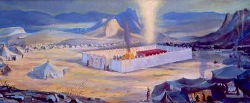
1890 המשכן בשממה. איור מתוך תנ”ך הולמן, שנת
The Tabernacle in the Wilderness; illustration from the 1890 Holman Bible 
Posted in Uncategorized | 1 Comment

Yes and yes: Mishpatim, Sh’kalim, Rosh Hodesh Adar…

רק בשבוע שעבר, עמדנו לרגלי הר סיני לכבוד מתן תורה, עדים למופע אור-קולי פנטסטי שעד היום קשה להסביר, והנה, מגיעה פרשת השבוע הזה, פרשת משפטים, עם כל מיני פרטים קטנטנים ואתגריים, כמו מה לעשות עם שור שנגח, מישהו שנפל לתוך בור, שוחד, שמיטה, כשרות ועוד ועוד. ואולי הכי גרוע, הפרשה מתחילה בענין עבד עברי, ואי אפשר שלא לתהות: איך זה שהתורה לא רק מאפשרת, אלא גם נותנת מקום לתופעה כל כך לא מוסרית?

ננסה לענות על ראשון – ראשון, ואחרון- אחרון

Just last week, we stood at the foot of Mount Sinai for the Giving of Torah, witnessing a fantastic audio-visual show that to this day is hard to explain, and here comes this week’s Torah Portion, Mishpatim, with all sorts of tiny, challenging details, like what to do with a bull that gored, or someone who fell into pit, bribery, the sabbatical year, keeping kosher and more and more. And perhaps worst of all, the Torah portion begins with the matter of a Hebrew slave, and we can’t help wonder: how is it that the Torah not only allows, but makes room for such an immoral phenomenon? Let’s try to answer these, one at a time:

איך אפשר להסביר שיש לנו זו לצד זו פרשה כל כך אלוהית, עם תיאור מתן תורה, בו יכולנו ממש “לראות את הקולות” יחד עם פרטי-הפרטים של פרשת משפטים? התשובה היא כן… לו ניתן לנו רק מעמד הר-סיני,היינו עלולים לחשוב שהתורה כולה שמיימית ונשגבת, שמורה לאירועים גרנדיוזים חד פעמיים, בלתי נגישה לחלוטין ביום-יום שלנו. ולו ניתנו לנו רק חוקי פרשת משפטים, היינו חושבים שהתורה היא ואריאציה על חוקי חמורבי, משהו שאין לנו שום בעיה להשיג בכוחות המוח שלנו.

How can we explain that we have, side by side, such a divine Torah portion, with the description of the Giving of Torah, in which we could literally “see the voices” along with the details of this portion, Mishpatim? The answer is, yes … if we were only given Mount Sinai, we might think that the entire Torah is heavenly and sublime, reserved for one-time grandiose events, completely inaccessible in our daily lives. If we were only given the laws of Mishpatim, we would think that the Torah is a variation on Hammurabi Code, something we can easily achieve with our human brain powers.

גדולת התורה היא השידוך המופלא הזה בין שמים וארץ, השילוב בין קדושה ושגרה: מתן קדושה לשגרה וגם להיפך. אפשרות יומיומית לקדושה.

The greatness of the Torah is this incredible blend between heaven and earth, the combination of holiness and mundane, bringing holiness to our daily routine and vice versa, allowing for a daily opportunity for holiness.**

אנחנו רואים אותו בעוד הרבה מקומות. למשל, השבת הזו נקראת גם שבת שקלים, השבת שלפני או של – ראש חודש אדר, בה קוראים קריאה מיוחדת על מחצית השקל, המטבע שכל אחד הביא כשנפקדו במדבר (שמות ל:11-15). למה כל אחד הביא “מחצית השקל”? האם לא נכון שכל אחד הוא שלם בפני עצמו, עולם ומלואו? כן כמובן. ועדיין, כל אחד מקבל תזכורת שהשלם שלו הוא בעצם רק “חצי”, ושאנחנו צריכים אחד את השני כדי להיות באמת שלם.

We see this in many other places. For example, this Shabbat is also called Shabbat Sh’kalim, the Shabbat before (or on) the New Month of Adar, in which a special reading is read about the half shekel, the coin that everyone was asked to bring when they were counted in the desert (Exodus 30:11-15). Why did everyone had to bring “half a shekel”? Is it not true that each and every person is a whole, complete world in his/her own right? Yes, of course. And yet, everyone gets a reminder that their whole is actually only a “half”; that we need each other to be truly complete.

ועוד בשבת הזו, ראש חודש אדר. מה עושים כשנופל ראש חודש בשבת? האם ראש חודש חשוב יותר או השבת? התשובה, גם כאן היא, כן. יש דרך לשלב שמביעה את שניהם, מבלי לאבד אחד מהם. שבת היא שבת, אבל אנחנו מחליפים תפילות מסוימות כדי לתת מקום לראש חודש. זה נשמע דבר פשוט, אבל באמת יש לו עומק עצום: הרי השבת נבראה על ידי הקב”ה, בבריאת העולם, לעומת ראש חודש שכולו תלוי בבני אדם, בלוח השנה שאנחנו יוצרים לפי מה שאנחנו רואים וקובעים. בעצם, השאלה היא, מי באמת קובע בעולם, הקב”ה או האדם? ואפילו כאן, התשובה היא – כן…

And further more this Shabbat, it’s Rosh Chodesh (the New Month of) Adar. What do you do when Rosh Chodesh falls on Shabbat? Is Rosh Chodesh more important or is Shabbat? The answer, here too is, yes. There is a way to combine that expresses both, without losing either uniqueness. Shabbat is Shabbat, but we exchange certain prayers to make room for Rosh Chodesh. It sounds like a simple thing, but it really has great depth: after all, Sabbath was created by the Holy One, during the creation of the world, while Rosh Chodesh totally depends on human beings, on the calendar we create according to what we see and determine. So, who gets to decide here, G-d or human? And even here, the answer is still – yes…

אוקי, תגידו, אבל מה בענין העבדים?

אפשר להציע תשובה בשתי רמות. מבחינה חברתית, התורה באמת רואה בעבדות תופעה בעייתית. יחד עם זאת, היא אמיצה מספיק לדבר אלינו בשפתנו, לא על אידיאל רחוק אלא על המציאות הלא-פשוטה סביבנו. עד לא מזמן, גם במקומות שנחשבים נאורים ביותר, היו עבדים, ובמקומות רבים, ובמובנים רבים, עדין יש. בנוסף, העבדות שהתורה מאפשרת בכל זאת, איננה עבדות במובנה הסטנדרטי. עבד עברי הוא יותר כמו שכיר לזמן ארוך. הוא לא רכוש האדון, כי הוא עבד ה’. גם סביבו וגם סביב העבד שאינו יהודי יש לא מעט דינים וציוויים, שנועדו לשפר את מצבם באופן משמעותי מזה של כל עבד אחר.

Okay, say, but what about slaves?

The answer might be on two levels. Socially, the Torah really sees slavery as a problematic phenomenon, while at the same time, is brave enough to speak to us in our language, not about a distant ideal but about the complicated reality around us. Until recently, even in places that are considered advanced and enlightened, there were slaves, and in many places, and in many ways, there still are. In addition, the slavery that the Torah allows, is not slavery in the standard sense. A Hebrew slave is more like a long-term employee. He is not the property of his owner, for he is simultaneously, a servant of G-d. Around him as well as the non-Jewish slave there are quite a few laws and commandments, designed to improve their situation significantly than that of any other slave.

ומבחינה רוחנית, הבסיס המכונן שלנו הוא סיפור יציאת מצרים – הסיפור הגדול על המסע מעבדות לחירות, סיפור שהיה למקור השראה בעולם כולו. החירות הינה ערך עצום, אולם עדיין, החירות היא “רק” אמצעי ותנאי הכרחי לעבודת ה’, לא מטרה בפני עצמה. הרעיון הוא שאי אפשר להשתעבד ולהתחבר לאדון הכול אם אנחנו משועבדים לדברים אחרים – לאלים זרים, לבני אדם אחרים, לרגשות, דפוסי אישיות, גורמים ממכרים ואפילו, לחופש עצמו. אם כך, עלינו לשאול, האם באמת כבר יצאנו ממצרים? האם השתחררנו מכל כבלי העבדות, הגדולים והקטנים?

And spiritually, our founding basis is the story of the Exodus from Egypt – the great story of the journey from slavery to freedom, a story that has been a source of inspiration throughout the world. Freedom is a highly esteemed value, but still, freedom is “only” a necessary means and condition for the service of God, not an end in itself. The idea is that it is impossible to be enslaved and connected to the Master of all if we are enslaved to other things – whether foreign gods, other human beings, emotions, personality patterns, addictive elements and even, freedom itself. If so, we must ask, have we really left Egypt yet? Have we been freed from all the shackles of slavery, large and small?

משמעות החיים ביהדות נגזרת מהחיבור אל מה שגבוה מאיתנו, גם בקודש וגם בחול.

רבי יהודה הלוי אמר בשירו הקצר והמדויק:

עבדי זמן – עבדי עבדים הם

עבד ה’ הוא לבדו חופשי

על כן בבקש כל אנוש חלקו

חלקי עם ה’ אמרה נפשי

The meaning of life in Judaism is driven from the connection to what is Higher than us, whether in holiness or mundane.

Rabbi Yehuda Halevi said in his short, poignant poem:

Time-bound servants are slaves of slaves

A servant of Hashem, s/he alone is free

Therefore when every human asked for their share

“My share is with Hashem”, said my soul to me.

שבת שלום, וחודש אדר שמח ומבורך, בריאות ובשורות טובות

Shabbat Shalom, and a happy, blessed month of Adar, health and good tidings

מעגל ההתחדשות היהודית בחיפה [ואני בתוכו :)] בקבלת שבת לכבוד יום המשפחה, ל׳ בשבט, תאריך פטירתה של הנרייטה סאלד. הצטרפו אלינו בפייסבוק לייב או בקישור הבא בזום:Topic: קבלת שבת – 12.2.21

Posted in Uncategorized | Leave a comment

Learning from Yitro how to develop the ability to hear and see – ללמוד לראות ולשמוע מיתרו

This week’s reading opens with “and Yitro… heard… and came”. Within 5 verses, his name is mentioned 3 times. What did he hear is the subject of many commentaries. Maybe about the war with Amalek; maybe about the Giving of Torah; maybe the Exodus from Egypt… so basically, we don’t know what he heard and why he came – ?

פרשת השבוע נפתחת ב”וישמע יתרו … ויבא “. בתוך 5 פסוקים שמו מוזכר שלוש פעמים. מה שמע, הוא נושא של פרשנויות רבות. אולי על המלחמה עם עמלק; אולי על מתן תורה; אולי יציאת מצרים … אז בעצם, אנחנו לא יודעים מה הוא שמע ולמה הוא הגיע – ?

 Later we’re told that Yitro “saw”. This is when he notices Moses “sitting alone”, while all the people stand about him from morning until evening (Exodus 18:14).

 מאוחר יותר נאמר לנו שיתרו “ראה”. זה כאשר הוא מבחין במשה “יושב לבדו”, בעוד כל העם עומד עליו מהבוקר עד הערב (שמות יח, יח).

According to the various censuses in the desert, there were about 600,000 men over 20. If each was married and had one child, it means there were about 2 million people. Even if this number is inflated, and there were “only” 200,000 or 20,000 or 2,000…. Still, the Jews leaving Egypt must have been great news all over the region!! And only Yitro “saw”? Of all the nations around, only Yitro “heard”?

על פי מפקדי האוכלוסין השונים, היו במדבר כ- 600,000 גברים מעל גיל 20. אם כל אחד מהם היה נשוי והורה לילד אחד, זה אומר שהיו כ- 2 מיליון איש. גם אם המספר הזה מנופח והיו “רק” 200,000 או 20,000 או 2,000 …. ובכל זאת, זה שהעברים יצאו ממצרים היה ודאי חדשות פנטסטיות בכל האזור !! איך זה שרק יתרו “ראה”? מבין כל האומות מסביב, רק יתרו “שמע?

Sometimes we think that if we only chanced upon a little miracle, we’d “believe”. Yitro teaches us that hearing and seeing does not only depend on the “objective” reality around us but on us, but on our own ability to notice. It Hebrew, “to pay attention” is “to put one’s heart”, that is, to really be there; to open up in a way that makes us truly “see” and truly “hear”. Chaplaincy which I’m training in this year again, is a great opportunity to practice that. When someone says, “I don’t care”, what are they saying? When they say, “oh, I’m fine; I’ve made peace with — (fill in the blank awful situation)”, do we “see” the person, rather than knowing them by being a case number?? Do we hear their pain, plight, joy, fear? Can we bring ourselves to be there for them where they are?

לפעמים אנו חושבים שאם רק נזכה לאיזה נס קטן, נהפוך ל”מאמינים”. יתרו מלמד אותנו ששמיעה וראייה לא תלויים רק במציאות ה”אובייקטיבית “סביבנו אלא בנו, ביכולת שלנו להבחין. בעברית, כדי להגיד שאני ממש לגמרי שם באמת, אני אומר שאני “שם לב”; כלומר, להיפתח באופן שגורם לנו באמת “לראות” ובאמת “לשמוע”. הליווי הרוחני בו אני משתלמת השנה שוב, הוא הזדמנות נהדרת לתרגל זאת. כשמישהו אומר, “לא אכפת לי”, מה הוא באמת אומר? כשאומרים, “אה, אני בסדר; השלמתי עם — (מלא את השורה באיזהשהו מצב נורא)”, האם אנחנו “רואים” את האדם, במקום לזהות אותו במספר המקרה שהוא?? האם אנחנו שומעים את כאבם, מצוקתם, שמחתם, פחדם? האם נוכל להביא את עצמנו להיות שם בשבילם היכן שהם נמצאים?

Yitro is such a unique, inspiring character. He is a spiritual searcher who does not give up on the search, the quest, and his commitment to follow through with his truth. He’s famous for his great ideas how to improve Moses’ management skills, and he conveys them by way of “constructive criticism” rather than complaints. That’s nice, but then again, we can always think that maybe. in just a moment or two, Moses, who grew up in the palace and saw how a great empire is being managed, would have reached the same conclusions. Yitro’s greatness, if so, is not there, but rather, maybe more than anything, because he models to us how we too can open our eyes and ears to truly see and hear.

יתרו הוא דמות ייחודית ומעוררת השראה. הוא מחפש-רוחני שלא מוותר על החיפוש, על המסע והמחויבות שלו לממש את האמת שלו. הוא מתפרסם כי יש לו רעיונות נהדרים איך לשפר את כישורי הניהול של משה, והוא מעביר אותם בדרך של “ביקורת בונה” ולא בתלונות. זה יפה, אבל תמיד נוכל לחשוב, שאולי, בעוד רגע, משה שגדל בארמון וראה מקרוב איך מתנהלת ממלכה כבירה, היה מגיע לאותן מסקנות לבדו. גדולתו של יתרו, אם כך, היא לא בזה. אלא אולי כי יותר מכל, הוא מודל עבורנו איך גם אנו יכולים לפקוח עיניים ואוזניים כדי לראות ולשמוע באמת.

Shabbat Shalom ** שבת שלום

from Wikipedia: The Ten Commandments (illustration from a Bible card published 1907 by the Providence Lithograph Company)
Posted in Uncategorized | Leave a comment

Her eyes in the Mirror – 15 years later

On the day of her funeral, the sun was shining, and the sky was a clear, bright blue. Funerals’ weather somehow is always meaningful, whether “the sky is crying” or not. For my mom’s, it was a glorious spring day, one of those days she loved so much, on which she’d get up, bright and early, pull the curtains wide open to the view, take a deep breath, appreciating being alive, and plan to go hiking, or take a long walk along the beach, not before she’d call, check on her grandchildren, and tell me how beautiful the world is, not painless, but ever so beautiful.

ביום ההלוויה שלה, השמש זרחה והשמים היו בהירים, כחולים. מזג האוויר של הלוויות איכשהו תמיד משמעותי, בין אם “השמיים בוכים” או לא. עבור אמי היה זה יום אביב פנטסטי, אחד מאותם הימים שאהבה כל כך, בהם היא היתה קמה מוקדם, מסיטה את הווילונות לרווחה אל הנוף, נושמת עמוק בהערכה לחיים ומתכננת ללכת להליכה, אולי לאורך החוף, לא לפני שהיא תתקשר, תבדוק מה שלום נכדיה ותגיד לי כמה יפה העולם, לא שהוא לא גם כואב, אבל יפה כל כך.

On that day, too, the slopes of the green Carmel Mountain were carpeted with wild flowers in all colors just like now. The red anemonies and pinkish cyclamens could be seen even from the cemetery gate, where a large crowd assembled. So much so that I started complaining why “they” schedule two funerals at the same time. “They” didn’t. It was just one. People gathered in a mixture of tears and smiles, condolences and memories. Everybody seemed busy so I walked alone, up the path through the graves to the funeral home, where her body was prepared, for one more last good-bye. “Your mother?” asked the Hevra Kadisha attendant. “ What a Tzadeket (righteous women); I can tell by the palms of her hands, she died like the righteous ones, with a kiss”,

עוד באותו יום היו מורדות הר הכרמל הירוק תמיד מרופדים בפרחי בר בכל הצבעים בדיוק כמו עכשיו. את הכלניות האדומות והרקפות הורדרדות אפשר היה לראות אפילו משער בית העלמין, שם התאסף קהל רב. עד כדי כך שהתחלתי להתלונן מדוע “הם” קובעים שתי הלוויות בו זמנית. אבל “הם” לא קבעו. היתה רק ​​אחת. אנשים התכנסו בתערובת של דמעות וחיוכים, תנחומים וזיכרונות. כולם נראו עסוקים ולכן הלכתי לבד, במעלה השביל דרך הקברים לבית הלוויות, שם הוכנה גופתה, להגיד עוד שלום אחרון. “אמא שלך”? שאלה המלווה מחברה קדישא, “איזה צדקת, אני רואה את זה בכפות הידיים שלה, מתה כמו הצדיקים, בנשיקה ”.

And I remembered, the phone call a few days earlier; The phone ringing, sounding an alarm through the quiet Shabbat morning. Ringing and stopping, as if hesitating; should we let her know? Now? What can she do? Then ringing again. “What happened”, I gasp, filling the air with words to delay the news. “It’s your mother; we don’t know but it doesn’t look good”. “I’m coming”…

ואני זוכרת את שיחת הטלפון, כמה ימים קודם לכן, הטלפון שצרצר כמו אזעקה על רקע בקר השבת השקט, מצלצל ומפסיק, כאילו מהסס, שנגיד לה? עכשיו? מה היא כבר יכולה לעשות? ושוב מצלצל. “מה קרה”? אני שואלת בחצי נשימה, ממלאה את האויר במילים לדחות את החדשות. “זה אמא שלך, אנחנו עוד לא יודעים, אבל זה לא נראה טוב”. “אני מגיעה”…

Then the flight. Arriving at the TLV airport and realizing. For the first time. She isn’t there, waiting for us with a bag of sandwiches and fruits and water, it’s very hot here, you need to drink, and goodies, because, clearly we weren’t fed on the plane. And realizing. This is how it’s going to be from now on.

ואחר כך, הטיסה. להגיע לשדה התעופה ולהבין. בפעם הראשונה. היא לא שם, מחכה לנו עם שקית כריכים ופירות ובקבוק מים, חם מאוד כאן, את צריכה לשתות, כי הלוא ברור שלא האכילו אותנו במטוס. ולהבין. שככה זה יהיה מעכשיו ואילך.

15 years have gone by. People say, time will heal, and what they mean is, you learn to pretend you’re ok and “everything is fine”. But then, there are so many days it grabs you and you think, dang. Even at the funeral, I noticed me thinking, ‘I’ll have to tell her who came’, as if it’s some event she happened to miss. And ever since. Bar mitzvahs, graduations, celebrations, changes. Now that I’m back in my childhood neighborhood, sometimes, I pass by her place, where she last lived, temped to go in for “just a little slice” of her most delicious cheese cake, sit in the kitchen and chat about stuff, ask her again, what was it like to be a kid in Germany before the war, and then a youth in the sandy moshav, planting cypresses and citrus trees, raising little yellow chicks and seeing first hand, the earth’s “blessing”, as she often told me. How was being a paramedic in the war of Independence, and how did she end up in the 1950’s in the South; how did she know when she met the love of her life and how did she manage to get up and go on after…

עברו 15 שנה. אנשים אומרים שהזמן ירפא, ומה שהם מתכוונים זה, שלומדים להעמיד פנים ש”הכל בסדר “. אבל, יש כל כך הרבה רגעים שזה תופס אותך ואתה חושב, הנה… אפילו בהלוויה שמתי לב שאני חושבת, ‘אני אצטרך לספר לה אחר כך מי הגיע’, כאילו שזה איזה אירוע שהיא במקרה החמיצה. ומאז. בר/ בת מצווה, יותר מאחת, סיומי לימודים, חגיגות, שינויים… עכשיו שחזרתי לשכונת הילדות שלי, לפעמים, אני עוברת ליד הבית שם היא גרה לאחרונה, מתפתה להיכנס ל”רק פרוסה קטנה” מעוגת הגבינה הכי טעימה שלה, לשבת במטבח ולקשקש על דברים, לשאול אותה שוב, איך זה היה, ילדות בגרמניה של לפני המלחמה, ואחר כך, איך היה להיות נערה במושב החולי, לשתול ברושים ועצי הדר, לגדל אפרוחים צהובים קטנים ולראות ממש את “ברכת האדמה”, כפי שאמרה לי לעתים קרובות. איך היה להיות חובשת במלחמת העצמאות, ואיך היא הגיעה בשנות החמישים ל”ה”דרום (של ארה”ב!); איך ידעה מתי פגשה את אהבת חייה ואיך הצליחה לקום ולהמשיך אחרי …

15 years later. I have photos, even some journals. A lipstick I use gingerly. A purse. Some clothes, some books. Records, A set of dishes for special occasions. And sometimes, when I look in the mirror, I see her eyes. Especially today I miss her dearly. May her memory be for a blessing.

חמש עשרה שנים אחר כך. יש לי תמונות, אפילו כמה יומנים. שפתון בו אני משתמשת בזהירות. ארנק. קצת בגדים, קצת ספרים. תקליטים, סט צלחות לאירועים מיוחדים. ולפעמים, כשאני מסתכלת במראה, אני רואה את העיניים שלה.

במיוחד היום היא חסרה לי. יהי זכרה ברוך

Posted in Uncategorized | 1 Comment

Free to be a Tree… (B’shalach & Tu Bishvat)

“Now when Pharaoh let the people go”… so begins this week’s Torah portion, and one wonders: wait, wasn’t it G-d who let the people go? how come, after the Ten Plagues and all the miracles, all of a sudden Pharaoh gets all the credit?

“ויהי בשלח פרעה את העם” … כך מתחילה פרשת השבוע, מה שמעלה תהייה: רגע, זה לא היה אלוהים ש”שילח את העם”? איך זה, שאחרי עשר המכות וכל הנסים, פתאום פרעה מקבל את כל הקרדיט?

There may be a few ways to understand this: G-d operates in this world through whatever there is in this world. That means people; that means, Pharaoh too; in fact, it means each and every one of us.

יכולות להיות כמה דרכים להבין את זה: אלוהים פועל בעולם הזה דרך מה שיש בעולם הזה. זה אומר גם אנשים, כלומר, גם פרעה. למעשה, זה אומר כל אחד ואחת מאיתנו.

Alternatively, “beshalach” does not have to just means “letting go”, as if from a position of power, but send off as well (like mishloach manot, the goody basket we send on Purim). In that sense, Pharaoh sort of escorts the people out of his country, while G-d, as the verse continues, leads them in a round-about way.

לחלופין, “בשלח” לא רק פירושו “לשלח” כאילו ממצב של כוח, אלא גם במובן של לשלוח, ללוות (כמו גם “משלוח מנות” בפורים). במובן זה, פרעה מלווה את העם אל מחוץ לארצו, בעוד אלוהים, כפי שהפסוק ממשיך, מנחה אותם מסביב למדבר.

Last but not least, is an interesting idea:

The Mishna in Gittin (4:5) talks about a slave who is “half-slave half-freeman”. How does this happen? He was shared by two owners and only one of his two owners emancipated him. What should he do? Beit Hillel states that “he serves his master one day and serves himself one day”, but “Beit Shammai say: Through such an arrangement you have remedied his master, as his master loses nothing through this. However, you have not remedied the slave himself, as the slave himself remains in an unsustainable situation. It is not possible for him to marry a maidservant because he is already a half-freeman, as it is prohibited for a freeman to marry a maidservant. It is also not possible for him to marry a free woman, as he is still a half-slave. If you say he should be idle and not marry, but isn’t it true that the world was created for procreation, as it is stated: “He did not create it to be a waste; He formed it to be inhabited” (Isaiah 45:18)? Rather, for the betterment of the world his master is forced to make him a freeman, and the slave writes a promissory note accepting his responsibility to pay half his value to his master. And Beit Hillel ultimately retracted their opinion, to rule in accordance with the statement of Beit Shammai, that a half-slave must be set free”.

ויש עוד רעיון מעניין:

יש משנה (בגיטין ד, ה) שמדברת על עבד שהוא “חצי עבד, חצי בן חורין”. איך קורה דבר כזה? יש לו שני בעלים שמתחלקים בזמנו, ורק אחד מהם שחרר אותו. מה עליו לעשות? בית הלל קובע כי הוא “עוֹבֵד אֶת רַבּוֹ יוֹם אֶחָד וְאֶת עַצְמוֹ יוֹם אֶחָד”.בית שמאי לעומתם לא מסכים וטוען שאם עשו כך, עשו רק חצי עבודה: “תִּקַּנְתֶּם אֶת רַבּוֹ, וְאֶת עַצְמוֹ לֹא תִקַּנְתֶּם”. מה הבעיה? אדם במצב כזה לא יכול להנשא לעולם: הוא לא יכול לשאת שפחה כי הוא כבר חצי בן חורין, וגם לשאת בת חורין לא יכול כי הוא עדיין חצי עבד, ואנחנו ורצים שינשא כדי שיוכלו להיות לו ילדים. מה עושים? “כּוֹפִין אֶת רַבּוֹ וְעוֹשֶׂה אוֹתוֹ בֶן חוֹרִין”, כלומר, הבעלים שעדיין מחזיק בו חייב לשחרר אותו, אבל העבד נשאר חייב לאדון הזה “וְכוֹתֵב שְׁטָר עַל חֲצִי דָמָיו”. ובית הלל חזרו בסופו של דבר מדעתם לפסוק בהתאם להצהרת בית שמאי, כי יש לשחרר חצי עבד לחופשי .

Who are we talking about? Maybe somewhere there was a slave who was owned by two masters, but in a way, this is a metaphor about our verse here.  Bnai Israel were slaves who actually depended on two masters: Pharaoh and G-d. G-d let them go, and now Pharaoh had to be forced to do the same, but, the emancipated slaves still has a debt to the latter master – to Pharaoh, here possibly representing the nations of the world.

על מי אנחנו מדברים? יתכן שבאיזשהו מקום היה עבד שהיה בבעלות שני אדונים, אבל במובן מסוים זו מטאפורה לגבי הפסוק שלנו כאן. בני ישראל היו עבדים תלויים למעשה בשני אדונים: פרעה ואלוקים. אלוקים שחרר אותם, ועכשיו נאלץ פרעה לעשות את אותו הדבר, אך, לעבדים המשוחררים עדיין יש חוב לאדון האחרון – לפרעה, כאן אולי כמייצג את אומות העולם.

Accordingly, we didn’t just go out of Egypt to suntan in the desert, to be “free” or do “whatever”. We told pharaoh to let us go so we can worship our G-d. Our freedom had a purpose and a plan. We left because we had a job to do. Ever since, both masters – G-d and humanity – watch over us to stay true to the task at hand.

אם כך, לא סתם יצאנו ממצרים כדי להשתזף במדבר, להיות “חופשיים”, עשות “מה שבא לנו”. בקשנו מלפרעה לשחרר אותנו כדי שנוכל לעבוד את האלוהים שלנו. לחופש שלנו הייתה מטרה ותוכנית. עזבנו כי הייתה לנו עבודה לעשות. מאז, שני האדונים – האלוהים והאנושות – דואגים לנו ושומרים עלינו שנישאר נאמנים למשימה העומדת על הפרק.

*******

Yesterday, was “Tu Bishvat”, the “new Year of the Trees”, taking place on the 15th of the Hebrew month of Shvat, and probably one of the most developing holiday we have in our calendar. Originally, it was a cut-off date for calculating the age of a fruit-bearing trees for relevant Biblical mitzvot (Orlah, Maaser Sheni etc). Following the exile and distance from the Land, it became a feast of (dry) fruits and buts, commemorating the trees and the fact that it is sort of a “New Year” celebration. The Kabbalists added a seder with its symbolic meanings; the Zionists celebrated it as an agricultural holiday with over a million people nowadays involved in tree planting activities, and with growing ecological awareness worldwide since the 1980’s and on, it became a Jewish Abor Day / Earth Day.

אתמול היה טו בשבט, ראש השנה לאילנות, שחל ב-15 בשבט, כנראה אחד החגים המשתנים ביותר שיש לנו בלוח השנה שלנו. במקור, היה זה תאריך לחישוב גילם של עצים נושאי פרי עבור מצוות תנ”כיות רלוונטיות (עורלה, מעשר שני וכו’). בעקבות הגלות והמרחק מהארץ, זה הפך לחג של פירות (יבשים), שהנציחו את העצים ואת העובדה שזה סוג של חגיגת ראש השנה. המקובלים הוסיפו סדר עם משמעויותיו הסמליות; הציונים חגגו את זה כחג חקלאי עם למעלה ממיליון אנשים המעורבים בימינו בפעילויות נטיעת עצים, ועם מודעות אקולוגית הולכת וגוברת ברחבי העולם מאז שנות השמונים ואילך, הוא הפך ליום העץ / יום כדור הארץ היהודי.

The Book of Deuteronomy adds another aspect: “For (hu)man is like a tree in the field” (20:19) and the poets added to that. There are so many ways we are like trees. Herman Hesse talks about the trees’ true message to us, to be who we are. It’s a great day to be reminded that we too have the potential to constantly keep growing.

ספר דברים מוסיף היבט נוסף: “כי האדם עץ ​​בשדה” (20:19) והמשוררים הוסיפו לכך. יש כל כך הרבה דרכים בן אנחנו כמו עצים. הרמן הסה כתב על העצים כדוגמא לנו להיות מי שאנחנו. זה יום נהדר להזכיר שגם לנו יש את הפוטנציאל כל הזמן להמשיך ולגדול.

Shabbat Shalom!  שבת שלום

Posted in Uncategorized | Leave a comment

The best is yet to come (The Torah portion of Bo) ! כל הטוב עוד לפנינו * פרשת בא

I don’t like to get into politics. My views are mixed. I find myself agreeing with opposite leaders, conflicting ideas. I generally think we have to problem-solve challenges with what’s needed and right for them, right then and there, instead of arriving at them with our already preconceived decided agendas. And even this statement of mine, that things can have more than definitive answer, I view with suspicion, for that  too, is sometimes wrong… so I write all this with some ( a lot!) trepidation. Do I actually want to mention the inauguration here or just stay on course and stick to Torah? Or is there Torah there too??  

אני לא אוהבת להיכנס לפוליטיקה. הדעות שלי מורכבות. אני מוצאת את עצמי מסכימה עם מנהיגים מנוגדים, רעיונות סותרים. אני בדרך כלל חושבת שעלינו לפתור את האתגרים שלפנינו עם מה שנדרש ונכון עבורם, כאן ועכשיו, במקום להגיע אליהם אג’נדות מוחלטות כבר מראש. ואפילו על המשפט הזה שלי, לפיו לדברים יכולים להיות יותר מתשובה חד-משמעית אחת, אני מביטה בחשדנות, גם לגבי זה יכול להיות שלפעמים זה לא כך … אז אני כותבת את כל זה בחשש מה (רב!). האם אני דווקא רוצה להזכיר כאן את ההשבעה או פשוט להמשיך כרגיל ולדבוק בתורה? או שיש שם גם תורה ??

Jo Biden has met so many tragedies in his life. Any one of them would be enough to knock someone down for a while if not for good. But there he is. At 78 (and two months!), the oldest person to have assumed this office, and the camera barely manages to follow him, as he gets up, after sitting / standing at the brisk, bright Washington DC winter day, (5-6 degrees Celsius ~ 42F); he’s climbing the steps of the capitol (for heaven’s sake, no escalator / elevator?), holding hands with his wife, still smiling – and breathing calmly – at the top, ready to get to work.

ג’ו ביידן פגש כל כך הרבה טרגדיות בחייו. כל אחת מהן תספיק להפיל מישהו לקרשים לזמן מה אם לא לתמיד. אבל הנה הוא שם. בגיל 78 (וחודשיים!), האדם המבוגר ביותר שנכנס לתפקיד הנשיאות בארה”ב, והמצלמה בקושי מצליחה לעקוב אחריו, כשהוא קם, לאחר שישב / עמד ביום החורף הבוהק והבהיר הזה בוושינגטון הבירה (5-6 מעלות צלסיוס ~42 פאראנייט), מטפס על מדרגות הקפיטול (לשם שמים, אין דרגנוע / מעלית?), יד ביד עם אשתו, עדיין מחייך – ונושם ברוגע – כשמגיע לראשם, מוכן לעבודה.

He might sign all the wrong papers; I might not agree with him on all or some of what he does or plans to do. Today, I am just so inspired by the fact that, at an age when people look back with nostalgia at how great things were once upon a time and how miserable the future is, his whole being says, “the best is yet to come”!

הוא עלול לחתום על כל הניירות הלא נכונים; אולי לא אסכים איתו לגבי כל מה שהוא עושה או מתכנן לעשות. היום אני מלאת השראה מהעובדה שבגיל בו אנשים מסתכלים אחורה בנוסטלגיה על כמה החיים היו נהדרים פעם וכמה העתיד הוא עלוב, כל הווייתו אומרת, “הטוב ביותר עוד לפנינו” !

There is a lot going on in this week’s Torah portion, but I’d like to just fish one obscure detail: After the declaration of the new month, come the instructions for the Exodus. Among them, this (Exodus 12:22-23):

Take a bunch of hyssop, dip it in the blood that is in the basin, and apply some of the blood that is in the basin to the lintel and to the two doorposts. None of you shall go outside the door of his house until morning. For when the LORD goes through to smite the Egyptians, He will see the blood on the lintel and the two doorposts, and the LORD will pass over the door and not let the Destroyer enter and smite your home.

הרבה דברים קורים בפרשת השבוע הזה, אבל אני רוצה לדוג רק פרט אחד, די מוזר: אחרי הכרזת החודש החדש, מגיעות ההוראות ליציאת מצרים. ביניהם זה (שמות יב, 22-23):

וּלְקַחְתֶּ֞ם אֲגֻדַּ֣ת אֵז֗וֹב וּטְבַלְתֶּם֮ בַּדָּ֣ם אֲשֶׁר־בַּסַּף֒ וְהִגַּעְתֶּ֤ם אֶל־הַמַּשְׁקוֹף֙ וְאֶל־שְׁתֵּ֣י הַמְּזוּזֹ֔ת מִן־הַדָּ֖ם אֲשֶׁ֣ר בַּסָּ֑ף וְאַתֶּ֗ם לֹ֥א תֵצְא֛וּ אִ֥ישׁ מִפֶּֽתַח־בֵּית֖וֹ עַד־בֹּֽקֶר׃ וְעָבַ֣ר ה’ לִנְגֹּ֣ף אֶת־מִצְרַיִם֒ וְרָאָ֤ה אֶת־הַדָּם֙ עַל־הַמַּשְׁק֔וֹף וְעַ֖ל שְׁתֵּ֣י הַמְּזוּזֹ֑ת וּפָסַ֤ח ה’ עַל־הַפֶּ֔תַח וְלֹ֤א יִתֵּן֙ הַמַּשְׁחִ֔ית לָבֹ֥א אֶל־בָּתֵּיכֶ֖ם לִנְגֹּֽף׃

So first, ichs. Second, seriously?? G-d needs to see a marking to know to pass over my door? What, does G-d not know who I am? I need to hang a sign?? What’s with the G-d Almighty who is a the One who knows everything?

אז קודם כל, איכס, ושנית, ברצינות?? אלוקים צריך לראות סימון כדי לדעת לפסוח מעבר לדלת שלי? מה, אלוקים לא יודע מי אני? אני צריכה לתלות שלט?? מה עם אלוקים הכל-יכול שיודע הכל?

Yes to all of this. And also this: Of all events, the Exodus from Egypt is one time when we had to do as little as possible – stay out of the way and don’t go outside (sounds familiar…). All other redemptions, we had to fight and struggle. And yet, doing little is one thing, especially when so appropriate. Doing nothing at all? turns out, it’s not an option.

כן לכל זה. וגם עוד דבר: מכל האירועים, יציאת מצרים היא הפעם האחת והיחידה שהיינו צריכים לעשות כמה שפחות – להסתגר ולא לצאת החוצה (נשמע מוכר…). בכל שאר הגאולות, היינו צריכים להילחם ולהיאבק. ובכל זאת, לעשות מעט – זה דבר אחד, במיוחד כשזה הדבר הנכון והמתאים. לא לעשות כלום בכלל? מסתבר שזו לא אפשרות.

The Exodus of the people from Egypt was already “in place”. Everything was set. It was happening. The thing we longed for, for so long, is now — as a national occurrence. As individuals? still, each and every one of us has to make a choice: to go or not to go? To be or not to be? This is that marking on the door; my little effort; my taking responsibility. I am not dragged out of Egypt. I have a choice; I have a voice, faint as it may be, that says, I’m getting up, and I am coming too. Because, even after all this, I do believe, the best is yet to come.

יציאת בני ישראל ממצרים כבר הייתה “במקומה”. הכל נקבע. זה כבר ממש קורה. הדבר אליו ייחלנו, כל כך הרבה זמן, הוא עכשיו כאן — כהתרחשות לאומית. כיחידים? ובכן, עדיין, כל אחד ואחת מאיתנו צריך לבחור: ללכת או לא ללכת? להיות או לא להיות? זהו הסימון על הדלת; המאמץ הקטן שלי; לקחת אחריות על הבחירה שלי. אני לא נגרר ממצרים. יש לי קול, חלש ככל שיהיה, שאומר, אני קם, וגם אני בא. מכיוון שגם אחרי כל זה, אני מאמין ש”הטוב ביותר עוד לפנינו”.

Shabbat Shalom – שבת שלום!

Posted in Uncategorized | 1 Comment

The Modeling Frog – צפרדע לדוגמא (הצפרדע הדוגמנית) – דף ופרשה

My aunt of blessed memory used to collect frogs; I mean, not live ones, although they did have a small pond in their backyard with which I, the “city girl” (if you can call Haifa a “city”) in love with the outdoors, was fascinated. At night we could listen to them croaking from among the bullrushes; sometimes, we could hear their sudden splash, and on rare occasions, very gently and quietly, approach the rocky edge, and if very lucky even stroke their slimy backs with my little finger.

דודתי ז”ל נהגה לאסוף צפרדעים; זאת אומרת, לא חיים, אם כי היתה להם בריכה קטנה בחצר האחורית ממנה, אני, “נערת העיר” (אם אפשר לקרוא לחיפה “עיר”) שמאוהבת בחיק הטבע, הוקסמתי. בלילה יכולנו להקשיב להם מקרקרים מבין הגומא; לפעמים יכולנו לשמוע את ה”בלופ” הפתאומי שלהם בקופצם למים, ובמקרים נדירים, אם התקרבנו לאבנים שבקצה, בשקט ועדינות, יכולתי אולי אפילו ללטף את גבם החלקלק באצבעי הקטנה.

The inside of the home was also filled with frogs; a global collection of colors, sizes, materials and imagination… what is it about frogs? There is a story that touches on this in this week’s Talmud reading that coincides with this week’s Torah portion.

הבית בפנים היה מלא בצפרדעים; אוסף עולמי של צבעים, גדלים, חומרים שונים ודמיון … מה הענין עם צפרדעים? יש סיפור שנוגע בזה בדף היומי של השבוע ש”במקרה” מתאים גם לפרשת השבוע.

The story (in Tractate P’sachim 53:b) starts with Todos, Ish Romi. Because he established a substitute to the Pesach offering in Rome, which was super questionable, the sages wonder, whether he is a great man, in terms of Torah scholarship, or a violent man (“a man of fists”) who should be punished but could not because of his local stature?

הסיפר (במסכת פסחים נג:ב) מתחיל בתודוס איש רומי. מכיון שהוא מציע תחליף לקרבן הפסח ברומא, דבר שהיה שנוי במחלוקת ביותר, החכמים תוהים, האם הוא אדם גדול, מבחינת לימוד התורה, או אדם אלים (“בעל אגרופין”) שיש להענישו על מעשיו, אך דבר זה הינו בלתי אפשרי בגלל מעמדו המקומי?

In order to resolve this, they bring a story he taught. The story is a bit strange but, at least it lets Todos of the hook. And we are left with the story: Todos is asking why did Hananya, Mishael and Azarya (Shadrach, Meshach and Abednego) decide to throw themselves into the fiery furnace (Daniel, chap 3). Until now, we thought they did it for “kiddush Hashem”, to die sanctifying G-d’s name, but he gives us another answer:  

על מנת לפתור זאת, הם מביאים לנו מדרש שלימד. המדרש קצת מוזר, אבל לפחות, הוא מאפשר להם לשחרר את תודוס ולנו, נשאר הסיפור. תודוס שואל מדוע החליטו חנניה, מישאל ועזריה (שדרך, משך ועבד-נגו) להשליך את עצמם לכבשן האש (דניאל, פרק ג). עד עכשיו חשבנו שהם עשו זאת למען “קידוש השם”, אבל עכשיו הוא נותן לנו תשובה נוספת:

They drew an a fortiori inference on their own from the plague of frogs in Egypt. With regard to frogs, which are not commanded concerning the sanctification of the name of God, it is written: “And the river shall swarm with frogs, which shall go up and come into your house, and into your bedchamber, and onto your bed, and into the houses of your servants, and upon your people, and into their ovens and kneading bowls” (Exodus 7:28). When are kneading bowls found near the oven? You must say that it is when the oven is hot. If in fulfilling the command to harass the Egyptians, the frogs entered burning ovens, all the more so, we, who are commanded concerning the sanctification of the name of God, should deliver ourselves to be killed in the fiery furnace for that purpose.

נָשְׂאוּ קַל וָחוֹמֶר בְּעַצְמָן מִצְּפַרְדְּעִים. וּמָה צְפַרְדְּעִים שֶׁאֵין מְצֻוִּוין עַל קְדוּשַּׁת הַשֵּׁם, כְּתִיב בְּהוּ: ״וּבָאוּ [וְעָלוּ] בְּבֵיתֶךָ [וְגוֹ׳] וּבְתַנּוּרֶיךָ וּבְמִשְׁאֲרוֹתֶיךָ״ (שמות ז:27). אֵימָתַי מִשְׁאָרוֹת מְצוּיוֹת אֵצֶל תַּנּוּר? הֱוֵי אוֹמֵר בְּשָׁעָה שֶׁהַתַּנּוּר חַם. אָנוּ שֶׁמְּצֻוִּוין עַל קְדוּשַּׁת הַשֵּׁם — עַל אַחַת כַּמָּה וְכַמָּה.

An “afortiori” is a “kal vachomer”, away to deduce things from the text saying, if this, then “all the more so” that. In this case, if the frogs who usually live in the swamp and were not commanded to jump into the fire, did so to sanctify G-d’s name. All the more so we, who don’t have to give a “swamp”, should too.

“קל וחומר” היא דרך ללמוד דברים מהטקסט. במקרה זה, אם הצפרדעים שחיות בדרך כלל בביצה ולא נצטוו לקפוץ לאש, עשו זאת כדי לקדש שם שמים, על אחת כמה וכמה (“קל וחומר”), אנחנו, שלא צריכים לוותר על ביצה, גם צריכים לעשות זאת.  

Of course, this teaching is riddled with problems, chief among them the question whether we actually learn from frogs? Do frogs have free-will to obey or disobey G-d? Last, we usually think of Hananya, Mishael and Azarya as “jumping” into the fiery furnace because they preferred death to life with idolatry, but 1. Dying rather than transgressing idolatry is actually what they are supposed to do in such a case, and 2. They didn’t die! So what’s going on?

כמובן שהלימוד הזה מלא בעיות ותהיות. קודם כל, האם אנחנו באמת לומדים מצפרדעים?? האם לצפרדעים יש רצון חופשי למלא או לא למלא את מצוות אלוהים? והכי חשוב, בדרך כלל אנחנו חושבים על חחניה, מישאל ועזריה שמי ש”קפצו” לכבשן הלוהט מכיון שהם העדיפו את המוות על פני החיים עם עבודת אלילים, אבל א. למות על קידוש השם במקרה כזה (של האפשרות לעבוד אלילים) זה בעצם מה שהם אמורים לעשות, ו-ב. הם לא מתו!! אז מה קורה כאן??

Tosfot, the commentator(s) contemporary to Rashi, suggest that they were not asked to bow down to idolatry but to a monument of the king, Nebuchadnezzar, which would have been allowed! So why go into the fire to begin with? Because they learned from the frogs!! What exactly did they learn?? Aha!! The midrash tells us that the frogs continued to croak inside the bellies of the Egyptians. I apologies if this imagery is disturbing. The point is, that they continued to live, hereby, they did not jumpinto “the ovens and kneading bowls” in order to die sanctifying G-d’s name, but in order to continue living for G-d’s name!!

תוספות, אסופת הפרשנים בני זמנו של רש”י, מציע שלא היה עליהם הכרח להשתחוות לעבודת אלילים אלא לאנדרטה של המלך, נבוכדנצר, דבר שהיה מותר!! אז למה להכנס לאש מלכתחילה? כי הם למדו מהצפרדעים!! אבל מה בדיוק הם למדו?? אהה!! המדרש מספר לנו שהצפרדעים המשיכו לקרקע בתוך הבטן של המצרים. אני מתנצלת אם התמונה הזו קצת מטרידה. הנעיןן הוא שהם המשיכו לחיות. בכך, הוכיחו שהם לא קפצו לתוך “התנורים והמשארות” כדי למות על קידוש השם, אלא כדי להמשיך ולחיות על קידוש השם!!

The Gemara here maybe suggests something far out: that while dying for “Kidush Hashem” can be brave and worthy, it’s also just a “moment”, while living, day and day out with G-d in mind, is a whole different story. To be called upon tasks we don’t like, be in situations we don’t want to, and the opposite as well, to experience great pleasures and enjoyments, and still throughout all of those, always live and walk with G-d, while singing – croaking! – G-d’s song, even from the belly of the Egyptians, that’s the challenge and that’s the great accomplishment the frogs teach us.

הגמרא כאן אולי מציעה משהו הרבה יותר מורכב: שבשעה שלמות על קידוש השם יכול להיות דבר אמיץ ורם מעלה, הרי זה גם רק רגע אחד, בעוד החיים עצמם, יום יום עם אלוהים, זה סיפור אחר לגמרי. להקרא למשימות שאנחנו לא אוהבים, להיות במצבים שאנחנו לא רוצים, וגם להיפך, לחוות הנאות ועינוגים צרופים, ועדיין, כל הזמן, תמיד לחיות וללכת עם אלוהים, תוך כדי  שירה– קרקור! – של זמרת האלוהים, אפילו מתוך בטן המצרים, זה האתגר, וזה ההישג העצום שהצפרדעים מלמדות אותנו.

Hodesh Tov & Shabbat Shalom ** חודש טוב ושבת שלום

Posted in Uncategorized | 3 Comments

Tractate P’sachim (updates weekly, b”h) – כל דיכפין יתא וילמד… קצרים ממסכת פסחים, מתעדכן כל שבוע, ב”ה

P’sachim 2:a – Ohr LeArba’a Asar: What is this light we’re talking about? and what are we talking about? The surprising opening of Tractate P’sachim עברית & English, Dec 2, 2020 – At the Galilee, picking olives, right before Hanukkah

P’sachim 7:a-10:a: Is there a blessing on getting rid of things? Wat is it and why? עברית & English, Dec 2, 2020

P’sachim 14:a Rabbi Chanina S’gan Hakohanim – Rabbi Hanina, the vice of the priests, tum’a & tahara, עברית & English, Dec 9, 2020 From Har Meron in the Upper Galilee

P’sachim 21a: Opening the 2nd chapter: Dealing with getting rid of chametz: when? how? How do we get rid of chametz? Burn scatter, drown?? We might know what we do, but how did we get there? עברית & English, Dec 16, 2020

Psachim 27:b-28:a: How do we get rid of chametz? Burn scatter, drown?? We might know what we do, but how did we get there? עברית & English, Dec 23, 2020

Psachim 35:a: what kind of grain can we use for matza & why??What are the “5 grains” and who thought rice should be one of them too? עברית & English, Dec 30, 2020

39a-43a: End of 2nd chapter, beginning of 3rd: Which vegetable are good for maror? And what about additional kinds of chametz?? And did you know about hair removal in Gemara days?? עברית & English, Jan 6, 2021

49:a-53:b: end of 3rd chapter and beginning of 4th – so many interesting things!! what if the 14th of Nisan falls on Shabbat? What if I left some chametz and went to fulfill another mitzvah (on the 14th of Nisan)?? Different customs and who takes precedence? And, anything we can learn from the Frog?? עברית & English – Jan 13, 2021 – almost Rosh Hodesh Shvat.

Posted in Uncategorized | Leave a comment

Freedom starts with having a name לכל איש יש שם….

Usually we read the Torah linearly: one story after another, one Torah portion after another. But, it’s possible to read it as a spiral. This way, we suddenly notice repeated themes that come up in various places, expanding and shedding light on each other. For example, in Genesis, it was Abraham who said, hinneni, here I am when G-d called on him to bring up Isaac. Can we learn from there about Moses, in this week’s Torah portion, who responds to G-d with his own “hinneni” at the Burning Bush?

בדרך כלל אנחנו קוראים את התורה באופן ליניארי: סיפור אחד אחרי השני, פרשת שבוע אחת אחרי השנייה. אבל, אפשר לקרוא את התורה גם בספירלה. כשנקרא את זה כך, נבחין לפתע בנושאים שחוזרים ועולים במקומות שונים, מרחיבים ושופכים אור אחד על השני. למשל, בבראשית היה זה אברהם שאמר “הנני” כשאלוהים קרא לו להעלות את יצחק לעולה. האם ניתן ללמוד משם על משה בפרשה שלנו שמגיב לאלוהים ב”הנני””משלו בסנה הבוער?

The Book of Exodus begins with the letter vav, which in Hebrew means “hook” and is grammatically used for “and”… implying that Exodus is not really a new book, but a continuation of Genesis. Once upon a time, Exodus used to be called “The 2nd Book”. You’d think that makes sense because it is the 2nd, but if it’s just a numerical system, then Leviticus should be called “the 3rd Book”, and… you guessed, it – it doesn’t. So what is meant by Exodus being called “the second”?

ספר שמות מתחיל באות וו, שמשמעותה בעברית “קרס” ומשמשת באופן דקדוקי כחיבור, כאילו ספר שמות אינו באמת ספר חדש, אלא המשך של בראשית. בעבר הספר הזה נקרא “הספר השני”. זה נשמע הגיוני כי זה הספר השני, אבל אם זו רק מערכת מספרית, אז צריך לקרוא לספר “ויקרא” “הספר השלישי”, ו … ניחשתם נכון, זה לא כך. אז מה הכוונה בכך שספר שמות מכונה “השני”?

Turns out, Exodus is a 2nd kind of creation: the first creation in the 1st book, looked at all of humanity, then focused on one family; this second creation we’re encountering now, is that of the nation. No wonder therefore that we meet midwives and deal with births; no wonder that the whole exodus story can be compared to a birth with the “blood on the doorpost” (although birth does not have to involve blood) and the “opening of the sea”, allowing the people out, to freedom, to start their adult life. In Hebrew, the Book of Exodus in Hebrew is called Shmot, literally meaning “names”. It opens with a list:

מסתבר שספר שמות מעין בריאה שניה: הבריאה הראשונה ב”בראשית” התייחסה לאנושות כולה, ואז התמקדה במשפחה אחת; הבריאה השנייה בה אנו פוגשים כעת, היא זו של האומה. לכן לא פלא שאנחנו פוגשים מיילדות שמתמודדות עם לידות; לא פלא שניתן להשוות את כל סיפור יציאת מצרים ללידה עם “הדם על פתח הדלת” (אם כי לידה לא חייבת להיות כרוכה בדם) ו”המעבר בים”, המאפשר לעם לצאת, לחופש, להתחיל את חייהם הבוגרים. באנגלית הספר נקרא על שם הנושא המרכזי בו, יציאת מצרים, אבל בעברית הוא נקרא כאמור “שמות”, ונפתח ברשימה:

וְאֵ֗לֶּה שְׁמוֹת֙ בְּנֵ֣י יִשְׂרָאֵ֔ל הַבָּאִ֖ים מִצְרָ֑יְמָה אֵ֣ת יַעֲקֹ֔ב אִ֥ישׁ וּבֵית֖וֹ בָּֽאוּ׃ רְאוּבֵ֣ן שִׁמְע֔וֹן לֵוִ֖י וִיהוּדָֽה׃ יִשָּׂשכָ֥ר זְבוּלֻ֖ן וּבְנְיָמִֽן׃ דָּ֥ן וְנַפְתָּלִ֖י גָּ֥ד וְאָשֵֽׁר׃ וַֽיְהִ֗י כָּל־נֶ֛פֶשׁ יֹצְאֵ֥י יֶֽרֶךְ־יַעֲקֹ֖ב שִׁבְעִ֣ים נָ֑פֶשׁ וְיוֹסֵ֖ף הָיָ֥ה בְמִצְרָֽיִם׃These are the names of the sons of Israel who came to Egypt with Jacob, each coming with his household: Reuben, Simeon, Levi, and Judah; Issachar, Zebulun, and Benjamin; Dan and Naphtali, Gad and Asher. The total number of persons that were of Jacob’s issue came to seventy, Joseph being already in Egypt.

Then slowly and strikingly, the names – disappear. By the second chapter, “A certain man of the house of Levi went and married a Levite woman” (Exodus 2:1). Don’t we know their names? Yes, we do. Later we read: “Amram took to wife his father’s sister Yocheved, and she bore him Aaron and Moses…” (6:20). So why not mention them earlier?

אז לאט ובאופן ברור, השמות – נעלמים. בפרק השני כבר אנחנו מוצאים “וַיֵּ֥לֶךְ אִ֖ישׁ מִבֵּ֣ית לֵוִ֑י וַיִּקַּ֖ח אֶת־בַּת־לֵוִֽי (שמות ב:1). האם אנחנו לא יודעים את שמותיהם? אנחנו כן. בהמשך נקרא “וַיִּקַּ֨ח עַמְרָ֜ם אֶת־יוֹכֶ֤בֶד דֹּֽדָתוֹ֙ ל֣וֹ לְאִשָּׁ֔ה וַתֵּ֣לֶד ל֔וֹ אֶֽת־אַהֲרֹ֖ן וְאֶת־מֹשֶׁ֑ה”… (6:20). אז למה לא להזכיר אותם קודם?

Names and naming can take us back to Genesis again: “And Adam (the man) gave names to all the cattle and to the birds of the sky and to all the wild beasts; but for Adam no fitting helper was found” (Genesis 2:20). By naming the animals, he recognizes who each was, what were their key qualities, how they should be addressed.

ענין השמות מחזיר אותנו שוב לבראשית: “וַיִּקְרָ֨א הָֽאָדָ֜ם שֵׁמ֗וֹת לְכָל־הַבְּהֵמָה֙ וּלְע֣וֹף הַשָּׁמַ֔יִם וּלְכֹ֖ל חַיַּ֣ת הַשָּׂדֶ֑ה וּלְאָדָ֕ם לֹֽא־מָצָ֥א עֵ֖זֶר כְּנֶגְדּֽוֹ”  בראשית ב, כ).  בכך שהוא נותן שמות לבעלי החיים, הוא מכיר מי כל אחד מהם, מה הים איכויות המפתח שלהם, כיצד יש להתייחס אליהם.

The man and the woman share different levels of relationship: at first, they are “male and female”, a biological construct, closest to the animals; then, “man and woman”, parallel to an emotional connection (“Hence a man leaves his father and mother and clings to his wife, so that they become one flesh” [Genesis 2:24]). Only after they leave the Garden with its magical existence, they receive and “own” their names: Adam then “knows his wife, Hava”, who in turns names the children, based on their unique presence and qualities.

הגבר והאישה חולקים רמות יחסים שונות: בהתחלה הם מתוארים כ”זכר ונקבה”, מערכת ביולוגית, הקרובה ביותר לבעלי החיים; לאחר מכן, כשהם מפתחים קשר רגשי, הם הם הופכים ל”איש ואישה” (“עַל־כֵּן֙ יַֽעֲזָב־אִ֔ישׁ אֶת־אָבִ֖יו וְאֶת־אִמּ֑וֹ וְדָבַ֣ק בְּאִשְׁתּ֔וֹ וְהָי לוּ לְבָשָׂ֥ר אֶחָֽד” [בראשית ב, כ”ד]). רק אחרי שהם עוזבים את הגן ואת הקיום הניסי, הם מקבלים את שמותיהם: האדם “יודע את אשתו, חוה”. היא מצידה, נותנת שמות לילדיהם, לפי נוכחותם ותכונותיהם הייחודיות.

Naming is significant throughout the Torah; therefore, their absence is too. After the opening list in our portion, no names are mentioned during slavery: the sister, the daughter, even the king… no one has a name; everyone has a description based on their immediate role, relative to another. This goes on until Moses is born, and the chance of freedom appears on the horizon. Until then, it only matters how useful you are, not who you are. One of the forms of slavery is the loss on identity that comes with naming, with identifying someone as a unique individual made in G-d’s image.

נתינת שמות היא משמעותית בכל התורה. לכן גם היעדרם. אחרי רשימת הפתיחה בפרשה שלנו, לא מוזכרים שמות במהלך העבדות: האחות, הבת, אפילו המלך … לאף אחד אין שם; לכולם יש תיאור המבוסס על תפקידם המיידי, ביחס לאחר. כך זה נמשך עד שנולד משה, והסיכוי לחופש מופיע באופק. עד אז, חשוב רק כמה אתה שימושי, ולא מי שאתה. אחת מצורות העבדות היא אובדן הזהות שמלווה בשמות, בזיהויו של אחר כפרט ייחודי שנברא בצלם אלוהים.

I remember reading about a test handed to workers somewhere for their certification at the place of employment. The last question, with the most points, was “what’s the name of the cleaning lady”?… We can recall with horror the branding of numbers on arms during the Holocaust, to further strip people of their unique, individual identity. We can think, in a “softer” examples of various names each one of us is called: when the teacher called you by your full name, including middle and last, and you knew he was very serious… when your beloved called you dearest or sweety, as opposed to the grocery clerk who barely lifts his head with a “madam”, “miss” or “sir”; when someone called me “geveret kahana”, making it sounds like I am my mother or grandma… or alternatively, when my kids say, mom or ima or imush…

אני זוכרת שקראתי על מבחן לעובדים לצורך הסמכתם במקום עבודה כלשהו. השאלה האחרונה, עם הכי הרבה נקודות, הייתה “איך קוראים לעובדת ניקיון”?… אנו יכולים להיזכר באימה במספרים המקועקעים על הזרוע במהלך השואה, כדי להפשיט אנשים מזהותם האישית הייחודית. אנו יכולים גם לחשוב על דוגמאות “רכות” יותר לשמות שונים שכל אחד מאיתנו נקרא: כשהמורה קרא לך בשמך המלא, כולל שם אמצעי ומשפחה וידעת שהוא רציני מאד… כאשר אהובתך קראה לך יקר שלי או מתוקי, בניגוד למוכר במכולת, שבקושי הרים את ראשו ב”גברת” או “אדון”; כשמישהו קרא אחרי “גברת כהנא”, וזה נשמע כאילו אני אמא או סבתא שלי … או לחילופין, כשהילדים שלי אומרים, מאמי או אימא או אימוש …

Every human has a name, says Zelda’s famous poem, a way we are called. The first step in going out of slavery is to know who we are and from there, know another.

לכל בן אדם יש שם, אומר השיר המפורסם של זלדה, דרך שאנחנו מכונים. הצעד הראשון מעבדות לחירות הוא לדעת מי אנחנו, ומתוך כך, לדעת אחר.

Shabbat Shalom שבת שלום

Top 10 Benefits Of Orange Peels – Why They Make Your Life Better
Posted in Uncategorized | 1 Comment