Lovingly passing over, hopping and skipping

The Hebrew word “aviv”, spring, sounds almost the same as “be’ahava”, with love, and is identical in its gymatria. Just a coincidence?
We might never know. It’s up to us to choose what we want to see. That too, is what Pesach is all about, and that too, is love.
Among the Five Megillot (scrolls) in the TaNaCh, Shir Hashirim – Song of Songs – is the one we read on this holiday. It was Rabbi Akiva who famously insisted: “the whole world is only worthy as the day the Song of Songs was given to the People of Israel; for while all the writings are holy, the Song of Songs is the holy of hollies” (Mishna Yadayim, 3:5).
Shir Hashirim is passionate, poetic, and full of colorful imagery (a belly like a “heap of wheat”?), but perhaps what is most striking are the intense details. There is no “he’s a good guy”; “she’s a nice person”. No generalizations, but a great attention to every little minutia. The beloved know each others’ every move, every wrinkle, the way he smiles, the way she listens. They can see each other clearly, even from miles apart. They hear each other without words. They share themselves wholeheartedly and are completely attuned.
Love makes it so everything matters. Small things are suddenly a big deal that can make or break a whole day. One kind gesture; one silly word. Everything is magnified; everything is critical; everything has significance.
This is what we do just before Pesach too. We’re looking for every little spec of chametz, every crumb. It all must be burned, for between lovers there is no room for even the littlest secret; nothing separates them. We’re so meticulous! It must be done just right
And then comes Pesach eve, and what do we celebrate? That G-d “passed-over” our homes, that we were taken to freedom and liberation, that we were given another chance.
Through what great merit did we deserve this? Have we done anything great? So we were slaves, big deal! What are we whining about? Other people were slaves, and— remained slaves, at best assimilated into their masters’ nation and disappeared. The fact that we know the “rest of the story” doesn’t mean we can take it for granted. Why are we here? Is there truly anything magnificent we can point to that we have done?
Our sages tell us that there are 50 gates of “tum’a” טומאה, “spiritual impurity” and distance, and that we made it to gate 49. But nevertheless, G-d “passed-over” us. He knew we had sunk deep; He knew we were no longer in our best, but He had another plan for us and He saw our “potential” and our ”light” and the “big picture”.
And that too, is love.
Rashi says that the word “u-fasachti” ופסחתי “and I will pass-over”, means “vechamalti” – וחמלתי “and I have shown compassion”.
Yet the same root – p.s.ch – פ.ס.ח. can also mean lame: someone who is limping is a “pise’ach” פיסח, and therefore, describing situations that incomplete.
So which way is it?
The prep has to be scrupulous. Such is winter: we count rain days, precipitation, temperatures, clothing, supplies. But when spring comes, that’s all gone. The windows are open; heater is off, and we are joyful to see just the smallest blossom. There is no way to “measure” that. We say thank you not because the tiny flower is physically greater than however many months of darkness and cold we had, but because it’s here; because it exists; because it teaches us hope. We “forgive” all the hardship. Our joy and appreciation “skip over” all the previous days.
The Song of Songs, among its incredible details, introduces a loving form of “passing over”, that of the lover’s voice rushing to his beloved, leaping and skipping over any obstacles:
קול דודי הנה זה בא, מדלג על ההרים, מקפץ על הגבעות
Behold! my beloved! behold, he comes, leaping upon the mountains, hopping upon the hills.. (2:8)
It seems like love is both about paying close attention to details, and about skipping over; about daily tedious hard work, and about dancing for joy and not seeing the little spills. The art and challenge is when to apply which. Perhaps figuring that out, is the heart of the journey and exodus from slavery to freedom.

Chag (Hug) Same’ach & Shabbat Shalom!

Posted in Uncategorized | Tagged , , , , | 1 Comment

Seder Pesach in Bnai Brak Hills

It’s almost a regular seder. There is matza and grape juice, a lovely tablecloth and a beautiful seder plate, traditional hagadot and yummy food waiting. As the sun peaks in through the barred windows, it’s time to sit down and tell stories of freedom and hope.

Most women in the room wear green; the kind that faded in endless laundries, though not enough to erase their first initial and last name from their heart pocket. Some manage to put on a little make up and redo their hair; some smile; some want a hug, others just nod correctly. Very few have family visiting.

When we’re not reading, blessing, singing and tasting the traditional foods of the seder, the conversation veers to one of the inmates who just received her probation: will the board allow her out? Will she be granted her freedom? The woman next to me leans over and says, ‘I’m due to go in front of the board in seven years, but you know what, I don’t think I will. There is nothing for me out there”.

There are moments that the whole world disappears, and all that’s left is this room, these women and this celebration. And yet. Pesach seder at Bedford Hills Correctional Facility is a whole different story. How do we discuss freedom behind bars? What is the meaning of “zman cherutenu” here? Is there anything, or are we just mimicking old customs?

The Hagada opens with a strange story about a group of rabbis who gather in Bnai Brak “all that night” to tell the story of the Exodus from Egypt until their students come to tell them it’s time for the morning prayer. The story is full of peculiar information. We tend to think it was the night of their seder since, after all, they were telling about “Yetzi’at Mitzrayim”; but if so, why meet at the hometown of the youngest one of them, and not honor the elder? In fact, why even specify the location? Where are their wives, children and families? And why are the students outside? Can’t the rabbis themselves see the morning light? Not to mention that if I was one of their students and had a chance to attend a seder with Rabbi Akiva, for example, surely, I would want to be inside and hear these five amazing rabbis’ insights and commentaries. Unless… maybe it was not a seder after all.

It’s possible that the story addresses the previous comment:

וכל המרבה לספר ביציאת מצרים ,הרי זה משובח” “and the more one exceeds in telling about the exodus from Egypt, the better”.

Really? We’re so used to this statement that we might have forgotten to ask what it means. One could argue that there is only so much to say about the same old story of the Children of Israel leaving Egypt. What’s to add? We read it every year when the relevant Torah portions come up, and then again, on Passover. What’s going on? The hint might be in the words אותו הלילה –– that night. Their talk is not only about the once upon a time but about their own night, the darkness of their own lives under the Roman rule, and their own exodus plans. This explains why they meet at Rabbi Akiva’s place, who will be the spiritual leader and staunch supporter of the Bar Kochva Revolt.

And if that’s not enough, the students invite the rabbis for “ קריאת שמע של שחרית ” – the shma prayer of dawn. In the Jerusalem Talmud, – עמוד השחר “the pillar of dawn”, refers to redemption. It’s clear that while the sages discuss and plan, sitting “inside”, ultimately, it is the next generation who is “outside” which is watching to see the ge’ula (redemption) with its very first rays of light, to announce it to the world. A careful read reveals that what they are really telling us is that the way one “exceeds in telling about the Exodus” is by talking not only about the past, but about the present as well. They set an example that this story is current to each one of us in our here and now.

Then comes Rabbi Elazar Ben Azaria and talks to us about המשיחיות – the future Messianic days, and we’re told that we are going to tell the story of Yetzi’at Mitzrayim even then too. What is the question here? In Sanhedrin 99, we learn that the only difference between this world and the Messianic era is שעבוד מלכויות – that we will not be subjugated to other nations, i.e. political freedom. The Hagada reminds us that even then the story of the Exodus will be recited and repeated. At the end of the Hagada’s Magid section we talk about – שיר חדש a new song, namely a song we have not yet sung at all!

What is that new song? For each of us it can and should be different. And for some, it might even be the challenge of finding freedom in prison.

This year, let’s not just tell the story of 3000++ years ago; let’s tell the story of us, of our own grandparents and parents, and let’s explore and open the door to the story of tomorrow, that story that is one day still to come.

Shabbat Shalom & Pesach Same’ach!


More Pesach enrichment divrei Torah:

http://www.yeshivatmaharat.org/resources


Posted in Uncategorized | 1 Comment

Melting our hesitations by the fire

This week’s Torah portion, Parashat Tzav, holds the middle point of the verses in the Torah, in the heart of the Book of Leviticus. Leviticus, Vayikra, is the only book whose name begins with a vav – a letter which literally means “hook” and stands for “and”, expressing connectivity. The parasha’s name, Tzav means – command. Add one letter and you get tzevet – team. Add another letter and you get tzavta – togetherness. Perhaps, there is something about creating togetherness that needs a certain amount of order and guidance.

The parasha open when Hashem tells Moshe to instruct Aaron and his sons regarding the Korban Ola (Ola sacrifice). The instructions describe how to offer the Mincha (Meal), Chatat (Sin), Asham (Guilt) and Shlamim (Peace) Offering; who brings it and who eats it. The parasha continues with a detailed description of how Moshe takes Aaron and his sons, gathers the whole community of Bnai Israel at the entrance to the Tent of Meeting, washes Aaron with water, dresses him with the High Priest’s garments (including the choshen, urim & tumim and more) and anoints him with the special oil. The whole Mishkan is anointed as well as all its vessels. Then Aaron the Kohen brings the Sin offering, the Ola and the Milu’im for the very first time. There will now be seven days when Aaron and the priests are to begin their service and not leave the Tent. The 8th day will be the day the Mishkan will be dedicated.
We are so used to Aaron being the High Priest that we might miss the fact that it is Moshe who, very quietly, transferred the priesthood to Aaron! This process is accompanied by a very unusual musical marking or “trope” known as shalshelet.
The “tropes” are a system of special cantillation signs or marks for chanting the TaNaKh (Hebrew Bible). They help accent certain words, divide a verse and in general, add meaning to the reading.
While some tropes appear in every verse and other quite regularly in any given paragraph, the “shalshelet”, which is very (very!) undulating, appears only four times in the whole Torah! What is the meaning of the shalshelet? In order to understand it better, we’ll check where it appears:
1. When the messengers instruct Lot to escape from Sodom, the shalshelet appears above the word “and he lingered”– vayitmahameha:
וַיִּתְמַהְמָהּ–וַיַּחֲזִיקוּ הָאֲנָשִׁים בְּיָדוֹ וּבְיַד-אִשְׁתּוֹ וּבְיַד שְׁתֵּי בְנֹתָיו, בְּחֶמְלַת ה’ עָלָיו; וַיֹּצִאֻהוּ וַיַּנִּחֻהוּ, מִחוּץ לָעִיר.
And he (Lot) lingered; and the men laid hold upon his hand, and upon the hand of his wife, and upon the hand of his two daughters; the Lord being merciful to him. And they brought him forth, and set him outside the city (Genesis 19:16)
2. When Abraham’s servant travels to search for a wife for his master’s son, Isaac, the shalshelet is on top of the word “and he said” – vayomer:
וַיֹּאמַר—ה’ אֱלֹהֵי אֲדֹנִי אַבְרָהָם, הַקְרֵה-נָא לְפָנַי הַיּוֹם; וַעֲשֵׂה-חֶסֶד, עִם אֲדֹנִי אַבְרָהָם.
And he said: ‘O Lord, the God of my master Abraham, send me, I pray, good speed this day, and show kindness unto my master Abraham (Genesis 24:12).
3. Joseph is being challenged as he is tempted by Potifar’s wife. Here, the shalshelet appears over the word – va’yema’en – and he refused:
וַיְמָאֵן–וַיֹּאמֶר אֶל-אֵשֶׁת אֲדֹנָיו, הֵן אֲדֹנִי לֹא-יָדַע אִתִּי מַה-בַּבָּיִת; וְכֹל אֲשֶׁר-יֶשׁ-לוֹ, נָתַן בְּיָדִי.
And he refused, and said unto his master’s wife: ‘Behold, my master, knows not what is in the house with me, and he has put all that he has into my hand (Genesis 39:8).
And this is how it appear in this week’s reading:
4. We find the shalshelet under the word vayishchat – and he slaughtered:
וַיִּשְׁחָט–וַיִּקַּח מֹשֶׁה מִדָּמוֹ, וַיִּתֵּן עַל-תְּנוּךְ אֹזֶן-אַהֲרֹן הַיְמָנִית; וְעַל-בֹּהֶן יָדוֹ הַיְמָנִית, וְעַל-בֹּהֶן רַגְלוֹ הַיְמָנִית.
And he slaughtered. And Moses took of the blood thereof, and put it upon the tip of Aaron’s right ear, and upon the thumb of his right hand, and upon the great toe of his right foot (Leviticus 8:23).
We should note that there are other tropes which are rarer than the shalshelet and yet, the shalshelet has caught our interest. There is an idea that all these “shalshelet” cases, always on the first word of the verse, communicate a hesitation, some desire to delay, tarry, postpone the act ahead. Lot does not really want to leave Sodom; Abraham’s servant is possibly uncertain about his mission; and Joseph is pulled by his desires which he barely overcomes. But what about Moses? Is it possible that Moses here has a “hick-up”? a moment of regret, realizing it is Aaron and his offspring who will receive the honor of priesthood? A little pained grimace across his face??

In the beginning of the parasha, we find the following (Leviticus 6:2):

ב צַו אֶת-אַהֲרֹן וְאֶת-בָּנָיו לֵאמֹר, זֹאת תּוֹרַת הָעֹלָה: הִוא הָעֹלָה עַל מוֹקְדָה עַל-הַמִּזְבֵּחַ כָּל-הַלַּיְלָה, עַד-הַבֹּקֶר, וְאֵשׁ הַמִּזְבֵּחַ, תּוּקַד בּוֹ. 2 Command Aaron and his sons, saying: This is the law of the burnt-offering: it is that which goes up on its firewood upon the altar all night unto the morning; and the fire of the altar shall be kept burning within.
The verse’s ending is unclear as to where will the fire keep burning? Within “bo” – does it mean within the altar? Or perhaps, within Aaron, the priest attending the fire? It’s possible to understand that the fire should be within the one serving, within us. This continues in 6:6: אֵשׁ, תָּמִיד תּוּקַד עַל-הַמִּזְבֵּחַ–לֹא תִכְבֶּה.  Fire shall be kept burning upon the altar continually; it shall not go out.
Rav Kook says: “the fiery, stormy Divine thirst, which burns in mighty flames in the heart, it is forbidden to quench. Anyone who extinguishes an ember off the physical altar, transgresses “shall not go out” [of this verse – as it says in Tractate Zavachim 91:b]. Even more so, if someone extinguishes the high spiritual ember off the spiritual altar…”
The shalshelet allows us our hesitation. We have conflicting wishes, desires, plans, dreams, hopes, disappointments, and the Torah recognizes all that. And yet, at the same time, it encourages us forward, to overcome reluctances and second-guessing ourselves, to feel the warmth of the fire, grow and enjoy its light.

Shabbat Shalom.

Posted in Uncategorized | Tagged , , , | Leave a comment

You got a call… ויקרא

It’s Sunday morning and I’m invited to a breakfast where dear friends are the honorees of the FHBA. In my rush to get out (especially with the time change), I didn’t read the fine print to learn more about “HFBA”. Once there, I’m touched beyond words.
HFBA stands for Hebrew Free Burial Association. It’s an organization of saints, that’s the only way to describe its team, which devotes its resources to performing chesed shel emet (truthful act of lovingkindness), being the only agency in the greater New York metropolitan area dedicated to assuring that every Jew, regardless of financial means or religious affiliation, receives a dignified, traditional Jewish funeral and burial.
Since its inception in the 1880’s, the Hebrew Free Burial Association has buried over 65,000 indigent Jews. They have ranged in age from newborn to the elderly, and they may meet their ends in a hospital, nursing home, lonely apartment or even on the street. In the intersection of life’s harshness and deep compassion, the specific stories leave you with tears in your eyes.
*******
Last week was the yahrzeit of Sara Shneirer. As someone who grew up outside the Ultra-Orthodox world, her name was largely unknown to me, but once I learned about her life and work, I couldn’t figure out how come “no one knows”.
The short is – she was the founder and director of the Bais Yaakov movement, an elementary, secondary and college – Orthodox education system for girls, which, by now, spread throughout the world and touches tens of thousands. Born in Poland in 1883 into influential rabbinic family, she had a strong desire to learn, and was envious of her brothers’ opportunity to learn and interpret Torah. The story should have ended right here, or when she asked her brother who told her this would not catch on, or when her friends made fun of her, but it didn’t.
As she describes in her writings, all she wanted was to teach and engage the girls. In 1918 she opened the first classes. Within 5 years, Schenirer’s lessons grew into 7 schools with 1,040 students. By 1933, there were 265 schools in Poland alone, with almost 38,000 students, and the endorsement of highly esteemed rabbis.
You’d think she was beautiful, had great fiends and an amazing support system, and you’ll learn that she was not; her friends teased her; her first marriage ended in a divorce; she was childless; her second ended with her early death from cancer at age 51. How did she have the strength to push through? To me, it’s impossible not to marvel, admire and be inspired by the monumental task – and achievement – Sara Shneirer took on. May her memory be for a blessing.
*******
This is an extra special Shabbat when (3) Torah scrolls will be taken out of the ark and read from (for those who have three! :): One to read the regular Torah portion, Vayikra, the first one in the Book of Leviticus; the second, to read the section for Rosh Hodesh (Numbers 28:9-15) in honor of the beginning of the month of Nisan – one of our New Year’s and the day the mishkan (tabernacle) was erected, which calls for special celebrations; and the third, for Shabbat Hachodesh, describing the first mitzvah the Jewish people, creating a calendar (Exodus 12:1-20).
The first Torah portion in the Torah’s 3rd book, Leviticus, is Vayikra, “and He called”. G-d calls Moses before speaking to him; G-d calls Moses in order to speak to him. Their speech is not coincidental and that direct attention through the “call” implies a close, personal, loving relationship: G-d means for Moses to pick up the phone. There was a call for the talking (vayedaber) and then time for silence between the words, both needed for communication to work. Earlier (Exodus 33:11) it says that G-d and Moses spoke פנים אל פנים, כאשר ידבר איש אל רעהו – “face to face, as one speaks to his companion”. That clear voice, that “call”, giving us our “assignment”, is what we long for in our life too.

Shabbat Shalom.

בדרך…
קול קרא והלכתי,
הלכתי כי קרא הקול.
הלכתי לבל אפול.
אך על פרשת דרכים
סתמתי אזני בלובן הקר
ובכיתי,
כי אבדתי דבר.

שדות ים קיסריה 12.1942

Posted in pesach, shabbat shalom, סיפורים קצרים, פרשת השבוע לחילוני האדוק | Leave a comment

Dy Vehoter – Enough & Too much

Penn Station Saturday night. Delayed trains due to weekend storms. A greatly excited crowd, many kipot, skirts and Hebrew, heading to Washington DC.
18,000 people; 4000 of whom are students. Many thousands square feet of meeting rooms. 50 solid hours of jammed packed programs, sessions, speakers, discussions, presentations. No matter where one is on the political spectrum, AIPAC 2018 is a site to behold. The audience claps, cheers, sings or cries (and at time, all at once). We’re getting a cncentrated shot of “beautiful Israel” straight to the veins: there are emotional moments when a bone-marrow donor meets his “donated”; incredible high-tech innovations, and promising economy predictions; pictures that bring tears, Jerusalem of Gold, Natan Sharansky with his daughter, politicians who missed out on Hollywood and give excellent, dramatic speeches, and – friends from all over the country who have a chance to see each other.
I’m thinking, this must be what Queen Esther meant last week by – לך כנוס את כל היהודים… lech knos et kol hayehudim… Go gather all the Jews (Esther 4:16); What Moshe Rabenu meant in this week’s reading by “Vayakhel” – congregate, assemble (Exodus 35:1). Especially after a challenge or test (like the Golden Calf), there is strength in numbers; power in being together; inspiration in being part of a whole.
It’s also easy to get lost; to think, what does it matter if I’m here or not; what does it matter what I bring; look, there is so much. To that the Torah says in this week’s reading of Vayakhel something strange:   וְהַמְּלָאכָה, הָיְתָה דַיָּם לְכָל-הַמְּלָאכָה–לַעֲשׂוֹת אֹתָהּ; וְהוֹתֵר — For the stuff they had was sufficient for all the work to make it, and too much (Exodus  36:7). Literally, even in Modern Hebrew, dy vehoter means – “enough and too much”. This would mean that had any one item been missing, there would not be enough, thereby implying each piece is needed to make the whole. And yet, immediately we’re told, there’s too much. “too much” means there is more than we need. Something is superfluous. How is that possible? Yes.
In order to understand how it’s possible, we might think about the alternatives. The alternative means that instead of both, only one of those statements would be right.
If we’re happy with “dy”, then each piece is critical for the whole. If I remove mine, the whole structure is lacking. I now feel pretty haughty: without me, the mishkan is worthless!! I am so important, I can make the mishkan happen or not!! Clearly, not an option the Torah will let us get away with.
And on the other hand, if we’re happy with the “hoter”, than means that my contribution does not matter. The mishkan could have built without me; maybe without any of us. Oh well, who cares then; I’m worthless and my gift – meaningless. That too, is not a Torah option.
The combination might remind us of a famous midrash about the human’s creation. Adam is made both is G-d’s image and from dust. A Hasidic story tells us that a person should always wear a coat with two pockets: when he feels too arrogant, he should reach in and pull out the “I am dust” message, and when he feels too down, he should reach and pull the “I am made in G-d’s image” message.
The tension and balance between the two is the hardest challenge in front of us as humans: how to be a strong, identifiable self while at the same leave ample room for others to be who they are; how to be very “giving” and kind, while at the same time, set limits.
The mishkan takes us back to the story of creation, and indeed, many commentators point to connecting words and expressions between both stories. Every item in the mishkan can be compared and linked to something created in the first six days. In a way, it reminds us that just like G-d created a world for us to live in, “giving us” some place to act, so we make space in our life for G-d, specifically in the form of the mishkan. And yet, describing the creation of the whole world, takes only 34 verses!! While the mishkan – a mobile temple – tent takes hundreds of verses. Why is that so? Rabbi Sacks suggests that it is not difficult for an infinite, omnipotent creator to make a home for humanity, it is difficult is for human beings, in their finiteness and vulnerability, to make a home for G d. Each one of us has to limit oneself to allow the other to be, and in their own way, it might not be easy for either one of us. May we find the way to do so.

Shabbat Shalom.

Posted in Uncategorized | Tagged , , , , , | 1 Comment

Light and shadow continues

Purim in prison: once again, we head north to Bedford Hills Correctional Facility to celebrate Purim and read Megilat Esther with the women there. When we enter, we’re informed that there is a package for ‘us’: the New York Board of Rabbis generously and so timely send a box of mishloach manot for the inmates. But the mitzvah is to give mishloach manot, not receive! What shall we do?? After the fun megillah reading (somehow, we are “more free” in prison to give it our all), and even some singing and dancing, we each take one package. This one is now “mine”. While the water is heating in the kettle, we walk around the room handing it to one another. We exchange them again and again in utmost seriousness: “please, take this, and have a very happy Purim; no, no, I want you to have it. This is for you”. Then we sit to share Torah, sipping coffee and munching on hamantashen. For a few moments, the whole world blurs. There is only this one room, and this group of women and a magical story of hope and a brighter tomorrow.
*******
Purim & KiPurim; Esther & Moshe
On Yom Kippur we recite the 13 attributes of G-d; the same attributes which originally appear in this week’s Torah portion, Ki Tisa, which is usually read right near Purim (Exodus 34:6-7):

ו וַיַּעֲבֹר ה’ עַל-פָּנָיו, וַיִּקְרָא, ה’ ה’, אֵל רַחוּם וְחַנּוּן–אֶרֶךְ אַפַּיִם, וְרַב-חֶסֶד וֶאֱמֶת. 6 And the LORD passed by before him, and proclaimed: ‘The LORD, the LORD, God, merciful and gracious, long-suffering, and abundant in goodness and truth;
ז נֹצֵר חֶסֶד לָאֲלָפִים, נֹשֵׂא עָוֺן וָפֶשַׁע וְחַטָּאָה; וְנַקֵּה, לֹא יְנַקֶּה–פֹּקֵד עֲוֺן אָבוֹת עַל-בָּנִים וְעַל-בְּנֵי בָנִים, עַל-שִׁלֵּשִׁים וְעַל-רִבֵּעִים. 7 keeping mercy unto the thousandth generation, forgiving iniquity and transgression and sin; and that will by no means clear the guilty; visiting the iniquity of the fathers upon the children, and upon the children’s children, unto the third and unto the fourth generation.’

Are there exactly “13”? What exactly do we count? Does it matter? Does G-d really have only “13 attributes” and?? No more??
The numerical value of 13 is equal to – אהבה – ahava – Love, and אחד – echad – One (as at the end of the Shma). The Oneness has many aspects, but it is, ultimately, One.
There is a danger in defining G-d in “positive terms”, what G-d is, as if there are things that G-d is not. That’s where the Purim story comes in, a whole Biblical book without G-d. Or perhaps, where G-d is everywhere that there is no need to set limits.
***
Haman casts “lots”, goralot, to determine the Jews’ destiny. It seems alien to us: deciding things with “lots”? but that’s what Aaron, the high priest does – on Yom Kippur.
***
Each holiday in our calendar is connected to a Biblical hero: Pesach – Abraham; Shavuot – Isaac etc. There are hints to Hanukkah is the work of the high priest lighting the menorah. But what about Purim? Purim is Moses’ holiday. And some of the parallels are in this week’s reading, when we read about the fallout of the Golden Calf, otherwise known as “elohei masecha”, a “masked” G-d, or Moses himself putting on a “covering” to hide his shining face (revealing himself in that great effort to hide…).
Esther & Moshe: both spent significant time in a palace, in a foreign land; both initially refuse to take the task they are called on, and even once they do, don’t reveal their ancestry. They are leaders outside of the Land of Israel, and both watched by an older relative: Mordechai “patrolling” outside the palace, just like Miriam who watches Moshe floating on the river.
There is a complicated story about Moses traveling into the future, and seeing Rabbi Akiva’s great learning as well as tragic death. When he asks about it, Hashem says, seemingly roughly, “Hush, this is how I see it”. Esther too, deals with silence. Her all survival depends initially, not on what she does or says, but on being quiet, and not revealing who she really is. But then there is time to speak, just like for Moses, for whom speech is especially difficult.
There is a time for silence and a time for speech. Some things can be learned through silence that can never be perceived through words. Purim is the noisiest holiday we have, and yet, the important layers are all underneath. Moses wrote the whole Torah, and yet, following the Golden Calf incidence in this week’s reading, he asks G-d to “blot me out of Your book which You write” (Exodus 32:32).
Purim is over, but the play of light and shadows continues.

Shabbat Shalom.

Posted in Uncategorized | Leave a comment

Dressing up!

What is it about our clothing? For the High Priest in this week’s Torah portion, תצוה Tetzave, it is quite a production with 8 pieces of garments he was to wear when serving in the Mishkan and later, in the Temple.
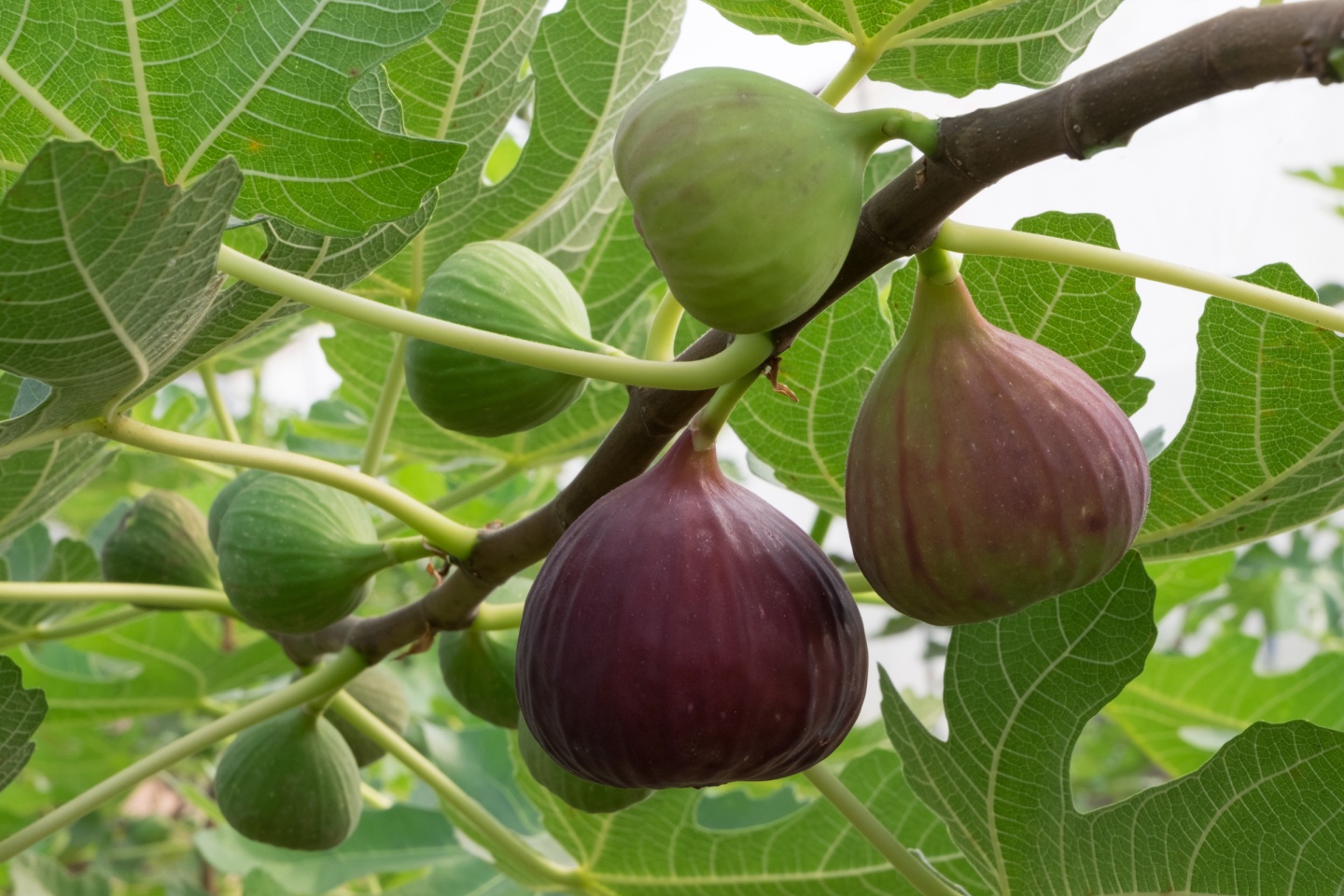
Since G-d could have done anything, why were humans created without a fur, which would have been especially useful to me today in the lingering cold of NYC? However, even in places where the weather is perfect, we (humans) still wear something, if minimal. Early on, Adam and the Woman were naked. There was no shame and no covering needed. Then they made for themselves belts of fig leaves, which must have been somewhat flimsy. And the first set of “real clothing” were “garments made of skin” – or leather, given to them by G-d before the departure from Eden.
The Hebrew word for clothing – ב.ג.ד. – begged – is unique as it is made of the three consecutive letters: ב.ג.ד. bet, gimmel, dalet, the 2nd, 3rd & 4th letter of the Hebrew alphabet. Where is the first, the א alef? The silent alef, which is often “G-d’s letter, is hidden. Our clothing can help us be who we are, as well as hide and present a false shell.
Numerous studies have been conducted on the influence of clothing on students. Those of us who served in any type of uniform, might find this interesting: Rabbi Hirsch connects ב.ג.ד. b.g.d. with פ.ק.ד. p.k.d, which he defines as “invest with purpose or responsibility”. From this root we create פקודה “pkuda”, an order or army command; and מפקד mefaked, a commander. Alternatively, if one does not fulfill their responsibility such as a soldier who “ditches” base, s/he will call נפקד “nifkad”, absent from fulfilling his appointment.
*******
The Shabbat before Purim is known as שבת זכור – Shabbat Zachor – “Shabbat Remember”. It is when we read the instruction to remember what Amalek “did to you, on the way, when we left Egypt” (Deuteronomy 25:17). How is the journey from Egypt connect to the megillah? And what’s the meaning of a commandment to remember?
The latter, and we have a few (“remember Shabbat”!) implies that there might be a desire or tendency to forget (remember to take the keys!!…). Why would we forget Amalek? Who is Amalek?? Originally, they descended from Esau, Jacob’s brother, and were nomadic people who lived in Southern Canaan. In our history they are famous for sneaking up on us and attacking us “from behind” in the desert, while we are in transition, “on the way” (Exodus 17:8-16). Ever since, they became associated as the powers that weaken us. Our sages teach that the gematria (numerical value) of Amalek is equal to the Hebrew word safek, doubt. Amalek are not a head-on enemy, as is the element of doubt in our life. It is not always obviously bad; The plain bad we can recognize and fight. This is different. it’s that… well… you know… I don’t know… maybe… I’m not sure… then again… undermining things quietly, “from behind”.
In the Purim story, Haman is described as an Agagite (Esther 3:1), and Agag was the Amalekite king earlier on (Samuel I, 15). It’s unclear if Haman was a biological descendant or more an ideological one, or both. What’s important is how to combat this kind of energy. Interestingly, the one who fights it is Esther, and her method? No weapons and military tricks but “Go assemble all the Jews…” (Esther 4:16).
Purim could have been long forgotten, but the megillah survived. Maybe it comes to remind us that while Hamans will appear on our history stage, and we can’t prevent them from showing up, there is something we might be able to do about them. They can be overcome through our unity as a people. This means we look out for each other, the strong and weak, which really is each and every one of us at different moments along the journey. This also explains why each one of the mitzvot associated with Purim is geared towards our togetherness – giving mishloach manot (baskets of goodies) or gifts to the poor. Unity does not mean we all do the same thing all the time or agree on everything, but there’s enough commonality to maintain our “peoplehood”. The Shabbat of Remember is just that – re-member and reconnect with each and every one.

Shabbat Shalom.

Posted in Uncategorized | Leave a comment

Celebrating Confusion

The Torah portion of Teruma seems like quite the opposite of upcoming holiday of Purim (more below): there’s a list of materials and clear instructions how to build something very precise and specific. And still, even there, where everything is “obvious”, if we look underneath the surface, we’ll see it: the temporary is permanent, and the permanent – temporary. Take the Ark, for example: solid wood and “travelable”. Or the Menora made of solid gold – with blossoms.
Rashi in his commentary to Exodus 25:9 says on the verse’s ending – “and so you shall do” – ‘for generations (ledorot – לדורות)’ = forever. How could he say that, challenge other commentators? By the his time, the Tabernacle = Mishkan – משכן was long gone and event both Temples were destroyed. What could he mean by ‘do this for generations’? it can’t possibly be “this” – this exact building, but maybe do this – “a” place. Our materials, design and location might be different; that is all secondary. After all, the first one was mobile and in a desert, but making space for G-d in our life, is something we should always strive to do.

*******

The day before Rosh Hodesh Adar, horrific headlines fill the news of yet another school shooting, leaving at least 17, mostly young people, dead and who knows how many deeply wounded, physically, emotionally and spiritually. On top of the obvious, we wonder, “Davka today? Don’t we say, mishenichnas Adar, marbim besimcha, when Adar begins, we increase our joy”?
Rabbi Sharki of Machon Meir in Jerusalem teaches that Adar, the month of Purim, is the saddest month of the year. Wait, not The month of Av, with the destruction of the Temple and all its calamities? But, rather, Adar, because this is the time we encourage ourselves and others to “increase joy”, and we only tell someone to “cheer up” when we’re sad.
Why are we sad? Purim is such an exciting holiday!! Eh, for kids. Maybe. As we grow up, the intense confusion and discomfort of the day, is easily felt. We can’t decide who “we’ll be”; we can’t tell who is who – which in some places can offer not only a “discomfort”, but a real risk of safe and security. We can’t tell where G-d is; who’s good and who’s bad. The story also brings no comfort. It starts bad, gets worse and ends up well, bad, not good and definitely not great.
It’s the only book that takes place fully in “chutz-la’aretz”, outside of Israel. We’re in a place where we have little to no control over what’s going on. We are subject to the whims of a weak king and his envious advisor. The clear voice of G-d which is so present in every book of the bible, directing us this way and that, is absent. Attack can come from everywhere; defense is in the most unlikely places. No one behaves as expected: take, for example, the minor case of Mordechai telling about the plot of Bigtan & Teresh to get rid of the king. Imagine, G-d forbid, if our dearest person was captured and taken against her will to be the wife of a powerful, corrupt man we dislike. Now we hear that someone wants to get rid of him. Shouldn’t it be good?? Why is Mordecha saving the person who holds Esther?
Wherever we turn, there is chaos. And all this is exasperated by excessive drinking, loud noise and general mayhem.
How are we to make sense of this story and actually enjoy this day which some say is as holy as Yom Kippur (“KiPurim” literally means “like Purim”)?

The Talmud teaches that “Haman” was already mentioned in the Torah. Where? The easiest source would be “haman” – the manna in Exodus, but that’s not where the Talmud is going. It brings us a verse from the Book of Genesis (3:11): …המן העץ אשר צויתיך did you eat from the tree I commanded not to? asks G-d. Why choose this verse which is barely remotely resembling Haman – using only the letters of the word hamin?
The verse is also strange because it has G-d asking a question. Why should G-d ask questions? Doesn’t He know what’s going on? The serpent of the Garden of Eden mixes and blurs facts with fiction leading to mistakes, fights and separation . This is also Haman’s role in the megillah: Haman is considered part of Amalek, and we saw Amalek do just that only a few Torah portions ago, by launching a war “on the weak, from behind”. Amalek in gimatriya equals the Hebrew word for doubt, safek -ספק. This most destructive force, even without doing much, can turn our world upside down.
And yet.
Despite our best intentions, there is chaos in the world. And not all of it is explainable. In that regard, Purim is most important.
Finding G-d where everything is beautiful and orderly, is one thing. Sitting on top of Half Dome and feeling the wow – or alternatively, in the perfectly constructed mishkan – can make sense. But then there is being reminded that G-d is with us, even in the chaos, even when it’s not obvious, where there is no name or known presence. In spite of the discomfort and maybe irony, that is a much more holistic view of G-d.
Purim is pushing us beyond where we’re comfortable, beyond where we’ve been. There to find new horizons.
The Purim parade is called “adloyada” – עדלאידע as the three Hebrew words: ad lo yada – עד לא ידע “until one does not know”, taken from the Talmud (Megilla 7:b), where it says, “a person is obligated to drink (on Purim) until one does not know (the difference) between cursed Haman and blessed Mordechai”.
We often pride ourselves on Jewish learning. But, what does that mean? Finding answers to everything? Or keeping the questions?? Answers are nice; they give us comfort; the more decisive, the more defined – and confined we become. Questions remove the roof off our heads, leaving us open, vulnerable, searching, reaching for more, helping us grow, knowing we don’t know and we’ll never fully know. That too is ad lo yada, reaching  beyond and some. On Purim we don’t stumble on confusion. we don’t avoid it. We work to create it, enjoy it and celebrate it. May it be a good month!

Shabbat Shalom.

עדלאידע – 1956 ו- 2017


Posted in Uncategorized | Leave a comment

G-d is in the Details

At the end of the day, it’s all about the details.
But, look at the big picture!
I do, and when I look at it really, really closely, I see that it’s made of lots and lots of tiny little dots. Had any one of them been elsewhere, slowly but surely, the whole thing would look differently. The Mona Lisa might not have that semi-smile and Beethoven’s symphony might have just a few disharmonic notes. We’d be sitting in the dark because when we passed our hand on the wall, we missed the light switch by just a little, and on and on.
Parashat Mishpatim is sandwiched between the dramatic Giving of the Law and the commitment of “na’ase venishma” – נעשה ונשמע we will do and we will listen (Exodus 24:7), the People’s confirmation of their acceptance of the covenant. It speaks about servitude, justice, compensations, theft, witchcraft, how to treat animals, loans, produce, lost objects, festivals, food, and more. And more.
You can’t be serious! G-d can’t possibly care about all this! Soon you’ll tell me that He cares how I tie my shoes?!
Just last week we were at Sinai, which our sages have compared it to the wedding of G-d with His People. It was marvelous, with flashy audio-visual effects and an impressive presentation. And yet, most relationships don’t survive on the “once in a…” event. The next day, there are dishes in the sink, and a long list of tedious, conflicting to-do’s. Love is made of the daily care, rather than the “wow”.
Ok, you might say, so we got some laws; “detailed” laws. So what. There were other legal codes at the time of the Torah, each progressive its own right. Hammurabi’s Code for example, also taught what to do with a murderer! Yes, but it dealt with establishing a fair – as humanly possible, organized and orderly society. Only the Torah included G-d in this detailed, legalistic conversation.
Just last week Moses told Yitro, his father in law who came to give him some good advice: “כי יבוא אלי העם לדרוש אלוהים “ – when the people come to me to seek G-d (18:15)… Wait: I thought the people came to him so he can judge between them and each other! What’s this with “seeking G-d”?
From instructions on how we treat a Hebrew servant, the Torah makes it clear that the judicial system is not just a human creation for the humans’ convenience. Rather, it is a conversation between each one of us as individuals and as part of a society, and the Divine, and that conversation goes through everyone and everything around me. The slave, the disadvantaged, the stranger, the one who was wounded; trees, fields, food – nothing escapes it. Our spiritual journey is inseparable from how we treat each other. It is a constant search for G-d’s image within and without, through all we do, and all we meet. Sinai is a turning point, not just because of Sinai but even more so, because of Mishpatim. Even the most minutia discussion, going forward, is going to be joined by a third voice: that of G-d.

Posted in life and some, shabbat shalom, פרשת השבוע לחילוני האדוק | Tagged , , , , , , | 1 Comment

I’ll ask her in the morning…

On the day of her funeral, the sun was shining and the sky was a clear, blue. Funerals’ weather somehow is always meaningful, whether “the sky is crying” or not. For my mom’s, it was a glorious spring day, one of those days, on which she’d get up, bright and early, pull the curtains wide open to the view, take a deep breath, appreciating being alive, and plan to go hiking, or take a long walk along the beach, not before she’d call, check on her grandchildren, and tell me how beautiful the world is, not painless, but ever so beautiful.
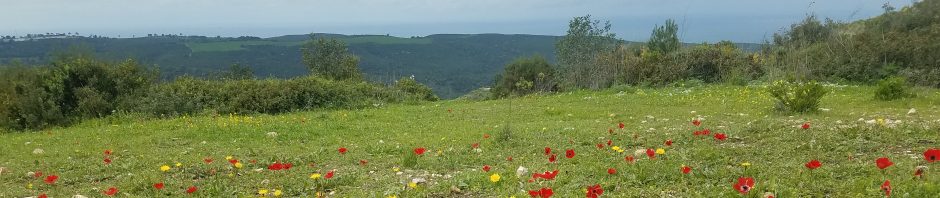
On that day, too, the slopes of the green Carmel Mountain were carpeted with wild flowers in all colors. The red anemonies and pinkish cyclamens could be seen even from the cemetery gate, where a large crowd assembled. So much so that I started complaining why “they” schedule two funerals at the same time. “They” didn’t. It was just one. People gathered in a mixture of tears and smiles, condolences and memories. Everybody seemed busy so I walked alone, up the path through the graves to the funeral home, where her body was prepared. I would have liked to sit by her as her “shomeret”, but was not allowed… So many “rules” governed so much of our life, dictating what’s ok and not ok to do, even to that very last minute. “Your mother? I can tell by the palms of her hands, she was a tzadeket and died like the righteous ones, with a kiss”, said the Hevra Kadisha attendant.
I walked down, wondering about the bond between parents and children; about how much we miss, chasing each other through time, and what do we actually know about each other.
The night before the funeral, jet-lagged, sleepless, exhausted, deeply pained and strangely calm, I rummaged through boxes of pictures, binders of the letters we exchanged over many years, postcards in tiny handwriting, little souvenirs from all over the world. Every so often, I’d come across something, a photo of her or someone else I could not recognize (or her with someone else I could not recognize -). I found myself thinking, it’s ok, I’ll just ask her in the morning.
That thought was there throughout the funeral too: ‘I have to remember who came so I can tell her later’, as if this was some event she happened to miss. I could see her raise an eyebrow over her wonderful green eyes, peeking from behind her glasses, and say, nu tof… in her accent (and when I’d comment on that, she’d say, me? haaf an aczent??).
It’s been 12 years. And even before then, we spent many moons with an ocean between us. I inherited the “strength” to manage the daily stuff, and “all is well”. But on Sunday mornings, I still miss the phone ringing. And the thought of what I’d like to tell her, will probably never go away.
יהי זכרה ברוך.

Posted in life and some | 7 Comments