Six Torah portions out of 54 a are named after someone, one woman (Sarah) and 5 men. One of them is Jethro, Yitro, A Midyanite priest, an eternal spiritual seeker and Moses’ father-in-law. Of all the Torah portions, our sages, perhaps with a smile, chose to name the one Torah portion in which we learn about the Giving of the Law and “The” Ten Commandments, after him. Perhaps it happened “by coincidence”, and perhaps they wanted to ensure that davka here, when we’re taught the particular, we are also reminded of the universal in our Torah.
The Torah portion opens with this description: “Jethro priest of Midian, Moses’ father-in-law, heard all that God had done for Moses and for Israel His people, how Hashem had brought Israel out from Egypt… (so) Jethro, Moses’ father-in-law, brought Moses’ sons and wife to him in the wilderness, where he was encamped at the mountain of God” (Exodus 18:1-5). The commentators are divided: what did Jethro hear and when did he come? Rashi claims that he heard about “the parting of the Sea of Reeds, and the war of Amalek.” Ibn Ezra disagrees and claims that “he came in the 2nd year, after the Tabernacle… which must be after the Giving of the Torah”.
The truth is that we don’t have to take sides. Either way, there is no Giving of the Torah without Jethro, and there is no Jethro without the Giving of Torah! By combining the Torah portion and its name, our sages taught us one of the cornerstones of our existence and its vision: it’s true that we are called “a people who will dwell alone”, and indeed we have an important and huge need to examine who we are as a people, on our own. But this cannot be done independently from the world. Part of who we are depends on successful cooperation with the other nations, so much so, that if we don’t succeed, everything, perhaps, would have been in vain..
When Jethro watches Moshe judge alone the people day in and day out, he immediately begins giving Moses some advice: ““The thing you are doing is not right; you will surely wear yourself out, and these people as well. For the task is too heavy for you; you cannot do it alone…. Now listen to me… (Exodus 18:17-23) Jethro goes on to explain Moses how build a stable, proper justice system.
We usually accept Jethro’s advice as wise, coming from a caring place as well as experience in managing and organizing a community, but we must also dare and ask, is it not a bit chutzpadik to tell the “man of God”, who is in daily contact with Hashem, what to do and how to lead His people? The answer to this is that Jethro may have seen himself as the one who raised and educated Moses. If so, for him, while Moses is in charge of the Children of Israel, it is Jethro who is in charge over Moses, and hence, has authority over all the people!
Managing our relationship with world leaders, has been a challenge ever since. Moses here, gives us a good example of how to do this gently and tactfully, while being accepting and also putting boundaries together. On the one hand, he accepts Jethro’s advice, which is good advice in itself (although there is no doubt that Moses, who grew up in Pharaoh’s palace and was exposed to running a large empire, can come to the same conclusions on his own). On the other hand, there is a great chidush (newness) here, which Jethro may not recognize, and which must be protected.
So far, the journey that began with the Exodus from Egypt and the departure from the House of Bondage, has been directed to one goal: the return home, to the Land of our Forefathers & Foremothers (or four-mothers? jk!). Now, at Mount Sinai, this journey takes on another layer: the Torah, its laws and commandments. Suddenly it turns out that the One who created the world and brought us out of Egypt, also cares about how I do business, give charity, treat my family, plow my plot, tie my shoes, make myself coffee on Shabbat… of every detail in my life… Moses’ critical insight is that the people do not come to him merely to solve their personal problems, but to “inquire of G-d” (Exodus 18:15). Perhaps the question of ‘what and how to do’, should be conducted vis-à-vis the Divine in our life.
This week’s Torah portion, B’shalach, begins with the Children of Israel leaving Egypt after the long slavery and the Ten Plagues. They find themselves chased by Pharaoh and his chariots; then they finally reach the Sea of Reeds, where a miracle is performed for them – the sea splits in two and the children of Israel pass on dry land. For meritting the great miracle, they sing the song of the sea. They continue their journeys in the desert, receiving the manna from heaven, and his slav, a kind of fowl, following their complaints of hunger. In Mara they lack water, and Moses strikes the rock. Finally, Amalek attacks Israel “from behind.” Moses raises his hands up, supported by Aaron and Hur, and the Children of Israel win their war.
This section is usually called near Tu B’Shvat, knick-named ‘the birthday of the trees’, which this year is celebrated this coming Monday, January 17, 2022. Coincidentally, or not, a tree also appears in our parsha. And so we read (Exodus 15:23-25):
They came to Marah, but they could not drink the water of Marah because they were bitter; that is why it was named Marah (literally “bitter”). And the people grumbled against Moses, saying, “What shall we drink?” So he cried out to Hashem and Hashem directed him to a piece of wood; he threw it into the water and the water became sweet…
For three days the Children of Israel went without water. We’re having a hard time getting through just one day like this! And here, after a course of three days, wow, what a beauty, water! But the greater the joy, the greater the disappointment. The Children of Israel fill their vessels, expecting that first sip after days of walking in heat and thirst, but they immediately realize the mistake: the taste of water is bitter as wormwood. What to do?
Now Moses could say, ‘Oh really, so the water is a little bitter, so what? What can I do’… or alternatively, blame them: ‘Why are you complaining again?’ And preach: ‘Bitter water is good for you! It builds a strong character! You will learn to be thankful for the gifts of the good God ‘… but instead, God instructs Moses to throw a tree into the water, which causes the bitter water to turn sweet.
Ibn Ezra, one of the famous commentators during the Golden Age in Spain who also dealt with mathematics, astrology and astronomy (1092-1164, and after whom the Abenezra Crater on the moon was named!) wrote that “this is the tree we did not know what it was. It was a pure miracle” … indeed our sages discussed at length the question, what kind of tree was it? Maybe an olive, a pomegranate, a willow, a fig tree? But they all agreed that it was a bitter tree. Midrash Tanchuma (complied in Israel in the 9th century) tells:… Moses thought G-d will tell him to throw in some honey or a (sweet) dried fig, which would sweeten the water, but G-d said, ‘Moses, my ways are different form yours. Now you need to learn, as it is written, “and he directed him”, not, he showed him, but directed, relating to the verb to teach, as teaching Moses of Hashem’s ways.
It turns out that there is not only a need to sweeten the water (since the water could have been sweet in the first place!), but also an educational moment. What is the meaning of the commentary? Beyond what we have seen so far, about the miraculous in our lives, about G-d Almighty who can do anything, and about the fact that from something bitter can come out something sweet, if we read the verse again: because they were bitter,we realize that “they” possibly addresses the Children of Israel themselves! That is, the children of Israel could not drink the water, because they, the Children of Israel, were the ones who were bitter!.
In the transition from slavery to freedom then and now, there are many challenges. Some depend on external forces, such as an Almighty who subdues the world’s most powerful nation with miraculous sings and wonders. But, we cannot really go out to freedom without a consistent and dedicated inner work that will free us from the bitterness within us.
After the declaration of the new month, come the instructions for the Exodus. Among them, this (Exodus 12:22-23):
Take a bunch of hyssop, dip it in the blood that is in the basin, and apply some of the blood that is in the basin to the lintel and to the two doorposts. None of you shall go outside the door of his house until morning. For when the LORD goes through to smite the Egyptians, He will see the blood on the lintel and the two doorposts, and the LORD will pass over the door and not let the Destroyer enter and smite your home.
אחרי הכרזת החודש החדש, מגיעות ההוראות ליציאת מצרים. ביניהם זה (שמות יב, 22-23):
So first, ichs. Second, seriously?? G-d needs to see a marking to know to pass over my door? Do I really need to hang a sign for G-d almighty who just smote the Egyptians, the greatest nation around back then, to know I live here??
אז קודם כל, איכס, ושנית, ברצינות?? אלוקים צריך לראות סימון כדי לדעת לפסוח מעבר לדלת שלי? אני באמת צריכה לתלות שלט כדי ש”ה”אלוהים, זה שהרגע הביס את מצרים, האומה החזקה ביותר דאז, ידע שאני גרה כאן??
Yes. And no…. Of all events, the Exodus from Egypt is one time when we had to do as little as possible – stay out of the way and don’t go outside (sounds familiar…). During all other redemptions, we had to get out, fight and struggle. And yet, doing little, when appropriate, is ok; doing nothing at all? turns out, it’s not an option.
כן. ולא. מכל האירועים, יציאת מצרים היא הפעם האחת והיחידה שהיינו צריכים לעשות כמה שפחות – להסתגר ולא לצאת החוצה (נשמע מוכר…). בכל שאר הגאולות, היינו צריכים לצאת להילחם ולהיאבק. ובכל זאת, נראה שלעשות מעט – יתכן, כשזה הדבר הנכון והמתאים. לעומת זאת, לא לעשות כלום בכלל? מסתבר שזו לא אפשרות.
The Exodus of the people from Egypt was already “in place”. Everything was set. It was happening. The thing we longed for, for so long, is happening now!! — as a national occurrence. As individuals? still, each and every one of us has to make a choice: to go or not to go? To be or not to be?
יציאת בני ישראל ממצרים כבר הייתה “במקומה”. הכל נקבע. זה כבר ממש קורה. הדבר אליו ייחלנו, כל כך הרבה זמן, הוא כאן ועכשיו!!— כן, כהתרחשות לאומית. אבל כיחידים? כיחידים, אנחנו עדיין צריכים לבחור: ללכת או לא ללכת? להיות או לא להיות?
That’s that marking on the door; my little effort; my getting up and taking responsibility. It’s been months of Ten Plagues. One day, the river turned red-blood; the next, there were frogs…. I’ev seen it all. I have all the proofs. And still, I’m scared. I’m waiting by the window: maybe someone will decide for me, just come and get me? but it’s impossible to be forced out of Egypt. Even here. Maybe especially here. I do have a choice. I have a voice. It’s softer and quitter and hesitant. And still, that’s my only strength. I don’t know what will be. No promises me that everything will be alright. And I get up, and take the bunch of hyssop, because, in Egypt, I am not staying.
זהו הסימון על הדלת; המאמץ הקטן שלי, לקום ולקחת אחריות. כבר עברו עשר מכות. יום אחד, היאור הפך לדם, יום אחד היו צפרדעים… ראיתי כבר הכל. יש לי את כל “ההוכחות”, ועדין. אני חוששת. אני מחכה ליד החלון: אולי שמישהו יחליט בשבילי, פשוט יבוא ויקח אותי? אבל אי אפשר להגרר ממצרים בעל-כורחי. אפילו כאן. אולי דוקא כאן, יש לי ברירה. יש לי קול. הוא נחלש ומפוחד ומהסס. ועדין, זה הכוח היחידי שיש לי. אני לא יודעת מה יהיה. אף אחד לא מבטיח לי שהכל יהיה בסדר. ואני קמה ולוקחת את אגודת האזוב, כי אני, במצרים, לא אשאר.
Afterward Moses and Aaron went and said to Pharaoh, “Thus says the HASHEM, the God of Israel: Let My people go that they may celebrate a festival for Me in the wilderness…. Let us go, we pray, a distance of three days into the wilderness to sacrifice to the HASHEM our God…
But this week, it’s a different story. And while I know the whole Torah is equally important, the opening of this week’s Torah portion has some of the most important “equally important” verses. And so it says (Exodus 6:2-8):
ואילו השבוע, זה סיפור אחר. ובה בשעה שאני יודעת שכל התורה כולה חשובה באותה מידה, הפתיח לפרשת השבוע הזה מכיל כמה מהפסוקים החשובים הכי חשובים שיש. וכך נאמר (שמות ו:ב-ח):
God spoke to Moses and said to him, “I am the Hashem…. Say, therefore, to the Israelite people: I am the Hashem. I will free you from the labors of the Egyptians and deliver you from their bondage. I will redeem you with an outstretched arm and through extraordinary chastisements. And I will take you to be My people, and I will be your God. And you shall know that I, the Hashem, am your God who freed you from the labors of the Egyptians. I will bring you into the land which I swore to give to Abraham, Isaac, and Jacob, and I will give it to you for a possession, I the Hashem.”
What happened to the three-days-celebration in the desert? Perhaps it was good opening for the first discussion with Pharaoh, and perhaps it was a good first step for the people to be reminded of who they are: “normal”, “like everybody”, a little “religious”, with a belief, a faith, some rituals and practices; all we want is to go and enjoy our holiday, and we’ll be right back to be your trusted slaves…
מה קרה לחגיגת שלושת הימים במדבר? אולי זו היתה התחלה טובה לדיון הראשון עם פרעה, ואולי זה היה צעד ראשון טוב עבור בני-ישראל, להזכיר להם מי הם: “נורמליים”, “כמו כולם”, קצת “דתיים”, עם אמונה, כמה טקסים ומנהגים; כל מה שאנחנו רוצים זה ללכת וליהנות מהחג שלנו, ומיד נחזור להיות העבדים הנאמנים שלך…
But now that Pharaoh said no, the “real” story can come out: we are not just another “faith”; we are a nation. And we have our own homeland. And that’s where we’re going. In the words of Rabbi Nachman, wherever we are, and no matter what we’re doing, that’s where we’re going to.
אבל עכשיו, כשפרעה אמר לא, הסיפור ה”אמיתי” יכול לצאת החוצה: אנחנו לא עוד סתם “אמונה”; אנחנו אומה. ויש לנו מולדת משלנו. ולשם אנחנו הולכים. כדברי רבי נחמן, “לכל מקום שאני הולך, אני הולך לארץ ישראל”. היכן שאנו נמצאים, ולא משנה מה אנו עושים, לשם אנו הולכים.
Are you sure you want to write this??… Not very popular! It’s better to teach how the Exodus is personal, and happens to all of us; each one of is seeking to break our own chains of bondage, and we can only do so one step at a time… That is, of course, true. It’s also true that the Expdus has a general, common story; all people who are in some form of bondage can relate to it, and sing “let my people go”. But we’ve kept the rest of the verse almost secret, and we’ve done this for so long, that we ourselves, forgot who we are and what’s our mission. Yes, we have a spiritual message that’s suitable for all; yes, we have religious practices, and we like celebrating our holidays. No, that’s not all we are. We are a family. And we’re going home.
האם את בטוחה שאת רוצה לכתוב את זה??… זה לא מאוד פופולרי! עדיף ללמד כיצד יציאת מצרים היא אישית, וקורית לכולנו; כל אחד מאיתנו מבקש לשבור את שרשראות השעבוד האישיות שלנו, ואנחנו יכולים לעשות זאת רק צעד אחד בכל פעם… זה, כמובן, נכון וחשוב. זה גם נכון שליציאת מצרים יש פן כללי ומשותף; כל האנשים שנמצאים בצורה כלשהי בשעבוד יכולים להתייחס אליו, ולשיר “לט מיי פיפל גו”. אבל את שאר הפסוק שמרנו כמעט בסוד, ועשינו את זה כל כך הרבה זמן, עד שאנחנו בעצמנו שכחנו מי אנחנו ומה הייעוד שלנו. כן, יש לנו מסר רוחני שמתאים לכולם; כן, יש לנו מנהגים דתיים, ואנחנו אוהבים לחגוג את החגים שלנו. לא, זה לא כל מה שאנחנו. אנחנו משפחה. ואנחנו הולכים הביתה.
*******
The exciting and fun Tractate Megillah we read at this time, throws in all sorts of things on top the expected Purim on its twists and turns. One of them is the explanation for the order of the Amida prayer. The Amida, known in its nick-name “shmone-esre”, which means 18, has (of course!) in its daily order 19 blessings. The 9th blessings is birkat hashanim, the blessing of the Land, and the 10th is the ingathering of exile. Tells us the Talmud:
מסכת מגילה המרגשת והמהנה שאנו לומדים בזמן הזה, זורקת לנו כל מיני דברים מעבר לנושא חג הפורים הצפוי, על עלילותיו. אחד מהם הוא ההסבר לסדר תפילת העמידה. לעמידה, הידועה בכינויה “שמונה-עשרה” (18), יש (כמובן!) בסדר היומי שלה 19 ברכות. הברכות ה-9 היא ברכת השנה, ברכת הארץ, וה-10 היא קיבוץ הגלויות. אומר לנו את התלמוד:
The Gemara asks: And why did they see fit to institute that one says the blessing of the ingathering of the exiles after the blessing of the years? As it is written: “And you, O mountains of Israel, you shall shoot forth your branches, and yield your fruit to My people Israel; for they will soon be coming” (Ezekiel 36:8), which indicates that the ingathering of the exiles will follow after Eretz Yisrael is blessed with bountiful produce….
Meaning, the increase of trees and especially fruit trees, and the agricultural revival, is the sign of upcoming redemption. I’m not saying “The” redemption. I am staying away from prophecy. But I am a student of Jewish history and we can see the last 150 years: the establishment of the kibutzim & moshavim; the plantings of the Jewish National Fund… by 1948, the JNF, founded in 1901, already planted close to 5.5 million trees in Israel, and more.
כלומר, ריבוי העצים ובעיקר עצי פרי, והתחייה החקלאית בארץ, הם הסימן לגאולה הקרובה. אני לא אומר “ה”גאולה. אני מתרחקת מנבואה. אבל אני סטודנטית להיסטוריה יהודית ואפשר לראות את 150 השנים האחרונות: הקמת הקיבוצים והמושבים; נטיעות הקרן הקיימת… עד-1948 כבר נטעה קק”ל, שנוסדה ב-1901, קרוב ל-5.5 מיליון עצים בישראל ועוד.
Rav Kook wrote: Agriculture for all people is a simple economical necessity… but this People who’s guiding theme is holiness and their Land and language are holy… agriculture is also seeped in holiness.
כתב הרב קוק: החקלאות, הלוא היא אצל כל העמים רק גורם כלכלי חיוני פשוט…. אבל העם אשר הנושא שלו כולו הוא קודש קדשים. וארצו ושפתו וכל ערכיו כולם קודם הם… הרי גם חקלאותו כולה היא ספוגת קודש…
I like that it comes up in daf yomi right before Rosh Hodesh Shvat, and the upcoming Tu Bishvat celebrations. Tu Bishvat, the “birthday of the trees”, by some “coincidence” is also the day the Knesset marks its birthday, having had its first gathering on that day in 1949.
אני אוהבת שזה עולה בדף היומי ממש לפני ראש חודש שבט, וחגיגות ט”ו בשבט המתקרבות. ט”ו בשבט, “יום ההולדת של העצים”, הוא גם, ב”צירוף מקרים” כלשהו, היום בו מציינת הכנסת את יום הולדתה, לאחר שהתכנסה לראשונה באותו יום ב-1949.
Back in Egypt, Joseph thought we can make it work in a foreign country; we’ll just take a little piece of space here on the side, make no trouble, and be “ok”. He was right. For a while. But history has shown over and over again, that this is not our long term plan. SO much so, that in just a few chapters, we’ll take his bones, and bring them to the Land of Israel, where they are to this very day.
עוד במצרים, יוסף חשב שנוכל להסתדר במדינה זרה; אנחנו פשוט ניקח חתיכת מקום קטנה כאן בצד, לא נעשה בעיות, ונהיה “בסדר”. הוא צדק. לזמן מה. אבל ההיסטוריה הוכיחה שוב ושוב שזו לא התוכנית ארוכת הטווח שלנו. עד כדי כך, שבעוד כמה פרקים, ניקח את עצמותיו, ונביא אותם לארץ ישראל, שם הם נמצאות עד עצם היום הזה.
Not long ago, I celebrated my grandmother’s 133rd birthday… my grandmother was an amazing woman. She was like that when I was little and she’s getting better ever since…. When she was 80 years old, having lived in Israel already for more than 30 years, she finally decided to take a tutor and this time “really” learn Hebrew… even in her later years, and after a number of tragedies, she continued to invite and go out for “café und kuchen” (afternoon customary coffee and cake, at 4 o’clock, exactly!) with her friends, in the Yekkes (German Jews) coffee shops and excellent bakeries of the Carmel, in her ironed dresses (blue with white dots, of course), white gloves, appropriate hand bag…
לא מזמן, חגגתי את יום הולדתה ה-133 של סבתא שלי… סבתא שלי הייתה אישה מדהימה. היא הייתה כזו כשהייתי קטנה ומאז היא רק הולכת ומשתפרת. כשהייתה בת 80, לאחר שכבר היתה בישראל יותר מ-30 שנה, היא סוף סוף החליטה לקחת מורה פרטית והפעם “על אמת” ללמוד עברית “כמו שצריך”… גם בשנותיה המאוחרות, ואחרי לא מעט טרגדיות, המשיכה להזמין ולצאת עם חברותיה ל”קפה אונד קוכן” (קפה ועוגה של 4 אחהצ, “בדיוק”), בבתי הקפה של היקים ובמאפיות המצוינות של הכרמל, בשמלות המגוהצות שלה (כחול כהה עם נקודות לבנות, כמובן), כפפות לבנות, תיק מתאים…
I remember during the Six Day War, between the wailing sirens, my mom sent me to get her to come and sit with us in the moldy, rancid storage room turned into a bomb-shelter, with us sitting on boxes, old furniture, dusty, unidentified stuff and each other. I find her next to her green felt table, a game of solitaire spread in front of her, the shiny card in her manicured hands; steam rising from the glass teacup on a saucer, a biscuit nearby. “Omi, Omi”, I cry out, fearful, “komm schon, komm schon” (come already)… she shakes her head: “I survived World War I; I survived World War II; I survived the War of Independence -and”… she takes a deep breath, perhaps hesitating to mention, my grandfather whom I am named after, her husband’s early, untimely passing. “If He”, she looks up, “wants to take me now, He can come right here, because I’m not going anywhere”.
אני זוכרת במלחמת ששת הימים, בין הצפירות המייללות, אמא שלי שלחה אותי להביא אותה לבוא ולשבת איתנו במחסן העבש והמעופש שהפך למקלט, כשאנחנו יושבים על ארגזים, רהיטים ישנים ומאובקים, דברים לא מזוהים ואחד על השני. אני מוצאת אותה ליד שולחן הלבד הירוק שלה, משחק הסוליטר פרוס לפניה, הקלפים הבוהקים בידיה המטופחות; אדים עולים מכוס הזכוכית בה מזגה לעצמה תה, עוגיה על הצלוחית ליד. “אומי, אומי”, אני צועקת בפחד, “קום-שון, קום-שון” (בואי כבר)… היא מנידה בראשה: “שרדתי את מלחמת העולם הראשונה; שרדתי את מלחמת העולם השנייה; שרדתי את מלחמת העצמאות – ו”… היא נושמת עמוק, אולי מהססת להזכיר, את סבי שעל שמו אני קרויה, בעלה שנפטר בטרם עת. “אם הוא”, היא נדה במבטה אל-על, רוצה לקחת אותי עכשיו, הוא יכול לבוא לכאן, כי אני לא הולכת לשום מקום”.
My grandmother was not religious in the way people nowadays think of “religious”: the hat, suit, length of skirt… none of those were issues in a world that anyway didn’t even dream of going out, even outside the bedroom door let alone anywhere else, without a hat, suit, long skirt, and was always anständig und ordentlich. Her religiosity was her relationship with “der liebe Gott”. He was present, all the time. After each visit, when it was time for goodbye (and she lived next door, mind you, so not like we didn’t see each other almost daily), she would tell me: Geh mit Gott, damit du nicht alleine gehst (go with G-d so you don’t go alone).
סבתא שלי לא הייתה דתייה כמו שאנשים חושבים בימינו על “דתי”: כובע, חליפה, אורך החצאית… שום דבר מהדברים האלה לא היה ענין בעולם שממילא אף אחד בו לא חלם לצאת החוצה, אפילו מחוץ לדלת חדר השינה, שלא לדבר על כל מקום אחר, בלי כובע, חליפה, חצאית ארוכה, ותמיד היה “אנשטנדיג אונד אורדנטליש” (הגון ומסודר). הדתיות שלה הייתה מערכת היחסים שלה עם “דר ליבה גוט” (האלוהים היקר). הוא היה נוכח, כל הזמן. אחרי כל ביקור, כשהגיעה שעת הפרידה (והתראינו כמעט כל יום), הייתה אומרת לי
Geh mit Gott, damit du nicht alleine gehst לכי עם אלוהים כדי שלא תלכי לבד.
I think about her with this week’s Torah portion; with the strong women who open the Book of Exodus without whom our People would not have survived slavery, the exodus or the journey: “due to righteous women, our People were delivered” (Talmud, Sota 11:b, Midrash Rabba 1:12), telling us about their active optimism, not that of delirious hope but that of down to earth faith and action. I think of her Exodus; what it was like to leave the ‘cultured’ Berlin and come to this hot, dusty “Levant”…
אני חושבת עליה עם פרשת השבוע הזה; עם הנשים החזקות הפותחות את ספר שמות, ספר “יציאת מצרים”, שבלעדיהן לא היה עמנו שורד את העבדות, את היציאה לחופשי או את המסע: “בזכות נשים צדקניות נגאלו בני ישראל…” (תלמוד, סוטה יא, ב, מדרש רבה א, יב). ), כשהטקסט מספר לנו על האופטימיות הפעילה שלהם, לא זו של תקווה הזויה, אלא זו של אמונה ופעולה ארצית. אני חושבת על יציאת מצרים שלה, איך זה היה לעזוב את ברלין ה”תרבותית”, לבוא ל”לבנט” החם והמאובק…
And I think her when I read of Moses getting to the Burning Bush. Doubtful and hesitant, he asks (Exodus 3:11-12):
ואני חושבת עליה כשאני קוראת על משה שהגיע אל הסנה הבוער. מפקפק ומהסס, הוא שואל (שמות ג, יא-יב):
But Moses said to God, “Who am I that I should go to Pharaoh and free the Israelites from Egypt?”
He so wants G-d’s reassurance!! Can’t God just throw in a little “don’t worry, be happy, yiheyebeseder”? ‘Everything will be ok’? But everything will not be ok! It will take a long time before it’s “ok”, and will it actually be “ok”? for Moses?? for future generations? how “future”? By who’s standards is this “ok”?? Therefore, all He can say is:
הוא כל כך רוצה את האישור של ה’!! אלוהים לא יכול לזרוק איזה “אל תדאג, היה מאושר, יהיה בסדר”? ‘הכל יהיה בסדר’? אבל הכל לא יהיה בסדר! ייקח הרבה זמן עד שיהיה אפילו קרוב ל”בסדר”, ובכלל, של מי ה”בסדר” הזה? זה עבור משה? זה עבור העם? בעתיד הרחוק? כמה רחוק?? לכן כל מה שהקב”ה יכול לומר זה:
And He said, “I will be with you; that shall be your sign…
This expression, “I will be with you” repeats with Isaac (Genesis 26:3) and Joshua (Deuteronomy 31:23) and with Gideon (Judges 6:14-15) and with David (Samuel II. 7:9), and is possibly the most strengthening, comforting expression G-d can tell anyone: ‘I can’t promise you everything will be ok; I can’t promise anything will be “ok”; sometimes my “ok” and your “ok” are just very different; But I can promise you, I will be with you, and you won’t be alone. And at the end of the day, this feeling of not alone, is maybe the best blessing anyone can hope for.
הביטוי הזה, “כי אהיה עמך” חוזר על עצמו עם יצחק (בראשית כ”ו, ג) ויהושע (דברים ל”א, כ”ג) ועם גדעון (שופטים ו, י”ד-טו) ועם דוד (שמואל ב’ ז, ט). והוא אולי הביטוי המחזק והמנחם ביותר שה’ יכול לומר לאדם: אני לא יכול להבטיח לך ש”הכל” יהיה בסדר; אני לא יכול להבטיח שמשהו יהיה “בסדר”; לפעמים, ה”בסדר” שלי וה”בסדר” שלך הם דברים מאד, מאוד שונים; אבל אני יכול להבטיח לך, שאני אהיה איתך. שאתה לא תהיה לבד. ובסופו של דבר, התחושה הזו של לא להיות לבד, היא אולי הברכה הטובה ביותר לה אפשר לקוות.
Olive picking season is coming to its end and we’re reaching the Torah portion of Vayechi where we read Jacob’s blessing to his sons, specifically here – Asher (Genesis 49:20). I read it, and 3000+ years, disappear:
עונת מסיק הזיתים מגיעה לסיומה ואנחנו מגיעים לפרשת ויחי, שם נקרא את ברכת יעקב לבניו, במיוחד כאן – את ברכתו לאשר (בראשית ל”ט, כ). אני קוראת את הפסוקים ונדמה ש-3000+ שנים, נעלמות:
And of Asher he said: Most blessed of sons be Asher; May he be the favorite of his brothers, May he dip his foot in oil.
The Talmud (Menachot 85:b) tells us of the “oiliest” area in the Land of Israel, the territory of Asher, up in the central Galilee. Then it discusses “the wise woman from Teko’a” and explains why that “wise woman”, first mentioned in the Book of Samuel II, was so wise: because of the extensive use of olive oil. Then it tells about someone who comes looking for huge amounts of oil, searching everywhere, and finally coming to Tekoa area. There he finds a certain man who was supposed to have these grand amounts of oil which would make him very rich, but the man looks like a simple worker, walking in his field, with his tools, clearing it from rocks. I like this picture, and the fact that it might be also a metaphor for the need to be moving away small obstacles when caring for the Land, not just worry about the big issues, but one by one, doing what is necessary, day in and day out.
התלמוד (מנחות פה:ב) מספר לנו על האזור ה”שמן” ביותר בארץ ישראל, שטחו של שבט אשר, במרכז הגליל. אחר כך דן התלמוד ב”אשה החכמה מתקוע” ומסביר מדוע אותה “אשה חכמה”, המוזכרת לראשונה בספר שמואל ב’, הייתה כה חכמה: בגלל השימוש הרב בשמן זית. משם ממשיכה הסוגיה לספר על מישהו שבא לקנות כמויות אדירות של שמן. הוא מחפש בכל מקום, ולבסוף מגיע לאזור תקוע. שם הוא מוצא אדם מסוים שאמור להיות לו כמות כזו של שמן הגדולות, וככזה, היה הופך לעשיר מאוד, אבל האיש אותו הוא פוגש בין העצים, נראה כמו פועל פשוט, הולך בשדה שלו, עם הכלים שלו, מפנה אותו מאבנים. אני אוהבת את התמונה הזו, ואת העובדה שהיא עשויה להיות גם מטפורה לצורך להרחיק מכשולים קטנים כשמטפלים בארץ, לא רק לדאוג לנושאים הגדולים, אלא אחד אחד, לעשות מה שצריך, יום יום.
And where is that Teko’a? Nowadays we know of a place by this name southeast of Jerusalem, but the Talmud’s Tekoa is in the Galilee, somewhere in Mt. Meron area, possibly preserved in the name of the ancient village Peki’een, which is known to have had continuance Jewish presence throughout the centuries.
ואיפה אותה תקוע? כיום ידוע לנו על מקום בשם זה דרומית מזרחית לירושלים, אבל תקוע של התלמוד נמצאת בגליל, אי שם באזור הר מירון, ואולי השתמר המקום בשם הכפר העתיק פקיעין, שידועה בו המשכיות הישוב יהודי לאורך מאות שנים.
Hundreds, actually thousands of years have passed since. And here we are in the same place; the great grandchildren of those people tending for the great-grandchildren of those trees. It’s hard not to be touched when thinking about like this. The pesky olives bounce all over the place as we gather them unto a big net, then to buckets, then onward, quickly, to the beit-bahd, pressing-place. I think of the many midrashim that compare the olives to the Jewish people, reminded how much it takes to make anything useful out of what’s going on here now, and hope and pray, that somehow, together, we can light the holy menorah-light.
מאות, למעשה אלפי שנים חלפו מאז. והנה אנחנו באותו מקום; בני הבנים של אותם אנשים מטפלים בבני הבנים של העצים האלה. קשה שלא להתרגש כשחושבים על זה כך. הזיתים הנודניקים קופצים לכל עבר כשאנחנו אוספים אותם לרשת גדולה, אחר כך לדליים, ואז הלאה, במהירות, לבית-הבד, לכבישה. אני חושבת על המדרשים הרבים שמשוים את הזיתים לעם היהודי, ונזכרת כמה עבודה זה לוקח כדי לעשות משהו מועיל ממה שקורה כאן עכשיו, ואני מקווה ומתפללת, שאיכשהו, ביחד, נוכל בכל זאת להדליק את אור המנורה הקדוש.
One of the best things about living in Israel is that you can get into your car, turn on the radio and hear Torah, drashot, daf yomi. On Thursday morning, it was Rabbi Shneor Shapira (I think that was his name) who was a guest on the 10 O’clock program in Radio Moreshet. Yes, it’s a religious radio station, but that too is a crazy thing about the modern Holy Land. And so began Rabbi Shneor as I started my car:
אחד הדברים הטובים בלחיות בישראל הוא שאתה יכול להיכנס לרכב שלך, להדליק את הרדיו ולשמוע תורה, דרשות, דף יומי… ביום חמישי בבוקר היה זה הרב שניאור שפירא (נדמה לי שזה שמו) שהתארח בתוכנית הבקר בשעה 10 ברדיו מורשת. נכון, זו תחנת רדיו דתית, אבל גם זה אחד הניסים בארץ הקודש המודרנית. וכך התחיל רבי שניאור כשהתנעתי את רכבי:
“Yesterday, I met Joseph. Well, his name was not Joseph. He name was Benjamin. Benjamin Horgan. Husband of Esther Horgan, whose 1st yahrseizt is this week”. Esther 52, mother of six, an artist and couples’ counselor, who lived in the north Shomron area, was brutally attacked and killed while jogging in the woods near her home (20 December 2020). Search parties were organized when she failed to return, and her body was discovered early on Monday morning.
“אתמול פגשתי את יוסף. ובכן, שמו לא היה יוסף. שמו היה בנימין. בנימין הורגן. בעלה של אסתר הורגן, שיום השנה הראשון שלה הוא השבוע”. אסתר בת 52, אם לשישה, אמנית ומדריכה זוגית, שהתגוררה באזור צפון השומרון, הותקפה ונרצחה באכזריות כשיצאה לריצה בחורש שליד ביתה (ה בטבת, תשפא). קבוצות חיפוש אורגנו כשהיא לא חזרה, וגופתה התגלתה מוקדם בבוקר יום שני.
“I went to see them, and was astonished at what they have been doing since”. Numerous projects have been initiated in her memory: a women’s run in the area; planting of trees; a park, events; a movie and more. “The husband told me”, the rabbi went on, “’there was not a night without crying; not a day without doing’. This is joseph”.
“הלכתי לראות את המשפחה, ונדהמתי מהעשיה שלהם מאז”. פרויקטים רבים יוזמו לזכרה: ריצת נשים באזור; שתילת עצים; הקמת פארק, אירועים; סרט ועוד. “אמר לי הבעל”, המשיך הרב, “אין לילה בלי בכי, ואין יום בלי עשיה’. זה יוסף”.
Joseph cries more than anyone else in the Torah. 7 times in these Torah portions. In one incident, this week, it even says that he couldn’t hold back. It seems like his tears were close to the surface (Genesis 45:1-2):
יוסף בוכה יותר מכל אחד אחר בתורה. 7 פעמים בפרשות אלו. במקרה אחד השבוע, אפילו נאמר שהוא לא יכול היה להתאפק. נראה כאילו דמעותיו היו קרובות לפני השטח (בראשית מ”ה, א-ב):
Joseph could no longer control himself before all his attendants, and he cried out, “Have everyone withdraw from me!” So there was no one else about when Joseph made himself known to his brothers.
And he let himself cry loudly; and his sobs were so loud that the Egyptians could hear, and so the news reached Pharaoh’s palace.
In some cultures (I’m guessing familiar to us-), Joseph would be considered weak, a “sissy” and worse. “Toughen up! Be a man!”, someone might have told him, “Enough whining; look at yourself; you could have been dead, but life has turned out ok for you!!” Joseph doesn’t care. I mean, of course he cares, but he also sees no conflict between crying and feeling and being emotional – and – getting up and doing and reaching the high prestigious position of second to Pharaoh. And, still, cry.
בתרבויות מסוימות (מוכרות לנו, אני מניחה -), יוסף ייחשב לחלש, ל”בכיין” וגרוע מכך. “התחזק! תהיה גבר!”, מישהו קרוב לודאי היה אומר לו, “די להתבכיין; תסתכל על עצמך; יכולת להיות מת, אבל החיים הסתדר לך די בסדר!!” ליוסף לא אכפת. זאת אומרת, כמובן שאכפת לו, אבל הוא גם לא רואה שום קונפליקט בין לבכות ולהרגיש – ו- לקום, ולעשות, ולהגיע לתפקיד היוקרתי הגבוה של השני לפרעה. ובכל זאת, לבכות.
Suggests the rabbi on my radio: “What sustains Joseph, is that he asks the question of “what” rather than “why”: what I need to do here and now, rather than why has this and that happened to me”. For Joseph, there is only one possible answer to the ‘why’ question: for some reason, probably unknow, G-d, who by definition, knows best, decided I need to be where I am and go through whatever it is I’m going through. The only question he has is, what do I need to do in this place, at this time. The rest is beyond me and will somehow work out. In his moving speech, he tells his brothers:
מציע הרב אצלי ברדיו: “מה שמחזיק את יוסף, זה שהוא שואל את השאלה של “מה” ולא “למה”: מה אני צריך לעשות כאן ועכשיו, ולא למה זה וזה קרה לי”. עבור יוסף, יש רק תשובה אחת אפשרית לשאלת ה’למה’: מסיבה כלשהי, שאולי לא ידועה לי, אלוקים, שבהגדרתו הוא היודע הכי טוב, החליט שאני צריך להיות איפה שאני נמצא ולעבור כל מה שאני הולך. דרך. השאלה היחידה שיש לו היא, מה אני צריך לעשות במקום הזה, בזמן הזה. השאר מעבר לי ואיכשהו יסתדר. בנאומו המרגש הוא אומר לאחיו:
So, it was not you who sent me here, but God; and He has made me a father to Pharaoh, lord of all his household, and ruler over the whole land of Egypt.
When someone is in tears, they are often asked, ‘are you ok’??? as if, obviously, having tears means you’re not. Joseph is a reminder, that ‘it’s ok not to be ok’ and that feeling emotions, does not stand in conflict to being a strong, positive human being.
כשמישהו דומע, הוא נשאל לעתים קרובות, ‘אתה בסדר’??? כאילו, ברור, שאם יש לך דמעות זה אומר שאתה לא. יוסף הוא תזכורת, ש’זה בסדר לא להיות בסדר’ ושהרגשת רגשות אינה עומדת בקונפליקט עם להיות בן אדם חזק וחיובי.
One of our favorite shopping places as children was going “down” to Haifa’s “Hamshbir”, which was then (long ago…) the biggest department store in the area. Little did I know that this institution, founded in 1916 during World War I due to the horrible economic situation that the “Yishuv” (settlers) in the Land of Israel were in, was named by Berl Katznelson who was inspired by Joseph in this week’s Torah portion.
כשהיינו ילדים, אחד המקומות שאהבנו ללכת אליהם, היה “המשביר לצרכן” בחיפה, שהיה, אי אז, לפני שנים רבות (…) החנות הכי גדולה בעיר. לא היה לי שמץ מושג שמוסד זה, נוסד ב-1916 בזמן מלחמת העולם הראשונה, כדי להתמודד עם המצב הכלכלי הקשה אליו נחשף הישוב אז, וששמו ניתן לו ע”י ברל כצנלסון, בהשראת יוסף בפרשה זו.
Joseph is described the “Mashbir”, the one who “dispenses rations”, as we find in Genesis 42:6:
יוסף הוא המתואר כ”המשביר”, זה שנותן אוכל לכולם, כפי שנמצא בבראית מב:ו:
Now Joseph was the vizier of the land; it was he who dispensed rations to all the people of the land. And Joseph’s brothers came and bowed low to him, with their faces to the ground.
Just a little earlier, we find that root again (Genesis 42:1-2):
When Jacob saw that there were food rations to be had in Egypt, heaLit. “Jacob.” said to his sons, “Why do you keep looking at one another? Now I hear,” he went on, “that there are rations to be had in Egypt. Go down and procure rations for us there, that we may live and not die.”
In fact, the same root, sh.b.r repeats in this chapter – coincidentally – 10 times! Often used as “break”, its meaning stretches further and is used for two other seemingly unrelated word-themes: one is, the birthing mother sits on the “mashber” – the birthing stool, or perhaps also, the birthing moment / point just before birth, right before the emergence of the baby to the world. The other is the tip of the waves before crushing. That we find in the Psalms (for Friday, 93:4):
למעשה, אותו שורש, ש.ב.ר, שחוזר בפרק זה – במקרה? – 10 פעמים! ומשמש אותנו עד היום לשבירה פירוק של דברים, משמעותו נמתחת יותר ומשמשת לשני דברים אחרים שלכאורה אינם קשורים כלל: האחד הוא, האם היולדת יושבת על ה”משבר” – שרפרף הלידה, או אולי גם, רגע הלידה, ממש לפני הופעת התינוק לעולם. השני הוא קצה הגלים לפני הריסוק. כפי שאנו מוצאים בתהילים (ליום שישי, צ”ג, ד):
Above the thunder of the mighty waters, more majestic than the breakers of the sea, is the LORD, majestic on high.
There is something about all these incidences that conveys a moment of holding great tension that is just about the be broken into a better outcome, if yet unknown. It also relates to us always reading about Joseph on Shabbat Hanukkah, and the lights illuminating the darkness. This is one the very few Shabbatot in the year that we read from not one, or two, but three (!) scrolls in shul. It also holds the longest “benching”, blessing after the meal: regular, Shabbat, Hanukkah & Rosh Hodesh Tevet. May all these lights help us find our way. Shabbat Shalom, Hanukkah Sameach & Hodesh Tov.
יש משהו בכל הצירופים האלה שמשדר רגע של החזקה במתח גדול שעומד להשבר על מנת להתפרק לתוצאה טובה יותר, להפתח למשהו חדש, לא ידוע, שיתברר כנפלא. זה גם קשור גם לכך שאנחנו תמיד קוראים על יוסף בשבת חנוכה, ועל האורות המאירים את החושך, ממש דקה לפני שהכל נדמה אבוד לגמרי. זוהי אחת השבתות המעטות בשנה שאנו קוראים ממנה לא אחת, או שתיים, אלא שלוש (!) תורות בבית הכנסת. ובו גם נשיר את ברכת המזון הארוכה בשנה: ברכה רגילה, שבת, חנוכה וראש חודש טבת. מי יתן וכל האורות הללו יעזרו לנו למצוא את דרכנו. שבת שלום, חנוכה שמח וחודש טוב.
Joseph is so flamboyant that it’s hard to see through. Growing up, as described in our Torah portion, Vayeshev, he aggravates everyone around him showing off with his dreams. He seems selfish and focused only on himself. He’s often used as an example for how to favor one kid over the others. Indeed, as long as he’s home, he can only be seen on the backdrop of his family. Some highlights of his personality come out only when he’s alone.
יוסף כל כך ראוותני שקשה לראות דרכו משהו אחר. כנער, כפי שמתואר בפרשה שלנו, “וישב”, הוא מעצבן את כל הסובבים אותו כשהוא משוויץ בחלומותיו. הוא נראה אנוכי וממוקד רק בעצמו, “מסלסל בשערו”, נאמר במדרש. הוא משמש לעתים קרובות כדוגמה כמה רע כשהוא מעדיף ילד אחד על פני האחרים. ואכן, כל עוד הוא בבית, ניתן לראות אותו רק על רקע משפחתו. יש דברים באישיות שלו שיוצאים רק אחר-כך כשהוא לבד.
When he’s in prison, in Egypt, suddenly he’s able to notice others and show care towards them. Truly seeing another is a gift which he has. He’s the one who initiates the conversation with the butler and the baker who had their unusual dreams, that made them seem distraught (Genesis 40:6-7).
כשהוא בכלא, במצרים, פתאום הוא מסוגל להבחין באחרים ולהפגין אכפתיות כלפיהם. לראות אחר באמת זו מתנה, ויש לו אותה. הוא זה שיוזם את השיחה עם שר המשקים ושר האופים שחלמו את חלומותיהם יוצאי הדופן, שגרמו להם להיראות מבולבלים וזועפים עם בקר (בראשית 40:6-7).
He asked Pharaoh’s courtiers, who were with him in custody in his master’s house, saying, “Why do you appear downcast today?”
They tell him why. They both had strange dreams. Joseph deals with the butler’s dream first: he will be restored to his position in three days. He then asks not to be forgotten, and adds (40:15):
הם מספרים לו למה. לשניהם היו חלומות מוזרים. יוסף עוסק תחילה בחלומו של שר המשקים, שיוחזר לתפקידו בעוד שלושה ימים. אחר כך מבקש שלא ישכח אותו ומוסיף (40:15):
For in truth, I was indeed kidnapped from the land of the Hebrews; nor have I done anything here that they should have put me in the dungeon.”
That is such a strange sentence! The Malbim (Rabbi Meir Leibush ben Yehiel Michel 1809-1879, Russian Empire) says that the first part (ganov gunavti – indeed kidnapped) is to say that Joseph is not “legally” in Egypt; not sold into slavery by a master, but rather, stolen. This is also why he can’t be punished, for if he was a regular slave and sinned against his master’s wife, he would surely be put to death. But, he is not.
זה משפט כל כך מוזר! המלבי”ם (רבי מאיר ליבוש בן יחיאל מיכל, 1809-1879 האימפריה הרוסית) אומר שהחלק הראשון (“גנוב גונבתי” – מעין ‘אכן נחטפתי’ בהדגש) אומר שיוסף אינו “כדין” במצרים; לא נמכר לעבדות על ידי אדון, אלא נגנב. זו גם הסיבה שהוא לא יכול להיענש, כי אם היה עבד רגיל וחטא לאשת אדוניו, הוא בוודאי היה מוצא להורג. אבל, הוא לא.
The second issue here is, where in the world is the “Land of the Hebrews”? I thought Abraham was the first “Ivri”, who came from “me’ever lanahar” – from across the river, physically or symbolically, following G-d’s command, lech-lecha, go unto yourself. This would mean a small family living in the mountainous area of central “Canaan”, today Israel. Why would anyone call this the Land of? How come no one wonders, argues or questions where this “Land” is? This term repeats when Potifar’s wife described Joseph just earlier (Genesis 39:14, 17) and will repeat later (41:12; 43:32), and in all these places, no one asks for clarifications. Everyone seems to know where the Land of the Hebrews is!!
הסוגיה השנייה כאן היא, היכן בעולם נמצאת “ארץ העברים”? חשבנו שאברהם הוא ה”עברי” הראשון שבא מ”עבר לנהר” – פיזית או סמלית, שהלך אחרי צו האל שאמר לו, “לך-לך”. משמעות הדבר היא שכיום (אז) משפחה קטנה המתגוררת באזור ההררי של מרכז כנען, כיום ישראל. למה שמישהו יקרא לזה “ארץ”? איך זה שאף אחד לא תוהה, מתווכח או שואל איפה נמצאת ה”ארץ” הזו? מונח זה חוזר על עצמו כאשר אשתו של פוטיפר תיארה את יוסף רק קודם לכן (בראשית ל”ט 14, 17) ותחזור מאוחר יותר (41:12; 43:32), ובכל המקומות הללו, איש אינו מבקש הבהרות. נראה שכולם יודעים היכן נמצאת ארץ העברים!!
Turns out, that this was the Land of the Hebrews since Ever (Genesis 11:16-17). As happens, there was trouble and exile. This is how Abraham’s family ended up in Ur of the Chaldeans. The journey from there, was a journey back home. Terach, Abraham’s father, started it, but got derailed and “stuck” on the way, in Charan. Abraham had to continue; “continue” meant – go Home. Joseph knows and holds all this. He doesn’t hesitate (like Moses later). He knows who he is, where he’s coming from, and where, he’s ultimately, going to.
מסתבר, ש”ה”ארץ הזו הייתה ארץ העברים מאז ימיו של עבר (בראשית יא, טז-יז). כמו שקורה, היו צרות וגלות. וכך הגיעה משפחתו של אברהם לאור-כשדים. המסע משם, היה מסע חזרה הביתה. תרח, אביו של אברהם, התחיל במסע, אבל “נתקע” בדרך, בחרן. אברהם היה צריך להמשיך; ה”המשך” פירושו – לך הביתה. יוסף יודע ומחזיק בכל זה. הוא לא מהסס (כמו משה אחר כך). הואיודע מי הוא, מאין בא ולאן, בסופו של דבר, הוא הולך.
Last for us to look at in Joseph’s phrase (for now-) is his expressions “nor have I done anything here (that they should have put me in the dungeon)”…. You haven’t done anything? Anything at all? Maybe just a tiny little thing? Or half a thing??? Nothing??
אחרון הדברים שנסתכל עליו (בנתיים) באמירה של יוסף זהו הביטוי שלו ” וְגַם־פֹּה֙ לֹא־עָשִׂ֣יתִֽי מְא֔וּמָה (כִּֽי־שָׂמ֥וּ אֹתִ֖י בַּבּֽוֹר)”… לא עשית מאומה, לא כלום? שום דבר? אולי רק דבר קטן? או חצי דבר??? שום שום כלום??
We who come with 2000 years of diaspora experience, might have a hard time with this. We are so used to the fact that something is our fault. A famous joke tells about the Kozak / officer who comes to the rabbi with news: it’s possible that tomorrow, new decrees might be pronounced against the Jews, and why, “my people will be so happy, that might loot your shtetl!” “ok, thank you, says the rabbi slowly, and cautiously adds, “and what if there’s no new decrees?” “ah, in the case”, answers the Kozak, “in that case my people will be so depressed that they will loot your town”!
לנו שמגיעים עם 2000 שנות ניסיון בתפוצות, אולי קשה עם זה. אנחנו כל כך רגילים לעובדה שכל דבר הוא איכשהו באשמתנו. בדיחה מפורסמת מספרת על הקוזק / קצין שמגיע לרב עם חדשות: ייתכן שמחר עלולות להיגזר גזירות חדשות נגד היהודים, והעם שלי יהיה כל כך שמח, שהוא עלול לבזוז את השטעטל שלך!” “בסדר, תודה”, אומר הרב באיטיות, ומוסיף בזהירות, “ומה אם לא יהיו גזירות חדשות?” “אה”, עונה הקוזק, “במקרה כזה האנשים שלי יהיו כל כך מדוכאים שהם יבזזו את העיר שלך”!
We learned to walk around with a chip on our shoulder, ‘surely, this is because of me’, says an inner voice. In a system that prescribes “vehaya im shamo’a” – and it will be if you hearken…” everything around us is part of our communication with the Divine; rain or shine, it’s a “sign” from on High. And yet, there are moments when it’s time to say, “sorry (or, not sorry), this one is not mine”. This is the lesson from Joseph here: the ability to take full responsibility on what is ours, and at the same, know and feel confident to let go of what’s not. Halvai (hopefully) we should succeed!
למדנו להסתובב קצת כפופים, עם משקל על הכתף, ‘בטח, זה בגללי’, אומר קול פנימי. במערכת שקובעת “והיה אם שמע”, הכל סביבנו הוא חלק מהתקשורת שלנו עם הקב”ה; גשם או שמש, זה “סימן” ממעל. ועדיין, יש רגעים שמגיע הזמן לומר, “סליחה (או, לא סליחה), זה לא שלי!”. אולי זה הלקח של יוסף כאן: היכולת לקחת אחריות מלאה על מה ששייך לי, ובמקביל, לדעת ולהרגיש בטוחים לשחרר את מה שאין. הלואי ונצליח!
Every time I get to this week’s read, whether it’s because the Torah portion of Vayishlach or I’m dancing in a circle to the tune of this song, I come back to Jacob’s words: “….Now I’ve become two camps” (Genesis 32:11)
Jacob says strange words: He is the first to succeed in combining chesed & emet, Grace / kindness and Truth. Truth – is a tough, decisive, unequivocal, “there’s no half-truth”, people say. Either it’s there or not. In Kabbalah, Truth it is the side of Judgement and bravery. Grace is soft, giving, shedding, pouring out more and more. So far, Abraham was the embodiment of Grace, and Isaac – Judgment (justice) and Bravery. And here comes the next generation; the one that recognizes that it needs, it must have, and – it receives both; that it’s impossible to give up either; that it’s necessary to find and create room for both.
כל פעם כשאני חוזרת למילים מקריאת התורה בשבוע הזה, בין אם זה בפרשת “וישלח” או כשאני רוקדת במעגל לצלילי השיר, אני חוזרת למילותיו של יעקב: “… עתה הייתי לשני מחנות” (בראשית לב:11)
יעקב אומר מילים מוזרות: הוא הראשון שמצליח לשלב חסד ואמת. אמת – היא צד קשוח, החלטי, חד משמעתי. “אין חצי אמת”, אומרים. זה משהו שאו שיש או שאין. בקבלה, האמת היא הצד של דין וגבורה. החסד – צד רך, נותן, נשפך, מעניק. עד כה, אברהם היה התגלמות החסד, ויצחק – הגבורה והדין. חשבנו שיש רק שתי אפשרויות, כך או כך. והנה מגיע הדור הבא, זה שמכיר בזה שהוא רוצה, זקוק, וגם – מקבל, חסד ו-אמת. שאי אפשר לוותר על אחד מהם. שצריך למצוא ולהמציא מקום לשניהם.
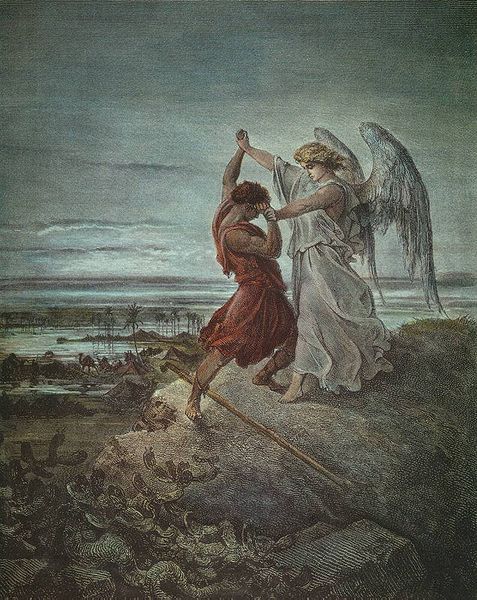
It is not simple, neither in our personal lives nor in the lives of our nation. But turns out, it’s very necessary. Having only one of them, could lead to doom: Abraham, the figure of Kindness, was willing to send one son away and almost sacrifice the other without hesitation (although he asked many questions before agreeing to compromise on Sodom!). Lot, who learned Kindness from Abraham, thought it right to give his daughters to the people of the city, because after all, we’d do anything for the other. Isaac, who embodies the aspect of Judgement, thought that no matter who the right son was, the main thing was that we would go in order and do everything “right.” Jacob is the first not to give up Kindness or Truth. Because for a balanced life one of them is not enough. At the end of the verse, Jacob says, “now I’ve become two camps”. Me, myself, I am the two sides! This is also when he receives a second name, not an alternative one! – Yisrael. That is also where’s there’s a struggle: “Jacob was left alone. And a man wrestled with him until the break of dawn” (Genesis 32:24).
זה לא פשוט, לא בחיינו האישיים ולא בחיי האומה שלנו. אבל מסתבר שזה מאד הכרחי. להחזיק רק אחד מהם, עלול להוביל לאבדון: אברהם, דמות החסד, היה מוכן לשלח בן אחד וכמעט להקריב את השני, בלי שאלות (למרות ששאל הרבה שאלות לפני שהסכים להתפשר על סדום!). לוט שלמד חסד מאברהם, חשב שזה נכון לתת את בנותיו לאנשי העיר, כי אחרי הכל, צריך לעשות “הכל” למען האחר. יצחק שמגלם את מידת הדין והאמת, חשב שלא משנה מי הבן המתאים, העיקר שנלך לפי הסדר ונעשה הכל “נכון”. יעקב הוא הראשון שלא מוותר, לא על החסד ולא על האמת. שאומר, זה לא מספיק כשיש אחד מהם. ברגע שיעקב אומר – “עתה הייתי לשני מחנות”, אני עצמי, בתוכי, אני – שניהם! זהו גם המעמד שהוא מקבל שם נוסף, לא שם חלופי, אלא ממש, עוד שם – ישראל. ושם גם המאבק: “וַיִּוָּתֵ֥ר יַעֲקֹ֖ב לְבַדּ֑וֹ וַיֵּאָבֵ֥ק אִישׁ֙ עִמּ֔וֹ עַ֖ד עֲל֥וֹת הַשָּֽׁחַר” (בראשית לב:24).
It might seem strange but one of the moments that people are closest to when they fight. Even in our own lives, there is no way we will struggle with someone we do not care about. If there is a struggle, there is deep caring and there would be closeness. And just then, this moment, when everyone in his body really, defines himself and the other, finding out where I begin, where the other ends, the head is clear of thoughts, the legs are firm, the hands are joined together … in Hebrew to struggle, and to embrace are almost the same word (lehe’avek & lechabek). Sometimes, it is in the confrontation with another, that a person learns most about himself, just like we see with Jacob here, that he can be and hold both.
זה נשמע מוזר אבל אחד הרגעים שאנשים הם הכי קרובים זה במאבק. כדי להתקרב ככה, צריך להיות ממש אכפת אחד מהשני. ודוקא אז, ברגע הזה, כל אחד בגופו ממש, מגדיר את עצמו ואת השני, איפה אני מתחיל, איפה האחר נגמר, הראש מנוקה ממחשבות, הרגליים איתנות, הידים משולבות זה בזה… בעברית להאבק, ולחבק זו כמעט אותה מילה. ולפעמים, מתוך המפגש עם האחר, האדם דוקא לומד על עצמו, כפי שאנחנו רואים את יעקב כאן, סופסוף מבין שהוא יכול, את שניהם..
******
This week’s daf is so rich, so, just two quotes: one, just because… and the other, continuing the theme of two that are one; and then, also, a song:
הדף השבוע, עשיר במיוחד, אז, רק שני ציטוטים קצרים, אחד, רק כי ככה, והשני, ממשיך את הרעיון של שנים שהם אחד…. ולבסוף, גם שיר:
…this is what God is saying: Just as the world cannot exist without winds, so too, the world cannot exist without the Jewish people. This interpretation of the verse is based on the claim that the winds never cease.
….The Holy One, Blessed be He, said: I shall not enter Jerusalem above, in heaven, until I enter Jerusalem on earth down below at the time of the redemption, when it will be sacred in your midst. The Gemara asks: And is there such a place as Jerusalem above? The Gemara answers: Yes, as it is written: “Jerusalem built up, a city unified together” (Psalms 122:3). The term unified indicates that there are two cities of Jerusalem, a heavenly one and an earthly one, which are bound together.








 Torah & more... תורה ועוד