Staying together… נשארים עם אחד

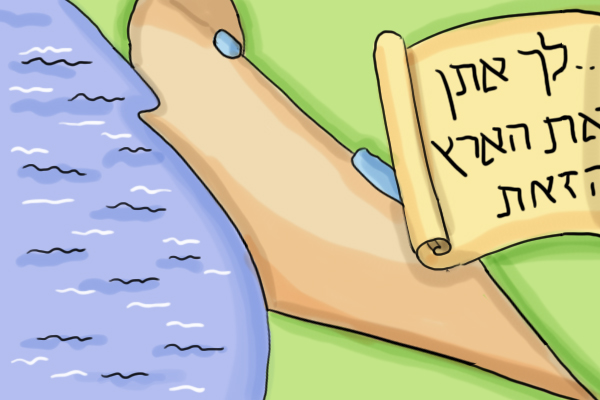
Moses is quite shocked when two tribes approach him, and ask to stay on the other, i.e. eastern side of the Jordan. As we almost reach the end of the Book of Numbers (chap 32) and the end of the journey, we find that some of us don’t necessarily want to go into The Land. The two tribes explain that they “own cattle in very great numbers” and behold, this area is a “region suitable for cattle”.

משה די המום כששני שבטים ניגשים אליו, ומבקשים להישאר בצד השני, כלומר המזרחי של הירדן. כשאנחנו כמעט מגיעים לסוף ספר במדבר (פרק 32) ולסיום המסע, אנו מגלים שחלקנו לא בהכרח רוצים להיכנס לארץ. שני השבטים מסבירים כי ” הָאָ֗רֶץ אֲשֶׁ֨ר הִכָּ֤ה ה’ לִפְנֵי֙ עֲדַ֣ת יִשְׂרָאֵ֔ל אֶ֥רֶץ מִקְנֶ֖ה הִ֑וא וְלַֽעֲבָדֶ֖יךָ מִקְנֶֽה”, כלומר, הם מחזיקים צאן ובקר בכמות גדולה מאוד, והנה לפניהם, אזור שמתאים לצרכיהם.

At first, Moses is dismayed: how can they even suggest not to go into the Land itself? After everything the People have been through?! What, are they “too” like the Spies, who caused the people to a delay of 40 years because of their hesitation exactly about this topic?! Moses asks bewildered: “Are your brothers to go to war while you stay here…. And now, you – תרבות אנשים חטאים – a breed of sinful men, have replaced your fathers to add still further to Hashem’s wrath against Israel”?

בהתחלה, משה נחרד: איך הם בכלל יכולים להציע לא ללכת לארץ עצמה? אחרי כל מה שהעם עבר ?! מה, האם “גם” הם יהיו כמו המרגלים, שגרמו לאנשים לעיכוב של 40 שנה בגלל היסוסם בדיוק בנושא זה ?! משה שואל מבולבל: ” הַאַֽחֵיכֶ֗ם יָבֹ֙אוּ֙ לַמִּלְחָמָ֔ה וְאַתֶּ֖ם תֵּ֥שְׁבוּ פֹֽה?? …. וְהִנֵּ֣ה קַמְתֶּ֗ם תַּ֚חַת אֲבֹ֣תֵיכֶ֔ם תַּרְבּ֖וּת אֲנָשִׁ֣ים חַטָּאִ֑ים לִסְפּ֣וֹת ע֗וֹד עַ֛ל חֲר֥וֹן אַף־ה’ אֶל־יִשְׂרָאֵֽל!!”

Moses here is worried, but interestingly, not because of the present or future, which he doesn’t quite know, but because of the past. He hasn’t shaken the trauma caused to him by the Spies; those leaders of great respect, whom he – possibly – sent – and came back with the evil report on The Land, causing a whole generation (of men) to die in the desert. And now?? Again?? Moshe shows how events in the past influence our look at the present, rather than separation each event to its own situation. It’s almost impossible not to do that, and yet, at times (not always-), just having awareness can already help reduce the stress and breath…

משה כאן מודאג, אך מעניין, זה לא בגלל ההווה או העתיד, שהוא לא ממש מכיר ויודע, אלא, בגלל העבר. הטראומה שגרמו לו המרגלים, לא עזבה אותו; אותם מנהיגים בעלי כבוד גדול, שאותם הוא – אולי – שלח – וחזרו עם הדיווח המרושע על הארץ שגרם לדור שלם (של גברים) למות במדבר. ועכשיו?? שוב?? משה מראה כיצד אירועים בעבר משפיעים על מבטנו על ההווה, במקום להפריד כל אירוע לעצמו. כמעט בלתי אפשרי שלא לעשות זאת, ובכל זאת, לפעמים (לא תמיד-) עצם המודעות לכך כבר יכולה לעזור להפחית את הלחץ ולנשום…

The tribes’ answer is complex: “we will build here sheepfolds for our flocks and towns for our children”. Moses is now even more alarmed: sheep before children??  What kind of set of priorities do they have?? But they rearrange and further say, “we will hasten as a shock-troops in the van of Israelite until we have established them in their home…. We will not return to our homes until every one of the Israelite is in possession of his portion”….

תשובת השבטים מורכבת: “גִּדְרֹ֥ת צֹ֛אן נִבְנֶ֥ה לְמִקְנֵ֖נוּ פֹּ֑ה וְעָרִ֖ים לְטַפֵּֽנוּ”…. משה נבהל כעת עוד יותר: כבשים לפני ילדים ?? איזה סוג של סדרי עדיפויות יש להם ?? אך הם ממשיכים ואומרים עוד, “וַאֲנַ֜חְנוּ נֵחָלֵ֣ץ חֻשִׁ֗ים לִפְנֵי֙ בְּנֵ֣י יִשְׂרָאֵ֔ל עַ֛ד אֲשֶׁ֥ר אִם־הֲבִֽיאֹנֻ֖ם אֶל־מְקוֹמָ֑ם….. לֹ֥א נָשׁ֖וּב אֶל־בָּתֵּ֑ינוּ עַ֗ד הִתְנַחֵל֙ בְּנֵ֣י יִשְׂרָאֵ֔ל אִ֖ישׁ נַחֲלָתֽוֹ”.

Moses finally agree – does he have a choice? Like the people’s parent he is, sometimes he’s not really “asked” in the most open sense of the word, and all he can do is support with adjustments. This is when he adds half of the tribe of Menashe to Gad & Reuven. Menashe is Joseph’s son, who describes himself as Ivri (Hebrew) even in dire situation in Egypt, and is strongly connected with the Land and the people’s national, united aspirations.

משה מסכים לבסוף – האם יש לו ברירה? כמו ההורה של בני ישראל שהוא, לפעמים הוא לא ממש “נשאל” במובן הכי פתוח של המילה, וכל מה שהוא יכול לעשות זה לתמוך עם התאמות. זה הזמן שהוא מוסיף את מחצית משבט מנשה לגד וראובן. מנשה הוא בנו של יוסף, המתאר את עצמו כ”עברי” אפילו במצב קשה במצרים, וקשור מאוד לארץ ולשאיפות הלאומיות והמאוחדות של העם.

Very interestingly, archeological digs discovered clusters of settlements from the 12th and 13th century BCE (that time!) that share characteristics with settlements in the western side, north of Jerusalem. It’s been estimated that these were the two – and a half tribes!

מעניין מאוד שחפירות ארכיאולוגיות גילו מקבצי יישובים מהמאה ה -12 וה -13 לפני הספירה (אותה תקופה!) החולקים מאפיינים עם יישובים בצד המערבי, צפונית לירושלים. ההערכה היא שמדובר בשניים – וחצי מהשבטים!

Gad and Reuven fulfilled their part of the agreement during Joshua’s days (chapter 22) when they waited 14 years to settle their own region, meanwhile helping the tribes on the west side of the Jordan. But the challenge has remained and we can see it on various levels in our life, whether personal or national level: how do we “stay in touch”  with parts of our people who opt to live far away? How do we care for each other even when we have differences? How different can we be and still be One??

גד וראובן מילאו את חלקם בהסכם בימי יהושע (פרק כב) כאשר הם המתינו 14 שנה כדי ליישב את האזור שלהם, ובינתיים סייעו לשבטים בצד המערבי של הירדן. אבל האתגר נותר בעינו ואנחנו יכולים לראות אותו ברמות שונות בחיינו, בין אם ברמה האישית או הלאומית: כיצד אנו “נשארים בקשר” עם חלקים מהעם שלנו  שבוחר לחיות רחוק? איך אנו דואגים זה לזה גם כשיש בינינו הבדלים? עד כמה אנחנו יכולים להרשות לעצמנו להיות שונים ועדיין להיות אחד ??

Shabbat Shalom ******* שבת שלום 

Two parts of a heart hugging one another Digital Art by Sofia Wrangsjo
Posted in Uncategorized | Leave a comment

Who are you, Serah Bat Asher? – מי את, סרח בת אשר?

Hidden in our Torah portion, Pinchas, in the long list of the second census, is one of the women of the Torah that became a source for many exceptional midrashim. This comes right after the plague when 24000 died, as a result of the mayhem caused by the evil advise of Bilam, the magician:

מוסתרת בפרשת  השבוע שלנו, “פנחס”, ברשימה הארוכה של מפקד האוכלוסין השני, אחת מנשות התורה שהפכה למקור למדרשים רבים יוצאי דופן. זה בא מיד לאחר המגפה, כאשר 24000 מתו, כתוצאה מהמהומה שנגרמה על ידי עצתו המרושעת של בילעם, הקוסם:

וַיְהִ֖י אַחֲרֵ֣י הַמַּגֵּפָ֑ה וַיֹּ֤אמֶר ה’ אֶל־מֹשֶׁ֔ה וְאֶ֧ל אֶלְעָזָ֛ר בֶּן־אַהֲרֹ֥ן הַכֹּהֵ֖ן לֵאמֹֽר׃

When the plague was over, the LORD said to Moses and to Eleazar son of Aaron the priest,

שְׂא֞וּ אֶת־רֹ֣אשׁכׇּל־עֲדַ֣ת בְּנֵי־יִשְׂרָאֵ֗ל מִבֶּ֨ן עֶשְׂרִ֥ים שָׁנָ֛ה וָמַ֖עְלָה לְבֵ֣ית אֲבֹתָ֑ם כׇּל־יֹצֵ֥א צָבָ֖א בְּיִשְׂרָאֵֽל׃

Take a census of the whole Israelite community from the age of twenty years up, by their ancestral houses, all Israelites able to bear arms.”

Looking for “stories” and “meaning”, we often don’t pay attention when the Torah gets into a long list of “beget”s or numbers. We’re not sure what to do with them: is it “real”? how to understand it? What to make of it? And davka there she is, in the middle of the count of the tribes, while mentioning names we’re not always familiar with, it says:

אנחנו בד”כ מחפשים “סיפורים” ו”משמעות “, ולכן לעיתים קרובות לא שמים לב כאשר התורה נכנסת לרשימה ארוכה של “מי הוליד את מי” או מספרים. אנחנו לא בטוחים מה לעשות איתם: האם זה “אמיתי”? איך להבין את זה? מה לעשות מזה? ודוקא שם היא נמצאת, באמצע הספירה של השבטים, בין שמות אחרים שאנחנו לא תמיד אנו מכירים, כתוב:

בְּנֵ֣י אָשֵׁר֮ לְמִשְׁפְּחֹתָם֒ לְיִמְנָ֗ה מִשְׁפַּ֙חַת֙ הַיִּמְנָ֔ה לְיִשְׁוִ֕י מִשְׁפַּ֖חַת הַיִּשְׁוִ֑י לִבְרִיעָ֕ה מִשְׁפַּ֖חַת הַבְּרִיעִֽי׃

Descendants of Asher by their clans: Of Imnah, the clan of the Imnites; of Ishvi, the clan of the Ishvites; of Beriah, the clan of the Beriites.

לִבְנֵ֣י בְרִיעָ֔ה לְחֶ֕בֶר מִשְׁפַּ֖חַת הַֽחֶבְרִ֑י לְמַ֨לְכִּיאֵ֔ל מִשְׁפַּ֖חַת הַמַּלְכִּיאֵלִֽי׃

Of the descendants of Beriah: Of Heber, the clan of the Heberites; of Malchiel, the clan of the Malchielites.—

וְשֵׁ֥ם בַּת־אָשֵׁ֖ר שָֽׂרַח׃

The name of Asher’s daughter was Serah.—

אֵ֛לֶּה מִשְׁפְּחֹ֥ת בְּנֵי־אָשֵׁ֖ר לִפְקֻדֵיהֶ֑ם שְׁלֹשָׁ֧ה וַחֲמִשִּׁ֛ים אֶ֖לֶף וְאַרְבַּ֥ע מֵאֽוֹת׃      

These are the clans of Asher’s descendants; persons enrolled: 53,400.

According to the text, the tribe of Asher grew since the first census in the beginning of the Book of Numbers (Numbers 1) from 41,500 to 53,300. Serah was not mentioned there but she is mentioned in two other places in the Bible. First, in the count of who went to Egypt, back at the end of Genesis (46:17):

על פי הטקסט, שבט אשר גדל מאז המפקד הראשון בתחילת ספר במדבר (פרק א) מ- 41,500 ל -53,300. סרח (שרח) לא הוזכרה שם אך היא מוזכרת בשני מקומות אחרים במקרא. ראשית, בספירת של מי שירד למצרים, בסוף ספר בראשית (46:17):

וּבְנֵ֣י אָשֵׁ֗ר יִמְנָ֧ה וְיִשְׁוָ֛ה וְיִשְׁוִ֥י וּבְרִיעָ֖ה וְשֶׂ֣רַח אֲחֹתָ֑ם וּבְנֵ֣י בְרִיעָ֔ה חֶ֖בֶר וּמַלְכִּיאֵֽל׃

Asher’s sons: Imnah, Ishvah, Ishvi, and Beriah, and their sister Serah. Beriah’s sons: Heber and Malchiel.

And also, much later, when our history is reviewed in Chronicles I (7:30):

וגם הרבה יותר מאוחר, בדברי הימים, בתוך חזרה על ההסטוריה שלנו:

בְּנֵ֣י אָשֵׁ֗ר יִמְנָ֧ה וְיִשְׁוָ֛ה וְיִשְׁוִ֥י וּבְרִיעָ֖ה וְשֶׂ֥רַח אֲחוֹתָֽם׃

The sons of Asher: Imnah, Ishvah, Ishvi, Beriah, and their sister Serah.

Who are you Search Bat Asher? מי את, סרח בת אשר? *

The Midrash fills in for us, and takes us back to the end of the Book of Genesis (45:26-27). There, Joseph’s brothers came back to the Land of Israel to tell Jacob that Joseph is still alive and is the ruler of Egypt. How would one deliver such news to their still mourning father? If they say it too abruptly, Jacob might have a heartattack (or in the language of the midrash, “his soul might fly away”). What did they do? They told Serah the daughter of Asher, you go and tell him.

המדרש ממלא עבורנו את החסר ולוקח אותנו לסוף ספר בראשית (מה:26). שם אחיו של יוסף חוזרים לארץ ישראל כדי לומר ליעקב שיוסף עדיין חי והוא שליט מצרים. איך מביאים חדשות כאלה לאביהם האבל עדיין על אובדנו של יוסף? אם הם יגידו זאת בפתאומיות, יעקב עלול לקבל התקף לב (או בלשון המדרש, “שמא תפרח נשמתו”). מה עשו? הם אמרו לסרח בת אשר, לכי את ותגידי לו…

She started singing in rhymes some questions while he was in prayer: is Joseph in Egypt alive and well? Does he have two sons, Ephrayim and Menashe pray-tell? Slowly this entered his soul. He then noticed the carriages they came with, which hints at another midrash (the word agala, carriage is close to the word egla, heifer, suggesting that Jacob and Joseph were last learning about egla arufa, a matter described in Deuteronomy 21), and slowly realized the news. This is why the text then says (Genesis 45:27):

היא התחילה לשיר בחרוזים ובשאלות בזמן שהיה בתפילה: ” יוסף במצרים? יולדו לו על ברכים מנשה ואפרים?” לאט לאט המילים נכנסו לנשמתו. לאחר מכן הבחין בעגלות איתן הגיעו, המרמזים על מדרש אחר (המילה עגלה קרובה למילה עגלה (בסגול), דבר המצביע על כך שיעקב ויוסף למדו לאחרונה על עגלה ערופה, דברים 21כ”א) וכן לאט לאט הבין את החדשות. לכן הכתוב אומר בבראשית מה:כז:

וַיְדַבְּר֣וּ אֵלָ֗יו אֵ֣ת כׇּל־דִּבְרֵ֤י יוֹסֵף֙ אֲשֶׁ֣ר דִּבֶּ֣ר אֲלֵהֶ֔ם וַיַּרְא֙ אֶת־הָ֣עֲגָל֔וֹת אֲשֶׁר־שָׁלַ֥ח יוֹסֵ֖ף לָשֵׂ֣את אֹת֑וֹ וַתְּחִ֕י ר֖וּחַ יַעֲקֹ֥ב אֲבִיהֶֽם׃

But when they recounted all that Joseph had said to them, and when he saw the wagons that Joseph had sent to transport him, the spirit of their father Jacob revived.

It’s also told about her that she confirmed that Moses is The leader as she, then as an elder, was given that knowledge by her father (Pirkei D’rabbi Eliezer 48). And, as she was the keeper of secrets from the beginning of their time in Egypt, she’s also the one who shows Moses when the Exodus is about the begin, where is Joseph’s coffin is hidden in the Nile (Tosefta, Sota, 4:7).

כמו כן נאמר עליה כי היא אישרה שמשה הוא “ה”מנהיג כיוון שהיא קיבלה אז את הידע הזה מאביה (פרקי דרבי אליעזר 48). וכפי שהייתה שומרת הסודות מתחילת תקופתם במצרים, היא גם זו שמראה למשה כאשר מגיע זמן יציאת מצרים, היכן מוסתר ארונו של יוסף בנילוס (תוספתא, סוטה, ד, ז: 7 ).

As if that’s not enough, in Samuel I (20:16) we read about a “wise woman”, and the sages say that this too, is Serah Bat Asher, who “just knows” things that are not known to just anyone. And – it’s told about her that she enters “Gan Eden” while still alive, being blessed with exceptional eternal life. And on the other hand, that when Rabbi Yochanan in teaching in Tiberias centuries later about the Splitting of the Sea during the Exodus, she comes and corrects him, because, after all, she was there and she knows. Last but not least, she’s counted among those very few who hold out chain of tradition, from Adam to the Messiah, transmitting who we are onward.

ואם זה לא מספיק, בשמואל א (20:16) אנו קוראים על “אישה חכמה”, וחז”ל אומרים שגם זו, היא סרח בת אשר, ש”פשוט יודעת” דברים שלא ידועים לאף אחד. ועוד – נאמר עליה שהיא נכנסה ל”גן עדן” בעודה בחיים, מבורכת בחיי נצח יוצאי דופן. ומצד שני, שכאשר רבי יוחנן מלמד בטבריה מאות שנים אחר כך על קריעת הים במהלך יציאת מצרים, היא באה ומתקנת אותו, כי הרי היא הייתה שם והיא יודעת. אחרון חביב, היא נחשבת בין אותם מעטים מאוד שמחזיקים את שרשרת המסורת, מאדם ועד המשיח, ומעבירים הלאה את מי שאנחנו לדורות הבאים.

In the end, we supposedly know a lot about her, and yet, are left with more mystery than when we started… is it because she’s a woman? Or in spite of? Is it because many women were consolidated into her character? Or (and…) is it perhaps because the midrash wanted us to be aware of the possibly for mystery among the people around us? Who are you Serah Bat Asher? And maybe less that who you are we learn how to do different things: how to share difficult news, and how to be a bearer of history and wisdom.

בסופו של דבר אנחנו כביכול יודעים הרבה עליה ועדיין, נשאר לנו יותר מסתורין מאשר כשהתחלנו … האם זה בגלל שהיא אישה? או למרות זאת? האם זה בגלל שנשים רבות אוחדו לדמותה? או (ו …) האם זה אולי בגלל שהמדרש רצה שנהיה מודעים למסתורין בקרב האנשים סביבנו? מי את סרח בת אשר? ואולי פחות מהשאלה “מי את”, יותר חשוב שנלמד ממך כיצד לעשות דברים שונים: כיצד לשתף אחר בבשורה קשה, ואיך להיות נושא של היסטוריה וחוכמה.

Shabbat Shalom *** שבת שלום

(pic found online)

Posted in Uncategorized | Leave a comment

The Torah portion of Balak: The Lion King & The (son of the) Bird – פרשת בלק: מלך האריות ו(בן) הציפור

Unlike the other kings around, Balak, the king of Moav, opts for a different tactic against the Children of Israel: no direct physical war, but a war of words. Sounds familiar?? His full name is “Ben Tzipor”, literally son of a bird. In his book, Nahal Kedumim, Rabbi Chayim Yosef David Azulai (1724-1806) notes that in gimatriya, tzipor (bird) is the same as Esau, indicating a different war from what we saw so far.

בניגוד למלכים האחרים בסביבה, בלק, מלך מואב, בוחר בטקטיקה אחרת נגד בני ישראל: לא מלחמה פיזית ישירה, אלא מלחמה במילים. נשמע מוכר?? שמו המלא של בלק הוא “בן ציפור”. בספרו, נחל קדומים, מציין הרב חיים יוסף דוד אזולאי (1724-1806) שהגימטריה של ציפור זהה לעשיו, כלומר, מלחמה שונה לגמרי ממה שראינו עד כה.

In this fantastical story, Balak gets a magician, Bil’am, to curse the people, but as he’s only able to channel what G-d puts in his mouth, words of song, praise and blessing come out. Some are famous, like (Numbers 24:5):

בסיפור הפנטסטי הזה, בלק לוקח את הקוסם, בלעם, לקלל את העם, אך מכיוון שהוא מסוגל לתעל רק את מה שאלוקים מכניס לפיו, יוצאים לו דברי שיר, שבח וברכה. חלקם מפורסמים כמו (במדבר :כד:5)

מַה־טֹּ֥בוּ אֹהָלֶ֖יךָ יַעֲקֹ֑ב מִשְׁכְּנֹתֶ֖יךָ יִשְׂרָאֵֽל׃

ma tovu ohalecha Ya’akov! How fair are your tents, O Jacob, Your dwellings, O Israel!

Or this beautiful imagery (23:9-10):

כִּֽי־מֵרֹ֤אשׁ צֻרִים֙ אֶרְאֶ֔נּוּ וּמִגְּבָע֖וֹת אֲשׁוּרֶ֑נּוּ הֶן־עָם֙ לְבָדָ֣ד יִשְׁכֹּ֔ן וּבַגּוֹיִ֖ם לֹ֥א יִתְחַשָּֽׁב׃

As I see them from the mountain tops, Gaze on them from the heights, There is a people that dwells apart, Not reckoned among the nations,

מִ֤י מָנָה֙ עֲפַ֣ר יַעֲקֹ֔ב וּמִסְפָּ֖ר אֶת־רֹ֣בַע יִשְׂרָאֵ֑ל תָּמֹ֤ת נַפְשִׁי֙ מ֣וֹת יְשָׁרִ֔ים וּתְהִ֥י אַחֲרִיתִ֖י כָּמֹֽהוּ׃

Who can count the dust of Jacob, Number the dust-cloud of Israel? May I die the death of the upright, May my fate be like theirs!

Or this (24:9):

כָּרַ֨ע שָׁכַ֧ב כַּאֲרִ֛י וּכְלָבִ֖יא מִ֣י יְקִימֶ֑נּוּ מְבָרְכֶ֣יךָ בָר֔וּךְ וְאֹרְרֶ֖יךָ אָרֽוּר׃

They crouch, they lie down like a lion, Like the king of beasts; who dare rouse them? Blessed are they who bless you, Accursed they who curse you!

Sometimes we get to see ourselves through the words of another, for good or – bad. We’re most lucky if that can be done with love, appreciation and support; and we’re very lucky if we can receive it, which is it’s own challenge. I just had this kind of experience, when our group completed its chaplaincy (theory) training with a circle of blessing to each other. You literally have to brace yourself to hear the good words!! How we got used to hearing criticism and not so with compliments…

לפעמים אנו זוכים לראות את עצמנו דרך מילותיו של מישהו אחר, לטובה או לרעה. אנו הכי ברי המזל אם ניתן לעשות זאת באהבה, הערכה ותמיכה; וצריך גם מזל אם נוכל לקבל את זה, וזה האתגר של עצמנו. לא מזמן חוויתי חוויה מסוג זה, כאשר הקבוצה שלנו סיימה את חלק התאוריה בהכשרה לליוווי הרוחני במעגל של ברכות זה לזה. אתה ממש צריך להחזיק את עצמך כדי לשמוע את המילים הטובות !! איך זה שהתרגלנו לשמוע ביקורת ואנחנו מתקשים במחמאות …

Bil’am tells us that we are like a lion. Strong. Royal. With no one who would dare disturb us. The kingship would be one of plenty, calm and satisfaction. Blessings would be bestowed on all… We read this and listen to the news and wonder…. At times we seem to ourselves more like a jittery cat, running all over the place, trying to hop at this and that, unsure what’s to come of us… and that too has truth to it: we don’t yet know – and often forget and miss – who we are but those endowed with Divine hindsight can see: A regal, peaceful Lion. May we merit to know – and lovingly grow fully into – who we are, as individual and as a People.

בלעם אומר לנו שאנחנו כמו אריה. חָזָק. מלכותי. בלי אף אחד שיעז להפריע לנו. המלכות שלנו תהיה שפע של רוגע וסיפוק. ברכה תוענק לכל … אנו קוראים זאת ומקשיבים לחדשות ותוהים … לעיתים אנו נראים לעצמנו יותר כמו חתול עצבני, שרץ בכל מקום, מנסה לקפוץ לכאן ולכאן, לא בטוח מה יצא מאיתנו … וגם בזה יש אמת: אנחנו עדיין לא יודעים – ולעתים קרובות שוכחים וחסרים לדעת מי אנחנו אבל מי שניחן בתובנות אלוהיות יכול לראות: אריה מלכותי ושלו. הלואי שנזכה להכיר – ולגדול באהבה באופן מלא – למי שאנחנו, כפרטים וכעם.

Shabbat Shalom – שבת שלום

Posted in Uncategorized | Leave a comment

Incomprehensible Love (Chukat) – ואת (א)והב בסופה…

How do we cope with the unknown?

I remember my first days in chaplaincy training in NYC. We asked our supervisor soooo many questions! At some point he said, “Enough”! and added, “questions are a sign of anxiety”. ‘What?!’ I wanted to jump, ‘what do you mean anxiety? How can you say that? This is how our people deal with life, with questions! Are you calling us anxious???’….

איך אנחנו מתמודדים עם הלא נודע?

אני זוכרת את הימים הראשונים שלי בליווי הרוחני בניו יורק. שאלנו את המנחה שלנו כל כך הרבה שאלות! בשלב מסוים הוא אמר, “די”! והוסיף, “שאלות הן סימפטום של חרדה”. ‘מה ?!’ רציתי לקפוץ, ‘מה זאת אומרת חרדה? איך אתה יכול להגיד דבר כזה? כך מתמודד העם שלי עם החיים, בשאלות! האם אתה קורא לנו חרדתיים ??? ‘….

The unknown is hard for us, and the Torah and countless books after support our basic need and desire to “know”. Then again, the Torah knows we can’t know it all. No matter what we’ll do, no matter how hard we’ll study and quest, there will be a limit to our understanding. I think that in a way, it even wants to “train” us to know there will be a limit; to challenge us with it. It often avoids easy answers (and difficult ones too). It presents us with topics and issues that will leave us dumbfounded and it smiles at that.

הלא נודע קשה לנו, והתורה ואינספור ספרים אחריה תומכים בצורך הבסיסי וברצון שלנו “לדעת”. אבל מנגד, התורה גם יודעת שאנחנו לא יכולים לדעת הכל. לא משנה מה נעשה, לא משנה כמה קשה נלמד ונחפש, יהיה גבול להבנה שלנו. אני חושבת שבמובן מסוים, היא אפילו רוצה “להכשיר” אותנו לדעת שיש גבול כזה; לאתגר אותנו בהבנה הזו. לעתים קרובות זה היא נמנעת מלתת לנו תשובות קלות (וגם קשות). היא מציגה בפנינו נושאים שישאירו אותנו בלי יכולת לענות, ותחייך אלינו בגלל זה.

Pointing to a verse from Leviticus 18:4 – You shall do My ordinances, and you shall keep My statutes to follow them, I am the Lord your God” – The Talmud in this week’s daf tells us that the verse has two parts: “do My ordinances” and “keep My statutes”. What the difference between doing ordinances and keeping statutes?

במבט על פסוק מתוך ויקרא יח:4 – “אֶת־מִשְׁפָּטַ֧י תַּעֲשׂ֛וּ וְאֶת־חֻקֹּתַ֥י תִּשְׁמְר֖וּ לָלֶ֣כֶת בָּהֶ֑ם אֲנִ֖י ה’ אֱלֹהֵיכֶֽם׃” – התלמוד בדף השבוע מצביע על שני החלקים של הפסוק: “את משפטי תעשו” ו”את חוקותי תשמרו”. מה ההבדל בין לעשות משפטים לבין שמירה על חוקים?

The first are things we can comprehend and “get” why we should or should not do. WE would have likely come up with them by ourselves. These include “matters that, even had they not been written, it would have been logical that they be written. They are the prohibitions against idol worship, prohibited sexual relations, bloodshed, theft, and blessing God, a euphemism for cursing the Name of God”.

הראשון הוא דברים שאנו יכולים להבין ו”להשיג “מדוע עלינו לעשות, או לא. סביר להניח שהיינו מגיעים אליהם לבד. אלה כוללים “דְּבָרִים שֶׁאִלְמָלֵא (לֹא) נִכְתְּבוּ דִּין הוּא שֶׁיִּכָּתְבוּ, וְאֵלּוּ הֵן: עֲבוֹדָה זָרָה, וְגִלּוּי עֲרָיוֹת, וּשְׁפִיכוּת דָּמִים, וְגָזֵל, וּבִרְכַּת הַשֵּׁם”.

The second “is a reference to matters that Satan and the nations of the world challenge because the reason for these mitzvot are not known. They are: The prohibitions against eating pork; wearing garments that are made from diverse kinds of material, i.e., wool and linen; performing the ḥalitza ceremony with a yevama, a widow who must participate in a levirate marriage or ḥalitza; the purification ceremony of the leper; and the scapegoat. And lest you say these have no reason and are meaningless acts, therefore the verse states: “I am the Lord” (Leviticus 18:4), to indicate: I am the Lord, I decreed these statutes and you have no right to doubt them”.

השני “דְּבָרִים שֶׁהַשָּׂטָן מֵשִׁיב עֲלֵיהֶן, וְאֵלּוּ הֵן: אֲכִילַת חֲזִיר, וּלְבִישַׁת שַׁעַטְנֵז, וַחֲלִיצַת יְבָמָה, וְטׇהֳרַת מְצוֹרָע, וְשָׂעִיר הַמִּשְׁתַּלֵּחַ. וְשֶׁמָּא תֹּאמַר מַעֲשֵׂה תוֹהוּ הֵם, תַּלְמוּד לוֹמַר: ״אֲנִי ה׳״, אֲנִי ה׳ חֲקַקְתִּיו, וְאֵין לְךָ רְשׁוּת לְהַרְהֵר בָּהֶן.”

Tosfot Yeshanim (possibly from 800-1000 years ago) writes that in this list should include also the Red Heifer as well, which we read about in this week’s Torah portion, Chukat. Every year we read it; every year we understand less and less; every year I think, good to be reminded we don’t – and can’t – know everything…

התוספות ישנים (בערך מלפני 800-1000 שנה) כותב כי ברשימה זו צריך לכלול גם את הפרה האדומה, עליה אנו קוראים בפרשת השבוע, חוקת. כל שנה אנחנו קוראים את זה; בכל שנה אנחנו מבינים פחות ופחות; כל שנה אני חושבת, טוב להזכיר לנו שאנחנו לא יכולים ולא יודעים – הכל …

This past week, I had the opportunity to visit Mt. Meron and the gravesite of Rabbi Shimon Bar Yochai, where almost two months ago a huge tragedy happened. I wanted to go and see the place for myself; I wanted to “understand”. All around me people likewise looked and checked, probed and asked the same questions over and over again, each one of us thinking, we’ll find “the” answer; we’ll “get it”. I realize, we can’t. This is scary. And uncomfortable. And –– it’s a must. At best, we can walk to the edge of our hearts and mind, and there, gaze into the endless, inaccessible ocean of incomprehensibility, and sigh with relief. We don’t have all the answers. And maybe that’s good for us.  

בשבוע האחרון הזדמן לי לבקר בהר מירון וקברו של רבי שמעון בר יוחאי, שם התרחשה לפני כמעט חודשיים טרגדיה נוראית. רציתי ללכת לראות את המקום בעצמי; רציתי “להבין”. מסביבי אנשים בדקו וחקרו, בחנו ושאלו את אותן השאלות שוב ושוב, כשכל אחד מאיתנו חושב, אנחנו נמצא את התשובה “; אנחנו “נתפוס את זה”. הבנתי שאנחנו לא יכולים. זה מפחיד. ולא נוח. וגם –– זה הכרחי. במקרה הטוב, אנו יכולים ללכת עד קצות ליבנו ונפשנו, ושם, להביט אל האוקיינוס ​​האינסופי, הבלתי נגיש, של חוסר ההבנה, ולהיאנח בהקלה. אין לנו את כל התשובות. ואולי זה טוב בשבילנו.

*******

And just like that, between chapter 19 and 20, almost 40 years have passed, and we come across a seemingly insignificant description of the journey: (Numbers 21:13-14):

From there they set out and encamped beyond the Arnon, that is, in the wilderness…. Therefore the Book of the Wars of the Lord speaks of Vahev in Suphah, and the wadis, the Arnon

וכך, בין פרק 1י”ט ל-כ’, עברו חלפו להם כמעט 40 שנה, ואנחנו נתקלים בתיאור לכאורה חסר משמעות של המסע: (במדבר כא: 13-14): מִשָּׁם֮ נָסָעוּ֒ וַֽיַּחֲנ֗וּ מֵעֵ֤בֶר אַרְנוֹן֙ אֲשֶׁ֣ר בַּמִּדְבָּ֔ר… עַל־כֵּן֙ יֵֽאָמַ֔ר בְּסֵ֖פֶר מִלְחֲמֹ֣ת ה’ אֶת־וָהֵ֣ב בְּסוּפָ֔ה וְאֶת־הַנְּחָלִ֖ים אַרְנֽוֹן ׃

This verse is hard to understand: we don’t know what is the Book of the Wars of Hashem, and what is Vahev in Suphah, which opens up room for the midrash to share a story: When the children of Israel came to Wadi Arnon, they were going to walk through in the wadi, facing “ein-sof” (endless, enormous amount of) people. Above it, were mountains with protruding rocks on one side, and hollow caves on the other. In order to protect the Children of Israel from the enemies all around, G-d hinted at the mountains to come together and become a flat pathway, hiding and guarding the people within.

קשה להבין את הפסוק הזה: איננו יודעים מהו ספר מלחמות ה’, ומהו והב בסופה, וזה פותח מקום למדרש לשתף סיפור. אומר המדרש: כשבני ישראל הגיעו לוואדי ארנון, הם עברו בוואדי, מול אנשים “אין-סוף” (מספר עצום) של אנשים. מעליהם הרים סלעיים וצוקים בולטים מצד אחד, ומערות חלולות מצד שני. על מנת להגן על בני ישראל מפני האויבים מסביב, אלוהים רמז להרים להתכנס ולהפוך לאיזור שטוח, שמסתיר ושומר על העם שבפנים.

Vahev & Supha, those mountains, became therefore symbolic of often contradictory forces that come together: vahev from the same root as ohev, love, and supha – storm, but also related to soph – end. Rashi tells us that they might “look like enemies” but they don’t leave each other until they become lover. Vahev b’shupha should be read as vahev b’sopha. Stormy struggle does not always indicate hatred and negativity. Sometimes it means being engaged in the deepest, most important, most sacred issues of life. Then, there’s also might be love at the end.

“והב בסופה”, ההרים ההם, הפכו לפיכך לסמלים של כוחות סותרים שמתאחדים: והב מאותו שורש של אוהב, אהבה וסופה כשמה, אך קשורה גם לסוף. רש”י אומר לנו שהם ” נראין כאויבים” אבל הם לא עוזבים זה את זה עד שהם הופכים להיות אוהבים. והב בסופה (עם שורוק) יכול להיקרא כמו והב בסופה (עם חולם). מאבק סוער לא תמיד מעיד על שנאה ושליליות. לפעמים זה אומר להיות עסוקים בסוגיות החיים העמוקות והחשובות ביותר. ואז, יתכן שיש גם אהבה בסוף.

שבת שלום Shabbat Shalom

Posted in Uncategorized | Leave a comment

Which party would Korach join?? לאיזה מפלגה ילך קורח??

It’s interesting to read the leadership challenges Moses and the Children of Israel face during their travels in the desert on the backdrop of current Israeli politics. Or perhaps, witness current politics on the backdrop of the current weekly Torah portions… Who is who, in this chain of event? No doubt, and regardless of our opinions, we are witnessing a strange and unusual turn of events, when a leader who won about 5% of the vote, might be sworn in as prime-minister…

מעניין לקרוא את האתגרים המנהיגותיים בהם מתמודדים משה ובני ישראל במהלך מסעותיהם במדבר על רקע הפוליטיקה הישראלית הנוכחית. או אולי, מעניין להיות עדים לפוליטיקה הנוכחית על רקע פרשות השבוע הנוכחיות… מי זה מי, בשרשרת האירועים הזו? אין ספק, וללא קשר לדעותינו, אנו עדים לתפנית אירועים מוזרה ובלתי-שגרתית, כאשר מנהיג שזכה בכ -5% מהקולות, עלול להיות מושבע כראש ממשלה …

I very much want to remain open minded, hopeful and optimistic; aware of the miraculous nature of the State of Israel in particular and our existence in general, while at the same time, also aware of how tenuous it all is, how fragile and fraught with known and unknown dangers…. Which way will all this go?? Where are we?? Are we still in the process of exiting Egypt, confused and bewildered? on the verge of fully entering the Land, or perhaps listening to the Spies and Korach along the way, detoured in the wilderness, unable to go forward nor back?  

אני מאוד רוצה להישאר פתוחה, מלאת תקווה ואופטימית; מודעת לאופייה הניסי של מדינת ישראל בפרט ולקיומנו בכלל, ובו בזמן גם מודעת לכך שהכל כל כך עדין ושברירי, עמוס בסכנות ידועות ובלתי ידועות …. לאן כל זה ילך?? איפה אנחנו?? האם אנחנו עדיין בתהליך היציאה ממצרים, מבולבלים ונבוכים? על סף הכניסה לארץ, או אולי מקשיבים למרגלים ולקורח בדרך, תקועים במעקף במדבר, לא מסוגלים להתקדם ולא לחזור?

During a hike on the Golan Heights, beautiful Israel is everywhere: people are polite, making room on the trail; they help each other with little gestures; share water, even though it’s hot and dry for everyone all around; one guy even gives another a pair of sandals when the latter shoes’ tear. We’re all in this together. We know that, or so we hope.

בטיול ברמת הגולן, ישראל היפה נמצאת בכל מקום: אנשים אדיבים, מפנים מקום בשביל; עוזרים זה לזה במחוות קטנות; מתחלקים במים, למרות שחם ויבש לכולם מסביב; בחור אחד אפילו נותן לאחר זוג סנדלים כאשר הנעליים שלו נקרעות. כולנו יחד בזה. אנו יודעים זאת, או לפחות כך אנו מקווים.

On the hills nearby, the Nature Preserve of Yahudiya Forest, a grove of 66000 dunam (hectares) mostly oaks, dots the yellow background. A few decades ago, it was mostly stubs and broken trunks and chewed up branches. Now the green trees are a sight for sore eyes and heat, shading and decorating the scenery. We can “make the desert bloom”, we know how, but will we let ourselves do what we came here to do? Or will we stand in our path?

על הגבעות הסמוכות, שמורת הטבע של יער יהודיה, חורש של כ-66,000 דונם בעיקר אלונים, מנקדת את הרקע הצהוב. לפני כמה עשורים היו אלה בעיקר גזעים שבורים וענפים לעוסים. עכשיו העצים הירוקים הם מראה נפלא לעיניים ולחום, מצילים ומקשטים את הנוף. אנחנו יכולים “להפריח את השממה”, אנחנו יודעים איך, אבל האם נרשה לעצמנו את מה שבאנו לעשות? או שנעמוד בדרכנו שלנו?

Korach wants “democracy”: “For all the community are holy, all of them, and the LORD is in their midst. Why then do you raise yourselves above the LORD’s congregation?” (Number 16:3). By calling for it, he is challenging the uniqueness – and very basic claim – of the People of Israel, the Land of Israel and our specific leadership. The Torah’s way is distinction: it allocates different roles to different people and places. Not everyone is the “same”; not everything is for everyone. Esau receives a generous portion at Mount Se’ir (south-west Jordan); Jacob – the Land of Israel. The Kohanim (priests) – the duties of Temple worship; the Levites – to support the priests; Israelite – to be the people. Men and women – are the same in many ways and also, different in others, therefore, assigned different roles. Distinctions are everywhere.

קורח רוצה “דמוקרטיה: “כִּ֤י כׇל־הָֽעֵדָה֙ כֻּלָּ֣ם קְדֹשִׁ֔ים וּבְתוֹכָ֖ם ה’ וּמַדּ֥וּעַ תִּֽתְנַשְּׂא֖וּ עַל־קְהַ֥ל ה'” (במדבר טז:3). בקריאה לכך הוא מערער על הייחודיות – והטענה הבסיסית ביותר – של עם ישראל, ארץ ישראל וההנהגה הספציפית שלנו. דרכה של התורה היא הבחנה והבדלה: היא מקצה תפקידים שונים לאנשים ולמקומות שונים. לא כולם “אותו דבר”; לא הכל מתאים לכולם. עשו מקבל את הר שעיר (דרום מערב ירדן); יעקב – את ארץ ישראל. הכוהנים – חובות פולחן במקדש; הלויים – לתמוך בכהנים; ישראל – להיות העם. גברים ונשים – זהים מבחינות רבות וגם, שונים מבחינות אחרות, ולכן הם הוקצו להם תפקידים שונים. ההבחנות קיימות בכל מקום.

But the sharp reaction against Korach might indicate that there’s some truth to his demand. Many generations later, Samuel the prophet who is considered one of Korach’s offspring, offers initially a more democratic leadership style. Turns out, there is a time and place for that too. Here’s to finding the right place and time for this, and that.

אבל התגובה החדה נגד קורח אולי מצביעה על כך שיש אמת מסוימת לדרישתו. דורות רבים לאחר מכן, שמואל הנביא שנחשב לאחד מצאצאי קורח, מציע בתחילה סגנון מנהיגות דמוקרטי יותר. מסתבר, שיש גם לזה זמן ומקום. נקוה שנמצא את המקום והזמן הנכונים לזה וזה.

שבת שלום ** SHABBAT SHALOM

Posted in Uncategorized | Leave a comment

Meeting in the Land – להפגש בארץ

Once a year the High Priest would enter the holy of holies in the Temple, and there, say a prayer for the People of Israel, so we learn in this week’s daf yomi. We might think that he would stay there for a long while; finally! An opportunity to be alone soooo close to the Divine. But, if he stayed there for too long, the people might worry about him, and of all days, this is not the day to concern them with the possibility that something (bad) happened to him. He would utter a short prayer and come out again. What was his prayer? What would we say if we were in this high spot?? Maybe ask that the Messiah come; or, maybe, ask that there will world peace; or, may-be, that everybody will be “nice” and “kind” and “spiritual”… The high priest said just this:

פעם בשנה הכהן הגדול היה נכנס לקודש הקדשים שבבית המקדש, ושם, אומר תפילה לעם ישראל, כך אנו למדים בדף היומי השבוע. היינו יכולים לחשוב שהוא יישאר שם זמן רב; סוף כל סוף! הזדמנות להיות לבד כל כך קרוב קרוב לאלוהים. אבל אם הוא יישאר שם יותר מדי זמן, האנשים עלולים לדאוג לו, ומכל הימים, זה לא היום להפחיד את העם עם האפשרות שמשהו (רע) יקרה לו. לכן, היה משמיע תפילה קצרה ויוצא שוב לעם. מה הייתה תפילתו? מה היינו אומרים אם אנחנו היינו במקום הגבוה הזה?? אולי נבקש שהמשיח יבוא; או, אולי, נבקש שלום עולמי; או, אולי, שכולם יהיו “נחמדים” ו”טובים “ו”רוחניים” … אבל הכהן הגדול רק את המילים הבאות:

“May it be Your will Hashem our G-d and G-d of our forefathers, that this upcoming year will be on us and all your people Israel wherever they are, rainy if it was going to be dry; and let the prayers of the travelers not enter before you regarding the rain, while the rest of the world needs it; and may your people Israel not need each other and no other nation for their sustenance. May it be a year that no one would miscarry, and let the trees of the field bear their produce; and may governance not depart form the tribe of Judah”

“יהי רצון מלפניך ה’ אלוהינו ואלוהי אבותינו. שתהא שנה זו הבאה עלינו ועל כל עמך בית ישראל בכל מקום שהם, אם שחונה גשומה, ואל יכנס לפניך תפלת עוברי דרכים לעניין הגשם בשעה שהעולם צריך לו. ושלא יצטרכו עמך בית ישראל בפרנסה זה לזה ולא לעם אחר. שנה שלא תפיל אשה פרי בטנה. ושיתנו עצי השדה את תנובתם ולא יעדי עביד שלטן מדבית יהודה”[5].

Not one word of “spirituality” but rather, fruits – of the womb and the trees; sustenance and rain at its time. The word for rain, by the way, geshem, is related to fulfilment, hitgashmut. Everything the high priest is asking for, is all for the people to be physically well. The idea is that without physical wellness, we can’t be spiritually well either. And, that we have to come to Hashem through the physical world, not by being close in a spiritual cave.

לא מילה אחת של “רוחניות” אלא, פירות – של הרחם ושל העצים; פרנסה וגשם בזמן. המילה גשם, הלוא קשורה להגשמה והתגשמות. כל מה שהכהן הגדול מבקש, זה שהעם יהיה בריא פיזית. הרעיון הוא שללא בריאות גופנית, אנחנו גם לא יכולים להיות בריאים מבחינה רוחנית. ועוד, שעלינו להגיע לה’ דרך העולם הפיזי, ולא על ידי היותנו תקועים באיזה מערה רוחנית.

All this is somehow connected to this week’s Torah portion, where we encounter the spies and their mixed-up report about the Land which causes the 40-year delay in the desert. When we read it, we think we could have / would have done better, but maybe, we should first try to understand what are they scared of? Yes, I know, giants, walled cities and all. But they are going with G-d! who cares about all this? What they are worried about might be something much deeper. In the Land, they’ll have to be grounded; they will have to work on their relationship with Hashem through being settled on the Land; through growing trees, veggies, through having – or lacking – rain, and all this was beyond what they could do at that point. We who read it now, might want to go easy when criticizing them. Meeting G-d in the most physical parts of our life, is still, quite challenging.

כל זה קשור איכשהו לפרשת השבוע, שבה אנחנו פוגשים במרגלים ובדיווח המבולגן שלהם על הארץ, שגורם לעיכוב של 40 שנה במדבר. כשאנחנו קוראים את זה, אנחנו חושבים שאנחנו, אולי היינו יכולים לעשות טוב יותר, אבל אולי קודם ננסה להבין, מה קרה שם, ממה הם מפחדים? כן, אני יודעת, דובר על ענקים, ערים מוקפות חומה, והכל. אבל הרי הם הולכים עם אלוהים! למי אכפת מכל זה? מה שהם מודאגים ממנו עלול להיות משהו הרבה יותר עמוק. בארץ הם יצטרכו להיות מקורקעים; הם יצטרכו לעבוד על מערכת היחסים שלהם עם אלוהים דרך התיישבות בארץ; דרך גידול עצים, ירקות, דרך הנוכחות או חוסר גשם וכל זה היה מעבר למה שהם יכלו לעשות באותה נקודה. אנחנו, שקוראים עליהם עכשיו, אולי נרצה להקל קצת בבקורת עליהם. האתגר של לפגוש את אלוהים במקומות הכי פיזיים בחיינו, עדין, לא פשוט.

Shabbat Shalom *** שבת שלום

Posted in Uncategorized | 1 Comment

Complaining and dancing and journeying on… מתלוננים ורוקדים וממשיכים במסע… Beha’alotcha – פרשת בהעלותך

Where is the line between complaining and communicating one’s pain? The dictionary defines complaining as “express dissatisfaction or annoyance about something; state that one is suffering from (a pain or other symptom of illness)”, all things that seem “ok” to do, especially in a world of “being open about one’s feelings” and “sharing what’s going on with me”… and yet, “complaining” has a bad rap.

איפה הקו בין להתלונן ולתקשר כאב? במילון מגדירים תלונות כ”ביטוי של אי שביעות רצון או מטרד ממשהו; להגיד שאדם סובל (כאב או תסמין אחר של מחלה) “, הכל הדברים שנראים “בסדר” לעשות, במיוחד בעולם של “להיות פתוחים לגבי רגשות” ו”לשתף מה קורה איתי” … ו ובכל זאת, ל”תלונה” יש שם רע.

In this Torah portion, we encounter the Children of Israel complaining. The scene often evokes a chuckle: look at “them”, “they” are complaining, again, nu, nu, nu… they just got out of Egypt and already… how ungrateful!

בפרשת השבוע הזו, אנו פוגשים את בני ישראל מתלוננים. הסצינה לעיתים קרובות מעוררת צחקוק: ‘תסתכלו “עליהם”,”הם” מתלוננים, נו, נו, נו … הם רק יצאו ממצרים וכבר … כמה חסרי הכרת הטוב’!

But, before we point any fingers at “them”, let’s rethink this: The Book of Numbers has 10 Torah portion; 36 chapters and if I did the math correctly, 1,288 verses. Let’s say that they complained in every verse, every day (which they did not-)… this gives us 42 months i.e. about 3.5 years of complaining once a day… what about the rest of the 36.5 years in the desert?? I can’t help think about us in these situations… How long can we go without complaining?? Oh, if we could cut it down to only once a day! To only 20 times, if that much, in 40 years!

אבל לפני שנצביע “עליהם”, בואו נחשוב על זה מחדש: בספר במדבר יש 10 פרשיות; 36 פרקים ואם עשיתי את המתמטיקה נכון, 1,288 פסוקים. בואו נגיד שהם התלוננו בכל פסוק, בכל יום (מה שהם לא-) … זה נותן לנו 42 חודשים כלומר כ -3.5 שנים של תלונות פעם ביום … מה עם שאר 36.5 השנים במדבר ?? אני לא יכולה שלא לחשוב עלינו במצבים האלה … כמה זמן נוכל ללכת בלי להתלונן ?? אה, הלוואי שנוכל לקצץ את מסת התלונות שלנו לרק פעם אחת ביום! עד 20 פעמים בלבד, אם היו כל כך הרבה, במשך 40 שנה!

I think they complain very little and that when they do, we should not dismiss it, but look at it and try to understand what just happened the moment right before. In this case, the last thing that happens before the complaints are the festive preparations and more celebratory statements for the Beginning of the journey; And then… complaints… !!

אני חושבת שהם מתלוננים מעט מאוד וכי כאשר הם עושים זאת, אנחנו לא צריכים לזלזל בזה, אלא להסתכל ולנסות להבין מה קרה ברגע ממש לפני. במקרה זה, הדבר האחרון לפני התלונות הן כל ההכנות החגיגיות למסע, ואז….

Let’s zoom in a little more and see the flow of the verses (end of chapter 10, beginning of 11):

בואו נראה יותר בפרוטרוט את השתלשלות הפסוקים (סוף פרק 10 ותחילת פרק 11):

וַיִּסְעוּ֙ מֵהַ֣ר ה’ דֶּ֖רֶךְ שְׁלֹ֣שֶׁת יָמִ֑ים וַאֲר֨וֹן בְּרִית־ה’ נֹסֵ֣עַ לִפְנֵיהֶ֗ם דֶּ֚רֶךְ שְׁלֹ֣שֶׁת יָמִ֔ים לָת֥וּר לָהֶ֖ם מְנוּחָֽה׃

And they marched from the mountain of the LORD a distance of three days. The Ark of the Covenant of the LORD traveled in front of them on that three days’ journey to seek out a resting place for them;

וַעֲנַ֧ן ה’ עֲלֵיהֶ֖ם יוֹמָ֑ם בְּנׇסְעָ֖ם מִן־הַֽמַּחֲנֶֽה׃         

and the LORD’s cloud kept above them by day, as they moved on from camp.

׆ וַיְהִ֛י בִּנְסֹ֥עַ הָאָרֹ֖ן וַיֹּ֣אמֶר מֹשֶׁ֑ה קוּמָ֣ה׀ ה’ וְיָפֻ֙צוּ֙ אֹֽיְבֶ֔יךָ וְיָנֻ֥סוּ מְשַׂנְאֶ֖יךָ מִפָּנֶֽיךָ׃

When the Ark was to set out, Moses would say: Advance, O LORD! May Your enemies be scattered, And may Your foes flee before You!

וּבְנֻחֹ֖ה יֹאמַ֑ר שׁוּבָ֣ה ה’ רִֽבְב֖וֹת אַלְפֵ֥י יִשְׂרָאֵֽל׃ ׆ 

And when it halted, he would say: Return, O LORD, You who are Israel’s myriads of thousands!

וַיְהִ֤י הָעָם֙ כְּמִתְאֹ֣נְנִ֔ים רַ֖ע בְּאׇזְנֵ֣י ה’ וַיִּשְׁמַ֤ע ה’ וַיִּ֣חַר אַפּ֔וֹ וַתִּבְעַר־בָּם֙ אֵ֣שׁ ה’ וַתֹּ֖אכַל בִּקְצֵ֥ה הַֽמַּחֲנֶֽה׃

The people took to complaining bitterly before the LORD. The LORD heard and was incensed: a fire of the LORD broke out against them, ravaging the outskirts of the camp.

What on earth happened?! They were three days away from their destination!! Three days! Let’s say, they are feeling bad, there was no meat, and the complaint is real! Can’t we hug our “children”and promise them we’ll make it up in just 3 days with lots of milk and honey, reassure that for now, we have manna, and water, and we’ll be ok?!

מה לכל הרוחות קרה ?! הם היו במרחק שלושה ימים מהיעד!! שלושה ימים! נגיד שהם מרגישים לא הכי, ואין בשר, והתלונה אמיתית! האם אנחנו לא יכולים לחבק את “הילדים” ולהבטיח להם שנשלים את זה בעוד סה”כ 3 ימים עם הרבה חלב ודבש, ולאשר להם שבינתיים יש לנו את המן והמים, ויהיה בסדר?!

But a careful read reveals that they are not complaining about “something”; they are – complaining. Paul Simon said (rather, sang), “you know, the nearer your destination, the more you’re slip slidin’ away”… The Children of Israel are not complaining in spite of how close they are to the Land, but –because of it!!

אך קריאה מדוקדקת מגלה שהם אינם מתלוננים על “משהו”; הם – מתלוננים. פול סיימון אמר (יותר נכון, שר), “אתה יודע, שככל שהיעד שלך קרוב יותר, אתה מחליק יותר” … בניי ישראל לא מתלוננים למרות שהם קרובים לארץ, אלא – בגלל!!

Turns out, there is something more terrifying than failure, and that is… success. Of course, this is usually not conscious and it gets us what we – not knowingly – want, or better, fear. Likewise, the Children of Israel, being so close to achieving their journey’s goal, start doing things that sabotage its full accomplishment, thereby, not yet entering the Land. They hang it on, well, anything, telling Moses they lack this and that, when what they really lack is self-confidence, a conviction; a “raison d’etre”, ingredients without which any journey is impossible. The Midrash tells us on the opening verse here, “And they marched from the mountain of the LORD”… noticing the word “from”, that rather than going “to”, they “ran away like a child running away from school / Torah learning” (Shabbat 116:a).

מסתבר, שיש משהו יותר מפחיד מכישלון, וזה … הצלחה. כמובן, זה בדרך כלל לא מודע, וזה נותן לנו את מה שאנחנו – לא ביודעין – רוצים, או יותר נכון, מפחדים ממנו. כך גם, בני ישראל, כשהם כל כך קרובים להשגת מטרת המסע שלהם, מתחילים לעשות דברים שמחבלים בהישג הגדול שלהם, וכך, עדיין לא נכנסים לארץ. הם תולים את זה ב… ובכן, כל דבר, ואומרים למשה שהם חסרים את זה ואת זה, כאשר מה שחסר להם באמת הוא ביטחון עצמי, אמונה, ו”מניע” מרכיבים שבלעדיהם מסע בלתי אפשרי. המדרש אומר לנו על פסוק הפתיחה כאן, “ויסעו מהר ה'” … שאות היחס “מ” במקום ללכת “אל” שהם זה מרמז “שנסעו מאחרי ה’ כתינוק הבורח ליבטל מדברי תורה”, כלומר, ברחו כמו ילד הבורח מבית הספר (שבת 116: א).

This may sound far, but I could not help thinking of this situation in the desert, in light of the recent events in Israel. We barely recovered from the awful – and as of yet, still unexplained and I dread its explanation – tragedy in Mt. Meron, and we are already dealing with rockets from outside, and an interior war from within on a couple of fronts. And we debate and wonder, what to do, if to do, are we surprised, angry, who’s fault it is and on and on… and I wonder, have we too, forgotten the course of our journey? Do we think that just because there’s high-tech and cherry-tomatoes and sprinklers and high-rises along lovely, red-roofed houses that we’ve almost “made it”? Do we believe that we are in the Land and need to be here, to run away “from”, or do we still have that conviction, the knowledge of why we came here, of all places and not anywhere else, and what we got “to” do?

לא יכולתי שלא לחשוב על המצב הזה במדבר, יחד עם האירועים האחרונים בארץ. בקושי התאוששנו מהטרגדיה האיומה – והעדיין, לא מוסברת שאני חוששת עד מאד מההסבר – בהר מירון, ואנחנו כבר מתמודדים עם רקטות מבחוץ, ומלחמת-פנים מתוך בכמה חזיתות. ואנחנו מתלבטים ותוהים, מה לעשות, אם לעשות, איך אנחנו מרגישים, האם אנחנו מופתעים, כועסים, מי אשם וזה ועוד ועוד … ואני תוהה, האם גם אנחנו שכחנו את מהלך המסע שלנו? האם אנו חושבים שרק בגלל שיש הייטק ועגבניות שרי וממטרות ורבי קומות לצד בתים קטנים עם גגות אדומים שכמעט “הגענו”? האם אנו מאמינים שאנחנו בארץ, וצריכים להיות בארץ, כדי לברוח “מ”, או שעדיין יש בנו את האמונה, הידיעה הזו מה ולמה הגענו דוקא לכאן, ומה יש לנו “לעשות”?

…. After the airport opening, the next best thing about Covid “ending” (or at least being placed into remission) is the return of Israeli dancing. For years, I heard the music, mouthing the words, often with tears in my eyes, dreaming of being back “in the Land”… Now, with each tune, I think of my friends overseas around the circle, and places far away…. Am I too “losing it” now that I’m back here?

… לאחר פתיחת שדה התעופה, הדבר הבא הכי טוב עם סיום הקורונה (או לפחות הרמיסיה שלה) הוא חזרת החוגים לריקודי-עם. במשך שנים שמעתי את המילים, ממלמלת אותן תוך כדי ריקוד, לעיתים קרובות בדמעות בעיני, חולמת לחזור “לארץ”… עכשיו, עם כל מנגינה, אני חושבת על החברים שלי מעבר לים סביב המעגל ומקומות רחוקים… האם גם אני “מאבדת את זה”, עכשיו שאני שוב כאן?

I know you’ll smile but davka Israeli dancing, for me, holds a reminder: the steps mixed from all background, from all corners of the earth – Eastern European, “Oriental” (by that here people mean Mediterranean…), Spanish, Yemenite, and more; and the songs, loudly announcing their unbashful love for Jerusalem, outspoken about the longings for the Land and its scenery, including words from the Torah, Prophets and poetry… maybe it’s just my way of pitching what I love, but maybe what I want to say is that, one way or another and each one according to their path, we need to adjust our compass to continue the journey, so it doesn’t take us 40 years of being lost in the desert again.

אני יודעת שתחייכו, אבל דוקא ריקודי-עם בשבילי, מחזיק תזכורת: הצעדים שמעורבבים מכל הרקעים, מכל קצווי תבל – מזרח אירופה, “מזרחי” (ובזה אנשים כאן מתכוונים לים-תיכוני), ספרדי, תימני ועוד. והשירים, מכריזים בקול רם על אהבתם, חסרת הבושה, לירושלים, מבטאים בלי ניד עפעף געגועים לארץ ונופיה, משלבים מילים מהתורה, הנביאים ומשוררים שונים… אולי זו רק הדרך שלי לספר לכם על משהו שאני אוהבת, אבל אולי גם אני רוצה לומר שכך או אחרת וכל אחד לפי דרכו, עלינו לחזור ולכוונן את המצפן שלנו להמשך המסע, כך שלא יעברו עלינו שוב 40 שנה של ללכת לאיבוד במדבר.

Shabbat Shalom ** שבת שלום

Israeli-Dance | Forest Hills Jewish Center

Posted in Uncategorized | Leave a comment

Here & there, in and out of the camp – כאן ושם, בתוך ומחוץ למחנה

Sunny Wednesday in Haifa. I walk home after hearing some unmistakable “booms”, later to be reported as “nefilot”, literally “falls” and referring to the drop of missiles. I look around, lost in my thoughts, mostly wandering if there are any hiding places nearby, and what if there’s a siren, and why did I put on these shoes I can’t really run very far in (and how far can I run anyway…). My mind is both full and empty, when suddenly someone stops me: hey, is that a Trader Joe’s bag?? I got to take a picture of it! You know, I love being here but every so often I just miss it, you know? And there, for just a moment, this whole week’s events are gone.

יום רביעי שטוף שמש בחיפה. אני הולכת הביתה אחרי ששמעתי כמה “בומים” שלא ניתן לטעות בהם, שאח”כ דווחו כ”נפילות “, כאילו לא מדובר בטילים. אני מסתכלת סביב, אבודה במחשבותי, חושבת אם יש מקומות מסתור בקרבת מקום, ומה אם תהיה צפירה ולמה לעזאזל נעלתי את הנעליים האלה שאני לא באמת יכולה לרוץ בהן (וכמה רחוק אני יכולה לרוץ בכל מקרה…). המוח שלי מלא וריק, כשלפתע מישהו עוצר אותי: ‘היי, זה תיק של טריידר-ג’וס?? אני חייב לצלם את זה! את יודעת, אני אוהב להיות כאן, אבל כל כמה זמן אני פשוט מתגעגע, לשם, את יודעת’? וככה, לרגע אחד, כל אירועי השבוע הזה נעלמו.

*******

176 – is the number of the verses in this week’s portion, Naso, the longest in the Torah, same as the longest Psalm (chapter 119) and as the longest tractate in the Talmud (Bava Batra with 176 dapim, pages), connecting the different parts of our Torahs. Why so long? Some suggest that this Torah reading, usually closest to Shavuot, and the Giving of the Torah, from either side of the holiday (before or after), so detailed and flowing with information, is like being near a fountainhead, with fresh water gushing all around.

What is said in these 176 verses?

176 – זה מספר הפסוקים בפרשת השבוע, נשא, הארוכה ביותר בתורה, כמו גם פרק התהילים הארוך ביותר (פרק קי”ט) וכמסכת הארוכה ביותר בתלמוד (בבא בתרא עם 176 דפים), מקשרים בין החלקים השונים של תורתנו. למה כל כך ארוך? יש המציעים שקריאת התורה הזו, הקרובה בדרך כלל לחג השבועות ומתן התורה, משני צידי החג (לפני או אחרי) כל כך מפורטת ומלאת מידע, היא כמו להיות ליד ראש המעין, עם מים מתוקים ששוצפים לכל עבר סביב. מה נאמר ב -176 הפסוקים הללו?

Lots of obscure topics, and I’ll take just one and not the most popular… In the opening of chapter 5 it says:

הרבה נושאים לא ברורים, ואני אקח רק אחד ולא הכי פופולרי … בפתיח של פרק ה’ כתוב:

צַ֚ו אֶת־בְּנֵ֣י יִשְׂרָאֵ֔ל וִֽישַׁלְּחוּ֙ מִן־הַֽמַּחֲנֶ֔ה כׇּל־צָר֖וּעַ וְכׇל־זָ֑ב וְכֹ֖ל טָמֵ֥א לָנָֽפֶשׁ׃

Instruct the Israelites to remove from camp anyone who’s tzaru’a and one who has a discharge and anyone defiled by a corpse.

מִזָּכָ֤ר עַד־נְקֵבָה֙ תְּשַׁלֵּ֔חוּ אֶל־מִח֥וּץ לַֽמַּחֲנֶ֖ה תְּשַׁלְּח֑וּם וְלֹ֤א יְטַמְּאוּ֙ אֶת־מַ֣חֲנֵיהֶ֔ם אֲשֶׁ֥ר אֲנִ֖י שֹׁכֵ֥ן בְּתוֹכָֽם׃

Remove male and female alike; put them outside the camp so that they do not defile the camp of those in whose midst I dwell.

וַיַּֽעֲשׂוּ־כֵן֙ בְּנֵ֣י יִשְׂרָאֵ֔ל וַיְשַׁלְּח֣וּ אוֹתָ֔ם אֶל־מִח֖וּץ לַֽמַּחֲנֶ֑ה כַּאֲשֶׁ֨ר דִּבֶּ֤ר יְהֹוָה֙ אֶל־מֹשֶׁ֔ה כֵּ֥ן עָשׂ֖וּ בְּנֵ֥י יִשְׂרָאֵֽל׃

 The Israelites did so, putting them outside the camp; as the LORD had spoken to Moses, so the Israelites did.

According to Rashi, who learns it from the Talmud, there were 3 camps, in this order from inside out: shechina camp – hovering presence of the Divine; Levia camp, around the Tabernacle, the Levites area; and the Israelites camp, the most outer one, which in itself was divided into 4 areas (north, east, south and west) and in each, were 3 of the tribes.

לדברי רש”י, שלומד את זה מהתלמוד, היו 3 מחנות בסדר זה מבפנים החוצה: מחנה שכינה – הכי פנימי של הנוכחות האלוהית; מחנה לויה, סביב המשכן, אזור הלויים, ולבסוף, מחנה בני ישראל, החיצוני ביותר, אשר כשלעצמו חולק ל -4 אזורים (צפון, מזרח, דרום ומערב) ובכל אחד מהם היו 3 מהשבטים.

From the list above, the tzaru’a, afflicted with tzara’at, the sort of Torah-leprocy, is sent the farthest out, outside of all three camps; the one with the discharge, only outside the Levite’s camp, and last, but not least, the one who is defiled by a corps is sent just outside the shechina camp. Why in this order? We might think that being defiled by contact with a dead body is the worst, but here, the “correction”, rather than punishment, is based on the level of responsibility a person has regarding what happens to him. The person who comes in contact with a dead body has the least responsibility – death has entered the world with Adam and Hava and we have to deal with it; the one who has a discharge contents with a complex responsibility: how much is it “on us” when we’re sick? It’s complicated… And the tzaru’a, the one who is infclited by some strange skin disease due to his wrong use of speech and hard to his fellow human, he has the most responsibility and gets the most serious “time-out” to rethink his actions.

מתוך הרשימה הזו, הצרוע, מעין מחלת עור תורנית, נשלח הכי רחוק, מחוץ לכל שלושת המחנות; הזב, רק מחוץ למחנה של הלוי, ואחרון אחרון, מי שנטמא בטומאת מת נשלח רק ממש מחוץ למחנה השכינה. מדוע בסדר זה? אנו עלולים לחשוב שהטומאה במגע עם גופה היא הגרועה ביותר, אך כאן, “התיקון”, וזה לא עונש! מבוסס על רמת האחריות שיש לאדם לגבי מה שקורה לו. לאדם שבא במגע עם גופה יש את האחריות הכי קטנה – המוות הגיע לעולם עם אדם וחוה וכולנו צריכים להתמודד עם זה; לזב יש אחריות מורכבת: עד כמה זה “עלינו” כשאנחנו חולים? זה מסובך … והצרוע, זה שעורו נפגם בגלל שימוש לא נכון ביכולת הדיבור ובגלל שלא היה טוב לחברו, הוא האחראי הגדול ביותר ומקבל את “פסק הזמן” החמור ביותר לחשוב מחדש על מעשיו.

The Book of Numbers is about problem solving, between us and ourselves, and each other and the society around us, later also the Land of Israel and the nations of the world. But we start local: between me and my G-d; me and myself; me and those around. In that sense, the Torah always hands us back to ball; every hand with a finger pointing out, has at least 3 looking back, pointing back at us. We want “them” to be different do different, be better, do better. But at the end of the day we have to no choice, but to start with ourselves.

ספר במדבר עוסק בפתרון בעיות, בינינו לבין עצמנו, בינינו לאחר, והחברה סביבנו, בהמשך גם ארץ ישראל ואומות העולם. אבל אנחנו מתחילים קרוב לעצמו: ביני לבין האלוהים שלי; אני ועצמי; אני והסובבים. במובן זה, התורה תמיד מחזירה לנו את הכדור; ביד עם אצבע שמצביעה הלאה, יש לפחות 3 אצבעות שמצביעות לאחור. אנו רוצים ש”הם” יהיו שונים, ש”הם, יעשו דברים אחרת, יהיו טובים יותר, יעשו טוב יותר. אבל אין לנו ברירה, אלא להתחיל עם עצמנו.

שבת שלום   Shabbat Shalom 

Posted in Uncategorized | Leave a comment

Entering the desert with Bamidbar… לצאת למדבר…

In an unusual effort to be proactive, I started writing this piece earlier, on the morning of Jerusalem Day. I didn’t finish in time before heading out to my day’s activities. ‘It’s ok’, I thought, ‘I’m in a good place and will complete it in the evening’. But by that evening, everything has changed. And now it’s Friday morning.

במאמץ יוצא דופן להיות פרואקטיבית, התחלתי לכתוב את הבלוג שלי מוקדם יותר השבוע, בבוקר יום ירושלים. לא סיימתי בזמן לפני שיצאתי ליום שלי. ‘זה בסדר’, חשבתי, ‘אני במקום טוב ואשלים אותו בערב’. אבל עד אותו הערב הכל השתנה. ועכשיו יום שישי בבוקר.

At the store, the bakery clerk hands me my challah with a semi-smile; She’s Arab, as is the cashier, responding to my greeting for a peaceful weekend with “to you too”. We live here together. There are areas in this city where the Jewish residents are advised to stay home after attacks on stores, buses and passersby by Arab mob; cars were torched. A Jewish journalist, attacked while reporting from a riot in downtown, is rescued by an Arab who tells her, ‘don’t let anyone hear you speak Hebrew’. In Lod, a 32-year-old man walks home from shul, his wife following him from their kitchen window, seeing him being stabbed by a mob; she calls the police who tell her they feel unsafe to get into that specific area. A young Jewish family with three children is attacked while driving on a main road in the south; stones rain on them, fire is thrown at them. Two Bedouins jump in, “like angels”, and take them to safety… the stories go on and on, and they are not sorted out: A Jewish family is saved by an Arab in the north; synagogues are burned; sirens wail through the air in a wide belt around the Gaza Strip, all the way to Tel Aviv, sending people to shelters or elsewhere in the country; while here, about 100km north, people wait in line at the grocery store, asking the Arab clerk to help them find food for Shabbat and Chag…

בסופר, זו מאחורי הדלפק במאפייה מגישה לי את החלה שלי בחצי חיוך. היא ערביה, כמו גם הקופאית, שמגיבה לברכה שלי לסוף שבוע שליו עם “גם לכם”. אנחנו גרים כאן ביחד. ישנם אזורים בעיר הזו בהם מומלץ לתושבים היהודים להישאר בבית לאחר התקפות על חנויות, אוטובוסים ועוברי אורח על ידי קבוצות ערבים; מכוניות נשרפו. עיתונאית יהודייה, שהותקפה תוך כדי דיווח על מהומה בעיר התחתית, נחלצת בקושי על ידי ערבי שאומר לה, ‘אל תתני לאף אחד לשמוע אותך מדברת עברית’. בלוד, גבר בן 32 הולך הביתה מבית הכנסת, אשתו משקיפה אחריו מחלון המטבח שלהם, רואה אותו נדקר על ידי אספסוף; היא מתקשרת למשטרה שאומרת לה שהם מרגישים לא בטוחים להיכנס לאזור הספציפי הזה. משפחה יהודית צעירה עם שלושה ילדים מותקפת תוך כדי נסיעה בכביש ראשי בדרום; מטח אבנים יורד עליהם, אש נזרקת לעברם. שני בדואים קופצים לתוך ההתרחשות הנוראית “כמו מלאכים”, ולוקחים אותם למקום מבטחים … הסיפורים נמשכים ונמשכים, והם לא מסודרים: משפחה יהודית ניצלת על ידי ערבי בצפון; בתי כנסת נשרפים; סירנות מייללות באוויר בחגורה רחבה סביב רצועת עזה, עד לתל אביב, ושולחות אנשים למקלטים או למקומות אחרים בארץ; בעוד שכאן כ -100 ק”מ צפונה, אנשים ממתינים בתור במכולת ומבקשים מהעובד הערבי לעזור להם למצוא אוכל לשבת וחג …

We live here together and haven’t quite yet figured out how.

אנחנו חיים כאן ביחד ועדיין לא ממש יודעים איך.

It’s a special week in the Jewish calendar, the last week of the Omer, which opens with Jerusalem Day. For some, as one police officer said on the radio earlier this week, Jerusalem Day is a random date, commemorating a relatively recent event: The 1967 Six Day War took place around these Hebrew dates and the Knesset decided to make ‘one of these days’ the day we commemorate the reunification of Jerusalem, no longer divided by barbwire and foreign forces. So it just happened to be the 28th of Iyar.

זהו שבוע מיוחד בלוח השנה היהודי, השבוע האחרון של העומר, שנפתח עם יום ירושלים. עבור חלק, כפי שאמר קצין משטרה ברדיו בתחילת השבוע, יום ירושלים הוא תאריך אקראי, המנציח אירוע שקרה לאחרונה: מלחמת ששת הימים ב -1967 התרחשה סביב התאריכים העבריים האלה והכנסת החליטה להפוך לאחד מהימים האלה ליום בו אנו מציינים את האיחוד המחודש של ירושלים, לא עוד מחולקת ע”י גדרות תיל וכוחות זרים. יצא שזה היה כ”ח באייר.

But, Jewish history is not a happenstance. It’s a continued conversation with the holy One. And so it turns out that the 28th of Iyar – the 43rd day of the Omer, is not just “any old day”. The Kabbalist taught that these 49 days between Passover and Shavuot are made of 7 weeks, each week ushering a different “sefira”, a different Kabalistic level. Then, each day, qualifies itself with a specific energy during that week. It just so happened to be, by sheer coincidence, that Yom Yerushalayim is the first day in the 7th week, making it a day of Chesed (kindness) in Malchut (kingship).

אבל, ההיסטוריה היהודית איננה מקרה. זו שיחה מתמשכת עם הקדוש ברוך הוא. וכך יוצא שכ”ח באייר – היום ה -43 של העומר, אינו “סתם יום”. המקובלים לימדו ש- 49 הימים הללו בין פסח לשבועות הם שבעה שבועות, ובכל שבוע מובילה “ספירה” אחרת, רמה קבליסטית אחרת. ובתוך בכל שבוע, לכל יום יש אנרגיה ספציפית שצבועה באנרגיה של אותו שבוע. יוצא אם כך, “במקרה”, שיום ירושלים הוא היום הראשון בשבוע השביעי, מה שהופך אותו ליום חסד במלכות.

It’s told of Rav Kook who purposefully chose to make aliya to Israel on this day, in 1904, long before a “Six Day War” was imaginable, because, based on even earlier sources, he knew that this is a super special day in our relationship to the Land. The Gaon from Vilna likewise (1720-1797) taught his students that there are “two power days during the Omer for us as a People: the 20th of the Omer”, which centuries later – also “coincidentally” – became better known as the 5th of Iyar, Israel Independence Day, and the 43rd day of the Omer, what later turned out to be, again, by “coincidence” of historical events, Yom Yerushalayim. The students opted to use these days to build new neighborhoods and institutions in Jerusalem, because they felt the Divine blessing rests especially on these days, for this place.

מסופר על הרב קוק שבחר בכוונה לעלות לישראל ביום זה, כ”ח באייר, בשנת 1904, הרבה לפני שניתן היה להעלות על הדעת שתהיה “מלחמת ששת הימים”, משום שהוא, שסמך על מקורות קודמים עוד יותר, ידע שזה יום מיוחד ביותר אצלנו בקשר ליחסים שלנו לארץ. הגאון מווילנה גם כן (1720-1797) לימד את תלמידיו כי ישנם “שני ימים חזקים בזמן ספירת העומר עבורנו כעם: ה-20 בעומר, שכעבור מאות שנים – גם “במקרה” – נודע יותר כה’ באייר, יום העצמאות של ישראל, והיום ה-43 של העומר, מה שהתברר לימים, שוב, על ידי “צירוף מקרים” של אירועים היסטוריים, כיום ירושלים. התלמידים שלו בחרו להשתמש בימים אלה לבניית שכונות ומוסדות חדשים בירושלים, מכיוון שהם הרגישו שהברכה האלוהית נחה במיוחד בימים אלה, על המקום הזה.

How do we even dare speak on these things now? Kindness? Kingship? Look around!!

And yet.

איך בכלל נעז לדבר על הדברים האלה עכשיו? חסד? מַלְכוּת? תסתכלי מסביב !!

ועדיין.

This week’s Torah portion, the one always to be read before Shavuot, is Bamidbar. It – tediously – describes the census, counting each and every person in each and every tribe. Rashi says that counting is an expression of love, of care and attention. The verb used for counting is se’u, lift up, rather than the obvious “number” or “count”. The count, interestingly, needs to be an uplifting event where each and every one needs to feel important. But – no kingdom can be constructed of a group of “important individuals”. The Kingdom, our kingdom, will have to balance it all: the individual, the community, and the presence of Divine within it. Like one of my patients said to me, we often get 2 out of 3 but rarely 3/3. He was talking about money, energy, and time, saying that some have time and money but no energy; or – energy and money but no time… etc etc. Similarly, here, balancing all these three elements is no simple fate. We can’t expect it to just go smoothly and fall into place without any effort.

פרשת השבוע זו שתקרא תמיד לפני חג השבועות, היא במדבר, ומתארת – בפרטים מייגעים – את מפקד האוכלוסין, מונה כל אדם ואדם בכל שבט ושבט. רש”י אומר שספירה היא ביטוי של אהבה, של אכפתיות ותשומת לב. הפועל המשמש לספירה הוא “שאו”, מלשון לשאת, להרים, ולא מה שיכל להיות צפוי – ספור, מנה. הספירה, באופן מעניין, צריכה להיות אירוע מרומם בו כל אחד ואחד צריך להרגיש חשוב. אבל – לא ניתן לבנות שום ממלכה מקבוצה של “אנשים חשובים”. הממלכה, הממלכה שלנו, תצטרך לאזן את כל זה: הפרט, הקהילה והנוכחות האלוהית בתוכה. כמו שאמר לי אחד המטופלים שלי, לעתים קרובות אנו מקבלים 2 מתוך 3 אך רק לעיתים נדירות 3/3. הוא דיבר על כסף, אנרגיה וזמן, ואמר שלפעמים יש לנו זמן וכסף אך אין אנרגיה; או – אנרגיה וכסף אך אין זמן … וכו ‘וכו’. באופן דומה, כאן, איזון בין שלושת היסודות הללו אינו דבר פשוט. אנחנו לא יכולים לצפות שזה פשוט ילך בצורה חלקה וייפול למקום ללא כל מאמץ.

I look out my window. I hurt for all the pain and still believe we live in miraculous times. I know what it says in the Talmud, that the one to whom a miracle happens does not (usually) recognize the miracle (Nidda 30:a). I feel that likewise, we are not aware of where we are in our own history and what’s the meaning of our own whereabouts, but that does not mean it does not continue to happen all around us right as we speak.

אני מסתכלת מבעד החלון שלי. כואב לי על כל הכאב ועדיין אני מאמינה שאנחנו חיים בתקופה מופלאה. אני יודעת מה כתוב בתלמוד, ש”אין בעל הנס מכיר בניסו” (נידה 30: א). אני מרגישה שכך גם אנחנו, לא לגמרי מודעים לאיפה אנחנו נמצאים בהיסטוריה שלנו ומה המשמעות של מקום הימצאותנו, אך אין זה אומר שהיא לא ממשיכה לקרות סביבנו ממש בזמן שאנחנו מדברים.

So here we are.  וכך הגענו לכאן

We don’t quite yet know how to make this puzzle; the picture on the cover faded and is unclear. We’re arguing over what to put where and how. It’s all super challenging. But we’re not about to give up.

אנחנו עוד לא לגמרי יודעים איך לבנות את הפאזל הזה; התמונה על הכריכה דהויה ולא ברורה. אנחנו מתווכחים מה לשים איפה ואיך. הכל מאד מאתגר. אבל אנחנו לא עומדים לוותר

Here’s to a Shabbat Shalom & Chag Sahvuot Same’ach! ב”ה, שתהיה לנו שבת שלום וחג שבועות שמח!

Posted in Uncategorized | Leave a comment

Another Mountain (Be’har -Bechukotai)

I haven’t seen him since I left Brooklyn, almost two years ago: “let’s walk and talk, and you can tell me what’s been going on with you; you can begin wherever you want…”, I said excitedly. “Ok, then”… he started slowly, cautiously, checking me, as if estimating whether I can take what’s about to come, “I’ll start from having been in Mt. Meron last week”. “Wait, what?” I said, stopping in my tracks, staring at him, his face slowly revealing the horror, “in that case, let’s sit”.

This’s week’s Torah portion, Be’har (the first of the two read on this Shabbat), literally means “in the mountain” and refers to Mt. Sinai. But I can’t stop thinking of another “har”, the mountain that saw an unusual, uncalled for tragedy, Mt. Meron.

The Torah portion speaks of the Shmita, the Land’s sabbatical year, and Rashi asks his famous question: what does Shmita have to do with Mt. Sinai? Weren’t all mitzvot given at Sinai? Rather to remind us that, if this one, which is most removed from Sinai was given there, likewise all mitzvot are from Sinai. The Or Hachayim adds that this speaks to our connection with the Land; that it’s not because we “ended up” here by chance, lost in the desert with nowhere to go, but because this is where our whole journey leads to; to “The” only place where we can live our life fully and be who we are. Mostly, it speaks to our interconnectedness, with each other, with the Land, with this strange, unique and amazing journey.

Much to say about shmita, which is coming up next year, so there will be lots of opportunities to talk about that; for now, int his late hour, just one idea. Shmita highlights the number 7, sheva which in Hebrew shares its root with save’a, satiated. 8 is already “too much” and shares its root with fat and oil, but 7 is full just right. 7 measures – or, presents the holiness in time, and we see the 7’s everywhere, growing in circles from creation: the human being as an individual is instructed to rest every 7 days. The nation celebrates its journey from slavery to freedom in an extended period of 7 weeks. Our environment waits 7 years for shmita, while our greater economy is based on 7 shmita cycles + 1 to the jubilee. The Zohar tells us that a cycle of human history is 7000 years; and that the next unit is of 50 thousand years to complete a cycle of creation. and there are bigger numbers yet.

This means that history’s span is huge, huge. Thinking of the greater, giant cosmos in this way, we might feel lost and insignificant, meaningless and useless. The Torah, in an effort to keep our sanity, shrinks all this for us asking us to not overlook the grandeur and its Creator while remembering our significance, place and purpose in this. Here, it says to us, this is what you need to do today, and this – on Shabbat, and this – during shmita. Here is how you tie your shoes, rest or buy groceries.  

The effort to hold conflict has been very apparent this week, following the awful tragedy. Some religious leaders stood up to beat on their chests, our collective chests: “If something so terrible can happen, we’ve done something wrong and we surely need to amend our ways; be kinder, do good, learn more…”. Others were more specific: “it was wrong to have so many people there”, they said, “we knew the place is not set for this”… In a Torah that teaches that if you do good, good will follow (Deuteronomy 11), this is all true, and I do believe and accept this wholeheartedly. And yet, I can’t let go of the other side, because that’s not all the system teaches. It also demands us not to think for G-d and Her mysterious ways; and it asks those who are responsible to stand up, and to do what they had and have to, in order to make sure something like this does not happen again. Just because we believe that G-d is in and above it all, it does not absolve anyone from what needs to be done.

Shabbat Shalom.

Posted in Uncategorized | 1 Comment