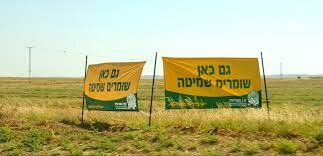
“And when you come to the Land”… celebrate Yom Ha’atzma’ut! וכי תבואו אל הארץ… וחגגתם יום העצמאות!

שתי פרשות, אחת בארץ, ואחת בחוצלארץ. נתחיל בפרשת “קדושים”, שנקראת בשבת זו בבתי כנסת מחוץ לישראל, ונמשיך בפרשת “אמור”, שנקראת בארץ, ואולי גם נראה איך הן מתחברות… ? על פניו, נדמה שבפרשת “אמור” שני נושאים שונים לחלוטין. למה אנחנו מדברים על הכהנים ועל החגים?

Two Torah portions, one is read in Israel, one is read abroad. We’ll start here with the Torah portion of Kedoshim, which is read during this Shabbat outside of Israel, and then look at the Torah portion of Emor, which is read in Israel, and maybe see how they do connect…. At least on the surface, it seems like we are encountering two completely separate topics. Why do we talk about the priests and the holidays??

בפרשת “קדושים” אנחנו לומדים מה זה קדוש. הפרשה כוללת יותר מחמישים מצוות וחוקים, ביניהם הציווי המפורסם “ואהבת לרעך כמוך”. בהמשך להתפתחות ספר ויקרא, היא מתארת את אפשרות קדושת האדם דוקא בשגרה ובמעשים היומיומיים, הקטנים ביותר, כמו למשל, היחס שיש לתת להורים ולזקנים, הדאגה לגר, לעני ולבעלי מוגבלויות, האיסור לעשוק, לגזול ולגנוב, לרכל ולשקר, הצורך בעשיית משפט צדק והאכפתיות מהטבע סביבנו. משמעות המילה קדוש בעברית היא נבדל, נפרד. זו גם הסיבה שאנו פותחים את השבת (או החג) בקידוש ומסיימים בהבדלה. ההוראות מתעקשות לכוון אותנו לקדושה, מתעקשות שלמרות הקושי והאתגרים בחיינו, זה אפשרי. לפחות לנוע בכוון…

In the Torah portion of Kedoshim, we learn what it means to be “holy”. The Torah portion includes more than 50 commandments and laws, among them the famous “love your neighbor as yourself”. Following how the Book of Leviticus progresses, we now hear about human’s holiness possibility, davka (especially) within the daily routine and the smallest activities, like for example, the (good) treatment one should award parents and elders; concern for the stranger, the poor and handicapped; the prohibition to rob, steal, gossip and lie; the need to hold just courts, and caring about nature around us. Thea meaning of the word kadosh in Hebrew is separate, distinct. This is also the reason why we start and close Shabbat with Kiddush and Havdala. These instructions insists on directing us towards holiness, insisting that in spite of the challenges and difficulties, it is possible, at least to move in that direction…

וכך אנו מגיעים לפרשת “אמור”. חלקה הראשון של הפרשה עוסק בקדושת הכהונה ובכך ממשיך את תיאור קדושת האדם, רק שכאן מדובר במעמדו של אדם ספציפי מאד, הכהן. הכהן הוא מבחינות רבות, אדם כמו כולם, אך הוא גם שונה, מורם ומופרד מהחיים. למשל, הכהן מרוחק יותר מהמוות כי אינו נטמא למת. חל עליו איסור להנשא לגרושה או חללה, מה שמרחיק אותו ממשברים מסוימים, והוא גם לא מכיר קשיי פרנסה, כי הוא מקבל מזון מהחברה סביבו. התורה סברה שדוקא מידת הריחוק הזו, נותנת לכהן את האפשרות לעזור לאחר, להזכיר לנו פרספקטיבה שונה, מורמת, על החיים, למשוך אותנו להתפתח, לגדול ולהתקדם אל עבר קדושתנו שלנו.

And so we reach the Torah portion of “Emor”. Its first part deals with the sanctity of the priesthood and thus continues the description of the sanctity of humans, only here, we’re discussing the status of a very specific person, the priest. The priest is, in many ways, a person like everyone else, but he is also different, uplifted and separated from regular life around. For example, the priest is farther from death because he may not be defiled to the deceased. He is forbidden to marry a divorcee or a widower, which keeps him away from certain crises, and he also does not recognize the difficulties of earning a living because he receives food from the society around him. The Torah believed that it was precisely this degree of distance that gives the priest the opportunity to help others, to remind us of a different, uplifted perspective on life, to attract us to develop, to grow and to progress towards our own holiness.

חלקה השני של פרשת “אמור” עובר לדון מקדושת האדם לקדושת הזמן, ובפרשה הבאה, “בהר”, נעסוק בקדושת המקום, כולן אפשרויות והזדמנויות למפגש בין נפש האדם לבין העולם.

The second part of “Emor”, moves on from the sanctity of humans to the sanctity of time, and, not to drop a spoiler, but in the next portion, “BeHar”, we will deal with the sanctity of place, all possibilities and opportunities for the encounter between the human soul and the world.

כשהתורה מדברת איתנו בקדושת הזמן, היא מתחילה ביום השבת ואחר-כך עוברת לדבר בחגים המוכרים לנו, פסח, ספירת העומר, שבועות, ראש השנה, יום כיפור וסוכות. יום השבת נקבע על פי הקב”ה מזמן ימי בראשית, לעומת שאר המועדים המופיעים בהמשך הרשימה בויקרא פרק כ”ג, הנקבעים בלוח השנה על ידי האדם! בשבת, האדם לא היה שותף כלל למעשה הבריאה, ולכן כיום, כדי להבין במקצת את קדושתה, הוא נמנע מכל “מלאכה” (ולא עבודה, ועל ההבדלים ביניהם אולי פעם אחרת). לעומת זאת בחגים, האדם היה שותף לפחות קצת: רוב החגים שלנו הם “זכר ליציאת מצרים”, ואין ספק, שבלי ניסי הקב”ה לא יכולנו לצאת משם, אבל, היה צורך בהשתתפות שלנו, שכן לולי קמנו והלכנו ברגלינו, לא היה הדבר קורה. לכן, בחג חלות עלינו קצת פחות מלאכות.

When the Torah speaks to us about the sanctity of time, it begins with Shabbat, then moves on to the holidays which are familiar to us, Passover, the Counting of the Omer, Shavuot, Rosh Hashana, Yom Kippur and Sukkot. Sabbat is set according to Gd from the days of Creation, compared to the other holidays that appear later in the Leviticus 23 list, which are set in the calendar by us. On Sabbat, humans were not partners in the act of creation at all, so today, in order to perceive even some of its sanctity, we refrain from any melacha (craft, creative work, rather than avoda, work, and the differences between them perhaps another time). On holidays, on the other hand, humans were partners, at least to a certain degree: most of our holidays are “a commemoration to the Exodus from Egypt”. There is no doubt that without Gd’s miracles we could not get out of there, but, our participation was necessary, for if we didn’t get up and walked out, it would have not happened. Therefore, on the Biblical holidays we are required to keep just a little less melachot than on Shabbat.

השאלה הגדולה היא מה עושה שם פרק כ”ד? לכאורה רשימה בלי מאורגנת של דברים שהמחבר לא ידע איפה לשים…  נחזור לרגע לפסוק האחרון בפרק כ”ג: “וַיְדַבֵּ֣ר מֹשֶׁ֔ה אֶת־מֹעֲדֵ֖י ה’ אֶל־בְּנֵ֖י יִשְׂרָאֵֽל”… האם אין הדבר מובן מאליו? הרי בתחילת הפרק נאמר, “דַּבֵּ֞ר אֶל־בְּנֵ֤י יִשְׂרָאֵל֙ וְאָמַרְתָּ֣ אֲלֵהֶ֔ם…. אֵ֥לֶּה הֵ֖ם מוֹעֲדָֽי”…אם ה’ אמר למשה להגיד לבני ישראל, הרי הוא אמר, לא? מה צורך הפסוק האחרון?

The big question is, what is chapter 24 doing there? Seemingly an unorganized list of things that the author did not know where to put or forgot he put already earlier… Let’s return for a moment to the last verse in chapter 23: “So Moses declared to the Israelites the set times of Hashem”. Wait, isn’t that obvious? After all, at the beginning of the chapter it said, “Speak to the Children of Israel, and say to them … These are my appointed times” … If God told Moses to tell the Children of Israel, then it’s obvious he said so, isn’t it? For what do we need the last verse?

ישנם פירושים שונים. אחד מהם אומר שפסוק זה רומז לכך שמשה לימד את בני ישראל איך לעשות מועדים בעתיד. הוא לימד אותם שלכל המועדים העתידיים יש שורשיים בתורה ובמקדש, ושכמו שעושים משבת ליום טוב, כך יעשה מיום טוב לשאר המועדים. כלומר, ככל ששותפות האדם ביצירת הקדושה יהיה גדול יותר, הצורך שלו להמנע ממלאכה יהיה קטן יותר.

There are different interpretations. One of them says that this verse implies that Moses taught the Children of Israel how to make appointed times in the future. He taught them that all future festivals have roots in the Torah and the Temple; and that just as they learn what to do between Shabbat to a holiday (yom-tov), so should be done between the Biblical holidays and other days that might come up. That is, the greater the human’s participation in creating the holiday’s  holiness, the smaller the need to avoid melacha.

לפיכך, טוען הרב שרקי, יתכן שנוכל להסיק מפרק כ”ד, כי ענין נר התמיד הדולק בשמן זית זך טהור, רומז לחנוכה, 12 כיכרות לחם הפנים רומזים לפורים הנחגג בסעודה בחודש ה-12, ואילו ה”מקלל”, רומז ליום העצמאות.

If so, teaches Rav Sherki, we may conclude from chapter 24 that the matter of the perpetual candle lit with pure olive oil, alludes to Hanukkah; 12 loaves of show-bread – allude to Purim, celebrated with a meal during the 12th month (of the Biblical year), while the “curser” alludes to Yom Ha’atzmaut, Israel’s Independence Day.

מתוך כך, נבין גם את קדושתו של יום העצמאות. כמו שראינו, ככל שההסטוריה מתקדמת, האדם תופס מקום פעיל יותר בשותפות עם הקב”ה, ונהיה בעצמו חלק מיצירת הקדושה בעולם. בניגוד לשבת, עבור בריאתה לא עשינו כלום, יום העצמאות זהו חג ששותפות האדם בו היא הגדולה ביותר. מתוך כך, הצורך שלו לחדול ממלאכה תורנית, קטן ביותר. ביום העצמאות, מותר לעשות “הכל”, ובמקביל, במקרה או שלא במקרה, נראה רבים מעם ישראל, לובשים בגדי חג ומקריבים “קרבן”…

From this, we can also understand the sanctity of Yom Ha’atzmaut. As we have seen, as history progresses, man occupies a more active place in the partnership with Gd, and becomes himself part of the creation of holiness in the world. Unlike Shabbat, for its creation we did nothing, Yom Ha’atzmaut is a holiday in which human’s partnership is greatest. Which means, our need to refrain from a melacha (Shabbat forbidden act), is extremely minimal. On Yom Ha’atzmaut we can do “anything”, and at the same time, by coincidence or not, we see many of the people in Israel, wearing holiday clothes and offering a “sacrifice”…

ארץ ישראל חשובה בחיינו יותר ממה שאנחנו לגמרי מבינים. אם נחזור לעוד רגע לפרשת “קדושים”, נמצא שם את הפסוק: “וְכִי־תָבֹ֣אוּ אֶל־הָאָ֗רֶץ וּנְטַעְתֶּם֙ כׇּל־עֵ֣ץ מַאֲכָ֔ל וַעֲרַלְתֶּ֥ם עׇרְלָת֖וֹ אֶת־פִּרְי֑וֹ שָׁלֹ֣שׁ שָׁנִ֗ים יִהְיֶ֥ה לָכֶ֛ם עֲרֵלִ֖ים לֹ֥א יֵאָכֵֽל” (ויקרא כג:יט)

The Land of Israel is more important in our lives than what we fully comprehend. If to go back to Kdoshim for a moment, we’ll find the verse: “When you enter the land and plant any tree for food, you shall regard its fruit as forbidden. Three years it shall be forbidden )”uncircumcised“( for you, not to be eaten” (Lev 19:23)

למה לבוא לארץ ולטעת עצים?? חז”ל שמעו בכך את הקב”ה אומר לישראל, “אעפ”י שתמצאו אותה (את הארץ) מליאה כל טוב, לא תאמרו נשב ולא נטע, אלא הוו זהירין בנטיעות, שנאמר ונטעתם כל עץ מאכל, כשם שנכנסתם ומצאתם נטיעות שנטעו אחרים, אף אתם נטעו לבניכם…. (תנחומא בובר, קדושים ח׳:א׳)

Why come to the Land and plant trees? The sages heard here the Holy One telling Israel, “even though you will find her (the Land) filled with goodness, don’t say, we will sit and not plant, but rather, be careful with planting, because it has been said, “plant any tree for food”, just like you entered and found plantings that others planted, so should you plant for your children… (Tanchuma Buber, Kedoshim 8:1).

אשרינו שזכינו לחזות לחיות בדור שיש לנו מדינה, שאפשר לבקר בארץ ולעשות למענה ולמעננו. מי יתן ונחגוג בקדושה את כל חגינו ומועדינו, ושותפותינו עם הקב”ה. שבת שלום.

How fortunate are we to witness and live in a generation when we have a state, that we can visit the Land and be active for her and for us. May we merit to celebrate in holiness all our holidays, appointed-times and our partnership with Gd. Shabbat Shalom.

Posted in Uncategorized | Leave a comment

Achrei-Mot, Kedoshim ,Emor…

כשאחד מידידותי שמעה שאמא שלי נפטרה, היא מיהרה להגיד, “אחרי-מות קדושים אמור”… הביטוי לקוח משמות פרשות השבוע המופיעות בשבועות אלו ממש, זו אחר זו (אחרי-מות, קדושים, אמור). כוונתו להזכיר לנו שאחרי מותו של אדם, בשעה שאולי יש הזדמנות ל”חיסול חשבונות” שהרי המת אינו יכול להשיב, יש להשתדל ולהגיד עליו דברים טובים וחיוביים, שיהיו לו ולבני ביתו לכבוד, ולא לספר דברים שליליים ומבישים מהעבר.

When one of my friends heard that my mother had passed away, she was quick to utter, “Achrei-Mot-Kedoshim-Emor”, which means, “after-the death of holy-ones, say” … The expression is taken from the names of the current Torah portions, which appear now one after the other (Achrei Mot – after the death; Kedoshim – holy ones; Emor – say). It intends to remind us that after the death of a person, while there may be an opportunity for “air-out” all sorts of things, since the dead can’t respond, one should strive and say good and positive things about the person, which will honor and respect the person and their family, and not bring up negative and shameful things from the past.

אין ספק שלא לדבר רע אחרי מותו של אדם, הוא דבר טוב וחשוב, אך חשוב לא פחות הוא לנסות ולהקפיד שלא לדבר עליו רע – לפני מותו. לפעמים אפשר לשמוע בזמן הלוויה וימי זכרון, הספדים על אנשים מופלאים… האם לא הכרנו את האדם קודם לכתו? האם זקוקים אנו למותו כדי להעריכו ולומר לו מילה טובה?

There is no doubt that not speaking badly after a person’s death is a good and important thing, but it is equally important to try and be careful not to speak ill – before his death. Sometimes you can hear during funerals and memorial days, obituaries for wonderful people … Did we not know the person before he passed away Do we need death to appreciate her and put in a good word to her?

יצחק שלו כתב בשירו המפורסם, “שירו למתים בטרם ימותו”:

Yitzchak Shalev wrote in his famous poem, “Sing to the Dead Before They Die”:

שִירו נָא לַמֵּתִים בְּטֶרֶם יָמוּתוּ, כִּי מַה בֶּצַע בְּשִירְכֶם לָהֶם וְהֵם חֵרְשִים מִשְּמעַ וַאַטוּמִים מֵהָבִין אַל נָא תֵרַע עֵינְכֶם בַּחַיִּים לָתֵת לָהֶם אֶת הַמַּגִּיעָם בַּמִּשְפָּט.Please sing to the dead before they die, for what good is your singing to them when they are deaf to hear it, and unable to understand. Please, do not feel bad about giving them what is rightfully theirs
אַל נָא תִקְפְּצוּ שִפְתֵיכֶם מֵהַעֲנִיק אֶת הַמִּלָה הַטּובה בְּמועֲדָה, כִּי טובָה הַמִלּה הַנֶּאֱמֶרֶת בְּעוד חַי שומְעָהּ. שַלְּמוּ שַלְמֵי-תודַתְכֶם לַמֵּתִים בְּטֶרֶם יָמוּתוּ. כִּי עוד מְעַט וְעָבְרו מִן הָאָרֶץ וְהָיוּ לָכֶם כְּנושֵי-נֵצַח וְהַחוב אֲשֶר חַבְתֶם לָהֶם – חוב עולָם לא יִפָּרֵעַ.Do not tighten your lips from the gift of the good word in time, For the good word that is spoken is so much better when a live person hears it. Pay your full thanks to the dead before they die. For soon, they will pass away from the land and they will be to you forever debtors, and the debt, an eternal one, never to be paid out.
אֶת הַמִּלִּים אֲשֶר תּאמְרוּ לַחֲרת עֲלֵי מַצַּבְתָם, לָשֵאת בִּסְפד הַסּופְדִים וּלְהַזְכִּיר בִּימֵי הַשִּבְעָה, בִּימֵי שְלשִים וּבִימֵי שָנָה – אֶת הַמִּלִים הָאֵלוּ הַקְדִימוּ לֵאמור! כִּי הִנֵּה רְאִיתִיכֶם מְנַשְאִים אֶת שֵם הַמֵּתִים אֲשֶר בְּחַיֵּיהֶם לא הִפַּלְתֶם לָהֶם בְּנַחֲלָה גַם פְּלֵטַת קֻלְמוּס קְטַנָּה אַחַת, וָאמְרָה אֶל לִבִּי; לוּ יָדְעוּ הַמֵּתִים אֶת מַחְשְבותֵיכֶם הַטּובות עֲלֵיהֶם וְאֶת הֲמון-רִגְשֵיכֶם, – כִּי אָז חֲזָקִים שִבְעָתַיִם, גֵּאִים שִבְעָתַיִם וְשִבְעָתַיִם לא-בודְדִים הָיוּ בְּהִתְיַצְבָם אִיש לִקְרַאת יומו!The words that you plan to say to engrave on their tombstone, to carry on in the eulogies, to mention during shiv’a, shloshim and annual yizkor, These words do say sooner! For behold, I have seen you extol the name of the dead, the ones who during their lives you have not cast down at them even the tiniest drop of ink, And I said in my heart, had the dead only known your good thoughts and pouring thoughts for them, for then they’d be seven-fold stronger, and seven-times less lonely when each stood facing their day!
דְּעוּ: בְּתוכְכֶם מִתְהַלְּכִים כָּל מֵתֵי-הַמָּחָר. הֲלא אִם יְדַעְתֶם כִּי רֵעֲכֶם יָמוּת מָחָר מַה לא עֲשִיתֶם לְמַעַן הַנְעֵם אֶת יומו זֶה הָאַחֲרון? עֲשוּ נָא, אֵפוא. וְהַנְעִימוּ אֶת חַיֵי הַמֵּתִים מָחָר כִּי הַיּום הַזֶּה –לָהֶם הוּא! שִירוּ נָא לַמֵּתִים בְּטֶרֶם יָמוּתוּ, כִּי אַחֲרֵי מותָם גַּם לַעְצור בְּעַד שֶטֶף שִבְחֵיכֶם הַפּורֵק כָּל גִּדְרֵי הָאֱמֶת לא יוּכְלוּ, וְגַם הוכִיחֲכֶם עַל פְּנֵיכֶם עַל הַפְרִיזְכֶם וְהַעְתִירְכֶם דְּבָרִים אֲשֶר לא כֵן …Know: amongst you are all tomorrow’s dead. If you knew that your friend was going to die tomorrow, what would you not do for the sake of pleasing their last day? Please do, then. And make their tomorrow, pleasing today, for today, is theirs! Please sing to the dead before they die, because after their death they won’t even be able to stop your flooding praises, breaking all boundaries of the truth, Nor reproving you for exaggerations and speaking of things that were not so….
שִירוּ נָא בְּעודָם, לְמַעַן יִבָּחֵן דְּבַרְכֶם בְּהַבִּיטָם אֵלָיו דּוּמָם, כִּי אַחֲרֵי מותָם –לא יוּכַל עוד מֶבָּטָם לְהַאְדִים אֶת פְּנֵיכֶם מִבּוּשָה … שִירוּ, שִירוּ נָא לַמֵּתִים בְּטֶרֶם יָמוּתוּ …Sing, please, while they are here, so your words can be tested when you face them, For after their death, their gaze won’t be able to redden your face with shame… Sing, please sing to the dead before they die…

השיר הזה חוזר אלי במיוחד עם פרשות השבוע האלו, שתמיד מופיעות בסמיכות לימי הזכרון הלאומיים שלנו, יום הזכרון לשואה ולגבורה, ויום הזכרון לחללי מערכות ישראל ולחללי פעולות האיבה. זכרון הוא חלק מהמסורת שלנו. חכמים הנחו אותנו לזכור שש זכירות יום-יום (ויש אומרים, ארבע ויש אומרים, עשר). הזכירות, הנעשות במחשבה, כוללות קטעים עליהם נאמר בתורה חובת זכירה או אי-שכחה, כמו למשל, יציאת מצרים (“לְמַעַן תִּזְכֹּר אֶת יוֹם צֵאתְךָ מֵאֶרֶץ מִצְרַיִם כֹּל יְמֵי חַיֶּיךָ”, דברים ט”ז), מעמד הר סיני (” רַק הִשָּׁמֶר לְךָ וּשְׁמֹר נַפְשְׁךָ מְאֹד פֶּן תִּשְׁכַּח אֶת הַדְּבָרִים אֲשֶׁר רָאוּ עֵינֶיךָ וּפֶן יָסוּרוּ מִלְּבָבְךָ כֹּל יְמֵי חַיֶּיךָ וְהוֹדַעְתָּם לְבָנֶיךָ וְלִבְנֵי בָנֶיךָ: יוֹם אֲשֶׁר עָמַדְתָּ לִפְנֵי ה’ אֱלֹהֶיךָ בְּחֹרֵב”, דברים ד’), או השבת (“זָכוֹר אֶת יוֹם הַשַּׁבָּת לְקַדְּשׁוֹ”, שמות כ’).

This song comes back to me especially with the Torah portions of this time, which always appear in close proximity to our national days of remembrance, Yom Hasho’a, Memorial Day to Holocaust and Bravery and Yom Hazikaron, Memorial Day to Soldiers and Terror Victims. Memory is part of our tradition. Our sages charge us with six daily remembrances (some say, four and some say, ten). The remembrances, made in thought, include passages where the Torah instructs us to remember or not to forget, such as, for example, the Exodus from Egypt (“For you shall remember the day of your departure from the land of Egypt all the days of your life”, Deuteronomy 16), Sinai (“beware lest you forget… the day you stood before Hashem your Gd in Horev”, Deuteronomy 4) or Shabbat (remember the Shabbat day to keep it holy”, Exodus 20).

ועדיין, אין הזכרון והעיסוק בעבר תלוש מההווה והעתיד שלנו. להיפך: כל הווייתו היא לעסוק בהעברת מטען – בין אם הוא פיזי, היסטורי, רגשי, רוחני, אישי אך גם לאומי, מן העבר אל ההווה והעתיד (לכן הוא קשור בשורש ז.כ.ר). מה היה, מה למדנו, מה ניקח איתנו הלאה? בימים אלו, של אחרי-מות-קדושים-אמור, כשאנו מוזמנים לעצור ולהביט לאחור, מי יתן ונדע גם להביט סביב וקדימה.

And still, memory and our preoccupation with the past, is not disconnected from our present and future. On the contrary: its whole existence is to engage in the transfer of data – whether it is physical, historical, emotional, spiritual, personal but also national, from the past to the present and the future (hence it is related to the root z.k.r). What was, what did we learn, what will we take with us next? During these days of Achrei-Mot-Kedoshim-Emor, when we are invited to stop and look back, may we also know to look around and onward.

Shabbat Shalom – שבת שלום

Posted in Uncategorized | Tagged , | Leave a comment

Pesach, Israel & our Calendar…. (עברית, then English)

כבר מתחילה, חג הפסח קשור קשר חזק לארץ ישראל:

וּשְׁמַרְתֶּם אֶת הַדָּבָר הַזֶּה לְחָק לְךָ וּלְבָנֶיךָ עַד עוֹלָם: וְהָיָה כִּי תָבֹאוּ אֶל הָאָרֶץ אֲשֶׁר יִתֵּן ה’ לָכֶם כַּאֲשֶׁר דִּבֵּר וּשְׁמַרְתֶּם אֶת הָעֲבֹדָה הַזֹּאת: וְהָיָה כִּי יֹאמְרוּ אֲלֵיכֶם בְּנֵיכֶם מָה הָעֲבֹדָה הַזֹּאת לָכֶם: וַאֲמַרְתֶּם זֶבַח פֶּסַח הוּא לַה’ אֲשֶׁר פָּסַח עַל בָּתֵּי בְנֵי יִשְׂרָאֵל בְּמִצְרַיִם בְּנָגְפּוֹ אֶת מִצְרַיִם וְאֶת בָּתֵּינוּ הִצִּיל וַיִּקֹּד הָעָם וַיִּשְׁתַּחֲווּ: (שמות יב. כג-כז).

וַיֹּאמֶר מֹשֶׁה אֶל הָעָם זָכוֹר אֶת הַיּוֹם הַזֶּה אֲשֶׁר יְצָאתֶם מִמִּצְרַיִם מִבֵּית עֲבָדִים כִּי בְּחֹזֶק יָד הוֹצִיא ה’ אֶתְכֶם מִזֶּה וְלֹא יֵאָכֵל חָמֵץ: הַיּוֹם אַתֶּם יֹצְאִים בְּחֹדֶשׁ הָאָבִיב: וְהָיָה כִי יְבִיאֲךָ ה’ אֶל אֶרֶץ הַכְּנַעֲנִי וְהַחִתִּי וְהָאֱמֹרִי וְהַחִוִּי וְהַיְבוּסִי אֲשֶׁר נִשְׁבַּע לַאֲבֹתֶיךָ לָתֶת לָךְ אֶרֶץ זָבַת חָלָב וּדְבָשׁ וְעָבַדְתָּ אֶת הָעֲבֹדָה הַזֹּאת בַּחֹדֶשׁ הַזֶּה: שִׁבְעַת יָמִים תֹּאכַל מַצֹּת וּבַיּוֹם הַשְּׁבִיעִי חַג לַה’: מַצּוֹת יֵאָכֵל אֵת שִׁבְעַת הַיָּמִים וְלֹא יֵרָאֶה לְךָ חָמֵץ וְלֹא יֵרָאֶה לְךָ שְׂאֹר בְּכָל גְּבֻלֶךָ: וְהִגַּדְתָּ לְבִנְךָ בַּיּוֹם הַהוּא לֵאמֹר בַּעֲבוּר זֶה עָשָׂה ה’ לִי בְּצֵאתִי מִמִּצְרָיִם: וְהָיָה לְךָ לְאוֹת עַל יָדְךָ וּלְזִכָּרוֹן בֵּין עֵינֶיךָ לְמַעַן תִּהְיֶה תּוֹרַת ה’ בְּפִיךָ כִּי בְּיָד חֲזָקָה הוֹצִאֲךָ ה’ מִמִּצְרָיִם: וְשָׁמַרְתָּ אֶת הַחֻקָּה הַזֹּאת לְמוֹעֲדָהּ מִיָּמִים יָמִימָה: (שמות יג. ג-י).

רש”י ע”פ המדרש, טוען שבכל שנות המדבר, בני ישראל שמרו רק פסח אחד, בשנה השניה, ומאז חיכו. מכיון שזה היה חג שצריך להחגג עם הכניסה לארץ, כפי שמתואר בספר יהושע:

…וַיַּחֲנוּ בְנֵי יִשְׂרָאֵל בַּגִּלְגָּל וַיַּעֲשׂוּ אֶת הַפֶּסַח בְּאַרְבָּעָה עָשָׂר יוֹם לַחֹדֶשׁ בָּעֶרֶב בְּעַרְבוֹת יְרִיחוֹ: וַיֹּאכְלוּ מֵעֲבוּר הָאָרֶץ מִמָּחֳרַת הַפֶּסַח מַצּוֹת וְקָלוּי בְּעֶצֶם הַיּוֹם הַזֶּה: (יהושע. ה, יא-יב).

ודוקא השנה, בסוף חג הפסח, לוח השנה העברי של ארץ ישראל וזה של הגלות נפרדים, ולא שבים ומתאחדים עד השבת שלפני תשעה באב (סוף יולי!). אם מישהו בודק, מה פרשת השבוע, הוא יצטרך גם לבדוק איפה. בארץ נקרא פרשה אחת בעוד שבחוצלארץ, נקרא פרשה אחרת, זו שלפניה. איך קורה דבר כזה?

עד 359 לספירה, הסנהדרין היתה מקדשת את החודש לפי עדות של שני עדים כשרים שראו את הירח המתחדש. לאחר מכן, היו מעבירים את ההודעה על יום ראש החודש לכל הקהילות בעזרת משואות שהובערו בראשי ההרים. מכיון שקבוצות אחרות, שלא הסכימו עם שיטת חז”ל, התחילו להשיא משואות בתאריכים שונים ממה שקבעה הסנהדרין, הודעת ראש החודש, בחודשים בעלי מועדים, עברה לשליחים (ועל כף אפשר לקרוא בתלמוד הבבלי, מסכת ראש השנה י”ח:א), ולאחר מכן, כאמור משנת 359 לספירה, נקבע הלוח כפי שידוע לנו על ידי רבי הלל נשיאה, הנקרא גם הלל השני, והוא מצאצאי רבי יהודה הנשיא, עורך המשנה, והוחל מחזור מסודר של 19 שנים.

בנוסף, תקנו חז”ל יום טוב שני של גלויות, בגלל החשש שהשליחים לא יגיעו בזמן, וכך יוכלו אנשי המקומות המרוחקים מירושלים, לקיים את החג בזמן. טענה ידועה היא, שעם יסוד הלוח העברי כפי שהוא, אין “צורך” לחגוג יום טוב שני, אך חז”ל, שחששו מגזירות נגד לימוד תורה וטעויות שונות, החליטו לא רק לשמר את המנהג, אלא להקפיד לנהוג ביום טוב שני בכל מנהגי קדושה, למשל, לומר קידוש מלא עם שם ה’, ועוד.

נציין גם כמה יוצאים מן הכלל בענין זה:

חג השבועות תלוי בספירת העומר המתחילה בט”ז ניסן ולא במולד הירח. לכאורה, אין צורך ביום טוב שני של גלויות אך בכל זאת, קבעו חז”ל יום טוב שני גם לשבועות, כדי לא להפריד בין החגים.

יום כיפור הוא יום אחד בכל המקומות, כיון שהוא יום צום וזו גזרה קשה מידי על הציבור לצום יומיים.

ראש השנה שחל בראש החודש העברי תשרי נחגג כיומיים גם בארץ ישראל, ואפילו תושבי העיר בה ישבו הסנהדרין היו לפעמים עושים יומיים, וכך נקבע לכולם.

השנה, יום טוב אחרון של פסח בחו”ל נופל ביום השבת (23.4) בעוד שבארץ, החג מסתיים ביום ששי בערב (22.4). כלומר, בבתי הכנסת בארץ, יחזרו לקרוא את פרשת השבוע “כרגיל” כבר בשבת הקרובה, בעוד שבחו”ל יקראו בשבת עדיין קריאה מיוחדת לחג הפסח. הפרדה זו, בין קריאת התורה של ארץ ישראל וזו של חוצלארץ תמשך עד לשבת שלפני תשעה באב (!). רק  בשבוע של תשעה באב (השבוע של ה-6 באוגוסט, 2022), יחזור כל עם ישראל לקרוא את אותה הפרשה באותו הזמן.

עבורי, יש בכך משהו עצוב, לא רק בגלל הקושי האישי לכתוב על פרשת “ה”שבוע, אלא בגלל התזכורת להפרדות ומחלוקות בתוך העם שלנו, ובמקרה זה, דוקא בדבר שצריך ויכול להיות הכי מחבר, לימוד התורה. אין עלינו להיות “אחידים” אך כן – מאוחדים. לא נותר לי אלא להתפלל, שיבוא יום ונזכה.

מועדים לשמחה, חג שמח ושבת שלום!

From early on, Pesach has been strongly connected to the Land of Israel:

You shall observe this as an institution for all time, for you and for your descendants. And when you enter the land that Hashem will give you, as promised, you shall observe this rite. And when your children ask you, ‘What do you mean by this rite?’ you shall say, ‘It is the Passover sacrifice to Hashem, who passed over the houses of the Israelites in Egypt when smiting the Egyptians but saved our houses.’ Those assembled then bowed low in homage (Exodus 12:23-27).

And Moses said to the People, “Remember this day, on which you went free from Egypt, the house of bondage, how Hashem freed you from it with a mighty hand: no leavened bread shall be eaten…. So, when Hashem has brought you into the land of the Canaanites, the Hittites, the Amorites, the Hivites, and the Jebusites, which was sworn to your fathers to be given you, a land flowing with milk and honey, you shall observe in this month the following practice: “Seven days you shall eat unleavened bread, and on the seventh day there shall be a festival of Hashem. Throughout the seven days unleavened bread shall be eaten; no leavened bread shall be found with you, and no leaven shall be found in all your territory. And you shall explain to your child on that day, ‘It is because of what Hashem did for me when I went free from Egypt.’ “And this shall serve you as a sign on your hand and as a reminder on your forehead in order that the Teaching of Hashem may be in your mouth—that with a mighty hand of Hashem freed you from Egypt. You shall keep this institution at its set time from year to year. (Exodus 13:3-10).

Rashi, based on the Midrash, claims that while in the desert, the Children of Israel onlky kept one Pesach, during the 2nd year, since Passover is a holiday that needs to be celebrated with the entry to the Land, as is described in the Book of Joshua:

On the day after the Passover offering, on that very day, they ate of the produce of the country, unleavened bread and parched grain. On that same day,dLit. “on the day after.” when they ate of the produce of the land, the manna ceased. The Israelites got no more manna; that year they ate of the yield of the land of Canaan. (Joshua 5:11-12).

Precisely this year, at the end of Passover, the calendar of the Land of Israel and that of Jews outside of Israel – separate, and does not reunite until the Shabbat before Tisha B’Av (end of July!). If someone is checking what this week’s Torah portion is, s/he will also need to check where. In Israel one portion is read while elsewhere, another reading, the one before it. How does such a thing happen?

Until the year 359 CE (Common Era), the Sanhedrin would sanctify the new months according to the testimony of two kosher witnesses who saw the renewed moon. Afterwards, the message of Rosh Chodesh would be conveyed to all the communities with the help of fires, lit on the mountain tops. Because other groups, who did not agree with the sages’ method, began to light fires on dates different from those set by the Sanhedrin, the Rosh Chodesh announcement, in the months with holidays, passed to messengers (and can be read in the Babylonian Talmud, Rosh Hashana 18:a). As of 359 CE, the current Hebrew calendar as we know it, was established by Rabbi Hillel Nasi’a, also called Hillel II, and was a descendant of Rabbi Yehuda Hanasi, the editor of the Mishnah. An orderly cycle of 19 years began.

In addition, Sages ordered a second Yom Tov outside of The Land, for fear that the messengers would not arrive on time, so that the people from places far from Jerusalem could celebrate the holiday on time. Even when the calendar was established, the sages feared decrees against Torah study and various mistakes, and decided not only to preserve the 2nd day, but to make sure it includes sacred customs, for example, to say a full kiddush with the name of God, and more.

We will mention a few exceptions:

The holiday of Shavuot depends on the counting of the Omer that begins on the 16th of Nisan, and does not depend on the birth of the moon, and yet, it was assigned two days, to keep in line with the other diaspora holidays.

Yom Kippur is one day in all places, as it is a day of fasting and it is too strenuous to fast for two days.

Rosh Hashanah, which falls on the first of the Hebrew month, is also celebrated for two days in the Land of Israel, and even the residents of the city where the Sanhedrin sat would sometimes do two days, and so it was determined.

This year, the last day of Passover outside of Israel, falls on Shabbat (April 23rd) while in Israel, the holiday ends on Friday evening (April 22nd). In other words, in the synagogues in Israel, they will go back to reading the Torah portion of the week, while abroad, a special reading for Passover will take place, because it is still the holiday. Only on Tisha B’Av (the week of August 6, 2022), everyone will once again return to read the same Torah portion at the same time.

For me, there’s something sad about this, not just because of the personal challenge to write “the” weekly Torah portion, but because of the reminder of the separations and disputes within our People, and in this case, especially with what can and should be the most connecting element, learning Torah. Indeed, we don’t have to be unified, but – united. I am left with a prayer, that one day, we will merit.

Mo’adim Lesimcha, Chag Same’ach & Shabbat Shalom!

Posted in Uncategorized | Leave a comment

Pass-over with Love <3 (עברית, then English below)

המילה “אביב” נשמעת כמעט כמו “באהבה”, ושתיהן זהות זו לזו בגימטריה (15). האם זהו רק צירוף מקרים?

אולי. יתכן שיש כאן רמז עמוק ומכוון, ויתכן שרק מקריות. בסופו של דבר, מה אנחנו רוצים לראות, תלוי בנו ובבחירה שלנו. גם זה פסח, גם זו חירות, וגם זו אהבה.

בין חמש המגילות בתנ”כ, בחג הפסח נקרא את שיר השירים. רבי עקיבא היה זה שהתעקש באמירתו המפורסמת: “… שאין כל העולם כולו כדאי כיום שניתן בו שיר השירים, שכל הכתובים קודש, ושיר השירים קודש קודשים” (משנה ידיים ג ה).

שיר השירים היא יצירה פואטית, יצרית, מלאת דימויים צבעוניים (למשל “בִּטְנֵךְ עֲרֵמַת חִטִּים”… ? אולי לא משהו שנגיד היום לאהובה… שה”ש ז:ג), אך גם מבלי להכנס לתיאורים הספציפים וליכולת שלנו להשתמש כיום בדימוי כזה או אחר, נוכל לשים לב לפרטים העזים והמדויקים. לא נמצא כאן תיאורים כלליים כמו “הוא בחור טוב”; “היא נחמדה”, אלא תשומת לב רבה לכל פרט קטן. האהובים מכירים אחד את השני היטב, הם יודעים כל צעד, כל קמט. איך שהוא מחייך, איך שהיא מקשיבה, הדרך שבה הוא… הדרך שבה היא…. הם יכולים לראות זה את זה בבירור, אפילו ממרחק רב זה מזה. הם שומעים אחד את השני בלי מילים. הם חולקים את עצמם מכל הלב.

אהבה עושה את זה שהכל חשוב. דברים קטנים הם פתאום עניין גדול שיכול לבנות או להרוס יום שלם. מחווה חביבה אחת או מילה מטופשת. האם הטקסט הסתיים בשלוש נקודות או סימן קריאה? בלב? אדום או כחול? הכל מוגדל; הכל קריטי; לכל דבר יש משמעות עצומה.

זה מה שאנחנו עושים גם בתקופה שלפני פסח. אנחנו מחפשים כל פרט קטן, כל פירור. הכל חייב להנקות ואף להישרף, כי בין האוהבים אין מקום אפילו להפרדה הקטנה ביותר, לסוד הקטן ביותר, לא ניתן לשום דבר להכנס. אנחנו כל כך קפדניים! זה חייב להיעשות בדיוק כמו שצריך, ואם נוכל נשתדל שאף יותר מזה!

ואז מגיע ערב פסח, ואנחנו יושבים לחגוג. את מה? את זה שהקב”ה “פסח” על בתינו, שהוא “דלג” ולקח אותנו לחופש וחירות, שניתנה לנו הזדמנות נוספת.

באיזו זכות כל זה הגיע לנו זה? האם עשינו משהו גדול? אז היינו עבדים, אז מה? סליחה אבל מה הביג-דיל?! על מה אנחנו מתבכיינים? אנשים ועמים אחרים היו עבדים, ונשארו עבדים, ובמקרה הטוב נטמעו באומה של אדוניהם ונעלמו. זה ששרדנו לספר את “שאר הסיפור” לא אומר שאנחנו יכולים לקחת את זה כמובן מאליו. למה אנחנו כאן? האם יש באמת משהו מפואר שאנחנו יכולים להצביע עליו שעשינו? או אולי, שעוד נעשה??

חז”ל מלמדים שיש 50 שערי טומאה, מרחק רוחני מקב”ה, ושבזמנו, במצרים, אנחנו הגענו לשער ה-מ”ט, 49. כמעט אבדנו כליל, ובכל זאת, הקב”ה “פסח” עלינו. הוא ידע ששקענו עמוק; הוא ידע שאנחנו לא במיטבנו, אבל הייתה לו תוכנית אחרת עבורנו. הוא זכר לנו “חסד נעורים”. הוא ראה את ה”פוטנציאל” שלנו ואת ה”אור” שלנו ואת “התמונה הגדולה”.

וגם זו אהבה.

רש”י אומר שהמילה “ופסחתי” פירושה “וחמלתי”, כלומר – ורחמתי. כל מעשה פסח עבורנו הוא מעשה של חמלה ורחמים. ו”רחמי” בארמית פירושו – אהבה.

כלומר, ההכנה צריכה להיות קפדנית, וכזה הוא גם החורף: אנו סופרים ימי גשם, משקעים, טמפרטורות, ביגוד, אספקה. אבל כשהאביב מגיע, כל זה נעלם. אנחנו סוגרים את החימום ופותחים את החלונות ואת הלב. אנחנו שמחים לראות רק את הפריחה הקטנה ביותר, ואין לנו שום דרך “למדוד” את זה. אנחנו אומרים תודה לא בגלל שהפרח הקטנטן גדול יותר מחודשי החושך והקור שהיו לנו, אלא בגלל עצם זה שהוא כאן; זה שהוא קיים, מלמד אותנו תקווה. אנחנו “סולחים” על כל הקושי. השמחה וההערכה והאושר שלנו “מדלגים” על כל הימים הקודמים שעברנו.

שיר השירים, בין פרטיו המדהימים, מציג צורה אוהבת של “פסח”, זה של קולו של האוהב הממהר אל אהובתו, מזנק ומדלג מעל כל מכשול:

“קוֹל דּוֹדִי הִנֵּה זֶה בָּא מְדַלֵּג עַל הֶהָרִים מְקַפֵּץ עַל הַגְּבָעוֹת” (שה”ש ב, ח)

אהבה, אם כך, היא גם תשומת לב רבה לפרטים קטנטנים, וגם דילוג רחב מעליהם. היא גם עבודה קשה יומיומית מייגעת, וגם ריקוד משמחה, לא משנה אם הרצפה עקומה, ובלי לראות את מה שנשפך, התפזר והתלכלך. אנחנו לומדים שצריך את שניהם. “אומנות האהבה” היא לא איך “להתגבר” ולוותר על אחד מהם. אין צורך אלא להיות מי שאנחנו, ולדעת מתי להשתמש בזה ומתי בזה. זהו אולי לב המסע והיציאה מעבדות לחירות.

שבת שלום וחג שמח!

The Hebrew word “aviv”, spring, sounds almost the same as “be’ahava”, with love, and is identical in its gymatria. Just a coincidence?

Maybe. It can be holding a deep, profound hint, and maybe, just per chance. Eventually, what we want to see, depends on us and our choice. This too is Pesach, this too is freedom, and this too is love.

Among the Five Megillot (scrolls) in the TaNaCh, Shir Hashirim – Song of Songs – is the one we read on this holiday. It was Rabbi Akiva who famously insisted: “the whole world is only worthy as the day the Song of Songs was given to the People of Israel; for while all the writings are holy, the Song of Songs is the holy of hollies” (Mishna Yadayim, 3:5).
Shir Hashirim is passionate, poetic, and full of colorful imagery (“a belly like a heap of wheat” [7:3]? Maybe not something to try at home on the beloved…), but regardless whether the metaphors are useable for us here and now, perhaps what is most striking are the intense details. There is no “he’s a good guy”; “she’s a nice”. No generalizations, but a great attention to every little minutia. The beloveds know each other’s every move, every wrinkle, the way he smiles, the way she listens, how he… how she… They can see each other clearly, even from miles apart. They hear each other without words. They share themselves wholeheartedly.
Love makes it so everything matters. Small things are suddenly a big deal that can make or break a whole day. One kind gesture; one silly word… Did the text end with three dots or an exclamation? A heart? Red or blue? Everything is magnified; everything is critical; everything has significance.
This is what we do just before Pesach too. We’re looking for every little spec of chametz, every crumb. It all must be cleaned and even burned, for between lovers there is no room for even the littlest separation, the tiniest secret. We’re so meticulous! It must be done just right, and if we can go above ad beyond, lets!
And then comes Pesach eve, and we sit down to celebrate. And what is it all about? That G-d “passed-over” our homes, that we were taken to freedom and liberation, that we were given another chance.
Through what merit did we deserve this? Have we done anything great? So we were slaves, forgive me, but what’s the big deal?! What are we whining about? Other people were slaves, and— remained slaves, at best assimilating into their masters’ nation and disappeared. The fact that we know the “rest of the story” doesn’t mean we can take it for granted. Why are we here? Is there truly anything magnificent we can point to that we have done? That we still need to do??
Our sages tell us that there are 50 gates of “tum’a” טומאה, “spiritual impurity” and distance from the Holy One, and that we made it to gate 49. But nevertheless, G-d “passed-over” us. He knew we had sunk deep; He knew we were no longer in our best, but He had other plans for us and He saw our “potential” and our ”light” and the “big picture”.
And that too, is love.
Rashi says that the word “u-fasachti” ופסחתי “and I will pass-over”, means “vechamalti” – וחמלתי “and I have shown compassion”. Another word for compassion in modern Hebrew is “rachamim”, which in Aramaic means – love.
So, the prep has to be scrupulous, and maybe such is winter: we count rain days, precipitation, temperatures, clothing, supplies. But when spring comes, that’s all gone. The heater is off; the windows are open and so is our heart. We are joyful to see just the smallest blossom. There is no way to “measure” that. We say thank you not because the tiny flower is physically greater than however many months of darkness and cold we had, but because it’s here. Its existence teaches us hope. We “forgive” all the hardship. Our joy and appreciation “skip over” all the previous days.
The Song of Songs, among its incredible details, introduces a loving form of “passing over”, that of the lover’s voice rushing to his beloved, leaping and skipping over any obstacles:
“קוֹל דּוֹדִי הִנֵּה זֶה בָּא מְדַלֵּג עַל הֶהָרִים מְקַפֵּץ עַל הַגְּבָעוֹת”
“Behold! my beloved! behold, he comes, leaping upon the mountains, hopping upon the hills”.. (2:8)
It seems like love is both about paying close attention to details, and about skipping over them; it’s about daily tedious hard work, and about dancing for joy, no matter if the floor is crooked, and without seeing whatever spilled, scattered, got dirty. “The art of love” is not how to “overcome” and give up one of them. There is no need other than being who we are and knowing when to apply which. This is maybe the heart of the journey and the exodus from slavery to freedom.

Shabbat Shalom & Chag (Hug) Same’ach!

Posted in Uncategorized | Leave a comment

The Metzora at Pesach – המצורע בפסח

רצף הפיגועים האחרון מבקש שנאמר משהו בענין… כאילו זה חילול הקודש להתחיל בלוג ביום “כזה”, “סתם ככה”, בדברי תורה. אבל עבורי, אין מה להגיד “בענין”, כי לא זה הענין. הענין הוא כל הזמן להמשיך להיות מי שאנחנו, אף על פי כן ולמרות הכל, מפנים ומחוץ. ולהיות – זה אומר לחבור לדרך החיים שלנו. כי היא דרך. כי היא חיים.

The latest series of terror attacks calls for something to be said on the matter … as if it is blasphemy to start a blog on a day “like this”, with stam, “just”, words of Torah. But for me, there is nothing to say about “the matter”, because it is not the matter. The matter is constantly to continue being who we are, even though and in spite of everything, from within and without. And “to be” – it means to connect to our Way of Life. Because it offers a way. And it is life.

אז… אילו אנחנו כתבנו את התורה, מה היינו שמים בלב ליבה??

דוקא כאן אנחנו מגיעים לפרשת “מצורע” העוסקת בנושא תמוה: “זֹ֤את תִּֽהְיֶה֙ תּוֹרַ֣ת הַמְּצֹרָ֔ע בְּי֖וֹם טׇהֳרָת֑וֹ וְהוּבָ֖א אֶל־הַכֹּהֵֽן” (ויקרא יד:א-ב).

מה פירוש “מצורע”? המצורע של התורה אכן חולה במחלת עור אבל אין זו כלל אותה מחלה שראינו בסרטים שונים, כמו ה”פרפר” או “האי של סופיה” ועוד. הצרעת של התורה אינה מדבקת באותה צורה, אינה מתרפאת באותה צורה, והמצורע, כפי שאנחנו רואים כבר מהפסוק הראשון בפרשה הזו, נלקח לכהן ולא לרופא. בנוסף, גם בגדים ובתים יכולים לקבל צרעת! יתכן שזו אחת ההוכחות לטרגיות בתרגום התורה, ולאובדן משמעויות שהיו שם במקור.

So…. if we had written the Torah, what would we put in its heart ??

It is precisely here that we come to the portion of Metzora, wrongly translated as “The Leper” which deals with a puzzling subject: “This shall be the ritual for a Metzora, at the time of being purified, when he/it has been brought to the priest” (Leviticus 14:2).

What does “metzora” mean? The leper of the Torah is indeed sick with a skin disease but it is not at all the same disease we have seen in various movies, like the “Papillon” or “Sofia’s Island” and others. The leprosy of the Torah is not contagious in the same way, is not cured in the same way, and the leper, as we see already from the first verse in this parsha, is taken to the priest and not to the doctor. Plus, even clothes and houses can get this leprosy! This may be one of the proofs of the tragedy in the translation of the Torah, and of the loss of meanings that were there originally.

המצורע של התורה אינו חולה במחלה פיזית, על כל השלכותיה, אלא חולה במחלה רוחנית שיש לה ביטוי פיזי. חז”ל פרשו שהמילה מצורע באה מ”מוציא שם רע”. מעבר לשימוש או השתתפות בלשון הרע, הענין הוא אדם שמשהו בדרך הדיבור שלו פגומה. אם נחשוב על שלוש מערכות יחסים מרכזיות בחיינו, בין אדם לעצמו, לאלוהיו ולאחרים סביבו, הרי שהדיבור מייצג את החיבור שלנו לאנשים האחרים בחיינו.

The leper of the Torah is not sick with a physical illness, for all its consequences, but rather, is sick with a spiritual illness that has physical manifestation. The sages interpreted that the word metzora comes from “motzi shem ra” – “brings out a bad name.” Beyond using or participating in slander and gossip, it is about a person whose way of speaking is defective. If we think of the three main relationships we have in our lives, with ourselves, with G-d and with those around us, it is speech that represent our connection with other people in our lives.

חשוב לראות איפה מופיעים דברים בפעם הראשונה בתורה, וכך, אולי נופתע לגלות שהמצורע הראשון בתורה הוא משה רבנו (שמות ד:ו). משה הוא גם זה המעיד על עצמו, פעמיים, שהוא “כבד פה וכבד לשון” (שמות ד:י) ו”ערל שפתיים” (שמות ו:יב). מצד שני, חמישה חומשי תורה מסתיימים עם ספר “דברים”, שגם שמו שייך לשורש דיבור, והוא הספר שלפי המסורת שלנו משה אמר בחודש האחרון לחייו, אחרי מות אהרון. כלומר, למשה אז כבר לא היה מי שידבר בשבילו, אך הפלא ופלא, הוא מדבר ספר שלם בלי שום בעיה! האם נוכל לומר שמשה סופסוף “החלים”? ואם כן, ממה בדיוק??

נחזור אחורה לרגע.

It is important to see where things appear for the first time in the Torah, and thus, we may be surprised to find that the first metzora in the Torah is Moses (Exodus 4: 6). Moses is also the one who testifies about himself, twice, that he has trouble with his speech (Exodus 4:10 & 6:12). On the other hand, the five “Books of Moses” end with the book of Deuteronomy, whose name in Hebrew, Dvarim, also comes from the root of speech, d.v.r and is the book that according to our tradition Moses spoke in the last month of his life, after the death of Aaron. That means, Moses then no longer had anyone to speak for him, but wonder of wonders, he speaks an entire book without any problem! Can we say that Moses finally “recovered”? And if so, from what exactly ??

Let’s go back for a moment.

בתחילת ספר שמות, כתוב “וַיִּגְדַּ֤ל מֹשֶׁה֙ וַיֵּצֵ֣א אֶל־אֶחָ֔יו” (שמות ב:יא), והשאלה היא, מי הם אחיו? קריאה זהירה תגלה לנו שבשלב זה של הסיפור, אנחנו עוד לא יודעים. הרמבן מסיק ש”אחיו” הם בני ישראל ולעומתו, האבן-עזרא מבין ש”אחיו”, אלו המצרים, שהרי משה גדל בארמון פרעה! רב אורי שרקי טוען שלא רק הרמבן ואבן-עזרא לא יודעים מי הם אחיו של משה, אלא גם משה רבנו לא ידע, ולכן יצא לברר זאת.  

At the beginning of the Book of Exodus, it is written that, “Moses grew up and went out to his brothers” (Exodus 2:11), and the question is, who are his brothers? A careful reading will reveal to us that at this stage of the story, we do not yet know. The Ramban concludes that “his brothers” are the Children of Israel and in contrast, Ibn Ezra understands that “his brothers” are the Egyptians, since Moses grew up in Pharaoh’s palace! Rabbi Uri Shreki claims that not only Ramban and Ibn Ezra do not know who Moshe’s brothers are, but that Moshe Rabbeinu himself also did not know either, so he set out to find out.

בתחום של בין אדם לחברו, משה היה צריך “לצאת” מהמקום ומנקודת הראיה בהם היה מורגל, וללכת לבדוק, מי הם אלו איתם הוא “מתאחה”. רק בסוף אותו פסוק, מסתבר לנו, וגם לו, שאלו הם העברים. במשך כל חייו, זהו תחום המאתגר אותו. עוד במקביל למצורע, משה מתחתן עם ציפורה, כאשר טהרתו של המצורע – ע”י ציפור!

משה אינו היחיד: גיבורים אחרים בתנ”ע הוכו בצרעת. דוד, אחרי חטא בת שבע, פרעה בגלל שעבוד בני ישראל, מרים, כשדברה “במשה”, ועוד. בגלל המשמעויות הרוחניות של הצרעת, התורה הקדישה לה כמעט שתי פרשות שלמות, ופסוקים אחרים בשאר חלקי התנכ. במשנה יש מסכת שלמה בענייני צרעת, מסכת נגעים.

In the realm of between one his (her) fellow human, Moses had to “get out” of the place and point of view to which he was accustomed, and go to check, who are those with whom he “bonds” (the root for brotherhood). Only at the end of that verse, it becomes clear to us, and to him, that these are the Hebrews. Throughout his life, this is an area that challenges him. In addition, parallel to the metzora, Moshe marries, Tzipora, whose name means bird, when the leper’s purity is by a bird!

Moses is not the only one who is stricken with this: David, Pharaoh, Miriam… other heroes in the Bible were beaten with leprosy. Due to its spiritual nature, there are two central portions for it, as well as a tractate in the Mishna, tractate of “lesions”, Nega’im.

עוד בפרשה הקודמת, אמרה לנו התורה, מהו תהליך הטהרה שצריך לעבור המצורע: “והצרוע אשר בו הנגע בגדיו יהיו פרומים וראשו יהיה פרוע ועל שפם יעטה וטמא טמא יקרא. כל ימי אשר הנגע בו יטמא טמא הוא בדד ישב מחוץ למחנה מושבו” (ויקרא יג, מה–מו).

In the previous parsha, the Torah told us, what is the process of purification that the leper has to go through: ” As for the person with a leprous affection: the clothes shall be rent, the head shall be left and the upper lip shall be covered over; and that person shall call out, “Impure! Impure!” The person shall be impure as long as the disease is present. Being impure, that person shall dwell apart—in a dwelling outside the camp” (Leviticus 13:45-46).

המצורע צריך לצאת ממחנה ישראל ולשבת לבדו מחוץ לכל מקום ישוב. כלומר, אם מעשיו נגעו וקלקלו בתחום שבין אדם לחברו, שם גם התיקון והוא מופרד משאר בני האדם. אבל התורה אינה מענישה מתוך כעס או רתחה של המעניש, חלילה. המלה “תורה” עצמה באה מלשון הוראה, הכוונה למטרה הנכונה. גם כאן, המטרה היא לתת לאדם הזדמנות לחזור למפגש עם עצמו, מתוך הנחה ותקוה שהשינוי שיעבור עם עצמו, יעזור לו בקשריו עם הזולת. במהלך שבעת הימים ישנם עוד דברים שעליו לעשות כמו לכסות את פיו, כפי שהתורה אומרת: “ועל שפם יעטה” (ויקרא יג:מה), וכן עליו ללבוש בגדים קרועים כפי שמתאים למי שקרע “קרע” חברתי.

The metzora should leave the camp of Israel and sit alone outside any settlement. That is, if his actions touched and spoiled the realm between a person and his friend, that’s where the correction is too, as he is separated from the rest of people around him. But the Torah does not punish out of anger or heat of the punisher, God forbid. The word “Torah” itself comes from the language of instruction, hora’a, intending to direct one to the right place. Here, too, the goal is to give the person an opportunity to return and meet himself, assuming and hoping that the change he will go through with himself, will help him in his relationships with others. During the seven days there are other things he must do such as cover his mouth (Leviticus 13:45), and he must also wear torn clothes as appropriate for one who has torn a social “tear”.

בתקופה זו האדם מתחבר שוב למקורו. כשהאדם נוצר, נאמר עליו שיהיה “נפש חיה” (בראשית ב:ז). אונקלוס בפירושו מתרגם “נפש חיה” ל”רוח ממללא”, כלומר רוח מדברת, וגם רשי מוסיף ש”אַף בְּהֵמָה וְחַיָּה נִקְרְאוּ נֶפֶשׁ חַיָּה, אַךְ זוֹ שֶׁל אָדָם חַיָּה שֶׁבְּכֻלָּן, שֶׁנִתּוֹסֵף בּוֹ דֵּעָה וְדִבּוּר”. הדיבור הוא הביטוי האלוהי של האדם. נכון שגם בעלי חיים מביעים את עצמם בקולם אך לא כמו האדם. הדיבור הוא המתנה שנתנה לאדם, על האתגרים והברכות שבו, כפי שנאמר, מָ֣וֶת וְ֭חַיִּים בְּיַד־לָשׁ֑וֹן וְ֝אֹהֲבֶ֗יהָ יֹאכַ֥ל פִּרְיָֽהּ” (משלי יח:כא).

During this period, one reconnects to his source. When the human was created, he was said to be a “living soul” (Genesis 2:7). Onkelus, the Aramaic translation, says “living soul” means “talking spirit”, and Rashi also adds that “beast and animal were also called a ‘living soul’, but that of the human was imbued with speech and that’s his uniqueness in the universe and in the world”. Speech is the divine expression of man. It is true that animals also express themselves through their voice but not like human. Speech is the gift given to a person, on all its challenges and blessings, as has been said, “death and life in the hand of the tongue…” (Proverbs 18:21).

אם כך, לא פלא שפרשה תמוהה זו, מופיעה דוקא סמוך לחג הפסח, החג עליו אמרו מפרשים ששמו אינו רק מלשון “לפסוח” אלא גם שהוא “פה-סח”, החג שנחגג בעזרת ספר שכולו “הגדה”, ובו דיבור, מגיד, סיפור, תפילה ושירה. מי יתן וגם אנחנו נלמד לשחרר את הדיבור שלנו מן המיצר בו הוא עדין כלוא.

If so, it is no wonder that this puzzling parsha appears right around Passover, the holiday about which commentators said that its name is not only from the language of “Pass-over” but also that it is “Pe-Sach” = a speaking mouth! It is the holiday that’s celebrated with the help of a book called “Haggadah”, telling, including talk, story, telling, prayer and singing. Let us pray, that we too, will learn to release and redeem our speech the “narrow place” (Mitzrayim, Egypt) where it is still imprisoned.

Shabbat Shalom *** שבת שלום

Posted in Uncategorized | 1 Comment

For the Woman is like the Tree in the Field…

אחרי שדנו בדומם, צומח וחי, פרשת תזריע מדברת באם היולדת. אנו לומדים שאשה, אחרי הלידה, צריכה להביא קרבן עולה וחטאת במקדש. למה? האם להגיע לעולם, זהו חטא ו”ירידה” ולכן צריך להביא קרבן על כך? חז”ל נתנו לנו פירוש אחר. הם אמרו שיתכן שבזמן הלידה המאתגר, האישה נשבעת שלא תזדקק לבעלה יותר, כלומר, שלא תרצה עוד להתקרב אליו ולא להביא עוד ילדים לעולם, ומשום כך, הבאת הקרבן. אגב, המילה “תזריע” המיועדת כאן לאשה, מקבילה למילה “מזריע” שנאמרת בענין עצי השדה, כשנברא העולם בבראשית.

After discussing inanimate, vegetative and animal kingdoms, The Torah portion of Tazri’a speaks of the mother giving birth. We learn that a woman, after giving birth, must bring offerings – olah & chatat – in the Temple. Why? Is it because arriving in this world is a sin, and a “descent” and therefore a sacrifice must be brought for it? Sages gave us a different interpretation. They said that it is possible that during the challenging time of childbirth, the woman swears that she will not come near her husband anymore, that is, that she will no bear any children, and therefore, she brings the offering. And by the way, the term tazri’a which here, refers to the woman, parallels to the word mazria, which was said about the trees of the field, back in Genesis 1.

יתכן אכן, שחז”ל חשו בכאבה של האם היולדת, ומתוך הבנת רגשותיה, פרשו כפי שפרשו, אך יתכן גם שהם אמרו כאן משהו נוסף. סימון דה בובואר כתבה על כך שההריון מציג חוויה כפולה. מצד אחד “הוא שלה, אך גם היא שלו; הוא מייצג את העתיד כולו, וכשהיא נושאת אותו ברחמה היא חשה עצומה כיקום כולו, אך השפע הזה גם מאיין אותה, והיא מרגישה שהיא לא כלום”. כשאנחנו מביאים את הדור הבא לעולם, הדור הזה בעצם מחליף אותנו ותופס את מקומנו. אנחנו משתנים מעתיד לעבר, ויתכן שדבר זה מלווה בקנאה, כעס או חרטה. חווית הלידה מעלה אינספור רגשות חדשים שלא יכולנו לנחש קודם לכן. התורה בחוכמתה מפנה מקום, גם לרגשות הקשים יותר, ומזמינה את האשה, בלא אף בא כוח משמה, לבוא בעצמה אל המקדש, להתחדש  ולהתקדש, כשהיא חוברת שוב אל כוחות אהבת ושמחת החיים.

It is possible that the sages felt the mother’s pain, and out of compassion to her feelings, explained it as they did. But it is also possible that they said something else here. Simone de Beauvoir wrote that pregnancy presents a double experience; on one hand, “it’s hers while also, she is his. It represents the whole future, and when she carries it in her womb she feels grand like the whole universe, but this abundance also nullifies her, and she feels that she is nothing”. When we bring the next generation into the world, this generation actually comes instead of us, and replaces our place. We turn from future to past, and it is possible that the process is accompanied by jealousy, anger or regrets. The birth experience evokes innumerable new emotions we could not have imagined before. The Torah, in its wisdom, makes way, even to the more difficult emotions, inviting the woman, without anyone doing it “for her”, to be the one who comes to the Temple herself; to renew herself and sanctified herself, as she rejoins the forces of love and joy of life.

עוד נראה שבפרשה מוזכרים המונחים “טומאה” ו”טהרה”. אנחנו נוטים לשייכם לטוב ורע, נקי ומלוכלך, אבל אין הדבר כך. חשוב מאד להבין שטומאה וטהרה הם מושגים המשקפים מעברים בין עולם החומר והרוח, בין קרבה לאלוהות וניתוק ממנה. אי אפשר להשאר כל הזמן רק ב”טהרה”, ולכן אין אדם שלא יעבור ביניהם. גדולת התורה שאת הניתוק שלנו מהמצב של קרבה לקב”ה, אפשר לתקן.

We will also see in this portion the terms tum’a, “impurity” and tahara, “purity” mentioned. We tend to associate them with good and evil, clean and dirty, but this is not the case. It is very important to understand that these “impurity” and “purity” are concepts that reflect transitions between the world of matter and that of spirit; between closeness to the Divine and detachment from it. It is impossible to stay all the time only in the “purity” state, so there is no person who will not move between them. The greatness of the Torah is that our detachment from the state of closeness to G-d can be corrected.

פרשת “תזריע” פותחת לנו חלון לרגעי הקסם של תחילת החיים. נביא כאן מאמר אחד של חז”ל בענין:  

The Torah portion of “Tazria” opens a window for us into the magical moments of the beginning of life. We will present here one section on the subject, by our Sages:

דרש ר’ שמלאי: למה הולד דומה בהיותו במעי אמו לפנקס שמקופל. ומונח העובר כשידיו על שתי צדעיו (רקותיו), שתי אציליו (הזרוע העליונה, שמן המרפק עד השכם) על שתי ארכובותיו (ברכיו), ושני עקביו על שתי עגבותיו (עכוזיו, אחוריו), וראשו מונח לו בין ברכיו. ופיו סתום, וטבורו פתוח. ואוכל ממה שאמו אוכלת, ושותה ממה שאמו שותה, ואינו מוציא רעי (צואה) שמא יהרוג את אמו. וכיון שיצא לאויר העולם נפתח הסתום (פיו), ונסתם הפתוח (טבורו), שאלמלא כן אינו יכול לחיות אפילו שעה אחת.

Rabbi Samlai taught: To what is a fetus in its mother’s womb comparable? To a folded notebook [lefinkas]. And it rests with its hands on its two sides of its head, at the temples, its two arms [atzilav] on its two knees, and its two heels on its two buttocks, and its head rests between its knees, and its mouth is closed, and its umbilicus is open. And it eats from what its mother eats, and it drinks from what its mother drinks, and it does not emit excrement lest it kill its mother. But once it emerges into the airspace of the world, the closed limb, i.e., its mouth, opens, and the open limb, its umbilicus, closes, as otherwise it cannot live for even one hour.

ונר דלוק לו על ראשו, וצופה ומביט מסוף העולם ועד סופו, שנאמר: “בהלו נרו עלי ראשי לאורו אלך חשך (איוב כט, ב). ואל תתמה כיצד ניתן לראות מסוף העולם ועד סופו, שהרי אדם ישן כאן במקום זה, ורואה חלום המתרחש במקום רחוק, כגון באספמיא…. ומלמדין אותו, את העובר במעי אמו, את כל התורה כולה…. וכיון שבא העובר לאויר העולם, בא מלאך וסטרו על פיו, ומשכחו כל התורה כולה…. (תלמוד בבלי, מסכת נידה, ל:ב).

And a candle is lit for it above its head, and it gazes from one end of the world to the other, as it is stated: “When His lamp shined above my head, and by His light I walked through darkness” (Job 29:3). And do not wonder how one can see from one end of the world to the other, as a person can sleep here, in this location, and see a dream that takes place in a place as distant as Spain [beAspamya].

מעבר לתיאור המדויק (בלי אולטרסאונד?), הגאון מוילנא (1720-1797) שואל: מכיון שהתינוק ממילא עתיד לשכוח את כל אשר למד,בשביל מה מלמדים אותו את כל התורה? האם יש תועלת בלימוד שכזה? והוא משיב ומיישב, שלימוד התורה בעולם הזה הוא ענין למעלה מן הטבע. גוף גשמי וחומרי לעולם לא יוכל להשיג את התורה שהיא רוחנית וכולה דבר ה’. לכן,  עוד בטרם צאתו לעולם הזה, מלמדים את התינוק את התורה. זהו לימוד שאינו לשם ידיעה, אלא לשם קביעת המהות. כך, גם אם האדם שוכח את אותה תורה, הלימוד בחייו כבר לא יהיה משול לאדם היוצא לחפש משהו חדש ובלתי ידוע, אלא לאדם המחזיר לעצמו את אבידתו שלו, למי שחוזר הביתה.

Beyond the exact description (without ultrasound?), The Ga’on from Vilna (1720-1797) asks: Since the baby will in any case forget everything s/he has learned, why is s/he taught the whole Torah? Is there any benefit in such a study? And he replies and settles the matter, that the study of the Torah in this world is a matter above nature. A physical, materialistic body will never be able to attain the Torah which is spiritual and all of it, G-d’s word. Therefore, even before leaving for this world, the baby is taught the Torah. It is a study that is not for the sake of knowing, but for the purpose of setting one’s essence. Thus, even if the person forgets that Torah, his learning later on will no longer be likened to a person who goes out in search of something new and unknown, but to a person who regains his own loss object; to one who’s coming home.

חג בסיסה שמח, חודש טוב ושבת שלום. Happy B’sisa holiday, A good new month, and Shabbat Shalom

Posted in Uncategorized | Leave a comment

Eight is just a number? … לפרשת שמיני

פרשת השבוע “שמיני” היא הפרשה היחידה ששמה הוא מספר. בפרשה זו אנחנו קוראים על חנוכת המשכן כאשר אהרון ובניו מתחילים לתפקד ככוהנים והשכינה שוכנת בקודש. בתוך כך, אנחנו גם שומעים על מותם הטראגי של שני בניו הגדולים של אהרון, נדב ואביהוא, כשהם מקריבים לפני ה’ “אֵ֣שׁ זָרָ֔ה אֲשֶׁ֧ר לֹ֦א צִוָּ֖ה אֹתָֽם”. אהרון שותק מול הטרגדיה הזו, איכשהו (ורבו המפרשים בענין) מכיל את הכאב הגדול ביום שהיה צריך להיות היום המשמח והמכובד ביותר בחייו.

This week’s Torah portion “Shmini” is the only one named for a number. In this parsha we read about the dedication of the Tabernacle when Aaron and his sons begin to function as priests and the Shechinah dwells in the Holiness. Within it, we also hear about the tragic deaths of Aaron’s two older sons, Nadav and Avihu, as they sacrifice before the Lord “a foreign fire which they were not commanded” (Leviticus 10:1). Aaron is silent in the face of this tragedy, somehow (and there are many commentators on the matter) containing the great pain of the day that should have been the happiest and most honorable day of his life.

עוד בפרשה, איזכור של המקווה, מעין מאגר מים עם התאמות מאד ספציפיות לכללי ההלכה וכן דיני כשרות: מותר לאכול חיות אדמה רק אם הן מפריסות פרסה ומעלות גרה (אך לא כאלה שיש להן רק את אחד הסימנים). לדגים חייבים להיות סנפיר וקשקשת. ניתנת רשימה של ציפורים לא כשרות, ואפילו רשימה (מרתקת) של חרקים כשרים, פירוט מדוקדק של מיני בעלי החיים המותרים והאסורים למאכל.

Also in the parsha, a mention of the mikveh, a kind of water body with very specific halachik laws, as well as kosher laws: it is permissible to eat domesticated animals only if they have both split hooves and chew their cud (but not either). Fish must have a fin and scales. A list of non-kosher birds is given, and even a (fascinating) list of kosher insects, all included in this meticulous listing of the permitted and forbidden species of animals

עובדי אלילים ומונותאיסטים, בודהיסטים, ברברים ומערביים כאחד, כולנו יצרנו מערכת תזונתית כלשהי. העובדה שלכל תרבות יש כל כך הרבה חוקים ומנהגים סביב אוכל מרמזת בבירור שיש משהו באכילה שהוא הרבה יותר מסתם פעילות גופנית. בתורה, המקום בו בפעם הראשונה מופיע השורש צ.ו.ה. בתורה, הוא כשנאמר “וַיְצַו֙ ה’ אֱלֹהִ֔ים עַל־הָֽאָדָ֖ם לֵאמֹ֑ר מִכֹּ֥ל עֵֽץ־הַגָּ֖ן אָכֹ֥ל תֹּאכֵֽל” (בראשית ב:טז). עצם הקטיף של פרי הופך ממעשה פיזיולוגי לביטוי של גבולות המוסר, יחד עם השלכות חמורות.

Idolaters and monotheists, Buddhists, barbarians, and Westerners alike, we have all created some kind of nutritional system. The fact that every culture has so many rules and customs around food clearly implies that there is something about eating that is much more than just physical activity. In the Torah, the first time the root t. tz.v – to command – appears, is when it is said, “And Hashem God commanded the human, saying, of every tree of the Garden you shall indeed eat” (Genesis 2:16). Thus, picking fruits turns from a physiological act into an expression of the limits of morality, along with serious consequences.

המסר ממשיך בתקופת המבול, שמשנה לנצח את מערכת היחסים של האדם עם החיות (רבים גורסים שלפני המבול בני האדם – ובעלי החיים – היו צמחונים); משם לאיסור לאכול חלקים מסוימים של בהמה, אפילו אם היא כשרה (ענין גיד הנשה המוזכר בבראשית לב:לג) והמצוה שלא לערבב בשר וחלב (שמות כ”ג:יט). כך אנחנו מגיעים לפרשת השבוע שלנו.

This message continues during the Flood, which forever changes human’s relationship with animals (many argue that before the flood humans – and animals – were vegetarians); Then we move to the prohibition of eating certain parts of an animal, even if it is kosher (the matter of gid ha-na-she, mentioned in Genesis 32:33) and the mitzvah not to mix meat and milk (Exodus 23:19). Then we arrive at our Torah portion of this week.

האם אפשר למצוא קשר בין חנוכת המשכן, רשימה נרחבת זו של בעלי החיים המותרים לבין שם הפרשה? אולי נסתכל שוב על המילה “שמיני”: שורש המילה הוא ש.מ.נ., אותן אותיות בהן אנחנו משתמשים כדי ליצור מילים כמו שומן, שמן (בקמץ) ושמן (בסגול). לעומת ה-8, על פי המהר”ל מפראג, המספר שבע מייצג דברים שהם מתאימים בדיוק. כך לגבי שבעת ימי השבוע, חגיגת הנישואין שנמשכת 7 ימים ומלווה ב-7 ברכות, לעומת זמני אבל שאז אנחנו יושבים “שבעה” – 7 ימים. באותן אותיות של המילה שבע אנחנו יוצרים גם את המילה – שבע (בשין שמאלית). שביעה פירושה להיות מלא, אבל פחות מאכילת יתר. שבע מייצג את האופן הטבעי שבו זורמים החיים, בעוד שמונה מייצג את התוספת של מה שמעבר, את העל טבעי. בצורתו של המספר הוא מסמל את האינסוף, הנצח. אולי הוא מזכיר לנו את היכולת שלנו לקבל הצצה למימד אחר.

Is it possible to find a connection between the dedication of the Tabernacle, this extensive list of permitted animals and the name of the portion? Let’s look again at the word “eighth”: the root of the word is sh.m.n, the same letters we use to form words like fat (sha-men), oil (shuman). Compared to the number 8, according to the Maharal of Prague, the number seven represents things that are exactly right. It stands for the seven days of the week, the marriage celebration that lasts 7 days and is accompanied by 7 blessings, and on the other side, the mourning days when we sit “shiv’a” – 7 days. In the same letters of the word seven we also form the word –satiated (sa-ve’a).  Satisfaction means being full, but less than overeating. Seven represents the natural way in which life flows, while eight represents the addition of what is beyond, the supernatural. In it shape, it symbolizes infinity, eternity. Perhaps it reminds us of our ability to get a tiny glimpse into another dimension.

היום השמיני כמושג אינו חדש: אנחנו מכירים אותו מיום ברית המילה, יום שמציין את היחסים שמעל ומעבר בין ה’ לעמו. אנחנו פוגשים אותו גם בסוף חג הסוכות, כשאנחנו חוגגים את “שמיני עצרת”, מוסיפים עוד יום אחד לחג השלם, שכפי שאומרת הגמרא: “מָשָׁל לְמֶלֶךְ בָּשָׂר וָדָם שֶׁאָמַר לַעֲבָדָיו: עֲשׂוּ לִי סְעוּדָה גְּדוֹלָה. לְיוֹם אַחֲרוֹן אָמַר לְאוֹהֲבוֹ: עֲשֵׂה לִי סְעוּדָה קְטַנָּה כְּדֵי שֶׁאֵהָנֶה מִמְּךָ” (סוכה נה:ב), כלומר, תשארו רק עד קצת, מעל ומעבר למה שהיה מספיק.

The eighth day as a concept is not new: we know it from the day of circumcision, a day that marks the relationship above and beyond God and His people. We come across it at the end of Sukkot, when we celebrate “Shmini Atzeret” as we add another day for the complete holiday, as the Gemara says, “it’s a parable to an earthly king who tells his servants, make for me a big feast. On the last day, he told his beloveds, make just a small meal for us so we can be together”. (Sukkah 55:b), that is, stay a little longer, above and beyond what had seemed already sufficient.

אבל הפעם הראשונה שיש יום שמיני אי פעם לפי תורתנו היא היום שלאחר שבעת ימי השלמת הבריאה. אותו היום השמיני המקורי היה ההזדמנות הראשונה שלנו להיות שותפים פעילים עם ה’ בבריאה. המשכן נחשב מופלא, מקביל ומזכיר את הבריאה. הכניסה אליו הייתה כמו להיכנס לתוך עולם אחר, אלא שבמקום עולם שה’ ברא ואנשים הצטרפו אליו בהמשך, יש כאן מבנה שבני ישראל בנו, ועם השלמתו הזמינו את ה’ לתוכו, ביום השמיני.

But the first time there is an eighth day ever according to our Torah is the day after the seven days of completing creation. That original eighth day was our first opportunity to be active partners with G-d in creation. The Mishkan is considered miraculous, parallel and reminiscent of creation. Entering it was like entering another world, but instead of a world that God created and people joined later, there is a structure here that the Children of Israel built, and upon its completion they invited God into it, on the eighth day.

היום השמיני הפך אפוא לסמל לתפקידנו כשותפים בבריאה; באופן שבו אנו מתייחסים לסביבה שלנו, לבעלי חיים ולבני אדם. זוהי הזמנה נצחית לקחת תפקיד חיובי בתיקון עולם, בהפיכת העולם למקום טוב יותר, באינטראקציות שלנו עם כל מי שאנו נוגעים בהם, רחוקים וקרובים.

The eighth day thus became a symbol of our role as partners in creation; The way we treat our environment, animals and humans. It is an eternal invitation to take a positive role in fixing a world, in making the world a better place, in our interactions with everyone we come in touch with, far and near.

Shabbat Shalom שבת שלום

Posted in Uncategorized | Leave a comment

“& the fire… shall be kindled within”…. ואש המזבח תוקד ב

פרשת “צו”… לכאורה נדמה כאילו יש כאן המשך של אותה רשימת קרבנות בדיוק כמו בפרשה הקודמת, אך קריאה איטית תראה לנו שבין שתי הפרשות, מונגשות שתי תפיסות חיים המוצגות לפנינו כבר בפסוקים הפותחים כל פרשה:

ספר (ופרשת) ויקרא נפתח בפסוק: “וַיִּקְרָ֖א אֶל־מֹשֶׁ֑ה וַיְדַבֵּ֤ר ה’ אֵלָ֔יו מֵאֹ֥הֶל מוֹעֵ֖ד לֵאמֹֽר”… ואילו פרשת צו נפתחת ב”צַ֤ו אֶֽת־אַהֲרֹן֙ וְאֶת־בָּנָ֣יו לֵאמֹ֔ר זֹ֥את תּוֹרַ֖ת הָעֹלָה”… (פרק ו:ב). משה ואהרון, שני אחים, שני עולמות רוחניים. משה מייצג ספונטניות בקשר עם הקב”ה. הוא יכול לגשת בכל עת והקב”ה מדבר אליו “פֶּ֣ה אֶל־פֶּ֞ה” (במדבר יב:ח). לאהרון נאמר במפורש “וְאַל־יָבֹ֤א בְכׇל־עֵת֙ אֶל־הַקֹּ֔דֶשׁ” (ויקרא טז:ב). הוא מייצג את הסדר המדויק שהביאו הכהנים לעבודת הפלחן.

The Torah portion of Tzav… Initially, it seems as a continuation of the same list of offerings here, just as in the previous Torah portion but a slow read will demonstrate to us that between the two portions, two ways of looking at life are presented to us in the verses that open each section:

The Book (and portion) of Vayikra / Leviticus opens with a verse: “Hashem called Moses and spoke to him from the Tent of Meeting, saying”… while the Torah portion of Tzav opens with: “Command Aaron and his sons thus: This is the ritual of the burnt offering”… (Leviticus 6:2). Moses and Aaron, two brothers, two spiritual worlds. Moses represents spontaneity in connection with G-d. He can approach at any time and Gd speaks to him “mouth to mouth” (Numbers 12: 8). Aaron is explicitly told “do not enter at any time to the Holy of Holies” (Leviticus 16:2). He represents the exact order which the priests brought to the worship service.

פרשת ויקרא פותחת בקריאה, וב”אָדָ֗ם כִּֽי־יַקְרִ֥יב מִכֶּ֛ם…” (ויקרא א:ב), פסוק שהשורש ק.ר.ב חוזר בו לא פחות מ-4 פעמים! הרצון להתקרב נמצא אצל האדם הרוצה בכך מעצמו, וההנחה היא שהוא אינו חוטא מלכתחילה. בפרשת צו, הציווי הוא חיצוני למצווה, ולכן יש כאן פקודה: “צַ֤ו… זֹ֥את תּוֹרַ֖ת הָעֹלָ֑ה” (ויקרא ו:ב). שוב אין אנו סומכים עליו שירצה להתקרב אלא מורים לו מה לעשות, כך ולא אחרת. רש”י מוסיף לנו ש”אֵין צַו אֶלָּא לְשׁוֹן זֵרוּז מִיָּד וּלְדוֹרוֹת”, כלומר, לשון המתבקשת במקום בו יתכן עיכוב וריחוק.

The Torah portion of Vayikra opens with a calling, and with “a person who should draw near from among you…” (Leviticus 1:2), a verse in which the root k.r.b. (to draw near) repeats no less than 4 times! The desire to get closer is found in the person who wants it by himself, and the assumption is that he is not a sinner in the first place. In the Torah portion of Tzav, the commandment is external to the commander, and therefore there is an order here: “Command… this is the Law of the Olah” (Leviticus 6:2). We no longer trust the person to want to get closer but rather order him what to do, this way and not another. Rashi adds to us that “there is no command unless there’s a need to haste, now and for future generations”, which is the kind of speech required in a place where delay and distance are possible.

שתי הגישות מקבילות לבריאת האדם בבראשית: האדם של פרק א’ נברא בצלם אלוהים, לעומת האדם של פרק ב, שנברא מעפר. מי אנחנו? יצורים רוחניים ושמימיים או עפר ואפר? נצחיות או חומריות? יש בנו גם אור ורוח ונצח ופיסת שמים, וגם רצונות, ארציות, שפלות וסופניות. איך נלמד ונעשה כדי לא לוותר, ולשלב בין השניים?

The two approaches are parallel to the creation of the human being in Genesis: the human of chapter one was created in the image of God, as opposed to the one in chapter two, who was created from dust. Who we are? Spiritual and celestial beings or dust and ashes? Eternity or materiality? We have light and spirit and perpetuity and a piece of heaven, as well as desires, earthliness, lowliness and finitude. How will we learn and act so as not to give up, and combine the two?

הפסוק הפותח את פרשתנו, ממשיך: “וְאֵ֥שׁ הַמִּזְבֵּ֖חַ תּ֥וּקַד בּֽוֹ”. יתכן שהיה צריך להאמר, “בה”, בקרבן העולה, אך המילה “בו” מאפשרת לנו קריאה כפולה שונה: אש המזבח אכן תוקד במזבח  עצמו, וגם, באדם המקריב, כפי שמסביר השפת אמת, “יש מצב שהשלהבת עולה מאליה בלב האדם על ידי התעוררות נפשו, בראותו גודל חסדי אלוקים שעושה עם כל אחד ואחד מתוך עם ישראל בכל רגע ורגע… ומתוך התלהבות ,חשק ורצון נשרפים כל המחשבות השליליות… זו היא עבודתו של האדם היום יומית בה הוא צריך להתמיד ביום ובלילה. באמצעות דרך זו מסוגל האדם להיות דבק באור התורה”.

The verse that opens our parsha, continues: “And the fire of the altar shall burn within it” and the grammar implies here masculine form. It may have been necessary to say “within it” in the feminine form but the way it’s written, it allows us reading into it a dual meaning: the fire of the altar will indeed burn within the altar itself, and also, in the one who is offering, as the Sfat Emet  explains, “There’s a situation that the flame rises up on its own in the heart of the person, through the awakening of his soul, seeing the greatness of G-d’s grace that He has done with each and every one of the People of Israel at every moment … and out of enthusiasm, desire and will, all the negative thoughts are burned … This is the human’s daily work in which we must persevere day and night. Through this, one is capable of clinging to the light of the Torah. “

ועל אש הלהבה, ביטויה השונה בתוך כל אחד מאיתנו והצורך של כל אחד לדאוג לאש המיוחדת שלו, כתבה זלדה בשירה המפורסם, שני יסודות:

And about the fire’s flame, its different expression within each of us and the need for each one to take care of his own special fire, Zelda wrote in the famous poem, Two Elements:

The flame says to the cypress:
“When I see how calm
How full of pride you are
Something inside me
goes wild
How can one live this awesome life
Without a touch of madness
A touch of spirituality
Of imagination
Of freedom
With just this grim, ancient pride?
If I could, I would burn down the establishment
that we call the seasons
along with your cursed dependence
on earth and air and sun and rain and dew”.
The cypress does not answer.
He knows there’s madness within him,
and freedom,
and imagination,
and spirituality.
But the flame will not understand.
The flame will not believe.  
הלהבה אומרת לברוש
כאשר אני רואה
כמה אתה שאנן
כמה עוטה גאון
משהו בי משתולל
איך אפשר לעבור את החיים
הנוראים האלה
בלי שמץ של טירוף
בלי שמץ של רוחניות
בלי שמץ של דמיון
בלי שמץ של חירות
בגאוה עתיקה וקודרת
לו יכולתי הייתי שורפת
את הממסד
ששמו תקופות השנה
ואת התלות הארורה שלך באדמה,
באויר, בשמש, במטר ובטל.
הברוש שותק
הוא יודע שיש בו טירוף
שיש בו חירות
שיש בו דמיון
שיש בו רוחניות
אך השלהבת לא תבין
השלהבת לא תאמין.

שבת שלום SHABBAT SHALOM!

Posted in Uncategorized | Leave a comment

From Esther’s Journal (the Megillah, chapter 4)

שוב פורים, ושוב -“גילוי” ו”הסתרה” של סיפור מופלא, ושוב אני חוזרת ל”יומן” הדמיוני של מגילת אסתר, פרק ד’

נשענת על מעקה האבן של המרפסת שלי, ראיתי אותו נעלם ברחובות הצפופים תחתי, ראשו עדיין כפוף מעט, אך צעדו קל יותר כאילו ניטעה בו תקווה מחודשת. הרמתי את ידי כדי להצל את עיני, הצמידים שעל פרקי ידיי מצלצלים בנועם. השמש השוקעת ייבשה בעדינות את דמעותיי, נוצצות על לחיי, ורוח הערב שיחקה בשערי הכהה, נופל על גבי בניגוד לסאטן הכחול המלכותי שנבחר עבורי הבוקר. מרחוק התנשאו ההרים כהים, פסגותיהם המחודדות מעוטרות בשלג בוהק, בעוד שבעמק שמתחת כבר פרחו השקדים והפיסטוקים בלבן וורוד.

…. Once again, it’s Purim, and here we are again with the revealed (gilui ~~ megillah) and hidden (hastara ~~ Esther), and once again, I return to Esther’s imaginary journal, chapter 4…
Leaning against the stone railing of my balcony, I saw him disappear into the crowded streets beneath me, his head still slightly stooped, but his step lighter as if planted with renewed hope.
I held my hand up to shadow my eyes, the bracelets on my wrists jingling softly. The setting sun gently dried my tears, sparkling on my cheeks, and the evening wind played with my dark hair, falling down my back, a beautiful contrast to the royal blue satin chosen for me this morning. In the distance the mountains loomed dark, their pointed peaks decorated with bright snow, while in the valley below the almonds and pistachios already blossomed in white and pink.

העיר הסתחררה כמו ערימה של נחשים צבעוניים. אנשים מיהרו בסמטאות לפני שהלילה יכסה הכל בשמיכה כבדה. הם נשאו כלובים עם תרנגולת, הובילו עיזים קשורות בחבל. ילדים שכשכו בשלוליות שנותרו מהגשם האחרון, והשליכו אבנים קטנות במים לאי שביעות רצונם של המבוגרים. בעלי דוכנים כבר אספו את סחורתם, כשהם מעמיסים את הכלים שנותרו בעגלות ובשקי בד צבעוני על גבם של חמורים קטנים. לרבות מהנשים היו סלי קש על ראשיהן עמוסים באורז, עדשים, פירות יבשים וירקות. הם הלכו בזוגות ובקבוצות קטנות, צחקו ודיברו על הכל ולא כלום. כמה משפחות כבר פרשו את המחצלות שלהן ברחוב המרוצף אבנים למנוחת הלילה. ריח הכמון וההל עלה והתערבב באוויר כמו קטורת, משכר, משקר.

The city swayed like a pile of colorful snakes. People rushed through the alleys before night fall covers everything with a heavy blanket. They carried cages with chicken, led goats tied with a rope. Children sloshed through puddles from the recent rain, tossing small stones to the adults’ discontent. Stallholders had already collected their goods, loading the remaining ware to carts and in bags of colorful fabric on the backs of small donkeys. Many of the women had straw baskets on their heads laden with rice, lentils, dried fruit, and vegetables. They walked in pairs and small groups, laughing and talking about everything and nothing. Some families already spread their mats on the cobble-stoned street for the night’s rest. The smell of cumin and cardamom rose and mixed in the air like incense, flying, lying.

מתכרבלת בתוך צעיף הקשמיר שלי מצינת הערב כשהירח עלה במזרח, כמעט מלא, שמעתי מחרוזת עוד ארוכה ובודדה רוטטת מרחוק.

“אני אהיה בחדר שלי”, שמעתי אותה, “אם את רק צריכה משהו…”

הנהנתי, מנגבת את עיניי שוב בגב ידי, “תודה”.

Huddled inside my cashmere scarf from the evening chill as the moon rose in the east, almost full, I heard a long, lone ood string vibrating from afar.
“I’ll be in my room”, I heard her, “if you just need anything … “
I nodded, wiping my eyes again with the back of my hand.
“Thank you”.

חייכתי חיוך קטן, מהנהנת מעבר לכתפי מבלי להסתובב לאחור. ציפור פרשה את כנפיה ללון בראש אחד הדקלים הגבוהים בשורה המובילה אל השער הראשי. ריח השמן הבוער הגיע לאפי עכשיו.

“לילה טוב הוד מעלתך,” אמרה, קדה לעברי במבואה.

“לילה טוב”.


I mouthed a little smile, nodding over my shoulder without turning back. A bird spread its wings to roost at the top of the tall palms leading to the main gate. The scent of burning oil reached my nose now.
“Good night your majesty,” she said, curtsying in the hallway.
“Good night”.

נשמתי עמוק. הכל היה דומם, כל כך התגעגעתי לאמא שלי ברגעים האלה. אמא שלי הייתה האישה הכי יפה בעיר, ודודי היה מאוהב בה בטירוף. אבל היא בחרה באחיו הצעיר שהיה יפה ומוכשר והבטיח לה את הירח. למרבה הצער, הוא מת בתאונה מוזרה כאשר בית המלאכה שלו עלה באש זמן קצר לאחר שנכנסה להריון איתי. דודי אמר לאמא שלי שהוא יטפל בה ובתינוק שלה, ברגע שאוולד, אבל אני מאמין שהיא לא יכלה לשאת את המחשבה לחיות בלי הגבר האהוב שלה. היא מתה כשילדה אותי, כאילו השלימה את שליחותה בעולם, להביא אותי לכאן. בכל שנה, אני חוגגת את יום הולדתי ואת יום השנה שלה. אני חושבת על כמה היא הייתה אמיצה, איך הלכה בעקבות ליבה. האם אצליח אי פעם לעשות את זה?

I took another deep breath. Everything was still, and oh, how I missed my mother in these moments. My mom was the most beautiful woman in the city, and my uncle was madly in love with her. But she opted for his younger brother who was handsome and talented and promised her the moon. Sadly, he died in a strange accident when his workshop caught on fire shortly after I was conceived. My uncle told my mom that he’d care for her and her baby, once I was born, but I believe she couldn’t bear the thought of living without her beloved man, and died at my childbirth, as if completing her mission upon my delivery. Every year, I celebrate my birthday and her memorial day. I think of how brave she was, following her heart. Will I be able to ever do that?

קולות רמים ושקשוק כוסות הגיעו לאוזני מהחצר. שני משרתים גררו מהמרתף חבית עץ מלאה יין. אחר, מעט מבוהל, נשא עימו ספר עבה. נאנחתי בהקלה. מה שזה לא יהיה, המלך יהיה עסוק שוב הלילה, ואני אוכל סוף סוף לנוח מהיום הארוך.

Loud voices and clanking glasses reached my ears from the courtyard. Two servants dragged a wooden wine barrel from the cellar. Another, almost frightened, carried a thick book. I sighed with relief. Whatever it is, the king would be busy again tonight, and I can finally rest from the long day.

החיים בארמון היו מלאי עיסוקים. לוח הזמנים שלי כלל פגישות אינסופיות עם אנשים רבים ששוטטו בחצרותינו, נהנו מנשפים יוקרתיים, וחשבו שהם חלק קריטי בממלכה שלנו שהשתרעה מהודו ועד כוש.

Life in the palace was hectic. My schedule included endless meetings with the many who roamed our courtyards, enjoying luxury banquets, and thinking they are a critical part of the kingdom which extended from India to Ethiopia.

אבל היום… זה התחיל כרגיל. כבר יותר מחמש שנים מאז שנלקחתי לחיות בארמון, והתרגלתי לכל הפינוקים האפשריים. גם הבקר, ישבתי עם הבנות, צוחקות כמו תמיד, אני במרכז. הם השחילו לי חרוזים יפים בשיער, עיסו בשמן את כפות רגליי, התקינו את עגילי הזהב שלי, קשרו את סנדלי הכסף על שוקי, קישטו את שמשיית הפרחים שלי. אחרי הכל, אני חייבת להיראות במיטבי. כולם יודעים שנבחרתי בגלל היופי שלי, וכשקוראים לי, כולם יעצרו, יסובו על עקביהם ויסתכלו. עליי.

But today… it started out as usual. It’s been more than five years since I was taken to live in the palace, and I’ve gotten used to every delicacy and treat possible. This morning too, I sat with my girls, laughing, as always, in the center. They threaded pretty beads in my hair, rubbed oil on my feet, fixed my gold earrings, tied the silver sandals up my thigh, decorated my flower parasol. I have to look my best. Everybody knows I was chosen for my beauty, and when I’m called, everybody will stop in their tracks and look. At me.

לפתע, הובהלתי אל החלון. התברר שהוא חיכה לי כל הבוקר! למה לא היה זהיר יותר? אסור לאף אחד לדעת עלינו! יכולתי לראות את תלתליו הכסופים מעטרים את ראשו כמו כתר, מקיפים את מצחו הגבוה ואת גולגולתו השזופה; מגע מבטו היודע כל היה שורף. שמעתי את הצרחות ואת השומרים שניסו להרגיע אותו ללא הצלחה. הצצתי והבחנתי באימה בבגדים העלובים ובגלימה האפורה הבלויה והקרועה, השק והאפר על ראשו, הולך בחוסר מנוחה ליד השער, מסרב לשמוע דבר מזה. איזה בושה, שלחתי את התך להביא לו בגדים חדשים, חולצת כותנה בהירה ומכנסיים תואמים רקומים בלבן. הוא סירב לקבל את המתנה שלי. הוא לא יעזוב עד שיעביר את המסר שלו. זה מקרה חירום.

Suddenly, I was rushed to the window. It turned out that he’d been waiting for me all morning! Why was he not more careful? It is forbidden for anyone to know about us! I could see his silvery curls adorning his head like a crown, surrounding his high forehead and tanned skull; his all-knowing gaze was smoldering. I heard the screams and the guards trying to calm him unsuccessfully. I peeked and noticed, in horror, the shabby clothes and worn, torn gray robe, sackcloth and ashes on his head, walking restlessly by the gate, refusing to hear nothing of it.
Ashamed, I sent Hatach to bring him new clothes, a light cotton shirt and matching, white embroidered pantalones. He refused to accept my gift. He will not leave until he conveys his message. It’s an emergency.

כשהשמש הגיעה לשיאה והבנות הלכו לאכול במטבח שלהן, התך הביא את ארוחת הצהריים שלי, נושא קערות חרסינה של תבשיל מהביל עם אורז זעפרן וירקות על מגש, נעלי הבד שלו מדשדשות לאורך מסדרון השיש. למדתי לזהות את צעדיו, את הצליעה. המלך לא רצה בו; זקן מדי ולא כשיר, אבל בגלל קשרים משפחתיים מסובכים הוא נמנע מלפטר אותו ושלח אותו להיות סריס לנשים. “

הוא אומר שהמצב מאוד קשה,” לחש התך, מביט בגנבה מעבר לכתפו, ובקול רם אמר, “הנה ארוחת הצהריים שלך, הוד מלכותך”.

When the sun reached its zenith and the girls went to eat in their kitchen, Hatach brought in my lunch, carrying porcelain bowls of steaming stew with saffron rice and vegetables on a platter, his canvas shoes shuffling along the marble corridor. I learned to recognize his footsteps, the limp. The king did not want him; too old and unfit, but because of complicated family relationships he avoided firing him and sent him instead to be a eunuch for the women.
“He says the situation is very difficult,” Hatach whispered, looking over his shoulder, and out loud said, “Here’s your lunch, your majesty.”

“תודה,” עניתי בנימוס בדיוק כמו שלימדו אותי, ואז לחשתי בחזרה, שואלת, “יש לך מידע נוסף?”

“אני מקווה שהמנה הזו תשמח אותך” אמר בקול. הוא הסתכל שוב סביבו ושלף פתק קטן מכיסו. “הנה” לחש, “הוא בקש להגיד לך את זה, ומתעקש שתלכי לשם” הוא הנהן לעבר החדרים, כולל חצר בית המלך הפנימית, “בלי כל דיחוי”.

“Thank you,” I replied politely as I was taught, then whispering back, I asked, “Do you have more information?”
“I hope this dish pleases you” he said. He looked around again and pulled out a small note from his pocket. “Here” he whispered, “He says to tell you this, and insists you go over there” he nodded towards the chambers, “without any delay”.

“אכן, האוכל נראה מצוין, כמו תמיד,” השבתי בקול רם, בניסיון לקנות עוד קצת זמן. “אתה יודע שאם אלך לשם בלי הזמנה, הוא יכול להרוג אותי!” מלמלתי מבעד לשיניי החשוקות. “”ואני, לא נקראתי לבוא אל המלך, זה שלושים יום”, ופתאום אני צריכה פשוט להופיע? בחצר הפנימית? ואז מה?” הרמתי את מבטי בשאלה. השומרים האישיים של המלך היו צוות של ארבעת אלפים איש בני האצולה, הנושאים חניתות חדות. כל זר שהתקרב ללא רשות נהרג מיד. זה קרה לוושתי. אני לא אהיה יוצא דופן אם זה יקרה גם לי.

הוא נד בראשו. “אמסור את תודותייך לטבח”, אמר רשמית, והוסיף ולחש “אמרתי לו. הנה, תקראי”, אמר, קד קידה והציץ שוב לבדוק את המסדרון.

“Indeed, the food looks excellent, as always,” I replied loudly trying to buy some more time. “You know that if I go there without an invite, he’d kill me!” I mumbled through my clenched teeth. “I haven’t been summoned for thirty days, and suddenly I should just show up? In the inner chamber? And then what?” I looked up questioningly. The king’s personal guards were a crew of four thousand men of the nobility, carrying sharp spears. Any stranger who approached without permission was killed immediately. It happened to Vashti. I would be no exception.
He shook his head. “I will convey that to the chef”, he said officially, and added, whispering “I told him. Here, read,” he said bowing, glancing to check the hallway.

“אבל, אני לא יכולה! אתה מבין אותי, נכון?” הקלף העדין מונח מקופל, נוגע לא נגע בחיקי. “הוא זה שהכריח אותי להבטיח לא לספר לאף אחד! אני חייבת לשמור על הסוד שלנו! וגם אתה”, הרמתי את מבטי אליו, מתחננת. העיניים שלו פגשו את שלי בשתיקה.

“But, I can’t! You understand me, don’t you?” The fine parchment laid folded, untouched in my lap. “He’s the one who made me promise not to tell anyone! I have to keep our secret! And so do you “, I looked up at him, pleading.
His eyes met mine in silence.

נאנחתי וקראתי שוב את הכתוב, מוצאת את כתב ידו המוכר של דודי, זוויתי ונרגש: “אל תדמי בנפשך להמלט בית המלך מכל היהודים. כי אם החרש תחרישי בעת הזאת, רווח והצלה יעמוד ליהודים ממקום אחר, ואת ובית אביך, תאבדו. ומי יודע אם לעת כזאת הגעת למלכות”?

I sighed and rolled open the note, finding my uncle’s familiar handwriting, angular and excited: “Think not for a minute that you shall escape in the king’s house, and be better off than all the Jews. For if you hold your peace at this time, relief and deliverance will arise to the Jews from another source, but you and your father’s house will perish; and who knows whether you have not come to royal estate for such a time as this?’”

קראתי את הטקסט שוב ושוב, עצמתי את עיניי ונשמתי עמוק. מי יודע. באמת, מי יודע. האם בגלל זה הכל קרה בדיוק כך? תמונות עברו לפני, איך הגעתי לכאן בכלל, הכל מקרה, או רק מה’? … “תודה על ארוחת הצהריים,” אמרתי בקול, “בבקשה תחזור מאוחר יותר לקחת את המגש, ואנא, עדכן את הבנות שאני צריכה את המנוחה שלי ואין לי חשק לצאת לגנים.” הוא השתחווה שוב והלך.

I read the text again and again, closed my eyes and breathed deeply. Who knows. Really, who knows. Is that why it all happened just so? Images passed before me… all a coincidence or is the hand of G-d in this??
“Thank you for lunch,” I said out loud,” Please come back later to get the tray, and please, let the girls know I need my rest and have no desire to go out to the gardens.”
He bowed again and left.

כעבור זמן מה קמתי ויצאתי למרפסת שבה עמדתי, מביטה בצבעים ובצלילים המשתנים, מתפללת ובוכה, מתפללת ובוכה. לילה חשוך ושקט עכשיו. הסערה שככה. יש לי תוכנית. היא מסוכנת, ונדה בין אומץ לחוצפה, אבל אין כל מוצא אחר, אני ממשיכה ומתפללת, ומה שיקרה, יקרה.

אני שומעת את צעדיו של התך בחצר, את הגלימה הנגררת שלו, ממהר אליי בברכת דודי. הוא גם דאג שהמעדנים האהובים עלי יוכנו. הוא כבר יודע שזו תהיה הארוחה האחרונה שלי לפני שלושת הימים הבאים.

Sometime later I got up and went out to the balcony where I stood, gazing at the changing colors and sounds, praying and crying, praying and crying. It’s night, dark and quiet now. The storm has subsided. I have a plan. It’s dangerous, swinging between courage and chutzpa, but there’s no other way. I keep prayer; whatever happens, happens.
I can hear Hatach’s footsteps in the yard, his trailing robe, rushing to me with my uncle’s blessing. He’s also made sure my favorite delicacies have been prepared. He already knows that this is the last meal I would eat for the next three days.

PURIM SAME’ACH – פורים שמח

Posted in Uncategorized | Leave a comment

Purposeful Calling or a Coincidence? & also, Converting Amalek’s Mom?? ויקרא מול קרה, וגם, לגייר את אמא של עמלק?

ברוכים הבאים לספר “ויקרא”, הספר השלישי מחמשת חומשי התורה! בספר הוראות רבות לגבי הקרבת קרבנות וחוקים שונים. יש בו רק שני קטעים קצרים בעלי גוון סיפורי, וכן, נמצא בו את אחד הפסוקים הידועים ביותר בתורה (“ואהבת לרעך כמוך” (יט:יח).

Welcome to the Book of Leviticus, the third book of the Five Books of Moses! This book contains many instructions regarding the sacrifices and various laws. It has only two short passages with a narrative tone, and in addition, we find in it one of the most well-known verses in the Torah, “love your neighbor as yourself” (19:18).

לפי המדרש, פרשת ויקרא היא הפרשה הראשונה שצריכים ללמד ילדים. הדבר ודאי יעורר בנו תמיהה. נטען כפי שטען המדרש: “יתחילו להן מבראשית! אלא”, כך ממשיך המדרש, “אמר הקב”ה: הואיל וקרבנות טהורים והתינוקות טהורים, יבואו טהורים ויתעסקו בטהורים” (ויקרא רבה ז:ג).

According to the Midrash, The Torah portion of Vayikra, Leviticus, is the first portion children should study. This is surely puzzling to us, as the Midrash also claims: “Let them start with Genesis! But,” so the Midrash continues, “Gd said: Since the sacrifices are pure and babies are pure, let these pure ones come and deal with pure things” (Leviticus Rabba 7: 3).

איך נוכל להבין את מערך הקרבנות איתו נפתחת פרשה זו ובו מתרכז חלק לא מבוטל מספר זה? אולי אם נתבונן בשורש המילה, ק.ר.ב. נראה שהכוונה היא לקרבה, התקרבות. ספר שמות הסתיים בפסוק המתאר סגירות: “וְלֹא־יָכֹ֣ל מֹשֶׁ֗ה לָבוֹא֙ אֶל־אֹ֣הֶל מוֹעֵ֔ד כִּֽי־שָׁכַ֥ן עָלָ֖יו הֶעָנָ֑ן וּכְב֣וֹד ה’ מָלֵ֖א אֶת־הַמִּשְׁכָּֽן” (שמות מ,לה) ואילו ספר ויקרא פותח בקריאה והזמנה לדיאלוג: “וַיִּקְרָ֖א אֶל־מֹשֶׁ֑ה וַיְדַבֵּ֤ר ה’ אֵלָ֔יו מֵאֹ֥הֶל מוֹעֵ֖ד”…

How can we understand the system of the sacrifices with which this portion opens with, and which holds a significant part of this portion? Maybe if we look at the root of the word, sacrifice, korban, which is k.r.b. we’ll see that the intention seems to be proximity, closeness. The Book of Exodus ended in the verse describing a closed situation: ” Moses could not enter the Tent of Meeting, because the cloud had settled upon it and the Presence of Hashem filled the Tabernacle” (Exodus 40:35) while the Book of Leviticus opens with a call and an invite to a dialog: Hashem called to Moses and spoke to him from the Tent of Meeting, saying:

לעיתים קרובות אנו נדים בראשנו למקרא כל הפרטים בספר זה, אולם דוקא המיקוד על הפרטים הקטנים ביותר משקפים את היחודיות, אינטימיות, ונעיז ונאמר – גם את האהבה בין הבורא לנברא, בדיוק כפי שאנחנו מדברים עם מישהו קרוב שיודע ומכיר אותנו היטב, וכפי שאנו נוהגים בקשר שחשוב לנו. יש מצוות כמו “לא תרצח” ו”לא תגנוב” שאנחנו יכולים להמציא ולהבין בעצמנו, ולא רק אנחנו: כל עם ומדינה מתוקנים מבינים אותם. אבל קרבנות אחרי הלידה? שעטנז? שמיטה? עבור אלו יש לנו צורך בהתגלות הישירה, בהתקרבות אמיתית. זהו עיקרו של ספר ויקרא.

We often shake our heads when we read all the details in this book, but the focus on the smallest details reflects the uniqueness, intimacy, and dare we say – also the love between the Creator and the created, just as we talk to someone close who knows us well, in a connection that’s important to us. There are commandments like “Thou shalt not murder” and “Thou shalt not steal” that we can invent and understand ourselves, and not just us: every orderly people and state understands them. But sacrifices after childbirth? Sha’atnez? Shemita? For these we need direct revelation, true closeness. This is the essence of the Book of Leviticus.

*******

שבת זו היא גם שבת “זכור”, השבת שלפני פורים, בה קוראים בנוסף על פרשת השבוע גם קטע מספר דברים (כ”ה:יז-יט) המתאר את החיוב לזכור את מלחמת עמלק (שמות י”ז:ח-טו). מכיון שהמן נחשב מזרע עמלק, אנו קוראים על כך (שוב) ממש לפני חג הפורים.

This Shabbat is also known as Shabbat “Zachor”, the Shabbat before Purim, in which, in addition to this week’s Torah portion, a passage from Deuteronomy is read (25:17-19) which describes the obligation to remember the war of Amalek (Exodus 17:8-15). Since Haman is considered a descendant of Amalek, we read about it (again) just before Purim.

מי זה בכלל עמלק??

עמלק הוא בנה של תמנע, פילגשו של אליפז בן עשו (איפהשהו ברשימת המי הוליד את מי עליה אנחנו מדלגים בד”כ, בראשית לו:יב). בתלמוד כתוב שהיא רצתה להתגייר ואילו האבות לא קבלו אותה (סנהדרין צט:ב) לכן יצא ממנה עמלק בו התגלו שני רצונות שבד”כ ראינו לאורך ההסטוריה בנפרד: גם הרצון לקחת את מקומו של עם ישראל וגם הרצון לחסל אותו.

Who is Amalek anyway??

Amalek is the son of Timna, the concubine of Eliphaz son of Esau (in the long list of begets, Genesis 36:12). The Talmud tells that she wanted to convert but ou r forefathers did not accept her (Sanhedrin 96:b). That’s why Amalek was born of her, someone who combines two wishes that usually throughout history were separated: the desire to replace Israel and the desire to annihilate us.

התורה גם מספרת לנו מתי אנחנו נחשפים לסכנה זו של עמלק “אשר קרך בדרך” (דברים כה:יח). כמו רצונו, גם סכנתו של עמלק כפולה: האחד, הפגיעה בנו בדרך, בזמן שאנחנו נעים ועוברים בין אם זה ממקום למקום, או אף מתקופה לתקופה, והשני, הדגש על ה”מקריות” בעולם. כאילו דברים סתם קורים, ואין אלוהים.

The Torah also tells us when we are exposed to this danger of Amalek “who happened to us on the road” (Deuteronomy 25:18). Like his double will, Amalek’s danger is of twofold: one, harming us on the road, while we move and transit, whether between places or eras. The other is the emphasis on the “coincidental” in the world, as if things just happen mindlessly and there’s no God.

רצון זה התבטא שוב אצל המן. נגדו אנחנו עומדים, ולכן מזכירים, לא כדי לשמר את ההסיטוריה אלא כדי להזהיר אותנו מהבאות, שלא נוותר על קיומנו ולא על זהותנו היחודית.

This will was once again expressed through Haman. We stand facing it and therefore reminding ourselves, in order to not just preserve history but warn us of what’s coming, so we will not give up our existence nor our unique identity.

אבל רגע, למה האבות, אברהם, יצחק ויעקב, לא קבלו אותה? במיוחד לאור הצרות והצער מידי עמלק לאחר מכן, חז”ל טוענים שהאבות נענשו, מפני שלא היו צריכים להרחיק אותה אם באה להתגייר. וואו. איך יתכן שחז”ל מעבירים בקורת על אבות האומה??

But wait, Why did the patriarchs, Abraham, Isaac and Jacob, not accept her? This sounds terrible, especially in light of the troubles and misfortune later caused by Amalek, not to mention what I suspect are our reactions to similar situations nowadays! The Talmud goes so far to say, that our sages claim that the forefathers were punished, because they shouldn’t have distanced her if she came to them for her conversion. Wow. How is it possible that the sages criticize our nation’s forefathers? And for Amalek’s mom?? Were they actually wrong?

יתכן שיש דברים שהיו נכונים לאבות שלא היו נכונים בתקופת חז”ל. כלומר, בתקופת האבות, העם שלנו הוא ממש בראשית דרכו. לקבל גרים אז לתוך מערכת לא מבוססת יכול לגרום לזעזוע ולערעור. אך בתקופת חז”ל, הזהות היהודית היתה הרבה יותר ברורה ומגובשת, ולכן נראה להם, במיוחד לעומת הנזק שנגרם לנו ע”י עמלק, שהיה עליהם לקרבה, לגייר אותה ולהביא אותה אל תוך העם שלנו.

Maybe, there are things that were right and fitting during our forefathers’ era, but not right during the sages’ time. That is, in the time of our forefathers, our People were at a very early stage of their coming into existence. Accepting converts into a system that was barely established and organized could cause unrest and instability. However, during the time of our sages, our identity was much more secure, clear and formed, so it seemed to them, especially faced with knowing the damage caused by Amalek, that they should have done what they could have to draw her near, convert her, and bring her into our People.

אני חושבת על כך במיוחד לאור סוגית הגיור הנוכחית בארץ, ויתכן שאפשר להבין אותה טוב יותר מזוית זו: אלה שמרגישים שהזהות היהודית וגם הישראלית שלנו פחות או יותר מגובשת, בין אם בצדק או לא, מוכנים ללכת לקראת “רפורמה” (מילה לא מתאימה בענין זה!), שינויים ואולי גם מה שנראה כהקלות בגיור. ואלה ש”חרדים”, ולא בהכרח בלי צדק, לגורל עם ישראל, פחות.

I think about this specifically in light of the current turmoil around conversion in Israel, and it may be easier to understand it from this angle: those who feel secure in our Jewish and Israeli identity which is more or less cohesive, whether rightly or not, are willing to go for “reforms” (wrong word in this context!), changes and maybe even what might be seen as reductions in conversion. While those who are “charedi” (“ultra-Orthodox” and literally anxious), not necessarily unjustly, to the fate of the people of Israel, less so.

עכשיו, אנחנו הרי יודעים שכשמישהו “חרד”, אין שום טעם לעמוד לידו ולצעוק עליו, “די כבר, אל תפחד” ו”מה אתה מפחד משטויות”. ואין גם טעם לצעוק ולצחוק עליו. זה לא עוזר לנו בחיים האישיים ולא בחיים הלאומיים, ורק מדרדר את המצב עוד יותר. אז מה כן? אולי בדיוק זה: לימוד מכבד של סוגיות שעוסקות בנושא, מתוך הכרה שאין תשובות ברורות ושעלינו ללכת בנתיב הזה ביחד. זו הרי גם התגובה של אסתר אל מול עמלק: להשיב לטענת העם ה”מפוזר ומפורד” שראה המן בהתכנסות חזקה, מאוחדת יחד. 

Now, we know that when someone is “anxious”, there is no point in standing next to him and yelling, “enough, do not be afraid!” and “What are you afraid of this nonsense”. And there is also no point in shouting and laughing at him. It does not help us in our personal life nor in national life, and only worsens the situation even further. So what can we do? Maybe just this: a respectful learning of Torah sections that deal with the subject, recognizing that there are no clear answers, and we are walking in this path together. This is also Esther’s reaction when facing Amalek: to respond to the claim of the “scattered and dispersed” people that Haman saw, with a call for a strong, solid, united ingathering.

בשבת זו, יד ה”מקרה” של עמלק והקריאה בה נפתח ספר ויקרא, עומדים זה מול זה. הא’ של ויקרא דוקא כאן נכתבת באות קטנה. בלי תנועה, היא אות שקטה, ועדיין, היא מייצגת את הקב”ה. האם נזהה ונשמע את הקול השקט הקטן הזה?

This Shabbat, the “coincidental” (k.r.h) hand of Amalek and the calling in which the Book of Leviticus opens (k.r.a), stand facing each other. The letter aleph of Vayikra, Leviticus, is written in a small letter; without vowels, is a silent letter, and yet, it holds the presence of G-d. Will we hear that still, small voice?

שבת שלום ופורים שמח! – Shabbat Shalom & Happy Purim!

לכבוד סיום סדר מועד (!) “הדרן” יצרו פסיפס מפואר של נשים לומדות דף שכבוד גדול לי להיות חלק ממנו:
https://www.youtube.com/watch?v=fS_ogMmpXIk

Posted in Uncategorized | Leave a comment