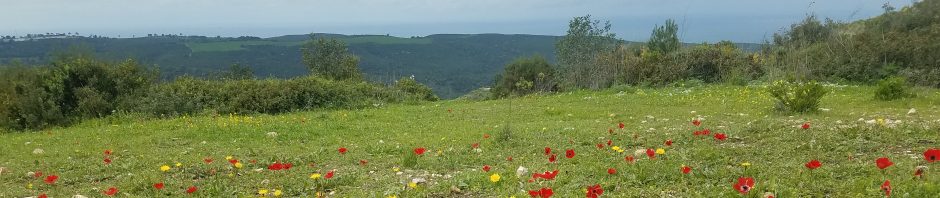
On potential – the Torah portion of Vayechi

Just before his death, Jacob calls his sons and blesses them. We know how important his father’s blessing was to him when he was young; so much so, that he – and his mom – made sure he gets it rather than his brother Esau. We might expect the grown Jacob to have learned his lesson and show us the best “blessing giving” in history. However, we are confronted with verses like:
Reuven, you are my first-born, my might, and the first-fruits of my strength… unstable as water… you have ascended your father’s bed; then defiled it… Shimon and Levi… cursed be their anger for it was fierce, and their wrath for it was cruel; I will divide them in Jacob, and scatter them in Israel.” (Genesis 49:3-7).  What is blessing and what does it mean “to bless” someone? Shouldn’t a blessing be ‘I wish you the best?’

לפני מותו, יעקב קורא לבניו ומברך אותם. אנחנו יודעים עד כמה ברכת אביו הייתה חשובה לו כשהיה צעיר; עד כדי כך שהוא – ואמו – הבטיחו שהוא יקבל אותה ולא אחיו, עשו. יכולנו לצפות שיעקב הבוגר ילמד את הלקח ויראה לנו איך נראית “הענקת הברכה” הטובה ביותר בהיסטוריה. עם זאת, אנו ניצבים מול פסוקים כמו: רְאוּבֵן֙ בְּכֹ֣רִי אַ֔תָּה כֹּחִ֖י וְרֵאשִׁ֣ית אוֹנִ֑י יֶ֥תֶר שְׂאֵ֖ת וְיֶ֥תֶר עָֽז׃ פַּ֤חַז כַּמַּ֙יִם֙ אַל־תּוֹתַ֔ר כִּ֥י עָלִ֖יתָ מִשְׁכְּבֵ֣י אָבִ֑יךָ אָ֥ז חִלַּ֖לְתָּ יְצוּעִ֥י עָלָֽה׃ שִׁמְע֥וֹן וְלֵוִ֖י אַחִ֑ים כְּלֵ֥י חָמָ֖ס מְכֵרֹתֵיהֶֽם׃ אָר֤וּר אַפָּם֙ כִּ֣י עָ֔ז וְעֶבְרָתָ֖ם כִּ֣י קָשָׁ֑תָה אֲחַלְּקֵ֣ם בְּיַעֲקֹ֔ב וַאֲפִיצֵ֖ם בְּיִשְׂרָאֵֽל”… (בראית מט:3-7). מהי ברכה ומה פירוש “לברך” מישהו? האם ברכה לא צריכה להיות ‘אני מאחל לך את הטוב ביותר?’

The Torah has different blessings: G-d blesses people and the world; People also pronounce a blessing that includes G-d; and people bless each other (mostly parents bless their children, but surprisingly in this portion, Jacob also blesses Pharaoh).

לתורה יש ברכות שונות: אלוקים מברך אנשים ועולם; אנשים מברכים אחרים בברכה הכוללת את אלוקים; ואנשים מברכים זה את זה, בעיקר הורים מברכים את ילדיהם, אך באופן מפתיע בפרשה זו, יעקב מברך גם את פרעה.

Rabbi Hirsch of the 19th century, a genius in conducting thorough “root-canals” on Hebrew roots, teaches that b.r.ch – the root for bracha, blessing – has to do with “power growth”, “spur prosperity”. He connects therefore 2 other Hebrew words that superficially look unrelated. These are the words berech, knee, and brecha, pool, reservoir.  The knee is the power point joint, the limb that propels us, that makes us go down or jump to new heights. From here, we have the verb lehavrich, as in to settle down camels, or bow down in prayer, which is close to kneeling. A pool likewise is a place from which one can recharge and draw strength. Rav Hirsch further connects it to other verbs like barak – a separate flash of lightening; and all the verbs that start with peh.resh and have to do with getting out on one’s own, developing, flowering and also getting wild.

הרב הירש שחי במאה ה -19, גאון ב”טיפולי שורש” יסודיים בענין שורשים עבריים, מלמד כי השורש לברכה, ב.ר.כ. קשור ל”צמיחת כוח “,” לעודד שגשוג “. לכן הוא מחבר שתי מילים עבריות אחרות שנראות על פניו כלא קשורות. אלה המילים ברך (ברגל) ובריכה (מאגר מים). הברך היא מפרק נקודת הכוח, האיבר שמניע אותנו, שגורם לנו לרדת נמוך או לקפוץ לגבהים חדשים. מכאן יש לנו את הפועל להבריך, להושיב גמלים, או להשתחוות בתפילה, שקרובה לכריעה. בריכה היא גם מקום שממנו ניתן להטעין ולשאוב כוח. הרב הירש מחבר את השורש (ב.ר.כ) לפעלים אחרים כמו ברק – ההבזק הנפרד של אור; וכל הפעלים שמתחילים עם פ.ר. וקשורים ליציאה עצמאית, להתפתחות, לפריחה וגם להתפרעות.

A blessing if so, is no magic; no abracadabra. It can’t turn an Esau into a Jacob, a Reuven into Judah. Rather, it expresses the ability to truly see someone and wish for them to grow to be the best they can be, no matter the outward conditions and challenges. To borrow from Shakespere’s “to be or not to be”, if to be able to be truly who we are is what life is all about, then for someone else to see our core true self, believe in us, and wish for us to fully be that – is indeed, a blessing.

ברכה אם כן, אינה קסם; היא לא אברקדברה. היא לא יכולה להפוך את עשו ליעקב, את ראובן ליהודה. במקום זאת, היא מבטאת את היכולת לראות מישהו באמת ולאחל להם לגדול להיות הכי טובים שהם יכולים להיות, לא משנה מה התנאים והאתגרים החיצוניים. בהשאלה מ”להיות או לא להיות “של שייקספיר, אם להיות באמת מי שאנחנו, זה ענין החיים, אז זה שמישהו אחר רואה את העצמי האמיתי שלנו, מאמין בנו ומייחל לנו להיות הכי טובים שאפשר – זו אכן ברכה.

*******

Pesach is not for another 3 months, but studying Tractate Pesachim in the daily daf, brings it much closer. It is therefore that this week I find myself thinking about the following: There are 5 kinds of grain with which one fulfills the obligation to eat matza on the first night of Passover (wheat, barley, spelt, rye and oats). The reason why those, is explained from a verse in Deuteronomy 16:3: “You (sn) shall not eat anything leavened (hametz) with it; for seven days thereafter you shall eat unleavened bread (matza)”…

פסח לא אמור להגיע עד עוד 3 חודשים, אבל לימוד מסכת פסחים בדף היומי, מקרב את החג הרבה יותר. לכן השבוע אני מוצאת את עצמי חושבת על הדברים הבאים: ישנם 5 סוגים של דגן שממלאים את החובה לאכול מצה בלילה הראשון של חג הפסח (חיטה, שעורה, כוסמין, שיפון ושיבולת שועל). הסיבה שבגללה אנחנו אוכלים דוקא את אלה מוסברת מפסוק בספר דברים טז, ג: “לֹא־תֹאכַ֤ל עָלָיו֙ חָמֵ֔ץ שִׁבְעַ֥ת יָמִ֛ים תֹּֽאכַל־עָלָ֥יו מַצּ֖וֹת”….

Due to the proximity of hametz and matza in this verse, the understanding is that these two are intimately connected. Specifically, that the only way to fulfill the obligation to eat matza is with substances which has the potential of becoming leavened. But why? Why not have a unique plant that is only for making matza? An easily recognized plant we grow in isolation, if need be, dedicated for this special food…

בשל קרבתם של חמץ ומצה בפסוק זה, ההבנה היא ששני אלה קשורים זה לזה. באופן ספציפי, שהדרך היחידה למלא את החובה לאכול מצה היא באמצעות משהו שיש בו פוטנציאל לחמץ. אבל למה? למה שלא יהיה למשל צמח ייחודי המיועד להכנת מצה בלבד? צמח שניתן לזהות אותו, שנגדל אותו בבידוד, אם צריך, מוקדש אך ורק למאכל המיוחד הזה…

Rather, an amazing spiritual message lays hidden in this teaching: only things that have the potential to go very “wrong”, to “leaven”, ferment, sour, also have the potential to go greatly – right. We can’t separate our life into good and bad compartments, neatly tucked in different boxes. We might get hurt most by the people we love most, while people we are not close to, can’t hurt us too badly, nor cheer us up when we’re down. “Good” and “bad” are mixed, and much depends, not only on the raw “material” which is often a given, but on how we handle them.

במקום זאת, מסר רוחני יפיפה מסתתר בלימוד הזה: רק דברים שיש בהם פוטנציאל להפוך ל”חמץ”, לתסוס, להתקלקל בצורה הזו, יש גם את הפוטנציאל להיות למצה, להפוך לאוכל הקדוש והמיוחד לחג החירות. אנחנו לא יכולים להפריד את חיינו לתאים טובים ורעים, טמונים בקופסאות שונות. יש ואנחנו נפגעים הכי הרבה מהאנשים שאנחנו הכי אוהבים, בזמן שאנשים שאנחנו לא קרובים אליהם, לא יכולים לפגוע בנו יותר מדי וגם לא לשמח אותנו כשאנחנו “על הפנים”. “טוב” ו”רע “מעורבבים, והרבה תלוי, לא רק ב”חומר” הגולמי שהוא לעיתים קרובות נתון, אלא באופן הטיפול שלנו בו.

Shabbat Shalom.

Posted in Uncategorized | 6 Comments

The Little Prince & his Baobab Trees – on the 10th of Tevet

היום, עשרה בטבת, הראשון מבין ארבעת ימי התענית לזכר חורבן בית המקדש,  מן יום הצום “רגוע”, לא קרה “כלום”, יום קצר, פחות מחצי יום. אני זוכרת שנה אחת שדוקא ביום הזה יצא לנו לטוס מזרחה. זמן הצום, מחושב לפי השמש, התקצר עוד יותר. כל כך קצר, שלא תמיד מספיקים לברר על מה ולמה.

Today is, the Tenth of Tevet, the first of the four days of fast in commemoration of the destruction of the Temple, a kind of “calm” fast, nothing awful happened, a short day, even less than half a day. I remember one year when on this very day we flew east, from the US to Israel. The fast time, calculated by the sun, got further shortened. So short that there is not always enough time to figure out what it is all about and why.

בעשרה בטבת, התחיל המצור של נבוכדנצר מלך בבל על ירושלים (בשנת 588 לפנה”ס), מצור שהסתיים כעבור שנה וחצי בחורבן ממלכת יהודה, חורבן העיר ירושלים וחורבן בית המקדש הראשון. אירועים טרגיים נוספים קרו בתקופה זו: לפי המסורת, עזרא הסופר, שהיה הדמות המרכזית בשיבת ציון ובשיקום התורה והרוח בתקופת בנין בית שני, נפטר ב-9 בטבת וב-8 בטבת, “נכתבה התורה יוונית בימי תלמי המלך והחושך בא לעולם שלושה ימים”, ויש שאומרים ש”אותו היום קשה לישראל כיום שנעשה בו עגל הזהב, שלא הייתה התורה יכולה להתרגם כל צורכה”.

On the 10th of Tevet, the siege of Jerusalem by Nebuchadnezzar king of Babylon began (in 588 BCE), a siege that ended a year and a half later with the destruction of the Kingdom of Judah, the destruction of the city of Jerusalem and the destruction of the First Temple. Other tragic events took place on this day too: According to tradition, Ezra, the Scribe, the main figure in Shivat Zion (the Return to Zion), and restoration of Torah and spirituality during the Second Temple era, died on the 9th Tevet and on the 8th of Tevet, “the Torah was translated into Greek in the days of King Ptolemy and darkness came into the world for three days”. and some say, that “that day, was harsh as the day the Golden Calf was made, as there was no way to sufficiently translate the Torah”.  

מה המשמעות של האירועים האלה, בתוך החושך העונתי הזה? הגעתו של נבוכדנצר לירושלים מתוארת בספר מלכים ב, כה:א:

What do these events mean, in the midst of this seasonal darkness? Nebuchadnezzar’s arrival in Jerusalem is described in 2nd Kings, 25:1:

וַיְהִי֩ בִשְׁנַ֨ת הַתְּשִׁיעִ֜ית לְמָלְכ֗וֹ בַּחֹ֣דֶשׁ הָעֲשִׂירִי֮ בֶּעָשׂ֣וֹר לַחֹדֶשׁ֒ בָּ֠א נְבֻכַדְנֶאצַּ֨ר מֶֽלֶךְ־בָּבֶ֜ל ה֧וּא וְכָל־חֵיל֛וֹ עַל־יְרוּשָׁלִַ֖ם וַיִּ֣חַן עָלֶ֑יהָ וַיִּבְנ֥וּ עָלֶ֖יהָ דָּיֵ֥ק סָבִֽיב׃

And in the ninth year of his reign, on the tenth day of the tenth month, Nebuchadnezzar moved against Jerusalem with his whole army. He besieged it; and they built towers against it all around.

החודש העשירי הוא חודש טבת, כשהספירה מתחילה מניסן, באביב, ו”מלכו” זו מלכות המלך צדקיה. המצור נמשך עוד חודשים רבים, והשאלה היא כמובן, מילא, לצום בתשעה באב, על החורבן, אפשר להבין, אבל למה, למה לצום כשבעצם “עוד לא קרה כלום”?? והתשובה שאני מתחברת אליה, לפי הרב שרקי, שאנחנו רוצים להדגיש כמה חשוב להבחין בתהליכים בראשיתם, במיוחד תהליכים לא טובים כדי שנוכל לעצור אותם מבעוד מועד.

When the count begins from Nisan, in the spring, the tenth month is Tevet, and “his reign” in the verse refers to King Zedekiah. The siege will last for many more months, and the question is, of course, ok, I get fasting on Tisha Be’Av, the day of the destruction, but why, oh why do we need to fast when “nothing has happened yet” ?? And one of the answers I like, according to Rav Sherki, is that we want to emphasize how important it is to notice processes in their very beginning, especially bad processes so that we can learn to stop them ahead of time.

כמה פעמים אנחנו מסתכלים אחורה וחושבים… זה היה שם כבר כל כך הרבה זמן… הנה, כאן ההתחלה! איך לא ראינו? איך לא עשינו משהו? הנסיך הקטן מסתובב בכדור שלו ומעשב עצי באובב. אבל למה? הם קטנים וחמודים ו”לא עושים כלום”! לנסיך הקטן כבר ברור שיצאו מהם עצי ענק שיכולים להרוס את הבית שלו. הוא רוצה להתמודד איתם כשעוד אפשר לעשות משהו. עשרה בטבת מסמל את הצורך לזכור את הנקודה הזו, חבויה מעין רואי, עמוק בתוך החושך,  הנקודה בה מסתתר הזרע של מה שיקרה אחר כך. איך ללמוד לזהות אותה? איך לפקוח עיניים אליה?

How many times do we look back and think … it’s been there for so long… here, here’s the beginning! How did we not see it? How did we not do something? The Little Prince on his planet weeds tiny Baobab seedlings. But why? They are small and cute and “do no harm”! It is already clear to him that huge trees that can destroy his home would grow out of them. He wants to deal with them when something can still be done. The 10th of Tevet stands for the need to remember this almost invisible point, hidden deep in the darkness, the point where the seed of what will happen later, germinates. How can we learn to recognize it? How can we open our eyes to it?

ומה עם עזרא הסופר? למה צריך צום דוקא עליו? הרי יש לנו כל כך הרבה מנהיגים טובים וחשובים! מה הוא עשה? התלמוד מספר שעזרא היה כמו משה! לאמיתו של דבר נאמר שראוי היה עזרא שתינתן תורה על ידו לישראל”! (סנהדרין כא:ב-כב:א). לעזרא היה את הכוח להביא את התורה לעם ולהחיות אותה. עם מותו, חלק מהתהליך הזה – נעצר.

And what about Ezra, the Scribe? Why do we need to fast “for him”? After all, we have so many great and important leaders! What did he do? The Talmud tells us that Ezra was like Moses! In fact, it is says that “Ezra deserved to have the Torah given through him to Israel”! (Sanhedrin 21:b-22:a). Ezra had the power to bring the Torah to the people and to revive it. With his death, part of that process – stopped too.

גם תרגום התורה הוא אירוע שמושפע מאוירת ה”מצור” וה”מעצור”. בספר דברים כז:8 כתוב:

The translation of the Torah is also an event that is influenced by this feeling of “siege” and “holding back”. In the book of Deuteronomy 27:8 we find:

וְכָתַבְתָּ֣ עַל־הָאֲבָנִ֗ים אֶֽת־כָּל־דִּבְרֵ֛י הַתּוֹרָ֥ה הַזֹּ֖את בַּאֵ֥ר הֵיטֵֽב׃

And on those stones you shall inscribe every word of this Teaching, expound it well.

לפי רש”י, “באר היטב” פירושו ב-70 לשון. כלומר, תרגום התורה – מותר מן התורה! אז מה הבעיה? חוץ מאבדן העומק והמשמעויות של כל אות ומילה, התרגום היה רק ליוונית. במקום להיות ספר של דבר האלוהים לעולם, התורה נהייתה “עוד ספר” פילוסופיה, הסטוריה בתרבות המערבית הכללית. כמו מותו של עזרא הסופר וכמו המצור, גם כאן נכנסנו למקום של חדלון.

According to Rashi, “expound well” means in 70 languages. That is, the translation of the Torah – allowed from the Torah! So what’s the problem? Apart from the loss of depth and meanings of each letter and word, the translation was only in Greek. The Torah became just “another book” of philosophy and history in the general Western culture. Like the death of Ezra the Scribe and the siege, here too we entered “stalling”.

בד”כ אנחנו מרימים כוס “לחיים”, מדברים על כמה אנחנו טובים בלהיו חיוביים, יצירתיים, מלאי חיים… כל זה נכון, ובכל זאת, אל לנו לחשוב שאין לנו יש רגעים של “מצור”, מקומות בהם נתקנו בחושך, מצבים שאולי יכולנו למנוע לו רק ראינו אותם בזמן. צום עשרה בטבת נותן לנו רגע בחושך העונתי הזה, להתארגן מחדש ולחשוב קדימה, לאור.

We usually raise a glass and cheer with a “lechayim”; we talk about how good we are at being positive, creative, full of life… that is all true, and yet, we should not think that we do not have moments of “siege”, places where we can get stuck in the darkness, situations we might have been able to avoid had we just seen them in time. The fast of the 10th of Tevet gives us a moment in this seasonal darkness, to restructure and think ahead. towards light.

שבת שלום. Shabbat Shalom

Posted in Uncategorized | 4 Comments

On Miracles & Dreams – על ניסים וחלומות

לפני שנפרדים מחנוכה, עוד מבט לענין הניסים, בחיינו ובכלל. יש ניסים? אין? אצלי יש כל הזמן: הנה, מצאתי חניה. ירד גשם. או לא. תלוי. הכל בתוך האפשרות. בענין הזה אני עם איינשטיין, או לפחות כפי שהוא מופיע על הספל שלי: “יש שתי דרכים “לחיות: אחת, כאילו שום דבר אינו נס, והשניה – כאילו הכל הוא כן…

Before we say goodbye to Hanukkah, another look at miracles, in our own lives and in general. Do miracles exist? Not at all? For me, it’s there all the time: I found parking. It was raining. It stopped raining. Dependence. Everything is “inside” the possibility. In this matter I am with Einstein, at least as he appears on my mug: there are two ways to live one’s life: one, as if nothing is a miracle, and the other – as if everything is.

לחז”ל כדרכם היו קצת יותר ניואנסים בענין. במסכת אבות (ה:6) מתוארים הדברים הניסיים שנצטרכו בהמשך: “פִּי הָאָרֶץ, וּפִי הַבְּאֵר, וּפִי הָאָתוֹן, וְהַקֶּשֶׁת, וְהַמָּן, וְהַמַּטֶּה, וְהַשָּׁמִיר, וְהַכְּתָב, וְהַמִּכְתָּב, וְהַלּוּחוֹת. וְיֵשׁ אוֹמְרִים, אַף הַמַּזִּיקִין, וּקְבוּרָתוֹ שֶׁל משֶׁה, וְאֵילוֹ שֶׁל אַבְרָהָם אָבִינוּ. וְיֵשׁ אוֹמְרִים, אַף צְבָת בִּצְבָת עֲשׂוּיָה”, ומתואר מתי בדיוק נבראו, “בערב שבת בין השמשות”, בדיוק באותן 20 דקות שספק אם הן שייכות לששי או שבת.

The sages, as usual, were a little more nuanced. In Tractate Avot (5: 6) we find the list of miraculous things that were needed later: “Ten things were created on the eve of the Sabbath at twilight, and these are they: [1] the mouth of the earth, [2] the mouth of the well, [3] the mouth of the donkey, [4] the rainbow, [5] the manna, [6] the staff [of Moses], [7] the shamir, [8] the letters, [9] the writing, [10] and the tablets. And some say: also the demons, the grave of Moses, and the ram of Abraham, our father. And some say: and also tongs, made with tongs”. And it’s described exactly when they were created,”on the eve of Shabbat between the suns”, exactly in those 20 minutes that we can’t tell whether they belonged to a sixth day or to Shabbat.

למה שם? בששת ימי הבריאה, אלוהים מתערב כל הזמן: יוצר אור, מזיז את המים, שותל עצים, מארגן את הכוכבים, ממלא את המים בדגים, את השמים – בעופות, ואץ הארץ בבהמות ואדם. ואז מגיע יום השבת, יום שבו אלוהים “נח”, לא מתערב, עוזב את העולם שברא להיות. והניסים? נבראים בדיוק בנקודת השקה בין לבין, מעין הכנה לבאות: ביום שאלוהים לא מתערב, יהיו רמזים לנוכחות של אלוהים, מוכנים מראש.

Why there? In the six days of creation, God constantly intervenes: creating light, moving the water, planting trees, arranging the stars, filling the water with fish, the sky – with birds, and the earth with animals and man. Then comes the Sabbath, a day when God “rests,” i.e He does not intervene, leaving the world He created to be. And the miracles? They get created right at the touchpoint in between, a kind of preparation for the future: on the day God does not intervene, there will be hints of God’s presence, prepared in advance.

בסופו של כל יום, כמעט, כתוב, “וירא אלוהים כי טוב, ויהי ערב ויהי בקר יום…”. ביום שבו לא מופיעה החתימה הזו, הוא יום שבת. לפי הרב שרקי, זה מכיון שהיום הזה עדין לא הסתיים. אנחנו עדין חיים ביום הזה: היום בו אלוהים “נח”, יום שבו הוא “הפסיק להתערב”, אלא אם יש מצב של פיקוח נפש, כמובן, ואז אפשר לשלוף “נס” מוכן מראש, רק לחמם ולהגיש. אבל חוץ מזה, יש ציפיה שאנחנו נעשה ונפעל, נתקן ונארגן.

At the end of each day, almost, it is written, “And God saw that it was good, and there was evening and there was morning, day …”. The only day where this signature does not appear is Saturday. According to Rav Sherki, this is because this day is not over yet. We are still living in this day: the day God is “resting”, the day He “stopped intervening”, unless there is an emergency, of course, “pikuach nefesh”. Then one can pull out a pre-made “miracle”, warm it up and serve. But other than that, there is an expectation that we will do and act, fix and organize…

והנס, הוא בדיוק הרגעים האלה, עכשיו, בין חול וקודש, דקה לשבת, כשהכל מוכן ושום דבר לא מוכן, והכל כמעט רגוע וממש ממש לחוץ… אלו הם בהחלט הרגעים של הניסים שלי, כמו הפוסט הזה…

And the miracle? Exactly in those moments, right now, between mundane and holiness, when everything is ready and nothing is ready, and everything is almost calm and at the same time, also really, really tense and crazy … These are the moments of my miracles, like this post…

הפרשות שנקראות בתקופה הכי חשוכה, מלאות חלומות: של יעקב, של פרעה, של שר המשקים ושר האופים, וכמובן, חלומותיו של יוסף. חלומות הם דבר מדהים: באמצע החושך, אנחנו מקבלים רמז לאור, מיני-נבואה. אחד החלקים האהובים עלי בתלמוד הוא הפרק התשיעי במסכת ברכות, אוסף של רעיונות שלא נכנסו במקום אחר והופיעו כאן, כולל – מבט עמוק לנושא החלומות.

The Torah portion that are read in the darkest me of the year, are full of dreams: Jacob’s, Pharaoh’s, the Minister of Drinking and the Chief Baker, and, of course, Joseph’s dreams. Dreams are an amazing thing: in the middle of the darkness, we get a glimpse of light, a mini-prophecy. One of my favorite parts of the Talmud is the 9th chapter in Tractate Brachot, a collection of ideas that were not placed elsewhere and appear here, including – a deep look at the subject of dreams

חשוב לחלום. כל חלום הוא קצת נבואה, אומר הכתוב, ובכל חלום יש גם – לפחות קצת – שטויות, ולא תמיד קל לדעת מה זה מה. מה שבמיוחד חשוב בחלום, הוא הפירוש. הפירוש “שולט” על החלום. במקומות רבים, כשמישהו אומר, חלמתי חלום, המנהג הוא להגיד – חלום טוב, חלום שלום. הזוהר אומר שכדאי לנו לספר את החלום למישהו שאוהב אותנו, כי כך יש לנו את הסיכוי הכי טוב לקבל פירוש טוב ושהחלום עצמו יתגשם בצורה הכי טובה.

It is important to dream. Every dream is a bit of a prophecy, as scripture says, and every dream also has – at least some – nonsense. What matters in a dream, is the interpretation. The meaning we give it “rules” the dream. In many places, when someone says, I had a dream, the custom is to answer with – ‘a good dream, a dream of peace’. The Zohar says that we should tell the dream to someone who loves us, because that way we have the best chance of getting a good interpretation and that the dream itself will come true in the best way.

שבת שלום – Shabbat Shalom

No photo description available.
Posted in Uncategorized | 1 Comment

Light to combat darkness of various kinds – Hanukkah 2020

What a strange harvest season, in the middle of winter’, my daughter says when I mention that I am off to pick olives again, trying to take advantage of a sunny day. We’re used to harvest time being in the summer to fall, and we’re used to thinking of Hanukkah as a holiday of lights, the fight for freedom and the miracle of the oil, seems like some sort of a legend, and what does that have to do with this time of year? But the Torah already alludes to it in Deuteronomy 11:13-15, where we find the second paragraph of the Shma:

וְהָיָ֗ה אִם־שָׁמֹ֤עַ תִּשְׁמְעוּ֙ אֶל־מִצְוֺתַ֔י אֲשֶׁ֧ר אָנֹכִ֛י מְצַוֶּ֥ה אֶתְכֶ֖ם הַיּ֑וֹם לְאַהֲבָ֞ה אֶת־ה’ אֱלֹֽהֵיכֶם֙ וּלְעָבְד֔וֹ בְּכָל־לְבַבְכֶ֖ם וּבְכָל־נַפְשְׁכֶֽם׃

If, then, you obey the commandments that I enjoin upon you this day, loving the LORD your God and serving Him with all your heart and soul,

וְנָתַתִּ֧י מְטַֽר־אַרְצְכֶ֛ם בְּעִתּ֖וֹ יוֹרֶ֣ה וּמַלְק֑וֹשׁ וְאָסַפְתָּ֣ דְגָנֶ֔ךָ וְתִֽירֹשְׁךָ֖ וְיִצְהָרֶֽךָ׃

I will grant the rain for your land in season, the early rain and the late. You shall gather in your new grain and wine and oil

וְנָתַתִּ֛י עֵ֥שֶׂב בְּשָׂדְךָ֖ לִבְהֶמְתֶּ֑ךָ וְאָכַלְתָּ֖ וְשָׂבָֽעְתָּ׃

I will also provide grass in the fields for your cattle—and thus you shall eat your fill.

The (bolded) mention of “grain and wine and oil” references three harvest seasons: grain is wheat, which is linked to bread, and the wheat harvest holiday of Shavuot; the wine (grapes) is liked to the fall harvest holiday of Sukkot; and the oil, well, here we are. Hanukkah is actually the harvest holiday of the olives, the Torah’s term for oil. By the way, the mention of “grass in the fields” for our animals, is linked to Passover, when barley, animal fodder, is gathered, and the Omer count begins.

There’s another place in the Torah where we can see a hint for Hanukkah: Leviticus 23 lists all the Torah holidays. Then Leviticus 24 opens with the words:

וַיְדַבֵּ֥ר ה’ אֶל־מֹשֶׁ֥ה לֵּאמֹֽר׃ צַ֞ו אֶת־בְּנֵ֣י יִשְׂרָאֵ֗ל וְיִקְח֨וּ אֵלֶ֜יךָ שֶׁ֣מֶן זַ֥יִת זָ֛ךְ כָּתִ֖ית לַמָּא֑וֹר לְהַעֲלֹ֥ת נֵ֖ר תָּמִֽיד׃

The LORD spoke to Moses, saying: Command the Israelite people to bring you clear oil of beaten olives for lighting, for kindling lamps regularly.

As if after the Torah holidays, we get glimpses of the post-Torah holidays, starting with Hanukkah and the lighting lights in the menorah with olive oil  (and yes, we can find hints to Purim and even Yom Ha’atzmaut right there!).

The Jewish people are often likened to the olives, because the olive never loses its leaves or greenery; and because the olive takes hard work to get the oil out. This is nothing like an apple or orange that one can just bite into. Olives are almost inedible off the tree. They need a process. And they need each other. Elsewhere, the Jewish people are also likened to a dove. And the Biblical done, not by coincidence, opted for an olive branch. The dove brought the branch of the same tree that is used to bring light, and the Jewish people were told to be a light unto the nations. The light that combats “darkness”, also – by switching letters around – is there to combat “forgetfulness” (choshech & shichecha). This is also what Hanukkah is about: to light a light where there is darkness, a form of it being forgetfulness.

Shabbat Shalom.

תקוע אלפא לשמן – the olive trees of the Upper Galilee, back in Mishna times and on to this very day

Posted in Uncategorized | Leave a comment

On dancing and struggling and hugging – Vayishlach

כל שנה כשאנחנו מגיעים בפרשה הזו, אני צריכה לשים מילה לאחד הריקודים הכי אהובים עלי. הוא אהוב כי הוא מקסים, וכי יש בי געגוע גדול לריקודים, וגם כי הוא כולל מילים מיוחדות:

Every year when we get to this Torah portion, I have to say something about one of my favorite dances. It is a great dance because it is beautiful. And because I so miss those dancing time. And because it includes special words:

קָטֹ֜נְתִּי מִכֹּ֤ל הַחֲסָדִים֙ וּמִכָּל־הָ֣אֱמֶ֔ת אֲשֶׁ֥ר עָשִׂ֖יתָ אֶת־עַבְדֶּ֑ךָ כִּ֣י בְמַקְלִ֗י עָבַ֙רְתִּי֙ אֶת־הַיַּרְדֵּ֣ן הַזֶּ֔ה וְעַתָּ֥ה הָיִ֖יתִי לִשְׁנֵ֥י מַחֲנֽוֹת׃

I am too small for all the Kindness and all the Truth that You have so steadfastly shown Your servant: for with my staff alone I crossed this Jordan, and now I have become two camps.

יעקב אומר מילים מוזרות: הוא הראשון שמצליח לשלב חסד ואמת. אמת – היא צד קשוח, החלטי, חד משמעתי. או שיש או שאין. בקבלה היא צד של דין וגבורה. חסד זה רך, נותן, נשפך, מעניק עוד ועוד. עד כה, אברהם היה התגלמות החסד, ויצחק – הגבורה והדין, והנה מגיע הדור הבא, שמכיר בזה שהוא מקבל גם חסד וגם אמת, שאפשר וצריך לשלב ולמצוא איך לעשות מקום לשניהם.

Jacob says strange words: He is the first to succeed in combining chesed & emet, Grace and Truth. Truth – is a tough, decisive, unequivocal. Either it’s there or not. In Kabbalah it is the side of Judgement and bravery. Grace is soft, giving, shedding, pouring out more and more. Until now, Abraham was the embodiment of Grace, and Isaac – Judgment (justice) and Bravery. And here comes the next generation, which recognizes that it receives both, and that it is possible and necessary to combine and find a way to make room for both.

זה לא פשוט, לא בחיינו האישיים ולא בחיי האומה שלנו. אבל כנראה זה הכרחי. רק אחד מהם, עלול להוביל לאבדון: אברהם, דמות החסד, היה מוכן להקריב את בנו, בלי שאלות (למרות ששאל הרבה שאלות לפני שהסכים להתפשר על סדום). לוט שלמד חסד מאברהם, חשב שזה נכון לתת את בנותיו לאנשי העיר, כי אחרי הכל, הכל למען האחר. יצחק שמגלם את מידת הדין והאמת, חשב שלא משנה מי הבן המתאים, העיקר שנלך לפי הסדר ונעשה הכל “נכון”. יעקב הראשון שלא מוותר, לא על החסד ולא על האמת. כי בשביל חיים מאוזנים לא מספיק אחד מהם. כך גם בסוף הפסוק, יעקב אומר – “עתה הייתי לשני מחנות”. אני עצמי, בתוכי, שני הצדדים! זה גם המעמד שהוא מקבל שם נוסף, לא שם חלופי – ישראל.

It is not simple, neither in our personal lives nor in the lives of our nation. But seems very necessary. Having only one of them, could lead to doom: Abraham, the figure of Kindness, was willing to sacrifice his son without hesitation (although he asked many questions before agreeing to compromise on Sodom!). Lot, who learned Kindness from Abraham, thought it right to give his daughters to the people of the city, because after all, we’d do anything for the other. Isaac, who embodies the aspect of Judgement, thought that no matter who the right son was, the main thing was that we would go in order and do everything “right.” Jacob is the first not to give up Kindness or Truth. Because for a balanced life one of them is not enough. At the end of the verse, Jacob says, “now I’ve become two camps”. Me, myself, I am the two sides! This is also when he receives a second name, not an alternative one! – Yisrael.

***

וַיִּוָּתֵ֥ר יַעֲקֹ֖ב לְבַדּ֑וֹ וַיֵּאָבֵ֥ק אִישׁ֙ עִמּ֔וֹ עַ֖ד עֲל֥וֹת הַשָּֽׁחַר׃

Jacob was left alone. And a man wrestled with him until the break of dawn.

זה נשמע מוזר אבל אחד הרגעים שאנשים הם הכי קרובים זה במאבק. גם בחיים שלנו, אין סיכוי שנאבק עם מישהו שלא אכפת לנו ממנו. אם יש מאבק, יש אכפתיות וצריכה להיות קרבה. ודוקא אז, הרגע הזה, כשכל אחד בגופו ממש, מגדיר את עצמו ואת השני, איפה אני מתחיל, איפה האחר נגמר, הראש מנוקה ממחשבות, הרגליים איתנות, הידים משולבות זה בזה… בעברית להאבק, ולחבק הם כמעט אותה מילה.

It might seem strange but one of the moments that people are closest to when they fight. Even in our own lives, there is no way we will struggle with someone we do not care about. If there is a struggle, there is deep caring and there would be closeness. And just then, this moment, when everyone in his body really, defines himself and the other, finding out where I begin, where the other ends, the head is clear of thoughts, the legs are firm, the hands are joined together … in Hebrew to struggle, and to embrace are almost the same word (lehe’avek & lechabek).

שבת שלום – Shabbat Shalom

Posted in Uncategorized | 1 Comment

Angels going Up & Down (Vayetze)

Jacob “had a dream: a stairway was set on the ground and its top reached to the sky, and angels of God were going up and down on it”… Usually, we think of angels as being “up high”, in the heavens, but in this story, the angels are going up, first. That means, that they are not on high, but, actually, on earth, right here, all around us.

Angels are part of the Torah from early on: an angel intervenes during the Binding of Isaac; then there are angles who meet Jacob, and on, through the prophets. The word for angle, mal’ach, means “messenger”, a being “programmed” for a particular task. Rav Hirsch explains that mal’ach is connected to melacha, a creative act which is forbidden on Shabbat, each one here to fulfill a very specific purpose. As such, for example, Micha’el is in charge of jobs that are expression of G-d’s kindness; Gavri’el – conducts matters of judgement and Rafa’el deals with healing.

But there’s another kind of angels, those that are being created by us. The sages tell us that “anyone who makes a mitzvah in this world, it is as if he acquires for himself an advocate for the World to Come” – i.e. an angelic being, and vice-versa too. Investing ourselves in positive actions, means creating and adding good energy in the world.

As I read it I wonder: I wholeheartedly believe in the text; after all, it “says so”, and also wonder, can we too open our hearts to notice and feel these angels around us?

Shabbat Shalom.

Posted in Uncategorized | Leave a comment

Walking on Grass, Walking on… End of Eruvin

We’re nearing the end of Eruvin, when we finally begin to understand what’s going on, we have to say good-bye… is that symbolic of so many other situations? I’m choosing a small, not critical section for finale, to take a glimpse into how the Talmud thinks, because, for me, more than anything, it isn’t a book of Halacha / Jewish Law, although it includes guidelines for it; it is a book that teaches our spiritual language and how we think. That, more than anything, is what makes it so challenging – we are peering into our extended mind; and that is also what makes it fun, lively, new and exciting every time.

In page 100b, after speaking of what to do regarding trees on Shabbat, we move to discuss walking on grass, already modeling the associative relationship between topics, flowing from one to another.

לקראת סוף מסכת עירובין, סוף סוף מתחילים להבין מה קורה, והנה, עלינו להיפרד … האם זה סמלי לכל כך הרבה סיטואציות אחרות בחיים? אני בוחרת קטע קטן ולא לגמרי קריטי, כדי להציץ לאיך התלמוד חושב, כי מבחינתי, יותר מכל, זה לא ספר הלכה / חוקה יהודית, למרות שהוא כולל הנחיות לכך; זהו ספר שמלמד את השפה הרוחנית שלנו ואיך אנחנו חושבים. זה, יותר מכל, מה שהופך אותו למאתגר כל כך – אנחנו מציצים לתוך המוח הקולקטיבי שלנו, וזה גם מה שהופך אותו למהנה, תוסס, חדש ומרגש בכל פעם.

בדף 100 ב, לאחר שדיברנו על מה לעשות בנוגע לעצים בשבת, אנו עוברים לדון בהליכה על דשא, ובכך כבר מדגמנים לנו את הקשר האסוציאטיבי בין נושאים, הזורמים זה מזה.

Turns out, we have 2 conflicting sources: one says, one cannot walk on grass on Shabbat (and we have a verse for that, which we’ll return to later-), and the other one says, we may. How do we reconcile two conflicting teachings? Ah! Says, the Gemara, “it is not difficult”, one speaks of wet (green) grass which one might uproot, and the other – re dry grass, which is already cut and therefore, no problem. Ok? Not yet. Because, it is also possible that we’re talking in both cases about green grass, but, one option refers to it in the summer, when the grass has seeds that might dislodge, and the other, to grass in winter, when this problem does not exists because the seeds inside the grass are not yet ready to be planted (which we can’t do on Shabbat).

מסתבר, שיש לנו 2 מקורות סותרים: אחד אומר, לא ללכת על דשא בשבת (ויש לנו פסוק לזה, שנחזור אליו בהמשך-), והשני אומר, אין בעיה. כיצד נשלב שתי תורות סותרות? אה! אומרת הגמרא, “לא קשיא”, אחד מדבר על דשא רטוב (ירוק) שעשוי להעקר, והשני – על דשא יבש שכבר נחתך ולכן, אין בעיה. בסדר? עדיין לא. כי ייתכן גם שאנחנו מדברים בשני המקרים על דשא ירוק, אך אפשרות אחת מתייחסת אליו בקיץ, כאשר בדשא יש זרעים שעלולים להעקר ובכך נעבור על איסור זריעה, והשנייה לדשא בחורף, כאשר בעיה זו לא קיימת מכיוון שהזרעים בתוך הדשא עדיין לא מוכנים לזריעה (מה שאנחנו לא יכולים לעשות בשבת).

Ok? Not yet. Because maybe we’re talking about summer for both situations, but what makes the difference is whether one is wearing shoes or not: with shoes, we’re just stepping on the grass, but without, our toes might get tangles and uproot the grass!

בסדר? עדיין לא. כי אולי בעצם אנחנו מדברים על קיץ בשני המצבים, אבל ההבדל הוא אם נועלים נעליים או לא: עם נעליים, אנחנו רק דורכים על הדשא, אבל בלי, בהונותינו עשויות להסתבך ולעקור את הדשא!

Ok? Not yet! We should check whether our shoe is pointy or not… alright! Done? Not yet. It’s possible the grass is short or long and that too, will make a difference because it can get tangled in the shoes and pulled out… in the end, it doesn’t matter, because it’s all under a category of – we’re doing something insignificant that gives us no benefit so “it’s ok”, but we had to jump through all the hoops and check it out all the way till the very end…

בסדר? עדיין לא! עלינו לבדוק לנעל שלנו יש שפיץ או לא … בסדר! סיימנו? עדיין לא. יתכן שהדשא קצר או ארוך וגם זה ישפיע כי אולי הוא יכול להסתבך בנעליים ולהעקר … בסוף כל הענין מבוטל כי אנחנו הולכים על דשא לא “בשביל” לעקור, ולכן מה שיקרה הוא “לא ניחא ליה”, הוא דבר שלא תורם לנו ולא עשינו אותו בכוונה, אבל היינו צריכים לעבור את כל המכשולים ולהבין עד הסוף…

And we wonder: but wait, you didn’t tell me from the get go that I need to think about different seasons and length of grass and shoes, and whether the shoes are pointy or not… yes, exactly. And if that is not enough, at the end of it, they go back to the first verse that accompanied the teaching that says, not ok to walk on grass, and say, remember that verse? It says “And he who hastens with his feet sins” (Proverbs 19:2). As if the Gemara let it sink in the back of our minds, so that we would wonder, is ‘walking on grass’ on Shabbat is the only way to hastily “sin” with one’s legs? Ah, glad you asked… Before we know it, we’re in the discussion about sexual relationship, and what is ok and not ok between couples, because that too, is an area where we seek boundaries, which help us find ways to join and ways to separate.  

ואנחנו תוהים: אבל רגע, לא אמרת לי מההתחלה שאני צריך לחשוב על עונות שונות ואורך דשא ונעליים, והאם הנעליים מחודדות או לא … כן, בדיוק. ואם זה לא מספיק, בסוף כל זה, אנחנו חוזרים לפסוק שהוכיח את ההנחיה הראשונה, שאמרה, לא ללכת על הדשא, ואומרים, זוכרים שהיה שם פסוק? כתוב ״וְאָץ בְּרַגְלַיִם חוֹטֵא״.(משלי יט:2) כאילו שהגמרא הניחה לענין לשקוע ברקע, כדי שנתחיל לחשוב, האם ‘הליכה על דשא’ בשבת היא הדרך היחידה “לחטוא” בחופזה ברגליים? אה, שמחה ששאלתם … ולפני ששמנו לב מה קרה, אנחנו בדיון על יחסי מין, מה בסדר ולא בסדר בין בני זוג, כי אחרי הכל, גם זה תחום שאנחנו מחפשים גבולות ו”עירובין” – קוים שעוזרים לנו למצוא דרכים להתחבר ודרכים להפריד…

I know. For many it’s an opportunity to role eyes, but for me? Well, that’s what happens when you love something. Biding farewell to Eruvin and can’t wait to see what Pesachim has in store.

אני יודעת. זה השלב שרבים מגלגלים את עיניהם, אבל בשבילי? ובכן, זה מה שקורה כשמאוהבים… להתראות לך מסכת עירובין, ולא יכולה לחכות לראות מה “פסחים” טומנת בחובה.

Shabbat Shalom. שבת שלום  

אָמַר רָמֵי בַּר אַבָּא אָמַר רַב אַסִּי: אָסוּר לְאָדָם שֶׁיְּהַלֵּךְ עַל גַּבֵּי עֲשָׂבִים בְּשַׁבָּת, מִשּׁוּם שֶׁנֶּאֱמַר: ״וְאָץ בְּרַגְלַיִם חוֹטֵא״.

Rami bar Abba said that Rav Asi said: It is prohibited for a person to walk on grass on Shabbat, due to the fact that it is stated: “And he who hastens with his feet sins” (Proverbs 19:2). This verse teaches that mere walking occasionally involves a sin, e.g., on Shabbat, when one might uproot the grass on which he walks.

תָּנֵי חֲדָא: מוּתָּר לֵילֵךְ עַל גַּבֵּי עֲשָׂבִים בְּשַׁבָּת, וְתַנְיָא אִידַּךְ: אָסוּר. לָא קַשְׁיָא: הָא — בְּלַחִים, הָא — בִּיבֵשִׁים.

The Gemara cites another apparent contradiction: It was taught in one baraita that it is permitted to walk on grass on Shabbat, and it was taught in another baraita that it is prohibited to do so. The Gemara answers: This is not difficult. This baraita is referring to green grass, which one might uproot, thereby transgressing the prohibition against reaping on Shabbat. That other baraita is referring to dry grass, which has already been cut off from its source of life, and therefore the prohibition of reaping is no longer in effect.

וְאִי בָּעֵית אֵימָא, הָא וְהָא בְּלַחִים, וְלָא קַשְׁיָא: כָּאן — בִּימוֹת הַחַמָּה, כָּאן — בִּימוֹת הַגְּשָׁמִים.

And if you wish, say instead that both baraitot are referring to green grass, and yet there is no difficulty: Here, the baraita that prohibits walking on grass is referring to the summer, when the grass includes seeds that might be dislodged by one’s feet, whereas there, the baraita that permits doing so is referring to the rainy season, when this problem does not exist.

וְאִיבָּעֵית אֵימָא, הָא וְהָא בִּימוֹת הַחַמָּה, וְלָא קַשְׁיָא: הָא — דְּסָיֵים מְסָאנֵיהּ, הָא — דְּלָא סָיֵים מְסָאנֵיהּ.

And if you wish, say instead that both baraitot are referring to the summer, and it is not difficult: This baraita, which permits walking on grass, is referring to a case where one is wearing his shoes, whereas that other baraita, which prohibits it, deals with a situation where one is not wearing his shoes, as the grass might get entangled between his toes and be uprooted.

וְאִיבָּעֵית אֵימָא: הָא וְהָא דְּסָיֵים מְסָאנֵיהּ, וְלָא קַשְׁיָא: הָא — דְּאִית לֵיהּ עוּקְצֵי, הָא — דְּלֵית לֵיהּ עוּקְצֵי.

And if you wish, say instead that both baraitot are referring to a case where one is wearing his shoes, and nevertheless this is not difficult: This baraita prohibits walking on grass, as it involves a case where one’s shoe has a spike on which the grass might get caught and be uprooted, whereas that other baraita permits it, because it deals a case where one’s shoe does not have a spike.

וְאִיבָּעֵית אֵימָא, הָא וְהָא דְּאִית לֵיהּ עוּקְצֵי: הָא — דְּאִית לֵיהּ שְׁרָכָא, הָא — דְּלֵית לֵיהּ שְׁרָכָא.

And if you wish, say instead that both are referring to a case where the shoe has a spike, and it is not difficult: This baraita, which prohibits walking on grass, is referring to a case where the grass is long and entangled, and it can easily get caught on the shoe, whereas that other baraita is referring to a case where the grass is not long and entangled.

וְהָאִידָּנָא דְּקַיְימָא לַן כְּרַבִּי שִׁמְעוֹן, כּוּלְּהוּ שְׁרֵי.

The Gemara concludes: And now, when we maintain that the halakha is in accordance with the opinion of Rabbi Shimon, who maintains that there is no liability for a prohibited act committed unwittingly during the performance of a permitted act, all of these scenarios are permitted, as here too, one’s intention is merely to walk and not to uproot grass on Shabbat.

וְאָמַר רָמֵי בַּר חָמָא אָמַר רַב אַסִּי: אָסוּר לְאָדָם שֶׁיָּכוֹף אִשְׁתּוֹ לִדְבַר מִצְוָה, שֶׁנֶּאֱמַר: ״וְאָץ בְּרַגְלַיִם חוֹטֵא״.

The Gemara cites another halakha derived from the verse mentioned in the previous discussion. Rami bar Ḥama said that Rav Asi said: It is prohibited for a man to force his wife in the conjugal mitzva, i.e., sexual relations, as it is stated: “And he who hastens with his feet sins” (Proverbs 19:2). The term his feet is understood here as a euphemism for intercourse.

וְאָמַר רַבִּי יְהוֹשֻׁעַ בֶּן לֵוִי: כׇּל הַכּוֹפֶה אִשְׁתּוֹ לִדְבַר מִצְוָה הָוְיָין לוֹ בָּנִים שֶׁאֵינָן מְהוּגָּנִין. אָמַר רַב אִיקָא בַּר חִינָּנָא, מַאי קְרָאָה: ״גַּם בְּלֹא דַעַת נֶפֶשׁ לֹא טוֹב״.

And Rabbi Yehoshua ben Levi said: Anyone who forces his wife to perform the conjugal mitzva will have unworthy children as a consequence. Rav Ika bar Ḥinnana said: What is the verse that alludes to this? “Also, that the soul without knowledge is not good” (Proverbs 19:2). If intercourse takes place without the woman’s knowledge, i.e., consent, the soul of the offspring will not be good.

Posted in Uncategorized | 1 Comment

On a visit to London & Some Olive Oil – Parashat Chayey Sarah – על ביקור בלונדון, ועל שמן זית – לפרשת חיי שרה וראש חודש כסלו

London, summer 2008: the plan is to walk through The Regent’s Park and get to the Western Marble Arch Synagogue in time for Shabbat morning services. Then, continue to Hyde Park, Buckingham Palace and the Big Ben. Hopefully the shul has a kiddush; only one day to catch “everything”!

לונדון, קיץ 2008: התכנית היא לעבור דרך ריג’נטס פארק ולהגיע לבית הכנסת “Western Marble Arch” בזמן לתפילת שחרית בשבת בבקר. לאחר מכן, נמשיך להייד פארק, לארמון בקינגהאם ולביג-בן. אני מקווה שבבית הכנסת יש קידוש; יש לנו רק יום אחד לתפוס את “הכל”!

The synagogue is of course magnificent. My daughters and I are shown to the high balcony and the boys join below. People are excited though I am not quite sure why. I am excited because we’re here and because when it’s time for An’im Zmirot, the closing song of praise and glory, all of a sudden, in a mixture of pride and complete surprise, I see my son ushered to the central bimmah to lead the congregation (he definitely had the voice for this!).

בית הכנסת כמובן מפואר. הבנות שלי ואני מונחות למרפסת הגבוהה והבנים מצטרפים למטה. אנשים מתרגשים אם כי אני לא לגמרי בטוחה למה. אני מתרגשת מכיוון שאנחנו כאן, ומכיוון שכאשר מגיע הזמן לשיר את “אנעים זמירות”, שיר הסיום של שבח ותהילה, פתאום, בתערובת של גאווה והפתעה מוחלטת, אני רואה את הבן שלי מובל לבימה המרכזית להוביל את הקהילה (ובהחלט היה הקול לזה!).

To everyone’s delight, a lovely kiddush follows: my kids have food and me, I must – must – speak with the rabbi who gave the drasha. He made some fascinating points, although, I must admit, I totally don’t agree with and, as “have to” check that with him.

לשמחת כולם, יש קידוש מקסים: לילדים שלי יש אוכל ולי, אני חייבת – חייבת – לדבר עם הרב שנתן את הדרשה. הוא העלה כמה נקודות מרתקות, אם כי, אני צריכה להודות, שאני לגמרי לא מסכיםמה עם כולן וכמובן, “צריכה” לבדוק את זה איתו.

A long line forms with people waiting to speak with him. I don’t give up and dutifully stand there too. I half hear him mentioning books he wrote that are awaiting translation and talks he plans to give on this and that here and there. When my turn arrives, finally, I approach, thank him and raise my issue. He listens and gives me some answers patiently and we chat for a few moments, considering each other’s views. Then a new line forms behind me and I retreat to the tables.

תור ארוך נוצר עם אנשים שמחכים לדבר איתו. אני לא מוותרת וגם עומדת שם בצייתנות. אני חצי שומעת אותו מזכיר ספרים שכתב שמחכים לתרגום, שיחות והרצאות שהוא מתכנן לשאת על זה וזהו,פה ושם. כשמגיע תורי, סוף סוף, אני ניגשת, מודה לו ומעלה את הנושא שלי. הוא מקשיב ונותן לי כמה תשובות בסבלנות ואנחנו משוחחים כמה רגעים, שוקלים את הדעות אחד של השני. שוב נוצר מאחוריי תור חדש ואני נסוגה לשולחנות.

Ima, ima, that’s my children, these people invited us for lunch! What? All of us? Yes, yes, say the hosts, right behind them, come; we already have 10 others, it will be great!! We follow through the streets of London, the host telling me about this and that along the way, then says, ‘Ah, you’re so so lucky to be here, right when Rabbi Lord Jonathan Sacks came for Shabbat! I saw you got to speak with him?”

אימא, אימא, אלה הם הילדים שלי, האנשים האלה הזמינו אותנו לארוחת צהריים! מה? את כולנו? כן, כן, אומרים המארחים, ממש מאחוריהם, בואו; יש לנו כבר 10 אורחים אחרים, יהיה נהדר !! אנחנו עוקבים אחריהם בסימטאות לונדון, כשהמארח מספר לי על מקום זה או אחר לאורך הדרך, ואז אומר, ‘אה, אתם כל כך ברי מזל שאתם כאן, בדיוק כשהרב לורד ג’ונתן סאקס הגיע לשבת! ראיתי שהספקת לדבר איתו? ”

That moment stayed with me, more than once thinking of what I should have / could have / would have said and maybe will say one day when I chance to London again… This week he passed away. On his website it says: “The good we do, lives on in others”… May the good he has done, continue to live on in us too.

הרגע הזה נשאר איתי, ולא פעם חשבתי על מה שהייתי צריכה / יכולה / אמורה להגיד ואולי עוד יום אחד אגיד, כשאזדמן לי שוב ללונדון … השבוע הוא נפטר. באתר האינטרנט שלו כתוב: “הטוב שאנחנו עושים, חי הלאה בתוך אחרים” … הלואי שהטוב שהוא עשה, ימשיך לחיות גם בנו.

*******

Yitzchak and Yishma’el have their differences but it’s all set aside for the moment they both, together, come to bury their father, Abraham, who loved them both, and put them both through complicated trials and tribulations (Genesis 25:9):

בין יצחק וישמעאל יש חילוקי דעות, אך הכל מונח בצד, לרגע בו שניהם, יחד, באים לקבור את אביהם, אברהם, שאהב את שניהם, ולהעמיד את שניהם במבחנים ומצבים מסובכים (בראשית כה:9):

וַיִּקְבְּר֨וּ אֹת֜וֹ יִצְחָ֤ק וְיִשְׁמָעֵאל֙ בָּנָ֔יו אֶל־מְעָרַ֖ת הַמַּכְפֵּלָ֑ה אֶל־שְׂדֵ֞ה עֶפְרֹ֤ן בֶּן־צֹ֙חַר֙ הַֽחִתִּ֔י אֲשֶׁ֖ר עַל־פְּנֵ֥י מַמְרֵֽא׃

His sons Isaac and Ishmael buried him in the cave of Machpelah, in the field of Ephron son of Zohar the Hittite, facing Mamre,

We read this Torah portion every year during the mesik, olives-gathering season in Israel, a time for traffic jams in the hilly areas, when long rows of heavy loaded cars and trucks meander through the winding roads, hurrying to the local beit bahd, where the olives are turned into oil. People show up with anything from a truck load to a private sedan, sagging to the ground, proudly unloading their buckets and bags. Once there, the wait can be long. If you just got here after “a” truck (or two), have a seat.  And coffee. And a bite of some sweets. And maybe take a walk around; it will be a while. And make sure you brought a sweater. After the morning sun, the evening air is already quite chilly and crisp.

אנו קוראים את פרשת “חיי-שרה” מדי שנה בעונת המסיק, קטיף הזיתים בארץ, זמן של פקקי תנועה באזורים ההרריים, כאשר שורות ארוכות של מכוניות ומשאיות עמוסות וכבדות מתפתלות בכבישים הצרים, ממהרות לבית הבד המקומי, שם יהפכו את הזיתים לשמן. אנשים מופיעים עם כל דבר, החל ממשאית עמוסה ועד מכונית פרטית, הבגאז’ שלה כמעט מגרד את האדמה מהמשקל הכבד, פורקים בגאווה את דליהם ותיקיהם. כשמגיעים, מתברר שההמתנה יכולה להיות ארוכה. אם הגעת לכאן אחרי משאית (או שתיים), תפוס לך מקום. וקפה. וביס מכמה מתוקים. ואולי לך לטייל מסביב; זה יקח זמן מה. וודא שהבאת סוודר. אחרי שמש הבוקר, אוויר הערב כבר קריר למדי.

The people who bring the olives often “watch”: though much of the process is nowadays done with machinery, inside giant crushers and centrifuges, they wait at the end for the sought out greenish-goldish thick liquid to come out, smelling like delicious freshly cut grass. I, in turn, watch the people: some with kippa and tzitzit, some with a kafia, some in jeans and t-shirt, some in long embroidered dresses and head scarf. They speak Hebrew and Arabic. Or, more often – Hebrew with Arabic and Arabic with Hebrew. They talk about the harvest and their families and the weather. They smile, and suggest, and advise and share experiences.

האנשים שמביאים את הזיתים לעתים קרובות “צופים”: אף על פי שרוב התהליך נעשה כיום במכונות, בתוך מגרסות ענק וצנטריפוגות, הם עומדים בסוף, ממתינים שייצא הנוזל הסמיך, ירקרק-זהבהב, שמריח כמו כמו דשא קצוץ טרי. אני, מצדי, צופה באנשים: חלקם עם כיפה וציצית, חלקם עם כפיה, חלקם בג’ינס וטי-שירט, חלקם בשמלות רקומות ארוכות וצעיף ראש. הם מדברים עברית וערבית. או, לעתים קרובות יותר – עברית עם ערבית וערבית עם עברית. הם מדברים על המסיק והמשפחה ומזג האוויר. הם מחייכים, ומציעים, ומייעצים ומשתפים חוויות.

The Torah in this week’s reading, reminds us that later in their lives, without “outside” interventions, and when left to achieve a common task or goal, Yishma’el and Yitzchak get along just fine. It’s very possible they even like each other; that they learn to let each be who he is, appreciating their very different, though possibly complimentary, gifts. Olive branches and olive oil have always been symbolic of peace and pure light, possibly suggesting that though it does take work, it’s not impossible.

התורה בפרשת השבוע מזכירה לנו שבהמשך חייהם, ללא התערבויות “חיצוניות”, וכאשר מה שהיו צריכים זה להשיג משימה או מטרה משותפת, ישמעאל ויצחק מסתדרים לגמרי טוב ביחד. ייתכן מאוד שהם אפילו מחבבים זה את זה; שהם למדו כל אחד לתת לשני להיות מי שהוא, שהם מעריכים את המתנות השונות, אם כי אולי משלימות, שלהם. ענפי זית ושמן זית תמיד היו סמלים לשלום ולאור טהור, מרמזים אולי, שגם אם זה לוקח עבודה, זה לא בלתי אפשרי

Shabbat Shalom ** שבת שלום

learning about olive oil together, in honor of the upcoming new month of Kislev:

Posted in Uncategorized | 1 Comment

Health Matters in the Bible & Talmud –

A 3-part-series on health, preventative care, diseases, medical procedures & spiritual well-being at (through) Beth Jacob, Oakland CA, Fall 2020:

Posted in Uncategorized | Leave a comment

Getting up early in the morning – להשכים בבקר…

What do we do when we get up in the morning? Daven, yoga, walk, coffee, journal, or… ?

מה אנחנו עושים כשאנחנו קמים בבוקר? תפילה, יוגה, הליכה, קפה, כתיבה ביומן, או …?

When Abraham gets up “early in the morning”, twice, it results in him doing something that, potentially, will be harming both his sons.  In the first time, “Avraham arose up early in the morning” to take Yishma’el and his mother to the desert (Genesis 21:14) and in the second time “Avraham rose early in the morning”, he takes his other son to be offered as a burnt-offering (22:2)

כשאברהם קם “מוקדם בבוקר”, פעמיים, הוא עושה משהו שעלול לפגוע בשני בניו. בפעם הראשונה, וַיַּשְׁכֵּם אַבְרָהָם בַּבֹּקֶר, הוא שולח את ישמעאל ואמו אל המדבר (בראשית כא:14) ופעם השניה “וַיַּשְׁכֵּם אַבְרָהָם בַּבֹּקֶר” (בראשית כב:2), הוא לוקח את יצחק לעקדה.

I was wondering if he always gets up early to take himself and his sons on impossible missions, so was glad to find another “vayashkem” – “and he rose early in the morning”. This is when he looks over the plains of Sodom and Gomorrah (19:27-28) and sees “the smoke of a furnace”.  

תהיתי אם הוא תמיד קם מוקדם לקחת את עצמו ואת בניו למשימות בלתי אפשריות, ולכן שמחתי למצוא עוד ” וַיַּשְׁכֵּם אַבְרָהָם, בַּבֹּקֶר”, כאשר הוא מביט אל סדום ועמורה ורואה את “קִיטֹר הָאָרֶץ כְּקִיטֹר הַכִּבְשָׁן” (יט:27-28).  

This bothered me: coincidence? Or is there a way these three “early mornings” tie together to anything that can even begin to makes sense?

האם זה צירוף מקרים? או שמא יש דרך לקשור את שלושת ה”וישכמים” האלה?  

Avraham traditionally is associated with the quality of chesed, kindness, and with Tefilat Shacharit, the Morning Prayer, exactly because of his notorious rising early. And chesed is associated with morning because when we wake up, we meet God’s in the form of Kindness, simply – because we are alive. The moment we open our eyes, it means that we were just given a gift: life. This is expressed in the first prayer of the day, mode / moda ani – literally – thankful I am, in that order, for even before there is an “I” which is fully present, there is already an awareness of thankfulness, of the kindness handed to us.

אברהם בד”כ קשור ל”חסד” ותפילת שחרית, בדיוק בגלל השכמתו המוקדמת כאן. חסד קשור לבוקר מכיוון שכשאנחנו מתעוררים, אנו פוגשים את אלוהים בצורה של חסד, פשוט – כי אנחנו חיים. ברגע שאנחנו פוקחים את העיניים, זה אומר שקיבלנו מתנה: את החיים. זה בא לידי ביטוי בתפילה הראשונה של היום, מודה אני – פשוטו כמשמעו – ה”אני” בא אחרי ה”תודה” בסדר הזה, כי עוד לפני שיש “אני” שנמצא במלואו, יש כבר מודעות לתודה, לחסד שהועבר אלינו.

On these three occasions when Avraham gets up early, he actually discovers, to his horror, that Someone has moved his “kindness cheese”. On those mornings, God’s kindness is not there as it is always. God here is the destroyer, not the giver. A whole region was wiped out. His first-born son is sent out in the desert and the younger one, who should be his spiritual heir, has to be taken to be brought up on the altar.

בשלוש ההזדמנויות הללו כאשר אברהם משכים, הוא למעשה מגלה, למורת רוחו, שמישהו הזיז את “גבינת החסד” שלו. בבקרים האלה, החסד של האלוהים שלו לא קיים כמו תמיד. אלוהים כאן הוא ההורס, לא הנותן: אזור שלם נמחק. בנו בכורו נשלח אל המדבר ויש לקחת את הצעיר, שאמור להיות היורש הרוחני שלו, כדי שיועלה על המזבח לעולה.

He finds that things are not as they “should be” and he needs to figure them out, vis-a vis himself, vis-a vis the Divine in his life. Avraham here gets up for a “berur” – an inquiry – with God. These are times when he is called to meet God in the absence of kindness and there, to seek Him out. He discovers a most difficult lesson, that G-d is not only in kindness and well-being but also in Din and Gevurah – Judgement and Might.

הוא מוצא שהדברים אינם כפי שהם “צריכים להיות” והוא צריך לנסות להבין אותם, מול עצמו, מול האלוהים בחייו. אברהם כאן קם לברור עם אלוהים. אלה הם זמנים שבהם הוא נקרא לפגוש את אלוהים בהיעדר חסד ושם, לחפש אותו. הוא מגלה שיעור קשה ביותר, שאלוקים נמצא לא רק בחסד ובטוב, אלא גם בדין ובגבורה.

Shabbat Shalom – שבת שלום

Posted in Uncategorized | 3 Comments