Happy Journniversary & the Torah portion of Lech Lecha – פרשת לך-לך ויום השנה ל”ה”טיול

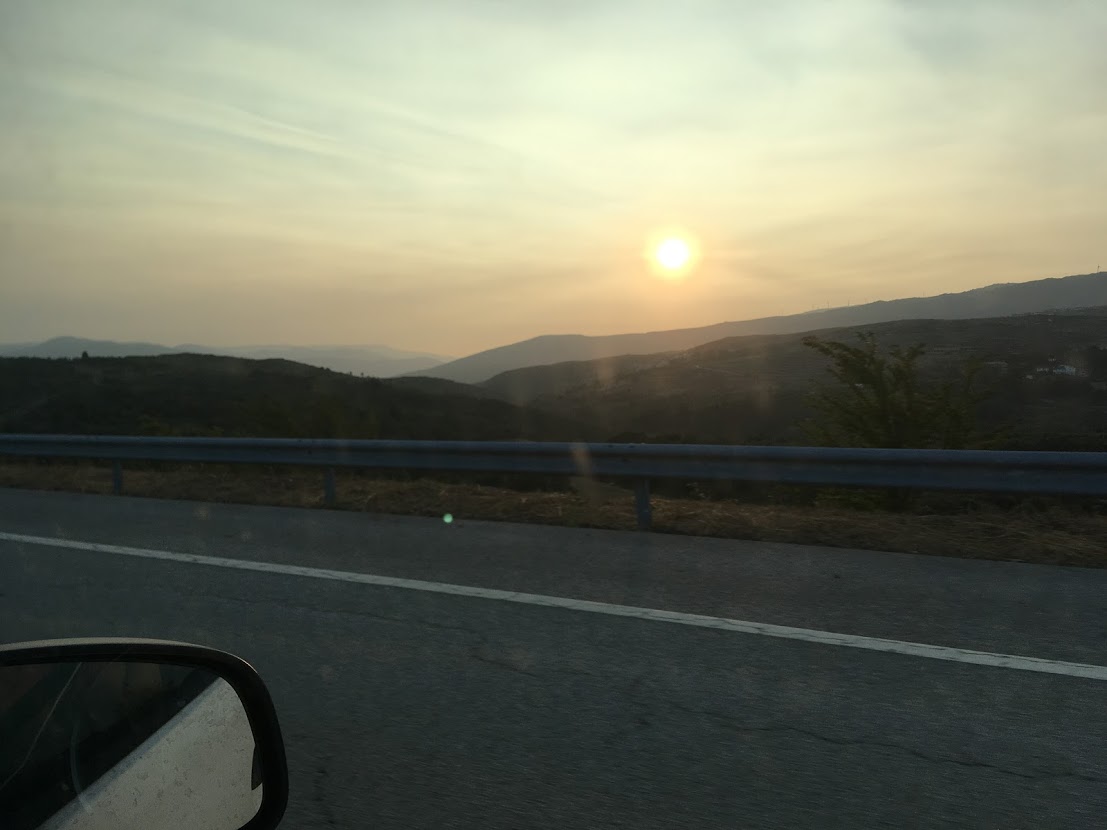
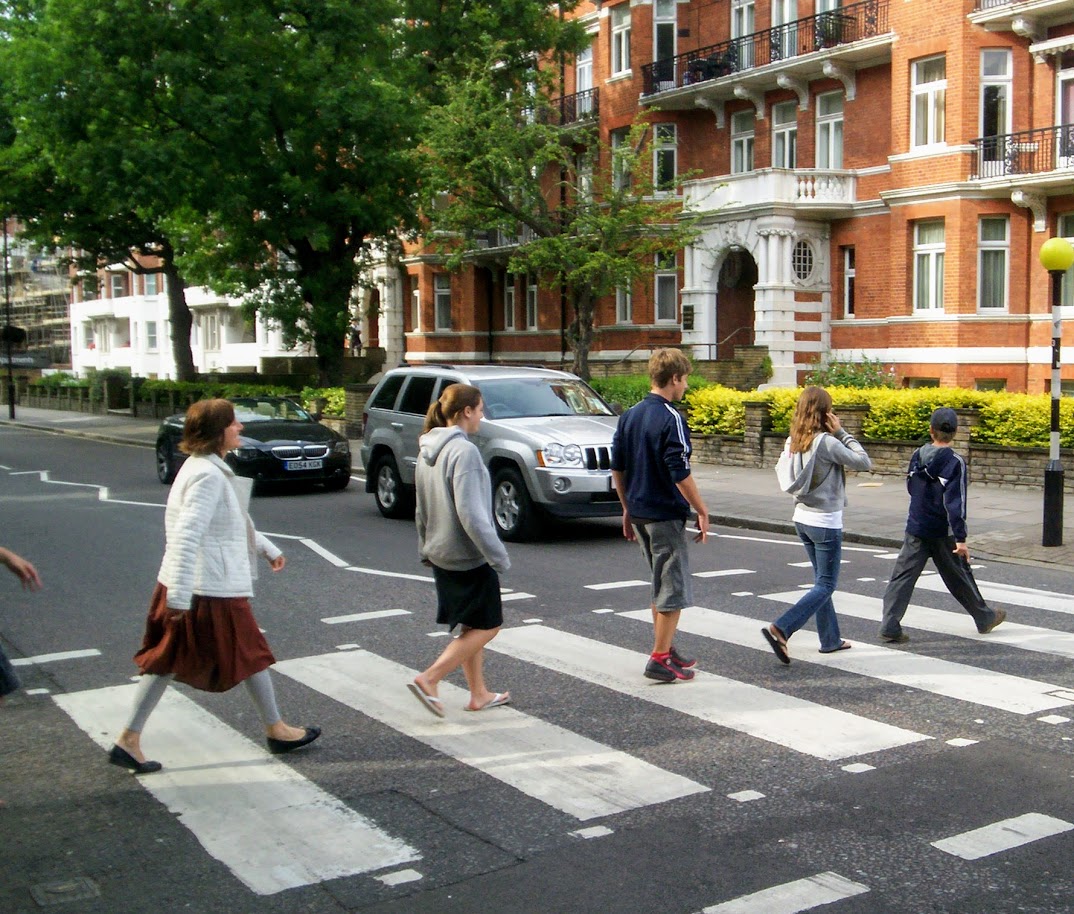
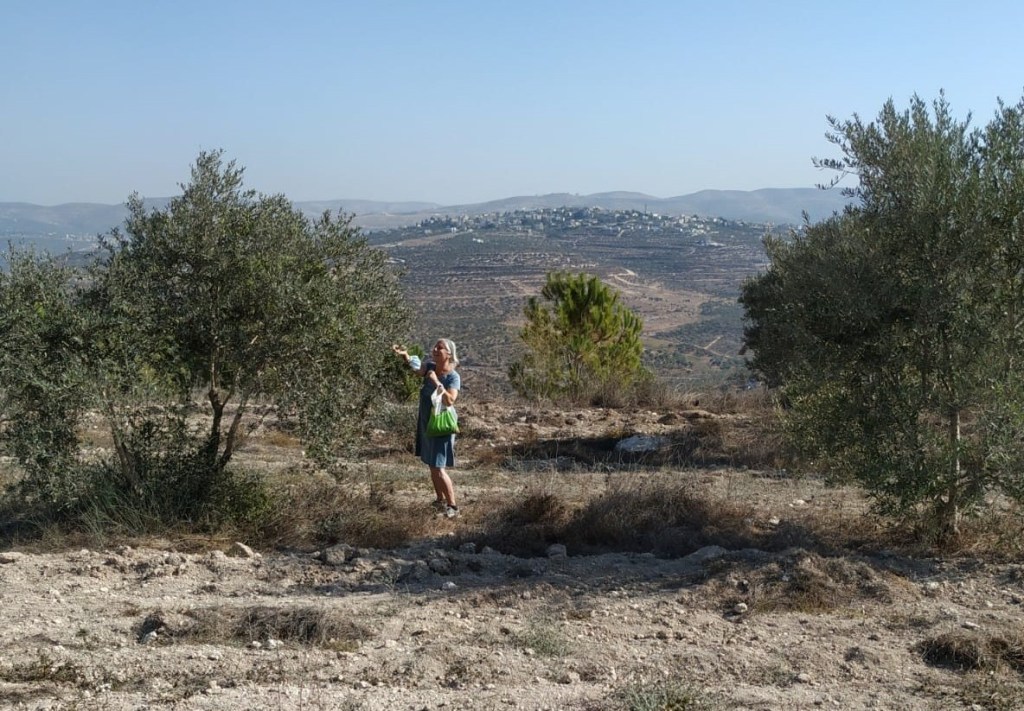
When I stood at what was then the “old” Ben Gurion airport, October 1984, a giant backpackers backpack towering over my head; sleeping-bag tied below, I don’t think I realized the Torah portion of Lech Lecha was read in shuls around the world, but in retrospect… of course.

כשעמדתי ליד נמל התעופה בן ה”גוריון “הישן” באוקטובר 1984, תרמיל תרמילאים ענק מתנשא מעל ראשי; שק שינה שקשור מתחתיו, אני לא חושבת שהייתי מודעת לכך שפרשת השבוע ברחבי העולם היתה “לך לך”,  אבל בדיעבד … כמובן.

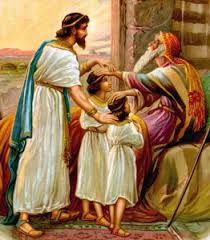
Lech Lecha, says G-d to Abram at the opening of this week’s reading, and the commentators, struggle: Lech means – go, in the command form of the verb; lecha, means – to yourself. Where exactly is Abram, as he was still called then, supposed to be going? If G-d only wanted him to “leave”, it would have been enough to say just that. What does the addition of “to yourself” do here?

לך לך, אומר אלוקים לאברם בפתיחת הקריאה של השבוע הזה, והפרשנים, נאבקים: לֶךְ – נגיד שהבנו, אבל לְךָ֛? לאן בדיוק אמור ללכת אברם, כפי שעדיין קראו לו אז? אם אלוקים היה רק רוצה שהוא “יעזוב”, זה היה מספיק לומר בדיוק את זה. מה עושה כאן התוספת של “לְךָ֛”?

Dear journal, it will be 8 months before I’m back here again, maybe 10 even. Can I make it? My stomach is in knots. I packed everything… did I pack everything? How is it possible to pack “everything”?? A winter coat for trekking in Nepal; shorts for the islands of Thailand; enough socks, enough underwear; malaria pills; first-aid kit; cassettes with favorite Israeli songs; a walkman; batteries; tons of maps with notes on the route; sturdy laundry soap, and this journal. My mom hands me a sandwich at the airport for the way, as if there’s no food on the flight, the same sandwich she placed in my lunchbox, wrapped in uneven wax paper, since I went to 1st grade: thick slices of rye bread with chunks of butter that hasn’t melted, the struggles of the knife still showing, with cheese. A green apple on the side.

יומני היקר, יעברו 8 חודשים עד שאשוב לכאן, אולי אפילו 10. האם אחזיק מעמד? הבטן שלי מבולגנת. ארזתי הכל … האם ארזתי הכל? איך בכלל אפשר לארוז “הכל” ?? מעיל חורף לטרקים בנפאל; מכנסיים קצרים לאיים של תאילנד; מספיק גרביים, מספיק תחתונים; כדורי מלריה; ערכת עזרה ראשונה; קלטות עם שירים ישראלים אהובים; ווקמן; סוללות; טונות של מפות עם הערות על המסלול; סבון כביסה חזק, והיומן הזה. אמא שלי מגישה לי כריך בשדה התעופה לדרך, כאילו אין אוכל בטיסה, אותו כריך שהיא הניחה בתיק האוכל שלי, עטוף בנייר שעווה חתוך בחפזון, מאז שהלכתי לכיתה א’: פרוסות עבות של לחם שיפון עליו קוביות חמאה שעוד לא נמסו, מאבקי הסכין עדיין ניכרים, עם גבינה צהובה. תפוח ירוק בצד.

‘Thanks mom’, I say, ‘but’… “Take it”, she says, holding back her tears, probably wondering whether this is the last time she does that, “did you pack everything?” she inquires, trying to compose herself. Did I? I want to take some of this most familiar warm, humid, already-chilly-in the evenings- air with me, and my best friends and…. Why am I doing this? Travel? leave? I love this place; my grandparents came here from Germany to make a permanent home in the holy land; my parents fought for it and helped built it; I learned to walk on the Carmel mountains and its beaches; I tour guide and teach others to love it too, pointing excitedly this way and that; who am I without this homeland of mine?…

תודה אמא’, אני אומרת, ‘אבל’ … “קחי את זה”, היא אומרת, מנסה להחביא את דמעותיה, בטח תוהה האם זו הפעם האחרונה שהיא עושה את זה, “ארזת הכל?” היא שואלת ומנסה להתארגן על עצמה. האם ארזתי הכל? אני רוצה לקחת איתי את מהאוויר החם, הלח, ה’כבר-די-קריר-בערבים, המוכר הזה, ואת החברים הכי טובים שלי ו …. למה אני עושה את זה? לִנְסוֹעַ? לעזוב? אני אוהבת את המקום הזה; סבי וסבתותי הגיעו לכאן מגרמניה כדי שיהיה לנו בית קבע בארץ הקודש; הורי נלחמו על כך ועזרו בבנינו; למדתי ללכת על הרי הכרמל וחופיו; אני מדריכה טיולים ומלמדת אחרים גם לאהוב את זה, מצביעה בהתרגשות לכאן ולכאן; מי אני בלי המולדת הזאת שלי? …

… Dear journal, only 8 months to loop around the whole world and so much to see!! How will I see it all?? I’m so excited!! Soooo excited!! I can’t wait to get on the plane already and visit all these exotic sites I saw in pictures from the National Geographic! I can never get tired of traveling! Finally, take a break from this little “bathtub” where I grew up, where everyone knows who I am and what I could / should / would be doing even before I knew who I am; ok, ok, enough with the teary goodbyes, sticky hugs and wet kisses… Common, it’s only 8 months! Ok, maybe 10, but definitely less than a year!! I’ll be back before you know it….

יומני היקר, רק 8 חודשים להסתובב ברחבי העולם וכל כך הרבה מה לראות !! איך אספיק לראות את הכל ?? אני כל כך מתרגשת!! כל כך, כל כך מתרגשת !! אני לא יכולה לחכות לעלות כבר למטוס ולבקר בכל האתרים המדהימים האלה שראיתי בתמונות מהנשיונל ג’אוגרפיק! הרי אני אף פעם לא אתעייף מלנסוע! סופסוף, הפסקה מה”אמבטיה” הקטנה הזו בה גדלתי, שבה כולם יודעים מי אני ומה אני יכולה / צריכה / הייתי עושה עוד לפני שידעתי מי אני; בסדר, בסדר, מספיק עם הפרידות הדומעות, החיבוקים הדביקים והנשיקות הרטובות … בחייכם, זה רק 8 חודשים! בסדר, אולי 10, אבל בהחלט פחות משנה !! אני אחזור עוד לפני שתרגישו שהלכתי…

H.L.Ch, the Hebrew root for go, is related, per Rav Hirsch, to Ch.L.K, the latter has two meanings: to be divided, separated, and to be smooth, to have a surface to which nothing can adhere. Therefore, H.L.Ch implies detachment and separation. The addition of the pronoun lecha stresses the idea that this separation is is not only for attaining a new goal and position but also, as a means unto itself, where the “halicha” in itself is the goal. Rashi says it meant, “for your own pleasure and benefit”, but, what benefit? The Kli Yakar says that on top of the three directives Abram was given afterward, to leave his “Land, homeland and father’s house”, he was given the commandment to go unto himself, to go into his inner most core.

ה.ל.כ. השורש העברי לללכת, קשור, לפי הרב הירש, ל – ח.ל. ק. לאחרון זה יש שתי משמעויות: להפריד, לנתק וגם – להיות בעל משטח ששום דבר לא יכול לדבוק בו. לכן, גם ה.ל.כ. מרמז על ניתוק והפרדה. תוספת הכינוי לְךָ֛ מדגישה את הרעיון כי הפרדה זו איננה רק להשגת מטרה ומיקום חדשים, אלא גם כאמצעי לעצמו, כאשר “ההליכה” כשלעצמה היא המטרה. רש”י אומר שהכוונה היא, “להנאתך ולטובתך”, אך, מה היא ה”טובה”? לאיזו תועלת? הכלי יקר אומר כי בנוסף לשלוש ההוראות שניתנות לאברם לאחר מכן, לעזוב את “ארצו, מולדתו, ובית אביו”, הוא קיבל את הציווי ללכת לעצמו, להיכנס לליבה הפנימית ביותר שלו.

Job says in his discourse – וּ֝מִבְּשָׂרִ֗י אֶֽחֱזֶ֥ה אֱלֽוֹהַּ׃- from my own flesh, I envision the Divine (Job 19:26), and the ShL”H says on this, שמצלם ודמות אדם נודע ונתגלה מציאות השם – that through seeking, exploring and understanding the image of the human being, one can become more aware and mindful of the presence of Hashem. Rav Nachman said in his famous words: “Everywhere I go, I go to the Land of Israel”. Everywhere. Especially, when I go away, because how else can I come back. And is the definition of “Land of Israel”, just this piece of soil with its contested borders and political challenges, or is it also a construct of the Hebrew words ישר-אל – yashar-el, to be straight with G-d?

איוב אומר – וּמִבְּשָׂרִי אֶֽחֱזֶ֥ה אֱלֽוֹהַּ (איוב 19:26), והשל”ה אומר על זה, “שמצלם ודמות אדם נודע וננתגלה מציאות השם”, כלומר, שבאמצעות חיפוש, חקירה והבנת דמות האדם, אפשר להיות מודעים יותר לנוכחות ה’. הרב נחמן אמר במילותיו המפורסמות: “בכל מקום שאני הולך, אני הולך לארץ ישראל”. בכל מקום. במיוחד כשאני הולך, כי איך עוד אוכל לחזור. והאם ההגדרה של “ארץ ישראל”, היא רק פיסת האדמה הזו עם גבולותיה המדוסקסים תדיר ואתגריה הפוליטיים, או שמא היא גם ארגון מחדש של המלים ישר-אל – להיות ישר עם אלוקים?

Go unto yourself, said G-d to Abram, and he went. And G-d said, the going in itself, will make you a blessing. And even though there were many challenges along the way, so it was.

לך לך, אמר אלוהים לאברם, והוא הלך. ואלוהים אמר, שההליכה הזאת לכשעצמה, תהיה ברכה. ולמרות שהיו עוד הרבה אתגרים בדרך, כך היה.

Here’s to a happy journniversary. Shabbat Shalom.  יום טיול שמח, ושבת שלום!

https://earth.google.com/web/@28.2741052,-8.6649289,543.97473488a,4586787.60274282d,30y,0h,0t,0r/data=MicKJQojCiExS3BLMUtkYk5BU1J4YVIxR3NBY2VhNnNfVlhfdEU2LUo

Posted in Uncategorized | 2 Comments

Come into the Word – Noah – בא אל התיבה…

אלה בינינו עם עין מתמטית, עשויים לראות מסר במידות התיבה:

Some of us, with a mathematical eye, might easily see a message in the ark’s measurements:

וְזֶ֕ה אֲשֶׁ֥ר תַּֽעֲשֶׂ֖ה אֹתָ֑הּ שְׁלֹ֧שׁ מֵא֣וֹת אַמָּ֗ה אֹ֚רֶךְ הַתֵּבָ֔ה חֲמִשִּׁ֤ים אַמָּה֙ רָחְבָּ֔הּ וּשְׁלֹשִׁ֥ים אַמָּ֖ה קוֹמָתָֽהּ׃

This is how you shall make it: the length of the ark shall be three hundred cubits, its width fifty cubits, and its height thirty cubits.

כלומר – התיבה באורך של 300 אמות; רוחב 50 אמות וגובה 30 אמות. אמה אחת היא בערך1/2 – 2/3 מטר. אם כך, התיבה היתה דבר גדול – בערך 150~מטר, ארוך יותר מאורך מגרש כדורגל! אני זוכר שניסיתי למדוד את התיבה עם התלמידים שלי, כל אחד נשאר כל כמה מטרים בנסיון ליצור רצף, רק כדי להתחיל לקבל את הרעיון

So – 300 amot long; 50 amot wide and 30 amot high. One ama (plural amot) is about 18-24”, so this was a BIG thing– about 450-600 feet long, larger than a football field! I remember trying to walk it with my students, placing one every 20 feet or so, just to begin to get the idea…

האם המספרים הללו “אמיתיים”? כמובן, אבל אולי ביותר מדרך אחת. התיבה מתוארת במלה זו, שמופיעה בכל המקרא רק בשני הקשרים: כאן ובסיפור “משה בתיבה” כשראתה אותה בת פרעה (שמות ב, ה). בשני המקרים, תיבה היא כלי מציל חיים, הצף על פני המים שמטרתו הישרדות הנמצאים בו, ולאו דוקא הגעה לאנשהו. בעברית, משמעות המילה תיבה היא גם “מילה” (כמו במושג ראשי תיבות). אם כך, אלוהים מזמין את נח להיכנס ל”מילה “. לאיזו מלה אלוקים מזמין את נוח?

Are these numbers “real”? Of course, but maybe in more than one way. The word for ark in this story, teiva, appears in the whole Bible only in two contexts: here and in the story of “baby Moses” when Pharaoe’s daughter saw it (Exodus 2:5). In both cases, a teiva is a lifesaving vessel, floating on the water and its purpose is survival of its occupants rather than arrival somewhere. In Hebrew, the word teiva can also be used for “word” or syllable (as in rashei teivot). This would mean that G-d invites Noah to come into the “word”. Which word is G-d inviting Noah into?

שמו של אלוהים כשהוא מאוית הוא י – ה – ו – ה. ובגימטריה האות יוד = 10, הא = 5, וו = 6. אם נכפיל אותם בואריציות השונות נקבל –  

G-d’s name is spelled yod, heh, vav, heh. In its numerical value Yod = 10; Heh = 5; Vav = 6; Heh = 5. If we multiply them we get

5X10=50; 5X6=30; 5X6X10 =300

מהם המספרים האלה? אלה הן המידות של התיבה. אם כן, התיבה, הכלי להצלת חיים בסיפור שכולנו מכירים, הוא גם המילה מצילת החיים, ה’.

What are these numbers? these are the measurements of the ark. If so, the “ark”, the lifesaving vessel is was in the story we all know, is also the lifesaving word, that is Hashem.

If you (or anyone you know) would like to join my learning, here are times of classes during the week with zoom links:

מרכז חדרים, חיפה – תושב”ע דייט, בעברית, ימי ראשון, -22:00- 20:30 זמן ישראל: https://zoom.us/j/99093890379

Merkaz Hadarim, Haifa – Talmud in English, Thursdays, 20:30-22:00 Israel time: https://zoom.us/j/91711478120 *** password: 457763

Highlights of the Daf through Pardes Institute of Jewish learning, Tuesdays, 11:45am-12:45pm (Israel time): info at: https://www.pardes.org.il/program/community/pardes-community-education/

Special series at Beth Jacob, Oakland about Health Matters in the Bible & Talmud, upcoming Tuesday, October 27th at 8:00 PM – What is Health and Healing? Preventative Medicine in the Talmud; Wednesday, November 4th at 8:00 PM – Plagues in the Bible and Talmud; Tuesday, November 10th at 8:00 PM – Medical Procedures in the Talmud and a Shabbat Drash, Thursday, Nov 12, 8:00pm – CA times

Posted in Uncategorized | 1 Comment

Flowing from Sukkot into Genesis… זורמים מסוכות לבראשית

A recycled joke tells about a conversation G-d has with XXX (insert name of local / world leader). The leader argues that s/he was here even before G-d. ‘How can you say that?’ asks the baffled Almighty, ‘I created the whole world from nothing!’ ‘Yes’, says XXX ‘and who if not I created the tohu vavohu (the unformed mess that was there even before the beginning)?’  Funny or not, more than any other section in the Bible, the first chapters of Genesis have been the source for jokes, legends, stories, art, fantasies, and countless, insightful commentaries.

בדיחה ממוחזרת מספרת על שיחה שאלוקים מנהל עם “פלוני” (הכניסו שם של מנהיג מקומי / עולמי). המנהיג טוען שהוא היה כאן עוד לפני אלוקים. ‘איך אתה יכול להגיד את זה?’ שואל הקב”ה המופתע, ‘אני יצרתי את כל העולם מכלום!’ ‘כן, אומר “פלוני”, ומי אם לא אני, יצר את התוהו ובוהו’?

מצחיק או לא כל כך, אולי יותר מכל חלק אחר בתנ”כ, הפרקים הראשונים בספר בראשית היו ועודם מקור לבדיחות, אגדות, סיפורים, אומנות, פנטזיות, ואינספור פירושים ותובנות.  

“In the beginning G-d created the heavens and the earth”…  thus opens the good book. But we might wonder, if G-d already created the heaven and the earth in the very first verse, why do we need the rest of the details, about what was done each and every day? How can they both co-exist, the fact that it was all right there, and the fact that G-d needs to labor over every detail later on?? Is it possible that from the first verse, we’re introduced to the complexity of the text coming up, a text that provides multiple answers to any one question. After all, what else would we expect when we are engaged with G-d; The One G-d we call (here) Elohim, a word that’s in the plural, following by a verb that’s in the singular… Maybe this is how we describe indescribable Oneness?

“בראשית אלוקים ברא את השמים ואת הארץ” … בכך נפתח “הספר הטוב”, אבל צריך לשאול, אם אלוקים יצר את השמים ואת הארץ כבר בפסוק הראשון, מדוע אנו זקוקים לשאר הפרטים, אודות הנעשה בכל יום ויום? איך שניהם יכולים להתקיים יחד, העובדה שהכל היה שם, והעובדה שאלוקים צריך לעבוד על כל פרט בהמשך ?? האם יתכן שכבר מהפסוק הראשון, אנו מתוודעים למורכבות הטקסט, טקסט המספק תשובות רבות לכל שאלה. אחרי הכל, למה עוד היינו מצפים כשאנחנו עוסקים באלוקים; אלוקים אחד שאנחנו מכנים (כאן) אלוהים, מילה בריבוי, כשאחריה פועל בלשון יחיד … אולי ככה אנו מתארים אחדות שאי אפשר לתאר?

I have taken it for granted that we’re starting the Torah reading cycle on Simchat Torah. Maybe as a result of so many years outside of Israel, I’m not sure I ever fully realized that this is the very same day (in Israel, and in the diaspora the day after) we also restart praying for rain. Now I wonder if these two are not connected in more way than one.  

לקחתי את זה כמובן מאליו שאנחנו מתחילים את מחזור קריאת התורה בשמחת תורה. אולי כתוצאה מכל כך הרבה שנים בחוצלארץ, לא ממש הייתי מודעת לזה שזה בדיוק אותו יום (בישראל, ובחו”ל יום אחרי) בו אנחנו גם מתחילים להתפלל לגשם. עכשיו אני תוהה אם שני אלה אינם קשורים ביותר מדרך אחת?

Sukkot is the only holiday that celebrated water. In addition to the daily libations of wine on the altar, there was also water, and the Drawing of the Water (simchat beit hasho’eva) was a festivity beyond what we can begin to imagine, with music, dancing, and so much light in the streets, that there was not a house that was not lit in all of Jerusalem. What’s to celebrate about water? Lots.

סוכות הוא החג היחיד שחוגג מים. בנוסף לניסוך יין על המזבח יום-יום, היו גם מים, ושמחת בית השואבה היתה חגיגה מעבר למה שאנחנו יכולים להתחיל לדמיין, עם מוסיקה, ריקודים וכל כך הרבה אור ברחובות, שלא היה בית שלא היה מואר בירושלים כולה. מה יש לחגוג מים? מסתבר ש-הרבה.

Water is symbolic of unity, of birth, and – of Torah. The word for it, mayim, is made of two mems, which is the middle letter, at the heart of the Hebrew alphabet, and expresses the sound of the “source” (same sound as most languages have for mother or the Hindu Om). Then, between the two mem’s, there’s a yod, the letter of the Divine.

מים הם סמל לאחדות, ללידה, ולתורה. המילה “מים”, עשויה משתי ממים, שהיא האות האמצעית, בלב האלף-בית העברי, ומבטאת את צליל ה”מקור “(אותו צליל שיש לרוב השפות לאם או לאום ההינדי) . ואז, בין שני הממים, יש יוד, האות של האלוהי.

The first water appears in the Torah right in the 1st verse of Genesis. Yes, Genesis 1:1 says: “In the beginning G-d created the heavens”… heaven in Hebrew is shamayim, which is a compound word made of sham – mayim, literally, ‘over there, there’s water’ (Hagiga 12:a). The next verse says it more clearly: “…and God’s spirit hovers over the water”…  Right away, we’re told that water can come from above and from below. Whenever we see us surviving and thriving on water from “below”, from the ground, it stands for miraculous existence. So it was in the Garden of Eden, and in the desert, and so it was during Sukkot at the Temple. Water from above is the water we pray and hope for; that which is conditioned on our behavior and relationship with G-d.

המים הראשונים מופיעים בתורה ממש בפסוק הראשון של בראשית. כן, בראשית א,1 אומר: “בראשית ברא אלוקים את השמים” … ה”שמים” משמעותם – שם-מים (חגיגה יב: א). הפסוק הבא אומר את זה בצורה ברורה יותר: “… ורוח אלוהים מרחפת על המים” … כלומר, מייד אומרים לנו שהמים יכולים להגיע מלמעלה ומלמטה. בכל פעם שאנו רואים אותנו חיים על מים מלמטה, מהקרקע, זה מייצג קיום ניסי. כך היה בגן עדן ובמדבר וכך היה גם בחג הסוכות בבית המקדש. מים מלמעלה הם המים אליהם אנו מתפללים ומקווים, אלו שמותנים בהתנהגות שלנו ובקשר שלנו עם אלוקים.

“Ho, all who are thirsty, come for water”, cries out the prophet (Isaiah 55:1). Is it possible that the great prophet is simply responding to their request to drink? Our sages thought it must mean something more. Our sages taught, “water means Torah (Bava Kama 82:a). This is what was there even before creation; this is what we pray for, on top of the desperate need for good rain, and this is what we celebrate as we now truly begin this new year.

“הו, כל צמא, לכו למים”, זועק הנביא (ישעיהו נה:1). האם יתכן שהנביא הגדול פשוט נענה לבקשתם לשתות? חכמינו חשבו שקרוב לודאי שזה אומר עוד משהו, ולכן לימדו, “מים פירושם תורה” (בבא קמא 82: א). זה הדבר שהיה שם עוד לפני הבריאה; על זה אנו מתפללים, בנוסף על הצורך הנואש בגשם טוב, ובשל כך אנחנו חוגגים כשאנחנו באמת מתחילים את השנה החדשה הזו.

*******

Eruvin 65:b:

Tractate Eruvin includes detailed, almost exhausting architectural measurements of houses, yards, cities, open spaces… along with some beautiful aphorisms and stories. Here is a famous one:

מסכת עירובין כוללת מדידות ארכיטקטוניות מפורטות, כמעט מתישות של בתים, חצרות, ערים, שטחים פתוחים … יחד עם כמה אמירות וסיפורים יפים. הנה אחד מפורסם: אָמַר רַבִּי אִילְעַאי, בִּשְׁלֹשָׁה דְּבָרִים אָדָם נִיכָּר: בְּכוֹסוֹ, וּבְכִיסוֹ וּבְכַעְסוֹ. וְאָמְרִי לֵיהּ אַף בְּשַׂחֲקוֹ.

Rabbi Elai said: In three matters a person’s true character is ascertained; in his cup, i.e., his behavior when he drinks; in his pocket, and in his anger. And some say: A person also reveals his real nature in his laughter.

Some say, this means we show our true character when we are drunk; when we spend money and when we are angry. Or maybe, this means – we show our true character when we raise our toast. What do we toast for? What is it that we celebrate? And our pocket: what are our priorities? Does our spending match what we say they are? What does our “check-book” look like? And last, we show who we are through our anger. This might mean what we look like when we’re angry, probably not pretty. It also might mean, what is it that makes us angry? Do we care about little or big things? How do we measure those? Often, we’re told not to be angry, but even G-d was angry, at times. What is it that “drives us crazy”? that we care so much about? And likewise with laughter.

יש אומרים שאנחנו מראים את האופי האמיתי שלנו כשאנחנו שתויים, כשאנחנו מוציאים כסף וכשאנחנו כועסים. או אולי, זה אומר – שאנחנו מראים את האופי האמיתי שלנו כשאנחנו מרימים כוסית. לכבוד מה אנחנו מרימים כוסית? מה אנחנו חוגגים? והכיס שלנו: מה סדרי העדיפויות שלנו כשזה בא לבזבוזים? האם ההוצאות שלנו תואמות את מה שאנחנו אומרים שזה “הכי חשוב”? איך נראה “פנקס הצ’קים” שלנו? ולבסוף, אנו מראים מי אנחנו דרך הכעס שלנו. זה יכול להיות איך שאנחנו נראים כשאנחנו כועסים, קרוב לודאי לא יפים. אבל אולי זה אולי גם מבקש לדעת, מה מכעיס אותנו? האם אכפת לנו מדברים קטנים או גדולים? כיצד אנחנו מודדים אותם? לעתים קרובות, אומרים לנו לא לכעוס, אבל אפילו אלוהים כעס, לפעמים. אז מה זה מה ש”משגע” אותנו? ממה כל כך אפת לנו? וכן  הדבר בשחוק.

*******

In case you missed this on elsewhere, this too happens in Israel: Due to covid restrictions, synagogue services are outdoors. every holiday. every shabbat. every day. 3 times a day. on rickety plastic chairs. noise. flies, bugs. sun. drizzle. no complaints.

one shul decided to build an outdoor platform to accommodate the situation. the contractor they found, decided to donate the whole project. he said, we’re all humans. and every work you do in a holy place, gets paid for by g-d.

the shul is in the west bank settlement, Einav. The contractor is from the arab village, Teibe.

גם זה קורה בארץ:

בשל הוראות הבריאות, לפי הידוע לי, כל המתפללים בבתי הכנסת בישראל, מתפללים כיום בחוץ, ולא בתוך מבנה בית הכנסת.   כל יום – שבת, חג, חול, שחרית, מנחה וערבית.  לא הכי נוח: כסאות מתקפלים, שמש, זיעה, אין מזגן, זבובים, יתושים, רעשי רקע וכו’, אך מקבלים את ההוראות, כמו שהם, בלי תלונות. בבית הכנסת התימני, בישוב עינב, ביקשו לשם כך הצעת מחיר, לבניית רחבה מתאימה בסמוך לבית הכנסת.  קבלן בניה ופיתוח מטייבה, בשם רמי יחיא, החליט להעניק תרומה, ולבנות את הרחבה עבורם חינם לגמרי. כאשר שאלו אותו על כך – אמר:    כולנו בני אדם.  וכל עבודה עבור מקום קדוש, אלוהים משלם את השכר עליה.

ב”ה שיהיו התחלות טובות, שבת שלום. Here’s to a great beginning; Shabbat Shalom

Posted in Uncategorized | 1 Comment

Yoga at the Temple? and more about Sukkot joy יוגה בבית המקדש? ועוד על שמחת בית השואבה

“מי שלא ראה שמחת בית השואבה, לא ראה שמחה מימיו”! המשנה בפרק החמישי במסכת סוכה נפתחת באמירה המפורסמת המתארת את שאיבת המים בסוכות. התיאור כל כך פנטסטי, שעדיף לקרוא אותו במילים של המשנה:

“One who did not see the Joy of (the Celebration of) Beit Hasho’eva, the Place of the Water Drawing, never saw a (real) celebration in his days”! The mishna in the 5th chapter of Tractate Sukkah opens with a famous statement describing the water drawing on Sukkot. The description is so fantastic, it’s best to read it is in its own words:

מתני׳ מי שלא ראה שמחת בית השואבה לא ראה שמחה מימיו. במוצאי יום טוב הראשון של חג ירדו לעזרת נשים ומתקנין שם תיקון גדול. מנורות של זהב היו שם, וארבעה ספלים של זהב בראשיהם, וארבעה סולמות לכל אחד ואחד, וארבעה ילדים מפירחי כהונה, ובידיהם כדים של מאה ועשרים לוג (כ-40 ליטר) שהן מטילין לכל ספל וספל. מבלאי מכנסי כהנים ומהמייניהן (מאבנטיהם) מהן היו מפקיעין ובהן היו מדליקין ולא היה חצר בירושלים שאינה מאירה מאור בית השואבה  MISHNA: One who did not see the (joy of the) Celebration of the Place of the Drawing of the Water never saw celebration in his days. This was the sequence of events: At the conclusion of the first Festival day the priests and the Levites descended from the Israelites’ courtyard to the Women’s Courtyard, where they would introduce a significant repair, as the Gemara will explain. There were golden candelabra atop poles there in the courtyard. And there were four basins made of gold at the top of each candelabrum. And there were four ladders for each and every pole and there were four children from the priesthood trainees, and in their hands were pitchers with a capacity of 120 log of oil (about 10 gallons) that they would pour into each and every basin. From the worn trousers of the priests and their belts they would loosen and tear strips to use as wicks, and with them they would light the candelabra. And the light from the candelabra was so bright that there was not a courtyard in Jerusalem that was not illuminated from the light of the Place of the Drawing of the Water.
חסידים ואנשי מעשה היו מרקדין בפניהם באבוקות של אור שבידיהן, ואומרים לפניהם דברי שירות ותושבחות, והלוים בכנורות ובנבלים ובמצלתים ובחצוצרות ובכלי שיר בלא מספר, (והיו המנגנים עומדים) על חמש עשרה מעלות היורדות מעזרת ישראל לעזרת נשים כנגד חמש עשרה (מעלות) שבתהלים, שעליהן לוים עומדין בכלי שיר ואומרים שירה  The pious and the men of action would dance before the people who attended the celebration, with flaming torches that they would juggle in their hands, and they would say before them passages of song and praise to God. And the Levites would play on lyres, harps, cymbals, and trumpets, and countless other musical instruments. The musicians would stand on the fifteen stairs that descend from the Israelites’ courtyard to the Women’s Courtyard, corresponding to the fifteen Songs of the Ascents in Psalms, i.e., chapters 120–134, and upon which the Levites stand with musical instruments and recite their song.
ועמדו שני כהנים בשער העליון שיורד מעזרת ישראל לעזרת נשים ושני חצוצרות בידיהן. קרא הגבר, תקעו והריעו ותקעו. הגיעו למעלה עשירית תקעו והריעו ותקעו, הגיעו לעזרה תקעו והריעו ותקעו  And this was the ceremony of the Water Libation: Two priests stood at the Upper Gate that descends from the Israelites’ courtyard to the Women’s Courtyard, with two trumpets in their hands. When the rooster crowed at dawn, they sounded a tekia, and sounded a terua, and sounded a tekia. When they who would draw the water reached the tenth stair the trumpeters sounded a tekia, and sounded a terua, and sounded a tekia, to indicate that the time to draw water from the Siloam pool had arrived. When they reached the Women’s Courtyard with the basins of water in their hands, the trumpeters sounded a tekia, and sounded a terua, and sounded a tekia.
(הגיעו לקרקע תקעו והריעו ותקעו) היו תוקעין והולכין עד שמגיעין לשער היוצא ממזרח הגיעו לשער היוצא ממזרח הפכו פניהן ממזרח למערב ואמרו אבותינו שהיו במקום הזה אחוריהם אל ההיכל ופניהם קדמה ומשתחוים קדמה לשמש ואנו ליה עינינו ר’ יהודה אומר היו שונין ואומרין אנו ליה וליה עינינו:  When they reached the ground of the Women’s Courtyard, the trumpeters sounded a tekia, and sounded a terua, and sounded a tekia. They continued sounding the trumpets until they reached the gate through which one exits to the east, from the Women’s Courtyard to the eastern slope of the Temple Mount. When they reached the gate through which one exits to the east, they turned from facing east to facing west, toward the Holy of Holies, and said: Our ancestors who were in this place during the First Temple period who did not conduct themselves appropriately, stood “with their backs toward the Sanctuary of the Lord, and their faces toward the east; and they worshipped the sun toward the east” (Ezekiel 8:16), and we, our eyes are to God. Rabbi Yehuda says that they would repeat and say: We are to God, and our eyes are to God.

What a celebration! We can see the lights, music, dancers juggling torches, incredible joy, not only at the show, but at the water, coming from the ground and standing for abundance and wealth at the end of our agricultural season… No doubt, it was all amazing.

איזו חגיגה! אנו יכולים ממש לראות את האורות, המוסיקה, הרקדנים המלהטטים בלפידים, שמחה פנטסטית, ולא רק המופעים, אלא גם ענין המים, איך הם באים מהקרקע, מסמלים את השפע והעושר בסוף העונה החקלאית שלנו … אין ספק שזה היה מדהים.

אבל אז כתוב שהם הלכו לעזרת הנשים ועשו שם “תיקון גדול”. כפי ששואלת הגמרא, מאי (מה זה) תיקון גדול? בהמשך הגמרא מספרת לנו על מרפסת הנשים המיוחדת שנבנתה שם כדי למנוע יותר מדי “קלות ראש”, מה שמעניין לכשעצמו: אנחנו שומעים שאמנם השמחה חשובה ומצוינת, אבל יותר מדי שמחה (כמו יותר מדי שוקולד) זה כבר לא רצוי. אפילו לשמחה, יש מדד אופטימלי. ומשם, הדיון מתעמק בניתוח ודיון על “יצר הרע”, ונשאלת השאלה: האם “יצר הרע” הוא טוב או רע??

But then, it says that they went to the women’s section and make a “tikkun gadol”, a big repair or adjustment. What was it? The Gemara later goes on to tell us about the special women’s balcony that was built there to avoid too much “levity”, which in itself is interesting: while joy is important and excellent, too much (as in too much chocolate) is not what’s desired. Even for the joy, there’s an optimal measure. What’s even more interesting, is that from there, the discussion delves into analyzing and talking about the “Evil Inclination” with a question: is the yetzer hara (“evil inclination”) good or bad?

בהתחלה אנחנו חושבים, מה ?? האם לא קראנו לזה “יצר – רע”? אבל… תמיד יש עוד רובד…. מובא בגמרא (יומא 69: ב): החכמים “תפסו” את יצר הרע ועמדו לשים לו קץ. הנביא הזהיר אותם: אם תיפטרו מיצר הרע, תשמידו את העולם כי יחד איתו, כל הרצונות והתשוקות ייעלמו גם הם! הם כלאו את יצר הרע למשך 3 ימים, ואז יצאו לחפש ביצה טרייה בכל רחבי ארץ ישראל. אבל לא מצאו אפילו אחת כזו. מכיוון שהנטייה להתרבות בוטלה, אפילו התרנגולות הפסיקו להטיל ביצים.

At first we think, what?? didn’t we just call it “evil”? But, there’s always more… The Gemara tells us (Yoma 69:b) about the sages who “caught” the Evil Inclination and were about to “put an end” to it. The prophet warned them: If you get rid of it, you will destroy the world because along with it all desires will be gone! They tested this idea by imprisoning it for 3 days, then went out to search for a fresh egg throughout all of the Land of Israel. They could not find even one. Since the inclination to reproduce was quashed, even the chickens stopped laying eggs.

במקום אחר (Beresheet Rabba 9: 7) אנו מוצאים “… שֶׁאִלּוּלֵי יֵצֶר הָרָע לֹא בָּנָה אָדָם בַּיִת, וְלֹא נָשָׂא אִשָּׁה, וְלֹא הוֹלִיד…” אנשים עושים הרבה דברים שיכולים להיות הרסניים מתחושות תחרות וקנאה, אבל אותן תחושות יכולות להיות גם מניעות ומעודדות לעשות טוב. אז האם זה טוב או רע?

Elsewhere (Beresheet Rabba 9:7) we find “…without the Evil Desire, no man would build a house, take a wife and beget children…” People do many things due to a sense of competition and envy, which can be destructive but also motivates and encourages to do good. So which way is it?

אז אחרי כל זה, מה היה “התיקון הגדול”? מרפסת? הפרדה נוספת? או אולי, משהו נגד נשים ??

And after all this, what was the “big repair”? a balcony? further separation? Or maybe something against women??

אציע הסבר אחד: בשפת הגמרא, “תיקו” הוא מצב שלא הגענו להחלטה. יש האומרים שזה ראשי תיבות של – “תשבי יתרץ קושיות ובעיות”, כלומר, יום אחד, המשיח יסביר זאת. כך או אחרת, תיקו אומר שאין לנו פתרון עכשיו. ואז מוסיפים למילה תיקו את האות “נון”, אות שמסמלת חוכמה והבנה (בינה) ומקבלים – תיקון. אם כך, במובן מסוים, מדובר על מעבר מספקות וספקולציות לביטחון וודאות. זה התיקון האמיתי: לא “מרפסת”, אלא היכולת לפתור סוגיות מורכבות בצורה ברורה ובביטחון מלא. אם כבר לגבי המרפסת, אם היא אכן נבנתה בסוף עידן בית המקדש השני כפתרון ספציפי לנושא ספציפי, זה אומר שהיא לא הייתה שם קודם, מה שמעלה את השאלה האם יום אחד, אולי לא יהיה צורך בה בשוב ?

I’ll suggest just one explanation: in the Gemara’s language, t(e)iku is a situation when there is no resolution. Some say it’s an acronym for – one day, the messiah will explain this. One way or another, teiku means, we have no solution now. Then we add the letter nun to this word, a letter that stands for wisdom and understanding (bina) and get tikun, repair. In a sense, it’s about moving from doubts and speculations to assurance and certainty. That is the real repair: not a “balcony”, but the ability to solve complex issues clearly and confidently. The balcony, if it was built at the end of the 2nd Temple Era as a specific solution to a specific issue, actually means that it wasn’t there before, which begs the question whether one day, maybe won’t be needed anymore again?

I guess having all these question marks, means we have not yet reached the “big repair” of our time; we can hopeful that maybe one day…  Chag Same’ach & Shabbat Shalom.

מסתמן מכל סימני השאלה האלה שעדיין לא הגענו ל”תיקון הגדול “של זמננו; נוכל רק לקוות שאולי יום אחד … בברכת חג שמח ושבת שלום!

רבן שמעון בן גמליאל עושה יוגה?? הנה התיאור ממסכת סוכה נג:א:

תניא אמרו עליו על רבן שמעון בן גמליאל כשהיה שמח שמחת בית השואבה היה נוטל שמנה אבוקות של אור וזורק אחת ונוטל אחת ואין נוגעות זו בזו וכשהוא משתחוה נועץ שני גודליו בארץ ושוחה ונושק את הרצפה וזוקף ואין כל בריה יכולה לעשות כן וזו היא קידה

Is Rabban Shimon ben Gamliel doing Yoga?? here’s the description from Tractate Sukkah 53:a:

It is taught in a baraita: They said about Rabban Shimon ben Gamliel that when he would rejoice at the Celebration of the Place of the Drawing of the Water, he would take eight flaming torches and toss one and catch another, juggling them, and, though all were in the air at the same time, they would not touch each other. And when he would prostrate himself, he would insert his two thumbs into the ground, and bow, and kiss the floor of the courtyard and straighten, and there was not any other creature that could do that due to the extreme difficulty involved. And this was the form of bowing called kidda performed by the High Priest.

לוי אחוי קידה קמיה דרבי ואיטלע והא גרמא ליה והאמר רבי אלעזר לעולם אל יטיח אדם דברים כלפי מעלה שהרי אדם גדול הטיח דברים כלפי מעלה ואיטלע ומנו לוי הא והא גרמא ליה

The Gemara relates: Levi demonstrated a kidda before Rabbi Yehuda HaNasi and strained his thigh and came up lame. The Gemara asks: And is that what caused him to be lame? But didn’t Rabbi Elazar say: One should never speak impertinently toward God above; as a great person once spoke impertinently toward God above, and even though his prayers were answered, he was still punished and came up lame. And who was this great person? It was Levi. Apparently his condition was not caused by his bow. The Gemara answers: There is no contradiction. Both this and that caused him to come up lame; because he spoke impertinently toward God, he therefore was injured when exerting himself in demonstrating kidda.

תמונה של מכון בית המקדש אונליין
Posted in Uncategorized | Tagged , , , | 2 Comments

And a happy lockdown to you too! Sukkot 2020 – סגר סוכות שמח ?

I remember hearing the sound of hammers almost in sync with the end of Yom Kippur and smelling the food after the fast, and by morning, voila, the neighborhood has been filled with little booths. Indeed, a hint of Sukkot is sent already in the last chapter of the book of Jonah (which we read towards the end of Yom Kippur), the superfluous chapter of the book, after Jonah “did his job”, gave his prophecy in spite of his earlier efforts to escape the mission; the people did “their repentance”, and everybody lives happily ever after. That should have been it! Why doesn’t G-d just leave the poor guy alone? What else can G-d possibly want from him? But then, there’s chapter 4.

אני זוכרת את קול הפטישים בסנכרון כמעט מושלם עם סוף יום הכיפורים וריחות הסעודה שאחרי הצום, ובבוקר, איזה יופי, השכונה התמלאה ב”צריפים” קטנים. ואכן, יש לנו רמז לסוכות כבר בפרק האחרון של ספר יונה (אותו קראנו במנחה של יום כיפור), הפרק המיותר בספר, לאחר שיונה “עשה את עבודתו”, נתן את נבואתו למרות מאמציו הקודמים להימלט מהמשימה; אנשי נינוה חזרו ב”תשובה, וכולם חיים באושר ועושר. נקודה, סוף פסוק! למה אלוקים לא עוזב את הבחור המסכן? מה עוד אלוקים יכול לרצות ממנו? אבל אז, יש את פרק ד.

Jonah is disappointed with his success (sounds sadly familiar??) and goes out to sit under a… sukkah. In its shade he finds refuge. In Hebrew, tzel (shade) and hatzala (salvation, rescue) share the same letters, implying a connection. And yet, how strange of Jonah to find refuge in a sukkah?! Shouldn’t he go find shelter, maybe in a fortress or castle, surrounded by moats and safely protected by giant walls and armed guards?

יונה מאוכזב מההצלחה שלו (נשמע מוכר לצערנו ??) ויוצא לשבת תחת … סוכה. בצילה הוא מוצא הצלה. בעברית, צל והצלה חולקים את אותן אותיות ורומזים על קשר. ועדיין, כמה מוזר שיונה ימצא מחסה בסוכה ?! האם הוא לא צריך ללכת, אולי למבצר או טירה, מוקף בחפירים ומוגן בבטחה בחומות ענק ושומרים חמושים?

For what is a Sukkah? The mat is the ceiling; the linens are the walls… In a sense an upside-down structure which stands just for that. As we shlep our furniture and dishes outside, we’re reminded that the place we call “permanent” might be temporary, while the flimsy place outside that is but “temporary” is now home. The plant you put near the door “just for now”, is still there, while the box of treasured photos and documents is still in the garage, as it has been for the past XX years… Things that appear “solid” might be not so, and things that appear transient or at least, not physical and often illusive – turn out to be lasting.

כי מהי סוכה? המחצלת היא התקרה; המצעים הם הקירות … במובן מסוים מבנה הפוך שקיים בדיוק בשביל זה: כשאנחנו סוחבים את הרהיטים והכלים שלנו החוצה, אנו נזכרים שהמקום שאנו מכנים “קבוע” עשוי להיות “ארעי”, בעוד שהמקום השברירי וה”זמני” בחוץ הוא עכשיו הבית. הצמח שהצבת ליד הדלת ל”רק בינתיים”, עדיין נמצא שם, בעוד ארגז התמונות והמסמכים היקרים עדיין במוסך, כפי שהיה במשך השנים האחרונות … דברים שנראים “קבועים” אולי אינם כך, ודברים שנראים “ארעיים” או לפחות, לא פיזיים ולעתים קרובות בלתי ניתנים למגע – מתגלים כממשיים ואמיתיים.

I remember other Sukkot: 1967 in Jerusalem, soon after the war; the bullet holes in the buildings were very impressive but not nearly as much as seeing Sefardi Sukkot with lush rugs and sofas in them!! And there was Sukkot after visiting Houston, Texas recovering from  Hurricane Harvey; Sukkot in New York when my boxes from Oakland arrived, further clashing the idea of temporary and permanent; picking Lulav and Etrog in Brooklyn; marching in the Jerusalem annual tzea’ada (march) with people from all over the world; Sukkot in magical fall colors of upstate NY; so many Sukkot in California and now in Israel, after a year of such… who knows what to say about it, on the verge of a continued lock-down and penalties for visits and hosting, my phone chimes as silly jokes and word plays come in: “Welcome to my sukkah! Whoever enters will be fine(d)”…

אני זוכרת סוכות אחרות: 1967 בירושלים, זמן קצר לאחר המלחמה; חורי הקליעים בבניינים היו מרשימים מאוד אך לא מתקרבים לזה שבראשונה ראיתי סוכות “ספרדיות” עם שטיחים רכים וספות !! והיה סוכות לאחר ביקור ביוסטון, טקסס, כשהמקום מתאושש מההוריקן הארווי; סוכות בניו יורק כשהגיעו הדברים שלי מאוקלנד, בעוד התנגשות רועמת בין הזמני והקבוע, הכנות סוכות בשוק ארבעת המינים בברוקלין, הצעדה בירושלים עם אנשים מכל העולם, סוכות באפ-סטייט ניו יורק בצבעי הסתו המדהימים, סוכות רבות בקליפורניה ועכשיו בישראל, אחרי שנה של … מי יודע מה לומר עליה, על סף סגר מתמשך, ועונשים למי שיעיז לבקר ו/או להתארח, הטלפון שלי מצלצל כשבדיחות מטופשות ומשחקי מילים נכנסים: “ברוך הבא לסוכה שלי! מי שנכנס – יקנס”…

Silly, but I smile. If ever there is a Sukkot mitzvah we need it’s this: not building a sukkah lower than 30 feet high; we can do that; or covering it with greens; or getting a lovely Lulav and Etrog, but the mitzvah of being joyous in our holiday. The Torah says– vesamachta bechagecha – you’ll be happy in your holiday… Does it mean, you will be? Or, does it mean it as a mitzvah? If so, does the Torah imply that our happiness is in our control, just like other mitzvot, like giving tzedakka and saying a blessing or not stealing??? That we can work to make ourselves happy? That it is not just about how we feel “naturally”, but also about exercising our own responsibility towards how we feel? That, in some way, our happiness is a choice? Can we make what’s temporary – permanent in this area too? I don’t know. It’s a struggle. But then again, for some us, some struggles can bring joy…

אני מחיכת למרות שטיפשי, כי אם יש מצוות סוכות שאנחנו צריכים עכשיו, זה זה: לא לבנות סוכה שגובהה פחות מ-10 מטר; זה לא בעיה. או לכסות בסכך; או להשיג לולב ואתרוג מקסימים, אבל המצווה “ושמחת בחגך”, שנשמח בחג שלנו … האם זה אומר שפשוט נהיה כי כך כתוב? או, האם זה אומר כמצווה? אם כן, האם התורה מרמזת שהשמחה שלנו היא בשליטתנו, בדיוק כמו מצוות אחרות, כמו מתן צדקה ואמירת ברכה או “לא תגנוב” ??? שיש לנו מה לעשות כדי לשמח את עצמנו? שזה לא רק האופן שבו אנו מרגישים “באופן טבעי”, אלא גם, שיש לנו אחריות כלפי איך שאנחנו מרגישים? שבאופן כלשהו האושר שלנו היא בחירה? האם נוכל להפוך את מה שזמני – לקבוע, גם בתחום הזה? אני לא יודעת. זה עדין משהו לא פתור בשבילי. אבל עבור חלקנו, יש דברים לא פתורים שדוקא יכולים להביא גם שמחה …

שיהיה חג שמח ושבת שלום לכם וליקירכם

Wishing you and yours a Chag Same’ach & Shabbat Shalom !

Posted in Uncategorized | 1 Comment

The Little Prince on Yom Kippur Eve, 5781

בערב יום הכיפורים הזה, תשפ”א, אני נזכרת ב”נסיך הקטן”, בחוכמתו ודעתו על המבוגרים
“אם סחת להם על חברך החדש, לעולם לא יבקשו לדעת את עיקרי הדברים ולא ישאלו: מה טיבו של חבר זה? האם קולו ערב לאוזן? אילו משחקים חביבים עליו ביותר? האם הוא מאסף פרפרים? ורק זאת יבקשו לדעת: “בן כמה הוא? כמה אחים לו? מה משקלו? כמה משתכר אביו?” הם סבורים כי רק כך אפשר להכיר את האיש ולעמוד על טיבו”…

אני מגלה שכך נהיינו אנחנו, ובמיוחד בחצי השני של השנה הזו. כל הזמן רוצים לדעת על מספרים, כל הזמן מחפשים טבלאות. מפות. סטטיסטיקות, כאילו שאלו יתנו לנו מנוח: כמה מדינות עם כמה חולים, כמה נבדקים וכמה נפטרים, כמה רופאים וכמה מחלימים. ואלו שנפטרו, חס וחלילה, בני כמה היו? כמה מחלות רקע היו להם??

On the eve of this Yom Kippur, 5771, I am reminded of “The Little Prince”, his wisdom and opinion about the adults:

“When you tell them that you made a new friend, they will never ask you questions about essential matters. They never say to you, “What does his voice sound like? What games does he love best? Does he collect butterflies?” Instead, they demand: ” How old is he? How many brothers has he? How much does he weigh? How much money does his father make?” Only from these figures do they think they have learned anything about him…

I find that this is how we became, especially in the second half of this year; constantly wanting to know about numbers, constantly looking for tables, maps, statis, as if these would give us comfort: how many countries with how many patients, how many are examined and how many die, how many doctors and how many recoveries; and those who died, G-d forbid, how old were they? How many earlier symptoms and background diseases did they have ??

בבקר, במכולת, תורים ארוכים, עגלות עמוסות… די ברור שאף אחד לא מארח את כל המשפחה והחברים לפני הצום אז מה קורה כאן? “ראית מה זה? לא יאומן”, אומרת אחת על מה שיאומן וצפוי כל כך, והשניה עונה: “טוב, בגלל הסגר, לאנשים אין מה לעשות ורוצים לאכול”…

בין פורים לכיפורים, בין תחילת המגפה אי אז במרץ שעבר והכאב על כל צדדיו, האובדן, הבדידות, המרחק, הנסיון לקום כל בקר עם שיר חדש בלב, בין המסכות של אז לעתה, ליום הזה, הנורא והאיום, המבקש מאיתנו להתכנס פנימה אל עצמנו, עם עצמנו, כי אין לאן ללכת… “זוכרנו לחיים”, אנחנו שרים, מהנהנים, מתגעגעים, מבקשים, מתפללים. זוכרנו לחיים, לא רק של אורך במספרים, אלא גם של משמעות בימים. גמר חתימה טובה!

This morning, at the grocery store, long lines, overcrowded carts … It’s pretty clear that no one hosts the whole family and friends before the fast so what’s going on here? “Have you seen what it is? Unbelievable”, says a lady about what is so believable and expected, and the other replies: “Well, because of the closure, people have nothing to do and want to eat” …

Between Purim and Yom Ki-Purim, between the beginning of this epidemic sometime last March and the pain on all sides, the loss, the loneliness, the distance, the attempt to get up every morning with a new song in the heart; between the masks of then and now, today, this awe-ful and awe-some day that asks us to gather ourselves inward, within ourselves, because there is nowhere to go … “Please remember us for life”, we sing, nod, long, beg, pray. Please remember us for life, not only that of length in numbers, but also of depth and meaning.

Gmar Chatima Tova!

Posted in Uncategorized | Leave a comment

During these Ten Days – בין כסה לעשור, תשפא

Shlomo Artzi sings, “what are the words if not silence”… And it was also said, back in ancient Rome of the 1st century BCE, “When the cannons roar, the muses are silent” … Sometimes this time now feels a bit like war. The people in the shops, collecting their groceries, a few more, to be on the safe side, again. And again, “Don’t ask how crazy it was here yesterday, a real onslaught.” … So, in honor of Shabbat Shuva (the Shabbat between Rosh Hashana and Yom Kippur), a little less in words and more pictures (and songs in the Hebrew links) from the week that was and G-d willing, the one that will be.

שלמה ארצי שר, מה הן המילים אם לא שתיקה... ונאמר גם, עוד ברומא של המאה הראשונה לפנה”ס, “כשהתותחים רועמים, המוזות שותקות”… לפעמים התקופה הזו מרגישה קצת כמו במלחמה. האנשים בחנויות, לצבור קצת מצרכים, רק ליתר בטחון, שוב. ושוב, “אל תשאלו מה היה כאן אתמול, התנפלות ממש”. לצאת בזהירות, להסתכל לצדדים, לחזור מהר. לשקול לצבוע את הפנסים בכחול כהה לא להראות, על ידי אף אחד. לכבות את האור, להתכנס פנימה… לכבוד שבת שובה ויום הכיפורים, קצת  פחות מילים ויותר תמונות (ושירים, בקישורים) על השבוע שהיה וב”ה, זה שיבוא

את התמונה הזו צילמתי מהמחשב ביום עיון בנושא “סליחה”, ויצאה קצת מטושטשת. אפשר לראות זוג יושב בגשם, כנראה אחרי ריב, ולמרות שנראה שהוא נורא כועס עליה ו”ברוגז, ברוגז לעולם”, הוא בכל זאת דואג לה עם המטריה שלו, מה שאולי גורם לה להתחיל חיוך קטנטן, שעוד לא הגיע לידים ולגוף, אבל לאט לאט יתפשט… מה פירוש לסלוח? לא כמו לשכוח, אולי כמו לשלוח – את מה שמחזיקים בבטן? מישהו (לא יודעת מי) אמר, ש”לסלוח פרושו לוותר על עבר טוב יותר”… הגמרא במסכת יומא מביאה כללים וסיפורים, ואלו לפעמים שני עולמות שונים… איך לסלוח? איך לקבל סליחה? מתי כן, ומתי עוד לא? ועד כמה?…

I took this picture off my computer at a seminar on the subject of “forgiveness” and it turned out a bit blurry. You can see a couple sitting in the rain, looks like after a fight, and although he seems terribly angry and annoyed at her, he still cares enough to protect her with his umbrella, which may make her start a tiny smile, not yet all the way to her folded arms and body posture, but slowly might spread … what does it mean to forgive, lislo’ach? Not like forgetting (lislo’ach and lishko’ach), maybe like sending (lishlo’ach) – what we hold in our stomach. Someone (I do not know who) said that “to forgive means to give up on a better past” … The Gemara in Tractate Yoma brings rules and stories, and these are sometimes two different worlds. How do we forgive another? and how do we accept forgiveness? When is it ok and when, not yet? How much?…

מאיר שלו (ב”כימים אחדים”) כותב: יותר קשה לשדך את הגוף והנשמה ממה שאיש ואשה. משידוך כזה, אפילו להתגרש אי אפשר… גוף ונשמה צריכים לדעת לגדול ביחד. שאז הם כמו שני ציפורים… באותו הכלוב… ולברוח אחד מהשני גם כן אי אפשר. מה שנשאר זה לדעת לסלוח. זה החוכמה שנשארת אחרי שכל יתר החוכמס נגמרות: לדעת לסלוח אחד לשני. כי אם לא לסלוח לבן אדם אחר, אז לכל הפחות לסלוח לעצמך.

Meir Shalev (in his book “Like Few Days”) writes: It is more difficult to match body and soul than man and woman. From such a match, even a divorce is impossible … body and soul need to know how to grow together. Then they are like two birds … in the same cage … and it is impossible to escape from each other. What is left is to know to forgive. That’s the wisdom that remains after all the rest of the wisdom is over: to know how to forgive one another. Because if you do not forgive another person, then at least forgive yourself.

אחת התמונות העצובות השבוע: חיפה, וההר הירוק כל ימות השנה, חיפה ואוהדי מכבי השרופים, “הירוקים” שלה, חיפה שהיתה “ירוקה” במלחמת הקורונה הזו, הפכה “אדומה”. אפשר לשחק עם סטטיסטיקה ובכל זאת. כשאני יוצאת להליכה היומית שלי בק”מ (רדיוס או קוטר?) סביב הבית, אני בודקת את מי שבא מולי בתערובת של חשד, כעס, פחד, יחד עם גם רחמים ותקוה וכמו תמיד, לא בלי לב מתרחב כמו תמיד לנוכח הנוף. אני נזכרת ביום כיפור אחר, ילדי השכונה יושבים בחוץ בערב לפני המלחמה, בלי לדעת מה בא, ועכשיו המחשבה, רק להחזיק, רק להחזיק חזק, גם אם לא ברור במה…  

One of the sad pictures this week: Haifa, and “the green mountain all year round”, Haifa and its ardent “green” Maccabi fans, Haifa that was “green” in this corona war, has turned “red”. One can play with the stats, and yet, when I go out for my daily 1 km walk (radius or diameter?) around the house, I find myself checking everyone with a mixture of suspicion, anger, and fear, along with pity and hope, and also, not without an ever expanding heart as always at the sight of the view. I remember another Yom Kippur, the neighborhood kids sitting outside the eve before the war, unaware of what’s about to come, and now, this thought, what can we do, but hold on, just hold on, even if it’s not clear to what …

זה לא כל כך נעים לראות גן סגור, אמר יהונתן גפן בשירו המפורסם, וזה עוד יותר לא נעים לראות בית כנסת סגור. עוד שלט עצוב מהימים האלו. האם אכן אלפיים שנות בתי הכנסת מגיעות לקיצן? האם עוד נחזור? ואם כן, איך זה יראה? אני בנתיים ממשיכה ללכת עד שיגידו לי במפורש לא.

“It is not so pleasant to see a closed (kinder)garden”, said Yehonatan Geffen in his famous poem, and it is even more unpleasant to see a closed shul. Another sad sign from these days. Is it indeed, that two thousand years of synagogue life is coming to an end? Will we be back? And if so, what will it look like? Meanwhile I keep going until someone explicitly tell me no.

ובשביל האופטימים, או הפסימים והפוחדים והכואבים מאד המבקשים בכל זאת את האופטימיות והתקוה הממשית, בין “כסה לעשור”, שוב “חצבים פורחים וציפורים אינספור“. הקיץ הלוהט נרגע קצת, ויש סימן לסתו, סימן למחר. ובעיר, עוד לפני שנגזר גזר הדין, כבר מוכרים סוכות וקישוטים לחג הבא, שיבוא עלינו לטובה, כי אין דרך אחרת, אלא שיבוא אור אחרי החשכה. מי יתן, ואכן, תהיה זו שנה טובה ומתוקה.

And for the optimists, or the pessimists and the very frightened and pained ones who nevertheless seek the optimism and real hope, between these Ten Days, once again there are “flowering Drimias and countless birds”. The blasting hot summer has calmed down a bit, and there is a reminder of autumn, a sign for a tomorrow. And in the city, even before Yom Kippur is out and the sentence pronounced, Sukkot and decorations for the next holiday are already for sale, may which it come upon us for good, for there is no other way but to have Light after darkness. May it be indeed, a good and sweet year.

Posted in Uncategorized | Leave a comment

A broken Shofar for Rosh Hashana – שופר שבור לראש השנה

Many say that this Rosh Hashana is like no other, then again, which day is like anyone?? It is told about Abraham that he was ba bayamim”, and commentators says this means “he came with all his days”, so that when he asked, he didn’t say, ‘wait, where was I last Tuesday’… or, as Tour guides often say, ‘it’s Monday, so this must be Venice’…

רבים אומרים שראש השנה הזה אינו דומה לאף ראש השנה אחר… אבל נשאלת השאלה, איזה יום הוא בדיוק כמו יום אחר ?? מספרים על אברהם אבינו שנאמר עליו שהיה “בא בימים” שפירוש המונח הזה שהוא “בא עם כל ימיו “, כך שכאשר נשאל, הוא לא אמר ‘רגע, רגע, איפה הייתי ביום שלישי האחרון?’ … או, כפי שמדריכי טיולים אומרים לעתים קרובות, ‘זה יום שני, אז זו בטח ונציה’ …

And yet, no denying the very quiet giant storm we live in during these months. When C-19 set in and I found myself with only myself and I for some time, I pulled out a 1000-piece puzzle of the incredible and gorgeous Yosemite Park, which is now hanging on the wall. Looking back, I think that maybe davka in the chaos, it was important for me to do something that was symbolic of putting broken things back into one.

ועדיין, אין להכחיש את סערת הענק השקטה בה אנו חיים במהלך החודשים הללו. כאשר הקורונה התחילה ומצאתי את עצמי רק עם עצמי ואני במשך זמן מה, שלפתי פאזל בן 1000 חלקים של פארק יוסמיטי המדהים והיפיפה, שעכשיו תלוי על הקיר. במבט לאחור אני חושב שאולי דוקא בתוהו ובוהו, היה לי חשוב לעשות משהו שהיה סמלי להחזיר דברים שבורים לאחד.

On this Rosh Hashana I am extra mindful of the sound of the Shofar; the genius sound of the Shofar. Why not just have one, or several, teki’ot, the long, beautiful blast? Why all these “staccato” sounds in the middle? I’m guessing you already see where I’m going…

בראש השנה הזה אני חושבת במיוחד על צליל השופר; הצליל הגאוני של השופר. מדוע שלא יהיה רק ​​אחד, או כמה תקיעות ארוכות, מרשימות ויפות? מדוע כל ה”סטאקאטו “האלה באמצע? אני מנחשת שאתם כבר רואים לאן אני הולכת …

In Hebrew, the second sound of the Shofar is called “sh’varim”, literally “brokens”. From Rav Hirsch (1808-1888) who tells us that root means “break up into small pieces”, we quickly see the complexities of “brokens”. Not only does it come with a dream’s “interpretation” (Judges 7:15) which is a form of breaking something to its pieces, we also find that it can be selling small quantities (Genesis 41:56) and buying (Genesis 41:57). In addition, “mashber”, from same root, is big, crashing waves (Psalms42:8), but perhaps best of all, is that the same word (mashber), is used for the “birthing stool” on which the women sat during labor!

בעברית, הצליל השני של השופר נקרא “שברים”, פשוטו כמשמעו, צלילים קצרים, קטועים. הרב הירש (1808-1888) אומר לנו ששורש ש.ב.ר. פירושו “להתפרק לחתיכות קטנות”. אנו רואים במהירות את המורכבות של ש.ב.ר.: לא זו בלבד שמשמעה “פרשנות” של חלום (שופטים ז, טו) שגם זו, סוג של שבירת משהו לגזרים, אנו גם מגלים שזה יכול להיות “למכור כמויות קטנות” (בראשית 41:56) וגם “לקנות” (בראשית 41: 57). בנוסף, “משבר”, מאותו שורש, הוא גל גדול ומתנפץ אל חוף (תהילים 42: 8), ואולי הגדילה לעשות אותה מילה (משבר) שמשמשת ל”כסא הלידה “עליו ישבו הנשים היולדות במהלך הלידה!

It turns out that something be a thing and the start of its opposite. Childbirth is scary, dangerous, painful (yes, sorry), and yet, without it, we would not be able to bring about the magic and wonder of new life.

מתברר שמשהו יכול להיות דבר מסוים, ויחד עם זה, תחילת ההפך שלו! לידה היא מפחידה, מסוכנת, כואבת (כן, סליחה), ובכל זאת, בלעדיה, לא נוכל להביא את הקסם והפלא של החיים החדשים לעולם.

I am not one to walk around with a great smile of how fantastic C-19 is. I think pain and tragedies has to be acknowledged and experienced for what it is, and so does the shofar: shvarim is considered genuchei, a form of sad whining, which needs to be expressed and heard, felt and held. But at the same time, I do want to remember the rest of the music; to know that this came from Oneness; that somewhere, there is order and care, and that one day, things will be whole again.  If we take the bet of shvarim and replace it with a peh, we will get the root Sh.Ph.R which is exactly the root for Shofar and means, to improve, to take all these broken pieces and make something beautiful, which previously we could not even imagine.

אני לא מאלה שמסתובבים עם חיוך גדול ומדברים על כמה הקורונה היא פנטסטית. אני חושבת שיש להכיר ולחוות כאב וטרגדיות על מה שהם, וכך גם השופר: שברים נחשבים ל”גנוחי”, סוג של יבבה עצובה, שצריך לבטא ולשמוע, לחוש ולהחזיק. אך יחד עם זאת, אני כן רוצה לזכור את שאר המוסיקה; לדעת שזה בא ממקום של אחדות; שבאיזשהו מקום, יש סדר , נקבלואכפתיות, ושיום אחד הדברים יחזרו להיות שלמים. לצורך העברית, אם ניקח את האות ב’ של שבר, ונחליף אותה באות פ’, נקבל ש.פ.ר., השורש למילה שיפור, וגם — לשופר, הקריאה לקחת את כל החלקים השבורים האלה ולעשות מהם משהו יפה שלפני כן, אפילו לא יכולנו לנחש את קיומו

And this is also why we wish each other, “shana tova umetuka”: we’re dare and ask for both, goodness and sweetness. For we know full well that sometimes, what is good is not sweet, and at other times, what is sweet, is not good… May it be a year of both.

וזו גם הסיבה שאנו מאחלים זה לזה, “שנה טובה ומתוקה”: אנו מעיזים ומבקשים את שניהם, טוב ומתיקות. כי אנו יודעים היטב שלפעמים, מה שטוב אינו מתוק, ולעיתים גם מה שמתוק, אינו טוב לנו… מי יתן ותהיה זו שנה של שניהם. שנה טובה ומתוקה!

Posted in Uncategorized | Tagged | Leave a comment

These shoes are made for… The Torah portion of Nitzavim

All sorts of things have become almost useless these days. That’s why it’s so surprising to chance upon an “end of season” shoe sale. Shoes? Who wears shoes anymore? But I walk in anyway. Short of getting groceries, I don’t think I have been in a store for months. I enter almost tiptoeing as if going into a shire from the past. Everything seems beautiful. “These look lovely”, says the sale’s lady when I eye a pair of indeed, lovely heels, “and very comfortable, you know, for when you…” her words trail off… for when I… what? Zoom? Get on facebook live?? Watch Netflix? It’s been more than 180 days; my clothes are wilting in the closet. And I really don’t need shoes. But, yes, I take a pair of sandals. Just to feel a hint of whatever “normal” means again.

… Wait, wait, you mean normal is shopping??? That’s exactly why we have Covid! To get over our consumption-driven-society!! To focus inward; to …. Yes, I know, but please… I am one of the chief trumpeters of the “everything is for the best”; “let’s find the good in this”… but if anything, Covid taught me is to actually not jump of the ‘look how wonderful closure and social isolation are’ and ‘how great it is to spend time alone’. I get all that, really. And I believe and support and it’s great. But it has no meaning, in my eyes, without a tad, at least, if not more, of sadness; of pain; of feeling the immense loss we are experiencing, daily.

And I believe this is what this season is about: Elul. And Teshuva. And contemplating our actions, past and present and future, it is all so important. And it needs to come with a bit of humility; a great joy for whatever there is, which is indeed, great, and at the same time, not without a moment of, ouch. It’s been a while and it’s not going anywhere. It’s great to be positive and full of faith; it’s also, at times, exhausting. And it needs to be ok to not be ok, if only to be deeply appreciative of everything we did have until not long ago. Only by holding both, we can be, well, human.

***

Most maps I’ve looked at recently have been of CA / US West Coast fires and / or Covid in Israel and the world. But today, I got a new, beautiful, exciting, inspiring map. Portal Hadad Hayomi, a website dedicate to daf yomi learning, has asked its learners if they’d like daf-yomi bookmarks, a stickers and some info. From all the responses so far, they assembled a map of learners, a phenomena never-ever seen before in Jewish history. There’s really no words. Just take a look.

***

The Torah portion of Nitzavim reminds me of a saying in Tractate Brachot 34:b:

במקום שבעלי תשובה עומדים, צדיקים גמורים אינם עומדים

In the place where ba’alei teshuva (those who repent) stand, even the wholly righteous don’t stand.

What does it mean? As is often the case, it could mean a thing and its opposite: option one is to see it as a picture where between each person and G-d, there’s a cord. The “ba’al teshuva”, in order to be at a point of repentance, had to have transgressed, or in a way, cut that cord. The repentance is reconnecting the cord. As we know, a reconnected cord is shorter than a straight one. It also implies a knot along the way, a spot of making that reconnection. In that sense, the “ba’alei teshuva” are actually close than the wholly righteous, who just go about their business being righteous and connected.

Alternatively, we need to know that in order to do “teshuva” (repentance is really not great translation… sort of a “come-back”), we do not need to sin. Just by being human, there’s a painful distance between us and the Divine. The ba’al teshuva “stands” – he perceives it as a list of mitzvot he missed and needs to “fix” maybe keep Shabbat better, maybe give more tzedakah. The idea that getting closer to G-d depends on mitzvot actually stalls him. What makes a righteous person, righteous, in this explanation, is that they never stop in their journey.

Nitzavim ironically, describing the process of teshuva, literally means standing, almost in attention. And which was is it? You already know.

Shabbat Shalom.

Posted in Uncategorized | 1 Comment

Eruvin: the rest of the story (updates regularly)

Chapter 6 (2nd part): Where is home? פרק 6: איפה הבית? על קפסולות והגדרות הבית

Chapter 6: on living with a non-Jew and Rabban Gamliel traveling in favorite parts of Eretz Yisrael: פרק 6: הדר עם הלא-יהודי, ועל רבן גמליאל שמטייל בארץ הקודש באותם מקומות מוכרים

Chapter 4: About finding and defining The Place – פרק רביעי: על דעת המקום…

Chapter 4: Can Shabbat boundaries continue into the air? who is this for?

פרק 4: האם תחום שבת רק על הקרקע או גם באויר?

Eruvin 36:b: What if I need to go somewhere on Shabbat (outside of my domain) but don’t know where??

Opening to the 3rd chapter: Bakol Me’arvin...

פתיח לפרק השלישי: בכל מערבין:

Chapter 2: well, well… on wells and the first human too

פרק ב: פסין לבארות, ואדם הראשון (עירובין יז-יח):

Opening of Eruvin with focus on 11:b-13:b:

Tractate Eruvin 11:b-13:b – מסכת עירובין יא:ב-יג:ב

This image has an empty alt attribute; its file name is d7a2d799d7a8d795d791d799d79f.jpg
Taste of this week’s daf… from the latter part of the 1st chapter in this tractate: what questions can come up in trying to figure out space? And, are we only talking about creating Shabbat boundaries, or personal ones too? and what is Rabbi Meir doing here? and the famous statement about Beit Shamai and Beit Hillel? Links to short learning (about 30 in) below.

טעם דף… מהחלק השני של הפרק הראשון במסכת עירובין: איזה שאלות יכולות לעלות כשאנחנו מנסים להגדיר איזור מסוים לצורכי שבת? וגם, האם אנחנו רק מדברים על מרחבי שבת או אולי גם על מרחבים וגבולות אישיים? ומה עושה כאן רבי מאיר? והאמירה המפורסמת על בית שמאי ובית הלל? קישור ללימוד קצר (כחצי שעה) מצורף למטה.

Eruvin 11:b-13:b:

עירובין: דפים יא:ב-יג:ב:

Eruvin 2-10:

Posted in Uncategorized | Leave a comment