Torah & Travel with Be’har-Be’chukotai: what’s shmita got to do with Mt. Sinai & Junction 7?

פרשת בהר -בחוקותי – מה ענין שמיטה להר סיני ולצומת שבע?

“What does Shmita have to do with Mt. Sinai”, Rashi asks his famous question about the opening verse of this week’s (double) Torah portion, Behar-Bakhukotai, in a phrase that has entered modern Hebrew slang. Nowadays it means, what’s the connection between two seemingly unrelated things, but is this Rashi’s question? Perhaps he’s wondering why agricultural laws, dealing with the Land of Israel, were given back at Mount Sinai, when they were completely irrelevant? Or maybe, what’s shmita, which is all about the (down to) earth got to do with the spiritual (on-high) Mount Sinai? Or perhaps, the intention here is to expand on the shmita commandment already stated in the Torah portion of Mishpatim (in the book of Exodus), a sort of example of the “Oral Torah”, hinting to us that just as the Oral Torah is our way of participating in the revelation of Gd’s Torah, shmita is an expression of the extended partnership between the Land of Israel, us and the commandments. .מה ענין שמיטה אצל הר סיני, שואל רשי את שאלתו המפורסמת על הפסוק הפותח את פרשת השבוע (הכפולה) שלנו, בהר-בחוקותי, במשפט שכבר מזמן נכנס לסלנג העברי המודרני. בימינו הכוונה היא, מה הקשר בין שני דברים שנדמים לא קשורים לחלוטין, אך האם זו שאלתו של רשי? אולי הוא תוהה למה ניתנו חוקים חקלאיים השייכים לארץ עוד בהר סיני, כשאלו היו לגמרי לא רלוונטים? ושמא, מה ענין השמיטה שכולה באדמה, אצל הר סיני הרוחני? או אולי הכוונה היא שכאן יש הרחבה למצוות שמיטה שכבר נאמרה בפרשת משפטים שבספר שמות, מעין דוגמא ל”תורה שבע”פ”, הרומזת לנו, שכמו שהתורה שבע”פ היא דרכנו לקחת חלק בגילוי תורת ה’, השמיטה היא ביטוי לשותפות האדמה, דוקא בארץ ישראל, במצוות האדם.  
The shemita, which we commemorated last year, and is one of the most criticized mitzvot we have (lazy people! A whole year without working! Parasites!.…), is interestingly a “Sabbath to Hashem” (Leviticus 25:2), not rest for us or even for the earth, otherwise it should be kept all over the world and not just in the Land of Israel. Indeed, the idea of ceasing from work according to a certain order is an idea that is contrary to the natural development of the world, but precisely because of this, it creates a reminder that we have a “Boss”, and we have a special connection between Him and us through this Land.השמיטה, אותה ציינו בשנה שעברה, והיא אחת המצוות עליהן קבלנו הכי הרבה בקורות (עצלנים! שנה שלמה לא לעבוד! וממה תחיו?….), היא “שבת לה'” (ויקרא כה,ב), לא מנוחה לנו ולא לאדמה, אחרת היינו צריכים לשמור אותה בכל העולם ולא רק בארץ. אכן, הרעיון לשבות ע”פ סדר מסוים הוא רעיון המנוגד להתפתחות הטבעית של העולם, אך דוקא משום כך, הוא מייצר תזכורת לכך שיש לנו “בוס”, ולקשר המיוחד בינו לבינינו ולארץ הזו.  
This connection is also expressed in the number seven, which symbolizes the sanctity of time. In our calendar there are six days of the week, at the end of which comes Holy Shabbat. We have the counting of the Omer (7×7) between Passover and Shavuot, the Giving of the Torah. The seven years of Shmita (7X7) are followed by the Jubilee year, that is, while nature “takes a break” once every seven years, the economic society as a whole – once every 7 Shmitas. Then history – once every 7,000 years, the entire existence – every 50,000 years (seven world shemitas), and more…. In other words, the total scope of the entire history is enormous. In order for any of us to not feel lost, the Torah tells us about the cycles of time that we can, somehow, contain and manage. Yet, at the same time, we must also know that what we do within our small unit of time, fits into a much wider context.קשר הזה מתבטא גם במספר שבע, המסמל את הקדושה שבזמן: בלוח שלנו ישנם ששת ימי השבוע כשבסופם באה שבת קודש. תקופת ספירת העומר (7X7) בין חג הפסח לחג מתן תורה. שבע שנות השמיטה (7X7) ואחריהן שנת היובל. כלומר, בשעה שהטבע שובת פעם בשבע שנים, החברה הכלכלית כמכלול, פעם ב-7 שמיטות. ההיסטוריה – פעם ב – 7000 שנים, ההוויה כולה – כל 50 אלף שנים (שבע שמיטות עולמיות), ועוד…. כלומר, ההיקף הכולל של ההיסטוריה כולה הוא אדיר, וכדי שהאדם לא ירגיש אבוד, התורה מספרת לו על מחזורי הזמן שהוא יכול, איכשהו, להכיל, כשיחד עם זאת, עליו לדעת שמה שהוא עושה בתוך יחידת הזמן הקטנה שלו, משתלב במהלך רחב הרבה יותר.  
According to the mystics, led by the Mahar’al of Prague, the human world is made up of three dimensions: length, width and height, or as we know them – right and left, front and back, and up and down. Our tangible and visible world is therefore symbolized by the number 6, while the number 7 on the other hand symbolizes the content, meaning and “soul”. For example, a book has six sides, but the critical element is the 7th, its “inside”, its story, meaning and purpose.לפי בעלי הסוד ובראשם המהר”ל מפראג, עולמו של האדם בנוי משלושה מימדים: מימד האורך הרוחב והגובה, או כפי שאנחנו מכירים אותם: ימין ושמאל, פנים ואחור, ומעלה ומטה. את עולמינו הנראה והגלוי מסמל אם כן המספר 6 כאשר המספר 7 לעומתו מסמל את התוכן של הדבר ואת משמעותו, את ”נשמת” הדבר. למשל, לספר יש ששה צדדים, אך המרכיב הקריטי, השביעי הוא תוכנו, משמעותו, מטרתו.  
The Midrash says, “All the sevens are beloved” (Vayikra Rabbah 29:11). According to mysticism, there are seven heavens that symbolize 7 degrees of holiness in the upper realms. In addition, there are seven continents and seven seas. The nation of Israel is founded on three fathers and four mothers (7). Judgment Day is in the seventh month (Tishrei). We are descendants of “to souls” who went down to Egypt, who celebrate seventy (holy)days in any given year (52 Sabbaths and 18 holidays). The Torah, which has 70 faces was translated into 70 languages, and handed down from generation to generation by the seventy members of the Great Sanhedrin. In Jerusalem, the Temple was built with seventy pillars, and in it, during Sukkot, seventy bulls were sacrificed against the seventy nations.במדרש נאמר, ”כל השביעין חביבין” (ויקרא רבה כט’ יא’), על פי תורת הסוד ישנם שבעה רקיעים המסמלים דרגות של קדושה בעלמות העליונים. בנוסף, יש בעולמינו שבע יבשות, ושבעה ימים. עם ישראל מיוסד על שלושה אבות וארבע אימהות (7). יום הדין הוא בחודש השביעי (תשרי). אנחנו צאצאים של שבעים נפש שירדו למצרים, החוגגים שבעים ימים בשנה (52 שבתות ו-18 ימי חג). התורה, שלה 70 פנים והיא תורגמה ל-70 לשונות, נמסרה מדור לדור בנאמנות על ידי שבעים חברי הסנהדרין הגדולה. בירושלים נבנה בית המקדש שלו שבעים עמודים, ובו הקריבו בחג הסוכות שבעים פרים כנגד שבעים האומות.  
During our trip in the country, we’ll find many places that have a number in their name, noting that the number is always in the masculine: Kiryat Shmona (8), Nativ Ha’asara (10), Ma’ale Ha’Hamisha (5), Giv’at Ha’Shlosha (3) as well as Ha’arba’a (4) Street in Tel Aviv and Gan Ha’Shlosha – the Sach’ne national park, because they are named after (male) fighters. The only two names that include a so-called number in the female form, are the biblical names Kiryat Arba and Be’er Sheva, because in these two there is actually no number! Kiryat Arba is named after a man named Arba, the father of a giant (Joshua 15:15; 15:13; 21 11), and Sheva (of Be’er Sheva) – means an oath: therefore, Be’er Sheva = the well of the oath “Therefore he called that place Be’er Sheva, because there they both swore” (Genesis 21,31* from the book of Avshalom Kor). According to Rav Hirsch, the same root – sh.b.a’. expresses perfection and therefore, also acceptance of Gd (and from that, taking an oath).בטיול שלנו בארץ, נמצא ישובים רבים שיש בשמם מספר, ונשים לב שהמספר הוא תמיד בזכר: קריית שמונה, נתיב העשרה, מעלה החמישה, גבעת השלושה (וגם רחוב הארבעה בתל אביב וגן השלושה – הסחנה) כי הם על שמם של לוחמים. שני השמות היחידים הכוללים מספר כביכול בנקבה, הם השמות התנ”כיים קריית ארבע ובאר שבע. “כביכול” משום שבשני אלה אין למעשה מספר. קריית ארבע על שם אדם ששמו ארבע, אבי הענק (יהושע יד, טו; טו, יג; כא, יא), ושבע (של באר שבע) – לשון שבועה: באר שבע – באר השבועה “על כן קרא למקום ההוא באר שבע, כי שם נשבעו שניהם” (בראשית כא, לא * מתוך ספרו של אבשלום קור, הגיע זמן לשון). לפי הרב הירש, אותו השורש – ש.ב.ע – מבטא גם שלמות ומתוך כך, גם קבלה של האל (ומתוך כך, שבועה).  
The southern settlement of Be’er Sheva (in the Negev) began in the Chalcolithic period (4th millennium BCE) and continued in the Bronze Age when Be’er Sheva is mentioned in the Bible as the place where Abraham, Isaac and Jacob settled. The place is also mentioned in the book of Joshua as one of the cities of the tribe of Simeon, with archaeological findings dating back to the 8th century BCE. In the Bible it is mentioned many times as the most significant southern city of the Kingdom of Israel, hence the phrase “from Dan to Be’er Sheva”. Because of its strategic location, on the border of the rain-line (of 200 mm), even in the Roman period, there was a guard corps here, and in the Byzantine period – churches as the city is also mentioned on the Madaba map.הישוב בבאר שבע הדרומית התחיל בתקופה הכלקוליתית, באלף הרביעי לפנה”ס והמשיך בתקופת הברונזה כשבמקרא מוזכרת באר שבע כמקום התיישבות של אברהם, יצחק ויעקב. המקום מוזכר בספר יהושע כאחת מערי שבט שמעון, ונמצאו כאן ממצאים ארכאולוגיים שתוארכו למאה ה-8 לפנה”ס. בתנ”כ היא מוזכרת פעמים רבות כעיר הדרומית המשמעותית של ממלכת ישראל, ומכאן הביטוי “מדן ועד באר שבע”. בגלל מיקומה האסטרטגי, על גבול קו הגשם (200 מ”מ), גם בתקופה הרומית, היה כאן חיל משמר, ובתקופה הביזנטית התפתחו סביב כנסיות כאשר העיר מוזכרת גם במפת מידבא.
After a decline of many centuries, the city regained its importance in the Ottoman era when it became a regional logistics center. Once again, important buildings were erected there, including the train station connecting to the Hijazy railway; an airport was also established near-by. In 1917, the city was conquered by the British forces led by General Allenby and in memory of the pivotal battle, the impressive Anzac Museum was opened in the city, documenting the heroic participation of Australian and New Zealand soldiers in the battle. In October 1948 the city was occupied, and in 1950 it was re-initiated. Since then, the Soroka Hospital (1960) and the Negev Ben Gurion University (1970) were built, followed by a boom of construction and development. A visit is recommended for lovers of history and archaeology, and in the coming months, for those who like hot and desert weather.אחרי דעיכה של מאות רבות, חזרה העיר לחשיבותה בתקופה העות’מנית כשהפכה מרכז לוגיסטי איזורי. שוב הוקמו בה מבנים חשובים, כולל תחנת הרכבת שחברה למסילה החיג’אזית. בקרבתה גם הוקם שדה תעופה. ב-1917 נכבשה העיר ע”י הכוחות הבריטיים בראשותו של גנרל אלנבי ולזכר הקרב המכריע, נפתח בעיר מוזיאון אנז”ק המרשים, המתעד את השתתפותם ההירואית של חיילי אוסטרליה וניו-זילנד בקרב. באוקטובר 1948 נכבשה העיר, וב-1950 נחנכה מחדש. בנתיים נבנו בית החולים סורוקה (1960) ואוניברסיטת הנגב, אוניברסיטת בן גוריון (1970), ומאז היא בתנופת בניה ופיתוח. מומלץ לביקור לאוהבי הסטוריה וארכאולוגיה, ובחודשים הקרובים, למי שאוהב מזג אויר חמים ומדברי.
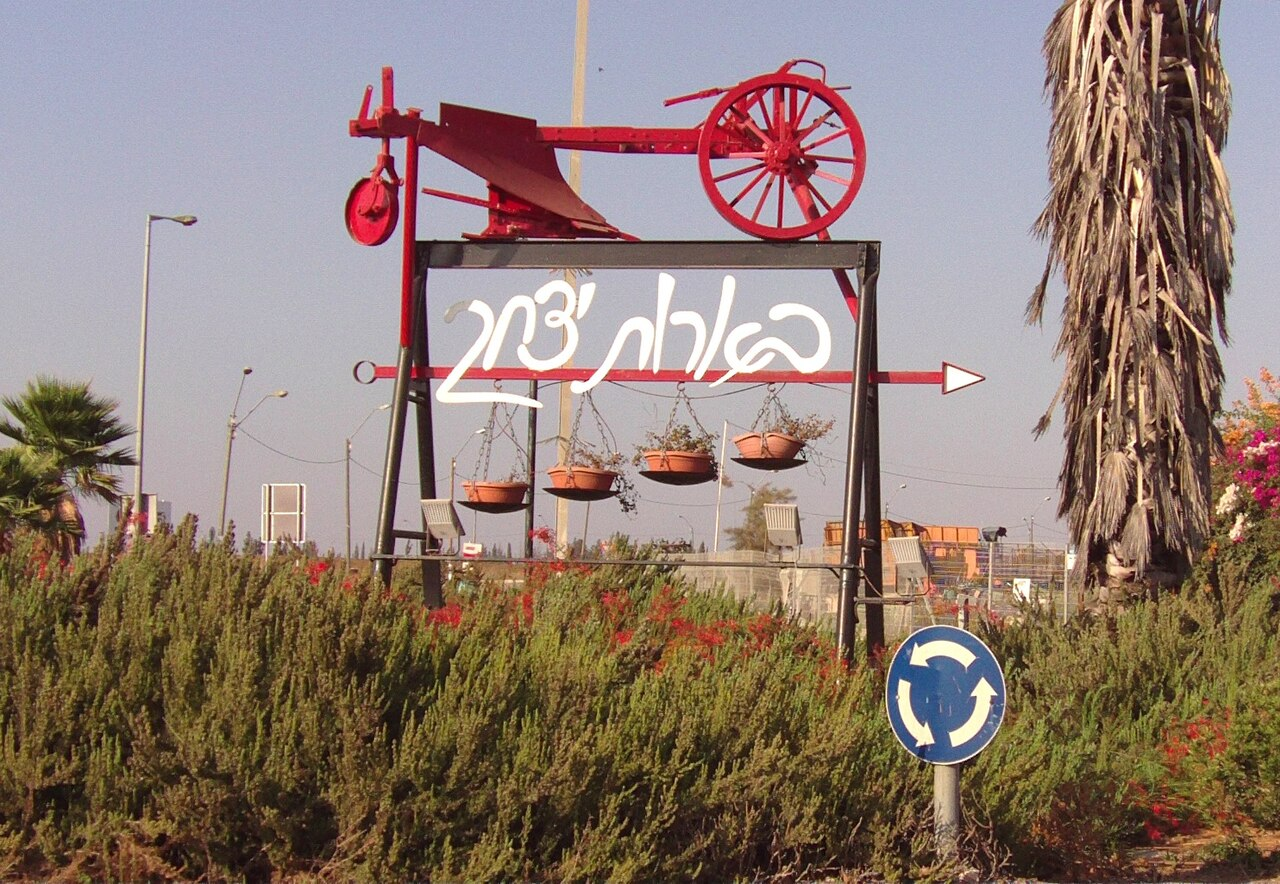
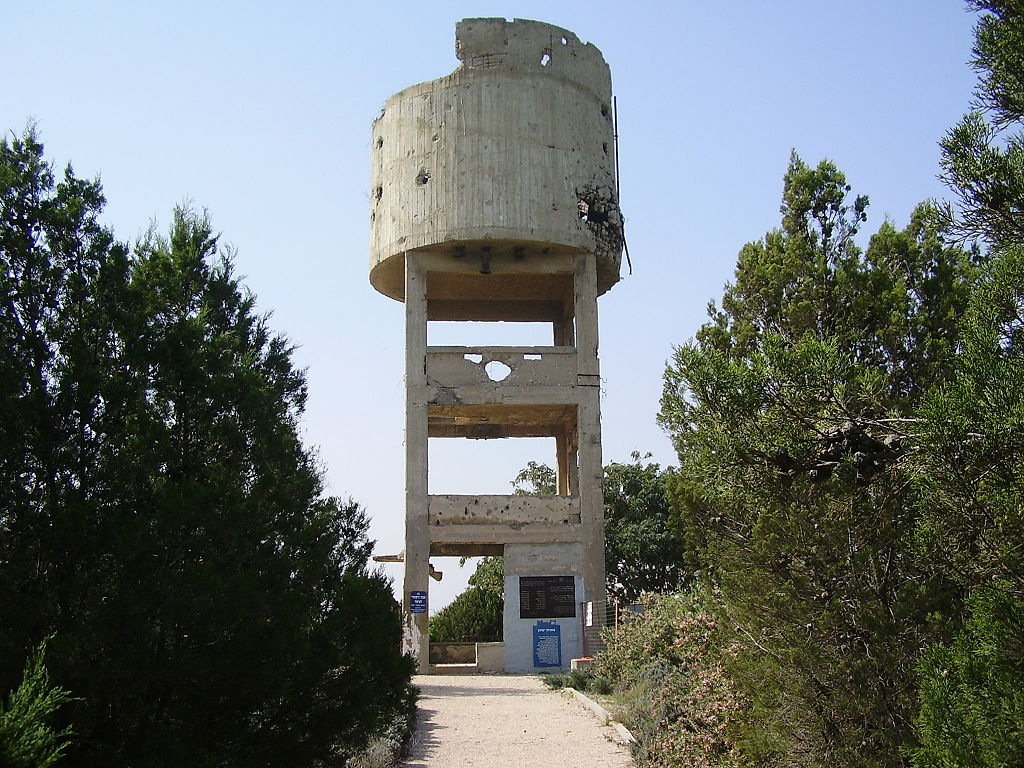
Another Sheva (7) in Israel is a junction knows as “Junction 7″ between the Lower and Upper Galilee, where Akko-Tz’fat & Akko-Ami’ad roads intersect. Legends had it, that the intersection was shaped like a 7 which gave it its name, but actually it’s named after the Galilean Be’er Sheva, which is located on a steep hill above the area. Some believe that this is one of the sites to which Elijah fled from Jezebel (Kings I, chap 19). During the Israeli and Hellenistic periods, a small village existed here, and during the Roman period, the settlement that became a large town, was one of the places fortified by Josephus in preparation for the rebellion in 66 CE. Despite its strategic location and its fortifications, the Romans managed to destroy the city and kill its inhabitants, leaving us the remains of buildings that may be what’s left of the fortress built by Josephus. Even after the destruction, it is estimated that the place was inhabited until the 3rd century CE. Excavations took place in 1873 and 1985 revealing a 2.8 m (about 10’) thick wall with towers. A survey of the Jewish cemetery was also conducted, and many shards were found. During the Ottoman era, there was probably an inn (khan) here too. Today the place is open for visiting and although there is no water or bathrooms, there is a beautiful view. Recommended for a visit along with hiking in the nearby Tzalmon and Amud creeks and more.שבע נוסף בארץ הוא “צומת שבע” על גבול הגליל התחתון והעליון במפגש כביש עכו-צפת ועכו-עמיעד. בזמנו הסיפור היה שצורת הצומת כצורת המספר שבע, אך ככל הנראה הוא נקרא כך על שמה של באר שבע הגלילית השוכנת על גבעה תלולה באיזור. יש הסוברים שזהו אחד האתרים אליו ברח אליהו מפני איזבל (מלכים א, יט). בתקופה הישראלית וההלניסטית התקיים במקום כפר קטן, ובתקופה הרומית, נמנה היישוב שהפך לעיירה גדולה, לאחד היישובים אותם ביצר יוסף בן מתיתיהו בהכנות למרד בשנת 66 לספירה. למרות מיקומה האסטרטגי וביצוריה, הרומאים הצליחו להחריב את העיר ולהרוג את יושביה, משאירים לנו שרידי מבנים שיתכן והם שרידי המבצר שבנה יוסף בן מתיתיהו. ההערכה היא שהישוב עדיין היה מאוכלס עד המאה השלישית לספירה. המקום נחפר ב-1873 וב-1985. נמצאו בו חומה עבה של 2.8 מ’ ובה מגדלים. נערך גם סקר של בית הקברות היהודי ונמצאו חרסים רבים. שנים לאחר מכן, כנראה היה במקום חאן דרכים מהתקופה העות’מנית. היום המקום פתוח לביקור ולמרות שאין כאן מים או שירותים, יש כאן תצפית יפיפיה. מומלץ לביקור יחד עם טיולי שבילים בסביבה לנחל צלמון, עמוד ועוד.

שבת שלום SHABBAT SHALOM!

עין שבע, שמה העברי של טבח’ה לא רחוק מכפר נחום, נקראה כך על שם שבעת המעיינות שנבעו בה בעבר, אך כיום נובעים במקום חמישה בלבד. השם היווני – עין שבע – הפך Heptapegon וממנו – טבח’ה. עין שבע ידוע בגלל סיפור “נס הלחם והדגים” בברית החדשה.

Ein Sheva is the Hebrew name of Tab’cha, in the northern Sea of Galilee, named so because of the 7 springs flowing here in the past, nowadays, only 5 left. The Greek name Heptapegon turned to Tab’cha. The place is known because of the “bread and fish miracle” mentioned in the New Testament.

Posted in Uncategorized | 1 Comment

The Torah portion of Emor: Holiness All Around

פרשת “אמור” – קדושה מסביב

לכבוד ולזכר ולע”נ אבי מורי, אהרון כהנא ז”ל, שיום השנה ה- 55 שלו חל השבוע בפסח שני (קישור עם דברים לזכרו למטה)

In honor & in memory of my father, my teacher, Aharon Kohane z”l, whose yahrzeit is this week, on Pesach Sheni (a link to things I wrote some years ago – below)

The Torah portion of this week, Emor opens with a unique verse: “… Emor… Say to the priests sons of Aharon”… (Leviticus 21:1). Nowhere do we have a parallel opening such as “say to Moses son of Amram”… Why are the priests reminded of their lineage? Possibly the Torah wants them to remember to always be like Aharon, the first High Priest. Aharon, the first brother in the Torah who is “joyful in his heart” (Exodus 4:10) at the greatness of his younger brother, Moses; a brother who is willing to give-up, to work together leading the Nation.פרשת השבוע, פרשת “אמור” נפתחת בפסוק מיוחד: “… אמור אל הכוהנים בני אהרון”… (ויקרא כא:א). אין לנו עוד פתיח מקביל לזה כמו “אמור למשה בן עמרם”…. למה מזכירה התורה לכוהנים את מורשתם? יתכן שהתורה רוצה להזכיר להם תמיד להיות כמו אהרון, הכהן הגדול הראשון. אהרון, האח הראשון בתורה ש”שמח בליבו” (שמות ד, יד) לנוכח גדולתו של אחיו הקטן, משה, אח בכור שמוכן לוותר, לעבוד ביחד למען הנהגת העם.   
Setting the beginning of “Emor” this way emphasizes the holiness of the people and their priests, through their special role: to be like Aaron, a symbol of love of humankind and pursuit of peace, to have the ability to see the good in people, and to connect the people to what is beyond the immediate – and sometimes the petty – here and now.קביעת תחילת פרשת “אמור” כך, מדגישה את קדושת העם וכוהניו, דרך התפקיד המיוחד שלהם: להיות כמו אהרון סמל אהבת הבריות ורדיפת השלום, להיות בעלי יכולת לראות את הטוב בבני האדם, ולחבר את העם אל מה שמעבר לכאן ועכשו המיידי, ולעיתים הקטנוני.   
In order to attach themselves to what’s “beyond”, the priests are to uphold a certain disconnect from worldly life. Therefore, a priest is prohibited from contact with the dead; has no land or job, making a living from donations and tithes; and is limited in who he can wed, being prohibited to enter certain marriages. These restrictions keep him away from life’s crises, remove him from daily trouble, and help him be more focused in his task. To accomplish their task, the priests also receive two gifts (or – roles): to serve in the Temple, and to bless the People of Israel. The High Priest is given also the ability to atone for all Israel for their sins before Gd on Yom Kippur.כדי להתחבר אל מה ש”מעבר”, נגזר על הכוהנים סוג מסוים של ניתוק מחיי העולם הזה. לכן כהן אסור במגע עם המת, אין לו אדמה או עבודה, הוא מתפרנס מתרומות ומעשרות, והוא מוגבל בתחום האישות כשחלים עליו איסורים שונים לגבי עם מי יוכל להתחתן. כל אלה מונעים ממנו מגע עם משברי החיים, מרחיקים אותו מצרות היום-יום ועוזרים לו להיות ממוקד יותר בתפקידו. לצורך מילוי משימתם, הכהנים גם קבלו שתי מתנות: האחת, לשרת בבית המקדש, והשניה, לברך את עם ישראל. לכהן הגדול הוסיף ה’ ונתן את היכולת לכפר ביום הכיפורים לכל ישראל על חטאיהם לפני ה’.   
In the same portion, along with the sanctity of the Temple, the Priests and the People, we learn in chapter 23 about the sanctity of Time describing Shabbat and (almost) all the holidays. And what about chapter 24? Chapter 23 ends with a strange short verse (23:44): “So Moses declared to the Israelites the set times of H’”. Why does the Torah need to state that after Gd commanded Moshe about the appointed times, he did what Gd told him? We do not have such a statement anywhere in the rest of the Torah commandments. Why did we need this kind of “summary”, especially if chapter 24 immediately begins again with the familiar verse ( 24:1): “Gd spoke to Moses to saying”…באותה פרשה, יחד עם קדושת המקדש, הכוהנים והעם, אנחנו לומדים גם בפרק כג, על קדושת הזמן המתאר את השבת ו(כמעט) כל החגים. ומה עם פרק 24? פרק כ”ג מסתיים בפסוק קצר מוזר (כ”ג:מד): “וַיְדַבֵּ֣ר מֹשֶׁ֔ה אֶת־מֹעֲדֵ֖י ה’ אֶל־בְּנֵ֖י יִשְׂרָאֵֽל” מדוע צריכה התורה לציין שלאחר שהקב”ה ציווה את משה לגבי המועדים, הוא עשה מה שאלוהים אמר לו? אין לנו אמירה כזו בשאר מצוות התורה. מדוע הצטרכנו לסוג כזה של “סיכום”, במיוחד אם מיד פרק כ”ד מתחיל שוב בפסוק המוכר (כ”ד, א): “וַיְדַבֵּ֥ר ה’ אֶל־מֹשֶׁ֥ה לֵּאמֹֽר”…   
Chapter 24 seems detached and messy: The menorah; The show-bread; The curser, but some say that it’s almost secretive because in it, Moses hints and teaches us about holidays that will be added in the future. Thus, immediately after mentioning Sukkot, which closes the list of Torah holidays in chapter 23, we are command regarding the lighting of the menorah, as an allusion to Hanukkah. Then, we are told about twelve loaves of show-bread made of cream of wheat, as an allusion to the month of Adar, the 12th month, and Purim in it, celebrated with a meal, including, according to certain traditions, cakes and delicacies made from cream of wheat. And finally, the case of the “curser”, the son of the Israeli woman and the Egyptian man, a man who challenges the authorities with his speech, trying to clarify his national identity, perhaps alluding to a time when we will celebrate the merging of different identities (and their struggle often through speech…) in the State of Israel.פרק כד נראה תלוש ומבולגן: המנורה. לחם הפנים. המקלל. אך יש אומרים שהוא עלום מפני שבו משה מרמז ומלמד אותנו על חגים שיתווספו בעתיד. כך, מיד לאחר אזכור חג הסוכות, החותם את רשימת החגים בפרק כ”ג, אנו מצווים על הדלקת המנורה, כרמז לחנוכה. לאחר מכן, מסופר על שנים-עשר כיכרות לחם הפנים העשויות סולת, כרמז לחודש אדר, החודש ה-12 ובו פורים, שנחוג בסעודה, כולל, ע”פ מסורות מסוימות, עוגות ומעדנים עשויים מסולת. ולבסוף, המקרה של “המקלל”, בן האשה הישראלית והאיש המצרי, אדם שקורא תיגר בכוח הדיבור שלו על הסדרי החברה, המנסה להבהיר את זהותו הלאומית, אולי רומז לזמן בו נחגוג מיזוג זהויות שונות (ומאבקן לא פעם בדיבור…) במדינת ישראל.   
The holiness of the people, the temple and its priests, and the holiness of the times, will be joined next week by the holiness of the Land, which will be emphasized in the Torah portion of “B’har” with the mitzvot of sh’mita, but which has not disappeared from us even in the last chapters. So I couldn’t help noticing, in the description of the waving of the Omer, it says: “And bread, or parched grain or fresh ears (called “Carmel”… 23:14).אל קדושת העם, על מקדשו וכוהניו, וקדושת הזמנים, תצטרף בשבוע הבא קדושת הארץ שתודגש בפרשת “בהר” עם מצוות השמיטה, אך לא נעלמה מאיתנו גם בפרקים האחרונים. כך לא יכולתי שלא לראות, בתוך תיאור הנפת העומר: “וְלֶ֩חֶם֩ וְקָלִ֨י וְכַרְמֶ֜ל”… (כג:יד).   
Carmel here appears in the context of wet or green cereal grains, prior to ripening. It is possible that from this, in other places in the Bible, Carmel is a nickname for an area full and rich in gardens, fruit orchards and fertile fields (some say, “cerem-El” [Gd’s vineyard] or maybe “car-ma-le” [a full meadow]), and as we know, the nickname of “the forever green mountain”. According to another interpretation, the Hebrew letters kaf כ& Kuf ק  interchange, and “Karmel” (with a ק) is the name of a very green plant XXX, strengthening the connection with the forever green mountain. The Jerusalem Talmud, which deals with the definition of the bright green color, suggests that “the greenest green” is a “caramel lily” (shoshana), and many of us do know a street in Haifa called “Shoshant haCarmel”…. Some say that because of its greenness, Carmel is seen as a symbol of fruitfulness, which is why the prophet Jeremiah says “And I will bring you to the land of Carmel, to eat its fruitfulness and goodness” (2:7) and in the Song of Songs it is said, “Your head is like Carmel” (7:6) as an expression of beauty.כרמל כאן מופיע בהקשר של גרגרי תבואה לחים או גרגרי דגן ירוקים, טרם הבשלתם. יתכן שמתוך כך, במקומות אחרים בתנ”כ, כרמל הוא כינוי לאזור מלא ועשיר בגנים, מטעי פרי ושדות פוריים (יש אומרים, “כרם-אל” או אולי “כר-מל(א)”), וכמו שאנחנו יודעים, כינויו של ההר הירוק תמיד. לפי פרשנות אחרת, כ’ וק’ מתחלפות כש”קרמל” הוא שם ירק, צמח הלוף, ומחזק את הקשר להר הירוק. התלמוד הירושלמי, העוסק בהגדרת הצבע הירוק העז, הציע ש”הירקרק שבירוקים”, הוא “כשושנת קרמל” ורבים מאיתנו אכן מכירים רחוב בחיפה בשם “שושנת הכרמל”…. יש אומרים שבגלל ירוקותו, הכרמל נתפס כסמל לפיריון, לכן אומר הנביא ירמיה ”וָאָבִיא אֶתְכֶם אֶל-אֶרֶץ הַכַּרְמֶל, לֶאֱכֹל פִּרְיָהּ וְטוּבָה” (ב,ז) ובשיר השירים נאמר, “רֹאשֵׁךְ עָלַיִךְ כַּכַּרְמֶל” (ז,ו) כביטוי ליופי.   
The Carmel mountin has been inhabited since prehistoric times and many special discoveries have been found there. In the Bible, there is an account of the confrontation between the prophets of Baal and Elijah the prophet that took place in the Much’rkah – Keren (edge of the) Carmel (Kings I, 18), and his statue (and the wonderful view) is still there today. Elijah’s presence also attracted believers and members of other religions: in the 12th century, the “Carmelites”, a Catholic Christian order, founded their monastery here, still in the city of Haifa today. On the western slopes, is the village of Kababir, which over the years has become a neighborhood within the city, with the “center of the Ahmadiyya delegation to the Middle Eastern countries” and a community Active Ahmadiyya. And the most famous of all, which serves almost as the symbol of the city, is the Bahá’í compound that is part of the Bahá’í World Center, with its golden dome over the tomb of the Báb, the prophet who laid the foundation for the Bahá’í religion, some of its key buildings and the beautiful gardens.הכרמל היה מיושב מאז התקופה הפריהסטורית וממצאים רבים ומיוחדים נמצאו בו. בתנ”כ, מספור על העימות בין נביאי הבעל ואליהו הנביא שהתרחש במוחרקה- קרן כרמל (ספר מלכים א, יח), ושם אפשר לראות את פסלו (ואת הנוף הנהדר) גם היום.   נוכחותו של אליהו משכה לכאן גם מאמינים ובני דתות אחרות: במאה ה-12 הוקם בהר הכרמל מסדר ה”כרמליתים”, מסדר נוצרי קתולי הנמצא בעיר עד היום. במורדות המערביים, מעל ואדי שיח, נמצא כפר כבאביר, שהפך עם השנים לשכונה בתחומי העיר חיפה, ובו “מרכז המשלחת האחמדית לארצות המזרח-התיכון” וקהילה אחמדית פעילה. והמפורסם מכל, מה שמכהן כמעט כסמל העיר, המתחם הבהאי המהווה חלק מהמרכז הבהאי העולמי, עם כיפת זהב מעל קברו של הבאב, הנביא שהניח את היסוד לדת הבהאית, מבני המרכז והגנים היפים.    
We’ll also mention here the “Last Fortress Plan for the Land of Israel”, a plan initiated by the British during the 2nd World War, intended to protect the Land of Israel from a possible invasion by the Nazis, mainly from the north, when the Nazis occupied France and the control of France and its colonies was in the hands of a pro-Nazi government, including our neighbors , Syria and Lebanon. In the summer of 1940, the British began establishing of fortifications to protect the country from invasion and to prepare operations of resistance to the occupiers, should it fall into the hands of the enemyנזכיר עוד כאן את “תוכנית המבצר האחרון לארץ ישראל”, תכנית שיזמו הבריטים בימי מלחמת העולם השניה להגנת ארץ ישראל מפלישה אפשרית של הנאצים, בעיקר מצפון, כשהנאצים כבשו את צרפת והשליטה בצרפת ומושבתיה היתה בידי שלטון פרו-נאצי, כולל שכנותינו, סוריה ולבנון. בקיץ 1940 החלו הבריטים להקים קווי ביצורים להגנת הארץ מפני פלישה ולהכנת פעולות התנגדות לכובשים, אם תפול בידי האויב 
At some point, the threat from the north was removed, but then a threat from the south arrived. In 1942 the entire Carmel was declared a closed military area. Ideas and words like “Masada in Carmel” and “Musa-Dag” were thrown around, but the “200 days of anxiety” – that’s what the period was called because of the danger of annihilation that seemed immediate and imminent – passed without the need to use the fortifications. In various places in Carmel, and not far from my home – if you visit, there are still remnants  from that era, bunkers and anti-tank angle iron. When I see them (almost daily), I’m reminded, especially in light of some current doom prophecies, that, despite everything, not all our worst fears and anxieties come true, and I can only hope we remember to pay more attention to the holiness and beauty around us.בשלב מסוים, האיום מהצפון הוסר, אך אז הגיע איום מהדרום. ב-1942 הכרמל כולו הוכרז שטח צבאי סגור. נזרקו רעיונות ומילים כמו “מצדה בכרמל”, ו”מוסה-דאג”, אך “200 ימי החרדה” – כך נקראה אותה תקופה ע”ש סכנת ההשמדה שנדמתה מיידית וקרובה- עברו בלי צורך להשתמש בביצורים. במקומות שונים בכרמל, לא רחוק מביתי, אם תבואו לבקר, יש עדיין ממצאים מאותה תקופה, בונקרים וברזלי זוית נגד טנקים. כשאני רואה אותם (כמעט כל יום), אני נזכרת, במיוחד לנוכח בואות הזעם סביב, שלמרות הכל, לא כל הפחדים והחרדות הגרועים שלנו מתממשים, ואני מקוה שנזכור לשים לב יותר דוקא לקדושה וליופי סביבנו.   
SHABBAT SHALOM – שבת שלום

ברזלי זווית נגד טנקים (בזנ”טים) בגן שאול סלעי בחיפה, שהוצבו על ידי הבריטים כחלק מתוכנית המבצר האחרון. במקום שלט לזכר אותם ימים. From Wikipedia – anti-tank angle iron the British placed (not too far from my place) in Haifa, as part of their “Last Fortress Plan for the Land of Israel”.

Posted in Uncategorized | 1 Comment

Torah & Travel: Acharei Mot-Kedoshim – between Remembrance & Independence

תורה וטיולים: אחרי מות – קדושים: בין זכרון ועצמאות

“Yom Hazikaron, Israel Memorial Day, is becoming more and more difficult every year,” my mother would sigh, and slowly I am beginning to understand what, perhaps, she meant; it’s the fact that “time doesn’t heal”, that we mostly just learn to “live with it like this”, as Yehuda Poliker says in his song; that my missing friends, some of them – the beautiful and precious sons of her friends, did not only remain “forever young”, but worse yet, every year, they only get younger and younger, and the pain of their loss, grows and grows.“יום הזכרון נעשה קשה יותר ויותר משנה לשנה”, כך היתה נאנחת אמי, ולאט לאט אני מתחילה להבין למה, אולי, התכוונה: זה זה שהזמן לא מרפא. שאנחנו רק לומדים “לחיות עם זה ככה”, כמו שאומר יהודה פוליקר בשירו. שחברי החסרים, חלקם – הבנים היפים והיקרים של חברותיה, לא רק שנשארו “צעירים לנצח”, אלא אפילו, משנה לשנה, הם רק נהיים צעירים יותר ויותר, והכאב על אובדם, גדל וגדל.
The cycle of the weekly Torah portion was determined more than two thousand years before Israel Memorial Day and Independence Day were set in our calendar, but coincidently – or not –  the weekly Torah portion which is often read this week, as well as it is this year, is a double parsha, which is called “Acharei Mot – Kedoshim – after the death of… the holy-ones” . The reading ties the death of Aaron’s sons “in their closeness before Gd”, an incident we read about in the Torah portion of “Sh’mini”, and the idea of holiness – of man, time and the Land. The reding’s title along with next week’s, will become a phrase that is used to be said in times of trouble and pain – “After the death of …. The holy ones, say”… s if, what is there to say.מעגל פרשות השבוע נקבע יותר מאלפיים שנה לפני שנקבעו יום הזכרון לחללי מערכות ישראל ויום העצמאות בלוח השנה לנו, אך במקרה – או שלא – פרשת השבוע שלעיתים קרובות נקראת בשבוע זה, כמו גם השנה, היא פרשה כפולה, ונקראת “אחרי-מות-קדושים”. הקריאה מחברת בין מותם של בני אהרון “בקרבתם לפני ה'”, אירוע שקראנו עליו בפרשת “שמיני”, לרעיון הקדושה – של האדם, הזמן והארץ. פרשות “אחרי מות קדושים” יחד עם הפרשה של השבוע הבא, נהיו משפט שנהוג לומר בעת צרה וכאב – “אחרי-מות-קדושים -אמור”…. כאילו, מה יש כבר להגיד.
From the portion of “Acharei Mot” (and the Gemara in tractate “Yoma”) we get a detailed description of the High Priest’s work on Yom Kippur, an exciting and impressive description that also raises many questions. One fascinating description is the entry of the High Priest into the Holy of Holies, something that only happens once a year. We would think that the High Priest would find the most valuable thing there, but more than anything, the Holy of Holies summoned the High Priest – himself in front of his Gd, for the whole People.מתוך פרשת “אחרי מות” (והגמרא במסכת “יומא”) אנו מקבלים תיאור מפורט של עבודת הכהן הגדול ביום הכיפורים, תיאור מרגש ומרשים שגם מעלה הרבה שאלות. תיאור מרתק אחד הוא כניסתו של הכהן הגדול לקודש הקודשים, דבר שקורה רק פעם בשנה. היינו חושבים הכהן הגדול ימצא שם את הדבר הכי יקר ערך, אך יותר מהכל, זימן קודש הקודשים לכהן הגדול – את עצמו מול אלוהיו עבור כל העם.
In the Tabernacle that Moses built, inside the Holy of Holies was the Ark of the Covenant with the Tablets of the Covenant and on it the Kaporet (curtain) with the cherubim above it. On the side of the ark were the jar of manna, the staff of Aaron the priest, and the anointing oil. In the 1st Temple built by King Shlomon, there were two large cherubs made of oil wood (probably olive and perhaps persimmon wood) next to the ark, covered in gold. Our sages describe, that towards the end of the 1st Temple period, Josiah stored away the ark so that the Babylonians would not loot the Tablets of the Covenant in it, since they cannot be restored, and during the 2nd Temple period, only the foundation rock of the mountain remained, which is the point from which the world was created according to the Jewish tradition.במשכן שבנה משה, היה בתוך קודש הקודשים ארון הברית ובו לוחות הברית ועליו הכפורת עם הכרובים מעליה. בצד הארון היו צנצנת המן, מטה אהרון הכהן ושמן המשחה. בבית המקדש הראשון שבנה ששלמה המלך, היו לצד הארון, שני כרובים גדולים עשויים עץ שמן (כנראה עץ זית ואולי עץ האפרסמון), בציפוי זהב. חז”ל מתארים שלקראת סוף תקופת בית ראשון גנז יאשיהו את הארון כדי שלא יבזזו הבבלים את לוחות הברית שבו, שכן אינם ניתנים לשחזור, ובתקופת בית שני, נשאר רק סלע היסוד של ההר (אבן השתייה מלשון תשתית), שזו הנקודה ממנה נברא העולם ע”פ המסורת היהודית.  
That is, according to tradition, it seems that the priest enters an empty room, and precisely there, he is at a place where he connects to the Source of his life. The Source of life, which is like a pure spring, the part of man who is in the image of God, is often hidden by tum’a, “impurity”, distance and impure desires. The Yogis compare the innermost of the human-being to Light, around which a lampshade slowly, throughout life, gathers dust and dirt. The Yom Kippur ceremony is an example how to clean this lamp, how to reach one’s pure inner desire.כלומר, לפי המסורת, כנראה שהכהן נכנס לחדר ריק, ודוקא שם, הוא מצא מקום בו הוא התחבר אל שורש חייו. שורש החיים, שהוא כמעיין טהור, חלק האדם שהוא בצלם אלוהים, מוסתר לא פעם ע”י “טומאה”, ריחוק ורצונות לא טהורים. היוגים משווים את פנימיות האדם לאור שסביבו אהיל שלאט לאט במשך החיים, צובר אבק ולכלוך. טקס יום כיפור הוא דוגמא אחת איך לנקות את האהיל הזה, איך להגיע אל הרצון הפנימי הטהור.
The High Priest does this with the help of a bull, a hairy goat and incense. The bull symbolizes the forces of action active in the human-being, the hairy goat – the turbulent forces in the soul, and the incense – the spiritual within. Equipped with these, the human-being can reach the root of his life. The High Priest approached the Holy of Holies three times – once for the bull’s blood, once for the incense burner and once for the hairy-goat’s blood, and still, he approached one more time, a fourth time, to the inner holiness, to take out the spoon and the anointing stick. This last time, symbolizes our ability to consecrate even what seems lowly, used and functional. There is also the possibility of holiness and the Jews have specialized in this field over and over again, turning mundane into holy, and bitter into sweet.הכהן הגדול עושה זאת בעזרת פר, שעיר וקטורת. הפר מסמל מסמל את כוחות העשיה הפעילים באדם, השעיר – את הכוחות הסוערים שבנפש, והקטורת – את הרוחני שבו. מצויד באלו, האדם יכול להגיע לשורש חייו. הכהן הגדול ניגש לקודש הקדשים שלוש פעמים – פעם לשם הזאת דם הפר, פעם לשם הקטרת הקטורת ופעם לשם הזאת דם השעיר, ועדיין, הוא ניגש עוד פעם, רביעית, אל לפני ולפנים, כדי להוציא את הכף והמחתה. הפעם האחרונה הזו, מסמלת את יכולתנו לקדש גם את מה נראה ירוד, משומש והפונקציונאלי. גם שם יש אפשרות לקדושה והיהודים התמחו בתחום הזה שוב ושוב, הפיכת חול לקודש, ומר למתוק.
But the possibility of holiness is not infinite for us. There are places from which it is excluded, and the Book of Leviticus bothers to tell us about these as well. In chapters 18 and 20 there is a long list of forbidden relationships, most of which we could have guessed but apparently in ancient times and in certain societies, they were not unacceptable. So what does the Torah care about who does what with whom? Perhaps because the Torah wants us to be moral, “good”, nice?… The Torah explains its reason: “And the land will not expel (vomit) you out” ….אך אפשרות הקדושה אינה אינסופית עבורנו. יש מקומות מהם היא ממודרת, וספר ויקרא טורח לספר לנו גם על אלה. בפרק י”ח וגם בפרק כ’ מופיעה רשימה ארוכה של ה”עריות”, מערכות יחסים אסורות שאת רובן יכולנו לנחש אך כנראה בימי קדם ובחברות מסוימות, הן לא היו בלתי מקובלות. אז מה אכפת לתורה מי עושה מה עם מי? אולי כי התורה רוצה שנהיה מוסריים, “טובים”, נחמדים?… התורה מסבירה את סיבתה: “ולא תקיא הארץ אתכם”….
The 2nd Torah portion in this Shabbat, the Torah portion of Kedoshim also connects us to the Land with various laws, such as, “And when you come to the Land, you should plant every edible tree…” (19:23) and again: “And I will give it to you as an inheritance, a Land flowing with milk and honey”… (20:24). It’s almost chilling that the Torah reading for the week of Memorial / Independence Days begins with “After the death of” and continues with the special connection to the Land, but perhaps this is an excellent week to remember the centrality of this connection.גם הפרשה השניה בשבת זו, פרשת קדושים, מחברת אותנו לארץ בחוקים שונים, כמו למשל, “וכי תבואו אל הארץ ונטעתם כל עץ מאכל” (יט:כג) ואחכ: “ואני אתן לכם לרשת אותה, ארץ זבת חלב ודבש”…. (כ:כד). כמעט מצמרר שקריאת התורה לשבוע של ימי הזכרון / עצמאות מתחילה ב”אחרי מות” וממשיכה בקשר המיוחד לארץ, אך אולי זה דוקא שבוע מצוין להזכר במרכזיות הקשר הזה.  
Rashi in his famous commentary on Genesis 1:1 says that the entire Torah begins in the place and in the way it begins, in order to explain to us – and the world – that G-d gave us the Land. In our journey out of Egypt, we learn that its entire purpose is “to bring up (the People)… to a good and wide Land, to a Land flowing with milk and honey”…. Not a single word about stopping at Mount Sinai and the Giving of the Torah! Only one goal – to reach. The. Land.רש”י בפירושו המפורסם לבראשית א:א אומר שכל התורה מתחילה במקום ובדרך בה היא מתחילה, כדי להסביר לנו ולעולם את זה שהקב”ה נתן לנו את הארץ. במסע לצאתנו ממצרים, אנחנו לומדים שכל מטרת המסע היא “להעלותו (את העם)… אל ארץ טובה ורחבה, אל ארץ זבת חלב ודבש”…. אף לא מילה אחת על העצירה בהר סיני ומתן תורה! רק מטרה אחת – להגיע אל הארץ.
Besides being a Land “flowing with milk and honey”, a Land that can turn unkosher things into blessings and gifts), the land has been described more than once with human qualities: it “eats”, and in our case, it also vomits. Rabbi Zvi Hirsch Kalisher said that “he who does not deserve to live in the Land of Israel, the Land makes it so he tires of her so he won’t want to dwell on it anymore, and he thinks… that it’s him who hates her, and he doesn’t know that it’s the Land who speaks for him”. In the Gemara it says, more than once, that “the air of the Land is wisening” (making one wise), and commentators (Rabbi Yisrael of Rozin, Yoel Moshe Salomon, and more) taught how the Land is faithful to her lover, and how, she (and always “she”, rather than “it”) adorns herself, like a beautiful woman, seen by those who know how to appreciate her virtues, a quality we should train ourselves in today too….מלבד היותה ארץ “זבת חלב ודבש”, ארץ שיכולה להפוך דברים לא כשרים לברכות ומתנות, הארץ תוארה לא אחת בתכונות אנושיות: היא “אוכלת”, ובפרשה לנו, היא גם מקיאה. הרב צבי הירש קלישר אמר ש”מי שאינו ראוי לשבת בארץ ישראל, הארץ ממאיסה את עצמה עליו שלא ירצה לשבת בה, והוא… חושב… שהוא זה ששונא את הארץ, ואינו יודע שהארץ היא זו…. שמדברת מתוך גרונו”. בגמרא נאמר, לא פעם, ש”אוירא דארץ ישראל מחכים”, ומפרשים (רבי ישראל מרוז’ין, יואל משה סלומון ועוד) סיפרו איך הארץ נאמנת לאהובה, ואיך היא מתקשטת, כמו אשה יפה, מתגלה לפני מי שיודע להעריך את מעלותיה, תכונה שעלינו להתאמן בה גם כיום…  
There are many places to visit this week, but I thought that in honor of the commemorations and festivities, we should go to Jerusalem and in particular, visit Mount Herzl, out of respect for Binyamin Ze’ev Herzl (1860 – 1904), the visionary of the State who dreamed of this place about 50 years before the declaration of its independence. On the mountain named after him, he was buried as well as many of the Nation great leaders, soldiers and defenders. Here too, is the National Hall of Fame where all those who fall in defense of the country are commemorated.יש מקומות רבים לבקר השבוע, אבל חשבתי שלכבוד העצרות והחגיגות, נרצה לעלות לירושלים ובמיוחד לבקר בהר הרצל, מתוך כבוד לבינימין זאב הרצל (1860 – 1904), חוזה המדינה שחלם את המקום הזה כ-50 שנה לפני ההכרזה על עצמאותו, ושבהר הנקרא על שמו, נקבר הוא ונקברו רבים מגדולי האומה, מחייליה ומגיניה. כאן גם נמצא היכל הזכרון הלאומי בו מונצחים כל הנופלים בהגנה על הארץ.  
The beginning of Mt. Hertzel is “by chance”: in 1934, the Zionist leader Menachem Osishkin organized the reburial of Leon Pinsker in the Niknor cave on Mount Scopus in an attempt to build a pantheon for the great leaders of the Jewish nation. Osishkin was buried there himself in 1941. When Mount Scopus became an enclave, cut off from Jerusalem, the implementation of this plan was not feasible. During the summer of 1949, the remains of Theodore (Benyamin Ze’ev) Herzl were reburied on a hill in western Jerusalem that faced the Mount of Olives in the distance and the place was renamed in his honor, Mount Herzl. In November 1949, soldiers who fell during the War of Independence 1947-1949 were buried in the Jerusalem area on the northern slope of the hill and since then, unfortunately, the place has continued to develop.ראשיתו של הר הרצל “במקרה”: בשנת 1934 ארגן המנהיג הציוני מנחם אוסישקין את קבורתו מחדש של ליאון פינסקר במערת ניקנור בהר הצופים בניסיון לבנות פנתיאון למנהיגים הגדולים של האומה היהודית. אוסישקין נקבר שם בעצמו בשנת 1941. כאשר הר הצופים הפך למובלעת, מנותקת מירושלים, יישום תוכנית זו לא היה בר-ביצוע. במהלך קיץ 1949, שרידיו של תיאודור (בנימין זאב) הרצל נטמנו מחדש על גבעה במערב ירושלים שפנתה מרחוק להר הזיתים ושם המקום שונה לכבודו, הר הרצל. בנובמבר 1949 נקברו חיילים שנפלו במהלך מלחמת העצמאות 1947–1949 באזור ירושלים במדרון הצפוני של הגבעה ומאז המקום, לצערנו, הלך והתפתח.
Besides Herzl himself, Mount Herzl is the burial place of five Israeli prime ministers: Levi Eshkol, Golda Meir, Yitzhak Shamir, Yitzhak Rabin (buried next to his wife Leah) and Shimon Peres. Israeli presidents are also buried on Mount Herzl, as are other prominent Jewish and Zionist leaders. In March 2014, the Mount Herzl cemetery was chosen as one of the 20 most beautiful cemeteries in the world by the magazine Business Insider. Mount Herzl is the place for many commemorative events and national celebrations, and this week ceremonies for Remembrance and Independence Day will be held on the mountain, which rises to a height of 834 meters. I’m praying that we’ll have a meaningful and uniting week. It’s true, we have challenges, but then again, we always did and hard to think one day we wont… And that cant be not easy but that’s not a reason to fall apart. We have important things to do. May we find the way to honor the fallen, while also remembering what lies past “after death” to “holiness” and beyond.מלבד הרצל בעצמו, הר הרצל הוא מקום קבורתם של חמישה מראשי ממשלות ישראל: לוי אשכול, גולדה מאיר, יצחק שמיר, יצחק רבין (הקבור לצד רעייתו לאה) ושמעון פרס. גם נשיאי ישראל קבורים בהר הרצל, וכך גם מנהיגים יהודים וציונים בולטים אחרים. במרץ 2014 נבחר בית הקברות של הר הרצל לאחד מ-20 בתי הקברות היפים ביותר בעולם ע”י המגזין Business Insider/ . הר הרצל הוא המקום לאירועי הנצחה וחגיגות לאומיות רבות, כשהשבוע יערכו בהר, המתנשא לגובה 834 מטר, טקסים ליום הזכרון והעצמאות. אני מתפללת שיעבור עלינו שבוע משמעותי ומאחד. נכון שיש לנו אתגרים, אבל תמיד היו וקשה להאמין שלא תמיד יהיו. וזה יכול להיות לא קל, אבל זו לא סיבה להתפרק. יש לנו דברים חשובים לעשות. מי יתן ונמצא את הדרך לכבד את ההולכים, וגם לזכור את מה שמעבר ל”אחרי מות”, עד “קדושים” ועד בכלל.

עצמאות שמח ושבת שלום -Atzmaut Sameach & Shabbat Shalom

Posted in Uncategorized | Leave a comment

Torah & Travel with Tazria-Metzora and “impurity” & “purity”

תורה וטיולים עם תזריע-מצורע, טומאה וטהרה”… (English translation below)


השבוע נפגוש אולי את הפרשות הכי מוזרות והכי קלות לאי-הבנה בלב ספר ויקרא: תזריע-מצורע, שתי פרשות הנקראות ביחד בשנה שאינה מעוברת וסמוך לראש חודש אייר, כוללות את דיני היולדת ודיני נגעי הצרעת. מה אכפת לנו מצרעת עכשיו, ומה זה בכלל? ומה פתאום יש דינים מיוחדים לאשה היולדת?  

דַּבֵּ֞ר אֶל־בְּנֵ֤י יִשְׂרָאֵל֙ לֵאמֹ֔ר, אִשָּׁה֙ כִּ֣י תַזְרִ֔יעַ וְיָלְדָ֖ה זָכָ֑ר וְטָֽמְאָה֙ שִׁבְעַ֣ת יָמִ֔ים…. וְאִם־נְקֵבָ֣ה תֵלֵ֔ד וְטָמְאָ֥ה שְׁבֻעַ֖יִם… כך נפתח פרק י”ב העוסק בדיני היולדת, ומייד מעלה תהיות ואפילו דחיה: מה פירוש אשה ש”תזריע”? איזה מן תיאור זה? ולמה הלידה מלווה בטומאה? בקריאה מהירה, אנחנו עלולים לחשוב שהלידה או האשה היא דבר שלילי ו/או מסמלת חטא כלשהו. אין דבר רחוק מכך.

בסיפור גירוש אדם וחווה מגן עדן, נאמר: וַֽיְשַׁלְּחֵ֛הוּ ה’ אֱלֹהִ֖ים מִגַּן־עֵ֑דֶן לַֽעֲבֹד֙ אֶת־הָ֣אֲדָמָ֔ה… וַיְגָ֖רֶשׁ אֶת־הָֽאָדָ֑ם וַיַּשְׁכֵּן֩ מִקֶּ֨דֶם לְגַן־עֵ֜דֶן… (בראשית ג, כג-כד). נכון שהאשה הצטרפה אל האיש, אך לפי הכתוב, רק הוא גורש ולא היא. לפי ההבנה זו, לאשה נשאר משהו מגן עדן, חיבור לנצח. דבר זה מתבטא בכך שהיא שותפה פעילה יותר בבריאה משום שהיא יכולה ללדת.  

חשוב מאד לציין ש”טומאה” בשום אופן איננה לכלוך, אלא משמעותה ריחוק רוחני, לעומת טהרה שמייצגת של קרבה רוחנית. במשך חיינו אנחנו נכנסים ויוצאים בין שני המצבים האלו. ככל שהפוטנציאל לקרבה גדול יותר, כך גם אפשרות הריחוק. כשנולדת בת שיש בה את הכוח להוליד בעצמה, העוצמה גדולה פי שתיים מאשר כשנולד בן, ואז הטומאה מוכפלת.

התורה מתייחסת ביראת קודש לתהליך ההריון והלידה. כל עוד האשה בהריון, היא נושאת בתוכה את העתיד, אך כאשר היא יולדת, העתיד יוצא ממנה, פיזית, ומתחיל בחיים משל עצמו. זהו תהליך לא פשוט שיחד עם השמחה שבו, עלול להיות מלווה בכל מיני מחשבות, רגשות ותהליכים קשים ומפחידים. התורה מזמינה את האשה לבוא בעצמה אל בית המקדש ולהביא קורבנות מיוחדים משלה (ושוב, קרבן מלשון קרבה). לא בעלה או גבר כלשהו ממשפחתה עושה את המסע עבורה, לא בהריון ובלידה ולכן גם לא בהבאת הקרבן שלה. זו היא, האם הטריה,  שמקבלת את הזמן שלה לחיבור, ולהשבת האיזון הרוחני והשלווה שלה.

ומה על המצורע והצרעת? נאמר קודם כל, שזו איננה אותה מחלת עור שראינו בסרטים שונים כמו “האי של סופיה”, “הפרפר” ועוד, אלא תופעה שכנראה עברה מן העולם ובזמנו היתה ביטוי לבעיה ביחסים בין האדם והאחר (בניגוד למערכות אחרות בין האדם ועצמו ובין האדם ואלוהיו). לכן התבטאה הצרעת בעור, בבגד ובבית, בכל מקום בו האדם בא במגע עם הסובבים אותו.

המצורע הראשון בתורה הוא לא אחר מאשר משה רבנו, שמתאר את עצמו באותה הזדמנות גם כ”כבד פה וכבד לשון” (שמות ד). משה שמחפש, חוקר ובודק, מי הם אחיו, האם אלו המצרים או אולי העברים? מה היא משימתו בחיים ביחס לאלו סביבו? יחד עם המסע הלאומי מעבדות בארץ צרה ומצרה, לחירות בארץ טובה ורחבה, ארץ זבת חלב ודבש, גם משה מוצא את ה”תשובה” שלו, את חופש הביטוי שלו ומסיים את התורה בספר שלם אותו הוא מדבר בלי עזרה, אחרי שאהרון ששמש לו כ”מתורגמן” בחלק מהזמן כבר נפטר, ואפילו בשירה.

כאמור, הצרעת לא היתה מחלת עור טיפוסית כמו מחלות עור המוכרות בימינו, אך לו היתה, אולי היה החולה בה זוכה להגיע לטיפול במקום כמו חמי טבריה. בטבריה, אחת מארבע הערים הקדושות בארץ (יחד עם ירושלים, חברון וצפת) נמצא אתר מרחצאות הכולל נביעות של 17 מעיינות, מהם אחדים גלויים לעין, כחלק מתופעה יחודית לאורך כל איזור הכנרת ובקעת הירדן. המים הטרמו-מינרליים, מכילים מינרלים ומלחים, מגיעים לברכות, אמבטיות ומקוואות כשהם בטמפרטורה של כ-60 מעלות צלזיוס, ועוברים קירור לטמפרטורה של כ-37-38 מעלות (קצת יותר מחום הגוף שלנו).

בתלמוד נאמר על מקור המים: “א”ר יוחנן שלושה נשתיירו מהם (ממעיינות התהום שנפתחו במבול והם נובעים עדין מים רותחים כמי המבול והם): בלועה דגדר (גדר קשורה לחמת גדר) וחמי טבריא ועיניא רבתי דבירם (המעין הגדול שבבירם – המקום לא זוהה – כנראה בעבר הירדן צפונית מהכנרת)” (סנהדרין קח:א). במסכת מגילה נאמר “חמת זו טבריא. ולמה נקראה שמה חמת? על שום חמי טבריא” (ו:א), ובמסכת תענית מוזכר שזהו מקום שניתן לטבול בו במים חמים ולהטהר (כי מים שחיממו ושאבו אותם באופן מלאכותי פסולים לעניין מקווה).

נוסיף גם את הדיון ההלכתי (במסכת שבת לט:א-ב) סביב דינם של המים האלו כמקור חום טבעי לבישול: האם הם “תולדות חמה”, כלומר, מים שהתחממו על ידי הטבע (על ידי השמש וכל בישול טבעי שאינו על ידי אדם), או שמא הם “תולדות האור” (אש =UR), כי המים מתחממים “בפתח הגהינום שזה חמור יותר מתולדות חמה”? זהו לא רק דיון תאורתי אלא מגיע מהכרות עמוקה ומהצורך מלדעת אם אפשר להשתמש במי חמי טבריה בשבת ואם כן, איך.

הרומאים הטביעו על המטבעות שיצקו בטבריה את דמות היגיאה, אלת הבריאות. על הפופולריות של המרחצאות בימי בית שני מספר המדרש: “ומפני מה אין חמי-טבריא בירושלים ? כדי שלא יהיו עולי רגל אומרים: אלמלי לא עלינו אלא לרחוץ בחמי טבריא – דיינו, ונמצאת עלייה שלא לשמה” (מסכת פסחים ח:ב).

במשך כל השנים פקדו אנשים את המעיינות. בעשורים האחרונים נבנו, שופצו ופותחו מלונות ומקומות בילוי רבים באיזור. אני זוכרת את עצמי שם כילדה עם סבתי, ושנים אחכ, גם עם ילדי שלי. כיום אין לנו קורבנות ליולדת ולמצורע, אבל עדיין חשוב לקחת פסקי זמן פה ושם במקום בו אפשר לבקר, להתפנק ולהחלים.

שבת שלום.

This week we are meeting possibly the strangest and easiest to misunderstand Torah portions, right in the heart of the Book of Leviticus: Tazria-Metzora, two readings that usually come together in a non-leap year and near Rosh Chodesh Iyer, and include the laws of childbirth and the laws of tzara’at, wrongly translated as “leprosy”. What do we care about leprosy now, and what is it anyway? And why are there special laws for the woman who gives birth?

“Speak to the Israelite people thus: When a woman at childbirth gives birth (literally “bears a seed”) to a male, she shall be “impure” (have tum’a) seven days….. If she gives birth to a female, she shall be “impure” for two weeks”….  This is the opening of chapter 12 which deals with the birthing mother, which immediately raises questions and even rejections: what does it mean to “bear a seed”? what kind of description is this? And mostly, why is childbirth accompanied by “impurity”, tum’a? A cursory read, we may think that childbirth or women are a negative thing and/or symbolizes some kind of sin. Nothing is farther from that.

In the story of the expulsion of Adam and Hava from the Garden of Eden, it is said: “So H’ Gd banished Adam… and drove him out…” It is true that the woman joined the man, but according to the Torah, only he was expelled and not her. Accordingly, the woman is left with something from heaven, a connection to eternity. This is expressed in the fact that she is a more active partner in creation because she can give birth.

It is very important to note that “impurity”, tum’a, is in no way dirty or filthy, but rather, means spiritual distance, as opposed to “purity”, tahara, which represents spiritual closeness. Throughout our lives we go in and out between these two states. The greater the potential for closeness, the greater the possibility of distance. When a daughter is born, who herself has the ability to give birth on her own, the power is twice as great as when a son is born, then the “impurity” is doubled.

The Torah treats the process of pregnancy and childbirth with reverence. As long as the woman is pregnant, she carries the future within her, but when she gives birth, the future physically leaves her, and begins a life of its own. This is not a simple process which, along with the joy in it, may be accompanied by all kinds of thoughts, feelings and difficult and scary processes. The Torah invites the woman herself to come to the Temple and bring her own special sacrifices (and again, a sacrifice, korban, from the word karov). Neither her husband nor any man from her family makes the journey for her, just as he’s not pregnancy and birthing for her, and therefore not when making her korban either. It is she, the new mother, who gets her time to connect, and to restore her spiritual balance and peace.

And what about the metzora and the tzara’at? We need to emphasize, first of all, that this is not the same skin disease that we saw in various films such as “Sofia’s Island”, “The Papillon” and more, but a phenomenon that probably passed from the world by now, but at the time was an expression of a problem in the relationship between a person and the other (as opposed to other systems that address the sphere between a person and themselves, or a person and Gd). That’s why “leprosy” manifested itself in the skin, clothing and home, in places where one comes in contact with those around him.

The first metzora in the Torah is none other than Moses, who describes himself on that same occasion as “heavy / slow of speech and heavy / slow of tongue” (Exodus 4:10). Moses who searches, investigates and checks, who are his brothers, are they the Egyptians or maybe the Hebrews? What is his mission in life in regards to those around him? Along with the national journey from slavery in a narrow and troubling land (Mitzrayim = Egypt from tzar – narrow, tight, trouble), to freedom in a “good and wide land”, a land flowing with milk and honey, Moses also finds his “teshuva” (answer as well as repentance), his freedom of expression and ends the Torah in a complete book which he speaks on his own, without any assistance (after Aaron who served as his “interpreter” some of the time has already passed away), and even in a Song.

As mentioned, leprosy was not a typical skin disease like skin diseases known nowadays, but if it had been, the patient plagued with it, might have been able to get treatment in a place like the Hot Springs of Tiberias. In Tiberias, one of the four holy cities in the Land (along with Jerusalem, Hebron and Safed), there is a bathing site that includes 17 springs, some of which are visible to the eye, as part of a unique phenomenon throughout the entire Kinneret and Jordan Valley area. The thermo-mineral water, containing minerals and salts, reaches the pools, baths and water baths at a temperature of about 60 degrees Celsius (140F), and undergoes cooling to a temperature of about 37-38 degrees (~99.5 or slightly more than our body temperature).

In the Talmud (Sanhedrin 108:a) it is said about the source of the water: “Rabbi Yoḥanan says: Three fountains of the great deep that were breached in the flood remained, and boiling water continues to flow in them as it did during the flood. They are: Beloa of Gader (possibly in the area of Hamat Gader), and the hot springs of Tiberias, and the great spring of Beiram (the place has not been identified – possibly past the Jordan north of the Sea of Galilee)”. In Tractate Megillah (6:a) it is said “Hamat is Tiberias. And why was her name called Hamat? On the account of hot (ham) springs of Tiberias”, and in the Tractate Ta’anit it is mentioned that this is a place where you can immerse yourself in hot water and purify yourself (otherwise water that has been artificially heated and pumped is invalid for mikveh purposes).

Let’s also add the halachic discussion (in Tractate Shabbat 39:a-b) regarding the ruling of this water as a source of natural heat for cooking: is it water that has been heated by nature (by the sun and any natural cooking that is not by humans), or are they the result of fire, because the water heats up “at the entrance of hell, which is worse than the sun’s heat”? This is not just a theoretical discussion, but comes from a deep knowledge and the need to know if it is possible to use Tiberias’ hot springs water on Shabbat and if so, how.

The Romans stamped the image of Hygia, the goddess of health, on the coins they cast in Tiberias. Regarding the popularity of bathing in the days of the Second Temple, the midrash says: “And why are Tiberias hot-springs not in Jerusalem? So the pilgrims won’t say, it would been enough for us to some here (to Jerusalem) to bathe in the hot-springs of Tiberias, and then our pilgrimage would have been for naught” (P’sachim 8:b).

Throughout the years people frequented the springs. In recent decades, many hotels and entertainment venues have been built, renovated and developed in the area. I remember myself there with my grandmother and years later, with my own children. Today we don’t have sacrifices for the birthing woman and nor the metzora, but it is still important to take breaks here and there in a place where you can visit, pamper yourself and recover.

Shabbat Shalom.

Posted in Uncategorized | Leave a comment

Torah & Tours, and this time, the Torah portion of Shmini, on silence and non-talkers…

תורה וטיולים, והפעם פרשת שמיני – “וידום אהרון” – על שתיקה ושתקנים

How do we react to particularly painful events? The question comes up more than once recently: a demonstration? Funeral? Scream and shout? In the “Yekke” (German-Jewish) environment where I grew up, things were often answered in silence. I knew about my aunt, for example, that she left Berlin in 1935. Since the rest of my immediate family left Germany in the 1930s and came to Israel, I assumed that it was the same for her. After all, because of the “agreement in silence” no one said otherwise. Only decades later, when I was 32 years old and a mother of three children myself, it came up in a casual conversation, which she would have love to avoid if she could, that in fact, it is true that they left Berlin in 1935, but she and her mother arrived in Israel only in 1949, after years of wandering in Europe, hiding, extermination camps, transit camps, arriving in Israel from North Africa. When I heard that tail-end of the story and asked to know more, she said her story was “boring”, but she had a “fabulous apple pie”, and maybe I’d like some coffee or hot chocolate too?איך אנחנו מגיבים לאירועים כואבים במיוחד? השאלה עולה לאחרונה לא אחת: הפגנה? לוויה? צעקה וזעקה? בסביבה ה”יקית” בא גדלתי, לא פעם דברים נענו בשתיקה. על דודה שלי, למשל, ידעתי שעזבה את ברלין ב-1935. מכיון ששאר בני המשפחה המיידית עזבו את גרמניה בשנות ה-30 ובאו לארץ, הנחתי שכך היה גם עבורה. אחרי הכל, בגלל “קשר השתיקה” אף אחד לא אמר אחרת. רק עשרות שנים מאוחר יותר, כשאני בת 32 ואמא לשלושה בעצמי, עלה בשיחה מקרית, ממנה לו יכלה היתה מתחמקת, שבעצם, נכון שב-1935 עזבו את ברלין, אבל לארץ, היא ואמה הגיעו רק ב-1949,  אחרי שנים של נדודים באירופה, חיים במחבוא, מחנות השמדה, מחנות מעבר, ומסע לארץ בכלל מצפון אפריקה. כששמעתי את קצה הסיפור ובקשתי לדעת עוד, אמרה שהסיפור שלה “משעמם”, אבל יש לה “עוגת תפוחים נהדרת”, ואולי ארצה גם קפה או שוקו חם?
The Torah portion of Shimini, which in its second part deals with kosher laws, forbidden foods and part with the laws of tum’a & tahara (“impurity” and “purity”), includes, in its first part, one of the only stories in the book of Leviticus: On that day, on the eighth day after the seven days of preparations, Rosh Chodesh Nisan, the Tabernacle was dedicated. It was a particularly exciting and festive day: Moshe, with immense generosity of spirit, teaches, not his own sons, his natural successors in his path, but the priests – his brother and his brother’s sons – the sacred works, and the sacrifices that are unique to them. Moses and Aaron bless the people and Gd reveals himself to the Israelites, but then, Nadav and Avihu, Aaron’s sons, offer a “foreign fire”, and fire comes out from before Gd and consumes them. In a chilling matter, the day’s agenda proceeds, and about Aaron, who lost two of his sons in one moment, it is said, “Vayidom Aaron” – and Aaron was still, quiet.פרשת שמיני, שבחלקה השני דיני כשרות, מאכלות אסורות וחלק מדיני טומאה וטהרה, כוללת, בחלקה הראשון, את אחד הסיפורים היחידים בספר ויקרא: באותו היום, ביום השמיני שלאחר שבעת ימי המילואים, ראש חודש ניסן, נחנך המשכן. היה זה יום מרגש וחגיגי במיוחד: משה, בגדולת נפש עצומה, מלמד, לא את בניו שלו, ממשיכיו הטבעיים לדרכו, אלא את הכהנים – אחיו ובני אחיו – את עבודות הקודש, ואת הקרבת הקורבנות המיוחדת להם. משה ואהרון מברכים את העם וה’ נגלה לבני ישראל, אבל אז, חורגים נדב ואביהוא בני אהרון ומקריבים “אש זרה”, ומלפני ה’ יוצאת אש ואוכלת אותם. באופן מצמרר, סדר היום ממשיך להתנהל, כשעל אהרון, שברגע אחד איבד שניים מבניו נאמר, “וידום אהרון”.
Why was Aaron silent? Did he spoke more in this silence than had he shouted and cried? And what did he say in his silence? The commentators differ: Rashi claims that Aharon not only remained silent, but also “received a reward for his silence.” Rashbam says that indeed, Aharon neither cried nor mourned. Tzror Hamor (Abraham Saba 1440-1508), one of the sages of Sephardic Judaism, who himself lost his two sons to the decrees of Christianity, claims that “he was told that this was Gd’s will, and he shouldn’t egret God’s decree”, while the Ramban says “that he (Aharon) was crying out loud and then calmed / quieted down”.למה נדם אהרון? האם דבר יותר בשתיקתו מאשר לו צעק ובכה? ומה אמר בשתיקתו? המפרשים חלוקים בדעתם: רש”י טוען שאהרון לא רק ששתק, אלא גם “קבל שכר על שתיקתו”. רשב”ם אומר שאכן, אהרון לא בכה ולא התאבל. צרור המור (אברהם סבע 1440-1508), מחכמי יהדות ספרד, שבעצמו איבד שני בניו לגזרות הנצרות, טוען ש”הודיעו שמה’ היתה לו, ושאין לו להצטער על גזירת ה'”, ואילו הרמב”ן אומר “שהיה (אהרון) בוכה בקול ואז שתק”.
The Torah portion of Shmini is always read around Passover, the holiday that celebrates the gift of speech (Pe-Sach, Passover’s Hebrew name, can literally mean – a speaking mouth), with the recitation of the Haggadah, Hallel with song and praise, and immediately after, Remembrance Day for the Holocaust. The gift of speech cannot but come with silence, because without the silence in between, speech is just meaningless noise. And yet, every day the question is asked: which things need to be said? In these days when it is so easy to express opinions, is it obligatory / mitzvah / necessary to speak, or perhaps sometimes, there are things for which silence is preferred? These days it is so easy to express an opinion, that it is so important to “say” what one thinks, what is the place of speech? What is the place of silence?פרשת שמיני נקראת תמיד בתקופה של חג הפסח, החג שחוגג את מתנה הדיבור, הפה-הסח של ההגדה, שיר והלל, ומייד לאחריו, יום הזכרון לשואה ולגבורה. מתנת הדיבור לא יכולה שלא לבוא בלי שתיקה, שהרי בלי השתיקה שבין לבין הדיבור הוא רק רעש חסר משמעות. ובכל זאת, בכל יום מחדש נשאלת השאלה: אלו דברים צריכים להאמר? בימים אלו שכל כך קל להביע דיעות, האם חובה / מצווה / צורך לדבר או שלפעמים, יש דברים שהשתיקה יפה להם? בימים אלו שקל כל כך להביע דיעה, שכל כך חשוב “להגיד” מה שחושבים, מה מקום הדיבור? מה מקום השתיקה?
On the road between Tel Aviv and Jerusalem, at the southeastern end of the Ayalon Valley, is an impressive structure that dates back to 1875, when Carmelite nuns purchased some land from the residents of the village of Emmaus, north of Latrun. Around the same time, two American entrepreneurs built a hotel on the remains of a Crusader fortress built in the area several hundred years earlier (1132) to overlook the road between Jaffa and Jerusalem. At the end of the 19th century, the journey between Jaffa and Jerusalem took about two days, and the hotel called “Maccabim Hotel” served the passengers on the way, but in 1892, when the railway line was inaugurated, travelers stopped going in carriages and the hotel was closed. A Trappist monk purchased the hotel and together with other monks founded the monastery there, planted olive trees, vineyards, a vegetable garden, pine and cypress trees, established a clinic and a built a library.על אם הדרך בין תל-אביב וירושלים, בקצה הדרום-מזרחי של עמק איילון, נמצא מבנה מרשים שראשיתו ב-1875, כשנזירות כרמליתיות רכשו שטחים חלקאיים מתושבי הכפר עמאוס, מצפון ללטרון. בערך באותו הזמן שני יזמים אמריקאים בנו בית מלון על שרידי מבצר צלבני שנבנה באיזור כמה מאות שנים קודם לכן (1132) כדי לשלוט על הדרך בין יפו וירושלים. בסוף המאה ה-19 המסע בין יפו וירושלים ארך כיומיים, והמלון שנקרא “מלון המכבים” שירת את הנוסעים בדרך, אך ב-1892 כשנחנך קו הרכבת, תנועת הנוסעים בכרכרות פחתה והמלון נסגר. נזיר טרפיסטי רכש את המלון ויחד עם נזירים נוספים ייסדו בו את המנזר, נטעו עצי זית, כרמים, גינת ירק, נטעו עצי אורן וברוש, הקימו מרפאה וספרייה .
During the First World War, the monastery’s monks, which was known as the “Silent Monastery” and is the only one of its kind in Israel, were expelled from the country, since they were French subjects, and the monastery became an Ottoman military camp. In 1919, the monks returned to rebuild the monastery, but it was destroyed again in an earthquake that occurred in 1927. In 1929, the monastery was renovated and over time, expanded to the structure we know today (the construction was only completed in 1960).במלחמת העולם הראשונה, נזירי המנזר, שנודע בשמו “מנזר השתקנים” והוא היחידי מסוגו בארץ, גורשו מהארץ, עקב היותם נתינים צרפתיים, והמנזר הפך למחנה צבאי עותמאני. ב-1919 חזרו הנזירים אל המנזר שנבנה מחדש אך נהרס שוב ברעידת אדמה שהתרחשה בשנת 1927. בשנת 1929 המנזר שופץ ועם הזמן, הורחב למבנה שמוכר לנו היום (בניית המנזר הסתיימה רק בשנת 1960).
Not far from the monastery, a British “Tigart” model police station was established, likewise to guard the road from Tel Aviv to Jerusalem during the Arab Revolt (1936-1939). After World War II, a large detention camp was established in Latrun for thousands of detainees. When the British left the country, the Latrun detention camp was abandoned, and during the heavy fighting it was also destroyed. In the War of Independence (1948), the monastery, which was located on the border of the no-man’s land between Israel and Jordan, was controlled by the Jordanian Legion. In 1967, IDF forces occupied the area and the Ayalon Valley came under the control of the State of Israel.לא רחוק מהמנזר הוקמה תחנת משטרה בריטית מדגם טיגארט , שגם מטרתה היתה לשמור על הדרך מת”א לירושלים בתקופת המרד הערבי (1936-1939). לאחר מלחמת העולם השנייה הוקם בלטרון מחנה מעצר גדול עבור אלפי עצורים. כשהבריטים עזבו את הארץ, מחנה העצורים בלטרון ננטש ,ובמהלך הקרבות הקשים גם נהרס .במלחמת העצמאות (1948) המנזר ששכן על גבול שטח ההפקר בין ישראל וירדן, נשלט ע”י הלגיון הירדני. ב -1967 כבשו כוחות צה”ל את האיזור ועמק איילון עבר לשליטת מדינת ישראל.
In the movie “Frisco Kid” (translated in Hebrew as “Rabbi Avraham in the Wild West”), Rabbi Avraham (Gene Wilder) sets out from Poland to San Francisco. On the way, he meets a bank-robber (Harrison Ford) and together they go through many adventures, including, arriving at a Trappist monastery somewhere in Colorado or Arizona, where they encounter life without verbal communication, which is of course completely incomprehensible to the rabbi. “How do they live without talking?” he wonders with his traveling companion, “What if someone wants the salt?” How can you communicate without words?בסרט “פריסקו קיד” ששמו תורגם לעברית כ”רבי אברהם במערב הפרוע”, יוצא רבי אברהם (ג’ין וויילדר) לדרכו מפולין לסן פרנסיסקו. בדרך הוא חובר לשודד דרכים (האריסון פורד) ויחד עם עוברים הרפתקאות רבות, כולל, הגעתם למנזר שתקנים אי-שם אולי בקולורדו או אריזונה, שם הם מתוודאים לחיים בלי תקשורת מילולית, דבר שכמובן לגמרי לא מובן לרב. “איך הם חיים בלי לדבר?” הוא תוהה עם שותפו למסע, “מה אם מישהו רוצה שיעבירו לו את המלח??” איך אפשר לתקשר בלי מילים?
The monks in the Silence Monastery, today about 20 men of different nationalities, still speak very little and lead a simple life. To be accepted as a monk one must be a man over 21 years of age and must pass a probationary period of six years. The daily schedule begins at 03:00am with the first hours until sunrise being devoted to prayer and study, as are the afternoon and evening hours. In the middle of the day, the monks work in agriculture on the monastery’s grounds, which extend to about 400 dunams, and in tourism: there is a shop selling the monastery’s produce – wine (The monastery winery produces “Letrun Wines” – about 300,000 bottles a year, most of which are intended for export), honey, olive oil and olives, souvenirs and books. The monastery has a vegetarian, almost vegan kitchen, and a hostel mainly for volunteers but open to everyone.הנזירים במנזר השתקנים, כיום כ-20 גברים בני לאומים שונים, עדיין מדברים מעט מאד וחיים חיי פשטות. כדי להתקבל כנזיר צריך להיות גבר מעל גיל 21 והוא חייב לעמוד בתקופת מבחן של שש שנים.   סדר היום מתחיל ב- 03:00 כשהשעות הראשונות עד הזריחה מוקדשות לתפילה וללימוד, וכך גם שעות אחה”צ והערב. באמצע היום הנזירים עובדים בחקלאות בשטחי המנזר המשתרעים ע”פ כ-400 דונם, ובתיירות: במקום חנות המוכרת את תוצרת המנזר- יין (ביקב המנזר מייצרים את “יינות לטרון” – כ-300 אלף בקבוקים בשנה המיועדים רובם ליצוא), דבש, שמן-זית וזיתים, מזכרות וספרים. במנזר פועל מטבח צמחוני, כמעט טבעוני, ואכסניה בעיקר למתנדבים אך פתוחה לכל אדם. 
In the courtyard of the monastery, there is a collection of archaeological items from the area, including ancient coffins, fragments of decorated columns, and more. Near the entrance, in a section called “the Brotherhood Garden”, there is a tall monument carved in wood that was placed there in 2006 known as “one should live in one’s faith”. It shows three figures from the 12th century, belonging to the three religions who, in the abbot’s opinion, represent tolerance. the characters are: • Rashi – the greatest commentator of the Bible and the Talmud who taught “my heart inclines after those who allow forgiveness”. • Bernard of Clairvaux – father of the order of the Trappists who, despite being among the supporters of the Crusades, opposed harming the Jews and said that “hurting the Jews is like hurting the apple of Jesus’ eye.” • Salah-a-Din – who after the Battle at Karnei Hitin in the lower Galilee (1187) allowed the inhabitants of every Crusader fortress and city that surrendered, to live in peace.בחצר המנזר אוסף פריטים ארכאולוגים מהאיזור כולל גלוסקמאות, שברי עמודים מעוטרים ועוד. ליד הכניסה למנזר, בגן הנקרא “גן האחווה”, נמצאת אנדרטה גבוהה מגולפת בעץ שהוצבה במקום ב-2006 ומכונה “איש באמונתו יחיה”. היא מציגה שלוש דמויות מהמאה ה-12 בני שלוש הדתות המייצגות לדעת אב המנזר את הסובלנות. הדמויות הן: רש”י – גדול מפרשי התנ”כ והתלמוד שדרש “ליבי נוטה אחרי המתירים לסלוח”. ברנאר מקלרבו – אבי מסדר הטרפיסטים אשר למרות היותו בין התומכים במסעות הצלב, התנגד לפגיעה ביהודים ואמר כי “לפגוע ביהודים זה כמו לפגוע בבבת עיניו של ישוע”. צלאח א דין – שלאחר קרב קרני חיטין (1187) איפשר לתושבי כל מבצר ועיר צלבנית שנכנעו, לעוזבם בשלום.
We should also note that because of the area’s strategic location, there were tough battles here since the days of the Bible till the Six Day War, among them the battle of Joshua ben-Nun against the kings where it is said “the sun in Gibeon rests and the moon in the valley of Ayalon” (Joshua 10:12); the battle of Emmaus in which Judah Maccabee’s army defeated the three Syrian generals of the Seleucid army in 164 BC; and the battle over the Crusader fortress of Letrun in which Richard the Lionheart who headed the Third Crusade, participated. By the way, the name “Letrun” itself is a corruption of the French name of a Crusader fortress called “Letron des Chevaliers” which means “Knight’s Tower”. Today, the Letrun area is known as a developed and prosperous tourist area dealing with agriculture, history and the heritage of Israel and tourism. Highly Recommended! SHABBAT SHALOM!נציין שבגלל אסטרטגיית האיזור, היו בו קרבות קשים כבר מתקופת התנכ ועד מלחמת ששת הימים, ביניהם קרב יהושע בן-נון נגד המלכים שם נאמר “שמש בגבעון דום וירח בעמק איילון” (יהושע י,יב), קרב אמאוס בו ניצח צבא יהודה המכבי את שלושת המצביאים הסוריים של הצבא הסלווקי ב 164 לפנה”ס, והקרב על המבצר הצלבני בלטרון בו השתתף ריצ’ארד לב הארי שעמד בראש מסע הצלב השלישי. אגב, השם “לטרון” בעצמו הוא שיבוש השם מצרפתית של מבצר צלבני שנקרא ” לטורון דז שבאלייר ” שפרושו “מגדל האבירים “. כיום, אזור לטרון ידוע כאזור תיירותי מפותח ומשגשג העוסק בחקלאות, הסטוריה ומורשת ישראל ותיירות. מומלץ!
שבת שלום!
תמונת המנזר מויקיפדיה
Posted in Uncategorized | 1 Comment

Pesach: Springing forward with wide steps and tiny details…

פסח: בדילוגים גדולים ופרטי פרטים...

Observe the month of Aviv (spring) and offer a Passover sacrifice to your Gd, H’, for it was in the month of Aviv, at night, that your Gd H’ freed you from Egypt”… (Deuteronomy 16:1). Because of this verse, and based on the Talmud (Sanhedrin 11), Rashi understood that “observe the month of Aviv” means, that already before its arrival, we must guard that it will be in the spring… and if not, we should make it a leap year. That is’ Pesach always must fall in the season of spring.   The Hebrew word “aviv”, spring, sounds almost the same as “be’ahava”, with love, and is identical in its gymatria. Just a coincidence?
We might never know. It’s up to us to choose what we want to see. That too, is what Pesach is all about, and that too, is love.
“שָׁמוֹר֙ אֶת־חֹ֣דֶשׁ הָאָבִ֔יב וְעָשִׂ֣יתָ פֶּ֔סַח לַיהֹוָ֖ה אֱלֹהֶ֑יךָ כִּ֞י בְּחֹ֣דֶשׁ הָֽאָבִ֗יב הוֹצִ֨יאֲךָ֜ ה’ אֱלֹהֶ֛יךָ מִמִּצְרַ֖יִם לָֽיְלָה”… (דברים טז:א) מתוך כך, ובהתבסס על התלמוד (סנהדרין י”א), הבין רש”י ש”שמור את חודש האביב” פירושו – מִקֹּדֶם בּוֹאוֹ שְׁמֹר שֶׁיְּהֵא רָאוּי לְאָבִיב… וְאִם לָאו עַבֵּר אֶת הַשָּׁנָה. כלומר, פסח תמיד חייב ליפול בתקופת האביב. המילה העברית “אביב” נשמעת כמעט כמו “אהבה” והן זהה בגימטריה שלהן. רק צירוף מקרים? אולי, לעולם לא נדע. היכולת לבחור מה אנחנו רוצים לראות תלויה בנו. גם זה בפסח, וגם זו אהבה.
Among the Five Megillot (scrolls) in the TaNaCh, Shir Hashirim – Song of Songs – is the one we read on this holiday. It was Rabbi Akiva who famously insisted: “the whole world is only worthy as the day the Song of Songs was given to the People of Israel; for while all the writings are holy, the Song of Songs is the holy of hollies” (Mishna Yadayim, 3:5).  בין חמש המגילות בתנ”ך, שיר השירים, היא זו שאנו קוראים בחג זה. רבי עקיבא היה זה שהתעקש באמירתו המפורסמת:   “…שֶׁאֵין כָּל הָעוֹלָם כֻּלּוֹ כְדַאי כַּיּוֹם שֶׁנִּתַּן בּוֹ שִׁיר הַשִּׁירִים לְיִשְׂרָאֵל, שֶׁכָּל הַכְּתוּבִים קֹדֶשׁ, וְשִׁיר הַשִּׁירִים קֹדֶשׁ קָדָשִׁים” (משנה ידיים, ג, ה).
Shir Hashirim is passionate, poetic, and full of colorful imagery (a belly like a “heap of wheat”?), but perhaps what is most striking are the intense details. There is no “he’s a good guy”; “she’s a nice person”. No generalizations, but a great attention to every little minutia. The beloved know each others’ every move, every wrinkle, the way he smiles, the way she listens. They can see each other clearly, even from miles apart. They hear each other without words. They share themselves wholeheartedly and are completely attuned.שיר השירים היא מגילה יצרית, פואטית ועשירה בדימויים מרשימים (“בטנך ערמת חיטים”?), אבל אולי מה שהכי בולט הם הפרטים הדרמטיים. אין כאן משפטים קלילים כמו “הוא בחור טוב”; “היא אשה חביבה”. אין הכללות, ולעומת זאת, יש תשומת לב רבה לכל פרט קטן. האהובים מכירים כל תנועה זה של זה. כל קמט. איך שהוא מחייך. איך היא מקשיבה. הם יכולים לראות זה את זה בבירור, אפילו ממרחק קילומטרים זה מזה. הם שומעים אחד את השני בלי מילים. הם חולקים את עצמם מכל הלב ומתואמים לחלוטין.
Love makes it so everything matters. Small things are suddenly a big deal that can make or break a whole day. One kind gesture; one silly word. Everything is magnified; everything is critical; everything has significance.
This is what we do just before Pesach too. We’re looking for every little spec of chametz, every crumb. It all must be burned, for between lovers there is no room for even the littlest secret; nothing separates them. We’re so meticulous! It must be done just right!
And then comes Pesach eve, and what do we celebrate? That G-d “passed-over” our homes, that we were taken to freedom and liberation, that we were given another chance.
אהבה עושה את הדברים כך שהכל חשוב. דברים קטנים נהיים פתאום עניין גדול, שיכול להרים או להפיל יום שלם. מחווה נעימה אחת; מילה מטופשת אחת. הכל מוגדל, הכל קריטי, לכל דבר יש משמעות. זה גם מה שאנחנו עושים רגע לפני פסח. אנחנו מחפשים כל גרגר קטן של חמץ, כל פירור. הכל חייב להישרף, כי בין האוהבים אין מקום אפילו לסוד הקטן ביותר. שום דבר לא מפריד ביניהם. אנחנו כל כך קפדניים! זה חייב להיעשות בדיוק כמו שצריך! ואז מגיע ערב פסח ואיתו ליל הסדר, ומה חוגגים? שה’ “פסח” על בתינו, שלקחו אותנו לחופש ולשחרור, שניתנה לנו הזדמנות נוספת.
Through what great merit did we deserve this? Have we done anything great? So we were slaves, big deal! What are we whining about? Other people were slaves, and— remained slaves, at best assimilated into their masters’ nation and disappeared. The fact that we know the “rest of the story” doesn’t mean we can take it for granted. Why are we here? Is there truly anything magnificent we can point to that we have done?
Our sages tell us that there are 50 gates of “tum’a” טומאה, “spiritual impurity” and distance, and that we made it to gate 49. But nevertheless, G-d “passed-over” us. He knew we had sunk deep; He knew we were no longer in our best, but He had another plan for us and He saw our “potential” and our ”light” and the “big picture”. The little things were “forgiven”.
And that too, is love.
באיזו זכות גדולה הגיע לנו זה? האם עשינו משהו חשוב ושווה? אז היינו עבדים, אז מה. מה הענין הגדול? על מה אנחנו מתבכיינים? אנשים אחרים היו עבדים, ונשארו עבדים, ובמקרה הטוב נטמעו באומה של אדוניהם ונעלמו. אבל אנחנו מכירים את “שאר הסיפור”, ואנחנו כאן, משהו שאי אפשר לקחת כמובן מאליו. למה אנחנו כאן? האם יש באמת משהו נהדר שאנחנו יכולים להצביע עליו שעשינו? חכמינו מספרים לנו שיש 50 שערים של “טומאה רוחנית” ומרחק, ושאז, אנחנו הגענו לשער ה-49. אבל בכל זאת, ה’ “פסח” עלינו. הוא ידע ששקענו עמוק. הוא ידע שאנחנו כבר לא במיטבנו. אבל הייתה לו תוכנית אחרת עבורנו והוא ראה את ה”פוטנציאל” שלנו ואת ה”אור” שלנו ואת “התמונה הגדולה”. נסלחו לנו הדברים הקטנים. וגם זו, אהבה.
Rashi says that the word “u-fasachti” ופסחתי “and I will pass-over”, means “vechamalti” – וחמלתי “and I have shown compassion”.
Yet the same root – p.s.ch – פ.ס.ח. can also mean lame: someone who is limping is a “pise’ach” פיסח, and therefore, describing situations that incomplete.
So which way is it?
רש”י אומר שהמילה “ו-פסחתי” פירושה “וחמלתי”, ורחמתי. אולם אותו שורש – פ.ס.ח. יכול להתכוון גם לצולע: הרי מי שצולע הוא “פיסח”, ולכן, מתאר מצבים שאינם שלמים. אז, זה או זה?
The prep has to be scrupulous. Such is winter: we count rain days, precipitation, temperatures, clothing, supplies. But when spring comes, that’s all gone. The windows are open; heater is off, and we are joyful to see just the smallest blossom. There is no way to “measure” that. We are thankful, not because the tiny flower is physically greater than however many months of darkness and cold we had, but because it’s here; because it exists; because it teaches us hope. We “forgive” all the hardship. Our joy and appreciation “skip over” all the previous days.ההכנה צריכה להיות קפדנית. כזה הוא החורף: אנחנו סופרים ימי גשם, משקעים, טמפרטורות, ביגוד, אספקה. אבל כשהאביב מגיע, הכל נעלם. החלונות פתוחים, החימום נסגר, ואנחנו שמחים לראות ולו את הפריחה הקטנה ביותר. אין דרך “למדוד” את זה. אנחנו אומרים תודה לא בגלל שהפרח הקטנטן גדול יותר פיזית מכל החודשים של החושך והקור שהיו לנו לפניו, אלא מפני שהוא כאן; כי הוא קיים; כי הוא מלמד אותנו תקווה. אנחנו “סולחים” על כל הקושי שהיה. השמחה וההערכה שלנו “מדלגות” על כל הימים הקודמים.
The Song of Songs, among its incredible details, introduces a loving form of “passing over”, that of the lover’s voice rushing to his beloved, leaping and skipping over any obstacles:
Behold! my beloved! behold, he comes, leaping upon the mountains, hopping upon the hills.. (2:8)
שיר השירים, בין פרטיו המדהימים, מציג צורה אוהבת של ה”פסיחה”, זהו קולו של האוהב, ממהר אל אהובתו, מזנק ומדלג מעל כל מכשול: “קול דודי הנה זה בא, מדלג על ההרים, מקפץ על הגבעות” (שיר השירים ב:ח)  
It seems like love is both about paying close attention to details, and about skipping over; about daily tedious hard work, and about dancing for joy and not seeing the little spills. The art and challenge is when to apply which. Perhaps figuring that out, is the heart of the journey and Exodus from slavery to freedom.  אם כך, נראה שאהבה עוסקת גם בתשומת לב רבה לפרטים, וגם בדילוג. היא כוללת עבודה קשה, יומיומית, יחד עם ריקוד משמחה בלי לראות את השלוליות הקטנות של הגשם או החלב שנשפך.   האומנות והאתגר זה לדעת מתי זה מה. אולי להבין את זה, הוא לב המסע והיציאה מעבדות לחירות.

Chag (Hug) Same’ach! חג שמח!

My mom’s childhood Haggadah… it was hard to guess when she got it in 1933, where it will end up …

מתוך הגדת הילדות של אמא שלי… קרוב לוודאי, כשהיא קבלה אותה ב-1933, היה קשה מאד לנחש איפה תטייל ההגדה הזו…

Posted in Uncategorized | Leave a comment

Torah & Travel: the Torah portion of Tzav & “Garbage-ology”

תורה וטיולים: “והוציא את הדשן”… שבת הגדול, פרשת צו ו”אשפתולוגיה”…

לא צריך להיות צמחוני בשביל להבין ולהרגיש שפרשת ויקרא לא היתה קלה, עם כל הקורבנות. למה אם כן להמשיך לעוד פרשה השבוע?
אך קריאה מדוקדקת יותר מראה לנו ששתי הפרשות בנויות על עולם רוחני שונה: פרשת ויקרא התחילה בקריאתו האוהבת של ה’ למשה, ובאמירה “אדם כי יקריב מכם קרבן לה'” (ויקרא א,ב), בהנחה שהאדם מגיע כאחד שלא חטא ולא רצה לחטוא ומחפש איך להתקרב, ולכן להביא “קרבן” לקב”ה, בשעה שפרשת צו נקראת ופותחת בציווי – כך תעשה ולא אחרת! והאדם מתואר כמי שנדרש קודם כל, לכפר על מעשיו. בפרשת ויקרא, קרבנות החטאת והאשם מופיעים רק בסוף הפרשה, כשקרבן השלמים, קרבן שממנו גם האדם אוכל, כאילו הוא מוזמן לשולחנו של הקב”ה, נמצא מיד לאחר קרבן העולה והמנחה, אך בפרשת צו, קרבן שלמים מופיע רק אחרי קרבן החטאת והאשם. כלומר, כל עוד האדם לא כיפר על חטאיו ואשמיו, הוא לא יכול לשבת עם הקב”ה לארוחה.  
One doesn’t have to be a vegetarian to understand and feel that the opening of the Book of Vayikra, Leviticus was not easy, to say the least, with all those sacrifices. Why then continue to another Torah portion this week? But a more careful read reveals that the two portions are built on a different spiritual world: Vayikra began with Gd’s loving call to Moses, and with the statement “a person, when one offers a sacrifice to Gd…” (Leviticus 1:2), on the assumption that the human being is one who didn’t sin and didn’t want to sin, but rather, is looking for a way to get closer, and therefore to bring a korban, sacrifice (from the root k.r.v meaning – to draw near). The Torah portion of Tzav this week, on the other hand, opens with a command – this is how you do it and no other way! The human is described here as one who is first required to atone for his actions. In Vayikra, the sin and guilt offerings appear only at the end of the section, when the Shlamim, peace offering, from which the person also eats, as if he is invited to Gd’s table, is found immediately after the Ola, burnt offering, and the Mincha, the meal offering, but in the Torah portion of Tzav, the Shlamim peace offering appears only after the sin and guilt offerings. As if to say, as long as the human has not atoned for his sins and guilts, one cannot sit with Gd for a meal.
זו הזדמנות לשאול, איך רואה אותנו התורה, כאדם שתמיד מתקבל בביתו, לא משנה מה עשה, או כחוטא שתמיד צריך כפרה? כבן אובד או כעבד נתון למרות בעליו? התשובה כמובן היא – כן! אפשר לקרוא לשתי הגישות האלה – “תורת משה” אל מול “תורת אהרון”: משה מייצג את הדמות הספונטנית, מי שתמיד זמין לקב”ה. אל אהרון נאמר, “ואל יבוא בכל עת אל הקודש”. משה מיוצג בפרשת תרומה, בה אהרון לא מוזכר, ובה בנית המשכן “מאת כל איש אשר ידבנו ליבו”. לעומת זאת, אהרון מיוצג בפרשת “תצווה” בבגדי הכהן הגדול המפוארים והמדויקים, המנשאים אותו מעל לשאר העם.  Which gives us an opportunity to wonder, how does the Torah see us: as one who is always welcomed in his home, no matter what s/he has done, or as a sinner who always needs atonement? As a lost son or as a slave owned by his master? The answer of course is – yes! These two approaches can be called – “Torah of Moses” versus “Torah of Aaron”: Moses represents spontaneity, the one who is always available to Gd. Aaron was told, “And do not come to the Holy of Holies at any time” (Lev 16). Moses is the lead of the Torah portion of Teruma where Aharon is not mentioned, which includes the building of the Tabernacle “from everyone whose hearts so desires” (Exodus 25:2). On the other hand, Aharon is represented in the portion of Tetzave, in the magnificent high priest’s precise clothes, elevating him above the People.
אך יש גם צד שני: זה נכון שביחסם אל מול הקב”ה, משה הרבה יותר זמין ופחות רשמי מאהרון, אך ביחסם אל העם, אהרון הוא זה שנמצא איתם, אפילו בחטאתם, כפי שהיה במקרה של עגל הזהב, כשמשה “עלה את האלוהים”. אל משה באים להשפט. אהרון הוא המקשיב ומשכין שלום בין איש לרעהו. כשאהרון נפטר, העם בוכה על לכתו וכשמשה נפטר הוכרז אבל לאומי רשמי.  But there’s also another side: in their relationship with Gd, Moses is much more accessible and less formal than Aaron, but in their relationship with the people, Aaron is the one who is with them, even in their sin, as was the case with the Golden Calf, when Moses “went up to Gd”. The people come to Moses to be judged; Aaron is the one who listens and makes peace between one another. When Aaron dies, the people cry; when Moses dies, official national mourning is declared.
ויחד עם זאת נאמר לנו דוקא בפרשה זו: “וְהָאֵ֨שׁ עַל־הַמִּזְבֵּ֤חַ תּֽוּקַד־בּוֹ֙ לֹ֣א תִכְבֶּ֔ה”. על פניו, פשוט: האש שעל המזבח לא תכבה. אך אפשר לקרוא את הפסוק גם קצת אחרת. לפי קריאה זו, מכיון שהכהן היה הנושא בפסוק הקודם, האש שעל המזבח תוקד בכהן המשרת!  And at the same time, we are told in this week’s Torah portion: “And the fire on the altar, will light within him, it won’t be extinguished.” On the surface, it’s simple: the fire on the altar will not be put out. But the verse can also be read a little differently. According to this reading, since the priest was the subject in the previous verse, the fire on the altar will be lit within the serving priest!
ובמה עסוק אותו הכהן המתואר כאן, שהאש בוערת בו כל כך? העבודה המרגשת שפותחת את עבודת היום החדש במקדש היא ניקוי המזבח מה”דשן”, האפר שהצטבר מקורבנות יום האתמול. לצורך כך, חייב הכהן ללבוש בגדי קודש, אותם יחליף לבגדי קודש אחרים, כשיבוא להרחיק ולהוציא את הדשן: “ולבש הכהן מדו בד ומכנסי בד ילבש על בשרו, והרים את הדשן אשר תאכל האש את העולה על המזבח ושמו אצל המזבח. ופשט את בגדיו ולבש בגדים אחרים, והוציא את הדשן אל מחוץ למחנה אל מקום טהור” (ויקרא ו’, ג’-ד’).  And what is the priest described here, whose fire is burning so brightly, busy with? The exciting work that starts up the new day’s worship in the Temple is cleaning the altar from the “deshen“, the ashes accumulated from the sacrifices of the previous day (translated as “manure”). For this purpose, the priest must wear holy clothes, which he will later change for other holy clothes, when he comes to remove and take out the ashes: “The priest shall dress in linen raiment, with linen breeches next to his body; and he shall take up the ashes to which the fire has reduced the burnt offering on the altar and place them beside the altar. He shall then take off his vestments and put on other vestments, and carry the ashes outside the camp to a pure place”… (Leviticus 6:3-4).
כמה סמלי, ואולי דוקא בעונה זו, כשאנחנו עוסקים בנקיונות, לזכור את הכהנים בבית המקדש, שלא היו להם עובדי נקיון, ושחויבו במצווה לעשות את העבודה החשובה והמכובדת הזו בבגדים מיוחדים! עבודה שיש לה משמעות פיזית, רגשית ורוחנית: לזהות מהו האפר של יום אתמול ממנו אפשר וצריך להפטר, ובו בזמן, הוא יכול גם להזין את כוחותינו.
המשנה מתיחסת למערכת המתקדמת של טיפול בשיירי עבודת המזבח: “… וּשְׁיָרֵי הַדָּם הָיָה שׁוֹפֵךְ עַל יְסוֹד מַעֲרָבִי שֶׁל מִזְבֵּחַ הַחִיצוֹן, וְשֶׁל מִזְבֵּחַ הַחִיצוֹן הָיָה שׁוֹפֵךְ עַל יְסוֹד דְּרוֹמִי. אֵלּוּ וָאֵלּוּ מִתְעָרְבִין בָּאַמָּה וְיוֹצְאִין לְנַחַל קִדְרוֹן, וְנִמְכָּרִין לַגַּנָּנִין לְזֶבֶל… (יומא, פרק ה, משנה ו)! הסופר חיים באר מתאר בספרו “חבלים” את סבתו שהיתה מספרת שוב שוב, איך השתילים שלה בחצר, יונקים משיירי הקדושה באדמת ירושלים (הקטע המלא למטה).  
How symbolic, and perhaps precisely in this season, when we’re busy with cleaning, to remember the priests in the Temple, who did not have cleaning workers, and who were obligated in the mitzvah to do this important and honorable work in special clothes! work that has physical, emotional and spiritual meaning: to identify what are yesterday’s ashes we can and should get rid of, and at the same time, this (yesterday’s garbage) is also turned to compost, to strengthen us.
The Mishna addresses an advanced system for handling the altar’s sacrificial left-overs: ”…And he would pour the remainder of the blood on the western base of the outer altar and that he would pour the remaining blood of an offering, after it was sprinkled, on the outer altar, on its southern base. These remainders of blood from the outer altar and those remainders of blood from the inner altar are mixed in the canal beneath the altar and flow out with the water used to rinse the area to the Kidron River. This water was sold to gardeners for use as fertilizer…” (Yoma, chapter 5, mishna 6)! Author Chayim Be’er describes in his book “Ropes” (Chavalim) his grandmother who used to tell over and over again, how her seedlings in the yard suck from the remainders of holiness in the soil of Jerusalem (the full section below in Hebrew).
הטיפול בזבל הוא אתגר גדול בימינו. אחד המקומות המפורסמים והמעניינים בנושא זה בארץ הוא פארק איילון ע”ש אריאל שרון. הפארק נמצא בשטח שבין נמל התעופה בן גוריון לנתיבי איילון, תחום מצפון על ידי אור יהודה, רמת גן ותל-אביב-יפו, ומדרום על ידי כביש מס’ 1, אזור ומקווה ישראל. מי שעובר שם כיום, רואה פארק ירוק עם שבילים, מרכז מבקרים ואגם אקולוגי, אך פעם, ולא כל כך מזמן, המקום נראה ונקרא אחרת. זאת ועוד: יתכן שיש מי מבינינו שמתקשה לזהות את המקום “פארק איילון ע”ש אריאל שרון”, אך אם נאמר לו, אתה יודע, מזבלת חירייה, הוא יגיד, אההה!!  Garbage management is a big challenge these days. One of the most famous and interesting places in Israel in this regard is Ayalon Park named after Ariel Sharon. The park is located in the area between Ben Gurion Airport and Ayalon routes, bordered to the north by Or Yehuda, Ramat Gan and Tel Aviv-Jaffa, and to the south by Road No. 1, Azor and Mikva Yisrael. Those who pass by there today, see a green park with trails, a visitor center and an ecological lake, but once upon a time, and not so long ago, the place looked and was called differently. And what’s more: there may be those among us that have trouble recognizing the place “Ayalon Park named after Ariel Sharon”, but if you say, you know, Chiriya, they’ll say, ahaha!!
לפי המסופר באתר המקום, מקור השם חירייה בשמו של הכפר הערבי אלח’ירייה ששכן כ- 8 ק”מ ממזרח ליפו, בסמוך לאתר ארכיאולוגי שזוהה כישוב בני-ברק הקדומה, ונקרא כך בגלל האדמות הפוריות והחקלאות המשגשגת שאפיינו אותו (ח’ירייה מהמילה ח’יר = טוב). בזמן שלטון המנדט הבריטי הוגדר איזור זה כאיזור שאינו כפוף לשום רשות מקומית, והאסור לבנייה ולפיתוח כך שיוכל לתפקד כשטח המיועד “לפשט הצפה”, אזור ובו ביצות עונתיות בחודשי החורף,  כאשר הנחל עולה על גדותיו. כך נמנעו הצפות חורף בתל-אביב שהלכה והתפתחה, והאזור אושר כשטח כזה גם לאחר הקמת מדינת ישראל.  According to their website, the origin of the name Chiriya is the Arab village of Al-Khiriyeh, located about 8 km east of Jaffa, near an archaeological site that has been identified as the ancient Bnei Barak, which was named so because of the fertile lands and prosperous agriculture that characterized it (Khiriyeh from the word h Ch’ir in Arabic which means good). At the time of the British Mandate, this area was defined as an area that is not subject to any local authority, and construction and development are prohibited so that it can function as an area designated to “relieve flooding”, an area with seasonal marshes in the winter months, when the stream overflows its banks. In this way, winter flooding was avoided in growing Tel Aviv, and the area was approved as such an area even after the establishment of the State of Israel.
הכפר אלח’ירייה נכבש במלחמת השחרור. ב-1951 הוקמה במקום מעברת חירייה ובסמוך לכפר הוקמה באותה שנה חוות ניסיונות חקלאיים. בשנת 1952 אישרה רשות הפיתוח דאז, להקצות בסמוך למעברה ולחווה, שטח להקמת מזבלה. לקראת סוף שנות ה- 50 פורקה המעברה, ואילו “מגרש האשפה” הלך וגדל. ערימות הפסולת שהצטברו החלו לשנות את הנוף ויצרו את הר חירייה שהלך וגבה במשך 46 שנים (1952-1998) לגובה 60 מטר (80 מ’ מעל פני הים). להערכות מומחים, ההר נבנה מכ- 16 מיליון קוב אשפה!
מזבלת חירייה היתה מפורסמת בגלל ריחה האיום שהתפשט למרחקים, התפרצות שריפות, ציפורים שנמשכו לאיזור וסכנו את המראות המטוסים מנתב”ג, ועוד. בשנות ה-90 התחילה להתגבש תכנית לסגירת האתר והקמת פארק במקום,שב-2007 סופסוף, נחנך בטקס ממלכתי שנערך על תל האשפה.
The village of Al-Khiriya was conquered in the 1948 War of Independence. In 1951, a Hiraiya ma’abara (transient village) and an agricultural experiment farm were established there. In 1952, the then Development Authority approved the allocation of an area for the construction of a landfill nearby. Towards the end of the 1950s, the ma’abara was dismantled, while the “garbage yard” kept growing. The piles of waste that accumulated began to change the landscape and created “Mount Chiriya” which grew for 46 years (1952-1998) to a height of 60 meters (80m / 263ft above sea level). According to expert estimates, the mountain was built from about 16 million cubic meters of garbage!
The Hiraiya landfill was infamous for the terrible smell that spread far and wide, the outbreak of fires, birds that were attracted to the area and endangered airplanes take-off from Israel, and more. In the 1990s, a plan began to take shape to close the site and establish a park there, which was finally inaugurated in 2007 in a stately ceremony held on heap of trash.
כיום פארק אריאל שרון, הפארק המטרופוליני של ישראל, הוא פארק רחב ידיים המשתרע על פני אלפי דונמים ומציע חוויה של פנאי ונופש באיזור עירוני צפוף, במרכז הארץ. הפארק כולל שטחי טבע, נוף, ארכיאולוגיה ואף שטחים חקלאיים. בנוסף תוכלו למצוא בפארק מסלולי טיול, הליכה ורכיבה על אופניים, וכן מתחמים לשהייה בחיק הטבע.  Today, Ariel Sharon Park, the metropolitan park of Israel, is a spacious park that extends over thousands of dunams and offers an experience of leisure and recreation in a dense urban area, in the center of the country. The park includes nature, landscape, archeology and even agricultural areas. In addition, you can find hiking, walking and cycling routes in the park, as well areas for hanging around in nature.

שבת הגדול שלום! Shabbat Hagadol Shalom!

Artist Dalia Matmonc creates from recycled materials
האומנית דליה מטמון יוצרת מחומרים שנזרקו לאשפה ומחזור:

****

מתוך “חבלים” מאת חיים באר עמ’ 63: “את פרחי הבבונג הקטנים, הצהובים-הלבנים, ואת ענפי הרוזמרין לקטה סבתא בבוקרי האביב עם עלות השחר, כשהטל עדיין כיסה את האדמה, בין גבעות שפך הדשן שבין בתי אונגרין לתחנת הגבול של מעבר מנדלבוים. לדבריה, לא היו גבעות אלה אלא שרידי אפר הקרבנות אשר אספו הלוויים מיסוד המזבח שבבית המקדש והשליכו אל שדות הבור שמחוץ לעיר. אמא, ששמעה את האגדה הזאת שוב ושוב מאז ילדותה, לא התאפקה ואמרה שאם ייקחו משם דגימת עפר וימסרו אותה לבדיקה במעבדות האוניברסיטה יתגלה כי אין בה אלא פסולת מבתי המלאכה לסבון שבעיר העתיקה. אבל סבתא לא ויתרה ואמרה כי בימות הגשמים יונקים צמחי הבר הגדלים שם משיורי הקדושה שנכלאו באפר הקרבנות ומטמיעים אותם בעליהם ובפרחיהם, וכשיוצקים על הפרחים המיובשים מים הם קמים לתחייה, וריחו הגנוז של העבר הרחוק משתחרר ומתפשט בכל עוזו ומתיקות שאין לה שיעור אופפת הכל” (מתוך אתר

Posted in Uncategorized | Leave a comment

Torah & Travel: the Torah portion of Vayikra / Leviticus – may you merit mitzvah / matzah!

תורה וטיולים: פרשת ויקרא – תזכו למצות!

The lives of many teachers in Jewish day & Sunday schools, who struggle to impart a little Jewish tradition, culture and knowledge to their students, would become much easier if the cycle -or sequence- of the week’s Torah portion were more easily integrated with that of the holidays. For example, just last week we finished the Book of Exodus, the book that, as its English name indicates, is all about the Exodus from Egypt and the event at Mount Sinai. What is the problem with moving the readings a bit and combining the stories of the Exodus from Egypt in this weekly portion with Passover, and the event at Mount Sinai with Shavuot?חיי מורים רבים בבתי-ספר יהודיים, הנאבקים להנחיל לתלמידיהם מעט מסורת, תרבות וידע יהודיים, היו נהיים הרבה יותר קלים אילו מעגל או רצף פרשות השבוע היו משתלבות יותר בקלות עם החגים. למשל, רק בשבוע שעבר סיימנו את ספר שמות, הספר שכפי ששמו הלועזי מעיד, כולו עוסק ביציאת מצרים ומעמד הר סיני. מה הבעיה להזיז קצת את הקריאות ולשלב את סיפורי יציאת מצרים בפרשות השבוע עם חג הפסח, ואת מעמד הר סיני עם חג השבועות?  
I looked into the matter, and discovered that not only they don’t, but that no Torah portion from the Book of Exodus is ever read during the month of Nissan. In a cursory check I conducted (with the help of www.hebcal.com) I discovered that during 38 years (two cycles of 19 years), on the week of Rosh Chodesh Nissan, we’ll read from the Torah portion of Vayikra / Leviticus (24/38), Tazria (9/38) and Metzora (5/38). Further: among Tunisian Jews there is a saying that when you finish reading from the Book of Exodus, it’s time to start cleaning for Passover, that is, we will always be immersed in the details of the Book of Leviticus right around Passover, and precisely when we deal with the concept of “spring” and freedom and sing “Let May People Go”, we will read the book with least stories in the Torah (only two short ones – the description of Tabernacle dedication and the story of the curser). Indeed, the book of Leviticus is full of various laws, mitzvahs and a very detailed description of the sacrifices.בדקתי את הענין, וגיליתי, שלא רק שהן לא, אלא שאף פעם אפילו לא נקרא שום פרשה מספר שמות בתוך חודש ניסן. בבדיקה שטחית שערכתי (בעזרת אתר hebcal.com) גיליתי שבמשך 38 שנה (שני מחזורים של 19 שנים), בשבוע של ראש חודש ניסן נקרא מפרשת “ויקרא” (24/38), “תזריע” (9/38) ו”מצורע” (5/38). זאת ועוד: בין יהודי תוניס מצויה אמירה, שכשמסיימים את ספר שמות, מתחילים לנקות לפסח, כלומר, תמיד נהיה שקועים בנבכי ספר ויקרא לקראת חג הפסח, ודוקא כשנעסוק במושג החופש ה”אביבי” ונשיר “לט מאי פיפל גו” (שלח את עמי), נעסוק במקביל בספר הכי פחות סיפורי בתורה (רק שני קטעים קצרים בעלי גוון סיפורי – תיאור שבעת ימי המילואים והיום השמיני, וסיפורו של המקלל). אכן ספר “ויקרא” מלא חוקים שונים, מצוות ותיאור מדוקדק ביותר של הקרבנות.  
Perhaps there is a desire here to emphasize – again – exactly the need for both: the details are extremely important and the big picture is extremely important, and neither of them can exist for a moment without the other. The magical and wonderful freedom also has “fine print” without which it cannot exist. The “fine print” has a greater purpose, without which it has no meaning. A story attributed to King Solomon’s childhood tells that his teacher said to him, ‘I will give you an apple if you tell me where Gd is.’ To this Solomon (the wisest of men) replied, ‘And I will give you two apples if you tell me where Gd is not’… In the Kabbalistic writings of the Zohar, it’s says “leit atar panui miney”, meaning, there’s no place devoid of Gd, whether it’s in the story of the great miracle of a nation of slaves going out from bondage to freedom, and whether it’s in the details of the laws of the sacrifices brought in the Tabernacle and later, in the Temple, including their seemingly minutia differences between them – Olah, Mincha, Sh’lamim, Chatat and Asham.יתכן שיש כאן רצון להדגיש – שוב – דוקא את הצורך בשניהם: הפרטים חשובים ביותר והתמונה הגדולה חשובה ביותר, ואף אחד משניהם לא יכול להתקיים לרגע בלי השני. לחופש הקסום והנפלא יש גם “אותיות קטנות” שבלעדיהן הוא לא מתקיים. ל”אותיות הקטנות” יש מטרה גדולה, ובלעדיהן אין להן משמעות. סיפור המיוחס לילדותו של המלך שלמה מספר שהמלמד שלו אמר לו, ‘אתן לך תפוח אם תגיד לי איפה אלוהים’. לכך ענה שלמה (החכם באדם), ‘ואני אתן לך שני תפוחים אם תגיד לי איפה אלוהים איננו’… בזוהר נאמר “לית אתר פנוי מיניה”, כלומר אין מקום בו אין אלוהים, בין אם זה בסיפור הנס הגדול של עם עבדים היוצא מעבדות לחירות, ובין אם זה בפרטי הפרטים של דיני הקרבנות שמקריבים במשכן ומאוחר יותר, בבית המקדש, על ההבדלים הנדמים לנו דקים ביניהם – עולה, מנחה, שלמים חטאת ואשם.  
The midrash (in Leviticus Rabbah 7:3) says that the Torah portion of Vayikra / Leviticus that opens this 3rd Book, is the first portion that Jewish kids should learn, and this is because “let the pure ones (children who have not sinned) come and engage in purity matters (sacrifices)”. This is a somewhat difficult to understand midrash, but maybe it’s trying to imply that before we learn about human nature and the history of the people, let’s start at the place where we can come back and create kirva, closeness and the same root for the word sacrifice, korban. Sins, injustices, rebellions, destruction, those will also be a part of our lives, but first of all, we will be entrusted with the key to come back and reconnect. Likewise, it’s possible that the sacrifices here also reconnect us to the holiday and the sacrifice of Passover.המדרש (בויקרא רבה ז, ג) מספר שפרשת ויקרא הפותחת את החומש הזה, היא הפרשה הראשונה אותה לומדים ילדי ישראל, וזאת מכיון ש”יבואו טהורים (ילדים שעדיין לא חטאו) ויעסקו בטהורים (קרבנות)”.  זהו מדרש סתום משהו, אבל אולי מנסה לרמז, שלפני שאנחנו לומדים על טבע האדם ותולדות העם, נתחיל במקום בו אנחנו חוזרים ויוצרים “קרבה”, השורש למילה קרבן. חטאים, עוולות, מרידות, חורבן, גם הם יהיו חלק מחיינו, אבל קודם כל, יופקד בידינו המפתח לשוב ולהתחבר. יתכן שענין הקרבנות גם חוזר ומקשר אותנו לחג ולקרבן הפסח.  
Among the sacrifices mentioned in this Torah portion, is the Mincha offering, which is a plant (vegetarian) offering. Most of the offerings or gifts were made of wheat semolina and a minority of barley semolina. Most of them were from unleavened dough that did not ferment – “… unleavened cakes with oil mixed in, or unleavened wafers spread with oil” (Lev. 2:4). So for another connection between the Torah portion and the month of Nissan and Passover, today we will visit two large matza factories in Israel.בין הקרבנות המוזכרים בפרשה, קרבן מנחה, שהוא קרבן מן הצומח. רוב המנחות או מתנות, היו עשויות מסולת חיטים ומיעוטן מסולת שעורים. רובן היו בצק שלא החמיץ – “… מַצֹּת֙ בְּלוּלֹ֣ת בַּשֶּׁ֔מֶן ורְקִיקֵ֥י מַצּ֖וֹת מְשֻׁחִ֥ים בַּשָּֽׁמֶן” (ויקרא ב,ד). לעוד חיבור בין הפרשה לחודש ניסן וחג הפסח, נבקר היום שני מפעלי מצות גדולים בארץ.  
One, Matzot Aviv, originated when the family’s ancestors left their village in White Russia in 1887 and immigrated to Israel. The family settled in Jaffa and established a bakery for matzah and baked goods. With the founding of Tel Aviv (1909), they moved to Neve Tzedek neighborhood, and then to Bnei Brak. According to photos, the factory was established in the middle of nowhere, around it a transient village of tents (ma’abara) and then, the city grew there, so that now we have a factory on a Main Street (Jabotinsky in Bnei Barak)…האחד, מצות אביב שראשיתו, כשאבות המשפחה עזבו ב-1887 את כפרם ברוסיה הלבנה ועלו לארץ. המשפחה התמקמה ביפו והקימה מאפיה למצות ודברי מאפה. עם יסוד תל אביב (תרס”ט – 1909), עברו לנווה צדק ולאחר מכן, לבני ברק. לפי תמונות, המפעל הוקם באמצע שום מקום, מסביבו הוקמה מעברה ולאחר מכן, צמחה שם העיר, כך שעכשיו יש לנו מפעל ברחוב ראשי (ז’בוטינסקי בבני-ברק)…  
Initially, matzah were prepared manually, but with the industrial revolution, machines also entered the field of matzah baking. At first the machines were semi-manual, only for the purpose of kneading and preparing the matzahs for baking, and then more and more improvements were introduced to the mechanized baking process. The argument of the opponents of machine matzahs was that it is necessary to have “intend” when making the matzah “for the sake of the mitzvah”, which according to them is not possible with a machine. This, in light of the interpretation that a “matzah shmura” (well-guarded, reserved matzah) should be reserved for the sake of the mitzva.בתחילה הוכנו המצות באופן ידני, אך עם המהפכה התעשייתית, נכנסו המכונות גם לתחום אפיית המצות. בתחילה היו המכונות חצי-ידניות, רק לצורך הלישה ועריכת המצות לאפייה, ולאחר מכן הוכנסו יותר ויותר שכלולים בהליך האפייה הממוכן. טענת המתנגדים למצות המכונה הייתה שיש צורך שיהיה מי שיכוון בעת עשיית המצה “לשם מצווה”, דבר שלשיטתם אינו אפשרי במכונה. זאת, לאור הפירוש ש”מצה שמורה” צריכה להיות שמורה לשם המצווה דווקא.  
Their opponents (who support the preparation of matzah with a machine) claimed that one can rely on the intention of operating the machine for the purpose of the mitzvah, or also, that there is no need for intention at all. It has also been argued against handmade matzah that due to the lack of adherence to the times, there is a risk of fermentation in the process. According to their opinion, it’s better to eat matzah made by machine, from the side of the mitzvah compilation, since this way, it’s possible to be more careful in terms of timing so that they do not “rise”. Those in favor of manual matzah reject the argument regarding the better adherence to the times with a machine matzah, because in ancient times only hand matzahs were used, and there was no concern about that.מתנגדיהם (התומכים בהכנת מצות במכונה), טענו כי ניתן לסמוך על הכוונה שיש בהפעלת המכונה לצורך המצווה, או גם שאין צורך בכוונה כלל. כן נטען כנגד מצת עבודת יד שבגלל חוסר הקפדה על הזמנים יש חשש שהמצות יחמיצו. לשיטתם, עדיף לאכול מצות מכונה, מצד הידור המצווה, כיון שבהן מתאפשרת הקפדה טובה יותר מבחינת הזמנים כדי שלא יחמיצו. המצדדים במצת יד דוחים את הטיעון בדבר ההקפדה הטובה יותר על הזמנים במצת מכונה, שהרי בזמנים קדומים השתמשו רק במצות יד, ולא היה חשש בכך.  
In Israel, until the 1940s, matzah was made manually, then Rav Kook approved machine making matzah, and production changed accordingly. The matzah factories operate all year round, and the preparation of the matzah for Pesach begins already after Sukkot. In an article from 2018, the VP of Matzot Aviv, Roi Wolf, said that they produce close to a ton of matzah per hour! Besides selling them in Israel, Matzot Aviv is sent to about 40 countries around the world.בארץ, עד שנות ה-1940, מצות יוצרו באופן ידני, ואז הרב קוק אישר לייצר מצות עם מכונה, והייצור שונה בהתאם. מפעלי המצות פועלים כל השנה, והכנה המצות לפסח מתחילה כבר אחרי סוכות. במאמר ב-2018 אמר סמנכ”ל מצות אביב, רועי וולף, שהם מייצרים קרוב לטון מצות בשעה! מלבד מכירתן בארץ, מצות אביב נשלחות לכ-40 מדינות ברחבי העולם.  
Matzot Yehuda also started their production already decades ago, by Lodmir family of Tzrfat, who have been in Israel for more than 7 generations and baking matzah since 1921. The factory moved to Jerusalem in 1949 and since then, continues to produce kosher products for Pesach that are marketed around the world.גם מצות יהודה התחילו את יצורן כבר לפני עשרות שנים, על ידי משפחת לודמיר מצפת, הנמצאת בארץ כבר כ-7 דורות ואופה מצות משנה 1921. המפעל עבר לירושלים ב-1949 ומאז הם ממשיכים ומייצרים מוצרים כשרים לפסח המשווקים ברחבי העולם.  
What’s important about baking matzah is that the entire process, from the moment the water comes into contact with the flour, will be completed within 18 (“chai”) minutes. The way of baking, kneading, opening the matzah, and the style of oven, differ from place to place, as is the final product: in the past (and still today among Yemenite Jews) matzah is relatively soft like a large pitta (laffa) but nowadays, the matzah is usually hard like a cracker. Also, a handmade matzah will usually be round, compared to a machine made matzah which is usually square. In preparation for Passover, there may be opportunities to visit and/or see workshops – and try out making matzah in different places in Israel and around the world. Recommended!החשוב באפיית מצות הוא שהתהליך כולו, מרגע מגע המים עם הקמח יסתיים תוך 18 (ח”י) דקות. צורת האפייה, הלישה, פתיחת המצה, וסגנון התנור, שונים ממקום למקום, וכך גם המוצר הסופי: בעבר (ועד היום אצל יהודי תימן) המצה הייתה רכה יחסית כמו לאפה, אבל כיום, המצה בד”כ קשה כמו קרקר. כמו כן, מצה תוצרת יד בד”כ תהיה עגולה, לעומת מצה ממכונה שהיא בד”כ מרובעת. לקראת חג הפסח, יתכנו הזדמנויות לבקר ו/או לראות סנדאות להכנת – והתנסות בהכנת – מצות במקומות שונים בארץ ובעולם. מומלץ!  

חודש ניסן טוב ושבת שלום A GOOD MONTH OF NISSAN & SHABBAT SHALOM

סרטון מכתבה על מצות אביב בענין איך אופים מצותmovie clip about matzah making

Posted in Uncategorized | Leave a comment

Torah & Travel: About The Miracle & a Visit to Shilo – Vayakhel-Pekudei

תורה וטיולים: ויקהל- פקודי – על “ה”נס וביקור בשילה

This Shabbat we read about the greatest miracle in the Torah! A miracle? Well yes. After two and a half Torah portions of instructions, we finally actually start building the Mishkan! For me, this is The greatest miracle in the entire Torah! All other miracles were done by Gd, and Gd, by definition, can do anything, so it doesn’t really matter if the Holy One splits the sea, brings water out of a rock, have frogs jump out of nowhere, or make a bush and not consumed. For Gd all that is the same, but we, we are another story.סיום בניית המשכן והקמתו נדמים כאירועים שקשה להתרגש מהם – בסה”כ אוהל תפילה נייד עם כמה בדים וכלים…. אך בעיני, אין ספק שזהו “ה”נס הכי גדול בתורה! כל הניסים האחרים נעשו ע”י אלוהים, ואלוהים, בהגדרה, יכול לעשות הכל, כך שזה לא ממש משנה אם הקב”ה בוקע ים, מוציא מים מסלע, ממציא צפרדעים משום מקום, או מבעיר סנה שאיננו אוכל. אבל אנחנו, אנחנו זה כבר סיפור אחר. 
I try to imagine the construction of the Mishkan: we are invited to bring whatever we have, whatever we “feel like” bringing, as we were told three weeks ago in the Torah portion of Teruma (‘donation, uplifting’): “gift; you shall take gifts for Me from every person whose heart is so moved….” (Exodus 25:2-7)…. We go back to our homes, our tents, look around, and somehow, between all of us, we have exactly all these things. Everyone brings what they can, what is possible, simply, out of the generosity of our hearts. Each of us is an active and enthusiastic participant. And when we organize all the things together, voila, what comes out is – the Mishkan, a place whose purpose is for Gd to have a home so that He can dwell, not in it, but within us; a place that connects heavens and earth, past, present and future, human beings and the Divine Presence, the Shechina.אני מנסה לתאר לעצמי את בניית המשכן: מזמינים אותנו להביא מה שיש לנו, מה ש”בא לנו” להביא, כפי שנאמר לנו לפני שלושה שבועות בפרשת “תרומה”: “תְּרוּמָה מֵאֵת כָּל אִישׁ אֲשֶׁר יִדְּבֶנּוּ לִבּוֹ….” (שמות כה:ב-ז). אנחנו הולכים הביתה, לאוהל, מסתכלים סביב, ואיכשהו, בין כולנו, יש לנו בדיוק את כל הדברים האלה. כל אחד מביא מה שהוא יכול, מה שאפשר, פשוט, מנדיבות ליבו. כל אחד מאיתנו הוא משתתף פעיל ונלהב. וכשאנחנו מארגנים את כל הדברים ביחד, יוצא – המשכן, מקום שמטרתו הוא שלקב”ה יהיה בית כדי שהוא יוכל לשכון, לא בו, אלא בתוכנו, מקום שמחבר שמים וארץ, עבר, הווה ועתיד, אדם ושכינה. 
An allusion to this miracle already appears in the extraordinary opening of our Torah portion: Where is the usual “And Gd spoke to Moses…” we are used to it? If it is not said, how did Moses know to “congregate”, as is implied from the portion’s name? and who told “the entire congregation of the Israelites” to come? It sounds like there was a strong feeling of togetherness, of a need for healing and completion, along with a commitment to one another and to the path that was imposed, that was chosen; the journey they now find themselves on, the joint future they share.רמז לנס הזה מופיע כבר בפתיח יוצא הדופן של הפרשה שלנו: “וַיַּקְהֵ֣ל מֹשֶׁ֗ה אֶֽת־כׇּל־עֲדַ֛ת בְּנֵ֥י יִשְׂרָאֵ֖ל”…. (שמות לה:א). איפה ה”ויאמר ה’ למשה” שאנחנו רגילים בו? ואם לא נאמר, איך ידע משה “להקהיל”, ומי אמר ל”כל עדת בני ישראל” לבוא? נשמע שהיתה תחושה חזקה של יחד, לאומי, מעבר להפרדות הרגילות של משפחה או שבט, גיל, מין וכו.   
In complete contrast to the golden calf, which also we “somehow” came out, this time, the outcome is an amazing structure. To complete it, even the goats cooperate, as is implied in the verse: “And all the women whose heart lifted them in wisdom, spun the goats” (Exodus 35:26). It sounds like a word is missing and it should have said, ‘the women spun… the goats’ hair’! How is it possible to spin – or weave – the goats? But not only did the goats stand calmly, letting the women weave the wool directly off their backs, which added a special quality to the fabrics, but also – especially – the women who engaged in the craft showed their unique expertise.בניגוד גמור לעגל הזהב, שגם הוא “איכשהו, יצא לנו”, הפעם יוצא לנו מבנה מדהים. כדי להשלים אותו, אפילו העיזים משתפות פעולה, כפי שמשתמע מהפסוק: וְכָל־הַ֨נָּשִׁ֔ים אֲשֶׁ֨ר נָשָׂ֥א לִבָּ֛ן אֹתָ֖נָה בְּחָכְמָ֑ה טָו֖וּ אֶת־הָעִזִּֽים (שמות לה:כו)… על פניו נראה שחסרה מילה: היה צריך להכתב, וכל הנשים… טוו את שיער העיזים! איך אפשר לטוות עיזים? מסתבר שלא רק שהעיזים עמדו רגועות ונתנו לנשים לטוות את הצמר ישר מעל גבן, דבר שהוסיף איכות מיוחדת לבדים, אלא גם – בעיקר – הנשים שעסקו במלאכה הראו את מומחיותן היחודית. 
Thus, the book that opens with the women’s struggle to save the people, ends with a celebration of art and faith, and the story that begins with servitude, in a situation of “no one” (around to help), loneliness, enslavement, threat and struggle, ends in a togetherness with “Vayakhel”, a call that echoes Esther’s voice and her instruction to “get together” which overcomes Haman’s “there’s a nation, divided and dispersed”…כך, הספר שנפתח במאבקן של הנשים להצלת העם, מסתיים בחגיגה של אומנות ואמונה, והסיפור שמתחיל בעבדות קשה, במצב של “אין איש”, בדידות, שעבוד, איום ומאבק, מסתיים ביחד ו”ויקהל”, קריאה שמהדהדת לנו את ה”ויקהל” של אסתר והוראתה “לך כנוס” המתגברת על “ישנו עם אחד מפוזר ומפורד” של המן… 
In the Mishkan, nothing is missing, and there are no unnecessary things: “And the work was sufficient for all the work to be done and it was too much” (Exodus 36:7). The common expression in modern Hebrew “dy vehoter”, literally meaning “enough and too much” is taken from this Torah portion: there is just enough, and there is also too much. How is that possible? On one hand, it’s critical that we recognize our own self-worth; it’s important that we know and understand that it’s impossible for the Mishkan to last even one moment if any one of us is missing. And at the same time, each one of us must have a little humility, for after all, there is “too much”! maybe it’s my part that’s not needed? What do I need to do in order to keep being an inseparable part from this unique endeavor? Maybe, especially during these times, the Mishkan is asking each one of us to hold these two opposites, and not give up either one, so that we too, can continue being part of The miracle.
By the way, the dedication of the Mishkan took place on the 1st of the the month of Nissan, which is considered the New Year for counting kings’ years and from it, we begin to count holidays in the Torah. To this day, Jews from communities in Lybia and Tunis celebrate the event and the day with the traditional Bsisa.
במשכן, שום דבר לא חסר, ואין דברים מיותרים: “וְהַמְּלָאכָה הָיְתָה דַיָּם לְכָל הַמְּלָאכָה לַעֲשׂוֹת אֹתָהּ וְהוֹתֵר” (שמות לו:ז). הביטוי השגור בפינו עד היום “די והותר” לקוח מהפרשה הזו: יש בדיוק מספיק, וגם יש יותר מידי. איך זה יתכן? אני רוצה להציע שיש כאן מסר עמוק: מצד אחד, חשוב שנכיר בערך עצמנו, חשוב שנדע ונבין שאי אפשר למשכן שיתקיים אפילו רגע אחד אם אחד מאיתנו יחסר. כן, יש בינינו חילוקי דיעות, ואף על פי כן, כולנו חייבים להשתתף ביחד. ויחד עם זאת, כל אחד חייב שתהיה לו קצת ענווה, כי אחרי הכל, יש “הותר”, יש יותר מידי! אולי דוקא את החלק שלי לא צריך? מה עלי לעשות כדי להמשיך ולהיות חלק בלתי נפרד מהמפעל המיוחד והנפלא הזה? אולי דוקא בימים אלו, המשכן מבקש מכל אחד מאיתנו להחזיק את שני ההפכים האלו, ולא לוותר על אף אחד מהם. כדי שגם אנחנו נוכל להמשיך ולהיות חלק מהנס.
חנוכת המשכן, אגב, נערכה בראש חודש ניסן, שנחשב גם לראש השנה לעניין מניין השנים למלכים, וממנו מתחיל סדר החגים שבתורה. עד היום, חוגגים יהודי קהילות לוב ותוניס את האירוע ואת היום .הזה עם ה”בסיסה” המסורתית
 
What happened to the Tabernacle after the wanderings in the desert ended? According to what is told in the Book of Joshua, fourteen years after the tribes entered the Land, a time when the Ark of the Covenant continued to travel from one frontier to the next, from one place to another, the people gathered at Shiloh, in the territory of the tribe of Ephraim, to build the tabernacle there. In the Book of Judges (21:19) it’s written: “Here is the feast of H’ at Shiloh from one day to the next, which lies north of Bethel, east of the highway that runs from Bethel to Shechem, and south of Levonah”. According to the accepted opinion, this verse describes the location of Shiloh in southern Samaria, about 40 km north of Jerusalem, near Route 60.מה קרה למשכן אחרי תום הנדודים במדבר? לפי המסופר בספר יהושע, ארבע עשרה שנים אחרי כניסת השבטים לארץ, שנים שבמהלכן המשיך ונדד ארון הברית מחזית לחזית וממקום למקום, התאסף העם בשילה, שבשטח שבט אפריים, להקים שם את המשכן. בספר שופטים (כא:יט) כתוב: “הנה חג ה’ בשילה מימים ימימה אשר מצפונה לבית אל, מזרחה השמש למסילה העולה מבית אל שכמה ומנגב ללבונה”. על פי הדעה המקובלת, פסוק זה מתאר את מיקומה של שילה בדרום השומרון, כ-40ק”מ צפונית לירושלים, ליד כביש 60. 
The structure, which was a combination of stone and fabric, included the temple holy vessels and the Ark of the Covenant, and according to tradition, stood there for 369 years, between 1258-889 BCE, until the construction of the 1st Temple by King Solomon in Jerusalem. Among other things, Shiloh appears on the map of Midaba and is also mentioned later in the writings of Ashtori HaParchi, the traveler from the 14th century in the book “Kaftor VePerach”. Archaeological excavations began at the site in the 19th century.המבנה, שהיה שילוב של אבן ובד, כלל את כלי המקדש וארון הברית, ולפי המסורת, עמד שם במשך 369 שנה, בין השנים 1258-889 לפנה”ס, עד בניית בית המקדש הראשון ע”י שלמה המלך בירושלים. בין השאר, מופיעה שילה במפת מידבא ומוזכרת לאחר מכן גם בכתביו של אשתורי הפרחי, הנוסע מהמאה ה-14 בספר “כפתור ופרח. במאה ה-19 התחילו במקום חפירות ארכאולוגיות. 
Today at the top of Tel Shiloh, is the “Ancient Shiloh” visitor center. The center includes an observation tower, an audiovisual presentation and a museum where archaeological findings found here are displayed starting from the Middle Bronze Age, the Late Bronze Age, the Iron Age, the Roman period, the Byzantine period, and the early Arab period. A settlement with about 400 families was established in the 1970s, and includes a olive oil press, a boutique winery (Meshek Achiya), a tefillin manufacturing factory and a metal factory. One can reach Shiloh by driving on road 5, from the Herzliya area, eastward, then route 60 to the south. Recommended!כיום בפסגת תל שילה, מרכז מבקרים “שילה הקדומה”. המרכז כולל מגדל תצפית, מיצג אורקולי ומוזיאון בו מוצגים ממצאים ארכאולוגים שנמצאו בתל החל מהתקופת הברונזה התיכונה, הברונזה המאוחרת תקופת הברזל, התקופה הרומית, התקופה הביזנטית, והתקופה הערבית הקדומה. במקום ישוב עם כ-400 משפחות שהוקם בשנות ה-70 כולל בית בד, יקב משק אחיה, מפעל לייצור תפילין ומפעל מתכת. ממרכז הארץ ניתן להגיע לשילה בנסיעה על כביש 5 (היוצא מאיזור הרצליה) מזרחה וכביש 60 דרומה. מומלץ! 

שבת שלום וחודש שמח וטוב לקראת ניסן

SHABBAT SHALOM & A GOOD & HAPPY MONTH OF NISSAN

Posted in Uncategorized | Leave a comment

Gold, gold… Torah & Tourism with the portion of Ki-Tisa

הכל זהב… תורה ותיירות לפרשת כי תישא

Among the Torah portions that deal with the instructions for building the Tabernacle and those that describe the building of the Tabernacle itself, we find the Torah portion of Ki-Tisa, loaded with details and instructions, and in their heart, the “Sin of Golden Calf”. According to what’s told in Exodus 32, the Children of Israel arrived at Mt. Sinai about 50 days after they left Egypt. During the event at Mt. Sinai, they received the Ten Commandments, and afterwards, Moses went up to the mountain again for another 40 days to receive the Torah.בין הפרשות העוסקות בהוראות לבניית המשכן לבניית המשכן עצמו, אנו מוצאים את פרשת כי תישא העמוסה בפרטים והוראות, ובליבם, סיפור “חטא עגל הזהב”. לפי המסופר בספר שמות ל”ב, בני ישראל הגיעו להר סיני, כ-50 יום לאחר צאתם ממצרים. במעמד הר סיני קבלו את עשרת הדברות ולאחר מכן עלה משה להר לעוד 40 יום כדי לקבל מה’ את התורה.   
According to Rashi, the Children of Israel made a mistake in calculating the days: they counted forty days from Moses’ promise to return from the mountain, including the day of his ascension, while Moses meant a full forty days, excluding the day he ascended the mountain. According to the Midrash, the Israelites thought that Moses died, since Satan showed them Moses lying on a cloud, looking dead. They turned to Aaron and asked him, “Come, make us a god who shall go before us, for that fellow Moses—the man who brought us from the land of Egypt—we do not know what has happened to him.” (Exodus 32:1). Aaron who had a totally different leadership style, understood that her can’t tell them ‘no’’ btu also didn’t want to tell them yes. Therefore, he asked that they bring the golden earrings from the ears of the women and children, and Rashi explains that he did this to delay the construction until maybe Moses finally returns. But the people, in their urgency to build another god for themselves, gave their own golden jewelry, and somehow, between melting and engraving it, Aaron made the image of the calf. Once again, Aaron tried to postpone them, calling, “a holiday to Hashem tomorrow” (32:5) but the next day the people “rose up early” to celebrate around the calf.לפי רש”י, בני ישראל טעו בחשבון הימים: הם ספרו ארבעים יום מהבטחתו של משה לשוב מן ההר כולל יום עלייתו, בשעה שמשה התכוון לארבעים יום שלמים, מלבד היום שבו עלה להר. לפי המדרש, בני ישראל, חשבו שמשה מת,מפני השטן הראה להם את דמותו של משה בענן כשהוא שוכב כמת. הם פנו לאהרון ובקשו ממנו ” ק֣וּם עֲשֵׂה־לָ֣נוּ אֱלֹהִ֗ים אֲשֶׁ֤ר יֵֽלְכוּ֙ לְפָנֵ֔ינוּ כִּי־זֶ֣ה מֹשֶׁ֣ה הָאִ֗ישׁ אֲשֶׁ֤ר הֶֽעֱלָ֙נוּ֙ מֵאֶ֣רֶץ מִצְרַ֔יִם לֹ֥א יָדַ֖עְנוּ מֶה־הָ֥יָה לֽוֹ” (שמות לב:א). אהרון, בסגנון מנהיגות שונה מאד מזה של משה, הבין שלא יוכל להגיד להם לא, אבל גם לא רצה להגיד להם כן, לכן בקש שיביאו את נזמי הזהב שבאזני הנשים והילדים, ורש”י מסביר שהוא עשה זאת כדי לעכב את הבניה עד שאולי משה סופסוף יחזור. אבל האנשים, בדחיפותם לבנות לעצמם אלוהים אחר, נתנו את נזמי הזהב שלהם עצמם, ואיכשהו, בין התכה באש וחריטה, יצר אהרון את דמות העגל. אהרון שוב ניסה לדחות אותם וקרא, “חג לה’ מחר” (לב:ה) אך למחרת העם “השכים” קום לחגוג סביב העגל.   
In the meantime, Gd told Moses what ‘his’ (Moshe’s) people did, like parents who argue about their child’s mischief: it’s your son, no, your son… The Children of Israel transgressed, said Gd to Moses, let’s get rid of them and I will start a new nation again with you. Moses begs and prays to Gd to have mercy on them, but there is no doubt that there is a difference between hearing something and seeing it with one’s own eyes. When Moshe came down, and saw the people celebrating around the calf, he (purposefully) broke the tablets.בנתיים, סיפר אלוהים למשה את קורות העם ‘שלו’ (של משה), כמו הורים שרבים על מעשה קונדסות של הילד שלהם: הבן שלך, לא, הבן שלך… בני ישראל חטאו, אמר למשה, בוא נפטר מהם ואני אקים עם חדש איתך. משה מתחנן ומתפלל בפני אלוהים ירחם עליהם, אך אין ספק שיש הבדל בין לשמוע משהו ובין לראות אותו בעיניים. כשמשה הגיע למטה, וראה את העם חוגג סביב העגל, הוא שיבר את הלוחות.   
Afterwards, Moses burned the calf and ground it, scattering its ashes on the surface of the water and letting the Israelites involved drink that water. In addition, he gathered the Levites who did not worship the calf, and ordered them to kill all those who did do that. The Levites killed about 3,000 people, and an additional an unknown number died in the plague, and according to the Midrash, also because of drinking the water.לאחר מכן משה שרף את העגל וטחן אותו, פיזר את אפרו על פני המים והשקה את בני ישראל במים אלו. בנוסף הוא אסף אליו את בני לוי שלא עבדו לעגל, והורה להם להרוג את כל אלו שכן עבדו. בני לוי הרגו כ־3,000 איש, כאשר בנוסף מתו מספר לא ידוע במגפה, ועל פי המדרש, גם בגלל שתיית המים.   
A big question is, what was Moses’ punishment for breaking the tablets, the same tablets on which Gd himself engraved the Ten Commandments for the People? How dare he? For much lesser things, he was seriously punished, like not being allowed to enter the Promised Land because he struck the rock instead of speaking to it, so for the sake of simplicity, although the story itself is more complicated. In any case, we would expect a particularly serious punishment here! But the Almighty only says to him, “’Carve two tablets of stone like the first, and I will inscribe upon the tablets the words that were on the first tablets, which you shattered’” (34:1)שאלה גדולה היא, מה היה עונשו של משה על שבירת הלוחות, אותם הלוחות שאלוהים בעצמו חרת עליהן את עשרת הדברות עבור העם? איך העיז? בגלל דברים כביכול פחותים יותר, נענש באופן חמור, כמו לא להכנס לארץ המובטחת מפני שהיכה את הסלע במקום לדבר אליו, כך למען פשטות הדברים, למרות שהסיפור עצמו מסובך יותר. ובכל אופן, היינו מצפים כאן לעונש רציני במיוחד! אבל הקב”ה רק אומר לו, “פְּסׇל־לְךָ֛ שְׁנֵֽי־לֻחֹ֥ת אֲבָנִ֖ים כָּרִאשֹׁנִ֑ים וְכָתַבְתִּי֙ עַל־הַלֻּחֹ֔ת אֶ֨ת־הַדְּבָרִ֔ים אֲשֶׁ֥ר הָי֛וּ עַל־הַלֻּחֹ֥ת הָרִאשֹׁנִ֖ים אֲשֶׁ֥ר שִׁבַּֽרְתָּ” (לד:א). 
When the midrash describes what happened there, it says that Gd said to Moses, “Sh’koyech for breaking the Tablet!”, “Kudos to you, Moshe! This is how it should have been done! That is, Moshe receives praise for this! ?? Some say that Moses wanted to give a profound educational lesson to the People of Israel, and let them know that there is no holiness in an object, even in The Tablets, without holiness in the people of Israel. Moreover: what if we didn’t have second Tablets? Maybe we would have learned from this that we must do everything perfectly on the first time, or we have no chance. But here, as well as other cases, God has taught us that there is a possibility to correct, that there is a possibility of “Second Tablets”.כאשר המדרש מתאר את מה שקרה שם, הוא אומר שהקב”ה אמר למשה, “יישר כוחך ששיברת”, כל הכבוד לך, משה! כך היה צריך להעשות! כלומר, משה מקבל שבחים על כך! ?? יש אומרים שמשה בקש לתת שיעור חינוכי עמוק לעם ישראל, ולהגיד להם שאין קדושה בחפץ, אפילו בלוחות, בלי קדושה בעם ישראל. זאת ועוד: מה אם לא היו לנו לוחות שניים? אולי היינו לומדים מזה שחייבים לעשות כל דבר בפעם הראשונה בצורה מושלמת, או שאין לנו תקנה. אבל גם כאן, וגם מקרים אחרים, הקב”ה לימד אותנו, שיש אפשרות לתקן, שיש אפשרות ל”לוחות שניים”.   
For the purpose of our “trip” in this Torah portion, let’s check, where is there gold in the Land of Israel? Well, although Israel is considered one of the leaders in the world in processing and exporting diamonds, there are no diamond or gold mines in the country. The country where the most gold was mined, for over 100 years, was South Africa, from where over 50% of the world’s gold output production. It was only in 2007 that China passed it. Other countries where there is extensive gold mining are Peru, Russia, Australia and the USA, where the 19th century “Gold Rush” is known. Another, perhaps unexpected, location that is possibly richest in gold is the sea! At least at this point, the mining process is very expensive and financially not feasible, but… who knows.לצורך ה”טיול” שלנו בפרשה זו, נבדוק, איפה יש זהב בארץ? ובכן, למרות שישראל נחשבת בין המובילות בעולם בעיבוד ויצוא יהלומים, אין בארץ מכרות יהלומים או זהב. המדינה בה כרו הכי הרבה זהב, למעלה מ-100 שנה, היתה דרום אפריקה, ממנה הגיעה למעלה מ-50% התפוקת הזהב בעולם. רק ב-2007 עקפה אותה סין. מדינות נוספות בהן יש כריית זהב נרחבת הן פרו, רוסיה, אוסטרליה וארה”ב, שם ידועה “הבהלה לזהב” מאמצע המאה ה-19. מקום נוסף, אולי בלתי צפוי, העשיר ביותר הזהב, הוא הים! בשלב זה לפחות, תהליך הזיקוק יקר מאד ולא כדאי כלכלית, אבל… מי יודע.   
Still, there are several places in our region that mention the name Zahav, gold. Among them, the town of Dahab in the eastern side of the Sinai Peninsula, on the shores of the Gulf of Eilat, whose Arabic name means – gold. Indeed, during the Israel governance (1967-1982) there was an Israeli settlement here called “Di-Zahav”. The settlement, founded in 1971 and named so because of “Di-Zahav” mentioned at the beginning of Deuteronomy, was evacuated in 1982 following the peace agreement between Israel and Egypt. The buildings were not destroyed and the place was occupied by Sinai residents. The Dahab area is known for its rich coral reef, diving, and tourism. Near the boardwalk is the ancient site of the Dahab Citadel, a Nabatean citadel that guarded the Dahab anchorage which apparently had a role in the Nabatean maritime trading system (tribes that lived in the area about 2000 years ago).ובכל זאת, יש באזורנו מספר מקומות המזכירים את השם זהב, ביניהן, העיירה דהאב במזרח חצי האי סיני ולחופיו של מפרץ אילת, שמשמעות שמה הערבי הוא – זהב. ואכן, בזמן השלטון הישראלי במקום (1967-1982) היה כאן יישוב ישראלי בשם “די-זהב”. הישוב שהוקם ב-1971 ונקרא כך בגלל “די-זהב” המוזכר בתחילת ספר דברים, פונה ב-1982 בעקבות הסכם השלום בין ישראל למצרים. המבנים לא נהרסו ואת המקום תפסו תושבי סיני. איזור דהב ידוע בשונית האלמוגים העשירה, צלילה, ותיירות. ליד הטיילת נמצא אתר העתיקות של מצודת דהב, מצודה נבטית ששמרה על מעגן דהב שככל הנראה היה לו תפקיד במערך המסחר הימי הנבטי (שבטים שחיו באיזור לפני כ-2000 שנה).   
Another place is the settlement Ali-Zahav in the south-west Shomron. The mixed village – religious and secular, which houses 3500 people and was established in 1983, was not named after secret gold deposits in the area, but after Aliza Begin, the wife of Menachem Begin, hence -Ali-zah-b… And of course, we can’t close this post without mentioning “Jerusalem of Gold”, the song written and composed by Naomi Shemer, originally performed by Shuli Natan, and written in honor of the 1967 songs festival, just before the Six Day War. The title of the poem, is based on a gold jewel with the city of Jerusalem engraved on it that Rabbi Akiva promised his wife Rachel for encouraging him to study Torah. The song combines words from the book of Lamentations and poetry from Spanish poets, such as Rabbi Yehuda Halevi, which give it a sense of sadness. Some would say that, indeed, at certain times, the city looks wrapped in golden light.ישוב נוסף, הוא עלי זהב, בדרום-מערב השומרון. הישוב המעורב, חילוני-דתי ובו ב-3500 נפשות, שהוקם ב-1983, לא נקרא ע”ש מצבורי זהב סודיים באיזור אלא נקרא ע”ש עליזה בגין, רעייתו של מנחם בגין, ומכאן -עלי-זה-ב… וכמובן, לא נוכל לסיים בלי להזכיר את “ירושלים של זהב”, השיר שחובר והולחן ע”י נעמי שמר, בוצע במקור בידי שולי נתן, ונכתב לכבוד פסטיבל הזמר בשנת תשכ”ז – 1967 ממש לפני מלחמת ששת הימים. שם השיר שמבוסס על תכשיט מזהב שעליו חקוקה העיר ירושלים שרבי עקיבא הבטיח לאשתו רחל על שעודדה אותו ללמוד תורה, משלב מילים ממגילת איכה ושירת משוררי ספרד, כמו רבי יהודה הלוי, שמקנות לו תחושה של קינה, ויש מי שיגידו שאכן, בשעות מסוימות, העיר נראית כעטופה באור זהב. 
שבת שלום – SHABBAT SHALOM
Posted in Uncategorized | Leave a comment