תורה ותיירות: פרשת תצוה – על הזית ועל הרימון
שבת שלום – SHABBAT SHALOM


תורה ותיירות: פרשת תצוה – על הזית ועל הרימון
שבת שלום – SHABBAT SHALOM


תורה ותיירות: ‘ארץ אשר הרריה נחושת’ – פרשת תרומה…
| Four Torah portions are dedicated to the Mishkan, the mobile Tabernacle that accompanied the Children of Israel over hundreds of years, starting with the description of the donation (better translated as an “upliftingness”) they were asked to ring, “every person whose heart is so moved, will take my donation” (Exodus 25:2)… wait, do we take or give a donation? So opens the Torah portion with this hint that we don’t really give anything to the Holy One, but just take from what was given to us, to give it back to its intended use… | ארבע פרשות מוקדשות למשכן, בית המקדש הנייד שליווה את עם ישראל במשך מאות שנים, ומתחילות בתיאור התרומה שהתבקשו להביא, “כׇּל־אִישׁ֙ אֲשֶׁ֣ר יִדְּבֶ֣נּוּ לִבּ֔וֹ תִּקְח֖וּ אֶת־תְּרוּמָתִֽי” (שמות כה:ב)… רגע, לקחת תרומה או לתת תרומה? כך פותחת הפרשה במעין רמז שאנחנו לא באמת נותנים משהו לקב”ה, אלא לוקחים ממה שניתן לנו, לתת בחזרה ליעודו… |
| The donation included “gold, silver, and copper; blue, purple, and crimson yarns, fine linen, goats’ hair; tanned ram skins, dolphin skins, and acacia wood; oil for lighting, spices for the anointing oil and for the aromatic incense; apis lazuli and other stones for setting, for the ephod and for the breastpiece”; an impressive detailed list of items that throughout the upcoming chapters will be assembled into this structure which is not necessarily fancy, but functional, respectful and most beautiful, built so that Gd’s presence will dwell, not within it, but within the Children of Israel. | התרומה כללה “זָהָ֥ב וָכֶ֖סֶף וּנְחֹֽשֶׁת, וּתְכֵ֧לֶת וְאַרְגָּמָ֛ן וְתוֹלַ֥עַת שָׁנִ֖י וְשֵׁ֥שׁ וְעִזִּֽים, וְעֹרֹ֨ת אֵילִ֧ם מְאׇדָּמִ֛ים וְעֹרֹ֥ת תְּחָשִׁ֖ים וַעֲצֵ֥י שִׁטִּֽים, וְעֹרֹ֨ת אֵילִ֧ם מְאׇדָּמִ֛ים וְעֹרֹ֥ת תְּחָשִׁ֖ים וַעֲצֵ֥י שִׁטִּֽים, שֶׁ֖מֶן לַמָּאֹ֑ר בְּשָׂמִים֙ לְשֶׁ֣מֶן הַמִּשְׁחָ֔ה וְלִקְטֹ֖רֶת הַסַּמִּֽים, אַבְנֵי־שֹׁ֕הַם וְאַבְנֵ֖י מִלֻּאִ֑ים לָאֵפֹ֖ד וְלַחֹֽשֶׁן”, רשימה מפורטת ומרשימה של מרכיבים שבמשך הפרקים הבאים יורכבו לתוך המבנה הלא בהכרח מפואר אך פונקציונלי ומכובד ויפה ביותר, שנבנה כדי שנוכחות ה’ תשכון לא בתוכו חלילה, אלא בתוך בני ישראל. |
| The midrash tells us that in addition to beauty, the specific materials also had a symbolic meaning: “Gold against the kingdom of Babylon (based on Daniel 2,28), silver for the kingdom of Madai (based on Esther 3,9) and copper for the kingdom of Greece… red ram skins for the kingdom of Edom (red), as it was said, and “the first came out reddish” (Genesis 25,25). Said the Almighty, even though you see these four kingdoms rule over you, by your life, I will grow for you salvation out of servitude (Tanhuma Bubber, Truma 6:1), that is , we will learn to turn bad things into good, and out of darkness, that might come upon the Israelites, a great light will shine. | המדרש מספר לנו שמלבד היופי, לחומרים הספציפיים היתה גם משמעות סמלית: “זהב כנגד מלכות בבל, שכתיב בו אנת הוא (רישא דיהבא) [ראשה די דהבא] (דניאל ב לח), וכסף זו מלכות מדי, שכתיב בו ועשרת אלפים ככר כסף (אסתר ג ט), ונחושת זו מלכות יון… עורות אלים מאדמים זו מלכות אדום, שנאמר ויצא הראשון אדמוני (בראשית כה כה), אמר הקב”ה אע”פ שאתם רואים ארבע מלכיות האלו מתגאות עליכם חייכם שאני מצמיח לכם ישועה מתוך השיעבוד (תנחומא בובר, תרומה ו׳:א׳), כלומר, את הדברים הרעים נלמד להפוך לטוב ומתוך החושך שעלול לבוא על בני ישראל, יזרח אור גדול. |
| Where did you get all these materials? The Bible and the Midrash each describe how the Israelites borrowed gold vessels from Egypt, and how they planted trees on the way when they went down to Egypt with Jacob, while the archaeological findings add for us another layer. According to the Talmud, the Exodus from Egypt took place in the year 2448 to the creation of the world / to Adam, the first human, and to the Jewish counting of years, that is, in 1312 BCE (Tractate Avoda Zara 9:a). Coincidentally or not, in exactly that time period, from the 12th to the 14th century BCE, a “period of Egyptian activity” is recorded in Timna Park, located 25km north of Eilat. Precisely at that time, there was a copper mining camp on site here, to which the ores mined at the foot of the Timna cliffs were brought, as well as the burning materials – acacia trees. | מנין הביאו את כל החומרים האלו? המקרא והמדרש מתארים לפני דרכם איך שאלו בני ישראל כלי זהב ממצרים, ואיך נטעו עצים עוד בדרך כשירדו למצרים עם יעקב, והממצאים הארכאולוגים מוסיפים לנו רובד נוסף. לפי התלמוד, יציאת מצרים חלה ב-2448 לבריאת העולם / לאדם הראשון ולספירת השנים היהודית, כלומר ב-1312 לפנהס (מסכת עבודה זרה ט:א). במקרה או בשלא במקרה, בדיוק באותה תקופה, מהמאה ה-12 עד המאה ה-14 לפנה”ס מתועדת בפארק תמנע, שנמצא 25קמ צפונית לאילת, “תקופת פעילות מצרית”. דוקא אז היה באתר מחנה הפקת נחושת, אליו הביאו את העפרות שנכרו במכרות שלרגלי מצוקי תמנע, וכן את חומרי הבערה – עצי שיטה. |
| The beautiful Park Timna including its unique geology which has stunning granite formations side by side to red and white sandstone; acacia trees, desert vegetation, deer and ibexes, is the first place in the world where copper was mined. Copper is the first metal, and for thousands of years also the only one, which was of significant use. Copper mining in Timna began more than 6000 years ago, and the site holds the most ancient mine in the world, dated back to the era when humans first acquired the knowledge to process copper. Actually, this is where one of the first technological revolutions took place, which led to using metal on a daily basis. Copper was the first metal that people could use for work tools, weapons, home-equipment and ritual vessels. | פארק תמנע היפיפה על הגאולוגיה הייחודית שבו, כולל תצורות סלע מרהיבות של אבן גרניט יחד עם מצוקי חול לבן ואדום, עצי שיטים, צמחייה מדברית ובין כל אלה עדרי צבאים ויעלים, הוא המקום הראשון בעולם שבו כרו נחושת. נחושת היא המתכת הראשונה, ובמשך אלפי שנים אף היחידה, שהייתה בשימוש משמעותי של האדם. כריית הנחושת בתמנע התחילה לפני יותר מ-6,000 שנה, ובאתר נחשף המכרה הקדום בעולם שמתוארך לתקופה שבה האדם רכש לראשונה את הידע בהפקת נחושת. בעצם, במקום הזה התחילה אחת המהפכות הטכנולוגיות הראשונות, וזו שהובילה לשימוש במתכת לצרכים יומיומיים. הנחושת הייתה המתכת הראשונה שנעשה בה שימוש ליצירת כלי עבודה, כלי נשק, כלי בית, כלי יוקרה וגם פולחן. |
| The park has thousands of copper mining shafts. Especially in the area known as the “Mushroom”, there are remains of melting furnaces from this period, known as “the period of the ancient Egyptian Empire”. It is interesting to note that the furnaces had to be heated to a temperature of 1200-1300 degrees Celsius!! That’s when the melting mixture was gradually put into the furnace to separate the copper from the other ingredients in a process that took 8-10 hours, then a hole was broken in the bottom of the furnace to take out the copper. There are also buildings and workshop yards where they prepared the tools and materials needed for production, as well as sided pits used to store the ore, remains for burning materials and tools used to prepare the furnaces and extract the copper, such as crushing and casting tools and even a workshop for preparing and repairing work tools. | בפארק יש אלפי פירים של כריית נחושת. במיוחד באיזור שידוע כ”הפטריה”, יש שרידים של תנורי התכה מתקופה זו, שנקראת “תקופת האימפריה המצרית הקדומה”. מעניין לציין שאת התנורים היה צריך לחמם לטמפרטורה של 1200-1300 מעלות צליוס!! אז הוכנסה לתנור בהדרגה תערובת ההתכה כדי להפריד את הנחושת משאר המרכיבים בתהליך שארך 8-10 שעות, אז נפרץ פתח בתחתית התנור להוציא את הנחושת. עוד במקום מבנים וחצרות מלאכה בהם הכינו את הכלים והחומרים הדרושים להפקה, כמו גם בורות מדופנים ששימשו לאכסון העפרות, שרידים לחומרי בערה וכלים ששימשו להכנת התנורים ולהפקת הנחושת, כמו כלי כתישה ויציקה ואפילו בית מלאכה להכנה ולתיקון כלי עבודה. |
| Tamna Park is one of the largest parks in Israel, covering an area of approximately 70,000 dunams (bigger than the city of Tel Aviv!). The park has a new, beautiful and comfortable visitor center, which includes opportunities for learning, hiking, biking, rock climbing, camping and more. And especially for our Torah portion, there’s one more fascinating attractions near the Artificial Lake: a group of “Southern Baptists” Christians built here a restoration of the Tabernacle. With prior arrangement, it’s possible to visit and hear an enthusiastic explanation about the structure, the fabrics, and the holy vessels, including the gold and copper vessels. | פארק תמנע הוא אחד הפארקים הגדולים בישראל, מתפרש על שטח של כ־70,000 דונמים (יותר גדול מהעיר תל אביב!). בפארק מרכז מבקרים חדש, יפה ונוח, וכולל הזדמנויות ללימוד, טיולים רגליים, אופניים, טיפוס, קמפינג ועוד. ורק בשביל הפרשה שלנו, נמצא את אחת האטרקציות המעניינות ליד האגם המלאכותי: קבוצה של נוצרים “בפטיסטים דרומיים” בנו במקום שיחזור של המשכן. בתיאום מראש אפשר להכנס ולשמוע הסבר נלהב על המבנה, הבדים, וכלי הקודש, כולל כלי הזהב והנחושת. |
Shabbat Shalom – שבת שלום


תורה ותיירות: עין תחת עין ותחת מעיין… פרשת משפטים
| Just last week, we stood at the foot of Mount Sinai for the “wow” of Giving of Torah, and here comes this week’s Torah Portion, Mishpatim, with all sorts of smal, challenging details. | רק בשבוע שעבר עמדנו לרגלי הר סיני בוואו של מעמד מתן תורה, והנה, מגיעה פרשת השבוע הזה, פרשת משפטים, ובה פרטים ופרטי פרטים קטנטנים ואתגריים. | |
| It’s possible that if we were only given the events at Mount Sinai, we might think that the entire Torah is heavenly and sublime, while if we were only given the laws of Mishpatim, we would think that the Torah is a variation on Hammurabi Code, something we can easily achieve with our human brain powers. The greatness of the Torah is this incredible blend between heaven and earth, the combination of holiness and mundane, bringing holiness to our daily routine and vice versa, allowing for a daily opportunity for holiness. | יתכן שלו ניתן לנו רק מעמד הר-סיני,היינו עלולים לחשוב שהתורה כולה שמיימית ונשגבת, ולו ניתנו לנו רק חוקי פרשת משפטים, היינו חושבים שהתורה היא ואריאציה על חוקי חמורבי, משהו שאין לנו שום בעיה להשיג בכוחות המוח שלנו. גדולת התורה היא השידוך המופלא הזה בין שמים וארץ, השילוב בין קדושה ושגרה: מתן קדושה לשגרה וגם להיפך. אפשרות יומיומית לקדושה. | |
| One of the famous statements in the our Torah portion is “an eye for an eye”. Here it is in its complete form: “When [two or more] parties fight, and one of them pushes a pregnant woman and a miscarriage results, but no other damage ensues, the one responsible shall be fined according as the woman’s husband may exact, the payment to be based on reckoning. But if other damage ensues, the penalty shall be life for life, eye for eye, tooth for tooth, hand for hand, foot for foot, burn for burn, wound for wound, bruise for bruise” (Exodus 21:22-25). | אחת האמירות המפורסמות בפרשה שלנו היא עַ֚יִן תַּ֣חַת עַ֔יִן, נביא אותה בהקשרה המלא: וְכִֽי־יִנָּצ֣וּ אֲנָשִׁ֗ים וְנָ֨גְפ֜וּ אִשָּׁ֤ה הָרָה֙ וְיָצְא֣וּ יְלָדֶ֔יהָ וְלֹ֥א יִהְיֶ֖ה אָס֑וֹן עָנ֣וֹשׁ יֵעָנֵ֗שׁ כַּֽאֲשֶׁ֨ר יָשִׁ֤ית עָלָיו֙ בַּ֣עַל הָֽאִשָּׁ֔ה וְנָתַ֖ן בִּפְלִלִֽים׃ וְאִם־אָס֖וֹן יִהְיֶ֑ה וְנָתַתָּ֥ה נֶ֖פֶשׁ תַּ֥חַת נָֽפֶשׁ׃ עַ֚יִן תַּ֣חַת עַ֔יִן שֵׁ֖ן תַּ֣חַת שֵׁ֑ן יָ֚ד תַּ֣חַת יָ֔ד רֶ֖גֶל תַּ֥חַת רָֽגֶל׃ כְּוִיָּה֙ תַּ֣חַת כְּוִיָּ֔ה פֶּ֖צַע תַּ֣חַת פָּ֑צַע חַבּוּרָ֕ה תַּ֖חַת חַבּוּרָֽה (שמות כא:כב-כה) | |
| There’s a well-known response to this verse, attributed to Gandhi, accordingly, if we follow the “eye for an eye” system, we’ll all end up blind, but, is it possible that the verse has been misunderstood? | ידועה אימרה על פסוק זה המיוחסת לגנדי, לפיה בשיטת עין תחת עין כולנו נהיה עיוורים, אך אולי לא הובן הפסוק נכון? | |
| The Midrash and the Gemara claim – “an eye for an eye” means monetary compensation, that is, an exact payment for the damage, and in no way an actual eye. Rabbi Ishmael in the Mekhilta cites a verse from the Book of Leviticus that says: “It is said that a blow to an animal will make it whole, but a blow to a man will kill him” (2221), that is, Scripture learns from how we treat human damage to animal damage and vice-versa. When there are damages related animals, we solve it with payments, so with regard to damages involving a person, we solve them with payments (Mekhilta D’rabbi Ishmael, Nezikin, 8). | מדרש והגמרא טוענים – “עין תחת עין” פירושו ממון, כלומר תשלום כספי מדויק עבור הנזק, ובשום אופן לא עין ממש. רבי ישמעאל במכילתא מצטטר פסוק מספר ויקרא שאומר: “אומר מכה בהמה ישלמנה ומכה אדם יומת” (כד כא), כלומר, הכתוב לומד מאיך שאנחנו נוהגים בנזקי אדם לנזקי בהמה ונזקי בהמה לנזקי אדם. מכיון שכשיש ענין של נזקי בהמה, אנחנו פותרים את הבעיה בתשלומים, גם לגבי נזקים שאדם מעורב בהם, פותרים בתשלומין(מכילתא דרבי ישמעאל, מסכתא דנזיקין, פרשה ח). | |
| And in the Talmud, we’ll ask again, maybe really an eye? And then wonders: “…as it is taught in a baraita: Based on the verse: “An eye for an eye, a tooth for a tooth, a hand for a hand, a foot for a foot” (Exodus 21:24), one might have thought that if one blinded the eye of another, the court blinds his eye as punishment; or if one severed the hand of another, the court severs his hand; or if one broke the leg of another, the court breaks his leg. Therefore, the verse states: “One who strikes a person,” and the verse also states: “And one who strikes an animal,” to teach that just as one who strikes an animal is liable to pay monetary compensation, so too, one who strikes a person is liable to pay monetary compensation”… And adds, maybe an eye, a real eye? And rejects: “There may be a case where the eye of the one who caused the injury is large and the eye of the injured party is small. How can I read and literally apply the phrase “an eye for an eye” in this case?… but the Torah said, “You shall have one manner of law” (Leviticus 24:22), teaching that the law shall be equal for all of you” (Bava Kama 83:b-84:a) | ובגמרא, נשאל שוב, אולי עין ממש? ואז תוהה: “דתניא: יכול סימא את עינו – מסמא את עינו, קטע את ידו – מקטע את ידו, שיבר את רגלו – משבר את רגלו? תלמוד לומר: מכה אדם ומכה בהמה– מה מכה בהמה לתשלומין, אף מכה אדם לתשלומין”… ומוסיפה, אולי בכל זאת, עין ממש? ודוחה: “הרי שהיתה עינו של זה גדולה ועינו של זה קטנה, היאך אני קורא ביה עין תחת עין?…. והתורה אמרה: “משפט אחד יהיה לכם” (ויקרא כד כב), משפט השוה לכולכם! (בבא קמא, פג:ב-פד:א) | |
| Rav Hirsch draws our attention to the fact that the cases mentioned – eye, tooth, hand, leg, burn, wound, bruise, indicate various activities in the body: the eye is a source of sensory action; the tooth reflects the maintenance of the body through the digestive system and speech; the hand – creative action; the leg – movement. Losing one eye or one tooth makes life very difficult, but does not cancel the function of the whole organ, only weakens it, compared to a hand or a leg, which once lost, their whole function is gone. That is to say, the verse tells us that each loss should be estimated as accurately as possible | רב הירש מפנה את תשומת ליבנו לכך שהמקרים המוזכרים – עין, שן, יד, רגל, כויה, פצע, חבורה, מציינים פעילויות מגוונות בגוף: העין היא איבק של פעולה חושית, השן משקפת את תחזוקת הגוף והדיבור, היד – את העשיה היצירתית, הרגל – את התנועה. אבדן עין אחת או שן אחת, מקשה מאד אך לא מבטל את הפעולה של האיבר אלא רק מחליש, לעומת יד או רגל, שאז מתבטלת על הפעולה. כלומר, הפסוק מנסה להגיד לנו שכל אבדן צריך להיות מוערך במדויק ככל שאפשר. | |
| The eye specifically reflects the whole human being. Experts say one can see the whole person’s health in one’s eyes. The eye’s pupil is known in Hebrew as ishon – a small ish, small person. This was the word for eye, ayin, in Hebrew, is connected to another word describing a source, which is spring, a source of water and life. | העין ספציפית משקפת את כל האדם. מומחים יכולים לקרוא את בריאות האדם בעיניו, והשחור שבתוך העין נקרא – אישון, איש קטן. כך המילה עין בעברית, מקושרת לעוד מילה שמציינת מקור והיא – מעיין, מקור מים וחיים. | |
| In the Land of Israel, there are countless places that start with the word Ein… and they all indicate that there is or was in that a place a spring. | בארץ יש אינספור מקומות שמתחילים במילה עין… וכולם מציינים שיש או היה במקום מעיין. | |
| One of them is the Ein Gedi Nature Reserve, which is located on the eastern edge of the Judean Desert, on the coast of the Dead Sea. In general, the place is characterized by high temperatures and little precipitation (but it’s also possible for all 65mm =2.5’ -per year fell at once…). There are several hiking trails, often in surprising proximity to the area’s wild goats (Caprinae) that have learned to roam the reserve unhindered. The most beautiful, is a trail to the David Falls, the highest flowing waterfall in Israel outside the Golan Heights, at a height of about 36m (120’). Down the stream there are several lower flowing waterfalls and wading pools. | אחד מהם זו שמורת עין גדי, הנמצאת בשוליו המזרחיים של מדבר יהודה, לחוף ים המלח. בד”כ המקום מאופיין בטמפרטורות גבוהות ומעט משקעים (אך אפשר גם שכל 65 המ”מ השנתיים ירדו בבת אחת…). ישנם מספר מסלולים רגליים, לעיתים קרובות בקרבה מפתיעה ליעלים שלמדו לשוטט בשמורה באין מפריע. היפה בהם, המסלול למפל דוד, המפל הזורם הגבוה ביותר בישראל מחוץ לרמת הגולן, בגובה כ-36 מטר. במורד הנחל עוד מספר מפלים זורמים נמוכים יותר וברכות שכשוך. | |
| Ein Gedi is mentioned a lot in the Bible and is known as the place where David fled from Saul. Artifacts from the days of the Kingdom of Judah to the Roman-Byzantine period were discovered there. During the Great Revolt, Ein Gedi is mentioned in the writings of Yosef ben Matityahu, and the Sikarians who fortified Masada at that time, used to raid the nearby Jewish settlements. During the Bar Kochba rebellion, the settlement was severely damaged, and during the Talmud period, the settlement was restored, and became a “very large village of Jews”, as evidenced by writings from the 4th century. Over the years, Ein Gedi became famous for growing persimmons for perfumes and medicines. | עין גדי מוזכר הרבה בתנכ וידוע כמקום אליו ברח דוד מפני שאול. במקום נחשפו ממצאים מימי ממלכה יהודה ועד התקופה הרומית-ביזנטית. בתקופת המרד הגדול נזכרת עין גדי בכתבי יוסף בן מתיתיהו, והסיקריים שהתבצרו במצדה באותה תקופה נהגו לפשוט על היישובים היהודיים הסמוכים, ובעת דיכוי מרד בר כוכבא נפגע היישוב קשות. בתקופת התלמוד השתקם היישוב, והיה ל”כפר גדול מאוד של יהודים”, כפי שמופיע בעדויות מהמאה ה-4. במשך השנים התפרסמה עין גדי בגידול אפרסמון לבשמים ולתרופות. | |
| In Ein Gedi there are several archaeological sites, including a Chalcolithic temple (from around 4000-3150 BC) and an ancient synagogue from the 3rd century that existed for about 400 years and had a beautiful mosaic floor. There are various hospitality options and other treks as well. Shortly, recommended! | בעין גדי מספר אתרים ארכאולוגיים, כולל מקדש כלכוליתי (סביבות 4000-3150 לפנהס) ובית כנסת עתיק מהמאה ה-3 שהתקיים כ-400 שנה ובו רצפת פסיפס יפיפיה. באיזור אפשרויות לינה רבות ומגוונות, ומסלולים נוספים. בקיצור, מומלץ! |

פרשת יתרו: “כמו ציפור נולדה לחופש“…
| When the Holy One meets Moses at the burning bush and guides him towards his mission, He explains it in one verse: “I have come down to rescue them (the Children of Israel) from the Egyptians and to bring them out of that land to a good and spacious land, a land flowing with milk and honey”… (Exodus 3:8). No Torah, no Tabernacle, no unification and general community building of al the tribes, but one goal: “I will bring you into the land which I swore to give to Abraham, Isaac, and Jacob, and I will give it to you for a possession… (Exodus 6:8) | כשהקבה פוגש את משה בסנה הבוער ומנחה אותו לעבר משימתו, הוא מסביר אותה בפסוק אחד קצר: וָאֵרֵ֞ד לְהַצִּיל֣וֹ (כלומר, את העם) מִיַּ֣ד מִצְרַ֗יִם וּֽלְהַעֲלֹתוֹ֮ מִן־הָאָ֣רֶץ הַהִוא֒ אֶל־אֶ֤רֶץ טוֹבָה֙ וּרְחָבָ֔ה אֶל־אֶ֛רֶץ זָבַ֥ת חָלָ֖ב וּדְבָ֑שׁ… (שמות ג,ח). לא תורה ולא משכן ולא איחוד העם וגיבוש כלל קהילתי של כל השבטים, אלא מטרה אחת: “וְהֵבֵאתִ֤י אֶתְכֶם֙ אֶל־הָאָ֔רֶץ אֲשֶׁ֤ר נָשָׂ֙אתִי֙ אֶת־יָדִ֔י לָתֵ֣ת אֹתָ֔הּ לְאַבְרָהָ֥ם לְיִצְחָ֖ק וּֽלְיַעֲקֹ֑ב וְנָתַתִּ֨י אֹתָ֥הּ לָכֶ֛ם מוֹרָשָׁ֖ה”… (שמות ו,ח). |
| That is, even though the Israelites are in the desert, “in diapora” for a significant period of time, their heading to the land, and we’re up for a new challenge: can we find in each Torah portion clues to different places in the land?? Our weekly Torah portion, Yitro, opens with a detailed description of the arrival of Jethro and his family at the camp: Jethro priest of Midian, Moses’ father-in-law, heard all that God had done for Moses and for Israel, God’s people, how Hashem had brought Israel out from Egypt. So Jethro, Moses’ father-in-law, took Zipporah, Moses’ wife, after “her sending”; and her two sons—of whom one was named Gershom, that is to say, “I have been a stranger in a foreign land”; and the other was named Eliezer, meaning, “The God of my father’s [house] was my help, delivering me from the sword of Pharaoh.” | כלומר, למרות שבני ישראל נמצאים במדבר, “בחוצלארץ” תקופה לא מבוטלת, פניהם אל הארץ, ולפנינו אתגר חדש: האם נוכל למצוא בכל פרשה רמזים למקומות שונים בארץ?? פרשת השבוע שלנו, פרשת יתרו, נפתחת בתיאור מפורט לגבי הגעתו של יתרו והמשפחה אל המחנה: וַיִּשְׁמַ֞ע יִתְר֨וֹ כֹהֵ֤ן מִדְיָן֙ חֹתֵ֣ן מֹשֶׁ֔ה אֵת֩ כׇּל־אֲשֶׁ֨ר עָשָׂ֤ה אֱלֹהִים֙ לְמֹשֶׁ֔ה וּלְיִשְׂרָאֵ֖ל עַמּ֑וֹ כִּֽי־הוֹצִ֧יא ה’ אֶת־יִשְׂרָאֵ֖ל מִמִּצְרָֽיִם׃ וַיִּקַּ֗ח יִתְרוֹ֙ חֹתֵ֣ן מֹשֶׁ֔ה אֶת־צִפֹּרָ֖ה אֵ֣שֶׁת מֹשֶׁ֑ה אַחַ֖ר שִׁלּוּחֶֽיהָ׃ וְאֵ֖ת שְׁנֵ֣י בָנֶ֑יהָ אֲשֶׁ֨ר שֵׁ֤ם הָֽאֶחָד֙ גֵּֽרְשֹׁ֔ם כִּ֣י אָמַ֔ר גֵּ֣ר הָיִ֔יתִי בְּאֶ֖רֶץ נׇכְרִיָּֽה׃ וְשֵׁ֥ם הָאֶחָ֖ד אֱלִיעֶ֑זֶר כִּֽי־אֱלֹהֵ֤י אָבִי֙ בְּעֶזְרִ֔י וַיַּצִּלֵ֖נִי מֵחֶ֥רֶב פַּרְעֹֽה (שמות יח:א-ד). |
| It seems that Jethro is the prominent figure here, when the entire Torah portion which describes the Giving of the Torah at Mount Sinai, is named after none other than Moses’ father-in-law, the Midianite priest. Moshe tells him about the miracles that happened to them leaving Egypt and Jethro praises God. The next day, Jethro sees how Moshe alone judges the entire nation and suggests that he make a systemic change by appointing ministers of thousands, hundreds, fifties and tens to take on the less difficult cases, so that Moshe would not collapse under the load and be able to function for a long time. Moshe, in his greatness, listens and implements the idea, and Jethro, probably returns to his homeland. I say “probably” because it’s just as likely that Jethro goes back after the Giving of the Law, Gd revealing Himself on the mountain and the Children of Israel receiving the Torah, embodied in the Ten Commandments. And what about Tsipora and the boys? And what exactly is “her sending”? | נדמה כי יתרו הוא הדמות הבולטת כאן, כשכל הפרשה שמתארת את מעמד הר סיני וקבלת התורה, נקראת על שמו של לא אחר מאשר חותן משה, כהן מדין. משה מספר לו על הניסים שקרו אותם בדרך בצאתם ממצרים ויתרו מהלל את הקב”ה. למחרת, יתרו רואה כיצד משה שופט לבדו את כל העם ומציע לו לעשות שינוי מערכתי על ידי מינוי שרי אלפים, מאות, חמישים ועשרות שיקחו על עצמם את המקרים הפחות קשים, כדי שמשה לא יתמוטט תחת העומס ויוכל לתפקד לאורך זמן. משה בגדולתו, מקשיב ומיישם את הרעיון, ויתרו, כנראה חוזר לארצו. “כנראה”, כי יתכן שיתרו חוזר רק לאחר מעמד הר סיני כשאלוהים נגלה על ההר ובני ישראל מקבלים את התורה שנמסרת דרך עשרת הדברות. ומה על ציפורה והבנים? ומה זה בדיוק “שילוחיה”? |
| According to the Sforno (Italy, ~1470-1550), she sent him a message to know where his and the Israelites’ next stop is, and where to meet him. Since he said he was going to the mountain of Gd, they came to meet him there. The Hizkuni (France, 1250-1310), on the other hand, claims that this is proof that after the event of the circumcision (in chapter 4), and the meeting between Moses and Aaron, when it became clear how dire the situation in Egypt was, Moses was the one who sent her and the sons to her father’s house, until the situation was clarified and / or gets better. | לדעת הספורנו (איטליה, ~1470-1550), היא שלחה אליו הודעה כדי לדעת איפה התחנה הבאה שלו ושל בני ישראל ואיפה לפגוש אותו. מכיון שהוא אמר שהוא הולך עד הר האלהים, הגיעו לשם למפגש. החיזקוני (צרפת, 1250-1310) לעומת זאת טוען שהרי לנו הוכחה שאחרי אירוע ברית המילה (בפרק ד), והמפגש בין משה ואהרון, כשנהיה ברור עד כמה קשה המצב במצרים, משה הוא זה ששלח אותה ואת הבנים לבית אביה, עד שהמצב יתבהר. |
| Also according to Gur Aryeh (the first book of the Maharal from Prague, 1512-1609), Moses sent his wife back “due to the servitude and fear”, while the Kli Yakar (Prague, 1550-1619) enlightens us that “the scripture did not state the names of his wife and sons for naught, and that’s because Jethro said to him, Go out for your wife Tzipora’s sake, for she is like a bird (tzipor) wandering from its nest, as her man wanders from his place, and (scripture) comes to remind him of his wife’s sorrow while she’s wandering from her home (and if not for her, for maybe one doesn’t feel so much for his wife’s sorrow, then for your sons…) and the text wants to mention the sorrow of these sons who don’t get to sit near their father’s table because they are foreigners, hinting to him that he knows how it feels because he was one once, and that’s why he mentioned their names, so he would respect and protect Tzipora for all she’s done for him”…. That is, in his opinion, Scripture reminds Moses of his wife by name, Tzipora, so that he may see her image as a wandering bird that has no rest as long as he is in the distance, so that he remembers her grief, and understands her, and especially since he knows how it feels from his own experience when he was a resident and a foreigner, he will appreciate and respect her. | גם לפי הגור אריה (ספרו הראשון של המהר”ל מפראג, 1512-1609), משה שלח את אשתו “מפני השעבוד והיראה”, ואילו הכלי יקר (פראג, 1550-1619) מאיר לנו ש”לא בחנם פירש הכתוב שם אשתו ושמות בניו, וזה כי אמר לו יתרו, צא בגין אשתך צפורה כי כצפור נודד מקנו כן איש נודד ממקומו, ובא להזכירו צער אשתו כל זמן היותה נודדת מביתה (ואם לא בגינה כי אולי אין האדם מרגיש כל כך בצער אשתו צא בגין בנך גרשם על שם כי גר הייתי בארץ נכריה), ובא להזכיר צער בנים שאינן מסובים על שלחן אביהם כי גרים המה ואמר לו אתה ידעת את נפש הגר כי גר היית גם אתה…. ע”כ הזכיר שמותם כי כך שלח אליו יתרו שיעשה בגין אשתו שהיתה כצפור נודדת מקנה ובעבור צער זה שסבלה ראוי לכבדה ולצאת כנגדה”… כלומר, לדעתו, הכתוב דוקא מזכיר למשה את אשתו בשמה, ציפורה, כדי שיראה את דמותה כציפור נודדת שאין לה מנוח כל עוד הוא נמצא במרחקים, על מנת שיזכור את צערה, יבין אותה, במיוחד מתוך נסיונו שלו כגר וזר בעצמו, יעריך ויכבד אותה. |
| We will meet Tzipora again in the future, and for now, let’s just say that she is a much more complex character than seems. I’m curious, for example, is Zipporah the name of her childhood given to her by Jethro, her father (the Midianite priest…), or is there something in her name to reflect on a special connection between her and Moses? We’ll leave that for another time, and today, we’ll move to a place in the Land whose name reminds us of her, and this is Tzipori. | את ציפורה נפגוש שוב בעתיד, ובנתיים נאמר רק כי היא דמות מורכבת בהרבה ממה שנדמה. אני סקרנית, למשל, האם ציפורה הוא שם ילדותה שנתן לה יתרו, אביה (כהן מדין…), או שמא, יש בשמה משהו להעיד על קשר מיוחד בינה לבין משה רבנו? נשאיר זאת לפעם אחרת, ולהיום, נעבור למקום בארץ ששמה מזכיר אותו, והלוא זו ציפורי. |
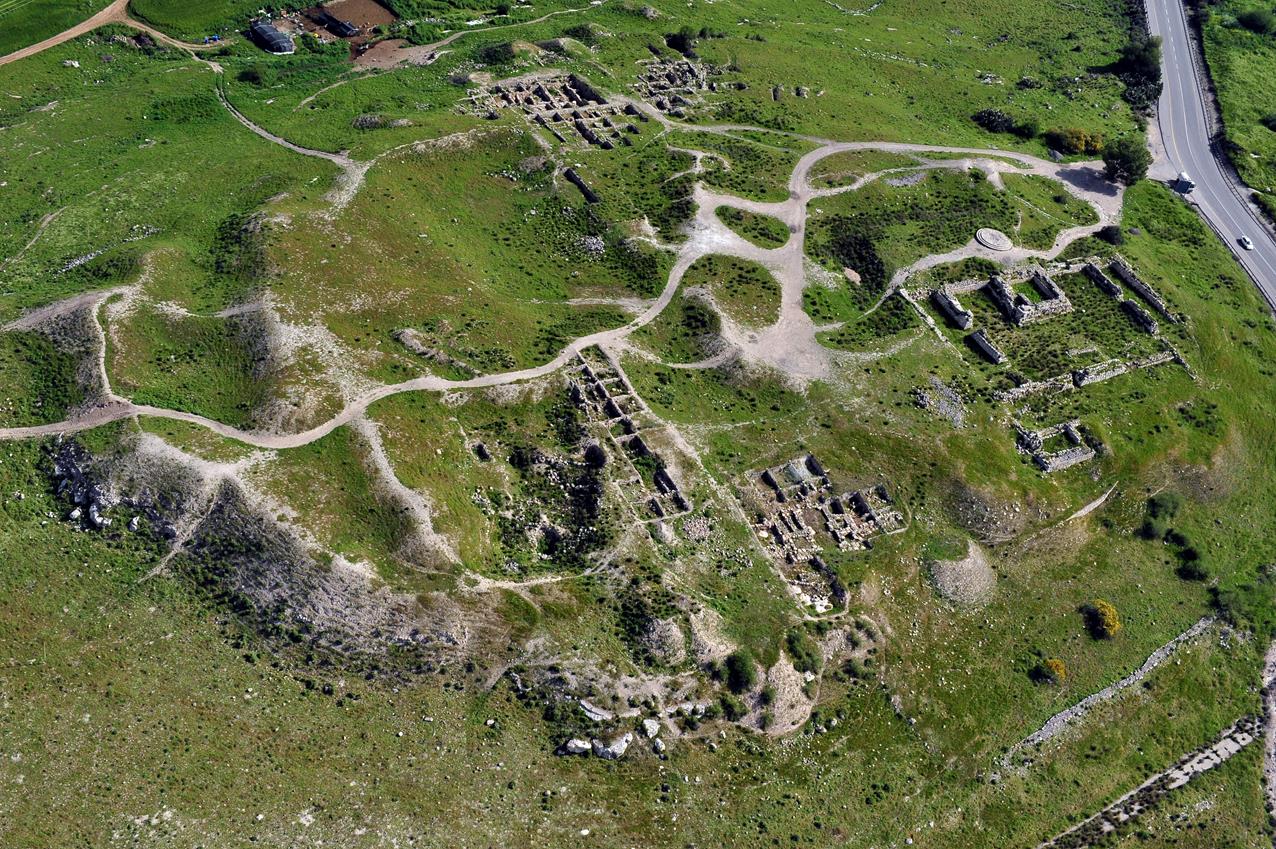
| Tzipori was an ancient city in the center of the Lower Galilee, which possibly was named Tzipori (“bird”) due to its high location. There was a settlement here already about 2500 years ago, and a Jewish city from the Hasmonean period until the 5th century CE, when Jews lived in the area at least until the 10th century. Some of the chief sages of the Mishnah operated in Tzipori. Rabbi Yehuda Hanasi presided over the Sanhedrin here, signed and edited the Mishnah here, and the city is prominently and frequently mentioned in the literature of Sages. Today, there’s a national park that opened in 1992, covering an area of about 16 square kilometers . The excavations in the garden (which began in 1931!) are not yet finished. | ציפורי היתה עיר עתיקה במרכז הגליל התחתון שיתכן ובגלל מיקומה הגבוה, נקראה כציפור. במקום היה ישוב כבר לפני כ-2500 שנה ועיר יהודית התקיימה בו מתקופת החשמונאים ועד המאה ה-5 לספירה, כאשר יהודים ישבו באזור לפחות עד המאה ה-10. בציפורי פעלו כמה מראשי חכמי המשנה, משם ניהל רבי יהודה הנשיא את הסנהדרין, כששם חתם וערך את המשנה, והעיר מוזכרת בהבלטה ובשכיחות רבה בספרות חז”ל. כיום במקום גן לאומי שנפתח ב-1992, ומשתרע על שטח של כ-16 קמ”ר. החפירות בגן (שהחלו ב-1931!) עוד לא הסתיימו. |
| So far, an ancient synagogue with a mosaic floor from the 5th century was revealed here, a Roman villa also paved with magnificent mosaics, a theater from the same period (with about 4500 seats!!), a public building, probably a market from about 2000 years ago, residential houses have been discovered at the site from the period of the Mishna and the Talmud, including a number of mikvahs (ritual baths), an ancient water reservoir that supplied water to the city through two aqueducts, a citadel that began as a Roman one and was later used by the Crusaders, the Ottomans and the British, and today houses the Museum of Excavations, and more. Tzipori is located on the Sanhedrin Trail, a trail of about 120 km, crossing the Galilee from Beit She’arim to Tiberias, and among other things, passing between sites attributed to the 71 sages of the Sanhedrin. The place is worth a visit in any season, and especially during these months, when the blossoms are at their peak. It’s definitely worthwhile putting the site (and the path) on your list! | עד כה, התגלו במקום בית כנסת עתיק עם רצפת פסיפס מהמאה ה-5, וילה רומית גם היא מרוצפת פסיפסים מרהיבים, תאטרון מאותה תקופה (ובו כ-4500 מושבים!!), מבנה ציבורי, כנראה שוק מלפני כ-2000 שנה, בתי מגורים מתקופת המשנה והתלמוד כולל מקוואות, מאגר מים עתיק שסיפק מים לעיר דרך שתי אמות מים, מצודה שהחלה כמצודה רומית ושימשה אח”כ את הצלבנים, עות’מאנית ובריטים, וכיום נמצא בה המוזיאון לממצאי החפירות, ועוד. ציפורי נמצאת על שביל הסנהדרין, שביל של כ-120קמ, החוצה את הגליל מבית שערים ועד טבריה, ובין השאר, עובר בין אתרים המיוחסים ל- 71 חכמי הסנהדרין. המקום שווה ביקור בכל עונה, ובמיוחד בחודשים אלו, כשהפריחה במקום בשיאה. כדאי בהחלט לשים את האתר והשביל) ברשימה! |
Shabbat Shalom שבת שלום
פני אשה מפסיפס, מכונה “המונה ליזה של הגליל”. הפסיפס הוא חלק מרצפה הנמצאת ב”בית דיוניסוס”, וילה רומית בציפורי
A mosaic of a woman’s face, known as the “Mona Lisa of the Galilee”, found in the Roman Villa in Tzipori
פסיפס גלגל המזלות – The zodiac mosaic
| “טו בשבט הגיע, חג לאילנות”, ככה היינו שרים בגן, וגם “השקדיה פורחת”… לפני כמה שנים, לכבוד טו בשבט, הלכנו למשתלה לקנות עץ שקד. הוא היה רק מקל חום, אבל ישר ומלא פוטנציאל. שמנו אותו באדמה, הוספנו קצת זבל, מים והרבה תפילות וחיכינו. והנה יום אחד, הופיעה פריחה נפלאה… מה, תהינו, שקד ורוד? אף פעם לא ראיתי דבר כזה! נכון, זה מפני שאין דבר כזה… הסתבר שה”שקד” הוא בעצם נקטרינה… 😊 ומה שמסתבר זה שיש דברים נסתרים מן העין, אפילו בעולם הגלוי, וכל שכן, בעולם הנסתר… | “Tu Bishvat has arrived, a holiday for the trees”, we used to sing in pre-school and also, “the almond tree is blooming”… A few years ago, in honor of Tu Bishvat, we went to a nursery to get an almond tree. It was just a plain brown stick, but straight and oh, so full of potential. We put it in the ground, added some compost and water, and many prayers, and waited. Then one day, it started blossoming… what, we were amazed, a pink almond tree?? I’ve never seen anything like it! that’s right, because it doesn’t exist… it turned out that the “almond” is really a nectarine… 😊 which is to say, there are many hidden things, even in the revealed world, let alone in the hidden one… |
| טו בשבט, שהתחיל כיום ציון במשנה, למצוות התלויות בארץ והנוהגות בפירות האילן, כבר מזמן צמח ופרח והיה למועד, בגלל מרכזיותו של התאריך בהקשר לחיבת הארץ וקדושתה. יש שאוכלים פירות של ארץ ישראל, פירות יבשים שמזכירים את ארץ ישראל, עורכים סדר טו בשבט, נוטעים עצים, ועוסקים בענייני איכות הסביבה. עוד באותו היום, מציינת הכנסת את יום הולדתה, משום שהכנסת הראשונה התכנסה בטו בשבט, 1949. | Tu Bishvat, which started as a date in the Mishna, marking mitzvot that have to do with the Land and fruits of the trees, has “grown” and “blossomed” becoming its own special day, because of the centrality of this date in conjunction with the love of the Land and its holiness. Some eat fruits of the Land of Israel; dried fruits that remind one of Israel; hold a Tu Bishvat seder, plant trees and deal with matters of the environment. Further more on that date, the Knesset is marking its birthday, since the first Knesset gathered on Tu Bishvat, 1949. |
| במזג האויר הסוער שעוטף אותנו היום, אני לא בטוחה שאגיע לטעת עץ דוקא היום, אבל אפשר לעסוק בסיפורי עצים, ומשמעותם. אחרי הכל, עצים מלווים אותנו מאז ימי גן עדן ובו עץ הדעת ועץ החיים… בתלמוד מסופר שרב נחמן ורבי יצחק ישבו לאכול ולשתף אחד את השני בדברי תורה, וכשקמו להפרד זה מזה, אמר רב נחמן, בבקשה ברך אותי. אמר לו רבי יצחק – | In the stormy weather here wrapping us, I doubt that I’ll be able to plant a tree today, but it’s possible to look at tree stories and their extended meaning. After all, trees accompany us since the days of the Garden of Eden, with the Tree of Knowledge and the Tree of Life… In the Talmud, we’re told that Rav Nachman and Rabbi Yitzchak sat to eat and share words of Torah, and when they were about to part ways, Rav Nachman asked, please, give me a blessing. Rabbi Yitzchak said to him – |
| אֶמְשׁוֹל לְךָ מָשָׁל, לְמָה הַדָּבָר דּוֹמֶה? לְאָדָם שֶׁהָיָה הוֹלֵךְ בַּמִּדְבָּר וְהָיָה רָעֵב וְעָיֵף וְצָמֵא, וּמָצָא אִילָן שֶׁפֵּירוֹתָיו מְתוּקִין וְצִלּוֹ נָאֶה וְאַמַּת הַמַּיִם עוֹבֶרֶת תַּחְתָּיו. אָכַל מִפֵּירוֹתָיו, וְשָׁתָה מִמֵּימָיו, וְיָשַׁב בְּצִילּוֹ. וּכְשֶׁבִּיקֵּשׁ לֵילֵךְ, אָמַר: אִילָן אִילָן, בַּמָּה אֲבָרֶכְךָ? אִם אוֹמַר לְךָ שֶׁיְּהוּ פֵּירוֹתֶיךָ מְתוּקִין — הֲרֵי פֵּירוֹתֶיךָ מְתוּקִין, שֶׁיְּהֵא צִילְּךָ נָאֶה — הֲרֵי צִילְּךָ נָאֶה, שֶׁתְּהֵא אַמַּת הַמַּיִם עוֹבֶרֶת תַּחְתֶּיךָ — הֲרֵי אַמַּת הַמַּיִם עוֹבֶרֶת תַּחְתֶּיךָ, אֶלָּא: יְהִי רָצוֹן שֶׁכׇּל נְטִיעוֹת שֶׁנּוֹטְעִין מִמְּךָ יִהְיוּ כְּמוֹתְךָ. אַף אַתָּה, בַּמָּה אֲבָרֶכְךָ? אִם בְּתוֹרָה — הֲרֵי תּוֹרָה, אִם בְּעוֹשֶׁר — הֲרֵי עוֹשֶׁר, אִם בְּבָנִים — הֲרֵי בָּנִים, אֶלָּא: יְהִי רָצוֹן שֶׁיִּהְיוּ צֶאֱצָאֵי מֵעֶיךָ כְּמוֹתְךָ (תענית ה:ב-ו:א). טו בשבט שמח! | I will tell you a parable. To what is this matter comparable? It is comparable to one who was walking through a desert and who was hungry, tired, and thirsty. And he found a tree whose fruits were sweet and whose shade was pleasant, and a stream of water flowed beneath it. He ate from the fruits of the tree, drank from the water in the stream, and sat in the shade of the tree. And when he wished to leave, he said: Tree, tree, with what shall I bless you? If I say to you that your fruits should be sweet, your fruits are already sweet; if I say that your shade should be pleasant, your shade is already pleasant; if I say that a stream of water should flow beneath you, a stream of water already flows beneath you. Rather, I will bless you as follows: May it be God’s will that all saplings which they plant from you be like you. So it is with you. With what shall I bless you? If I bless you with Torah, you already have Torah; if I bless you with wealth, you already have wealth; if I bless you with children, you already have children. Rather, may it be God’s will that your offspring shall be like you (Ta’anit 5:b-6:a) Happy Tu Bishvat! |

פרשת בשלח: על חצי עבד, חצי בן חורין
| “And it came to pass when Pharaoh has sent the Children of Israel “… This is how this week’s Torah portion opens, and we wonder, wait, who is it that sent the Children of Israel? After all, we just recently read about the miraculous power of the Almighty Gd who brought the Children of Israel out of Egypt “with a strong hand and an outstretched arm”! What do we care if Pharaoh sends the Israelites? But it turns out, that even after the Chief of Staff ordered the operation “generally”, and Gd has organized everything for us, we still need the signature of the field commander confirming that, viola, we are now going. | ויהי בשלח פרעה את בני ישראל”…. כך פותחת פרשת השבוע שלנו, ואנחנו תוהים, רגע, מי שלח את בני ישראל? הרי קראנו בפרשות האחרונות על כוחו המופלא של האל הכל יכול שהוציא את בני ישראל ממצרים “ביד חזקה ובזרוע נטויה”! מה אכפת לנו אם פרעה משלח את בני ישראל? אך מסתבר, שגם אחרי שהרמטכ”ל הורה על הפעולה “בגדול”, והקב”ה ארגן לנו הכל , עדיין צריך את חתימת המפקד בשטח שמאשר לנו שהנה, עכשיו הולכים. |
| The verse uses a unique way of the verb, beshalach, “has send”. If we had described what happened, we might have written – And it was when Pharaoh sent… The construct “has sent” has a message of accompanying, of something that happens over time, even in a certain sense, something that might Not quite over yet. What do you mean ‘not over?’ | הפסוק משתמש בדרך יחודית של הפועל, “בשלח”. לו אנו תארנו את מה שקרה, היינו אולי כותבים – ויהי כאשר שילח פרעה… או אולי… וישלח פרעה… למילה “בשלח” יש מסר של לווי, של משהו מתמשך שקורה לאורך זמן, אפילו במובן מסוים, משהו שאולי עוד לא לגמרי נגמר. מה זאת אומרת לא נגמר? |
| Let’s turn for a moment to Tractate P’sachim (page 88; also in Gitin, chapter 4), where a puzzling and interesting subject appears: a man who is half slave and half free. What will happen to him? The matter comes up as part of a discussion about people who have a few loyalties. Which group will such a person join when he eats the Passover sacrifice? For example, a married woman, should she eat the Passover sacrifice with her father’s family or her husband’s family? Or an orphan who has multiple guardians, what will he do? Last on this list is the slave who has two masters. | נפנה לרגע למסכת פסחים (דף פח, וגם בגיטין, פרק ד), שם מופיע נושא תמוה ומעניין: אדם שהוא חצי עבד וחצי בן חורין. מה דינו? הענין עולה כחלק מדיון באנשים שיש להם נאמנות למספר קבוצות, לאיזהו קבוצה יצטרף אדם כזה כשהוא אוכל את קרבן הפסח? למשל, אשה נשואה, האם עליה לאכול את קרבן הפסח עם משפחת אביה או עם משפחת בעלה? או יתום שיש לו אפוטרופוסים מרובים, מה יעשה? האחרון ברשימה זו הוא העבד שיש לו שני אדונים. |
| As long as this person has two masters, to a strange extent, his situation is “good”, not in a sense of good and pleasant, but that it is clear. Now let’s imagine that one of the masters releases him. Is that better? He may have more free time, but in terms of status, he is now half slave and half free-man. Beit Hillel thought that this was not a problem: “He who is half a servant and half a slave, works for his master one day and for himself one day” We may think so too, because after all, it allows for an excellent schedule, half a week working and half off. | כל עוד לאדם הזה יש שני אדונים, במידה מוזרה, מצבו “טוב”, לא מכיון שהוא טוב ונעים, אלא מכיון שהוא ברור. עכשיו נדמיין שאחד האדונים משחרר אותו. האם זה יותר טוב? אולי יש לו יותר זמן פנוי אך מבחינת מעמד, כעת הוא חצי עבד וחצי בן חורין. בית הלל חשבו שאין זו בעיה: “מִי שֶׁחֶצְיוֹ עֶבֶד וְחֶצְיוֹ בֶּן חוֹרִין, עוֹבֵד אֶת רַבּוֹ יוֹם אֶחָד וְאֶת עַצְמוֹ יוֹם אֶחָד – דִּבְרֵי בֵּית הִלֵּל” יתכן שגם אנחנו נחשוב כך, כי אחרי הכל, זה אפילו מאפשר לו”ז מעולה, חצי שבוע עבודה וחצי שבוע חופש. |
| But Beit Shammai cried out and said that while we made a comfortable life for his master, we did not take care of him!! We have created a situation in which we have before us a man who cannot marry: he cannot marry a free woman because he is a slave, and he cannot marry a slave woman because he is a free man. That is a tragedy: he is condemned to a life of solitude. Moreover, such a person cannot have children and in general, cannot participate completely, creatively, healthily and actively in the world! This is one of the famous disputes between Beit Shammai and Beit Hillel when in the end, the law is in accordance with Beit Shammai. | אבל בית שמאי זעקו ואמרו שבשעה שעשינו חיים נוחים לאדון, הרי שלא דאגנו לו!! יצרנו מצב שבו יש לפנינו אדם שלא יכול להנשא: הוא לא יכול לשאת בת חורין כי הוא עבד, ולא יכול לשאת שפחה כי הוא בן חורין. זו טרגדיה: הוא נידון לחיי בדידות. זאת ועוד, אדם כזה לא יכול להביא ילדים ובכלל, לא יכול להשתתף בעשיה שלמה, יצירתית ובריאה בעולם! זו אחת המחלוקות המפורסמות בין בית שמאי ובית הלל כשבסופה, ההלכה היא כבית שמאי. |
| What is the solution? “For the good of the world, we force his master and make him a free person, and he writes a bill of debt for half his worth”. That is, Beit Shammai tell us, that we make the master who still owns him to free him in terms of his status. But the slave still has a debt to the master! To this end, the slave writes a bill accepting responsibility to repay his debt, and to pay half of its value to his master. And what does all this have to do with our Torah portion? | מה הפתרון? “מִפְּנֵי תִּקּוּן הָעוֹלָם, כּוֹפִין אֶת רַבּוֹ וְעוֹשֶׂה אוֹתוֹ בֶּן חוֹרִין, וְכוֹתֵב שְׁטָר עַל חֲצִי דָּמָיו”. כלומר, אומר לנו בית שמאי, אנחנו מכריחים את האדון שעדיין מחזיק בבעלותו להפוך אותו לאדם חופשי, מבחינת הסטטוס שלו. אבל לעבד עדיין נותר חוב לאדון! לשם כך העבד כותב שטר המקבל אחריות להחזיר את חובו, ולשלם את מחצית מערכו לאדונו. ואיך כל זה קשור לפרשה שלנו? |
| This supposedly halachic discussion about the person who is half slave and half free alludes not only to some private case, but also to the status of the Children of Israel. We were this slave of two masters, one, Gd, who set us free, and one, Pharaoh, who preferred to keep us in slavery. The latter was forced to free us against his will, but as we saw in the Gemara, the slave is left with a debt, and he accepts his responsibility to pay it to his master who did not want to set me free. | הדיון הלכאורה הלכתי הזה על האדם שהוא חצי עבד וחצי בן חורין רומז לא רק מקרה פרטי כזה או אחר, אלא גם על מעמדם של בני ישראל. אנחנו היינו העבד הזה של שני אדונים, אחד, הקב”ה, שעשה אותנו בני חורין, ואחד, פרעה, שהעדיף להחזיק אותנו בעבדות. האדון הזה נאלץ לשחרר אותנו בניגוד לרצונו, אך כפי שראינו בגמרא, לעבד נותר חוב, והוא מקבל אחריותו לשלם אותו לאדונו שלא רצה להוציא אותי לחופשי. |
| It can be said that in a similar way, we, the People of Israel, also have a debt left, and even if that Egypt and that Pharaoh are no longer here, as the lead empire, they represent the world. This explains the term “Yetzi’at Mitzrayim”, literally the Exodus of Egypt, which in standard Hebrew should actually have been an exodus from Egypt or the exodus of the Israelites… and it also explains the involvement of the world in our matters to this very day, when it raises weighty questions for us, such as how to manage this “debt”? Does “repaying the debt” means again submission, slavery and servitude, or acting out of freedom, self-awareness, security and finding our place on the world stage? What is the tikkun olam that we must bring about? Or in completely modern words, we got ourselves a state, now what? | אפשר לומר שבאופן דומה, גם לנו, לעם ישראל, נותר חוב, וגם אם אותה מצרים ואותו פרעה כבר אינם, הרי כאימפריה השלטת דאז, הם מייצגים את העולם כולו. זה מסביר את מונח “יציאת-מצרים”, שבעברית תקנית היה צריך להיות בעצם יציאה ממצרים או יציאת בני ישראל… וזה גם מסביר את מעורבות העולם בענייננו עד היום, כשזה מעלה לנו שאלות כבדות משקל, כמו איך לנהל את ה”חוב” הזה? האם “החזר החוב” אומר שוב הכנעה, עבדות ושעבוד, או עשיה מתוך חופש, מודעות עצמית, בטחון ומציאת מקומנו על בימת העולם? מהו תיקון העולם שעלינו להביא? או במילים עכשויות לגמרי, קבלנו מדינה, עכשיו מה?? |
מי יתן ונמצא את המשך הדרך. שבת שלום וט”ו בשבט שמח!
May we find the rest of the path. Shabbat Shalom & Happy Tu Bishvat!

!פרשת בא – בזמן
| The Torah portion, Bo, lives in two worlds: Our time in Egypt is coming to its end including the last plagues, which means, the last days of slavery and servitude, and on the other side, the departure to the desired freedom, when upon the departure, the People of Israel receive their first mitzvah as a Nation. Up until now, Adam and Eve were told “to be fruitful and multiply” (is it a commandment or a blessing?), Abraham was told to circumcise his son, and Jacob was told that “therefore the Children of Israel shall not eat the leg’s sinew” (a mitzvah or a fact?), but as a united group (even if not uniformed!) that has a common goal towards which everyone works together, not yet, until now. | פרשת בא חיה בשני עולמות: סוף השהות במצרים כולל המכות האחרונות,כלומר ימי העבדות והשעבוד האחרונים, ומולם, היציאה לחופש הנכסף, כאשר עם היציאה, עם ישראל מקבל את המצווה הראשונה שלו כעם. עד כה, לאדם וחווה נאמר פרו ורבו (מצווה או ברכה?), לאברהם נאמר למול את בנו, וליעקב נאמר ש”על כן לא יאכלו בני ישראל את גיד הנשה” (מצווה או עובדה?), אבל כקבוצה מאוחדת (גם אם לא אחידה!) בעלת מטרה משותפת אליה נעים כולם ביחד, עוד לא, עד עכשיו. |
| I often wonder, if we were to start a new nation and religion (which is not necessarily the same thing!), what would be the first commandment we would give to our people? When I try it at Shabbat meals, for example, I’m told things like “be good to one another”, “don’t be bad”, and that our people should believe in Gd and his messenger, the originator and creator of this religion, to study the writings and laws of our newly found religion and nationality, and more. But the Torah says: “This month shall mark for you the beginning of the months; it shall be the first of the months of the year for you” (Exodus 12:2) | לא פעם אני תוהה, לו אנחנו היינו בונים עם חדש ומתחילים דת חדשה (וזה לא בהכרח אותו הדבר!), מה היתה המצווה הראשונה שהיינו נותנים לאנשים שלנו? כשאני מנסה את זה בארוחות שבת למשל, אנשים נוטים להגיד לי שהם היו אומרים להם “להיות טובים אחד לשני”, “לא להיות רעים”, להאמין באל ובשליחו, מתחיל ויוצר הדת הזו, ללמוד את כתבי וחוקי הדת והלאום האלה, ועוד, אבל התורה אמרה: הַחֹ֧דֶשׁ הַזֶּ֛ה לָכֶ֖ם רֹ֣אשׁ חֳדָשִׁ֑ים רִאשׁ֥וֹן הוּא֙ לָכֶ֔ם לְחׇדְשֵׁ֖י הַשָּׁנָֽה (שמות יב:ב) |
| Wait a moment… What about faith and kindness?? Well, all these will wait, said the Torah. First, we will synchronize our calendar so that we can schedule regular meetings at fixed times. Then we’ll have time to talk about the faith and kindness required and/or desired, our wonderful writings and countless other topics within and beyond what can be currently imagined. | רגע…?? מה עם האמונה וטוב הלב?? כל אלה יחכו, אמרה התורה. דבר ראשון, נארגן את לוח השנה שלנו כדי שנוכל לקבוע מפגשים מסודרים בזמנים קבועים, ואז יהיה לנו זמן לדבר על האמונה וטוב הלב הנדרש ו/או הרצוי, הכתבים הנפלאים שלנו ועוד אינספור נושאים בתוך ומעבר למה שניתן לדמיין כרגע. |
| But it’s possible that this is not just a practical matter here. The Sforno (Rabbi Ovadia Sforno, 1470~-1550, Jewish-Italian biblical commentator, rabbi and physician) says: “This month shall mark for you… from now on, your months will be yours to do with them as you wish… during the days of slavery, your days were not yours, but were for the works and desires of others. Therefore, this is the first of the year, because that’s when your choosing-reality began”. That is, for the Sforo, it is no coincidence that the mitzvah that deals with time, is given precisely with the Exodus from Egypt, since as slaves, their time was enslaved to the capricious desires of Pharaoh (some say Pharaoh from the root of p.r.a, which is a little erratic), and now, their time will be tied to their relationship with Gd. As Yehuda Halevi says in his poem: “time-bound slaves, are slaves of slaves; the servant of Hashem, he alone is free”. Paradoxically, when our time is “enslaved” to Hashem, that is when we’re free. | אבל יתכן שאין כאן רק ענין פרקטי בלבד. אומר לנו הספורנו (רבי עובדיה ספורנו, 1470~-1550, פרשן מקרא יהודי-איטלקי, רב ורופא): החודש הזה לכם ראש חדשים – מכאן ואילך יהיו החדשים שלכם, לעשות בהם כרצונכם… בימי השעבוד לא היו ימיכם שלכם, אבל היו לעבודת אחרים ורצונם, לפיכך ראשון הוא לכם לחדשי השנה. כי בו התחיל מציאותכם הבחיריי (בחירתי). כלומר, עבור הספורנו, אין זה מקרי שדוקא ביציאת מצרים המצוה שמתקבלת עוסקת בזמן, מכיון שכעבדים, זמנם היה משועבד לרצונות הקפריזים של פרעה (יש אומרים פרעה משורש פ.ר.ע.), וכעת, זמנם יהיה קשור בקשר שלהם עם הקב”ה. כמו שאומר יהודה הלוי בשירו: “עבדי זמן – עבדי עבדים הם. עבד ה’ – הוא לבדו חופשי“. באופן פרדוקסלי, ברגע שהזמן שלנו “משועבד” לקב”ה, אנחנו נהיים חופשים. |
| The Kli Yakar (Rabbi Shlomo Ephraim of Luntschitz 1550-1619, rabbi, preacher, Rosh Yeshiva and Rabbi in Prague) provides a long explanation, and I only extract a short section from it, which I quote verbatim (and hopefully do justice in my translation!): “Why did all the mitzvahs begin with the sanctification of this month, and why was this mitzvah given in juxtaposition with the mitzvah of the Passover sacrifice? The explanation is that according to the belief of the Egyptians, the sign of Aries (sheep) is the shepherd of all reality because it’s a sign of patience and richness (Tractate Shabbat, 156)….. and one might worry that erroneously people will think that this mitzvah (of the new month starting in the month of Nissan, April) is due to this sign of Aries! Therefore, the Holy One commanded immediately to slaughter the lamb in front of all who see it (and bring it as a Passover sacrifice)”. So… horoscopes and astrology? Yes, the Kli Yakar knows that this is the time of Aries and that this sign has certain qualities and tendencies, but as it is written in the Gemara, “There is no luck in Israel”. Therefore, to him, establishing Rosh Chodesh Nissan as the beginning of months is not inseparable from the Passover sacrifice, and shows very clearly, almost blatantly, that our commitment from now on is to Gd and not to the gods of Egypt, even if they have certain powers! | הכלי יקר (רבי שלמה אפרים מלונטשיץ 1550-1619, רב, דרשן, ראש ישיבה ואב”ד בפראג) מביא הסבר ארוך, ואני שולה מתוכו רק קטע קצר, אותו אני מביאה כלשונו: למה התחילו כל המצוות בקידוש החודש, ולמה נסמכה מצוה זו למצות קרבן פסח? והביאור על זה הוא שלפי שאמונת המצריים, מזל טלה הוא רועה לכל המציאות כי מזל מחכים מזל מעשיר (מסכת שבת קנו)….. ויש לחוש שמא מתוך מצוה זו (ראש חודש) יתן מקום לטועים לחלוק ולומר שמפני חשיבות מזל טלה המשמש בחודש זה נעשה חודש זה ראש לחדשי השנה, ע”כ צוה אל חי מיד לשחוט הטלה לעין כל רואים (קרבן פסח)…. אז… מזלות ואסטרולוגיה? כן, הכלי יקר יודע שזו תקופת מזל טלה ולמזל (אש) זה תכונות ונטיות מסוימות, אבל כפי שכתוב בגמרא, “אין מזל בישראל”. לכן קביעת ראש חודש ניסן כראש חודשים אינה בלתי נפרדת במצוות קרבן הפסח, ומראה בדרך מאד ברורה, כמעט בוטה, שהמחויבות שלנו מעתה, היא לקב”ה ולא לאלוהי מצרים, גם אם יש בהם כוחות מסוימים! |
| Last for this week, the Malbim (Rabbi Meir Livush ben Yehiel Michal Weiser, 1879-1809, rabbi, biblical commentator, judge, worked in the Russian Empire, Prussia and Romania). In his commentary he distinguishes between “Rosh” and “Rishon”. Rishon = first – is the word for the number, and Rosh indicates the head / lead in importance and prominence; and we find three months that are more prominent than the others, which are Nisan, Sivan, and Tishri, which are the time of spring, wheat harvest and fruits ingathering, and along with them… the festivals (Pesach, Shavuot High holidays and Sukkot), and in what is written that it is the Rosh of all new months… because it was when they came out of Egypt… and furthermore… up until now, months have been numbered from Tishrei, and from now on will be numbered from Nissan.” Actually, everything – everything that we are, rests on the founding event of “Yetzi’at Mitzrayim”, usually translated as “the exodus from Egypt” but literally, meaning “Egypt’s Exodus”… So, shouldn’t we have called it “the exodus from Egypt” or “the exodus of Israel”?… There is an idea here that it is not only us going “in our young and elders, sons and daughters, sheep and cattle” (Exodus 10: 9), but actually the whole world was affected by this moment; and we are reminded of that we do not operate in a vacuum, and that our role, while it can be personal, national, and spiritual, is also inseparable from the entire world. | אחרון לשבוע הזה, המלבי”ם (רבי מאיר ליבוש בן יחיאל מיכל וייזר, 1809-1879, רב, פרשן מקרא, פוסק, פעל באימפריה הרוסית, בפרוסיה וברומניה). בפירוש שלו הוא מבדיל בין “ראש ובין ראשון. ראשון הוא מלת המספר, וראש מציין את הקודם במעלה ובחשיבות, ונמצאו שלושה חדשים החשובים מיתר החדשים, שהם ניסן וסיון ותשרי, שהם זמן האביב והקציר והאסיף, ונגדם… המועדים, ובמה שנכתב שהוא ראש חדשים למדנו שהוא ראש בחשיבות לשני חדשים החשובים, שהם אחריו במדרגה כי בו יצאו ממצרים…. ומוסיף שהוא ראשון לחדשי השנה לענין המספר, שעד עתה מנו מתשרי, ומעתה ימנו מניסן”. בעצם, הכל – כל מי ומה שאנחנו, נשען על המאורע המכונן של יציאת ממצרים…. מה בעצם משמעות הביטוי הזה, “יציאת מצרים”? האם לא היינו צריכים לקרוא לה “היציאה ממצרים” או “יציאת ישראל”?… יש כאן רעיון שלא רק אנחנו “בִּנְעָרֵ֥ינוּ וּבִזְקֵנֵ֖ינוּ נֵלֵ֑ךְ בְּבָנֵ֨ינוּ וּבִבְנוֹתֵ֜נוּ בְּצֹאנֵ֤נוּ וּבִבְקָרֵ֙נוּ֙ נֵלֵ֔ךְ” (שמות י:ט), אלא בעצם שכל העולם הושפע מהרגע הזה, ועל כך תזכורת לנו, שאנחנו לא פועלים בואקום, ושהתפקיד שלנו, בשעה שהוא יכול להיות אישי ולאומי ורוחני, הוא גם בלתי מנותק מהעולם כולו. |
| And on a personal note… This month for me (not the one in Nissan, but this very month of January – Tevet-Shvat…) I am celebrating 10 years in this blog which is a reflection of my love story with the Jewish texts as well as the people and the country… Many people stood and stand by me every week in this study, commentators spread over hundreds and thousands of years and places, friends who were and are still here, my family and my dear beloved children (and now also my precious beyond words granddaughter!). In honor of my “celebrations of the decade”, I’d like to share with you one of the key figures in my journey, whose first yahrzeit is this week – Rabbanit Dr Naomi Cohen. I think if we pay close attention to her title, we can stop right here: Rabbanit. And Dr. True, there are some today 😊 but for a woman born in 1930 (in New York, made aliya to Israel alone when she was 19), it was much less common, if it existed at all. Rabbanit Naomi was the wife of Haifa’s legendary chief rabbi for 36 years, Rabbi She’ar-Yeshuv Cohen of blessed memory, and one of the key pioneers of “orthodox feminism” in Israel. I had the privilege of studying Torah, Midrash and Gemara with her, sitting with her in her study, full of her holy books (and not without “votes for women” banners!), entering a world rooted in tradition and Halacha, while at the same time, innovative and progressive. One of my favorite things she said: “I have no principles! Instead of principles, I have ideals. If I had remained faithful to principles that do not take into account the given reality and human weaknesses, I could not have gotten this far. But while I do not have principles, I do have ideals. Ideals are the basis of the values that make up the framework for a meaningful life. But contrary to the principle, they leave room for adjustment to reality as it is. I call ideals – the same aspirations one lives by, kind of like a North Star. No reasonable person tries to travel in an imaginary spaceship towards the North Star, but the star – the ideal – guides the path, and by its light we try to live”… May her memory be blessed. | ובנימה אישית… החודש הזה לי (לא ההוא בניסן, אלא ממש החודש הזה ממש של ינואר – טבת-שבט…) אני חוגגת 10 שנים לבלוג הזה שהוא השתקפות של סיפור האהבה שלי עם הטקסטים היהודים וגם העם והארץ… אנשים רבים עמדו ועומדים לצידי בכל שבוע בלימוד הזה, מפרשים המפוזרים על פני מאות ואלפי שנים ומקומות, חברים שהיו ועודם, משפחתי וילדי היקרים והאהובים (ועכשיו גם נכדתי היקרה מפז!). לכבוד “חגיגות העשור” שלי, אני רוצה לשתף אתכם באחת מדמויות המפתח במסע שלי, שיום פטירתה הראשון חל השבוע – הרבנית דר נעמי כהן. אני חושבת שאם נשים לב לתואר שלה, אפשר כבר לעצור כאן: רבנית. וד”ר. נכון, יש כאלה כיום 😊 אבל לאשה שנולדה ב-1930 (בניו-יורק, ועלתה לארץ לבדה בגיל 19), זה היה הרבה פחות נפוץ, אם בכלל קיים. הרבנית נעמי היתה אשתו של מי שהיה הרב הראשי האגדתי של חיפה במשך 36 שנים, הרב שאר-ישוב כהן זצ”ל, ומחלוצות ה”פמיניזם האורתודוכסי” בארץ. זכיתי ללמוד איתה תורה, מדרש וגמרא, לשבת איתה בחדר העבודה שלה, עמוס ספרי הקודש שלה (ולא בלי דגלים למען הצבעת נשים בבחירות!) ולהכנס לעולם נטוע במסורת והלכה, וגם חדשני ומתקדם בו זמנית. אחד הדברים האהובים עלי שאמרה: “אין לי פרינציפים! במקום פרינציפים, יש לי אידיאלים. אילו נשארתי נאמנה לעקרונות שאינם מתחשבים במציאות הנתונה ובחולשות אנוש, לא יכולתי להגיע עד הלום. אבל בעוד שפרינציפים אין לי, אידיאלים יש. אידיאלים הם הבסיס לערכים שמהווים את המסגרת לחיים משמעותיים. אבל בניגוד לפרינציפ, הם משאירים מרחב להתאמה למציאות כפי שהיא. אני קוראת לאידיאלים – אותן השאיפות שלאורן חיים, הם מעין כוכב צפון. אין בר דעת מנסה לנסוע בספינת חלל דמיונית לעבר כוכב הצפון, אבל הכוכב – האידיאל, מכוון את הדרך לאורו משתדלים לחיות”… יהי זכרה ברוך. |
שבת שלום וחודש שבט מבורך – Shabbat Shalom and a blessed month of Sh’vat
פרשת וארא: “לא ידעתי את ה’, וגם את ישראל לא אשלח”…
| This is it, it’s time!! After many generations in exile, slavery, suffering, hard work, torture and bondage, Gd is going to take the Children of Israel out of Egypt, but… wait… actually, why take them out of Egypt? True, slavery is terrible, but it’s possible to free them from slavery and let them stay in Egypt. Considering that Gd Almighty is on their side, it’s possible, for example, to throw Pharaoh off his throne and put in his place a new, wise, generous, loving and caring king… for example, Moses, the adopted “son” of Pharaoh!… why drag a group of hundreds thousands of people in the desert, men, women and children, through danger, hunger and thirst, when they already live in a good and rich, progressive and prosperous country? | זהו. הגיע הזמן!! אחרי דורות רבים בגלות, בעבדות, סבל, עבודה קשה, עינוי ושעבוד, הקב”ה עומד להוציא את בני ישראל ממצרים, אבל… אבל רגע, בעצם, למה להוציא אותם ממצרים? נכון, העבדות קשה, אבל אפשר לשחרר אותם מהשעבוד ושישארו במצרים. בהתחשב בזה שאלוהים הכל יכול לצידם, אפשר, למשל, להעיף את פרעה מעל כסאו ולשים במקומו מלך חדש, חכם, נדיב, אוהב ואכפתי… למשל, את משה, “בנו” המאומץ של פרעה!… למה לגרור קבוצה של מאות אלפי אנשים במדבר, גברים, נשים וטף, בסכנות, רעב וצמא, כשהם כבר חיים ממילא בארץ טובה ועשירה, מתפתחת ומתקדמת? |
| Maybe that was exactly what was on Joseph’s mind, and this is what the verse refers to: “And Joseph was in Egypt” (Exodus 1:5), that is, Joseph was deeply immersed so that he became part of the Egyptian culture, and thought that it was possible to realize the vision of Tikun Olam, making the world better, by improving the strongest nation In the world of the time, and from there, to bring light to everyone. | יתכן שזו בדיוק היתה אפשרות שעלתה על דעתו של יוסף, ולכך מתיחסת הפסוק: “ויוסף היה במצרים” (שמות א,ה), כלומר, יוסף נהיה חלק מהתרבות המצרית וחשב שאפשר לממש את חזון תיקון העולם של עם ישראל על ידי תיקון האומה החזקה ביותר בעולם בזמנו, ומשם, להביא אור לכולם. |
| Indeed, we have tried Joseph’s way over and over again throughout the generations, but our history, like the sequence of events in Egypt, the transition from the golden era in the land of Goshen to slavery, and the need for redemption, at the 90th minute, when the nation was already on the verge of physical and spiritual loss, shows us that this way, despite the great temptation in it, is not for us. There are positive things in Egypt, and many gifts in this country, as there are within all the nations of the world, that can let us enrich us in many ways, but we must get out of there and build our lives independently. This is reflected when the Israelites were told to take the gold from Egypt, and from that gold to build a mishkan, tabernacle for Shechinah, in the Land from which we came, where the light will shine all around. | אכן, את דרכו של יוסף ניסינו שוב ושוב במהלך הדורות, אך ההסטוריה שלנו, כמו רצף האירועים במצרים, המעבר מתור הזהב בארץ גושן לשעבוד, והצורך בהצלה, בדקה התשעים, כשהעם היה כבר על סף אובדן פיזי ורוחני, מראה לנו שדרך זו, למרות הפיתוי הגדול שבה, אינה נכונה לנו. יש דברים חיוביים במצרים, ומתנות רבות בארץ זו, כמו בין כל אומות העולם, לתת לנו להעשיר את חיינו במובנים רבים, אבל עלינו לצאת משם ולבנות את חיינו בצורה עצמאית. כך על דרך המשל, נאמר לבני ישראל לקחת את הזהב ממצרים, ומאותו הזהב לבנות משכן לשכינה, בארץ ממנה באנו, בו האור יראה מסביב. |
| This principle is true in the personal sphere: at some point it’s time to leave the parents’ house and build an independent life, with the gifts given to us from it, whether it is in an emotional and spiritual way or a physical and practical way, as well as in the national sphere. | העקרון הזה נכון בתחום האישי: מתישהו מגיע הזמן לצאת מבית ההורים ולבנות חיים עצמאים, עם המתנות שניתנו לנו בו, בין אם זה באופן רגשי ורוחני או גם באופן פיזי ומעשי, וגם בתחום הלאומי. |
| In the words of Rav Uri Sherki: “Every morning we Jews place an Egyptian jewel on our head. How so? In ancient Egypt it was customary to place a jewel called “totafot” on the head, which was shaped as an ancient snake. This is because the Egyptians were subject to the feeling that man is a snake, meaning – a mind enslaved to nature. The Torah comes, takes this round snake and turns it into straight lines, that is, the Torah makes morality sovereign over nature… This idea can also be seen in our last departure from exile… we brought with us many values – some good and some bad. Today, in the State of Israel, there is culture war regarding these values, such as: democracy, equal rights, the status of women, etc., when we try to sort out the good from the bad.” | בלשונו של הרב אורי שרקי: “בכל בוקר אנחנו היהודים מניחים תכשיט מצרי על ראשנו. איך זה? במצרים הקדומה היה נהוג להניח תכשיט בשם “טוטפות” על הראש, תכשיט בדמות נחש קדמון. זאת משום שהמצרים היו נתונים להרגשה שהאדם הוא נחש, כלומר – שכל המשועבד לטבע. באה התורה, לוקחת את הנחש העגול הזה והופכת אותו לקווים ישרים, כלומר, התורה הופכת את המוסר לריבון על הטבע… את הרעיון הזה ניתן לראות גם ביציאה האחרונה שלנו מן הגלות…הבאנו עימנו ערכים רבים – מהם טובים, מהם רעים. כיום מתנהלת במדינת ישראל מלחמת תרבות של ממש בנוגע לערכים הללו, כמו למשל: דמוקרטיה, שיוויון זכויות, מעמד האשה וכדומה, כאשר אנו מנסים לברור את הטוב מתוך הרע”. |
| Again, we seem to have brought gold with us from Egypt. Are we all good? What will we do with this gold? What will we leave and develop for our benefit? Are there any parts we should give up? How will we build our own lives here? | שוב, נראה שהבאנו איתנו זהב ממצרים. האם הכל טוב לנו? מה נעשה עם הזהב הזה? מה נשאיר ונפתח לטובתנו? האם יש חלקים עליהם כדאי לוותר? איך נבנה את חיינו שלנו כאן? |
| Another question about this Torah portion, which we usually take for granted, is Gd’s instruction to Moses: “Come speak to Pharaoh king of Egypt to let the Israelites be sent from his land.” But… why actually go to Pharaoh? We have with us the most powerful force in the universe, which can do everything. Everything!! for us. Easily subduing the Egyptians is no problem! With such support, we can organize a rebellion successfully! Why then go to Pharaoh? What, shall we ask him for “permission”? talk to him and explain to him about… what exactly? About our ancestors, our path, our Gd…?? He is an idolater, wicked and awful, and we, the King of Kings are with us!! | שאלה נוספת על פרשה זו, שאנחנו בד”כ לוקחים כמובן מאליו היא, הוראותו של הקב”ה למשה: בֹּ֣א דַבֵּ֔ר אֶל־פַּרְעֹ֖ה מֶ֣לֶךְ מִצְרָ֑יִם וִֽישַׁלַּ֥ח אֶת־בְּנֵֽי־יִשְׂרָאֵ֖ל מֵאַרְצֽוֹ (שמות ו:יא). למה בעצם ללכת אל פרעה? יש איתנו את הכוח הכי חזק ביקום, שיכול לעשות הכל הכל בשבילנו. הוא בקלות יכול להכניע את המצרים! הוא יכול לעזור לנו לארגן מרד בהצלחה! למה ללכת לפרעה? מה, נבקש ממנו “רשות”? נדבר איתו ונסביר לו על… על מה בדיוק? על אבותינו, דרכנו, אלוהינו…?? הלוא הוא עובד אלילים, רשע ומרושע, ואנחנו, מלך מלכי המלכים איתנו!! |
| But it turns out that Gd chooses to talk to Pharaoh, and Pharaoh, for his part, neither kills nor expels Moses and Aaron, the two old men, who seem a bit delusional, who come to him into the palace with some confused talk about how he is going to lose his slaves for some invisible god. Pharaoh tells them in response: “I did not know Gd, and neither will I send Israel” (Exodus 5, 31), is there a hint here that if he knew Gd, perhaps he would agree to send the Israelites? A dialogue ensues between them, and a long process, including the strengthening of Pharaoh’s heart and his ability to choose freely, each time he loses his power, which leads to the revelation of Gd in the world. Just like the journey ahead, we want to reach our goal, but the journey itself is just as important, theirs and ours. | אבל מסתבר שהקב”ה בוחר דוקא כן לדבר עם פרעה, ופרעה מצידו, לא הורג וגם לא מגרש את משה ואהרון, שני הזקנים, הקצת הזויים שבאים אליו לארמון עם איזה דיבור מבולבל על איך הוא הולך לאבד את העבדים שלו עבור איזה אל בלתי נראה. פרעה אומר להם בתגובה: “לא ידעתי את ה’, וגם את ישראל לא אשלח” (שמות ה’,לא), האם יש כאן רמז, שאם ידע את ה’, אולי כן יסכים לשלוח את בני ישראל? מתוך כך מתחיל דיאלוג ביניהם ותהליך ארוך, כולל חיזוק לב פרעה ובחירתו החופשית בכל פעם שהוא מאבד מכוחו, שמוביל להתגלות ה’ בעולם. כמו גם המסע שלפניהם, להגעה למטרה יש חשיבות, אך המסע עצמו חשוב לא פחות, שלהם וגם שלנו. |
Shabbat Shalom * שבת שלום

שבת במצרים??
| Once upon a time, when we were young (I mean, the kids), there was no internet with movies, and we didn’t have an antenna to catch exciting channels, just a small television “box”, with a big “belly” and a gaping mouth in the front for video tapes. One of the movies we saw again. And again And yet again, there was “Prince of Egypt”, the animated film by DreamWorks, released in 1999, in the preparation of which quite a few different consultants and experts participated, including in areas of midrash and psychology. The film deals brilliantly with the double identity of Moses: an “Egyptian man”, as will be described by the daughters of Jethro (Exodus 2:19), who was sent to save God’s people from the hand of Pharaoh, the man he thought, at least until a moment ago, to be his father (Exodus 3:10). | כשהיינו צעירים (אני מתכוונת, הילדים), לא היה אינטרנט עם סרטים, ולא היתה לנו אנטנה, רק “קופסת” טלויזיה קטנה, עם בטן גדולה ופה בקדימה לקלטות וידאו. אחד הסרטים שראינו שוב. ושוב. ושוב, היה נסיך מצרים, סרט האנימציה של חברת דרים-וורקס שיצא בשנת 1999, ושבהכנתו השתתפו לא מעט יועצים ומומחים שונים כולל במדרש ופסיכולוגיה. הסרט מתמודד בצורה מבריקה עם הזהות הכפולה של משה: “איש מצרי”, כפי שיתואר ע”י בנותיו של יתרו (שמות ב,י”ט), שנשלח להציל את עמו של האלוהים מיד פרעה, האיש אותו חשב, לפחות עד לפני רגע, לאביו (שמות ג,10). |
| How did Moshe know that he was a Hebrew at all? The film chooses to give Miriam, the older sister, responsible for his birth and saving him as a baby, the job of telling him, as the one who “brings” him back to life even now. At first she tries to tell him and he resists, then she goes on to hum him a tune that was his childhood lullaby, a tune that penetrates deep into what’s been hidden within him, and inspires him to make the journey back to himself, by himself, so that it will be his. | איך נודע למשה שהוא בכלל עברי? הסרט בוחר לתת למרים, האחות הגדולה האחראית ללידתו והצלתו כתינוק, את תפקיד המספרת, כמי ש”מחזירה” אותו לחיים גם כעת. התחילה היא מנסה לספר לו והוא מתנגד, ואז היא עוברת לזמזם לו מנגינה שהיתה שיר הערש של ילדותו, מנגינה שחודרת עמוק אל הנסתר בהוויתו אפילו ממנו, ומעוררת אותו לעשות את המסע בחזרה לעצמו, בעצמו, כדי שיהיה שלו. |
| The sages saw an echo of Moshe’s difficult internal deliberation in the verse: “In those days, and Moses grew and he went out to his brethren, and he saw their sufferings; and there he saw an Egyptian man beating up a Hebrew man of his brothers” (Exodus 2:11). Who are his “brothers” at the beginning of the verse? The Ramban says, the Hebrew, while the Ibn-Ezra says, of course, the Egyptians. It’s possible that both are right, and in fact, what Moshe went to find out exactly here is, who are his brothers? The Egyptians who suffer in their role as task masters under the rule of Pharaoh, or the Israelites who suffer from slavery? Only at the end of the verse does he confirm to us, “A Hebrew, of his brothers”, and decides to identify with this beaten man and with the enslaved nation in general. | חז”ל ראו הד להתלבטות הפנימית הקשה של משה בפסוק: וַיְהִ֣י בַּיָּמִ֣ים הָהֵ֗ם וַיִּגְדַּ֤ל מֹשֶׁה֙ וַיֵּצֵ֣א אֶל־אֶחָ֔יו וַיַּ֖רְא בְּסִבְלֹתָ֑ם וַיַּרְא֙ אִ֣ישׁ מִצְרִ֔י מַכֶּ֥ה אִישׁ־עִבְרִ֖י מֵאֶחָֽיו (שמות ב:יא). מי הם “אחיו” בתחילת הפסוק? הרמבן אומר, אלו היהודים, ואילו האבן-עזרא אומר, כמובן, אלו המצרים. יתכן ששניהם צודקים, ובעצם, מה שהלך משה לברר בדיוק כאן הוא, מי הם אחיו? המצרים הסובלים בתפקידם כנוגשים תחת שלטונו של פרעה, או בני ישראל הסובלים מעבודת הפרך? רק בסוף הפסוק הוא מאשר לנו, “עברי, מאחיו”, ומחליט להזדהות עם העברי המוכה הזה ועם האומה המשועבדת בכלל. |
| The midrash tells us another story about the words “and saw their suffering”: What is the suffering that Moses saw? That they have no rest, at all, never -ever. He understood that this is the real suffering: not only the very hard physical work, but that their whole being is given over to someone else. He went and said to Pharaoh: ‘One who has a slave, if this slave does not rest at least one day a week, then he is dead! And these are your slaves! if you don’t give them one day a week rest, they might die’! Pharaoh said to Moses: ‘Go and do to them as you say’. (What did he do?) Moshe went and instituted the Sabbath day for them to rest (Shmot Rabba 1:28). | המדרש מספר לנו סיפור נוסף על המילים “וירא בסבלותם”: מהו הסבל שמשה ראה? זה שאין להם מנוחה, בכלל, אף פעם, תמיד. הוא הבין שזהו הסבל האמיתי: לא רק העבודה הפיזית הקשה מאד, אלא זה שכל הוויתם נתונה למישהו אחר. הוא הלך ואמר לפרעה: ‘מי שיש לו עבד, אם העבד הזה לא נח לפחות יום אחד בשבוע, הרי הוא מת! ואלו הם עבדיך, אם לא תתן להם יום אחד בשבוע, הם עלולים למות’! אמר פרעה למשה: לך ועשה להן כמו שתאמר. (מה עשה?) הלך משה ותקן להם את יום השבת לנוח (שמות רבה א, כח). |
| And in the Midrash (Beresheet Rabati) the story is further expanded: The midrash asks, where do we learn that the Sabbath preceded the Exodus by twenty years? It is said here, “And Moses grew up and went out to his brothers and saw their suffering” (ibid). What did Moses see? He saw that they don’t have Shabbat and they need some space for their souls. What did he do? He went to Pharaoh and said to him: ‘I see that all the great and enormous things you are doing are going to be undone.’ The king was alarmed and said to him: How is that? Moshe answered him: Because the slaves work all the time, continuously, without breaks, without rest. And not only that, but the young and the old do the same work and without a moment to breathe (and there is another midrash that says that slavery was not only that the tasks did not match the age and pace of the workers, but also that men were given “women’s jobs”, and women – “men’s jobs”. And what is this exactly “women’s work” and “men’s work”? That women can – for example and by way of generalization – do several things at once, while the men prefer to concentrate on one thing; or that the women prefer to work in a company and the men independently, while Pharaoh confused their natural skills and sent each one to do that which does not suit him, which was an increased form of torture), and from all this, they may die, and then you, Pharaoh, will not have any slaves at all! Pharaoh replied to Moses: I have already appointed you to be responsible for all this. Go and do what you think is right. | ובמדרש בראשית רבתי פרשת בראשית הסיפור מורחב עוד: שואל המדרש, מאיפה אנחנו לומדים שהשבת קדמה ליציאת מצרים בכעשרים שנה? שנאמר כאן, “ויגדל משה ויצא אל אחיו וירא בסבלותם”(שמות ב, יא). מה ראה משה? ? ראה שאין להם שבת ויש להם צורך בקצת נופש לנפש. מה עשה? הלך לפרעה ואמר לו: ‘אני רואה שכל הדברים הגדולים והעצומים שאתה עושה, עתידים להיבטל’. נבהל המלך ואמר לו: איך זה? ענה לו משה: לפי שהעבדים עובדים כל הזמן, כל הזמן, בלי הפסקות, בלי מנוחה. ולא רק זה, אלא שהצעיר והמבוגר עושים אותה עבודה ובלי רגע לנשימה (ויש מדרש אחר שאומר שעבודת הפרך לא היתה רק שהמטלות לא התאימו לגילאי וקצב העובדים, אלא גם שהגברים קבלו “עבודות של נשים”, והנשים, “עבודות של גברים”. ומה זה בדיוק עבודת של נשים ועבודות של גברים? שנשים יכולות – למשל ועל דרך ההכללה, לעשות כמה וכמה דברים בבת אחת, ואילו הגברים מעדיפים להתרכז בדבר אחד. או שהנשים מעדיפות לעבוד בחברה והגברים באופן עצמאי, ואילו פרעה בלבל את הכישורים הטבעיים שלהם ושלח כל אחד לעשות מה שלא מתאים לו, שגם זה היה סוג של עינוי), ומכל זה הם עלולים למות, ואז לא יהיו לך, פרעה, עבדים כלל! ענה לו פרעה למשה: אני כבר מיניתי אותך להיות אחראי על כל זה. לך ותעשה מה שנראה לך לנכון. |
| Moses went to the Israelites. He sat and calculated time from the six days of Genesis, from the Creation of the world, when Sabbath day should be, because the slaves could not keep an orderly calendar and therefore lost count completely (something that would later be echoed in the first mitzvah for the Israelites as a People, to create a calendar and take responsibility for time). Then he went to the task-masters and told them: ‘The king commanded that they work for six days and rest on the seventh day’, and since this was the decision of “the” king, so it was. | הלך משה לבני ישראל. ישב וחישב מששת ימי בראשית, מזמן בריאת העולם, מתי צריך להיות יום שבת, כי הרי העבדים לא יכלו לשמור על לוח שנה מסודר ולכן איבדו את הספירה לגמרי (דבר שיהדהד אחכ במצווה הראשונה לבני ישראל כעם, ליצור לוח שנה ולקחת אחריות לזמן). ואז הלך לנוגשים ואמר להם: ‘המלך ציווה שהם יעבדו במשך ששה ימים וינוחו ביום השביעי’, ומכיון שזו היתה החלטת “ה”מלך, כך היה. |
| And we even have evidence that the Sabbath was already given in Egypt, because in the Torah portion of Vayishlach, we find a verse that says, “behold, Hashem gave you (already) the Shabbat” (Exodus 29:19), the sages noticing the verb “give” in the past tense, and not “gives” In the present, because it already happened while they were in Egypt. | ויש לנו אפילו עדות לכך שכבר במצרים ניתנה השבת, כי בפרשת “וישלח” נמצא פסוק שאומר “רְא֗וּ כִּֽי־ה’ נָתַ֣ן לָכֶ֣ם הַשַּׁבָּת֒” (שמות כט יט), וחז”ל שמו לב לפועל “נתן” בזמן עבר, ולא “נותן” בהווה, כי זה כבר קרה בזמן שהיו במצרים. |
| The Bnei Yissachar (Rabbi Zvi Elimelech Shapira of Dinov, 18th century, one of the students of the ‘Seer’ from Lublin) says, according to these Midrashim, that this is the reason why we say in the prayer on Shabbat, “Moshe will be happy with the gift of his share”, because Moses asked Pharaoh to give them one day to rest and through this, arranged for them to return and keep and remember the Sabbath, and when they left Egypt and received the Sabbath “officially”, Moshe rejoiced greatly. | הבני יששכר (רבי צבי אלימלך שפירא מדינוב, מאה 18, מתלמידי ה’חוזה’ מלובלין) אומר לפי המדרשים האלה, שזו הסיבה שאומרים בתפילה ביום שבת, “ישמח משה במתנת חלקו”, מפני שמשה בקש מפרעה שיתן להם יום אחד למנוחה ודרך זה, סדר להם לחזור ולשמור ולזכור את יום השבת, וכשיצאו ממצרים וקבלו את השבת “רשמית”, שמח משה שמחה גדולה. |
| And we can also mention here that in the Kiddush of Sabbath day, we say that the Sabbath is “a reminder of the exodus from Egypt”, perhaps to remind us, the Sabbath we already received in Egypt thanks to a caring leader who convinced another, less caring leader, that, in fact, it was worthwhile for the latter to do so. And a reminder, not to give up and do and fix, in the small and possible things. And perhaps also to shed a light and let us know that already in the dark and terrible slavery, we received a hint for better days, and that the redemption came “little by little”, like sunrise. | ואפשר להזכיר כאן גם, שבקידוש של יום השבת, אנחנו אומרים שהשבת היא “זכר ליציאת מצרים”, אולי כדי להזכיר לנו, את השבת שקבלנו כבר במצרים בזכות מנהיג אכפתי ששכנע מנהיג אחר, פחות אכפתי, שבעצם, זה כדאי לו. ותזכורת, לא לוותר ולעשות ולתקן, בדברים הקטנים והאפשריים. ואולי גם כדי להאיר לנו, כשכבר בתוך העבדות החשוכה והנוראה קבלנו רמז לעתיד הטוב שיבוא, ושהגאולה באה “קמעה קמעה”, כמו הזריחה. |
Shabbat Shalom – שבת שלום
From the movie, “Prince of Egypt”
פרשת ויחי – על קו התפר
| Why does the book of Genesis end here? Why is there a division into books at all? Why don’t we have a “Torah”, one book from the beginning till “before the eyes of all Israel” at the end of Dueteronomy ? One of the things that the book of Genesis deals with, and which at its end comes to rest, and maybe even to some kind of solution, is the relationships of siblings in the family. Already in the Midrash it is written: “You find, all the brothers hate each other. Cain hates Abel, Ishmael hates Isaac, Esau hates Jacob, and even tribes hate Joseph” (Tanhuma on Parashat Shemot, 27:81). We see that this hatred is so severe that it even leads to murder in the case of Cain and Abel, and a desire, a thought, and plan for this, in the case of Jacob and Esau, Joseph and his brothers. | מדוע מסתיים ספר בראשית דוקא כאן? למה בכלל יש חלוקה לספרים? למה שלא תהיה לנו “תורה”, מבראשית ועד “לעיני כל ישראל”? אחד הדברים שספר בראשית עוסק בהם, ושמגיע עם סופו לרגיעה ואולי אפילו לפתרון כלשהו, הוא קשרי האחים במשפחה. כבר במדרש כתוב: “אתה מוצא, כל האחים שונאים זה לזה. קין שונא להבל, ישמעאל שונא ליצחק, עשו שונא ליעקב, ואפילו שבטים שונאים ליוסף” (תנחומא על פרשת שמות, כז:פא). אנחנו רואים שהשנאה הזו כל כך קשה שהיא מובילה אפילו לרצח במקרה של קין והבל, ורצון, מחשבה, תכנית לשם כך במקרה של יעקב ועשו, יוסף ואחיו. | |
| “And Esau said in his heart, the days of my father’s mourning will draw near, and I will kill Jacob my brother: (Genesis 27:41). Esau wants to kill Jacob and calls him “my brother”… is this a contradiction or perhaps, he wants to kill him precisely because he is his brother? It turns out that they are fighting over the “birthright”. What is the firstborn’s “birthright”? When the first child is born, he is not a “firstborn”; he is A Boy (or A Girl). He is everything; his/ her parents’ all is aimed at the one child. And then, something terrible happens: the firstborn turns from being the center of the world a “brother of”… to “another”, to the one responsible for”… There is no doubt that, naturally, this raises objections. How can we solve it? Among all the challenges of Jacob’s family, this is definitely a major one. | “וַיֹּאמֶר עֵשָׂו בְּלִבּוֹ יִקְרְבוּ יְמֵי אֵבֶל אָבִי וְאַהַרְגָה אֶת יַעֲקֹב אָחִי: (בראשית כז מא). עשו רוצה להרוג את יעקב וקורא לו אחי… האם יש כאן קונפליקט, או שמא, דוקא מפני שהוא אחיו, הוא רוצה להרוג אותו? מסתבר שהם רבים על ה”בכורה”. מה זה “בכור”? כשהילד הראשון נולד, הוא לא “בכור”, הוא בן (או בת). הוא הכל, ובד”כ, כל ישותם ועתידם של הוריו מכוונים אליו ורק אליו, ואז קורה משהו נורא: הבכור הופך ממרכז העולם ל”אח של”… ל”אח-ר”, ל”אח-ראי על”…. אין ספק שבאופן טבעי, זה מעורר התנגדות. איך נוכל לפתור את זה? בין כל האתגרים של משפחת יעקב, זהו בהחלט אחד מרכזי. | |
| Therefore, perhaps it is no wonder that the family is preoccupied with the issue of childbirth, and that Jacob has not one firstborn, but actually four firstborns: Reuben – the firstborn of his father Jacob, and his mother Leah, Dan – the firstborn of Bilha, Rachel’s maidservant, Gad – the firstborn of Zilpa, Leah’s maidservant, and Yosef – Rachel’s eldest son. With Yosef, we meet another firstborn: a firstborn who cares for and loves his brother, his biggest competitor, who can – perhaps – take his place, Benjamin, but who, as we saw last week, calls all ten of his sons by names that remind him of his older brother who is gone, perhaps in order to plant within everyone’s heart the knowledge that he’s still here. | לכן אולי לא פלא שהמשפחה עסוקה בנושא הילודה, ושליעקב יש, לא בכור אחד, אלא בעצם ארבעה בכורים: ראובן – הבכור מאביו יעקב, ומאמו לאה, דן – הבכור של בלהה, שפחת רחל, גד – הבכור של זלפה, שפחת לאה, ויוסף – הבכור של רחל. עם יוסף, אנחנו פוגשים בכור אחר: בכור שדואג ואוהב את אח שלו, המתחרה הכי גדול שלו, שיכול – אולי – לקחת את מקומו, בנימין, וזה, כמו שראינו בשבוע שעבר, קורא לכל עשרת בניו בשמות שמזכירים לו את אחיו הגדול שאיננו, אולי כדי לטעת בלב כולם את הידיעה שהוא עדיין כאן. | |
| And perhaps, this is also, at least one of the explanations, for the connection to the beginning of The Book of Exodus, which we’ll start next week. There we will meet another family, a family in which, according to the midrash, the older sister demands that the parents to get back together and have more children; a family in which the older brother, who according to the sages was the leader of the people until now when they were in Egypt, is over joyed when he hears that his younger brother is returning to lead the People in his stead. | ואולי, זהו גם אחד ההסברים לפחות לחיבור לתחילת ספר שמות, אותו נתחיל בשבוע הבא. שם נפגוש משפחה אחרת, משפחה שבה, ע”פ המדרש, האחות הגדולה מבקשת מההורים שיחזרו לחיות ביחד ולהביא עוד ילדים, משפחה שבה האח הבכור, שלפי חז”ל היה מנהיג העם עד כה, כשהיו במצרים, שמח כשהוא שומע שאחיו הקטן חוזר להנהיג את העם במקומו. | |
| It’s the first time that a first-born happily gives something up for his younger brother, offering a repair to the “first born challenges” we’ve seen thus far. Indeed, Aaron and his sons get to be a kind of substitute for the firstborn – in the priesthood, and to bless the whole people, with love. As Rav Uri Sherki says, only on such a heart filled with joy, we can place the priestly garments, and the Urim & Tumin, the priestly, magical breastplate. | זו הפעם הראשונה שבה אח בכור מוותר בשמחה לאחיו הצעיר, ומציע תיקון לאתגרי הבכורות שראינו עד כה. ואכן, אהרון ובניו זוכים להיות מעין תחליף לבכורות – בכהונה ולברך את כל העם, באהבה. כפי שאומר הרב אורי שרקי, רק על לב כזה ששמח, יש מקום לחושן, ורק על לב כזה יכולים לשכון האורים והתומים. | |
| It took time for the Children of Israel to organize and build the foundations of this puzzle. It was not simple or immediate, and there was no lack of pain as we heard Jacob last week when he said, “few and hard have been the years of my life” (Genesis 47:9). This is true for our days too. I often feel like we’re working on a big puzzle, while the picture on the box is at best unclear, and mostly absent. This may be true personally as well as nationally. Yet, the Torah repeatedly reminds us that just because things don’t work one way, it doesn’t mean they don’t work at all; that we can try again. And again. And that there is hope, especially if we do it with love . | לקח זמן לבני ישראל לארגן ולבנות את יסודות הפאזל הזה. זה לא היה פשוט או מיידי, ולא חסרו כאבים בדרך כפי ששמענו את יעקב בשבוע שעבר כשאמר, “מְעַ֣ט וְרָעִ֗ים הָיוּ֙ יְמֵי֙ שְׁנֵ֣י חַיַּ֔י”… (בראשית מז:ט). וזה נכון גם עבורנו. לעיתים קרובות אני מרגישה שאנחנו עובדים על פאזל גדול, בשעה שהתמונה על הקופסא מטושטשת במקרה הטוב ובחלקים רבים חסרה. ועדיין, התורה מזכירה לנו שוב ושוב, שרק בגלל שמשהו לא עובד בדרך אחת, זה לא אומר שהוא לא עובד בכלל. שאנחנו יכולים לנסות שוב. ושוב. וש”לא אבדה תקוותנו”, במיוחד אם נלמד לעשות את זה באהבה. |
שבת שלום – Shabbat Shalom