Teshuva as a Love Story: 3 pieces for the Torah portion of Nitzvaim & Rosh Hashana 5783

תשובה כסיפור אהבה: 3 קטעים לשבת פרשת ניצבים וראש השנה

את פרשת השבוע, פרשת “ניצבים” שנקראת גם פרשת התשובה, תמיד קוראים לקראת הימים הנוראים. באופן מעורר השראה, היא מדברת על בחירה, על שותפות, על נצחיות, על מסע ארוך ועל תשובה – גם במובן של מציאת מענה, וגם במובן של חזרה הביתה. סגנונה כל כך פואטי שאפשר להעתיק כאן את כולה… אני משתפת רק בחלק קטן (דברים ל):This week’s Torah portion, the Torah potion of “Nitzvim” also knowns as the portion of Teshuva, is always read before the Days of Awe. In an inspiring manner, it speaks about choice, about partnership, about eternity, about a long journey and about Teshuva – both in the sense of finding an answer, and in the sense of repentance and returning home. Its style is so poetic that it can be copied here in its entirety… I’ll share only a small part (Deuteronomy 30):
וְהָיָה֩ כִֽי־יָבֹ֨אוּ עָלֶ֜יךָ כׇּל־הַדְּבָרִ֣ים הָאֵ֗לֶּה הַבְּרָכָה֙ וְהַקְּלָלָ֔ה אֲשֶׁ֥ר נָתַ֖תִּי לְפָנֶ֑יךָ וַהֲשֵׁבֹתָ֙ אֶל־לְבָבֶ֔ךָ בְּכׇ֨ל־הַגּוֹיִ֔ם אֲשֶׁ֧ר הִדִּיחֲךָ֛ ה’ אֱלֹהֶ֖יךָ שָֽׁמָּה׃ וְשַׁבְתָּ֞ עַד־ה’ אֱלֹהֶ֙יךָ֙ וְשָׁמַעְתָּ֣ בְקֹל֔וֹ כְּכֹ֛ל אֲשֶׁר־אָנֹכִ֥י מְצַוְּךָ֖ הַיּ֑וֹם אַתָּ֣ה וּבָנֶ֔יךָ בְּכׇל־לְבָבְךָ֖ וּבְכׇל־נַפְשֶֽׁךָ׃ וְשָׁ֨ב ה’ אֱלֹהֶ֛יךָ אֶת־שְׁבוּתְךָ֖ וְרִחֲמֶ֑ךָ וְשָׁ֗ב וְקִבֶּצְךָ֙ מִכׇּל־הָ֣עַמִּ֔ים אֲשֶׁ֧ר הֱפִֽיצְךָ֛ ה’ אֱלֹהֶ֖יךָ שָֽׁמָּה׃ אִם־יִהְיֶ֥ה נִֽדַּחֲךָ֖ בִּקְצֵ֣ה הַשָּׁמָ֑יִם מִשָּׁ֗ם יְקַבֶּצְךָ֙ ה’ אֱלֹהֶ֔יךָ וּמִשָּׁ֖ם יִקָּחֶֽךָ׃ וֶהֱבִיאֲךָ֞ ה’ אֱלֹהֶ֗יךָ אֶל־הָאָ֛רֶץ אֲשֶׁר־יָרְשׁ֥וּ אֲבֹתֶ֖יךָ וִֽירִשְׁתָּ֑הּ וְהֵיטִֽבְךָ֥ וְהִרְבְּךָ֖ מֵאֲבֹתֶֽיךָ…. וְאַתָּ֣ה תָשׁ֔וּב וְשָׁמַעְתָּ֖ בְּק֣וֹל ה’ וְעָשִׂ֙יתָ֙ אֶת־כׇּל־מִצְוֺתָ֔יו אֲשֶׁ֛ר אָנֹכִ֥י מְצַוְּךָ֖ הַיּֽוֹם….When all these things befall you—the blessing and the curse that I have set before you—and you bring them back to heart from amidst the various nations to which H’ your Gd has banished you there; and you shall return to H’ your Gd, and you and your children heed God’s command with all your heart and soul, just as I enjoin upon you this day; then H’ your Gd will restore your fortunes (captivity), and take you back in love (and mercy), and gather you from all the peoples where H’ your Gd has scattered you. Even if your outcasts are at the ends of the world, from there H’ your Gd will gather you, from there [God] will fetch you. And H’ your Gd will bring you to the land that your fathers possessed, and you shall possess it; and [God] will make you more prosperous and more numerous than your ancestors…. And you will then one again heed H’s voice, and do all the divine commandments that I enjoin upon you this day….
כִּ֣י תִשְׁמַ֗ע בְּקוֹל֙ ה’ אֱלֹהֶ֔יךָ לִשְׁמֹ֤ר מִצְוֺתָיו֙ וְחֻקֹּתָ֔יו הַכְּתוּבָ֕ה בְּסֵ֥פֶר הַתּוֹרָ֖ה הַזֶּ֑ה כִּ֤י תָשׁוּב֙ אֶל־ה’ אֱלֹהֶ֔יךָ בְּכׇל־לְבָבְךָ֖ וּבְכׇל־נַפְשֶֽׁךָ׃ כִּ֚י הַמִּצְוָ֣ה הַזֹּ֔את אֲשֶׁ֛ר אָנֹכִ֥י מְצַוְּךָ֖ הַיּ֑וֹם לֹא־נִפְלֵ֥את הִוא֙ מִמְּךָ֔ וְלֹ֥א רְחֹקָ֖ה הִֽוא׃ לֹ֥א בַשָּׁמַ֖יִם הִ֑וא לֵאמֹ֗ר מִ֣י יַעֲלֶה־לָּ֤נוּ הַשָּׁמַ֙יְמָה֙ וְיִקָּחֶ֣הָ לָּ֔נוּ וְיַשְׁמִעֵ֥נוּ אֹתָ֖הּ וְנַעֲשֶֽׂנָּה׃ וְלֹא־מֵעֵ֥בֶר לַיָּ֖ם הִ֑וא לֵאמֹ֗ר מִ֣י יַעֲבׇר־לָ֜נוּ אֶל־עֵ֤בֶר הַיָּם֙ וְיִקָּחֶ֣הָ לָּ֔נוּ וְיַשְׁמִעֵ֥נוּ אֹתָ֖הּ וְנַעֲשֶֽׂנָּה׃ כִּֽי־קָר֥וֹב אֵלֶ֛יךָ הַדָּבָ֖ר מְאֹ֑ד בְּפִ֥יךָ וּבִֽלְבָבְךָ֖ לַעֲשֹׂתֽוֹ”….For you will heed H’ your Gd and keep the divine commandments and laws that are recorded in this book of Torah, for you will return to H’ your Gd with all your heart and soul. Surely, this Instruction which I enjoin upon you this day is not too baffling for you, nor is it beyond reach. It is not in the heavens, that you should say, “Who among us can go up to the heavens and get it for us and impart it to us, that we may observe it?” Neither is it beyond the sea, that you should say, “Who among us can cross to the other side of the sea and get it for us and impart it to us, that we may observe it?” For the thing is very close to you, in your mouth and in your heart, to observe it….
אפשר לראות בקלות שהפועל “לשוב” חוזר כאן “שוב ושוב”… בעשורים האחרונים המושג “חזרה בתשובה” מבטא את המסע הרוחני-אישי-דתי של אנשים שמחליטים לקיים יותר מצוות, והציפיה היא שהאדם ה”חוזר” יתחיל להתלבש בצורה מסוימת, יאכל או לא יאכל דברים מסוימים, “ישמור” שבת וחגים בצורה מסוימת ועוד ועוד. אבל קריאה קרובה יותר בפרשה שלפנינו מראה לנו שזו לא בדיוק ה”תשובה” של התורה.It is easy to see that the root lashuv for the verb “to return, repent, come back” is “repeated” here again and again… In recent decades, the concept of “being a ba’al – or ba’alat teshuva”, i.e. someone who is “coming back” expresses the spiritual-personal-religious journey of people who decide to be more observant of the mitzvot, and the expectation is that the person who “returns” will begin to dress in a certain way, eat or not eat certain things, “keep” Shabbat and holidays in a certain way and so on. But a closer reading of our text reveals that this is not exactly the “answer” (teshuva) of the Torah.
התורה אומרת לנו שאנחנו נשוב אל ה’ אלוהינו, שנשמע בקולו, שנתקבץ שוב מכל העמים והמקומות אליהם הופצנו במשך המאות האחרונות, ואז ורק אז, גם נחזור אל המצוות. כלומר, אם להגיד משהו כמעט רדיקלי (…), קיום מצוות הוא תוצאה של חיזוק הקשר בין אדם למקום, לא המטרה הסופית, והוא מתחזק עם חזרתנו – כעם – לארץ, מפני שאנחנו לא חוזרים לבד. הנה קולה של הגמרא בקטע יפיפה:The Torah tells us that we will return to H’ (Hashem) our Gd, that we will listen to His voice, that we will gather again from all the nations and places to which we have been scattered over the past centuries, and then and only then, we will also return to the mitzvot. That is, if to say something almost radical (…), observing the mitzvot is the result of strengthening our connection between one and Gd, not the final goal; and this connection gets strengthened upon our return – as a People – to the Land, because we do not return alone. Here is a beautiful passage in the voice of the Gemara:
תַּנְיָא, רַבִּי שִׁמְעוֹן בֶּן יוֹחַי אוֹמֵר: בּוֹא וּרְאֵה כַּמָּה חֲבִיבִין יִשְׂרָאֵל לִפְנֵי הַקָּדוֹשׁ בָּרוּךְ הוּא, שֶׁבְּכָל מָקוֹם שֶׁגָּלוּ — שְׁכִינָה עִמָּהֶן. גָּלוּ לְמִצְרַיִם — שְׁכִינָה עִמָּהֶן, שֶׁנֶּאֱמַר: ״הַנִּגְלֹה נִגְלֵיתִי לְבֵית אָבִיךָ בִּהְיוֹתָם בְּמִצְרַיִם וְגוֹ׳״. גָּלוּ לְבָבֶל — שְׁכִינָה עִמָּהֶן, שֶׁנֶּאֱמַר: ״לְמַעַנְכֶם שֻׁלַּחְתִּי בָבֶלָה״. וְאַף כְּשֶׁהֵן עֲתִידִין לִיגָּאֵל — שְׁכִינָה עִמָּהֶן, שֶׁנֶּאֱמַר: ״וְשָׁב ה׳ אֱלֹהֶיךָ אֶת שְׁבוּתְךָ״. ״וְהֵשִׁיב״ לֹא נֶאֱמַר, אֶלָּא ״וְשָׁב״. מְלַמֵּד שֶׁהַקָּדוֹשׁ בָּרוּךְ הוּא שָׁב עִמָּהֶן מִבֵּין הַגָּלִיּוֹת (מסכת מגילה כט:א).It is taught in a baraita: Rabbi Shimon ben Yoḥai says: Come and see how beloved the Jewish people are before the Holy One, Blessed be He. As every place they were exiled, the Divine Presence went with them. They were exiled to Egypt, and the Divine Presence went with them, as it is stated: “Did I reveal myself to the house of your father when they were in Egypt?” (I Samuel 2:27). They were exiled to Babylonia, and the Divine Presence went with them, as it is stated: “For your sake I have sent to Babylonia” (Isaiah 43:14). So too, when, in the future, they will be redeemed, the Divine Presence will be with them, as it is stated: “Then the Lord your God will return with your captivity” (Deuteronomy 30:3). It does not state: He will bring back, i.e., He will cause the Jewish people to return, but rather it says: “He will return,” which teaches that the Holy One, Blessed be He, will return together with them from among the various exiles.
אכן, חלק בלתי נפרד היא השיבה אל ארץ ישראל, לא מדעתי (המשוחדת) אלא מפשט הכתוב כאן. ועוד: “שִׁ֗יר הַֽמַּ֫עֲל֥וֹת בְּשׁ֣וּב ה’ אֶת־שִׁיבַ֣ת צִיּ֑וֹן הָ֝יִ֗ינוּ כְּחֹלְמִֽים”, אנחנו שרים מתהילים (קכו:א). לא בלתי אפשרי (והצלחנו, אף על פי כן ולמרות הכל, במשך דורות רבים), אך קשה לשמוע את קולו הקב”ה בגלות. הקול עמום לנו שם, וקשה שבעתיים עבורנו לממש, לפתח, לבנות ולמקסם את עצמנו וקיומנו. ה”תשובה”, השיבה הביתה: שלנו – אליו, ושלו – אלינו – לא יכולה לקרות בלי, קודם כל, חזרה לאומית לארץ. לא כל יהודי צריך להיות כאן עכשיו ומיד, אבל העם צריך להתאסף כאן ולראות את מרכזו כאן. יש לנו צורך בשיבה לאומית ולאחר מכן, כשנוכל לחזור ולהיות מי שאנחנו, להתחבר למהות שלנו ולחזון שלנו, נוכל גם להשלים גם את המסע הפרטי של כל אחד ואחד מאיתנו. מבחינות רבות, זה מסביר את התופעה של “החזרה בתשובה” דוקא כיום, דבר שלא יכל לקרות באותה צורה לפני 100-200-500 שנה.Indeed, an integral part (of Teshuva) is the return to the Land of Israel, not due to my (biased) mind but from the simple reading of the text here, and more: “Song of Ascend, when H’ returns the returnees of Zion, we were like dreamers” (Psalms 126:1). It is not impossible (and we succeeded, nevertheless and in spite of everything, for many generations), but it is difficult to hear Gd’s voice in exile. The voice is muffled for us there, and it is doubly difficult for us to realize, develop, build and maximize ourselves and our existence. Teshuva, the “answer” , the homecoming: ours – to H’ and His – to us – cannot happen without, first of all, a national return to the land. Not every Jew needs to be here now and immediately, but the people need to gather here and see Israel as their center. We need a national return and then , when we can return to being who we are, connect to our essence and our vision, we can also complete the private journey of each and every one of us. In many respects, this explains the phenomenon of “ba’alei teshuva”, more people becoming “religious” precisely today, something that could not happen in the same manner 100 – 200 or 500 years ago.
ויחד עם זאת, תשובה אפשרית תמיד ובכל מקום. איזה רעיון אלוהי גאוני, “סטרט-אפ” של היהודים! זה שאנחנו לא אבודים, שטעויות אינן מצטברות לנצח, שאפשר לתקן, לעשות מעשים שיפתחו דף חדש, גם כיחידים וגם כעם. כמאמר פתגם: “אולי אי אפשר לחזור אחורה ולשנות את ההתחלה, אבל אפשר להתחיל מחדש ולשנות את הסוף”. אכן, סיפור אהבה: היכולת לסלוח, לקבל, להכיל, ולהמשיך הלאה כמו מחדש. מי יתן ונמצא את הדרך לשוב בשלום למקומנו.And yet, Teshuva is possible always and everywhere. What a divinely genius idea, a “start-up” of the Jews! That we are not lost, that mistakes do not accumulate forever, that it is possible to correct, to do actions that will open a new page, both as individuals and as a nation. As the saying goes: “Maybe you can’t go back and change the beginning, but you can start over and change the end.” Indeed, a love story: the ability to forgive, accept, contain, hold, and move on like anew. May we find the way to return safely to our place.
הלכה לחג: בראש השנה אומרים ברכת שהחיינו וכבר חודש לפחות מתנהלות שיחות על “איך העיזו הרימונים להבשיל כל כך “מוקדם””…. כשכמובן, לא הרימונים עשו לנו דוקא, אלא זה שהיתה לנו שנה מעוברת, והחגים “מאוחרים”. אני עם האהבה הגדולה שלי לרימונים (ומיץ רימונים-תפוזים בחוף הכרמל…) מהרגע שהם מופיעים בקצה-קצהו של השוק, כבר מזמן פספסתי את הסיכוי להשתמש בפרי הזה. אז מה עוד? חוץ מפירות שעוד לא אכלנו השנה, אפשר גם בגד חדש, ובכלל זה, נעליים, דבר שלא היה מקובל בעבר וגם, על בגדים משומים מחנות יד שניה, “ואפילו אם קנה או קיבל במתנה בגד משומש, אם הוא בגד שאנשים מתכבדים בו, וגם הוא שמח בו, יברך ‘שהחיינו’. וכן הדין לגבי כלי אוכל, תכשיטים וכיוצא בהם (שו”ע רכג, ג)”, כל עוד אלו דברים שמשמחים את נפשו של האדם, ואת נפשה של חווה.Halacha for the holiday: On Rosh Hashanah one should say the “shehecheyanu”, a special thank-you blessing to Gd we say over something new, and for at least a month there have been conversations about ‘how dare the pomegranates ripen so “early”’. Me, with my great love for pomegranates (and pomegranate-orange juice in Carmel Beach…) from the moment they appear anywhere in the market, have long since missed the chance to use this fruit for this blessing. So what else can be done? In addition to fruits that we haven’t eaten yet this year, new clothing is also allowed, including shoes, something that was not acceptable in the past, and also second hand store clothes: “and even if he bought or received a used garment as a gift, if it is a garment that people respect, and one also rejoices in it, the person will say the “shehecheyanu” blessing. And the same is true with regard to dishes, jewelry, and the like (Shulchan Aruck 223:3)”. As long as these are things that make one happy.

*******

תמיד אומרים שראש השנה הוא “יום בריאת העולם”, אבל צריך להעמיד דברים על דיוקם: ראש השנה הוא יום בריאות האדם ותחילת האנושות. יום בריאת העולם, על פי המסורת שלנו, הוא יום כ”ה באלול, שהיה השבוע ביום רביעי. ואיזהו הזדמנות לחשוב, איזה עולם נברא. וגם להתכונן: זה לא כל כך פשוט, ויתכן שיהיה גם המון תוהו ובוהו. איך נבנה אותו צעד צעד? אולי מישהו יכול להדליק לנו את האור….It is always said that Rosh Hashanah is “the day of the creation of the world”, but we need to put things in perspective: Rosh Hashanah is the day of human health and the beginning of humanity. The day of the creation of the world, according to our tradition, is the 25th day of Elul, which was this week on Wednesday. And what an opportunity to think, what a world was created. And also to prepare: it is not that simple, and there may also be a lot of chaos. How will we build it step by step Maybe someone can turn on the light for us…

Shalom Shalom & a Sweet New Year to you and your beloved ****בברכת שבת שלום ושנה טובה ומתוקה לכם וליקירכם.

Posted in Uncategorized | Leave a comment

The Blessing of (many) Shoes – Ki Tavo

The Torah portion of Ki Tavo (“when you come [to the Land”]) opens with the commandment of the Bikurim, the first-fruit, which is described, with great joy, in the passage we read every year in the Passover Haggadah and comes from this section (Deuteronomy 20:1-11):פרשת “כי תבוא” נפתחת במצוות ביכורים המתוארת, בשמחה רבה, בקטע שאנחנו קוראים כל שנה בהגדה של פסח ומגיע מפרשה זו (דברים כו:א-יא):  
“When you enter the land that your H’ Gd is giving you as a heritage, and you possess it and settle in it; you shall take some of every first fruit of the soil, which you harvest from the land that H’ your Gd is giving you, put it in a basket and go to the place where H’ your God will choose to establish the divine name; You shall go to the priest in charge at that time and say to him… “My father was a fugitive Aramean. He went down to Egypt with meager numbers and sojourned there; but there he became a great and very populous nation…. And H’ brought us to this place, giving us this land, a land flowing with milk and honey… And you shall rejoice with all the bounty that H’ your Gd has bestowed upon you”…“וְהָיָה֙ כִּֽי־תָב֣וֹא אֶל־הָאָ֔רֶץ אֲשֶׁר֙ ה’ אֱלֹהֶ֔יךָ נֹתֵ֥ן לְךָ֖ נַחֲלָ֑ה וִֽירִשְׁתָּ֖הּ וְיָשַׁ֥בְתָּ בָּֽהּ׃ וְלָקַחְתָּ֞ מֵרֵאשִׁ֣ית כׇּל־פְּרִ֣י הָאֲדָמָ֗ה אֲשֶׁ֨ר תָּבִ֧יא מֵֽאַרְצְךָ֛ אֲשֶׁ֨ר ה’ אֱלֹהֶ֛יךָ נֹתֵ֥ן לָ֖ךְ וְשַׂמְתָּ֣ בַטֶּ֑נֶא וְהָֽלַכְתָּ֙ אֶל־הַמָּק֔וֹם אֲשֶׁ֤ר יִבְחַר֙ יְהֹוָ֣ה אֱלֹהֶ֔יךָ לְשַׁכֵּ֥ן שְׁמ֖וֹ שָֽׁם׃ וּבָאתָ֙ אֶל־הַכֹּהֵ֔ן אֲשֶׁ֥ר יִהְיֶ֖ה בַּיָּמִ֣ים הָהֵ֑ם…. וְאָמַרְתָּ֜… אֲרַמִּי֙ אֹבֵ֣ד אָבִ֔י וַיֵּ֣רֶד מִצְרַ֔יְמָה וַיָּ֥גׇר שָׁ֖ם בִּמְתֵ֣י מְעָ֑ט וַֽיְהִי־שָׁ֕ם לְג֥וֹי גָּד֖וֹל עָצ֥וּם וָרָֽב…  וַיְבִאֵ֖נוּ אֶל־הַמָּק֣וֹם הַזֶּ֑ה וַיִּתֶּן־לָ֙נוּ֙ אֶת־הָאָ֣רֶץ הַזֹּ֔את אֶ֛רֶץ זָבַ֥ת חָלָ֖ב וּדְבָֽשׁ… וְשָׂמַחְתָּ֣ בְכׇל־הַטּ֗וֹב אֲשֶׁ֧ר נָֽתַן־לְךָ֛ ה’ אֱלֹהֶ֖יךָ…
It is a mitzvah from the Torah to rejoice in all the goodness that Gd gives us, to appreciate the many gifts given to us and to understand the Source of abundance from which they come to us. Following, we hear about tithes and again the covenant between Gd and the people of Israel, when His concern for us is mentioned: “Look down from Your holy abode, from heaven, and bless Your people Israel and the soil You have given us, a land flowing with milk and honey, as You swore to our fathers” (Deuteronomy 26:15)מצווה מן התורה לשמוח בכל הטוב שהקב”ה נותן לנו, להעריך את המתנות הרבות שניתנו לנו ולהבין את מקור השפע ממנו הן מגיעות אלינו. לאחר מכן אנו שומעים על מצוות וידוי מעשרות ושוב מוזכרת הברית בין אלוהים לעם ישראל ודאגתו לנו: הַשְׁקִ֩יפָה֩ מִמְּע֨וֹן קׇדְשְׁךָ֜ מִן־הַשָּׁמַ֗יִם וּבָרֵ֤ךְ אֶֽת־עַמְּךָ֙ אֶת־יִשְׂרָאֵ֔ל וְאֵת֙ הָאֲדָמָ֔ה אֲשֶׁ֥ר נָתַ֖תָּה לָ֑נוּ כַּאֲשֶׁ֤ר נִשְׁבַּ֙עְתָּ֙ לַאֲבֹתֵ֔ינוּ אֶ֛רֶץ זָבַ֥ת חָלָ֖ב וּדְבָֽשׁ׃ (דברים כו:טו).
We continue and meet Moses and the elders of Israel in a ceremony whose main purpose is the re-affirming the covenant between the Children of Israel and Gd. Half of the tribes of Israel stand on Mount Gerizim and half – on Mount Eival, with the tribe of Levi with the ark of covenant standing between the mountains. The ceremony is a kind of inversion of the event at Mount Sinai: there, the people stood below and God was “above”. Now, upon entering the land, it is the people who stand on the mountain, while the tribe of Levi and the priests, supposedly the representatives of Gd among the people, stand below. No longer a nomadic people living by Gd’s grace, but a people returning to their land, taking responsibility for their lives. Life in the desert was completely miraculous: bread fell from the sky and water rose from the earth. Existence in the Land is the opposite: we pray for rain from heaven, and give thanks for the bread that is “pulled out” of the earth.אנחנו ממשיכים ופוגשים את משה וזקני ישראל בטקס שעיקרו כריתה מחדש של הברית בין בני ישראל וה’. מחצית משבטי ישראל עומדים על הר גריזים ומחצית – על הר עיבל כששבט לוי עם ארון הברית עומד בין ההרים. הטקס הוא מעין היפוך מעמד הר סיני: שם העם עמד למטה והקב”ה – למעלה. עכשיו, עם הכניסה לארץ, העם הוא העומד על ההר, ואילו שבט הלויים והכוהנים, כביכול נציגי הקב”ה בעם, עומדים למטה. לא עוד עם נודד שחי בחסדי ה’ אלא עם השב אל אדמתו ולוקח אחריות על חייו. החיים במדבר היו ניסיים לחלוטין: לחם ירד מן השמים ומים עלו מן הארץ. הקיום בארץ – הפוך: אנו תפילה שיהיה גשם משמים, ומודים על הלחם היוצא מן הארץ.  
The description of the miraculous life continues after chapter 28 as well, which includes the blessings and the (terrible) curses, and describes – in short – what will happen if we keep the covenant, and what will happen if Gd forbid (and that, He describes in great length-) we break it, but, we’re not getting into this now; we will continue in chapter 29 and find the following wonderful description  (29:4):תיאור החיים הניסיים ממשיך גם אחרי פרק כח, הכולל את הברכות והקללות (האיומות), ומתאר – בקיצור – מה יקרה אם נשמור על הברית, ומה יקרה אם חלילה (ואת זה הוא מתאר באריכות רבה-) נפר אותה. לא נכנס לזה עכשיו. נמשיך בפרק כט ונמצא את התיאור המופלא הבא (כט:ד):  
“I led you through the wilderness forty years; the clothes on your back did not wear out, nor did the sandals on your feet”…וָאוֹלֵ֥ךְ אֶתְכֶ֛ם אַרְבָּעִ֥ים שָׁנָ֖ה בַּמִּדְבָּ֑ר לֹֽא־בָל֤וּ שַׂלְמֹֽתֵיכֶם֙ מֵעֲלֵיכֶ֔ם וְנַעַלְךָ֥ לֹֽא־בָלְתָ֖ה מֵעַ֥ל רַגְלֶֽךָ…
Wow, how lovely!! But… how did it happen?? Rabbi Avraham Ibn Ezra explains that it is indeed a “sign” (and wonder), but / and… the reason the clothes did not wear out is because they left Egypt with a lot of clothes… and also, the manna is the kind of food that does not produce sweat and therefore the clothes were well preserved. Maybe.איפה יופי! אבל… איך זה קרה?? רבי אברהם אבן עזרא מסביר שאכן זה “אות”, אבל / ו… הסיבה שהשמלות לא בלו היא כי הם יצאו ממצרים עם הרבה בגדים… ועוד, שהמן הוא מן אוכל שלא מייצר זיעה ולכן הבגדים נשמרו היטב. יתכן.
Rashi, on the other hand, based on the Midrash, says that “the clothes that were on which the ministering angels clothed them in Sinai, and that’s why they were not fade. And further, don’t be surprised that the clothes stayed in the right size; as the snail grows, its clothes grow with him too; and they did not need laundry, for the Cloud would wash and bleach them. And they didn’t burn, for sme material is ironed by fire, and so it was for their clothing too, which were made by Heavens. And no bugs touched them; and they didn’t have a bad smell, as it says in the Song of Songs (4:11): “your clothing smell like the Levanon” and all this bounty, is from a garden of springs, a well of living water (Song of Songs 4:15)  רשי לעומתו, המתבסס על המדרש אומר ש”אוֹתָן הַבְּגָדִים שֶׁהָיוּ עֲלֵיהֶן מַה שֶּׁהִלְבִּישׁוּ אוֹתָן מַלְאֲכֵי הַשָּׁרֵת בְּסִינַי, לְפִיכָךְ לֹא נִתְבָּלוּ. אָמַר לוֹ וְלֹא הָיוּ גְּדֵלִין, וְהָיוּ הַבְּגָדִים קְטַנִּים לָהֶם. אָמַר לוֹ אַל תִּתְמַהּ עַל זוֹ, הַחִלָּזוֹן הַזֶּה כְּשֶׁגָּדֵל מַלְבּוּשׁוֹ גָּדֵל עִמּוֹ. אָמַר לוֹ וְלֹא הָיוּ צְרִיכִין תִּכְבֹּסֶת, אָמַר לוֹ הֶעָנָן הָיָה שָׁף בָּהֶן וּמְלַבְּנָן. אָמַר לוֹ וְלֹא הָיוּ נִשְׂרָפִים מִן הֶעָנָן שֶׁהוּא אֵשׁ, אָמַר לוֹ אַל תִּתְמַהּ עַל זוֹ, אֲסִיטוֹן הַזֶּה, אֵין מְגַהֲצִין אוֹתוֹ אֶלָּא בָּאֵשׁ, אַף בִּגְדֵיהֶם שֶׁהָיוּ מַעֲשֵׂה שָׁמַיִם, הָיָה הֶעָנָן שָׁף בָּהֶן וְאֵינוֹ מַזִּיקָן. אָמַר לוֹ וְלֹא הָיוּ עוֹשִׂין מַאֲכֹלֶת, אָמַר לוֹ בְּמִיתָתָן לֹא נָגְעָה בָּהֶן רִמָּה בְּחַיֵיהֶן עַל אַחַת כַּמָּה וְכַמָּה. אָמַר לוֹ וְלֹא הָיָה רֵיחָן רַע מִכֹּחַ הַזֵּעָה, אָמַר לוֹ הָיוּ מִתְעַנְּגִים בִּנְאוֹת דְּשָׁאִים שֶׁל בְּאֵר, וְהָיָה רֵיחָן מְפַעְפֵּעַ בְּכָל הָעוֹלָם, מִנַּיִן, שֶׁנֶּאֱמַר (שיר השירים ד, יא): וְרֵיחַ שַׂלְמֹתַיִךְ כְּרֵיחַ לְבָנוֹן. וְכָל הַשֶּׁבַח הַזֶּה מְהֵיכָן, (שיר השירים ד, טו): מִמַּעֲיַן גַּנִּים בְּאֵר מַיִם חַיִּים.
That is, according to Rashi, the miraculous existence did not only include food, drink, and protection, but even clothing and footwear! All of human’s needs were at his disposal, which we were told earlier (Deut. 4). First of all, we learn that they wore shoes! And that they knew shoes were needed to keep the foot safe, and they did not walk in the desert barefoot(!)כלומר, לפי רש”י, הקיום הניסי לא כלל רק אוכל, שתיה, והגנה, אלא אפילו ביגוד והנעלה! כל צרכי האדם, היו מזומנים לרשותו, מה שנאמר לנו כבר קודם, בדברים פרק ד. קודם כל, מסתבר לנו שנעלו נעליים! שידעו שהיה צורך בנעליים כדי לשמור על הרגל, ולא הלכו במדבר יחפים (!)
A question was asked recently whether we should say the blessing “she’hecheyanu” on shoes. According to most commentators, shoes are considered part of body coverings that are not “important” and therefore no blessings is needed when getting new shoes, but is this still true today? And Rabbi Eliyahu and Rabbi Auerbach said (Halikoth Shlomo 23:15 – “even though one doesn’t have to, it’s a custom not to say a blessing”), it seems in fact that the one who does rejoice and says a blessing is ”in the right” (and has who to rely on). And if one is really very happy with the shoes, it is preferable for him to say a blessing”….לאחרונה עלתה שאלה, האם צריך להגיד “שהחיינו” על נעליים. לפי הפוסקים הראשונים והאחרונים, נעליים נחשבות חלק מכיסויי גוף שאינם “חשובים” ולכן לא צריך, אך האם הדבר נכון גם היום? אמר הרב אליהו והרב אויערבאך (הליכות שלמה כג, טו – “אע”פ שמן הדין אין זה מוכרח כ”כ מ”מ נהגו שלא לברך”) שנראה למעשה, שהשמח ומברך יש לו על מה לסמוך. ואם הוא שמח בהם מאוד, עדיף שיברך”….
And that’s very good, as a nice quote states (on Good Earth tea bag): “You can never have too many shoes”… and for many – men, and women – among us, this gives many opportunities to say blessings, and especially at the end of a Torah portion that says that all the curses came because “you didn’t worship H’ your Gd with joy and gladness of all you have”… how good that we can add moments to bless and rejoice in all the good we have in our lives.וזה טוב מאד, כי כמו שאומר פתגם נחמד על שקית תה בארה”ב, “אף פעם אין יותר מידי נעליים”… ולרבים – ורבות – מאיתנו זה נותן הרבה הזדמנויות לברכות, ובמיוחד בסוף פרשה שמדברת על זה שכל הקללות באו עלינו “תַּ֗חַת אֲשֶׁ֤ר לֹא־עָבַ֙דְתָּ֙ אֶת־יְהֹוָ֣ה אֱלֹהֶ֔יךָ בְּשִׂמְחָ֖ה וּבְט֣וּב לֵבָ֑ב מֵרֹ֖ב כֹּֽל”, כמה טוב שנוספו לנו רגעים לברך ולשמוח בכל הטוב שיש לנו בחיינו.
Shabbat Shalom – שבת שלום

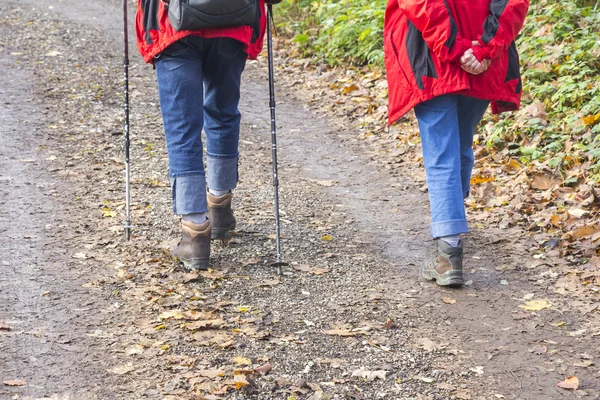
and some fun shoe-images :-):

Posted in Uncategorized | 1 Comment

Ki Tetze and a few of its 74 mitzvot – כי תצא וקצת מ-74 המצוות שבה

פרשת השבוע, “כי תצא” מובילה עם הכי הרבה מצוות שיש לנו בפרשה אחת – 74! והן נוגעות לכל היבט בחיים. המדרש (דברים רבה ו:ג) מתאר את זה כך:  This week’s Torah portion, “Ki Tetze” leads with the most mitzvot we have in one portion – 74! Touching on every aspect of life. The midrash describes it so:
“אמר רבי פנחס בר חמא: לכל מקום שתלך המצות מלוות אותך: “כי תבנה בית חדש, ועשית מעקה לגגך”. אם עשית לך דלת, המצות מלוות אותך, שנאמר: “וכתבתם על מזוזות ביתך” (דברים ו:ט). לבשת כלים חדשים המצות מלוות אותך, שנאמר: “לא תלבש שעטנז” (דברים כב:יא).אם היה לך שדה והלכת לחרוש בתוכה המצות מלוות אותך, שנאמר: “לא תחרוש בשור ובחמור יחדו” (דברים כב:י), ואם זרעת אותה המצות מלוות אותך שנאמר: “לא תזרע כרמך כלאים” (שם), ואם קצרת אותה המצות מלוות אותך, שנאמר: “כי תקצור קצירך בשדך ושכחת עומר בשדה” (שם, כד). אמר הקב”ה: אפילו לא היית עוסק בדבר אלא מהלך בדרך, המצות מלוות אותך מנין? שנאמר: “כי יקרא קן צפור לפניך”… (דברים כב:ו)… וכן הלאה. כמו שנאמר בזוהר, “לית אתר פנוי מיניה”. אין מקום בו הקב”ה לא נוכח וגם לנו, בכל מקום יש לנו הזדמנות לקשר בינינו בין הקב”ה.  “Rabbi Pinchas bar Hama said: Wherever you go, the mitzvot accompany you: “when you build a new house, and you will make a railing for your roof.” (Deut. 22:8). If you make a door for yourself, the mitzvot accompany you, as it is said: “And write them on the mezuzahs of your house” (6:9). When you put on new clothing, the mitzvot accompany you, as it is said: “You shall not wear sha’atnez” (22:11). … If you had a field and you went to plow in it, the mitzvot accompany you, as it is said: “You shall not plow with an ox and a donkey together” (22:11), and when you sow it, the mitzvot accompanies you, as it is said: “You shall not sow your vineyard with mixed seeds” (ibid.), and when you reap it, the mitzvot accompany you, as it is said: “For when you reap your harvest in your field, you should leave the omer in the field” (ibid., 24). The Almighty said: even if you don’t even engage in anything, just walk on the road, the mitzvot accompany you, as it is said: “For a sparrow’s nest will call before you”… (22:6) and so on. As it is said in the Zohar, “there is not place devoid of Him”. There is no place where Gd is not present and for us too, everywhere we are, we can find an opportunity to connect between us and Gd.
על חלק מהמצוות אפשר לומר שהוא צפוי: הגם שיש לנו פירושים יפים, רוחניים ורגשיים לענין בנית מעקה לגג (אחרי הכל, המלה בפסוק “גגך” שווה בגימטריה לשם הויה, שם ה’, ולא יתכן שזה סתם מקרה…), קרוב לודאי שהיינו מגיעים לכך בעצמנו. ברור שחשוב להתקין מעקה למקום גבוה ומסוכן.Some of the mitzvot can be said to be expected: although we have beautiful, spiritual and emotional interpretations about the mitzvah of building a railing around one’s roof (after all, the word “your roof”= gag’cha is equivalent in gematria to Gd’s name, which cannot be just a coincidence…), almost certainly that we would come to this by ourselves. Obviously, it is important to install a railing in a high and dangerous place.
יש מצוות שקשה לנו להבין. למשל, “לֹ֤א תִלְבַּשׁ֙ שַֽׁעַטְנֵ֔ז צֶ֥מֶר וּפִשְׁתִּ֖ים יַחְדָּֽו” (דברים כב:יא). בילדותי היו מסבירים לי שהענין הוא שצמר ופשתים מתכווצים אחרת בכביסה חמה… אם כך, מה על משי, כותנה, ועוד?? ברור שיש כאן הסבר עמוק יותר ומשמעותי, מעבר לדבר הנגלה לעין.  There are mitzvot that are difficult for us to understand. For example, “do not wear a mixture of wool and linen together” (22:11). When I was a child, I was explained that the point is that wool and linen shrink differently in a hot wash… If so, what about silk, cotton, and other materials?? Obviously, there is a deeper and more complex explanation here, beyond what is obvious.
יש מצוות לא פשוטות. דיון ארוך לגבי יחסים אסורים שונים (דברים כב:יג-כט), וביניהם, אבחנות ודקויות מורכבות, למשל, ההבדל בין מקרה אונס בעיר ובשדה. יש ציפיה שאם חלילה קרה דבר כזה בעיר, הנערה תצעק, כלומר, היא תדע שעליה לצעוק, דבר שבהחלט לא תמיד ברור, ויש ציפיה נוספת, שבעיר מישהו ישמע אותה ויציל אותה, לכן, אם לא עשתה כל שיכלה כדי להנצל, חלק מהאחריות תחול עליה. לעומת זאת בשדה, אין לה כל אשמה ואחריות. לא נאמר דבר על איך התלבשה, מה אמרה, מה עשתה: “וְלַֽנַּעֲרָ֙ לֹא־תַעֲשֶׂ֣ה דָבָ֔ר אֵ֥ין לַֽנַּעֲרָ֖ חֵ֣טְא מָ֑וֶת כִּ֡י כַּאֲשֶׁר֩ יָק֨וּם אִ֤ישׁ עַל־רֵעֵ֙הוּ֙ וּרְצָח֣וֹ נֶ֔פֶשׁ כֵּ֖ן הַדָּבָ֥ר הַזֶּֽה׃ כִּ֥י בַשָּׂדֶ֖ה מְצָאָ֑הּ צָעֲקָ֗ה הַֽנַּעֲרָ֙ הַמְאֹ֣רָשָׂ֔ה וְאֵ֥ין מוֹשִׁ֖יעַ לָֽהּ” (שם.כו-כז). כן, אומרת לנו התורה: אונס זה סוג של רצח ואנחנו נתיחס לזה בחומרה הנדרשת.  There are mitzvot that are not simple. A long discussion takes place regarding various prohibited relationships (22:13-9), and among them, analyses and complex subtleties, for example, the difference between a case of rape in the city and in the field. There is an expectation that if, Gd forbid, something like this was happened in the city, the girl would scream, that is, she would know that she should scream, which is certainly not always obvious; and there is another expectation that someone in the city would hear her and save her, therefore, if she did not do everything she could to save herself, part of the responsibility would fall on her. On the other hand, in the field, she has no guilt or responsibility; no one said anything regarding how she dressed, what she said, what she did: “but you shall do nothing to the girl. The girl did not incur the death penalty, for this case is like that of one party attacking and murdering another. He came upon her in the open; though the engaged girl cried for help, there was no one to save her” (22:26-27). Yes, the Torah tells us: rape is a form of murder and we will treat it with the necessary severity.
ואחרון, לשבוע זה (כג:יג-יד): “וְיָד֙ תִּהְיֶ֣ה לְךָ֔ מִח֖וּץ לַֽמַּחֲנֶ֑ה וְיָצָ֥אתָ שָּׁ֖מָּה חֽוּץ׃ וְיָתֵ֛ד תִּהְיֶ֥ה לְךָ֖ עַל־אֲזֵנֶ֑ךָ וְהָיָה֙ בְּשִׁבְתְּךָ֣ ח֔וּץ וְחָפַרְתָּ֣ה בָ֔הּ וְשַׁבְתָּ֖ וְכִסִּ֥יתָ אֶת־צֵאָתֶֽךָ׃ כִּי֩ ה’ אֱלֹהֶ֜יךָ מִתְהַלֵּ֣ךְ בְּקֶ֣רֶב מַחֲנֶ֗ךָ… וְהָיָ֥ה מַחֲנֶ֖יךָ קָד֑וֹשׁ”…. כלומר, יהיה לך איזור מחוץ למחנה עבור שירותים. ולכל אחד תהיה את חפירה קטנה שיקח איתו כדי לחפור לו גומה שיוכל לכסות. והסיבה? כי המחנה הוא מקום קדוש. רק המחשבה שאפילו על המדבר צריך לשמור!And last one for this week (23:13-14): “Further, there shall be a “hand” (an area) for you outside the camp, where you may relieve yourself.  With your gear you shall have a spike (ya-ted), and when you have squatted you shall dig a hole with it and cover up your excrement. Since H’ your Gd moves about in your camp… let your camp be holy”… So, you should have space outside the camp for your bathroom activities; each person will have their own hoe to dig a little hole which s/he can cover. And the reason? For the camp is holy.  And the thought that even the desert needs to be cared for!
התלמוד (כתובות ה:ב) לוקח אותנו עוד צעד. המילה אֲזֵנֶ֑ךָ כאן אינה מקרית, אלא מחוברת למילה אוזן, וכך נאמר: “מפני מה אצבעותיו של אדם דומות ליתידות?…. שאם ישמע אדם דבר שאינו הגון יניח אצבעותיו באזניו… מפני מה אוזן כולה קשה והאליה רכה? שאם ישמע אדם דבר שאינו הגון יכוף אליה לתוכה ת”ר אל ישמיע אדם לאזניו דברים בטלים”.    The Talmud (Ketubot 5:b) takes us yet another step. The word “azanecha” for gear here is not coincidental, but related to the Hebrew word, ozen, ear and so it says: “Why are the fingers of a person similar to pegs (ya-ted)?… It is so that if a person hears an inappropriate matter, he will place his fingers in his ears. Similarly… Why is the entire ear hard and the earlobe soft? It is so that if a person hears an inappropriate matter, he will bend his earlobe into his ear to seal it. The Sages taught: A person should not allow his ears to hear idle matters”.
לא פעם נשמעים קולות על מה ש”הם” לא עושים מספיק כדי שהמצב (“במחנה”) יהיה טוב יותר. התורה וחז”ל לא מוותרים לנו כל כך מהר. אין שם “הם”. יש “אנחנו”. ואנחנו יכולים להטיב על ידי מחויבות לעשיה חיובית. ואם לא, לפחות מוטל עלינו למנוע כניסה של מה שרע ומרחיק לתוך המערכות שלנו.  Every so often, we hear talk about what “they” don’t do enough so the situation (in the “camp”) will be better. The Torah and our sages don’t give up on us so fast. There is no “they’. There is “we”. And we can make things better through commitment to positive action. And if not, at least we have to prevent the entry of what’s evil and distancing from our systems.

שבת שלום  — Shabbat Shalom

Posted in Uncategorized | Leave a comment

The Torah portion of Shoftim: ‘Found Elul, found good’

פרשת השבוע השבוע, פרשת שופטים,  פותחתב“שֹׁפְטִ֣ים וְשֹֽׁטְרִ֗ים תִּֽתֶּן־לְךָ֙ בְּכָל־שְׁעָרֶ֔יךָ”… (דברים טז:יח), והסביר החיד”א (הרב חיים יוסף דוד אֲזוּלַאי 1724-1806) בספרו, “נחל קדומים”, ש”יש לאדם כמה שערים, כמו שער הראות, שער השמע, שער הריח, שער הדיבור ושער המישוש וצריך שיעשה אדם בעצמו דיין על כל עניניו ויפקח עיניו, וזה שנאמר “שופטים ושוטרים תתן לך” בלשון יחיד, ולכל אדם מישראל דיבר וזהו “שופטים ושוטרים תתן לך בכל שעריך”, שכל אדם יגדור גדר בכל שעריו… ואז, נאמר עליו “פתחו שערים” (מהכתוב בישעיהו ובתהילים ועוד), מדה כנגד מדה ויזכה שיפתחו לו שערים של העולם הבא, עולם הרוח והשפע”… מאיפה הביא את החיד”א פירוש כל כך מעודד לפתיח של פרשת משפטים?This week’s Torah portion, Shoftim, opens with “judges and officials you shall appoint in all your gates”… (Deuteronomy 16:18) and the Chid”a (Rav Chayim Yosef David Azulay, 1724-1806) explained in his book “Nachal Kedumim”, that “a person has a few gates, like the gate of vision, hearing, scent, speech and touch, and one must make him/herself a judge over all his matters, and open his eyes, as this is why this verse is said in the singular, speaking to each and every person from Israel, that each should guard and place a fence I all their gates… and then, it will be said about him “open thy gates”! (as we read in the Book of Isaiah, Psalms and more), a measure against a measure, and may the gates of the world to Come, the world of spirituality and abundance open up for him”… How did the Chid”a arrive at such an uplifting commentary to the opening of this Torah portion?
החיד”א נולד בירושלים לאביו שהיה דור חמישי לאנוסי ספרד והתיישב בחברון, ואמו, שהיתה ממוצא אשכנזי ובתו של מקובל שעלה לירושלים בעליית רבי יהודה החסיד. הוא היה יוצא למסעות לקהילות היהודיות בחוצלארץ, ללמד ולגייס כספים, אך עד גיל מבוגר יחסית, נמנע מלהשתקע מחוץ לארץ ישראל. כשהיה בן 37, הוצעה לו  משרת ה”חכם” בקהילה הספרדית והפורטוגזית באמסטרדם, קהילה שבית הכנסת שלה עומד במקומו עד עצם היום הזה, אולם הוא סירב להצעה ונשאר בשנים הבאות בירושלים בה כיהן כדיין.The Chid”a was born in Jerusalem, to a father who was 5th generation to the expulsion from Spain and settled in Hevron, and his mom, who was of Ashkenazi descent and a daughter to a kabbalist who made aliya with the aliya of Rabbi Yehudah Hachasid. He would journey to congregations abroad to teach and raise funds, but until late in his life, avoided settling abroad. When he was 37 years old, he was offered the position of the “Chacham” in the Sefardi-Portugese congregation of Amsterdam, a community whose synagogue stands to this very day, but he refused and stayed in Jerusalem where he acted as a rabbinic judge.
אני תוהה אם הראיה האופטימית משהו שלו, קשורה לקשר העמוק שלו ארץ ישראל. הפסוק המפורסם בפרשה זו, “צדק, צדק תרדוף” המגיע כמעט מייד לאחר תיאור השופטים והשוטרים, תמיד מושך את תשומת ליבנו ומירב הפירושים: מדוע פעמיים נכתבה המלה צדק? אוי, כמה אנחנו רוצים צדק!! צדק מוחלט, אבסולוטי וגם כזה שזוכר שצריך רחמים וחסד, אבל כמובן מחזיק בדין ואמת… I am wondering if his somewhat optimistic view is connected to his deep connection with the Land of Israel. The famous verse of this Torah portion, “justice, justice you shall pursue” which arrives close after the “judges and officials” always attracts our attention and many commentators: why was “justice” written twice? wow, we so want justice!! absolute, whole-hearted justice! and also one that remembers we need mercy and kindness, but of course, holds on to Truth and Judgement…
נדמה שאיכשהו מרוב התלהבות מהצדק הנפלא אליו מעודדת אותנו התורה, שאנחנו לא תמיד מגיעים להמשך אותו פסוק… הנה הוא: צֶ֥דֶק צֶ֖דֶק תִּרְדֹּ֑ף לְמַ֤עַן תִּֽחְיֶה֙ וְיָרַשְׁתָּ֣ אֶת־הָאָ֔רֶץ אֲשֶׁר־ה’ אֱלֹהֶ֖יךָ נֹתֵ֥ן לָֽךְ (דברים טז:ב)׃  קריאת הפשט מצביעה על כך שיש כאן רעיון שצדק בריא קשור ישירות ליישוב הארץ וחיים משגשגים בה. רש”י מצטט את ספרי שאומר: כְּדַאי הוּא מִנּוּי הַדַּיָּנִין הַכְּשֵׁרִים לְהַחֲיוֹת אֶת יִשְׂרָאֵל וּלְהוֹשִׁיבָן עַל אַדְמָתָן, כלומר, קיימת תלות הדדית בין מינוי “שופטים כשרים”, נקיים, ידענים, אכפתיים, טובים לבין פריחתו של העם היהודי וגם חיים על אדמתו.It seems that somehow due to our excitement of the great justice the Torah encourages us to have, that we don’t make it to the end of the verse, which says: “Justice, justice shall you pursue, that you may thrive and inherit the land that Hashem your God is giving you”… (Deuteronomy 16:2) A simple reading indicates that there is an idea here that healthy justice is directly connected to settling the Land and thriving in it. Rashi, quoting Sifrei says that there is an interdependency between appointing “kosher” (clean, knowledgeable, good) judges and the thriving of the Jewish people while living on their Land.
השבוע היה ראש חודש אלול, שיש אומרים שראשי התיבות שלו הם “אני לדודי ודודי לי”, מרמזים לסיפור האהבה בינינו לבין הקב”ה, סיפור אהבה ארוך ומורכב, לא תמיד בהכרח שמח, אבל עדיין, תמיד ביחד. לפי המסורת, זה היום בו עלה משה בפעם השניה אל הר סיני, לעוד 40 יום, להביא את הלוחות השניים.. הלוחות השניים שונים מאד מהלוחות הראשונים, ואין זה רק דבר שלילי. נהפוך הוא. וכדי לסמל זאת, נוספה ללוחות השניים האות ט’ במילים “למען ייטב לך”, כרמז שדוקא הזדמנות שניה יכולה להיות טובה ונכונה. בקובץ ה”בני יששכר”, אומר רבי צבי אלימלך שפירא (1783-1841) שזה הנרמז בפסוק “מצא אשה, מצא טוב” (משלי יח:כב), כשזוכה האדם לבוא לימי אלול, שמזלו “בתולה” היינו אשה, ואז – מצא טוב! כלומר, הרצון העליון המתגלה בימים האלו לקבל אותנו בתשובה שלימה ואומר לנו, ‘הנה הימים האלה מסוגלים למצוא הטוב’.This week was the new moon of Elul, that some say, holds the acronym for “Ani Le’dodi Ve’dodi Li” – I am to my beloved and my beloved is to me”, hinting at the love story between us and the Holy One; a long and complex love story, which isn’t always merry and joyful but still, always together. According to tradition, this is the day when Moses again when up to Mt. Sinai the second time, for another 40 days, to bring the second set of Tablets. The second Tablets are very different from the first, and it’s not just negative. On the contrary. And in order to symbolize it, the second Tablets received the Hebrew letter Tet in the words, “so it will be better for you” (tet is in the root of the word tov = good, better), hinting that a second chance can totally be good and right. In the Bnei Yisaschar, Rabbi Tzavi Elimelech Shapira (1783-1841) reminds us of one who “found a woman, found goodness” (Proverbs 18:22), explaining it that when one merits to arrive at the days of Elul, whose (astrological) sign is the Virgo, i.e. a woman – then s/he finds goodness! Namely, the Higher Will is revealed during these days to receive us wholeheartedly, telling us, behold, these days are meant to finding that which is good.

נקוה לחודש סליחות טוב ומשמעותי, ושבת שלום.

Here’s to a good and meaningful month of Slichot & Shabbat Shalom.

Posted in Uncategorized | Leave a comment

“To the place He chooses”… “כי אם אל המקום אשר יבחר”

בפרשת השבוע, פרשת “ראה”, בה אנחנו מצווים על הבחירה בין הברכה והקללה, גם הקב”ה מתואר כמי שבוחר. וכך מתחילה גם הפרשה שלנו: “רְאֵ֗ה אָנֹכִ֛י נֹתֵ֥ן לִפְנֵיכֶ֖ם הַיּ֑וֹם בְּרָכָ֖ה וּקְלָלָֽה׃ אֶֽת־הַבְּרָכָ֑ה אֲשֶׁ֣ר תִּשְׁמְע֗וּ אֶל־מִצְוֺת֙ ה’ אֱלֹֽהֵיכֶ֔ם אֲשֶׁ֧ר אָנֹכִ֛י מְצַוֶּ֥ה אֶתְכֶ֖ם הַיּֽוֹם׃ וְהַקְּלָלָ֗ה אִם־לֹ֤א תִשְׁמְעוּ֙ אֶל־מִצְוֺת֙ ה’ אֱלֹֽהֵיכֶ֔ם וְסַרְתֶּ֣ם מִן־הַדֶּ֔רֶךְ אֲשֶׁ֧ר אָנֹכִ֛י מְצַוֶּ֥ה אֶתְכֶ֖ם הַיּ֑וֹם לָלֶ֗כֶת אַחֲרֵ֛י אֱלֹהִ֥ים אֲחֵרִ֖ים אֲשֶׁ֥ר לֹֽא־יְדַעְתֶּֽם” (דברים יא:כו-כח)In this week’s Torah portion, Re’e, when we are commanded regarding choosing – between the blessing and curse, the Holy One is also described as One who chooses. And so begins our parasha: “See, this day I set before you blessing and curse: blessing, that you listen to the commandments of H’ your Gd that I enjoin upon you this day; and curse, if you do not listen to H’ your Gd’s commandments, and turn away from the path that I enjoin upon you this day and follow other gods, whom you have not experienced” (Deuteronomy 11:26-28)
כמו הפרשות האחרות בספר דברים, גם זו עמוסה בנושאים, למשל, חזרה על חוקי כשרות, החובה לתת צדקה, חוקים מיוחדים בקשר לארץ ישראל, מצוות העליה לרגל ועוד.Like the other Torah portions in the Book of Deuteronomy, this one is also loaded with many topics, such as kosher laws, giving tzedakka, special laws regarding the Land of Israel, pilgrimage obligations and more
ובתוך כל זה, כשנאמר לנו לעלות לרגל, לא נאמר לנו מקום מדויק, אלא –
וְהָיָ֣ה הַמָּק֗וֹם אֲשֶׁר־יִבְחַר֩ ה’ אֱלֹהֵיכֶ֥ם בּוֹ֙ לְשַׁכֵּ֤ן שְׁמוֹ֙ שָׁ֔ם שָׁ֣מָּה תָבִ֔יאוּ אֵ֛ת כׇּל־אֲשֶׁ֥ר אָנֹכִ֖י מְצַוֶּ֣ה אֶתְכֶ֑ם עוֹלֹתֵיכֶ֣ם וְזִבְחֵיכֶ֗ם מַעְשְׂרֹֽתֵיכֶם֙ וּתְרֻמַ֣ת יֶדְכֶ֔ם וְכֹל֙ מִבְחַ֣ר נִדְרֵיכֶ֔ם אֲשֶׁ֥ר תִּדְּר֖וּ לַה’ (דברים יב:יא)׃
And within all that, where we’re commanded regarding the pilgrimage festivals and where we should go, we are not given a specific place but rather – …”then you must bring everything that I command you to the site where H’ your Gd will choose to establish the divine name: your burnt offerings and other sacrifices, your tithes and contributions, and all the choice votive offerings that you vow to H’”… (Deuteronomy 12:11)
למה לא נאמר לנו בפשטות, ללכת לירושלים? היה כל כך קל יותר לו ידענו לאן אנחנו הולכים!Why not tell us simply to go to Jerusalem? It would have been so much easier had we known where we’re heading!
ירושלים בשמה זה, אינה מוזכרת בתורה. מפרשים רבים תהו על אותה שאלה, למה? למה לא הוזכר בשמו “ה”מקום? אביא רק כמה. חיזקוני שחי באמצע המאה ה-13 בצרפת, אמר: “כי אם אל המקום אשר יבחר לא פי׳‎ המקום לפי שהשכינה שרתה בכמה מקומות כמו גלגל שילה נוב וגבעון ובית עולמים”, כלומר, שהשכינה לא רק היתה בירושלים אלא בעוד מקומות בהם שכן המשכן. הסיבה השניה והמוזרה יותר היא שלטענתו “חייב אדם לשנות לתלמידו דרך קצרה”. מה יותר קצר, להגיד “ירושלים” או להגיד “כי אם אל המקום אשר יבחר”? ובכל זאת, חזקוני מעדיף את לימוד הכלל מאשר את שם המקום. כלל בעיניו, תמיד קצר יותר.Jerusalem in this name is not mentioned in the Torah, and many commentators wondered about this, why? Why wasn’t “the place” mentioned as such?? I’m bringing only a few. Chizkuni, who lived in the middle of the 13th century France, said (about the verse) “except at a place of His choosing” that Moses did not spell out the name of that place, seeing that at different times G-d’s Presence decides to accept homage at different locations. [but never at more than one place at a given time. Ed.] And “because a person is to teach their student (things) in the short way”. What is shorter, to say “Jerusalem” or to say “to the place of His choosing”?? and yet, Chizkuni prefers that we learn a general rule that a name of a place. The rule for him, is always the shorter way.
דון יצחק אברבנל שנולד בפורטוגל ב-1437, חווה את הגירוש ועבד לנסות לבטלו ולבסוף נפטר ב-1508 בונציה, מדינאי, פילוסוף, מיסטיקן, פרשן וכלכלן, ממנהיגי היהודים באיזור ושר אוצר של כמה ממלכות, חשב אחרת וכך אמר:   “שלא יחשבו ישראל שאחרי שיכבשו את הארץ יעשו בתי קדושתם באותם המקומות שהיו העמים עובדים לאלוהיהם… לכן הודיעם שלא יהיה כן… כי אם אל המקום אשר יבחר ה’ – רצונו לומר שהמקום המקודש צריך שיהיה אחד כאחדות האלוקי יתברך השוכן בו ולא יהיה רבים כמקומות הגויים… עוד צריך שתהיה בחירתו מאת ה’ ועפ”י נביא, ולא כרצון העובדים כאשר יעלה על רוחם וזה “אשר יבחר ה’ אלוקיכם מכל שבטיכם”  Don Yitzchak Abarbanel, born in Portugal 1437, experienced the expulsion and worked against it, finally dying in 1508 in Venice; a politician, philosopher, mystic, commentator and economist, of the Jewish leaders in the area and finance minister of a few kingdoms, thought otherwise, and so he said: “So that Israel would not think that after they conquered the land, their houses of sanctity would be done in the places where the nations worshiped their God … Therefore He informed them that this would be not … “but to the place that the Lord would choose” – to say that the holy place should be One as Divine oneness blessed be He that dwells in it and not like the places of the other nations … Moreover: it must be chosen by God and through a prophet, and not as the will of those who do whatever they feel like and that is the meaning of “which God will choose from all your tribes”
הרמב”ם (1135-1204, קורדובה, ספרד – פוסטאט, מצרים) מציע שלוש חכמות: “האחת מהן – שלא יחזיקו בו האומות וילחמו עליו מלחמה חזקה כשידעו שזה המקום מן הארץ הוא תכלית התורה; והשנית – שלא יפסידוהו מי שהוא בידם עתה וישחיתוהו בכל יכלתם; והשלישית והיא החזקה שבהם – שלא יבקש כל ‘שבט’ היותו ‘בנחלתו’ ולמשל בו והיה נופל עליו מן המחלוקת והקטטה – ולזה באה המצוה שלא יבנה ‘בית הבחירה’ אלא אחר ‘הקמת מלך’ עד שתהיה המצוה לאחד ותסתלק המחלוקת”.Rambam (1135-1204, Cordova, Spain – Fustat, Egypt) suggests three wisdoms: …For three practical reasons the name of the place is not distinctly stated in the Law, but indicated in the phrase “To the place which the Lord will choose” (Deut. 12:11, etc.). First, if the nations had learnt that this place was to be the center of the highest religious truths, they would occupy it, or fight about it most perseveringly. Secondly, those who were then in possession of it might destroy and ruin the place with all their might. Thirdly, and chiefly, every one of the twelve tribes would desire to have this place in its borders and under its control; this would lead to divisions and discord… Therefore it was commanded that the Temple should not be built before the election of a king who would order its erection, and thus remove the cause of discord. 
ואחרון יקר – יש עוד רבים אבל לשבת זו, הוא ה”כלי יקר”, רבי שלמה אפרים מלונטשיץ (1540-1616) כתב: “קרוב לשמוע שלכך לא גילהו, שלא ינהג ביזיון בשילה ונוב וגבעון כשידעו בבירור שלא זו המנוחה והנחלה…. ואומר אני שיש סוד בדבר, כי אפילו לאברהם לא גילה מיד ואמר “על אחד ההרים אשר אומר אליך”…   And one last voice here (there are many more), the Kli Yakar, Rabbi Shlomo Ephrayim of Luntshitz (1540-1616) wrote: probably He didn’t tell him (Moses) so that the other locations of the mishkan won’t be belittled when they know that those are not “the” location… and I think there’s a secret here, because even to Abraham he didn’t tell immediately where to go and only said (in the Binding), “Upon one of the mountains which I will say to you” (Genesis 22:2).
אני אוהבת את הרעיון שאחרי כל הפירושים, אנחנו מודים בכך שיש סוד, שיש לנו מקום גם להסברים וגם לנסתר. אחרי הכל, אנחנו בקושי מבינים את ההחלטות של עצמנו, ואיך נבין את אלו של הקב”ה ? אבל, אולי, מה שחשוב הוא שיש בחירה, תמיד. ושלבחור, זה גם להיות בצלם אלוהים. כמובן, אין לנו אפשרות לבחור מה קורה, אבל יש לנו אפשרות לבחור מה נעשה בקשר לכך ואיך נגיב. גם זהו חופש.I like this idea, that even after all the explanations, we acknowledge that there’s a secret; that we make room for both – commentaries and secrets. After all, we barely fully understand our own choices, can we really hope to understand Gd’s? And yet, maybe what’s more important is that, there is a choice, always; and that to choose, is also to be in Gd’s image. Not, of course, regarding what happens, but regarding what we do about it and how we react. This too is freedom.

Shabbat Shalom and a good month for the upcoming month of Elul! – שבת שלום וחודש אלו”ל טוב!!

Posted in Uncategorized | Leave a comment

“For the Land that you are about to enter”… The Torah portion of Ekev –

כִּ֣י הָאָ֗רֶץ אֲשֶׁ֨ר אַתָּ֤ה בָא־שָׁ֙מָּה֙ לְרִשְׁתָּ֔הּ”… – פרשת עקב

The 3rd Torah portion in the Book of Deuteronomy, “Ekev”, also tells us about the Land of Israel: “You shall faithfully observe all the mitzvot that I enjoin upon you today, in order that you may thrive and increase and be able to inherit the land that Hashem promised on oath to your fathers” (8:1)… all the mitzvot? Everything, for one purpose only: not in order to do “tikkun olam” / repair the world and not to be spiritual – all wonderful reasons in themselves. It’s just the Book of Deuteronomy says something else: everything – so we may inherit the Land. Rav Uri Sherki says in one of his classes, that the Jews are like Eskimos who were exiled to the desert. They want to teach their children ice-skating and skiing but they only have sand around, so – for about 2000 years – they build skis and practice on sand dunes, for one day, so they hope and believe, they will be back in the North Pole…..גם הפרשה השלישית בספר דברים, “עקב”, מספרת לנו על ארץ ישראל: כׇּל־הַמִּצְוָ֗ה אֲשֶׁ֨ר אָנֹכִ֧י מְצַוְּךָ֛ הַיּ֖וֹם תִּשְׁמְר֣וּן לַעֲשׂ֑וֹת לְמַ֨עַן תִּֽחְי֜וּן וּרְבִיתֶ֗ם וּבָאתֶם֙ וִֽירִשְׁתֶּ֣ם אֶת־הָאָ֔רֶץ אֲשֶׁר־נִשְׁבַּ֥ע יְהֹוָ֖ה לַאֲבֹתֵיכֶֽם (ח:א)… כל המצוה? הכל, למען מטרה אחת: לא בשביל תיקון עולם ולא בשביל להיות רוחניים – סיבות לכשעצמן נפלאות, רק שספר דברים אומר משהו אחר: הכל – כדי שנירש את הארץ. הרב אורי שרקי אומר באחד משיעוריו, שהיהודים הם כמו אסקימוסים שהוגלו למדבר, והם רוצים ללמד את ילדיהם להחליק על קרח ושלג אבל יש להם רק חול, אז – במשך 2000 שנה – הם בונים מגלשות ומתאמנים על גבעות חול, כי יום אחד, כך הם מאמינים, הם יחזרו שוב לקוטב הצפוני….
He also suggests that the land is called “the land of milk and honey” as a symbol to the Land’s unique qualities. What’s so special about milk and honey? Possibly that honey (from bees) and the original “milk” (from the human mother) both come from “non-kosher” creatures. Usually we rule that what comes out of a non-kosher animal is likewise not kosher, but this Land has the ability to take things that are otherwise not kosher, and turn them around, making them kosher, sweet and yummy. Here’s another (Deuteronomy 11:10-12):הוא גם מציע שהארץ נקראת “ארץ זבת חלב ודבש” כסמל ליכולות המיוחדות של הארץ. מה כל כך מיוחד בחלב ודבש? אולי מפני שדבש (מדבורים) וחלב כחלב המקורי (מהאם האנושית) שניהם מגיעים מיצורים “לא כשרים”. הכלל הוא ש”היוצא מהטמא – טמא”, כלומר, מה שיוצא מבהמה לא כשרה הוא גם לא כשר, אך לארץ הזו יש את היכולת לקחת דברים שאינם בד”כ כשרים, לשנות אותם ולהפוך אותם, מטמאים לכשרים, וגם מתוקים וטעימים. וכך כתוב עוד (יא:10-12):
For the land that you are about to enter and possess is not like the land of Egypt from which you have come. There the grain you sowed had to be watered by your own labors, like a vegetable garden;
כִּ֣י הָאָ֗רֶץ אֲשֶׁ֨ר אַתָּ֤ה בָא־שָׁ֙מָּה֙ לְרִשְׁתָּ֔הּ לֹ֣א כְאֶ֤רֶץ מִצְרַ֙יִם֙ הִ֔וא אֲשֶׁ֥ר יְצָאתֶ֖ם מִשָּׁ֑ם אֲשֶׁ֤ר תִּזְרַע֙ אֶֽת־זַרְעֲךָ֔ וְהִשְׁקִ֥יתָ בְרַגְלְךָ֖ כְּגַ֥ן הַיָּרָֽק׃  
but the land you are about to cross into and possess, a land of hills and valleys, soaks up its water from the rains of heaven.
וְהָאָ֗רֶץ אֲשֶׁ֨ר אַתֶּ֜ם עֹבְרִ֥ים שָׁ֙מָּה֙ לְרִשְׁתָּ֔הּ אֶ֥רֶץ הָרִ֖ים וּבְקָעֹ֑ת לִמְטַ֥ר הַשָּׁמַ֖יִם תִּשְׁתֶּה־מָּֽיִם׃  
It is a land which the LORD your God looks after, on which the LORD your God always keeps His eye, from year’s beginning to year’s end.
אֶ֕רֶץ אֲשֶׁר־ה’ אֱלֹהֶ֖יךָ דֹּרֵ֣שׁ אֹתָ֑הּ תָּמִ֗יד עֵינֵ֨י ה’ אֱלֹהֶ֙יךָ֙ בָּ֔הּ מֵֽרֵשִׁית֙ הַשָּׁנָ֔ה וְעַ֖ד אַחֲרִ֥ית שָׁנָֽה׃ 
The Malbim (1809-1879, Ukraine) asks, if it’s easier to live in Egypt, why not give the land of Egypt to the Children of Israel; and if we want to give the Israelites freedom, let them rulers over Egypt and let the Egyptians suffer under them for torturing them for generations, or at least be their slaves!! But this is not for s, to enslave another people, even one who caused us great affliction. And what’s more important, our whole relationship with G-d that is expressed through the Land, a unique connection that is even more emphasized during this shmita year, will be lost. The Land of Israel for us, is not a convenient piece of land. It is key in our relationship with the Holy One. That’s the reason for all the difficulties and challenges. And that is also the reason for the “wow.המלבי”ם (1809-1879, אוקראינה) שואל, אם קל יותר לחיות במצרים, למה לא נתן הקב”ה לבני ישראל את ארץ מצרים, ואם אנו רוצים לתת לעברים חופש, אפשר להפוך אותם לשליטי מצרים ולתת למצרים שעינו אותם במשך דורות לסבול או לפחות להיות העבדים של בני ישראל!! אבל אין זה מענייננו לשעבד עם אחר, אפילו עם שגרם לנו סבל. ומה שיותר חשוב, כל מערכת היחסים שלנו עם אלוקים המתבטאת דרך הארץ, קשר ייחודי שמודגש עוד יותר בשנת השמיטה הזו, יתפספס. ארץ ישראל עבורנו, היא לא פיסת אדמה נוחה. היא מפתח בקשר שלנו עם הקב”ה. לכן כל הקשיים והאתגרים, ולכן גם ה-וואו.
Shabbat Shalom – שבת שלום

Posted in Uncategorized | 2 Comments

“Let me, I pray, cross over and see the Good Land”…

אֶעְבְּרָה־נָּ֗א וְאֶרְאֶה֙ אֶת־הָאָ֣רֶץ הַטּוֹבָ֔ה

וכך נאמר בתלמוד (מסכת תענית כו-לא~~):   אָמַר רַבָּן שִׁמְעוֹן בֶּן גַּמְלִיאֵל: לֹא הָיוּ יָמִים טוֹבִים לְיִשְׂרָאֵל כַּחֲמִשָּׁה עָשָׂר בְּאָב וּכְיוֹם הַכִּפּוּרִים, שֶׁבָּהֶן בְּנוֹת יְרוּשָׁלַיִם יוֹצְאוֹת בִּכְלֵי לָבָן שְׁאוּלִין — שֶׁלֹּא לְבַיֵּישׁ אֶת מִי שֶׁאֵין לוֹ…   וּבְנוֹת יְרוּשָׁלַיִם יוֹצְאוֹת וְחוֹלוֹת בַּכְּרָמִים. וּמָה הָיוּ אוֹמְרוֹת: בָּחוּר, שָׂא נָא עֵינֶיךָ וּרְאֵה מָה אַתָּה בּוֹרֵר לָךְ. אַל תִּתֵּן עֵינֶיךָ בַּנּוֹי, תֵּן עֵינֶיךָ בַּמִּשְׁפָּחָה. ״שֶׁקֶר הַחֵן וְהֶבֶל הַיֹּפִי אִשָּׁה יִרְאַת ה׳ הִיא תִתְהַלָּל״, וְאוֹמֵר: ״תְּנוּ לָהּ מִפְּרִי יָדֶיהָ וִיהַלְלוּהָ בַשְּׁעָרִים מַעֲשֶׂיהָ״.   וְכֵן הוּא אוֹמֵר: ״צְאֶינָה וּרְאֶינָה בְּנוֹת צִיּוֹן בַּמֶּלֶךְ שְׁלֹמֹה בָּעֲטָרָה שֶׁעִטְּרָה לּוֹ אִמּוֹ בְּיוֹם חֲתֻנָּתוֹ וּבְיוֹם שִׂמְחַת לִבּוֹ״. ״בְּיוֹם חֲתֻנָּתוֹ״ — זֶה מַתַּן תּוֹרָה, ״וּבְיוֹם שִׂמְחַת לִבּוֹ״ — זֶה בִּנְיַן בֵּית הַמִּקְדָּשׁ, שֶׁיִּבָּנֶה בִּמְהֵרָה בְּיָמֵינוּ. מה כל כך מיוחד בט”ו באב? חזל הציעו מספר תשובות (בגמרא הנ”ל), ואחד מהם, רַבִּי אֱלִיעֶזֶר הַגָּדוֹל אוֹמֵר: מֵחֲמִשָּׁה עָשָׂר בְּאָב וְאֵילָךְ תָּשַׁשׁ כּוֹחָהּ שֶׁל חַמָּה…        And so it says in the Talmud (Tractate Taanit 26-31~~): Rabban Shimon ben Gamliel said: There were no days as joyous for the Jewish people as the fifteenth of Av and as Yom Kippur, as on them the daughters of Jerusalem would go out in white clothes, which each woman borrowed from another. Why were they borrowed? They did this so as not to embarrass one who did not have her own white garments…. And the daughters of Jerusalem would go out and dance in the vineyards. And what would they say? Young man, please lift up your eyes and see what you choose for yourself for a wife. Do not set your eyes toward beauty, but set your eyes toward a good family, as the verse states: “Grace is deceitful and beauty is vain, but a woman who fears the Lord, she shall be praised” (Proverbs 31:30), and it further says: “Give her the fruit of her hands, and let her works praise her in the gates” (Proverbs 31:31). And similarly, it says in another verse: “Go forth, daughters of Zion, and gaze upon King Solomon, upon the crown with which his mother crowned him on the day of his wedding, and on the day of the gladness of his heart” (Song of Songs 3:11). This verse is explained as an allusion to special days: “On the day of his wedding”; this is the giving of the Torah through the second set of tablets on Yom Kippur. The name King Solomon in this context, which also means king of peace, is interpreted as a reference to God. “And on the day of the gladness of his heart”; this is the building of the Temple, may it be rebuilt speedily in our days. What’s so special about the 15th of Av? Our sages offered a number of answers, and one of them, “Rabbi Eliezer the Great says: From the fifteenth of Av onward, the strength of the sun grows weaker”…
אחרי ט”ו באב, אפשר כבר להתחיל להרגיש את הסתו. לא שלא יהיה עוד חם ואפילו חם מאד, אבל כבר יש רוח נעימה בבקר שמזכירה לנו שהנה, עוד מעט… אצלנו העוד מעט הזה, הוא ההזמנה לעונת ה”תשובה” שתתחיל “רשמית” בראש חודש אלול ותמשך לתוך חודש תשרי. מה זה ה”תשובה” הזו? אני תמיד מתקשה לתרגם כי המילה המוכנה לכך באנגלית יותר קרובה ל-חרטה וכפרה מאשר למה שיצרה כאן העברית: תשובה במובן מענה לשאלה, אך גם משורש לשוב,  כמו שאמר המשורר ט.ס. אליוט: “בסוף כל החקירות, נגיע בחזרה למקום ממנו התחתנו ונדע את המקום הזה באמת, לראשונה”…  After the 15th of Av, in the Land of Israel, it’s possible to feel the onset of fall. Not that it wont be warm anymore, and even very hot, but there’s this pleasant breeze in the morning, which reminds us that soon… For us this “soon” is an invitation to the season of “Teshuva” which will officially begin on Rosh Hodesh Elul and continue into Tishrei. What is this Teshuva? I always find it hard to translate, because the English word ready for it, “repentance”, is closer to “regret” and “atonement” than what it’s Hebrew sister created here: tushuva, meaning an answer to a question, but also from the root lashuv, as T.S. Elliot wrote: “… And the end of all our exploring
Will be to arrive where we started
And know the place for the first time”…
בדרך כלל, אנחנו חושבים על הרעיון הדתי שבמונח הזה: להיות אדם יותר טוב, להיות יותר קרוב לקב”ה, אך השורש הזה “לשוב” מופיע אצלנו בעוד הקשר מרכזי וזה, כמובן – שיבת ציון, שבאופן מפתיע אולי, בדיוק קשור לפרשות השבוע שאנחנו קוראים עכשיו.Usually, we think of the religious idea within this term: to be a better person, to be closer to Gd, but this root used here – lashuv, appears for us in another central context and that is – Shivat Zion, the return to the Land, which, perhaps surprisingly, is exactly connected this the Torah potions we read now.
הנה בשבוע שעבר הזכיר משה לבני ישראל משהו די מדהים, שאחרי מתן תורה, הקב”ה אמר להם: “רַב־לָכֶ֥ם שֶׁ֖בֶת בָּהָ֥ר הַזֶּֽה”… אומר המהר”ל ש”אפשר שכך פירושו, אין אתם צריכין לעכב אצל הר סיני עוד לקבל דבר, כי קבלתם די, ולפיכך “פנו וסעו”… מה? האין הר סיני מקום קדוש בו נתנו עשרת הדברות והאלוהים התגלה לכל העם? כן, כן, כל זה נכון, ויפה, וחזק, וחשוב, אך זו אינה המטרה. לא יצאנו ממצרים כדי להגיע להר סיני וגם לא כדי לקבל את התורה. אלא? ומה כן המטרה? ממשיך משה בשם קב”ה: “רְאֵ֛ה נָתַ֥תִּי לִפְנֵיכֶ֖ם אֶת־הָאָ֑רֶץ בֹּ֚אוּ וּרְשׁ֣וּ אֶת־הָאָ֔רֶץ אֲשֶׁ֣ר נִשְׁבַּ֣ע יְ֠הֹוָ֠ה לַאֲבֹ֨תֵיכֶ֜ם לְאַבְרָהָ֨ם לְיִצְחָ֤ק וּֽלְיַעֲקֹב֙ לָתֵ֣ת לָהֶ֔ם וּלְזַרְעָ֖ם אַחֲרֵיהֶֽם”… (דברים א:ו, ח).Just last week, Moses reminded the Children of Israel something pretty amazing, that after the Giving of the Torah, the Holy One said to them: “You have stayed long enough at this mountain”… said the Maharal that “what is possibly meant is, you don’t need to tarry at Mt. Sinai anymore to get anything else, for you have received enough; therefore, turn and travel onward”… Wait, what?? Isn’t Mt. Sinai a holy place, where the Ten Commandments were given, and where Gd was revealed to all?? Yes, yes, that’s all true, beautiful, strong and important, but that is not the goal!! We did not leave Egypt in order to make it to Sinai, and not even in order to receive the Torah. Rather, then what is the goal?? Moses continues in Gd’s name: “See, I place the land at your disposal. Go, take possession of the land that H’ swore to your fathers Abraham, Isaac, and Jacob, to give it to them and to their heirs after them”… (Deuteronomy 1:6, 8).
ואומר המלבי”ם שם: “אמר לו, שלא יצטרכו למלחמה ולכיבוש “כי ראה נתתי לפניכם את הארץ” שהוא כאילו הוא ברשותכם ואינכם צריכים ללחום רק “בואו ורשו את הארץ”,  וכמו שפרש”י עפ”י חז”ל שאלמלי לא חטאו במרגלים לא היו צריכים לכלי זיין”, כלומר, בכניסה לארץ, לא היתה צריכה להיות מלחמה בכלל, אלא פשוט, שיבה הביתה, כמו שכל אדם חוזר לביתו שלו.And the Malbim says there, “He said to him, that they will not need war and conquest for “I place the land at your disposal”, that is, it’s as if it is yours and you don’t need to fight, just “Go, take possession of the land”, and just like Rashi said in the name of our sages: had they not transgressed with the spies, they would not have needed any weapons”, namely, that in the entrance to the Land there should not have been any war at all, just simply, a return home, like any person coming back to their own home.
גם פרשת השבוע שלנו, “ואתחנן” מלאה בתיאורים יפיפים של הארץ “הטובה”, כך היא מתוארת שוב ושוב, יחד עם דיבורו הנוגע ללב של משה, האיש שכל ימיו לא בקש כמעט כלום. פה ושם נזקק לעזרה בהנהגת בני ישראל אבל חוץ מזה, לא שמענו אותנו מבקש בית גדול ויפה, ילדים טובים וחכמים, מכונית חדשה – או גמל חדש, אולי גלימה מלכותית או מסיבה ראוותנית? לא תואר, לא כבוד, לא הדר, ורק דבר אחד בקש האיש הענו הזה: אם אפשר בבבקשה, “אֶעְבְּרָה־נָּ֗א וְאֶרְאֶה֙ אֶת־הָאָ֣רֶץ הַטּוֹבָ֔ה אֲשֶׁ֖ר בְּעֵ֣בֶר הַיַּרְדֵּ֑ן הָהָ֥ר הַטּ֛וֹב הַזֶּ֖ה וְהַלְּבָנֹֽן”… (דברים ג:כה).
ט”ו באב אם כך, הוא לא רק “חג אהבה” סטייל “ולנטיין-דיי”, אלא גם חג אהבה בין העם והארץ…
Our Torah portion, Va’etchanan”, is likewise filled with beautiful descriptions of the “Good” Land, which is how it is described again and again, along with Moses’ heartfelt words, the man who, throughout his life, asked for almost nothing. Here and there he needed some help in leading the Children of Israel, but otherwise, we did not hear him asking for a big, beautiful home, wonderful – wise- kind children, a new car – perhaps a new camel, a royal robe or showy party?? No fancy title, honors and glory, and only one thing did this humble man ask for: if possible, please, “Let me, I pray, cross over and see the good land on the other side of the Jordan, that good hill country, and the Lebanon” (Deuteronomy 3:25).
The 15th of Av, is so, is not only a “love-holiday” style “Valentines Day” but also, a love holiday between the People and the Land…
המילים של משה כמעט מצמררות במיוחד כשהן נקראות בין יום זכירת החורבן בו החל השבוע, ויום השמחה והחגיגות בו הוא מסתיים. משה בקש ולא זכה, ולכולנו בודאי יש קרובים כאלה, שהתפללו, רצו, בקשו, ולא זכו. אנו שזכינו, מה נעשה בזכיה זו?Moses’ words are almost eerie, especially reading them right between the remembrance day for the destruction which this week began with, and the day of joy and festivities it ends. Moses asked, and didn’t merit. We probably all have relatives who also, prayed, wanted, asked, and didn’t merit. We who did merit, what shall we do with this it?

שבת שלום – Shabbat Shalom

Posted in Uncategorized | Leave a comment

Deuteronomy (D’varim): a new book, together, at the entrance to the Land – ספר בדברים: ביחד, עם משה, בכניסה לארץ

בשבוע שעבר, סגרנו פער של שלושה וחצי חודשים בין קריאת התורה בארץ ישראל ובחוצלארץ: מאז שמיני של פסח, יום שלא נחגג בארץ, קריאת התורה בחו”ל היתה שבוע “אחרי” זו של הארץ. זאת מכיון שבאותה שבת, היה עדין חג בחו”ל אך לא בארץ. כאן חזרו לקרוא את פרשת השבוע “הרגילה”, ובחו”ל המשיכו לקרוא גם בשבת ההיא, שמיני של פסח, קריאה מיוחדת לחג האביב. אך בעצם, למי אכפת ולמה דוקא עכשיו?  Last week, we closed a three and a half months gap between the Torah readings in the Land of Israel and elsewhere: since the 8th day of Passover, a day not celebrated in Israel, the reading of the Torah abroad was a week “after” that in Israel. This is because on that Sabbath, there was still a holiday abroad, but not in Israel. In Israel, the reading returned to the “regular” Torah portion, while elsewhere, a special reading for Passover, the spring holiday, was read. But really, who cares and why exactly now?  
והנה, אנחנו ביחד. דוקא עכשיו כדי להיות ביחד בפתח ספר דברים, להתאסף ולשמוע ביחד את נאומו האחרון של משה רבנו. דוקא עכשיו כדי לעמוד ביחד בפתח חודש הזה, חודש אב, שמעיקרו נחשב לחודש הגאולה שלנו. חודש הגאולה? מה פתאום? רגע ומה עם פסח??And here we are together. Precisely now, in order to be together at the beginning of the Book of Deuteronomy, to gather and listen together to Moses’ last speech. Precisely now, we stand together at the beginning of this month, the month of Av, which is mainly considered the month of our redemption. The month of redemption? How come? Wait, what about Passover??  
ובכן, נחזור לסיפור יציאת מצרים: בלב חודש ניסן, חודש האביב, יצאו בני ישראל ממצרים, וכשבעה שבועות אחר כך, עמדו לפני מתן תורה, ביום ו’ בסיון. אחרי המעמד הגרנדיוזי, משה נשאר בהר סיני במשך 40 יום ו-40 לילה, וחזר ביום י”ז בתמוז. לפי המסורת שלנו, ביום זה, כשירד משה מן ההר וראה את עגל הזהב, נשתברו הלוחות הראשונים. זו אחת מחמש הסיבות לצום ביום זה, אך נניח שלא היה עגל ולא נשתברו הלוחות. משה היה יורד מן ההר שמח וטוב לב וביום י”ח בתמוז, היו ממשיכים בני ישראל אל עבר ארץ ישראל, ללא שום עיכובים, מהלך “אַחַ֨ד עָשָׂ֥ר יוֹם֙ מֵֽחֹרֵ֔ב” כפי שמתואר בפרשה שלנו (דברים א:ב) עד לכניסה לארץ, מקום בו עכשיו עומד משה ונושא את דבריו האחרונים, מהם חזרה, מהם זכרונות, מהם פרשנות משלו על מה שהיה ומהם תוספות ודברים שטרם נאמרו עד כה. מכיון שיצאו בי”ח בתמוז והלכו 11 יום, הרי שהגיעו ביום כ”ט בתמוז לנקודת הכניסה לארץ, במקום בו הם עומדים עכשיו ומקשיבים למשה נואם. למחרת, בראש חודש אב, היו נכנסים בני ישראל לארץ וכובשים אותה. חודש אב היה נהפך לחודש השמחה הגדול ביותר שלנו, שמחת התממשות הווייתנו בעם וכלאום.  Well then, let’s go back to the story of the Exodus from Egypt: In the heart of the month of Nisan, the month of Aviv (spring), the Children of Israel left Egypt, and about seven weeks later, they stood before the Giving of the Torah, on the 6th of the month of Sivan. After the grandiose ceremony, Moses stayed on Mount Sinai for 40 days and 40 nights, returning on the 17th day at Tammuz. According to our tradition, on this day, when Moses comes back and sees the Golden Calf, the first tablets were broken. This is one of the five reasons for fasting on this day, but let’s say that there was no calf and the tablets were not broken. Moses would come down from the mountain happy and good-hearted and on the 18th day of Tammuz, the Israelites would continue towards the Land of Israel, without any delays, a journey that takes “eleven days from Horev (another name for Sinai)”, as described in this week’s Torah portion (Deuteronomy 1:2) and to the entry point of the Land, the place where Moses now stands and delivers his last words, some of which are repetition, some – memories, some – his own interpretation of what happened, and some -additions and things that have not yet been said. Since they would have left Sinai on the 18th of Tammuz and walked for 11 days, they would have arrived on Tammuz 29 at the entrance to the Land, at the place where they are now standing and listening to Moshe speak. The next day, Rosh Chodesh Av, the Children of Israel would enter the land and conquer it. The month of Av would have turned into our greatest month of joy, the joy of the self-realization as a people and a nation.
העצב המורגש בחודש זה משקף אם כן לא רק תגובה לאסון חורבן בית המקדש, אסון גדול מעבר למידות נתפסות עבורנו, אלא גם תגובה לגודל הציפיות שהיו לנו. לא רק חורבן בית האלוהים ופגיעה לדורות בנוכחות שלנו בארץ הקודש, ארץ אבותינו, שהם דברים קשים ביותר לכשעצמם, אלא פגיעה דוקא בחודש עם הפוטנציאל הכי גדול, הכי שמח, הכי חזק, הכי זוהר שהיה אמור להיות לנו.  The sadness felt in this month therefore reflects not only a reaction to the disaster of the destruction of the Temple, a tragedy that far exceeds our imagination, but also a reaction to the great expectations we had. Not only the destruction of the House of Gd and damage for generations as far as our presence in the Holy Land, the land of our ancestors, which are extremely difficult things in themselves, but damage to the month with the greatest, happiest, strongest, most brilliant and vibrant potential that we should have had.
יתכן שהדברים האלה מפתיעים: מה פתאום חודש אב נחשב כל כך “חזק” במסורת שלנו? האם אמנם? נוכל להבין זאת טוב יותר לפי החג שנמצא בליבו, “ט”ו באב”. מכיון שהחודש שלנו נספר ע”פ הירח, מהות החודש מתגלה במלואה באמצעיתו. יום ט”ו באב נחשב כמועד פיוס, נחמה, שמחה, יצירה והמשכיות, היום עליו נאמר ש”לא היו ימים טובים לישראל כחמישה עשר באב וכיום הכיפורים” (משנה מסכת תענית, פרק ד, משנה ח).    These things words maybe be surprising: why is the month of Av considered so “strong” in our tradition? Is it really so? We can understand this better if we consider the holiday that is in the midst of this month, “Tu Bav” (the 15th of Av). Since our month is counted according to the moon, the essence of the month is fully revealed through the day it is fullest. The 15th day of Av is considered a time of reconciliation, comfort, joy, creation and continuity; the day about which it was said that “there were no better (holi)days for Israel than the fifteenth of Av and the Day of Atonement (Yom Hakippurim).” (Mishna Tractate Ta’anit, Chapter 4, Mishna 8).  
ומה על חג הפסח ועל חגיגת הגאולה שבו? נוכל להבין את היחס ביניהם בקשר בין המילים “אב” ו-“אביב”. כמו במילים חם-חמים, קר-קריר, עץ-עציץ וכו, גם חודש האביב שלנו מייצג את טעם הגאולה של חודש אב לנו במינון שאנחנו יכולים – בשלב זה – לקבל. נעים לנו באביב, עם יום השויון ההרמוני שבו, על חודש אב החם והלוהט בו, כש”חמה במלוא תוקפה”, כפי שנאמר בתלמוד. אך התפילות שלנו לגאולה מלאה של עם ישראל ואיתה בניית בית המקדש – ככל שתהיה צורתו בעתיד לבוא – לא תמו. לשם כך, נצטרך להיות כולנו ביחד, ממש כפי שהגענו לשמוע את נאומו האחרון של משה בפתיחת ספר זה, ספר דברים.      And what about Passover and the celebration of redemption in it? We can understand the relationship between them in the connection between the words Av – “father” and Aviv – “spring”. In Hebrew, sometimes to show something is a smaller version of something else, we follow this pattern: for example – cham – chamim (hot and a little hot); kar – karir (cold and little cold); tree and a plant in a pot (etz – atzitz), etc. Our spring month, aviv, likewise represents the taste of the redemption of our the month of Av, which at this time – we can accept. We feel good in the spring, with its harmonious day of equinox, and prefer it over the hot and fiery month of Av, when the sun is “in its full force”, as it is said in the Talmud. But our prayers for the complete redemption of the people of Israel and with it the rebuilding of the Temple – whatever shape it takes in the future – has not yet ended. For this, we will all have to get together, just as we came to hear Moses’ last speech at the opening of this book, Deuteronomy., D’varim.  

שבת שלום ותשעה באב משמעותי  Shabbat Shalom & a meaningful Tish’a Be’Av

A Favorite!
The stained-glass window at Sherith Israel San Francisco CA, USA
depicting Moses bringing the Torah from Mt. Sinai,
somehow looking very much like Yosemite’s Half-Dome

Posted in Uncategorized | Leave a comment

The Journeys of… ואלו מסעי…

So we come to the end of the Book of Numbers, and its last Torah portion, the Torah portion of Mas’ei, and the new moon of the month of Menachem-Av. Outside of Israel, two Torah portions are read this Shabbat, Matot-Mas’ei, and finally, after three and a half months of reading separate Torah readings, between Diaspora Jewry and the Land of Israel, this Shabbat we unite to read together again. The separation in the reading occurred because the eighth day of Passover, which is celebrated abroad but not in Israel, was on Shabbat. Thus, while in Israel they returned to read the weekly portion, ​​abroad they still read a special reading for the holiday, staying a portion “behind”. Why did the union take place davka here & now? Because we are at the beginning of the month of Av, and at the beginning of Deuteronomy. We will all be together to hear Moshe’s last words, and unite as one nation when we are facing a difficult times and/or tragic memories of events that befell our nation, before Tisha B’av.אנחנו מגיעים לסוף ספר במדבר, ולפרשה האחרונה בספר זה, פרשת מסעי וראש חודש מנחם-אב. בחוצלארץ בשבת זו נקראות שתי פרשות, מטות-מסעי, וסוף סוף, אחרי שלושה וחצי חודשים של קריאת פרשות נפרדת בין חוצלארץ לארץ, אנחנו חוזרים לקרוא ביחד. ההפרדה בקריאה נעשתה מפני שהיום השמיני של פסח, הנחגג בחו”ל אך לא בארץ, היה בשבת. כך, בשעה שבארץ חזרו לקרוא את פרשות השבוע, בחו”ל עדיין קראו קריאה לחג, ונשארו פרשה “מאחור”. למה דוקא כאן נעשה האיחוד? מפני שאנחנו עומדים בתחילתו של חודש אב, ובפתח ספר דברים. נהיה כולנו יחד לשמוע את מילותיו האחרונות של משה, ולהתאחד כעם אחד כשאנו עומדים בפני התמודדות קשה או גם זכרון קשה של הטרגדיות בחיינו הלאומיים, לפני תשעה באב.  
The name of our parshah is “Mas’ei”, and I am fascinated that a word  that a word that makes half a conjugation is a title, literally meaning, the journeys of… of who? The reader remains in anticipation: Please tell me more! Oh, sorry, that’s the end of the book; We will have to write the rest ourselves… Of course, the Torah itself continues the verse, saying: “These are the journeys of the Israelites who started out from the land of Egypt, troop by troop, in the charge of Moses and Aaron. Moses recorded the starting points of their various journeys as directed by H’. Their marches, by starting points, were as follows”… (Numbers 33:1-2)שמה של הפרשה שלנו “מסעי”, ואני מוקסמת מכך שמילה בסמיכות היא שם הפרשה. מסעותיו של… ?? הקורא לשמע השם כאילו נשאר בציפיה: אנא ספרו לי עוד! אה, סליחה, זה סוף הספר; את ההמשך נצטרך לכתוב בעצמנו… כמובן, התורה בעצמה ממשיכה את הפסוק ואומרת: “אֵ֜לֶּה מַסְעֵ֣י בְנֵֽי־יִשְׂרָאֵ֗ל אֲשֶׁ֥ר יָצְא֛וּ מֵאֶ֥רֶץ מִצְרַ֖יִם לְצִבְאֹתָ֑ם בְּיַד־מֹשֶׁ֖ה וְאַהֲרֹֽן׃ וַיִּכְתֹּ֨ב מֹשֶׁ֜ה אֶת־מוֹצָאֵיהֶ֛ם לְמַסְעֵיהֶ֖ם עַל־פִּ֣י ה’ וְאֵ֥לֶּה מַסְעֵיהֶ֖ם לְמוֹצָאֵיהֶֽם”… (במדבר ל”ג, א-ב).  
This is followed by a list of 42 sites, rhythmically described with “And they traveled from… and camped in…”, a rhythm immortalized in an Israeli song. The departure from a certain place here is described by the letter mem, which in gematria equals (by chance 😊) 40, while the arrival “at” is described by the letter “bet”, which equals in gematria to 2, a total of 42.לאחר מכן מופיעה רשימה של 42 אתרים, המתוארים באופן קצבי עם “ויסעו מ… ויחנו ב…”, קצב שהונצח בשירם של לקהת פיקוד דרום. היציאה ממקום מסוים כאן מתוארת באות מ”ם, שבגימטריה שווה (במקרה) ל-40, בעודשויחנו “ב”, עם האות בית, שווה בגימטריה ל-2, בסך הכל 42.  
The list is challenging to read, a kind of strange laundry list whose logic is not entirely clear to the reader. Even the expert in the chapters of the Torah and those who know the journey of the Israelites well, will find here names of places that we have never heard of. For example, it is described to us that the Israelites traveled “from Mt. Shefer to Harada” (Bamidbar 33:24). We do not have any description so far, that we went through Harada. What is this place? Harada in Hebrew means anxiety, and if we read the list carefully, we will see that “anxiety”, how appropriate, is right in the middle of the journey list.הרשימה מאתגרת לקריאה, מעין רשימת קניות קצת מוזרה ששההגיון בה לא לגמרי ברור לקורא. גם המומחה בפרקי התורה ומי שמכיר את מסע בני ישראל היטב, יגלה כאן מקומות מוזכרים שלא שמענו עליהם מעולם. למשל, מתואר לנו שבני ישראל נסעו “מֵֽהַר־שָׁ֑פֶר וַֽיַּחֲנ֖וּ בַּחֲרָדָֽה” (במדבר ל”ג:24). אין לנו שום תיאור מהמסופר עד כה שהמסע הזה עבר דרך מקום ספציפי שנקרא “חרדה”. מהו המקום הזה? אם נקרא את הרשימה בעיון, נראה ש”חרדה”, ועד כמה מתאים לכך, הוא בדיוק באמצע רשימת המסע.  
Is this a place name or a description of the feelings that arose precisely then, at the point where we are equally far from the place we left, and the place we will arrive at? The familiar place is now far away; The place we are going to is not yet in sight. It’s just us and this desert. Was it right to leave behind the “meat pot of Egypt”? Should we have stayed there, with the “orderly work” we had? Was our choice good for our children? Do we promise them that tomorrow will be better? The truth is, we will never know for sure. Every moment is our best guess. Sometimes, we feel safe, strong and relaxed, and sometimes, anxious. For the Torah, each of these is an integral part of the journey.האם זהו שם מקום או תיאור התחושות שעלו דוקא אז, בנקודה בה אנחנו רחוקים במידה שווה מהמקום שעזבנו, והמקום אליו נגיע? המקום המוכר עכשיו רחוק; המקום שאליו אנחנו הולכים, לא נראה באופק. זה רק אנחנו והמדבר הזה. האם היה נכון להשאיר מאחור את “סיר הבשר של מצרים”? האם היינו צריכים להישאר שם, עם ה”עבודה המסודרת”? האם הבחירה שלנו היתה טובה עבור ילדינו? האם אנחנו מבטיחים להם שמחר יהיה טוב יותר? האמת, לא נדע בבטחון אף פעם. כל רגע הוא הניחוש הטוב ביותר שלנו. לפעמים, אנחנו מרגישים בטוחים, חזקים ונינוחים, ולפעמים, חרדה. עבור התורה, כל אחד מהם הוא חלק בלתי נפרד מהמסע.  
What’s more: the Torah asks us here, to camp in “anxiety”. Our immediate desire when we or some we love is anxious, is to escape. To alleviate. To explain. To comfort. To change. Just don’t be. Exactly right here. What a terrible feeling! We would think that the best way to cope is to get away from here! But the Torah offers us to stay. not settle! But yes – pause. Even with anxiety. Breathe. Get to know this place. Not to give up on the heart of this journey, which also definitely has anxiety. To scream and yell, if we must, but to pass through this point, and from there to continue and get closer to the goal we set out to reachזאת ועוד: התורה מבקשת מאיתנו כאן, לחנות ב”חרדה”. הרצון המיידי שלנו כשאנחנו או מישהו מיקירנו חרד, הוא לברוח, לטפל. להסביר. לנחם. לשנות. רק לא להיות. דוקא כאן. איזה הרגשה איומה! היינו חושבים שדרך ההתמודדות הטובה ביותר היא הסתלקות מכאן! אך התורה מציעה לנו לשהות. לא להתנחל. אבל כן – לעצור. גם בחרדה. לנשום. להכיר את המקום הזה. לא לוותר על לב המסע הזה שיש בו גם בהחלט חרדה. לצעוק אם צריך, אבל לעבור דרך הנקודה הזו, ומשם להמשיך ולהתקרב למטרה שלשמה יצאנו לדרך.  
We are often called “The People of the Book”, but I think more than that, we are people of the journey. Many years later, a famous Hasidic story will tell us about Rabbi Yitzchak who traveled far to look for the treasure he saw in his dreams, only to find the same treasure in his home. The verse that spoke of the “starting points of their various journeys” played with us a bit: in Herbew, motza is a beginning, departure point, but the same root, m.tz.a is also used for a find, discover. After forty years, the Israelites “discover America”, not because they found a new land, but because they decided to return to the land of their ancestors. Our journey leads us back home, inward to ourselves, as individuals and as a nation, to rediscover our origins as a new treasure found again.אנחנו נקראים לעתים קרובות “אנשי הספר”, אבל אני חושבת שיותר מכך, אנחנו אנשי המסע. שנים רבות לאחר מכן, סיפור חסידי מפורסם יספר לנו על ר’ יצחק שנסע רחוק כדי לחפש את האוצר שראה בחלומותיו, רק כדי למצוא את אותו אוצר בביתו. הפסוק שדבר על “מוֹצָאֵיהֶ֛ם לְמַסְעֵיהֶ֖ם” ועל “מַסְעֵיהֶ֖ם לְמוֹצָאֵיהֶֽם”, מחייך אלינו קצת: בעברית, מוצא – הוא אמנם נקודת המוצא, אבל אותו שורש, מצא – הוא גם מה שנגלה בדרך, והנה, אחרי ארבעים שנה, בני ישראל “מגלים את אמריקה”, לא מפני שמצאו ארץ חדשה, אלא מפני שהצליחו לחזור לארץ אבותיהם. המסע שלנו מוביל אותנו חזרה הביתה, פנימה אל עצמנו, כיחידים וכעם, למצוא ולגלות מחדש את מקורותינו כאוצר חדש שנמצא שוב.
Shabbat Shalom & chodesh tov – שבת שלום וחודש טוב
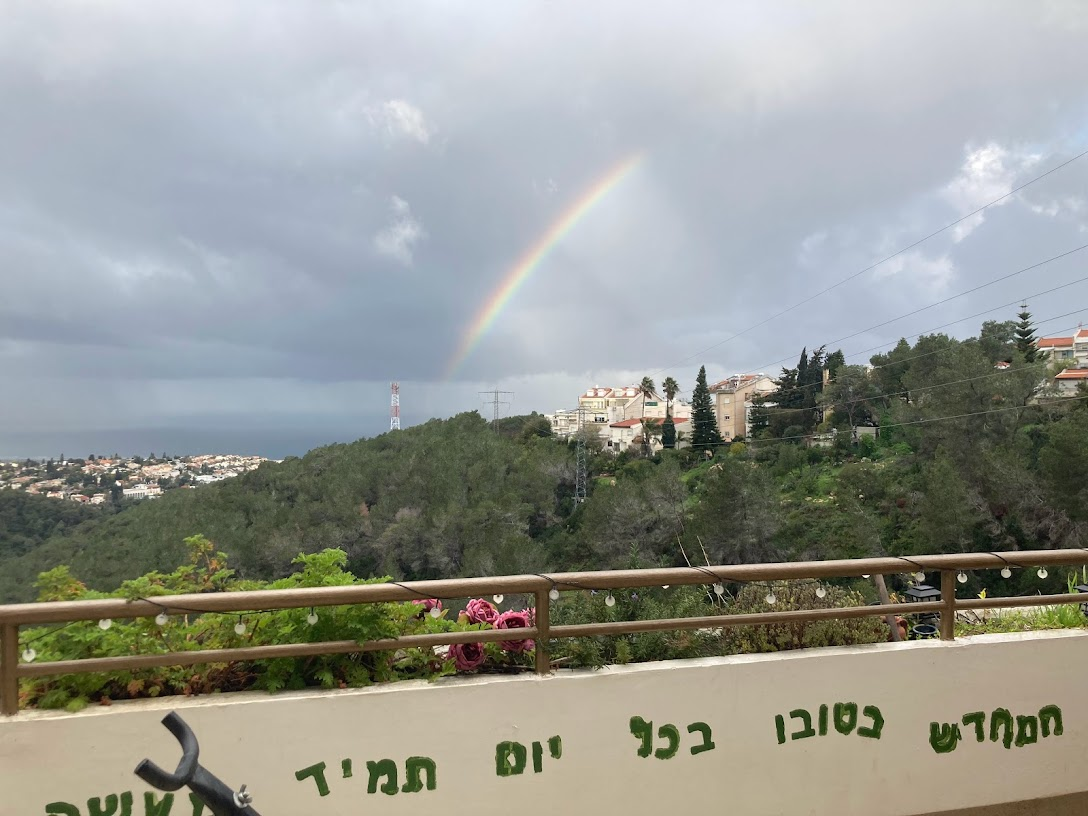
where is this sign?? 🙂
and this?
and this??
Posted in Uncategorized | Leave a comment

The two & a half tribes and us

The Torah portion of Matot, towards the end of the Book of Numbers, is usually read together with “Mas’ei”, the one following (except for during leap years when they are separated) during the “Three Weeks” / the “Tight Days”, the days between the 17th of Tamuz and the 9th of Av. These are days that are sad and serious and they lend their Torah portions a somber taste as well.פרשת מטות, לקראת סוף ספר “במדבר”, בד”כ נקראת ביחד עם פרשת מסעי שלאחריה (חוץ מבשנים מעוברות, כשהן נקראות בנפרד) בימי “בין המיצרים”, הימים שבין י”ז בתמוז ותשעה באב. ימים רציניים ועצובים אלה בלוח, נותנים גם לפרשות הנקראות בהם (בד”כ מטות, מסעי ודברים), נופך רציני ועצוב משהו.
This Torah portion opens with a halachic issue of Nedarim, vows; then we read about the war of the Israelites with the Midyanites, a revenge for the mishap at Ba’al Pe’or. After the detailed description of the war, we learn about the division of stuff that was taken and dedicating some of it to Hashem. This is where we learn about dipping dishes and “koshering” (preparing, making them fit) them for use.הפרשה פותחת בענייו הלכתי לגבי דיני נדרים. לאחר מכן, אנו שומעים על מלחמת בני ישראל במדין כנקמה על אירועי חטא בעל-פעור. לאחר תיאור המלחמה, מפורטת באריכות חלוקת השלל והקדשת חלק ממנו לה’. כאן בא גם הציווי על טבילת כלים והגעלתם כדי להכשיר אותם לשימוש.
Every step brings them closer and closer to the entry to the Land. We can, therefore, imagine Moses’ surprise when two tribes approach him and ask him to allow them to stay on eastern side of the Jordan. Davka now, when we are almost at the end of the Book of Numbers and our-not-too-simple journey; davka now, we discover that some of us, don’t necessarily want to go into the Land. The two tribes explain that “the land that Gd has conquered for the community of Israel—is cattle country, and your servants have cattle” (32:4). That is, they are in possession of large amounts of sheep and cattle  (how did that happen in the desert??), and behold, before them, a area suitable for their needs.כל צעד מביא את בני ישראל קרוב יותר ויותר אל הכניסה לארץ. לכן, נוכל לשער את הפתעתו של משה, כששני שבטים ניגשים אליו, ומבקשים להישאר בעבר הירדן המזרחי. דוקא עכשיו כשאנחנו כמעט מגיעים לסוף ספר במדבר (פרק ל”ב) ולסיום המסע הארוך והלא-פשוט, דוקא עכשיו, אנו מגלים שחלקנו לא בהכרח רוצים להיכנס לארץ. שני השבטים מסבירים כי “הָאָ֗רֶץ אֲשֶׁ֨ר הִכָּ֤ה ה’ לִפְנֵי֙ עֲדַ֣ת יִשְׂרָאֵ֔ל אֶ֥רֶץ מִקְנֶ֖ה הִ֑וא וְלַֽעֲבָדֶ֖יךָ מִקְנֶֽה” (לב:ד) כלומר, הם מחזיקים צאן ובקר בכמות גדולה מאוד, והנה לפניהם, אזור שמתאים לצרכיהם.
Initially, Moses is alarmed: how can they even suggest not going into The Land? After everything the people have been through?! What, will they “also” be like the spies, who caused the People a 40-year delay because of their hesitation on this very same subject ?! Moshe asks confused: …““Are your brothers to go to war while you stay here?…. And now you, a breed of sinful fellows have replaced your fathers, to add still further to Gd’s wrTheath against Israel?”… (32:6-14)בהתחלה, משה נחרד: איך הם בכלל יכולים להציע שלא ללכת לתוך הארץ עצמה? אחרי כל מה שהעם עבר ?! מה, האם “גם” הם יהיו כמו המרגלים, שגרמו לאנשים לעיכוב של 40 שנה בגלל היסוסם בדיוק בנושא זה ?! משה שואל מבולבל: “הַאַֽחֵיכֶ֗ם יָבֹ֙אוּ֙ לַמִּלְחָמָ֔ה וְאַתֶּ֖ם תֵּ֥שְׁבוּ פֹֽה?? …. וְהִנֵּ֣ה קַמְתֶּ֗ם תַּ֚חַת אֲבֹ֣תֵיכֶ֔ם תַּרְבּ֖וּת אֲנָשִׁ֣ים חַטָּאִ֑ים לִסְפּ֣וֹת ע֗וֹד עַ֛ל חֲר֥וֹן אַף־ה’ אֶל־יִשְׂרָאֵֽל!!” (לב:ו-יד).
Moses is worrieThed, but interestingly, it is not because of the present or the future, whcih he doesn’t know, but because of the past. The trauma of the spies doesn’t leave him. Those same honorable leaders, whom he, possibly at his own decision, sent to the Land, and came back with the harsh report that derailed a whole generation (of men) to die in the desert and a delay of 40 eyars in the journey, and now what? Again? Another delay? Is it really, that his whole life’s operation was for naught?משה מודאג, אך מעניין, זה לא בגלל ההווה או העתיד, שהוא לא ממש מכיר ויודע, אלא, בגלל העבר. הטראומה שגרמו לו המרגלים, לא עזבה אותו; אותם מנהיגים בעלי כבוד גדול, שאותם הוא – אולי על דעת עצמו – שלח לארץ, וחזרו עם הדיווח הקשה על הארץ שגרם לדור שלם (של גברים) למות במדבר ולדחיה של כ-40 שנה במסע. ועכשיו?? שוב?? עוד עיכוב?? האם באמת כל מפעל חייו, להביא את העם לארץ ישראל, היה לשווא?
The tribes’ answer is complex: “We will build here sheepfolds for our flocks and towns for our children”… and Moses is even more alarmed: they prioritize the sheep before the children?? What kind of order is that?? But then they continue and say more, “And we will hasten as shock-troops in the van of the Israelites until we have established them in their home…. We will not return to our homes until the Israelites—every one of them—are in possession of their portion (32:16-19).תשובת השבטים מורכבת: “גִּדְרֹ֥ת צֹ֛אן נִבְנֶ֥ה לְמִקְנֵ֖נוּ פֹּ֑ה וְעָרִ֖ים לְטַפֵּֽנוּ”…. ומשה נבהל כעת עוד יותר: הם שמים את הכבשים לפני הילדים ?? איזה סוג של סדרי עדיפויות יש להם ?? אך הם ממשיכים ואומרים עוד, “וַאֲנַ֜חְנוּ נֵחָלֵ֣ץ חֻשִׁ֗ים לִפְנֵי֙ בְּנֵ֣י יִשְׂרָאֵ֔ל עַ֛ד אֲשֶׁ֥ר אִם־הֲבִֽיאֹנֻ֖ם אֶל־מְקוֹמָ֑ם….. לֹ֥א נָשׁ֖וּב אֶל־בָּתֵּ֑ינוּ עַ֗ד הִתְנַחֵל֙ בְּנֵ֣י יִשְׂרָאֵ֔ל אִ֖ישׁ נַחֲלָתֽוֹ”. (לב:טז-יט).
Moses finally agrees – does he have a choice? Like any parent, sometimes he is not really “asked” for his opinion in the most open sense of the word, and all he can do is accept, hold, and support with adjustments; to reconcile between the ideal and the reality. This is also the reason why he adds half of the tribe of Menashe to Gad and Reuben who remain in the eastern side of the Jordan. Menashe is the son of Joseph, who describes himself as “Hebrew” even when he’s in Egypt. He is considered one who is especially connected to the Land, and to the national and united aspirations of the People, just as we saw last week, with the daughters of Zelophehad fighting for their share in the Land, and they too, were of the tribe of Menashe.משה מסכים לבסוף – האם יש לו ברירה? כמו כל הורה, לפעמים הוא לא ממש “נשאל” לדעתו במובן הכי פתוח של המילה, וכל מה שהוא יכול לעשות זה לקבל, להכיל, ולתמוך עם התאמות, לפשר בין האידיאל למציאות. זו גם הסיבה שהוא מוסיף מחצית משבט מנשה לגד וראובן הנשארים בעבר הירדן המזרחי. מנשה הוא בנו של יוסף, המתאר את עצמו כ”עברי” אפילו במצרים. הוא נחשב מי שבמיוחד קשור לארץ ולשאיפות הלאומיות והמאוחדות של העם, בדיוק כפי שראינו בשבוע שעבר, עם בנות צלופחד הנלחמות על חלקן בנחלה בארץ, וגם הן, משבט מנשה.
Interestingly, archeological digs in the eastern side have revealed clusters of settlements from the 12th and 13th centuries BCE (that is, of the same period) that share characteristics with settlements on the western side of the Jordan, north of Jerusalem, and it is estimated that these may belong to the two and a half tribes!מעניין שחפירות ארכיאולוגיות באיזור גילו מקבצי יישובים מהמאה ה -12 וה -13 לפני הספירה (אותה תקופה) החולקים מאפיינים עם יישובים בצד המערבי של הירדן, צפונית לירושלים וההערכה היא שיתכן ומדובר בשניים – וחצי מהשבטים!
Gad and Reuven fulfilled their part of the agreement during Joshua’s time (chap 22), when they waited 14 years before settling the area they chose initially, while helping the tribes on the western side of the Jordan. But the challenge remains, and we can see it in our own life, whether on a personal or national level.
I remember a youth trip of American teens to Israel when one mom asked – said to me, ‘we teach our children so much about Israel; I wonder what they are being taught about us’…
And so the question remains. How do we “stay in touch” with parts of our nation that chooses to live away? How do we care for each other even when there are great disputes? To what extend can we allow ourselves to be different and still be One People?
גד וראובן מילאו את חלקם בהסכם בימי יהושע (פרק כב) כאשר המתינו 14 שנה כדי להתיישב באיזור בו בחרו מלכתחילה, ובינתיים סייעו לשבטים בצד המערבי של הירדן. אבל האתגר נותר בעינו ואנחנו יכולים לראות אותו ברמות שונות בחיינו, בין אם ברמה האישית או הלאומית גם כיום. אני זוכרת טיול בני נוער מארה”ב לארץ, כשאמא אחת שאלה – אמרה לי: “אנחנו מלמדים את הילדים שלנו כל כך הרבה על ישראל. מעניין מה מלמדים אותם עלינו”….  
והשאלה נשארת. כיצד אנו “נשארים בקשר” עם חלקים מהעם שלנו  שבוחר לחיות רחוק? איך אנו דואגים זה לזה גם כשיש בינינו הבדלים גדולים? עד כמה אנחנו יכולים להרשות לעצמנו להיות שונים ועדיין להיות עם אחד ??

שבת שלום  SHABBAT SHALOM –

This kind of this map hung in my class for many years….
Posted in Uncategorized | Leave a comment