And a happy lockdown to you too! Sukkot 2020 – סגר סוכות שמח ?

I remember hearing the sound of hammers almost in sync with the end of Yom Kippur and smelling the food after the fast, and by morning, voila, the neighborhood has been filled with little booths. Indeed, a hint of Sukkot is sent already in the last chapter of the book of Jonah (which we read towards the end of Yom Kippur), the superfluous chapter of the book, after Jonah “did his job”, gave his prophecy in spite of his earlier efforts to escape the mission; the people did “their repentance”, and everybody lives happily ever after. That should have been it! Why doesn’t G-d just leave the poor guy alone? What else can G-d possibly want from him? But then, there’s chapter 4.

אני זוכרת את קול הפטישים בסנכרון כמעט מושלם עם סוף יום הכיפורים וריחות הסעודה שאחרי הצום, ובבוקר, איזה יופי, השכונה התמלאה ב”צריפים” קטנים. ואכן, יש לנו רמז לסוכות כבר בפרק האחרון של ספר יונה (אותו קראנו במנחה של יום כיפור), הפרק המיותר בספר, לאחר שיונה “עשה את עבודתו”, נתן את נבואתו למרות מאמציו הקודמים להימלט מהמשימה; אנשי נינוה חזרו ב”תשובה, וכולם חיים באושר ועושר. נקודה, סוף פסוק! למה אלוקים לא עוזב את הבחור המסכן? מה עוד אלוקים יכול לרצות ממנו? אבל אז, יש את פרק ד.

Jonah is disappointed with his success (sounds sadly familiar??) and goes out to sit under a… sukkah. In its shade he finds refuge. In Hebrew, tzel (shade) and hatzala (salvation, rescue) share the same letters, implying a connection. And yet, how strange of Jonah to find refuge in a sukkah?! Shouldn’t he go find shelter, maybe in a fortress or castle, surrounded by moats and safely protected by giant walls and armed guards?

יונה מאוכזב מההצלחה שלו (נשמע מוכר לצערנו ??) ויוצא לשבת תחת … סוכה. בצילה הוא מוצא הצלה. בעברית, צל והצלה חולקים את אותן אותיות ורומזים על קשר. ועדיין, כמה מוזר שיונה ימצא מחסה בסוכה ?! האם הוא לא צריך ללכת, אולי למבצר או טירה, מוקף בחפירים ומוגן בבטחה בחומות ענק ושומרים חמושים?

For what is a Sukkah? The mat is the ceiling; the linens are the walls… In a sense an upside-down structure which stands just for that. As we shlep our furniture and dishes outside, we’re reminded that the place we call “permanent” might be temporary, while the flimsy place outside that is but “temporary” is now home. The plant you put near the door “just for now”, is still there, while the box of treasured photos and documents is still in the garage, as it has been for the past XX years… Things that appear “solid” might be not so, and things that appear transient or at least, not physical and often illusive – turn out to be lasting.

כי מהי סוכה? המחצלת היא התקרה; המצעים הם הקירות … במובן מסוים מבנה הפוך שקיים בדיוק בשביל זה: כשאנחנו סוחבים את הרהיטים והכלים שלנו החוצה, אנו נזכרים שהמקום שאנו מכנים “קבוע” עשוי להיות “ארעי”, בעוד שהמקום השברירי וה”זמני” בחוץ הוא עכשיו הבית. הצמח שהצבת ליד הדלת ל”רק בינתיים”, עדיין נמצא שם, בעוד ארגז התמונות והמסמכים היקרים עדיין במוסך, כפי שהיה במשך השנים האחרונות … דברים שנראים “קבועים” אולי אינם כך, ודברים שנראים “ארעיים” או לפחות, לא פיזיים ולעתים קרובות בלתי ניתנים למגע – מתגלים כממשיים ואמיתיים.

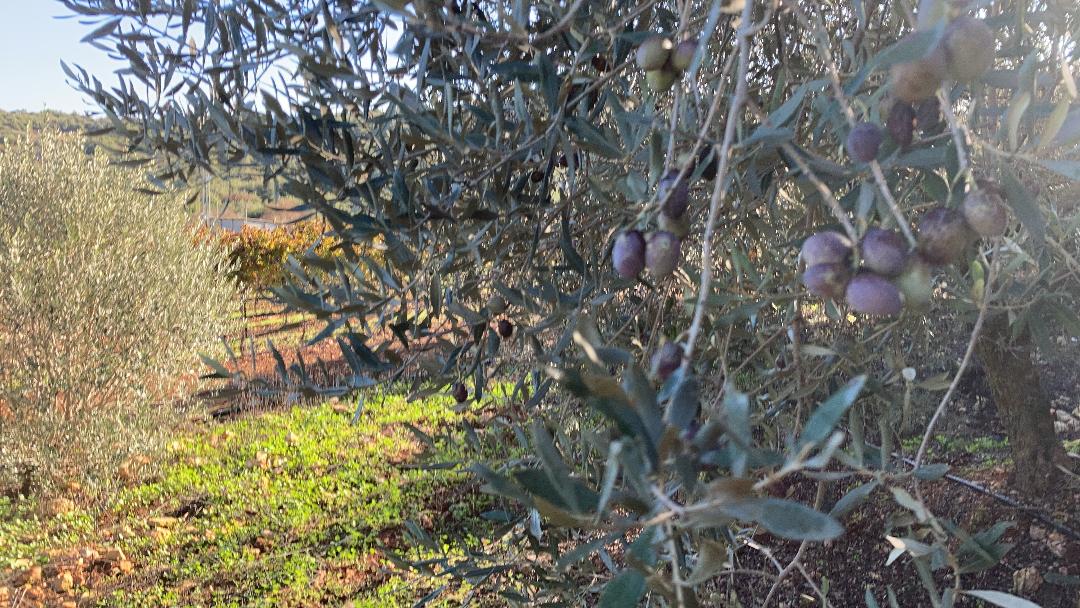
I remember other Sukkot: 1967 in Jerusalem, soon after the war; the bullet holes in the buildings were very impressive but not nearly as much as seeing Sefardi Sukkot with lush rugs and sofas in them!! And there was Sukkot after visiting Houston, Texas recovering from  Hurricane Harvey; Sukkot in New York when my boxes from Oakland arrived, further clashing the idea of temporary and permanent; picking Lulav and Etrog in Brooklyn; marching in the Jerusalem annual tzea’ada (march) with people from all over the world; Sukkot in magical fall colors of upstate NY; so many Sukkot in California and now in Israel, after a year of such… who knows what to say about it, on the verge of a continued lock-down and penalties for visits and hosting, my phone chimes as silly jokes and word plays come in: “Welcome to my sukkah! Whoever enters will be fine(d)”…

אני זוכרת סוכות אחרות: 1967 בירושלים, זמן קצר לאחר המלחמה; חורי הקליעים בבניינים היו מרשימים מאוד אך לא מתקרבים לזה שבראשונה ראיתי סוכות “ספרדיות” עם שטיחים רכים וספות !! והיה סוכות לאחר ביקור ביוסטון, טקסס, כשהמקום מתאושש מההוריקן הארווי; סוכות בניו יורק כשהגיעו הדברים שלי מאוקלנד, בעוד התנגשות רועמת בין הזמני והקבוע, הכנות סוכות בשוק ארבעת המינים בברוקלין, הצעדה בירושלים עם אנשים מכל העולם, סוכות באפ-סטייט ניו יורק בצבעי הסתו המדהימים, סוכות רבות בקליפורניה ועכשיו בישראל, אחרי שנה של … מי יודע מה לומר עליה, על סף סגר מתמשך, ועונשים למי שיעיז לבקר ו/או להתארח, הטלפון שלי מצלצל כשבדיחות מטופשות ומשחקי מילים נכנסים: “ברוך הבא לסוכה שלי! מי שנכנס – יקנס”…

Silly, but I smile. If ever there is a Sukkot mitzvah we need it’s this: not building a sukkah lower than 30 feet high; we can do that; or covering it with greens; or getting a lovely Lulav and Etrog, but the mitzvah of being joyous in our holiday. The Torah says– vesamachta bechagecha – you’ll be happy in your holiday… Does it mean, you will be? Or, does it mean it as a mitzvah? If so, does the Torah imply that our happiness is in our control, just like other mitzvot, like giving tzedakka and saying a blessing or not stealing??? That we can work to make ourselves happy? That it is not just about how we feel “naturally”, but also about exercising our own responsibility towards how we feel? That, in some way, our happiness is a choice? Can we make what’s temporary – permanent in this area too? I don’t know. It’s a struggle. But then again, for some us, some struggles can bring joy…

אני מחיכת למרות שטיפשי, כי אם יש מצוות סוכות שאנחנו צריכים עכשיו, זה זה: לא לבנות סוכה שגובהה פחות מ-10 מטר; זה לא בעיה. או לכסות בסכך; או להשיג לולב ואתרוג מקסימים, אבל המצווה “ושמחת בחגך”, שנשמח בחג שלנו … האם זה אומר שפשוט נהיה כי כך כתוב? או, האם זה אומר כמצווה? אם כן, האם התורה מרמזת שהשמחה שלנו היא בשליטתנו, בדיוק כמו מצוות אחרות, כמו מתן צדקה ואמירת ברכה או “לא תגנוב” ??? שיש לנו מה לעשות כדי לשמח את עצמנו? שזה לא רק האופן שבו אנו מרגישים “באופן טבעי”, אלא גם, שיש לנו אחריות כלפי איך שאנחנו מרגישים? שבאופן כלשהו האושר שלנו היא בחירה? האם נוכל להפוך את מה שזמני – לקבוע, גם בתחום הזה? אני לא יודעת. זה עדין משהו לא פתור בשבילי. אבל עבור חלקנו, יש דברים לא פתורים שדוקא יכולים להביא גם שמחה …

שיהיה חג שמח ושבת שלום לכם וליקירכם

Wishing you and yours a Chag Same’ach & Shabbat Shalom !

Posted in Uncategorized | 1 Comment

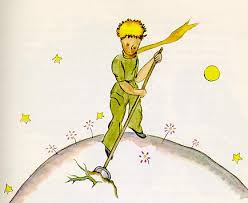
The Little Prince on Yom Kippur Eve, 5781

בערב יום הכיפורים הזה, תשפ”א, אני נזכרת ב”נסיך הקטן”, בחוכמתו ודעתו על המבוגרים
“אם סחת להם על חברך החדש, לעולם לא יבקשו לדעת את עיקרי הדברים ולא ישאלו: מה טיבו של חבר זה? האם קולו ערב לאוזן? אילו משחקים חביבים עליו ביותר? האם הוא מאסף פרפרים? ורק זאת יבקשו לדעת: “בן כמה הוא? כמה אחים לו? מה משקלו? כמה משתכר אביו?” הם סבורים כי רק כך אפשר להכיר את האיש ולעמוד על טיבו”…

אני מגלה שכך נהיינו אנחנו, ובמיוחד בחצי השני של השנה הזו. כל הזמן רוצים לדעת על מספרים, כל הזמן מחפשים טבלאות. מפות. סטטיסטיקות, כאילו שאלו יתנו לנו מנוח: כמה מדינות עם כמה חולים, כמה נבדקים וכמה נפטרים, כמה רופאים וכמה מחלימים. ואלו שנפטרו, חס וחלילה, בני כמה היו? כמה מחלות רקע היו להם??

On the eve of this Yom Kippur, 5771, I am reminded of “The Little Prince”, his wisdom and opinion about the adults:

“When you tell them that you made a new friend, they will never ask you questions about essential matters. They never say to you, “What does his voice sound like? What games does he love best? Does he collect butterflies?” Instead, they demand: ” How old is he? How many brothers has he? How much does he weigh? How much money does his father make?” Only from these figures do they think they have learned anything about him…

I find that this is how we became, especially in the second half of this year; constantly wanting to know about numbers, constantly looking for tables, maps, statis, as if these would give us comfort: how many countries with how many patients, how many are examined and how many die, how many doctors and how many recoveries; and those who died, G-d forbid, how old were they? How many earlier symptoms and background diseases did they have ??

בבקר, במכולת, תורים ארוכים, עגלות עמוסות… די ברור שאף אחד לא מארח את כל המשפחה והחברים לפני הצום אז מה קורה כאן? “ראית מה זה? לא יאומן”, אומרת אחת על מה שיאומן וצפוי כל כך, והשניה עונה: “טוב, בגלל הסגר, לאנשים אין מה לעשות ורוצים לאכול”…

בין פורים לכיפורים, בין תחילת המגפה אי אז במרץ שעבר והכאב על כל צדדיו, האובדן, הבדידות, המרחק, הנסיון לקום כל בקר עם שיר חדש בלב, בין המסכות של אז לעתה, ליום הזה, הנורא והאיום, המבקש מאיתנו להתכנס פנימה אל עצמנו, עם עצמנו, כי אין לאן ללכת… “זוכרנו לחיים”, אנחנו שרים, מהנהנים, מתגעגעים, מבקשים, מתפללים. זוכרנו לחיים, לא רק של אורך במספרים, אלא גם של משמעות בימים. גמר חתימה טובה!

This morning, at the grocery store, long lines, overcrowded carts … It’s pretty clear that no one hosts the whole family and friends before the fast so what’s going on here? “Have you seen what it is? Unbelievable”, says a lady about what is so believable and expected, and the other replies: “Well, because of the closure, people have nothing to do and want to eat” …

Between Purim and Yom Ki-Purim, between the beginning of this epidemic sometime last March and the pain on all sides, the loss, the loneliness, the distance, the attempt to get up every morning with a new song in the heart; between the masks of then and now, today, this awe-ful and awe-some day that asks us to gather ourselves inward, within ourselves, because there is nowhere to go … “Please remember us for life”, we sing, nod, long, beg, pray. Please remember us for life, not only that of length in numbers, but also of depth and meaning.

Gmar Chatima Tova!

Posted in Uncategorized | Leave a comment

During these Ten Days – בין כסה לעשור, תשפא

Shlomo Artzi sings, “what are the words if not silence”… And it was also said, back in ancient Rome of the 1st century BCE, “When the cannons roar, the muses are silent” … Sometimes this time now feels a bit like war. The people in the shops, collecting their groceries, a few more, to be on the safe side, again. And again, “Don’t ask how crazy it was here yesterday, a real onslaught.” … So, in honor of Shabbat Shuva (the Shabbat between Rosh Hashana and Yom Kippur), a little less in words and more pictures (and songs in the Hebrew links) from the week that was and G-d willing, the one that will be.

שלמה ארצי שר, מה הן המילים אם לא שתיקה... ונאמר גם, עוד ברומא של המאה הראשונה לפנה”ס, “כשהתותחים רועמים, המוזות שותקות”… לפעמים התקופה הזו מרגישה קצת כמו במלחמה. האנשים בחנויות, לצבור קצת מצרכים, רק ליתר בטחון, שוב. ושוב, “אל תשאלו מה היה כאן אתמול, התנפלות ממש”. לצאת בזהירות, להסתכל לצדדים, לחזור מהר. לשקול לצבוע את הפנסים בכחול כהה לא להראות, על ידי אף אחד. לכבות את האור, להתכנס פנימה… לכבוד שבת שובה ויום הכיפורים, קצת  פחות מילים ויותר תמונות (ושירים, בקישורים) על השבוע שהיה וב”ה, זה שיבוא

את התמונה הזו צילמתי מהמחשב ביום עיון בנושא “סליחה”, ויצאה קצת מטושטשת. אפשר לראות זוג יושב בגשם, כנראה אחרי ריב, ולמרות שנראה שהוא נורא כועס עליה ו”ברוגז, ברוגז לעולם”, הוא בכל זאת דואג לה עם המטריה שלו, מה שאולי גורם לה להתחיל חיוך קטנטן, שעוד לא הגיע לידים ולגוף, אבל לאט לאט יתפשט… מה פירוש לסלוח? לא כמו לשכוח, אולי כמו לשלוח – את מה שמחזיקים בבטן? מישהו (לא יודעת מי) אמר, ש”לסלוח פרושו לוותר על עבר טוב יותר”… הגמרא במסכת יומא מביאה כללים וסיפורים, ואלו לפעמים שני עולמות שונים… איך לסלוח? איך לקבל סליחה? מתי כן, ומתי עוד לא? ועד כמה?…

I took this picture off my computer at a seminar on the subject of “forgiveness” and it turned out a bit blurry. You can see a couple sitting in the rain, looks like after a fight, and although he seems terribly angry and annoyed at her, he still cares enough to protect her with his umbrella, which may make her start a tiny smile, not yet all the way to her folded arms and body posture, but slowly might spread … what does it mean to forgive, lislo’ach? Not like forgetting (lislo’ach and lishko’ach), maybe like sending (lishlo’ach) – what we hold in our stomach. Someone (I do not know who) said that “to forgive means to give up on a better past” … The Gemara in Tractate Yoma brings rules and stories, and these are sometimes two different worlds. How do we forgive another? and how do we accept forgiveness? When is it ok and when, not yet? How much?…

מאיר שלו (ב”כימים אחדים”) כותב: יותר קשה לשדך את הגוף והנשמה ממה שאיש ואשה. משידוך כזה, אפילו להתגרש אי אפשר… גוף ונשמה צריכים לדעת לגדול ביחד. שאז הם כמו שני ציפורים… באותו הכלוב… ולברוח אחד מהשני גם כן אי אפשר. מה שנשאר זה לדעת לסלוח. זה החוכמה שנשארת אחרי שכל יתר החוכמס נגמרות: לדעת לסלוח אחד לשני. כי אם לא לסלוח לבן אדם אחר, אז לכל הפחות לסלוח לעצמך.

Meir Shalev (in his book “Like Few Days”) writes: It is more difficult to match body and soul than man and woman. From such a match, even a divorce is impossible … body and soul need to know how to grow together. Then they are like two birds … in the same cage … and it is impossible to escape from each other. What is left is to know to forgive. That’s the wisdom that remains after all the rest of the wisdom is over: to know how to forgive one another. Because if you do not forgive another person, then at least forgive yourself.

אחת התמונות העצובות השבוע: חיפה, וההר הירוק כל ימות השנה, חיפה ואוהדי מכבי השרופים, “הירוקים” שלה, חיפה שהיתה “ירוקה” במלחמת הקורונה הזו, הפכה “אדומה”. אפשר לשחק עם סטטיסטיקה ובכל זאת. כשאני יוצאת להליכה היומית שלי בק”מ (רדיוס או קוטר?) סביב הבית, אני בודקת את מי שבא מולי בתערובת של חשד, כעס, פחד, יחד עם גם רחמים ותקוה וכמו תמיד, לא בלי לב מתרחב כמו תמיד לנוכח הנוף. אני נזכרת ביום כיפור אחר, ילדי השכונה יושבים בחוץ בערב לפני המלחמה, בלי לדעת מה בא, ועכשיו המחשבה, רק להחזיק, רק להחזיק חזק, גם אם לא ברור במה…  

One of the sad pictures this week: Haifa, and “the green mountain all year round”, Haifa and its ardent “green” Maccabi fans, Haifa that was “green” in this corona war, has turned “red”. One can play with the stats, and yet, when I go out for my daily 1 km walk (radius or diameter?) around the house, I find myself checking everyone with a mixture of suspicion, anger, and fear, along with pity and hope, and also, not without an ever expanding heart as always at the sight of the view. I remember another Yom Kippur, the neighborhood kids sitting outside the eve before the war, unaware of what’s about to come, and now, this thought, what can we do, but hold on, just hold on, even if it’s not clear to what …

זה לא כל כך נעים לראות גן סגור, אמר יהונתן גפן בשירו המפורסם, וזה עוד יותר לא נעים לראות בית כנסת סגור. עוד שלט עצוב מהימים האלו. האם אכן אלפיים שנות בתי הכנסת מגיעות לקיצן? האם עוד נחזור? ואם כן, איך זה יראה? אני בנתיים ממשיכה ללכת עד שיגידו לי במפורש לא.

“It is not so pleasant to see a closed (kinder)garden”, said Yehonatan Geffen in his famous poem, and it is even more unpleasant to see a closed shul. Another sad sign from these days. Is it indeed, that two thousand years of synagogue life is coming to an end? Will we be back? And if so, what will it look like? Meanwhile I keep going until someone explicitly tell me no.

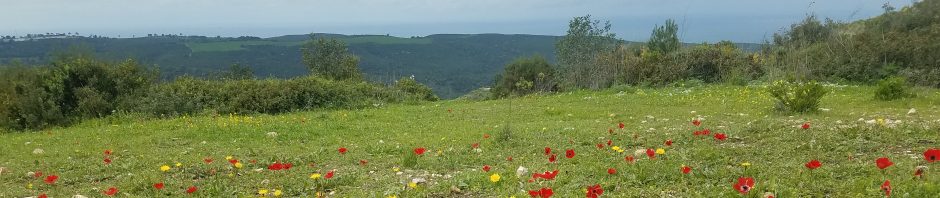
ובשביל האופטימים, או הפסימים והפוחדים והכואבים מאד המבקשים בכל זאת את האופטימיות והתקוה הממשית, בין “כסה לעשור”, שוב “חצבים פורחים וציפורים אינספור“. הקיץ הלוהט נרגע קצת, ויש סימן לסתו, סימן למחר. ובעיר, עוד לפני שנגזר גזר הדין, כבר מוכרים סוכות וקישוטים לחג הבא, שיבוא עלינו לטובה, כי אין דרך אחרת, אלא שיבוא אור אחרי החשכה. מי יתן, ואכן, תהיה זו שנה טובה ומתוקה.

And for the optimists, or the pessimists and the very frightened and pained ones who nevertheless seek the optimism and real hope, between these Ten Days, once again there are “flowering Drimias and countless birds”. The blasting hot summer has calmed down a bit, and there is a reminder of autumn, a sign for a tomorrow. And in the city, even before Yom Kippur is out and the sentence pronounced, Sukkot and decorations for the next holiday are already for sale, may which it come upon us for good, for there is no other way but to have Light after darkness. May it be indeed, a good and sweet year.

Posted in Uncategorized | Leave a comment

A broken Shofar for Rosh Hashana – שופר שבור לראש השנה

Many say that this Rosh Hashana is like no other, then again, which day is like anyone?? It is told about Abraham that he was ba bayamim”, and commentators says this means “he came with all his days”, so that when he asked, he didn’t say, ‘wait, where was I last Tuesday’… or, as Tour guides often say, ‘it’s Monday, so this must be Venice’…

רבים אומרים שראש השנה הזה אינו דומה לאף ראש השנה אחר… אבל נשאלת השאלה, איזה יום הוא בדיוק כמו יום אחר ?? מספרים על אברהם אבינו שנאמר עליו שהיה “בא בימים” שפירוש המונח הזה שהוא “בא עם כל ימיו “, כך שכאשר נשאל, הוא לא אמר ‘רגע, רגע, איפה הייתי ביום שלישי האחרון?’ … או, כפי שמדריכי טיולים אומרים לעתים קרובות, ‘זה יום שני, אז זו בטח ונציה’ …

And yet, no denying the very quiet giant storm we live in during these months. When C-19 set in and I found myself with only myself and I for some time, I pulled out a 1000-piece puzzle of the incredible and gorgeous Yosemite Park, which is now hanging on the wall. Looking back, I think that maybe davka in the chaos, it was important for me to do something that was symbolic of putting broken things back into one.

ועדיין, אין להכחיש את סערת הענק השקטה בה אנו חיים במהלך החודשים הללו. כאשר הקורונה התחילה ומצאתי את עצמי רק עם עצמי ואני במשך זמן מה, שלפתי פאזל בן 1000 חלקים של פארק יוסמיטי המדהים והיפיפה, שעכשיו תלוי על הקיר. במבט לאחור אני חושב שאולי דוקא בתוהו ובוהו, היה לי חשוב לעשות משהו שהיה סמלי להחזיר דברים שבורים לאחד.

On this Rosh Hashana I am extra mindful of the sound of the Shofar; the genius sound of the Shofar. Why not just have one, or several, teki’ot, the long, beautiful blast? Why all these “staccato” sounds in the middle? I’m guessing you already see where I’m going…

בראש השנה הזה אני חושבת במיוחד על צליל השופר; הצליל הגאוני של השופר. מדוע שלא יהיה רק ​​אחד, או כמה תקיעות ארוכות, מרשימות ויפות? מדוע כל ה”סטאקאטו “האלה באמצע? אני מנחשת שאתם כבר רואים לאן אני הולכת …

In Hebrew, the second sound of the Shofar is called “sh’varim”, literally “brokens”. From Rav Hirsch (1808-1888) who tells us that root means “break up into small pieces”, we quickly see the complexities of “brokens”. Not only does it come with a dream’s “interpretation” (Judges 7:15) which is a form of breaking something to its pieces, we also find that it can be selling small quantities (Genesis 41:56) and buying (Genesis 41:57). In addition, “mashber”, from same root, is big, crashing waves (Psalms42:8), but perhaps best of all, is that the same word (mashber), is used for the “birthing stool” on which the women sat during labor!

בעברית, הצליל השני של השופר נקרא “שברים”, פשוטו כמשמעו, צלילים קצרים, קטועים. הרב הירש (1808-1888) אומר לנו ששורש ש.ב.ר. פירושו “להתפרק לחתיכות קטנות”. אנו רואים במהירות את המורכבות של ש.ב.ר.: לא זו בלבד שמשמעה “פרשנות” של חלום (שופטים ז, טו) שגם זו, סוג של שבירת משהו לגזרים, אנו גם מגלים שזה יכול להיות “למכור כמויות קטנות” (בראשית 41:56) וגם “לקנות” (בראשית 41: 57). בנוסף, “משבר”, מאותו שורש, הוא גל גדול ומתנפץ אל חוף (תהילים 42: 8), ואולי הגדילה לעשות אותה מילה (משבר) שמשמשת ל”כסא הלידה “עליו ישבו הנשים היולדות במהלך הלידה!

It turns out that something be a thing and the start of its opposite. Childbirth is scary, dangerous, painful (yes, sorry), and yet, without it, we would not be able to bring about the magic and wonder of new life.

מתברר שמשהו יכול להיות דבר מסוים, ויחד עם זה, תחילת ההפך שלו! לידה היא מפחידה, מסוכנת, כואבת (כן, סליחה), ובכל זאת, בלעדיה, לא נוכל להביא את הקסם והפלא של החיים החדשים לעולם.

I am not one to walk around with a great smile of how fantastic C-19 is. I think pain and tragedies has to be acknowledged and experienced for what it is, and so does the shofar: shvarim is considered genuchei, a form of sad whining, which needs to be expressed and heard, felt and held. But at the same time, I do want to remember the rest of the music; to know that this came from Oneness; that somewhere, there is order and care, and that one day, things will be whole again.  If we take the bet of shvarim and replace it with a peh, we will get the root Sh.Ph.R which is exactly the root for Shofar and means, to improve, to take all these broken pieces and make something beautiful, which previously we could not even imagine.

אני לא מאלה שמסתובבים עם חיוך גדול ומדברים על כמה הקורונה היא פנטסטית. אני חושבת שיש להכיר ולחוות כאב וטרגדיות על מה שהם, וכך גם השופר: שברים נחשבים ל”גנוחי”, סוג של יבבה עצובה, שצריך לבטא ולשמוע, לחוש ולהחזיק. אך יחד עם זאת, אני כן רוצה לזכור את שאר המוסיקה; לדעת שזה בא ממקום של אחדות; שבאיזשהו מקום, יש סדר , נקבלואכפתיות, ושיום אחד הדברים יחזרו להיות שלמים. לצורך העברית, אם ניקח את האות ב’ של שבר, ונחליף אותה באות פ’, נקבל ש.פ.ר., השורש למילה שיפור, וגם — לשופר, הקריאה לקחת את כל החלקים השבורים האלה ולעשות מהם משהו יפה שלפני כן, אפילו לא יכולנו לנחש את קיומו

And this is also why we wish each other, “shana tova umetuka”: we’re dare and ask for both, goodness and sweetness. For we know full well that sometimes, what is good is not sweet, and at other times, what is sweet, is not good… May it be a year of both.

וזו גם הסיבה שאנו מאחלים זה לזה, “שנה טובה ומתוקה”: אנו מעיזים ומבקשים את שניהם, טוב ומתיקות. כי אנו יודעים היטב שלפעמים, מה שטוב אינו מתוק, ולעיתים גם מה שמתוק, אינו טוב לנו… מי יתן ותהיה זו שנה של שניהם. שנה טובה ומתוקה!

Posted in Uncategorized | Tagged | Leave a comment

These shoes are made for… The Torah portion of Nitzavim

All sorts of things have become almost useless these days. That’s why it’s so surprising to chance upon an “end of season” shoe sale. Shoes? Who wears shoes anymore? But I walk in anyway. Short of getting groceries, I don’t think I have been in a store for months. I enter almost tiptoeing as if going into a shire from the past. Everything seems beautiful. “These look lovely”, says the sale’s lady when I eye a pair of indeed, lovely heels, “and very comfortable, you know, for when you…” her words trail off… for when I… what? Zoom? Get on facebook live?? Watch Netflix? It’s been more than 180 days; my clothes are wilting in the closet. And I really don’t need shoes. But, yes, I take a pair of sandals. Just to feel a hint of whatever “normal” means again.

… Wait, wait, you mean normal is shopping??? That’s exactly why we have Covid! To get over our consumption-driven-society!! To focus inward; to …. Yes, I know, but please… I am one of the chief trumpeters of the “everything is for the best”; “let’s find the good in this”… but if anything, Covid taught me is to actually not jump of the ‘look how wonderful closure and social isolation are’ and ‘how great it is to spend time alone’. I get all that, really. And I believe and support and it’s great. But it has no meaning, in my eyes, without a tad, at least, if not more, of sadness; of pain; of feeling the immense loss we are experiencing, daily.

And I believe this is what this season is about: Elul. And Teshuva. And contemplating our actions, past and present and future, it is all so important. And it needs to come with a bit of humility; a great joy for whatever there is, which is indeed, great, and at the same time, not without a moment of, ouch. It’s been a while and it’s not going anywhere. It’s great to be positive and full of faith; it’s also, at times, exhausting. And it needs to be ok to not be ok, if only to be deeply appreciative of everything we did have until not long ago. Only by holding both, we can be, well, human.

***

Most maps I’ve looked at recently have been of CA / US West Coast fires and / or Covid in Israel and the world. But today, I got a new, beautiful, exciting, inspiring map. Portal Hadad Hayomi, a website dedicate to daf yomi learning, has asked its learners if they’d like daf-yomi bookmarks, a stickers and some info. From all the responses so far, they assembled a map of learners, a phenomena never-ever seen before in Jewish history. There’s really no words. Just take a look.

***

The Torah portion of Nitzavim reminds me of a saying in Tractate Brachot 34:b:

במקום שבעלי תשובה עומדים, צדיקים גמורים אינם עומדים

In the place where ba’alei teshuva (those who repent) stand, even the wholly righteous don’t stand.

What does it mean? As is often the case, it could mean a thing and its opposite: option one is to see it as a picture where between each person and G-d, there’s a cord. The “ba’al teshuva”, in order to be at a point of repentance, had to have transgressed, or in a way, cut that cord. The repentance is reconnecting the cord. As we know, a reconnected cord is shorter than a straight one. It also implies a knot along the way, a spot of making that reconnection. In that sense, the “ba’alei teshuva” are actually close than the wholly righteous, who just go about their business being righteous and connected.

Alternatively, we need to know that in order to do “teshuva” (repentance is really not great translation… sort of a “come-back”), we do not need to sin. Just by being human, there’s a painful distance between us and the Divine. The ba’al teshuva “stands” – he perceives it as a list of mitzvot he missed and needs to “fix” maybe keep Shabbat better, maybe give more tzedakah. The idea that getting closer to G-d depends on mitzvot actually stalls him. What makes a righteous person, righteous, in this explanation, is that they never stop in their journey.

Nitzavim ironically, describing the process of teshuva, literally means standing, almost in attention. And which was is it? You already know.

Shabbat Shalom.

Posted in Uncategorized | 1 Comment

Eruvin: the rest of the story (updates regularly)

Chapter 6 (2nd part): Where is home? פרק 6: איפה הבית? על קפסולות והגדרות הבית

Chapter 6: on living with a non-Jew and Rabban Gamliel traveling in favorite parts of Eretz Yisrael: פרק 6: הדר עם הלא-יהודי, ועל רבן גמליאל שמטייל בארץ הקודש באותם מקומות מוכרים

Chapter 4: About finding and defining The Place – פרק רביעי: על דעת המקום…

Chapter 4: Can Shabbat boundaries continue into the air? who is this for?

פרק 4: האם תחום שבת רק על הקרקע או גם באויר?

Eruvin 36:b: What if I need to go somewhere on Shabbat (outside of my domain) but don’t know where??

Opening to the 3rd chapter: Bakol Me’arvin...

פתיח לפרק השלישי: בכל מערבין:

Chapter 2: well, well… on wells and the first human too

פרק ב: פסין לבארות, ואדם הראשון (עירובין יז-יח):

Opening of Eruvin with focus on 11:b-13:b:

Tractate Eruvin 11:b-13:b – מסכת עירובין יא:ב-יג:ב

This image has an empty alt attribute; its file name is d7a2d799d7a8d795d791d799d79f.jpg
Taste of this week’s daf… from the latter part of the 1st chapter in this tractate: what questions can come up in trying to figure out space? And, are we only talking about creating Shabbat boundaries, or personal ones too? and what is Rabbi Meir doing here? and the famous statement about Beit Shamai and Beit Hillel? Links to short learning (about 30 in) below.

טעם דף… מהחלק השני של הפרק הראשון במסכת עירובין: איזה שאלות יכולות לעלות כשאנחנו מנסים להגדיר איזור מסוים לצורכי שבת? וגם, האם אנחנו רק מדברים על מרחבי שבת או אולי גם על מרחבים וגבולות אישיים? ומה עושה כאן רבי מאיר? והאמירה המפורסמת על בית שמאי ובית הלל? קישור ללימוד קצר (כחצי שעה) מצורף למטה.

Eruvin 11:b-13:b:

עירובין: דפים יא:ב-יג:ב:

Eruvin 2-10:

Posted in Uncategorized | Leave a comment

On Going & Coming, Ki Tetze & Ki Tavo – כי תצא וכי תבוא…

מרטין בובר אמר שלכל מסע יש מטרה שהנוסע, לפחות בהתחלה, כלל לא מודע לה. השבוע יצא לי לדבר עם נציג שירות בארהב. זו היתה שיחה מסורבלת ומועילה במידה בינונית, אבל כשמצאתי את עצמי מחייכת אחרי שסגרנו, והבעיה לא ממש נפתרה, הבנתי שאולי בכלל התקשרתי רק בשביל שמישהו, במבטא דרומי מתנגן, יגיד לי, “איך בבקשה אני יכול לעזור לך?” וגם “אני מבין שזה יכול להיות מאד מתסכל, תודה לך על הסבלנות ואני מצטער על העיכוב”, ימשיך ב-“אני כל כך מצטער שלא עזרתי יותר” ויחתום ב”אם יש עוד משהו שאני יכול לעשות בשבילך, אל תהססי להתקשר. שיהיה לך יום נפלא”.

Martin Buber said that every journey has a purpose of which the traveler, at least initially, is unaware.  This week I got to talk to a service representative in the US. It was a cumbersome and moderately helpful conversation at best, but when I found myself smiling after we hung up, and the problem not really resolved, I realized that maybe I called just so that someone, with a southern tweng maybe, would say to me, “How can I help you please?” And “I understand it can be very frustrating, thank you for your patience, I’m sorry for the delay”, will continue with “I’m so sorry I did not help anymore” and will sign “If there is anything else I can do for you, do not hesitate to call. Have a wonderful day”.

“בארה”ב הייתי פרופסור” סיפרה לי מישהי השבוע והוסיפה שמות של כמה אוניברסיטאות שנחשבות הכי הכי, “ופה… פה אני עושה מה שיש, מה שאפשר. כותבת קצת פה ושם. קצת לומדת. אני לא מתלוננת”, היא מוסיפה במהירות, כמעט בהתנצלות, “לא מצטערת שבאתי לפה, רק… זה ככה”. מתי באת, אני שואלת בתקוה שלא מזמן. שש שנים, היא עונה במבטא כבד.

In the US I was a professor,” someone told me this week, mentioning some top universities, “and here … here I do whatever, write a bit here and there, do some learning… I’m not complaining”, she adds quickly, almost apologetically,” I’m not sorry I came here, just … it’s like that. “When did you come?”, I ask, hopeful it’s not long ago. “I’ts been six years”, she answers with a heavy accent.

וגם אני. בין כי תצא לכי תבוא. יצאתי… האם באתי? ואולי, לא יצאתי לגמרי, ואולי זה מעכב הגעה?

פרשת השבוע “כי תבוא” פותחת במילה “והיה”. חז”ל אומרים שלשון “והיה” – לשון שמחה. היה – מתיחס לעבר. ו-היה – מהפך, מזכיר לנו שיש אפשרות להפוך את העבר לעתיד. ודוקא בארץ. שיש שמחה מיוחדת בלהיות כאן. וגם שהארץ תובענית מאד, רוצה עשיה, הבנה שיש מעבר, שצריך להיות מחובר לאידיאליזם. ולהתחדש. נונ-סטופ.

And me too. Between going and coming, Ki Tetze & Ki Tavo. I went out … Did I arrive? And maybe, I did not leave completely, and maybe that delays arrival?

This week’s Torah portion “Ki Tavo”, “When you will come” opens with the word “vehaya“, “and it was”. The sages say that the language “haya” means “there was”, but vehaya reverses it and implies a language of joy. Haya – refers to the past; Vehaya – to the future. There’s a reminder that especially here, in the Land, we have the ability to turn things around; that there is a special joy in being here. and also, that the Land is very demanding; that it’s asking for action, for understanding that there is something beyond us; that we need to idealism. and that we need to renew and be renewed, constantly.

כשאדם היה מביא ביכורים לבית המקדש, היה עליו להגיד – ” הִגַּ֤דְתִּי הַיּוֹם֙…. כִּי־בָ֙אתִי֙ אֶל־הָאָ֔רֶץ “… מתי באת אל הארץ? לא חשוב. ההרגשה צריכה להיות כאילו זה קרה רק היום בבקר, ולא משנה אם אני כאן כבר 2000 שנה. עדין, כל הסיפור הוא שלי, אישי: אבא שלי היה במצרים, ולנו היה רע במצרים, ואנחנו קראנו אל ה’, שהוציא אותנו משם בְּיָ֤ד חֲזָקָה֙ וּבִזְרֹ֣עַ נְטוּיָ֔ה, והוא הביא אותנו אל הארץ הזאת, אֶ֛רֶץ זָבַ֥ת חָלָ֖ב וּדְבָֽשׁ. יש הרבה פירושים טובים לענין הזה של “חלב ודבש”. הרב שרקי מציע שלמרות שבד”כ “כל היוצא מן הטמא, טמא” (בכורות ה:ב), הרי דבש דבורים וחלב (אם), שיוצאים מיצורים שהם עצמם אינם מיועדים לאכילה, ניתן לאכול אותם, כלומר זה מצב יחודי של יוצא מהטמא שנהיה טהור. הארץ קרויה על דבש וחלב כי במובן מסוים, גם היא יכולה להפוך “טמא לטהור”.

When a person would bring bikurim, the first-fruits, to the Temple, he had to say – “I am telling you today … because I’ve come to the land” … (Deuteronomy 26: 1-11). When did you come to the land? That’s not important. It should feel like it just happened this morning, no matter if I’ve been here for 2000 years. Still, I have to tell my whole story, and it’s personal: my father was in Egypt, and we had evil in Egypt, and we cried to the Lord, who brought us out of there “with a mighty hand and an outstretched hand”, and he brought us to this Land, “a land flowing with milk and honey”. There are many good interpretations of this “milk and honey” term. Rav Sherki suggests that although “everything that comes out of the ta-me, unclean, is unclean” (Avoda Zara 5: 2), bee honey and (mother’s) milk which come from creatures that are not themselves meant to be eaten, can be eaten. That is, there’s a unique situation that something coming out of the unclean, can become tahor, pure. The land is named after “milk and honey” because in a sense, it too can turn the “unclean” to “pure.”

והביכורים. קרבנות בכלל. כל שבת כשאנחנו מגיעים בתפילת מוסף לאמירה “ושם נעשה את קורבנות חובותינו”, אני נעצרת. היה מספיק להגיד “נעשה קרבנות”. מה התוספת של “חובותינו” כאן? ברשותכם, הנה הפסקה כולה, יפה כל כך, עם מחשבות השבת שלי:
יְהִי רָצון מִלְּפָנֶיךָ… שֶׁתַּעֲלֵנוּ בְשִׂמְחָה לְאַרְצֵנוּ, כי לעלות בלי שמחה אנחנו יודעים בכל דור ודור, אבל לעלות בשמחה זו זכות מיוחדת מאין כמוה, וְתִטָּעֵנוּ בִּגְבוּלֵנוּ, שלא נרגיש גם כאן כמו נוודים שלא שייכים, אלא נרגיש נטועים במקום הנכון לנו, לא יותר וגם לא פחות, וְשָׁם נַעֲשֶׂה לְפָנֶיךָ אֶת קָרְבְּנוֹת חוֹבוֹתֵינוּ, רק אותם את קורבנות חובותינו, הו אלוהים, כל כך הרבה קרבנות אנחנו ממילא מקריבים לפניך ובכלל, והם אינם תְּמִידִים כְּסִדְרָם וּמוּסָפִים כְּהִלְכָתָם. הם קרבנות של חוסר אכפתיות בדרכים, ומלחמות, ומאבקים, וטעויות, הס מלהזכיר, ועבודה, קשה מיותרת, לאלילים שונים. יְהִי רָצון מִלְּפָנֶיךָ, שתתן לנו להקריב רק את מה שצריך, רק את מה שנכון, שלא נשאף להתקמצן ולהביא פחות, שלא נדרש להביא יותר. וגם אֶת מוּסַף יוֹם הַשַּׁבָּת הַזֶּה נַעֲשֶׂה וְנַקְרִיב לְפָנֶיךָ בְּאַהֲבָה כְּמִצְוַת רְצוֹנֶךָ…

And the Bikurim. Sacrifices / offerings (korbanot) in general. Every Shabbat when we reach Mussaf prayer, we say “and there, we will perform the rite of required offerings”… I pause. It was enough to say “offerings”. What’s with the addition of “required” here? Here is the whole paragraph, so beautiful, with my Shabbat thoughts:

May it be Your will … that you bring us with gladness to our land, for to ascend without joy we have experienced in every generation, but to ascend in joy is an unparalleled special privilege, and that you plant us within our boundaries, so we won’t feel here too like wanderers who don’t belong, but rather, feel implanted in the right place for us, not more and not less, and there, we will perform the rite of required offerings, only those, oh dear G-d, so many sacrifices and offerings we bring before you anyway, most of them are not at all continual (temidim) and musaf offerings according to their prescribed order but rather, people who die in car accidents on the roads; and wars; and struggles, and mistakes, lest we mention, and labor, harsh and unnecessary, to various gods. May it be Your will, that we will be allowed to bring only the offerings we must, only what’s right; that we won’t be stingy and wont be required to bring more. And this Shabbat musaf offering, we will bring before You, as you asked, with love...

לקראת סוף הפרשה מופיע עוד פסוק מעניין: וְלֹֽא־נָתַן֩ ה’ לָכֶ֥ם לֵב֙ לָדַ֔עַת וְעֵינַ֥יִם לִרְא֖וֹת וְאָזְנַ֣יִם לִשְׁמֹ֑עַ עַ֖ד הַיּ֥וֹם הַזֶּֽה (דברים כט:ג), כלומר, לא הבנתם את כל מה שהיה שם, בסיני, עד ממש עכשיו, דקה לפני הכניסה לארץ. מכאן אומר התלמוד (עבודה זרה ה:ב): לא קאי איניש אדעתיה דרביה עד ארבעין שנין, כלומר (לפי תרגום שטיינזלץ) שאין אדם עומד על דעת רבו עד ארבעים שנה, שהרי משה כאן אמר כל זאת לישראל רק לאחר ארבעים שנה! 40 שנה לוקח לעם להבין את דברי משה ואת מה שעבר עליהם קודם לכן. כמה זמן לוקח לנו ממש להבין דברים שעוברים עלינו בהווה, עכשיו?

Towards the end of this Torah portion, another interesting verse appears: “Yet to this day, Hashem has not given you a mind to understand or eyes to see or ears to hear” (Deuteronomy 29:3), namely, you didn’t get what happened there in Sinai, until just now, a minute Before entering the Land. This is why the Talmud says (Avodah Zara 5: 2) that a person does not understand what his teacher says until after forty years later, as Moses said this to the Jewish people after forty years of learning Torah. How long does it take us to really understand things we are going through in the present, now?

אני יוצאת למרפסת, מסתכלת אל שיפולי הכרמל מולי ואל הים שמעבר, בגעגוע רב אל היקרים שלי שמעבר. יתכן מאד שעוד לא. עוד לא לגמרי יצאתי ועוד לא לגמרי באתי. שבת שלום

I step out on the balcony, staring at the slopes of the Carmel in front of me onward to the Mediterranean and beyond, with great longing for my loved ones there. It is very possible that I have not yet fully left, and have not yet fully arrived. Shabbat Shalom.

Posted in Uncategorized | Leave a comment

One year later and some – Shabbat Ki Tetze – שנה אחרי, שבת “כי תצא” – English & עברית

בימים אלו מלאה שנה מאז שחזרתי לארץ. אני חיה במקום הכי מוכר לי בעולם והכי חדש לי, כל יום, שוב מהתחלה. בהום-סנטר אני בתור. לפני זוג, משלמים, כלומר, בדיונים עם הקופאית. שני גברים ברדיוס הקופה בודקים דברים ליד. כמו משום מקום, מגיע גבר “בגיל העמידה” ובידו – מטלית. אני טועה כשאני מזהה בו את זה שרוצה להכנס לפני כי לו יש “רק דבר אחד”, (ולי שניים). זה בכלל לא הענין. “גברת”, הוא פונה אלי, מראה על המטלית בידו, “תגידי לי, זה מנקה אבק?” סליחה?? “המטלית, תראי את החומר של הבד. זה טוב לאבק?” ישראל, קיץ 2020. יש נשים שנוהגות בטנקים, וכאלה שנלחמות להיות בשיטת. יש שרות בממשלה ושופטות ומנהלות, ואפילו כאלה שלמדו רבנות. אבל אם היא תעמוד בתור בהום-סנטר, תמיד יכול להיות גבר שיבוא ויגיד לה, תגידי, המטלית הזאת, זה טוב לאבק??

These days it’s been a year since I’ve returned to Israel. I live in the most familiar place to me in the world and the newest to me too, every day, again, from scratch. At a HomeDepo type store I’m in line. Before me, a couple, paying, that is, in deliberations with the cashier. Two men nearby the cash register are checking out various items. As if out of nowhere, a “middle-aged” man arrives with a rag in his hand. I mistake him for someone who wants to get in ahead of me because he has “only one thing”, (and I have two). That’s not the point at all. “Ma’am,” he turns to me, pointing to the cloth in his hand, “tell me, does it work for dust?” Excuse me?? “The cloth, look at the material of the cloth. Is it good for dusting?” Israel, summer 2020. There are women who drive tanks, and those who fight to be in navy-seals. Some are ministers in the government and judges and executive directors, and even some have studied for the rabbinate. But if she’s standing in line at a HomeDepo place, there can always be a man who will come and ask her, ‘say, this cloth, is that good for dusting’??

והיפוכו ברכב: אשה לבדה ליד אוטו שלא זז, אף פעם לא יודעת כלום. היא יכולה להגיד משהו מדויק כמו “האוטו לא מניע כי הקודן נרטב וצריך לעקוף את האזעקה”, והוא יסתכל עליה כאילו דברה סינית ויגיד, אה, הבטריה שלה מתה… במקרה שלי, הוא אמר את זה לבחור שלידו, בערבית, ואני תיקנתי את דיאגנוזת הרכב (השגויה) שלו, בערבית (לא שגויה!), והוא אמר לחבר שלו בחיוך, מבינה קצת ערבית, מה? אבל עדין, זו הבטריה…

And the opposite with cars: A woman alone next to a stationary car, never knows anything. She can say something accurate like “the car does not move because the coder got damp and the alarm needs to be bypassed”, and he will look at her like she’s talking ancient Greek and say, oh, her battery is dead … in my case, he said it to the guy next to him, in Arabic, and I corrected his (wrong) car diagnosis, in (not wrong!) Arabic, and he said to his friend with a smile, she understands a little Arabic, ha? But still, it’s the battery …
אני לומדת שכאשר אני קוראת לאיש שירות, הוא קודם כל מסביר לי איך זו אשמתי. זה אשמתי מה שקרה לי. וזה אשמתי שהוא לא מצא את המקום וזו בטח אשמתי שאני מתעצבנת עליו, “גברת, אולי תשבי במזגן ותרגעי קצת”?? אני מתגעגעת למישהו שיגיד לי, ‘אני כל כך מצטער, איך אני יכול לעזור’? ואולי אפילו יחייך.
אני מגלה שהגעגועים הם חלק מחיינו. הם היו שם, לכאן, ועכשיו, לא נעים להגיד, הם כאן, לשם. יש משהו נפלא בגעגועים ויש משהו מאד לא פשוט כשהם “מתממשים” ונפתרים. משהו כזה קרה לעם שלנו כשחזרנו לארץ אחרי כ- 2000 שנות גלות. עד אז, היינו בסטנד-ביי של חלום כמעט בלתי אפשרי, ופתאום, התחלנו לחיות את החלום.
פו הדב אומר, הרגע שאני הכי אוהב, זה הרגע לפני פתיחת המתנה… איך בדיוק חיים חלום, יום-יום, בתור, עם איש השירות, עם הכל,
בהתרגשות ושמחה? איך משדרגים את החלום לשלב הבא?לפעמים קל יותר לחיות עם געגועים. צ”ע
.
I learn that when I call a service person, he first explains to me how it is my fault. It’s my fault whatever happened to me. And it’s my fault he did not find the place, and it must be my fault that I get upset with him, “Ma’am, how about you sit in the a/c and chill a bit” ?? I long for someone to say, ‘I’m so sorry, how can I help’? And maybe even smile.
I find that longing is a part of life. They were there, for here, and now, if I may say so, they are here, for there. There is something wonderful about longing and there is something very complicated when the longing is “realized” and resolved. Something like this happened to our People when we returned to Israel after about 2000 years of exile. Until then, we were in a stand-by for a near-impossible dream, and suddenly, we started living the dream.
Winnie the Pooh says, ‘the moment I love the most, it’s the moment before I open the gift’… Because, how exactly do you live a dream, every day, while standing in line, arguing with the service man, with everything that’s going on, still with excitement and joy? How do you upgrade your dream to the next level? Sometimes it’s easier to just live with longing. This deserves further thought.  

ומענין לענין, גמרא מהדף של השבוע (עירובין יג:ב, עם תרגום שטיינזלץ):
ועוד בשבחו של ר’ מאיר אמר רבי (רבי יהודה הנשיא, עורך המשנה): האי דמחדדנא מחבראי — דחזיתיה לר’ מאיר מאחוריה, [זה שמחודד אני וחריף יותר מחברי — משום שראיתי את ר’ מאיר מאחוריו] כלומר ישבתי מאחוריו בזמן שהיינו לומדים. ואילו חזיתיה מקמיה — הוה מחדדנא טפי [הייתי רואה אותו מלפניו — הייתי מחודד יותר], דכתיב [שכן נאמר] “והיו עיניך ראות את מוריך” (ישעיה ל, כ), וראיית פני המלמד מועילה להבנה ולחידוד.
עד כאן שטיינזלץ. ואנחנו? מבלים שעות רבות במקום שנקרא – “ספר הפנים”, ובזום, כמובן, גם אני, ועדיין, לראות פנים…
 
And from this to that, a touch of Gemara from this week’s pages (Eruvin 13: 2, with a translation by Steinsaltz/ Sefaria): The Gemara relates that Rabbi Yehuda HaNasi said: The fact that I am more incisive than my colleagues is due to the fact that I saw Rabbi Meir from behind, i.e., I sat behind him when I was his student. Had I seen him from the front, I would be even more incisive, as it is written: “And your eyes shall see your teacher” (Isaiah 30:20). Seeing the face of one’s teacher increases one’s understanding and sharpens one’s mind.
This is Steinsaltz. And what about us? Spending many hours in a place called – “face-book” and “zoom” of course, me too. And still, something about seeing faces…
בשבת זו, לפני 17 שנה, אחד (מששת) האנשים הכי
יקרים שלי בעולם, חגג בר מצוה. בנקיונות ומעבר על נירת, מצאתי את הדרשה שלו מאז שכתבנו ביחד, כולל : “תודה לאחים ולאחיות שלי שהיו שם בשבילי… אמא הכריחה אותי לכתוב את זה”… בין השאר כתבנו על שבת אבידה, אחת מעשרות המצוות בפרשה זו, ועל כמה זה חשוב. ורק אחכ עלה בדעתי, שהשבת אבדה התורנית איננה רק בענין ארנק או מפתח או כל חפץ כלשהו אלא גם אנחנו, במיוחד בתקופה זו, מצווים לשוב ולהשיב את עצמנו למקום שלנו. שבת שלום.

This Shabbat, 17 years ago, one of my (six) most precious people in the world, celebrated his bar mitzvah. In recent going over old paperwork, I found his drasha from that Shabbat which we wrote together, including: “Thank you to my brothers and sisters who were there for me … mom made me write this” … Among other things, we wrote about returning a lost object, one of the dozens of mitzvot in this Torah portion, and how important it is. And only later did it occur to me that the Torah’s returning of lost objects does not only speak of a purse or keys or any other object but about us ourselves too, especially at this time, we who are commanded to return and bring ourselves back to our own rightful place, yet again.

Shabbat Shalom.

p.s. the street sign says – returning a longing – hashavat ga’agu’a but can also be read – this Shabbat – longing!

Posted in Uncategorized | 1 Comment

End of Tractate Shabbat, Starting Eruvin

One of my teachers says that the words “a prayer for a poor man” – תפילה לעני which were made into a song and are originally in Psalms 102, are actually a acronym: the “poor-man”, the “a’ni” – ענ”י – stands for the 3 most difficult tractates in the Talmud: Eruvin – עירובין, Nidda – נידה, and Yevamot – יבמות.

Here we are, closing Shabbat and embarking on Eruvin, with clips in English and עברית (the clips are from Daily Torah Talks & Lunchtime Learning Livestreams with TAIS:

Eruvin, 2-10’ish – in ENGLISH: basics and some interesting ideas:

עירובין, ב-ט: כמה מושגים בסיסים ורעיונות מעניינים

The end of Tractate Shabbat and transition to Eruvin:

סוף מסכת שבת והמעבר לעירובין:


https://www.facebook.com/1472615203/videos/10223700578370460/

Posted in Uncategorized | Leave a comment

Tractate Eruvin 11:b-13:b – מסכת עירובין יא:ב-יג:ב

Taste of this week’s daf… from the latter part of the 1st chapter in this tractate: what questions can come up in trying to figure out space? And, are we only talking about creating Shabbat boundaries, or personal ones too? and what is Rabbi Meir doing here? and the famous statement about Beit Shamai and Beit Hillel? Links to short learning (about 30 in) below.

טעם דף… מהחלק השני של הפרק הראשון במסכת עירובין: איזה שאלות יכולות לעלות כשאנחנו מנסים להגדיר איזור מסוים לצורכי שבת? וגם, האם אנחנו רק מדברים על מרחבי שבת או אולי גם על מרחבים וגבולות אישיים? ומה עושה כאן רבי מאיר? והאמירה המפורסמת על בית שמאי ובית הלל? קישור ללימוד קצר (כחצי שעה) מצורף למטה.

English:

ועברית:

Posted in Uncategorized | Tagged , , , | 1 Comment