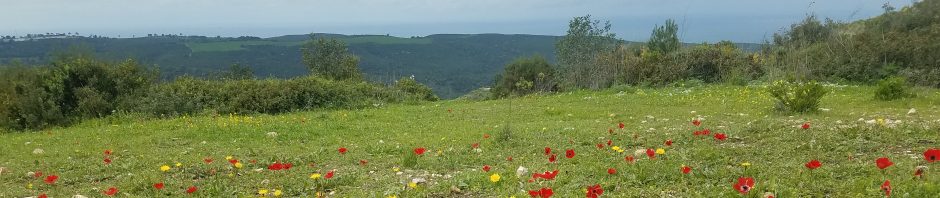
On this morning of “Choices” = Elections… some thoughts about current matters – בקר יום בחירות: מחשבות על ענייני היום

בוקר יום הבחירות בשכונה שלי שקט יותר מיום שבת… יש מעט מאוד מכוניות ברחובות; זוגות מטיילים יד ביד בדרך לקלפי. כשאני עוברת שם בטיול הבוקר שלי, אני שומעת את השומר אומר לאנשים שהגיעו למלא את חובתם בזמן, שמשמרת הבוקר ישנה ותהיה כאן “קצת מאוחר יותר”… אני חוזרת הביתה להתקלח. ולכתוב.Elections day morning in my neighborhood is quieter than Shabbos… there are very few cars in the streets; couples are strolling hand in hand on route to the polling station. When I pass by there on my morning walk, I hear the guard telling people who dutifully arrived on time, that the morning shift has slept in and will be here “a little later”… I head home to shower. And write.    
את חלק מהישנוניות ניתן לייחס לג’טלג הלאומי אליו יצאנו השבוע… הזזת השעון “אחורה” אכן נעימה בשעות הבוקר. לשאר אני לא מצפה בכיליון עיניים, במיוחד לשבת שתכנס בקרוב כבר ב- 16:00 אחה”צ…  Some of the sleepiness can be attributed to the national jetlag we’ve embarked on this week… “Fall-back” clock change is nice in the morning. The rest I am not looking forward to, especially Shabbos soon starting at 4:00pm…  
אני לא יכולה שלא לתהות, אם לא הגיע הזמן להפסיק עם שני הג’ט-לגים הלאומיים השנתיים האלה, שאינם מסונכרנים עם רחבי העולם כאילו זה יהיה יותר מדי לבקש, לתאם את ההתרחשות החד-פעמית הזו! פעם דובר על פרודוקטיביות מוגברת, אבל האם זה עדיין כך? או שזה גם אומר עלייה בתאונות דרכים ועבודה, בעיות עם ילדים ובעצם, כל מי שיש לו מחזור שינה מסודר (ראה למעלה…), במיוחד בזמן ש”כולם” עושים את העבודה שלהם על המחשב הנייד במיטה… אז אולי צריך ללכת בעקבות הודו ולחלק את ההֶבדֵל; כל חצי שנה לוקחת 30 דקות, ואפשר להתקדם… וכן, אני אוהבת את האור, והולך להיות חשוך בקצה זה או אחר של היום, מה אפשר לעשות. זה רק שככה זה הולך להיות כל עוד לא כולנו חיים על קו המשווה. וחוץ מזה, כשיהיה חושך, נעשה מה שאנחנו עושים גם ככה ברוב שעות היום: יושבים על הטלפונים והמחשבים הניידים שלנו…I can’t help but wonder, if it isn’t time to stop these two annual national jet-lags, which are not synchronized globally as if that would be too much to ask, to coordinate this one-time occurrence! It used to be about increased productivity, but is it still? Or is it also about increase in accidents, trouble with children and anyone wake-sleep cycles (see above…), especially at a time when “everyone” does their work on their laptop in bed… How about we follow India and just split the difference; each half-year takes 30 minutes, and we can move on. And yes, I love the light and it’s going to be dark, at one end of the day or the other, what can I say; that’s just how it’s going to be as long as we don’t all live on the equator. And when it’s dark, we’ll do what we anyway do most other hours of the day: use our phones and laptops…  
אבל בחזרה לבוקר הזה. ישראל, שכמו שאתם יודעים, שאני אוהבת ומעריצה ומעריכה, חיה בהגדרה של אי שפיות: “לעשות את אותו הדבר שוב ושוב, לצפות לתוצאות שונות”… כותרות של פוסטים שונים קוראים לזה “הבחירות הכי חשובות”, בעוד שאותו עיתון/אתר/בלוג יכול גם להראות שיתכן שלאף אחד מהצדדים אין ניצחון ברור. שוב. מה שאומר שאולי צפויות בחירות נוספות באופק. שוב…But back to this morning. Israel, which you know I love and adore and think the world of… is living the definition of insanity: “doing the same thing over and over again, expecting different results”… Headlines of various posts call it “the most important election”, while the same paper / site / blog might also show that neither side has a definitive victory. Again. Which means, that another election might be in sight. Again.  
לפני כמה ימים, שאל אותי מכר, אם הוא יכול לשאול אותי שאלה מאוד אישית. לאחר מכן הוא פתח ברשימה של סופרלטיבים מחמיאים על כמה אני חכמה, בעלת ידע, מנוסה בעולם ו”נאורה” (בטח, תמשיך…). הרגשתי את ה”אבל” מגיע… לא, לא, הוא היסס, “זה רק שאת גם”… השלמתי לו את המשפט, “דוסית”.  The other day, a friend asked me, if they may ask me a very personal question. He then opened with a list of flattering superlatives about how wise, smart, knowledgeable, world-experienced and “enlightened” I am (sure, keep it coming…). I sensed a “but” coming… No, no, he hesitated, “it’s just that you’re also”…. I completed the sentence for him, “religious”.  
“טוב, לא התכוונתי לזה ככה”… אמר. לא ככה? אז… איך כן? “אני פשוט מודאג מזה שאת הולכת להצביע לאדם הלא נכון… ואני רוצה שתצביע כמו שצריך… אל תביני אותי לא נכון, יש אנשים דתיים שהם באמת חכמים; למשל הפרופסור השמאלני ההוא, איך קוראים לו… הוא חובש כיפה ושמאלני, הוא לא רע”…  “Well, I didn’t mean it like that”… he said. Oh? Then… like what? “I’m just worried you’re going to vote for the wrong person… and I want you to vote correctly… don’t get me wrong, some religious people are really smart; take for example, that left-wing professor, what’s his name… he wears a kippa but is politically left, he’s actually not that bad”…  
היה קשה שלא להגיב בסרקזם, אבל בסופו של דבר הצלחתי להגיד משהו שחשוב לי עכשיו להעלות כאן על ה”נייר”: ‘אני מניחה שביום שלישי בבוקר אני אלך להצביע. לא לפני שאקבל טקסטים מחברים ובני משפחה שונים- ופוליטיקאים – מנוגדים זה לזה, שקוראים לי “להצביע נכון”. ואני מבטיחה לכולכם: אני אצביע נכון, כי אני אצביע, ואני אצביע מה שאני חושבת שהוא הכי טוב, או – לפחות האפשרות הכי פחות גרועה. אבל, יחד עם זאת, עבור כל אחד מאיתנו לחשוב שהתשובה הנכונה האחת והיחידה היא רק איתנו, מי שזה לא יהיה, ושאין שום אמת גם עם “הצד השני”, זה מגוחך. אני רוצה להצביע בעד המחויבות של סמוטריץ’ לארץ ישראל, עם סיסמאותיו של לפיד לאחדות, ורהיטותו וחזון העולם של נתניהו; אני רוצה את הקריאה של מרצ לשוויון, את הקריאה של ליברמן – לכלכלה חופשית וזו של העבודה – לשלום; וכן, אני רוצה את החרדים וש”ס כי מה שהחזיק אותנו יהודים במשך 2000 שנה זה התורה; והערבים מוזמנים לבנות איתנו תמיכה ושותפות חזקה בארץ…It was hard not to respond with some amount of sarcasm, but eventually, I was able to say something which is now important for me to put here on “paper”: ‘I’m assuming that on Tuesday morning I will go to vote. Not before getting texts from various (opposite) friends and family members – and politicians – urging me to “vote correctly”. And I promise you all: I will vote correctly, because I will vote, and I will vote what I think is best, or – the least bad option. But, at the same time, for any of us to think that the One and Only Absolutely Correct Answer is Only with US, whoever we are, and that there is not Any Truth Whatsoever also with the “other side”, is ludicrous. I want to vote for Smotrich’s commitment to the Land with Lapid’s slogans for unity and Netanyahu’s eloquence and world vision; I want Meretz’s call for equality, Liberman’s – for free economy and the Avoda’s – for peace; And yes, I want the Ultra-Orthodox and Shas because what kept us Jewish for 2000 years is Torah; and the Arabs to build a strong support and partnership with us in the Land….  
‘מה? השתגעת?’, הוא אומר, ‘על מה את מדברת? את לא מבינה איך הפוליטיקה עובדת פה’… טוב, אולי, אז לכן אני בעיקר מתרחקת מזה. ועדיין, יש לנו היסטוריה מורכבת והרבה ללמוד מעצמנו. מימי קדם, השאלה מעולם לא הייתה איך כולנו נחשוב אותו הדבר; אלא איך אנחנו הולכים לנהל ולמנף את ההבדלים בינינו, ובעיקר, לא לתת להם להרוס אותנו. אברהם ואחיו בחרו בחיים שונים מאוד אבל הקפידו להשיא את ילדיהם בתוך המשפחה הרחבה; בית הלל ובית שמאי התווכחו באופן דומה על מה שהיו בעיניהם נושאים עקרוניים הרי גורל במציאות ובאידיאולוגיה, ולמרות הבדלים עצומים וגדולים, לא נמנעו מלשאת נשים אלו ואלו. הדברים היו (מאוד!) קשים כאן בין העדות האשכנזיות והספרדיות, ולמרות שזה עדיין לא מושלם וחלקנו (לצערי -) עדיין לא אוכלים אורז וקטניות בפסח, בסך הכל, אנחנו מצליחים לחיות אחד עם השני, להתחתן, לערוך תפילות “אשכ-ספרד” ולבנות את המדינה הזו ביחד.  ‘What? You’re crazy!’, he says, ‘what are you talking about? You don’t understand how politics here works’… well, maybe, so I mostly stay away from it. And yet, we have a complex history with much to learn from. From early on, the question was never how we’re all going to think the same; but how we’re going to manage and leverage our differences, and mostly, not let those destroy us. Abraham and his brother chose a very different life but made sure to marry into each other’s family; Beit Hillel and Beit Shamai similarly argued vehemently on what were to them major life-threatening issues in practice and ideology, and in spite of huge, major differences, continued to intermarry. Things were (very!) rough here between Ashkenazi and Sefardi communities, and while it’s not perfect and some of us (sadly -) still don’t eat rice and beans on Pesach, as a whole, we manage to live with each other and build this country.  
בשבוע שעבר, בסוף מסכת כתובובת דף-יומי (כן!), קראנו על שני רבנים, רב אמי ורבי אסי, שהיו זזים משמש לצל ומצל לשמש רק כדי שלא ירגישו שלא בנוח וכדי שלא יהיה להם על מה להתלונן לגבי הארץ! אבל הם לא עמדו שם ונופפו בידיים וצרחו לעבר השמש והצל להיעלם… יש שמש. ויש צל. יש ימין. ויש שמאל. ויש אנשים טובים, ואפילו רעיונות יהודיים, אותנטיים, ראויים שהם קריטיים להמשכיות ולהישרדות שלנו – בשני הצדדים. כולנו נצטרך לפחות גרגר קטן של ענווה כדי שזה יעבוד.Last week, at the end of Tractate Ktubot of daf-yomi (the daily Talmud learning, and yeh!), we read about two rabbis, Rabbi Amey and Rabbi Asi, who moved from sun to shade and shade to sun just so they won’t be uncomfortable and so they won’t have something to complain about regarding the Land! But they didn’t stand there waving their hands and screaming at the sun and shade to disappear… There is sun. And there is shade. There is right. And there is left. And there are good people, and worse yet – worthwhile, Jewish, authentic ideas which are critical to our continuity and survival – on both sides. We are all going to need at least a little touch of humility to figure out how make this work.  
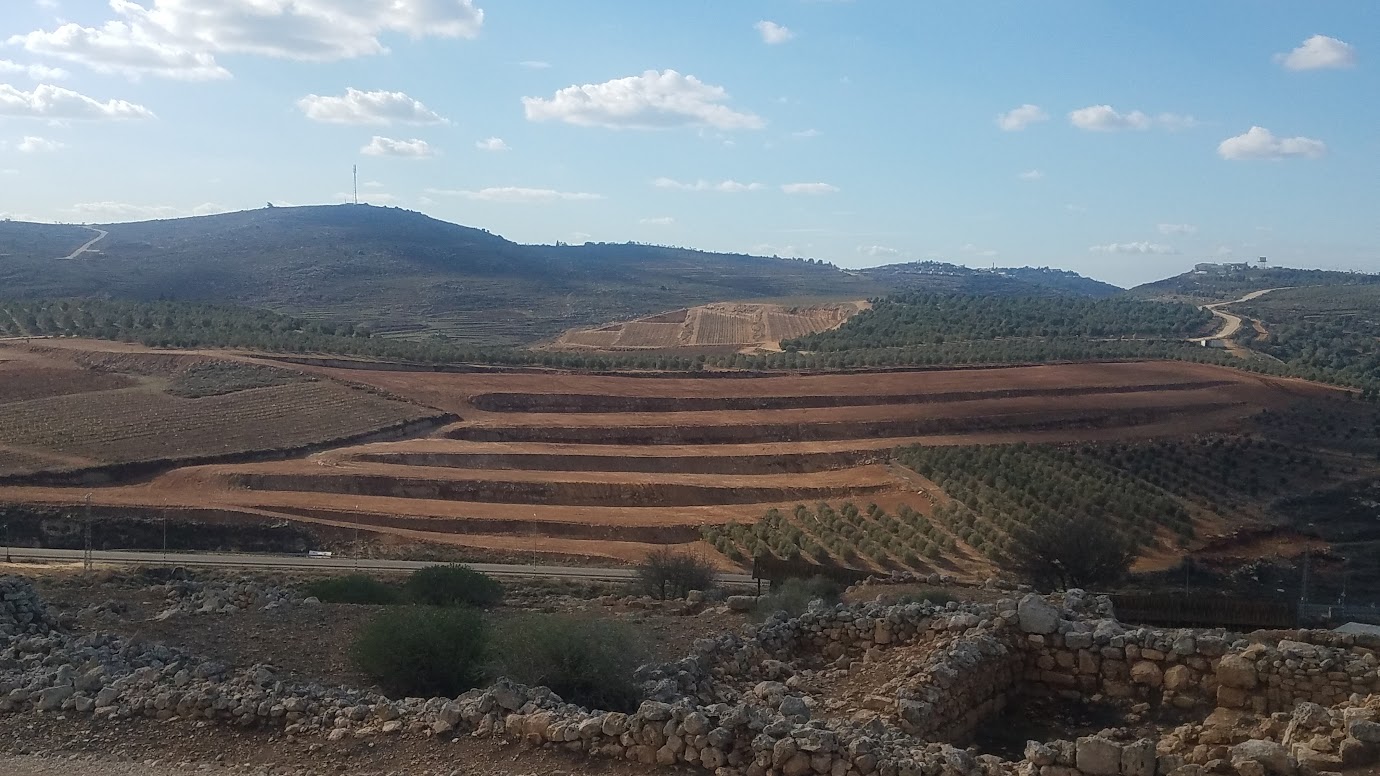
ואחרון חביב בבוקר שטוף שמש ועדיין שקט זה – עכשיו עונת מסיק הזיתים כאן, ויש הרבה דברים שאפשר ללמוד מאותם פירות קטנים ובעייתיים שהיונה ביקשה להביא לתיבה. הנה כמה ואשמח שתוסיפו עוד: 1. כל אחד הוא “יחיד”, אבל הם מייצרים שמן רק כאשר כולם ביחד. 2. בניגוד לרוב הפירות האחרים, זיתים הם נוראיים לאכילה מיידית מהעץ וחייבים לעבור תהליך עיבוד מאוד לא נעים כדי להיות ראויים לשימוש. 3. כשאתה חושב שסיימת להוריד את כל הזיתים מענף כלשהו, או-או, הנה, יש שם עוד זית. ואחד ממש מעליך… אני נזכרת שוב ושוב שלכולנו יש איזורי עיוורון ואנחנו יכולים בקלות לפספס דברים ממש מולנו. 4. כמה זיתים רעים לא עושים כלום, אבל רבים מידי עושים את השמן למגעיל ונורא. להיות קטן זה לא אומר להיות חסר חשיבות; לך תעשה את החלק שלך.Last but not least on this sunny, still quiet morning, it’s olive harvest season here, and there are many things one can learn from those pesky little fruits whose branch the dove sought to bring to the ark. Here are a few and happy to have you add more: 1. Each is an “individual”, but they only make oil when they are all together. 2. Unlike most other fruits, they are terrible to eat right off tree and must go through an extremely unpleasant process in order to be useful. 3. You think you’re done cleaning a branch, but oh, there’s another olive over there. And one right above you… I’m reminded over and over again that we all have blind spots and can easily miss things right in front of us. 4. Some bad olives make little difference, but too many make the oil awful. Being small doesn’t mean being insignificant; do your part.  

A happy Elections Day to us all! יום בחירות טוב(ות) לכולנו

Posted in Uncategorized | Leave a comment

Who are we & where did we come from? The Torah portion of Noah

The most obvious and famous stories in the 2nd Torah portion in the Book of Genesis, “Noah”, are the story of the flood and Noah’s ark along with the rainbow and the dove with the olive leaf, followed by the story of the Tower of Babel about the people who sought unity and uniformity and found discord. But the Torah portion doesn’t end there but rather with a list of seemingly extremely boring details of who gave birth to whom. Since I like reading lists of names, streets, donors… I find interesting things davka here… Here we will find the list of the ten generations from Noah to Abraham, including Abraham’s father, Terah, and how he began to journey from Ur of the Chaldeans (Ur Kasdim) to the land of Canaan, the Land of the Hebrews (Ivrim). The land of the Hebrews? Is there such a place? Who are the Hebrews? And… who are we??הסיפורים הבולטים והמפורסמים בפרשת השבוע השניה בספר בראשית, פרשת נח, הם סיפור המבול ותיבת נוח עם הקשת בענן והיונה עם עלה הזית, ולאחריו, סיפור מגדל בבל על האנשים שחיפשו אחדות ואחידות ומצאו מחלוקת. אבל הפרשה לא מסתימת שם אלא ברשימת פרטים לכאורה משעממת ביותר של מי הוליד את מי. אני שאוהבת לקרוא רשימות שמות, רחובות, תורמים… דוקא מוצאת כאן ענין… כאן נמצא את רשימת עשרת הדורות מנח עד אברהם, וביניהם גם אביו של אברהם, תרח, ואיך התחיל ללכת מאור כשדים לארץ כנען, ארץ העברים. ארץ העברים? יש ארץ כזו? מי הם העברים? ו… מי אנחנו??
The phrase itself will only be mentioned later, first in connection with Abram (Genesis 14:13: “And the refugee came and told Abram the Hebrew”) and also when Joseph tells about himself and says “I was indeed stolen from the land of the Hebrews” (Genesis 40:15). What is interesting is that the Egyptian minister who listened to Joseph did not ask the obvious question: Where is this land? Because, it is clear that it was known that the land, which was later called the land of Canaan, is the biblical “land of the Hebrews”. Moreover: in the book of Genesis (12:6) appears the strange verse “And the Canaanites were then in the land”. What does “then” mean? Rashi says that the Canaanite “would conquer the land of Israel from Shem’s (Noah’s son) offspring”…. Therefore the Holy One said to Abram, “To your seed I will give this land”, (that is), I (Gd) am to return it (in the future) to your children who are from the seed of Shem (that the land was originally his).הביטוי עצמו יוזכר רק מאוחר יותר, תחילה בקשר לאברם (בראשית יד:יג: “ויבוא הפליט ויגד לאברם העברי”) וגם כשיוסף יספר על עצמו ויגיד “גֻנוֹב גֻנבתי מארץ העברים” (בראשית מ:טו). מה שמעניין זה שהשר המצרי שהקשיב ליוסף לא שאל את השאלה המתבקשת: איפה הארץ הזו? כלומר, ברור שהיה ידוע שהארץ, שאחר כך נקראה ארץ כנען, היא “ארץ העברים” התנכית. זאת ועוד: בספר בראשית (יב:ו) מופיע הפסוק המוזר “והכנעני אז בארץ”. מה פירוש “אז”? רש”י אומר על כך שהכנעני “הָיָה הוֹלֵךְ וְכוֹבֵשׁ אֶת אֶרֶץ יִשְׂרָאֵל מִזַּרְעוֹ שֶׁל שֵׁם (בנו של נח)…. לכן אמר הקב”ה לאברם, “לְזַרְעֲךָ אֶתֵּן אֶת הָאָרֶץ הַזֹּאת”, (כלומר), עָתִיד אֲנִי (הקב”ה) לְהַחֲזִירָהּ לְבָנֶיךָ שֶׁהֵם מִזַּרְעוֹ שֶׁל שֵׁם (שהארץ היתה שלו במקור).
Who is the original “Ever” (father of the Ivrom=Hebrews)? He is mentioned in the heart of the long begets list in our portion: Ever is the son of Shelah, the grandson of Shem, the son of Noah; and also the grandfather of Abraham’s grandfather (11:14-17). In the previous chapter we were informed about him that “Sons were also born to Shem, ancestor of all the descendants of Ever and older brother of Japheth” (10:21). It can be understood from this that the offspring of Ever are the successors of Shem, Noah’s son, and what makes Shem unique is his role (which we gather from his name which means “name” meaning, for the sake of…). Each one of Noah’s sons brought a different element into the world, and the role of “Shem” was to bring purpose and meaning to human beings.מי הוא “עבר” המקורי? הוא מוזכר בלב רשימת התולדות הארוכה בפרשה שלנו: עבר הוא הבן של שלח, הנכד של שם, בנו של נח. וגם הסבא של הסבא של אברהם (יא:יד-יז). בפרק הקודם קבלנו עוד פרט עליו: “וּלְשֵׁ֥ם יֻלַּ֖ד גַּם־ה֑וּא אֲבִי֙ כׇּל־בְּנֵי־עֵ֔בֶר אֲחִ֖י יֶ֥פֶת הַגָּדֽוֹל” (י:כא). ניתן להבין מכאן שבני עבר הם הממשיכים של שם, בנו של נח, ומה שמייחד את שם, הוא תפקידו (שכשמו כן הוא, עושה “לשם” במובן של למען…). כל אחד מבני נוח הביא לעולם יסוד אחר, ותפקידו של “שם” היה להביא מטרה ויעוד לבני האדם.
How was Ever the successor of Shem? We are told that “Two sons were born to Eber: the name of the first was Peleg, for in his days the earth was divided”… (10:25). In whose days? According to their calculations, the Sages tell us that the division happened when Peleg died. And how did Ever know about it, as he was no longer alive? Rashi answers: “Ever was a prophet, who named his son after (something in) the future.” So we learn here two things: one, that Ever and his family are prophets; connectors of heavens and earth, and the other, that worldly problems, such as what is happening to humanity, bother them. Little by little they start sounding more and more familiar…איך עבר היה ממשיכו של שם? נאמר לנו ש”לְעֵ֥בֶר יֻלַּ֖ד שְׁנֵ֣י בָנִ֑ים שֵׁ֣ם הָֽאֶחָ֞ד פֶּ֗לֶג כִּ֤י בְיָמָיו֙ נִפְלְגָ֣ה הָאָ֔רֶץ”… (י:כה). בימיו של מי?? על פי חישוביהם, אומרים לנו חז”ל שהפילוג היה רק בשנת מותו של פלג. ואיך ידע על כך עבר, שכבר לא היה בחיים? עונה רש”י: “שֶׁהָיָה עֵבֶר נָבִיא, שֶׁקָּרָא שֵׁם בְּנוֹ עַל שֵׁם הֶעָתִיד”. אנחנו לומדים שני דברים: האחד, זה שעבר ובני משפחתו הם נביאים ומחברים בין שמים וארץ, והשני, שבעיות עולמיות, כמו מה קורה לאנושות, מטרידות אותם. לאט לאט הם מתחילים להשמע יותר ויותר מוכרים…
When we meet Terah, the grandson of Ever’s grandson and Avraham’s father, he’s in a foreign land of “Ur Kasdim”. Where did all the other Ever families go to? Some disaster may have happened to them. At the end of chapter 11, only one family remained, and this one also exiled or was exiled from the “Land of the Hebrews” to a distant land, and now it seeks to renew its days as before…את תרח, נכד-נכדו של עבר ואביו של אברהם, אנחנו כבר פוגשים בארץ זרה, ב”אור כשדים”. לאן נעלמו המשפחות האחרות של בני עבר? יתכן שקרה אותם אסון כלשהו. בסוף פרק י”א נשארה רק משפחה אחת וגם זו גלתה או הוגלתה מ”ארץ העברים” לארץ רחוקה, ועכשיו היא מבקשת לחדש ימיה כקדם…
Terah himself, as we learn from the Midrash, has a workshop for statues and idols (which also has many symbolic and historical meanings) and three sons: Nahor, Abram and Haran. Suddenly, the narrative sequence of ‘who beget who’ comes to a halt, like the screeching of a long train on the tracks. After we have already been told that Terah gave birth to Abram, Nahor and Haran, the Torah immediately repeats and says it, again, just in case we did not hear in the first reading: “Now this is the line of Terah: Terah begot Abram, Nahor, and Haran; and Haran begot Lot” (11:27) Ok, we’ve stopped. And we’re paying attention. So what happened to them?לתרח עצמו, כפי שאנחנו לומדים מהמדרש, יש בית מלאכה לפסילים ואלילים (וגם לכך משמעויות סמליות והסטוריות רבות) ושלושה בנים: נחור, אברם והרן. לפתע, מגיע הרצף הסיפורי של ‘מי הוליד את מי’ לעצירה, כמו חריקה של רכבת ארוכה על הפסים. אחרי שכבר נאמר לנו שתרח הוליד את אברם, את נחור ואת הרן, התורה מיד חוזרת ואומרת, שוב, למקרה שלא שמענו בקריאה ראשונה: “וְאֵ֙לֶּה֙ תּוֹלְדֹ֣ת תֶּ֔רַח תֶּ֚רַח הוֹלִ֣יד אֶת־אַבְרָ֔ם אֶת־נָח֖וֹר וְאֶת־הָרָ֑ן וְהָרָ֖ן הוֹלִ֥יד אֶת־לֽוֹט (יא:כז). אוקי, עצרנו ואנחנו שמים לב. אז מה קרה להם?
“Haran died in the lifetime of his father Terah, in his native land, Ur of the Chaldeans (11:28). What? Why did the son die “in the lifetime” the father? And why in that location? The Midrash says that the Haran was thrown into the fiery furnace (Ur = fire), and as a result of this holocaust, where a third of the people were lost, the family was forced to reorganize: the two remaining brothers, Nahor and Abram, took Haran’s daughters, Milka and Ischa, who is Sarai, to be their wives, and began a journey from exile to find I have an old-new home for the family: “Terah took his son Abram, his grandson Lot the son of Haran, and his daughter-in-law Sarai, the wife of his son Abram, and they set out together from Ur of the Chaldeans for the land of Canaan”… but “they had come as far as Haran, and they settled there” (11:31).“וַיָּ֣מׇת הָרָ֔ן עַל־פְּנֵ֖י תֶּ֣רַח אָבִ֑יו בְּאֶ֥רֶץ מוֹלַדְתּ֖וֹ בְּא֥וּר כַּשְׂדִּֽים” (יא:כח). מה? למה מת הבן “על פני” האב? ולמה דוקא שם? המדרש מספר שהרן נזרק לכבשן האש (ְא֥וּר = אש), ובעקבות השואה הזו, בא אבד שליש מהעם, המשפחה נאלצה להתארגן מחדש: שני האחים הנותרים, נחור ואברם, לקחו להם לנשים את בנות הרן, מילכה ויסכה, היא שרי, והתחילו במסע מהגלות למצוא בית חדש-ישן למשפחה: “וַיִּקַּ֨ח תֶּ֜רַח אֶת־אַבְרָ֣ם בְּנ֗וֹ וְאֶת־ל֤וֹט בֶּן־הָרָן֙ בֶּן־בְּנ֔וֹ וְאֵת֙ שָׂרַ֣י כַּלָּת֔וֹ אֵ֖שֶׁת אַבְרָ֣ם בְּנ֑וֹ וַיֵּצְא֨וּ אִתָּ֜ם מֵא֣וּר כַּשְׂדִּ֗ים לָלֶ֙כֶת֙ אַ֣רְצָה כְּנַ֔עַן”… אבל –”וַיָּבֹ֥אוּ עַד־חָרָ֖ן וַיֵּ֥שְׁבוּ שָֽׁם” (יא:לא).
A careful reading shows us that Nahor was not with them when they went on their journey. Turns out that Nahor had already left for Haran, a modern and progressive place, where the Hebrew people have the freedom to live well. When the family passes through there on route to the Land, an argument will ensue: Who are we? How best to be who we are? Are we cosmopolitan, citizens of the world, or should we return to “Altneuland” and rebuild it?? Why return to the Land when the Canaanites are just now taking over the area? So what, stay in exile?? So that we will be thrown into the fiery chambers again?? What is the purpose and goal we bring into the world, and how is it best to be who we are? Nahor will convince papa to stay in Haran, while Abram and Sarai will hear Gd’s voice commanding them to ‘go to themselves to the Land’. But they will be back in Haran, and the conversation about how to be who we are, on all its complexities while combining all the above elements, will continue to this very day.קריאה מדוקדת מראה לנו שנחור לא היה איתם כשיצאו לדרך. מסתבר שנחור כבר עזב לחרן, מקום מודרני ומתקדם, שם יש לבני העם העברי חופש לחיות טוב. כשהמשפחה עוברת שם בדרך לארץ, יתפתח ויכוח: מי אנחנו? איך הכי טוב להיות מי שאנחנו? האם אנחנו אזרחי העולם הקוסמופוליטים, או שעלינו לחזור ל”אלטנוילנד”, ולבנות אותה מחדש?? בשביל מה לחזור לארץ כשהכנענים בדיוק משתלטים על האיזור? אז מה, להשאר בגלות?? כדי ששוב יזרקו אותנו לכבשני האש?? מה היעוד והמטרה שאנחנו מביאים לעולם ואיך הכי נכון להיות מי שאנחנו? נחור ישכנע את אבא להשאר בחרן, ואילו אברם ושרי ישמעו את קול האל המצוה אותם לכו לכם לארץ. אבל הם עוד יחזרו לחרן והשיחה על איך להיות מי שאנחנו, על כל המורכבויות ותוך שילוב של כל היסודות הנ”ל, תמשך עד עצם היום הזה.

חודש טוב ושבת שלום – A Good Month & Shabbat Shalom

Posted in Uncategorized | Tagged , | Leave a comment

Beresheet – starting again from A Beginning… בראשית: להתחיל שוב מהתחלה…

“In the beginning, Gd created the heaven and the earther”… the book of books opens with such familiar words, which are simultaneously also very mysterious. What is this book – this Torah – that we begin again this week, after completing all the holidays of the month of Tishrei?“בראשית ברא אלוהים את השמים ואת הארץ”… ספר הספרים נפתח במילים מוכרות עד מאד, וגם, נעלמות עד מאד. מה זה הספר הזה – התורה הזו – שאנחנו מתחילים שוב השבוע, לאחר השלמתם של כל חגי תשרי?
Let’s start with what it is not. It is not a science book and not a book about “reality”. Gd has given us the intelligence to figure all of this on our own, along with the development of scientific tools at our disposal. There is no need for the King of Kings to bring a whole nation out from slavery to freedom and speak to them personally just to say things that can be discovered by looking outside or applying scientific research. The Torah does not come in order to tell and explain to us what is in the world, but rather, to talk to us about us, about our place in this world, what were we created for? Where are we in this picture? What is our role?נתחיל ממה זה לא. זה לא ספר מדע ולא ספר על ה”מציאות”. הקב”ה נתן לנו שכל להשיג את כל זה בעצמנו, יחד עם פיתוח כלים מדעיים העומדים לרשותנו. אין שום צורך שמלך מלכי המלכים יוציא עם שלם מעבדות לחירות וידבר איתם באופן אישי רק כדי להגיד דברים שאפשר לגלות במבט החוצה או במחקר מדעי. התורה לא באה לספר ולהסביר לנו מה יש בעולם, אלא באה לדבר איתנו עלינו, על מה מקומנו בעולם הזה, בשביל מה נבראנו? איפה אנחנו בתוך התמונה הזו? מה תפקידנו?
And in order to make sure we don’t take things too simply, we are given two different answers right away, in the first two chapters. Some will see them as contradictory, opposing, canceling, but I’d like to suggest that we see them as complementary. The question for us humans, wherever one is, is, are we standing at the center of creation or are we just on-lookers from the sidebars? And the answer is, of course — yes! In the 1st chapter of Genesis, after the creation of light, land, plants, creepers, birds and the various animals, the human is a part – important and wonderful but still, only a part of the whole creation. On the other hand, chapter 2 begins when there is (almost) nothing, and the human gets a very defined role: “And the Lord Gd took the human and placed him in the Garden of Eden to work and protect it” (Genesis 2:15).וכדי לוודא שלא ניקח את הדברים בפשטות רבה מידי, ניתנות לנו שתי תשובת שונות בשני הפרקים הראשונים. יש שיראו אותן כהפוכות, נוגדות, מבטלות, אך אציע שנראה אותן כמשלימות. שאלת השאלות של האדם באשר הוא, היא, האם אנחנו עומדים במרכז הבריאה או שמא אנחנו רק צופים מהצד? והתשובה היא, כמובן — כן! בפרק א’ של ספר בראשית, אחרי בריאת האור, היבשה, הצמחים, הרמשים, עופות ובעלי החיים השונים, האדם הוא חלק – חשוב ונפלא אך עדיין, רק חלק בבריאה השלמה. לעומת זאת, פרק ב’ מתחיל כשאין (כמעט) כלום, ולאדם יש תפקיד מאד מוגדר: “וַיִּקַּ֛ח ה’ אֱלֹהִ֖ים אֶת־הָֽאָדָ֑ם וַיַּנִּחֵ֣הוּ בְגַן־עֵ֔דֶן לְעׇבְדָ֖הּ וּלְשׇׁמְרָֽהּ” (בראשית ב:טו).
We know how sometimes we feel like we’re the center of the world and sometimes we feel small, humble, at best, and even worthless. The sages said that on the one hand “everyone has to say: for me the world has been created!” (Mishnah, tractate Sanhedrin 4:5), but also, that we won’t think too much of ourselves because even a mosquito was created before us (Sanhedrin 38)…אנחנו מכירים את זה שלפעמים אנחנו מרגישים כמרכז העולם ולפעמים מרגישים קטנים, ענווים, במקרה הטוב, ואפילו חסרי ערך. חזל אמרו מצד אחד ש”כל אחד ואחד חיב לומר: בשבילי נברא העולם!” (משנה, מסכת סנהדרין ד’, ה’), אך גם, שלא נחשוב את עצמנו יותר מידי כי אפילו יתוש נברא לפנינו (סנהדרין לח)…  
Many have tried to reconcile the contradiction, for example by explaining that there are different writers and that we’re left with different versions, but beyond “the” truth, I think it is better for us to learn that there is duality (within the One), and that there are contradictions, not only in the Torah, but in the world and within each and every one of us; to accept that the contradiction is part of our lives, and that to a large extent, this contradiction only proves the divinity of the Torah which did not see fit to reconcile all the contradictions but to leave them as they are and to help us understand the complexity into which we were created.רבים ניסו ליישב את הסתירה, למשל בהסבר שיש כותבים שונים ונשארו גרסאות שונות, אך מעבר ל”ה”אמת, אני חושבת שיותר טוב לנו ללמוד שיש דואליות (בתוך האחדות האחת), ושיש סתירות, לא רק בתורה, אלא בעולם ובזהות של כל אחד ואחת מאיתנו, לקבל שהסתירה הזו היא מהחיים שלנו, ושבמידה רבה, הסתירה הזו רק מוכיחה את אלוהותה של התורה שלא מצאה לנכון ליישב את כל הסתירות אלא להשאירן כך ולעזור לנו להבין את המורכבות לתוכה נבראנו.
Moreover: the human himself was created both in the image of Gd and from dust. It is very difficult to understand exactly what “the image of Gd” is, but it is clear that it is not dirt: in the image of God – suggests to us spirituality and perhaps infinity, while dirt is material, limited, and finite. So, of the two elements who and what are we? The Torah answer is — yes. And Gd Himself, how do we define at least the One who gave us the Torah? Is this Creator a “personality”, something or someone available here and now that we can talk to and turn to in times of need? Or maybe, as the philosophers say, Gd is a “being”, a supreme law of nature and then there is no one to talk to? Or maybe everything is a mess?? The Torah went ahead and said: “In the beginning God created the heavens and the earth”, that is, there is a creator and there is creation and creation has direction and purpose, and when there is chaos, that too is part of creation. And should we think that chapter 1 explains everything, the Torah added chapter 2, and also said about the Almighty… yes.זאת ועוד: האדם בעצמו נברא גם בצלם אלוהים וגם מעפר. קשה מאד להבין בדיוק מה זה “צלם אלוהים”, אך ברור שזה לא עפר: בצלם אלוהים – מרמז לנו על רוחניות ואולי אינסוף, בשעה שעפר הוא חומרי, מוגבל, וסופי. אז מי ומה אנחנו משניהם? תשובת התורה היא — כן. והקב”ה בעצמו, איך נגדיר לפחות את מי שנתן לנו את התורה? האם הבורא הזה זו “אישיות”, משהו או מישהו זמין כאן ועכשיו שאנחנו יכולים לדבר איתו ולפנות אליו בעת צרה? או אולי כמאמר הפילוסופים, האלוהים הוא – או היא – “ישות”, חוק טבע עליון ואז אין עם מי לדבר? ואולי בכלל הכל בלגן?? הקדימה התורה ואמרה: “בראשית ברא אלוהים את השמים ואת הארץ”, כלומר יש בורא ויש בריאה ולבריאה יש כוון ומטרה, וכשיש תוהו ובוהו, גם הם חלק מבריאה זו, ואם חשבנו שפרק א מסביר הכל, הוסיפה התורה את פרק ב, ואמרה גם על הקב”ה בעצמו… כן.
There is one thing that was not created in the perfect creation of Genesis, and that is the water. The water (in Hebrew – ma-yim) symbolizes the essence (ma-hut), whether it is rainwater, ocean water or the water in the mother’s womb, and of course, the Torah itself which is likened to water. The water, tells us Rashi, has always been there. This week, on Shmini Atzeret – Simchat Torah, we have returned to add the words “mashiv haru’ach umorid hageshem” – the One who brings back the wind and sends the rain” in the Amida prayer. The change of seasons is important and significant, especially for those of us who are involved in, or even just touch upon, agriculture, and we pray from the bottom of our hearts for blessed rains; and yet, at the same time, it is possible that this line is not only about the climatic changes in the Land of Israel (it’s fascinating that this line is added to the prayers of Jews in the southern hemisphere as well!), but also about our desire for bringing back in the sense of “teshuva” of the ru’ach as in soul, spirit (and spirituality) in our lives, along with the “geshem”, literally rain but also materialization and fulfillment” (gashmiyut & hitgashmut) of our lives. And may we say to this too… yes.יש דבר אחד שלא נברא בבריאה המושלמת של בראשית, ואלו הם המים. המה-ים מסמלים את המה-ות, בין אם אלו מי גשם, מי האוקינוס או המים ברחם האם, וכמובן, התורה עצמה שנמשלה למים. המים, כך אומר לנו רש”י, תמיד היו. השבוע, בחג שמיני עצרת-שמחת תורה, חזרנו להוסיף את המילים “משיב הרוח ומוריד הגשם” בתפילת העמידה. שינוי העונות חשוב ומשמעותי, ובמיוחד למי מאיתנו שעוסק, או אפילו רק נוגע, בחקלאות, ואנחנו מתפללים מכל הלב שירדו גשמי ברכה, ויחד עם זאת, יתכן שהשורה הזו אינה עוסקת רק בשינויים האקלימיים בארץ ישראל (מרתק שהשורה הזו נוספת לתפילות של יהודים גם בחצי הכדור הדרומי!), אלא גם ברצון שלנו ל”משיב” (במובן תשובה) של הרוח (והרוחניות) בחיינו, יחד עם ה”גשם”, במובן גשמיות והתגשמות (פיזית) של חיינו. ומי יתן וגם לכך נאמר… כן.

שבת שלום Shabbat Shalom

Posted in Uncategorized | Leave a comment

Sukkot – joy & gladness; past & future – סוכות: שמחה וששון, עבר ועתיד

ברכבת הצפופה, מאד, בדרך לירושלים, אנ ועוד שלושה ילדים (לצערי, לא שלי…) משתתפים בשלוש מדרגות…. כל מושב תפוס, כולל כל המדרגות ואנשים עומדים במעבר. יש עגלות ורעש של כל צליל שאפשר להעלות על הדעת, כולל בחור שקופץ מעלינו כשעל כתפו שני תוכים קטנים… אבל לי יש דמעות בעיניים, ובין כל הצלילים, עולים דברי הנביאים: “וְהָיָ֣ה בְּאַחֲרִ֣ית הַיָּמִ֗ים נָכ֨וֹן יִֽהְיֶ֜ה הַ֤ר בֵּית־ה’ בְּרֹ֣אשׁ הֶהָרִ֔ים וְנִשָּׂ֖א מִגְּבָע֑וֹת וְנָהֲר֥וּ אֵלָ֖יו כׇּל־הַגּוֹיִֽם׃ וְֽהָלְכ֞וּ עַמִּ֣ים רַבִּ֗ים וְאָֽמְרוּ֙ לְכ֣וּ  וְנַעֲלֶ֣ה אֶל־הַר־ה’ אֶל־בֵּית֙ אֱלֹהֵ֣י יַעֲקֹ֔ב וְיֹרֵ֙נוּ֙ מִדְּרָכָ֔יו וְנֵלְכָ֖ה בְּאֹרְחֹתָ֑יו כִּ֤י מִצִּיּוֹן֙ תֵּצֵ֣א תוֹרָ֔ה וּדְבַר־ה’ מִירוּשָׁלָֽ͏ִם”… (ישעיהו ב:2-3) ועוד: “כֹּ֤ה אָמַר֙ יְהֹוָ֣ה צְבָא֔וֹת עֹ֤ד יֵֽשְׁבוּ֙ זְקֵנִ֣ים וּזְקֵנ֔וֹת בִּרְחֹב֖וֹת יְרוּשָׁלָ֑͏ִם וְאִ֧ישׁ מִשְׁעַנְתּ֛וֹ בְּיָד֖וֹ מֵרֹ֥ב יָמִֽים׃ וּרְחֹב֤וֹת הָעִיר֙ יִמָּ֣לְא֔וּ יְלָדִ֖ים וִֽילָד֑וֹת מְשַׂחֲקִ֖ים בִּרְחֹֽבֹתֶֽיהָ”…. (זכריה ח:4-5) ועוד.    On the very crowded train to Jerusalem, I share a couple of stairs with 3 other kids (sadly, not my own)… every seat is taken and people are standing; there are strollers and it’s noisy with every sound imaginable including a guy who jumps over us with 2 small parrots squawking from his shoulders; but I have tears in my eyes:   In the days to come, The Mount of H’s house shall stand firm above the mountains, and tower above the hills;
And all the nations shall gaze on it with joy. And the many peoples shall go and say: “Come, Let us go up to the Mount of Hashem, to the House of the Gd of Jacob;
That He may instruct us in His ways, and that we may walk in His paths.” For instruction shall come forth from Zion, and the word of the H’ from Jerusalem”… (Isaiah chapter 2:2-3). And: Thus said the LORD of Hosts: There shall yet be old men and women in the squares of Jerusalem, each with staff in hand because of their great age. And the squares of the city shall be crowded with boys and girls playing in the squares”… (Zacariah 8:4-5) And much more.
ומתוך המראות, עולים עוד כמה זכרונות… אני בת 4 או 5. לשכנים בבית ליד יש סוכה וגם אני רוצה, ואין, ואי אפשר, ואין מי שיבנה, ואין איפה, ומספיק כבר, אבל אני רוצה. ולבסוף ההורים שלי מציעים פשרה: אנחנו מביאים הביתה ארגז קרטון ריק מהמכולת. הופכים אותו עם החלק הפתוח כלפי מעלה. אח”כ אנחנו אוספים כמה ענפי עץ אורן קטנים מבחוץ. אני מכינה שרשרות צבעוניות קטנטנות, ובונה שלחן ושני כסאות מקוביות לגו, וכשהכל מוכן, אני רצה לחדר, ומזמינה את האושפיזין שלי, הבובות וגם הדובי. הם יושבים להם שם, ושותים תה, מאושרים עם הסרויס צעצוע. ולפעמים, כשאני חושבת שאף אחד לא מסתכל, גם אני שוכבת לי על רצפת הבלטות הקרירות ומכניסה את קצה הראש שלי פנימה. והנה, אני בסוכה!  And through the sights, a few more memories emerge… I am like 4 or 5 years old. The neighbors next door have a sukkah and I want one too, and there is none, and it’s impossible, and there’s no one to build one, and there is no room, and enough already, but I want one. And finally my parents offer a compromise: we bring home an empty cardboard box from the grocery store. Turn it over with the open side up. Then we collect some small pine-tree branches from outside. I make tiny colorful chains, and build a table and two chairs from Lego blocks, and when everything is ready, I run into the room and invite my Ushpizin, my dolls and the teddy bear. They sit there, “drinking tea”, happy with the toy-dish-set. And sometimes, when I think no one is looking, I too lie down on the cool tile floor and stick the tip of my head in. And here I am in the sukkah!
שנה או שנתיים לאחר מכן, אנחנו נוסעים בחול המועד סוכות בפעם הראשונה לירושלים, העיר שרק עכשיו חוברה לה יחדיו. אבא שלי רוצה להספיק לראות את עיר הקודש כשהוא עוד יכול, למרות שזה לא פשוט, עם כסא הגלגלים והכל, אבל הם שוכרים מונית ונהג ליום, ולוקחים גם אותנו, הילדים, תחת שבועות נוקשות להתנהגות מעל ומעבר. אנחנו יוצאים כשעוד חשוך וחוזרים כשכבר שוב מאוחר מאד, מנומנמים בספסל האחורי. את הנופים החדשים של העיר הקסומה, אני בולעת בעיניים גדולות. אויר יבש של קצה המדבר, גוונים של חום-צהוב-ורוד, וברבים מהבתים, חורים מפגיעות פגזים וכדורים מהמלחמה האחרונה. אנחנו מסתובבים בין הר הצופים להר הבית, רחוב ממילא ושדרות יפו. הם מספרים זה לזה ואולי גם לנו סיפורים מימי מלחמת העצמאות. הנס ניכר בעיני כולם. איפהשהו יש תצוגה אולי תחרות ואולי סתם רחוב ירושלמי “רגיל” ושם כמה וכמה סוכות. אני כבר גדולה ואני יודעת מה זה סוכה – ארגז קרטון עם שרשרות נייר קטנטנות וכמה ענפים דקיקים. אולי במקרה הטוב, שמיכות פיקה וסדינים פרחוניים מהוהים כמו אצל השכנים, אבל בסוכות בירושלים אני פוגשת סוכות עם שטיחים רכים ובדים צבעוניים על הקירות, קישוטים נוצצים וספות נוחות לשקוע בהן, ואני עדין פעורת עיניים ופה, מתאהבת בחג הזה מעל לראש…A year or two later, we go, for the first time, during the intermediary days of Sukkot to Jerusalem, the city that has only just been reunited. My father wants to see the Holy City while he still can, even though it’s not easy, with the wheelchair and everything, but they hire a taxi and a driver for the day, and they also take us, the children, under strict orders to “behave” above and beyond. We go out when it’s still dark and come back when it’s already very late again, dozing in the back seat. I swallow the new views of the magical city with big eyes. The dry air of the edge of the desert; shades of brown-yellow-pink; and in many of the houses, shells and bullets holes from the recent war. We walk between Mount Scopus and the Temple Mount, Mamilla Street and Jaffa Boulevard. They tell each other and maybe also us stories from the days of the War of Independence. The miracle is evident in everyone’s eyes. Somewhere there is a display, maybe a competition, or maybe just a “normal” Jerusalem street – with several Sukkots. I’m already grown up and I know what a sukkah is – a cardboard box with tiny paper chains and some thin branches. Maybe in the best case, pika blankets and faded flowery sheets, like the neighbors’, but during Sukkot in Jerusalem I chance upon Sukkot with soft carpets and colorful fabrics on the walls, shiny decorations and comfortable sofas to sink into, and I’m still wide-eyed and mouth, falling in love, head over heels with this holiday…
יש כמה וכמה מצוות לסוכות. המפורסמות שבהן הן הישיבה בסוכה וארבעת המינים. בשנים האחרונות התוודענו גם מצוות הקהל ופעם היו גם עליה לרגל, ניסוך המים ועוד. אבל המצוה הקשה ביותר לחג הזה, היא מצוות השמחה. “ושמחת בחגך”, נאמר, ואחכ שוב – “והיית אך שמח” (דברים טז:14-15), ומכיון שקשה לנו להבין, נאמר במקום אחר, “ושמחתם”, (ויקרא כג:40)….  Sukkot has several mitzvot. The most famous are “sitting” in the sukkah and the taking the Four Species. In recent years, we have also gotten to know Hakhel – the Gathering, and once there were also the pilgrimage, the water libation and more. But the most difficult mitzvah for this holiday is the mitzvah of being joyful. “And you shall rejoice at your festival”, it is said, and later again – “and you were just  joyful” (Deuteronomy 16:14-15), and since it is difficult for us to understand, it is said elsewhere, “And you (plural this time) will rejoice”, (Leviticus 23:40)….
אנחנו חיים בחברה צרכנית שלימדה אותנו שכדי להיות שמח, צריך “לעשות דברים”, “לקנות דברים”, או צריכים “לקרות דברים מסוימים”. איך אני יכול להיות שמח כש… אנחנו תוהים, אבל המחשבה היהודית היא שהשמחה היא לא תוצאה, אלא מקור. היא כרטיס היציאה לדרך. איך? לא תמיד ברור אבל, התורה לא מצווה אותנו על זריחת השמש, סיבוב כדור הארץ ושאר דברים שמימיים, ואילו לא היה הדבר באחריותנו ובאפשרותנו, התורה לא היתה מצווה אותנו עליו.  We live in a consumer society that has taught us that in order to be happy, we have to “do things”, “get things” or “certain things have to happen”. How can I be happy when… we wonder, but the Jewish thinking is that joy is not a result, but a source. It is the ticket we take with us when we embark on the journey, not arrive. How? It is not always clear, but the Torah does not command us about the rising of the sun, the rotation of the earth and other heavenly things, and if it were not within our responsibility and possibility, the Torah would not have commanded us about it.
במסכת סוכה (מח:ב) מסופר סיפור מוזר ביותר על שני “מינים” (כופרים), אחד שמו ששון ואחד שמו שמחה, ושניהם רבים זה עם זה, מי מהם “עדיף”. ששון טוען שהוא מופיע ראשון בפסוק ״שָׂשׂוֹן וְשִׂמְחָה יַשִּׂיגוּ וְגוֹ׳״ (ישיעהו לה:10), ואילו שמחה מביא את הפסוק ״שִׂמְחָה וְשָׂשׂוֹן לַיְּהוּדִים״ (אסתר ח:17). ששון אומר לשמחה שהוא רק שליח ומביא את הפסוק ״כִּי בְשִׂמְחָה תֵצֵאוּ״ (ב’ במובן “עם” – ישעיהו נה:12) ואילו שמחה לא נשאר חייב ואומר, יום אחד ימלאו בך מים! הלוא כתוב ״וּשְׁאַבְתֶּם מַיִם בְּשָׂשׂוֹן״ (ישעיהו יב:3)…. אוקי…. ומה הנקודה??  In tractate Sukkah (48:b) a very strange story is told about two “minim” (heretics), one named Sasson (gladness) and one named Simcha (joy), who argue with each other over which of them is “better”. Sasson claims that he’s first in the verse “gladness and joy shall be found” (Isaiah 35:10), while Simcha cites the verse “Joy and gladness to the Jews” (Esther 8:17). Sasson tells Simcha that he is only a messenger and quotes the verse “For with joy you shall go out” (Isaiah 55:12) while Simcha does not remain quiet, responding with, one day you will be filled with water! As it is written “and you will draw water in (with) Sasson” (Isaiah 12:3)…. Ok… and what is the point??
מה ההבדל בין ששון ושמחה? יש אומרים ששמחה אלו הדברים הפיזיים בחיינו לעומת ששון שאלו הם הדברים הרוחניים. הסבר אחר אומר ששמחה זה “הגעה” והרגשת נוכחות של שמחה קימת, לעומת ששון, שזו שמחה כשאנחנו בתהליך לקראת מטרה כלשהי. אז? מה הבעיה?? למה נקראו שני אלה “מינים”? מה היא הכפירה כאן? חשבתי שלהיות בשמחה ובששון זה טוב!  What is the difference between sasson and simcha? Some say that simcha- joy refers to the physical things in our lives while sasson is the spiritual things. Another explanation says that simcha – joy is “being” and a “presence” feeling of joy, as opposed to sasson – gladness, which is when we are in the process of reaching our goal. So? What is the problem?? Why are these two called “species”? What is heresy here? I thought being glad and joyful is good!
יתכן שהענין הוא הריב ביניהם כאילו שאפשר באמת להגיד מה “עדיף”. האם באמת נוכל לוותר על הפיזי או הרוחני? האם נוכל לוותר על התהליך לעומת ההגעה? יש צורך בשניהם ובראיית האחד שמעל ומעבר לכל, וזה חג סוכות. ניסוך המים מסמל את שילוב המים שמעל ומתחת. הסוכה – אחת, ועם ישראל (בהקהל) – אחד, וגם הלולב והאתרוג נילקחים ביחד, כאחד. השמחה, האפשרית, מזכיר לנו ומלמד אותנו החג הזה, היא גם המקום אליו אנחנו הולכים, וגם המקום ממנו אנו באים. ואולי לכן לא פלא שאת החג הזה נסיים ב”שמחת תורה”.  Possibly the matter is the quarrel between them as if it’s possible to really say what is “better”. Can we really give up the physical or the spiritual? Can we give up the process versus the arrival? There is a need for both and the ability of the One above and beyond all, and that is Sukkot. The water libation symbolizes the mixing of the water above and below. The sukkah – is one, and Israel (as in Hakhel) – one, and the lulav and the etrog are also taken together, as one. The joy, which is possible, reminds and teaches us this holiday, is both the place we are going to, and the place we are coming from. And maybe that’s why it’s no wonder that we will end this holiday with “Simchat Torah”…

מועדים לשמחה, שבת שלום וחג שמח! Mo’adim Lesimcha, Shabbat Shalom & Chag Same’ach!

Posted in Uncategorized | 2 Comments

Between Yom Kippur, Shabbat & Sukkot – 3 YK images & another one – בין יום כיפור, שבת וסוכות: 3 תמונות ועוד רעיון

Yom Kippur 5783 – 2022’ I have the great honor and pleasure to be a guest at a wonderful community in my late father’s birth city, which, had he showed up now, I doubt he would recognize. As far as I know, this is the first time in 90 years that someone from my immediate family is celebrating any Jewish holiday in Berlin, and all that just makes my Yom Kippur even more meaningful. As I stroll through the city streets, between its canals and gorgeous parks, decorated with the trees changing their colors, I wonder and imagine, imagine and wonder what was it like to grow up here. There’s a part of me that always feels at home in Berlin. My first language was German, and sadly, as time went by, I’ve lost the family members I could speak it with; so much so that when I land in Berlin, the (Palestinian-Lebanese) taxi driver asks me, “where are you from? Because you have no accent!” and what I heard him asking was, his wondering how come I don’t have an accent in a language I don’t have mastery over… the congregation also speaks at least 3 languages and somehow it all works out. In Berlin, that’s still very beautiful to me, the People of Israel struggle over their past and their future, but are totally, totally – alive.יום כיפור, תשפ”ג 2022, אני זוכה להתארח בקהילה מקסימה בעיר הולדתו של אבי ז”ל, שאילו היה קם מקברו, ספק אם היה מזהה אותה. למיטב ידיעתי זו הפעם הראשונה מזה כ- 90 שנה, שמישהו מבני משפחתי המיידית חוגג חג יהודי כלשהו בברלין, וכל זה עושה את יום כיפור לעוד יותר משמעותי. כשאני הולכת ברחובות העיר, בין התעלות והפארקים הנפלאים שלה, מקושטים בעצים המחליפים לצבעי הסתו, אני תוהה ומדמינת, מדמינת ותוהה, איך היה לגדול כאן. יש בי חלק שלהיות בברלין תמיד מרגיש כמו בית. השפה הראשונה שלי היתה גרמנית, ולצערי עם הזמן, אבדו כל בני המשפחה איתם יכולתי לדבר בה, עד שכשהגעתי, נהג הטקסי (הפלשתינאי-לבנוני) שאל אותי, “מאיפה את? כי אין לך מבטא”! ומה שאני שומעת, זה שהוא מתפלא עד מאד שאין לי מבטא בשפה שאני לא ממש שולטת בה…
גם הקהל מדבר לפחות שלוש שפות ואיכשהו זה מסתדר. בברלין, שעדיין יפה בעיני מאד, עם ישראל נאבק על עברו ועתידו, אבל לגמרי .לגמרי – חי
And somehow another image come up, this one from a Yom Kippur 49 years ago. We are a group of children of different ages, sitting in the apartment building’s courtyard on the stone fence, chatting, wondering how to spend this evening without dinner. Some of us were in shul for Kol Nidrei, some of us are trying to fast. Every few moments we remember that we are not eating. And don’t drinking either. Then one girl happily suggests: ‘Oh, I have an idea’! And she ran home and brings everyone something that isn’t quite “food” and definitely isn’t “drink”, and gives us all candy…ואיכשהו עולה בי עוד תמונה, וזו מיום כיפור מלפני 49 שנה. אנחנו קבוצת ילדים בגילאים שונים, יושבים בחצר הבית המשותף, על גדר האבן, מקשקשים, תוהים איך להעביר את הערב הזה, בלי ארוחת ערב. חלקנו היינו בבית כנסת לקול נדרי, חלקנו מנסה לצום. כל כמה רגעים אנחנו נזכרים שאנחנו לא אוכלים. וגם לא שותים. ואז ילדה אחת מציעה בשמחה: אה, אני יודעת מה! והיא רצה הביתה ומביאה לכולם משהו שהוא “לא אוכל” ו”לא שתיה”, ומחלקת לנו ממתקים…
The next day the air is torn by sirens. Pretty soon it becomes clear that a war has broken out. Jeeps roam the streets, transistors appear from under prayer-shawls, as people are pulled out of the synagogues, running home to join their military units, on the border of Syria and Egypt. In the days after, there is no school, and our parents want us to stay close to home. We busy ourselves at nearby intersections where we stand with brushes and buckets of dark blue paint, painting the headlights of the cars… and now I don’t know: who gave us paint? Who allowed us to paint their headlights?למחרת האויר נקרע מהצפירה. די מהר מתבהר שפרצה מלחמה. ג’יפים מסתובבים ברחובות, טרנזיסטורים מופיעים מתחת לטליתות, ואנשים נשלפים מבתי הכנסת, רצים הביתה להצטרף ליחידות שלהם, בגבול סוריה ומצרים. בימים שאחרי, אין לימודים, וההורים רוצים שנשאר קרוב לבית. אנחנו מעסיקים את עצמנו בצמתים של השכונה, שם אנחנו עומדים עם מברשות ודליים עם צבע כחול כהה, לצבוע את פנסי המכוניות… ועכשיו אני לא יודעת: מי נתן לנו צבע? מי הרשה לנו לצבוע לו את הפנסים?
And another picture from another Yom Kippur yet, this one is in 1978. I’m on my first visit to the USA, staying with relatives in Queens, New York, who tell us they are very sorry: their synagogue has been firebombed right before the holiday. Why are they apologizing?? The beautiful building is sooty, and we are going with the congregation to sit in the basement, an alternative that was organized for services in the last minute. The rabbi comes up to give a sermon. He explains that “no more” and “we will be strong” and other such words, and I wait impatiently for the punchline, where he tells everyone to make aliya to Israel now if not sooner, because that’s how it starts and who knows what happens next… But he says that “we will rebuild the synagogue more beautifully than before” and “show them that we are here to stay”, and I learn the complexity of diaspora, the complexity of being who we are…ועוד תמונה, הפעם מיום כיפור אחר בשנת 1978. אני בביקור ראשון בארה”ב אצל קרובי משפחה בקווינס, ניו יורק, והם מצטערים: מישהו זרק פצצה בבית הכנסת ממש לפני החג. למה הם מתנצלים?? הבנין היפה מפויח ואנחנו הולכים עם שאר עמך ישראל לשבת במרתף אלטרנטיבי שאורגן לתפילה בדקה התשעים. הרב עולה לתת דרשה. הוא מסביר ש”לא עוד” ו”אנחנו נתחזק” ועוד מילים כאלה ואני מחכה בקוצר רוח שיגיד לכולם לעלות לארץ עכשיו ומיד, כי הנה, ככה זה מתחיל ומי יודע מה יהיה… אבל הוא אומר ש”אנחנו עוד נבנה את בית הכנסת מחדש יותר יפה מקודם ונראה להם שאנחנו כאן להשאר”, ואני לומדת את מורכבות הגלות, מוהרכבות היותנו מי שאנחנו….
At the end of Yom Kippur Ne’ila closing prayer, it occurs to me that perhaps its name, ne’ila, is not just about “locking” the gates, but from the word “na’ale”, sublime, indicating a very high prayer, and this is the only prayer that is the fifth prayer of a day (usually 3 prayers a day on weekdays, and on Shabbat and holidays – 4 but only on Yom Kippur there are 5 prayer sets), and then, when we go up in the last moments, and suddenly people we haven’t seen all year arrive, and everyone is carried away by the intensifying voice of the cantor and the whole crowd sings and answers and sways and even tears, some say that that’s when God whispers in our ear, ‘I don’t really lock the gates ever, and really, I invite you right now to come to my summer house next week; come with the whole family, we’ll sit, eat, be joyful together, talk and plan the coming year’…. because more important than where and how and what, what matters most is that we continue to meet.בסוף תפילת נעילה, עולה על דעתי שאולי אין שמה “נעילה” מלשון סגירת השערים אלא מלשון “נעלה”, שהיא תפילה נעלה מאד, והיא התפילה היחידה שהיא החמישית באותו היום (בד”כ 3, ובשבת וחג – 4 אבל רק ביום כיפור יש 5 תפילות), ואז, כשאנחנו עולים ברגעים האחרונים, ופתאום אנשים שלא ראינו כל השנה, מגיעים, וכולם נישאים על קולו המתעצם של החזן וכל הקהל שר ועונה ומתנדנד ואפילו גם דומע, יש אומרים שאז הקב”ה לוחש לנו באוזן, ‘אני לא באמת נועל את השערים אף פעם, והאמת, אני מזמין אותך כבר עכשיו לבוא לבית הקיץ שלי בשבוע הבא. תבוא עם כל המשפחה, נשב, נאכל, נשמח ביחד, נדבר ונתכנן לנו את השנה הקרובה’…. כי פחות מאיפה ואיך ומה, רק חשוב, הכי חשוב, שנמשיך ונפגש.

בברכת שבת שלום וחג סוכות שמח *** Shabbat Shalom & A Happy Sukkot

The beginning of a Sukkah on the roof, Berlin 2022 – תחילתה של סוכה על הגג, ברלין, 2022
Posted in Uncategorized | Leave a comment

Shabbat Shuva & the Torah portion of Vayelech: Shabbat of Passion with Moses and his Fitbit – שבת שובה = שבת תשוקה

It is a Shabbat of motion, the Shabbat between Rosh Hashanah and Yom Kippur; Shabbat after and before fasting. Rabbi Kook explained that the Hebrew word for fasting, tzom, is the beginning of the word tzomet, crossroads, a place to choose a direction, to reconnect with the right path, to decide where to go from here, and what can be done “today” to move forward?זו שבת של תנועה, השבת בין ראש השנה ויום הכיפורים, שבת אחרי ולפני צום. הרב קוק הסביר שהמילה העברית “צום” היא תחילתה של המילה “צומת”, מקום לבחור כוון, להתחבר מחדש לדרך הנכונה, להחליט לאן הלאה מכאן, מה אפשר לעשות “היום” כדי להתקדם?
Maybe it’s not a coincidence the Sabbath when we meet Moshe walking in a Torah portion named “Vayelech” (and he walked). At the age of 120 – he walks to speak “these words (things) to all the Children of Israel” (Deuteronomy 31:1). Couldn’t they come to him? Didn’t anyone think, ‘Oh, Moshe is nearing the end of his life and our journey is about to end too; let’s go, all of us, sit at his feet and hear as much Torah from him as possible’…אולי לא במקרה זו השבת בה אנחנו פוגשים את משה – ההולך. בגיל 120 – הוא הולך, הולך כדי לדבר עם העם “אֶת־הַדְּבָרִ֥ים הָאֵ֖לֶּה אֶל־כׇּל־יִשְׂרָאֵֽל” (דברים לא:א). האם לא יכלו לבוא אליו? האם אף אחד לא חשב, ‘אוי, משה מתקרב לסוף חייו והמסע שלנו מתקרב לסיומו, בוא נלך, כולנו, לשבת לרגליו ולשמוע ממנו כמה שיותר תורה’…
Indeed, the title of this Torah portion should have been “and we walked”… but instead, the humblest man we have ever met, gets up and goes to talk to the people, the very people because of whom (or for whom?) he will not enter the land as he so desperately wanted. How does he not stay angry and furious?? But he bothers, because he can’t do otherwise, and maybe so that we too will learn – not to sit and wait for things to happen, nor to run and jump on things, thinking that everything is up to us and needs to be done right away, here and now. Rather, to walk; get up and do; talk, ask, request, try, learn and teach, over and over again. Even if it’s not easy for us. Even if we don’t know where things are going. Start with one step, and walk.אכן, שם הפרשה היה צריך להיות “ונלך”… אך במקום זאת, האיש הצנוע ביותר שפגשנו אי פעם, קם והולך לדבר עם האנשים, אותם אנשים שבגללם (או למענם?) לא יכנס לארץ שכל כך רצה. איך הוא לא נשאר כועס וזועם?? אבל הוא טורח כי הוא לא יכול אחרת, ואולי כדי שגם אנחנו נלמד – לא לשבת ולחכות שדברים יקרו, גם לא לרוץ ולהתנפל במחשבה שהכל עלינו וצריך כאן ומייד, עכשיו ומהר. אלא, ללכת. לקום ולעשות. לדבר, לשאול, לבקש, לנסות, ללמוד וללמד, שוב ושוב. גם אם לא קל לנו. גם אם סופם של הדברים לא ברור. להתחיל בצעד אחד, וללכת.
The motion of this Shabbat is also expressed by being “Shabbat Shuva“. Tshuvah (often translated as “repentance”, it also means “an answer”) offers us a unique and special movement: a forward search for an as yet unknown answer, which we believe and hope exists for us somewhere in the future, along with a return home and a connection to the past. One can always do tshuvah, and “if he returns, you will immediately receive him”, it says in the “Une’tane Tokef” High Holy Days prayer, regardless of which certain season of the year it is. And yet, in this period in which we are now, precisely between Rosh Hashana and Yom Kippur,  there is a feeling that nature is also returning to its origin and Existence goes back inward, coming together to start anew. “Seek Gd where He is”, we are told (Isaiah 55:6), and Rabbi Uri Sharki explains: “When He is present to you and He shows you even through the order of nature that everything returns to its Source”.התנועה של השבת הזו מתבטאת גם בהיותה “שבת שובה“. התשובה מציעה לנו תנועה יחודית ומיוחדת: חיפוש קדימה אחר מענה עוד לא ידוע, שאנחנו מאמינים ומקוים קיים עבורנו אי שם בעתיד, יחד עם שיבה הביתה וחיבור לעבר. אפשר לעשות תשובה תמיד, ו”אם ישוב, מיד תקבלו”, נאמר בתפילת ונתנה תוקף, בלי קשר לעונה מסוימת בשנה. ובכל זאת, בתקופה זו בה אנו נמצאים עכשיו, ודוקא בין כסה לעשור, יש תחושה שגם הטבע חוזר למקורו וכל ההוויה כולה כמו שבה ומתכנסת להתחיל מחדש. “דרשו ה’ בהמצאו”, נאמר לנו (ישעיהו נה:ו), והרב אורי שרקי מסביר: “כשהוא מצוי לכם והוא מראה לכם אפילו דרך סדרי הטבע שהכל שב אל מקורו”.
The Sages tell us that “Tshuvah precedes the world” (Bereishit Rabbah 1:4), that is, tshuvah is not some sophisticated “afterthought” but is an integral part of the creation of the world. It is clear to Holy One that as soon as there is a creation, a distance will inevitably happen, as is the case in any system of relationships. This can and will likely happen between us and the Almighty. And while it may not be possible to get rid of this distance completely, it is possible to go back and reduce it again and again.חז”ל אמרו לנו ש”תשובה קדמה לעולם” (בראשית רבה א:ד), כלומר, התשובה איננה איזה “בדיעבד” מתוחכם אלא היא חלק אינטגרלי מבריאת העולם. ברור לקב”ה שברגע שיש בריאה, בהכרח יווצר מרחק, כמו בכל מערכת יחסים, גם בינינו והקב”ה, וברור שבה בשעה שאולי אי אפשר להפטר מהמרחק הזה לגמרי, אפשר לחזור ולצמצם אותו שוב ושוב.
And yet, at the same time when he said our fall songs which sound somewhat sad, limiting and indeed, narrowing, and, as Tshuvah is indeed, a very serious matter, it is important to remember that it is also a happy thing and its purpose is to expand the heart, enlarge and glorify us; it’s about us being more, not less, of who we are.ויחד עם זאת, בה בשעה שהסתו “עם הענן, ועם הרוח המייבב” נשמע עצוב משהו, מגביל ואכן, מצמצם, ותשובה, כמובן, שהיא דבר רציני ביותר, חשוב להזכיר שהיא גם דבר משמח ומטרתה, להרחיב את הלב, להגדיל ולהאדיר. להיות יותר, לא פחות, מי שאנחנו.
A year ago, late at night, I was driving somewhere in the Land, and as if out of nowhere, Rabbanit Yemima Mizrahi’s voice came up on the radio, correcting a title: “Instead of ‘Ten Days of Repentance (Tshuvah)’ we should call these days ‘Ten Days of Passion (Tshukah)’. We’re not going back and minimizing; we’re not being nostalgic for a distant past, but heading onward, forward, to be completely in passion – for life, creation, being and doing, for this connection with so long for, with ourself, others, and Gd. May we merit.לפני שנה, בשעת לילה מאוחרת, אני בנהיגה אי שם בכבישי ארצנו, וכמו משום מקום, קולה של הרבנית ימימה מזרחי ברדיו מתקנת כותרת: “במקום ‘עשרת ימי תשובה’ נקרא לימים האלה ‘עשרת ימי תשוקה’”. לא לחזור ולהתמזער, לא נוסטלגיה לעבר רחוק, אלא הלאה, קדימה, להיות לגמרי בתוך תשוקה – לחיים, ליצירה, להוויה ועשיה, לחיבור עם עצמי, אחרים, והקב”ה. מי יתן ונזכה.

Shabbat Shalom – שבת שלום

Posted in Uncategorized | Leave a comment

Teshuva as a Love Story: 3 pieces for the Torah portion of Nitzvaim & Rosh Hashana 5783

תשובה כסיפור אהבה: 3 קטעים לשבת פרשת ניצבים וראש השנה

את פרשת השבוע, פרשת “ניצבים” שנקראת גם פרשת התשובה, תמיד קוראים לקראת הימים הנוראים. באופן מעורר השראה, היא מדברת על בחירה, על שותפות, על נצחיות, על מסע ארוך ועל תשובה – גם במובן של מציאת מענה, וגם במובן של חזרה הביתה. סגנונה כל כך פואטי שאפשר להעתיק כאן את כולה… אני משתפת רק בחלק קטן (דברים ל):This week’s Torah portion, the Torah potion of “Nitzvim” also knowns as the portion of Teshuva, is always read before the Days of Awe. In an inspiring manner, it speaks about choice, about partnership, about eternity, about a long journey and about Teshuva – both in the sense of finding an answer, and in the sense of repentance and returning home. Its style is so poetic that it can be copied here in its entirety… I’ll share only a small part (Deuteronomy 30):
וְהָיָה֩ כִֽי־יָבֹ֨אוּ עָלֶ֜יךָ כׇּל־הַדְּבָרִ֣ים הָאֵ֗לֶּה הַבְּרָכָה֙ וְהַקְּלָלָ֔ה אֲשֶׁ֥ר נָתַ֖תִּי לְפָנֶ֑יךָ וַהֲשֵׁבֹתָ֙ אֶל־לְבָבֶ֔ךָ בְּכׇ֨ל־הַגּוֹיִ֔ם אֲשֶׁ֧ר הִדִּיחֲךָ֛ ה’ אֱלֹהֶ֖יךָ שָֽׁמָּה׃ וְשַׁבְתָּ֞ עַד־ה’ אֱלֹהֶ֙יךָ֙ וְשָׁמַעְתָּ֣ בְקֹל֔וֹ כְּכֹ֛ל אֲשֶׁר־אָנֹכִ֥י מְצַוְּךָ֖ הַיּ֑וֹם אַתָּ֣ה וּבָנֶ֔יךָ בְּכׇל־לְבָבְךָ֖ וּבְכׇל־נַפְשֶֽׁךָ׃ וְשָׁ֨ב ה’ אֱלֹהֶ֛יךָ אֶת־שְׁבוּתְךָ֖ וְרִחֲמֶ֑ךָ וְשָׁ֗ב וְקִבֶּצְךָ֙ מִכׇּל־הָ֣עַמִּ֔ים אֲשֶׁ֧ר הֱפִֽיצְךָ֛ ה’ אֱלֹהֶ֖יךָ שָֽׁמָּה׃ אִם־יִהְיֶ֥ה נִֽדַּחֲךָ֖ בִּקְצֵ֣ה הַשָּׁמָ֑יִם מִשָּׁ֗ם יְקַבֶּצְךָ֙ ה’ אֱלֹהֶ֔יךָ וּמִשָּׁ֖ם יִקָּחֶֽךָ׃ וֶהֱבִיאֲךָ֞ ה’ אֱלֹהֶ֗יךָ אֶל־הָאָ֛רֶץ אֲשֶׁר־יָרְשׁ֥וּ אֲבֹתֶ֖יךָ וִֽירִשְׁתָּ֑הּ וְהֵיטִֽבְךָ֥ וְהִרְבְּךָ֖ מֵאֲבֹתֶֽיךָ…. וְאַתָּ֣ה תָשׁ֔וּב וְשָׁמַעְתָּ֖ בְּק֣וֹל ה’ וְעָשִׂ֙יתָ֙ אֶת־כׇּל־מִצְוֺתָ֔יו אֲשֶׁ֛ר אָנֹכִ֥י מְצַוְּךָ֖ הַיּֽוֹם….When all these things befall you—the blessing and the curse that I have set before you—and you bring them back to heart from amidst the various nations to which H’ your Gd has banished you there; and you shall return to H’ your Gd, and you and your children heed God’s command with all your heart and soul, just as I enjoin upon you this day; then H’ your Gd will restore your fortunes (captivity), and take you back in love (and mercy), and gather you from all the peoples where H’ your Gd has scattered you. Even if your outcasts are at the ends of the world, from there H’ your Gd will gather you, from there [God] will fetch you. And H’ your Gd will bring you to the land that your fathers possessed, and you shall possess it; and [God] will make you more prosperous and more numerous than your ancestors…. And you will then one again heed H’s voice, and do all the divine commandments that I enjoin upon you this day….
כִּ֣י תִשְׁמַ֗ע בְּקוֹל֙ ה’ אֱלֹהֶ֔יךָ לִשְׁמֹ֤ר מִצְוֺתָיו֙ וְחֻקֹּתָ֔יו הַכְּתוּבָ֕ה בְּסֵ֥פֶר הַתּוֹרָ֖ה הַזֶּ֑ה כִּ֤י תָשׁוּב֙ אֶל־ה’ אֱלֹהֶ֔יךָ בְּכׇל־לְבָבְךָ֖ וּבְכׇל־נַפְשֶֽׁךָ׃ כִּ֚י הַמִּצְוָ֣ה הַזֹּ֔את אֲשֶׁ֛ר אָנֹכִ֥י מְצַוְּךָ֖ הַיּ֑וֹם לֹא־נִפְלֵ֥את הִוא֙ מִמְּךָ֔ וְלֹ֥א רְחֹקָ֖ה הִֽוא׃ לֹ֥א בַשָּׁמַ֖יִם הִ֑וא לֵאמֹ֗ר מִ֣י יַעֲלֶה־לָּ֤נוּ הַשָּׁמַ֙יְמָה֙ וְיִקָּחֶ֣הָ לָּ֔נוּ וְיַשְׁמִעֵ֥נוּ אֹתָ֖הּ וְנַעֲשֶֽׂנָּה׃ וְלֹא־מֵעֵ֥בֶר לַיָּ֖ם הִ֑וא לֵאמֹ֗ר מִ֣י יַעֲבׇר־לָ֜נוּ אֶל־עֵ֤בֶר הַיָּם֙ וְיִקָּחֶ֣הָ לָּ֔נוּ וְיַשְׁמִעֵ֥נוּ אֹתָ֖הּ וְנַעֲשֶֽׂנָּה׃ כִּֽי־קָר֥וֹב אֵלֶ֛יךָ הַדָּבָ֖ר מְאֹ֑ד בְּפִ֥יךָ וּבִֽלְבָבְךָ֖ לַעֲשֹׂתֽוֹ”….For you will heed H’ your Gd and keep the divine commandments and laws that are recorded in this book of Torah, for you will return to H’ your Gd with all your heart and soul. Surely, this Instruction which I enjoin upon you this day is not too baffling for you, nor is it beyond reach. It is not in the heavens, that you should say, “Who among us can go up to the heavens and get it for us and impart it to us, that we may observe it?” Neither is it beyond the sea, that you should say, “Who among us can cross to the other side of the sea and get it for us and impart it to us, that we may observe it?” For the thing is very close to you, in your mouth and in your heart, to observe it….
אפשר לראות בקלות שהפועל “לשוב” חוזר כאן “שוב ושוב”… בעשורים האחרונים המושג “חזרה בתשובה” מבטא את המסע הרוחני-אישי-דתי של אנשים שמחליטים לקיים יותר מצוות, והציפיה היא שהאדם ה”חוזר” יתחיל להתלבש בצורה מסוימת, יאכל או לא יאכל דברים מסוימים, “ישמור” שבת וחגים בצורה מסוימת ועוד ועוד. אבל קריאה קרובה יותר בפרשה שלפנינו מראה לנו שזו לא בדיוק ה”תשובה” של התורה.It is easy to see that the root lashuv for the verb “to return, repent, come back” is “repeated” here again and again… In recent decades, the concept of “being a ba’al – or ba’alat teshuva”, i.e. someone who is “coming back” expresses the spiritual-personal-religious journey of people who decide to be more observant of the mitzvot, and the expectation is that the person who “returns” will begin to dress in a certain way, eat or not eat certain things, “keep” Shabbat and holidays in a certain way and so on. But a closer reading of our text reveals that this is not exactly the “answer” (teshuva) of the Torah.
התורה אומרת לנו שאנחנו נשוב אל ה’ אלוהינו, שנשמע בקולו, שנתקבץ שוב מכל העמים והמקומות אליהם הופצנו במשך המאות האחרונות, ואז ורק אז, גם נחזור אל המצוות. כלומר, אם להגיד משהו כמעט רדיקלי (…), קיום מצוות הוא תוצאה של חיזוק הקשר בין אדם למקום, לא המטרה הסופית, והוא מתחזק עם חזרתנו – כעם – לארץ, מפני שאנחנו לא חוזרים לבד. הנה קולה של הגמרא בקטע יפיפה:The Torah tells us that we will return to H’ (Hashem) our Gd, that we will listen to His voice, that we will gather again from all the nations and places to which we have been scattered over the past centuries, and then and only then, we will also return to the mitzvot. That is, if to say something almost radical (…), observing the mitzvot is the result of strengthening our connection between one and Gd, not the final goal; and this connection gets strengthened upon our return – as a People – to the Land, because we do not return alone. Here is a beautiful passage in the voice of the Gemara:
תַּנְיָא, רַבִּי שִׁמְעוֹן בֶּן יוֹחַי אוֹמֵר: בּוֹא וּרְאֵה כַּמָּה חֲבִיבִין יִשְׂרָאֵל לִפְנֵי הַקָּדוֹשׁ בָּרוּךְ הוּא, שֶׁבְּכָל מָקוֹם שֶׁגָּלוּ — שְׁכִינָה עִמָּהֶן. גָּלוּ לְמִצְרַיִם — שְׁכִינָה עִמָּהֶן, שֶׁנֶּאֱמַר: ״הַנִּגְלֹה נִגְלֵיתִי לְבֵית אָבִיךָ בִּהְיוֹתָם בְּמִצְרַיִם וְגוֹ׳״. גָּלוּ לְבָבֶל — שְׁכִינָה עִמָּהֶן, שֶׁנֶּאֱמַר: ״לְמַעַנְכֶם שֻׁלַּחְתִּי בָבֶלָה״. וְאַף כְּשֶׁהֵן עֲתִידִין לִיגָּאֵל — שְׁכִינָה עִמָּהֶן, שֶׁנֶּאֱמַר: ״וְשָׁב ה׳ אֱלֹהֶיךָ אֶת שְׁבוּתְךָ״. ״וְהֵשִׁיב״ לֹא נֶאֱמַר, אֶלָּא ״וְשָׁב״. מְלַמֵּד שֶׁהַקָּדוֹשׁ בָּרוּךְ הוּא שָׁב עִמָּהֶן מִבֵּין הַגָּלִיּוֹת (מסכת מגילה כט:א).It is taught in a baraita: Rabbi Shimon ben Yoḥai says: Come and see how beloved the Jewish people are before the Holy One, Blessed be He. As every place they were exiled, the Divine Presence went with them. They were exiled to Egypt, and the Divine Presence went with them, as it is stated: “Did I reveal myself to the house of your father when they were in Egypt?” (I Samuel 2:27). They were exiled to Babylonia, and the Divine Presence went with them, as it is stated: “For your sake I have sent to Babylonia” (Isaiah 43:14). So too, when, in the future, they will be redeemed, the Divine Presence will be with them, as it is stated: “Then the Lord your God will return with your captivity” (Deuteronomy 30:3). It does not state: He will bring back, i.e., He will cause the Jewish people to return, but rather it says: “He will return,” which teaches that the Holy One, Blessed be He, will return together with them from among the various exiles.
אכן, חלק בלתי נפרד היא השיבה אל ארץ ישראל, לא מדעתי (המשוחדת) אלא מפשט הכתוב כאן. ועוד: “שִׁ֗יר הַֽמַּ֫עֲל֥וֹת בְּשׁ֣וּב ה’ אֶת־שִׁיבַ֣ת צִיּ֑וֹן הָ֝יִ֗ינוּ כְּחֹלְמִֽים”, אנחנו שרים מתהילים (קכו:א). לא בלתי אפשרי (והצלחנו, אף על פי כן ולמרות הכל, במשך דורות רבים), אך קשה לשמוע את קולו הקב”ה בגלות. הקול עמום לנו שם, וקשה שבעתיים עבורנו לממש, לפתח, לבנות ולמקסם את עצמנו וקיומנו. ה”תשובה”, השיבה הביתה: שלנו – אליו, ושלו – אלינו – לא יכולה לקרות בלי, קודם כל, חזרה לאומית לארץ. לא כל יהודי צריך להיות כאן עכשיו ומיד, אבל העם צריך להתאסף כאן ולראות את מרכזו כאן. יש לנו צורך בשיבה לאומית ולאחר מכן, כשנוכל לחזור ולהיות מי שאנחנו, להתחבר למהות שלנו ולחזון שלנו, נוכל גם להשלים גם את המסע הפרטי של כל אחד ואחד מאיתנו. מבחינות רבות, זה מסביר את התופעה של “החזרה בתשובה” דוקא כיום, דבר שלא יכל לקרות באותה צורה לפני 100-200-500 שנה.Indeed, an integral part (of Teshuva) is the return to the Land of Israel, not due to my (biased) mind but from the simple reading of the text here, and more: “Song of Ascend, when H’ returns the returnees of Zion, we were like dreamers” (Psalms 126:1). It is not impossible (and we succeeded, nevertheless and in spite of everything, for many generations), but it is difficult to hear Gd’s voice in exile. The voice is muffled for us there, and it is doubly difficult for us to realize, develop, build and maximize ourselves and our existence. Teshuva, the “answer” , the homecoming: ours – to H’ and His – to us – cannot happen without, first of all, a national return to the land. Not every Jew needs to be here now and immediately, but the people need to gather here and see Israel as their center. We need a national return and then , when we can return to being who we are, connect to our essence and our vision, we can also complete the private journey of each and every one of us. In many respects, this explains the phenomenon of “ba’alei teshuva”, more people becoming “religious” precisely today, something that could not happen in the same manner 100 – 200 or 500 years ago.
ויחד עם זאת, תשובה אפשרית תמיד ובכל מקום. איזה רעיון אלוהי גאוני, “סטרט-אפ” של היהודים! זה שאנחנו לא אבודים, שטעויות אינן מצטברות לנצח, שאפשר לתקן, לעשות מעשים שיפתחו דף חדש, גם כיחידים וגם כעם. כמאמר פתגם: “אולי אי אפשר לחזור אחורה ולשנות את ההתחלה, אבל אפשר להתחיל מחדש ולשנות את הסוף”. אכן, סיפור אהבה: היכולת לסלוח, לקבל, להכיל, ולהמשיך הלאה כמו מחדש. מי יתן ונמצא את הדרך לשוב בשלום למקומנו.And yet, Teshuva is possible always and everywhere. What a divinely genius idea, a “start-up” of the Jews! That we are not lost, that mistakes do not accumulate forever, that it is possible to correct, to do actions that will open a new page, both as individuals and as a nation. As the saying goes: “Maybe you can’t go back and change the beginning, but you can start over and change the end.” Indeed, a love story: the ability to forgive, accept, contain, hold, and move on like anew. May we find the way to return safely to our place.
הלכה לחג: בראש השנה אומרים ברכת שהחיינו וכבר חודש לפחות מתנהלות שיחות על “איך העיזו הרימונים להבשיל כל כך “מוקדם””…. כשכמובן, לא הרימונים עשו לנו דוקא, אלא זה שהיתה לנו שנה מעוברת, והחגים “מאוחרים”. אני עם האהבה הגדולה שלי לרימונים (ומיץ רימונים-תפוזים בחוף הכרמל…) מהרגע שהם מופיעים בקצה-קצהו של השוק, כבר מזמן פספסתי את הסיכוי להשתמש בפרי הזה. אז מה עוד? חוץ מפירות שעוד לא אכלנו השנה, אפשר גם בגד חדש, ובכלל זה, נעליים, דבר שלא היה מקובל בעבר וגם, על בגדים משומים מחנות יד שניה, “ואפילו אם קנה או קיבל במתנה בגד משומש, אם הוא בגד שאנשים מתכבדים בו, וגם הוא שמח בו, יברך ‘שהחיינו’. וכן הדין לגבי כלי אוכל, תכשיטים וכיוצא בהם (שו”ע רכג, ג)”, כל עוד אלו דברים שמשמחים את נפשו של האדם, ואת נפשה של חווה.Halacha for the holiday: On Rosh Hashanah one should say the “shehecheyanu”, a special thank-you blessing to Gd we say over something new, and for at least a month there have been conversations about ‘how dare the pomegranates ripen so “early”’. Me, with my great love for pomegranates (and pomegranate-orange juice in Carmel Beach…) from the moment they appear anywhere in the market, have long since missed the chance to use this fruit for this blessing. So what else can be done? In addition to fruits that we haven’t eaten yet this year, new clothing is also allowed, including shoes, something that was not acceptable in the past, and also second hand store clothes: “and even if he bought or received a used garment as a gift, if it is a garment that people respect, and one also rejoices in it, the person will say the “shehecheyanu” blessing. And the same is true with regard to dishes, jewelry, and the like (Shulchan Aruck 223:3)”. As long as these are things that make one happy.

*******

תמיד אומרים שראש השנה הוא “יום בריאת העולם”, אבל צריך להעמיד דברים על דיוקם: ראש השנה הוא יום בריאות האדם ותחילת האנושות. יום בריאת העולם, על פי המסורת שלנו, הוא יום כ”ה באלול, שהיה השבוע ביום רביעי. ואיזהו הזדמנות לחשוב, איזה עולם נברא. וגם להתכונן: זה לא כל כך פשוט, ויתכן שיהיה גם המון תוהו ובוהו. איך נבנה אותו צעד צעד? אולי מישהו יכול להדליק לנו את האור….It is always said that Rosh Hashanah is “the day of the creation of the world”, but we need to put things in perspective: Rosh Hashanah is the day of human health and the beginning of humanity. The day of the creation of the world, according to our tradition, is the 25th day of Elul, which was this week on Wednesday. And what an opportunity to think, what a world was created. And also to prepare: it is not that simple, and there may also be a lot of chaos. How will we build it step by step Maybe someone can turn on the light for us…

Shalom Shalom & a Sweet New Year to you and your beloved ****בברכת שבת שלום ושנה טובה ומתוקה לכם וליקירכם.

Posted in Uncategorized | Leave a comment

The Blessing of (many) Shoes – Ki Tavo

The Torah portion of Ki Tavo (“when you come [to the Land”]) opens with the commandment of the Bikurim, the first-fruit, which is described, with great joy, in the passage we read every year in the Passover Haggadah and comes from this section (Deuteronomy 20:1-11):פרשת “כי תבוא” נפתחת במצוות ביכורים המתוארת, בשמחה רבה, בקטע שאנחנו קוראים כל שנה בהגדה של פסח ומגיע מפרשה זו (דברים כו:א-יא):  
“When you enter the land that your H’ Gd is giving you as a heritage, and you possess it and settle in it; you shall take some of every first fruit of the soil, which you harvest from the land that H’ your Gd is giving you, put it in a basket and go to the place where H’ your God will choose to establish the divine name; You shall go to the priest in charge at that time and say to him… “My father was a fugitive Aramean. He went down to Egypt with meager numbers and sojourned there; but there he became a great and very populous nation…. And H’ brought us to this place, giving us this land, a land flowing with milk and honey… And you shall rejoice with all the bounty that H’ your Gd has bestowed upon you”…“וְהָיָה֙ כִּֽי־תָב֣וֹא אֶל־הָאָ֔רֶץ אֲשֶׁר֙ ה’ אֱלֹהֶ֔יךָ נֹתֵ֥ן לְךָ֖ נַחֲלָ֑ה וִֽירִשְׁתָּ֖הּ וְיָשַׁ֥בְתָּ בָּֽהּ׃ וְלָקַחְתָּ֞ מֵרֵאשִׁ֣ית כׇּל־פְּרִ֣י הָאֲדָמָ֗ה אֲשֶׁ֨ר תָּבִ֧יא מֵֽאַרְצְךָ֛ אֲשֶׁ֨ר ה’ אֱלֹהֶ֛יךָ נֹתֵ֥ן לָ֖ךְ וְשַׂמְתָּ֣ בַטֶּ֑נֶא וְהָֽלַכְתָּ֙ אֶל־הַמָּק֔וֹם אֲשֶׁ֤ר יִבְחַר֙ יְהֹוָ֣ה אֱלֹהֶ֔יךָ לְשַׁכֵּ֥ן שְׁמ֖וֹ שָֽׁם׃ וּבָאתָ֙ אֶל־הַכֹּהֵ֔ן אֲשֶׁ֥ר יִהְיֶ֖ה בַּיָּמִ֣ים הָהֵ֑ם…. וְאָמַרְתָּ֜… אֲרַמִּי֙ אֹבֵ֣ד אָבִ֔י וַיֵּ֣רֶד מִצְרַ֔יְמָה וַיָּ֥גׇר שָׁ֖ם בִּמְתֵ֣י מְעָ֑ט וַֽיְהִי־שָׁ֕ם לְג֥וֹי גָּד֖וֹל עָצ֥וּם וָרָֽב…  וַיְבִאֵ֖נוּ אֶל־הַמָּק֣וֹם הַזֶּ֑ה וַיִּתֶּן־לָ֙נוּ֙ אֶת־הָאָ֣רֶץ הַזֹּ֔את אֶ֛רֶץ זָבַ֥ת חָלָ֖ב וּדְבָֽשׁ… וְשָׂמַחְתָּ֣ בְכׇל־הַטּ֗וֹב אֲשֶׁ֧ר נָֽתַן־לְךָ֛ ה’ אֱלֹהֶ֖יךָ…
It is a mitzvah from the Torah to rejoice in all the goodness that Gd gives us, to appreciate the many gifts given to us and to understand the Source of abundance from which they come to us. Following, we hear about tithes and again the covenant between Gd and the people of Israel, when His concern for us is mentioned: “Look down from Your holy abode, from heaven, and bless Your people Israel and the soil You have given us, a land flowing with milk and honey, as You swore to our fathers” (Deuteronomy 26:15)מצווה מן התורה לשמוח בכל הטוב שהקב”ה נותן לנו, להעריך את המתנות הרבות שניתנו לנו ולהבין את מקור השפע ממנו הן מגיעות אלינו. לאחר מכן אנו שומעים על מצוות וידוי מעשרות ושוב מוזכרת הברית בין אלוהים לעם ישראל ודאגתו לנו: הַשְׁקִ֩יפָה֩ מִמְּע֨וֹן קׇדְשְׁךָ֜ מִן־הַשָּׁמַ֗יִם וּבָרֵ֤ךְ אֶֽת־עַמְּךָ֙ אֶת־יִשְׂרָאֵ֔ל וְאֵת֙ הָאֲדָמָ֔ה אֲשֶׁ֥ר נָתַ֖תָּה לָ֑נוּ כַּאֲשֶׁ֤ר נִשְׁבַּ֙עְתָּ֙ לַאֲבֹתֵ֔ינוּ אֶ֛רֶץ זָבַ֥ת חָלָ֖ב וּדְבָֽשׁ׃ (דברים כו:טו).
We continue and meet Moses and the elders of Israel in a ceremony whose main purpose is the re-affirming the covenant between the Children of Israel and Gd. Half of the tribes of Israel stand on Mount Gerizim and half – on Mount Eival, with the tribe of Levi with the ark of covenant standing between the mountains. The ceremony is a kind of inversion of the event at Mount Sinai: there, the people stood below and God was “above”. Now, upon entering the land, it is the people who stand on the mountain, while the tribe of Levi and the priests, supposedly the representatives of Gd among the people, stand below. No longer a nomadic people living by Gd’s grace, but a people returning to their land, taking responsibility for their lives. Life in the desert was completely miraculous: bread fell from the sky and water rose from the earth. Existence in the Land is the opposite: we pray for rain from heaven, and give thanks for the bread that is “pulled out” of the earth.אנחנו ממשיכים ופוגשים את משה וזקני ישראל בטקס שעיקרו כריתה מחדש של הברית בין בני ישראל וה’. מחצית משבטי ישראל עומדים על הר גריזים ומחצית – על הר עיבל כששבט לוי עם ארון הברית עומד בין ההרים. הטקס הוא מעין היפוך מעמד הר סיני: שם העם עמד למטה והקב”ה – למעלה. עכשיו, עם הכניסה לארץ, העם הוא העומד על ההר, ואילו שבט הלויים והכוהנים, כביכול נציגי הקב”ה בעם, עומדים למטה. לא עוד עם נודד שחי בחסדי ה’ אלא עם השב אל אדמתו ולוקח אחריות על חייו. החיים במדבר היו ניסיים לחלוטין: לחם ירד מן השמים ומים עלו מן הארץ. הקיום בארץ – הפוך: אנו תפילה שיהיה גשם משמים, ומודים על הלחם היוצא מן הארץ.  
The description of the miraculous life continues after chapter 28 as well, which includes the blessings and the (terrible) curses, and describes – in short – what will happen if we keep the covenant, and what will happen if Gd forbid (and that, He describes in great length-) we break it, but, we’re not getting into this now; we will continue in chapter 29 and find the following wonderful description  (29:4):תיאור החיים הניסיים ממשיך גם אחרי פרק כח, הכולל את הברכות והקללות (האיומות), ומתאר – בקיצור – מה יקרה אם נשמור על הברית, ומה יקרה אם חלילה (ואת זה הוא מתאר באריכות רבה-) נפר אותה. לא נכנס לזה עכשיו. נמשיך בפרק כט ונמצא את התיאור המופלא הבא (כט:ד):  
“I led you through the wilderness forty years; the clothes on your back did not wear out, nor did the sandals on your feet”…וָאוֹלֵ֥ךְ אֶתְכֶ֛ם אַרְבָּעִ֥ים שָׁנָ֖ה בַּמִּדְבָּ֑ר לֹֽא־בָל֤וּ שַׂלְמֹֽתֵיכֶם֙ מֵעֲלֵיכֶ֔ם וְנַעַלְךָ֥ לֹֽא־בָלְתָ֖ה מֵעַ֥ל רַגְלֶֽךָ…
Wow, how lovely!! But… how did it happen?? Rabbi Avraham Ibn Ezra explains that it is indeed a “sign” (and wonder), but / and… the reason the clothes did not wear out is because they left Egypt with a lot of clothes… and also, the manna is the kind of food that does not produce sweat and therefore the clothes were well preserved. Maybe.איפה יופי! אבל… איך זה קרה?? רבי אברהם אבן עזרא מסביר שאכן זה “אות”, אבל / ו… הסיבה שהשמלות לא בלו היא כי הם יצאו ממצרים עם הרבה בגדים… ועוד, שהמן הוא מן אוכל שלא מייצר זיעה ולכן הבגדים נשמרו היטב. יתכן.
Rashi, on the other hand, based on the Midrash, says that “the clothes that were on which the ministering angels clothed them in Sinai, and that’s why they were not fade. And further, don’t be surprised that the clothes stayed in the right size; as the snail grows, its clothes grow with him too; and they did not need laundry, for the Cloud would wash and bleach them. And they didn’t burn, for sme material is ironed by fire, and so it was for their clothing too, which were made by Heavens. And no bugs touched them; and they didn’t have a bad smell, as it says in the Song of Songs (4:11): “your clothing smell like the Levanon” and all this bounty, is from a garden of springs, a well of living water (Song of Songs 4:15)  רשי לעומתו, המתבסס על המדרש אומר ש”אוֹתָן הַבְּגָדִים שֶׁהָיוּ עֲלֵיהֶן מַה שֶּׁהִלְבִּישׁוּ אוֹתָן מַלְאֲכֵי הַשָּׁרֵת בְּסִינַי, לְפִיכָךְ לֹא נִתְבָּלוּ. אָמַר לוֹ וְלֹא הָיוּ גְּדֵלִין, וְהָיוּ הַבְּגָדִים קְטַנִּים לָהֶם. אָמַר לוֹ אַל תִּתְמַהּ עַל זוֹ, הַחִלָּזוֹן הַזֶּה כְּשֶׁגָּדֵל מַלְבּוּשׁוֹ גָּדֵל עִמּוֹ. אָמַר לוֹ וְלֹא הָיוּ צְרִיכִין תִּכְבֹּסֶת, אָמַר לוֹ הֶעָנָן הָיָה שָׁף בָּהֶן וּמְלַבְּנָן. אָמַר לוֹ וְלֹא הָיוּ נִשְׂרָפִים מִן הֶעָנָן שֶׁהוּא אֵשׁ, אָמַר לוֹ אַל תִּתְמַהּ עַל זוֹ, אֲסִיטוֹן הַזֶּה, אֵין מְגַהֲצִין אוֹתוֹ אֶלָּא בָּאֵשׁ, אַף בִּגְדֵיהֶם שֶׁהָיוּ מַעֲשֵׂה שָׁמַיִם, הָיָה הֶעָנָן שָׁף בָּהֶן וְאֵינוֹ מַזִּיקָן. אָמַר לוֹ וְלֹא הָיוּ עוֹשִׂין מַאֲכֹלֶת, אָמַר לוֹ בְּמִיתָתָן לֹא נָגְעָה בָּהֶן רִמָּה בְּחַיֵיהֶן עַל אַחַת כַּמָּה וְכַמָּה. אָמַר לוֹ וְלֹא הָיָה רֵיחָן רַע מִכֹּחַ הַזֵּעָה, אָמַר לוֹ הָיוּ מִתְעַנְּגִים בִּנְאוֹת דְּשָׁאִים שֶׁל בְּאֵר, וְהָיָה רֵיחָן מְפַעְפֵּעַ בְּכָל הָעוֹלָם, מִנַּיִן, שֶׁנֶּאֱמַר (שיר השירים ד, יא): וְרֵיחַ שַׂלְמֹתַיִךְ כְּרֵיחַ לְבָנוֹן. וְכָל הַשֶּׁבַח הַזֶּה מְהֵיכָן, (שיר השירים ד, טו): מִמַּעֲיַן גַּנִּים בְּאֵר מַיִם חַיִּים.
That is, according to Rashi, the miraculous existence did not only include food, drink, and protection, but even clothing and footwear! All of human’s needs were at his disposal, which we were told earlier (Deut. 4). First of all, we learn that they wore shoes! And that they knew shoes were needed to keep the foot safe, and they did not walk in the desert barefoot(!)כלומר, לפי רש”י, הקיום הניסי לא כלל רק אוכל, שתיה, והגנה, אלא אפילו ביגוד והנעלה! כל צרכי האדם, היו מזומנים לרשותו, מה שנאמר לנו כבר קודם, בדברים פרק ד. קודם כל, מסתבר לנו שנעלו נעליים! שידעו שהיה צורך בנעליים כדי לשמור על הרגל, ולא הלכו במדבר יחפים (!)
A question was asked recently whether we should say the blessing “she’hecheyanu” on shoes. According to most commentators, shoes are considered part of body coverings that are not “important” and therefore no blessings is needed when getting new shoes, but is this still true today? And Rabbi Eliyahu and Rabbi Auerbach said (Halikoth Shlomo 23:15 – “even though one doesn’t have to, it’s a custom not to say a blessing”), it seems in fact that the one who does rejoice and says a blessing is ”in the right” (and has who to rely on). And if one is really very happy with the shoes, it is preferable for him to say a blessing”….לאחרונה עלתה שאלה, האם צריך להגיד “שהחיינו” על נעליים. לפי הפוסקים הראשונים והאחרונים, נעליים נחשבות חלק מכיסויי גוף שאינם “חשובים” ולכן לא צריך, אך האם הדבר נכון גם היום? אמר הרב אליהו והרב אויערבאך (הליכות שלמה כג, טו – “אע”פ שמן הדין אין זה מוכרח כ”כ מ”מ נהגו שלא לברך”) שנראה למעשה, שהשמח ומברך יש לו על מה לסמוך. ואם הוא שמח בהם מאוד, עדיף שיברך”….
And that’s very good, as a nice quote states (on Good Earth tea bag): “You can never have too many shoes”… and for many – men, and women – among us, this gives many opportunities to say blessings, and especially at the end of a Torah portion that says that all the curses came because “you didn’t worship H’ your Gd with joy and gladness of all you have”… how good that we can add moments to bless and rejoice in all the good we have in our lives.וזה טוב מאד, כי כמו שאומר פתגם נחמד על שקית תה בארה”ב, “אף פעם אין יותר מידי נעליים”… ולרבים – ורבות – מאיתנו זה נותן הרבה הזדמנויות לברכות, ובמיוחד בסוף פרשה שמדברת על זה שכל הקללות באו עלינו “תַּ֗חַת אֲשֶׁ֤ר לֹא־עָבַ֙דְתָּ֙ אֶת־יְהֹוָ֣ה אֱלֹהֶ֔יךָ בְּשִׂמְחָ֖ה וּבְט֣וּב לֵבָ֑ב מֵרֹ֖ב כֹּֽל”, כמה טוב שנוספו לנו רגעים לברך ולשמוח בכל הטוב שיש לנו בחיינו.
Shabbat Shalom – שבת שלום

and some fun shoe-images :-):

Posted in Uncategorized | 1 Comment

Ki Tetze and a few of its 74 mitzvot – כי תצא וקצת מ-74 המצוות שבה

פרשת השבוע, “כי תצא” מובילה עם הכי הרבה מצוות שיש לנו בפרשה אחת – 74! והן נוגעות לכל היבט בחיים. המדרש (דברים רבה ו:ג) מתאר את זה כך:  This week’s Torah portion, “Ki Tetze” leads with the most mitzvot we have in one portion – 74! Touching on every aspect of life. The midrash describes it so:
“אמר רבי פנחס בר חמא: לכל מקום שתלך המצות מלוות אותך: “כי תבנה בית חדש, ועשית מעקה לגגך”. אם עשית לך דלת, המצות מלוות אותך, שנאמר: “וכתבתם על מזוזות ביתך” (דברים ו:ט). לבשת כלים חדשים המצות מלוות אותך, שנאמר: “לא תלבש שעטנז” (דברים כב:יא).אם היה לך שדה והלכת לחרוש בתוכה המצות מלוות אותך, שנאמר: “לא תחרוש בשור ובחמור יחדו” (דברים כב:י), ואם זרעת אותה המצות מלוות אותך שנאמר: “לא תזרע כרמך כלאים” (שם), ואם קצרת אותה המצות מלוות אותך, שנאמר: “כי תקצור קצירך בשדך ושכחת עומר בשדה” (שם, כד). אמר הקב”ה: אפילו לא היית עוסק בדבר אלא מהלך בדרך, המצות מלוות אותך מנין? שנאמר: “כי יקרא קן צפור לפניך”… (דברים כב:ו)… וכן הלאה. כמו שנאמר בזוהר, “לית אתר פנוי מיניה”. אין מקום בו הקב”ה לא נוכח וגם לנו, בכל מקום יש לנו הזדמנות לקשר בינינו בין הקב”ה.  “Rabbi Pinchas bar Hama said: Wherever you go, the mitzvot accompany you: “when you build a new house, and you will make a railing for your roof.” (Deut. 22:8). If you make a door for yourself, the mitzvot accompany you, as it is said: “And write them on the mezuzahs of your house” (6:9). When you put on new clothing, the mitzvot accompany you, as it is said: “You shall not wear sha’atnez” (22:11). … If you had a field and you went to plow in it, the mitzvot accompany you, as it is said: “You shall not plow with an ox and a donkey together” (22:11), and when you sow it, the mitzvot accompanies you, as it is said: “You shall not sow your vineyard with mixed seeds” (ibid.), and when you reap it, the mitzvot accompany you, as it is said: “For when you reap your harvest in your field, you should leave the omer in the field” (ibid., 24). The Almighty said: even if you don’t even engage in anything, just walk on the road, the mitzvot accompany you, as it is said: “For a sparrow’s nest will call before you”… (22:6) and so on. As it is said in the Zohar, “there is not place devoid of Him”. There is no place where Gd is not present and for us too, everywhere we are, we can find an opportunity to connect between us and Gd.
על חלק מהמצוות אפשר לומר שהוא צפוי: הגם שיש לנו פירושים יפים, רוחניים ורגשיים לענין בנית מעקה לגג (אחרי הכל, המלה בפסוק “גגך” שווה בגימטריה לשם הויה, שם ה’, ולא יתכן שזה סתם מקרה…), קרוב לודאי שהיינו מגיעים לכך בעצמנו. ברור שחשוב להתקין מעקה למקום גבוה ומסוכן.Some of the mitzvot can be said to be expected: although we have beautiful, spiritual and emotional interpretations about the mitzvah of building a railing around one’s roof (after all, the word “your roof”= gag’cha is equivalent in gematria to Gd’s name, which cannot be just a coincidence…), almost certainly that we would come to this by ourselves. Obviously, it is important to install a railing in a high and dangerous place.
יש מצוות שקשה לנו להבין. למשל, “לֹ֤א תִלְבַּשׁ֙ שַֽׁעַטְנֵ֔ז צֶ֥מֶר וּפִשְׁתִּ֖ים יַחְדָּֽו” (דברים כב:יא). בילדותי היו מסבירים לי שהענין הוא שצמר ופשתים מתכווצים אחרת בכביסה חמה… אם כך, מה על משי, כותנה, ועוד?? ברור שיש כאן הסבר עמוק יותר ומשמעותי, מעבר לדבר הנגלה לעין.  There are mitzvot that are difficult for us to understand. For example, “do not wear a mixture of wool and linen together” (22:11). When I was a child, I was explained that the point is that wool and linen shrink differently in a hot wash… If so, what about silk, cotton, and other materials?? Obviously, there is a deeper and more complex explanation here, beyond what is obvious.
יש מצוות לא פשוטות. דיון ארוך לגבי יחסים אסורים שונים (דברים כב:יג-כט), וביניהם, אבחנות ודקויות מורכבות, למשל, ההבדל בין מקרה אונס בעיר ובשדה. יש ציפיה שאם חלילה קרה דבר כזה בעיר, הנערה תצעק, כלומר, היא תדע שעליה לצעוק, דבר שבהחלט לא תמיד ברור, ויש ציפיה נוספת, שבעיר מישהו ישמע אותה ויציל אותה, לכן, אם לא עשתה כל שיכלה כדי להנצל, חלק מהאחריות תחול עליה. לעומת זאת בשדה, אין לה כל אשמה ואחריות. לא נאמר דבר על איך התלבשה, מה אמרה, מה עשתה: “וְלַֽנַּעֲרָ֙ לֹא־תַעֲשֶׂ֣ה דָבָ֔ר אֵ֥ין לַֽנַּעֲרָ֖ חֵ֣טְא מָ֑וֶת כִּ֡י כַּאֲשֶׁר֩ יָק֨וּם אִ֤ישׁ עַל־רֵעֵ֙הוּ֙ וּרְצָח֣וֹ נֶ֔פֶשׁ כֵּ֖ן הַדָּבָ֥ר הַזֶּֽה׃ כִּ֥י בַשָּׂדֶ֖ה מְצָאָ֑הּ צָעֲקָ֗ה הַֽנַּעֲרָ֙ הַמְאֹ֣רָשָׂ֔ה וְאֵ֥ין מוֹשִׁ֖יעַ לָֽהּ” (שם.כו-כז). כן, אומרת לנו התורה: אונס זה סוג של רצח ואנחנו נתיחס לזה בחומרה הנדרשת.  There are mitzvot that are not simple. A long discussion takes place regarding various prohibited relationships (22:13-9), and among them, analyses and complex subtleties, for example, the difference between a case of rape in the city and in the field. There is an expectation that if, Gd forbid, something like this was happened in the city, the girl would scream, that is, she would know that she should scream, which is certainly not always obvious; and there is another expectation that someone in the city would hear her and save her, therefore, if she did not do everything she could to save herself, part of the responsibility would fall on her. On the other hand, in the field, she has no guilt or responsibility; no one said anything regarding how she dressed, what she said, what she did: “but you shall do nothing to the girl. The girl did not incur the death penalty, for this case is like that of one party attacking and murdering another. He came upon her in the open; though the engaged girl cried for help, there was no one to save her” (22:26-27). Yes, the Torah tells us: rape is a form of murder and we will treat it with the necessary severity.
ואחרון, לשבוע זה (כג:יג-יד): “וְיָד֙ תִּהְיֶ֣ה לְךָ֔ מִח֖וּץ לַֽמַּחֲנֶ֑ה וְיָצָ֥אתָ שָּׁ֖מָּה חֽוּץ׃ וְיָתֵ֛ד תִּהְיֶ֥ה לְךָ֖ עַל־אֲזֵנֶ֑ךָ וְהָיָה֙ בְּשִׁבְתְּךָ֣ ח֔וּץ וְחָפַרְתָּ֣ה בָ֔הּ וְשַׁבְתָּ֖ וְכִסִּ֥יתָ אֶת־צֵאָתֶֽךָ׃ כִּי֩ ה’ אֱלֹהֶ֜יךָ מִתְהַלֵּ֣ךְ בְּקֶ֣רֶב מַחֲנֶ֗ךָ… וְהָיָ֥ה מַחֲנֶ֖יךָ קָד֑וֹשׁ”…. כלומר, יהיה לך איזור מחוץ למחנה עבור שירותים. ולכל אחד תהיה את חפירה קטנה שיקח איתו כדי לחפור לו גומה שיוכל לכסות. והסיבה? כי המחנה הוא מקום קדוש. רק המחשבה שאפילו על המדבר צריך לשמור!And last one for this week (23:13-14): “Further, there shall be a “hand” (an area) for you outside the camp, where you may relieve yourself.  With your gear you shall have a spike (ya-ted), and when you have squatted you shall dig a hole with it and cover up your excrement. Since H’ your Gd moves about in your camp… let your camp be holy”… So, you should have space outside the camp for your bathroom activities; each person will have their own hoe to dig a little hole which s/he can cover. And the reason? For the camp is holy.  And the thought that even the desert needs to be cared for!
התלמוד (כתובות ה:ב) לוקח אותנו עוד צעד. המילה אֲזֵנֶ֑ךָ כאן אינה מקרית, אלא מחוברת למילה אוזן, וכך נאמר: “מפני מה אצבעותיו של אדם דומות ליתידות?…. שאם ישמע אדם דבר שאינו הגון יניח אצבעותיו באזניו… מפני מה אוזן כולה קשה והאליה רכה? שאם ישמע אדם דבר שאינו הגון יכוף אליה לתוכה ת”ר אל ישמיע אדם לאזניו דברים בטלים”.    The Talmud (Ketubot 5:b) takes us yet another step. The word “azanecha” for gear here is not coincidental, but related to the Hebrew word, ozen, ear and so it says: “Why are the fingers of a person similar to pegs (ya-ted)?… It is so that if a person hears an inappropriate matter, he will place his fingers in his ears. Similarly… Why is the entire ear hard and the earlobe soft? It is so that if a person hears an inappropriate matter, he will bend his earlobe into his ear to seal it. The Sages taught: A person should not allow his ears to hear idle matters”.
לא פעם נשמעים קולות על מה ש”הם” לא עושים מספיק כדי שהמצב (“במחנה”) יהיה טוב יותר. התורה וחז”ל לא מוותרים לנו כל כך מהר. אין שם “הם”. יש “אנחנו”. ואנחנו יכולים להטיב על ידי מחויבות לעשיה חיובית. ואם לא, לפחות מוטל עלינו למנוע כניסה של מה שרע ומרחיק לתוך המערכות שלנו.  Every so often, we hear talk about what “they” don’t do enough so the situation (in the “camp”) will be better. The Torah and our sages don’t give up on us so fast. There is no “they’. There is “we”. And we can make things better through commitment to positive action. And if not, at least we have to prevent the entry of what’s evil and distancing from our systems.

שבת שלום  — Shabbat Shalom

Posted in Uncategorized | Leave a comment

The Torah portion of Shoftim: ‘Found Elul, found good’

פרשת השבוע השבוע, פרשת שופטים,  פותחתב“שֹׁפְטִ֣ים וְשֹֽׁטְרִ֗ים תִּֽתֶּן־לְךָ֙ בְּכָל־שְׁעָרֶ֔יךָ”… (דברים טז:יח), והסביר החיד”א (הרב חיים יוסף דוד אֲזוּלַאי 1724-1806) בספרו, “נחל קדומים”, ש”יש לאדם כמה שערים, כמו שער הראות, שער השמע, שער הריח, שער הדיבור ושער המישוש וצריך שיעשה אדם בעצמו דיין על כל עניניו ויפקח עיניו, וזה שנאמר “שופטים ושוטרים תתן לך” בלשון יחיד, ולכל אדם מישראל דיבר וזהו “שופטים ושוטרים תתן לך בכל שעריך”, שכל אדם יגדור גדר בכל שעריו… ואז, נאמר עליו “פתחו שערים” (מהכתוב בישעיהו ובתהילים ועוד), מדה כנגד מדה ויזכה שיפתחו לו שערים של העולם הבא, עולם הרוח והשפע”… מאיפה הביא את החיד”א פירוש כל כך מעודד לפתיח של פרשת משפטים?This week’s Torah portion, Shoftim, opens with “judges and officials you shall appoint in all your gates”… (Deuteronomy 16:18) and the Chid”a (Rav Chayim Yosef David Azulay, 1724-1806) explained in his book “Nachal Kedumim”, that “a person has a few gates, like the gate of vision, hearing, scent, speech and touch, and one must make him/herself a judge over all his matters, and open his eyes, as this is why this verse is said in the singular, speaking to each and every person from Israel, that each should guard and place a fence I all their gates… and then, it will be said about him “open thy gates”! (as we read in the Book of Isaiah, Psalms and more), a measure against a measure, and may the gates of the world to Come, the world of spirituality and abundance open up for him”… How did the Chid”a arrive at such an uplifting commentary to the opening of this Torah portion?
החיד”א נולד בירושלים לאביו שהיה דור חמישי לאנוסי ספרד והתיישב בחברון, ואמו, שהיתה ממוצא אשכנזי ובתו של מקובל שעלה לירושלים בעליית רבי יהודה החסיד. הוא היה יוצא למסעות לקהילות היהודיות בחוצלארץ, ללמד ולגייס כספים, אך עד גיל מבוגר יחסית, נמנע מלהשתקע מחוץ לארץ ישראל. כשהיה בן 37, הוצעה לו  משרת ה”חכם” בקהילה הספרדית והפורטוגזית באמסטרדם, קהילה שבית הכנסת שלה עומד במקומו עד עצם היום הזה, אולם הוא סירב להצעה ונשאר בשנים הבאות בירושלים בה כיהן כדיין.The Chid”a was born in Jerusalem, to a father who was 5th generation to the expulsion from Spain and settled in Hevron, and his mom, who was of Ashkenazi descent and a daughter to a kabbalist who made aliya with the aliya of Rabbi Yehudah Hachasid. He would journey to congregations abroad to teach and raise funds, but until late in his life, avoided settling abroad. When he was 37 years old, he was offered the position of the “Chacham” in the Sefardi-Portugese congregation of Amsterdam, a community whose synagogue stands to this very day, but he refused and stayed in Jerusalem where he acted as a rabbinic judge.
אני תוהה אם הראיה האופטימית משהו שלו, קשורה לקשר העמוק שלו ארץ ישראל. הפסוק המפורסם בפרשה זו, “צדק, צדק תרדוף” המגיע כמעט מייד לאחר תיאור השופטים והשוטרים, תמיד מושך את תשומת ליבנו ומירב הפירושים: מדוע פעמיים נכתבה המלה צדק? אוי, כמה אנחנו רוצים צדק!! צדק מוחלט, אבסולוטי וגם כזה שזוכר שצריך רחמים וחסד, אבל כמובן מחזיק בדין ואמת… I am wondering if his somewhat optimistic view is connected to his deep connection with the Land of Israel. The famous verse of this Torah portion, “justice, justice you shall pursue” which arrives close after the “judges and officials” always attracts our attention and many commentators: why was “justice” written twice? wow, we so want justice!! absolute, whole-hearted justice! and also one that remembers we need mercy and kindness, but of course, holds on to Truth and Judgement…
נדמה שאיכשהו מרוב התלהבות מהצדק הנפלא אליו מעודדת אותנו התורה, שאנחנו לא תמיד מגיעים להמשך אותו פסוק… הנה הוא: צֶ֥דֶק צֶ֖דֶק תִּרְדֹּ֑ף לְמַ֤עַן תִּֽחְיֶה֙ וְיָרַשְׁתָּ֣ אֶת־הָאָ֔רֶץ אֲשֶׁר־ה’ אֱלֹהֶ֖יךָ נֹתֵ֥ן לָֽךְ (דברים טז:ב)׃  קריאת הפשט מצביעה על כך שיש כאן רעיון שצדק בריא קשור ישירות ליישוב הארץ וחיים משגשגים בה. רש”י מצטט את ספרי שאומר: כְּדַאי הוּא מִנּוּי הַדַּיָּנִין הַכְּשֵׁרִים לְהַחֲיוֹת אֶת יִשְׂרָאֵל וּלְהוֹשִׁיבָן עַל אַדְמָתָן, כלומר, קיימת תלות הדדית בין מינוי “שופטים כשרים”, נקיים, ידענים, אכפתיים, טובים לבין פריחתו של העם היהודי וגם חיים על אדמתו.It seems that somehow due to our excitement of the great justice the Torah encourages us to have, that we don’t make it to the end of the verse, which says: “Justice, justice shall you pursue, that you may thrive and inherit the land that Hashem your God is giving you”… (Deuteronomy 16:2) A simple reading indicates that there is an idea here that healthy justice is directly connected to settling the Land and thriving in it. Rashi, quoting Sifrei says that there is an interdependency between appointing “kosher” (clean, knowledgeable, good) judges and the thriving of the Jewish people while living on their Land.
השבוע היה ראש חודש אלול, שיש אומרים שראשי התיבות שלו הם “אני לדודי ודודי לי”, מרמזים לסיפור האהבה בינינו לבין הקב”ה, סיפור אהבה ארוך ומורכב, לא תמיד בהכרח שמח, אבל עדיין, תמיד ביחד. לפי המסורת, זה היום בו עלה משה בפעם השניה אל הר סיני, לעוד 40 יום, להביא את הלוחות השניים.. הלוחות השניים שונים מאד מהלוחות הראשונים, ואין זה רק דבר שלילי. נהפוך הוא. וכדי לסמל זאת, נוספה ללוחות השניים האות ט’ במילים “למען ייטב לך”, כרמז שדוקא הזדמנות שניה יכולה להיות טובה ונכונה. בקובץ ה”בני יששכר”, אומר רבי צבי אלימלך שפירא (1783-1841) שזה הנרמז בפסוק “מצא אשה, מצא טוב” (משלי יח:כב), כשזוכה האדם לבוא לימי אלול, שמזלו “בתולה” היינו אשה, ואז – מצא טוב! כלומר, הרצון העליון המתגלה בימים האלו לקבל אותנו בתשובה שלימה ואומר לנו, ‘הנה הימים האלה מסוגלים למצוא הטוב’.This week was the new moon of Elul, that some say, holds the acronym for “Ani Le’dodi Ve’dodi Li” – I am to my beloved and my beloved is to me”, hinting at the love story between us and the Holy One; a long and complex love story, which isn’t always merry and joyful but still, always together. According to tradition, this is the day when Moses again when up to Mt. Sinai the second time, for another 40 days, to bring the second set of Tablets. The second Tablets are very different from the first, and it’s not just negative. On the contrary. And in order to symbolize it, the second Tablets received the Hebrew letter Tet in the words, “so it will be better for you” (tet is in the root of the word tov = good, better), hinting that a second chance can totally be good and right. In the Bnei Yisaschar, Rabbi Tzavi Elimelech Shapira (1783-1841) reminds us of one who “found a woman, found goodness” (Proverbs 18:22), explaining it that when one merits to arrive at the days of Elul, whose (astrological) sign is the Virgo, i.e. a woman – then s/he finds goodness! Namely, the Higher Will is revealed during these days to receive us wholeheartedly, telling us, behold, these days are meant to finding that which is good.

נקוה לחודש סליחות טוב ומשמעותי, ושבת שלום.

Here’s to a good and meaningful month of Slichot & Shabbat Shalom.

Posted in Uncategorized | Leave a comment