The Torah portion of Vayigash, and Benjamin’s Silence

פרשת ויגש – בנימין השותק

The Torah portion of Vayigash is one of the (54…) most moving sections in the Torah. It is the only portion that begins in the middle of a conversation: the previous section ended with Yosef’s demand to leave Benjamin, his younger brother, with whom Yosef’s “stolen” cup (which was intentionally placed in his bag) was found. Despite Yehuda’s suggestion that everyone stay in Egypt, Yosef is ready to let everyone return, and leave only Benjamin with him. We’ve been holding our breath since last week to see what will happen and lo and behold, even though Yosef does his best to recreate what happened to him 22 years earlier, and allows the brothers to get rid of “him” again (in the form of Benjamin), this time the brothers refuse. Yehuda rises and stands before what seems to him (perhaps) to be the all-powerful ruler of Egypt, and says that he will not give up their little brother, as they once did, even offering himself as a slave to Joseph.פרשת “ויגש” היא אחת ה(54…) פרשות הכי מרגשות בתורה. היא הפרשה היחידה שתחילתה באמצע שיחה: הפרשה הקודמת הסתיימה בדרישת יוסף להשאיר אצלו את בנימין, אחיו הצעיר, שאצלו נמצא הגביע ה”גנוב” של יוסף (שהושם בשקו בכוונה). למרות הצעתו של יהודה שכולם ישארו במצרים, יוסף מוכן לתת לכולם לחזור ולהשאיר אצלו רק את בנימין. עצרנו את הנשימה משבוע שעבר לראות מה יקרה והנה, למרות שיוסף עושה כמיטב יכולתו לשחזר את מה שקרה לו לפני 22 שנה, ומאפשר לאחים להפטר “ממנו” שוב (בדמותו של בנימין), הפעם האחים לא מסכימים. יהודה קם ועומד לפני מי שנדמה לו (אולי-) כשליט המצרי הכל יכול, ואומר שלא יוותר על אחיהם הקטן, כפי שפעם עשו, ואפילו מציע את עצמו כעבד ליוסף.   
This is the moment when Yosef can no longer hold back, bursting into tears and confessing that “I am Yosef, is my father still alive?” Yosef explains that although in some respects, they are to blame for the situation, they were actually tools in the hands of Gd and that because of his “sale”, everything turned out for the best, and now he is able to provide for his entire family during the famine in and around Egypt. For the first time in the Torah, there is reconciliation between brothers, and so they return to the Land of Israel to bring Jacob to Egypt as well, where they will live “for now.” At the same time, Joseph manages the Egyptian economy: the hungry Egyptians give Joseph their money, their property, their lands, and finally themselves as slaves, in exchange for food.זה הרגע שבו יוסף לא מצליח להתאפק עוד, פורץ בבכי ומתוודא ש”אני יוסף, העוד אבי חי?” יוסף מסביר שלמרות מבחינות מסוימות, הם אשמים במצב, הרי שבעצם הם היו כלי בידי הקב”ה ושבגלל “מכירתו”, הכל קרה לטובה, וכעת הוא מסוגל לכלכל את כל משפחתו במהלך הרעב במצרים וסביבותיה. לראשונה בתורה, יש פיוס בין אחים, וכך הם חוזרים לארץ ישראל להביא גם את יעקב למצרים, שם יחיו “בנתיים”. יוסף במקביל מנהל את הכלכלה המצרית: המצרים הרעבים נותנים ליוסף את כספם, רכושם, אדמותיהם ולבסוף גם את עצמם כעבדים, בתמורה לאוכל.  
Against the background of the colorful and dominant characters of Joseph on the one hand, and Judah on the other, another very central figure appears to us, Benjamin, “the child”, “the lad”, who, according to the Torah, is already the father of ten children himself: “And the sons of Benjamin, Bela and Becher and Ashbel , Gera and Naaman, brother and head; Mupim and Hupim, and Erd” (Genesis 46:21), and each of his children, according to the Midrash, was named for his grief due to the loss of his brother, Yosef.על רקע דמותם הססגונית והדומיננטית של יוסף מצד אחד, ויהודה מצד שני, מופיעה לנו דמות נוספת מרכזית מאד, בנימין, “הילד”, “הנער”, שהוא, לפי הכתוב בתורה, כבר בעצמו אב לעשרה ילדים: “וּבְנֵי בִנְיָמִן, בֶּלַע וָבֶכֶר וְאַשְׁבֵּל, גֵּרָא וְנַעֲמָן, אֵחִי וָרֹאשׁ; מֻפִּים וְחֻפִּים, וָאָרְדְּ” (בראשית מו, כא), וכל אחד מילדיו, כך לפי המדרש, נקרא על צערו עקב אובדן אחיו, יוסף.  
According to the calculation, Yosef is now 39 years old, and Benjamin, 35-36-37 years old, has his own family, responsibility and presence, and still, Benjamin – is silent. Among the stones of the breastplate, Benjamin is represented by the stone of the “Yishpeh”, and the Sages said (in the Midrash Rabbah, Genesis 9:5) that “Yishpeh” means that “yesh-peh (literally, there is a mouth)… and he doesn’t speak”, that is, he can certainly speak but chooses silence. What is the meaning of his silence?לפי החישוב, יוסף עכשיו בן 39 שנה, ובנימין, בן 35-36-37, בעל משפחה משלו, אחריות ונוכחות, ועדיין, בנימין – שותק. בין אבני החושן, בנימין מיוצג על ידי אבן ה”יָשְׁפֶה”, וחז”ל אמרו (במדרש רבה, בראשית עא:ה) שיָשְׁפֶה פירושו ש”יש-פה…. ואינו מגיד”, כלומר, הוא יכול בהחלט לדבר אך בוחר לשתוק. מה פשר שתיקתו?  
When Yehuda speaks to Joseph, he explains to him that “his soul is tied to his soul” (Genesis 44:30), the assumption is that it is Jacob’s soul that is tied to Benjamin, and that without Benjamin, the father will die. We tend to think that just as Jacob “preferred” Yosef because of his love for Rachel, so he also “prefers” Benjamin, but we must remember that this is the Torah and not a romantic novella with hot gossip… so what’s going on?כשיהודה מדבר אל יוסף, הוא מסביר לו ש”נפשו קשורה בנפשו” (בראשית מד:ל), ההנחה היא שמדובר על נפשו של יעקב הקשורה בבנימין, ושבלי בנימין, האב ימות. אנחנו נוטים לחשוב שכמו שיעקב “העדיף” את יוסף בגלל אהבתו לרחל, כך הוא גם “מעדיף” את בנימין, אבל עלינו לזכור שזו התורה ולא נובלה רומנטית עם רכילות חמה… אז מה כן?
Until now, each of the forefathers had only one son who continued his path in faith in Gd and walking this way of life. Is this what will happen this time as well? Is the “leader” Joseph? Maybe Reuben? Maybe Judah? Maybe Shimon and Levi? Or Naphtali? It turns out to us that this is the first time that all the sons of Jacob will continue the journey together and become “The Children of Israel”. How will they organize? Each one has a special gift he adds to the whole. Benjamin is the only one of Jacob’s sons who was born in the Land of Israel, and is repeatedly described as “young”. Benjamin determines the future. He is likened to the Jew of tomorrow. When it is said that “his soul is tied to his soul”, and we are hinted that Benjamin is the one who determines whether Jacob – Israel will live, then it is about whether and how continuity will be.עד כה, לכל אחד מהאבות היה רק בן אחד שהמשיך את דרכו באמונה בקב”ה והליכה בדרך החיים הזו. האם זה מה שיקרה גם הפעם? האם “ה”מנהיג הוא יוסף? אולי ראובן? אולי יהודה? אולי שמעון ולוי? או נפתלי?? מסתבר לנו שזו הפעם הראשונה שכל בני יעקב ימשיכו את הדרך ביחד ויהפכו ל”בני ישראל”. איך יתארגנו? לכל אחד מתנה מיוחדת בפני עצמה שהוא מוסיף לכלל. בנימין הוא היחיד מבין בניו של יעקב שנולד בארץ והוא המתואר שוב ושוב כ”צעיר”. בנימין קובע את העתיד. הוא נמשל ליהודי של המחר. כשנאמר ש”נפשו קשורה בנפשו”, ונרמז לנו בכך שבנימין הוא זה שקובע אם יעקב – ישראל יחיה, הרי שמדובר באם ואיך תהיה המשכיות.
The most obvious example is during the days of King Solomon’s son, Rehoboam, King of Judah, Benjamin was part of the Kingdom of Judah and not the Kingdom of Israel (even though the sons of Joseph, Ephraim and Manasseh were the most powerful tribes in the northern kingdom). It is possible that this is how we can explain that Judah and the Jews remained in the historical consciousness, at least the visible one.הדוגמא הבולטת לכך היא בימי בנו של שלמה המלך, רחבעם מלך יהודה, בנימין היה חלק ממלכת יהודה ולא ממלכת ישראל (למרות שבני יוסף, אפרים ומנשה היו השבטים החזקים בממלכה הצפונית יותר). יתכן שכך נוכל להסביר את זה שיהודה והיהודים, נשארו בתודעה ההסטורית, לפחות זו הגלויה.  
That is, the debate of Yehuda and Yosef here “about Benjamin”, is to a large extent a discussion about how the face of the nation will be, or in our language, what is happening with the youth? And the future, where is it going? Israeli history will determine its direction according to the direction chosen by Benjamin, and Benjamin is silent. Why doesn’t he tell us his opinion, what he thinks, who’s right and with whom he agrees most? Maybe he could have said, enough fighting, I’ll stay with Yosef, that’s fine, or maybe the other way around…. But then, Benjamin would almost certainly become the reason for another split. Rather, it is his silence that brings the brothers together even more than words, and reflects to them, and maybe to us, that sometimes, silence is preferable, and that we are all needed for the continuity of our family.כלומר, הויכוח של יהודה ויוסף כאן “על בנימין”, הוא במידה רבה דיון על איך יהיו פני האומה, או בלשוננו, מה קורה עם הנוער? והעתיד, לאן? ההסטוריה הישראלית תקבע את הכוון שלה לפי הכוון שיִבָּחֵר על ידי בנימין, ובנימין – שותק. למה הוא לא אומר לנו מה דעתו, מה הוא חושב, מי צודק ועם מי הוא מסכים יותר? אולי יכל להגיד, די לריב, אני כבר אשאר עם יוסף, זה בסדר, או אולי להיפך…. אבל אז, קרוב לודאי שבנימין היה נהיה סיבה לפיצול נוסף. דוקא השתיקה שלו – מחברת את האחים עוד יותר ממילים, ומשקפת להם, ואולי גם לנו, שלפעמים, שתיקה עדיפה, ושכולנו הכרחיים להמשכיות המשפחה.  

שבת שלום – Shabbat Shalom

Posted in Uncategorized | Leave a comment

Hanukkah & “The Girls Holiday”

In the middle of Hanukkah, when we seem to have gotten used to the holiday routine, Rosh Chodesh Tevet arrives, and then, in certain Jewish communities of the Mediterranean basin, a holiday that has gained momentum in recent years, Chag Habanot (Girls’ Day), Eid al-Banat in Arabic and pat-de-fillet in French, is celebrated. The holiday, as its name suggests, celebrates the strength and wisdom of women, in the context of the Hanukkah story and in general. The Gemara, in tractate Shabbat of the Babylonian Talmud (23:a), in a discussion about the lighting of the candles, says: “a woman certainly may light (Hanukkah candles), as Rabbi Yehoshua ben Levi said: Women are obligated in lighting the Hanukkah light, as they also were included in that miracle”.באמצע חנוכה, כשכבר כאילו התרגלנו לשגרת החג, מגיע ראש חודש טבת, ואז נחגג בקהילות יהודיות מסוימות של אגן הים התיכון, חג שתופס תאוצה בשנים האחרונות, חג הבנות, עיד אל-בנאת בערבית וגם פט-דה-פילה בצרפתית. החג, כפי שמציע שמו, חוגג את גוברתן וחוכמתן של הנשים, בהקשר לסיפור חנוכה ובכלל.     הגמרא, במסכת שבת שבתלמוד הבבלי (כג:א), בתוך דיון על הדלקת הנרות, אומרת: “אִשָּׁה וַדַּאי מַדְלִיקָה, דְּאָמַר רַבִּי יְהוֹשֻׁעַ בֶּן לֵוִי: נָשִׁים חַיָּיבוֹת בְּנֵר חֲנוּכָּה שֶׁאַף הֵן הָיוּ בְּאוֹתוֹ הַנֵּס”.  
That is, even though the lighting of the candles happens at a certain time and even though we have a rule (which requires more in-depth study, but we will mention it here briefly), that women are exempt from time-bound-positive commandments, that is, they are not required to perform (most) of the mitzvot that have to be done at a specific time (for example, they are not required to perform the mitzvah of tefillin which is considered to be related to a specific time, as opposed to the mitzvah of tzedakka, which is a positive mitzvah that’s not connected to a specific time), they are indeed required by the mitzvah of lighting a Hanukkah candle.כלומר, למרות שהדלקת הנרות קורת בזמן מסוים ולמרות שיש לנו כלל (שצריך לימוד יותר לעומק, אבל נזכיר אותו כאן), שנשים פטורות ממצוות עשה שהזמן גרמן, כלומר, לא חייבות ב(רוב) המצוות ששייכות לזמן ספיצי (למשל, לא חייבות במצוות תפילין שנחשבת קשורה בזמן ספציפי, לעומת מצוות צדקה, על דרך הדוגמא, שהיא מצוות עשה שלא שיכת בזמן), הרי הן כן חייבות במצות הדלקת נר של חנוכה.  
The Tosfot (medievalist commentators)  comments and says that it is clear that the miracle was by the women: at Purim, by Esther, at Hanukkah by Judith, and at Passover, as it is said (in tractate Megillah) that “in the merit of righteous women of that generation, the Israelites were redeemed”. The word that bothers him in the earlier gemara is “also” (also they were included in the same miracle). What does the word “also” mean? After all, it is as if they are secondary and this cannot be. Therefore, in this opinion, the meaning is that the “also” is that “also they were in danger of being destroyed and killed, and also on Passover, even though they women, they were enslaved to the pharaoh in Egypt and also in Hanukkah, the decree was very much on them. That is, the “also” is not in the surprise that they were in a miracle, but that the danger was equally spread, and that our enemies did not spare them at all.התוספות מעיר ואומר שברור שעיקר הנס היה על ידי הנשים: בפורים, ע”י אסתר, בחנוכה על ידי יהודית, ובפסח, כפי שנאמר (במסכת מגילה) שבזכות נשים צדקניות שבאותו הדור נגאלו בני ישראל. המילה שמטרידה אותו בגמרא הקודמת היא “אף” (אף הן נגאלו באותו הנס). מה פירוש המילה “אף”? הרי זה כאילו הן טפלות (משניות) וזה לא יכול להיות. לכן לדעתו, הכוונה היא, שה”אף” הוא ש”אף הן היו בסכנת השמד וההרג, וכן בפסח, למרות שהן נשים, הן היו  משועבדות לפרעה במצרים וכן בחנוכה הגזירה היתה מאד עליהן. כלומר, ה”אף” הוא לא בהפתעה שהן היו בנס אלא שהסכנה היתה עליהן באותה מידה, ושאויבנו לא חסו עליהן בכלל.  
We know Esther’s heroism and when Passover comes, we can deal then with the women during the period of slavery and the Exodus. And what about Hanukkah?את גבורתה של אסתר אנחנו מכירים ולקראת פסח נוכל לעסוק בנשים בתקופת השעבוד ויציאת מצרים. ומה על חנוכה?
According to one tradition, the origin of the holiday is Judith’s bravery and wisdom. Her story is told in the Book Judith, one of the apocrypha, books of the Bible. The story tells of Holofernes, the minister of the Assyrian army of Nebuchadnezzar, who went on to conquer the Land of Israel. He laid siege to the city of Betulia (or Bethel), where Judith, a rich and beautiful widow, lived. The residents of the city looked for a way to overcome Holofernes and prevent him from reaching Jerusalem, but they did not succeed. Judith found a solution. She conquered the minister of the army with her beauty, doused him with milk (or wine), beheaded him and saved all of Judah. According to this approach, Judith saved Israel in an event that preceded the Hasmonean rebellion, but was also related to the Greek occupation, and it took place on the night of Rosh Chodesh Tevet.לפי מסורת אחת, מקור החג בגבורתה וחוכמתה של יהודית. סיפורה מסופר בספר יהודית, מהספרים החיצוניים לתנ”כ. הסיפור מספר על הולופרנס, שר הצבא האשורי של נבוכדנצאר, שיצא למסע לארץ ישראל על מנת לכבוש אותה. הוא הטיל מצור על העיר בתוליה (או בית-אל), שבה גרה יהודית, אלמנה עשירה ויפה. תושבי העיר חיפשו דרך לגבור על הולפורנס ולמנוע ממנו להגיע לירושלים, אך לא הצליחו. יהודית מצאה פתרון. היא כבשה את שר הצבא ביופייה, השקתה אותו בחלב (או ביין), ערפה את ראשו והצילה את יהודה כולה. על פי גישה זו יהודית הושיעה את ישראל באירוע שאמנם קדם למרד החשמונאי, אך היה קשור גם הוא לכיבוש היווני, והוא התחולל בליל ראש חודש טבת.  
Another tradition that connects women’s heroism with Hanukkah tells about the act of ‘Hannah daughter of Mattiyahu the high priest’ or according to another version ‘the daughter of Yohanan the high priest’. This story tells that the Greek kingdom decreed that every Hebrew woman would be first given to the ruler on her wedding night. When it was time for the Hasmonean daughter to marry, she refused to accept the evil decree, tore her clothes and demanded that her brothers not stand idly by. At first the brothers wanted to get up and kill her because how dare she go out (naked) in front of all the people, isn’t this a great disgrace? She said that what was about to happen to her was a much greater disgrace, and thus managed to convince them to take a bold action that would save her and all Jewish women from the hegemon’s hands. On her wedding night, the sister came to the king accompanied by her brother. They sneaked into the king’s room and killed him. Thus began the Maccabean war.מסורת אחרת הקושרת גבורת נשים עם חג החנוכה מספרת על מעשה ‘חנה בת מתתיהו הכהן הגדול’ או לפי גרסה אחרת ‘בתו של יוחנן כהן גדול’. הסיפור הזה מספר שמלכות יוון קבעה שכל אישה עברייה תיבעל על ידי ההגמון בליל חתונתה. כשהגיע זמנה של הבת החשמונאית להינשא, היא סירבה לקבל את רוע הגזירה. קרעה את בגדיה ודרשה מאחיה שלא יעמדו מנגד. בתחילה רצו האחים לקום עליה להרוג אותה כי איך העיזה לצאת (ערומה) לפני כל העם, האין זו בושה גדולה מאין כמוה? היא אמרה שמה שעומד לקרות לה הוא בושה גדולה בהרבה, וכך הצליחה לשכנע אותם לצאת לפעולה נועזת שתציל אותה ואת כלל הנשים היהודיות מידי ההגמון. בליל חתונתה הגיעה האחות אל המלך בליווי אחיה. הם התגנבו לחדרו של המלך והרגו אותו. כך החלה מלחמת המכבים ביוונים.   
Another opinion is that on this day we commemorate what is told in the book of Ezra, about the day when the people of Zion pledged to marry only women from the daughters of Israel. According to yet another hypothesis, the origin of the holiday is told in the Book of Esther, accordingly, this was the day when Esther was brought before King Ahasuerus and reigned under Vashti. Regarding these two events, it is mentioned that they happened in the tenth month (the month of Tevet), but we have no orderly tradition, written or oral, that the events are related to any holiday.דעה אחרת היא שמציינים ביום זה את המסופר בספר עזרא, על היום שבו התחייבו שבי ציון לשאת נשים רק מבנות ישראל. לפי השערה נוספת, מקור החג במסופר במגילת אסתר, לפיה זה היום שבו הובאה אסתר בפני המלך אחשוורוש והומלכה תחת ושתי. לגבי שני האירועים האלו מוזכר שקרו בחודש העשירי (חודש טבת), אבל אין לנו מסורת מסודרת, בכתב או בעל-פה שהאירועים קשורים לחג כלשהו.  
On the other hand, we have evidence regarding a special “Girls Rosh Chodesh” ceremony that took place in Tunisia in 1755, and it is possible that it was started there by a rabbi who arrived there from Poland (Eliyahu Shapira)… It is said that the rabbi gave an passionate sermon about the right of righteous women who stood up for Israel. In his words he brought up the memory of Deborah and Yael, the dignity of Esther, the holiness of Serah Bat Asher, Jacob’s granddaughter, Boruria, the wife of Rabbi Meir, and the heroic deed of Judith and created a ceremony to celebrate the day, which continued (including adding a joint Bat Mitzvah celebration for Aliance school girls in Tunis in 1925) to this very day, and includes gifts and delicacies especially for women.לעומת זאת, יש לנו עדויות לגבי טקס “ראש חודש הבנות” מיוחד שהתקיים בתוניס בשנת 1755, ויתכן ששם התחיל ע”י רב מפולניה (אליהו שפירא) שהגיעה למקום… מסופר שהרב נשא דרשה נלהבת על זכותן של הנשים הצדקניות שעמדו לישראל. בדבריו העלה את זכרן של דבורה ויעל, את כבודה של אסתר, את קדושתה של סרח בת אשר, נכדתו של יעקב אבינו, את ברוריה אשת רבי מאיר ואת מעשה הגבורה של יהודית ויצר טקס לחגוג את היום, שהמשיך (כולל הוספת חגיגת בת מצוה שיתופית לבנות בית הספר של “כל ישראל חברים” בתוניס בשנת 1925) עד עצם היום הזה, וכולל מתנות ומטעמים במיוחד לנשים.  
Today, Mother and Family Day in Israel is celebrated on the 30th of Sh’vat, the yahrzeit of Henrietta Sold, and in the world, on the 2nd Sunday in May. But once upon a time, Mother’s Day in Israel was celebrated on Hanukkah. At the time, it was said that Abba Chushi, then Haifa’s mayor and the initiator of the idea, set the day because it was his mother’s birthday… One way or another, each of us has a dear and heroic woman in our lives. Hanukkah can may be a great opportunity to celebrate them.כיום יום האם והמשפחה בארץ נחגג בל’ בשבט, תאריך מותה של הנרייטה סולד, ובעולם, ביום הראשון השני בחדש מאי. אך פעם, היה יום האם בארץ נחגג בחנוכה. בזמנו נאמר שאבא חושי, ראש העיר של חיפה ויוזם הרעיון, קבע את היום כי היה זה יום ההולדת של אמו… כך או אחרת, לכל אחד מאיתנו יש אישה יקרה וגיבורה בחיינו. חג החנוכה יכולה להיות הזדמנות נפלאה לחגוג אותן.    

חנוכה שמח ושבת שלוםHanukkah Same’ach & Shabbat Shalom

Posted in Uncategorized | Leave a comment

Gifts for Hanukkah – מתנות לחנוכה

במקומות בהם חנוכה “מתחרה” בחג המולד, אחת הדרכים “למכור” את חנוכה, על אורותיו השקטים והצנועים, והסביבון הקצת משעמם, אם להודות על האמת, מול רשימת המתנות הנוצצות שאפשר לבקש מסנטה, והשירים המרגשים וההרמוניים, זה להציע 8 לילות של מתנות, במקום רק אחד, המסתכמים כמו שאומר אדם סנדלר בשירו המפורסם, בשמונה לילות משוגעים.In places where Hanukkah “competes” with Christmas, one of the ways to “sell” Hanukkah, on its quiet and modest lights, and, if to be honest, the somewhat boring dreidle,  compared to the long list of shiny gifts you can ask Santa, and the moving and harmonious melodies, is to offer 8 nights of gifts, instead of just one, which amount to, as Adam Sandler says in his famous song, eight crazy nights.
אז לפני שהחג העטוף בשמן ואור יורד עלינו, אפשר לשאול, האם יש בסיס יהודי, אולי אפילו חינוכי או הלכתי, לנתינת מתנות בחנוכה, או סתם נסיון להתגבר על מלכות יוון שמנסה, שוב, בדרכה המודרנית, להשכיחנו מתורתנו?   בפרקי אבות (א:ב) נאמר: “עַל שְׁלשָׁה דְבָרִים הָעוֹלָם עוֹמֵד, עַל הַתּוֹרָה וְעַל הָעֲבוֹדָה וְעַל גְּמִילוּת חֲסָדִים”.  So before the holiday wrapped in oil and light descends upon us, we can ask, is there a Jewish basis, perhaps even educational or halachic, for giving gifts on Hanukkah, or just an attempt to overcome the Greek kingdom that tries, once again, in its modern form, to make us forget our Torah? In the Sayings of the Fathers (1:2) it is said: “On three things the world stands, on Torah and on (Temple) Worship and on Acts of Loving Kindness.”  
בתקופת החשמונאים, לימוד תורה נאסר וגם ה”עבודה”, כלומר, עבודת ה’ בבית המקדש, נאסרה. אם אכן העולם עומד על שלושה דברים, ושניים מהם לא קוימו, זאת אומרת שבתקופה ההיא, העולם עמד רק על רגל אחת – גמילות חסדים. רגל אחת, זה לא הרבה, אבל זה בכל זאת משהו, ועליה, העולם עבר את תקופת החושך. את הרוח הזו, שאפשר לעבור חושך, ולמעשים שלנו יש משמעות, אנו מנסים להעביר עד ימינו.  During the Hasmonean period, Torah study was forbidden and “work”, that is, the worship of Gd in the Temple, was also forbidden. If indeed the world stands on three things, and two of them were not allowed, that means that at that time, the world stood on only one leg – Acts of Loving Kindness. One foot it’s not much, but it’s still something, and on it, the world has passed the dark ages. This spirit, that it is possible to go through darkness, and that our actions have meaning, we try to pass on to this day.
גמילות חסדים אפשר ללמוד כשרואים מישהו נותן לנו, אבל אפשר גם ללמוד מזה, שאנחנו אמורים לקבל… איך נלמד לתת? עוד מנהג חנוכה הוא לתת לילדים “געלט”, מעות חנוכה, כדי שיוכלו לחלק לאחרים וע”י כך, ילמדו, לא רק לקבל, אלא גם לתת.  Acts of Loving Kindness can be learned by seeing someone give to us, but we can also learn from it, that we are supposed to receive… How do we learn to give? Another Hanukkah custom is to give children a “gelt”, Hanukkah coins, so that they can give it to others and thus learn not only to receive, but also to give.
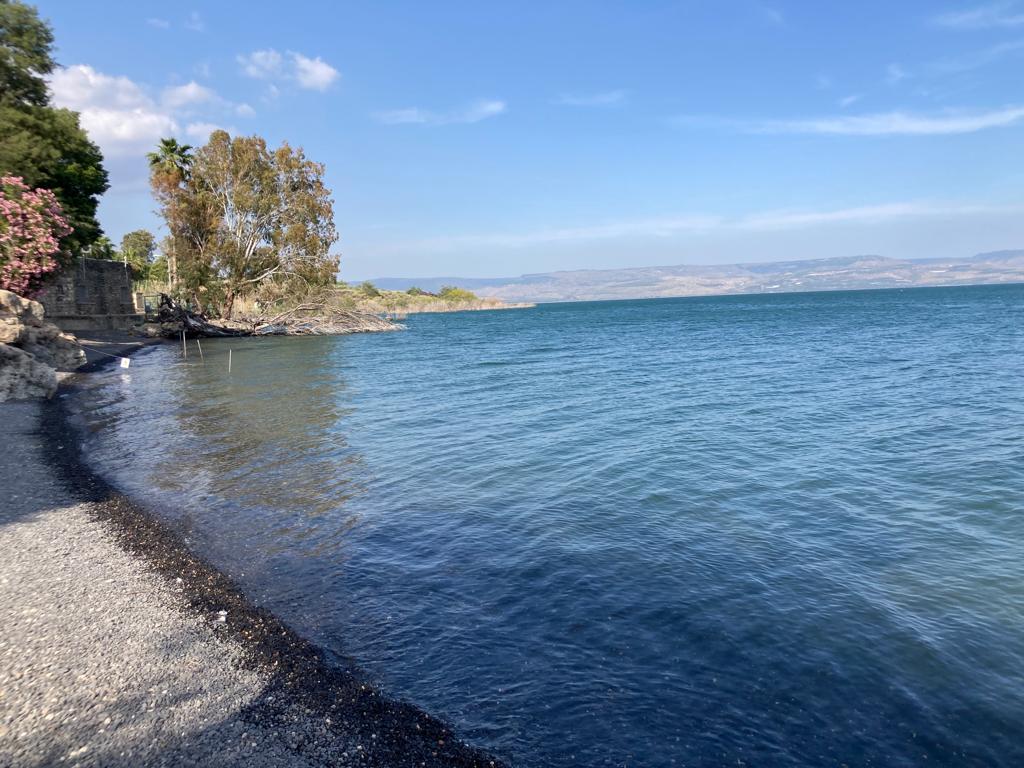
משל מפורסם מספר על שני האגמים בארץ ישראל: ים כנרת וים המלח. לים המלח יש נהר שנכנס אבל לא יוצא. לים כנרת, יש מים נכנסים ויוצאים. ים המלח נקרא גם ים המוות, ואילו מי ים כנרת – מתוקים. כמובן שיש עוד הבדלים ביניהם, אבל דרך אחת להבין את המשל, היא שמישהו רק לוקח, או אפילו רק נותן, יש מחנק, והמים יוצאים “מלוחים”. כדי להנות מהשפע האלוהי סביבנו, ולהיות ב”זרימה”, אנחנו צריכים ללמוד גם לתת וגם לקחת.

שיהיה חנוכה שמח ומלא אור.  
A famous parable tells about the two lakes in the Land of Israel: the Sea of Galilee and the Dead Sea. The Dead Sea has a river that goes in but does not go out. The Sea of Galilee has incoming and outgoing water. The Dead Sea is also called the Sea of Death, while the waters of the Sea of Galilee are sweet. Of course, there are other differences between them, but one way to understand the parable is that someone who just takes, or even just gives, gets suffocated, and the water comes out “salty”. To enjoy the divine abundance around us, and to be in the “Flow”, we need to learn to both give and take.

Have a happy and light-filled Hanukkah.
Posted in Uncategorized | 1 Comment

Joseph, a guest for Hanukkah (Vayeshev)

The Torah portion of Veyeshev, which includes the story of Joseph (the multi-color coat, his first dreams and his “sale”) up until his events at Potiphar’s house, along with the story of Judah and Tamar, tells about the events that will lead to the descent of Jacob and his sons into Egypt, and (almost) opens with a rather strange verse: “This, then, is the line of Jacob: At seventeen years of age, Joseph tended the flocks with his brothers (literally – “shepherd his brothers with the flock”), as a helper to the sons of his father’s wives Bilhah and Zilpah. And Joseph brought bad reports of them to their father” (Genesis 37:2)פרשת וַיֵּשֶׁב הכוללת את סיפור מכירת יוסף (כותנת הפסים וחלומותיו הראשונים) עד קורותיו בבית פוטיפר, יחד עם מעשה יהודה ותמר, מספרת על האירועים שיביאו לירידת יעקב ובניו למצרים, ו(כמעט) נפתחת בפסוק די מוזר: אֵ֣לֶּה תֹּלְד֣וֹת יַעֲקֹ֗ב יוֹסֵ֞ף בֶּן־שְׁבַֽע־עֶשְׂרֵ֤ה שָׁנָה֙ הָיָ֨ה רֹעֶ֤ה אֶת־אֶחָיו֙ בַּצֹּ֔אן וְה֣וּא נַ֗עַר אֶת־בְּנֵ֥י בִלְהָ֛ה וְאֶת־בְּנֵ֥י זִלְפָּ֖ה נְשֵׁ֣י אָבִ֑יו וַיָּבֵ֥א יוֹסֵ֛ף אֶת־דִּבָּתָ֥ם רָעָ֖ה אֶל־אֲבִיהֶֽם (בראשית לז:ב)
On the one hand, there is no surprise here: Yosef is a shepherd, as it is said of his mother, who “came with the flock” (29:9), but for some reason Yosef “shepherds his brothers – with the flock”, and then describes to us his special relationship with “the sons of Bilha and the sons of Zilpa”. The “Kli Yakar” (Rabbi Shlomo Ephraim of Luntschitz, 1550-1619) and others, say that the brothers, Leah’s sons, were “disdainful of the sons of the handmaids”, and not only did they call Bilha and Zilpa concubines and handmaids, but they also called their sons slaves, “and Yosef alone would connect with the sons of Bilha and Zilpa because he said they too were his father’s real wives.”מצד אחד, אין כאן הפתעה: יוסף הוא רועה, כמו שנאמר על אמו, ש”באה עם הצאן” (כט:ט), אך משום מה יוסף “רועה את אחיו – בצאן”, ואז מתאר לנו את הקשר המיוחד שלו עם “בני בלהה ובני זלפה”. ה”כלי יקר” (רבי שלמה אפרים מלונטשיץ, 1550-1619) ואחרים אומרים שהאחים, בני לאה, היו “מזלזלים בבני השפחות”, ולא רק שקראו לבלהה וזלפה פילגשים ושפחות, אלא שמתוך כך, גם קראו לבניהם עבדים, “ויוסף לבד היה מתחבר אל בני בלהה וזלפה כי אמר שהם נשי אביו ממש”.
That is, Joseph sees himself as a king and a future leader and dreams of the day when everyone will bow down to him, and on the other hand, and perhaps precisely as a complementary aspect to this, he sees the value and importance of each of Jacob’s sons. Indeed, until now, each father had only one successor son, but Joseph, and he will further examine the matter in depth, realizes that for the first time, they must all continue together, and together become “The Children of Yisrael”, i.e. the sons od Jacob. With this quality, we can learn about his greatness and his ability to learn from anyone, even from the so-called “lesser” sons of the “sh’fachot”, maid-servants (the word in Hebrew for maid-servants – sh’fachot, can be broken down to two words, she-pachot, ‘literally, that are less’). There is an inversion here: sometimes, a person who is in a lesser rank is the one who is attracted to what’s obvious and wisdom or greatness that can be seen, while one who is on a higher level is free to learn even from the things that are not on the surface.כלומר, יוסף רואה את עצמו כמלך וכמנהיג עתידי וחולם על היום בו כולם ישתחוו לו, ומצד שני, ואולי דוקא כתכונה משלימה לכך, הוא רואה את ערכם וחשיבותם של כל אחד מבניו של יעקב. עד כה, אכן, היה לכל אב רק בן ממשיך אחד, אבל יוסף, והוא עוד יבדוק את הענין לעומק, מבין שלראשונה, על כולם להמשיך ביחד, ולהפוך ביחד ל”בני ישראל”. בתכונה זו אפשר ללמוד על גדולתו ויכולתו ללמוד מכל אדם, גם מבני השפחות הכביכול “פחותים” – (שפחות = ש-פחות). נמצא כאן היפוך: לעיתים, אדם שנמצא במדרגה פחותה הוא זה שנמשך לחכמה גלויה, אבל אדם שנמצא במדרגה גבוהה, פנוי ללמוד גם מהדברים שאינם על פני השטח.
Light and shadows? darkness and illumination? Let’s jump ahead in the story for a moment in order to see the complexity of Joseph’s character elsewhere, perhaps a little unexpected. Throughout the journey in the desert, every so often, Moshe comes across things he doesn’t know: what to do about the daughters of Zeloph’chad and the Land division, what is the judgment of the person who chops wood on Shabbat, is it possible to celebrate a second Passover, and more. In first sight, it seems that these are simply issues that – well, what can we do, Moshe wasn’t in these lessons or maybe we’ll make up excuses like, ‘it’s impossible for one person to know everything about everything’, but if we look deeper, we find that there is a common thread to the cases in which Moshe had difficulty finding a solution: they are all, in one way or another, related to Joseph.אור וצללים? חושך ואור? נקפוץ קדימה בסיפור לרגע כדי לראות את מורכבות דמותו של יוסף בעוד מקום, אולי קצת לא צפוי. לאורך המסע במדבר, לא פעם משה נתקל בדברים שאינו יודע: מה לעשות בענין בנות צלופחד והנחלות, מה דינו של האדם שמקושש עצים בשבת, האם אפשר לחגוג פסח שני, ועוד. על פניו, נראה שאלו פשוט סוגיות ש-נו, מה לעשות, בשיעורים האלה משה לא היה או נמציא תירוצים כמו, ‘אי אפשר שבן אדם אחד ידע הכל על הכל’, אבל אם נבדוק לעומק, נמצא שיש משותף למקרים בהם משה התקשה ולא מצא פתרון: כולם, איכשהו, קשורים ליוסף.
Our sages explained that Moses is an example of a spiritual person, that comes “from on high, down”, from the world of spirituality to us, to the physical, which is expressed in the descent from Mount Sinai. The direction of Joseph, if we consider his preoccupations with his beauty, the temptation with Potiphar’s wife, and more, is “from bottom – up” , from the physical to the spiritual, which is expressed in his story by the fact that he needs to be raised from the pit, not once, but twice (37:28, 41:14).חז”ל הסבירו שמשה הוא דוגמא לאיש רוח, וכמו בא “מלמעלה למטה”, מעולם הרוחניות אלינו, לגשמיות, מה שמתבטא בירידה מהר סיני. הכיוון של יוסף, על עיסוקיו ביופיו, הפיתוי עם אשת פוטיפר, ועוד, הוא “מלמטה למעלה”, מהגשמי לרוחני, מה שמתבטא בסיפורו בכך שצריך להעלות אותו מן הבור, לא פעם, אלא פעמיים (לז:כח, מא:יד).
Indeed, at the end of the “Vayeshev”, Yosef finds himself in jail, where he meets two ministers, dismissed by Pharaoh, who tell him their dreams. Yosef offers a solution to the dream which is fulfilled: the baker is hanged and the butler is released from prison. Yosef then asks the latter to mention his case before Pharaoh when he leaves prison, but “the butler did not remember Joseph and forgot him” (M:23). The Zohar says that the word “and forgot him” is unnecessary, because it has already been said that he did not remember him, and what does it mean to not remember someone and forget him?ואכן, בסוף פרשת “וישב”, מוצא יוסף את עצמו בבית האסורים, שם הוא פוגש שני שרים שהודחו על ידי פרעה, המספרים לו את חלומותיהם. יוסף פתרון מציע פתרון לחלום שאכן קורה: שר האופים נתלה ושר המשקים יוצא מהכלא. יוסף מבקש משר המשקים שיזכיר את עניינו לפני פרעה כשייצא מהכלא, אולם “לֹֽא־זָכַ֧ר שַֽׂר־הַמַּשְׁקִ֛ים אֶת־יוֹסֵ֖ף וַיִּשְׁכָּחֵֽהוּ” (מ:כג). הזוהר אומר שהמלה “וישכחהו” מיותרת, כי כבר נאמר שהוא לא זכר אותו, ומה המשמעות של לא לזכור מישהו וגם לשכוח אותו?
But the “Sfat Emet” (a collection of Hasidic sermons on the Torah compiled by Rabbi Yehuda Aryeh Leib Alter, the Rebbe of Gur 1847-1905) connects for us two “forgetfulnesses”: Joseph who was forgotten here, and the Greeks at Hanukkah who wanted to make us “forget Your Torah” and forget our Way. What do we do about forgetfulness? The Torah tells us (about various mitzvot) “and you saw… and you remembered”… Hence, remembrance is aided by sight, and in the dark it is difficult to see and therefore, difficult to remember. He draws our attention to the fact that darkness and forgetfulness are the same letters (chashecha & shichecha). Thus, the days of Hanukkah, the candles and the light, give us remembrance .אך השפת אמת (קובץ דרשות חסידיות על התורה שחיבר רבי יהודה אריה לייב אלתר, האדמו”ר מגור 1847-1905) מחבר לנו בין שתי שיכחות: יוסף שנשכח כאן, והיוונים בחנוכה שרצו “להשכיחם תורתך” ולהשכיחנו מדרכנו. מה עושים כנגד שכחה? התורה אומרת לנו (על מצוות שונות) “וראיתם… וזכרתם”… מכאן שזכרון נעזר בראיה, ושבחושך קשה לראות ולכן קשה לזכור. הוא מפנה את תשומת לבנו שחשכה ושכחה הן אותן אותיות. אם כך ימי חנוכה, הנרות והאור, נותנים זכרון.
And so, the story of Yosef in theweekly Torah readings, always takes place in the heart of winter, close to Hanukkah. Our sages pointed out that in gematria the name of Yosef is the same as the word “Zion”. Yosef is the one who tells about himself as being stolen from the “Land of the Hebrews” (Genesis 40:15), and insists on being buried in the Land (50:24), in a place known to us to this day. It is no coincidence that precisely when we celebrate our national existence, Yosef is the one who joins in lighting candles with us. Shabbat Shalom and Happy Hanukkah.וכך, הסיפור של יוסף בפרשות השבוע תמיד מופיע בלב החורף, סמוך לחג החנוכה. חז”ל הצביעו על כך שבגימטריה שמו של יוסף זהה למלה “ציון”. יוסף הוא זה שמספר על עצמו שהוא גונב מ”ארץ העברים” (בראשית מ,טו), ומתעקש להקבר בארץ (בראשית נ,כד), במקום שמוכר לנו עד היום. לא מקרי שדוקא כשאנחנו חוגגים את קיומנו הלאומי, יוסף הוא זה שמצטרף להדליק איתנו נרות. שבת שלום וחנוכה שמח.  
Shabbat Shalom & Hanukkah Sameach –שבת שלום וחנוכה שמח
חולם כמו יוסף – Dreaming like Joseph
Posted in Uncategorized | Leave a comment

And Dina went out (but stayed in)… the Torah portion of VaYishlach – ותצא דינה – על פרשת וישלח

We can easily take out all of chapter 34, and seemingly, nothing will be missing from the story of the Book of Genesis, and yet, the Torah opted not to give up on Dina’s story: “Now Dinah, Leah’s daughter whom she had borne to Jacob, went out to visit the daughters of the land” (34:1). Rashi in the name of the midrash wonders why Dina is described as “Leah’s daughter” and also as one who was “born to Jacob” and explains that “like mother so daughter: Leah “went out” towards Jacob and so Dina likewise was also a “goer-outer” (which in Modern Hebrew can be a synonym to a prostitute, very lose, promiscuous woman). But the Malbim (Rabbi Meir Leybush, 1809-1879, commentator who lived in the Russian Empire, Prussia and Romania) thinks differently, and his commentary helps me navigate this awful story. And so he says:אפשר בקלות להוציא את כל פרק ל”ד וכאילו, דבר לא יגרע מסיפור מספר בראשית, ובכל זאת, בחרה התורה לא לוותר על סיפורה של דינה. וַתֵּצֵ֤א דִינָה֙ בַּת־לֵאָ֔ה אֲשֶׁ֥ר יָלְדָ֖ה לְיַעֲקֹ֑ב לִרְא֖וֹת בִּבְנ֥וֹת הָאָֽרֶץ” (לד:א). רשי בשם המדרש תוהה מדוע מתוארת דינה גם כבת לאה וגם כמי שנולדה ליעקב, ומסביר “אֶלָּא עַל שֵׁם יְצִיאָתָהּ נִקְרֵאת בַּת לֵאָה, שֶׁאַף הִיא יַצְאָנִית הָיְתָה (בראשית רבה), שֶׁנֶּאֱמַר וַתֵּצֶא לֵאָה לִקְרָאתוֹ (וְעָלֶיהָ מָשְׁלוּ הַמָּשָׁל כְּאִמָּהּ כְּבִתָּהּ)”. אבל המלבי”ם (רבי מאיר ליבוש בן יחיאל מכיל וייזר 1809-1879 פרשן המקרא שחי באימפריה הרוסית, פרוסיה ורומניה) דורש אחרת, והפירוש שלו עוזר לי קצת בסיפור הנורא הזה. כך הוא אומר:  
And Dina went out: to announce that Dina is not at fault, so you wont say that she broke the boundaries of modesty, for she was Leah’s daughter, who was modest in her tent, who she had borne to Jacob, whose birth is of Jacob, and she was modest and appropriate, for she did not go out to wonder after the guys, but rather, just “to visit the daughters of the land” and their festivities. He continues to the second verse too: “Shechem son of Hamor the Hivite, chief of the country, saw her, and took her and lay with her and tortured her”, and comments that the text does not say that she entered into improper (sexual) talk, for he saw right for the first time, and he took her, by force and no one can be saved from him for he was the leader of the land and his sin was of three fold: 1. He took her by force and that is total robbery; 2. He slept with her, and by doing so, he defiled her for he was uncircumcised; and 3. And he tortured her, for she did not want this and is was rape / by force and it was torture for her which was a double robbery.ותצא דינה. מודיע כי דינה לא אשמה בזה, שלא תאמר שפרצה גדר הצניעות כי היתה בת לאה, שהיתה צנועה באהלה, ואשר ילדה ליעקב, שלידתה מתיחסת אל יעקב שהיתה צנועה וכשרה, כי לא היתה היציאה ללכת אחרי הבחורים רק לראות בבנות הארץ ובתהלוכותיהן: ועוד הוא ממשיך גם על הפסוק השני – “וַיַּ֨רְא אֹתָ֜הּ שְׁכֶ֧ם בֶּן־חֲמ֛וֹר הַֽחִוִּ֖י נְשִׂ֣יא הָאָ֑רֶץ וַיִּקַּ֥ח אֹתָ֛הּ וַיִּשְׁכַּ֥ב אֹתָ֖הּ וַיְעַנֶּֽהָ”, ומפרש לנו שלא נאמר “שנכנסה עמו (עם שכם בן חמור החיוי, נשאי הארץ) בדברי עגבים, כי ראה אותה בפעם הראשון, ויקח אתה, ביד חזקה ואין מציל מידו, כי היה נשיא הארץ, והיה חטאו משולש. א. ויקח אתה ביד חזקה וזה גזל גמור. ב. וישכב אתה, ובזה טמא אותה, אחר שהוא ערל, ו- ג. ויענה, כי לא נתרצית והיה אונס אצלה ונחשב לה לענוי, ובזה היה גזל גם נגדה.
Shechem’s abuse continues in the demand: “take to me this girl for a wife”. She’s just a child, cries out the text alarmed! And later, when Shechem’s father explains: “My son Shechem has a desire for your daughter. Please give her to him in marriage” (verse 8). In our words we’d say that he “feels like” in a capricious kind of way, something that is here for a moment, then gone, and in Malbim’s words: “that desire is different from love and want, for this kind of desire has no eyes, no taste, and because it has no rhyme or reason, he can find better, prettier ones among his own people. And when he says, give her to him to be his wife, he means, in doing so, you will benefit yourselves”… I’m doing you a favor, says Chamor! This is all good for you! Such a deal!!הכוחנות של שכם ממשיכה גם בתביעה: “קַֽח־לִ֛י אֶת־הַיַּלְדָּ֥ה הַזֹּ֖את לְאִשָּֽׁה”. היא רק ילדה, מזדעק הכתוב! ואחכ, כשאביו של שכם “מסביר”: “חָֽשְׁקָ֤ה נַפְשׁוֹ֙ בְּבִתְּכֶ֔ם תְּנ֨וּ נָ֥א אֹתָ֛הּ ל֖וֹ לְאִשָּֽׁה” (פסוק ח’). במילים של ימינו נגיד ש”בא לו עליה”, מתחשק לו, דבר שלרגע קיים ולרגע איננו, ובמילותיו של המלבי”ם, “שהחשק הוא מובדל מן האהבה והחפץ, שהחשק אין לו עינים ואין לו טעם, שלפעמים יחשוק אדם גדול בבת פחותים ובכעורה ובבעלת מום, כאומר שהוא חשק בלי טעם, כי ימצא יפות וטובות יותר ממנה בבני עמו, תנו נא אתה לו לאשה, ובזה תרויחו אתם”… אני עושה לכם טובה, אומר חמור! כדאי לכם! איזה דיל!!
Once the stage is set this way, Jacob’s stoic and sad reaction is clearer. Why was he “silent” and did yell and cry? “for if Jacob knew that she hasn’t been defiled, he would have sacrificed his life to save her, but since he heard it was too late, and his sons were in the field and he wouldn’t gain anything with speed, he kept silent till they came”… his helplessness hits him and us. Some say that Jacob wanted Dina to be married off to one of the leaders of the Land, strengthening their status, but what happens is that the family of the Hebrews returns to its Land and homeland, and they are a minority in their own home. What can be done in such a situation?ברגע שהבמה מסודרת כך, מתבהרת גם תגובתו העצובה והעצורה של יעקב. למה “החריש” ולא צעק ובכה? “שאם היה יעקב יודע שעדיין לא נטמאה היה מוסר נפשו להצילה בל תטמא, אבל יען ששמע שכבר טמא אותה ובניו היו בשדה ולא ירויח בהמהירות, לכן החריש עד בואם”… חוסר האונים מכה בו ובנו. יש אומרים שליעקב היו תוכניות לחתן את דינה עם אחד מנסיכי הארץ וכך לחזק את מעמד המשפחה, אבל בפועל, משפחת העברים שבה אל ארצה ומולדתה והם מיעוט בביתם שלהם. מה עושים במצב כזה?  
But the brothers, as representatives of the next generation, possibly the less rooted in exile, understand the double disaster differently, calculating their response: “the men were saddened and very angry” (verse 7), and the Malbim explains the dual verbs: sadness is over something bad that happened because of the event itself… for even if he slept with her at her will… it would have been an abomination among the Children of Israel… and they had no anger over Shechem not knowing the customs of Israel, and over that it was said, “they were saddened” (but), the forceful rape itself… for that they wanted revenge, for even the Noahides are not to behave this way”.אבל האחים, כנציגי הדור “הבא”, אולי הפחות גלותי, מבינים אחרת את גודל האסון הכפול ומחשבים את תגובתם: “וַיִּֽתְעַצְּבוּ֙ הָֽאֲנָשִׁ֔ים וַיִּ֥חַר לָהֶ֖ם מְאֹ֑ד” (פסוק ז), והמלבי”ם מסביר את כפל הפעלים: “העצב הוא על דבר רע שקרה לו בבחינת עצמו… שאף אם היה שוכב עמה ברצונה… היא נבלה אצל בני ישראל… ולא היה מצד זה חרון אף על שכם שהוא אינו יודע נמוסי בני ישראל שהערלה חרפה היא להם, וזה שנאמר ‘ויתעצבו’… (אבל) גוף המעשה שלקחה בחזקה בגזל ובאונס… על זה חרה להם מאד ורצו להנקם בשכם, כי כן לא יעשה אף בדין בני נח”.  
We assume they were “hotblooded”, but it’s also possible that they recognize their complex status, especially as Dina herself is still at Shechem’s, so they want to act with “cunningness and wisdom” against their sister’s objectification (“for he objectifies the daughter of Jacob” verse 19). They reaction makes us shiver: cheat people into circumcising themselves in order to slaughter them while they are in pain? But their extreme reaction also communicates something that I would guess goes through every woman’s mind: if only there was someone there for me… if only there was a real punishment… if only it was not so easy…
And there’s a voice I’m very much missing in this chapter, the voice of Gd. Gd is not an insurance certificate and we all know plenty of people who waved the flag of faith and sinned and transgressed. And yet, where there’s “no Gd”, terrible things can happen.  
אנו מניחים שהם “חמומים”, אך יתכן גם שהם מכירים במעמדם המורכב, במיוחד כשדינה עצמה עדיין בידי שכם, ורוצים לפעול “במרמה ובחוכמה רבה” כנגד החפצת אחותם (“כִּ֥י חָפֵ֖ץ בְּבַֽת־יַעֲקֹ֑ב” – פסוק יט). תגובתם מעבירה בנו צמרמורת: לרמות אנשים ולגרום לאנשים למול את עצמם כדי לשחוט אותם בעוד כואבים? אך תגובתם הקיצונית גם משדרת משהו שאני מעריכה עובר בדעתה של כל אשה: לו רק היה שם מישהו בשבילי… לו היה רק היה עונש משמעותי… לו רק לא היה קל כל כך…
ויש גם קול שחסר לי מאד בפרק, קולו של אלוהים. אלהים הוא לא תעודת ביטוח, וכולנו מכירים אנשים שנופנו בדגל האמונה וחטאו ופשעו. ובכל זאת, במקום ש”אין אלוהים”, קורים דברים איומים.  

Shabbat Shalom – שבת שלום

Posted in Uncategorized | Leave a comment

The Torah portion of Vayetze: and Jacob went out and learned to live also in exile… “ויצא” יעקב וילמד לחיות בגלות…

The Hebrew word for “ladder”, sulam, appears only once in the entire Bible: “And he dreamed, and behold, a ladder was placed towards the ground, and its top reached towards heaven, and behold, the angels of Gd ascending and descending on it” (Genesis 28:12). In various pictures, the ladder appears to be a pretty “normal” ladder, but the Talmud (Chulin 91:b) tells us that the width of the ladder was 8000 parsot! One parsa = about 4 km, that is, the whole ladder is 32 km wide. How did the Talmud arrive at such numbers? Because it is written, that angels ascend and descend, that is, from the fact that the word “angels” is in the plural, we understand that here there are at least two together next to each other: one couple ascending, and one – descending. And in the book of Daniel (10:16) an angel is mentioned who was 2000 parsa and if there are four (two ascending and two descending), then the width of the ladder is 8000 persa. I believe the Talmud does not encourage us to try and build this ladder, but perhaps wants to tell us that there is something very special here. Indeed, this is definitely no ordinary ladder. It is a symbol of the connection between heaven and earth.המלה “סלם” מופיעה רק פעם אחת בתנ”כ כולו: ” וַיַּחֲלֹם וְהִנֵּה סֻלָּם מֻצָּב אַרְצָה וְרֹאשׁוֹ מַגִּיעַ הַשָּׁמָיְמָה וְהִנֵּה מַלְאֲכֵי אֱלֹהִים עֹלִים וְיֹרְדִים בּוֹ” (בראשית כח:יב). בציורים שונים, נראה שהסולם הוא סולם די “רגיל”, אבל התלמוד (חולין צא:ב) מספר לנו שרוחב הסולם היה 8000 פרסות!! פרסה אחת = כ-4 קמ, כלומר כל הסולם 32 קמ רוחב. איך הגיע התלמוד למספרים שכאלה? כי כתוב, שמלאכים עולים ויורדים, כלומר, מתוך זה שהמילים הן בריבוי, אנחנו מבינים שיש כאן לפחות שניים ביחד זה לצידו של זה שעולים, ואותו הדבר – שיורדים. ובספר דניאל (י,ו) מוזכר מלאך שהיה 2000 פרסה ואם יש ארבעה (שניים עולים ושניים יורדים), הרי רוחב הסולם הוא 8000 פרסה. אני מעריכה שהתלמוד לא מעודד אותנו לנסות לבנות את הסולם הזה, אבל אולי רוצה להגיד לנו שיש כאן משהו מיוחד ביותר. בשום אופן, זה אינו סולם רגיל. זהו סמל לחיבור בין שמים וארץ.  
Further more: It is written that the ladder is placed “towards the earth”, so not on the earth itself. And – “towards heaven”, so directed to and not quite touching… Rav Sherki quotes Professor Naher who used to say that actually “two ladders are described here – one in heaven and the other in the earth, and the two do not touch each other. In order to move from ladder to ladder – from the immanent to the transcendent, a person must go through a kind of leap, a kind of jump, a kind of internal rupture that must be overcome” . This is Jacob. Jacob in the next Torah portion will become “Israel”, and unlike his forefather, all his sons will be for the “Children of Israel”, that is, us. Jacob is the one who will say, “Now I’ve become two camps” (32:11). No longer just kindness or justice and strength,a s were Abraham and Isaac, but a combination of both. How do we do that? Yes…עוד: כתוב שהסולם מוצב “ארצה”, כלומר, בכוון הארץ ולא על הארץ עצמה. גם “השמימה”, כלומר הסולם מכוון כלפי שמים. רב שרקי מצטט את פרופסור נהֵר שהיה אומר ש”מתוארים כאן שני סולמות – האחד בשמים והאחר בארץ, ושניהם אינם נוגעים זה בזה. כדי לעבור מסולם לסולם – מן האימננטי לטרנסצנדנטי, על האדם לעבור מין דילוג, מין קפיצה, מין קרע פנימי שיש לעבור”. זהו יעקב. יעקב שבפרשה הבאה יהיה ל”ישראל”, ושלא כמו אבותיו, כל בניו יהיו ל”בני ישראל”, למי שאנחנו. יעקב הוא זה שיגיד, “עתה הייתי לשני מחנות” (לב:יא). לא עוד רק חסד, או רק דין וגבורה, אלא שילוב של שניהם. איך עושים את זה? כן…  
The Torah portion is full of fascinating events, and throughout it, Jacob shares with us the challenges of life in exile, from his encounter with the shepherds at the well, and the deceptions of his father-in-law, whether at the double wedding, or before their departure, when Jacob asks to be paid for his work, and Lavan, both agrees and tries to remove the flock discussed from under Jacob’s eyes. Indeed, it’s time to go back home, and not a minute too soon.הפרשה עמוסה אירועים מרתקים, ולכל אורכה יעקב משתף אותנו באתגרי החיים בגלות ממפגשו עם הרועים ליד הבאר, והרמאויות של חמו, בין אם בחתונה הכפולה, ובין אם לפני עזיבתם, כשיעקב מבקש לקבל שכר על עבודתו, ולבן, גם מסכים וגם מנסה לסלק את הצאן המדובר מתחת לעיניו של יעקב. הנה, אכן, הגיע הזמן לחזור הביתה, ולא דקה מוקדם מידי.  
But, in exile he also meets Rachel. and Leah. And they give birth to his sons and daughter. Is this the source of his crying when he meets Rachel? Understanding how difficult it is to contain it all? The Babylonian Talmud was written in exile. The Mishnah, Zohar, Shulchan-Aruch – in the Land of Israel. Rashi, a great biblical commentator, lived in France. Others lived in the Land or tried to reach it, even if only to die and be buried here. The tension between being in the land and being abroad has been with us ever since and to this day. When Gd says to Jacob at the end of the dream (at the beginning of the passage) : “And I will return you to this Land” (Genesis 28:15), we understand that exile is a temporary situation, at times – a necessity, at times – a real rescue. Good things also happen there, and yet, in spite of everything, it is not the optimal, ideal form of existence of the Jewish people. Even if it lasts for many days, eventually we will wake up from the dream and return home.אך, בגלות הוא גם פוגש את רחל. ואת לאה. והם יולדות לו את בניו ובתו. האם זה מקור הבכי שלו במפגש עם רחל? ההבנה כמה קשה להכיל את הכל? התלמוד הבבלי נכתב בגלות. המשנה, הזוהר, השלחן-ערוך – בארץ ישראל. רש”י, גדול פרשני מקרא, חי בצרפת. אחרים חיו בארץ או ניסו להגיע אליה, גם אם רק כדי למות ולהקבר בה. המתח בין להיות בארץ ובחוץ, נמצא איתנו מאז ועד היום. כאשר ה’ אומר ליעקב בסוף החלום (בתחילת הפרשה): “והשיבותיך אל האדמה הזאת” (בראשית כ”ח, טו), אנחנו מבינים שהגלות היא מצב זמני, לעיתים הכרח, לעיתים – הצלה ממש. גם דברים טובים קורים בה, ואף על פי כן ולמרות הכל, היא לא צורת הקיום האידיאלית והאופטימלית של העם היהודי. גם אם תמשך ימים רבים, בסוף נתעורר מהחלום ונחזור הביתה.  
At the end of this portion, Jacob makes a covenant with Lavan, his uncle, the father of his wives and the grandfather of his children. Lavan, as his name suggests (“white” in Hebrew), bids farewell to Jacob just before the red sun would rise on him (Jacob) again (32:32). Lavan calls the place of the covenant by its Aramaic name, “Yegar Sahaduta“, while Jacob calls it “Gal’ed“, in Hebrew. A bit reminiscent of the Passover Haggadah, where we also begin in Aramaic (“Ha Lachma Ania“) and end in Hebrew (“next year in Jerusalem”). The transition between Aramaic and Hebrew reflects the transition between the life of exile and diaspora, to redemption (in Hebrew, gola & ge’ula), but this is not a one-time transition. The ability to use different languages ​​is an expression of the ability to live in more than one world. In the end, exile is not our home, there is no doubt about that. Home is in the Land of Israel, and yet… Like Jacob, we too are invited to learn how to live – and thrive – in more than one world.בסוף הפרשה, יעקב כורת ברית עם לבן, דודו, אבי נשותיו וסב ילדיו. לבן, שכשמו כן הוא, נפרד מיעקב רגע לפני שהשמש האדומה תזרח עליו שוב (לב:לב). את מקום הברית לבן מכנה בשמו הארמי, “יגר סהדותה”, בשעה שיעקב קורא לו “גלעד”, בעברית. קצת מזכיר את ההגדה של פסח, שגם שם אנחנו מתחילים בארמית (“הא לחמא עניא”) ומסיימים בעברית (“לשנה הבאה בירושלים”). המעבר בין ארמית לעברית משקף את המעבר בין חיי גלות וגולה, לגאולה, אבל זהו לא מעבר לבלי שוב. היכולת להשתמש בשפות שונות היא ביטוי ליכולת לחיות ביותר מעולם אחד. בסופו של דבר, הגלות איננה הבית שלנו, בכך אין ספק. הבית הוא בארץ ישראל, ועדיין. כמו יעקב, גם אנחנו מוזמנים ללמוד איך לחיות – ולשגשג – ביותר מעולם אחד.

שבת שלום – Shabbat Shalom

https://www.ohmygiddyaunt.com.au/blog/what-is-mizpah-jewellery

Posted in Uncategorized | Leave a comment

Isaac in Me’a She’arim: a different kind of strength

Aside from their romantic get-together, Isaac and Rebecca are only with us for one, not-too-long Torah portion of Toldot. We already met them last week: him in his walking, silent meditation; her, gracefully managing to water the servant’s ten camels, chatting happily, making bold life-changing decisions. They have such different personalities and energies, and yet, it’s the first time in the Torah that the word “love” appears in conjunction with a man and a woman. Until now, there are long lists of begets; Adam and Chava survive tragedies; Noah and his wife care for a zoo of an ark; Abraham and Sarah travel together across the world, but the word love doesn’t appear for any couple, not until Isaac and Rebecca.מלבד המפגש הרומנטי שלהם, יצחק ורבקה נמצאים איתנו רק לפרשה אחת, ולא ארוכה מדי, “תולדות”. כבר פגשנו אותם בשבוע שעבר: אותו בהליכה השקטה, המדיטטיבית, האילמת שלו; אותה, מצליחה בחן להשקות את עשרת הגמלים של עבד אברהם, מפטפטת בשמחה, מקבלת החלטות גורליות, נועזות. יש להם אישיות ואנרגיות כל כך שונות, ובכל זאת, זו הפעם הראשונה בתורה שהמילה “אהבה” מופיעה בהקשר של גבר ואישה. עד עכשיו, יש רשימות ארוכות של מי הוליד את מי. אדם וחוה שורדים טרגדיות, נח ואשתו מטפלים בגן חיות שלם בתיבה; אברהם ושרה מטיילים יחד ברחבי העולם, אבל המילה אהבה לא מופיעה עבור אף זוג, עד יצחק ורבקה.
Some might say that Isaac suffered from PTSD after the binding, and even the midrash tell us he was blinded then by his father’s knife, glimmering in his eyes, possibly causing something very deep to alter in him forever. Following, his father brings his bride… oh, he’s a “wimp”, a mama boy, a yes-man to everybody: his father who takes him, his wife who tricks him; a gullible old man; the weak link between Abraham and Jacob, just a space holder…
But then, right in the middle of their story, we meet a very different Isaac, and that sheds a very different light on everything else.
יש שיגידו שיצחק סבל מפוסט טראומה לאחר העקידה, ואפילו המדרש מספר לנו שהוא סונוור מהסכין של אביו, שהתנוצץ בעיניו, ואולי גרם למשהו עמוק מאוד להשתנות בו לנצח. לאחר מכן, אביו מביא לו את כלתו… הו, הוא “חלשלוש”, ילד אמא, כזה שאומר כן לכולם: אביו שלוקח אותו לעקדה, אשתו שמרמה אותו; זקן פתי; החוליה החלשה בין אברהם ליעקב, רק מחזיק מקום… אבל אז, ממש באמצע הסיפור שלהם, אנחנו פוגשים יצחק שונה מאוד, וזה מאיר אותו באור אחר לגמרי.
“And Isaac sowed in the land and in that year, and he reached one hundred gates (Me’a She’arim), and G-d blessed him” (Genesis 26:12) Gd, by the way, only speaks with Isaac very little, maybe because the meditating Isaac walks with G-d all the time anytime, feeling Gd’s blessing; maybe because Iaac know what to do and G-d doesn’t need to chat with him; and maybe it’s because he has Rebecca who is on top of things for him. But then comes the next verse: “and this mentch grew, and he kept on growing more, until he was exceedingly great” (26:13). Rav Hirsch says “grew” here means he became prosperous. One way or another, the root for “grew, big” repeats 3 times within 9 words! Further, the Torah opts to call him an “ish”, a real mentch, a word sometimes reserved for angels. And it goes on to tell us he acquired great possessions, and that the Philistines were jealous of him. Chances are the Philistines wouldn’t envy a weak old helpless wimp. But they envied Isaac.וַיִּזְרַ֤ע יִצְחָק֙ בָּאָ֣רֶץ הַהִ֔וא וַיִּמְצָ֛א בַּשָּׁנָ֥ה הַהִ֖וא מֵאָ֣ה שְׁעָרִ֑ים וַֽיְבָרְכֵ֖הוּ ה’ (בראשית כו,יב). הקב”ה, אגב, מדבר עם יצחק מעט מאוד, אולי מפני שיצחק המהרהר הולך עם ה’ כל הזמן בכל עת, מרגיש את ברכת ה’; אולי בגלל שיצחק יודע מה עליו לעשות ואלוהים לא צריך לשוחח איתו; ואולי זה בגלל שיש לו רבקה שמנהלת את העניינים בשבילו. אבל אז מגיע הפסוק הבא: “וַיִּגְדַּ֖ל הָאִ֑ישׁ וַיֵּ֤לֶךְ הָלוֹךְ֙ וְגָדֵ֔ל עַ֥ד כִּֽי־גָדַ֖למְאֹֽד” (כו,יג). הרב הירש אומר “גדל” כאן אומר שהוא משגשג. כך או אחרת, השורש של “גדל, גדול” חוזר 3 פעמים תוך 9 מילים! יתר על כן, התורה בוחרת לקרוא לו “איש”, מנטץ’ אמיתי, מילה השמורה לפעמים למלאכים.הטקסט ממשיך ומספר לנו שהוא רכש רכוש גדול, ושהפלשתים קינאו בו. רוב הסיכויים שהפלשתים לא יקנאו בזקן וחסר אונים. אבל הם קינאו ביצחק.  
Let’s go back again: After the binding, Isaac went back to Hebron, where Sarah died and where her tent was left for him and Rebecca. Abraham, however, went to Be’er Sheva and remarried, had more kids and went on with his life. Some say, that Isaac, after the binding and his mother’s death, wanted nothing to do with his father, therefore, we don’t hear them talk again. In fact, though Abraham grew wealthier, since Isaac wanted nothing with him, Isaac didn’t really get of that wealth until Abraham died. That is also why Jacob cooks the lentil porridge, a poor people’s food, and why they are so dependent on Esau’s hunting for their food. This makes our previous point even more powerful. It means that Isaac was not at all rich, but he still felt blessed and the Philistines still envied him, maybe they envied him exactly because of that feeling. Later, earning his neighbors’ respect, they will call him, bruch hashem, the one blessed by G-d.  לאחר העקידה יצחק חזר לחברון, שם מתה שרה ושם נשאר אוהלה, לו ולרבקה. אברהם, לעומת זאת, נסע לבאר שבע והתחתן בשנית, ילד עוד צאצאים והמשיך בחייו. יש אומרים, שיצחק, לאחר העקידה ומות אמו, לא רצה שום קשר עם אביו, ולכן לא שומעים אותם מדברים שוב. למעשה, אף על פי שאברהם התעשר, מכיוון שיצחק לא רצה איתו דבר, יצחק לא הרוויח מהעושר הזה עד שאברהם מת. זו גם הסיבה שיעקב מבשל את נזיד העדשים, מאכל של אנשים עני, ומדוע הם כל כך תלויים בציד של עשיו למזון. זה מחזק את הנקודה הקודמת עוד יותר. זה אומר שיצחק בכלל לא היה עשיר, אבל הוא עדיין הרגיש מבורך והפלשתים עדיין קינאו בו, אולי הם קינאו בו בדיוק בגלל התחושה הזו. מאוחר יותר, יזכה לכבוד משכניו שיקראו לו, ברוך השם.
It’s not easy being Abraham’s son, and Isaac has to create that careful balance between doing his own thing and being his father’s successor. According to our tradition, Abraham smashed his father’s idols. If Isaac did the same, and smashed his father’s god, we wouldn’t be here today. But he could also not be his father. He had to be himself. This comes across in the story of him digging and re-digging his father’s wells – and some would say, learning his father’s Torah, because Torah is likened to water. And he calls the wells names – the names that his father called them.לא קל להיות בנו של אברהם, ויצחק צריך ליצור את האיזון העדין הזה בין להיות מי שהוא לבין היותו היורש של אביו. על פי המסורת שלנו, אברהם ניפץ את אלילי אביו. אם יצחק היה עושה את אותו הדבר, ומנפץ את האל של אביו, לא היינו כאן היום. אבל הוא גם לא יכול להיות אביו. הוא צריך להיות הוא עצמו. הדבר בא לידי ביטוי בסיפור שהוא חופר מחדש את בארות אביו – ויש שיגידו, לומד את תורת אביו, כי תורה משולה למים. והוא קורא לבארות בשמות – השמות שאביו קרא להם.
The shepherds in the region fight with him over the water and the wells, as Hirsch says: (it’s as if they say): “yes, you dug the well; the hole is yours but the water is ours”. This goes on until Isaac digs his own well. Then, there is no fighting. Isaac goes to Be’er Sheva (yes, where Abraham lived), and that is the one and only time that G-d officially appears to him, and gives him His blessing.הרועים באזור נלחמים איתו על המים והבארות, כמו שאומר הרב הירש: (זה כאילו שהם אומרים): “כן, חפרת את הבאר; הבור הוא שלך אבל המים הם שלנו”. זה נמשך עד שיצחק חופר את הבאר שלו. ואז, אין לחימה. יצחק נוסע לבאר שבע (לאיזור בו מתגורר אברהם), וזו הפעם האחת והיחידה שבה ה’ מתגלה אליו באופן רשמי, ונותן לו את ברכתו.
  The Kabalistic identify Isaac with gvura, strength, but not the showy kind of machoism. He’s the quiet, solid, patient, reliable kind of Jewish bravery, “digging” his heels and doing his thing; no flare, no looking for rewards. When his one and only wife cant have children, he waits. When she wants to give up, he waits. Even his name is in the future tense. Twenty years of waiting don’t phase him. Then, and still, he “will laugh” (Yitzchak).בקבלה, יצחק מזוהה עם גבורה, כוח, אבל לא סוג של מצ’ואיזם ראוותני. אלא הסוג השקט, הסולידי, הסבלני, האמין של האומץ היהודי, הוא “חופר” את עקביו באדמה ומתעקש לעשות את שלו; בלי התלקחות, בלי לחפש תגמולים. כשאשתו האחת והיחידה לא יכולה להביא ילדים לעולם, הוא מחכה. כשהיא רוצה לוותר, הוא מחכה. אפילו שמו הוא בזמן עתיד. עשרים שנה של המתנה  לא מערערות אותו. אז ועדיין, הוא – “יצחק”.  
Shabbat Shalom & Chodesh Tov! שבת שלום וחודש טוב

תמונות (כולל של באר מים מאי-אז) מתל באר-שבע – Pictures from Tel Be’er Sheva, inc a well from way-when…

Posted in Uncategorized | 2 Comments

Sarah’s Two Lives – The Torah portion of Chayey Sarah – פרשת שני חיי שרה

-Abraham, when I die, bury me in the Land – -Sarah, why talk about such things? Nobody is dying; look, we just started raising Yitzchak… Soon we will find a bride for him, I told you about the message we received from the family, and you will have grandchildren to play with… -Still, Avraham… I know you like to travel, hop to Egypt, visit Hagar and Ishmael when you think I’m not paying attention. But I… I’m afraid I’ve come to… promise me… please… -Shara’leh, is it because of my trip tomorrow early in the morning with Yitzhak to Mount Moriah? We will “bow down and return (22:5)”… -Avraham… do you remember when Gd appeared to us in the tent and told you to hearken to my voice? so that’s it. And the fact tat you and Yitzchak have to get on with your father-son journey, that’s ok; on the contrary, maybe it would be good for him to go out a little… But as for my burial, I want you to take care of it, and that it will be here, in our Land. I heard that Efron the Hittite has a cave that might be suitable… -Efron the Hittite, okay, I am taking note of it, but that’s enough, let’s talk about something else… -And Abraham? -Yes my dear? If you must marry again, at least change her name, so that not everyone will know right away that it is…אבר-ם, כשאני אמות, תקבור אותי בארץ – שרה, למה לדבר על דברים כאלה? אף אחד לא מת, תראי, רק התחלנו לגדל את יצחק… עוד מעט נמצא לו כלה, סיפרתי לך על ההודעה שקבלנו מהמשפחה, ולך יהיו נכדים לשחק איתם… ובכל זאת, אברהם… אני יודעת שאתה אוהב להסתובב, לקפוץ למצרים, לבקר את הגר וישמעאל כשאתה חושב שאני לא שמה לב. אבל אני… אני חוששת שהגעתי ל… תבטיח לי… בבקשה. שרהלה, זה בגלל הטיול שלי מחר השכם בבקר עם יצחק להר המוריה? אנחנו “נשתחווה ונשובה”… אברהם… אתה זוכר שאלוהים הופיע אצלנו באוהל ואמר לך לשמוע בקולי? אז זהו. וזה שאתה ויצחק צריכים לעשות את המסע אב ובן שלכם, אני כבר לא מתערבת, להיפך, אולי יהיה לו טוב לצאת קצת… אבל לקבורה שלי אני רוצה שתדאג, ושזה יהיה כאן, בארץ שלנו. שמעתי שלעפרון החיתי יש מערה שאולי תתאים… עפרון החיתי, בסדר, רשמתי, די, בואי נדבר על משהו אחר… ואברהם? כן יקירתי? אם תהיה חייב להתחתן שוב, לפחות תשנה את שמה, שלא כולם ידעו מייד שזאת…  
And Abraham, perhaps nodded, perhaps fell asleep, no longer really answering, hugging her close to him as usual, while she remains with her long thoughts, and he’s taking a quick nap before he’ll get up at dawn, heading out with Isaac on his way… A minute before we bidding her farewell, and inviting her young, graceful and dynamic daughter-in-law to the center of the stage, I want one more moment with Sara, our foremother. If we play a little on the verse from next week’s reading: “and these are the generations of Yitzchak the son of Abraham, Abraham beget Yitzchak” (Genesis 25:19), then “these are the generation of Yitzchak son of Sarah, Sarah beget Yitzchak”. And why state the obvious? Maybe because he is not so obvious…ואברהם אולי המהם, אוליכבר נרדם  כבר לא ממש עונה, מחבק אותה אליו כהרגלם, היא נשארת עם המחשבות הארוכות שלה, הוא מנסה לתפוס תנומה לפני שיקום עם שחר ויצא עם יצחק לדרך שלו…   דקה לפני שנפרדים ממנה, ומזמינים למרכז הבמה את כלתה הצעירה, החיננית והדינמית, אני רוצה עוד רגע עם שרה אמנו. אם לשחק קצת על הפסוק מהשבוע הבא “וְאֵ֛לֶּה תּוֹלְדֹ֥ת יִצְחָ֖ק בֶּן־אַבְרָהָ֑ם אַבְרָהָ֖ם הוֹלִ֥יד אֶת־יִצְחָֽק” (בראשית כה:יט), הרי ש”אלה תולדות יצחק בן שרה, שרה הולידה את יצחק”. וכי למה להגיד את המובן מאליו? אולי כי הוא לא כל כך מובן מאליו…
Sarah, about whom Rashi says that she was greater than Abraham in prophecy; the mother of Yitzchak, with whom Gd speaks only one and a half times and only about the promise of continuity and the Land. Why doesn’t Gd talk to him more? Why didn’t He tell him, for example, what would happen to Rebecca’s pregnancy? Why didn’t He tell him how to raise Esau and Jacob? Perhaps because all of this was secondary to Isaac’s mission, and perhaps because Isaac did anyway what Gd wanted, what his parents wanted, that is – what his mother intended for him.שרה, עליה רש”י אומר שאברהם היה טפל לה בנביאות, אמו של יצחק, שהקב”ה מדבר איתו רק פעם וחצי ורק על הבטחת ההמשכיות והארץ. למה לא דבר איתו יותר? למה לא אמר לו, למשל, מה יהיה עם ההריון של רבקה? למה לא אמר לו איך לגדל את עשו ויעקב? אולי מפני שכל זה היה משני למשימתו של יצחק, ואולי מפני שיצחק עשה ממילא מה שהקב”ה רצה, מה שהועידו לו הוריו, כלומר – אימו.  
Let’s go back a little: When Gd told Abraham that he would have another son and from Sarah, Abraham was shocked: “Abraham fell on his face and laughed, as he said… “O that Ishmael might live by Your favor!” (Genesis 17:17-18). Another son? What for? I already have all, with Yishma’el by my side!! He will learn about Kindness and he will take the teaching of the one Gd to the whole world!! The Almighty understands that Abraham does not fully grasp the magnitude of the matter and that he needs to insist, which is interesting in many ways. After all, the Almighty can do whatever He wants, but He still chooses to explain again and a little slower: God said, “Nevertheless, Sarah your wife shall bear you a son, and you shall name him Yitzchak (lit. he will laugh) and I will maintain My covenant with him as an everlasting covenant for his offspring to come”. (17:19).נחזור קצת אחורה: כשהקב”ה אומר לאברהם שיהיה לו עוד בן ועוד משרה, אברהם נרעש. “וַיִּפֹּ֧ל אַבְרָהָ֛ם עַל־פָּנָ֖יו וַיִּצְחָ֑ק וַיֹּ֣אמֶר… ל֥וּ יִשְׁמָעֵ֖אל יִחְיֶ֥ה לְפָנֶֽיךָ”! (בראשית יז:יז-יח). עוד בן? בשביל מה? כבר יש לי כל, עם ישמעאל לצידי!! הוא ילמד את מידת החסד והוא יקח את בשורת האל האחד לכל העולם כולו!! הקב”ה מבין שאברהם לא לגמרי תופס את גודל הענין ושהוא צריך להתעקש, וזה מעניין מהרבה בחינות. הרי הקב”ה יכול לעשות מה שהוא רוצה אבל הוא עדיין בוחר להסביר שוב וקצת יותר לאט: “וַיֹּ֣אמֶר אֱלֹהִ֗ים אֲבָל֙ שָׂרָ֣ה אִשְׁתְּךָ֗ יֹלֶ֤דֶת לְךָ֙ בֵּ֔ן וְקָרָ֥אתָ אֶת־שְׁמ֖וֹ יִצְחָ֑ק וַהֲקִמֹתִ֨י אֶת־בְּרִיתִ֥י אִתּ֛וֹ לִבְרִ֥ית עוֹלָ֖ם לְזַרְע֥וֹ אַחֲרָֽיו” (יז:יט).  
What covenant? After all, Gd also blessed Ishmael and made him to a great nation, but “The” covenant that Gd means now is the covenant with the Land: “I assign the Land you sojourn in to you and your offspring to come, all the land of Canaan, as an everlasting holding. I will be their God… As for you, you and your offspring to come throughout the ages shall keep My covenant” (17:8-9).איזה ברית? הרי גם את ישמעאל ברך הקב”ה ונתן אותו לגוי גדול, אבל “ה”ברית אליה הקב”ה מתכוון עכשיו היא הברית עם הארץ: “וְנָתַתִּ֣י לְ֠ךָ֠ וּלְזַרְעֲךָ֨ אַחֲרֶ֜יךָ אֵ֣ת אֶ֣רֶץ מְגֻרֶ֗יךָ אֵ֚ת כׇּל־אֶ֣רֶץ כְּנַ֔עַן לַאֲחֻזַּ֖ת עוֹלָ֑ם וְהָיִ֥יתִי לָהֶ֖ם לֵאלֹהִֽים… וְאַתָּ֖ה אֶת־בְּרִיתִ֣י תִשְׁמֹ֑ר אַתָּ֛ה וְזַרְעֲךָ֥ אַֽחֲרֶ֖יךָ לְדֹרֹתָֽם” (יז:ח-ט). 
Sara gets acquainted with Yitzhak’s presence in a different way. She also receives the news, but she feels the child’s presence, the continuity, inside her, tickling, making her laugh “within her” (18:12). What is so funny and what is “laughter” anyway? Rabbi Hirsch reminds us that we laugh, not from joy, but from an encounter with something absurd or ridiculous. There is no greater absurdity than this couple, “the centenarians”, after she “ceased to have the ways of women” (i.e. her period – 18:11), and now they are raising their own baby. Gd chooses to begin the Jewish people with an absurdity as a way to teach us about the “divine character” of this people. Things will not happen according to what is expected in a “normal” way. They will happen according to the Divine. And it will be “funny”.שרה מתוודאת לנוכחותו של יצחק בצורה אחרת. גם היא מקבלת בשורה, אבל היא מרגישה את נוכחות הילד, ההמשכיות, בתוכה, מתדגדגת, גורמת לה לצחוק “בקרבה” (יח:יב). מה כל כך מצחיק ומה זה בכלל “צחוק”? הרש”ר הירש מזכיר לנו שאנחנו צוחקים, לא משמחה, אלא ממפגש עם משהו אבסורדי או מגוחך. אין אבסורד גדול יותר מאשר הזוג הזה, “בני מאה”, אחרי שלה כבר “חדל להיות אורח כנשים” (יח:יא), ועכשיו מגדלים תינוק משלהם. הקב”ה בוחר להתחיל את העם היהודי באבסורד כדרך ללמד אותנו על ה”אופי האלוהי” של העם הזה. דברים לא יקרו לפי מה שמצופה בצורה “נורמלית”. הם יקרו לפי האלוהי. וזה יהיה “מצחיק”.
By the way, this is also what bothers Sarah when she sees “the son of Hagar the Egyptian whom she bore Abraham laughing” (21:9). Rashi suggests that she saw Ishmael busy with idolatrous objects, but Sarah’s statement can be understood based on the simple meaning of the word in Hebrew: Sarah sees Ishmael laughing, “metzachek“, that is, pretending to be… Yitzchak! And for that, Sarah is not ready. Each child will be given blessings and presents, but this special laugh – is only Isaac’s.אגב, זה גם מה שמטריד את שרה כשהיא רואה “אֶֽת־בֶּן־הָגָ֧ר הַמִּצְרִ֛ית אֲשֶׁר־יָלְדָ֥ה לְאַבְרָהָ֖ם מְצַחֵֽק” (כא:ט). רש”י מציע שהיא ראתה את ישמעאל עסוק בעבודה זרה, אך אפשר להבין את אמירתה של שרה על פי הפשט הגמור של העברית כאן: שרה רואה את ישמעאל “מצחק”, כלומר, עושה את עצמו ל… יצחק! ולכך שרה לא מוכנה. כל ילד יבורך בברכות ומתנות רבות, אך הצחוק המיוחד הזה, הוא רק של יצחק.  
And our Torah portion also has a somewhat “funny” or absurd name: we call it “Sarah’s life” while we are dealing with her death. Or are we dealing with the “lives of Sarah” (23:1)? What does the word “shnei” mean here? It’s possible that this is an abbreviation of the word for years (shanim), but it is also possible that the verse implies that Sarah had two lives (shnayim =2): one in this life, and one after her death. Perhaps in her death, more than even before, she connected Abraham to the land, and established Yitzchak’s mission: “dwell in this land” (26:3)וגם לפרשה שלנו יש שם קצת “מצחיק” או אבסורדי: אנחנו קוראים לה”חיי שרה” בעוד אנחנו עוסקים במותה. או שמא אנחנו עוסקים ב”שני ימי שרה” (כג:א)? מה פירוש “שני” כאן? יתכן שזה קיצור של המילה שנים, אך יתכן גם שהפסוק מרמז לכך שלשרה היו שני חיים: אחד בחייה, ואחד לאחריהם, במותה. אולי במותה דוקא, יותר מכל, חברה את אברהם לארץ, ובססה את משימתו של יצחק: “גור בארץ הזו” (כו:ג)  
And we can ask, why didn’t she make Abraham buy a field, an orchard or a vineyard? Maybe a beautiful house with a sea view? But all of those will mean that it’s a place where one lives as long as there’s parnasa (livelihood); when it’s beautiful, when it’s comfortable. A grave is a place that connects this world and the next, matter and eternity. For the Sages, kever, grave is a word for womb. At first reading, it sounds terrible, but perhaps they also meant that this is the place where the end and the beginning meet. And furthermore: whoever is in a “kever”, the deceased or the baby, is not there by virtue of any act. And this is also an important aspect in our relationships with the Land: on the one hand, we must act for it, and if we don’t do it right, we might lose it. And on the other hand, our relationship with it is above and beyond all time. This is exactly Sarah’s message, and as we will see, Yitzchak is the one who carries it on.ונוכל לשאול, למה לא גרמה לאברהם לקנות שדה, פרדס או כרם? אולי בית יפה עם נוף לים? אבל כל אלה יגידו שזה מקום שחיים בו כשיש פרנסה, כשיפה, כשנוח. קבר הוא מקום המחבר בין העולם הזה לעולם הבא, בין החומר לנצח. אצל חז”ל, קבר היא מילה עבור רחם. בקריאה ראשונה, זה נשמע נורא, אבל אולי כוונתם גם שכך שזהו מקום שבו הסוף וההתחלה נפגשים. זאת ועוד: מי שנמצא בקבר, הנפטר או התינוק, לא נמצא שם מכח מעשה כלשהו. וזה פן חשוב בקשר שלנו גם עם הארץ: מצד אחד, עלינו לעשות, ואם לא נעשה נכון, נאבד מעליה. ומצד שני, הקשר שלנו איתה הוא מעל ומעבר לכל זמן. זה המסר של שרה דוקא, וכפי שעוד נראה, יצחק הוא הנושא אותו הלאה.  

שבת שלום – Shabbat Shalom

Posted in Uncategorized | Leave a comment

One Father & Two Sons – The Torah portion of Vayera

בספרו “ראשית, פעמים ראשונות בתנכ”, הסופר מאיר שלו, מספר על ביקור שערך בכפר דייגים בים אנדאמן, בין הודו ותאילנד: “בניגוד לכפרי דייגים רגילים, הכפר הזה לא שכן על החוף אלא צף בים. בתיו נבנו על דוברות שעגנו יחד ונקשרו זו לזו בחבלים ובמעברים של עץ. הכפר התנודד לו בשלוה על הגלים, עלה וירד. חשתי תחושה משונה. בדרך כלל, כשיורדים מסירה אל המזח, מרגישים מיד את יציבותה האיתנה והנעימה של היבשה, ואילו כאן עברתי מנדנוד אחד לנדנוד אחר (נראה שהוא מתכוון כאן ביותר ממובן אחד…) In his book, Resheet, about firsts in the Bible, author Meir Shalev, tells about a visit to a fishermen’s village in the Andaman Sea, between India and Thailand: “Unlike usualy fishermen villages, this village wasn’t situated along the coast, but floated in the sea. Its houses were built on stilts that we anchored together and tied to each other with ropes and passages of wood. The village rocked peacefully on the waves, up and down. I felt a strange feeling. Usually, when you get off from a boat to the dock, you immediately feel the land’s stability, while here, I moved from one shaking to another (and I think he means this in more than one sense, wait -).
תושבי הכפר היו מוסלמים, דייגים ממלאיה. התהלכתי בין בתיהם הצפים עד שראיתי דלת פתוחה למחצה וגבר צנום יושב מאחוריה. החלפנו מבטים, האיש חייך ובתנועת יד הזמין אותי להכנס. שתינו תה. על הקיר היו תצלום וציור. בתצלום נראה נוף אירופי כלשהו – עמקים ירוקים, פרות חומות-אדמדמות, מפלי מים ופסגות מושלגות. הציור נראה לי מוכר יותר: נער שוכב על מזבח, אדם זקן מניף עליו סכין, מלאך מרחף מעל, ומאחור גם האיל, קרניו אחוזות בסבך. לרגע חשבתי שהגעתי לאחד מעשרת השבטים, וכבר ניסחתי בלבי מכתבים לרבנות ולסוכנות, שימהרו להעלות גם אותו לישראל. אבל לפני שנפלתי על צווארי אחי האובד, שאלתי אותו מה מתואר בציור. המארח שלי הורה באצבעו על הזקן עם המאכלת ובהגייה משונה אמר: “איברהים”. אזי הורה על הילד ואמר: “איסמעיל”…. עד כאן מאיר שלו. The village residents were muslim, fishermen from Malaya. I strolled between their floating houses until I saw a partially open door and a skinny man sitting behind it. We exchanged glances. He smiled and motioned me to enter. We drank tea. On the wall there was a picture and a painting. The picture showed some European view – grean valleys, brownish-reddish cows, waterfalls, and snowy peaks. The painting looked more familiar: a boy laying on an altar, an old man raising a knife, an angle above and behind them, the ram, its horns tangled in the thicket. For a moment I thought I made it to one of the Lost Tribes ad in my heart, I composed letters to the Rabbanut and Jewish agency to hurry and bring him to Israel. But just before falling on my lost brother’s neck, I asked him what’s in the picture. My host pointed at the old man with the blade and in a strange accent said, “Ibrahim”. Then he pointed at the child and said, “Isma’il”…. This is Meir Shalev’s voice.
קריאה מדוקדקת של פרשת השבוע שלנו, “וירא”, מגלה שיש לא מעט הקשרים – ענייניים ולשוניים – בין חיי ישמעאל לחיי יצחק. למשל, בפרקי דרבי אליעזר, מובא ש“ששה נקראו שמותם עד שלא נולדו”, ביניהם ישמעאל (בראשית טז:יא) ויצחק (יז:יט). אברהם אבינו נצטווה להיפרד משני בניו, פרדה שיש בה לא מעט כאב ואפילו מוות פוטנציאלי עבורם, ובשני המקרים האלו נאמר עליו “וישכם אברהם בבקר… ויקח… וילך / ותלך”… (בראשית כא:יד, כב:ג). כאמור, חיי שני הילדים היו בסכנת חיים (כא:טו-טז, ו-כב:י), ונושעו על ידי מלאך (כא:יז, כב:יב). לגבי שני הילדים מוזכרת יכולת ההורה “לראות” (הגר בכא:יט ואברהם ב-כב:יג) ולשניהם מובטחת ברכה גדולה (לישמעאל נאמר, “כי לגוי גדול אשימנו” [כא:יח], וליצחק – “כי ברך אברכך והרבה ארבה את זרעך ככוכבי השמים וכחול אשר על שפת הים”… כב:יז-יח), ברכה,שאכן מתגשמת (כא:כ, כו:יג). A careful read of our Torah portion this week, Vayera, reveals that there are quite a few connections – of content and linguistics – between the life of Ishmael and that of Isaac. For example, in Pirkei D’Rabbi Eliezer it says that “six [people} were given their names before they were born”, among them Yishma’el (Genesis 16:11) and Isaac (17:19). Abraham, our forefather, is commanded to bid both farewell; a farewell loaded with pain and even potential death for them, and in both cases he was told to “get up early”… take…and go…” (21:14 & 22:3). Indeed, both kids’ lives were in danger (21:15-16 & 22:10) and saved by an angel (21:17 & 22:12). The ability to “see” is mention regarding both parents (21:19 & 22:13) and both receive a generous blessing (21:18 & 22:17-18), a blessing that indeed, is fulfilled (21:20 & 26:13).
אך, יש כמה נושאים בהם השניים מובדלים. עבור ישמעאל לוקחת אמו לו אשה מארץ מצרים (כא:כא) ואילו עבור יצחק, כפי שנלמד בפרשת השבוע הבאה, אברהם דואג במיוחד להביא אשה לא מבנות הכנעני אלא מבנות משפחתו בארצו ומולדתו (כד:ג-ד). הבדל נוסף הוא מקום המגורים: ישמעאל חי במדבר (כא:כ) הוא “רובה קשת” ואילו ליצחק נאמר, “גור בארץ הזאת” (כו:ג).But there are also matters in which the two differ. For Yishmael’ his mother gets a wife from Egypt (21:21) while for Isaac, as we see in next week’s portion, Abraham makes sure to bring a wife, not from the Canaanite women, but from his family, back in his homeland (24:3-4). Another difference is their dwelling place: Yishma’el lives in the desert (21:20) and is “skilled with a bow” while Isaac is told “to live in this Land” (26:3).
מה משמעות ההבדלים האלו? זו נקודה שאנחנו חוזרים אליה לעיתים קרובות במיוחד בספר בראשית: האם ואיך הורה אמור להיות “פייר” כלפי ילדיו? להתיחס לכולם בדיוק אותו הדבר ולתת לכולם אותו גודל פרוסת עוגה או שמא, לתת לכל אחד מה שמתאים לו ומה שיעזור לו להיות מי שהוא כדי שיקיים את משימתו וחזונו? זו סוגיה לא פשוטה, גם עבורנו, וגם בסיפור שלפנינו. לפעמים, קשה שלא לתהות: האם האב הזקן הפלה בין בניו בטעות? מסניליות? מפני שאהב אחד מהם יותר? אולי מלחץ הנשים? או חלילה מאכזריות, טפשות, חולשה?What’s the meaning of these differences? This is an issue we come back to often, especially in the Book of Genesis: Whether and how is a parent supposed to be “fair” towards their children? Treat them all exactly the same and give them all the same size of cake, or perhaps give each one what suit them and what will help them be who they are, fulfilling their own vision and mission? It’s a complicated matter, for us too, and in the story before us as well. Sometimes, it’s impossible not to wonder: did the old father erroneously discriminate between his children? Was he senile? Did he love one of them more? Perhaps it’s due to the women’s pressure? Or, Gd forbid, because of cruelty, stupidity, weakness?
אני רוצה להאמין שאברהם, איש החסד, המאמין הגדול, האיש בעל החזון הרחב, לוחם, מצביא, מדינאי, ואדם בעל שאר-רוח ניכר, לא היה חלש וחדל אישים. להיפך. בבואו לחשב את צעדיו הבאים ואת מטרותיו בהפצת האמונה באל האחד, גם לאחר מותו, הכיר בחוזקות ובחולשות של כל אחד מבניו, ונתן להם ירושות שונות, המתאימות לאופיים, כדי שיוכלו לפעול למען המשך דרך החיים שבנה. אם כך, כנראה שהועיד לכל אחד מהם עשיה שונה, כל אחד בתחומו, שונה ומשלימה, בהבאת שם האל האחד לעולם. מה בדיוק הם אמורים לעשות? איפה המשותף ואיפה השונה? עד כמה, מה ולמה???…. על כך אנחנו עדין מחפשים את התשובה.I want to believe that Abraham, the man of chesed, grace, the great believer, the man with a broad vision, a warrior, leader, statesman, and a man of considerable spirit, was not weak and helpless. On the contrary. When he came to calculate his next steps and his goals in spreading faith in the One God, even after his death, he recognized the strengths and weaknesses of each of his sons, and gave them different inheritances, appropriate to their character, so that they could work for the continuation of the way of life he had built. If so, it is likely that he intended for each a different task, each in his area of expertise, different and complementary, in bringing the name of the One God into the world. What exactly are they supposed to do? Where is what’s common and what is distinct? To what extent, what and why???…. To all that, we are still searching for the answer.
אחד הקטעים המרגשים בתורה יגיע בפרשה של שבוע הבא: “וַיִּגְוַ֨ע וַיָּ֧מׇת אַבְרָהָ֛ם בְּשֵׂיבָ֥ה טוֹבָ֖ה זָקֵ֣ן וְשָׂבֵ֑עַ וַיֵּאָ֖סֶף אֶל־עַמָּֽיו׃ וַיִּקְבְּר֨וּ אֹת֜וֹ יִצְחָ֤ק וְיִשְׁמָעֵאל֙ בָּנָ֔יו אֶל־מְעָרַ֖ת הַמַּכְפֵּלָ֑ה אֶל־שְׂדֵ֞ה עֶפְרֹ֤ן בֶּן־צֹ֙חַר֙ הַֽחִתִּ֔י אֲשֶׁ֖ר עַל־פְּנֵ֥י מַמְרֵֽא (בראשית כה:ח-ט). אחרי כל האתגרים, קשיים, ואף טרגדיות, יש כאן שותפות של שני האחים בקבורת אביהם. המפגש הזה מעורר גם שאלות: איך ידע ישמעאל שאברהם נפטר? האם האחים נשארו בקשר למרות הכל? האם השתתפו אחד בחיי השני? המפגש הזה בקבורת אביהם משאיר לי תקוה: יש אפשרות גם למחויבים לייעודים נפרדים, לעבוד ביחד, לזכור שהם בניו של אותו אב, אותו אב המייצג עבורנו את מידת החסד. אך אולי זה מתחיל קודם כל בצורך שלנו להעמיק וללמוד להכיר מי אנחנו, מה מקומנו ומה תפקידנו.One of the most moving passages in the Bible is in next week’s reading, when “Abraham breathed his last, dying at a good ripe age, old and contented; and he was gathered to his kin. His sons Isaac and Ishmael buried him in the cave of Machpelah, in the field of Ephron son of Zohar the Hittite, facing Mamre” (Genesis 25:8-9). After all the challenges, difficulties, and even tragedies, the two brothers join in their father’s burial. This encounter also raises questions: How did Ishmael know that Abraham died? Did the brothers stay in touch despite everything? Did they share in each other’s lives? This meeting, at their father’s burial, leaves me hopeful: there is a possibility, even for those who are committed to different goals, to work together; to remember they are children of the same father, the one who represents for us the quality of chesed. But maybe this starts first of all with our need to deepen and inquiry who we are, where is our place and what is our role.

Shabbat Shalom – שבת שלום

picture from Times of Israel and is staged —
https://www.timesofisrael.com/famous-coexistence-pic-outed-as-fake/

Posted in Uncategorized | Tagged , , | Leave a comment

Go to Yourselves: the joint journey of Sarah & Abraham (the Torah portion of Lech-Lecha) לכו לכם: המסע המשותף של שרה ואברהם (פרשת לך-לך)

The 3rd Torah portion in the book of Genesis describes Abraham’s life since he heard the voice of God, commanding him to leave Haran and ‘go to himself’, to the Land that He would show him. It continues with different stories: the descent to Egypt, the quarrel between his shepherds and those of his nephew, Lot, the war of the kings, Hagar and Ishmael’s birth, and the two covenants: the covenant between the pieces (brit bein habetarim) regarding the promise of the Land, a prophecy for the future “for your offspring will sojourn in a land not theirs”… and circumcision (brit mila), the only commandment in this portion. On that occasion, Abram became Abraham, and Sarai – Sarah. The Almighty also promises Sarah will give birth to a son, Yitzchak, in whom the continuity of the family and the connection to the Land will be maintained.הפרשה השלישית בספר בראשית עוסקת בתיאור קורות חייו של אברהם אבינו מזמן ששמע את קול של הקב”ה, מצווה אותו לעזוב את חרן ללכת “לעצמו”, לארץ שיראה לו. היא ממשיכה בסיפורים שונים: הירידה למצרים, מריבת הרועים שלו ושל לוט אחיינו, מלחמת המלכים, הגר ולידת ישמעאל, ושתי בריתות: הברית בין הבתרים לגבי ההבטחה על הארץ, נבואה לעתיד “כי גר יהיה זרעך בארץ לא להם”… וברית המילה, המצווה היחידה בפרשה. באותה הזדמנות, אברם נהיה לאברהם, ושרי – לשרה. עוד מבטיח הקב”ה ששרה תלד בן, יצחק, שבו תתקיים המשכיות המשפחה והקשר לארץ.  
We meet Sarah for the first time at the end of the last Torah portion, Noah, in the long list of who begets whom. When we reach we stop: “And sarai was barren’ she had no child” (Genesis 11:30). Since she is the spouse of the father of the renewed Hebrew nation, we have to wonder, how is this going to work? Unfortunately, we have read the story countless times, and it is difficult for us to read the text with the initial excitement it deserves and be surprised, but we should note that from nature’s side, there is no continuity here. A kind of statement that if there is going to be any continuity, it will be because “Someone” in the highest places intervened in their favor and in the favor of this reforming nation.את שרה אנחנו פוגשים לראשונה עוד בסוף פרשת נח, ברשימה הארוכה של מי הוליד את מי. כשאנחנו מגיעים לשרה, אנחנו נעצרים: “וַתְּהִ֥י שָׂרַ֖י עֲקָרָ֑ה אֵ֥ין לָ֖הּ וָלָֽד” (בראשית יא:ל). מכיון שהיא בת זוגו של אבי האומה העברית המתחדשת, עלינו לתהות, איך זה הולך לעבוד? לצערנו הרב, קראנו את הסיפור אינספור פעמים, וקשה לנו לקרוא את הטקסט בהתרגשות ראשונית ולהיות מופתעים, אבל צריך לשים לב לכך שמצד הטבע, אין המשכיות כאן. מעין אמירה שאם תהיה המשכיות, זה יהיה כי “מישהו” במקומות הכי גבוהים, התערב לטובתם ולטובת האומה הזו  המתהווה מחדש.  
According to the text (Genesis 11:29), Sarai is the daughter of Haran, Abraham’s brother. Before her name was changed from Sarai to Sarah at the end of our portion, she was called Yiska. Rashi tells us (on Genesis 11:29) that “Yiska is Sarah and she’s named so because she’s sheltered by the Holy One and all are sheltered by her beauty. And further – Yiska is related to the word for princess (nesicha), just like Sarah (female minister) is related to governance (s’rara)”. We know that Sarah is considered by our Sages to be one of the four most beautiful women, and we must also wonder about that too: What do we care about Sarah’s beauty? What is the essence of this piece of information? But Sarah’s beauty reflects her spiritual essence, and this is also what Pharaoh and Avimelech, the great rulers of the region, see in her and want so much. They are not looking for Miss-World-Canaan from BCE. They ask for the one who is divinely inspired to be a part of them, just as many generations later, another Pharaoh wanted to throw the boys into the river and let the girls live, so they can become wives to the Egyptians.לפי הכתוב (בראשית יא:כט), שרה היא בתו של הרן, אחיו של אברהם. לפני שבסוף הפרשה שלנו, שמה שונה משרי לשרה, היא נקראה בשם יסכה. רש”י מספר לנו (על בראשית יא:כט) ש”יסכה זוֹ שָׂרָה, עַל שֵׁם שֶׁסּוֹכָה בְּרוּחַ הַקֹּדֶשׁ וְשֶׁהַכֹּל סוֹכִין בְיָפְיָהּ; וְעוֹד יִסְכָּה לְשׁוֹן נְסִיכוּת, כְּמוֹ שָׂרָה לְשׁוֹן שְׂרָרָה”. אנחנו יודעים ששרה נחשבת בעיני חז”ל אחת מארבע הנשים היפות ביותר, וגם עלינו לתהות: מה אכפת לנו מיופיה של שרה? מה מהות הענין? היופי של שרה משקף את הפנימיות הרוחנית שלה, וזה גם מה שרואים בה פרעה ואבימלך, השליטים הגדולים באיזור, ורוצים כל כך. הם לא מחפשים את מיס-עולם-כנען מלפני הספירה. הם מבקשים את מי שיש לה רוח הקודש כדי שזו תהיה חלק מהם, בדיוק כמו שדורות רבים לאחר מכן, רצה פרעה אחר להשליך את הבנים לנהר ואת הבנות לחיות, כדי לקחת אותן כנשים למצרים.  
Avraham too, at first, as Abram, is possibly even a little intimidated by his wife’s greatness and charismatic power. No longer Yiska, the one “sheltered by the Holy One” that all delight in her beauty, he named her Sarai, my “ministress”. It’s going to take until the end of our portion for her real name to be announced. And while we have an explanation for why Abraham’s name was changed: “For I have made you a father of many nations” (17:5), regarding Sarah, the Holy One simply states a fact: “and Gd said to Abraham, Sarai your wife, you will no longer call her name Sarai for her name is Srah (17:15). This is her name, this is the purpose of her life, and she must continue to grow from Yiska the princess to Sarai, Abraham’s ministress to Sarah – that of the entire world.גם אברהם, בתחילה, כאברם, אולי אפילו קצת נחרד מכוחה וגדולתה הכריזמטיים של אשתו. לא עוד יסכה, הסוכה ברוח הקודש וש”הכל” וסכין ביופיה, אלא שרי, השרה שלי, הוא קורא לה. יקח עד סוף הפרשה שלנו ששמה האמיתי יוכרז. ובעוד שיש לנו הסבר למה שונה שמו של אברהם: “כִּ֛י אַב־הֲמ֥וֹן גּוֹיִ֖ם נְתַתִּֽיךָ” (יז:ה), ביחס לשרה, הקב”ה פשוט מציין עובדה: “וַיֹּ֤אמֶר אֱלֹהִים֙ אֶל־אַבְרָהָ֔ם שָׂרַ֣י אִשְׁתְּךָ֔ לֹא־תִקְרָ֥א אֶת־שְׁמָ֖הּ שָׂרָ֑י כִּ֥י שָׂרָ֖ה שְׁמָֽהּ” (יז:טו). זה שמה, זו מטרת חייה, ועליה להמשיך ולגדול מיסכה הנסיכה, לשרי, שרתו של אברהם בלבד, לשרה – של כל העולם כולו.    
And there is another name that Abraham gives Sarah: he calls her my sister. In Hebrew, the root of the word brother, sister (ach) is from the word Ichuy, mending, as a correction for separation, already from the Garden of Eden. In the relationship between Abraham and Sarah (as we also see with Isaac and Rebekah) there is a sense of the fusion of souls to Oneness, and this is important; precisely because their lives were not simple, but rather fraught with challenges and probably quite a few fights. We could perhaps imagine their conversation, for example, on the way back from Egypt, with all the property they had accumulated and received, Lot trailing behind, thinking about his chance of winning all this “weight” of flock, silver and gold (Genesis 13:2) when his sister and uncle would pass away . Among the gifts, also an Egyptian woman, a slave to Sarai. ‘Abram, what will we do with her’? ‘I don’t know, Pharaoh insisted, I couldn’t say no to him’. ‘You always say yes to everyone, your quality of kindness is way too strong’. Yes, and you are too much of a “din” (judgement) personality, I hope you don’t make things difficult for her, she is quite beautiful, isn’t she? ‘Beautiful?? I thought I was the most beautiful in your eyes’. ‘Sure, sure, I’m just saying, we have an opportunity to practice kindness, you know, whoever buys a slave buys a master, so I hope you can be nice to her’. ‘Sure I’ll be nice, how about she bears you a child too’? ‘Oh, you know, that’s not a bad idea, I saw at Pharaoh’s that everyone has several wives, and if we’re trying to integrate into the region’… ‘don’t you think we should ask Gd if it also fits His plans’? ‘What should we ask? You suggested, I’m only doing what you say’…ויש עוד שם שאברהם נותן לשרה: הוא קורא לה אחותי. בעברית, השורש למילה אח, אחות הוא מלשון איחוי, תיקון להפרדה בגן עדן. בחיבור בין אברהם ושרה (כמו שנראה גם אצל יצחק ורבקה) יש תחושה של איחוי נשמתי, וזה חשוב. דוקא מפני שהחיים שלהם לא היו פשוטים, מלאי אתגרים וכנראה שלא מעט מריבות. נוכל אולי לתאר לעצמנו את השיחה שלהם, למשל, בדרך בחזרה ממצרים, עם כל הרכוש שצברו וקבלו, לוט משתרך מאחור, חושב על סיכויו לזכות בכל ה”כובד” הזה של מקנה, כסף וזהב (בראשית יג:ב) כשאחותו ודודו ילכו לעולמם ערירים. בין המתנות, גם אשה מצרית, שפחה לשרי. אברם, מה נעשה בה? לא יודע, פרעה התעקש, לא יכולתי להגיד לו לא. אתה תמיד אומר כן לכל אחד, מידת החסד שלך חזקה מידי. כן, ואת עם מידת הדין שלך, אני מקוה שלא תקשי עליה, דוקא יפה. יפה?? חשבתי שאני היפה בעיניך. ברור, ברור, אני רק אומר, יש לנו הזדמנות לתרגל חסד, את יודעת, מי שקונה לו עבד, קונה לו אדון, אז אני מקוה שתוכלי להיות נחמדה אליה. בטח שאני אהיה נחמדה, מה דעתך, אולי היא גם תלד לך ילד? או, דוקא רעיון לא רע, ראיתי אצל פרעה שלכולם יש כמה נשים, ואם אנחנו מנסים להשתלב באיזור… לא נראה לך שכדאי לנו לשאול את הקב”ה אם זה מתאים גם לתוכניות שלו? מה יש לשאול? את הצעת, אני בסהכ עושה מה שאת אומרת…  
In Pirkei Avot, the Sages said that “Abraham our father, peace be upon him, was put through ten trials and he withstood them all, to show Abraham’s great love”. There are also those who say that after Abraham made it through all the trials, Gd didn’t speak to him anymore, and the “proof” is that the Binding of Isaac is the last “test”, and afterwards, Gd and Abraham didn’t talk anymore. But I would like to suggest a different explanation: according to the simple reading of the text, Gd never speaks to Abraham when he’s not with Sarah.   In the first time, when Abraham is told to “go” in or portion (chapter 12) it is after he took Sarai as his wife at the end of chapter 11, and after the binding, Sarah dies, and Gd doesn’t speak to Avraham again. Next week, Rashi will tell us that “Abraham was second to Sarah in prophecy.”בפרקי אבות אמרו חז”ל ש”עֲשָׂרָה נִסְיוֹנוֹת נִתְנַסָּה אַבְרָהָם אָבִינוּ עָלָיו הַשָּׁלוֹם וְעָמַד בְּכֻלָּם, לְהוֹדִיעַ כַּמָּה חִבָּתוֹ שֶׁל אַבְרָהָם אָבִינוּ עָלָיו הַשָּׁלוֹם”. עוד יש האומרים, שאחרי שעמד אברהם בכל הנסיונות, הקב”ה לא דבר איתו יותר, וה”ראיה” היא שהנסיון האחרון הוא עקדת יצחק ולאחר מכן, הקב”ה לא חוזר לדבר עם אברהם. אבל אני רוצה להציע הסבר אחר: ע”פ פשט התורה, הקב”ה אף פעם לא מדבר עם אברהם כששרה לא לצידו. בפעם הראשונה, נאמר לאברהם “לך לך” בפרשה שלנו (בפרק יב, אחרי שלקח את שרי לאשה בסוף פרק יא), ולאחר העקדה, שרה מתה, ושוב הקב”ה לא מדבר עם אברהם. בשבוע הבא יגיד לנו רשי ש”הָיָה אַבְרָהָם טָפֵל לְשָׂרָה בִּנְבִיאוּת”.  
In the end, as we will also see in the upcoming weeks, Sarah’s voice – and laughter – is the one that is heard, loud and clear, whether it is about family matters or about the Land. While Abraham brought to the world the open-wide belief in the One Gd, it is Sarah, both in her life and – as we shall see – in her death, who’s the one to anchor this belief in reality, within the family, the nation and the Land. The combination of both is necessary for who we are to this day.בסופו של דבר, כפי שנראה גם בשבועות הבאים, קולה – וצחוקה – של שרה הוא זה נשמע, צלול וברור, בין אם זה בענייני משפחה או בענין הארץ. בשעה שאברהם הביא לעולם את האמונה הרחבה באל האחד, שרה, בין בחייה ובין – כפי שעוד נראה – במותה, היא זו שעוגנת את האמונה הזו במציאות, בתוך המשפחה, העם והארץ. השילוב של שניהם הכרחי למי שאנחנו עד היום.  

שבת שלום – Shabbat Shalom

photo from https://depositphotos.com/stock-photos/older-couple-hiking.html
Posted in Uncategorized | 2 Comments